Mediterraneo
Three European fashion brands for the summer season
Best for resort wear
Kalita, Spain
Kalita Al Swaidi has been designing elegant resort wear for her eponymous fashion label for nearly 10 years, dividing her time between bustling capitals such as London, her home city, and the island of Bali, where her collections are produced. More recently, Al Swaidi made Ibiza her permanent base, seeking a gentler pace for her professional and personal lives. Now fully settled into island life, she meets monocle on a sunny afternoon near Sant Joan de Labritja on the north of the island. She is strolling barefoot across a dusty path, having just finished picking herbs and vegetables from the nearby finca – a small regenerative farm run by one of her friends. This is a place that she returns to often, both to work and to unwind. “It cancels out the noise and reminds me of what matters,” she says.
Her recent collections, which are built on a principle of elegance without excess, reflect this sense of clarity: think floor-skimming kaftans, breezy shirts, feather-light jumpsuits made from lightweight silks and natural-dyed cottons. “You wear these clothes,” she adds. “They don’t wear you.”
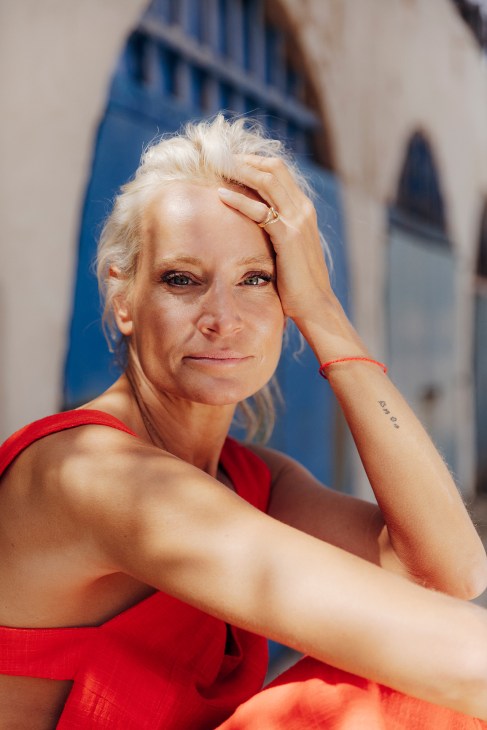
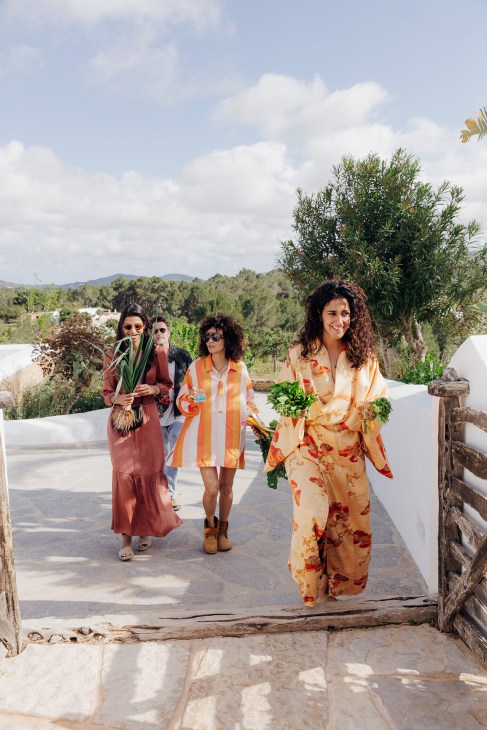
Born in London to a Texan mother and an Iraqi father, Al Swaidi grew up surrounded by vibrant colours and textures. “Middle Eastern fabrics, sequins, patterns – my parents had a strong sense of style,” she says, recalling how clothes became her language at a young age. “They helped me to feel as though I had arrived. They gave me a presence.”
In her early twenties, she quickly gained recognition as a lingerie designer but was still feeling unmoored. During a solo trip to Greece a few years later, however, the idea for her brand began to take shape. She remembers seeing a woman on the beach, barefoot and wrapped in linen, her hair wild from the sea. “She looked incredible without trying – natural, free and not styled in any way,” says Al Swaidi. That image and everything that it represented became the inspiration for her debut collection for Kalita, which was quickly picked up by renowned retailers such as London-based Matches Fashion.
It was the same pursuit of freedom that drew Al Swaidi to Ibiza: she had been visiting the island since her twenties and had always been captivated by its layered history, open spirit and unpolished corners. “It was rougher then, less about brands and more about character,” she says, as we sit down for dinner with her friends – a group of entrepreneurs and creatives who have also chosen to decamp here. Much has changed since Ibiza’s countercultural 1970s heyday but artists, musicians and designers are still drawn to this corner of the Mediterranean. “There are tribes,” she says. “The mystics, the makers, the old hippies: people building things slowly and consciously. That’s who I connect with.”
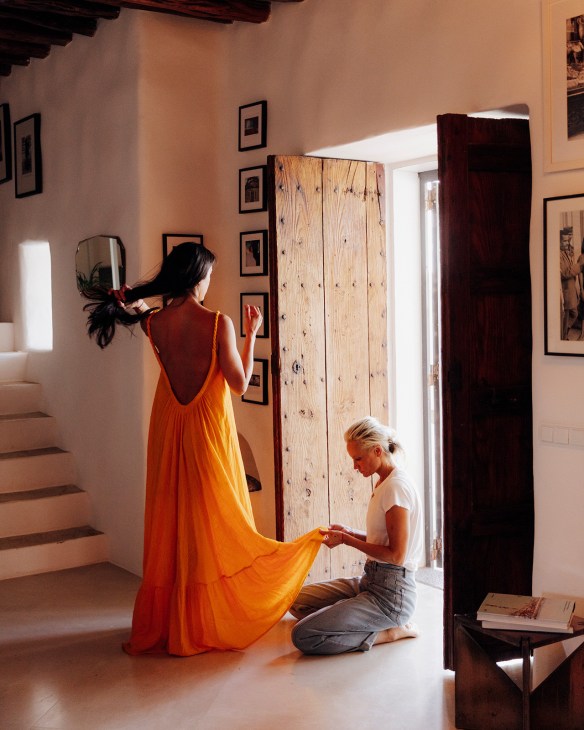
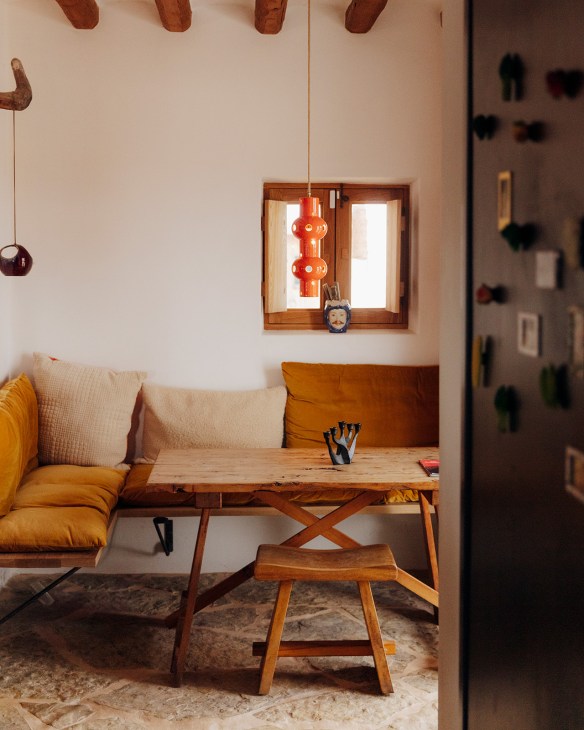
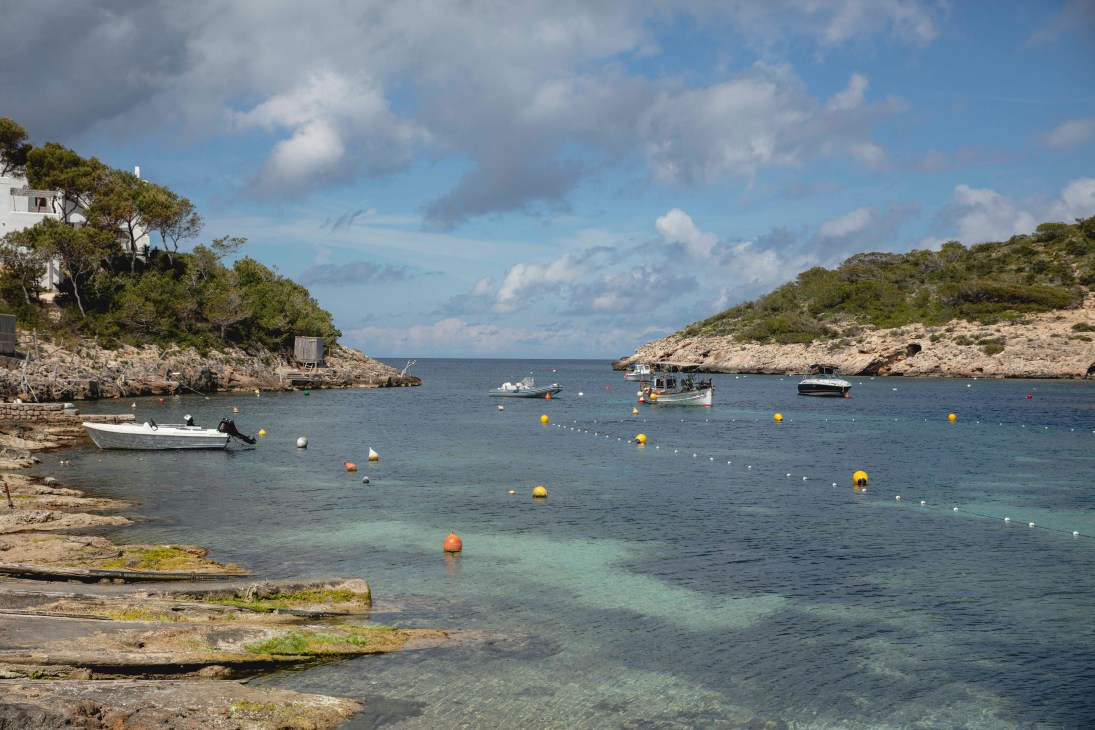
Al Swaidi’s days follow a rhythm shaped by nature and intuition. Morning swims in Los Enamorados cove, hikes through pine forests, meals with plenty of vegetables and olive oil – here, summer is a state of being. Ibiza is her muse and her new lifestyle informs her collections. A recent range called Journey pays homage to moonlight swimming and watching shooting stars at the rugged beach of Pou des Lleó. “The island’s energy can be grounding,” she says. “If you’re off course, it puts you back on track.”
Al Swaidi recently pared back her label’s production to focus on smaller runs and made-to-measure orders, with pieces still handcrafted in Bali. This summer the collection will be available at a few specialist retailers, including Ibiza’s Agora, a boutique dedicated to slow fashion inside the Six Senses hotel.
“I don’t want to grow the business for the sake of it,” says Al Swaidi. “Instead, I want to make things that feel right. Style should be freeing.”
kalita.co
Al Swaidi’s Ibiza shopping tips
Agora at Six Senses hotel
The place I go to when I need a hit of all that is sustainable and beautiful.
Carrer Camí de sa Torre 71, Ibiza 07810
Luna Menta
A gem of a shop that’s hidden at the base of the Old Town.
Carrer de Manuel Sorà 18, Ibiza 07800
El Chiringuito at Salinas beach
Everything you hope to find at a good beach shop is here.
Camí des Cavallet, 07818, Ibiza
Best for footwear
Akvo, France
It’s highly likely that the sandals you wear to nip down to the beach are made from PVC or one of the other synthetic materials plaguing the footwear market. Belgian-Canadian designer Daphne Wattiez wanted to offer an elegant alternative. After years of research, she debuted her sustainable footwear brand, Akvo, just in time for the arrival of sunny days in the northern hemisphere. “I realised that when people were shopping for sandals, they only
really had two options: it was either pvc flip-flops or, at the higher end, leather,” says Wattiez, from her showroom-cum-office in Paris’s seventh arrondissement. “We want to revisit very universal, classic styles, marrying artisanal craftsmanship and bio-sourced materials.”
The result is a collection of easy-going unisex styles, including flip-flops, pool slides and cross-over sandals made using a trio of co-certified, bio-based parts: a natural latex rubber outer sole, a sugarcane-foam foot bed and hemp-and-Tencel-blend straps.
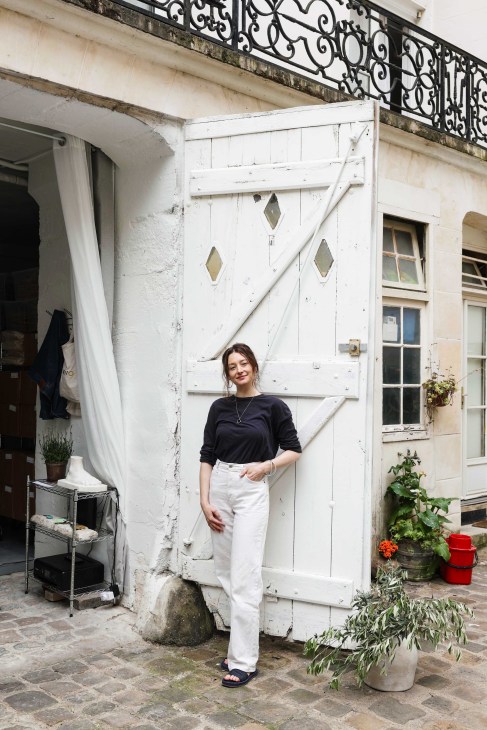
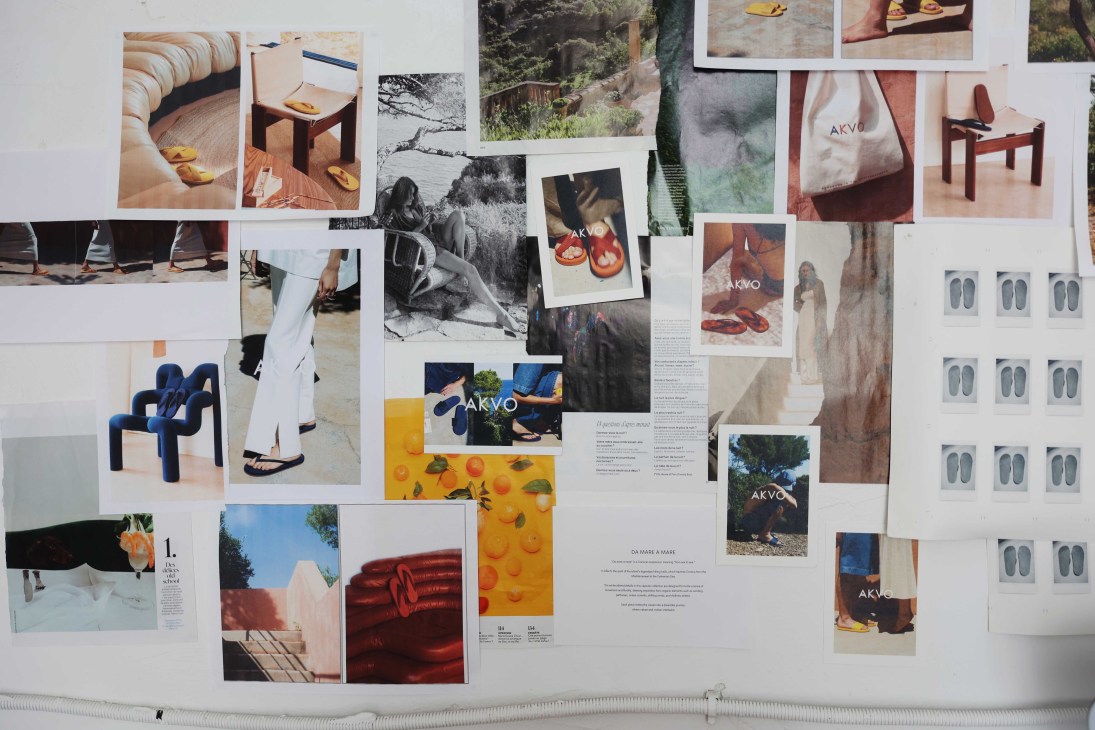
“Usually, you would go to your shoemaker with your sketch, asking them to work with whichever material that they think is most suitable,” she says. “In my case, the materials are a big part of the added value, so I had to do [three years] of research and test it all myself.”
For instance, the natural fibres that she chose for the straps were selected for both strength and softness, and consist of two-thirds hemp for durability and one-third Tencel (a common silk replacement). Woven in a small atelier in Italy, they are designed to stretch gently over time, moulding to the wearer’s foot, much like denim.
After finally settling on the components, Wattiez scoured the Mediterranean to find a manufacturing partner who was willing to experiment with materials other than leather and synthetics. “You need to find a person who is open-minded but also has the know-how,” she says. Her search eventually led her south of Porto, where she discovered an artisan workshop, which now hand-assembles all of her collections.
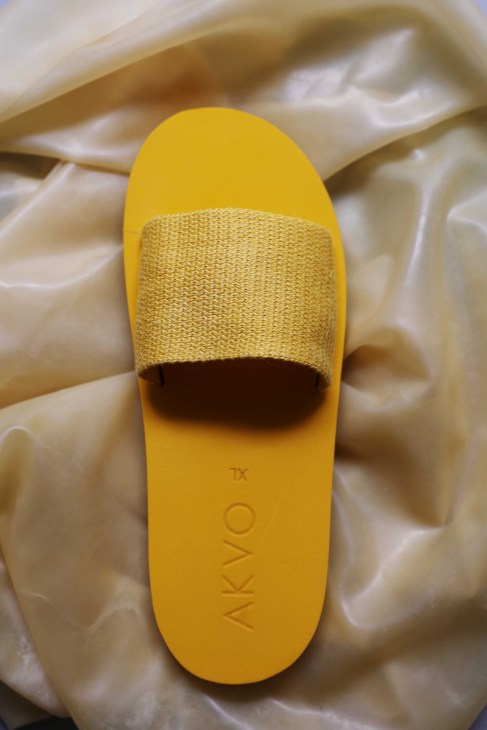
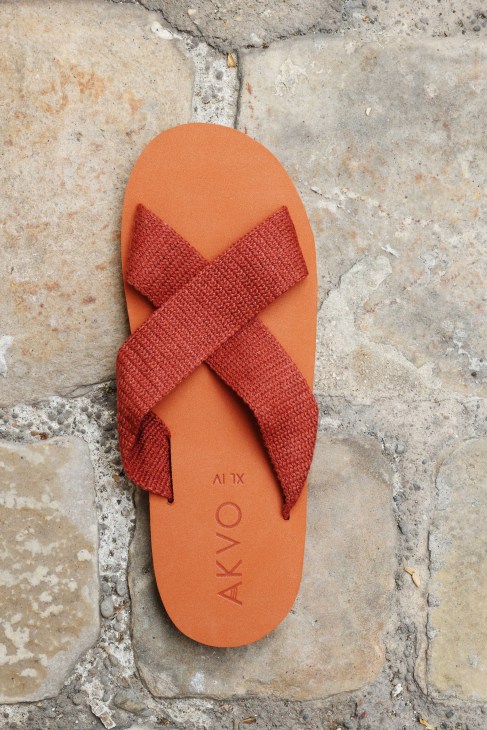
Working with someone from Europe’s sunnier, southern side was equally important, since the spirit of the Mediterranean is a big influence on the brand, from the sun-soaked colour palettes of terracotta and yellow to the Roman numerals stamped on the foot beds of every pair of Akvo shoes.
But to call Akvo a label of eco-friendly beach shoes wouldn’t do Wattiez’s ambitions full justice. She believes that the sandals, with their sturdy rubber soles, are just as suited to urban environments as they are to the beach. Keep an eye out for them: you’ll probably spot just as many handwoven slides on the streets of Athens or Rome as you will on the Croisette.
akvoshop.com
Best for linen
God’s True Cashmere, Italy
Designer Sat Hari Khalsa and actor Brad Pitt launched God’s True Cashmere in 2019 with a simple mission: to create the perfect shirt using the material. Khalsa journeyed across Italy in search of manufacturers that could craft a shirt made from pure cashmere – she has zero tolerance when it comes to elastane or other synthetics – and hand-carved gemstone snap buttons.
With their beautifully draped silhouettes and extra-soft textures intended to mimic the feeling of a “loving embrace”, the results set new standards in the luxury market. Prestigious retailers such as Selfridges in London and Antonia in Milan soon invested in the label and its collections expanded to include cotton-cashmere denim and cosy blankets.
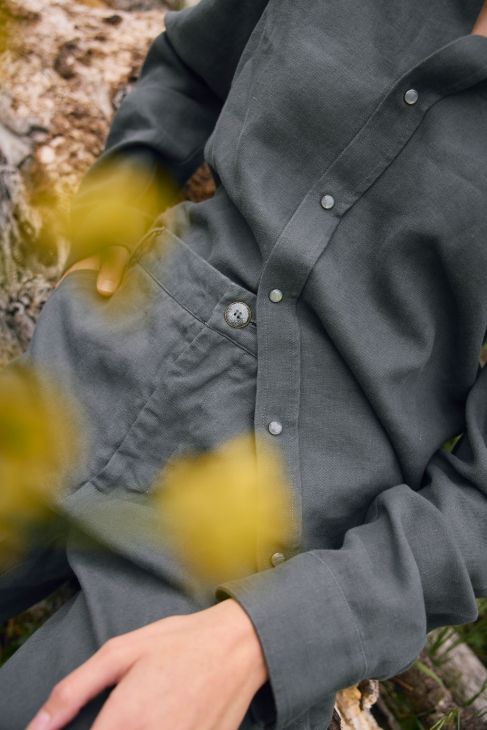
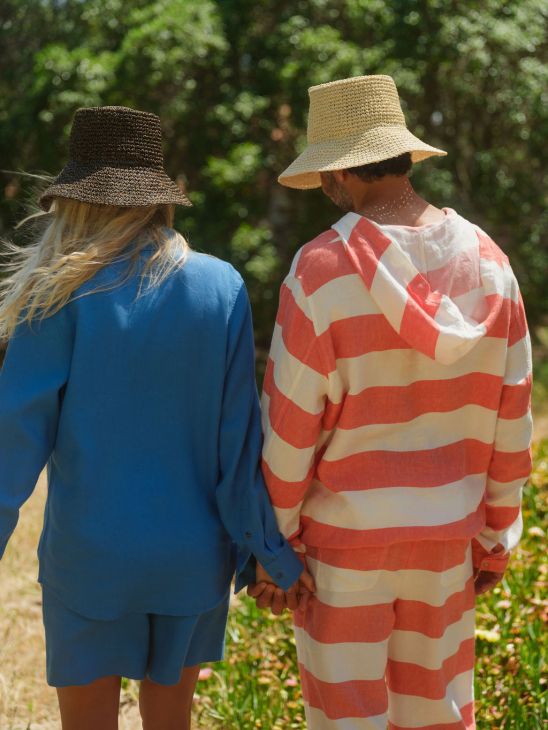
This summer the brand is expanding its scope to include linen, which, says Khalsa, has significant health benefits. She is a firm believer in adopting a holistic approach to life and that includes the fabrics that we put on our skin. “Linen is a natural fabric, it’s sustainable and it’s antibacterial,” she says. “In the army, they used to wrap up wounded soldiers in linen sheets because it would help to heal them. It’s so calming.”
The summer-clothing market is flooded with extremely lightweight linen pieces – the kinds that crease after a few minutes of wear. Khalsa was determined to make a far more elevated proposal. “We wanted to give it our own twist and use heavier linen, so that it hangs and drapes in a different way,” she says. She also points out the collection’s vibrant colour palettes, from breezy banana-yellow tunics to the azure stripes on shorts.
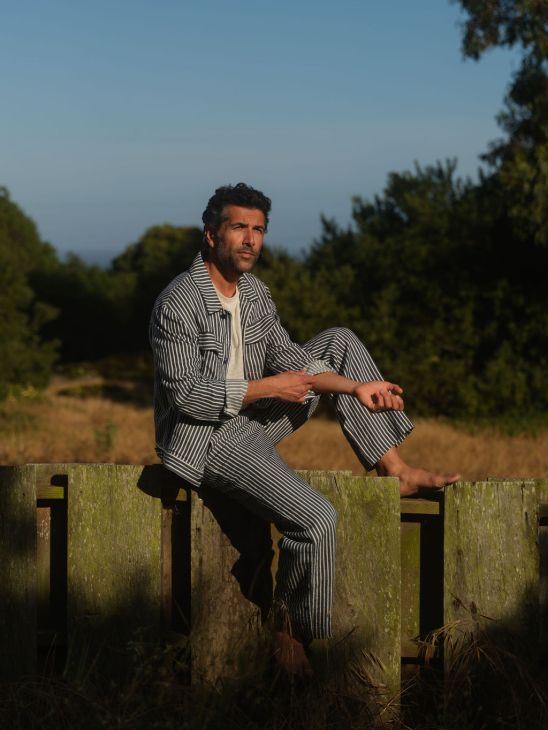
The collection is produced from start to finish in Italy, where Khalsa, who is based in Los Angeles, spends weeks visiting the brand’s manufacturing partners. “We want to work with artisans who share the same values as us,” she adds. “If you look for them, these people
are out there and when given the opportunity, they are very excited to create to such a high level. But it takes patience to get to know your partners – and kindness too. We’re a small company so I always have to approach manufacturers and explain that we might not be producing in the thousands but we will create these small, beautiful collections and we’ll take care of every step of the way. The answer is usually a resounding yes.”
The close-knit relationships that Khalsa and Pitt have nurtured have helped to bring to life one of the most luxurious linen ranges of the season, with pieces that are guaranteed to last for years to come. We’ll be wearing the range’s blue Amalfi shorts for sundowners on the beach.
godstruecashmere.com
The old-school way of keeping the summer heat out of your home
On hot summer afternoons, Mediterranean cities go quiet. The streets are emptied by heat so intense that even the shadows seem to move slowly. The climate has inspired regional traditions such as the Spanish siesta, which is as much about respite from oppressive temperatures as it is about resting.
The same logic once informed architecture too, giving buildings cooling physical features including shutters that allow in light while keeping the heat out. Today, in our glass-sealed, climate-controlled structures, it’s easy to forget that both our daily rhythms and our architecture used to work with the weather, not against it. As the effects of climate change intensify, we need to reconsider more humble forms of temperature control. Here are five shutter designs that are well worth revisiting.
1.
‘Persiane alla genovese’, Italy
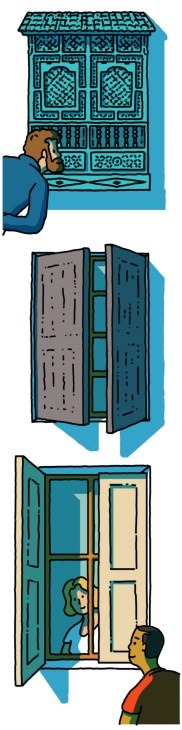
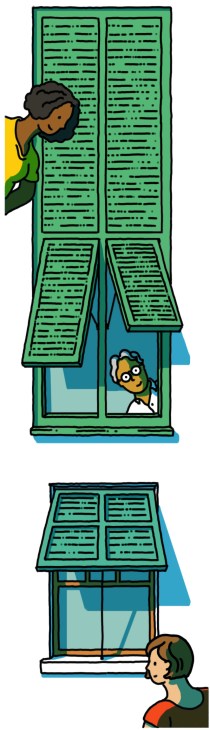
In the busy alleys of Genoa, the persiane alla genovese protect from the heat while also enhancing privacy. These shutters consist of louvred panels divided into two parts, which are opened in sequence: the bottom at dawn and the rest near dusk. The lower part is called gelosia (“jealousy” in Italian), a nod to the idea of protecting what’s inside from the gaze of the street. The shutters are painted green, making the streetscape look balanced and uniform. From inside, you can look out when either the top or bottom is open, while passersby on the exterior side see only a coherent landscape of green windows.
2.
‘Jalousies’, France
The French had a similar idea and came up with jalousie shutters. The name also comes from the word for “jealousy” but, unlike the Italian persiane, these shutters are more voyeuristic and have a greater focus on looking out without being seen. Those inside are able to peer through the gaps, with the slats deflecting any gaze from the street.
Jalousies first appeared in Marseille, where they were often painted white or in a sun-faded sage. Both were practical selections, with the white reflecting the sunlight and green hues hiding dust from the eye. By the 19th century, they appeared across Parisian façades too – more for atmosphere than climate control, but the soft light they create has become a symbol of romantic French interiors.
3.
Bahama shutters, Caribbean
Bahama shutters, also known as Bermuda shutters, developed in response to hurricanes in tropical climates. Designed to open and close vertically as opposed to horizontally, they are hinged from the top of the window and function more like fixed canopies, casting deep shadows while allowing the aperture to remain open through downpours, their angled slats deflecting rain and helping to control light and airflow. Once made from lightweight materials such as bamboo and palm fronds, today they come in more robust materials such as aluminium or wood.
4.
‘Muxrabija’, Malta
A timber box latticed with geometric patterns, the muxrabija was introduced to Malta during Arab rule in the ninth century. These structures, which protrude from buildings, were originally used as ventilation screens and tools to create a sense of privacy. Their dense geometric pattern reflects Islamic aesthetics and clever design, filtering sunlight and allowing those inside to observe the street without being seen. The muxrabija is typically carved from pine or cedar, while dark-green and brown colours help to blend with the shadows inside. This shutter doesn’t open or close but, in essence, forms a breathing façade that is fully integrated into the skin of the building.
5.
Stone screen, Greece
Before louvres and hinges, there were stones. In ancient Greece, from about 800 BCE to the Hellenistic period, there were either no windows or aperures were sealed with semi transluscent materials, such as thinly cut marble. The marble wasn’t adjustable but would let in light while blocking wind, dust or rain.
Today, we have replaced many traditional shutters with plastic shells and loud motors – but could we learn something from the simplicity of this ancient design? Perhaps there is an opportunity to revive the idea of slow, seasonal architecture with shutters that are put up as the climate demands and are made from materials that speak to the locale in which they are found.
The radical notion of the ‘Mediterranean spirit’ and why we need it now more than ever
In our fast-moving world, the Mediterranean feels like a refuge, both metaphorically and physically. It’s a place where time doesn’t rush. Last summer almost 330 million tourists arrived on its sandy fringes in search of peace. People might say that they’re coming for the sun and the sea but that’s not quite all of it. The light is different here. The pace is slower. What they’re really chasing is a sensibility, a rhythm, a way of life that doesn’t involve to-do lists or deadlines.
French-Algerian writer Albert Camus called this the “Mediterranean spirit”. He was just 23 years old when he stood at the Maison de la Culture in Algiers in 1937 and began to articulate something that many of us still sense. For Camus, the lightness of this spirit was inseparable from the darker, existential awareness of life’s absurdity, which informed his work, writing and philosophy.
The absence of inherent meaning in the world didn’t lead him to nihilism. Inspired by the Mediterranean, he called instead for us to seek a quiet resolve and live in harmony with one’s surroundings. “What is happiness except the simple harmony between a man and the life he leads?” he wrote in The Myth of Sisyphus. To him, harmony was the cure for life’s absurdity and the Mediterranean spirit was his North Star.
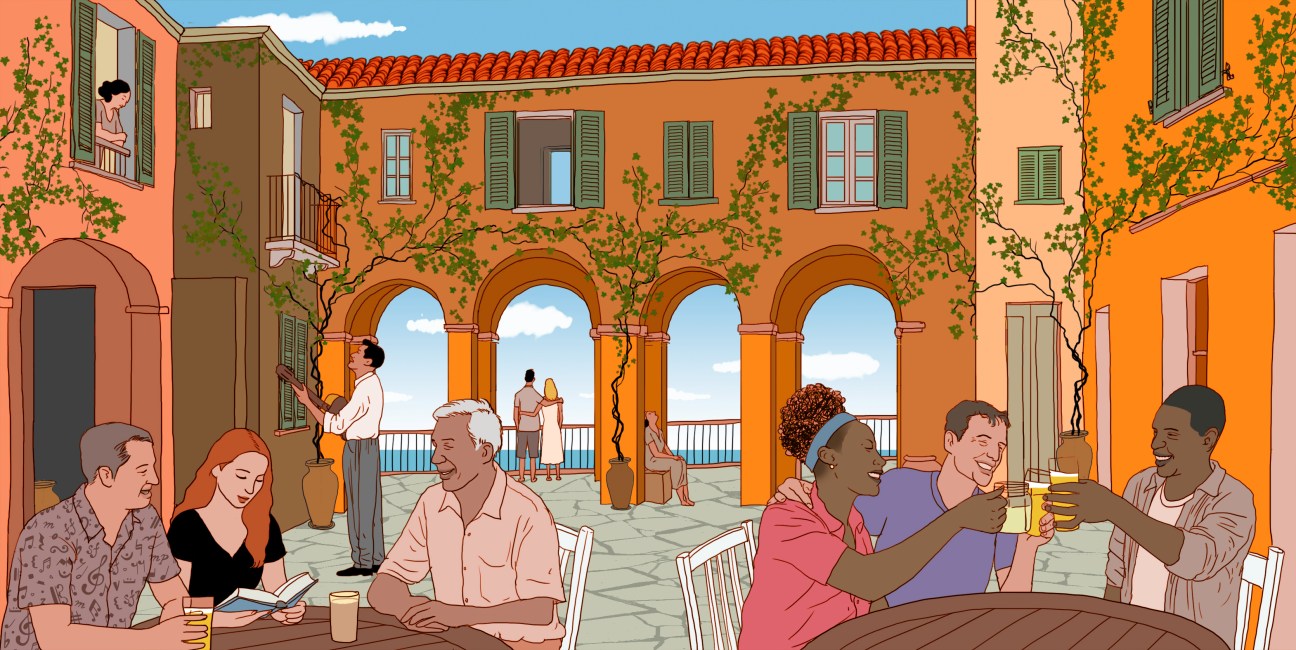
Born in Algeria to French parents, Camus was suspended between incompatible allegiances. He was French but not quite; Algerian but never enough. He was a stranger to both and at home in neither. I too have lived at such an intersection, experiencing a similar dialectic. Born to European parents, I came of age in Turkey, a country forever negotiating its place between East and West. The tension of not fully belonging anywhere resulted in a constant sense of estrangement and searching. Like the Mediterranean, my life lapped many shores.
Many influential and itinerant 20th-century writers shared this sense of not belonging. Philosopher Hannah Arendt, who chronicled the trials of Adolf Eichmann in Israel, found refuge in calling the German language her home. Palestinian-American academic Edward Said described himself as always “out of place” and discovered a form of home in exile. For James Baldwin, whether he was in New York or in Saint-Paul de Vence on the south coast of France, home was found
in the moral clarity of his writing.
All of these writers had a connection with at least some corner of the Mediterranean but Camus overcame his strangerhood by calling the entire Mediterranean his home – not France, not Algeria. I understand what it means to belong to a climate, rather than a country: a home shaped by the sun, the sea and the play of light. That home is also mine. Camus’s belonging was about building a relationship with one’s surroundings – an act of guardianship, tending to a landscape, a pace of life. It was not belonging in the widely understood sense. It was about being a custodian of things that made one’s inner life flourish. The idea is as useful today as it was then, as many of us sit divided by politics or in cities far from nature, family or a sense of community.
More than four billion people live in cities today; by 2050 that figure will more than double. Urban life has become the default but the question of belonging grows harder to answer. We occupy flats where neighbours remain strangers. We spend hours isolated in cars or in overcrowded train carriages. It’s a solitude that is collective, an urban loneliness that connects us only through our shared disconnection. Technology promised to bring us together but delivered distance. It all becomes even more unsettling when technology moguls suggest AI as a solution to our shared loneliness. Meta’s founder, Mark Zuckerberg, talked recently about a future in which the majority of your friends might be AI. Who could possibly want that? Not me, nor many people I know. That’s a world in which few people could belong.
That is why we need the Mediterranean spirit more than ever. Not as a gimmick or a beach escape but as a kind of rebellion and a reset. What will save us is not another algorithm but the stubborn act of feeling alive and connected – to the Earth and to each other. The summer can be a moment to remember why we’re here and the simple pleasures that can’t be optimised on spreadsheets: the sun-warmed tomato, the cool beer in the midday sun, the act of submerging yourself in water. The Mediterranean refuses efficiency. It resists the logic of schedules. The Mediterranean, not Silicon Valley, gave us la dolce vita and no amount of machine learning could improve that.
De Cramer is an Istanbul-based journalist. She is a frequent contributor to Monocle and its sister publication, ‘Konfekt’.
All eyes are on Corsica, as a vote on its greater autonomy – or even full independence – from Paris approaches
Known for its pristine beaches and wild interior, the Mediterranean island of Corsica attracts three million visitors a year and largely stays out of international headlines. But beneath its bucolic façade lies a complicated history, one that threatens to upset the island’s picture-postcard image. Le problème corse centres on nationalist demands by political parties such as Femu a Corsia for more autonomy – and in the case of Corsica Libera, total separation.
Though local powers were extended in 2018, Corsica’s leaders want autonomous powers written into the constitution. The conundrum for the country’s president, Emmanuel Macron, and its prime minister, François Bayrou, is how to resolve the dispute without it causing further problems when the issue is meant to go before a vote in the National Assembly later this year.
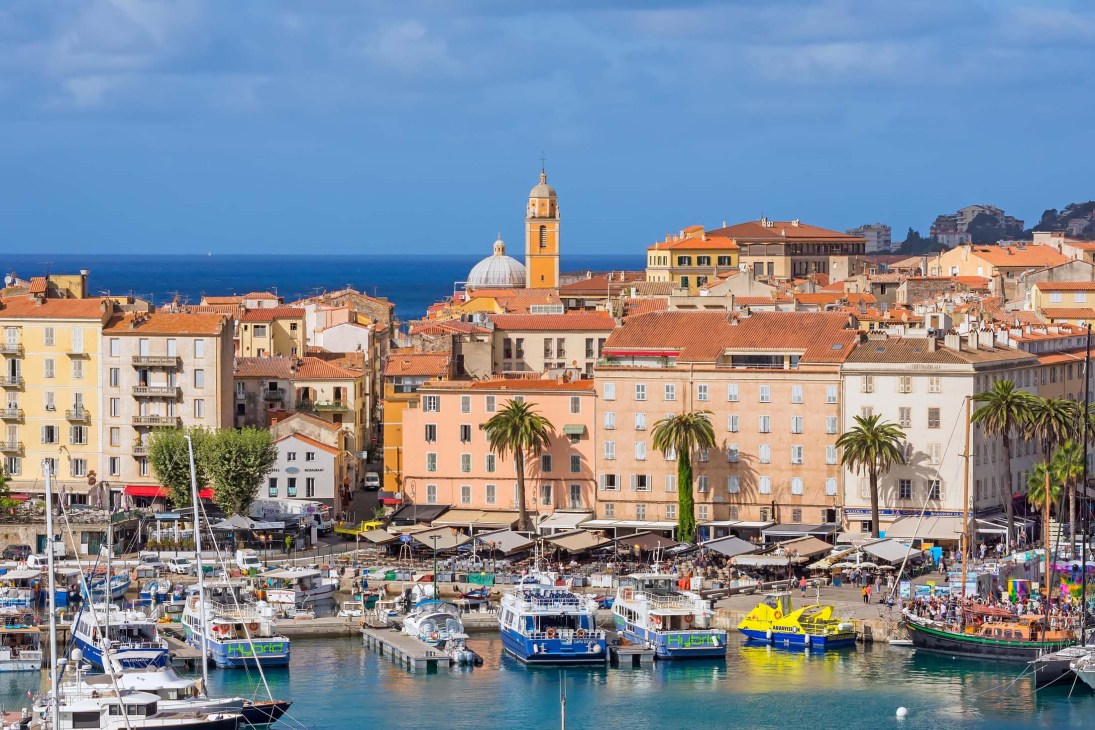
Corsica was ruled by the Kingdom of Genoa for almost 500 years until it was annexed by France in 1769. Since then, its culture and language, more similar to Italian than French, have meant that it has felt removed from l’Hexagone. From the 1970s to the 1990s, when separatist militant group the National Liberation Front of Corsica (FLNC) laid down its arms, the island’s independence movement was riven with violence. While things are calmer now, the legacy of those years lives on. The island has the highest rate of gun ownership in France, with almost 350 weapons per 1,000 inhabitants, more than double the national average. The last separatist clashes came in March 2022, when Corsican nationalist leader Yvan Colonna was beaten to death by a fellow inmate in a mainland prison. Protests spread from Ajaccio and Bastia to other cities; 77 police officers were injured.
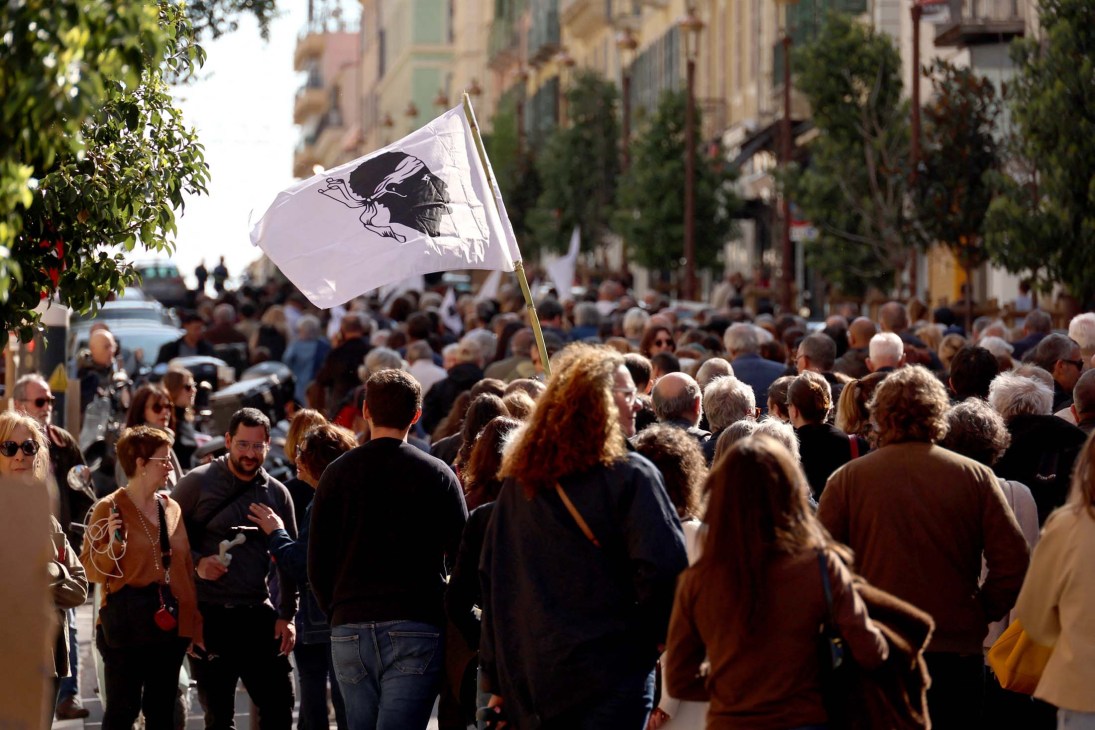
That unrest, which came less than a year after the flnc threatened to return to armed struggle in their pursuit of Corsican sovereignty, convinced Macron to act. The subsequent negotiations, dubbed the Beauvau Process, led to a series of meetings between Corsican and national officials. These yielded a breakthrough in March 2024 – despite sticking points over the status of the Corsican language, the central government recognised the idea of autonomy for Corsica “within the heart of the republic”, a concept later approved by the Corsican Assembly.
The vote on autonomy by the National Assembly is expected in the autumn and many European leaders with separatist problems of their own will be watching. Some in France are fearful that giving Corsica further powers could prompt other regions, such as Brittany, to try to follow suit. But if Paris denies the wishes of Corsica’s leaders, things could turn ugly on the island once more.
How to tap nature’s chilling effect for a sustainable way to cool urban areas
Some of the world’s first air-conditioning units were installed in the 1930s in the offices of Bahrain’s national petroleum company, Bapco, shortly after the nation struck oil. Today energy produced by oil is still used to alleviate the effects of rising temperatures, which are a consequence of drilling and burning it.
But for the Heatwave exhibition at the Venice Biennale’s Bahrain Pavilion, I came up with a new public ventilation and cooling system – alongside engineers Alexander Puzrin and Mario Monotti – that could be deployed in the region and globally. The design is very simple. A metal pole holding up a square canopy is sunk into the ground and points up to the sky like a chimney. The technology is similar to the geothermal wells used to heat houses in northern Europe, except that instead of water, air is being pumped. In the Gulf, summer temperatures reach nearly 50C but if you dig 15 or 20 metres below ground, you reach a layer that has a stable year-round temperature – in Bahrain, this is about 27C. The pipe brings hot air underground to cool it, then distributes it through “air showers” hidden in the canopy. We needed only one low-energy ventilation pump to cool the entire covered space.
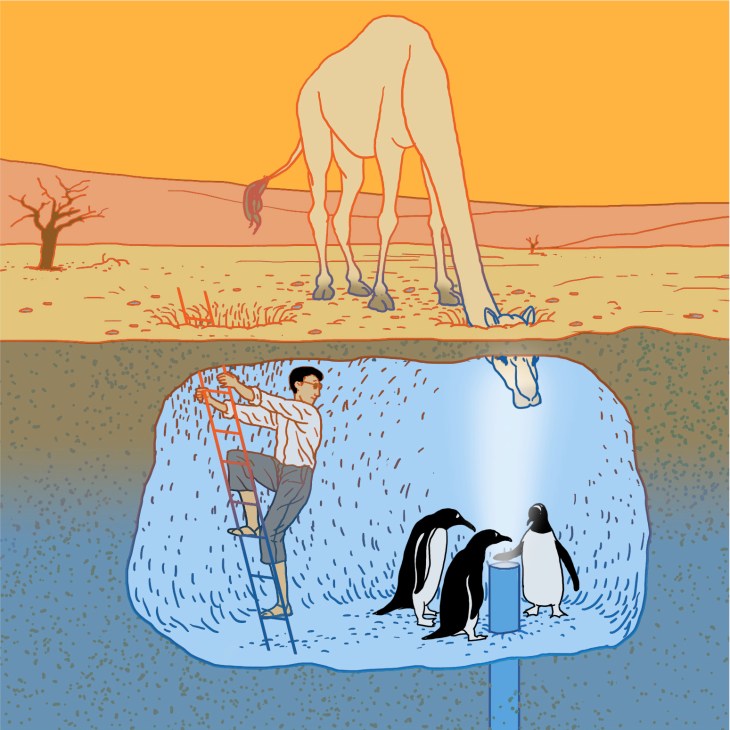
My idea came from an elemental principle: the axis mundi, or the connecting line between the ground and the sky. Trees use their roots to tap into cooler soil and can release heat as excess moisture through their leaves. Similar ideas can be found in the traditional architecture of the Gulf region, where badgir chimneys capture the wind and direct air inside homes. Food that can be affected by heat is often stored in cooler semi-underground tunnels. These ancient systems use simple thermodynamic principles to deal with a hot climate with no need for an external energy source.
In the Gulf today, people rarely leave air-conditioned indoor spaces. This results in high energy consumption; meanwhile, the appliances only work in rooms that are closed to their surroundings. Our pavilion instead tries to adapt to the context by creating a microclimate without walls. Anyone with even a passing grasp of how hot air rises can see how it works. Instead of building protected boxes for people to live in, we should try to understand a place and work with natural principles.
In the future a large part of the island of Bahrain could be almost uninhabitable in the summer. Before the modernisation of the country, people living there would move to cooler parts of the mainland for the season and then return in the autumn. This type of migration has been crucial in many regions across the world. Today we are hemmed in by private property, jobs and the commitments of the modern world. We are confined in one space but not really able to exist sustainably. We must reconsider how we protect ourselves in negotiation with the environment, rather than by treating it as the enemy.
Berlin-based Faraguna studied architecture in Venice. This essay is from the 2025 Venice Biennale special edition of The monocle.livepanion. As told to Monocle’s design correspondent, Stella Roos.
Read next:
Seville, the ‘frying pan of europe’ holds the secrets to managing the blistering summer heat
How to cool cities naturally, without air conditioning
How to make a hot night in the city feel perfectly cool

Seville, the ‘frying pan of Europe’, holds the secrets to managing the blistering summer heat
On a mid-afternoon in late May, people cram themselves into the narrow strips of shade between buildings in Seville’s Triana district. This sort of basic temperature regulation comes naturally to Sevillanos. Heat is baked into the city’s history and therefore its architecture – from the Islamic-era narrow streets and cool internal courtyards to the shaded bus stops and street sprinklers of the Andalusian capital’s more recent past. But Seville is getting even hotter and new urban interventions are required. In May, the city recorded three consecutive days with temperatures of over 40c for the first time on record – proof that human-driven climate change is ratcheting up the heat in a city already known as the “frying pan of Europe”. By 2050, it could see summer highs of 50c and an estimated 20 per cent reduction in rainfall, a deadly combination for its metropolitan population of 1.5 million people. In July 2022, when the mercury topped 42c for several days, 132 people died as a result of the temperature.


As a consequence of these challenges, Seville, which is home to world-leading experts on extreme heat, is leading the charge when it comes to innovative climate-mitigation strategies. At the forefront of this mission is a sleek underground chamber that’s filled with what resemble dozens of metal air ducts. These are qanats, subterranean aqueducts that have been used since the third century bce to improve irrigation and lower ambient temperatures.
We are at the Cartuja Qanat development, a council project overseen by the University of Seville, that is channelling the city’s Moorish past to help solve its modern ills. Qanats became widespread in the Middle East because of their effectiveness in diverting rainwater from higher altitudes to semi-arid land, where it could be used to irrigate crops or provide drinking water for animals. “We’re using the ancient Persian qanat idea to create a 21st-century version,” says María de la Paz Montero Gutiérrez, a researcher on the project. Seville’s modern qanats snake through buildings and energy infrastructure, where their metal surfaces emit cold air that has been found to lower ambient temperatures by between 8c and 9c. The ducts converge at what was once the site of Seville’s 1992 World Expo. Montero Gutiérrez says that councils from across Spain have come to the city to learn more. There are plans to expand the qanat system across the river and into Seville’s city centre.
Another project that aims to increase Seville’s water supply and harness its potential for temperature regulation is the Life Watercool scheme. This EU-funded project creates channels that collect, store and pump water run-off into public spaces. It is leading the transformation of Seville’s Cruz Roja Avenue in the city centre from a traffic-choked thoroughfare into a shaded pedestrian zone dotted with water features designed to provide respite for citizens and visitors during the sweltering summer months.
While Cartuja Qanat and Life Watercool focus on infrastructural heat mitigation, Prometeo Sevilla is concerned with the psyche. In 2022 the city became the first in the world to name and categorise heatwaves – a policy anointed when Heatwave Zoe struck in July that year. The programme’s aim is to raise awareness of these increasingly common extreme-weather events. “The idea is simple,” says José María Martín-Olalla, professor of physics at the University of Seville and a Prometeo Sevilla spokesperson. “It’s the same reason why they give names to more adverse winter-type phenomena – so that people take certain precautions.”


The programme’s team is made up of university faculty and climate scientists from the Arsht-Rock Resilience Centre. Their job involves identifying future heatwaves, naming them and then communicating the attendant risks to the city council. But while the naming part has proved effective in helping people to remember them post-facto (early studies show that a third of participants remembered named heatwaves over unnamed ones), the work is complicated by differing definitions about what constitutes such an event. “If you’re talking about a hurricane, you see the eye of the storm,” says Martín-Olalla, explaining that the classification of extreme-heat events differs even within Spain. “A heatwave in Seville isn’t the same as one in Bilbao.” In the former, temperatures must exceed 40c for three consecutive days, while in the cooler, greener north of Spain, where average summer temperatures hover near 20c, the threshold is less rigid, though it would almost certainly be lower. The challenge is to educate Sevillanos on how to react so that the now traditional summer heatwaves do not necessarily lead to loss of life. In this way, the city could help to educate a warming world about how to cope with higher temperatures.
Facing up to these challenges doesn’t just involve large-scale planning. Seville also deploys more discreet measures that allow people to go about their day in comfort. Municipal councils open up public libraries, schools and sports centres when it’s particularly hot so that locals can take advantage of on-site air-conditioning systems. In the city centre, roads such as Calle Sierpes and Calle Tetuán are covered by awnings hung between buildings that allow shoppers to move along the grand, polished-stone streets beneath a layer of shade. In the bohemian Alameda district, as the sun begins its daily descent, the heat lingers. In one plaza, locals sip cañas and smoke cigarettes in the shade. Then, all of a sudden, tiny metallic water jets hidden in the square’s many parasols hiss into life, emitting a thin, glittering mist. By 20.00, though the mercury is still showing 27c, the atmosphere has cooled and young and old have begun their twilight perambulations. This city, so used to heat, is getting used to heat mitigation too.

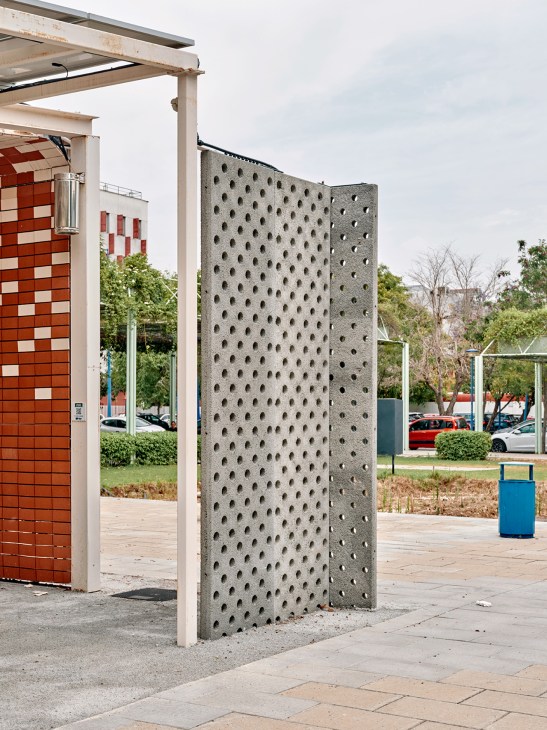


Three ways to cool down your city
Let buildings breathe
In Abu Dhabi, new buildings draw inspiration from traditional mashrabiya screens to ventilate naturally, while Copenhagen mandates green roofs on its new builds.
Plant more trees and get residents involved
Freetown in Sierra Leone has launched “Freetown the Treetown”, a programme that pays residents to plant and monitor trees and mangroves, engaging the community in a restorative activity.
Build in cooler colours
Black absorbs more heat than other hues, so why not change the colour of asphalt in cities? There’s a reason why residents of Greek islands have long whitewashed their buildings.
14 summer shoes that are more than just a fashion statement
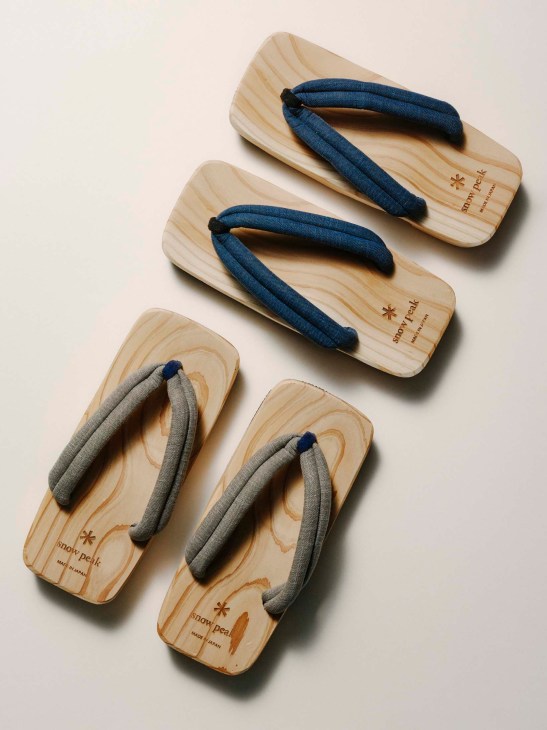
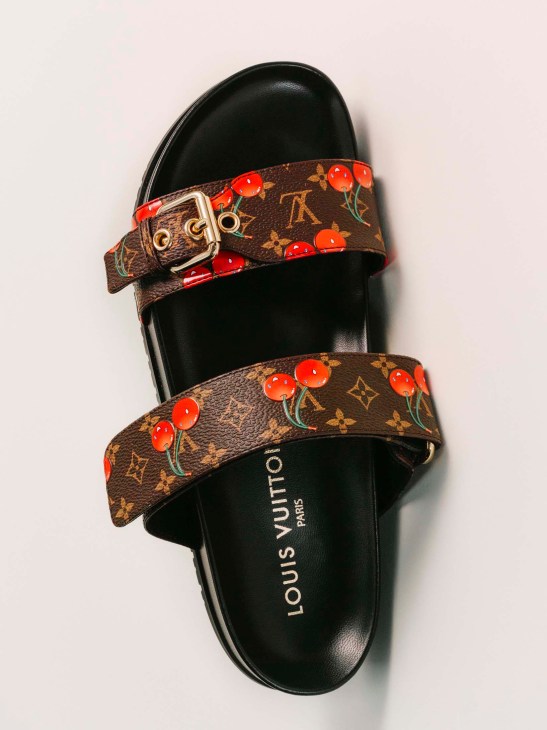
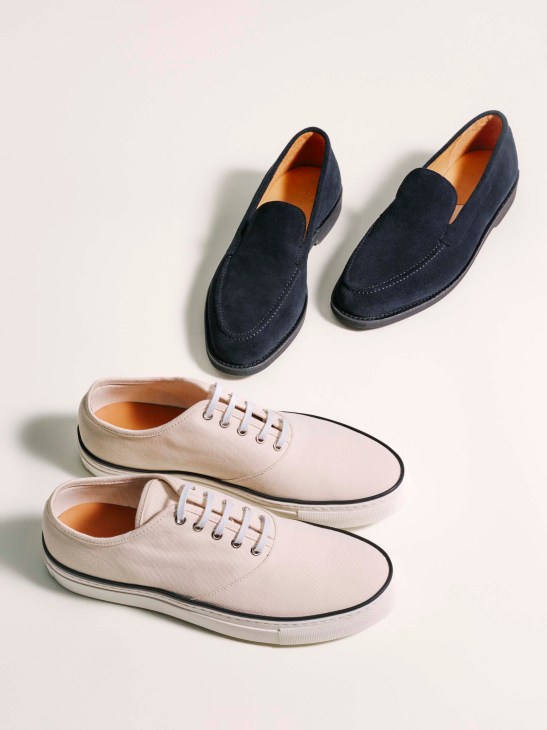
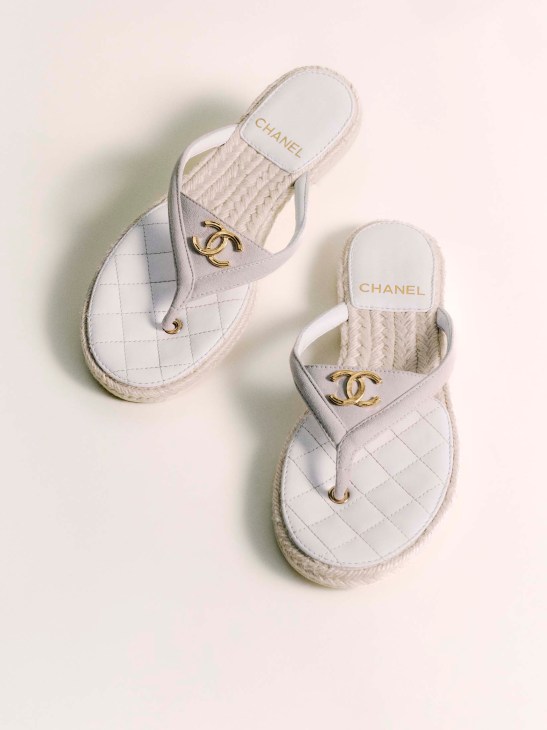
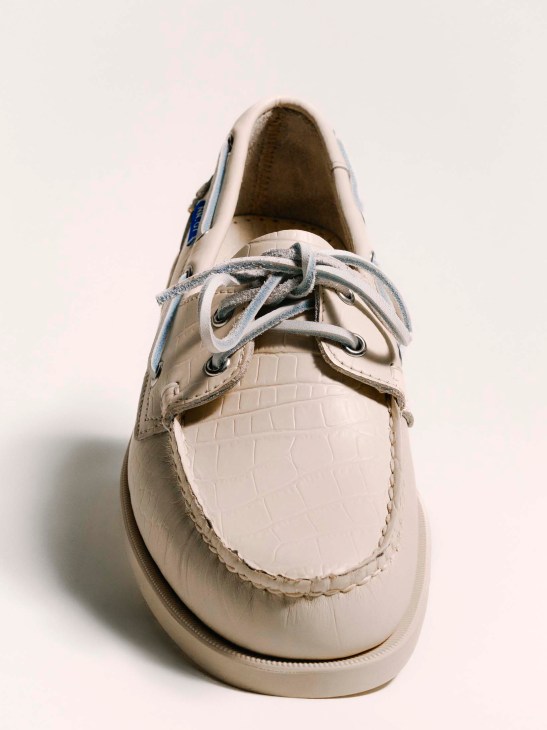
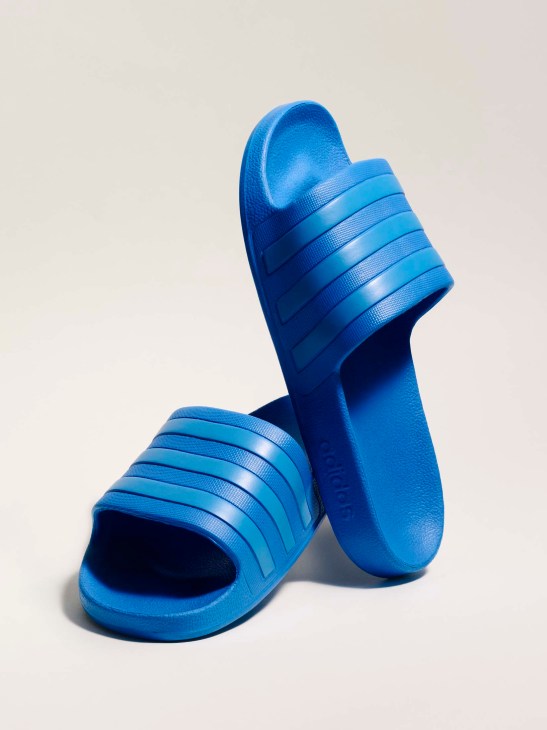
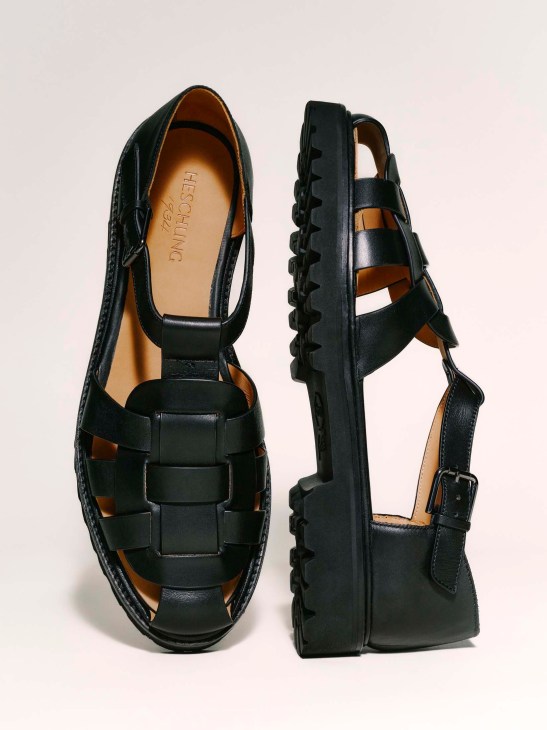
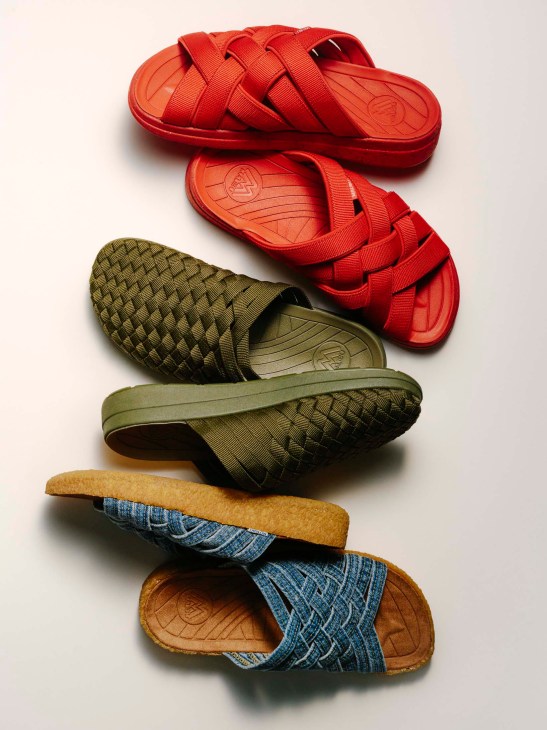
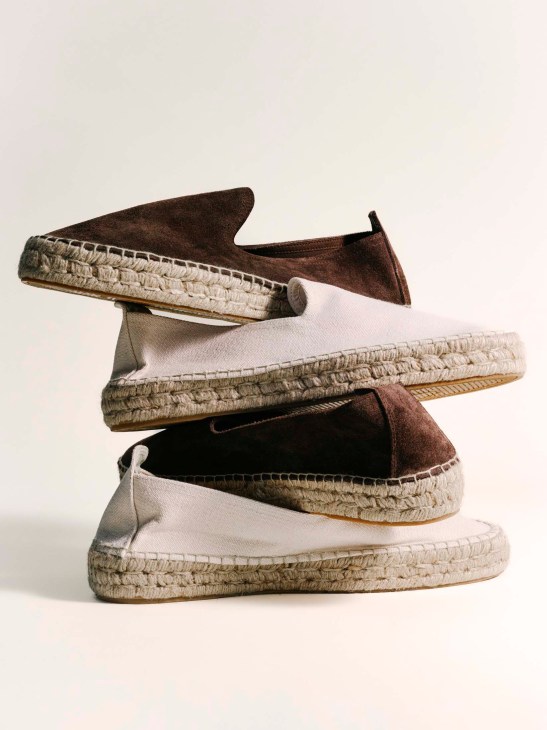
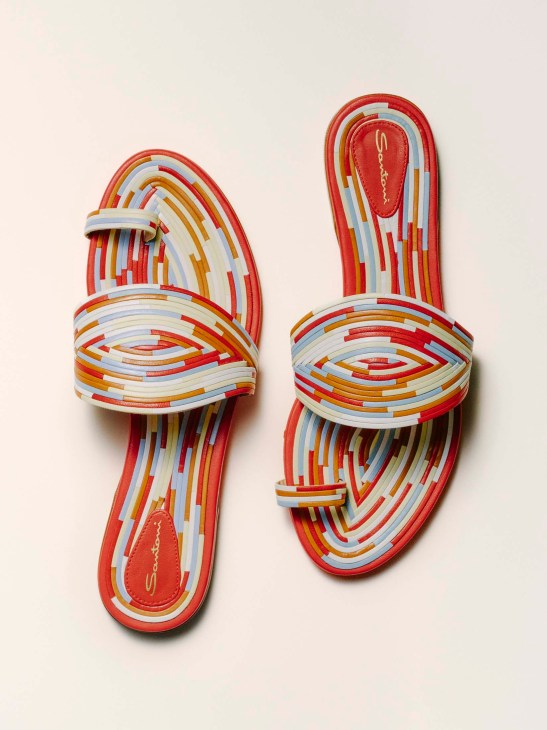
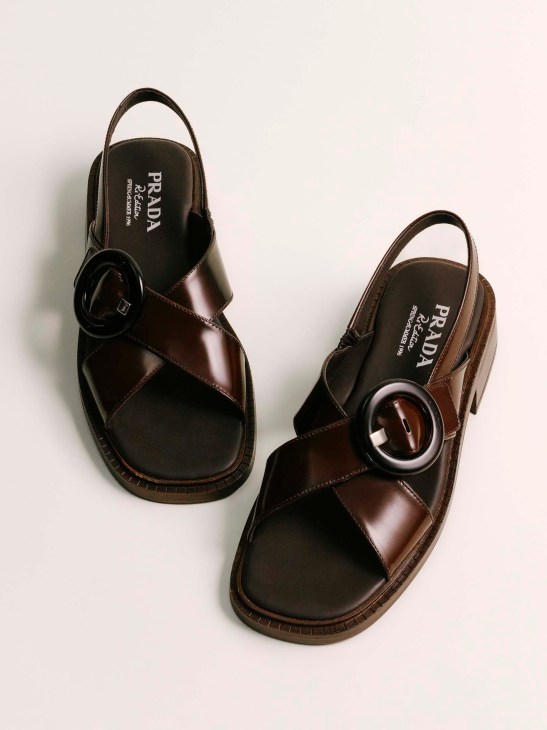
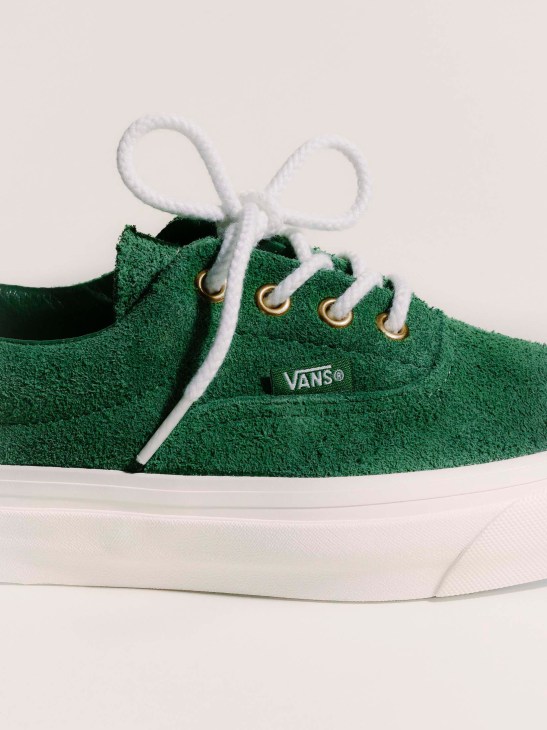
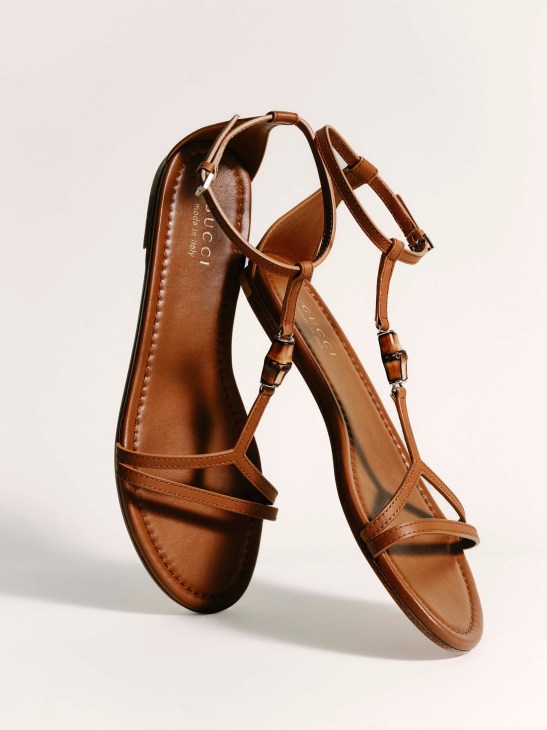
Stylist: Kyoko Tamoto
For style inspiration, men should look to women’s wardrobe staples – from handbags to high-waisted trousers
According to a study by the Centre for Retail Research, thieves target items based on factors such value, uniqueness and desirability. These factors explain why singer Wes Nelson’s Louis Vuitton bag was recently stolen on a train and the Gucci bags of both former pop star Kerry Katona and Kristi Noem, the US Department of Homeland Security secretary, were nicked. At the height of summer, when the streets of Rome overflow with tourists carrying Fendi Baguettes and the Croisette in Cannes is filled with women toting Hermès Birkins, criminals work overtime. The common thread? Handbags – and not just their contents – are hot commodities.
Could the recent failed theft of my man bag while I was travelling to Italy indicate that the style is becoming as big of a hit? I had owned the black cross-body for less than a week and was already enamoured of it, so the theft attempt only added to my hunch that I was onto something. Did I mention that I fought off three would-be muggers?
I was inspired to buy it after seeing Los Angeles-based musician Role Model toting a Miu Miu Aventure bag in his “Sally” video clip earlier this year. I soon couldn’t get enough of the fact that I no longer had to stuff my pockets with keys, sunglasses and a wallet. My unsightly trouser bulges disappeared and I had room to carry moisturiser and cologne too. This is especially handy in the summer months, when enjoying a sense of freedom and lightness feels more important than ever.
The bag also adds to my look. The one that I chose is a technical number from Japanese brand Milesto, which leans towards the functional (in terms of aesthetic, think outdoor brands such as Snow Peak and Arc’teryx). But the pleasure that using it has given me has made me think that I might need to start building a full collection: a casual JW Anderson Bumper for walks around the city; a black Loewe Puzzle for playful nights out; a Saint Laurent Sac du Jour Nano tote for when I’m feeling professional. I now want man bags in a variety of styles, colours, sizes and materials – leather, canvas, nylon – the works. I’m even dreaming of starting a support group called “Blokes with Birkins”, in which members gather to talk about how fellas without man bags don’t know what they’re missing.
I’m aware that for most women (and a few clued-in men) the joy of carrying a well-made handbag isn’t news. But this certainly feels like groundbreaking territory for men. I have plenty of male – admittedly pretty blokey – friends who still laugh at the concept of the man bag and need convincing.
This got me thinking: what other items are staples in women’s wardrobes but only adopted by a small number of men? What else am I missing a trick on? Wearing necklaces isn’t groundbreaking (thanks to octogenarian Italian men wearing their crucifixes and Paul Mescal’s famous chain). I can see that ruffled shirts are having a moment but they aren’t really for my slight frame and neither are leggings.
The opportunity, perhaps, lies in high-waisted trousers. These mostly disappeared from men’s wardrobes in the 1960s but this summer I’m considering grabbing a pair of linen Gurkha trousers that will define my waistline and visually lengthen my legs. Fisherman sandals, normally the preserve of schoolboys and a summer wardrobe staple for women, are no longer a laughing stock, thanks to the popularity of brands such as Birkenstock. I’m thinking of going for the interwoven leather straps of Grenson or Paraboot, which are ideal for both casual and formal environments. My only concern is that a tasteful thief will try to steal them – but they’re not getting them without a fight.
A look inside Elizabeth Byng and Craig Cohon’s getaway retreat where family comes together
For New York-born literary agent Elizabeth Byng and Canadian entrepreneur Craig Cohon, building a holiday house was a significant step: though the couple had been together for close to nine years, they had not yet shared a house. Kairos was a way of making a permanent commitment to each other.
“The whole design was centered around the idea of the house as a meeting place,” says Cohon. Byng agrees. “We don’t have a child together so this is our joint creation and a place where we can gather our friends and all of the different parts of our family,” she says.
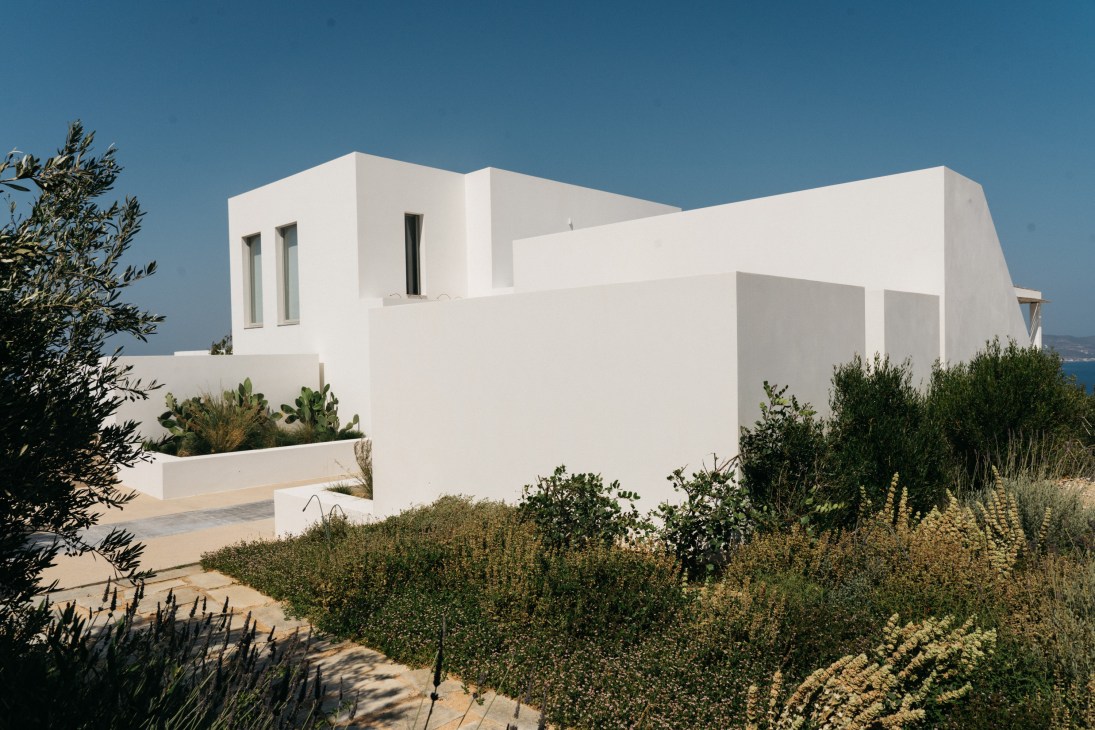
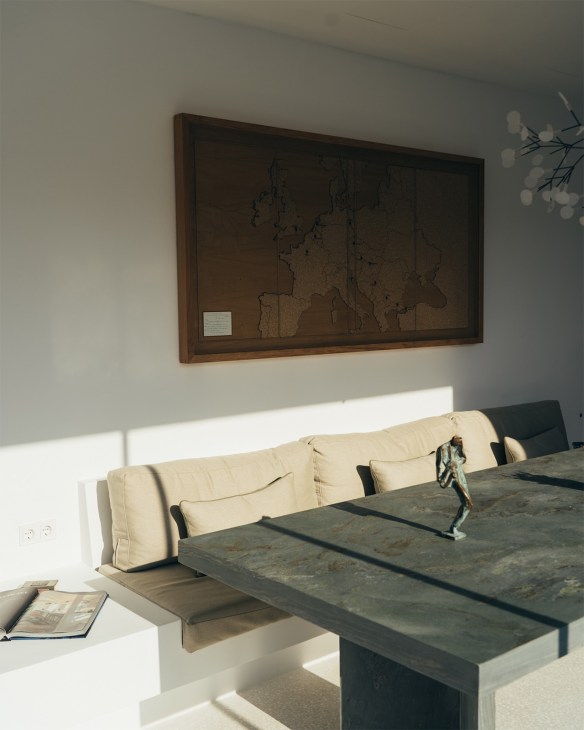
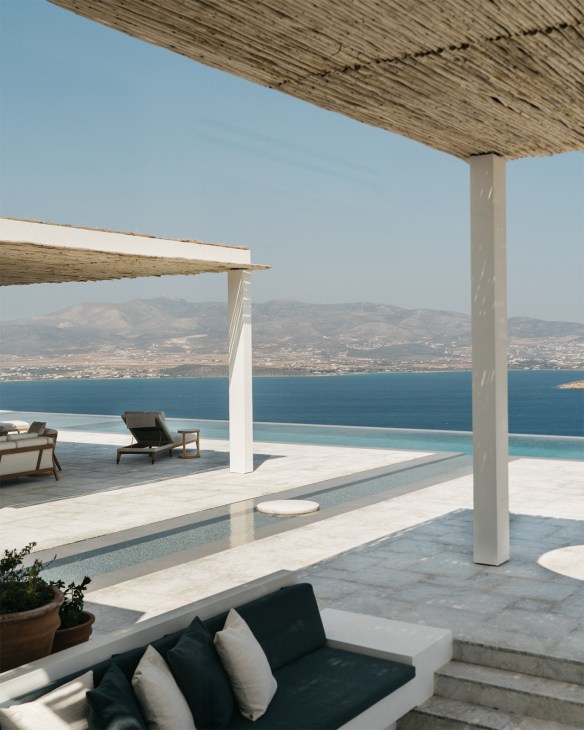
With children from previous relationships aged between 13 and 26, and split between London and New York, convening loved ones can be a logistical challenge. “But when it works, it’s magical,” says Cohon. Byng and Cohon chose the Cycladic island of Antiparos after visiting a friend who had set up home there. They settled on a spot on the cooler, eastern side of the island and passed on their brief to London-based Studio Seilern Architects. In 2021 builders began work on the home, which was completed last summer. “Watching our children’s faces when we showed them our place for the first time was a beautiful experience,” says Cohon.
The main house sits atop a steep hill overlooking the Aegean islands. As the sun arcs into the clear sky, the building’s white limewash is reflected in the still pool water as boats drift by on the sea below. Two guesthouses set into the hillside, camouflaged with cracked brown stones, provide five extra bedrooms. “In the morning, you can hear the sounds of the buzzing bees and the wind blowing in the grasses,” says Cohon. “The colours here are soothing and calm. There’s a herb garden, as well as fig and olive trees.”
Cohon and Byng’s intention was to make the most of the views; to that end, there are three terraces that connect to the top floor of the main house and they also created a path that winds its way to the top of the hill. The atmosphere here is Byng’s favourite aspect of Kairos. “For me, the most luxurious thing about this place is the headspace that it puts me in,” she says.
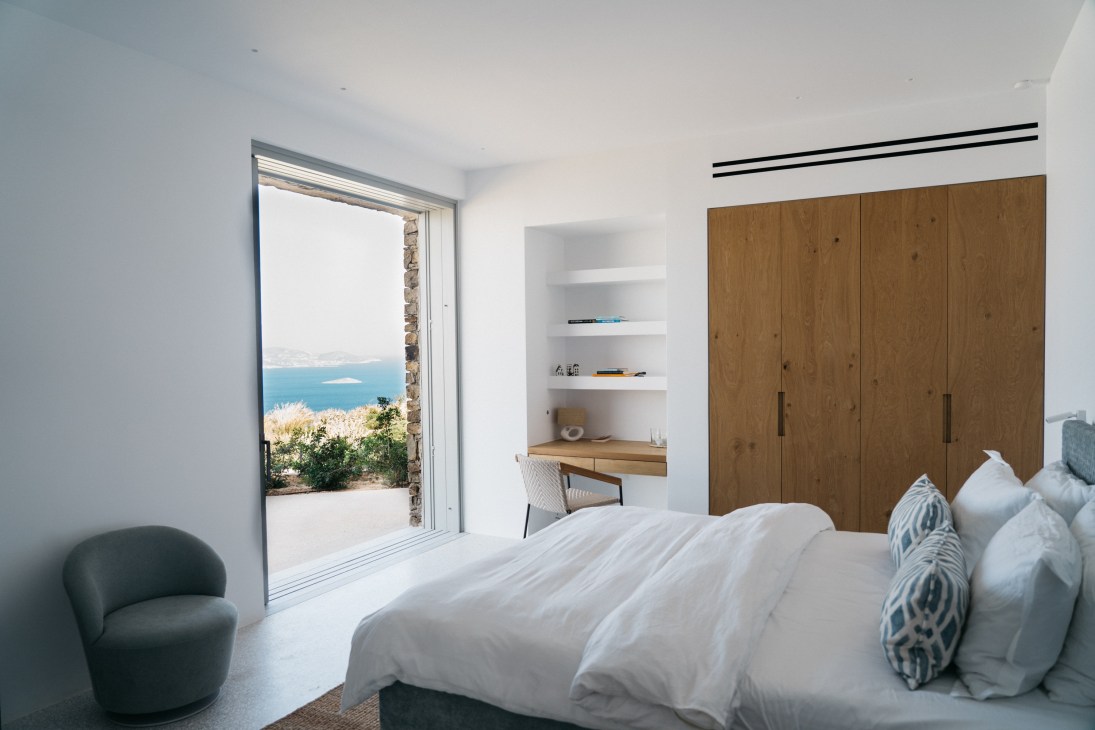
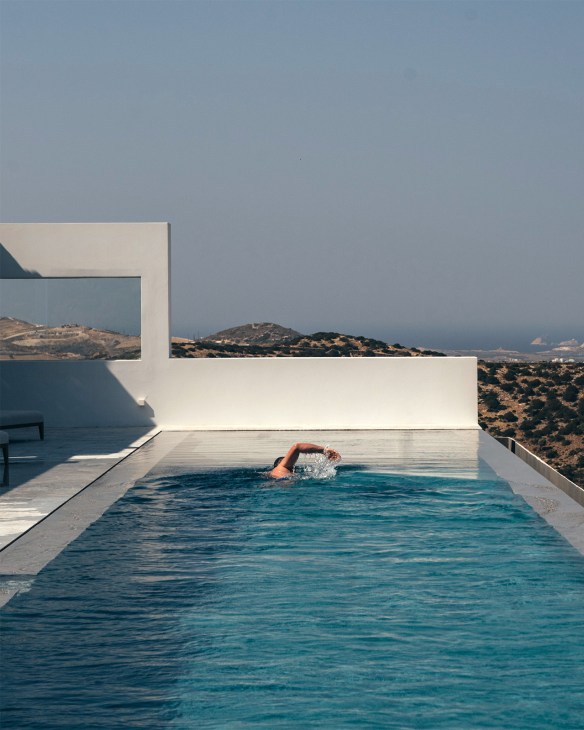
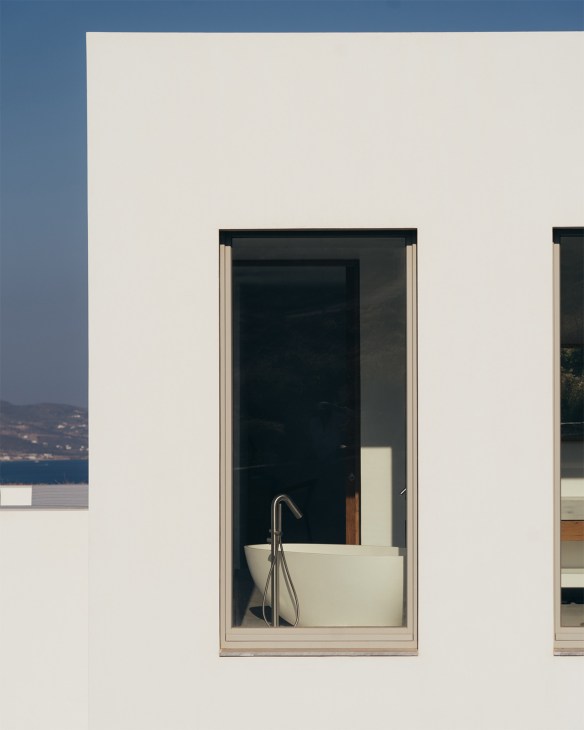
The couple tell Monocle that one of their priorities was to keep the build of the house – and its contents – as local as possible. The ceramics were sourced from a potter working on a mountain on the island and the marble that was used to make the dining-room table was extracted from a quarry on nearby Paros. A carpenter from the area was engaged to construct some of the furniture, including the mobile bar used for entertaining guests. “We didn’t hire an interior designer,” says Byng. “So it was a learning process. The idea was to blend a contemporary feel with the island’s airy Mediterranean sensibility.” Cohon attributes the beauty of Kairos to the intuitive knowledge brought by the craftspeople who worked on it. “If you go for the local option, you end up with builders who understand the place that they are working in.”
One of the couple’s most cherished features of the property is the built-in amphitheatre, which they use to stage spontaneous performances with family and friends. “We are in Greece, the natural forum for conversation, debate and philosophy, so it was fitting,” says Byng. Describing the creative atmosphere that it inspires, Cohon tells us about a particular summer evening. “There were 14 of us and we were putting on theatrical shows with lights, music, props and staging, and suddenly there was a peal of thunder,” he says. “Soft rain started falling and it was just magical.”
For anyone who might be considering embarking on a similar project, Cohon and Byng have some important advice. “Make sure that you create a thorough brief and really think through how you would like to spend time in the space,” says Cohon. “And hire an architect who really understands and responds to the brief. Go local when it comes to the construction, then step back. Don’t try to control the process.”
Amassa: A bucolic retreat attuned to nature’s gentle rhythms
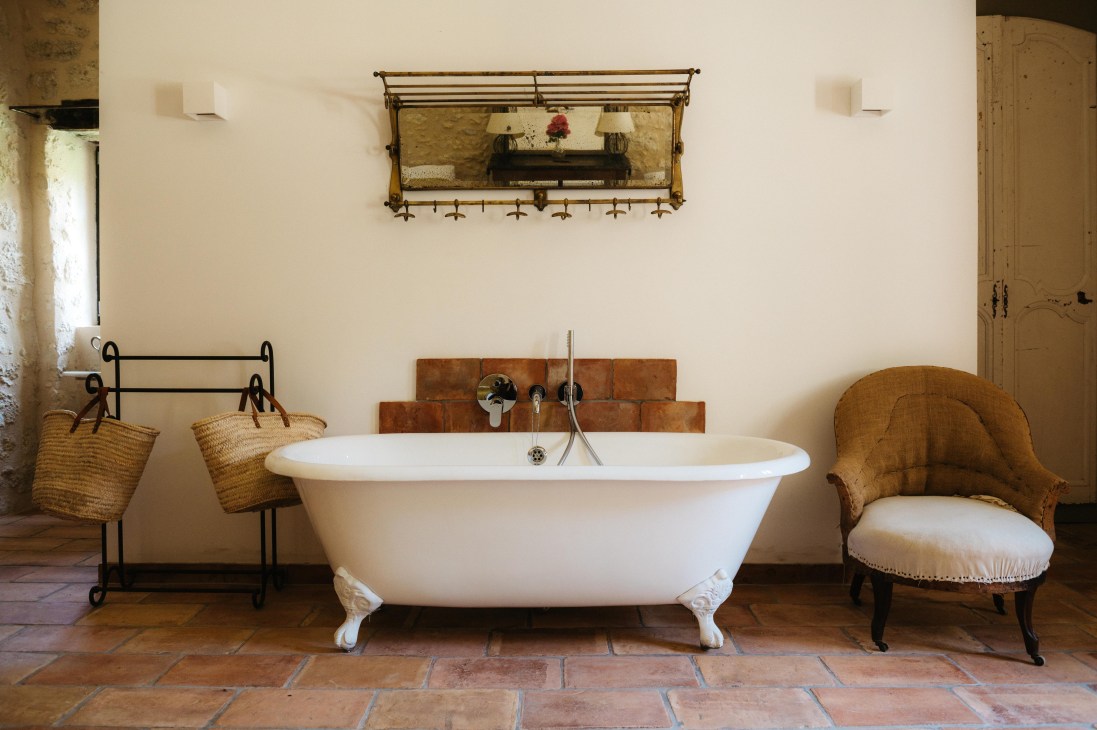
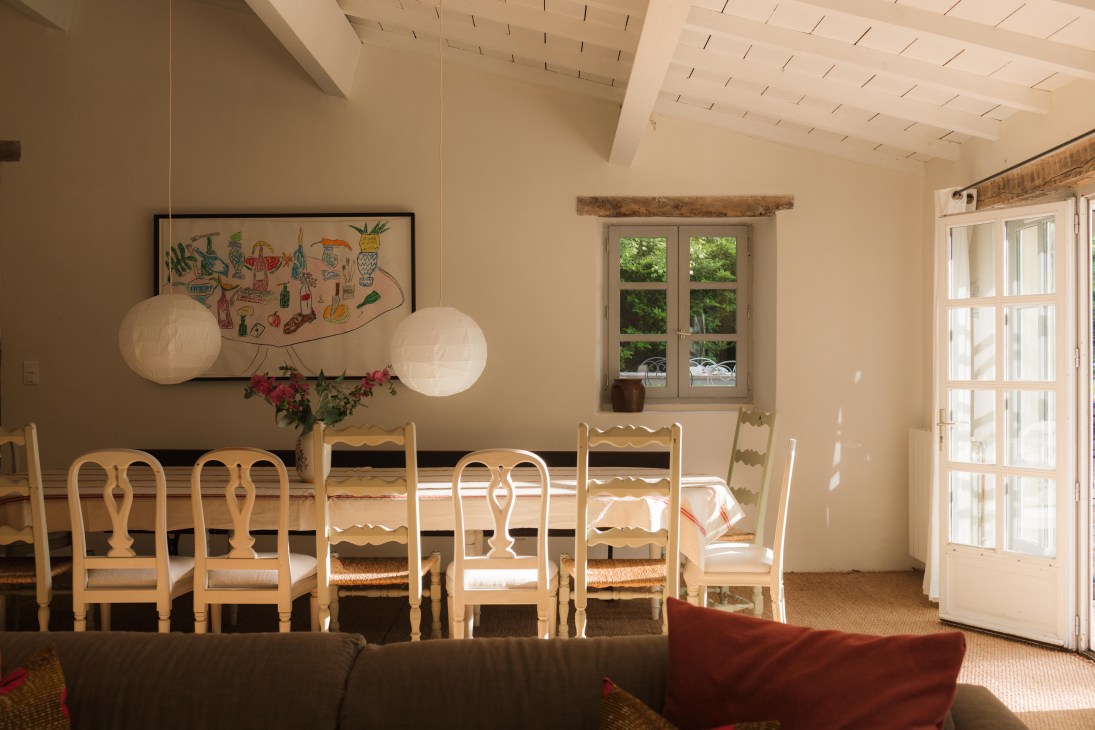
A commission to restore an old residence or building is tricky enough. But when Bindloss Dawes was asked to take on a project in Gascony, a southwestern region of France, the UK architecture firm was faced with the task of sensitively renovating what was once an entire hamlet – workers’ cottages, bakery and piggery included – and turning it into a wellness retreat.
Named Amassa, the property is located between Toulouse and Bordeaux, and is owned by Tania Eber and Ben Rose, a London-based couple who have had a longstanding interest in Gascony since first visiting and buying a home in the region 20 years ago. For Bindloss Dawes, working with clients with an inside track on local builders made the process of finding the right people – with the right tools – for the job a smooth process. “Craftspeople in France aren’t easily found online – it’s all word of mouth,” Oliver Bindloss, architect and co-founder of Bindloss Dawes, tells monocle. “We relied on a good builder who did all of the masonry and found someone to do the timber for the roofs. The result is various pieces by different tradespeople coming together in one cohesive project.”
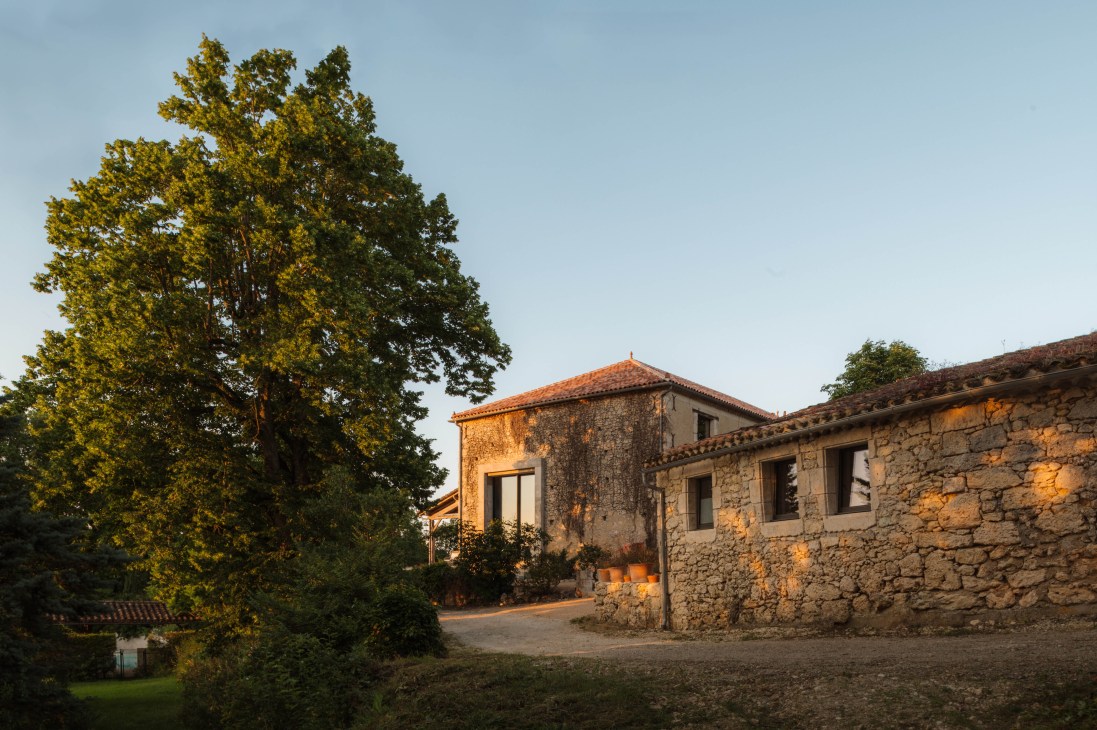
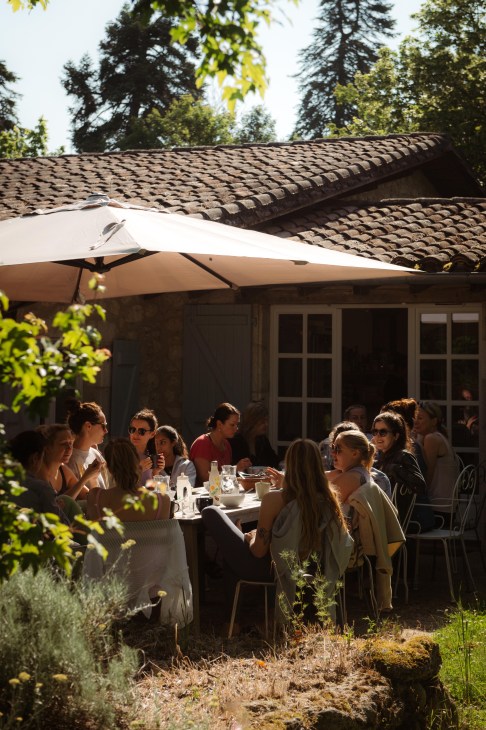
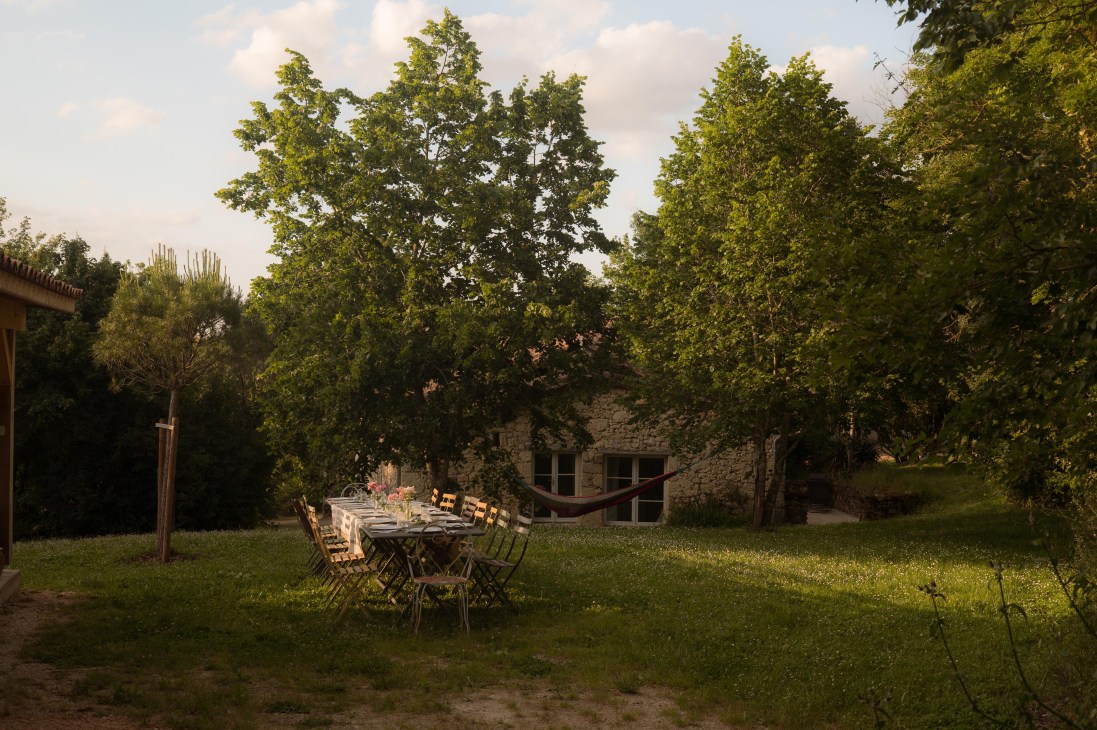
Assembling a skilled force of builders and craftspeople, Bindloss Dawes got to work on restoring the stone, timber and clay roof structures of the existing cottages, as well as the addition of new spaces, including two outdoor swimming pools and communal areas for relaxing and dining. “There’s no shortage of ruins around France so builders here aren’t afraid to tackle structural issues, cracks and movements,” adds Bindloss. Once the structures of the cottages were refreshed, Eber sourced traditional Basque designs to furnish the guest rooms.
Central to the project is a 300-year-old stone barn that needed stabilising before a concrete mezzanine level could be added to the space. At its tallest point, the barn is 10 metres high, evoking the vertical architecture of churches. Stone walls half a metre thick also keep the interiors cool. “There’s a monastic feel that comes from the scale of the barn,” says Bindloss. In addition to the concrete intervention, the architects included a west-facing, four-metre-high window that catches the afternoon sun. Here, visitors on Amassa retreats are invited to practice yoga, meditate and even take part in arts and crafts sessions.
For an architect, how does it differ from residential or commercial projects to design a space intended for serenity? “There’s a focus on the rhythm of the day, the different moments for eating, relaxing, exploring. We wanted to make sure that there was a possibility to use the space all through the day.” As such, the barn and its surrounding buildings allow for the beauty of Gascony to take centre stage. “Though we put in new windows and did structural repairs, it almost feels like we’ve done very little. Sometimes the skill of the architect is to make your work invisible.”
amassaplace.com