Issues
The culture agenda: Brazil’s publishing push, the Venice Biennale at 60 and Hans Zimmer’s world-building
Art: Venice
Altered imaging
If you happen to be an artist at the apex of your career, what do you do when given carte blanche at one of Europe’s most prestigious exhibition spaces? The stock answer is to round up the best artworks from the archives and stage a grand retrospective. But the parallel exhibitions at the Pinault Collection’s two spaces in Venice – Julie Mehretu’s Ensemble at Palazzo Grassi and Pierre Huyghe’s Liminal at Punta della Dogana – both shake up the traditional solo show format to eye-opening ends.
“There is a weird rewriting that makes it seem like art is only independent, visionary moments,” Addis Ababa-born US artist Mehretu said on opening day in March. “The truth is that none of us makes all of this by ourselves.” For Ensemble, she invited seven fellow artists who have influenced her through collaborations or just dinner-table conversations. Around Palazzo Grassi’s atrium, works by the likes of David Hammons and Tacita Dean are interspersed with Mehretu’s bold, inimitable canvases. At the start of the exhibition, visitors are presented with a documentary about Mehretu’s career and creative process. The result is a personal show that helps to demystify the making of an artwork. Huyghe’s Liminal at Punta della Dogana is, instead, all mystery. There are no labels on the walls, and visitors must feel their way through cavernous, Tadao Ando-designed spaces in the dark. The new work in the show includes two videos driven by machine learning and centres loosely on a human skeleton that Huyghe came upon in Chile’s Atacama desert.
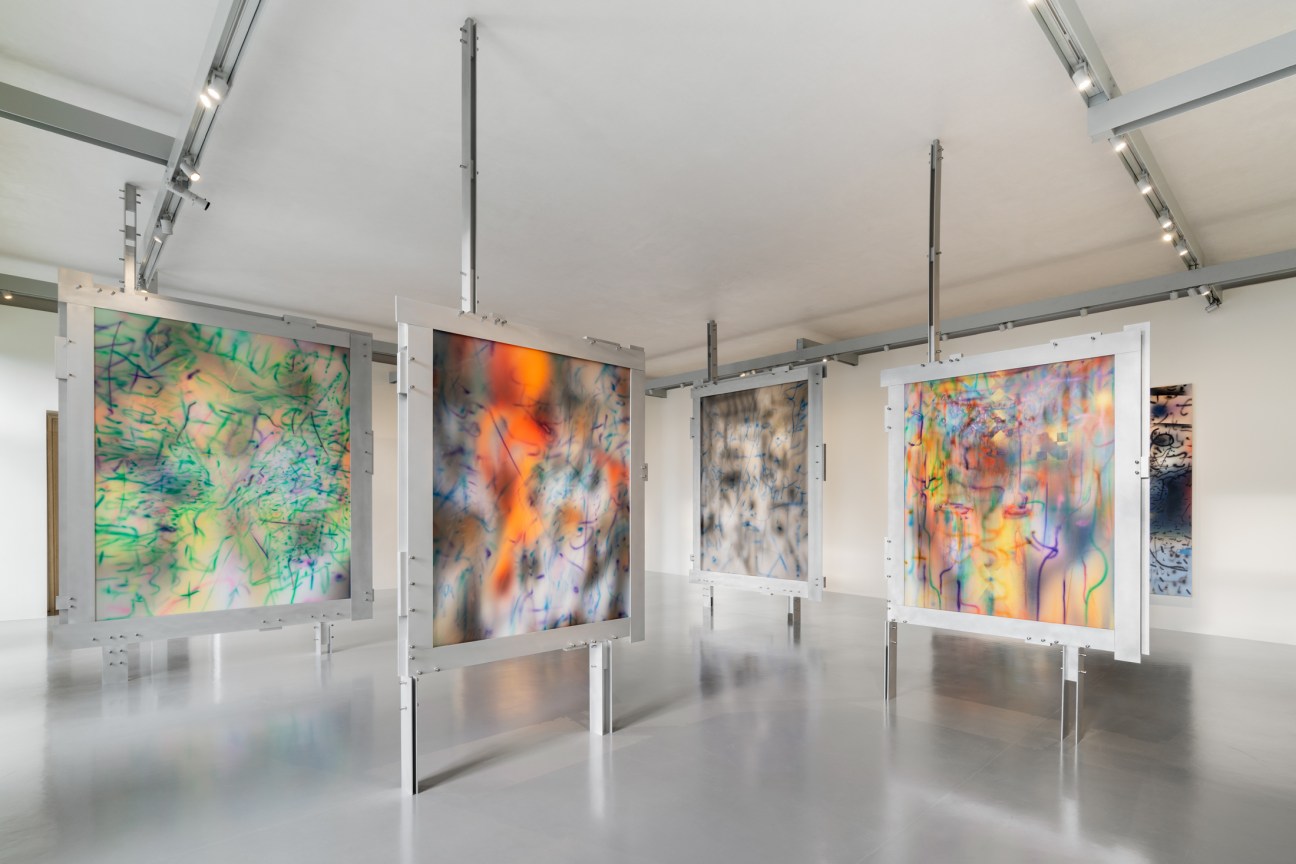
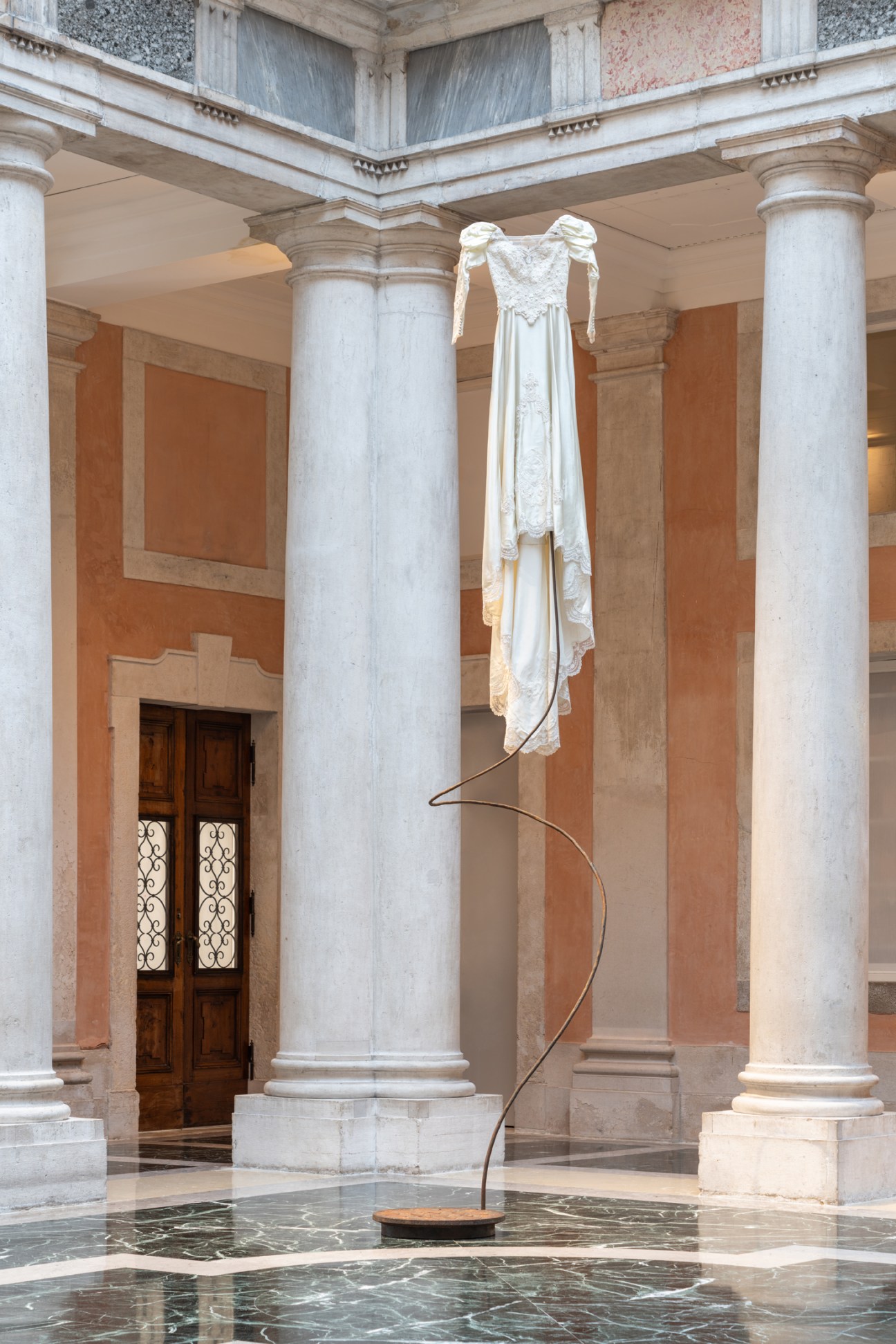
On show alongside this year’s Art Biennale, Liminal and Ensemble are unmissable stops on the way to the Giardini and the Arsenale. Both jumble the stale idea of the artist as a lone genius: one by celebrating art as a social endeavour; the other by ceding control to a machine. Even Huyghe handed over one room to the drawings of Anthony Nosiku Ikwueme, a young artist who years ago wrote him a letter out of the blue and struck up a dialogue. “We’re in a discourse all the time, and that’s how art gets made,” said Mehretu. “In fact, that’s how art gets better.”
Julie Mehretu’s ‘Ensemble’ runs until 6 January 2025. Pierre Huyghe’s ‘Liminal’ runs until 24 November; pinaultcollection.com
Media: Brazil
Press run
Brazil’s five largest newspapers experienced a rise in circulation last year. Financial paper Valor Econômico is now looking to expand internationally. For editor-in-chief Maria Fernanda Delmas, the US presidential election and local ballots in Brazil are the top priorities. Here are three other Brazilian titles to look out for.
1
Carbono Uomo/ Carbono Donna
Published by Lili Carneiro, from publisher Editora Carbono, the lifestyle quarterly takes an elegant look at Brazilian fashion, tourism and art.
2
Piauí
With its large format and in-depth political coverage, this monthly is one of the most admired Brazilian titles – think of it as a tropical New Yorker.
3
Ela (O Globo)
One of Brazil’s few magazine supplements, from daily O Globo, Ela is a fun weekly look at fashion, the best from Rio and great columns, all cleverly edited by Marina Caruso.
Listen to our interview with Maria Fernanda Delmas on ‘The Stack’ on Monocle Radio.
Film: Gobal
Q&A
Hans Zimmer
Composer and producer
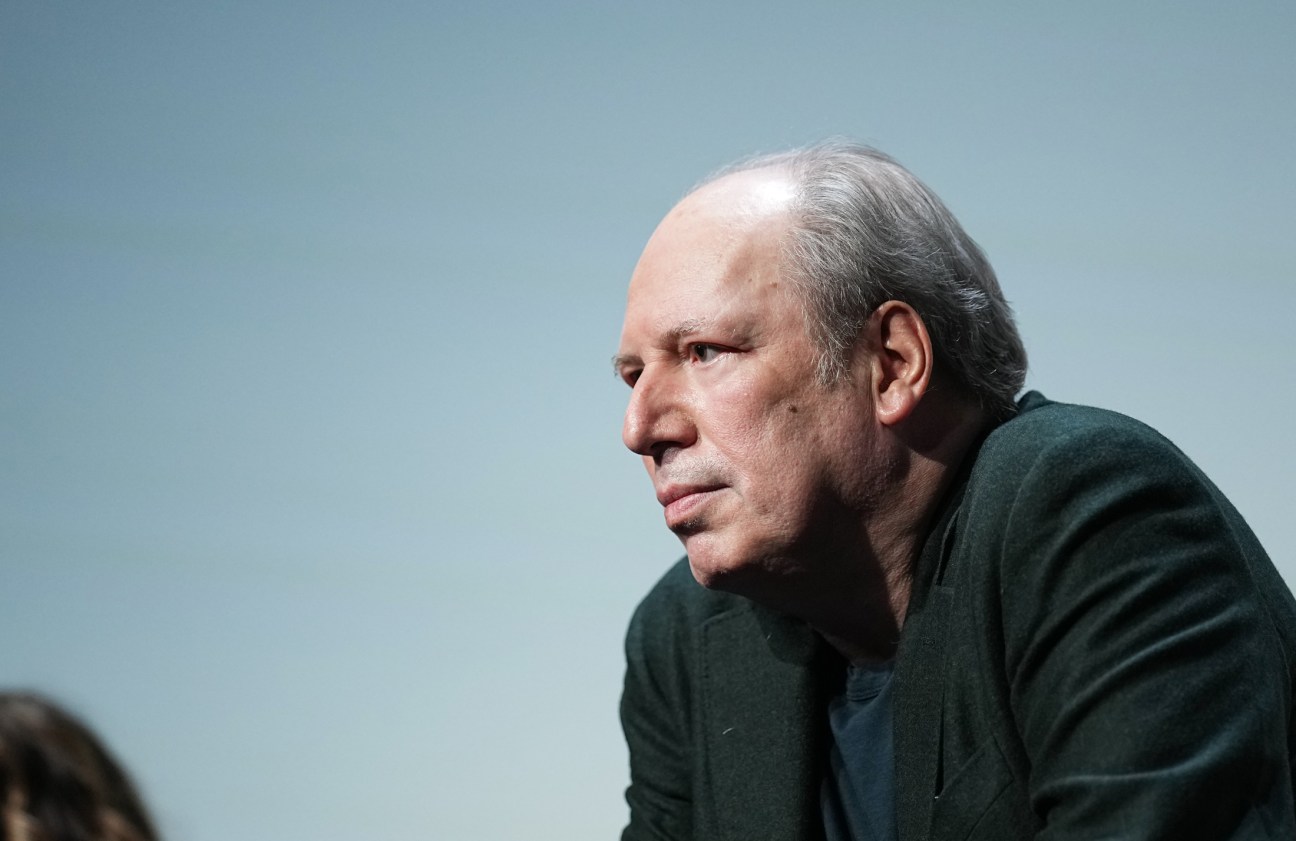
Think of the memorable scores that underpin the blockbuster films of the past 40 years and there is a high chance that the man responsible is German composer and music producer Hans Zimmer.
Zimmer, whose work is known for helping to steer both the plot and the audience’s emotional response, has been the recipient of four Grammy Awards and two Academy Awards for best original score, for The Lion King (1994) and Dune (2021). Monocle caught up with him to discuss his work on Dune: Part Two, his approach to world-building and the enduring passion he retains for his work.
How did the collaboration between you and Denis Villeneuve on ‘Dune’ come about?
We were waiting for a car, and he very quietly asked me if I had ever heard of a book called Dune. I became one of those little dogs that gets excited and jumps up and down. I think I scared him a little bit with my enthusiasm.
The music feels like such an organic part of the film. Is that how you see it?
The whole idea, especially in movies like this, is that we are world-building. There’s nothing there before we start, so it’s very important that it’s not just about pretty tunes; it’s about building the sonic landscape that these characters inherit.
What’s your motivation for your work?
I try to do my best because I know people work hard. If, when the weekend comes, they put their hard-earned money down to go to see our movie, I had better deliver the goods. That’s who I write for: the audience. I love what I do.
Art: Venice
Foreign affairs
This April the 60th edition of the Venice Biennale is uniting creatives from around the globe to celebrate the brightest and best of the contemporary art world. We speak to national pavilion curators about their projects and reflections on this year’s theme: “Foreigners Everywhere”.
Jacob Fabricius & Lee Seolhui
South Korea
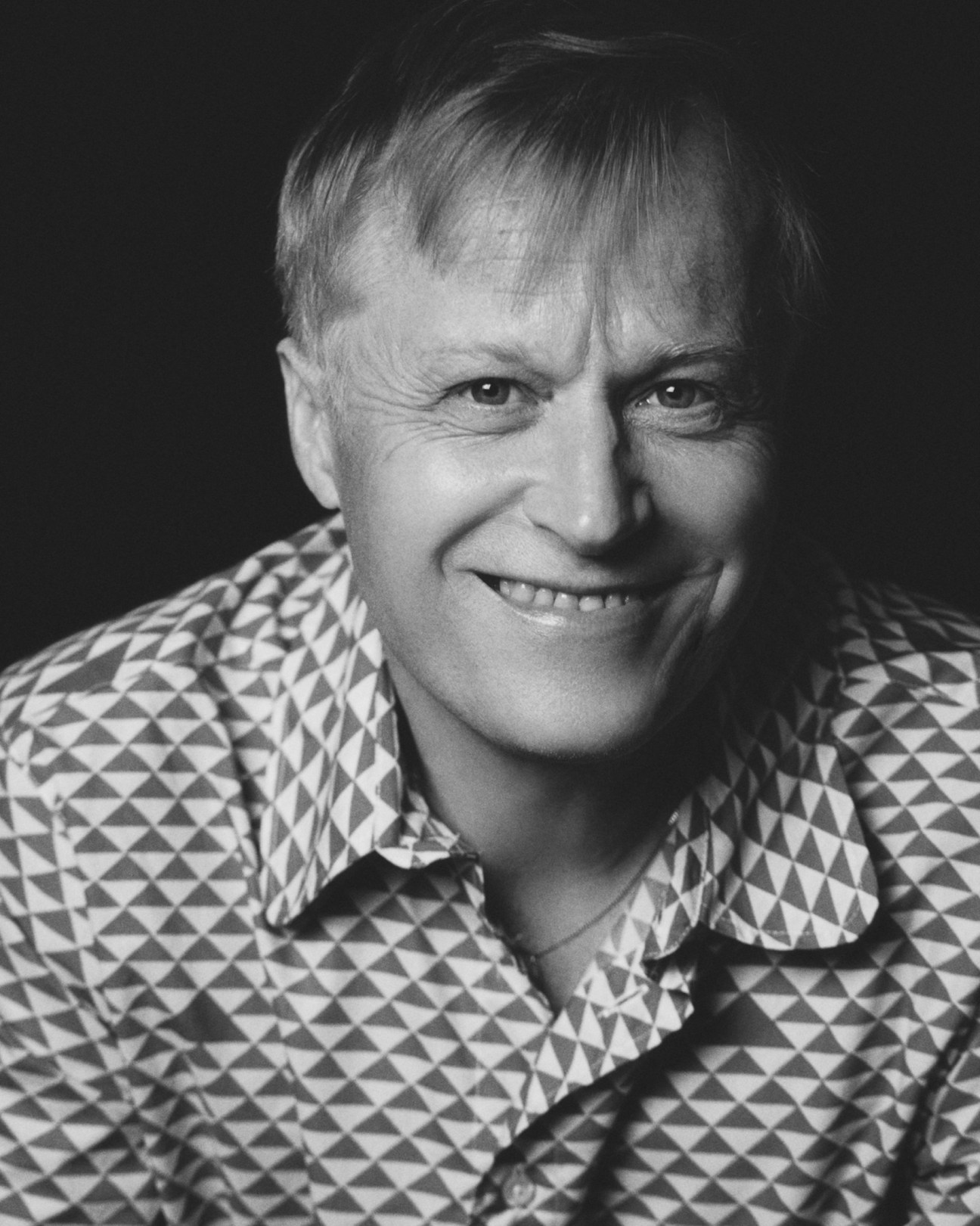
Jacob Fabricius, director of Art Hub Copenhagen, and Lee Seolhui, curator at Kunsthal Aarhus, worked together during the 2020 Busan biennial in South Korea. Fabricius is the first foreign curator to represent South Korea in Venice and Lee the youngest. Titled “Odorama Cities’, the pavilion is presenting a sensory project by artist Koo Jeong A focused on people’s memories associated with the scents of Korea.
What inspired this project?
JF: It was a natural choice to look at scent because it’s immaterial, weightless and borderless, yet has this immersive aspect. When you look at the history of Korea and the Korean peninsula, it’s been divided into North and South. But since scent doesn’t know borders, it brings people together. That’s why it’s interesting to capture olfactory memories from the whole Korean peninsula.
How does your project relate to this year’s theme?
SL: I’m South Korean but when I talk about North Korea, I feel like a foreigner because I haven’t experienced it. My generation’s relationship with the country has been completely curtailed.
Ciprian Muresan
Romania
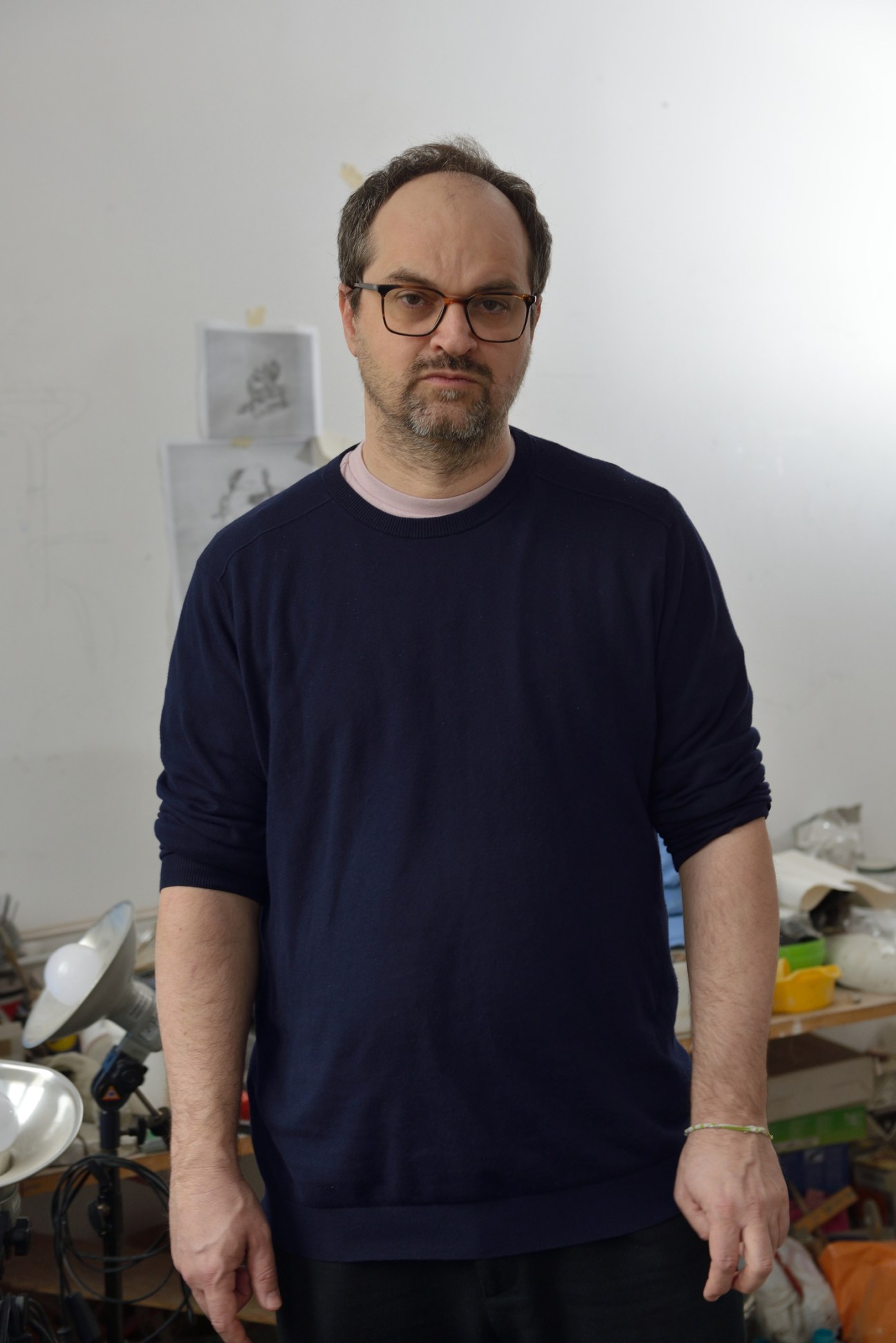
Cluj-based artist Ciprian Muresan shares his studio space with painter Serban Savu. They present “What Work Is”, a retrospective of Savu’s work with paintings, architectural models and mosaics looking at work and leisure in post-Eastern Bloc Romania.
What inspired this project?
Serban had been thinking about big, outdoor mosaics. He started architectural models for ideas that he couldn’t complete because of budget restrictions. I suggested starting from these objects.
How does your project relate to this year’s theme?
On one hand, Serban touches on the commodification of an artist’s labour. Romania has about four million people working abroad in places such as Italy and the UK and this creates alienation from our own culture; we become foreigners.
Andrea Pacheco González
Chile
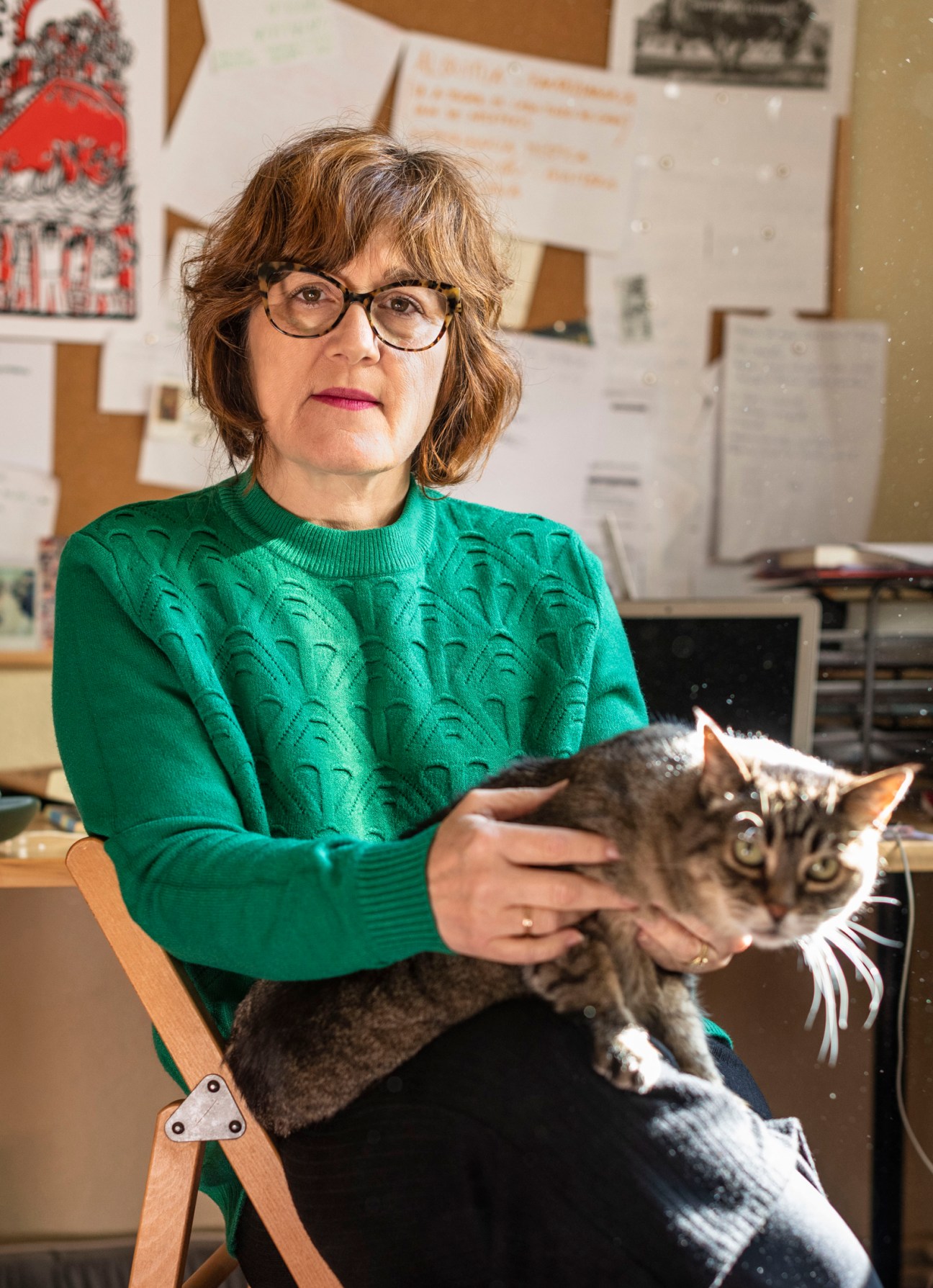
Chilean curator Andrea Pacheco González is based in Madrid, where her work focuses on exile, memory and Latin American diasporas in Europe. In partnership with Chilean-Swedish artist Valeria Montti Colque, Pacheco González presents “Cosmonación” at the Chilean pavilion, an installation including carpets, printed textiles and photographs.
How does your project relate to this year’s theme?
Through the work of Valeria Montti Colque, we approach the specific life circumstances of the Chilean diaspora in Sweden, most of whom come from the exile of thousands of families after Pinochet’s military coup.
Could you explain the term ‘Cosmonation’?
It refers to the term “cosmonational”, used by Haitian-American anthropologist Michel S Laguerre. He argues that diasporic communities don’t sever relations with their place of origin but remain attached to their ancestral land through family ties, cultural traditions or participation in political life through voting. In this way, they inhabit a nation extended beyond geographical boundaries.
The 60th edition of the Venice Biennale opened on 20 April and will run until 24 November.
How Livraria Lello continues to stay relevant in the 21st century
With a history dating to 1881, Livraria Lello is frequently referred to as the world’s most beautiful bookshop. It’s a title the institution is proud of and one that provides a calling card for its host city, Porto, where it attracts thousands of visitors every day. But there is more to Livraria Lello than cosmetic appeal. Among the ceiling-high bookshelves, grand wooden staircases and stained-glass windows operates a dynamic business, concerned with preserving an important piece of the city’s patrimony and remaining relevant as a 21st-century cultural player.
While large queues are generally a good sign, they have posed some challenges here. “People would come in, take a picture and forget altogether that this is a bookshop,” says Livraria Lello’s manager, Aurora Pedro Pinto, who with her husband bought a majority stake in the company in 2015 and the remaining shares in 2023. The solution to the problem of sightseers came in the form of a small fee: visitors are now required to pay for an €8 voucher upon entry, which can be used for book purchases. “We’re not a museum,” says Pinto. “Our aim has always been to form readers.”
“Forming readers”, for the shop’s managers, is about more than just selling books. It requires planning a cultural calendar, with signings and readings that will soon spill over into a building acquired nextdoor. Livraria Lello also publishes its own beautifully designed editions, which today account for many of the shop’s book sales. Then there are the collaborations on products and events. “We partner with several international institutions, from Pantone and Zara to the Antoine de Saint Exupéry Youth Foundation,” says Pinto. Livraria Lello teamed up with Bic last year to launch a pen celebrating the Porto-based Pritzker Architecture Prize winner Álvaro Siza. That’s not to mention restocking the 3,000 to 5,000 books sold daily or managing the booksellers who make sure they are flying off the shelves. Pinto tells Monocle, “We always say, with some boldness, that we want to make the whole world read.”
Born in Vizela in 1961, Aurora Pedro Pinto taught law at Portucalense University for 26 years before going into business. She and her husband, Pedro Pinto, have invested in a range of Porto’s cultural and tourist intitutions. They acquired a majority stake in Livraria Lello in 2015; two years later, Aurora became president of its management committee and, in 2021, its sole administrator.
1.
Hugo Miguel Silva
Head of marketing and communication
“Responsible for the bookshop’s cultural programme, which welcomes locals to events free of charge.”
2.
Nuno Melo
Bookseller
“One of our senior booksellers. He gets people to fall in love with books.”
3.
Luísa Couto
Head of commercial, purchase & logistics
In charge of restocking 3,000 to 5,000 books a day from our suppliers.
4.
Carla Matos
Accounting and administrative manager
“Responsible for Lello’s bookkeeping. A reliable and calm pair of hands.”
5.
Nelson Pereira
Information and communication systems manager
“Nelson is behind the IT systems of Livraria Lello at a time in which being at the forefront of digital innovation is fundamental to our success.”
6.
Andreia Ferreira
Director for brand
“Responsible for Lello’s national and international recognition and outreach. She connects the entire team to the world.”
7.
Marisa Miranda
Business general director
“A force of nature, Marisa makes sure that the business is in top financial and operational health.”
8.
António Pedro Pinto
“The future of the family business.”
9.
Filipe Costa
Cashier
“Having worked at Lello for 24 years, Filipe is an endless source of stories that entertain the whole team.”
10.
Cecília Machado
Head of finance, accounting and administration
“Leads our financial department, staying up to date on the spreadsheets that control the entry of thousands of visitors as well as the sales of thousands of books daily.”
11.
Mafalda Teixeira
People care manager
“Mafalda knows her colleagues better than anyone and tends to everyone’s wellbeing.”
12.
Faustino Barbosa
Head of human resources, people, culture and development
“Takes care of the business’s main asset: its employees. He works tirelessly to attract and retain talent by increasing employee satisfaction within the company.”
13.
Francisca Pedro Pinto
“The future of the family business.”
A lesser-known hideaway in the Venetian Lagoon
It’s only a 12-minute boat ride from Venice’s St Mark’s Square to the island of Sant’Andrea but the two places might as well inhabit different planets. Away from the phalanx of tourists brandishing selfie sticks, Sant’Andrea is remarkable for being, in many ways, unremarkable. There’s no hotel here, no restaurants and no obvious tourist attraction. And our skipper for the day, Paolo Rosso, wants it to stay that way. “There’s a very codified vision of Venice: gondolas, baroque, carnival,” he says from the helm of his Topetta-style wooden motorboat as we pull up to the fortified island. “But if you look at Venice as a whole, you can see it in a different way.”
Rosso has been scratching beneath the surface of Venice since arriving here 16 years ago. A native of Pavia, south of Milan, he has carved out a niche as a leader of some of the city’s more avant garde cultural offerings, including a floating cinema bobbing in the water off the island of Giudecca that shows experimental films alongside Venice Film Festival every September. Slightly unkempt and with a contagious enthusiasm, he answered an open call in 2022 to co-run part of the island.
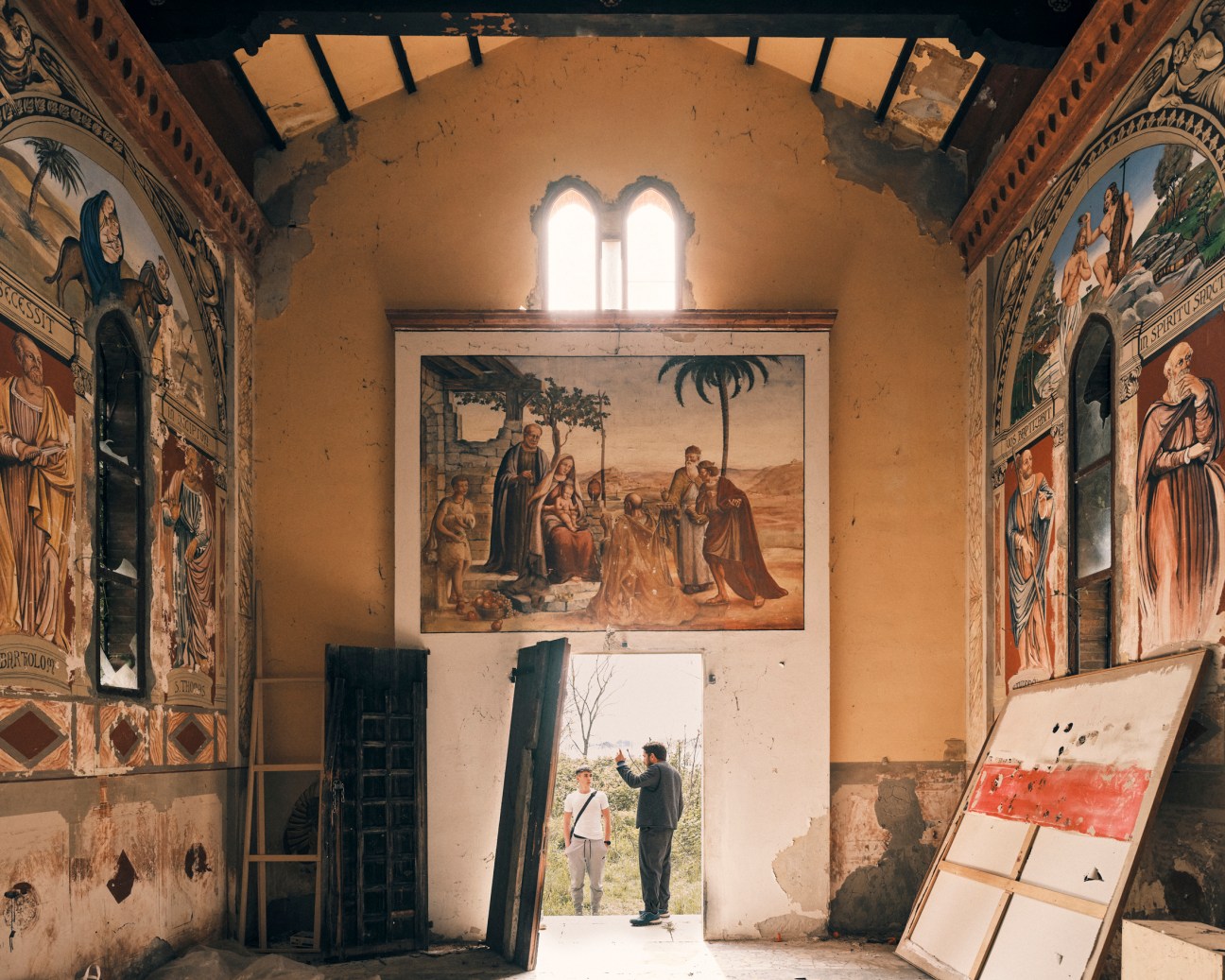
Sant’Andrea might not be developed but it’s full of history if you know where to look. It was a key defensive outpost during Venice’s days as an independent republic and there’s an impressive brick-and-stone monument that remembers the victory of the Holy League, which included Venice, over the Ottoman Empire in the 1571 Battle of Lepanto. Casanova was imprisoned on the island, Rosso tells us, and it played an important strategic role in the First World War.
We wander inside a church, its door ajar and part of its roof overgrown with creepers, and Rosso points out the naïve frescoes painted during Mussolini’s fascist regime – an odd mixture of holy icons alongside military insignia in the bottom corners of a wall. Though the idea is that the clutter inside will be tidied up, it will be done with the lightest touch possible, according to Rosso. “It’s a beautiful place in which to reflect,” he adds.
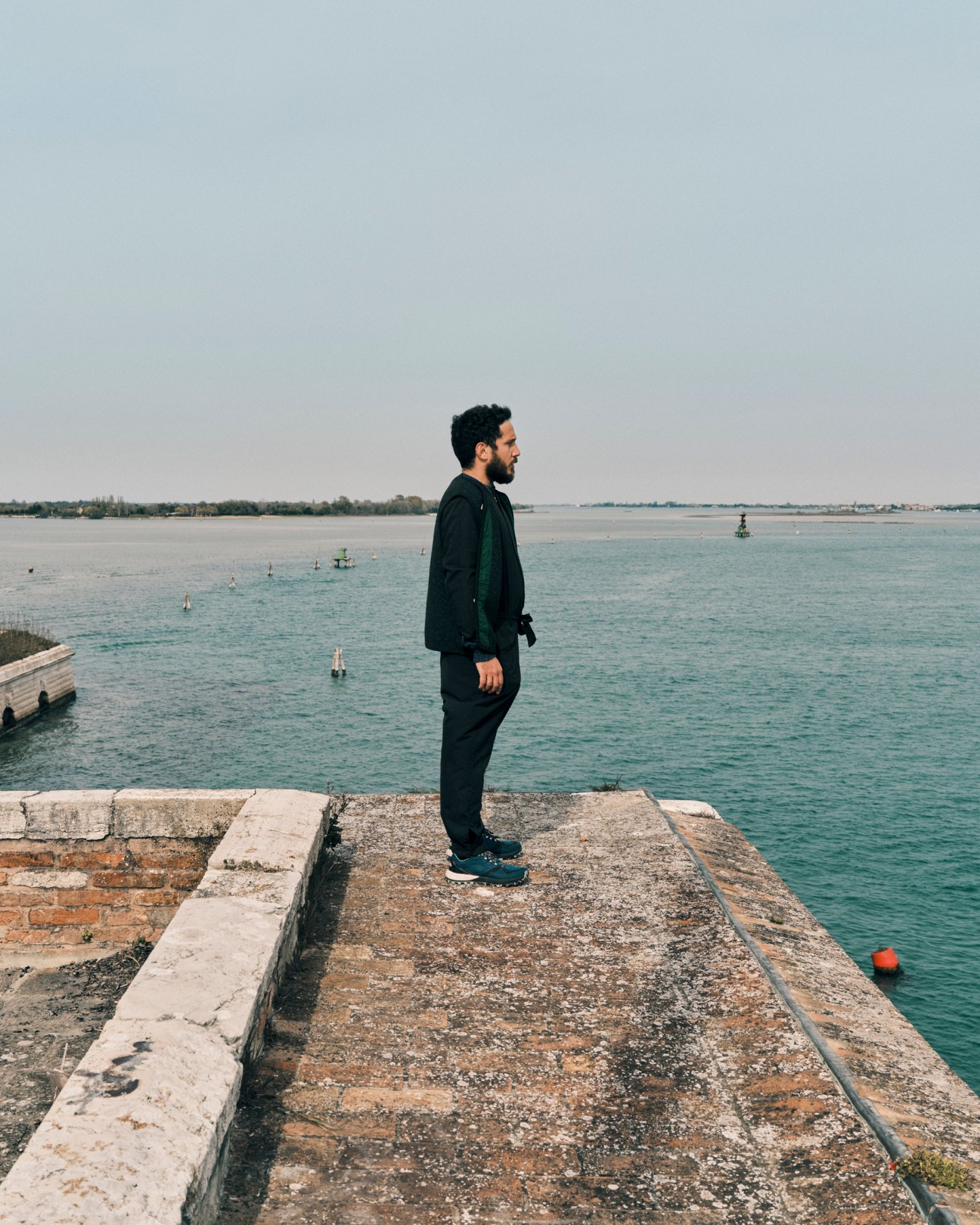
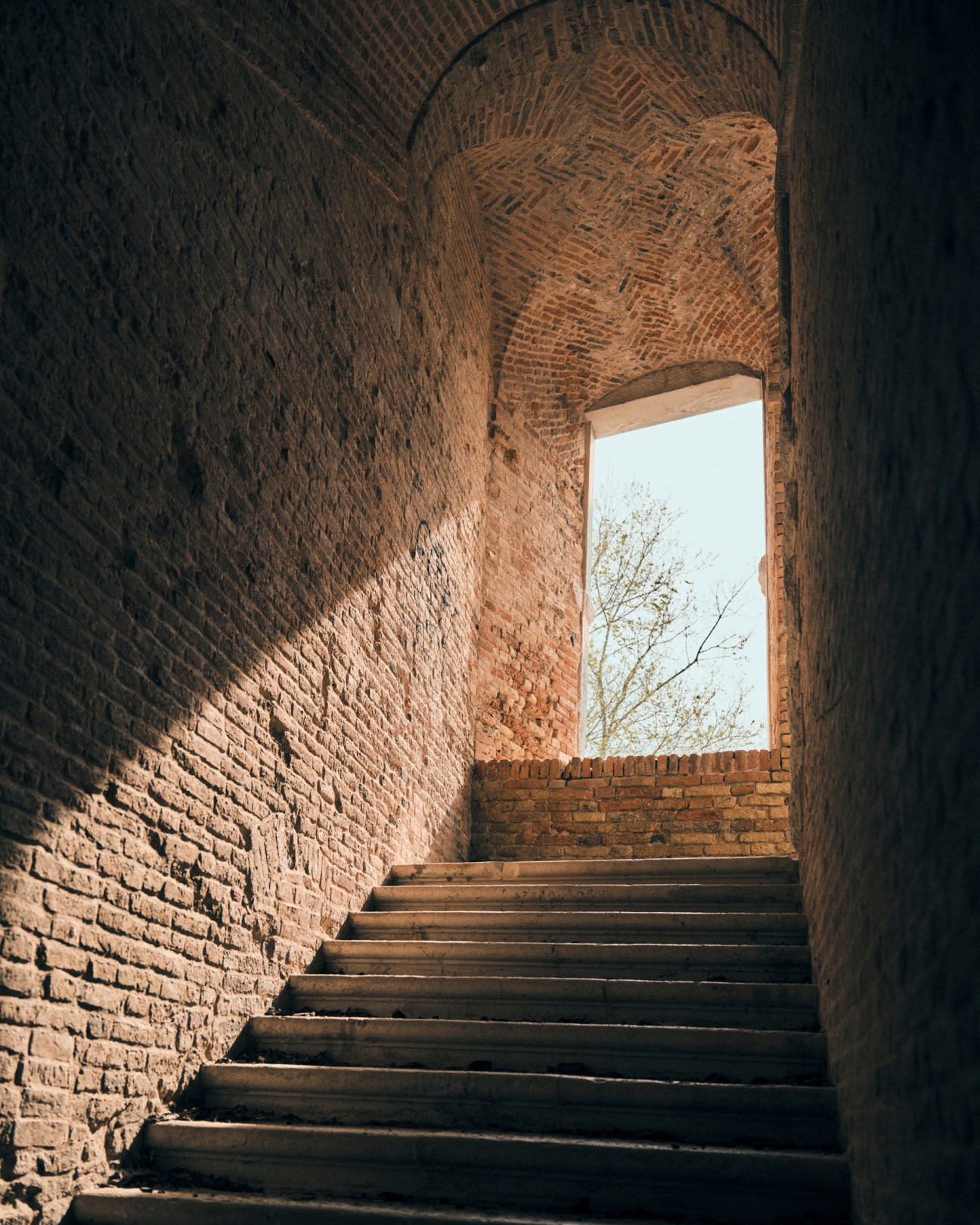
Two intrigued young men show up at the door, one of the occasional groups of locals that moor their boats next to the island and get off to explore; Monocle gets the sense that Sant’Andrea is probably the location of an occasional teenage tryst too. Rosso welcomes the pair, assuming his role as unofficial island tour guide and starts to recount its history.
Not far away, next to the ramparts of the impressive but dilapidated 16th-century fort, marked by elevated walkways, a team from the University of Padua is setting up equipment, including plunging a camera into the water, to map the architecture of the little-known island. One day this part of the island might also be under Rosso’s tutelage and there is talk of cultural activities, including musical performances and guided tours. For now it feels like we’ve been let in on a secret, away from the commodified city centre.
Rosso offers to drop me back at the train station and we motor across the water, picking up artist Giorgio Andreotta Calò along the way. He is a friend of Rosso who is also involved with the Sant’Andrea project and we sit talking on the tied-up boat before leaving. The artist says that he thought about bringing some of his works to the island but then he decided that the place itself was enough. “There’s no longer anywhere in Venice that can be considered authentic – but Sant’Andrea is,” he says. “It’s a spot where you don’t need to build. Instead, you can preserve.”
A celebration of Buccellati, a conversation with Heath Ceramics and new briefings
How to live: The Broader View
Go the distance
Tyler Brûlé on why taking a step back can give you deeper, more insightful perspectives.
As we finalise our May edition and ink hits paper at our presses in Germany, Monocle will be moving on to two of the most important trade fairs on our editorial calendar. At Geneva’s Watches and Wonders, the world’s biggest watchmaking event, our editors will, of course, cover the newest launches but they will be more interested in tracking shifts in sales. What markets are on the up? Where are the new connoisseurs based? Where will the next generation of watchmakers hail from?
Shortly afterwards we’ll be jumping over the Alps to Milan’s Salone del Mobile, the largest jamboree for industrial design and furniture manufacturing. While you might have read our reports from Geneva and Milan in our newsletters and listened to our features on Monocle Radio, it’s the stories with longer lead times that tend to have the most impact. We aim to be on point and get things first but it’s also rewarding to give ourselves some distance from these fairs to allow our impressions to settle.
Very often it’s the side Q&A with the tiny Japanese watch atelier or the forgotten manufacturer from northern Portugal that suddenly feels right for our take on a certain current in the industry or has the most relevance to a story about sustaining skills. As much as we’re interested in the techniques that go into making a new chronograph or a collapsible chair, we’re even more curious about how people are working to prevent brain drain in Switzerland’s watchmaking valleys, say, or ensure that there’s sufficient talent to handle cruise-ship orders for armchairs in Italy’s Brianza region.
Reporting from:
Monocle has a network of correspondents in cities around the world. Our brief updates feature LA’s hottest new neighbourhood, party politics in Bangkok and London’s pedestrianisation plans.
Los Angeles
Silver linings
The Silver Lake neighbourhood is sometimes called the “Beverly Hills of East Los Angeles” and could soon give Rodeo Drive a run for its money. Several new boutiques are opening in the Sunset Row shopping centre, with more independent retail to come.
Bangkok
Making moves
The Move Forward Party shocked Thailand’s establishment in 2023 by winning the most seats in the general election. But now the opposition party faces the same fate as its predecessor, Future Forward: dissolution by the Constitutional Court.
London
Best foot forward
Plans to pedestrianise London’s Oxford Street have progressed to the next stage after two thirds of residents and local businesses approved the scheme. One of the capital’s busiest retail destinations, the regeneration project will increase pavement space by 40 per cent.
Style and substance
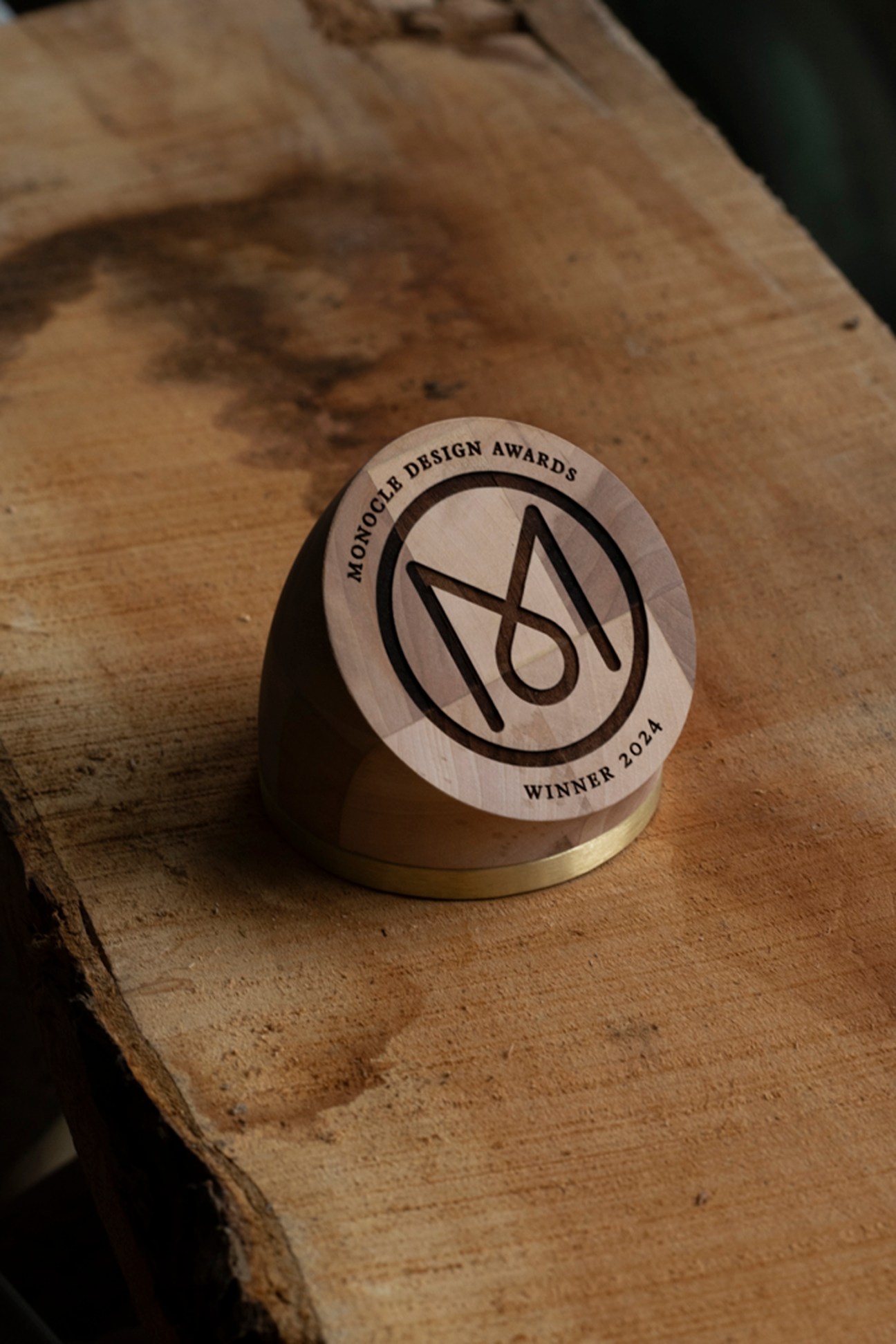
On the hunt for a design for the first Monocle Design Awards trophy back in 2021, we tapped long-time Monocle collaborator Harry Thaler. The South Tyrolean designer’s brief? To create an award that was not only distinct but embodied the values of the prize itself: practical, functional and beautiful. Thaler did not disappoint, designing a timber-bodied, brass-based trophy that doubles as a paperweight. “The brass disc gave it status and importance, and the ability to have a dual purpose,” says Thaler.
After initially being made with an oak body, followed by cherry in 2022, then ash last year, the designer was keen to do something different in 2024. That’s why this year the award’s body is made from offcut timber. “It’s scrap wood, so it’s a recycled product,” says Thaler. “There’s a message here about importance of sustainability.” It’s an appropriate evolution for the award and ensures that the trophy continues to embody the values of the prize itself. Curious to see which people, places and products do just that? Check out our Design Awards.
Notes from the road
When reporting this issue, Monocle’s correspondents have brought back insights into world leaders, education and more. Here are just three of the things you’ll learn in this issue.
1.
Stamps can be soft-power tools
Despite their diminishing usage, stamps continue to be used as a secret soft-power tool. We look into why these little stickers have such an impact.
2.
Bengaluru is India’s Silicon Valley
The tax incentives and liberalisation of India’s economy has attracted multinationals to Bengaluru, which boasts about 67,000 registered tech companies and 13,000 start-ups.
3.
Creatives are flocking to Athens
The Greek capital has been gaining in popularity not only as a summer destination but as the HQ for many emerging brands and small boutiques.
Jewel in the crown
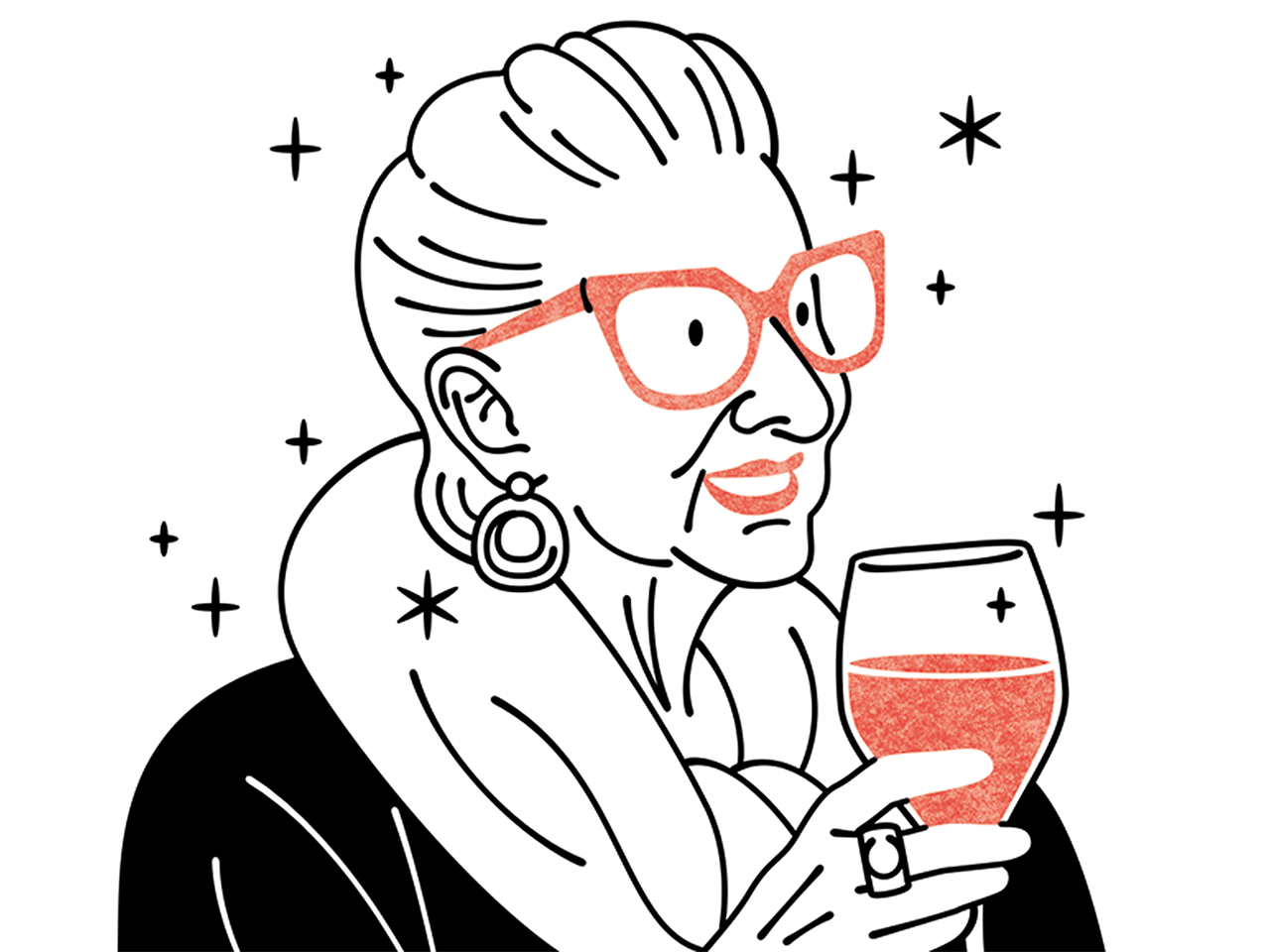
Milan is famed for its sciura, a breed of extraordinarily glamorous elderly woman. These ladies in mink coats, with Birkin bags and blowouts, adorn the city’s sidewalks and piazzas. Their diamonds, as the stereotype goes, are from Buccellati. The jeweller first opened in 1919 next to the Milan’s Duomo and has, across three generations, become a byword for upscale milanesità. But, surprisingly, Buccellati has chosen to stage its centennial retrospective not in its hometown but in Venice instead.
“Buccellati has a very strong relationship to the arts,” says Alba Cappellieri, curator of “The Prince of Goldsmiths: Rediscovering the Classics” exhibition that is on show until 18 June at the Oficine 800 venue on Venice’s Giudecca island. “Here, Buccellati is celebrating jewellery as an art form.” Cappellieri, who directs the jewellery department at Politecnico di Milano, has picked out gems from Buccellati’s archives to be displayed in tall vitrines in the old industrial building on the Giudecca Canal. From lithe, diamond-encrusted bracelets to a solid silver lobster-shaped table ornament, the pieces make for a formidable side show to the Biennale Arte. Historically, Venice was the entry port for precious gems arriving from faraway. Many of the city’s churches and palazzos are still embellished with gold leaf. Jewellers from Buccellati to Bulgari, which last year staged its haute joaillerie catwalk in Venice, understandably find the Serenissima’s ethereal air just right for their brands. Besides, every sciura enjoys an escape to Venice, where she can be found – more often than not – sipping a bellini.
Words with Tung Chiang
Studio director, Heath Ceramics
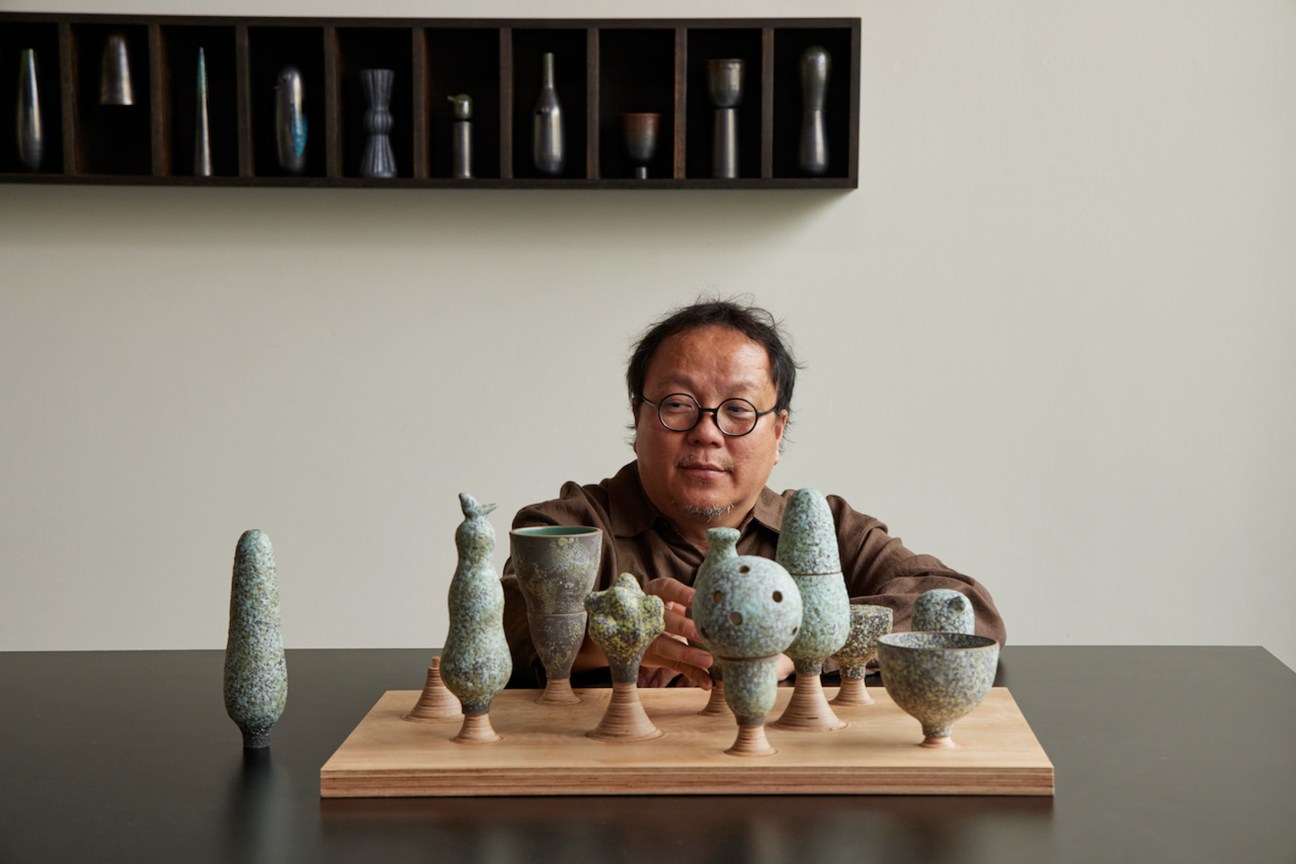
Sausalito-based Heath Ceramics has established itself as a leading producer of world class ceramics sold across the world. Tung Chiang, grew up in Hong Kong and moved to the US in the 2000s to start a career as an industrial designer.
How did your experience shape how you approach the world of ceramics?
Industrial design gave me the necessary foundations on how things are made. It also taught me about the relationship between customers and consumer products. Understanding who the customers are and how they use things is really important.
Looking at your work, what is your unique take or voice that is particular to you?
Ceramics, tableware for example, don’t usually come with a story but I want them to have one. Heath creates pieces with modern designs, as well as longevity, which will make them relevant for the future. What makes us different is this combination of future, past and present.
Despite working in San Francisco, you are still inspired by nature. How does that work?
Nature’s designs have existed for a far longer than ours. A lot of people will agree that nature is the better designer. But that doesn’t mean that humans should compete with it. As designers, it is our job to understand that we are part of nature and then to continually try to connect with it.
For weekly interviews, analysis and insights, subscribe to The Monocle Minute’s Weekend Edition, our free email newsletter, at monocle.live/minute
Springing into action
As spring rears its head (at least in the northern hemisphere), the month ahead promises a busy schedule but also some welcome moments of respite. Here are some of the events and happenings taking place in May that we have on our radar.
1.
Full of the joys of spring
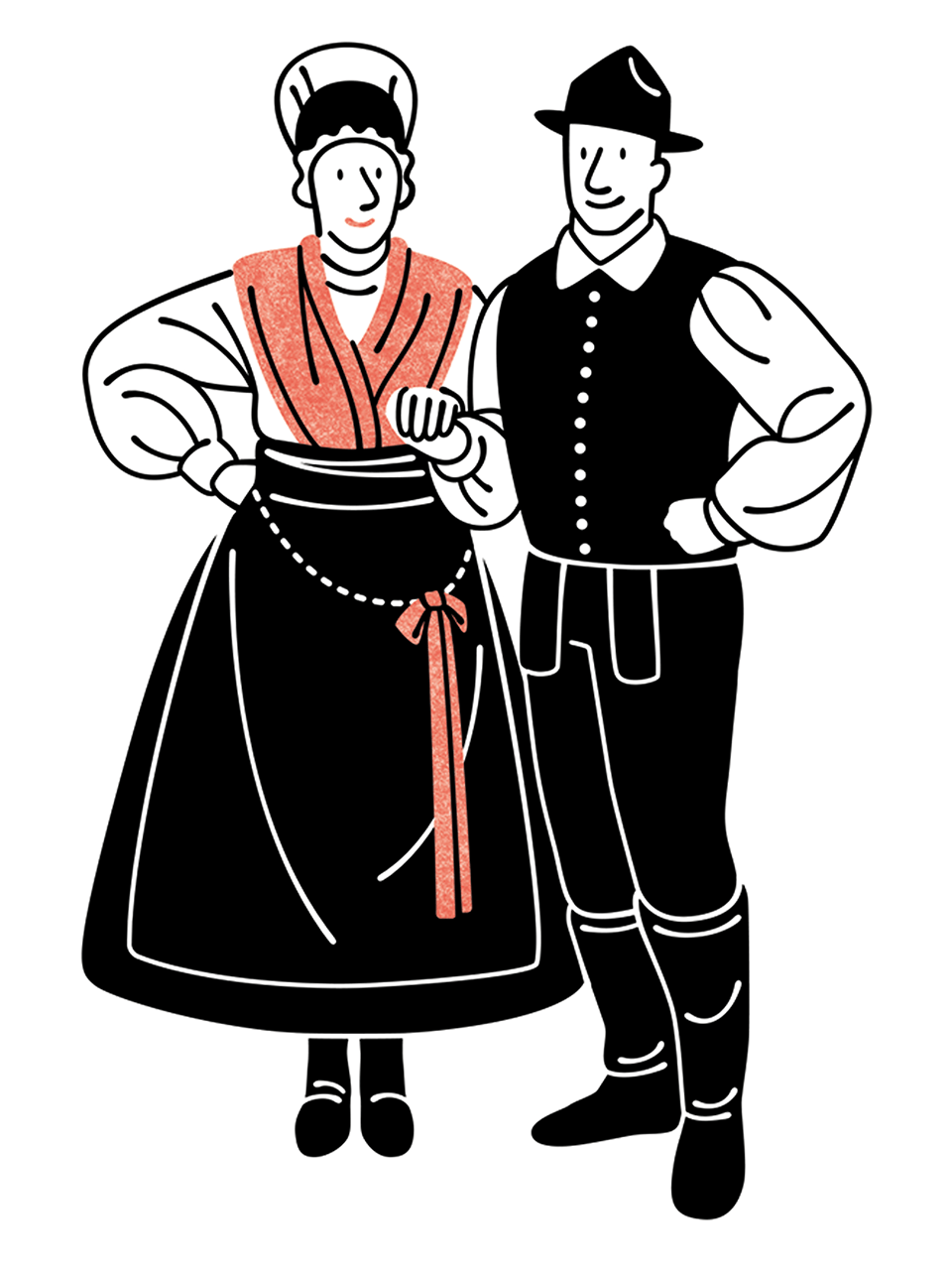
In the Balkans, spring is a time for celebration. Bonfires set the night ablaze in Slovenia and Croatia at the beginning of May and you might even find our Ljubljana-based correspondent, Guy de Launey, attending his local celebration on Rožnik Hill. In Serbia, May means an excuse for a two-day picnic, including pigs on spits.
2.
All part of the design
After a busy Milan Design Week, Monocle’s design editor, Nic Monisse, will be keeping an eye on the emerging talent and trends that will be on show from Australia to the US this month. Lisbon Design Week, Melbourne Design Week and nyc 3 Design (including the fair’s concurrent trade show, The International Contemporary Furniture Fair) are all taking place in May.
3.
Top-secret’ tipple
Stop into The Diplomat, a speakeasy in Hong Kong’s central neighbourhood. Operated by award-winning bartender John Nugent, the drinks menu includes small-batched produced wine and vintage liquors. But the reimagined classic cocktails are the most interesting.
The Grand Palais director on the fragile art of renovation
Didier Fusillier has one of the most prestigious cultural roles in France. As chairman of the Réunion des Musées Nationaux, he oversees 18 museums, including as director of Paris’s celebrated Grand Palais. Fusillier took the helm in September 2023 after being selected by Emmanuel Macron. One of his first and most pressing tasks has been overseeing the completion of the Grand Palais’ renovation, under way since 2021. And he has key deadlines to meet: a partial reopening must occur by July so that the palace can host the fencing and taekwondo events for the Paris 2024 Olympic Games. No pressure then.
“France has a robust tradition of restoring its monuments and this is no different,” says Fusillier. His hope is that the updated space will feel current, with a dynamic programme ensuring that no two visits to the Grand Palais are comparable. “Our collection will be abundant and ephemeral. But what really sticks in our collective memory when it comes to the Grand Palais is the building itself. The iconic roof is like a compass that Parisians use to orientate themselves around the city.”
Synonymous today with the Belle Époque – a period in the late 19th century of unrivalled industrial progress – the Grand Palais is crowned with Europe’s largest glass roof. The art nouveau exhibition hall was constructed in 1900 for the Universal Exposition trade show and rolled out the red carpet for most innovative technological advancements at the turn of the century.
Fusillier’s career began in less grand cultural circumstances, in the town of Maubeuge. There, in the 1990s, he found himself at the centre of a push to make the arts more open and democratic. Today, France’s Association des Scènes Nationales constitutes 77 public cultural institutions in mid-sized towns, including Maubeuge, where Fusillier began his career as director of performing arts space Le Manège. “At that time, my native town was a matrix of experimentation,” he says. “Belgian theatre director Ivo van Hove came to Maubeuge because everything was eccentric and unpredictable.”
Fusillier wants to bring that same spirit of inclusivity to the Grand Palais, where entry to some of its spaces will be free. “The most important thing is that culture in Paris is shared,” he adds. “I want young people to grow up coming to the Grand Palais and then to bring their children later in life. There will be something for everyone – and enough going on – to keep visitors here for the entire day.”
At 72,000 sq m and with vast swaths of surrounding greenery, the Grand Palais is the biggest space that Fusillier has ever worked in – it eclipses even the Palace of Versailles. Here, he will configure the empty canvas with the same flair for experimentation he has possessed since he first entered the industry. “It’s like a construction game,” he says. “With a space this flexible, we want to rethink its purpose. I’d like to stage operas, dance, theatre and concerts, because who else in metropolitan Paris has a space this big to play with?” As the light streaming through the ornate glass roof shifts with the sun, a visit to the Grand Palais offers a snapshot in time. “I’ve never had the opportunity to work somewhere so dependent on the seasons.”
As well as being reinstated as the host of Paris+ par Art Basel and providing the runway space for Chanel’s collections during various fashion weeks (the French luxury house pledged €25m towards the renovation), the Grand Palais will also exhibit works from the Centre Pompidou during its own five-year renovation from 2025. This coming together of cultural domains – everything from fashion and design to art and sport – indicates the scope of ambition that will drive Fusillier throughout his tenure here. “I want to channel all of these artistic influences into the reopening of the Grand Palais,” he adds. À bientôt à Paris, everybody.
The CV
1990: Founds avant garde arts centre Le Manège Maubeuge in his home town
1998: Becomes managing director of Lille 2004, a cultural programme that recognised Lille as the European Capital of Culture
2013: Named artistic director of the Berges de Seine in Paris
2015: Becomes president of the Grande Halle de la Villette, an arts and culture centre in northeast Paris
2019: Creates the 18th edition of Nuit Blanche, Paris’s annual night-time arts festival
2023: Appointed president of the Réunion des Musées Nationaux in Paris
Editor’s letter: Andrew Tuck on pages worth owning
And the winner is? Well, there are 50 of them in our annual Design Awards, brought to page each year by Nic Monisse, our design editor. The reason that we originally wanted to enter the fray when it comes to bestowing accolades in this realm is that we felt that too many good projects were being overlooked – and perhaps too many garlands were being draped around the necks of the same recipients in the same few design outposts. Using our global outreach and our usual focus on simple solutions, honest materials and a quality of life for all, we hope that the line-up of talent that appears in this issue will delight and surprise – and nudge along projects and plans that sit on your agendas (whether revamping your company’s HQ or remaking your domestic setting).
There’s another list to pore over in this issue – and one that in many ways intersects with the world of design. In what turned into an epic and revealing project, we have asked 50 academics, designers, photographers and writers to pick the one book that they think you should own (seeing as some of them have chosen rare first editions, you might need to go for more affordable alternatives unless you have intentions of switching your career to become a cat burglar).

We’ve always, for selfish and wise reasons, been champions of print but the idea for this project went further. In recent months we started to come across numerous beautiful books produced as passion moves, or as limited runs, and realised that the book world was seeing the arrival of a wave of innovative publishers. When we were recently in Warsaw, for example, we met Filip Niedenthal, a former editor of Vogue Polska, who has now turned to books with his imprint 77 Press. He was enthused about the potential to deliver innovation between the covers. In Singapore, our correspondent Naomi Xu Elegant told us about Jayapriya Vasudevan, an agent shaking up the Asian literary landscape. And then we had a visit in London from celebrated typographer Erik Spiekermann, who, back home in Berlin, has an impressive letterpress set-up, where he resets and reprints limited-edition versions of novels and some factual books. It’s called TOC – The Other Collection – and he is part of a team that includes designer Susanna Dulkinys, author Irene Dische and publisher Birgit Schmitz. Every book gets a new jacket, which is based on a fabric that connects to the story, the topic and the author. Clearly it was time for us to help everyone make a new library – and ask the well-read what should be on its shelves.
One of the best parts of being on a magazine is when everyone comes together to make a story work: a writer who creates a narrative that’s well reported and enticing, matched with photography that sings and a page design that feels innovative without being painfully verbose (we want you to read with ease). I hope that this chorus of effort has come to the fore in this month’s Expo.
As someone who has bought quite a few print editions, I have always been interested in the idea of ownership. If you buy a painting, it’s yours. But an edition, even if it’s numbered and signed, and made by the artist – is that just a step up from a poster? You rarely dwell on this for long as even if you buy a print that’s one of 100, the chances of walking into a house and seeing “your” picture are pretty slim. Until now. Working with Edition VFO in Zürich, we tracked down where the prints from one of its editions ended up. The cast of owners and their stories explains this part of the almost democratic section of the art market with ease. And, yes, they are also a celebration of ink, paper and print – to this day the most powerful way to tell a story.
We hope that you enjoy this issue. And you can always let me know your thoughts by dropping me an email at [email protected]. Ideas for future awards? Books we should know about? Multiple musings? Send them our way.
Interview: Nuria Cruelles, Loewe perfumer
Over the past decade, Loewe has transformed from a dormant Spanish heritage brand into one of the world’s most relevant luxury houses. This is largely thanks to its creative director, Jonathan Anderson, and the many ways in which he has revitalised the house’s fashion business, with mesmerising runway shows in Paris, a growing range of accessories and a commitment to artisanal production.
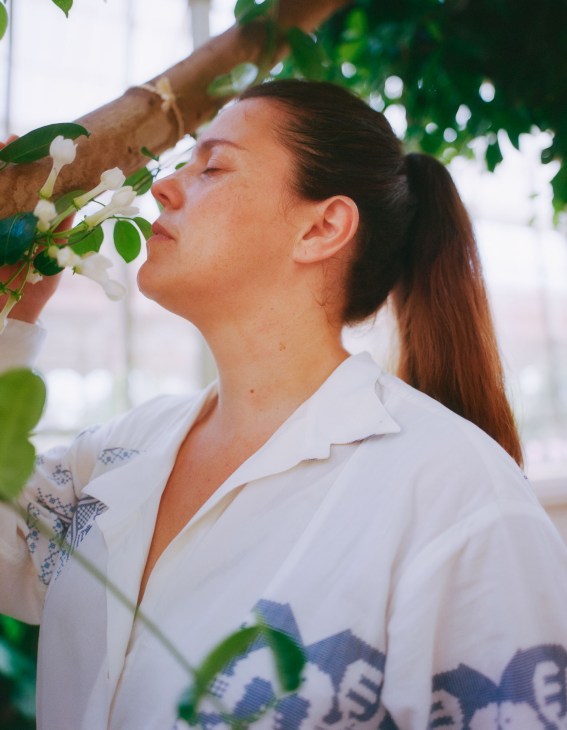
Now, customers are equally excited about discovering the brand’s perfume and home-scent collections. Driving the momentum is Nuria Cruelles, the nose behind Loewe Perfumes. Cruelles, who also trained as an oenologist, grew up smelling the delicate floral notes of Loewe Aire on many women in her native Spain. Today, she has been working to give the brand’s original perfumes a new lease of life, as well as creating fresh hits. Much like Anderson, she has a flair for rule-breaking and is known to experiment with the most unconventional ingredients. She tells monocle about the new formulas that she has been concocting and explains how she created one of the most sought-after home fragrance lines using nothing but the humble ingredients in her kitchen.
What drew you to the world of perfumery?
As a child, I always found myself trying to guess what perfumes people were wearing. Over time, it became an obsession. I started by studying chemistry because being a perfumer is all about blending different ingredients and understanding chemical reactions. A perfume is alive. I spent some time travelling around Europe and, when I returned to Spain, Loewe called. It’s a dream to work for the only luxury Spanish brand.
What does Loewe and the global recognition that it has received in the past decade mean for Spain?
We’re all so proud. Through Loewe, we can show the world who we are, what we can do and the crafts that we specialise in. That’s why we want to highlight ingredients from Spain in our perfumes.
Tell us about the new collection that you have been working on and its ties to Spain.
The idea was about having a single ingredient define a whole collection. We began by thinking about Spain and how to incorporate more of our values in the perfumes. The country is easily associated with the Mediterranean and aromatic scents but we wanted something even more special so we used rockrose from the south of Spain. It’s a very rustic, balsamic odour. It’s like discovering a rough diamond and having to polish it. When we are distilling it, we choose the cleaner, fresher facets of the ingredient to tailor it to our needs. We turned it into something sophisticated. It’s like gastronomy – a chef can take a few basic elements and create art.
Do you try to keep a dialogue going between the fashion and perfume sectors of the business?
Jonathan Anderson has always respected my expertise and what I can bring to the table. At the same time, his collections inspire us: the shapes, the colours and the textures of the clothes that you see on the runway all inform the perfumes.
Was the process of creating home scents very different to the way that you create perfumes?
We wanted to ensure a point of differentiation between the two. I wanted to use singular elements: the leaves of tomatoes, beetroot, cucumber. Translating this type of formula into candles that smell good when you burn them requires real skill. It’s like architecture: the simplest structures are usually the most complex.
What scents would you recommend for different moments at home?
For relaxing in a bath, try the oregano line – it’s calming, like lavender. If you’re hosting a dinner, go for one of the tomato, cucumber or sweet-pea candles, something that matches the food. For the bedroom, I recommend our wasabi candle and the honeysuckle room spray.
Do broader market trends influence your work?
We want to be trendy but we don’t follow trends. The key is to choose an ingredient and work around it. Dress it up and use it to create different textures and feelings. The perfume talks to you and it will tell you what it needs. You just need to listen.
Could you tell us about the day-to-day process of creating new formulas?
To create, you need peace and time. That’s why I recently decided to move from the centre of Barcelona to the countryside. Now I grow tomatoes in my backyard. I wake up every morning to water them and I’m always walking barefoot with my children. You might smell the soil after the rain, along with some patchouli or magnolias that happen to be behind you, and you immediately get inspired. If certain smells work together in nature, I try them in the laboratory.
What’s your advice for someone who wants to find their signature scent?
At Loewe, we offer a rainbow of options so you can choose different ones for different occasions. You can also combine them and create your own essence. Everyone can be an alchemist.
perfumesloewe.com
Editor’s letter: Andrew Tuck on meeting with approval
Let’s start with the final pages of this issue: the Expo. We have recently been interviewing candidates for the role of travel editor and I’ve found myself launching into some rather detailed explanations of what makes for a perfect Monocle hotel or restaurant story. I stress that we, of course, want to apprise people of the latest openings but that we are also just as happy to put the spotlight on an establishment that has navigated the decades untouched. That sometimes a simple three-star with a good owner can outshine the five-star joint run by a global chain. How modest but delicious food can satiate more than a laborious 20-course tasting menu. That luxury comes in many guises. I might have left a few candidates just wishing that we wanted to run the same style of reviews that you see in other titles.
But from now on, if asked to explain our perspective, I will simply hand over this issue and ask people to drink in the restaurants that made our Expo. Commissioned by our editor, Josh Fehnert, it’s a story that looks at “hospitality holdouts” – establishments that have triumphed with consistency, tradition and the knowledge that sometimes all you have to do is nothing much at all. Just before we send any issue to print, we do a final run through of all the pages. This month everyone ended up staring at the tempting dishes from the likes of Kronenhalle in Zürich and The Odeon in New York, hoping to somehow be transported to their dining rooms; to find themselves eating the perfect smørrebrød and having a lunchtime glass of red.

What these establishments also have in common is a reputation for well-oiled hospitality; knowing how to welcome people in from the rain or a harried day to slowly restore their usual ease. This theme of being hospitable runs throughout the issue – and not just in the realm of restaurants and hotels. We also have a masterclass on the broader subject of hospitality delivered as 50 lessons. Because how you treat people, how you greet and take care of folk, is a discipline that needs to be perfected by every airport chief, diplomat, business owner, receptionist and mayor. The steps you are willing to take to be a good host reveal everything about your qualities and beliefs. It speaks to who you really are.
This issue is also our Fashion Special and, as always, these pages have been elegantly stitched together by our fashion director, Natalie Theodosi. Just as in our coverage of travel, when it comes to fashion we also have a different take on what makes for the perfect mix of stories. Of course, we want to offer some suggestions on brands and shops that really should be on your radar but we also want to take you behind the scenes and into the boardrooms and ateliers where you get to see how businesses are really made. So in addition to a peerless Fashion Top 25, Natalie delivers a series of stories that explore the remaking of Jil Sander by design duo Lucie and Luke Meier, the revival of Piaget and how APC is planning to become a total lifestyle brand. It’s a complete look.
Monocle has been back on the road this year and we’ll be in Hong Kong for the latest edition of The Chiefs summit on Wednesday 27 and Thursday 28 March. We hope you can join us (ticket details at monocle.live). And the squad will be at numerous trade, design, diplomatic and urbanism events across the coming weeks too. We look forward to sharing some monocle-style hospitality with you soon. Until then, have a great month.
If you have ideas for stories, recommendations for forgotten hospitality holdouts or even a few style tips, feel free to contact me at [email protected].
Subtle spring looks with the season’s best combinations
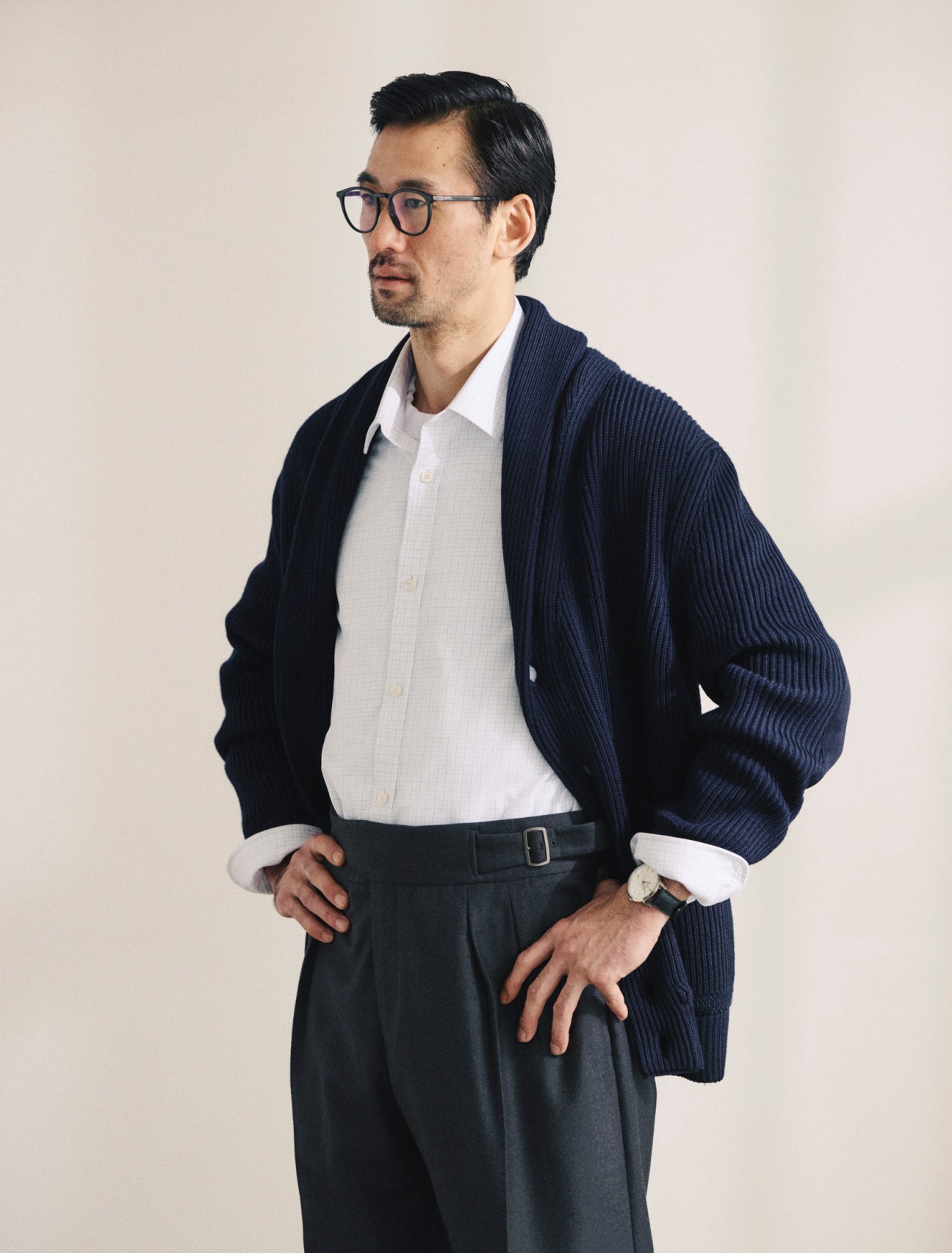
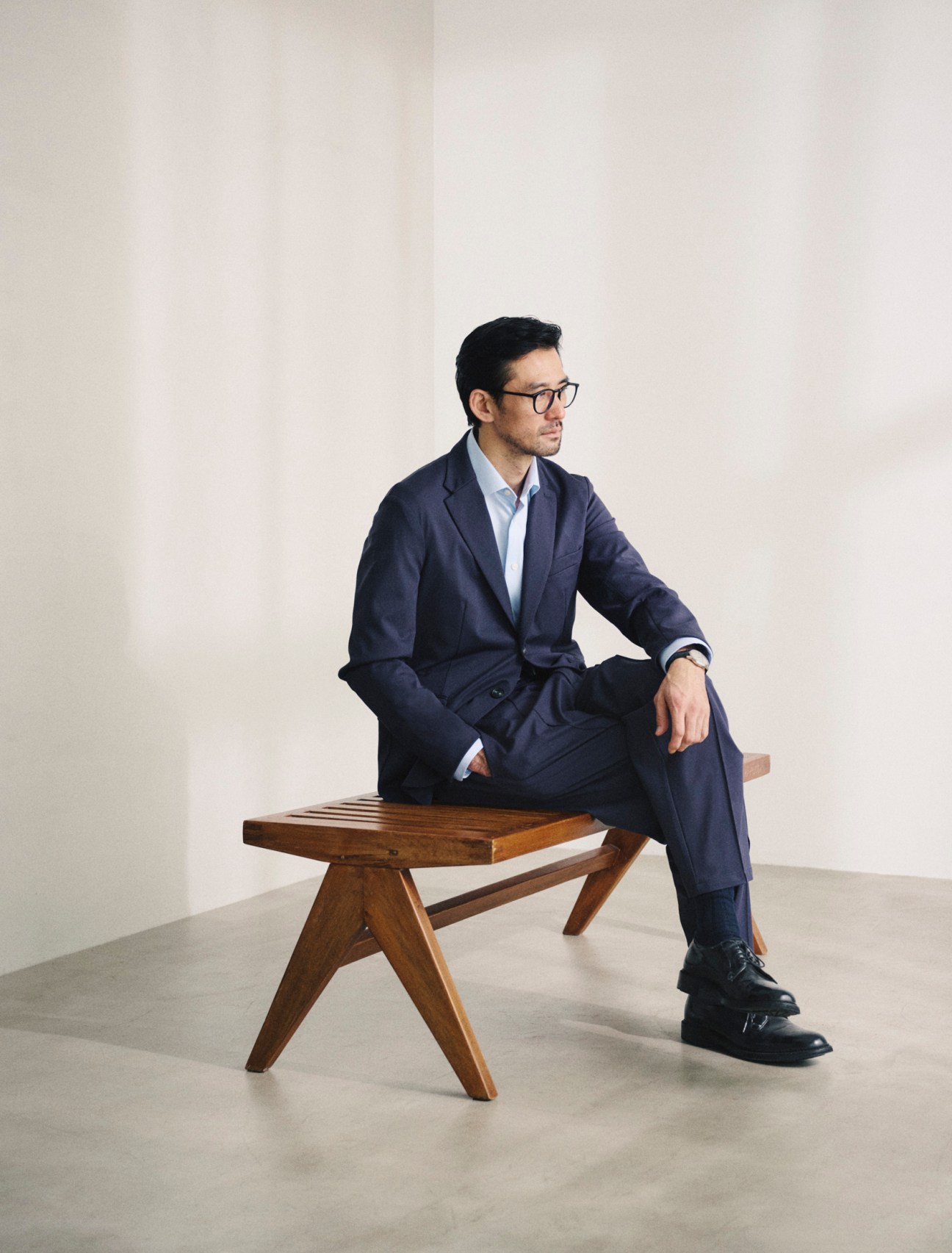
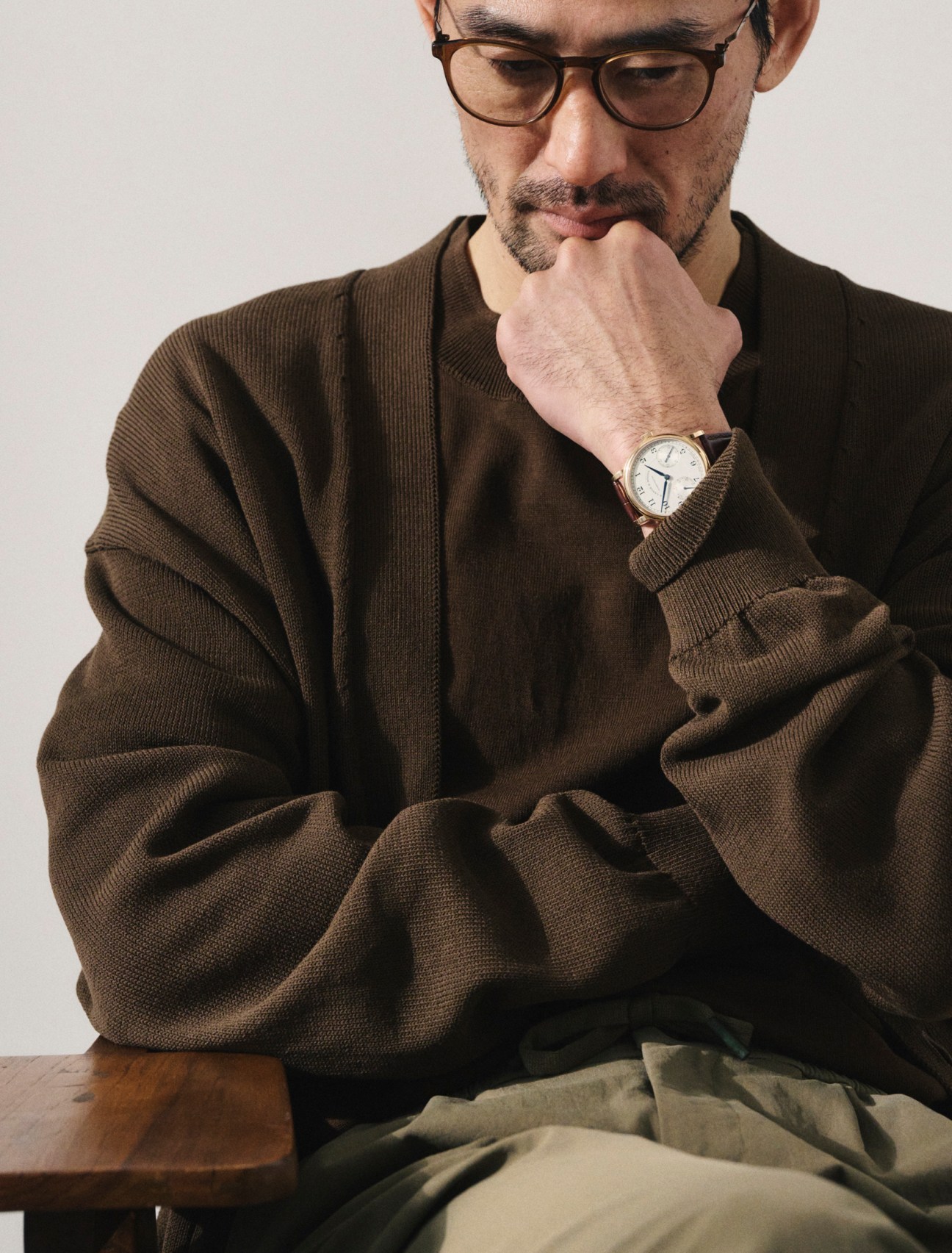

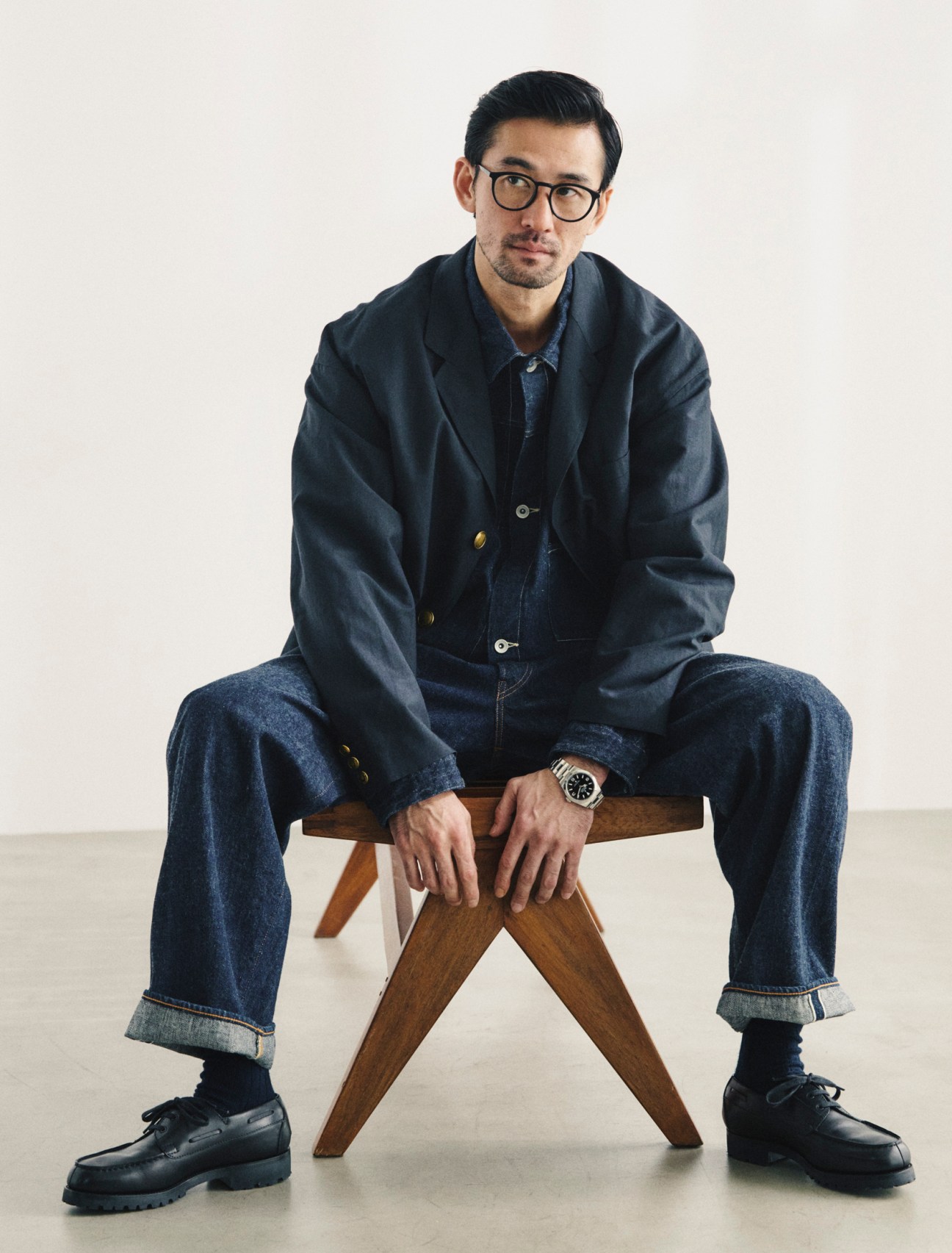
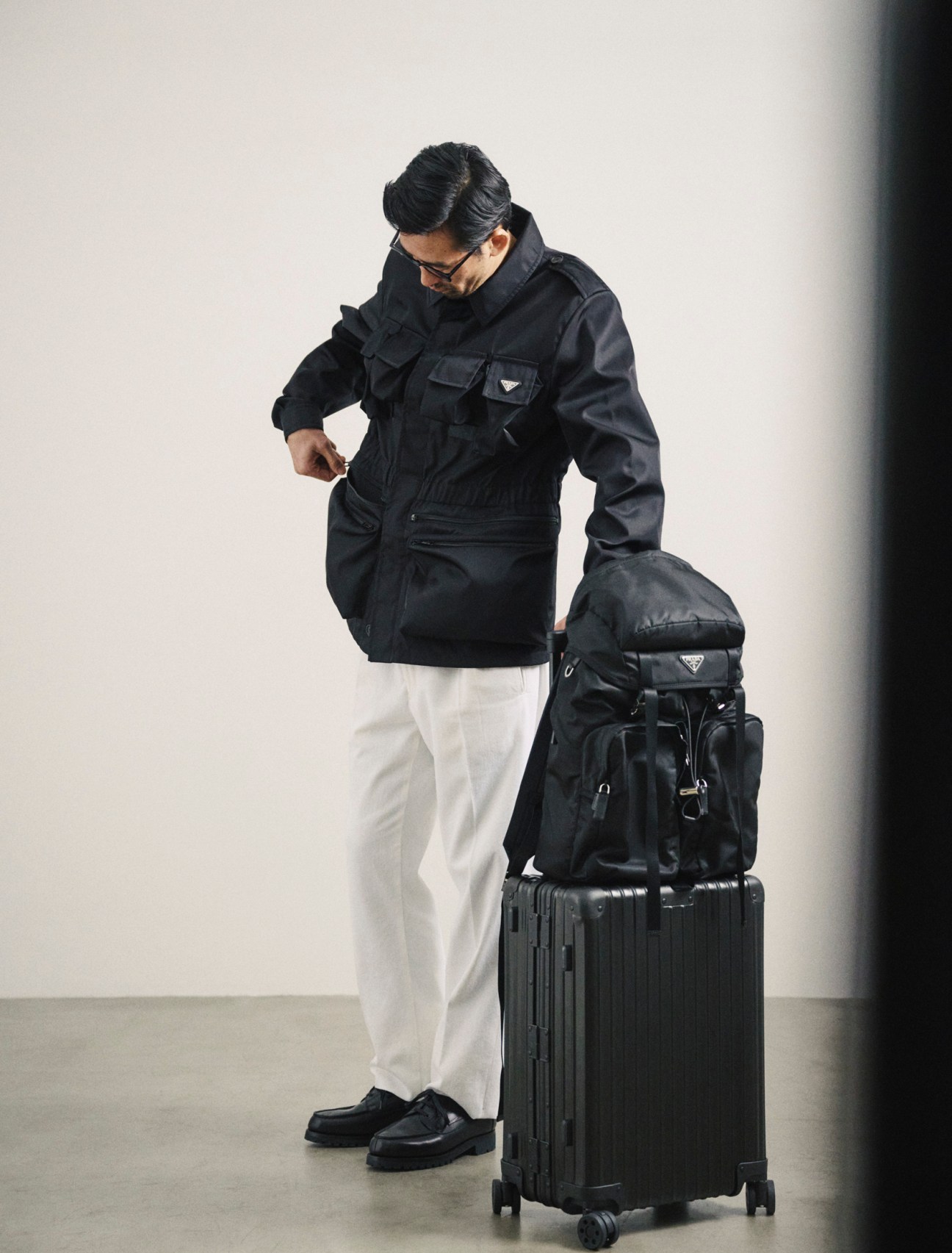
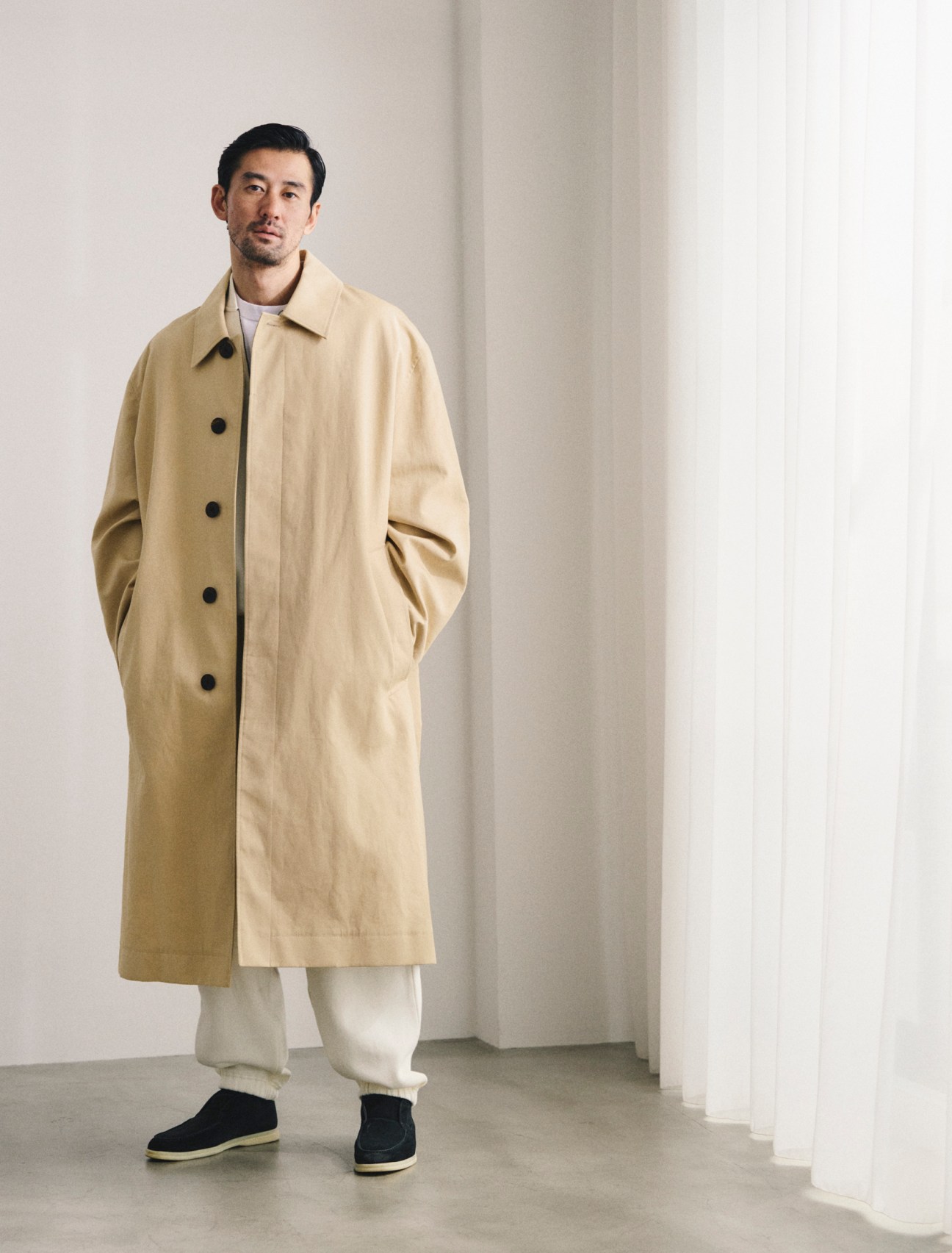
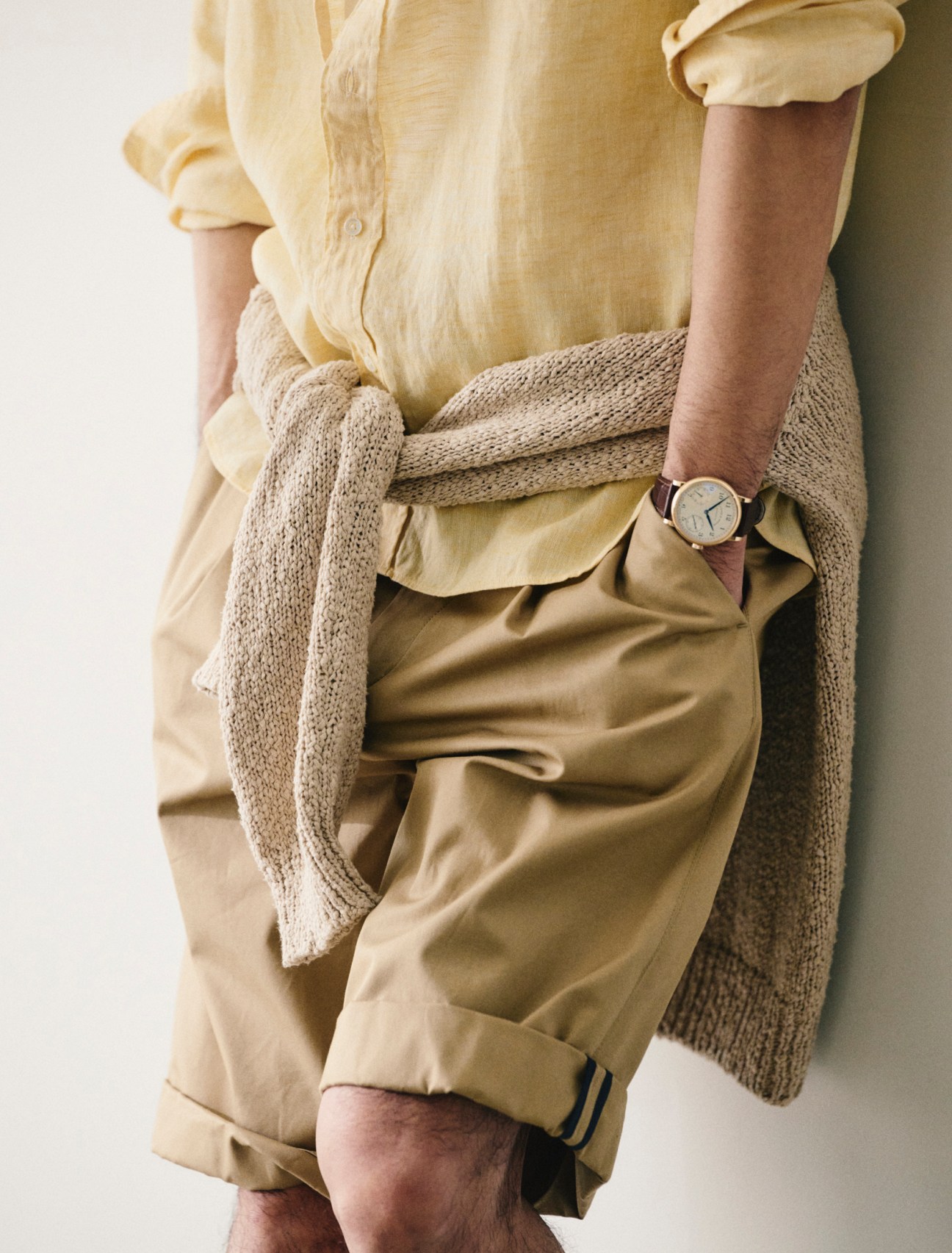
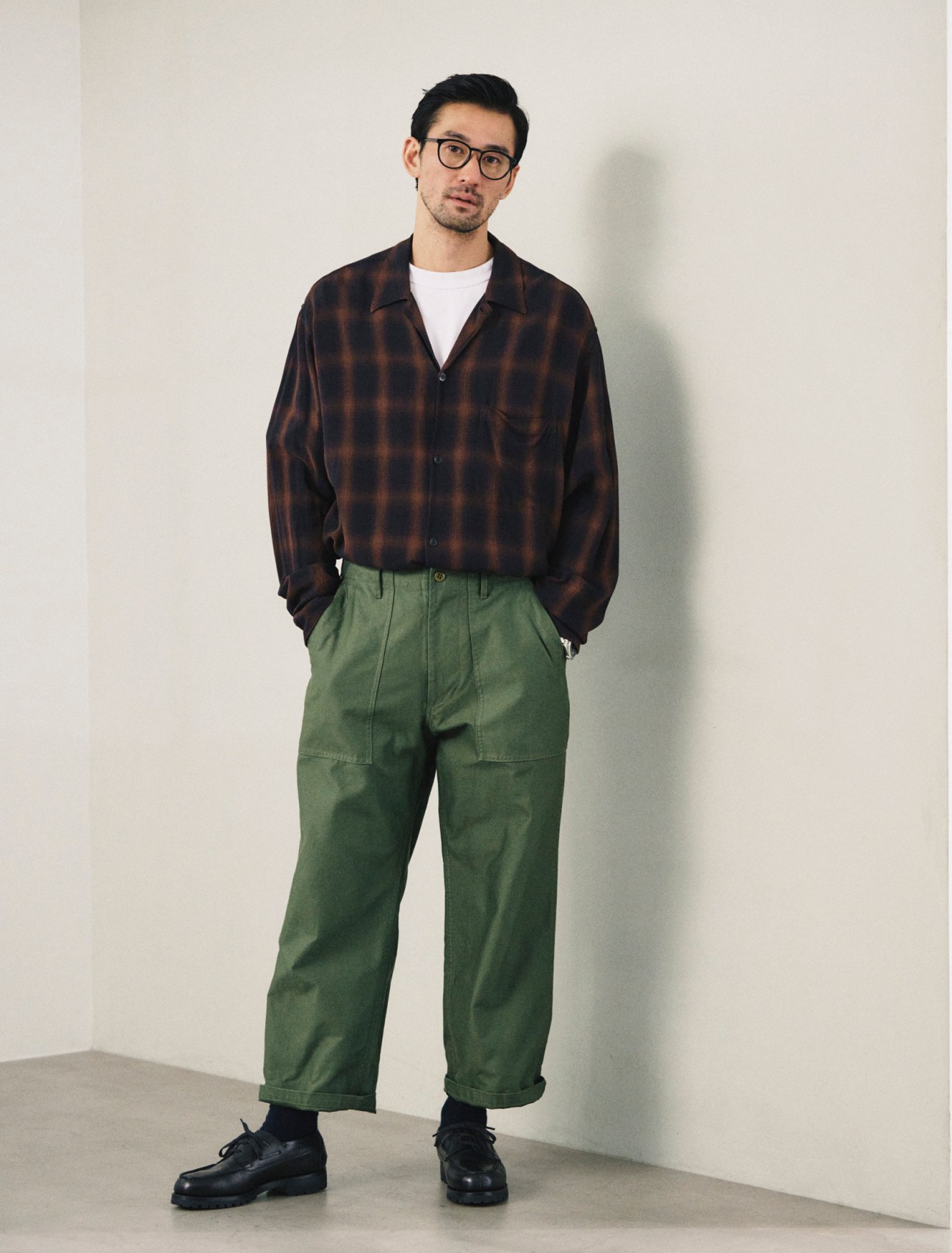
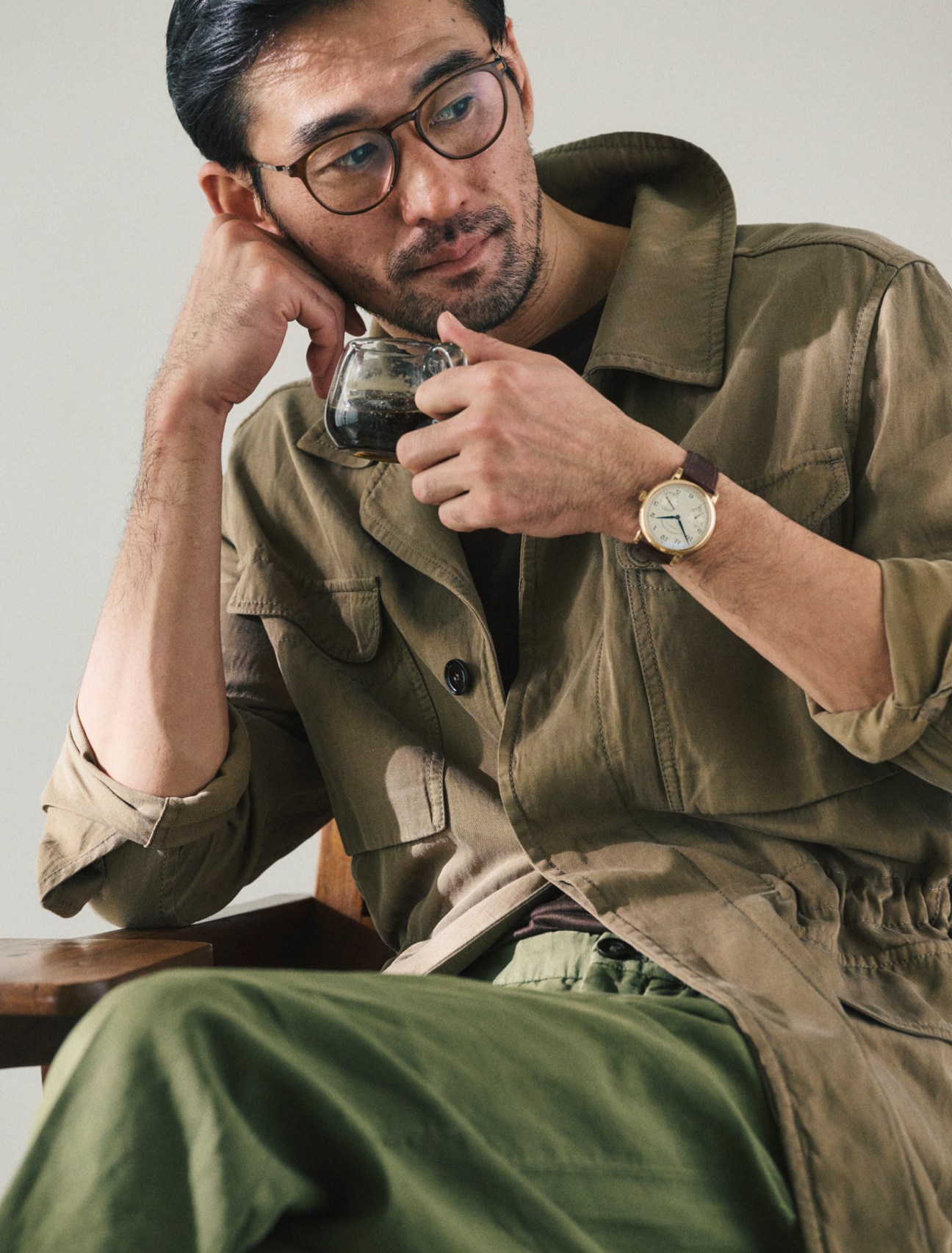
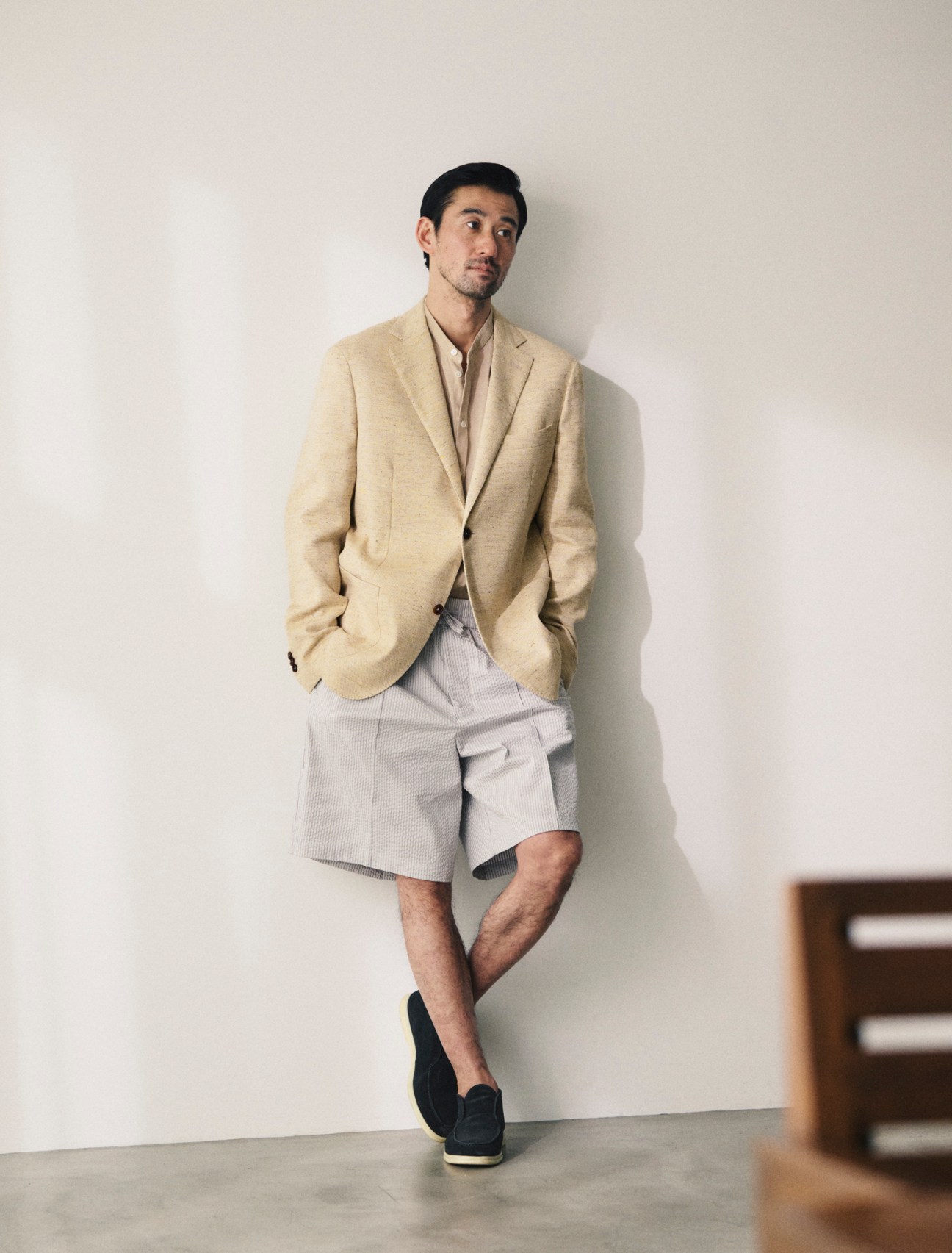
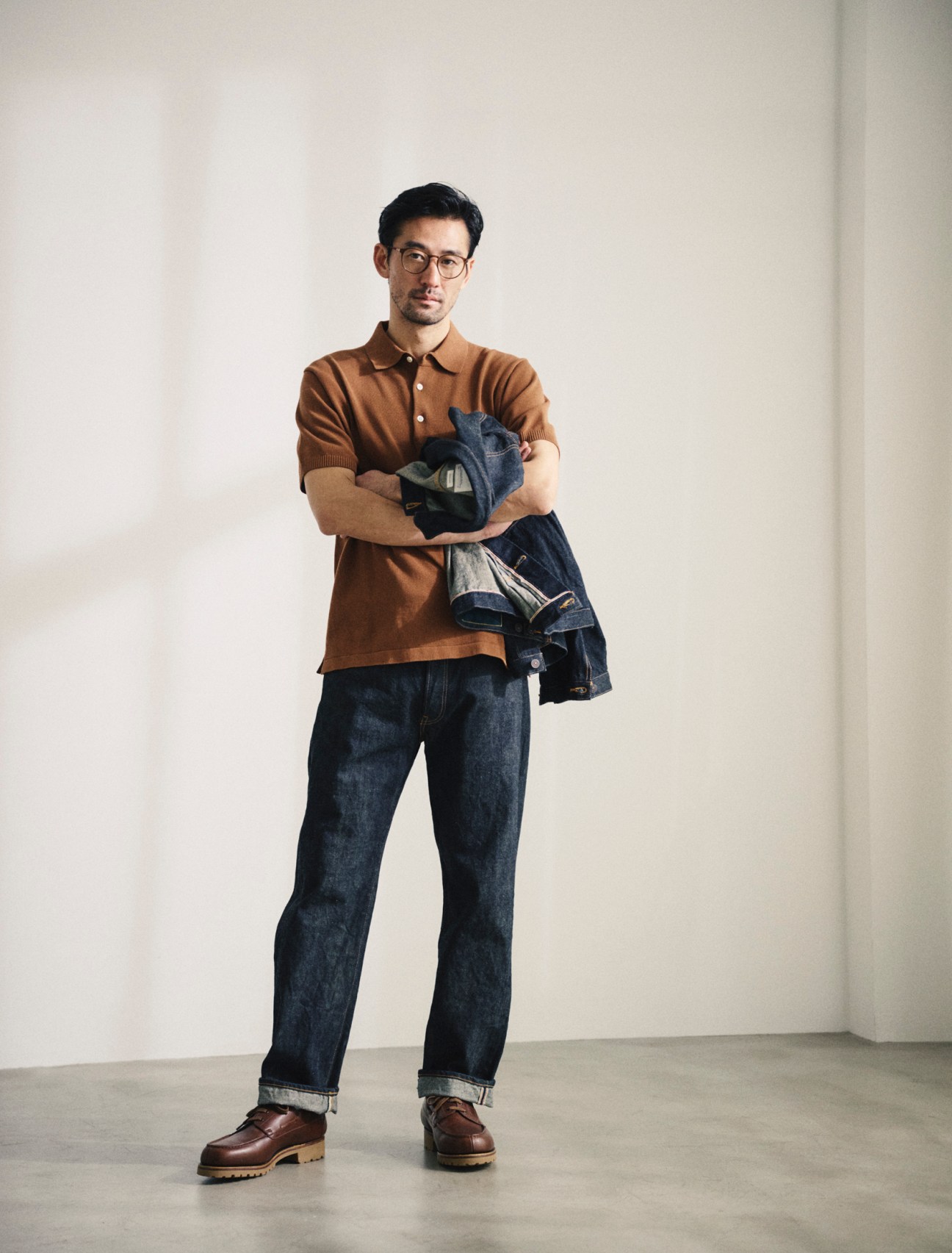
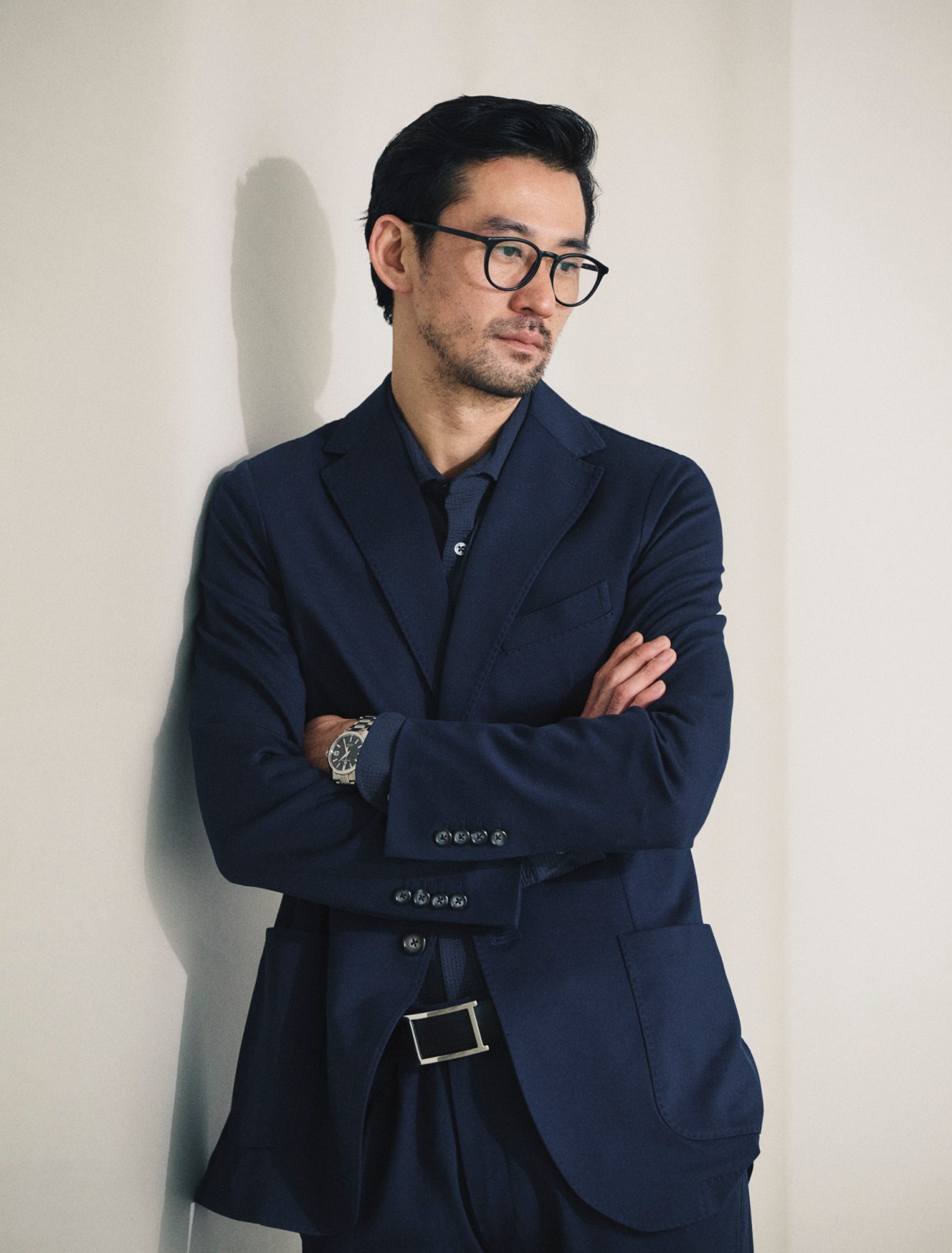
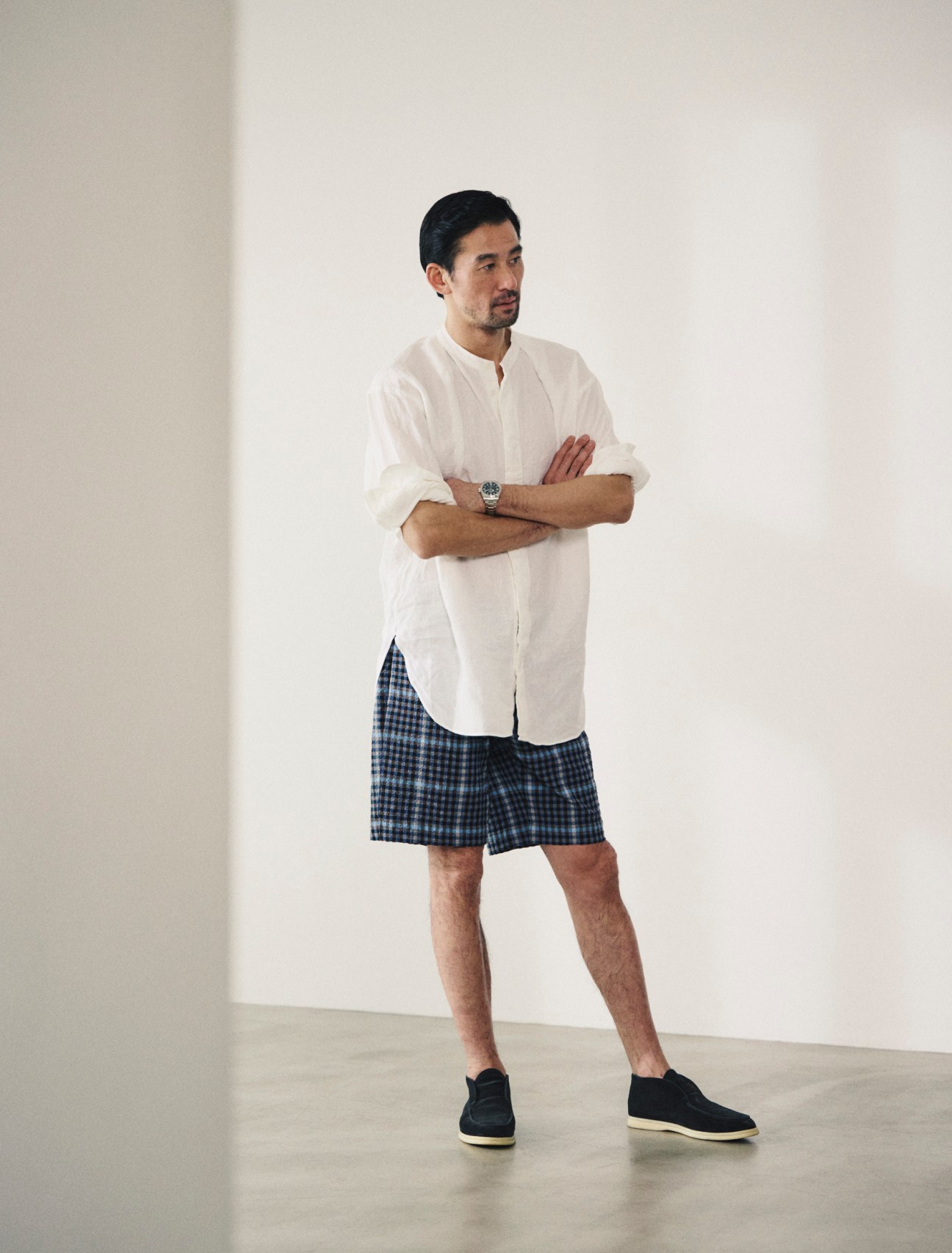
Model: Ikken Yamamoto
Grooming: Kenichi Yaguchi
Producer: Shigeru Nakagawa
The diplomacy agenda: A Q&A with Lithuania’s prime minister Ingrida Simonyte
Democracy
In the public eye
USA
Would you ever willingly sit in on a council meeting? What if you were paid to? This is roughly the question that inspired the Documenters programme, an initiative launched by Chicago’s City Bureau journalism lab in 2018 to increase awareness of local democracy by training and paying residents to take notes, live-tweet and even video-record public meetings.
The positive effects are manifold. By offering training and cash incentives, the programme encourages civic engagement while providing those out of work with an income; it also makes life easier for cash-strapped journalists too busy to sit in on every meeting. The programme has proven a success and expanded nationwide, partnering with news outlets in 11 cities. More than 2,200 documenters have been trained, covering some 5,000 meetings for an outlay of about $600,000 (€550,000).
documenters.org
Geopolitics
Continental shift
Italy
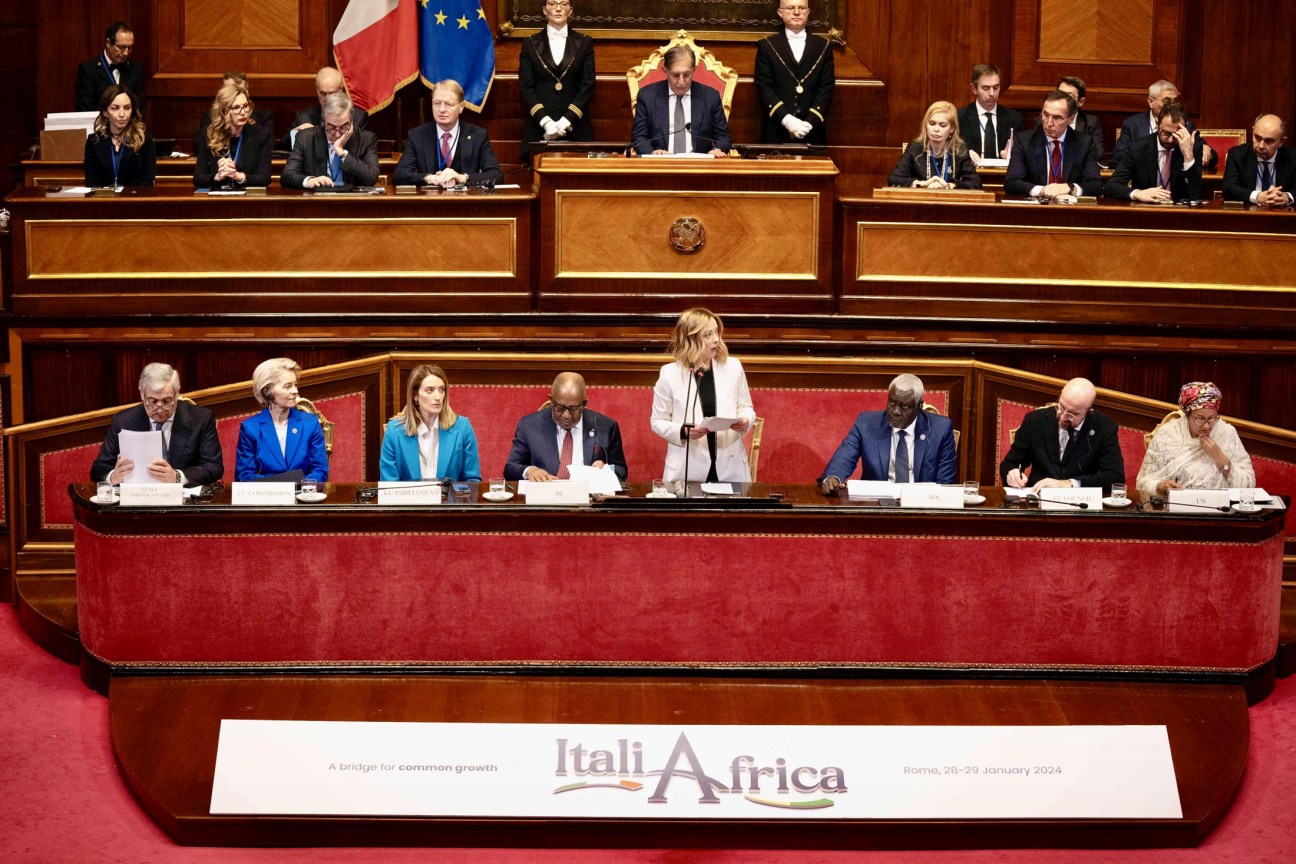
The Young Italian-African Diplomatic Fellows Programme brings African diplomats aged under 35 to Rome to study international relations at the Luiss School of Government. The programme is part of an effort by Rome to win hearts and minds in Africa in 2024. It complements the €5.5bn Mattei Plan, which aims to boost economic ties with Africa in exchange for helping to control illegal immigration.
Italy’s prime minister, Giorgia Meloni, has staked her success on stopping immigrants crossing the Mediterranean. But many African leaders, including Moussa Faki, chair of the African Union, have criticised what some see as its neo-colonial pretensions. The Young Italian-African programme, meanwhile, is unequivocally a soft-power tool. Raffaele Marchetti, professor of international relations at Luiss, says that it will allow “fellows to exchange ideas, opinions, and enrich each other’s training”.
Tourism
Business or pleasure?
Russia
The foreign-holiday options of Russians have dwindled these past couple of years. One place is rolling out the welcome mat, however. The first post-pandemic tourists to enter North Korea were Russians, who must have enjoyed the novelty of visiting the fiefdom of a belligerent pariah who terrorises his neighbours and crushes internal dissent. Though North Korea is a niche destination, this expedition is indicative of warm relations between Pyongyang and Moscow. These other popular spots for Russians have geo-strategic subtexts too.
1.
Turkey
With about six million visits by Russians in 2023, Turkey seems an unlikely first choice – it has Nato’s second-largest military. However, since Russia attacked Ukraine in 2022, Turkey has tried to maintain a relationship: Turkish Airlines and Aeroflot still fly in both directions.
2.
United Arab Emirates
Trade between Russia and the UAE continued to grow in the 12 months following the invasion of Ukraine and an estimated 500,000 Russians have relocated to the country. Russian tourism to Dubai in particular has been booming.
3.
Egypt
Egypt’s resorts have long been popular with Russians. The affection goes all the way to the top – in January, presidents Putin and Abdel Fattah el-Sisi took part in a joint video event to inaugurate a Russian-built power unit in Egypt.
Politics Q&A
Ingrida Simonyte
Prime minister, Lithuania
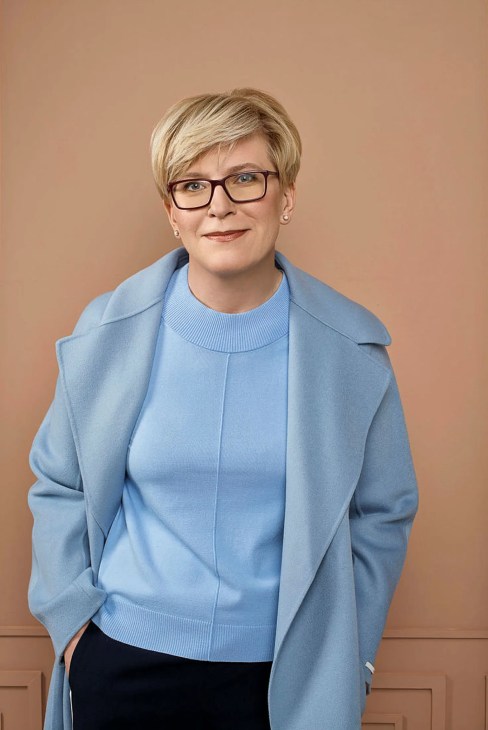
Ingrida Simonyte has been prime minister of Lithuania since 2020 and is a candidate in the country’s presidential election in May.
Do you feel like there is still an East-West divide in how seriously Europe takes the threat posed by Russia?
There is a very different sense of the probability of something happening – of Putin trying to test Nato’s Article 5.
The Estonian intelligence service’s annual report assessed that Russia is planning for armed conflict with the West in the next decade – how do you see it?
Is there political will in Russia for confrontation with Nato? Definitely, yes. But as long as they are stuck in Ukraine, they have quite a challenge.
You hosted Volodymyr Zelensky earlier this year. What is a leader-to-leader conversation with him like?
He knows that Lithuania is doing a lot but we have limited capacities in providing, for example, jet fighters. But our role is important in terms of persuading others not to lose time in contemplation, saying they cannot provide Ukraine this or that, and then, at the end of the day, providing it but with a significant loss of Ukrainian lives.
Lithuania and the Baltic states will always live alongside Russia. Is there hope of that arrangement ever being amicable?
Russia has never rethought its past. It is a colonialist country and we were a colony of Russia for a number of years. It’s not good to have neighbours who are a permanent threat to your existence – but I don’t see it being any other way.
Politics
Cash for questions
USA
Sasha Issenberg on a longstanding US democratic scheme that’s increasingly being abused by big spenders.
Any American already bored by their presidential choices might want to consider moving to California, where the same primary ballot that invited voters to ratify two of the same frontrunners as last time included a question over which they certainly had not been stewing over for years: “Do you support an overhaul of the state’s mental-health system that will require borrowing $6.4bn [€5.9bn] to build new treatment beds?” Proposition 1 is part of a distinctively American form of democracy known as the citizen-led initiative, through which voters can place a question on the ballot or call for a referendum on a law signed by the governor. This direct democracy has its roots in an 1888 trip to Europe by journalist and labour leader JW Sullivan, who returned smitten by the cantonal Landsgemeinde he observed in Switzerland, where every adult male citizen had the opportunity to introduce a law for consideration.
Sullivan toured the US to persuade fellow populists and progressive reformers that a “peaceful revolution” of direct democracy could be a useful counterweight that corporations, especially the nascent railroad industry, wielded through lobbyists in state capitals. South Dakota adopted the initiative in 1898 and other states – both liberal and conservative – followed. Nowhere, however, has the initiative become as central to policy-making as in California, where this autumn, alongside the presidential ballot, voters are likely to rule on matters as varied as zoning for new oil drilling and whether to establish a state institute for pandemic preparedness.
These races stand to be unusually costly. In 2020 rideshare and delivery apps Uber, Doordash and Lyft together spent $205m (€189m) to pass Proposition 22, which classifies their drivers as independent contractors under state law. The only campaigns in US history that have spent more on an election belong to presidential candidates. The need to educate citizens on matters that would otherwise be left to professional lawmakers has also produced an oddly paper-intensive corner of an increasingly digital political sphere. To qualify for the California ballot, one must collect 546,651 signatures, on petitions typically delivered to the secretary of state’s office by the truckload. Once approved, the full text of the proposals appears in a newsprint guide mailed to voters; Proposition 1 filled 68 pages of dense type. The ballot itself, which includes terse (and aggressively negotiated) summaries of the initiatives, presents its own reading assignment: in November 2022, Los Angeles voters had to navigate five pages of choices.
“Through the citizen-led initiative, voters can place a question on the ballot or call for a referendum on a law signed by the governor”
Republican politicians in conservative states, where in recent years voters have enacted left-leaning policies to raise the minimum wage and protect abortion rights, are pushing reforms that would make it harder to change state law via direct vote. Liberal critics see the converse happening in Democrat-controlled states, where corporations often have their best shot to change policy by outspending at the ballot. “A tool that was created to give citizens power is becoming a way to pass unpopular things,” says Chris Melody Fields Figueredo of the leftist Ballot Initiative Strategy Center. Both sides are forced to grapple with an irony that would have staggered Sullivan as he promoted the “Swiss model”. The mechanism is increasingly off-limits to all but the most well-funded interests: it can cost up to $10m (€9.2m), paid largely to lawyers and signature collectors, just to place a measure on the California ballot.
Issenberg is author of ‘The Lie Detectives: In Search of a Playbook for Winning Elections in the Disinformation Age’, published by Columbia Global Reports.
In the basket
All systems go
In the basket: 10 KM-SAM Block II surface-to-air missile systems
Who’s buying: Saudi Arabia
Who’s selling: South Korea
Price: €2.95bn
Delivery date: TBC
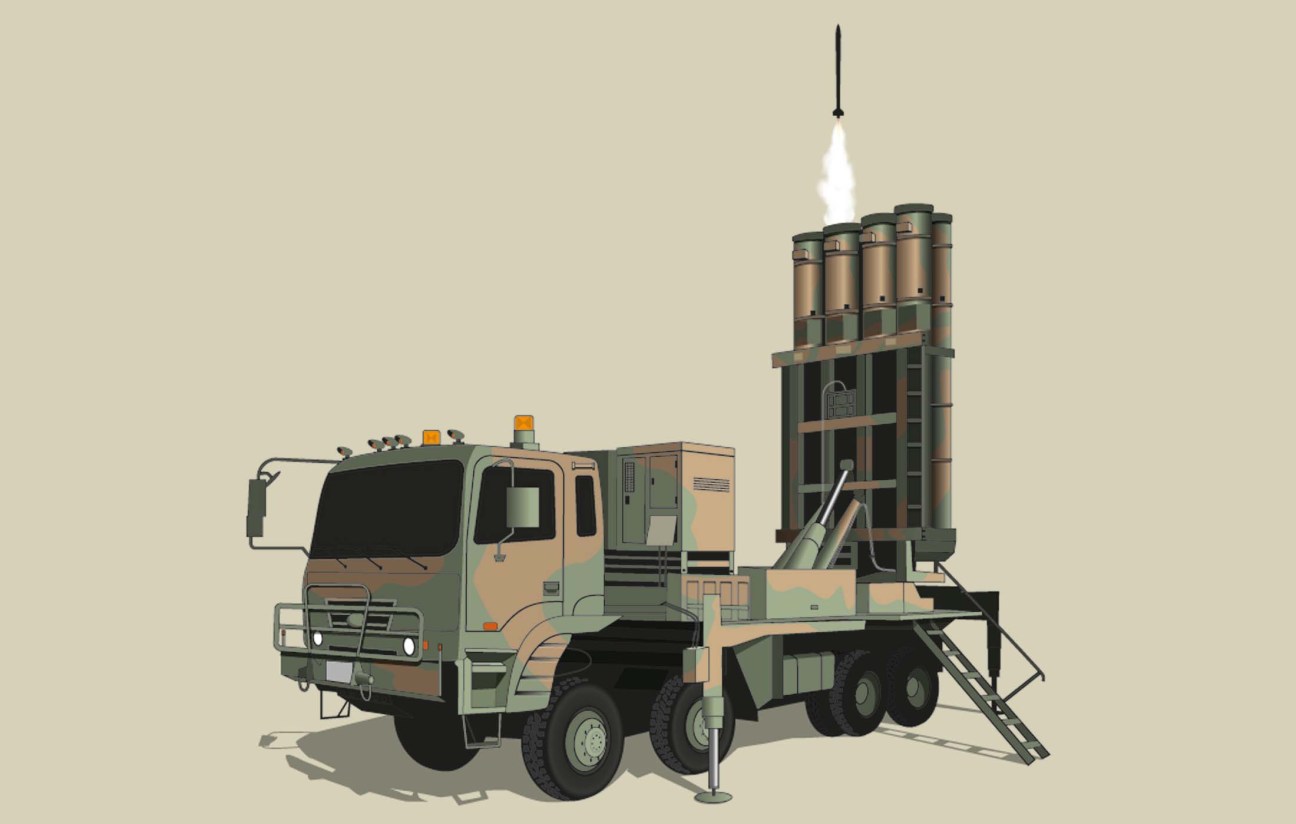
South Korea’s defence industry is continuing its bull run. This deal alone is worth more than the country’s entire annual arms exports as recently as 2020 – and it follows a similarly hefty order for the same system from the United Arab Emirates in 2022.
The KM-SAM, also known as the Cheongung, is a medium-range missile pretty obviously seen by the Saudis principally as a counter to further aerial incursions from Iran’s Houthi proxies in Yemen.
The boon in South Korean arms exports is partly a consequence of the war in Ukraine. With many of the more established manufacturers now overstretched, South Korean kit has become valued not merely for its quality but also for the relative speed with which it can be delivered (Poland in particular has been a prodigious customer, ordering South Korean tanks, artillery and aircraft).
Ironically – indeed, outrageously – South Korea refused an earlier request for the KM-SAM from Ukraine, a country that could surely put it to good use.