Issues
Affairs agenda: Drones in modern warfare, Norway’s business-minded prince and the US election
Andrew Mueller on…
Morality in global conflict
Every nation that has waged war and every non-state militia that has sallied similarly forth has done so advertising its virtuousness. To illustrate the same point from the other direction: nobody has marched into battle declaring that their cause is ridiculous, their motives mendacious and that their victory would be an atrocious travesty against sense and justice. But the two conflicts attracting most of the world’s attention – in Ukraine and the Middle East – both appear to demonstrate a growing belief that the moral high ground has become redundant real estate. Russia’s assault upon Ukraine is as open-and-shut a case as has been brought before the court of global opinion. Russia attacked a sovereign state that had done it no harm and posed it no threat. Russia was widely and correctly condemned. Russia simply does not care.
Israel was certainly within its rights to respond forcefully to Hamas’s murderous assault last October: indeed, it would have been derelict not to. Though Israel has shrouded its punishment of Gaza in self-congratulatory praise for the Israel Defence Forces as the world’s “most moral army”, its indifference to Palestinian casualties has incurred the opprobrium not only of the usual suspects but also its staunchest allies. About all of which Israel has appeared serenely unbothered. Both countries might have calculated that in a polarised world, there is simply no point in trying to win anyone over. It may be tempting, therefore, for those nations that – for all their own manifold failings – do still hope to uphold some notion of a global order underpinned by elementary decency, to conclude that the world has descended into a conscienceless, Hobbesian free-for-all and that there is no point in even pretending to look like the good guys.
Any such inclinations should be resisted. There is an argument that the current global precariousness is actually a consequence of amorality. It has been plausibly suggested that the US’s flight from Afghanistan in 2021 was interpreted in Moscow and Tehran as a signal that the forceful export of American values had been superseded by a creed of ruthless self-interest, encouraging Russia to believe that there would be no consequences to a move on Ukraine and Iran to accelerate its regional pot-stirring – very much including the encouragement of Hamas. It is arguable that the most urgent reasons for any state – but especially the US – to maintain its idealism are in fact cynical: that while doing the right thing is the right thing to do, it might also be the best means of discouraging others from doing the wrong.
Andrew Mueller is host of ‘The Foreign Desk’ on Monocle Radio. Listen live at monocle.live/radio or download as a podcast.
Weapons – Iran
Cheap shots
Shahed drones made up much of the airborne armada that Iran flung at Israel in April. Its most notorious model, the Shahed-136, isn’t the swiftest or most sophisticated unmanned aerial vehicle but it doesn’t need to be. Shaheds are designed to be sent on one-way missions, carrying up to 40kg of explosives to targets within a 1,500km range of their launch site. They are also relatively inexpensive, perhaps as little as €20,000 a unit. Even if all that a Shahed does is draw a single $450,000 (€420,000) Sidewinder missile from an enemy F-35, it has put its operator comfortably in front.
The Shahed drone is a product of scarcity. Western-led sanctions meant that Iran had to build it using commonplace technology and it’s guided by components that can be sourced online. It became well known in 2019, when Iran’s Houthi proxies in Yemen launched them at Saudi oil refineries, causing severe damage. The drones have since been employed by Iranian allies across the Middle East and by Russia against Ukraine (Russia calls the Shahed-136 the Geran-2). In February leaked documents from an Iranian company linked to the country’s defence ministry suggested that Russia had bought thousands of Shaheds, plus the right and means to manufacture them domestically in a facility in Tartarstan. Russia paid in gold – nearly four tonnes of it.
“The Shahed isn’t very different to other loitering munitions and one-way attack drones in terms of its airframe, propulsion, configuration and warhead options,” Justin Bronk, senior research fellow for airpower and technology at the Royal United Services Institute, tells Monocle. “Where it does differ is its resistance to gps jamming and the large scale of production.” Expect to see more of this deadly drone in conflicts present and future.
Tourism – Asia
Walking the line
Decades-long efforts to thaw relations on the Korean peninsula were scuppered in December when Kim Jong-un declared that North Korea and South Korea were, in fact, “hostile to each other”. Since then the North has reportedly rebuilt its dismantled guard posts within the demilitarised zone on the border and, in April, its troops were spotted laying mines within the area.
But Pyongyang’s power flex has also left Seoul concerned about its image as a tourism destination. And that might explain why South Korea then launched 10 peace-themed trails across border towns in the Gyeonggi and Gangwon provinces. Here, visitors can take in the region’s remarkably unspoilt nature – or marvel at the security apparatus that surrounds it.
Trade – Oslo
Crown to business
When state-owned enterprise Innovation Norway organises trips for Norwegian companies looking to do business abroad, it sends along a secret weapon: Crown Prince Haakon. The 50-year-old royal is a regular fixture at the head of the country’s trade efforts – and one whose soft-power appeal opens doors. “He’s a very effective magnet,” Håkon Haugli, CEO of Innovation Norway, tells Monocle on the sidelines of an April mission to the US’s West Coast. Busy executives at the likes of Amazon, Apple, Google, Microsoft, Nvidia and Salesforce make time in their schedules when a crown prince offers to visit their corporate headquarters – more willing, perhaps, than if it were just a trade minister who came knocking (for the record, Norway’s ministers covering trade, industry and digitalisation were here too).
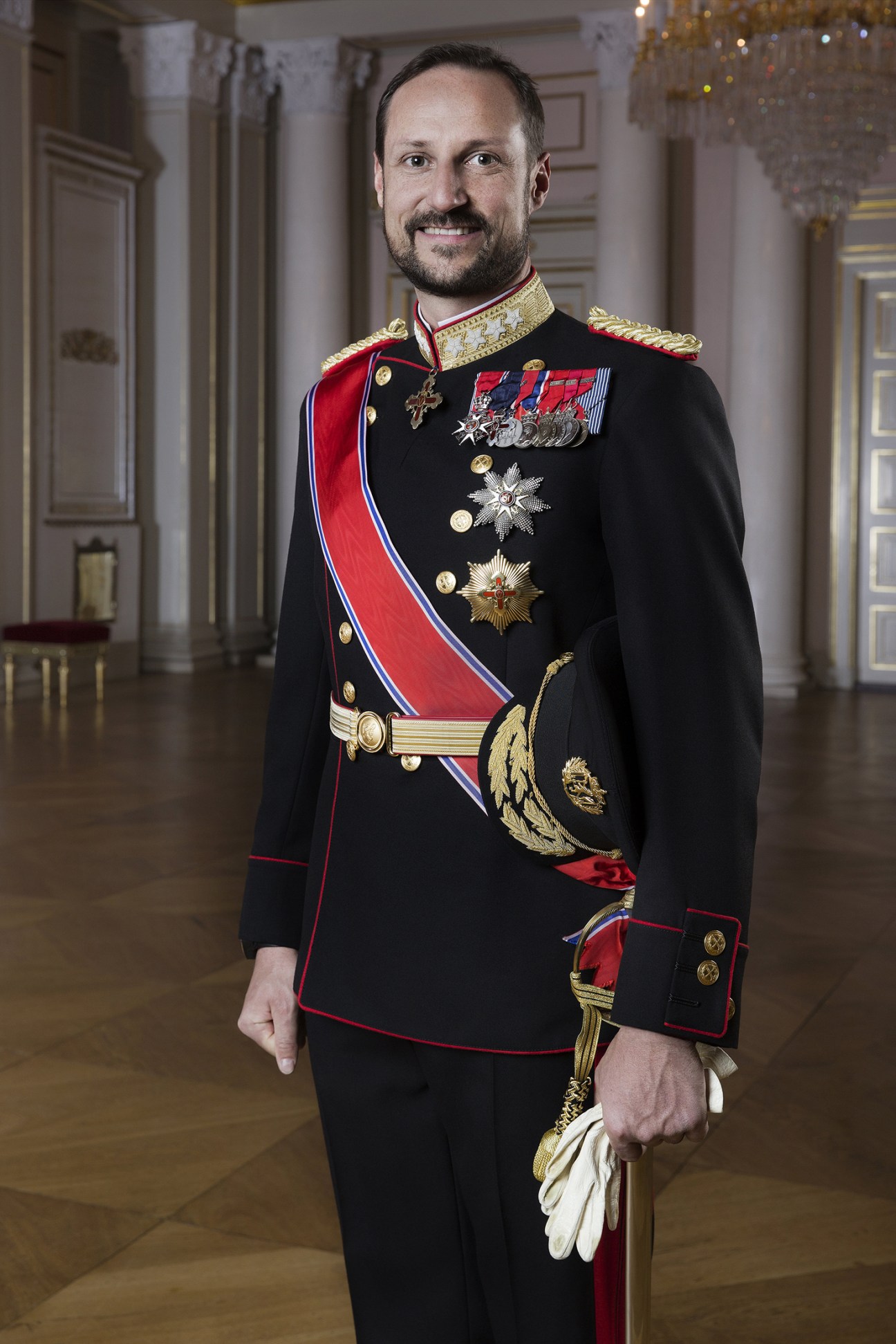
Beyond HRH’s star power, the heir to the Norwegian throne is a keen participant known to ask probing questions and engage with ceos. It’s a role that helps the businesses behind Brand Norway, eager to sell solutions for electric cars, maritime transport and digital services to friendly powers such as Germany, the US and the UK – all three of these Nato allies have received Norwegian business delegations in the past 18 months. Turning a run-of-the-mill trade delegation into a royal visit, with all the pomp and circumstance it entails, is an effective statecraft for growing GDP. In San Francisco, venture capitalists inked contracts to fund Norwegian start-ups. “This recipe works,” says Haugli.
Politics ––– Ljubljana
Q&A
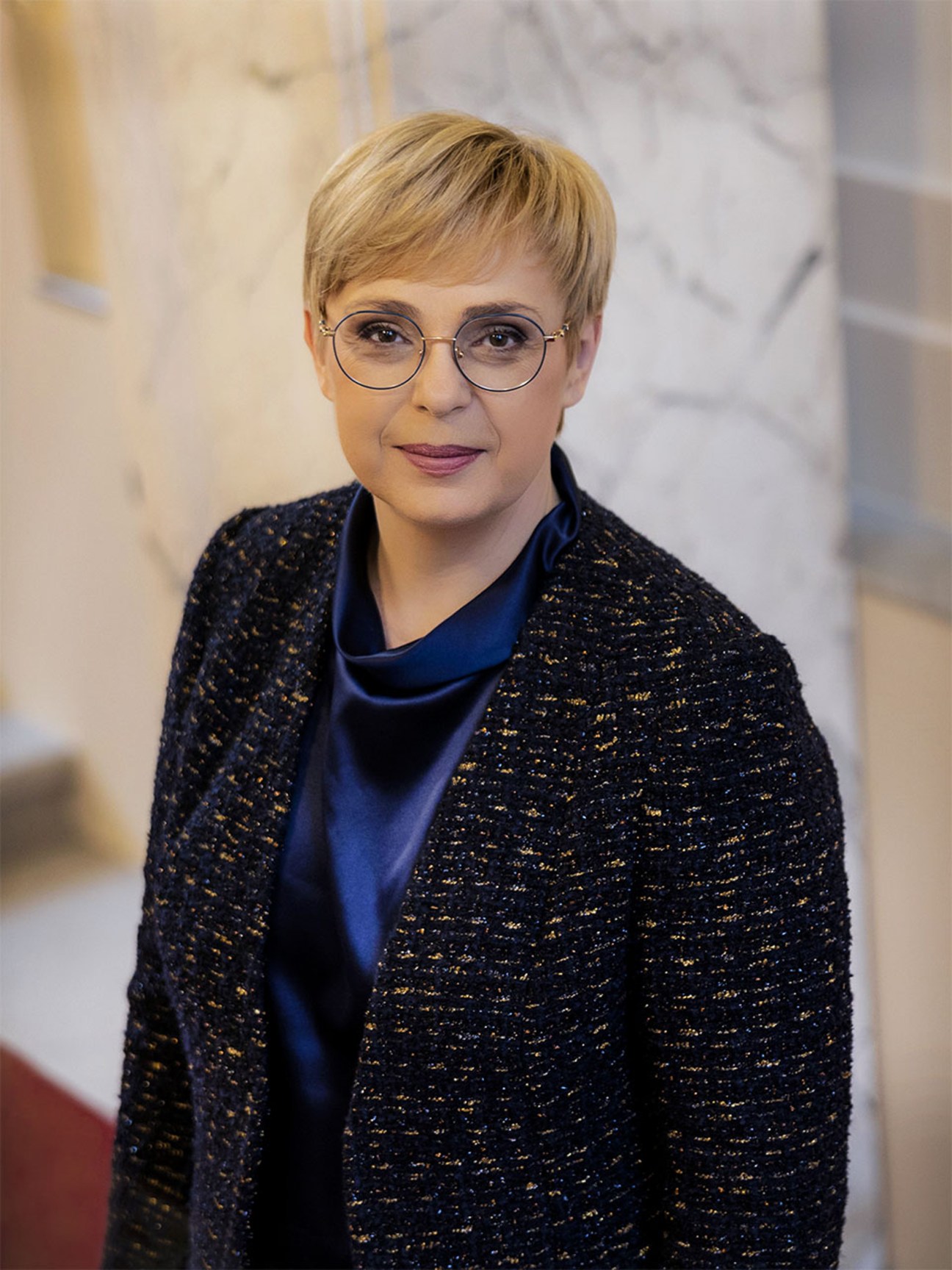
Natasa Pirc Musar
President of Slovenia
Slovenia’s head of state is a lawyer, journalist and former information commissioner. Monocle meets her at April’s Delphi Economic Forum.
Slovenia is a non-permanent member of the UN Security Council: what can you do in such a position?
What I am watching at the UN right now hurts me really badly. The UN was supposed to be a beacon of peace and security. When I was a young girl and there was conflict, there were the blue helmets. Today we have 55 armed conflicts going on and the UN is not doing its job.
Is reform possible, given that the Security Council’s permanent members – the US, UK, France, Russia and China – must agree?
Everything is in the hands of the Security Council and the veto power is abused daily. One step could be that the countries whose actions are being debated do not get the right to vote.
Could other former Yugoslav countries play more of a role as mediators between Serbia and Kosovo?
Definitely. The most important part of cohabitation between Serbia and Kosovo is to admit that minorities have rights. Being a lawyer, I believe that the law is always part of the solution.
How optimistic is it possible to be about a long-term settlement between them?
If you stop dialogue, if you stop discussion, the solutions are not going to be there.
Design agenda: Mobility aids reimagined and Gucci’s game-changing furniture reissue
nic monisse on…
Widening perspectives
It’s common to hear that a designer entered the profession because they wanted to create a better world for others. It’s an outlook reflected in our interview series from Milan Design Week (see here), where Japanese-born Keiji Takeuchi explained that he’s “always thinking about people” when he’s working. It’s a notion reflected in his exhibition dedicated to the creation of walking sticks and canes that restore dignity to their users.
The show is a breath of fresh air in a world where it can be challenging for designers producing at scale. When populations are so varied, it can be easy to forget to design for the quieter sections of society and simply tick the “people” box by relying on demographic data that doesn’t capture the nuances of lifestyle and culture.
A solution to encourage broader consideration for people might be found in Enzo Mari, who currently has an exhibition dedicated to his work at the Design Museum in London. A prolific designer, artist and educator of the 20th century, Mari was intent on bringing good design to a broad section of people through modularity and mass production. But he was also set on encouraging the next generation of designers to create with empathy.
To do so, he developed a board game with Milanese furniture manufacturer Danese. Originally created for children, “Living” featured eight packs of cards representing lifestyle factors such as profession, possessions and desires; these could be combined to create a fantasy life. By playing the game with his university students, Mari encouraged them to “think about real people, forgetting abstract and flat statistics”.
For any designer looking to broaden their perspective, running a similar exercise might not only be invigorating but also inspire new, life-improving projects for people who need them most. Takeuchi wouldn’t have designed the walking stick if he hadn’t been thinking of those beyond his typical audience of high-end consumers. Who knows, perhaps he played Mari’s game to get to such a headspace.
Fairs – Saudi Arabia
Desert form
There’s a benefit to creating temporary architectural structures: doing so allows designers to test ideas before putting them into permanent forms. It’s an opportunity that architecture practice KWY Studio has been afforded by Desert X Alula. The biannual design festival, hosted in the Saudi Arabian desert, commissions the Lisbon-based architects to design the visitor centre for every iteration of the event.
It’s an opportunity that has allowed KWY Studio to regularly riff on variations of its own architectural themes. In 2024, for instance, “the courtyard entrance experience is further refined”, says KWY Studio founder Ricardo Gomes. “In 2020 it was a simple passage; in 2022 a transitional space through adjacent yards; and in 2024 it’s a generous entrance hall that initially frames a monumental panorama.”
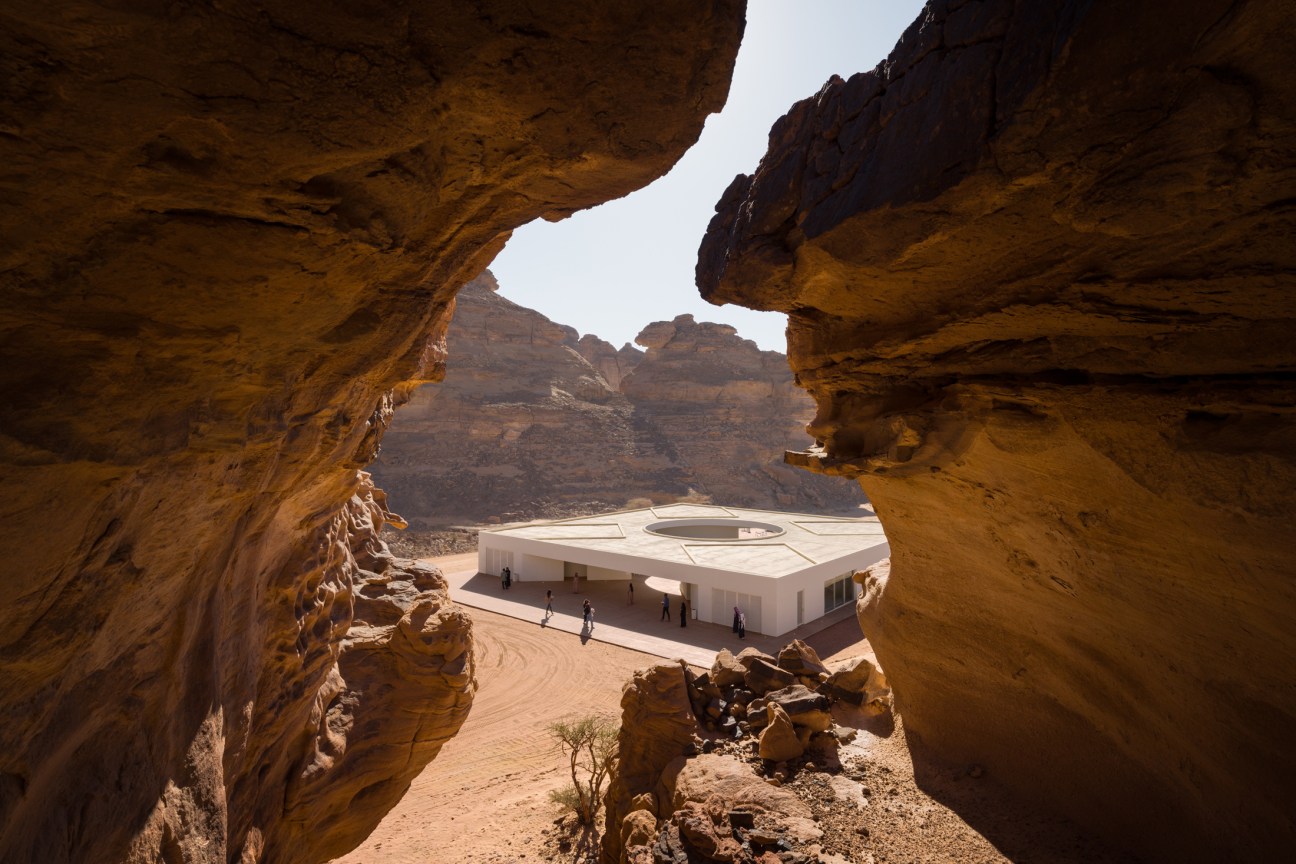
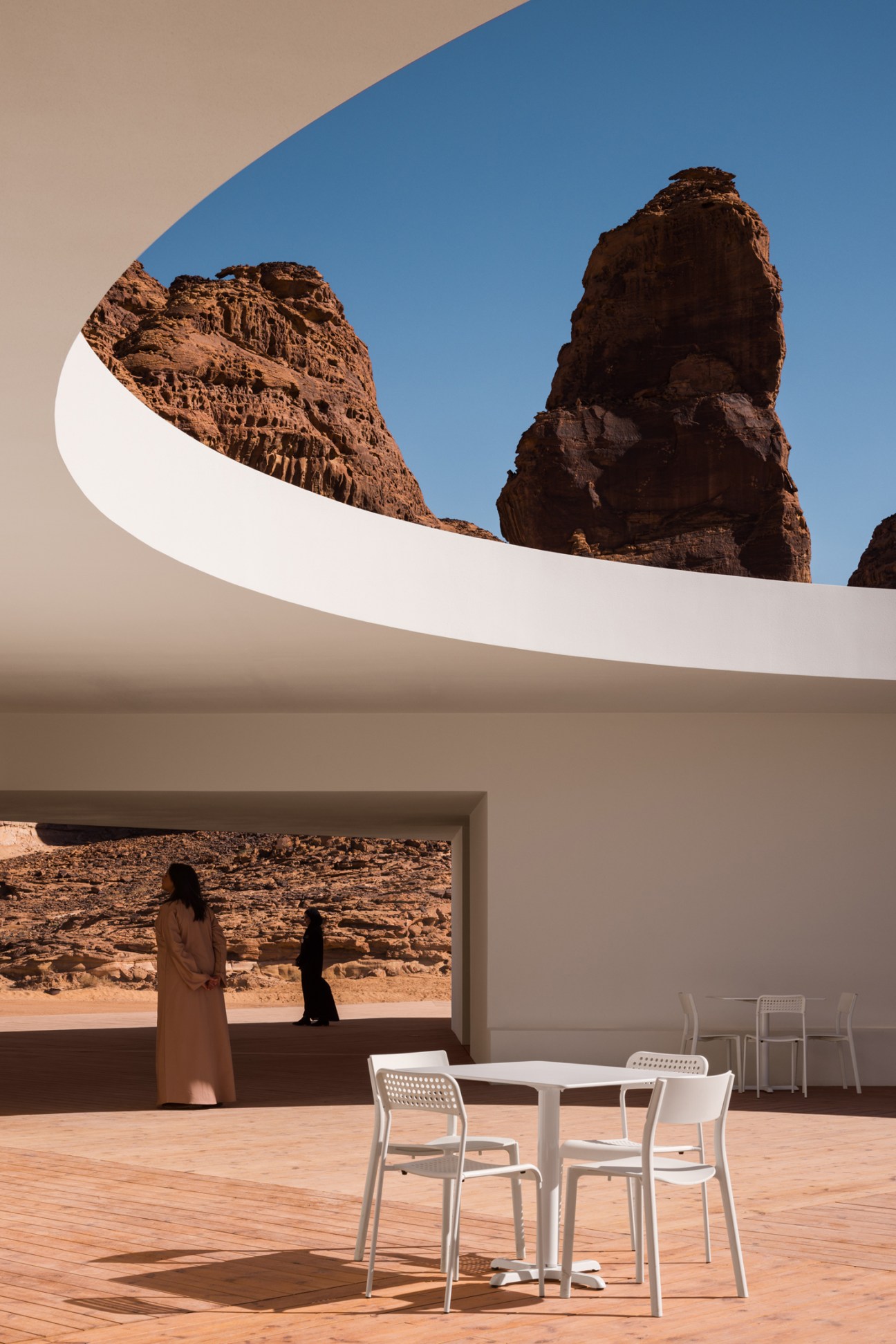
Located at the end of a narrow canyon, this year’s structure is set between rock formations, with views of the surroundings framed by apertures in the space. It’s a design outcome ensuring that this temporary pavilion makes the most of a permanent landscape, all thanks to a series of design moves trialled over a number of years.
For more on design in Alula, turn to our interview with Sabine Marcelis here.
Interiors – Milan
Inside knowledge
Founders of Milan-based Eligo Studio, Domenico Rocca and Alberto Nespoli (pictured, on right, with Rocca), met during the 2010 edition of Salone del Mobile. “Domenico was working in Berlin, I was in Amsterdam, yet we were both fans of the Italian artisan tradition,” says Nespoli.
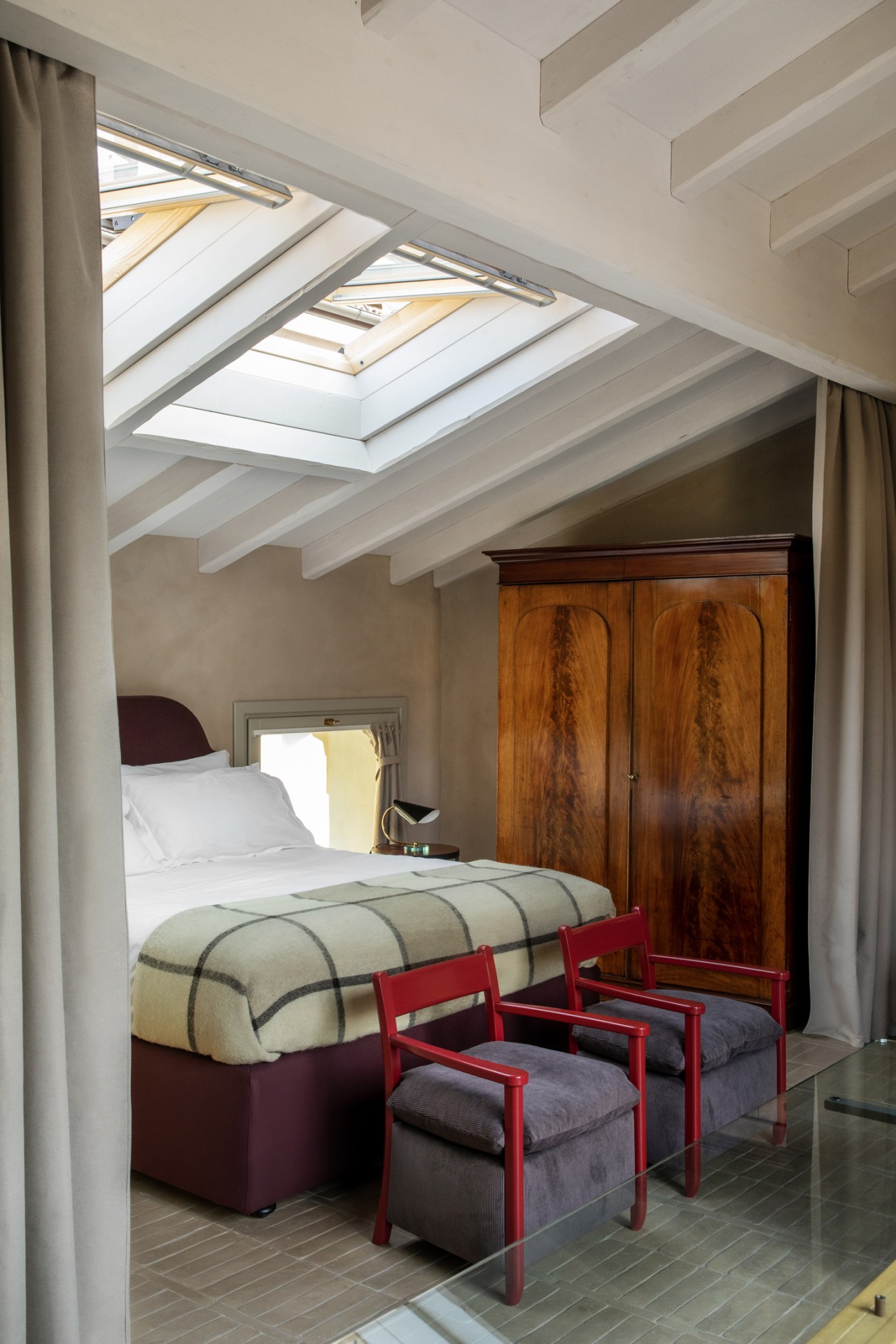
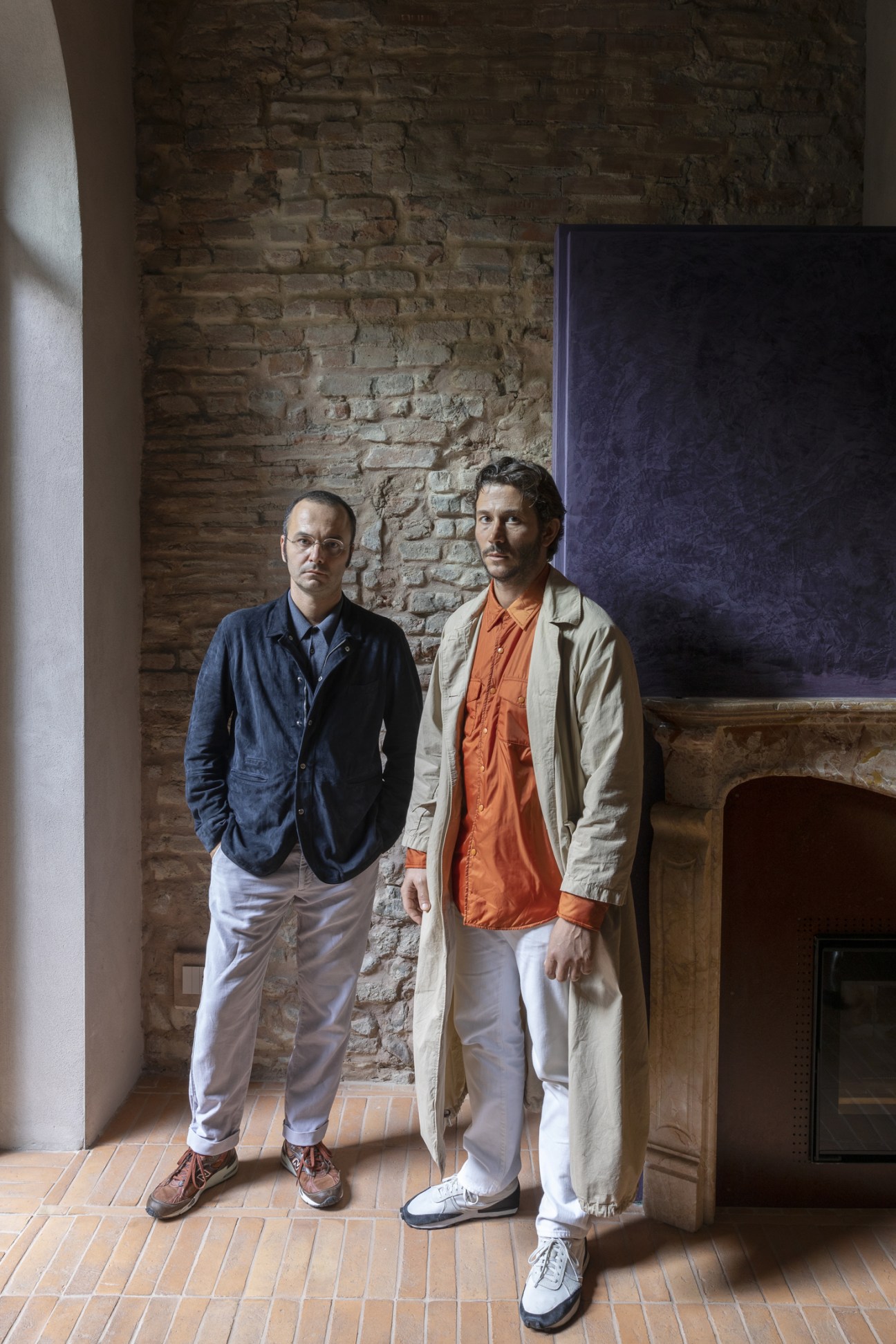
In 2012 the pair, graduates of Milan’s Polytechnic University, created a company specialising in interior design as well as a range of furnishings that are often incorporated into commissions. “Our work transmits a very Italian language that emphasises the aesthetic sensibilities associated with the masters of Italian design and makes it contemporary,” says Nespoli. “They were often working with artisan workshops and we want to preserve that.”
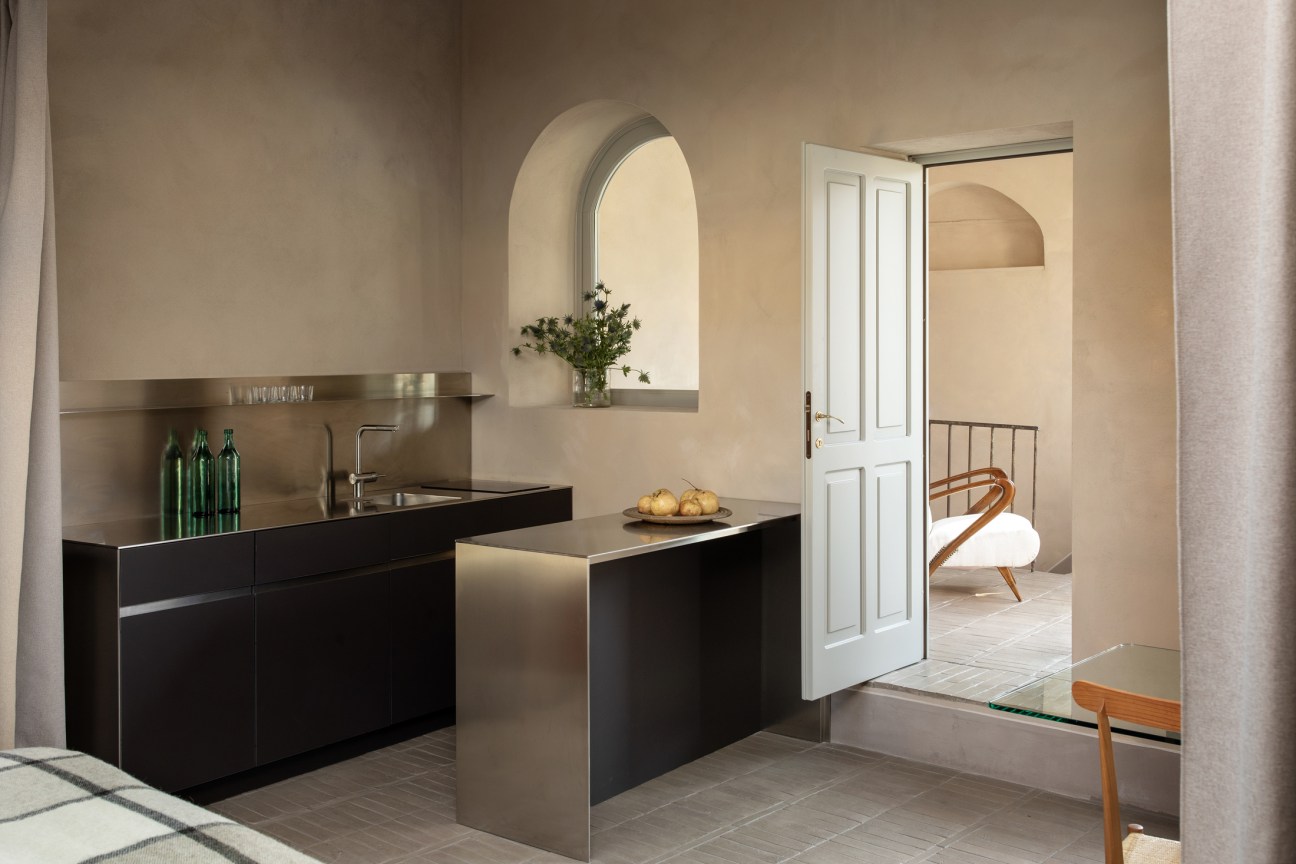
The result is a studio that produces custom furniture – including its Chiavari chair in cherry and beechwood, an update of a classic made by Ligurian craftsmen – and residential renovations such as a 1960s brutalist Milanese apartment and the boutique hotel Locanda La Concia in Reggio-Emilia. “We want to recognise the history of a place and enhance it,” says Nespoli. Those looking to commission a contemporary practice built on historical foundations would do well to tap the duo.
eligostudio.it
Furniture – Milan
Range of style
Emiliano Salci and Britt Moran, co-founders of Milanese design practice Dimorestudio, have a new furniture line to join their in-house Dimoremilano brand. Launched during Milan Design Week in April – where it was shown at a beautiful gypsum workshop – the Interni Venosta collection features seven initial pieces. The name is a reference to the inspiration of Milanese industrial designer Carla Venosta, who was particularly active in the 1970s and 1980s.
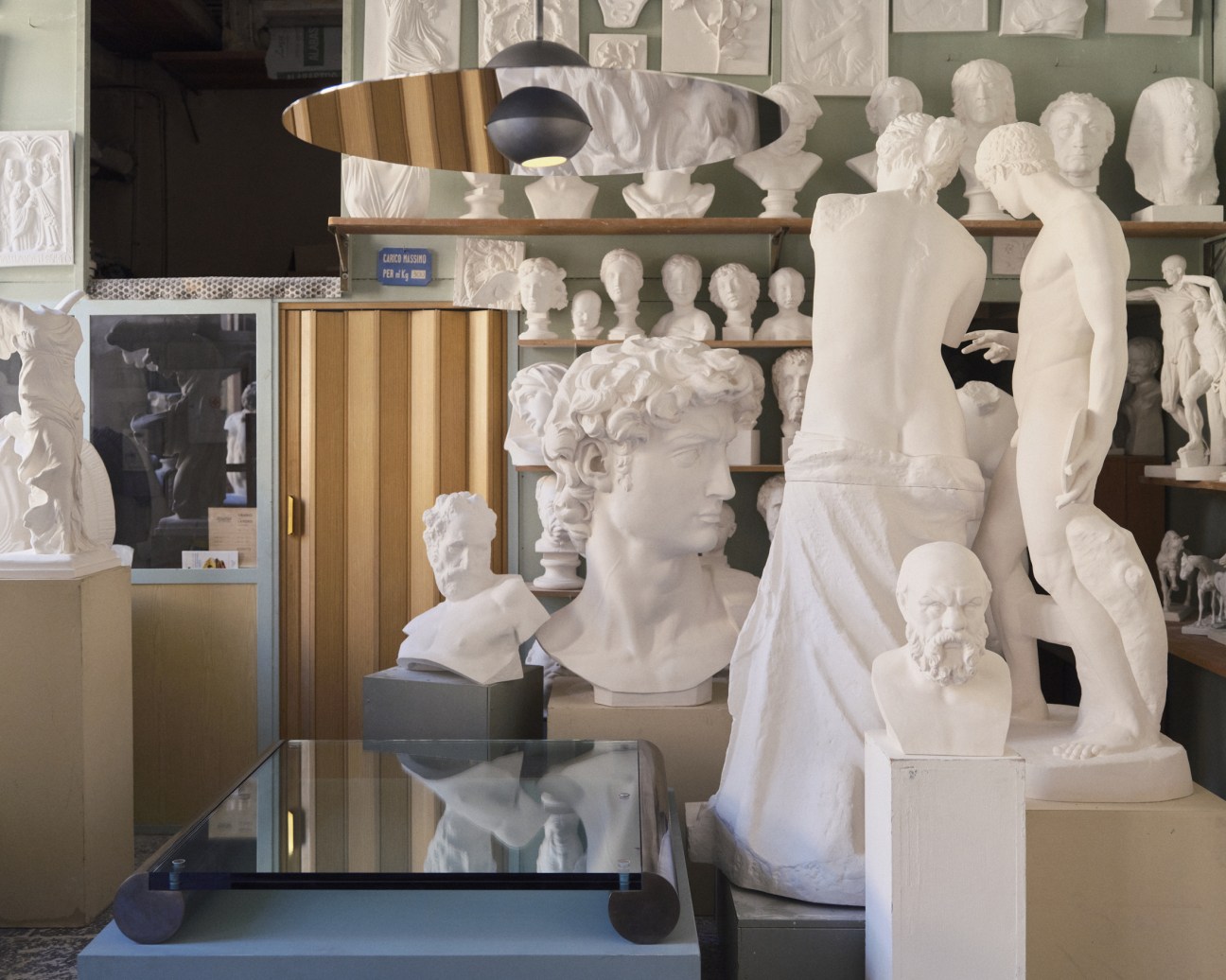
The works, which have been manufactured by Tuscany’s Fabbri Services, have some of the same angular touches as the pair’s previous designs, with a dominance of wood, steel and glass. The collection includes everything from a double bed and room divider to a beautiful table and chair set where the seats, when pushed under the table, appear as one cohesive piece. Billed by its founders as “simple, honest, concise”, Interni Venosta references everything from Donald Judd to Bauhaus. With our appetites whetted, we can expect more additions to the collection during 2024.
dimorestudio.eu
Furniture – Milan
Making history
During Milan Design Week, Italian fashion house Gucci reissued five iconic furniture pieces in creative director Sabato de Sarno’s signature Rosso Ancora, a deep-red hue that signifies a new chapter in the Florentine brand’s history.
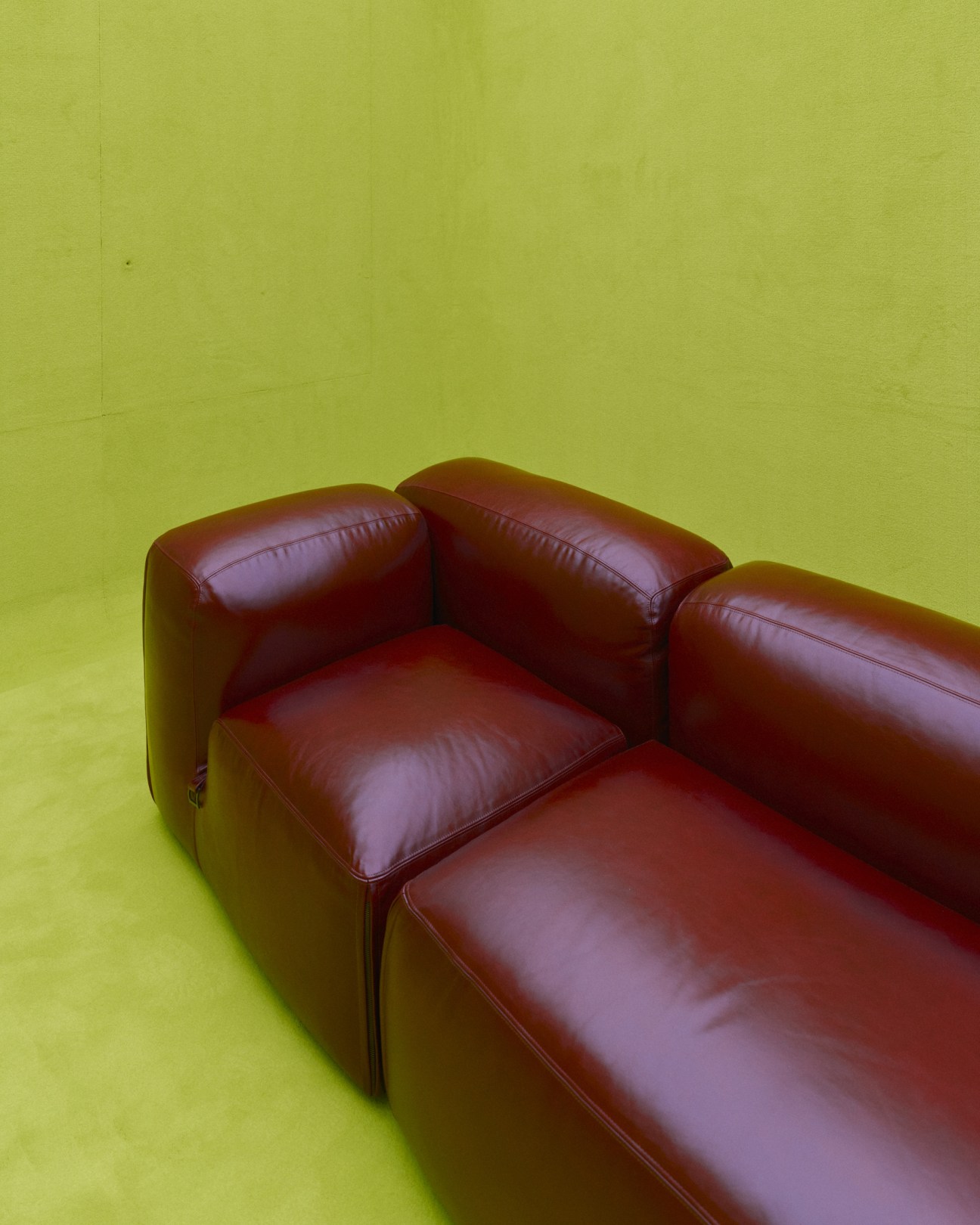
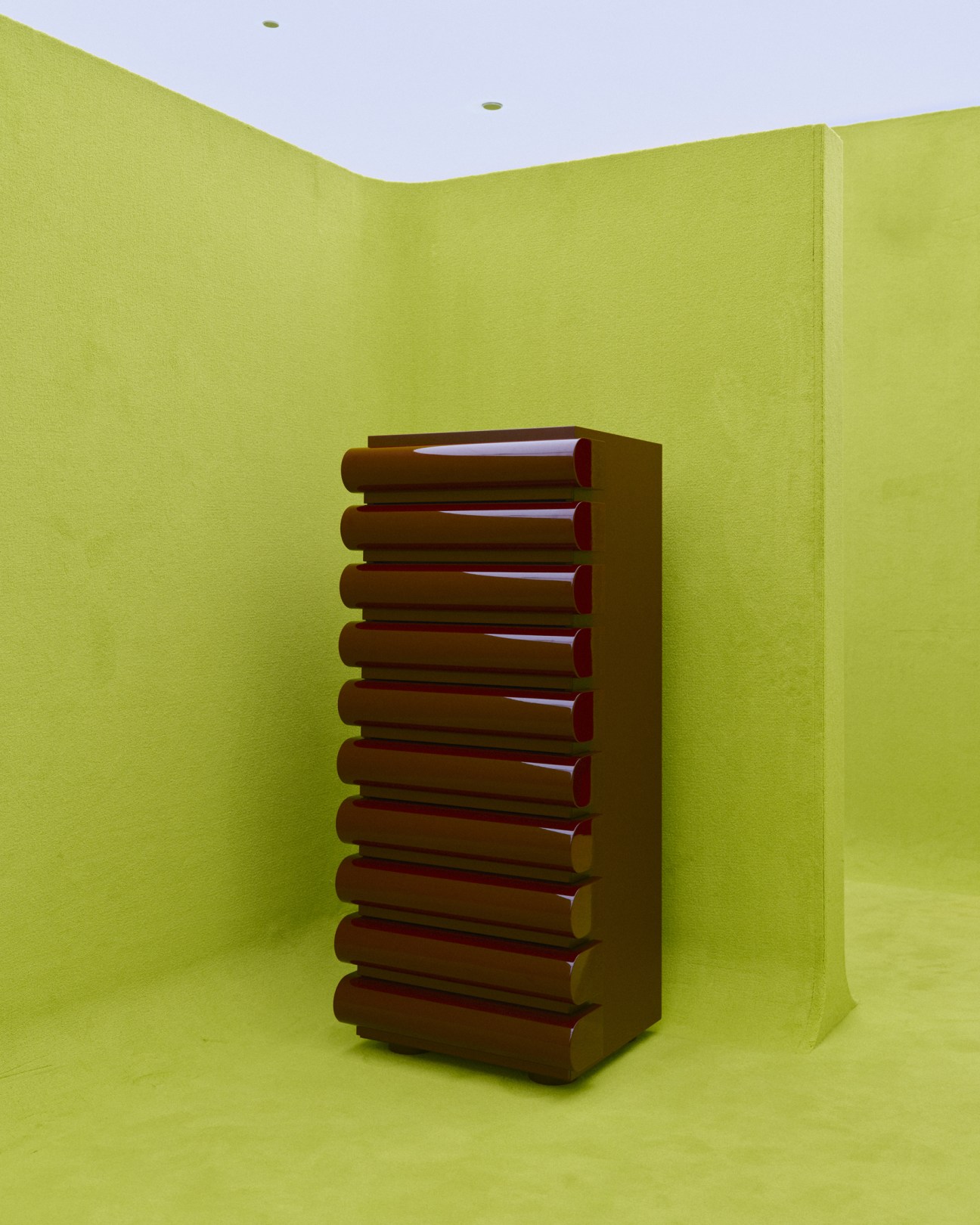
Set against a bright-green backdrop by Spanish architect Guillermo Santomà, the pieces included a Mario Bellini Le Mura couch for Tacchini from the 1970s and the Storet chest of drawers by Nanda Vigo, conceived for Acerbis in 1994.
An impressive blend of recognisable names in conversation with some of the country’s most notable furniture manufacturers, this is the Italian design scene at its most scintillating.
gucci.com
Exhibitions – Melbourne
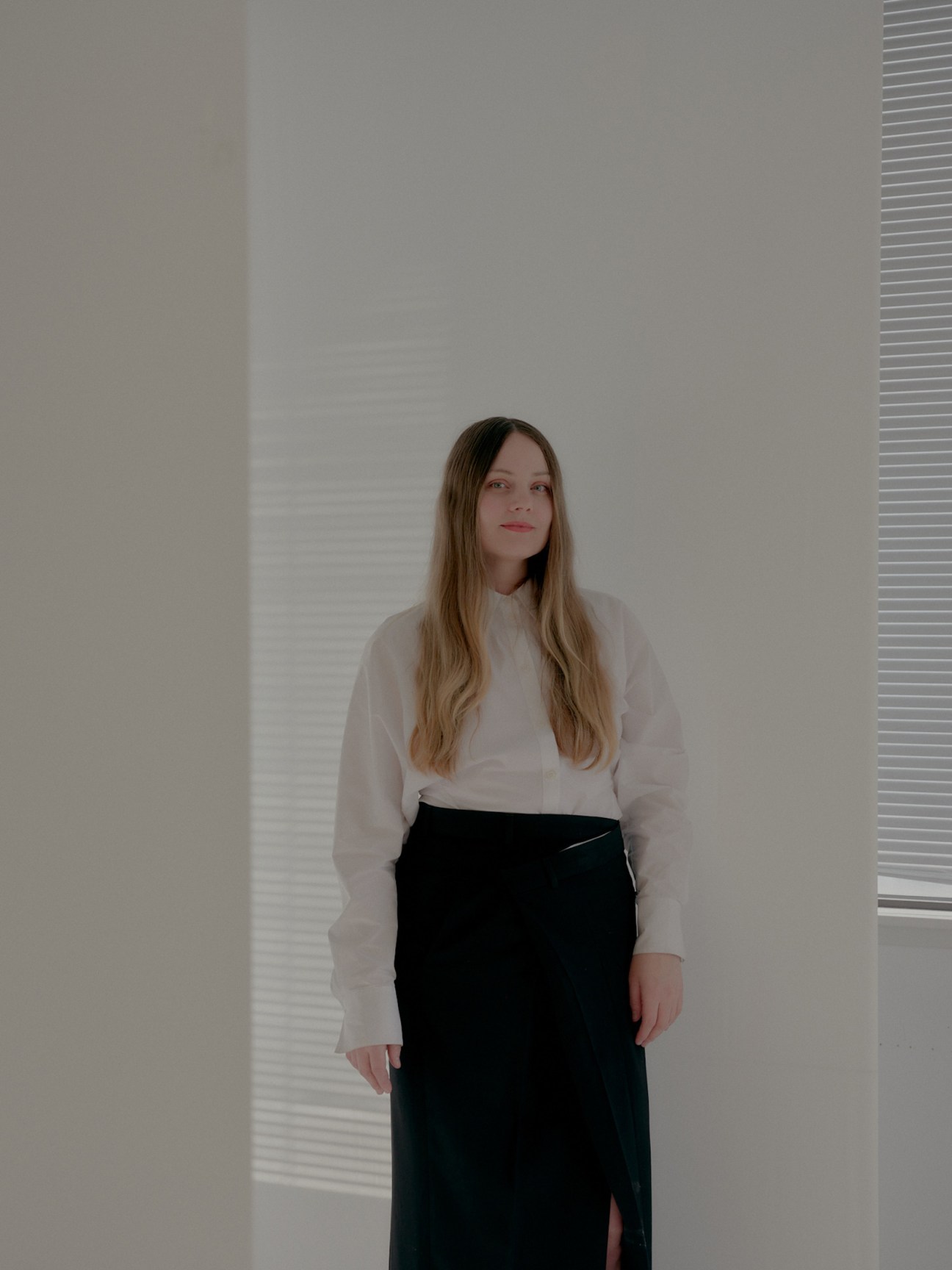
Q&A: Ella Saddington
Ella Saddington is a Melbourne-based multi-disciplinary designer and curator of the Material Matters exhibition at Melbourne Design Week. The showcase aims to bring together designers to consider how they might better use materials to build a more sustainable world.
designweek.melbourne
What’s the end goal for ‘Material Matters’?
We are looking at how we might integrate the materials presented here into a commercial solution so that we can start thinking about real-world applications, rather than showcasing the material in a static exhibition.
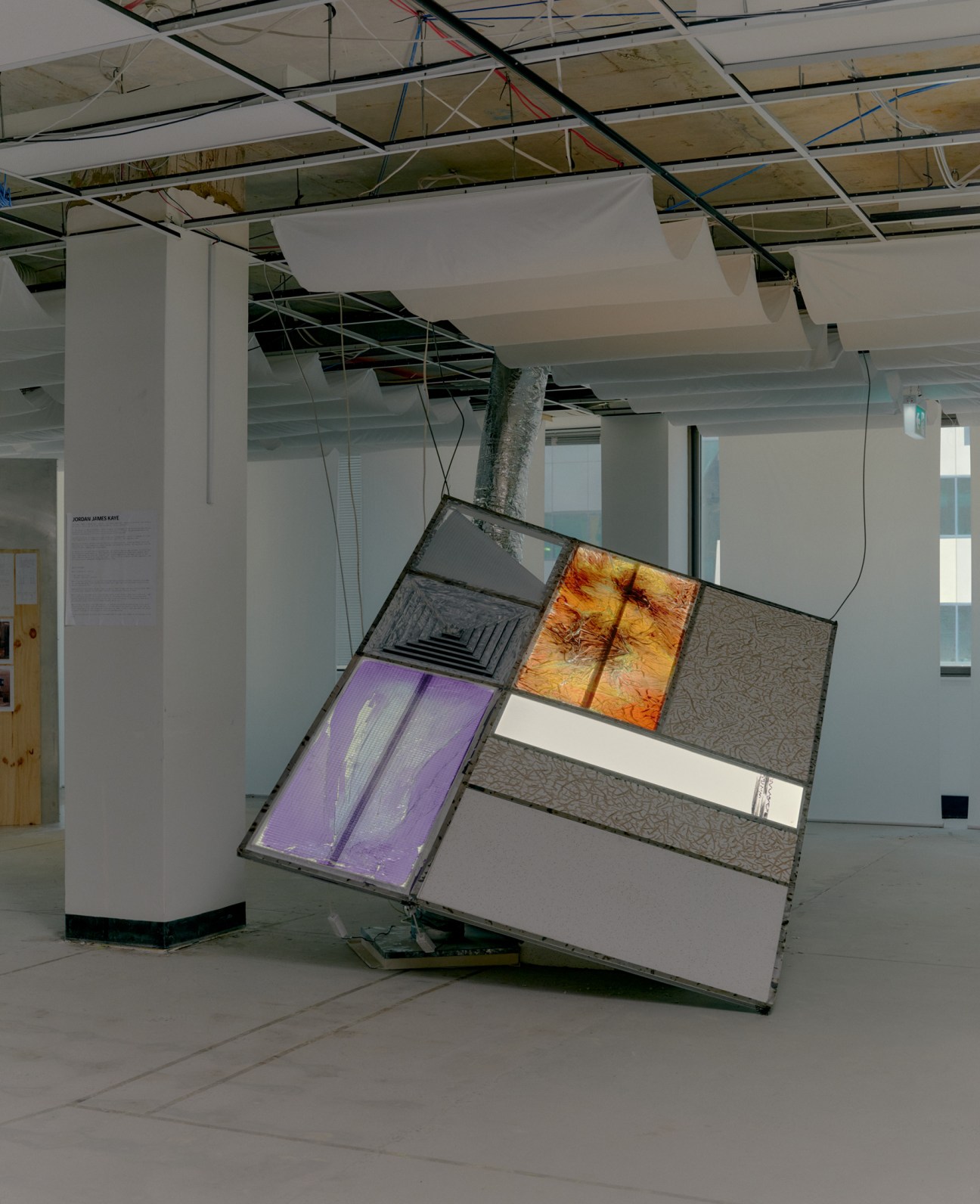
How do you strike a balance between presenting research and presenting finalised material solutions?
This show is about bringing designers together to share their wins but also their failures. A lot of the practices are in the early stages of innovation but then there are also plenty of market-ready solutions.
What are some of the highlights from the show?
There’s a secondary school programme that has created bio-based polymers out of coffee grounds. There’s also a large, structurally insulated panel system made from hemp and a textile-recovery company that has created solutions out of its waste streams, which it’s supplying to manufacturers in the area.
Manufacturing – Italy
Feet of clay
Lombardy has long been home to brick and tile makers, thanks to the clay soils of the Po floodplain. Terracotta tilemaker Fornace Brioni has, since 1920, been using clay to make its wares. Now under the direction of a fourth generation, Alessio and Alberto Brioni, the firm is upping its design credentials.
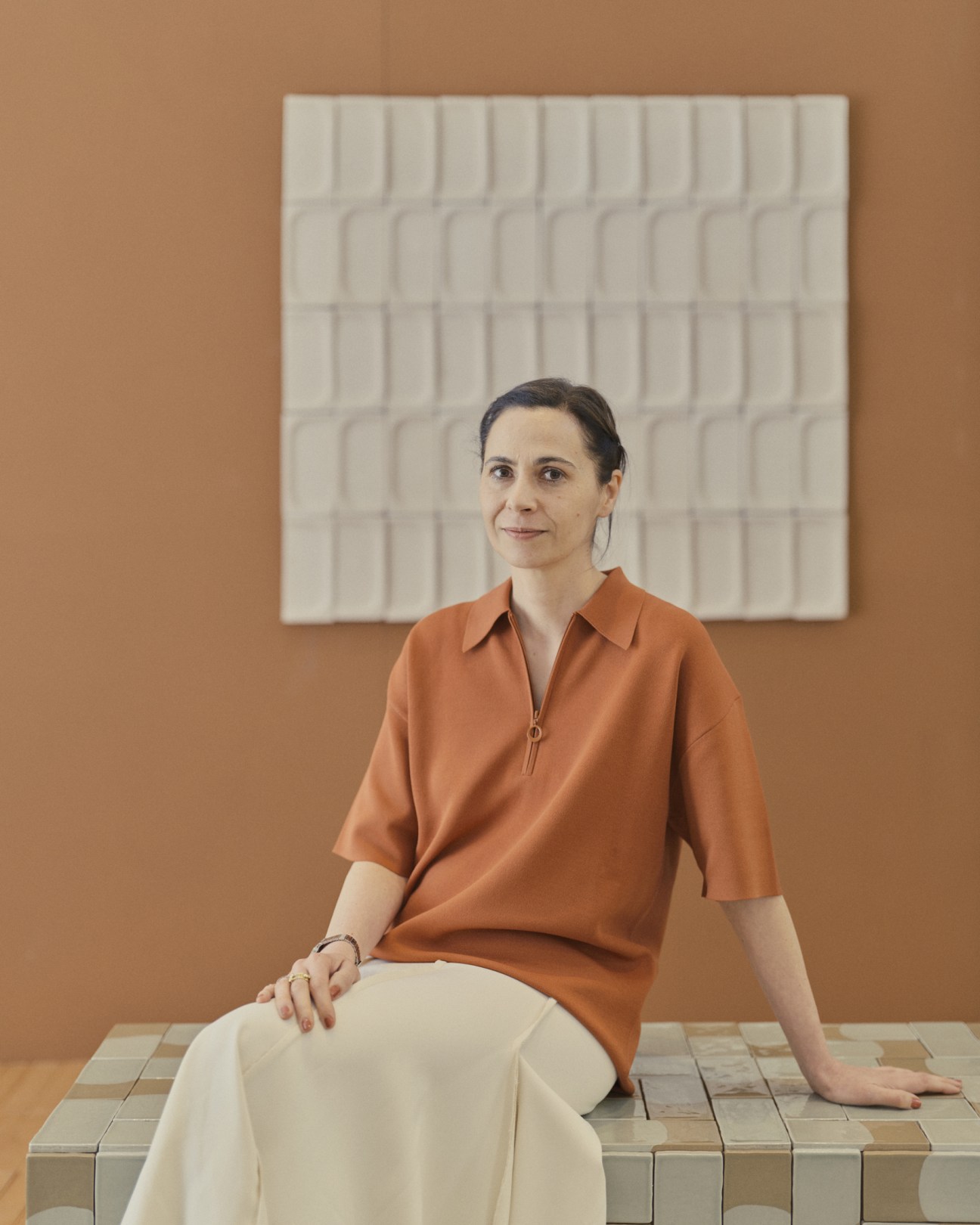
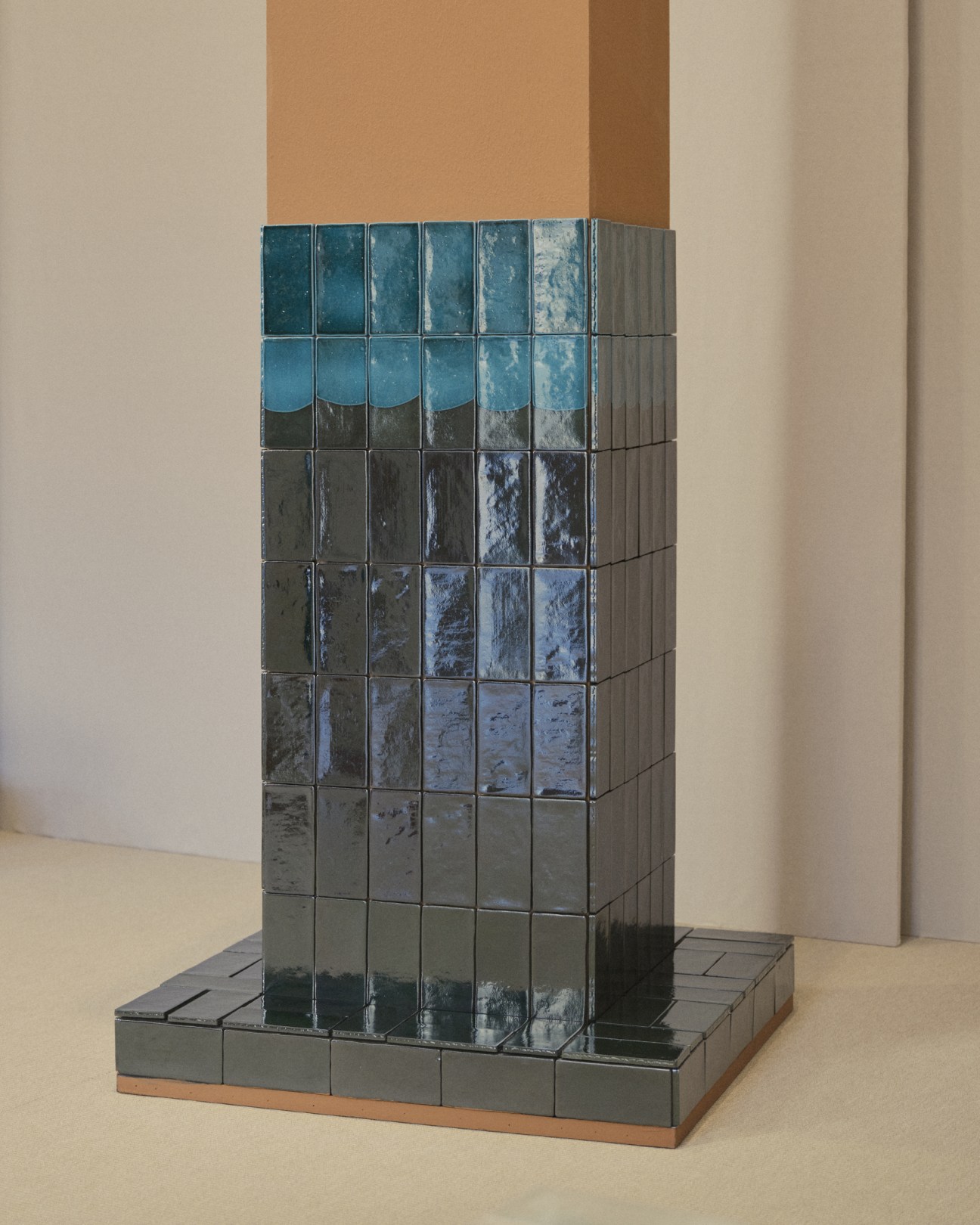
This year it has produced two new products. The first, in partnership with architecture firm Snøhetta, is a wall-tile system called Void. The design aims to reduce the amount of material used in production. The result? A scalloped, rather than flat, surface that casts gentle shadows as light moves across it. It’s a poetic product that complements the contribution of designer Cristina Celestino (pictured), who has created Fluviale, a hand-painted tile in blue-green and earthy hues, in partnership with Fornace Brioni. “The brushstrokes compose a pattern,” says Celestino. “It celebrates the movement that animates the plant world beneath the water’s surface.”
Both products are a reminder that there are always new ways of looking at classics – even the terracotta tile.
fornacebrioni.it
Homeware – Japan
Stuff of dreams
The taima-fu textile holds a sacred place in Japanese culture. A natural fine hemp, it has long been used for Shinto priests’ garments. Now, with the launch of Majotae 9490, it’s set to be a staple in the bedroom.
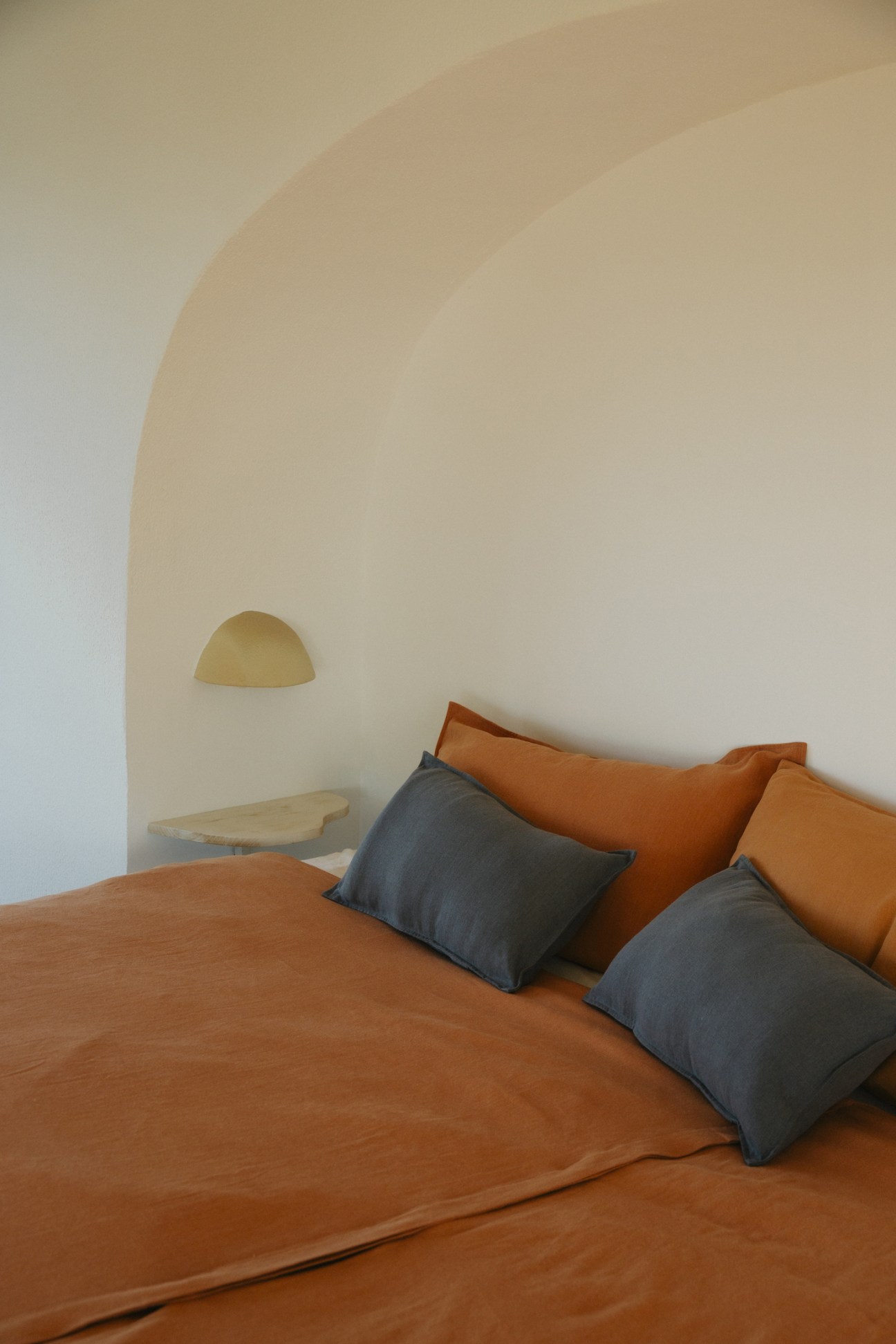
The new brand, an offshoot of Tokyo-based hemp business Majotae, has designed a range of sheets, duvet covers and pillow slips in collaboration with Teruhiro Yanagihara Studio, an interdisciplinary practice based between Kobe and Arles. Together, they developed new weaving technology to create a smoother and softer take on the original taima-fu textile, while still maintaining its thermo-regulating, antibacterial and odour-resistant properties.
The outcome is a luxurious set of bedding that will make it appealing to go to bed early every night, which is appropriate given that the “9490” number featured in the brand’s name nods to the average number of sleeps in a person’s lifetime.
majotae9490.com
Business agenda: Supermarket success stories and a new frontier in data storage technology
Supermarket 1 – Canary Islands
The way of the dinosaur
In April the Canary Islands-based DinoSol supermarket group bought six new locations, bringing its total number of shops to more than 250 across five Spanish islands. What’s behind the brand’s success? “I always say that it’s due to working a lot,” Javier Puga, the group’s CEO, tells Monocle. “We are aggressive on pricing and have worked hard to renovate shops and train our staff to provide excellent service.”
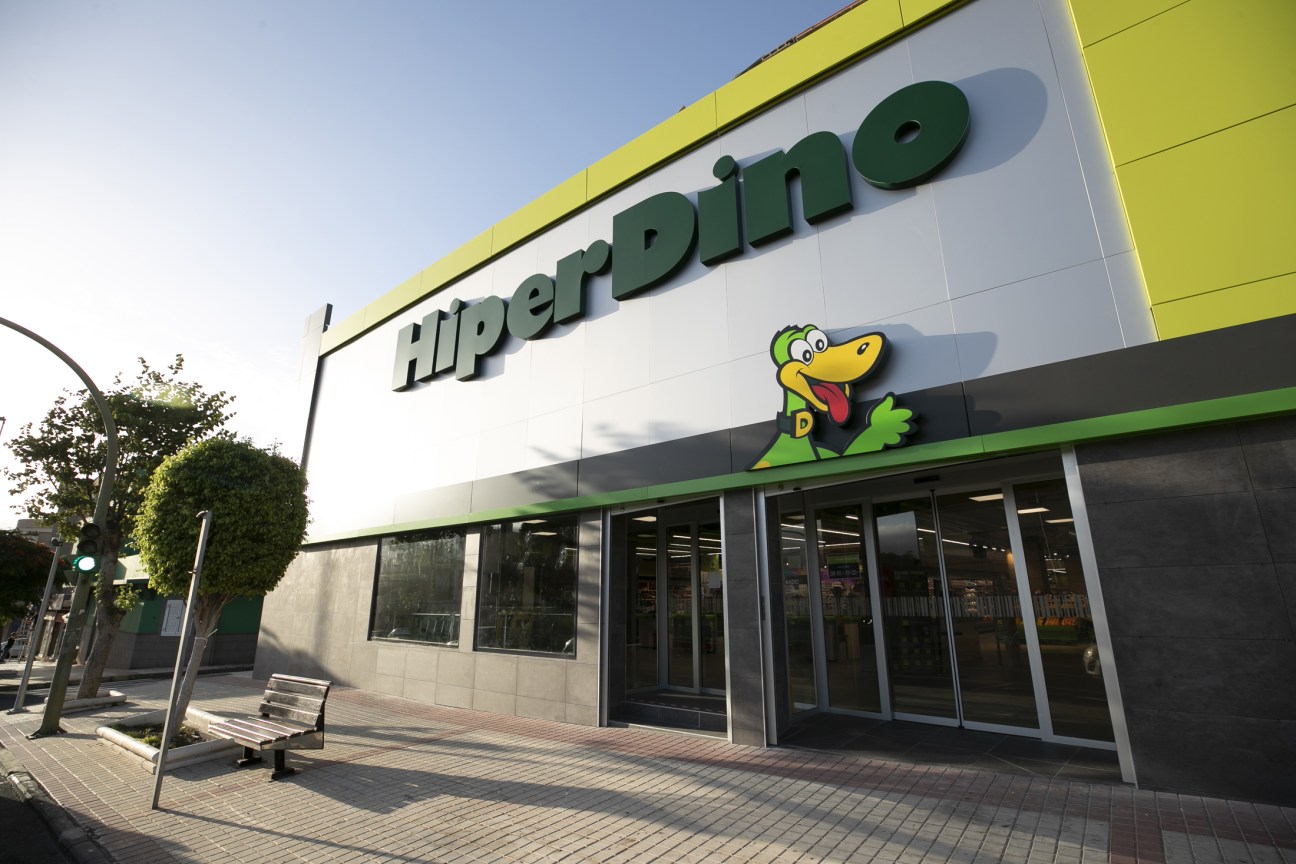
The supermarket offered an average of 1,300 product discounts a month in 2023. Its business model combines the conventional SuperDino- and HiperDino-branded shops, where the margins are lower, with the more expensive HiperDino Express offerings in the Canaries’ tourist areas. The latter makes up about a third of its outposts and provides the bulk of its profits.
HiperDino has also stayed true to its roots. Alongside positioning itself as a progressive player committed to getting more women into the workplace and discussing food waste, it has invested heavily in the local food market. Puga says that 40 per cent of products sold are from the Canaries, which works well for overheads. This helped to bolster sales figures to €1.46bn last year and increase its share of the market to 26 per cent, ahead of both Lidl and Spanish giant Mercadona.
It’s quite a turnaround for a chain that was sold to venture capitalists in 1996 and endured many unhappy years. The owners, the Domínguez brothers, were able to buy back the Canary side of what had been a national business in 2012. The CEO says that DinoSol hopes to grow by up to 10 per cent this year. “We have another nine signed [supermarket] projects in construction.” Puga adds that he is eyeing expansion into southern Morocco and Spanish-speaking Equatorial Guinea, alongside some of peninsular Spain’s tourist spots.
Supermarket 2 – USA
Shop around
Food retailers in the US had a bumper 2023, with sales at major supermarkets reaching about $846bn (€786bn). Yet the sector is shifting, with shoppers now being catered to by online retailers and independent bricks-and-mortar food shops – and the big brands are taking stock.
Though US supermarket profits were in good health last year, in-store sales at big-format stores fell slightly. In response, many retailers are rolling out smaller iterations of their shops. In March, Austin-based Whole Foods announced the first of several new smaller supermarkets set to open this year in New York. Another big retailer, Trader Joe’s, trialled its first smaller-scale Pronto concept in New York earlier this year. Michigan-based Meijer, Colorado’s Natural Grocers and Arizona’s Sprouts Farmers Market are making similar moves.

“It’s a newer idea in the US and Canada,” says David Soberman, a professor of marketing, at the University of Toronto’s Rotman School of Management, noting that the format has long been a staple elsewhere. Tesco, the UK’s largest retailer, debuted its Express supermarkets in 1994. “It’s an opportunity to extend the brand among younger adults who live in cities and don’t want to have to get in a car and drive to do their shopping.”
Smaller city outposts tend to promote their own in-house products more prominently than their bigger-box, out-of-town locations too, Soberman adds. So existing neighbourhood food retailers that stock goods by independent producers won’t necessarily be competing for a piece of the same pie.
The Entrepreneurs
Laura Kramer on…
Shooting for the moon
As the founder, chair and CEO of Lonestar Data Holdings, based in St Petersburg, Florida, Chris Stott and his team are aiming to do something that has never been done before: establish commercial data centres on the moon. Lonestar will operate on, in and around the lunar surface, which, it says, provides a safe place to store the company’s payloads. Stott is aware that this idea will raise eyebrows. “Data centres on the moon sounds insane,” he says. “But every day we create 2.5 quintillion bytes of new data, more than the day before. And we were close to losing it all, it almost happened.”
The aim is to store and safeguard humanity’s knowledge by protecting it from cyber threats, natural disasters and all the risks in between. Stott got the idea at a conference in 2018 after the NotPetya malware was deployed. “A few months after that cyber weapon got loose, in the early stages of the Russian-Ukrainian conflict, I was approached by people looking for somewhere to store data safely,” he says. A veteran in the aerospace industry, Stott has spent his career looking to the skies, from launching rockets with Boeing and McDonnell Douglas to helping to run space projects for Lockheed Martin. “I was a space entrepreneur before it was trendy.”
Following successful tests involving virtual data centres, Lonestar’s first physical off-planet data centre is scheduled to launch later this year. The infrastructure is transported to space using conventional rockets. SpaceX provides the launch services and, once in orbit, Intuitive Machines or companies like it take the equipment to the moon using lunar landers.
For more out-of-this-world business ideas, tune in to our weekly radio show, ‘The Entrepreneurs’, or download as a podcast.
Mohamed Gnabaly is harnessing the power of the Olympics to regenerate his city
It’s a 15-minute walk along the Seine from Île-Saint-Denis’s 19th-century town hall to the high-rises of the new Olympic Village. This meandering route serves as a reminder of the challenges and opportunities that lie before Mohamed Gnabaly, the 39-year-old mayor of this riverine island in Paris’s long-neglected northeastern suburbs. Shuttered factories appear at regular intervals – vestiges of its bygone industrial heyday. The town hall is empty too. It’s still under renovation, having been set ablaze during last summer’s nationwide riots that followed the police killing of a teenager of North African descent. Gnabaly and his team have since been working out of a cramped temporary office in an old job centre around the corner.
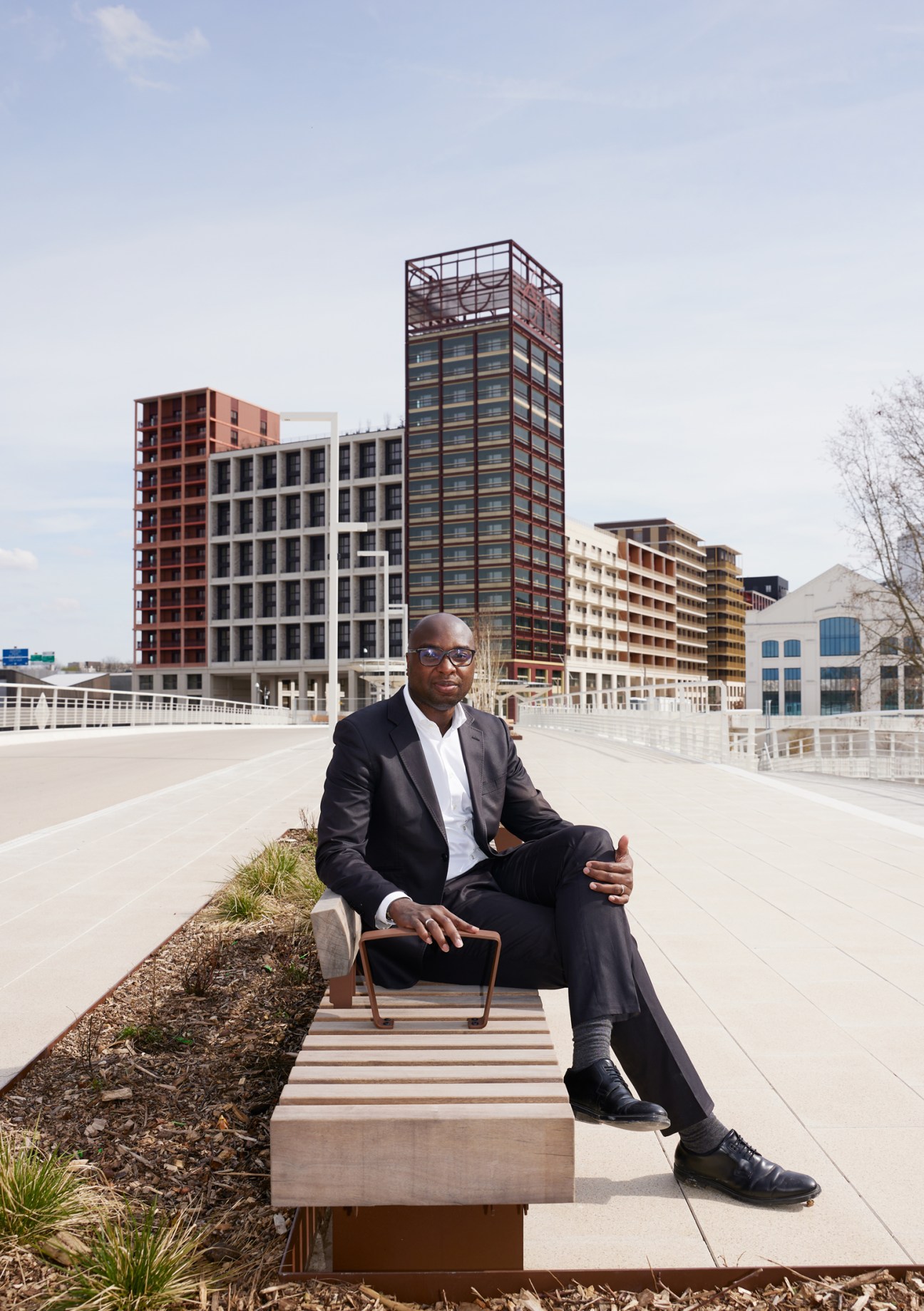
But as the mayor takes in the view from a new pedestrian bridge linking his island constituency to the rest of the 21-hectare Olympic Village, he sees a landscape that is ripe with promise. “We’re a small island with a population of 8,500, spanning 85 nationalities,” says Gnabaly, who grew up on Île-Saint-Denis after his Senegalese parents moved to Paris in the late 1960s. “Unemployment is at about 30 per cent and we have a social-housing rate of 60 per cent. All of this makes it easier for us to try new things, to be a kind of laboratory for broader change and development. The Olympics have given us a chance to enhance that process and to speed up some of the regeneration projects that we have already initiated.”
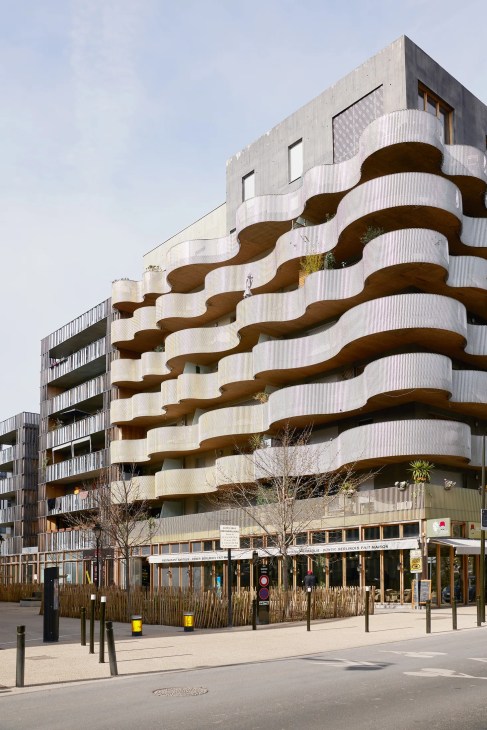
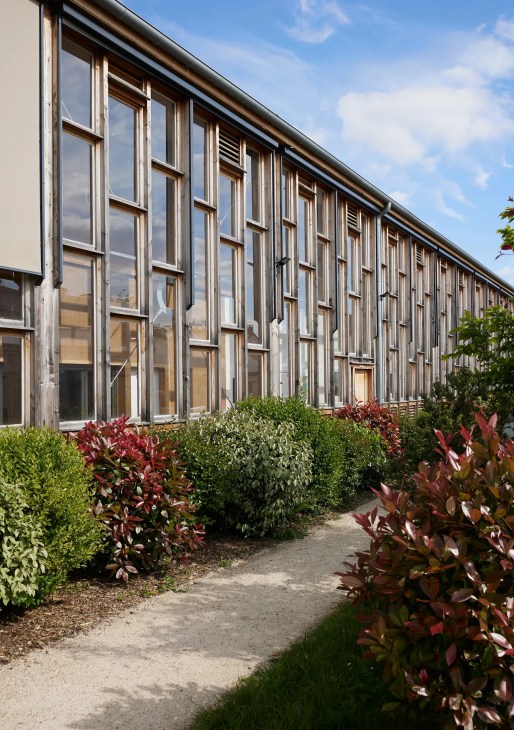
Foremost among these is a new mixed-use eco district that has reimagined an area of the island previously known for its decrepit warehouses. Inaugurated by Gnabaly in 2017, this car-free zone has since been integrated into the Olympic Village, which also spans the neighbouring municipalities of Saint-Denis and Saint-Ouen. It has now become a key feature of the Paris Olympic Committee’s ambition to leave a lasting social, environmental and sporting legacy. Once the Games are over, the district will provide 1,000 new lodgings in an area at the sharp end of Paris’s housing crisis. Of these, 40 per cent will be reserved for social housing. The zone will also offer 50,000 sq m of new business premises, an arts and culture precinct, an aquatics centre, a hotel and 7.3 hectares of public space, including three hectares of parks.
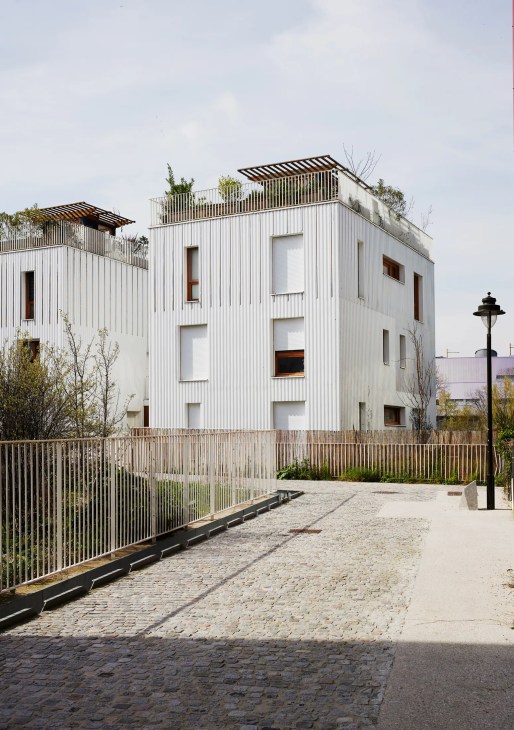
During the district’s development, there has been an emphasis on using sustainable, low-carbon biomaterials, while residential blocks have been fitted with efficient thermal heating. “We can create the city of tomorrow,” says Gnabaly as he guides Monocle along a leafy artery through the district, stopping to greet residents or point out new social enterprises. “The Olympics have provided a lot of the infrastructure but, for the rest, I am counting on us.”
It’s a lofty vision but the tall, bespectacled Gnabaly looks up to the challenge. Born in 1985 as the third of six children, he spent his early years in Goutte-d’Or in the 18th arrondissement, a working-class neighbourhood denigrated as a “no-go area” by some Parisians. At the age of six, his family moved to Île-Saint-Denis. A bright student, he obtained a master’s in finance from a Parisian business school before stints in Mexico City, New York and London as an investment banker. He returned in 2009, stricken with what he describes as “island sickness”. Two years later, he and five childhood friends founded Novaedia, an organic urban-farming co-operative that hires and trains people who have fallen out of the workforce.
Gnabaly admits that he used to have little regard for traditional politics. But in 2014, Green party stalwart Michel Bourgain, who was then the mayor of Île-Saint-Denis, spotted the young social entrepreneur’s potential and convinced him to become one of his deputies. Gnabaly was tasked with handling employment and social economy. After Bourgain retired for health reasons in 2016, Gnabaly, who was then 30 years old, took the reins as mayor with the backing of more than 72 per cent of the council. In doing so, he became one of the Île-de-France region’s youngest-ever mayors. In the 2020 municipal elections, Gnabaly, who wasn’t affiliated with any political party at the time, was re-elected with almost 50 per cent of the vote.
In many ways, he has sought to continue Bourgain’s legacy. His predecessor served as mayor for 15 years. “Michel had a clear urban plan,” says Gnabaly. “He was already working on energy issues, on mobility, on creating more natural spaces. However, our society wasn’t quite ready yet. I have shown up at a time when these are popular subjects so have perhaps been in a better position to push some of these things forward.”
When Gnabaly was first elected in 2016, he set himself the goal of ensuring that 50 per cent of ingredients used in meals provided by Île-Saint-Denis’s three municipal schools were comprised of organic ingredients, more than double what was being used at the time. Having achieved that by the time of his re-election, he raised the target to 100 per cent by 2026. Today all of the municipality’s 800 daily school meals are made in a single central kitchen using 90 per cent organic ingredients.
In 2019, alongside the mayors of Stains, Saint-Denis and Bondy, Gnabaly lodged a legal complaint against the French government for “unequal treatment” and “territorial discrimination”, highlighting the lower levels of funding and staffing that the Seine-Saint-Denis administrative area received compared to other, wealthier parts of the city. Several other mayors joined the suit, helping to build a movement that played a significant role in the government’s decision to make the Seine-Saint-Denis department the focus of its Olympic legacy project. About 80 per cent of the €7.1bn budget allocated to Paris 2024 projects has been invested in the department, which remains both one of the youngest and poorest in the country. The area’s mayors, including Gnabaly, have been a key part of a decision-making process that has focused more on improving residents’ lives rather than on grandiose building projects.
Meanwhile, Novaedia has continued to expand, with Gnabaly still serving as general director, though its premises have moved to the neighbouring commune of Stains to avoid any conflict of interest while he is in public office. The organisation’s new home centres around a €4m multipurpose building made from recycled and bio-based materials. It currently provides employment to more than 40 young people, 80 per cent of whom come from Seine-Saint-Denis. Among other things, the 1.3-hectare site comprises an organic farm, cooking laboratories, an incubator for sustainable start-ups and an in-house restaurant. “We are profitable because we operate a multi-activity business: urban agriculture, catering, urban logistics, training and workshops,” says Gnabaly. “We have shown that it is possible to create sustainable jobs in our region at every level, from farm to plate.”
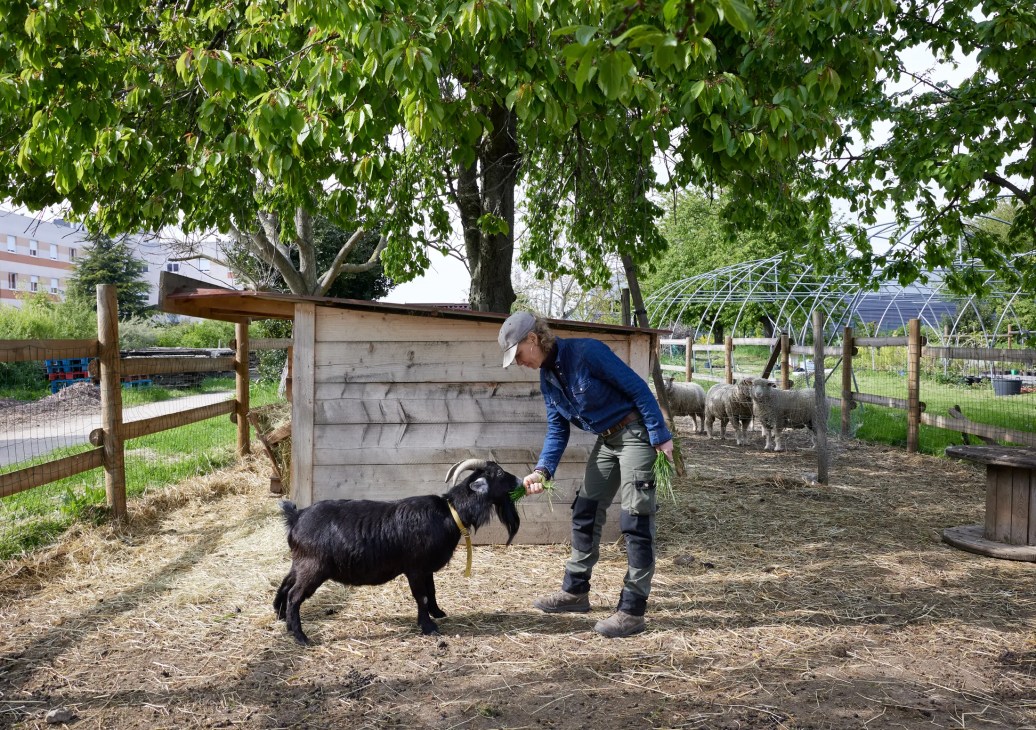
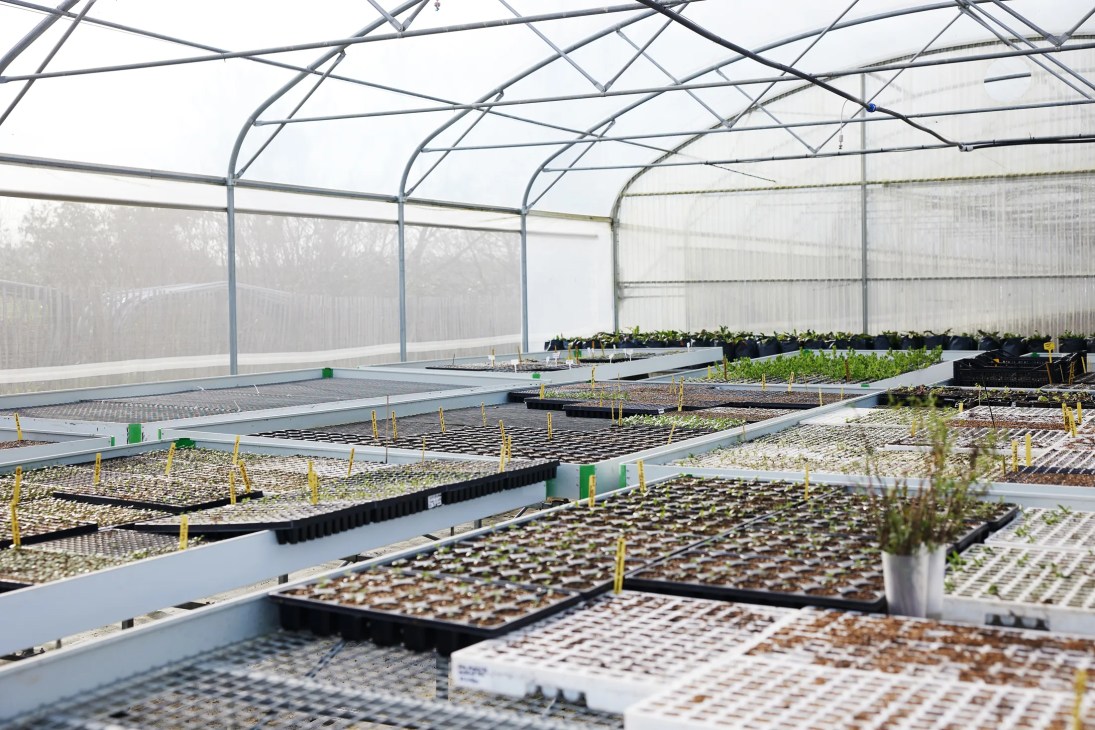
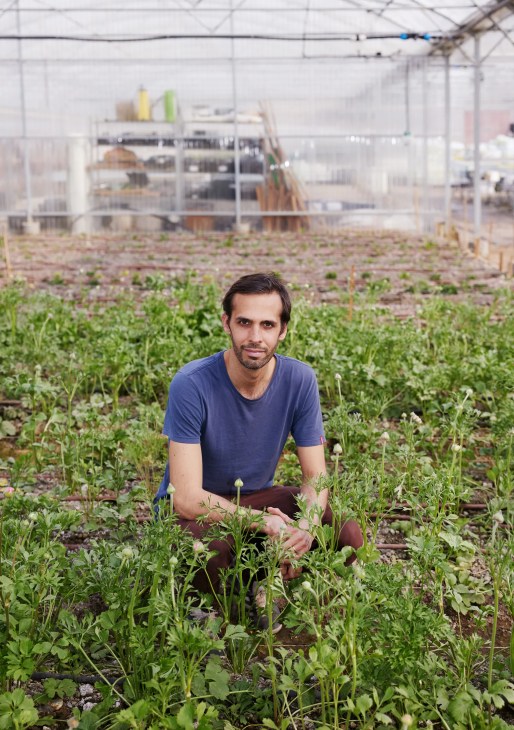
As mayor, Gnabaly has also opened the door to other organisations that seek to push the envelope of what he calls “popular ecology”. Among these is Halage, a nonprofit that specialises in social integration through ecological initiatives. In 2018, with the support of the municipality, Halage took over a 3.6-hectare industrial wasteland in the north of Île-Saint-Denis, sandwiched between the island’s municipal park and a bird sanctuary. Halage has regenerated its once-polluted soil, created a thriving flower business and provided another valuable source of jobs and training to hundreds of people in “difficult situations”, as site co-ordinator Quentin Metge puts it. “Gnabaly has been a tremendous ally,” he tells me outside one of the site’s capacious greenhouses, where some of the first spring flowers are just starting to bloom. “He is completely in sync with what we are doing and vice versa.”
But while the Games have undoubtedly increased Gnabaly’s political stock (he led Emmanuel Macron on a tour of the Olympic Village for its inauguration in late February), they have also provided his opponents with ammunition. Several have invoked the spectre of gentrification and the Olympics’ notorious history of unfulfilled promises in other host cities. Grievances include traffic disruptions, which have affected businesses in the area, and fears about air pollution.
Gnabaly has often sought to counter such complaints by emphasising some of the new developments’ less glamorous aspects, including the construction of an antinoise barrier on the busy A86 highway, which bisects the island, and the replacement of overhead power cables with underground ones. Then there’s the long-awaited renovation of several existing public sports structures, including the island’s only stadium, which has been bestowed with a new athletics track, and a previously run-down indoor sports complex that athletes will use during the Games for boxing, gymnastics and basketball training. In a further bid to make the Olympics feel less abstract for the community, the mayor has also guaranteed every Île-Saint-Denis resident a free ticket to an event.
Nevertheless, he concedes that his long view of the Games’ legacy has not always been an easy sell in an area where most people are preoccupied with more immediate problems. “I wouldn’t say that the feeling towards the Games is negative but it’s certainly not ‘Wow!’” says Gnabaly. “People have basically been living on a building site for the past five years. They are tired of all the construction. We have been careful not to be insensitive to this. At the same time, we haven’t had many complaints because most people have come to understand that this is all going to be for them.”
But some residents are unconvinced by their mayor’s optimism. “The Olympics won’t bring us anything,” says Salim Ben, who works at a halal butchery in the eco district. “If anything, it will destroy our community a little bit.” Namani Cyrille, the owner of the boutique African hair salon next door, is more ambivalent. “I was based in Saint-Ouen before and had a well-established clientele that followed me,” she says, braiding a customer’s hair. “But it would be tricky to set up shop here without that. Also, some of the new businesses won’t be accessible to a significant part of the population. I saw it happening in Saint-Ouen, which has gentrified enormously. People are already being pushed out.”
Gnabaly concedes that gentrification is what concerns most residents. “It’s an issue,” he says. “To a degree, it’s something that is already beyond the control of municipal mayors. But we can put mechanisms in place to protect ourselves.” As well as allocating the lion’s share of the eco district’s new units for social housing, Gnabaly has capped their sale prices at €3,500 per square metre of living space, more than 35 per cent lower than a similar cap imposed on the Saint-Ouen section of the Olympic Village.
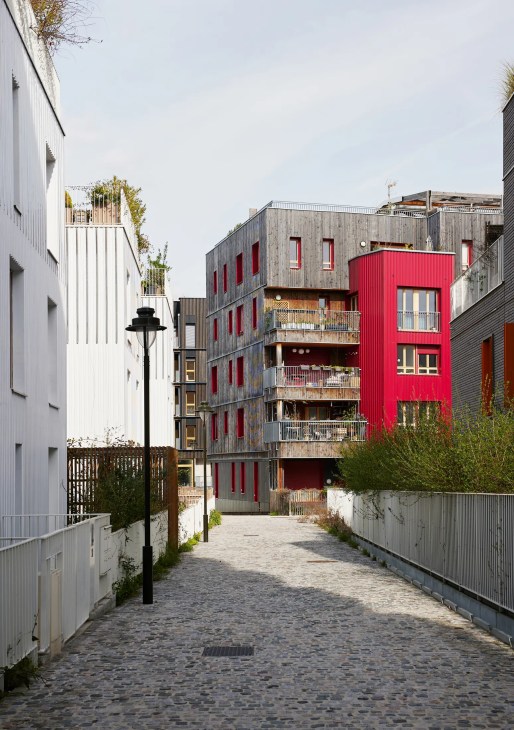
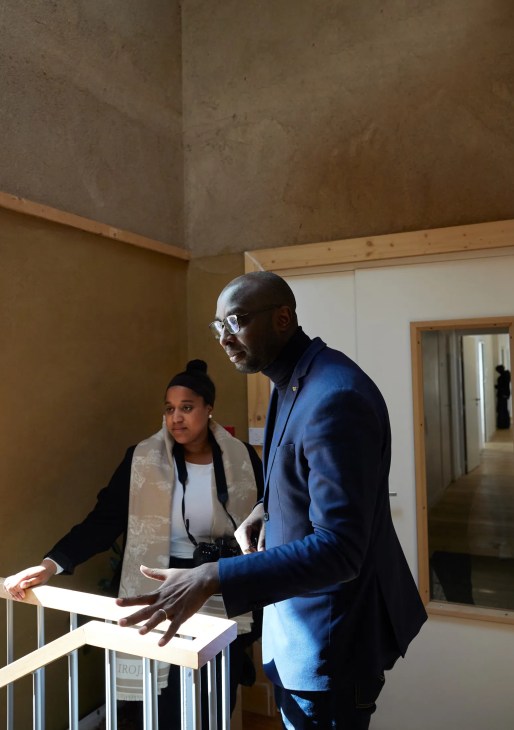
The initiative that excites him most is participatory housing. Residents are included in the planning and architectural decisions concerning their building and its common areas. In 2018, alongside public-development institution Plaine Commune, the municipality completed a four-storey block in the heart of the eco district, built using low-carbon timber with a façade of recycled sheet metal. More are expected to follow after the Games. “This was the first building in the whole Seine-Saint-Denis department where we mixed social rentals, social home ownership and private housing,” says Gnabaly, leading Monocle into the building. Inside, we are met by Laurette, who rents one of the 26 units. “We make all decisions together here,” she says. “Everyone has the same rights. Even with the construction work going on outside, we’re good here.”
For Gnabaly, creating a common language has been essential to the success of such ventures. “As a community, we share a strong social and environmental conscience,” he says. “It has become something almost innate.” This common language is also key to understanding the mayor’s optimism about Île-Saint-Denis’s post-Olympic trajectory. “I know how to speak to people’s lived realities,” he says. “That’s what so much of my work has been focused on and how we’ll ensure that we all move forward together.”
We take the elevator up to the communal terrace, which doubles as a rooftop garden. The island is so narrow here that we can see the Seine on both sides of us. Gnabaly points out the top of the Eiffel Tower in the distance, beyond the gleaming Olympic Village. “When I talk about the city of tomorrow, I’m interested in the life within it,” he says. “We have put a lot of work into creating a village spirit here – real links between people, a sense of closeness.” He takes a moment to admire the view, his eyes squinting a little in the bright afternoon sun. “It’s very pretty, isn’t it?”
Culture agenda: This year’s Cannes Film Festival, Mexican quarterly Manera and a Q&A with Amos Rex
Film – France
Cannes heat
From 14-25 May, the Cannes Film Festival is at the starting line of the race to the Oscars. After 2023’s memorable line-up, the 77th edition of the festival embraces a more global view of film. Here are three highlights to keep an eye on.
1
César-winning French actor Noémie Merlant (Marianne in Portrait of a Lady on Fire) directs her second title, a comedy-horror feature called The Balconettes. The story centres on three roommates with a balcony who play with the lives of their neighbours. Set in a Marseille heatwave, it’s all fun and games until it isn’t.
2
Already a must-see, director Francis Ford Coppola’s self-funded Megalopolis has critics comparing it to his 1979 Palm d’Or winner Apocalypse Now. Pivoting on the power struggles in rebuilding New York after its accidental destruction, the epic drama stars Adam Driver, Aubrey Plaza, Talia Shire and Dustin Hoffman.
3
The hottest ticket of the festival belongs to Ali Abbasi’s The Apprentice. This biographical feature focuses on Donald Trump’s 1970s and 1980s New York real-estate career. Its solid-gold cast includes Jeremy Strong, Maria Bakalova as Ivana and, fresh from winning the 2024 Silver Berlin Bear as best leading performer for A Different Man, Sebastian Stan as the young Donald.
For highlights from Cannes and clued-up film coverage across the year, listen to ‘Monocle on Culture‘ with Robert Bound every week at monocle.live/radio or wherever you get your podcasts.
Media – Mexico
Special addition
Whereas many magazines are cutting back on regional editions, Spanish design quarterly Manera – founded by former editor in chief of AD España, Enric Pastor, in 2022 – provides some good news for a change, having launched a Mexican edition to showcase the nation’s design and architecture.
“From the beginning, we offered articles and reports from creatives in Spain and Latin America – especially from Mexico – due to the common language and common cultural tradition,” Pastor tells Monocle. “And that’s why it was very natural to decide to launch a Mexican edition.”
The title will be overseen by Mexico-based María Alcocer. “My homeland has the soul of an artisan,” she says. “Mexico was built by revolutionary minds and artisanal hands. It’s one of the most visited countries in the world for its famous architecture, authentic design and one-of-a-kind craftsmanship.” Plenty to read up on, it seems.
maneramagazine.com
Hear the full interview with Enric Pastor and María Alcocer on ‘The Stack’ on Monocle Radio.
Museums – Helsinki
Q&A
Kieran Long
Director, Amos Rex
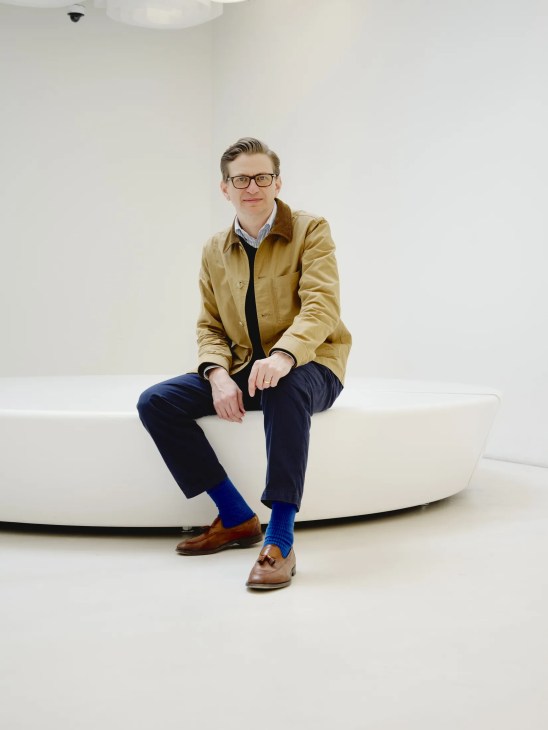
Kieran Long took the reins of Helsinki’s Amos Rex art museum in February 2024, having previously worked at the Victoria & Albert Museum in London and ArkDes in Stockholm. Amos Rex opened in 2018 with a landmark exhibition by Tokyo-based TeamLab and has since built a name for itself by focusing on future fields of art and culture. Backed by the generous budgets of its wealthy private owner, the Finno-Swedish Konstsamfundet, Amos Rex has been one of Finland’s most visited museums year-on-year since its launch. monocle met Long fresh from the Venice Art Biennale to discuss his plans for the museum and the role of art and culture in the civic life of cities.
After London and Stockholm, what was it about Helsinki and Amos Rex that attracted you?
My passion for art and culture has always been about what they can contribute to the city. Amos Rex has an unusual ability to contribute. We are in central Helsinki, in a modern and well-equipped museum space. We also have an adjacent courtyard, the modernist Lasipalatsi building (a Helsinki landmark) and have recently bought and renovated the building on the other side of the courtyard, which we have interesting plans for. Amos Rex has immense potential to transform the way we experience art as part of urban life. I was attracted by the amazing job that the museum has done in engaging people beyond those who are normally interested in art. It’s rare to see young people queueing to visit a museum these days; we see it every week.
There is a lot of talk about the future of cities right now. What role can art institutions play?
Culture is the future of the city. Helsinki understands this. The new central library, Oodi, just across the street, is a great example. If you build major institutions of art, culture and learning that are also public spaces, then you have a future for your inner city, regardless of what happens to retail. Helsinki is also building a new flagship design and architecture museum – I sit on the advisory board. All are spaces for everyone and they occupy the most central locations in the city, instead of being institutions that you have to be qualified to enter.
You have only just started, but what are the three things that will make your tenure successful?
I want to give Amos Rex the international profile that it deserves. Finns are humble and like to downplay things but Amos Rex is, in my opinion, one of the most successful new art halls anywhere in Europe. Throughout its history, art has played a key role for Finland and its identity, much more so than in other countries. Our audience is much younger than the audience for museums in general, and given the many difficult issues that today’s youth grapple with, we have a role to play in helping them to reflect and to understand – and we can be a space in which they can take a step back and breathe.
Could a return to its heartland of Seattle be the cure for Boeing’s crisis?
Aviation – USA
Return flight
The successful first flight of Bill Boeing’s Model 1 seaplane in 1916 launched a company that would change the face of 20th-century transport – and the aviation pioneer’s hometown. During the Second World War, Boeing plants built bombers (pictured) that were critical to the Allied war effort. Those factories later formed part of Jet City, with planes rolling off the assembly line. Tens of thousands of engineers and machinists prospered and Boeing’s workers were encouraged to engage in civic life and even run for public office. Seattle became the town that Boeing built.
But in 2001, Boeing moved its corporate headquarters to Chicago. The then Washington state governor Gary Locke said that the surprise move “leaves a void in our economic and cultural life”. In 2022, Boeing relocated again, to Northern Virginia. Every time the company’s leadership moved further away from its core engineering and assembly operations in the Seattle area, the firm’s fortunes seemed to nosedive. First there were the fatal 737Max crashes of 2018 and 2019, then the 737Max-9 door-plug incident in January this year.
The aviation giant once banked on the slogan, “If it’s not Boeing, I’m not going”. Now travellers are deliberately avoiding Boeing aircraft. This crisis of confidence led CEO Dave Calhoun to announce that he will resign at the end of this year, while former COO Stephanie Pope has taken over the commercial aircraft division. But this widely anticipated leadership shake-up isn’t enough. To truly reform what was once the pride of American industry, Boeing must move its headquarters back to Seattle.
Relocation would facilitate the most urgent task – of restoring Boeing’s lapsed safety culture – by allowing the company’s leadership to visit the factory floor daily to untangle the quality-control issues plaguing its assembly lines. Closer proximity to Boeing’s talent pool would also foster the most necessary change at the top: appointing competent engineers to the C-suite.
A corporate culture desperately in need of replicating Boeing’s glory days would benefit from a return to the company’s geographic roots. Executives could visit the Red Barn, Bill Boeing’s modest workshop, which is faithfully preserved by the Museum of Flight next to Boeing’s in-city airfield. They could walk along Boeing’s first runway on Lake Union and admire the B-1 on display inside the Museum of History and Industry. These monuments to Boeing’s ingenuity and mastery of craft are a far more impressive means of inspiring confidence in visiting airline executives than any lavish client dinner. It’s not too late to course correct and rediscover what helped Boeing take flight more than a century ago. Like an aircraft waiting to be assembled, all the parts are here in Jet City.
Scruggs is Monocle’s Seattle correspondent.
Travel – Finland
Stay in touch
Short-term holiday rentals have become synonymous with Airbnb. Yet there’s no shortage of companies keen to redress its market dominance. One contender is Finnish operator Bob W, which is backed by prominent investors and entrepreneurs. Unlike Airbnb, Bob W manages and operates its apartments. Co-founder and ceo Niko Karstikko says that the firm is aimed at the “Airbnb generation that has grown up and expects more”.
Bob W is short for “best of both worlds” and was chosen because the company wants to combine the consistency and standards expected from great hotels with Airbnb’s “live like a local” approach. “Short-term rentals are often hit and miss and you never really know what you’re going to get,” says Karstikko. The hotel market has well-known brands and a regulated quality system; clients know what to expect. But, says Karstikko, they “don’t feel local or personal; they’re pretty much the same wherever you go”.
Bob W focuses on hip areas and provides breakfast in nearby cafés. “We want our guests to feel like they are part of the community,” says Karstikko.
Having launched in 2018, Bob W now manages more than 3,000 apartments in 17 cities across 10 countries. Revenues, according to Karstikko, are in the “tens of millions of euros” and are set to at least double this year. The company has also secured more than €70m in funding. “Only about one per cent of the short-term rental market is commercially branded,” says Karstikko. “The potential is immense.”
Hacking Gutenberg: The letterpress studio that is preserving the art of print
One of Europe’s largest collections of letterpress equipment lies half-hidden in an inner courtyard on Berlin’s Potsdamer Strasse. The duplex studio of Hacking Gutenberg is home to a mass of proof presses, casting machines and cases of rare woodblock type that can rival the collection of any typography museum. The difference is that here, staff and visitors are encouraged to use the materials. Hacking Gutenberg’s mission is to update the letterpress, which was created by Johannes Gutenberg in the 15th century, for the present day. “You understand the world by touching things,” says founder Erik Spiekermann. “I’m afraid that our ability to do this is decreasing.”
Hacking Gutenberg is the result of a lifelong obsession with type. Spiekermann is one of Germany’s most prolific and revered graphic designers. He has shaped the visual identities of both the Deutsche Bahn and Berlin’s public-transit system, as well as that of car brands such as Audi and Volkswagen. Before he launched his first branding agency, Meta Design, in 1979, Spiekermann ran a typesetter’s workshop. Having grown up near Hanover, next to the printer of a local newspaper, he opened his own business as a teenager. “I just caught the bug,” he says. The collection at Hacking Gutenberg is Spiekermann’s second attempt at rehoming unloved machinery: his original equipment burnt down in a fire in London in 1977. “I promised myself that I would rebuild it when I retired,” he says.
But Hacking Gutenberg does not run at a regular pensioner’s pace. Spiekermann employs three staff for marketing and hosting workshops, and a handful of freelancers hire desks on the mezzanine. The office also hosts The Other Collection, a publishing house that prints books using laser-cut polymer plates on a letterpress machine from 1954.
“We’re no Luddites,” says Spiekermann. “If Gutenberg were alive today, this is how he would do it.” Spiekermann is also helping to redesign the Bay Area Rapid Transit system. Most days, however, he can be found, along with his team, between the whirring presses on Potsdamer Strasse.
Affairs agenda: The African National Congress’s return to power, Germany’s trophy hunting restriction and Djibouti’s latest big purchase
Diplomacy: Denmark
Show and tell
Amid the prestige brands and car showrooms of the Champs-Élysées, Maison du Danemark has always seemed an anomaly. Why does Denmark have its own brand house on France’s most prestigious shopping street? “Denmark bought the site in 1948 to promote the best of Danish culture to French and international visitors,” says Helene Hanum Lanza, the house’s new CEO. “It was super avant garde for the Danish government to do that back then.”
Today the first two floors of the seven-storey building are given over to the Flora Danica restaurant and a showroom for Danish jewellers Pandora. The third floor is an exhibition and event space, while the rest is let to other companies. The Danes came close to selling the building in 1997 but today it remains the property of the government while also being its own commercial entity.
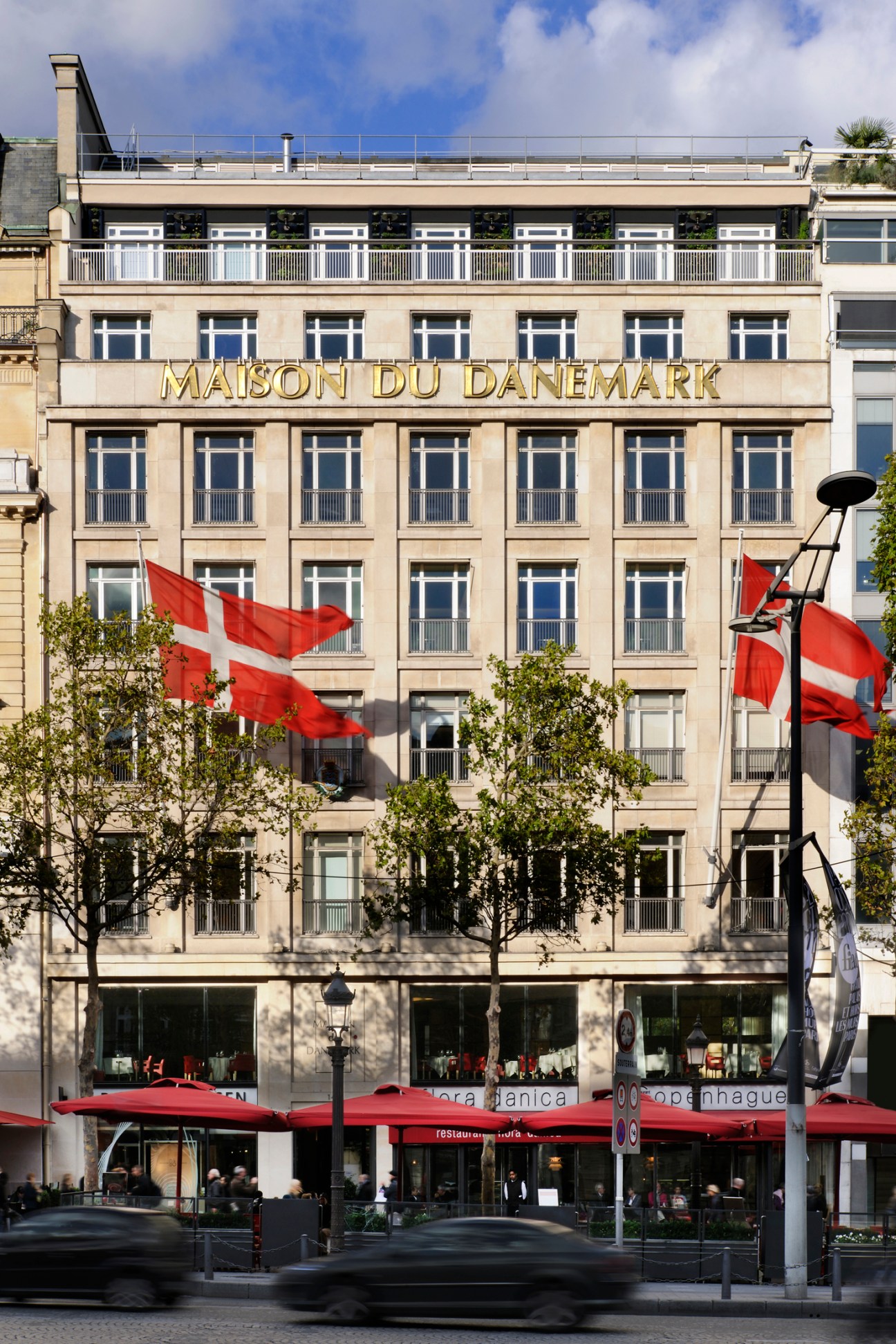
“The Champs-Élysées is undergoing a big change for the Olympics and we are also going to renovate our building to make it more sustainable,” says Lanza. “It is already seen as a prestigious space so it fits well with places like the new Louis Vuitton Hotel, which is opening across the street. I want to use Danish references, such as Hans Christian Andersen and Danish cinema. We are going to stay loyal to our mission to promote Denmark.”
Soft power icon: Mali
String together

There are famous musicians, there are very famous musicians, and there are musicians who are the most of what the world knows of their country (writes Andrew Mueller). Toumani Diabaté deftly balances dual roles as a virtuoso of the kora – a sort of West African harp-cum-banjo – and ambassador-at-large for Mali. Diabaté, now 59, is also what West Africans call a griot: a cultural custodian who relays its stories. I met him in Bamako in 2014, around the release of Toumani & Sidiki, an album of duelling kora compositions recorded with his son Sidiki Diabaté, also a formidable kora player (and one of Mali’s biggest hip-hop stars).
Toumani & Sidiki was also a demonstration of the griot’s calling. Its tracks were named for individuals and organisations that Diabaté believed had earned the honour. “Hamadoun Touré” was for the Mali-born secretary-general of the International Telecommunications Union; “Toguna Industries” was a shout-out to an agricultural corporation that had recently done much to tidy Bamako up. Before and since that record, Diabaté has been a tireless advocate for a distinctly Malian sound, which has become part of the global musical landscape: he has collaborated with musicians such as Damon Albarn, Björk, Herbie Hancock, Kayhan Kalhor and the London Symphony Orchestra.
It is not good, he believes, for a country to be understood exclusively as a setting for strife. “I could go anywhere,” he said. “But if I stay, I get the chance to be a representative and to communicate.”
Security: Japan
Familiar toon
Japan’s Ministry of Foreign Affairs has enlisted the help of manga artist Takao Saito to help protect the country’s citizens who are living overseas. It has updated its security guidelines for Japanese small, medium and mid-sized enterprises abroad to provide advice for its nationals living in Africa and the Middle East who might be at risk due to political unrest.
The issuing of the manga strip comes after Japanese citizens had to be repatriated from Niger and Sudan last year following outbreaks of violence. The manga features Golgo 13, a professional assassin whose exploits have been serialised in action films and video games. In the guidelines, he encourages his compatriots to contact the local Japanese consulate in case of emergency and to purchase travel insurance with sufficient health coverage.
The foreign ministry’s guidelines were first introduced in 2017 following a terrorist attack in Bangladesh that killed seven Japanese nationals. In the new strip, a character modelled on the country’s foreign minister, Yoko Kamikawa, requests that Golgo 13 protect Japanese citizens from harm.
During times of heightened security, it is hoped that Golgo 13’s adamantine track record will provide both reassurance and a bit of light relief.
The Comment
Elections: South Africa
Time for change?
Andrew Mueller on the likelihood of the African National Congress returning to power.
Since South Africa embraced democracy 30 years ago, its elections have been scarcely less predictable than Russia’s. The African National Congress (ANC), which led the fight to dismantle apartheid, has won a comfortable majority in all of them. South Africa has entrenched itself as a member of a curious, contradictory cohort: one-party democracies. These are not the same as one-party states, ie those polities where meaningful opposition is forbidden by law or is deliberately forestalled by other means. One-party democracies are those countries where citizens are at liberty to vote for whoever they like but continue to return the same mob to government. In Singapore, the People’s Action Party has governed since 1959. In Mexico, every president between 1929 and 2000 was a member of the same bunch, though the Institutional Revolutionary Party did change its name a couple of times along the way.
South Africans vote again on 29 May, and pre-election polling suggests that the ANC might find itself in the unprecedented position of having to do more than show up and remind everybody that it was the party of Nelson Mandela. Support for the ANC may have dipped below 40 per cent. If that holds, it will still win more votes than anyone else but might have to govern in coalition with another party.
For South Africa, this would be good and bad. It would be good in that the ANC is long overdue a humbling. It has grown complacent and corrupt, and has governed pretty badly: there is no reason why a country of South Africa’s immense potential should be enduring unemployment north of 30 per cent and chronic power outages. And it would be bad in that the ANC’s likeliest means of staying in charge might be an alliance with the Economic Freedom Fighters, an unruly populist outfit whose leader, Julius Malema, appears to regard Robert Mugabe as a role model.
For everyone else, South Africa’s recent history furnishes a cautionary tale. Long stretches in power are usually bad for political parties, bad for politicians and bad for the countries that they govern. It is a struggle to recall any government or leader who really hit their stride after a decade or more in office. The loyalty that gives them third, fourth and fifth chances is generally woefully misplaced. This year has one of the busiest and most consequential election calendars on record. Voters would likely be doing themselves and the world a favour by casting aside sentiment and observing a simple, ruthless mantra: if in doubt, throw ’em out.
Andrew Mueller hosts ‘The Foreign Desk’ on Monocle Radio.
In the basket
Neighbourhood watch

The Cessna Grand Caravan is a tried, tested and versatile aircraft – more than 3,000 of the single-engine turboprops have been sold since the model was introduced in 1984. The two Grand Caravans bound for Djibouti’s modest air force have been purchased under a contract that allows the US military to procure aircraft made by Cessna parent company Textron for US allies (Peru and Ecuador are other beneficiaries).
In the basket: Two Cessna c208-b Grand Caravan EX aircraft
Who’s buying: Djibouti
Who’s selling: The US
Price: Part of a €92m contract
Delivery date: TBC
Djibouti’s Grand Caravans will be equipped as intelligence, surveillance and reconnaissance platforms, with a view to patrol Djibouti’s neighbourhood – the tiny country, at the top of the Horn of Africa, is bordered by Eritrea, Ethiopia and Somalia, and is a short stretch of Red Sea away from Yemen. Djibouti also houses America’s most important military base in Africa. Camp Lemonnier, near Djibouti’s airport, is also vital for operations across the Middle East.
Diplomatic spat
Elephant in the room
Who vs who:
Botswana vs Germany
What it’s about: Elephants. Specifically, Germany’s ideas about restricting the import of hunting trophies and thereby discouraging the rich weirdos who spend fantastic sums to visit Botswana and shoot elephants. Botswana, however, greatly values the industry, which raises revenue, and manages its elephant population, currently estimated at about 130,000, which is a lot of immense pachyderms that each consumes 150kg of vegetation every day, trample farmland and knock stuff over. Botswana’s president, Mokgweetsi Masisi, has threatened to deploy 20,000 elephants to Germany, declaring, “If you like them so much, please accept this gift from us.”
What it’s really about:
President Masisi is venting a common complaint among African nations that European pontificating on conservation tends towards the patronising (Botswana has previously suggested to the UK that 10,000 of its elephants might enjoy life in Hyde Park). His case is that the people who actually live in a given environment might have some idea of how best to manage it.
Likely resolution: There probably isn’t one: the encouraging of elephant-shooting is an unlikely policy position for a German government, which has a hefty Green contingent. Regretfully, the chances of President Masisi descending from the Alps on elephant back, like Hannibal ahead of his Carthaginian legions, are slight.
Design agenda: Key themes of the Monocle Design Awards, a revamped stadium in Bordeaux and a Q&A with Jesse Lee
Jesse Lee
Founder, Basic Space

Design Miami debuts a new edition of its fair in Los Angeles on 16 May. Founded in Florida in 2005, the fair has ballooned in recent years with outings in Paris, Basel and Shanghai. It was acquired by entrepreneur Jesse Lee, creator of BasicSpace, in 2023. Headquartered in LA, Basic Space is invite-only and sells high-end limited-edition fashion, furniture and more online.
You’re bringing Design Miami to Los Angeles. Why?
Los Angeles is the right market for us because there are a lot of people with money to spend on their beautiful homes.
Why acquire Design Miami?
Craig Robins, who co-founded Design Miami, was an investor in BasicSpace, so we knew each other well. I saw an opportunity for design to become the next big thing. Fashion and art are now mainstream but collectable design is still nascent and niche.
Can people buying sneakers from BasicSpace be enticed to spend $15,000 [€13,850] on a Brazilian modernist chair?
The price isn’t the problem; it’s just that a lot of people have not been exposed to the world of design and don’t understand that it can accrue value.
Where next?
Expect us to have a presence or another fair in Asia next year.
Design Miami LA runs from 16–20 May;
designmiami.com
Hospitality: Singapore
Breath of fresh air
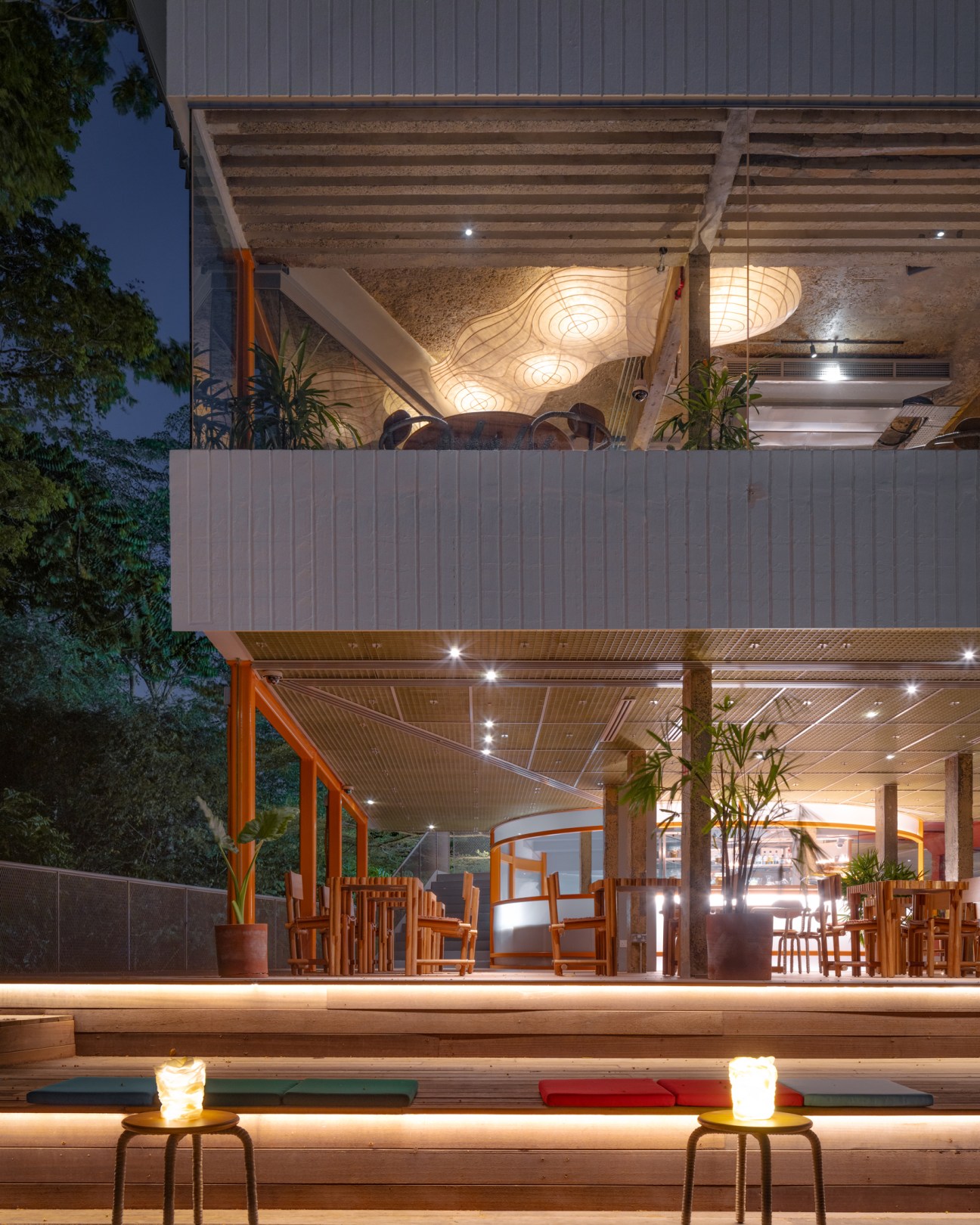
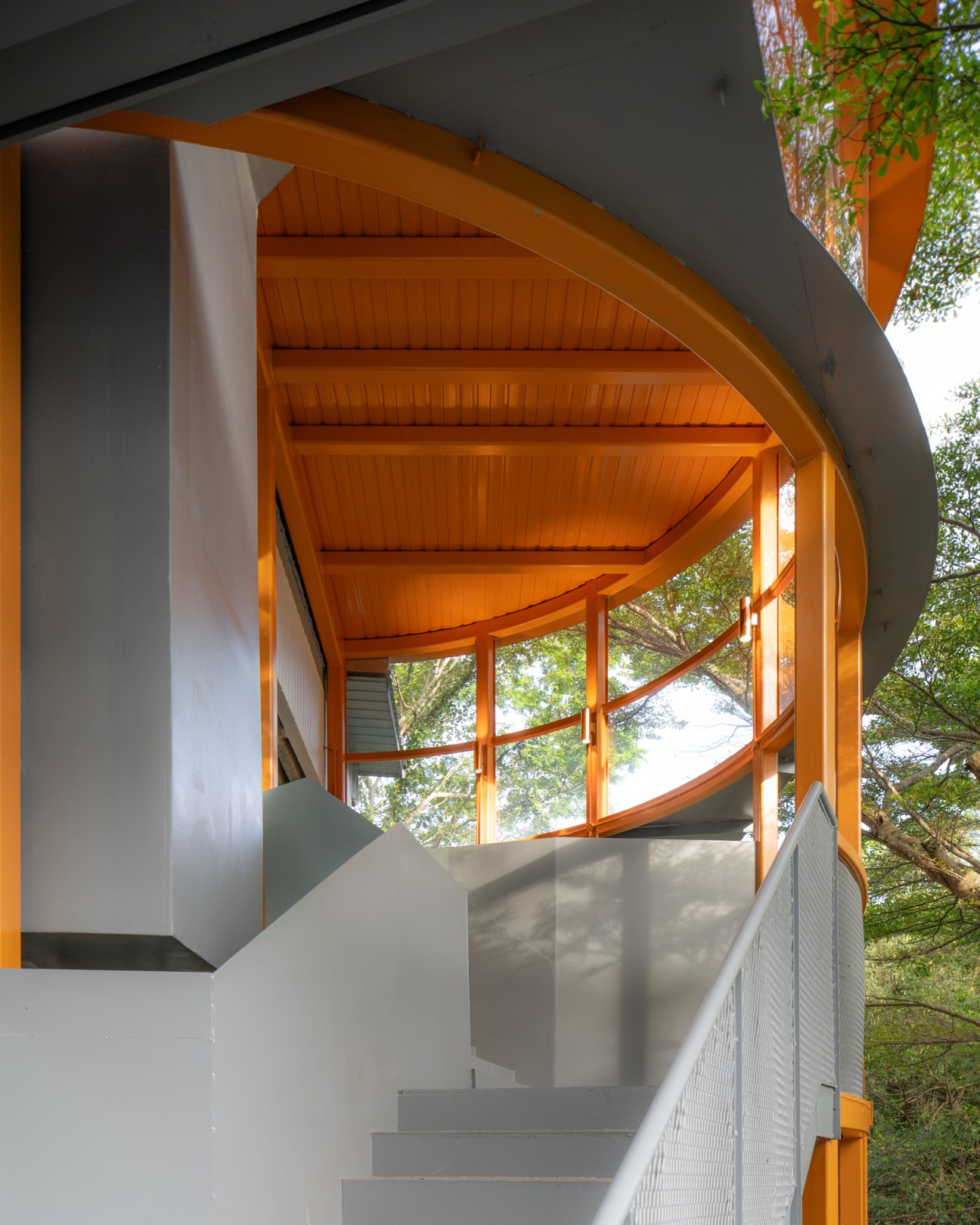
The Air Circular Campus and Cooking Club, a new dining project from Bali-based Potato Head, has opened in Singapore’s Dempsey Hill district. David Gianotten and Shinji Takagi of Dutch design firm OMA have transformed the original modernist building, a clubhouse for civil servants built in the 1970s, into a multi-use space with a restaurant, cooking school and farming programmes aimed at promoting sustainable culinary practices. The result shows how top hospitality and architecture firms can come together to have a positive effect on local communities and ways of building. “We are convinced that architecture and design can make a difference through active engagement with different disciplines,” says Gianotten.
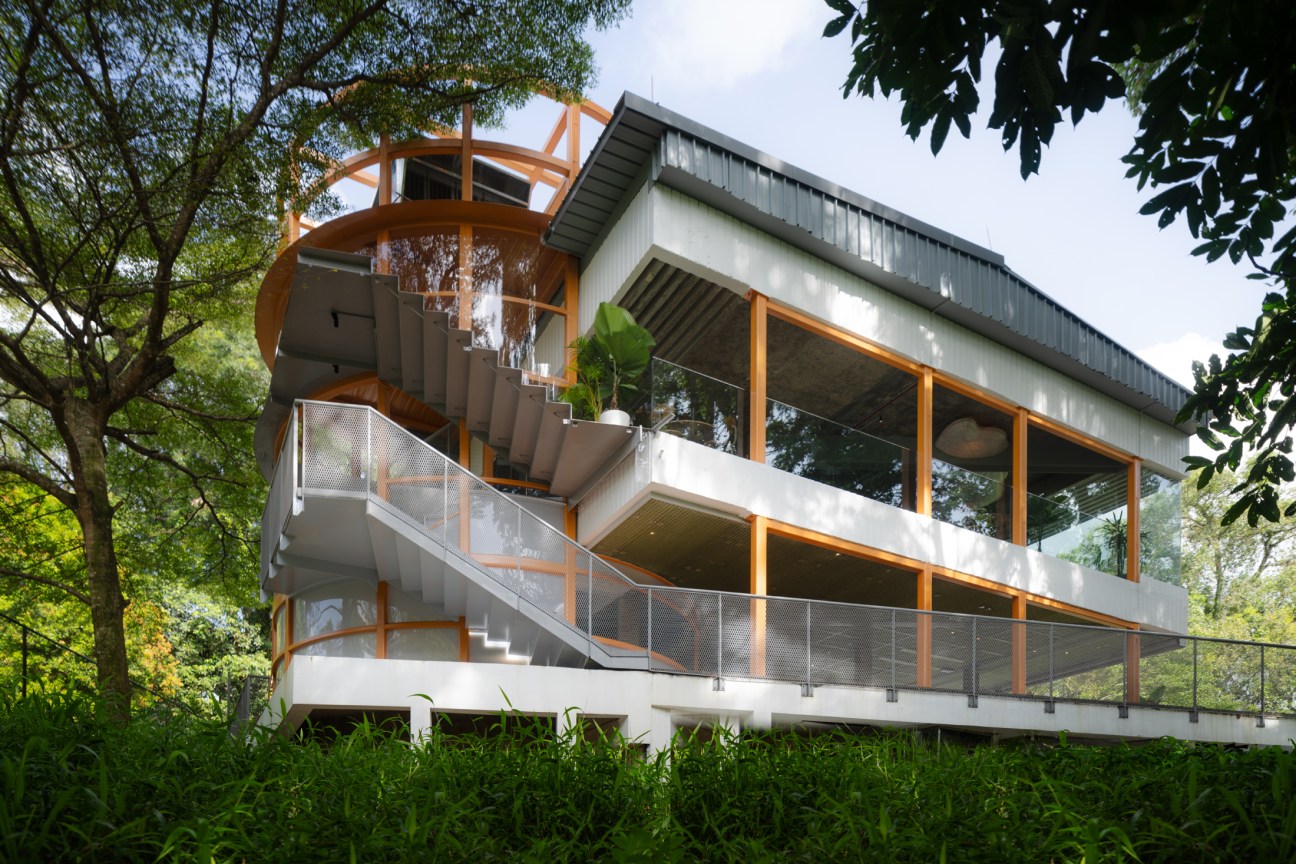
The architects expanded the two-storey building by adding wooden terraced patios that spill onto the front lawn for outdoor dining. Footpaths are threaded through lush green spaces so that visitors can wander through the farm and enjoy picnics on the grass. True to Potato Head’s love of sustainable and upcycled materials, all the furniture, which was created by Catalan designer Andreu Carulla, is made from recycled timber, plastic and styrofoam. A round, orange steel frame at the back of the building houses a spiral staircase. The campus offers an abundance of greenery in densely urban Singapore and is a welcome addition to the city’s culinary and cultural landscape.
oma.com; aircccc.com
Fashion: Tokyo
Dream coat
Ryuhei Oomaru’s Overcoat in Tokyo is a canvas of creative ingenuity and meticulous design thought. For this follow-up to the fashion brand’s New York base, Oomaru, a designer, collaborated with local firm Atelier Write to redefine an office on the second floor of a 1980s apartment building.
The partnership weaves previously hidden structures that lend themselves to the shop’s looks and functionality with elements that serve multiple functions, such as exposed steel joints used to hang stock and fabrics. The chromatic garments hang like modern art exhibits, their vibrant hues stark against the raw concrete backdrop.
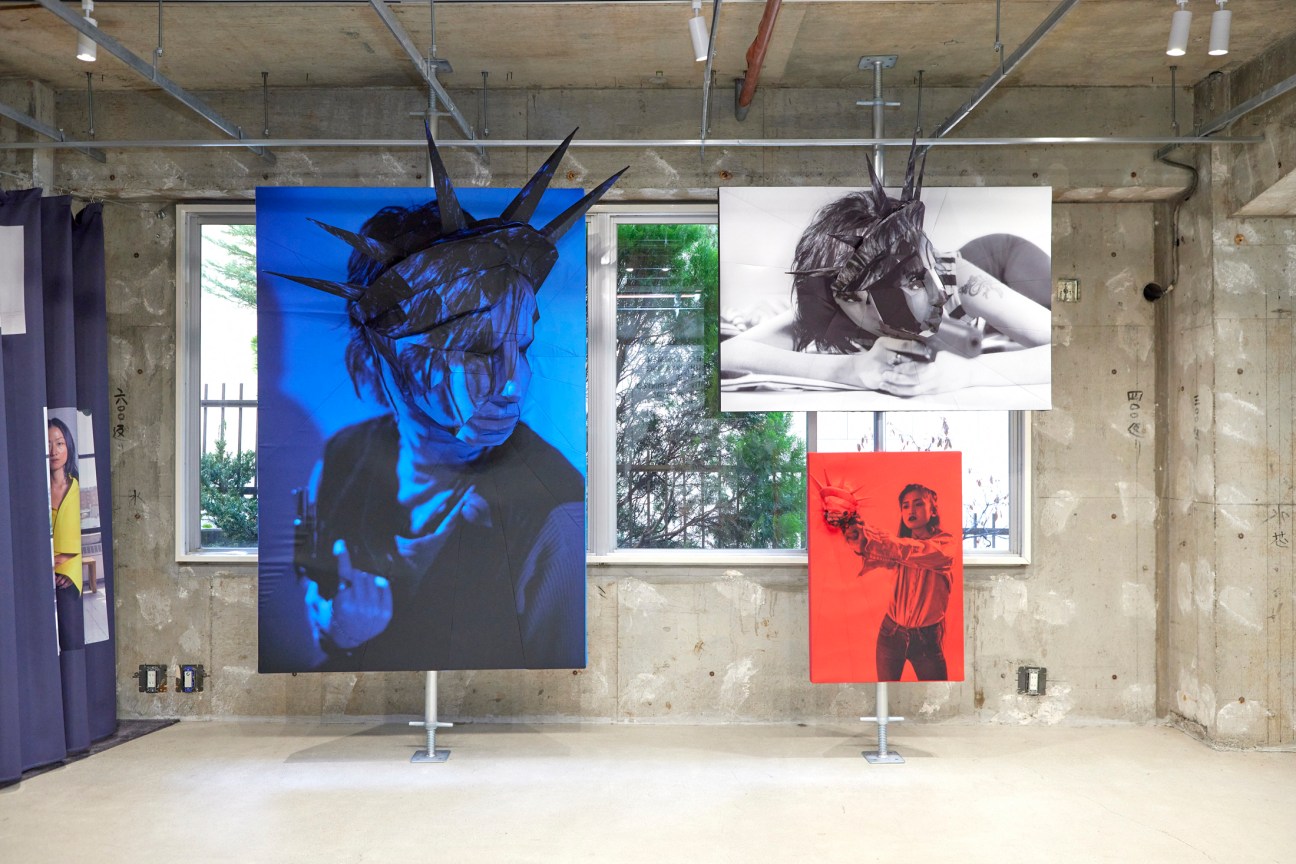
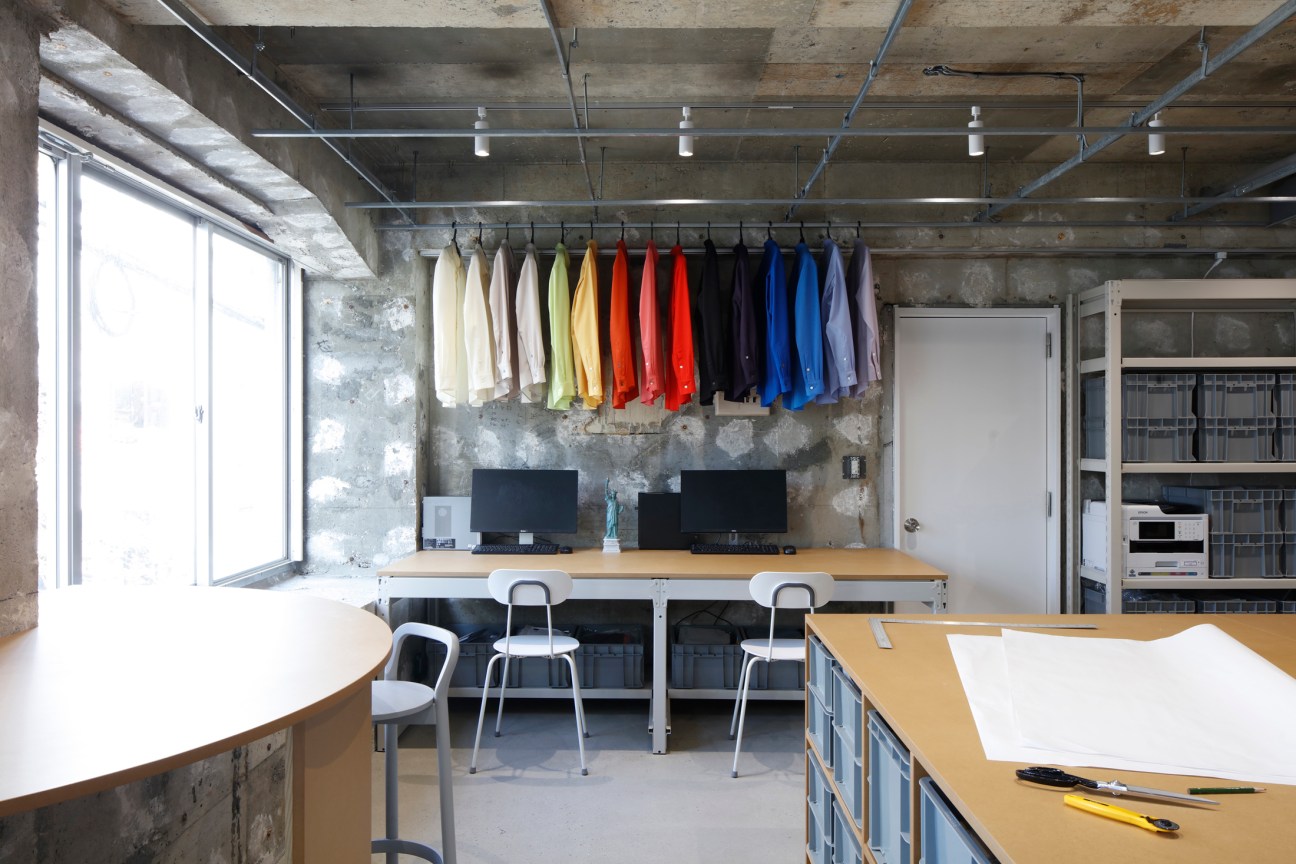
“Since we can keep the entire fashion cycle in one place using the interchangeable layout, it makes the staff’s workflow efficient,” says Oomaru. By breaking down the barriers between maker and buyer, customers aren’t just purchasing a garment but engaging in a narrative and forming a connection with the creator. “I want to see who is interested in my creation,” adds the designer, who is known for his smartly tailored coats, jackets and trousers. “I want my space to become a place where my staff and customers come together to talk about creation.”
overcoatnyc.com
On Design
Nic Monisse on: Modus operandi
The Monocle Design Awards are here. This is our recognition of the industry’s finest work this year. And while the full report can be found on pages 115 to 146, this column presents an opportunity to reflect on a few of the key design themes that Monocle’s editors and correspondents picked up on while reporting for the prize.
1.
Embrace the environment
Good architecture should work with the climate in which it’s set – and many of the projects highlighted in the awards do so. In Guatemala, for instance, Miller Hull devised a brise-soleil for a building that allows cooling breezes to flow in, while mitigating the heat of a tropical sun.
2.
Communication is key
Graphic design is often a late consideration but it can be crucial to a project’s success. It can also go a long way to improving quality of life and protecting culture. Case in point: the newly developed alphabet, Adlam, that for the first time gives physical form to a verbal-only West African language.
3.
Put people first
Many of the outstanding projects featured started from a place of prioritising people. One of our Top Architects, Tosin Oshinowo, encourages designers to pursue human-centric over iconic architecture.
4.
Elevate the everyday
Objects we encounter constantly should be a joy to use – and to look at. That could be as simple as having a beautiful dining chair by De Padova that makes mealtimes something you want to stretch out for hours.
5.
Material concerns
With any architectural or furniture project, material selection is crucial. Dubai studio Mula showed that more consideration should be given to the use of unconventional local materials by creating a pavilion out of every component of a palm tree.
Furniture: Brazil
Q&A
Cléo Döbberthin & Lorenzo Lo Schiavo
Founders, Palma
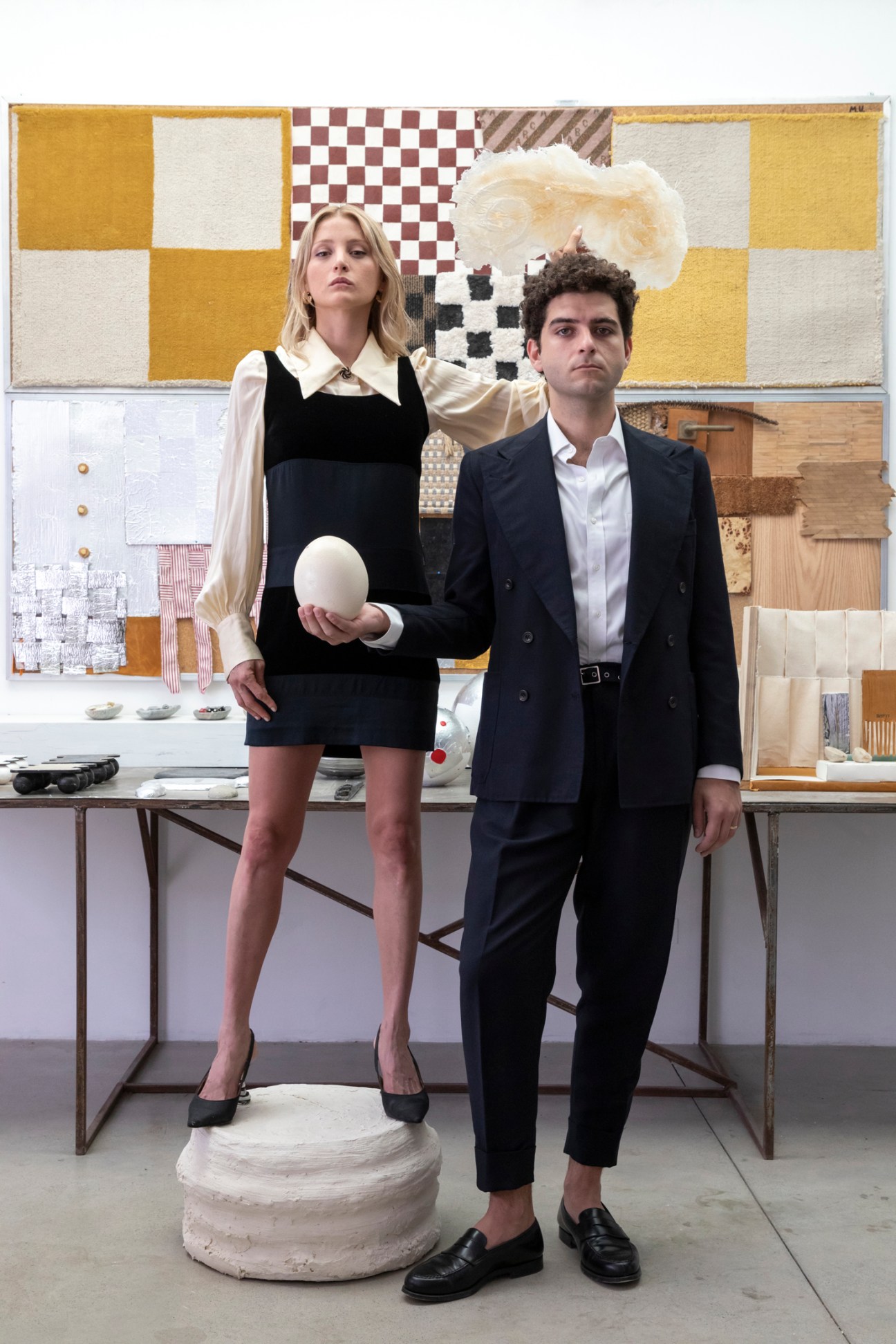
São Paulo-based studio Palma was founded in 2020 by friends Cléo Döbberthin and Lorenzo Lo Schiavo. The duo launched their second furniture collection at Salone del Mobile in April. They tell us more about their work.
You’re both from São Paulo. How did you meet?
CD: We grew up in the same group of friends and the same environment but met properly when we were studying at the architecture university, Escola da Cidade. We lost contact but then reconnected in 2019.
Describe your design ethos.
LS: We joke that sometimes we have a Frankenstein aesthetic. We put together inspiration from a billion different things but somehow it works. We have lots of fun, making our pieces in our studio in São Paulo’s Barra Funda neighbourhood.
Tell us about Barra Funda.
CD: The best art galleries are here. We wanted to add a bit of design too and that scene is growing into a design hub with many ateliers and studios.
What’s it like to work in Brazil as a designer now?
CD: When we launched our first collection, we were trying to create a culture of collectable design here. To bring something we already see in Europe, the US and even Mexico. Here, the relationship between art and design still feels very separate – but it’s changing.
palmapalma.com.br
Residences: Lisbon
Packed house
Lisbon’s sunny climate and warm hospitality have been a major draw in recent years, attracting not only tourists but creatives enamoured by the vibrant arts and design scene. In late May, the Portuguese capital celebrates this community with the second edition of its Lisbon Design Week, during which local studios and workshops open their doors to the public. One venue on everyone’s must-see list is La Junqueira, an artist’s residency in Belém.
Founded in 2018 by French artist Stéphane Mulliez, the project offers three-month stays to artists, all of which culminate in a show. “The aim is artistic expression, pushing artists to discover aspects of Lisbon and Portugal, be they cultural, architectural or sociological,” she says.
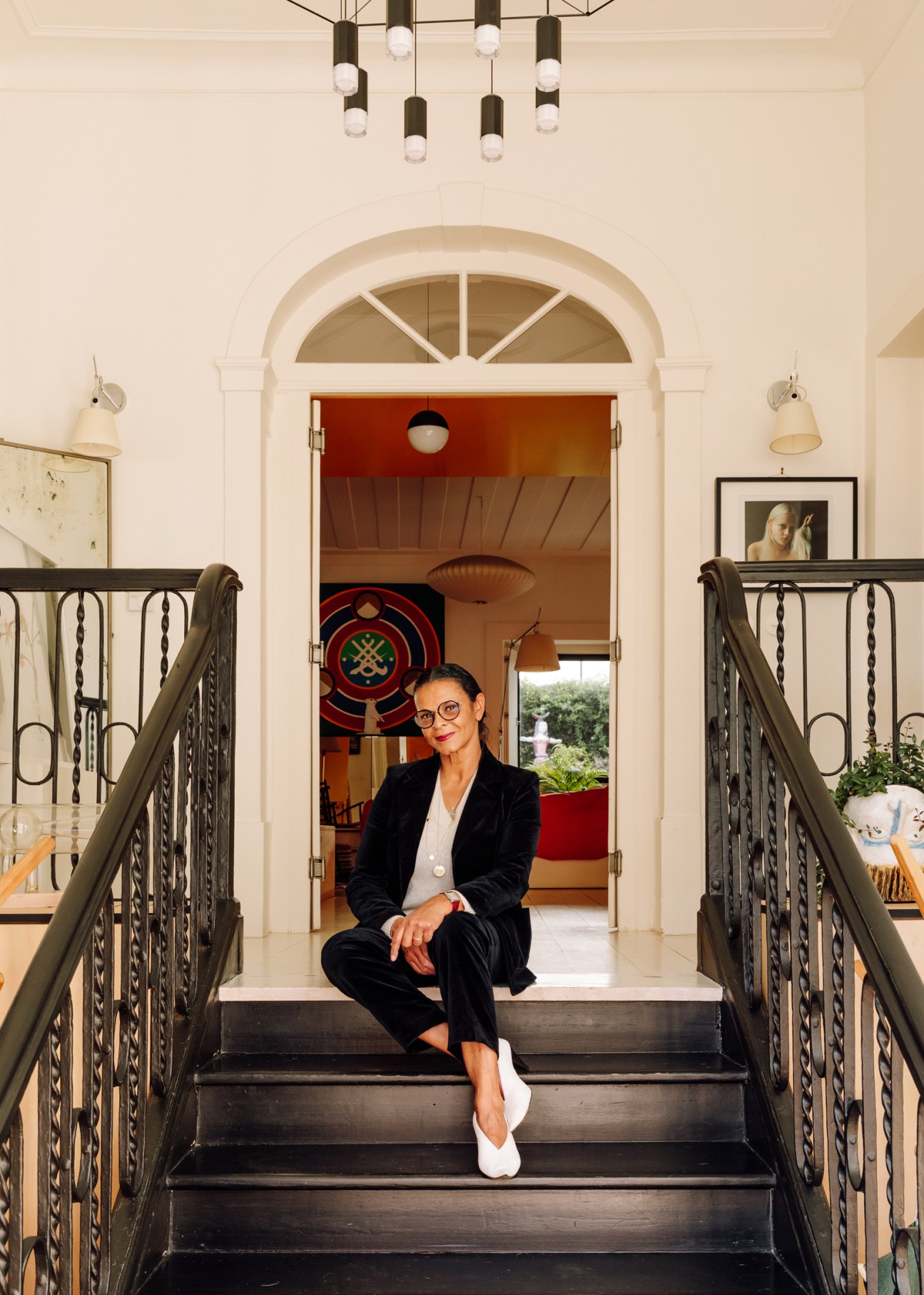
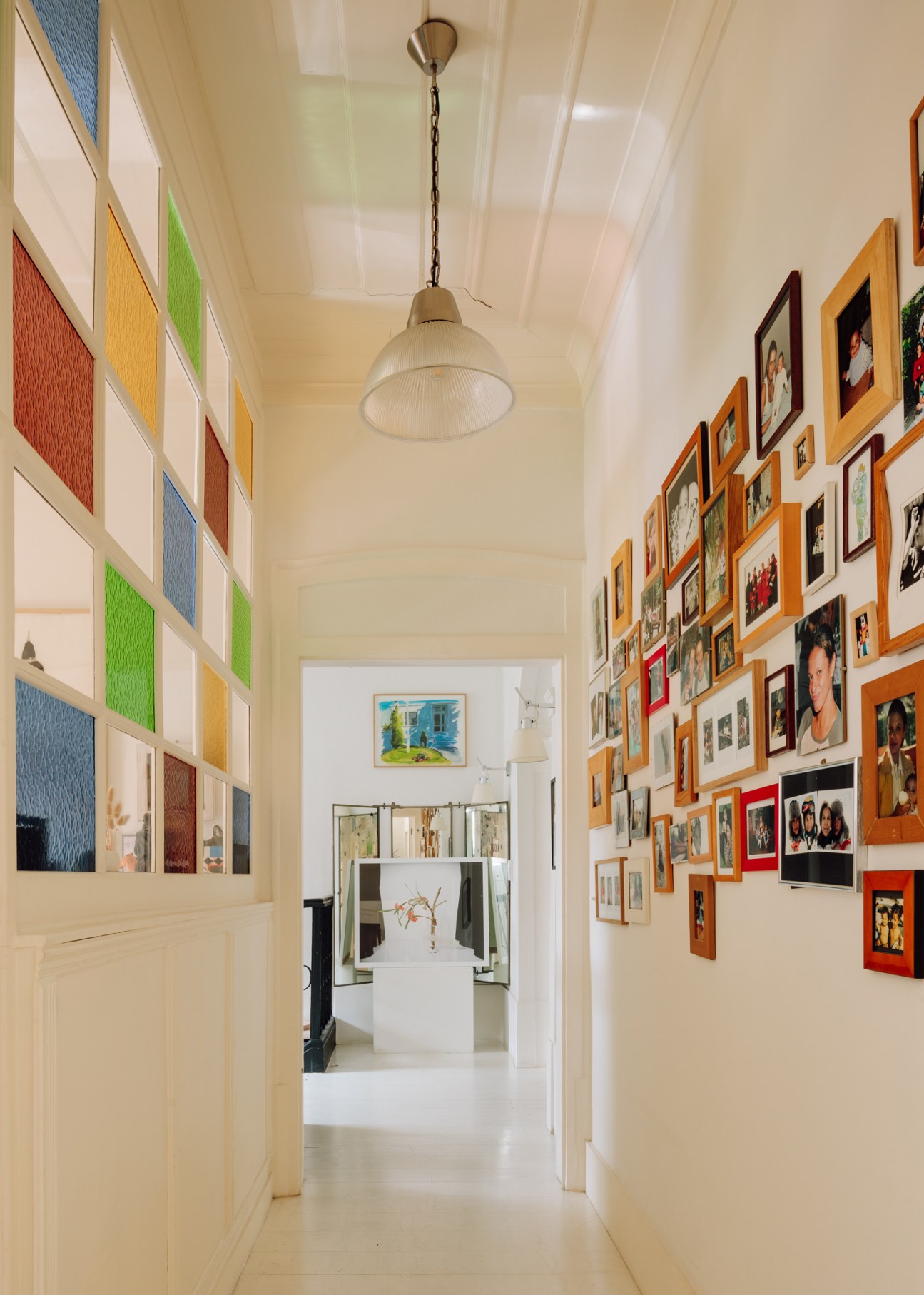
Mulliez (pictured) restored two floors of an 18th-century building, previously a primary school, to carve out a home for herself, as well as accommodations for visiting artists and an exhibition area. There is also an atelier nearby where residents work. Mulliez was careful to ensure the original details weren’t lost. Multicoloured stained-glass panels in a hallway filter light into her office, while ceramics, a popular craft in Portugal, feature heavily – a decorative band of traditional azulejos line the lower wall in a room used as a workshop.
The residency is eager to promote local craftsmanship. “We want to build relationships between artists and artisans,” adds Mulliez. French artist Pauline Guerrier developed ceramic panels after working with Viúva Lamego, a storied Portuguese producer known for figurative tiles.
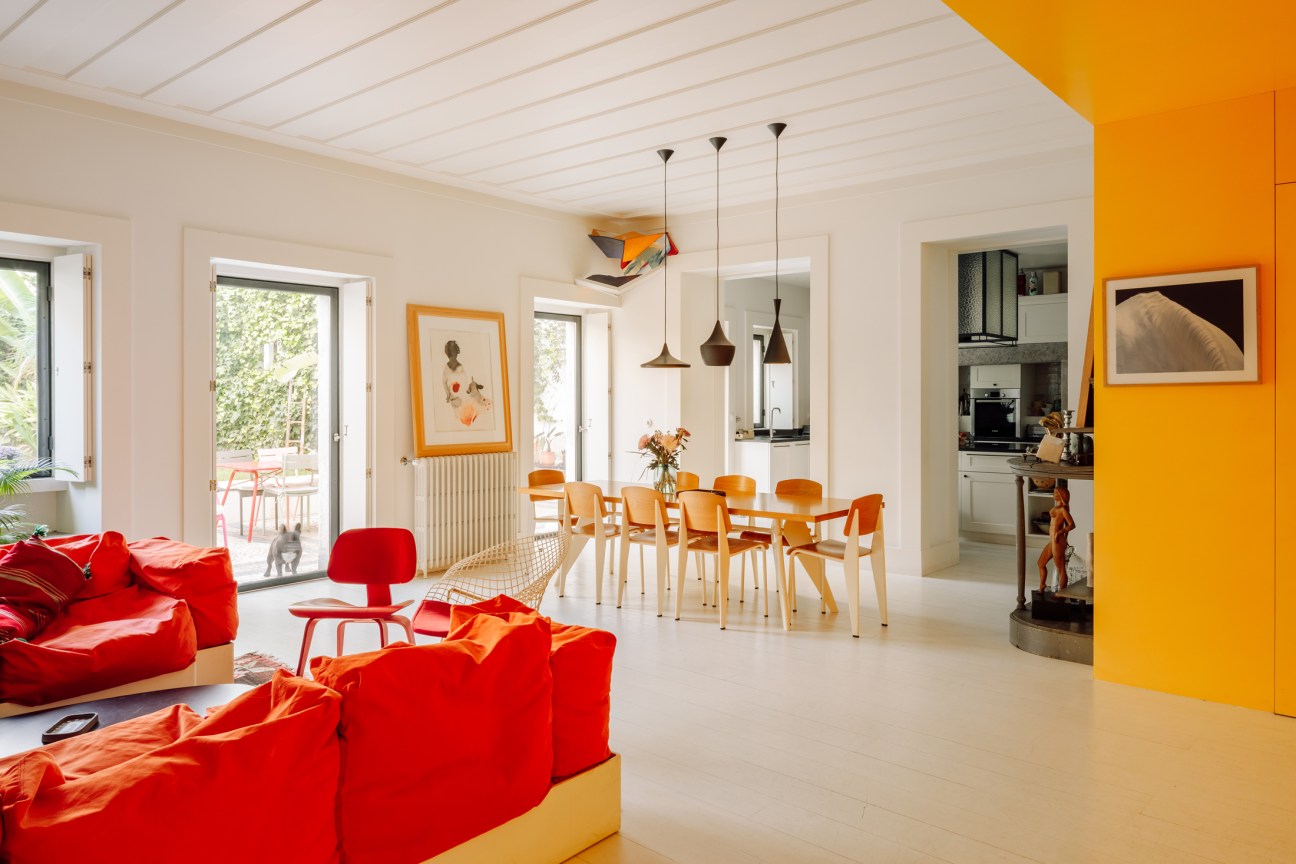
Several works by past residents are prominently displayed by Mulliez in her living room, punctuated by a pair of bright Superoblong sofas from Cappellini. A photo by 2019 resident Louis Heilbronn faces a dining set from Jean Prouvé lit from above by Tom Dixon lamps.
In her garden, Mulliez has outdoor furniture from French brand Fermob. At Lisbon Design Week, visitors will see pieces by sculptor Max Coulon, who will use local woods such as oak and eucalyptus to create large-scale pieces. Should you not be able to visit during the event, consider applying for a residency – at the very least, it will be a chance to see Mulliez’s remarkable residence and workshop.
lajunqueira.org
Lisbon Design Week runs from 22–26 May.
Sport: Bordeaux
Keeping track
Paris-based K-Architectures recently oversaw the renovation of Pierre-Paul Bernard Stadium in Talence, a suburb of Bordeaux. Built in 1976, the stadium was in need of a tasteful update. The practice refurbished everything from its 1,500-seat grandstand to its worn-out track, all while adding a sports complex with indoor practice halls, a gym and an administrative department.
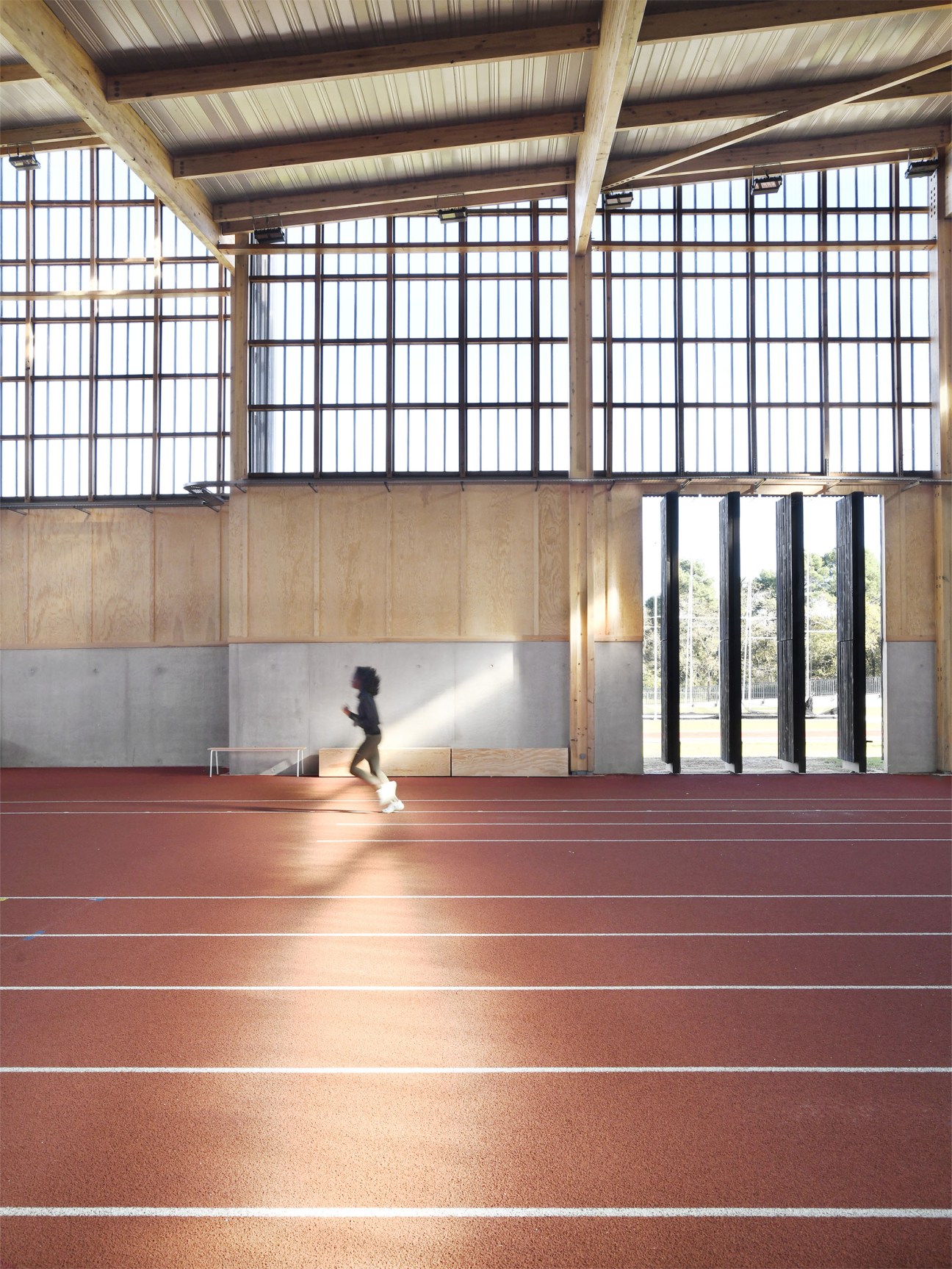
The stadium is located on the edge of the protected Thouars Wood, which meant that architects Karine Herman and Jérôme Sigwalt had to ensure that the project would not encroach upon the ancient green space. The handsome wood-framed halls were conceived as a group of barns featuring low-slung, corrugated-metal roofs and façades clad in burnt pine, inspired by Japan’s yakisugi (burnt cedar) technique. The grandstand was updated without changing its structure. Its base, benches and façade were repainted and given a dark tint and the changing rooms were modernised. The athletics track was expanded from six to eight lanes, making it more useful for competitions, both national and international. “The asymmetrical overhanging roofs and use of wood evoke girolles, the small traditional houses in the region’s sandy pine forests,” says Sigwalt.
k-architectures.co
Special editions: A democratic form of art acquisition
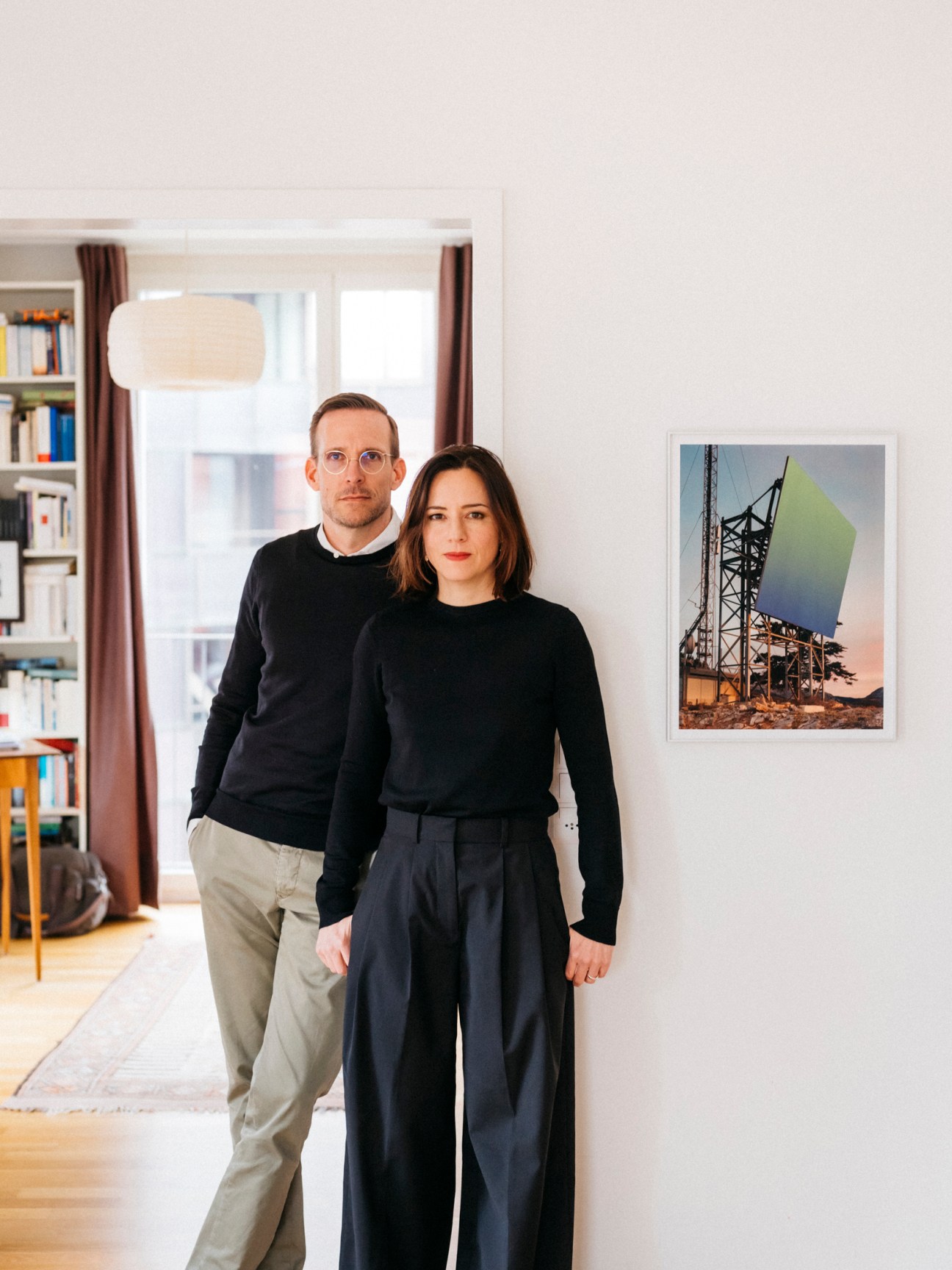
Interior architect Zoé Ramseier has hung her print of Sendetafel by Swiss artistic duo Taiyo Onorato and Nico Krebs in her living room, just above the dining table. “What I loved about this piece was the contrast between the intensity of the colour gradient and the softness of the sky behind it,” she says. “Art doesn’t have to be beautiful but it should create emotions. This print creates questions as soon as you enter the room.” Ramseier started collecting art from an early age. “I was lucky because I grew up with art all around me as both my parents are in creative industries. But everyone should have the possibility to encounter art throughout their day, regardless of their level of income.”
Much of the art market is fixated on the unique, on the chance to own a painting or a sculpture that nobody else will ever have. But the world of print editions invites you to imagine a slightly more democratic version of that beast. Would you like to be one of perhaps 10, 100 or maybe even 1,000 owners of a numbered and signed artwork? Are you happy to share the love? After all, you’ll probably never go to another home and see the edition that you own on its wall. What would be the odds of that? Well, perhaps a little higher if Monocle got involved and decided to see where the prints from one edition have ended up.
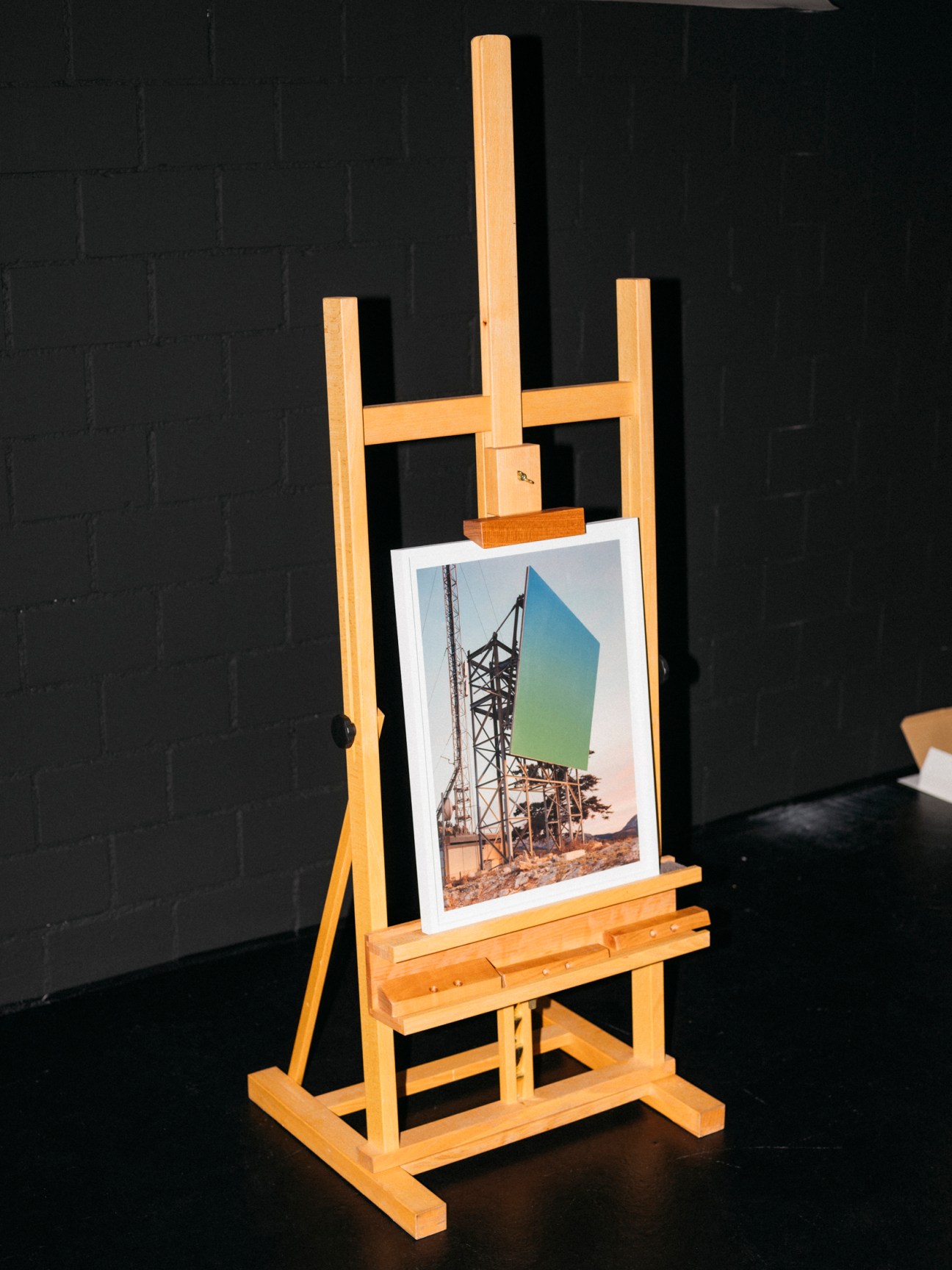
Sendetafel was created in 2021 in an edition of 25 and originally sold for CHF1,060 (€1,080 at today’s exchange rate). Frame included. The striking artwork features a billboard attached to a vast metal structure, which looms over a rocky terrain. In the background a summer sunset is soft pinks and blues. But there is something unsettling about the image. Each print is identical expect that the billboard’s surface colours change in every version. Onorato and Krebs use a collage-style printing process to pull off this trick. And to do that they worked with Edition VFO, an edition publisher and gallery in Zürich.
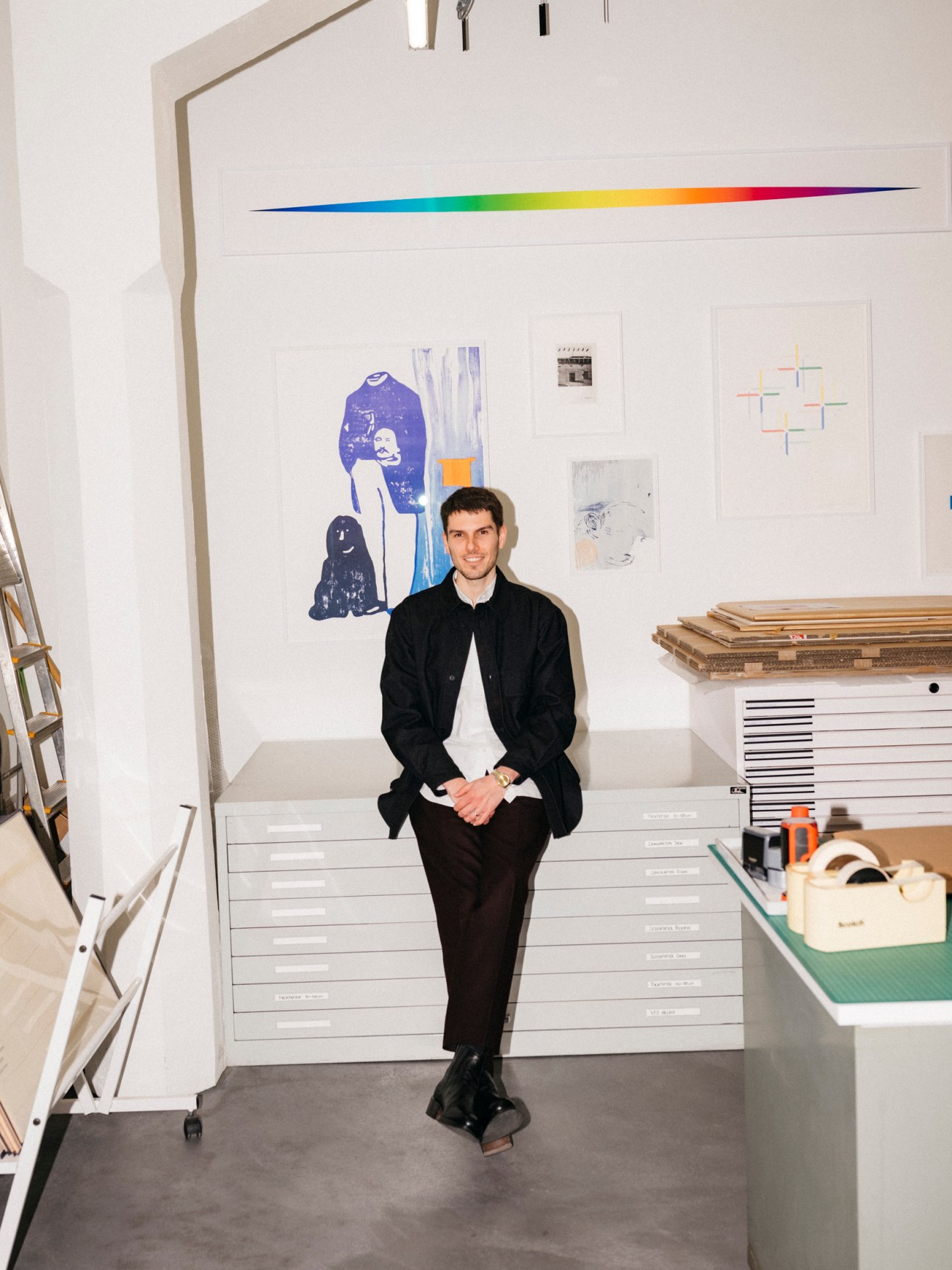
Founded in 1948, the organisation’s initials stand for Verein für Originalgraphik, or the Association for Original Prints. Managing director David Khalat explains that editions, and their popularisation, are at the core of his mission. “With the advent of digital printing, traditional printing techniques suffered and there was an erosion of communities centred around the craft,” he says. “Our job as an association is to bring them back and to show why editioned works are vital to enriching contemporary art.”
Though much more has to be done to encourage the revival of printmaking, Khalat says that editions are having a moment. “There is a renewed interest in the craft of printmaking and editions across all fields, including art,” he says. “Now that people have become used to all the possibilities that digital works offer, they’re looking back and mixing in older print techniques.”
All the Sendetafel editions have been sold but as Khalat leads Monocle around Edition VFO’s gallery, he points out other works that, he says, hold the same sense of magic. “There is a tactility to the paper. Just like with a painting or a sculpture, you can feel someone else’s presence in the work,” he says. “When the piece is developed at the press, the materials also make their mark, from the stones used in lithography to paint in monographs.” Editions can be unique too.
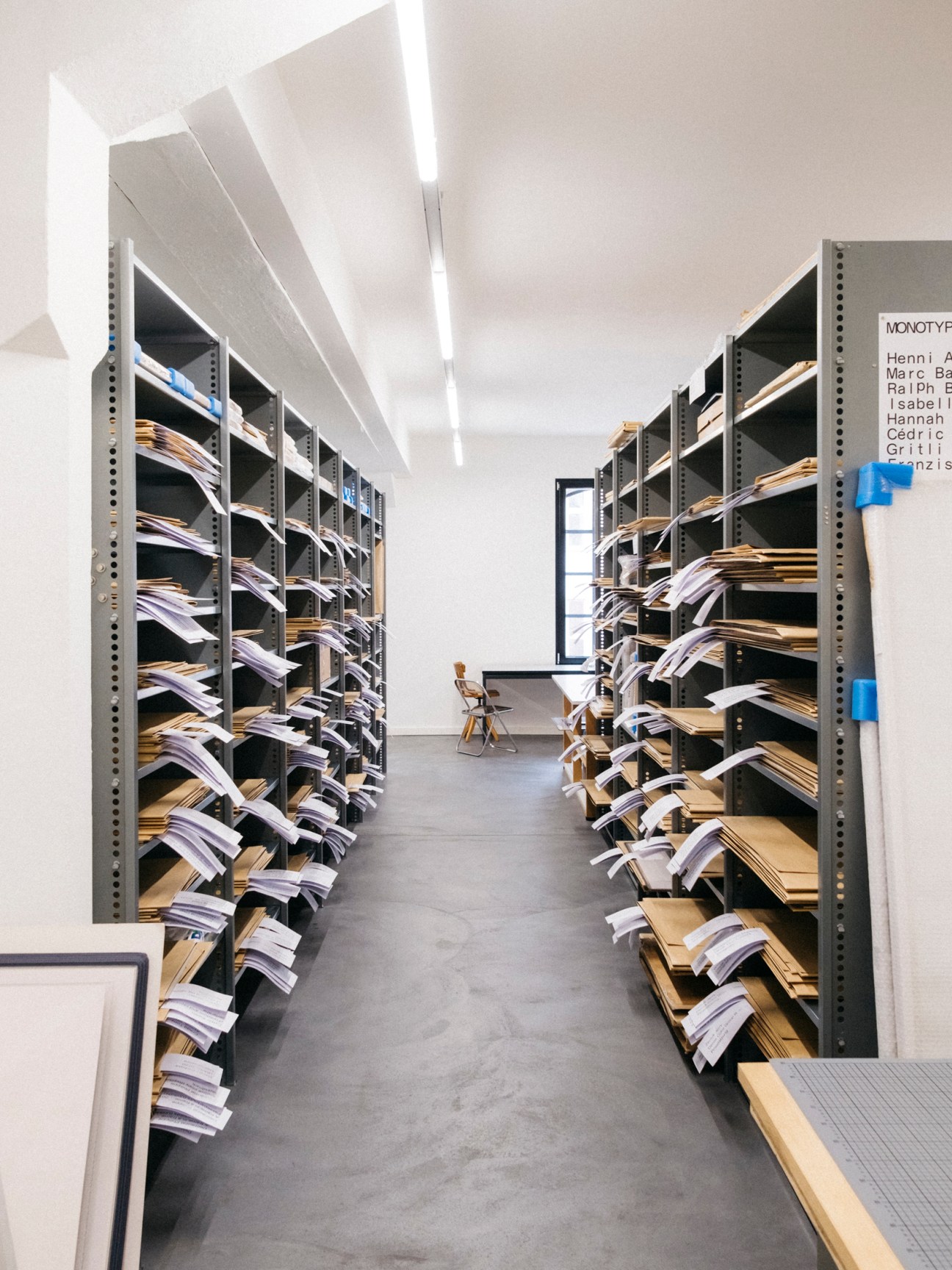
Edition VFO is not toiling alone. Other edition publishers include Graphicstudio in Tampa, Borch Editions in Copenhagen, Counter Editions in the UK and Los Angeles-based Gemini GEL. Now, though, Khalat and his team have taken advantage of this renewed interest in the medium in order to establish the Zürich Print Institute. Based in the city, the centre works with masters of lithography, screen printing and etching, connecting them with other artists who want to collaborate on new editioned works. The institute will also make space for the equipment that the labour-intensive processes require. “Creating print editions needs a lot of investment. You need chemicals, dark rooms, light-sensitive plates and presses,” says Khalat. “And that isn’t even mentioning the community that springs up around the practice: the master printers, artists, apprentices, framers and others all working on it together.”
That sense of community, united by its appreciation of edition prints, makes itself apparent as Monocle travels around Zürich, tracking down the owners of the various Sendetafel. Up in her attic flat in the centre of the city, Annik Hosmann explains her connection to the print, which hangs above her sofa. A journalist at Zürich-based daily newspaper Tages-Anzeiger, Hosmann first met Khalat through work and was one of the first to arrive on the morning that Onorato and Krebs’ editions went on sale in 2021. “I love noticing works online and reaching out to the artists to buy from them directly,” she says. “It’s fun to interrogate the concept of what a collection is or who a collector might be. In the end, I decided that it’s something fun and something that can add unexpected twists to my life.”
Down by the banks of Zürichsee, Silvia Schmid shows Monocle into her home. The interior of her spacious villa is packed with original artwork so it takes a moment to point out her Sendetafel hanging in the corridor between the dining room and kitchen. Schmid is the president of Edition VFO and is passionate about the role that the institution can play. “I became involved with the institution because I love how democratic it is,” says Schmid. “It gives the opportunity to young people to get to know all of these different artists.”
The gallery manager
David Khalat
“When making print editions, masters always try to plan how it will look in the end,” says the managing director of Edition VFO. “But when it goes to press, you have to let go. This loss of control is positive: the materials with which you’re printing come forward. Compared to the glossy surface of a digital print, you can see traces of the oil, air bubbles and other elements from the printing process.”
The collectors
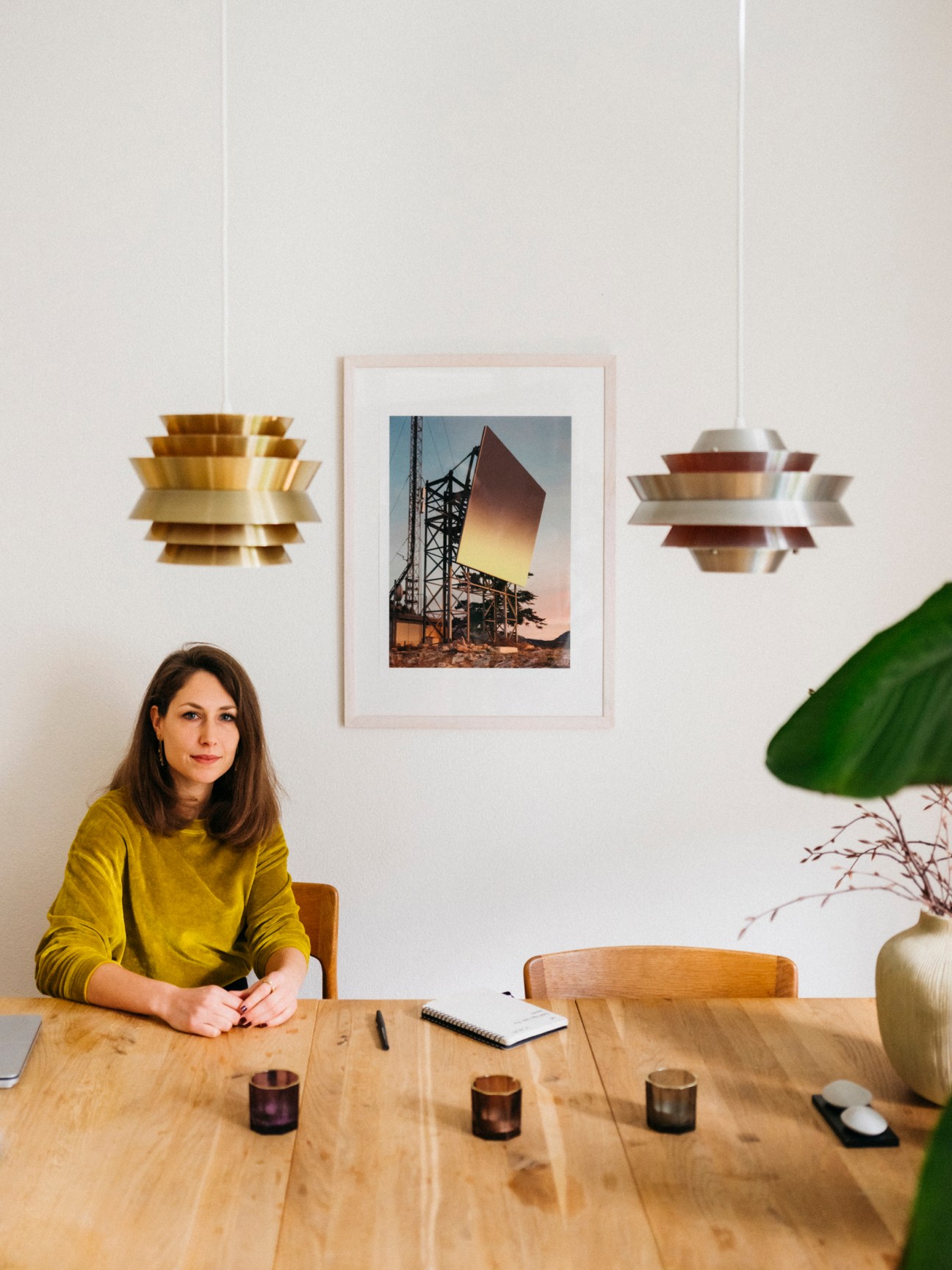
Zoé Ramseier
Through her work as an interior architect, Ramseier has become particularly drawn to abstract artwork. “In Sendetafel, I particularly like the way in which architecture is joined to the gradient of colours,” she says.
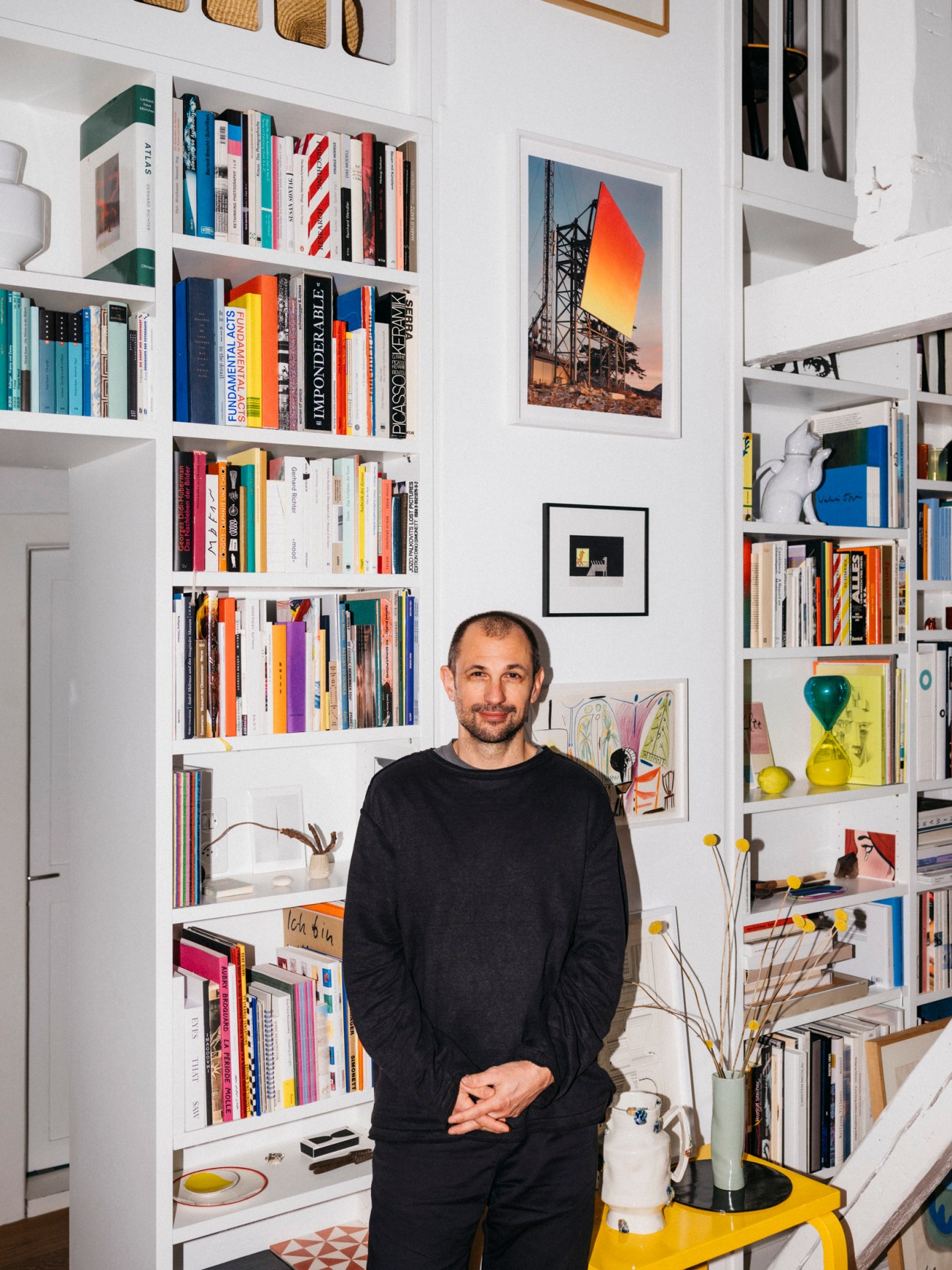
Bruno Margreth
Margreth is a graphic designer and founder of About Books, an independent publishing company with a focus on contemporary art, culture and architecture. “Through my work as a book designer, I’m very close to different print techniques, so I enjoy following Edition VFO’s output,” says Margreth.
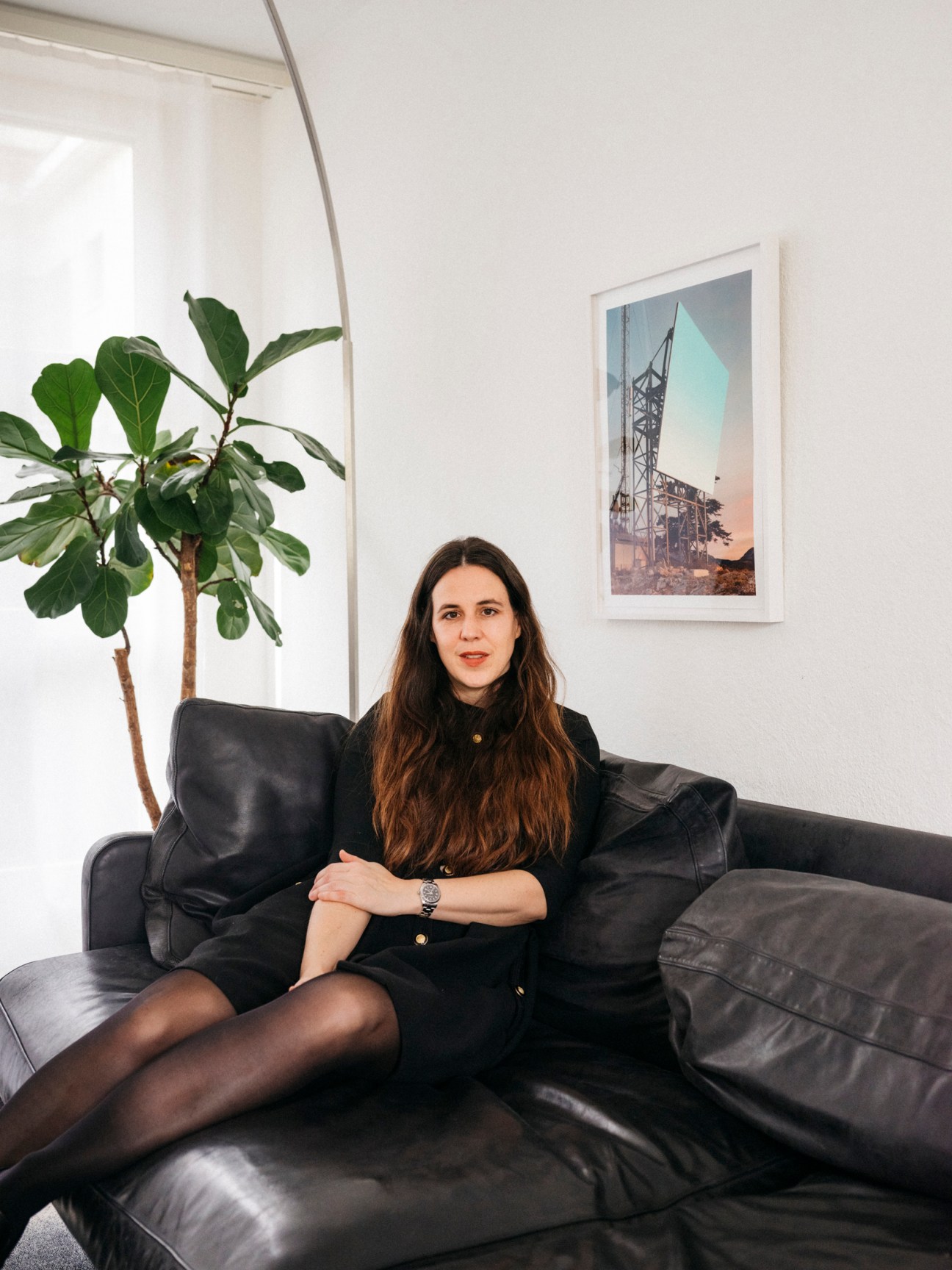
Laura d’Incau
D’Incau once worked at Edition VFO alongside Khalat. There is also a connection with the artists: her sister attended the same photography class as the pair. “The purple and silver colours on my edition caught my eye instantly,” says D’Incau. “When I’m choosing prints, I choose pieces that touch my heart or fit with the rest of my collection. When I was 20, I bought three prints. It all started from there.”
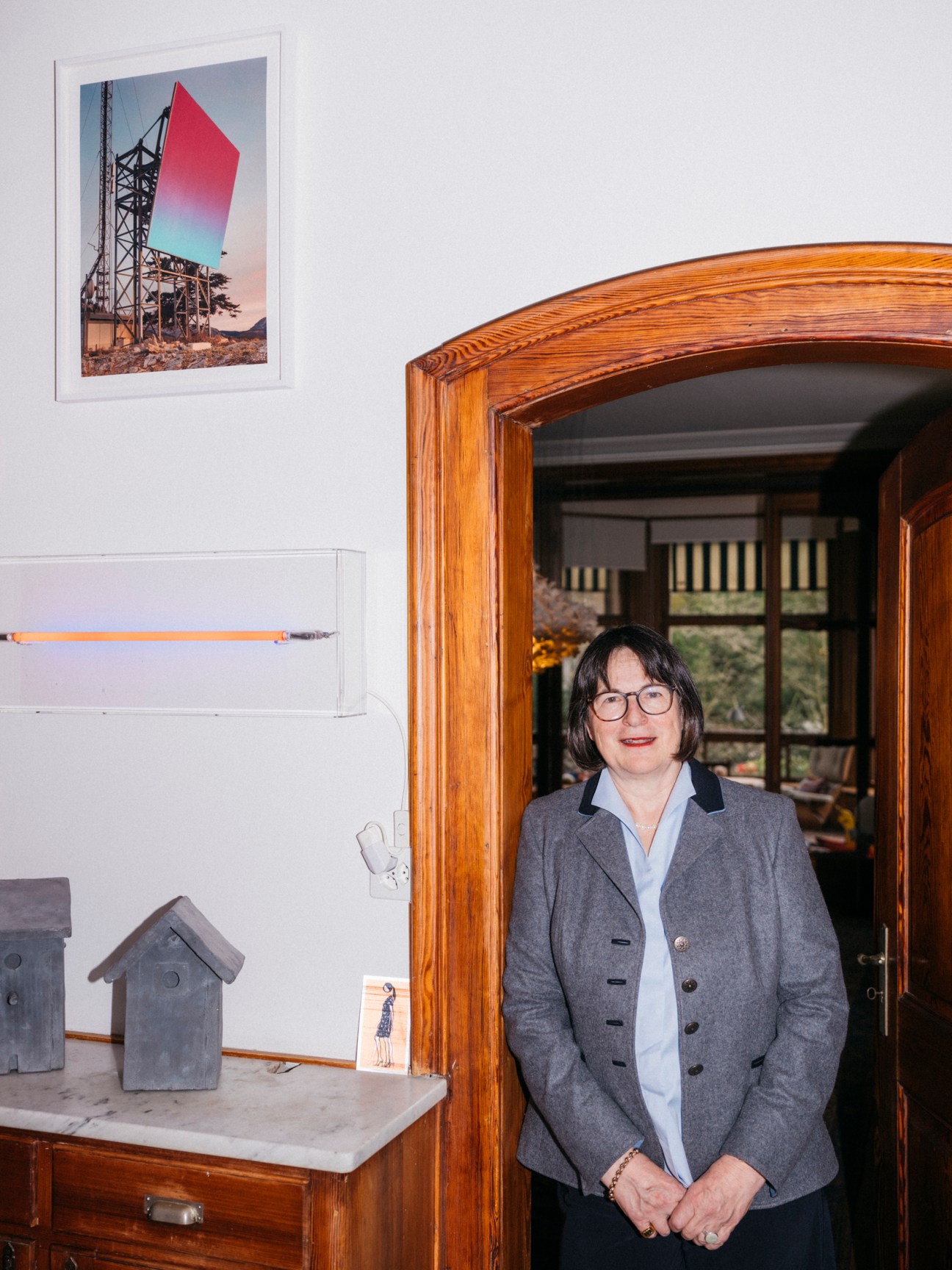
Silvia Schmid
After being a stay-at-home mother for many years, Schmid decided to study art communication. One thing led to another and she is now president of Edition VFO. Now that her children have families of their own, she has to ensure that her art collection is child-proof.
Michael Arnold & Mirjam Frei
“We love collecting editions because they combine art and craftsmanship,” says Arnold. “Taiyo Onorato and Nico Krebs’ work struck us as special because every edition is unique in itself, with the colours of the screen changing in every print. Our piece has a wonderful tension between melancholy and promise, which drew us towards it.”
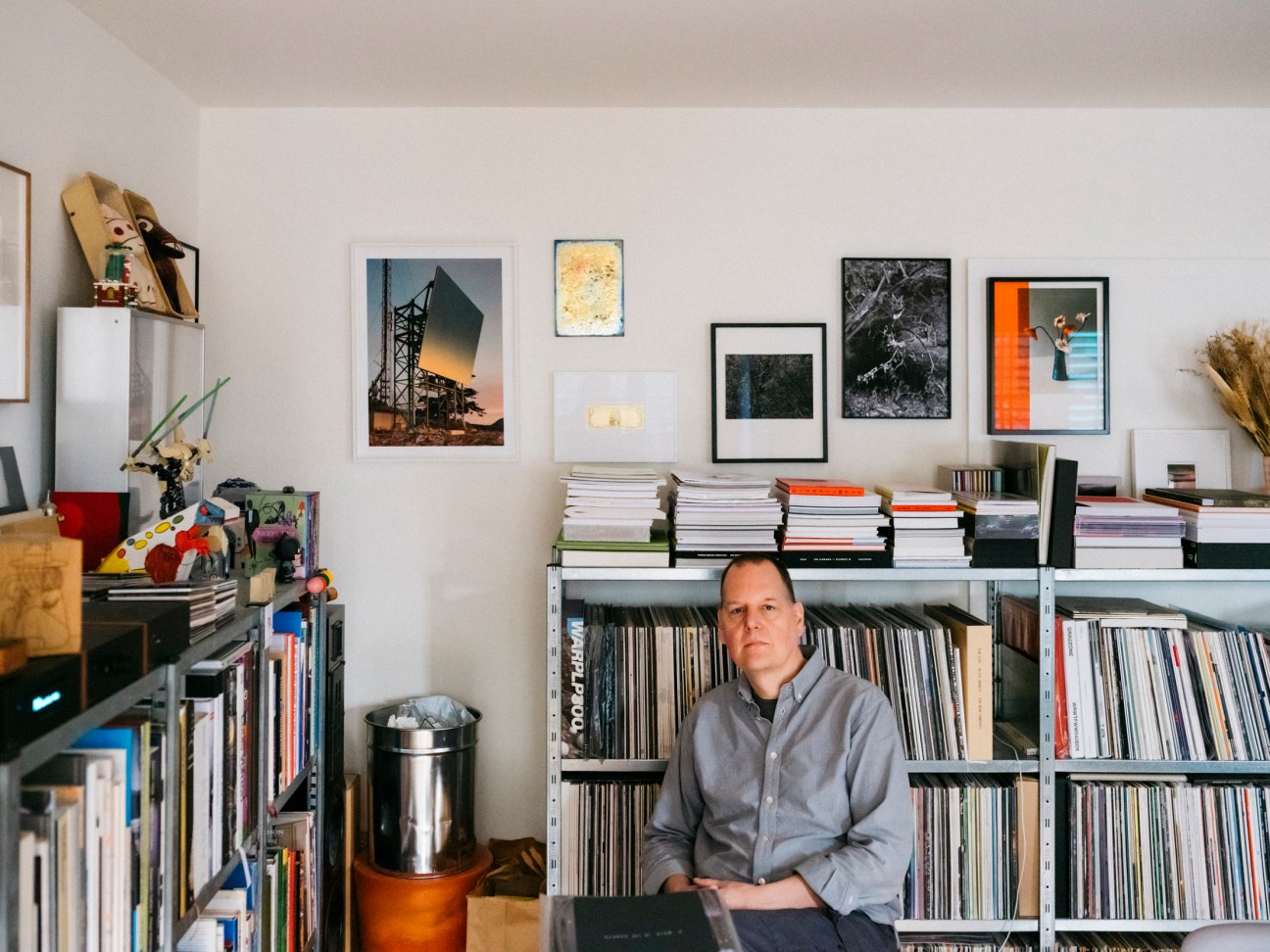
Ralph Steinbrüchel
After studying communication design at Central Saint Martins in London, musician and graphic designer Steinbrüchel relocated from his native Germany to Switzerland. “I enjoy collecting in general but am particularly drawn to the craftsmanship that comes hand in hand with editions,” he says. “Sendetafel combines photography with the process of printing in a beautiful, unique way.”
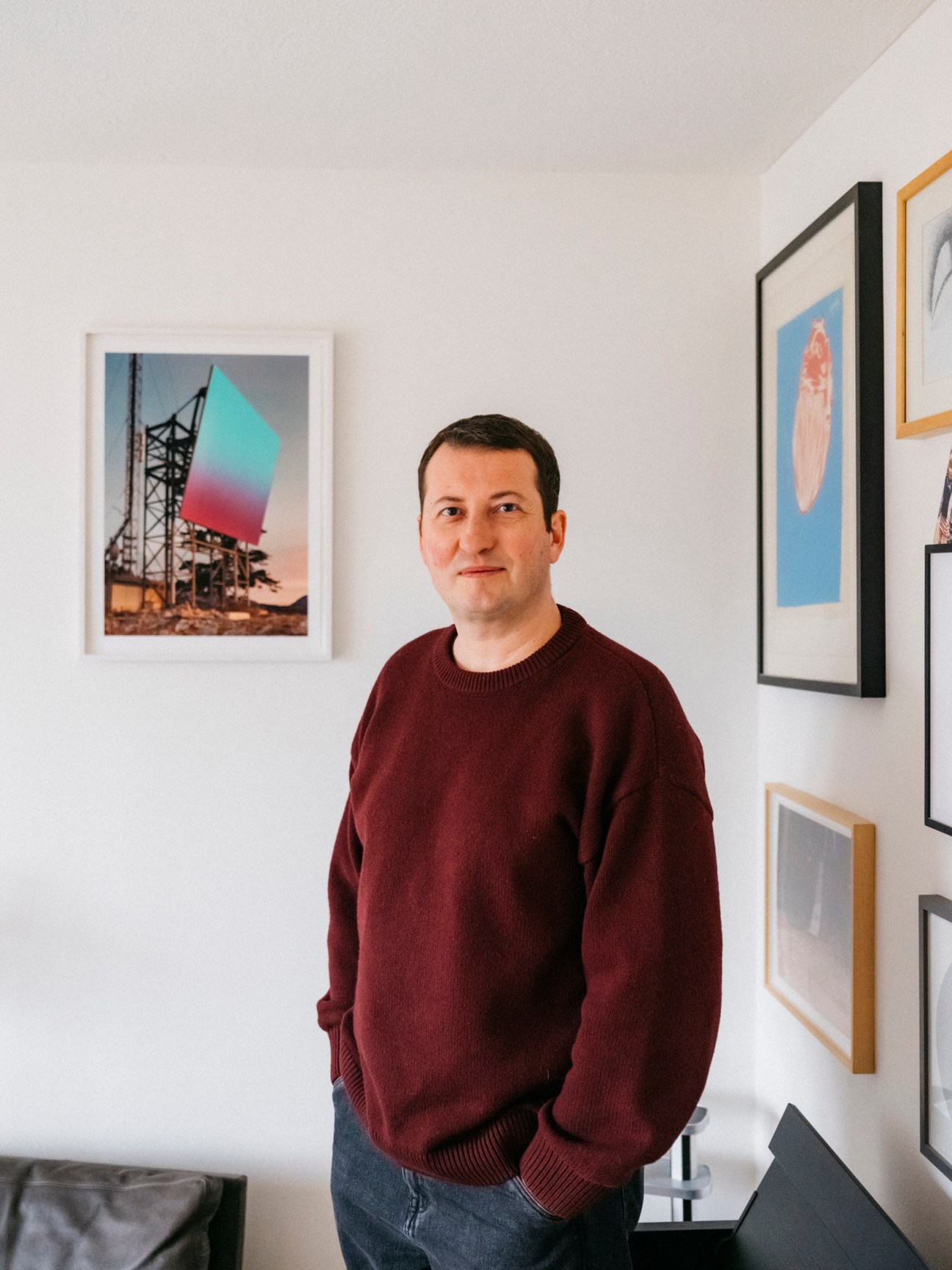
Raphael Rogenmoser
Rogenmoser is a digital strategist for the creative and cultural industries.
“I love the neon quality to the colours in this print,” says Rogenmoser. “I’ve admired Krebs and Onorato’s work since the early years of their career and enjoy buying editions from artists with whom I have a personal connection.”
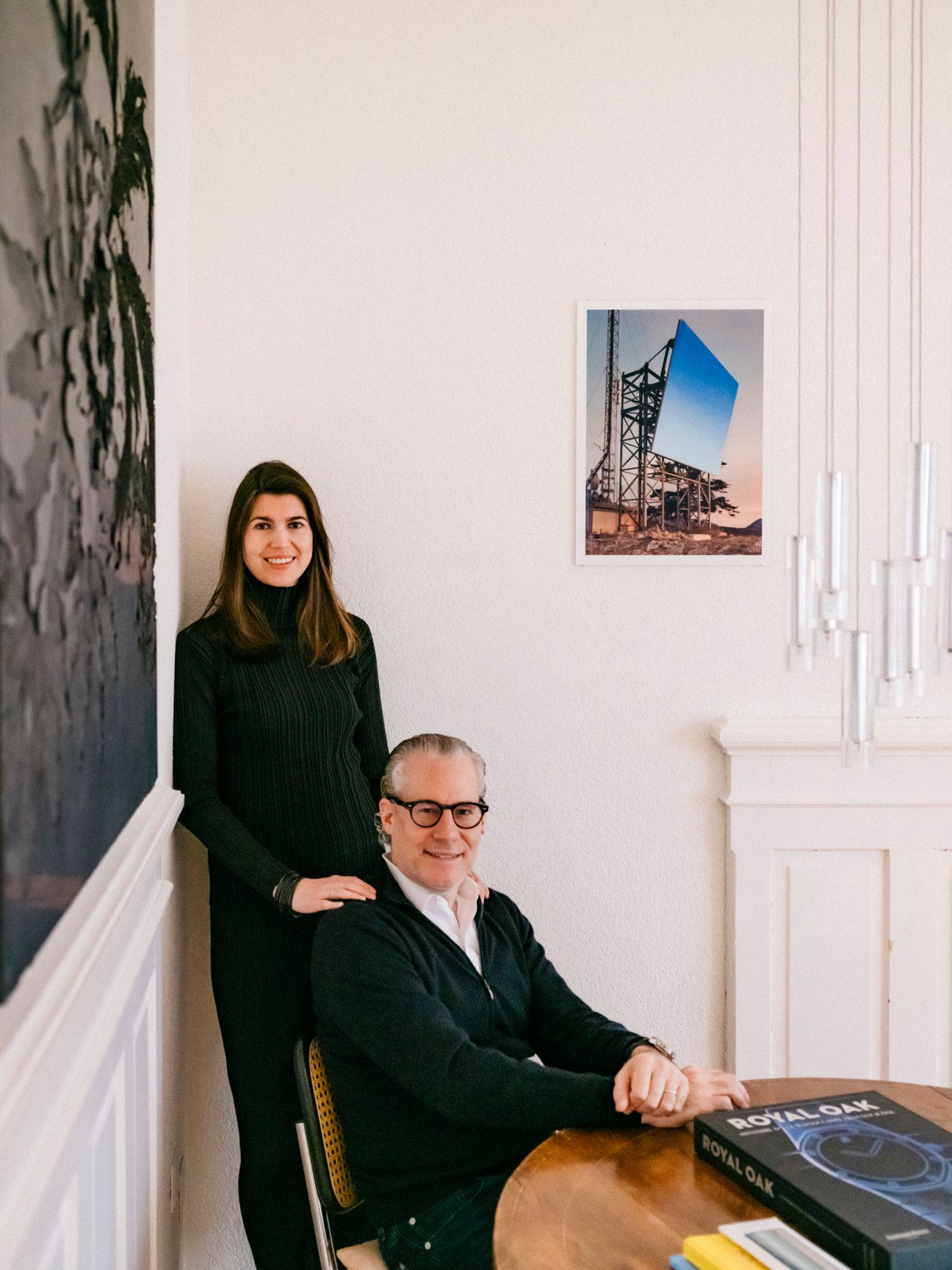
Kathrin Wolf & Gianluca Ambrosetti
Wolf and Ambrosetti’s choice of their Sendetafel print was influenced by Ambrosetti’s work as CEO of Synhelion, a green-technology company converting sunlight into fuel. “Selecting a piece of art for us is often a matter of chemistry,” says Wolf. “With this print in particular, it reminded us of Synhelion’s solar towers when they catch the rays of the setting sun in those poetic moments between night and day.”
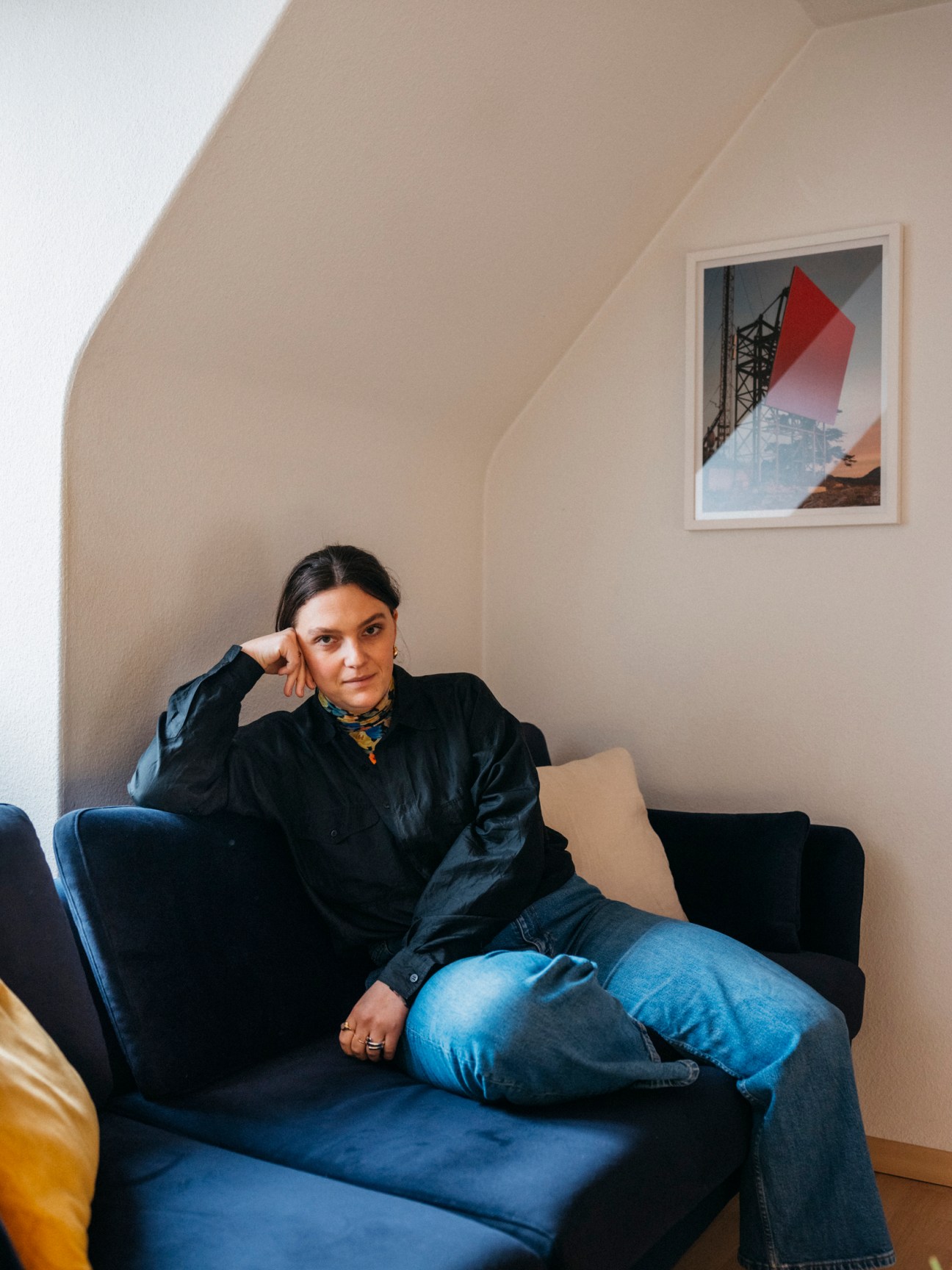
Annik Hosmann
When Hosmann was first looking at different editions at Edition VFO, she couldn’t decide which one to choose but then she was struck by the contrast of orange and blue. “I love the feeling of buying something from an artist and realising that it has a history behind it,” she says. “That’s how I got into Edition VFO.”
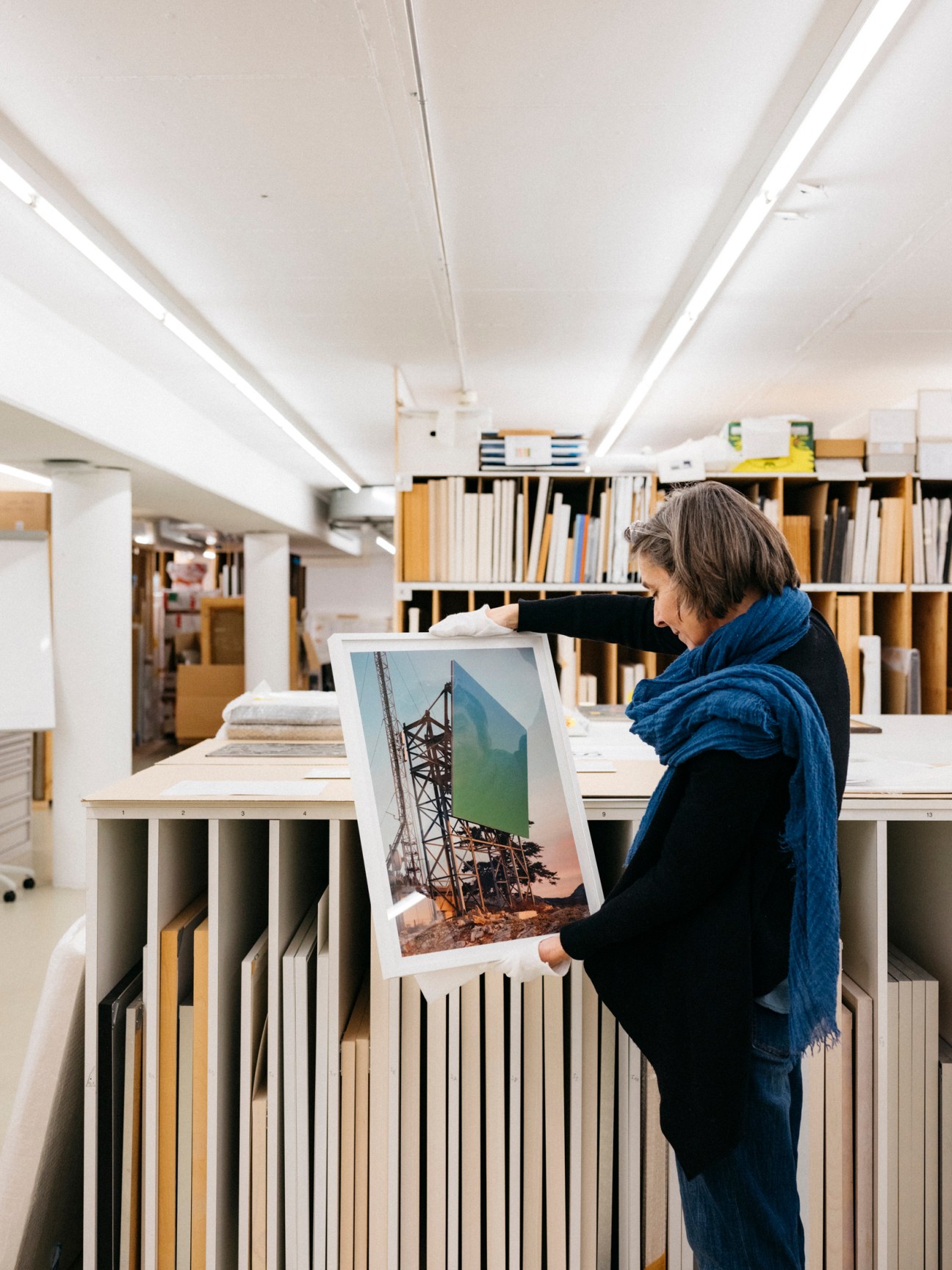
Judith Meier
Meier is registrar at the Zürich canton’s Art Collection, which has been collecting works created in the region since 1908, amassing about 20,000 pieces. The works are then loaned to exhibitions and institutions around the city.