Issues
Olympiapark’s success story: How it set the gold standard in architecture
When cities splash out on infrastructure to host the Olympic Games, its potential legacy often comes as an afterthought. The fates of the stadia and neighbourhoods built for the world’s largest sporting event range from disastrous, such as the ghost towns littering Rio de Janeiro and Turin, to just so-so. An exception dates to Munich 1972. The Olympiapark is a lush spot in the city’s northwest that is so beloved today, more than 50 years after it was built, that it still serves to boost the Bavarian capital’s global image.
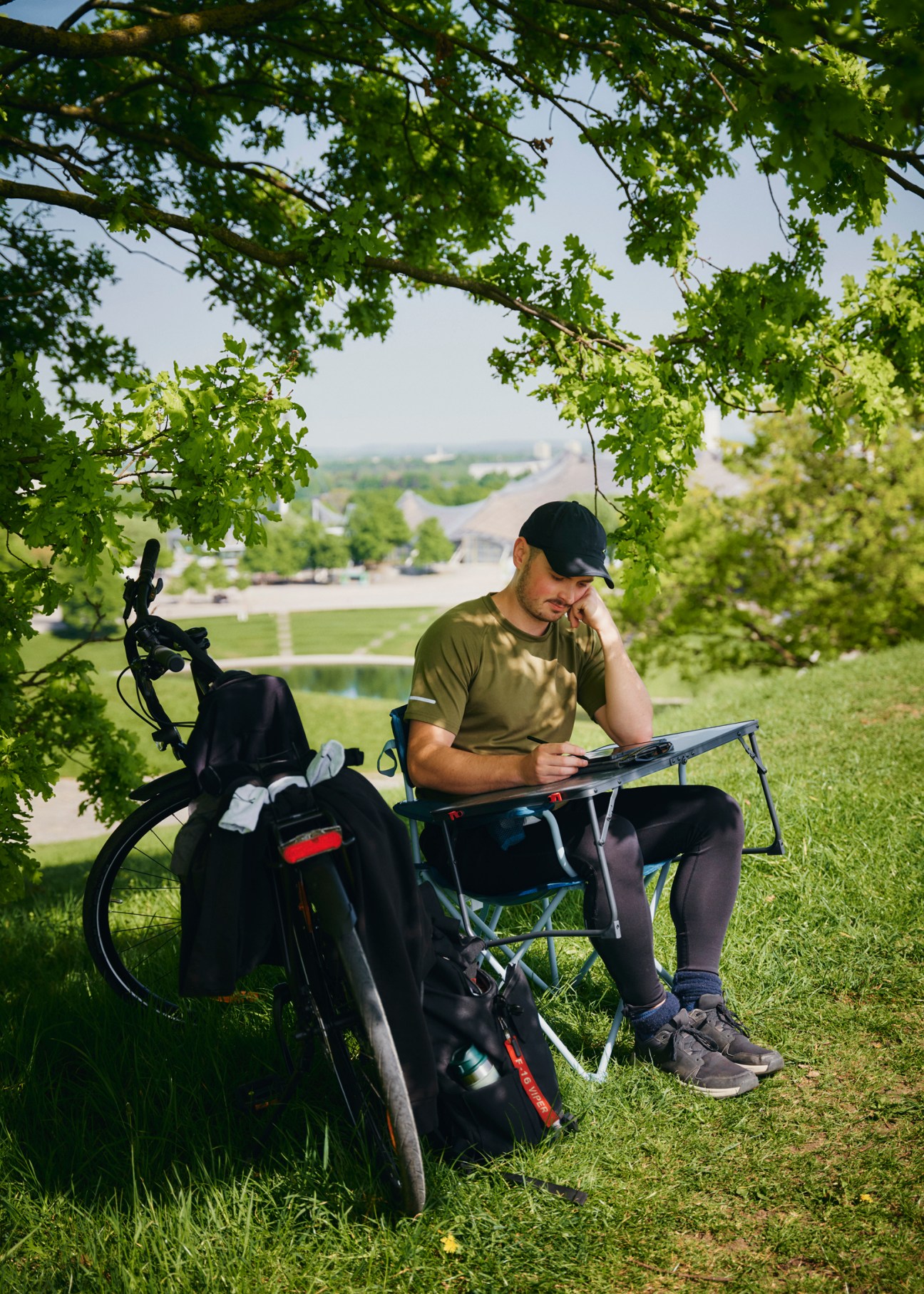
“We really live in a 1970s utopia,” says Stefan Niese, who meets Monocle at Nadisee, the Olympiapark’s artificial lake. It’s a hot day, and children are splashing in the shallow water against a backdrop of greenery and pale-concrete high-rises. The area feels like a world in itself; a world that Niese is used to guiding visitors around on tours. The architect – a nearly two-decade resident of Olydorf, the local nickname for the neighbourhood that is the former athlete’s village inside Olympiapark – is also a partner at Weber Auer, whose founders were involved in bringing it into being between 1966 and 1972. “The intention was to show the world an image of a happy, democratic Germany,” he says. “Or to create it.”
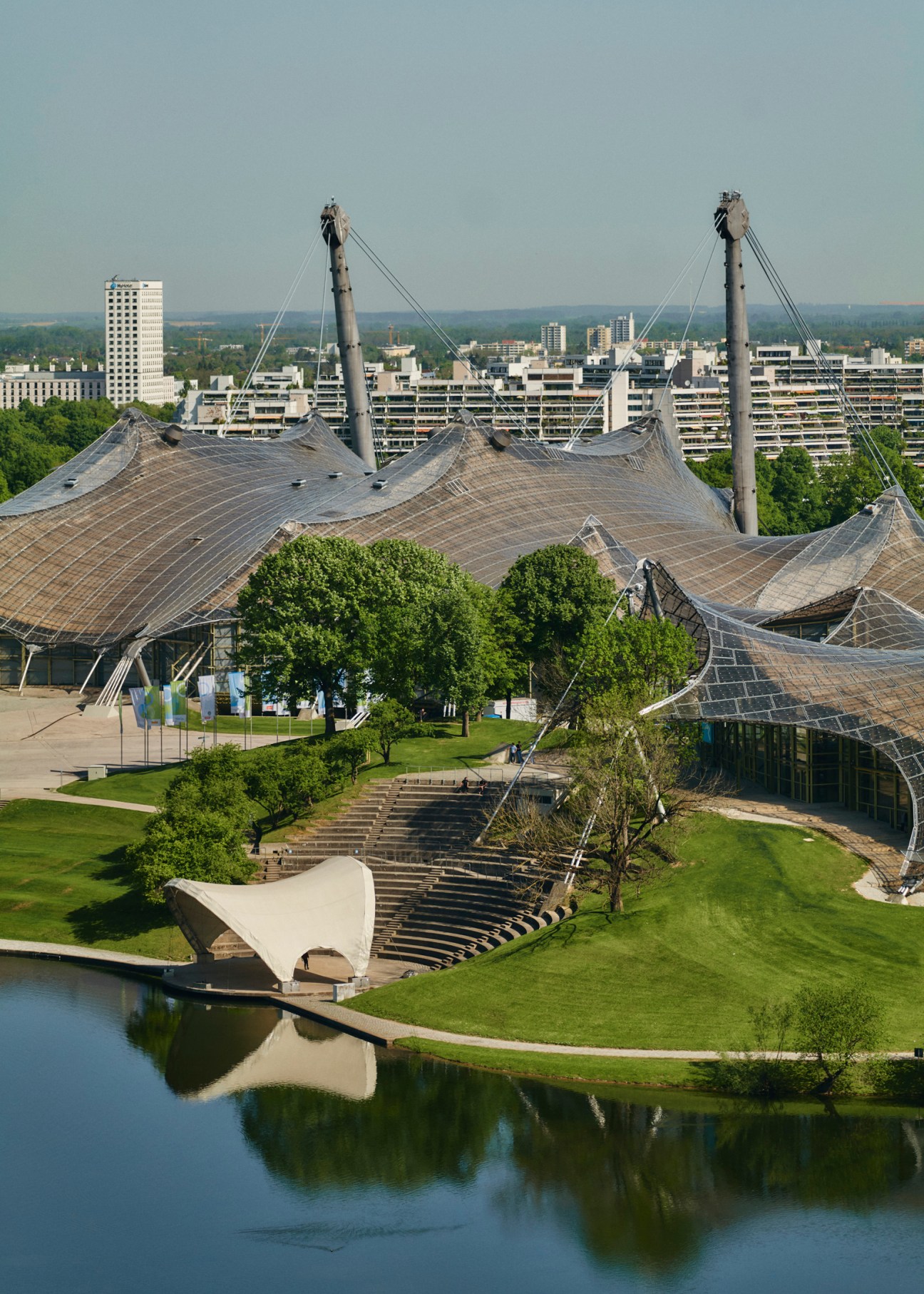
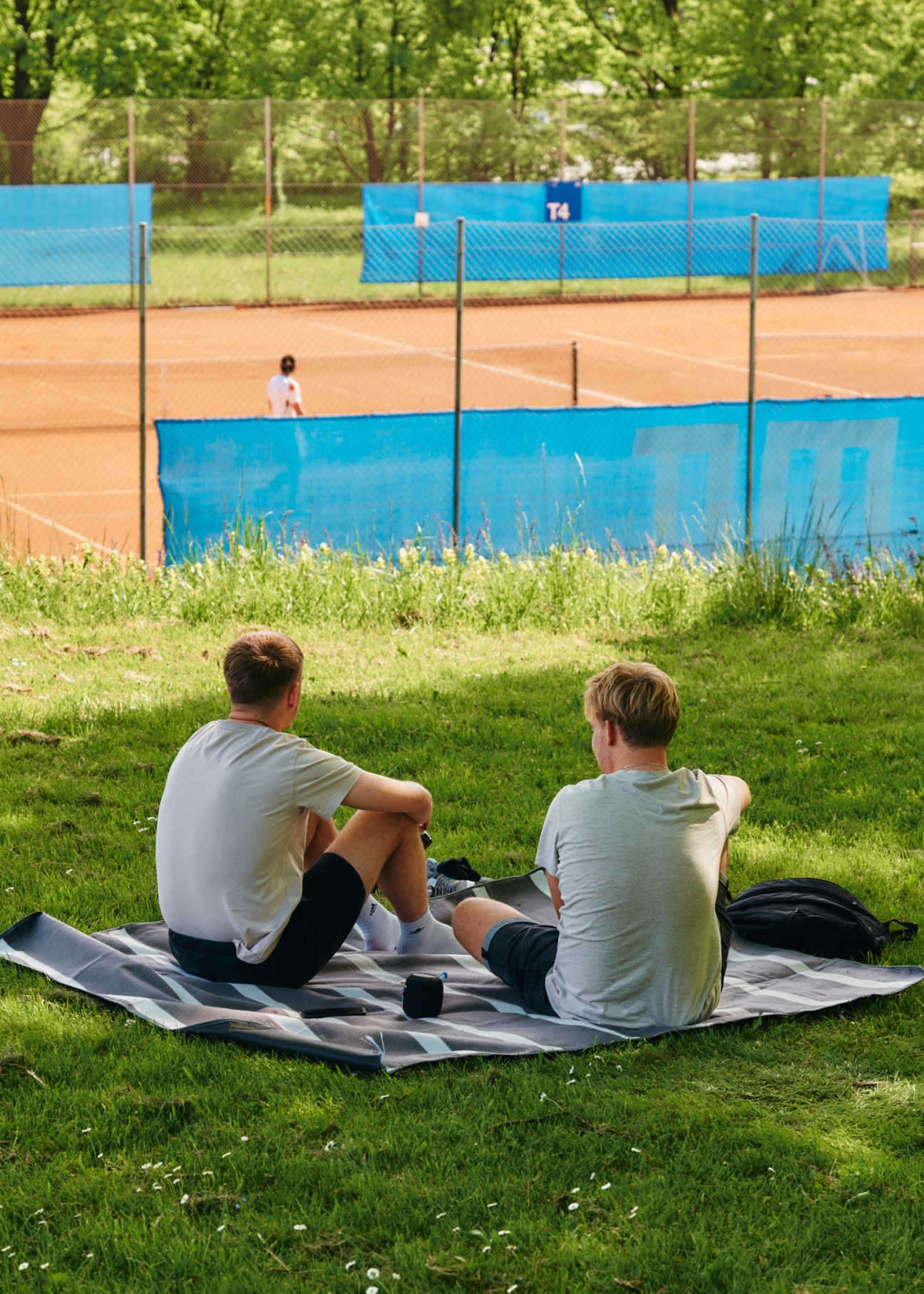
Munich had won the bid to host the 1972 Games with a masterplan that resulted in the construction of the Olympic Park in Oberwiesenfeld, a former airfield where rubble from the Second World War had been piled into hills. Germany had last hosted the Games in 1936 in Berlin and wanted to draw a clear contrast with the Nazi symbolism of that event. Designer Otl Aicher came up with a colour concept of bright blues, greens and pinks that earned the Games the nickname die Regenbogenspiele, or “the Rainbow Games”. The sports facilities were designed to merge with the landscape, linked by open-air walkways topped with a sinuous roof by architect Frei Otto. The athletes’ village was only a short walk north of the main stadium, aquatics centre and event hall.
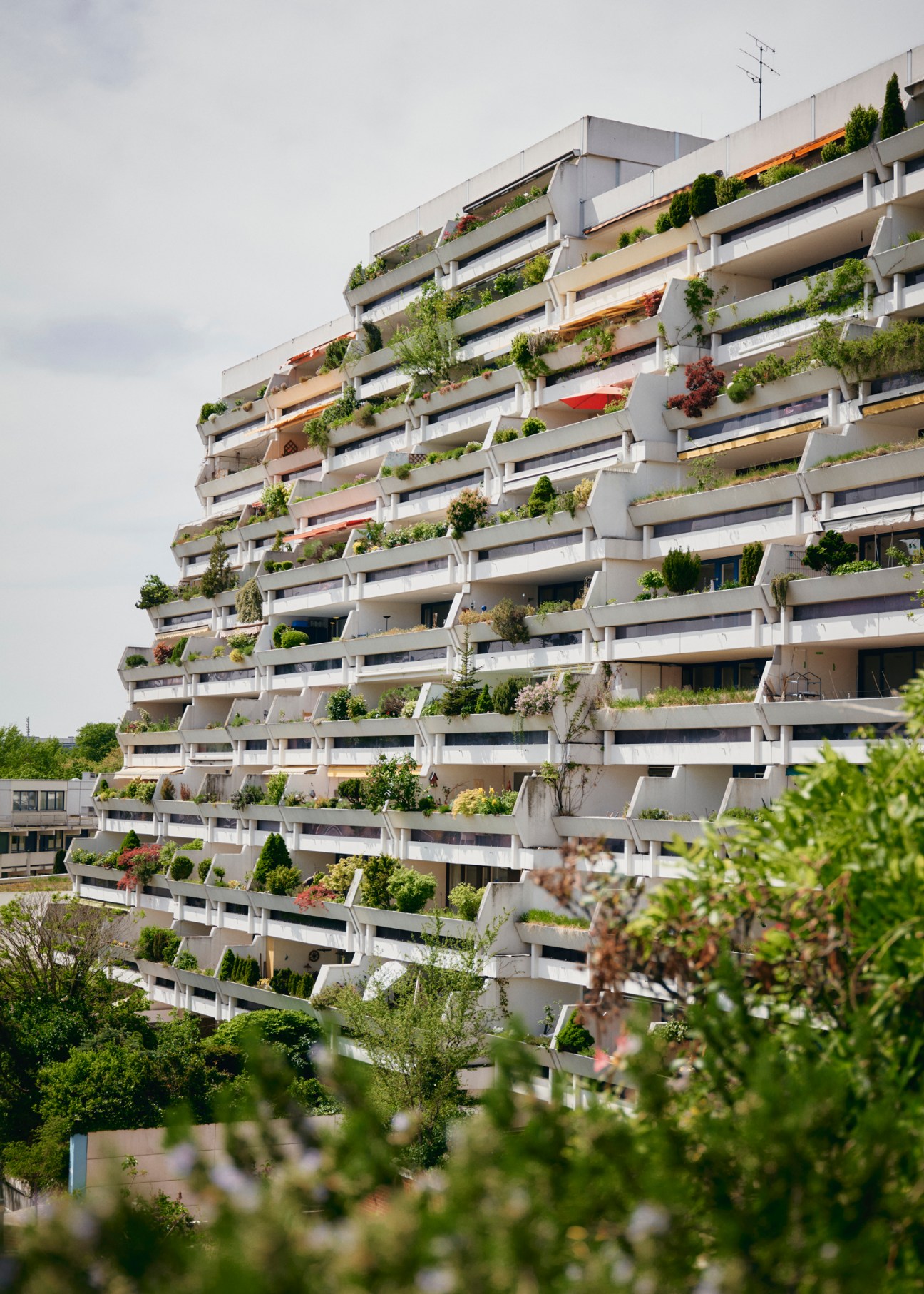
Originally surrounded by fences, the Olydorf is still cordoned off from the city by high, landscaped mounds along its sides. Today, within these grassy banks, the traditional hallmarks of Bavarian life vanish. Munich prides itself on manufacturing shiny bmws but, suddenly, there is not a car in sight. Thanks to a sizeable student contingent housed in dedicated buildings, an Aperol spritz is sold for €2.50 instead of the city’s customary €10. Even the mobile phone service is inexplicably choppy.
The task of turning this former dumping ground into lodgings for up to 16,000 Olympians, which could then become a legitimate neighbourhood post-Games, was entrusted to the firm Heinle, Wischer und Partner. Its scheme proposed terraced high-rise housing with cars and pedestrians on split levels – a concept, pioneered by Le Corbusier, that was the urban plan du jour in the late 1960s. From above, the site appears as three fingers of high-rises – so-called Terrassenhäuser – that fork out from a central commercial area. Between the high-rises are scattered a variety of townhouse-type homes. South of the last row of terraced houses begins the former women’s village, which is now student housing, laid out in two opposite typologies: one thin, tall tower next to a spread of low, single-person bungalows.
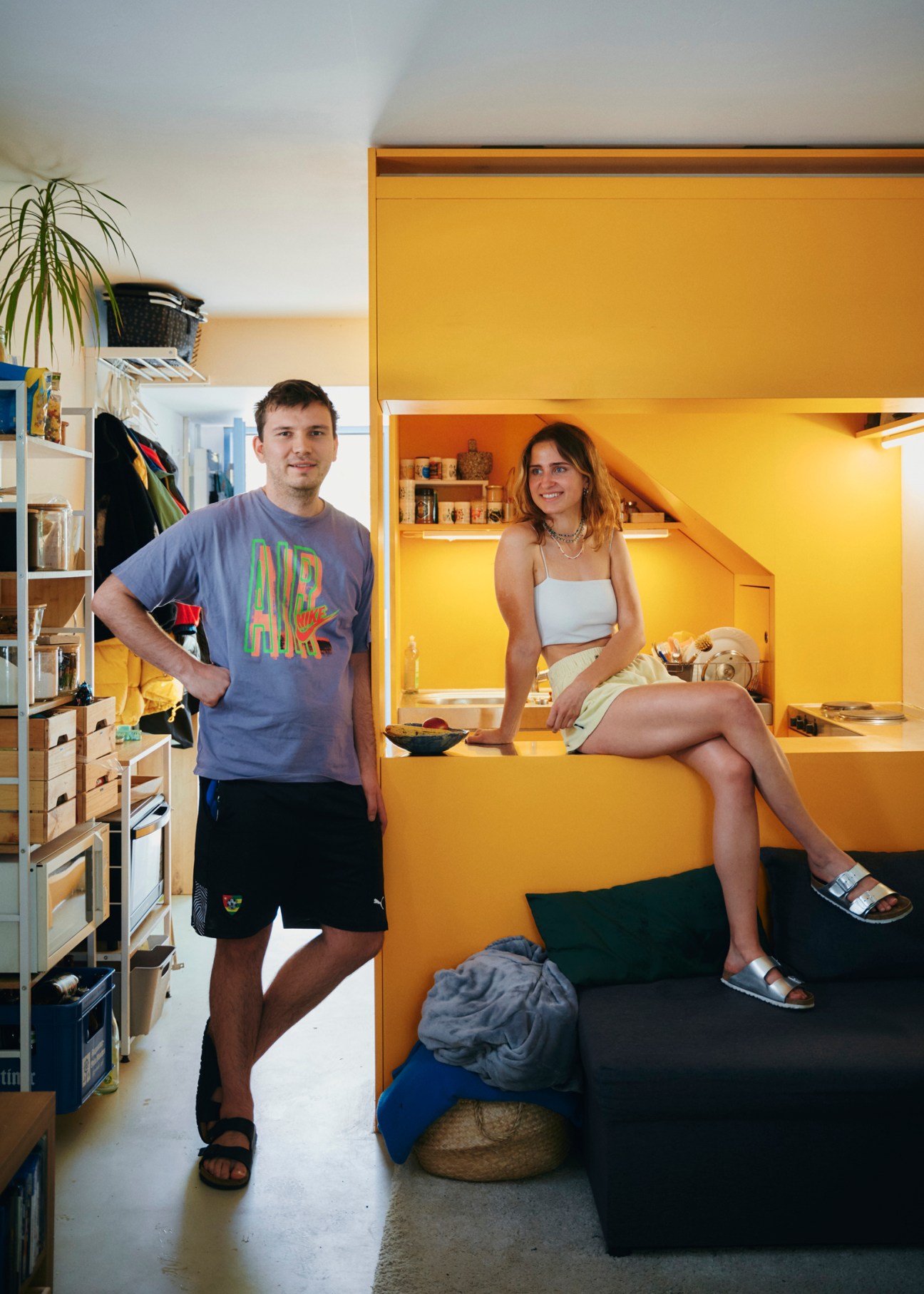
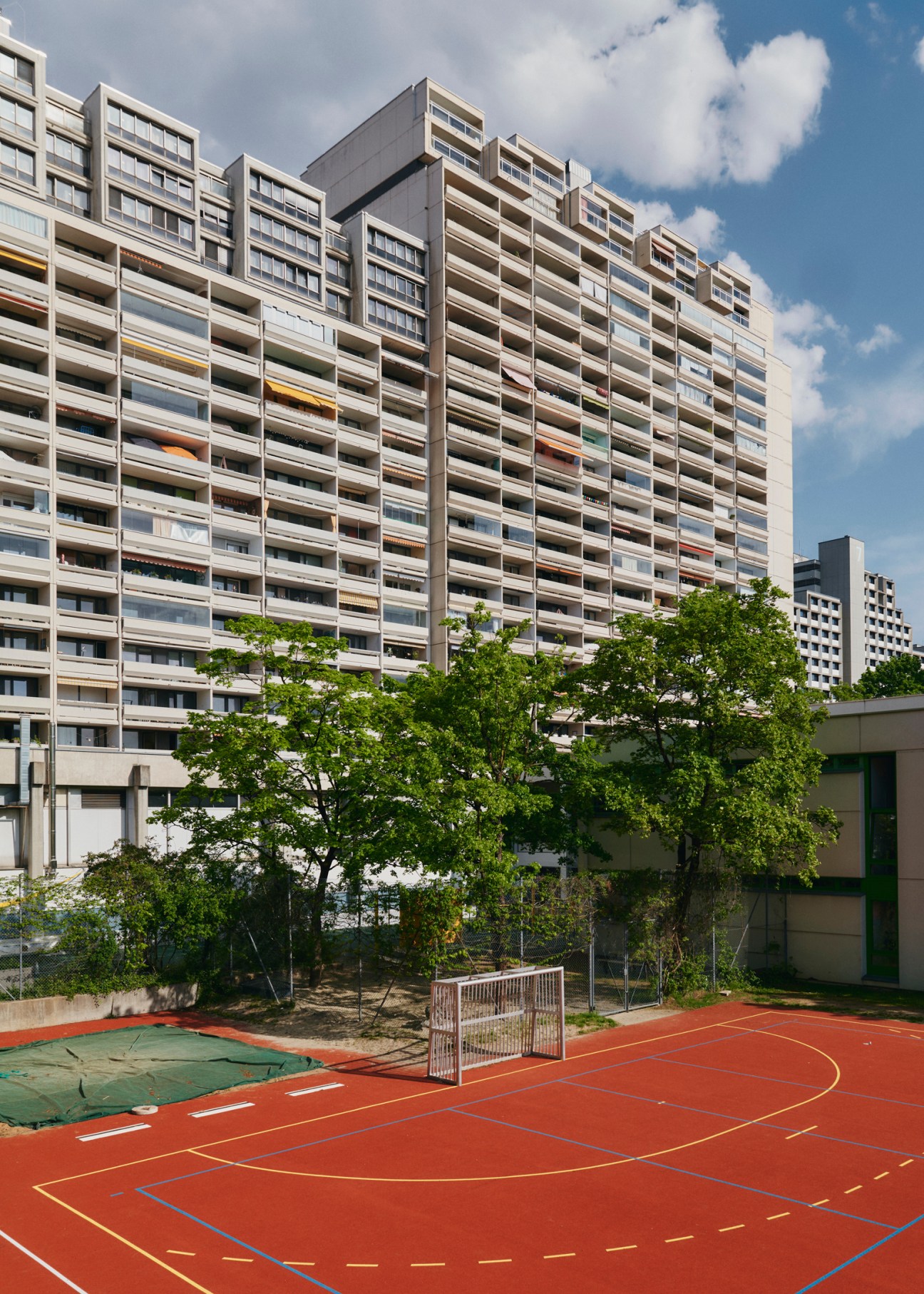
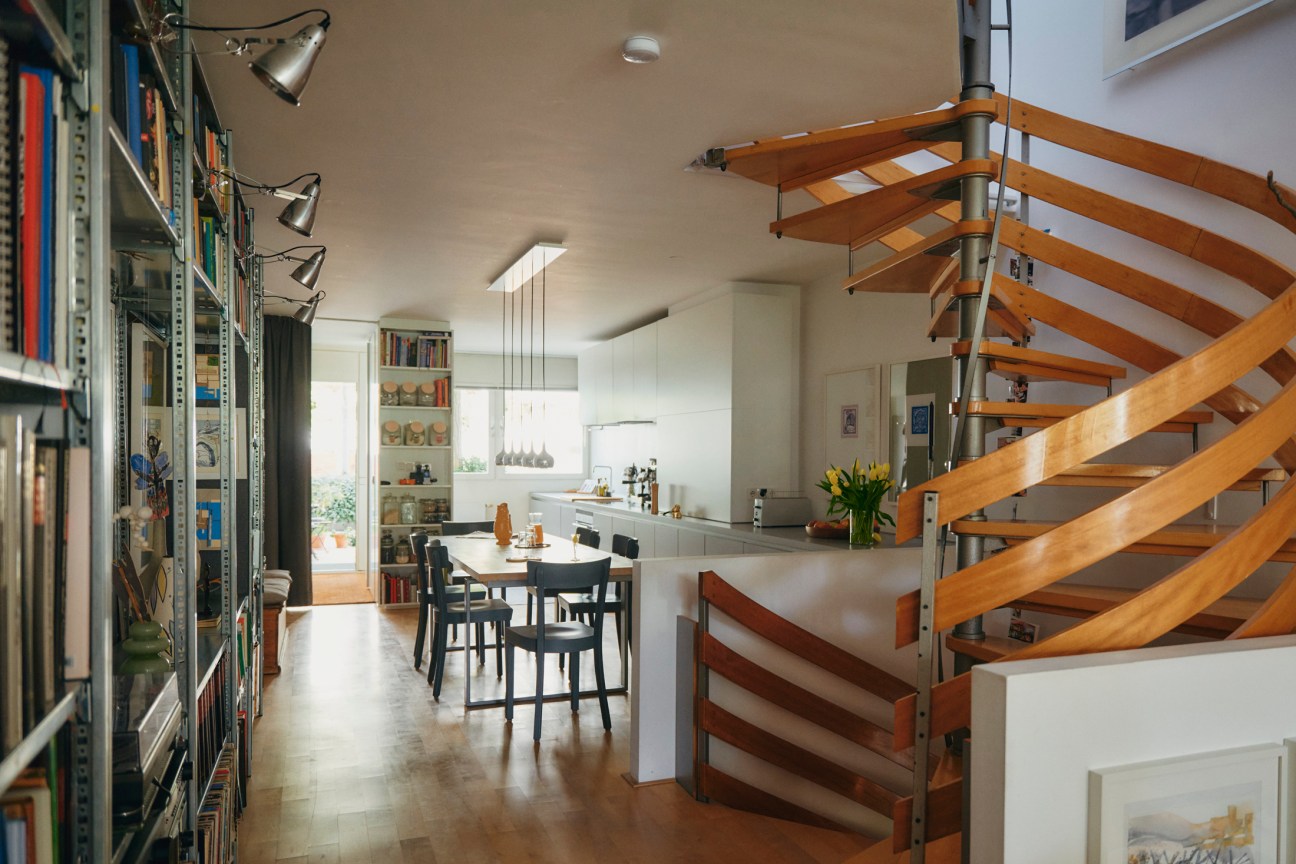
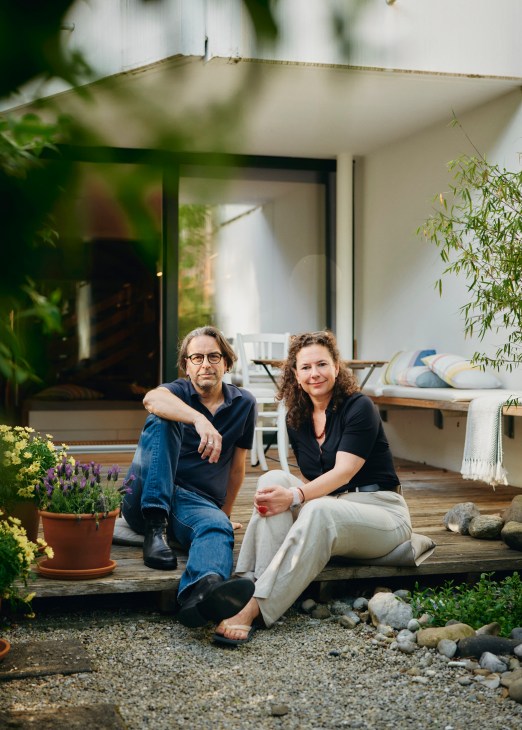
Niese lives in a terraced house on Nadistrasse, the middle of Olydorf’s three main avenues, with his wife, Sandra, and two teenage daughters, whose “childhood photos are all taken against concrete or stone”, says Sandra. The home is a drive-in townhouse: stairs lead not to a basement but to a car park on the vehicle-only level that runs beneath Olydorf. The living spaces are spread across three skinny but deep floors, all with balconies overlooking a Japanese-style garden in the back. The Nieses found the house for sale through the grapevine, which is how things tend to go here. Olydorf homes almost never come on the open market, because 90 per cent of moves are internal and the rest often happen via word of mouth. “You move into a bungalow as a student, then into a townhouse with your family, and a terrace flat in old age,” says Niese. “Nobody leaves.”
Olydorf initially seemed destined for the same fate as most other Olympic villages. The neighbourhood was seen as too remote and shoddily built, and Bavarians balked at living in what they dubbed a Betonwüste, or concrete desert. The project had been built in partnership with private developers but, years after the Games, with many units still standing empty, the city had to step back in to sell them off at a steep discount. It took more than a decade – roughly the time it takes for some greenery to take over – until the neighbourhood became seen as a desirable place to live.
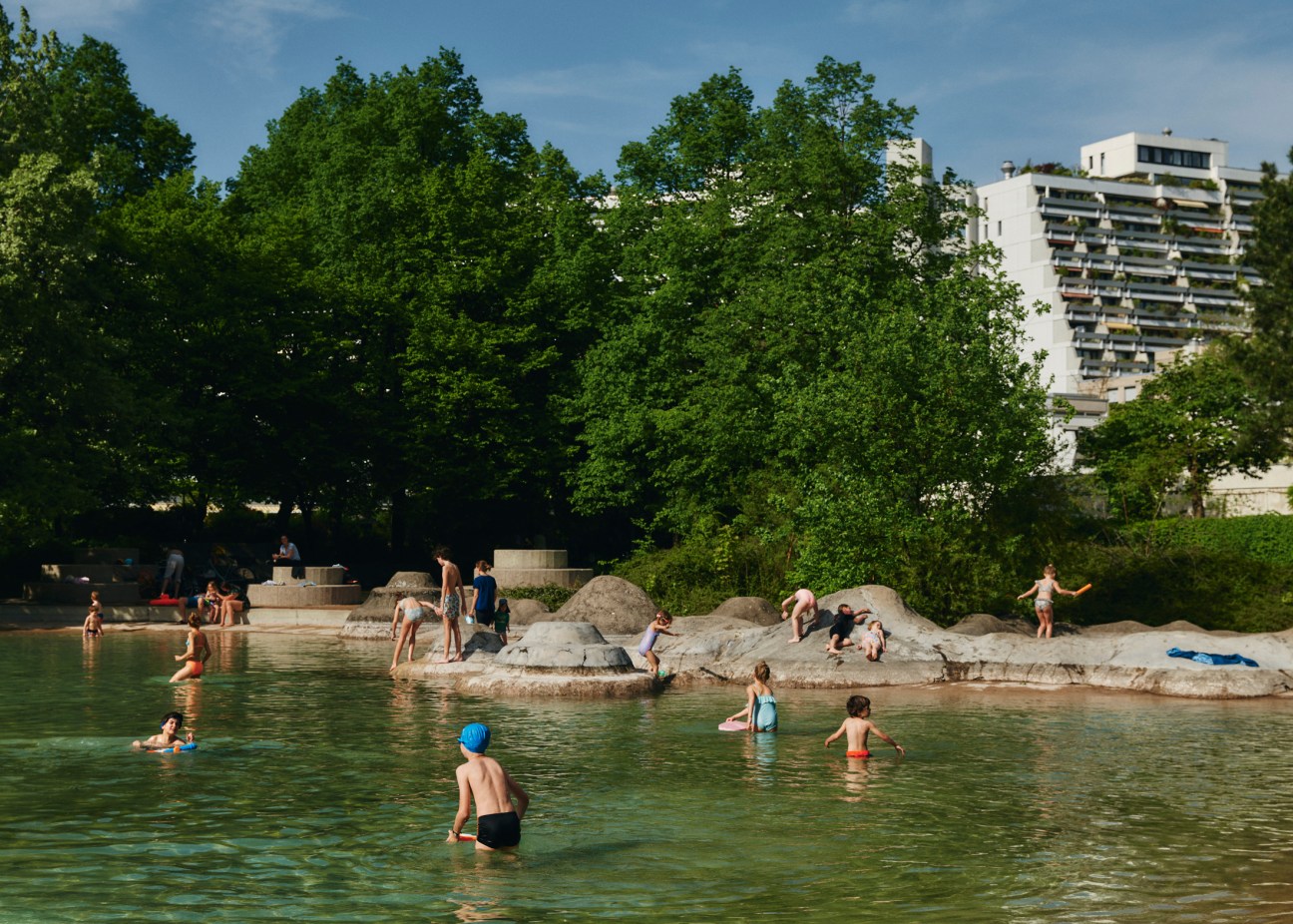
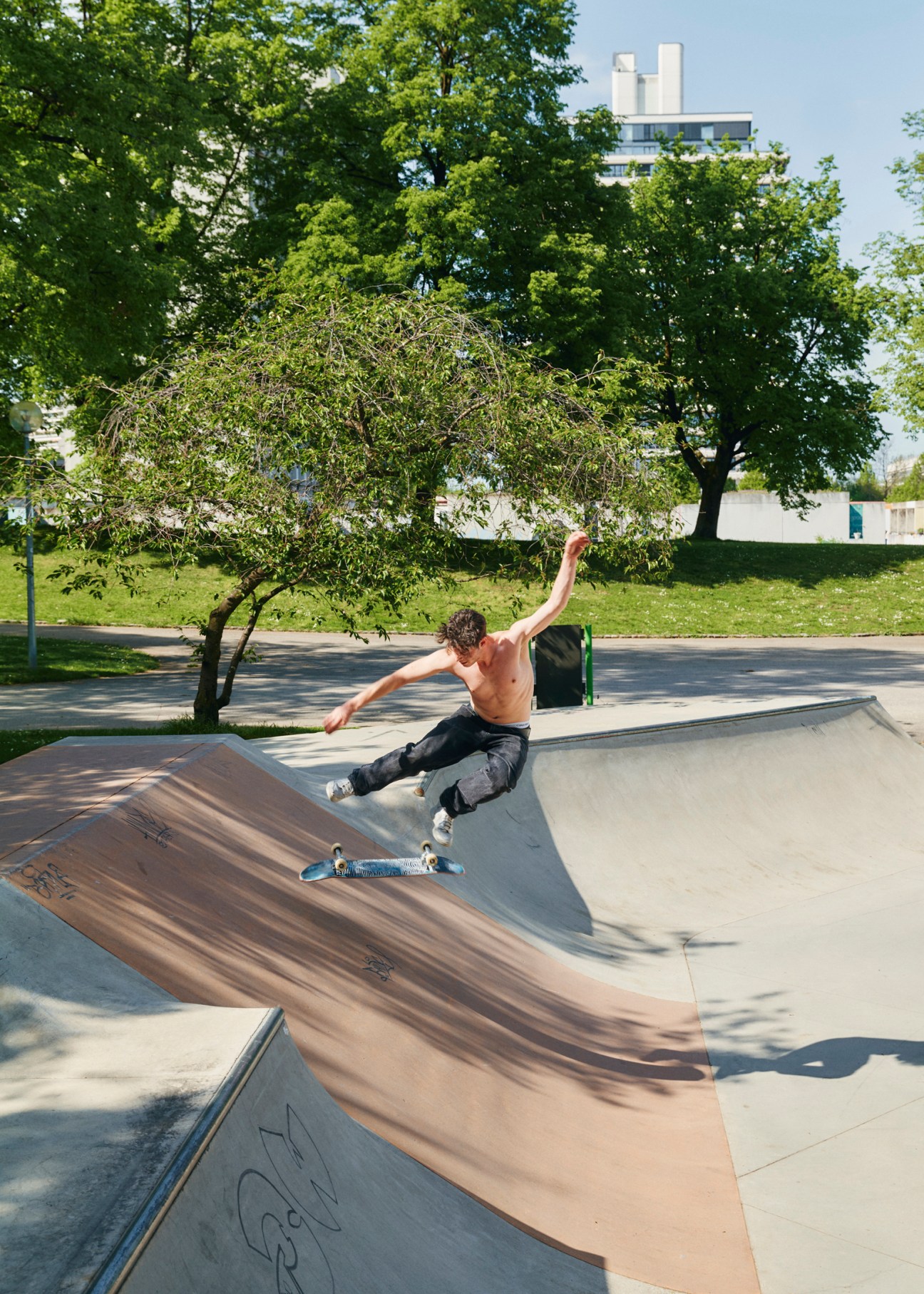
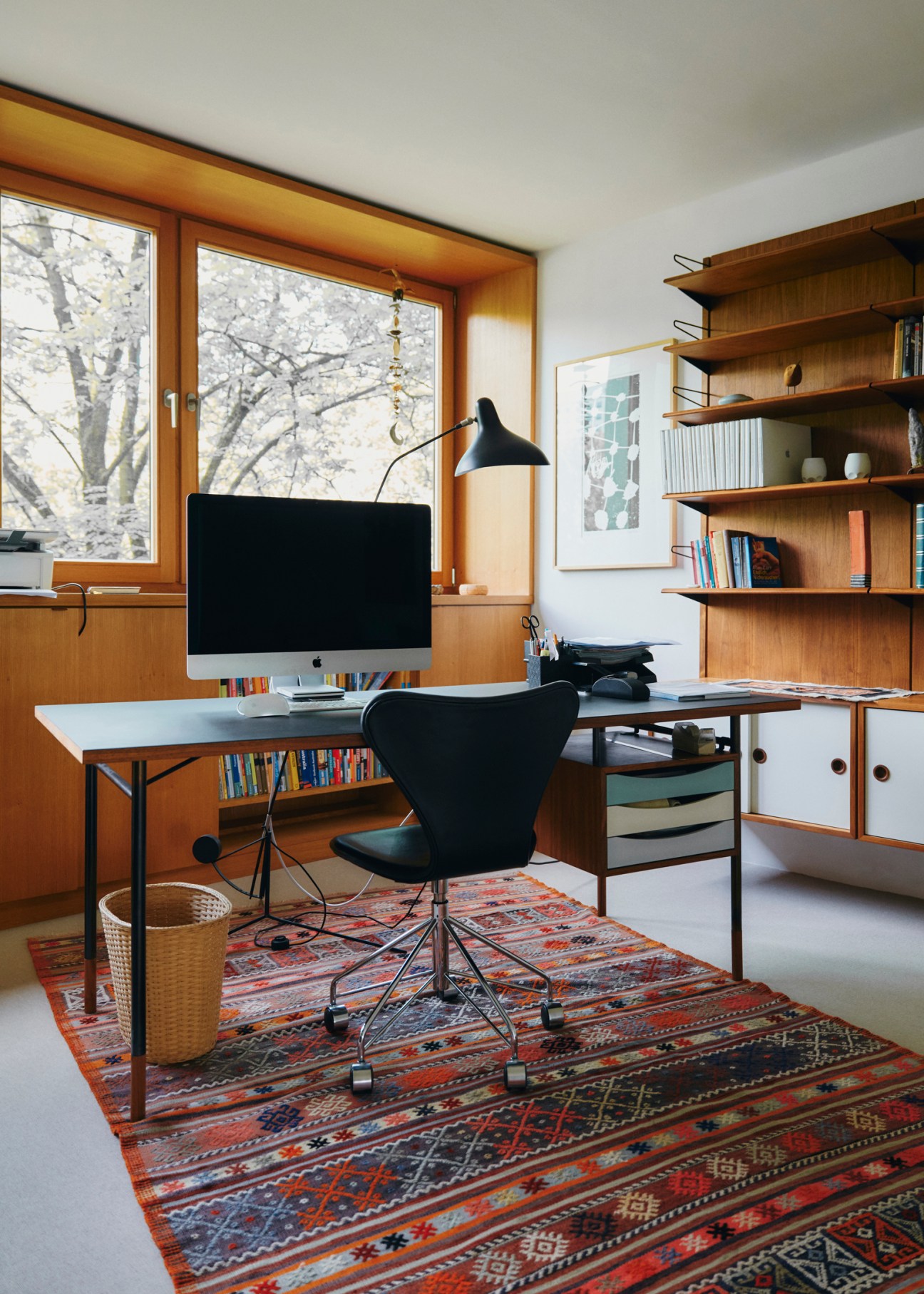
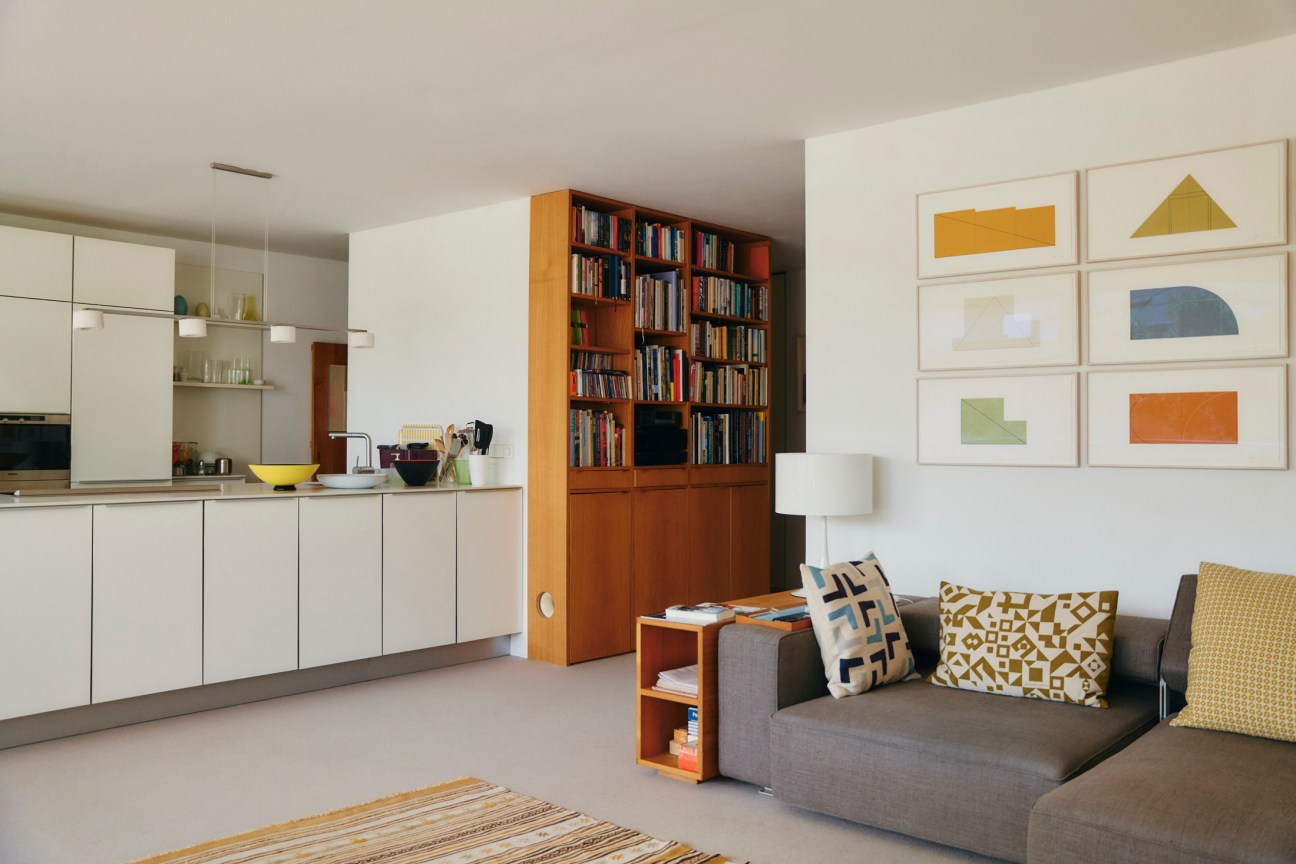
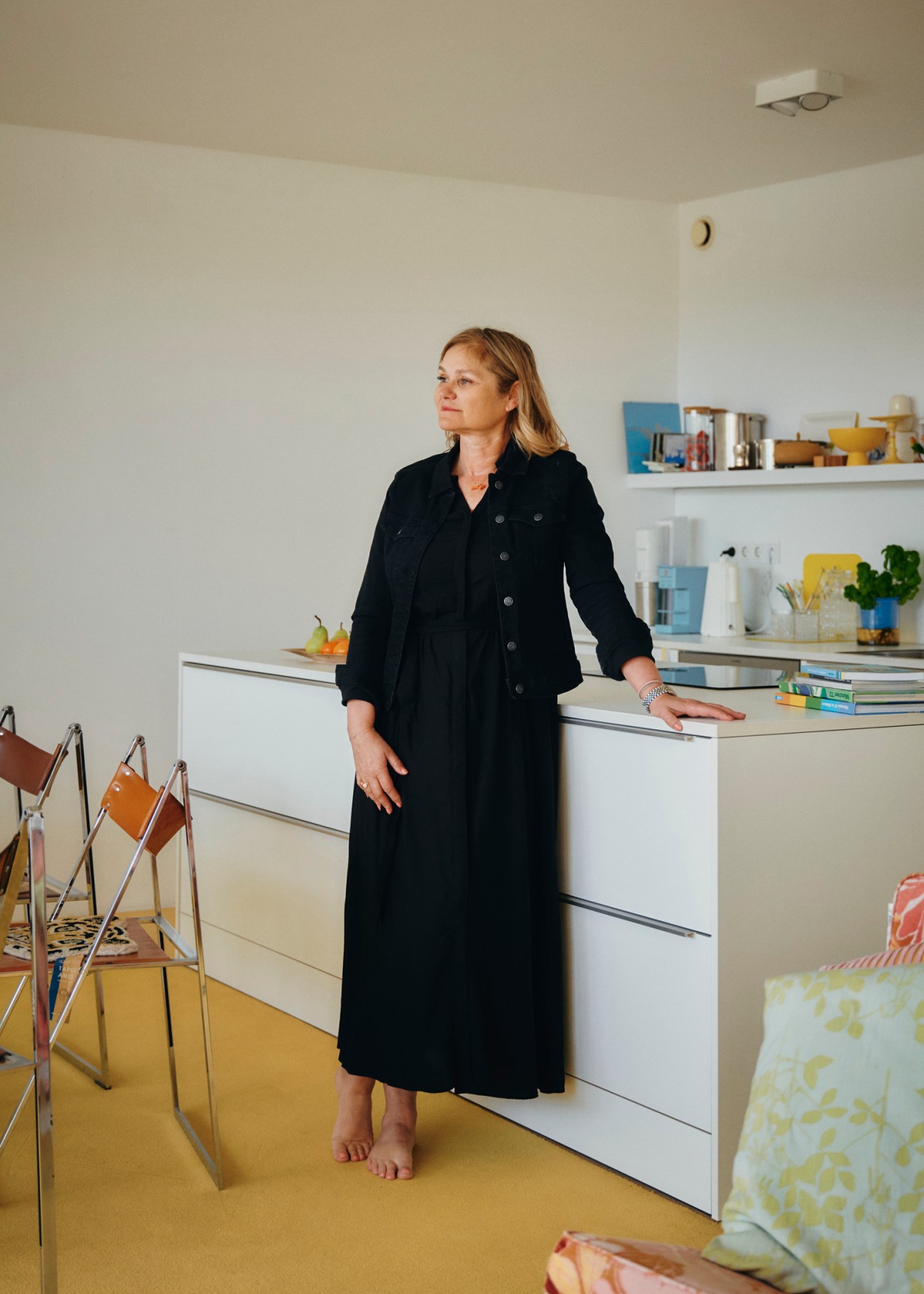
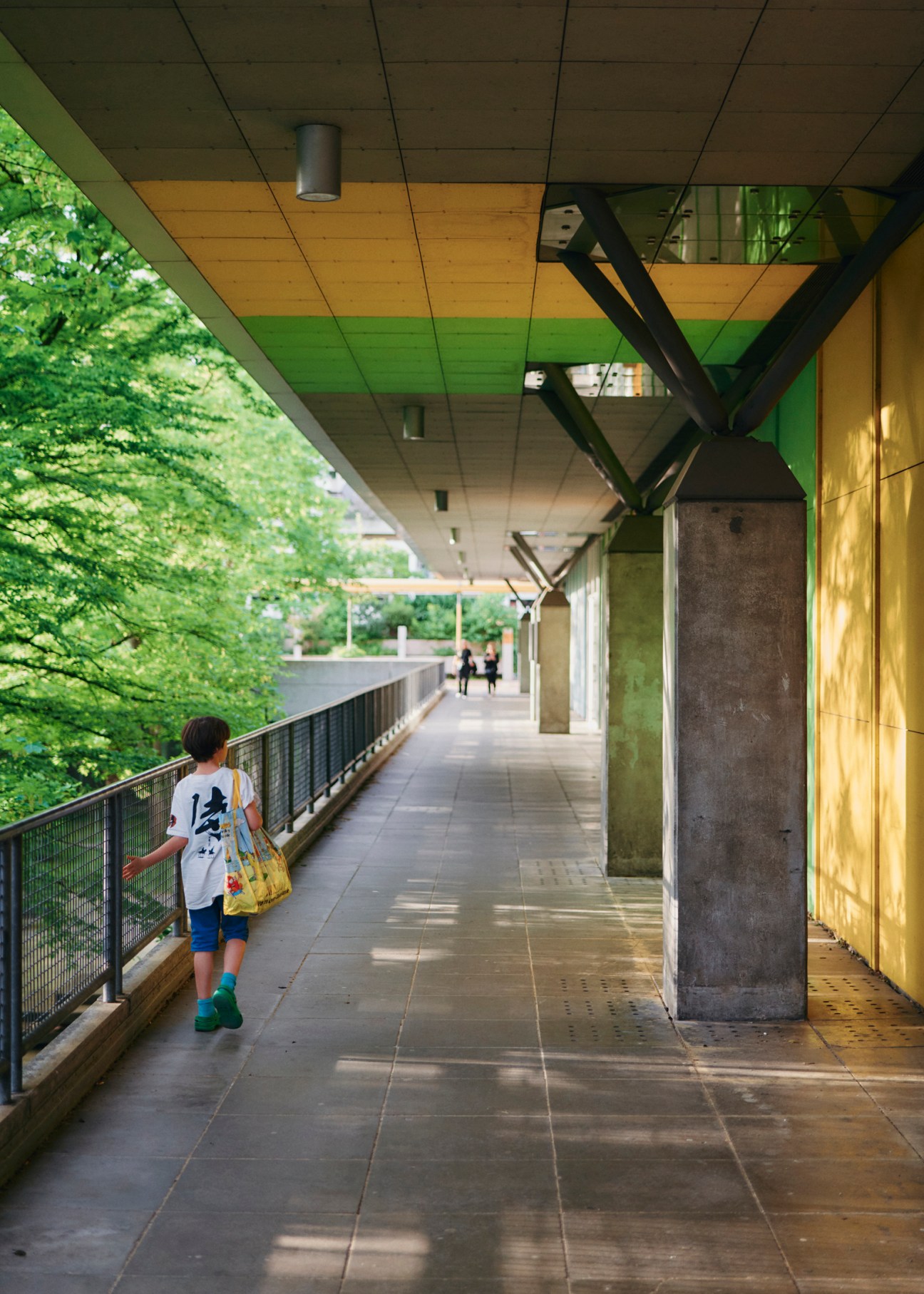
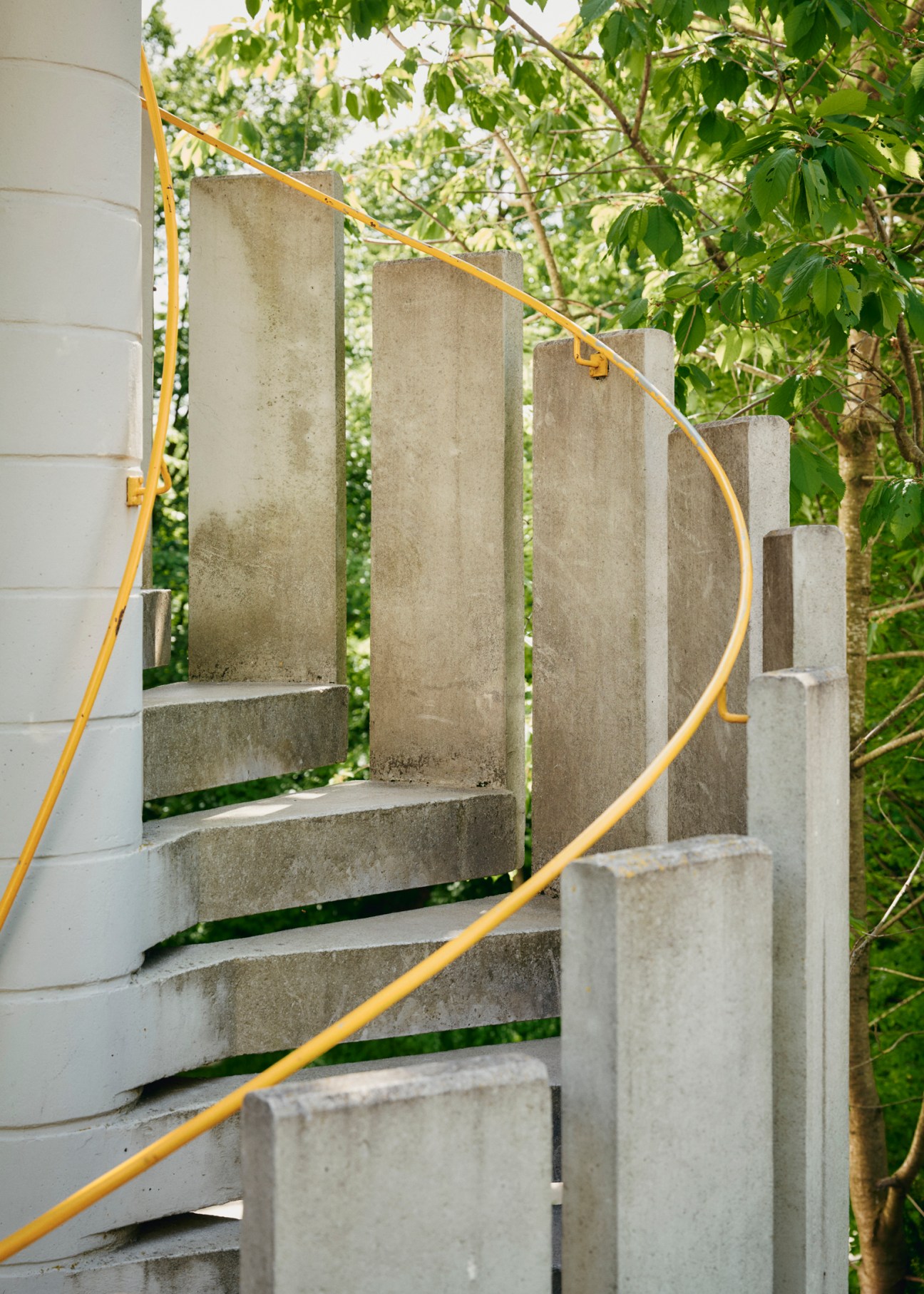
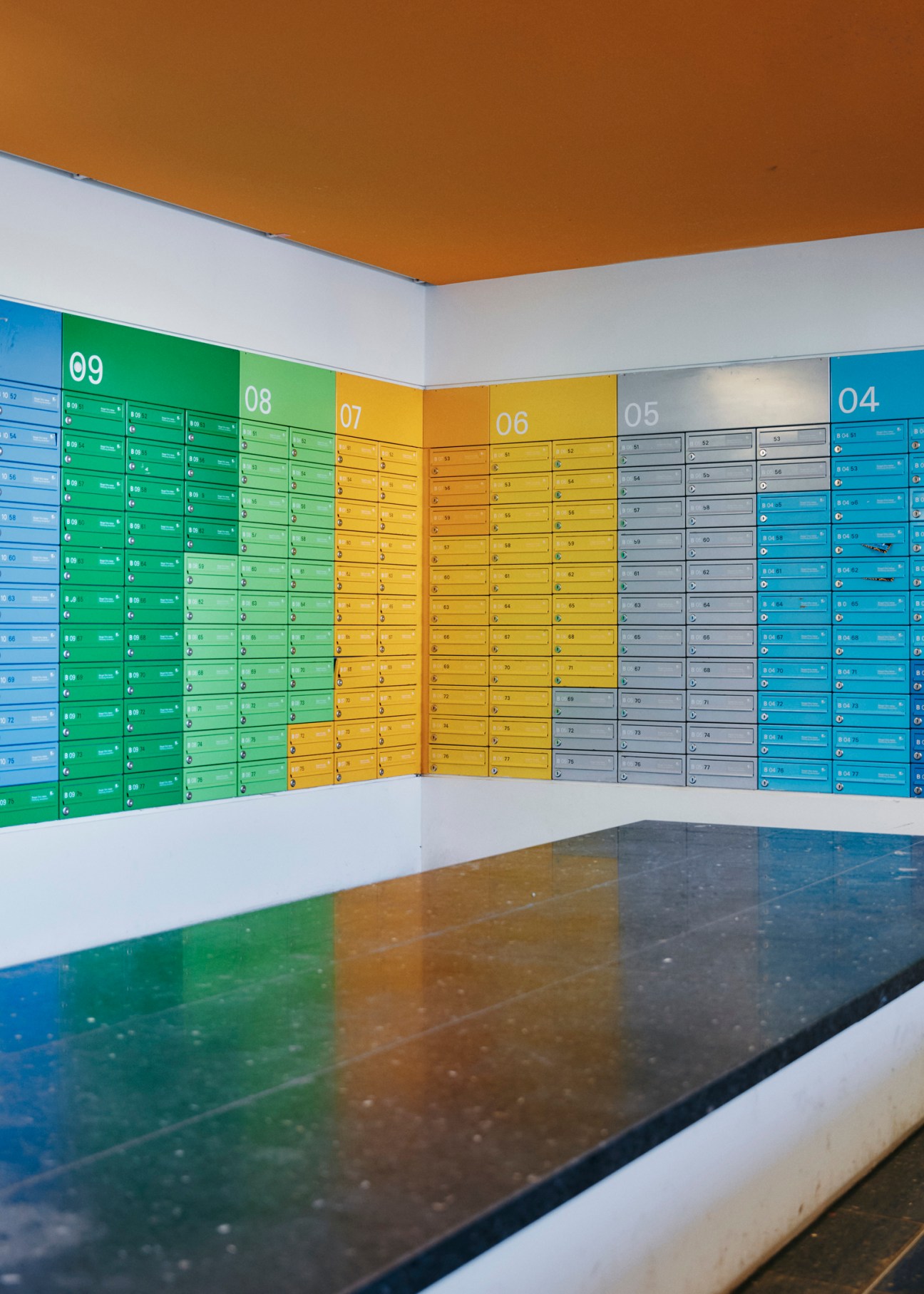
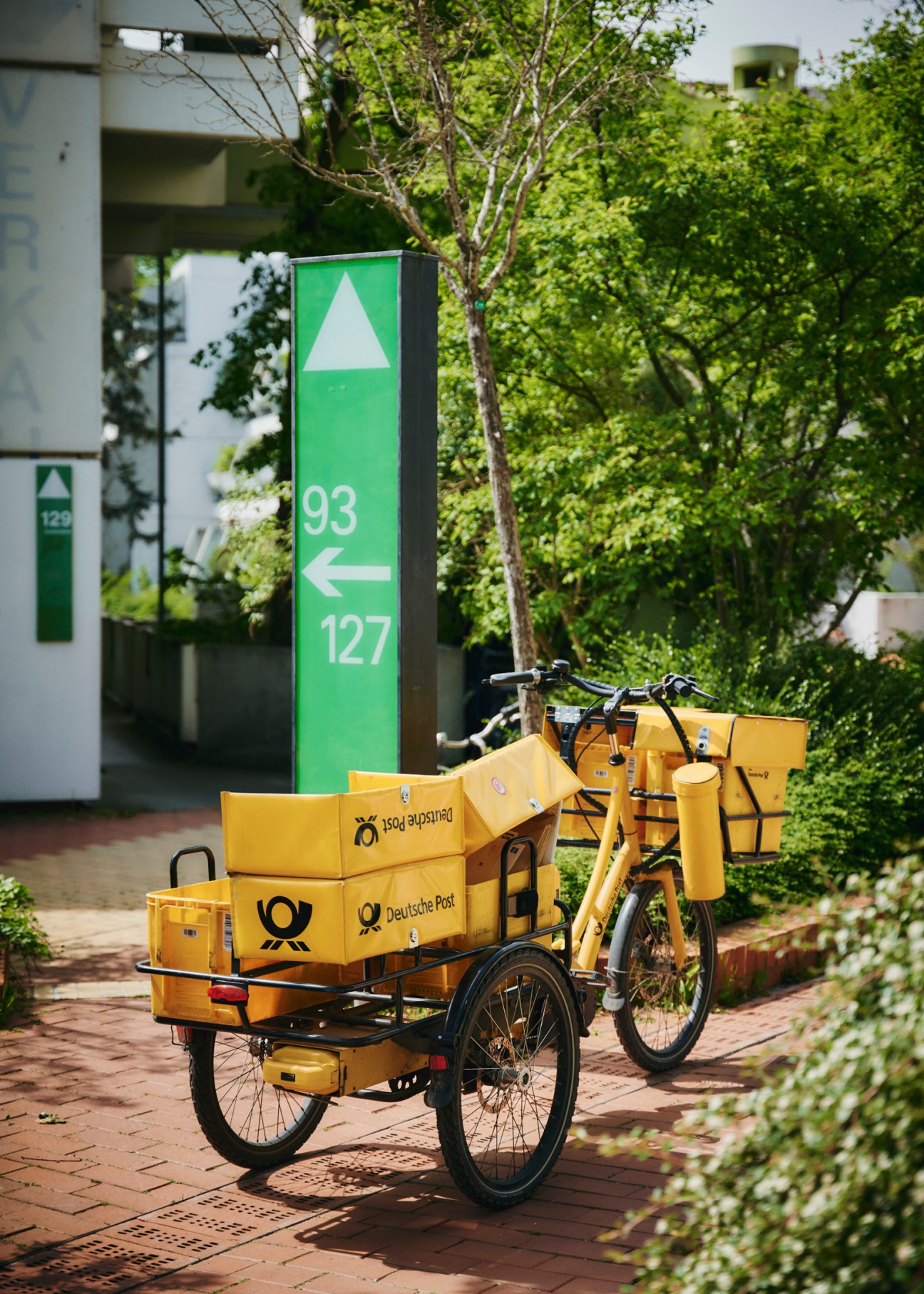
What sets Olympiapark apart from many 1970s housing projects – and from most other Olympic developments – is that even working at such speed and scale, the urban design is laid out with an extraordinary level of detail. A wayfinding system by Austrian architect Hans Hollein is maintained throughout the Olydorf, inserting Aicher’s Olympic colour in the streetscape. Each of the three avenues between the terraced houses has a park area with different themes: the northern Strasbergerstrasse is filled with playgrounds; the middle Nadistrasse is centred on water, with a lake and several fountains; and the southern Connollystrasse is built for sledding the hills of Olympiapark. “It’s too much sometimes,” says Niese, pointing out the fountains, sculptures and benches that can be found in every nook. “It’s almost baroque.”
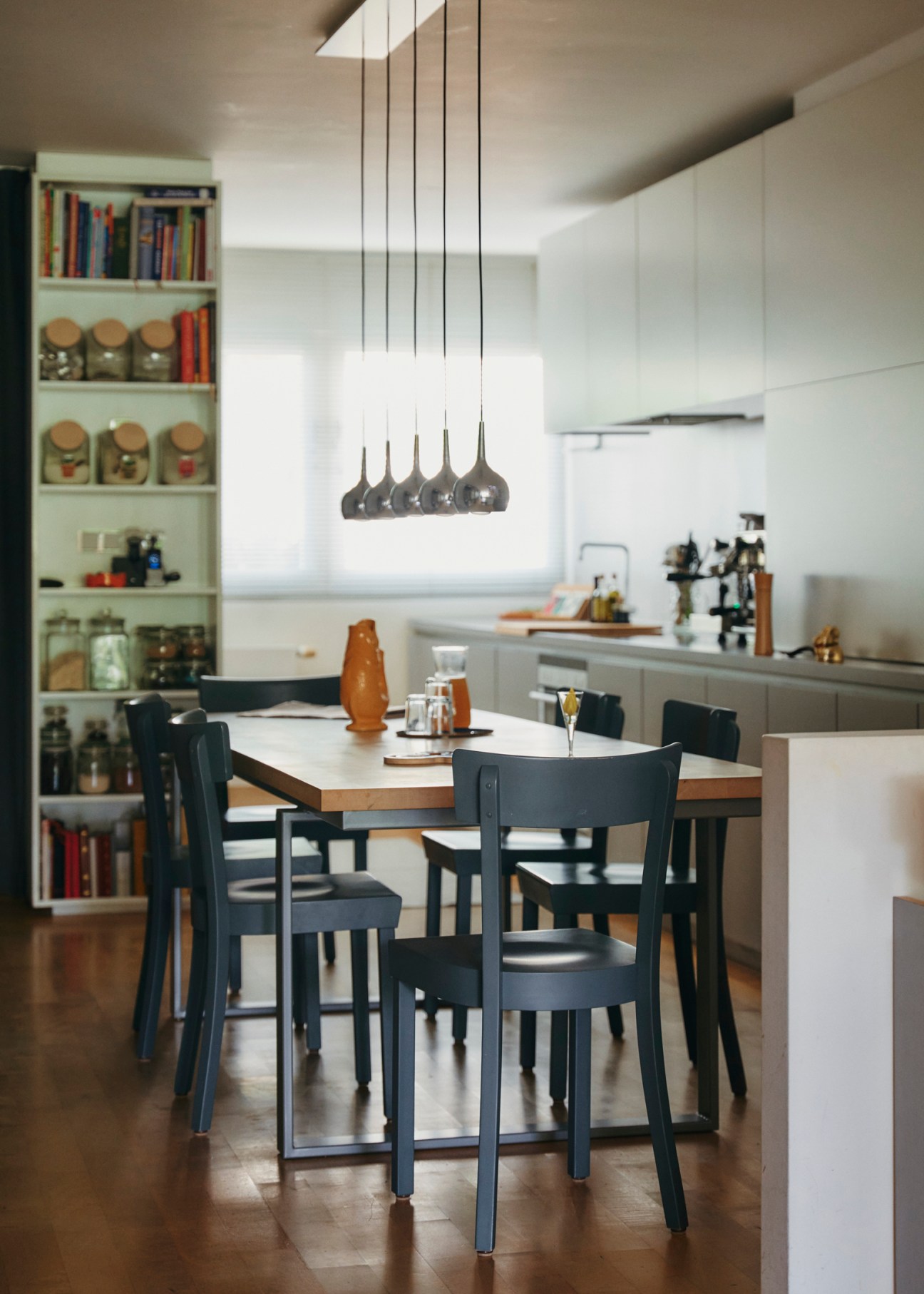
Ironically, the rushed construction that made the homes undesirable at first is today also an asset. Since every apartment hosted up to five athletes, the interiors were mostly corridors and small rooms, plus cheap in-built kitchens and bathrooms. Those who moved in had almost no choice but to tear down some walls, opening up the spaces. Today the Olympiapark is heritage protected but this applies only to the exteriors; inside, residents are free to do what they want. When the Nieses moved in, they kept the original (and slightly wobbly) metal spiral staircase but put in an open kitchen and a parquet floor. “In Munich, there’s no plot of land that an architect can buy to build their own house on,” says Niese. “Here, you can at least realise your dream within these concrete shells.” Unsurprisingly, Olydorf is particularly popular with architects. “I think we have the densest population of architects in the world,” says Sandra Niese, who adds to that statistic herself.
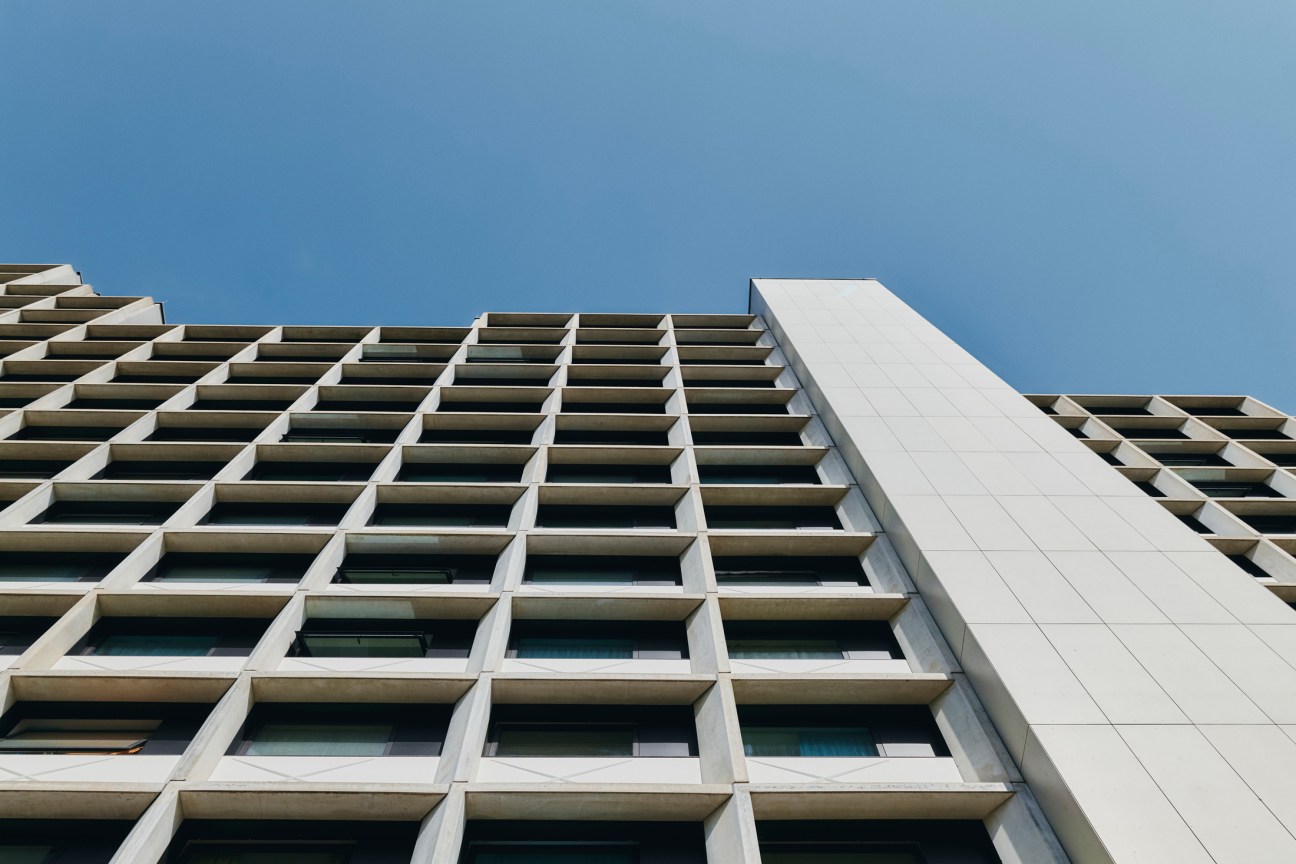
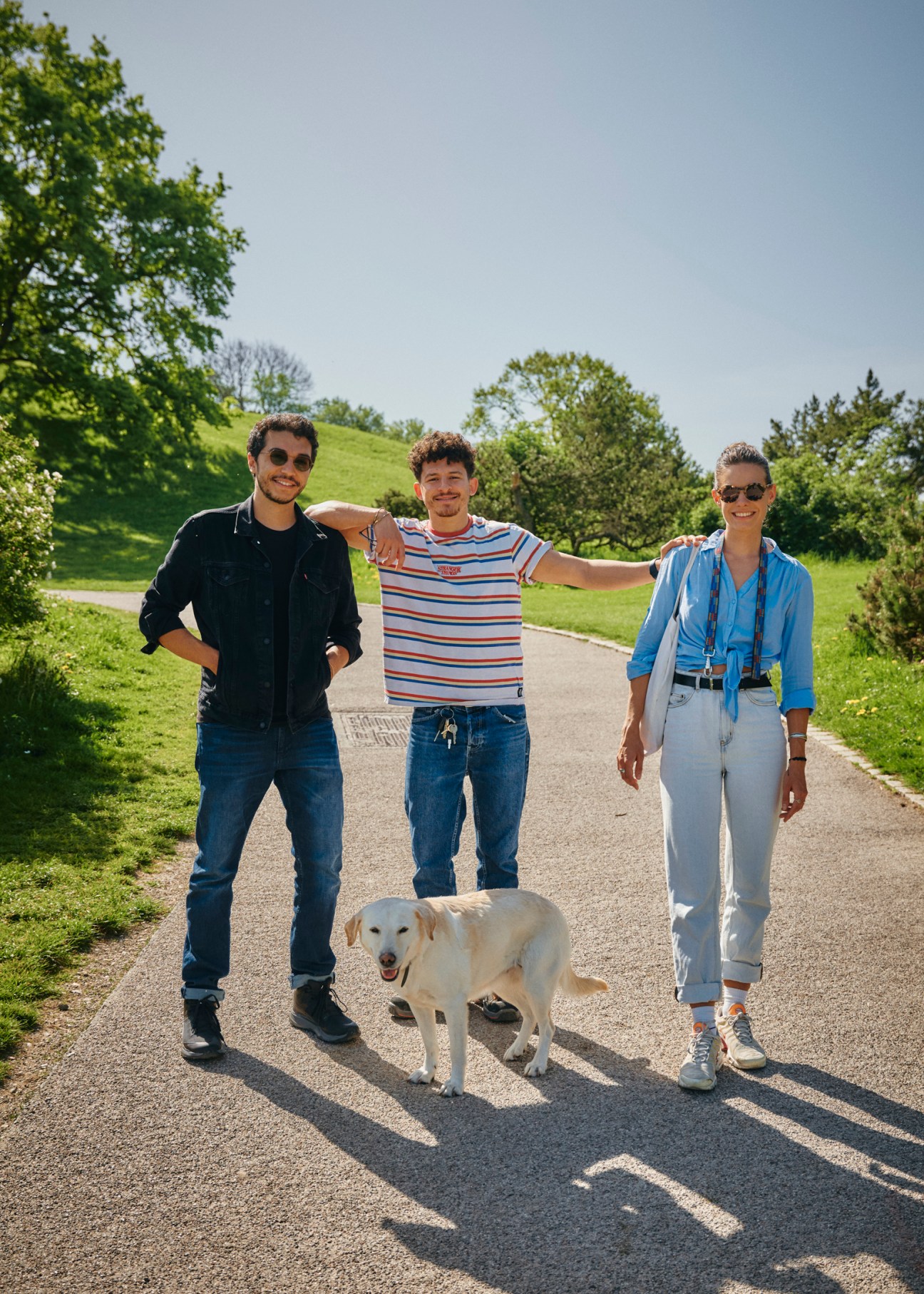
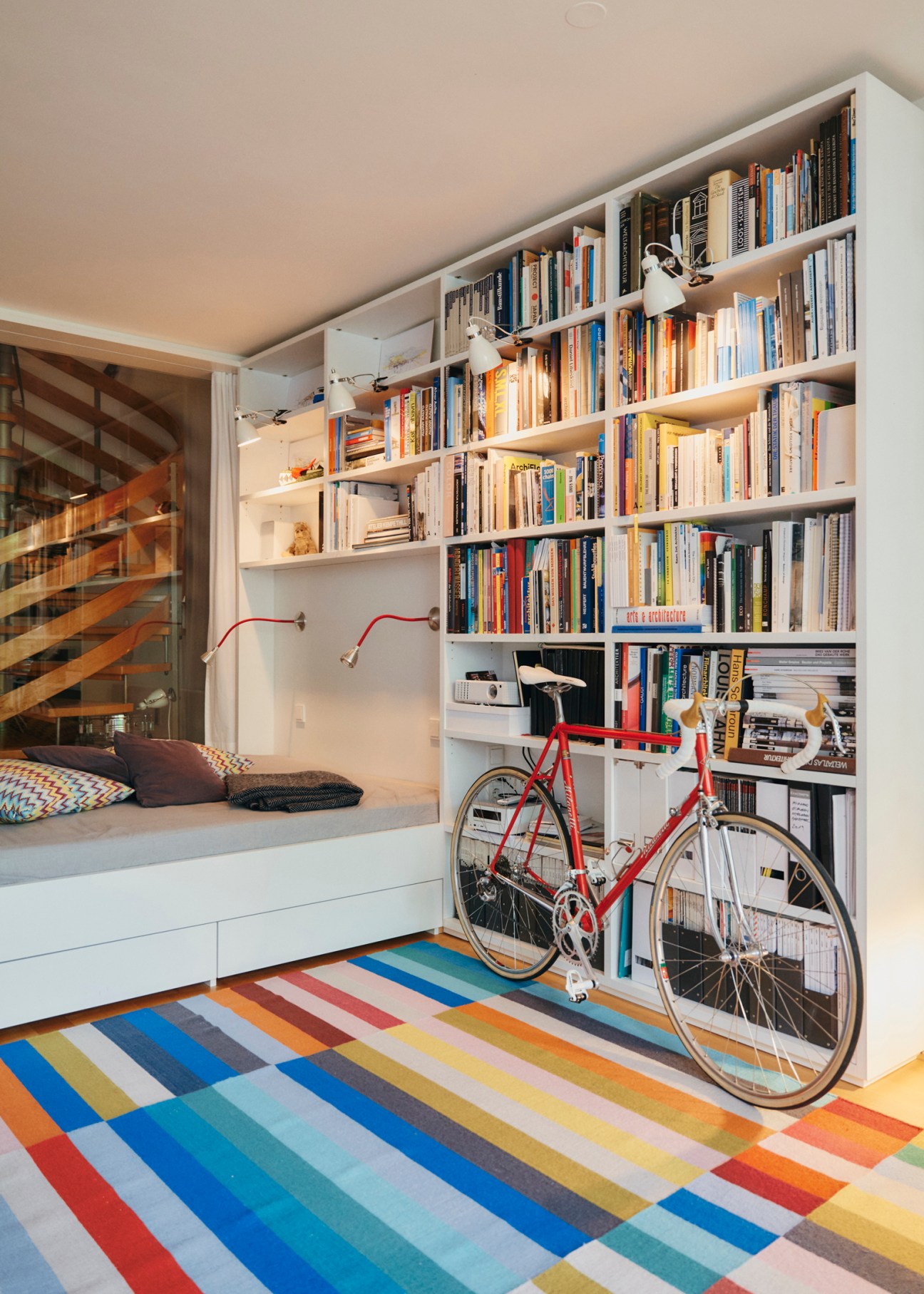
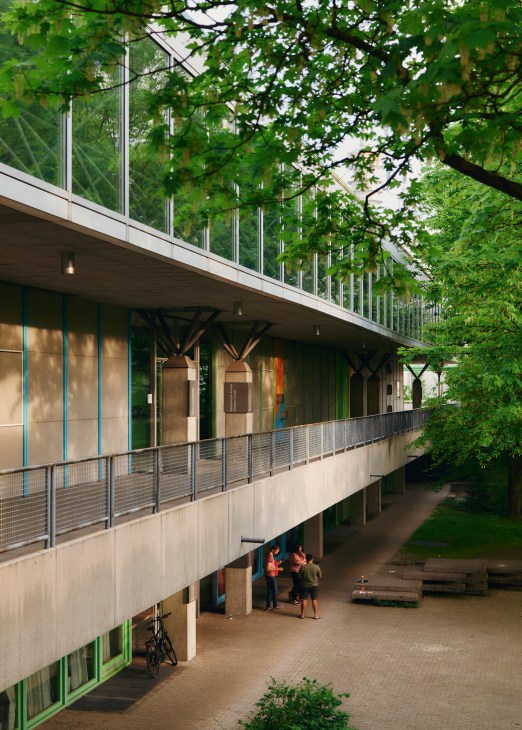
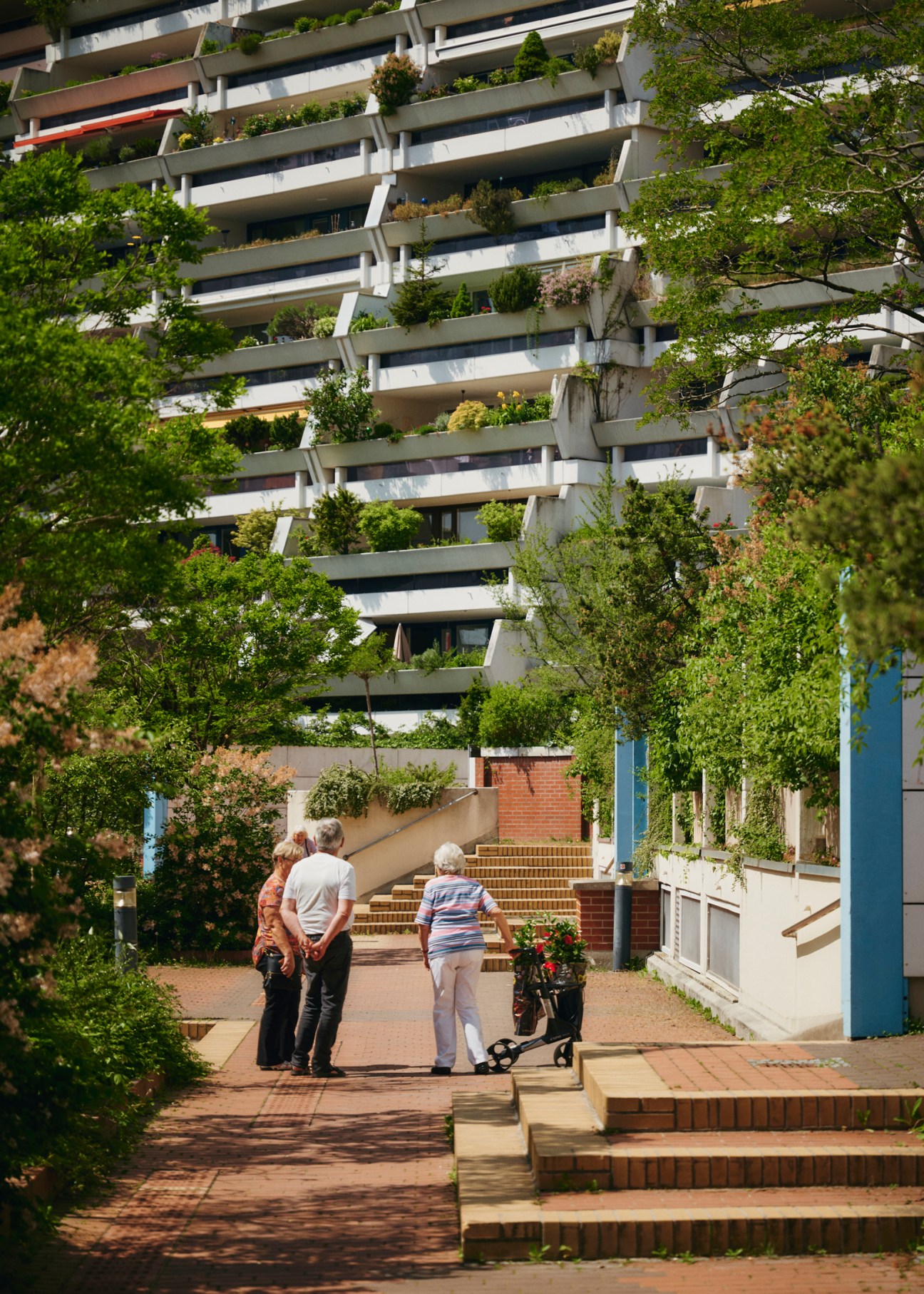
This, in turn, helps to ensure that everything is kept in tip-top shape. Eva Lang experienced the effect first hand when Knerer und Lang, the Dresden-based practice she founded with her partner, Thomas Knerer, was awarded the commission to refurbish the student high-rise (the former women’s village). Designed by Günther Eckert in 1969, the building is unmissable on the Olydorf skyline with its jagged top that bears no functional purpose except, Lang guesses, to emulate the Alps that can be seen in the distance on clear days. When the firm took on the commission, the 801 flats were in a bad state. The building no longer met fire-safety regulations or energy-efficiency standards.
In co-ordination with the City Design Commission, Knerer and Lang developed a concept that preserved the original character of the façade, with its typical stacked balcony elements. “Of course, many members of the committee live right here,” says Lang, chuckling. The loggias were packed in a heat-insulating shell. New window elements and parapet cladding of coated metal sheets reference the materiality and façade composition of the original building, without copying it. “That was more expensive and not strictly necessary,” says Lang, who completed the project in 2013. “But the state-run student affairs organisation gave the extra money.”
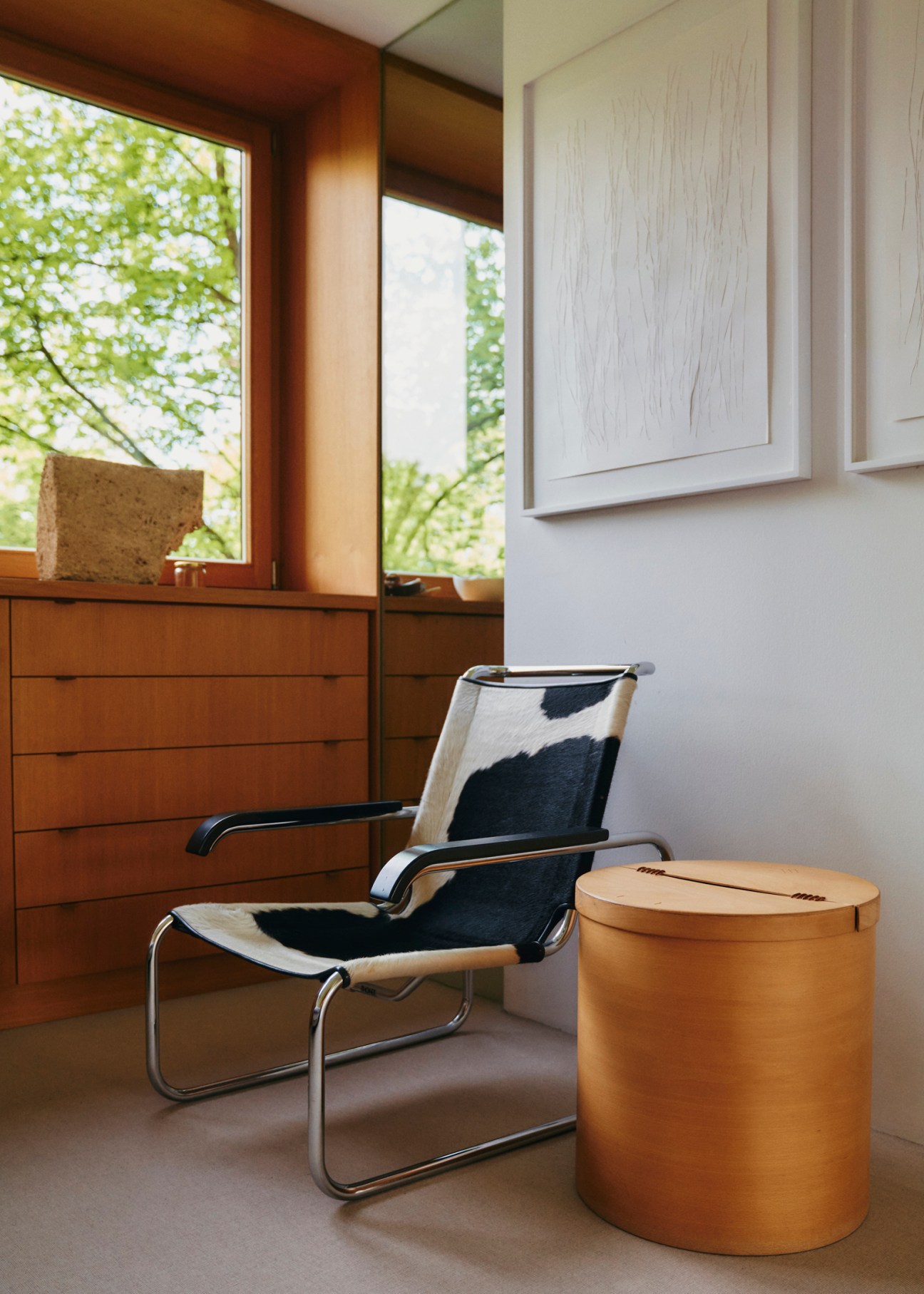
Lang has also joined the Olydorf architect cabal. In 2012 she and her husband bought a third-floor flat in a terraced house on Connollystrasse. The home is sunny in more ways than one: daylight streams in from a glass-walled terrace as wide as the apartment, and the colour yellow runs through the interiors down to the wall-to-wall moquette rug. A figurine of Waldi, the striped Dachshund mascot for the 1972 Games, and other Olympic paraphernalia take pride of place on the shelves. The bathroom is tiled in yellow and blue, the hues picked out from the original Olympic colour scheme, which is even matched by Knerer and Lang’s toothbrushes.
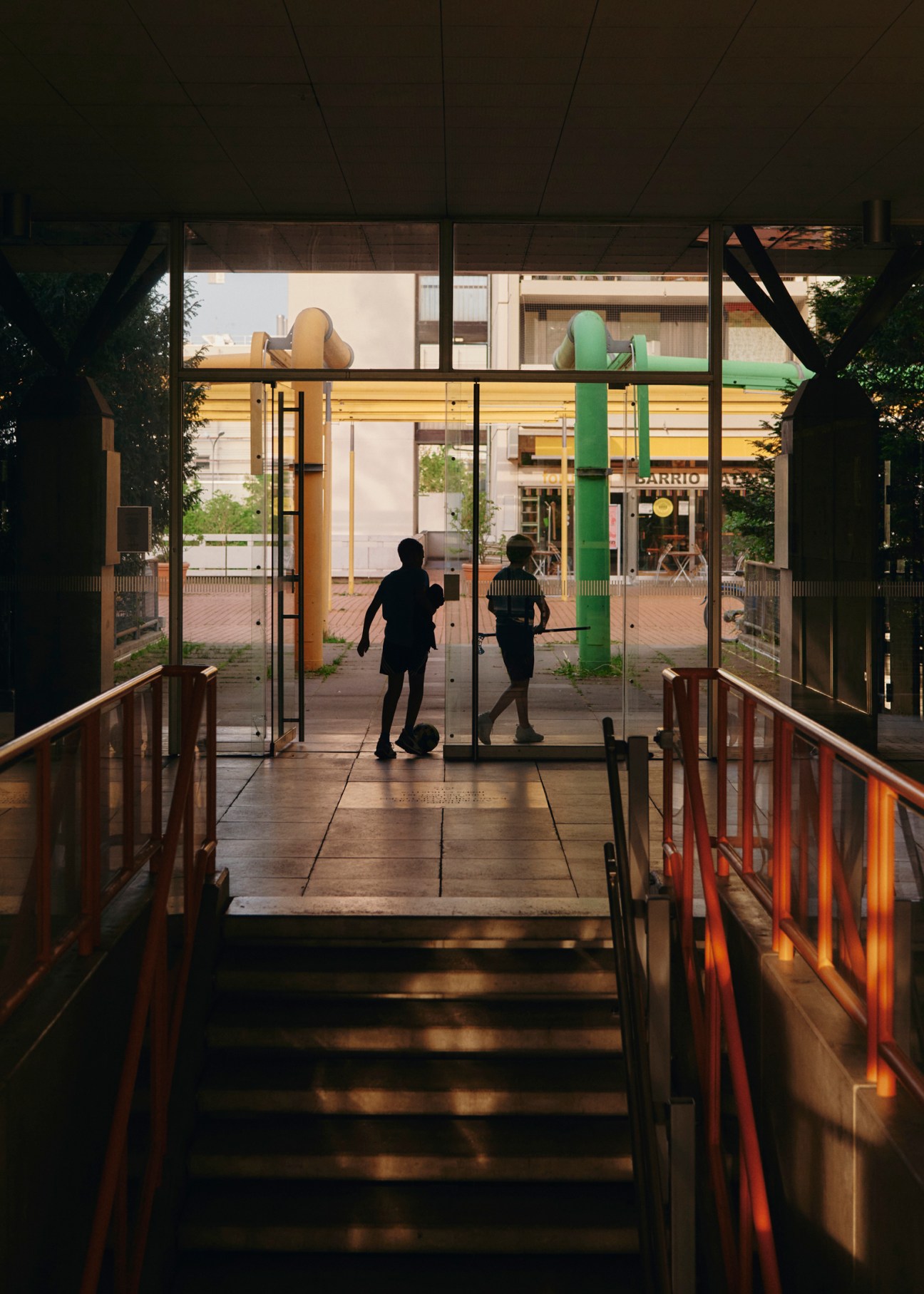
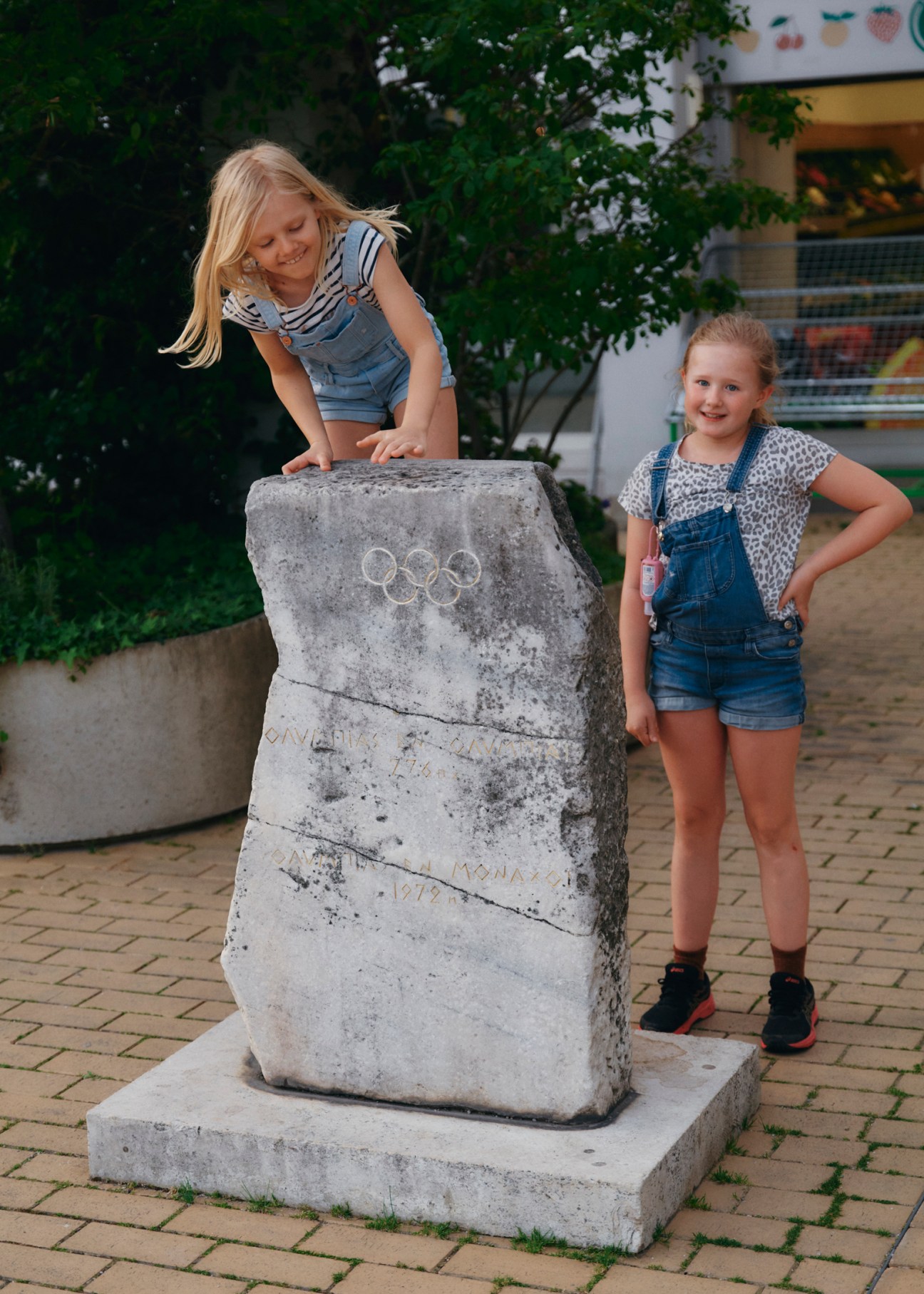
This visible sense of pride in being an Olydorf resident is widespread. The 1972 Olympics were an important moment for Germany’s self-perception – for the first time after two devastating wars, the country managed to show a side of itself that was cheerful and easy-going. But the terraced houses of Connollystrasse are marked by tragedy too, as the site of a terrorist attack that led to the deaths of 11 Israeli athletes. Residents know that they are living in a historical monument.
All of this begs the question: why has it proven so difficult to repeat the success story of Munich? Part of the problem might be that as budgets for hosting Olympics have ballooned, the social vision has been lost somewhere in the mix. Too often host countries focus on one-upping each other with scale and spectacle instead of presenting a broader idea of the future, which the Olydorf, for all its concrete, certainly was. “That was a time of political and social change, when architects wanted to change how people lived together,” says Lang. “Maybe it was an experiment but this was an environment built on change hope and positivity.”
The summer essentials that will elevate your wardrobe this season
Hunza G
UK
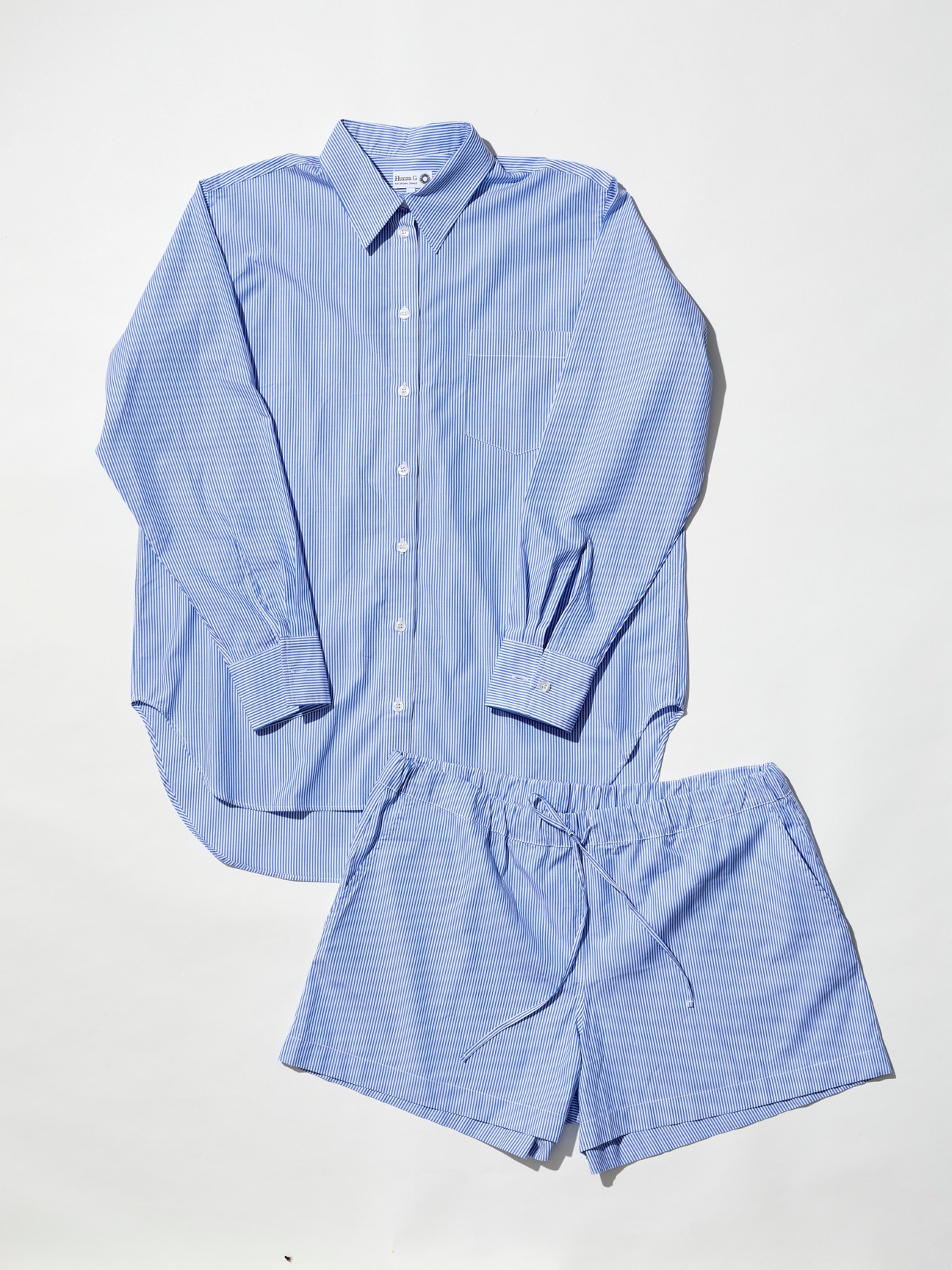
London-based swimwear label Hunza G has found success thanks to its elegant cuts and signature crinkle fabric, which is stretchy enough to fit any body shape and to see you through a lifetime of summer dips. Now the brand is expanding beyond its popular swimsuits for the first time with the Weekend capsule collection, a line of laid-back shirt-and-shorts sets. They come in blue striped cotton, as well as black-and-white linen and work both on the beach and as loungewear.
As the brand celebrates its 40th anniversary, its aim is to add even more to its offering. “The shirting capsule is just the beginning,” says creative director Georgiana Huddard.
hunzag.com
Kloke
Australia
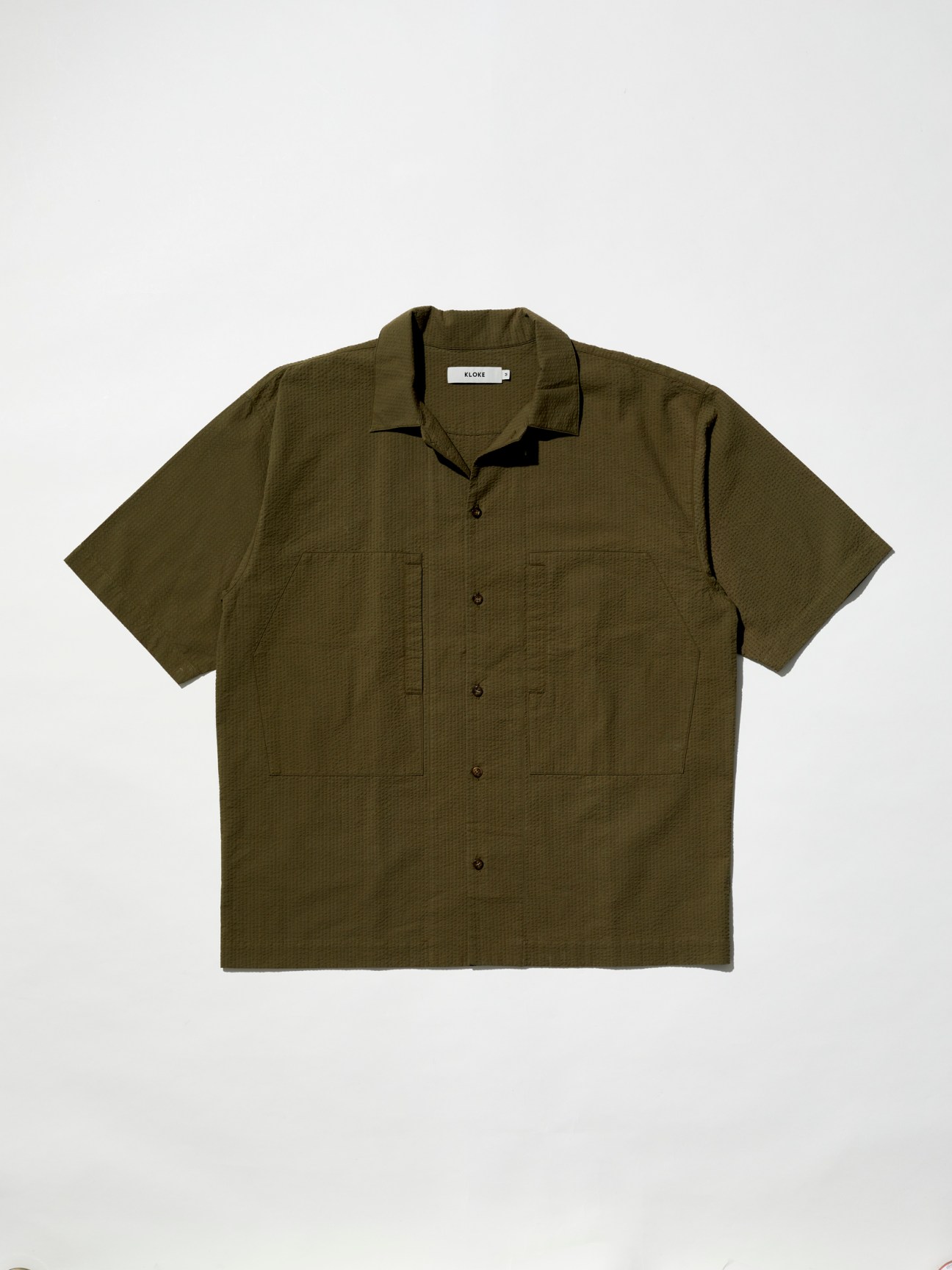
Based in Melbourne, Kloke is a contemporary fashion label co-founded by partners in life and business, Amy Gallagher and Adam Coombes. Its spring/summer 2024 collection features eye-catching embroidered caps and lightweight seersucker shirts. We have our eye on this khaki number (pictured): it’s a smarter alternative to the classic T-shirt and highlights Gallagher and Coombes’ flair for breathable, warm weather-appropriate fabrics and loose silhouettes – ideal for long, sunny days at the beach.
kloke.com.au
Vilebrequin + Inès de la Fressange
France
Sitting on a light-filled patio in central Paris, Inès de la Fressange muses on what makes the perfect swimwear. “I just want to feel good in my skin and be able to wear my swimsuit in different kinds of circumstances,” she says.
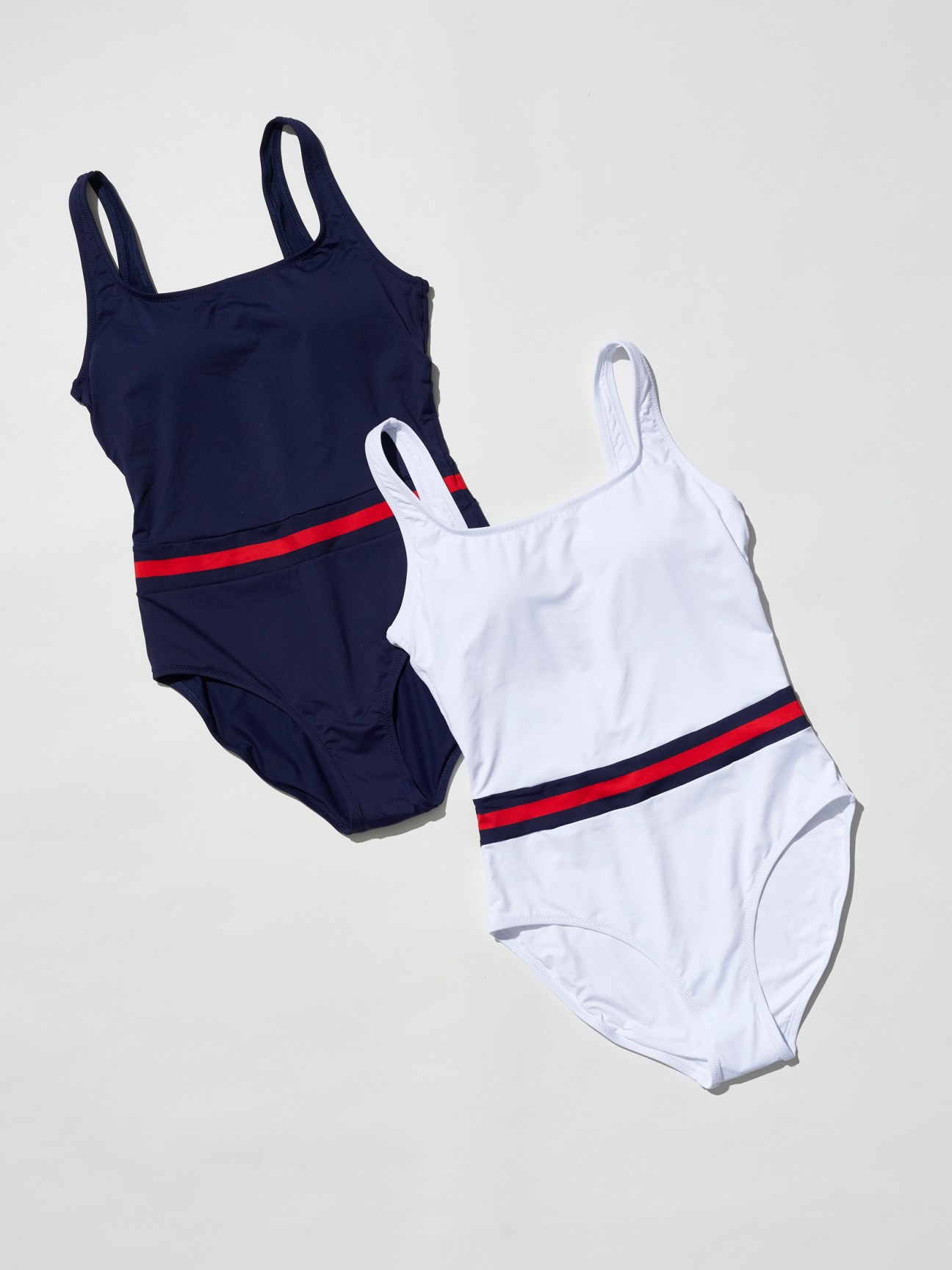
The 66-year-old former model created the versatile designs she had been searching for by joining forces with Vilebrequin, a label based in St Tropez known for its colourful swimming trunks for men. In 2013 it added women’s resort wear to its offer. The collection includes striped Balinese trousers and foldable sun hats – the kinds of items that De la Fressange would pack for a weekend at the beach. The collection also happens to be in the colours of the French flag – a nod to the Olympics. “The idea was to celebrate France and chic à la française,” says Roland Herlory, CEO of Vilebrequin. “Working with Inès seemed like a perfect fit.”
vilebrequin.com
Acqua di Parma
Italy
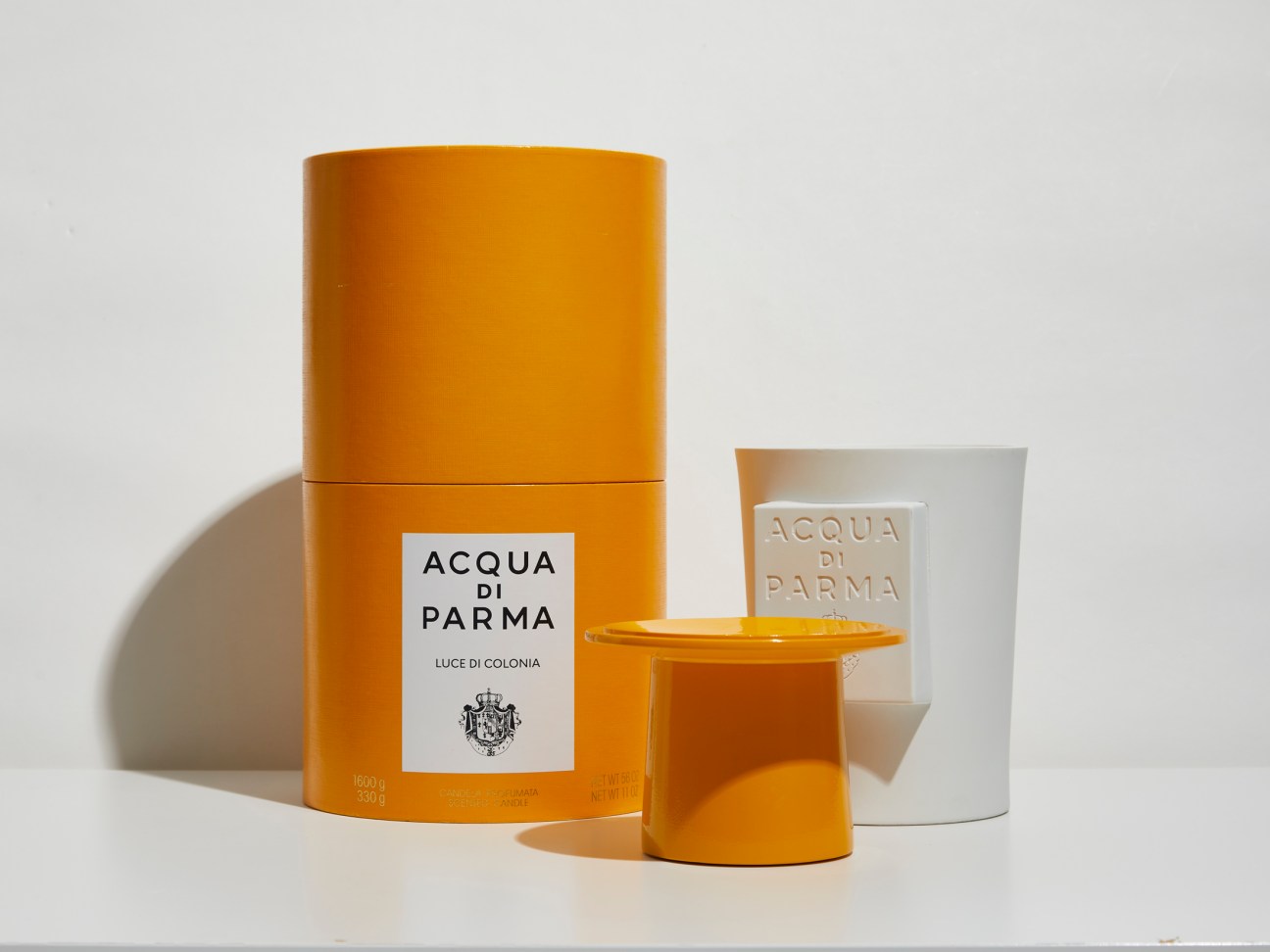
Acqua di Parma has unveiled Chapeau, candles-cum-design objects shaped, as the name suggests, like a hat. Dorothée Meilichzon, founder of Paris-based design agency Chzon, worked on the witty new design, which consists of two ceramic candle holders, both of which feature the label’s signature Luce di Colonia scent. Its citrus and floral notes instantly evoke the smell of summer.
acquadiparma.com
Get onboard
Global
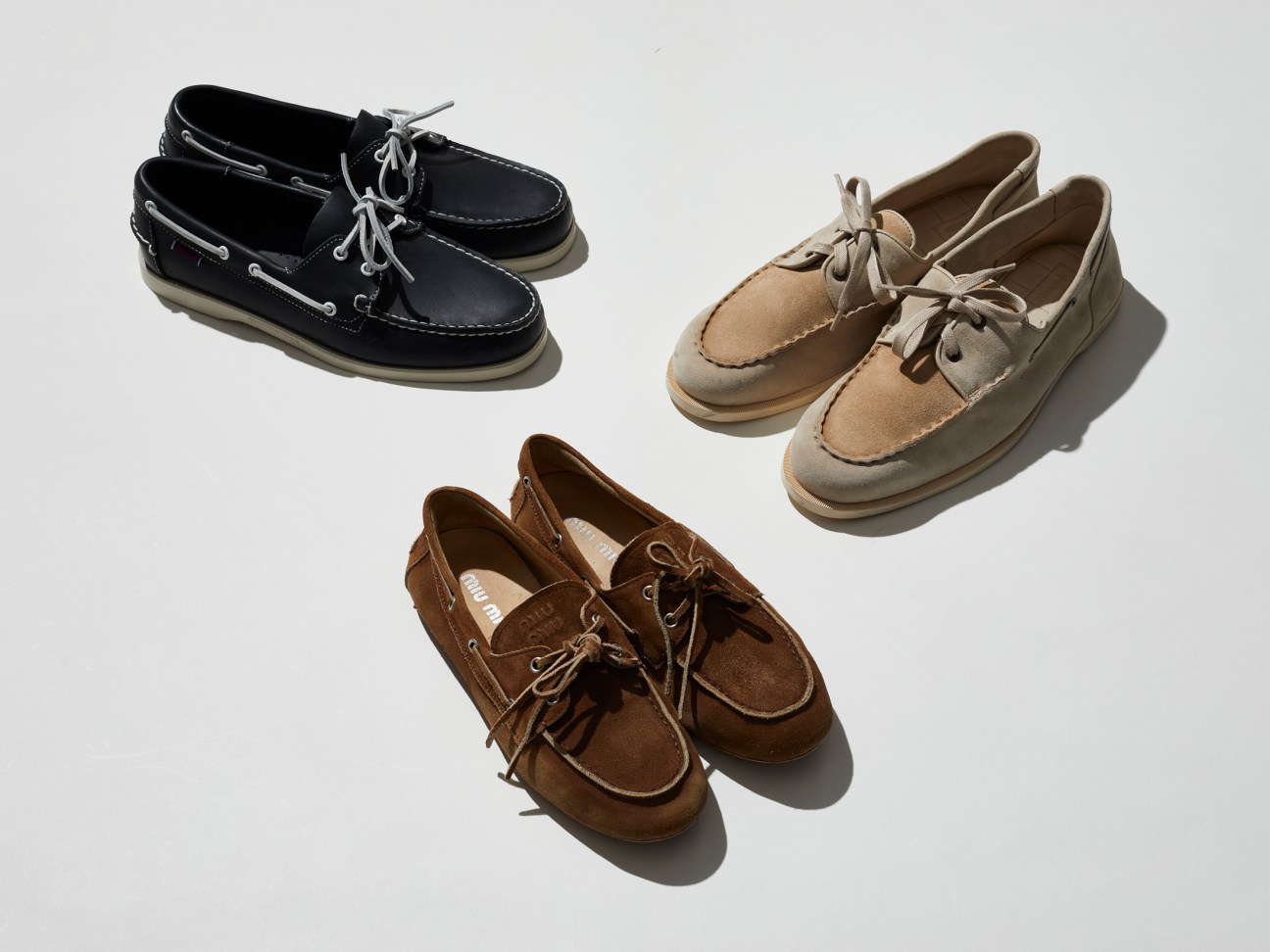
Boat shoes were invented in 1935 after businessman Paul Sperry fell off his sailing boat. After observing his cocker spaniel’s foot pads, he created the famous non-slip Sperry Top-Siders, featuring incised rubber soles that mimicked his dog’s paws. Since then, his lightweight, preppy designs have become the shoe of choice for everyone from US presidents to sailing enthusiasts around the world. Sperry’s shoes were always rooted in function and comfort – he never wanted to ignite a fashion trend. Still, boat shoes are now the most in-demand style of the summer, with brands such as Miu Miu designing their own.
Boat shoes add the right amount of pep to summer looks, especially when paired with crisp cotton shorts for men or elegant midi skirts for women. We recommend reacquainting yourself with this wardrobe classic with Sebago’s Portland design in navy or a John Lobb pair in yellow (both pictured).
sebago.co.uk, miumiu.com, johnlobb.com

Valextra
Italy
To toast the Paris Olympic Games, Italian leather-goods specialist Valextra has created a capsule collection of limited-edition bag charms, inspired by the sports that will compete this summer. Think tennis balls, basketballs, golf balls and volleyballs transformed into 3D charms with long leather straps that can be added to keyrings or the handles of your favourite day bag. They look particularly good hanging from Valextra’s denim and raffia striped totes – a chic, playful way to channel your love of sport.
valextra.com
Hereu
Spain
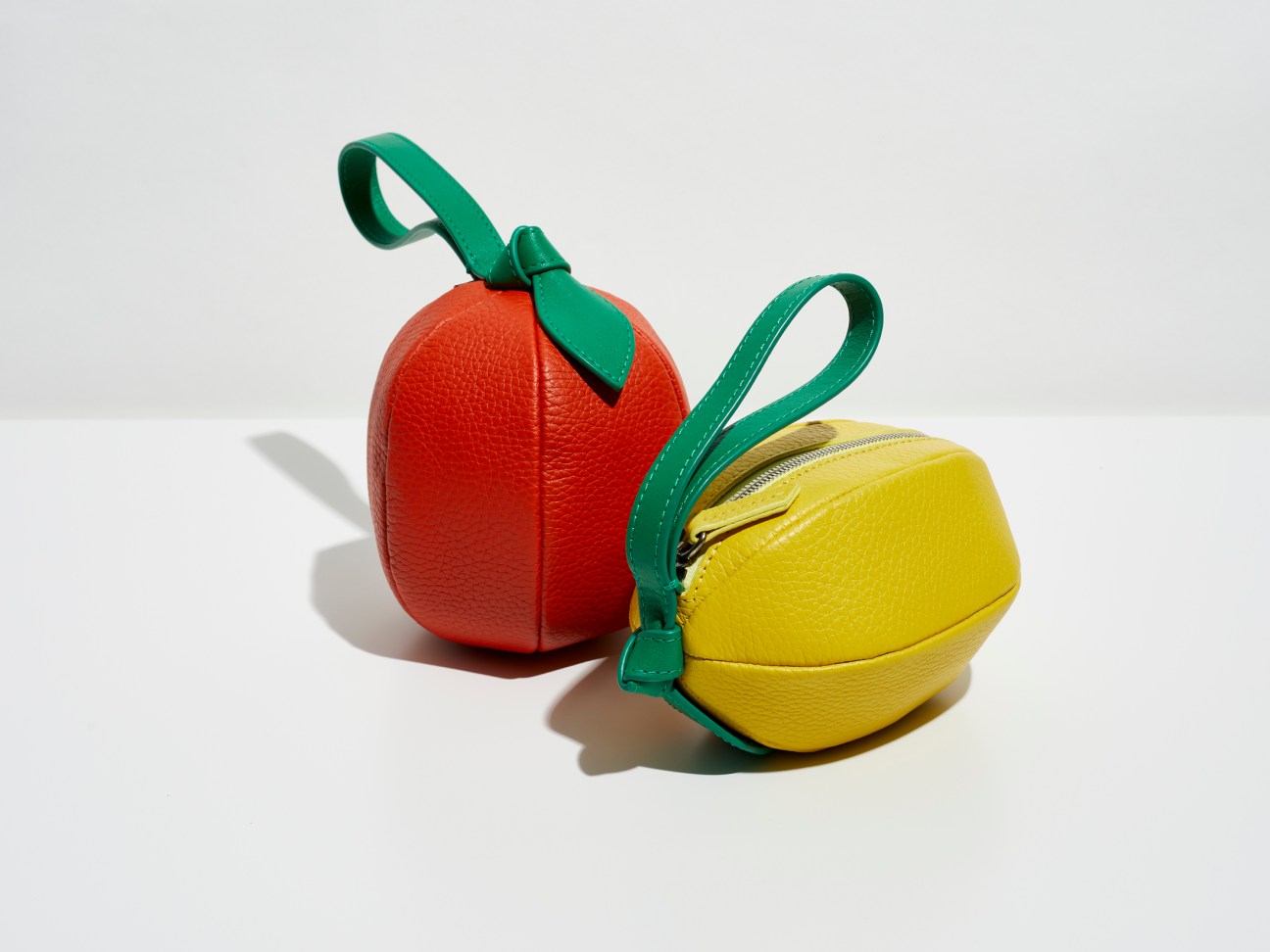
Hereu’s new collection of leather coin purses, which come in the shape of fruit, was designed to channel the sunny spirit of the Mediterranean – and add humour to any summer outfit. The purses are made using a soft, grainy calf leather in artisanal factories across Spain in line with the label’s commitment to offer limited editions of handcrafted products and support family-owned workshops.
hereustudio.com
Jean-Marc Pontroué
CEO, Panerai, Italy & Switzerland
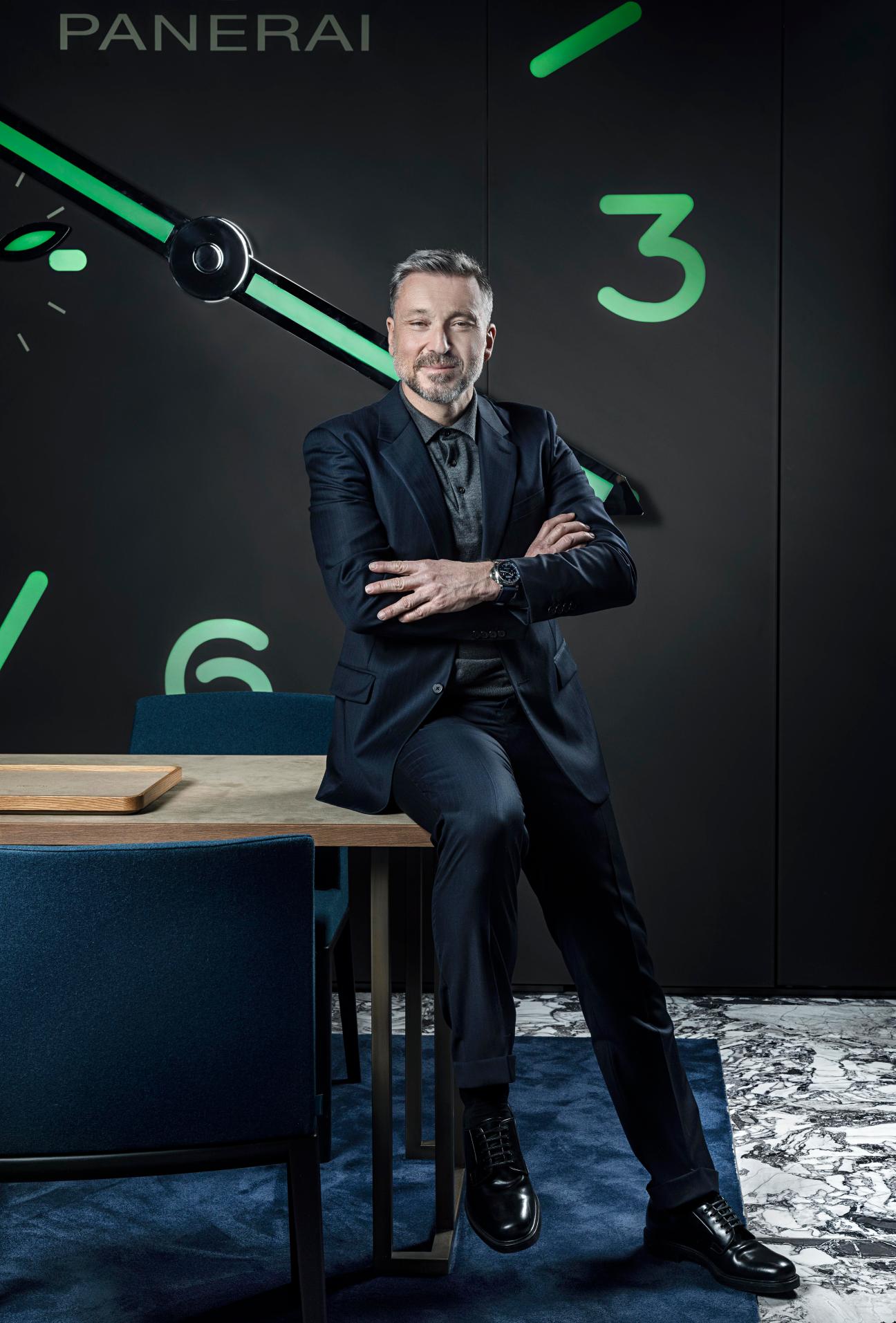
Swiss-Italian watchmaker Panerai is one of the younger players in a watch market dominated by storied Swiss firms. But rather than trying to play catch-up, CEO Jean-Marc Pontroué has been focusing on carving out Panerai’s niche in the world of sailing watches and all things adventure. The label has a history of supplying the Italian Royal Navy and is best known for styles such as the water-resistant Submersible, created in partnership with Luna Rossa, the sailing team under the Prada Group. But among dedicated watch collectors, it’s known for giving its most loyal customers access to money-can’t-buy-adventures, from sailing with the Luna Rossa Prada Pirelli team to rigorous military training. Here he tells us about the power of the in-person experience.
What sets Panerai apart?
Panerai only started in 1987 and took off in the early 2000s. But this is a brand based on a community of dedicated collectors who watched Panerai grow; that’s its beauty. It’s Italian, it’s masculine and it has a strong technical component.
What are you focusing on this year?
We have one clear message and that’s our partnership with Luna Rossa and the 37th America’s Cup in Barcelona. It’s a natural playground for Panerai.
What is your strategy when it comes to bricks-and-mortar retail?
I believe in the power of physical retail but it has to be experiential. When people come into one of our shops, they get to learn about our story and enjoy a slice of Italy. We also make sure to follow our customers wherever they go: we built a shop aboard the [cruise ship] MSC Luxury Explora and we were one of the first watch brands to open in Saudi Arabia and in summer locations such as Capri and Santorini. We love the element of surprise.
panerai.com
DJ Harvey’s recipe for the perfect nightclub
Turns out, DJing for 40 years to audiences around the world teaches you about human nature. DJ Harvey, born Harvey William Bassett in London, cut his teeth behind the decks after hearing early glimmers of hip-hop on a trip to New York. His sound has morphed and moulded over time, touching on house, disco and whatever else catches his ear, into a mélange of beautiful eclecticism.
As a drummer in his earlier musical life, rhythm and interesting percussion are often the red thread but he has a knack for finding gems, forgotten B-sides and music that requires a bit of digging. He has also earned bragging rights during his 40-year tenure: he is often referred to as “your favourite DJ’s favourite DJ” and holds residencies around the world in places such as Ibiza and Bali.
One of these longstanding relationships, with Bali’s Potato Head in Seminyak has resulted in an interesting opportunity: Harvey was asked to lead the design of an entirely new club from the ground up. The result, Klymax Discotheque, is a space made for hedonism, with an emphasis on sound and acoustics, but also created around the nuances that, according to DJ Harvey, make for a good night out, that understanding of human nature. It is a place where he’s been able to put things together the way they should be. “I like to say that my place is a machine where you feed art in one end and happy people come out the other,” he says.
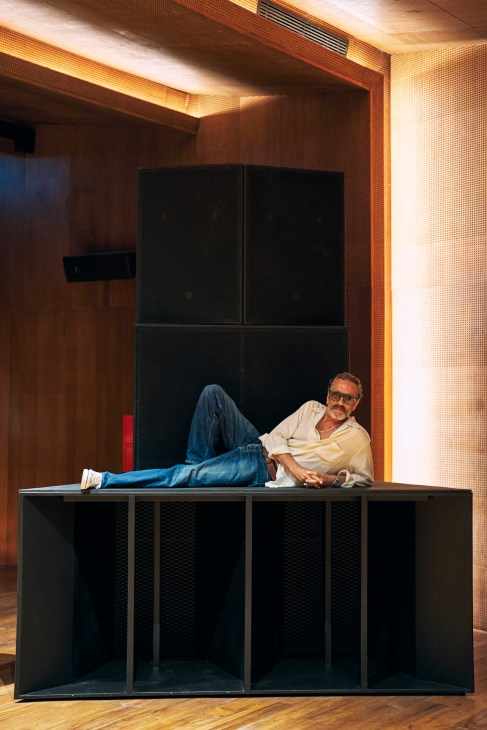

When Monocle speaks to DJ Harvey, he is perched at Potato Head, embarking on a monthlong residency where he plays Saturdays – all night long. We talk about what makes a good club, either as a dancer or a DJ. “Good, well-functioning bathrooms,” he says, also citing friendly security and a well-run door. Hospitality is one of the key, unsung heroes: making people feel safe and looked after. “People pay their money on the door and they all come in,” he says. “At that point it’s on you. I actually feel personally responsible for everyone’s welfare when I’m putting on an event.”
The aesthetics of the room are essentially a byproduct of the need for the room to be acoustically treated, taming errant frequencies to build what the club calls a “sonic sweet spot” on the entire dance floor. Any look or “vibe” is a direct outcome of the obsession with sonic design. “Just by the nature of acoustics, if you do it right, it’s beautiful,” says DJ Harvey. To do this, 2,680,135 holes are perforated in the wood to diffuse the sound as it hits the walls and ceiling. Concrete walls 20cm thick are fitted with 365mm of acoustic layers in three sections: Rockwool, perforated panels of 25mm plywood and 3mm of teak veneer. And, of course, there’s a giant, glittering disco ball.
DJ Harvey’s emphasis on welfare also extends to subtle elements of feeling: the way a club is laid out, the flow of people and subconscious feng shui. He also cites the capacity of Klymax as being a particular emphasis for him: 500 people is a sweet spot. “It doesn’t shift into the sort of stadium-type stuff where you start having to lower your common denominator to reach 10,000 people. But it’s big enough to have that sort of group trance – the sort of thing when people feel stronger and braver in a mob, together.”
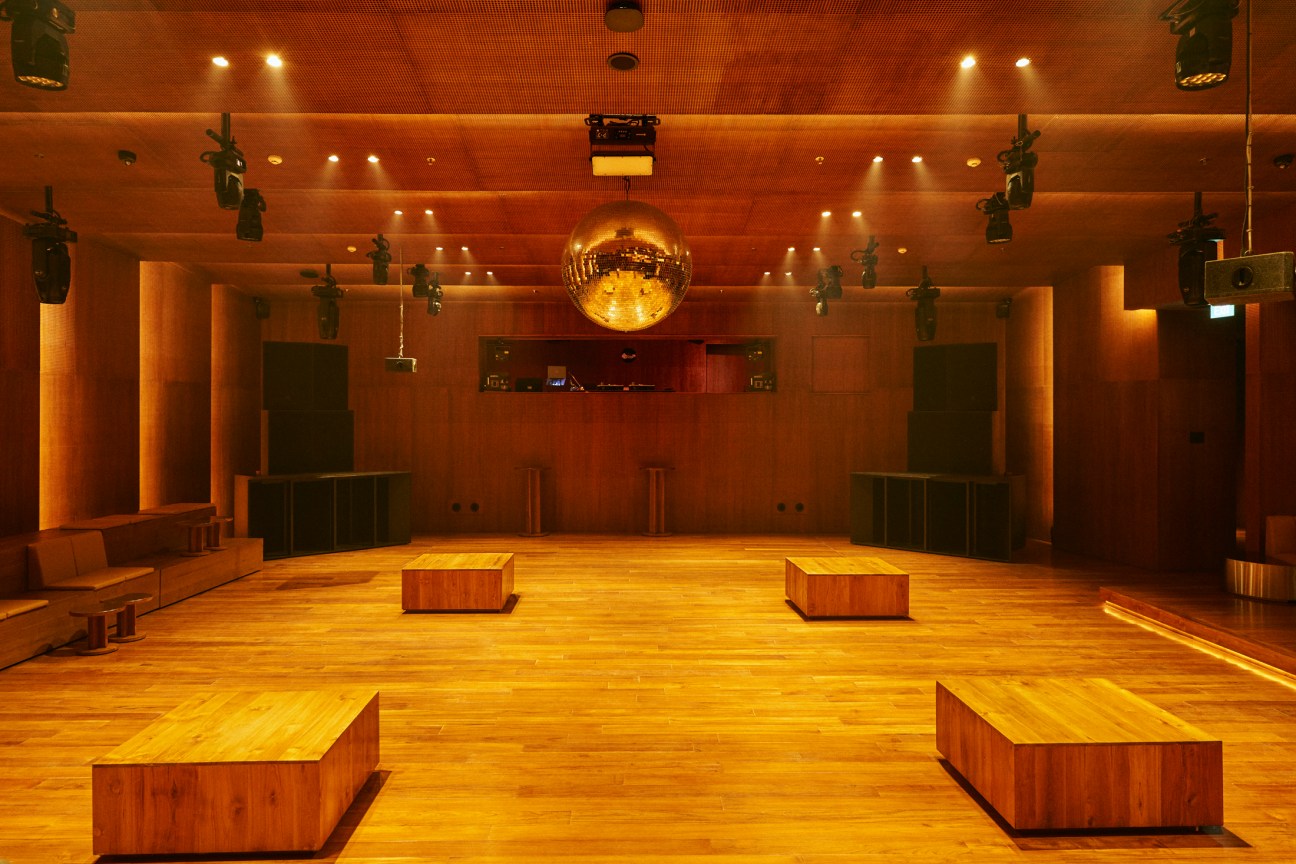

Some of the physical attributes are hidden and unseen, down to a sprung dance floor. Traditional ballroom dancing floors used a similar technique, says DJ Harvey. “That floor would not only give you a little push back and bounce in your step but it would also stop the hard compression and damage to your joints from stomping up and down for five or six hours at a time,” he adds.
And then there’s the sound. It’s a traditional New York-style four-stack system including Larry Levan-style Bertha bass bins, with drivers from JBL, amps from Crown and processing by Lake. The audio engineer, George Stavro, previously worked with engineer Richard Long, who was responsible for the sound at legendary venues Studio 54 and Paradise Garage. DJ Harvey jokes that there’s nothing out of he ordinary about the components, saying that you can probably “buy everything off of Amazon Prime”. Instead, “it’s about the 300 years of collective experience of the people that put it together”. The magic is in the wood, paper and transistors, assembled by people with taste and experience.
This focus also extends to the design of the DJ booth. DJ Harvey didn’t set up the controls as a place for idolatry but rather functionality and flexibility. “I’d go to nightclubs and not even see the DJ. I went to [famed London club] Heaven for five years straight and had no idea where the DJ was; they’re actually in a cage above the dance floor.” He says that DJs should be not very interesting to look at but be very interesting to listen to. As such, there’s respect for the craft: DJs at Klymax can play whatever format they want, be it vinyl, reel-to-reel or, as DJ Harvey says jokingly, “even Laserdisc”. There’s also a bathroom, bedroom and shower. “There’s a toilet in the DJ booth and an apartment behind it” he says. “You can put on a long track and go have a shower if you’re all sticky.”
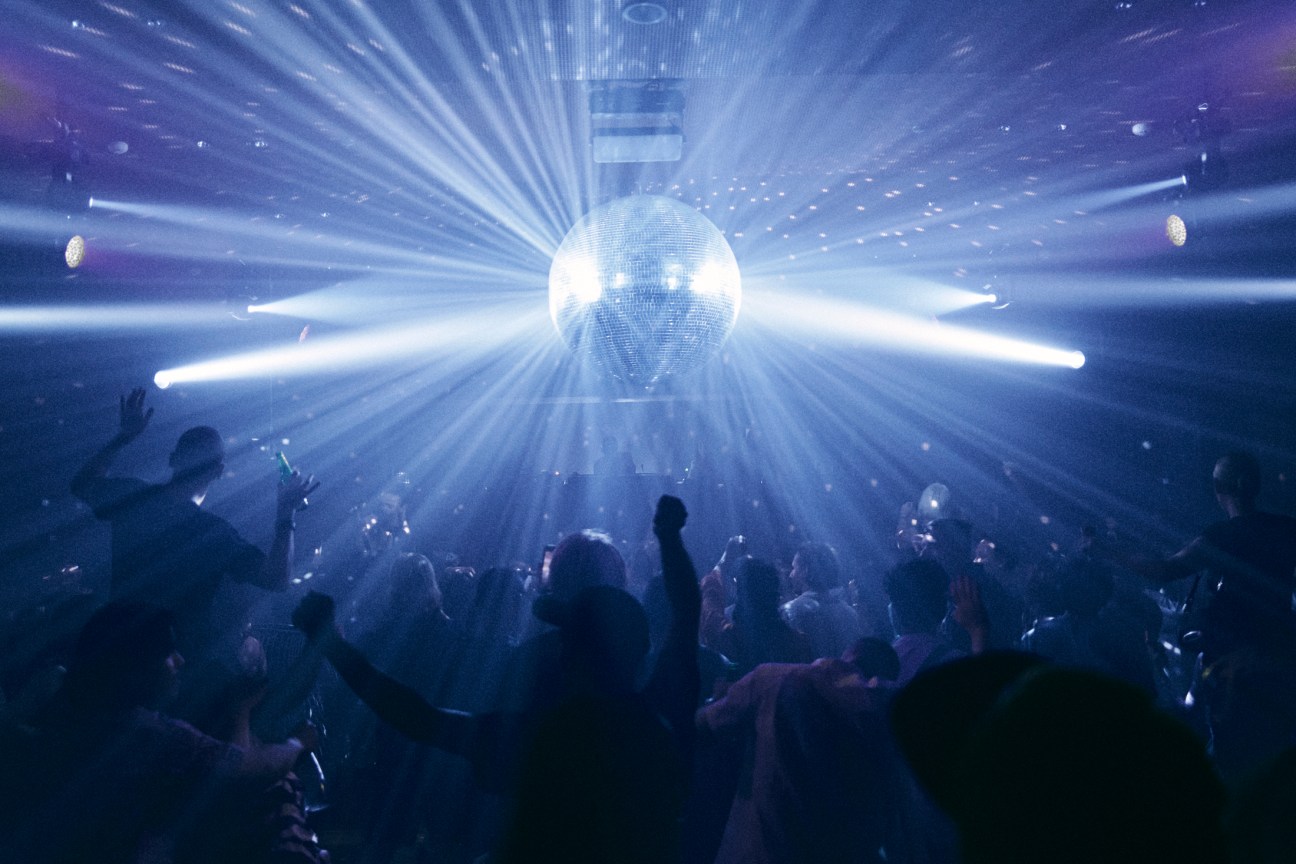
Harvey is quick to dismiss overt fetishisation of components or materials when it comes to the club, speaking to an intangible atmosphere that has to be created. “I’ve been playing for 40 years on the worst sound systems known to man having the time of my life” he says. “The party will transcend that; it’s just that all of that might help a bit, give it a nudge in the right direction. But if you don’t have an intention…” His thought trails off. He’s alluding to the particular alchemy of sound, people, safety and other details that go into making a wonderful night out amid the flashing lights and bass bins.
The Monocle manifesto for collective wellbeing
As the world and global opinion turns, Monocle remains irrepressibly optimistic about cities – or at least their enduring potential to help people live well, regardless of income, outlook or industry. While no city is perfect, the best ones know how strike a balance and remain places of opportunity, discovery and excitement for all. So shouldn’t more politicians, ceos and civic leaders be concerned about making the most of the places most of the world now calls home? After all, what could be more important to our collective future than properly talking about how we build, assemble and share such spaces?
Buildings, businesses and bus routes are only small parts of the matrices that make appealing cities tick. There’s also history, style and culture to consider. There’s some software to attend to too – the ways we should behave and the rules we should all endeavour to follow. How might a graciously deployed “good morning” affect the way you feel on your street? What if we considered children more closely when designing public spaces? How could better housing and hospitals provide dignity for all? Permit us to ascend our soapbox briefly in this, our city-focused issue. Here, we offer a few ideas that we believe will help focus attentions, bind communities and create neater social contracts in cities where such things can sometimes fray. Read on for Monocle’s manifesto on how best to darn, repair and, in places, reweave the city’s social fabric.
1.
Prioritise residents

Cities should be for the people who live in them. Begin by limiting short-term home rentals and cracking down on stingy landlords who are piling people into damp, dismal homes. We also need to stop areas from becoming single-use given over exclusively to students or the elderly – a mix is usually best. Rubbing shoulders with all kinds of people engenders connections, tolerance and mutual respect.
2.
Make use of what’s there
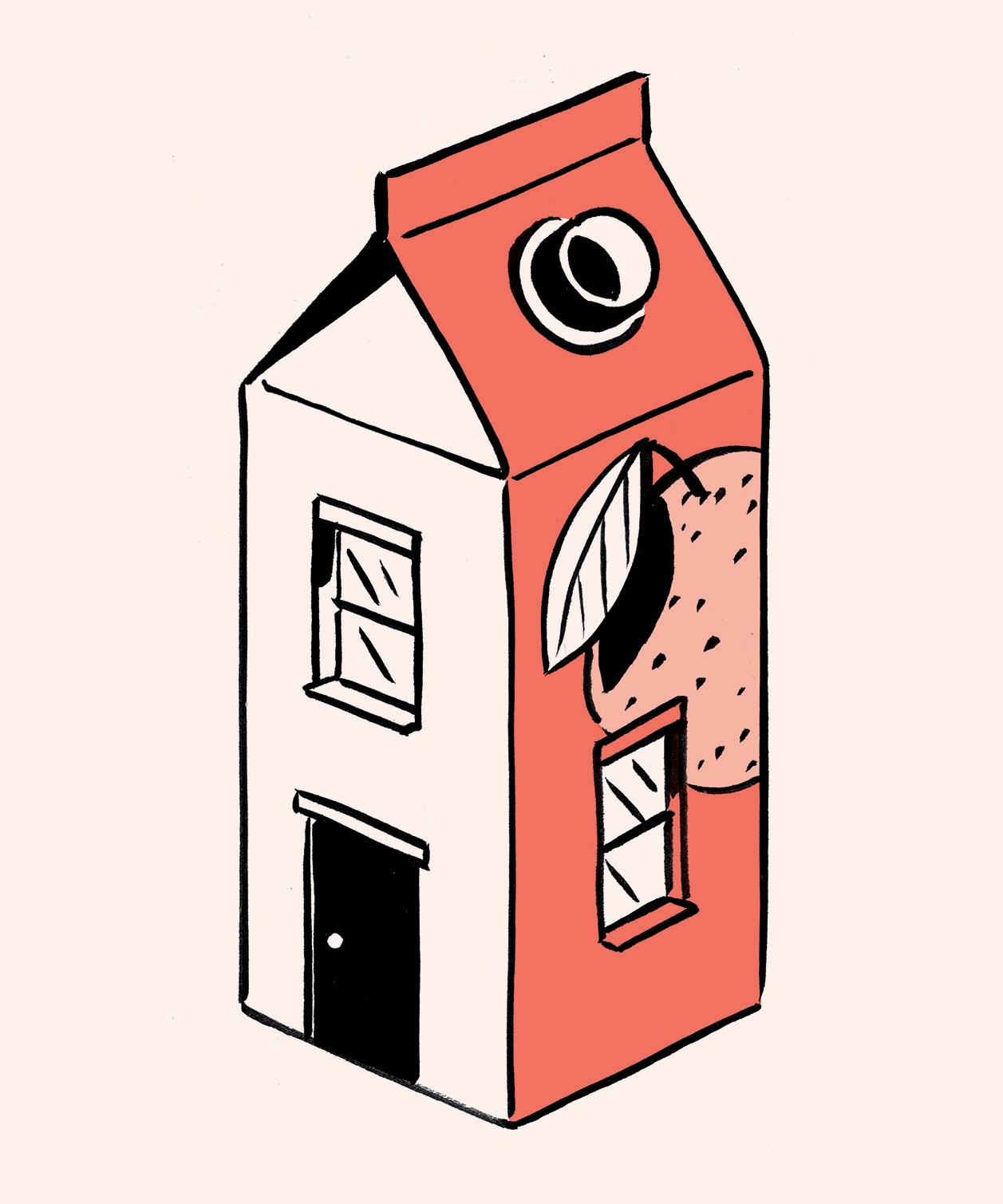
Glossy renderings so often reimagine blocks and neighbourhoods in supposedly sustainable ways. But surely the discipline of reusing and rebuilding offers developers and architects a more interesting test. Isn’t adding to the urban patina and iterating on what works better than razing sites to the ground only to build up another trend destined to become tomorrow’s wasteland? The newest buildings are rarely the best.
3.
Waste not, want not

A well-run community should consider ways to better manage its food waste. The good stuff could be redistributed and offered to people living on the street (always in dignified settings with showers and other key facilities) – look at Massimo Bottura’s worldwide Refettorio concept for inspiration. For the waste that’s passed its sell-by date, there’s a case for community compost bins to help out nearby allotments.
4.
Sit comfortably

Rekindle stoop culture and loosen rules so that people have space to set up a table outside their home and enjoy the street and the neighbours. With its cobbled canalside lanes that fill up with picnic tables as the evening takes hold, Amsterdam excels at this. Come on, the city seems to say, join us for one.
5.
Slow down bad drivers

Register electric scooters and bikes to individuals and have them pass basic safety and proficiency tests before taking to the streets. Bad drivers should be fined and banned. This doesn’t necessarily have to mean nannying or bothering people with unnecessary bureaucracy or red tape but having a mechanism to halt persistent pests would help the authorities, should they need to hit the brakes on dangerous driving.
6.
Take safety seriously
In cities like London, street crimes such as bike and phone theft are viewed as a part of everyday life. Brassy thieves know it too and act with impunity knowing that they’re unlikely to ever be challenged. It shouldn’t be this way. Safety matters and efforts need to be made to reassure the most vulnerable in our communities that the streets still belong to us all.
7.
Don’t idle

Automobile engines should be turned off while vehicles are stationary: it’s better for emissions and the air quality of the people sauntering past. Keeping the car ticking over while you scoff a sandwich at the wheel or hum along to the radio waiting to pick up a pal isn’t very civic-minded. Cutting the engine shows consideration for those around you, as well as the planet.
8.
Hire more gardeners

Many cities are busy installing new planting schemes and greening streets. Long may the movement grow. But what about all those ambitious but now browning “green walls” that got little attention after the ribbon was snipped? Let’s not forget that parks, verges and riverbanks should be left to explore but still need tending to.
9.
Grow your own

We also need a new allotment revolution to encourage and allow people to grow their own produce. It helps keep things cool and prevents flooding, yes. But there’s also the magic of eating something that you’ve coaxed to life yourself. How about a little agricultural education – and appreciation – for the younger generation too. It’s useful for food security and to let children know that fast food doesn’t grow in corner shops. Connecting with nature is nourishing.
10.
Think laterally
The linear park movement (à la New York’s High Line) still has plenty of room to grow. These snaking routes capture the imagination, get people walking and make all-important use of what’s already there. Pity the project that involves building a new structure where an existing space would do just as well – and at a fraction of the cost and disruption too.
11.
Build beautifully
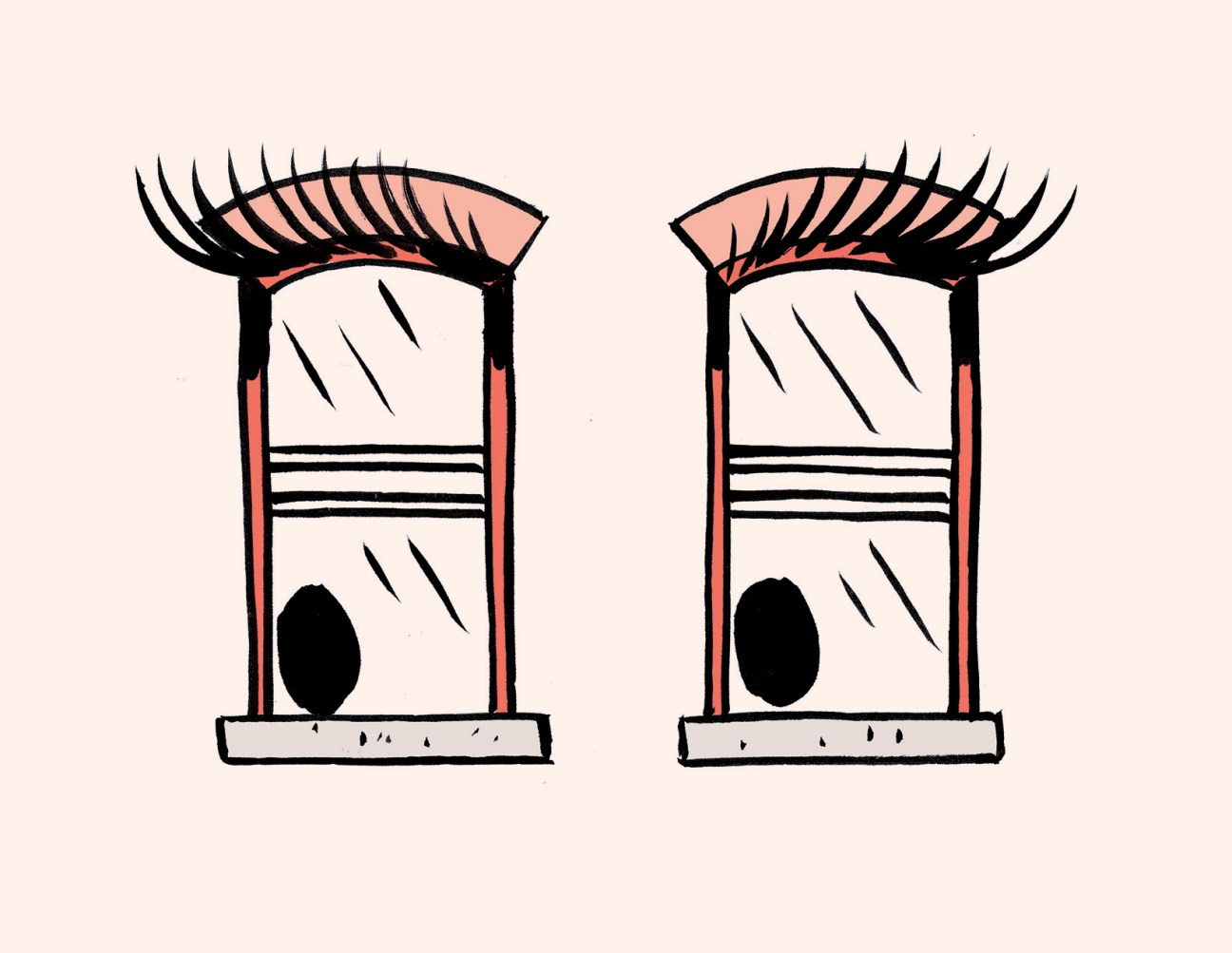
Beauty is important, even if architects don’t mention it enough. Why, then, don’t we make schools, hospitals and other civic buildings that sing, in turn making it easier to learn, to heal and to work? Implicit in this thinking is a message – to students and those convalescing or working in city hall – that where you live matters.
12.
Shake it up
Embrace gentle density. Some buildings leave people lonely, isolating them high above the streets. We need more properties of various sizes and textures that provide for people of all incomes and encourage them to rub shoulders. Keep domestic structures below five storeys, ensure that they have windows that open and can channel a breeze, affix awnings to keep the heat in check and maximise outdoor and communal areas to stimulate mingling.
13.
Play for keeps

Prioritise play and children. Cities have become too hard-cornered and adult-focused. What about pavements that bounce and blacktops that encourage children to draw with chalk? We shouldn’t just cater to boys and football either. Play is inclusive and universal, and should always be treated as such. We need fewer spikes and hard surfaces, and more places to lay down, delight and be amused.
14.
Wave from your window

Penthouses might sell for top-dollar but glassy towers are chilly, impersonal and disconnected from life on the street. Instead, we need to follow the Georgians and build better ground-floor dwellings with bigger windows that are the right distance apart to allow people to see in and out a little. Bigger windows are better for natural light and make you feel like you’re part of a community that extends beyond your own front door.
15.
Make a splash

Our waterways belong to all of us, despite the flood of private companies cashing in on them and pumping them full of nasties. Clean-ups such as that undertaken in Copenhagen demonstrate the civic value of providing people with somewhere to swim, dive and drink. Water helps to cool our cities, lure in wildlife and create spaces to unwind – purifying them is ambitious but why should that be a barrier to success?
16.
Design inclusively
Take care of people with mobility needs. Not with red tape and alarms but with gentle, intuitive curves and quiet urbanism. This isn’t about carrying out endless risk assessments and making the built environment miserable by redesigning it to meet hurried needs. Rather, people move at different speeds and some are steadier on their feet than others. So let’s leave room and try to cushion their fall if we can.
17.
Make amends

We all think that what we do is worthy but, if we’re honest, some jobs are just inalienably more crucial to society than others. So how about we fess up and foot the cost for some decent housing for teachers, nurses and carers. Part of building a better society is acknowledging that some people have spent too long being undervalued – and then making amends.
18.
Pick up rubbish
We wouldn’t want to trash the world’s waste collectors but, from Manhattan to Marylebone and Le Marais, budget cuts at city councils have left too many cities strewn with coffee cups, plastic packaging and other detritus. We need bins, street sweepers and projects that inspire community pride. The battle is lost when residents themselves walk past that newspaper on the floor and don’t stoop to pick it up and pop it in the bin.
19.
Build outside the box
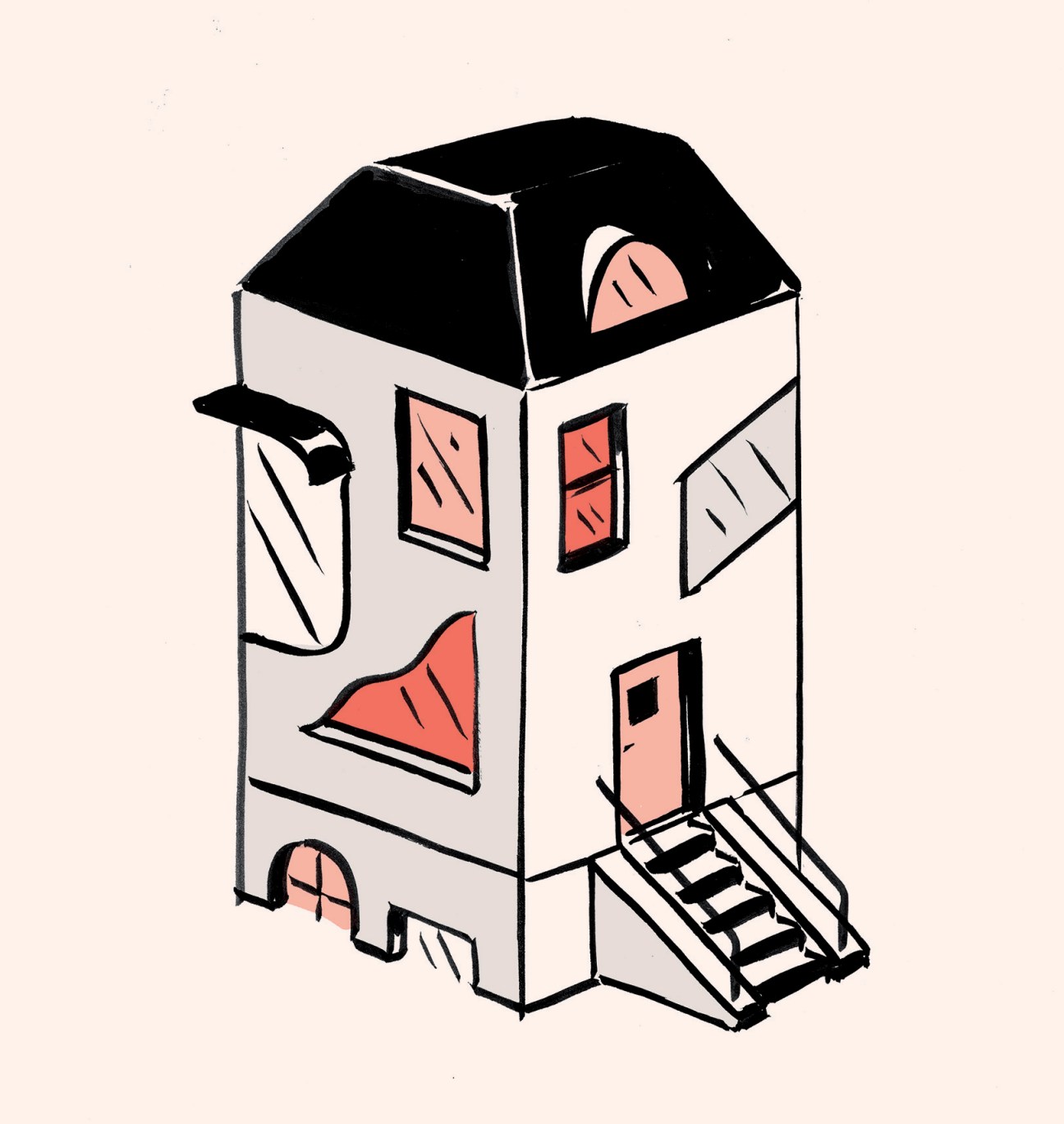
Developers should evolve their repertoires and allow more types of housing to flourish. Cities’ fundamental allure is that they’re accommodating to all: shared, co-op, self-built and whatever else people will happily inhabit. We are still stuck in a one-size-fits-all model, offering expensive, derivative homes to a cadre of middle managers who can afford them. It’s time we started thinking outside the box.
20.
Cry foul

Here’s a filthy little fantasy for anyone who’s ever surveyed a soiled city pavement in despair: what about clean-up duty for frequent foulers? What about mandatory training for those who own animals to make sure they’re kept well and happy? A nominal fee for the registration could help with clean-up costs and better kennelling and care for strays and fund charities. Without such solutions, London and Paris are barking up the wrong tree.
21.
Think of the animals

Encouraging nature doesn’t just mean greenery. We should ensure that buildings have spaces for birds to nest, that parks feature flowers from which bees can collect pollen and that ponds and waterways are for frogs and dragonflies as well as bike couriers and picnickers. Green corridors that let creatures migrate without fear of being squashed under a running shoe mean that some bits of land have to be out of reach for humans – and that’s just fine.
22.
Keep the noise down
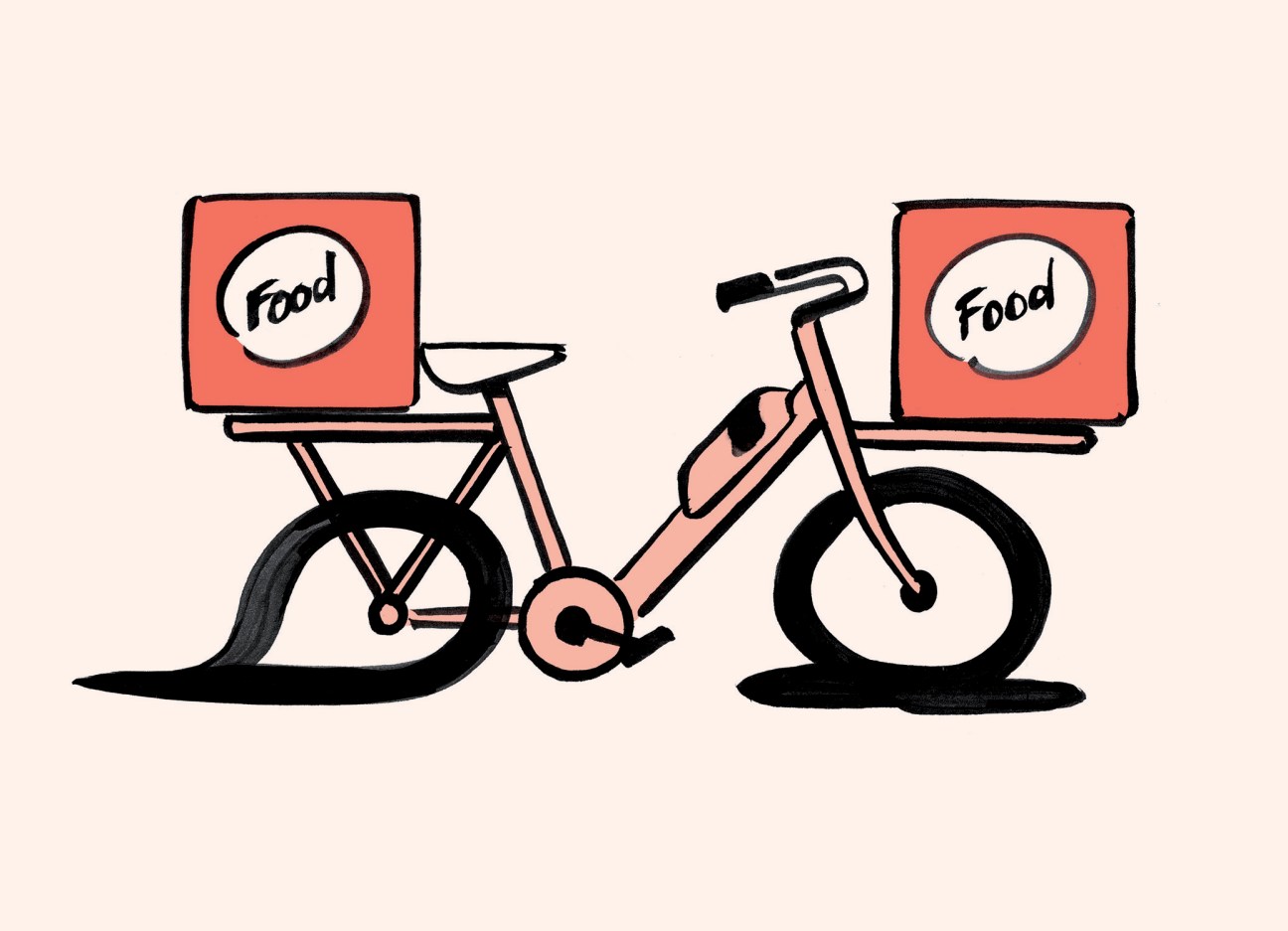
We’re not hungry for rules or finger-wagging but, while we’re passing down some decrees, why not regulate food-delivery drivers on electric bikes or noisy scooters? A clever last-mile solution done on the cyclists’ own steam would help reduce emissions.
23.
Be on brand
Have a city brand: a recognisable logo, colour scheme and crest. It might sound trite but having a symbol to rally around really can help. Zürich’s crest is fresh and simple, Lisbon’s is ornate and original, and Amsterdam’s? Well, the three-character xxx marque by Edenspiekermann (nothing to do with they city’s X-rated pastimes, thank you) delivers a message to all who see it on buildings and manhole covers. Branding carries a memo – it’s up to you what it says.
24.
Embrace the makers

Make physical spaces in which entrepreneurs and start-ups can flourish. Not everywhere needs to be a strip-lit office or shop unit either – loosen the rules so that people who print, whittle and sculpt can be part of the streetscape too.
25.
Help social housing
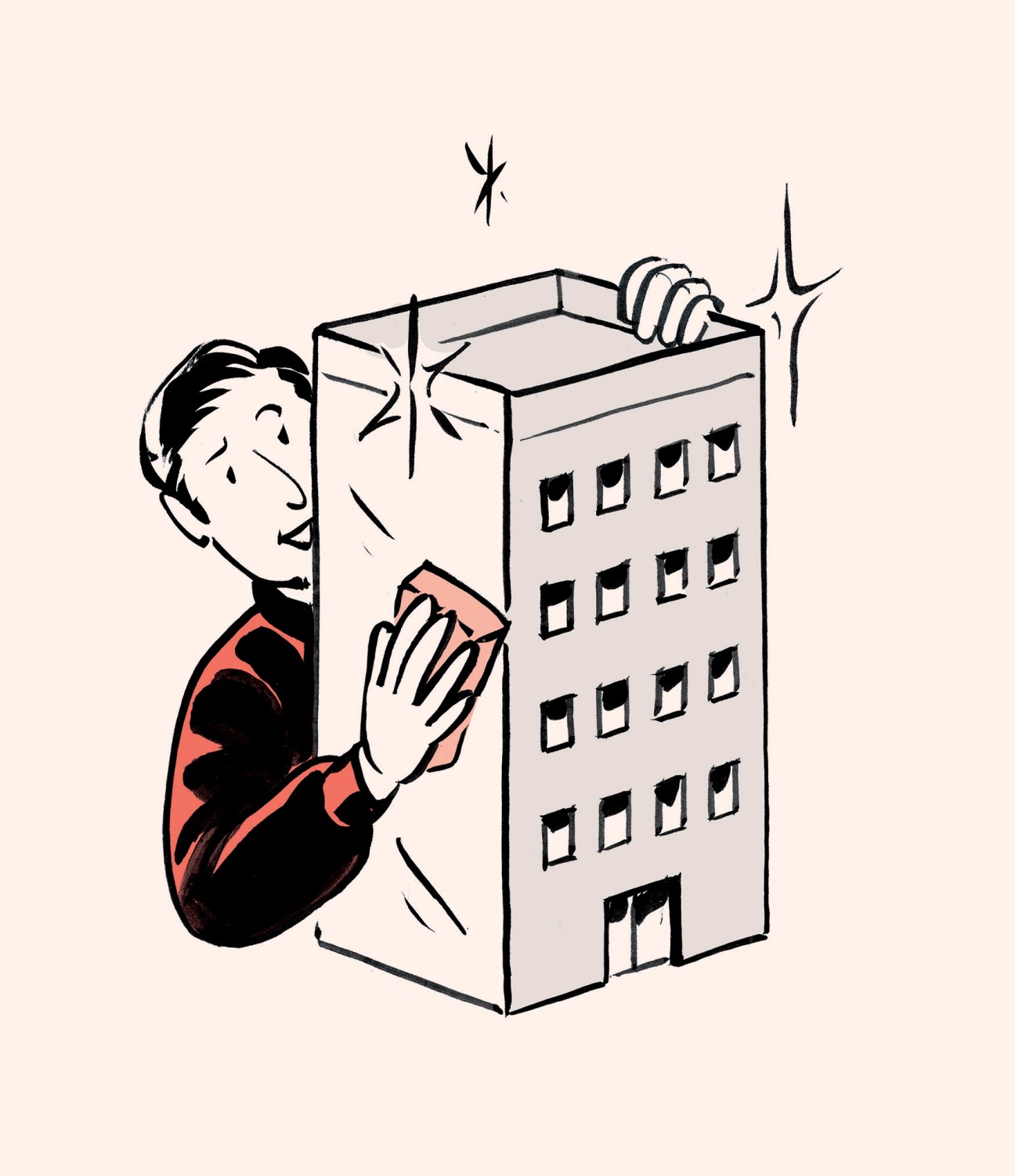
Social housing needs a hand. Look at Vienna and you’ll see how successful Europe’s biggest landlord has been at offering enviable places to live at every price point. Leaving everything to the market condemns some to fall through the cracks. Rent protection and a more open application scheme (perhaps for artists too?) will help enrich our cities.
26.
Support local media

A great newspaper, TV channel or even a well-kept bulletin board can help people feel connected, represented and informed. Yes, we need fearless journalists sitting in on town-hall meetings that most people would find tedious to check that the politicians are in order – but great journalism can inspire as well as upbraid and educate.
27.
Don’t call it a night

Allow the night-time economy to flourish. Let cocktail bars keep their doors open, clubs hum and basements have bass-heavy parties. It’s a delicate balance but some cities have got it all wrong by letting mega-clubs ruin neighbourhoods in one part of town while fussy residents get small, well-meaning bars shut down for playing the jukebox at 23.01 on a Friday night. The default should be that cities can be a bit noisy and that great venues make areas more enjoyable.
28.
Trade places
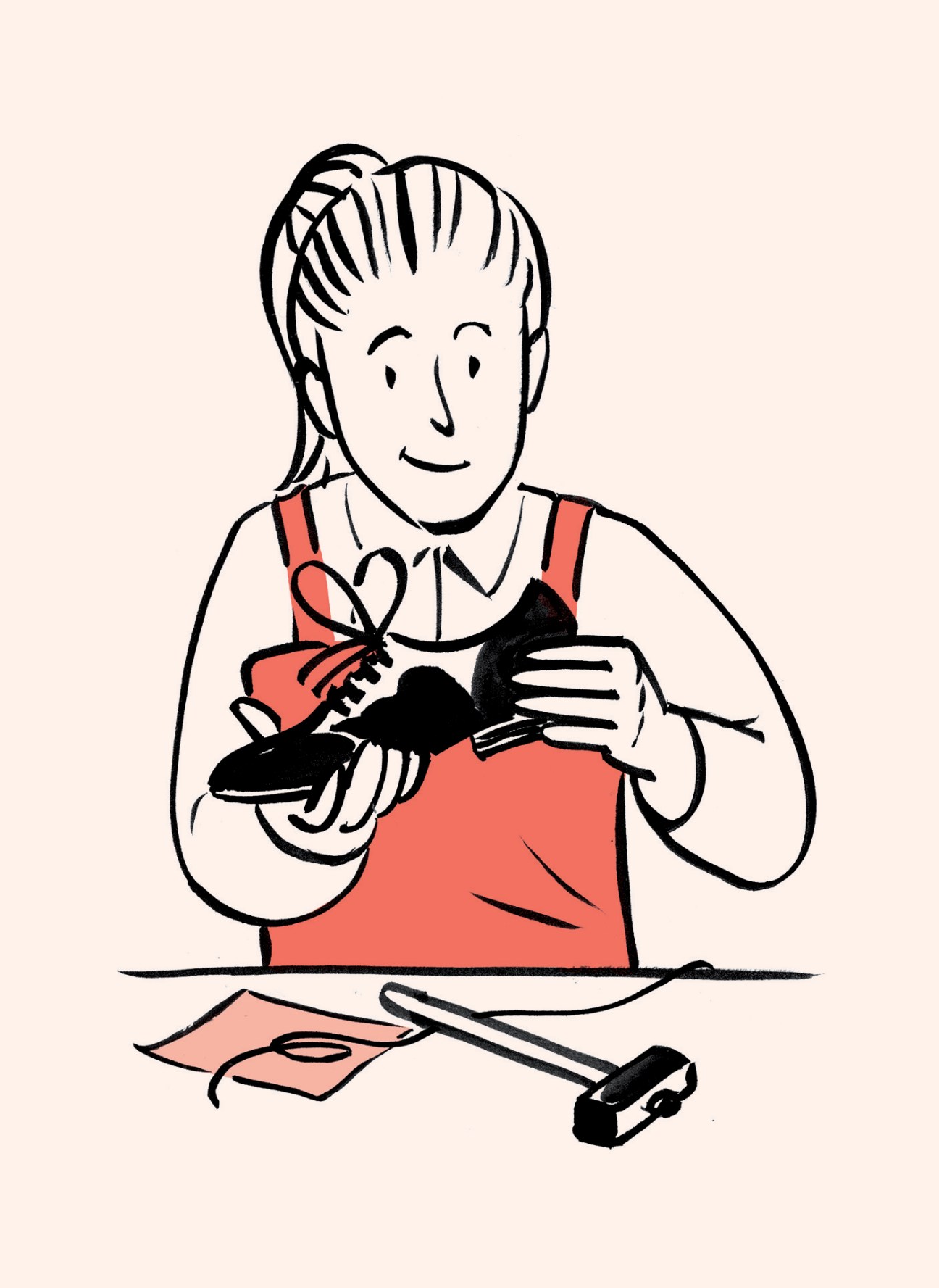
Relaunch local trade guilds. Need a woodworker or winemaker? There could easily be a resource (and, yes, some well-branded signage for the window) that shows which nearby businesses are locally owned and worth patronising. Let’s not let the chains stomp out the independents.
29.
Protect and serve

Reinvent the Japanese koban police box for Western cities. Having somewhere to report incidents is one thing but a little presence on the streets is just as important. Keeping policing local rather than busing untrained recruits into hotspots is about building trust and understanding the causes of crime, not just pursuing arrest quotas.
30.
Promote digital decency

Ban loud phone calls on train carriages, noisy online games in restaurants and speakerphones, well, everywhere. Business owners and managers should be in charge and lead from the front. Ultimately, cities are big and busy, and offer some thrilling anonymity. But that shouldn’t mean that some people can retreat into selfish little worlds that deprive others of the right to a little peace and quiet now and again.
Urbidermis’s commitment to sustainable landscaping is shaping cities across the world
Barcelona is often held up as a prime example of how the Olympics can rejuvenate a city. When it was announced in 1986 that the Catalan capital would be hosting the 1992 Games, a radical urban modernisation plan was swiftly drawn up. This was the city’s big chance to present itself to the world as a future-facing metropolis, with more than just Gaudí-era charm to offer. New green spaces sprung up, the old port was refashioned as a recreational and sports area, and developers created two miles of promenade-lined beachfront using sand imported from Egypt.
It became clear that these public spaces needed to be equipped with street furniture in line with the slick new image. In 1987 city leaders tasked the development of new furnishings to Catalan lighting company Santa & Cole. The business had been founded just two years previously but had quickly won a reputation as a leading name in the design world. “It was an opportunity for the company to collaborate with architects on new products,” says Josep Maria Serra, welcoming Monocle to Parc de Belloch, on the outskirts of Barcelona.
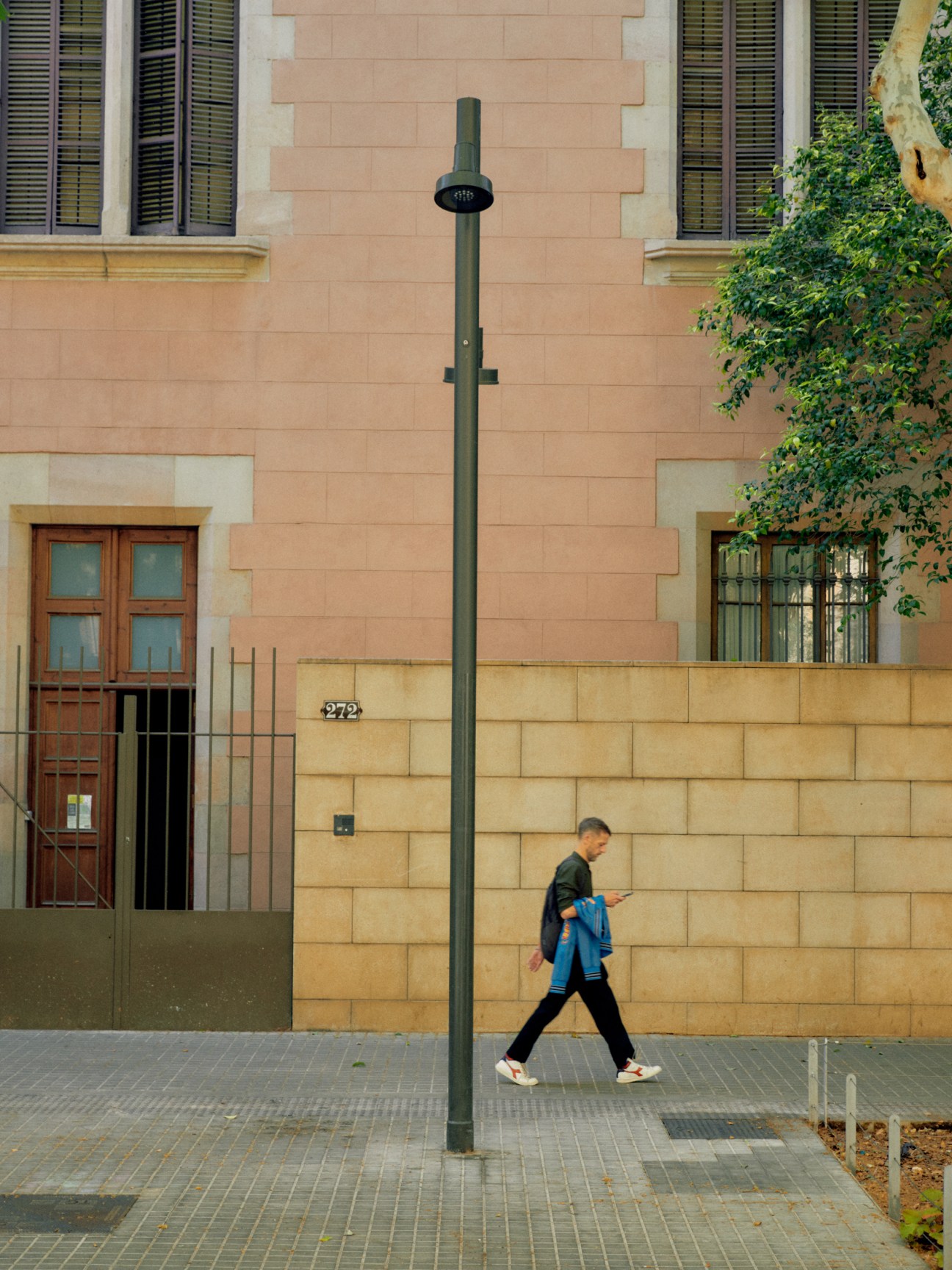

Serra is the editor and vice-president at Urbidermis, which began as Santa & Cole’s urban division during the 1992 Olympic preparations but now operates as a separate entity. “There are various lamps, benches and rubbish bins, including the Atlántida drinking fountain, that were created specifically in anticipation of the Games and remain in our collection to this day,” he says. Today both companies are housed in the same HQ at Parc de Belloch – a former boarding school built in the mid-century, Catalan rationalist style and surrounded by some 200 hectares of dense, rolling parkland.
Though the brand was established for the Olympics, the company’s products are still deeply woven into Barcelona’s urban fabric, from the water fountains in Joan Brossa Park and bike racks on Plaça Catalunya to the benches and lighting that line newly pedestrianised swathes of the Eixample district.
Urbidermis’s reach also extends beyond Spain – its benches can be found overlooking the harbour in Hamburg, facing the Thames in central London and offering staggering views of the Manhattan skyline from Brooklyn’s Pier 26. “Today we actually sell more products in the US than the rest of the world,” says Serra. “We started selling our designs there in 2006, when we partnered with a company called Landscape Forms. It didn’t make sense to send tonnes of wood and iron to the US, so we licensed our designs to the company so that they could be manufactured there. Today you can find our products everywhere.”
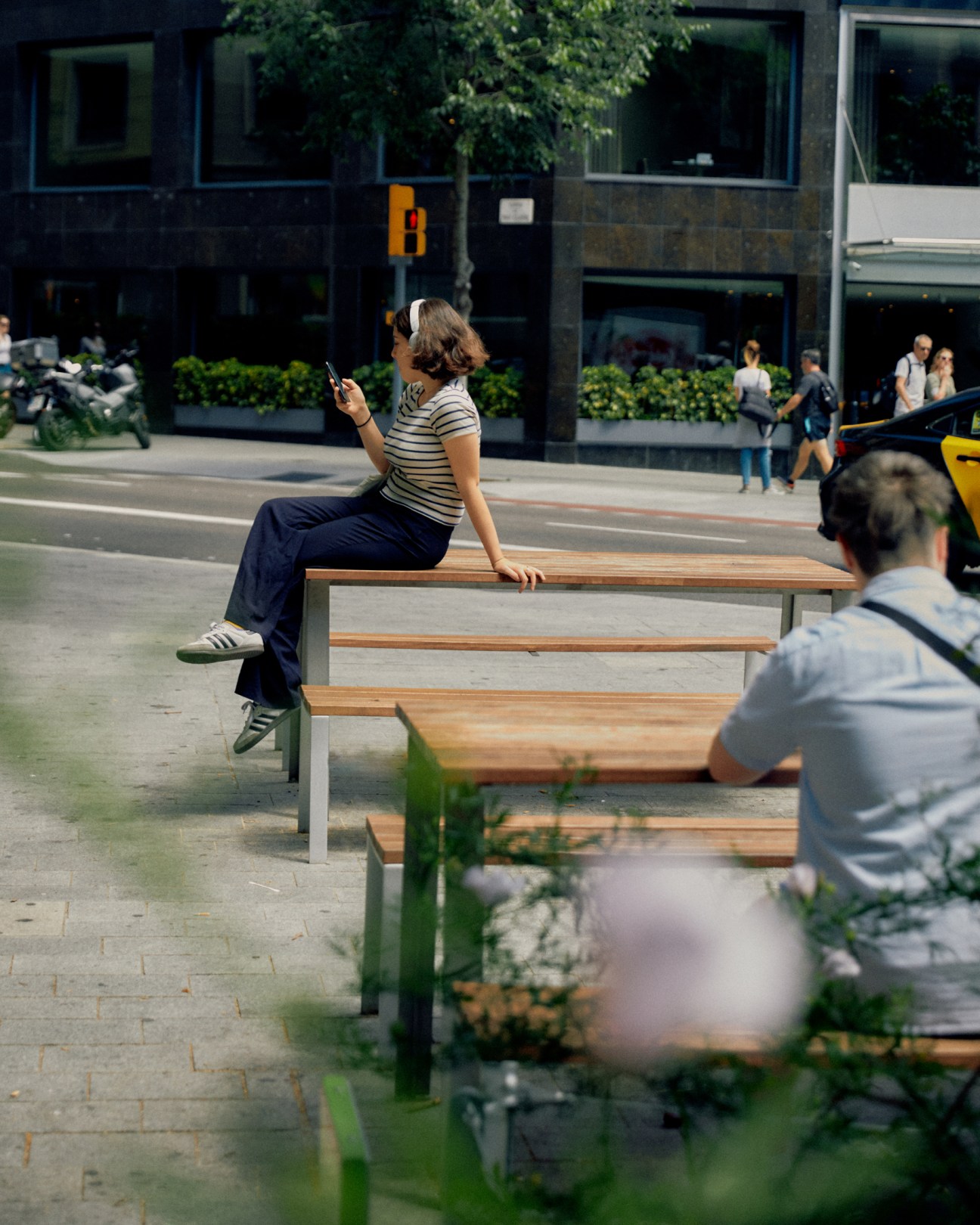
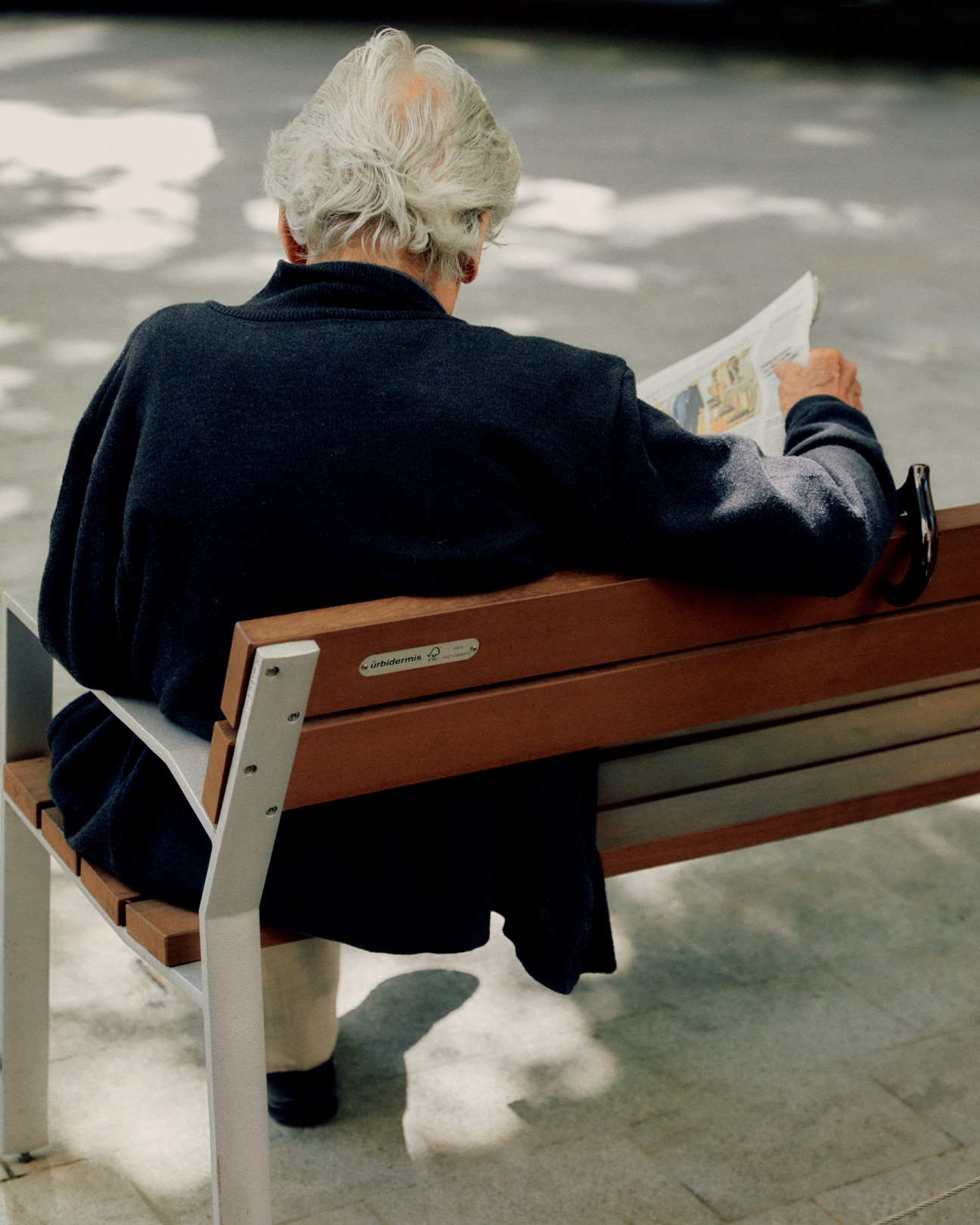
Urbidermis remained part of Santa & Cole until 2018, when it was decided that, to reach its full potential, the street elements division should become a company in its own right. “Urbidermis is focused on the four verticals required to deliver the physical public realm,” says Jordi Muñoz Costin, consulting and innovation director at Urbidermis. “That’s lighting; urban furniture such as tables, planters and benches; microarchitecture, including shade structures; and plants like trees and shrubs.” Delivering these four pillars means that the brand is equipped to provide the physical components a city needs to furnish any public space. It’s something that Urbidermis has been building since separating from Santa & Cole.
However, the link with its parent company means that the first three pillars – lighting, furniture and microarchitecture – were the natural starting point for Urbidermis’s evolution into a full-scale urban furnishing firm. There’s also still some crossover in the designers working for the two companies, the most notable being Miquel Milá.
The Catalan nonagenarian is the creator of both Santa & Cole’s opal-shaped Cesta lamp and Urbidermis’s best-selling NeoRomantico seating from the 1990s; defined by its gently curving legs and seat, it’s a reinterpretation of Barcelona’s 19th-century “romántico” benches. The refined form was inspired by Milá’s experience of watching an elderly man struggle to get up from one of the benches, leading him to create a new wood and aluminium design that was higher from the ground and more upright than its predecessor.


Since its inception, Urbidermis has placed great emphasis on regional manufacturing. Today, 89 per cent of designs are produced in factories less than 200km from its offices. “We’re continually striving to be as transparent as possible when it comes to sustainability,” says Serra. “About 85 per cent of the aluminium we use is recycled and 100 per cent of it is recyclable. Our products were the first to receive cradle-to-cradle certification in Spain, which means that they must be able to be fully recycled at the end of their lifespan to create the same product again.”
When it comes to expanding the range, Serra is keen to adapt existing designs rather than arbitrarily adding new ones. “Urbidermis is focused on helping cities become better connected and more functional,” he says. A big part of this involves working with specialist engineers to create “smart” products. The company has introduced digital elements to its products that can be remotely controlled through its bespoke Urbidata platform, including planters that monitor the status of plants and dispense water from a built-in tank. These innovations not only save water but make for more efficient maintenance and healthier plants. “We’re developing products that can be used to help better manage a city,” says Serra.
It’s a sentiment that Muñoz Costin, on Urbidermis’s innovation side, agrees with and says builds on the company’s first three pillars. “We recognised that the city is at the intersection of technology and nature,” he says. Santa & Cole realised that it couldn’t only embed its lighting, benches and shade structure with smart technology, but it had to go low-tech too – and find a way to deliver on the promise of nature.
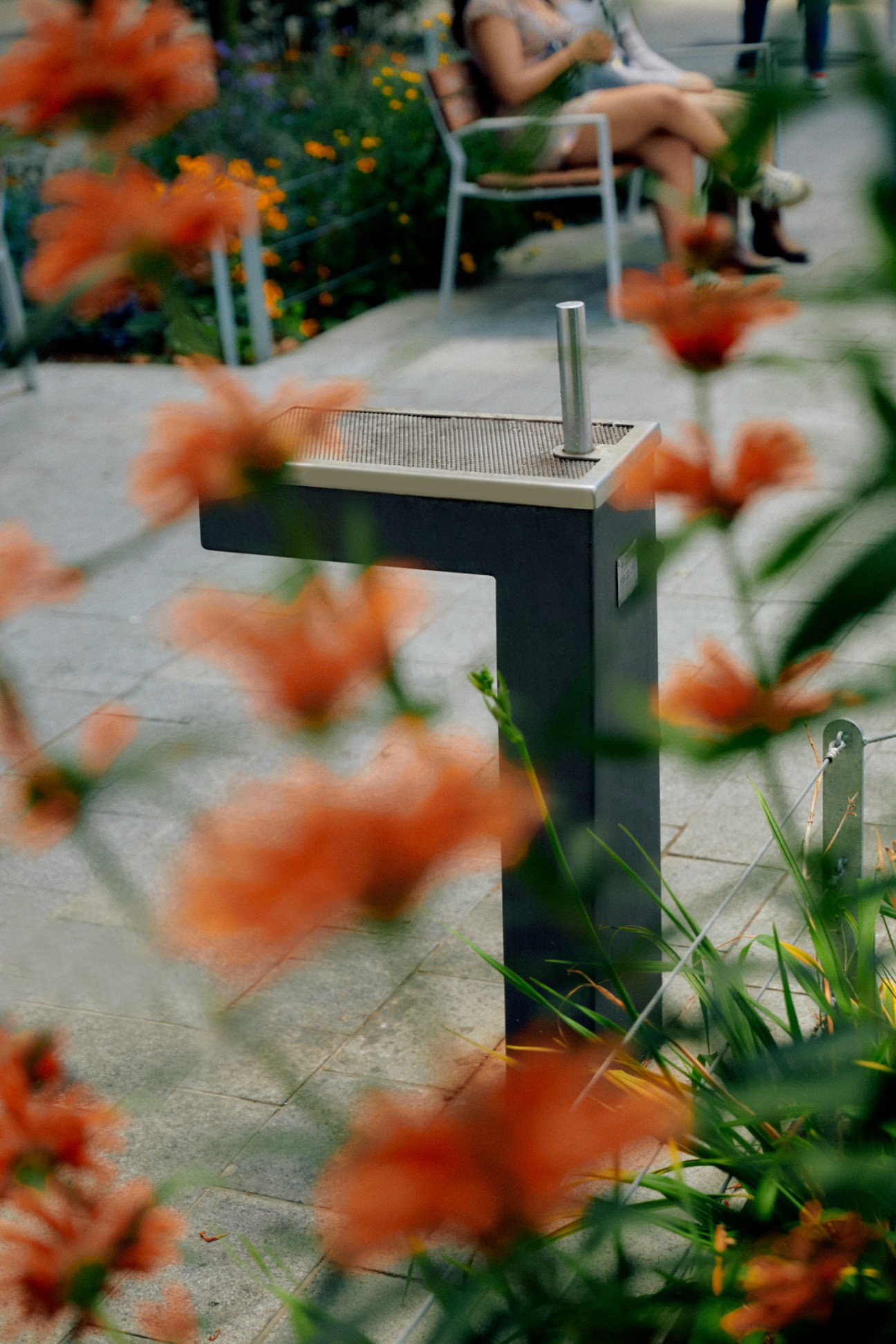
“In 2004 we launched our own forestry division,” says Serra. “Trees are such an important factor in urban design; our range wouldn’t be complete without them.” Today, Urbidermis has a 30 hectare tree nursery adjoining its offices in the Catalan countryside. The trees and shrubs grown here are cultivated in a low-impact manner – sheep are brought in on a regular basis to chew up weeds and no pesticides are applied – before being sent to city streets across Spain and southern France. The company also offers a consultancy service to assist planners in picking the right tree for a particular urban landscape. “If you take an oak tree from the Collserola park that surrounds Barcelona and move it just one kilometre into the city, it will die,” says Serra. “The soil is different. Pollution is different. The temperature is different.”
For years the company has been working with specialists to study the vegetation that works best under different kinds of urban conditions. Today the nursery grows everything from Japanese pagoda trees (a leafy variety capable of withstanding high levels of heat and dryness) to lofty London planes – a deciduous tree that has already been shading city streets across Barcelona for more than a century.
“We’ve compiled all our know-how to recommend specific trees to certain cities,” says Serra. “We believe in spreading knowledge. Good practices should be shared.” It’s an appropriate Olympic-year outlook for a brand that was founded in anticipation of a Games in its hometown – an event that’s all about sharing one’s talents with the world.
Even keel: Y Yacht’s latest sailboat balances beauty and performance
It’s a balmy day on the Balearic Islands when Monocle steps onto the pier at Pantalán del Mediterráneo marina in Palma de Mallorca. Here, Danish architect David Thulstrup is standing alongside the latest launch from German shipyard Y Yachts. “I spent my childhood on the harbour, just outside Copenhagen, so being on a marina is very, very familiar,” he says, walking along the gangway and onto the deck of the Y8, which he has just finished working on. “But I sailed small boats when I was a kid, so this type of boat is very different. It’s quite impressive.” Impressive, indeed. This 80-foot (24-metre) sailboat, constructed at Y Yachts’s manufacturing facilities on the Baltic Sea, boasts a hull made entirely from carbon fibre. It’s a lightweight construction that lessens the reliance on engines and allows easy sailing, even in the light wind conditions typical of the Mediterranean.
“On the deck, it’s all about racing: you lift off the sunroof above the outdoor banquette, pull up the windshield and unfurl the sails, and suddenly you have this machine built for speed,” says Thulstrup. The yacht can cross the Atlantic and will be used to race in regattas around the globe. “Everything has been considered with ease of performance in mind. The Y8 even has two steering wheels, so that the captain can control the yacht from the point with the best visibility.”
Despite his youth spent on the harbour and his appreciation of the performance capabilities of the Y8, Thulstrup was called in to work on its lower deck. The Copenhagen-based designer is the latest in a line of creatives, which include Denmark’s Norm Architects and Pritzker Prize winner David Chipperfield, to collaborate with Y Yachts. Thulstrup was briefed to give the interiors a sense of generosity not typically associated with the cabins of racing vessels.
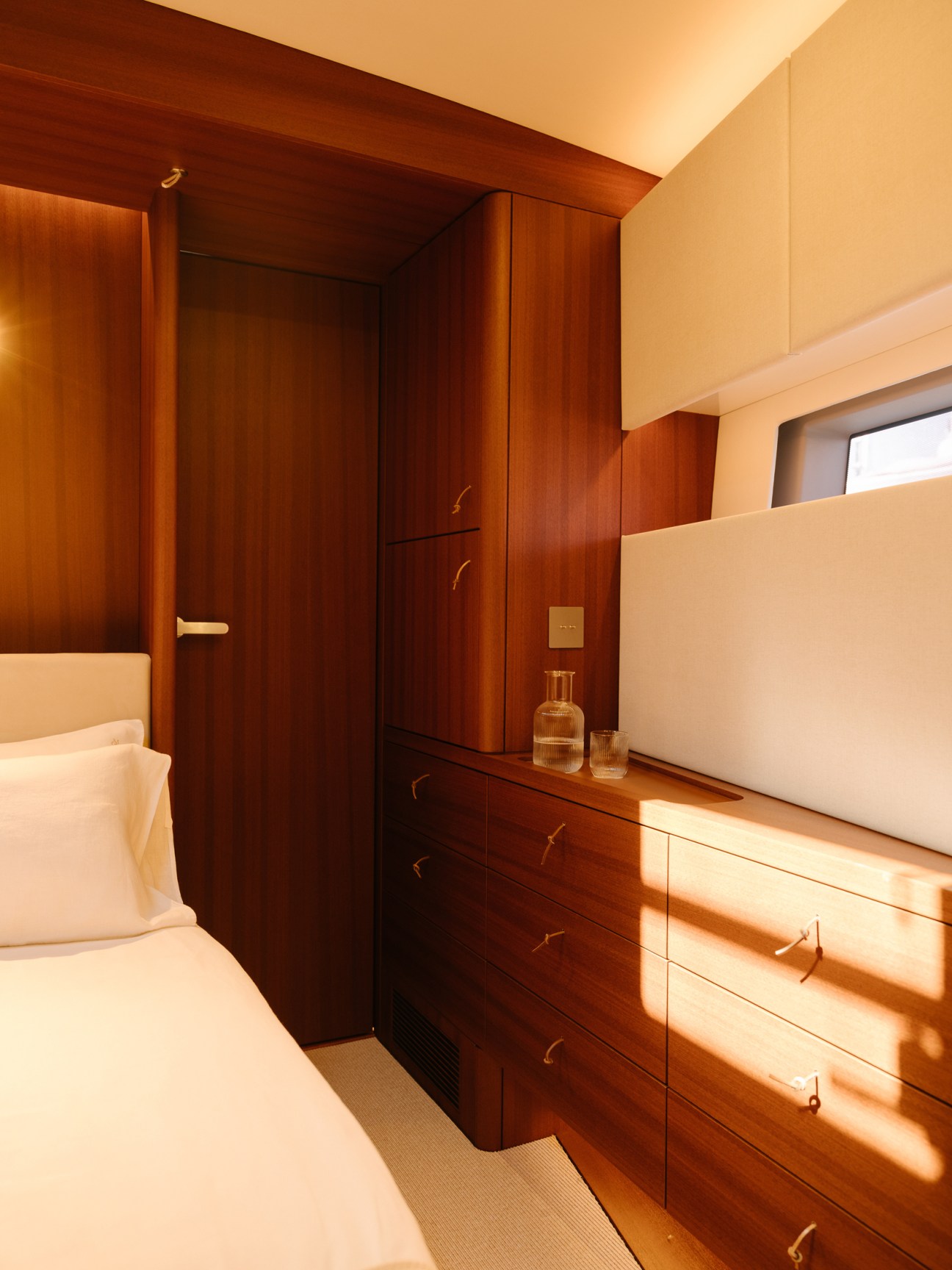
“The aim was to give the yacht a residential feeling rather than a typical yacht or racing boat feeling,” says Thulstrup. “So the first step was looking at how we could lay the space out so that there was a sense of openness.” The initial move was to create an open-plan living area in the centre of the yacht: on walking down the stairs and into the cabin area, you enter a generously proportioned salon-like space rather than being squeezed into a warren of hallways that typically lead to bedrooms.
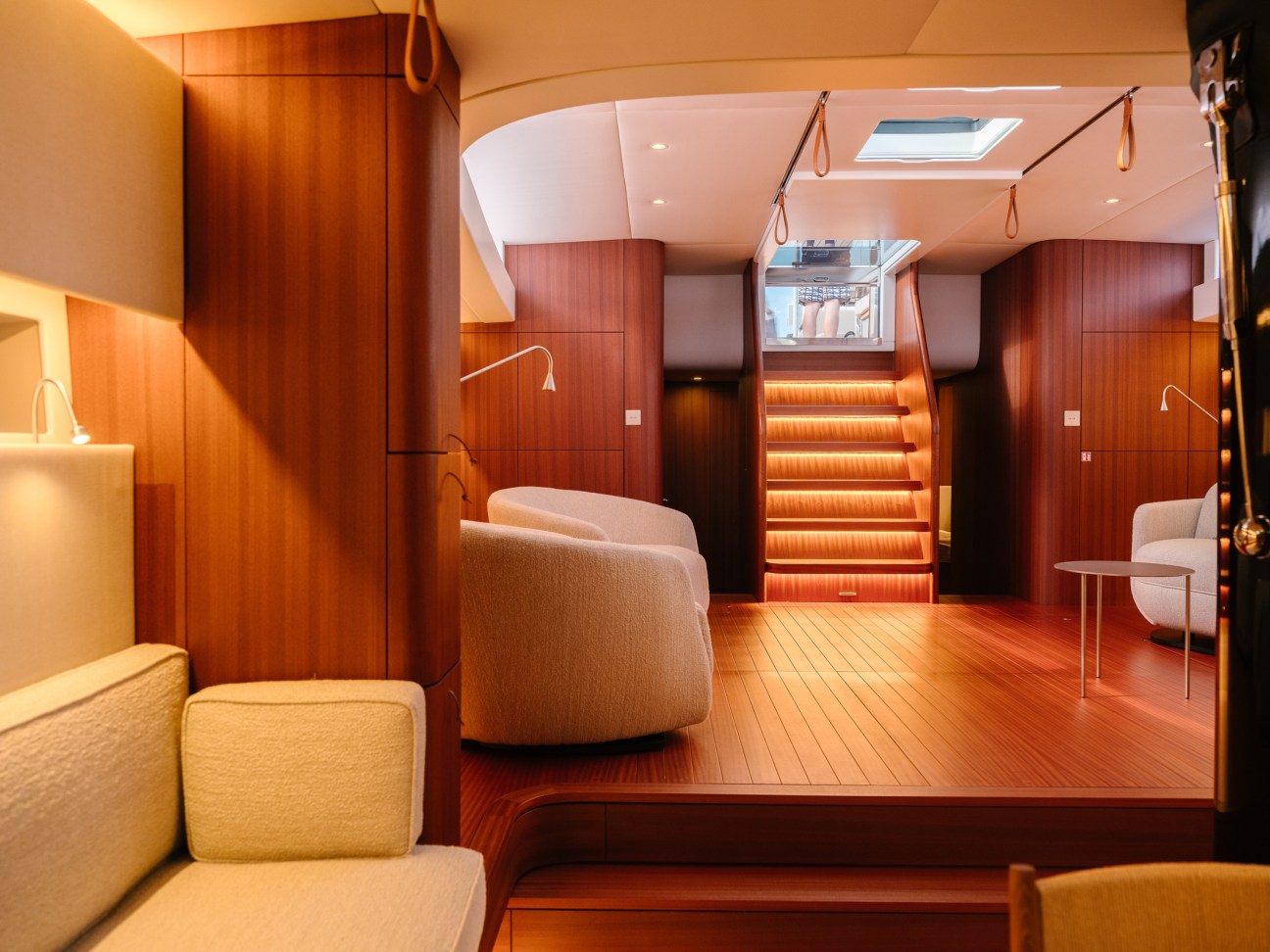
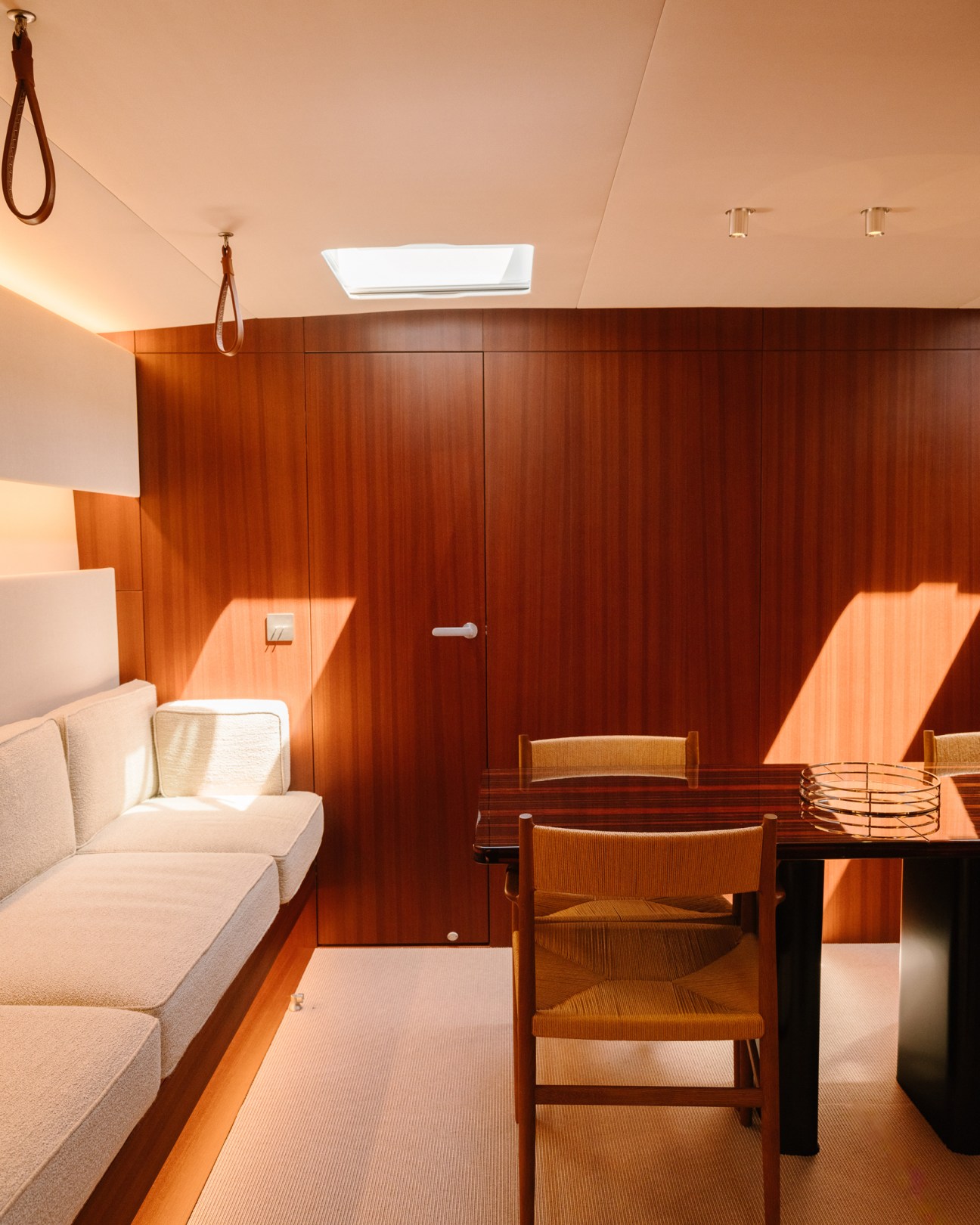
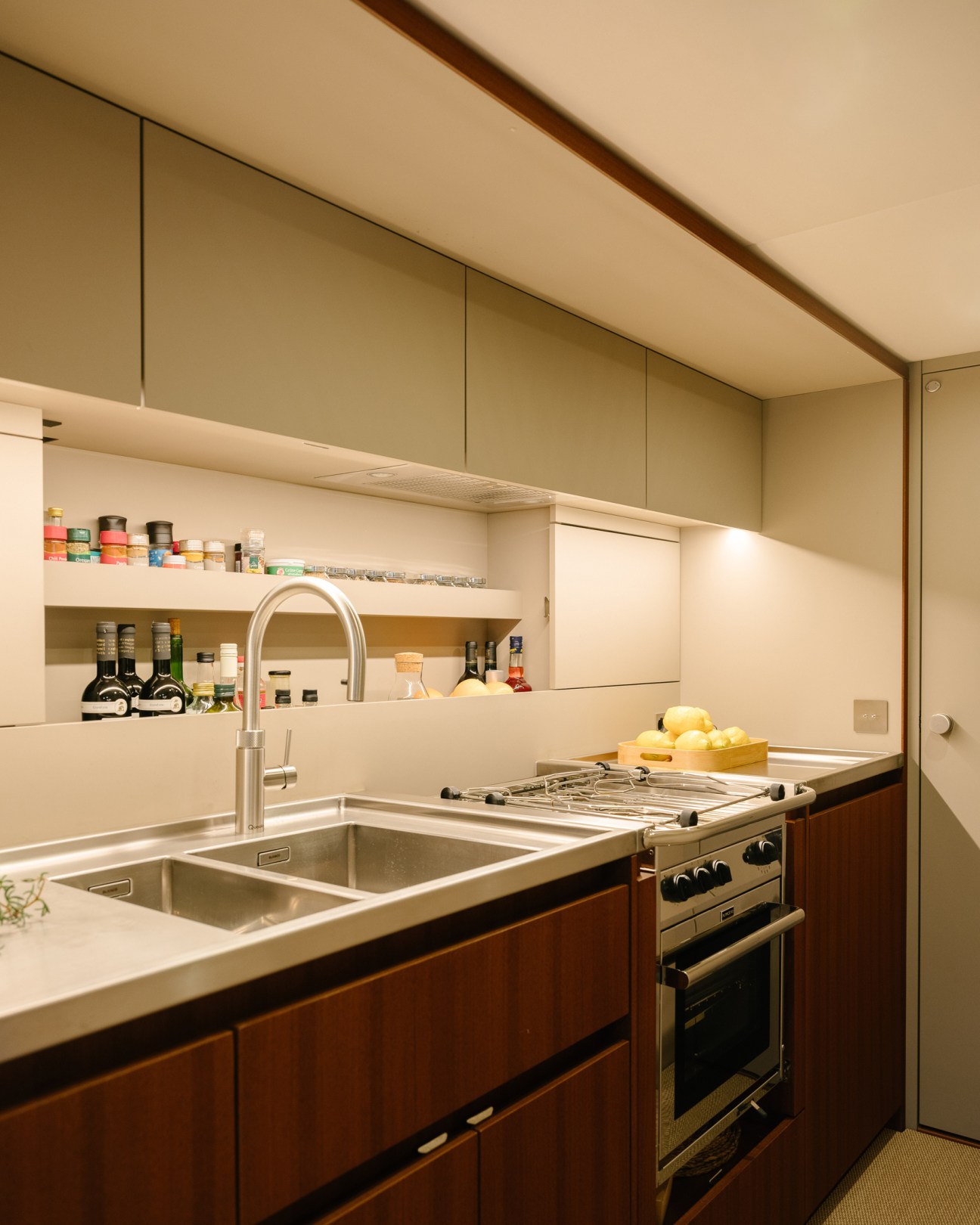
The sense of domesticity was enhanced by a decision to introduce freestanding furniture. “By having everything built-in, a yacht can become very stagnating because there’s no flexibility,” says Thulstrup. Instead of the typical banquettes and benches built into the walls of the launch, a bespoke Thulstrup-designed dining table sits proudly alongside the mast where it comes through the salon and there are also four Brdr Krüger Arv chairs are set (when the yacht is on the move, these are held in place with straps that prevent them from sliding across the floor). Two armchairs and a sofa, which sit on runners and can be fixed in place while sailing, add to the homely atmosphere, complementing Kasthall carpets and bespoke cushions in Kvadrat textiles.
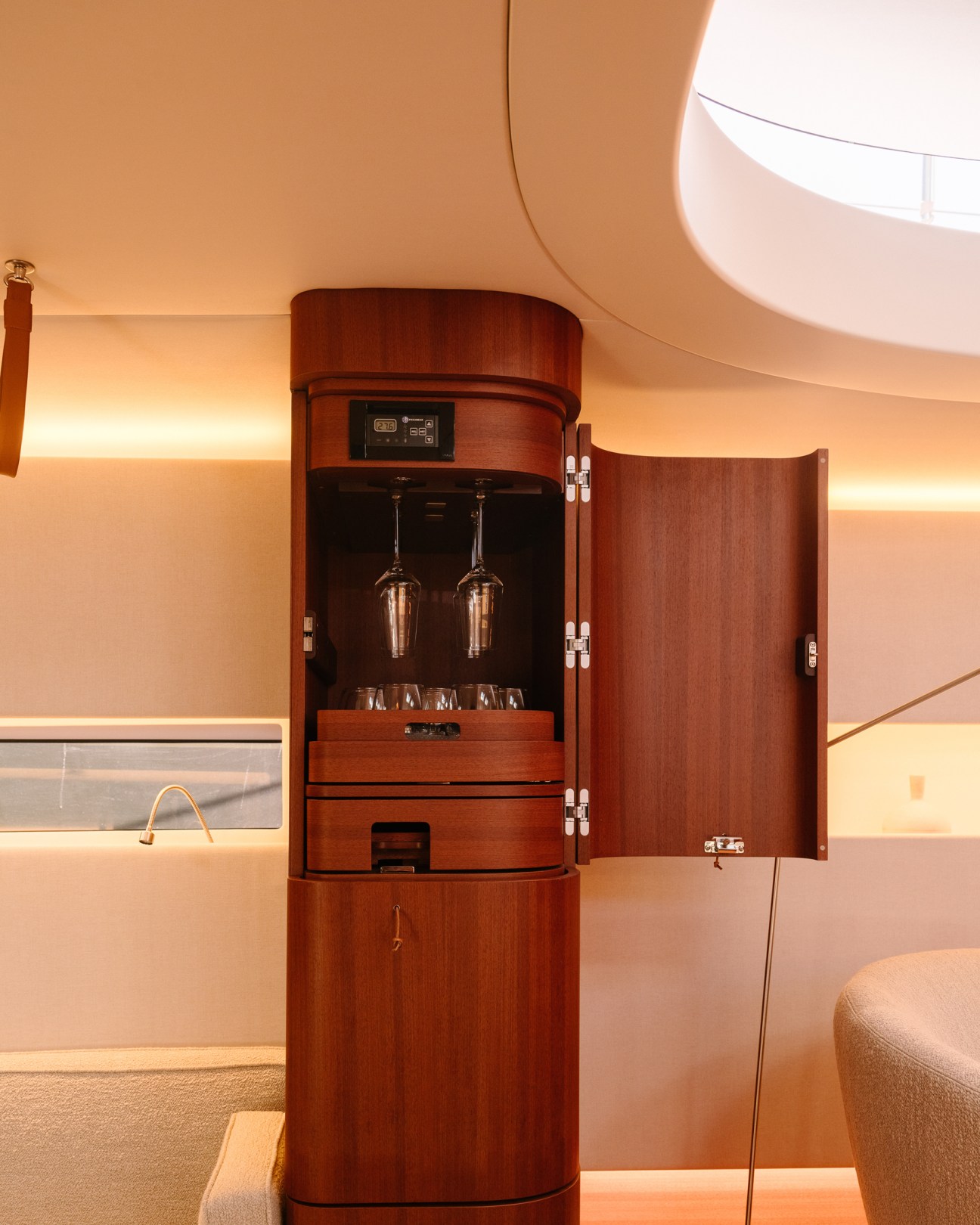
“If the upper deck is all about performance, then the lower deck is all about quietness,” says Thulstrup, adding that the mix of materials was a key consideration too. Matt-finishes typically associated with domestic environments were used to complete the space, with cedar-veneer on the floor and walls, and solid mahogany on the steps and handrails. “When you’re up on the deck, everything shines and shimmers, reflecting the water, which means that, visually, there’s always something going on,” adds Thulstrup.
“We wanted to create a sense of relief for your eyes below deck. When you’re sailing across the Atlantic for three weeks, it’s extremely important that you have a space that helps you feel grounded and calm.”
The project wasn’t just about translating Thulstrup’s residential design language into a new environment – the fit-out needed to be engineered for travelling at speed too. “It means that we were always looking for a balance between material weight and strength, and beautiful design,” says Francesca Modica, leader of Y Yacht’s in-house design team. “We are always trying to make everything as light as possible.” Modica holds master’s degrees in architecture and yacht design from Politecnico di Milano and worked closely with Thulstrup on the creation of a fit-out for the Y8 that balanced aesthetics with performance. The duo developed custom cabinets, cupboards and drawers that discreetly lock when closed, so that their contents don’t fall out when jostled by the open sea. “A yacht is a home and it’s a product,” says Modica. “You need to study every detail, like it’s a product you’re developing. But you also need to be able to live in it like a home.”
The analogy is a reminder that designing a yacht really is about balance. It’s about finding an even keel between beauty and performance; between time in the marina and on the ocean; and between speed and stillness. “There’s a different relationship with time on a yacht,” says Thulstrup. “It’s all about waiting – waiting for the right weather, for food and supplies. It’s very much about coming down in tempo as a human, and even though the Y8 is a racing boat designed to go quickly, you need to have a calm space to balance that out.”
When Monocle departs, the Y8’s crew are preparing for a voyage across the Atlantic – just how quick they make the crossing depends on a host of factors beyond their control. So it’s a good thing that Thulstrup designed a space that finds a happy harmony between the need for speed and the ability to comfortably pass time too. Bon voyage.
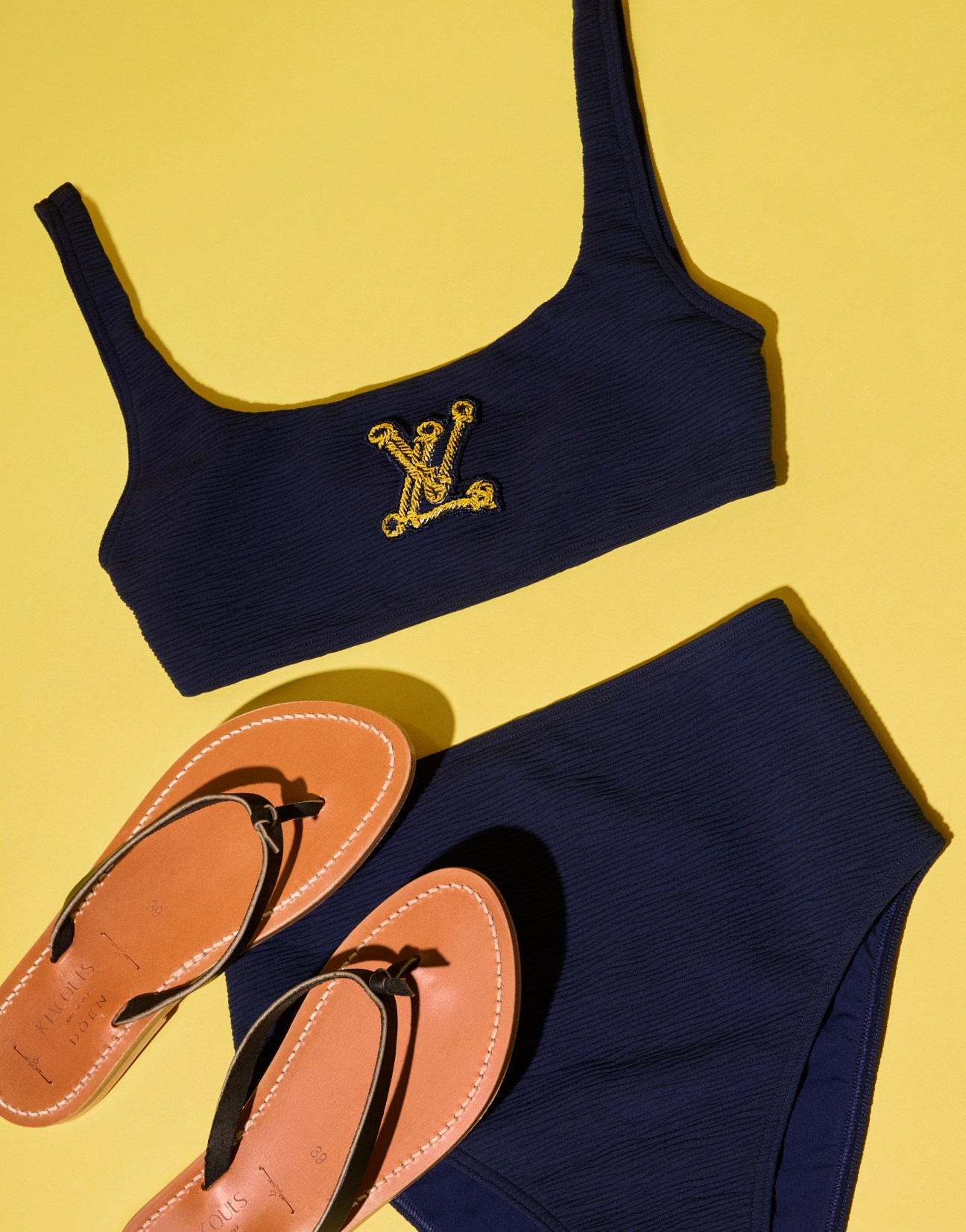
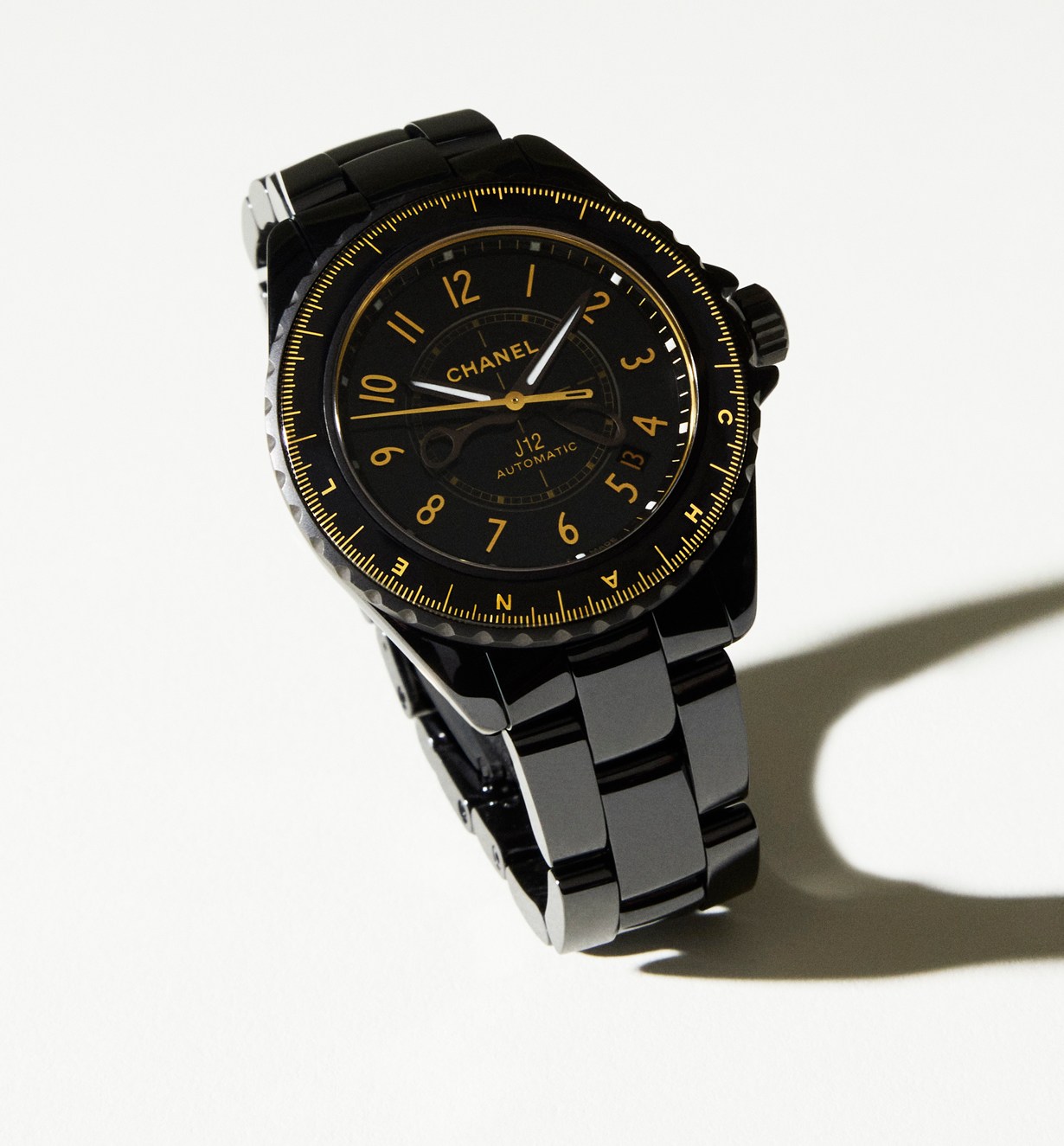
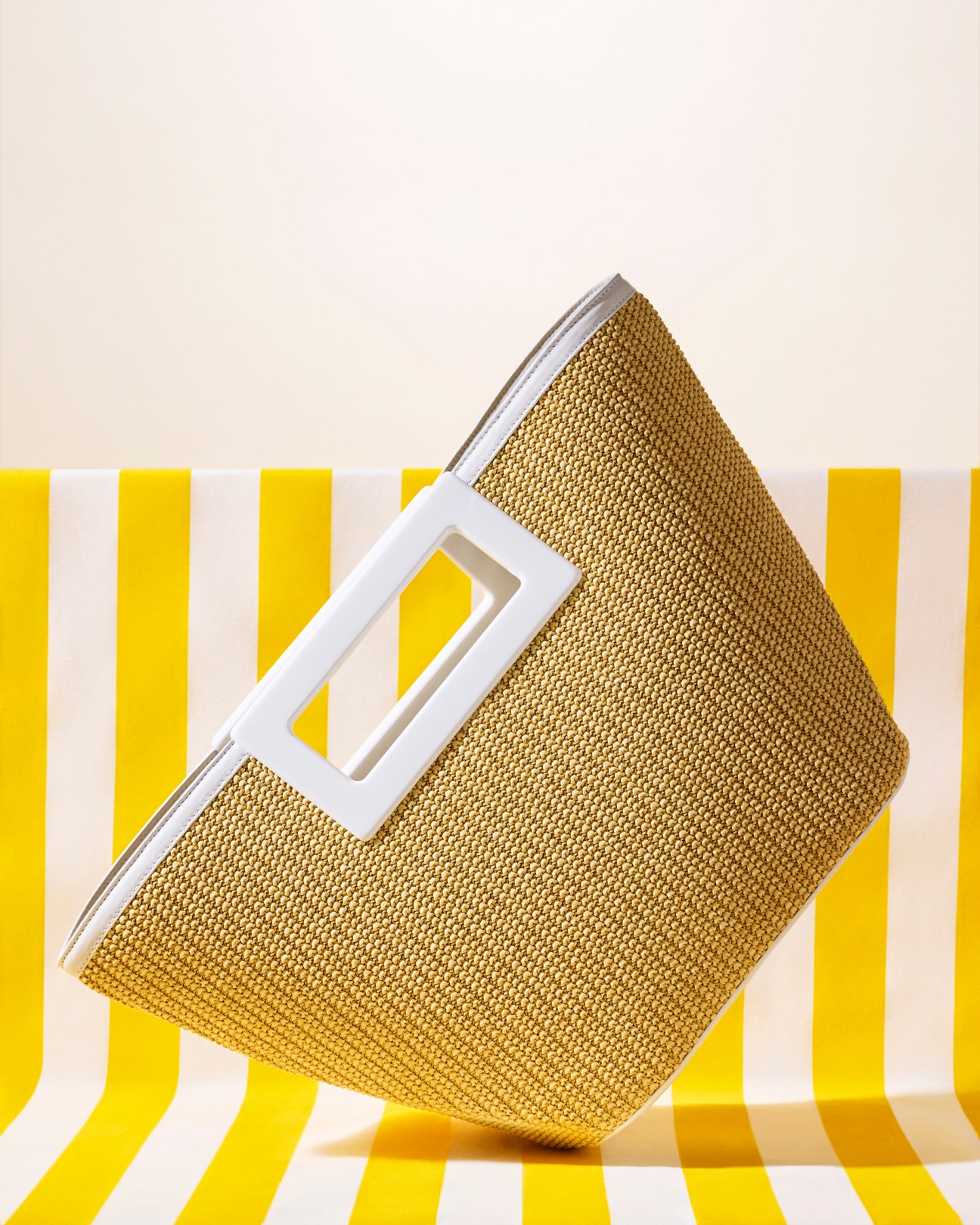
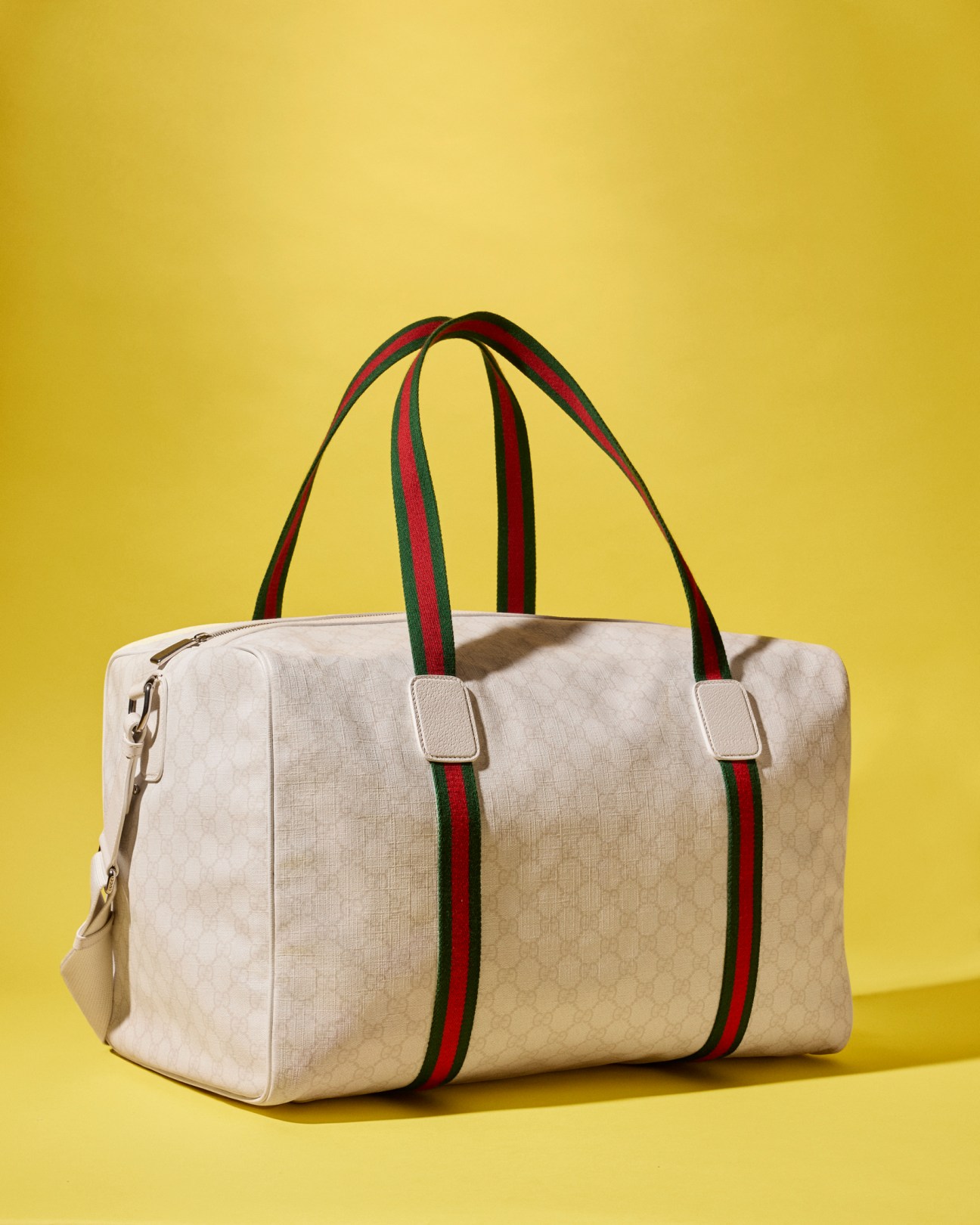
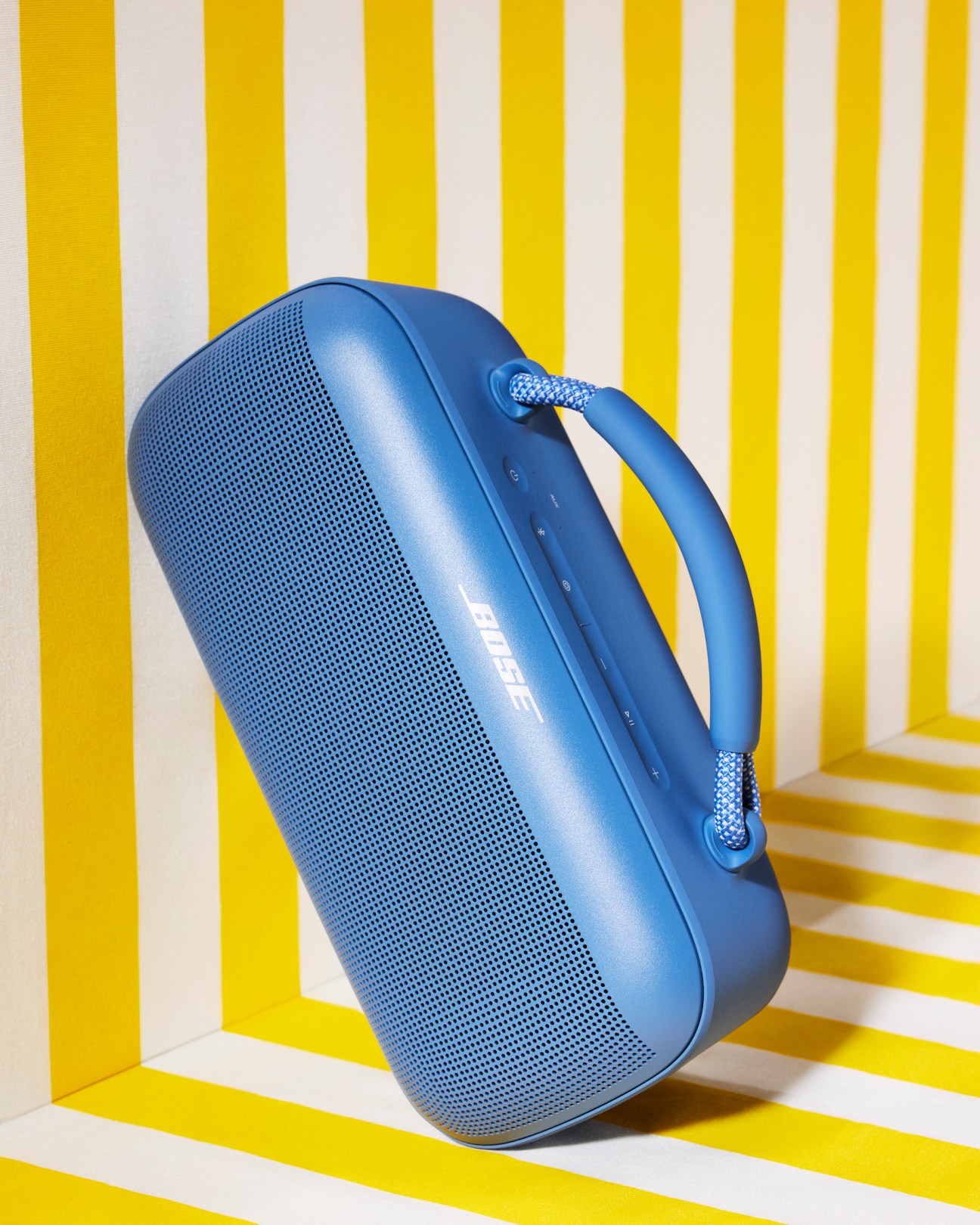
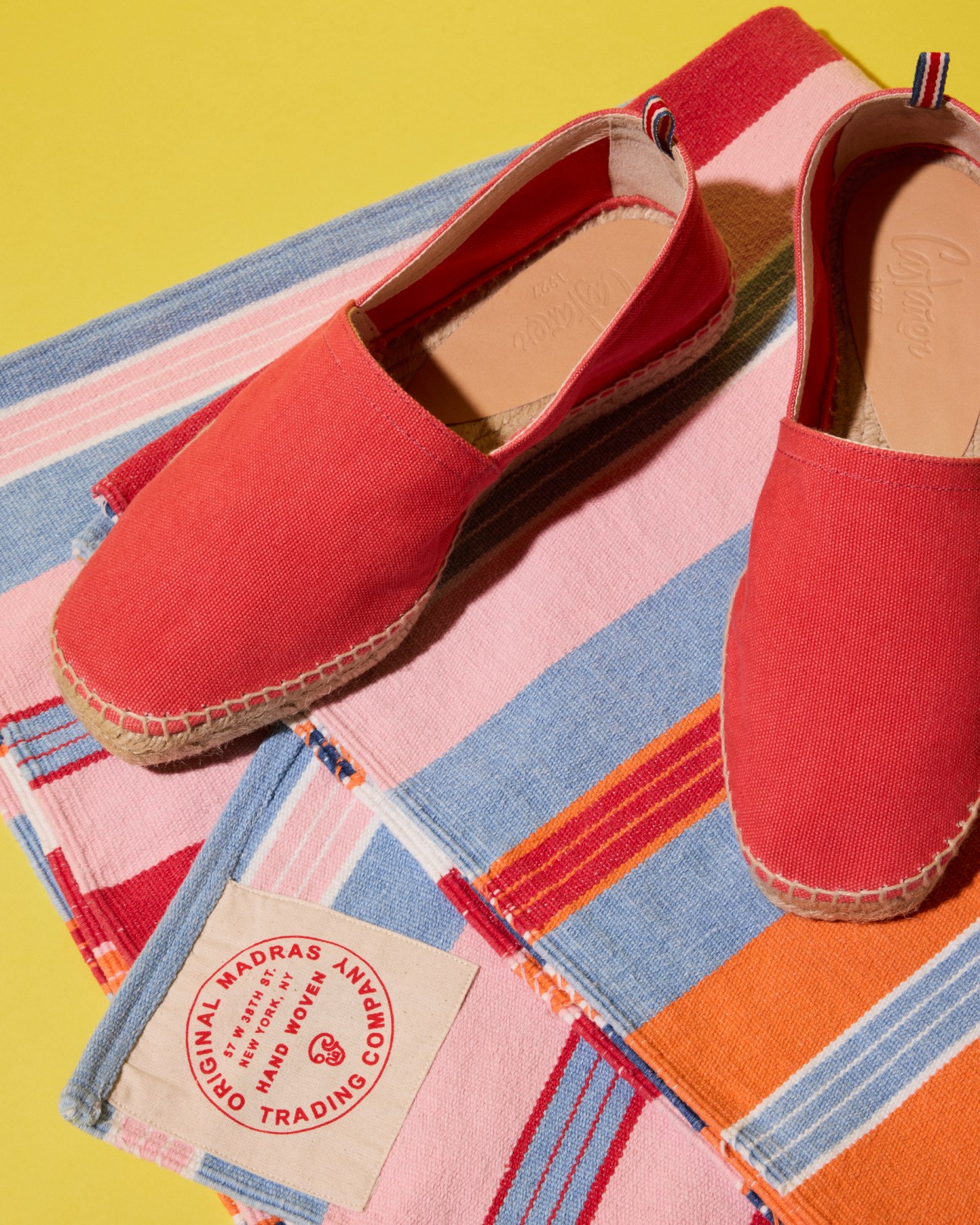
Shore things: Colourful accessories that’ll have you beach-ready


Close quarters: What are the defining factors of a liveable urban area?
1.
Fremantle, Australia
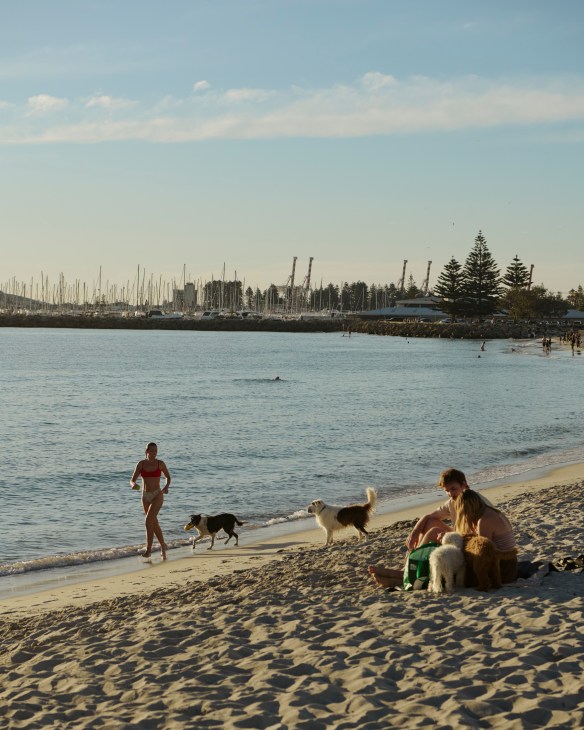
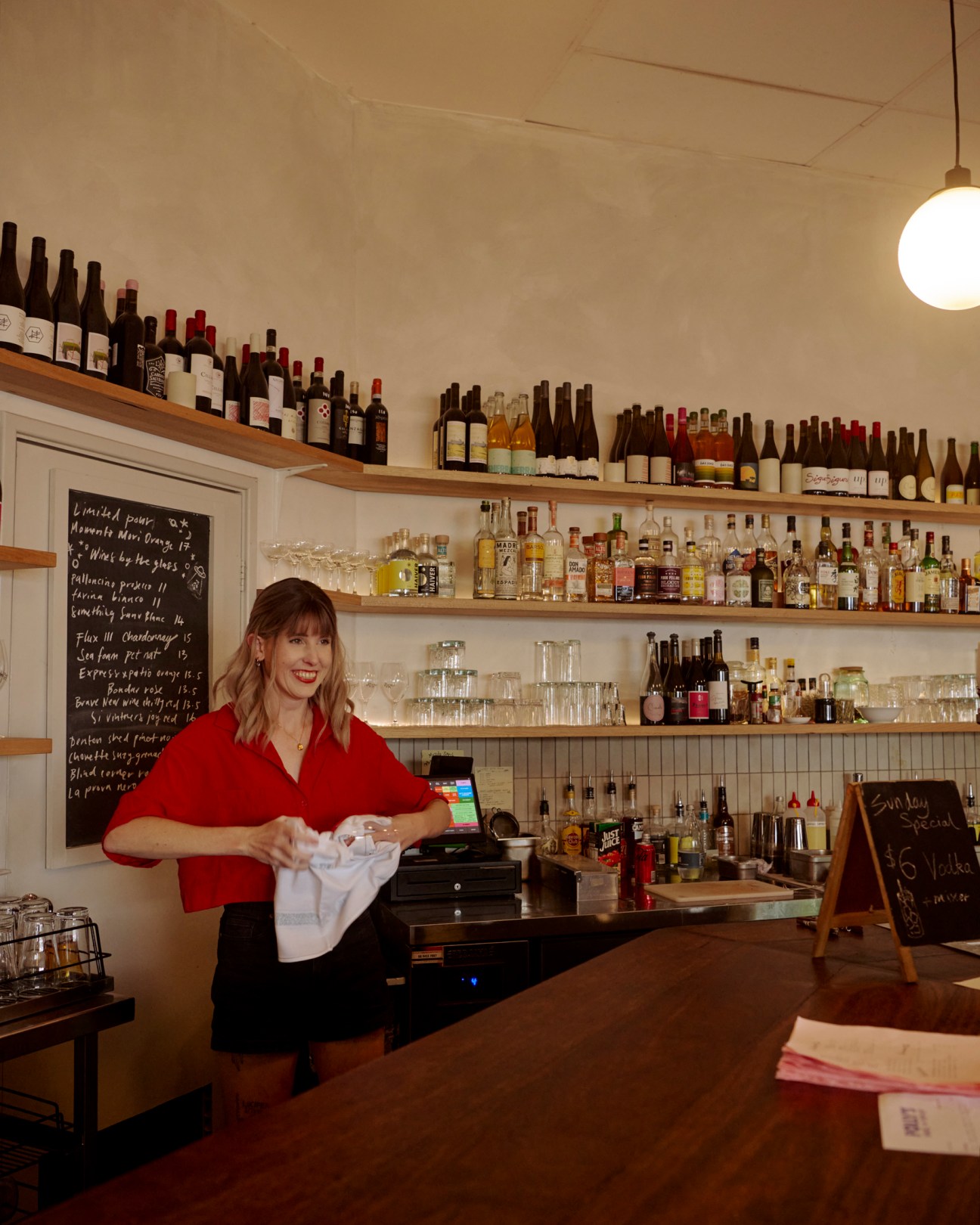
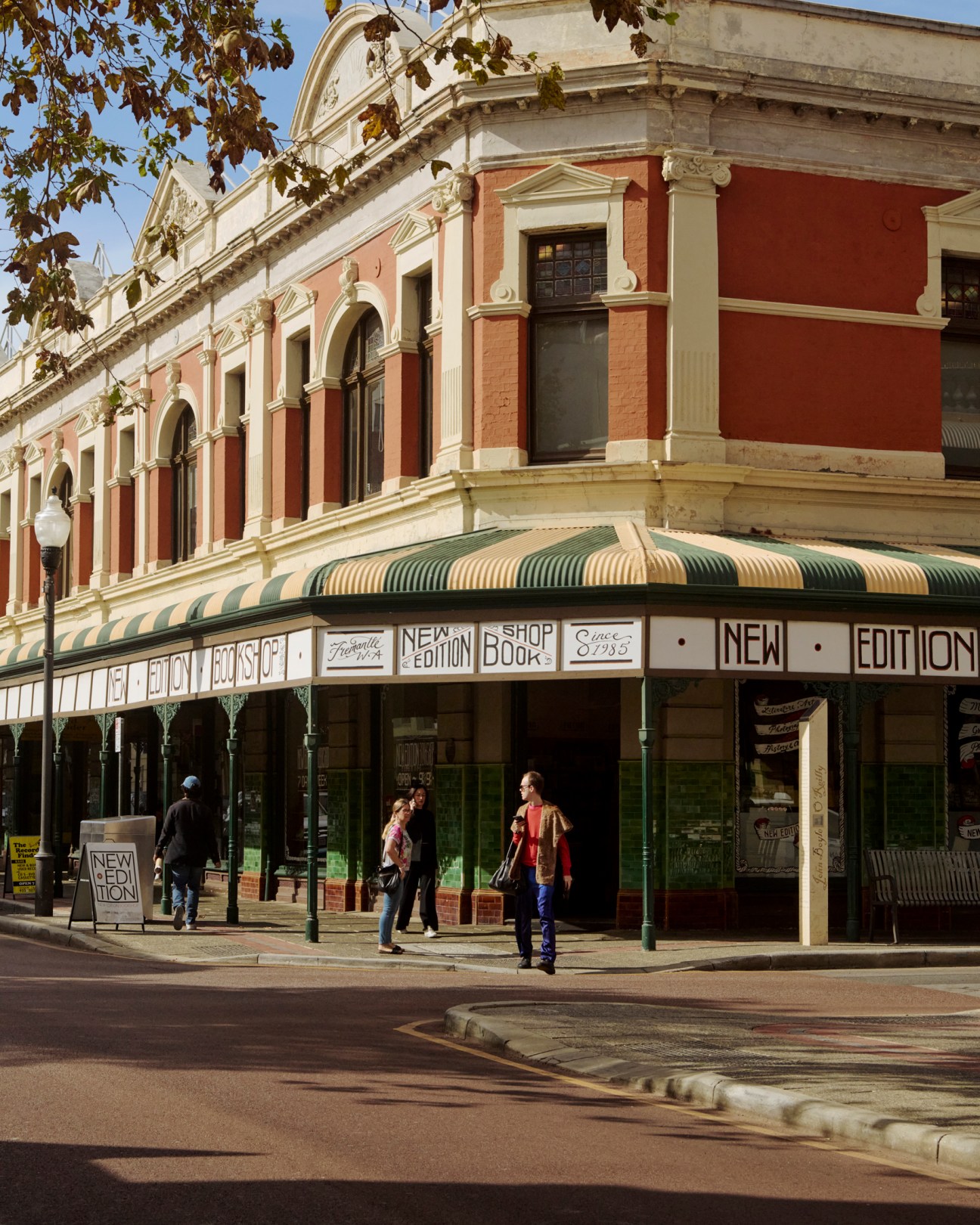
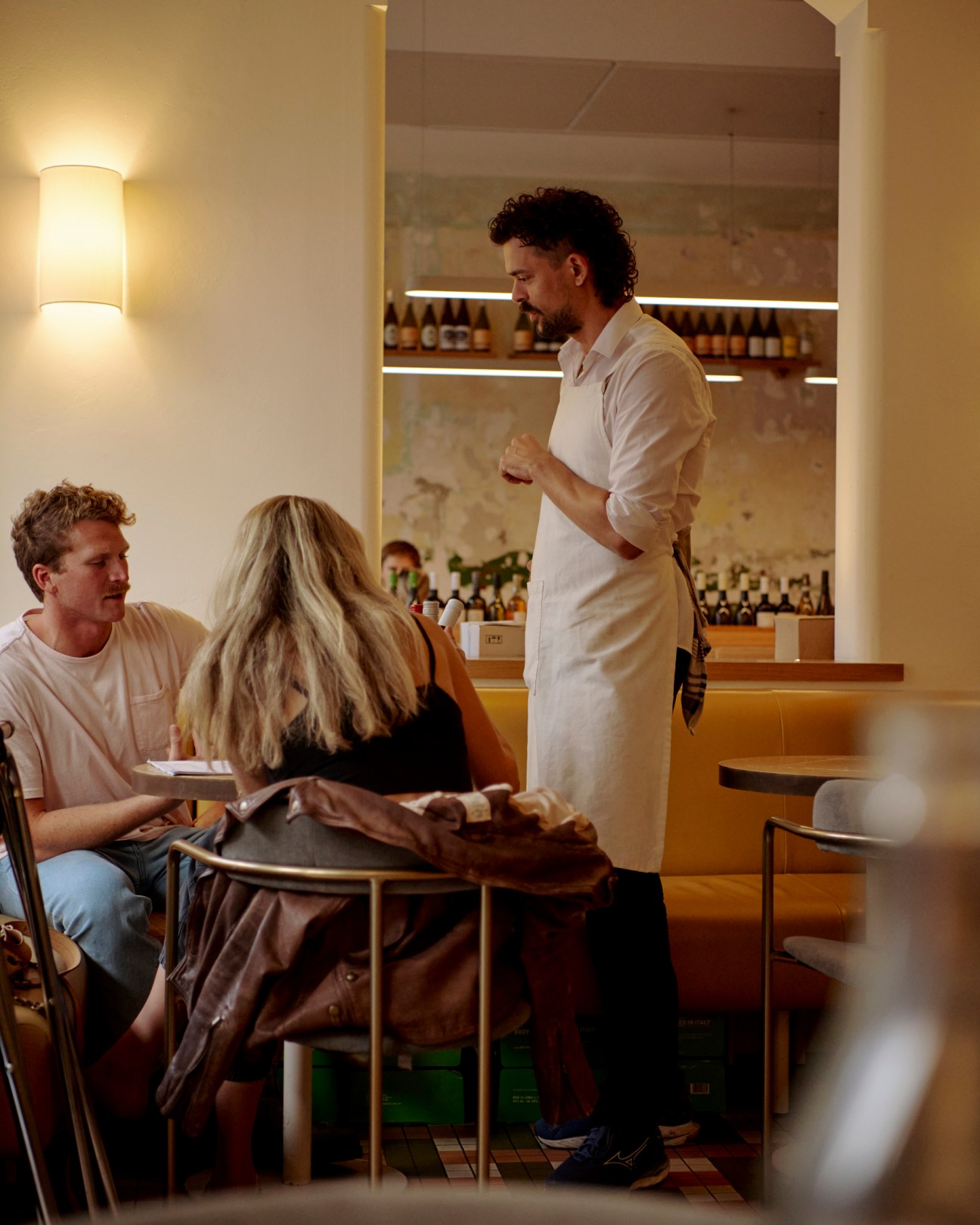
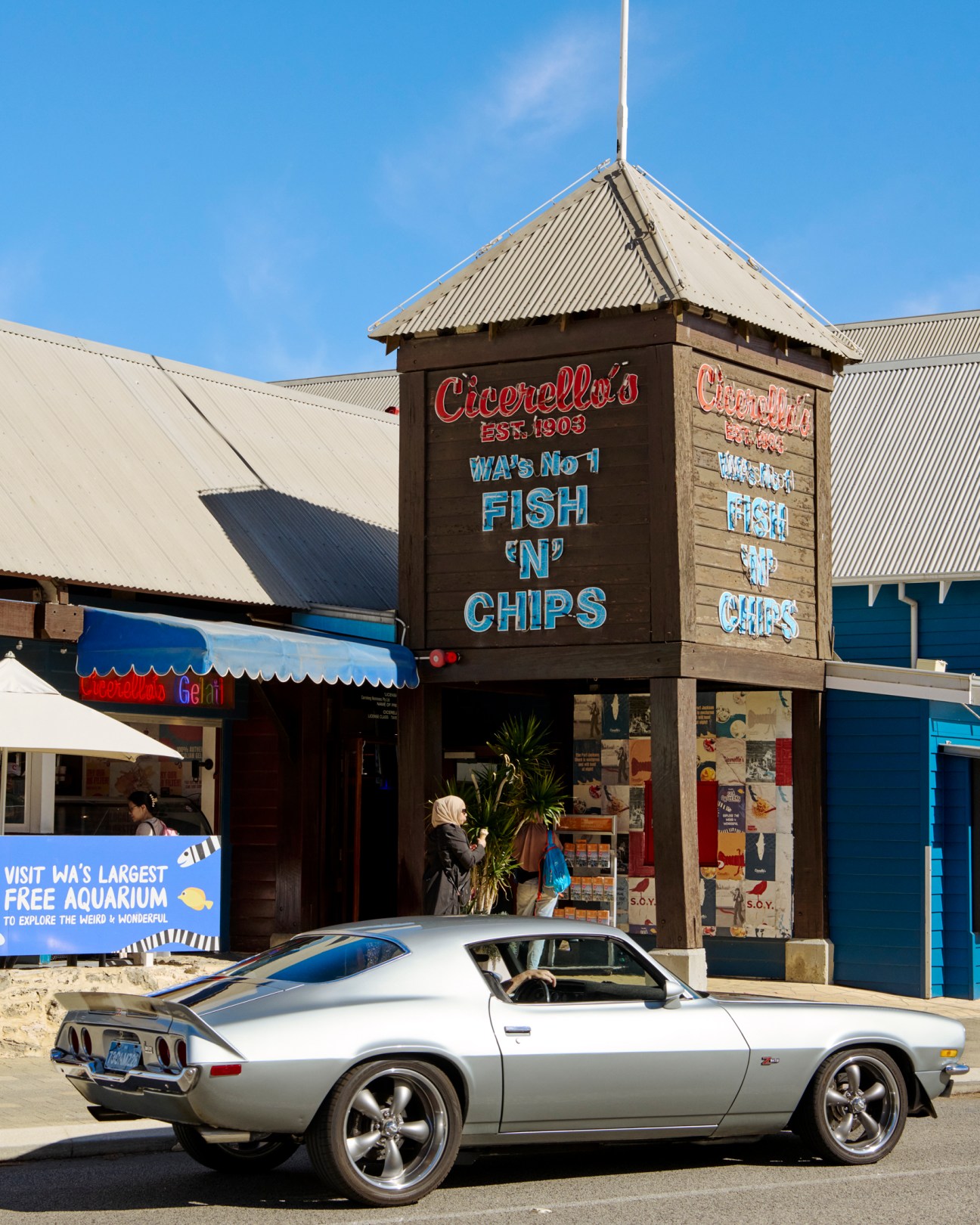
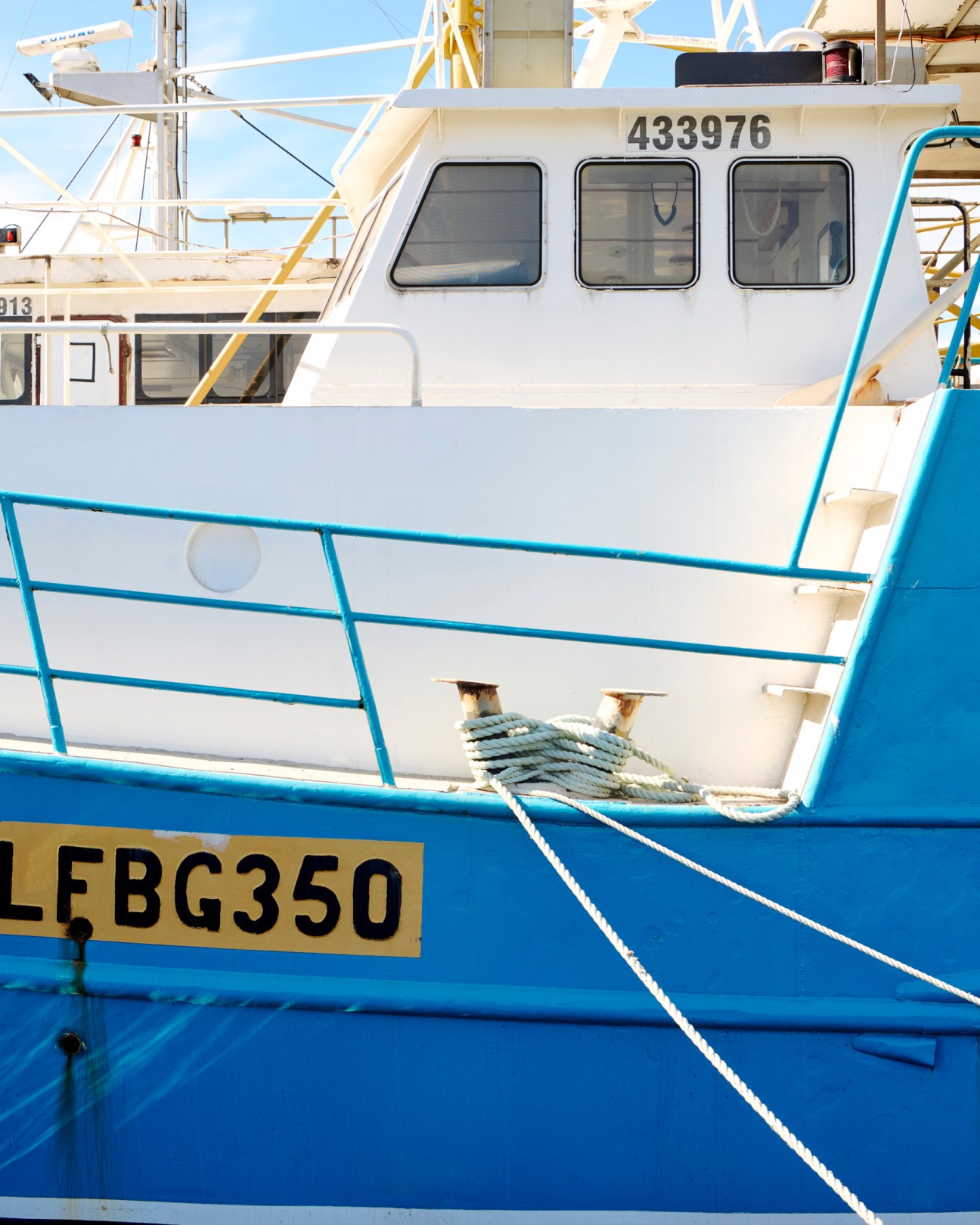
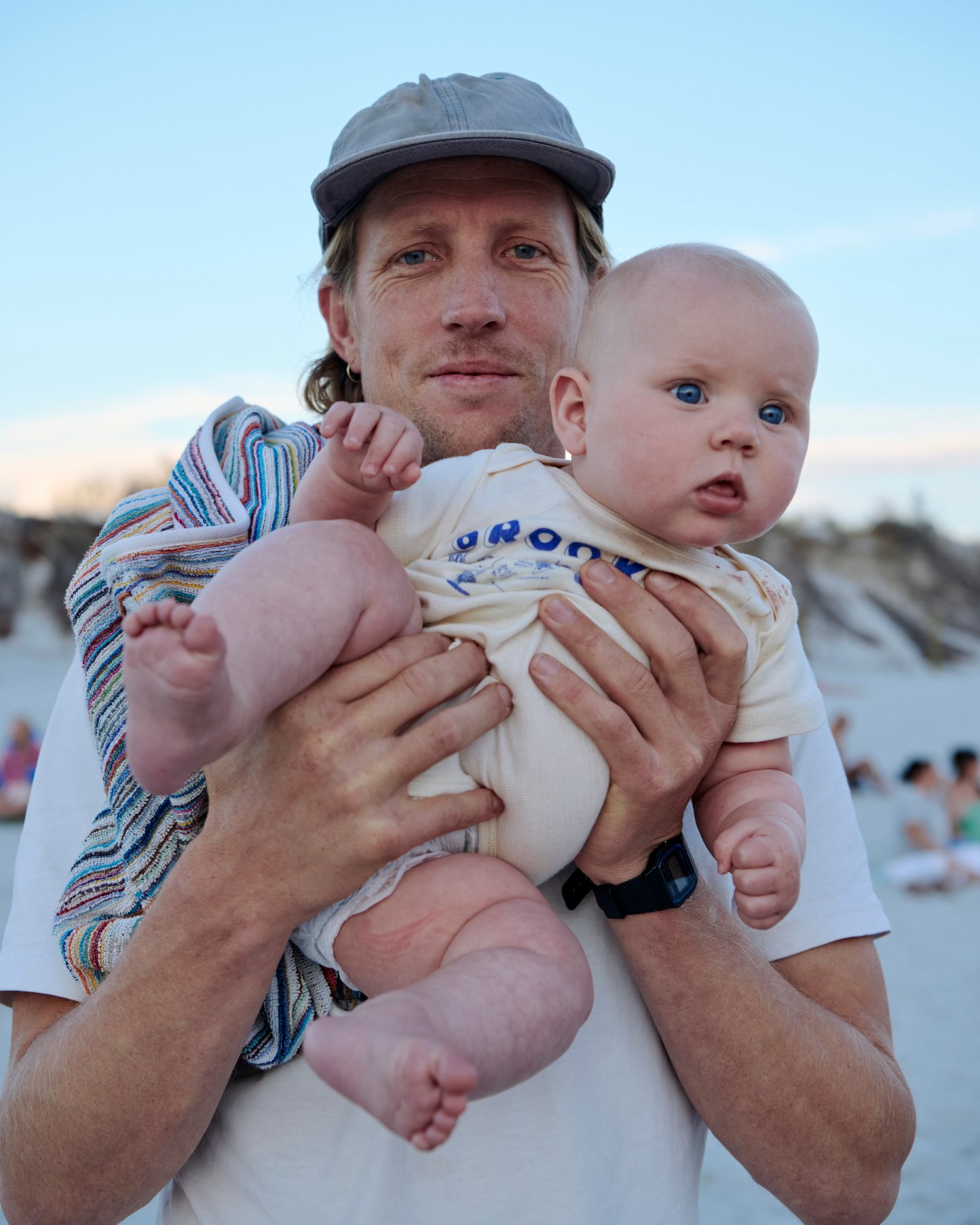
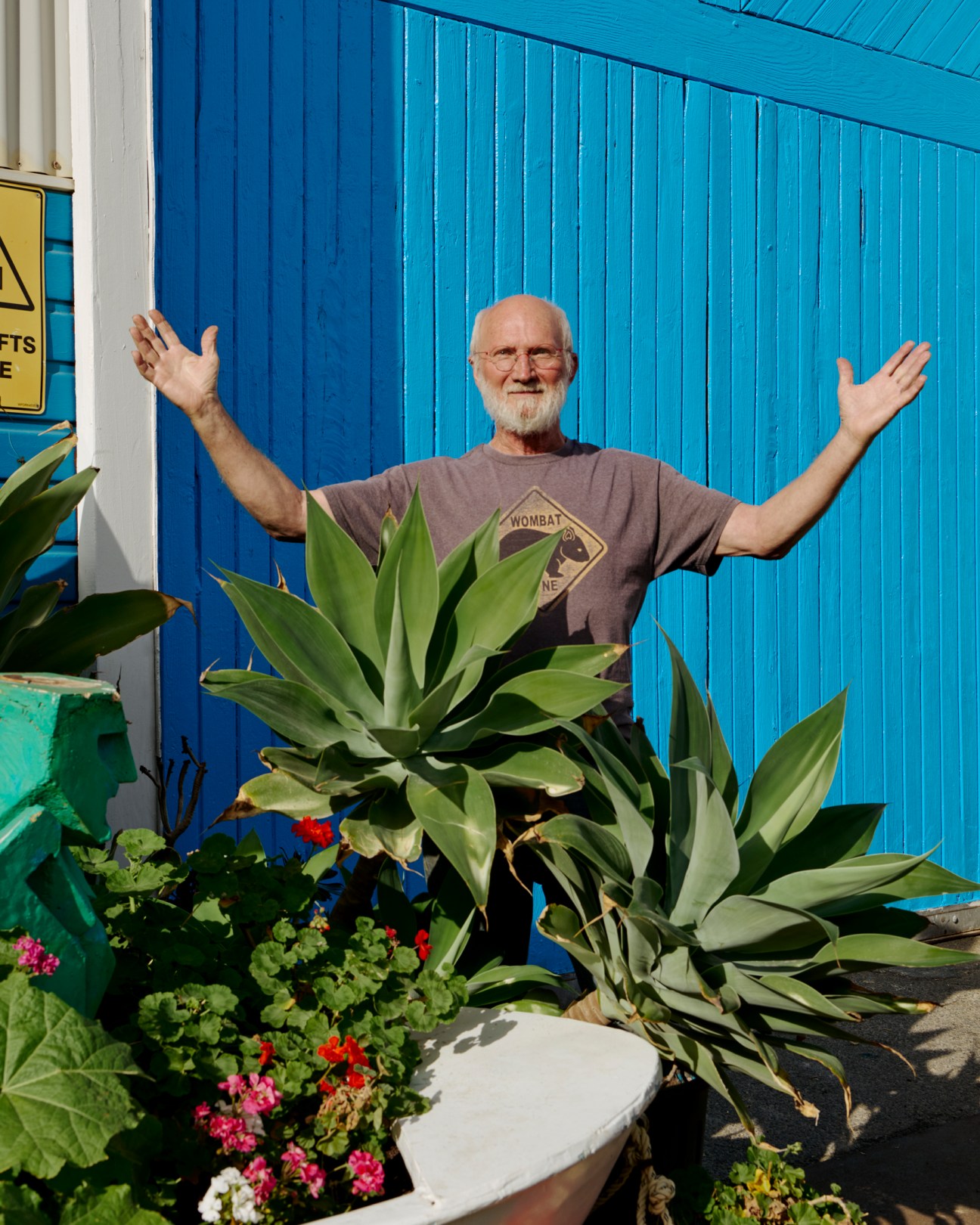
Western Australia’s Fremantle – or Freo (“Free-O”) as it’s known – may technically be a suburb of Perth and its port, but the area’s distinct history and tight-knit creative community make it a place unto itself. While the 30,000 or so people who live here affectionately describe Fremantle as a “bubble”, downtown Perth (30 minutes away by car or train) is a place to venture only if strictly necessary. “It’s like a small town where everyone knows everyone,” says Blaze Young, executive chef at Nieuw Ruin, a restaurant on Fremantle’s Norfolk Street. Young was born in Fremantle but grew up “way out in the bush” and moved back as an adult. “This is a really beautiful, open and welcoming community. There are no downsides.”
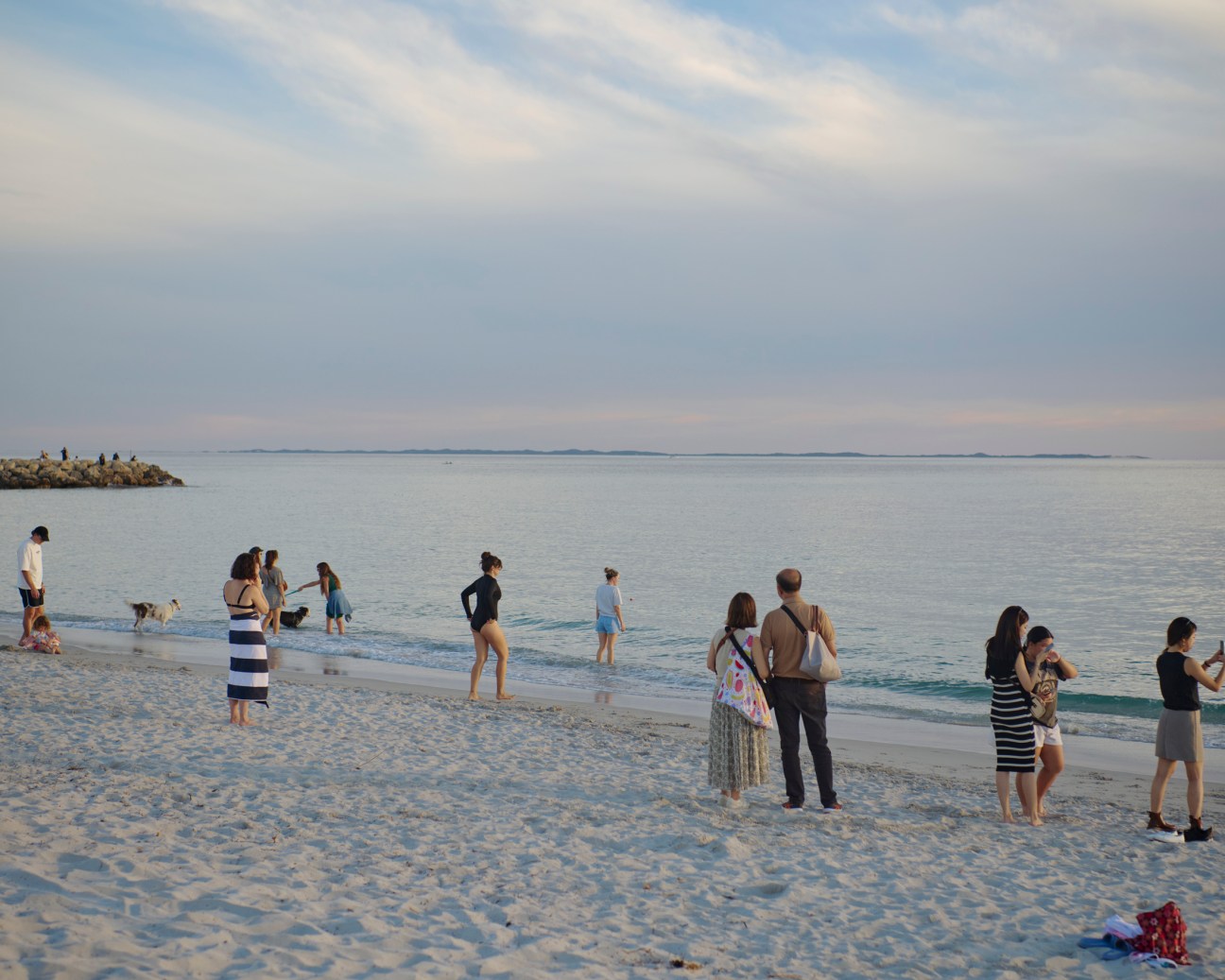
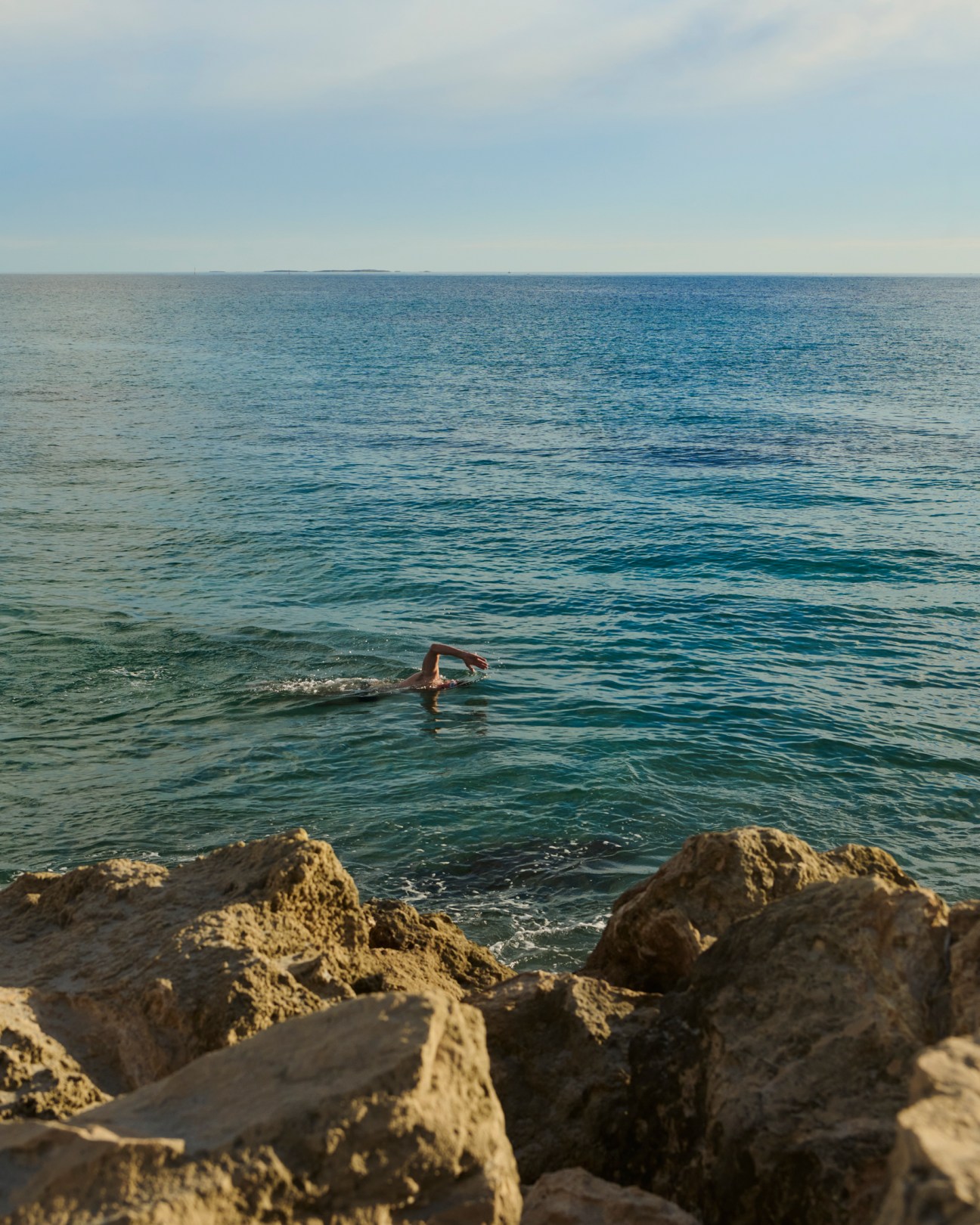
Fremantle’s beautifully preserved Victorian and Edwardian architecture points to its heyday as a 19th-century maritime hub and there’s a mix of colonial red-brick houses, ornate wrought-iron balconies and gothic revival-style churches. Bricks-and-mortar retail is thriving too: the high street is a bustling mix of cafés, wine bars, bookshops, fitness studios and art galleries. The ocean is a few minutes’ away and walking and cycling paths trace the shoreline, leading to pristine sandy shores such as Bathers Beach and the seaside Esplanade Park. Families with young children crowd the playground and wander along the shore. “We have the best beaches in the world by far,” says Young with utter conviction. Every afternoon in the summer, the “Freo Doctor”, a colloquial term for a seasonal sea breeze, blows in from the sea, cooling the whole town.
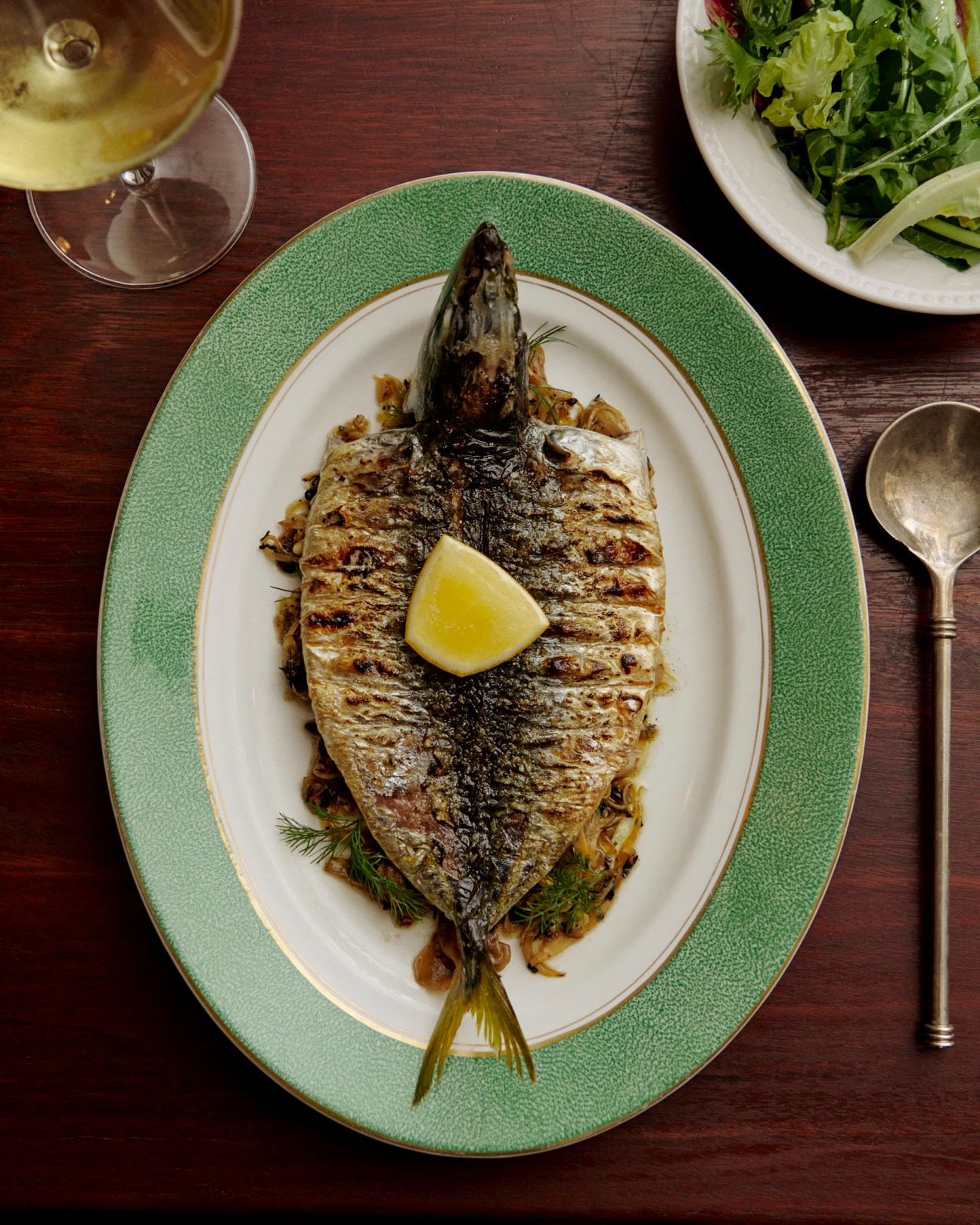
In the past few years a spate of new cocktail bars, breweries, restaurants and speciality cafés opened, injecting new energy into Fremantle’s dining scene (but the classic seaside fish-and-chip spots are still not to be missed). Fresh seafood and local produce dominate bistro menus and wine lists run pages long, taking advantage of Fremantle’s proximity to Margaret River, one of the country’s best wine regions. Good Things Café on Bannister Street has become a weekend brunch institution, to the extent that its owners have been stopped on the street by loyal customers demanding to know when their favourite seasonal dishes are returning to the menu.
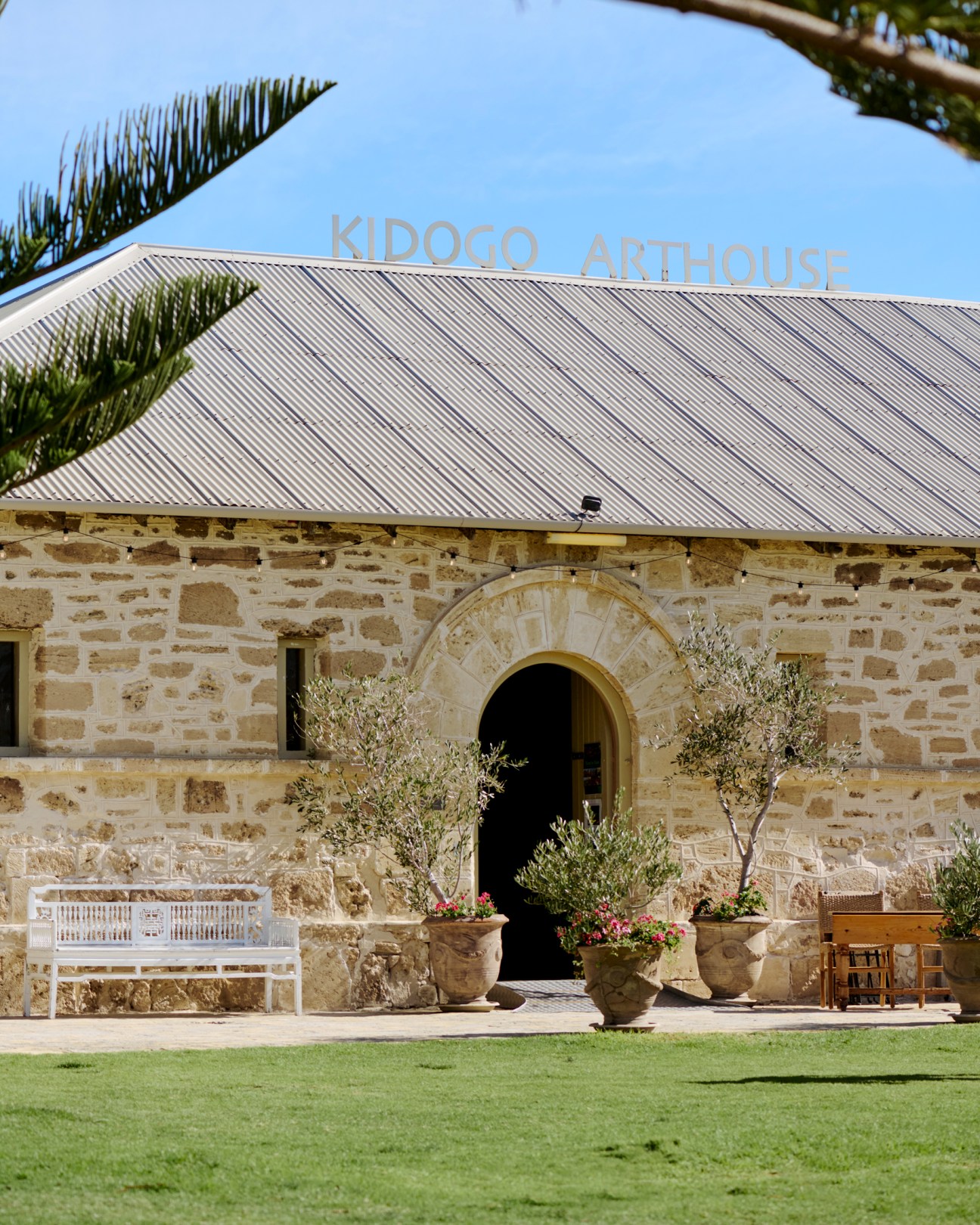
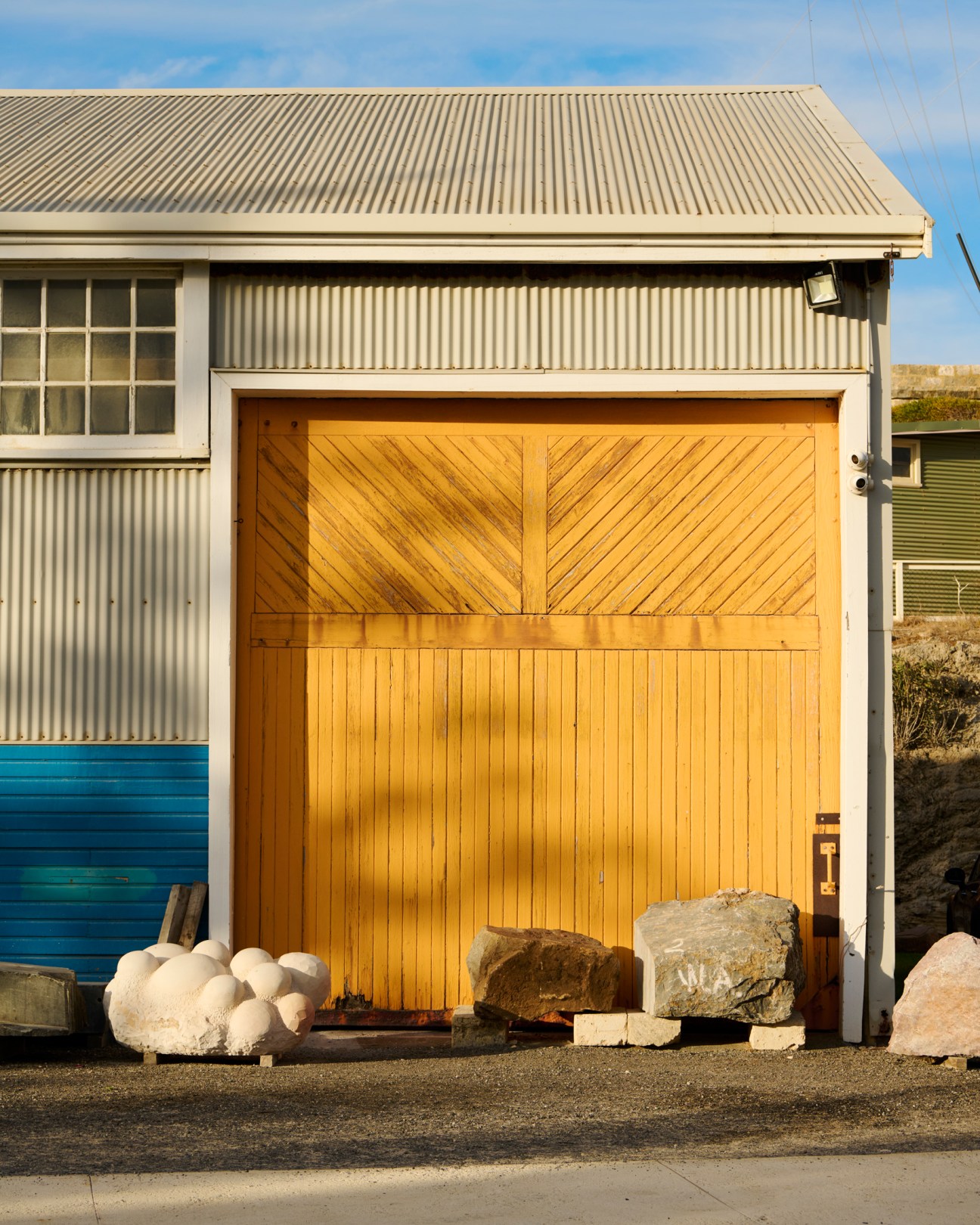
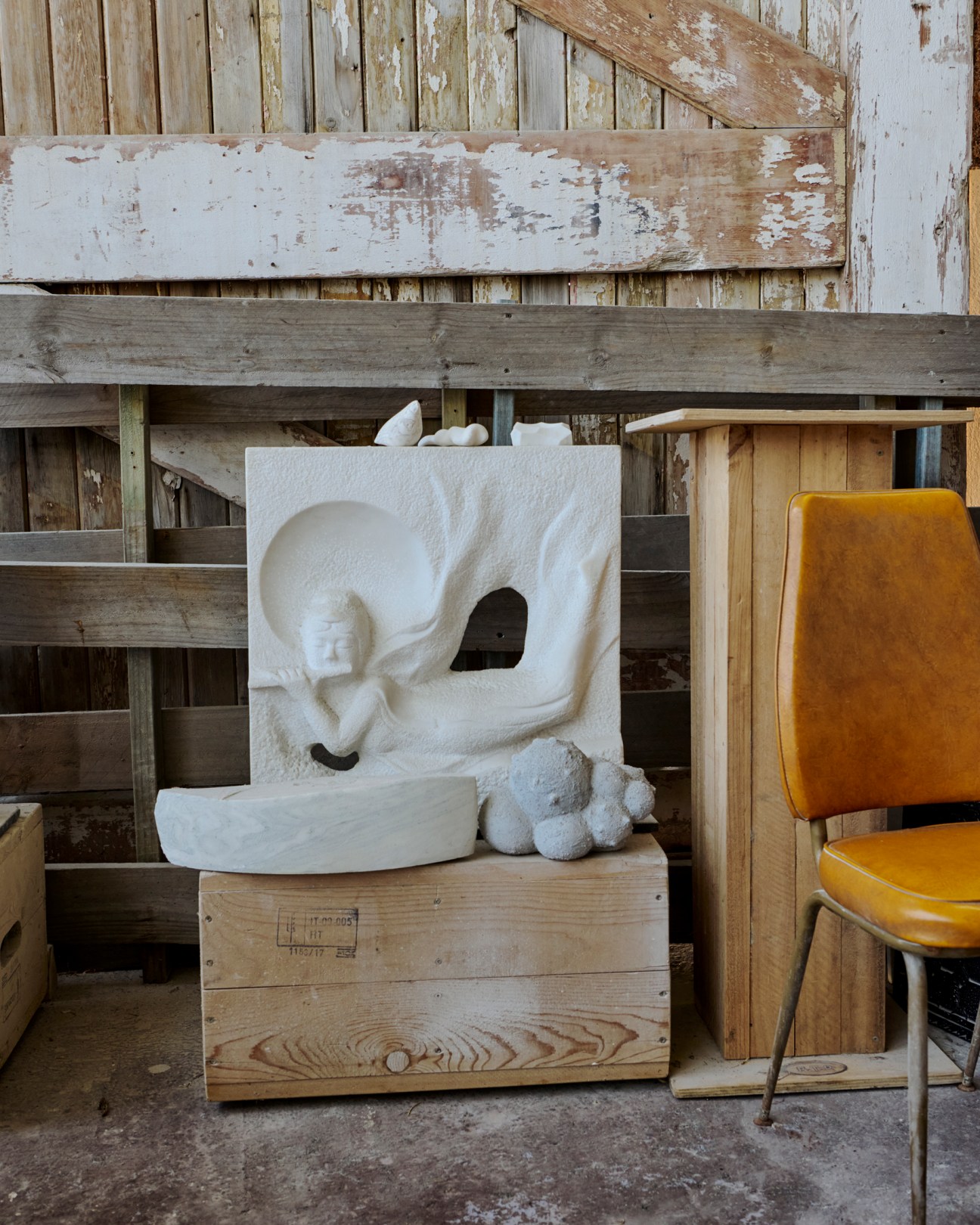
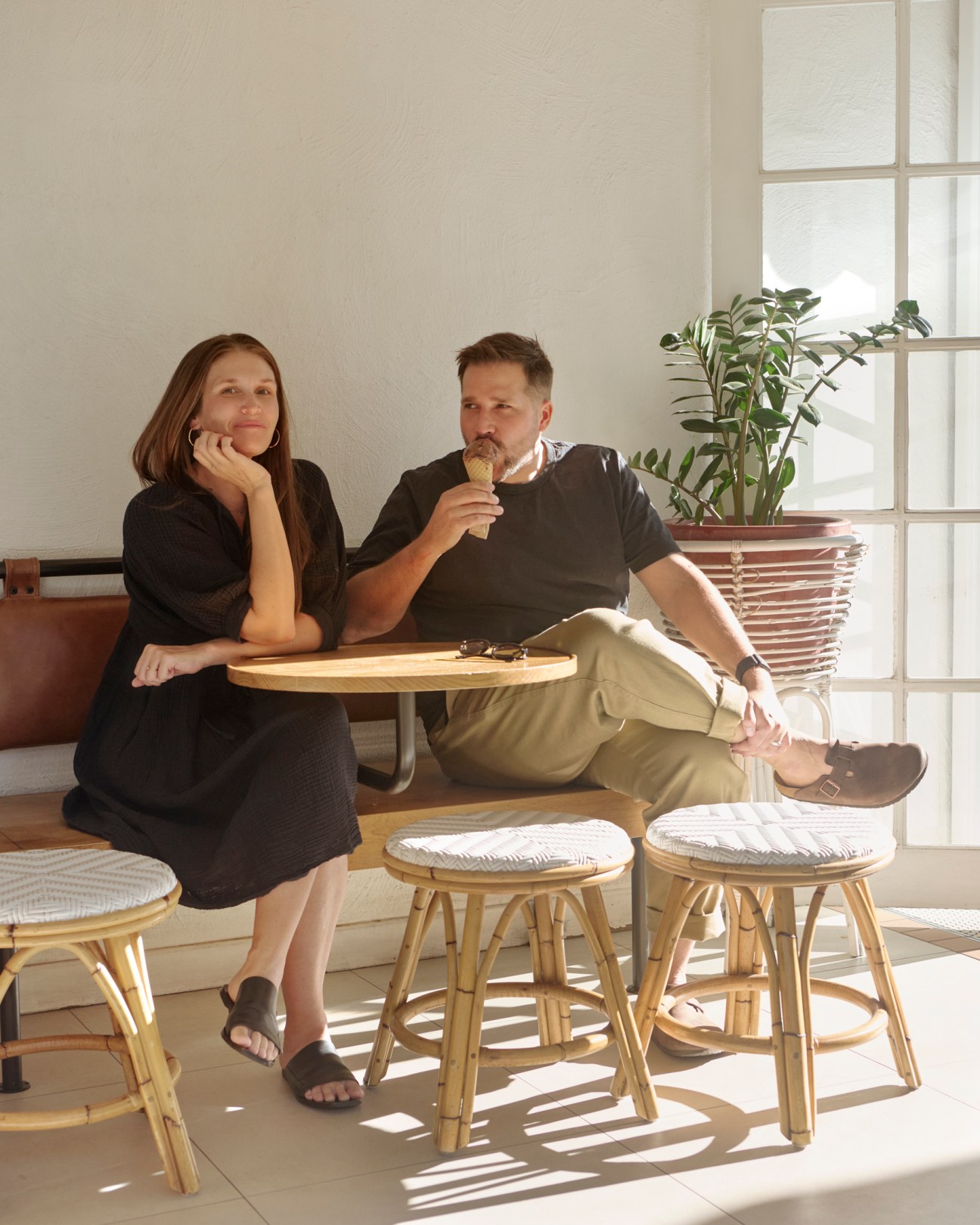
A quiet cultural backwater it isn’t: Fremantle’s arts scene, one of its best-known features, has deep roots. Former shipping warehouses and a Victorian-era asylum now serve as exhibition centres and artists’ studios, such as the colourful J Shed, while independent art galleries populate many shopfronts around town. Amy Grasso, a Fremantle resident who juggles a day job at an apothecary with her textile art, which she makes in one of the J Shed studios, co-organises “creative meet-ups” for local artists. “We’re trying to organise community support for creatives,” says Grasso with a grin. “A lot of artists live in Freo.” Indeed, there are frequent weekend and summer markets featuring Fremantle artisans, dressmakers and ceramicists. “It’s a place that artists have always been drawn to,” says Carine Thévenau, a photographer who grew up in Fremantle and moved back from Sydney last year with her husband and daughter. Before heading to the beach, she drops a parting refrain that Monocle became very familiar with on our trip. “Freo has everything we need.”
Fremantle’s top spots
The bar:
Patio Bar 4/3-13 Essex Street Nieuw Ruin
The outdoor space:
South Beach
The cultural centre:
1 Fleet Street
The school:
John Curtin College of the Arts






2.
Kita-Kamakura, Japan
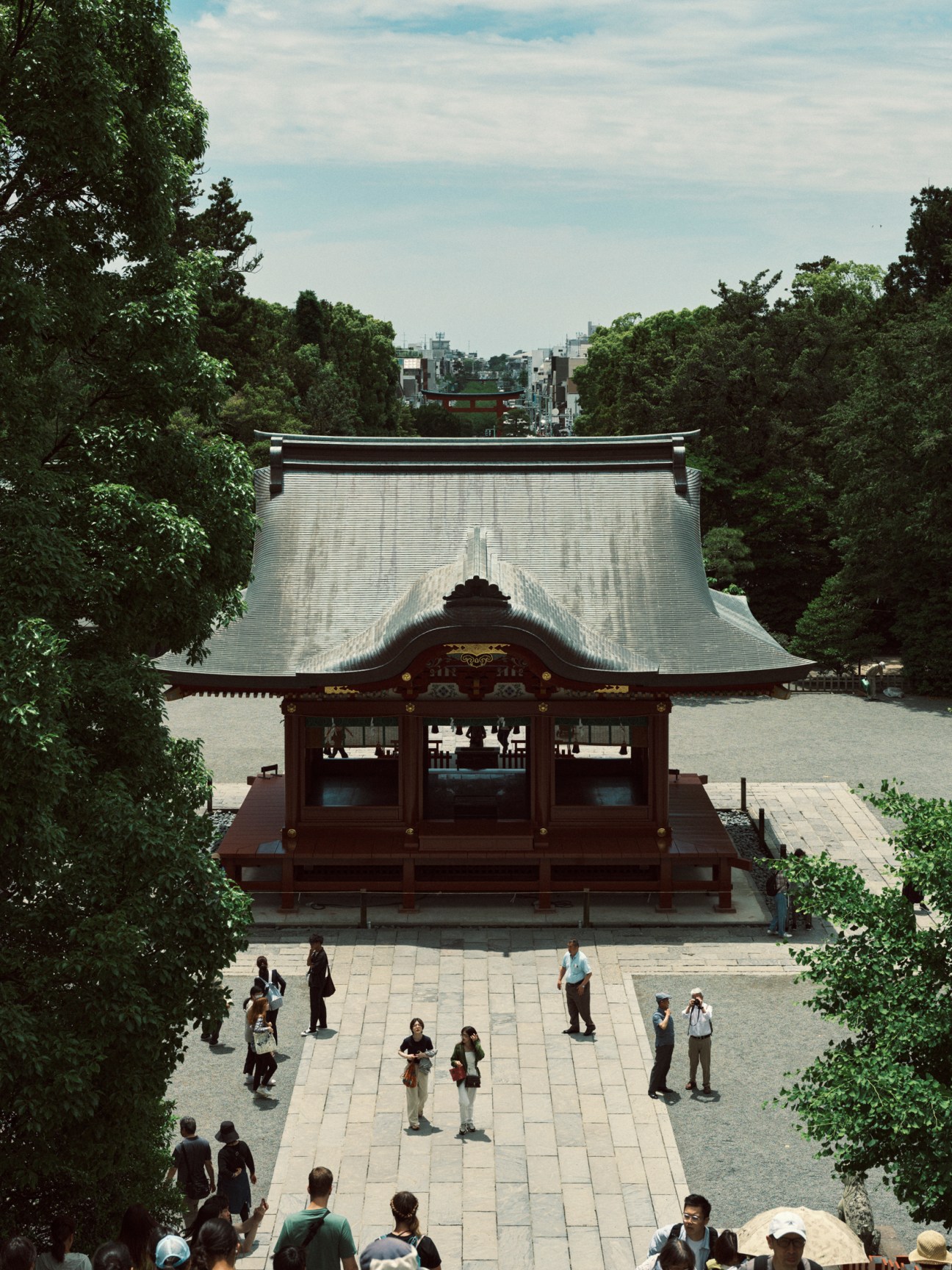
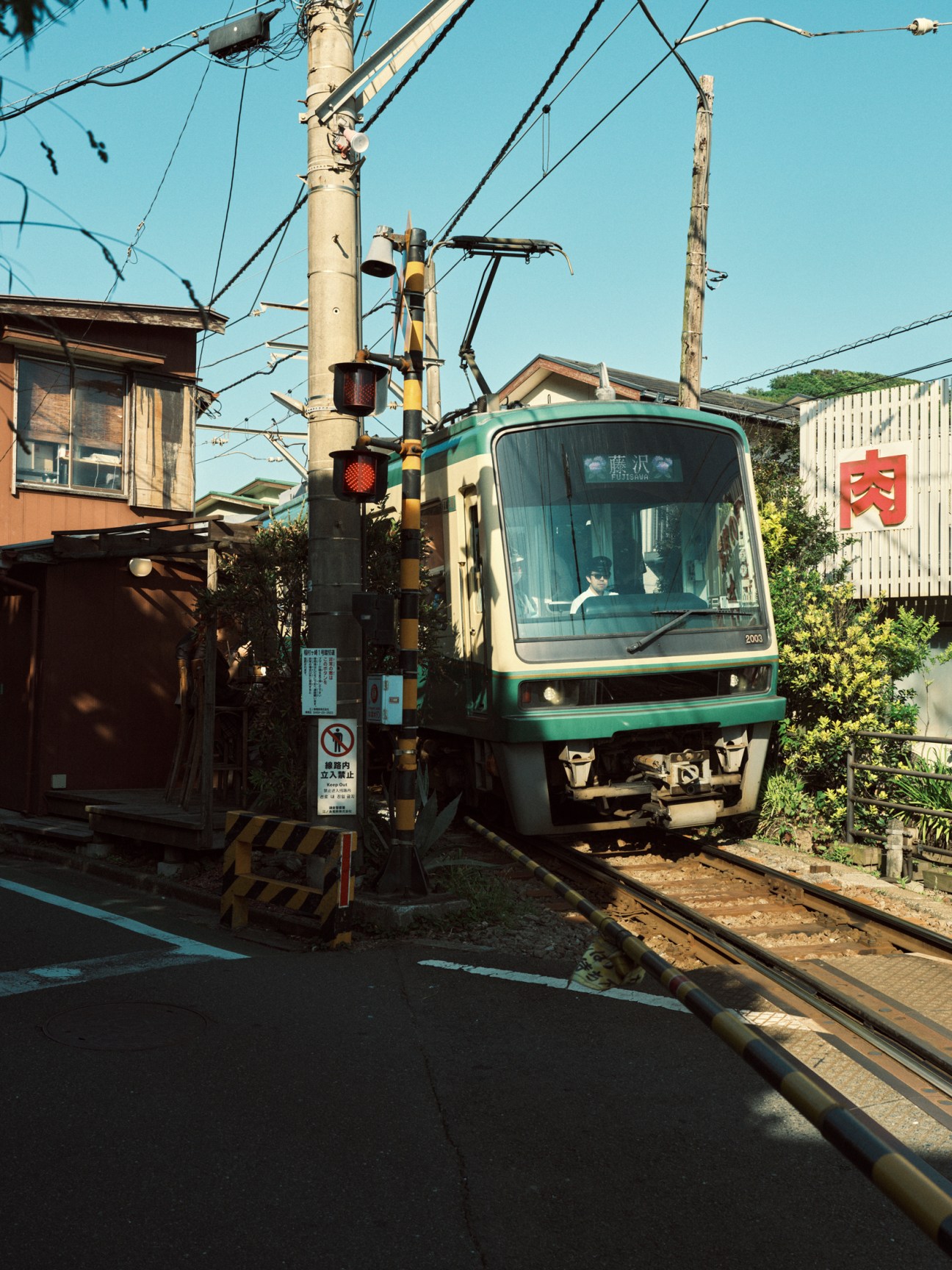
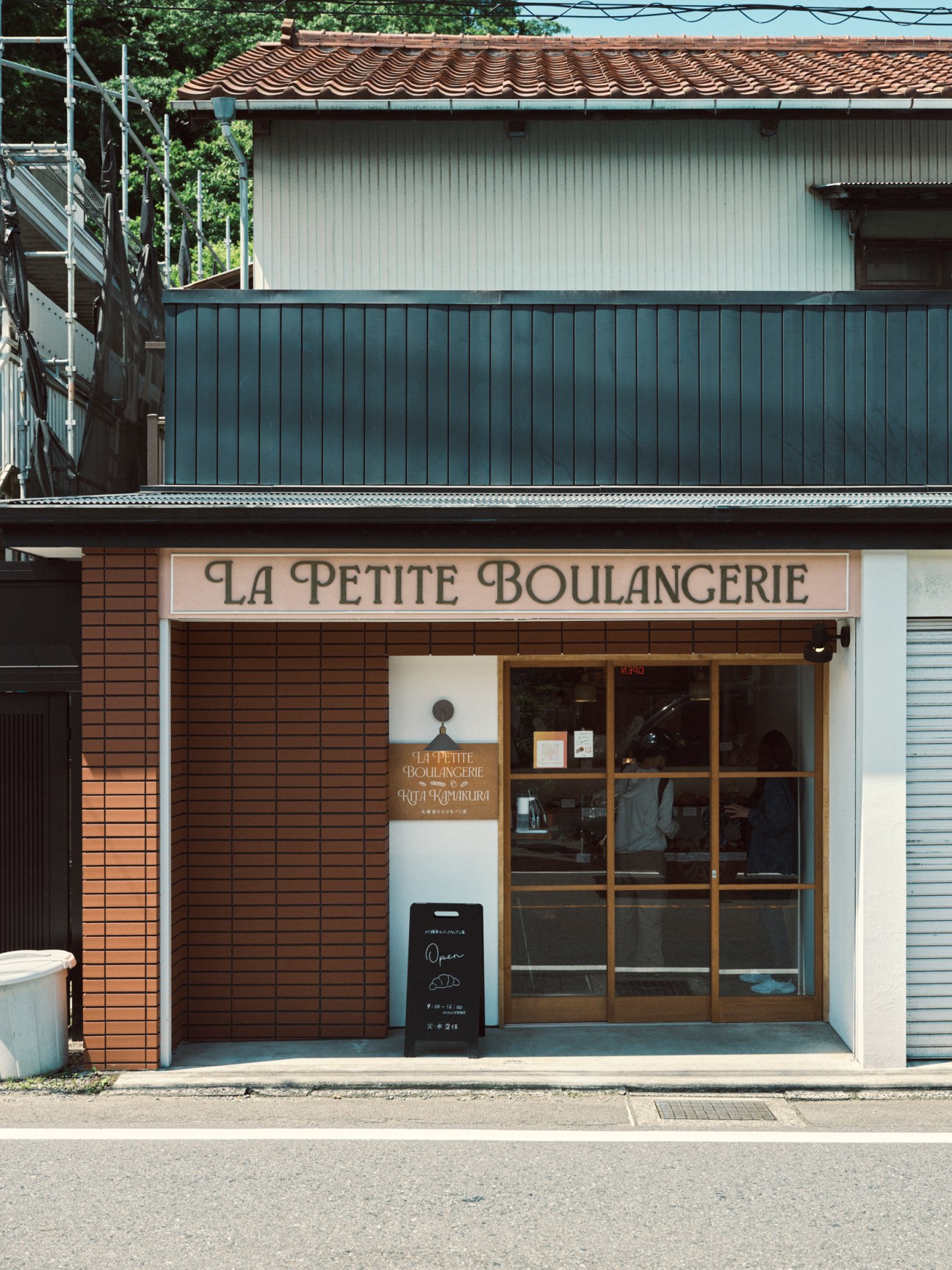
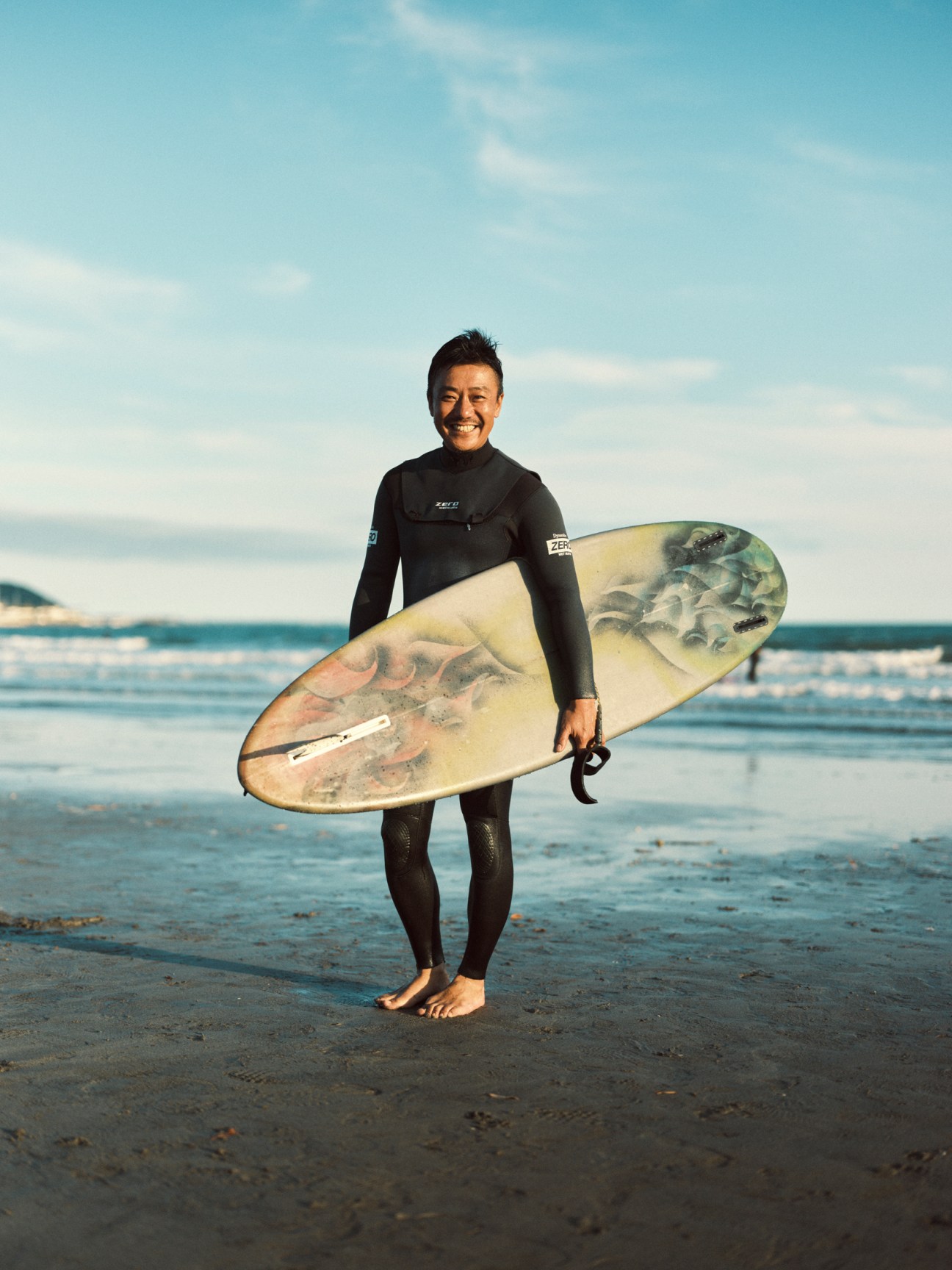
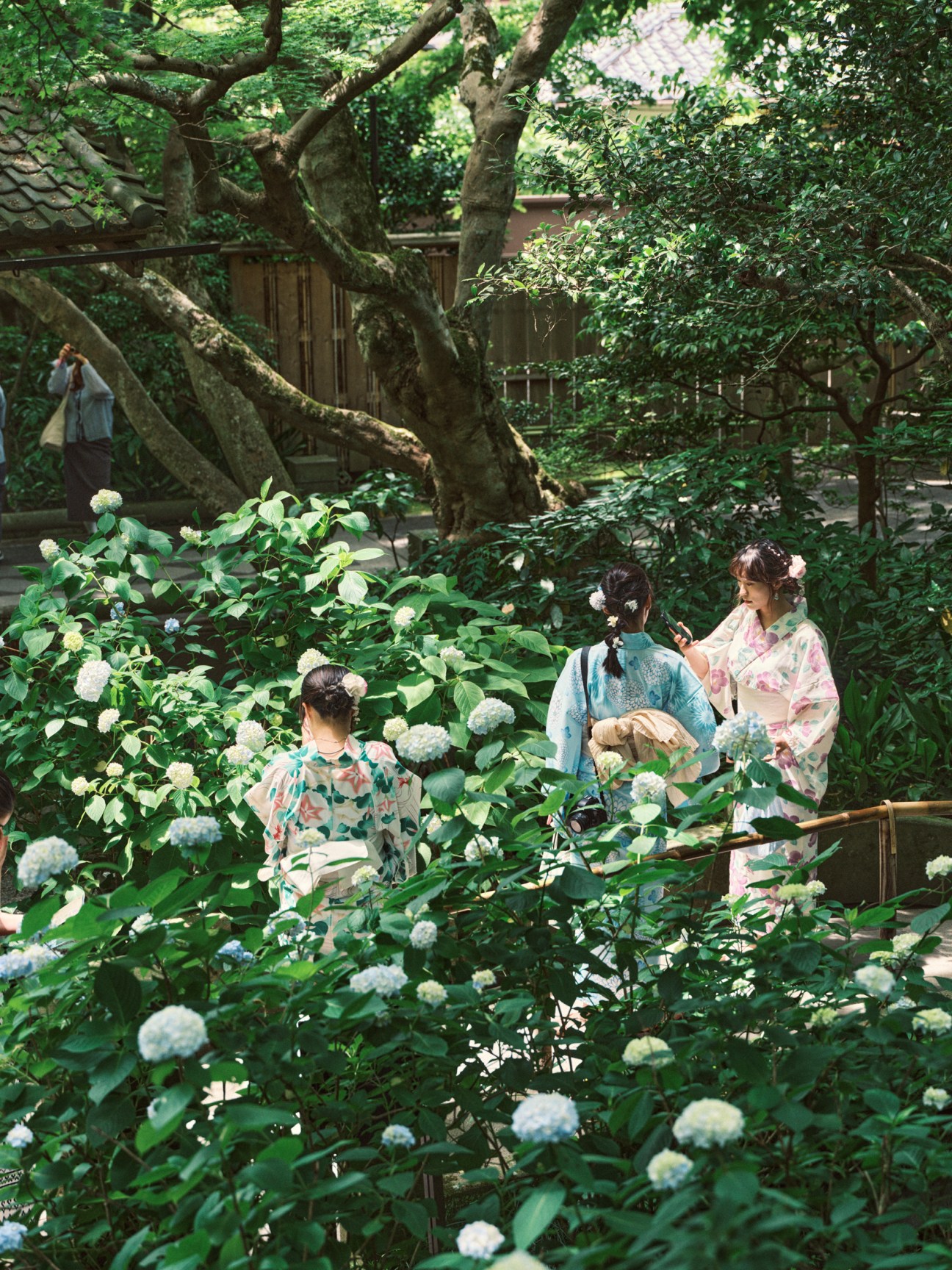
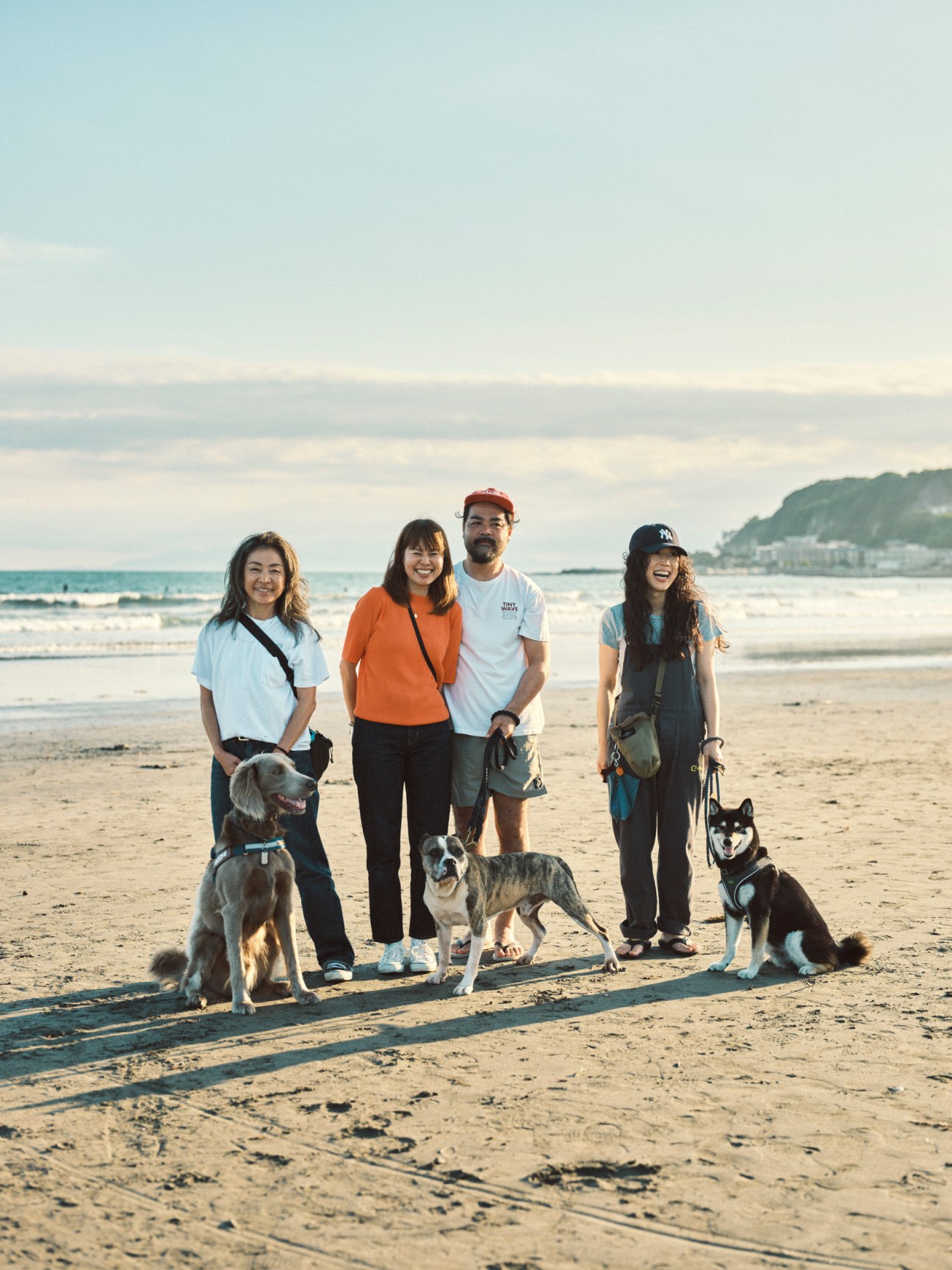
Just a short journey from Tokyo by train, Kamakura offers a very different perspective. The city of 171,000 sits on Sagami Bay, spreading back from a wide sandy beach into the hills. It might not be immediately obvious from the laidback surfer vibe of today but Kamakura was once the religious and political heart of Japan and, in the 13th century, its second capital. The remnants of that era are everywhere, in dozens of temples, shrines and gardens.
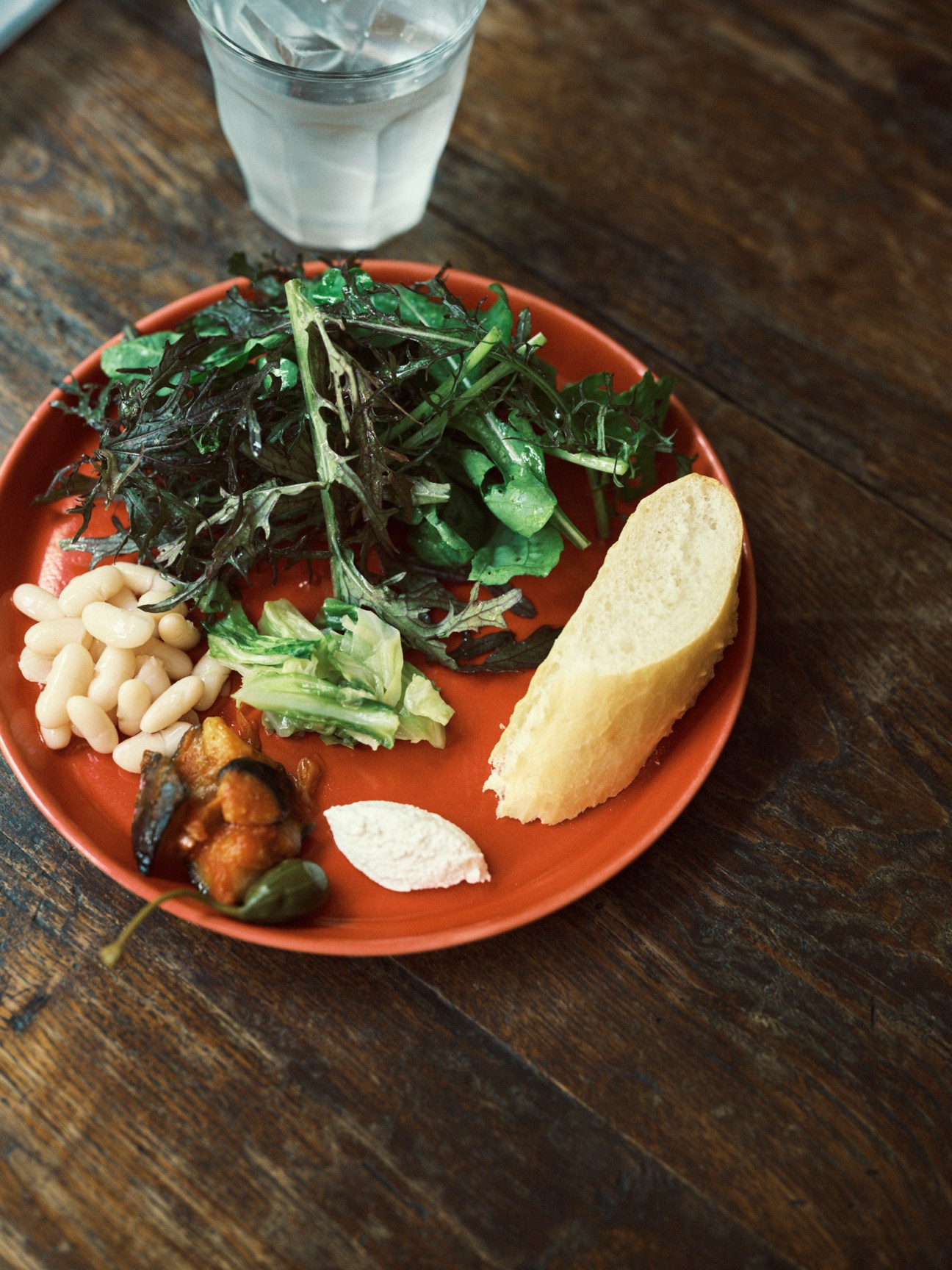
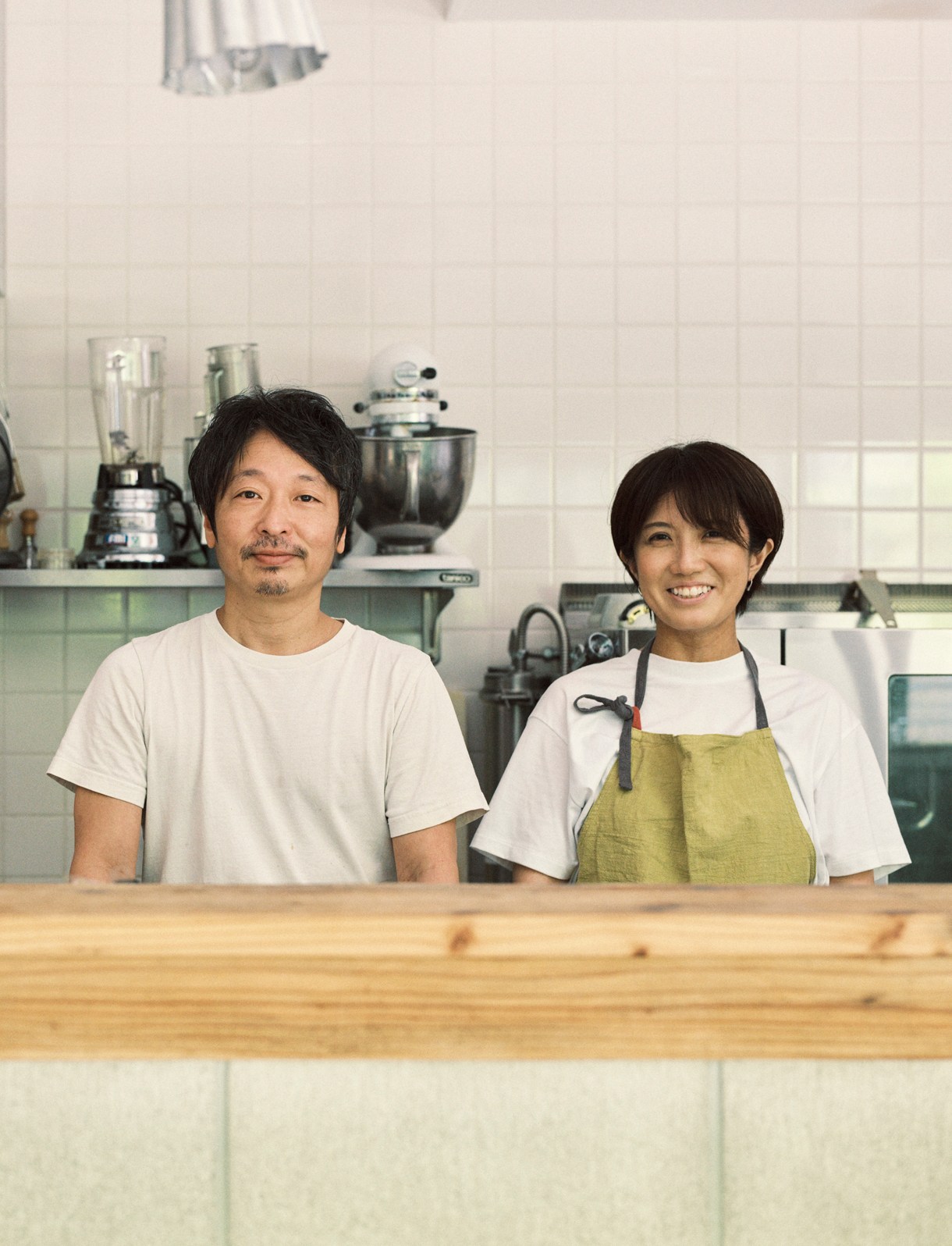
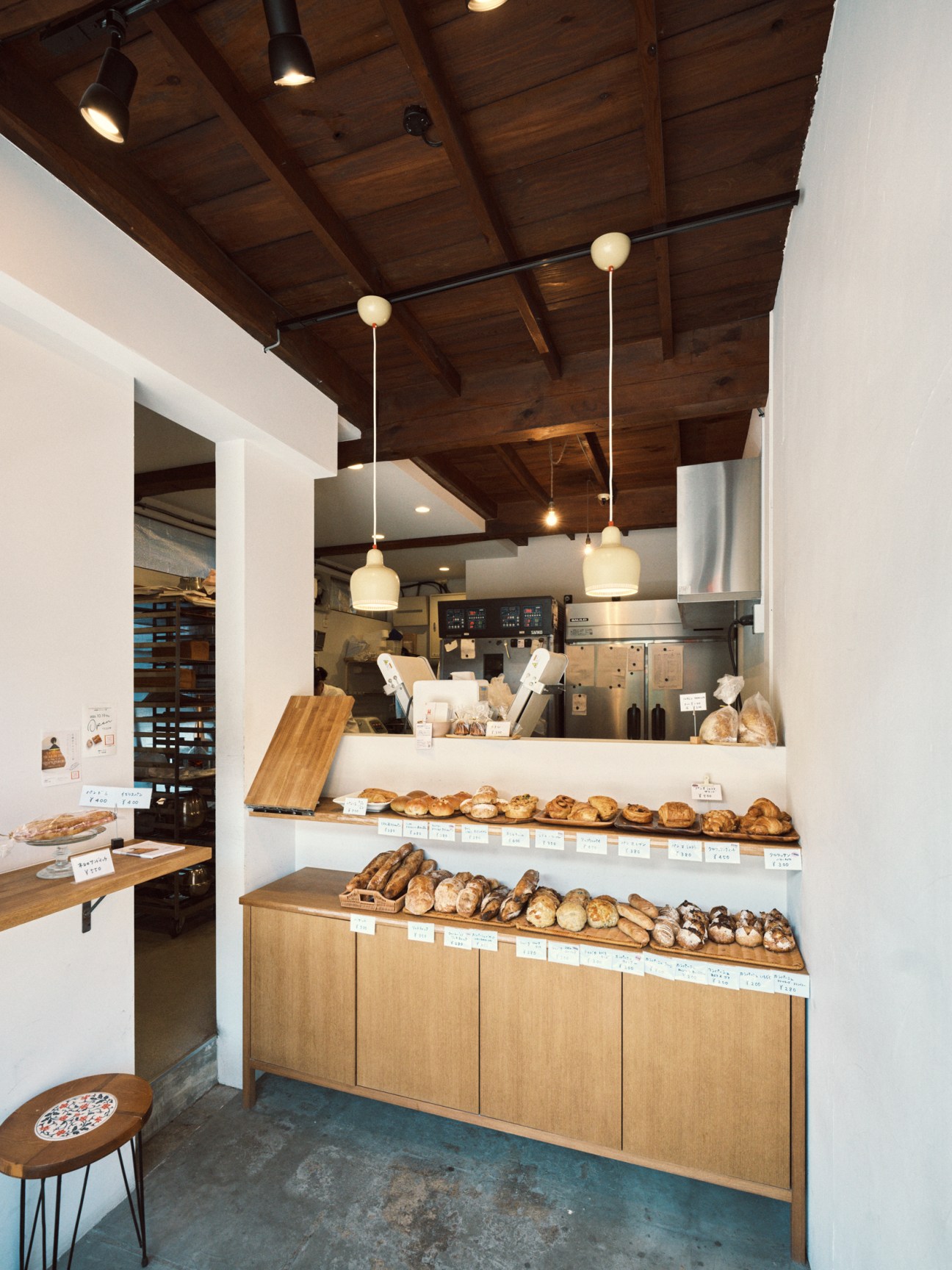
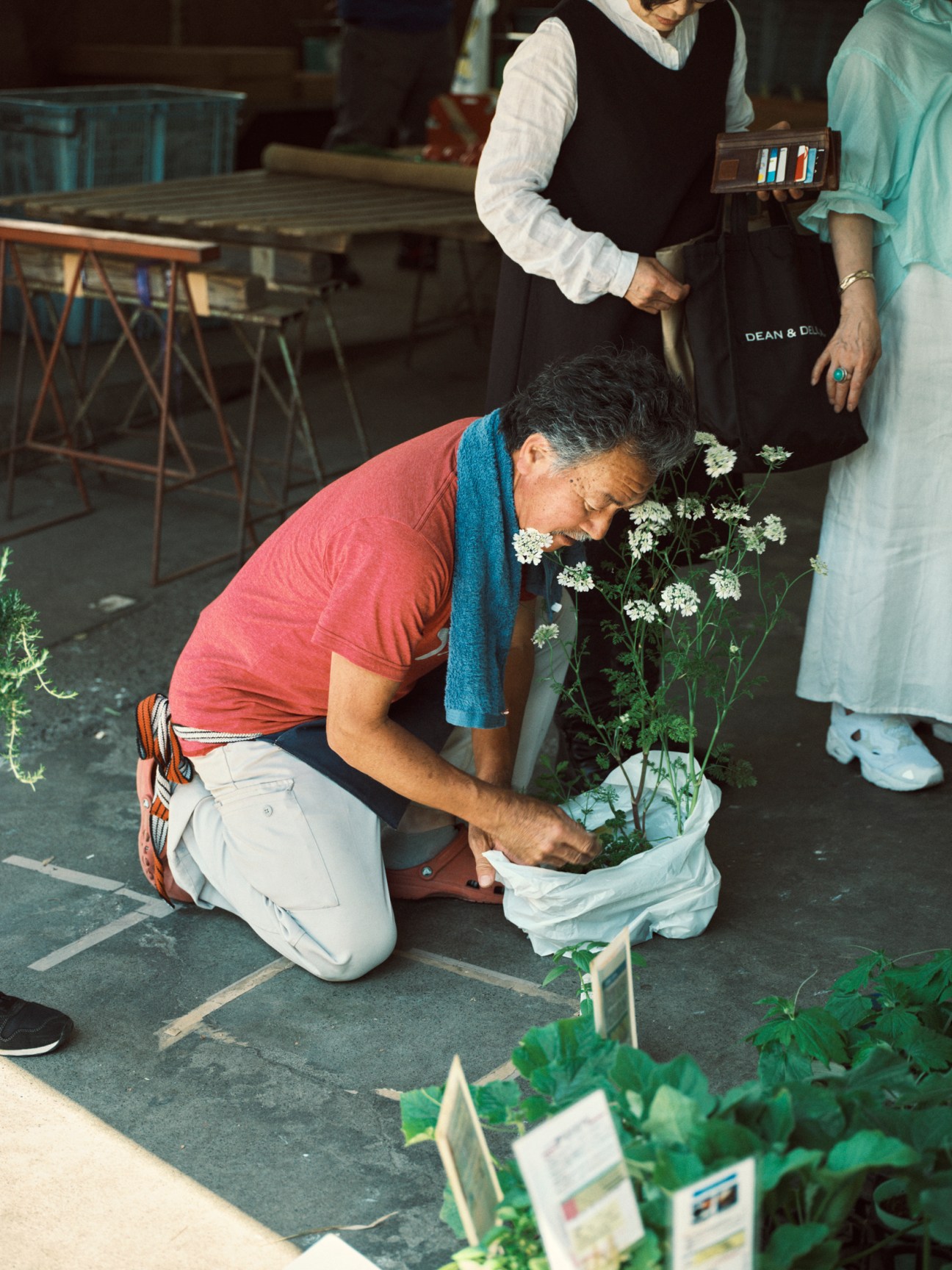
Just a few steps away from Shokado is Cipollino, a bistro where the daily menu includes a fresh pasta with local vegetables and seafood from Zushi, just along the coast. Owner-chef Shuhei Koizumi’s grandfather had a Japanese restaurant in Kita-Kamakura. “I trained in Tokyo,” says Koizumi. “But I always wanted to come back.” One woodworker here is still operating at age 79. His family shop, Tomono Furo, which sells cedar bowls, stools and chopping boards, has been in Kita-Kamakura since 1814. “I started when I was 10 and I make everything by hand,” he tells Monocle. “Things you buy online can’t compare.”
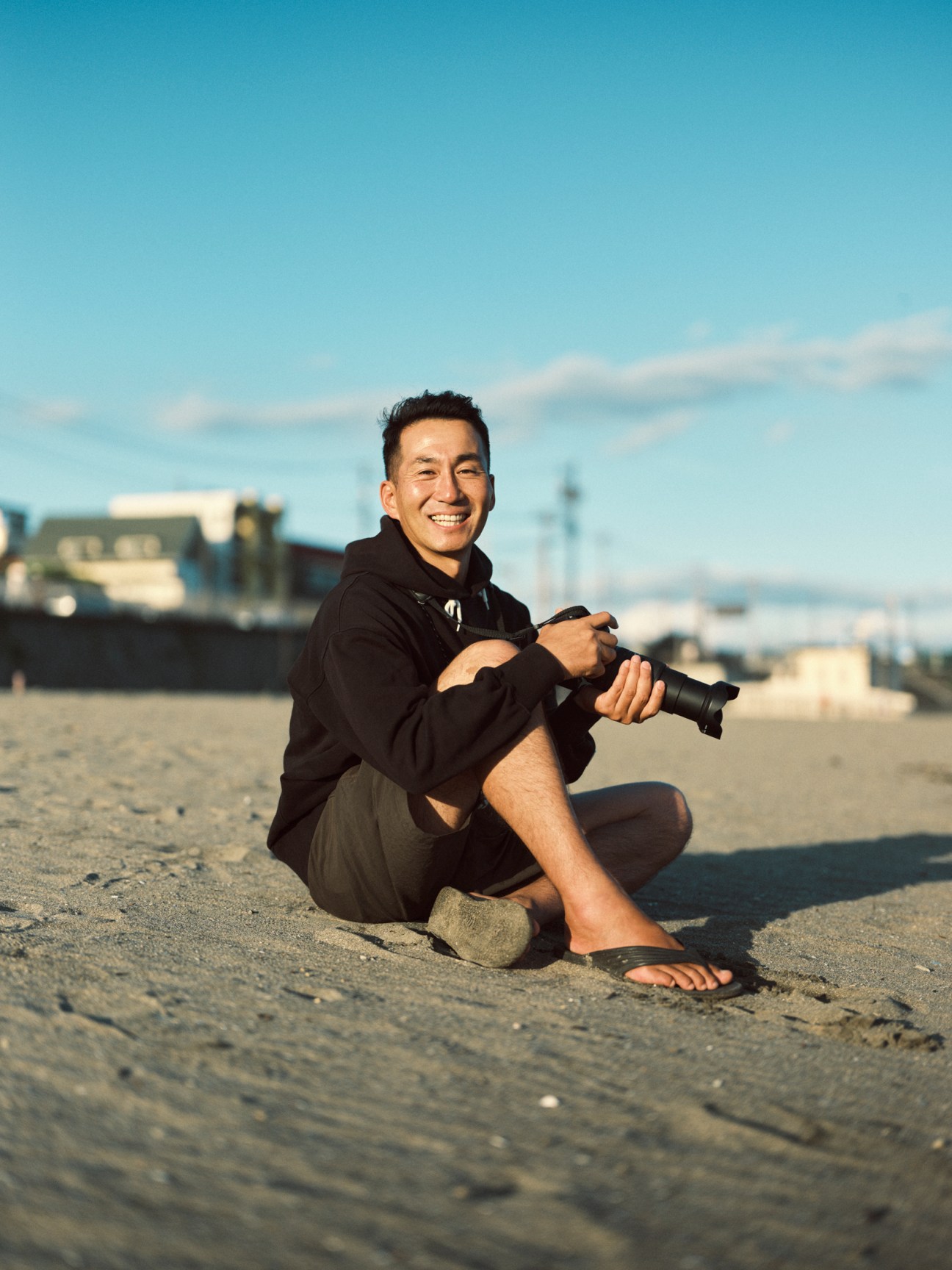
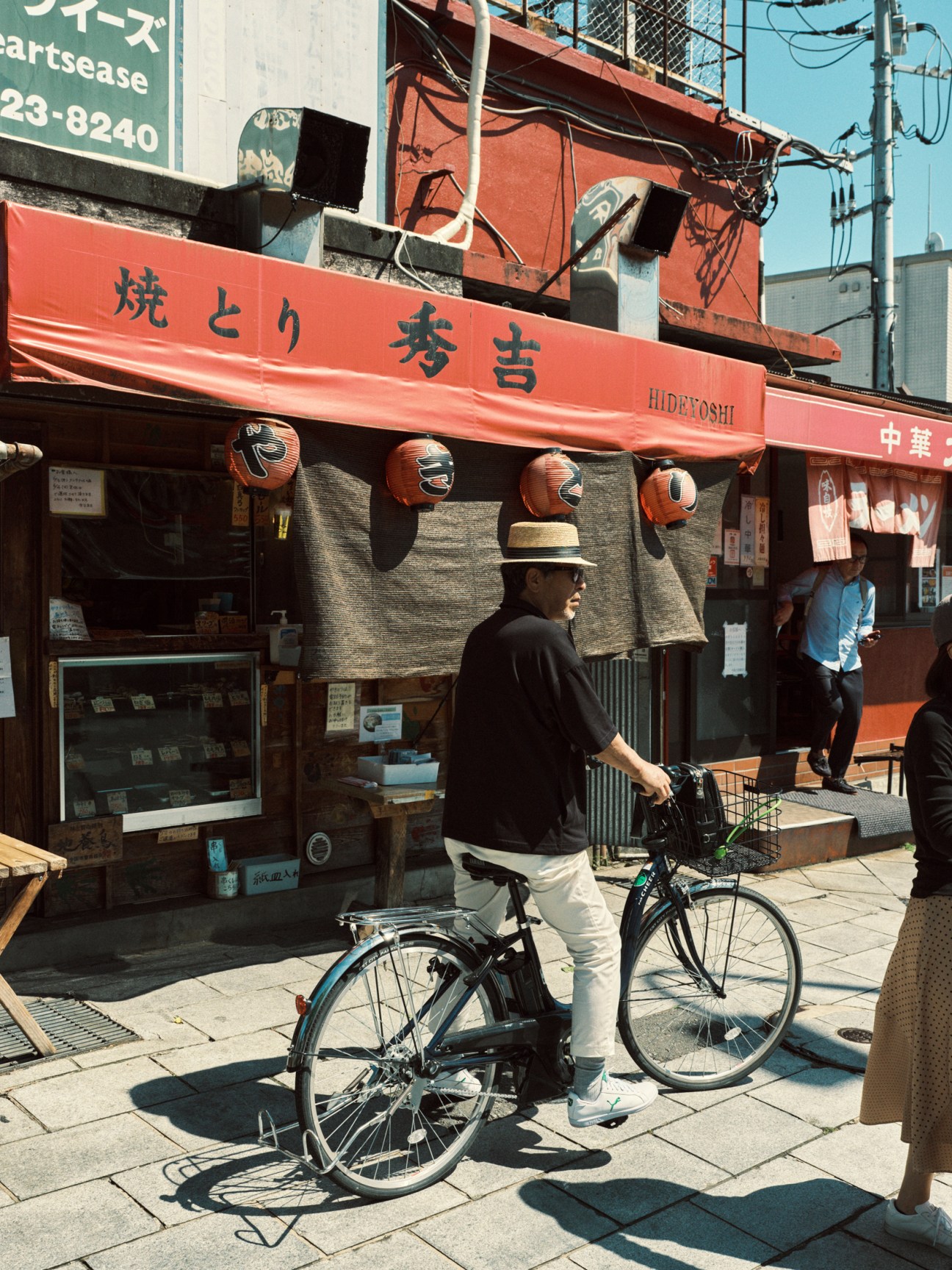
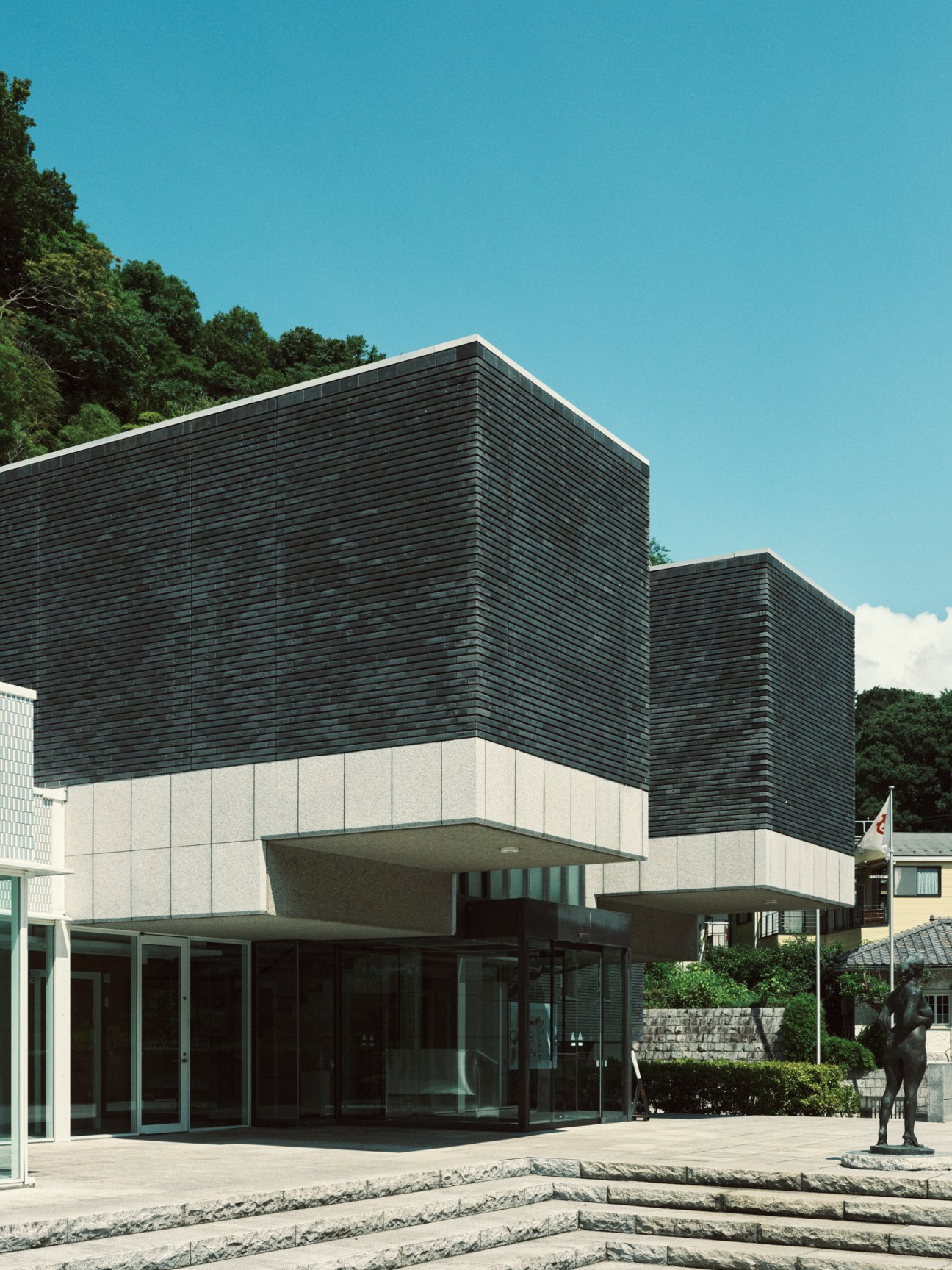
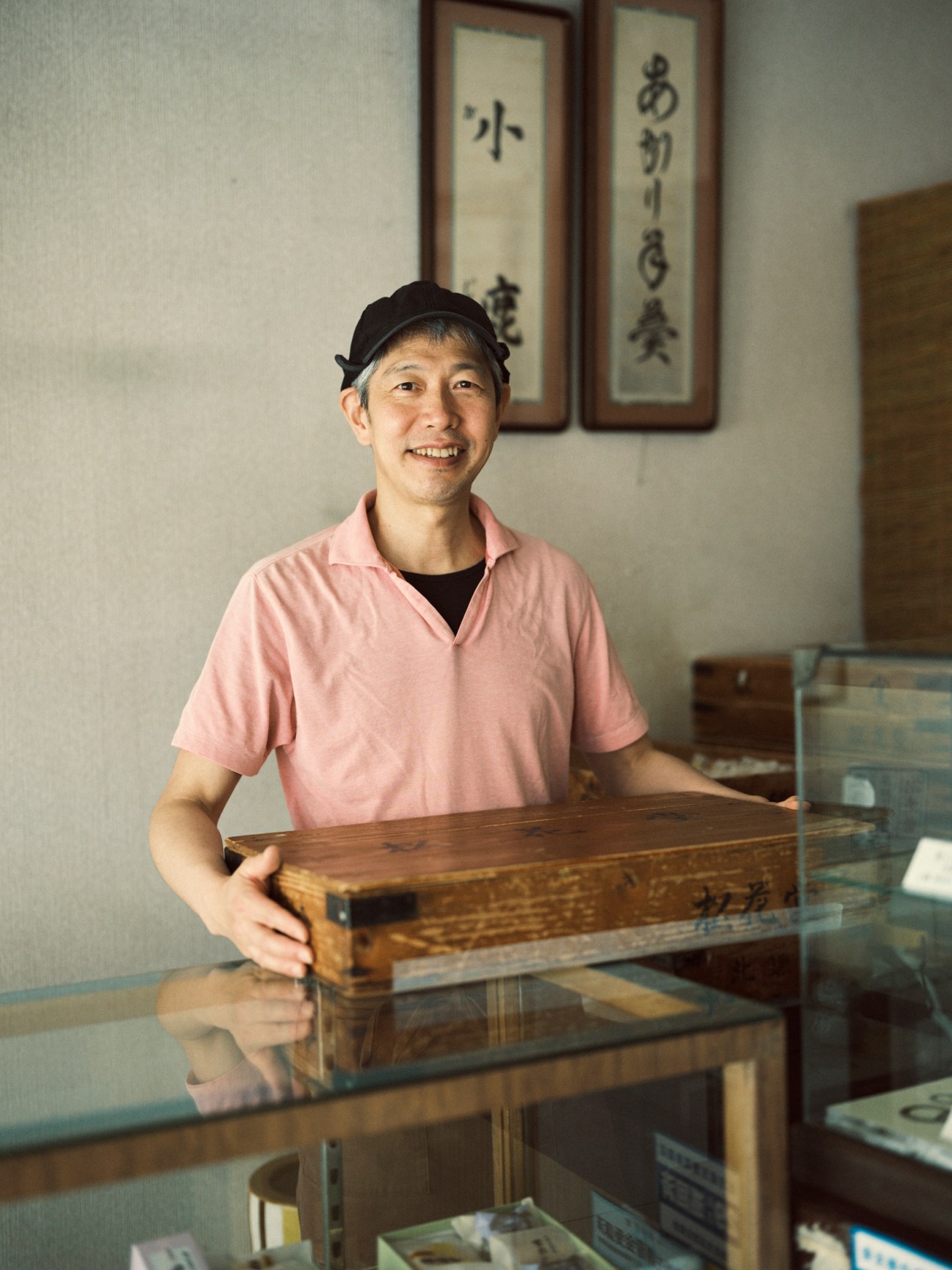
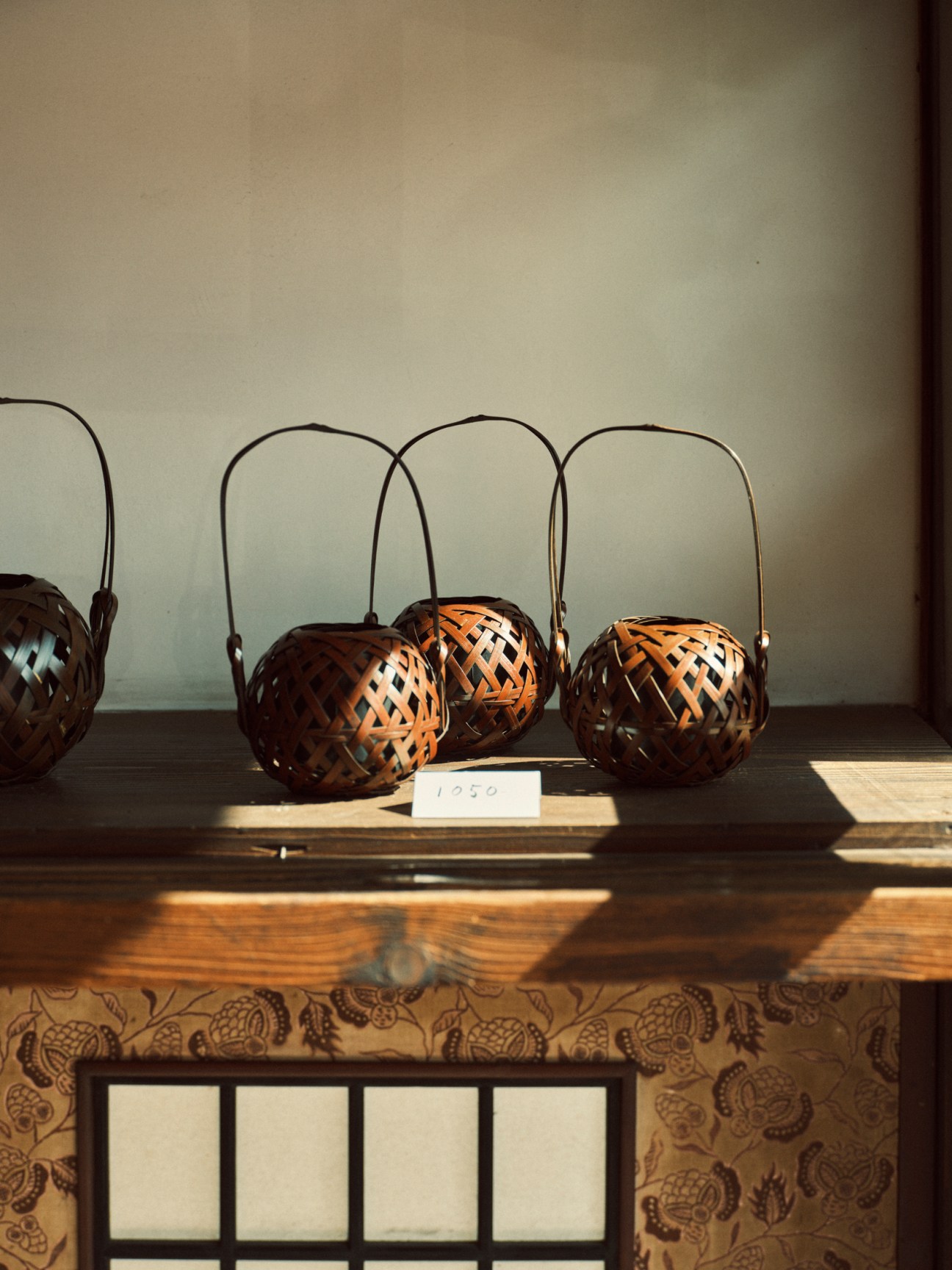
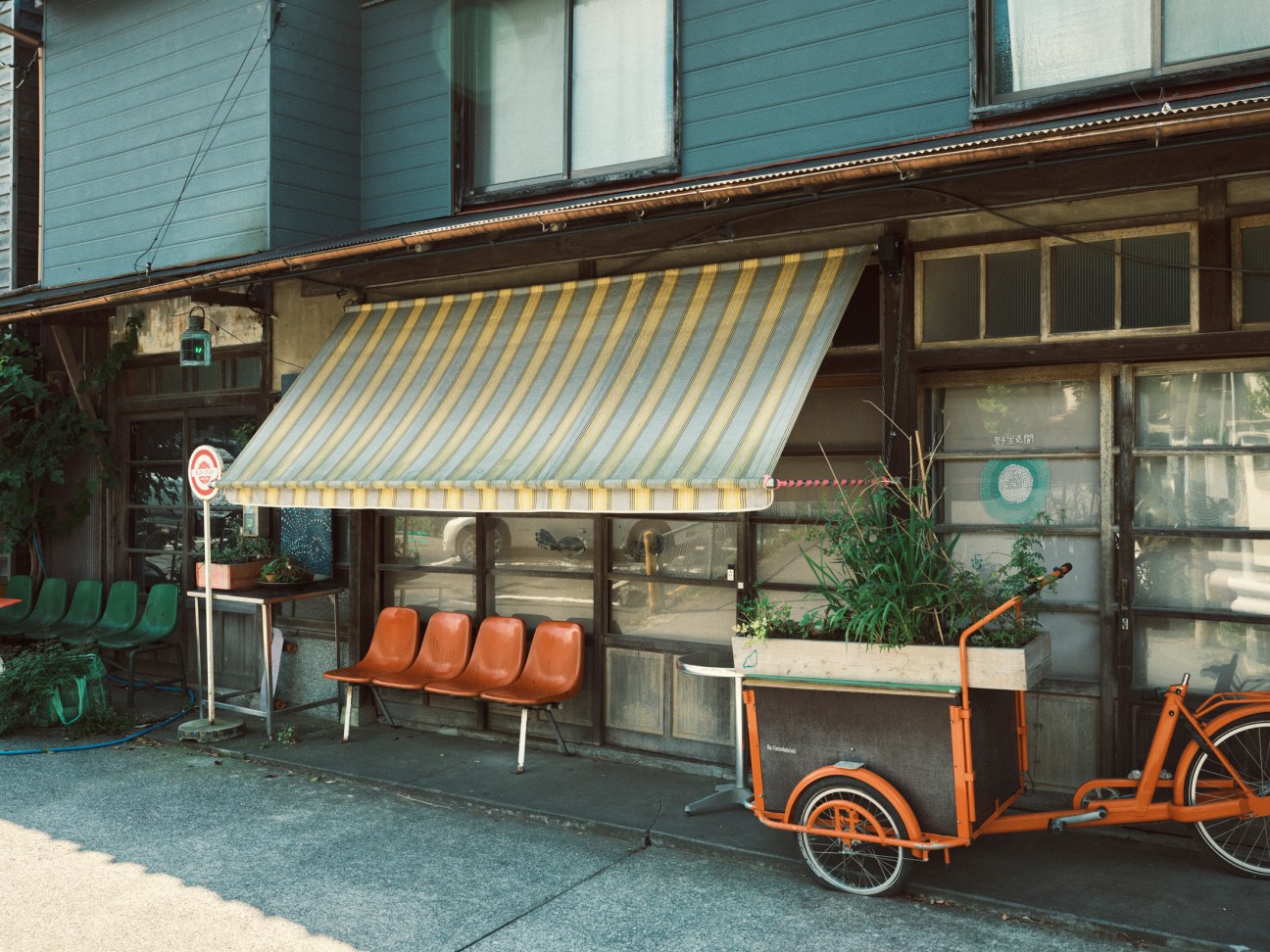
Kita-Kamakura (North Kamakura) is a lush, woody enclave a couple of kilometres inland and surrounded by hills. Streets are leafy and low-rise, and the elegant tone is shaped by the historic Zen temples that stretch along the road. Shokado is a confectionery shop on the main street run by Tomoko Kurihara and her brother; their father opened the business in 1961 and today they sell traditional Japanese sweets. “This is a friendly neighbourhood,” says Tomoko. “People look out for each other.” Outdoor activities are also prominent. “If you grow up here, hiking is part of life,” she adds. One of the most popular trails leads up from Kita-Kamakura, along a ridge and down into Zuisen-ji temple in the east of the city.
Last year furniture collector Thierry Lamoine and his wife, Arrow Nakajima, opened Galerie One in a pre-war kominka (wooden house). A short walk from Kita-Kamakura and next to the peaceful temple of Kakuon-ji, the beautifully preserved house is the perfect backdrop for Lamoine’s exceptional finds by architects and designers such as Pierre Jeanneret and Charlotte Perriand. “The furniture looks much nicer than in a white cube in Tokyo,” says Lamoine, who also has a gallery in Paris. “Knowing our customers is the biggest asset of the Kamakura gallery: collectors can sit, have a drink and take time to tell us which pieces they like. They never stay less than one hour.”

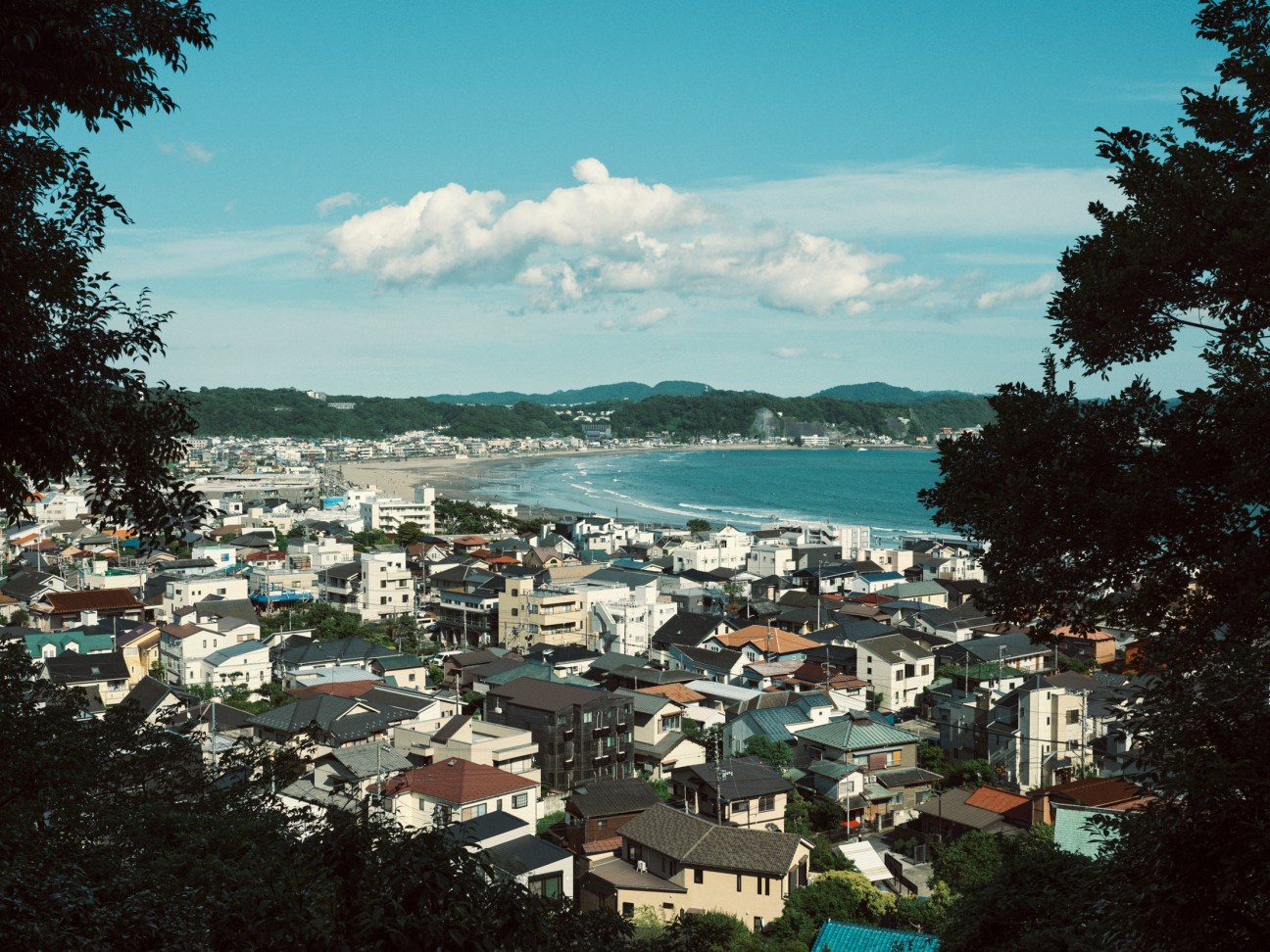
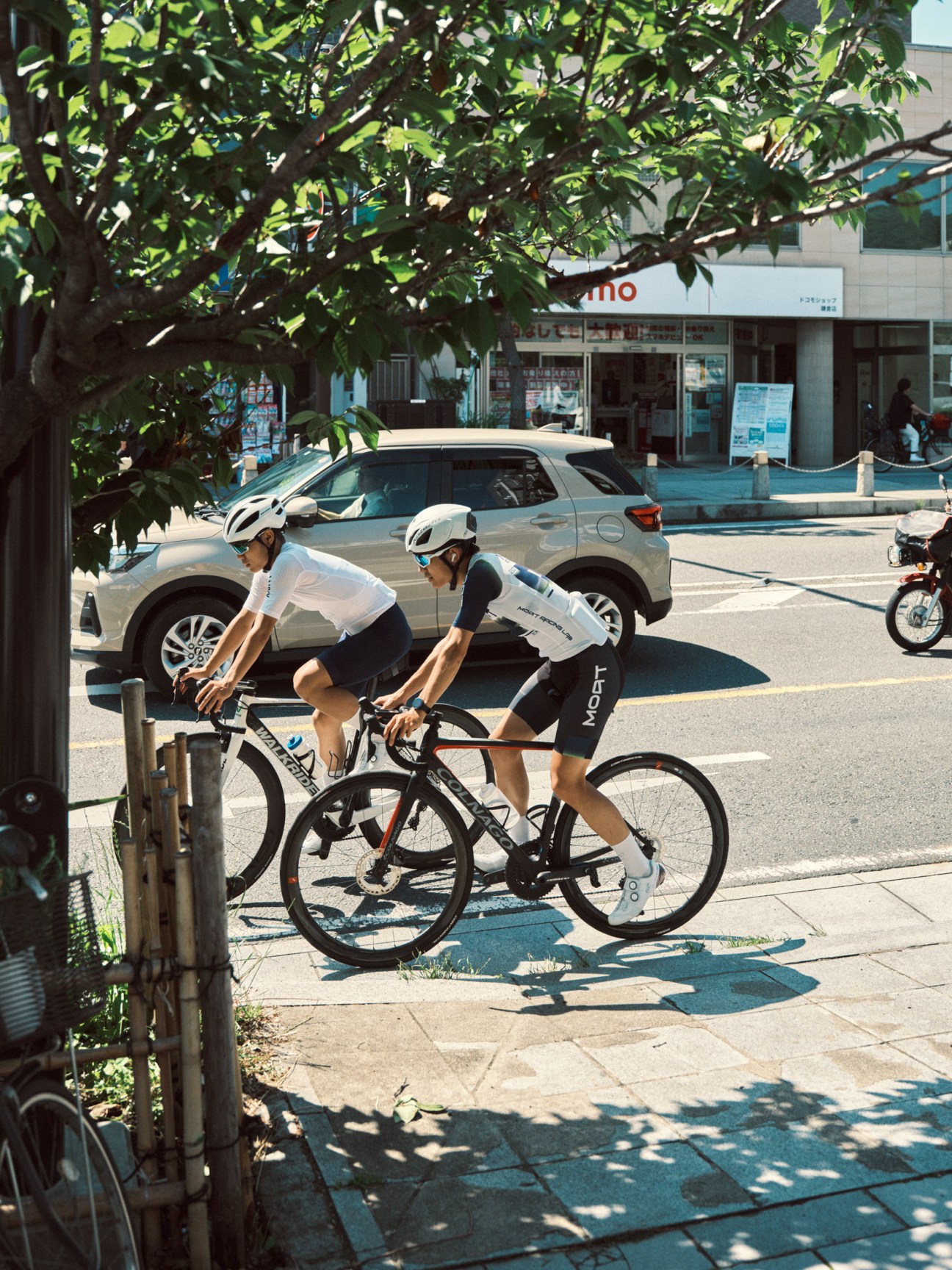
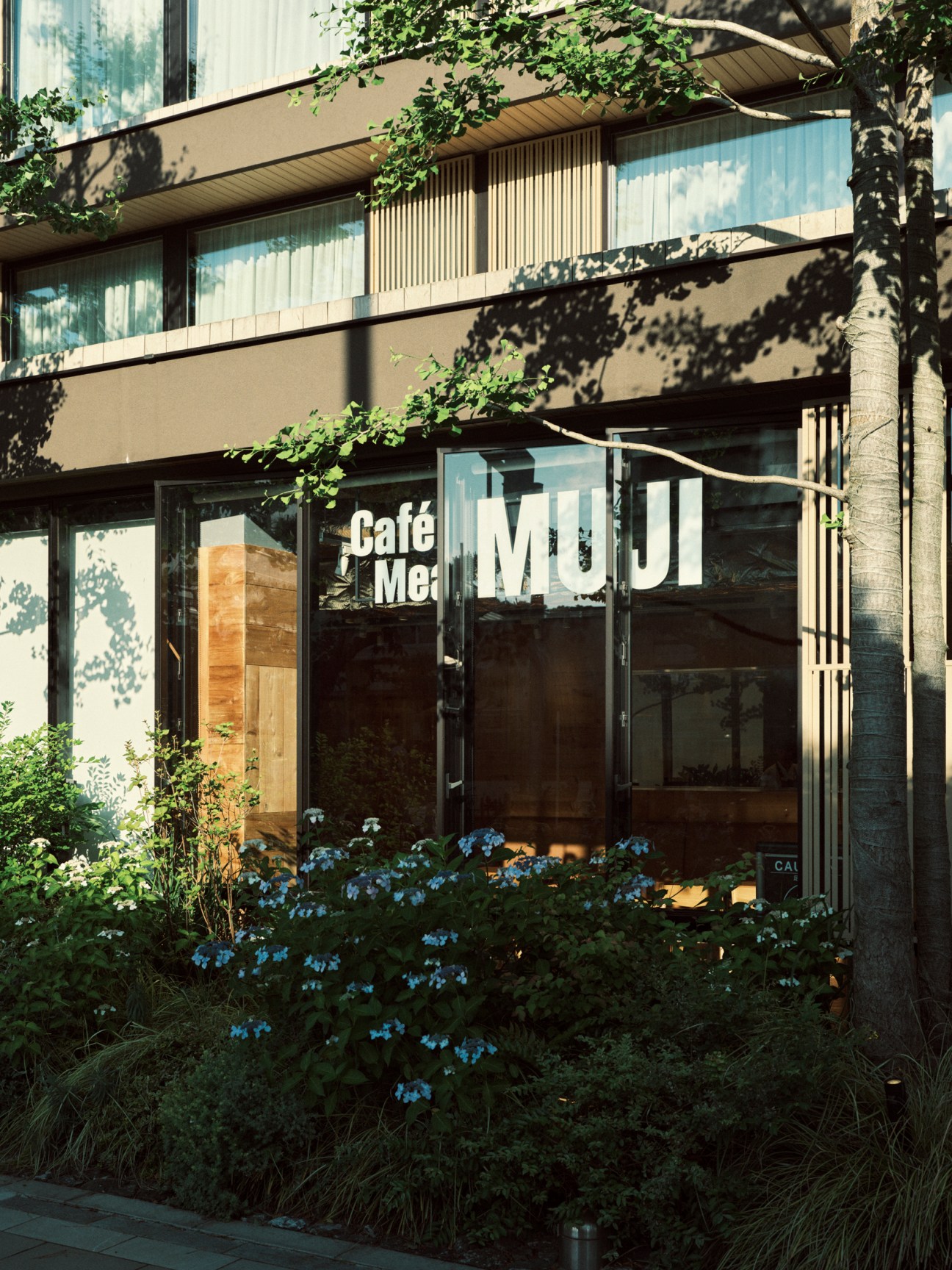
While the tranquillity of Kita-Kamakura makes it a great place to live, those after a more vibrant proposition can hop on a five-minute train to central Kamakura, where there are bars, restaurants and food shopping in the ichiba morning market. The traditional Kamakura scene of hato-sabure (dove-shaped shortbread biscuits) and craft shops is still there but it has now been joined by outdoor brands, coffee shops and a Muji restaurant. Some things never change though: just stand on the beach and take in that perfect sunset view of Mount Fuji.
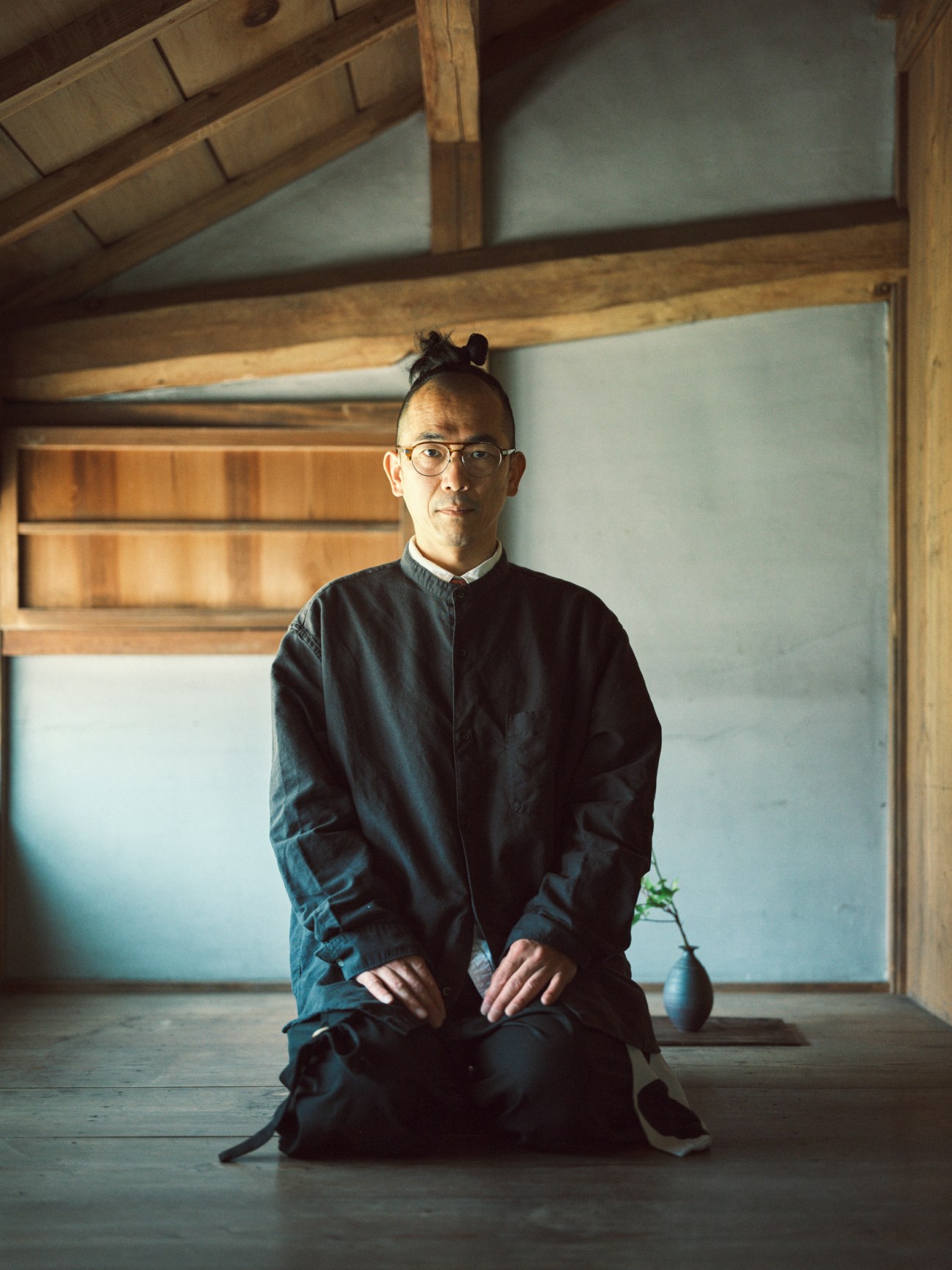

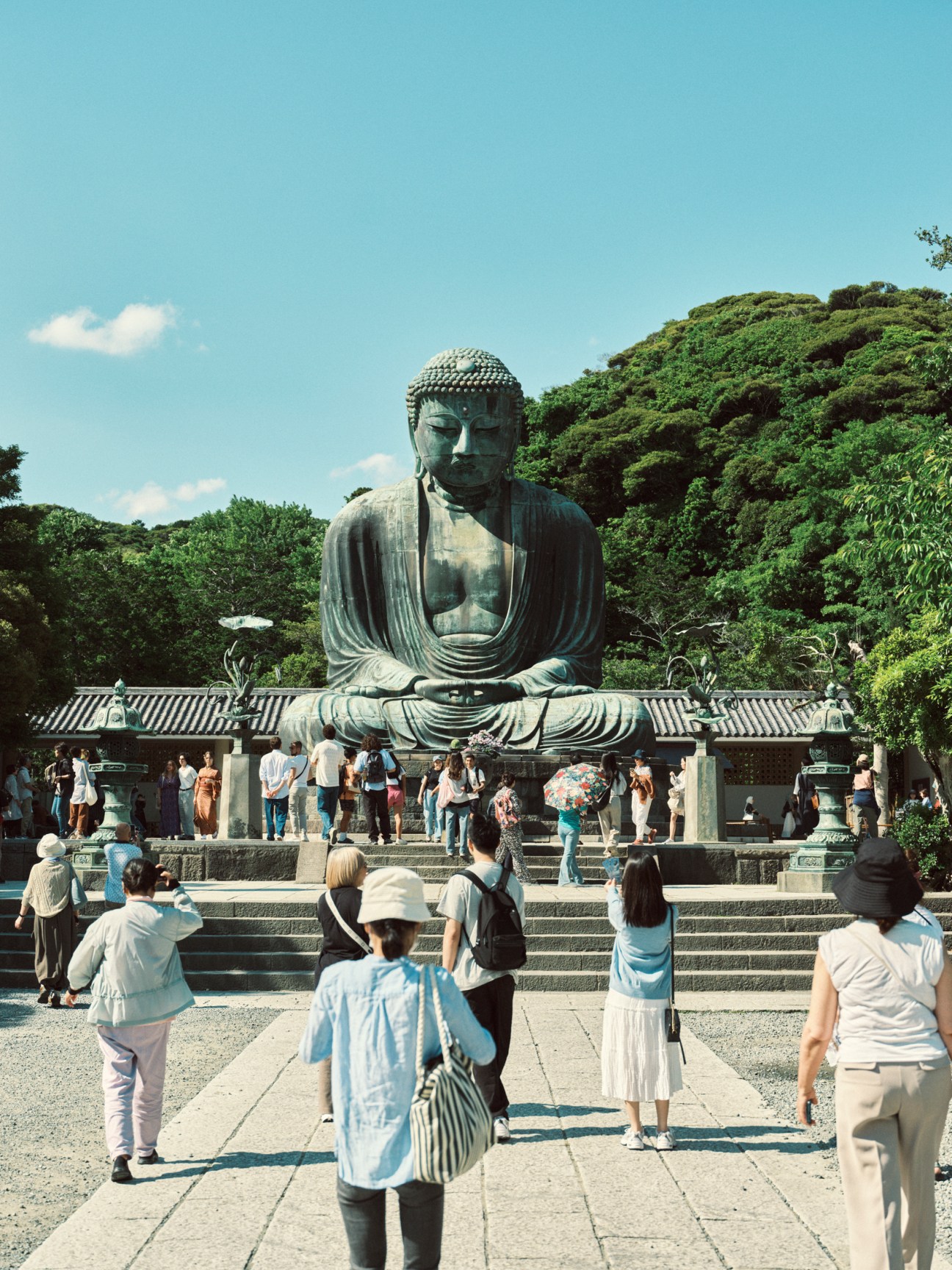
Back in Kita-Kamakura, residents have the place to themselves, the only audible sounds emanate from the trees and the forested hills (and perhaps the clink of wine glasses at Cipollino). “It’s very quiet here,” says Tomoko Kurihara. “That’s how we like it.”

3.
Chiaia & Vomero, Italy
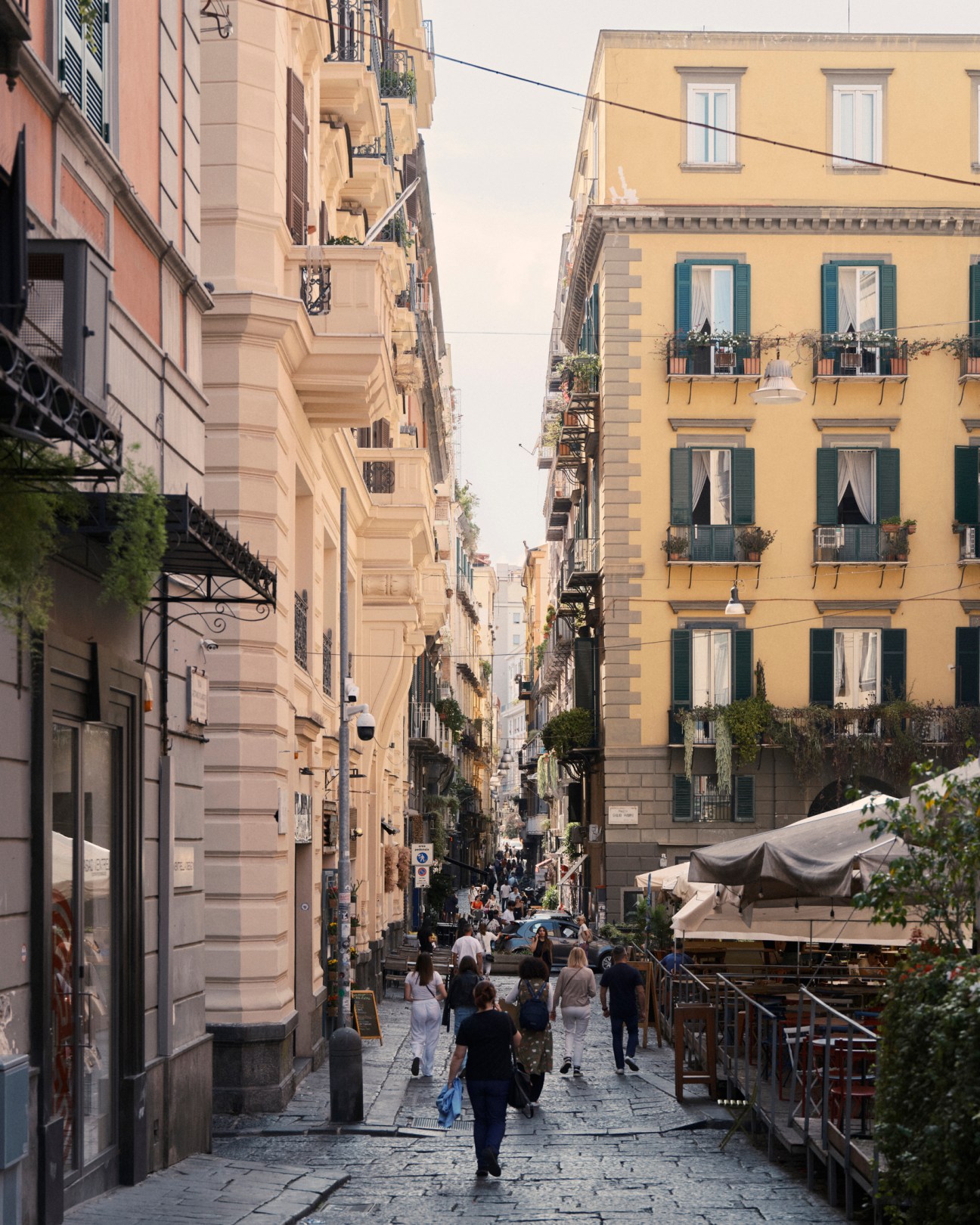
“I wouldn’t go to any other city in the world,” says Giò Nardi as he shows Monocle around his apartment in Naples’ upscale Chiaia neighbourhood. Like so many we speak to during three days in the city, something drew Nardi, a DJ and events organiser, back to his hometown after some time away. It might have something to do with the Bay of Naples glistening away in the distance just outside the window. “I can swim before work or go to Capri at weekends,” he says. “It still feels authentic here.”
Naples’ stretch of coastline isn’t the Côte d’Azur – but that’s the point that Nardi is making. Neighbourhoods such as Chiaia feel rooted in place rather than transformed into tourist playgrounds; community still exists. One resident we meet by the district’s waterfront, who gives his name only as Andrea, says that he has lived in Miami and Barcelona but Naples always wins due to “the Neapolitan’s heart; a Neapolitan will always help you”, before zipping down the Viale Anton Dohrn on his BMW CE 04 electric motorbike.
Naples’ top spots
Giovanni Bausan the restaurant Cap’alice 28/m Via Giovanni Bausan the outdoor space Villa Floridiana Park the cultural centre Thomas Dane Gallery thomasdanegallery.com the shop M Cilento & Fratello cilento1780.it
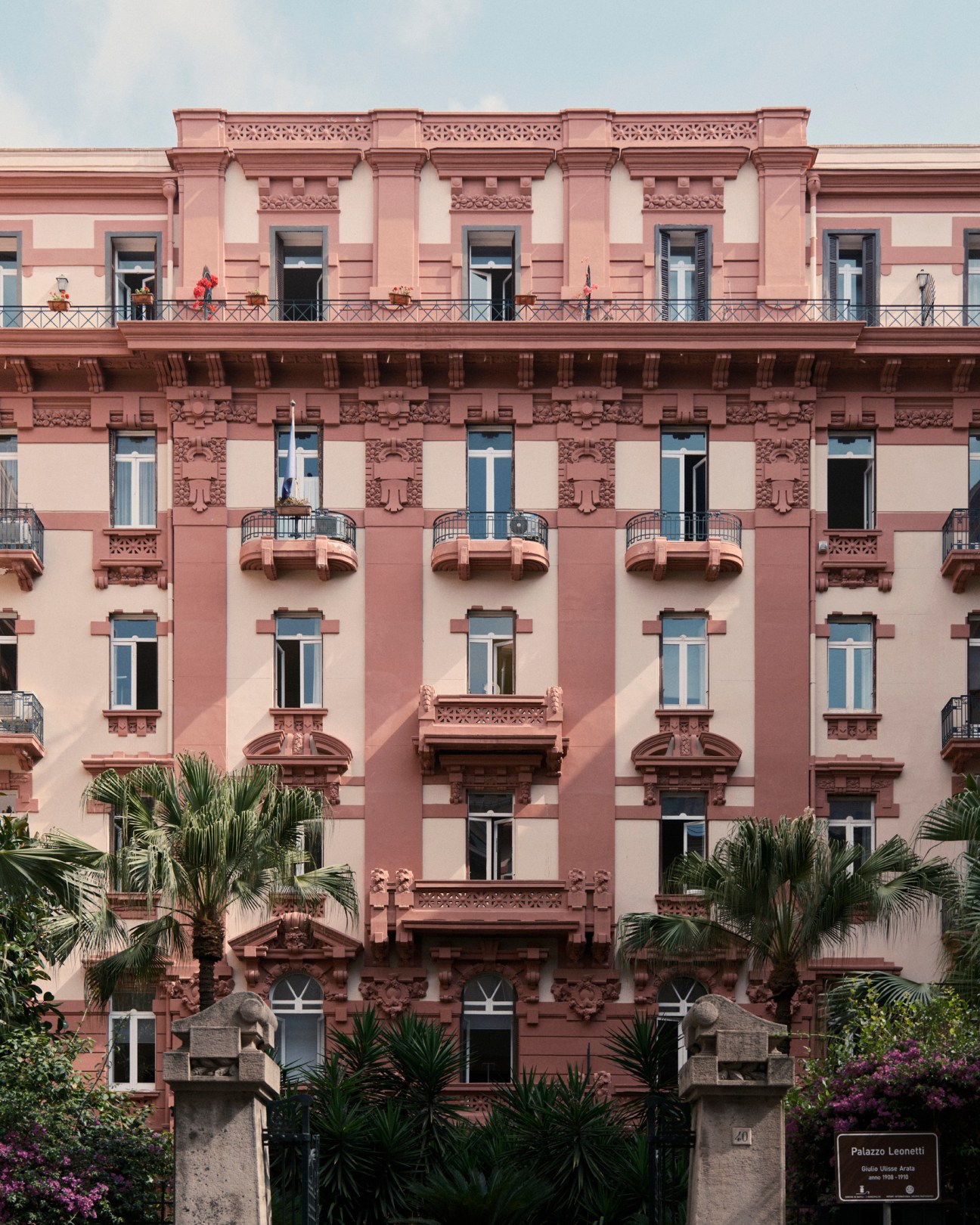

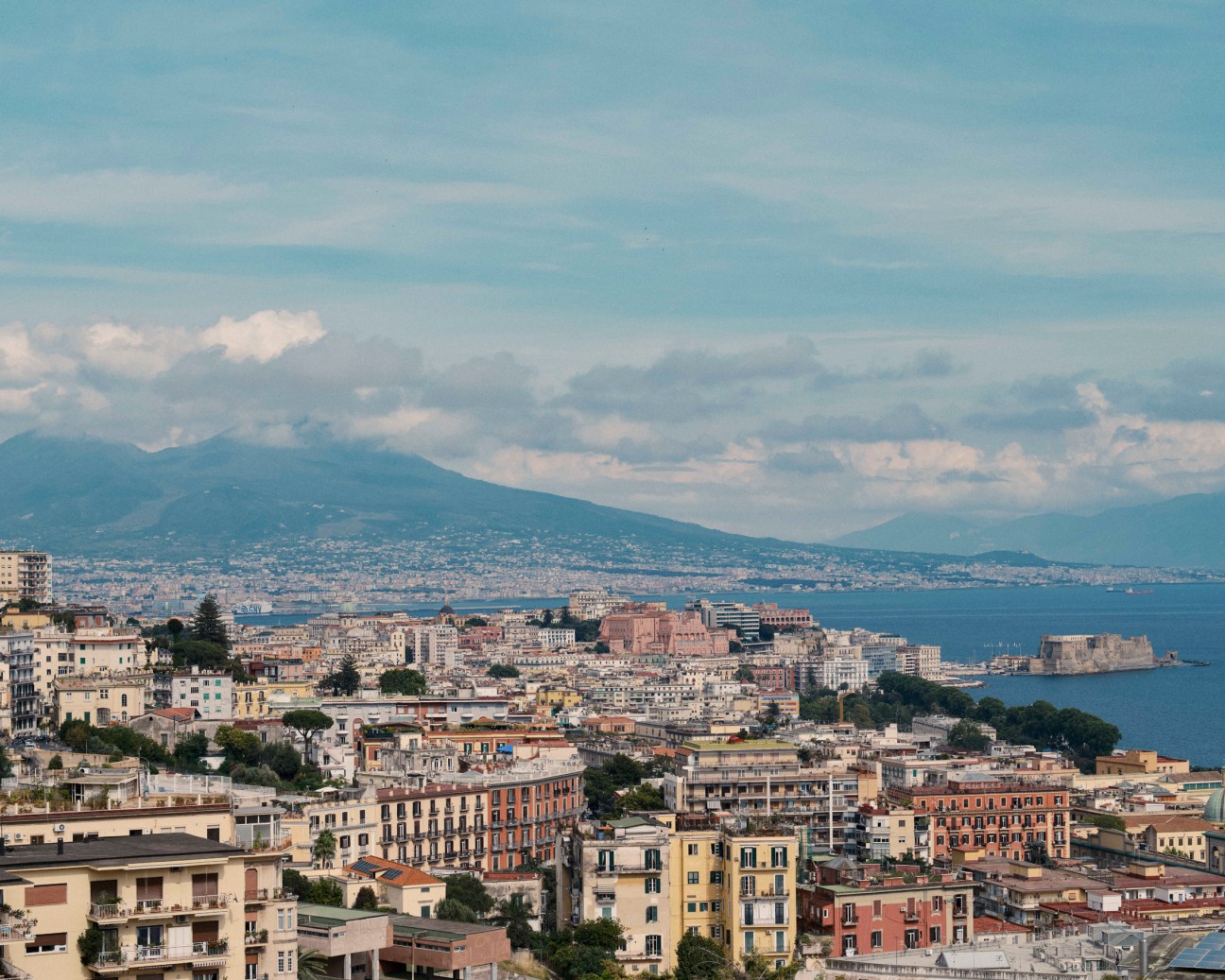
Chiaia is one of the city’s most liveable quarters, with shops, bars and restaurants at its centre. As you retreat from the shore and up into the hills, it becomes populated by 18th and 19th-century villas, plus the occasional Liberty beauty. Nardi calls the area “a good compromise” between the centre – teeming with history but chaotic and full of tourists – and more residential Posillipo further round the coast.
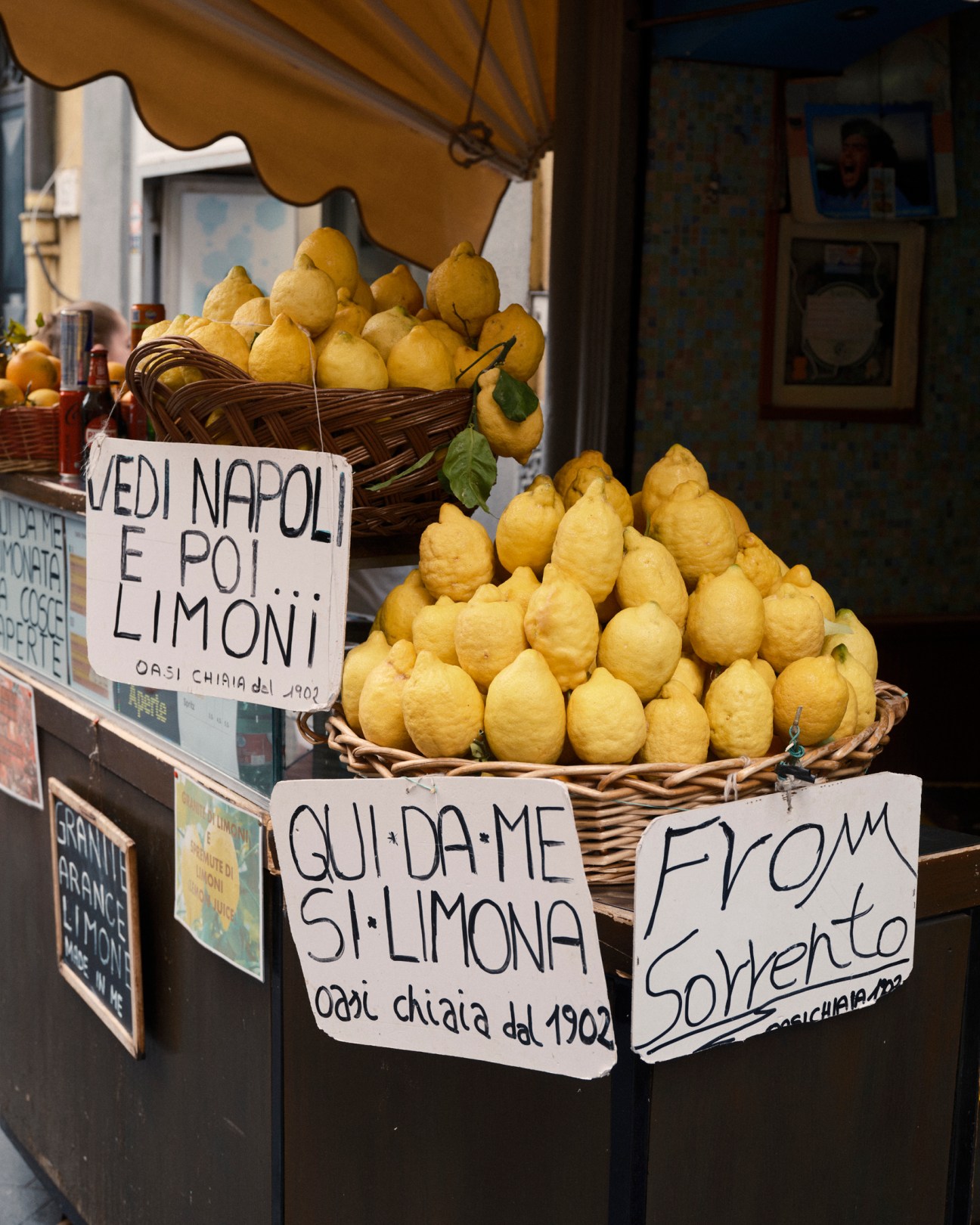
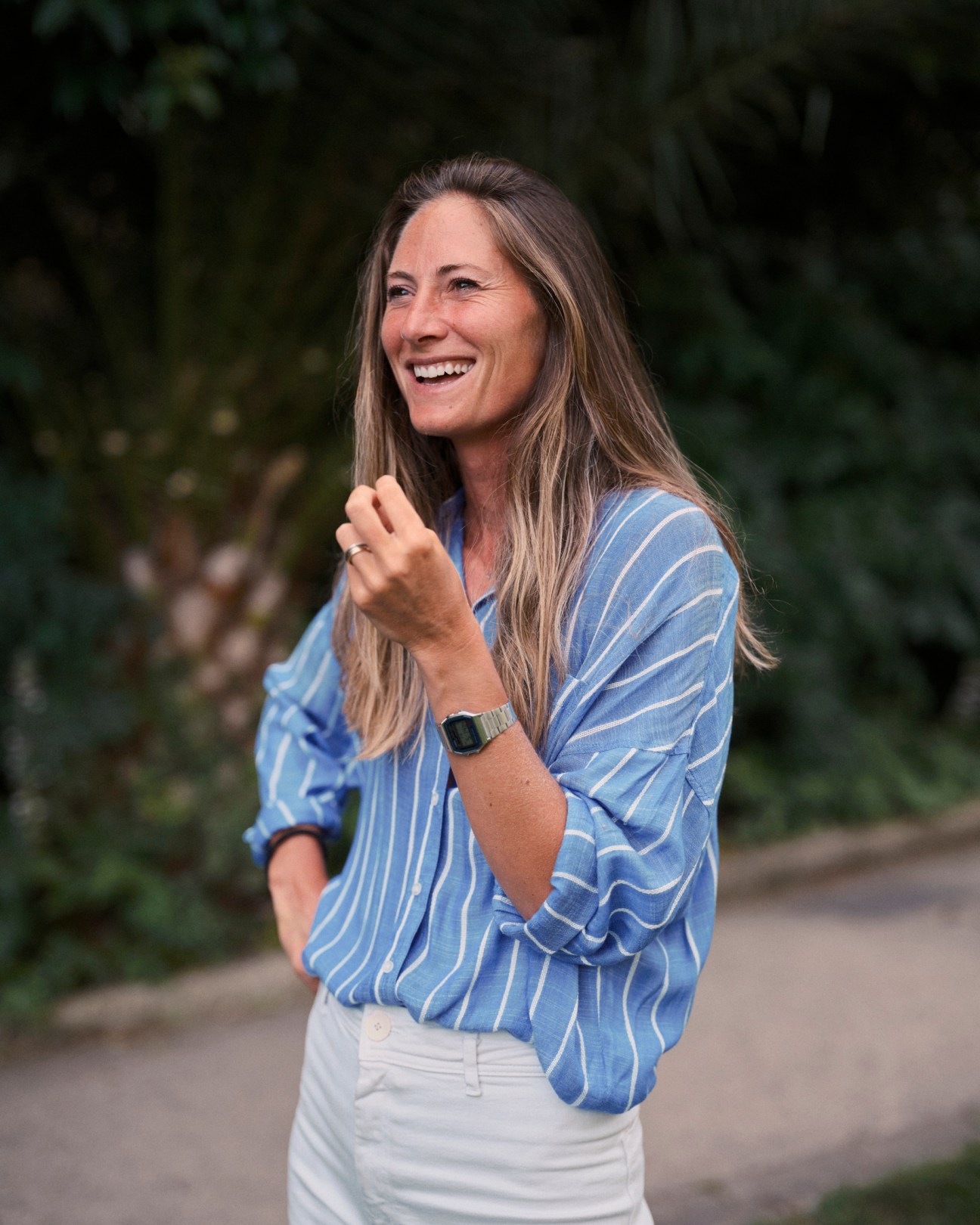
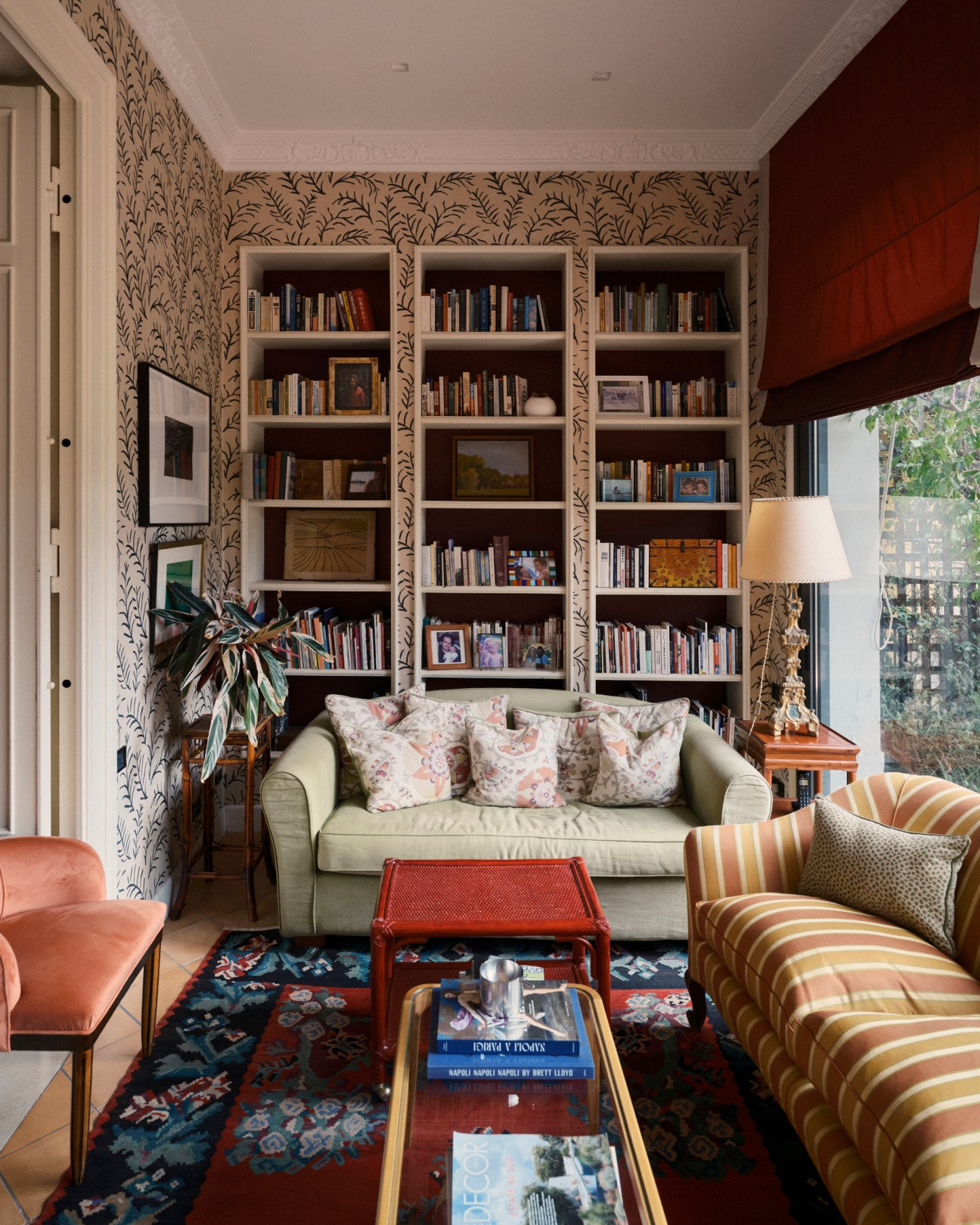
That sense of warmth is shared by Lucrezia Maspero, a tennis instructor originally from Milan, who met her Neapolitan husband in Rome and moved to the city eight years ago. We meet in the Villa Floridiana park in Vomero, a leafy neighbourhood with spectacular views, that sits immediately above Chiaia. “People are very close here,” she says. “You feel immediately at home.” And while she admits that it lacks playgrounds for her two children and other civic amenities, she can still jump in a canoe and explore the coast or be in woodland in less than an hour.
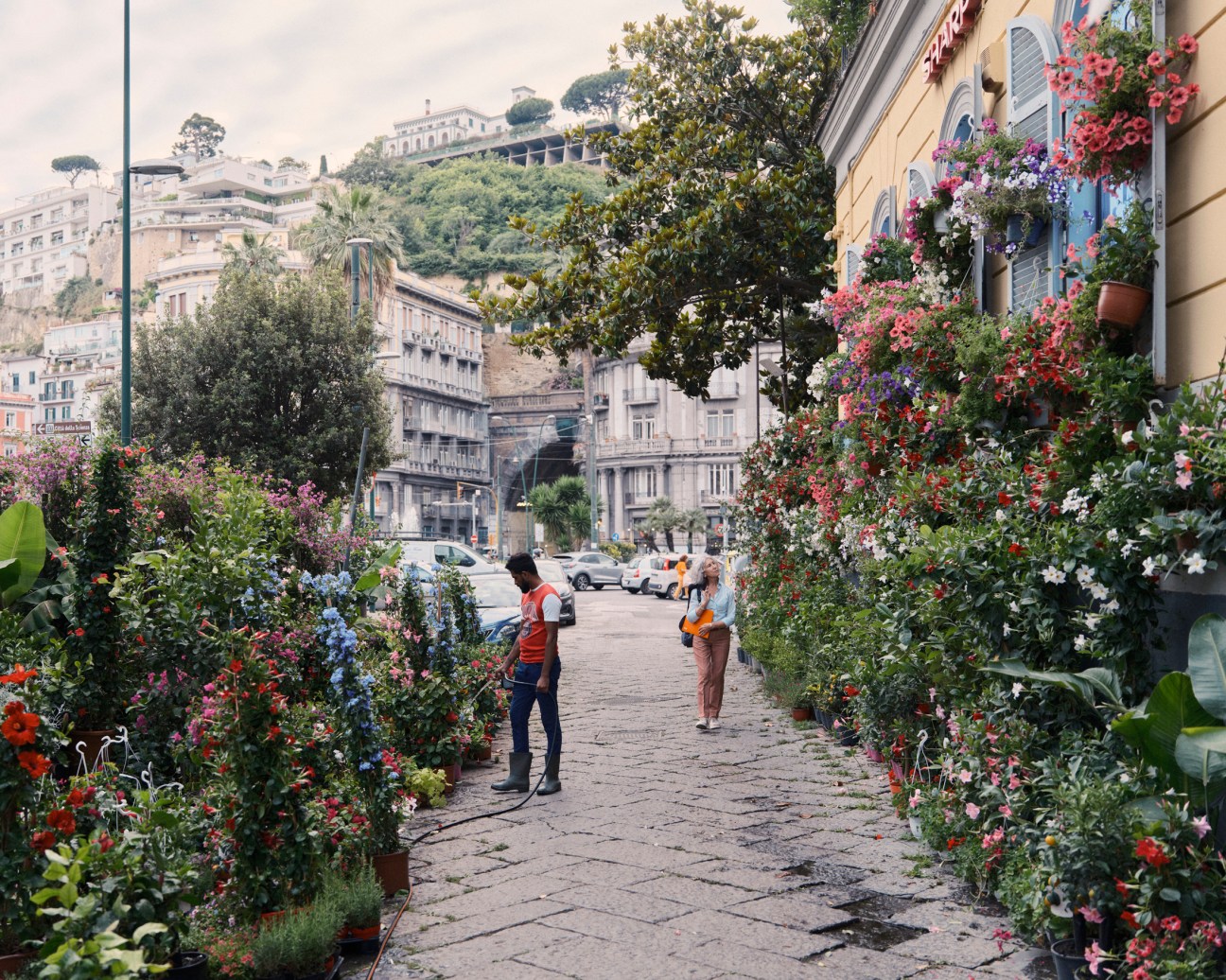
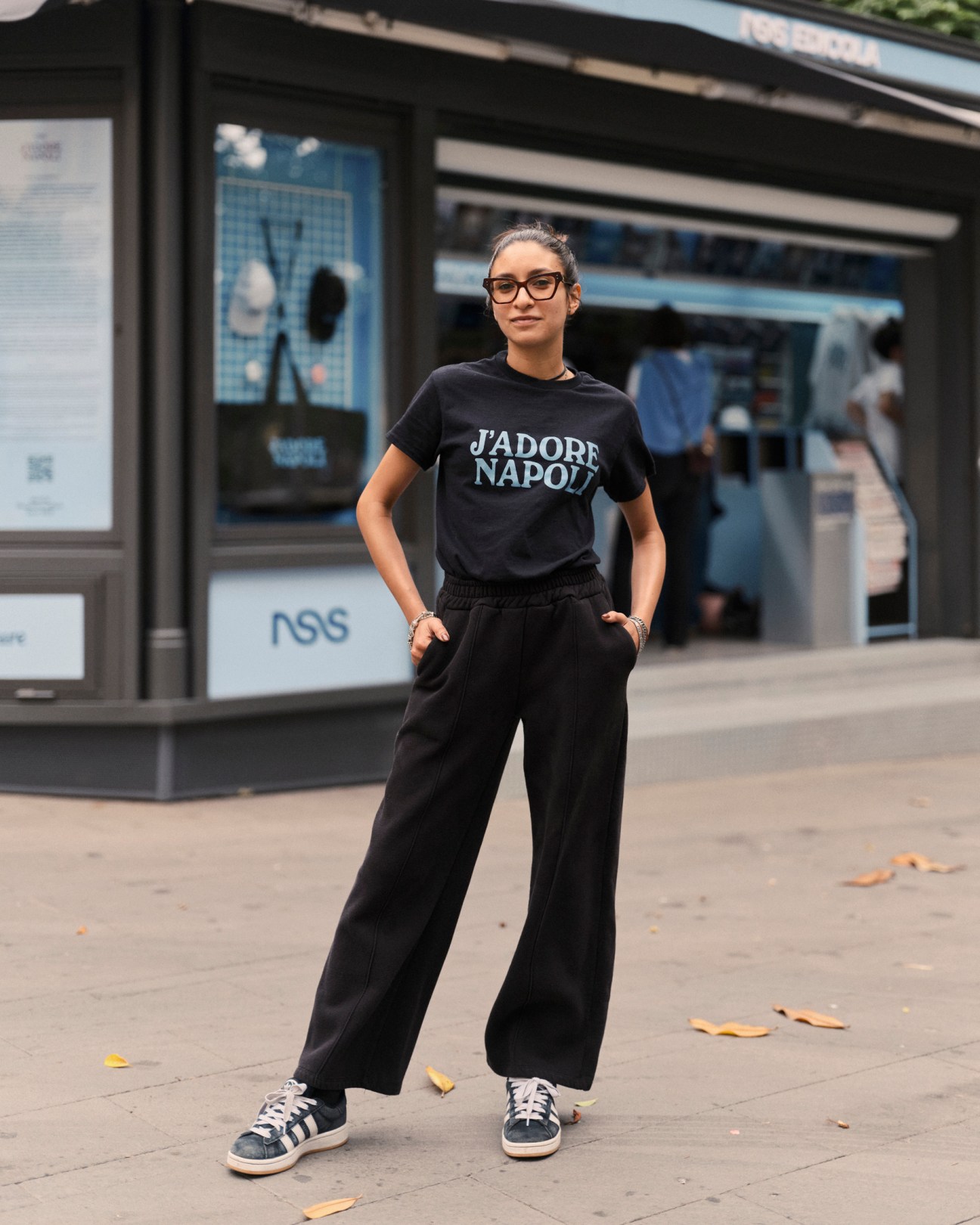
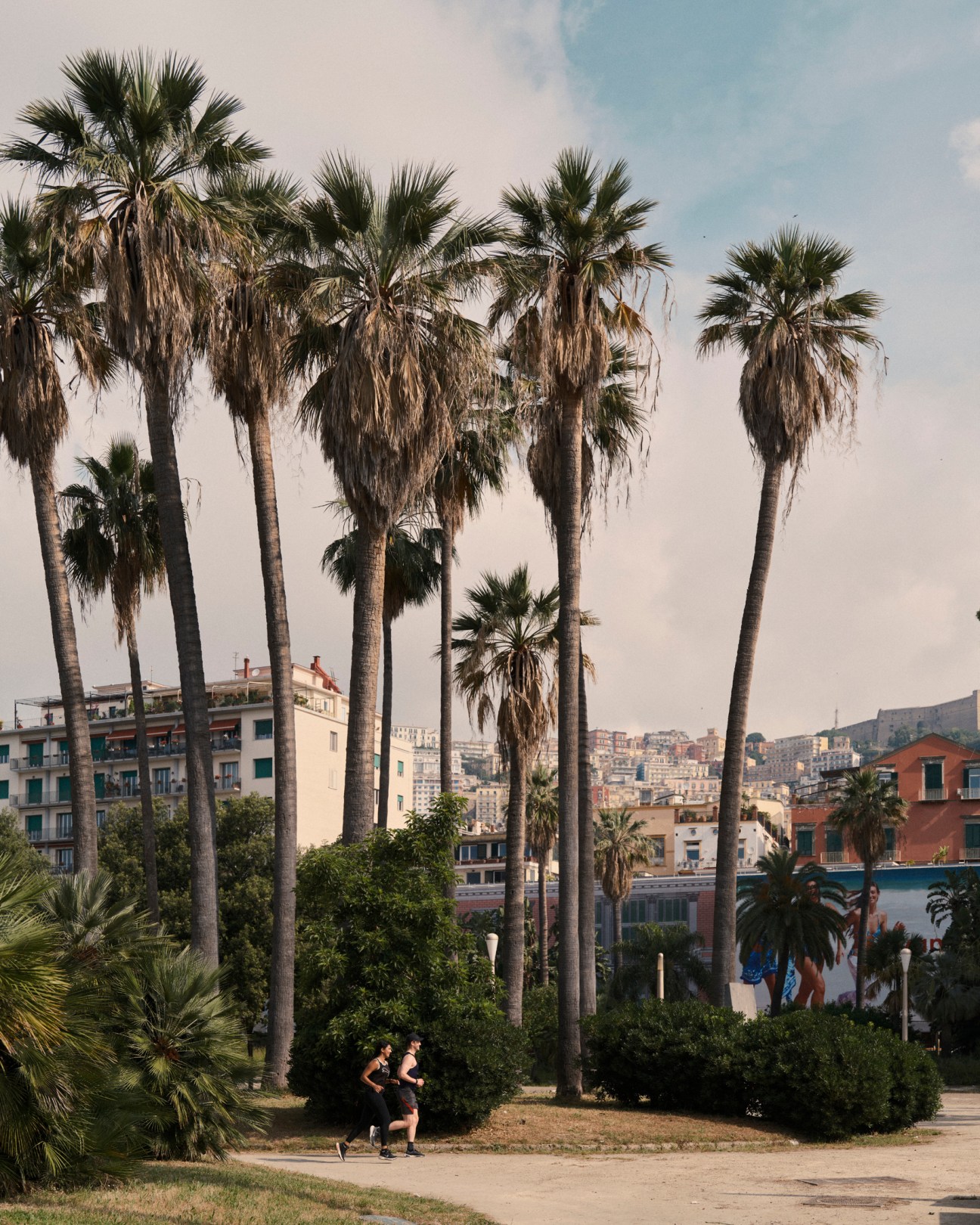
Back in Chiaia, gallerist Federica Sheehan shows Monocle around the Naples outpost of London’s Thomas Dane gallery, open since 2018. Set in a grandiose 19th-century villa, Sheehan says that Chiaia has the “space and light” that the centre lacks. She also explains the neighbourhood’s deep contemporary art roots, pioneered by art dealer Lucio Amelio and continued by the likes of Studio Trisorio and Galleria Lia Rumma.
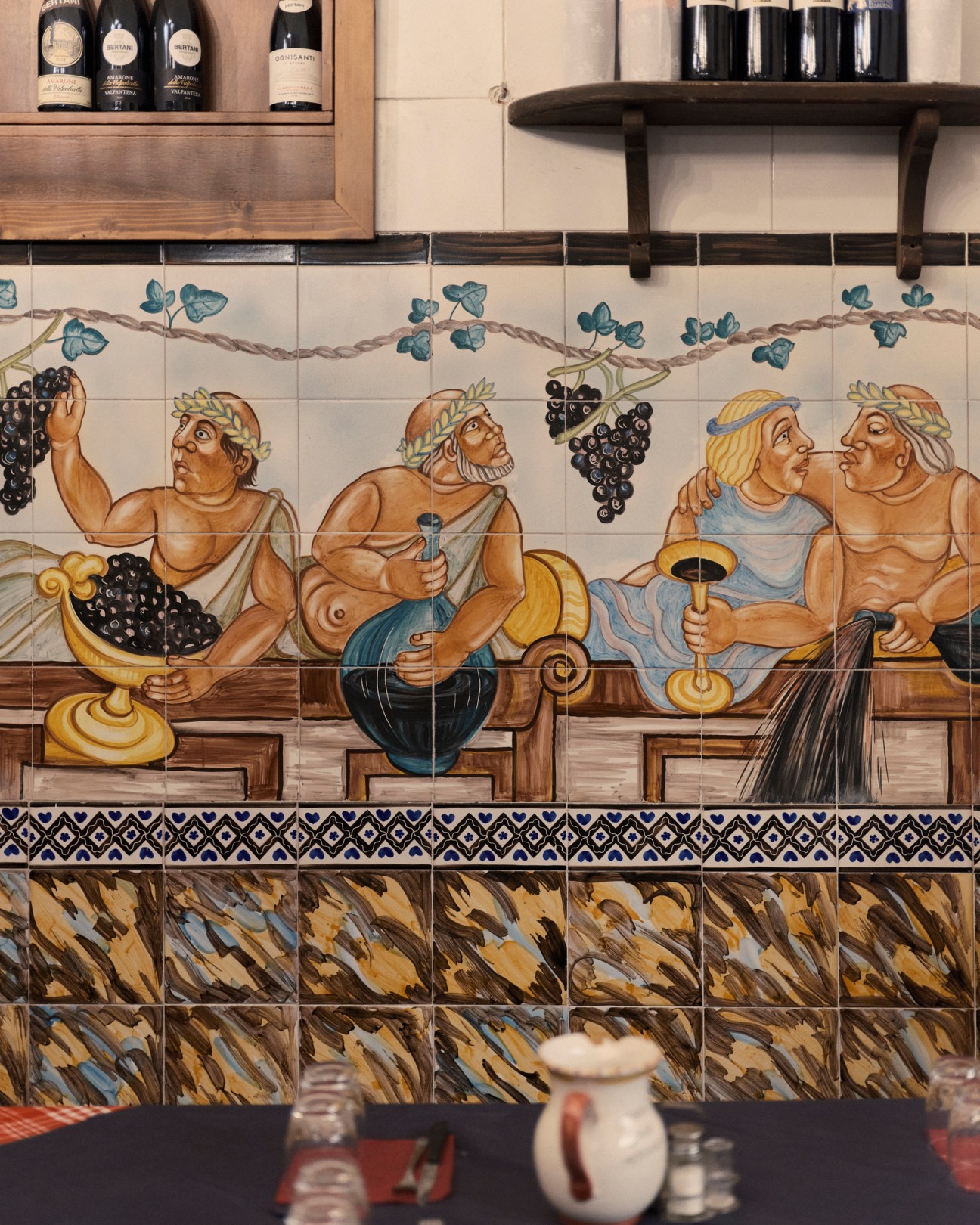
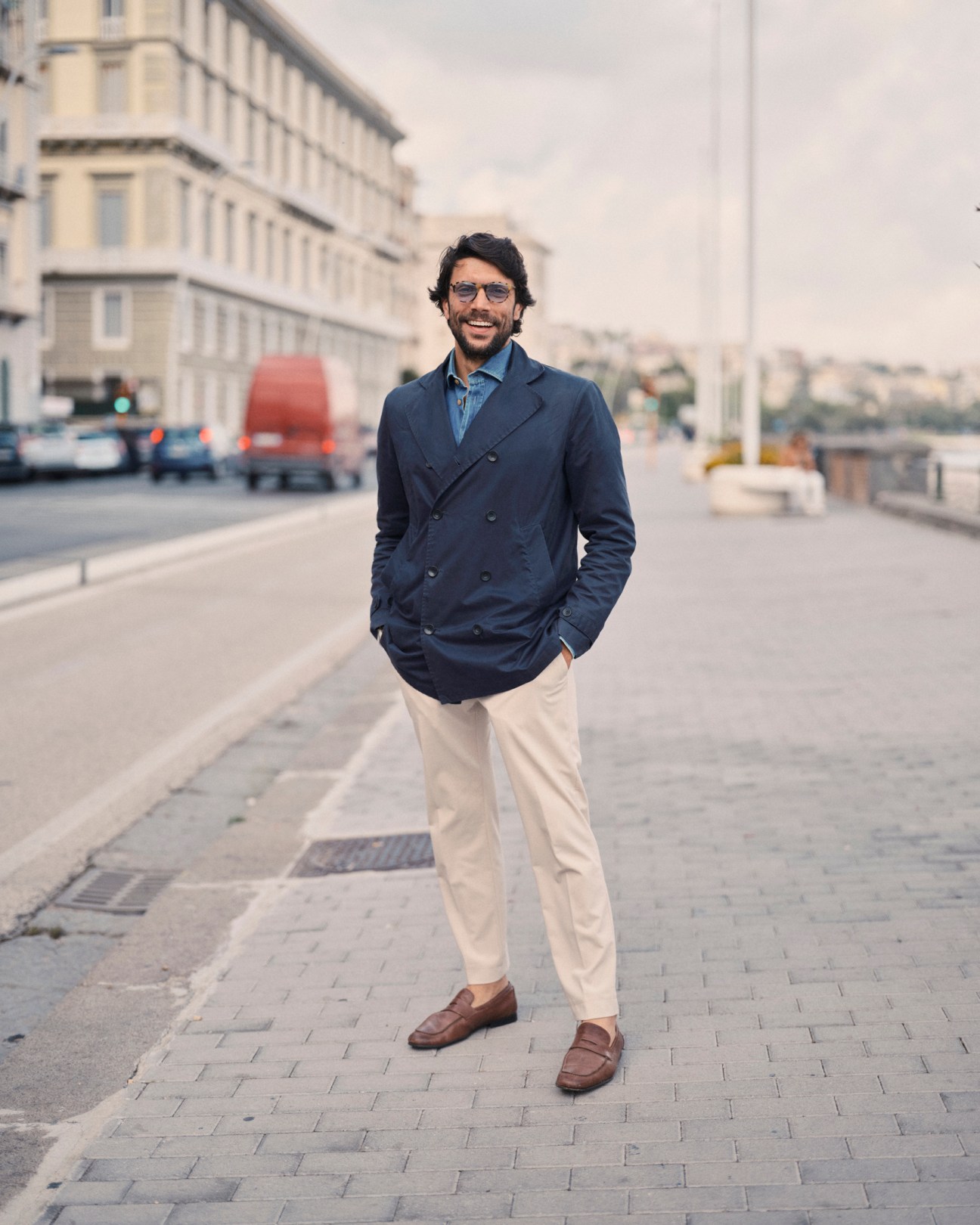
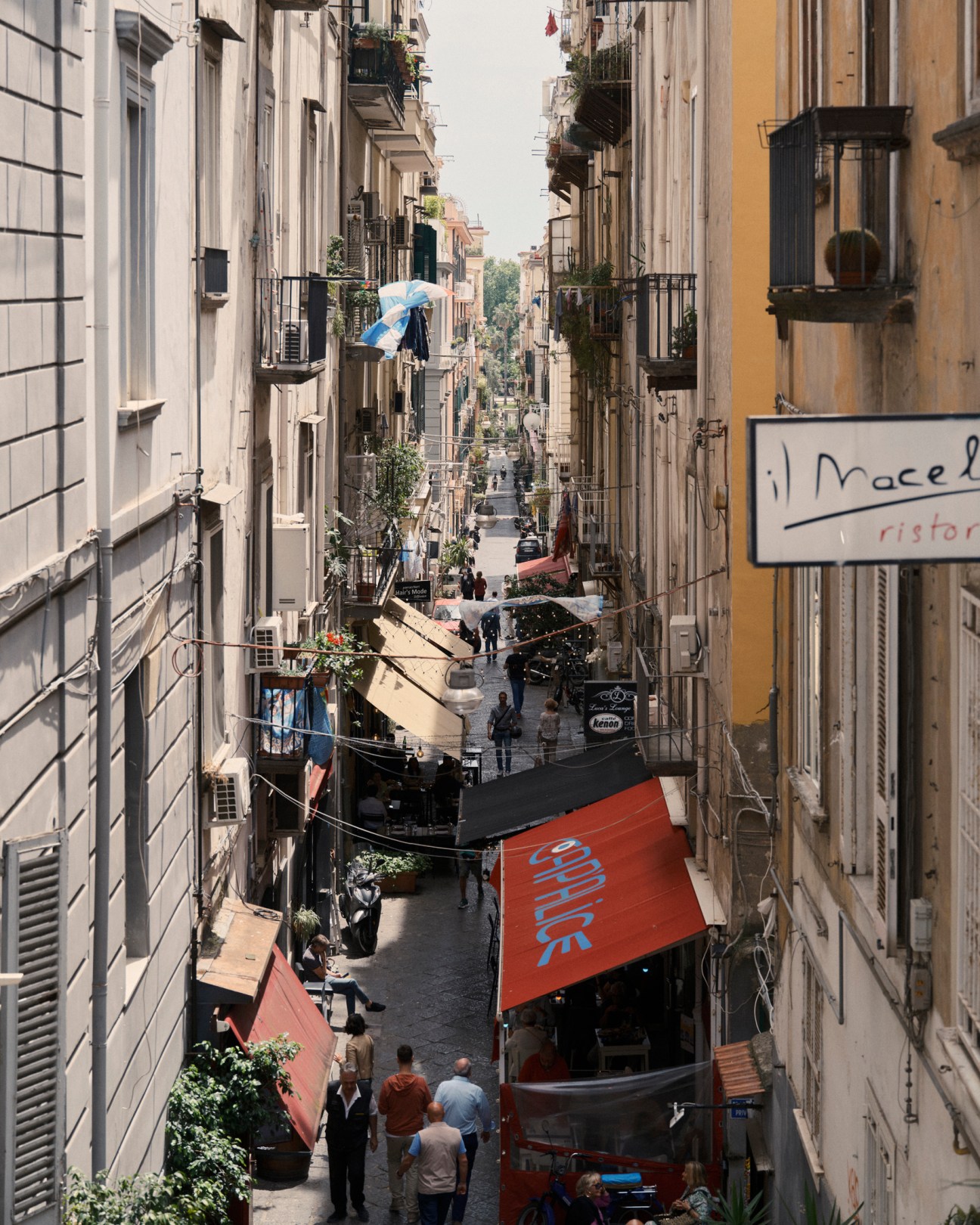
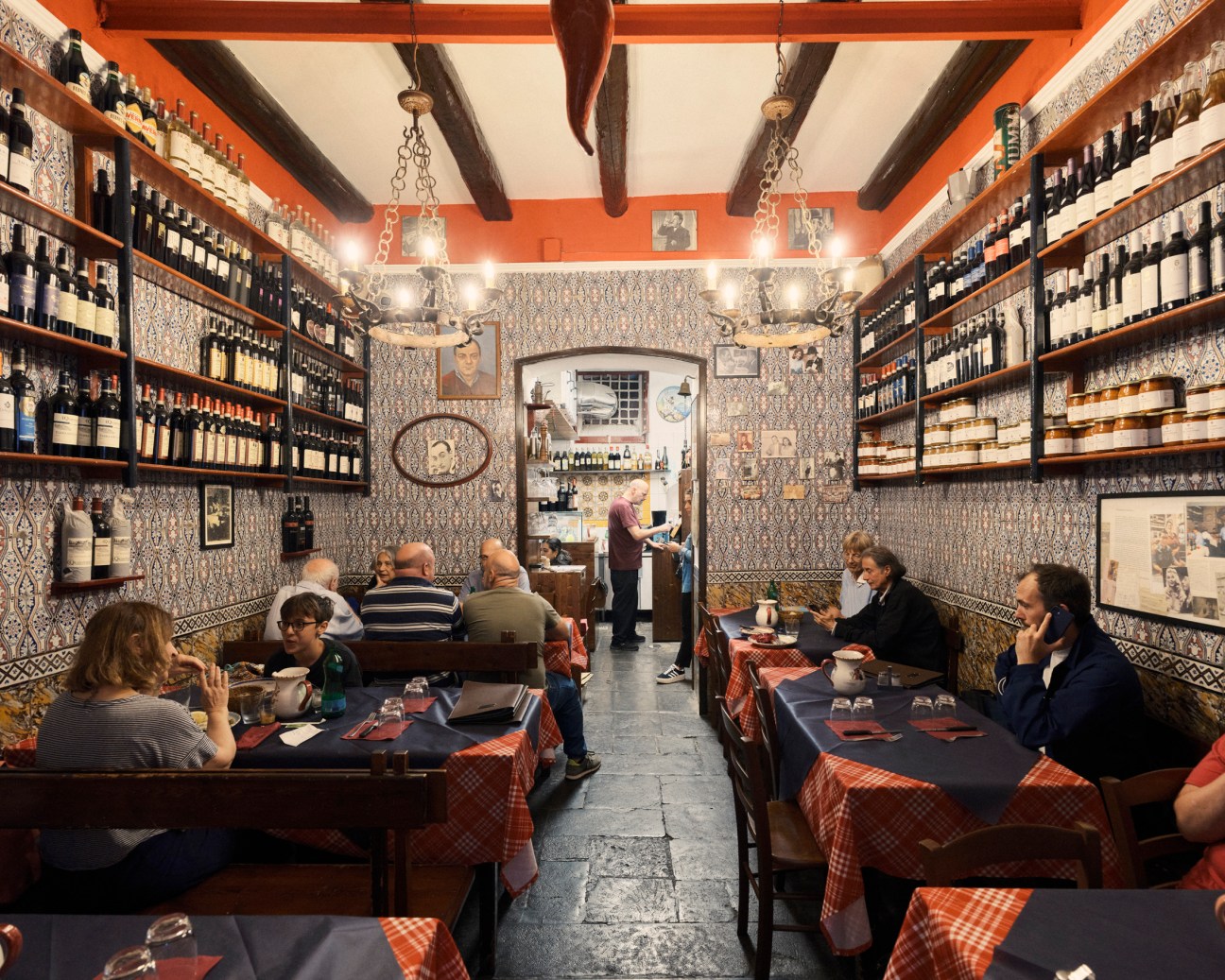
In the evening, people are drinking aperitivo on Via Bisignano, while children play football and adults fish off rocks on the waterfront. Restaurants and taverns such as Cap’alice, Osteria della Mattonella or Vomero’s historic Gorizia pizzeria mean that it’s hard not to eat well. Over at Jus natural wine bar and restaurant, small dishes including luvaro (a local fish) served with a strawberry vinegar and celery, and anchovy fillets accompanied by fragrant bergamot butter, can all be washed down with a glass of minerally Greco di Tufo white wine.
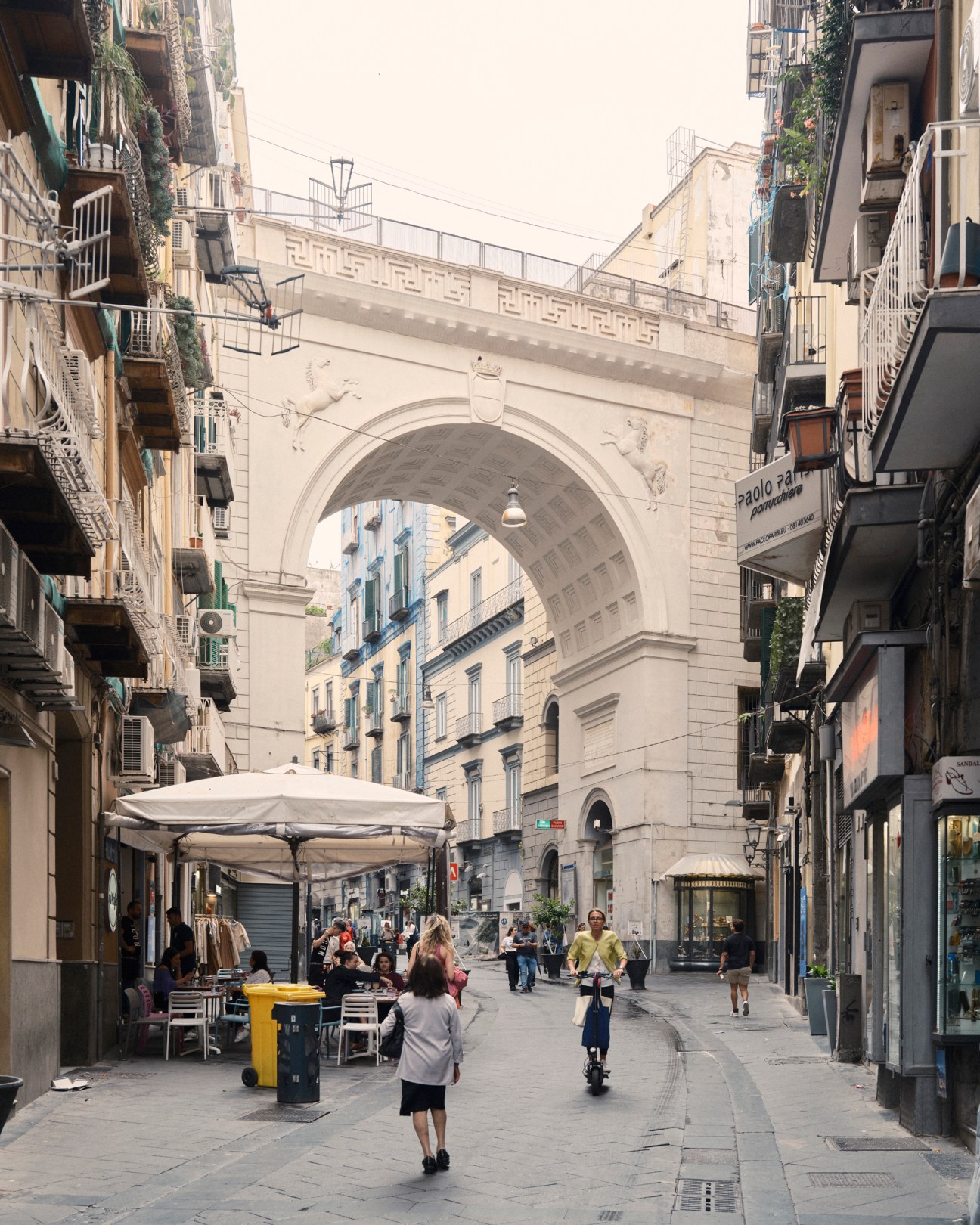
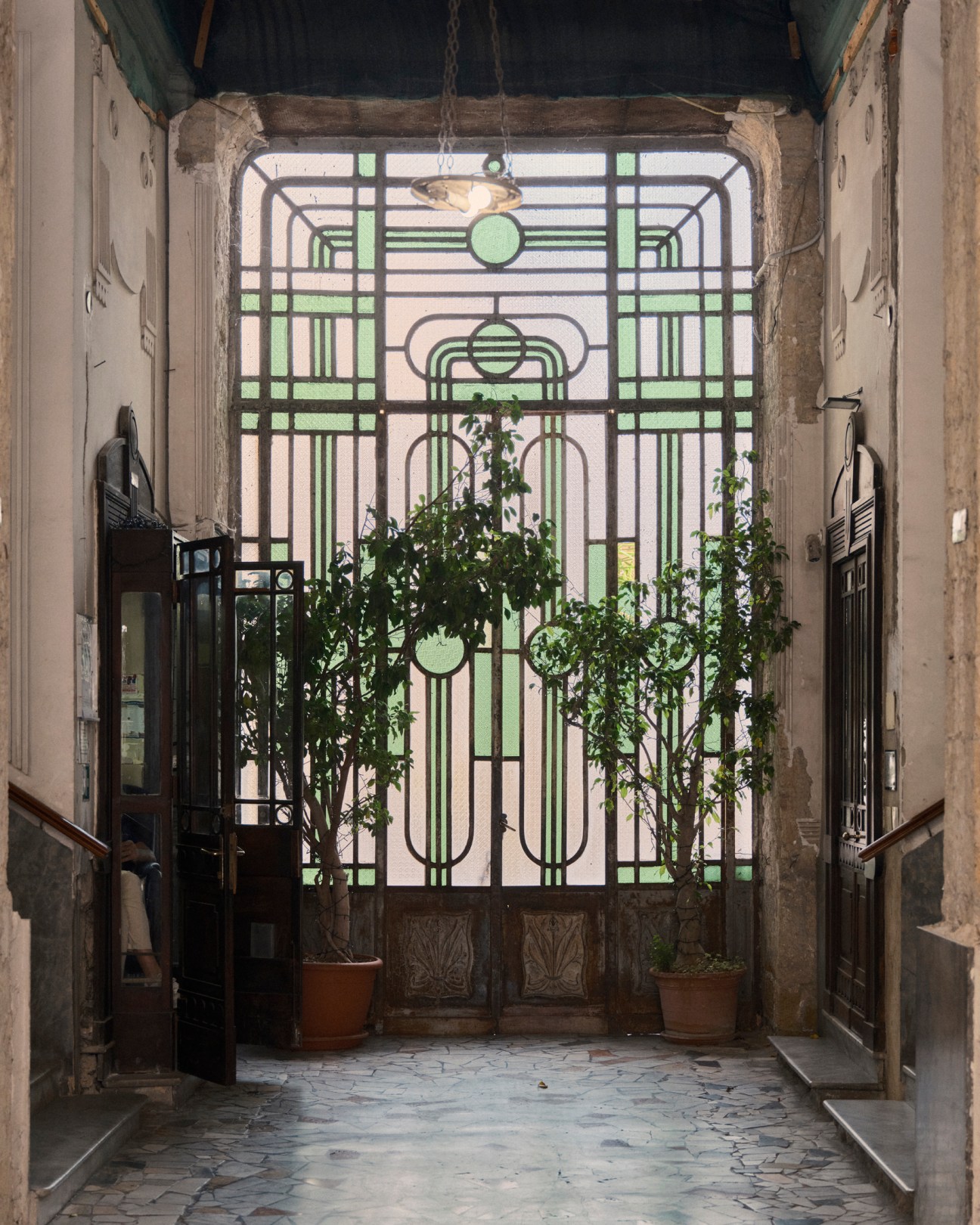
Jus owner Diego Amura left a job in telecommunications to follow his passion for wines in 2021 and hasn’t looked back, helped by the fact that his commute is precisely a three-minute walk. “I love it here. I practically live on the sea and arriving at work is a joy,” he says, before pausing for a moment. “The sea changes everything.”
Business agenda: The case for democratising aviation and the magazine business in Manila
Elevated insights
Private pilot perspectives
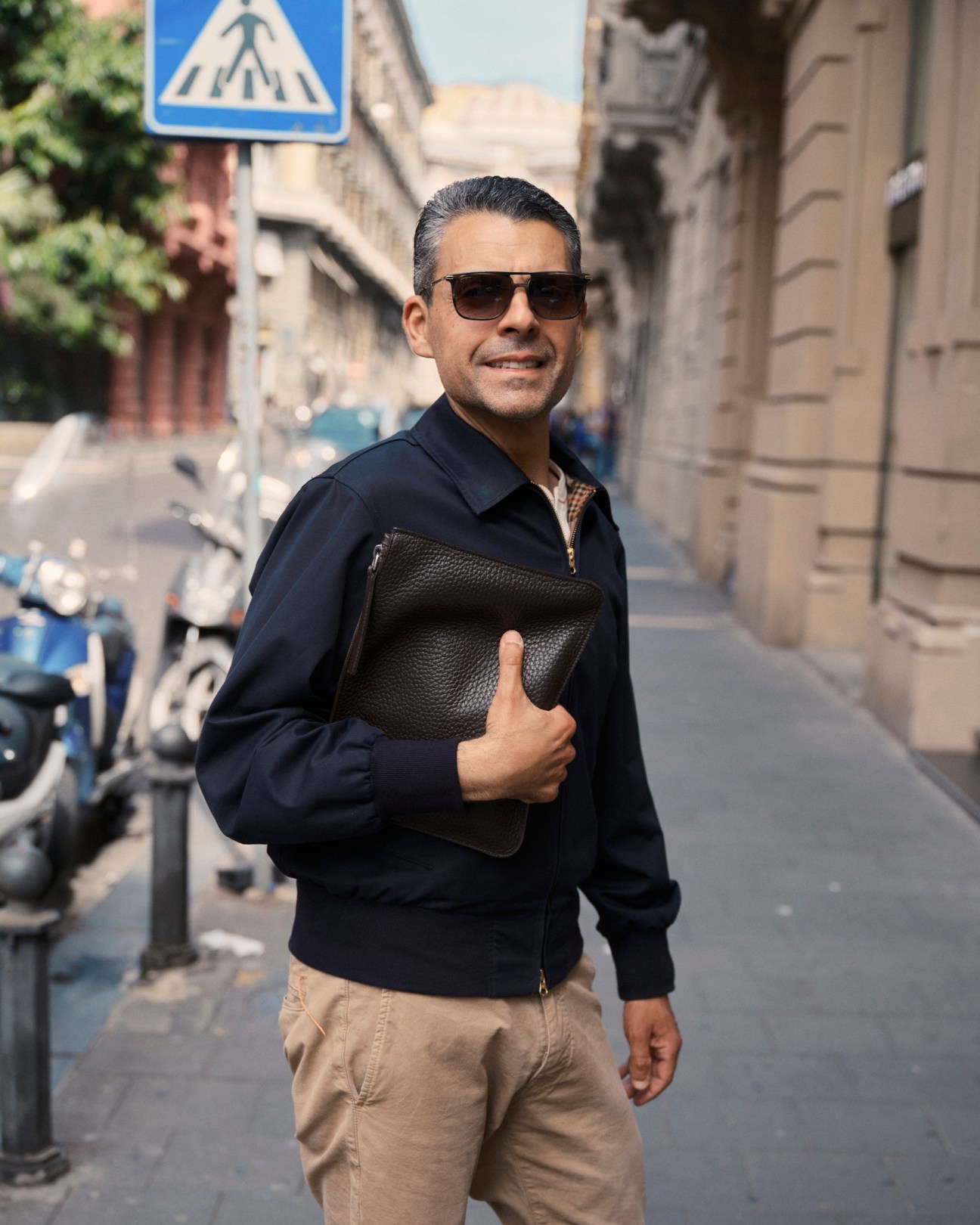
Private and commercial pilot Edwin Brenninkmeyer is betting big on the future of aviation. “The sector has changed a great deal. Chiefly, funding is increasingly available to help make aviation more sustainable,” he tells Monocle.
As the founder and CEO of Oriens Aviation, which is based in Biggin Hill (home to a private airfield) and is the exclusive Pilatus and Tecnam UK aircraft distributor, Brenninkmeyer knows the business from inside and out of the cockpit. “Aviation is a conservative industry,” he says. “New technologies have a hard time gaining certification and acceptance but I’m convinced we will succeed as long as people don’t get frustrated and lose interest.”
His passion for flight started at a young age. “I always loved model aeroplanes,” he says. He earned a private pilot’s licence at 17. But Brenninkmeyer’s career initially followed a different trajectory. His early professional years were spent in retail, gaining insights into leadership and team management. After a stint in venture capital watching the growth in the aviation sector, he returned to the skies. “There was a big opportunity in the mid-2000s with technology entrepreneurs producing cost-effective jets,” he says.
The company was founded on a vision of democratising business aviation and provides services including sales, charter management and plane maintenance. Business is booming, especially in the US. “The whole infrastructure there is very different from Europe,” he says. “Seventy to 80 per cent of US business aviation customers are middle management, so it’s not just for the rich and famous,” he says. Brenninkmeyer hopes to change attitudes closer to home too. “In Europe business aviation is often seen as a frivolity rather than a practical tool to save time.” With the company’s values and foundation set, his focus is ethical business and refined hospitality. “If you have a good culture within your company, that translates to your customers.”
Brenninkmeyer is keen on opportunities to support the industry and the investment it’s receiving for innovation. “If you’re developing hydrogen-powered aircraft that are more environmentally friendly, what infrastructure will those aircraft need?” he says. “That’s the next step.”
For more top-flight stories, tune in to Monocle Radio’s business show ‘The Entrepreneurs‘.
Paper state
Magazine mecca
Spruce Gallery opened in Metro Manila at the end of 2023, close to the headquarters of the Asian Development Bank. Both share a similar mission to provide life-improving infrastructure – on a different scale. While the bank finances dams, the gallery is plugging a media hole in the Philippines’ largest metropolis. “We are the only magazine store in the entire city,” says Ric Gindap, who founded the gallery with his business partner Bonnapart Galeng.
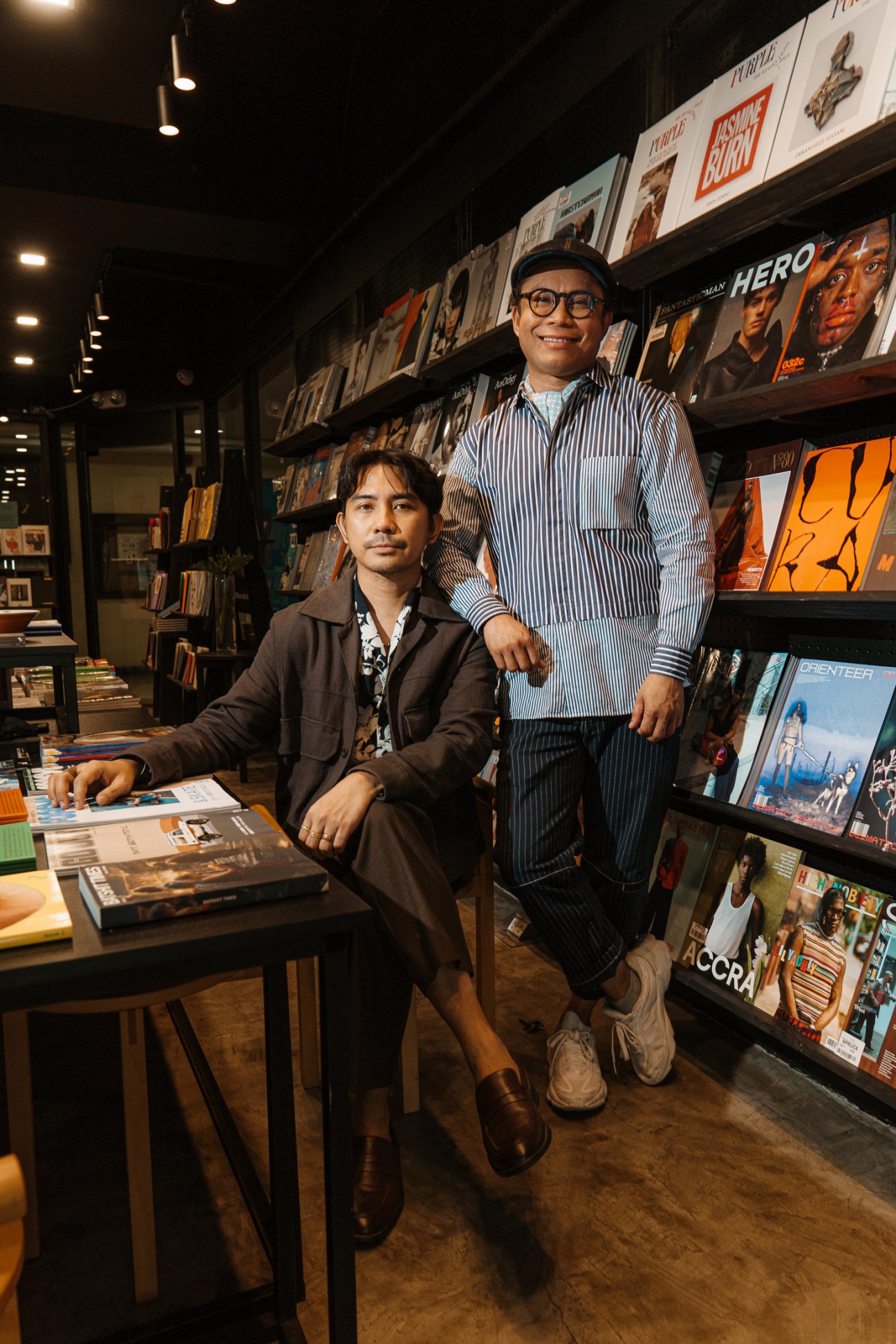
The smart space displays imported magazines alongside a rotating art exhibition. Galeng sits at the counter to provide recommendations, while chairs invite lingering. The absence of a website encourages visitors to come here to discover new titles, as well as create a community around print. Competitive pricing is another draw.
Gindap and Galeng decided to act when the major bookshop chains gave up on stocking print titles. “They just pile up the back issues in one corner and expect people to respond,” says Gindap, who was the editor of Memo magazine when Galeng joined in 2006, eventually becoming its fashion editor. “Our DNA is really in magazine creation,” says Gindap.

The response to Spruce Gallery has been both encouraging and educational. Independent titles have been flying off the shelves faster than they can be restocked, while venerable or established fashion glossies have been slower sells. Teens and twenty-somethings are buying text-heavy publications with few pictures; The Paris Review and The monocle.livepanion (our own paperback essay series) are bestsellers. “These kids are bombarded with digital images all the time,” says Galeng. “They’re a reading generation and want to hold something that’s tactile.”
Star glazing
Ceramic excellence
The small Japanese city of Tajimi, famous for its rich clay soil, has a 1,300-year history of pottery. The city has been at the centre of Japanese tile production since the early 20th century and 90 per cent of tiles made in Japan now come from here – an output offset by smaller makers producing tiles using traditional techniques.
Masashi Kasai founded Tajimi Custom Tiles (TCT) in 2020 to connect architects and designers with skilled makers who could produce bespoke tiles that had the handmade feel of pottery. TCT’s presence recently expanded in Tajimi thanks to a new gallery and kiosk where designers can peruse samples, order from its semi-custom range (39 shapes in 100 colours) and buy one-off pieces.
Kasai wants TCT to grow and, buoyed by the low yen, overseas sales have been brisk, with projects for luxury brands and Melbourne’s new Parkville Station. TCT’s Zürich-based creative director, David Glättli has also introduced collaborations with international designers to display possibilities.
“Factors beyond our control, such as interest rates, can affect our sales,” says Kasai. “But the overseas market for Japanese tiles is definitely expanding.”
tajimicustomtiles.jp
Global perspectives on urban wellness: How do we build equitable cities?
1.
Fairness and the Empire State
David Bodanis
The race to build the tallest building in New York could have resulted in tragedy, but the Empire State Building made a point of treating its workers well – and won.
The Chrysler Building is the most beautiful skyscraper in New York, all glistening art deco and huge metal gargoyles. It’s the backdrop to many superhero films but, tellingly, when King Kong came to visit the city, he didn’t consider wasting his time there. Who wants to stand atop something merely shiny, when you have military biplanes to bat away, while clutching the love of your life? You need to be bigger and higher. You need, in fact, the Empire State Building – for nearly half a century the tallest skyscraper on the planet.
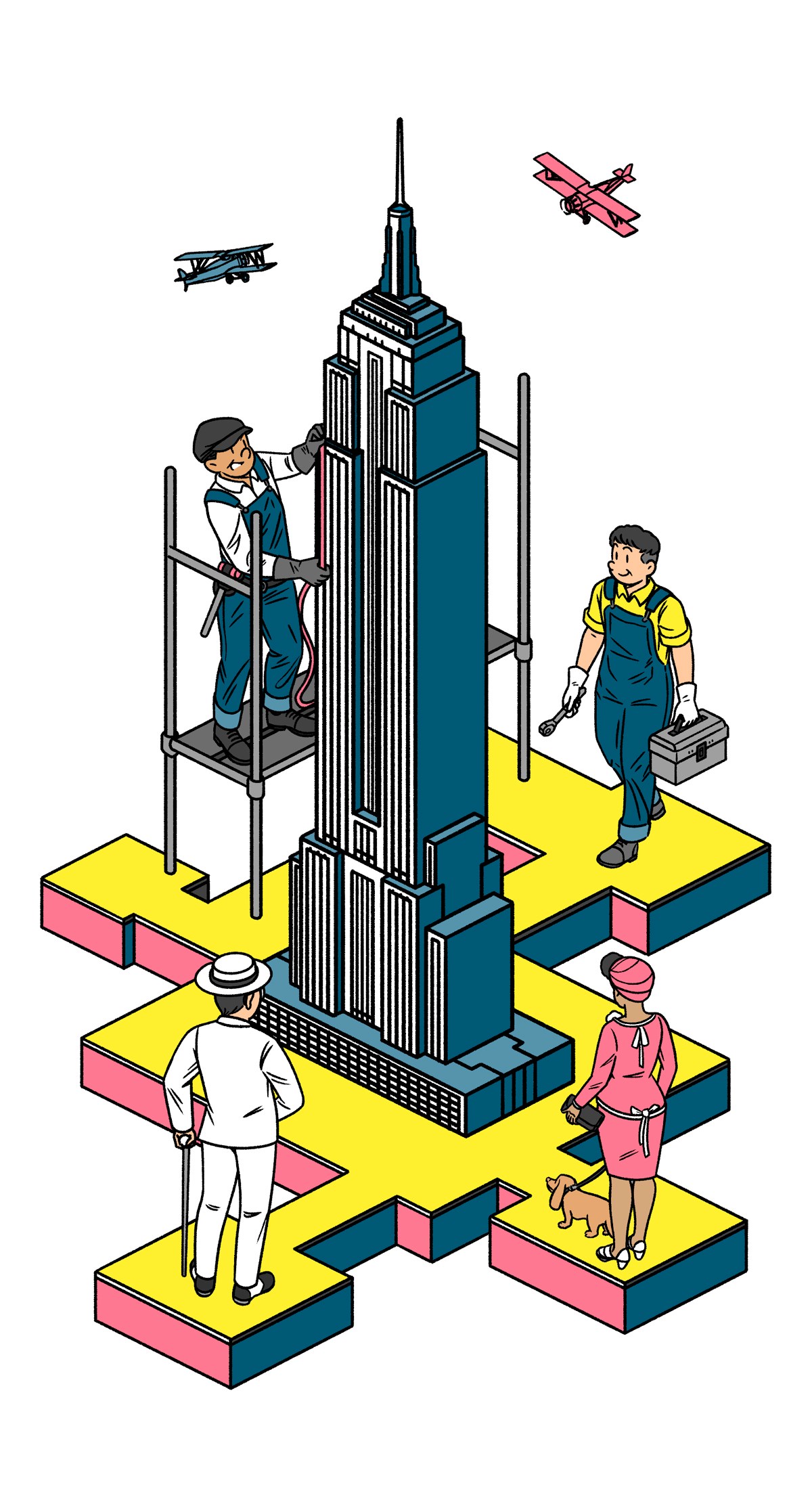
The Empire State is my favourite tower in the New York skyline – and not just because of its proportions. When it was conceived in the late 1920s, it managed to masterfully balance the notion of quality of life with the needs of the urban environment. It’s a landmark that we should be pondering to this day for that very reason.
The Roaring Twenties were a great time to be rich: the Jazz Age with free-living women in narrow dresses; fast cars and speakeasy saloons; and great new music. For most other people, however, it was rather miserable. There was a rough depression in farming regions and, when unemployed farmers did make it to the cities looking for work, construction foremen knew that there were so many of them (and they were so desperate) that even the lowest wages would be accepted.
The planners behind the Empire State Building took a different approach. What if instead of stiffing their workers as much as they could – paying low wages, taking deductions for random costs and making them go up even on the most dangerous, wind-roaring days – they did the opposite? That meant paying wages at double the going rate and offering quality restaurants on-site as the tower was going up. Plus, no one ever had to go out on exposed beams when the wind was howling – and they would be paid regardless.
Imagine those conditions for a moment. It’s the opposite of many construction sites today, especially in autocratic states looking to turbo-charge “progress”. We know that bragging about how quickly a project is completed in these places is often a sign of workers being exploited. But not when it came to the corner of Fifth Avenue and 34th Street between 1930 and 1931, even though it went up fast – at one point rising by four-and-a-half floors a week.
It sounds like a fairy tale but that misses the gratitude that good conditions can produce. Everyone – well, almost everyone (this was still New York, after all) – was willing to go the extra mile. Workers, for example, suggested building a miniature railway line to transport bricks into the site, instead of, as was usual before, stacking them on wheelbarrows to be laboriously pushed along wobbling wooden gangplanks. With a peak of 100,000 bricks arriving in every eight-hour shift, that sped up construction a lot. Electricians also spontaneously came up with wired signalling systems to replace the usual bell ropes for announcing when a shipment was coming up.
None of this would have worked if the owners had been completely naïve or simply too idealistic. Without any supervision, hardly anyone is a saint. Foremen would bill for more men than they actually used and tools would disappear. But the Empire State organisers had survived years in New York construction, a life experience which disabuses anyone of belief in the inherent benevolence of humankind. They sent in auditors to clamber through the building twice a day, checking that the workers were where they were supposed to be. Other sets of auditors counted the tools and the materials. The result? Construction was completed in just 13 months.
Despite the benevolent high salaries and excellent working conditions, and despite the street-smart idea to thoroughly check on progress along the way, the building might not have ended up winning the race to be the tallest. When Walter P Chrysler, the Kansas boy who had made a fortune in automotives and wanted to claim domination of the New York skyline, found out how high the Empire State was aiming to be, he decided – in good old capitalist fashion – to cheat. With the workers sworn to secrecy, he had his architect quietly build a 56-metre-tall glass and metal spire. To keep it hidden, workers brought it up through the Chrysler Building in unrecognisable parts and then performed the final assembly inside the empty top floors as the building was still going up. One morning they used hoists to push that spire up through the top of their building. It perched right on top – creating a structure that they were convinced would outdo the Empire State.
Which meant that the Empire State had to cheat right back. Everyone knew the transport technology of the future wasn’t just propeller planes but also lighter-than-air zeppelins. In the late 1920s they were doing a roaring trade carrying wealthy passengers across the Atlantic but the nearest dock was 80km away in New Jersey. What if the Empire State had a new mooring mast stuck on top, something so broad and tall that the Chrysler could never compete with it? A hard build, perhaps – but this is where the committed, grateful workforce came in. Schedules were adjusted, new material was ordered and fresh gantries designed. Walter P Chrysler, a man who hated losing, was forced to give up.
So what lessons can we take away from the Empire State? Cities never stay the same. They’re always changing. Apply the Empire State’s lessons about generosity – sensibly audited generosity, that is – and who knows what can be achieved, from retrofitting for better environmental operation to cleverly converting downtown offices into apartments. We don’t know whether King Kong is ever going to come visiting again. But if he does, what beautiful, humane cityscapes we can create for him to survey.
About the writer:
Originally from Chicago and now in London, Bodanis is a writer, public speaker and author of The Art of Fairness: The Power of Decency in a World Turned Mean.
2.
Nusantara: great hope or white elephant?
Joseph Rachman
Later this year, Indonesia will unveil its newest city, Nusantara, a multi-billion-dollar attempt to unite both the country’s sprawling geography and its complex culture.
There’s a construction site on the eastern edge of Borneo in what was once rainforest and is now a giant eucalyptus plantation. Tnes of thousands of workers swarm across its 6,500 hectares dotted with half-finished buildings. The largest is set to take the form of a giant mythical eagle, or garuda, and house the president of Indonesia. An opening ceremony will be held in August, which seems enormously ambitious given the state of incompletion. President Joko Widodo, due to leave office in September, clearly wants his successor to feel unable to abandon the $32bn (€29.3bn) mega-project.
Indonesia’s new capital, Nusantara, is raising the usual eyebrows that tend to dismiss such projects as white elephants. And yet Indonesia is far from the first country to embark on such an endeavour. For sceptics, the motivation is either authoritarian megalomania or utopianism. Kazakhstan’s Astana, for example, is a byword for dictator kitsch featuring monumental pyramids, golden towers and the world’s largest tent. Brasília, meanwhile, is usually invoked as a warning against utopian planning. Oscar Niemeyer’s dream of using architecture to abolish Brazil’s class system collapsed on contact with reality.
For those hoping to spin a similar story about Nusantara, there is plenty to work with. It is billed as a “Smart Forest City” that will regenerate nature, but the reaction from environmentalists has been one of scepticism. The digital command centre that I was proudly shown on my visit, with screens monitoring everything from the location of the site’s earthmovers to social media sentiment about the city, speaks to governmental longing to know and control. Even its name, a Javanese word for the Indonesian archipelago, suggests a certain romanticism over practicality.
Leaders have long seen in new capitals a chance to project symbolic potency. Cosmological principles like geomancy (a sort of geography-based divination) played a role in the founding of ancient capitals such as Kyoto, Xi’an and Kaesong. Earthly authority was bolstered by alignment with the divine order. Even today, the location of Naypyidaw, the new capital established by Myanmar’s military, was supposedly chosen in part due to its astrological significance.
With Nusantara, the symbolic significance of its placement closer to the geographical heart of the country is hard to escape. According to Sofian Sibarani, the architect who designed the city’s masterplan, it will also incorporate the Javanese principle of axially aligning the presidential palace with the mountains and the sea. Nowadays, political legitimacy is imagined to spring not from the divine but the national. This quest to capture the national spirit can lead architects to enter realms of stereotype. Brasília’s architect Niemeyer declared that the city’s design was there to echo “curves found in the mountains of Brazil, in the sinuousness of its rivers, in the waves of the ocean, and on the body of the beloved woman.”

Nusantara carries similar hopes. The style of the buildings synthesises architectural traditions from across Indonesia. The layout, with islands of buildings separated by stretches of green, is supposed to be reminiscent of the Indonesian archipelago. Still, there are reasons to avoid a reflexive sneer, often directed at post-colonial nations. “This strategy is common, not just recently but historically as well,” says Vadim Rossman, the author of a book on capital moves. The projects, he argues, are often more strategically rational than commonly thought. The locations of new capitals often serve practical as well as symbolic purposes, shifting the balance of economic and political power in key regions. Astana helps to defuse ethnic and tribal divisions in Kazakhstan. Brasília develops the Latin American nation’s impoverished inland regions. In Indonesia, geographical balance is a challenge. Tip-to-tip, Indonesia’s 17,000 islands stretch a distance equivalent of London to Tehran. More than 50 per cent of the population live on the island of Java, where Jakarta is found. The idea that relocating the capital to somewhere more central has a logic in a country where politics are marked by resentment about Java-centrism and secessionist movements.
Sometimes, though, the biggest push is simply the unmanageability of the existing capital. Egypt’s plans to move the capital out of Cairo to a new purpose-built city on its outskirts offers escape from not just the traffic of the current capital but also its politically turbulent crowds that brought down the previous Egyptian military regime.
Such calculations might intrude into the desire to escape Jakarta as well. While the current capital’s crowds helped to push the current president to power, they also launched the biggest challenge to his government in 2017 with a series of Islamist rallies against his close ally, the Christian governor Basuki Purnama. Meanwhile, Jakarta’s chaos and the frequency of its flooding is proverbial.
And herein lies the final reason to up sticks and move a capital: physical threat. In the past that meant invading hordes; today that danger is climate-related. Jakarta has sunk nearly five metres over the past 25 years as sea levels rise. Other capitals are also threatened by the weather, with both Bangkok and Dakar vulnerable to sea-level rises. In New Delhi, meanwhile, the heat used to drive colonial rulers to relocate to a summer capital in the Himalayan foothills. With temperatures in central India already turning deadly, a more permanent move could be contemplated.
Capitals are built as visions of a nation’s future – not only as ideals to aspire to, but something projected to last centuries. Nigeria’s Abuja, for example, imagined a post-colonial country that could meet mid-century ideals of modernity conquering nature with concrete, steel and huge roads. Nusantara is the product of a different time, with its designers talking about being not just environmentally sensitive but also resistant to climate shocks. It’s worth contemplating whether Indonesia’s new capital is a vanity project, or simply ahead of the curve.
About the writer:
Rachman is a British journalist based in Jakarta, covering Indonesia and Southeast Asia. He has written for The Times, Nikkei Asia and Foreign Policy.
3.
Why we should value the police
Gregory Scruggs
Measures to make US police departments more attractive to the general public – not to mention their own officers – are falling short. But there is still hope for law-enforcers.
What happens when someone calls 911? Increasingly in the US, nothing at all. On a recent Saturday night, bass frequencies infiltrated my bedroom. Neighbours were throwing a party into the wee hours on the next block. They were in violation of local noise ordinances, which a municipal website informed me are enforced by the police. I called 911 and a dispatcher transferred me to a non-emergency line. I waited in vain, gave up and put in earplugs.
That Seattle’s finest had no time to respond to a loud party was hardly surprising. By the end of last year, the Seattle Police Department was at its lowest staffing level since 1957 – reaching only about 65 per cent of its own staffing goal. Only the direst emergency calls receive a swift response. Noisy neighbours aren’t going to make the cut.
Seattle’s predicament is hardly unique. Police response times are up nationwide compared to the last decade. The chief culprit for this lag time is straightforward: there are fewer cops to respond to ever more emergency calls. Four years after “defund the police” became a nationwide rallying cry, the aftermath has been disastrous for quality of life in US cities amid a nationwide crime spike that is only now subsiding. Though the dead-end slogan has long been jettisoned by any politician hoping to win a competitive election, the damage has been done. Regardless of how much funding was cut from any given police department, police morale nosedived across the board, even if it was mostly left-leaning elected officials who embraced this political rhetoric at the behest of activists.
Officers quit in droves far faster than academies have been able to train new recruits. Depleted departments now triage casework and focus only on violent crimes, effectively ceasing to police comparatively minor offences such as shoplifting, speeding, graffiti or public drug use. As police enforced fewer crimes, a climate of bold lawlessness flourished. Homicide, other violent-crime and property-crime rates soared in 2021 and 2022. Many cities posted their worst crime statistics since the early 1990s. A look at 2023 and preliminary data from 2024 suggests that most crime has finally begun to lessen – except for car theft, which is rising – as the social unravelling of 2020 has quelled and law enforcement begins to re-establish order. But stubborn outliers remain. Take Dallas, a bright spot in 2022 that saw murders increase last year. Or my city, where shootings are double their frequency prior to 2020.
While Seattle still has a low violent crime rate compared to other large US cities, such comparisons are thin gruel for those who spend summer nights trying to distinguish between the sound of gunfire and fireworks. In the worst-hit cities, this level of violence has hampered urban recovery. In April 2023, Brookings Institution began to publish reports drawn from interviews with business leaders in Chicago, Philadelphia, New York and Seattle. The consensus was clear: the largest barrier for workers returning to downtown offices was public safety. While it’s easy to malign remote workers for an unwillingness to trade pyjamas for professional attire, the sorry state of affairs in many US cities has been that simply going to work can feel like a dicey proposition.

Against this backdrop, city leaders are rightly pursuing “refund” over “defund”. In March the Seattle City Council approved a pay bump that will push starting salaries for police officers to $103,000 (€95,000), among the highest in the country. The hope is that this will compensate for the drawbacks of working in a big city with its higher crime, media scrutiny and sceptical civil society.
But trying to buy their way out of a policing shortage feels short-sighted. What cities really need to accomplish is making the job attractive culturally, not just financially, as it is for so many other fields. Cities must recover civic pride in policing as an institution. Police department leadership needs to instil in the rank and file a sense of how people live and work in cities.
While mayors and council members across the country are singing a much more complimentary tune about the role of police in their cities, there are still pockets of deep resentment in the wake of George Floyd’s murder and the subsequent civil unrest that shook the nation. The country seems far from ready for a national truth and reconciliation process. But it’s not too late for respected local leaders to convene both cops and activists for mediated conversation to ease tension. It’s past time for social-justice activists to move beyond childish acab (“All cops are bastards”) sloganeering and start engaging in a more adult debate about the role of police in a civil society.
For their part, police working in a big city should start acting like it. Get out of the patrol car and walk the beat. Last summer, Cleveland cops were required to spend at least an hour per shift on foot. This practice should be de rigueur in all the country’s walkable urban areas. Foot patrols will foster more positive interactions.
Better yet, more police should actually live in the communities they serve. Boston, Chicago and Philadelphia all require officers to reside within city limits; in Atlanta and New York’s cases, cops must live within a certain radius. While police unions complain that this regulation is onerous, these cities also boasted five of the 10 highest police-to-population ratios in the US in 2022. Local residency helps officers identify with the city where they work rather than treat it as a faraway job site, or worse, a hostile territory. Who knows, they might even start to sympathise with a neighbour losing sleep over loud music – and perhaps even issue an infraction.
About the writer:
Scruggs is Monocle’s Seattle correspondent. He has also written for Bloomberg CityLab, Reuters, The Guardian, The New York Times and The Washington Post.
4.
What we can learn from an ancient marvel
Bettany Hughes
Colourful, cosmopolitan and pioneering in fields of architecture and law – it’s little wonder that sixth-century Constantinople was known as the Greatest City on Earth.
The smell must have hit visitors first: the sultry scent of thick clumps of lavender lining the edges of the royal highway that ran into the heart of the great city. If you rode this processional route, or Mese, from Constantinople’s Golden Gate – built by the Romans and named because it shone with brilliantly polished bronze – you would have been entering the largest and most renowned city on Earth. This metropolis that flourished 1,500 years ago sat between the ancient and modern worlds, between East and West, between the Black Sea to the north and the expanse of the Mediterranean and Egypt to the south across the Sea of Marmara.
Welcome to Constantinople in the year 530. A hub that has had several names during its lifespan, from Byzantium to present-day Istanbul, medieval Constantinople was undoubtedly a golden era, when sobriquets such as the Queen of Cities, the Second Rome or simply the Greatest City on Earth were born.
One of medieval Constantinople’s hallmarks was its verdant, often colourful outdoor areas – the reason that the city brought so much joy to its residents. That previously mentioned central highway, for example, was once lined with vegetable patches, even if today you would be hard pressed to imagine it, wandering around what is now a glitzy shopping street.
Neighbourhoods of the city were colour-coded according to people’s allegiances to chariot-racing teams, with ardent fans faithful to the Reds, the Whites, the Blues or the Greens – passions as fierce as any modern- day football supporters. But the colours didn’t stop there. Special courtiers would sometimes wear red buskin boots and the imperial palace was draped in purple silks, while purple-stone bed chambers inside reflected the royal colour.
The rulers of Constantinople were also pretty extraordinary. Emperor Justinian had originally arrived in the city from rural Illyria (near modern-day Macedonia) and hailed from a family of peasant swineherds. Tearing his way up through the ranks of the imperial bodyguard, he shocked stuffy senators and aristocrats by changing the law so that an emperor could marry an “actress”. Justinian’s fiancée was the remarkable Theodora – a young woman who, we are told, started life as an erotic dancer, the daughter of a bear baiter and a sex worker. Humble origins would not stop these ferocious pioneers. By the end of his life, Emperor Justinian and his beloved Empress Theodora reigned over some two million square kilometres of territory, spanning Europe, Asia and Africa.
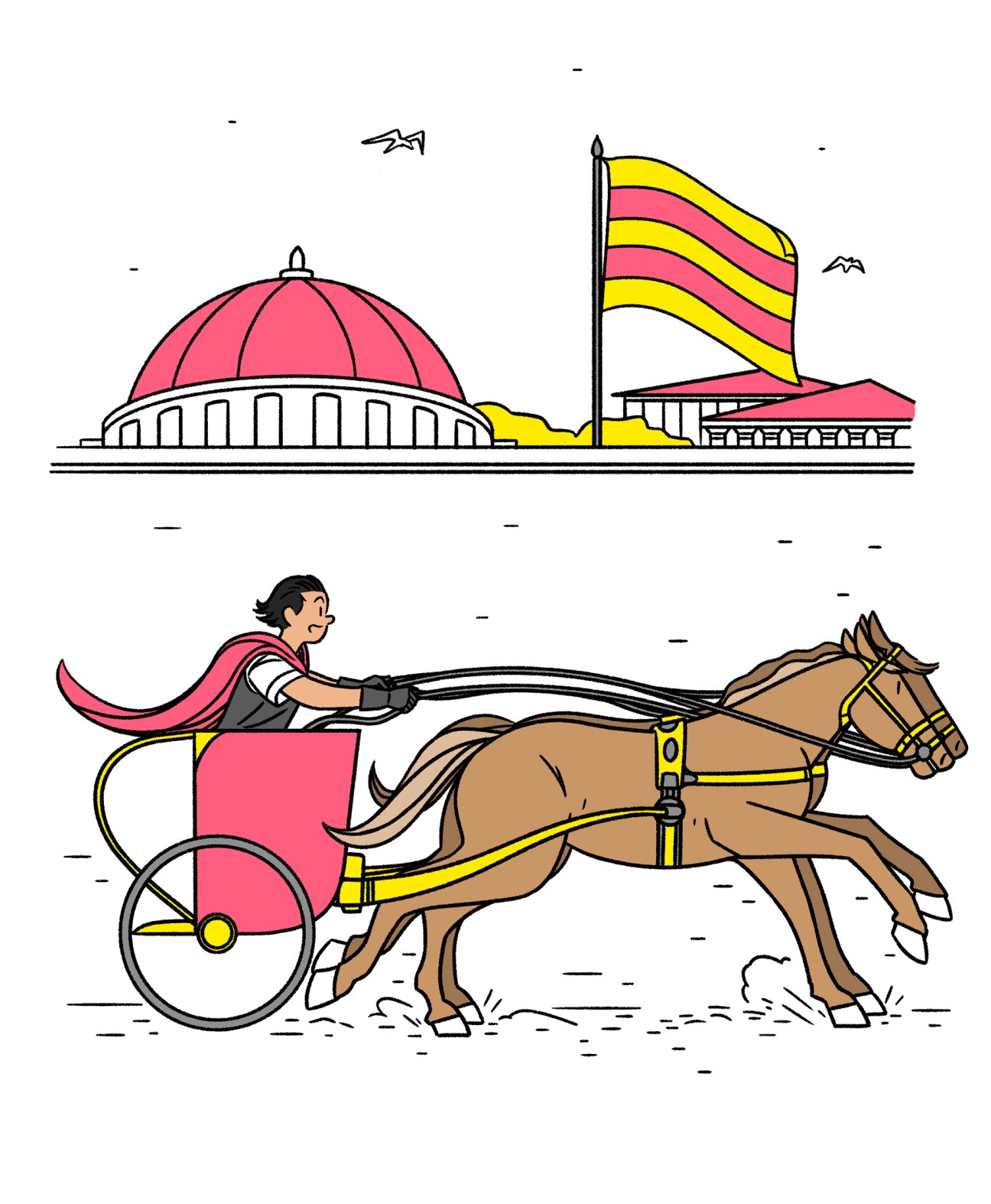
The couple set about proving that their second Rome could be every bit as sensational as the first, turning the city into a hotbed of ambition and ideas. The ruling duo reconstructed the great church of Hagia Sophia, complete with a dome that would be the largest on Earth for 1,000 years. A system of sanctuaries and safe houses for refugees and abused women was established.
The pair also set in train a legal code that outlawed infanticide and increased penalties for rape, enshrining the principle of innocent until proven guilty – still the bedrock of most of the world’s legal systems. Meanwhile, their propaganda merchants were sent out to burnish Constantinople’s reputation as a radical new centre of social justice as far afield as Yemen, India, Lower Nubia and even Cornwall, with Justinian distributing subsidies “to the barbarians of Bretannia”.
Constantinople in the sixth century was the city for which the phrase cosmopolitan could have been invented. Physically and psychologically, all points of the compass counted. Those lucky enough to live here at that time could truly describe themselves as citizens of the world.
About the writer:
Hughes is an award-winning historian, author and documentary maker. She is the author of several books, including Istanbul: A Tale of Three Cities.
5.
How the Spanish stay young
Francheska Melendez
The Spanish can proudly boast of their longevity but why do the country’s elderly citizens thrive so well in their later years? Perhaps it’s because they like to party…
Little did I know when I moved to Madrid that it would be the country’s senior citizens who would teach me how to handle myself on nights out. Though I hail from New York, the city that never sleeps, it was in Spain that I learned how incandescent the early morning hours can be. One night at a piano bar, I gazed in admiration as an octogenarian diva passionately sang “La Zarzamora”, a cautionary tale written in 1946 about giving one’s heart to a married man. It was 03.00.
That singer was part of a glittering set of night owls, all over 50, who performed at the piano every night. Yet Spain’s senior citizens’ embrace of the nighttime economy hasn’t hurt their longevity; I’d vouch that it’s part of the reason for it. In 2022 the UN’s Department of Economic and Social Affairs projected that, by 2065, Spain will rank as Europe’s top for average life expectancy behind Japan and South Korea: 92.7 years.
Spaniards cite the Mediterranean diet. But there is something more subtle at work in the sparkling eyes of Spain’s yayos, technically meaning “grandparents” but often an affectionate moniker. While in some other countries, members of older generations are expected to retreat from social life, the opposite is true in Spain.
The world’s longest-running study on longevity, the Harvard Study of Adult Development, found that, often, those who thrive in their golden years have fostered relationships that make them happy. This tracks with what can be seen on any summer evening along the Iberian coast: yayos dressed to the nines out on a stroll, having a laugh, maybe even going for a dance.
Last spring in Seville during La Feria de Abril fiesta, Rocío Tayan, a woman in her eighties, who I had never met before, laid eyes on me as I sang to the music in her pop-up party tent. She made a beeline for me, a bottle of champagne in hand, so we could share a toast. Another yaya teaching me how to handle myself on a night out.
About the writer:
Originally from New York, Melendez covers Spain for Monocle and Konfekt. The country has furnished her with a passion for belting out jazz standards.