Issues
Interview: Adrian Joffe on why he changed his mind about Dover Street Market in Paris
“It felt right,” says Adrian Joffe, president of Comme des Garçons International and Dover Street Market (DSM) International. He keeps returning to this phrase when discussing the opening of DSM’s first Paris outpost in Hôtel des Coulanges, a 17th-century landmark that once belonged to French aristocrat and writer Madame de Sevigné.

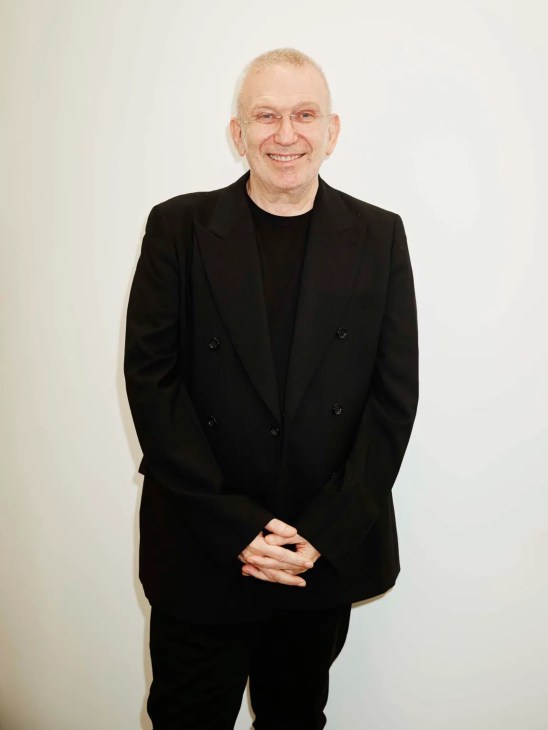
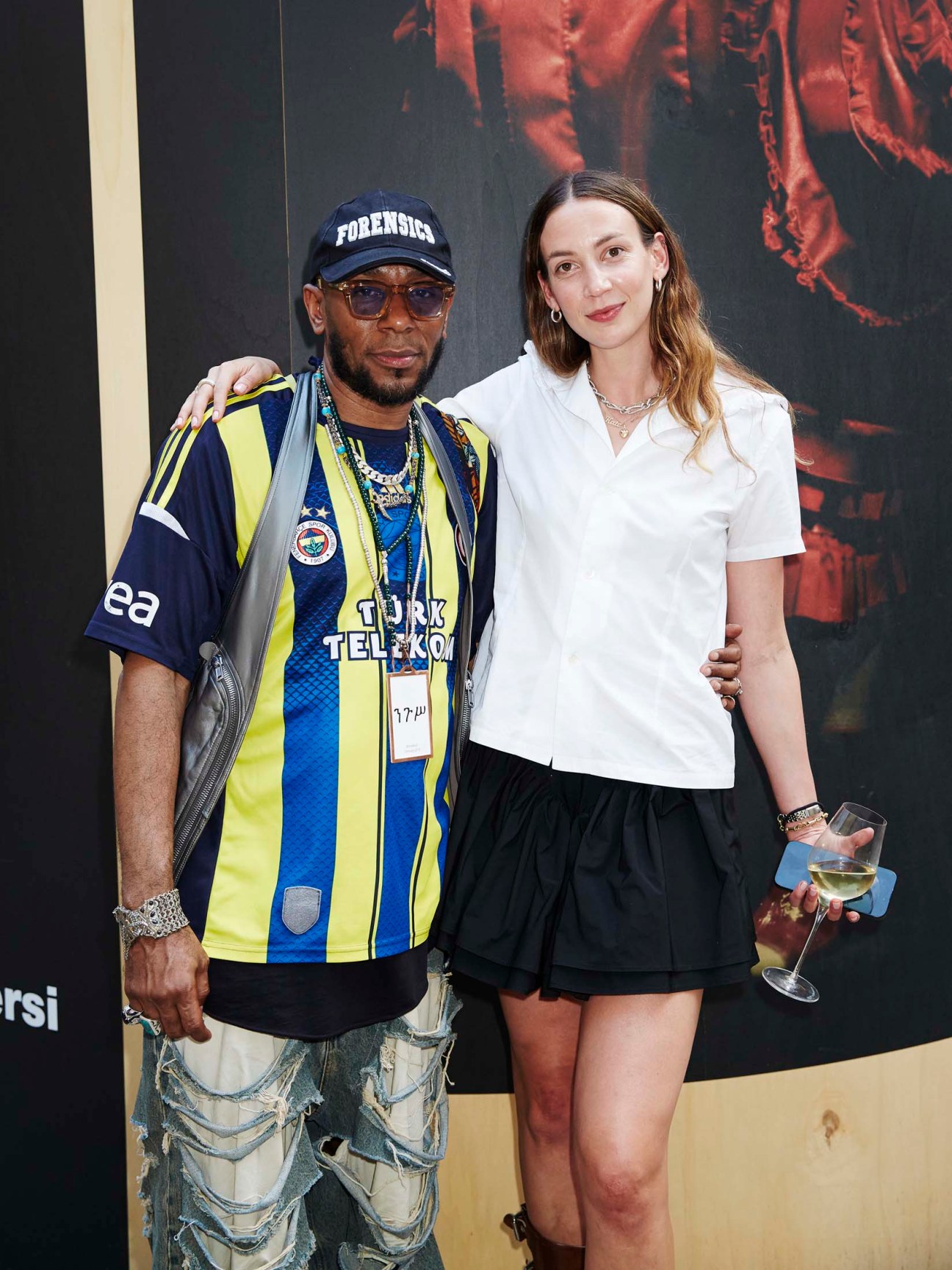
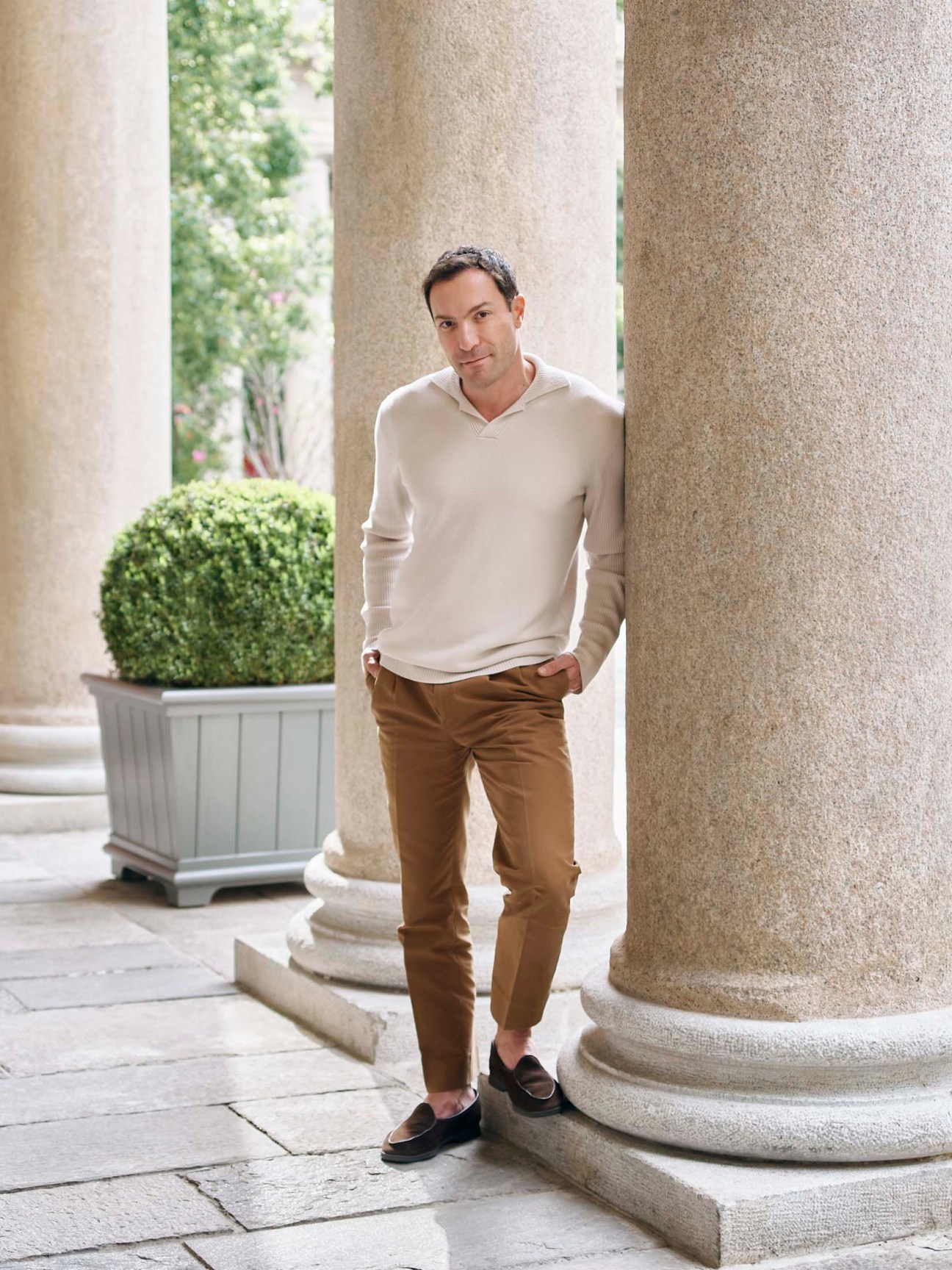
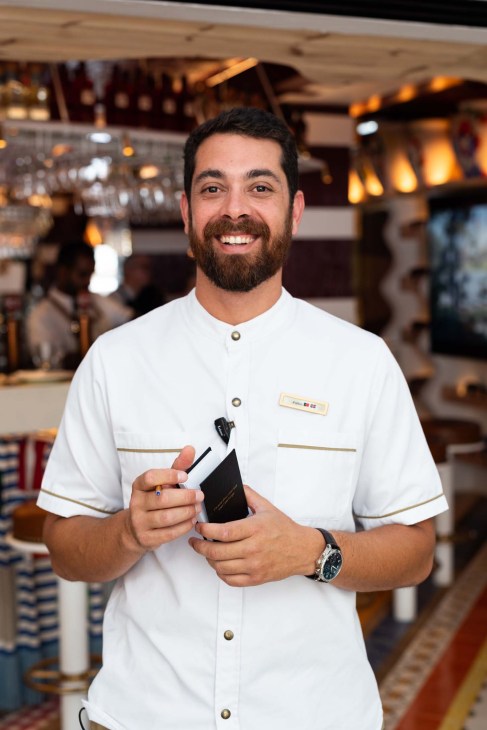
Joffe, (pictured), had a good feeling about the former hôtel particulier when he first entered its courtyard. His instinct guided him to renovate the historic property alongside revered Comme des Garçons designer Rei Kawakubo, his partner in both business and life. The duo converted the space into both an office for DSM’s retail and brand-development teams, and a multi-brand boutique complete with a Rose Bakery café. Kawakubo designed the interiors, which feature futuristic steel displays spread across the shop floor, while Joffe was in charge of the buying. “We knew that we wanted to open another DSM,” says Joffe, dressed in his usual all-black uniform as he sits in his minimalist top-floor office. “Our aim is still to create beautiful chaos – but in a new way.”
Joffe started working for Comme des Garçons in 1987 in Paris and has since become a true Le Marais local and a fluent French speaker. Despite this, he has previously said that Paris “didn’t deserve” its own DSM. “I like to contradict myself,” he says now. “It’s probably a character flaw; I have nothing against the city.”
The opening comes at a pivotal time for both DSM and the retail industry, which is moving away from traditional wholesale modelling. Many retailers are relinquishing control of shop floors to luxury brands operating on a concession basis. But DSM Paris, which describes itself as an “anti-department store”, is going against this ascendent formula. The shop’s exterior bears no logos or window displays, while clothing from various labels is mixed together inside the spaceship-like structure: jackets by Prada are hung next to leather items by Bottega Veneta and dresses by Simone Rocha.
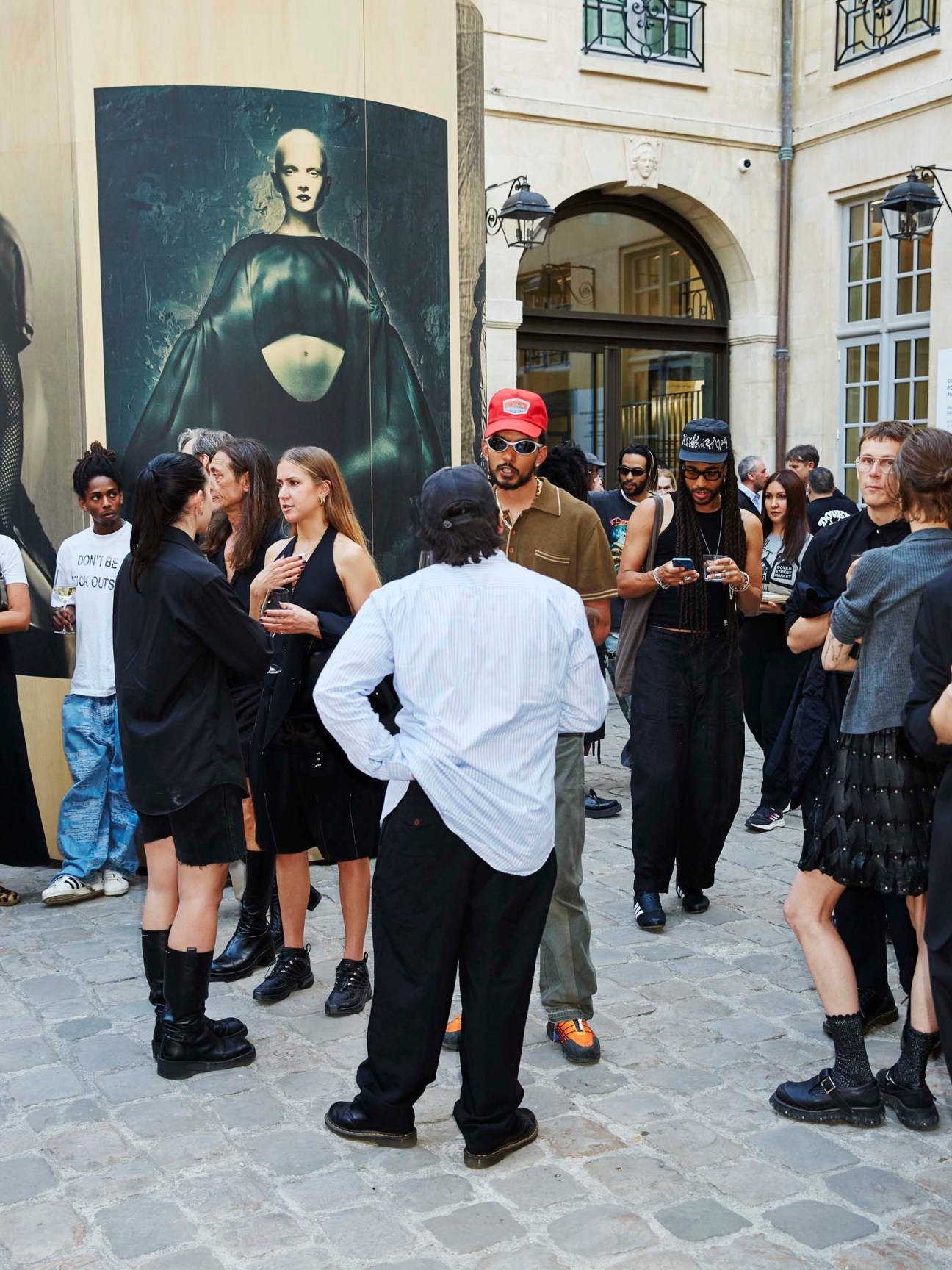
It’s this free spirit – and Joffe’s ability to convince designers to take bigger risks – that has allowed him to shape the future of up-and-coming brands and build a community of DSM loyalists. Supporters range from milliner Stephen Jones and retailer Carla Sozzani to Jean Paul Gaultier – all of whom paid Joffe a visit in Paris to toast the new opening.
Joffe might be one of the few retail executives still guided by instinct and creativity rather than data. But he’s also aware that the company needs to turn a profit to stay alive. Here, he tells Monocle about his plans to achieve this, as well as the DSM business model and his vision for the future of Comme des Garçons Parfums.
Why did you decide to open Dover Street Market Paris and why in Le Marais?
We had known for some time that we wanted to establish a Paris outpost and had been thinking about where it could be. We knew that we didn’t want it to be on main streets such as Avenue Montaigne or Rue Saint-Honoré. This has always been the DSM way, to occupy areas that are outside [the luxury sphere] or about to be developed.

We were open to any kind of interesting place. The feeling, atmosphere and feng shui of a space was a lot more important than the location. I had my doubts about Le Marais because it’s very touristic but we had to choose a central area. Parisians can be a little lazy; they don’t like to go too far out of their way to shop. Every city is different. In London and New York, people are willing to travel from far and wide to get to DSM and, in Singapore, they go to [retail enclave] Dempsey Hill.
What’s your relationship with Paris?
Rei has always said that if she were to venture outside Japan, she would go to Paris. For her, it’s the most important city in the fashion world. In 2016, I said that it didn’t deserve a DSM but a lot has happened to make me change my mind over the past eight years.
Paris seemed to be losing its spark for a while. Many of my friends were moving to Berlin and international avantgarde films, which traditionally debuted in Paris, were showing in London or Venice. The city was becoming less creative. After Brexit and the coronavirus pandemic, however, people became tired of cities such as Berlin and more creatives returned to the French capital. Everyone now says that Paris is the place to be. The atmosphere and energy are so good.
Then again, the rise of the far-right is scary. Macron is a decent politician but his decision to call an election right before the Olympics was arrogant. As designers, we have to remain optimistic, believe in what we do and try to always offer alternatives. I’m not saying that we can solve the political situation – but we’re here and we stand for a different perspective.
You used the new Dover Street Market location as a cultural centre to host fashion shows and exhibitions before opening the permanent shop. How did that influence the final concept?
We fell in love with the building because it used to be a home. It has such perfect proportions and a beautiful garden. We thought that we would be able to do great things here one day and knew that we wanted to make the property more energetic inside. It felt restricted by its 19th-century aristocratic beauty, so we had to modify the structure and liberate the walls. From there, we kept developing ways to make the shop different. We wanted to create a new DSM that felt as though it had moved on from the other six locations, not that there’s anything wrong with them.
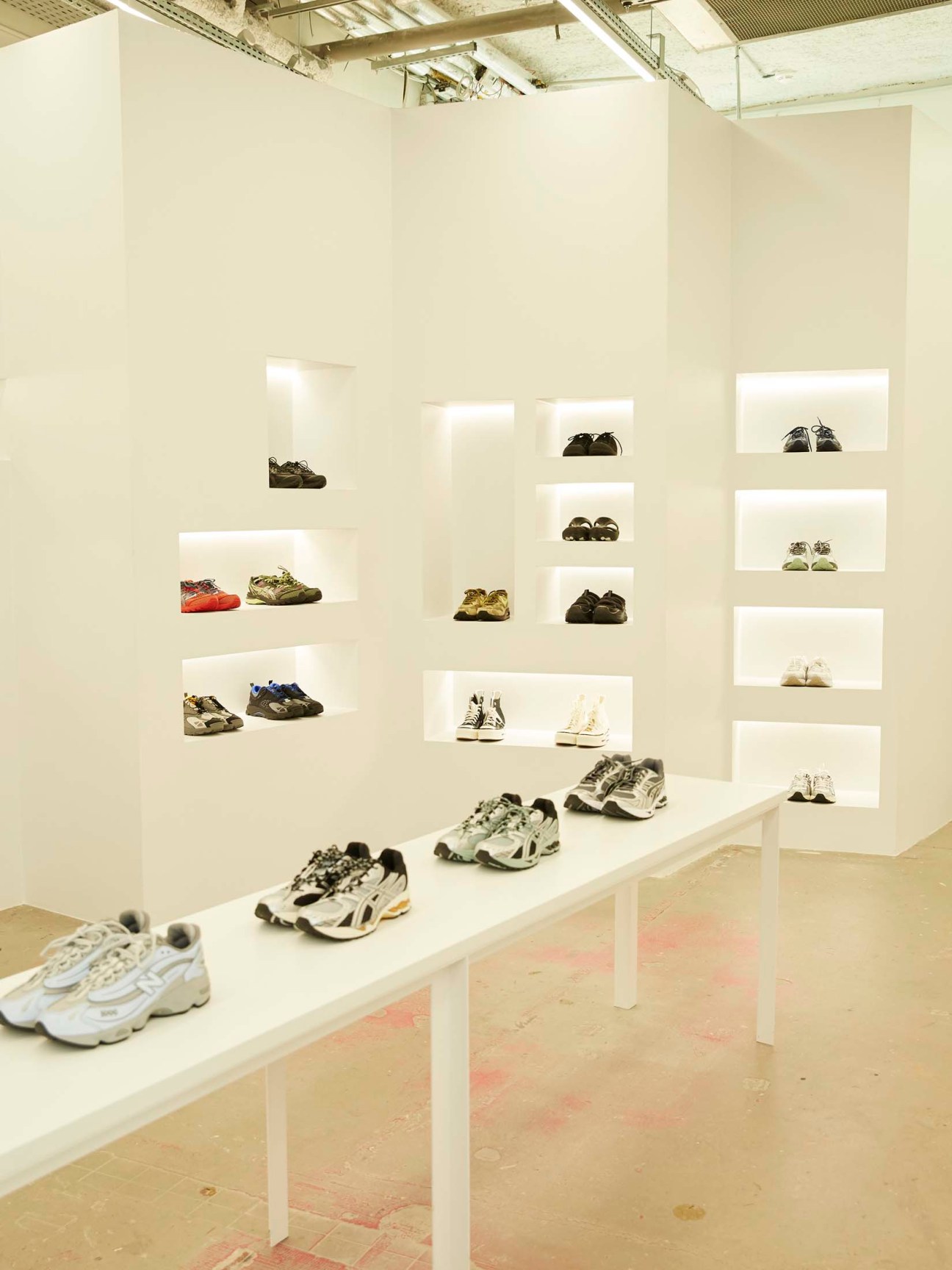
Other DSM shops have event spaces, where there are pop-ups, launches and book signings. Brands can come and do what they like. But we didn’t want that to be the case here. Yes, the building is more permanent than a pop-up but everything eventually comes to an end. For that reason, I like calling the shop an event.
It is also a small space, so we played around with the layout: our offices are upstairs and a Paolo Roversi exhibition is outside. The shop is just one of the things happening here. Anything that we do in the courtyard and café is separate. The building is what holds it all together.
How did the new set-up affect the interior design?
We knew that there needed to be something different about its visual identity, not only because of the history of the building but also because the shop wasn’t the sole focus of our operations. We share rent with the brand-development division of DSM here. The shop wouldn’t be able to survive on its own.
To differentiate ourselves from our other sites, we had to understand and agree on the design. How could we take it to the next level? For Rei, the answer was simple: she would design it all. I thought, “Perfect.” That’s how we created this point of difference. At a time when so much power and control is held by luxury houses, it felt like the right move. There’s so much ego in fashion; it’s all about logos and labels. We decided not to create any dedicated brand spaces. It’s all egalitarian.
Four major luxury brands – Prada, Miu Miu, Balenciaga and Bottega Veneta – agreed to be here next to up-and-coming names. How do you achieve the right mix?
We need powerful brands to want to be in our shop. But there seems to be less room for smaller, independent labels to grow in today’s market. More well-established houses are eager to get inside younger companies to draw on their energy and their creativity. The problem is that bigger brands usually swallow them up rather than raise them high.

I don’t want to give the impression that we are trying to save independent designers. Some luxury brands are amazing too. They accept our approach and agree that we have to find alternative ways of doing things. I want to give everybody, including well-known labels, the chance to change and adopt working practices that aren’t driven by ego, power and profit. If we don’t, then the industry will fall apart.
What’s your buying strategy?
DSM is famous for mixing together products from different brands. We were the first company to put Prada next to Supreme on a shop floor. Everyone was wondering what was going on and who our target audience was. Today streetwear and luxury are heavily linked. There are some brands that sell hoodies for $2,000 (€1,840). It doesn’t make any sense. So I thought that here, we would have less of these so-called “categories”. I wanted to move away from the borders that fashion has created. Definitions, categorisation and departmentalisation are all tied to a very old way of thinking. It explains the demise of the department store, especially in the US. The very word suggests that items are being separated, which is illogical these days. Our way of buying is about that big, beautiful middle ground: brands that have something to say. This is also the heart of the business. We have always wanted to give spaces to people with a vision.
Will the pieces on display represent a mix of price points?
Luxury pricing is depressing; I don’t know how long it can go on for. I look for reasonably priced pieces, particularly when it comes to young designers. I explain to them that they’re not obliged to follow the corporate way of doing things. If it costs €10, you don’t need to charge €50. That model is wrong. If you want to cover your expenses and do some marketing, then you could charge €25. They don’t teach this enough in schools.
Is streetwear still relevant?
There are still great brands. Take Denim Tears, Online Ceramics and Humanmade by Pharrell, which is an example of a label with good intentions. If a streetwear producer is sincere, well-maintained and run by the people who started it, then it will stay relevant. What I think happened was that too many people tried to jump on the bandwagon; not necessarily luxury houses but perhaps Italian conglomerates. They tried to make streetwear and it didn’t work. It happens all the time. Major corporations see the opportunity to turn a profit from trends, such as tartan and punk, so they start producing clothes in these styles and strip all of the feeling from them. Brands have made a lot of money by doing this but it has ruined the market in many ways. Categories become too mainstream and, therefore, less authentic. People are seeking more authenticity now.
You have never embraced the idea of window-shopping at DSM. But in Paris, you seem to have stripped things back even further. Why?
Rei never liked windows. When we first opened in Paris, people would pass by and wonder, “Where’s the shop? Why don’t you make it more obvious?” That was good. I explained to them that it was because we wanted to incite curiosity. You take away the satisfaction of having found something yourself when a brand is in your face and you hear that it’s the place to go. If you keep a sense of curiosity and adventure alive, you’ll get much more out of your shopping experience. You’re not told by social media or any form of advertising what to do. It’s an opportunity to make people feel a little more free.
Can you maintain this sense of freedom and ‘beautiful chaos’ while also making the store profitable in the long term?
Profit has never been our main goal. What we want to do is to create something new and different. This has been the DNA of Comme des Garçons for 55 years and DSM for 20 years. But, of course, the aim of a business is to survive. We have never needed to make huge profits but we do need to make money. Our model works: every shop was profitable before the coronavirus pandemic. That time was problematic but we have to continue to believe in the model. So far everything is going according to plan in Paris. We have actually had the problem of there being too many people in the shop, especially during the weekend when there might be between 4,000 and 5,000 customers. I don’t want us to become like the Eiffel Tower or the Louvre but it’s great to see the excitement. We will make it work. It’s also important to have additional activities for people to engage with, such as the Paolo Roversi exhibition in the courtyard.
Who are the customers who have been walking into the shop?
There are a range of customers and we value all of them. Some people purchase items such as our €13,000 Prada jacket but others just come for a cup of coffee and stay for an hour. The feedback that I have enjoyed the most is that people feel at home, whether they’re here to shop or see an exhibition. The staff have also been told not to try to sell and instead allow people to have a look and, perhaps, come back later.
What types of companies is your in-house brand-development team interested in working with?
We want to collaborate with fashion labels that do things outside the norm. An example is former Saint Laurent creative director Stefano Pilati’s Random Identities. Tailoring, streetwear and leather goods are all part of his brand’s offering. You also have to like the people behind the clothing; personal relationships are key. They have to be patient and not too ambitious. We’re all too busy to work with egomaniacs. It’s important to have talent but not be too greedy and want to become the next Yves Saint Laurent overnight. It takes hard work – and that’s very humbling.
New York-based label Vaquera has been around for 10 years but I still think that it has so much unrealised potential. We have to work harder to make sure that it’s where it needs to be. We’re even discussing the possibility of it setting up shop in Paris. I’m very excited about what that could look like. The brand is our number-one best-seller. Miu Miu is number two. It’s very encouraging so far.
Comme des Garçons Parfums is about to turn 30. What’s next for that part of the business?
We agreed to do perfume when I took over the business. I wanted to be independent from the Tokyo branch; introducing a perfume and a Comme des Garçons shirt brand were two of the ways that we achieved this. Rei agreed, as long as we kept the same level of creativity and DNA of Comme des Garçons. For me, fragrance offers many different ways to be imaginative.
We haven’t come up with a new scent for a long time but we’re now working on eight amazing projects. We hope to launch one new perfume, Odeur 10, this year and publish a photo book with all of our achievements from the past 30 years. We have a great reputation in the fragrance industry but the business is tiny in proportion. We barely turn over €6m per year and have just three members of staff, so a lot of my energy will go into expanding this part of our offering next.
Brands tend to license fragrances, which keeps them detached from the creative side of the business. How have you resisted this model?
We initially signed a licensing deal with Puig, which has now ended. The company grew and became very successful, so it needed to either buy out our entire business or stop making our fragrances. In the end it couldn’t continue to produce our range. But it was amazing that Puig had accepted the offer to work with us and allowed me to continue to do what I liked.
After about 20 years, we thought that it was time to part ways. We’re still very good friends. It has been beneficial to keep the perfume business a small operation. Instead of selling it, we want to put the energy into it ourselves to make it the best that it can be.
Who do you want to collaborate with next?
We’re working with one of the artists from the Dia Art Foundation in New York to create a perfume for the company’s 50th anniversary. Other brands now want us to create fragrances for them – but they have to know what they want. What does the label smell like? I always tell them that they shouldn’t expect to start seeing a profit immediately.
Above all else, you need to want to make a scent that reflects the image of the brand. If it’s really successful, then you can sell it to anyone. But I can’t produce huge quantities from the get-go and other fashion houses need to agree to that first, otherwise they’ll be disappointed. I’m also producing a perfume for Vaquera and working with a musician to create a bespoke fragrance. I like to draw from a wide pool of creatives.
Culture round up: A thrilling Japanese crime drama, a cult Norwegian novel and a New York exhibition
Music
Girl
Coco & Clair Clair
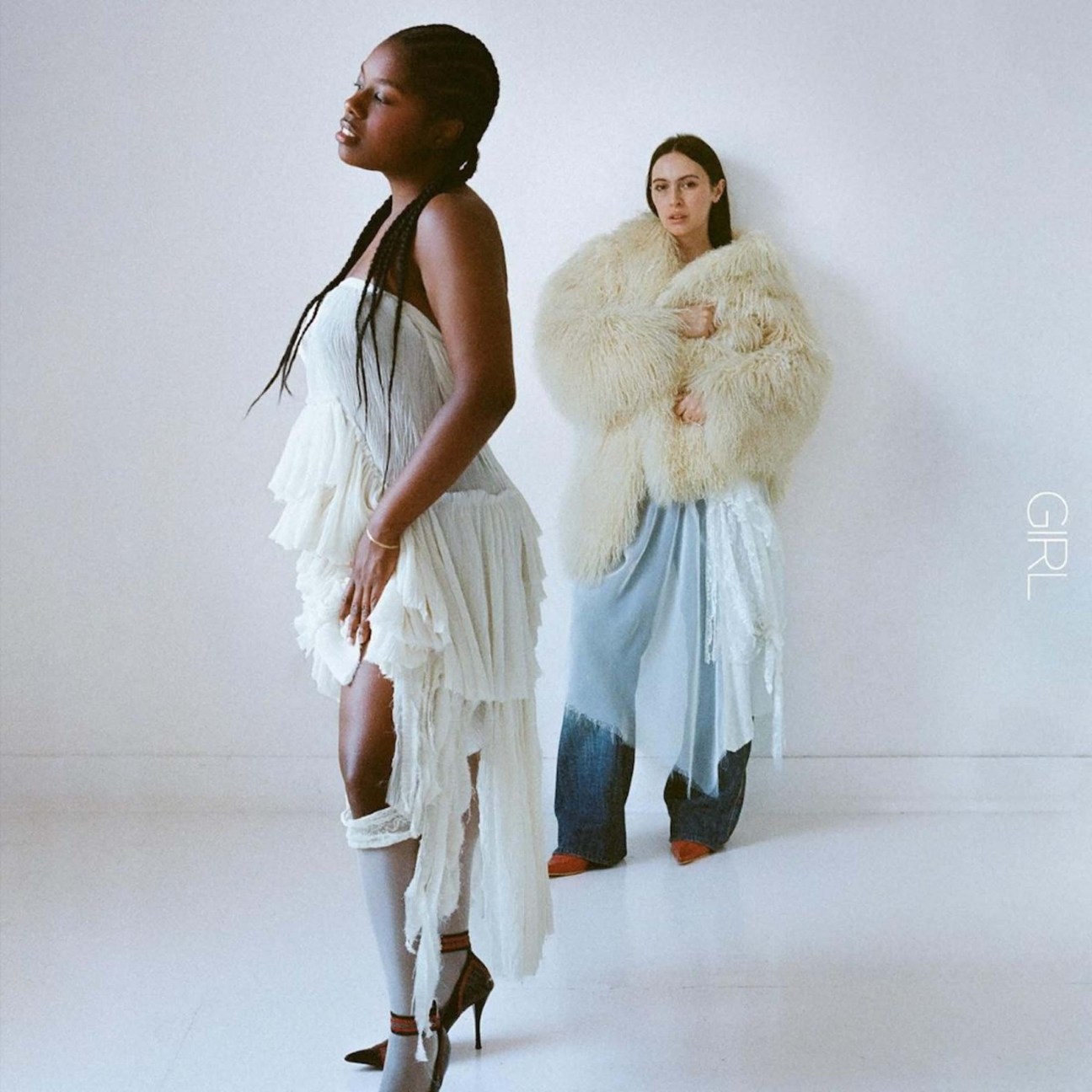
After their successful 2022 album, Sexy, Atlanta duo Coco & Clair Clair are back with another playful mix of hip-hop and electronica. The new record takes inspiration from UK groups such as Saint Etienne and Everything but the Girl. Highlights include the incessant electro undercurrent of “My Girl” and lead single “Aggy”, a breathy, synthy track that will do wonders on the dance floor.
‘Girl’ is released on 30 August
Milton + Esperanza
Milton Nascimento and Esperanza Spalding
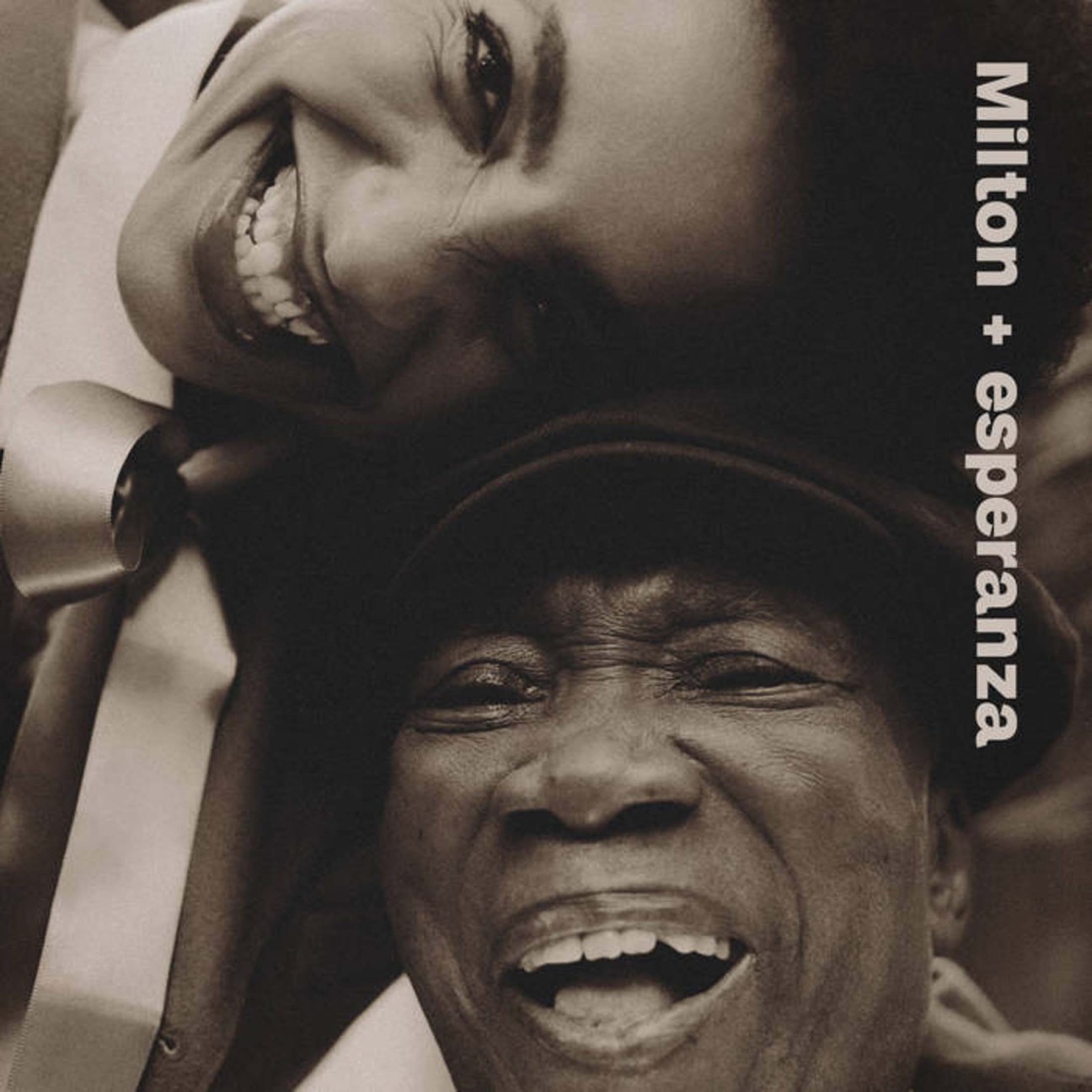
Brazilian singer Milton Nascimento and American vocalist and bassist Esperanza Spalding – friends for 15 years – celebrate their rapport by reworking some of Nascimento’s classic songs, including “Outubro” and “Cais”, with Spalding’s glorious vocals. There are plenty of original tracks too, such as the joyful “Wings for the Thought Bird”. An inspired meeting of musical minds.
‘Milton + Esperanza’ is out now
In Waves
Jamie xx

The long-awaited second solo album by English musician Jamie xx does not disappoint with its line-up of club-ready delights. In Waves is a beautiful mix of 1990s house and sunny optimism. The song “Life” went down a treat at this year’s Glastonbury Festival when performed live with its featured guest, Swedish singer Robyn. “Treat Each Other Right” is a more nostalgic highlight.
‘In Waves’ is released on 20 September
TV
Tokyo Swindlers
Netflix

On paper, a crime drama about an elaborate property scam might not sound the most engrossing but the stakes involved here (¥10bn; €59.8m) create a high-octane drama full of suspense, explosions, intrigue and murder. This seven-part Japanese series is an adaptation of the acclaimed book by Ko Shinjo and stars award-winning actors Etsushi Toyokawa (Love Letter) and Go Ayano (Gatchaman).
Pachinko (season two)
Apple TV+
For the many fans of Pachinko, it has been a long two-year wait for the epic family saga to return to screens. Based on the best-selling 2017 novel by Min Jin Lee, Pachinko follows a Korean immigrant family over 70 years told, in the series, through two parallel storylines. Look forward to bold plots, excellent cinematography and exceptional attention to detail.
La Maison
Apple TV+
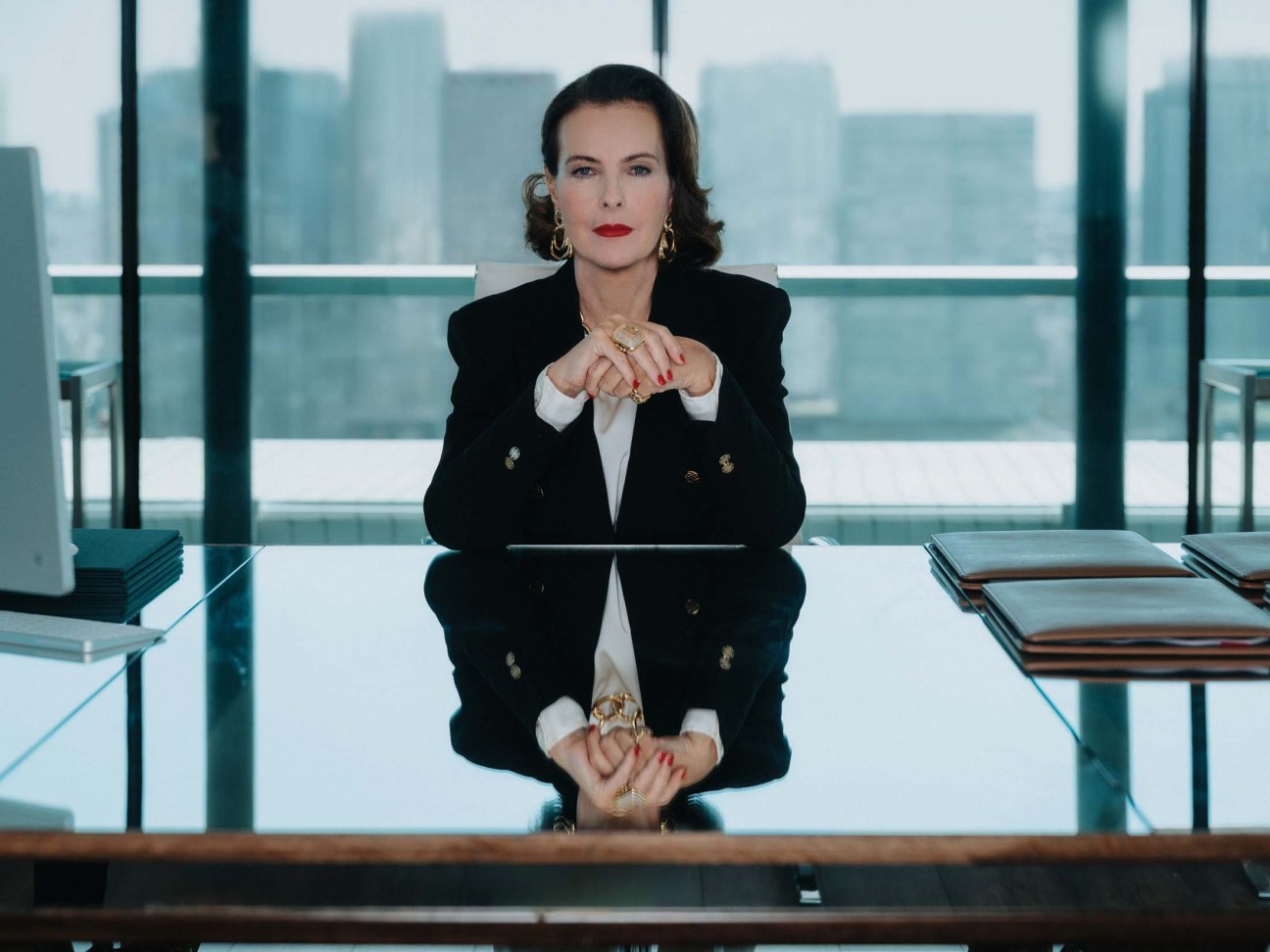
Streaming series that examine the world of high fashion are all the rage. This fictional French show takes us behind the scenes of a fashion house and explores what happens when creative ambition collides with family politics. Expect a deep dive into French couture, with sage reflections on reinvention and creativity.
Film
Kneecap
Rich Peppiatt

Real-life Irish hip-hop band Kneecap play themselves in this madcap coming-of-age comedy about their (largely fictionalised) origin story. There’s street fighting, romance, robbery, interrogations and a lot of swearing. Spice World for rap fans.
‘Kneecap’ is released on 23 August
Sing Sing
Greg Kwedar

Oscar nominee Colman Domingo leads this drama about a group of inmates at infamous maximum-security prison Sing Sing, as they stage their own theatre production. Through the foibles of theatre-making, they find a humanity that seemed lost to them in the harsh conditions of their everyday lives. The cast of professional actors and former inmates imbues this drama with palpable emotion.
‘Sing Sing’ is released on 30 August
In Camera
Naqqash Khalid
Filmmaker Naqqash Khalid’s fierce debut is about an actor, played by Nabhaan Rizwan, striving to create a new role for himself while fed up with endless rejections and the reductive roles that he is asked to audition for. In Camera dissects who’s doing the looking and who’s being looked at, both in fiction and real life.
‘In Camera’ is released on 13 September
Art
Chiharu Shiota: I to Eye
Nakanoshima Museum of Art, Osaka
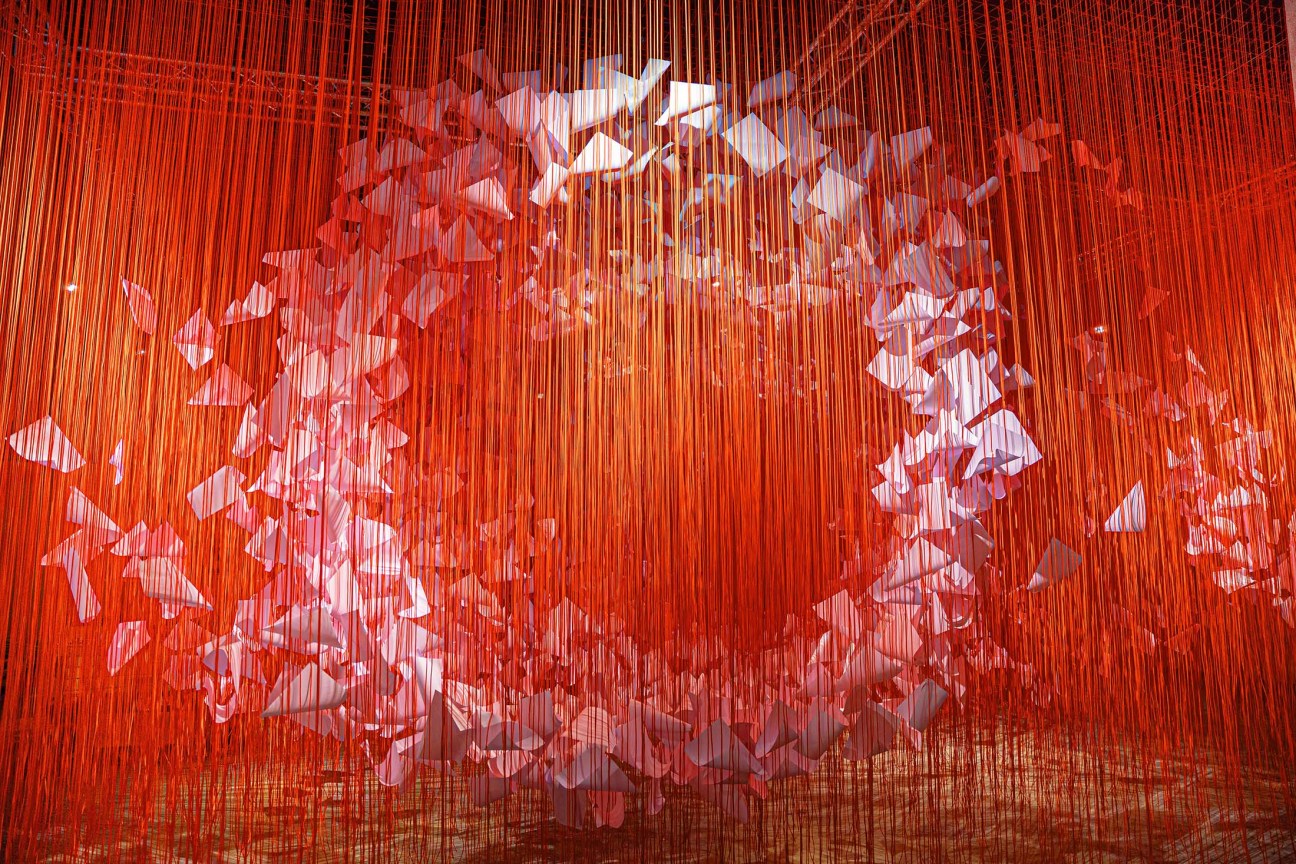
The Nakanoshima Museum of Art’s six-metre-high ceilings will be put to good use in Chiharu Shiota’s first major exhibition in her hometown for 16 years. Now based in Berlin, the Japanese artist creates immersive installations where the scale is matched by the conceptual ambition, as bright blood-red yarns evoke thoughts of life and death. Paintings, drawings and video work will add further context to this welcome mid-career survey.
‘Chiharu Shiota: I to Eye’ runs from 14 September to 1 December
Van Gogh: Poets and Lovers
The National Gallery, London
From spiralling starry nights to idealised asylum gardens, Vincent van Gogh had many unlikely visions during the final two years of his life. This landmark exhibition, which is part of The National Gallery’s 200th-anniversary celebrations, focuses on the Dutch artist’s period in Provence and makes good on one of those unrealised visions – a triptych comprised of a portrait flanked by two of his “Sunflowers”. A curatorial coup, the show reaffirms that the creator of some of the world’s most enduring single paintings also had one eye on the bigger picture.
‘Van Gogh: Poets and Lovers’ runs from 14 September to 19 January 2025
Books
Planes Flying Over a Monster: Essays
Daniel Saldaña París, translated by Christina MacSweeney & Philip K Zimmerman
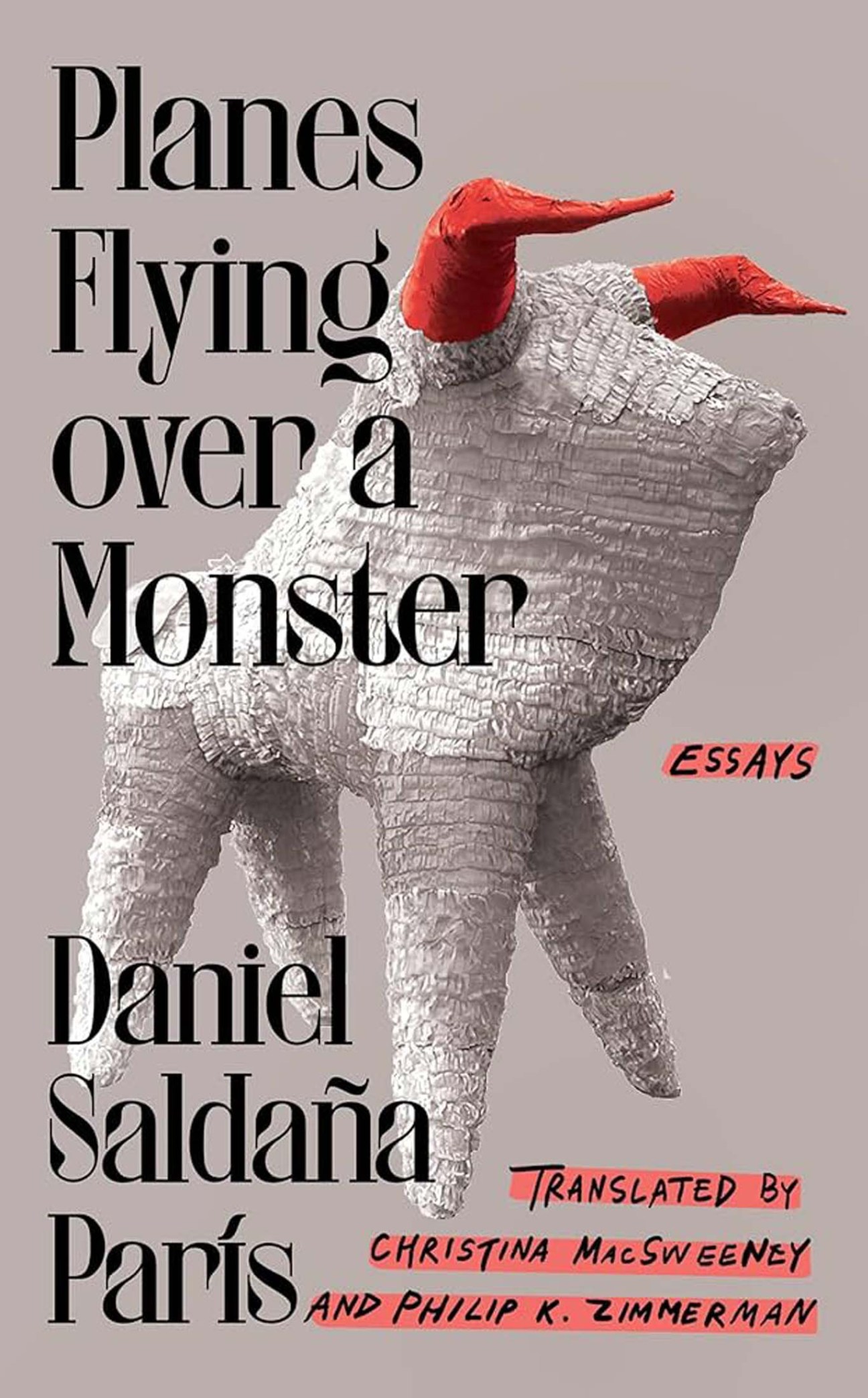
In this beautifully translated collection, Daniel Saldaña París – the novelist whom American author Ottessa Moshfegh called “the Mexican Philip Roth” – considers the cities that formed him. From trying to be a writer in Mexico City to attending NA meetings in Montréal, Saldaña París draws in the reader as “a witness capable of compassion and laughter”.
‘Planes Flying Over a Monster’ is out now
If Only
Vigdis Hjorth, translated by Charlotte Barslund
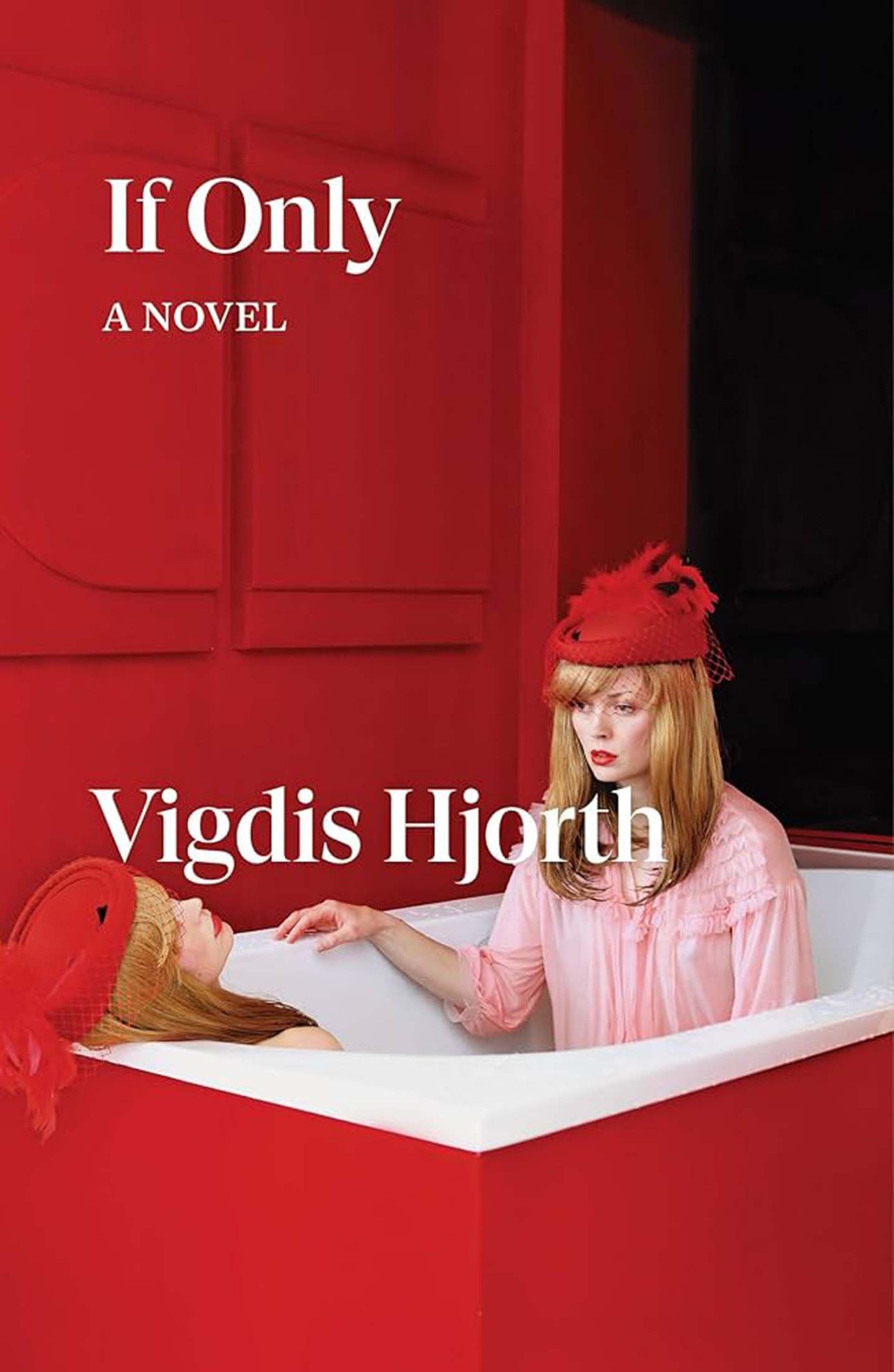
First published in Norway in 2001, this diary of a passionate but ultimately destructive love affair is considered cult author Vigdis Hjorth’s most important novel. Now out in English for the first time, If Only exposes the tragedy of both longing for and attaining one’s love object – it’s A Sport and a Pastime meets Anna Karenina.
‘If Only’ is released on 3 September
A Complicated Passion: The Life and Work of Agnès Varda
Carrie Rickey
A female filmmaker in the boys’ club of French New Wave, Agnès Varda (1928-2019) was underappreciated for most of her life. In this definitive biography, the first in English, film critic and historian Carrie Rickey traces Varda’s trajectory, which included genre-defying films such as Cléo from Five to Seven (1962), Vagabond (1985) and Faces Places (2017).
‘A Complicated Passion’ is released on 27 September
Photography
We Are Here: Scenes from the Streets
International Center of Photography, New York
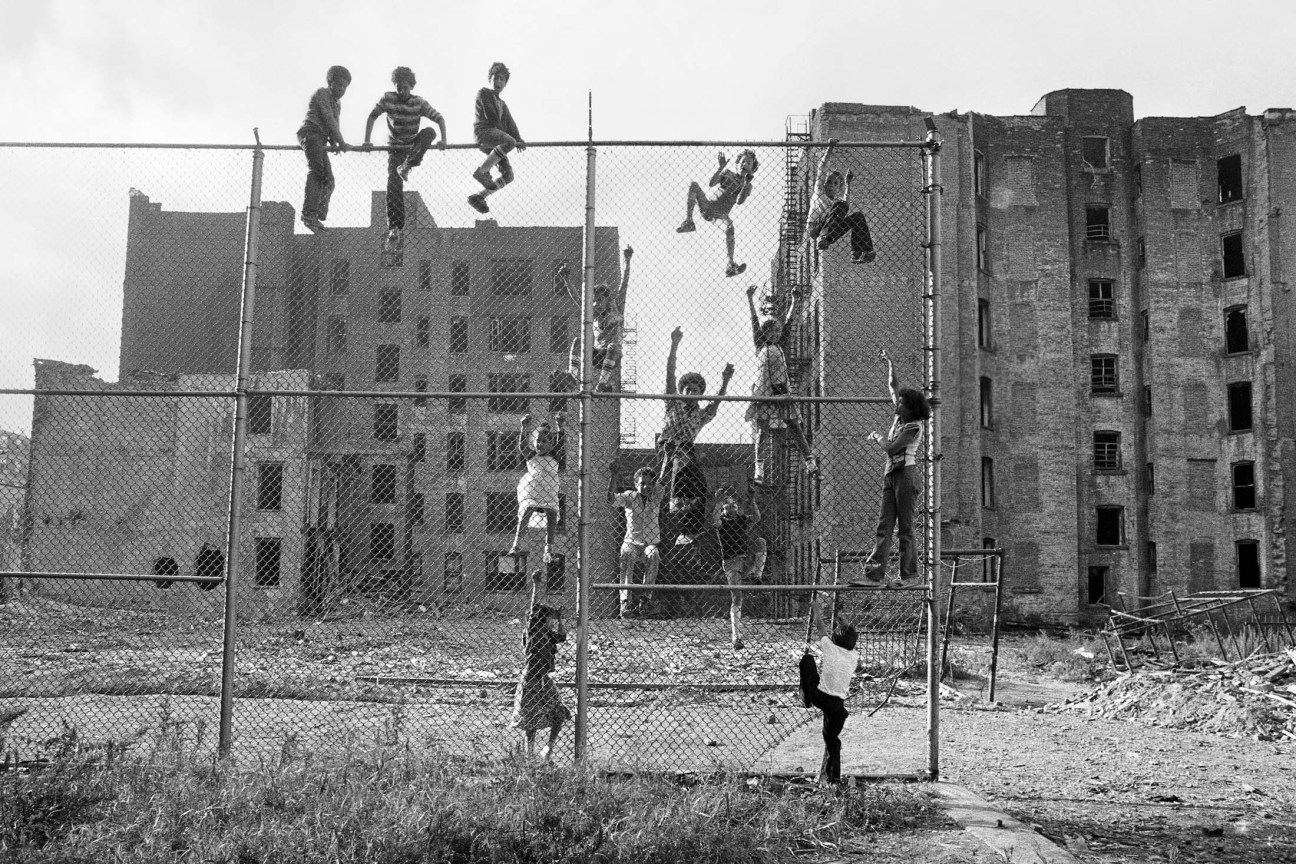
Street photography came of age in a less self-aware era, prior to the ubiquity of smartphones. The 30 contemporary practitioners who are featured here, including Iran’s Farnaz Damnabi and Cairo-based Randa Shaath, must work harder to capture authentic moments that stand out from the crowd. It will be interesting to see how curator Isolde Brielmaier incorporates fashion-focused portraits and documentary shots from global protests into this expanded definition of street photography.
‘We Are Here: Scenes from the Streets’ runs from 26 September to 6 January 2025
Inside the Tuscany tannery shaping luxury leather for LVMH
If you have ever wondered how cow or lambskin hides end up as a pressed, coloured and treated final product for your fashion accessories, then the family-run Nuti Ivo Group in Tuscany is the place to visit. The tannery might be rooted in Italian craft but its ambitions are global – especially since LVMH took a majority stake in the business last year.
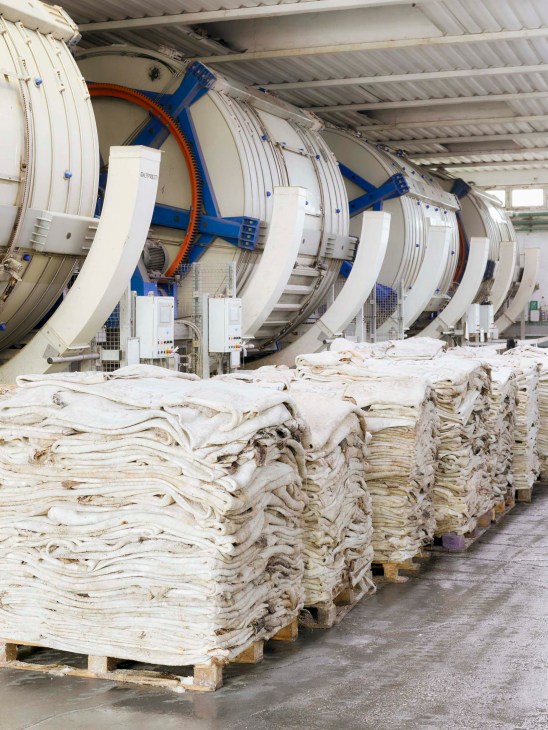
“Here we can change the texture of the leather as well as dye it,” says production planner Umberto Nuti. He is pointing out the complex and multistage process involved in turning the raw material into a finished product as he gives Monocle a tour of the four factory buildings belonging to the group. Founded in 1955 by Nuti’s grandfather, the group is headquartered in Santa Croce sull’Arno, a Tuscan district that is home to more than 250 companies working with animal hides. “We can make the leather loose, grainy, tight, smooth or even fireproof,” he says, as the skins are loaded into giant metal drums. Nearby, a room is filled with boxes, each column of 18 palettes representing a truckload of skins. Once you are over the musky smell – more intense in the summer months – it offers a fascinating lesson in what remains an artisanal craft, even if the scale of the Nuti Ivo Group, which has five other tanneries in the area, is industrial.
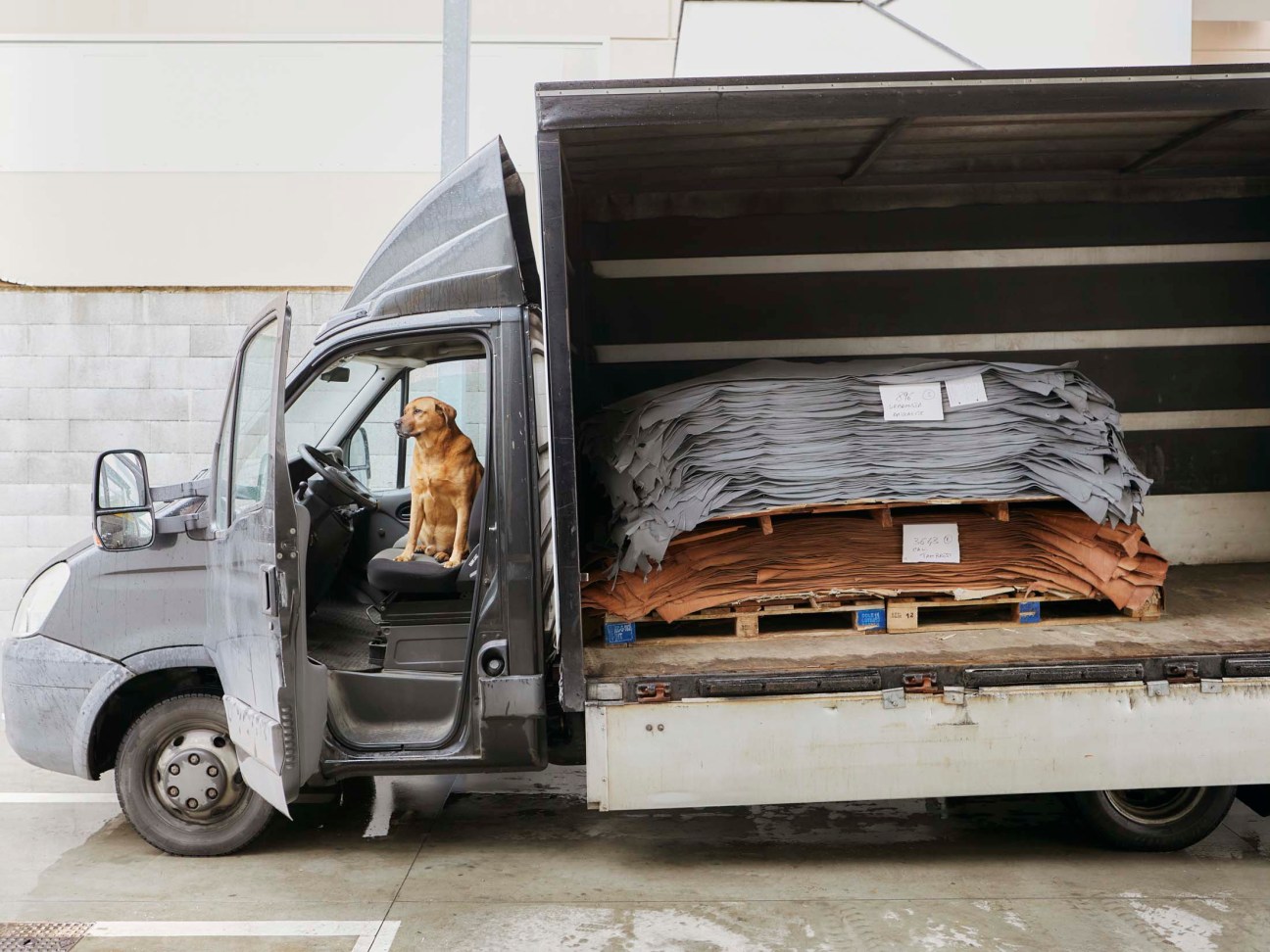
At the head of the group is Fabrizio Nuti (Umberto’s father), who explains the intricacy of the craft that he first learned as a teenager, while working on the factory floor during his summer holidays. “You’re starting with a material that is a moving target,” he says from the factory’s showroom. “Because your skin is not like my skin. You can try to standardise it but it’s not easy.”
Fabrizio says that the skills on display in Santa Croce can’t be codified in a book; it’s only something that can be learned through years of experience. It’s an intense job working the leather into shape, including washing in soap and salt to remove hairs, and turning hides into what is known in the trade as “wet blue”, the result of the chrome-tanning process. Then there are the manual checks, under intense lights, to see whether there are any defects before hides are graded from A to C. There’s also the cutting in half to separate the low-grade crosta (crust) from the most sought-after fiore (flower). And that’s just a small part of the washing, dying, cutting and smoothing being performed on a daily basis.
It’s no surprise, then, that the Nuti Ivo Group has been commanding the attention of the luxury industry, particularly LVMH. In May last year, LVMH Métiers d’Art, which is owned by the French fashion behemoth, took a 55 per cent stake in the tannery – part of a broader mission to develop a global network of specialised manufacturing facilities to service (albeit not exclusively) LVMH’s wide-ranging portfolio of brands. Given the Nuti Ivo Group’s reputation as a leader in the industry with generations of know-how, LVMH, which has ramped up its investment in manufacturing recently, wanted to be involved.
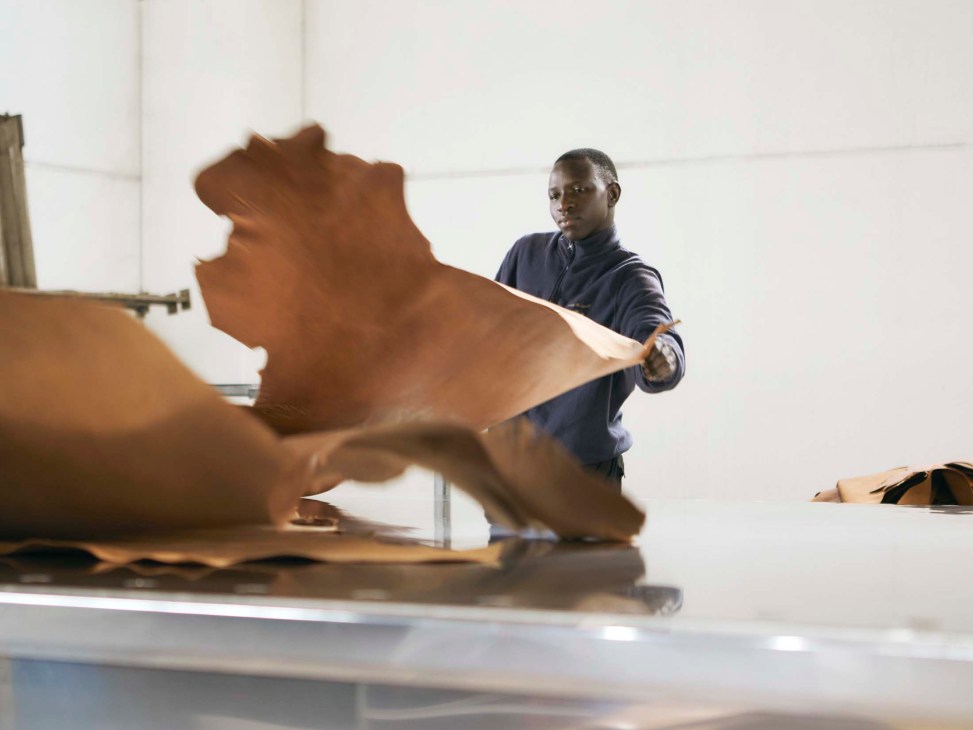
In fact, the relationship between the two companies goes back more than 30 years, so the decision to work closer together can be seen as a natural evolution. Fabrizio says that it was a good move – perhaps the only one his group could have made to secure its future, given the consolidation happening in the fashion sector in the past decade and the level of control retained by the big groups.
There are a lot of mutual benefits too. “As a customer and partner, we can share much more information and we will be able to better understand LVMH’s needs,” says Fabrizio. “They will also better understand what we need for our production. Plus, we expect that they’ll help us grow.”
A fashion multinational buying up a tannery might not come as a huge surprise any more. Most fashion groups have been doing this in order to have more control over the supply chain and to maintain an advantage over competitors. But there’s much more to be gained in the long term. “It’s a whole ecosystem that the luxury industry can tap into for excellence as well as innovation,” says Pierre Mallevays, co-head of merchant banking at Stanhope Capital in London, who has worked for luxury brands such as Celine and Tom Dixon. “LVMH, as the sector’s leading and most powerful player, has embraced it with enthusiasm.”
Italian-born Matteo De Rosa, CEO of LVMH Métiers d’Art since 2021, agrees. He was on the road for 240 days last year, thanks to the speed with which the company has been growing, and has overseen a move to a new Paris HQ on Rue Réaumur. His plan now is to consolidate the expansion and ensure that the company’s network is future-proof.
De Rosa, who meets Monocle for a coffee in Milan, is keen to point out that when LVMH Métiers d’Art invests in a manufacturer, it can continue to work with the rest of the industry. The Nuti Ivo Group, for instance, will still work with existing clients outside the group, which is not a problem for LVMH. “What we’re really doing is scouting and creating partnerships that will move the industry forward,” says De Rosa. “Of course, it’s about a positive bottom line but it’s also about maintaining the availability to the full industry – we’re open to the market.”
He calls the work he does an “insurance policy”, which essentially harnesses the deep pockets of LVMH to make sure that these world-class facilities can continue to operate. The model mirrors the work that the Chanel Group has been doing for decades by investing in artisan workshops such as embroiderer Lesage or milliner Maison Michel – and recently giving them all a new, modern home to operate from in Aubervilliers, Paris’s fast-developing suburb.
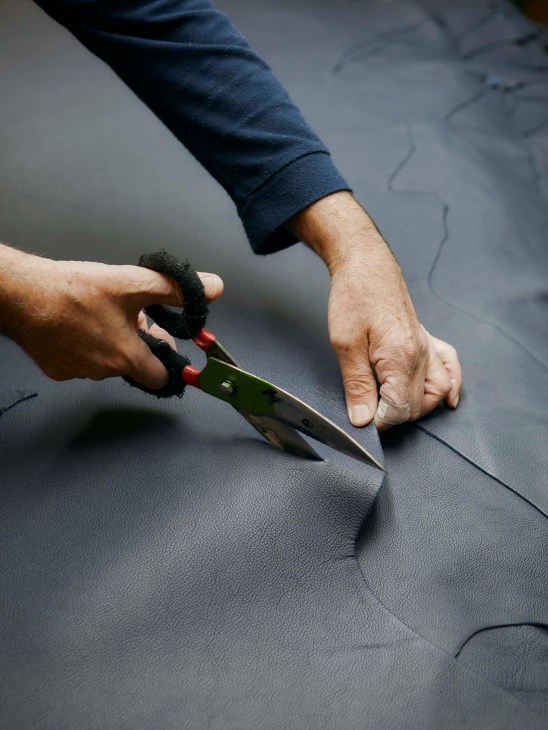
De Rosa jokes that appointing him as CEO of the Métiers d’Art division was something of a “strategic gamble” by LVMH. But his experience across luxury production has proven invaluable. Before joining the group, he co-founded leather-goods brand Sartie and served as president of Puig-owned Dries Van Noten in Antwerp, alongside other roles in China and Australia. The Nuti Ivo Group deal, which took about 18 months to cement, was one of De Rosa’s first at LVMH and he calls it a “meeting of like-minded people” who are committed to safeguarding the future of the tanning craft.
The Nuti Ivo Group partnership is only a small part of the LVMH Métiers d’Art investments, which also spans animal farming, textiles and metalwork. LVMH Métiers d’Art opened in Tokyo last year and now works with the likes of Kuroki, a denim producer, and Kyoto’s Hosoo, a family-run silk-production company, which started out by making kimonos in the 17th century. There are currently 17 companies in its network, from the US and Singapore to Australia, though LVMH doesn’t currently have a stake in Hosoo.
Being CEO of the division means working across time zones and sectors but also knowing how to deal with a range of personalities who might have had to make difficult decisions about their company’s future. De Rosa compares his job to that of a psychologist, given that he has to build trust and persuade companies to open up to potential change and innovation. “Opening your kitchen to others is not always simple,” he says. “Especially for people whose competitive advantage was to close the door and not show the recipes in their kitchens. It requires a huge effort.”
LVMH Métiers d’Art, which has a turnover of about €700m, is cash positive and De Rosa is keen to point out that his company is “a profit centre and not a cost centre”. Still, there isn’t an aggressive venture-capitalist mindset here, meaning that LVMH is happy to invest for the long term if everything looks to be heading in the right direction. “We say to our partners that this is a wedding that won’t end in divorce,” says De Rosa, explaining that the bottom line isn’t always the first conversation when he is holding discussions with a potential partner.
Instead, it’s “a question of mindset” and the willingness to “produce the excellence of yesterday, today and tomorrow”. He might be talking to the best company in the world but if the owners are fixed in their ways or too stubborn to see how change can be positive, then the deal is never going to go through.
One way in which LVMH Métiers d’Art has looked to open minds has been through artistic residencies. The programme sees artists spending at least six months at the facilities in its network and producing works that show off every workshop’s craft skills. Last year, for example, French artist, performer, and writer Josèfa Ntjam worked with metal specialists Jade Groupe, a tie-in that culminated in a show in Paris.
To sceptics, it might sound like a facile brand extension or a way to get into the cultural sphere. But for De Rosa, it goes back to the idea of getting people out of their comfort zones and celebrating the artisans, and encouraging them to keep growing. “What interests me is the creative process that is generated inside the company,” says De Rosa. “Because it completely changes the way they work and the way they think about their jobs.” It has already had a positive effect: new techniques, from colouring metals to a transparent leather, have been developed as part of the residencies.
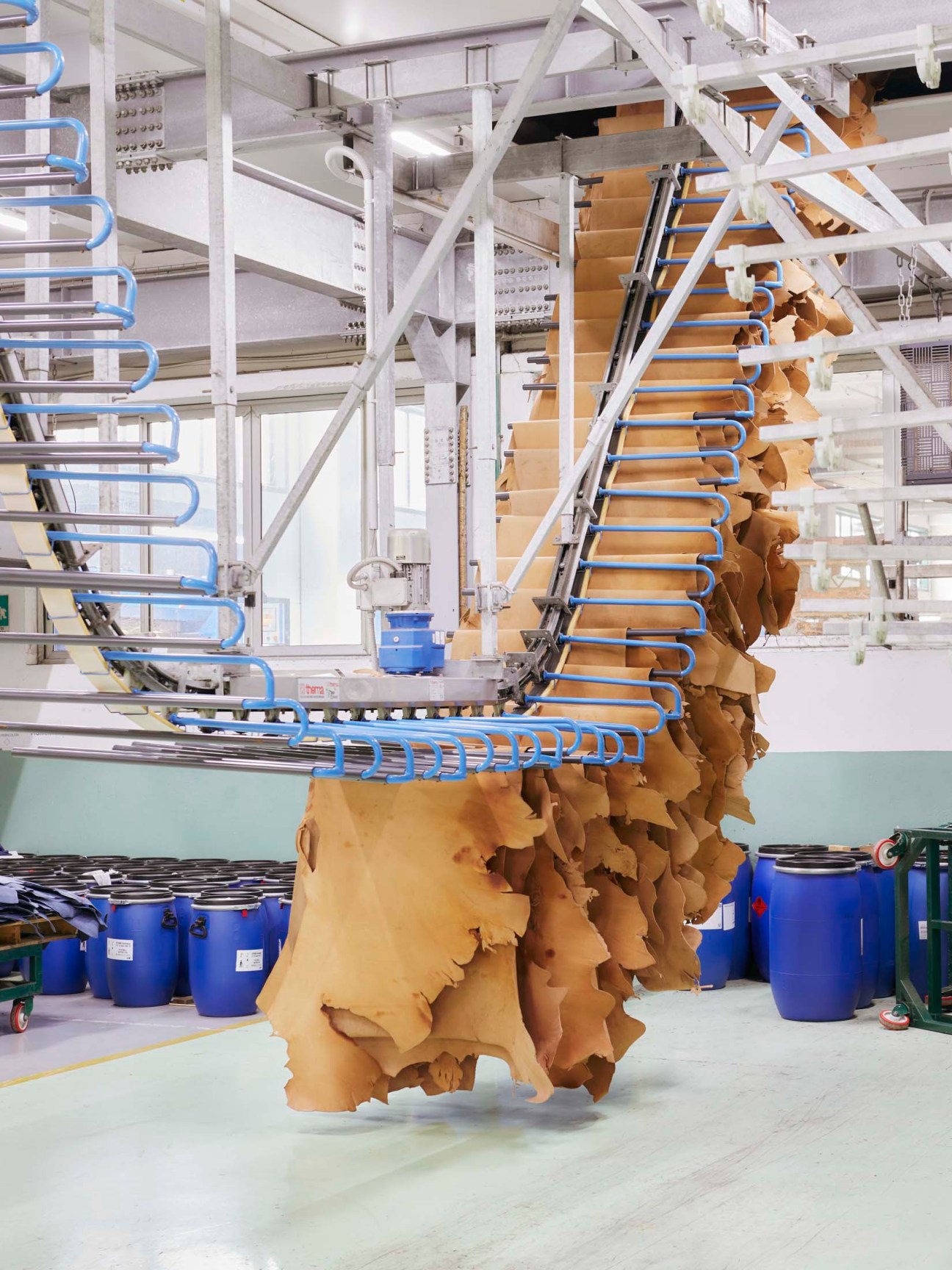
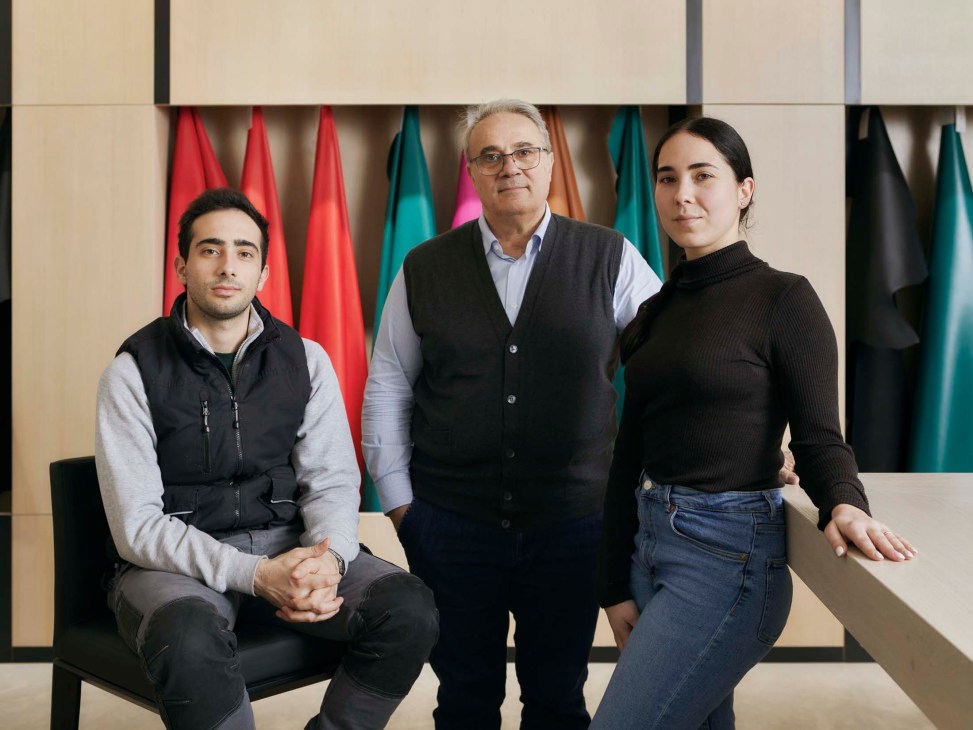
Back at the Nuti Ivo tannery in Tuscany, work is showing no sign of slowing down. Hides are being hung on mechanised racks that move around the space to dry; this is just a small number of the roughly one million skins that the company works with every year, most of which are exported around the world. “There are a lot of tanneries that jump from one thing to the next because fashion is a bit like that,” says Fabrizio Nuti, as he walks over to meet his son, Umberto, and daughter Rebecca, the group’s traceability manager. “We’ve focused on doing fewer things and being the best.” Thanks to their well-endowed French benefactors, the Nuti Ivo Group’s best is about to get even better.
All aboard The Monocle Express, redefining luxury travel one dream at a time
Trains are a smart, smooth way to travel. A well-designed train can connect communities and make business and leisure a pleasure. Sadly, many railway companies are relying on old rolling stock and tired notions of onboard hospitality, occasionally excelling in one area while falling short in another (big windows but small seats, for example).
That’s why we’re designing our own. If we were to chart a route, our train would offer unrivalled connections, reaching areas not readily served by routes that cross state and national borders. To make this vision a reality, we’ve enlisted a wish list of global talent to create a train that gets you where you want to go on time, and in style. So grab a ticket and hop on The Monocle Express. All aboard!
1.
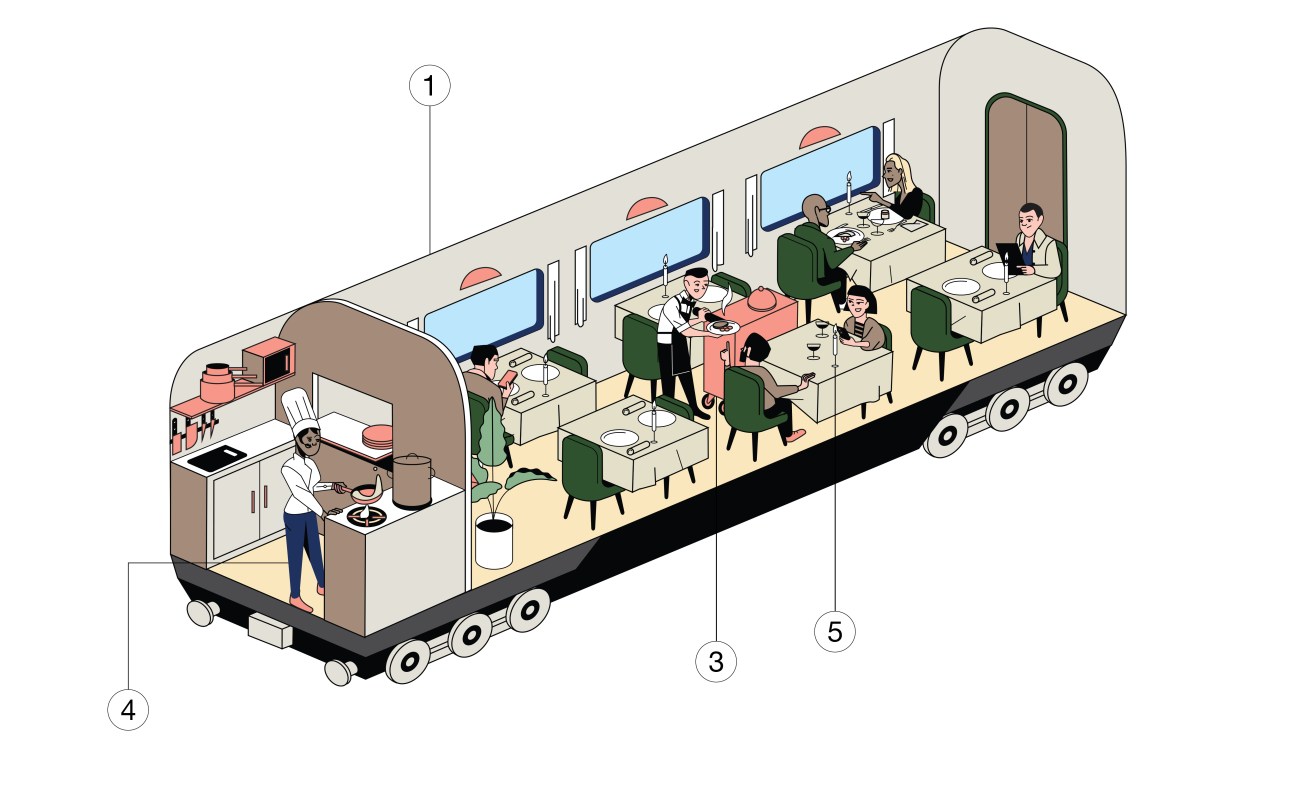
Proper dinning cars
First-class fare
Dinner service often feels dull, so The Monocle Express is reinstating the refined onboard restaurant. Our train takes inspiration from the blue dining cars found on Switzerland’s Rhätische Bahn and older carriages belong to state operator SBB. Staff, who wait tables covered with crisp linen and tableware, are trained in a finely tuned apprenticeship programme that’s the gold standard in the hospitality sector.
2.
Good bar car
One for the rail
Our bar car has an actual bar, helmed by staff trained by the team at Berlin’s Château Royal. There’s a variety of seating, including freestanding armchairs and stools by French firm Alki, ensuring that the space feels domestic and calming, while providing moments for a team drink or solitary sip on the last train home. As for the menu? We’ll be serving wines local to the route, beers and cocktails.
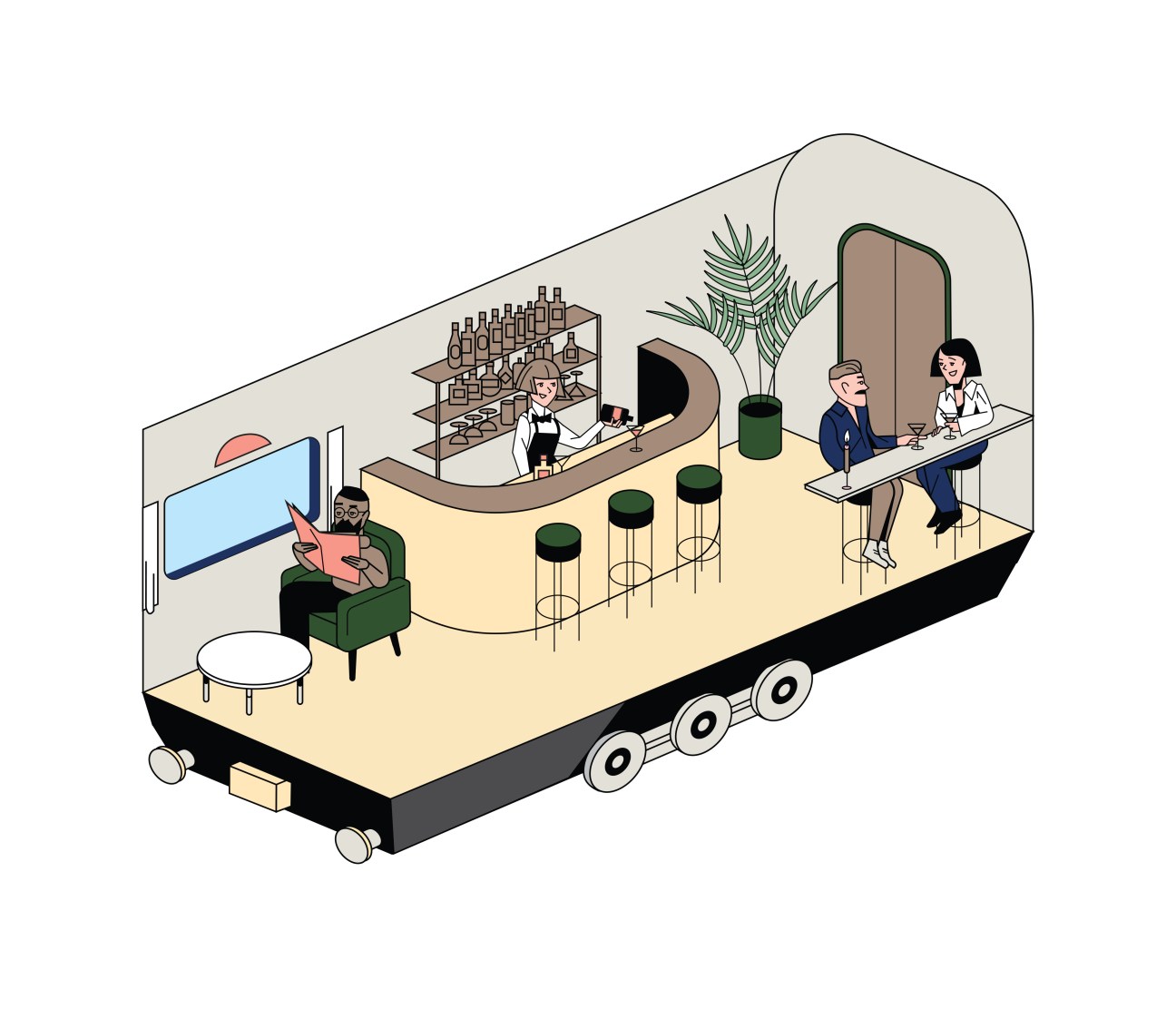
3.
Service trolley
Rolling stock
A trolley serving pretzels, wine and coffee ensures that passengers are always sated. To keep the peace, its wheels are smooth and quiet, and the trolley is thin so that it doesn’t bang into seats as it passes down the aisle.
4.
Proper cooking
Flavour of the month
The kitchen serves classics that passengers look forward to. Its bakery makes great sourdough and the spaghetti bolognese is ideal for late-night commutes. Emerging chefs also devise seasonal menus that capture the best of regional produce.
5.
Gentle lighting
Subtle distinction
Good lighting can make or break a space. As such, the whole train is illuminated by warm-hued lights that are recessed in subtle ceiling grooves, creating a diffused glow and a relaxing atmosphere. And yes, those are real candles on the tables in the dining car.
6.
On-platform kiosk
Sales pitch
For those who can’t wait until they board the train for refreshments, there’s a small kiosk on the platform, similar to the set-ups found across Japan. It’s stocked with the day’s newspapers, the best magazines and a surprising selection of pocketbooks. Depending on the station, we’re also working with the very best local coffee roasters and, of course, the baristas are always sunny.
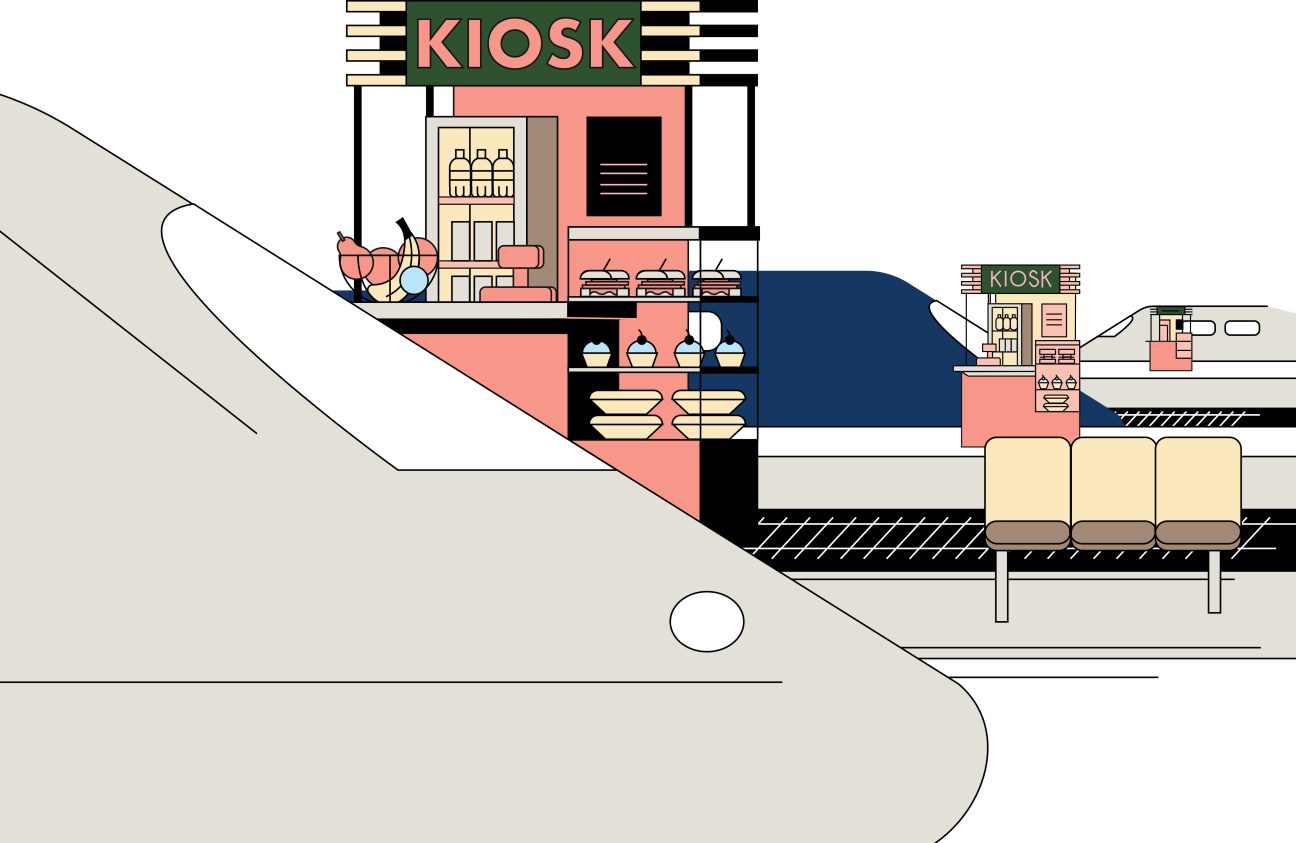
7.
Later departures
Railway sleepers
Our timetable also offers late departures so that you can enjoy dinner in Paris and still roll into Zürich at 04.00. Rather than a proper sleeper service, special seats go into deep recline, lights go down and there are fresh pillows and blankets for a solid four-hour sleep.

8.
Resort routes
Station to vacation
Much like seasonal airline services connecting city dwellers with island destinations, The Monocle Express tailors its routes to passengers’ holiday preferences. A line runs across the Alps in winter and routes track Italy’s west coast in summer. Viewing carriages – inspired by Switzerland’s Bernina Express – are attached to the train for these journeys, with double-pane floor-to-ceiling windows running the length of the carriage.
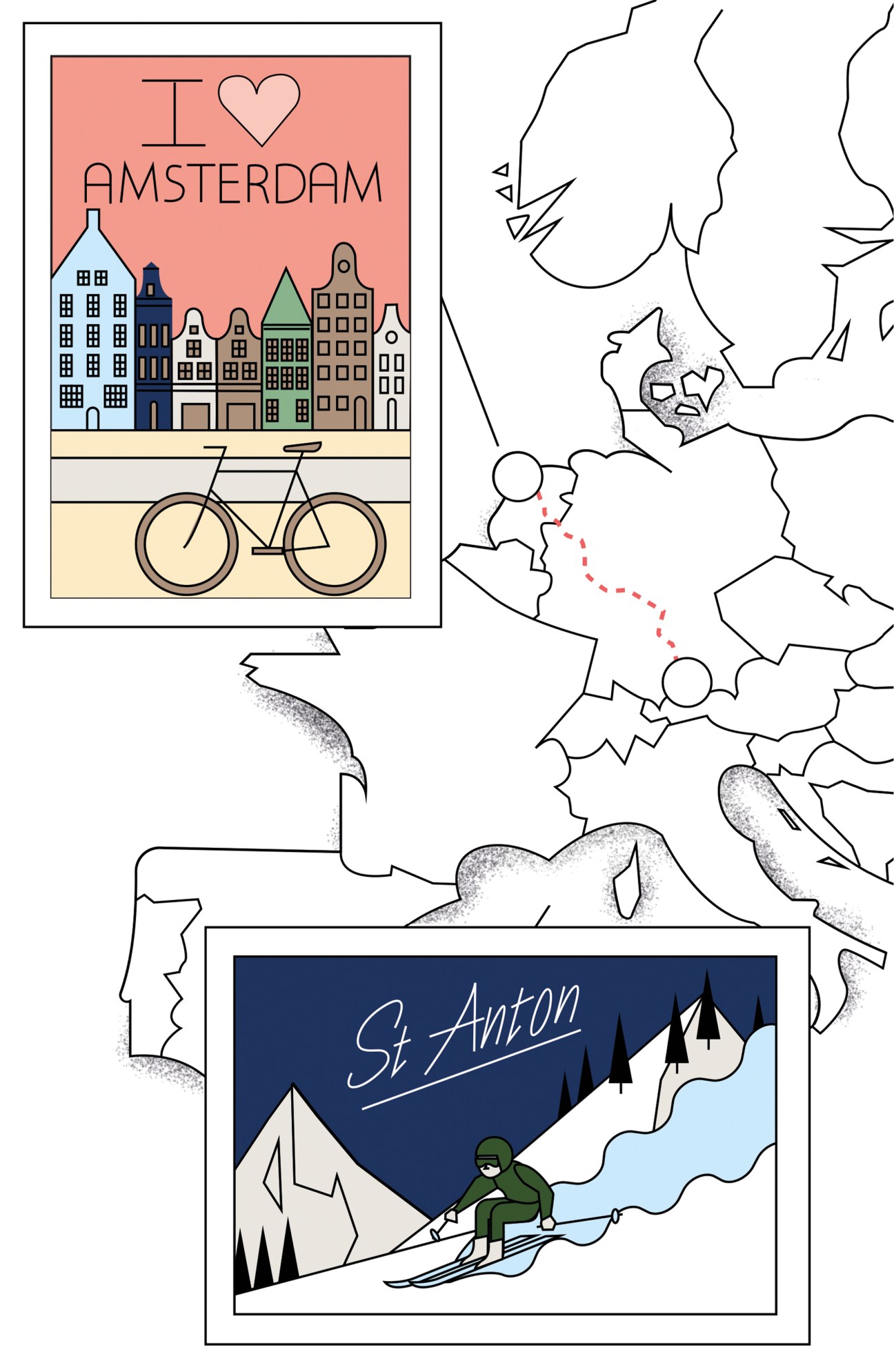
9.
Boarding music
Laying down the tracks
The Monocle Express is known for its superior approach to audio: signature jingles for pulling into stations, kicky boarding tracks and an infectious theme song that defines the brand in slick TV, radio and digital campaigns. Also, there’s special emphasis on training our on-board staff to sound both in control and silky smooth.

10.
Business carriage
Work in progress
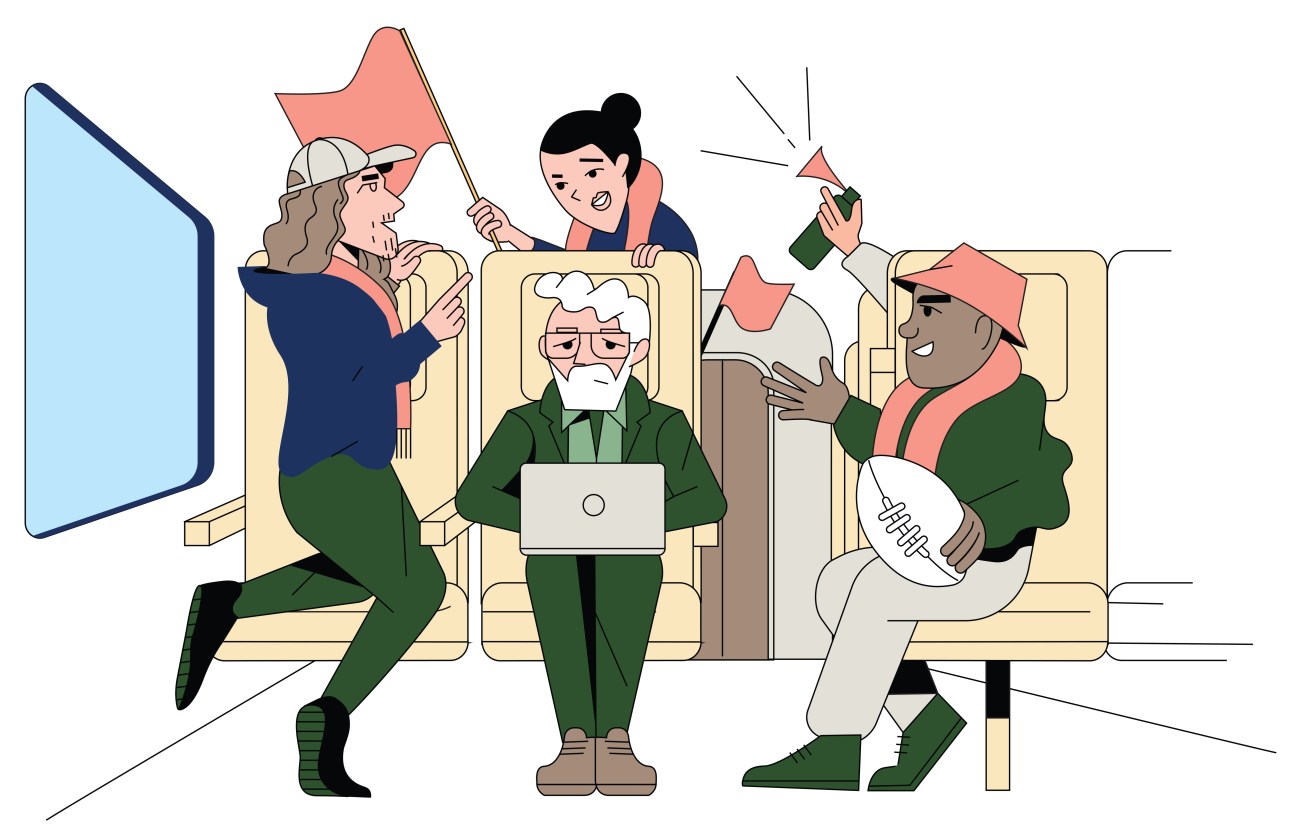
High-speed rail travel doesn’t mean that work can’t continue at pace. Those looking to continue wheeling and dealing in peace can book into our dedicated business carriage designed by Caon Design Office. The Australian studio, which specialises in transit interiors, has designed a timber-clad space that feels more like a cosy office than a charmless train compartment, offering acoustic relief and a calming space in which to get down to busines
11.
Family pods
Letting off steam

While many rail operators have family-themed carriages, we also offer special cabins for moments when a tantrum can unsettle the other 300 passengers on board. Just as we have call cabins for chattier passengers (see above), parents should be able to have less stressful moments when junior needs to calm down. Of course, there’s a special call button when mum and dad need a calming glass of pinot bianco.
12.
Phone booth
Chatter boxes
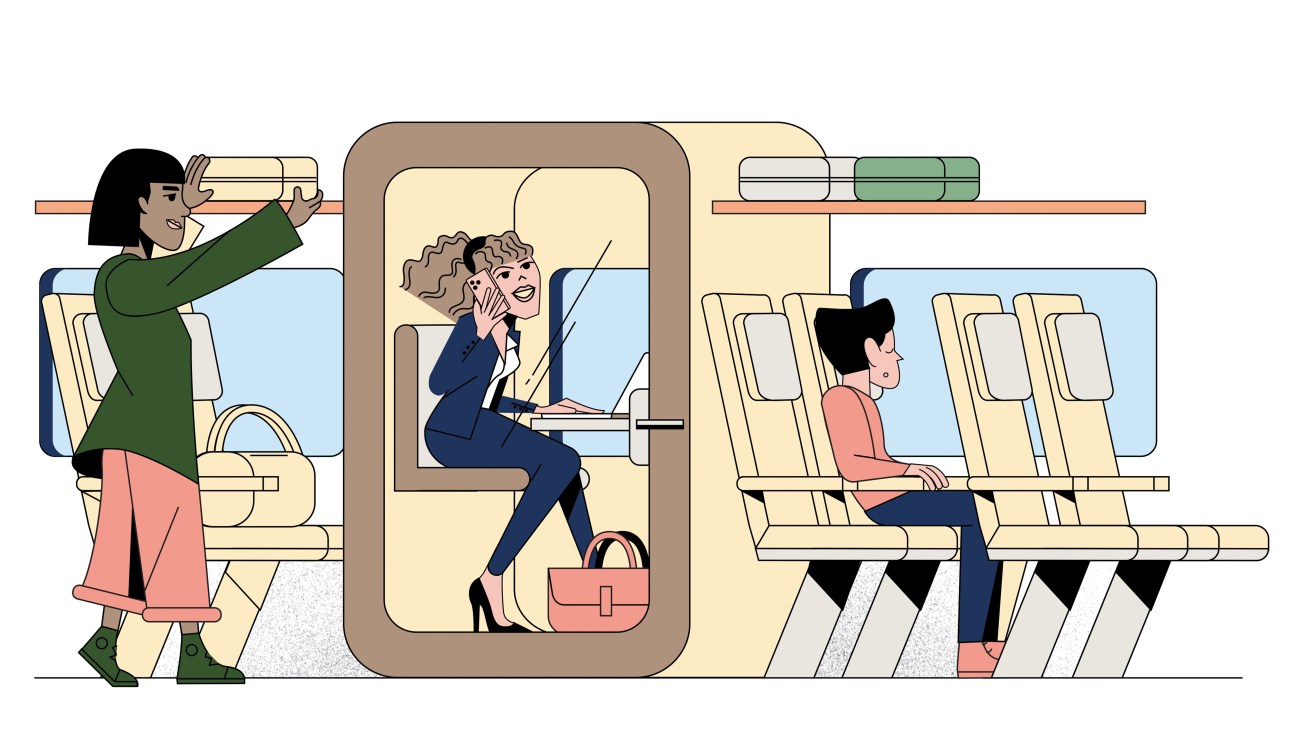
Looking for a moment of discretion? Or just want to catch up with a friend without pouring your heart out to the whole carriage? Jump into one of our soundproof phone booths. Inspired by Spanish brand Kettal’s Kall phone pod, these have a compact footprint and a glass door that provides transparency but still allows for privacy (curtains are optional). Clad in wood, it has a warm character and comes with integrated yet silent ventilation.
13.
Silent cars
Train of thought
There’s an unspoken rule that noise should be kept to a minimum and sometimes it’s nice to sit still and simply watch the world go by. Our silent cars really are silent: no talking, no typing.

14.
Dimmable lights
Dip, don’t dazzle

Personal reading lights should offer a gentle, direct glow – and not illuminate the carriage like a spotlight. We’ve tapped German firm Occhio to create a bespoke light system to meet this brief.
15.
Particular porters
Friends of the line
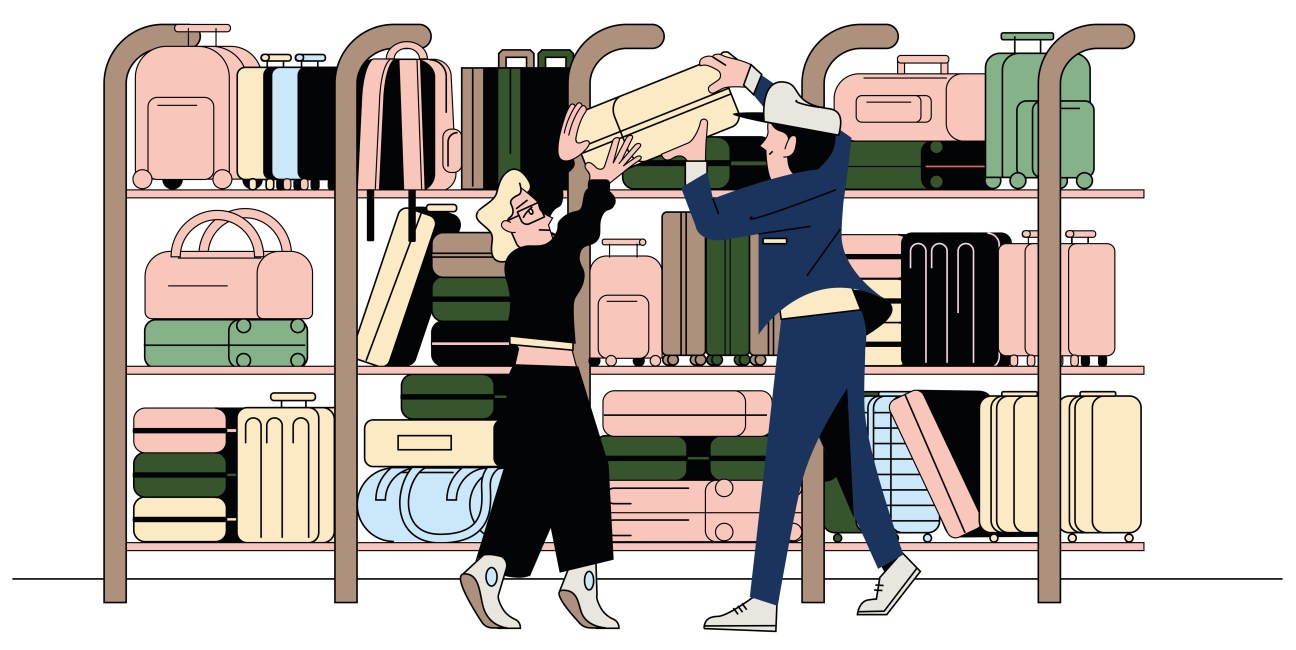
Porters line the platform. They’re there to help and organise rather than just point passengers toward seats. The porter will ensure that no stray briefcases, backpack handles or coats come tumbling onto the floor. These customer-facing staff members are also on hand to make boarding as seamless as possible, by rolling bags on and off platforms. Plus, the porter team have exceptional knowledge of the towns along the route and can provide hot tips on where to go and what to see – they’re the train’s concierge service. You’ll recognise them from their uniforms by Milan’s Older Studio.
16.
Soft surfaces
Curtain call
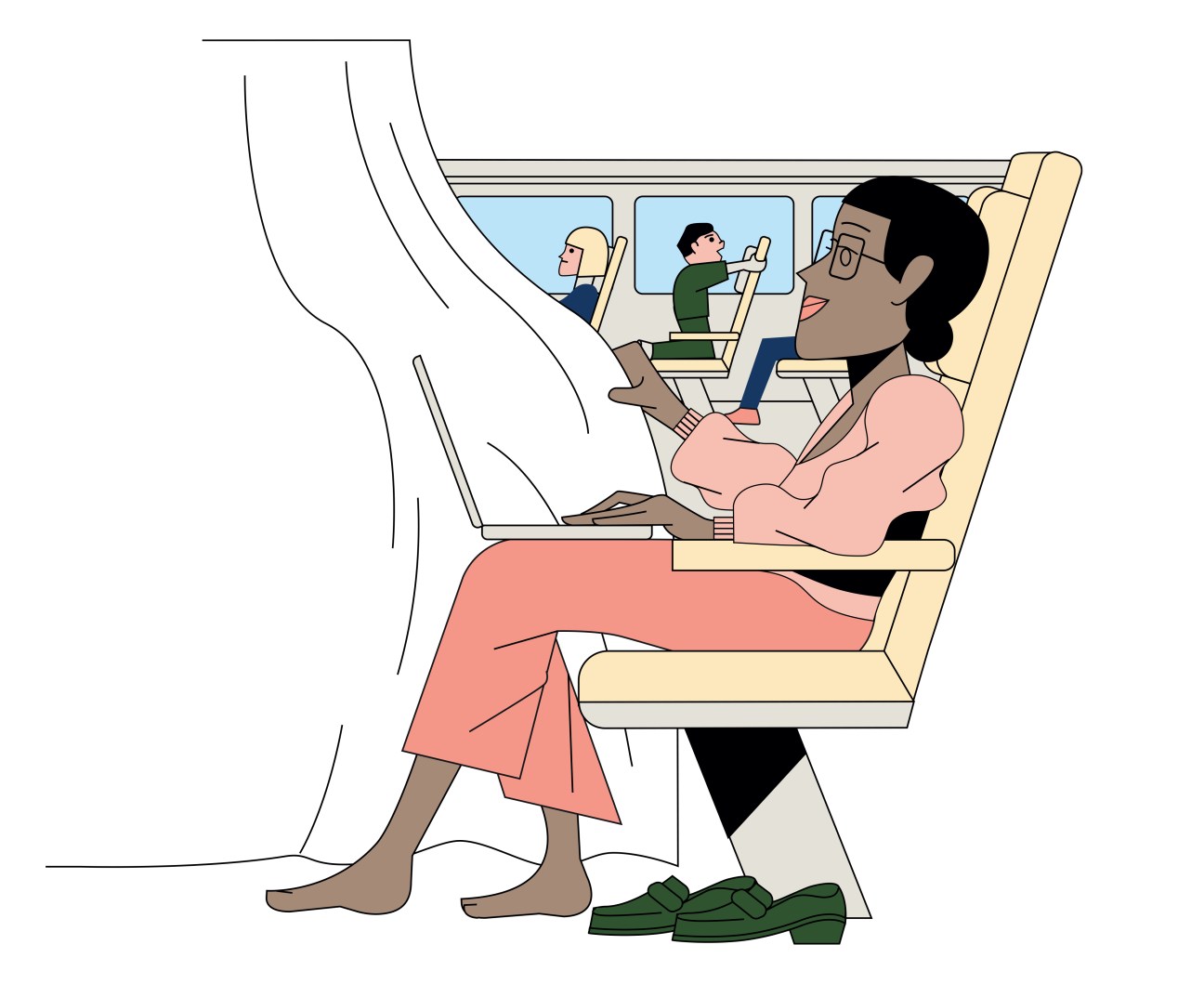
There’s a reason why our homes have curtains: they ensure privacy and offer great acoustic insulation. A train is no different and the windows of The Monocle Express are dressed in fabric drapes by Danish textile specialist Kvadrat. In addition to curtains, other plush furnishings, including seats upholstered by Italian brand Dedar, are essential onboard inclusions. Hard surfaces can amplify noise, making it difficult to have a quiet conversation, so acoustic panels made from natural materials have been prioritised over metal where possible, thanks to their acoustic absorption properties.
17.
Spacious bathroom
Clean getaway
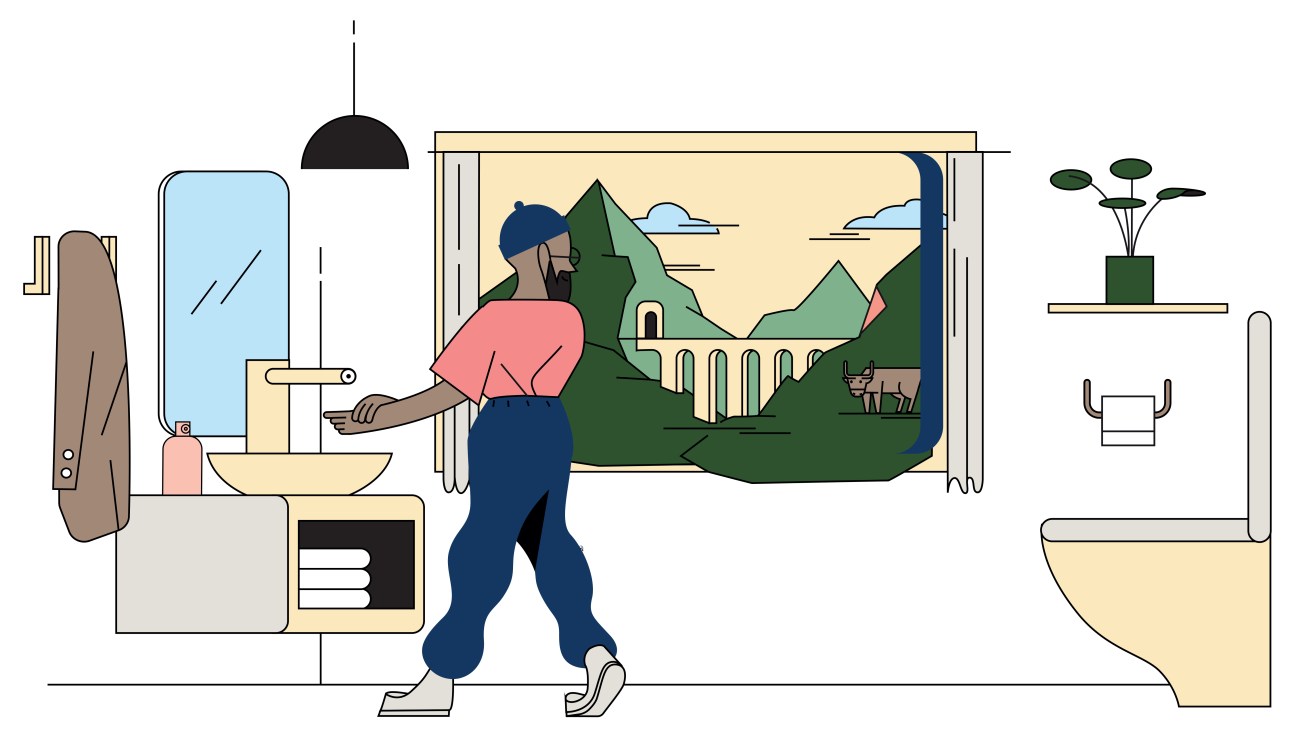
Every carriage has a bathroom, separated from passengers’ seats by the luggage storage area (so there are no unpleasant wafts). Facilities are spacious and clean, with a shelf for travellers to place their skincare products and glasses while freshening up before arrival. There’s also a custom fragrance diffused in the space, made in collaboration with London’s Perfumer H.
18.
Bathroom attendants
Groom service
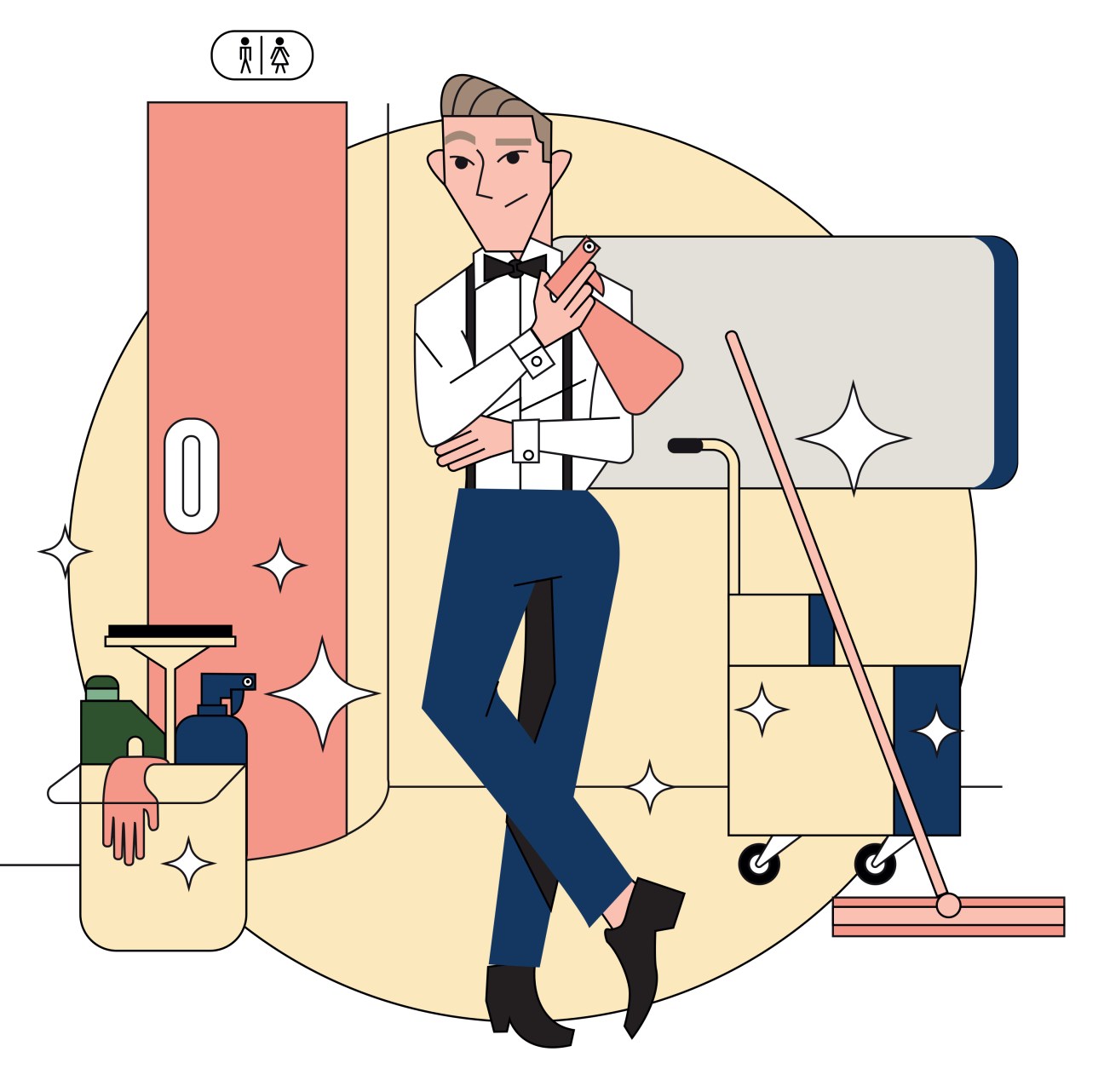
This unsung hero of The Monocle Express is our toilet attendants, who keep things running. They make sure the facilities are clean and well-stocked with grooming essentials to ensure that passengers are always looking, feeling and smelling their best.
19.
Smart seating
Noble berth
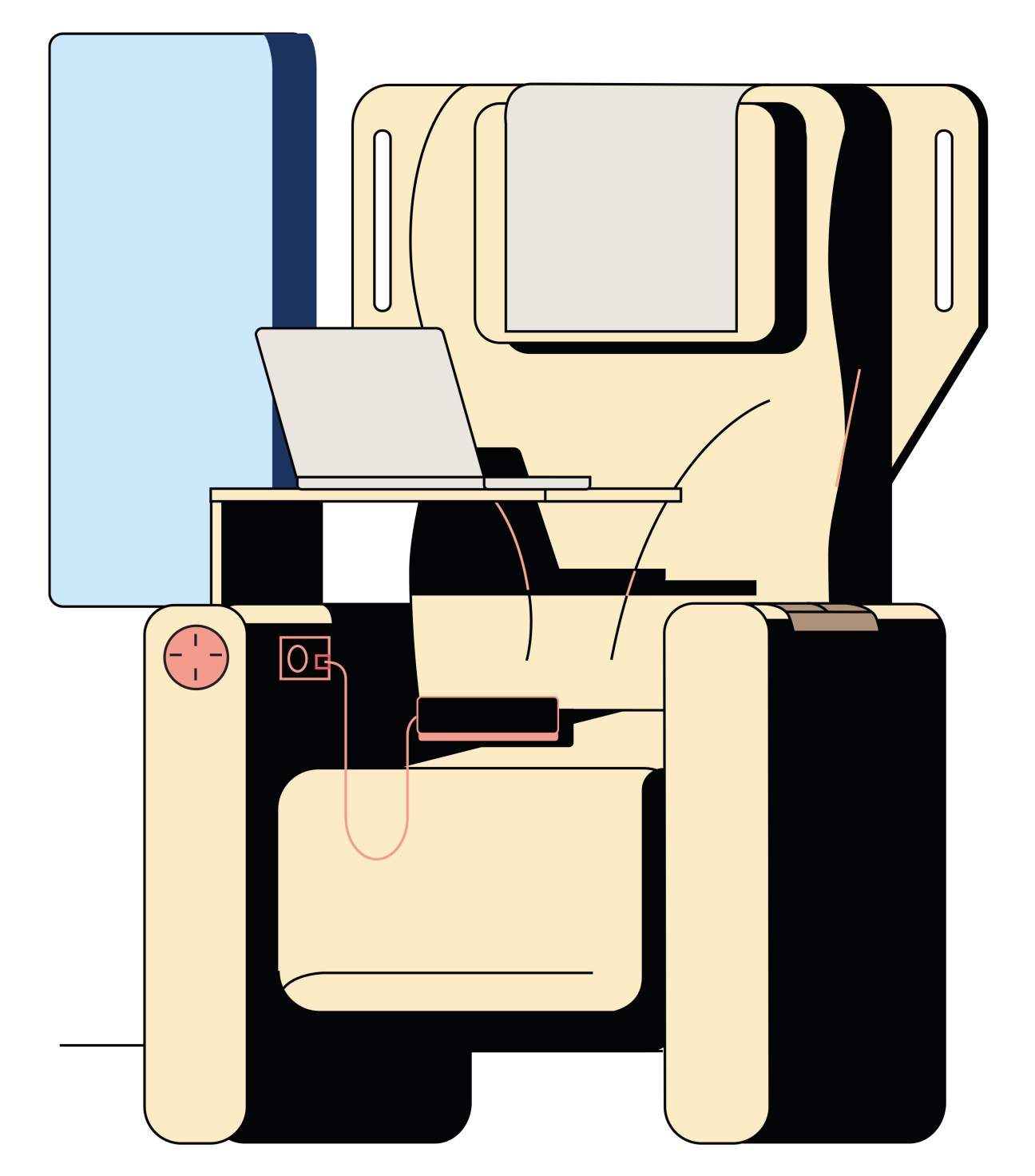
We’ve turned to Marc Newson, who recently created a beautiful task chair for furniture giant Knoll, to design our bespoke seats. All are equipped with in-built phone and computer chargers, a discreet footrest and a generously proportioned timber table and reading light, which folds out from the back of every seat. With temperature controls built into the armrests, guests can warm and cool their perch, which is finished in Poltrona Frau’s Impact Less Leather.
20.
The right retail
Revenue booster
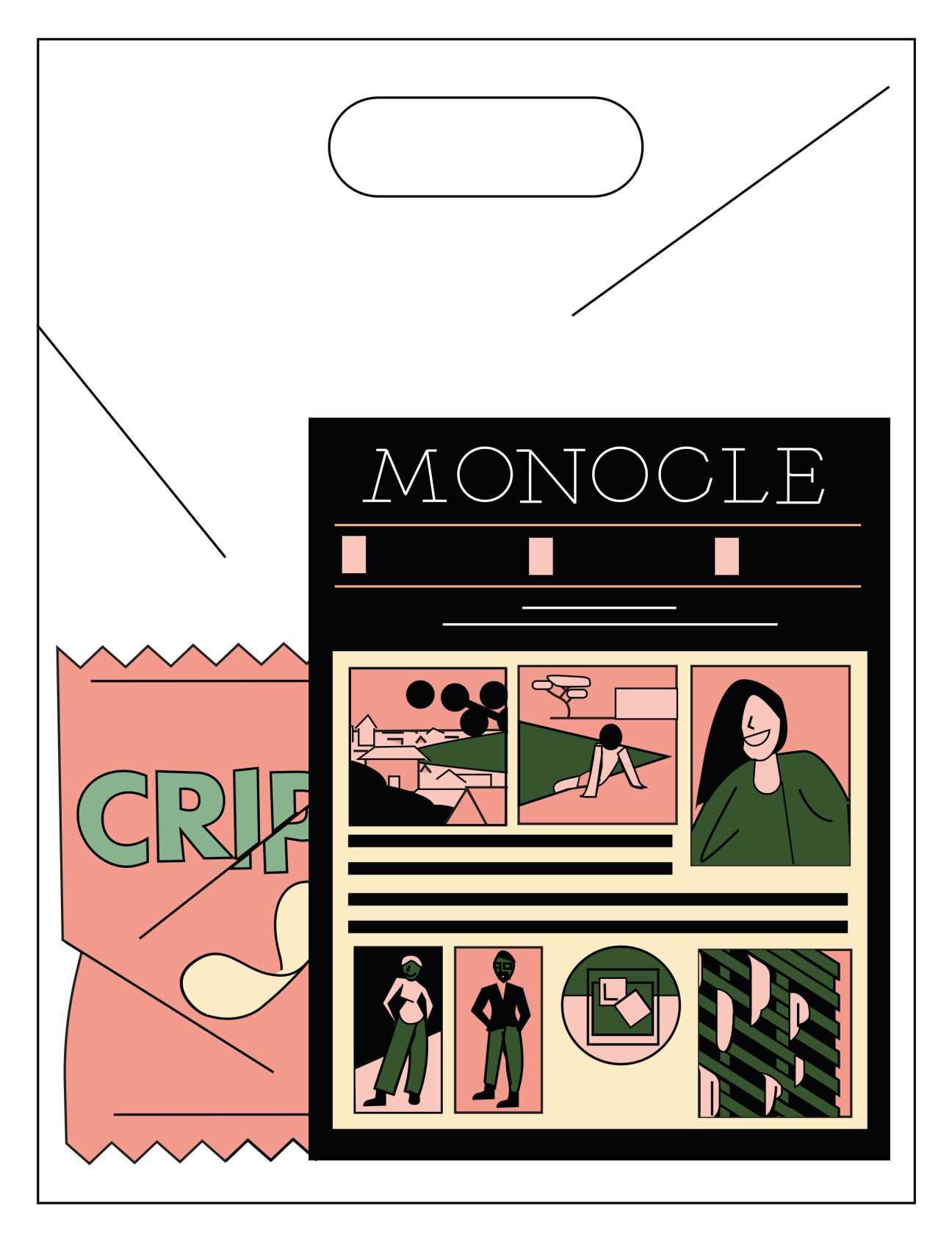
Our investors are impressed that our retail sales account for more than 15 per cent of The Monocle Express’s turnover. The kiosk near the bar car and the well-stocked trolleys offer everything from handsomely designed souvenirs, toiletries for moments when the trip becomes an overnighter and always the best in print from Monocle’s presses.
21.
Lounges
Comfort zone
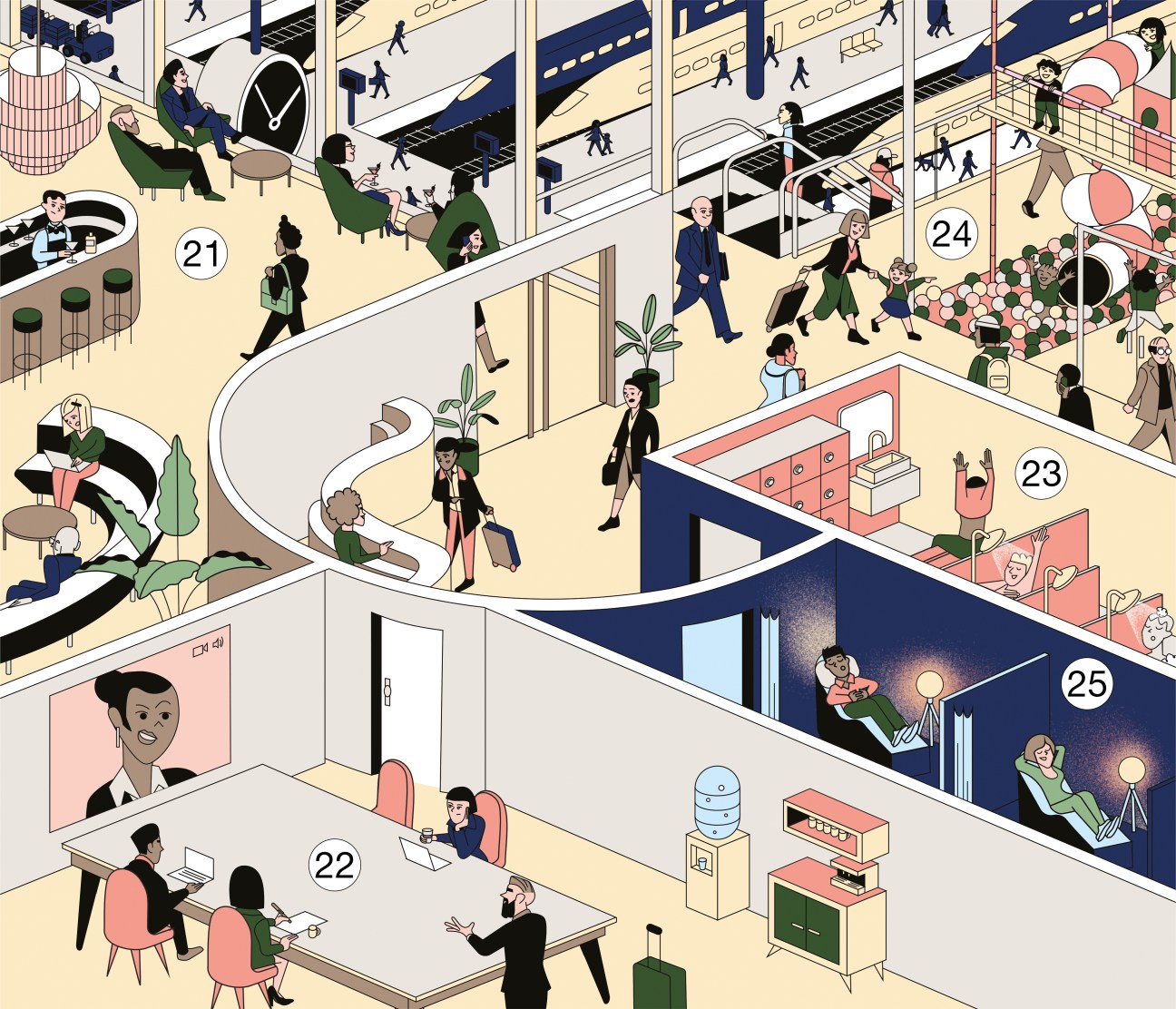
Every journey should have a distinct starting point, which is why we’ve built a specific station for just that purpose, which also serves as a city landmark. It has dedicated passenger lounges with comfortable armchairs, complimentary newspapers and magazines, and high-speed wi-fi. For its interior design, we’ve commissioned German architecture firm Hollin 1 Radoske, after being inspired by its time-tested work on the Lufthansa First Class lounge at Frankfurt International Airport.
22.
Meeting rooms
Business class
Travellers require transit lounges to provide more than simply a moment of respite. They should also comprise functional spaces in which to take important calls, draft emails and even host small meetings. As such, these dedicated workrooms are fitted out with facilities enabling conference calls and presentations, allowing business to continue at pace.
23.
Shower facilities
Signal of intent
Did you get the overnight from Milan and want to freshen up before that meeting in London this morning? (Yes, we charted a new route.) Our top-tier shower facilities have a spa-like atmosphere, with soft imabari towels, high-pressure shower heads from Spain’s Roca and a pamper pack that includes a skincare range that we created with South Korea’s Beauty of Joseon. All this will have guests looking fresh on arrival. This is about more than hygiene; it’s a statement of passenger care.
24.
Play space
Fun of the fare
A train station should be a welcoming space for all, and that includes the youngest travellers. Our dedicated children’s playground transforms the potential stress point of a long wait into a joyful experience. We’ve taken inspiration from our favourite playgrounds (designed by Dutch firm Carve), with a bouldering wall and a train-shaped climbing structure. It’s a small but significant step towards inspiring and engaging the next generation of rail travellers.
25.
Nap rooms
Bed and boarding
Train travel can be an exhausting process, especially when crossing time zones or involving early departures. To help travellers feel fresher on arrival, our dedicated nap room allows passengers to grab a quick moment of shut-eye. This appropriately lit space is equipped with comfortable loungers for shorter rests and sleep pods for those in need of a longer snooze. The result? Passengers who feel refreshed and ready to embark on their next adventure.
Your carriage awaits…
We’ll turn to some experienced manufacturers to make The Monocle Express a reality. One of these is Nagoya-based Nippon Sharyo, which has been making rolling stock since 1896 – its Shinkansen trains for Japan’s state railways hit speeds of up to 320km/h. We’ll also partner with Switzerland’s Stadler Rail so that our train has a striking livery and aerodynamic curves. The result? A slick train that draws on the best rail solutions that the world has to offer.
The Portuguese proprietor who turns his culinary fantasies into mouthwatering reality
Deli Comporta
Portugal
Every once in a while, Miguel Guedes de Sousa’s ideas about food and hospitality come to him in his dreams. In those moments, the man behind peerless Portuguese hospitality group JNCQuoi phones his executive chef and announces that he’s hungry. “It doesn’t matter if it’s six in the morning – Miguel describes in detail the dish he dreamed of, I prepare it, then he tastes it,” says Jerónimo Ferreira, who was the chef at Lisbon’s Ritz before joining the group. He is now leading Deli Comporta, which opened this summer.
Maximalism has become a hallmark at JNCQuoi properties, which include a hospitality complex and club in Lisbon, and a hotel and beach club in Comporta. For the new deli, Guedes de Sousa says that he and his wife, Paula Amorim, wanted to launch something “different from anything ever created”. He says that it is a pop interpretation of the traditional working-class tasca restaurants of the Alentejo region mixed with an irreverent touch of “elitism for everybody”. In practice, it’s a fine place to sit on a bar stool and enjoy a gazpacho with spider crab or a beef carpaccio among a vibrant crowd, colourful textiles and vases painted by artist Susa Monteiro.
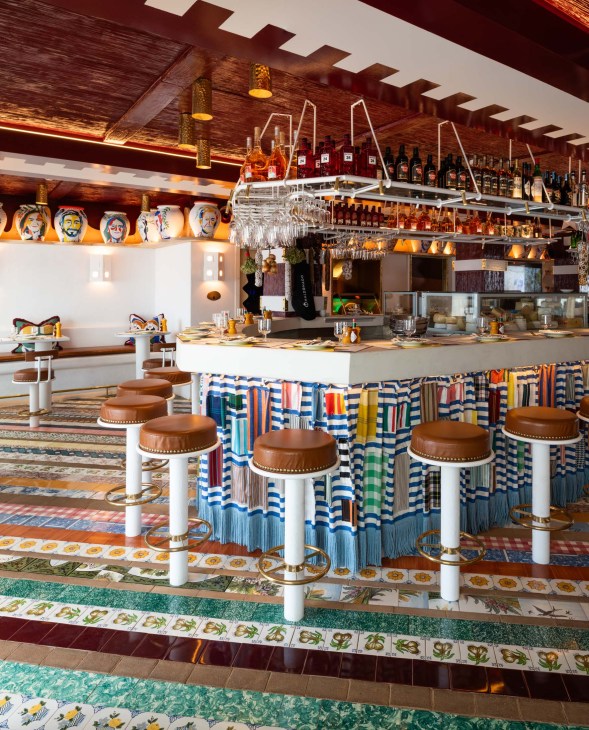
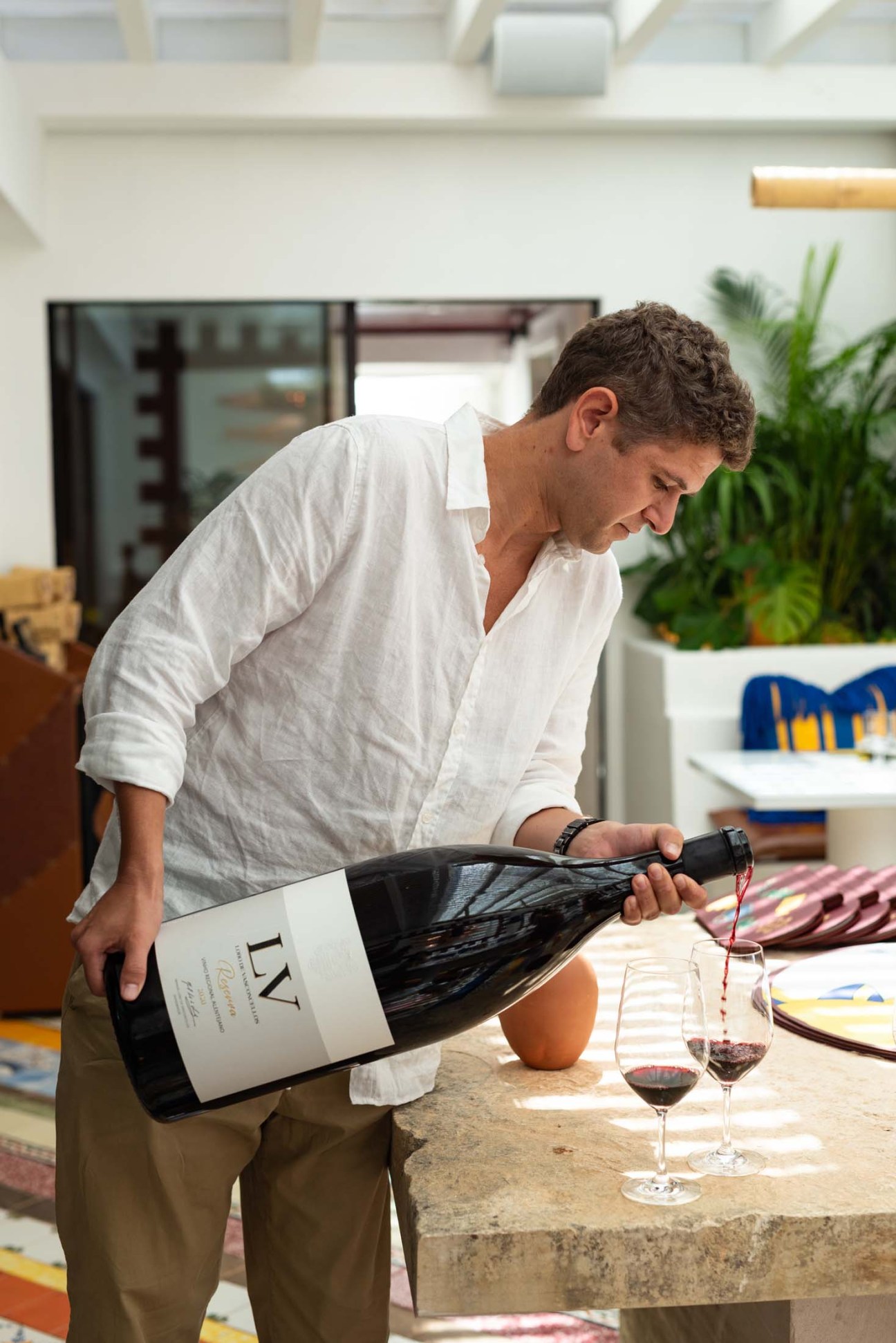
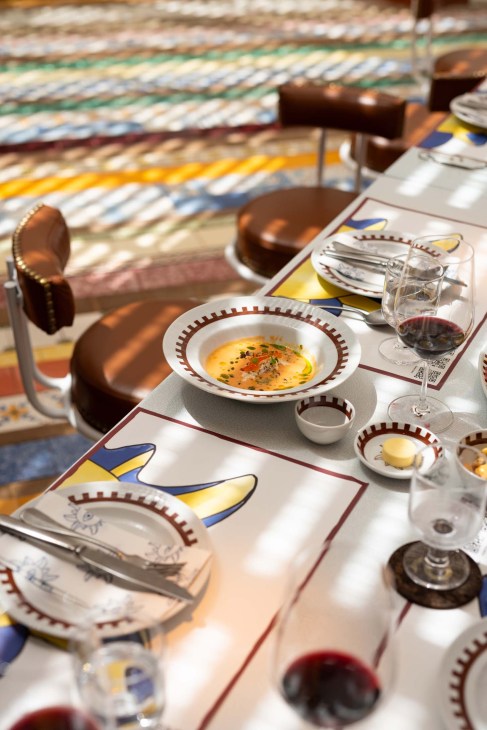
Whether it’s in Lisbon, or a 90-minute drive in Comporta, nothing ends up on a menu without Guedes de Sousa’s say so. “This is what I live for,” Guedes de Sousa tells Monocle, sitting at the breezy terrace of the new restaurant, drinking the “fifth or sixth” of his many daily espressos. His most recent dream is what he calls “pijama do mar”, a seafood take on the classic pijama dessert, a plateful of small portions of assorted sweets. This version combines clams, razor clams, chips, cream, white wine, chilli sauce and an egg. “It’s a bit like huevos rotos,” he says. “You’ll backflip when you try it.”
Belgian antiques-dealer-turned-designer Jean-Phillipe Demeyer of JP Demeyer & Co helped with the interiors, including several types of Viúva Lamego tiles, a handpainted plaster ceiling and colourful curtains from A Avó Veio Trabalhar. There’s also a Marshall jukebox and regular evening DJ sets.
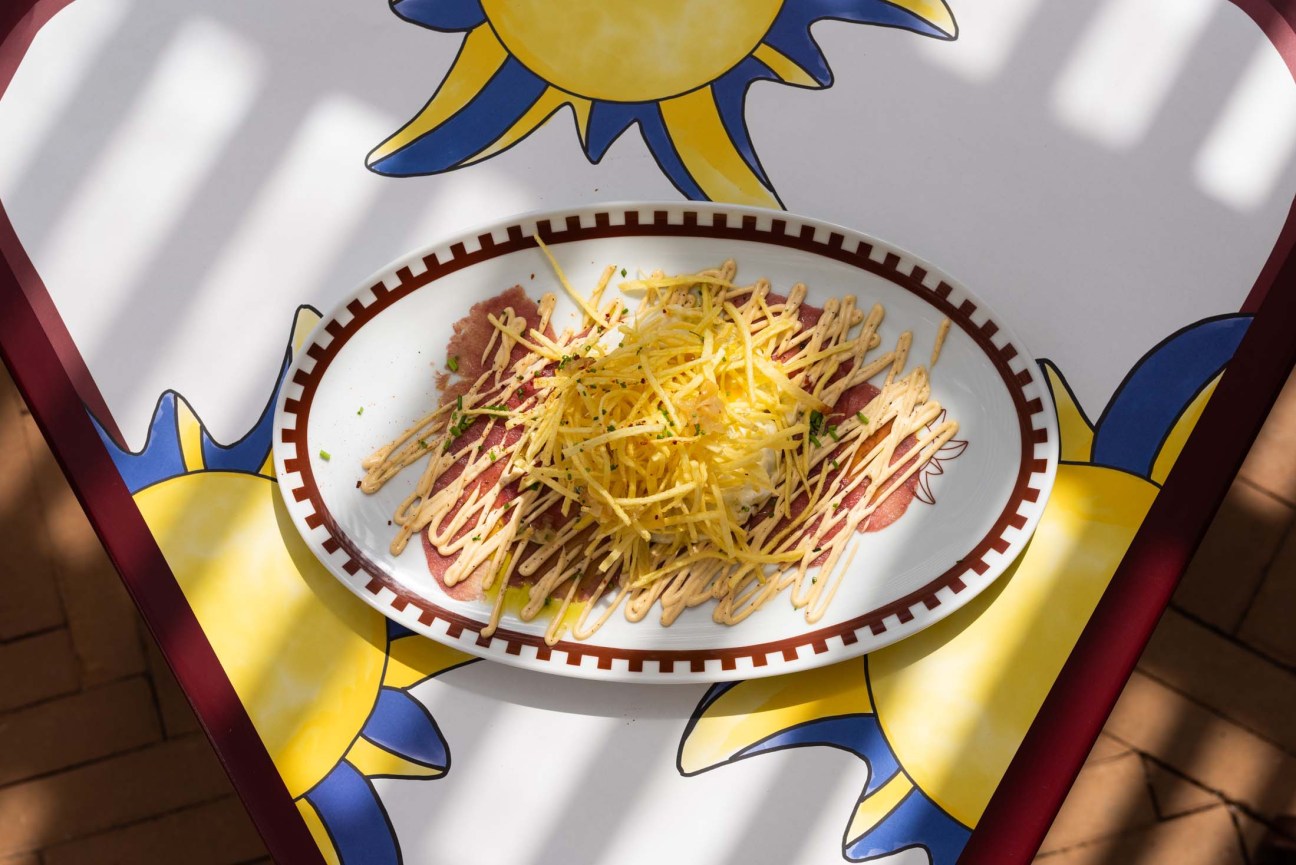
Guedes de Sousa tells us that two other projects next to the Deli should be finished by 2028. “People have no idea that there are only a few restaurants and hotels in Comporta,” he says of the myth that the area is developing too quickly. “All we have to do is develop it in the right way.”
jncquoi.com
Perrystead Dairy
Philadelphia
Perrystead Dairy, an “urban creamery” in Philadelphia, has a vending machine in the garden of its cheesemaking facility, which offers an excellent cheese board at the push of a button. “As a child, I would ripen camembert on top of my parents’ fridge,” says founder Yoav Perry, a former an art director who went on to indulge a passion for fromage in 2021. Initially he imported rare cheesemaking ingredients from Europe but found that he was spending too much time chasing packages through customs, so decided to churn the cheese himself. “I set out to make an original American cheese,” he says.
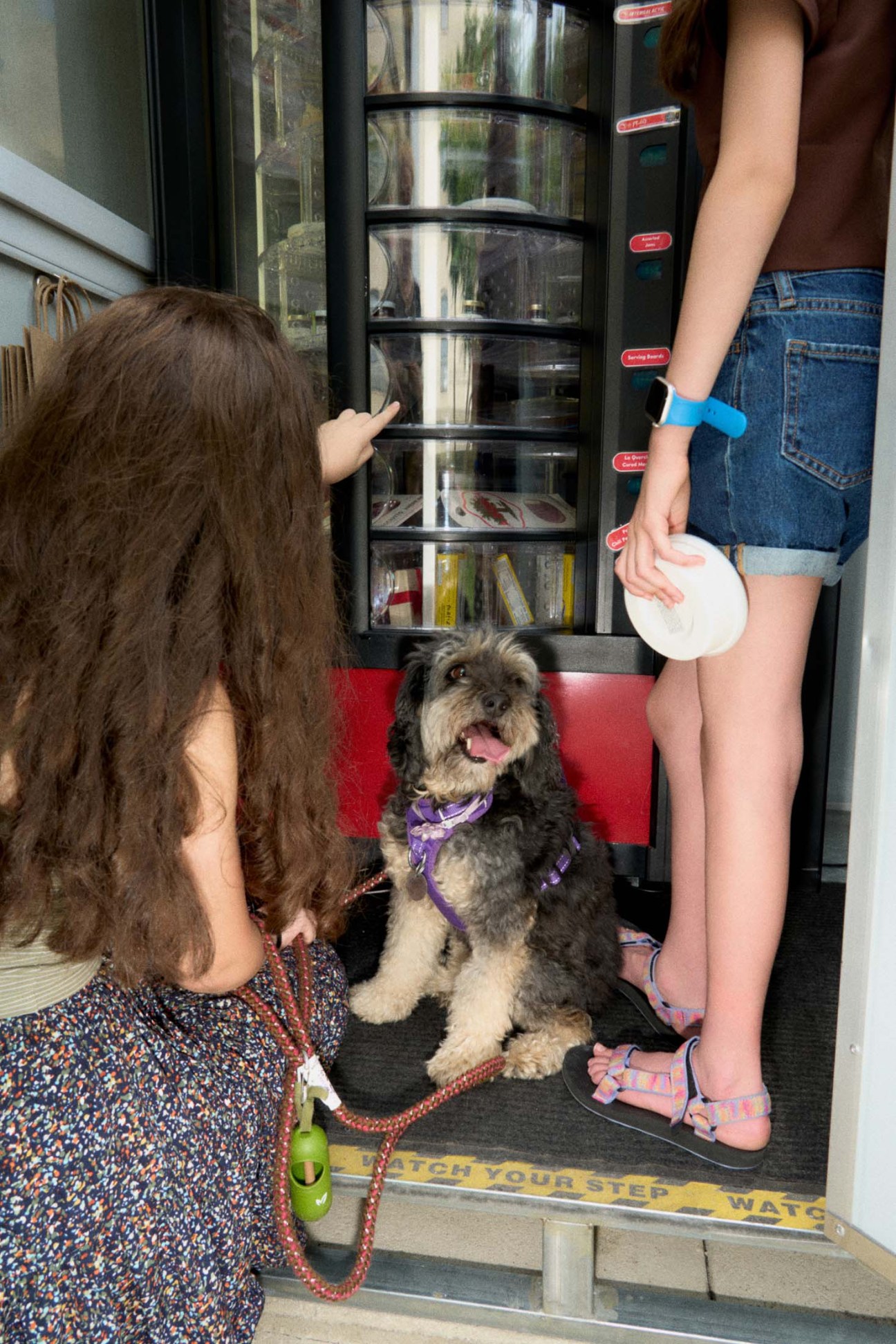
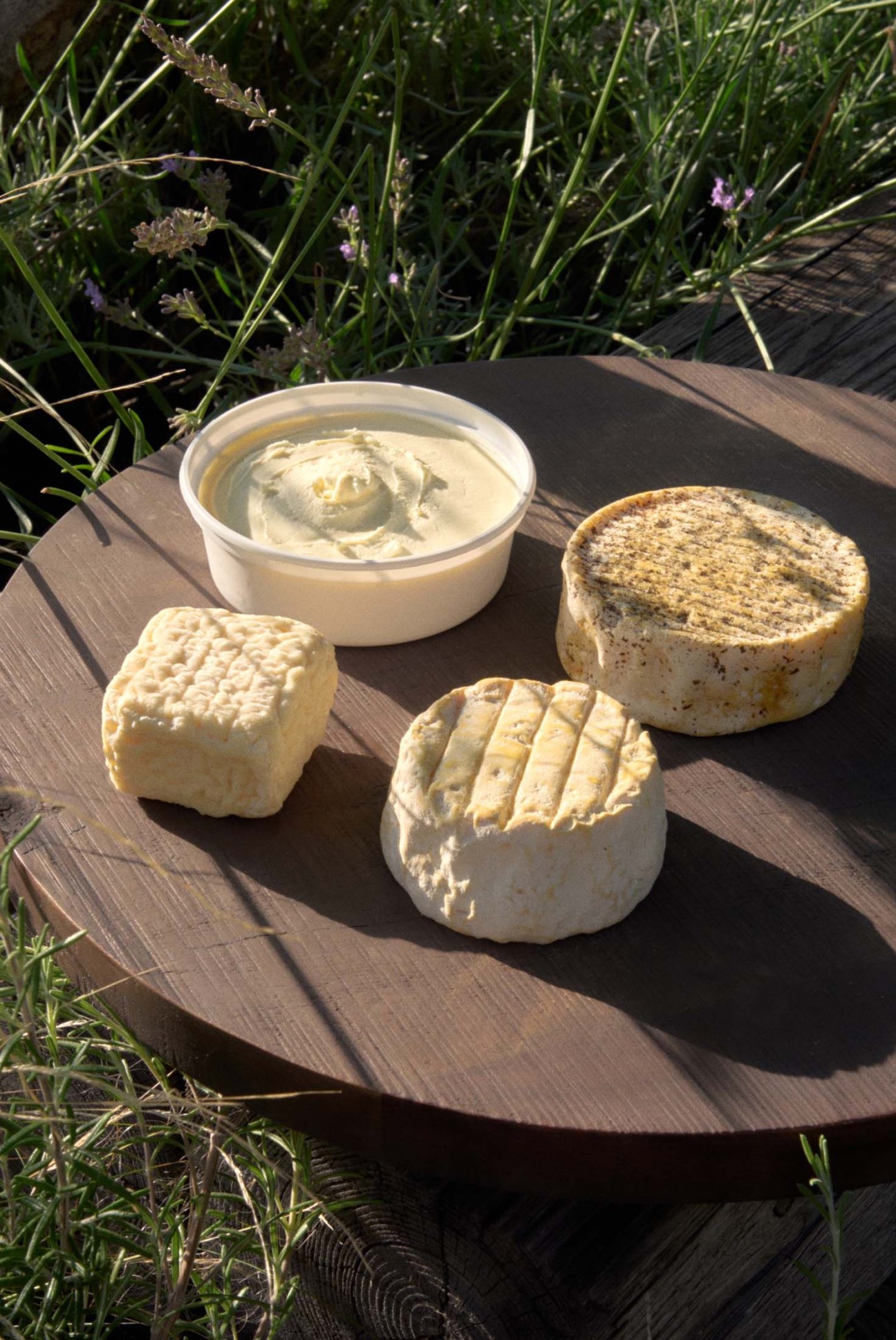
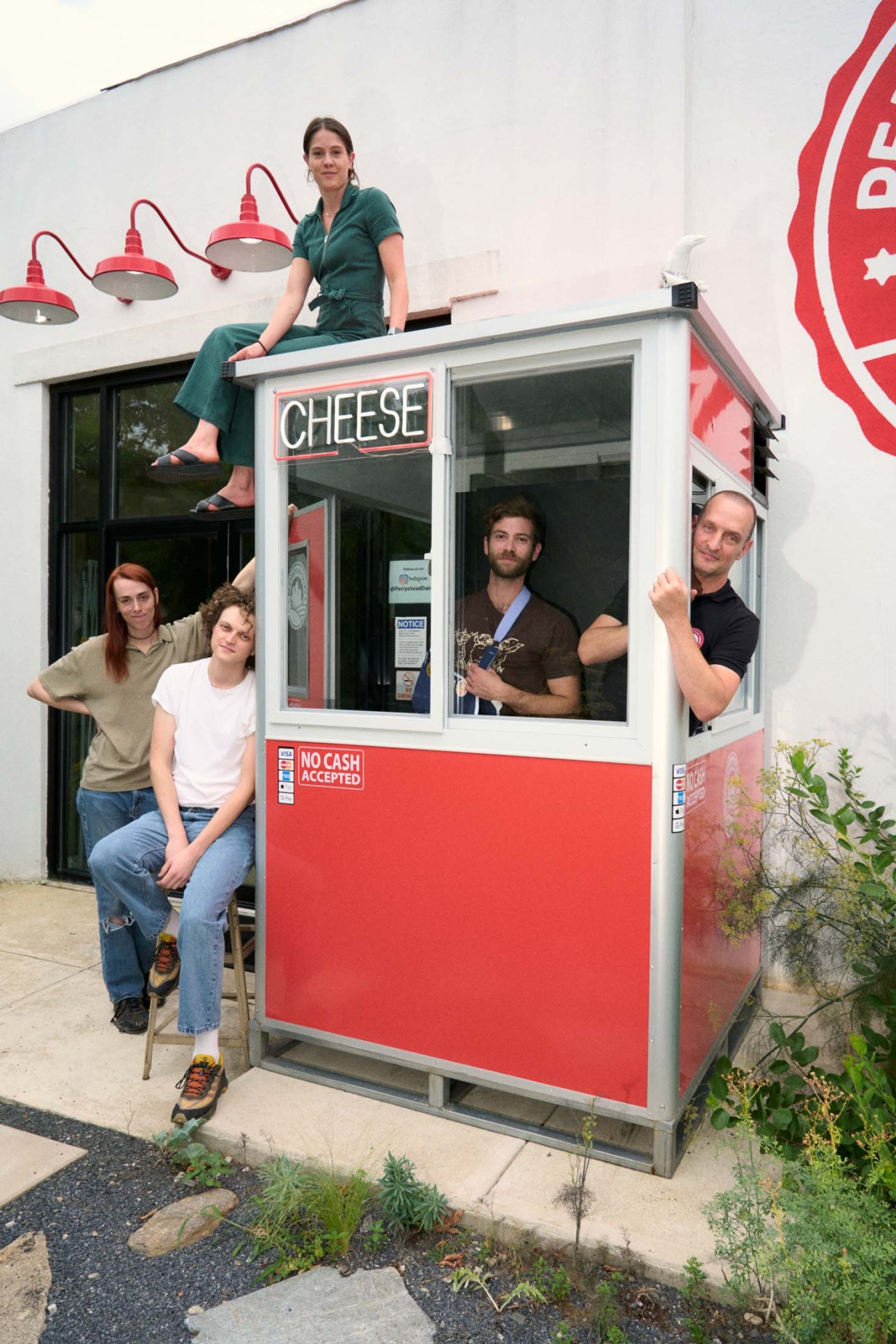
Seven seasonal varieties are made in Perrystead’s creamery in a converted stables. On the day when Monocle visits, the makers are laying out trays of cheese for a competition in Buffalo. The Atlantis, for instance, is washed in seawater from the North Atlantic and its skin is speckled with seaweed. These alpine-style wheels bagged a silver at the World Cheese Awards in Norway.
perrystead.com
Tramo
Madrid
An inconspicuous façade in the Spanish capital’s Prosperidad district welcomes visitors to this remarkable restaurant run by co-founders Felipe Turell and Javier Antequera. Tramo is based in a 1950s former garage. Its open-plan kitchen gives way to a dining hall with a restructured floor that scales upwards via a series of smartly designed tiers that conceal the ceramic ventilation system.
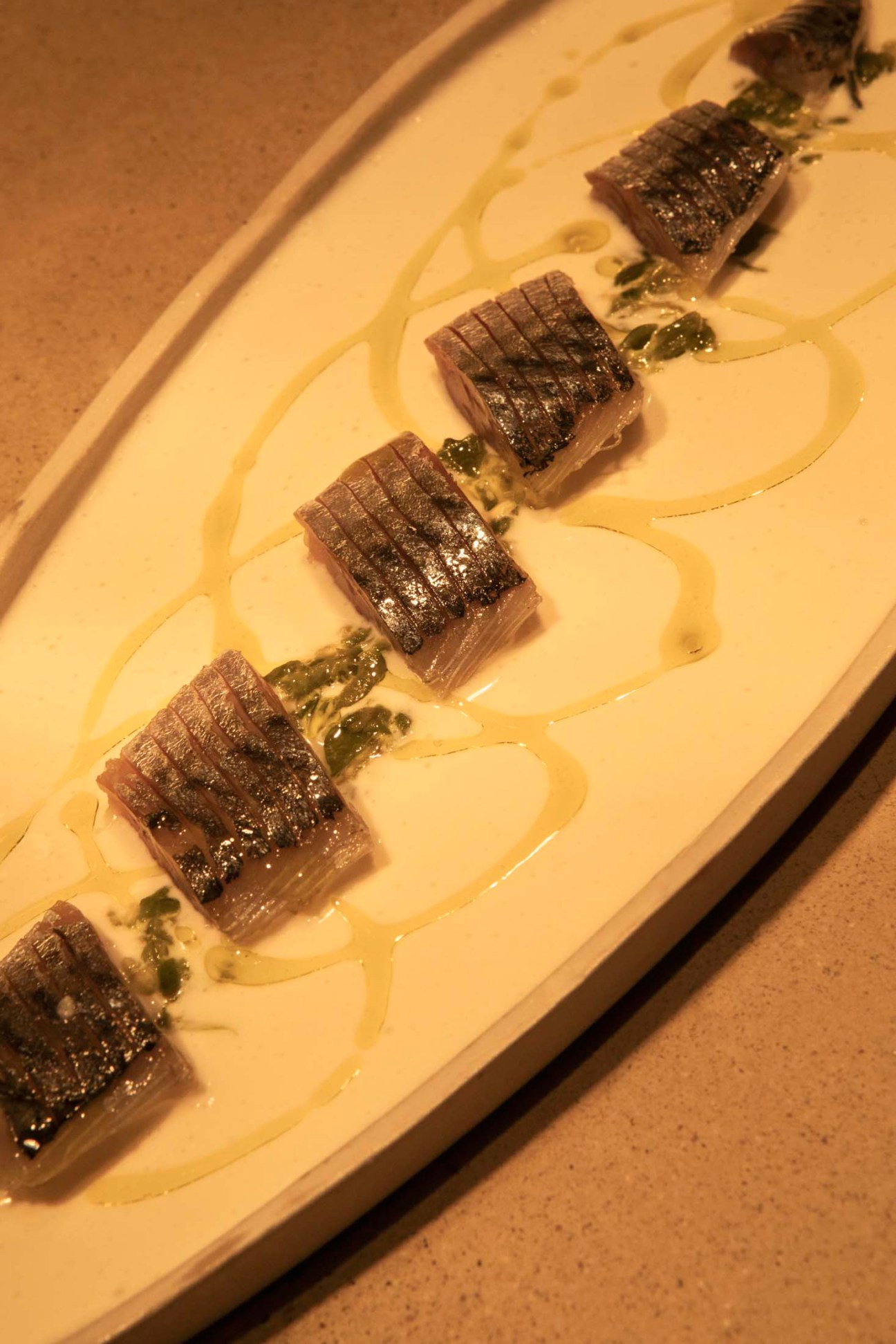
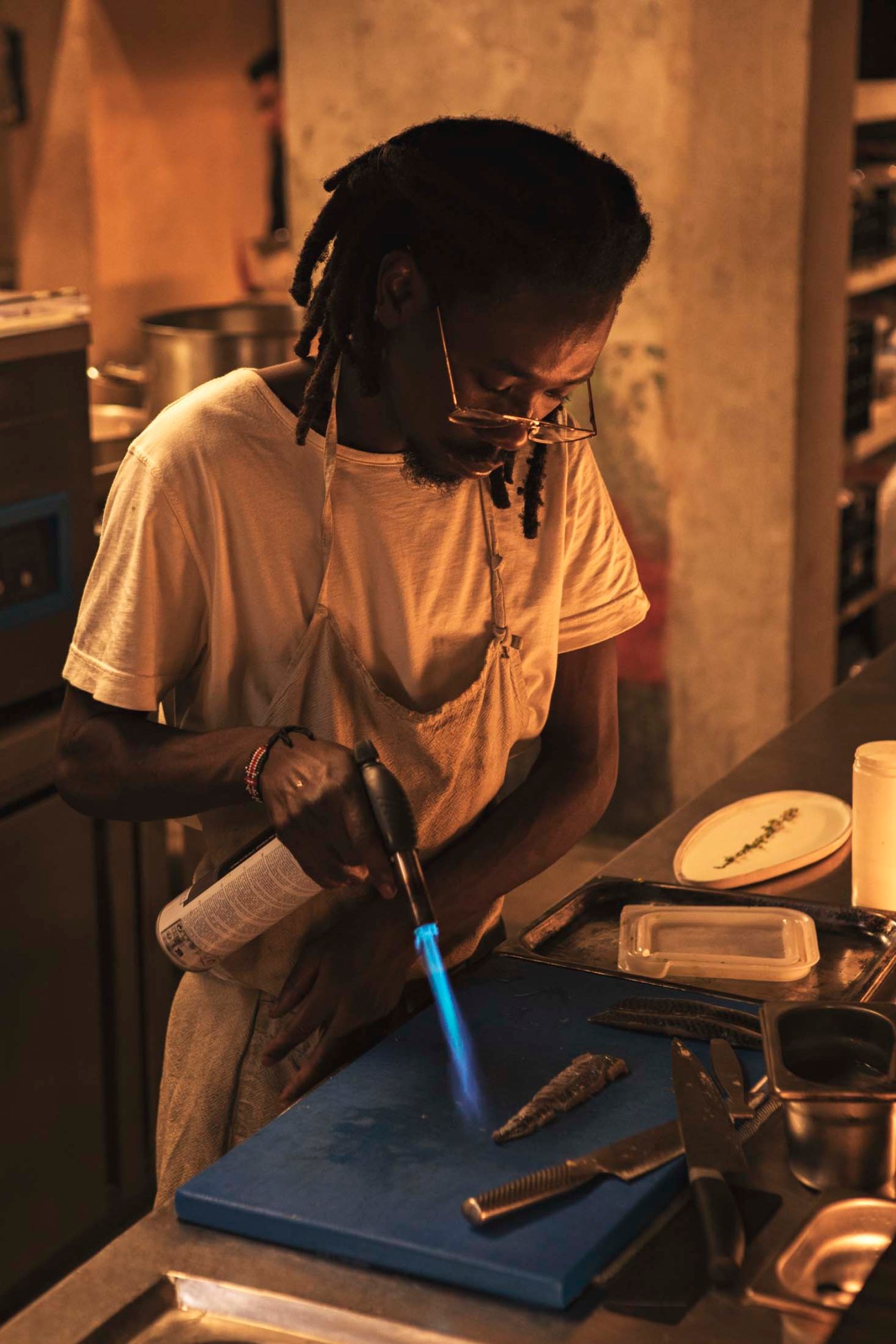
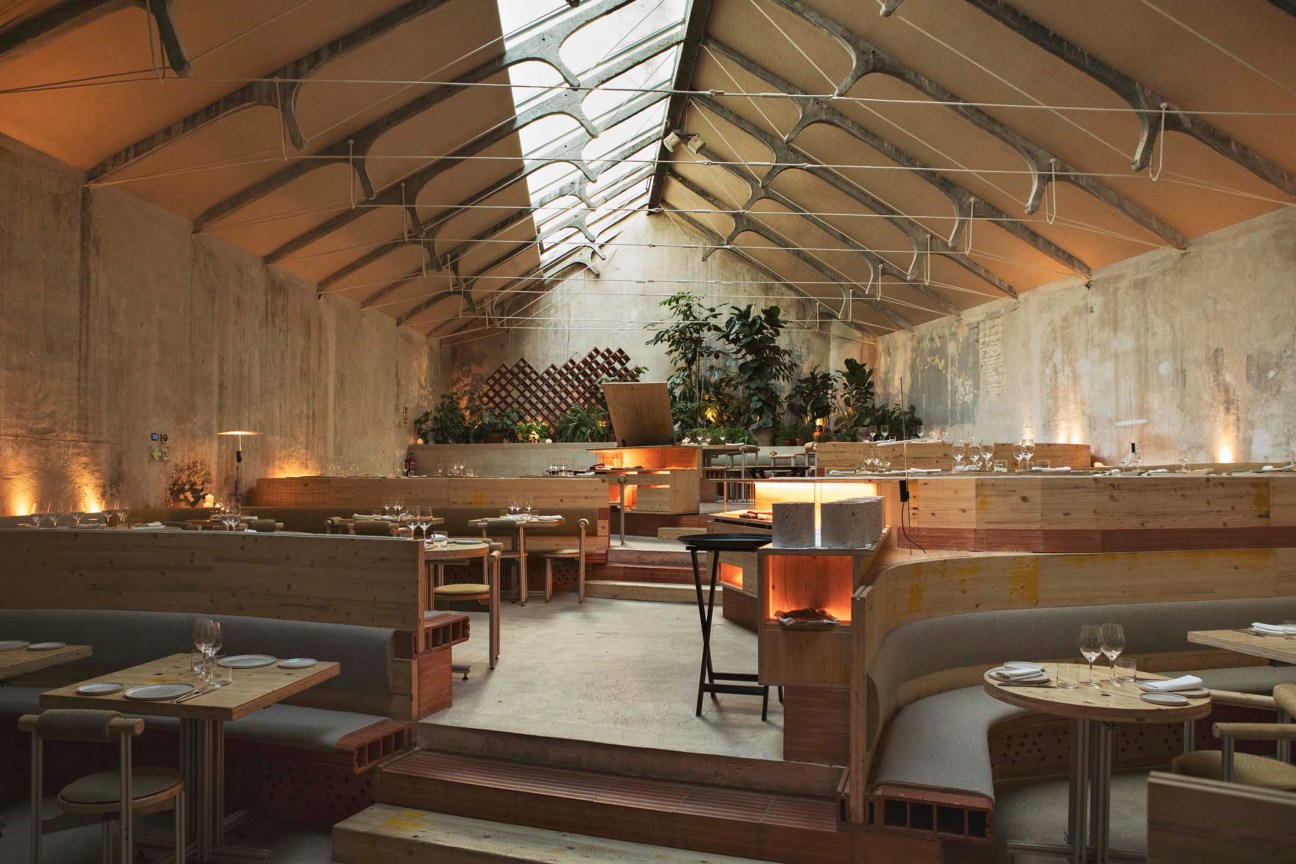
Every element has a story to tell. The custom furniture by Catalan designer Andreu Carulla is created from repurposed industrial materials. On the rear wall, an installation of ceramic diamond shapes mists the dry Madrid air. Meanwhile, bathroom washbasins funnel water into toilet cisterns and, every night, as the natural light from the skylight fades and evening bookings begin to flow, staff appoint tables using specially designed solar-charged lamps, creating a gradual, expansive spectacle of illumination.
The fare is Madrileño at heart – fresh, seasonal and wholesome. Dishes include grilled artichokes (from autumn to spring) served with egg yolk and guajillo chillies, lacon (pork shoulder) croquettes and a succulent flat-iron-pressed sea bass. For dessert, try the sweet goat’s-milk flan.
Carulla worked with architects from SelgasCano (best known for the 2015 iteration of London’s Serpentine Pavilion) and praises the freedom that the design team were given. “This was our way of going against the homogenisation of design, which fuels the uniformity of travel and hospitality,” he says. “Our remit was to create Tramo’s character, to make people feel better than when they enter – gastronomically, ergonomically and emotionally.”
espaciotramo.com
Waterworks Food Hall
Toronto
When Toronto’s city authorities mulled over what to do with one of its grand disused 1930s water-maintenance facilities, it turned to Eve Lewis. The Canadian property developer’s firm, Woodcliffe, has a reputation for revitalising historic buildings whose best days appear to be behind them.
“This is a magnificent heritage building,” says Lewis. It was the site’s previous incarnation, as a popular neighbourhood grocery market in the mid-1800s, that inspired her proposal for its renovation. “We envisioned it as more like a European food hall rather than, say, an event space or supermarket that we didn’t think would feel as open to the community. It makes a difference if you restore, repurpose and rejuvenate a building and add it back to the fabric of a neighbourhood.”
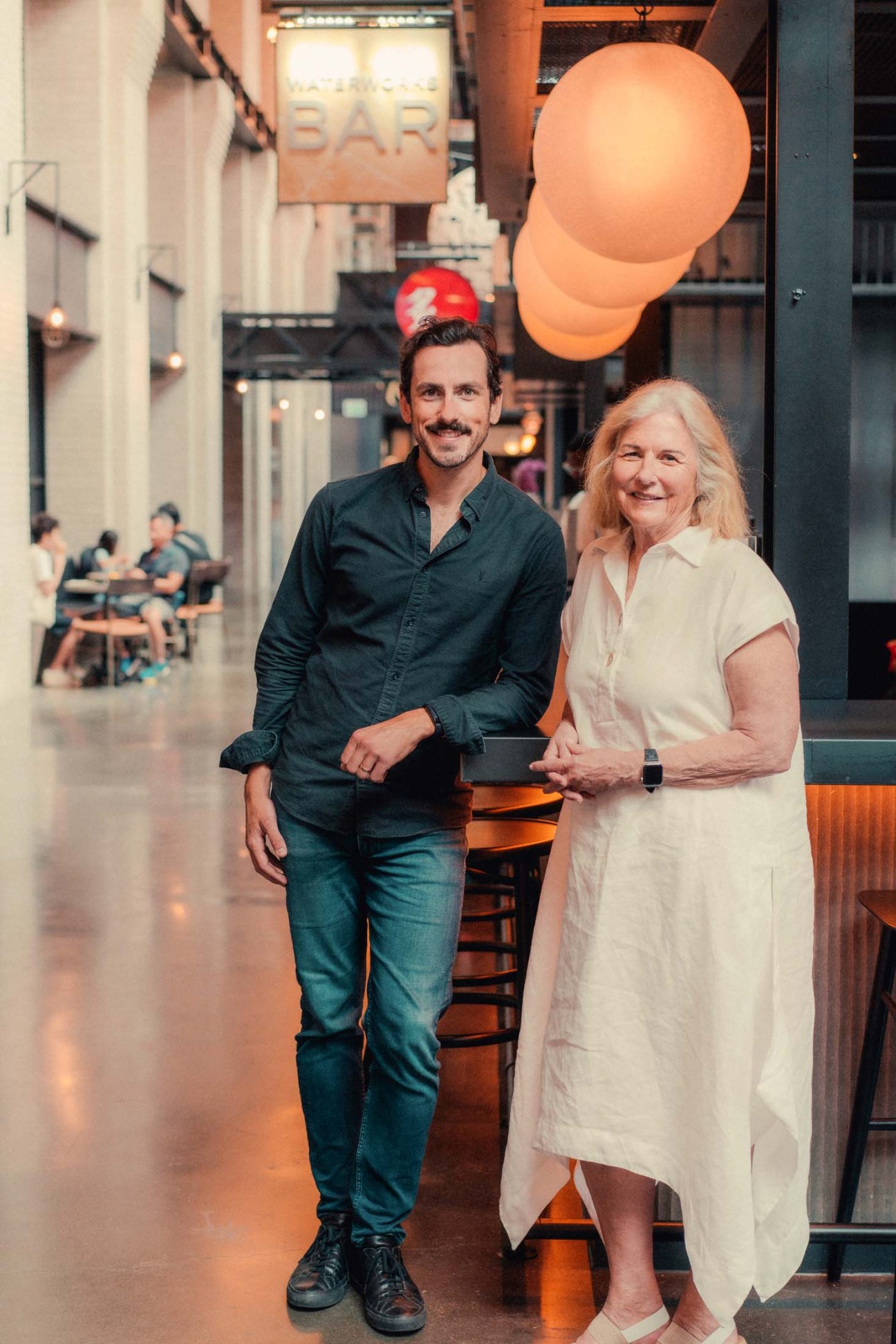
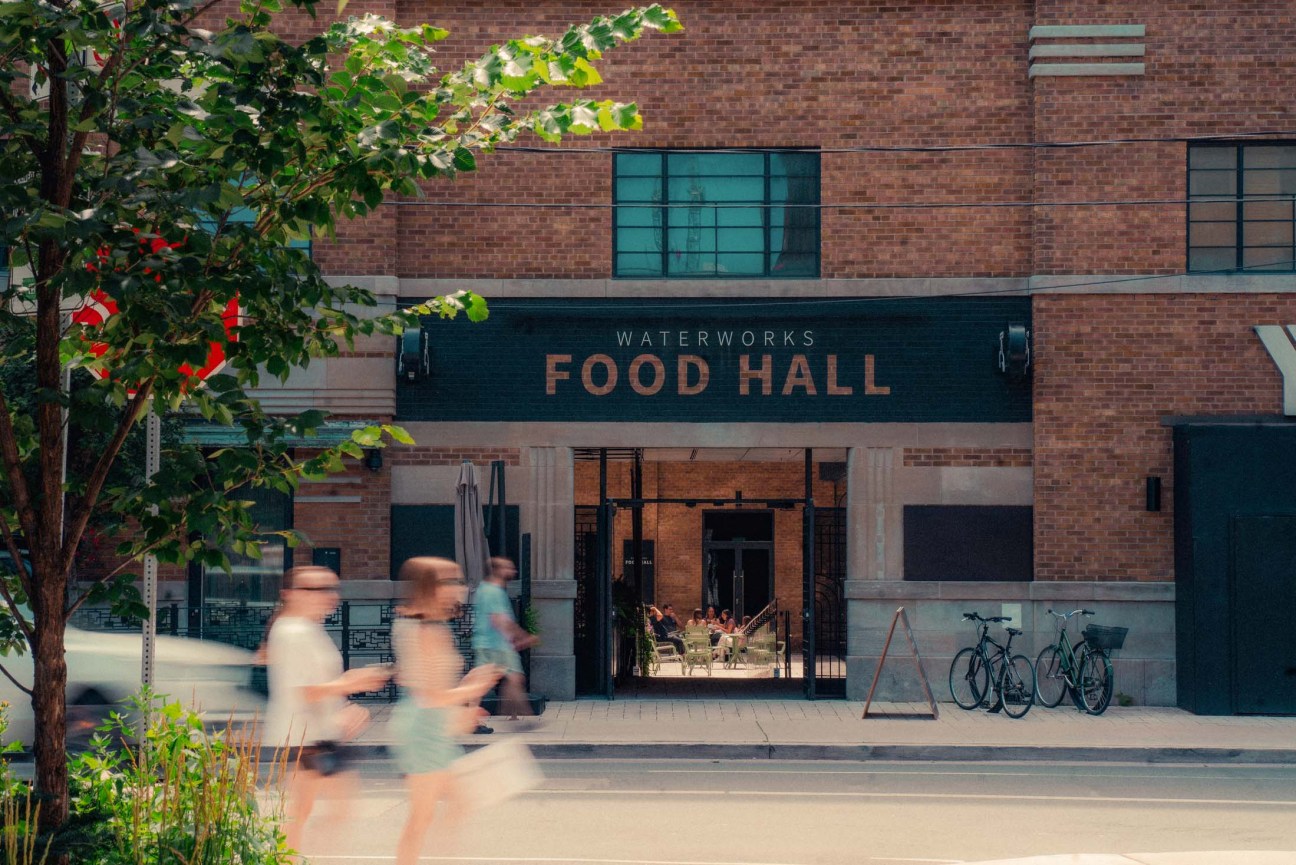
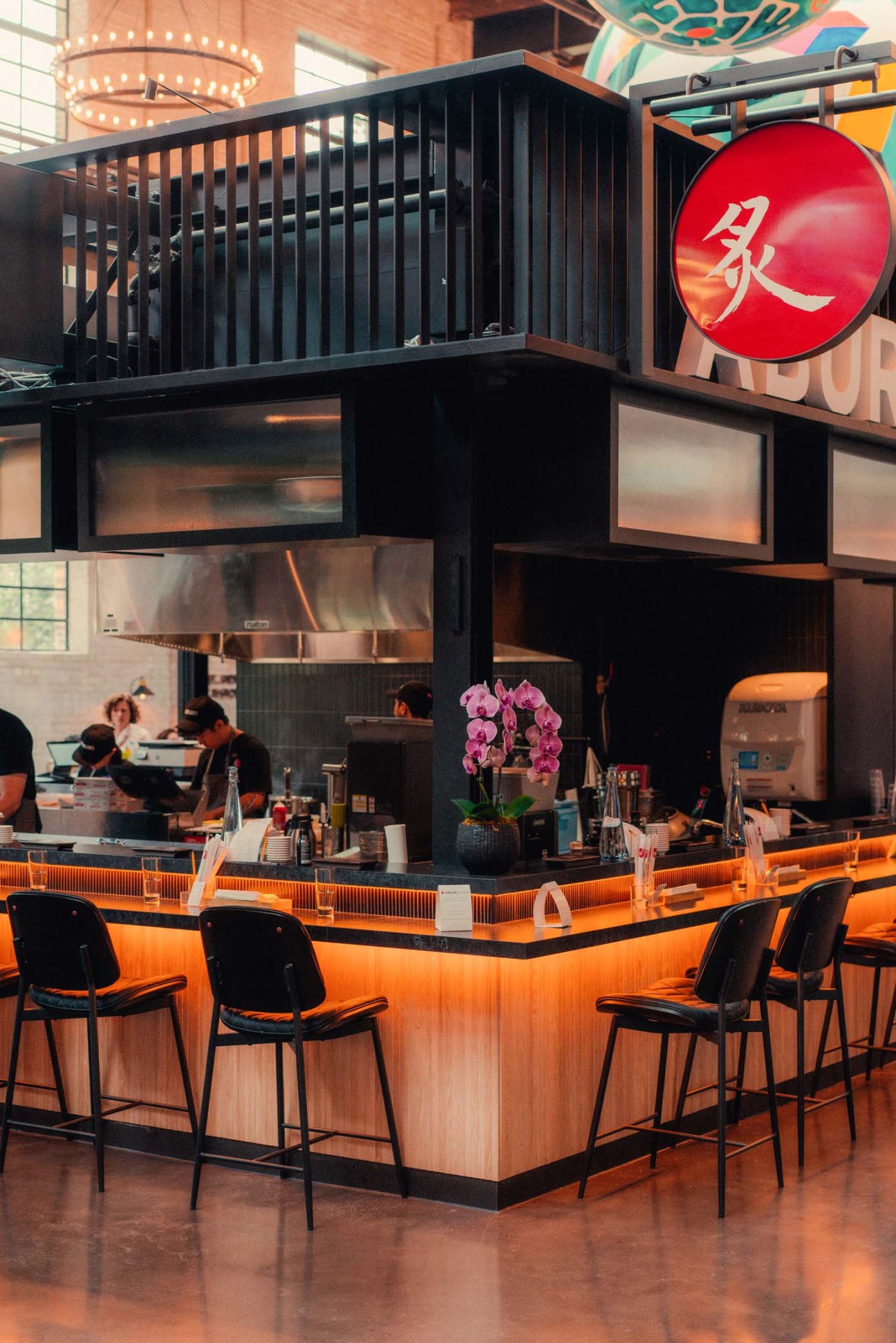
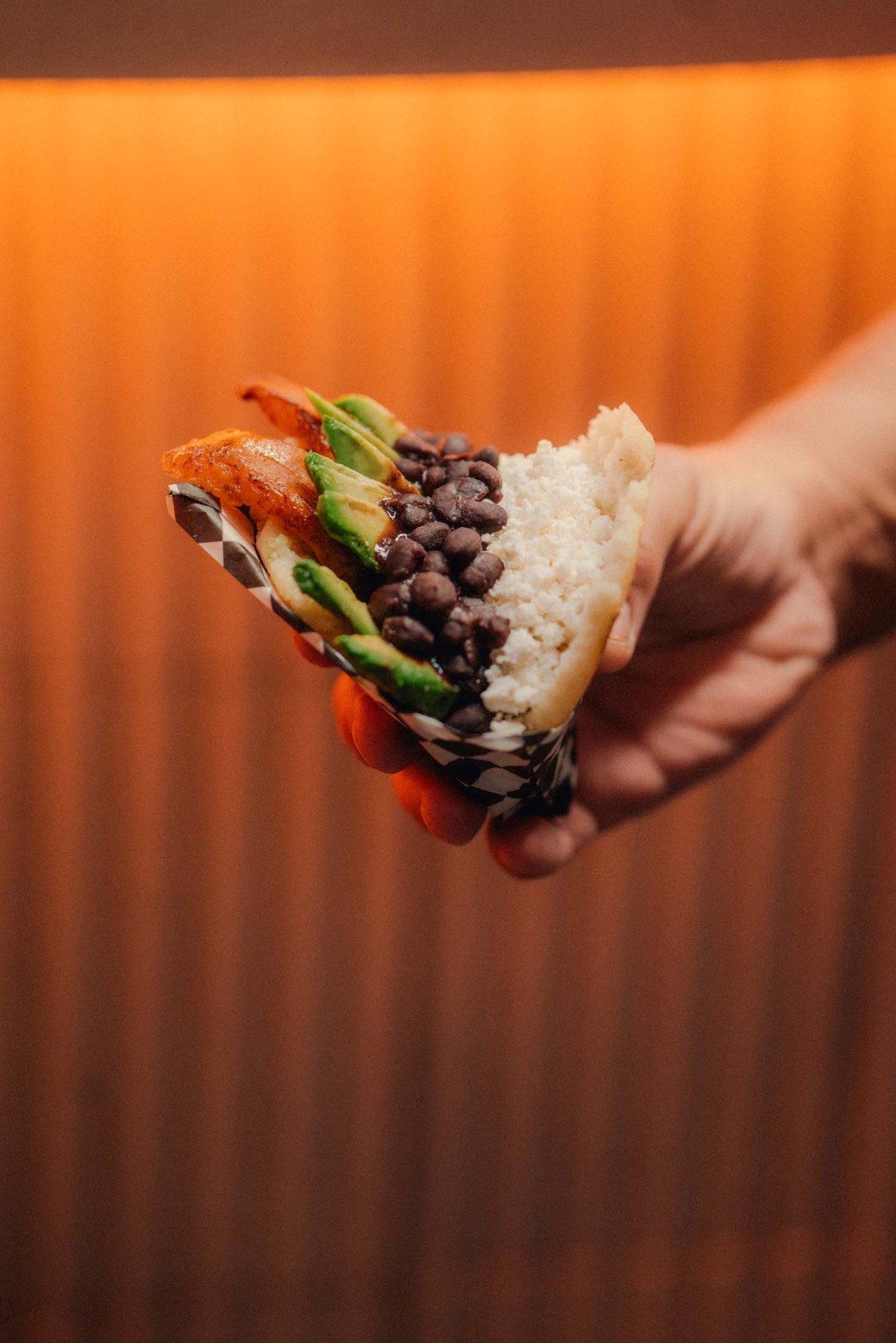
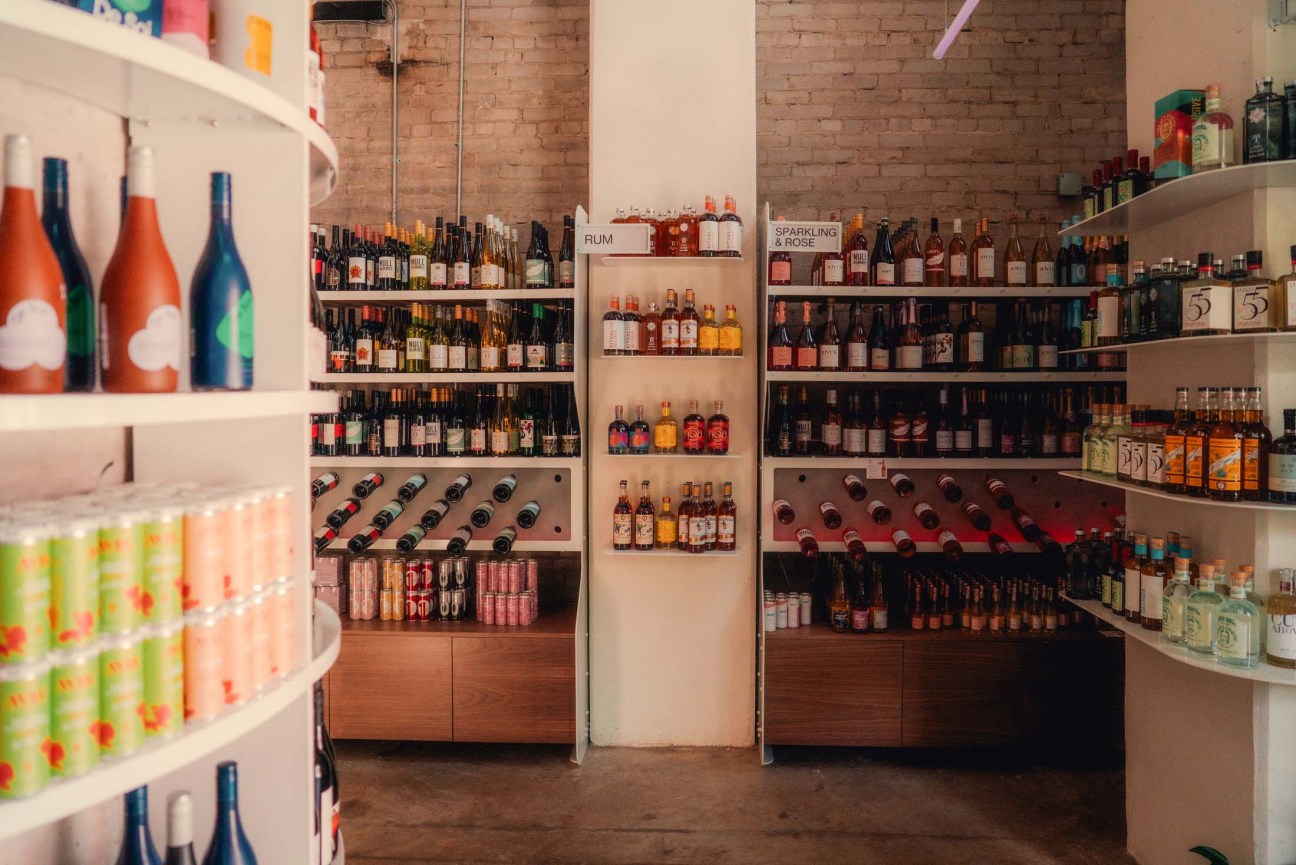
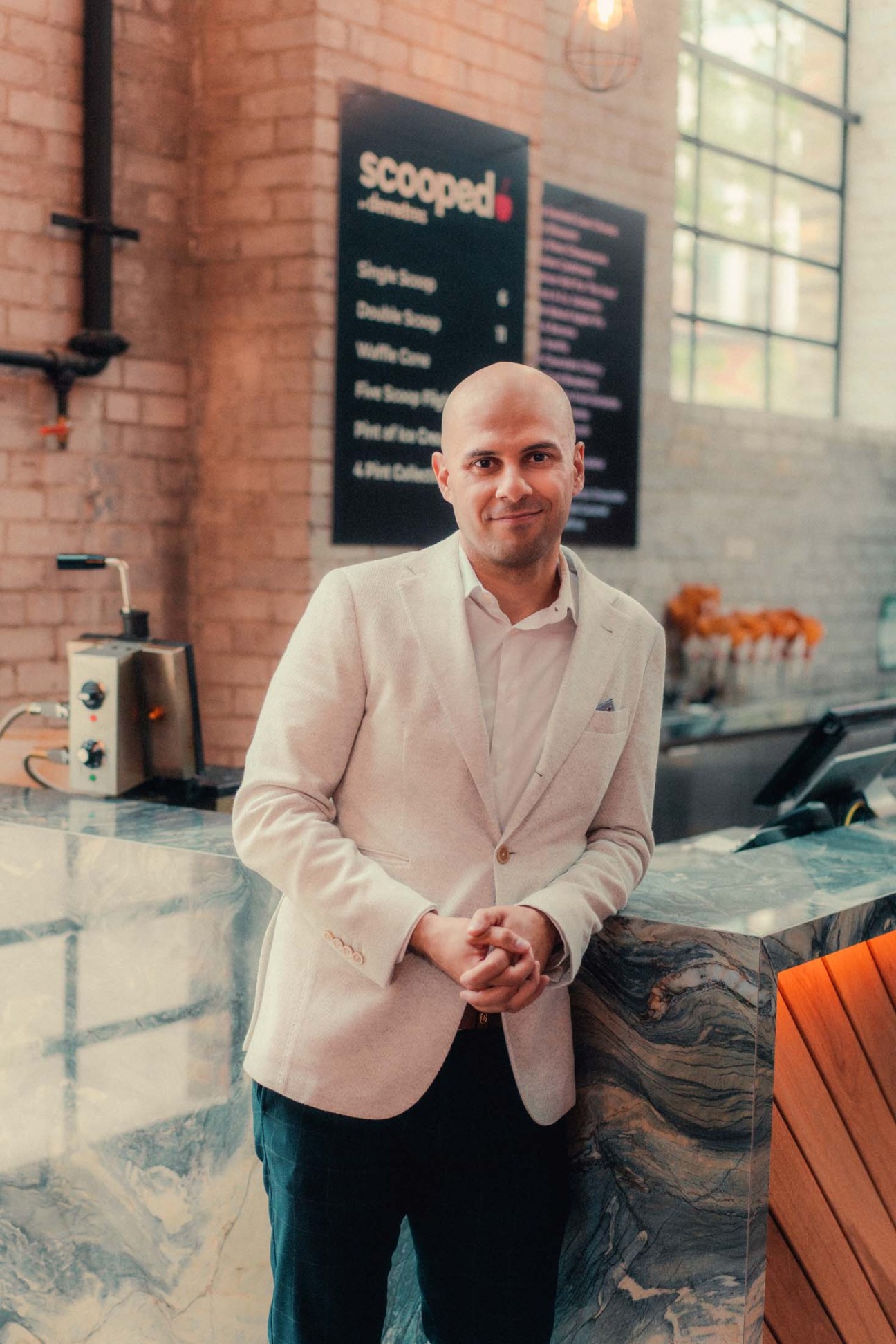

Waterworks opened in July in King West, one of the city’s exciting up-and-coming areas. The food hall is populated by offshoots of some of Toronto’s most beloved independent restaurants, bars and food-and-drink vendors, all arrayed around the 5,110 sq m premises. “There are not very many authentic food halls in Toronto,” says Lewis. So it is her visits to markets and food halls in the likes of Lisbon, Madrid and Copenhagen, where traditional flavours are as free to commingle as the customers, that have helped to hone the Waterworks offering.
What to try at Waterworks
1. Bánh xèo (crispy, stuffed Vietnamese rice pancakes) by Vit Béo
2. Unbeatable burgers and shakes by Harry’s Charbroiled
3. Venezuelan stuffed cornmeal cakes by The Arepa Republic
4. Sweet treats come courtesy of Scooped by Demetres, a Toronto-based ice cream maker
5. Cocktails by Civil Liberties or coffee and tipples by Boxcar Social
“There’s a lot of socialisation there, a lot of gaiety,” she adds. “We are fortunate that we are so multicultural in Toronto; you can get any food you want but you can’t get it in the same place. So we wanted to make people feel curious and inspired, and welcome them in.”
waterworksfoodhall.com
Susafa
Sicily
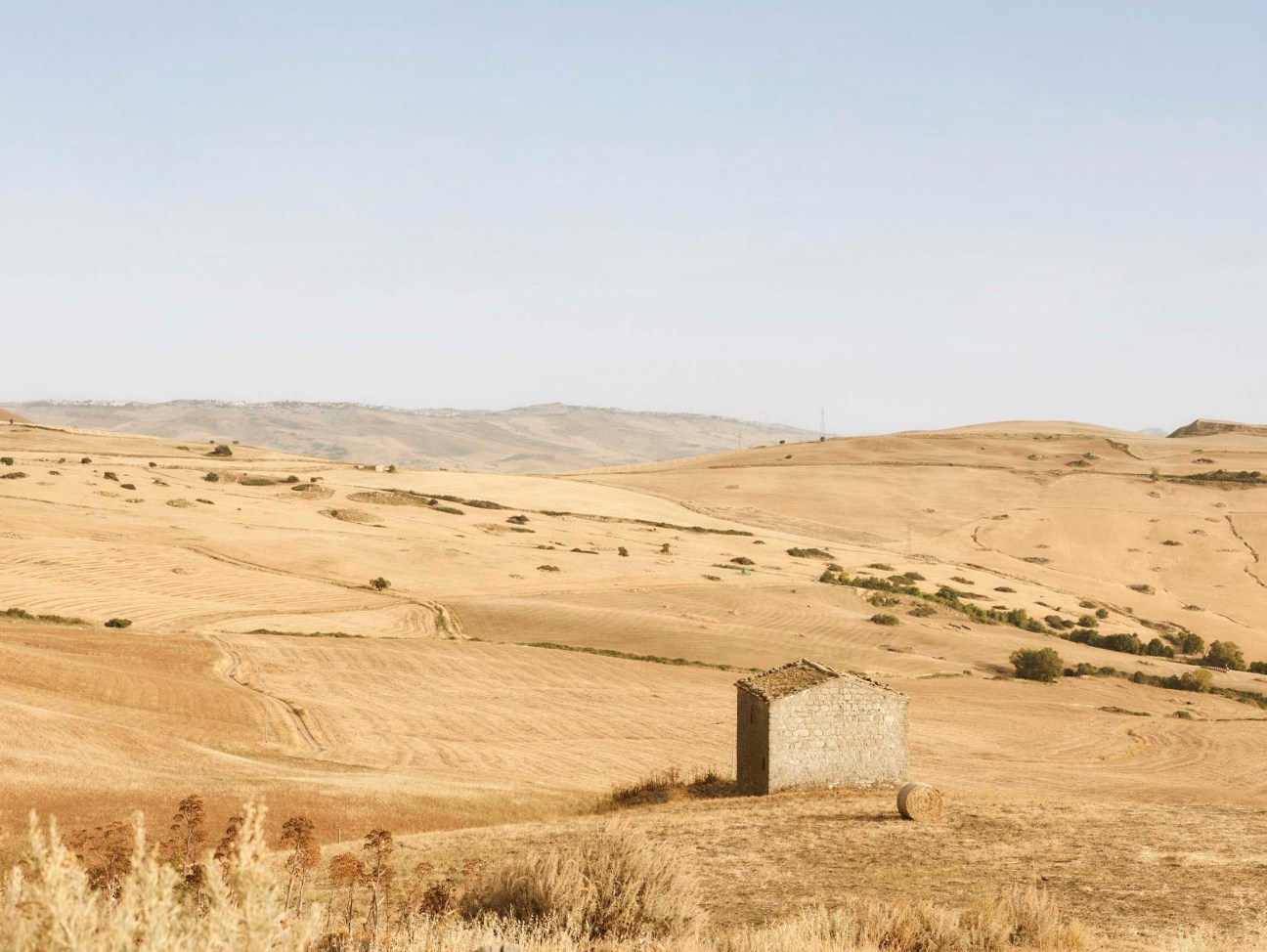
Susafa is a 17-room hotel and sprawling agricultural estate in the heart of Sicily near the Madonie regional park. It belongs to the Rizzuto family from Palermo, who have cultivated wheat here for five generations, at elevations of up to 850 metres above sea level.
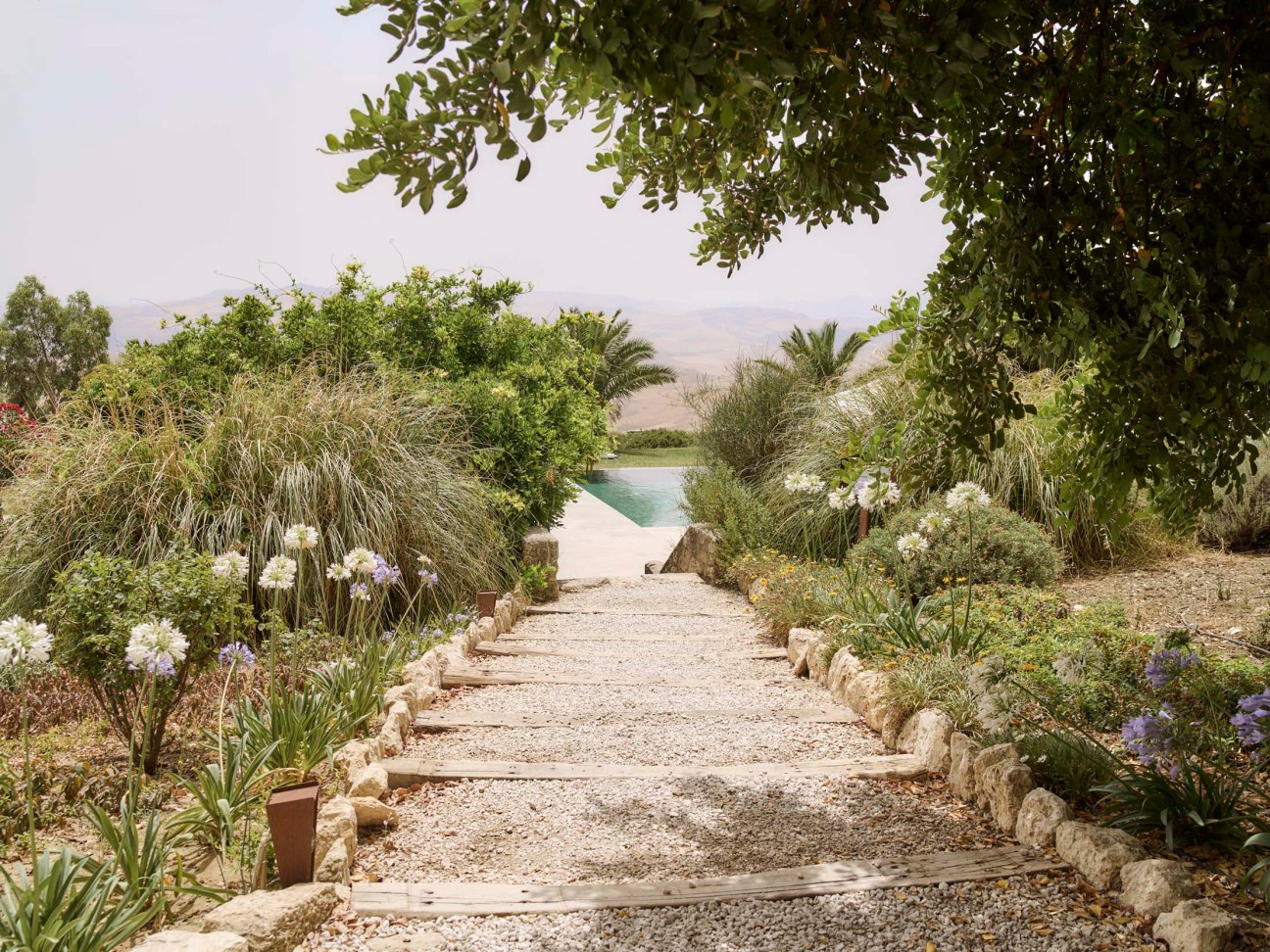
Upon arrival, guests are greeted by golden fields of grain fanning out across the valley – it’s a scene one could easily mistake for Tuscany (cue Hans Zimmer’s theme from Gladiator). At the centre is a small green oasis where Susafa’s owner, Manfredi Rizzuto, has converted buildings previously home to sharecroppers and livestock into tasteful accommodation. “My idea was to capture the authentic spirit I remember when visiting as a child, without forgetting the importance agriculture has here,” he says.
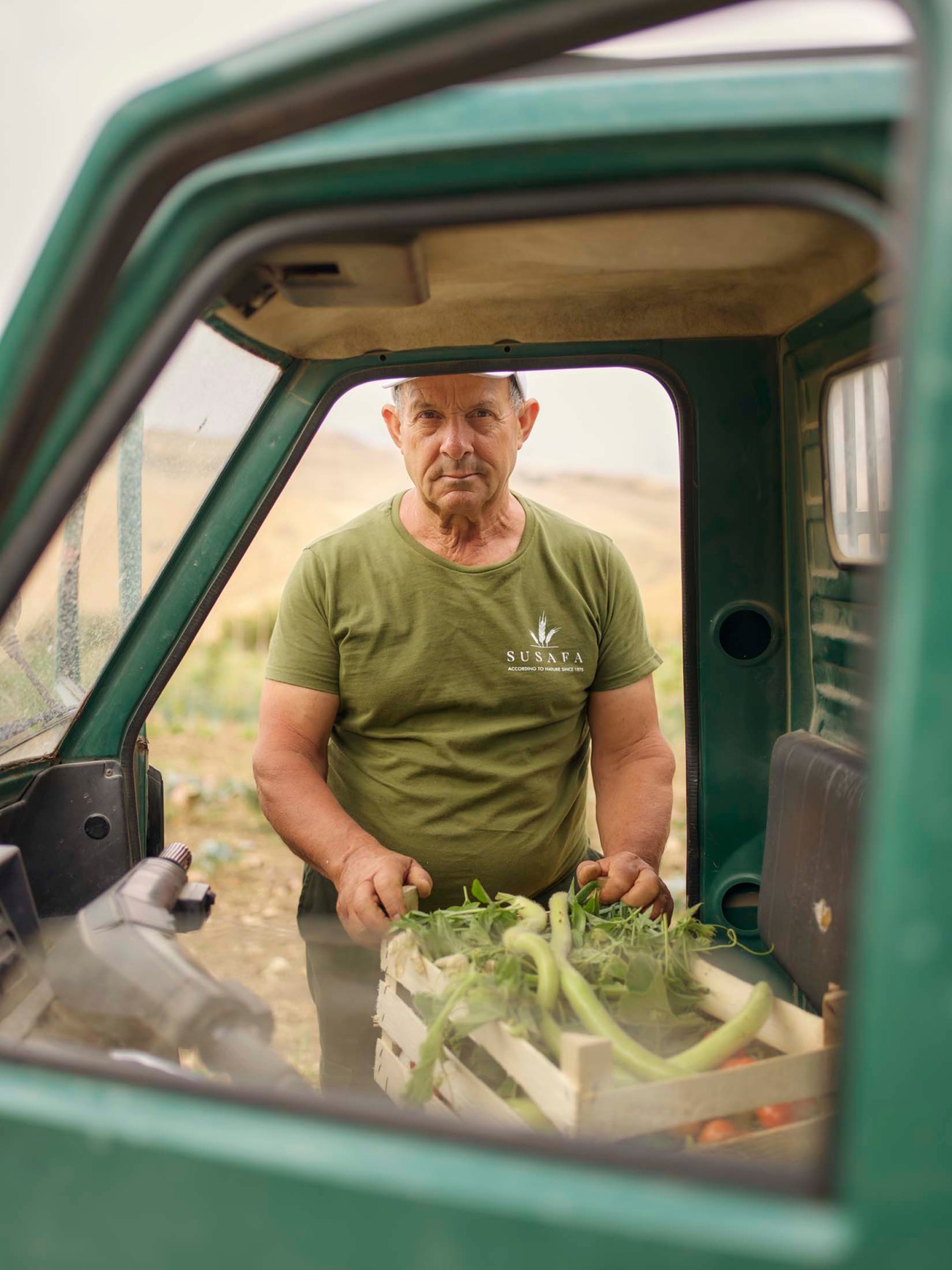
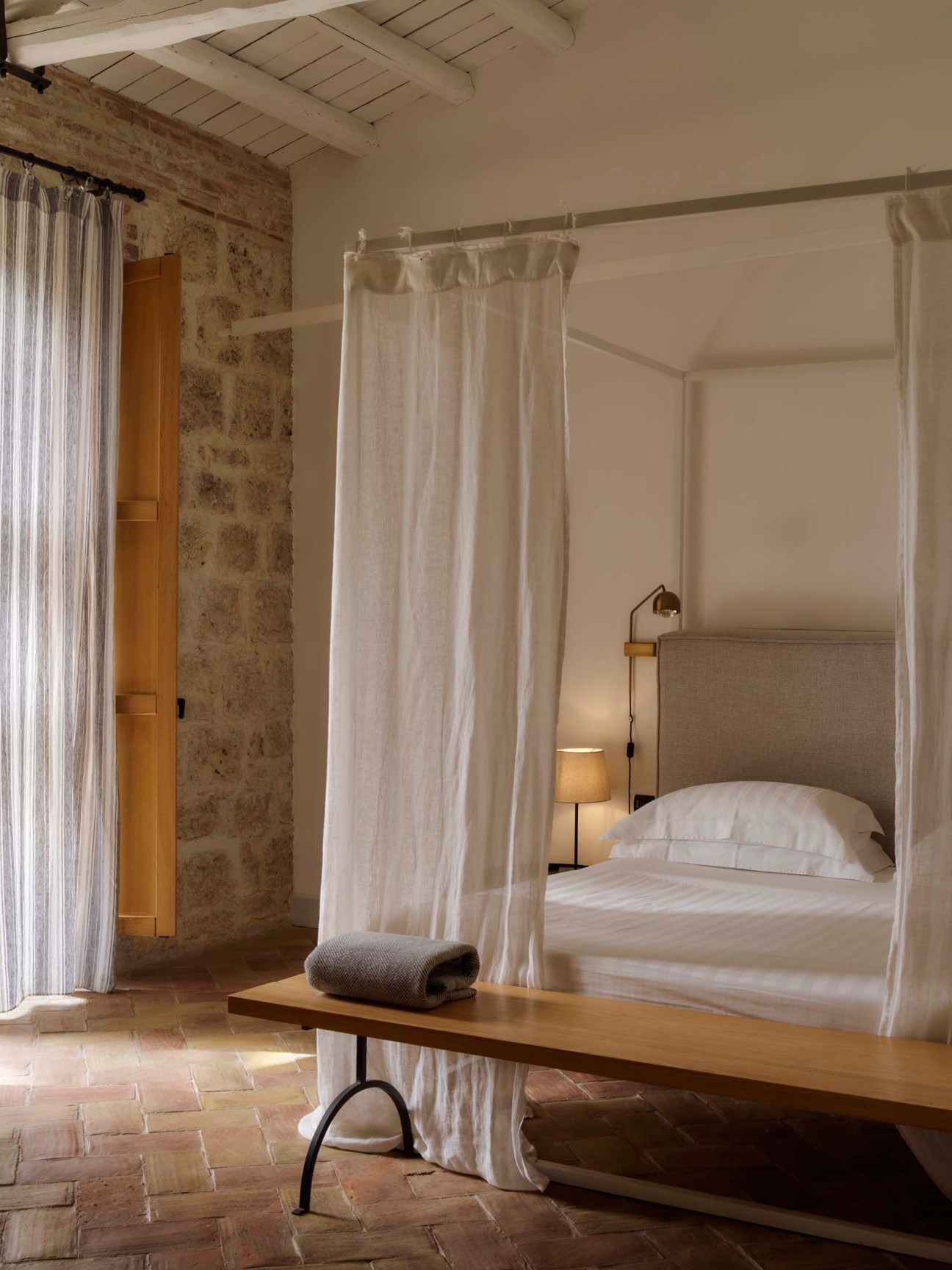
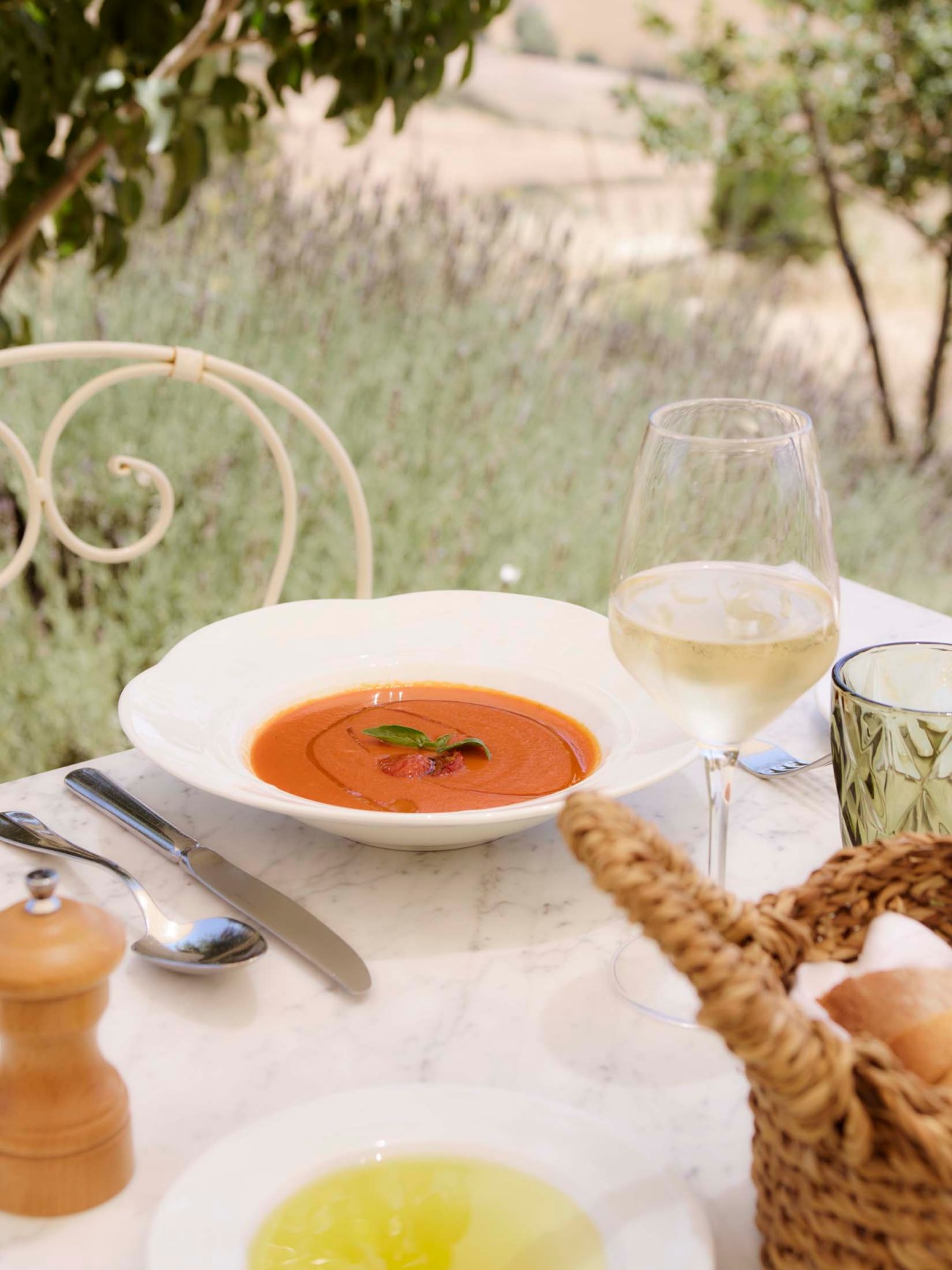
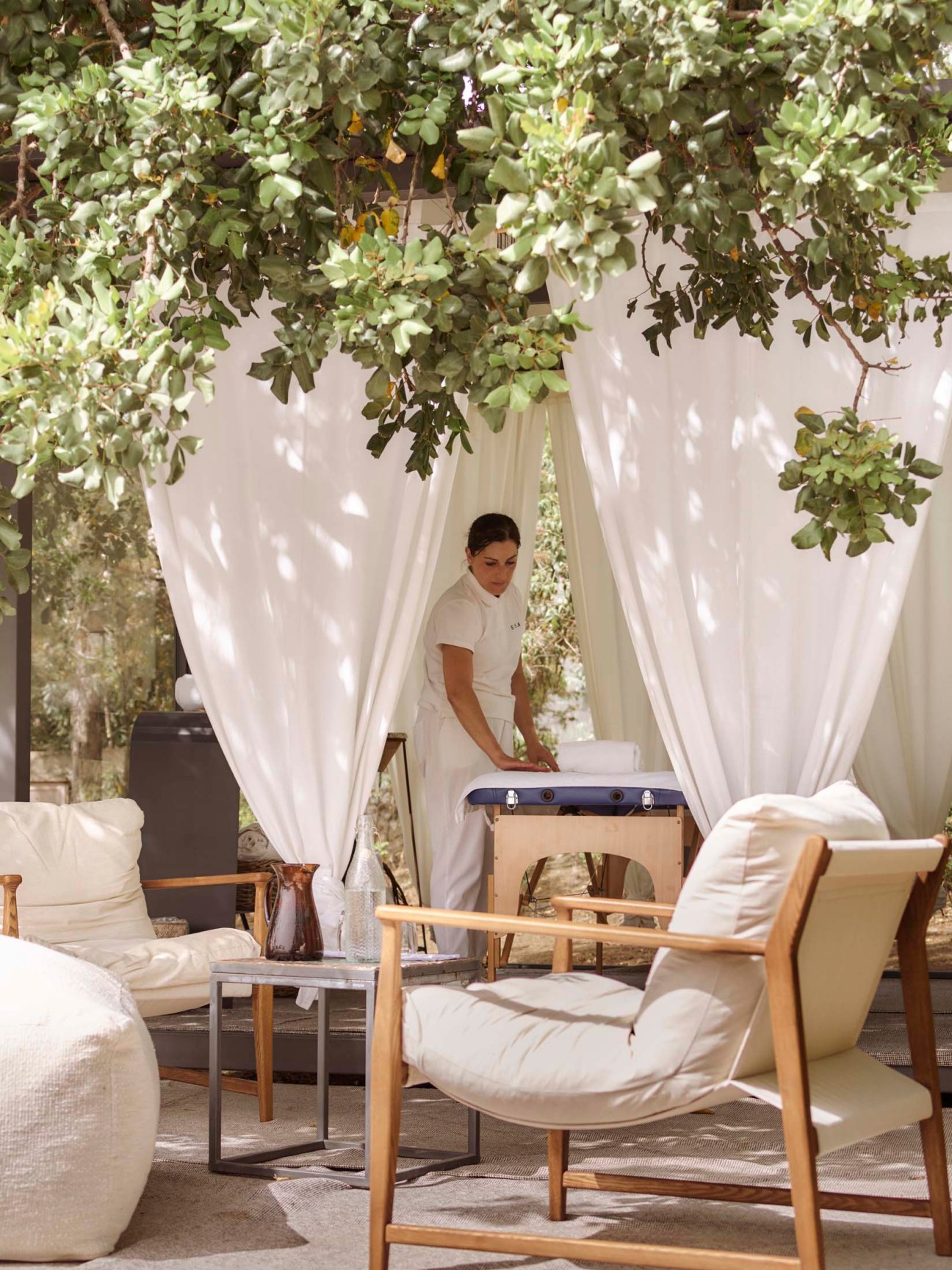
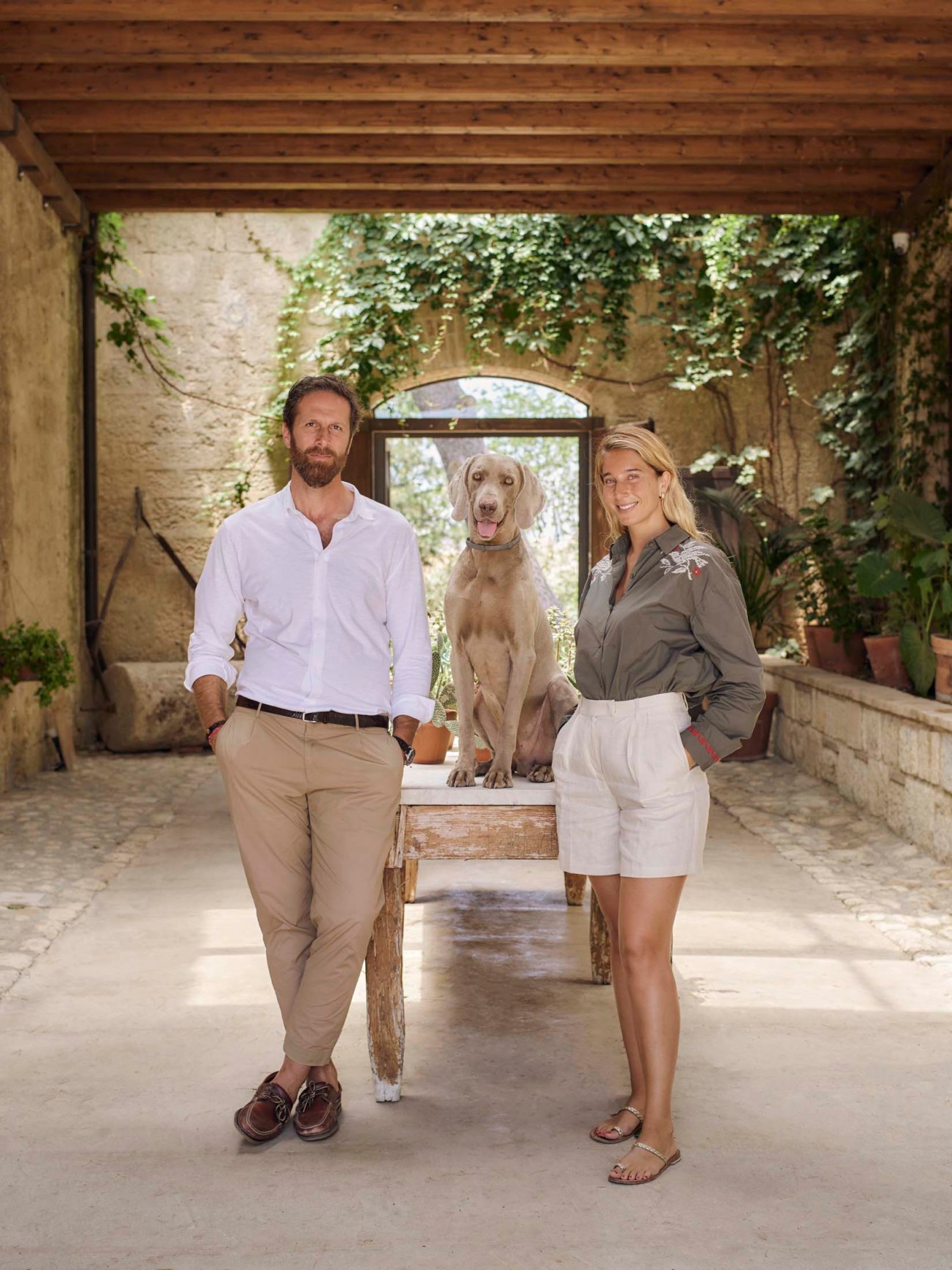
At reception, visitors are taken to the terrace once used to dry nuts and offered a glass of almond milk sweetened with wild black cherries that grow in the nearby hills. Before dinner, Manfredi enjoys giving tours of the farm aboard a vintage Land Rover Defender with his weimaraner, Bruno. On the drive, he stops to show off some of the traditional wheat varieties he started planting in 2018, such as perciasacchi, a fragrant grain that gives more aroma to bread.
Another wheat variety, maiorca, is used to make cakes and pastries such as cannoli. You’ll find it in the Susafa kitchen, where chef Rita leads cooking courses on how to prepare Sicilian specialities such as arancini. In addition, guests can purchase a selection of dried pasta, tomato sauce and jam from the hotel, or go a step further and adopt a portion of a field to help promote Manfredi’s efforts towards sustainable agriculture. “Every year those who support us receive 25kg of flour or 10 litres of olive oil and become active participants in our attempts to maintain ethical practices in the field,” he says.
One of the property’s key selling points is the sunset aperitivo, which Manfredi and his sister Sara organise on a simple platform in the middle of a field, offering sweeping views of the landscape. “It’s hard to imagine another place as enchanting where the phrase ‘back to nature’ really fits,” says Sara, bathed in golden-hour light as she wanders into the thigh-high wheat in search of Bruno.
The family’s farmhouse dates to 1870 and the siblings were keen to keep key architectural elements intact, such as the sturdy stone walls and wooden ceiling beams. Meals are taken in the former granary and a bar has been erected in a room where the wine press once operated and where Manfredi only serves wines produced on the island. Subtle additions include Sicilian terracotta flooring, while modern accoutrements are present in the form of a minimalist pool area.
“I wanted to create a mood where things move more slowly, almost as if time has stopped; to go back to a time when people went to bed and the only light was a candle,” says Manfredi. “At Susafa you should feel the rhythms of nature and farm life.”
susafa.com
Design round up: The new Finnair lounge at Helsinki Airport, Japanese townhouses and more
Finnair commissioned Helsinki-based designer Joanna Laajisto to create a new 440-seat Finnair lounge at Helsinki-Vantaa Airport. The recently opened space, which is located on the Schengen side, is influenced by Finnish nature and features local wood, stone, leather and woollen fabrics. “I wanted to create an environment that gives your senses a moment of rest from the hectic world of travel, the type of positive feeling you get when you collapse in your own bed,” Laajisto tells Monocle.
The materials are complemented by Finnish furniture, including Artek’s Domus chairs, Made by Choice’s Goma bar stool by Thomas Sandell and Centenniale coffee tables designed by Laajisto for Finnish furniture maker Nikari. “I used round shapes as a nod to the cabin experience and to create a cosy atmosphere in what is a busy environment,” says Laajisto (pictured).
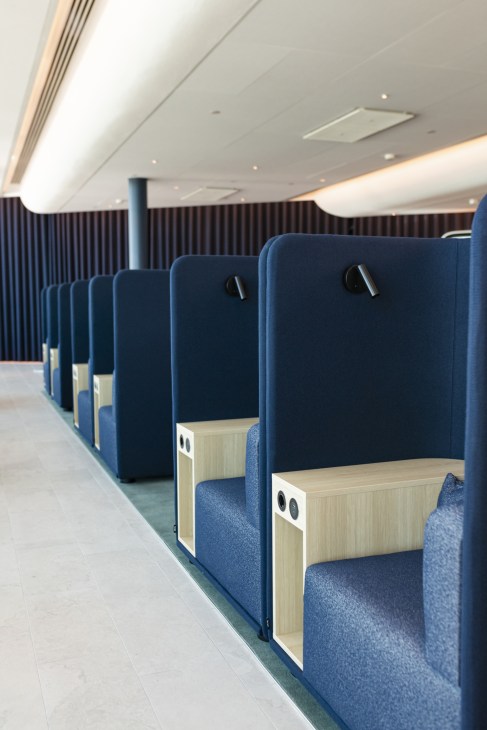
The lounge features separate yet subtly demarcated areas for a range of uses. “A great lounge caters to various use cases,” says Meri Järvinen, Finnair’s head of airport customer experience, as she walks Monocle through the lounge’s quiet zone, where dark blue seats reminiscent of Finnair’s award-winning AirLounge Business Class seat have been laid out in a two-by-two configuration. “Some people want to freshen up and relax; others want to celebrate and socialise, while we also have a lot of commuting passengers who need a space to work before or after their flight.” Järvinen adds that Finnair also went to great lengths to address acoustics. Laajisto’s team soundproofed spaces for conference calls and meetings, to ensure that those taking a short nap after their 13-hour inbound flight from Haneda are not woken by a cacophony of voices from someone’s laptop. The only downside is the potential that one might snooze past their departure time – they will, at least, wake up comfortable and well fed.
Little and large in Zürich

Passengers looking out onto Zürich airport’s runways might well be intrigued by a new sight: small, bubble-like cars zipping between aircraft. Three of these two-seater electric vehicles, made by Swiss brand Microlino, are now ferrying the staff of Switzerland’s flag carrier, Swiss, between tasks on the tarmac. A partnership was signed between the two brands this summer. “Bigger cars can do other jobs, such as transporting maintenance teams, luggage and tools around the grounds,” says Swiss’s project manager Marcus di Laurenzio. “But Microlino offered us exactly what we needed for other members of our team: the car is designed to travel short distances with a maximum of two people, which is perfect for our staff moving between meetings at our headquarters, a 10-minute drive away, and logistics operations at the airport hangars.”
Di Laurenzio explains that the decision to work with Microlino was in part about kick-starting a collaboration that speaks to the power of a country’s best transport brands coming together. “We want to promote Swissness and send a message to Zürich Airport passengers looking on,” he says. “It has a bit of Beauty and the Beast about it – the biggest people-mover in Switzerland meets the smallest people-mover in Switzerland.”
Character revival
There is an abundance of older building stock in Japan’s rural prefectures and smaller cities, from traditional folk houses to machiya townhouses – and many of them are ripe for renovation. The restoration of such structures is essential to protecting the country’s distinct architectural character – work that has become a key focus for architect Yoshihiro Yamamoto and his Kansai-based firm Yoshihiro Yamamoto Architects Atelier (YYAA). “Working throughout Nara, Kyoto and Osaka, there is such an abundance of historic architecture,” says the 47-year-old architect. “While new buildings are great, I also want to play a role in cherishing the old ones.”
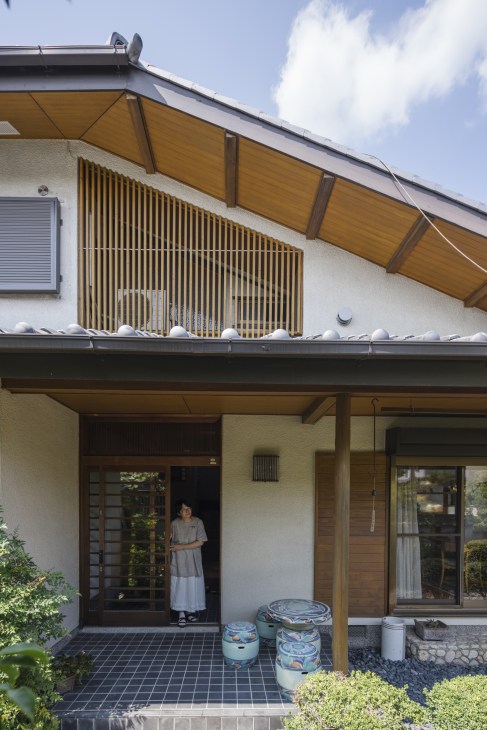
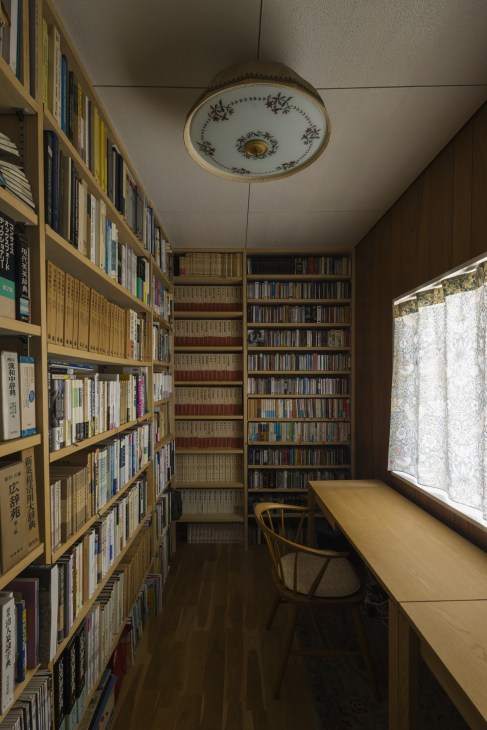
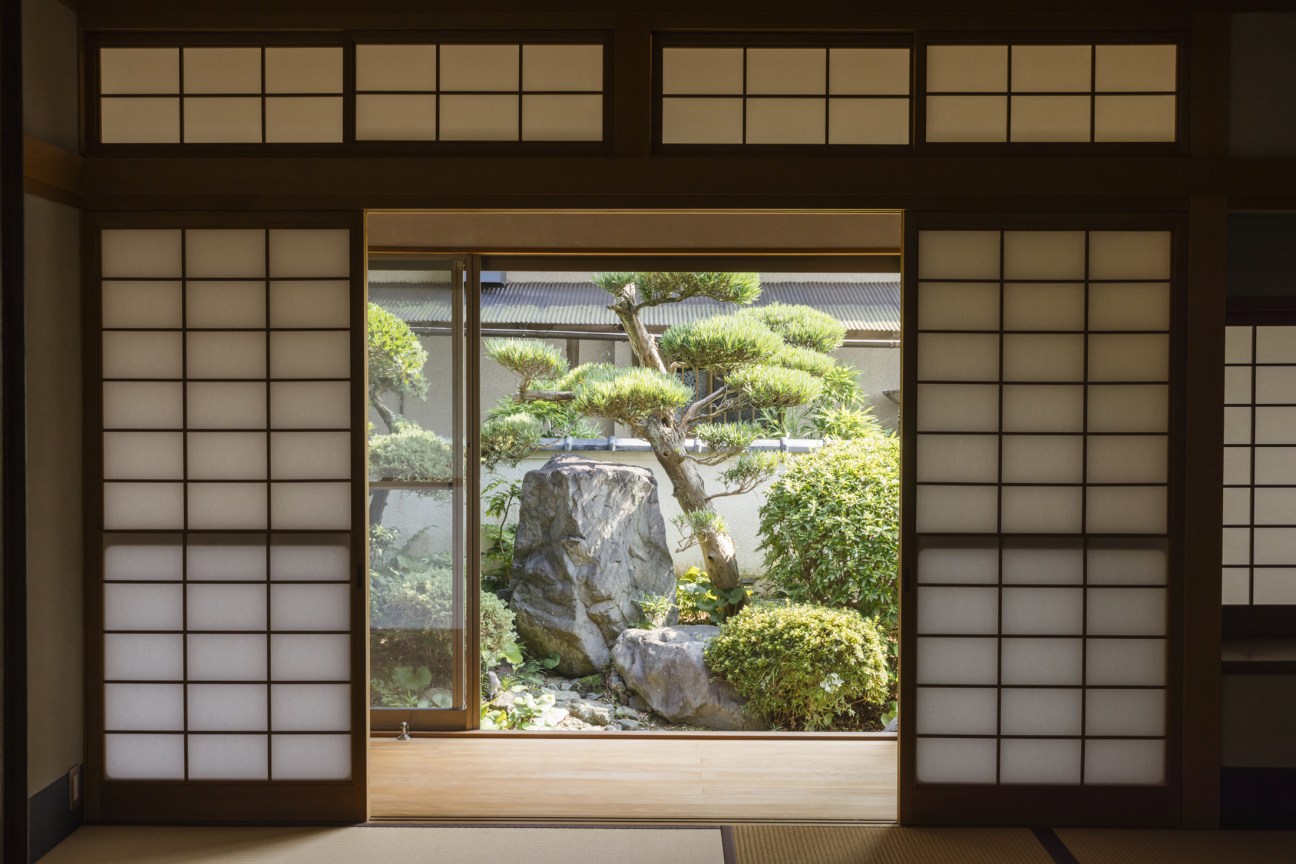
When it comes to these renovation, restoration and repair projects, Yamamoto believes in the value of not imposing himself too heavily on the design. Instead, he develops uniqueness by listening to the client’s needs and finding optimal solutions. Case in point is his work on Mederu House, which has been home to the Kimura family for more than 30 years. As Noriko and husband Keisuke Kimura approached retirement, they enlisted YYAA to rework their beloved residence for their next chapter.
The couple’s affection for their home saw Yamamoto focus on ways to improve their quality of life. The first step was a reconfiguration that saw the dining room relocated so it is adjacent to the kitchen, which was redesigned to make the preparation and enjoyment of food an experience to share and savour. With garden views and ample natural light, aided by the addition of two skylights, the space was soon at the centre of daily life.
The architect also countered a lack of storage by creating built-in shelves, which are used for the display of art and antiques dating back to the eighth century. “I spent time showing Yamamoto-san every single piece I wanted to have on show,” says Noriko, with a laugh. “He measured them one by one, then designed the space and fixtures to fit them perfectly.”
Yamamoto’s focus on balancing practical measures with charming touches extended to the traditional tearoom and gallery, where functional issues were addressed alongside additions including Yoshino cedar floors and Makoto Kagoshima-designed paper on the sliding fusuma panels. The renewal inspired Noriko to restart tea-ceremony lessons. “Since the renovation, my mood has brightened and we can enjoy a more relaxed way of life.” The project shows the power of a renovation to not only preserve the architectural character of a place but also to support the ambitions of its residents.
Yves Béhar
Chief designer, Fuseproject
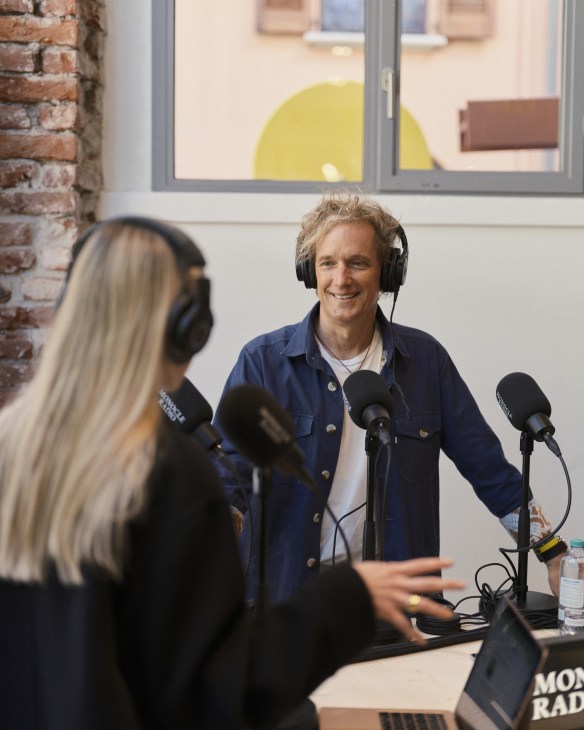
Swiss-American designer and entrepreneur Béhar is founder and chief designer of San Francisco-based Fuseproject. His practice is guided by the belief that design is a tool for not only showing us the future, but bringing us to it.
What is design to you?
Design has always been about the opportunities to be diverse, to try new things, to learn. I’m currently working on a truck for US electric vehicle manufacturer Telo. We’re hoping to present full-size, functioning versions by the end of the year.
How do your Swiss roots influence your work?
I have a Swiss inclination for engineering and precise realisation. An idea might initially seem impossible but it requires good thinking, good manufacturing and good engineering. So I’m never afraid of taking risks – it’s part of the thrill of design.
What’s next?
There’s a lot in the works. The past three years have been interesting because I have an office in Lisbon [after buying Portuguese digital design agency Mindshaker] and my office in San Francisco. I reacquired Fuseproject in 2023, so it’s an exciting time. And there is a forthcoming boom in San Francisco. A lot of people are surprised when I say that but a lot of human-centric technologies are being developed there that we, as designers, will have access to, which I find very exciting.
Gear up for autumn in the best activewear for work and travel
Goldwin
Japan
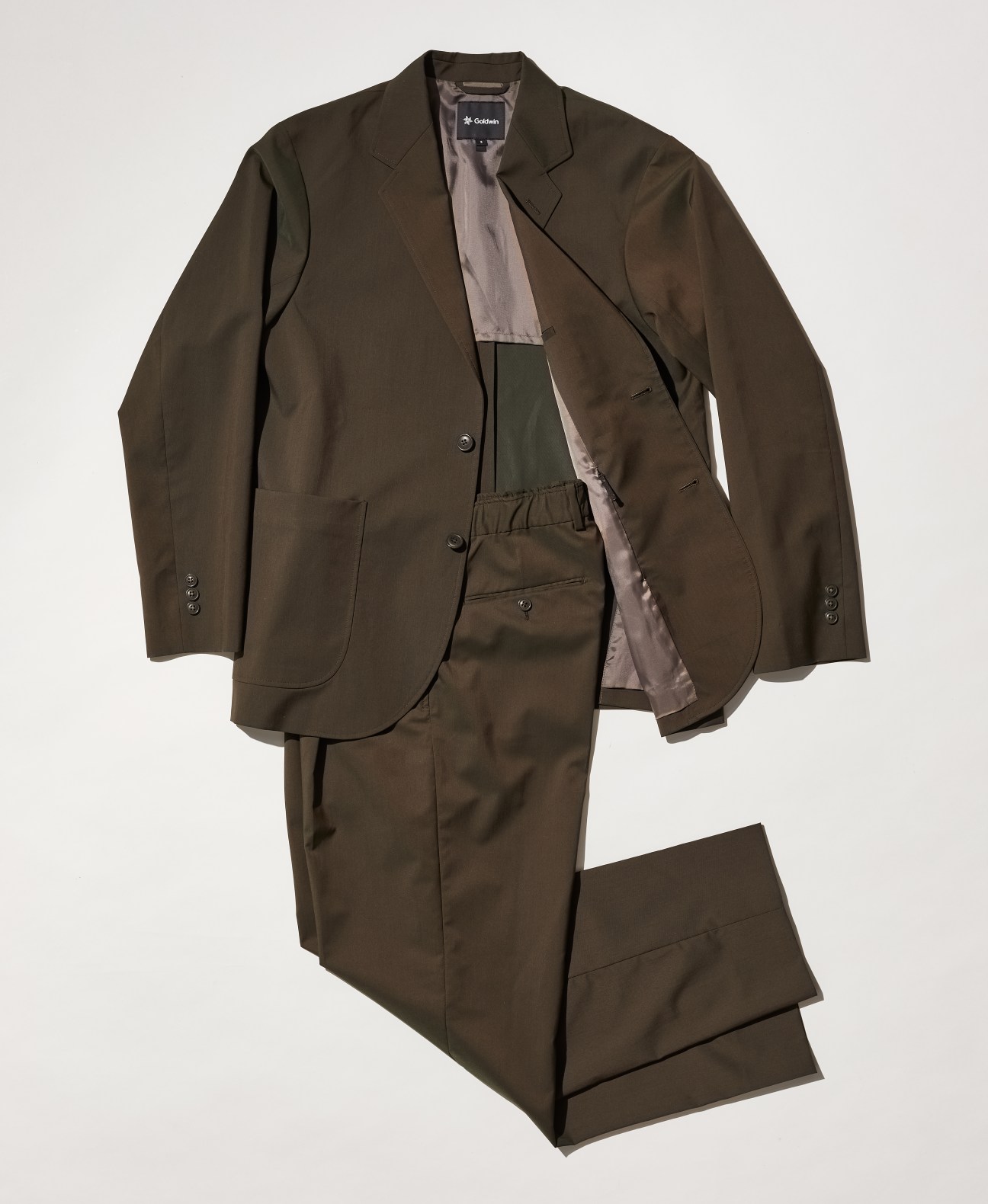
Japan’s Goldwin has a reputation as one of the world’s finest skiwear manufacturers and is the Swedish national ski team’s brand of choice. Recently the label has been translating its technical know-how into urban wardrobe staples, from parkas to sporty tailoring. We have our eye on the label’s new beige parka for autumn, designed in collaboration with Italian ready-to-wear label OAMC.
goldwin-global.com
Q&A
Todd Snyder
Creative director, Woolrich
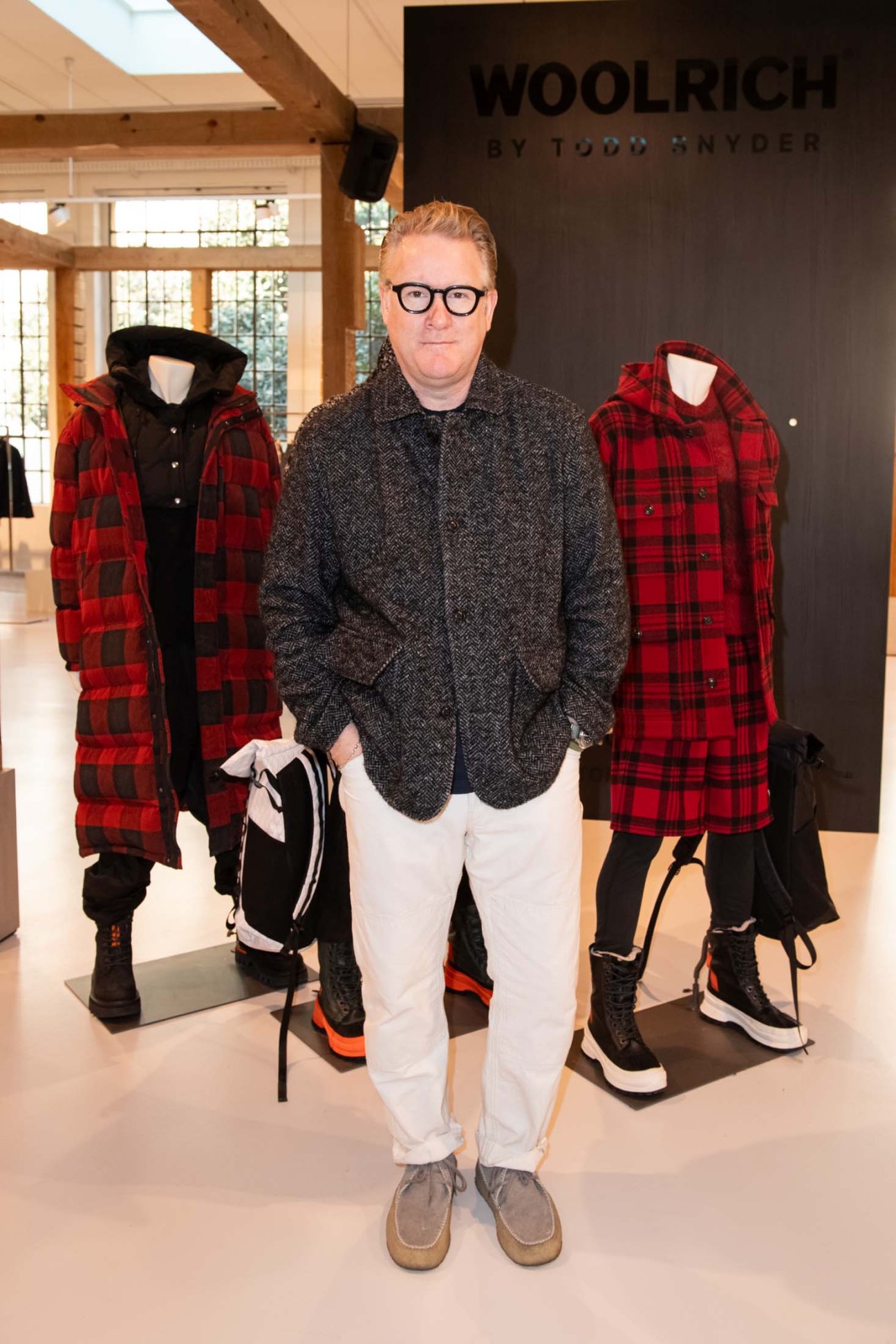
US label Woolrich has been writing a fresh chapter under new creative director Todd Snyder, the menswear maverick who also runs his eponymous label from New York. Snyder is working with Woolrich’s design teams in Milan, New York and Tokyo to create the label’s heritage and technical collections (Woolrich Black Label) and add a stronger luxury flavour to the range. Here he tells Monocle how performance wear is infiltrating urban wardrobes and discusses Woolrich’s potential to lead the sector.
Why are you working with Woolrich?
I was excited to work with a brand that has a heritage of almost 200 years and pretty much invented outdoors apparel. My idea is about fusing this heritage with modernity, with street, with luxury. I also saw an opportunity to use nature as a muse and design garments for all seasons. It’s about an active lifestyle, whether you’re in the countryside, the mountains or the city.
Have people been engaging with technical clothing in new ways?
It used to be all about athleisure but now outdoors wear is the new streetwear – people are wearing technical clothing to the office, maybe even to go to dinner. Recently, many people have embraced hiking, camping, fishing; activities that were left unexplored in the past. It’s a natural evolution and that’s what inspires me. We need to keep telling new stories.
Tell us about your new collection.
It was all about the Pacific Northwest and embodying the outdoors lifestyle. Woolrich is known for heavy parkas, so I’ve also been thinking about how to lighten things up. You’ll find a lot of track shorts, as well as lightweight cashmere shirts. My aim is to take classic silhouettes and rework them by using innovative fabrics or adding new details.
woolrich.com
Man-tle
Australia
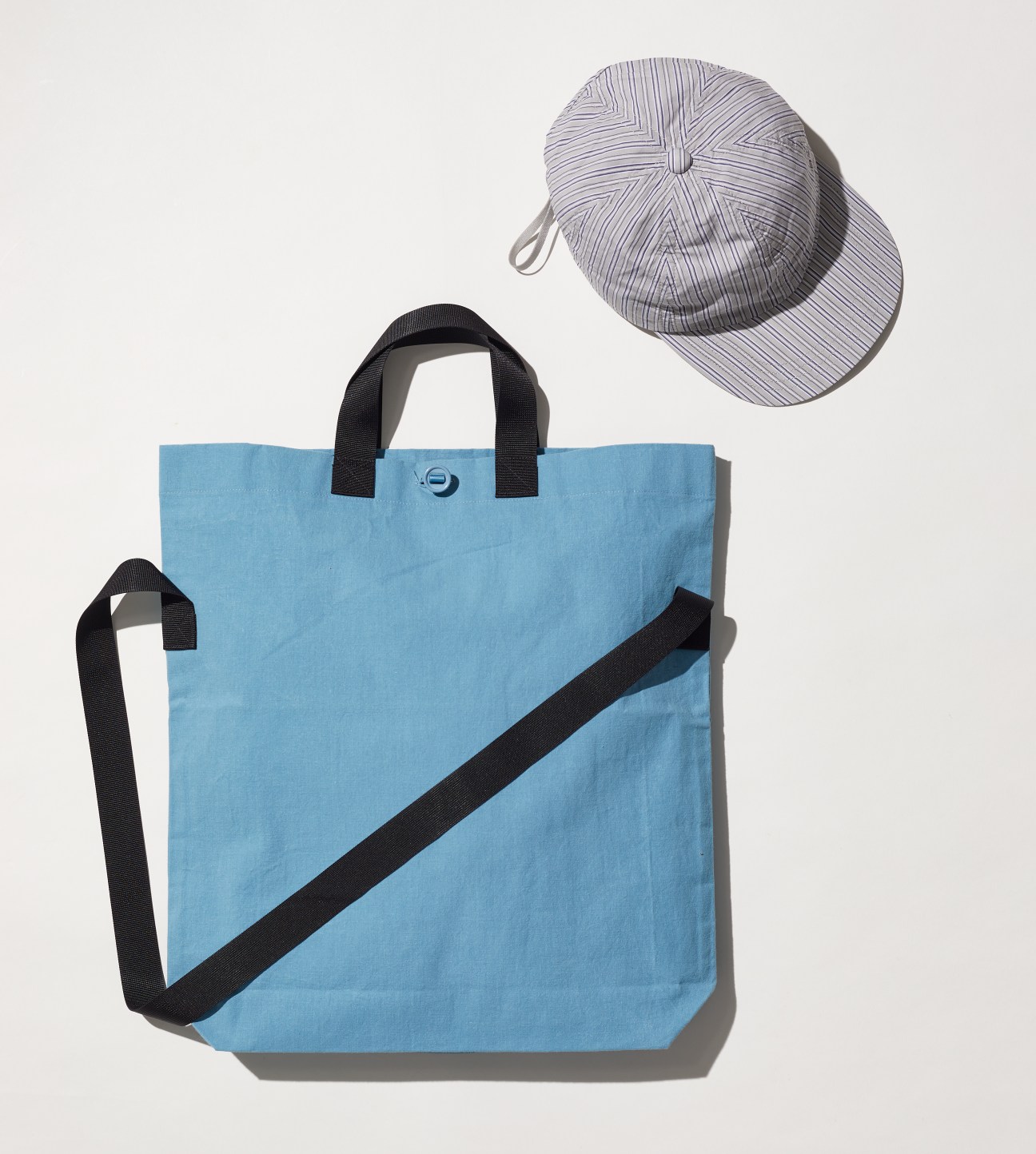
Aida Kim and Larz Harry, co-founders of Perth-based Man-tle, met in Tokyo while working for Japanese label Comme des Garçons. They still tap into their network of Japanese makers to produce daily staples such as slub denim hats, gabardine pants and durable canvas bags. Man-tle’s signature waterproof fabrics have been designed to get better with wear, due to an intricate hand-dyeing process.
man-tle.com
On X Beams
Switzerland & Japan

Tennis-inspired style has risen in popularity this year. It’s why Swiss performance brand On and Japanese label Beams have joined forces to offer their own take on the look. Informed by the green in the Wimbledon logo, the new capsule includes T-shirts, shorts, windbreakers and trainers that feature the Swiss and Japanese flags, perforated panels and thick white soles.
on.com; beams.co.jp
Belstaff
UK

Belstaff is marking 100 years of kitting out Brits with sturdy outdoors wear by looking back to its beginnings, when UK manufacturing was enjoying better days. Established in Stoke-on-Trent, the first Belstaff factory was awarded contracts by British armed forces and Antarctica research expeditions. During peacetime, the brand shifted focus to motor racing and designed its renowned Trialmaster jacket.
Belstaff’s current offering of elegant parkas and quilted jackets reflects its outdoors roots. UK mills remain the primary source of waxed cotton fabric, while some of its knitwear is still produced locally. “I want to refocus on Britishness,” says chief brand officer Jodie Harrison. “There are pockets of expertise remaining here, including textile brands and Northampton shoemakers such as Grenson.”
Belstaff CEO Fran Millar echoes this. “The biggest obstacle to our operation in the UK is a lack of factories, skills and talent,” she says. “There is a need for government investment; we all need to take responsibility.”
belstaff.com
Montblanc
Germany
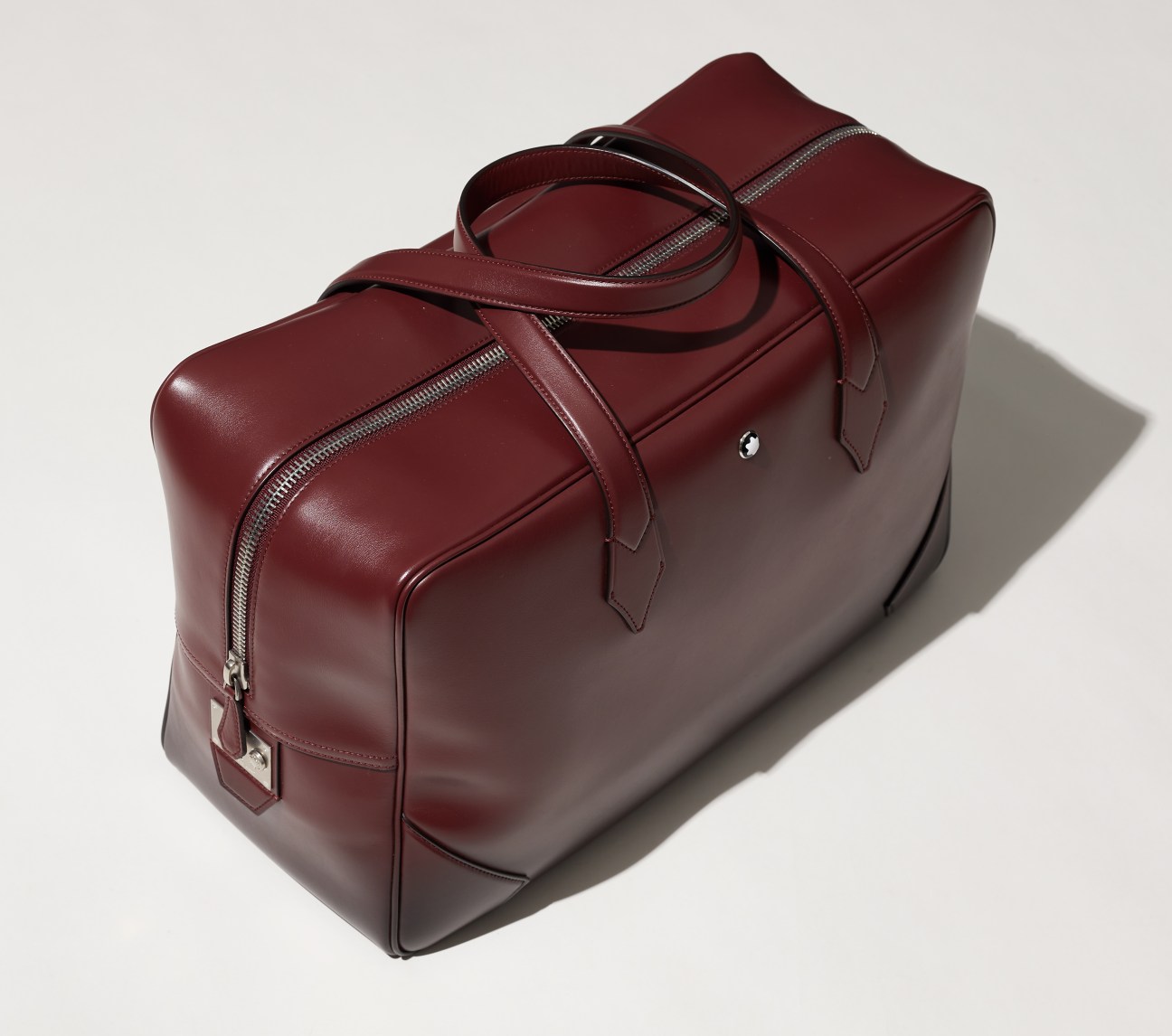
For weekends and short trips, a compact duffel bag is a far more elegant choice than a rolling suitcase. Montblanc offers a great variety of roomy weekender bags, including the 149 travel series. The totes, which are made from shiny calfskin leather, feature multiple pocket compartments for extra ease while packing, as well as an external lock and key closure for additional security. We recommend the burgundy hue, featuring a striking sfumato (shaded) effect that has been manually applied to the leather.
montblanc.com
Mykita
Germany

Mykita captures the German flair for technical innovation by engineering fashionable frames, manufactured in-house, with high-quality optics. We have our eye on the brown Gia model that features a retro geometric frame and a patented spiral hinge – so your shades won’t snap in your suitcase, no matter how full it is.
mykita.com
Comme Si
USA
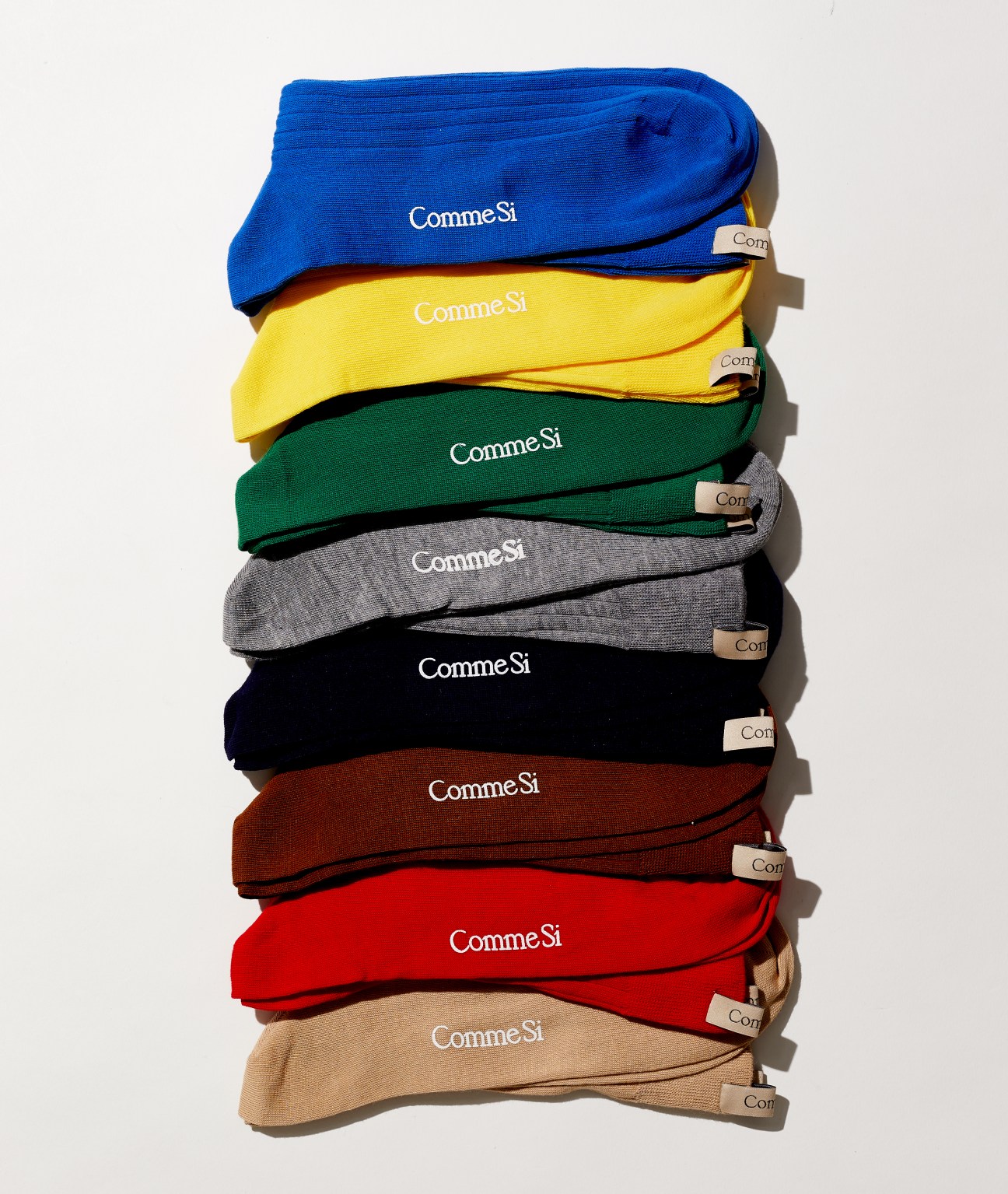
Open any fashion stylist’s top drawer and you’ll likely find socks by Comme Si, the New York-based label by Jenni Lee, who’s introducing luxury into the everyday ritual of getting dressed. If you’re an active type, opt for the Cycling socks, crafted using a high-performance yarn.
commesi.com
Baracuta
UK
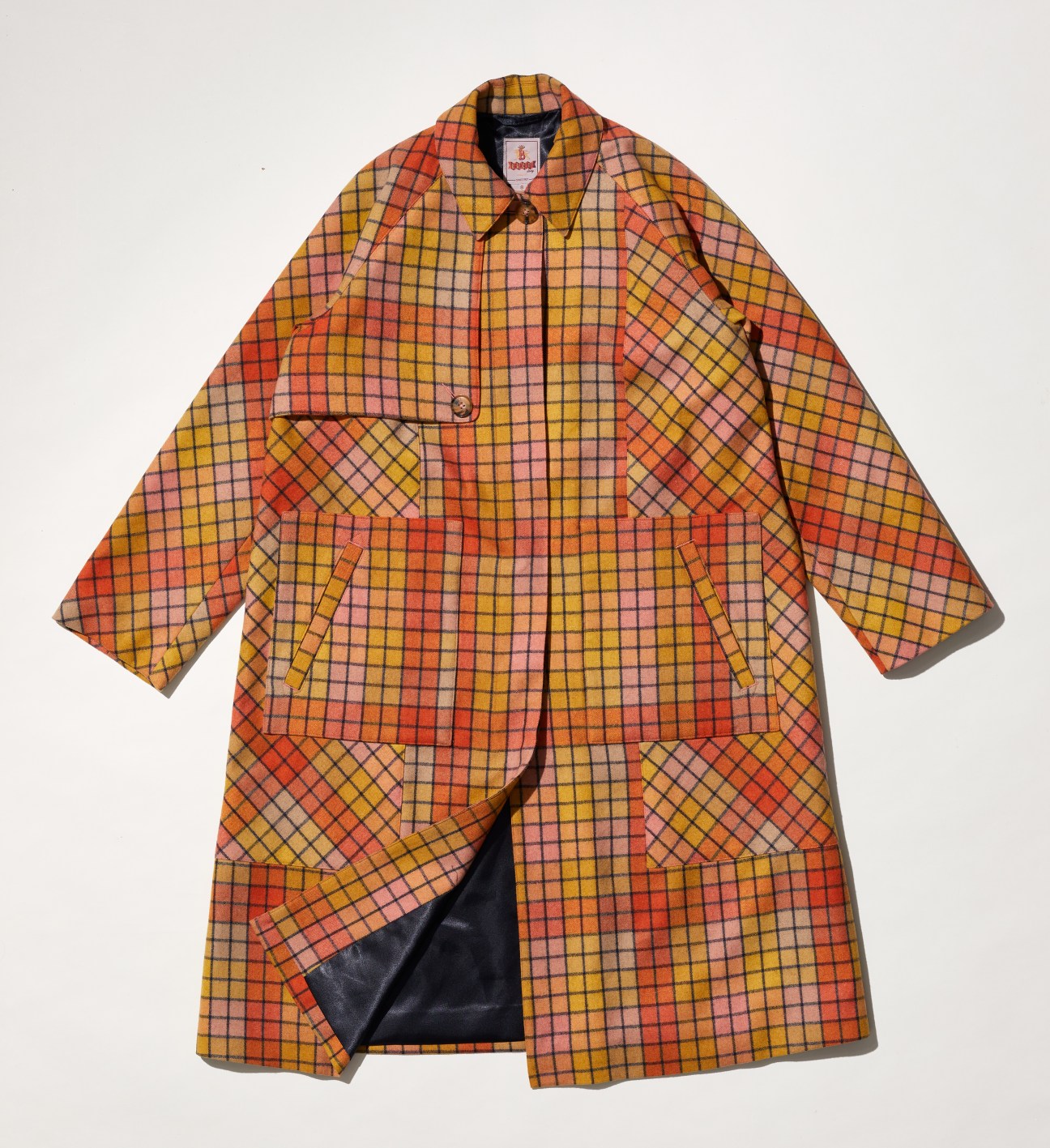
Outerwear specialist Baracuta is probably best known for its classic G9 Harrington jackets, created in the late 1930s, but this autumn the brand will debut its first dedicated womenswear line. The range features elegant trench coats and new iterations of the original G9 silhouette. Our pick is this vibrant checked coat, made from winter-ready wool. It’s a hardwearing yet elegant choice.
baracuta.com
The best technology for your travels
1.
Pocket Cable
Native Union
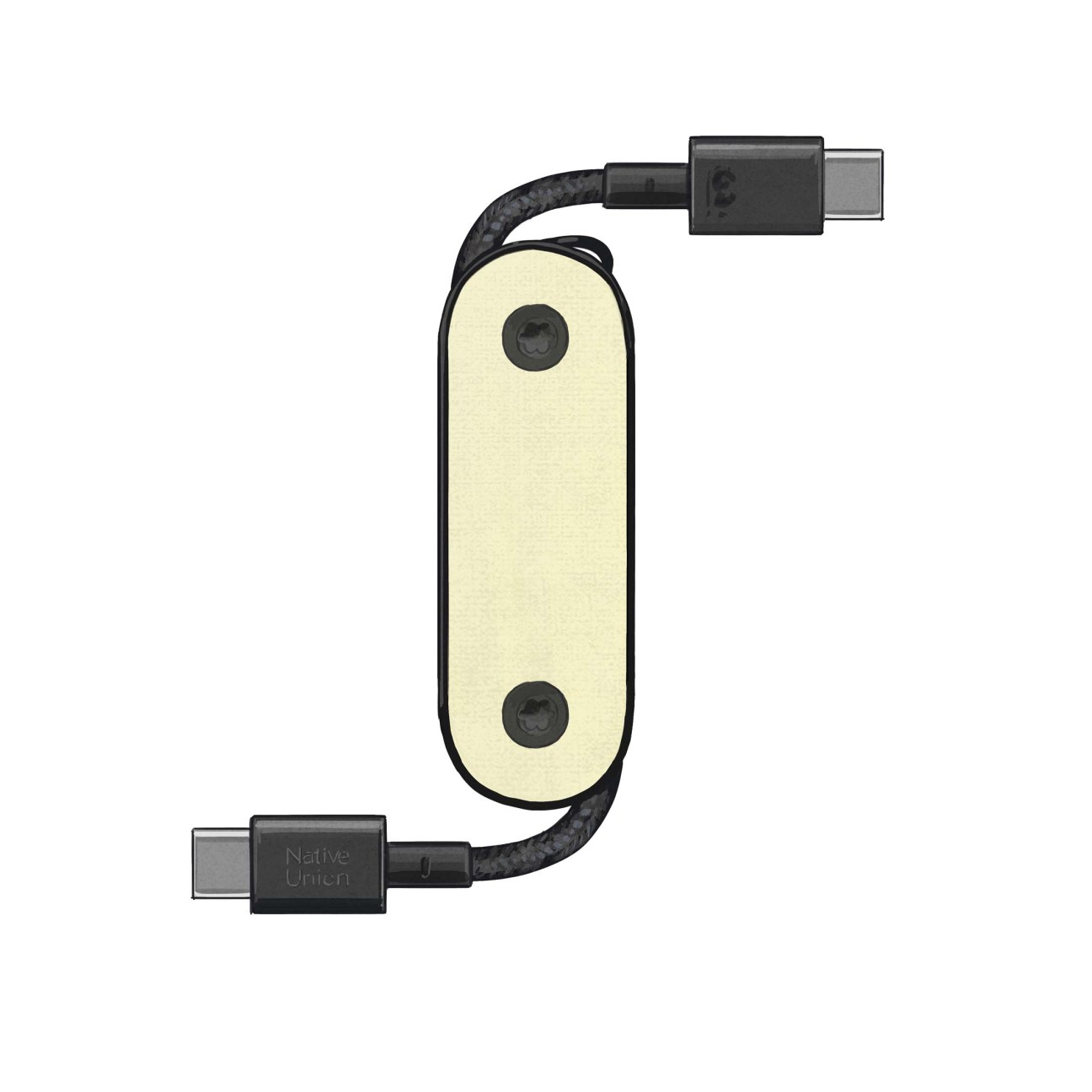
The new cable from Native Union is superbly pocketable and designed to avoid tangling. It has USB-C connectors at each end of its 17cm cable, with both able to fold back into the case for tidiness. It’s capable of supporting strong charge levels, so it’s compatible with laptops as well as phones. Get it in one of five colours, including an eye-catching bright orange.
nativeunion.com
2.
Soundlink Max
Bose

The new Bose speaker is small enough to pack in your carry-on but sounds huge. Rugged enough to resist shocks, water and dust, it boasts a rope handle that can be swapped out for a shoulder-length strap for further versatility. The battery lasts for 20 hours and the speaker can even charge your phone while playing audio.
bose.com
3.
Galaxy Fold 6
Samsung

Leave your tablet at home and take this instead. The new Samsung folds out to a bright and attractive 7.6-inch display with a centre crease that’s now near-invisible in use. An improved camera system, fast processor and larger external display add to the appeal, even if it’s still a little thick when folded.
samsung.com
4.
Tracking Card
Nomad
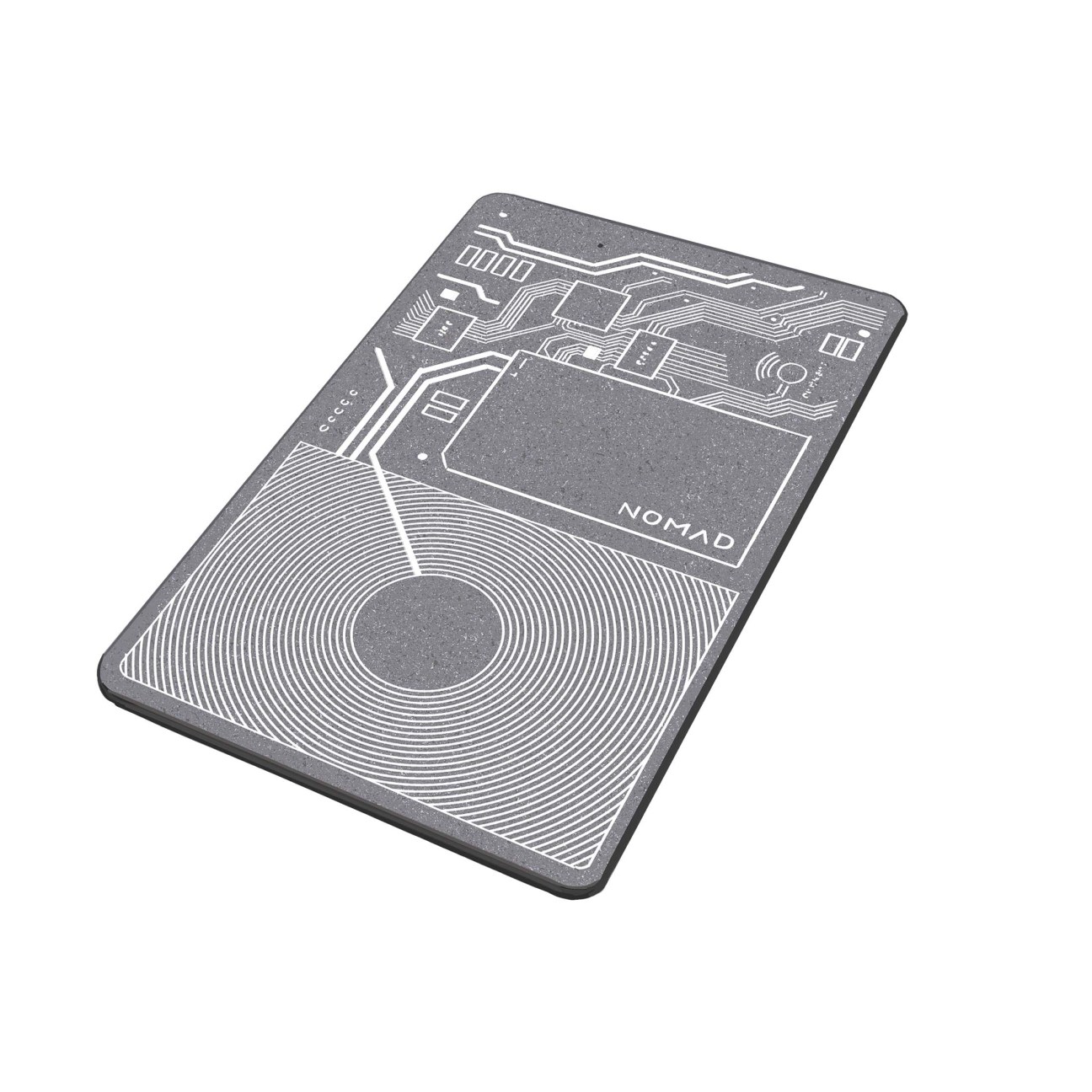
The new Nomad tracker will help should you ever lose your wallet or have it stolen. It uses Apple’s Find My system, which means it sends a silent message to any passing Apple device when marked as lost, with its location then securely relayed to your own chosen device. Barely bigger than a bank card, it can be charged via any MagSafe charging pad, making its integration into daily life a breeze.
nomadgoods.com
Illustrations: Yusuke Saitoh
Tuned in
The traditional commute may have taken a hit from flexible working, parking restrictions and people eschewing car-ownership but drive-time radio is still speaking up around the world – even if some audience members are listening on their laptops at home. Station bosses want engaged listeners, while advertisers want to connect with everyone, especially people humming along as they edge along in traffic jams. It’s a coveted slot for those behind the mic too – hosts get here only by having spent years honing their craft, perfecting a welcoming tone that’s both authoritative and relaxed.
Here, we celebrate the drive-time hosts who drum up engagement and continue to reel in remarkable audience numbers. Whether in Amman, Mexico City, Singapore, Seattle or Berlin, these presenters have fine-tuned their shows to match the time of day and mood of their city – not to mention the relaying of those all-important traffic updates. It’s this spontaneity that instils drive-time radio with a unique charm that can’t be replicated by podcasts or music-streaming services, despite the rhetoric that these mediums continue an unassailable rise.
These six presenters might play music, broadcast news or engage listeners with games and competitions but each has mastered how to accompany their audience at a crucial part of the day – while making breakfast, during the commute, post-pick-up with a car full of children or easing into the evening at home. What unites them all is the relationship with listeners (something that isn’t necessarily shared by podcast hosts and music makers) and a clear understanding that what they do isn’t one-sided. Instead, it’s a collaborative endeavour that’s all about bringing people along for the ride.
Singapore
The hallway that leads to the CNA938 recording studio gives guests a tour of Singapore’s radio landscape. You’ll see door after door adorned with the logos of popular English, Tamil, Malay and Chinese-language stations, while their diverse music and chatter is safely soundproofed as they broadcast live to listeners across the city-state.
CNA938 is the radio station of Singapore’s multimedia news channel CNA. Its studio has large windows that overlook the open-plan newsroom. It’s relatively quiet when Andrea Heng and Hairianto Diman, hosts of the flagship English-language morning drive-time show Asia First, take to the air at 07.00. By mid-morning, though, the newsroom is bustling.
“Growing up, drive-time was always on – when you’re sitting in the car with your dad as he takes you to school, that kind of stuff,” says Heng. “It’s the time when you catch up with everything that’s happened overnight around the world.”
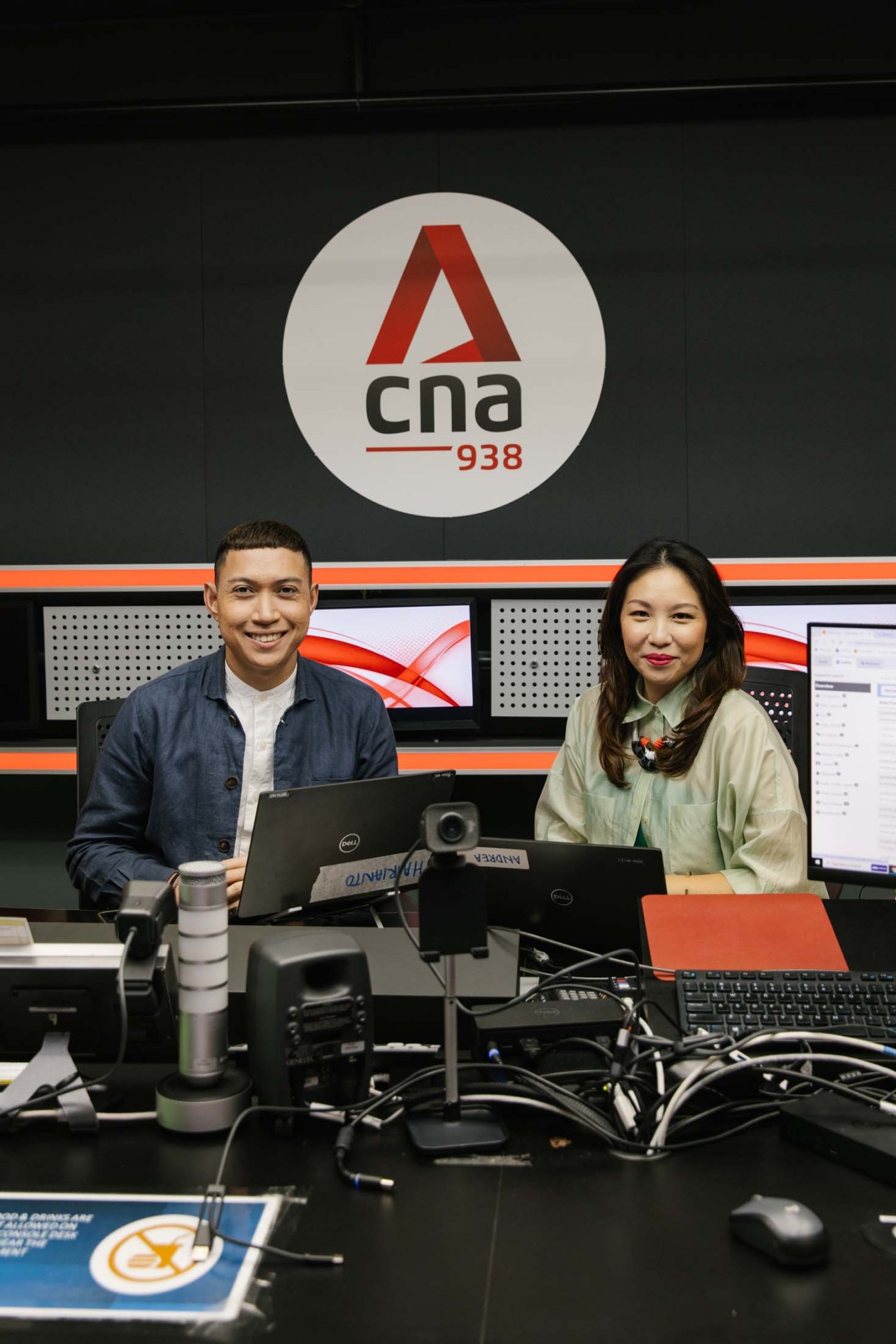
As the station’s opening show, Asia First sets the tone for the day. Despite its news focus, the spirit is conversational and often fun – in part due to Heng and Hairianto, whose friendly banter and natural rapport belie the fact that Hairianto only joined as a co-host in May. He and Heng are adept at handling the range of issues that come across their desk – be they wars and elections or extra legroom on aeroplanes – and flit seamlessly between the gravitas required for serious topics and the humour better suited to lighthearted ones.
The duo also enlivens commutes with an interactive “Question of the Day” segment, where they ask a question on air and listeners send in responses via Whatsapp. The pair solicit opinions on everything from at-home work policies to Taylor Swift.
Knowing that many listeners are alone in their cars and could be stuck in traffic, Heng and Hairianto see themselves as hosting a chatty dialogue with the audience rather than simply acting as newsreaders or staid presenters. Which is to say: they welcome dissent.
“We have comments that come in saying, ‘No, we don’t agree with what you’re saying’ – and then that becomes a conversation as well,” says Hairianto.
The listener submissions channel is always open and Heng and Hairianto occasionally share random messages. This spontaneity gives Asia First an endearing intimacy and can reveal the surprising topics that the audience want to give their two-cents on: a recent news item about dental hygiene prompted a listener to chime in with toothbrush recommendations. Fresh take.
“It’s direct and personal, and we keep it that way,” says Heng. “That’s something only radio can do.”
Hosts: Hairianto Diman & Andrea Heng
Programme: Asia First
Station: CNA938
Frequency: 93.8 FM
On air: 07.00 to 10.00 from Monday to Friday
Weekly audience: 255,000
Established: 1998 (as NewsRadio 938)
Studio superstition: Never say it’s a slow news day – you’ll jinx it!
Amman
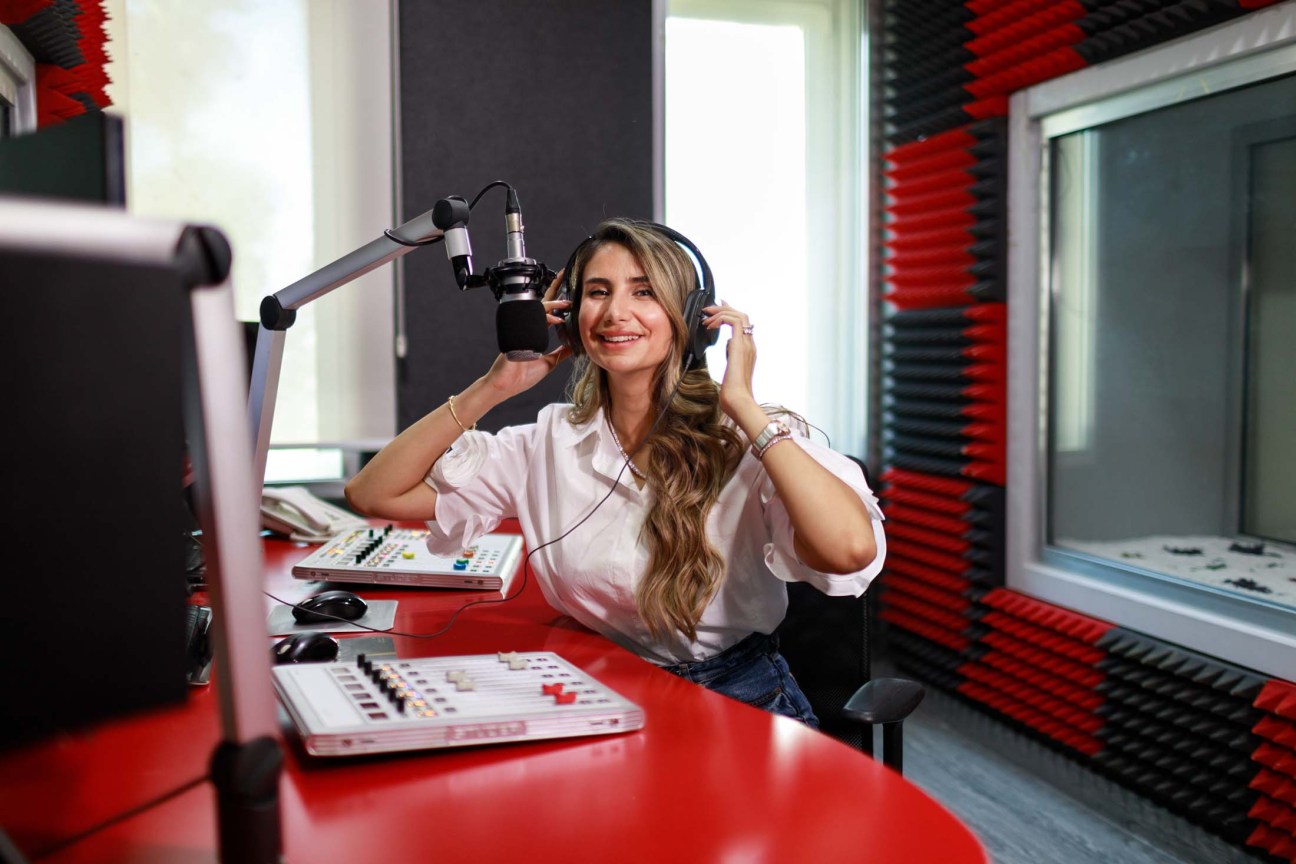
“Getting you home and playing your favourite music” is the simple promise that rings out from Play 99.5, in between pop tunes, lively ads and the mellifluous voice of Dana Darwish. The host has been accompanying Amman on the afternoon commute on Jordan’s top English-language radio station for the past five years. It’s a demanding four-hour shift every Sunday to Thursday from 15.00 to 19.00. During that time, Darwish expects to have multiple audiences, as the average car journey in Amman lasts just 20 minutes.
The journeys might be short but Darwish understands that her listeners are impatient to get home. “That’s Jordanians,” she says. “If we’re kept at a stop sign for two minutes we lose our minds.” As a result, Darwish tries to keep her tone relaxed: “I try to be as soothing as possible. Maybe one day I will shift careers and start doing sleep podcasts.”
As well as playing the hits – Darwish is aware of her young audience, made up mostly of 16 to 25-years-olds – the host is keen to use her show as a force for good. “I’ve revolved my entire show around bringing other people’s stories to light,” she says. Segments such as “Under the Spotlight” call attention to the talents of ordinary people, while “Play with the Athletes” showcases the Jordanian sports stars that, according to Darwish, don’t get their dues in the country, such as the taekwondo athlete Julyana Al-Sadeq.
Play 99.5 has also built a reputation for its “out-of-the-box” competitions. One in particular – sponsored by the vehicle brand Jaguar Land Rover – is “forever etched” in Darwish’s mind. “The competition was getting people to roar like a jaguar,” she says. “I sat in the studio for hours just listening to voice notes of people roaring.” The partnership isn’t just an example of the programme’s proclivity for mood-boosting silliness either. It’s one of the many brand collaborations that kept the DriveBack Show going as a commercial success. Similarly, Jordan Kuwait Bank has sponsored the show for almost five years.
Darwish is aware that the live radio landscape is changing but she remains confident in the continued appetite for shows like hers. The live element, she posits makes every show unique and can’t be replicated. “If you think about football, whether you’re watching today or tomorrow, the game isn’t going to change,” she says. “But why do you want to watch it live? Because it’s happening now, everyone’s together and you see people’s reactions. Radio is the same. We’re in the traffic together, listening together, chatting together – it creates a community.”
Host: Dana Darwish
Programme: The DriveBack Show with Dana Darwish
Station: Play 99.5
Frequency: 99.5 FM
On air: 15.00 to 19.00 from Sunday to Thursday
Daily listeners: 200,000
Established: 2018
Favourite artist: Macklemore
Berlin
“I’m probably the only early morning presenter who doesn’t drink coffee,” says Marco Seiffert. Instead, the host drinks plenty of water at the break of dawn, during his drive into the Potsdam studio of Radioeins, a channel from Berlin-Brandenburg public broadcaster RBB.
Der Schöne Morgen (“The Beautiful Morning”) is steered by Seiffert along with his colleague Tom Böttcher every weekday, with the pair alternating with a female duo every other week. Since Seiffert joined in 2006, it has become the most listened to morning show in Berlin, Germany’s most competitive radio market.
Seiffert sees the presenter’s role as catching his audience up with what’s happened during the night and what’s going on in Berlin and Brandenburg that day – as well as playing great music, of course. Instead of prank calls and prize draws, you’ll find witty jokes from the hosts and political analysis from leading journalists on all sides of the political spectrum. There’s also economics, arts, culture and sports coverage, and listeners can ask the kind of unusual questions that they’ve always wanted answered.
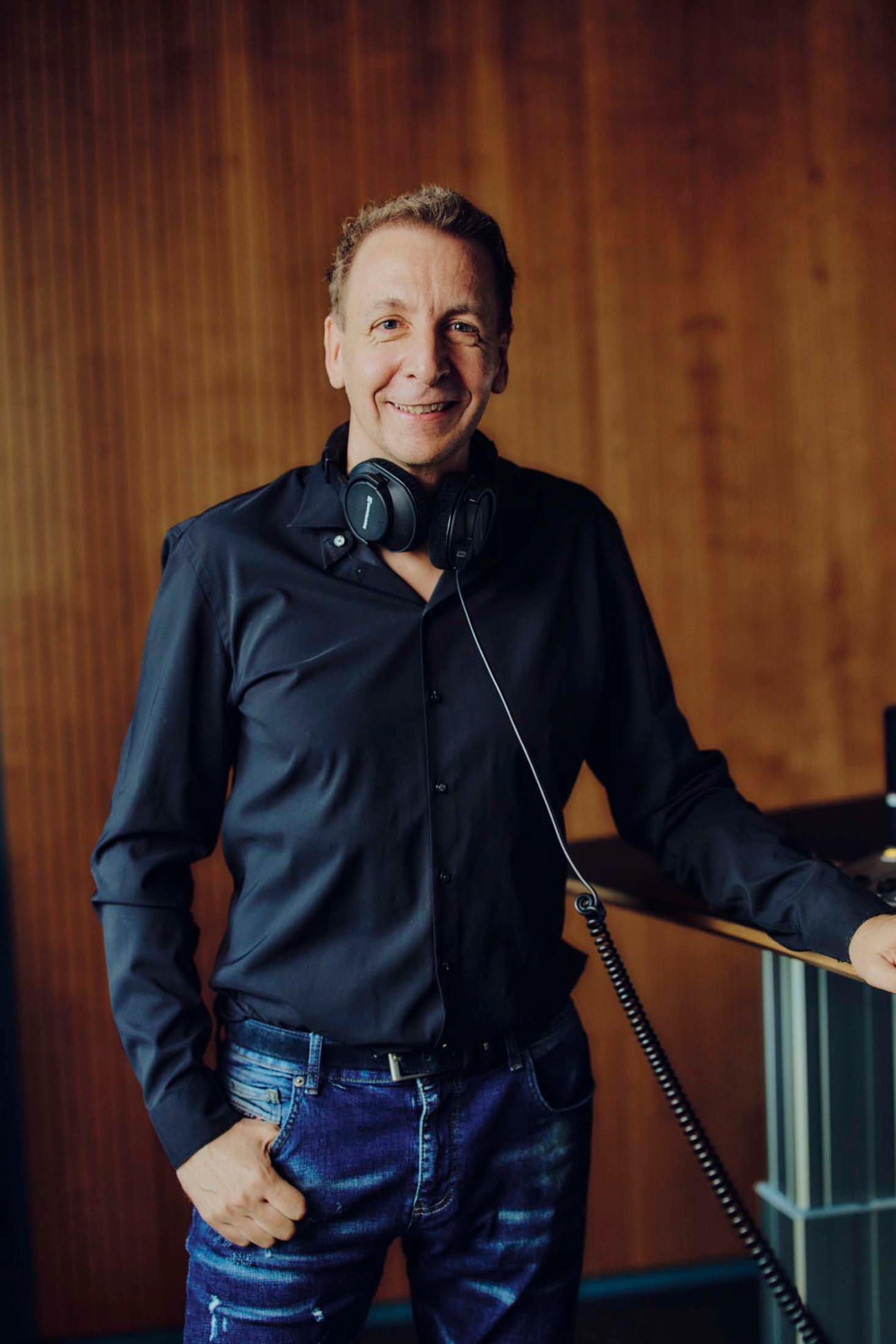
Listeners are also encouraged to request songs that have somehow disappeared into the ether. Rather than being a Tiktok playback station too, music on Der Schöne Morgen serves as an exploration into new and unfamiliar realms. “Our selection requires a certain tolerance,” says Seiffert. “You’re going to find gems but you’re probably not going to like every single song. In my opinion, our listeners want to be reliably informed but they also want to be constantly surprised in terms of topics and music. Spotify and podcasts can hardly offer that.”
For the many listeners who tune in on their way to work – stuck in traffic or waiting at the train station – Seiffert sees the programme as a “familiar companion”. And despite serving listeners at rush hour, no one at the show is in a hurry. Live interviews often last up to four minutes, more than double the average of the show’s competitors. Der Schöne Morgen also doesn’t shy away from an argument. “Politicians can handle it,” says Seiffert. “You have to poke them a little, otherwise it gets boring.”
Overall, Seiffert puts the show’s success down to its authenticity: its hosts are allowed to be themselves, whatever their mood. “We don’t feel this inner pressure to be artificially cheerful,” he says. “I’m no different on and off air. If my favourite football team has just lost, I can be despondent. If I’ve been to a concert the night before, I might be a bit tired. It’s OK.”
The Der Schöne Morgen style is so unique in Germany that the show has developed a cult following far beyond the broadcasting area – and Seiffert, in particular, appreciates when listeners continue to tune in on holiday or after moving away from Berlin. “It’s always exciting for me when people take us with them wherever they go.”
Host: Marco Seiffert
Programme: Der Schöne Morgen
Station: Radioeins
Frequency: 95.8 FM
On air: 05.00 to 10.00, from Monday to Friday (from 06.00 on the weekend)
Daily listeners: 366,000
Established: 1997
Favourite song: Die Ärzte, “Junge”
Seattle
When the weekday clock strikes 16.00 on the US’s West Coast, a pre-recorded voice announces, “You’re listening to Drive Time with Evie Stokes on KEXP.” To avid listeners of the Seattle-based independent radio station, the name still takes some getting used to. For over 20 years, music-industry veteran Kevin Cole – who cut his teeth as a DJ at Minneapolis club First Avenue, where he counted Prince among his fans –commanded the afternoon slot.
Stokes took over the prime-time post in July, having worked her way up over 17 years from pulling records as an unpaid assistant to grinding out five-hour overnight shifts and, most recently, hosting Sunday afternoons. Now she peers out of the broadcast booth’s window while the station’s popular café and record store hums with customers.
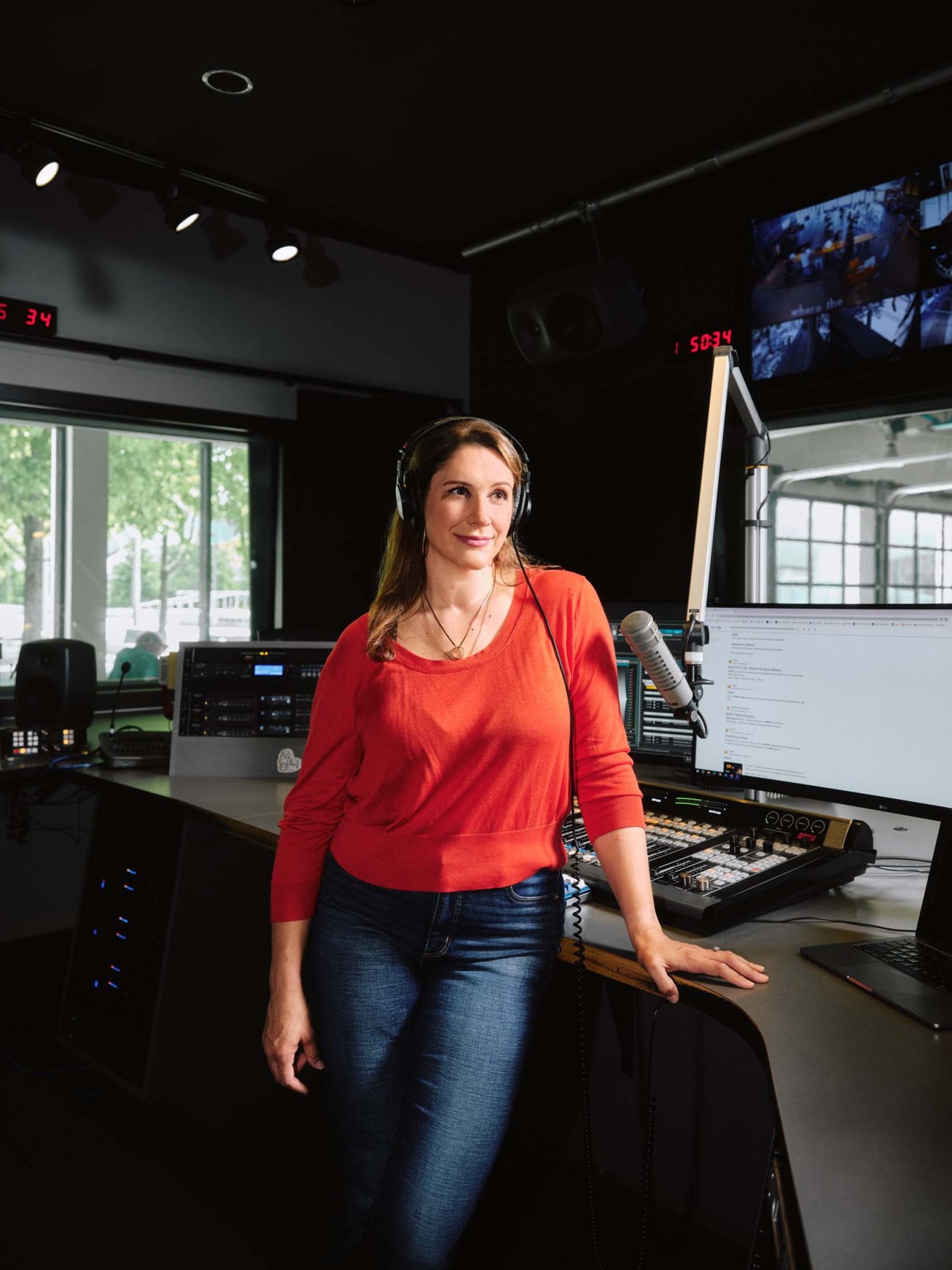
Drive Time reaches 75,000 listeners weekly, according to Nielsen Media Research. While those figures are relatively modest, KEXP’s outsized influence comes from its tastemaker reputation for breaking up-and-coming artists. Touring musicians detour to Seattle so they can record one of the station’s highly coveted “Live on KEXP” sessions. Stokes has hosted the likes of psychedelic rockers Crumb, southern gothic singer-songwriter Ethel Cain and London-based Afro-electronic outfit Ibibio Sound Machine.
Stokes’ promotion comes at a propitious time for KEXP, which acquired a new frequency and began broadcasting on FM radio across the San Francisco Bay Area in March. The expanded range has led to a double-digit percentage growth in listenership. Broadcasting until 19.00, Stokes soundtracks the afternoon commute on the West Coast, while remaining mindful of KEXP’s global listeners who tune in digitally. “A lot of people are winding down and settling in at home,” says Stokes. “I’ll ask them what they’re cooking for dinner. But then I have listeners in Australia going out for their morning run.”
She starts each show with a rough outline but allows the day’s mood to lead her. She’s also receptive to listener requests, even oddball ones. “A listener might request a song about horses and, before you know it, I’ve played seven songs on that theme,” she says.
Her empathetic voice also reaches her audience in their hour of need. A listener once requested comforting songs while lying in bed with a partner in the final moments of hospice care. “I looked for songs to bring them some peace,” she says, such as “Love is Stronger than Death” by The The.
These examples reflect Stokes’ attitude to radio and its uniquely live values. While she won’t shy away from solemnity when necessary, Stokes sees the afternoon peak as an ideal time to deploy her on-air philosophy, “Radio is best when it’s unexpected, thoughtful, fun to listen to and laugh-out-loud funny.” We couldn’t agree more.
Host: Evie Stokes
Programme: Drive Time with Evie Stokes
Station: KEXP
Frequency: 90.3 FM
On air: 16.00 to 19.00 from Tuesday to Friday
Weekly audience: 75,000
Established: 1972
Favourite song: Tears for Fears, “Everybody Wants to Rule the World”
Mexico City
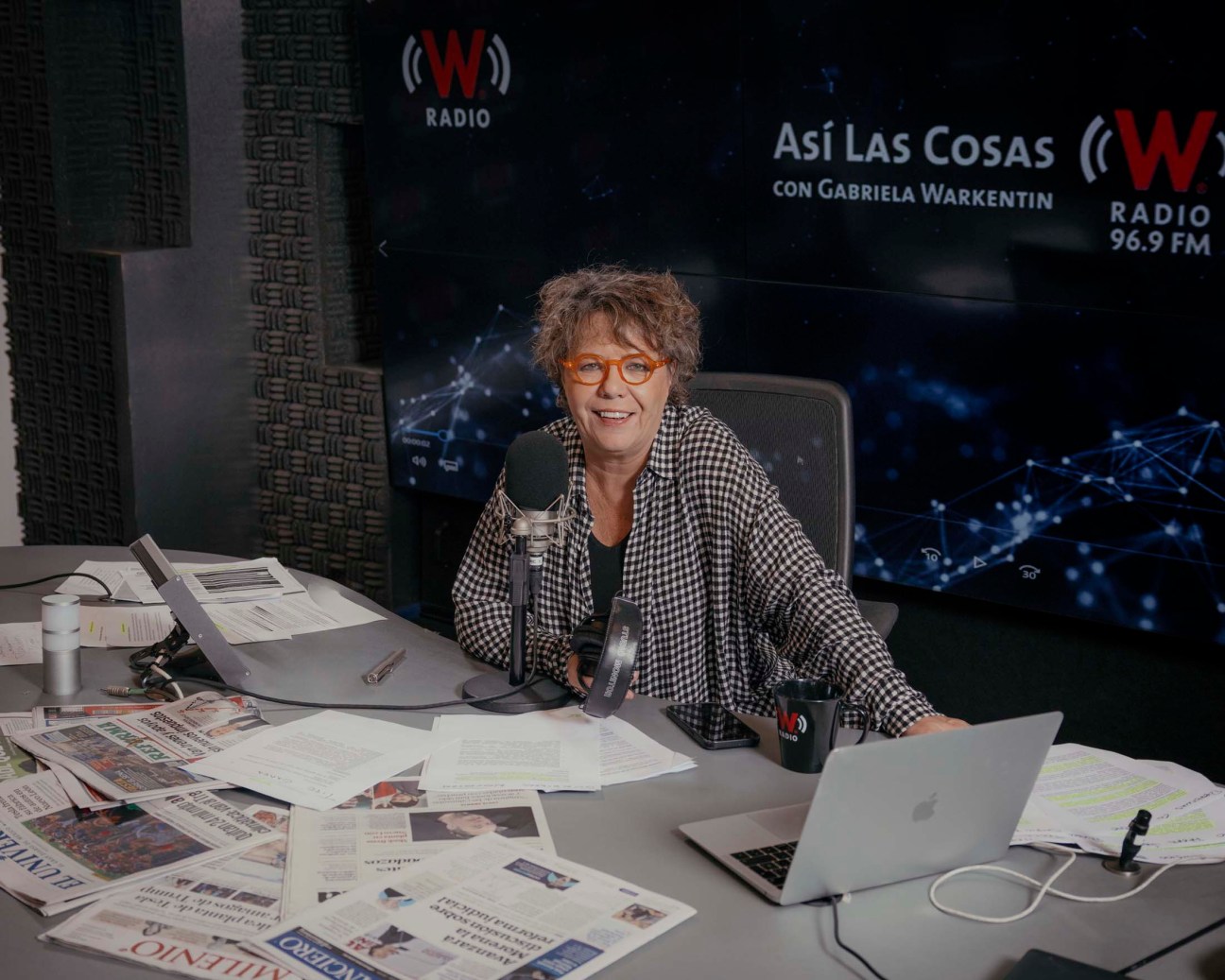
Eight years ago, when Mexican radio presenter Gabriela Warkentin launched W Radio’s morning news show, the drive-time slot in Mexico City was tired and saturated. “We didn’t want to recreate the same hard-hitting product as other stations,” says Warkentin, who also works as a columnist for Spanish newspaper El País and Mexican title Reforma. Así las Cosas (“That’s the way it is”) was the result: a grounded show that delivers the news without over-dramatising the region’s political events.
“The city is characterised by a tense and often violent social landscape: W Radio wants to offer clarity about complex subjects,” says Warkentin, sitting behind her mic, surrounded by broadsheet newspapers as she readies herself to read the day’s headlines.
On air between 07.00 and 10.00 every weekday, Así las Cosas sets listeners up for the working day. “Morning radio is a window for real-time interaction,” says Warkentin, who gets feedback from her listeners through call-ins and the station’s Whatsapp and social media channels. “There’s a tradition of cultivating a relationship with an audience via the radio in a way that cannot be achieved with television.”
On occasion, Warkentin’s excitable tone rises like that of a football commentator but it’s always tempered by her sharp insights. Loyal listeners engage in a dialogue with the presenter, offering feedback that has shaped the show. “Initially, there was criticism when we opened the broadcast with tense news stories. It’s not that listeners don’t want to know; they just don’t want to hear it as soon as they get out of bed,” says Warkentin. To create a smoother wake-up call that doesn’t demand so much of listeners, she now holds off until the second hour to cover tough topics. The programme now opens with an eight-minute news summary before Warkentin is joined by an economic or political correspondent for an in-depth conversation about the most pertinent story of the day. Warkentin wraps up the third hour with sports and science news. In between news and discussion segments, she plays upbeat Latin American music.
Being one of the first voices to break domestic and international news has made Warkentin resilient. “During Mexico City’s large-scale earthquake in September 2017, W Radio kept broadcasting past midnight to try to spread information as effectively as possible. Listeners were scared – and so was I.”
Warkentin’s morning programme remains a welcome daily comfort, not only for residents of Mexico but also for the nation’s expats in Dubai, Tokyo, Sydney and beyond. “The morning slot provides a cathartic social moment,” says Warkentin. As the clock strikes 09.00 and W Radio’s countdown reverberates around the studio, Warkentin has a final scan of her script to prepare to go back on air for the closing hour of the show. “The real power of radio lies in its collective companionship.”
Host: Gabriela Warkentin
Programme: Así las Cosas
Station: W Radio
Frequency: 96.9 FM
On air: 07.00 to 10.00 from Monday to Friday
Daily listeners: 497,000
Established: 2016
Favourite topic: Current affairs
Chain reaction
When it comes to cities, first impressions are often damning. Despite its plentiful baroque and neo-gothic architecture, Brussels isn’t deemed one of Europe’s great cities. If you were visiting the Belgian capital just five years ago, you would have had to do a lot of waiting at pedestrian crossings. Perhaps you wouldn’t have thought this very strange. Most large European cities, even those that are thousands of years old, adapted fairly frictionlessly to the advent of the car.
Indeed, Brussels worked particularly hard to transition from hooves and feet to four wheels. From the 1950s and 1970s, as part of an ominously named policy called the Manhattan Project, it built flyovers in downtown neighbourhoods, bulldozed large swaths of the city centre to connect its main northern and southern railway stations, placed metro stops beneath office buildings so that commuters could make a swift entry and exit, and constructed a new central rail terminus. The intention was to create a city that was utopian in its embrace of mechanised travel. The result was a city that literally became a byword for traffic, pollution and poor urban planning: “Brusselisation” means haphazard and ineffective redevelopment.
On a magnificently sunny July afternoon, Monocle arrives in a city that is almost unrecognisable from that description. Brussels’ main thoroughfare, Boulevard Anspach, is full of people sauntering, strolling, strutting or simply standing still. There are many bicycles but not a car in sight. Then we hear a phrase that will be repeated to us many times over the next 36 hours: “This place used to be horrible.”


Brussels’ transformation from car-choked hellhole to walker’s paradise is largely the result of a series of highly interventionist regional mobility plans. The most famous of these, the Good Move Initiative, was launched in 2022 with the aim of – among other things, such as improving public transport and cycling infrastructure – reducing automotive traffic by 24 per cent by 2030.
Down a side street on the sun-drenched terrace of an Italian restaurant, we meet Pascal Smet, self-described “father of Good Move”. This soubriquet is not hyperbolic. Smet was the minister of mobility and public works in the Brussels-Capital Region government when Good Move was in the planning phase and secretary of state for urbanism and heritage when it was implemented. He is a disciple of Jan Gehl, the Danish architect and urban designer whose career has focused on reorienting cities away from cars towards pedestrians and cyclists. “The core function of a city is interaction between people – and people cannot interact in their cars,” says Smet, leaning over his spaghetti amatriciana.

‘Father of Good Move’, Socialist Party
Over 20 years in Brussels’ government, Smet spearheaded radical mobility measures such as the introduction of Uber, the new No 9 tram line and the pedestrianisation of the city centre.
In a white linen shirt and natty wire-framed glasses, the 57-year-old, who represents the Dutch-speaking Socialist Party, Vooruit (“Onward”), is more fashionable than you might expect of a politician but he has the irrepressible energy of the soapbox campaigner. Despite having recently undergone hip-replacement surgery after a cycling accident, Smet doesn’t stop either talking or moving the whole time he is with Monocle.
His limp seems to be an appropriate physical manifestation of the recent slings and arrows that his brainchild has endured. To say that Good Move has been polarising would be understating the effect that the initiative has had on Brussels’ politics. Its car policies were arguably the defining issue in the region’s parliamentary elections in June, elections that returned a majority of votes for parties that actively campaigned on an anti-Good Move platform. Though the byzantine nature of the Belgian electoral system makes analysing the results, let alone forming a government, difficult, even the father of Good Move concedes that it faces an uncertain future. “The overall majority of the people voted Good Move out,” says Smet. But this does not mean that Brussels’ car-free revolution is over or that it has failed.


A strange thing happened in June’s election. In Brussels, a French-speaking-majority city in a Dutch-speaking region, candidates and parties are split into lists based on language. In theory, voters can put their “X” next to someone who does not speak the same language as them but, in reality, this is rare. However, this year, despite there being only 50,000 registered Dutch-speaking voters in Brussels, the region’s Dutch-speaking parties received about 80,000 votes, meaning that 30,000 French speakers (out of about 200,000) voted on non-linguistic lines. The main beneficiaries of this were the Dutch-speaking Greens, who many believe were lent votes by French speakers who are pro-Good Move.
We meet the leader of Brussels’ Greens in Parc de Bruxelles, a large 18th-century royal park opposite the Belgian parliament building. Elke van den Brandt is also the incumbent minister of mobility. Even though Good Move was launched by Smet and the Socialists, today it is more associated with Van den Brandt and the Greens, who have greater representation in the Brussels parliament and have made the initiative the cornerstone of their agenda. Naturally, Van den Brandt arrives for our meeting on a bicycle, which she has ridden directly from negotiations to form a new government. She has a warm smile and manner but is bullish about the policy. “The future of Good Move is the future of Brussels,” she says. Is a scrapping or at least scaling-back of the plan on the agenda in the talks? She admits it is but shoots back: “Remember, the most expensive infrastructure is not cycling or walking. If you look at Copenhagen, they made all those cycling changes when the city was nearly bankrupt. They asked themselves, ‘What’s the cheapest way for people to get around?’ And they invested what money they had in cycling infrastructure.”

Minister of mobility, public works and road safety (at time of writing), Green Party
Van den Brandt’s Dutch-speaking Greens became the figureheads of Good Move in the June elections. She won re-election but will have to form a coalition with parties opposed to the policy. “Getting rid of cars is like quitting smoking,” she says. “It’s hard but you feel better once you’ve done it.”
These are salient points. The first concerns what a city can afford to do. After all, politics is the art of the possible and, during financially straitened times, it is important to focus on what can be achieved with the means at your disposal. The second point concerns what a city wants to be. The Danish capital, with its plentiful bike lanes, excellent public transport and pedestrianised centre, is seen as a model for progressive urban leaders around the world but its transformation into a mobility mecca came after decades of debate and protest.
Indeed, Brussels’ metamorphosis has been achieved in a far shorter period of time. Beyond the politics, the data is astounding. Between 2022 and 2023, after a year of Good Move, 20 per cent fewer cars were counted in the city centre, with these numbers dropping as much as 50 per cent during rush hour. There was a 21 per cent drop in road accidents, and a 69 per cent drop in related fatalities, while levels of toxic nitrogen dioxide (no2) dropped by as much as 35 per cent at some particularly busy intersections – significant in a region that was estimated to suffer 900 premature deaths a year related to air pollution. But hard data, though important, is perhaps not as influential as that difficult-to-quantify thing: emotion. How people travel around the place in which they live is a highly charged issue; in Brussels tempers have frayed on several occasions since Good Move was rolled out. Whereas in the city centre, known as the Pentagon, cars have been almost completely banished, in neighbourhoods beyond its boundaries, implementation has been trickier.
Two months after the closure of large roads in the centre, concrete blocks and works barriers started appearing in working-class neighbourhoods such as Schaerbeek and Cureghem, which also have large immigrant populations. In both areas, after construction vehicles were set ablaze and police were attacked, the roadblocks were removed.
Pro-Good Move politicians believe that this was largely a problem of communication. Van den Brandt blames the mode of delivery. “The participation phase was during coronavirus, so we had a lot of online meetings,” she says. But Smet blames the message itself. “I learned that you cannot go to the people and tell them, ‘We are going to get rid of the cars,’” he says. “You say, ‘We want to have a car-free square because we want your kids to play, we want you to sit on a terrace and have something to eat.’”


A five-minute cycle from the Pentagon, Cureghem is a largely African and Maghrebi neighbourhood. On a blazing Friday afternoon, large groups of men congregate in the shade outside the mosque and around the area’s many garages and secondhand car dealerships – it is immediately obvious that the automotive industry is a large employer here. Monocle’s guides, Damiaan and Alessio, usually so voluble, seem a little subdued. It is difficult to get people to speak to us, much less to give their full name or have their photograph taken. But 46-year-old Boubacar does explain that the roadblocks just “appeared, with no warning,” after which, “you felt like you were in a labyrinth, like you were stuck in your neighbourhood”.
This is a common charge levelled at Good Move by black and Arab Bruxellois – that it’s designed to keep them away from the rest of the city’s largely white population. Indeed, an Arab parliamentarian from Vooruit, Fouad Ahidar, left the party and campaigned on an independent ticket, focusing primarily on two issues: Palestine and Good Move. His new Team Fouad Ahidar party won three seats to Vooruit’s two. While Ahidar was a vocal presence during the campaign, residents say that the city’s political leaders abandoned them in the immediate aftermath of Good Move’s introduction to Cureghem. “We didn’t understand who we had to talk to, which politician this had come from,” says 46-year-old Mamadou, leaning against a vintage Mercedes.
Two years later, however, during the election campaign, they had many championing their cause. These included the Workers’ Party of Belgium (pvda), a far-left group that won 15 out of 89 seats in the Brussels parliament. Monocle meets one of its MPs, Jan Busselen, in a hotel bar. A lot of what we have heard and seen in Brussels seems to align with the view that, though the way that Good Move has been implemented can be contentious, the means justify the ends. Busselen disagrees. “It’s a very paternalistic way of looking at people – that we’re going to put measures in place and people aren’t smart enough to comprehend that it is better for them,” he says. “And it is dangerous because it pushes naturally left-wing voters into the arms of the right and conspiracy theorists.”

Member of the Brussels parliament, Belgian Workers’ Party (PVDA)
The far-left pvda won big in June’s regional elections on a platform attacking Good Move’s anti-car policies. “Of course, we want fewer cars,” he says. “We don’t like traffic jams. But politically you need to come up with alternatives and solutions.”

Secretary of state for urban planning (at time of writing), Socialist Party
Persoons took over from Smet as secretary of state for urban planning in 2023. She says that the Greens did well in the elections because, “The people who were in favour of Good Move, the middle classes, saw the Greens as the purest form of [the policy].”
As Smet says, private car ownership also has another dimension in immigrant communities. “They’re a symbol of success, freedom, a ticket to a girlfriend and an extension of your living room,” he says. Ans Persoons, an ally of Smet’s who assumed the role of secretary of state for urbanism and heritage after he resigned following a scandal involving the mayor of Tehran, says, “It’s not about mobility and public space. More than anything, it’s about identity and gentrification.”
She’s right – mobility and public space are ineluctably political and as such have been sucked into the wider culture war concerning identity that has subsumed European politics in recent years. Cities around the world – but especially in Europe, where the transition away from cars is happening more quickly – have seen the issue lead to violence. “If you change things, there’s a lot of reaction,” says Van den Brandt. “It’s no different in Paris or Berlin.”
But unlike those places, Brussels’ politics is now defined by whether you are pro- or anti-car. Smet is unequivocal. “People will say that the biggest mistake that humanity ever made was introducing the privately owned car to an urban environment,” he says. But while his future, for now, looks to be away from frontline politics, Van den Brandt and Persoons will have to continue the battle of persuading people that getting rid of cars is a good move. Arriving in Brussels on a sunny afternoon, it is difficult not to get a favourable impression of the changes that the city has made in this regard. And if its leaders can continue to make improvements to people’s mobility, in years to come, Brusselisation might start to be seen as a positive thing.


Brussels vs the car
1958
Brusselisation
In preparation for the 1958 World’s Fair, the Belgian federal government began a huge redevelopment of the city, knocking down many townhouses to build multilane highways and flyovers.
1971
Grand Place picnic
Brussels’ main square became perhaps the world’s most beautiful car park in the postwar era. In 1971 hundreds of Bruxellois staged a picnic blocking vehicles’ access to the Grand Place. They secured a ban on parking here but people could still drive through until 1991.
1989
Creation of the Brussels-Capital Region
Until 1989, Brussels was administered by the federal government, which largely treated it as a city for commuters. After it became its own region, the hard work of reversing the mistakes of the past began.
2015
Pedestrianisation of the Boulevard Anspach
After a series of picnics in the style of the Grand Place protest, Brussels’ main thoroughfare was almost completely pedestrianised.
2020
Good Move is launched
The Good Move plan includes the introduction of new tram and bus lines, the expansion of bike paths and the planting of 20,000 trees but is now most associated with moves to reduce the number of car journeys.