Issues
Meet the measured French society working to preserve the art form of poetry
Step into Toulouse’s Hôtel d’Assézat and you will find the oldest literary society in Europe. The former aristocratic residence, with its mouldings, bay windows and creaky floors, is where the Académie preserves and fosters the art of poetry written in French and in Occitan, the regional language spoken in the south of France, Monaco and parts of Italy.
The first records of this quintessentially Toulousian organisation date back to 1323, when seven minstrels were said to have competed against each other with their best verses. The winner was awarded a violet made from gold, thus the tradition of the jeux floraux (poetry contests) was born.
“Our goal is to reward the best poets and encourage those who we believe are the future of this art form,” says Philippe Dazet-Brun, permanent secretary of the society since 2016. Dazet-Brun is a historian by trade; his subjects are France’s interwar period and the novelist and critic François Mauriac. But he nurtured his love of poetry in parallel to his career and was invited to join the 40-member line-up of the Académie in 2009.
He now works to discover new talent through competitions and prizes that the Académie organises throughout the year in order to cultivate an interest in poetry in younger generations. “We often go to schools to talk about poetry,” he says. “Students talk to poets and write their own pieces, which makes the genre come alive. Poets are suddenly more than just dead people in their books.”
The institution recently celebrated its 700th birthday, an occasion marked with the publication of a book retracing the history of the jeux floraux, a concert by the National Orchestra of the Toulouse Capitole and, most of all, lots of poetry. The overwhelmingly positive reception from the public was an encouraging sign for the members of the Académie, who hope to see the art form reclaim its spot in the Toulousian cultural scene.
“Poetry is not always taught in the most dynamic way,” says Dazet-Brun. “But there are things you can express through poetry that you simply cannot say in any other way.”
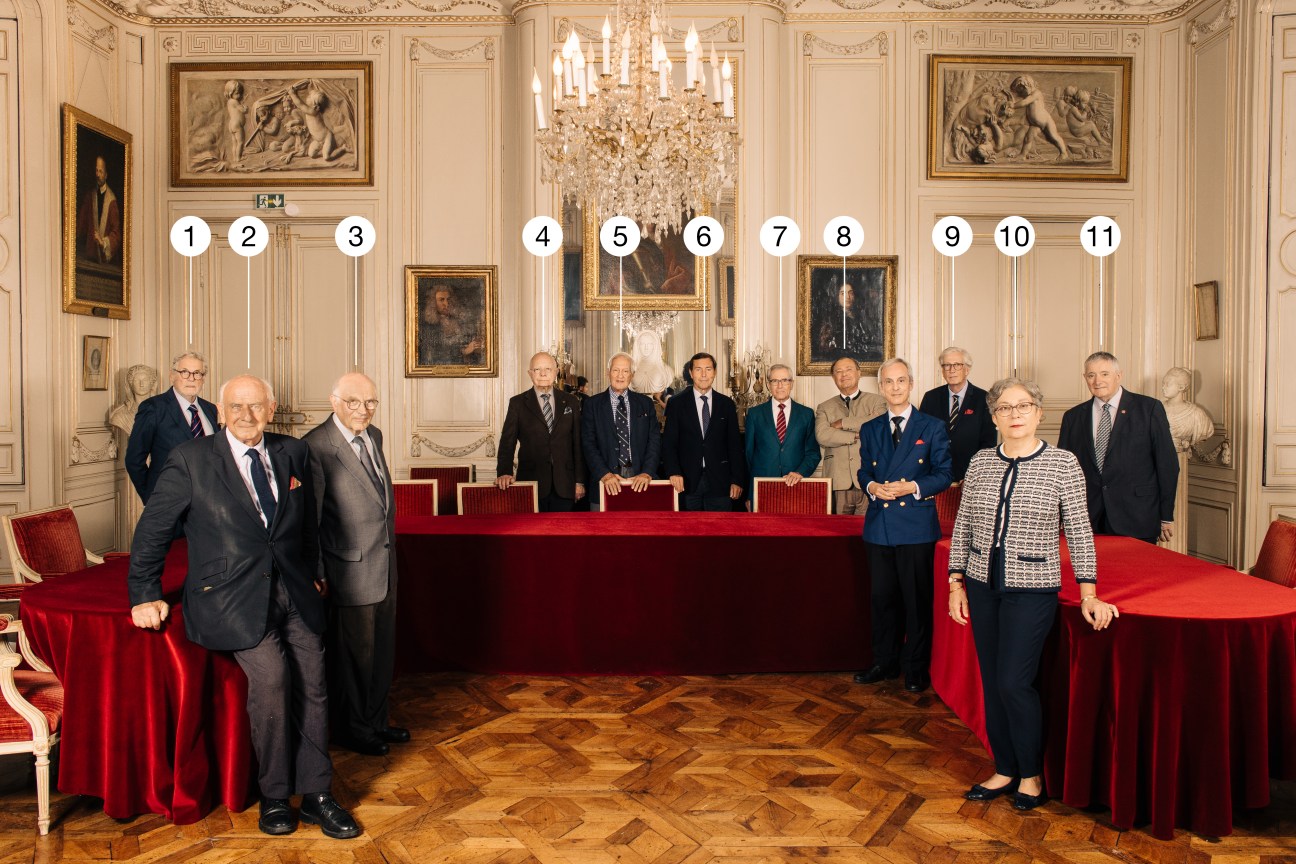
Philippe Dazet-Brun
Perpetual secretary
Dazet-Brun is an elected member who holds the highest position in the Académie. He plays a central role in organising academic work, representing the institution, and communicating the research and discoveries of its members.
1. Jean-Louis Arné
Librarian
An elected member responsible for the management and organisation of the Académie’s collection of books, manuscripts and other documents.
2. Guillaume Delvolvé
Treasurer
Responsible for the management, and former archivist.
3. Abbé Jean-Claude Meyer
Deputy secretary for Assemblies
Responsible for assisting the secretary for assemblies. He is also the perpetual secretary who organises the Académie’s meetings.
4. Jean-Pierre Pech
First censor
An elected member responsible for supervising disciplinary and ethical aspects within the Académie.
5. Antoine de Lévis-Mirepoix
Maintainer
One of 40 members who contributes to the permanence of the Académie’s cultural and intellectual heritage.
6. Bertrand Desarnauts
Maintainer
Ensures the continuity of the institution’s historical practices and objectives.
7. Christian Saint-Paul
Deputy moderator
An elected member who assists the principal moderator in managing debates and discussions.
8. Count Alain d’Antin de Vaillac
Maintainer
Responsible for preserving the traditions, values and heritage of the Académie.
9. Bertrand de Viviés
Archivist
An elected member responsible for managing, preserving and showcasing the Académie’s archives.
10. Marie-Pierre Rey
Second censor
Assists the first censor in their supervision duties.
11. Abbé Georges Passerat
Maintainer
Steering giants through Seattle’s waters at Puget Sound
A westerly wind ushers in the cold Pacific air, prompting Eric Klapperich to zip up his dark-blue Helly Hansen jacket. He’s warding off the early evening chill at Port Angeles Pilot Station, a maritime hub northwest of Seattle and home of the Puget Sound Pilots, an association of 56 professional piloting experts. Here, he works as a maritime pilot, boarding cargo ships, oil tankers and cruise liners to captain them through the final stretches of their journey, negotiating the labyrinthine waterways of Puget Sound to make it to the major US ports of Seattle and Tacoma.
The Puget Sound pilots’ many years in the profession provide them with knowledge of winds, tides, currents and other navigational hazards to help steer ships that are essential to maritime commerce. To pass their licensing exam, they must memorise 25 marine charts, down to the buoy, covering more than 2,000 sq km of water. “It’s the pinnacle of a maritime career,” says Klapperich, a former tugboat operator. “It comes with responsibility and a mission to protect the state [Washington], people and the environment.”
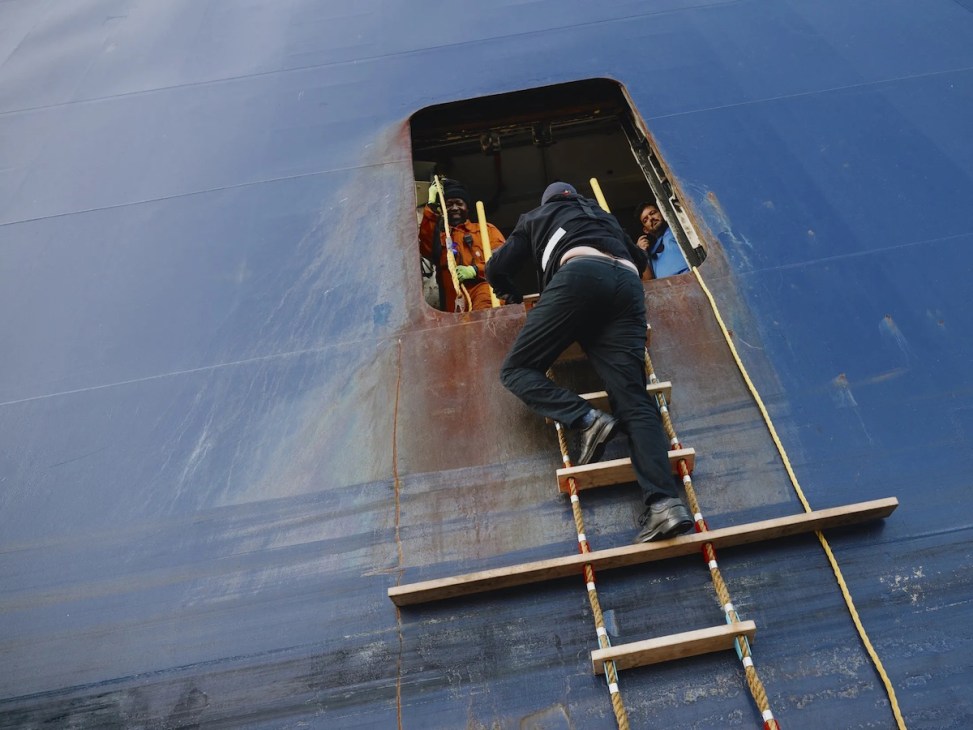
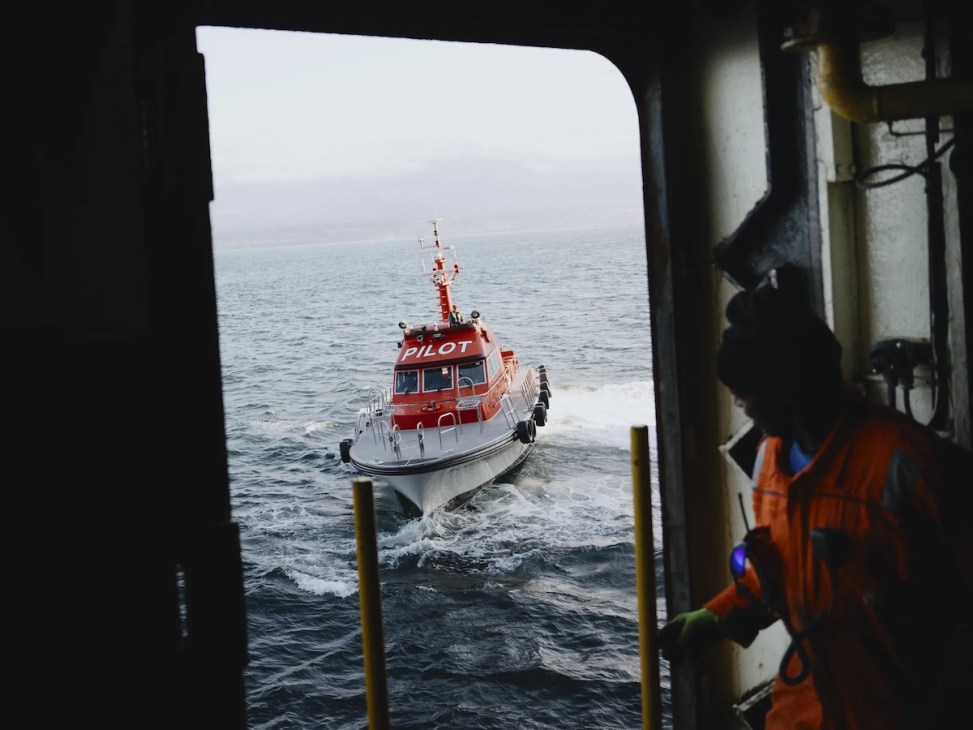
Monocle dons a life jacket and joins Klapperich and another pilot, Michael Anthony, as they prepare to steer Liberty Pride, a car carrier, to safe passage. It’s a 10-minute ride out to the ship in a smaller boat, which whips over swells before eventually manoeuvring alongside the hulking vessel. A ladder is dangled off the side and we grip the rope without looking down until we’re safely on board. Captain Rio Gordon welcomes the pilots aboard his vessel, which has just ferried 4,500 cars from South Korea. Anthony posts himself in the captain’s chair with a cup of tea. He uses a tablet to study the shipping lanes, which are marked on a digital map but are invisible when staring out at the water. During the five-hour inbound journey to Tacoma, he monitors boat traffic, makes radio calls to other ships and vessel control, and requests course changes at regular intervals.

While Anthony has digital navigation tools at his disposal, the pilot relies on his decades of experience in the Puget Sound to make decisions. It’s a knowledge that has been passed down through the cohorts of pilots who have overseen this vast stretch of water since 1935. “Above all, you need an eye for movement,” says Anthony. That visual acumen applies as much to overtaking a barge in open water as it does to finessing the final few metres to bring the ship into port, an excruciating and high-stakes process. Failure to calculate correctly can be disastrous: in December 2019, liquid-gas tanker Levant crashed into a dock near Ferndale, resulting in €7.6m worth of damage due to a Puget Sound pilot error.
Luckily tonight’s journey is smooth. But during high winds, pilots insist on hiring additional tugs or stopping at an anchorage to wait out bad weather. Such requests eat into a vessel operator’s profits but the pilot’s mandate is safety, not money. Arriving into the waters near Seattle, Liberty Pride ties up without incident. “It’s the greatest job in the world,” says Anthony. “You get to valet park huge ships.”
Interview: Lorenzo Zurzolo on preparing for international recognition
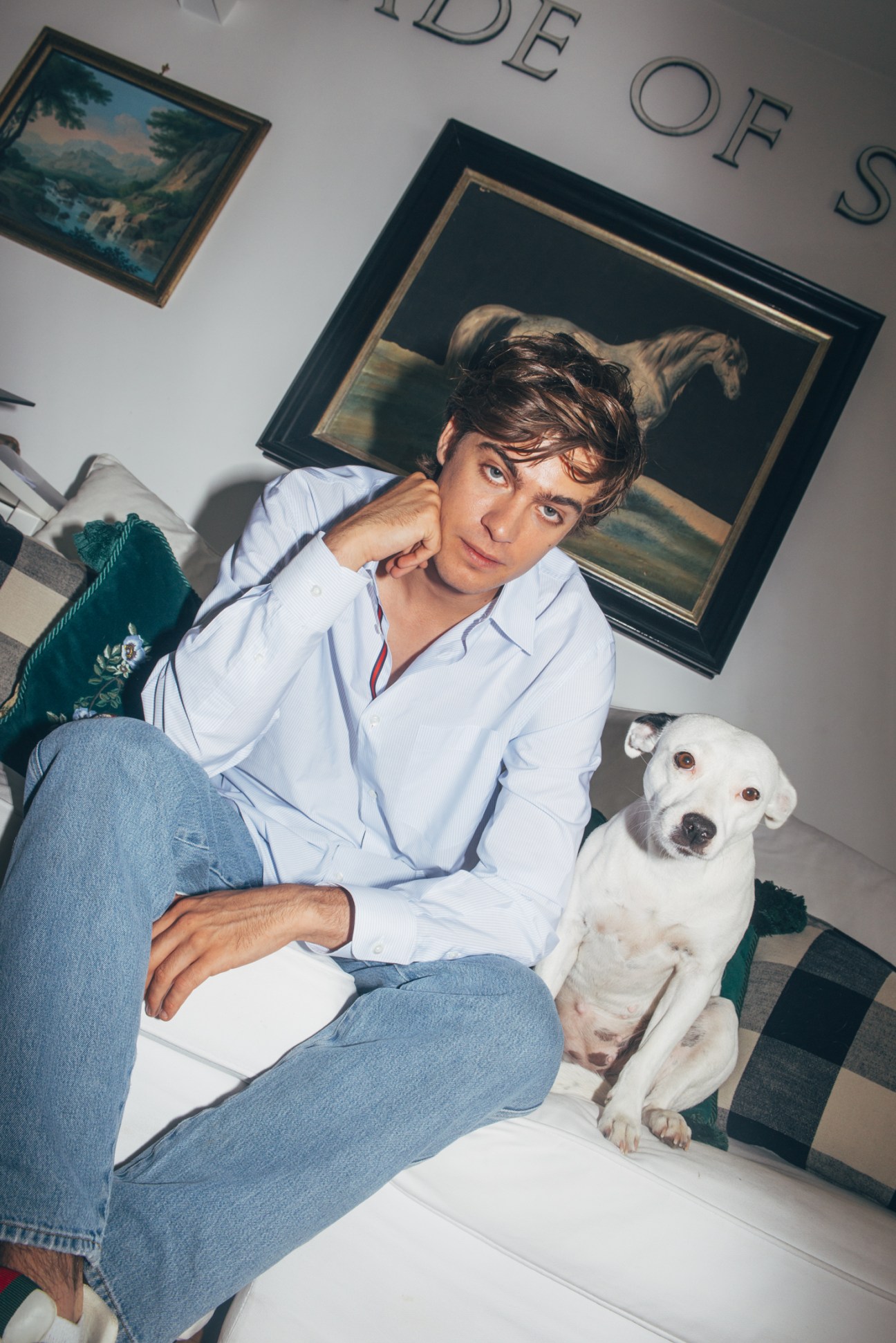
Lorenzo Zurzolo is optimistic that Italian cinema is entering a new golden age. The Rome-born actor has just come off the set of his latest TV series, which chronicles the early political career of Benito Mussolini. What has made him so hopeful isn’t his character in the show – after all, he portrays a fascist leader called Italo Balbo – but the time that he has spent filming at Rome’s Cinecittà, Europe’s largest and longest-operating film studio. The experience has left him with the sense that the country is finally reclaiming its status as a global filmmaking hub. “The place is buzzing with activity,” he says, noting that international stars such as Welsh actor Anthony Hopkins and US actor-producer Denzel Washington were working there at the same time.
In the 20th century, Italy’s film industry gave the world masters such as Bernardo Bertolucci, Federico Fellini and Roberto Rossellini but it initially failed to carry this prestige into the 21st. The industry’s current moment of renewal can partially be attributed to state investment. The government recently allocated €300m to make Cinecittà a more appealing destination for both domestic and foreign projects. The plan, due for completion by 2026, includes upgrading infrastructure and building new studios to increase production capacity by 60 per cent.
This coincides with recent films that have helped to put Italian cinema back on the map. “We are gaining more recognition,” says Zurzolo, citing homegrown talent such as Alice Rohrwacher, director of 2023’s acclaimed La chimera, and the resurgence of Italian films receiving Academy Award nominations. Since the late 1990s, few Italian submissions for the best international feature film category had been accepted – a notable exception being the triumph of Paolo Sorrentino’s The Great Beauty in 2013. But in recent years films such as Io capitano by Rome-born director Matteo Garrone and Sorrentino’s The Hand of God have been up for the prize.
The CV
2000: Born in Rome.
2007: Makes first television appearance in a commercial.
2008: Debut TV role in long-running crime series Don Matteo.
2012: Zurzolo’s cinematic debut in director Paolo Genovese’s comedy drama Una famiglia perfetta (“A Perfect Family”).
2018: Joins the cast of teen drama Baby, one of Italy’s first big Netflix productions. It is loosely based on the “Baby Squillo” underage prostitution scandal of 2014.
2022: Plays the role of kindly priest Vito in Jerzy Skolimowski’s EO, which goes on to win the Jury Prize at the Cannes Film Festival.
2024: Begins filming Joe Wright’s forthcoming TV series M: Il figlio del secolo in Rome’s Cinecittà.
Despite his youth, Zurzolo already has plenty of experience. He discovered theatre as a child and made his on-screen debut at the age of seven in a Vodafone ad featuring footballer Francesco Totti. A year later he was cast in Don Matteo, a TV series about a crime-solving Catholic priest, one of Italy’s longest-running shows. It was there that he discovered his passion for being on set. “There’s this strong sense of community and togetherness that remains one of my favourite parts of the job,” he says.
In 2018, Zurzolo joined the cast of one of Italy’s first big Netflix productions, Baby, loosely based on the 2014 “Baby Squillo” scandal involving underage prostitution in Rome.
Its success led to more TV roles (as a working-class outcast in Prisma and an anarchic Jewish student who joins the Italian resistance movement in La Storia) but a defining moment came in 2022 with Zurzolo’s international film debut. Polish director Jerzy Skolimowski approached him for a role in EO, which tells the story of a donkey that has been forcibly taken from its owner. “I never thought that I could play a 30-year-old with a monologue in English,” he says. The film won the Jury Prize at Cannes that year and was nominated for the best international picture Oscar.
As his star rises, Zurzolo is spending some time this year in Los Angeles and taking a course to perfect his English. Meeting industry professionals in the US has confirmed his belief in Italian cinema’s status as a global player. “We tend to undervalue ourselves in Italy,” he says, reflecting on his childhood, when he looked up to Hollywood as the sole path to a successful acting career. “When I am abroad, I see so much respect for our cinema and actors. We have the talent to live up to our reputation. We just need to believe in ourselves a bit more.”
Why the ubiquitous Toyota Alphard may soon have competition
When it comes to ferrying wealthy families around Asian cities, the Toyota Alphard is king of the road. During rush hour at Bangkok’s top international schools, fleets of this minivan enter and exit the gates, each dropping off one child. The only regional variation seems to be the colour: white in Bangkok and black in Hong Kong. Lunch at the Peninsula? Charity event at the Hong Kong Jockey Club? C-suiters leave their Bentleys and Rolls-Royces at home. Alphard’s “executive lounge” model costs about HK$1.2m (€148,000) – a value-for-money investment in quality of life.
In Asia, travelling in comfort is the ultimate status symbol. The Alphard’s cabin might be bigger than that of an SUV (it’s billed as a seven or eight-seater) but Asians buy Alphards to sit in one of the two armrest-equipped leather-upholstered seats behind the driver and enjoy the space inside. The 2024 Alphard has seats that convert into an ottoman position at the touch of a button, while a model displayed at last year’s Japan Mobility Show (a “spacious lounge” concept) featured clothes hanging up at the back.
Alphards aren’t for driving either. Not by their owners, anyway. The affordability of chauffeurs in Asia adds to the model’s appeal. Being driven in the back of an Alphard is quiet luxury on four wheels – and certainly beats trying to navigate Hong Kong’s winding roads or Bangkok’s cluttered side streets. The Alphard, however, is not yet everywhere in Asia. In Metro Manila, for instance, where poor-quality roads are regularly flooded and families tend to have more children, only wealthy Filipinos can afford a vehicle that focuses on comfort over function. The Toyota Fortuner, with its high-road clearance and extra seats, is a far more popular choice. But the fact that Alphards are becoming more common on Manila’s roads points to the city’s investment in infrastructure (see ‘Hold my beer’).
It’s difficult to think of an equivalent people-carrier in Europe. The Renault Espace became popular with families in the 1980s and 1990s but never made the business crossover and has since been reduced in size and recategorised as an SUV. In contrast, Asian car manufacturers are clearly convinced that this plus-sized car model has a big future. South Korean and Chinese manufacturers are bearing down on Toyota’s number-one status all over the region and even the Alphard’s crown is not safe. The Hyundai Staria has become a common sight in Bangkok. Smooth and curvy where the new Alphard is sharp and angular, it is the successor to the Starex, which was always more transit van than luxury transport. “More room for luxury” is the tagline, while the marketing images include a mother leaning on the boot while her daughter crawls on a convertible bed (in East Asia, camping has somehow become a status symbol).
In Hong Kong, meanwhile, mainland Chinese brands are making visible headway. SAIC’s fully electric Maxus MIFA 9 is proving popular. An electric Alphard is rumoured to be launching in the next few years, by which time Toyota might be facing competition on the domestic front as well. Nissan unveiled its all-electric Alphard-killer at October’s Japan Mobility Show. The Hyper Tourer concept car champions autonomous driving and the sales pitch focuses on spending quality time with family and friends. As robots take control of the wheel, these luxury lounges on wheels might soon become the only way to get from A to B.
Schloss Fuschl is a luxury alpine retreat in The Sound of Music’s landscape
On the eastern shore of the Alpine lake is Schloss Fuschl, built as a hunting lodge in 1461 and once a retreat for Salzburg’s nobility. It has been a seasonal hotel since the 1940s but was recently reopened under the Rosewood banner. “It’s a legacy hotel and many regulars are happy to see ‘their’ castle back,” says Sascha Hemmann, who swapped his role as managing director of Rosewood Bermuda for the Austrian Alps. “If you take away the mountains, it’s like being in the Caribbean,” he adds, without irony, nodding to the calm turquoise waters that line the lakeside resort.


It’s just a 20-minute drive from Salzburg’s main train station to Lake Fuschl but the two locations feel worlds apart. Beyond the city are the lush green meadows and mountains of the Salzkammergut region: if it looks like something from The Sound of Music, that’s because it is: this is where the 1965 classic was filmed.


Rosewood’s latest property is its second in the country following the opening of its Vienna hotel in 2022. Fuschl’s 98 guest rooms, including its 42 suites, were fully refurbished and now feature hand-painted minibars and marble bathrooms. In the suites on the upper floors of the historic tower, old walls have been uncovered and layers of paint removed to reveal original 15th-century ornamentation. In the lobby, antlers nod to the lodge’s history, while the corridors are lined with old paintings; the hotel has the world’s largest collection of “old masters” outside a formal museum.


From after-hours tours to hot-air balloon rides, forest walks, herb picking and umbrella-making, Fuschl offers guests plenty to enjoy. Most people, though, are here to idle, either on a slow ride in the hotel’s own gondola or by indulging in a little pampering in the vast spa, which boasts indoor and outdoor pools, three saunas and a steam room.


There’s a parlour for afternoon tea (try the pastries; you’re in Austria), a Jausenstation serving cold cuts and cheese, and a fine dining outlet that pays tribute to the region’s diverse flavours. Dishes such as Styrian mountain prawns (really) with sauerkraut beurre blanc are accompanied by more than 1,400 wines that have slept in the castle’s cellars for decades, waiting to be uncorked.

For those who prefer to keep to themselves, the hotel’s Saint-Tropez-style beach club serves oysters and lake trout ceviche. The expansive deck, well suited to lounging and diving, is a first for the region. “We underestimated just how popular it would be,” says Hemmann. “So far, hardly anyone has left the hotel. People are at the lake from morning to night.” We can’t blame them. rosewoodhotels.com
Fuschl address book
Eat
Seehotel Schlick
As well as being the chef, the owner of Seehotel Schlick fishes daily and serves the catch in a lakeside beer garden.
seehotelschlick.at
Drink
Café Zauner
Set in the picturesque spa town of Bad Ischl, about 30 minutes from Fuschl, this café offers a range of drinks and pastries – don’t miss the Zaunerstollen.
zauner.at
Visit
Gerald Aichriedler
This experienced carpenter offers workshops on how to craft skis and paddleboards.
geraldaichriedler.at
Fuschlseerundwanderweg
Follow the lakeshore trail through forests, meadows and pastures and stop for a skinny dip at a nudist beach.
First-class fashion for the road out of summer
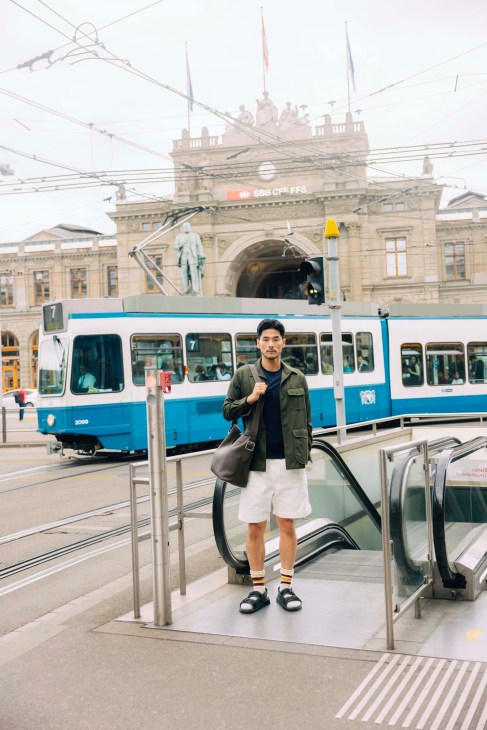

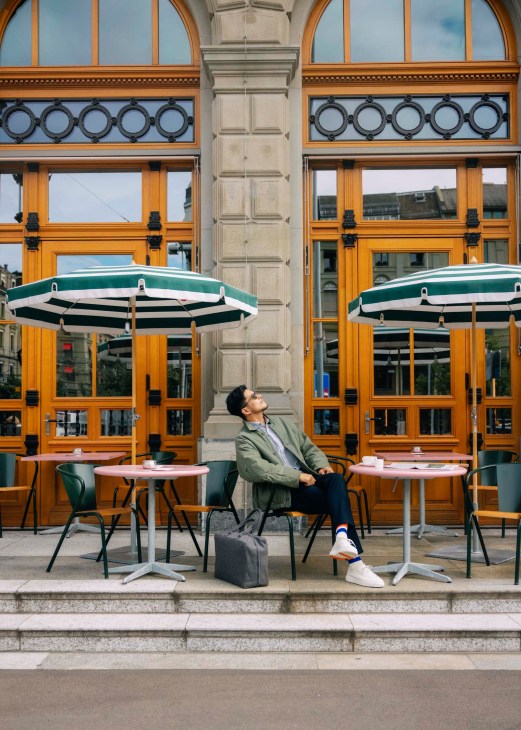
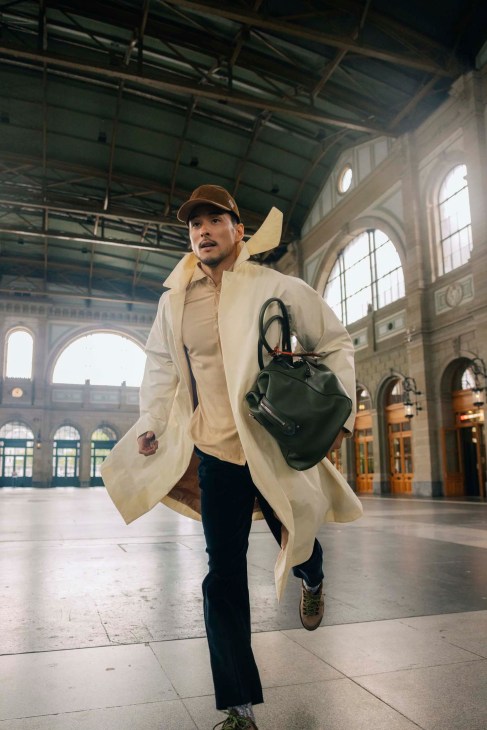


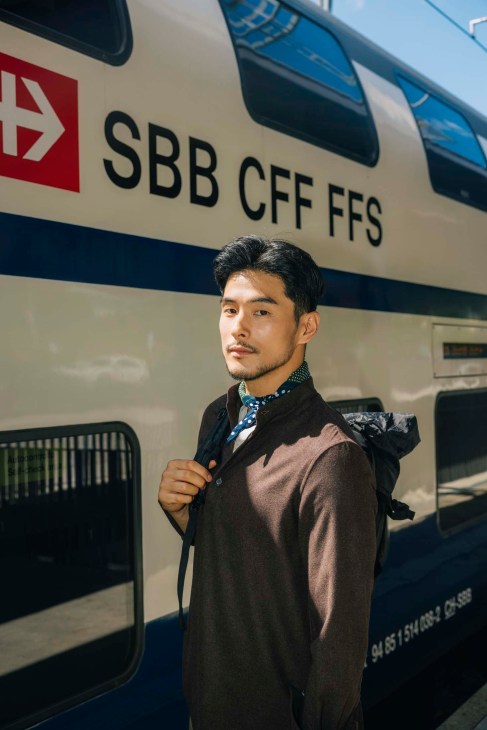

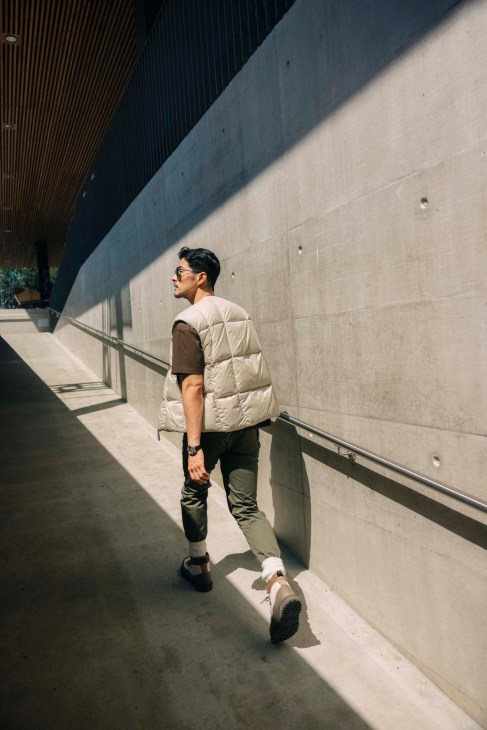
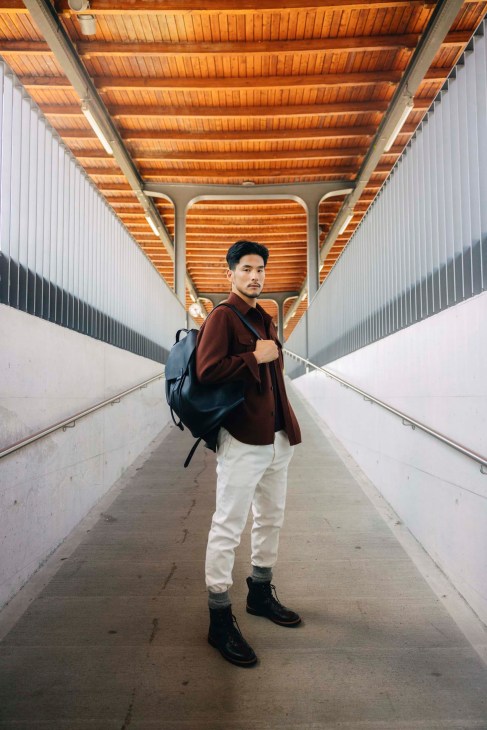
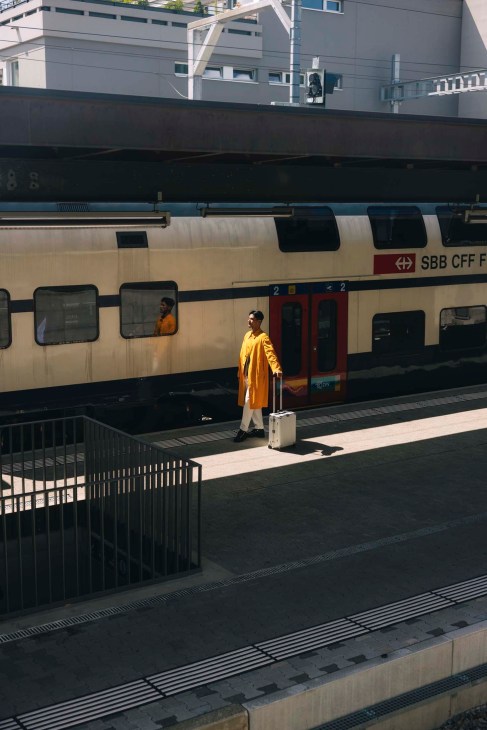
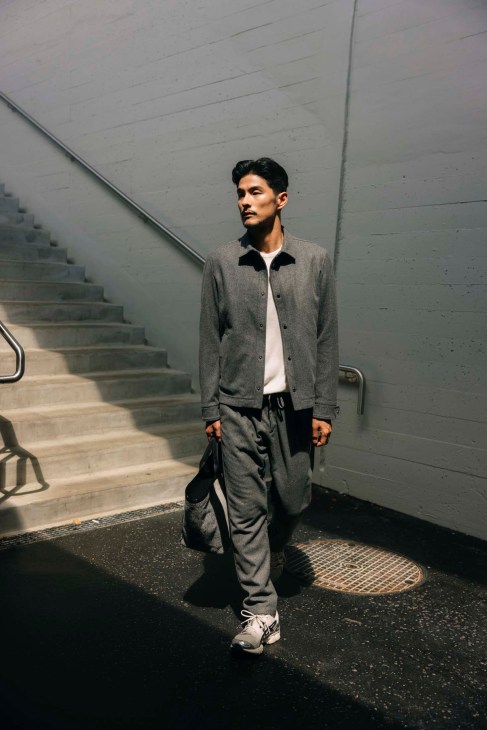
grooming: Zakiya Jordan-Singleton
model: Takayuki Suzuki
Lithuania’s Song Celebration marks a century of music, culture and unity
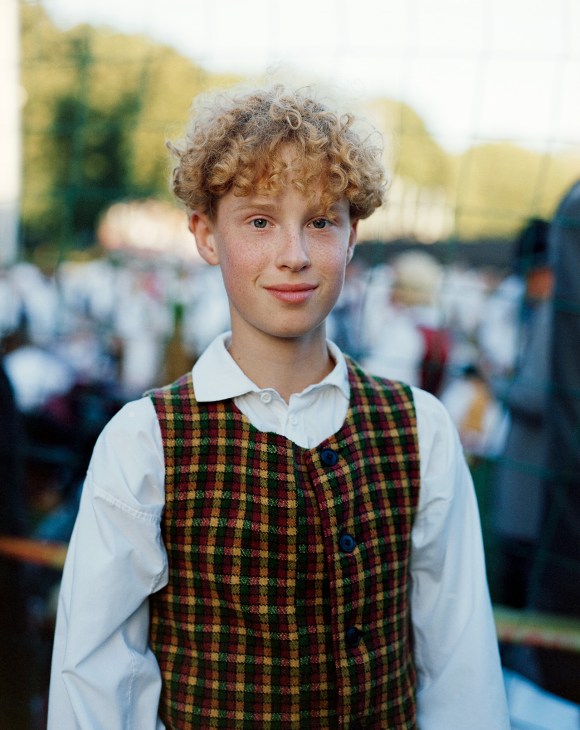
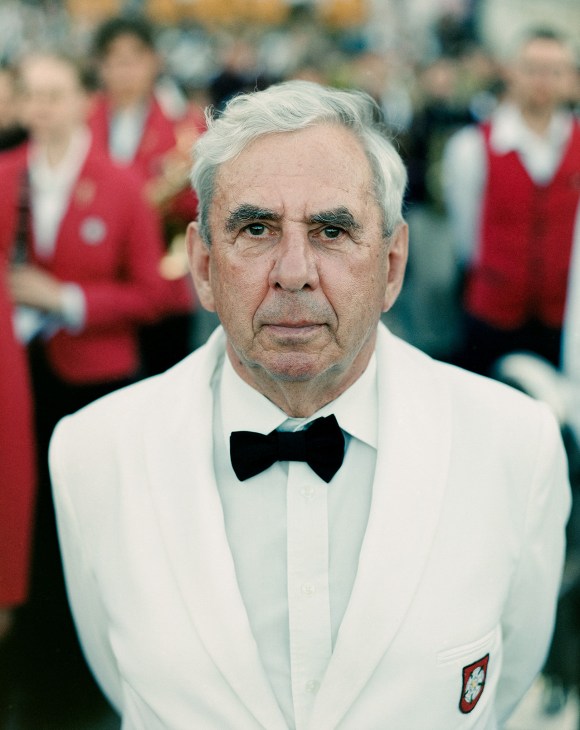
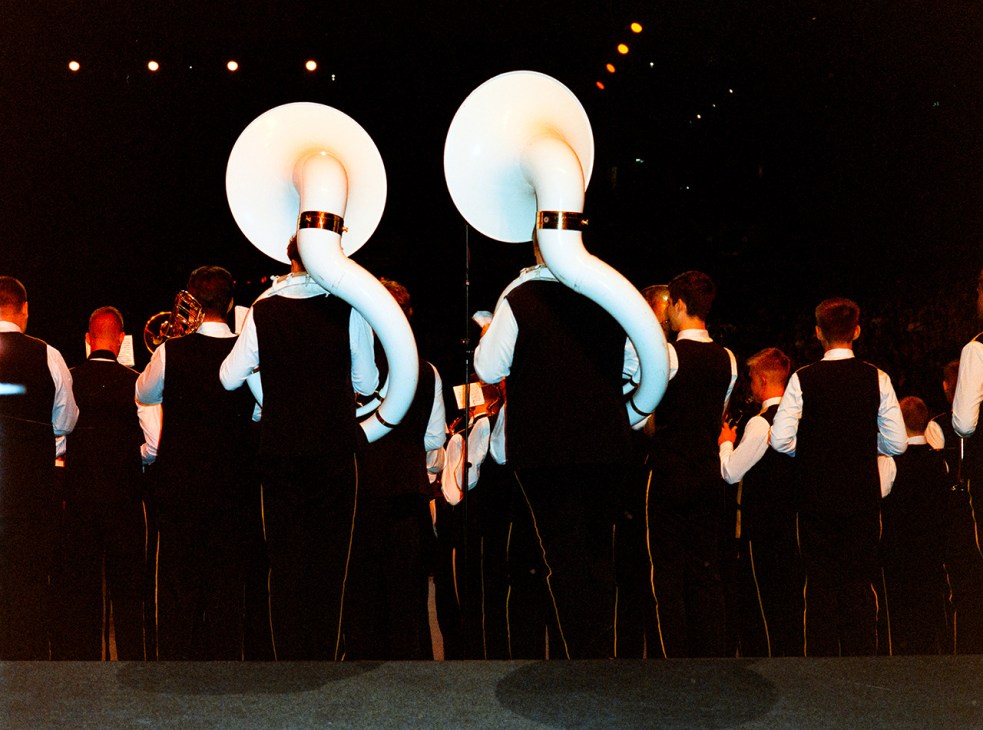
In the car park next to Vilnius’s Twinsbet arena, boys and girls in their finest attire are balancing instruments under their arms and looking over laminated sheets of Lithuanian marching music. It’s not long before everyone is due on stage and, over at a nearby catering tent, more musicians are loading up on pancakes, yoghurt and fruit. Alongside amateur youth groups from all over Lithuania, tonight’s concert also features the Baltic state’s professional military bands. Egle Juciute, dressed in a blue-and-red 18th-century-style uniform complete with gold-trim trousers, has been playing in Lithuania’s Military Orchestra for 14 years, an ensemble normally dispatched to welcome international dignitaries. “It’s a responsibility to be here and to play,” she says, flute in hand. Crowds have gathered to watch and the show is beamed around the country via the state TV broadcaster.
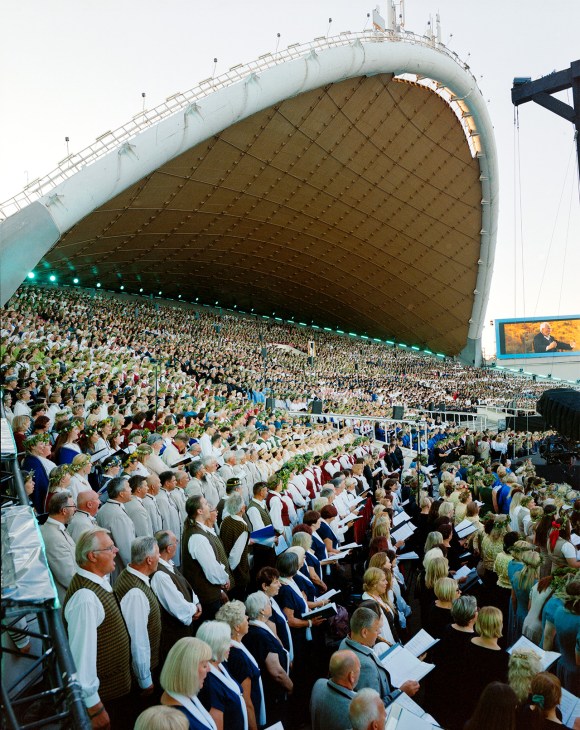
The wind-and-brass band evening is just one event in a huge, week-long extravaganza known as the Song Celebration, which takes place every four years. The event, which marks its centenary this year and is also observed by neighbouring Latvia and Estonia, is recognised on Unesco’s lists of intangible cultural heritage. It is known for the staggering number of participants; in Lithuania’s case, 37,000 performers are taking part this year.

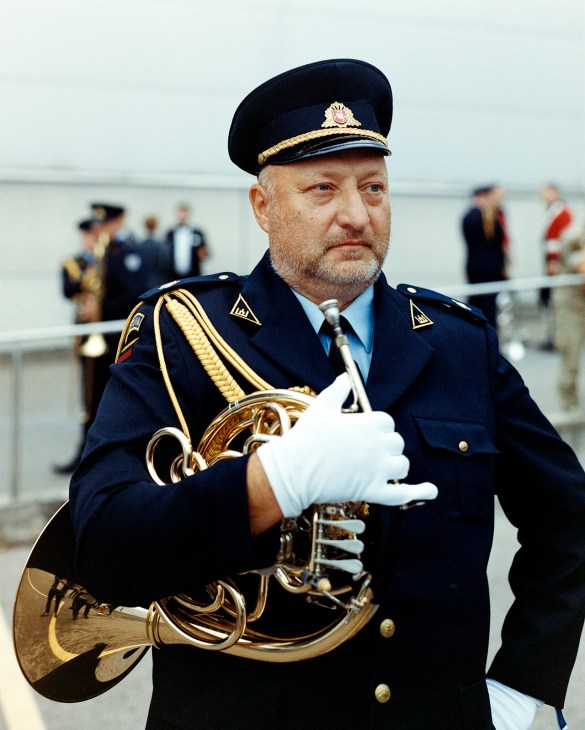
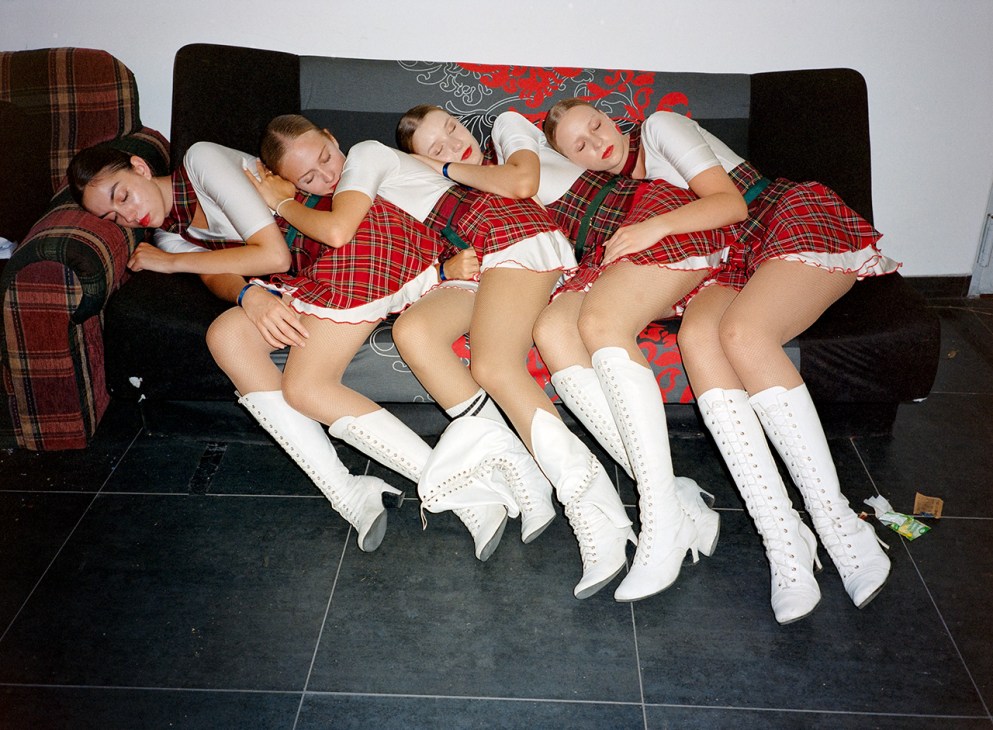
Tonight’s concert, introduced to the repertoire just over a decade ago, is an acquiescence to the growing popularity of brass bands. Under the bright lights of the indoor basketball arena, there is a mishmash of outfits, including a group of young children dressed in black, complete with yellow rain boots, who run onto the stage as bands play behind them. Primed, prepped and beaming, there are barefoot girls in flower headdresses and others in red tartan who are shaking pom-poms, making it feel a little like a US beauty pageant.
But it’s a piece of music set to a video and shown on a screen behind the stage that gets to the heart of what the Song Celebration is all about. It shows the Baltic Way – the peaceful, pan-Baltic human-chain protest that was staged against Soviet occupation in 1989. It stretched for hundreds of kilometres and was part of the “Singing Revolution”. Rich in symbols and symbolism, it’s a chance for independent, democratic Lithuania to get misty-eyed and in touch with its history. To finish the night, everyone gathers for a final rendition of “Kur giria zaliuoja” – an unofficial anthem that mentions Lithuania stretching “as long as the river flows” – as the night’s TV presenters put their arms around each other and sway, one of them gesturing that she has goose bumps.
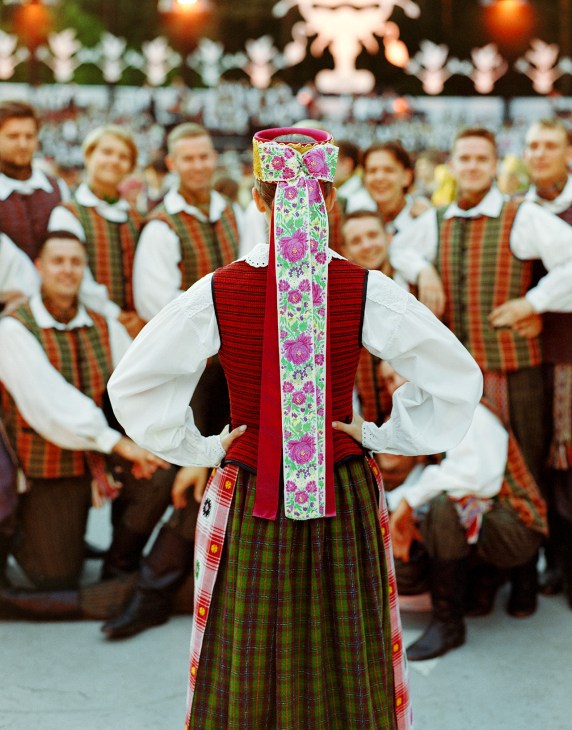
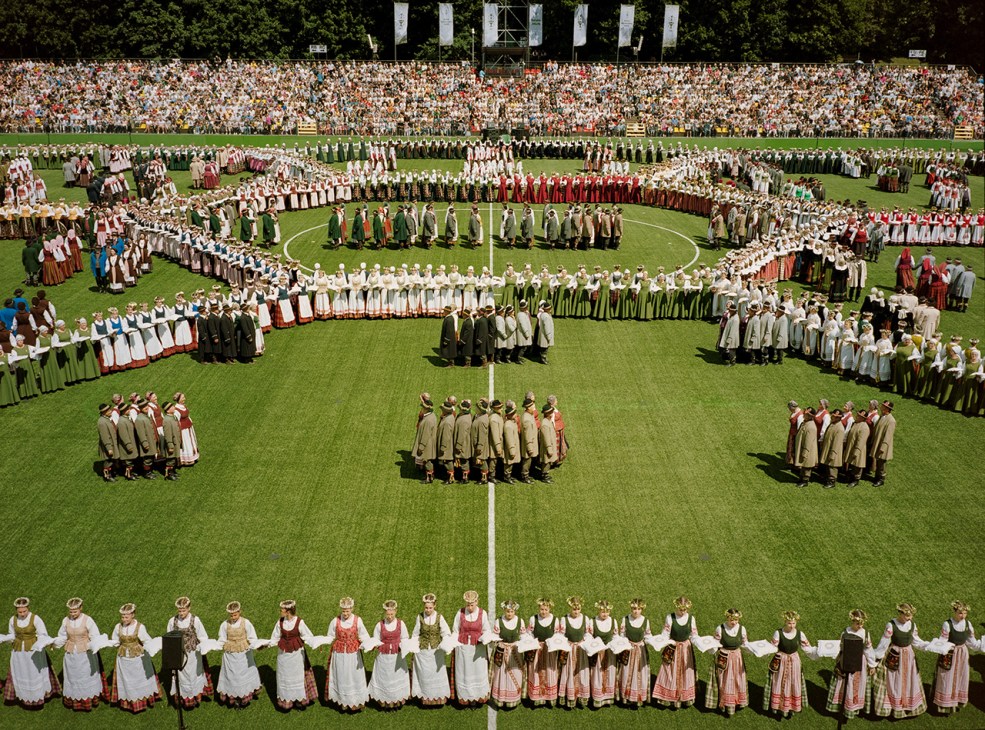
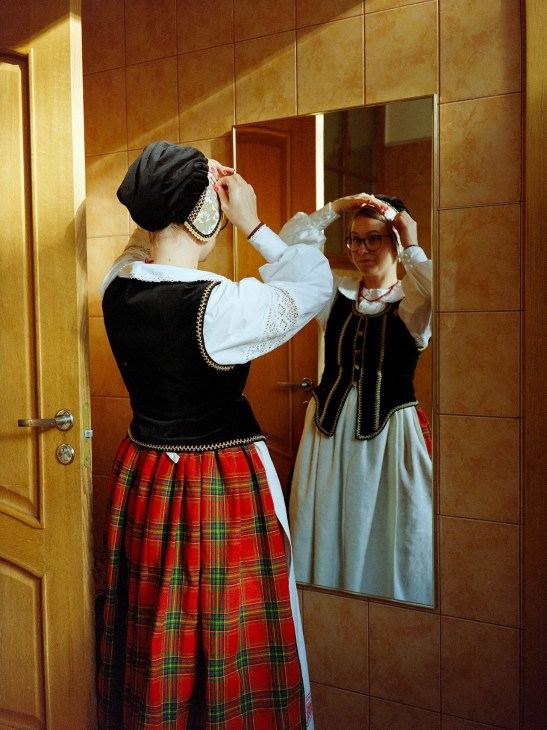
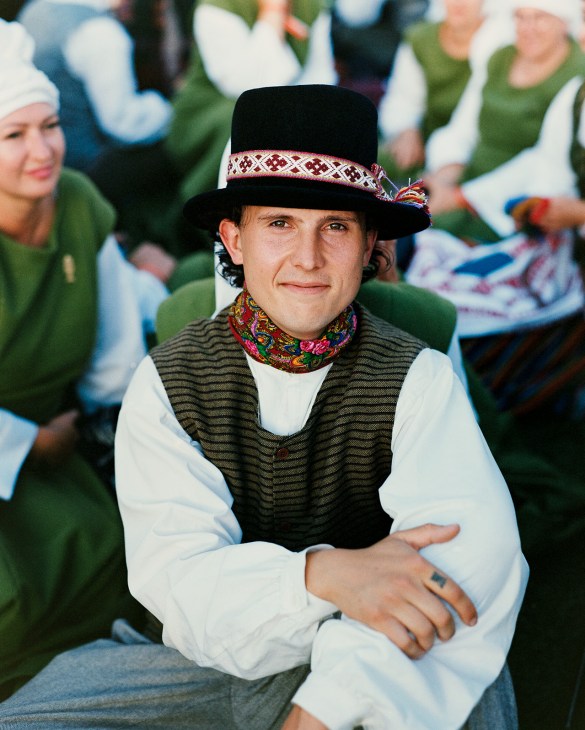
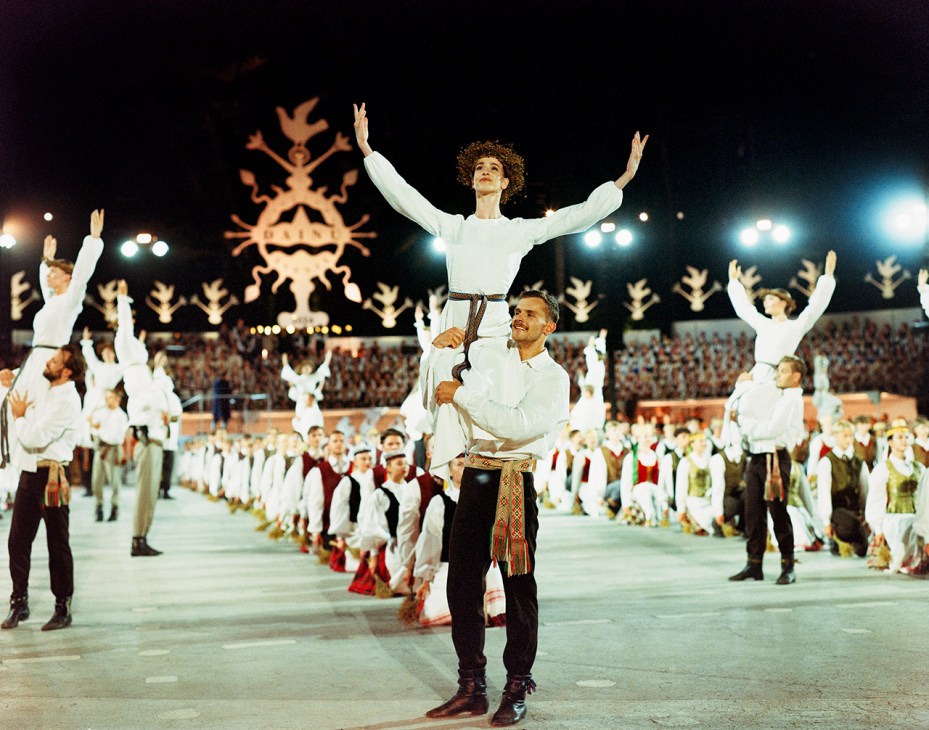
The self-reflection reaches fever pitch on the last two days, when everyone dons traditional dress. First there is the football-stadium dance performance which, at one point, has 9,000 people linking arms and moving in lines and circles on the pitch at the same time. Some of the people streaming into the stadium at speed occasionally lose the grip of the dance companion next to them, causing a panic to catch and rejoin the chain. The event culminates with song night, which features several hundred choirs and 12,000 people lined up in rows on an open-air stage that was custom-built in 1960 in wooded parkland. The same stage also stands in Estonia’s capital, Tallinn. The music is often traditional and folkloric but there is also space for new compositions, which often reference Lithuania’s pagan past.
During one of the choir rehearsals for what proves to be a dizzying organisational and choreographic set piece, Saulius Liausa – choir conductor and the director of the Lithuanian National Culture Centre, which runs the Song Celebration – plants an oak tree on the edge of woodland near the stage. Ripe with symbolism, it’s designed to tie in with this year’s theme, which is “May the green forest grow”. As people take turns to shovel earth around the sapling, one heralds Lithuania’s independence while another salutes the young generation and the hope that they might sing the same way for another 100 years.
Liausa says that in a small country like Lithuania, with a population of about 2.8 million, it’s essential to safeguard culture. “We have all kinds of laws and documents to protect nature,” he says. “But what we sometimes forget is that culture is also a fragile thing that needs protecting and that’s what we want to draw attention to.” He says that there are hundreds of customs and traditions that have been lost. And the Soviet past, in which the Song Celebration was hijacked by the occupiers, is still fresh in memories and painfully brought back to the surface by Russia’s invasion of Ukraine. “The wars that are happening in the world, Ukraine included, are about culture,” he says. “It’s language and culture that people are fighting for, not money or land as such. What we’re seeing in Ukraine – and what we also think here in Lithuania – is that a nation that really loves its culture and itself is very, very difficult to defeat.”
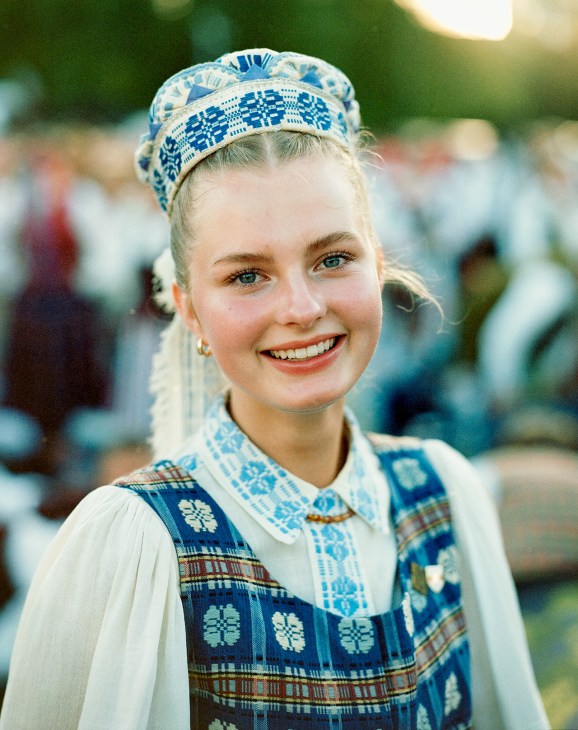
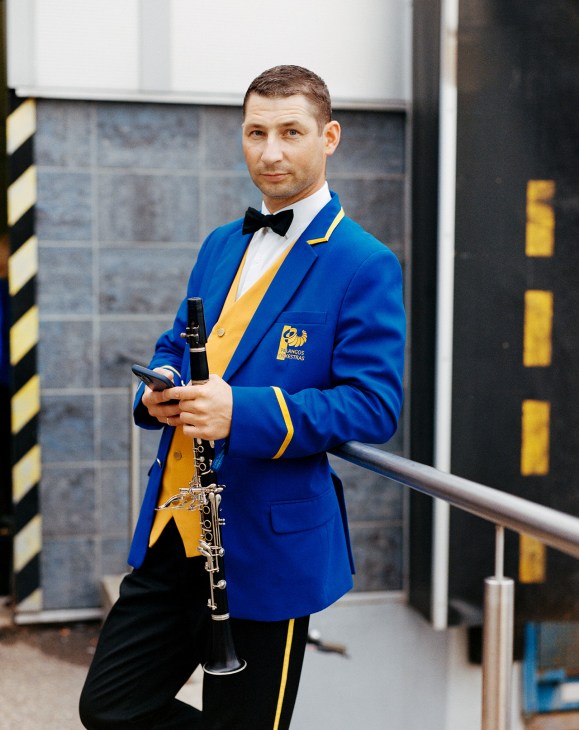
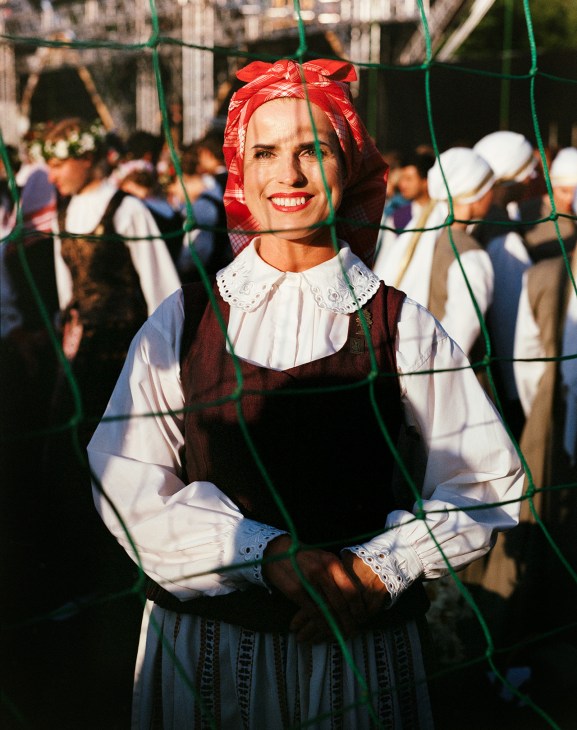
Given that view, it’s not surprising that the state plays such a top-down role. The celebration, which costs about €5m, is paid for by the country, with almost every procurement going out to tender; the provider offering the lowest cost wins. The price of helping to support a year-round ecosystem of dance and song clubs around the country, where people practise the repertoire, is harder to estimate but it needs support. While performer numbers have managed to stay stable, the number of music groups has been declining, even if the membership within those remaining is growing.
Alongside the culture ministry, education, internal affairs and foreign affairs all play a part. Municipalities send delegates and help parents to chaperone groups of children, as well as providing buses to get people to the capital. The state spends €1.1m on keeping bellies full, dishing out 250,000 portions of food, and it turns schools into accommodation, which become makeshift encampments for a week.
Monocle visits Vilnius Liepkalnis School, where more than 200 children and adults, mostly from Pasvalys, a city near the Latvian border, are either playing basketball outside, resting on green camp beds or reapplying make-up ahead of the evening’s celebrations. Ruta Jaruseviciene, from the municipality, shows us around. Remarkably, given the number of people temporarily living here, all is going smoothly, she says, even though six children came down with a mysterious vomiting bug the day before. Jaruseviciene offers us home-brew from several kegs in the makeshift bedrooms (the Pasvalys flag features a bull and hops in a nod to its beer tradition), while someone else is soon proffering a plate of lasiniai – seasoned and smoked pork served in slices. “I thought that the children would be tired after a full day,” says Jaruseviciene. “But they eat and then go wild!”
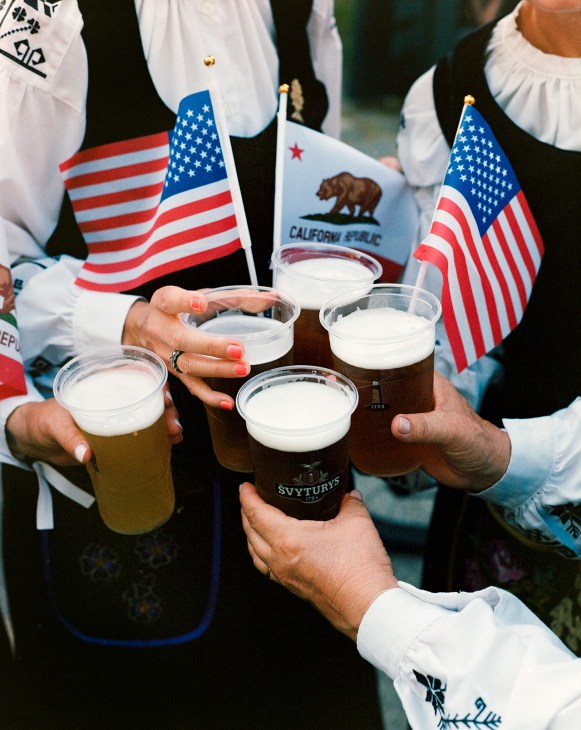
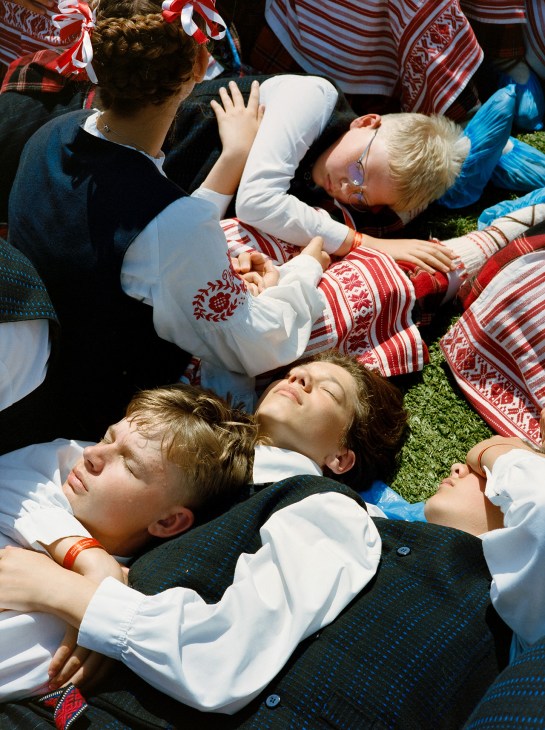
During the dance day, performers pack into a backstage area to sit on rugs or pass out under the sun from the excitement and exertion. A German flag tacked to net fencing and a sign for the Chicago Suktinis – a dance troupe made up of Lithuanian American teenagers – point to the 2,000 performers from Lithuania’s diaspora who flock back to the motherland to be a part of this mass showing of collective memory. After the show, Monocle meets a dance group from Scotland, which includes an Indian with no link to Lithuania and an Argentine called Santiago Markus from Berisso in Buenos Aires province, whose grandfather is the son of Lithuanian immigrants. “It’s something I do to represent him,” he says of his second Song Celebration.

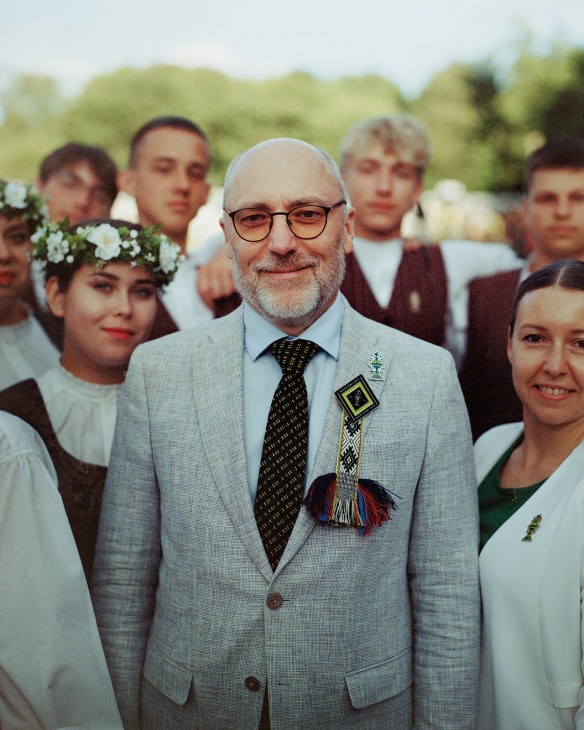
Milling in the crowds is Simonas Kairys, Lithuania’s culture minister, who is dressed in a traditional shirt from Dzukija in the south of the country. The minister calls himself a liberal and a globalist but he says that it’s important to show where you’re from. So, given the messaging and what can be seen as an interventionist approach towards culture, is this a political event? “Visit the Venice Biennale and you’ll see how art is affected by current events,” says Kairys. “This isn’t political but it’s the basis of statehood, humanity, a peaceful world. When you’re singing, you’re not fighting with somebody.”
Some have reservations about elements of the Song Celebration, which are clearly designed to rouse the nation. “Too much is made of nationalism,” says Nerija Putinaite, associate professor at the Vilnius University Institute of Political Sciences. “The focus should be on civic, not ethnic identity.” Still, you would be hard-pressed to find anyone in the crowd, from cheering family members to someone who has travelled here from abroad, who isn’t overwhelmingly enthusiastic about the event, which has an atmosphere that often verges on the euphoric.
By the time the last night of celebrations approaches, the mood is festive, with people tucking into sausages from food stalls and sipping beer or kvass, a sweet malt drink. Choir music – including catchy numbers such as “Zmones ant kalnu” (“People on top of hills”), conducted by one of the evening’s 31 conductors, all greeted like rock stars – can be heard well past midnight. The thousands of choral members are visibly elated, pleased to have eyes on them. On several occasions, a Mexican wave sweeps through the choir, with songs often finished with a collective ripple of jazz hands. The crowd responds, some singing along, raising phones where once there would have been lighters and enthusiastically applauding.
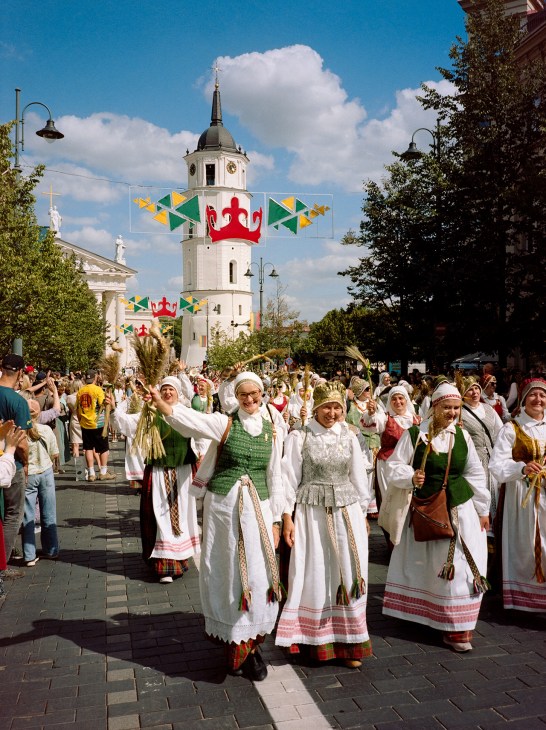
To arrive at the stadium, the performers had assembled in Vilnius’s Cathedral Square and walked for several kilometres in a giant procession – often accompanied by more brass bands. They were waved on by people lining the streets, some of whom were perched on grass embankments to get a better view. Inside the park just before the clearing where the stadium stands, Micheline Beniusis is sitting on a bench, wearing a lilac dress, with a crown of flowers in her hair. Born in Montréal to Lithuanian parents, she is in her late eighties, which doesn’t seem to get in the way of her flying over to join what is a physically demanding event alongside three grandchildren and two nephews.
“It’s very deep-rooted,” she says of the festivities, as the procession stream past her. And then her group of maple-leaf flag-wavers arrives, a sea of lilac and flowers, ready to pick her up to join the night’s mega-choir. She’s off with a wave of her hand – ready to belt her heart out in the name of Lithuania.
Interview: Sara Zewde on how she is designing for a changing climate
Landscape architecture is often viewed as a “nice to have” design discipline, one that’s focused on making projects look pretty once architects have finished their work. It’s a notion that Sara Zewde is turning on its head. The New York-based landscape architect’s work for Studio Zewde – the practice she founded in 2018 – merges her work with social and environmental causes.
The young designer has been earmarked as a generational talent thanks to projects such as the installation of temporary public spaces in Seattle and a winning commission to shape the gardens of the Dia Art Foundation’s gallery in Beacon, New York. Here she tells us about the importance of one of design’s lesser-heralded fields.

How did you arrive at the decision to practise landscape architecture?
Architects often say, “I started drawing houses when I was five.” But landscape architects typically don’t have a straight career trajectory. I initially studied sociology, statistics and urban planning but landscape architecture emerged, for me, as a discipline that could take on some of the major challenges of our society and engage culture at the same time. I also cite 2005 as a shift in my thinking, when Hurricane Katrina hit the Gulf Coast, where I’m from. It affected me deeply and awakened me to the importance of design and urban planning.
What can the discipline do better?
Historically, landscape architecture hasn’t necessarily been practised to its full potential. It has been seen as a sub-discipline, as a new field relative to architecture. But people have been shaping land for all of history. There’s a lot of latent genius in indigenous histories of land design and management from across the planet that could lend itself to contemporary landscape architecture.
Tell us about your planned work on the Dia Art Foundation’s Dia Beacon site and why the museum approached you to redesign its grounds.
Dia Beacon is in the town of Beacon on the Hudson river. At the moment, visitors can’t access the eight acres [3.2 hectares] of land to the south of the gallery buildings, where there’s a flat lawn ringed by trees and a railway running past. This landscape needed to be addressed because when Hurricane Sandy hit in 2012 there was flooding on the site. Nothing disastrous happened to the collection but it showed just how vulnerable it is to climate change. Before the railway was built, separating the site from the river, this property was a part of the floodplain. That is why the flooding happened – and will continue happening.

What can visitors expect when it opens in 2025?
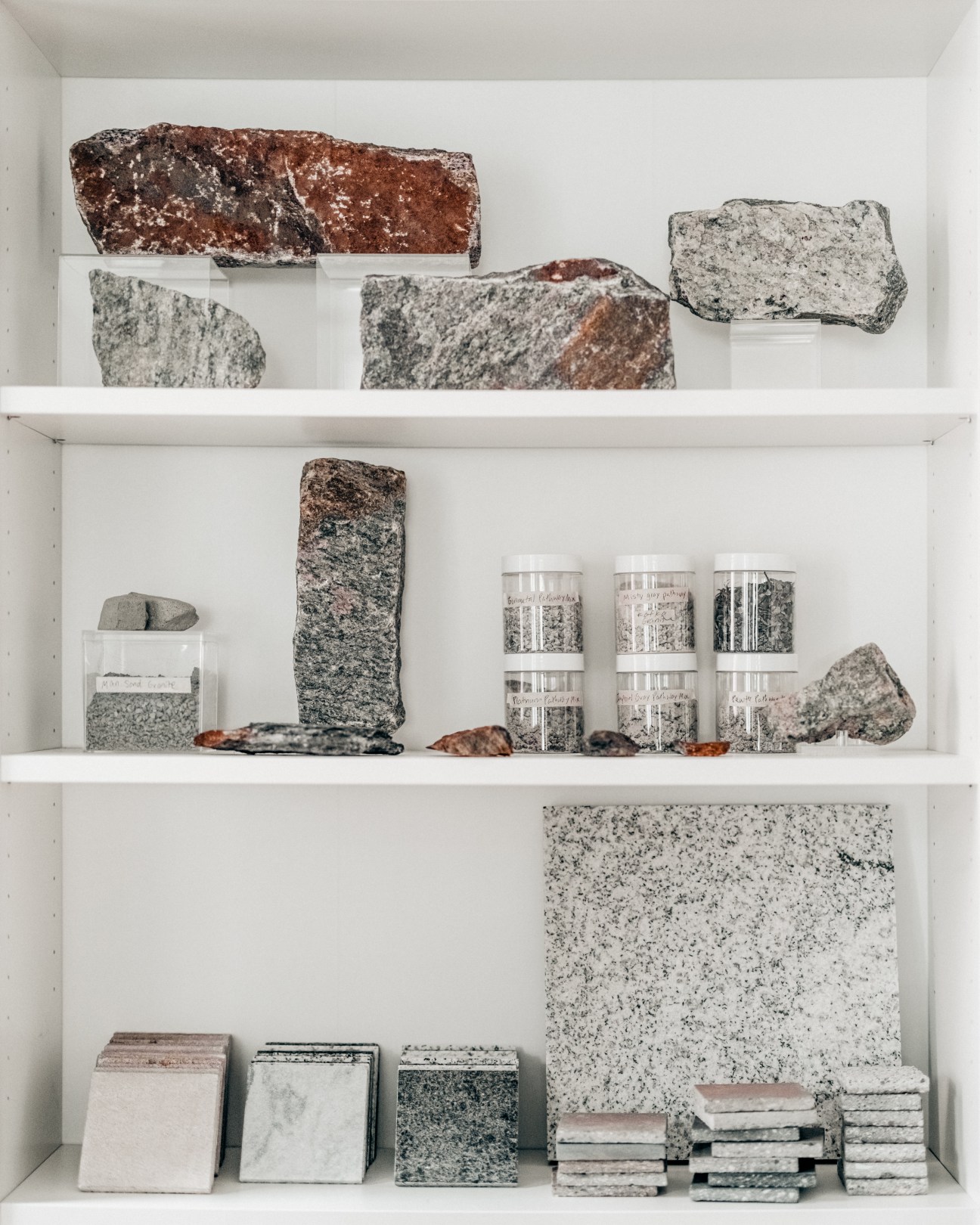
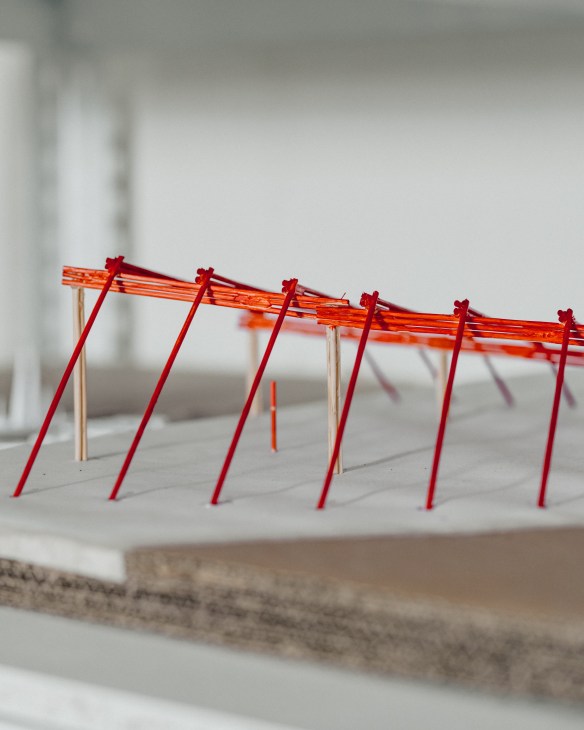
We’ve designed sculptural landforms that highlight the historic pattern of water moving from east to west on the site. These landforms also serve as basins for water when it does rain or flood. Aside from relieving some of this environmental pressure, those basins are a way for people to engage with a changing climate. One hundred years from now, when we have very different levels of precipitation, the experience of visiting the site will be different. We’re also converting more than four acres [1.6 hectares] of lawn into native meadow. There’s an emphasis on seasonal expression across the planting palettes of the meadow, so there will be a lot in the landscape in terms of texture, colour and seasonality.
Is landscape architecture as a field going in the right direction when engaging with social and environmental issues?
Frederick Law Olmsted, who’s often understood to be the founder of our profession, spent time travelling the southern states in the 1850s, where he was commissioned by The New York Times to write about conditions of slavery. He came back with strong views about the role that public space plays in a democracy. From there, he launched the profession of landscape architecture. So these aren’t new ideas; they’re the origin of the profession. We need to keep making progress in terms of thinking about the role of public space in a civic society.
The architectural diplomacy of Swiss embassies in Singapore, Cuba and the UK
Embassies are more than just outposts in foreign lands. They serve as diplomatic hubs and cultural centres, playing a role that extends beyond waving flags and displaying national emblems. We visit three Swiss embassies to see how the confederation’s ambassadorial outposts are not only functional buildings but architectural ambassadors, projecting values and fostering understanding between nations.
1.
Raising the standard
Singapore
The newly renovated Swiss Embassy in Singapore is striking yet unassuming. Its entrance is a low-slung white gate flanked by pale concrete walls separating it from a quiet, tree-fringed road. An unobservant passer-by could mistake the structure for an art gallery or the home of a contemporary architect.
From the street, a gently sloping path leads to a bright white, single-storey building wrapped in floor-to-ceiling windows with one side of its roof jutting tent-like over the front doors, a corner stretching towards the sky. The impact is simple but dramatic. From outside, the effect is akin to that of a welcome mat. Heading up the drive, the visitor feels that they are being invited in. Inside, the result is abundant natural light – a perk for the embassy’s staff.
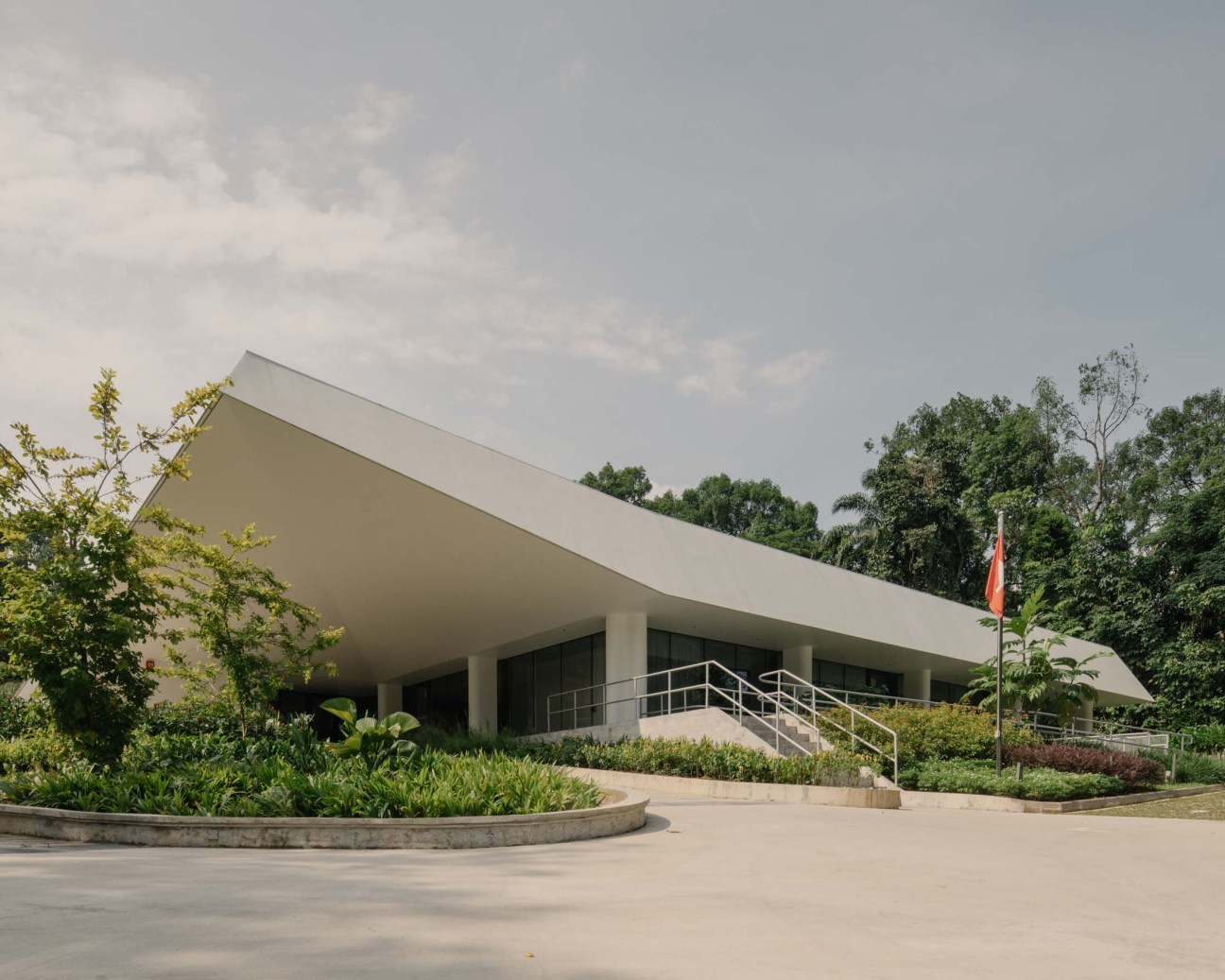
“The idea was to have a bungalow in nature and that means we needed to open the building up as much as possible,” says Jaime Rodriguez, who oversaw the construction as part of the team from Berrel Kräutler Architekten, the Swiss firm that carried out the project. As is standard practice for all public building projects in Switzerland, the job went to the winner of an open competition, which was held in 2019. Berrel Kräutler Architekten’s vision for the embassy beat 53 others and the architects got to work.
The Swiss Embassy had occupied the same building in Singapore’s Bukit Timah district for 35 years when the time came for an update. Decades of fierce equatorial sun and storms had weathered the building but its foundations were sound. Rather than tear it down and start again, the embassy opted for an environmentally friendly renovation. “We kept 90 per cent of the old concrete structure,” says Rodriguez. “It’s important not only to be sustainable with materials, but to keep as much as possible. That’s what we did for this embassy.”
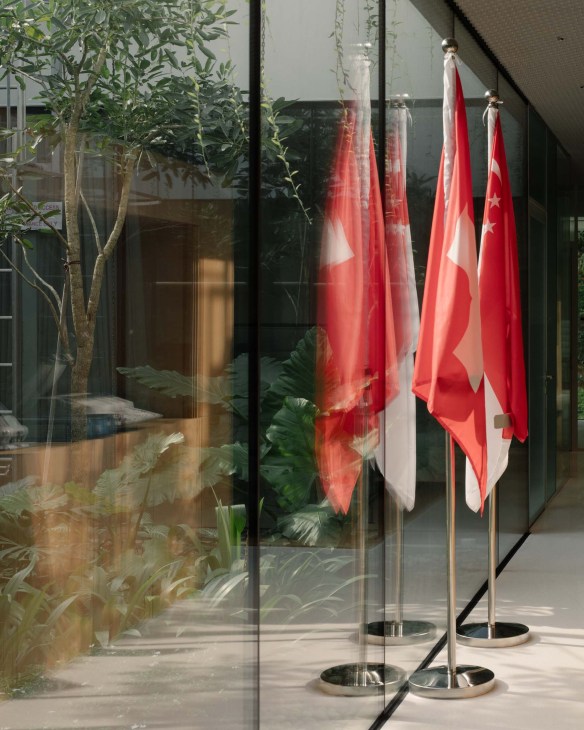
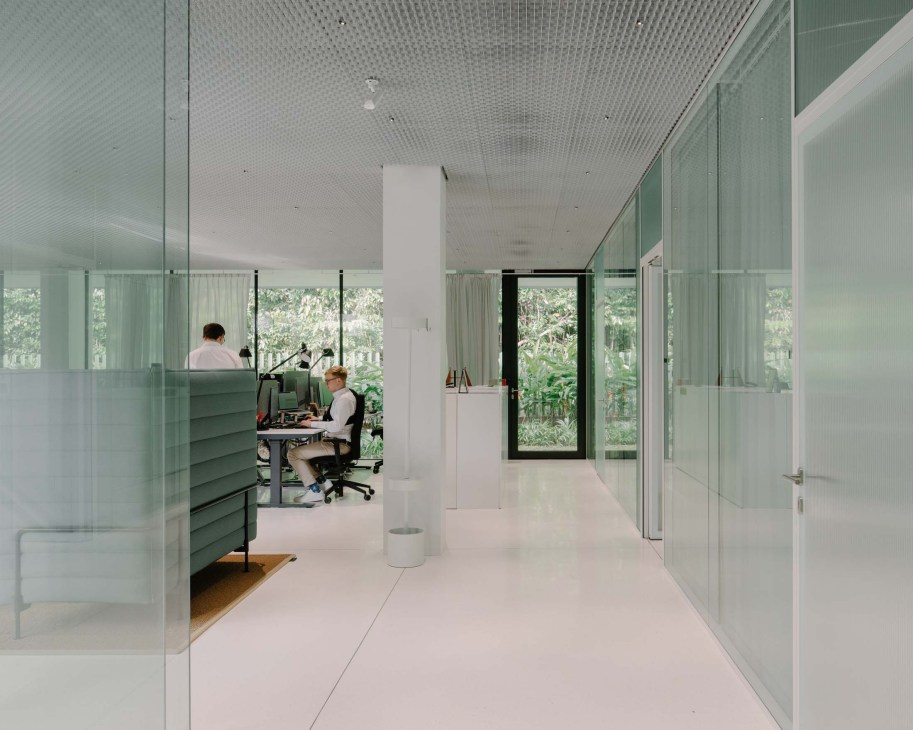
The total office space was expanded to accommodate 35 people, from a previous maximum of about 10. Solar panels were added to the new roof, helping the embassy to generate a substantial part of its energy in-house and powering the new EV charging stations in the garage. The renovation was completed at the end of 2023.
“I am proud that we did a lot to reduce our energy consumption,” says ambassador Frank Grütter. Stepping into the building, visitors find themselves in the light-filled public area for consular services; staff sit behind glass-fronted booths, and a secure door leads to the main office, which is laid out in an open-plan format and ringed around a courtyard where plants sprout abundantly.
The ambassador occupies a corner office with glass walls; he says his favourite part of the renovation is its transparent design. “The open glass walls are a sign of the Swiss government’s willingness to be transparent and close to its citizens,” says Grütter. This is echoed by Sarah Theus-Clausen, a consular officer and interior designer. “We’re approachable as an embassy and that’s something that people enjoy,” she says.

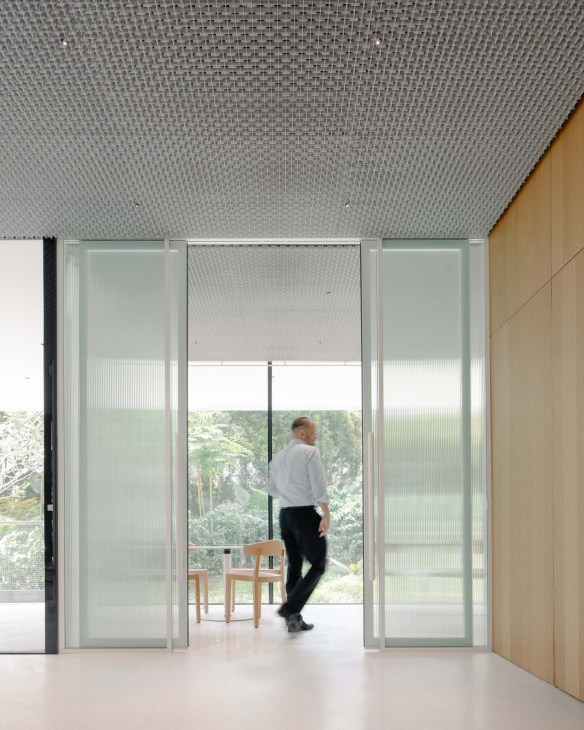
The building embodies a blend of values from Switzerland and Singapore. One challenge for the architects was how to fuse an authentically Swiss aesthetic with Singaporean architectural traditions and the local environment. They achieved it with a minimalist spin on the colonial black-and-white houses of Singapore and a careful integration of the surrounding tropical flora. Swissness is evoked in the clean lines and modernist furniture – and subtle nods to patriotism, such as the coat of arms in light relief on the walls outside.
The white walls do well in the year-round sunshine and the architects constructed the windows with three layers of insulated glass and UV filters to ensure that the ambassador and his colleagues can enjoy the rays without suffering from their heat. “Being able to work in this environment every day really gives me pleasure,” says Theus-Clausen.
2.
Home from home
Havana, Cuba
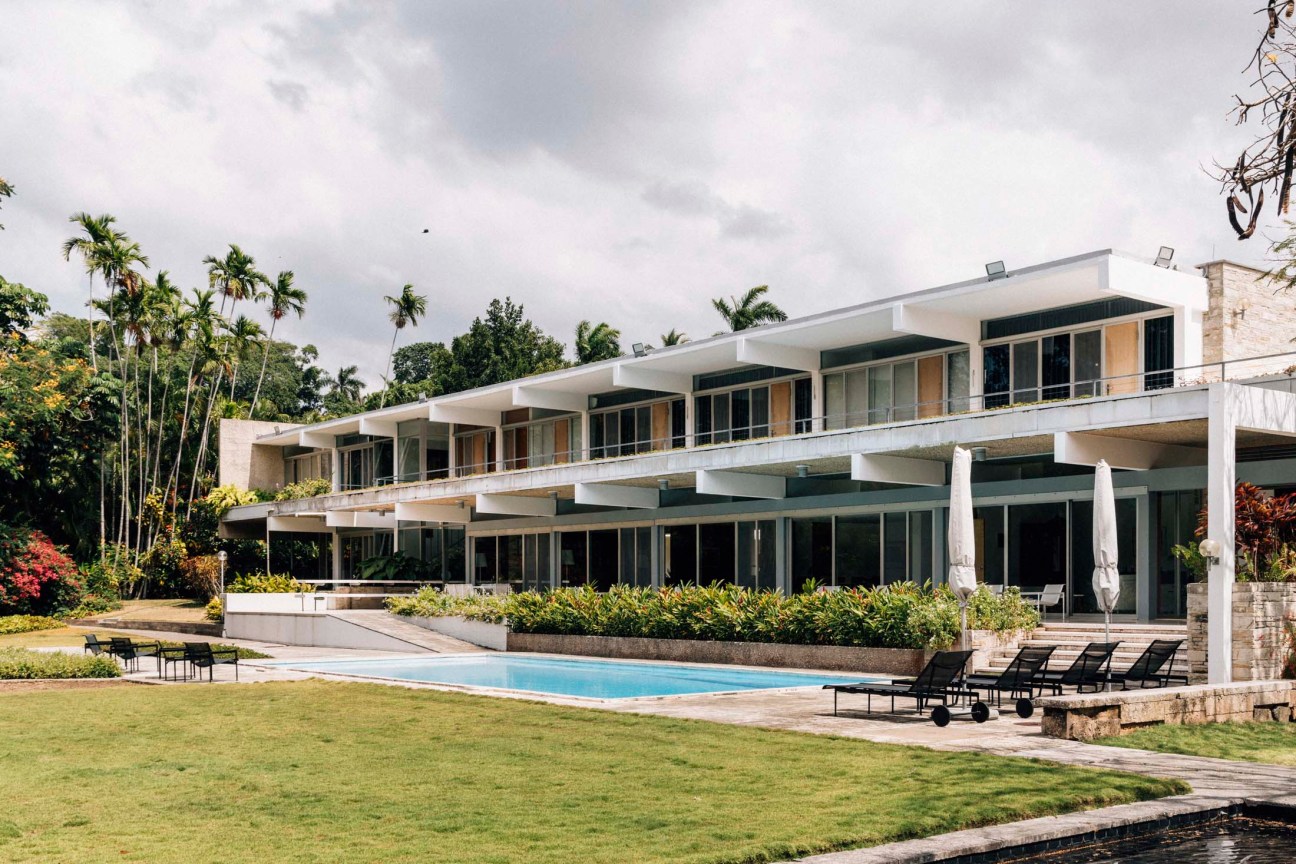
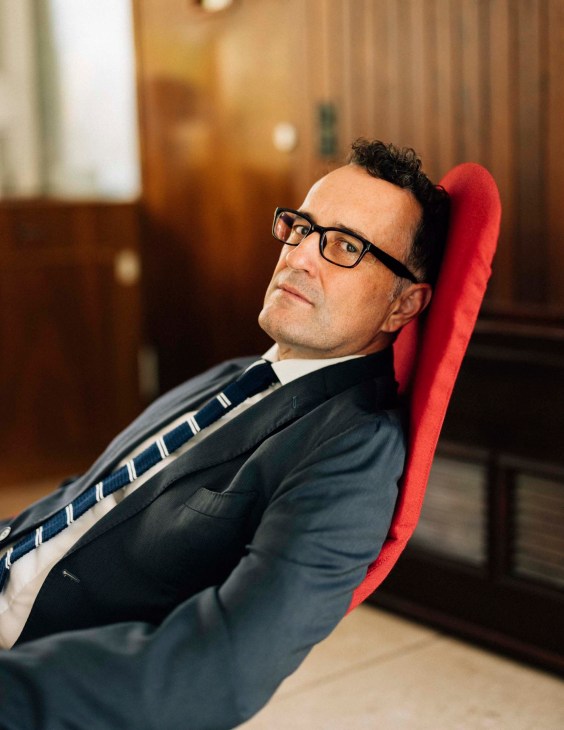
Switzerland’s ambassadors to Cuba have occupied a revered piece of modernist architecture – by late Austrian-American designer Richard Neutra – for almost 70 years. Built in 1956 in Havana’s leafy Cubanacan neighbourhood, the house was commissioned as a family home by Swiss banker Alfred de Schulthess. Ater the onset of Cuba’s socialist revolution three years later, it was sold to the Swiss government, which has accommodated its representatives there since 1961. “People love this house,” Switzerland’s current ambassador to Cuba, Stefano Vescovi, tells Monocle. Here, he explains the value of high design in a diplomatic setting and tells us about the restoration of the embassy’s gardens by Brazilian landscape architect Roberto Burle Marx.
What role does your official residence play in Switzerland’s diplomatic presence in Cuba?
There is a convening power to this house; everybody is welcome. It’s helpful to be able to meet colleagues and people from different countries, who might have different perspectives on the world, in a setting like this. While we do it in different ways, both Switzerland and Cuba have a power to convene diplomatically. There are about 120 foreign bilateral embassies here – more than almost any North American city, second only to Washington (and Brasília in the Americas). Additionally, very important people have met in this house. As ambassadors and diplomats, it is critical to have conversations that are quieter, in a venue that feels relaxed. It’s important to have a place where you can look somebody in the eye and discuss and listen, and not just engage in diplomacy that is public.
How is the house designed to host this broad range of conversation?
The southern façade has wood panelling along the exterior of the first floor and was designed to offer privacy. It depends on the politics, of course, but generally speaking we like to think of Swiss embassies as open houses with Chatham House Rules.
How valuable is the residence as a showcase of Swiss design?
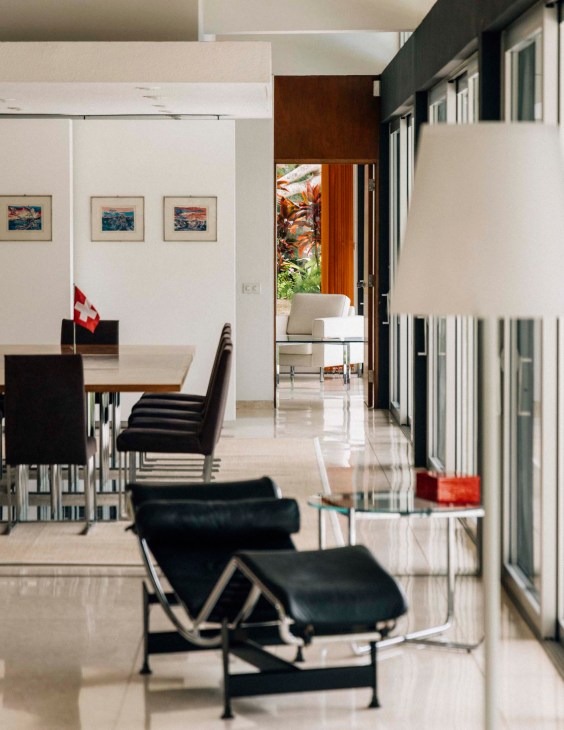
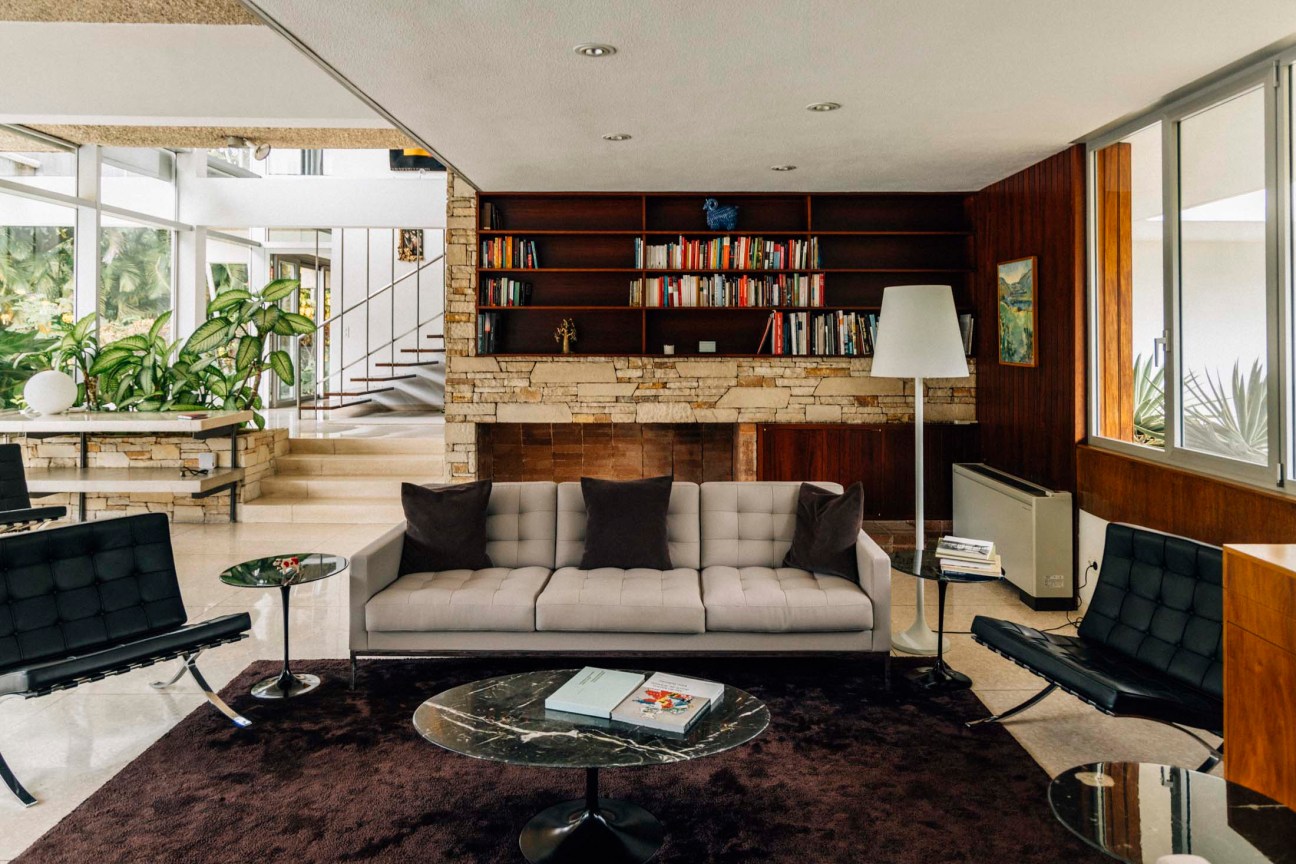
The design is really thought-through. It is very functional and there is wood throughout the house because the De Schulthess family wanted it to feel like their home in Switzerland. In 2000 the Swiss Confederation changed the furnishing concept, in keeping with the broader tradition of classical modernism. Today it is finished with pieces by Mies van der Rohe, Eero Saarinen, Le Corbusier, and pieces of art from the Swiss government’s collection, as well as rotating, smaller exhibits of art by Cuban creatives.
What relationship do the house and garden have to each other?
This was the only project that Neutra and Burle Marx worked on together in the Caribbean. To have these big names in one setting is extraordinary. It’s also the only surviving garden that Burle Marx ever made in the Caribbean. The result is that you have this visual contract between the rectangular house and the first part of the garden, which is thought-out in a rational way – like a Mondrian flower garden, where everything is very angular, complementing the swimming pool area where we host official events. There are 70 varieties of plants from across Cuba here, which bloom and flower at different times of the year. So it feels natural.
Do you think the two designers met their ambition with this project?
The combination they had in mind was a synthesis of two concepts. And it works nicely. There are fruit trees and a vegetable garden where we grow the ingredients that we use for the official receptions that we host. When our Cuban colleagues who come to enjoy the garden are here, I sometimes joke that “around this table, we might not all be Marxists but we are all Burle Marxists”. That seems to go down very well.
3.
Mission to modernise
London
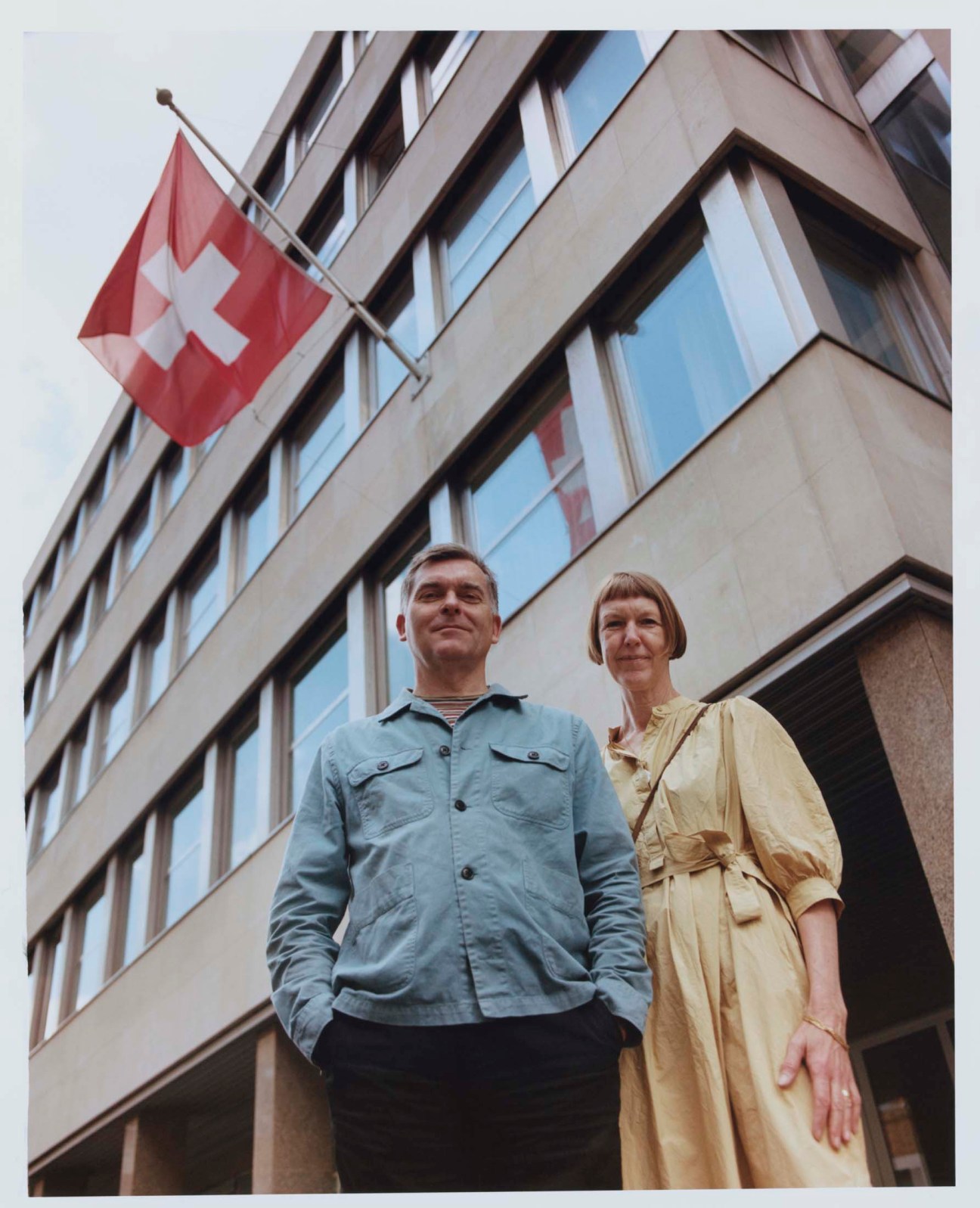
Alun Jones and Biba Dow of Dow Jones Architects are leading the renovation of the Swiss Embassy in London. Together with Bern-based Studio DIA, they have been tasked with bringing the building into the 21st century. The current embassy, which juxtaposes a heritage-listed Georgian-style mansion façade with a modernist annexe, was completed by Swiss architect Jacques Schader in 1971.
What are the key changes of the renovation?
Alun Jones: Currently the middle of the plot is occupied by the visa centre but the embassy no longer needs such a large space for this. The idea is to make this space an external courtyard so that we can drop natural light and ventilation into the building’s heart.
Biba Dow: The embassy’s representational spaces, visa hall, offices and the residence all have different entrances. We’re bringing a certain democracy to the building by renovating these entrances with a similar level of clarity and detail.
Can designing for diplomacy be a challenge?
BD: Any Swiss embassy project is the expression of the relationship between Switzerland and the host country. This needs to be embodied in everything, from sourcing the materials to the construction and furnishing of the space.
How does this project in London represent contemporary Swiss values?
AJ: The Swiss government included specific decarbonisation requirements in the brief. That’s unusual, as a lot of our UK clients will want to reduce their carbon but have no precise implementations.
dowjonesarchitects.com
Craft and nature come together in Tomales Bay as as a new generation finds inspiration and space
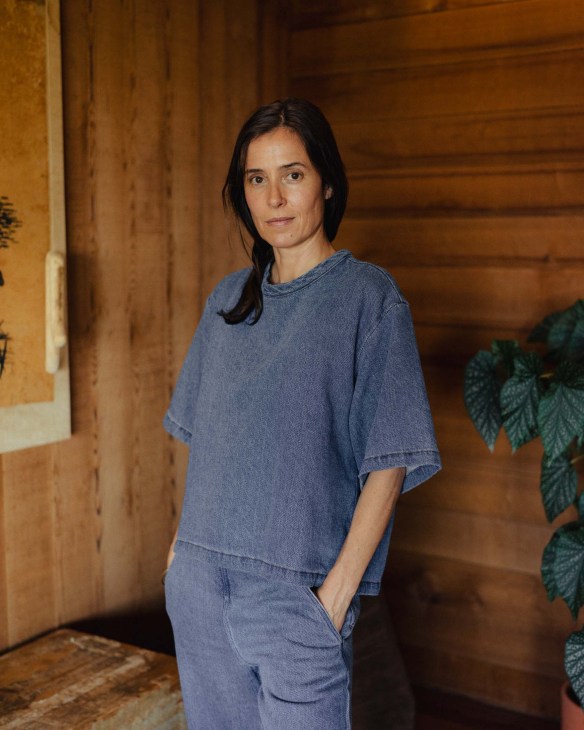
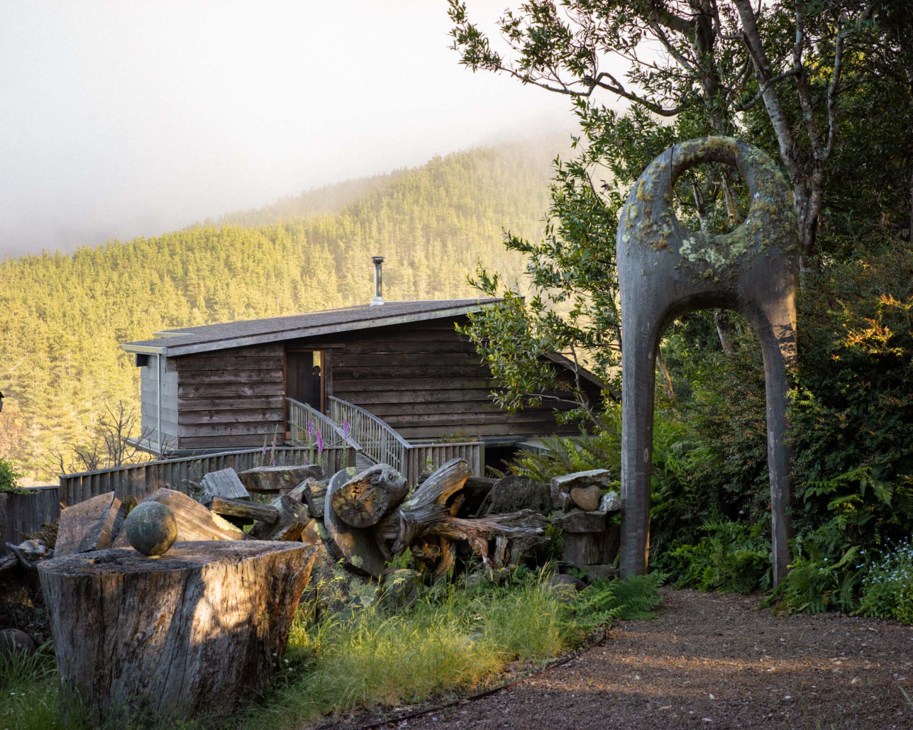
Mariah Nielson is leaning on a heavy wooden door to a cabin in Tomales Bay, California. The house – from the Japanese garden out front to the wide deck that overlooks a valley of mossy forest – was built by her father, modernist sculptor JB Blunk. We step into a serene, shadowy living room, where squares of golden light fall on oak floors and recessed tokonoma shelves arranged with carvings, flowers and trinkets. “I’ve been calling my return here ‘the reckoning’,” says Nielson, a design curator who moved back to California last year after a long career in London. “I’ve been peripatetic for 20 years – always moving, always on flights, always changing apartments or jobs. But here, there’s a consistency and a rhythm that I feel I’m tuning in to.”
Blunk apprenticed with master Japanese potters and was a maestro with a chainsaw. He turned fallen logs into fine furniture and petroglyph-like forms, such as the tall, somewhat mysterious archway that welcomes visitors to the house. It sits at the top of a winding lane cloaked in laurel and oak trees, high above the south shore of Tomales Bay. The enclave is only a 90-minute drive from San Francisco but it has a totally different state of mind; poet Robert Bly, who lived locally, wrote about hills that “roll all the way to the sea”. Blunk moved to the area in 1957, seeking space to find his voice as an artist.
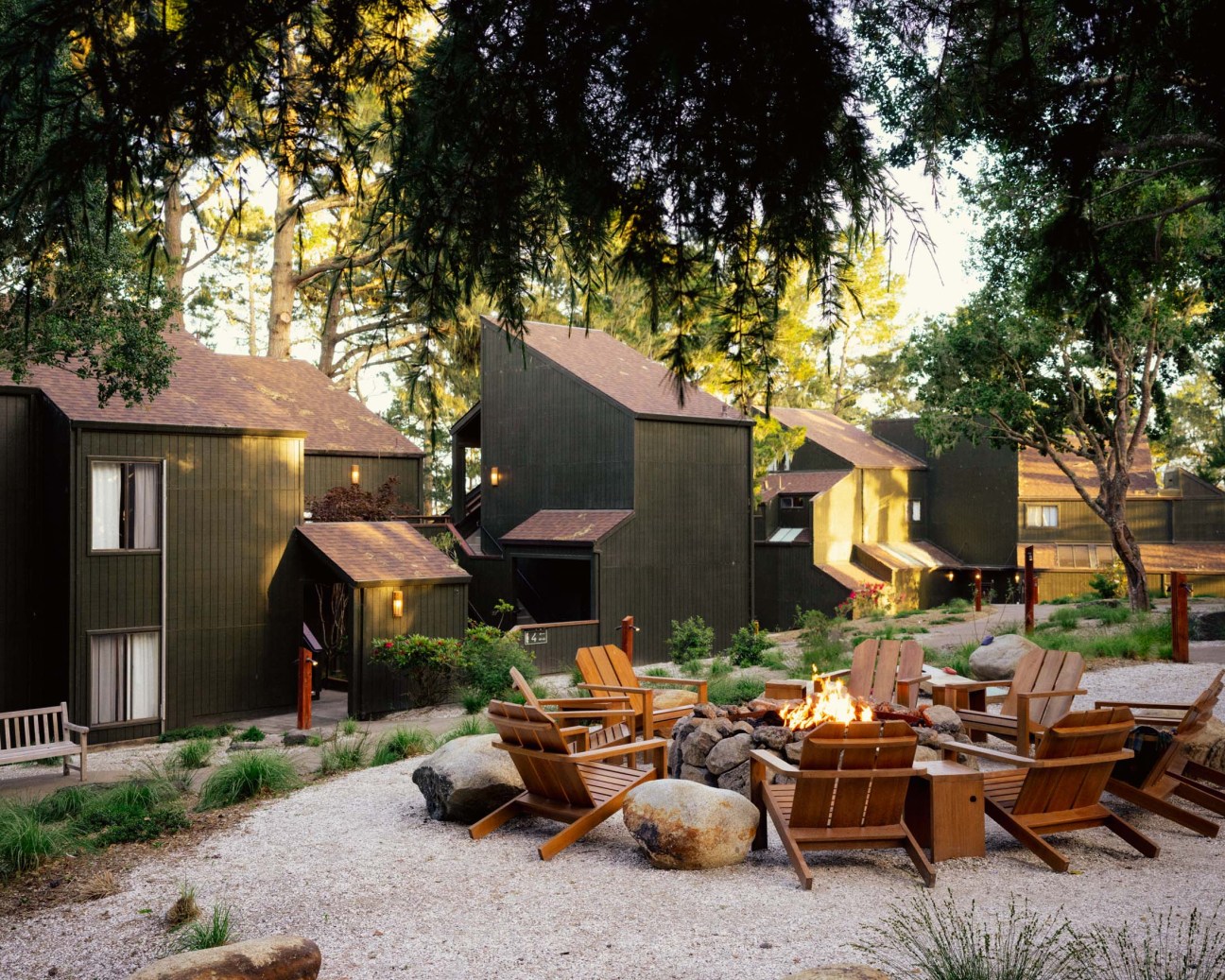
“People thought that he was mad to leave the city,” says Nielson. Yet 60 years later, his daughter is following in his footsteps – and she’s not alone. Many people are turning their backs on the promise of the US technology mecca for a quieter life in nature. Nielson, meanwhile, came back to Tomales Bay to continue tending to her late father’s legacy and the Blunk estate, which now hosts designers and artists; somewhere they could take time out to reconnect with their craft. During our visit to the house, London-based ceramicist Francesca Anfossi was just setting the clay on a new body of work. Nielson has also opened an art gallery named Blunk Space in the area’s only proper town, Point Reyes, and new work made at the house is being exhibited there, along with Blunk’s pieces.
Blunk’s story is an echo of what many here are trying to achieve: creative renewal beyond the big city. Though close to San Francisco in well-heeled Marin County, Tomales Bay has remained remote. There are no tourist-trap hotels, few estate agents’ signs and dining is low-key (but great). A gentle process of rediscovery is under way as a new generation arrives seeking inspiration.
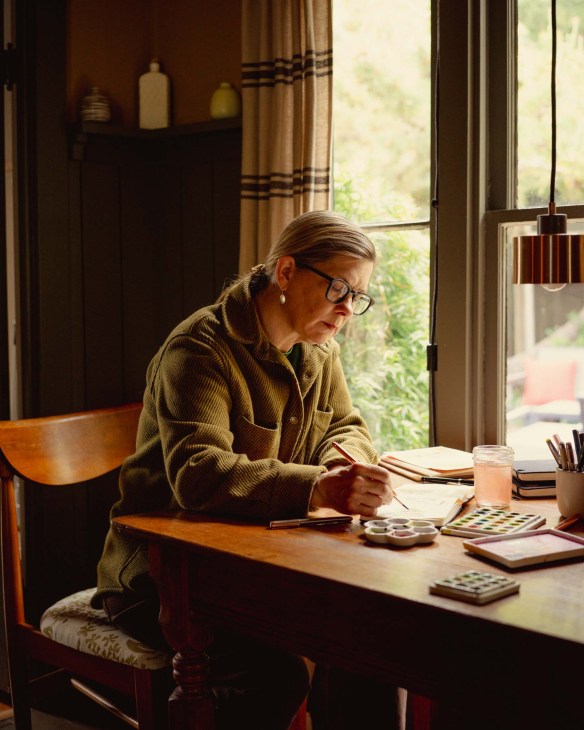
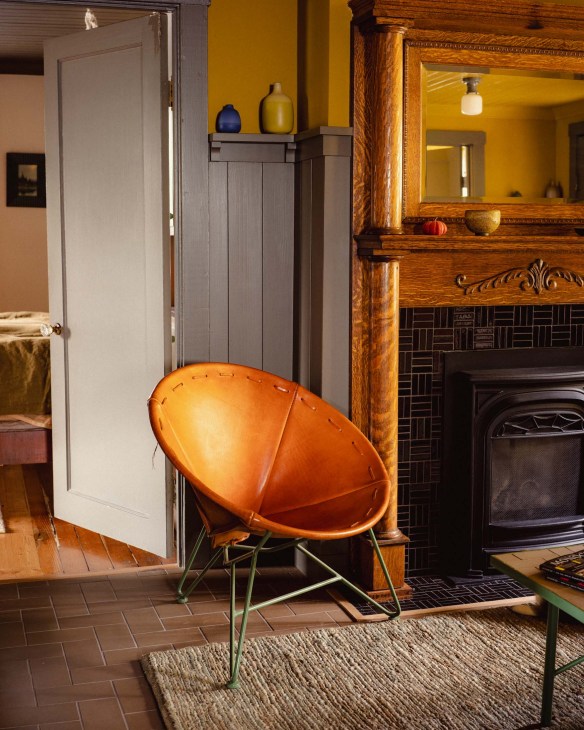
The bay’s first new hotel in years has recently opened and there is a smattering of new places to dine. Nick’s Cove, one longstanding restaurant that draws in fans from the city, has turned its row of waterside cottages into short-term lets and crafting sheds for visiting artists. Some are choosing to stick around: Los Angeles-based design studio Commune is currently working on several houses dotted around the bay, creating holiday homes for city folk, some of whom decamp to the area to turn their hand to ceramics, painting and sculpture.
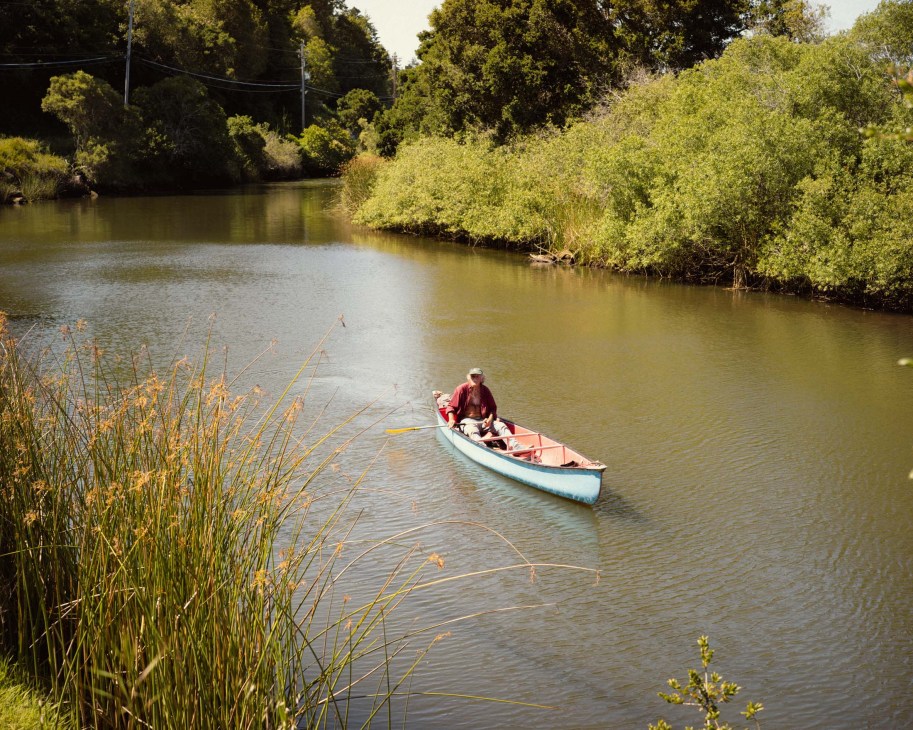
A single two-lane road follows the gently lapping bay that disappears in sea fog in the early mornings. To drive it is to circumnavigate an awe-inspiring geography – the San Andreas Fault bisects the area, so each side sits on a different continental shelf. The south is heavily wooded, with the air perfumed by the cola-like scent of sagebrush, while the opposite side is starker, with rolling hills and working dairy farms that were founded by Swiss émigrés at the turn of the 20th century.
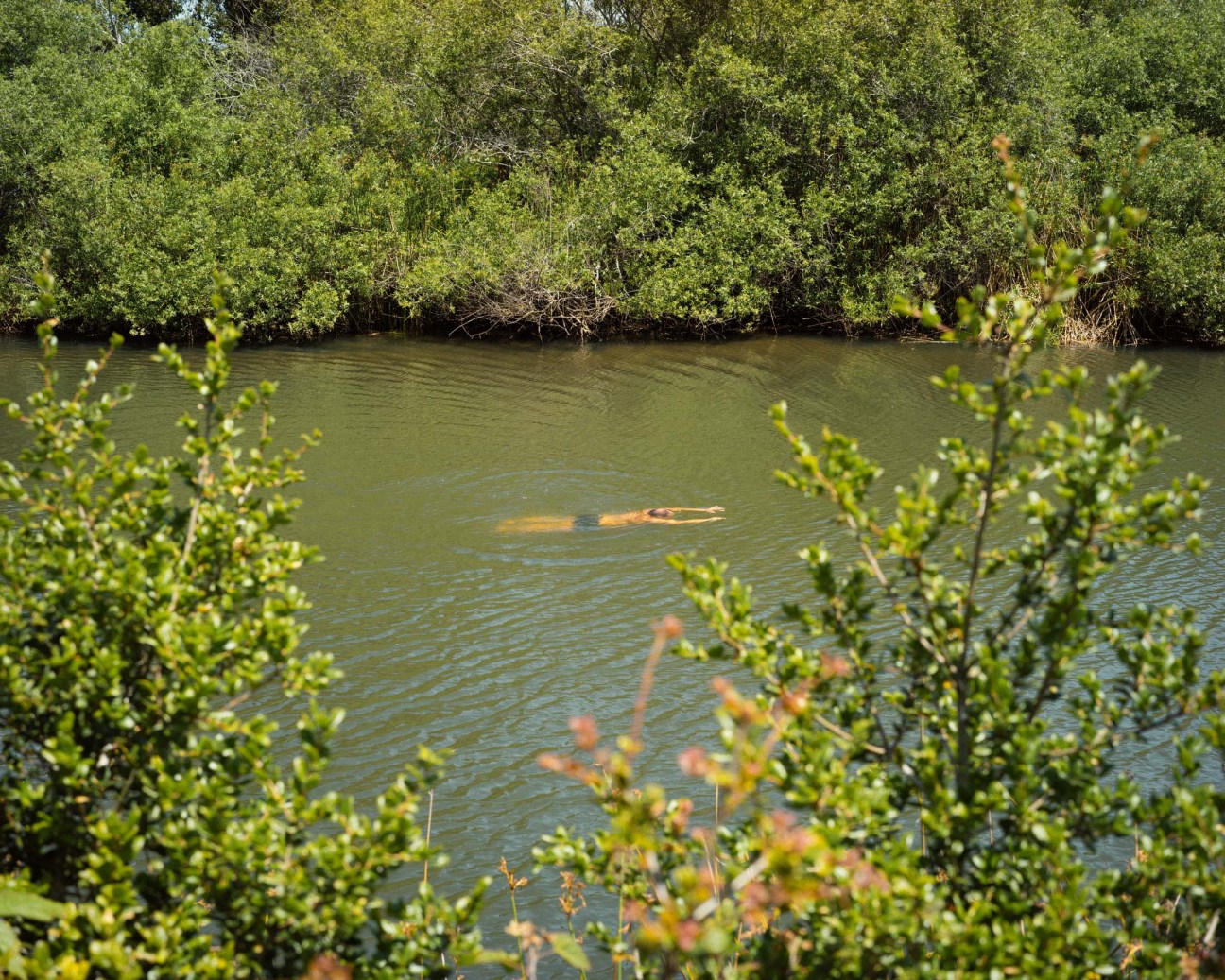
On the banks of the bay, Catherine Bailey and Robin Petravic – who run homeware brand Heath Ceramics in Sausalito – have restored a fishing cottage for their own weekend retreat, and have begun opening it to guests in the past year. “It was once a fishing village of one-room shacks, all made from redwood trees,” says Petravic, while leading us through a living room adorned with flowers, art and a floor of Heath tiles that has the brown hue of raw clay. Some years ago, a previous owner consolidated these shacks under a single roof. The couple’s restoration has turned what was a fishing cottage with poky windows into a cosy hideaway with broad views of the water and the windsurfers carving up the waves.
“We’re happiest when we’re camping,” says Bailey, who spent the morning swimming off the jetty. “This is the closest we can get to that while still being in a house.” Bailey has found inspiration and perspective from being around this body of water. “This place feeds our projects now,” she says. “I’m currently working with seaweed.” The bay’s most sought-after bounty is its oysters. Shellfish that have grazed on this seabed are now shucked all over the state. Some three million oysters were harvested locally last year. One custodian of that brood is the Hog Island Oyster Company, whose co-founder, John Finger, came out to Tomales Bay expecting to return to the East Coast after a few years. But he fell in love with the area and decided to stay. From a tiny shack, named after a spit of land out in the bay, Hog Island’s operations have expanded to several restaurants, a hatchery and saltworks dotted around northern California.
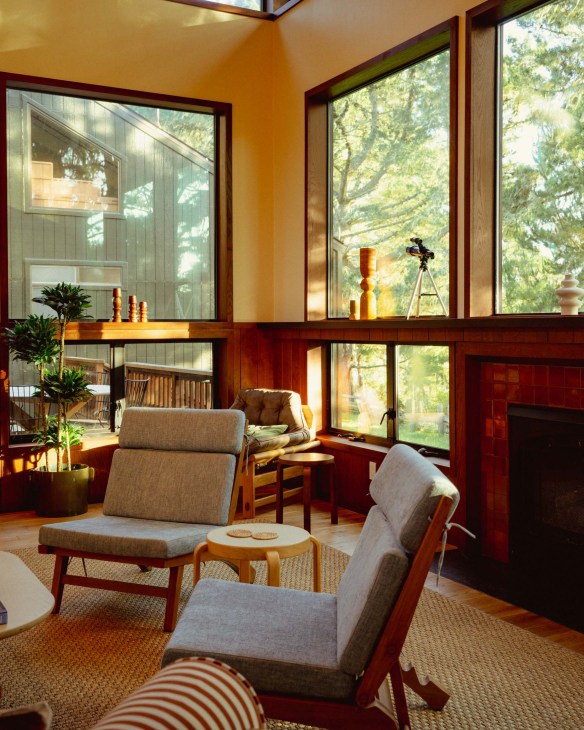
The Marshall Store, a Tomales Bay institution, serves regional oysters and crisp sonoma wine at the water’s edge, with a simple setup of benches and clear views. There are only a handful of restaurants in the area and accommodation in Tomales Bay has always been sparse – but a new arrival is shaking things up. The Lodge at Marconi sits on a forested hillside of national parkland and was once a radio outpost of the Marconi company, built in the 1930s to receive telegraph transmissions from across the ocean. The masts have long since come down, the estate remains mostly intact and has had a bucolic redesign by New York-based Home Studios, with retreat-like rooms of spartan design that foreground bishop pines rustling outside the windows. The charcoal-coloured cabins are reminiscent of the sea ranch architectural style found a little further up California’s coast.
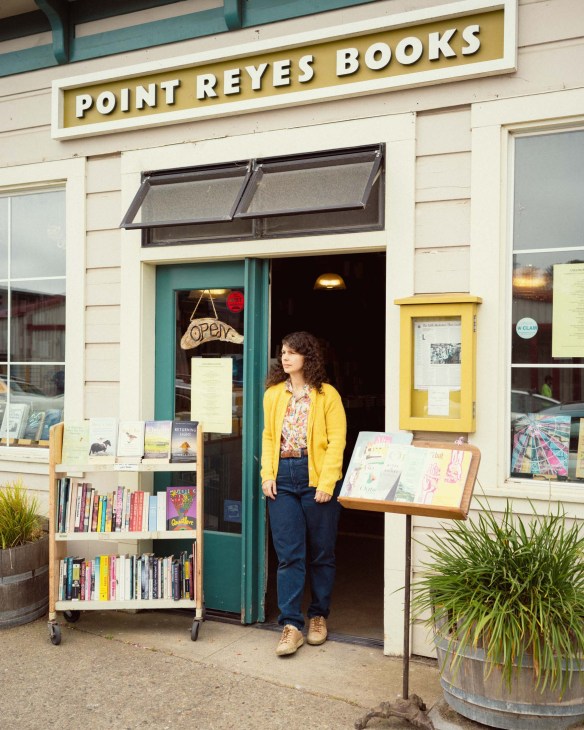
Local bookshop Point Reyes Books is a West Coast literary landmark; author Robert Macfarlane held a book launch there and brought the town to a standstill. It has passed through various owners, with each successive owner vetted by the last. Its latest custodians are Molly Parent and Stephen Sparks. They keep its shelves stocked with broad lists of new travel writing, photography books and poetic paeans to northern California’s mountains, forests and ocean. “We had fantasised about this bookshop because we would come up here on day trips from San Francisco and came to love this area,” says Parent. “It is the quintessential small-town bookstore.”
Even the local newspaper has a story to tell. The Point Reyes Light unearthed the goings-on of a cult called Synanon in the 1970s and helped to have the group shut down. The Light won a Pulitzer Prize and gained national attention. It still has a newsroom in town, keeping an eye on community affairs from week to week.
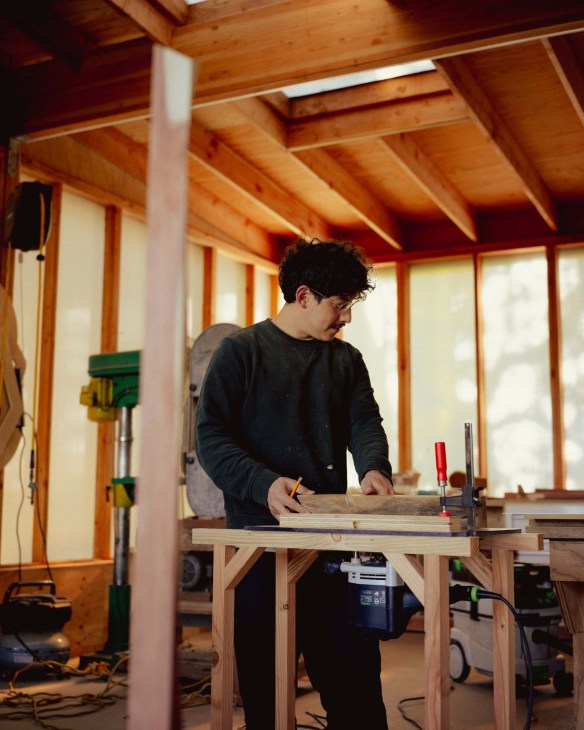
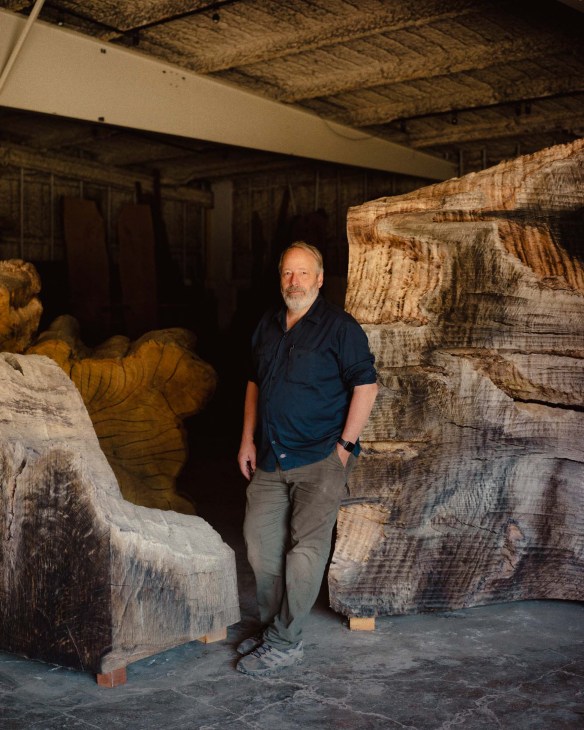
Getting out of the city has the potential to reframe one’s creative endeavours. Nothing offers perspective like a little distance. That was particularly true for Evan Shively, who worked as a chef before moving to the hills outside Tomales, hoping to reinvent himself as a furniture designer. He became fascinated by the sculptural qualities of the logs found in northern California and his lumberyard, Arborica, has a renowned inventory of salvaged wood, from burnt eucalyptus to what he calls “baroque” husks sought out by artists including Welsh sculptor David Nash.
Helping others realise their vision in wood, Shively explains, has given him a sense of permanence that’s rooted in the landscape of Tomales Bay. “I gave my youth to the kitchen,” he says, as we stop to admire one silvery and dramatic knot of roots. “But I wanted to make something that didn’t disappear at the end of every day.”
Shell company
“This is a pristine body of water,” says Hog Island Oyster Company co-founder John Finger, after we’ve polished off a few cucumber-flavoured Kumamoto oysters, hauled up from the bay that morning. Finger, the so-called “head hog”, explains that the tides expose the oysters to the open air every day, causing the sweetest part, the central muscle, to thicken and grow as the shell opens and closes. Originally from Long Island, Finger says that a group including environmentalists and ranchers from the area have prevented Tomales Bay from becoming just another exclusive enclave, a Hamptons of the West Coast. “There’s still that foundation of a working place here,” he says.
Tomales Bay address book
Stay
Fisherman’s Cottage
The couple behind Heath Ceramics have rescued waterside shacks and turned them into a homely retreat.
marshallfishermanscamp.com
Dine
Saltwater
Serving oysters from the bay and crisp Sonoma wines in a dining room in Inverness.
saltwateroysterdepot.com
Shop
Monk Estate
Lazuli Whitt presents inspiring one-off jewellery pieces from European markets, as well as books and homeware.
monkestate.com
Shop
Point Reyes Books
A bright light of literary northern California with a thoughtful selection of nature and travel writing to inspire local rambles.
ptreyesbooks.com
See
Blunk Space
An art gallery run by the daughter of sculptor JB Blunk, showing new work relevant to Tomales Bay.
blunkspace.com