Issues
How Bombardier’s Toronto facility is redefining aircraft production (and sunlight)
At a new facility on the northwestern periphery of Toronto Pearson Airport, a fresh approach to aircraft manufacturing is taking off. “It’s a real contrast to the old buildings that we occupied for 30 years,” says Julien Boudreault, the vice-president of project management at Montréal-based aerospace firm Bombardier, which was founded in Québec in 1942.
Opened in May, this is where Bombardier makes its Global 6500 and 7500 series of business and private jets. The manufacturing hub marks several firsts for Canada’s aircraft industry and signals a fresh focus for the storied manufacturer at a time when demand for its planes – from military, government and private clients – is in the ascendant.
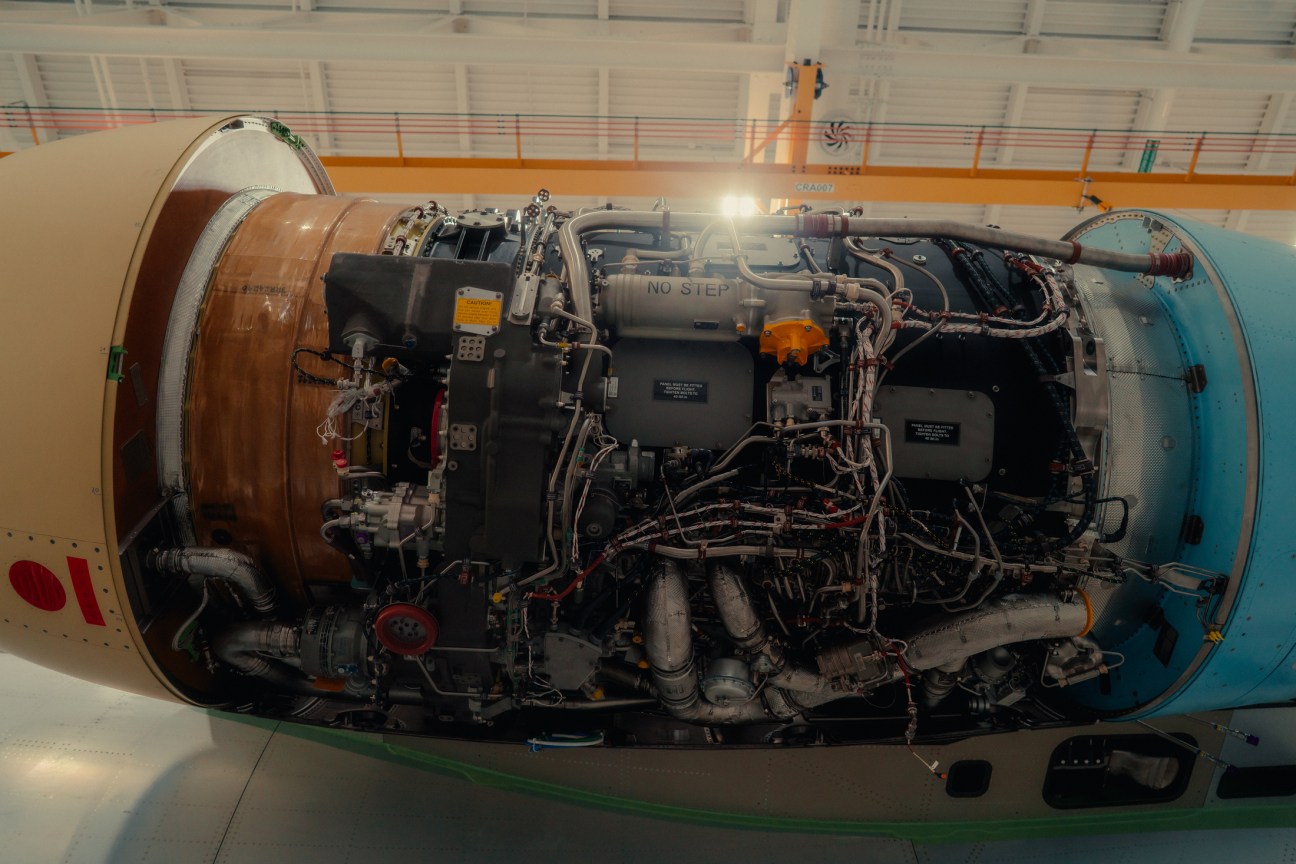
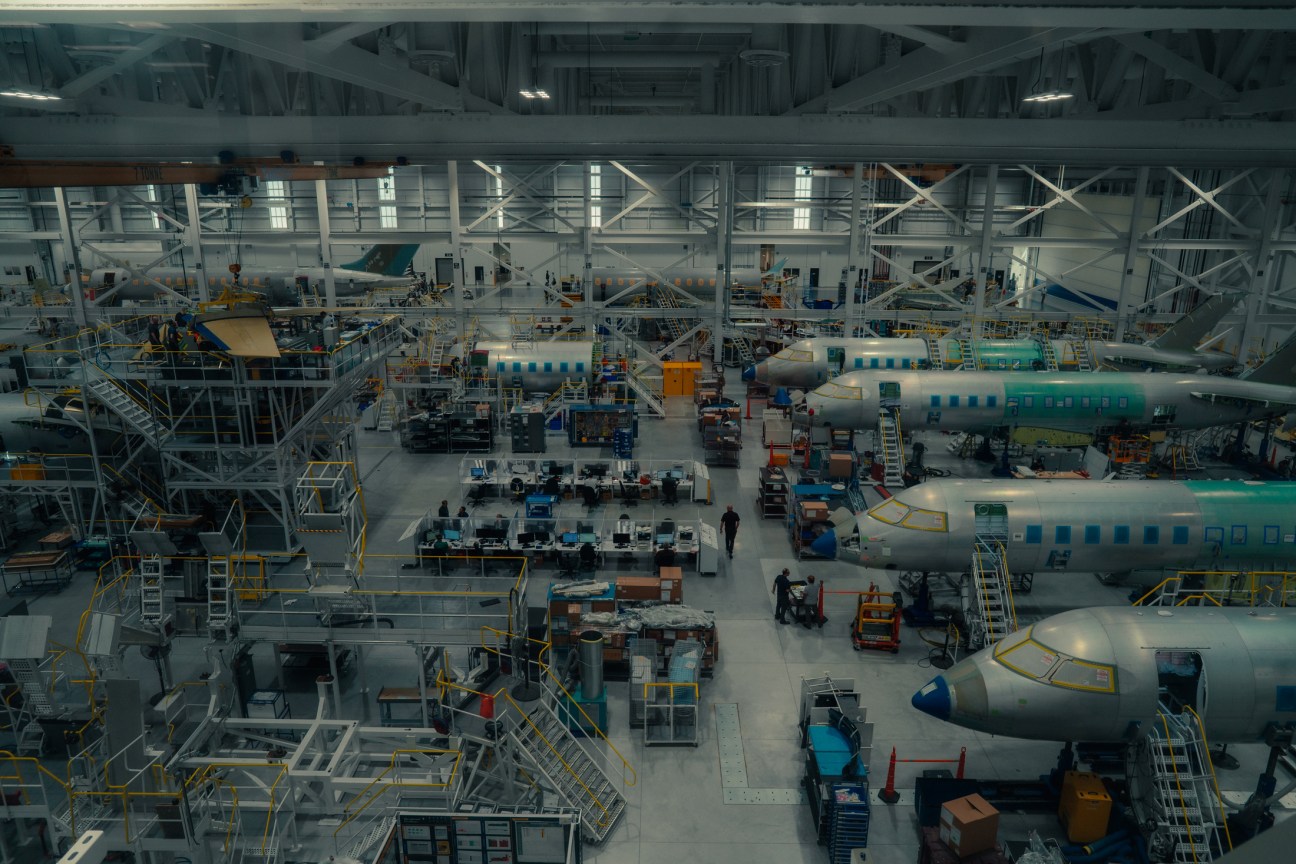
Arrayed around the 71,500 sq m facility are jets at various stages of completion. On the morning when Monocle visits, we see electricians tweaking the cabling inside a plane’s wing, while engineers review the underbelly of another. The lozenge-shaped doorway of a third aircraft is undergoing a mechanical inspection.
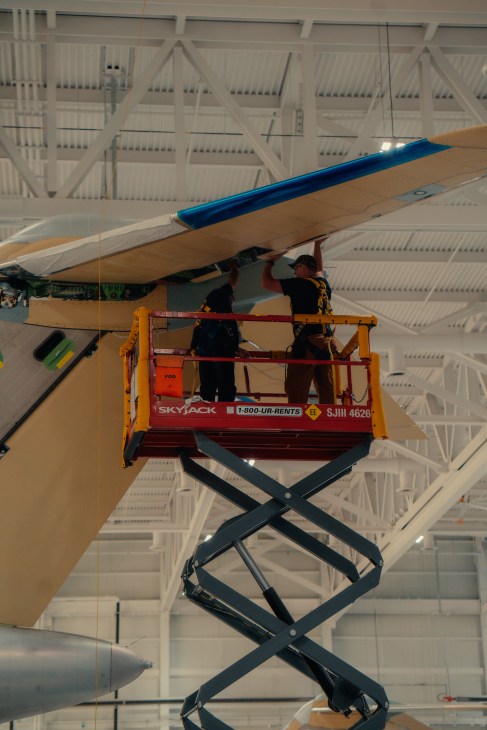
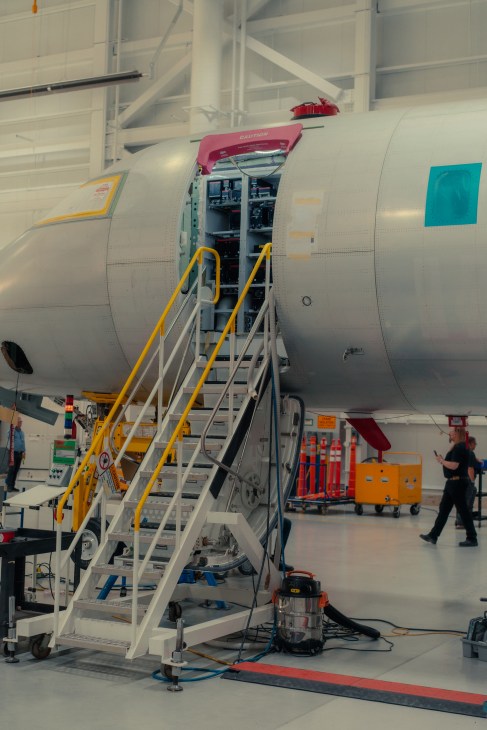
Unusually for a manufacturing hub of this scale and type, the staff members who are hard at work on the production floor aren’t bathed in the glare of artificial lights hanging overhead. “We have unlocked the daylight,” says Lilia Koleva, a partner and architect at Montréal-based practice NEUF, which designed the complex. “Architecturally, that is probably one of our biggest successes here.”
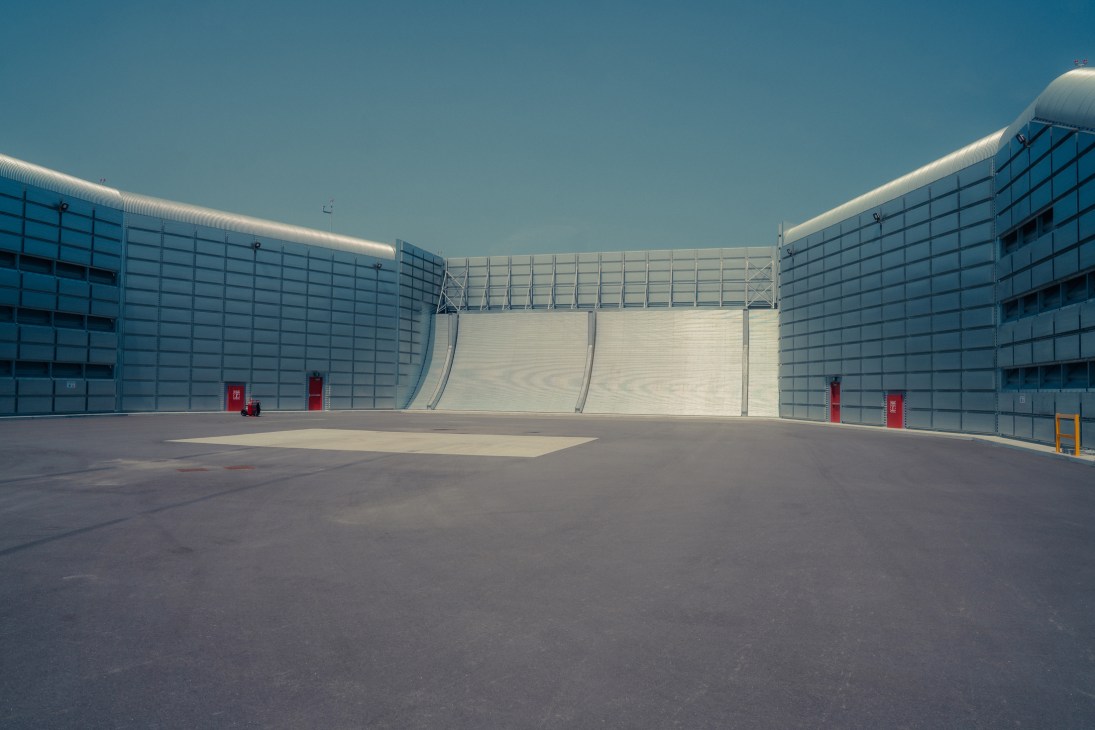
“That might not seem like a lot but it feels significant when you have spent years in facilities that felt like caves, where you never saw the daylight while you worked,” adds Boudreault. Translucent and semi-translucent panels are installed in the windows and hangar doors. Because of innovations in their design, they are as flame-resistant and combustion-proof as panels made from the heavier materials conventionally used in hangar construction, which tend to be impermeable to natural light. “All of a sudden, you get this new world where you can feel the sun and take it all in.”
Smart but seemingly simple architectural interventions such as this can have multiple benefits. The purpose, in this case, is not only to elevate the working conditions on the assembly floor, where most of Bombardier’s 2,000 or so Toronto-based personnel spend much of their time. According to Boudreault, the facility’s design will also boost the mobility and efficiency of the company’s production lines, at a time when demand for its aircraft is booming, following a major overhaul of the wider business in recent years.
Québécois mechanical engineer Joseph-Armand established Bombardier in the 1930s when he built Canada’s first commercially available snow plough. The company was incorporated in 1942 and grew to become one of the country’s best-known manufacturers, producing trains, aircraft and other vehicles. But in 2020, Bombardier sold its train-building and commercial-jet operations to focus on its private, business and defence divisions, as well as on its EcoJet facility, which is developing planes powered by electricity.
Currently, Bombardier’s business is anchored by its Global series of jets. Once assembled in Toronto, the aircraft are flown to Montréal, where their interiors are furnished and finished before delivery. The series has set new standards for the duration that a twin-engine aircraft can stay airborne, as well as for fuel efficiency. In 2019 a Global 7500 aircraft broke an intercity record when it flew more than 15,200km from Sydney to Detroit non-stop, with ample fuel to spare.
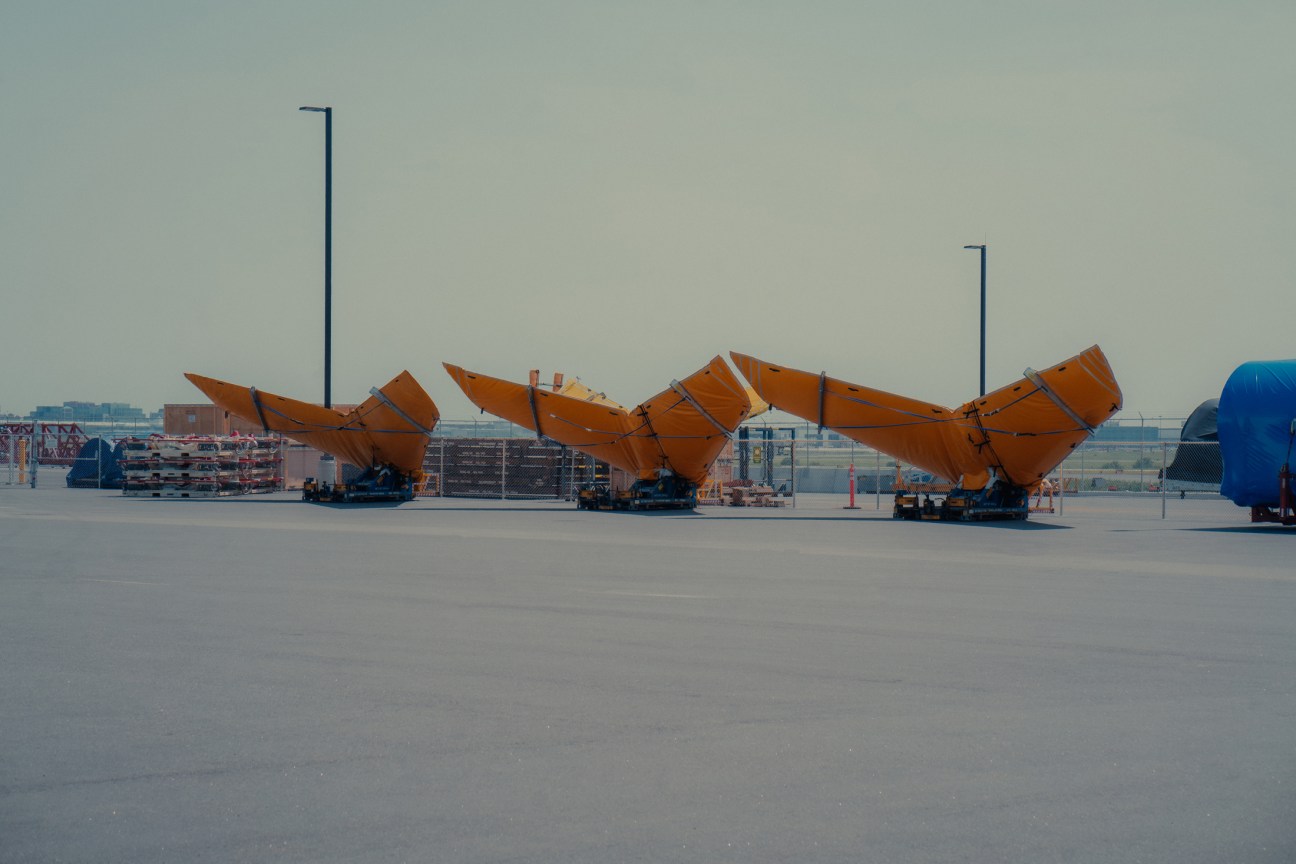
Meanwhile, the Global 6500 model has long been attractive to military and government clients for the high altitudes at which it can fly, as well as for its long lifespan and adaptability for intelligence-gathering and reconnaissance missions. Following the disappearance of Malaysia Airlines Flight 370 in 2014, the Australian military deployed a Global 6500 to search vast areas of the Pacific Ocean. In December 2023, the US military placed an order for three Global 6500s, which it intends to equip as spy planes.
The private-jet use of celebrities and other wealthy people has received criticism in recent years – but even this unwanted scrutiny has increased interest in the Global series. Many prospective clients who are keen to acquire an aircraft that is gentler on the environment are turning to Bombardier. A new addition, the Global 8000, is under development and expected to be airborne late next year.
All of that, says Boudreault, explains why the innovative design of the new Toronto hub, which operates 24 hours a day, is so crucial in allowing Bombardier to play a role in shaping the future of mobility by air. “That’s the science and art of a facility such as this: to be able to meet all of the requirements and generate operational efficiency, as well as a momentum and a flow that works.”
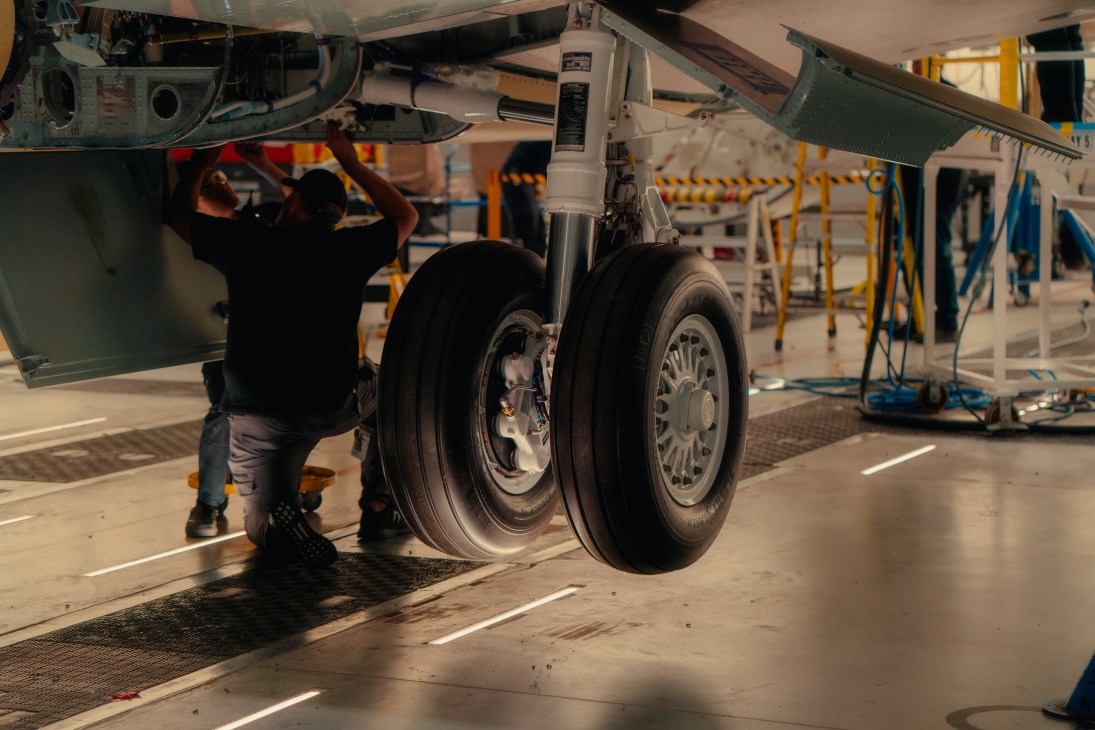
The layout of the hangar allows every aircraft to be moved easily by crane from one stage of the production process to the next, from the attachment of the body to the wings at the beginning to the assembly of the cockpit and the engines. Tool stations and desks for project managers are nestled among the assembly lines; this ensures that parts, tools and other equipment can be retrieved quickly and that questions are answered promptly without the need for engineers to stray too far from the aircraft that they are working on.
Other aspects of the hangar design complement this. Self-service canteens and nicely appointed bathrooms have been built into the hangar’s periphery, meaning that personnel don’t have to take long, winding routes through the complex when they take a break.
“We are always bringing it back to this but a happy workforce is a productive workforce,” says Boudreault. “That’s why it was important for us to bring in all of these other elements and consider things that people wouldn’t expect to find in an ordinary factory.” bombardier.com
Going the distance
Able to fly non-stop for longer, Bombardier’s Global 8000 will open up a new array of routes when it takes to the skies next year.
Australia’s ambitious public-transport plan is cutting commute times in Sydney
Many of the features that make Sydney an astoundingly beautiful city – its dramatic coastline, narrow central streets and low, rolling hills – are the same things that conspire to make it a frustrating place in which to commute. Here, the notion of getting from your doorstep to desk in less than an hour is often so unrealistic that it’s downright fantastical. But that might not be the case for much longer.
The new phase of the Sydney Metro, the City Line, is due to open this month, transforming the way that Sydneysiders move through Australia’s largest metropolis. The multiphase Sydney Metro project, first announced in 2011 and in construction since 2014, is the country’s biggest public-transport plan; an audacious, decades-long effort to deliver Oceania’s first mass rapid-transit system. Its ambition is to connect the city’s outer reaches and second international airport with the central business district – and the crowning jewel is the City Line, with its six new stations.
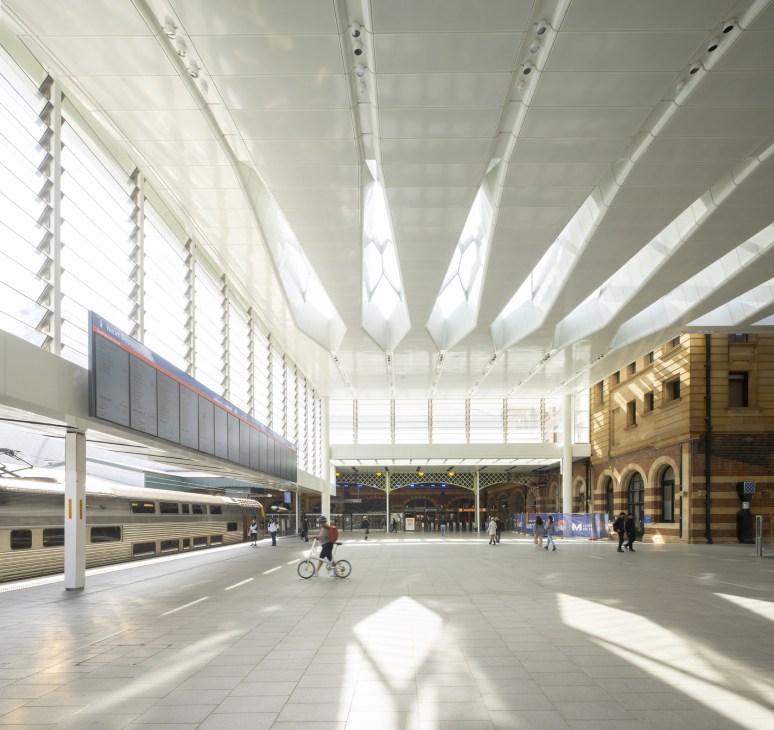

“It’s one of the biggest public transport projects since the Harbour Bridge, so it’s going to completely transform Sydney,” says Jason Hammond, director for design at Sydney Metro. “It will make the journey easier for everyone using the city, from people coming in for leisure at the weekend to office workers during the day. Sydney won’t know what’s hit it.” The metro is using customised versions of French manufacturer Alstom’s high-speed, driverless Metropolis trains, which arrive at stations at peak hours every four minutes, almost halving travel times for train passengers in the city centre. Hammond is relishing the opportunity to speed up Sydneysiders’ lives. “We’re expecting 264,000 trips on a typical weekday, moving 37,000 people during the morning peak,” he says. “One of the key things is to relieve congestion on existing central business district stations and spread the load across the network.”
Global architecture firm John McAslan + Partners was selected for two of the most important tasks in the project: designing the new Waterloo Station and upgrading Central Station to become metro-ready (the latter in collaboration with Australian-founded design firm Woods Bagot). In 2012, McAslan delivered the Kings Cross Western Concourse, a global benchmark in station design, and it looked to that success when considering the challenge of untangling the commuting knot at the heart of Central Station. As Australia’s busiest train station and Sydney’s main transport hub, Central Station has weathered an accretion of extensions and additions over the years, but few changes have been as drastic, or as well-received, as McAslan’s.
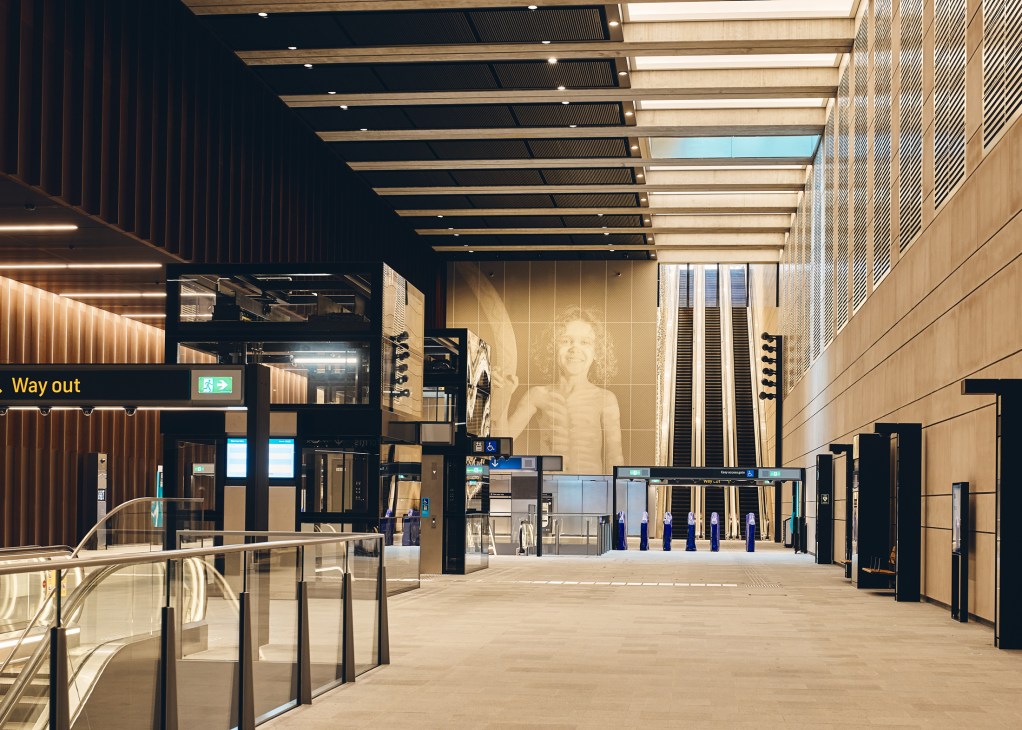
“We tried to help this heritage building sing and be the best version of itself,” says Troy Uleman, director of John McAslan + Partners Sydney, as he and Monocle tap into the newest section of Central Station. “It comes down to that user experience. It’s not just about the station itself or the experience outside the building but how you move through it and use it to connect yourself from place to place.” McAslan’s improvements include a central walkway that, though nominally designed to allow access to the new metro, has also provided escalators and easier access to every train platform in the station. It can be accessed by a new northern concourse set beneath a soaring roof that crests over a cluster of Central Station’s sandstone buildings. “It was about having a great public room for Central Station,” says Uleman. “It’s an organising space that connects to everything.” Crucially for any large station, there’s room for hapless commuters to dither while they figure out which train to catch, without getting in anyone’s way. “We made room for those little places for people to stand in a corner or catch up,” says Uleman.
Nods to the building’s past abound, including the use of arches and sandstone, as well as a custom typeface made with old platform lettering. But the station’s new metro future is alluded to throughout, including in the walls, where engravings of clocks gradually fade away in a representation of Sydney’s timetable-free reality, where the next train is only a few minutes away.
Non-stop service
Sydney’s next milestone will be the opening of a route with six stations linking the city to the new Western Sydney Airport in 2026.
Underground rail in Lagos is paying its way
According to a study by the American Public Transportation Association, transit schemes can create 49,700 jobs per €920m invested. This is something that Lagos – notorious for its traffic and crowded roads – is hoping yields rewards with its €124m investment in urban transport.
The megacity, with more than 16.5 million residents, is in a state of perpetual rush hour, so Lagosians were elated when former president Muhammadu Buhari opened the Blue Line, the first phase of the Lagos Rail Mass Transit system, last year. This 12km rail corridor spanning some of the city’s densest suburbs has now been complemented by the 37km Red Line. Journeys that once took more than two and a half hours have been shaved down to about 35 minutes. With a carrying capacity of some 500,000 passengers daily, the project will have a huge impact on commuters’ lives.
The history of the metro dates to 1983 when the idea was conceived by then state governor Lateef Jakande. Its first phase was due for completion in 1986 but when the government was toppled in a coup in 1985, the junta leader scrapped the initiative. The project was then resuscitated in the 2000s with building works commencing in 2009. Several administrations since it was revived, the project is only now being realised.
The wait has proved timely. Fuel prices have skyrocketed following the removal of a subsidy, increasing the costs of transportation. The metro is not only helping to build the economy but saving residents money.
How mini but mighty microcars are changing the way we drive
The minicar, the microvan, the nanocar – the tiny vehicles that have been cropping up on city roads across the globe have many names. Japan was among the first countries to recognise their virtues, establishing the kei category in 1949. Others have warmed to them too – most notably China, where surging domestic sales of the Wuling Hongguang Mini EV have seen it dethrone the Tesla Model 3 as the world’s best-selling electric vehicle (EV).
With consumers increasingly prioritising energy efficiency, automakers are now offering vehicles that are conspicuously more diminutive than their fuel-guzzling counterparts. Advances in engineering and design have allowed newer microcars to pack more amenities and technology into their bijou frames. Meanwhile, government incentives for compact cars are becoming common, from subsidies in South Korea to preferential parking in Guernsey.
Almost every major automaker has entered the sector, responding to growing demand – particularly from young urbanites, among whom these compact vehicles have become status symbols. They make sense for urban life: they can zip down alleys and squeeze into tight parking spots, and are safer, quieter and less obtrusive than larger vehicles. But they’re not limited to cities. Models such as the Suzuki Hustler and the Kia Ray are built for country drives, while specialedition models including Fiat’s Topolino are perfect for cruising along the Italian Riviera. Here are 10 of the mightiest microcars on the market.
1.
Fiat Topolino
Italy

Fiat’s Topolino is a restyled version of the Citroën Ami. Like the original, it’s a two-door, two-seater electric quadricycle, though drivers who want to feel the wind in their hair can choose the Dolce Vita edition, which has a doorless open carriage and a canvas roof. Its name is a nod to the original Fiat 500, which ceased production in 1955 and was widely known as “Topolino” (Mickey Mouse’s Italian moniker). It comes in teal with cream interiors and has a top speed of 45km/h.
2.
Microlino
Switzerland & Italy

Co-founders Merlin and Oliver Ouboter unveiled their Microlino concept at the Geneva International Motor Show in 2016. Four years later, a redesign resulted in the two-seat, four-wheel EV that’s now produced in Turin. The Microlino can reach 90km/h, though it’s so small that it’s technically classified as a quadricycle. It has a sunroof and comes in various shades of pastel or primary colours, with a glossy or matte finish. Prices range from €16,500 to €23,000.
3.
Daihatsu Copen
Japan

The first generation of the Daihatsu Copen, launched in Japan in 1999, was a two-door roadster with a hard convertible top and bubbly curves suggestive of a children’s toy. The model that’s now in production is slightly more angular but retains the original’s charm and has a top speed of about 170km/h. The Copen – the anglicised form of the Japanese word kopen, a portmanteau of kei and “open” – is a particularly fine example of the light automobile.
4.
Suzuki Ignis
Japan

The Suzuki Ignis is a rare beast: an SUV version of the dinky Japanese kei-class car. It’s reliable and feels roomier than most micro-vehicles, with more than 500 litres of storage when the rear seatbacks are folded. But you won’t buy one for haulage – its main draw is that it’s fun to drive in the city. The 434 option is perfect for more rustic outings, while the new SZ-T version comes with roof rails, 16-inch alloy wheels and side mouldings that are guaranteed to turn heads.
5.
Silence S04
Spain

This two-door hatchback comes in two versions, the faster of which can reach 85km/h. The Silence S04 has the distinction of being one of the first EVs with a removable battery, making charging more convenient – drivers can plug in at home or subscribe to a service allowing them to swap dying batteries for fresh ones at designated stations. Spain’s Silence produces the S04 at a former Nissan factory in Barcelona and Nissan is leading its distribution in Europe.
6.
Tata Magic Iris
India

The Magic Iris is a diesel-powered microvan produced by Tata Motors, one of India’s largest carmakers. It has four seats, a front cab with two doors and a third rear door, and its top speed is 55km/h. It has diamond-shaped headlights and measures a little under three metres in length. It was designed with the domestic market in mind: it’s a safer alternative to the rickshaws and tuk-tuks that are ubiquitous in the country’s megacities.
7.
Wuling Hongguang
Mini EV
China

The two-door, four-seater Wuling Hongguang Mini is the world’s best-selling EV. It’s also one of the cheapest, with the basic model priced at about €4,000. It was launched in 2020 by SGMW, a joint venture between SAIC Motor, Guangxi Auto and General Motors. The wallet-friendly price and a Pantone collaboration that resulted in a series offering three pastel-coloured options have made it especially popular among younger drivers. It can reach a speedy 100km/h too.
8.
Kia Ray EV
South Korea

With its large windows and add-ons such as a side tarp that forms a shaded canopy, the Kia Ray will appeal to camping enthusiasts and day-tripping urbanites. In response to the growing demand for EVs in its domestic market, South Korea’s Kia released a new electric edition of this popular compact car in 2023, having discontinued the first EV Ray in 2018. It comes in shades ranging from white to aqua and the interior can be outfitted in either grey or black.
9.
Honda N-One
Japan

On the outside, the second generation of Honda’s N-One kei car is nearly indistinguishable from its predecessor. It has slightly deeper-set headlights, a larger grille and an additional strip of rear lights but most of the changes were reserved for the inside. These include enhanced safety features, extra storage space, usb ports and a sleeker dashboard. A special Style 1 Urban edition, launched in 2022, features two-tone leather seats and a faux-wood dashboard.
10.
Nissan Sakura
Japan

Released in 2022, Nissan’s four-seater Sakura is Japan’s best-selling EV. Nissan has decades of experience in the sector and pioneered the first mass-market EV but this is its first electric kei car. Though narrow, the Sakura’s height allows for plenty of storage space, especially when the backseats are folded flat. It has an impressive top speed of 130km/h and comes in a range of colours, including pink, in honour of Japan’s national flower, the cherry blossom.
“Why I’d rather get lost than let my phone give me directions”
I recently took a work trip to Sussex in southern England. I hadn’t had a chance to check where we were going and just hopped in my colleague’s car. She typed the address into her smartphone, slipped it into a holder on the dashboard and off we went. When I wasn’t following the blue dot on the screen, I was startled by the views. We traversed an exotic-looking heathland. A gothic church loomed over a mysterious hill town. Unexpectedly, I glimpsed the sea. Where were we? I felt as though I was in a foreign land.
This is not how I normally travel. I am one of the few remaining smartphone refuseniks; my phone is a brick. I use Google Maps but only before I set out, so that I can draw a route onto a scrap of paper. In the car, I consult the road atlas. When I’m out on my bike, I tap on the windows of cabs waiting at red lights. I ask bus drivers where to get off. These human interactions now feel very countercultural. But my brief period of Sussex disorientation is now how most people live all the time – unaware of where they are going and in which direction. I do sometimes get lost but I’m usually aware of the general lie of the land. I am mindful of my increasing eccentricity but I believe that not having a sense of where we are is profoundly disempowering. It means that we walk blindly down a dark corridor, guided only by technological corporations with dubious motives.

Several studies have shown that relying on “egocentric navigation” (or turn-by-turn instructions) rather than paper maps is eroding our navigational ability; it’s a “use it or lose it” skill. Indeed, we have our own gps system in our brains: researchers have identified triangular “grid cells” that map territory, rather like longitude and latitude co-ordinates. This is just one way in which we underestimate our own highly sophisticated cognitive capacities in favour of the shiny new technology at our fingertips. Satellite navigation is improving all the time and rarely lets us down. When it does, though, the consequences can feel catastrophic.
Researchers have found clear links between spatial awareness and memory. London taxi drivers who have memorised the city’s entire street plan (known as “The Knowledge”) acquire an enlarged hippocampus – the part of the brain associated with learning and memory. There is also evidence that orientation helps us to remember not just places but events. Neuroscientists believe that, remarkably, parts of our brain also give us the ability to imagine ourselves in, and plan for, the future. In June, scientists based in the UK and US discovered how the brain’s prefrontal cortex and the hippocampus work together to enable us to make decisions by envisaging potential outcomes.
Replacing paper maps with phones feels like progress but are we actually travelling backwards? If we give up our sense of direction, we forfeit agency and control. We might feel liberated but we lack the freedom to explore what lies between A and B. Worst of all, we lose context. That loss is part of a more general disorientation. Children no longer appear to be taught countries and capitals. My own kids are growing up without a clear sense of their place in the world. History for them is a series of unconnected events; music is a playlist of singles, detached from any discernible movement or era. Digital technology is rendering us both tethered and unmoored. We lose the big picture at our peril.
Glaser is a writer, lecturer, radio producer, broadcaster and author whose books include ‘Elitism: A Progressive Defence’.
The Philippines’ infrastructure revolution has an unlikely architect
For frequent flyers travelling in and out of the Philippines, September can’t come soon enough. That’s when the state-owned operator of Ninoy Aquino International Airport (NAIA), Metro Manila’s chronically congested main gateway, hands over the keys to a consortium led by the San Miguel Group.
The publicly listed conglomerate has taken on the challenge of fixing NAIA and expectations are sky-high. The public-private partnership even got a mention in president Ferdinand Marcos Jr’s July state-of-the-nation address. “Once considered among the world’s worst and most stressful airports, [NAIA] will soon be a world-class international hub that we can be proud of,” he said. Is the president correct? “Yeah, 100 per cent. I have no doubt that we can turn around the airport,” says Ramon Ang, San Miguel’s CEO and largest shareholder. “Within a year you will not see any runway or terminal congestion,” he adds, before committing to notable improvements by Christmas – peak travel time for a majority Catholic country with millions of overseas workers.
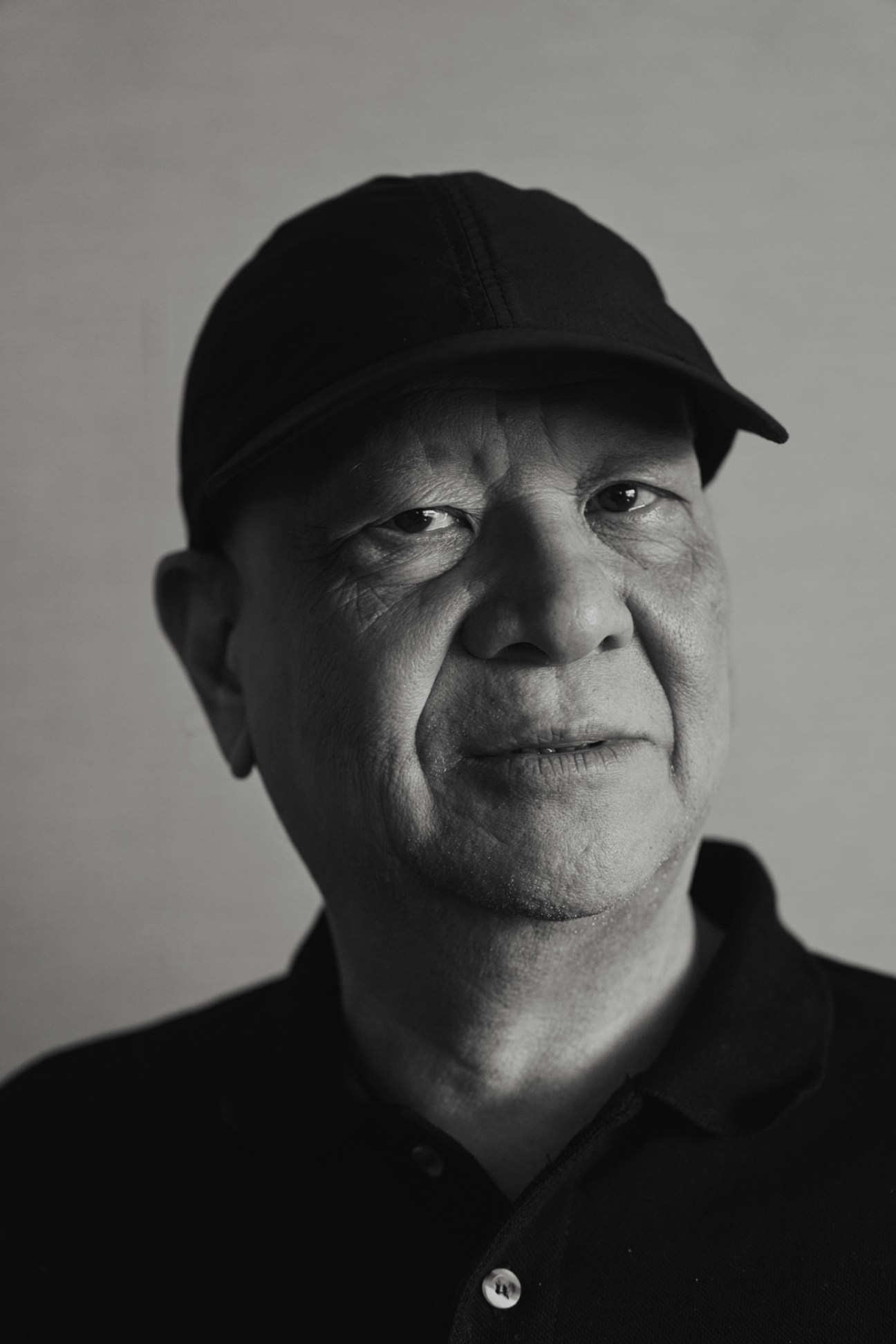
San Miguel might sound like an unlikely saviour. The beer brand is principally known outside the Philippines for its eponymous pilsner, which dates back to the company’s formation in 1890 during the Spanish colonial period. But much has changed under Ang’s stewardship. A series of acquisitions over the past 15 years have transformed what was predominantly a food and beverage company with an annual turnover of €3.7bn into a €24bn-a-year juggernaut with interests in power generation, oil refinement, water, banking, roads, railways, seaports and cement. “Whatever business we do, our purpose is to make money for the shareholders and develop the country,” says Ang, explaining the logic behind his diversification strategy.
Monocle visits Ang at San Miguel’s headquarters in Mandaluyong, one of the 17 cities that make up the Metro Manila region. The understated captain of industry, a child of Chinese immigrants, arrives at the office most days behind the wheel of a Toyota Camry or Land Cruiser. A car enthusiast and mechanical engineering graduate, he began his career importing Japanese vehicles before joining San Miguel in his forties and becoming one of the Philippines’ richest tycoons.
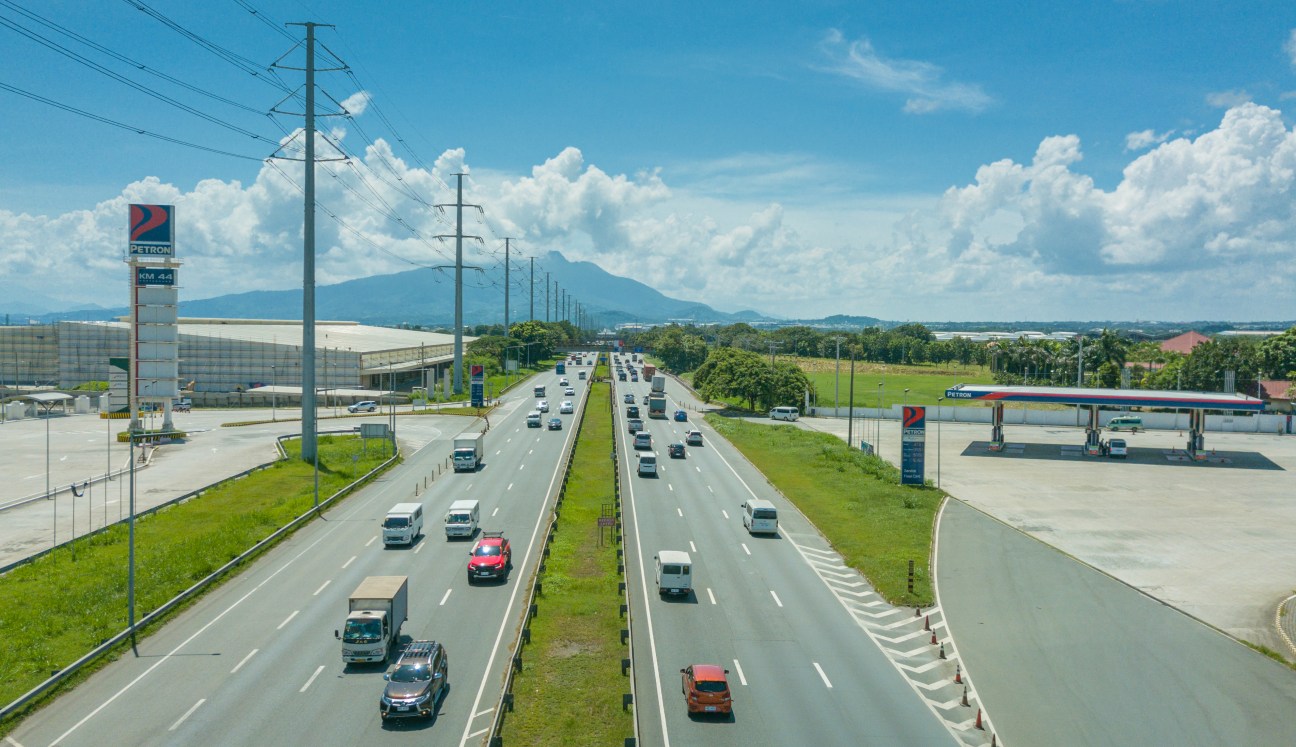
Ang’s approach has been to buy small existing businesses and grow them into industry leaders. San Miguel’s infrastructure division began 15 years ago with the acquisition of a tollway company and is now the biggest operator in the country. It opened a series of elevated “skyways” in recent years, drawing traffic away from local roads and decongesting the sole expressway linking the capital’s north and south. A two-hour journey in heavy traffic can now take 30 minutes and a few crosstown friendships have been reconnected in the process.
Ang’s enthusiasm for building roads, however, has attracted criticism for tethering Metro Manila’s future to four wheels. But as with the San Miguel-owned oil refinery Petron, which is gradually moving away from fossil fuels, the green transition has to be incremental, realistic and government-assisted. “Cars are the main transportation in Asia,” says Ang. “Our problem is we are adding hundreds of thousands of cars a year without phasing out the old ones.”
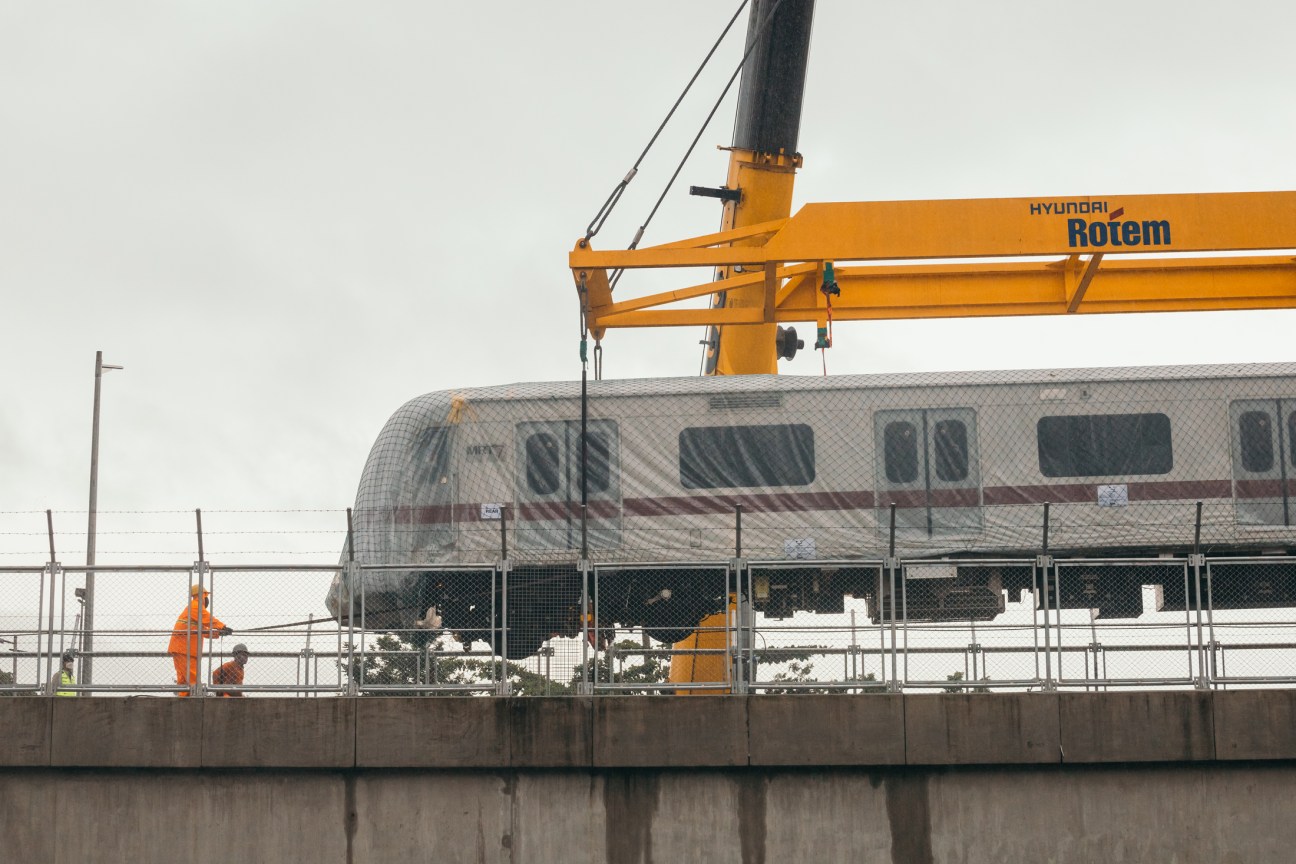
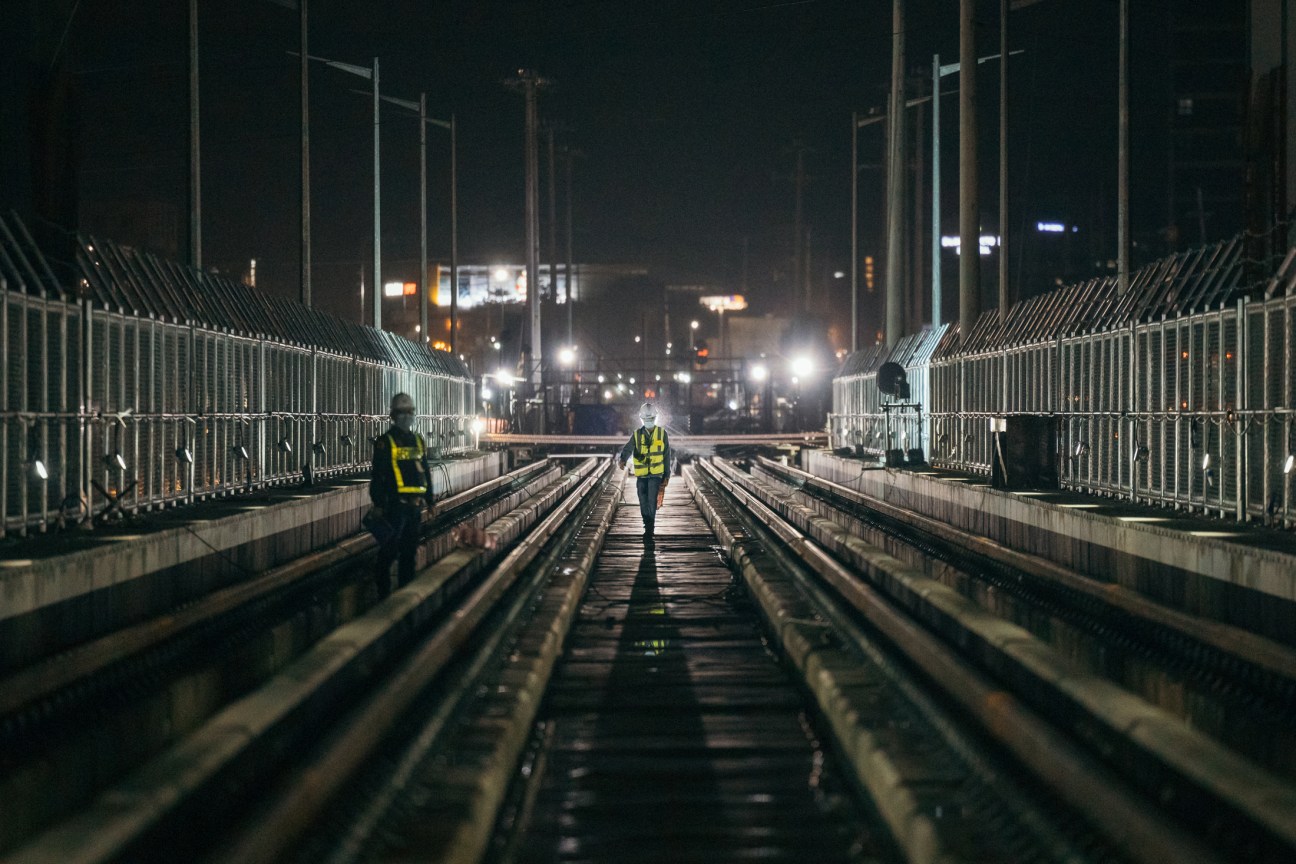
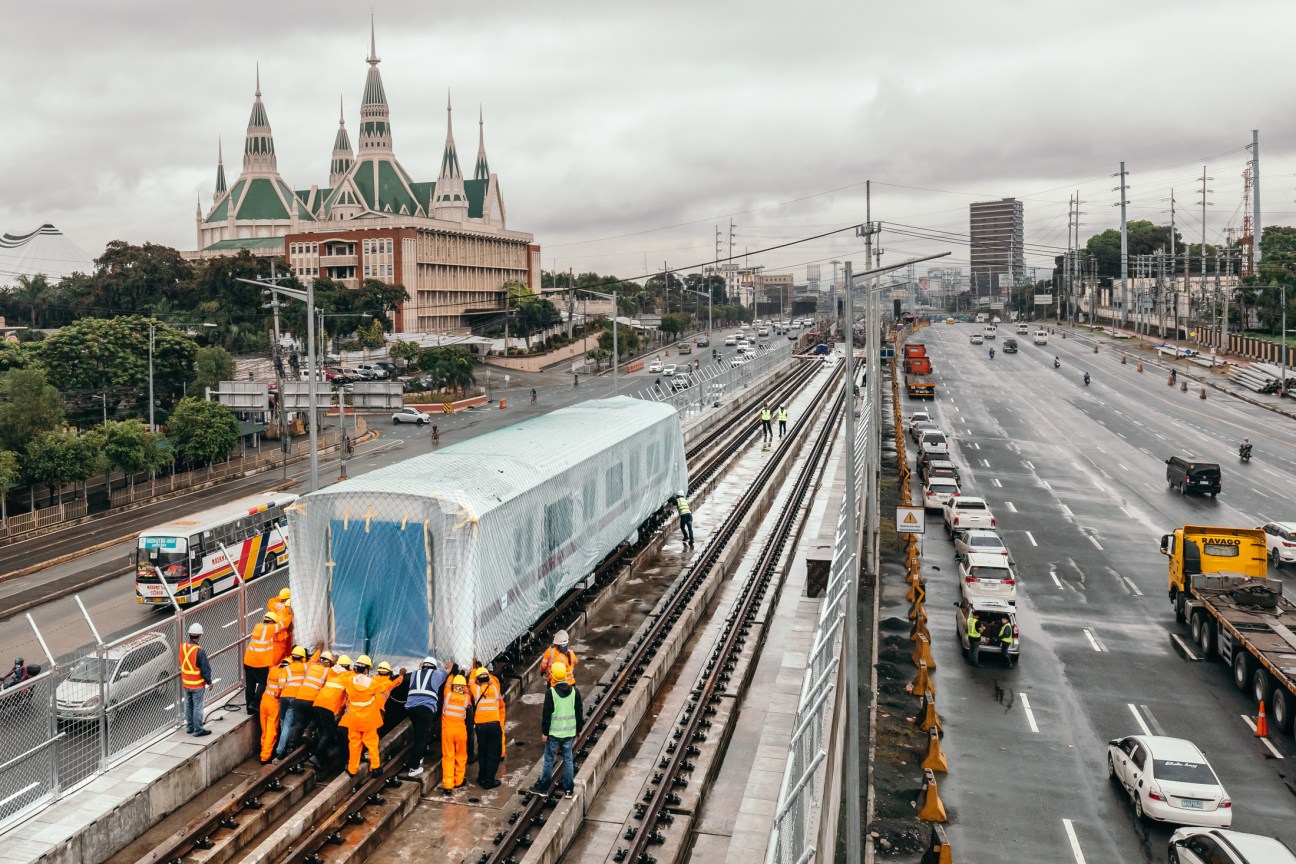
Rail is the one mode of transport where San Miguel has almost had to start from scratch. The company is building a 14-station rail line that, once operational at the end of 2025, will carry up to 850,000 passengers a day between the Bulacan province and Quezon City, Metro Manila’s largest municipality. The first major mass-transit project this century, MRT 7 will allow commuters to switch to two other lines at an interchange station – a national first. A north-south commuter railway and a subway funded by the Japanese government will soon follow, as part of what President Marcos labelled a “railway renaissance”.
“San Miguel has a lot of projects that help the development of the Philippines,” says Janno Quinto, project manager at station six in Quezon City, where construction is almost complete. Quinto, who is dressed in an obligatory high-vis vest and hard hat, recently joined from a rival toll-road company to work on elevated structures. The 29-year-old engineer stands on an empty, unfinished platform, pointing out the electrified third rail – another first. “Transportation is the way to our development,” he says.
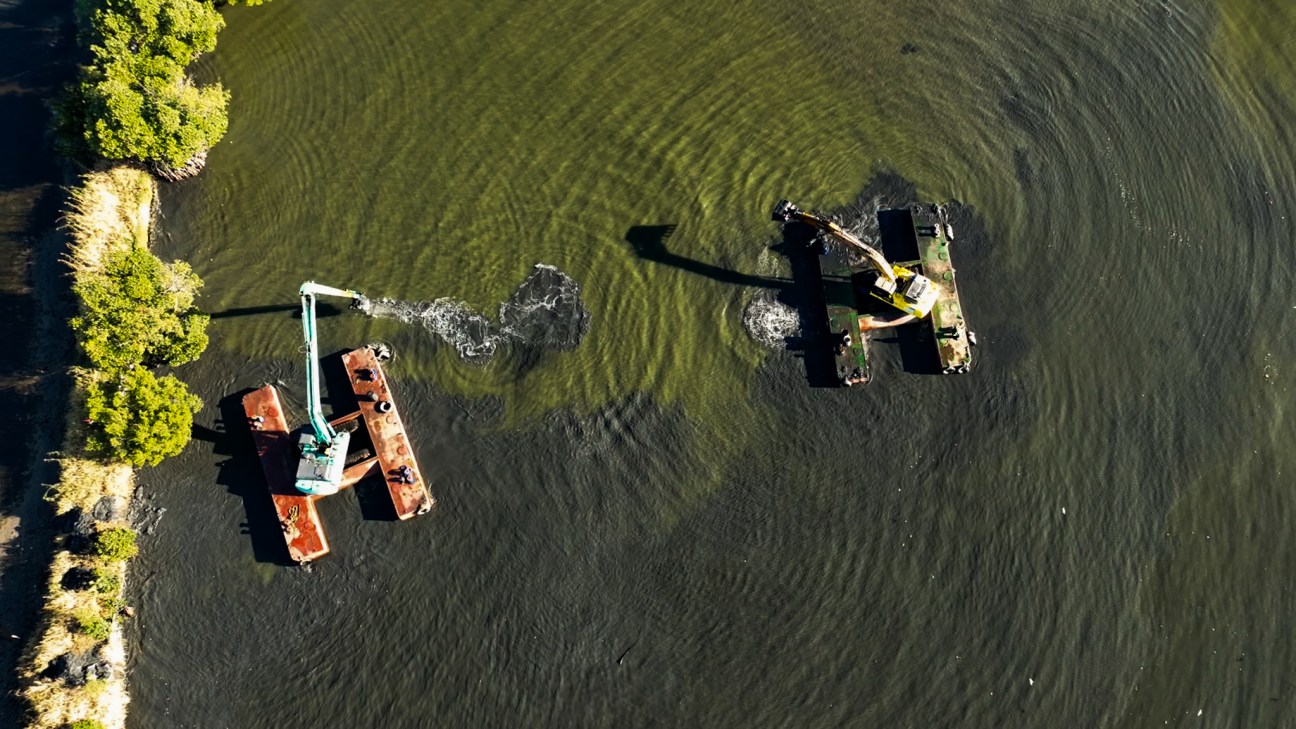
A seasonal typhoon has just passed by Metro Manila, cancelling flights and causing flooding. San Miguel has been dredging rivers to facilitate drainage and Ang shares his opinion on what structural improvements are required to weather future storms – both natural and manmade. The patriotic Filipino is fully invested in the country’s disaster resilience and the decisive leadership he demonstrated during the coronavirus pandemic – distributing food, medical assistance and other aid – even led to calls for him to run for president in 2022. “If I become a famous politician for six years, what’s the good of that?” he says, dismissing the idea. “I will have divested all of my shares in my company and made thousands of enemies.”
RSA, as he is known to colleagues, can achieve more by sticking to what he’s good at. What’s his best deal to date? NAIA, he says, without hesitation. “We’ve been given the opportunity to improve the main gateway to the Philippines,” adds Ang, who turned 70 this year. It’s a surprising choice given that the commercial terms have been pilloried in the business pages for, oddly enough, being overly generous. A consortium in which San Miguel owns a stake won the NAIA public tender in 2022 with a bid that will earn the government $20bn (€18.5bn) and a 60 per cent cut of profits. Characteristically confident, Ang believes that he can’t lose. After all, what’s good for the Philippines is ultimately good for San Miguel.
Re-engineering NAIA is part of a slate of major infrastructure projects that Ang wants to see completed over the next three to five years before handing the San Miguel reins over to his eldest son, John Paul. Building an entirely new airport to serve the capital is unquestionably the jewel in his crown and the $7bn (€6.5bn) investment will almost certainly define Ang’s legacy.
The New Manila International Airport, as it is currently known, is in Bulacan, a province immediately north of Metro Manila. Site preparation was completed this year and construction will soon get under way. Once up and running, three or four years from now, Bulacan will become Metro Manila’s equivalent to Incheon in Seoul or Narita in Tokyo, while NAIA will be a Gimpo or Haneda. “There is no compromise in our new airport. It will be ideal,” says Ang, while scoring all of Asia’s major airports, from an engineering rather than tourism perspective. “Four parallel runways with 2km separation, good for 100 to 200 million passengers a year and a 30-minute drive or train journey to anywhere in Metro Manila.”
It’s a case of better late than never. During the 1980s, 1990s and 2000s, when most developed Asian capitals were building a second airport, consecutive administrations in the Philippines dithered. Southeast Asia’s fourth-largest economy is now 30 years behind many of its peers and the aviation industry’s shortcomings are emblematic of a broader infrastructure deficit.
Closing this gap has been a flagship policy of the past three presidents. In any democracy, though, forming policy is one thing and implementing it is quite another. Ang first pitched his new airport to president Benigno Aquino III in 2012. Aquino’s successor, Rodrigo Duterte, finally approved it in 2018. The straight-talking CEO has little to gain, though, from picking sides or apportioning blame. All governments are basically the same from his perspective and he must work with whoever occupies the Malacañang Palace – the Filipino White House.
Is Ang betting his company on aviation? The new airport must attract about 36.5 million passengers to break even, he says, while NAIA will reach almost 50 million this year. “There is a risk but we have to take it,” he adds, revealing the missed opportunities that motivate him more than any fear of failure. By his own count, he has walked away from five potential investments that have “cost” the company a whopping $100bn (€92.7bn) – and Ang countless hours of sleep. “My greatest mistake is not to be more aggressive,” he says. “You win some, you lose some.”
Towards the end of the decade, once San Miguel’s airports, toll roads and railway projects are complete, its visionary CEO envisages vehicular traffic and investment dollars beginning to flow from the national capital, home to most of the economic activity, to the north of the Philippines’ largest island, Luzon, where land is cheap. Traffic in Metro Manila will ease, seasonal flooding will be less severe and the country will be better placed to attract Thailand’s tourism numbers and compete for the foreign direct investment typically funnelled into Vietnam.
Metro Manila’s reputation for violence will be the last remaining sticking point – no amount of concrete can cover up international headlines about kidnappings, drug wars and extrajudicial killings. This bad publicity will have to change, Ang says, if the Philippines is going to attract the likes of Samsung and Taiwan Semiconductor. His passionate monologue has the makings of a future stump speech delivered to a crowd of potential voters. President Ang in 2028? “Politics is not me,” he says, definitively. “I’m happy now that I’m able to prepare San Miguel’s succession plan, see the company continue to do well and be able to help the community. Mission accomplished.”
Two wheels or four?
Motorcycle ownership in Metro Manila has quadrupled in the past decade. But with congestion set to improve, it will be interesting to see the direction of two-wheel travel.
Affairs round up: Icebreaking in the Arctic, Rwanda’s aviation ambitions and 58 Polish “wolverines”
Arctic sea ice might be shrinking but it still inhibits maritime navigation. Seven Nato members have territory in the northern polar region but their icebreaking capabilities lag behind those of Russia and China. The alliance is now trying to close the gap. On the sidelines at July’s Nato summit in Washington, the governments of the US, Finland and Canada signed the Icebreaker Collaboration Effort (or Ice Pact). The three nations agreed to share information, pursue workforce development and encourage allies to buy more icebreakers.
The announcement came at a crucial moment for the US. New vessels to support the Coast Guard’s two ageing diesel-powered icebreakers were supposed to be ready this year but delays and cost overruns have pushed their delivery to 2029 at the earliest. Shipyards in Mississippi are struggling with the task but US law prohibits the purchase of foreign-made vessels.
“We haven’t built a large icebreaker in the US in decades and specialised skills, such as high-end welding, have atrophied,” Rebecca Pincus, director of the Wilson Center Polar Institute, tells Monocle. But Finnish shipbuilders could come to the rescue, as the pact clears the way for Helsinki to send some technical assistance. “Finland is the world’s leading design-and-build country for icebreakers,” says Pincus.
As for the third Ice Pact partner? In March, Canada signed a contract with Québec-based shipbuilder Davie, which bought Helsinki shipyard dny Finland Oy in November 2023, for six new icebreakers for the country’s coast guard.
Mid-latitude countries are increasingly showing up at Arctic forums too but the primary beneficiary will be the US, where the pact was signed. “The US is the Arctic ally that’s furthest behind,” says Pincus. “We have the most catching up to do.”
Anura Kumara Dissanayake
MP and presidential candidate
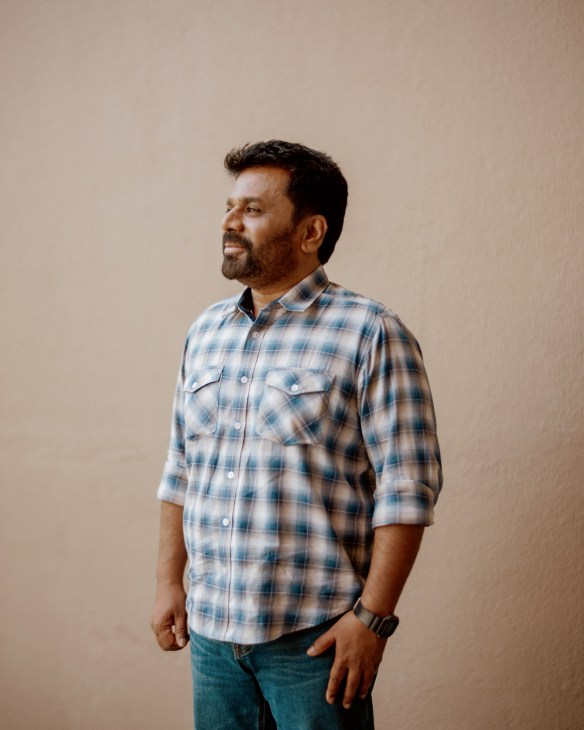
The leader of Sri Lanka’s left-wing National People’s Power (NPP) coalition, Anura Kumara Dissanayake, is the frontrunner in the country’s presidential election, which will be held on 21 September. Here, monocle speaks to him in Colombo.
What does the NPP offer Sri Lanka?
Both the main opposition and the ruling party follow the same neoliberal economic model. Today, sadly, we are a bankrupt nation. We have an external debt of €34bn, poverty has increased and the price of essential goods has skyrocketed. Our priority is to save the country from this economic crisis.
What about foreign policy?
There are many power camps within a multipolar system. We won’t be a competitor in that geopolitical fight, nor will we be aligned to any party. We don’t want to be sandwiched, especially between China and India. Both countries are valued friends and, under an NPP government, we expect them to become close partners. We also want to maintain relations with the EU, the Middle East and Africa.
You won 3.16 per cent of the vote in 2019. Now you’re polling at about 40 per cent. What has changed?
In the past, people wanted us to be the opposition. Now they want us to run the country. They have realised that the two main parties rule together. Their economic policies and governance structures are the same.
Andrew Mueller on winners and losers
During an election, the focus is normally on what the contenders will do if they win. Nobody pays much attention to the loser because their response is taken for granted: a graceful concession, followed by retirement to write a vindictive memoir, or else a regroup with a view to having another crack at it next time. The 2024 US presidential election, bizarre in many respects, is also unusual in that the loser might end up commanding centre stage – especially if it happens to be Donald Trump.
We have some idea of what he might do. Perhaps, as he did last time, he’ll confect fantasies about a rigged election and have a tantrum. That might not prompt another sacking of the Capitol – the stiff sentences imposed on hundreds of participants in the attempted putsch of 6 January 2021 will hopefully have a deterrent effect.
But a defeated Trump would likely be more desperate than he was back then. By the 2028 presidential election, he will be 82 and possibly in prison. It doesn’t require much imagination to foresee Trump encouraging another attempted coup d’état, especially if the Republicans have sufficient numbers in the House and Senate to delay or refuse the result’s certification (in 2021, 139 Republican congresspeople refused to acknowledge Joe Biden’s victory, as did eight of the party’s senators). Trump could even stage a rival inauguration, sworn in by one of his plants on the Supreme Court (or Hulk Hogan).
It is easier to anticipate a defeated Kamala Harris’s actions. As divided as the Democrats traditionally are, they remain keen on democracy. Even in the event of a cliffhanger like the 2000 presidential election, which came down to just 537 votes out of nearly six million cast in Florida, Harris would accept the result. That would be the Democrats’ short-term response. The longer-term one would need to be to ensure that the US actually has subsequent elections.
Andrew Mueller is the host of ‘The Foreign Desk’ on Monocle Radio.
Aiming for the skies
With hefty financial support from Qatar, Rwanda is hoping to become a new African aviation hub. Qatar Airways (QA) is the majority shareholder in an airport under construction near Kigali, Rwanda’s capital. Expected to open in 2027, it will be QA’s main base in Africa. Betting on the country’s strategic position at the heart of the continent, the airline is also finalising a deal in which it will take a 49 per cent stake in its flag carrier, RwandAir.
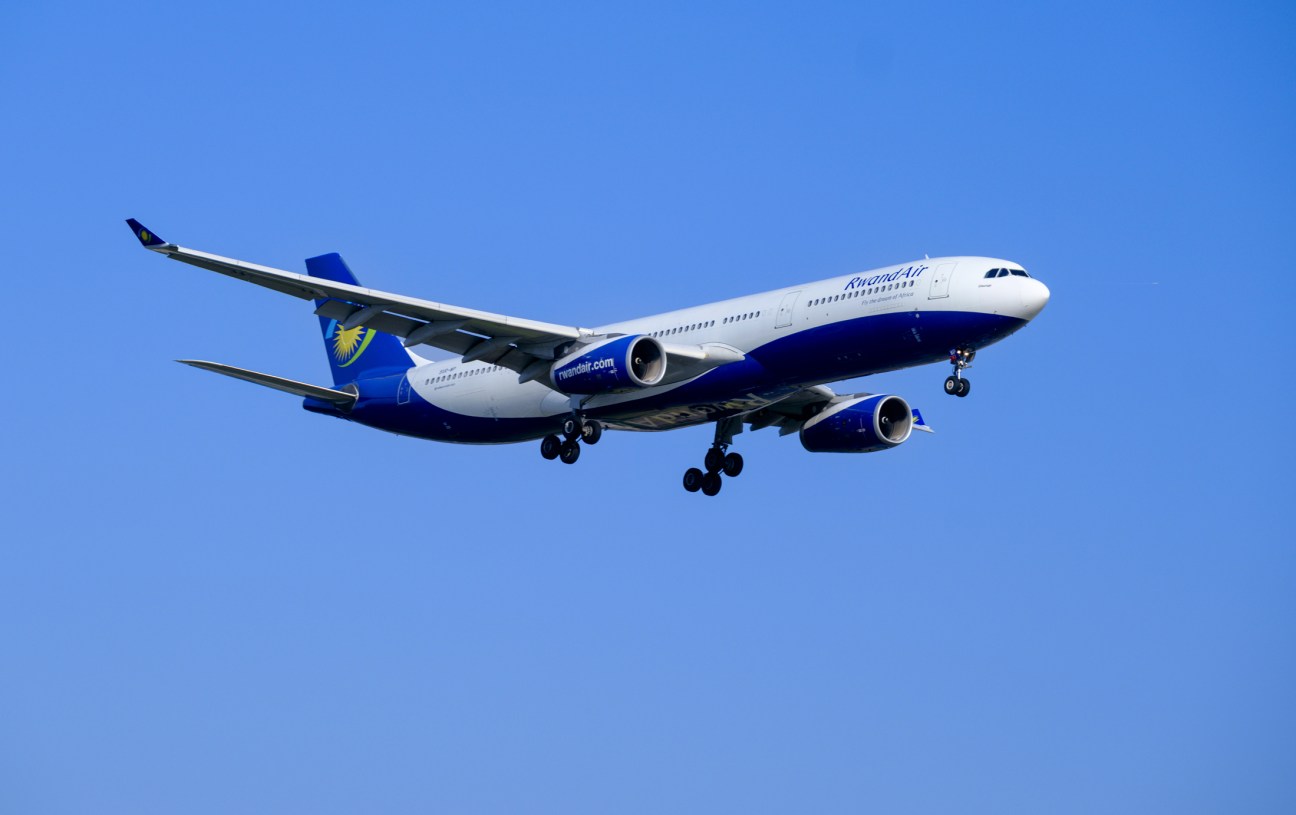
Africa’s population and economy are projected to grow rapidly over the coming decades. Though the continent currently only accounts for about 2 per cent of global air traffic, it is among the world’s fastest- growing aviation markets. According to analysis by Boeing, passenger numbers will more than quadruple in the next 20 years. However, flying from one African capital to another still too often requires at least one layover, usually in the Gulf, Cairo or even Paris.
So far, only Ethiopia’s capital, Addis Ababa, has succeeded in becoming a hub for both passengers and cargo on the continent. A focus on connecting regional destinations and joining Star Alliance, the world’s first and largest airline partnership, have helped Ethiopian Airlines to become one of Africa’s most profitable flag carriers.
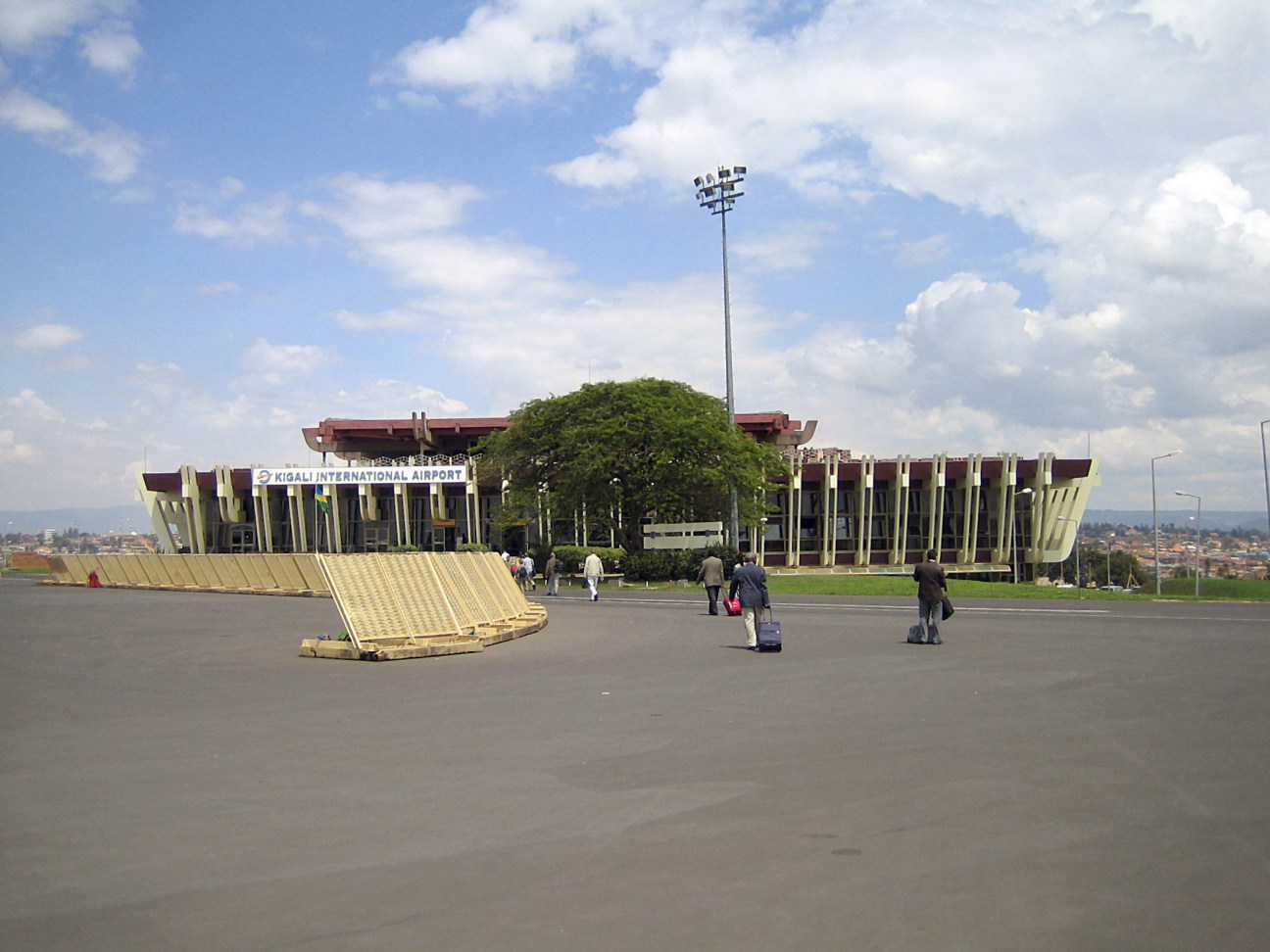
Landlocked Rwanda is now seeking to emulate and even surpass that success by making Kigali a global hub on a par with Doha, Singapore or Atlanta. That would be a major coup for the country’s president, Paul Kagame, who has been trying for years to draw foreign investment to the city with limited success. His aviation plan will depend heavily on attempts to liberalise travel regulations within Africa. Thirty-seven countries are currently signed up to the Single African Air Transport Market, an African Union initiative intended to bring down costs and barriers. If this plan takes off, the sky’s the limit.
Naveena Kottoor is Monocle’s Nairobi correspondent.
In the basket: 58 Rosomak armoured personnel carriers
Who’s buying: Poland
Who’s selling: Poland
Price: €610m
Delivery date: 2027
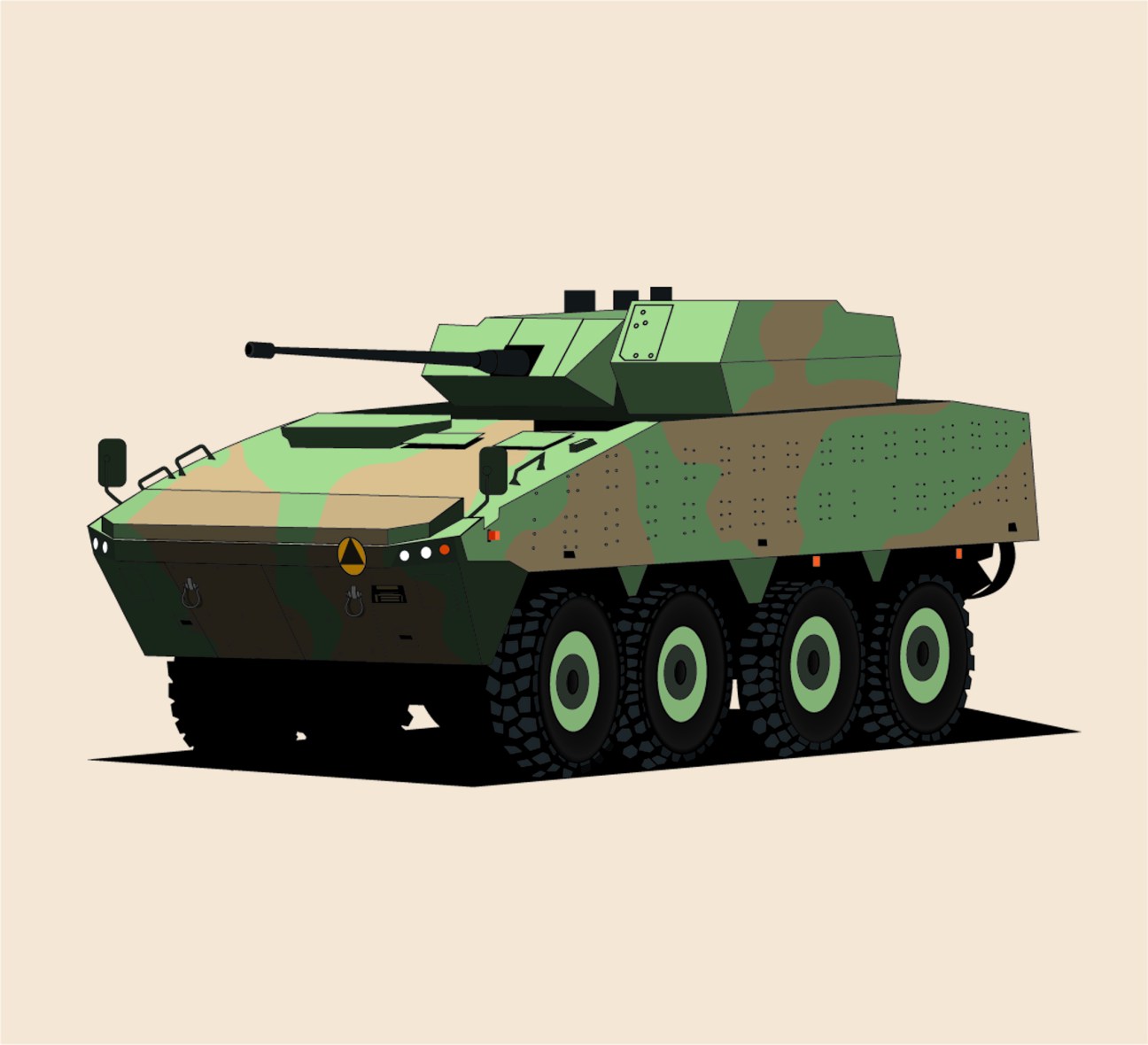
This is a conspicuous vote of confidence in the domestically built Rosomak (whose name means “wolverine”). Poland’s army already fields some 800 of these eight-wheeled vehicles, a variation on the amv built by Finland’s Patria. Rosomaks have carried Polish troops serving in Afghanistan and Ukrainian troops defending Ukraine; Poland has sent 200 of them to its neighbour.
The order is part of a vast enlargement of the country’s military. Its Armament Agency has confirmed orders worth €9.4bn in 2024 and Poland expects to spend 5 per cent of its GDP on defence by next year, which would make it Europe’s highest military spender per capita. The Rosomak’s ZSSW-30 remote-controlled turret might help Warsaw pay for some of this. It has reportedly piqued the interest of South Korea, which has recently become a major supplier of tanks, artillery and aircraft to Poland.
Going under:
As cities become more crowded and authorities commit to decarbonisation, many are turning to underground trains. Here are three metros that are scheduled for completion in the next few years.
1.
Front line
Construction has begun on Ulaanbaatar’s metro, an 18km line that many hope will solve the Mongolian capital’s pollution and mobility issues. With a budget of €1.2bn, it will transport some 17,000 passengers an hour. Completion is slated for 2027.
2.
Further afield
The second phase of the Los Angeles Metro’s extension to cities such as La Verne and Pomona is expected to open in January 2025. By 2030, the line will extend to Montclair in San Bernardino County.
3.
Home straight
Following the opening of new stations in suburbs such as Crows Nest, Sydney’s Bankstown Line will close for a refit as part of the final stage of the metro’s southwest extension. From next year, commuters should be able to take a train into the CBD every four minutes at rush hour.
Agenda: The death of in-flight entertainment, roadtrips on paper and the cultural industrial revolution.
Smartphones are revolutionising in-flight entertainment. Paul Charles ponders what will come next.
More than 100 years since 11 passengers in an Aeromarine Airways plane excitedly watched the first in-flight movie – a short promotional film called Howdy Chicago – are we witnessing the end of this travel tradition? The introduction of wi-fi on planes has made staying connected easier than ever, albeit with pesky outages, depending on your route (for some reason, the signal always drops over the Bay of Biscay, off the west coast of France). Today most people board clutching their mobile device, onto which they have downloaded their favourite films and TV shows.

There’s a cost factor for airlines to consider. Onboard monitors are expensive to maintain and are often so unreliable that they periodically need to be reset by cabin crew. Turkish Airlines will soon provide free wi-fi to all passengers on every flight. Finnair, British Airways and Singapore Airlines now offer free messaging for travellers if they sign up for their respective loyalty schemes. This encourages those onboard to use their own devices for the duration of the flight, rather than rely on the larger screens installed on the plane.
In the race to be as sustainable as possible, companies are also seeking to reduce aircraft weight. By reducing the size of in-flight monitors or removing them entirely, airlines can ensure that their planes weigh less and don’t need as much fuel. As in years gone by, the aircraft of the future might have tiny monitors overhead, used to display cabin safety messages or maps showing where you are and at what height. In-flight entertainment will be provided by you, the passenger, who will be left to your own devices.
Paul Charles is the CEO of luxury travel consultancy The PC Agency and a former director of Virgin Atlantic.
Setting the stage:
London-based events company Broadwick Live is behind some of the UK’s most ambitious cultural spots, including Drumsheds, an enormous venue inside a former Ikea building in the capital’s Upper Lea Valley area. Many of its spaces have an industrial past and its latest location is no exception: New York’s Brooklyn Storehouse is a shipbuilding site on the Navy Yard industrial complex.
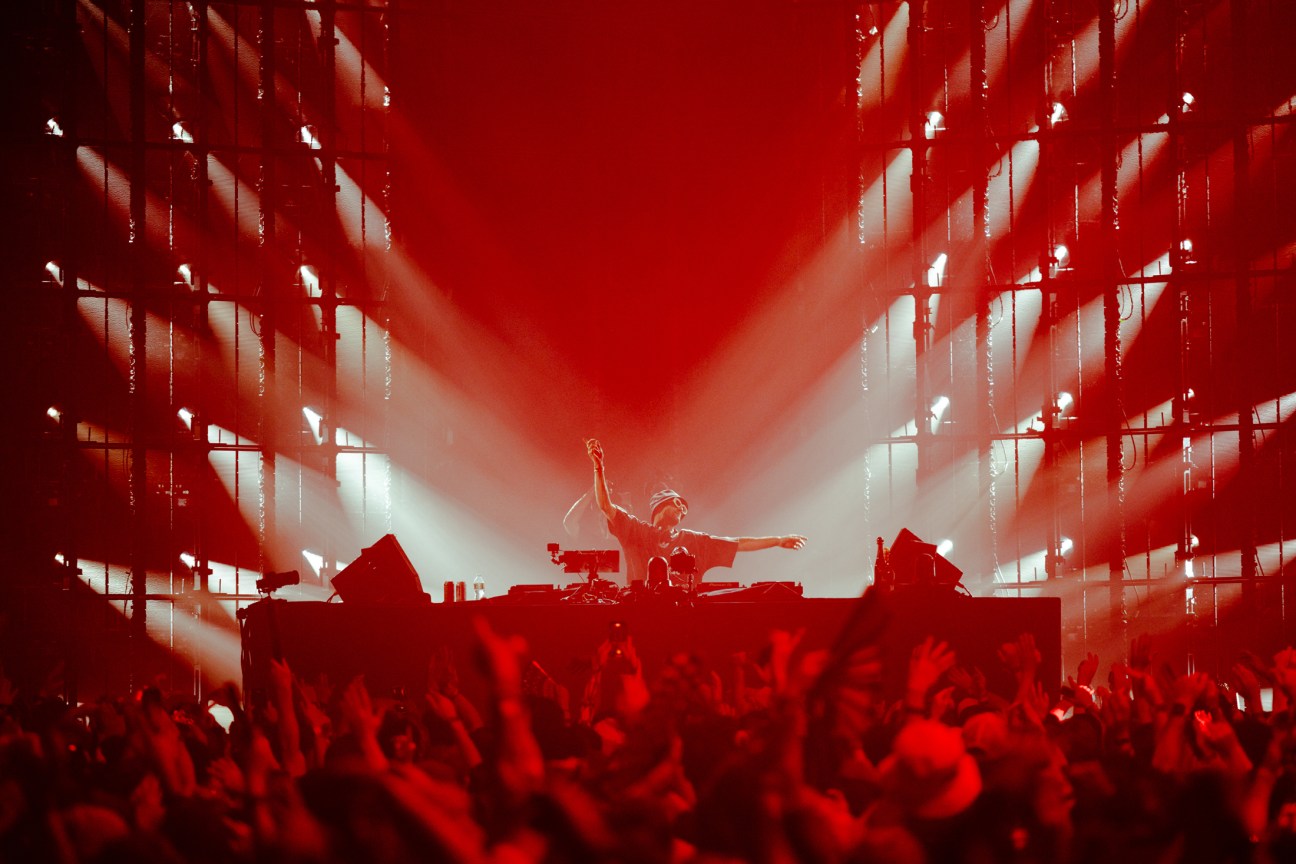
Once a military dockyard, the building has been used for civil shipping and boat repairs for the past 50 years. “It belongs to New York’s Economic Development Corporation, which has a clear mandate to stimulate industrial jobs,” says Simeon Aldred, Broadwick Live’s director of strategy. “We believe that we can create a new cultural industrial revolution, generating employment and socioeconomic change. Shipyards, power stations, warehouses – these buildings are often loved by the community, so developers are no longer commissioned to knock things down.”
For Broadwick Live, which runs 23 venues in the UK, expansion into the US felt like a natural next step. The availability of characterful (and gigantic) properties was another factor. “New York still has swaths of amazing industrial spaces that can be reused,” says Aldred. Brooklyn Storehouse will have a mixed schedule that spans electronic gigs, fashion shows and theatre performances. “We have to make bold strides. Culture is being squeezed out of cities in the rush to build cheap housing. We want to do something to redress that.”
brooklynstorehouse.com
Taylor Bruce
Editor in chief, Wildsam
Taylor Bruce is the editor in chief of Wildsam, an Austin-based travel brand known for its Field Guides. Wildsam has now launched a magazine that will publish 12 issues a year. Here, Bruce tells Monocle about his fondest travel memories, his plans for the magazine and where’s next on his bucket list.

Why do you love roadtrips?
Some of my favourite memories are of travelling through national parks or from Austin, Texas, to Colorado and back. It’s a rite of passage: for young adults in the US, driving from coast to coast is one of life’s most exciting experiences. Roadtrips are also an important part of our heritage. Something about the expanse of our landscape captivates the imagination.
What has been the reaction to Wildsam’s move into magazines?
It has been great. There has been an upswell of magazines leaning into specific niches. We’re embracing the unique things that go hand in hand with roadtrips: recreational vehicles, back roads and scenic routes, and visiting small businesses along the way.
Which part of the US are you most excited to explore?
We’re focused on the West Coast now, looking at the redwoods in our national and state parks. Also, any region that touches the Great Lakes, such as Minnesota or Wisconsin, which are real hidden gems.
How the Ford Tourneo is becoming the taxi of choice in Europe
Looking for a vehicle to shuttle you between fashion shows at Pitti Uomo in Florence? Or are you on the hunt for a driver to whisk you around Milan during Salone del Mobile next year? If so, you might find yourself buckled into a Ford Tourneo Custom. The 2024 edition of the smart-looking people-mover that can carry up to nine passengers is quietly becoming the executive car service’s vehicle of choice in Italy.
“It’s an elegant yet comfortable car to drive,” says Stefano Ciappi, who Monocle trails for a morning on the road in Florence, where he’s taking clients to the airport or between events in his newly minted Tourneo Custom. Ciappi, who runs chauffeur business Chianti Drive, which services central Tuscany, bought the vehicle earlier this summer. The driver’s preference for the US brand is unusual in a sector where the ubiquitous Mercedes Benz V-Class people-mover currently reigns supreme – but Ciappi says that’s likely to change. “The Tourneo Custom is going to be really popular in the chauffeur and taxi industry in Italy,” he says. “I already have several taxi-driver colleagues trying it. They’re satisfied with it because it’s comfortable for both the driver and the passengers. It’s absolutely on the way to being a success.”
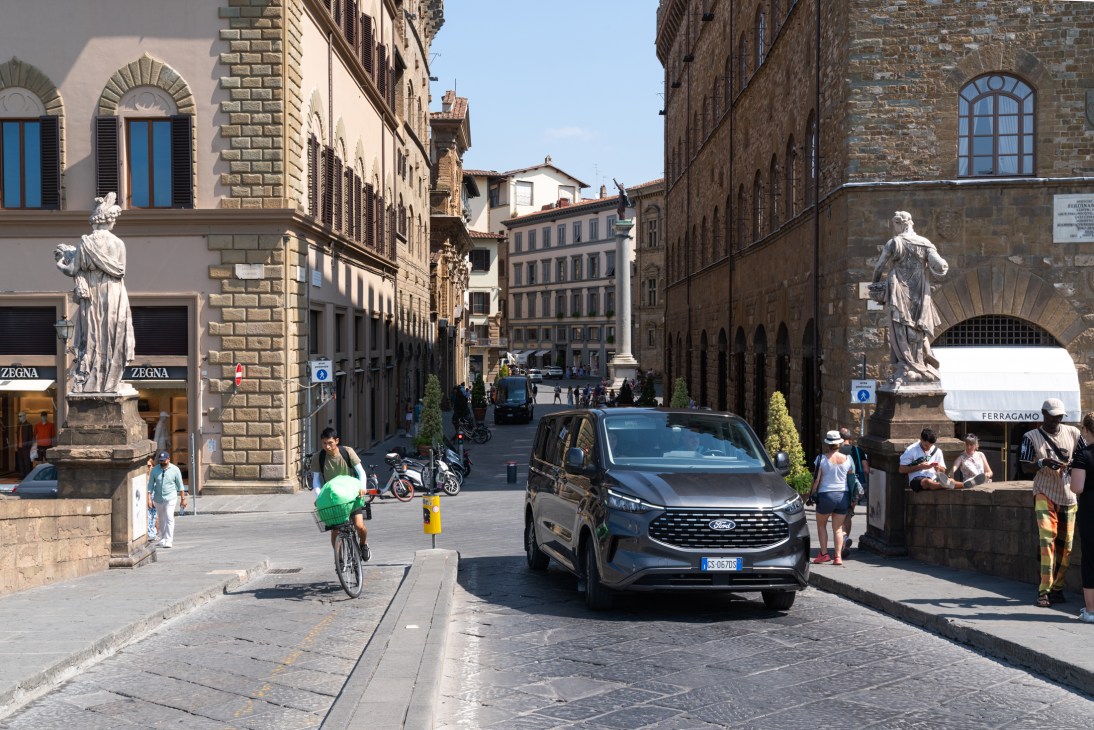
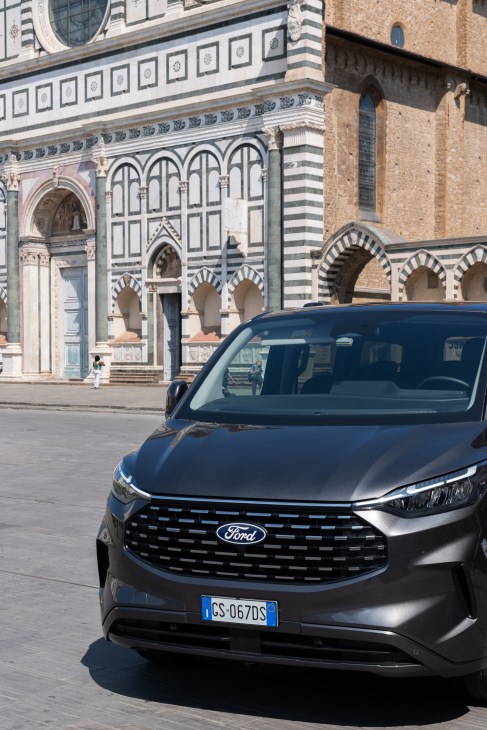
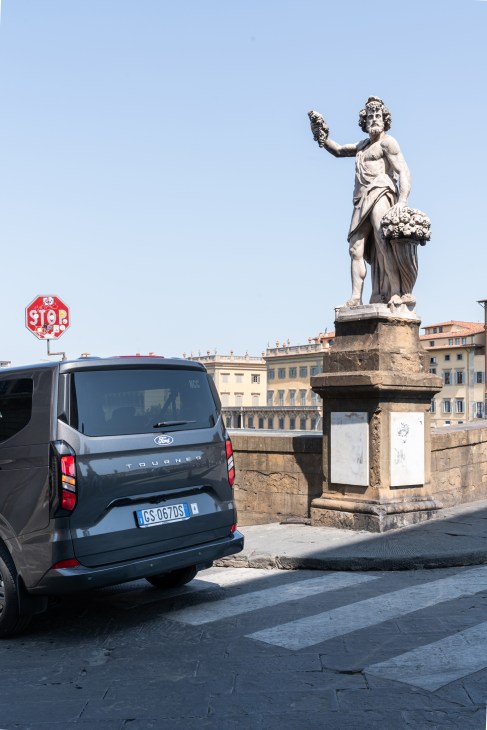
The Tourneo Custom has been in production since 2012 but has had a dramatic overhaul for 2024, which has generated a renewed interest in the vehicle. There are sleek new headlights and a refined front grille but the game-changing component has been the introduction of a seating mechanism that allows for all nine seats to slide and rotate within the cabin. It’s a move that allows seating layouts to change to suit the needs of the customer: rows of three chairs can be turned to face each other, creating a “conference” configuration; or they can be twisted to face the same direction for a more solitary ride. There has also been a significant increase in storage space at the rear of the vehicle (handy if you made some purchases at Pitti Uomo), plus a generous touchscreen for the driver makes navigation a breeze.
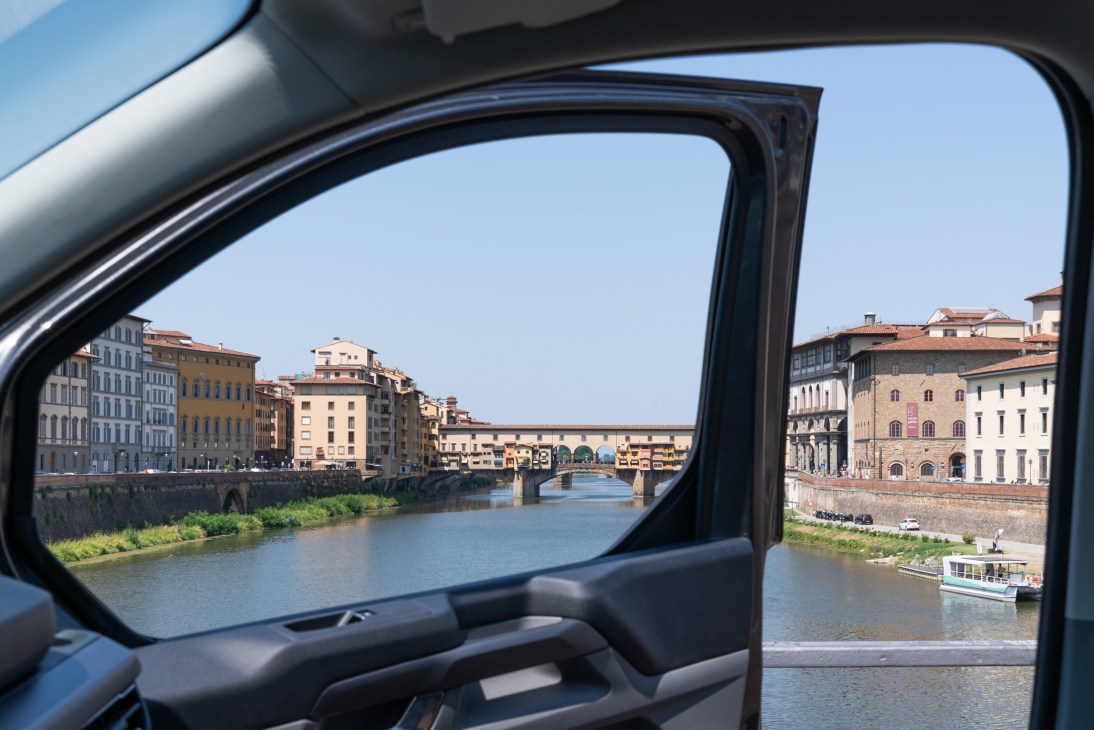
In short, Ford might just be on to a winning concept – and it seems that the company knows it. “Every passenger can enjoy the best seat in the house,” said Ford Europe’s vehicle line director, Pete Reyes, at the launch of the Tourneo Custom. “The vehicle has been transformed from top to bottom, combining the comfort and quality of a luxury car with outstanding space and practicality.” It’s a hype that the vehicle is living up to – and the reason why you’ll be hoping that one picks you up from Peretola or Linate next time you’re in town.
Follow that cab
Taxi services are integral to the identity of cities across the world, offering not only vital transport options but a distinct emblem for the community they operate in (writes Perry Richardson). When thinking of New York, the famous yellow cab springs immediately to mind. In London, the black cab is synonymous with the city’s DNA. It’s also big business in Europe: the continent’s taxi market is expected to grow by 8.11 per cent between 2024 and 2029, with the sector set to be worth €104.6bn by the end of the decade. This presents enormous commercial opportunities for those supplying vehicles – and the Ford Tourneo Custom might just be edging out the competition.
For those European cities looking for a cab that can either entwine itself into an already established taxi fleet, or enhance its credentials, the Tourneo Custom can offer a fresh alternative, combining reliability, affordability and functionality. As the “custom” in its name suggests, almost every detail of the car can be tweaked, including its three powertrain options (diesel, hybrid or electric) flexible seating configurations and the possibility of adding ramps and electric side-steps. Custom-fitted grab rails and a two-way hearing loop intercom can also be added, plus its interior finishes and paint job can be readily changed to match the requirements of any city’s taxi colourway.
Did Ford design the Tourneo Custom with the prime focus of it becoming a widely used taxi vehicle across Europe? No, but it was designed for tailored versatility, which makes it a prime candidate to become that globally accepted taxi vehicle. The challenge now lies in shifting perceptions away from the current limited saloon-style taxi options and encouraging taxi operators to consider the array of possibilities that a vehicle such as the Ford Tourneo Custom has to offer.
Perry Richardson is the editor of ‘TaxiPoint’ (taxi-point.co.uk) and a taxi-industry specialist.
Is neutrality coming to an end as politicians look to put Thailand back on the map?
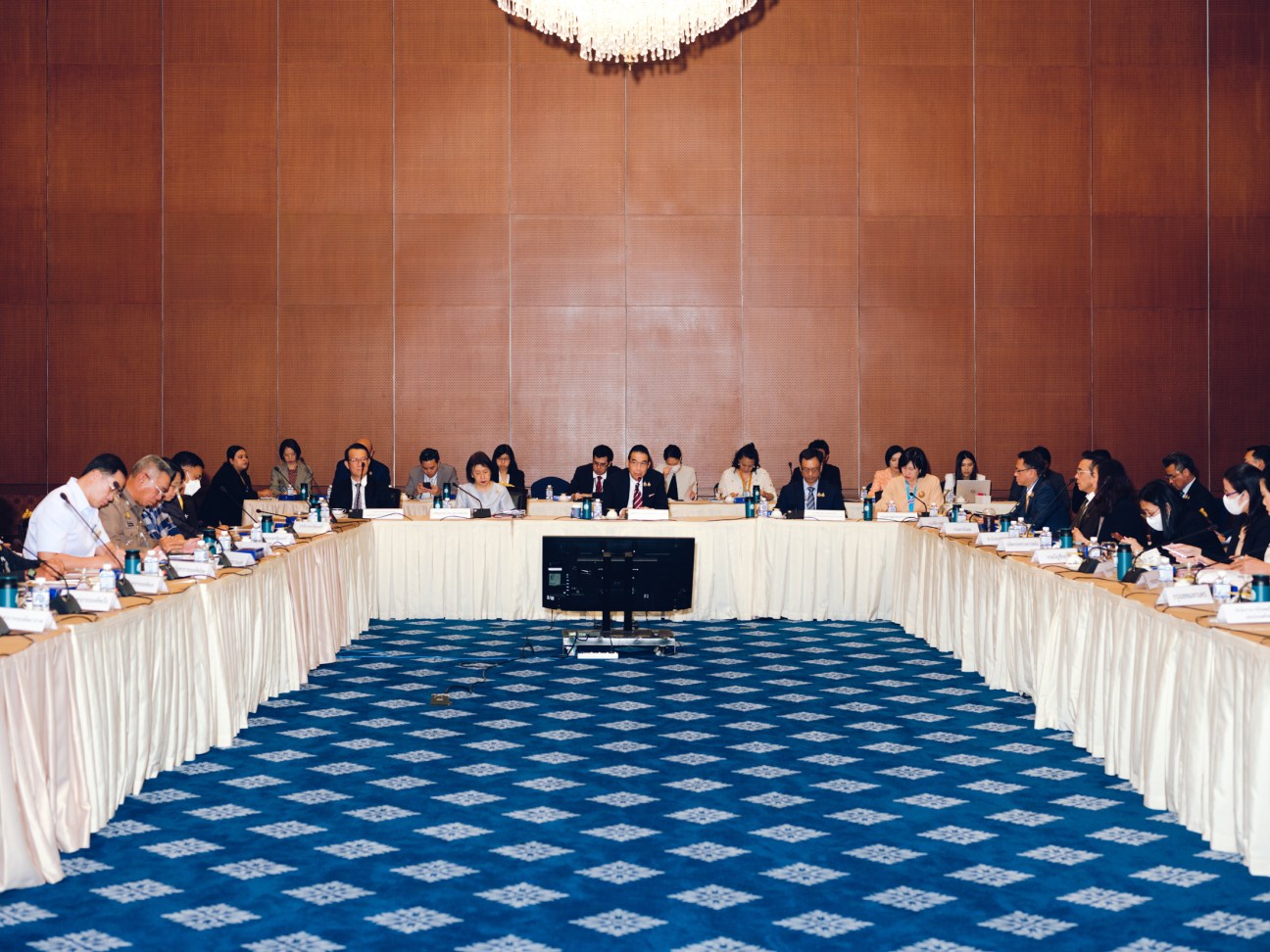
Inside the Ministry of Foreign Affairs (MFA) in Bangkok, Thailand’s top diplomats are gathered in the grand ceremonial hall, known as Vithes Samosorn, to discuss a forthcoming multilateral summit. Chair of the meeting, foreign minister Maris Sangiampongsa, begins by setting out the government’s top objectives to the agencies in attendance, including national intelligence, aviation, police and City Hall. Uniformed officers from each of the armed forces sit together on the U-shaped table. “We want to put Thailand back on the world radar,” says Sangiampongsa, a 66-year-old career diplomat-turned-politician who joined the cabinet in May. “Every agency has a big role to play in that mission.”
The Bay of Bengal Initiative for Multi-Sectoral Technical and Economic Co-operation (BIMSTEC) is one of the more esoteric acronyms on the international relations calendar. India’s membership gives the club of mainly south Asian countries economic heft and its prime minister, Narendra Modi, is expected in Bangkok on 4 September. For the hosts, welcoming an in-demand foreign statesmen to the Thai capital provides a rare opportunity for positive international coverage – as long as the myriad protocols, tricky logistics and media messaging all run smoothly.
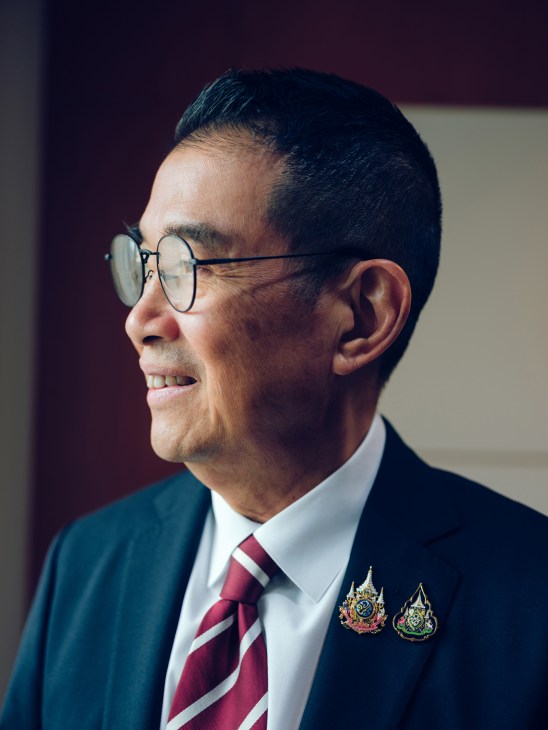
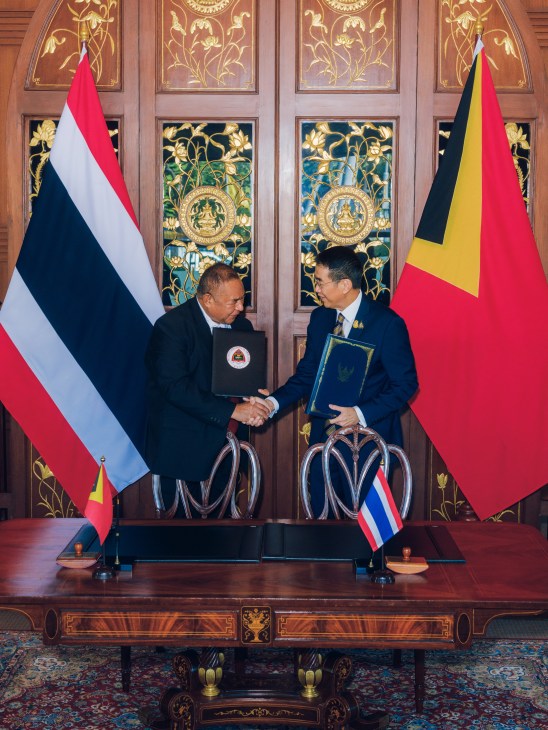
Thai diplomats are trained on how to greet visiting dignitaries (even how to kiss) but no amount of classroom teaching can prepare for the real thing and there are plenty of potential pitfalls, from the Bangkok traffic to the arrival of unwanted guests. Vital as bilateral relations are with Myanmar, a neighbour and fellow BIMSTEC member state, the reprehensible military junta clinging on to power in Naypyidaw is a constant thorn in Thailand’s side at a time when Bangkok is trying to move beyond its own coup d’état. Elections last year ushered in the first civilian-led government since the Thai military seized power in 2014. The resulting coalition, an unlikely patchwork, has turned a page on what some foreign-policy veterans have called a “lost decade” for Thai diplomacy; former ambassadors posted to London and Washington under the military government talk about prioritising the mending of ties rather than advancing national interests. With democracy back in the ascendancy, for the time being at least, Thailand is standing taller on the world stage and eager to contribute.
At last year’s UN General Assembly, Thailand’s 30th prime minister, Srettha Thavisin, used his maiden speech to recommit to “proactive” diplomacy. His public riposte to widespread criticism of Thailand’s passive diplomacy under the generals was also a rallying cry for a country anxiously watching Vietnam’s rise on all fronts. The opportunity to make a positive contribution has brought renewed purpose to a downtrodden MFA along with some fresh faces at both the top and bottom of the organisation. A record number of new diplomats joined the service this year, bringing a much-needed injection of youthful energy, progressive views and internationalism.
The return of a peace-loving nation that wants to be friends with everyone comes at a critical time. The contest between the US and China is already dominating this century and the potential flashpoints continue to multiply. As the two superpowers cajole smaller nations to choose sides, the number of honest brokers is remarkably small. The likes of India and Vietnam are well positioned to profit from either country but no other nation in Asia comes to the table with Thailand’s predisposition for talks over tanks or a clean slate, free from colonial history or agenda. Benjamin Zawacki, a Bangkok-based geopolitical analyst, calls it a “land without ideology”. Bangkok is the oldest of Washington’s five treaty allies in Asia and the only one without a territorial dispute or major historical squabble with China – Thailand’s largest trading partner after the US. Earlier this year, Bangkok hosted a sit-down between China’s foreign-affairs chief, Wang Yi, and his US counterpart, Jake Sullivan. There is a willingness to provide more “good offices” and the Thai capital is already home to the UN’s regional headquarters.
Foreign minister Sangiampongsa has spoken publicly of Thailand being “a bridge that helps create a peaceful environment” between the superpowers and he repeats this message at a closed-door BIMSTEC meeting. “You all follow geopolitics,” he tells the room. “Many countries are looking to Thailand and our role in addressing these challenges.”
Monocle meets Sangiampongsa on the top floor of the MFA. A selection of newspapers are spread out on a table and a treadmill sits idle in the corner. A keen runner, he had intended to run 10km a day – wishful thinking. Since being called out of semi-retirement to take the globetrotting job, his feet have barely touched the ground. US secretary of state Antony Blinken recently called to say “hey” and, a few days earlier, Sangiampongsa travelled to Beijing at the invitation of Wang. According to the minister, Bangkok’s bridging role between the superpowers could extend to an ever-growing list of inter-governmental groupings and exclusive groups, such as the OECD and Brics. Thai diplomats feel at home in multilateral arenas and the country’s geographical location – such an important part of its success to date – represents a physical connection between the strategically important Indian and Pacific oceans.
Thailand’s approach to international affairs is famously flexible. Territory, rights, names and principles have all been sacrificed in the name of Thai sovereignty – a rare distinction in the region. “During colonial times, Siam’s supreme objective was independence,” says Pisanu Suvanajata, Thailand’s ambassador to the UK from 2016 until 2022. “We had flexibility in our diplomacy to achieve that goal.” Peak contortionism happened in the middle of the 20th century, when Bangkok inked a treaty with the invading Japanese during the Second World War before adroitly emerging on the winning side under the patronage of the US and becoming one of Washington’s staunchest allies (a client state, say some) during anti-communist wars in Korea and Vietnam. This act of bending and adapting to the prevailing winds came to be known as bamboo diplomacy, though few practitioners believe that it accurately reflects events this century. By the end of the Cold War, when the US had pulled out its troops, Thailand had made peace with its neighbours and was pursuing an independent, friends-with-everyone foreign policy.
When it comes to Thai diplomacy, most attention is fixed on Bangkok’s ability to balance US security with Chinese trade, and less on its other strategy to seek strength in numbers (or strength in diversity, as the Thais put it). The formation of the Association of Southeast Asian Nations (Asean) is considered a high point for Thai diplomacy. Signed in Bangkok in 1967, it was Thailand’s former foreign minister, Thanat Khoman, who jetted between Indonesia, Malaysia, the Philippines and Singapore to convince these nations to make peace. The subsequent admittance of Vietnam, Laos and Cambodia, as part of a broader Thai initiative to turn battlefields into marketplaces, transformed a loose, anti-communist league into a vast free-trade zone and made Thailand less beholden to either superpower. After BIMSTEC in 1997, Thailand founded the Asia Co-operation Dialogue in 2002 – a continent-wide gabfest that returns to Bangkok next year.
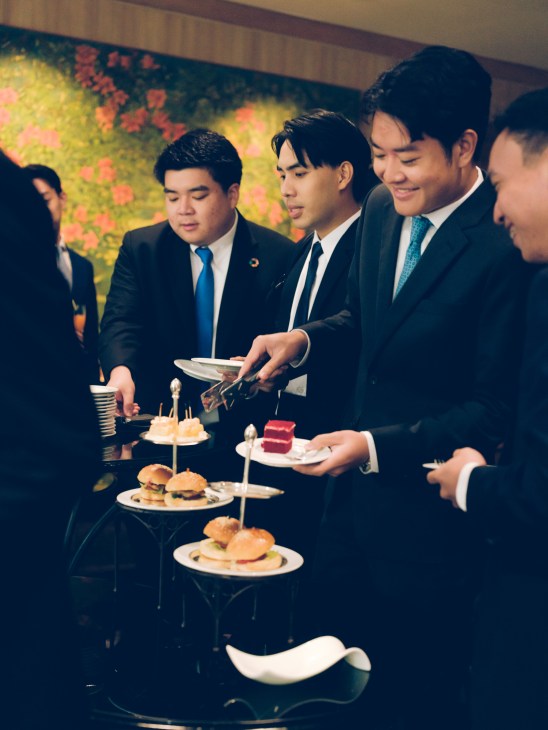
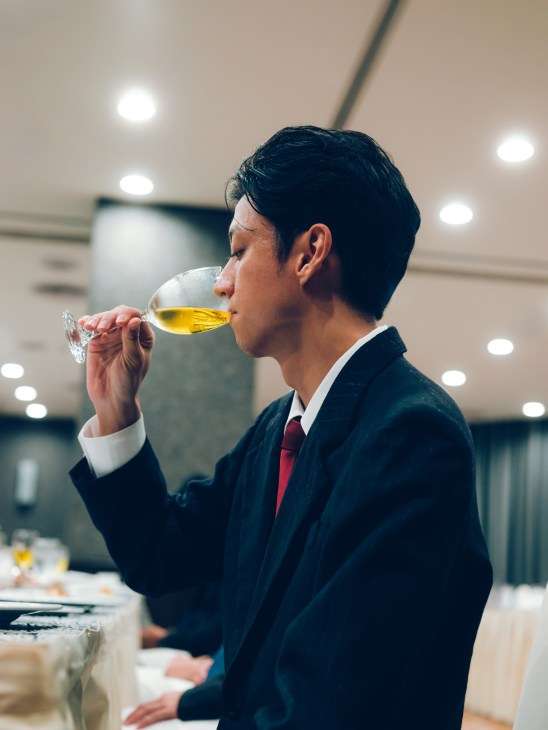
Elephant diplomacy could be a more fitting term for modern times. These clever, gregarious and benign creatures herd in large family groups, have no natural enemies and are known to socialise across species. (The Thai monarchy has also been known to gift elephants to other countries.) Suvanajata has a more fluid perspective. “Thai diplomacy has changed,” he says. “It’s no longer bending with the wind; we are like water that can penetrate into anything or anywhere we want.”
Two recent examples of Thai diplomacy have stirred plenty of academic debate. At Switzerland’s first Ukraine peace summit in June, Thailand sent a high-level representative but ultimately declined to sign the final communiqué. Some applauded Bangkok for turning up (something that it might not have done under the military government) and contributing to a discussion on food security (a topic it knows something about). Analyst Tita Sanglee saw these confusing signals as evidence of a third way between passive and proactive. Thailand wants to be an active participant in resolving issues without being forced to take sides; a Switzerland of Asia. Many others, meanwhile, deplored the fence-sitting and chronic fear of causing offence.
A second, equally perplexing strategy will play out over the next few months and years. Officials at the MFA have been instructed to apply to join the OECD and Brics, two very different clubs – one a Western-dominated group of rich countries and the other an increasingly anti-Western alternative. From the Thai perspective, joining these two multilateral organisations will provide a boost to trade and investment, and raise the country’s international stature – the government’s top two foreign-policy objectives.
It’s almost certainly a political decision, and foreign correspondents are not the only ones scratching their heads. Strong criticism is coming from inside the tent. Kasit Piromya, a former Thai foreign minister and career diplomat, calls the attempt to join Brics “idiotic” and “an absurdity”. A former ambassador to the US and Russia, Piromya came of age during the Cold War when young diplomats fighting the communists knew where they stood. “Brics is an institution that wants to have conflict and confrontation with the G7 and yet we are a partner with all seven of them,” he tells Monocle from his home in Bangkok.
Former ambassador Kobsak Chutikul, another foreign-affairs grandee, sees the decision to join the OECD and Brics as a reaction to the fracturing of Asean caused by Myanmar’s civil war and the failure to deal with the multi-polar world. “Individual Asean countries are choosing their own path – stay neutral, go with China, or go with the West,” he says. “The intuitive reaction of the Thais is to hedge our bets and join everybody.” Both men share the same frustration with Thailand’s pragmatic, case-by-case approach to global events. At a time when the geopolitical winds are blowing in every direction, they would like to see Thailand’s foreign-policy brains come up with a genuine strategy for navigating superpower competition. Under the previous government, the MFA created a 20-year “five Ss” masterplan (security, sustainability, standard, status and synergy) but it reads like a marketing deck and no serving diplomat brings it up during hours of discussion. But publishing a US-style foreign-policy white paper is just not in the Thai tradition, as they know full well. Chutikul describes the foreign ministry’s flexible DNA as “don’t take a position if you don’t have to, don’t say much, prefer quiet diplomacy”.
A book about Tej Bunnag, another former diplomat, published in 2021, comes closest to a contemporary account in print. The paperback, which goes through Bunnag’s experience of Thailand’s intuitive diplomacy in a conversational question-and-answer format, is handed to new recruits to the foreign service. A largely historical account and a quick read, big questions about the future go unanswered. Chief among them, Thailand’s response to an actual superpower conflict. Regional security analyst Zawacki wonders whether the question is even being asked inside the MFA. “Being friends with everyone is the right policy to have until something kicks off but you had better have a back-up plan for when things get hot,” Zawacki, author of Thailand: Shifting Ground Between the US and a Rising China, tells Monocle. “If you haven’t got a plan in place when that time comes, and you haven’t already sent overtures to the relevant country, a choice will be made for you.”
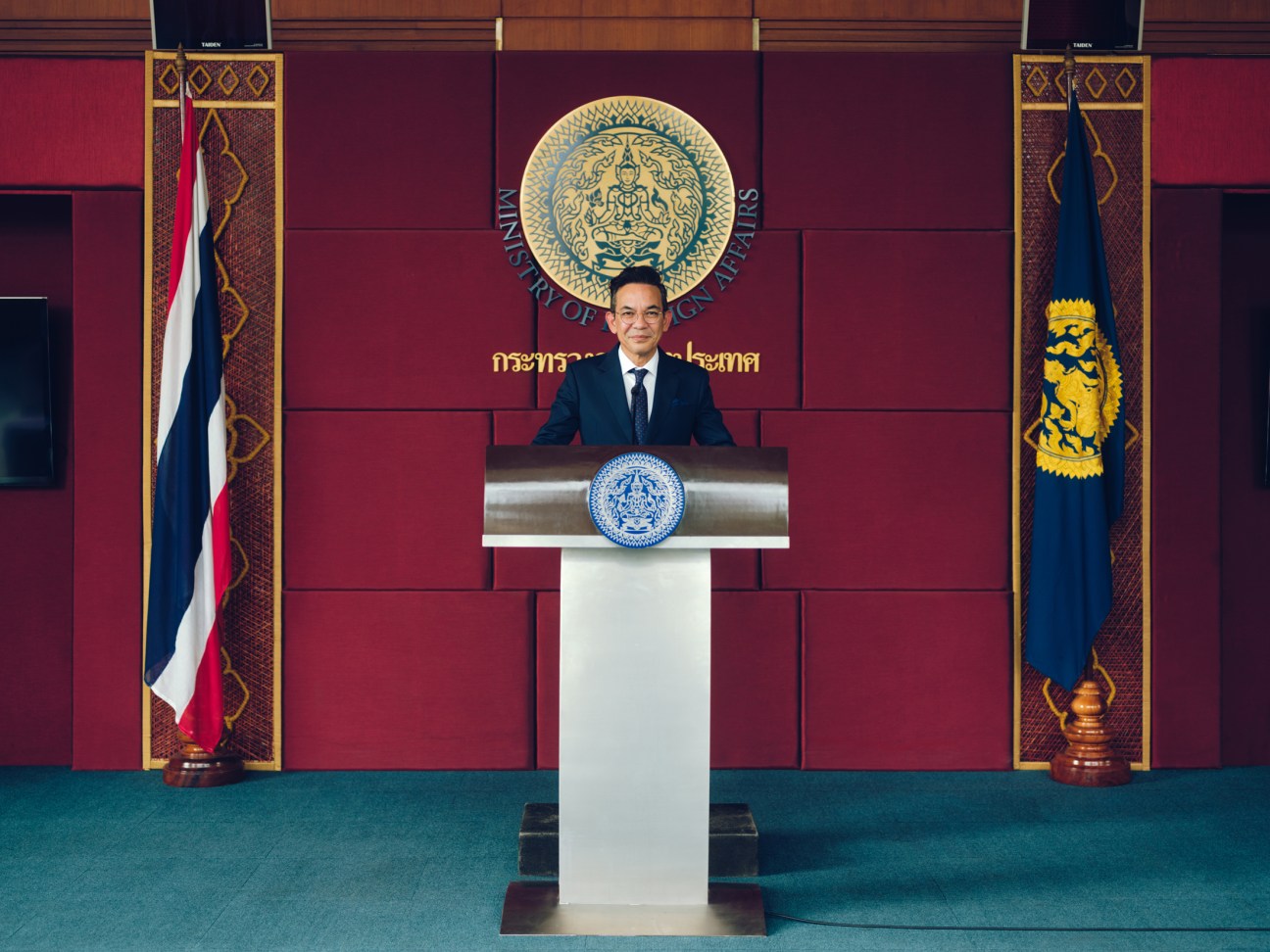
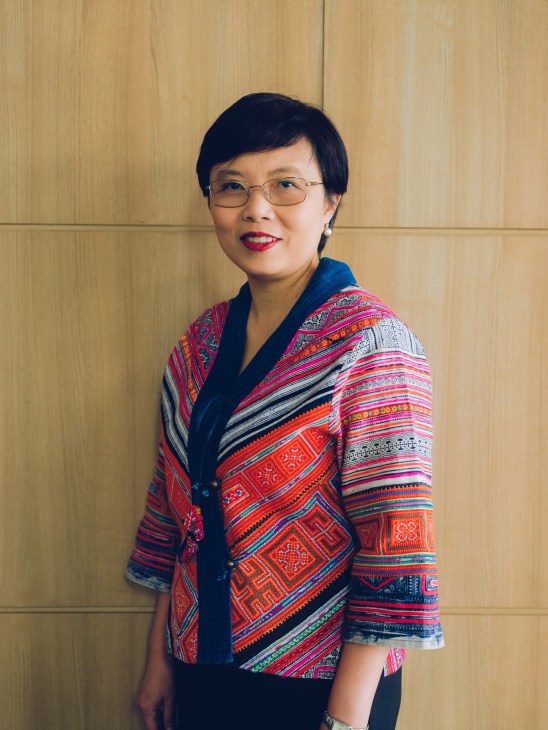
Journalists covering foreign affairs will often refer to the MFA by its former home, Saranrom Palace – a nod to when Thailand’s international relations were handled by the royal family. Devawongse Varoprakar, a worldly prince who is considered the father of Thai diplomacy, modernised the ministry in the late 19th century along Western lines, securing a standalone address across the road from the Grand Palace. The MFA moved to a purpose-built complex in the Ratchathewi district in the 1990s. Other than the Varoprakar statue standing guard at the official entrance and a replica gilded throne outside the ceremonial hall, there’s remarkably little majesty and regalia on display. Saranrom Palace’s top emissaries these days are professional civil servants rather than princes, and the permanent secretary of the MFA is considered Thailand’s highest-ranking diplomatic officer. Eksiri Pintaruchi took over the role in January, 30 years after the Georgetown University graduate entered the foreign service. “We need to ensure that our advice and concerns are taken into account at the policy level so that politicians can make an informed decision,” she says, describing her new role as a link between the ministry and the government. “Whether they listen or not is up to them.”
Pintaruchi’s first few months in office were dominated by the Department of South Asian, Middle East and African Affairs, one of 12 departments that report to her. Thai agricultural workers in Israel were the largest foreign nationality taken hostage by Hamas on 7 October 2023 and a handful have yet to be released. Closer to home, China’s territorial standoff with the Philippines in the South China Sea has caused much hand-wringing among her Asean counterparts. “We face challenging times, and these conflicts, confrontations and uncertainties affect not only economic growth but peace and stability across the globe,” she says. The most dangerous times in her career? Pintaruchi nods. Her mild manner and natural restraint make her informed views on world affairs all the more striking. “The world has become more fragmented and divided,” she says. “For countries like us to survive, we need to join hands with countries with similar concerns to make sure that the rule of law and rules-based international systems stand firm.”
Pintaruchi must achieve all of this with a meagre THB8.8bn (€230m) annual budget and a remarkably small team for a country with more than 60 million people and a top-30 economy. Thailand employs some 1,500 diplomats and diplomatic staff, split between headquarters and 98 (soon to be 99) overseas missions. As the foreign minister admits, such limited manpower leaves little time for the type of “outside the box” thinking that today’s complex geopolitical situation requires.
On the day that Pintaruchi meets Monocle, she has spent her morning on management duties, screening candidates for promotion to first secretary. The foreign service has an elite reputation, and many of its high-fliers were educated at top universities in the US, UK, Australia, Japan or India. The ministry has been actively recruiting graduates from outside political science but architects seeking a change of career must still pass a rigorous entry examination that’s separate to the regular civil-servant test. Out of 3,000 applicants for this year’s intake, just 51 made it on to the two-month training course (see box) – a record high in recent years.

Thailand’s training academy for diplomats, the lofty-sounding Devawongse Varopakarn Institute of Foreign Affairs (DVIFA), occupies a far less grand corner of a huge government complex in northern Bangkok. dvifa covers a diplomat’s entire career, from entry exams to retirement planning on return to civilian life.
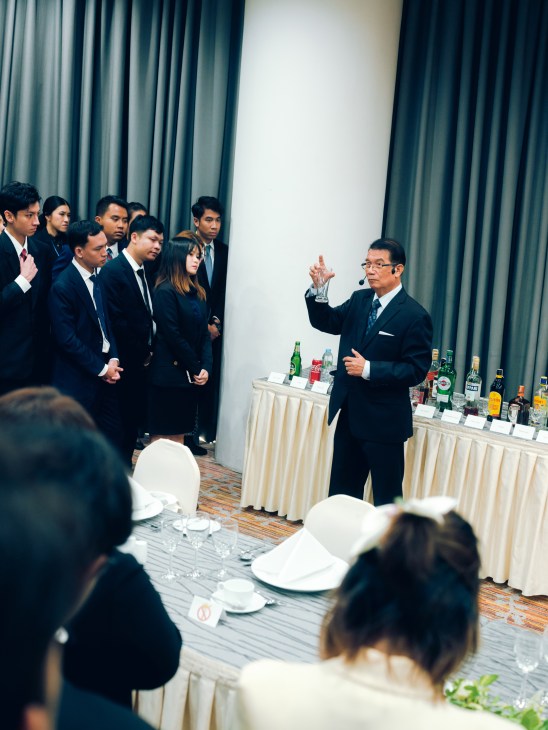
During Monocle’s visit, a group of 16 mid-level envoys, known in the trade as minister- counsellors, are receiving their final classroom- based instructions before being posted to Japan, China, Germany and Australia, among other places, where some will become deputy heads of mission. Guest speaker Pisan Manawapat, a former ambassador to the US, has been invited to give a lecture on deglobalisation. “We have always been able to chart our own course,” says Manawapat, flipping through a presentation entitled, ‘The World in Crisis’. “We are not a small country,” he says. “Politicians only say that because it fits into the narrative that we want to be neutral and friends with everyone. I don’t want to see our diplomacy conducted in that way.”
Manawapat was Thailand’s man in Washington when Donald Trump took over from Barack Obama. His 90-minute treatise on international relations includes anecdotes about bypassing the Trump-era State Department and a few digs at Western double standards over human rights in India and democracy in Vietnam. The seasoned diplomat urges his classroom to read the news voraciously and analyse it in a global context, so that they can influence media coverage and be part of the 10 or 20 per cent of diplomats who send useful cables back to Bangkok. “Make the connection beyond the country you are posted to,” he says, sharing why he thinks the application to join Brics could be in Thailand’s national interests.
Before the class of future ambassadors breaks for coffee and a session on embassy accounting, Manawapat ends his rallying cry with a reminder of Thailand’s proud history and a few housekeeping tips, mostly flag-related (bigger is better; always keep a dozen or so spares in the store cupboard). “Ask yourselves what you want to accomplish and always leave the embassy in a better shape than when you arrived,” he says. Setting clear objectives that can be flexibly obtained: Thailand’s diplomatic mantra for the ages.
Out in the field
When Thitiporn Chirasawadi, the permanent secretary to the director of the Devawongse Varopakarn Institute of Foreign Affairs, entered the service in the 1990s, young diplomats, male and female, were shown how to eat escargot and taught that gentlemen should carry seven handkerchiefs. Now young attachés are now taught how to write diplomatic cables and spot a honeytrap. They also study outside Bangkok to learn about the “real” country they will represent. “One of our main responsibilities is to service and help Thai people across the world,” says Pintaruch.
Monocle joined trainee diplomats on a field trip to Isan, a rice-growing region. Agriculture accounts for a big chunk of Thai exports and is responsible for about a third of all jobs. Thanadon Tantivit, a 23-year-old attaché from Phuket, had never been to Isan before. He decided to join the foreign service while studying at Edinburgh University and is now a desk officer in the department of European Affairs. For Tantivit, meeting farmers and learning about irrigation will provide useful grounding and perspective for future UN debates on food security and climate change.
Flinc is the Swiss bike brand inspired by ET and built for urban life
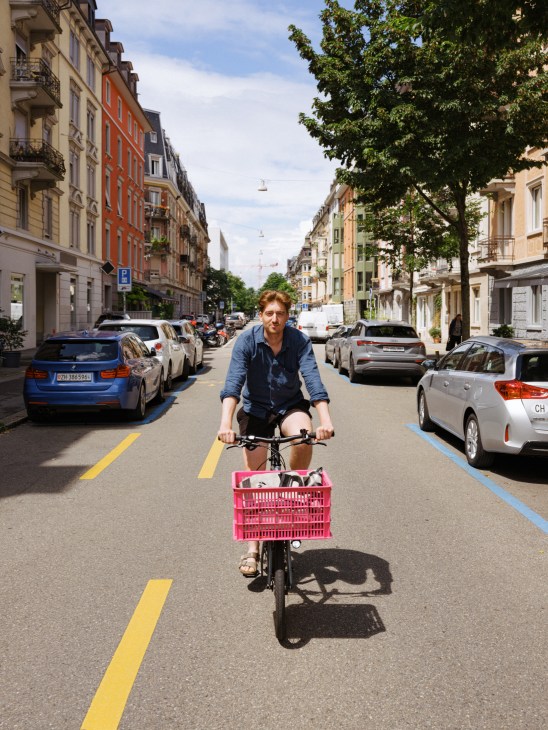
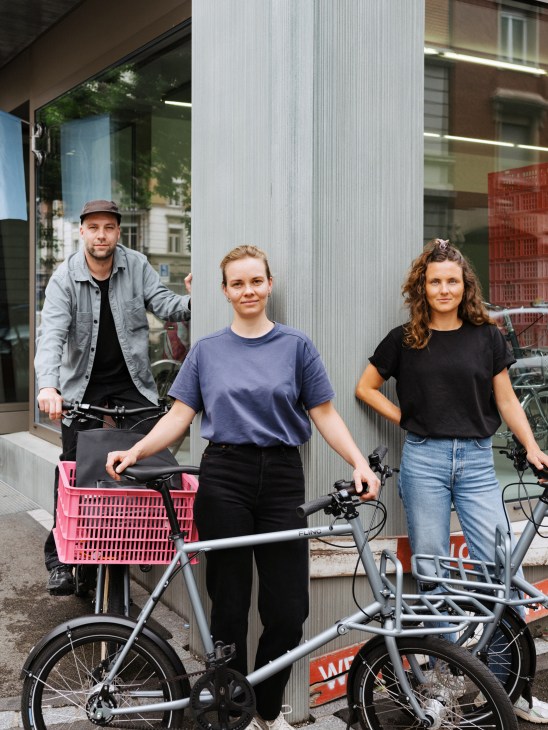
Markus Freitag’s passion for pedals was first ignited in 1982 while watching Steven Spielberg’s ET. Some 40 years later, the Zürich-born entrepreneur has created a Spielberg-inspired bicycle brand that’s perfect for nipping around his hometown. Called Flinc, its namesake model is a svelte two-wheeler that is as compact as an urban minibike, as capacious as a cargo bike and as sturdy as ET’s BMX. “Our niche is an easily manoeuvrable model with a simple but sophisticated luggage system,” says Freitag.
In 1993, Markus and his brother, Daniel, launched Freitag, a brand that produces bags designed for cyclists, so launching a bike brand made complete sense. “Flinc is the bike I would love to have had on my doorstep all my life,” says Freitag, who reinvested his profits from the bag brand to launch the bike in April.
Though the Danes had pioneered the cargo bike in the 1980s, today the “Made in Switzerland” label is a hallmark of quality cycling products across the globe. Yet Zürich has not fully realised its potential as a cycling city. “The streets are cramped due to the tram system and we lack cycle lanes that would allow bikes to play a supporting role in this urban context,” says Freitag. The Flinc is a product of these surroundings, designed to comfortably navigate the narrow streets.
And Freitag’s brand might just be onto something: record numbers of commuters here are ditching the car for the bike. Pro Velo, a network of regional bike associations, saw a 21 per cent increase in participants in its Cycle to Work campaign when compared to 2022. This uptick is reflected in industry growth. In 2024 the Swiss bike sector is predicted to be worth €720m, while Denmark’s lags behind at €490m. “Bike ownership here has grown exponentially since the pandemic,” says frame builder Wim Kolb, who constructed the first Flinc prototype in 2020. “In Zürich, residents are interested in zero-emission alternatives and have the disposable income to be able to invest in quality,” he says. “The infrastructure needs to catch up to allow the cargo bike to flourish.”
The Flinc – meaning “nimble” in Swiss-German – is made from a special steel alloy. The compact design weighs 16kg, about a third of the weight of the average cargo bike. “We have deliberately not reinvented the bicycle,” says Freitag. Instead, high-quality, low-maintenance components were chosen, which complement a tried-and-trusted diamond-shaped frame. When Monocle takes the Flinc for a spin, the pedalling feels effortless thanks to the smooth tread of the 20-inch tyres created by German manufacturer Schwalbe. All of these factors, says Freitag, mean that it is not necessary to power the bike with electricity. “The Flinc was designed for Zürich’s flat pavements.”
But Flinc isn’t just a brand; it’s also about community. On Thursday evenings, cyclists convene at the company’s HQ for a beer, a flick through its smart selection of cycling magazines and, should they choose, a test ride of the bike. Getting Zürich’s residents in the saddle requires both infrastructure and curiosity – the Flinc has certainly set the wheels in motion.
flinccycles.com