Issues
The unseen influence of Fathia Elaouni in Moroccan public discourse
Fathia Elaouni has a voice that often gets her recognised. The Radio 2M presenter has been on the airwaves since she was 17 years old. “I got involved in a local station in France, where I grew up, and was told I had a radio-friendly voice,” she says. “What started as a hobby soon became an addiction.” After working at several French stations, she moved to Morocco in the early 1990s and is now the antenna director and editor in chief of its biggest public radio station, on which she appears as a host.
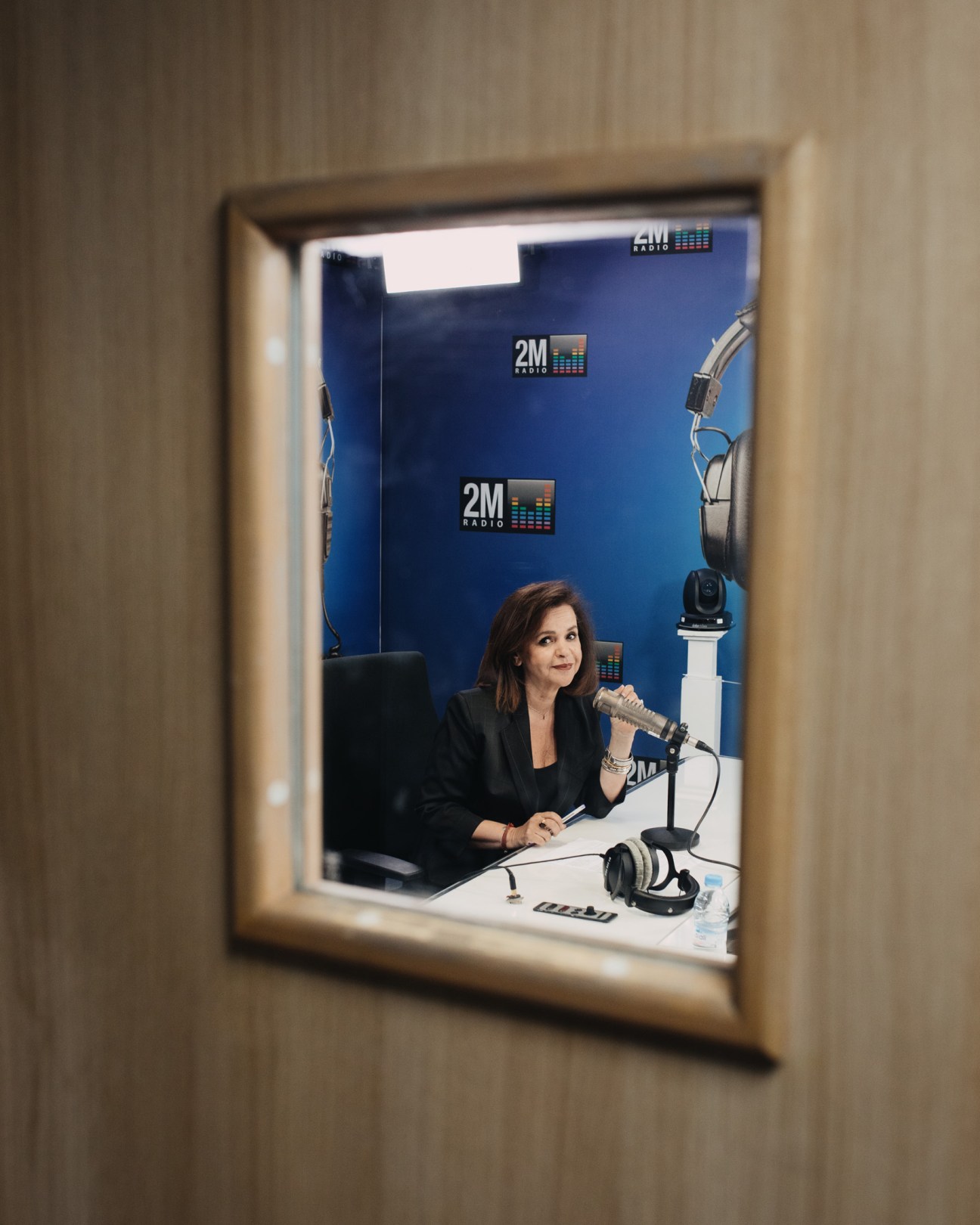
Elaouni and her team report on the daily news and the topics preoccupying the nation and the hosts of the weekly shows Faites Entrer L’Invité (Let the Guest In) and L’Hebdo (The Weekly). Radio is an intimate medium: only a microphone stands between a host and the two-and-half-million listeners that Radio 2M attracts each day. “We’re in people’s homes, their cars and their ears when they take public transport,” she says. “It’s extraordinary because with just our voice we transmit information as well as our emotions. ”
Radio plays a central role in Moroccan people’s lives. It follows the oral tradition of the African conteurs, storytellers who passed down information from generation to generation through folktales, fables, proverbs and riddles. It also benefits from its ability to reach even the remotest areas of the country. Radio 2M broadcasts in the three major languages spoken across the country: Arabic, French and Tamazight.
Beyond the linguistic diversity, it’s also the content of Elaouni’s work that has earned the broadcaster a loyal listenership. Along with her team, she works to provide accurate information in a media landscape shaped by social media and evolving AI technologies that make it difficult to discern the truth. “People trust us,” she says. “If something makes it onto our shows, then it’s true. We have an immense sense of responsibility.”
The CV
1988: Begins working as a journalist for Europe 2 in Auxerre, France.
1990: Moves to Morocco, first to Tangier then to Casablanca, to work for Medi1. Obtains her official press card.
1991: Founds her first radio station in La Rochelle as part of the Skyrock media conglomerate.
2009: Joins the 2M media conglomerate.
2013: Becomes editor in chief at Radio 2M.
2015: Is appointed head of radio at Radio 2M.
Radio 2M also invites the public to call in to its shows. Through these conversations, topics that might be considered taboo in Moroccan public life, such as domestic violence or poverty, can be broached. “Our lines are open from 07.00 until midnight and people call in every day to share their most personal stories,” says Elaouni. On one of Radio 2M’s shows, Kilma Likoum (The Floor Is Yours), public figures face questions live on air. “We recently had a minister on for two uninterrupted hours. It wasn’t us asking the questions – it was the Moroccan people.”
For the country’s elite, from politicians to medical specialists, successfully navigating appearances on the show is a badge of honour. For members of the audience, it’s proof that their voices matter. “Being able to speak openly is important,” says Elaouni. “I often get told, ‘I didn’t think that you would have let me say that,’ but as journalists that’s what we’re here for.”
This year, Morocco moved up 15 spots in Reporters Without Borders’ Press Freedom Index Ranking, from 144th to 129th. Though there’s still work to be done to protect Moroccan journalists, Elaouni is hopeful. “There’s more freedom of speech and that can be seen by how much our listeners make their voices heard on our shows. This has opened the media’s eyes to subjects that we didn’t tackle enough in the past.”
A cultural renaissance in Salzkammergut is reviving art and history
Stretching east of Salzburg to the Dachstein mountains, Austria’s Salzkammergut region, once renowned for salt-mining, has a new currency: culture. Under the banner town of Bad Ischl, the Salzkammergut’s 23 municipalities are one of this year’s three European Capitals of Culture; for the first time, a region, rather than a city, was awarded the coveted title. Buoyed by this vote of confidence from the EU, and with €30m in funding, it is busily reviving its artistic heritage.
“We’re using this impetus to understand how the region can be attractive globally,” says the programme’s artistic director, Elisabeth Schweeger. As part of the yearlong initiative, about 300 projects, including art exhibitions, concerts, operas and operettas, panel discussions, guided hikes and public installations, will come to fruition. It’s a feat spearheaded by Schweeger’s efforts to revive the Salzkammergut’s postindustrial spaces and defunct railway infrastructure.
“We don’t have an impressive opera house or a vast state-owned museum so we must think outside of the box,” Schweeger tells monocle in Bad Ischl’s Trinkhalle, the town’s classical-style concert hall that was once a place for mineral water thermal baths. She has her work cut out: following its illustrious peaks during the imperial era, the town’s cultural clout dramatically faded over time.
In the 19th century, Bad Ischl was considered somewhat avant-garde. Artists and well-heeled Austrians seeking to escape the heat of the capital during the Sommerfrische, the summer holidays, would flock to the Salzkammergut’s mountains. Among them were members of the Austro-Hungarian monarchy, who brought Vienna’s cultural prowess with them in the 1850s. One of the aims of this year’s events is to distribute tourism more evenly around the region. “We’re a team of 38 based across the area, looking at its cultural deficits but also at the possibilities of the Salzkammergut as a model rural region. This isn’t about urbanising the countryside. It’s about reviving dormant cultural facets, on behalf of the Salzkammergut and for Europe as a whole.”
Elisabeth Schweeger
Artistic director
Born in Vienna, Schweeger studied comparative literature and philosophy in Innsbruck, Vienna and the Sorbonne in Paris. Since then, she has curated at the Akademie der bildenden Künste in Vienna and the Venice Biennale. Between 2014 and 2022, she was the artistic director of the Academy of Performing Arts Baden-Wuerttemberg and of the Salzkammergut Capital of Culture programme in November 2021.
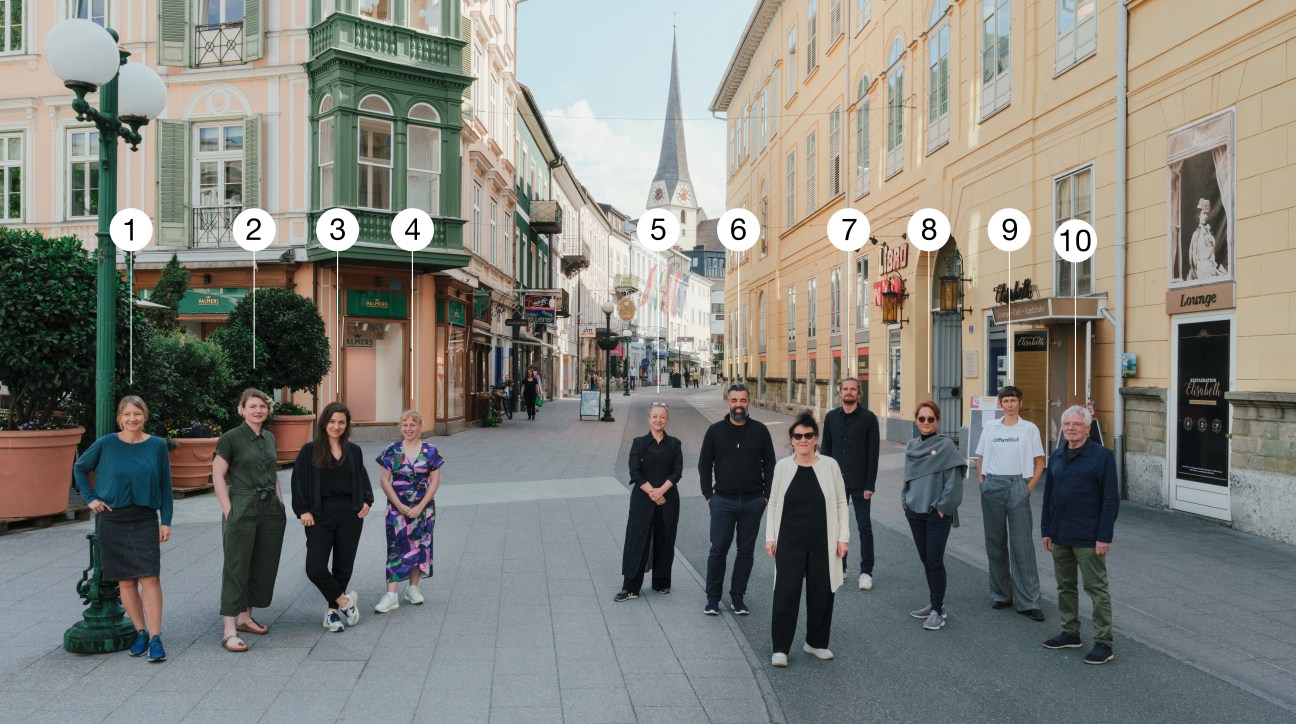
1.
Jana Lüthje, Head of dramaturgy, “Lüthje incorporates diverse international perspectives into her theatre, dance and discursive projects.”
2.
Christina Jaritsch, Head of ecology, agriculture and social affairs, “Jaritsch returned to the region after studies in Vienna, Nancy and Havana. Her focus is on climate change and gender diversity.”
3.
Eva Mair, Head of building culture and crafts, “Mair is responsible for areas involving the culture of buildings.”
4.
Lisa Neuhuber, Head of programme, remembrance culture, history and museums, “Neuhuber focuses on the Second World War and remembrance.”
5.
Maria Neumayr-Wimmer, Head of production, “The lead producer of the official opening ceremony this year.”
6.
Stefan Heinisch, Head of communications and marketing, “He helms the Tavern Culture Reloaded project, offering chefs a way to reimagine the regional gastronomy.”
7.
Christian Haselmayr, Head of music, youth and community building, “A former music curator at Linz’s Crossing Europe Film Festival, Haselmayr leads experimental digital art festival New Salt.”
8.
Martina Rothschädl, Head of performing arts and literature, “Rothschädl worked for Salzburg State Exhibitions and the European Art Forum before joining us in Salzkammergut.”
9.
Simone Barlian, Head of visual arts, “As an artist and curator from Gmunden, Barlian is interested in sociopolitical interaction through the medium of art.”
10.
Gottfried Hattinger, Curator for visual arts, performance and sound, “Hattinger curated the ‘Art Your Village’ series, exploring the artistic gaze placed on local communities, traditions and rituals.”
Interview: Prada Group CMO Lorenzo Bertelli on the Company’s Future
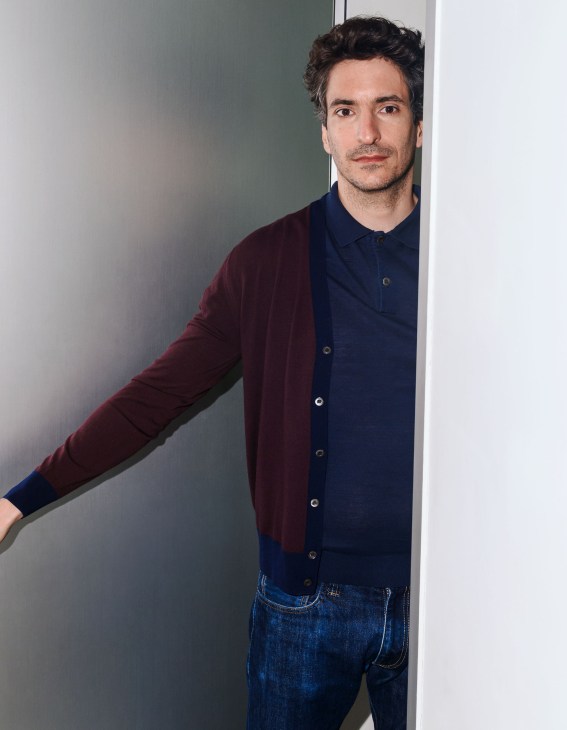
On paper, Lorenzo Bertelli holds the titles of chief marketing officer and head of corporate social responsibility at the Prada Group, which involves shaping its communications efforts, leading its sustainability projects and maintaining its cultural relevance along the way. But his influence reaches much further. As the eldest son of Prada’s co-creative director Miuccia Prada and its group chairman, Patrizio Bertelli, he represents the future of the Hong Kong-listed group, which consists of luxury fashion labels Prada, Miu Miu, Church’s and Car Shoe, as well as the beloved Milanese patisserie Marchesi 1824 and Italian sailing team Luna Rossa. And there have never been more questions being asked about the future of the business, given its outstanding growth trajectory over the past five years.
At a time when the industry at large is contending with significant sales slowdowns and price resistance, the Prada Group exceeded all expectations in the first half of 2024 by posting a 14 per cent uptick in sales, with net revenues reaching €2.55bn. Miu Miu, best known for its irreverent designs, achieved a 93 per cent year-on-year retail sales increase thanks in part to increased distribution, multigenerational runway castings and a long series of commercial hits, from tennis-inspired clothing to shoes designed in collaboration with the likes of Church’s and New Balance. That’s why all eyes have turned to Bertelli Jr and the question of what comes next keeps being posed by market analysts, investors and customers alike. Will he take over as ceo? Can he maintain momentum? Are there future acquisitions in the works or will the family cash in on its success by selling to one of the bigger fashion conglomerates?
Time will tell, says Bertelli, who has by now learnt to dodge succession-related questions elegantly. Instead, he is maintaining his focus on the many projects that he is spearheading: scaling the new Prada fine-jewellery line that he helped to launch in 2022, overseeing all group marketing efforts and investing in the sustainability projects that will help to safeguard the company’s future.
One of the schemes that he feels most passionate about is Sea Beyond, executed in partnership with Unesco and focusing on ocean-literacy education for children. The programme offers training sessions by Unesco climate experts to more than 35,000 secondary-school students and teachers from 56 countries, and holds an annual contest inviting the students to create campaigns promoting ocean preservation. This year, the group also worked with Philippe Starck to incorporate the Ideas Box he initially designed for Bibilothéque Sans Frontières into the Sea Beyond initiative: the mobile box containing everything from books to laptops and training materials, will travel the world and facilitate access to sea education for young people in vulnerable communities.
Bertelli, a new father, meets monocle in Venice a few hours before going onstage to join a panel at the city’s Ocean Literacy World Conference. He speaks of the importance of investing in children’s education, establishing cross-generational dialogues and not always expecting instant results.
“We always talk about the younger generations as though older people need to be thrown away,” he says. “But there is nothing stronger than the relationship between different generations. I have never seen bigger smiles on my parents’ faces than when they met my daughter for the first time.”
A philosophy graduate and former rally racer, Bertelli confidently dissects abstract topics and holds multilayered perspectives, much like his mother. He seamlessly moves from talking about the importance of optimism to fashion’s complex effects on society and the psychology of luxury pricing. At the same time, he maintains a sense of pragmatism that allows him to make swift business decisions, execute the kind of marketing strategies that propelled Miu Miu’s explosive growth and approach issues such as sustainability with realistic goals in mind. Here, he shares his take on the Prada Group’s many cross-sector activities and leaves some clues about what might come next.
You have overseen a wide range of internal sustainability projects, such as the launch of the popular Re-Nylon range. Why is it important to also invest in public projects and work with governments and organisations such as Unesco?
The main goal is to inspire future generations to behave better. We are always working with photographers and activists but we need the public sector to help us to deploy the educational content [that we’re producing], especially when it comes to dealing with schools, which are public entities in most cases. The public sector isn’t always as fast as the private sector but we need to all work together. Having everybody on the same page will be the biggest challenge.
The process can often be a bit boring when you start. You have to keep going, even though you might not see any results for another five, 10, maybe even 20 years. Politicians in particular aren’t so patient but we need to invest in strategic projects that have longer timeframes.
Do you think that fashion businesses are well positioned to address broader social and environmental issues?
We can leverage the popularity of fashion and the way that it touches pop culture and society to make certain topics more attractive to people. How can you use the company as a communications medium to deliver messages that aren’t related to products? Fashion can be one of the strongest mediums and can help to influence society. We need to think about it as an industry with big pros and cons, with this being one of the pros. We have to try to reduce its environmental impact and play to its strengths to influence people to become more mindful.
What are some of the other key messages that you have been trying to convey using the Prada Group platform?
We need to explain to people that they should pay the right price for what they’re buying. The problem with sustainability today is ensuring that it is no longer perceived as a cost. Customers need to understand the real value of an item of clothing or a bottle of perfume. We are coming out of a long period of illusion when the real cost of goods was not accounted for but somebody had to pay the price at the end. The illusion that everything could cost a few euros or that everything is accessible for everybody is over. This is the message that we need to reiterate: that, unfortunately, not everything can be accessible. It’s the hardest message to relay to the consumer, so it’s essential to do it well.
I was speaking with Matteo Ward [the ceo and co-founder of design studio Wråd] and he said that to explain the value of garments to people, you shouldn’t start by talking about labour costs. You should explain how a well-made piece is better for them and their health, and put the focus on the individual to grab their attention. We’re teaching the future Prada customer and it’s going to be a long process. We have to start, then wait and see. We can be impatient; we don’t start things if we can’t see a shortcut. But we need to go back to investing money and time in things that will pay back in the longer term.
Has the way that you communicate with your customers had to change in recent years?
It’s becoming harder but the challenge doesn’t come from people not listening; it comes from the complexities of the market. We just have to do a better job. As for the mediums that you choose to communicate with, from digital to traditional, those are just the means to an end. I come from a racing background and we always used to say that it’s up to the driver to make sure that the car is fast enough, not the car itself.
You recently announced you will be investing €60m into the group’s industrial facilities in 2024 during the unveiling of a new knitwear-manufacturing plant in Torgiano, Umbria. How important is vertical integration for the Prada Group?
Since the 1990s, my father’s entrepreneurial vision has been to invest heavily in verticalisation [of our supply chains]. We have been the first in this sector. It’s a natural move for us. We’re just continuing to employ the original vision. Maybe for others, integrated manufacturing is something new but, for us, it’s a matter of continuing down the same path.
Has staffing factories become more challenging?
It’s becoming harder to find skilled people and that’s why we’re once again investing in education, with the Prada Group Academy, where retired Prada employees get to teach new talent. It’s an opportunity for them to keep working, to stay connected. It’s a great example of conversation between generations. People often talk about the new generation versus the old generation but we rarely talk about how the two can work together.
What are your ambitions for Prada’s fine-jewellery line, after such a successful launch?
Fine jewellery is now one of the fastest-growing categories for Prada and we’re staying very focused on it. We started with a small business but with the right spirit. It was a new category for us so it was easier to make things right from a sustainability point of view and scale quickly, since we were starting from zero.
Is there an increased focus on growing these new, fashion-adjacent categories and touching different aspects of customers’ lives?
If there is a true lifestyle brand, then that’s Prada. We have so much to say in the worlds of the home, jewellery, technology, material innovation and sport, thanks to our partnership with the America’s Cup. If you look at my mother’s family history, designing jewellery and objects was already part of what they did so I don’t see big gaps that we need to fill. Instead, we need to make the right choices and prioritise some categories. It’s a constant evolution. We’re always looking at where the biggest opportunities lie but we also need to consider what we enjoy the most. At the end of the day, we need to have fun. This has always been the spirit of my parents.
I do see a big opportunity in the world of sports with Linea Rossa [Prada’s sportswear line, known for its signature red stripes]. This is an area of development that we will be strongly focusing on in the near future.
There’s a lot of speculation about a potential sale of the Prada Group. How do you approach this?
We’re focusing on ourselves at the moment and making strategic investments. If and when the right opportunity knocks on our door, we will, of course, look at it. It would be silly not to.
The Prada Group is growing but the industry is being challenged by macroeconomic and political issues. Overall, are you feeling optimistic?
I always say that it’s a matter of the perspective you choose at any given moment. If you compare the current state of affairs to 85 years ago, when the Second World War broke out, the world does seem like a better place. Humankind is always improving.
pradagroup.com
Building a new life and driving Sweden’s green economy in Skellefteå
“It’s not something that I would do back home in India but it looks like fun,” says Philip Paul as he pushes a three-metre-long double kayak into the Skellefte river, preparing to try his hand at a cherished local tradition. Starting something new often feels daunting but dabbling at kayaking is nothing compared to moving across the globe and building a new life. This is what Paul and his kayaking companions today have all done. They are among the thousands of people who have relocated to this booming town in northern Sweden, just 200km south of the Arctic Circle, in search of work and a better life.

“I’ll never forget the moment I arrived in October last year,” recalls the 29-year-old Paul, who is originally from Kerala in southern India. “They announced on the plane that it was snowing in Skellefteå and I had no winter clothes with me. I had never seen snow.” One year later, Paul is working as an engineer for the battery maker Northvolt and he’s prepped for the bitter weather too.
The kayak group is a microcosm of the new Skellefteå. His fellow kayakers are from China, Congo, Brazil and Portugal. In this growing city of more than 78,000 inhabitants, you hear multiple languages being spoken. It’s a remarkable change for an area that, like many old industrial mining and logging towns in northern Sweden, has long grappled with the consequences of a brain drain and a dwindling population.
Skellefteå’s fortunes have turned due to the country’s green transition. Companies such as battery maker Northvolt are investing in the city because it can provide the company with plenty of clean energy: hydropower. The firm opened its Northvolt Ett battery factory here in 2021 and already employs some 2,000 people directly and an additional 4,000 through its subcontractors. Having raised more than €15bn in funding rounds, Northvolt has an ambitious goal of producing batteries for one million electric vehicles (EVs) every year at its factory here.
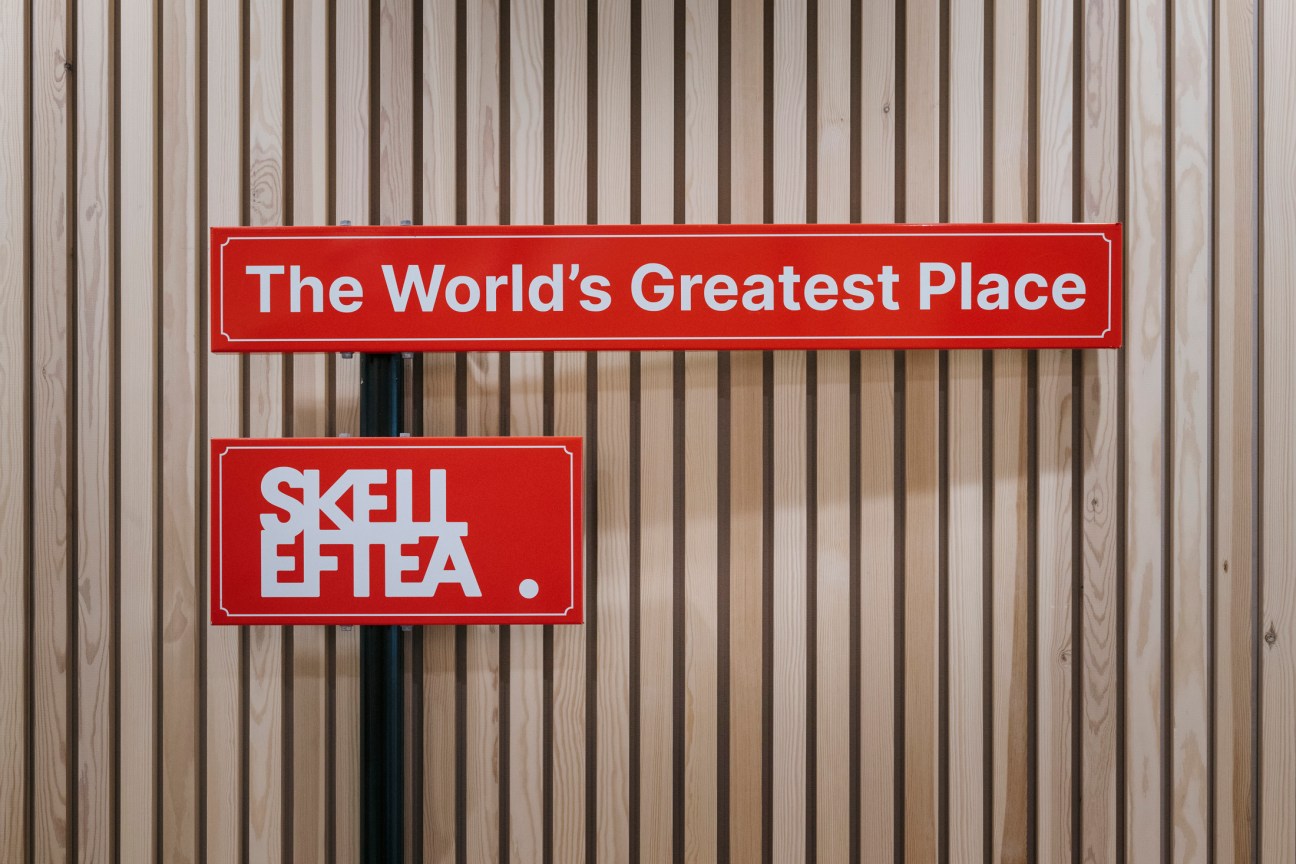
It’s why Skellefteå is now the fastest growing city in Sweden and predictions are that the population will surpass 100,000 by 2040. These are numbers that would make many cities in this part of Europe (or anywhere with an ageing population) jealous. But how can Skellefteå manage this growth in a sustainable way and ensure that the boom makes the city better to live in for all?
“It’s a challenge: a positive one but still a challenge,” says the director of the Skellefteå municipality, Kristina Sundin Jonsson, when we meet in a café next to the imposing city hall, which is perched on a hill overlooking the river that bisects the city. “We need more of everything, from pre-school teachers to housing, from better transportation to culture,” she says. Her goal is to guarantee that the boom the city is experiencing, which many have likened to the gold rush that characterised this region in the 1920s, transforms Skellefteå for good. “People move here because of the jobs but we need to make sure that they stay because of the city,” she says. The quality of life that Skellefteå and other Swedish cities are known for will be key.
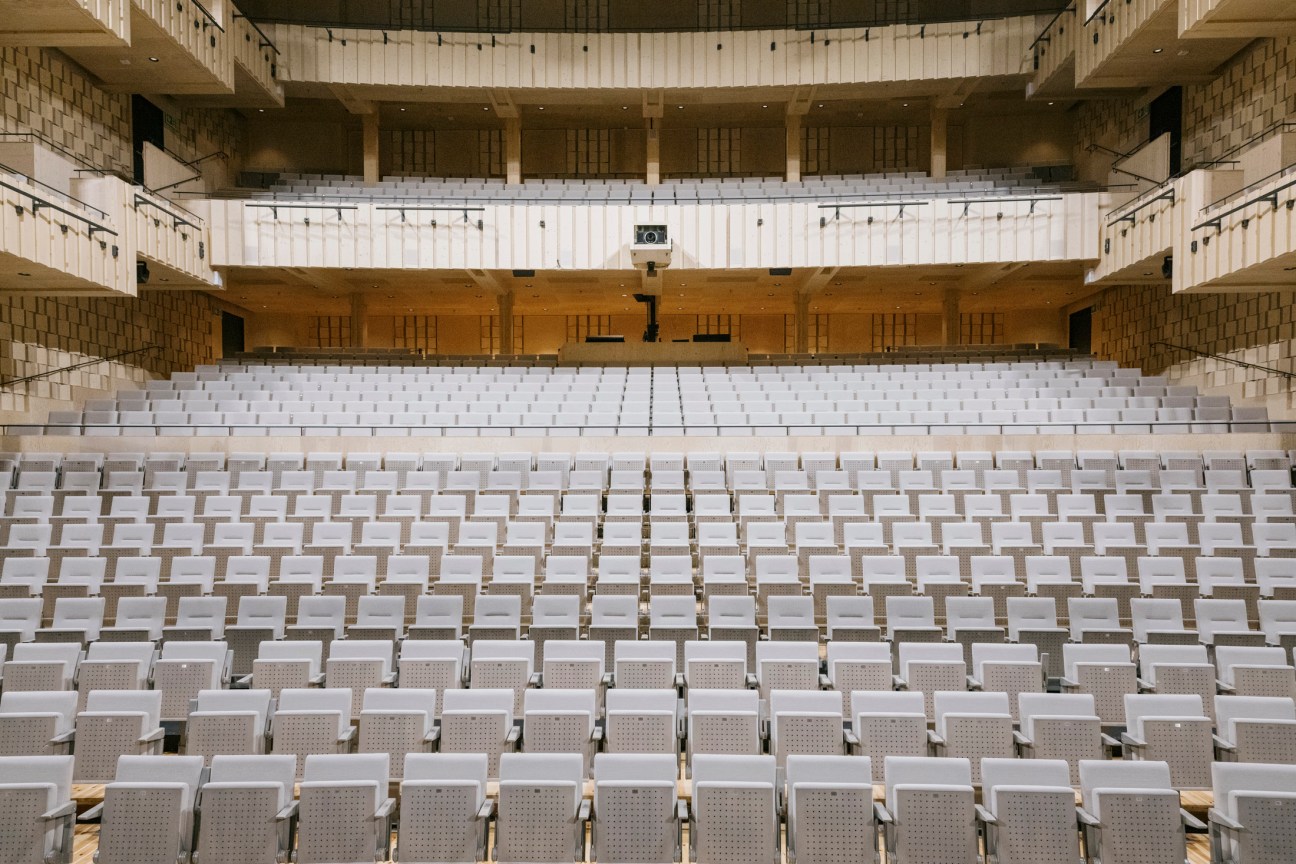
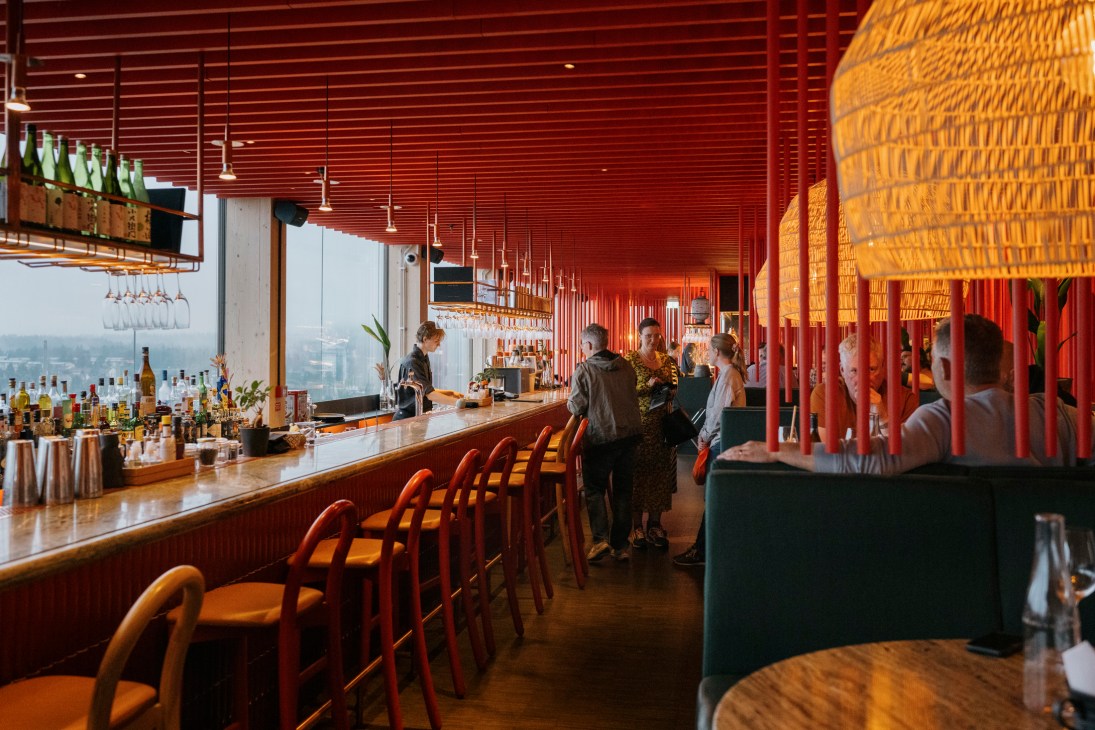
One vital component will be culture. In 2015 the city announced plans to build a flagship cultural centre. Today the Sara kulturhus stands 80 metres tall next to the city’s central square. Built in cross-laminated timber and designed by the Gothenburg-based White Arkitekter, it is one of the tallest wooden buildings in Sweden and without a doubt Skellefteå’s most recognisable landmark. It houses a 205-room hotel, a penthouse spa and three popular restaurants, a library and several venues for the performing arts. “We host about 800 events a year, ranging from music and theatre to dance and festivals,” says its director, Anna Jirstrand Sandlund. The building was publicly funded and is free to enter. Its programming features key figures in Sweden’s cultural life and ticket prices are kept low. “At first, some locals were sceptical about such a large-scale project but we have gradually won them over. People travel from all over Sweden to visit us,” adds Jirstrand Sandlund.
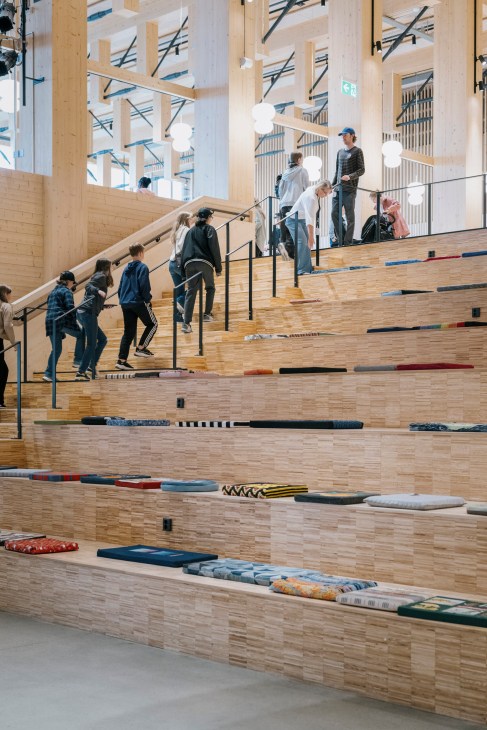
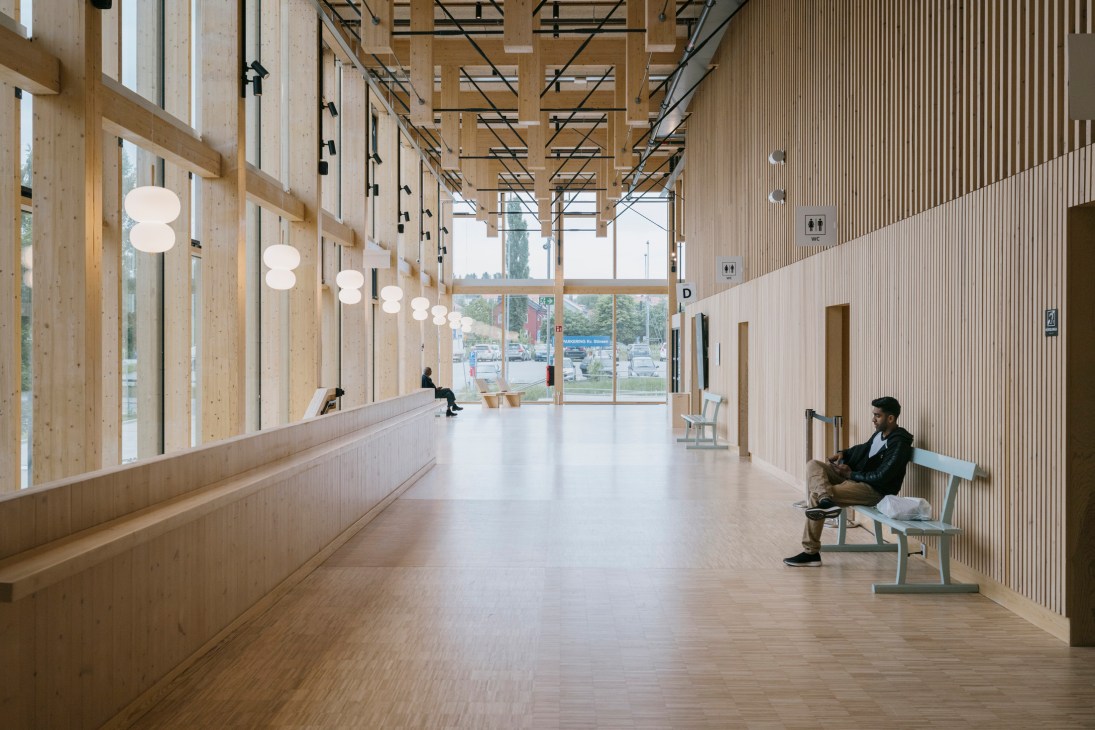
Across Skellefteå, there is a palpable feeling of a city on the up, as new apartment buildings, roads and bridges are being built. “Overall, we are investing skr42bn (€3.7bn) over 10 years to make the city better,” the city’s business director, Anja Palm, tells monocle. In per capita terms, it’s the largest spending figure anywhere in Sweden. The investment includes money for a new passenger hub for bus and rail transport, an airport terminal to handle the passenger increase (about 30 per cent last year), as well as schools and vocational training centres. To fulfil a growing need for skilled professionals such as engineers, several of Sweden’s universities have flocked to the city to open local branches. “We now have about 1,500 people studying in the universities but the number is set to hit 15,000,” says Palm.
When asked what Skellefteå’s biggest challenge is, almost everyone, the municipal director included, says housing. Such growth in a relatively small area means there just aren’t enough apartments to handle the influx, especially when the city wants to build “good homes, not just homes”, as Sundin Jonsson puts it. Skellefteå has opted to place newcomers into temporary housing near the Northvolt factory on the city’s outskirts. “We believe that temporary accommodation is better than rapid and bad constructions, as it allows us to build higher-quality housing for everyone,” says architect and urban planner Therese Kreisel. She’s responsible for planning in the city; among other duties, this includes overseeing the creation of more than 9,000 new homes by the end of the decade. “The goal is to build mixed-use residential areas that are home not only to people but also to commercial activity and services,” says Kreisel.
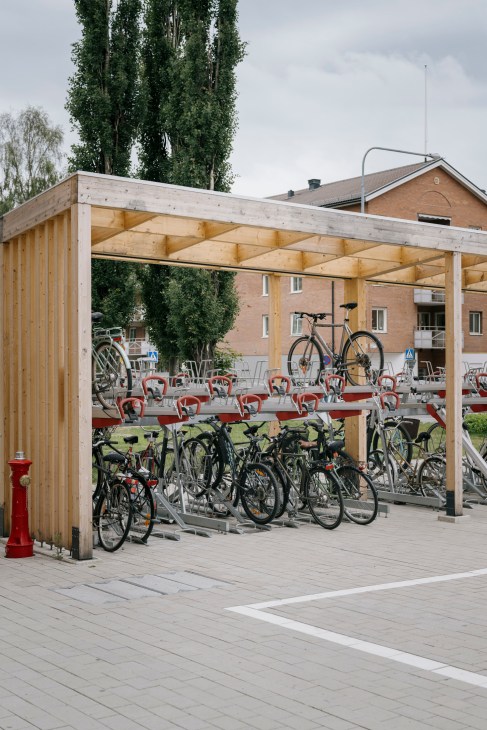
City transport options
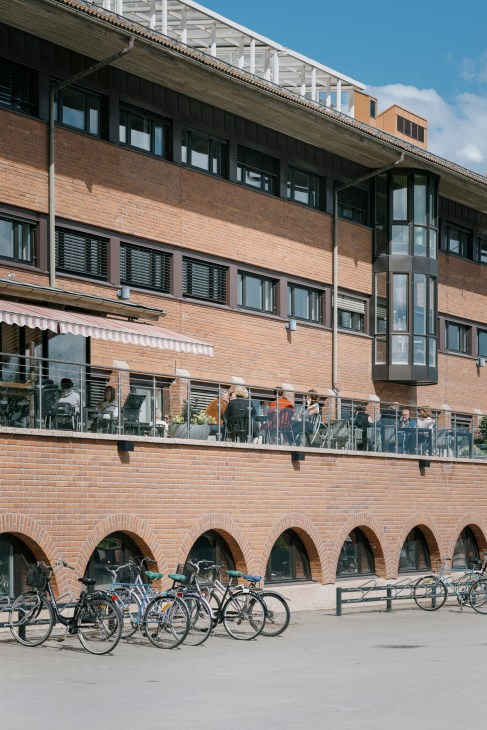
Skellefteå is also reaching out to new residents who have moved to the city to help them integrate. “It’s great that people come here because of jobs but if there are no other reasons for being here, we will have a hard time convincing them to stay,” says Sundin Jonsson. A space in the city hall, Welcome House, helps the new residents with everything from permits and practical advice to more complex issues such as making friends. The newcomers we meet speak highly of the reception that they’ve received. Many have made friends who have taken them skiing in the winter, hiking in the summer or taught them about the Swedish fika – a tradition of coffee and pastry moments that the Swedes take so seriously.
Northvolt employs people of more than 118 nationalities in its Skellefteå factory, which means a major change in the urban fabric of the city. Ethnic restaurants are popping up, as well as English-language schools and day-care centres. The city even has its own cricket team.

Life in this part of Sweden is all about friluftsliv, or spending free time outdoors in nature. To help newcomers, locals have founded a free Fritidsbanken for everyone’s perusal, where people can borrow skates, skis, fishing rods and backpacking equipment.
Not all of the locals are excited about the rapid changes afoot in Skellefteå. Apartment prices have increased and the ethnic make-up of the city has transformed. Sundin Jonsson says that it’s important for city leaders not to forget about older residents and their needs. “We need to make them understand that this growth benefits everyone,” she says, alluding to the fact that an increase in the working population also means better public services. “We have more taxpayers, better schools and infrastructure, as well as a more pleasant city to live in,” she says.
The city is also mindful of not putting all of its eggs in one basket. Northvolt is a major reason for the boom but the growth and investments that the city has made have served as a pull for some industries and given a boost to others. Companies such as South Korean battery materials provider Dongjin, which opened its first European outpost in Skellefteå in March, and logistics giant DB Schenker have moved here, and across the city, new factories are being built for businesses in sectors ranging from component manufacturing, green fertilisers and water purification to clean energy. According to the city, nearly 700 new facilities have either been opened or will begin construction in a few years. And when it comes to attracting new residents, it’s not only foreigners moving in. monocle meets many Swedes who have relocated to the area – or returned after years down south – not because of Northvolt but because of Skellefteå’s new image as a city of real opportunity.
How Latin American influence is reshaping Madrid
It’s the frenetic start of the new term at IE Tower in Spain’s capital and both students and staff are finding their feet. Up on the 25th floor, monocle’s effervescent host, IE University president Santiago Iñiguez de Onzoño, offers some healthy reassurance. “In Madrid, there’s always time for a good lunch,” he says. “This is a big part of the attraction.”
Around the table, talk focuses on the future. “Education is changing – and Madrid along with it,” says Iñiguez de Onzoño, pointing to the private university’s exponential growth to 10,000 students since opening its state-of-the-art high-rise campus in the ultra-modern Castellana business district three years ago. “Today, education is less about coercion and more about enticement; many of our students talk about the ‘good life’ and being part of a dynamic campus connected to the city.”

The executive president calls Spain “a gateway between Europe and the Americas”. Indeed, IE’s success wouldn’t be what it was without its intake from the wider Spanish-speaking world. Currently, about 85 per cent of IE’s enrolment comes from abroad, with 15 per cent from Latin America.
This growing percentile is part of a bigger story reshaping Madrid. Many students are moving from the Americas with their entire families, putting further strain on an already-stretched property market but also invigorating the economy. As well as a slew of new investments, there’s plenty of spending in retail, restaurant and service sectors.

“I would love to stay in my country but there’s too much instability and insecurity,” says fourth-year undergraduate student María Victoria Felipe di Toro, a Venezuelan who is also president of the university debate club. “When I moved to Madrid, I would still send five friends my live location as a precaution before I got into a taxi,” she adds. “Being able to walk down the street, catch public transport or be out at night without fear or anxiety took some getting used to but it fosters a better study experience.” She does admit, however, to the dilemma of being a skilled immigrant. “Will we stay? How do we navigate living between two different realities? What responsibility do we have to improve the situation at home?”

A group of Latam students gather in one of the campus’s capacious lounge areas to expand upon the conundrum. “Home is always calling but individual development is also important,” says Carlos Rodríguez, an international mba student from Colombia.

Madrid’s magnetic lifestyle has one particularly adamant convert in Stefanie Reis. The International mba student left a project-manager role in her family’s logistics firm in Brazil to study business in Madrid. She has little intention of returning home – for now. “Even though I could earn five times more in Brazil, I like the flow of life in Madrid,” she says. “People aren’t just living to work here.”
But the boom in Latinos isn’t just students. In the well-heeled Salesas district (see here), Venezuelan Victor Rocha Laporta is taking us for a stroll to his favourite coffee spot. He opened his consultancy, Laporta Properties, in 2019 to help compatriots stride into the Spanish capital with confidence. It has since grown into a fully fledged agency, helping clients navigate Spanish bureaucracy and purchase turnkey properties, as well as overseeing renovations. “I began with only Venezuelans but as of 2022, 50 per cent of my clients are Mexicans in search of high-end properties,” says Laporta, explaining how Venezuelans have since discovered a lucrative business by renovating and selling upgraded properties back to this growing cohort. “What I enjoy most about my job is having clients see Madrid as a refuge – for themselves and for their money. The instability in our countries brings a lot of fear; my business brings peace of mind.”
Investment by Latin American companies in Spain climbed to €2.83bn in 2023, up 138 per cent from the previous year. It’s a boon for the wider economy but the influx of capital means that some are being priced out. Increased demand saw housing prices rise more than 10 per cent at the start of 2024, making Madrid the fastest rising market in Europe. Tensions around rising prices have also put the issue of mass tourism and immigration in the sightlines of protests and fractious political debates.
Despite burgeoning anxieties, Spanish prime minister Pedro Sánchez recently announced a large expansion to Madrid’s Adolfo Suárez airport to extend its capacity to 90 million passengers by 2031 and strengthen routes with Latin America and Asia. But Sánchez’s left-leaning government has mooted plans to end the country’s golden visa, which fast-tracks residence for foreign nationals investing more than €600,000. To date, the politically sensitive scheme remains in place.

Meanwhile, cultural shifts are changing the city. Restaurants have started loosening kitchen opening hours to cater to slightly earlier Latam schedules. Others have introduced fixed dining times to capitalise on increased demand, much to the chagrin of locals known for enjoying a languid sobremesa. “Immigrants bring freshness,” says Venezuelan restaurateur and fashion entrepreneur Eliza Arcaya. She offers us a plate of tequeños (fried pastry rolls filled with cheese) at Murillo Café, which she opened behind the Prado Museum in 2007. “Back then everything closed in the middle of the day,” she recalls. “I wanted to create an open-all-day bistro, like I was used to in Caracas.” It’s now a social embassy of sorts for Latin American expats.
“There’s always been a fraternity between Spain and Venezuela – family, linguistic and historical ties – mean we blend in easily. Many Spaniards have affection for us because their families went to Latin America to make their fortunes,” she says. “I wanted my children to grow up in a country with a solid legal framework and foundation.” The city is making some moves so its residents can breathe with relief. The view from IE’s top floor showcases the capital’s rapidly transforming urban landscape, with one of Europe’s biggest residential and commercial developments, Madrid Nuevo Norte (New North), surrounding the tower. An ambitious upgrade of the Chamartín railway station will soon cover the train tracks, making way for thousands more houses, futuristic office space and a new central park.

IE is also making a bid for the future, with acquisitions in New York, Saudi Arabia, and The Global College, a co-ed day and boarding school in Madrid’s leafy El Viso neighbourhood, which offers an IB diploma programme. The Global College’s president and ceo, Lucía Figar, is a former education minister and explains the city’s winning pitch to monocle with succinct poise. “It’s the city factor: climate, culture, centrality and social life,” she says, after wrapping a tour with two parents interested in enrolling their daughter here. “Apart from being safe, confident and vibrant, Madrid is also an easy city.” —
In numbers
The financial benefits of the Latin American and Spanish relationship
1.
€124bn
The estimated amount of capital flight from Latin America’s five largest economies since 2022.
2.
€1.1bn
Invested in Spain from Latin America in 2022, according to the Institute for Foreign Trade.
3.
€700m
Spent by Mexicans on Spanish property and construction since 2020.
4.
€4,190
The average price of Madrid property per sq m in 2024.
5.
30 per cent
The projected increase of people in Madrid with a net worth of €1m or more by 2027.
6.
€319m
IE University’s forecasted turnover for 2024.
7.
€24m
Allocated to scholarships by IE University and the IE Foundation in the past year.
Farewell to arms as the demand for weapons skyrockets in uncertain times
The world’s largest aerospace and defence companies look set to earn record revenues as countries seek to rearm in the light of the Ukraine and Gaza wars. This reported bonanza is hardly surprising, given the vast expenditure of munitions and materiel in both conflicts. It’s a marked departure from the decades of relative peace following the demise of the Soviet Union. Armed forces around the globe shrunk, with some notable exceptions, as governments spent on other priorities. Nowhere was this trend more acute than in Western Europe – but that peace is now over.
The alarm bell first went off in 2014 when Russia illegally occupied Crimea and the snooze button was permanently switched off with the subsequent full-scale invasion of Ukraine in February 2022. Governments belatedly woke from their slumber and looked to their armed forces once more. Many were embarrassed by the decline that had taken place when they weren’t looking. Countries had grown complacent and were now playing catch-up. There was also a stinging realisation that expanding armed forces and equipping them adequately would not happen overnight. Many domestic defence-industry manufacturers of the past were simply no longer in business.

So does all of this signify a boom time for the arms industry? Yes and no. Certainly, a huge amount of materiel and ammunition has been sent to – and expended by – Ukraine. Much of it has come from the national stocks of its allies, which now need to be replenished as quickly as possible. Likewise, Israel has been kept supplied in its struggle against Iran’s proxies, particularly Hamas and Hezbollah, by weapons exports primarily from the US, Germany and Italy. However, while it might seem as though the current conflicts have made it a seller’s market and that manufacturers have been given a licence to print money, other factors come into play. And politics, both global and domestic, is never far away.
Demand for weapons and equipment around the world has clearly increased. But in the words of the Rolling Stones, “You can’t always get what you want.” The US and other Western nations have supplied some support to Ukraine reluctantly and placed restrictions on its use. Governments are also facing increasingly vociferous demands from pro-Palestinian activists to halt arms sales to Israel while the war in Gaza continues. The UK has now partially bowed to popular pressure; the US and others have not. Manufacturers are being curtailed from making as much as they might like to do as a result.
There are domestic constraints too. The UK’s Ministry of Defence has committed £7.6bn (€9bn) in military aid to Ukraine over the past three years. Stockpiles of ammunition and other materiel have been run down because of both government parsimony over past decades and donations to other nations, to the extent that the recent chief of the general staff, Sir Patrick Sanders, said, “It would make your hair stand on end.” At the same time, the incoming Labour administration has been startled by the poor state of the nation’s finances, meaning little guarantee can be given on future arms orders.
The UK government has commissioned yet another strategic defence review, which cynics say is a euphemism for future defence cuts. The country’s armed forces are in dire straits, with a projected £80bn (€95bn) “hole” in its budget over the next decade and clearly some equipment programmes might have to be cancelled to balance the books. There is a very real possibility, therefore, that the arms boom will be short-lived, unless governments, from the UK to Germany, commit to serious investment in new production facilities, plus storage space for armaments. This could take time, if it happens at all.
The challenge for the defence industry is a long-term conundrum. Is it worth investing further? And most importantly, who is going to pay?
Born in Glasgow, Crawford is a journalist and former soldier who served the UK over a 20-year career.
Madrid’s fashion scene is booming, and Salesas is leading the charge
Madrid is Spain’s most important business city but those who have spent time in the Spanish capital also know it for its hospitality, thriving art scene and flair for late-night revelry. There’s never been a shortage of people travelling to the city to visit its museums, urban parks and tabernas. But Madrid has also been building a reputation for fashion – stealing some of the thunder from Barcelona. The Gran Vía has never been busier and department stores here now offer some of the sharpest luxury-fashion curations available in Europe. And its neighbourhoods are becoming fashion hubs as local designers and the city’s growing population of expats open concept shops and brand flagships, touching on every aspect of the market, from leather accessories to womenswear and sportswear.
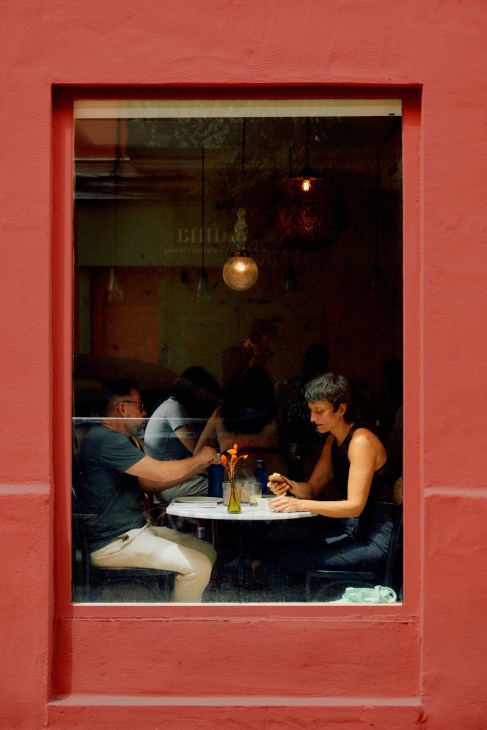
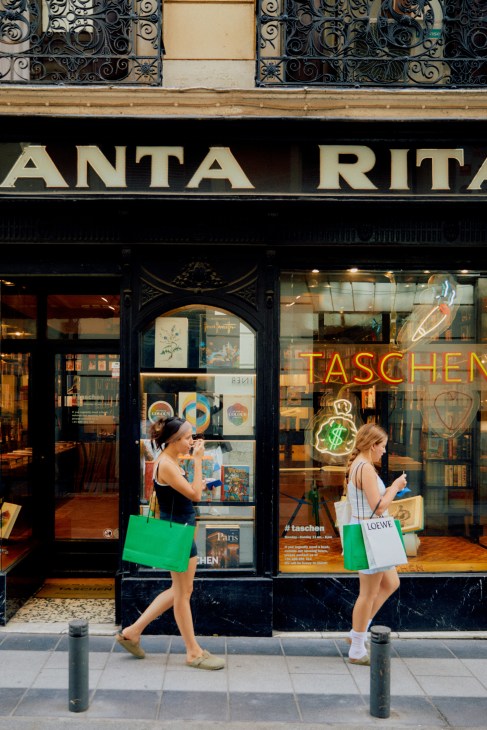
Salesas, sandwiched between lively Chueca and Salamanca in downtown Madrid, is one of these neighbourhoods. Over the past five years the area, with its tree-lined squares and 19th-century buildings, has turned into a magnet for the city’s creatives and transformed into one of its most elegant retail addresses.
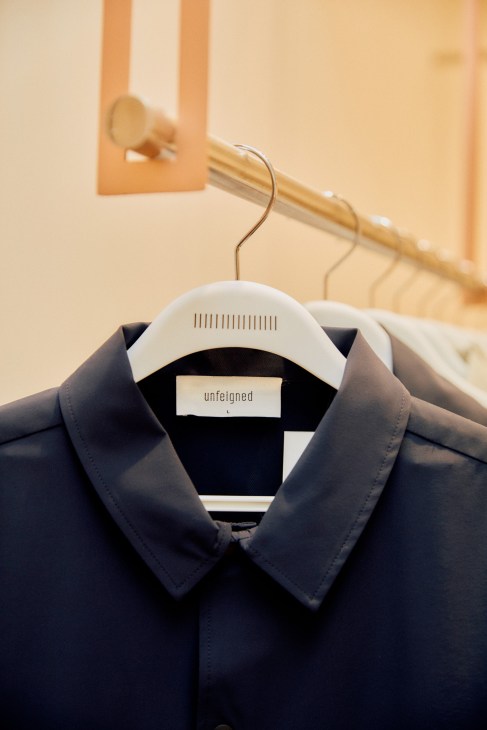
“Salesas is an oasis,” says Maria Gómez Ruiz, the art director and co-founder of Spanish menswear brand Unfeigned, who picked Salesas as the home of her business’s office and first flagship shop. Since its opening in 2022, Unfeigned has become a central part of the community, which also includes Madrid-based accessories labels Malababa and Zubi, multi-brand boutiques Pez and Ekseption, and menswear specialist Blaw.
There’s a real sense of camaraderie among residents. Gómez often directs friends to Pez, praising its edit of Spanish labels including Masscob and Cordera; she makes regular stops at La Oficial to buy ceramics for her home and finishes off long workdays at Gota wine bar or Los 33, a favourite, that blends traditional Spanish and Latin American recipes.
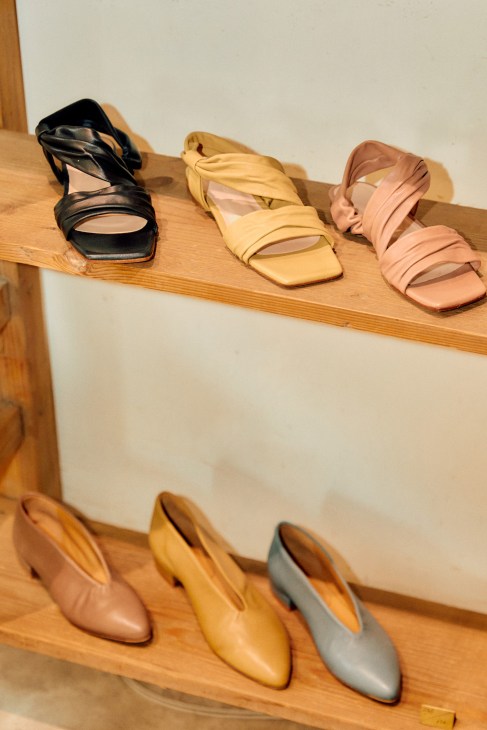
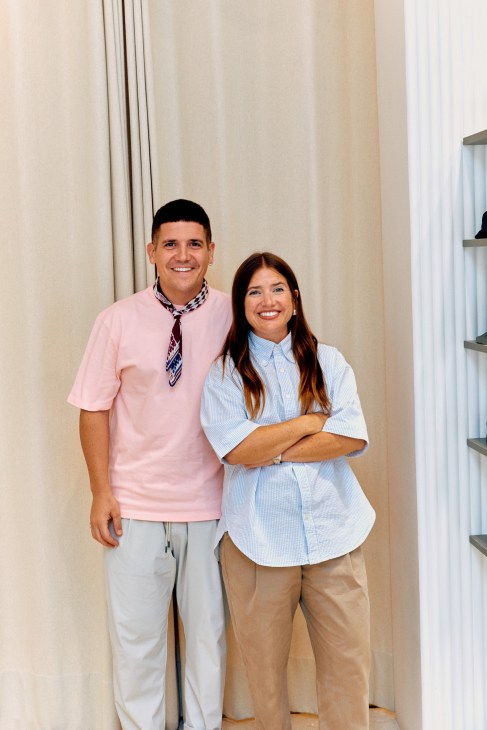
In many ways the rapid transformation of Salesas reflects the growth wave that has been sweeping through Madrid – largely a result of increased Latin American investment and migration. The welcoming policies for foreign property investors (the Spanish government grants residence permits to those purchasing property above €500,000), shared language, cultural ties and political turmoil in Venezuela have all drawn wealthy South American elites to Madrid, so much so that by early 2022, 58 per cent of the city’s foreign-born residents were said to come from Latin America.
Salesas has become the destination of choice for the wealthier members of this crowd of new madrileños. No matter when you go, you’re likely to find elegant women and men going for strolls, carrier bags in hand, stopping to sip cañas in the late afternoon sun. “The clientele here appreciate quality but aren’t into mainstream products,” says Gómez. “They’ll spend €700 but they don’t want the logo or the big brand name.”
It’s this understated charm that also appeals to international fashion labels, which are coming to Madrid to open flagship shops and are keen to take advantage of the momentum in the Spanish capital. “Everything is changing extremely fast, which is good for us,” Gómez says, sitting in Unfeigned’s office, surrounded by rows of shirts and sporty trousers. “When we moved to the area, we didn’t know that Aesop or apc would be opening here too.” The boutiques from established brands have brought prestige to the area and increased footfall. Veja, Sessùn, Stüssy and Taschen have also opened shops here.
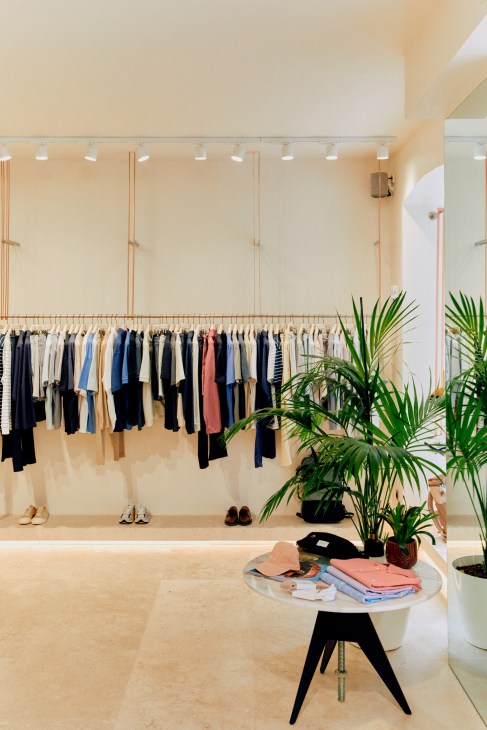
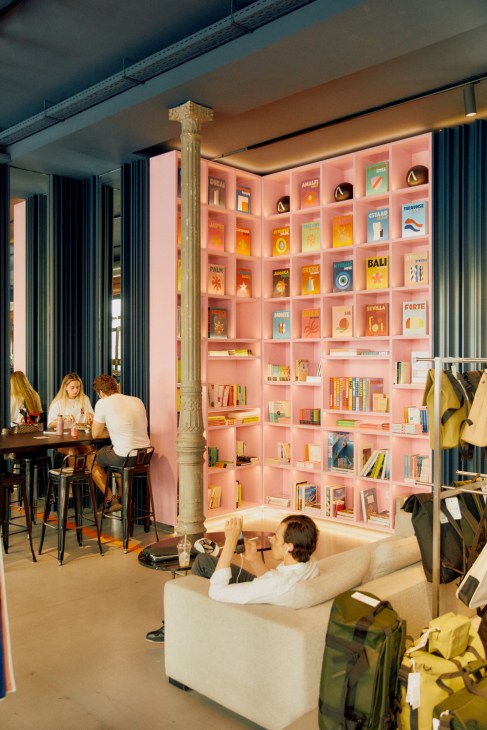
It’s not just established labels that are cropping up. “A lot of [independent] Spanish brands, which used to only be available online, are opening really nice flagships here,” adds Gómez. Lamarca Well, a sportswear brand, is one of them. The shop is part of a network of wellness- orientated businesses and includes a gym, a healthy restaurant and bakery.
“This is one of the only gyms by [US entrepreneur] Tracy Anderson outside America,” says Gómez, explaining that the wave of expats moving to Madrid is also influencing culture, particularly when it comes to fashion and lifestyle. “I have never seen so many people joining running clubs.” Gómez and her brother, Rafa, both avid runners, believe the worlds of wellness and fashion feed into each other. “When people start to care about how they look, they become invested in how they dress as well,” says Rafa.
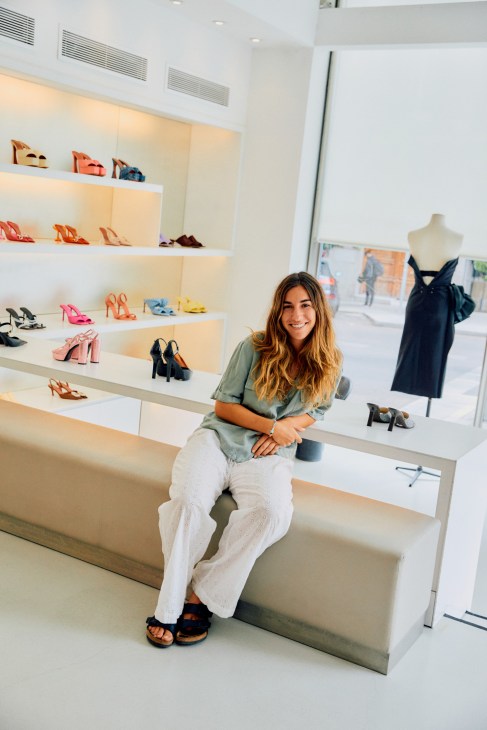
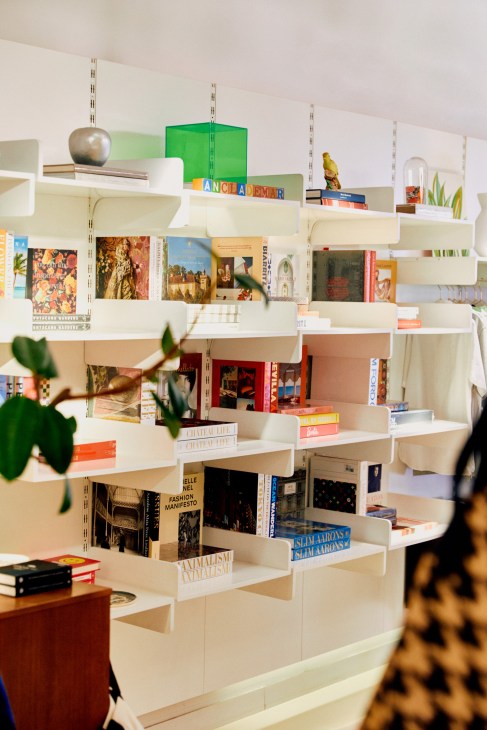
Both Gómez siblings welcome the shifting dynamics and the increased international flavour in their hometown – even though a lot of the new ventures in Salesas feel more American than Castilian. “The success of the area is driven by the fact that people are moving here, buying and starting brands,” adds Gómez. “The La Marca building is owned by a Venezuelan family. There’s a really popular Mexican-owned salad bar chain here and my Argentinian friends founded the best speciality coffee shop in Madrid, Osom.”
This new blend of cultures is what makes the neighbourhood so appealing. Salesas is the kind of place where old and new can co-exist. Here, tabernas, centuries-old tapas restaurants and artisanal shops such as the Cesteria Sagon (dating back to the 1950s and offering beautiful handwoven baskets) sit alongside contemporary fashion boutiques, galleries and upscale wine bars, where resident DJs spin records late into the night. “You can have a nice tortilla sandwich with your coffee, and then have a Michelin-starred meal,” says Gómez, who also lives nearby. “To me, that’s the essence of life here.”
This convergence of tradition and innovation is also reflected in the designs that you’ll find across Salesas’s shop floors. Unfeigned, for one, offers sustainably made, no-frills clothing crafted in technical, often waterproof fabrics, yet rooted in traditional tailoring principles. “My brother, Rafa, has always been obsessed with making the perfect T-shirt,” says Gómez. “This is why we went all around the world to different factories and bought different shirts from Japan to San Francisco.” As the brand continues to grow, the two continue to make trips abroad and bring the knowledge they acquire back home to Salesas.
Pez, a bohemian concept shop across the road, features a potpourri of Spanish and international brands, from pieces by Dutch labels such as Humanoid and Les Coyotes de Paris to jewellery by Madrid-based designer Beatriz Palacios. The shop, which operates out of an old carpet factory, is equal parts elegant and rustic, the kind of place where you might find easy dresses hanging next to more structured pieces, such as a tailored jacket by the New York brand Sibel Saral. Pez was founded by Patricia de Salas and Beatriz Mezquiriz, who came to Salesas before its rise. The rapid transformation has been mostly positive for her business but de Salas also recognises that there have been some drawbacks – higher rents can make it more difficult for smaller businesses to stay in the neighbourhood. A balance will need to be found.
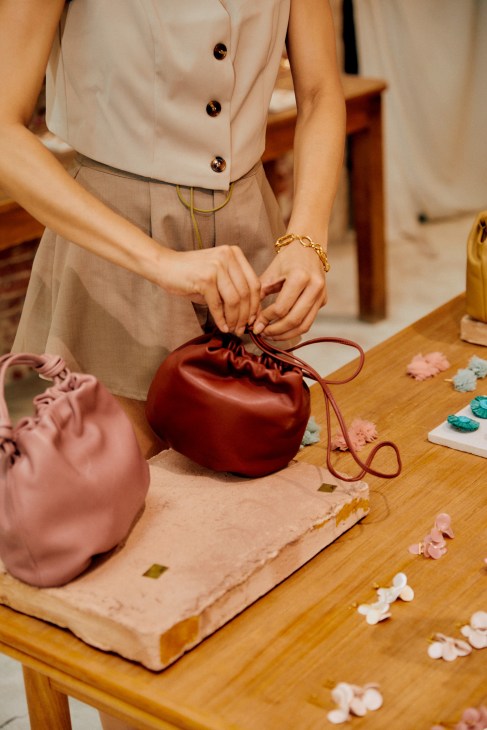
Still, the positives more than outweigh the negatives for most of Salesas’ local designers and retailers, who have been enjoying the exposure to a more global audience. At Malababa, which specialises in handcrafted, leather accessories, shop assistant Carolain Spencer shows monocle a pair of earrings from the window display: they are made from a delicate brass material, with a swirl of pink petals dangling loosely from the bottom. “These have become huge in South Korea,” she says, holding them up on the palm of her hand. “So many customers come here looking for this exact model.”
It used to be that Barcelona was touted as Spain’s most international city but that role has become less sure. This is, of course, mostly due to immigration but it is also a product of better infrastructure. Rafa Gómez cites the recent renovation of the Santiago Bernabéu Stadium as an example of the many ways in which the Spanish capital is improving. “People used to have to go to Barcelona to see the international pop stars,” he says. “Now Madrid can do that as well.”
Some entrepreneurs see the rivalry between the two cities as productive. “Competition is good,” says Xavi Burgell, co-founder of Blaw Store, a menswear shop that first opened in Barcelona and is best known for its beachy, laid-back designs. When deciding on a Madrid location, Burgell and his wife and business partner, Anna Vintro, were drawn to Salesas because of its restaurants and mix of independent brands. “I love food,” says Burgell. Now, it’s Madrid’s culture that they are most intrigued by. “The clientele are cosmopolitan people and we see a lot of actors and artists here,” he adds. Galleries with a presence in the area, such as Échale Guindas, Orellana-5 and Villazan, likely have something to do with that.
Our tour of the neighbourhood ends with a loop around the Convent of the Salesas Reales, home to Spain’s supreme court. As the working day comes to an end, the streets start to become busier. Older men sit on plastic chairs in front of newsstands playing cards; women dressed in crisp shirts and golden jewellery stand outside the Teatro Infanta Isabel picking at swirls of frozen yoghurt; smooth-faced millennials order gin cocktails at MaceM bar. These small scenes are the best part of living and working in Salesas. “The people on these streets are always fashionable or they work in art,” says Gómez. “I never need to go to another part of Madrid to see something interesting happening because here you find inspiration every day.”
Salesas address book
For wardrobe classics:
Unfeigned
Calle de Fernando VI, 17, Centro
Best curation:
Pez
Calle de Regueros, 15, Centro
Menswear specialist:
Blaw Store
Calle del Barquillo 36, Centro
Morning pastries:
La Duquesita
Calle de Fernando VI, 2, Centro
To refuel:
Gota wine bar
Calle de Prim, 5, Centro
Taste of Salesas:
Los 33
Plaza de las Salesas, 9, Centro
Artisan design:
Cestería Sagon
Calle de Fernando VI, 7, Centro
Gallery visit:
Orellana-5
Calle de Orellana, 5, Centro
Five veteran journalists discuss the future of news in the face of tech failures and election
When former US president Donald Trump sat down with the billionaire Elon Musk for an interview earlier this year, things didn’t quite go to plan. Livestreaming on X, the feed wasn’t accessible for most viewers for the first 40 minutes. Then the two participants were stuck on mute. Ultimately, the whole thing ran to a rambling two hours. Musk blamed the glitches on a cyberattack, which is certainly possible. Yet the ad hoc production and discursive chat also underlined the teething troubles of these new, supposedly disruptive sources of where people get their news and views.
With a month to go until the US decides its next president, monocle spoke to five veteran journalists about how to cover such a twisting, turning election. We often hear that it is a tricky moment for legacy broadcasters and news outlets. That audiences are leaking to influencer interviewers and chatty online anchors, and trust in the trade is at an all-time low. Yet the journalists and teams we spoke to still command vast audiences, week-in-week-out, and they do so using old-school principles.
We travelled from newsrooms in the American South to studios in Washington via the Democratic National Convention in Chicago to see these journalists at work. There’s no doubt that news is changing, and many of our interviewees have also branched out into personal platforms like podcasts and newsletters. But, for now, much of the news is still as we knew it.
1.
Local hero
Leroy Chapman Jr
Editor in chief, ‘Atlanta Journal Constitution’
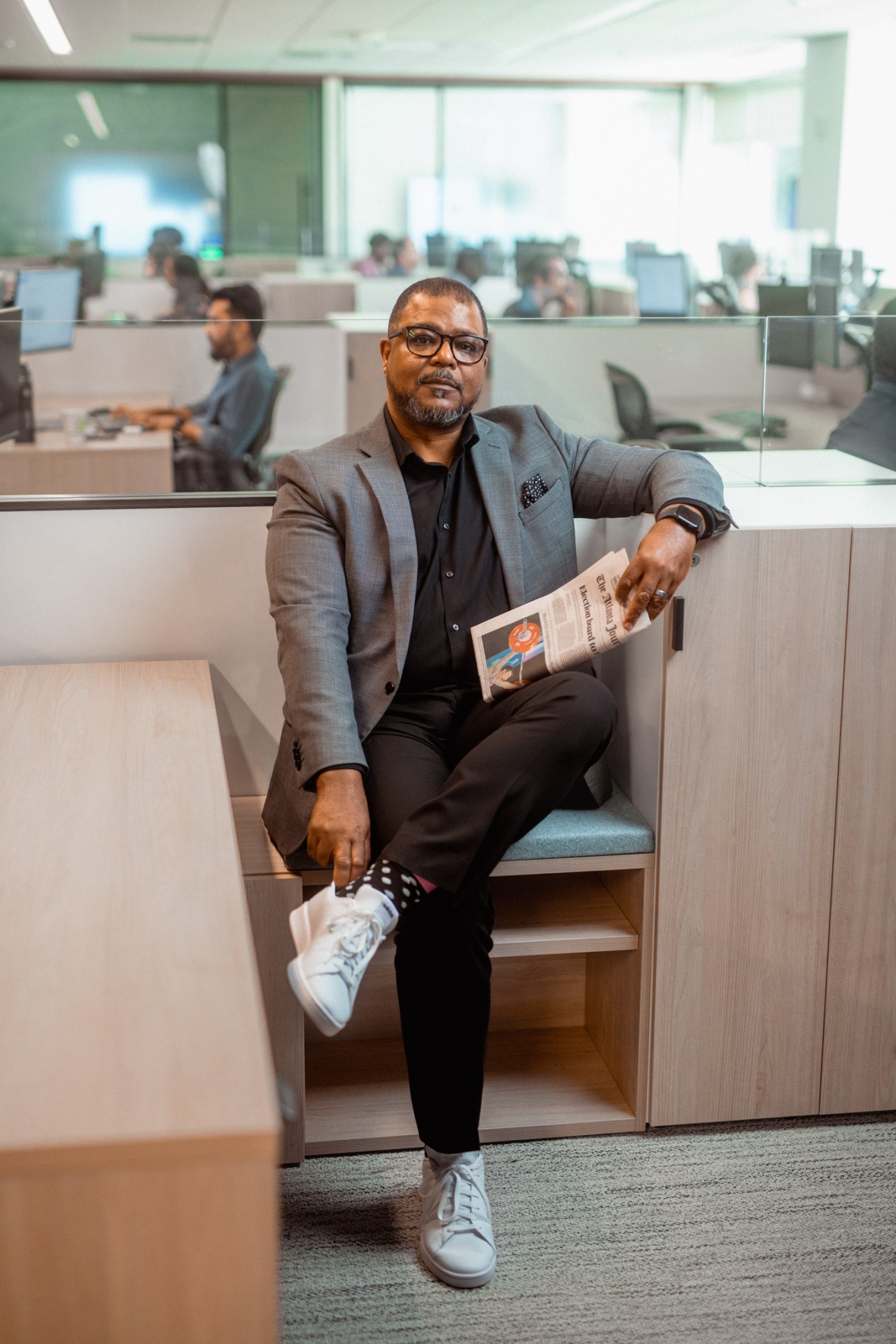
Atlanta is among the fastest-growing cites in the US, while Georgia, where Joe Biden won by 11,000 votes last time, is among the swingiest of the swing states. This gives the local paper outsize influence in this election. “This is also one of the fastest diversifying counties,” says Chapman. “This is what America’s going to look like in years to come.”
Chapman describes himself as a ‘rabid non-partisan’. “Our job is to bring light but not heat,” he says. “We can bring light to what makes the parties dysfunctional; what gets in the way of them serving the country.”
Ahead of this election, the AJC opened three new bureaux and is offering voter guides to the candidate options on local ballots across the state. “We have elections in 159 Georgia counties – for the sheriff, the district attorney, officials who stand a chance of having more impact on [Georgians’] lives than who ends up president,” says Chapman. With the loss or hollowing out of so many local outlets, people simply do not know who they’re voting for or who’s funding their campaigns. “There’s a lot of opportunity and public desire for that very basic information. It’s also what our democracy demands.”
The facts
‘Atlanta Journal Constitution’ founded: 1868 [as The Atlanta Constitution]
Circulation: 80,000-100,000 for weekday edition
Motto: “The Substance and Soul of the South”
2.
Cool head
Bret Baier
Chief political anchor, Fox News

After Donald Trump was shot in the ear in July, Bret Baier was one of a select few reporters the former president called. Not that the long-standing Fox anchor is a toad for the former president; in fact, Baier was on the sharp end of a Trumpian online tirade last year after a grilling interview. “What you’re going to get from me is fair, respectful, but sometimes tough,” says Baier, whose face still has a hint of pancake makeup after recording his Special Report, which airs every weeknight at 18:00 Eastern time. “To do that with [Trump], who’s perceived to be more aligned with [Fox’s] opinion is, I think, a good thing for news.”
Baier has anchored the nightly slot since 2009. Among the network’s on-air talent, he has carved out a niche for doing less of the editorialising – and virulent anti-Democrat monologues – that characterises much of Fox’s output. “I’m trying to take the temperature down,” he says.
Once the network of conservatives, Fox executives say that in this election cycle more Democratic politicians want to come on air to reach crucial swing voters. Common Ground – a format that Baier himself came up with – brings together politicians from opposing sides of the House to talk through a piece of bipartisan legislation that they’re working through together. “Covering both sides [in this election], with the structure that we do, is a comfort for some folks and for that we [attract an] audience,” says Baier. He always presents the evening news in a starched collar and never drifts into the kind of animated outrage of some of his Fox colleagues. There is something pleasantly throwback about Baier’s evening news show: “I think there is hunger for the more formal way,” he says.
Baier has written extensively about former president Dwight D Eisenhower and the transition of power to the Kennedy administration that kicked off the 1960s and changed America forever. The most recent transition in 2021 was fraught, as Donald Trump famously refused to accept the result. How can the media do better if that happens again?
“I was on air that day and we did a pretty good job,” says Baier. “I think we could speak less to the extremes and get to that middle ground where people agree. There is a lot of space there.”
The facts
‘Special Report’ viewers: 2.9 million every night (July)
Increase in Democrats appearing on Fox this year: 41 per cent
Nightly sign-off: “Fair, Balanced and Unafraid”
3.
Trusted host
Katty Kay
US special correspondent, BBC, and host, ‘The Rest is Politics: US’
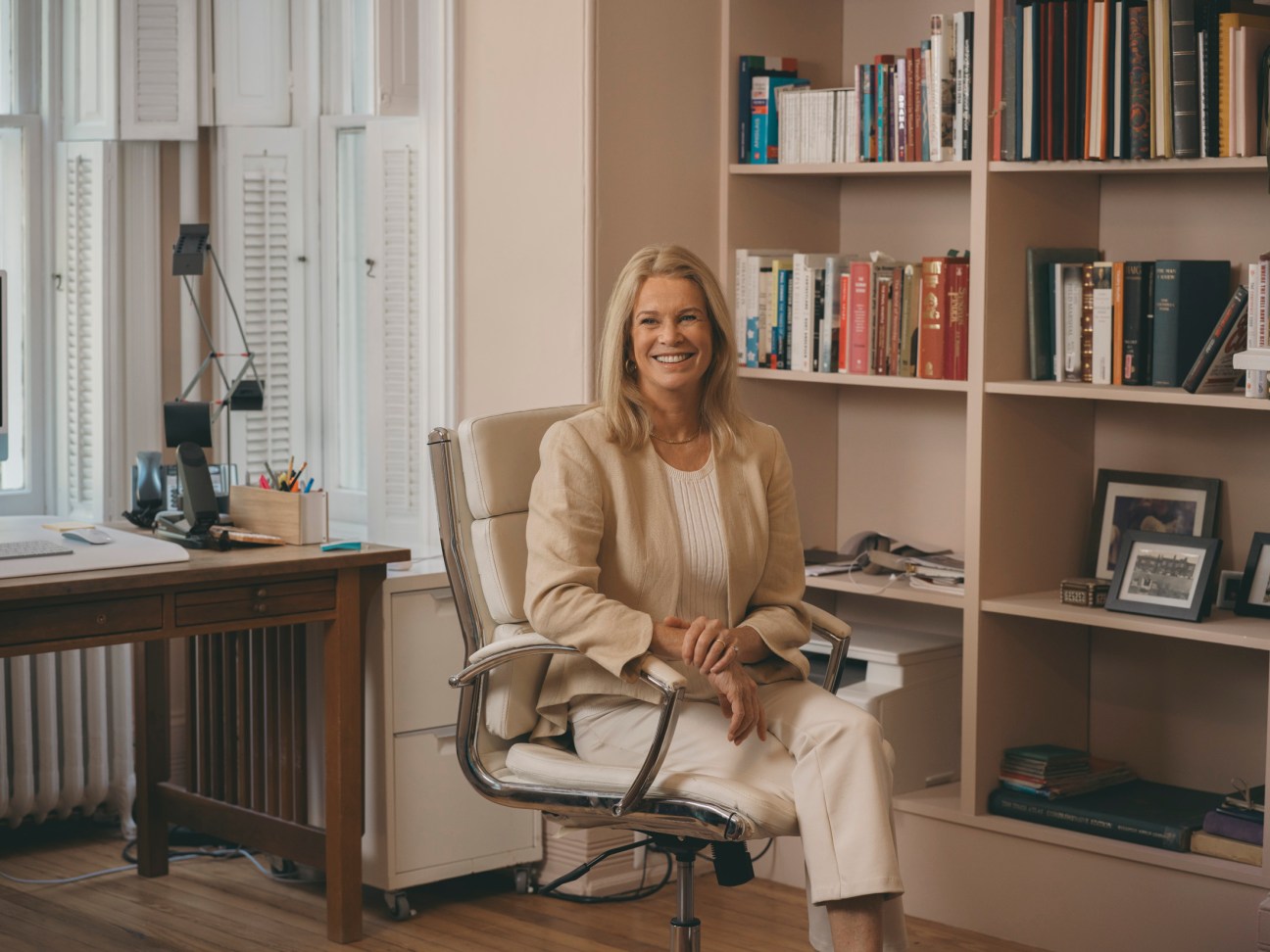
Much like her current title at the BBC, Katty Kay’s role as US special correspondent, and her broader position in the American media ecosystem, is, well, somewhat special. It is rare for a non-American news broadcaster (Kay is British-Swiss), working for a foreign newsroom, to be as close to a household name as Kay has become, since she began reporting from Washington in 1996.
Kay’s journalism has cut across the loose partisan lines that characterise much of the US broadcast news landscape. This, she says, is because her reporting and analysis is tethered to her deep contacts with political figures on either side of the political divide, rather than being informed by a political agenda of any given stripe.
“Maybe it is because I’m an outsider; I actually don’t have an American passport,” she tells monocle. “But I’ve been covering American politics for 20 years, and it has taken a long time, but I have built up a reservoir of trust with the people that I speak to. And whether I talk to people through podcasts, on television, or in print, I know that my audience is following me where I am going.”
It is in that spirit of seeking trustworthy perspectives on the upheavals of a dramatic US presidential election that has drawn listeners in their millions to Kay’s latest venture, weekly politics podcast The Rest is Politics: US. The show is produced by the UK-based podcast studio Goalhanger, and Kay acts as co-host alongside former White House communications director Anthony Scaramucci.
“It’s interesting with podcasts, because everyone bemoaned the fact that we had an attention deficit disorder – yet here are people happy to listen to a discussion for 30 or 40 minutes,” says Kay. “And these are young audiences who are happy to take the time to listen to something deeply and thoughtfully. We’ve broken down some of the hierarchy of the media – it’s gone.” Listeners respond to a format that allows discussions to flow more freely. “The days where somebody could just sit behind a desk and present the dry facts – that’s not good enough anymore. The onus is on us to deliver information in a way that our audiences want. And they want to know that they’re spending their time with someone they trust.”
The facts
First international posting: Zimbabwe in 1990 before postings in London, Tokyo and Washington
Number of US elections covered: Nine
‘The Rest is Politics: US’ downloads: 18 million since launch
4.
Latino voice
Maria Hinojosa
Executive producer of ‘Latino USA’ and founder of Futuro Media
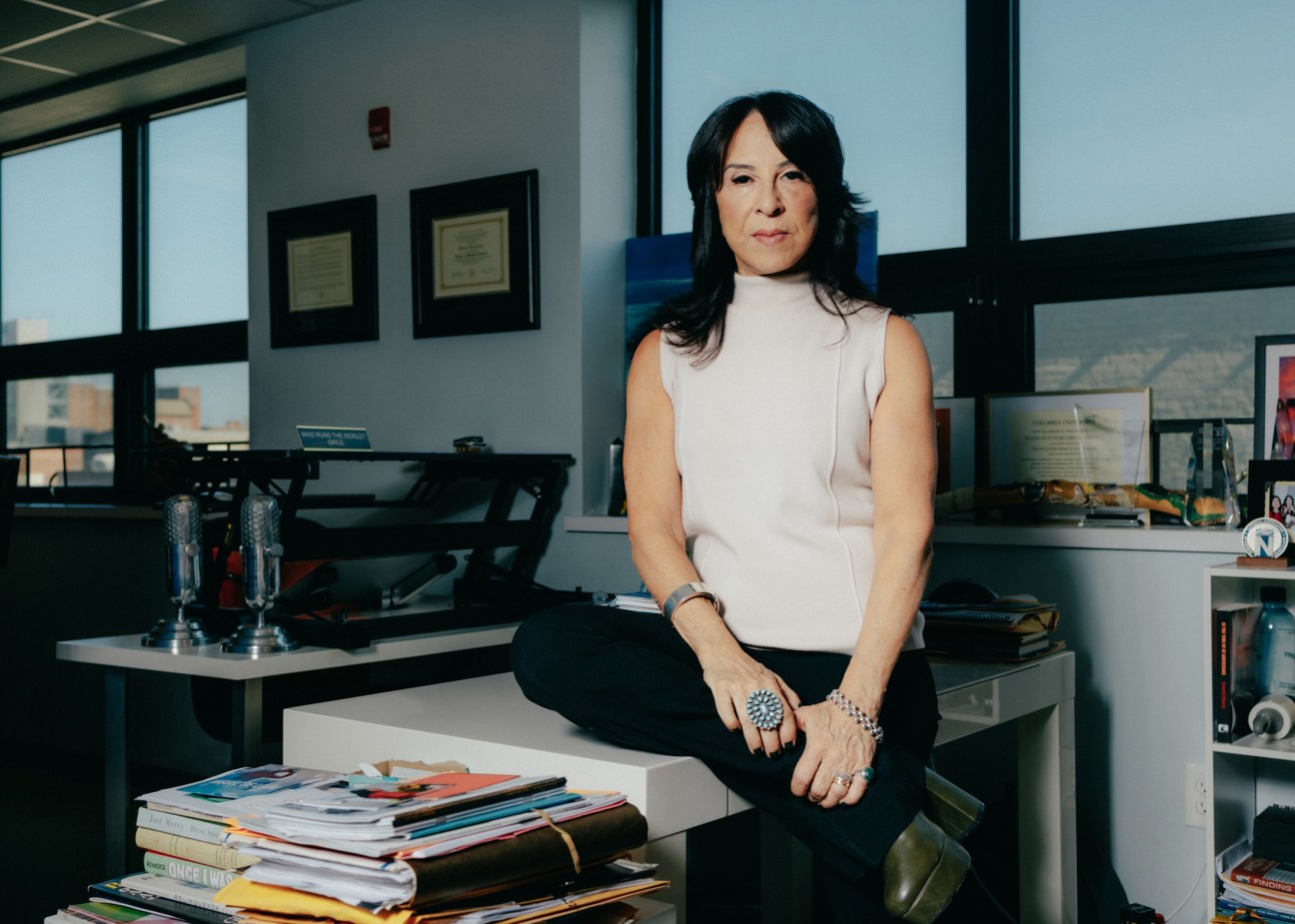
When the Pulitzer-prize winning radio host and producer Maria Hinojosa emigrated to the US from Mexico as a child in the 1960s, the US’s southern border was not as politically fraught as it is today. “I grew up at a time when immigrants were actually sought-after in this country,” Hinojosa says. Her father Raúl, a doctor, was invited to join a research team at the university of Chicago, which would go on to devise the world’s first cochlear implants. “It was a time when the brain drain of other countries was a ‘brain gain’ for the United States,” she adds.
Among the rituals the Hinojosa family adopted upon their arrival in Chicago’s south side was to tune in to the nightly news. “Television was our source of understanding the US as new immigrants,” Hinojosa says. “But I never saw myself reflected [on, or in, the news] in any way.”
So, in 1992, when Hinojosa was invited to host Latino USA – the first English-language news programme devoted to Hispanic affairs on US public radio – she jumped at the chance. Broadcast each week on more than 240 public radio stations across the country, Latino USA is now America’s longest-running radio programme of its kind. The show’s stories and investigations reflect multiple aspects of life among the US’s second-largest demographic group. Hinojosa’s deftness during interviews, plus her ability to move nimbly between subjects, attracts high-profile guests – including vice president Kamala Harris, who sat down with her for an interview last September.
But despite also being one of the fastest-growing demographics, Hinojosa argues that the US’s Latino communities are still covered in broad brushstrokes in much of the mainstream press. Shows like Latino USA, as well as the documentaries and podcasts produced by Futuro Media, the production studio Hinojosa established in 2010, aim to chronicle the US’s Latino populations with a nuance often absent from news coverage elsewhere. “This is a danger, because Latinos and Latinas are the swing votes within the swing states. To not acknowledge the power of those votes, and to not help educate Latino voters and, indeed, the entire country, about the power of the Latino vote – that is a problem. And it’s just bad journalism.”
The facts
Launch of ‘Latino usa’: 1993
Recent reports: Press freedom in Venezuela; Mexico’s election; and Palestinian solidarity movements in Latin America
On air greeting: “Now, dear listener…”
5.
Calm hands
Mary Hager
Executive producer of ‘Face the Nation’ at CBS
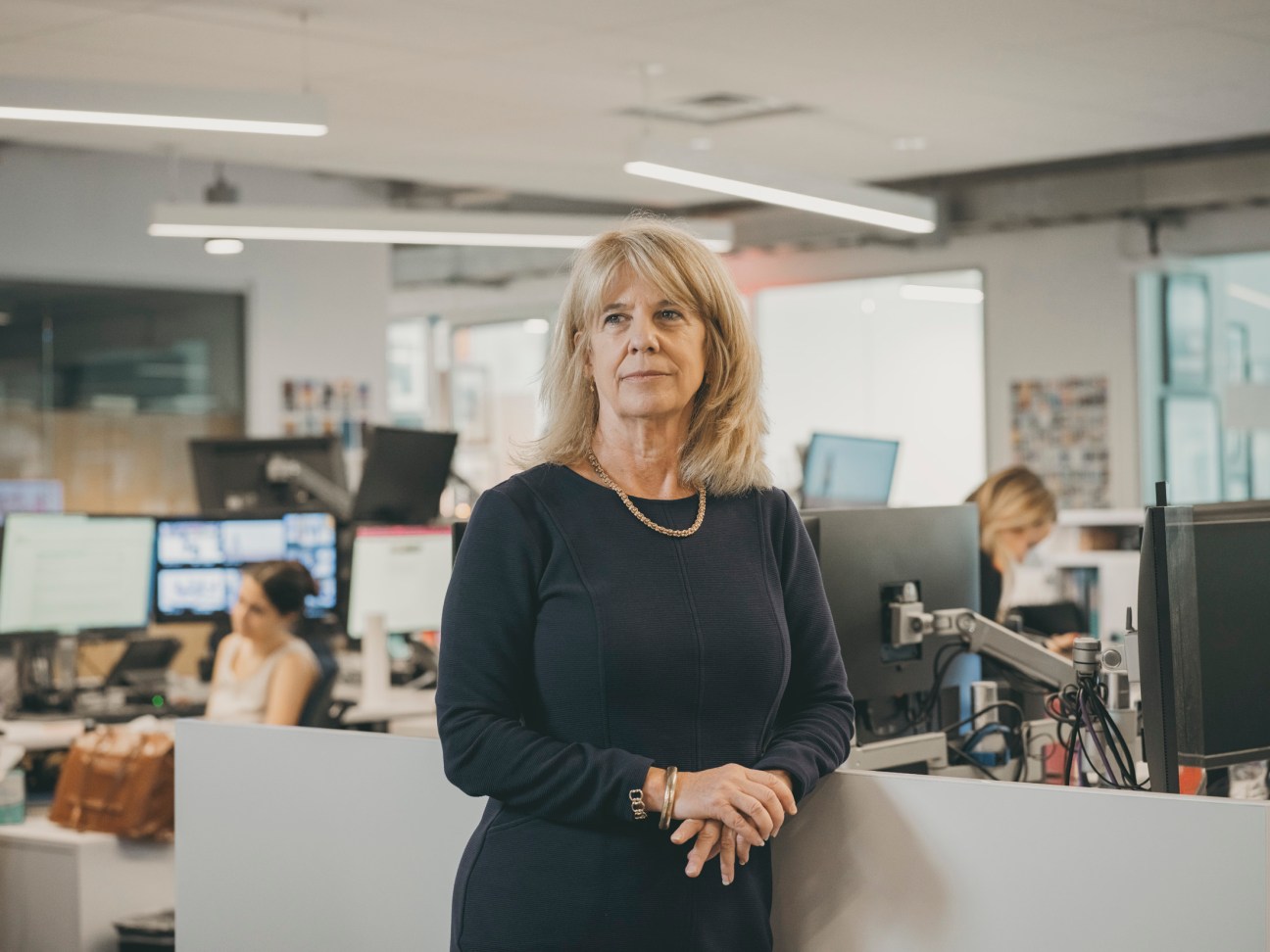
The mantra at Face the Nation’s first editorial meeting of the week is, “It’s only Wednesday.” This means that everything is still to play for until showtime on Sunday morning: never settle on a lead interview too early, hold your nerve, be prepared to rip up the running order on Saturday night. It’s a crucial news instinct in an election of handbrake turns and is instilled in the team by executive producer Mary Hager. She has shepherded the show for the last 14 years and has been at cbs for 30 years. Alongside her team of producers, Hager decides who gets grilled each week – usually one or two politicians – and which news lines to pursue along with in-house analysis. “The bottom line is this: how are Americans going to vote and what do we need to do – what do they need to know – to help them make up their minds?”
It’s been a rocky few years for America’s news networks amid declining audiences and shrinking newsrooms. cbs was not immune to this. Yet Face the Nation, 70 years on since it first aired, remains the most-watched show in the crucial Sunday morning spot. As networks battle for attention with discursive podcasts and livestreamed influencer chat shows, the programme has not budged from its undiluted format that typically puts newsmakers in a tight spot.
Armfuls of lanyards hang from a hook on the wall of Hager’s office in Washington, alongside the relics, flags and flyers of past conventions and caucuses. Colleagues say the EP embodies her own mission statement of “News not noise.” While many journalists talk about the unprecedented nature of what’s currently unfolding in American politics, Hager has seen dramatic upsets before: “The biggest challenge has been staying away from what we call the ‘bright shiny objects’,” she explains. “These are the grenades that are thrown by either campaign: the campaign staff shakeups and all the insider stuff.”
She says this election is happening while public distrust in government is increasing. “Our role is to present [officials] as government, push them, challenge and question them but still respect them,” says Hager. “It builds trust in us. If we’re going to take elected officials seriously and give them respect, then hopefully that will trickle down to the public.”
The facts
First aired: 1954
‘Face the Nation’ viewers: 2.8 million per year
How many elections Mary Hager has covered: 17
Fresh approaches to transport, logistics, and lifestyle products making waves
Transport: Canada
Hello, Hullo
The ferry voyage from Vancouver on the mainland to Vancouver Island, which lies off British Columbia’s coastline, is one of Canada’s most picturesque commutes. These routes have been served since 1960 by government-owned BC Ferries. For years, attempts to open up the passenger-ferry sector to healthy, private competition have hit choppy waters. That is, until summer 2023. A new, privately operated passenger service joined the region’s fleets, setting sail for the 70-minute voyage between Vancouver and the waterfront city of Nanaimo, on Vancouver Island.

Cheerfully named Hullo, the service was launched by the Vancouver Island Ferry Company, a new operator, which was founded in Nanaimo in 2022. In its first year, 400,000 foot passengers used Hullo’s fleet, which consists of two speedy dff 4212 ships built by Dutch yard Damen at its facility in Vietnam. Plans to increase the number of daily journeys next spring – including at night – are already in place.
Hullo’s foray into the passenger-ferry sector has been smoother sailing than those of its predecessors for two reasons: high population growth in Vancouver and on the island, plus the addition of onward transport networks, including buses and seaplane services, at every ferry terminal.
The Entrepreneurs
Laura Kramer on: A clean vision
Often the answer is right in front of you, if the glasses that you’re wearing are clean enough to let you see it. For Gaëtan Gaye, the founder of Antwerp-based eyewear-care brand Alpagota, it was a matter of spotting a gap in the €130bn-plus eyewear market. “Cleaning products represent only 1 per cent of the total revenue, so we saw untapped potential,” he tells monocle. “If you wear prescription glasses or sunglasses, one thing is certain: you will need to clean them.”
With a background in the world of luxury horology, Gaye applied the lessons that he learned from timepieces to eyewear. “Fine watchmaking is all about the details,” he says. “ You’re not selling time – you are actually selling an experience. So I asked myself, ‘How can I enhance that for eyeglass wearers?’”
Alpagota launched in 2022 with a line of aromatic lens cleaners in refillable glass bottles, designed to look good on display, and cleaning cloths. The products combine high-quality clarity with fragrances such as Sandalwood & Matcha and Eucalyptus & Patchouli. “The look and smell were very important to me,” says Gaye. “The bottles have mid-century aesthetics and we worked with a perfumer in France because we wanted it to be a sophisticated multisensory ritual, so you look forward to doing it daily. I didn’t want it to smell of lemon or orange.”

In less than a year, the brand has taken off, expanding to Belgium, Germany, Hong Kong, Poland, Portugal, Spain and Switzerland, with a distributor in Japan and agents in France and Scandinavia. Gaye partly credits its success to fairs in the optical industry. “We launched at Silmo Paris to scale a bit of business,” he says. “It’s a product that you need to see and touch. I rely on retail and wholesale so, from the start, I thought about a margin and finding the suppliers.”
As the brand continues to grow internationally, Gaye is planning to build on the momentum and help people to see lenses and frames as medical devices that deserve elevated maintenance.
For more visionary ideas, listen to Monocle’s ‘The Entrepreneurs’ radio show and podcast.
Logistics: France
Winds of change
On 3 September the Anemos, the world’s largest cargo sailboat, completed its maiden voyage from Le Havre to New York, carrying champagne, cognac and jam across the Atlantic on wind power only. The 81-metre vessel is full of cutting-edge seafaring technology. It can carry more than 1,000 tonnes of cargo, thanks to its two towering masts, and is the brainchild of French shipping company towt (TransOceanic Wind Transport).
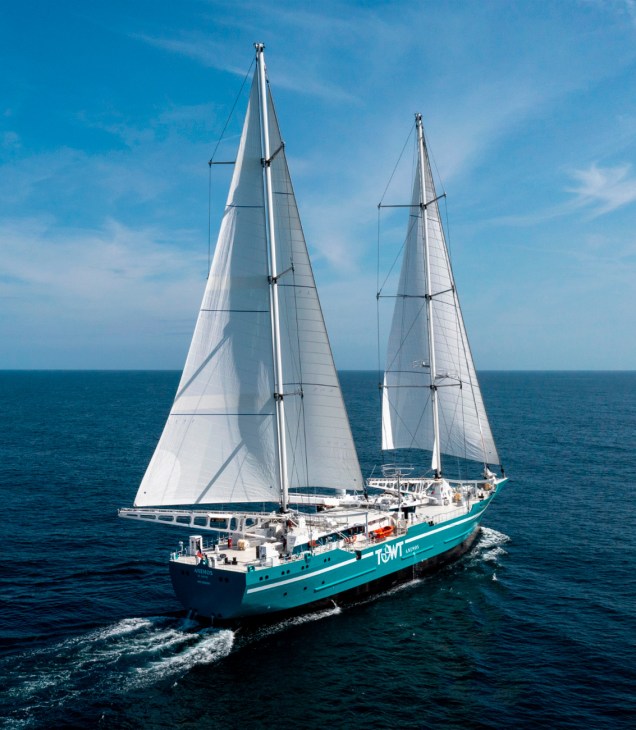
The company has raised the funds necessary to commission a fleet of wind-powered cargo ships that emit only 10 per cent of the emissions of conventional versions, while remaining cost competitive.
Though towt’s ships have only a fraction of the capacity of conventional cargo vessels, it took the Anemos 18 days to deliver its payload to New York Harbour. That’s less than most container ships, which often have to wait days to unload at a select few ports. towt’s vessels are equipped with cranes that allow them to unload at any dock.
The Anemos’s voyage is a turning point for the French company, which has secured more than $200m of contracts and plans to deploy a fleet of 200 ships by 2035.
The cultural agenda for autumn 2024
Q&A: France
Lambert Wilson
French-language show La Maison on Apple TV+ follows two rival families as they compete for dominance in Paris’s high-fashion world. The cast includes Lambert Wilson as star designer Vincent Ledu. Here he discusses his role, his character’s taste and learning to sew.
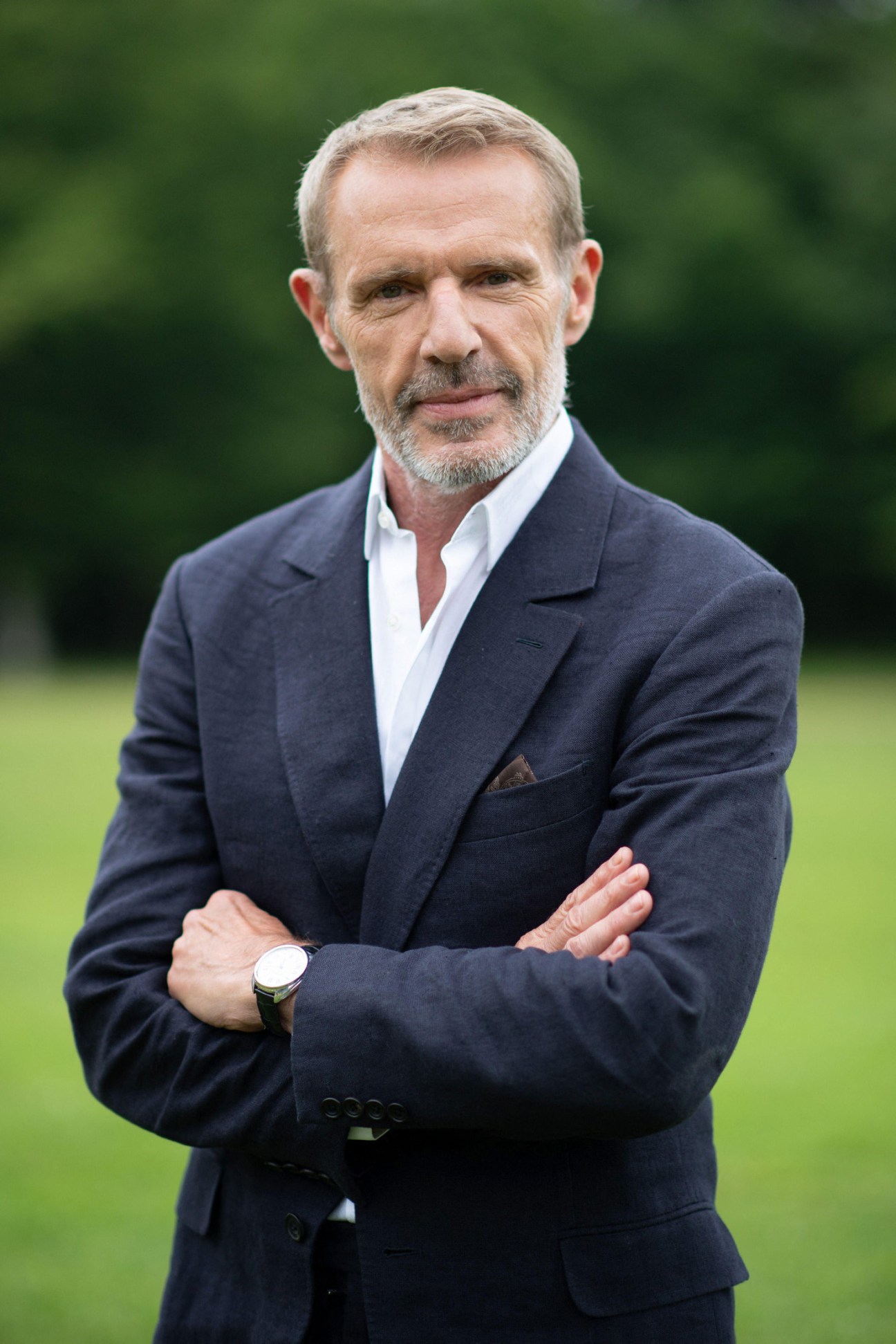
Your character is a harsh person. Did you enjoy playing Vincent?
I like playing kings. Vincent reigned at a time when he only had to answer to critics in magazines, so he is not prepared for the online criticism that he receives. I understand how social media might be a struggle for people who are not used to it.
What is your favourite piece from Vincent’s wardrobe?
The costume designer introduced me to oversized trousers by Yohji Yamamoto, which have incredible lines that work well for tall men. They have now become an essential part of my outfit when I’m on stage. I have started dressing in all black like Vincent too.
How has this show influenced your outlook on fashion?
I learned the basics of lacemaking and sewing for the show, so I now pay more attention to how clothes are constructed. I have continued to hone my skills since shooting. I don’t think that I could make a whole suit but I could definitely stitch a perfect shoulder.
Literature: Brazil & USA
Bruna Dantas Lobato

Bruna Dantas Lobato is a writer and translator of Brazilian literature. Her translation of Stênio Gardel’s novel, The Words That Remain, won the 2023 National Book Award for Translated Literature, while her own fiction has been published in The New Yorker. Dantas Lobato’s debut novel, Blue Light Hours, will be published this October. It focuses on the changing relationship between a mother and daughter when the latter moves from her hometown in Brazil to university in the US. Here, Dantas Lobato speaks to us about the novel’s themes, her writing process and the art of translation.
How did ‘Blue Light Hours’ come to be?
I really wanted to write the book and have it be an immigrant novel; a campus novel; a mother-daughter novel. But I also wanted it to be simple and focused on their relationship. I’m not one of those writers who can plan ahead. I didn’t know how to pull it off until I started writing, so I kept reshaping it and moving things around until I found out what I was actually trying to do. It is very dialogue-heavy. I love writing speech.
How did you get into translation?
When I moved to the US, I was reading all these wonderful books from Brazil that I couldn’t share with the people around me. So much of the writing coming out of Brazil was beautiful and no one knew.
Has your work as a translator influenced your own writing practice?
Being a translator is like having training wheels as a fiction writer. You constantly think about form, dramatic effects and how to construct a scene. I also had a lot of guidance from more experienced authors who knew what they were doing better than I did. I am a translator because I’m a writer – and I know I’m a writer because I’m a translator.
Arts: USA
Kiosk culture
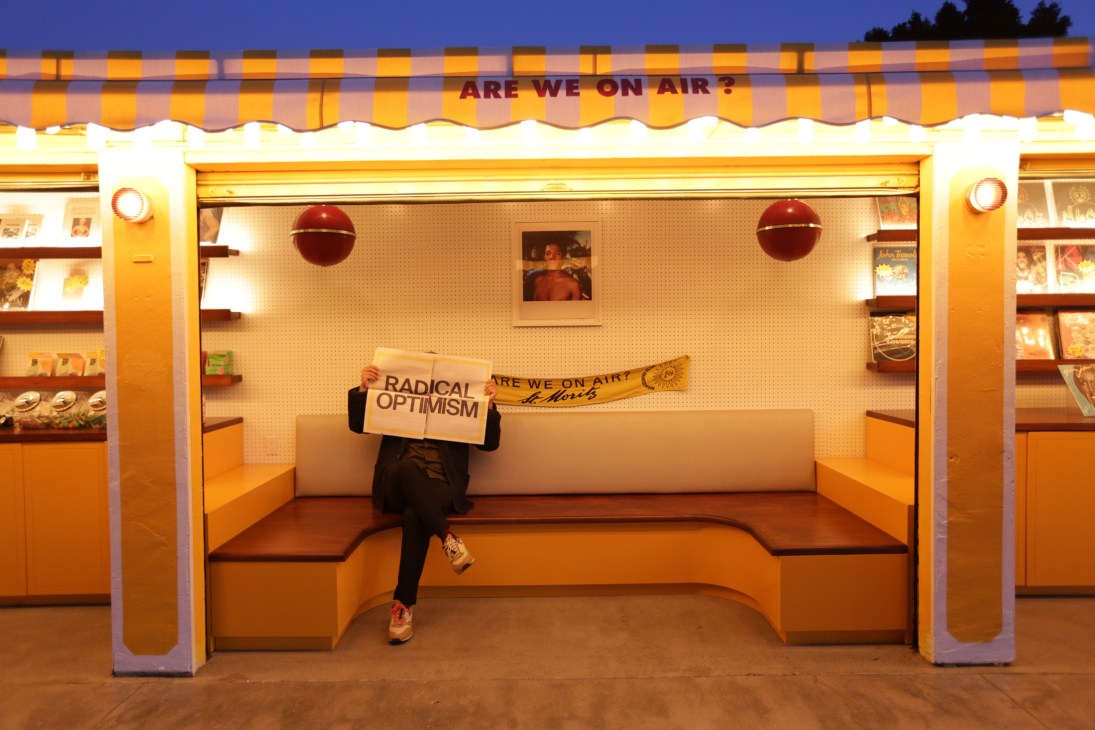
“Are We on Air?” says the awning of Kiosk-o-thèque on Hollywood’s Sunset Boulevard. It’s the latest project by Arman Naféei, host of a monthly podcast also called Are We on Air? and founder of creative agency Studio Neu. The kiosk is opposite the Chateau Marmont. Naféei spotted it when he was the hotel’s director of ambiance, a role that tasked him with creating the perfect mood for guests.
“I had my eyes on the newsstand when it shut down during the coronavirus pandemic,” Naféei tells monocle. “I knew that the location would be perfect for my kiosk. A million cars drive by every week. I call it an experiential billboard.”
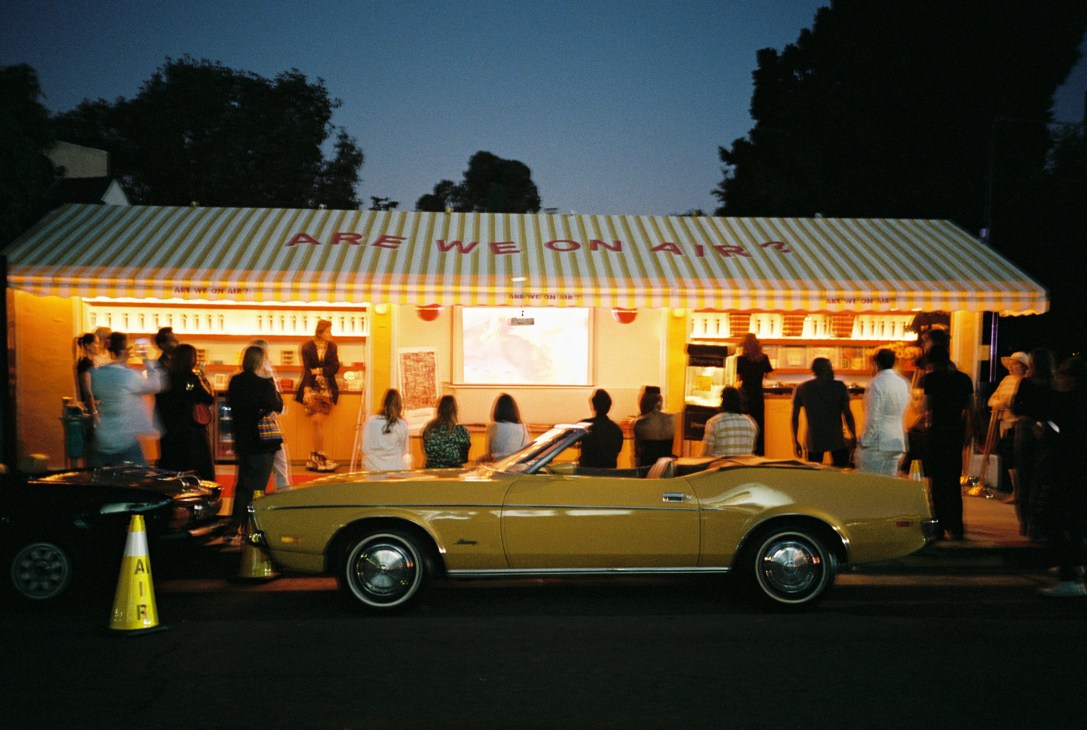
The kiosk is a mix of gallery, bookshop and podcast studio. It is also used for events, from a book-signing party with artist Nadia Lee Cohen to a pop-up celebration of the latest film by director Yorgos Lanthimos. “It’s anything you want it to be,” says Naféei. But among the vintage magazines and vinyl, you’ll still find the weekend papers.
To hear the full interview with Arman Naféei, listen to ‘The Stack’ on Monocle Radio.
Film: Thailand
Independent visions
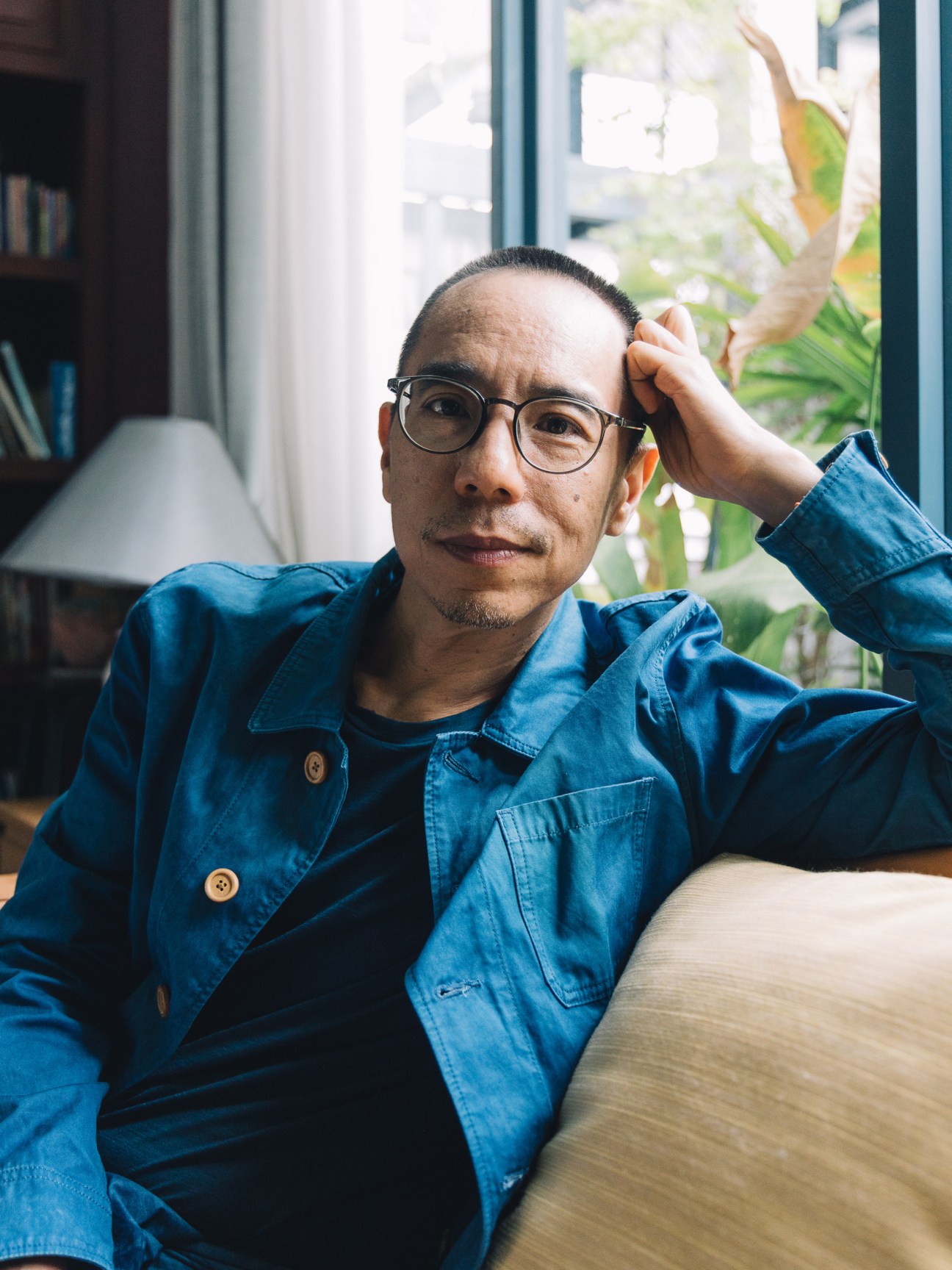
“Cinema still excites me as much now as it did when I was a child,” says Thai filmmaker Apichatpong Weerasethakul, the writer and director of dream-inspired films such as Palme d’Or winner Uncle Boonmee Who Can Recall His Past Lives and Memoria, starring Tilda Swinton. Weerasethakul the independent auteur, who writes his own scripts and expertly secures funding from organisations in France and Germany, must split his schedule with Weerasethakul the artist, a busy man, who hosts exhibitions around the world.
October sees the 54-year-old host two shows at the Centre Pompidou in Paris. Night Particles is an exhibition of video artworks using projectors to channel Thai horror films. It’s textbook Weerasethakul. A Conversation with the Sun, meanwhile, is his first experiment with virtual reality. The videos encourage audience participation and are accompanied by a score by the late Japanese composer Ryuichi Sakamoto. But Weerasethakul has made it clear that virtual reality isn’t the future of cinema. Instead, he views it as an “open space” in which directors set a stage for the audience rather than try to control everything – as in traditional cinema. Weerasethakul is a purist about his feature films, which are intentionally shot for the big screen.
His next film will be shot in Sri Lanka and loosely based on the work of British science-fiction writer Arthur C Clarke. It’s a subject close to Weerasethakul’s heart as he has read Clarke’s work from a young age. “Looking through a camera makes me feel as curious as I did when I encountered science fiction as a child.”