Issues
The folly of human-centred design – does every product really need an app?
Whenever I come across the term “human-centred design”, I think of an anecdote that an architect friend likes to tell. It happened years ago but he is still incensed about it. He was invited by a well-known “global design and innovation company” to a workshop in Berlin discussing how cinemagoing could be “disrupted” (that buzzword is a good cue to turn on your heels and run). The company had gathered a talented panel of experts, including a computer scientist, and the director of a film festival.
For three days, the group explored how the experience of going to the movies could be improved for people. But at the end, they discovered that the exercise had been rigged all along. The workshop leader, flown in straight from Silicon Valley, concluded out of the blue that what cinemas really needed was – surprise, surprise – a new app.

The story highlights the common gap between the stated intentions and actual outcomes of design approaches that call themselves “human-centred”. Often used in the same sentence as that other modish phrase, “design thinking”, the term is tossed around by corporations and consulting firms to describe a principle of putting people at the centre of innovation. They often endlessly quiz potential users and customers about their motivations, pain points and hopes for particular products or services. While in Berlin, the consultants might have also visited cinemas for “observations from the field” or organised “jam sessions” with a consumer panel.
The methods, laid out in flow charts that are studied by management-science undergraduates, seem quite innocent but produce outcomes that can be cluttered and confusing (the adage that “a camel is a horse designed by a committee” rings particularly true here). The result is that these so-called human-centred design thinkers often end up filling the world with unnavigable steering boards, maddening touch-screen light switches and apps, apps, apps. How could such an inoffensive idea lead to so much digital faff?
The popular use of the term “human-centred design” can be credited to Stanford University’s design programme. The school was founded in 1958 by John E Arnold, a professor in mechanical engineering and business administration who (slightly ironically) is best known for tasking students with designing household items for an alien civilisation. At the time, homes and workplaces were inundated with novel technologies that mostly made life more difficult, à la Jacques Tati’s Mon Oncle. The aim of the new programme was to teach the country’s top engineers to think more about the people using their inventions. This notion of considering people’s wants and desires was thought to be groundbreaking and today it has swelled into a sizeable body of academic literature on “human-centric design” and even has an official definition in the iso Standards (an internationally recognised process guideline).
But, in reality, it isn’t that novel: Stanford’s design school is founded and attended mainly by engineers, so they could be forgiven for having only coined a word for a concept as old as architecture itself. As historians Mark Wigley and Beatriz Colomina lay out in their book Are We Human? Notes on an Archaeology of Design, even Vitruvius, the father of architectural theory, dedicated the beginning of his magnum opus to how human wellbeing can be improved with buildings – “healthfulness being their chief object”. From William Morris to Hans Hollein, so many designers have thought deeply about the topic that the adjective “human-centred” sounds like a truism.
In his book Architect, Verb, Reinier de Graaf, partner at oma, gives human-centred design the drily sarcastic definition of an “atypical approach to design where products adjust to people instead of the other way around”. Only to someone who believes that people adjusting to products is the norm would the methods of human-centred design – observing people’s needs, asking for feedback – seem innovative. For most professional designers, they have always been a given.
Still, designers and architects do not typically assemble the consumer panels and questionnaires that are associated with the Stanford-inspired human-centred design approach. Why? The classic example of the futility of market research comes again from Silicon Valley and that oft-quoted quip of Steve Jobs – “People don’t know what they want until you show it to them” – and, indeed, nobody had thought that it was possible to carry 1,000 songs in your pocket before the iPod came along. By taking the approach of assembling a group and democratically noting down everyone’s views and requests, there is a risk of ending up with a device with so many buttons that nobody can figure out how to use it.
When I think of design that really puts humans first, the best examples lie far from Palo Alto. There are the Amsterdam playgrounds of Aldo Van Eyck, which were inspired by the way that children were playing with the rubble left over from the Second World War. Or Brazil’s Orelhão telephone booths, which are shaped like an eggshell on a pole instead of a cabin. Designed by Chu Ming Silveira, they save sidewalk space, don’t attract litter and improve acoustics, with the bonus of making anyone using them look dashing. Both designs were adopted by the masses after literally and figuratively putting people at the centre – no surveys or brainstorming sessions required.
My architect friend’s anecdote also has a happy ending. At the workshop, the imposition of an app was disruptive, indeed: the group decided to stage a small insurgency and kicked their leader out of the room. Then they spent the rest of the day drawing up and prototyping objects such as furniture, ticket booths and a headset. Like decent design always has been, it was just people making things for people, buzzwords be damned.
About the writer:
Finland-born Stella Roos is based in Berlin, where she is Monocle’s design correspondent. She covers architecture, manufacturing and culture across Europe – and is not expecting workshop invitations from Silicon Valley.
While Art Basel Paris boasts grandeur and scale, it’s often the cooler, more intimate fairs that leave a lasting impression
This month, Art Basel Paris is debuting with a snappy new name and a lavish venue upgrade – the Grand Palais. Compared to the clinical exhibition hall that hosted Paris+ par Art Basel in 2023, the Grand Palais will add grandeur to proceedings. It will also become bigger, allowing an impressive 195 galleries to be present – an increase on last year’s 154.
The Grand Palais opened for the Universal Exhibition in 1900 but you hope what’s inside at this year’s fair doesn’t feel too, well, universal. I will, no doubt, enjoy gazing at the world’s greatest contemporary art under its high, vaulted ceiling. But will the event really be all that different to Art Basel’s June iteration in its Swiss hometown? It’s hard to put a Parisian spin on navigating your way to booth D24 or J11 (let alone remember where you saw that amazing Rauschenberg or Baselitz).
The cooler little sisters of large-scale art events – the satellite fairs – often make more of a lasting impression. Paris Internationale and Liste in Basel are the places where you can have a genuine moment of discovery. I have also started to feel drawn to city-specific events such as September’s Vienna Contemporary. “It’s possible for regional, smaller-scale fairs to be more experimental and show work from exciting, lesser-known artists and galleries,” says Vienna Contemporary director Francesca Gavin.
Contemporary Istanbul in late October also allows you to discover the talents of up-and-coming creatives. “In a more intimate setting, participants can receive more attention, which fosters deeper connections and more meaningful conversations,” founder Ali Gureli tells monocle. “There are plenty of what I like to call ‘generalist’ art fairs in the world. I’m more interested in leveraging the unique geographical and cultural landscape of Istanbul.”
Though I’m not going to abandon big-name fairs – and the chance to have a glass of something chilled overlooking the Seine – any time soon, I will certainly be adding a few lesser-known stops to my autumn art agenda this year.
Can hot-spot policing make America’s cities safe again?
It’s high noon in Dallas, Texas, and Major Jason Scoggins of the Dallas Police Department (dpd) is at the wheel of an unmarked Dodge Charger. “We’re on our way to an area called Five Points,” he says, above the gale of air conditioning. “There’s an officer over there with eyes on a female who is wanted for manslaughter. It seems that she hit someone with her car and took off.” Scoggins pulls into a car park behind a forlorn-looking residential building where two officers in a squad car are waiting for the signal to serve a warrant. Covert teams in the area know that the suspect is at home, we’re told, but for now the officers are waiting for backup. “If she comes out of the apartment, that’s to our advantage,” says Scoggins. “It’s dangerous to enter somewhere when you have an unknown behind the door.”


All of this looks like old-fashioned police work. Yet the dpd is honing a novel enforcement strategy that is successfully reducing rates of violent crime. Drawn up in 2021, the Violent Crime Reduction Plan envisages Dallas as a grid of 101,000 locations of 330 sq ft (31 sq m); officers focus units on some 50 “hot-spot” areas where crime occurs most frequently and closely keep track of the surprisingly small number of people who commit most of those acts. The thinking is that if you reduce violent crime in specific areas, there will be reductions citywide. This is exactly what the dpd has found, even if it is making fewer arrests overall. In practice, this can be as simple as having police cars in troubled areas running their lights to let residents know that they’re around or putting repeat offenders into contact with community groups to deter them from crime and help them get back on track. The plan also tasks police officers with reporting signs of urban blight – faulty streetlights, abandoned cars, broken entry gates on blocks of flats – that perpetuate an atmosphere of disorder and co-ordinating with city authorities to get these problems remedied, in an evolution of what used to be known as the “broken-windows theory”.
“What’s old is new again,” says Bill Bratton, who was New York’s police commissioner in the 1990s and championed similar tactics in a period when the Big Apple became known as “the safest big city in America”. Bratton speaks admiringly of what is happening in Dallas, where the police are updating that kind of hot-spot policing for our time. Rather than saturate neighbourhoods with law enforcement, as happened in the past, the dpd relies on real-time data to be more specific and light-footed in terms of where officers go. The crime plan does away with the “stop-and-frisk” methods of investigation that were notoriously overused on New York’s African-American communities.
A plan similar to Dallas’s is now being implemented on the other side of Texas in San Antonio and is attracting national attention. With the presidential election looming, public safety is one of the top concerns among US voters. Though statistics show an overall decline in urban violent crime compared to the gang-ravaged 1990s, many Americans feel that their cities have become less safe, a view that has been exacerbated by a homelessness crisis, a fentanyl epidemic and desolate downtowns where workers have stopped going into the office.
Dallas is not immune to these urban problems and has historically been regarded as a violent city. In August an officer named Darron Burks was sitting in his patrol car between assignments when an assailant randomly shot him dead at the wheel. At the dpd’s headquarters, there is a memorial to five officers who were killed in 2016 by Micah Xavier Johnson, a local man who was armed with a sniper rifle. Johnson was seeking what the then-chief described as payback against law enforcement for the death of black men in police custody across the US.
The two main candidates in November’s election offer diverging visions of what the country needs to promote order but Dallas’s crime-reduction plan, which seeks to combine surgical precision with a focus on restoring trust among the community, is being talked about as a model for police renewal. It was authored in 2021 at the height of the “Defund the police” movement by Dallas’s chief of police, Eddie Garcia. Amid anti-police riots in the city, its then-Democrat, now-Republican mayor, Eric Johnson, made the case to raise law enforcement budgets, rather than slash them, promising to reform the service. For instance, the city’s police are now required to always wear a bodycam, even when working off-duty jobs in private security. As a rule, footage is released to the public within 72 hours of an incident, in contrast to the protracted waits seen in some high-profile cases in the recent past.
“Bodycams are extremely helpful for us when it comes to explaining a situation,” says Lieutenant Jordan Colunga, who arrives at Five Points in an all-black pick-up truck and briefs the team about to arrest the hit-and-run suspect. “When we say that a suspect is running, you see it all happening,” he says. At the apartment building, we watch the officers move in to serve the warrant. The suspect emerges gingerly from inside; she is cuffed and ushered into a squad car. It’s a routine arrest but things don’t always go so smoothly. A couple of weeks before today’s ride-along with the dpd, officers fired six times on a stolen truck after the driver rammed a police car. The suspect survived; the officers’ bodycam footage of the shooting and the subsequent foot chase was swiftly made public. Garcia held a press conference to explain the reasoning behind police officers’ decision to open fire. “It’s a chaotic situation,” he told the room. “It’s just not a choreographed dance.”
With a close-shaved head and arms covered in tattoos, Garcia isn’t necessarily the image of a traditional 10-gallon Texas lawman. Born in San Juan, Puerto Rico, he moved to California at the age of five and went on to serve with the San Jose Police Department for 29 years, keeping law and order in the wild west around Silicon Valley, an area with its own vast disparities in wealth. Garcia was the first Latino chief to lead the dpd in its history when he arrived in 2021, which is remarkable for a city in which 42 per cent of residents identify as Hispanic.

“Just don’t walk on the star,” says the chief, referring to the pale blue rug in the centre of his office that features the five-pointed emblem of the Lone Star State. He is only half-joking. Garcia might be a relative newcomer to Texas but he has become deeply embedded in his adopted home. There are well-wishing trinkets gracing the shelves all around his office, including a signed game ball from the Dallas Cowboys, nestled alongside a flip chart entitled “Apartment Murders 2023/24”.

Every morning, the chief puts on his black glasses and pores over the year-to-date crime figures, looking for fractional changes. “Property crime is down by 11 per cent, violent crime is down by almost 13.5 per cent and we have had a drop in street-related aggravated assaults of a little more than 18 per cent,” he says, running his finger down that day’s spreadsheet. “Our violent-crime trend line is going in a completely opposite direction to what we saw prior to 2020.”
The numbers show that hot-spot policing is working, even if some residents are worried about a spate of recent robberies that are making local headlines. There is still plenty of work to be done to shift perceptions overall: last year, polling company Gallup found that, across the US, confidence in law enforcement had dropped to 43 per cent, the lowest on record.
Garcia believes that trust comes with greater transparency. Waiting outside his office are members of a new Constitutional Policing Unit, one of the first of its kind in the US. Both badged and independent observers study the force and its policies, and offer guidance for officers on how to look out for wayward behaviour among colleagues, as well as how to report it. If that sounds like police marking their own homework, Garcia has also brought in third-party criminologists to assess the force and determine whether there is racial profiling or bias in its traffic stops and arrests. Few can deny his passion for getting it right. “I want to find out what’s wrong with my police department and know where the blind spots are, where we need to get better – before anybody else does,” he says.

Last year, the Dallas Morning News ran a series of articles titled “Black and Blue” that examined historic cases of dpd officers accused of using excessive force against people of colour going back to the early 2000s. The paper alleged that, in some cases, a full investigation of the officers concerned was lacking. More recently, members of the civilian-led oversight board that examines complaints against police officers have said that it has been limited in what cases they get to see. With greater media scrutiny than ever, one veteran officer tells us that there has been a need to shift the mindset away from the action-packed days of car and foot chases to a more service-minded mentality.
The chief pulls no punches about the “rogue district attorneys” in the US who he believes are declining to prosecute crimes in the name of social justice. “When I go out to those neighbourhoods that are affected by violent crime and they ask me why a certain individual is back on the streets, there’s a humongous disconnect.” Yet he also fears the potential for the political pendulum to swing back against law enforcement. “When you have a defunding movement hanging over your beloved profession, morale is going to take a hit,” says Garcia. This, he believes, has contributed to a surge in violent crime, as the vilified police disconnected from proactive work in their communities. Garcia might call defunding the police a “ridiculous” idea but many of those who marched in the streets regarding the issue in 2020 would argue that they were concerned citizens, speaking out about heavy-handed policing that sometimes turns deadly. “I have never had a community affected by violent crime tell me, ‘We want to see less of you in our neighbourhoods,’ regardless of the language spoken, the racial make-up of the area or economic status,” says Garcia. “In fact, it is often communities of colour that will [criticise me] if I’m not providing them with police resources and services.”
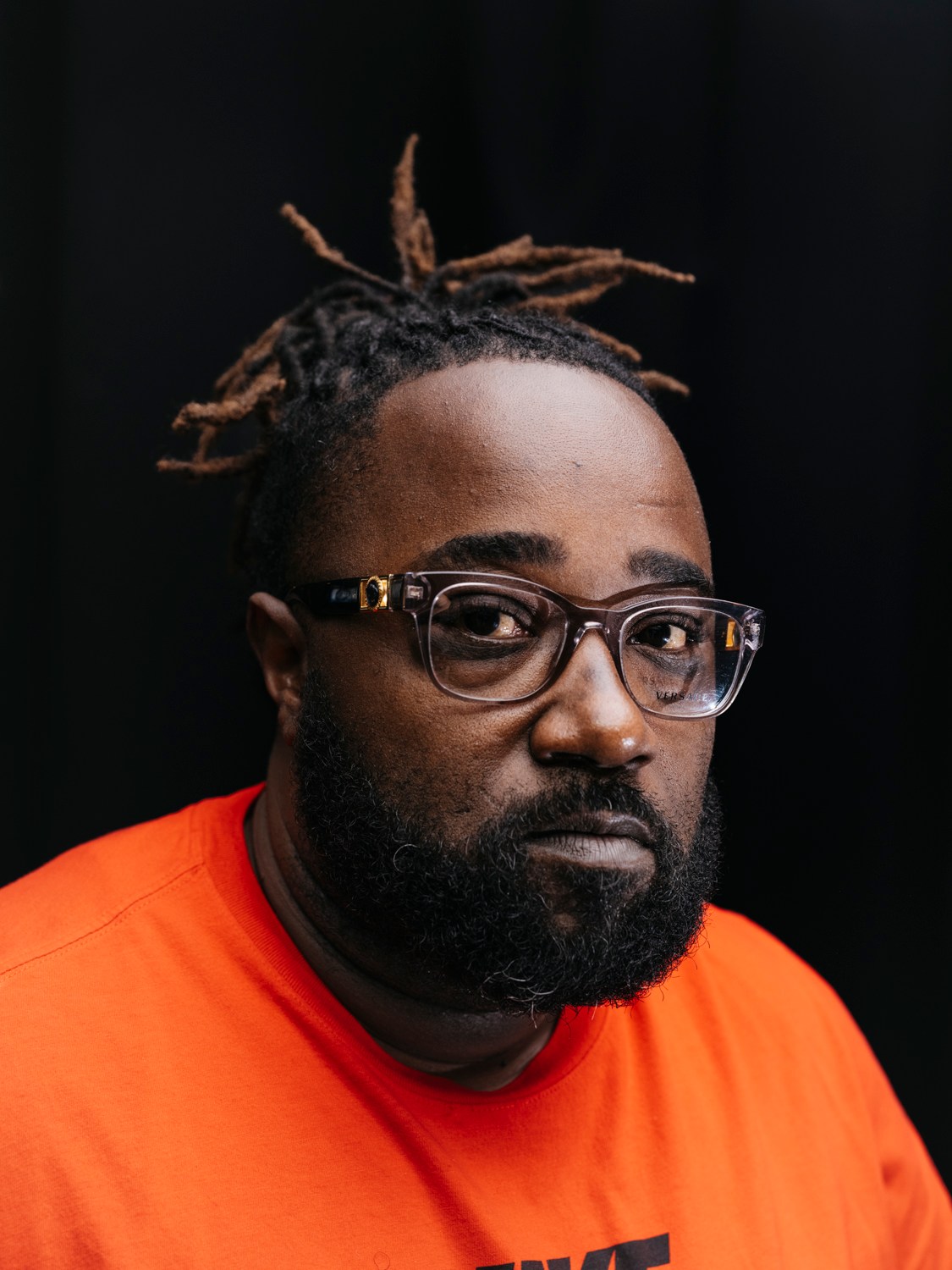
Someone who knows this better than most is Antong Lucky, who grew up in the projects of east Dallas. He fell in with gangs as a teenager, became the leader of the local chapter of the Bloods and wound up in prison, all before the age of 20. When he emerged from incarceration, Lucky joined a local non-profit called Urban Specialists that was working to reduce violence in neighbourhoods around the city. In 2000, Lucky helped to negotiate an enduring ceasefire between the gangs. Two framed bandanas on the walls at Urban Specialists commemorate that peace treaty. Working from a cavernous basement in a squat brick building across the road from the dpd headquarters, the group hosts community events around the rougher parts of Dallas and, increasingly, works with the police to bring more law enforcement into neighbourhoods to talk to residents about the issues that they face.
“We’re like interpreters,” says Lucky, who is now Urban Specialists’ ceo and president. He confirms Garcia’s view that people in the communities that he works with do not want to see fewer police – they just don’t want to be harassed. “It’s our duty to champion that view because you don’t hear it on the nightly news,” he says. “You hear people saying, ‘Defund the police.’ It can’t be an ‘us versus them’ narrative. We need the men and women in blue who protect us and people in communities who respect them.”
Lucky believes that whoever takes America’s top job in November’s presidential election should establish offices of violence prevention across the country. Such a strategy would pair smart police chiefs with credible community leaders and instil confidence in the wider public by ensuring that the police are more accountable and visible, and can communicate better with those they are seeking to protect. “In every city that I go to, there are people working to address this problem but they are under-resourced or working against narratives that don’t acknowledge the importance of the long game.” Within a decade, he says, the incoming administration could significantly reduce violent crime, provided that the problem is taken seriously. “If we get to that point,” says Lucky, choosing his words carefully, “then we’re good.”
A law-and-order election

The optics of an electoral face-off between a convicted felon and a former prosecutor have not been lost on Democratic Party strategists. However, the question of who would make US cities safer isn’t as cut and dry as it first appears. The Republicans’ stump is to “rebuild” cities and replenish police departments with a return to what it calls “common-sense policing”. The party promises to “stand up to Marxist prosecutors” and “compassionately address homelessness to restore order to our streets”.
While in office, echoing Richard Nixon, Donald Trump declared himself the “president of law and order”. Yet in 2020, the last year of his presidency, violent crime rose significantly – a spike that Trump has ascribed to the mass protests and “Defund the police” movements that followed the killing of George Floyd. Should they remain in the White House, the Democrats promise less incarceration, more accountability and greater community interventions that will stop crime before it happens. The Biden administration’s most recent budget allocated $1.2bn (€1.1bn) specifically to tackling violent crime at a local law-enforcement level. And, despite perceptions, crime rates have slowly been coming down since 2020.
Kamala Harris, the Democrat Party’s candidate for the next US election, was a former prosecutor in San Francisco and then for the state of California. Her opponent has accused her of being weak on law enforcement and having a hand in creating the troubled security situation in downtown San Francisco. The reality is more complex. Harris is often described as having been a tough prosecutor but one who has changed her mind on everything from the death penalty to cash bails over the years. When she ran in the Democratic presidential primaries in 2020, she talked about “redirecting” funds from police forces amid the protests and riots that year. Her bid for the top job in 2024 has been very different: she is presenting herself as tough on crime while declaring, “I know Donald Trump’s type” – a not-so-subtle dig at the 45th president’s criminal record.
Ukraine’s women have the skills needed on the battlefield
I don’t want to be a victim. But over the years of war in my country, I have realised that this isn’t possible without knowing how to defend myself and my family. If I couldn’t fire a gun or fight off an attacker in close combat here, I would be defenceless. I’m writing this from Kyiv before returning to the Ukrainian front line. I have realised that if feminism has taught us anything, it’s that women should never become easy prey – a lesson that feels all too relevant when Russian shells are exploding around me and my team in our trenches in the country’s east.
War returned to Ukraine in 2014. I became a mother the year before, just as Ukraine’s pro-European revolution was kicking into action. Pro-democracy protesters flooded the streets, calling for EU integration and an end to the country’s cosy ties with kleptocratic Russia, which was pulling us ever closer, back into its empire. Then, as it invaded, first annexing Crimea in the south before sending in its troops to occupy our eastern cities, towns and villages, I came to understand two things clearly. First, that our army desperately needed soldiers as open, state-sanctioned violence had made a comeback and was advancing towards our homes. Second, it wasn’t just men but also women who now had to learn how to protect themselves.

I have always respected the Israeli model of conscription. From a Ukrainian perspective, with all of the violence that our population has suffered in the past 100 years, it makes sense to have a level of basic military training for both men and women. We helped Europe to overcome the Nazis in the 20th century but Russia’s imperial evil was never defeated in the battles of the Second World War. And we are fighting its desire to annihilate our country now. Ukraine’s entire population has to be more than just willing to protect itself in the abstract: it also has to be trained to do so effectively in the real world.
Women can play an important role in defence. I first joined the Ukrainian army in 2019 as a paramedic; within a year, I signed up as a regular contract soldier. Soon I became a combat medic and took on reconnaissance in the Ukraine Marine Corps battalion, mastering how to pilot drones. In this time, I have fought alongside both men and women. I can confidently say that those women on the front lines today are, in my opinion, on average more motivated and determined than the men.
Of course, part of this is simply down to the fact that those I fought beside chose to enter the army – there is currently no conscription of women in Ukraine. Around the world, 21 countries include women in their conscription programmes, including three in Europe (Norway, Sweden and Denmark). But I have also witnessed how much better women can be at dealing with situations that men might shy away from. Take blood, for example – we see a lot of it on the battlefield, unfortunately. But perhaps because women encounter much more of it in our civilian lives, many are less scared to deal with it.
Women are also often more likely to be open about how they are feeling. We start conversations that men might otherwise avoid. This allows us to deal with stress more effectively. With rates of ptsd in Ukrainian society rising, it is paramount that we are all open about our experiences, both mental and physical. Some qualities that have been traditionally deigned feminine actually serve to complement many aspects of a soldier’s experience.
There are also so many women in the Ukrainian army who inspire both me and my male colleagues to keep fighting as part of a more skilful, modern army. Take my friend, Olena Bilozerska, for example. A writer and journalist in her civilian life, Bilozerska trained to be a sniper in 2014. She wrote about her experience as a servicewoman in her memoir Diary of an Illegal Soldier, which was published in 2020. And on the battlefield, her skill has been lauded by people all over the world, including US soldiers – a video of her working just 200 metres from the occupiers was published on YouTube and ended up going viral.
So, how might female conscription work? Perhaps some imagine that if women are included in the draft, society would face a crisis with no one left behind to look after children and the elderly. But there are always a certain number of people who would never be called up. Carers and single mothers would be taken off the list automatically in the same way that Ukrainian men with more than three children are today. We would need to be practical.
But leaving aside the issue of female conscription, I believe that we are leaving a large resource untapped. Many women who I have spoken to say that they support the idea of being called up and doing their bit. If they were to receive that letter in the post, they would gladly go. They are keen to help but they need the legitimacy of the state to justify their presence in units that might otherwise treat them with scepticism or as outliers.
Doing so would also bring a few lazy stereotypes into the crosshairs. We could show once and for all that women can be as strong and brave as men, if we only let them demonstrate their potential and legitimise their participation. It would be a golden opportunity to put patriarchal stereotypes to bed and impart a greater confidence in a truly equal society.
The threat of war might seem far away for many Western readers living in comfortable, safe countries. But my country’s situation and our overnight transition from a hopeful European democracy to a nation under violent attack has proved the old Latin saying right: if you want peace, prepare for war. And don’t leave us women behind.
About the writer:
Yaryna Chornohuz is a senior corporal in Ukraine’s army. She published her first book of poetry, How the War Circle Bends, in 2020. She was awarded the prestigious Taras Shevchenko National Prize in 2024 for her writing.
Exploring Edge House: Tom Wood’s founder’s minimalist masterpiece
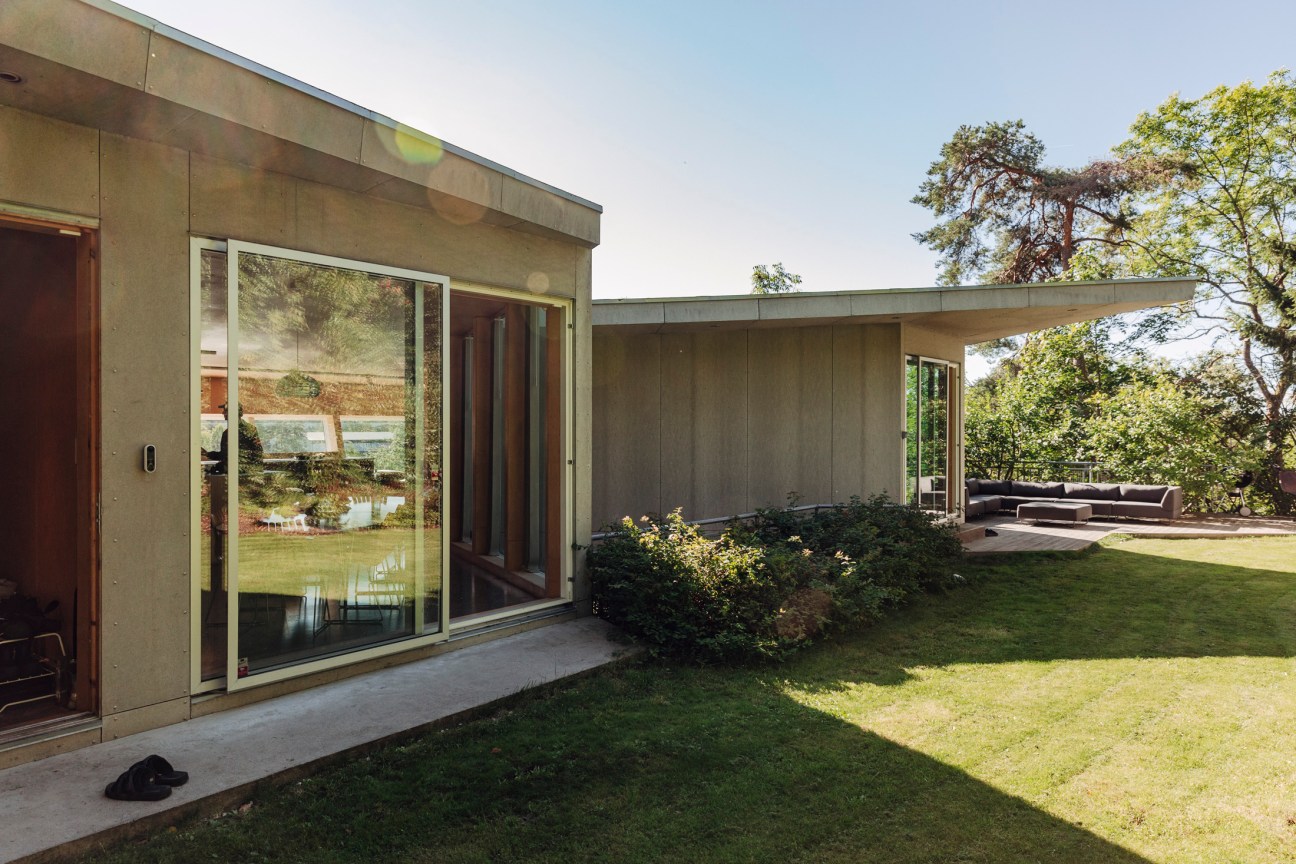
On a rocky outcrop near central Oslo, an unconventional house looks out over Kolbotn, a residential area of otherwise conventional wooden houses and low-rise brutalist apartments. Nicknamed Edge House, the distinctive edifice is the family home of Mona Jensen and Morten Isachsen, the duo behind Norwegian jewellery brand Tom Wood, which was founded in 2013 and is known for its simple, elegant designs.
Access is via a narrow stairway, which has 52 steps that cut through rough granite boulders glinting with quartz crystals. As you ascend, the seven load-bearing pillars that support the house – which sits entirely over the stony slope – loom close, with pine saplings seeding into the nooks and crannies of the surrounding rock. Then, at the top, 12 metres above street level, you reach even ground as the stairway opens out into a garden.
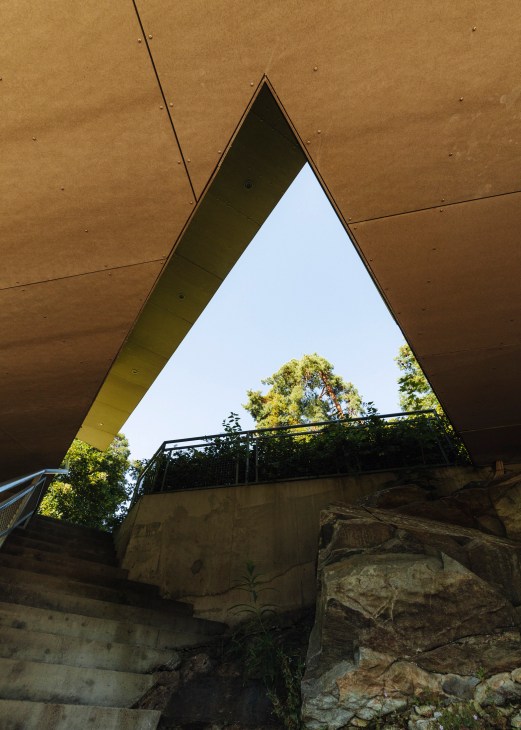
Edge House was an ambitious undertaking for Jensen and Isachsen. After living in apartments in central Oslo, they were spurred by a desire to move to a home where their children would have more space to run around among greenery. For the couple, who grew up in bucolic Stord and Tromsø, it was also about regaining a connection to nature.
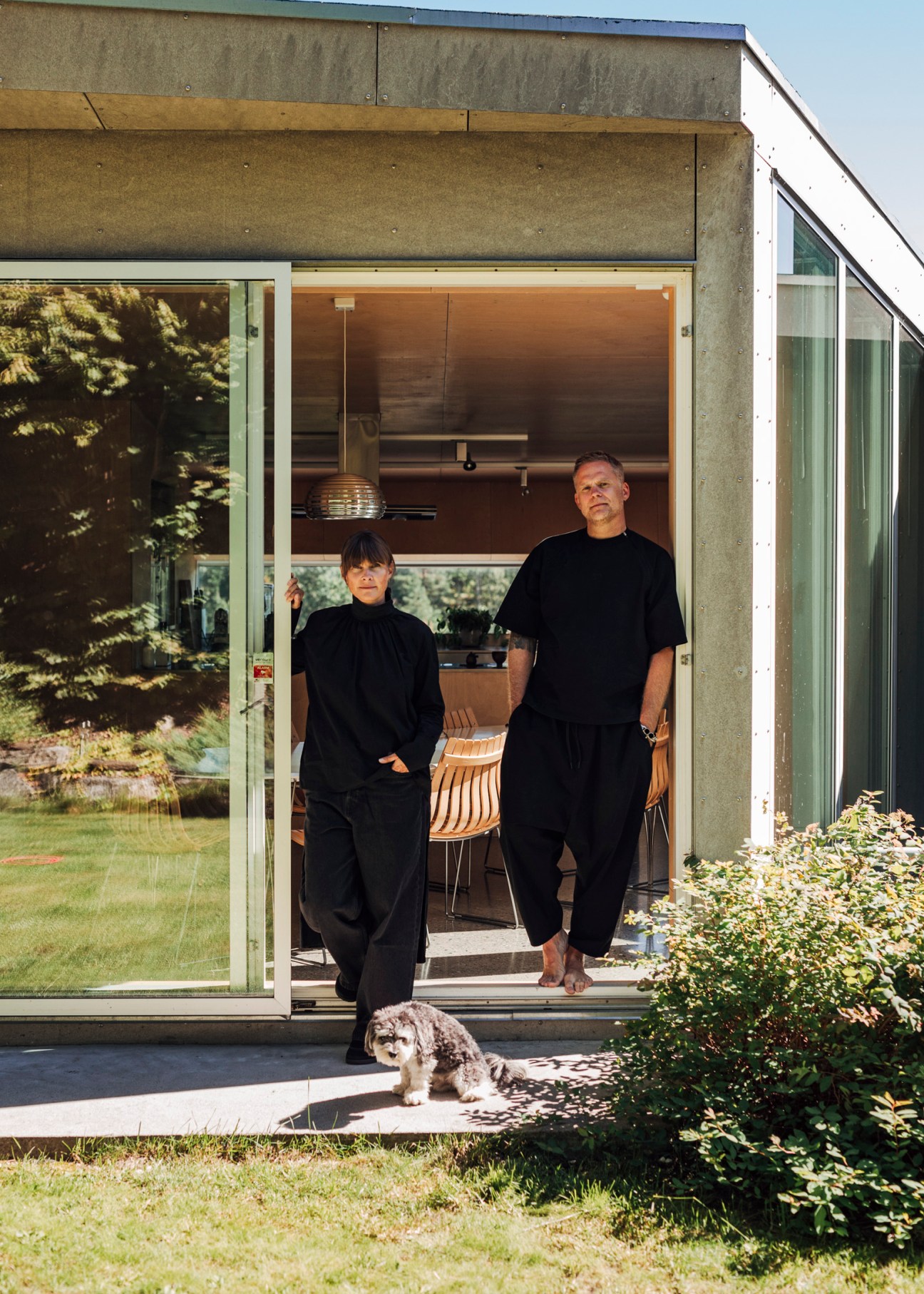
To do so, they enlisted Oslo-based architects Einar Jarmund & Co, to whom they submitted a somewhat unorthodox initial brief in 2006. “We sent them the James Bond theme song and asked, ‘Can you make us a house like this?’” says Jensen. “They were our dream architects at that time but we were very young and couldn’t really afford them. So they told us to save up some more money. We did and came back a year later but still had a very limited budget.”
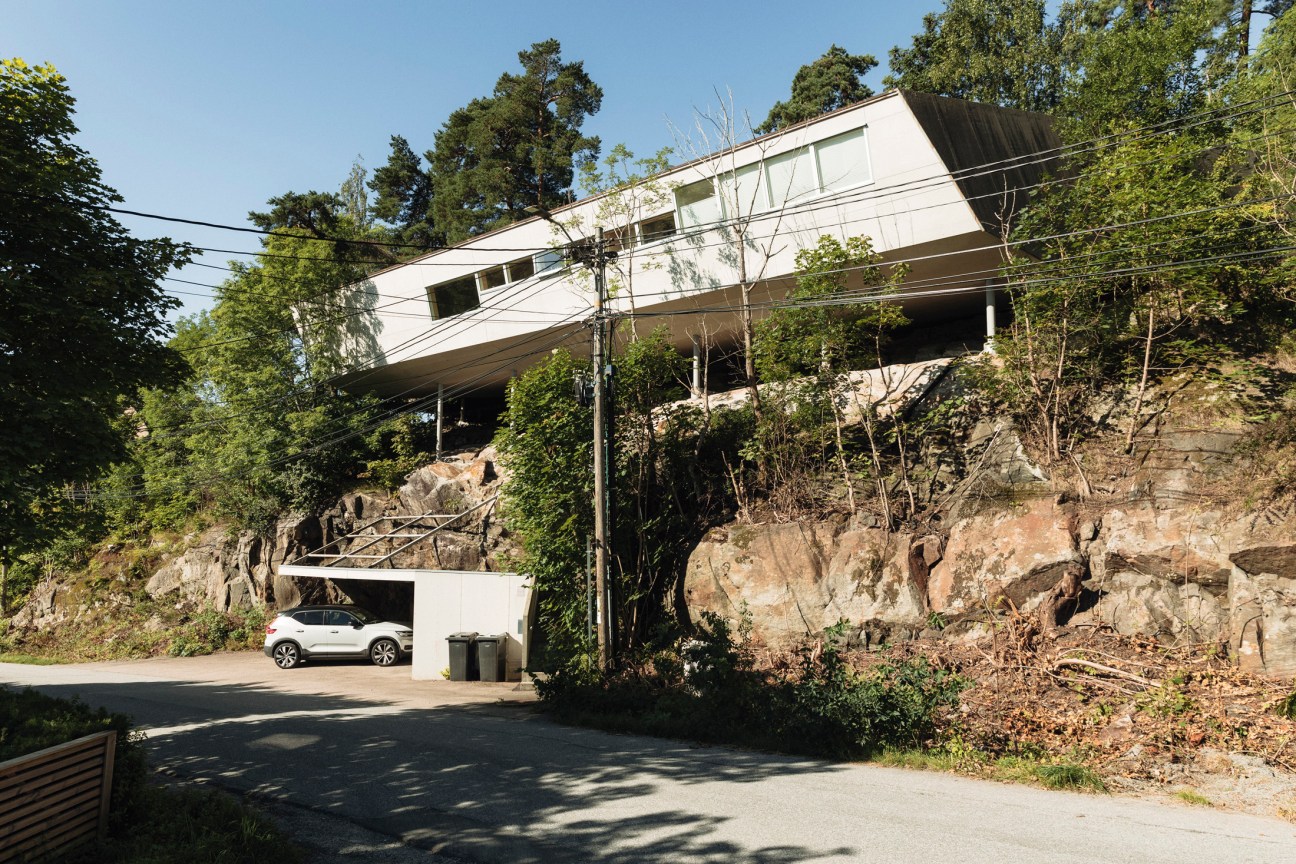
Ultimately, Jensen and Isachsen wanted to build a home that, much like their clean-lined jewellery, wouldn’t age in terms of style or integrity. “Building a house is a significant project, something that most individuals or families do only once in their lifetime,” says Isachsen. “It prompted us to ask what kind of footprint we wanted to leave on this planet. Is building a house truly necessary? And if the answer is yes, how can I design a home that will not only stand the test of time but remain relevant and sustainable for many decades – perhaps even a century?”
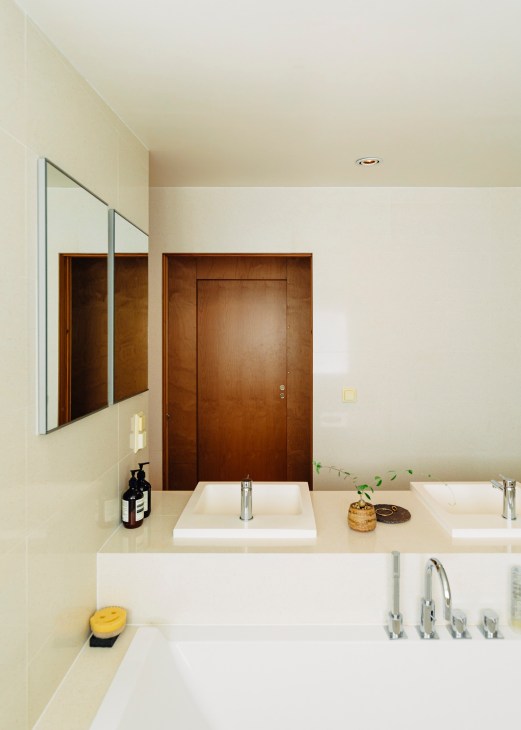
In response to these questions, rudimentary raw materials were chosen for their hardiness, cost efficiency and durability. The exterior of the house is clad in fibre cement panels that, like a giant Meccano set, are screwed in place, allowing easy access to the structure of the building for repairs. It was a relatively new technique at the time of construction; the couple had heard of its use in The Oslo School of Architecture and Design, which was also built by Einar Jarmund & Co. “If one panel gets damaged, you can change it and don’t need to tear down the whole façade,” says Jensen. “You don’t have to paint it or do anything to it for 100 years,” adds Isachsen. “It just stays and looks the same.”
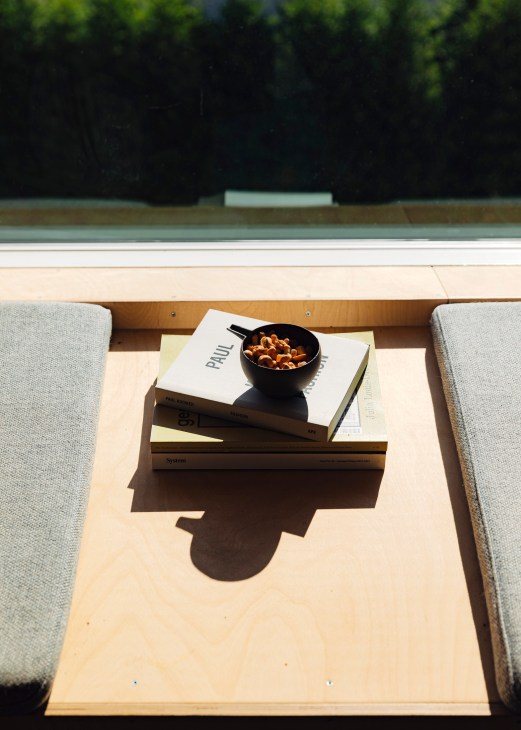
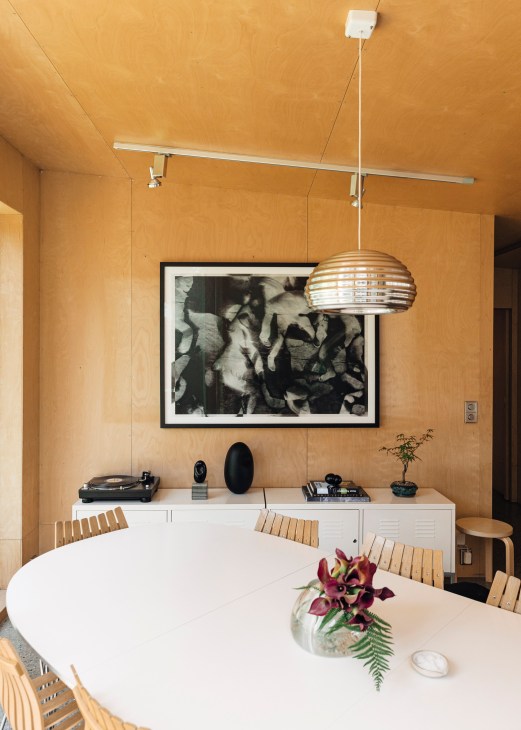
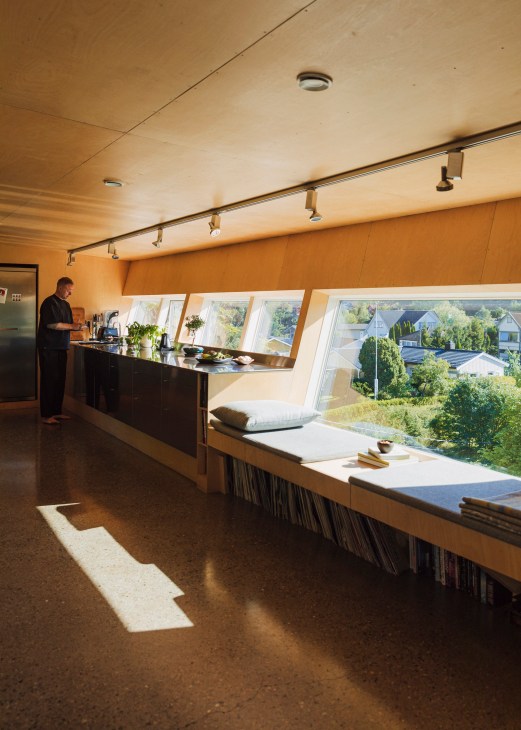
There’s a practical simplicity to the home’s interiors too, with the walls clad entirely with birch veneer, with no paint or wallpaper, and no skirting boards or highly finished edges. A sizable steel bench-counter is the heart of the kitchen – both in terms of activity (Jensen and Isachsen like to cook) and in presence. Appropriately, the finishes match the look of Tom Wood’s Oslo flagship shop, where similarly steely surfaces create a common visual thread that links the couple’s home and creative venture – even though Jensen says that her work as a jeweller didn’t influence the house directly. The home’s concrete terrazzo floors, reminiscent of those found in Venetian piano nobile, are also found at the Tom Wood office, which was opened after the house was built. (Perhaps it was the residence that influenced the brand.)
Set across one floor, almost every room in the house is oriented towards – and opens out onto – the garden. Cultivated by a Japanese landscaper with particular attention given to the seasonality of its vegetation, it has copses of trees and flower beds that bloom in the warmer seasons. “In summer especially, the house becomes twice as big because it’s all on one level, with windows towards the garden,” says Isachsen. “We constantly move from indoors to outdoors.”
Built in 16 months on a 900 sq m plot of land (an area about the size of 3.5 tennis courts), the house was designed to work in harmony with the landscape. “When the architects came here, they got the idea to put the house on the edge of the plot, destroying as little of the existing vegetation as possible and creating this very private garden,” says Isachsen. “There was very little demolishing that had to be done.”
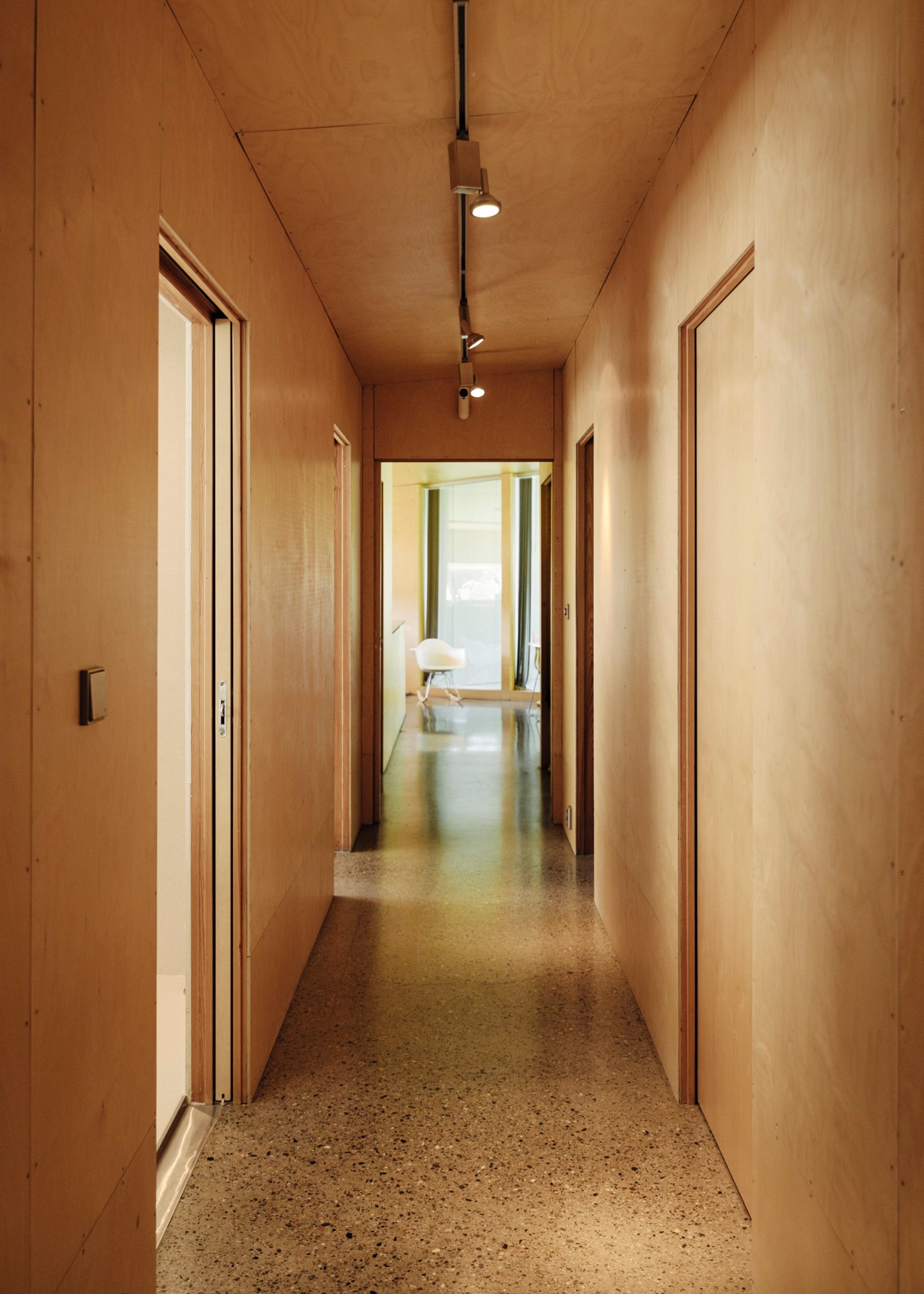
Despite its imposing appearance on its rocky perch, the house isn’t a behemoth. It was originally just 210 sq m with three bedrooms. Following a 2018 extension, it now occupies 258 sq m, when an extra bedroom and a study-cum-entertainment room were added after the couple’s children complained of living on top of each other. The addition is marked by a transition from light to dark as you walk from the luminous open-plan living and dining area towards the bedrooms through a softly lit birch-panelled corridor, evoking a winding down of energy and indicating that you are heading to a place of relaxation.
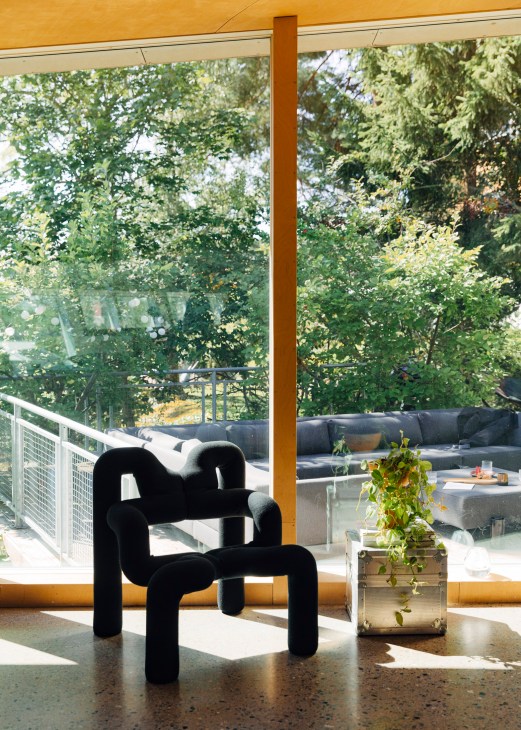
The furnishings, meanwhile, reflect the couple’s personal tastes and their journey through life. There’s a big collection of vinyl (Isachsen is a former DJ) and a larger-than-life portrait of Norwegian musician Turbonegro, taken by Aleksander Nordahl, which presides over the living space. A colossal suar-wood coffee table that the couple brought back from Bali takes centre stage in the living room. Throughout the home, you’ll find a mix of modernist, postmodernist and contemporary furniture from designers such as Terje Ekstrøm and Andreas Engesvik, and brands including Fjordfiesta and Italy’s Flos.
A bespoke “thinking bench”, cushioned with Norwegian woollen textiles, starts at the end of the steel kitchen counter and extends into the living space, butting up against the plate-glass window and defining a clear sightline to the undulating neighbourhood beyond – it’s a psychotherapist’s couch with a view.
Jensen and Isachsen are part of a wave of now-established Nordic creatives who are breaking out of the mid-century mould that has come to define design in the region. Their home is reflective of this: it’s exactly what one would expect from cool industry leaders. Appropriately, when monocle visits, both are dressed head to toe in black, with Jensen drifting elegantly in a vintage Celine shirt and Hermès loafers and Isachsen wearing an asymmetrical-zip White Mountaineering top and capacious slacks. They appear totally at ease in their natural habitat but they’re quick to explain that there were times when they didn’t always have such confidence in the home’s creative form. “I cried when I saw the mock-up model of the house,” says Jensen. “I thought it was horrible. I expected something practical and easy to understand. This was hypermodern. There were so many angles and corners – it was entirely new.”
Isachsen, on the other hand, thought that it was exciting. “He said, ‘It’s only four walls and a roof – it’s a house,’” Jensen tells monocle. She explains that she soon came around to the originality of the design. Now, she can’t imagine living anywhere else – at least for the foreseeable future.
The architecture, says Jensen, has enriched their lives over the past 16 years. She explains that one of the keys to its success was that it reflected their ideals. “To me, a home is a place that holds a family together and needs to work with its different phases. We spent a lot of time thinking about which rooms and functions a house needed to have, to work for us the way we like to live.” For Jensen and Isachsen, it turned out that living on the edge doesn’t mean having to be totally out of your comfort zone. tomwoodproject.com
The complexities of a migrant campaigner
“Eighty per cent of the people I know in Basel are foreigners,” says Alima Diouf. “I want our cries to be heard. I want people to understand what the reality is for us migrants: more and more are coming to the country in ignorance. And many who are already here have no chance of moving forward.” Why? “The system only creates problems and causes conflict among us,” she says.
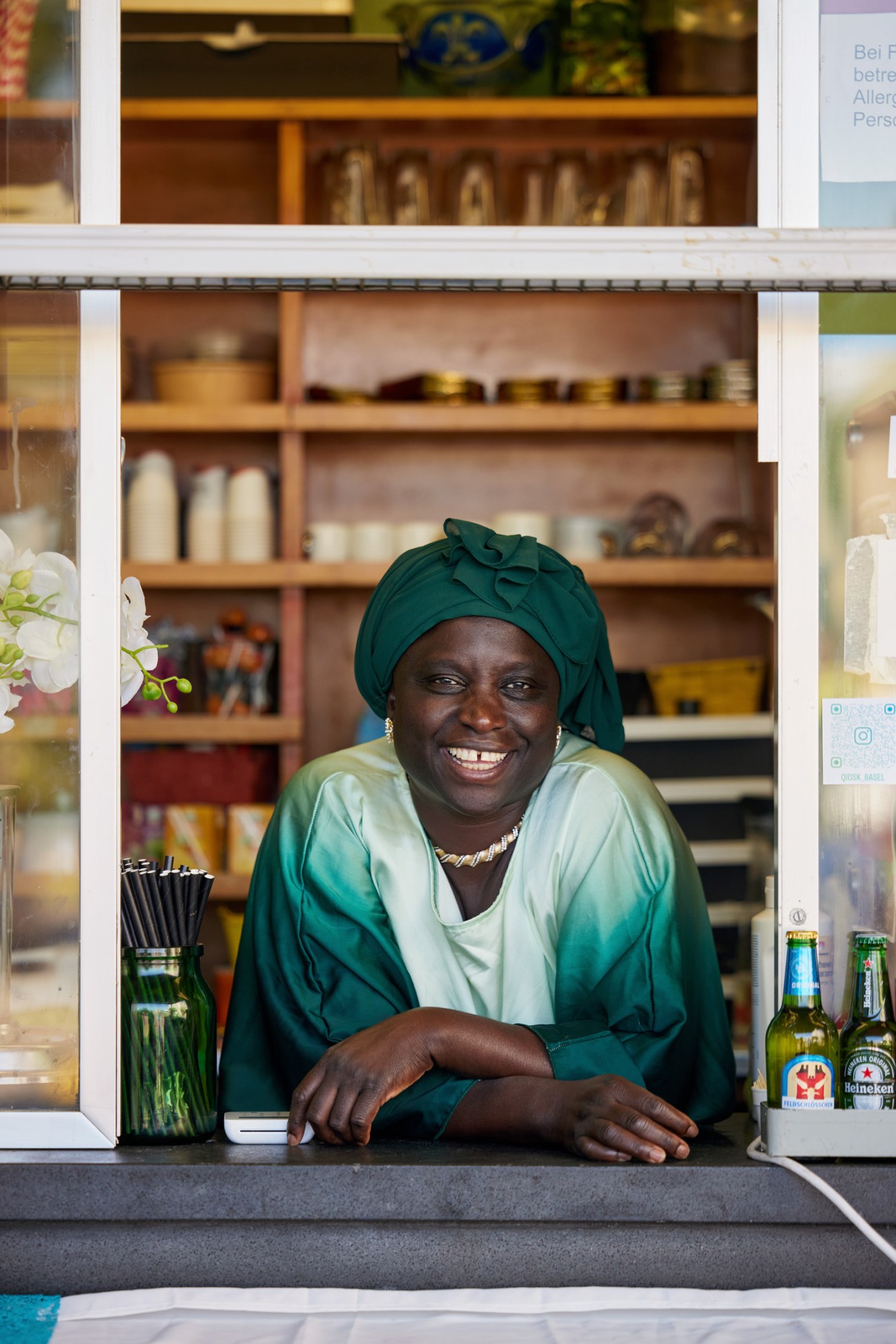
Diouf is the most dazzling figure in Basel’s politics. She has been committed to helping migrants for years and this autumn is running for the Basel cantonal parliament – for the Swiss People’s Party (svp), which blames migrants for almost all of the country’s problems. She is full of energy and almost always on the go. Before we speak on a hot afternoon, she quickly closes up her small restaurant on the edge of a crossroads in Kleinbasel and clears the last tables and chairs from the pavement. A few years ago, she set it up in an empty kiosk and today she serves lunch every day there for people from the neighbourhood. Dressed in her traditional orange floor-length dress and headscarf, she hurries across the square to the car to change the parking ticket. “Otherwise, I have to keep an eye out for the traffic police,” she says apologetically as she breaks into a run again.
Diouf came to Basel from Senegal in 1994 at the age of 21 as the wife of a Swiss man. The marriage soon fell apart but Diouf stayed in the city. She learnt German and tried to keep herself afloat with jobs in hospitals and retirement homes. She raised two sons alone who are now adults. She completed several training courses in Switzerland, including one as a nursing assistant and a second as a specialist in finance and accounting. This helped her to get better jobs, even though she remained dependent on social welfare for a long time. “Anyone can make it,” is one of Diouf’s many mottos. Despite this, she also stresses how difficult it is for migrants to get ahead in the Swiss working world. She networked, got to know people and soon appeared in a documentary film to tell her story.
Shortly afterwards, she began advocating for migrants – casually, at first. Everyone in the community quickly realised that she knew her way around and had a few tricks for getting by in a foreign country. She believes that many migrants often receive bad advice from official bodies, so she founded her own association in 2014, Migrants Help Migrants (mhm). She encourages clients to learn German. She informs them that in Switzerland you should never hit on women, even if they show some skin. She explains traffic rules and etiquette. She urges them to look for work quickly and helps them to deal with authorities and fill out the necessary forms.
As a hobby, she is building her own little restaurant for the mhm association, where she employs people who are stuck on welfare. Here, in the Qiosk, as Diouf’s snack bar is called, everyone is welcome. No one needs to order anything and everyone pays just what they can.
That might sound like a perfect template for a career in left-leaning politics but Diouf doesn’t think much of the socially minded parties that usually set the tone in Basel. Instead of genuinely addressing the concerns of migrants, she says, money is often distributed to self- proclaimed experts who are usually close to the Social Democratic Party of Switzerland (SP). She thinks that problems are being ignored, the situation is glossed over and, most explosively, migrants are being intentionally played off against each other.
When asked what she means by this, she points to two boys walking past, most likely Swiss by their appearance. “These two have to pay for every tram ticket themselves,” she says – just like all those who have been temporarily admitted, some of whom have lived and worked here for years. Only people from Ukraine have received a free pass. “Nobody [in our community] understands why that is,” says Diouf, shaking her head. “No wonder there are conflicts [between migrants]. And that’s just one example.”
There are many such tensions in the district where Diouf’s Qiosk and the offices of her association, mhm, are located. A few hundred metres away is the Dreirosenanlage, a Kleinbasel hot spot that has become notorious even beyond the city limits. The district has fallen into disrepute as a result of open drug dealing, shoplifting and other crimes, including brutal robberies and fights. For a long time, the problems were played down until representatives of schools, various social institutions, the police and others began to speak more frankly about the unrest at meetings. The conditions around the Dreirosenanlage were described in merciless detail: children and women avoided the place out of fear, even though there were schools and recreational facilities there. It wasn’t uncommon for the police to receive several calls a day about goings-on in the area.
Diouf experiences aspects of this unrest on most days. There are thefts, assaults and often a tense atmosphere. Migrants also suffer from psychological and reputational damage, not to mention the fact that they are usually the victims of the crimes that are becoming more frequent in the neighbourhood.
Diouf hears complaints about harassment and racist outbursts by police officers almost every day. Instead of protesting against racial profiling, Diouf organises meetings between migrants and the police to foster mutual understanding. Conflicts arise from the clash of world views and values that our culture gives us, she says. Asylum seekers are able to describe the injustices that they experience to uniformed officers, who are in turn given the chance to talk about their everyday lives that are full of stress and hostility. They explain how to behave in conflicts and Diouf helps to spread such tips. “Police officers help us more than radical leftists,” she proclaimed a few years ago in the Basler Zeitung – a typical Diouf sentence.
She also likes to address her clients in plain language. For example, she has two pieces of advice for Nigerians who turn up in Basel. First, she says, “Don’t go to Dreirosenanlage, Kaserne and Claraplatz. There, you will be checked or arrested as a drug dealer, even if you aren’t one.” Second, “Get out of Switzerland and go to Italy or France. Anyone who comes from Nigeria or Senegal will never be granted the right to stay here as a refugee, no matter what anyone tells you. You are wasting your time here.”
Diouf says that a fear of speaking the truth is one of the main problems in Switzerland. The city of Basel, with its penchant for multicultural romanticism, is deceiving not only itself but also those who come here. For many, welfare is at first glance a symbol of prosperity, a promise. In reality, most want to work. Doing nothing makes people unwell and state welfare takes away their dignity. “Stay as far away from it as possible,” Diouf tells migrants, and she likes to underline this with a vivid comparison. “In Africa, lions are proud and strong animals,” she says. “Accept welfare and you’ll become like the lions in the zoo: well fed but locked up.”
Diouf is on the front line every day, trying to explain to migrants how Switzerland “works”. Where the system causes problems, she tries to compensate for the deficits. She obtains special permits from the police for minors who have been admitted temporarily and who, even after years, are not allowed to leave Switzerland, even to visit their German neighbours. She runs free family holidays for migrants in the Basel area and organises sporting activities in the neighbourhood. She plans action weeks against racism and neighbourhood festivals in which people from different religions come together. She collects donations for needy families in the city and organises the necessary funds from foundations and companies to finance them.
In the social sector, there’s a type of person who, with a flood of ideas and initiatives, almost single-handedly gets things off the ground that would quickly become overcomplicated and fall apart in the hands of established institutions and authorities. They achieve great things but because everyone else is too slow, it’s not long before nothing can be done without them. It’s then that such people suddenly find themselves at the centre of attention, sometimes overshadowing the cause that they’re championing. Gradually, their own view and approach threaten to become the only ones. Rules and objections become annoying. Requirements from donors become unpleasant; criticism is increasingly unwelcome. The good cause slowly takes on a missionary veneer. Such signs are also noticeable in Diouf.
While she is fiercely critical of politics, the asylum system, the canton, Ukrainian arrivals, social welfare, employers and left-wing politicians, Diouf is utterly convinced of her own mission. She is annoyed that she does not simply receive money from the canton of Basel-Stadt but has to work with “unsuitable” experts from the administration for her projects. An “anti-Alima” alliance is at work, she says. In short, she believes that there’s nothing that can redeem the system – it only causes problems.
It’s unclear whether being part of the svp will work out for Diouf in the long term (and vice versa). Despite their agreement on border protection, crime and social welfare – as well as on who is responsible for the grievances – some significant contradictions remain. Diouf says that she is particularly concerned about those who have been granted temporary admission and who were born or grew up here – the category of people that the svp no longer allows into Switzerland and whose right to remain it hopes to abolish. Ironically, Diouf wants to promote understanding for migrants with the support of a party that is conducting xenophobic campaigns. She collects money for poor asylum seekers but the svp intends to cut their support. The contradictions go on. A few years ago, Diouf strongly criticised her party’s policies in a publication by the Federal Commission against Racism (ekr). As long as the old “the boat is full” and “Switzerland for the Swiss” mentality is celebrated, migrants will have little chance of being accepted into society, she wrote. “With the immigration policy shaped by the svp’s hard positions, we are reaching the limits of integration policy in the fight against racism.”
Diouf downplays such differences but she does not deny that they exist. Even though she might believe that the svp has the best policies of all of the parties, she still writes down everything negative that she hears or feels about the party and reports it to its executive. “If you want to achieve something and are not xenophobic, then you should show it,” she says. Diouf believes that the svp only needs to change a little to win over most migrants. “I’ll keep at it.”
This article was first published in the ‘Neue Zürcher Zeitung’. Translated by Monocle and edited for clarity and length.
East meets west within Istanbul’s design evolution
Plenty of ink has been poured over Istanbul’s mystique; its status as a crossroads for cultures, religions and customs is well known. So let’s get the clichés out of the way: it’s a place where East meets West, Asia meets Europe, religion meets secularism and past meets present. These clichés sometimes hold truth, with Istanbulites created in their city’s image, adept at negotiating swirling economic, social and cultural currents. Nowhere is this more apparent than in the field of design, where Istanbul-based studios demonstrate multidisciplinary nous and a can-do mentality.
In this city of 16 million people, there are countless firms seamlessly shapeshifting between architecture, urbanism, print and more. Istanbul’s complex matrix and occasional chaos has fostered an agility among its designers, particularly in the central and historic neighbourhood of Beyoglu, which rises up from the port and the Galata Tower towards Taksim Square.
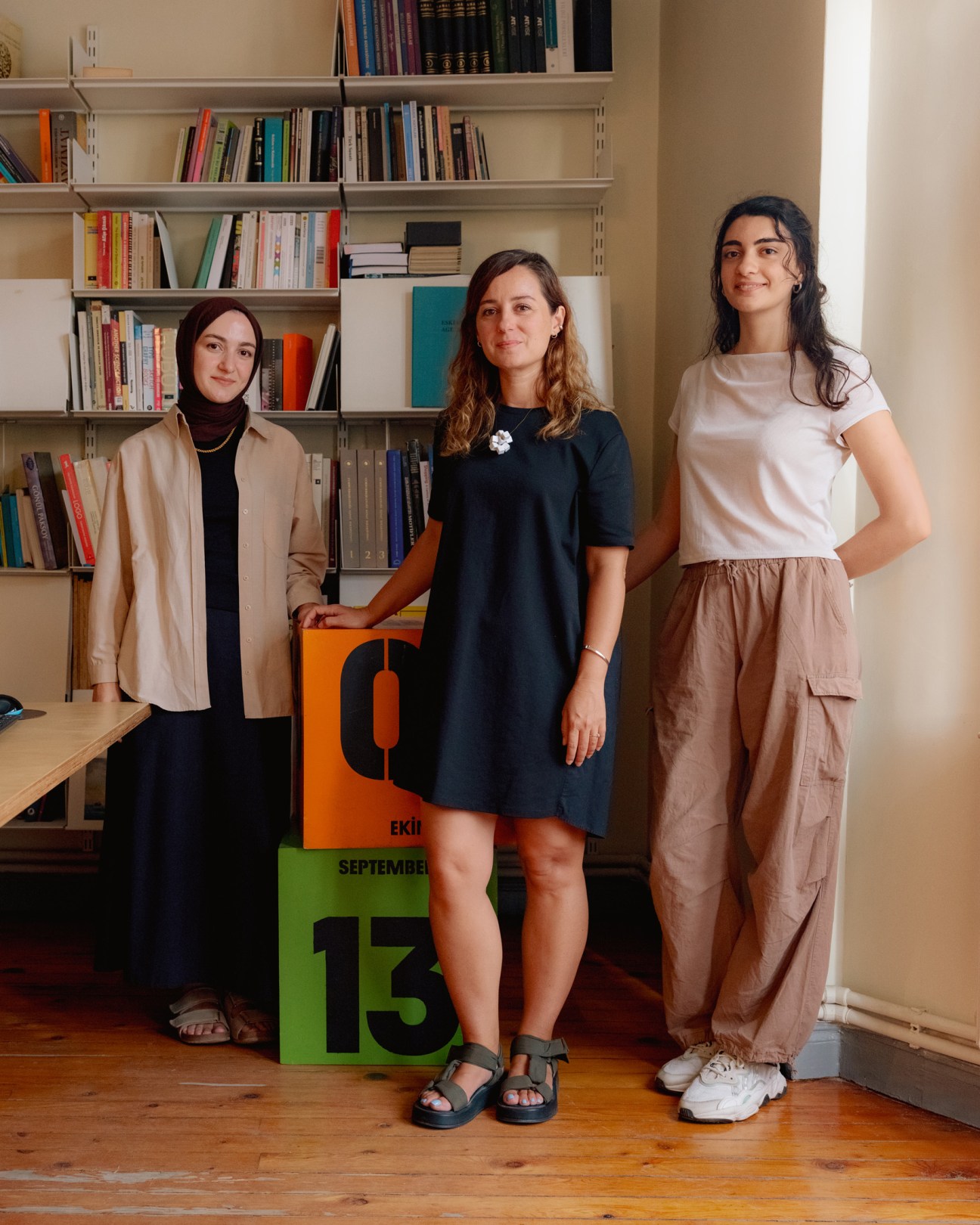
Here, above a cobbled street, architecture firm Superpool has been designing offices, retail outlets, exhibitions and urban interventions since it was founded by Selva Gürdogan and Gregers Tang Thomsen in 2006. The business-and-life partners first met at Dutch architect Rem Koolhaas’ Office for Metropolitan Architecture (oma) in Rotterdam but decided to set up their practice in Istanbul where they sensed more possibility to conduct projects that would have a more meaningful effect on the built environment. “When we began, we simply could not do business as usual in the ‘starchitect’ manner that was prevalent back then,” says Tang Thomsen. “Istanbul is a very fluid place; whatever you put in needs to adapt and change,” adds Gürdogan in agreement. “It forces you to be multidisciplinary as you work with the flows of the city. It’s not perfect and that’s the beauty of it. You can imagine ways to transform it.”

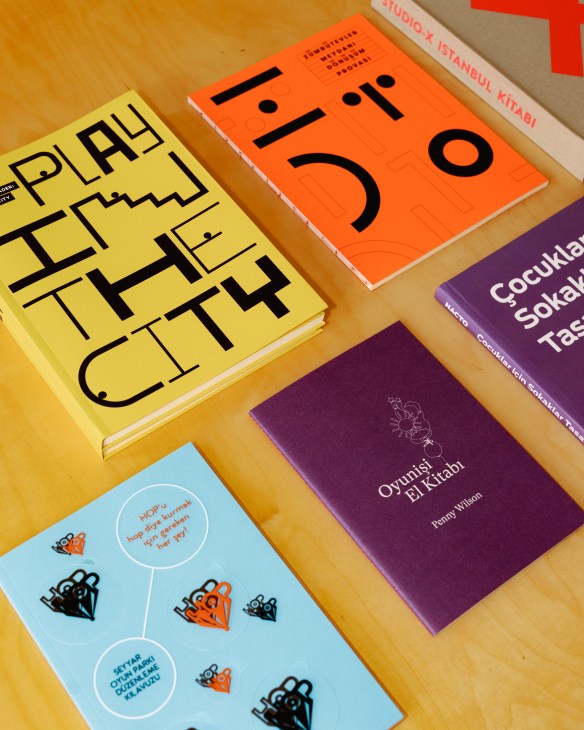
Beyond architecture and interior design for commercial properties, a central part of Superpool’s practice is looking at how cities can better accommodate children. This research has led the studio to collaborate with local municipalities on urban interventions in underserved corners of the city. It’s working with the Netherlands-based Van Leer Foundation as part of its Urban95 programme, a global initiative aimed at helping city leaders and urbanists create spaces that can positively influence youth development. After successfully turning around Yali Square and Zümrütevler Square on the Asian side of the city with colourful pedestrian-focused interventions, Superpool published its findings as neat books and maps, and is now exploring how best to share its expertise further afield in Ethiopia and Jordan. What began as branching out for the practice has, in turn, led to branching out internationally.
A short walk away, another team of architects is working with a similar mindset to tackle wider problems through design. Based between New York and Istanbul, Sour is a studio that has pioneered research-driven and collaborative design methods since 2015. “In Istanbul cultures live together and find a middle ground; everything becomes a negotiation,” says British-Turkish Inanc Eray, who worked at Zaha Hadid Architects in London before founding Sour. “Sometimes it can be a challenge because it’s an on-guard society that requires convincing. It keeps you on your toes – and in an agile state of mind.” Eray sees the evolution of Istanbul’s cross-functional mentality as a response to a lack of standardised rules in architecture and design in the country. It’s a status quo that requires architects to oversee everything from acoustics and insulation-thickness calculations to material selection and project ideation.
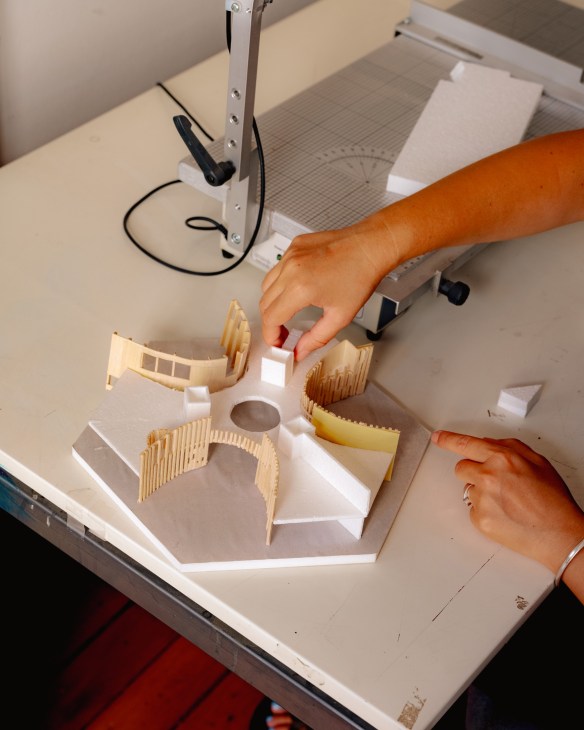
“Real creativity is making something happen within the budget and time that you have,” says American-Turkish Sour partner Pinar Guvenc. “It’s frugal innovation.” In recent years the studio has been looking into risk assessment and post-disaster urban regeneration. Sour was invited by the Türkiye Design Council to help in the aftermath of the devastating 2023 earthquake in Antakya in the southeast of the country. Working with a national organisation requires understanding Turkey’s political context but Guvenc recognises opportunities to build a strong, neutral common ground through collaborative design. “There’s something unbiased about translating the voice of the people into your work.”
It’s an outlook shared by Sour’s neighbours and fellow Beyoglu-based studio Autoban. “We focus on public projects so that we can reach more people,” explains its co-founder, Seyhan Özdemir Sarper. From the top-floor terrace of Autoban’s headquarters, Istanbul sprawls out over landmarks such as the Hagia Sophia, first built around 537 AD, and the Çamlica telecommunications tower, which was finished in 2020. In between these structures lie a host of popular cafés, hotels, clubs, shops and even a supermarket that Autoban designed in 2003. “We created a new lifestyle for people; not only the interior architecture but the full picture,” Özdemir Sarper tells monocle. “The beauty of our profession is that we make our dreams real with other people’s money. We design places first for ourselves and our satisfaction.”
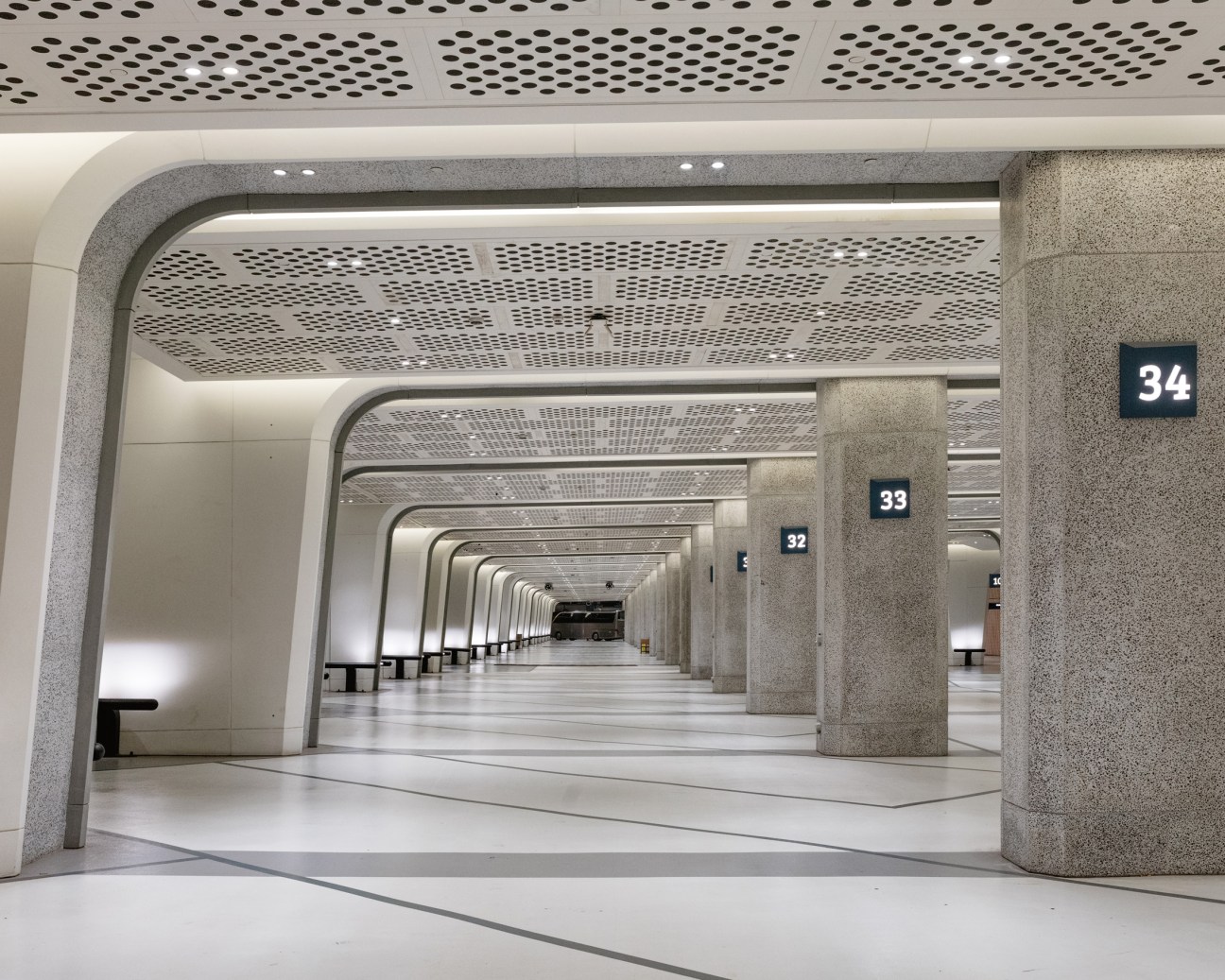
In time, Autoban has evolved to do it all, from product and furniture design to conceptualising new city landmarks and major transportation hubs in Istanbul and further afield. One such example is the Heydar Aliyev International Airport in Baku, Azerbaijan. In 2020, on the coastline of Istanbul’s Karakoy neighbourhood, Autoban executed its vision of a modern cruise terminal that draws inspiration from the city’s antique water cisterns. “We were asked to design an underground Istanbul landmark with no daylight,” says Özdemir Sarper with a laugh. “And can you please turn it into one of the most fantastic cruise terminals in the world?” The result is a cavernous, sleek and highly functional space that can accommodate 15,000 passengers, crew and staff. It also serves as the first and last point of contact for people visiting Istanbul, creating an initial and, hopefully, lasting impression of the city.
A 40-minute drive (if the traffic’s good) from Beyoglu to the Maslak business district leads to design studio Sanayi313’s office, events space and emporium in a converted workshop. Brothers Enis and Amir Karavil founded the practice in 2014 and have shaped Istanbul’s contemporary design scene, working on residential projects and the interiors of shops and cafés, including Beyoglu’s sleek Petra Pera café and the Raisa Vanessa shop in upscale Akaretler. All have a minimalist starkness, topped with decorative flair and hints of Ottoman opulence. “I like heritage; combining pieces and contrast,” Enis Karavil tells monocle with his Schnauzer, Polka, on his lap. For Karavil, Istanbul is an endless source of inspiration. “It’s interesting to be in this environment, this history, the Byzantine architecture, the art deco, the art nouveau, the mosaic of churches, synagogues and mosques,” he adds. “The economy is in flux but I believe it will get better. We need to stay positive. There’s an educated young generation coming through and a bright future.”
Every year, the studio also publishes its own magazine, Paper. “We like to go deep, see progression and explain ourselves through different disciplines,” says Enis Karavil. The magazine’s editor, Sidni Karavil, agrees. “We feature real Istanbulites and run interviews with artists, writers and designers on how they live in the city,” she says of the magazine, which encompasses design, travel, literature and traditional Turkish food recipes. “After every issue is printed we grow the community.”
The studio is also committed to supporting the city’s craft community too, producing a line of ash veneer-and-leather furniture manufactured by the ustalar, the craft masters of Istanbul. These wares, in an effort to increase the profile of collectable Turkish furniture, are sold in galleries in Geneva, London, New York and Sydney, as well as on the website 1st Dibs.
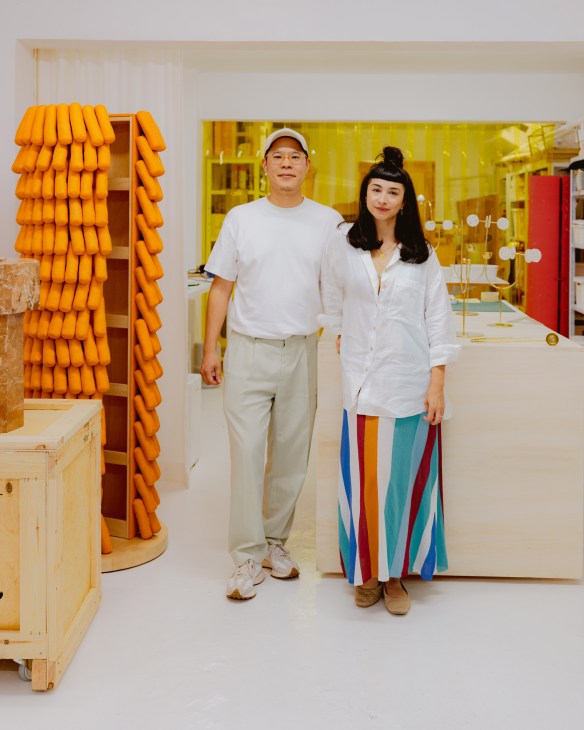
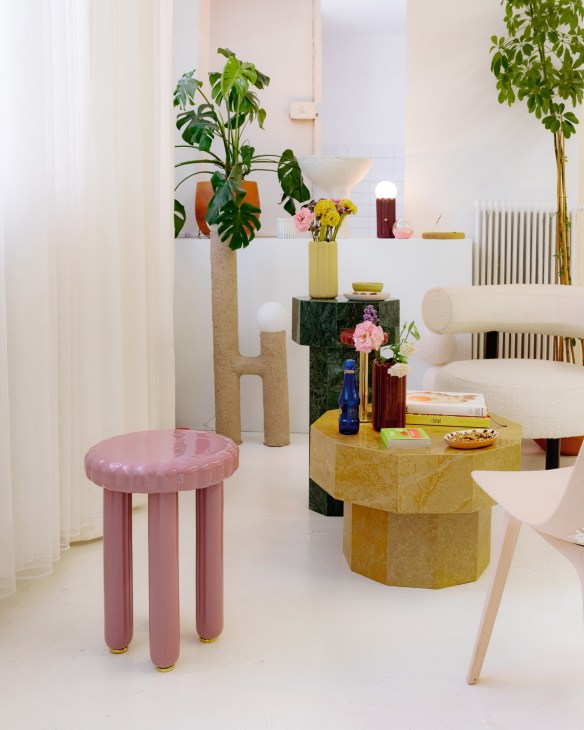
Also investing in craft, and partnering with local ustalar are Turkish artist and designer Dilara Kan and American-Chinese industrial engineer Bodin Hon. Based in the upscale neighbourhood of Sisli, the duo have set up the Istanbul base for its burgeoning multidisciplinary practice, Yellowdot.
After meeting in Milan at the prestigious Istituto Europeo di Design, the pair now split their time between Hong Kong and Istanbul but Turkey is where much of their product development takes place, from upholstered cabinets in a traditional Ottoman fabric to playful brass chandeliers for storing eggs (yes, really), in dialogue with the local ustalar. “We work with them to understand the design process in lighting, woodworking, marble and upholstering,” says Kan with a smile. “They give us a lot of feedback. We produce everything with their direction.”
As an emerging studio, Kan and Hon are gaining traction thanks to their playful eye, showcasing work during the design-fair circuit of Maison & Objet in Paris, Dubai Design Week and Milan’s Salone del Mobile. But being based outside of the EU can present its own challenges. “It’s not as easy as putting things in a truck and driving over,” says Hon. “We plan ahead and learn every time we take a trip.” Difficulties also emerge due to the instability of the Turkish lira and the hyperinflation that has plagued the country’s economy for almost a decade. “If a project lasts too long, the cost will fluctuate,” adds Hon. “It’s hard to explain this to people outside of Turkey.”
For Yellowdot, persisting amid the chaos is the price to pay when it comes to benefiting from Istanbul’s local craft savoir-faire and drawing inspiration from the wealth of culture and history it offers. “We’re playful in our designs because Istanbul is already extremely chaotic,” says Kan. “We have to flow around it. We find our way through playfulness and humour.”

It’s an apt explanation for the broader approach of the city’s creatives, who are leaving a mark not only on Istanbul’s physical spaces but also on the fabric of its design community, showing that designers – much like the Turkish capital – can’t easily be categorised or pigeonholed. As Istanbul continues to write its complex, multilayered story and push on into the 21st century, championed by its proud and multifaceted residents, much ink remains to be spilled.
Studio CVs:
Sour
2015: Founding of Sour.
2023: Begins Antakya Urban Regeneration Project. Puts forward its floating structure proposal for the Izmir Sustainability Centre, Sal.
sour.studio
Sanayi313
2014: Founding of Sanayi313.
2015: Opening of its headquarters in Maslak.
2019: Launch of in-house magazine, Paper.
sanayi313.com
Superpool
2006: Founding of Superpool.
2018: Starts working with the Van Leer Foundation on Urban95.
2021: Unveils a six-month intervention on Yali Square.
superpool.org
Yellowdot
2018: Founding of Studio Yellowdot.
2023: Collaboration with Istanbul ceramics company Gorbon. Participation at Salone del Mobile.
studioyellowdot.com
Autoban
2003: Founding of Autoban.
2014: Completes Heydar Aliyev International Airport in Baku.
2020: Unveiling of Istanbul’s cruise terminal, Galataport.
autoban.com
A selection of pristine pieces and best-in-class cuts to help you navigate the new season in style
1.
Best for autumn wear
Lutays
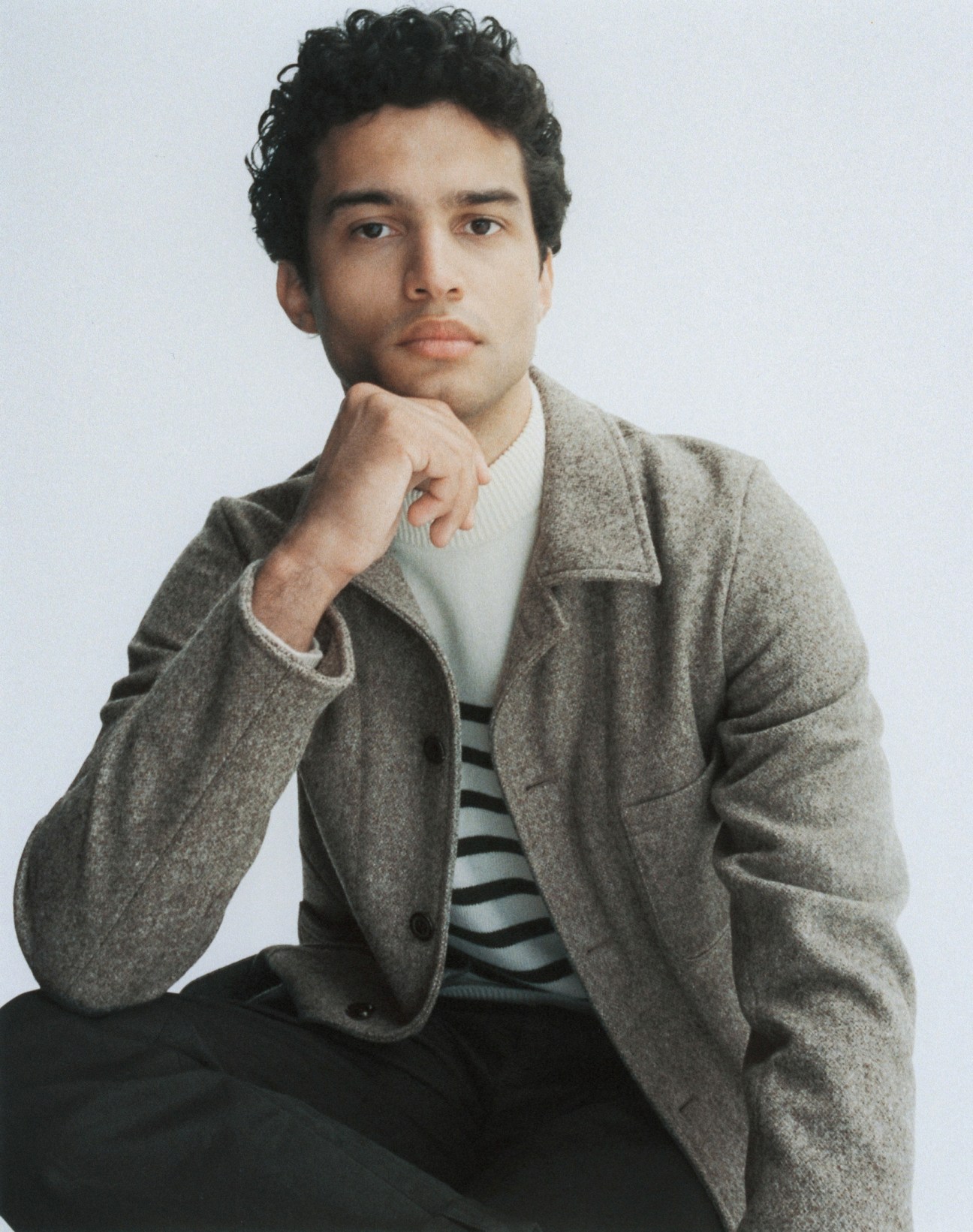
Jean-Baptiste Rosseeuw established Lutays in 2020 after spotting that the menswear fashion landscape was missing a French touch. “The image of the Parisienne is well known around the world,” says the Belgian-born designer, who is based there. “We want to introduce French style to men’s wardrobes so that it can achieve the same recognition that it has in womenswear.”
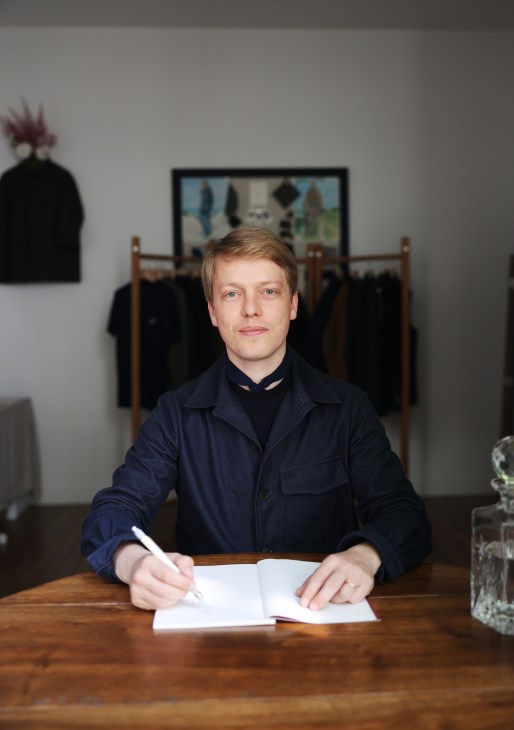
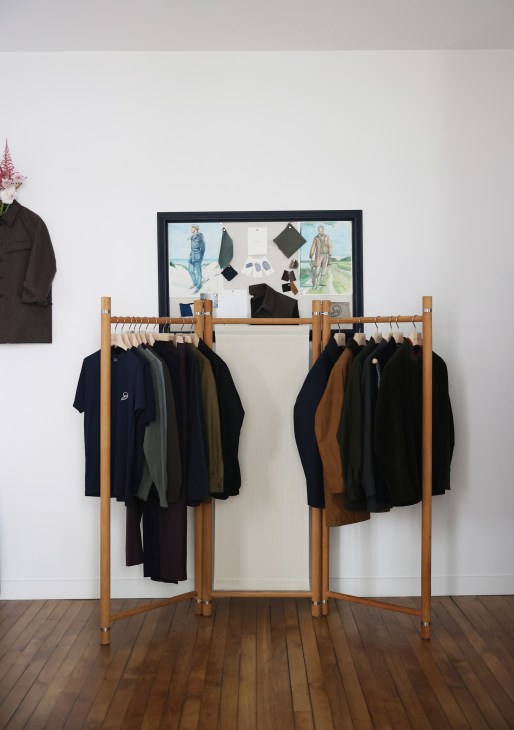
Named after Lutèce, the historic word for Paris, the brand is informed by the country’s fashion history: 19th-century riding attire, for example, inspired its straight-cut Saumur trousers, while belle-époque casualwear informed many knitwear designs. Rosseeuw’s aim is to offer a full look – hence his collections’ elegant berets and fine leather gloves – but his speciality lies in jackets. “We want to become the go-to brand in this field, giving men an alternative that’s less formal than a blazer and more structured than a shirt,” says Rosseeuw.
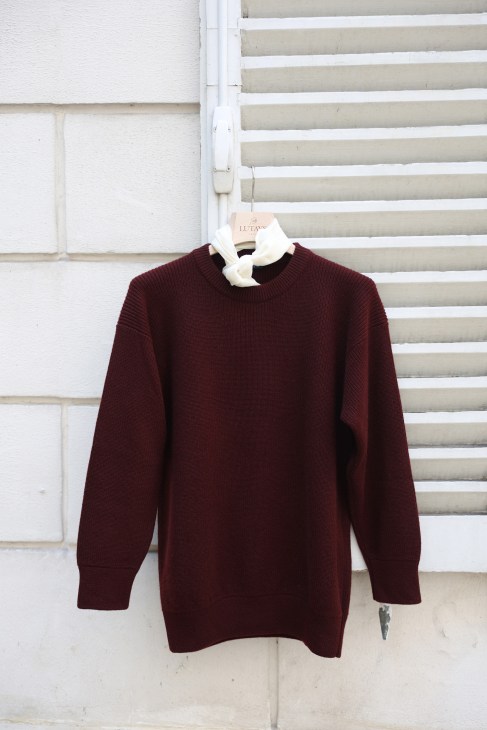
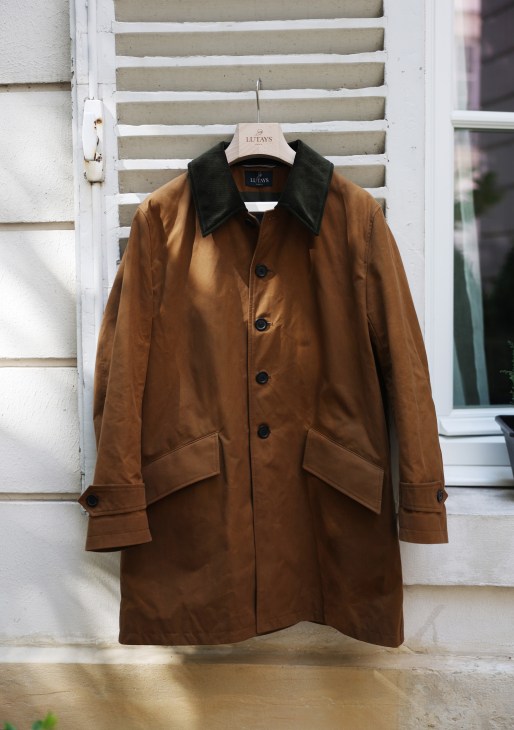
All items are crafted in France, using artisanal techniques: jackets are made in a family-run atelier in Normandy and trousers in Vendée, while jumpers are hand-knitted and springwater-washed in the south of France. Rosseeuw likes to play with textured fabrics, be it denim, linen or wool. “You’ll never see us using something like Harris Tweed from Scotland,” he says. “In all that we do, we want to stay true to our French heritage.”
lutays.com
2.
Best for flair
Derrick
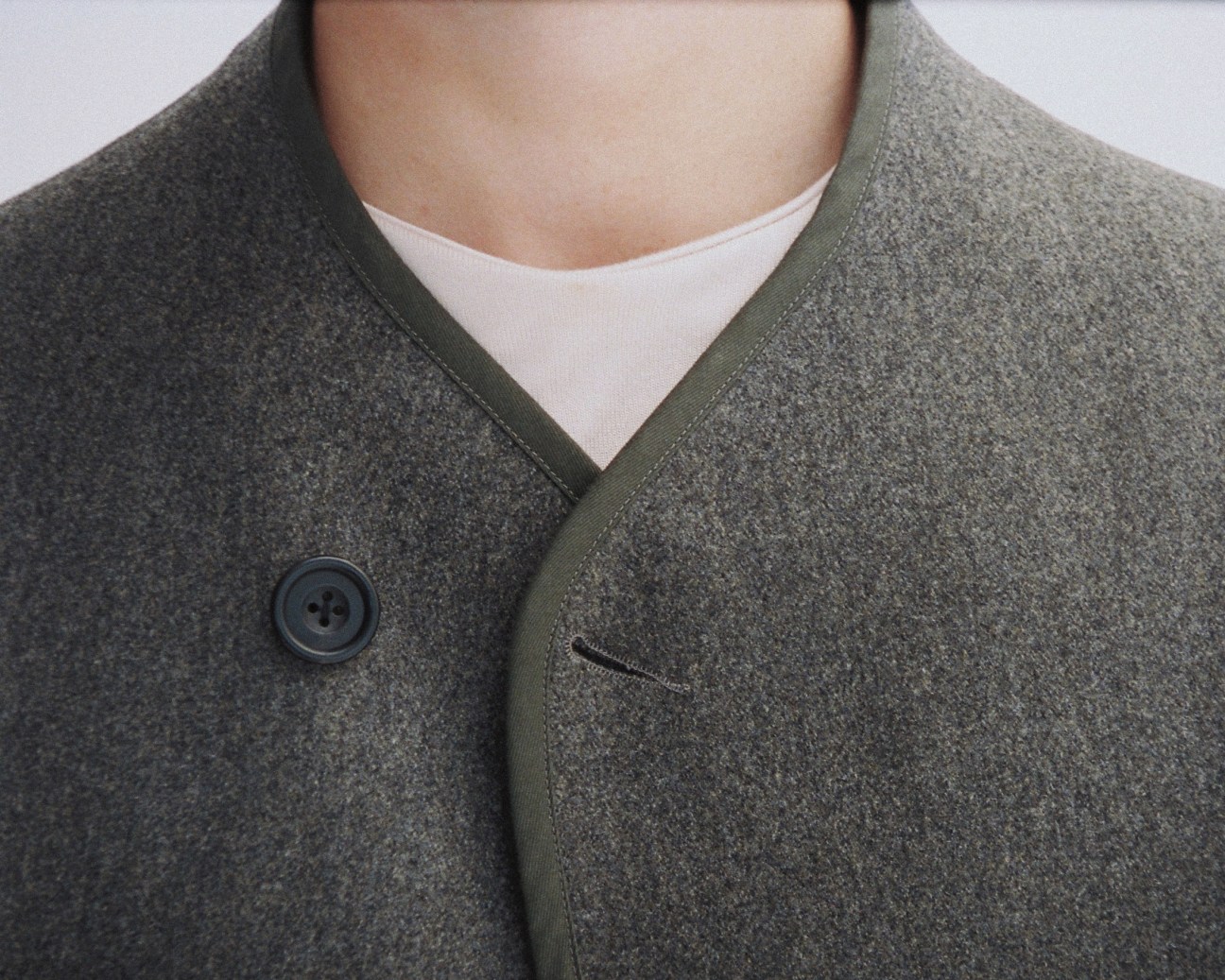
“In this country you’re in Soho or Savile Row – either a punk or attached to heritage,” says London-based Luke Derrick, who founded his eponymous menswear label in 2022 to find a happy medium. He created signatures such as collarless jackets and sporty cargo trousers paired with smart blazers, reworked with waterproof Japanese jackets. “You can now wear tailoring without losing yourself or compromising comfort,” he adds.
derrick.store
3.
Best for jackets
Ssstein
Self-taught designer Kiichiro Asakawa learnt his craft through years of deconstructing vintage garments and running Carol, his multibrand boutique in Tokyo’s Shibuya neighbourhood. More recently, he has been enjoying the success of Ssstein, which he founded in 2016. Japanese customers are well versed in its collections of classics elevated by expert cutting techniques. Now, the rest of the world seems to be catching up: the label was on many international buyers’ lists at the latest edition of Paris Fashion Week Men’s.
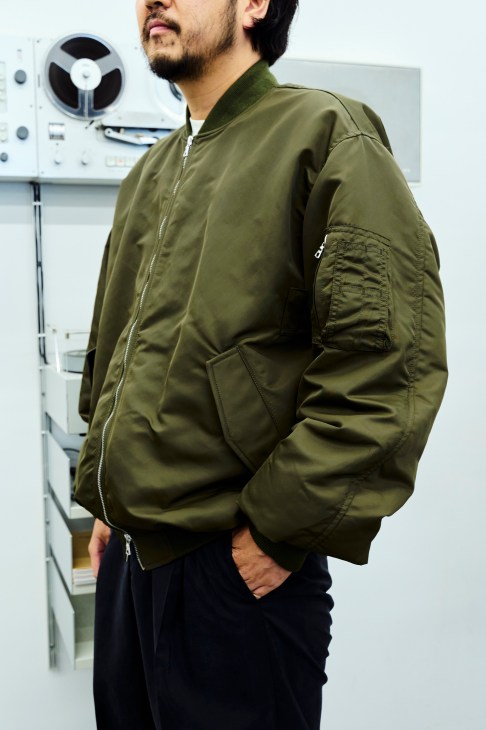
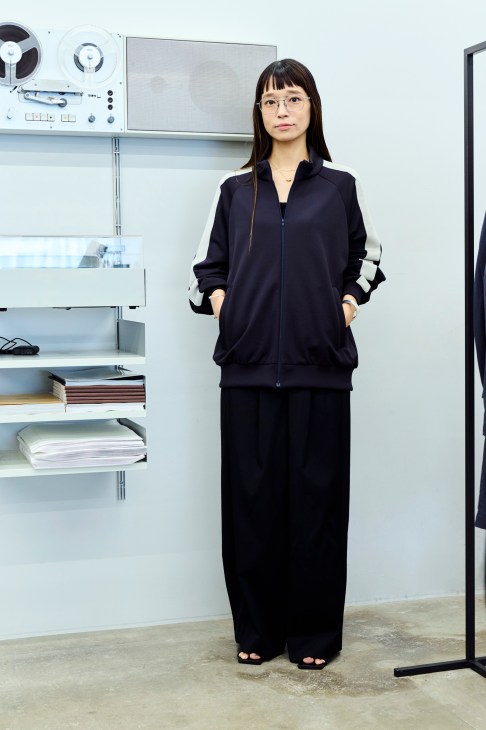
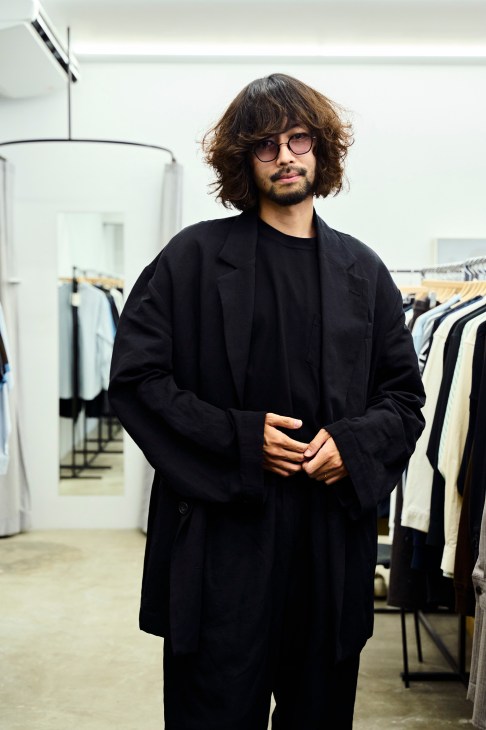
Highlights from his new collection include oversized flight jackets made from military khaki Olmetex and track jackets featuring a cotton-nylon knitted fabric sourced in Japan, as with all of the label’s materials. “The level of craftsmanship is high here,” he says. Asakawa works with understated colour palettes and silhouettes that look good on both men and women. “I’m always thinking about cuts and fabrics that will feel comfortable,” he says. “We want to create a relaxed elegance that isn’t flashy. It’s about beauty and quality for the everyday.”
ssstein.com
4.
Best for vision
Torishéju Dumi
London-based fashion designer Torishéju Dumi became the breakout name of Paris Fashion Week last year. Her debut show stood out thanks to Dumi’s confident designs: a mix of deconstructed blazers, billowing shirts and intricate cocktail dresses referencing UK tailoring traditions, the designer’s Brazilian and Nigerian heritage, and her Catholic upbringing in the English countryside. “It’s all about world-building and creating stories,” says Dumi.
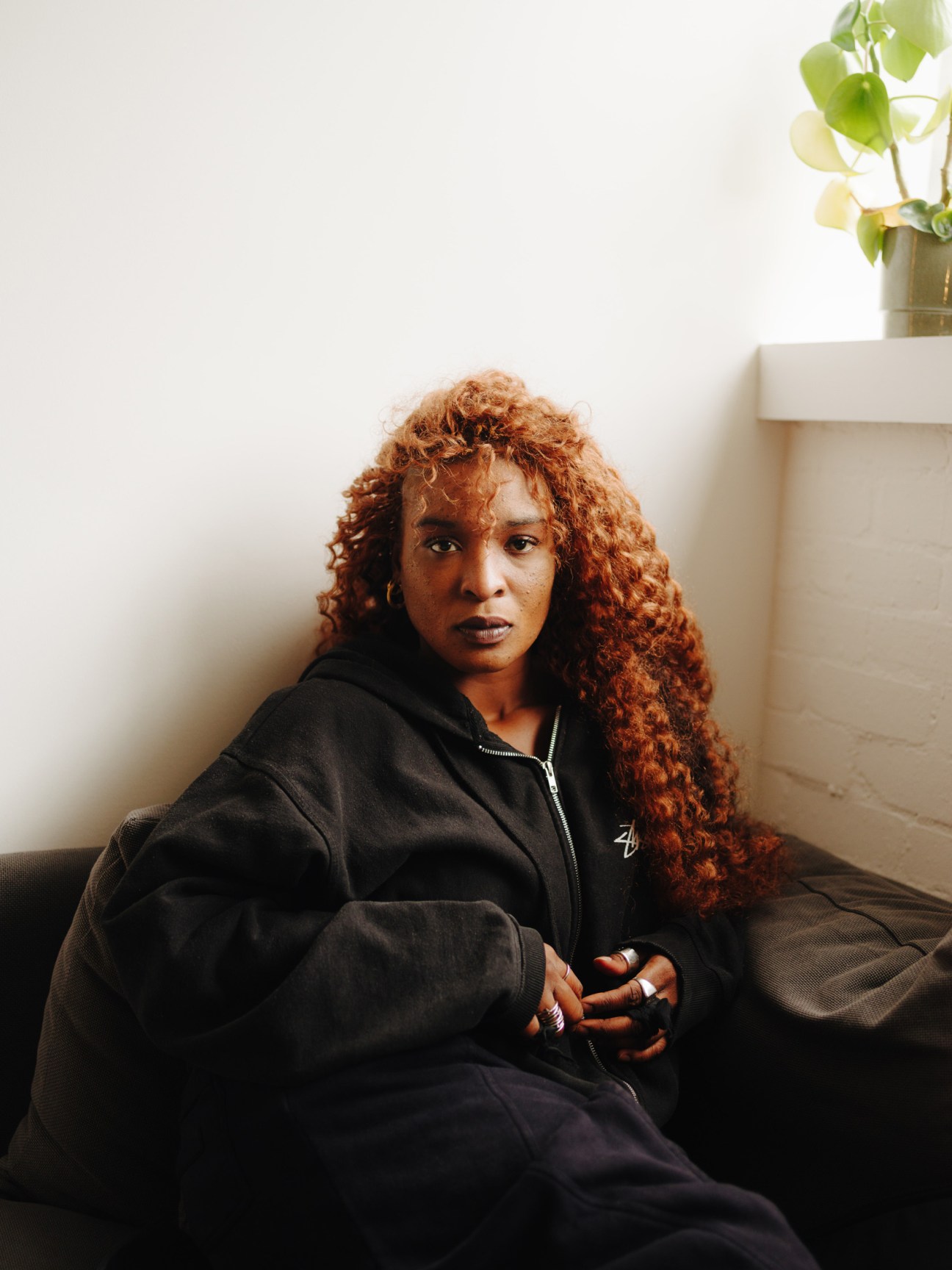
Despite growing demand, Dumi is committed to using deadstock fabrics and working with manufacturers in London, so she can only produce collections in limited quantities. She also favours monochromatic colour palettes, which help to emphasise the sculptural and textural qualities of her designs.
Sticking to a niche is a radical move for a young designer. “You need to feel something real, especially in a crowded world that’s obsessed with technology,” she says. “It’s like asking, ‘Why do you need to dream?’ Because if you don’t, what do you have left?”
05.
Best for unisex
Yali Milano
Housed in a garret apartment-turned-studio, Yali Milano’s headquarters in Milan are as intimate and personal as designer Pia Zanardi’s vision for her brand. Garment designs are pinned straight to the wall next to paintings by friends, while stacks of typed notes detailing the colours, textures and shapes of future collections are scattered next to piles of books. Clothing racks feature rows of Yali’s signature design: unisex jackets inspired by Tang suits, a traditional Chinese style with a mandarin collar and knotted frog closures, rendered for autumn in plush jewel-toned corduroys and silk velvets with contrast piping. Zanardi sees herself “more like an artist than a fashion designer”. Yet fashion has always offered the easiest form of self-expression for the peripatetic Italian, who spent years in China, as well as the UK, New Zealand and the US. Inspired by her many travels, she launched Yali in 2017. “After all,” she says, “when you arrive in a new country, your first impressions come from how people are dressed in the streets, not from visiting museums.”

While she has adjusted the fits and created personal colour palettes and combinations for the jackets, the styles remain true to the traditional Tang silhouette. “I haven’t invented anything,” she readily admits. Today the brand is rapidly growing – it staged one of Pitti Uomo’s most popular events over the summer – and plotting partnerships with the likes of Belmond hotels and Casa Cipriani.
yalimilano.com
06.
Best for officewear
Miu Miu
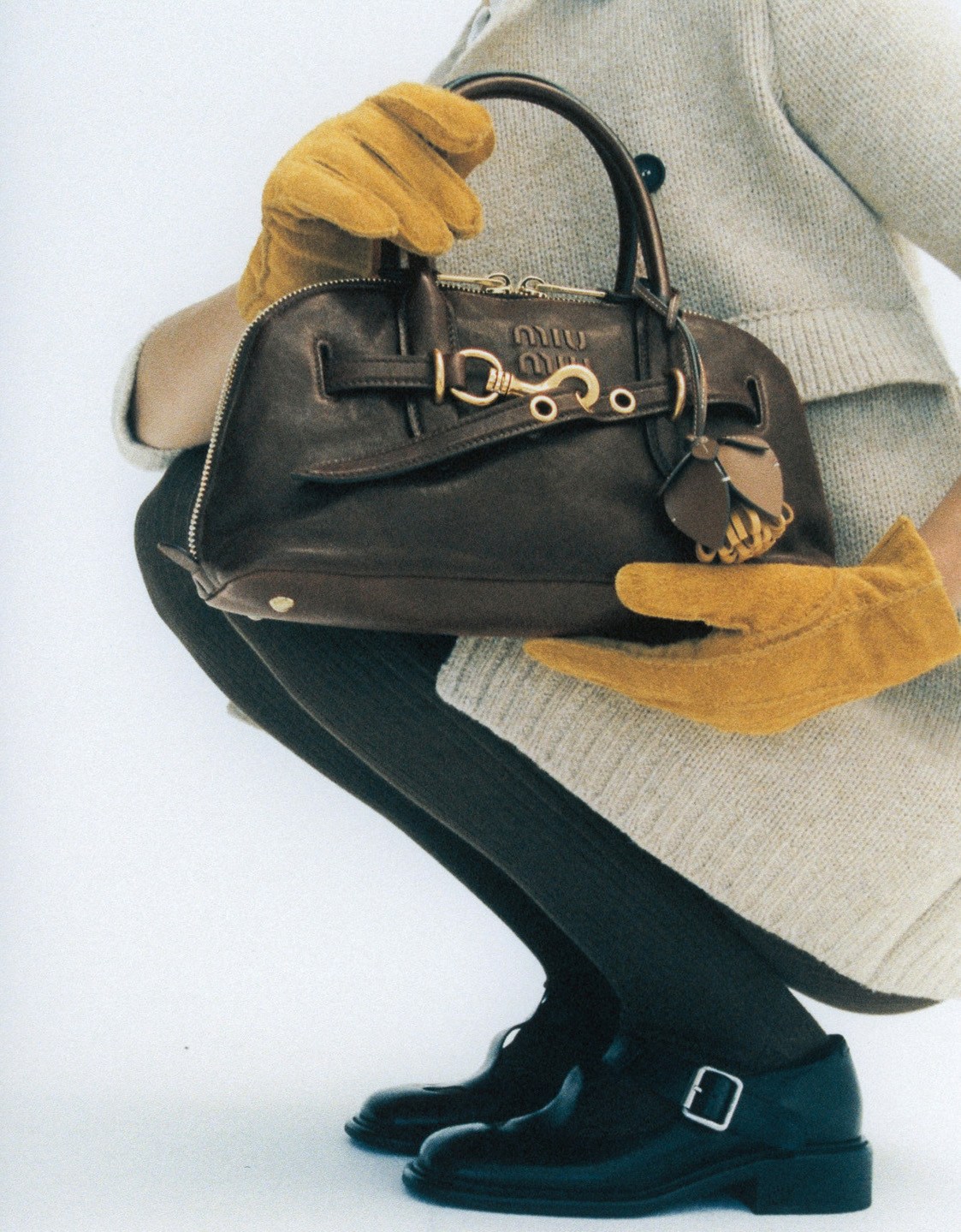
Miu Miu is one of the world’s fastest-growing luxury brands, thanks to creative director Miuccia Prada’s ability to twist traditional dress codes and present collections that blend intellectual ideas with a sense of fun. We have our eye on the knitted coats, paired with brightly hued leather gloves and a ladylike top-handle bag.
miumiu.com
07.
Best for bags
Wanze
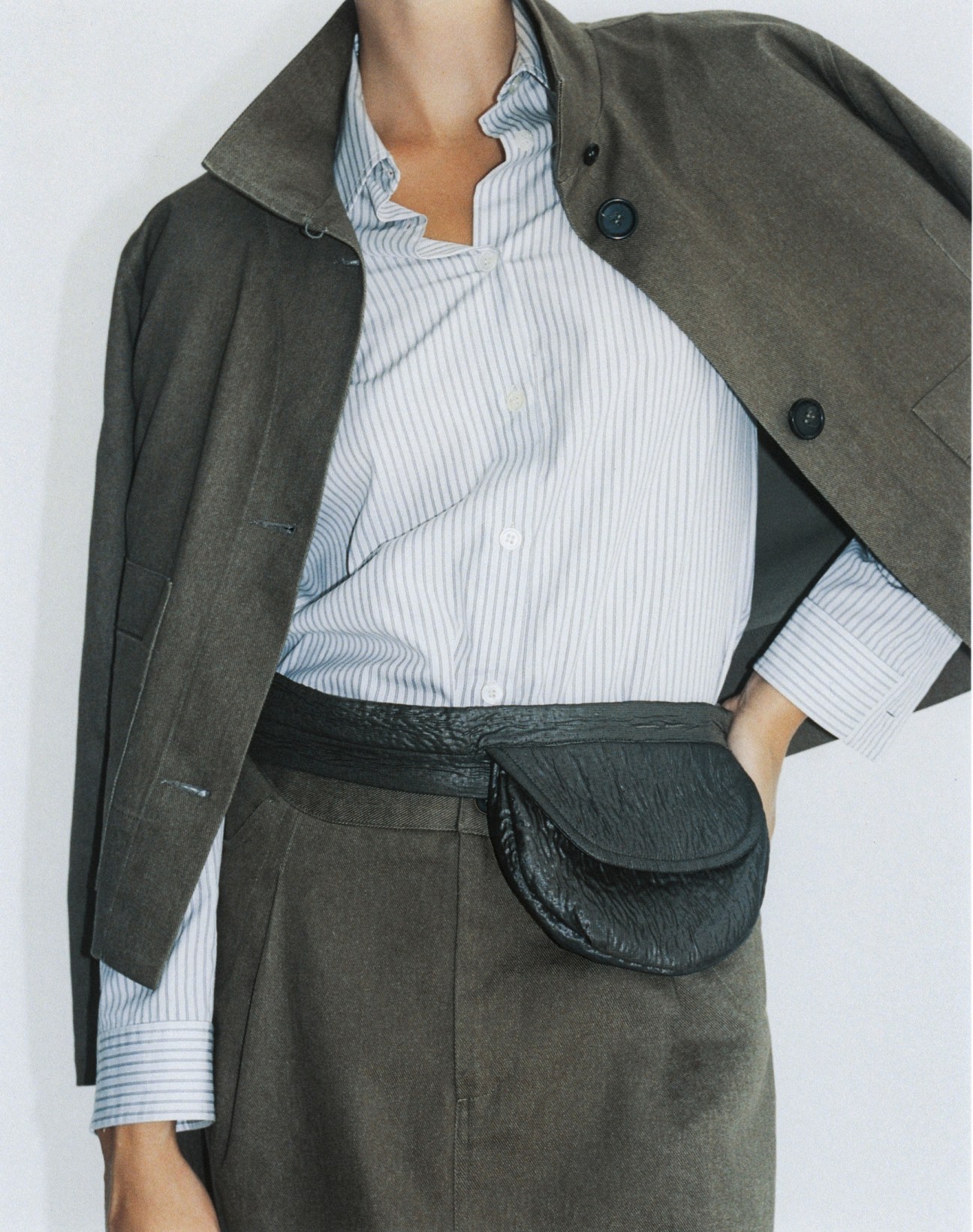
“For a little too long, I was known as the bag lady,” Wanze Song tells monocle. After working as a pattern maker in the UK and Shanghai, Song returned to her hometown of Toronto in 2020 and launched a product that captivated the city’s creatives: the Dumpling Bag. It was an instant hit. Inspired by her family’s weekend tradition of making and devouring dumplings, the handbag caused a stir with its pleats and crescent shape. Four years on, her brand has maintained its cult appeal, crossed borders and broadened its range to both womenswear and menswear. “I wanted to know what fashion could look like when you don’t create new fabrics or [invest in] marketing,” says Song, who has made a name for herself with her sharp, elegantly tailored silhouettes.
Most of the brand’s sales come through its e-commerce platform and Toronto showroom but Wanze also works with Canadian boutiques such as Lost & Found and Neighbour. “I’ve declined offers from the big online retailers,” she says. “First, I want to land my 10 dream boutiques across the world.”
wanzesong.com
08.
Best for classics
JM Weston Sacai
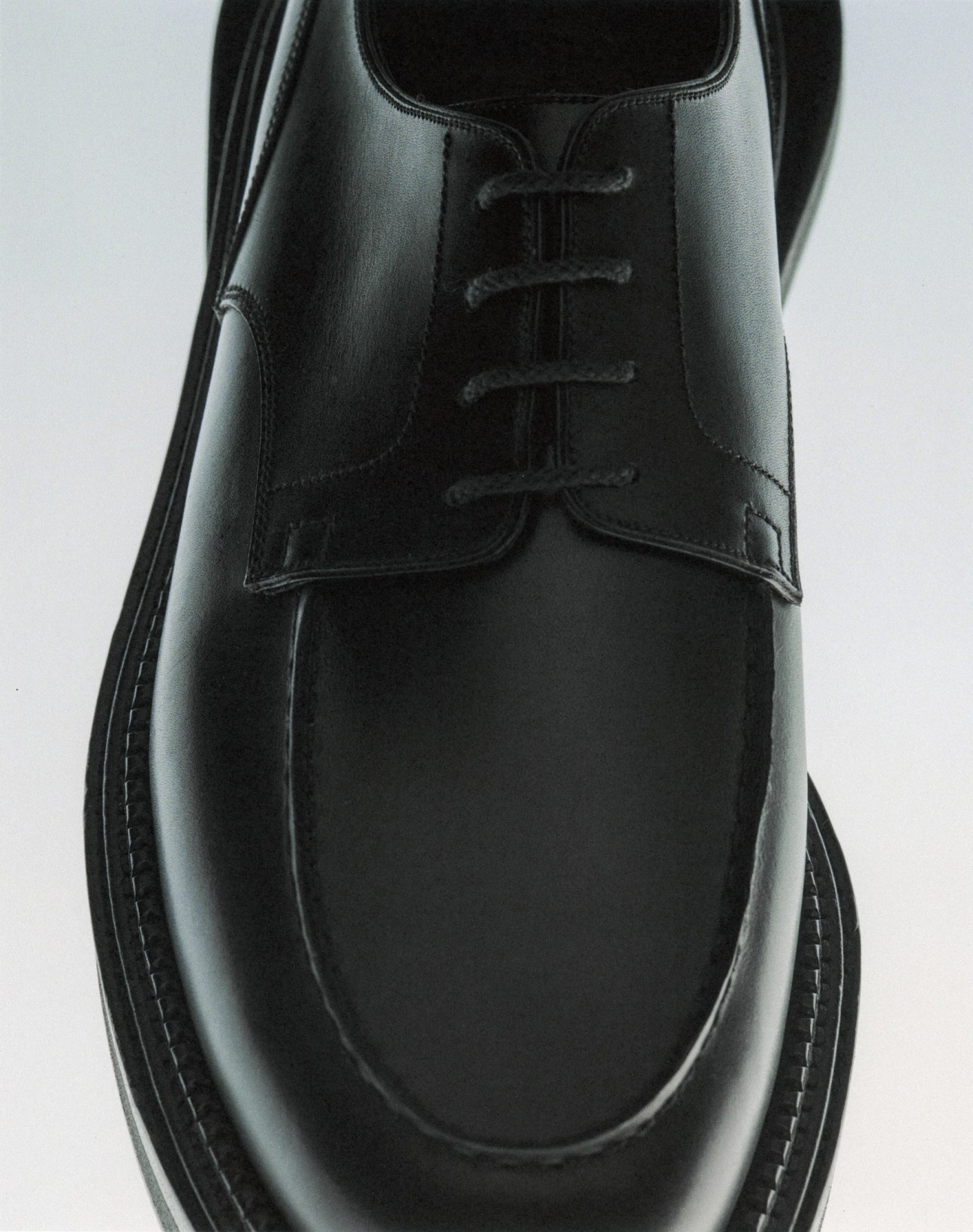
French footwear label JM Weston’s latest collaboration with Japanese brand Sacai offers a new take on the former’s classics, including its Golf Derby shoes and lace-up ankle Worker boots. Sacai’s creative director, Chitose Abe, who has a flair for mixing and matching contrasting fabrics and styles, added dramatic, extra-large soles on her designs. The result? Head-turning shoes that marry Abe’s experimental spirit with the French shoe label’s heritage. We’re opting for the classic derbies, rendered in smooth black calfskin.
jmweston.com; sacai.jp
09.
Best for craft
Kartik Research
The latest collection from Kartik Kumra, the New Delhi-based creative director of Kartik Research, explores the dichotomy of the “two Indias”, Delhi and Jodhpur. “I have translated the differences into my designs in a very visual, literal way, through texture and embroidery,” says Kumra.
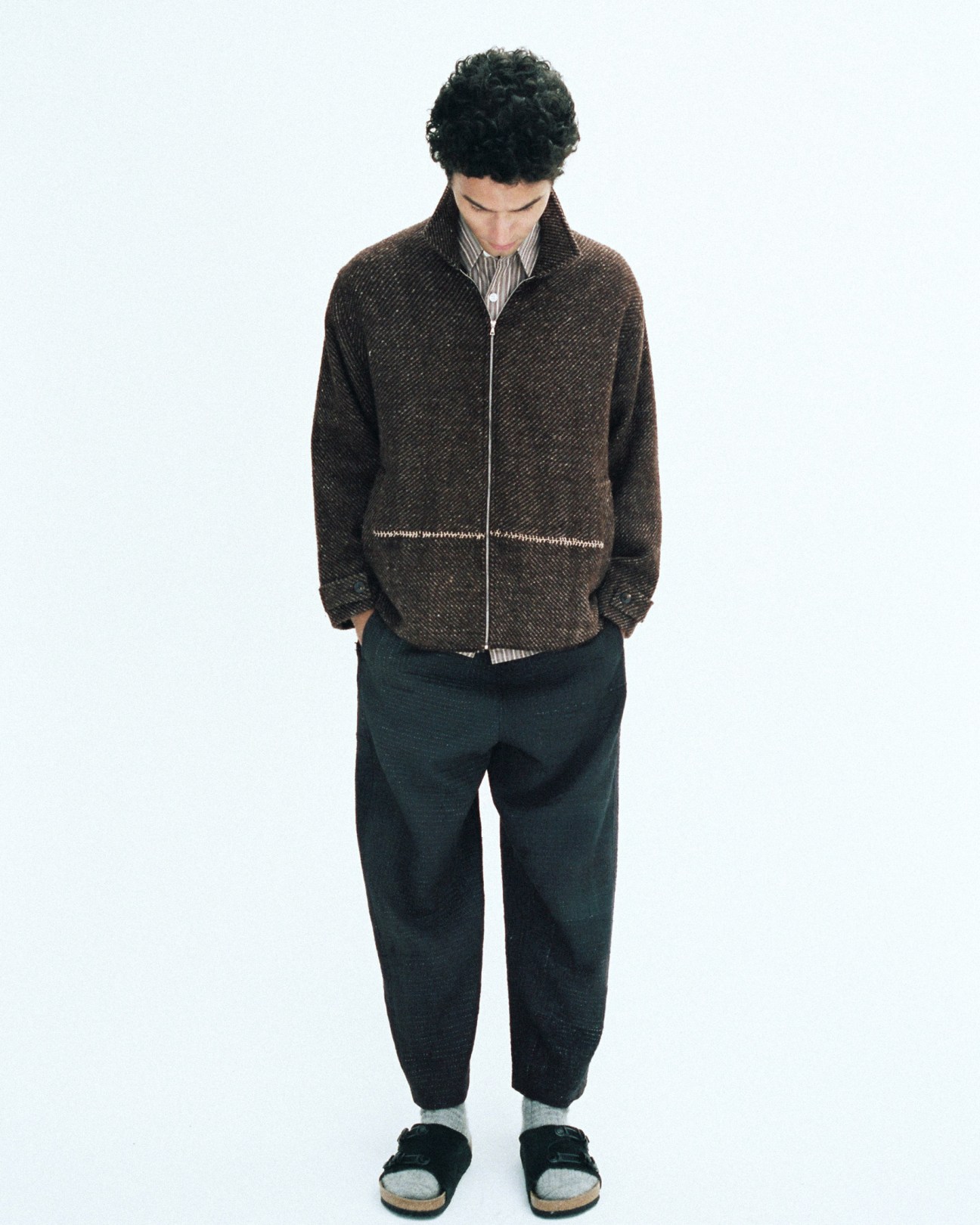
For a young business – the now 24-year-old founder established it in 2021 – Kartik Kumra has a mature sensibility. Its signature linen and jacquard tailoring, woven jackets and cotton vests are impressively smart. Every collection is produced in limited quantities and the pieces all feel unique. “Each yarn varies in coarseness and natural dyes can be absorbed differently. These imperfections make our designs human.”
kartikresearch.com
10.
Best for innovation
Massimo Osti Studio
This year, Massimo Osti Studio made its debut, paying homage to the legacy of Massimo Osti, a pioneer in the world of performance wear. Demand for hard-wearing technical garments is high and the brand wants to become a market leader, developing innovative new fabrics with several partners. We recommend one of the regenerated nylon jackets from the autumn range.
massimoosti.com
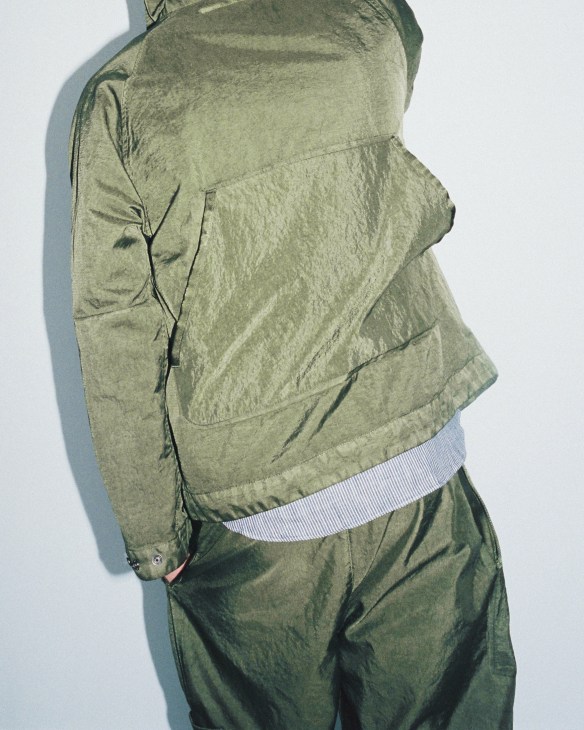
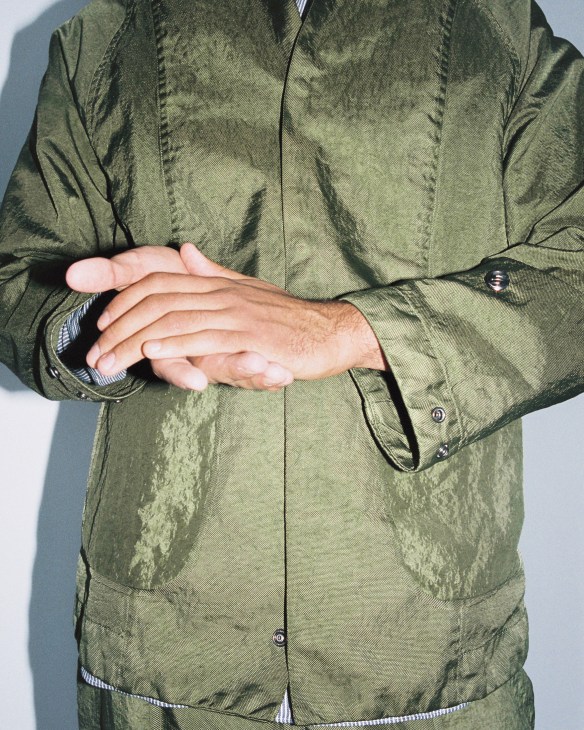
Jacket and trousers by Massimo Osti Studio, shirt by Salvatore Piccolo
11.
Best for materials
Evan Kinori
In 2015, San Francisco-based Evan Kinori started making shirts for his friends, then moved on to designing fully-fledged collections. A retail shop opened in 2021 and his workwear became sought-after among the international fashion community. Yet the most impressive part of Kinori’s story is how he has set a new bar when it comes to sourcing the finest materials. “I design to stay out of the way and let the materials sit front and centre,” he tells monocle.
evankinori.com

12.
Best for jewellery
Joelle Kharrat
Two years ago, Joelle Kharrat, a former beauty veteran, decided to move from Paris back to her home of Beirut and launch her namesake jewellery label, with a line of sculptural charm necklaces manufactured in Lebanon. “Think art meets fine jewellery,” says Kharrat of her signature Totem necklaces. They are made from a series of modular, hand-carved pieces featuring 18-carat yellow gold, natural wood, mother of pearl and opal, referencing the four elements of earth, fire, water and air. The interlocking elements can be combined in different ways to create a fully customised finished product.
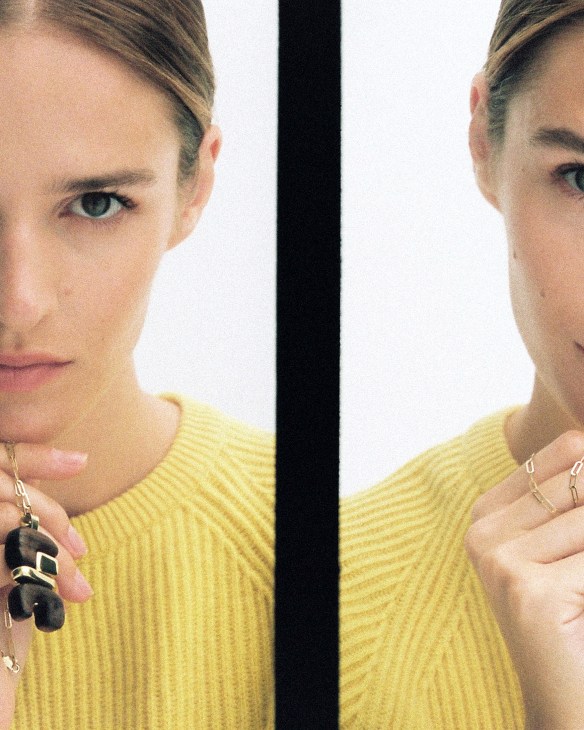
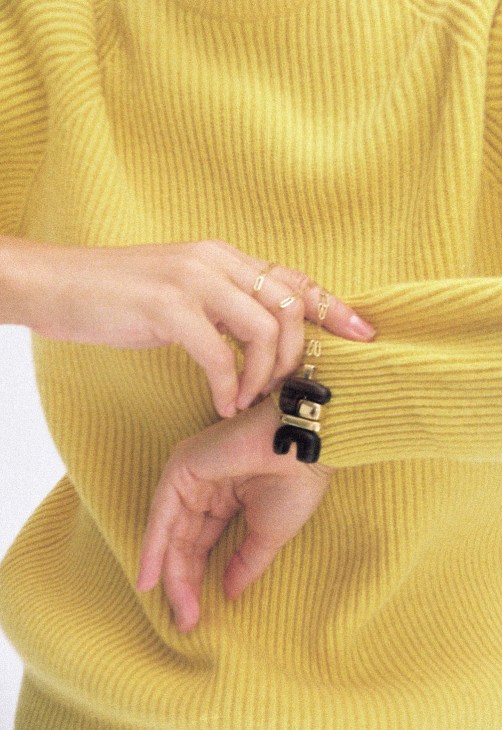
Jumper by Denobiliary Particle, pendant and chainby Joelle Kharrat
Kharrat’s affinity for her Lebanese heritage is imbued in every design. She often takes her cues from abstract Lebanese painter and sculptor Saloua Raouda Choucair, the old craft techniques that artisans specialise in and fellow Lebanese women’s flair for dressing up. “These women express their femininity and personality through jewellery from youth,” she says. It’s a philosophy that she shares with the rest of the world.
joellekharrat.com
13.
Best for feet
John Lobb
English shoemaker John Lobb has long found an eager audience in Japan. And where better to express its commitment to craftsmanship than the ancient city of Kyoto? Earlier this year, the brand invested further in its Japanese business, opening a new shop in a wooden machiya townhouse on the city’s Shinmonzen street. The cosy space, which was given a refresh by Japanese designer Teruhiro Yanagihara, features John Lobb classics such as the Lopez loafer (on sale since 1950), as well as new Kyoto-exclusives, including the traditional zoori sandals made with hand-crafted woven bamboo insoles. Also on offer are styles that can be customised using a range of materials, colours, soles and buckles or the ultimate luxury: fully bespoke shoes built around the customer’s foot.
johnlobb.com
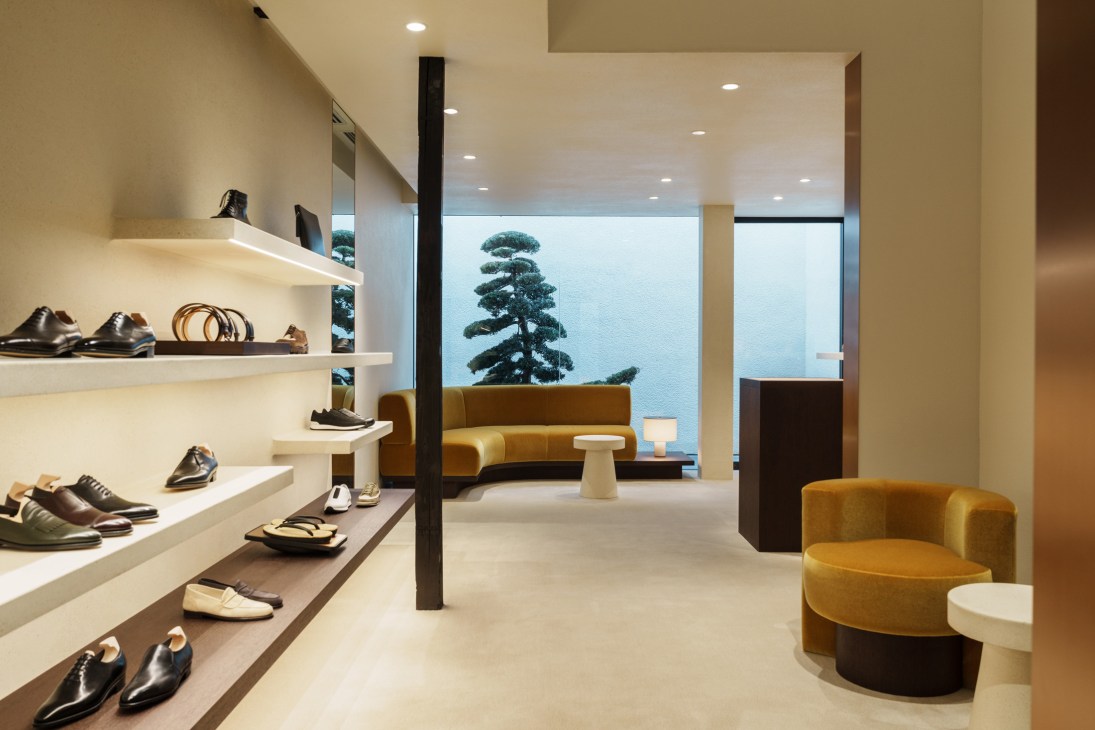
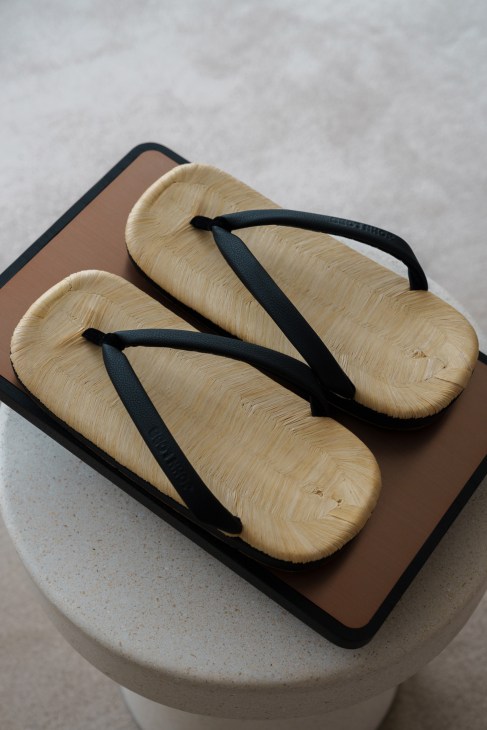
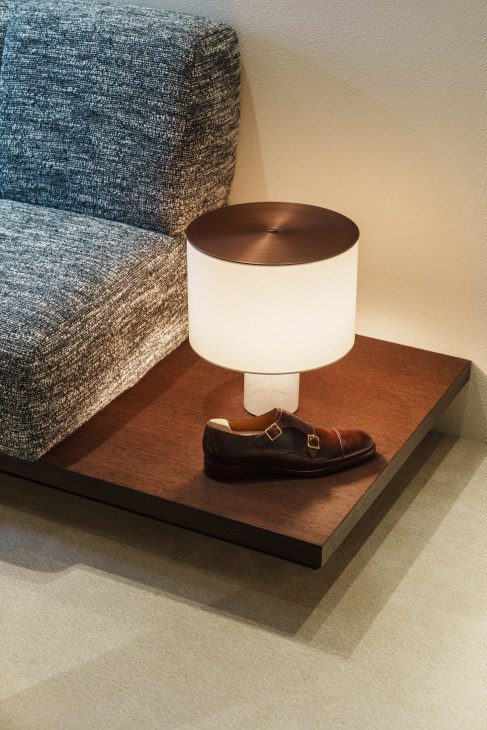
14.
Best for originality
Oliver Church
In a fashion landscape defined by uniformity, Oliver Church is an outlier. The New Zealand-born, Paris-based designer hand-cuts, hand-dyes and hand-finishes all of his signature shirts. “This is a human activity and as long as the hand is involved, there will be certain elements that can’t be controlled,” says Church, who designed the first pieces for his namesake label in 2020 from his spare room. He only used his sewing machine to complement his handwork and opted for vintage fabrics. “I’ve spent so much of my career trying to recreate age in fabrics,” he adds. Every Saturday, on his walk to his studio in Montrouge, he visits the Puces des Vanves to hunt down antique cotton, linen and rare regional weaves, which he then transforms into his label’s open-collar shirts, oversized coats and patchwork jackets.
oliver-church.com

15.
Best for prestige
Auralee
When Tokyo’s Auralee released the first pieces from its autumn-winter 2025 collection, queues at its Aoyama shop stretched out of the door. The brown leather blouson, one of the season’s star turns, immediately sold out. It’s been busy for designer Ryota Iwai: this summer he was part of the official Paris Fashion Week schedule for the first time. There’s a new press showroom in Aoyama, while the nearby flagship has been expanded and refreshed.
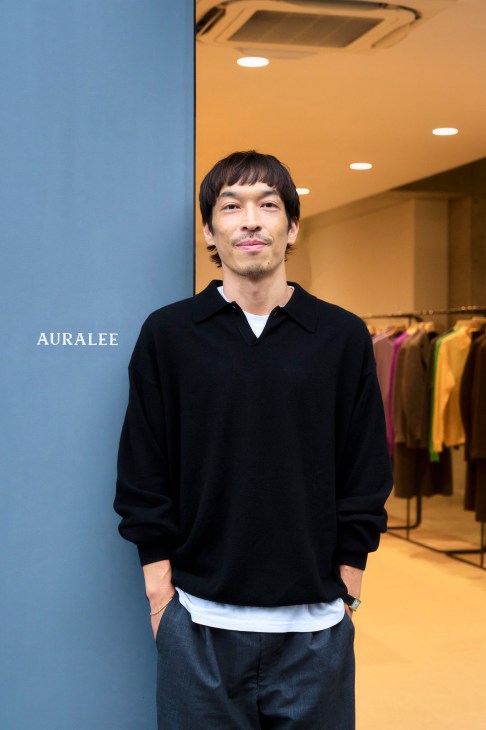
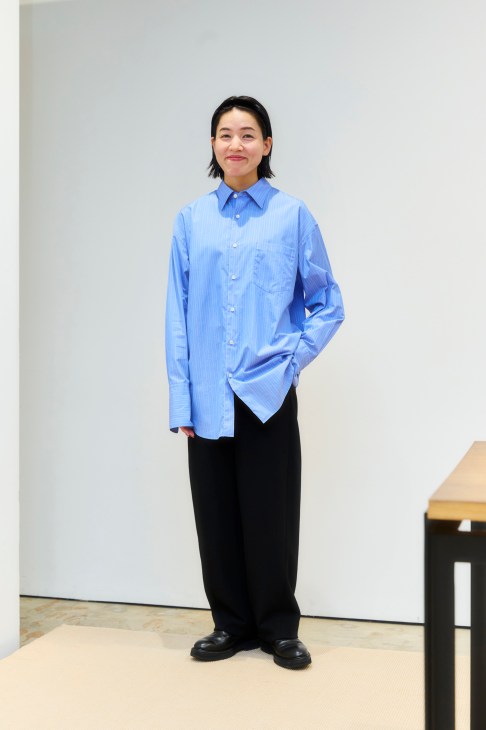
Auralee is an easy brand to love: elegant and understated, known for the best fabrics and its commitment to Japanese manufacturing. “We’ve worked with the same factories in Japan from the beginning,” says Iwai. “The scale is different now and it’s important to support the people who’ve been there with us.” This season, the brand has a strong line-up of winter coats in cashmere and tweed, as well as puffer jackets covered in the softest brushed alpaca. “I want people to feel [like] themselves in my clothes,” adds Iwai.
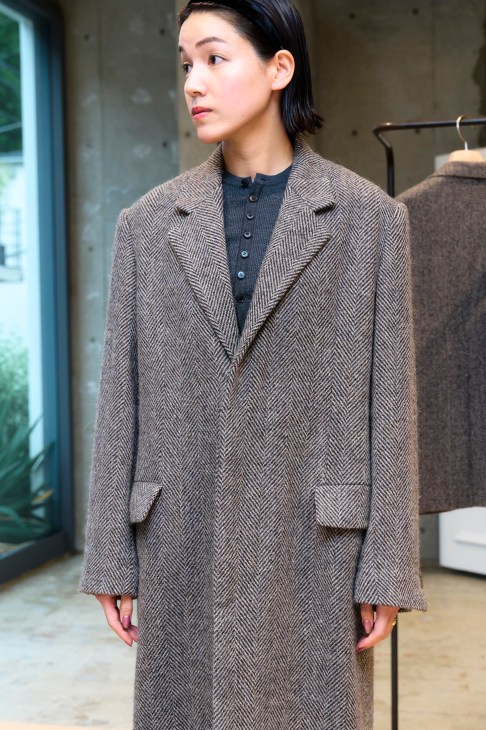
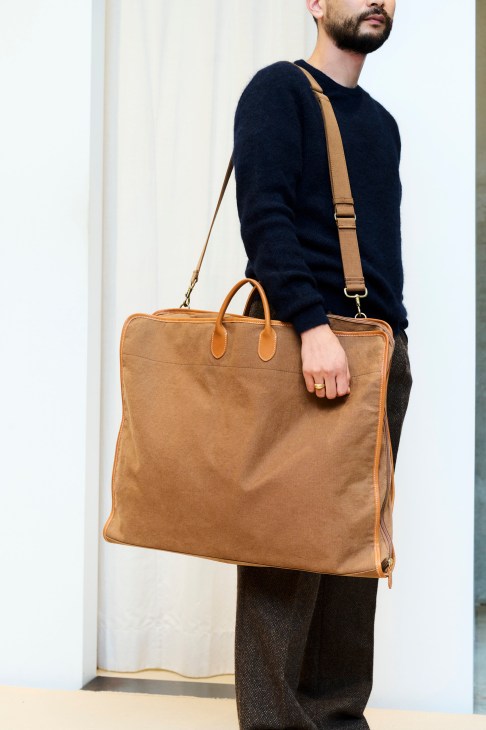
Accessories are equally sought-after: canvas suit bags made by Japanese brand Aeta, a selection of soft suede shoes made with a Kobe shoemaker and trainers made with New Balance. Iwai also has another collaboration up his sleeve: he has been working with Copenhagen-based Tekla on a line of sleepwear, outerwear and bath products – a perfect marriage of Japanese and Scandinavian design. “I put the same effort into designing a T-shirt as a coat,” he says. “For me, it’s about great fabrics and meticulous tailoring.”
auralee.jp
16.
Best for cashmere
Linnea Lund
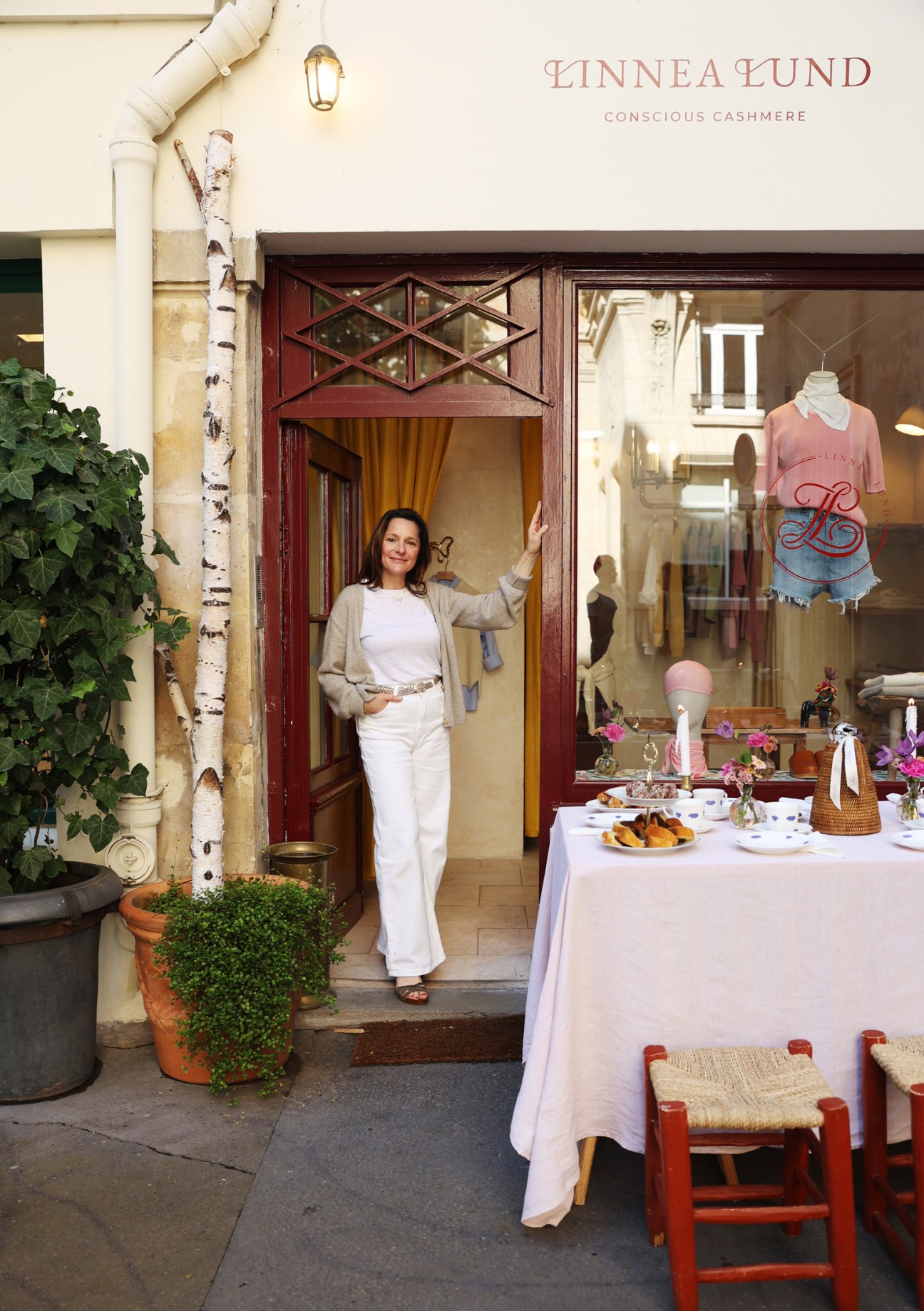
On a leafy square in Paris’s St-Germain district, Linnea Lund’s red shopfront stands out among the area’s residential buildings. Designer Charlotte Björklund has been building her business from this minuscule yet charming spot, becoming a go-to for the finest-quality cashmere, which is made to order. Björklund offers a taste of Sweden by serving frukost (breakfast) every Thursday. Stop by for tea, a pastry and a new oatmeal-hued polo jumper.
linnealund.com
17.
Best for comfort
Margaux
Sarah Pierson and Alexa Buckley started their business when they were younger than most. The Harvard graduates were only 22 and still in university when they chose to forgo opportunities in venture capital and consulting to found Margaux, a footwear brand whose designs are as handsome as they are comfortable. Think sleek sandals, whimsical ballet flats and bold leather loafers, all handmade in Spain’s Alicante region. “You often have to choose between style and comfort,” says Buckley. “In the corporate environments that we worked in, we saw colleagues wear a pair of shoes to get themselves somewhere, then change into something else in the office. It felt outdated and inconvenient.” Their desire to offer hand-crafted, practical footwear is rooted in the belief that women shouldn’t have to compromise. From the start high-quality, “Made in Spain” manufacturing was a priority.
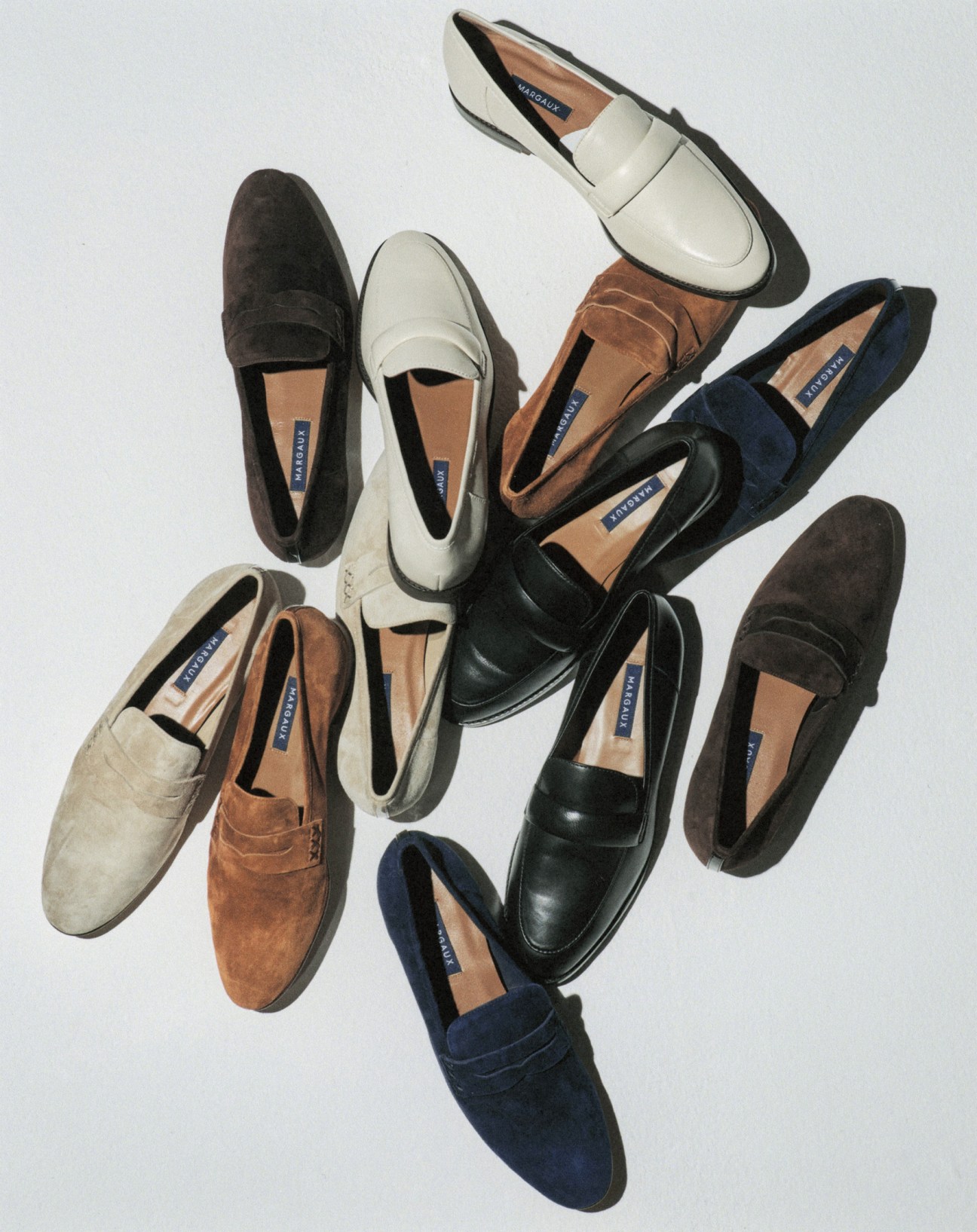
They also make time to connect with customers through their popular book club. “The meetings have been a success from a business perspective but they have also been enriching on a personal level,” says Buckley, referring to a recent event with journalist Carol Kino, who talked to customers about her biography of fashion photographers Frances and Kathryn McLaughlin.
Their next target? Opening a shop in their home city of New York. “We haven’t committed to a neighbourhood yet,” Buckley adds. “Finding the right space comes first.”
margauxny.com
18.
Best for collecting
Dries van Noten
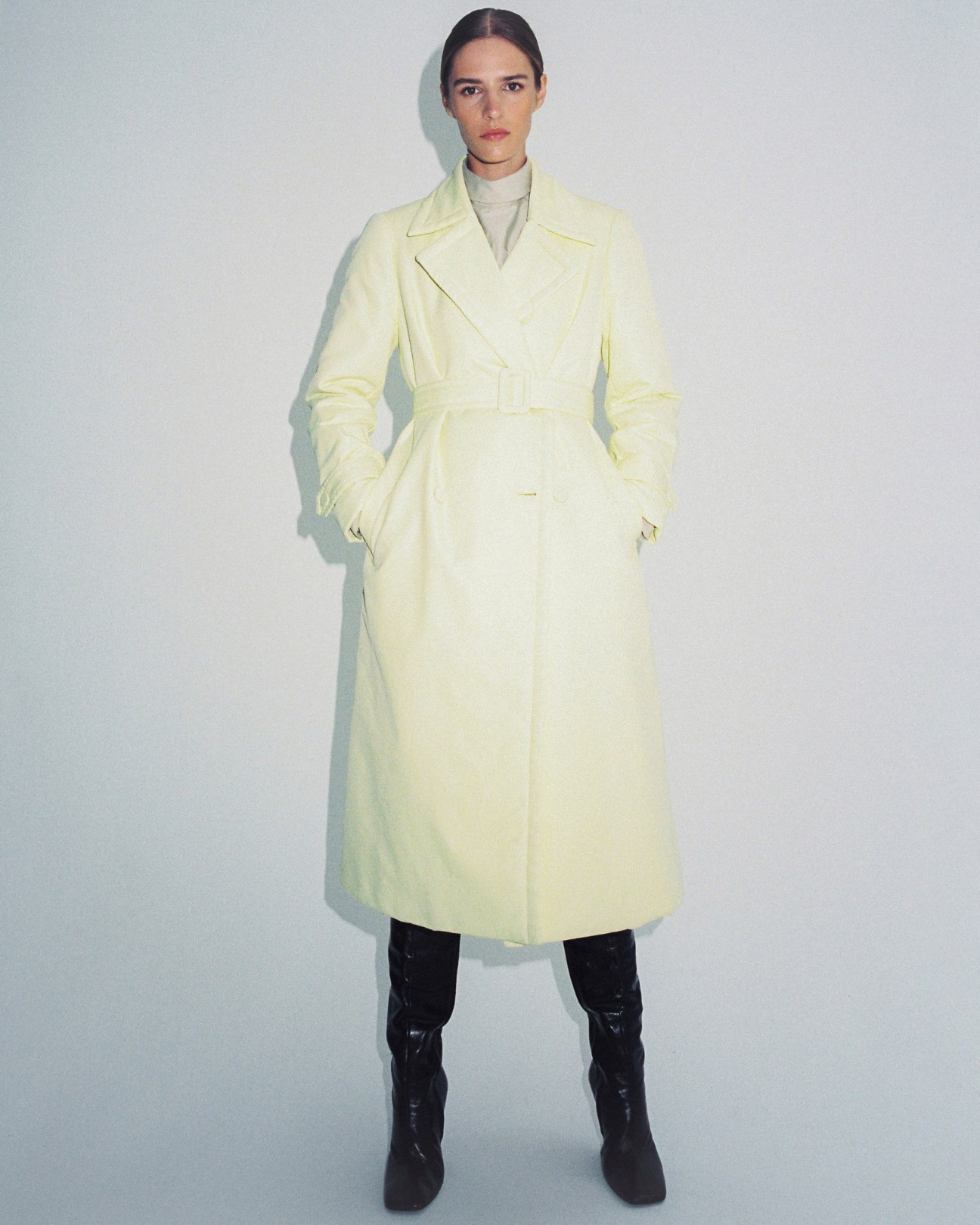
Antwerp-based Dries van Noten made headlines this year when he announced his decision to step down from his namesake label. Since the early 1990s, the beloved designer built a loyal following for his immaculate tailoring, sculptural accessories and ability to experiment with pattern and colour like no other. The last womenswear collection that he designed for autumn-winter 2024 is now making its way to shop floors around the world – and is brimming with elegant, collectible pieces, from pastel-hued outerwear to embroidered blazers and beautifully draped evening dresses. Invest in one of the new-season coats and treasure it in your wardrobe for years to come.
driesvannoten.com
19.
Best for timekeeping
Wrist assessment
The watch market is becoming increasingly playful. Nomos Glashütte’s popular Tangente 38 design is now available in a rainbow of fetching candy colours, while the latest iteration of Bvlgari’s Serpenti Tubogas watch, which is part of a collaboration with Japanese architect Tadao Ando, features a striking green aventurine dial. Over at Chanel, measuring tapes have wittily been turned into straps, while Van Cleef & Arpels’ new designs reference the celestial world. There has never been a better time to add a touch of whimsy to your look.


20.
Best for tailoring
Dunhill
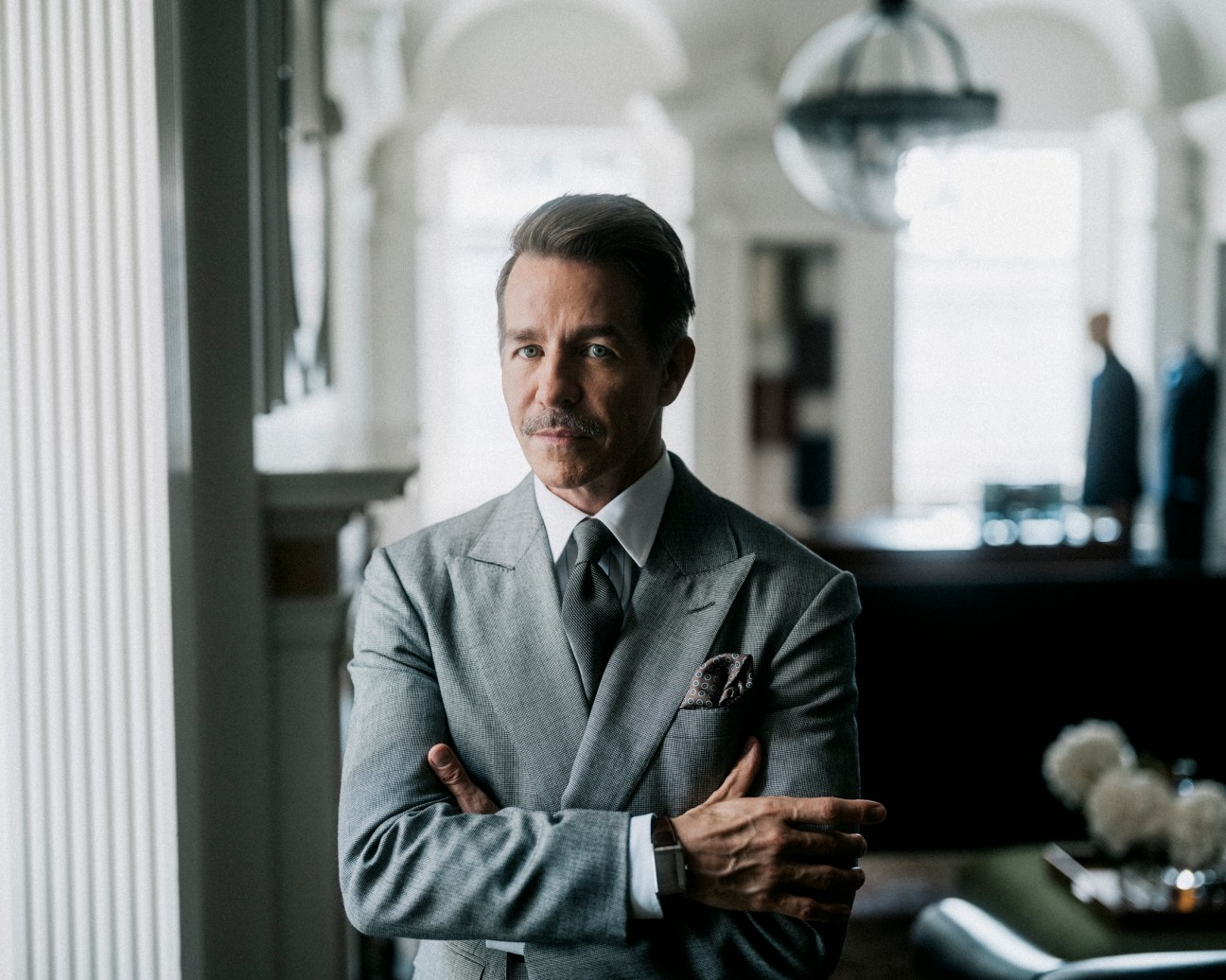
This year, fashion designer Simon Holloway made his debut as Dunhill’s creative director with an autumn-winter collection fit for the modern gentleman that quickly reignited excitement around the heritage UK brand. monocle meets Holloway to talk about how the fashion pendulum is swinging back in favour of tailoring.
What are your priorities as creative director?
To re-establish Dunhill as the quintessential British menswear luxury house. I think of the role as being the conductor of an orchestra and the key is to find synchronicity. On a surface level, it’s about image-making but the heart of what we do is product. It starts with the fabric and moves to the craft of the cut, proportion, detail and finish. Everything has to be humming together.
What inspired your new autumn-winter collection?
Threading together the 130-year history of Dunhill. In the early 20th century the house developed the original car coat. Then there was the high-deco period of the 1920s before the more refined, late 20th-century era that is synonymous with the tuxedo, like the one that Dunhill made for Truman Capote’s Black and White Ball. That legacy will inspire every season. My intention is to bore people with consistency while delighting them with newness.
Have men’s attitudes towards tailoring shifted?
Everything is cyclical. The casualisation of menswear affected brands that specialised in tailoring. But I believe that the pendulum has swung back and it’s a responsibility to make Dunhill part of that conversation. For a generation that grew up starved of anything resembling a dress code, [tailoring] has become a choice and a badge of discerning, individualistic style.
dunhill.com
21.
Best for bespoke
Blazé
For its first shop opening, Blazé Milano chose the elegant Via Santo Spirito, part of Milan’s famous quadrilatero d’Oro district. The prime spot is testament to how far the label has come since its 2013 inception. “It was time to consolidate what we’ve established,” says Corrada Rodriguez d’Acri, a co-founder of the brand alongside Maria Sole Torlonia and Delfina Pinardi. “We needed to create our own little corner of paradise.” As well as its signature blazers, Blazé’s offering now extends to sunglasses, a denim line and a range of jackets in fabrics such as bouclé, velvet and camel hair. An atelier corner is prepped with books of cloth samples, lining fabrics and buttons for clients seeking to commission a bespoke blazer. There’s no better way to spend a Milanese afternoon.
blaze-milano.com
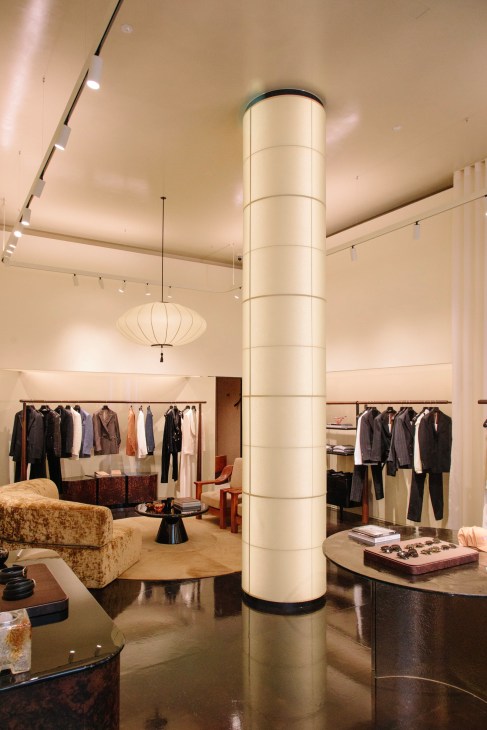
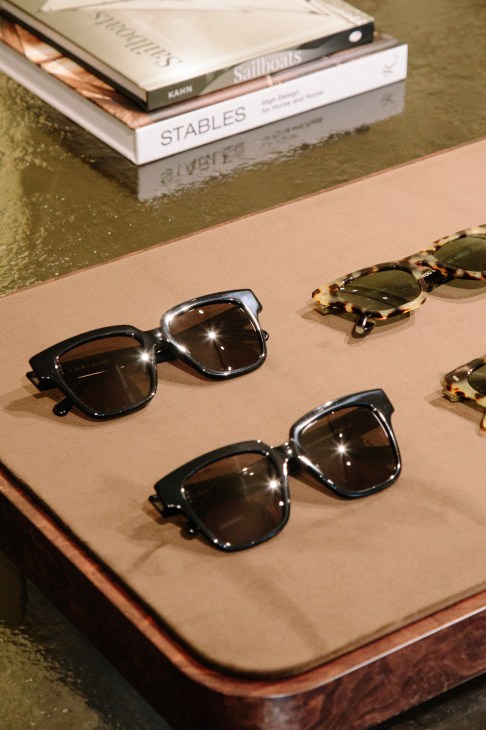
22.
Best for workwear
Henry’s
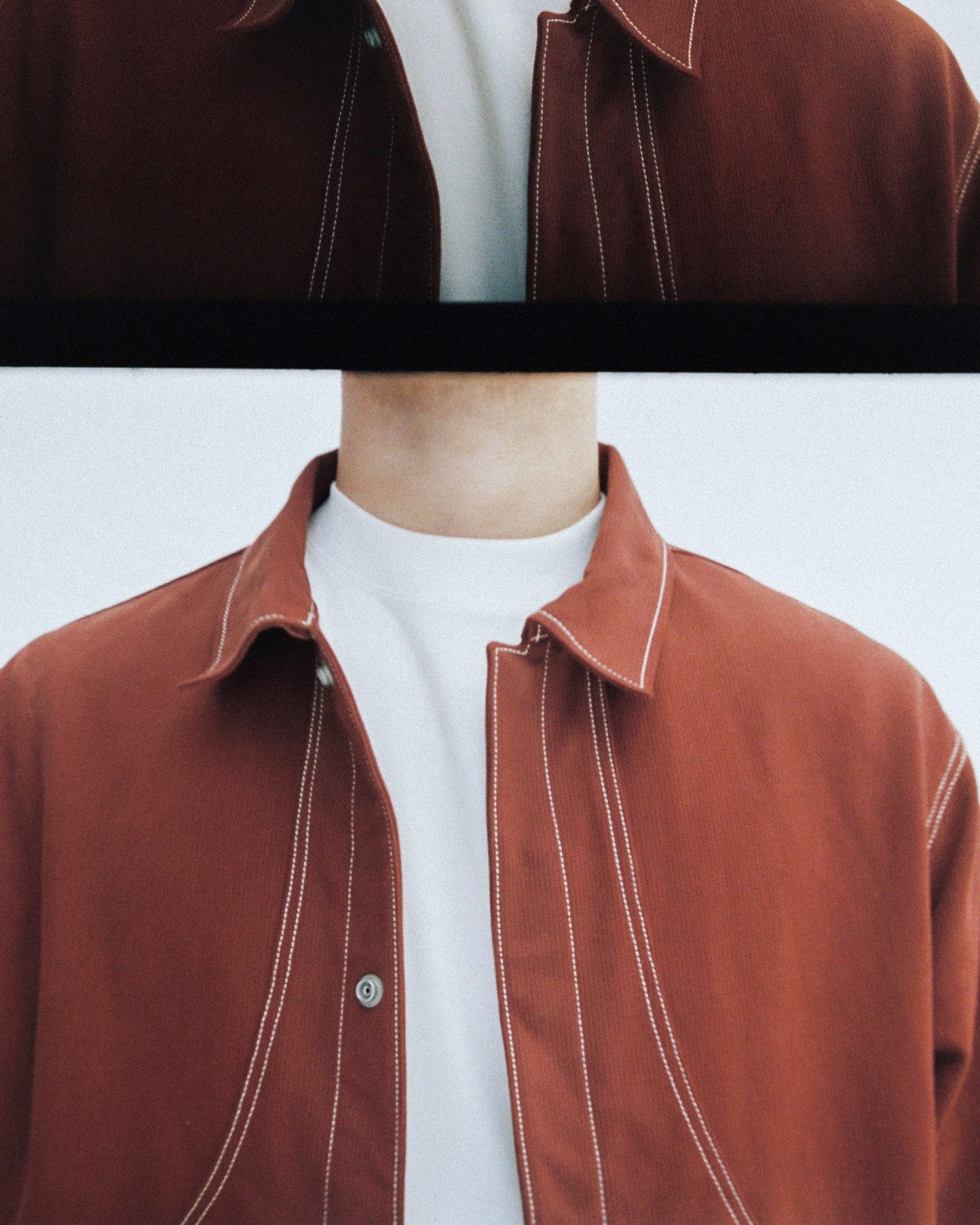
Patternmaker and tailor Keith Henry runs his men’s workwear label, Henry’s, on his own. You’ll usually find him in his Toronto studio, cutting curved lines of dark selvage denim, stitching pockets on deadstock Japanese corduroy and contorting military shapes. Given his limited stock runs, securing one of Henry’s pieces feels like going on a scavenger hunt. “I don’t want to dilute my work by flooding the market,” he tells monocle. “Seasonal calendars are driven by manufacturing cycles but I work alone, which frees me to release these as I please.”
wearhenrys.com
23.
Best for fragrance
Fendi
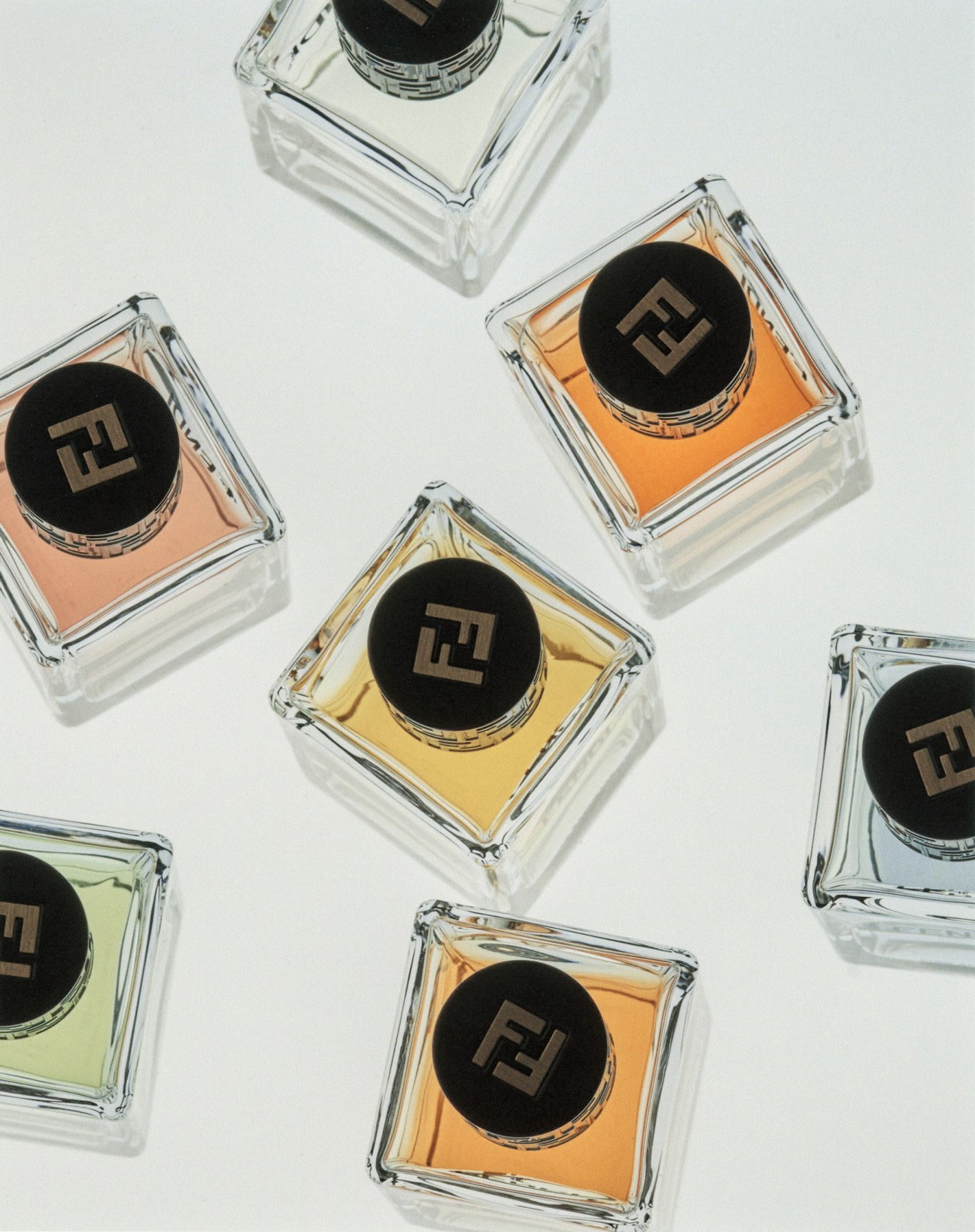
As it approaches its centenary, Fendi delves into the world of fragrance for the first time. Its new collection consists of seven perfumes, each inspired by different figures from the family. The scents evoke the Fendis’ hometown of Rome using ingredients such as Madagascan vanilla, Calabrian bergamot and Moroccan orange blossom. And the brand has named them after some of their most frequently used phrases, from Ciao Amore to Perché No (Italian for “why not”).
fendi.com
24.
Best for spice
Morjas
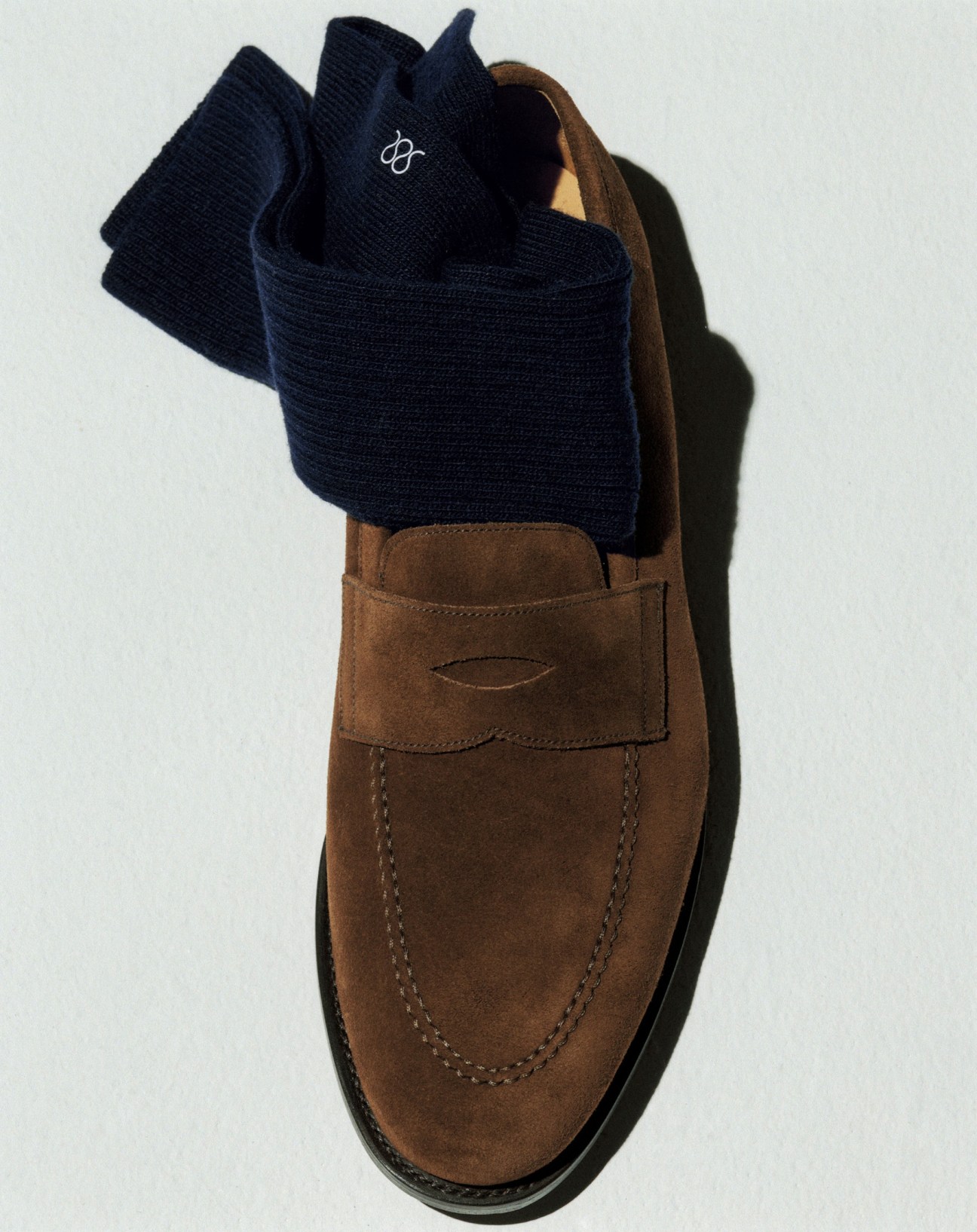
“Our philosophy is to do a few things really well,” says Henrik Berg of Morjas. The shoe and accessories brand that he launched in 2017 reflects his Spanish-Swedish heritage, with its Scandinavian-inclined “less is more” design ethos and “passionate and warm” Spanish spirit.
Berg describes this blend as his way of adding spice to a more classic menu. It’s visible in the brand’s products but also in the design of its flagship shop in Stockholm: against a backdrop of wood panelling and exposed beams are red marble tables and art deco lamps. “[These are] little spices,” says Berg, “things that are more futuristic, a little bit chic and a little bit sexy.”
Recently Berg worked with Chris Black and Jason Stewart, the duo behind hit podcast How Long Gone, to launch a limited-edition boat shoe. It came about after Morjas created custom wedding shoes for Stewart to accommodate his larger feet.
Morjas’s Stockholm flagship has its own café. On offer is the traditional Spanish breakfast pan con tomate. It’s the only thing on the menu but, just like Morjas’s signature loafers, it’s executed to perfection.
morjas.com
25.
Best for accessorising
Hermès
It was in the 1830s that Hermès made a name for itself by perfecting harnesses and saddles for horses. The brand is now a leader in all things leather and its signature Birkin and Kelly bags increase in value so much that they are said to make better investments than gold.
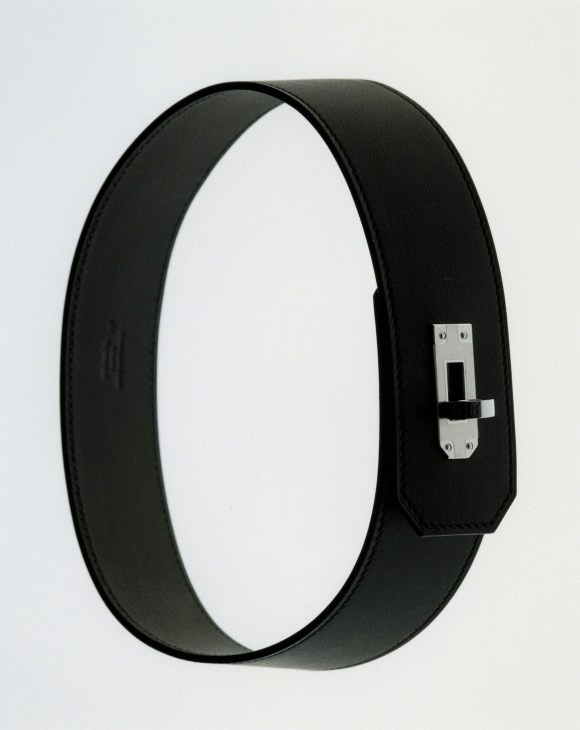
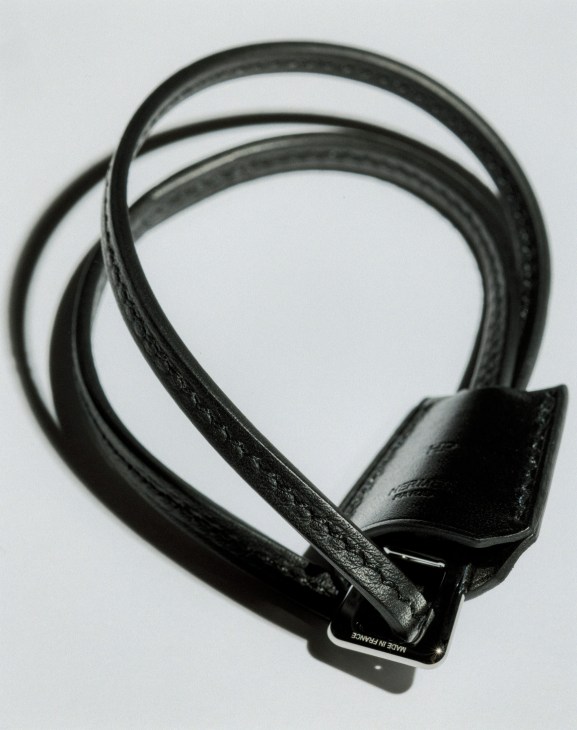
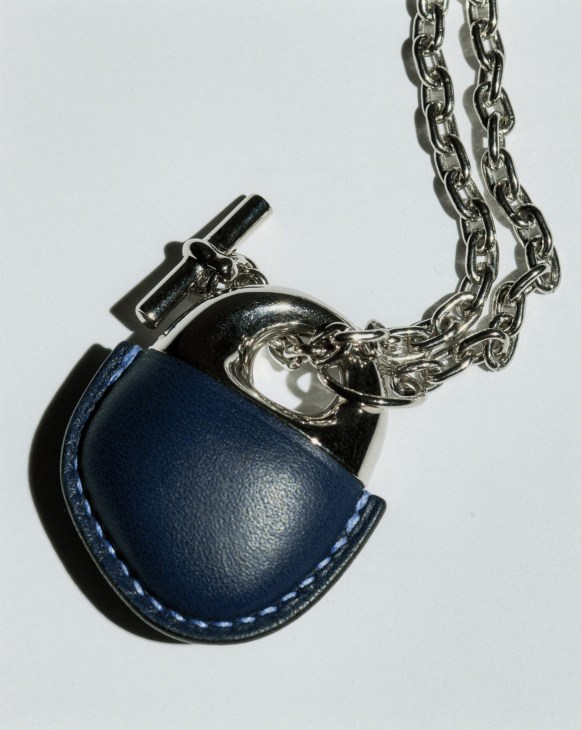
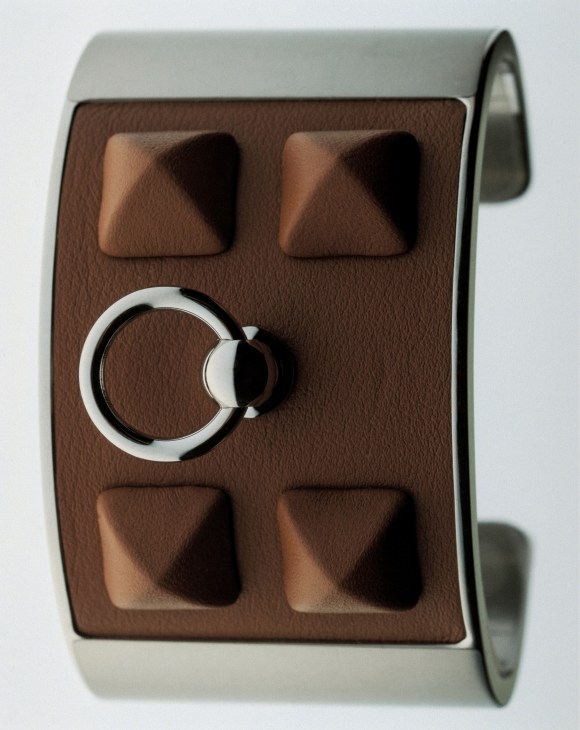
The brand has been expanding into other segments, fine jewellery and watches in particular. These autumn-winter pieces, including a sturdy cuff, leather choker and charm necklaces and bracelets (pictured), will provide the perfect finish to any look.
hermes.com
Istanbul musician Melike Sahin’s literary lyrics and stage presence have helped create a modern diva
Turkey’s music scene is so vibrant and eclectic that many Western stars are unheard of here. This homegrown dominance became even more unassailable in the mid-2010s when a period of political turbulence led to international acts cancelling their tour dates in the country. And while some notable international artists are creeping back to the country’s concert venues, it is still locals who dominate the music scene. Artists who merge the sounds of old Anatolian folk music and psychedelia, along with the artistic vision of a new generation and the occasional input of international collaborators, have the market singing to their tune.

While mid-20th century Turkish pop stars confined themselves to producing covers of international hits, today the Turkish sound is distinctive and already popular across the Middle East and Eastern Europe. Now that sound is starting to reach Western audiences. A boom in Turkish film and television – spurred by the success of hit series including the 2020 Netflix drama Ethos and the bbc’s recent The Turkish Detective – is giving Turkish music global visibility. Acts such as Altın Gün, a Turkish-Dutch rock group, and Hey! Douglas, the stage name of Ankara-born DJ Emin Yasin Vural, have already found global success.
Melike Sahin is poised to be the next breakout star. Her forthcoming show in London in November will be her first time performing in front of a UK audience. “I hope that I can explain something about Turkish music and show the audience that it is easy to catch onto,” says the 35-year-old Sahin when monocle visits her at her home, a traditional wooden villa overlooking the Bosphorus. Sahin’s crystal vocals and ethereal style have propelled her to the forefront of a new wave of musicians who are bringing Turkish music to the world. “I want audiences to see a young, modern Turkish diva who has hopes of becoming a global name.”
Sahin’s concert will come shortly after the release of her album Akkor, which was recorded in London, New York and Istanbul, alongside a cast of guest stars – including drummer Sterling Campbell, best known for his work with David Bowie. The album is produced by Martin Terefe, a Swede who has collaborated with artists including Beverley Knight and Coldplay. “The main connection between East and West happened in London,” says Sahin. “I was abroad with new musicians and new ideas, and that gave me inspiration. When those musicians arrived, a new fusion happened.”
Akkor is still an unmistakably Turkish album. The opening track, Sag Salim, announces itself with a bar of pounding drumbeats and then a set of bold minor chords, before giving way to Sahin’s vocals. But it is also pared-back and elegant, stripped of the rococo flourishes that adorn more traditional Turkish songs, and reminiscent of the minimalism of London Grammar. There are the sounds of classic eastern instruments such as the oud, a stringed instrument that looks something like a lute, but also choral backing vocals that add a euphoric quality to the closing bars of songs such as Ifsa. You can even sense a hint of drum’n’bass in the rhythms of the track “Beni Ancak”. Sahin’s lyrics and performances elevate the music with the kind of theatricalism and storytelling that is a hallmark of Kate Bush and, like the legendary UK singer, she says that she takes much of her inspiration from literature. “Sometimes, when I am reading a novel, one word inspires me and I start to write a song based on that. My main inspiration is to explain the inexplicable.”
Where to start
Five Melike Sahin songs to get you moving.
1. Olur Mu (with Gazapizm)
2. Durma Yürüsene
3. Diva Yorgun
4. Ortak
5. Düldül (with Mabel Matiz)
In turn, Sahin’s lyrics are inspiring a generation of Turkish women. In recent years, her words have been appearing on placards at women’s-rights demonstrations. One of her lyrics has become iconic: “I deserve each and every inch of this smile.” In a country where, in 2014, the deputy prime minister said that women should not laugh out loud in public – and where rates of femicide appear to be rising – this is more than an abstract statement. In 2021, Turkey withdrew from the Istanbul Convention, an international treaty designed to combat gender-based violence. Protests in opposition to the withdrawal were met with violent police crackdowns. Sahin has leant into her feminism with Akkor, an album that she says is centred on the themes of rebirth and survival.
“I enjoy writing things that I am not able to shout on the streets,” she says. “The problems in Turkey are serious. We are not talking about wage differences; the number of murders of women is huge. It is our job as artists to say that this is wrong. I feel useful when I see my lyrics on the placards. When I first saw that, my eyes were full of tears of pride for being their sister.”
Sahin first entered the spotlight as a frontwoman with Baba Zula, a group formed in 1996 that features a changing cast of musicians and spans genres from folk to electronica. With them Sahin honed her vocal style, which she has been developing since she first started singing at family gatherings as a child.
Sahin was born in Istanbul to a family originally from Sivas in eastern Anatolia and attended high school in the affluent district of Besiktas. While she was a teenager, she took singing lessons from Timur Selçuk, a legendary Turkish composer and vocal coach who twice participated in the Eurovision Song Contest. The outcome was Sahin’s signature: lilting, melancholy moments in which she hits several notes within one syllable. She continued to sing in choirs as a hobby while studying for a degree in sociology at Istanbul’s prestigious Bogaziçi University, adding Latin choral music to her repertoire. Then, on graduating, she went straight into music.
After six years fronting Baba Zula, Sahin decided to set out as a solo artist in 2018. It seemed a bold move at the time: she was a relatively new voice, leaving an institution to go it alone. But Sahin says that she knew it was the right moment. “It was my time to fly.” Her first album, Merhem, which she released in 2021, was an instant hit. Off the back of the release, she played more than 100 shows in Turkey and around the world. She has had more than 460 million downloads as a solo artist, her first hit being “Olur Mu”, a duet with Turkish rapper Gazapizm. The video for the next and biggest, “Diva Yorgun”, is a camp pastiche of Turkey’s club culture that plays on Sahin’s diva stage persona.
In person, Sahin is slight and diminutive, and speaks with a friendliness that is rare among well-known musicians. Onstage, however, she is unrecognisable. Her costumes and styling match those of the most flamboyant Turkish legends and she stalks the stage, conversing with her audiences. Her favourite Istanbul venue is the Cemil Topuzlu theatre in Harbiye, a huge open-air arena with a 4,500 capacity and which has been the setting for some of the most iconic performances in Turkish music history. “It was my childhood dream to perform there,” she says.
In London, her stage will be more intimate: Earth has a capacity of 1,200 and hosts some of the UK’s most loved DJs and alternative artists. At a time when live music seems to be swinging towards huge, impersonal (and prohibitively expensive) stadium shows, it promises to be an antidote.
Every part of Sahin’s performance is intentional and planned out months ahead. “Right now we are designing the new stage and I am going to the costume fittings. As a control freak, I am there for every part. I consider the emotional flow of my shows. I start with the serious emotions and by the end I am making them dance. It’s not just about the singing or the costumes. It’s about opening my heart to my audience.”
Turkish pop timeline
1940s: Artists including Suat Sayın and Haydar Tatlıyay popularise Arabesque, a style of music with Arabic roots and a lyrical focus on nostalgia and longing.
1950: Zeki Müren wins trt Istanbul Radio’s music competition and performs live on the station a year later, kick-starting a four-decade music career.
1968: Ajda Pekkan, Turkey’s first modern pop megastar, releases her debut LP. Many of her early releases are Turkish-language covers of classic tracks, including “I Will Survive”. Now 78, Pekkan still releases music and performs stadium shows.

1973: Anatolian psychedelic star Barıs Manço makes Turkey’s first music video to accompany his single “Hey Koca Topçu”, eight years before the launch of mtv popularised the concept of music videos globally.
1980: A military junta overthrows the government and imposes strict cultural censorship until the restoration of democratic elections three years later.
1997: Tarkan’s Sımarık becomes a smash and its riff is widely sampled. Five years on, Holly Valance’s English cover goes to number one in the UK.

2003: Sertab Erener wins the Eurovision Song Contest with Every Way That I Can.

2008: Mabel Matiz becomes the first Turkish pop star to break out on Myspace.
2018: The head of trt says that Turkey is unlikely to compete in Eurovision again in the near future.
2022: Arabesque singer Ibrahim Tatlıses breaks Turkey’s live music record, playing to 120,000 people in four days.
Inteview: Daniel Lalonde on merging fashion and furniture for luxury design success
Daniel Lalonde’s CV makes for impressive reading. After starting his career as a management consultant in Paris, the Canadian-born businessman worked at Nespresso before spending more than 10 years in executive positions at lvmh, building brands such as Tag Heuer, Louis Vuitton, Moët & Chandon and Dom Perignon, followed by a stint at Ralph Lauren. In 2014 he became the ceo of smcp and under his leadership the French multibrand group flourished, achieving €1bn in revenues and a successful Euronext Paris listing. In 2021 he channelled this experience in the luxury-fashion sector into high-end design, taking the reins at Design Holding, a group that was founded in 2018 and whose portfolio of brands includes Flos, b&b Italia, Louis Poulsen, Maxalto, Azucena, Arclinea, Fendi Casa, Audo and Lumens. In the past year, the nine brands generated €898.6m in gmv revenues and the company changed its name to Flos b&b Italia Group. Lalonde tells us about the significance of the rebrand and the parallels between fashion and furniture.
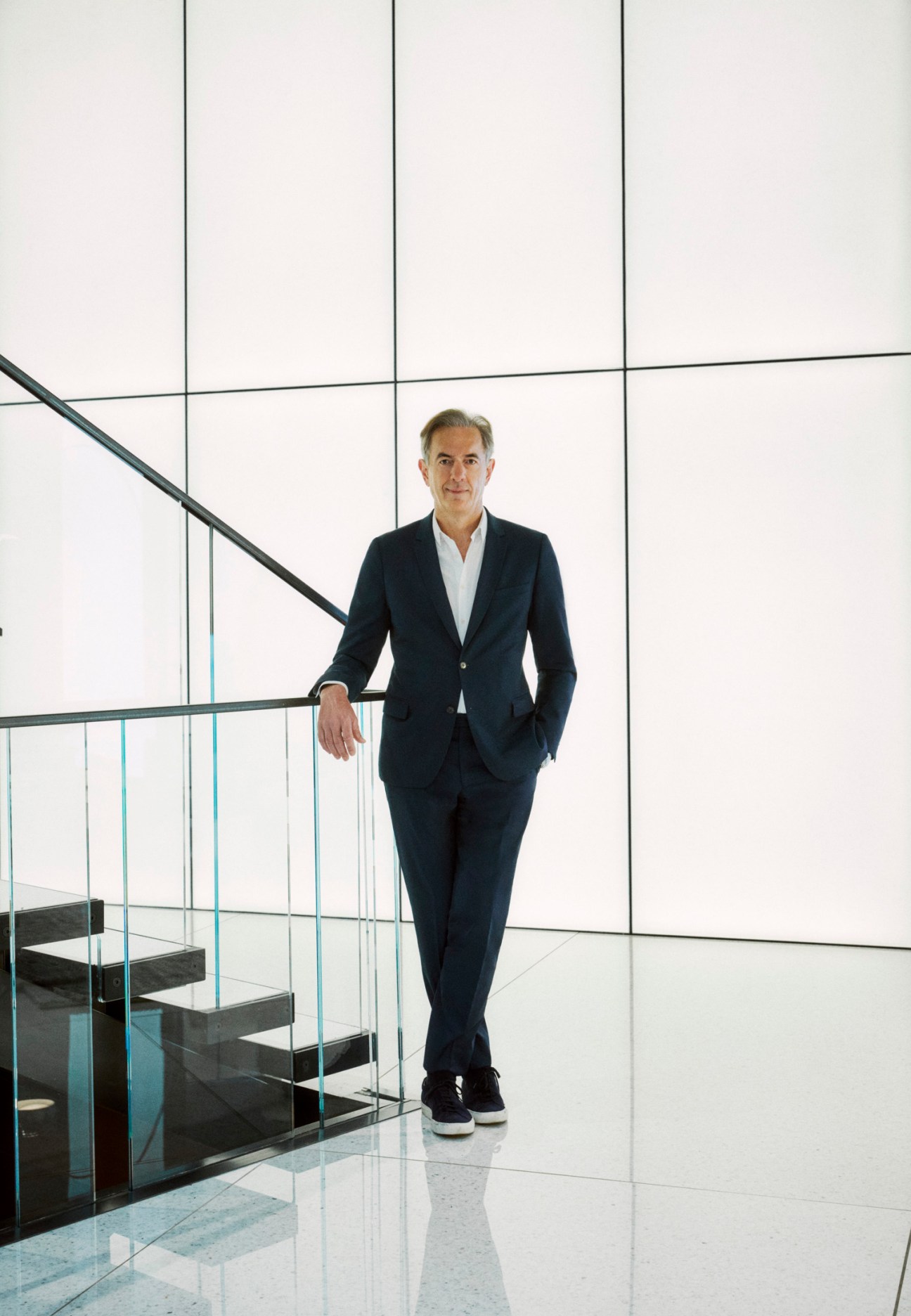
Why are groups such as Flos B&B Italia Group emerging in the design sector?
If you look at the fashion and luxury space, it’s a world that has been consolidating into groups for quite some time, with the likes of lvmh and Kering evolving over the past 30 years. It has become a very concentrated sector that is doing very well. That hasn’t happened in high-end design – and that’s why we’re doing it. We are the first to consolidate these types of world-class design brands and provide them all with a platform for international growth. We’re only at the beginning of developing this design space but it is closely linked to luxury and fashion. These sectors have a lot of things in common. The first and probably most important commonality is that we share a customer: they’re someone with a Birkin bag, a Cartier watch and a pair of Louboutins, plus a sofa by b&b Italia and an Arco lamp from Flos.
Why is this shift only starting to happen now?
Design has been a very fragmented industry, built by family-owned companies that are successful in their home markets. Because they are usually small, they found it difficult to expand globally. But that is changing and the sector will grow with the formation of groups. And it’s a good thing because it creates interest in everyone that’s doing work in the high-end design space. It helps the industry to become more democratic too, which benefits consumers. Our job at Flos b&b Italia Group is to be better than our competition – to have superior designs, focus on sustainability and tell the story about our heritage and our icons, which are important.
Explain to us the significance of your rebrand as Flos B&B Italia Group.
The decision to rename the holding company Flos b&b Italia Group was driven by a desire to reference the sectors in which our brands operate and excel in more clearly and directly. We wanted to anchor the corporate name to the founding and most globally renowned brands in our portfolio. We also wanted to highlight the fact that we are a group by including the word in our name, reaffirming our solid, unified and complementary dimension. We are an ecosystem of iconic brands that share a common ethos, focused on beauty, craftsmanship, quality and sustainability, but each of them is fiercely independent, with its own strong brand identity and design dna.
1874
The Louis Poulsen brand is launched as a wine-importing business in Copenhagen.
1925
Kitchen specialist Arclinea is founded in Caldogno, Italy.
1947
Azucena is established in Italy.
1962
Dino Gavina and Cesare Cassina found Flos in Merano, Italy.
1966
Piero Ambrogio Busnelli and Cesare Cassina start furniture firm b&b Italia (formerly c&b) in Novedrate, Italy.
1975
Maxalto is established in Misinto, with furniture designers Afra and Tobia Scarpa as collaborators.
1978
Furniture and homewares brand Menu, now known as Audo, is launched in Copenhagen.
1988
Luxury fashion brand Fendi starts its first homeware collection as Fendi Casa in Rome.
2001
Lighting specialist Lumens is founded in San Francisco.
2018
Flos, Louis Poulsen and b&b Italia Group come together to form Design Holding.
2021
Fendi Casa and Lumens enter Design Holding.
2022
Design Holding acquires Audo.
2024
After a rebrand, Flos b&b Italia Group is born.