Issues
Editor’s letter: Into autumn’s glow
In the northern hemisphere the back-to-school feeling that hits after a hopefully blissful summer isn’t something that only students or their teachers experience. It permeates everything. Galleries pull up the shutters to open new shows, shops unveil their autumn wares, politicians return to parliaments – things click back into gear. While packing away the loungers and returning the sun cream to the bathroom cabinet can be a little unsettling, the new season also brings the promise of change and a renewed determination to end the year on a high, with projects completed and at least some of those January promises fulfilled. Here at monocle, there has certainly been a feeling that it’s time to switch things up, to try some new ideas to make the most of the autumn sprint. That new-season enthusiasm also, in part, explains why this issue has landed with such a thump and almost 300 pages of global reporting.
Just in case you were napping poolside when that new hotel started checking in guests or when the US got an airport terminal to boast about, one of the first things that we decided to include in this issue is a guide to recent openings, launches and products that might have snuck past you. Produced by our editor Josh Fehnert, it kicks off on page 171 and, during the numerous rounds of picture selects and editing, has already encouraged several of our team to change their travel plans.

Being a man with broad shoulders, Josh has also been marshalling a new to-be-regular essays section that aims to inform, challenge and entertain. One of the stories is about life on a submarine and the discipline and mindset that you need to live under the waves. Told as a long q&a, the narrator is Taylor Sheppard, who has completed eight deployments as a US Navy submarine officer. And how did we meet her? It turns out that one of her ways of coping with the weeks of isolation is to pack copies of monocle and Konfekt and she took up our offer to drop us an email.
This is also our style issue, in which our fashion editor, Natalie Theodosi, gets to seize a vast swath of editorial real estate. The directory of talent that she pulls together for these issues is always impressive and works on two levels. If you want to add some well-honed clothing to your wardrobe, of course, she has you covered. But the roll call of new brands is now essential reading for any fashion-shop buyer or sector investor on the talent-acquisition hunt.
In the Affairs pages, there’s also a story that touches on the worlds of fashion and design – and cultural confidence, identity and joy too. A generation ago, national dress seemed to be on a slippery slope to oblivion. It was often seen as parochial, a symbol of backwardness, a weakness if you wanted to project an image of modernity for your country. No more. Now it’s seen as youthful, a powerful marker of belonging and pride. In countries around the world designers are giving national dress new relevance, allowing people to take even more pleasure from sporting their thawb or saree. Alexis Self, our foreign editor, has marshalled a runway parade of writers to decode their country’s national dress with warmth and insight. Perhaps a kilt is in order.
This year’s monocle Quality of Life Conference will be taking place in Istanbul (from 10 to 12 October, if you would care to join us – tickets for it are now available from monocle.live/conference). We have taken our presence in the Turkish city as an excuse to dive into its design and music scenes, which reveal stories of tradition and modernity being valued, used and cleverly adapted in myriad ways. And there’s a surprising undercurrent of rule-breaking too.
It’s this need to innovate that runs as a rich vein throughout this issue – knowing how to hold on to the past while embracing new ideas. It’s an autumn recipe to embrace.
If you would like to drop me an email, send me ideas, point out things we might have missed, you can find me at [email protected]. And also in Istanbul.
Why national dress is back in fashion
The Great Male Renunciation is a term used to describe a phenomenon in the late 18th century whereby European men all began to dress the same. Out went almost any form of ostentation (wigs, gold braids or high heels) and in came the dull lounge suit. Since then, the Western way has been hegemonic. Indeed, at the end of the 20th century the suit and its female counterpart, the ball gown, had become the comportment of choice for almost any formal setting anywhere in the world. It appeared as though Western-led globalisation had succeeded in not only homogenising the world of trade but that of dress too.
Twenty or so years later, the foundations of this bland new world look shaky. As was the case in the late 1700s, such phenomena are difficult to identify at the time (the term “Great Male Renunciation” was coined in the 1930s) but it seems that in many countries there has been a re-embracing of national dress. Some may ascribe this trend to the dark forces of nationalism but it’s worth noting that it has also coincided with the retreat of another shoddy Western invention: cultural appropriation. At about the same time as the grand panjandrums of globalisation were smugly surveying their spoils, a subset of people in Western academia were, like po-faced Gok Wans, decreeing what was and wasn’t acceptable to wear.
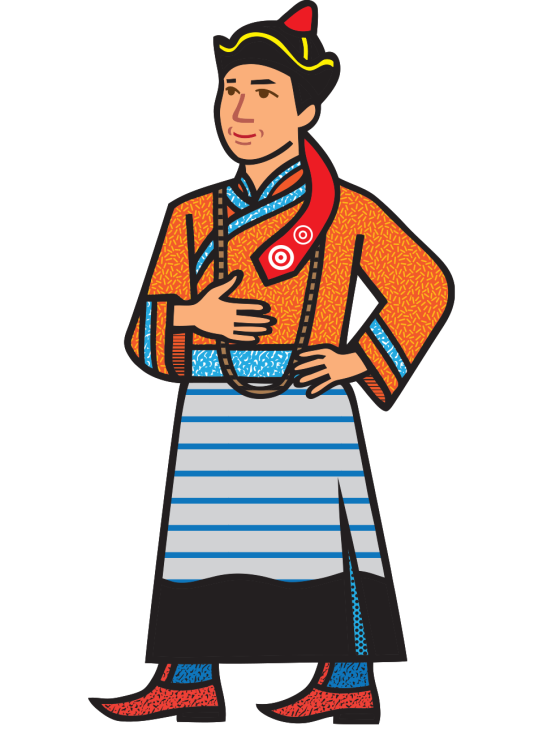
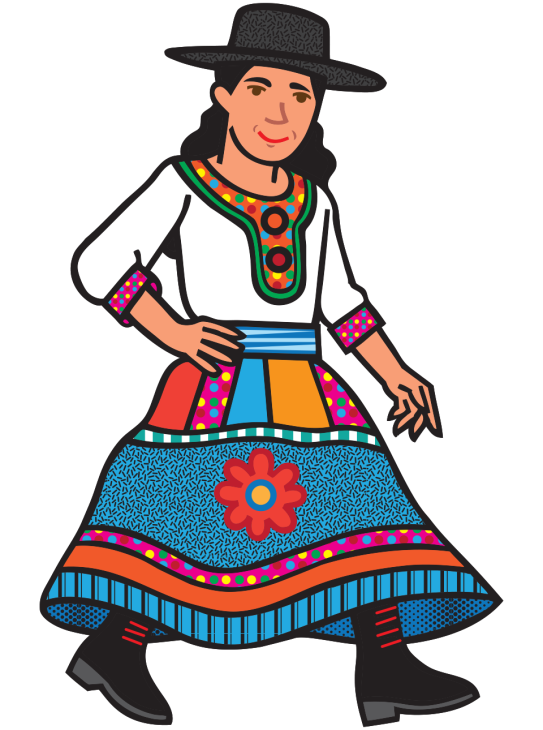
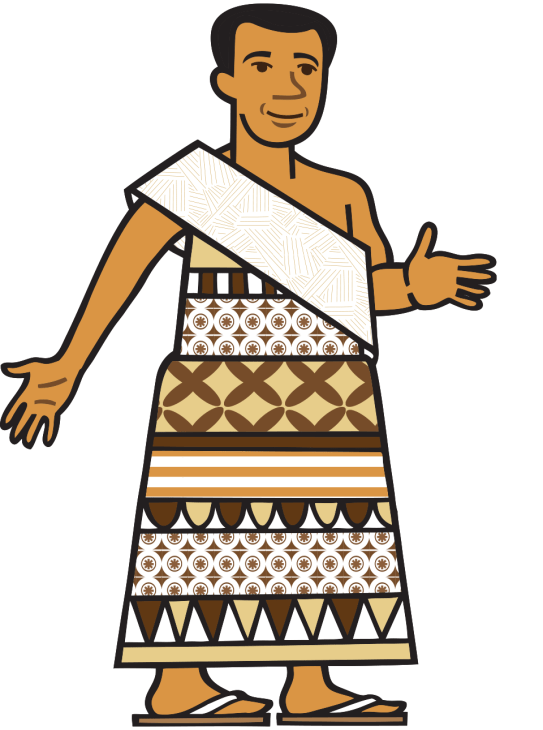
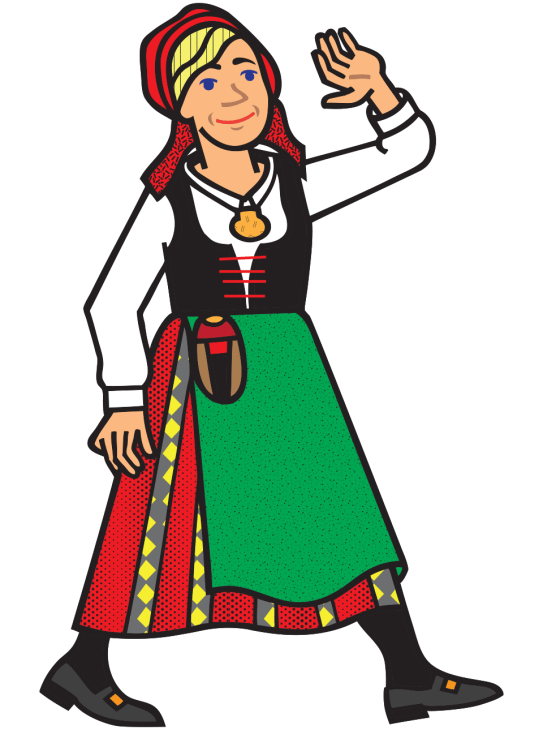
National dress became smothered by the censorious: a dead thing meant for museums rather than real life. The joy and generosity involved in the mutual exchange of cultures were now fraught with guilt. Of course, there have been times in the past when people have donned national dress in order to ridicule and belittle others, but this too, thankfully, has for the most part been consigned to the bin. Today, people from all corners of the globe see the wearing of another’s national dress as an act underpinned by admiration. It is in this spirit that the following feature has been put together. From Nigeria to Malaysia, via Bavaria, Ukraine and the Arabian Gulf, we look at how national dress is making a comeback for a variety of reasons: political, economic and, yes, sartorial. We have also included an illustrated chart such as readers might remember from classroom walls of yore – made with love for eyes that wish to learn and appreciate, not roll.
1.
Desert dress
Thawb and abaya
The Gulf
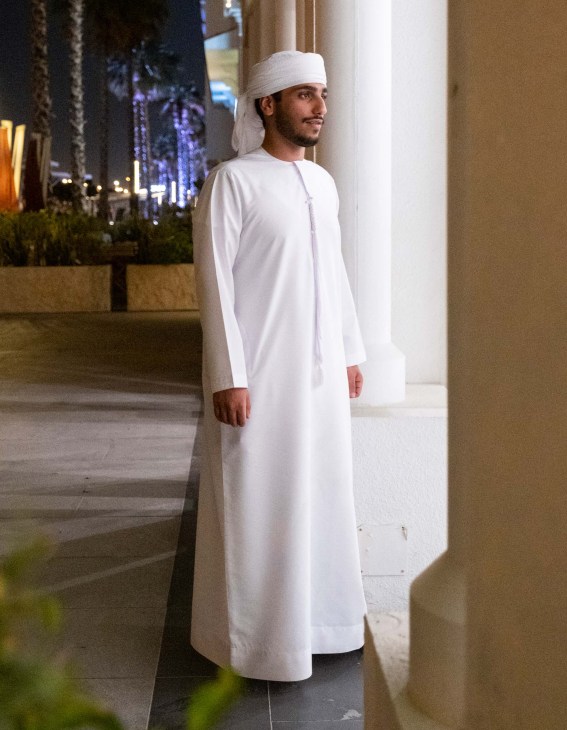
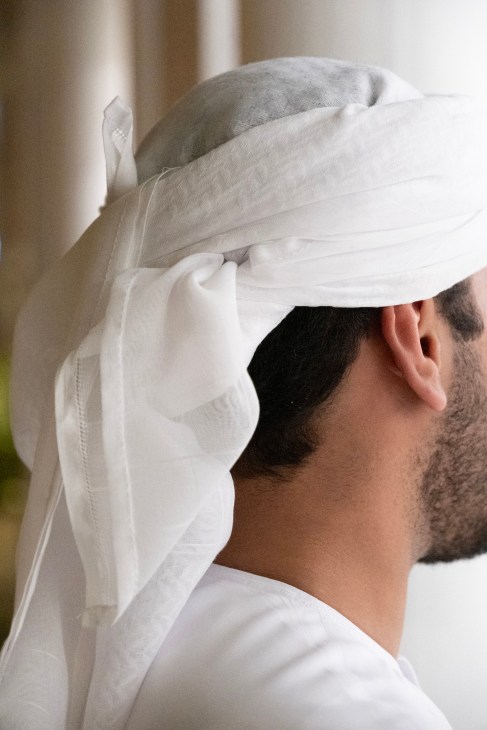
To the untrained eye, the garments worn by men across the Gulf region might seem indiscernible: a white ankle-length dress paired with a headscarf in either white or a red-and-white checkered pattern. But each of the seven states in the region has its own distinctive male robe, known as a kandora, thawb or dishdasha, and headscarf, known as a ghutra or shmagh.
The Gulf states (especially Qatar, Saudi Arabia and the UAE) have undergone an astounding transformation over the past half-century. The UAE, for example, was only established in 1971 and moved from being a country dependent on farming, fishing and pearl-diving into one of the most technologically advanced and richest urban societies in the world. Here and in other Gulf states, traditional attire has acted as an anchor to the past, tempering the lightning-quick changes happening elsewhere in society.
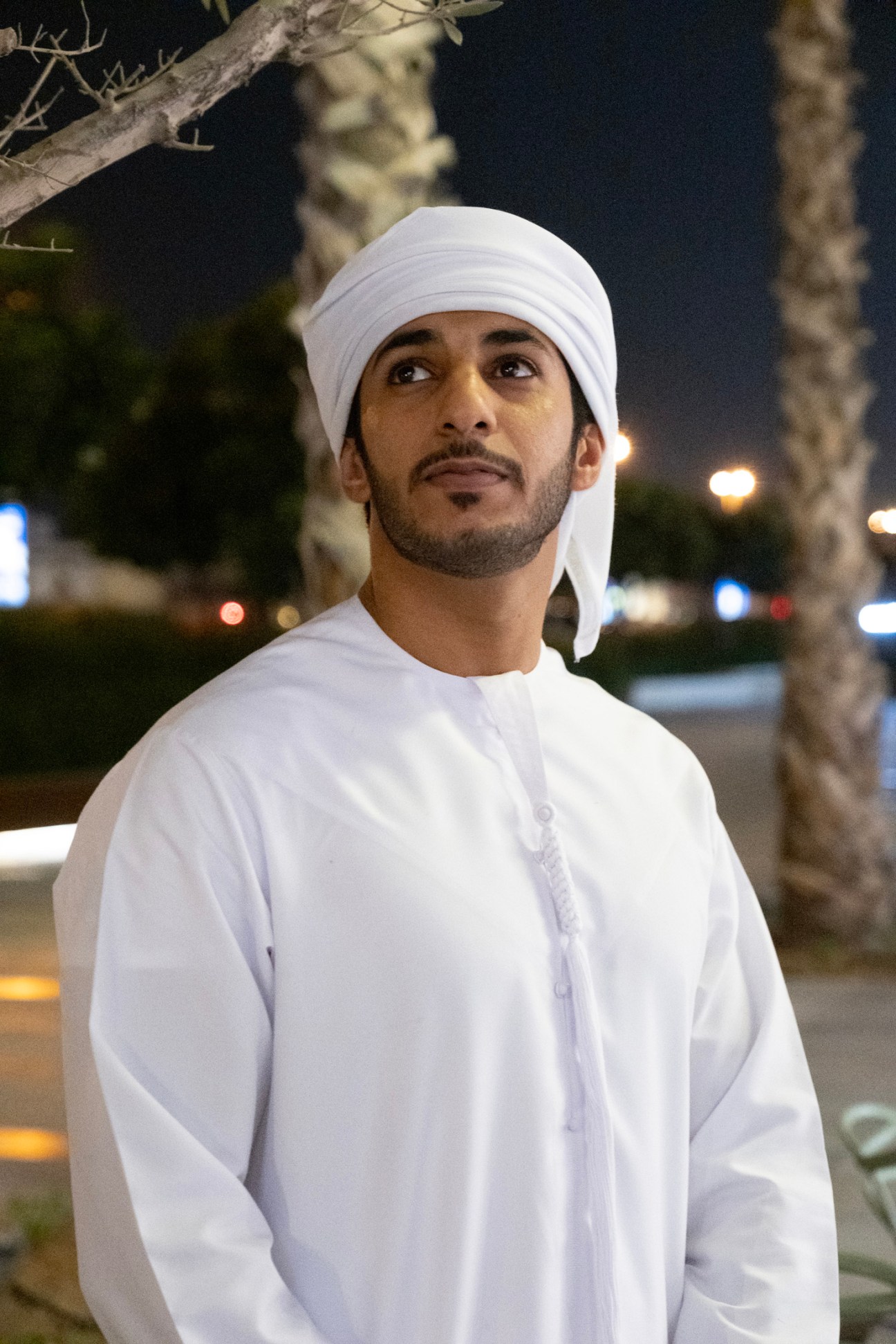
So, what are the differences between men’s dress in the Gulf? In the UAE and Oman, men wear a collarless kandora with a tarboosh or farakah, long tassels roughly analogous to a Western tie. The Emirati tarboosha extends from the neck to the belly button, while in Oman, it hangs just below the collarbone. In the UAE, men either tie their headscarf around the head like a turban (known as the hamdaniyah or essama) or wear it in the formal style with the agal, the black crown common across the Gulf. In Oman, the formal headgear is a turban called the massar, while a kumma, a cap without a visor, is a less formal option. The Kuwaiti, Saudi, Qatari and Bahraini dishdasha or thawb, which all feature a collar, are almost identical. The Saudi one is more of a tight fit with a two-button collar and shirt sleeves designed to accommodate cufflinks, while the Kuwaiti thawb has a one-button collar and wide sleeves without cufflinks. The Bahraini and Qatari thawbs are looser, with pockets on the right chest and softer collars.
These garments evolved over centuries to suit nomadic lifestyles: white fabrics helped their wearer survive the region’s heat, while the ghutra or sifrah (a wrap worn around the head) protected against dust and sunlight. The agal was once used to secure a camel’s legs at night and worn on the head when not in use. Though the vast majority of the region’s people now live in air-conditioned cities, these garments still serve a utilitarian purpose while providing and enforcing a common identity. The Gulf’s leaders and public figures have played a crucial role in the latter regard. By choosing to exclusively wear thawbs and ghutras at public events, they signal their intention to preserve these cultural traditions. Indeed, traditional dress is compulsory for many who work in government-run institutions in Saudi Arabia, Oman and Qatar.
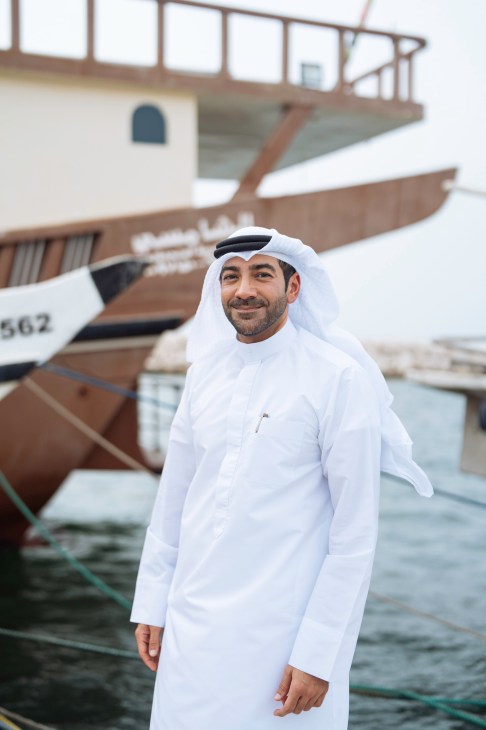
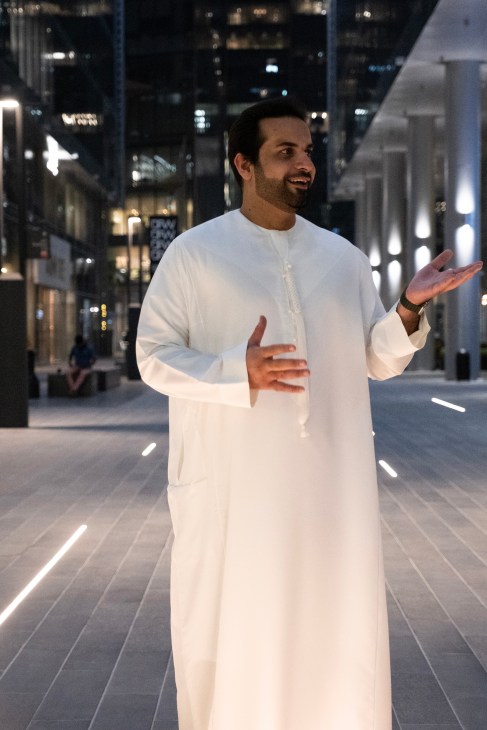
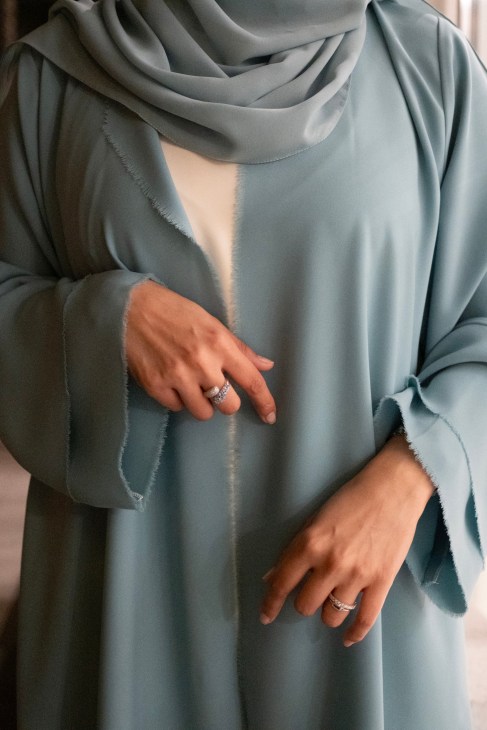
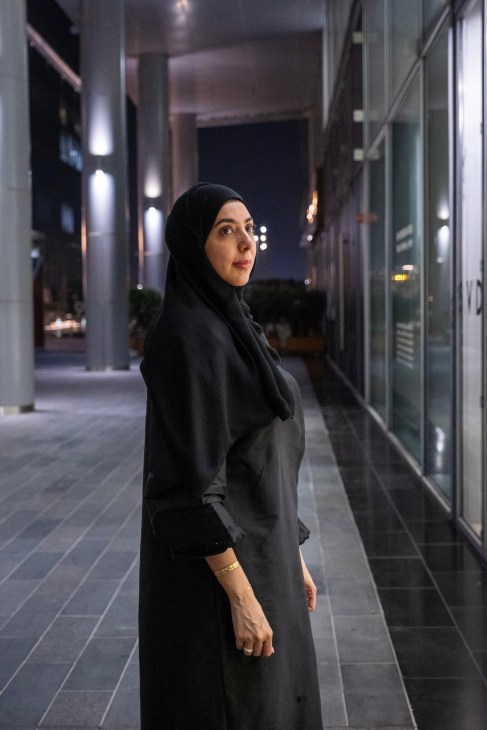
Young Emiratis, many of whom are more likely to wear Western dress on a casual basis, often come to cherish the time they spend in the thawb or abaya (its female equivalent) at work. Saaed AlMheiri, a business development manager in Dubai, believes it reinforces an intergenerational bond that’s important as young Emiratis are exposed to Western mores. “It reflects where I come from and the upbringing that shaped me,” he says. “Traditional clothing perfectly balances timeless elegance and a deep connection to values passed down through generations. It seamlessly blends into both business and casual settings, making it a symbol of continuity and solidarity.”
2.
United in style
Batik and kebaya
Malaysia
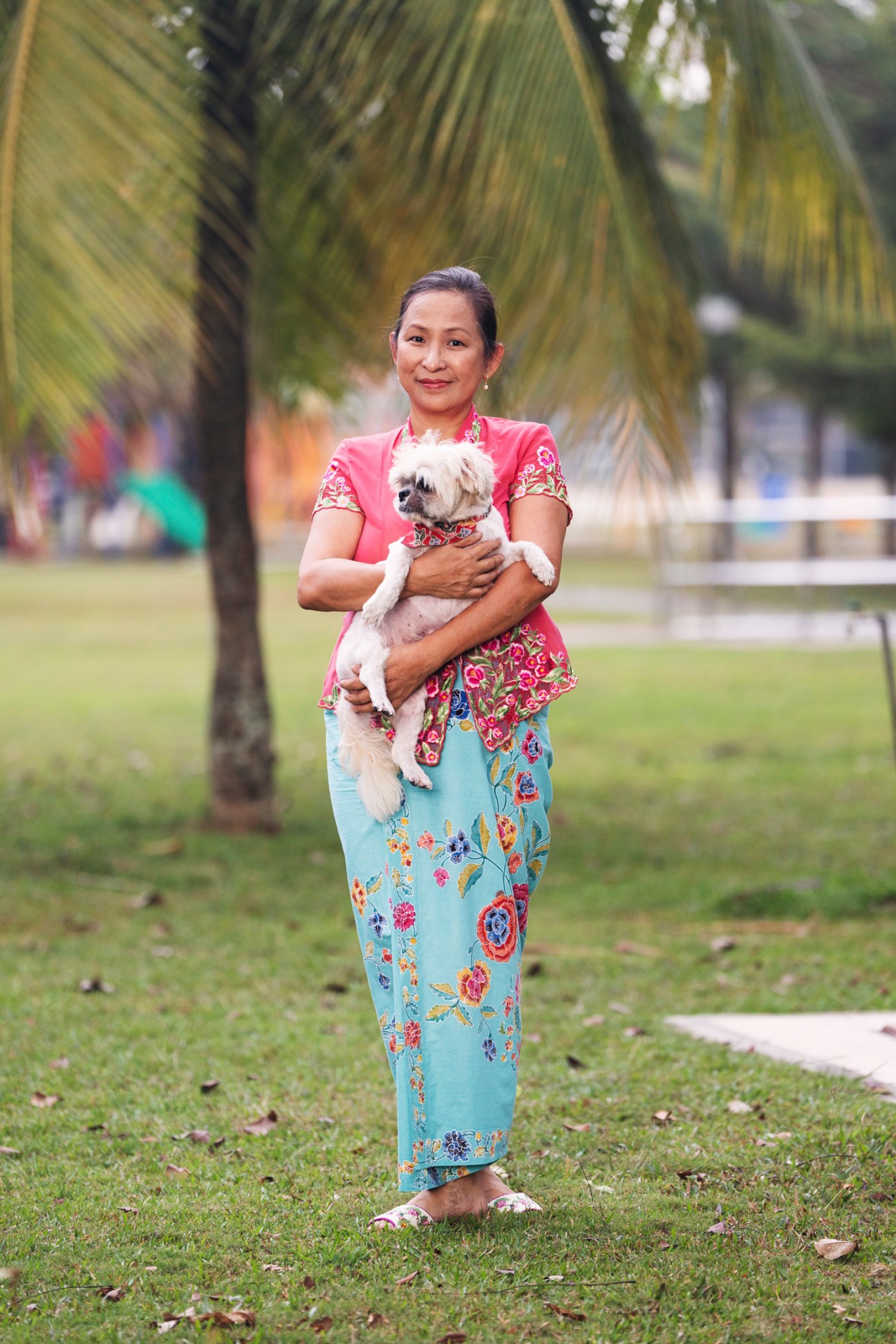
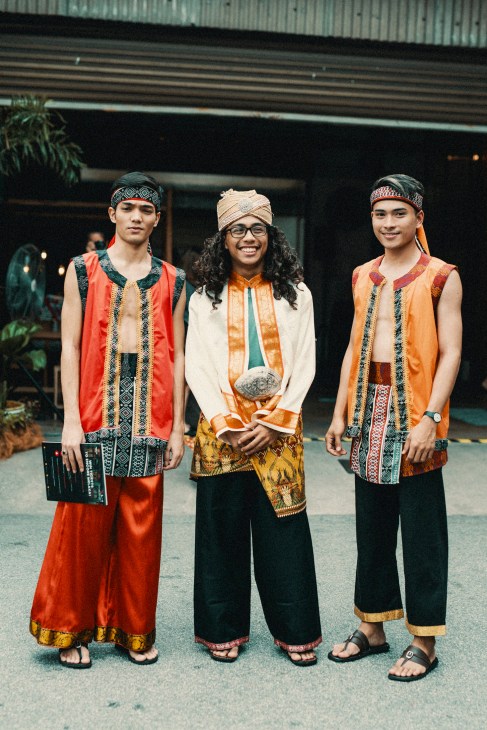
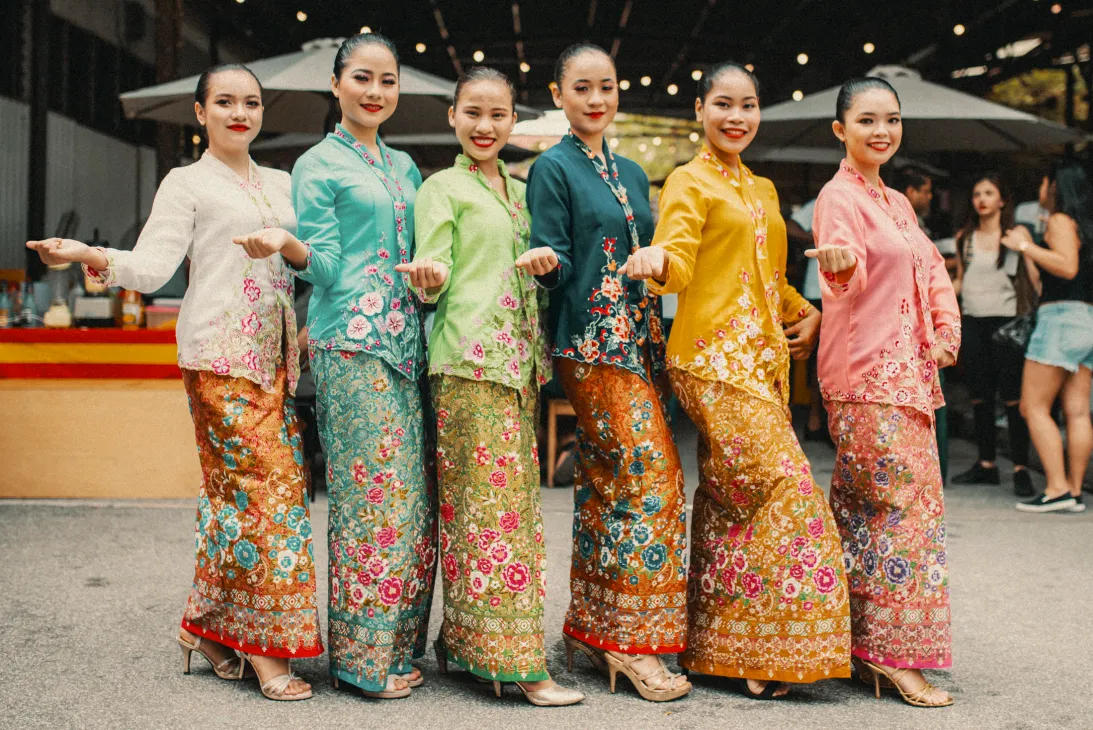
During coronavirus lockdowns in 2020, Malaysian dressmaker Nellie Song began sewing clothes for her daughter. She decided to experiment with batik, a colourful textile with wax-resistant dye patterns that originated in Java and has become a staple of Malaysian traditional wear. Song’s daughter received so many questions from friends about her mother’s designs that the duo decided to start their own tailoring business, Batik by Nell. “It all started with the kebaya,” says Song. The kebaya is a traditional garment worn by women, an intricately detailed blouse accompanied by a wraparound sarong.
In a country as multicultural as Malaysia, with large Malay, Chinese and Indian populations as well as numerous smaller ethnic groups and indigenous tribes, there is no single national dress – there are dozens. At the National Textile Museum in Kuala Lumpur, a line of mannequins, each sporting a different traditional outfit, stretches across the room – a Chinese silk jacket here, a headdress made of tree bark there. Amid such diversity, the kebaya is a rare cross-cultural garment. “Women of all ethnicities and social classes in Malaysia, from royal families to commoners, have worn the kebaya. It holds a special place in Malaysian culture,” says Tengku Intan Rahimah binti Tengku Mat Saman, the director of the National Textile Museum. “The kebaya has evolved to reflect Malaysia’s unique cultural identity, incorporating elements of Chinese, Indian and Malay cultures.”
It has also become a border-crossing, soft-power wielding sartorial ambassador. Pre-colonial and colonial migrations of different populations across the Southeast Asian archipelago brought the kebaya along for the ride. In 2023, Malaysia, Indonesia, Thailand, Singapore and Brunei jointly nominated the kebaya for Unesco’s Intangible Cultural Heritage list, an admirable show of regional unity in a part of the world that loves to bicker about whose version of a certain noodle dish is the most authentic.
Soon after she launched Batik by Nell, Song was rushing to fulfil orders for modern spins on batik and classic sarong kebaya and even the occasional batik tie or pocket square. She has designed custom versions of various traditional garb – a batik Chinese cheongsam, batik Indian bridal wear and Malay-style batik sets for Ramadan celebrations. Many customers are young Malaysians like Song’s daughter, Wong Ann Jee, and her friends. “We’re so used to the Western idea of dressing but I feel that, as we grow older, people start to be more open and receptive towards wearing local textiles,” says Wong, who is 27. Some Batik by Nell customers are Malaysians living abroad who want traditional outfits to wear to weddings and parties in the UK and Australia. “People are just getting more comfortable with representing their culture.” Wong often wore sarong kebaya when she had to deliver presentations at university. “That’s one of the nice things about Southeast Asian traditional wear: it’s considered formal attire now,” she adds. “I was so sick of wearing boring corporate clothes and a button-up shirt!”
3.
Pride of place
Vyshyvanka
Ukraine
Gathering with friends to celebrate her 26th birthday in Kyiv, Ada Wordsworth chose to wear the Ukrainian national dress, known as a vyshyvanka. It was a hot August evening in 2024 and the venue a shady, wild beach on the banks of the Dnipro River. Packing a picnic and bottles of prosecco, Wordsworth donned her outfit for the evening: a linen vyshyvanka dress embroidered with sheaves of wheat and chestnut leaves, symbols of Ukraine’s capital.
Wordsworth came to the country in March 2022, abandoning a master’s in Slavonic studies at Oxford University to set up a charity, Kharpp, which helps to repair buildings damaged by war, in the northeast Kharkiv region. She was immediately drawn to the vyshyvanka. “In the early months of the full-scale invasion, everyone was wearing the dress all the time and I started to, too,” says Wordsworth. “I’ve been travelling around the country and love buying vyshyvankas in different regions. Each has a different use of colour, patterns and embroidery; you can tell where it has come from just by looking at it.”
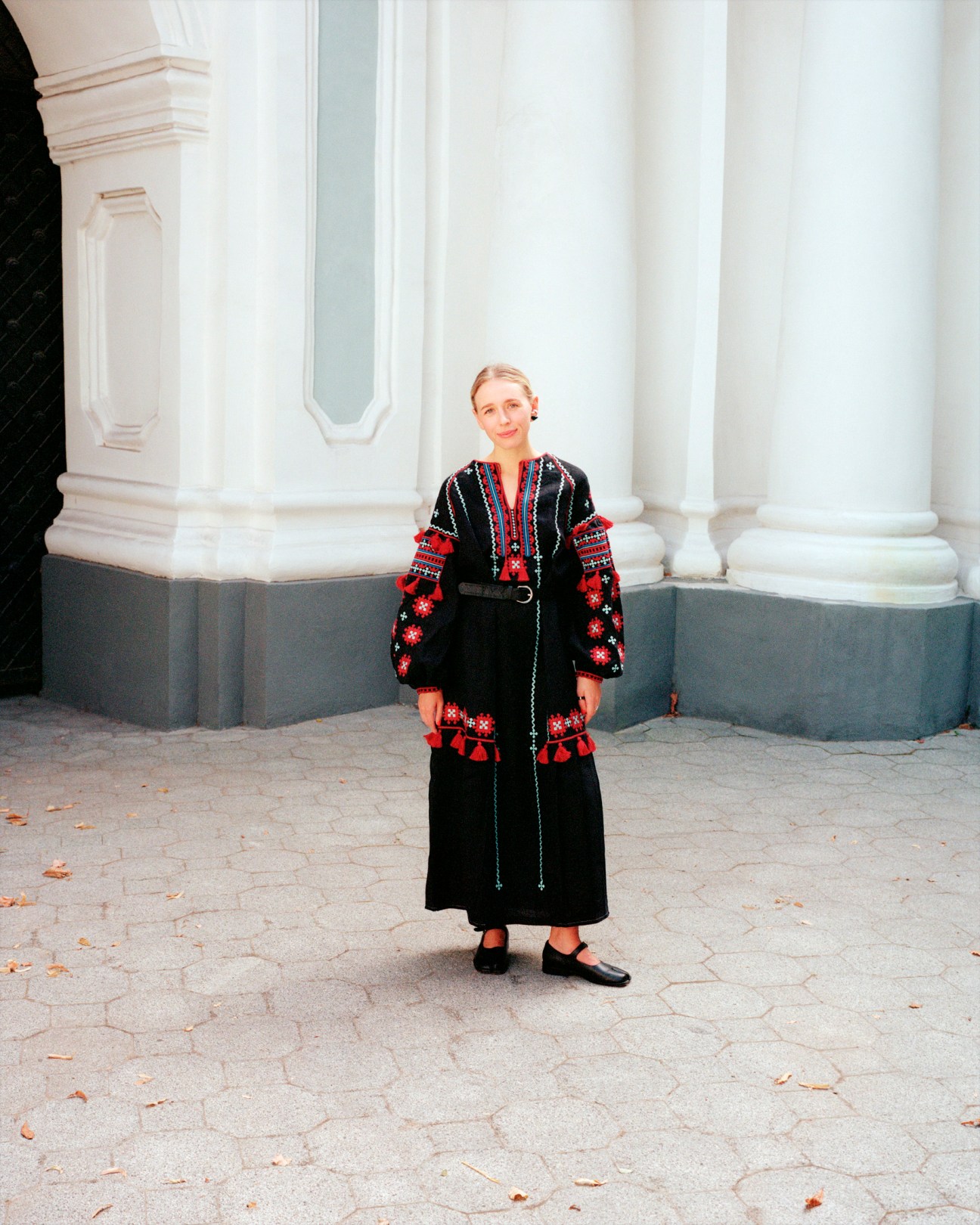
Though British and a relative newcomer to the country, Wordsworth has tapped into a feeling that many Ukrainians have had since the country gained independence from the Soviet Union in the early 1990s. In 2017, designers Natalia Kamenska and Maria Gavryluk founded Gunia, a Kyiv-based fashion and homeware brand that has become a go-to for stylish, modern takes on the vyshyvanka. “Our journey began in the Ivan Honchar Museum, Ukraine’s national centre of folk culture,” says Gavryluk. “We started working in their archives in preparation for launching Gunia, and it sparked journeys across the country, visiting different collections and libraries.” Gavryluk describes a yearning common across a nation whose heritage was violently suppressed under Russian rule. “In school, we were taught about Ukrainian folk tradition in a very limited and uninspiring way,” she says. “Walking into that museum, I realised how varied my country’s culture really is.” Strolling down Kyiv’s trendiest streets, many passers-by can now be seen in Gunia’s designs, with symbols and details taken from visits to workshops and villages across the country. It is a far cry from the Soviet era, when people were jailed for wearing their vyshyvanka in public.
But it is Kamenska’s work as a stylist to Ukraine’s first lady, Olena Zelenska, that has helped show off the vyshyvanka on the international stage. “Cultural diplomacy through fashion is extremely important, especially in Ukraine’s current situation,” says Kamenska. “The clothes signal national belonging. They convey who we are, showing Ukraine’s importance and history to the world.” Representing her country on foreign visits, Zelenska is often greeted by émigrés of Ukrainian descent wearing vyshyvankas. The first lady is regularly seen in one chosen by Kamenska from Gunia’s collection, or one of the many brands now offering contemporary takes. “Because of the modernity of the pieces, they can also reflect the wearer’s personality – they mirror an otherwise hidden individuality,” says Kamenska.
Back on the Kyiv beach, the light is softening as Wordsworth’s guests arrive at the party. Many have taken the host’s cue in opting for a vyshyvanka. “Coming from a left-wing London background, I was aware of cultural appropriation,” says Wordsworth. “At first, I was nervous about wearing the vyshyvanka. But I’ve found that Ukrainians appreciate foreigners wearing it. It shows our admiration for a country and a culture that has been suppressed for so long.”
4.
Team player
Lederhosen and dirndl
Bavaria, Germany
When Max Lechner was 15 years old, he decided he wanted to work with leather. The material had played a central role in his upbringing on a farm in Hofolding, 20km outside Munich. On special occasions or while out hunting with his father, Lechner had always worn lederhosen, the traditional leather pants of the Eastern Alps. So, he applied for a job with a Säckler, the craftsmen who had historically processed leather into bags and trousers. There, Lechner found his calling. He loved the mix of conviviality and comfort that lederhosen signify, while at the same time envisaging a renewed boom in the garment.
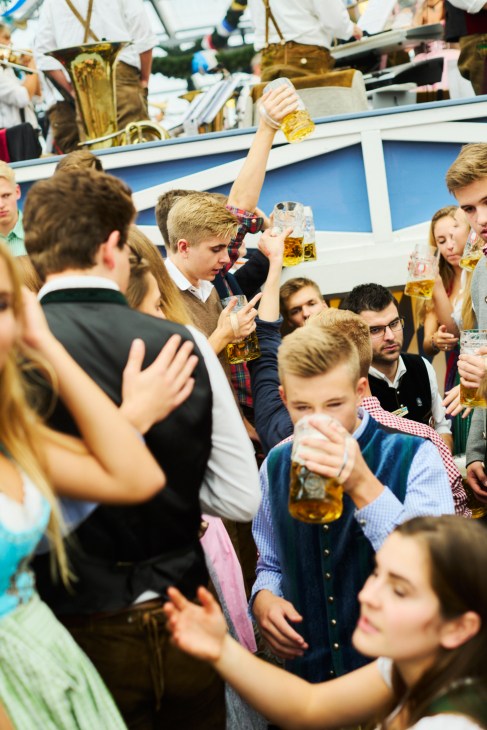
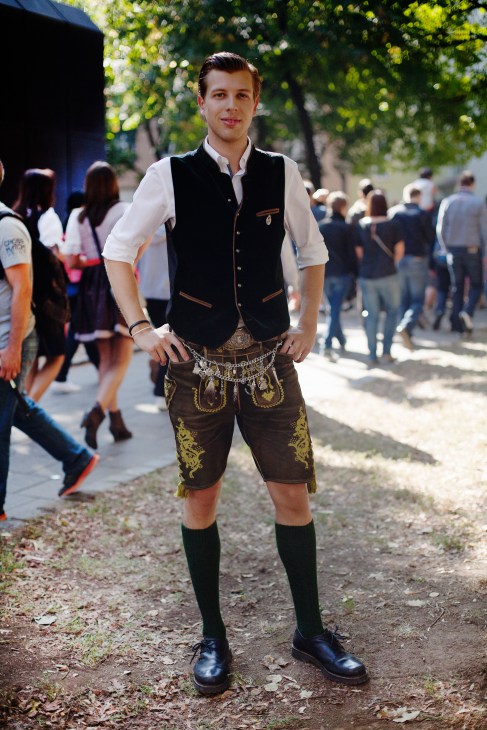
The first wave of lederhosen arrived in the 19th century, when the Bavarian royal family, the House of Wittelsbach, began to wear the garment in official portraiture. “When Bavaria became a kingdom in 1806, its rulers looked for local traditions to unite their diverse subjects,” says Simone Egger, a cultural anthropologist at Saarland University. “So, they set up Oktoberfest as Munich’s annual funfair. They also promoted leather pants, initially worn only by Alpine hunters and farmers.” The annual Oktoberfest in Munich occasionally featured a Trachtenumzug, a parade of traditional costumes. Since 1948, the event has run annually with about 9,000 participants, 250,000 spectators and one million viewers on live TV watching men and women in lederhosen and dirndl, the corresponding dress for women.
Today, lederhosen are promoted by the new kings in town: the players of Bayern Munich football club. This tradition began in 1979, after rival fans had taken to chanting, “Take the lederhosen off Bayern.” As a cheeky riposte, the Bayern players started appearing at their away games clad in the traditional attire. They began wearing lederhosen at trophy celebrations, team outings to Oktoberfest and when presenting new players at the club. “The message is attractive for anyone yearning for belonging,” says Egger. “Put on lederhosen and you become part of the team.”
Team building was on the Bavarian king Ludwig II’s mind when he supported the foundation of the first Trachtenverein, a club to promote regional costume, in 1883. Today there are about 900 such clubs with 180,000 members in Bavaria. “These members are like ambassadors who wear their lederhosen most days,” says Lechner. He is a member of his local Trachtenverein Brunnthal and owns four different lederhosen: one for work, two for festive occasions and a longer one for winter. Their durability is one reason why people are willing to pay €2,500 for a pair of Lederhosen Lechner’s handmade trousers. While it is possible to get cheap factory-made equivalents for €100, these are usually produced from chemically tanned goat leather in Sri Lanka, India or Pakistan. Lechner’s trousers, on the other hand, are made using European deer leather that is tanned in Bavaria in fish oil for months. “The most labour-intensive part is hand-stitching the embroideries with local motifs,” he says.
While regional pride has always defined lederhosen, the garment’s political message has changed significantly over time. When Bavaria lost its king after the First World War, lederhosen became a reactionary symbol of protest against the newly formed liberal Weimar Republic. The open-hearted revival of local costume started only after the Second World War. It was epitomised by the hostesses for Munich’s 1972 Summer Olympics, dressed in dirndl to welcome the world to Bavaria.
5.
Higher purpose
Agbada, buba and aso-oke
Nigeria
On a continent where Western powers have historically dictated everything from diet to dress, Nigeria has managed to maintain a strong individuality. “Nigeria is so comfortable in itself and its identity,” says Obida Obioha, a Lagos-based creative director and founder of Obida, a brand making clothes inspired by traditional designs. In fact, the country, Africa’s most populous, has been arguably the most successful on the continent at exporting its culture: from Nollywood movies to musicians Burna Boy and Fela Kuti.
But one art form that hasn’t yet been celebrated is fashion. While agbada suits and bubas used to be ubiquitous on the streets of Lagos and among the Nigerian diaspora, only recently have people begun to turn back to these garments. “In the 1980s and 1990s, people wanted to dress like in the West, wearing Ralph Lauren and Tommy Hilfiger,” says Obioha. There was this idea that if it’s from abroad, it’s nicer. Or at least, that used to be the case. “My generation is changing that.”
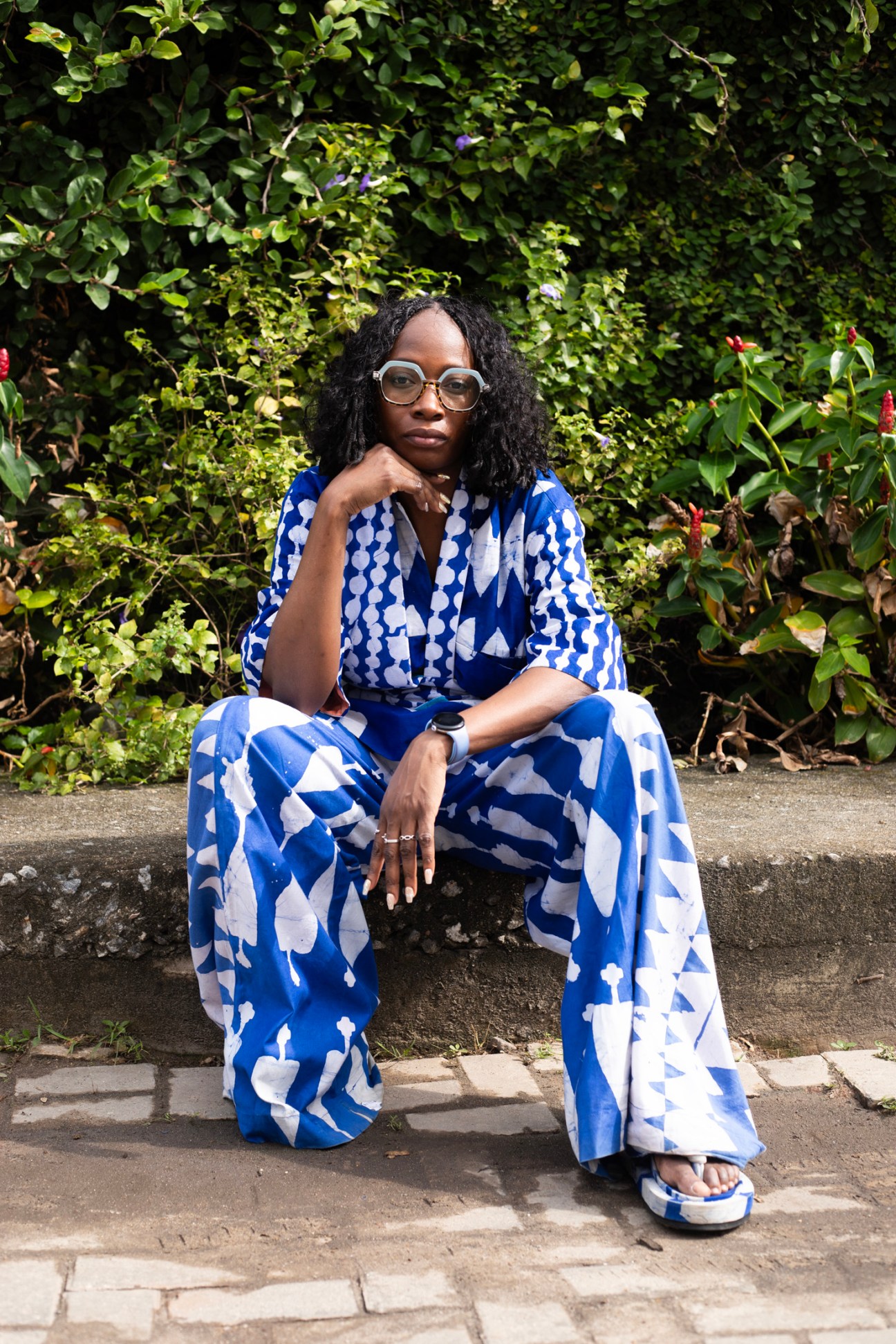
It was during the pandemic that designers and local brands began working with techniques and materials found on home soil. “Importing and exporting was slow, so we had no choice,” says Rukky Ladoja, founder of Dye Lab, a brand that makes hand-dyed garments. The textile du jour is aso-oke, a native cotton that was historically spun into elaborate outfits worn for events such as weddings. “The meaning of aso-oke is ‘higher clothing’,” says Ladoja. “It’s the king of clothing, designed for special occasions.” Though there’s never been a scarcity of aso-oke, the fact that it was reserved for parties or ceremonies meant items became less prominent, quickly losing relevance with younger generations. “Our parents would treasure aso-oke; it was something they inherited from their parents and became collector’s items,” says Seun Oduyale, a fashion entrepreneur and image consultant, whose family runs Bisbod Aso-Oke, which specialises in this native fabric.
Then, around 2020, more designers started incorporating aso-oke into everyday clothing, using a strip on a pocket or a lapel to add a flash of Nigerian colour. They also tweaked and contemporised the shapes of bubas and agbada suits, making them more casual and wearable. “Labels have looked to traditional attire and methods of making fashion and inserted their own spin on them,” says Obioha. Roomier cuts and cotton fabrics suit life in Lagos, especially during the summer when temperatures regularly hit 40c and the air is like a wet sponge. “We already wear loose garments,” says Ladoja. “The agbada is 100 per cent cotton, so it’s breathable. The style and shape are loose; you feel comfortable.”
They also feed into Nigerians’ love for boldness in personality and dress. “Aso-oke tells a story. People want to emote with their clothing,” says Oduyale. “We’ve gone from saving clothes for special days to looking good every day.” Wearing the printed bubas and agbadas is also a signal that you’re part of a crowd that’s in the know about emerging designers. Not only are many of these labels worn by Afrobeat stars but they carry a certain cachet. “Africa is rising and the spotlight is on us, from the music to food to art,” says Oduyale. “We are presenting our culture to the world as an enticing, marketable product and the world is loving it.”
National dress differs across the globe depending on region, ethnicity, climate and more – but every nation has a story to tell through its traditional dress. It remains an important cultural tool, used to create a sense of belonging.
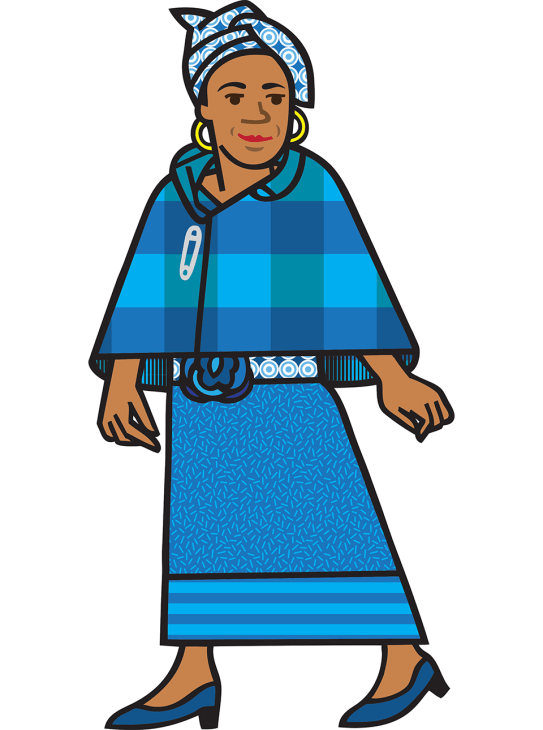
1.
Botswana
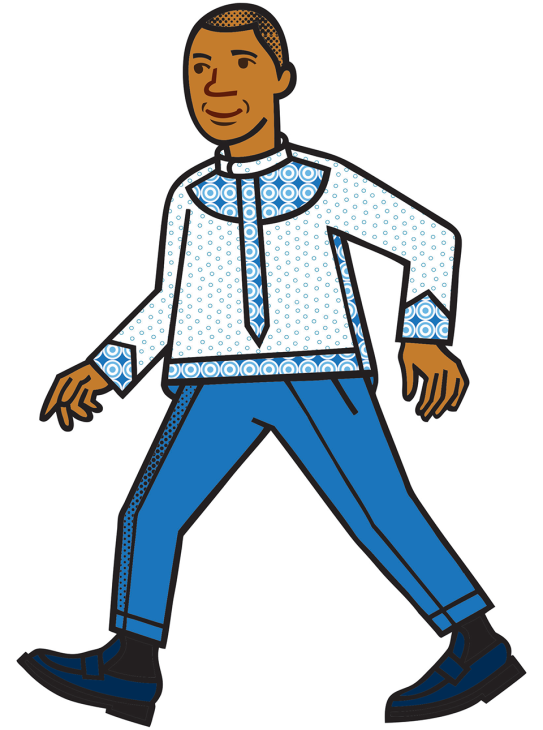
The most common fabric used in national dress in this southern African nation is leteise, a dyed cotton with geometric patterns. Women and men often wear a blanket of animal skin called a kaross.
2.
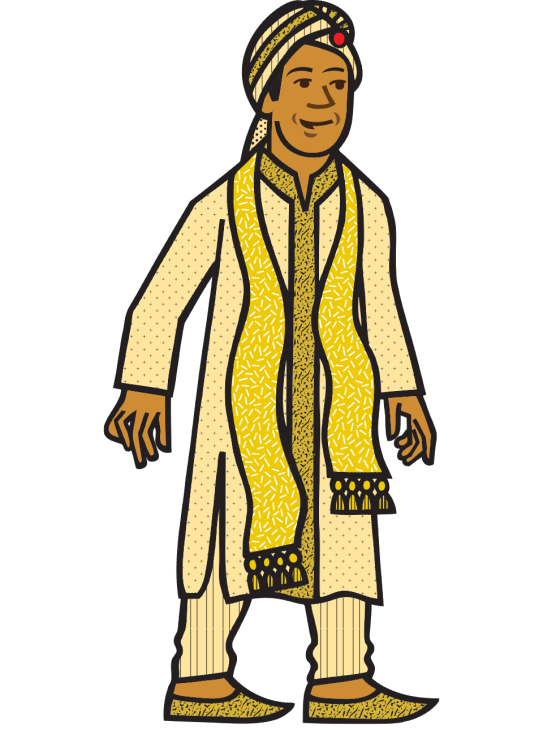
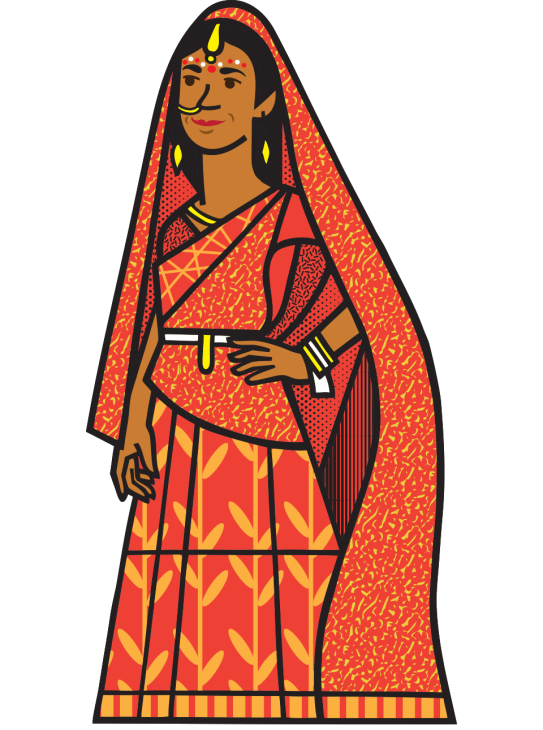
India
Traditional dress in India varies by region and climate and are part of daily life for many. The clothing – whether a saree for women or the dhoti garment for men – can be traced back thousands of years.
3.
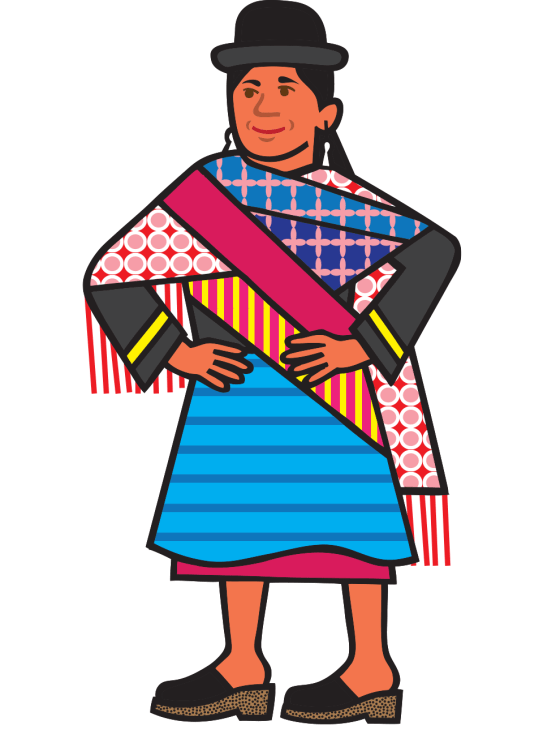
Bolivia
Bolivia’s Andean dress, worn by indigenous Aymara populations, was developed in the 16th century and includes ponchos for men and pollera skirts for women. The bombín (bowler hat) came via British railway workers and was clearly a hit.

4.
Mongolia
The deal with Mongolia is the deel, a kaftan-like garment accompanied by a sash, belt, hat and boots. Every ethnic group has its own style and there are 400 different types of hat.

5.
Argentina
There’s a focus on the mythical figure of the gaucho, a Southern Cone cowboy, and the paisana rural figure, both of whom gained prominence in the fight for independence from Spain. Also add in ponchos and bombacha trousers.

6.
Fiji
The national dress for men and women here has been a kilt-like skirt known as a sulu since colonial times. The first examples were brought by missionaries from Tonga and originally signified a conversion to Christianity.

7.
Finland
Based on everyday outfits from the late 17th and early 18th century. There was a revival in national dress from the 19th century but it wasn’t until 1979 that the National Costume Council of Finland was created.

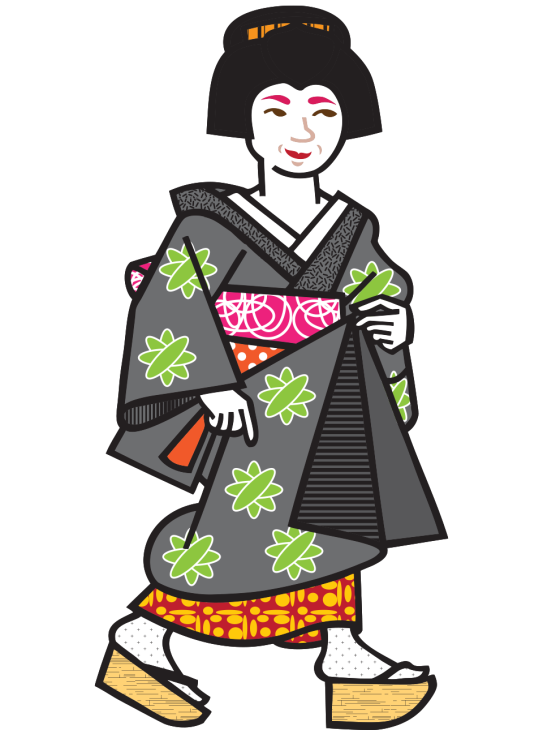
8.
Japan
Now mostly worn for formal occasions, the kimono (literally “things to wear”) became the principal means of dress from the 16th century. It’s worn left side over the right and secured with a sash called an obi.

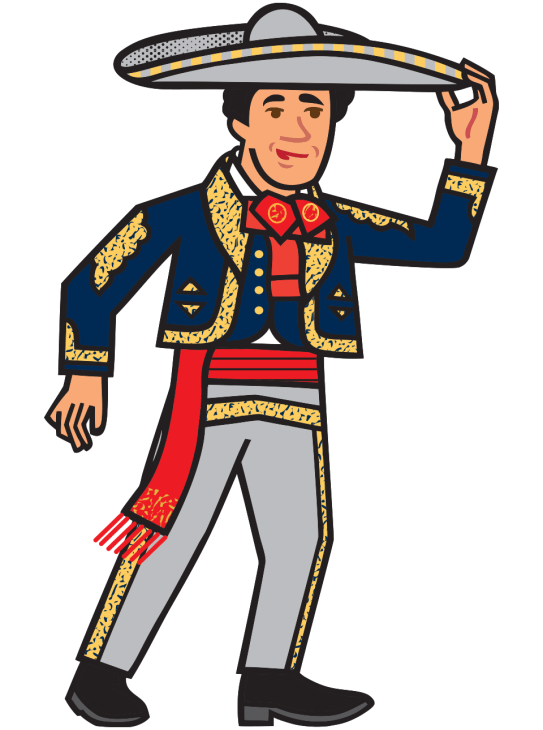
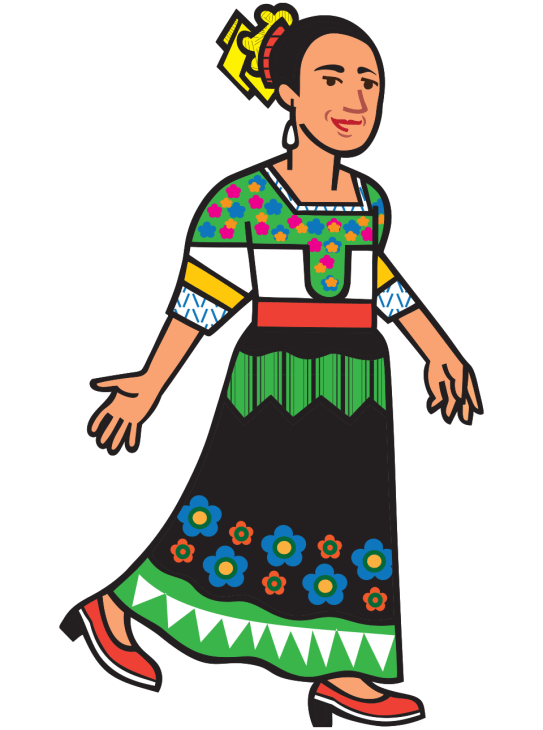
9.
Mexico
Regions and ethnic groups affect the styles but a dominant form belongs to the charro, the Mexican horseman whose uniform worn at equestrian shows includes a wide hat, boots and an embroidered jacket.
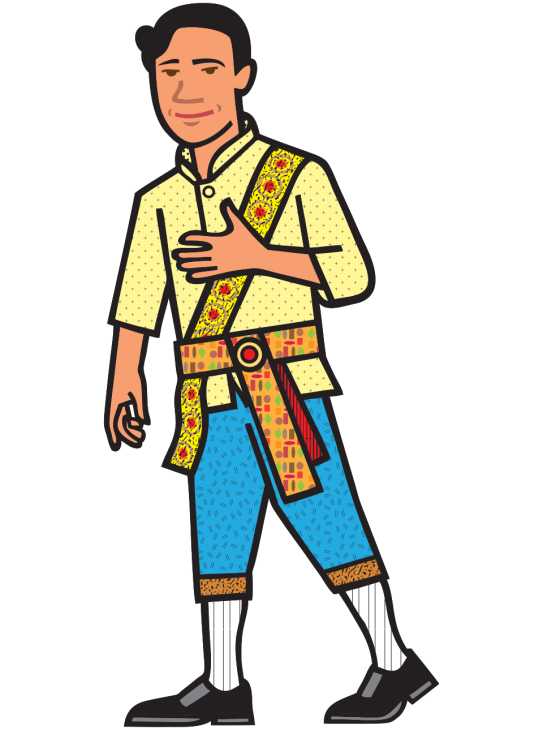
10.
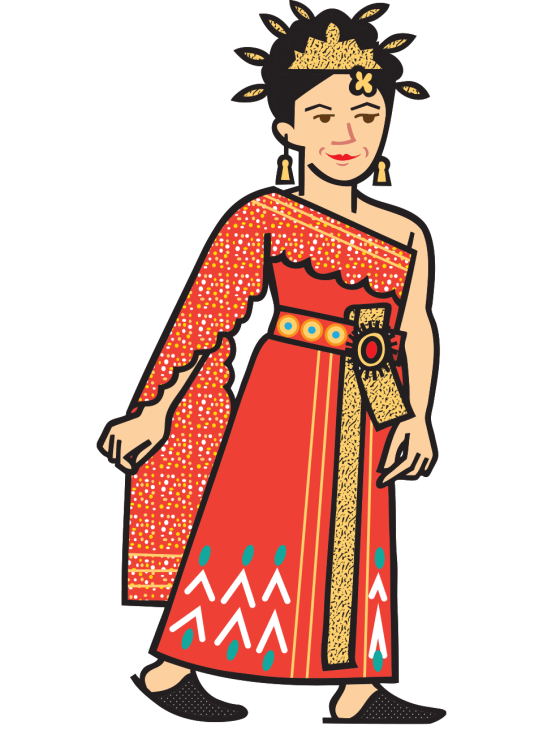
Thailand
Known as chud thai, Thai traditional dress was given impetus by Queen Sirikit in 1960 when she started to establish national costume for Thai ladies (there are eight types of dress).
11.
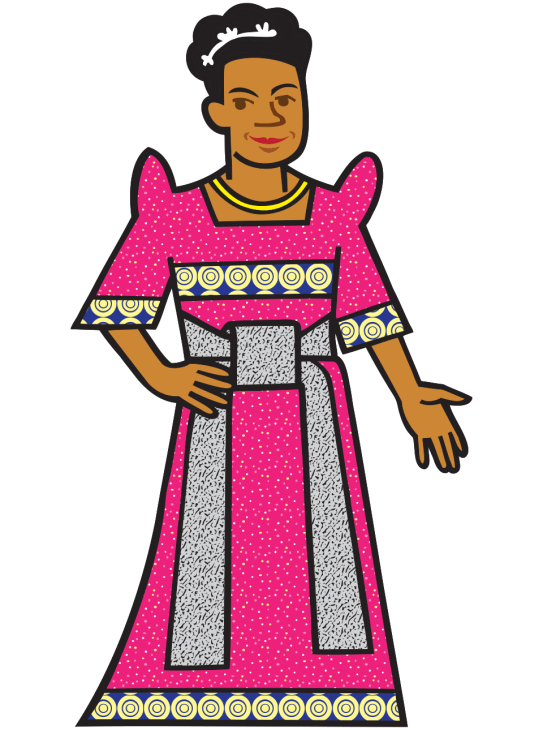
Uganda
Women’s colourful gomesi dress is said to have been developed as a high-school uniform in the first half of the 20th century, while men’s kanzu consists of a long, white tunic and jacket, first worn by Arab traders.

12.
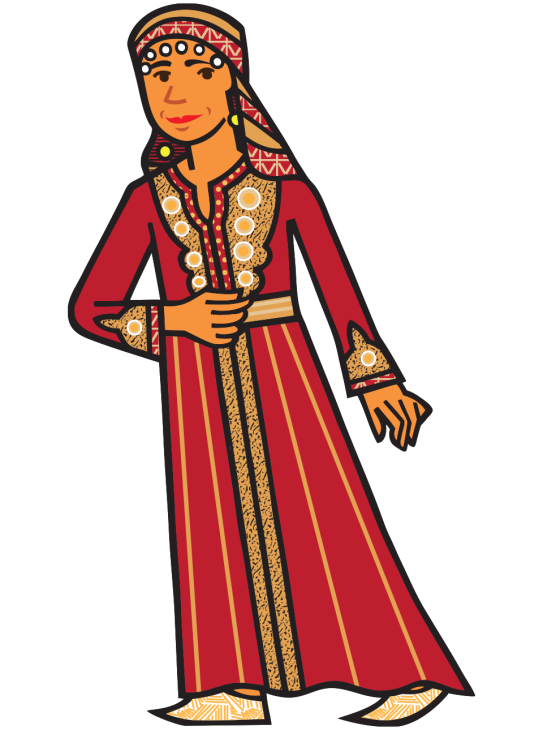
Morocco
Both sexes wear flowing garments, with men donning a hooded djellaba and women a kaftan. The design of kaftans varies depending on origin, with every area using different embroideries and jewellery. The male fez is thought to have Ottoman origins.

Vesuvius and beyond: Naples leads the way in volcanology education
“Today the volcano is quite calm,” says Paola Petrosino, as smoky wisps of water vapour seep from rocks behind her. “It’s in a phase of dormancy but it’s active.” We’re inside Vesuvius National Park, looking down at the crater created when Vesuvius last blew its top in 1944. Petrosino is speaking to her assembled group of students. Below us, Naples sprawls to the edge of the Tyrrhenian Sea.
Petrosino is a professor at the southern Italian city’s Università degli Studi di Napoli Federico II, an institution that dates back to the 13th century. The university recently launched a two-year master’s programme in volcanology, thought to be the world’s first degree of its kind.
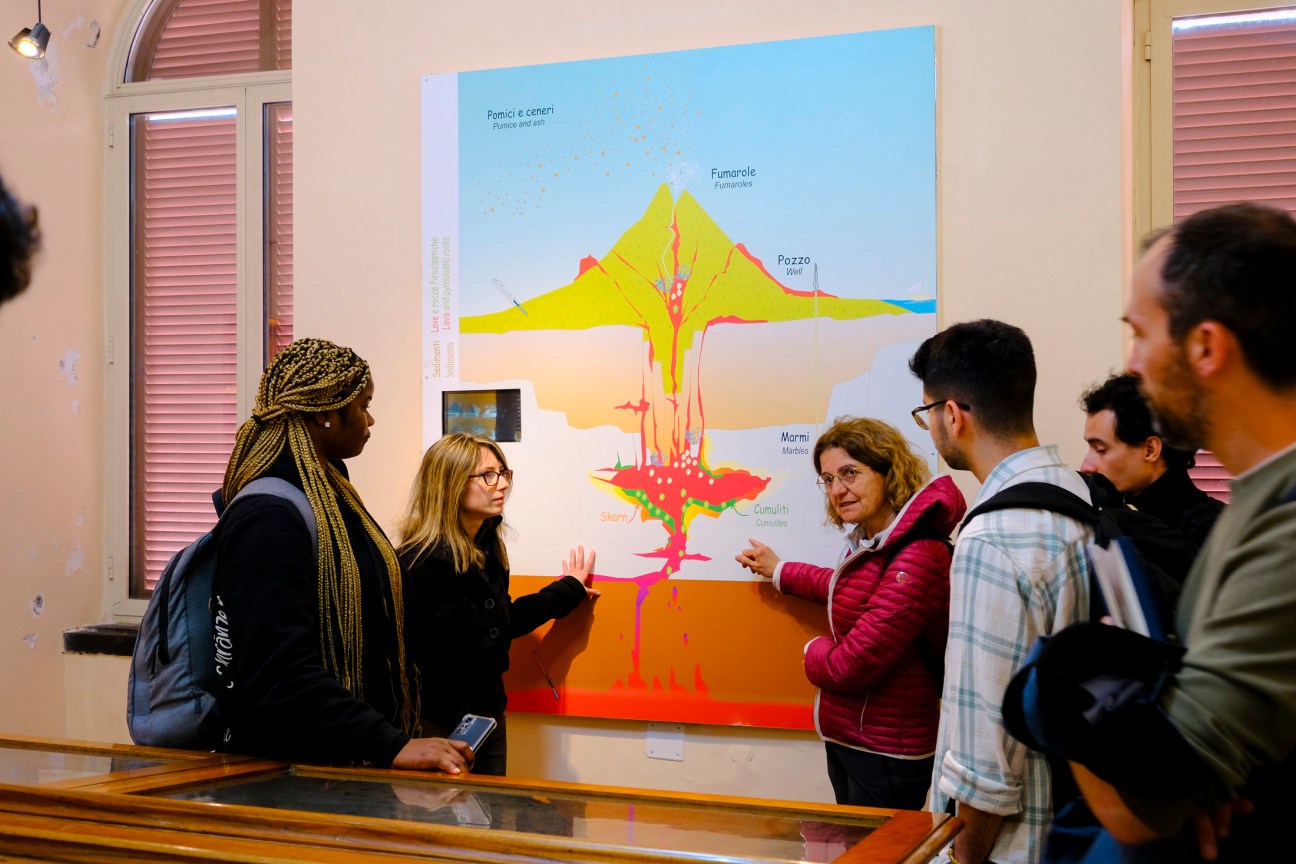
An intake of 15 mostly international students is being taught in English in a city that knows what it’s talking about when it comes to volcanoes. Alongside Vesuvius, across the bay is the volcanic island of Ischia. To our west, we can see an area stretching for more than 12km known as the Campi Flegrei, one of the planet’s most active calderas, the name given to basin-like volcanic depressions. With no visible cone at Flegrei, volcanologists are crucial to working out where the next eruption could come from – one that could consume the city of Naples.
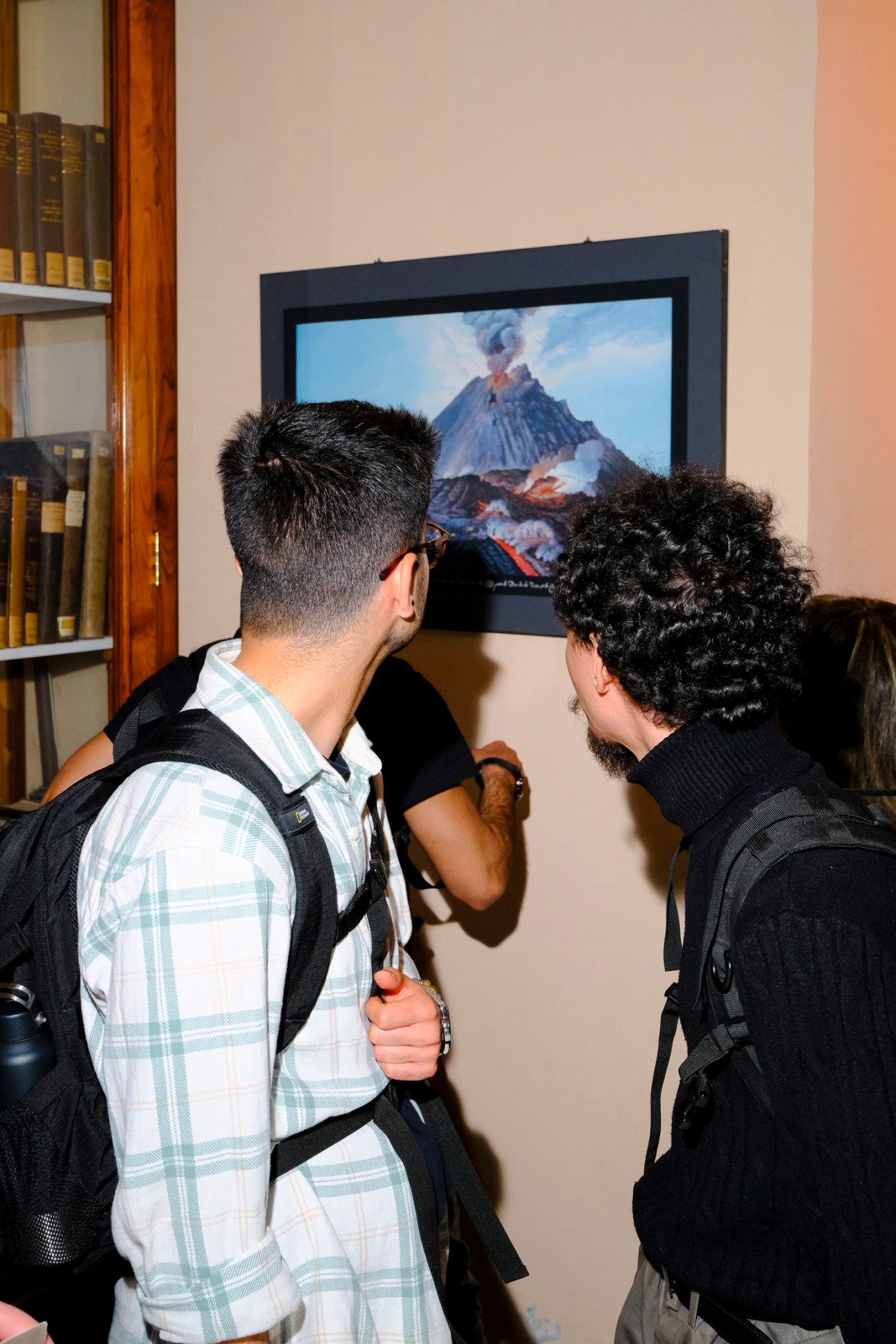
The master’s course touches on everything from geophysics to geology and equips students with the tools to become expert volcano observers, thanks to teaching by researchers from the Vesuvius Observatory, known as ingv-ov, the world’s oldest monitoring station. The course has lured volcano enthusiasts from across the globe, from Rwanda to Iran.
Student Launcelot Deschamps picks up a rock and studies it with a pocket magnifying glass, identifying it as containing a mineral called clinopyroxene. Deschamps, who was raised on the volcanic French island of La Réunion in the Indian Ocean, says that Naples is a great place to be a young person. “After this, I would either like to do a doctorate or work at the Vesuvius Observatory,” he says.
There are other students who, like Deschamps, have grown up in volcanic landscapes, such as Carmen Cano from Tenerife. But not everyone is motivated by a personal connection to such landscapes. German Dorothea Jester was a civil servant before discovering a love for geology. Nigeria’s Ifeoma Aghaebita says that she got into volcanoes after watching documentaries. Rwandan Aline Azabayo says that it was a visit to Mount Nyiragongo, over the border in the drc, that inspired her.
After studying the park’s lava flows and lichen growth, we snake our way down Vesuvius to the minibus. The rest of the day involves visiting the old Vesuvius observatory, which was founded in 1841 and is now a museum, and a final stop at the current control centre, which monitors Naples’ three volcanoes, as well as Stromboli further south. Operating 24 hours a day all year and crammed with more than 35 screens, it’s a place where every student will do work experience in the second year of their course. Some might end up working here. “The Campi Flegrei is Europe’s most active caldera and in a densely populated area,” says Turkish student Yigit Ercan. “Given Naples’ trade and tourism, if there’s an eruption here, it will affect the whole world.” You know who to call.
The science behind Japan’s perfectly crafted vending machine drinks
From the top of Mount Fuji to the gates of the holiest shrines, it isn’t much of an exaggeration to say that vending machines are everywhere in Japan: at the last count, there were 2.64 million of them. They light up every street corner and station platform; there’s hardly an office or a public building without one standing sentry. Most service the country’s voracious thirst for beverages, particularly ready-to-drink coffee and tea. A vast industry has been built around the idea of developing hot and cold drinks that can be housed in a can or plastic bottle, dispensed from a machine and still satisfy the precise palate of the Japanese consumer.
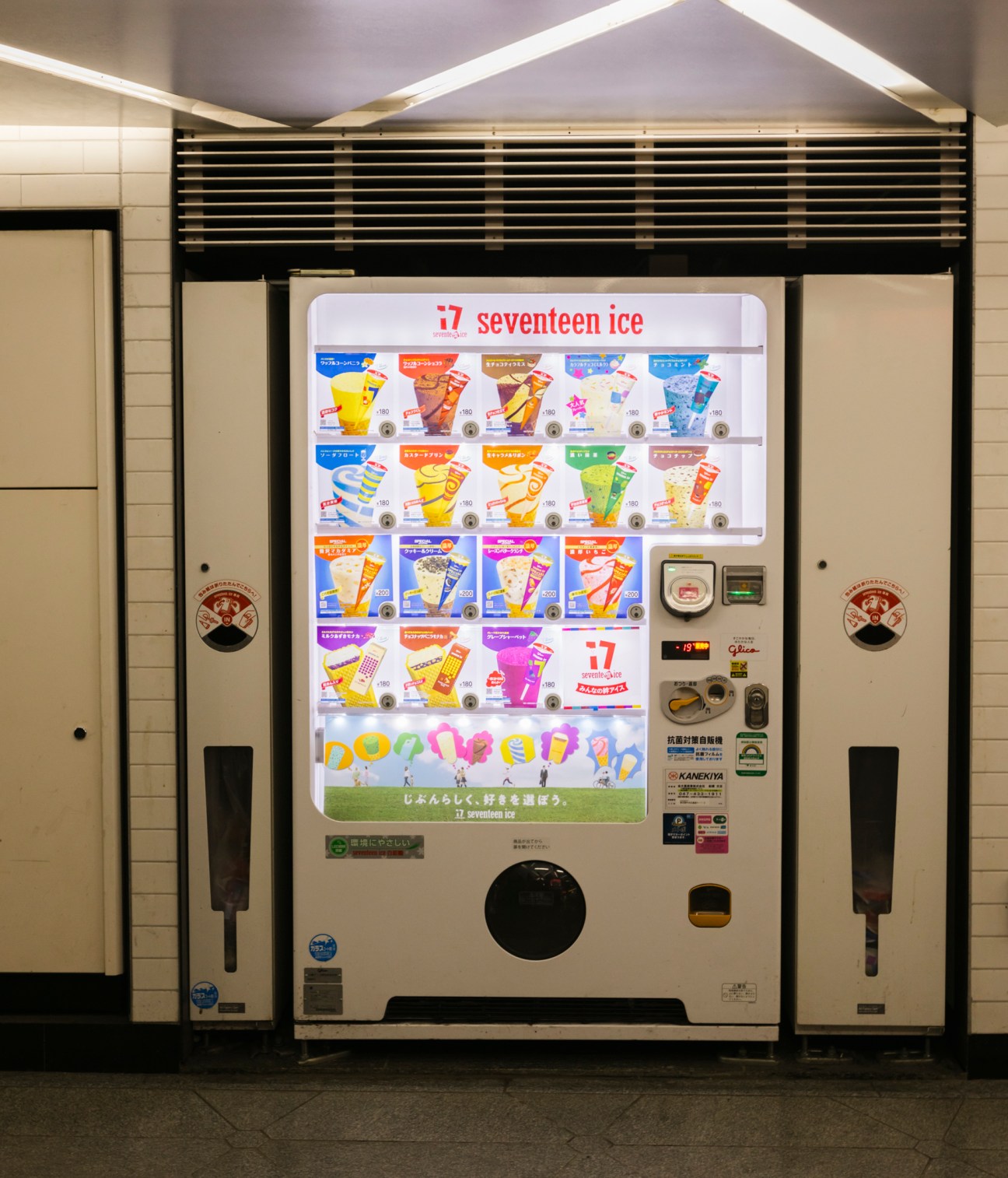
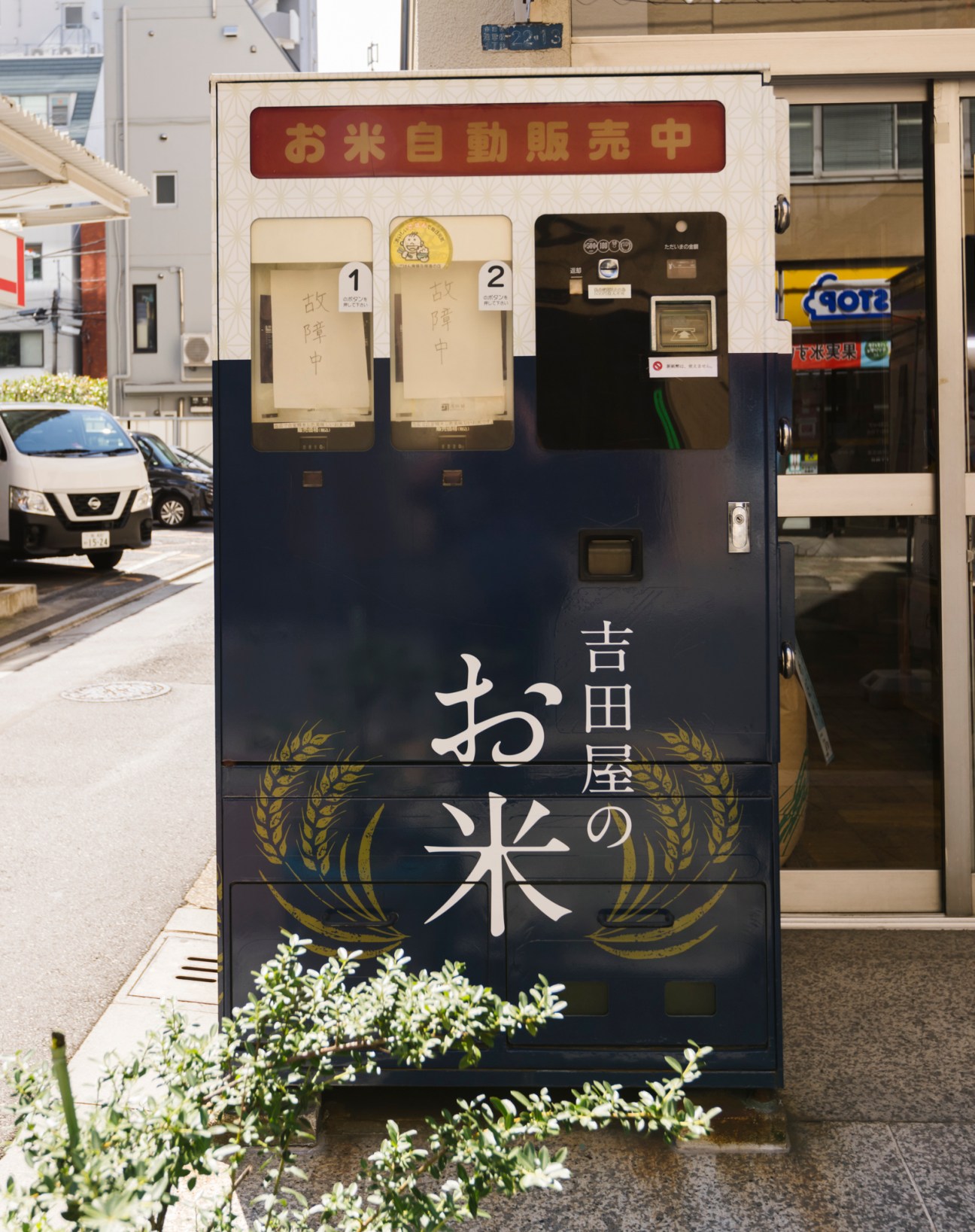
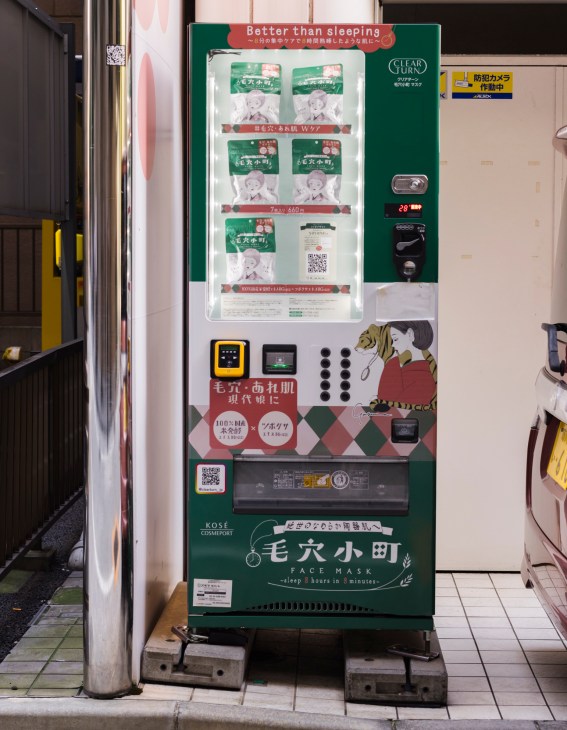
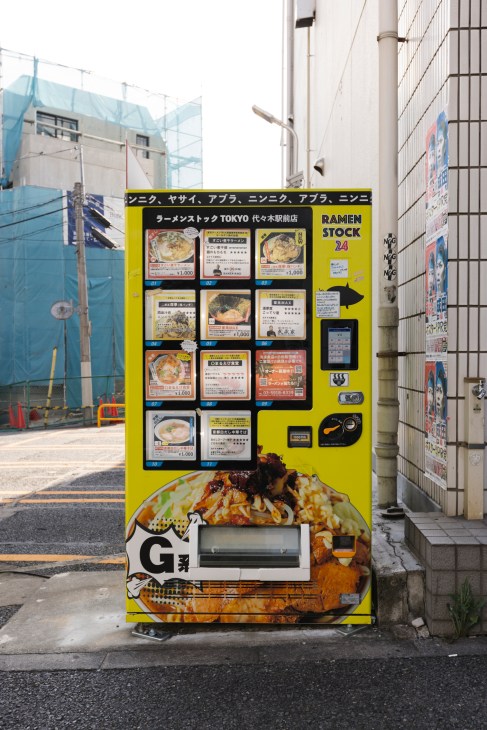
Creating drinkable tea in a plastic bottle took years of research and development (Kirin won that race in 1986 with its Gogo no Kocha, or “Afternoon Tea”). When Suntory bought French drinks brand Orangina, its bulbous glass bottle was redesigned in plastic for its new life in a vending machine.
Seemingly unloved in other countries, these machines are as seasonal as traditional food menus in Japan and often switch from dispensing cold drinks to hot in the cooler months. There are regional variations too. A vending machine in Okinawa will offer chilled bottles of shikuwasa citrus squash and pineapple-flavoured Bireley’s that you won’t find in Tokyo.
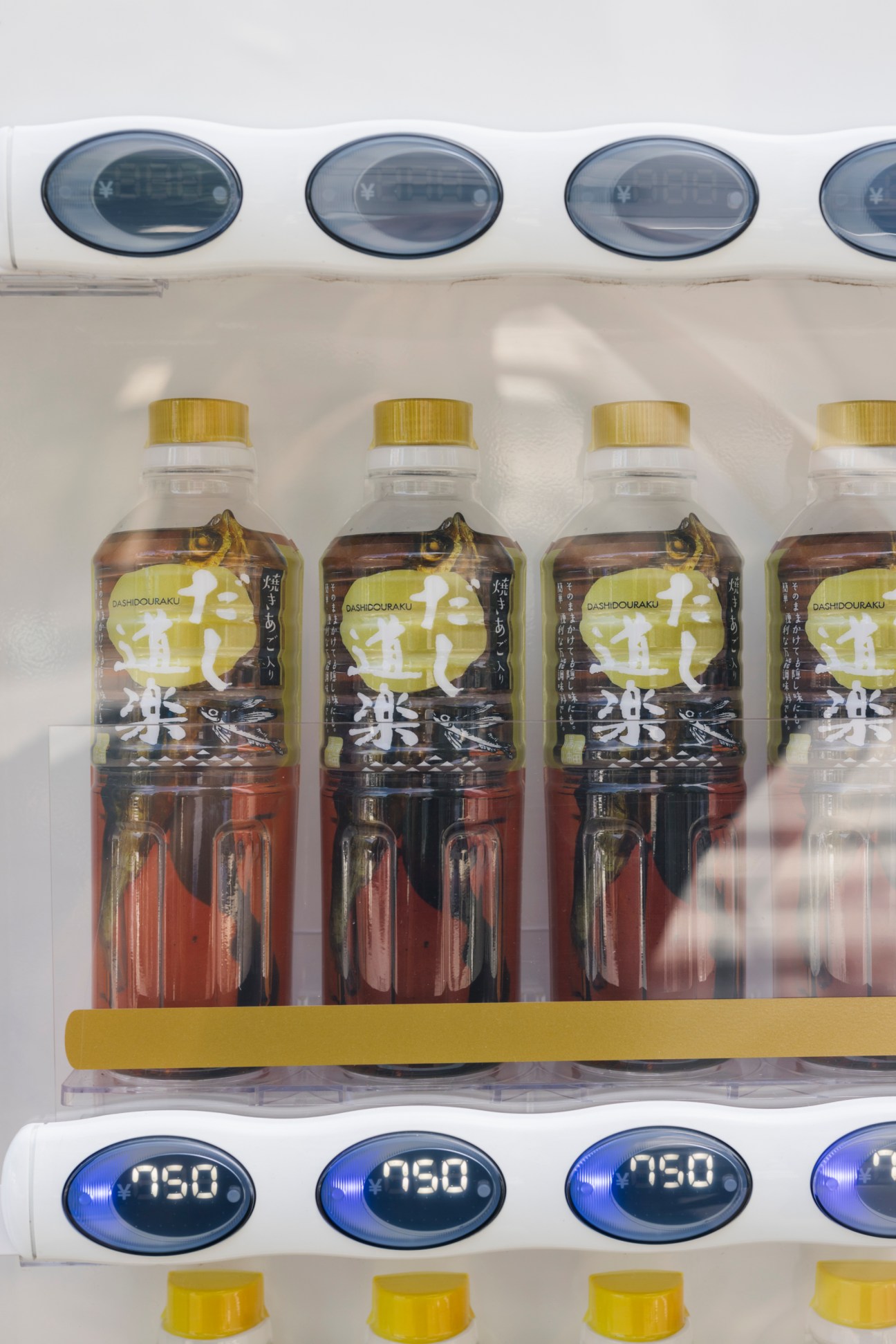
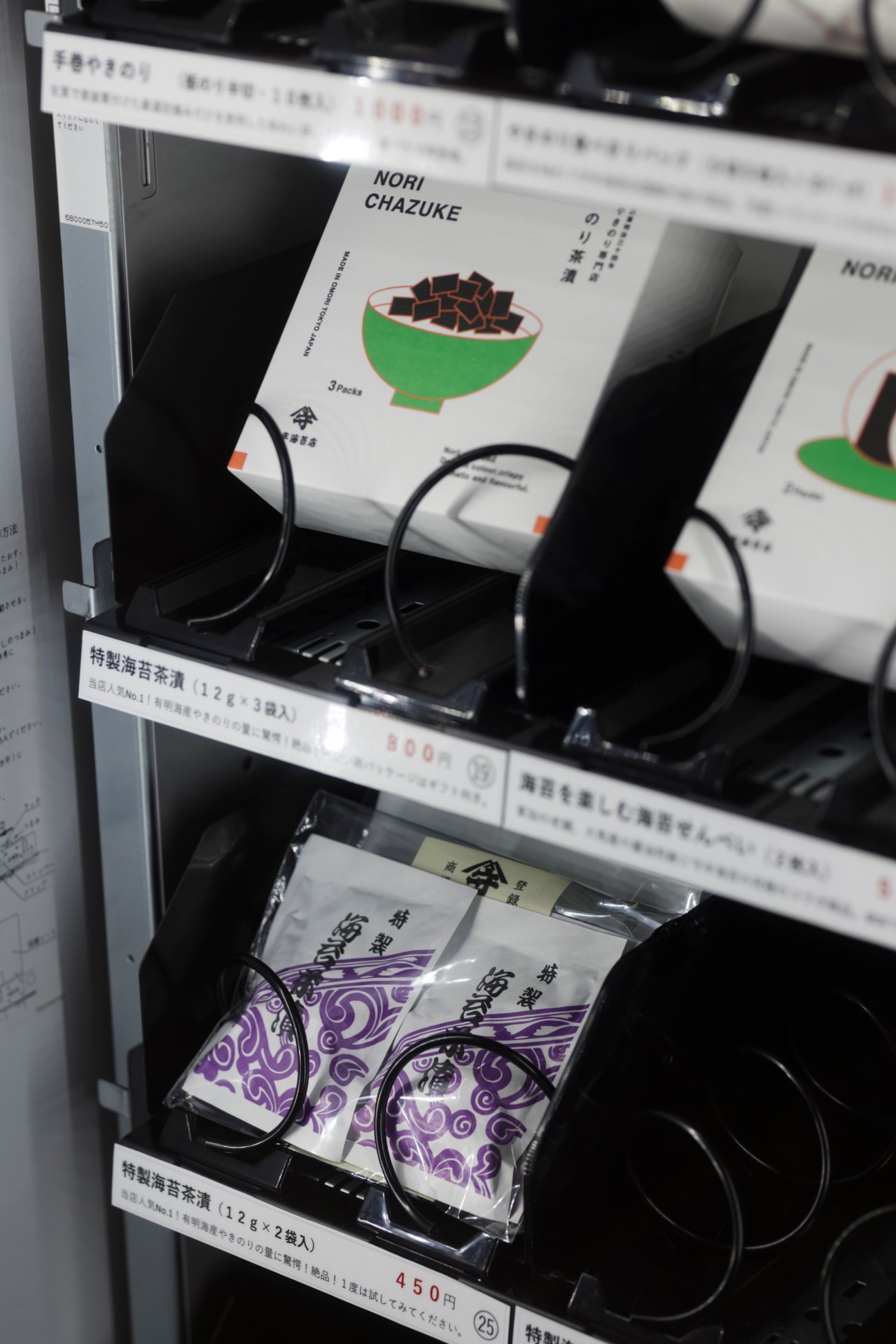
Japanese consumers crave novelty – a quick glance at one of these machines will reveal what is popular, whether that’s fat-busting health drinks or cold green teas that almost rival a fresh brew. Unsurprisingly, vending machines have also moved far beyond just drinks: ice cream (Seventeen Ice is the classic in that genre), frozen food, bags of rice, hangover cures and clean underwear are just some of the array of products on offer. Of course, it helps that the machines aren’t troubled by vandals in low-crime Japan.
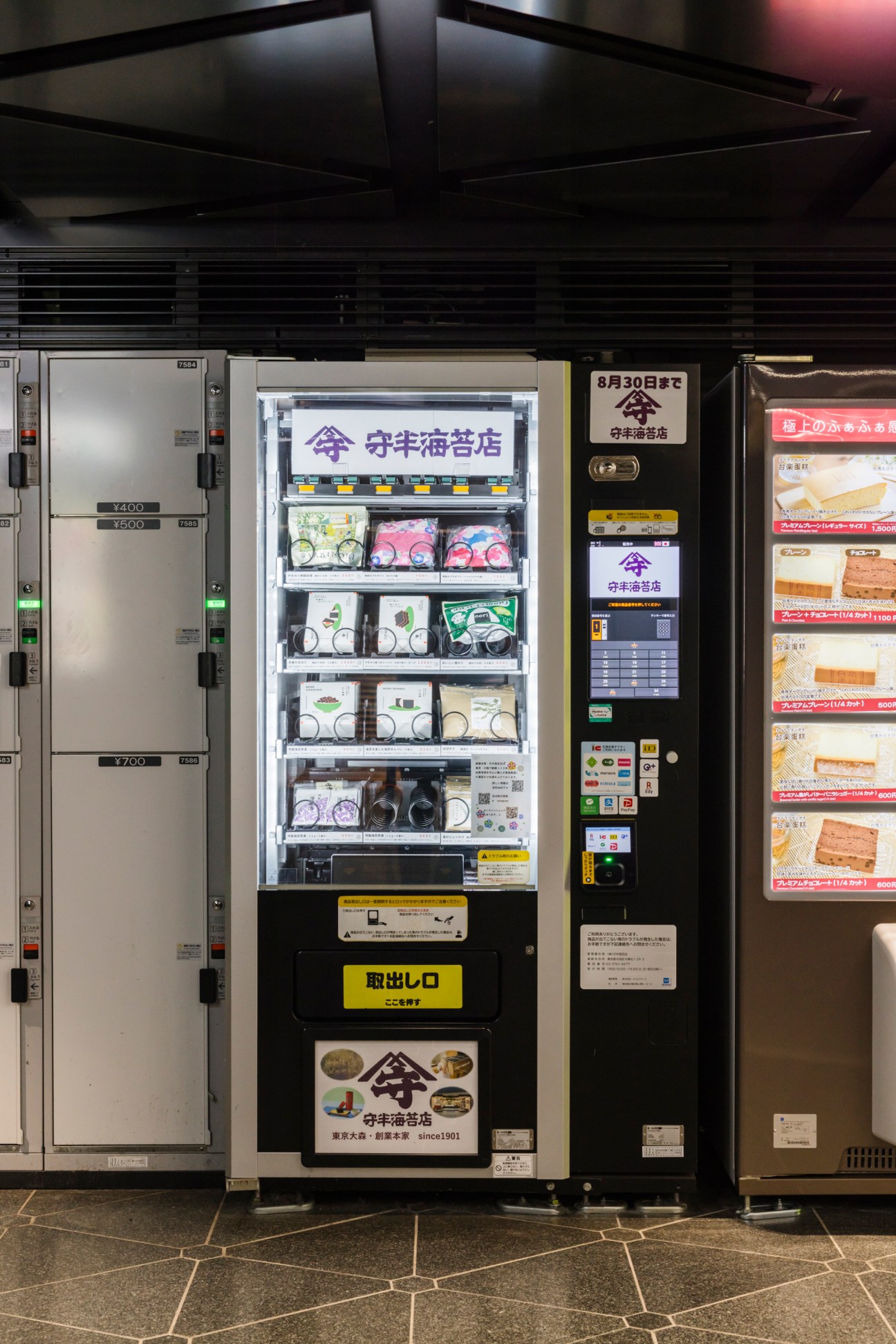
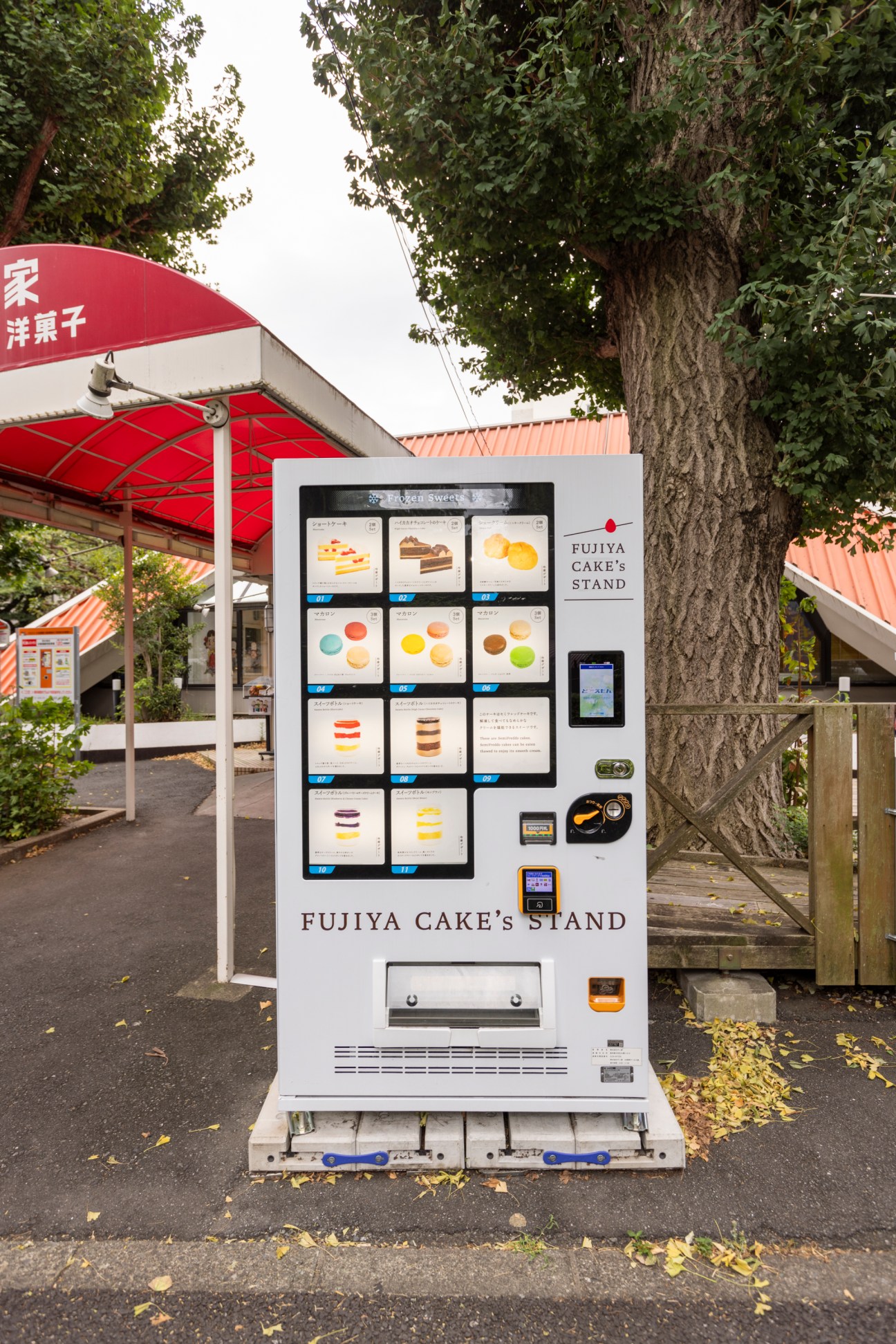
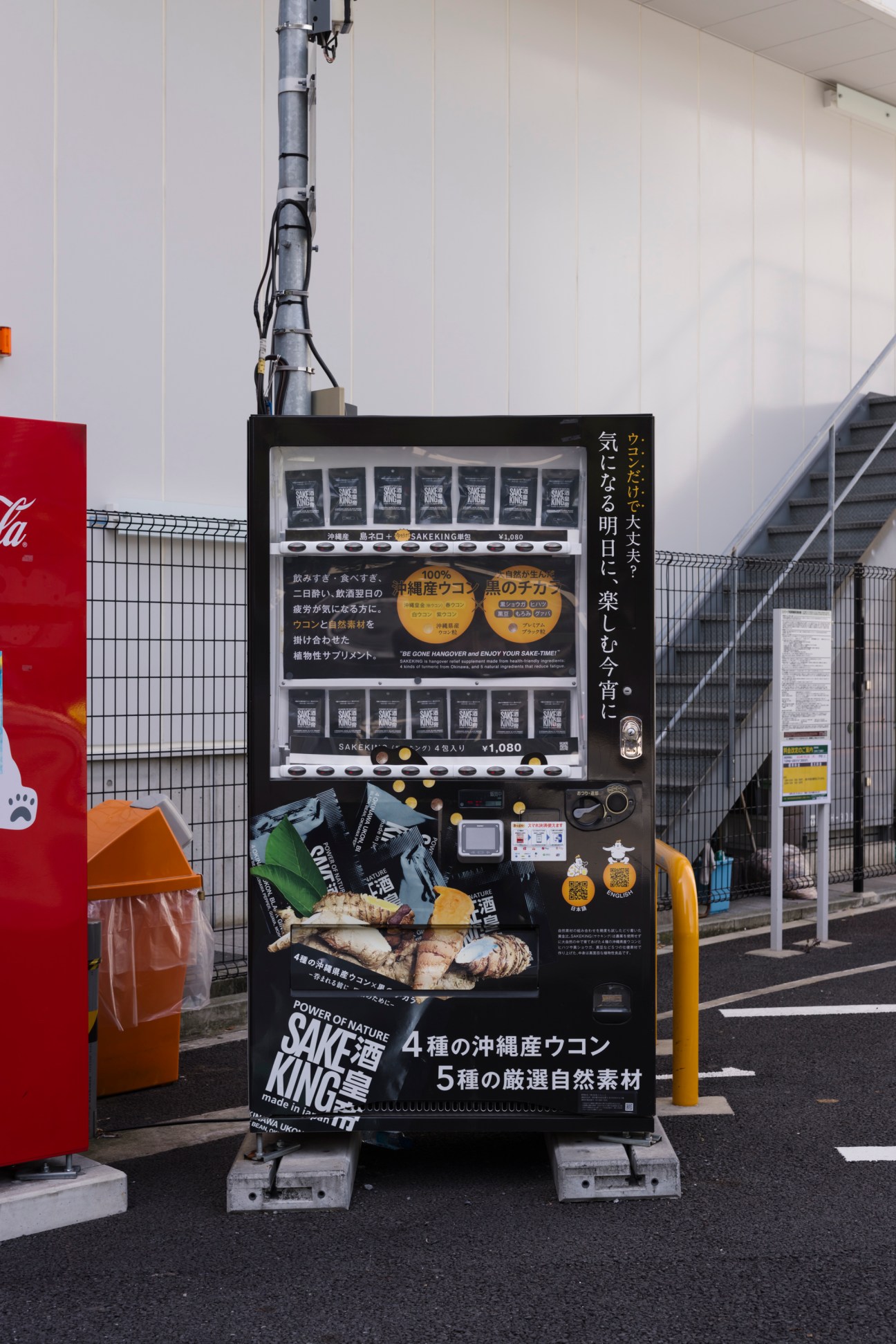
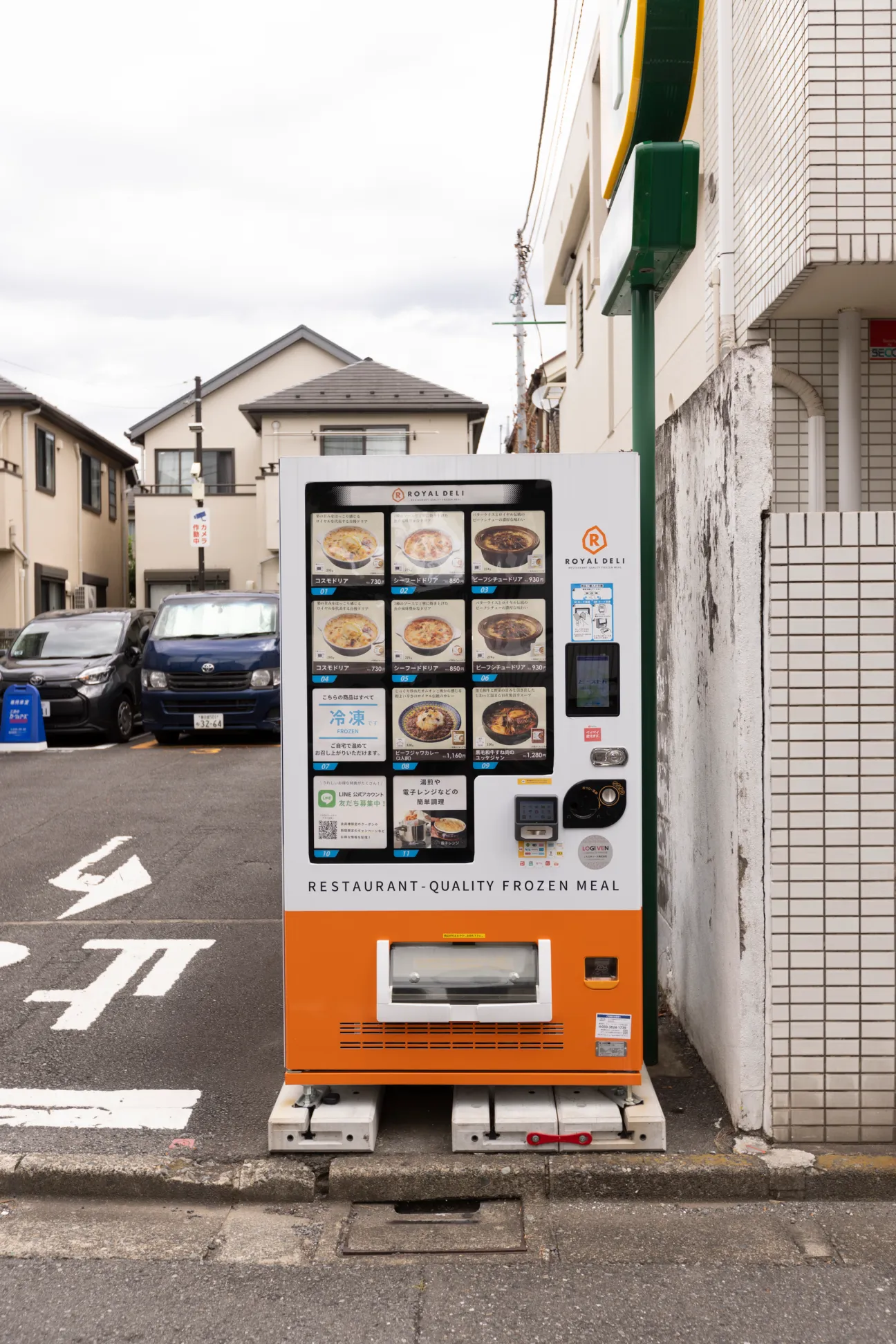
Innovation in the technology has been slow but steady. The energy-saving period (setsuden) that followed the tsunami and nuclear meltdown in Fukushima in 2011 pushed developers to create more sustainable versions. Asahi Beverages recently developed a machine that absorbs carbon dioxide and artificial intelligence is having its own impact – one coffee machine now determines which beans to use based, apparently, on the customer’s preferences.
Crucially, vending machines also double as mini-billboards for brands and are likely to be festooned with the latest campaigns. Tea company Ito En has hired the services of baseball player Shohei Ohtani, Japan’s biggest sports star, to bolster its market-leading bottled green tea, Oi Ocha. Perhaps peak vending machine has been reached in Akihabara, Tokyo’s electronics and anime district, where you will find a machine that sells cans of air for ¥500 (€3). Rarefied air, indeed.
Read next: The Monocle City Guide to Tokyo, featuring the best hotels, restaurants and retail spots in the Japanese capital
Il Delfino offers a taste of the Mediterranean on Australia’s muted east coast
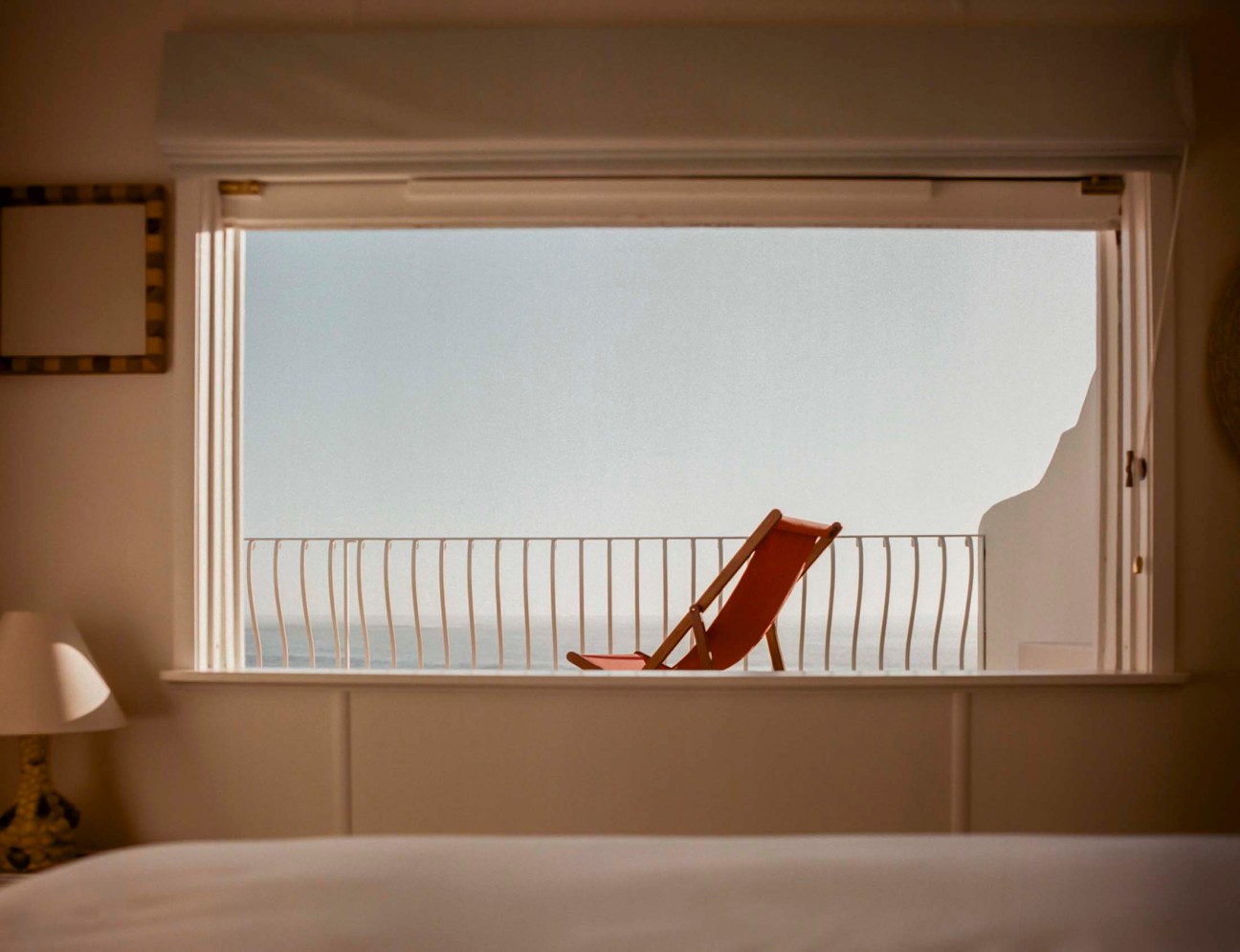
In the sleepy coastal town of Yamba on Australia’s east coast, a three-hour drive from Brisbane, you’ll find Il Delfino, an inn with sweeping ocean views. The name, which means “dolphin” in Italian, is inspired by the pods that are often visible from the hotel’s sun terrace. Built in 1948, the building is one of the oldest original structures left on Yamba’s oceanfront. It comprises five guest rooms (including one bungalow) and was previously a complex of holiday apartments.
Il Delfino’s founder, Sheree Commerford, is a local and one of about 6,400 people who call the town home. She had long romanticised the property and dreamed of turning it into something that would show the area’s charms to new arrivals. While celebrating a birthday there, she decided to take the reins and revive it.
“It might sound cheesy but I wanted the feeling of this place to be a permanent part of my life,” says Commerford, a fashion stylist, designer and founder of creative agency Canvs Bottega. “It’s one of those times when the reasons why you left home end up being the reasons why you return.”
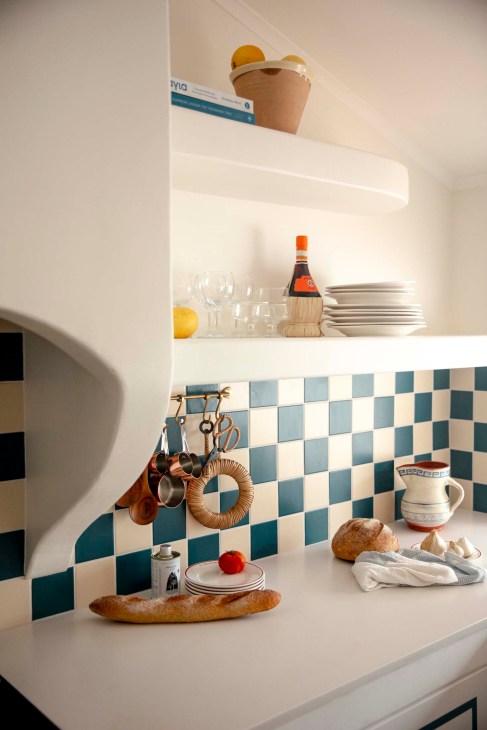
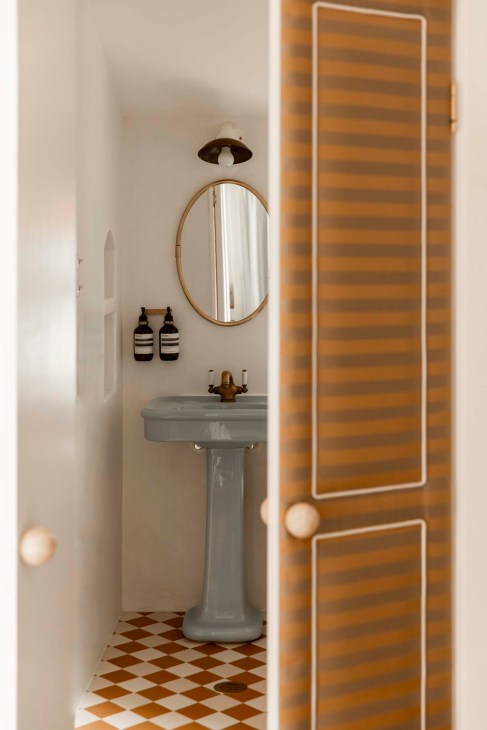
She began renovations in 2021. “I grew up on a sugar-cane farm outside Yamba,” she tells Monocle. “Our family has been cane farmers for three generations and there’s something deeply grounding and special about that connection to a place through time.”
Today most of the building’s original architecture and features remain intact, including large picture windows and glass doors overlooking the Pacific. Tiles and signage by ceramic artist Elise Eales of Di Lunedi accent the spaces. “I had seen Elise’s work and knew that she had to be part of the project,” says Commerford. “Our collaboration grew to include tiles, signage and even her illustrations on the website.”
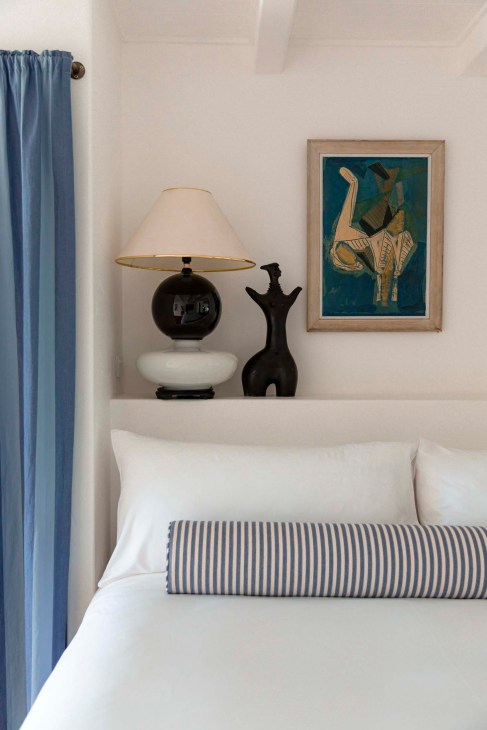
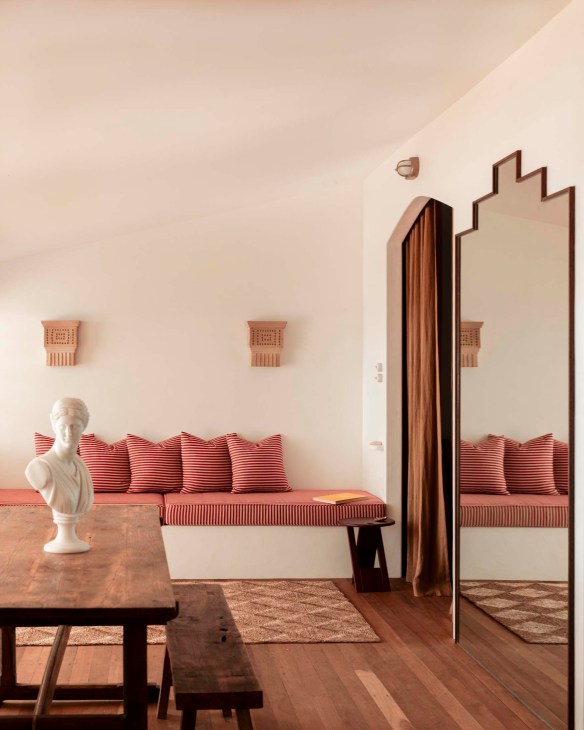
Each of the guest rooms bears the name of an Italian town or region: Cinque Terre, Ischia, Portofino, Scopello and Ravello. The Mediterranean-inspired interiors are by Commerford herself. Every room includes a kitchen and features a mural by artist-in-residence Heidi Middleton.
“As a child, I used to dream of living in the town rather than on the farm,” says Commerford, wistfully. “My love for the town started then.” ildelfino.com.au
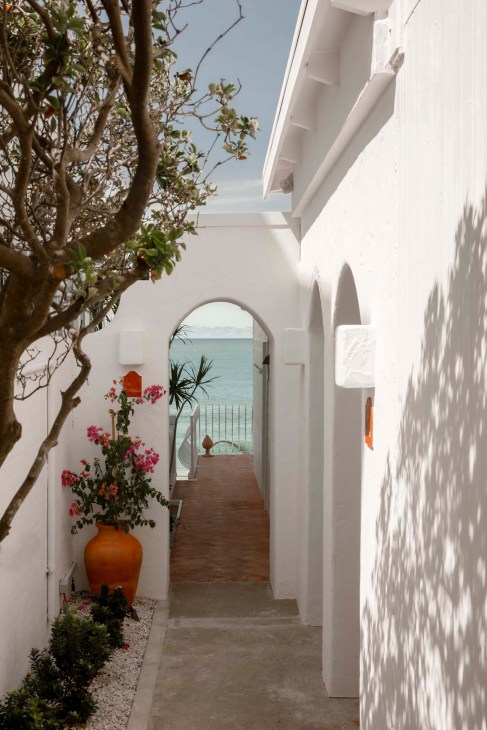
A Finnish escape with French flair at Billnäs Gård
Billnäs Gård, a six-room boutique hotel, is a repurposed 1912 manor in a quaint village an hour’s drive from Helsinki. The villa’s white columns and mansard roof lend it a stately, even Mediterranean look that is accentuated by the rectangular saltwater pool and manicured garden beyond. Perched on the Svartå river and enveloped by vast ancient oaks, it has all the hallmarks of the Franco-Finnish couple who run it.
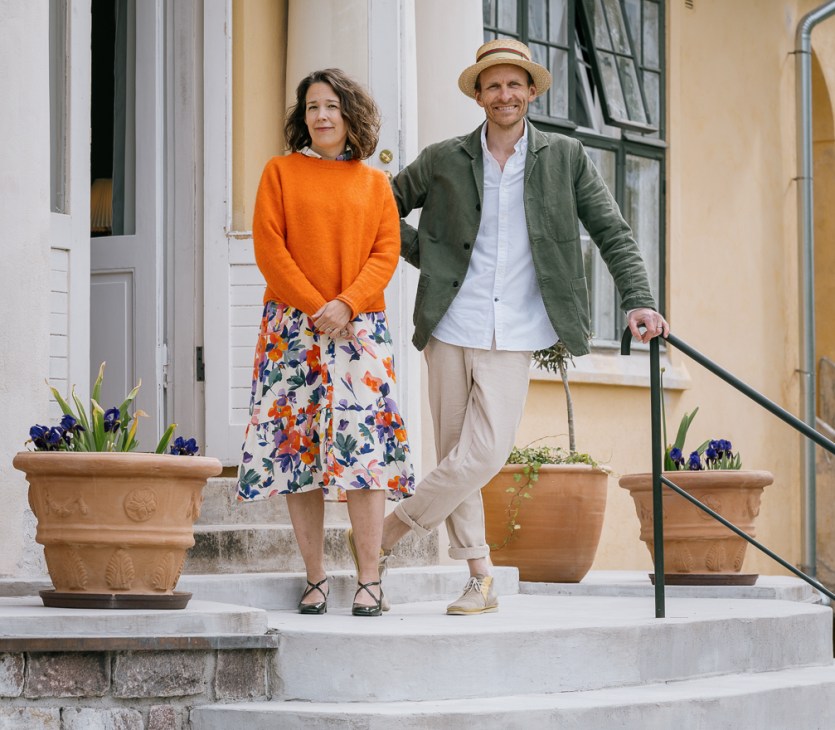
Taina Snellman-Langenskiöld worked for design brands such as Artek and Tikau, while her partner Chris Langenskiöld is an entrepreneur. “We believe that surrounding yourself with beauty helps you feel better,” says Snellman-Langenskiöld, who is responsible for the hotel’s interiors, as she leads Monocle around the restored two-storey building. As she talks, she runs her hand over the wool, wood and rattan that define the palette. The colour and material choices are different in each room, as well as in the common areas, and the natural patina makes the space feel lived in. “I chose materials and colours befitting the historic building,” she says. “Opting for vintage design is both sustainable and practical – they used better materials before and this helps us keep this place running.”
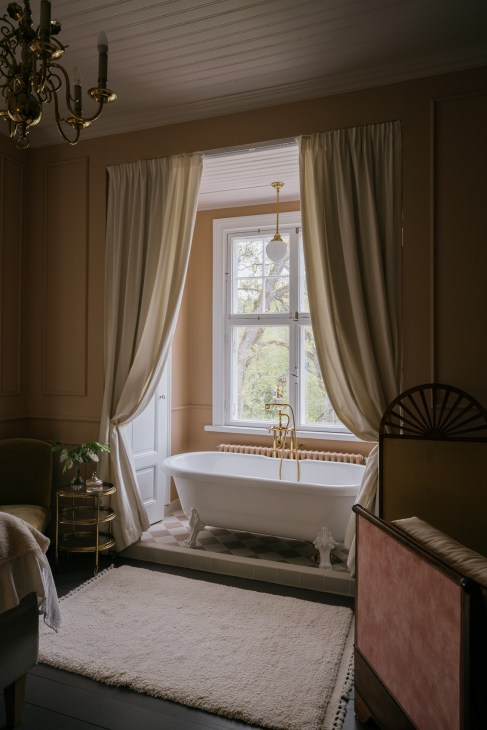
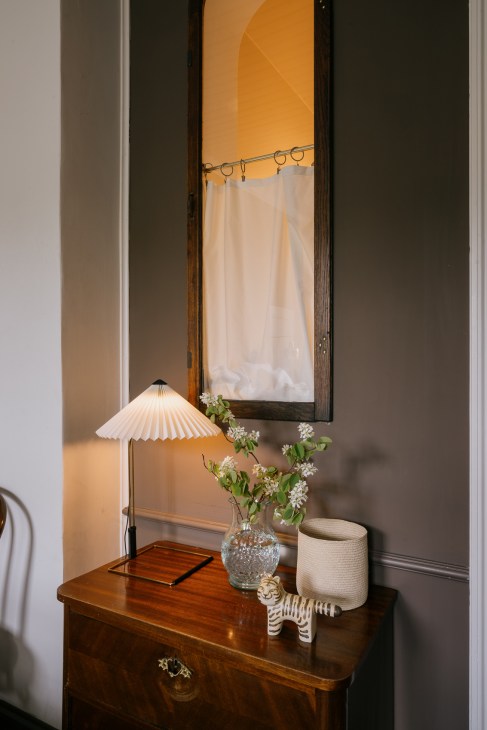
Billnäs village is the site of a historic ironworks, founded in 1641, which is now operated by Fiskars (which makes its famous orange-handle scissors here). After centuries of manufacturing, the area is also home to a community of artisans, artists and farmers who Billnäs Gård works with to offer art and craft workshops, as well as to supply the villa’s restaurant, which relies on local produce to craft its French-Finnish seasonal menu. “We also grow our own vegetables and forage for wild herbs and berries in the forest,” says Snellman-Langenskiöld.
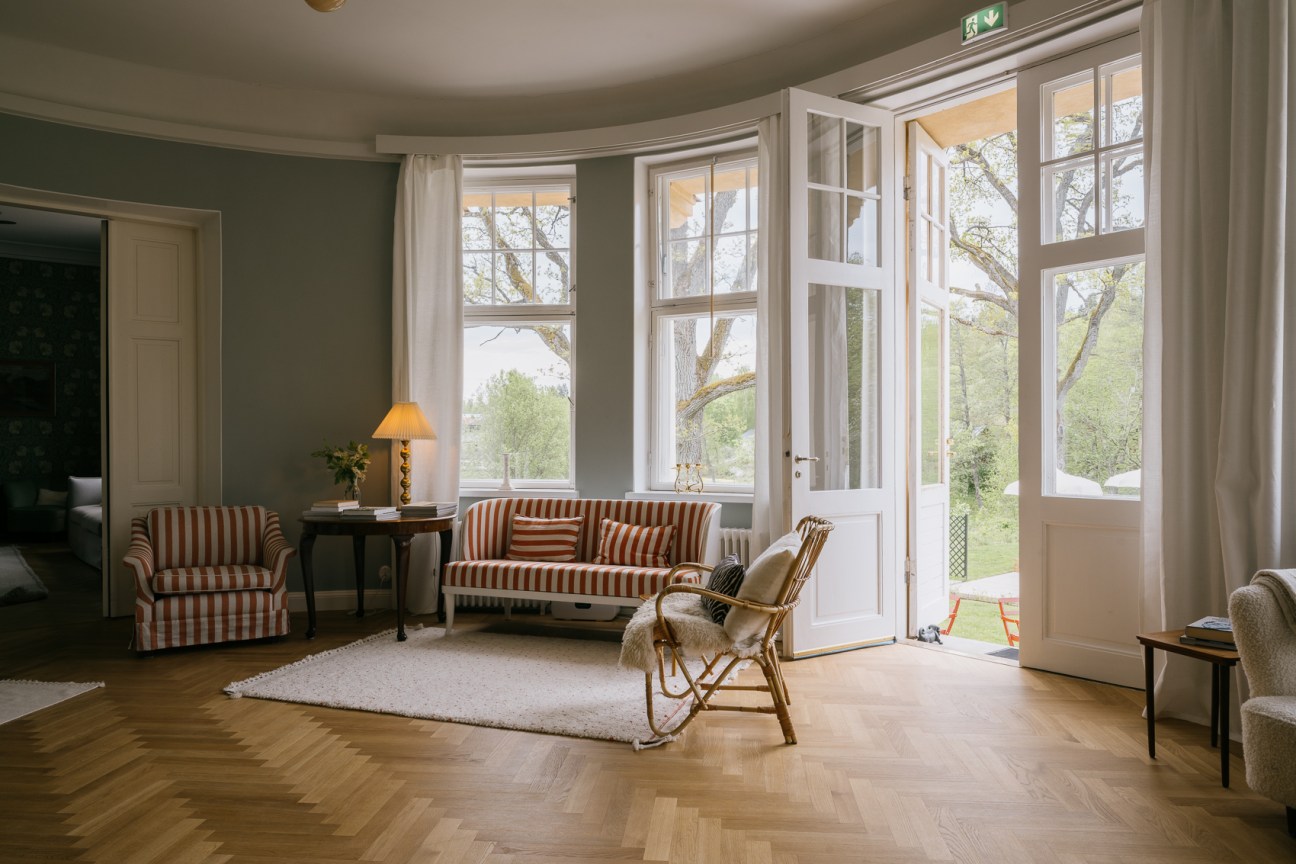
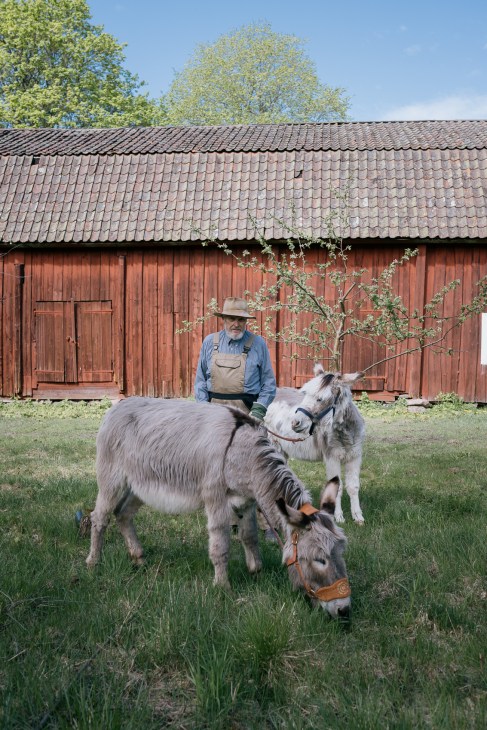
The villa’s cellar has been converted into a sauna and spa; its low ceilings and exposed brick walls imbue it with a monastery-like ambiance. The hotel also offers a programme of yoga retreats, nature walks, stargazing and communal dining. “We all need to slow down and take a step back every once in a while,” says Langenskiöld. “Everything about this place – its design and elegance, the pure air and the untouched nature – helps you do just that.” billnasgard.fi
A new wave of restaurants bringing bold flavours to London, Rome, LA and Mexico City
Oma
London
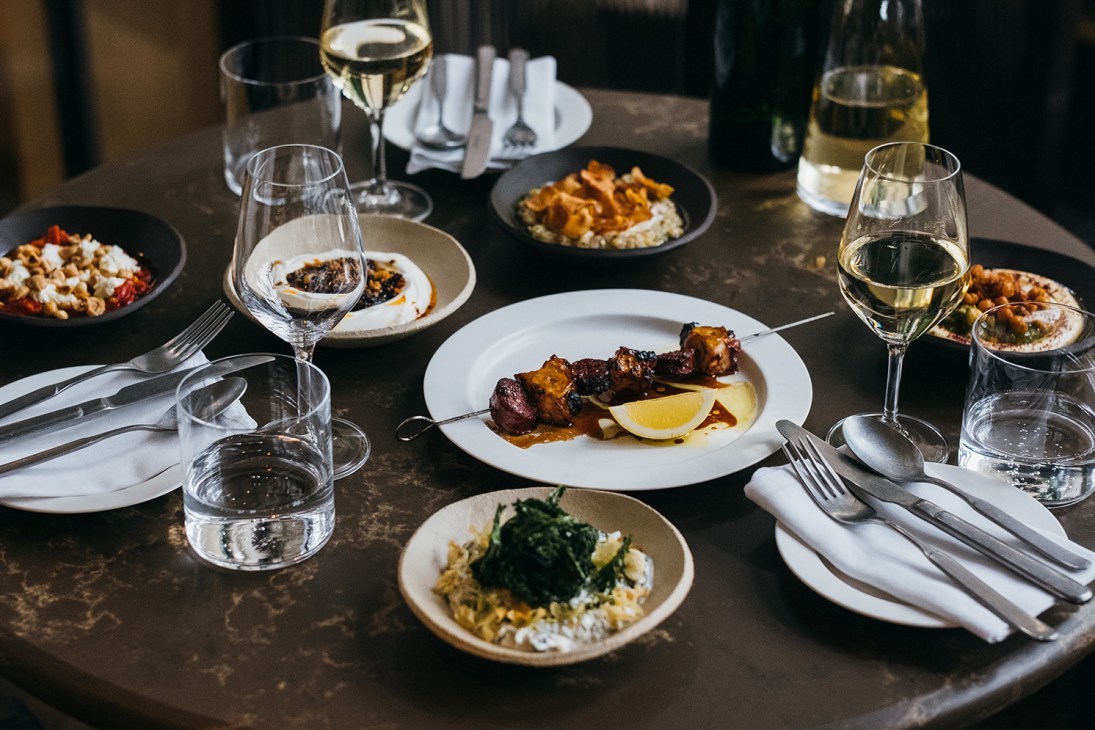
Barbadian chef David Carter travelled around Greece in preparation for the launch of Oma in Borough Market. The menu, created by Ecuadorian chef Jorge Paredes (previously of Sabor in Mayfair), offers a rich, culinary fusion that braids flavours and textures from the Levant. Dishes start with a bedrock of oregano, salt, lemon and olive oil. Try the zesty Peruvian ceviche, creamy lobster bourek from Tel Aviv and yellowfin tuna in clementine ponzu. There are also pillowy açma bagels that the chef originally came across in Istanbul, spanakopita gratin and labneh with salted cod, shallots and chilli oil from Aleppo. “At Oma, each dish arrives at the restaurant in its raw form: bread comes as flour and pasta as egg yolks.” It’s a creative take on Greek gastronomy, which shows that the nation’s culinary repertoire extends far beyond its balmy Mediterranean shores.
oma.london
Ninù
Rome
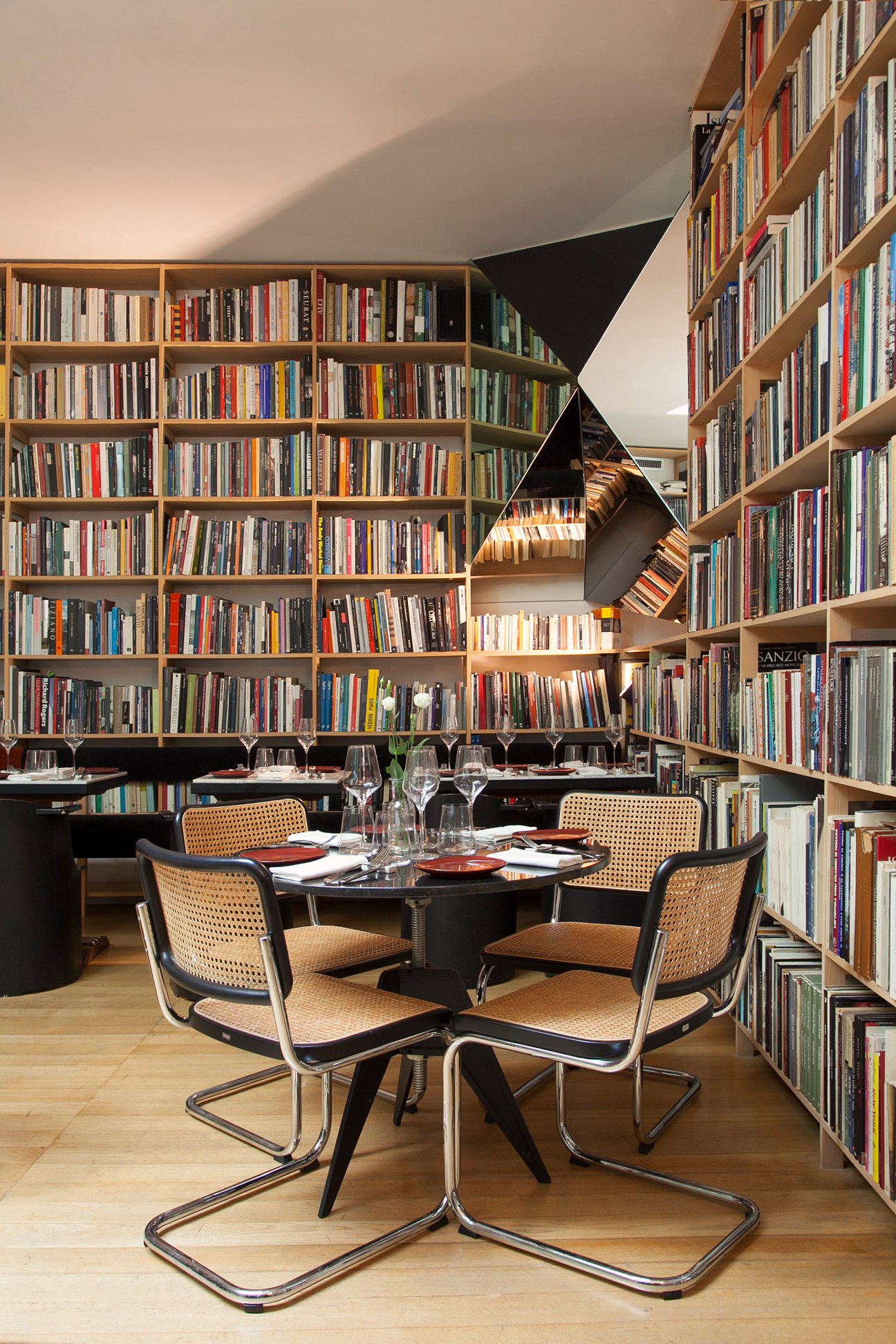
Italian interior designer and architect Alessandra Marino has made her Roman residence a restaurant and a cocktail bar with rooms. Precious furniture nestles by a floor-to-ceiling library, alongside pieces by the likes of Eindhoven-based studio Paul Heijnen. Chef Marco Gallotta has created a menu focused on Mediterranean flavours, with a particular emphasis on seafood delicacies. Should you have one too many glasses, guests can bed down in one of Ninù’s three suites.
ninuroma.com
Café Telegrama
Los Angeles
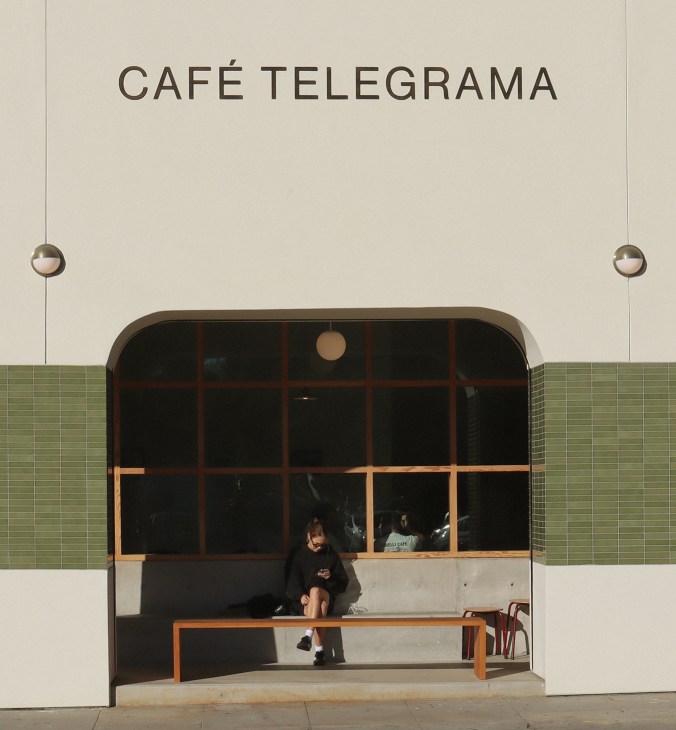
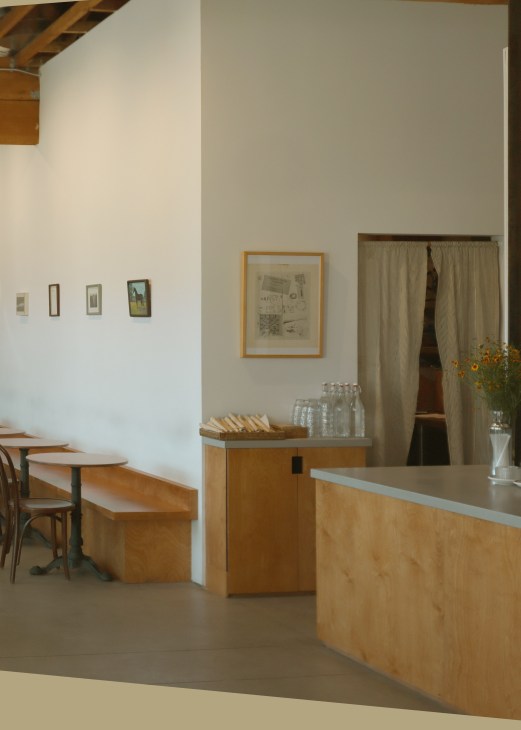
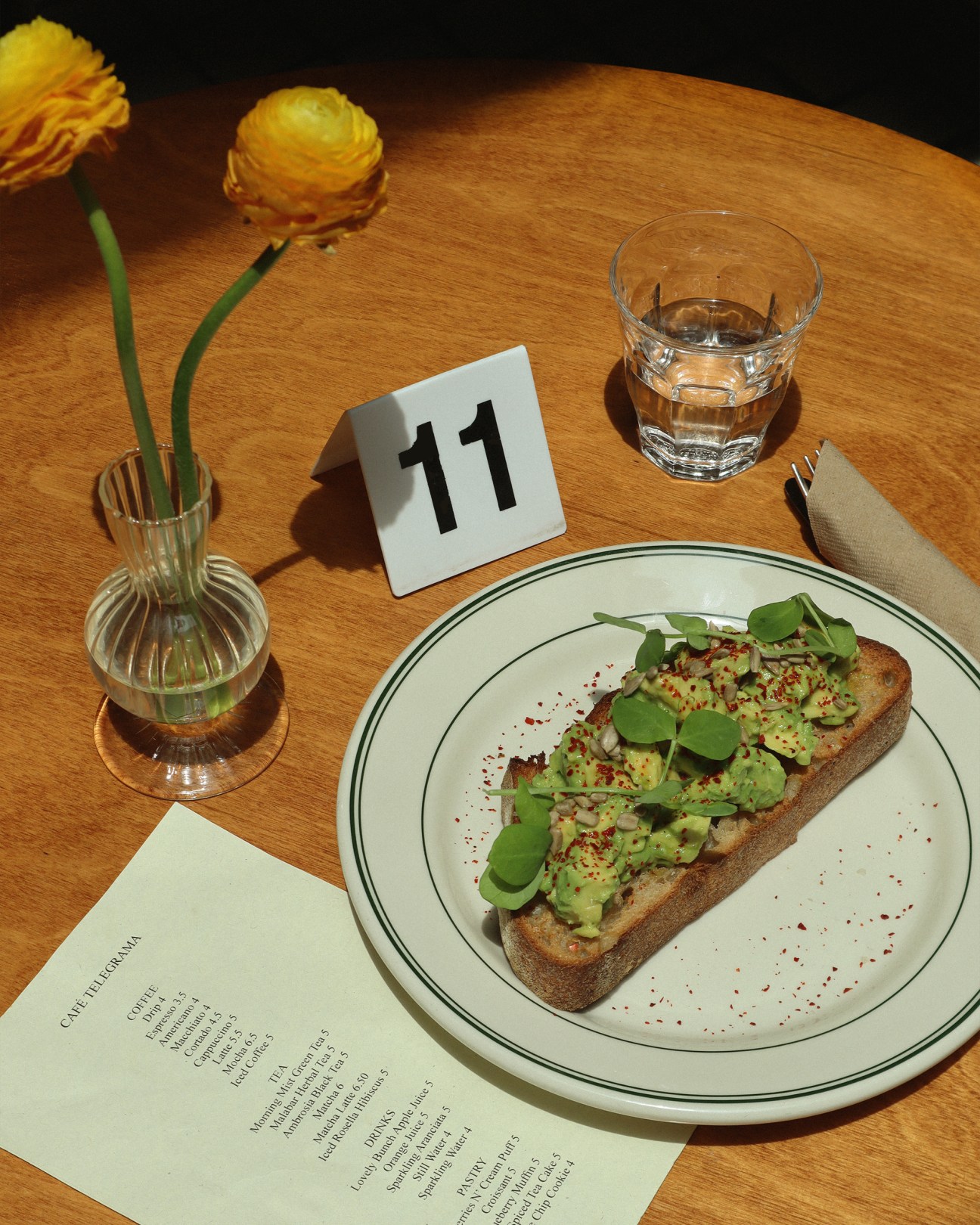
LA’s once sleepy Melrose Hill neighbourhood is now alive with new businesses, cafés, restaurants and museums. Artist and designer John Zabawa has added a European stamp in the form of Café Telegrama (he’s also behind nearby Italian, Ètra). “The design centres on the tables of Parisian cafés, Italian ceramics and flavourful coffee profiles,” Zabawa says, “as well as Denmark’s use of interior architecture crafted with natural elements.” And the restaurant’s name and aim? “I like that telegrams are used to communicate with friends and family from afar.”
The menu runs from breakfast staples such as ricotta toast with stracciatella and stewed cherries or delicious savoury salads (panzanella is best). The ham and cheese sandwich with prosciutto cotto, gruyère and dijon mustard is a must.
cafetelegrama.com
El Minutito
Mexico City
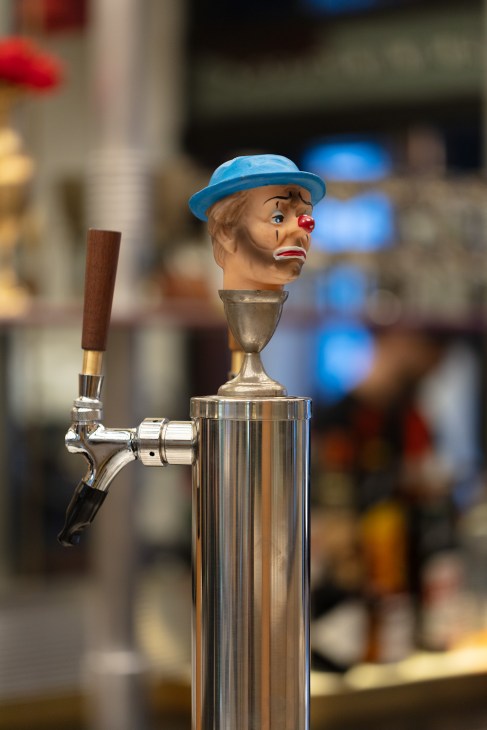
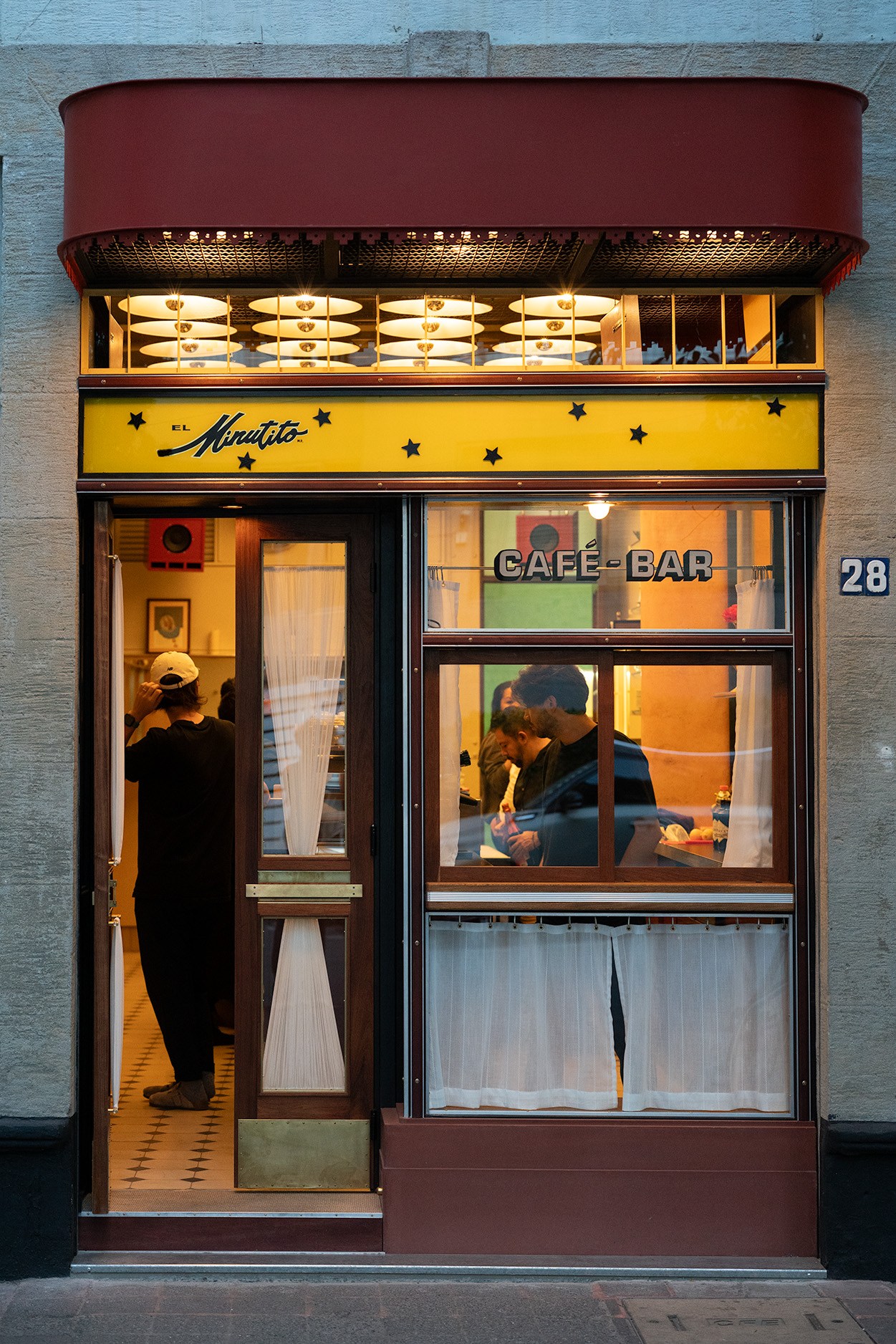
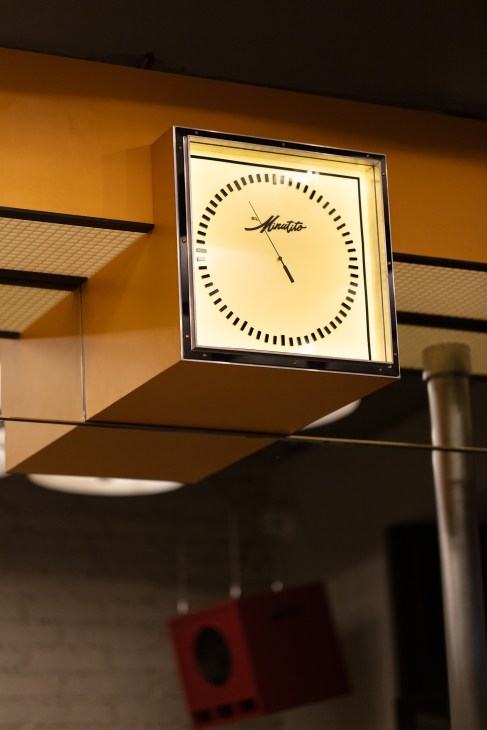
Opened on a quiet corner of Mexico City’s tree-lined Colonia Juárez, El Minutito is a few blocks from the towering office towers that abut Avenida Paseo de la Reforma, the capital’s main throughway. Patrons can order at the window but venture inside for the cantina-style space interior and a bite to eat at the standing counter or a coffee made with beans from the state of Veracruz amid aluminium trim and mirrors by architect Lucas Cantú of Tezontle studio.
Pastries include orejas and gorditas de harina. At night El Minutito serves cocktails and spirits. The mix of alcoholic and caffeinated beverages on the menu is an echo to the upscale coffee shops that opened in Mexico’s capital during the gilded age of the late 1800s – we’re happy to report that the appeal endures.
Londres 28, Juárez
Belleville and Jourdain are the Paris arrondissements setting the pace for food, art and culture
Of all of Paris’s 20 arrondissements, perhaps the most vibrant and fastest changing are the twin neighbourhoods of Belleville and Jourdain. Once among the poorest parts of the French capital, they have become known for lively street markets, an eclectic mix of cuisines and tone-setting arts venues.
Today, the area’s Asian and North African communities rub shoulders with creatives searching for fresh opportunities and lower rents. Around Parc de Belleville, Chinese supermarkets and Tunisian tea salons vie with art galleries, natural-wine bars and the city’s best third-wave coffee shops (Paris’s less-than-stellar reputation for the beverage has long been a sore point). It’s a refreshingly well-integrated corner of the capital.
Venture towards Parc des Buttes Chaumont and you’ll find village-like Jourdain. Here, Haussmannian buildings mingle with low-rise structures and cobbled lanes, where apéros are sipped in the shadow of lime trees and the hustle of central Paris seems both easily accessible and worlds away.
1.
Read
Les Misérables
Victor Hugo’s novel captures the soul of 19th-century Paris and its residents. Belleville and Jourdain are the city’s grittiest districts in this tableau of stark social contrasts, in which the lower classes face poverty, neglect and exploitation. Pick up a copy from Le Genre Urbain, a well-stocked bookshop with an extensive foreign-language selection that might not have thrived in Jean Valjean’s day.

2.
Stay
Babel
It took a while for small, independent and reliable hotels to arrive in this area but there are now several fine options. The 31-key Babel, near Boulevard de Belleville, is one of them, featuring Berber-inspired décor, an eclectic restaurant and an in-house radio station.
babel-belleville.com

3.
See
The striking view of the city from Parc de Belleville
For one of the best views of the Eiffel Tower, head uphill to the top of Parc de Belleville. In the evening, the park attracts residents who come to watch the sun set behind the roofs of Paris. Afterwards, move on to one of the bars on Rue des Envierges, where things stay lively well into the night.

4.
Eat
Cheval d’Or
An unassuming 1980s Chinese takeaway façade belies one of the city’s most celebrated restaurants. Cheval d’Or stays true to its Asian roots and adds a little modern French bistronomy in dishes such as cockles in Provençal-style XO sauce and, to conclude, île flottante with black tea and tapioca pearls.
chevaldorparis.com

5.
Shop
Bokbar
Gothenburg transplant Natalie Magnusson opened Bokbar in 2022 to share her love for Swedish literature with the French capital. The bookshop’s wooden shelves are lined with translated works by Nordic authors that you can start reading at a table in the cosy on-site café.
bokbar.fr

6.
Drink
Soces
Jourdain’s Rue de la Villette resembles an entire neighbourhood condensed into a single street. From a friendly grocer to a quaint toy shop, you’ll find everything that you need and more. For an apéro, the go-to spot on the block is Socès. It serves glasses of crisp, sparkling Furlani and orange wines alongside just-shucked oysters. As the evening progresses, the menu expands to include more substantial dishes such as gratinated onion soup and tuna carpaccio.
soces.fr

7.
Buy
Harissa from Épicerie Le Caire
Though harissa, a much-loved staple of North African cuisine, is widely available in French supermarkets, nothing compares to the home-made version here. Prepared with red chilli, garlic and a closely guarded mix of herbs and spices, Épicerie Le Caire’s offering is fragrant, spicy and not for the faint of heart.

8.
Visit
Parc des Buttes Chaumont
In a city short on greenery, Buttes Chaumont is a welcome oasis. Once an industrial site, it was transformed into a public park in the 19th century by landscape architect Jean-Charles Alphand, under the guidance of town planner Georges-Eugène Haussmann. The result is a dreamlike garden with dramatic rock formations, a hilltop pavilion and lush lawns, all ideal for an autumn picnic.

9.
Order
A cortado at Candle Kids
In this once working-class district, a café such as Candle Kids would have been unimaginable even a few years ago. Across the street from a traditional PMU betting shop, the space represents a shift towards third-wave coffee culture, which Paris was initially slow to embrace. Come for the perfectly frothy cortados and stay for the interiors,with concrete finishes and custom-made wooden furniture by Studio Ebur.

10.
Don’t miss
Théâtre de Belleville
Parisians spend many an evening at their local theatre to engage with the latest plays by the country’s leading intellectuals. In a hall that dates back to 1850, the Théâtre de Belleville has hosted productions by acclaimed writers such as Léonore Confino and Laurent Gaudé. This a neighbourhood that knows how to put on a show.

Reliance on mental short cuts leaves us open to economic exploitation. Can technology help?
In the US, the holiday known as Black Friday, an orgy of consumerism, follows Thanksgiving, which is probably the least commercial holiday of the year. As sure as night follows day, family togetherness gives way to a kind of market purge. The typical Black Friday purchase is the flat-screen TV, and one can hardly avoid ads that look like this: “4K ultra hdtv deals! $1,299.99 – now $649.99!”
This marketing technique exploits a psychological theory called “anchoring”, effectively appealing to what some scientists think is a weakness of the human brain in which we are unable to make rational assessments of value when we anchor our judgements around a given number. In the game of prices, which can be thought of as a kind of intellectual duel between companies and consumers, this almost seems like a form of cheating. After all, when I see that struck-through high number, I don’t know offhand if that really was the price of the television yesterday. But the deal will only stay good for a few days so I have a limited time to decide. Instead, I have to rely on what is called a “heuristic” to make a decision, balancing my sense of the importance of the purchase – how much I need that TV – against the sense I have of the value of the commodity. So, I find myself deciding on the basis of what information is given to me in the ad: the anchor of the original price.
The idea of the anchor as a cognitive bias comes from a body of research called behavioural science. This research has been widely adopted by behavioural economics, which applies insights from psychology to markets, finance and business, especially management. This area of research was created by psychologists Daniel Kahneman and Amos Tversky in the 1980s (Kahneman died in March at the age of 90, having transformed the social sciences). He and Tversky discovered that humans were systematically unable to quickly make optimal decisions using evidence, even if they had advanced training in the statistical theories that define what “optimal” means. They found that instead of doing the difficult maths required, their experimental subjects replaced problems with simpler questions that Kahneman named a heuristic: a cognitive short cut that they theorised was necessary because the brain was unable to process information quickly and cleanly enough. In other words, rather than weighing the evidence, we jump to conclusions, pairing things that are superficially alike and relying on the evidence we have access to most immediately: adjusting around an anchor.

Behavioural economist Dan Ariely – now under investigation for potential fraud – points to a use of anchoring by The Economist, which once listed subscriptions at the following prices: digital only, $59; print only, $125; and print plus digital, $125. The middle option, print only, is a decoy price there to underline the alleged value of the bundle, which is more than twice as expensive as the digital-only option. Ariely points out that with two prices, you have to make your own comparison, whereas the comparison of the two is supplied to you by the middle option, which anchors you to a number.
What is happening here is a version of Kahneman and Tversky’s original experiment, in which they gave two versions of the same maths problem to two different groups: 8 X 3 X 7 X 3 X 6 X 3 X 5 X 3 X 4 X 3 X 3 X 3 X 2 X 3 X 1 and 1 X 3 X 2 X 3 X 3 X 3 X 4 X 3 X 5 X 3 X 6 X 3 X 7 X 3 X 8. The groups gave back median guesses of 2,250 and 512, respectively. The real answer is 40,320. Without enough time to do the taxing amount of mental arithmetic, the groups leaned on the lead number, which anchored them. If people do this consistently in experiments, how does it influence their decisions in real-life scenarios? The barrage of digital advertisements, app reminders and “nudges” – to use behavioural economists Richard Thaler and Cass Sunstein’s term – that we face every day is effectively a form of competition to set baselines for us.
It is hard to overstate the influence of this heuristics and biases theory, not just on the subsequent development of science – Kahneman and Tversky’s original paper has amassed nearly 50,000 citations on Google Scholar – but on our digitally mediated lives today. It’s not just Black Friday; we are inundated with marketers and managers trying to exploit our biases, to get us to heuristically jump to their desired conclusions. There is nothing new about advertisers appealing to our deepest desires or even attempting to “manufacture” them. But anchoring is both widespread in use and scientifically murky. I have written in the past that behavioural economics is shaky as science but it also poses some interesting philosophical questions about how we go about our daily digital lives. One of those questions is how we decide about value and what counts as a good decision.
AI might be transforming this game, since it allows nearly infinite experimental testing in real time. For example, the headline that you see over a digital article is tested using algorithms that “learn” which version of the wording is more clickable. In cases such as this, algorithms search for baselines that work – effective anchors – without the need for actual advertisers or writers to craft them. The psychological theory, combined with the advance of digital technologies, might soon lead to the automation of a lot of marketing. As the science-fiction author Ted Chiang recently put it, “Will AI become the new McKinsey?” A core method of the consulting firm is large “strategic” layoffs.
But what happens when AI provides the strategy? The hard, human work of exploiting our cognitive biases gets automated, creating a weird situation in which a psychology that was allegedly devoted to questions of human rationality is executed without any human decision-making to exploit the least rational aspects of our minds. Economists usually think of prices as expressing preferences – when I buy a cup of coffee, for example, I am asserting my preference for that particular product, as opposed to any other, at that particular price, which I am willing to pay. Decisions of this sort may be more or less “rational” (I should not pay $8 for a single cup of coffee, something that is becoming harder and harder to avoid in New York, where I live) but they are mine. When AI exploits anchoring, it looks less like I am making a rational choice from among options and more like an industrial amount of data-mining is being plugged directly into my unconscious. This outcome was predictable, if not rational.
German psychologist Gerd Gigerenzer has spent his career arguing against heuristics and biases as a framework. He thinks humans adapt well to their cognitive circumstances and can remain rational even in the face of algorithms designed to win the game. He even points out that terms such as anchoring hide more than they reveal – he calls terms of this kind “surrogates for theories” – creating an obstacle to science that too easily becomes a way of exploiting human minds without illuminating us in the least. Indeed, many a marketer may ask: supposing this anchoring thing is scientifically valid, how does one know which anchor will work? As the number of heuristics and biases has proliferated – lists often include dozens, and hundreds have been proposed – the absence of a theory becomes a pragmatic problem. If I am in a restaurant and the prices seem high, do I anchor to them or do I walk out?
Questions such as this multiply as soon as one thinks about anchoring philosophically: are we collectively anchored to 2 per cent inflation? Am I anchored to my parents’ sense of what an apr on a mortgage should be? If we think of all quantitative expectations as a set of anchors that do not properly evaluate evidence, the paltriness of the original theory becomes clear. After all, what would it mean for me to be unable to anchor around a baseline? If I could not do that, I would spend most of my brainpower calculating values anew at each moment. Every price would be abstract, every decision prohibitively costly in time and energy.
If AI and other algorithms take over that function, it unburdens us – but at a different cost. When prices do not communicate human values but are just the results of data processing with the goal of bringing in revenue, then it is not individual humans who are irrational but all of society. What seemed like a virtuous science aiming to illuminate us about our behaviours has become a monstrous obstacle to a good society. Let’s call it the short-cut society, held up by Big Data and bad philosophy pretending to be science. We have to decide if we want our society to be run on the ceaseless consumption of eternally discounted products. If not, we’ll need to impose some actual rationality on the digital economy that feeds off our acquisitive tendencies. Or, in other words, we’ll need to know if $1,299.99 was ever the real price.
About the writer:
Leif Weatherby is the director of the Digital Theory Lab and an associate professor of German at New York University. His next book, out in 2025, will be Language Machines: Cultural AI and the End of Remainder Humanism.
Denmark is winning new friends by developing pragmatic diplomacy in Africa
The Danish foreign minister, Lars Løkke Rasmussen, recently launched the country’s new Africa strategy, titled “The African Century”. By 2026, Denmark will open three new physical embassies – in Senegal, Tunisia and Rwanda – and upgrade its existing outposts in Egypt, Nigeria, South Africa and Kenya into regional hubs. It will also create its first African “innovation centre” in Kenya. Meanwhile, Copenhagen is actively seeking to attract more African students to Danish universities, a policy that China has employed to great success on the continent.
It’s a bold statement at a time when the Global South is perceived to be turning away from the West and while European diplomatic efforts in Africa flounder. And it’s a welcome recognition of the fact that there is no substitute for a physical diplomatic presence. As well as the infrastructure upgrade, the Danes’ rhetoric has changed: talk now focuses on boosting trade and economic interests, with less emphasis on influencing domestic politics and values through aid and lectures. As the press release put it, Denmark must “come with better offers, less moralising and more equality”. Indeed, on a recent visit to Ghana (from where Denmark once traded slaves and was a colonial power until 1850), Rasmussen did not commence his press conference with a critique of the Ghanaian government’s new anti-lgbt law, as a Danish foreign minister might well have done in the past.
In presenting the new approach, the Danes have been using one of their favourite words, øjenhøjde (“eye level”) – a shorthand for showing respect while not necessarily “seeing eye to eye”. It’s more like two equals having a conversation than a paternalistic donor talking down to the receiver of aid and it’s an acknowledgement of several factors. One is the success of China and the Gulf states in using their debt-leveraged economic “partnerships” to secure access to Africa’s mineral and human resources – a form of economic colonialism, yes, but without the value- based conditions that the West has traditionally imposed. As Rasmussen pointed out in his speech at the launch of the policy, last year the Gulf states invested four times as much in Africa as the US did.
Denmark’s plan also stems from a recognition of the need to counter Russian influence in Africa, which Moscow has achieved through its use of mercenary forces and propaganda. Increased co-operation with East African coastal lands in dealing with piracy will benefit Denmark’s significant shipping interests too.
The only surprise is that it has taken this most pragmatic of nations so long to change its strategy. As wealthy as Denmark is, its African-development resources were thinly spread and of dubious value. According to the African Development Bank Group, the continent is home to 11 of the world’s top 20 fastest-growing economies; in 2024, Denmark’s resources would be better spent on diplomatic efforts to boost trade and soft power. But the policy isn’t without controversy. There’s concern that Denmark’s previously robust stance on, say, lgbt rights, will be sacrificed to other exigencies. As recently as last year, the Danes withdrew support for the Ugandan government following the latter’s anti-homosexuality law but that kind of tactic seems to have been consigned to the history books.
Good riddance, says one of Denmark’s leading experts in African relations, Copenhagen University’s Holger Bernt Hansen. He branded the finger-wagging approach a colonial throwback, telling the Politiken newspaper, “Sanctions and value politics damage our interests in Africa more than it supports them.” Rather, skilled diplomats operating in African capitals promoting the best of Danish technology, culture and business will be far more likely to achieve the success that Copenhagen is hoping for. As the country shutters its embassies in military dictatorships Mali and Burkina Faso, it makes sense to focus its resources on the African countries that will be more receptive to its considerable charms.