Issues
Interview: Embraer’s CEO on sustainable aircraft and navigating a course for success
By one estimate, an Embraer aircraft takes to the skies somewhere in the world every 10 seconds and the firm’s planes carry some 145 million passengers every year. That’s before we take stock of the Brazilian multinational’s defence and security arms, agricultural operations and R&D work.
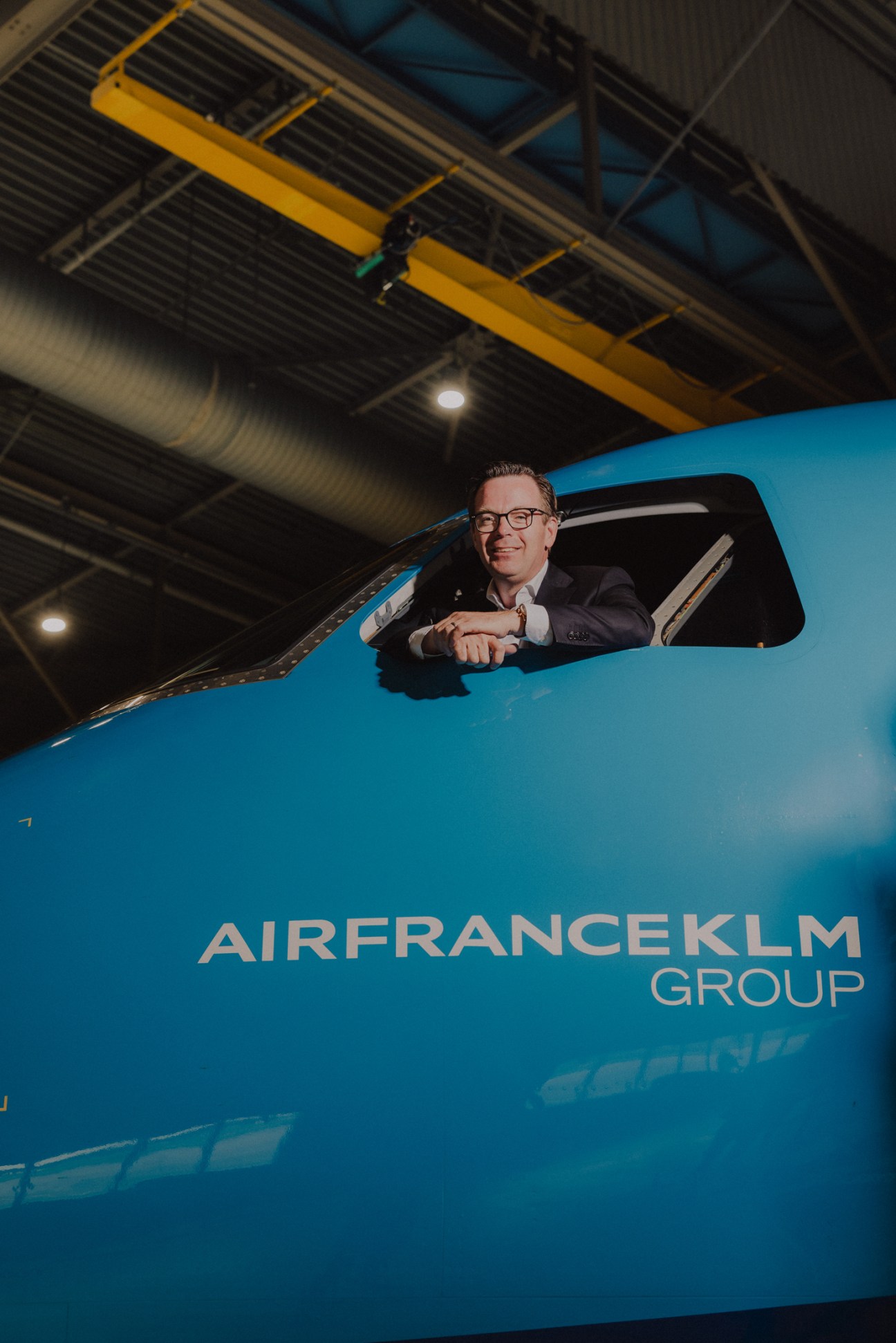
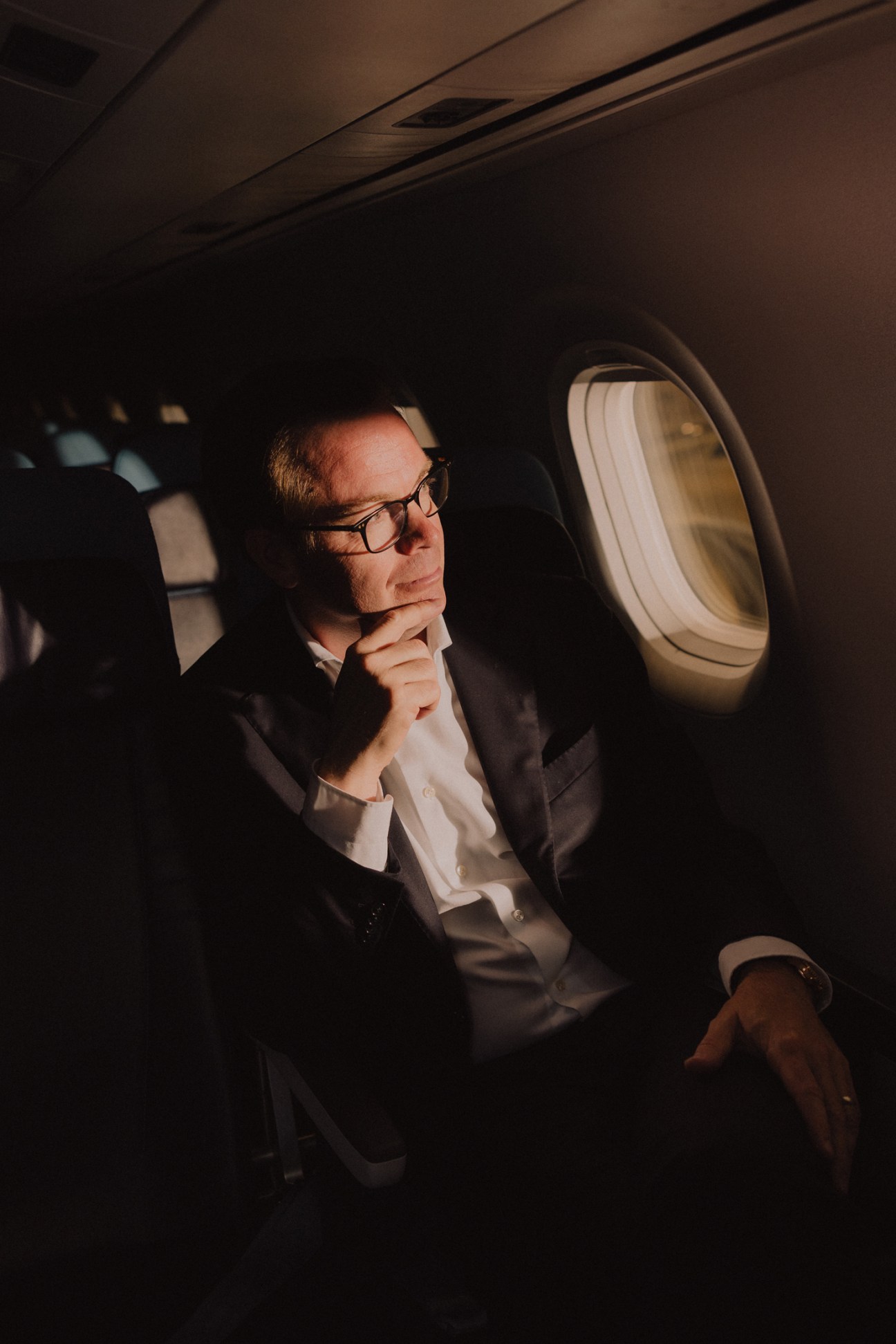
All of which begs a question: why don’t people know more about the world’s third-largest aerospace firm and Latin America’s biggest defence business as it celebrates its 55th birthday? The man navigating a course for the aviation giant’s commercial operations, Arjan Meijer, isn’t fussed. People who know the industry know us and like the firm, he tells Monocle’s editorial director, Tyler Brûlé, at the company’s Amsterdam office, not far from Schiphol Airport.
Here’s what Meijer says when asked about what’s on the horizon, the parts of the industry that are still up in the air and the technology that’s primed for take-off.
Even though we’re sitting in your European HQ, let’s pretend we’re on an Embraer E-Jet E2. We sit down beside each other and start having a conversation. I say, ‘Nice to meet you, what do you do?’ How does Arjan Meijer introduce himself?
Oh, wow. I normally tell people that I work for Embraer. I don’t always immediately say what I do but if they keep asking, then I’ll tell them that I’m responsible for its commercial-aviation business.
And what if they say that they have never heard of the company?
Sometimes they have heard of it and sometimes they haven’t: it’s a mixed bag. If people know the aviation business well, then they’re aware that there are three big brands: Airbus, Boeing and Embraer. If you take the average person who doesn’t know much about the industry, then they will probably have an awareness of the first two brands and be interested in hearing about the third. They become even more interested when you tell them that it originated in Brazil.
How do you talk about this company that comes from the other side of the world? How do you define what it has become?
I love to discuss the business’s history. It was founded in 1969 and started off small, producing the [Embraer EMB 120] Brasilía and the [Embraer EMB 110] Bandeirante, but quickly progressed onto bigger things. People are amazed when I tell them that we build aircraft with up to 150 seats or when I mention the airlines that we operate with. I also tell them about my experience; the first time that I went to Brazil and saw what Embraer had achieved. When you go to the factory, you realise what a great business it is.
During your previous role at KLM, you had to interact with the plane-makers that are now your competitors. What makes Embraer an interesting company compared to European or American multinational players?
All of the major manufacturers are proud of what they have built. What you really notice when you go to the factory in Brazil, however, is the passion for the product and the way that people share that passion. Embraer allows guests to walk freely around the production floor. You can speak to the engineers and technicians who build the aircraft. It’s an amazing experience to talk to them directly and to feel the love that Brazilians have for constructing these products. Embraer is passionate about what it does but also about being such a hi-tech, Latin American company and bringing opportunities to young people in Brazil.
Quick-fire questions for Arjan Meijer:
Window or aisle?
For me, window.
I’ll give you three hubs. Frankfurt, Paris or Amsterdam?
Amsterdam is my connectivity into the world.
Red or white?
I’ll take the white.
Wifi or a nap?
On a plane, I’ll take a nap.
Props or jets?
Nowadays, I believe in jet, but the future might surprise us.
Is provenance important?
Eventually, yes. Politics plays a big role in our industry. European airlines are looking at European products and US airlines are looking at US products. Over the years, globalisation has opened up the markets. Our products are being used in aircraft around the world. We’re very big in the US, where all the main airlines are serviced by Embraer.
We’re popular in Europe and Canada too, where the E2 is now flying with Porter from Toronto. It’s hard to miss an E2 when you’re in Toronto Pearson Airport. In addition to this, we have always had a large presence in Africa, where we are the second-biggest OEM [original equipment manufacturer] after Boeing. There are more than 300 aircraft from our brand flying in the continent alone. Our numbers are also growing in Asia, China and Australia. Airlines know that Embraer builds great-quality products. The fact that the company is based in Latin America instead of, say, Europe or the US doesn’t really matter when you do business in the aviation sector.
Brazil is in an interesting position. It’s in the Americas but feels European in many ways. Does this sort of middle ground benefit Embraer?
Sometimes. But I wouldn’t say that it’s solely because the company is from Latin America. This middle ground is advantageous for us because it sets us apart from other brands. It’s in the best interest of the business world to have competition between multiple strong companies. The aviation industry has garnered a lot of attention over the years. Airlines are keen to talk to Embraer because they are aware of what it has achieved. They are aware that we not only know how to build aircraft but also how to certify them and support customers after they are built.
Does Embraer have a unique advantage because it is now a major player in executive aviation? Does its legacy in building smaller aircraft give it an edge?
Those are great questions. We have three main business units at Embraer: commercial, executive and defence. Then we have a separate unit focusing on service and support. There is hardly any overlap between our customer bases. Some clients might come to us for executive jets for their training business or narrowbody aircraft, such as the E2, for their mainline business but that’s very rare.
Our engineering and operations departments work across the three main business units and this allows us to be innovative with our work. One example that I like to give to illustrate this point is about the E2, which is now in its fourth generation. Before the E2, there was the E1. The second and the third edition of this aircraft emerged from our executive and defence branches. The creation of these models then led to a fourth, improved iteration: the E2. So you can see that engineering develops across the company, which makes for stronger products.
I’m a passenger at Zürich Airport. I’m heading across the tarmac to a plane that belongs to Helvetic or, perhaps, Porter. Does the manufacturer of the aircraft matter? Should passengers know that they’re flying in an Embraer jet?
I don’t think that it’s necessary for passengers to know about the brand that they’re flying with. But there are a couple of strong points that we market as Embraer. One of them is that we have a very spacious cabin and there are no middle seats. You have a little bit of an executive-jet experience when you travel on one of our aircraft. Frequent flyers know and like the Embraer brand.
There were a series of models in the 30- to 50-passenger territory at the Farnborough Air Show this year. Is there a the gap in the market for aircraft of this size now that sustainability is a key focal point in aviation?
The industry has committed to a net-zero CO2 output by 2050. Sustainable aviation fuel [SAF] is also under development. We know that this is one angle. It’s probably what I’d like to call the “low-hanging fruit”; something that’s achievable with our current engines.
We’re trying to reduce fuel burn in our aircraft from the beginning of the manufacturing process, and to certify SAF by the end of the decade. We want to comply with sustainability goals in new technologies, whether they’re electric, hybrid or hydrogen-based.
Is Embraer well positioned to enter this market?
We know that we’ll have to start small. It won’t be possible to build an E2 on batteries or fly purely on hydrogen any time soon. That’s why we established Energia, an experienced team of airlines, suppliers and other aviation experts that advises us on the development of sustainable aircraft. We founded the group for three reasons. First, we wanted to study the application of these new technologies. What would they look like? How would they work in practice? Second we wanted to contact partners that are active in this space. And, third, we wanted to talk to our customers to understand why smaller aircraft have disappeared from the industry over the past 40 to 50 years. Would they make a comeback if we made them more sustainable?
Though we haven’t launched anything in this space yet, we’re talking about it with our partners. It’s important for us to understand whether there’s a viable case for aircraft of this size in the future.
Long-haul or short?
Short-haul for us, for sure. I do too much long-haul.
Favorite business city? São Paulo aside.
I love Japan, so Tokyo.
Holiday destination of choice?
Of course, somewhere that’s E2 compatible. The French Alps.
First flight or last flight?
First flight.
It’s the football World Cup: Netherlands or Brazil?
Oof. I’ll support the Netherlands. But if we lose, Brazil is my second team.
Why do you think that the 30- to 50-passenger aircraft disappeared?
This is a question that continues to crop up in discourse between different aviation companies. Embraer recently created an airline advisory group; some 30 different parties are involved.This segment has probably disappeared as a result of the high unit cost of smaller aircraft. Newer technology fuel requires more money to buy, so exploring this market would be relatively expensive. On the flip side, it could open airlines up to secondary networks, allowing for more point-to-point flights between cities. Some customers might even pay a premium for flying directly from A to B, therefore bypassing major hubs, all while travelling green.
Smaller aircraft represent a largely untapped market. We don’t have an answer as to where we’ll go next in this space but we have laid different scenarios out on the table. It’s something that we’re monitoring closely as we consider the possibilities.
There are very few airline CEOs left who are still visionaries (most are former accountants). How much do you, as Embraer, have to build on your dreams?
There’s always an element of building involved. It starts with concepts. We first need to figure out how an idea could take shape and be economically viable. Those are the first steps whenever we decide to launch a new product. There are many companies around the world that do this but we believe that Embraer is the best at it: we know how to build aircraft, certify products and support our partners.
This process is common when it comes to manufacturing helicopters. It’s something that we adopted when we established Eve Air Mobility, our first product of which will be a vertical takeoff machine for four to six passengers. It will fly a relatively short range – up to 100 km – and come to market in 2026.
Do you see potential for Embraer to further cement its presence in the helicopter space?
Producing more helicopters could help to satisfy the demand for more aircraft in the aviation industry. As we speak, 2,900 EVTOL [electric vertical takeoff and landing] aircraft are under lois [letters of intent] with customers. There’s a lot of interest in developing this area of the business, which is very promising.
We live in a world where nimbyism is on the rise. Do you think that an increase in the number of people objecting to aviation developments could make it difficult to get them off the ground?
EVTOLs are a very strong proposition, especially for heavily congested cities. Though they are a little noisy, there are many circumstances in which they could prove useful, including transport to events or even airports. Europeans are well known for being sensitive about noise and emissions, so we’ll have to see how something like this could work in a city such as Amsterdam.
“The Netherlands should be proud to have Schiphol”
We’ll see. Will you stick to manufacturing single-aisle aircraft or move on to widebody models for the commercial business?
There are two questions when it comes to producing widebody aircraft: one, can Embraer do it? And two, will Embraer do it? Airlines are already asking us to get involved in the sector, which is extremely flattering. Some carriers have commented on how well we are performing in terms of not only building aircraft but also delivery and reliability. Making something of this size is not for the faint-hearted but we have proven that we could do it from a technical perspective. Take the C-390 [Millennium], our biggest multipurpose mission aircraft from defence. It’s bigger than a Boeing 737 and has the width of a widebody. The first Embraer aircraft had between 20 and 30 seats, which then increased to 50, 80 and, finally, 150. Larger aircraft are a consideration but we’ll have to see what the future brings.
We’re not far from Schiphol. The airport has been a bit of a flashpoint in the past, with the Dutch government cutting back operations to limit emissions. How much of your time is focused on showing that flying can be a force for good?
It’s something that’s important to me. We need to demonstrate that we can build more sustainable, quieter aircraft. If we have proven anything by the launch of our newest E2-Jet family member, it’s exactly that. We have reduced emissions by more than 25 per cent per seat and the noise profile is about 60 per cent smaller than it used to be. I live under the approach path of Schiphol, so I can hear the aircraft coming over.
So you heard me on the 737 this morning?
[Laughs] Yes. But I also heard the improvements that we’re making as an industry. Compared to the big four-engine aircrafts of the past, the planes flying over are now noticeably quieter.
What do you think about Schiphol’s efforts to cut back operations?
The Netherlands should be proud to have Schiphol. You can’t kill transit traffic and then expect to continue travelling around the globe on a frequent basis. The airport brings huge economic value to the Netherlands, so the discussion [about limiting services] continues to amaze me. KLM says that we need to focus on improving the world by reducing the noise and emissions of aircraft. That’s the right way to go.
If you look at the tarmac right now, is any airline a potential customer for you? Or is there a deal that you would love to win?
We have a solid relationship with legacy carriers, which need a variety of aircraft sizes to operate. You need larger aircraft for long routes and smaller aircraft to feed your hub. That’s where our models fit in well. In the US, regional airlines such as Republic and Sky West feed bigger carriers, including United, Delta, American and Alaska. Other operators have a single fleet. And then there are airlines such as Azul in Brazil, which has much more of a local focus.
So does the key to improving carriers’ operations lie in diversifying their fleet?
We have 350 E-Jets flying in Europe. It’s likely that many of those will be replaced by E2s over time. They’re the bread and butter of our business. Porter’s network is solely made up of E2s. In the past, choosing to operate smaller aircraft meant that trips were cheaper but seats were more expensive. With our E2 family, trip costs are still low but seat costs are similar to other models, including Airbus A320s and Boeing 737s. Airlines are starting to see this now.
Single-fleet carriers recognise that E2s work well as a standalone aircraft, which allows them to have a competitive business plan. Porter is a great example of this, as are low-cost carriers that have traditionally leant on 737s or A320s to form the majority of their fleet. We’re coming to a point when adding a second type of aircraft to operators’ fleets could work well for them. This will be one of the biggest points of difference in the market going forward.
I know you’re not supposed to pick favourites but who impresses you? Who do you admire on the airline side?
Well, I don’t like to single out any of my customers too much but there are a couple of examples that come to mind. I have mentioned Porter already and what it is doing outside Toronto is amazing. It started small in Billy Bishop and has launched the new airline from Pearson on a new footing. It’s very successful. I also think of airlines such as Azul in Brazil, which is replacing its E-Jets with E2s. It has told many people that the E2 and A320 Neo have similar seat costs. We love carriers that not only try our models but also tell the world that they really work. It’s even better that our customers have started to recommend the E2 as a complement to widebody fleets.
You’ve highlighted two businesses that broke the mould. Is there potential for the European market to be more daring?
Europe is starting to learn that bigger, narrowbody aircraft aren’t always the most efficient to manufacture or run. The turnaround times are longer and the flying distance in Europe is a little bit shorter. If you speak to major airlines, you’ll learn that they see a lot of potential in smaller planes. Over the next couple of years, many more carriers will be operating with them in their fleets.
How do you envision this change taking place at European airlines? Is there still room for the continent to grow in terms of aviation?
Several discussions are taking place with European airlines about replacing the E-Jet fleet. Many years ago, you might have had, say, a 30:70 mix between your regional jets and E-Jets. Today it makes sense to have more of a balance between the two. That new seat-pricing paradigm shift puts E2s on more of a level playing field with the larger aircraft out there. So there’s a huge opportunity for Europe to grow and adapt to a different business model. This has been embraced with the E-Jets already but E2s will allow the airlines to play that game even better.
Our pick of the best seasonal styles, from cosy cardigans to classic coats
The Landskein
Ireland
Irish designer Anna Guerin spent 16 years honing her craft in the fashion industry before starting her label, The Landskein, in 2019. It offers a small, evolving collection of voluminous coats and blazers made in fine Donegal tweed. Every one is designed to be worn for “at least one lifetime”, says Guerin.
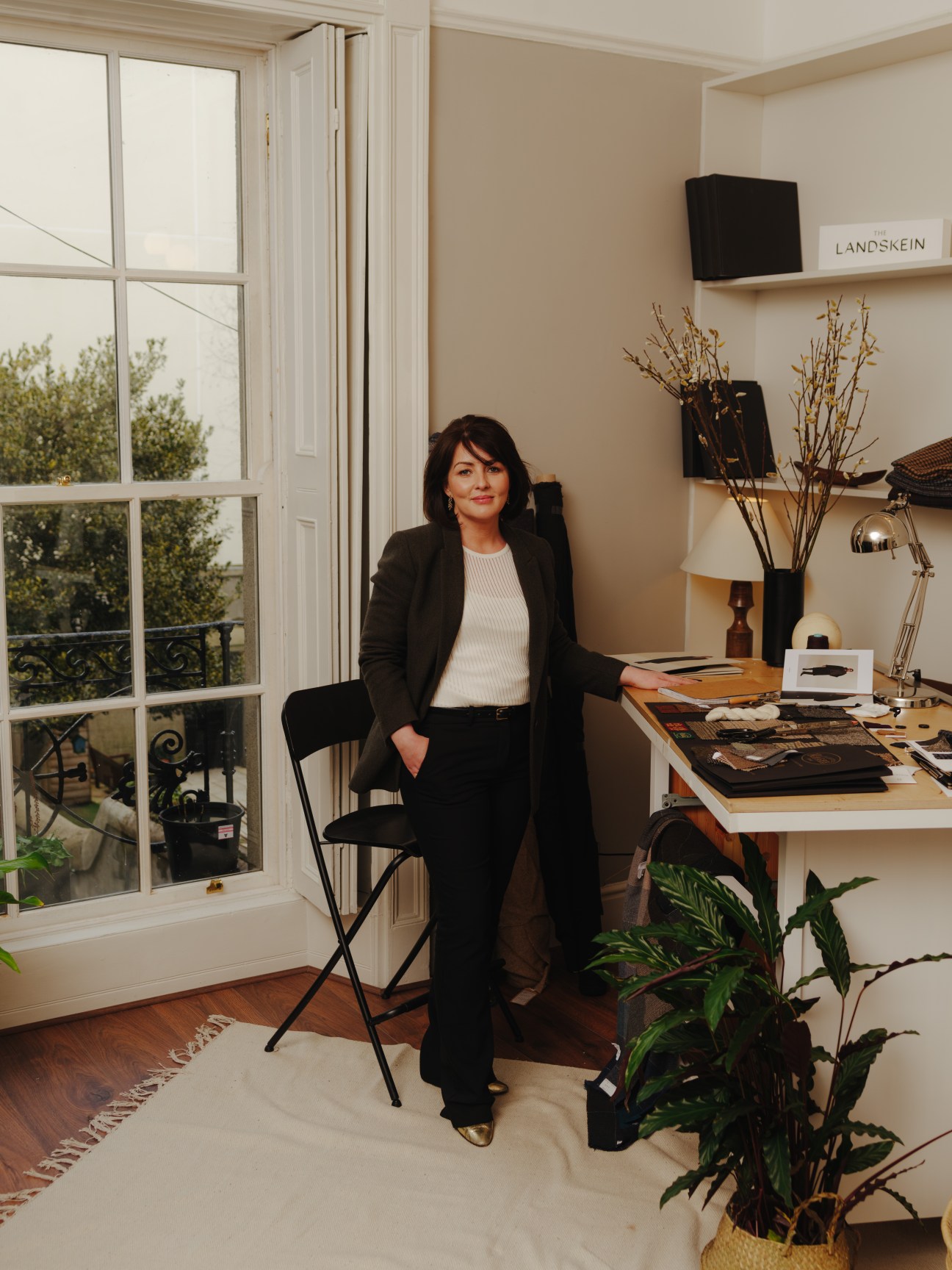
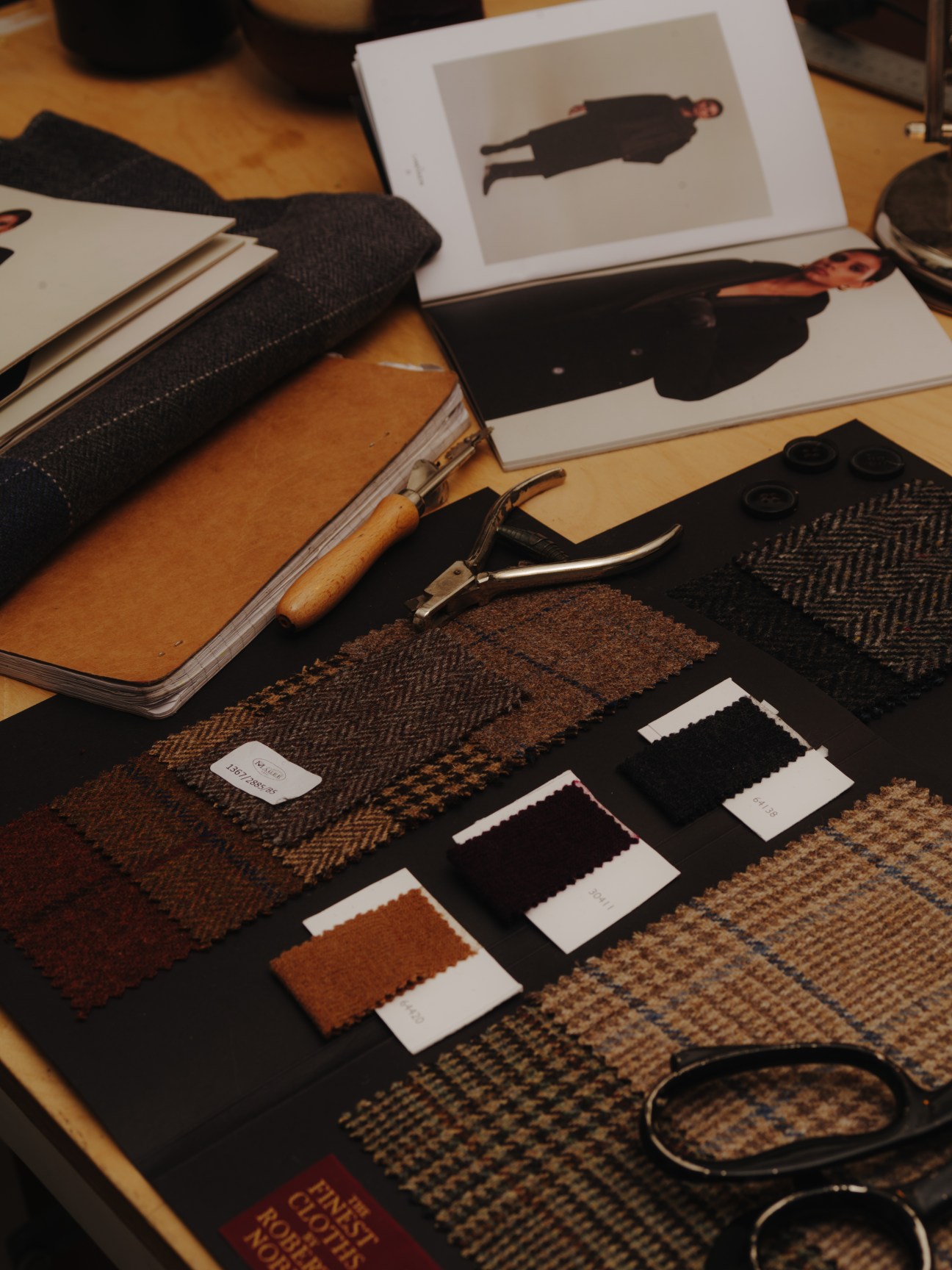
Researching the intangible value of heritage fabrics for her master’s degree led Guerin to the understanding that there was something very special about sourcing materials such as tweed from artisanal weavers in Ireland, rather than getting them for a lower price in other parts of the world. “People often have an emotional attachment to that sense of heritage,” she says. The Landskein tweeds are woven in lambswool by Seán and Kieran Molloy, fifth-generation weavers in County Donegal, while the jackets are cut by hand and sewn in European factories, allowing Guerin to keep a close eye on production. Longevity is always the primary goal, with silhouettes chosen for their enduring appeal rather than the latest trends and styles.
It’s the uncompromising volume of fabric that makes every coat feel so sumptuous. “To put four metres of Donegal tweed into a coat is extremely generous and it just looks so incredibly beautiful,” she says. The Landskein operates from a studio showroom in the Dublin seaside suburb of Dún Laoghaire, where customers can come in for private appointments to find the coat that is right for them. Some find that they can’t quite choose between two styles and end up coming a second time. “People are willing to make the investment if something is really good quality and feels luxurious,” says Guerin.
Switch
Italy
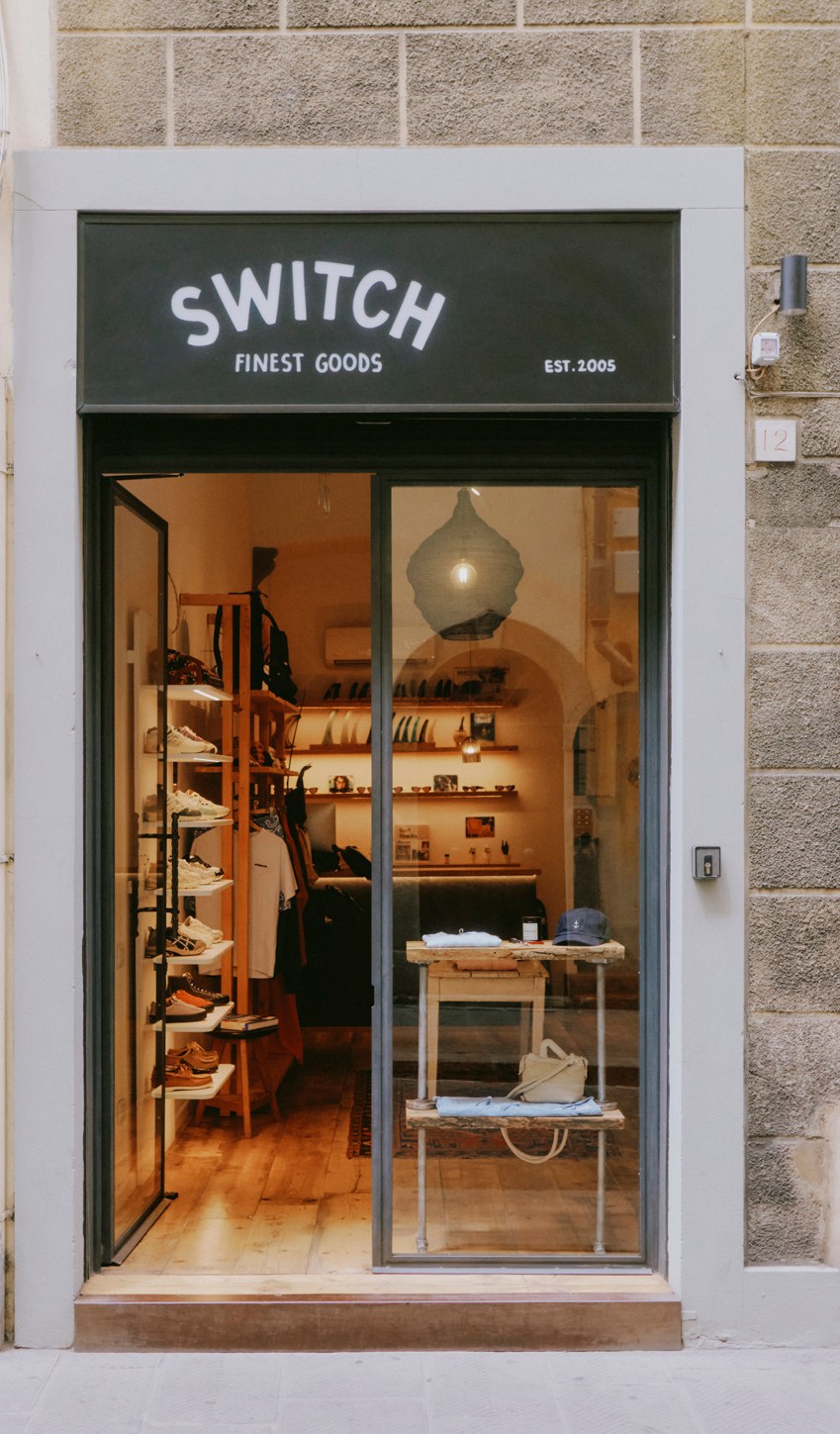
Florentine boutique Switch is well known as one of the most elegant addresses in the Tuscan capital. This year the shop moved to the upmarket Oltrarno district, debuting an updated look and refreshing its line-up of clothes and accessories. Owner Lorenzo Armati, an accomplished carpenter, worked on remodelling the storefront and dressing the windows, tapping in to his past experience in window design for the likes of Prada and Louis Vuitton.
Inside the shop you’ll find labels such as La Paz, Portuguese Flannel and California-based Gramicci. A selection of wetsuits and surfboards are also on offer, given Armati’s love of surfing. “I offer brands not found elsewhere, as well as items I would wear myself,” he says, pointing to Finnish trainer label Karhu and Antwerp-based womenswear brand Girls of Dust. “Switch always reflects my interests – that’s the best way to put together a shop,” he says. “You have to believe in the products that you are selling.”
switchshop.it
Ormaie
France
Marie-Lise Jonak and Baptiste Bouygues, the mother and son behind fragrance brand Ormaie, have successfully combined their professional backgrounds (Jonak’s in fragrance consulting, Bouygues’s in fashion communications) to establish a family-run label in a market typically associated with mass production. “Scents are deeply linked to memory,” says Bouygues. “All our inspirations come from people and places that we know, so it’s easy for us to work together. When I mention the smell of the soap in my grandmother’s kitchen, my mother knows exactly what I’m talking about.”
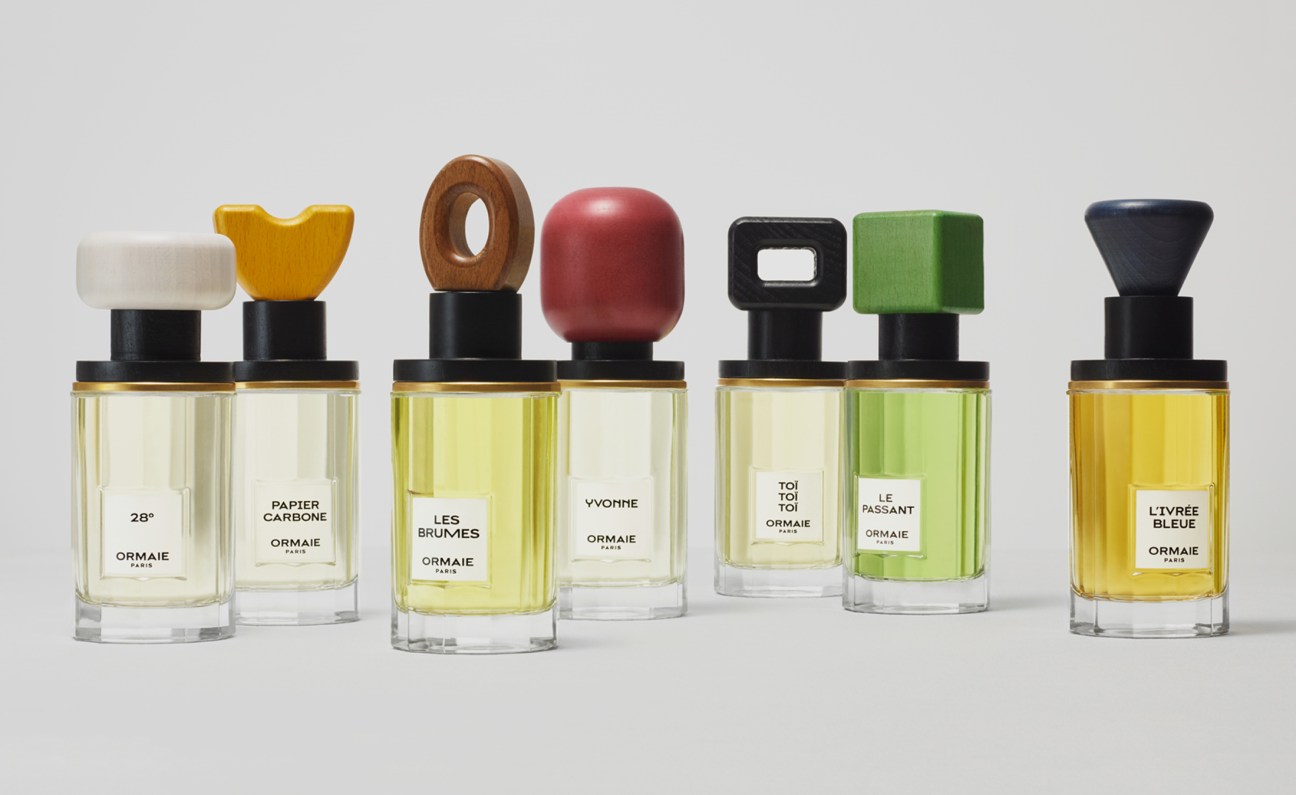
The 10 eaux de parfums in their collection are rooted in personal experiences: the memory of a childhood classroom inspired the spice-and wood-layered Papier Carbone scent, while the smell of the family garden has informed the rosy Yvonne. Each fragrance takes months to perfect, with Jonak managing the back and forth with perfumers in Grasse and Bouygues sourcing ingredients from rose plantations in Marrakech or vanilla farms in Madagascar.
What’s more, the brand’s art deco-inspired bottles are collectable objects in their own right: the glass is made by a specialist in whiskey bottles, the sculptural tops are carved by a woodworker and the labels are printed by Imprimerie du Marais in Paris. Given the amount of detail that goes into each fragrance, new releases are rare. Ormaie’s latest scent, dubbed 18-12, launched in 2023, six years after the original collection. This autumn it has made a line of extraits de parfums based on the best-selling Yvonne and Toï Toï Toï. “These will be more opulent counterparts to our poetic fragrances,” says Bouygues.
ormaie.paris
Yoke
UK
After working as a fashion buyer for more than a decade, London-based Lucy Bacon decided to launch her own brand, Yoke, specialising in knit and loungewear. “I became well versed in how to make clothes and the art of maintaining relationships with factories, pattern cutters and mills,” says Bacon. “I get emotionally attached to clothes and with Yoke, I want to create pieces that will never age.”
Since the label’s debut in March, Bacon has released colourful, brushed mohair knitwear, as well as relaxed Cuban shirts, pale-blue and white gingham sets and cream linen utility jackets, all combining minimalist cuts with playful colour combinations or graphic patterns.
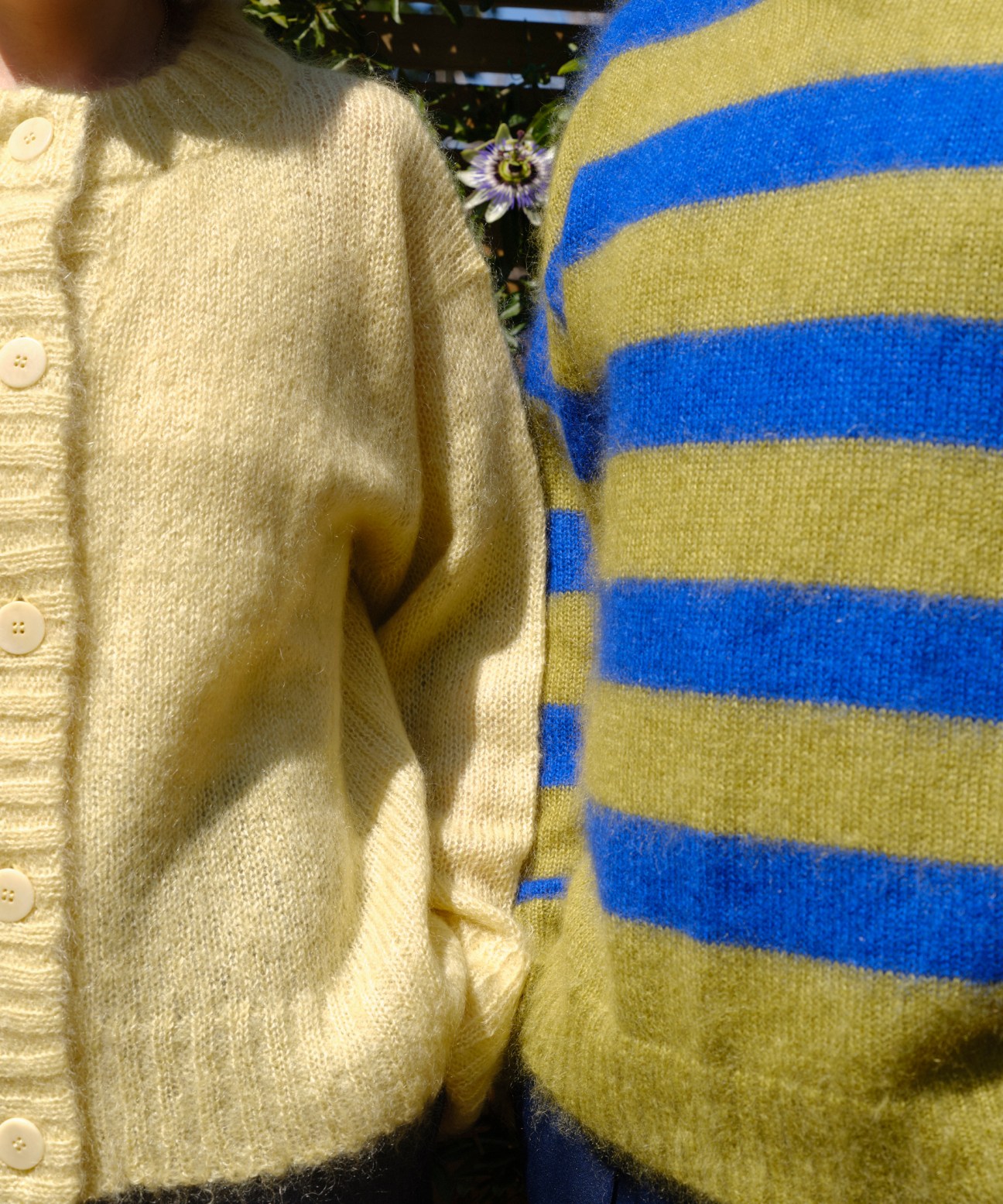
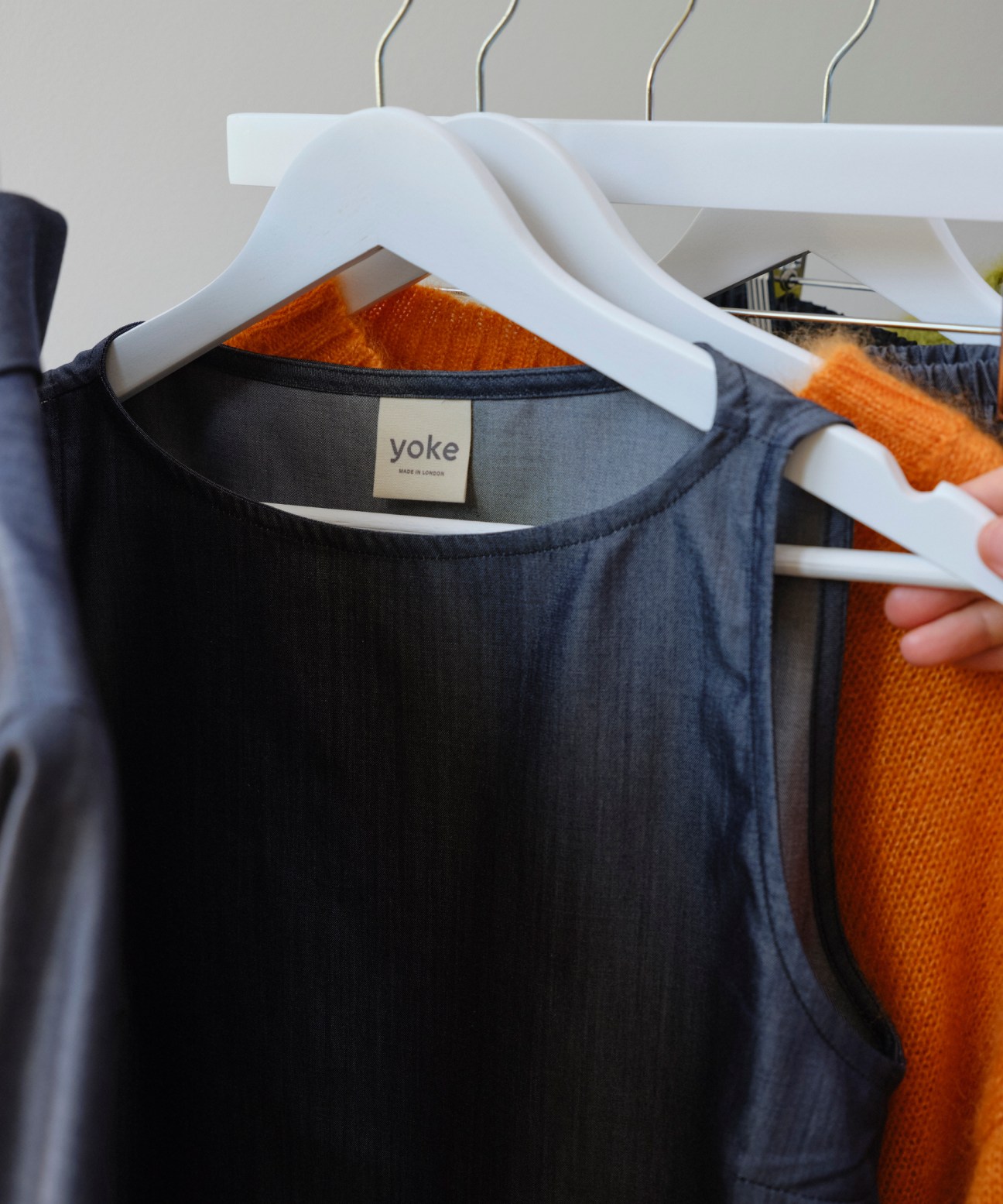
A family-run artisanal mill outside Perugia in Italy manufactures Yoke’s knitwear, while the cotton sets are cut and sewn in north London, using end-of-roll fabrics from luxury houses. “Every fabric is made from natural fibres so that, if the clothes do end up in landfill, no microplastics will be released,” says Bacon. By working with surplus fabrics, designs can only be released in limited quantities, sometimes as little as three at a time. “You won’t see many people walking down the street in the same outfit,” she says.
This autumn, Yoke will be releasing shirts and trousers cut from a “tonic cloth”, a wool-and-cotton fabric mostly used in suiting and featuring the faintest sheen. “My ambition is to build up a library of perfect pieces that can be updated in terms of fabric and colour,” she says. “Over time I’ll continue to add to the library.”
yoke-studio.com
7115 by Szeki
Denmark, China & USA
Szeki Chan began designing clothes while working as a singer in her native Hong Kong. Frustrated by the tight-fitting outfits she wore on stage, she created looser, more comfortable pieces that would become the foundation of her clothing brand, 7115 by Szeki, which made its debut in New York. “I focused on creating the kind of clothes that I had always searched for: comfortable, well-crafted and reliable,” she says.

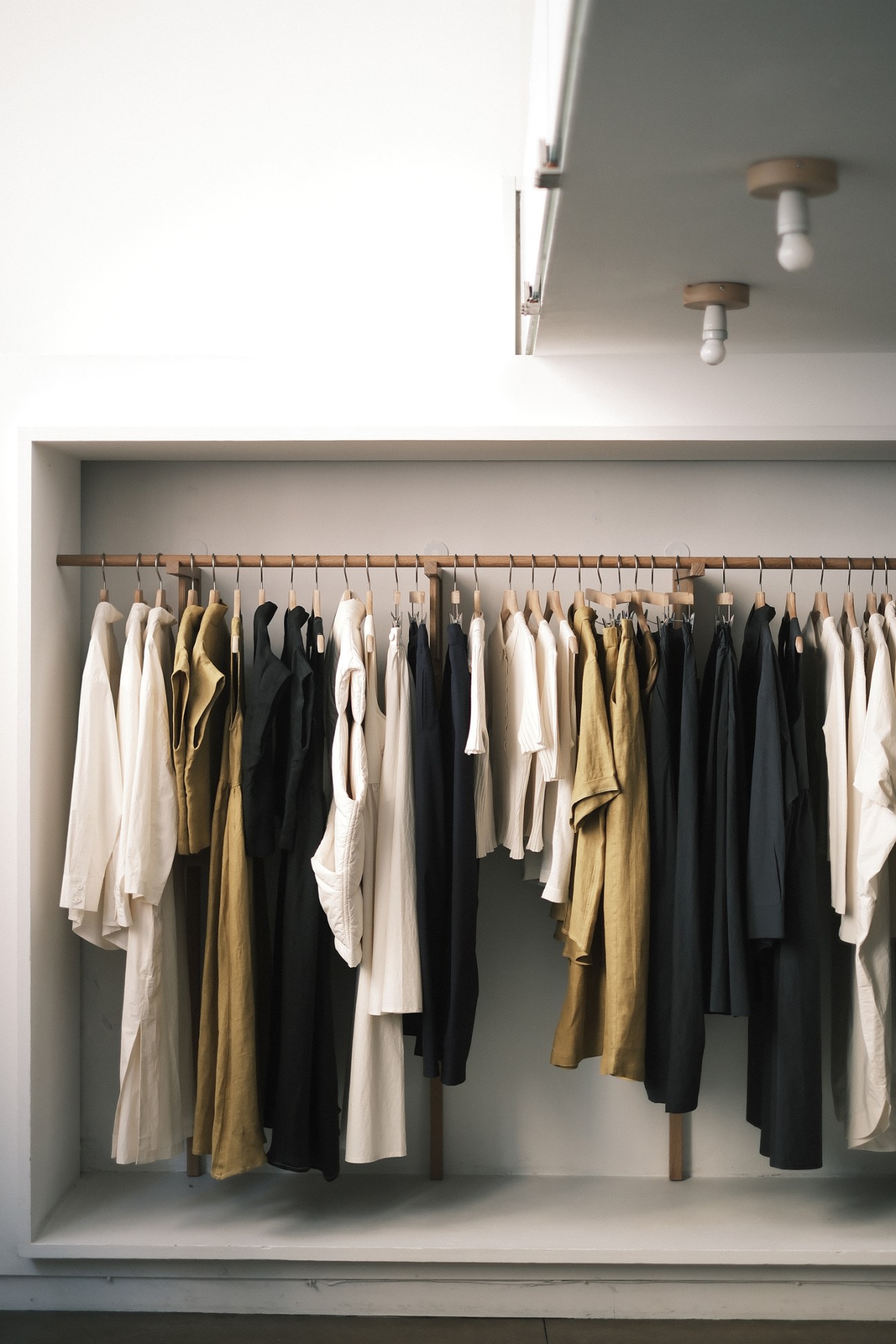
Over the past 16 years, Chan has refined her offerings, particularly after relocating to Copenhagen, where she opened her first shop not in the US. “People here do minimalism like no one else,” she says. “This city has solidified the look of the brand.”
Drawing on the simplicity associated with both Nordic and Japanese design, Chan’s brand continues to appeal to a global audience. “With every new collection, we edit out pieces that won’t age well,” she says. For autumn, we have our eye on the boxy cotton blazers, smart ribbed-knit cardigans and corduroy sets.
7115byszeki.com
Frère
France
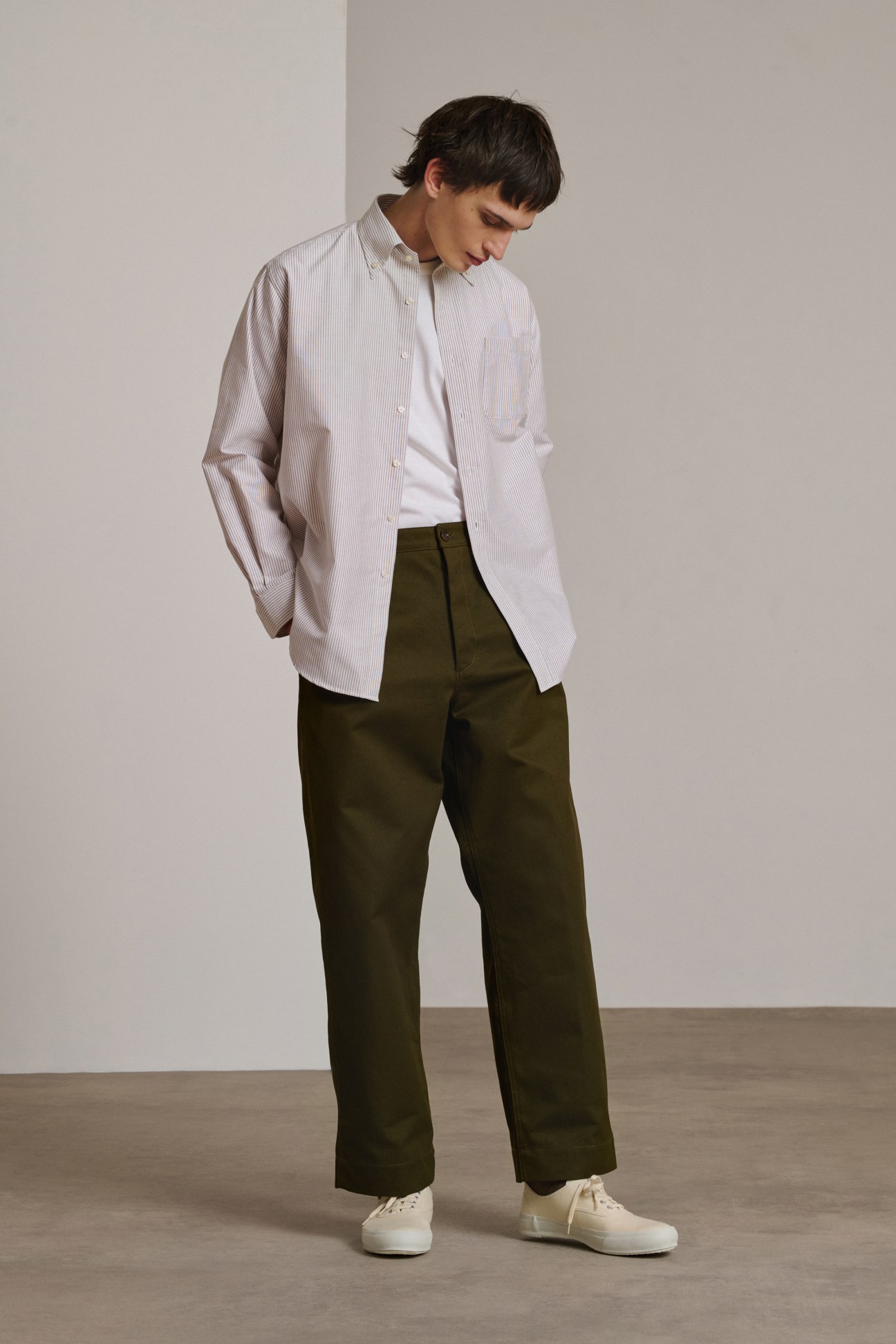
Paris’s favourite contemporary fashion label, Soeur, is expanding into menswear with a dedicated line appropriately named Frère. In true French fashion, founders and sisters Domitille and Angélique Brion have always blurred the lines between masculine and feminine style codes so turning their attention to their male counterparts was a natural next step for the fast-growing business, which operates 48 boutiques across France, Spain and the UK.
“We’re into men’s tailoring – details like internal buttons and linings have become strong signatures for us,” says Domitille. The Frère style is “relaxed yet refined”, with cosy knits, smart tweed coats, tailored shirts and brown gilets – ideal for autumn. “We are striving to [offer] an affordable designer brand and tapping into the longing for individuality, to have a sharper outlook and responsible manufacturing processes,” Freja Day, the brand’s ceo, tells monocle.
soeur.fr
Totes and charms
Global
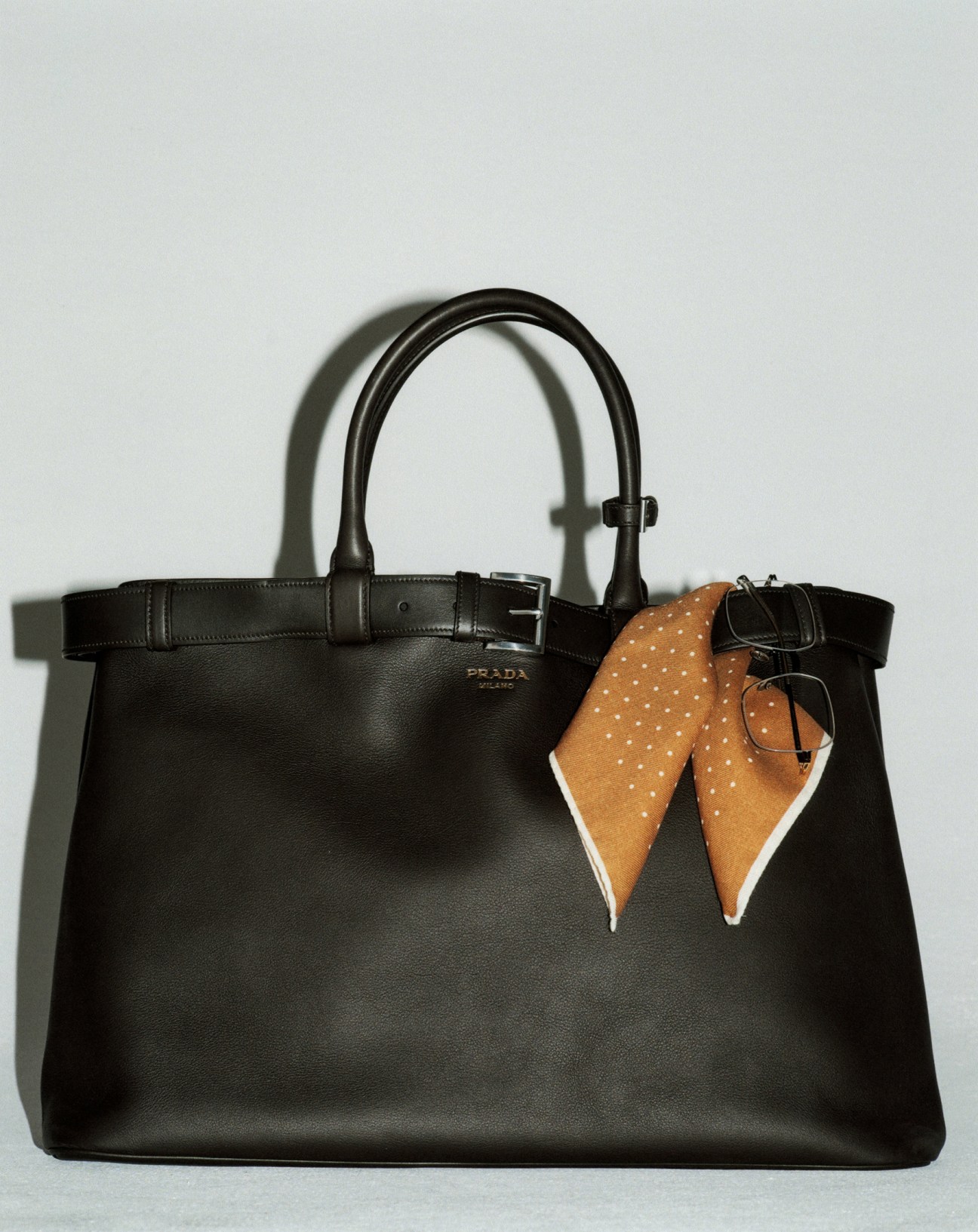
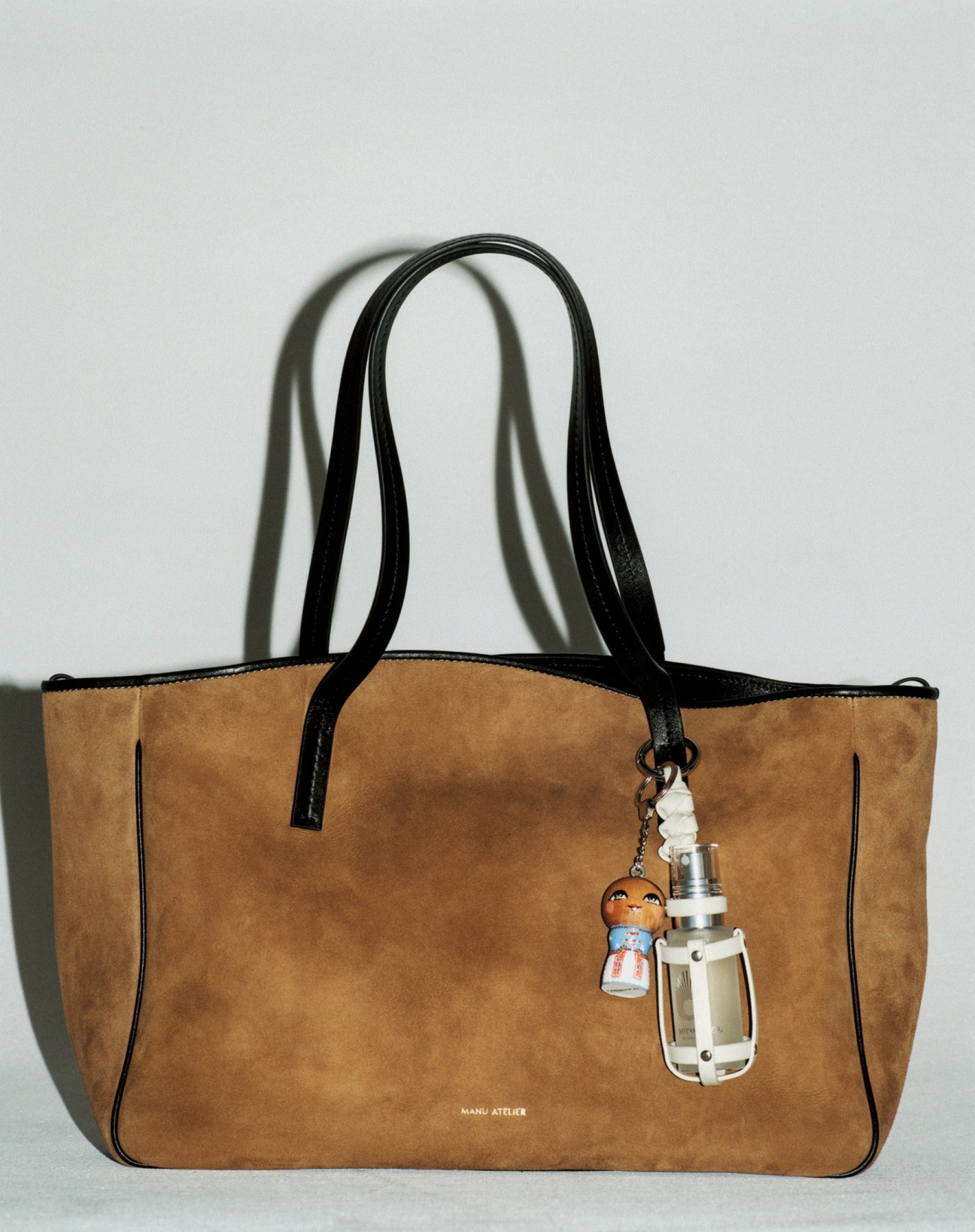
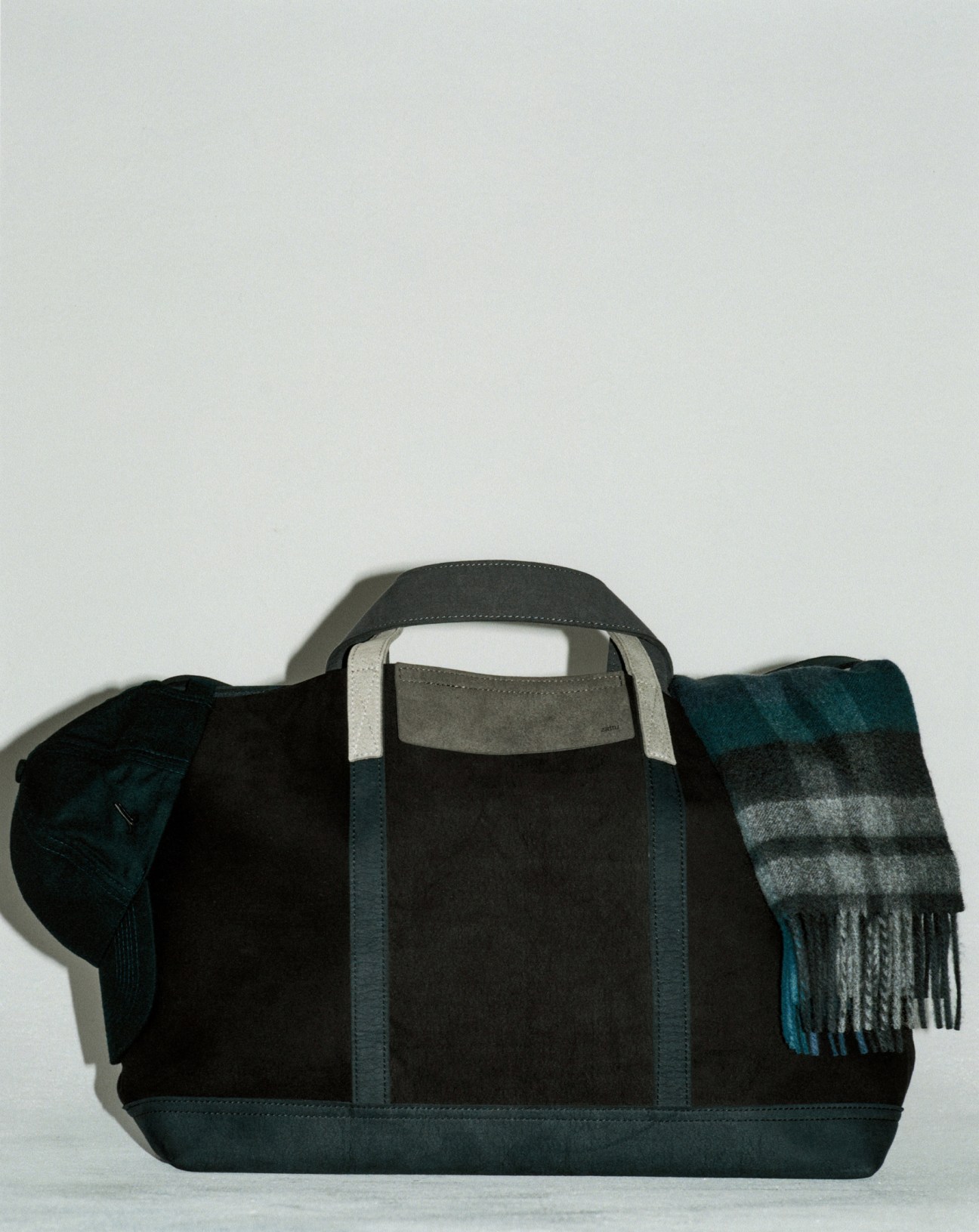
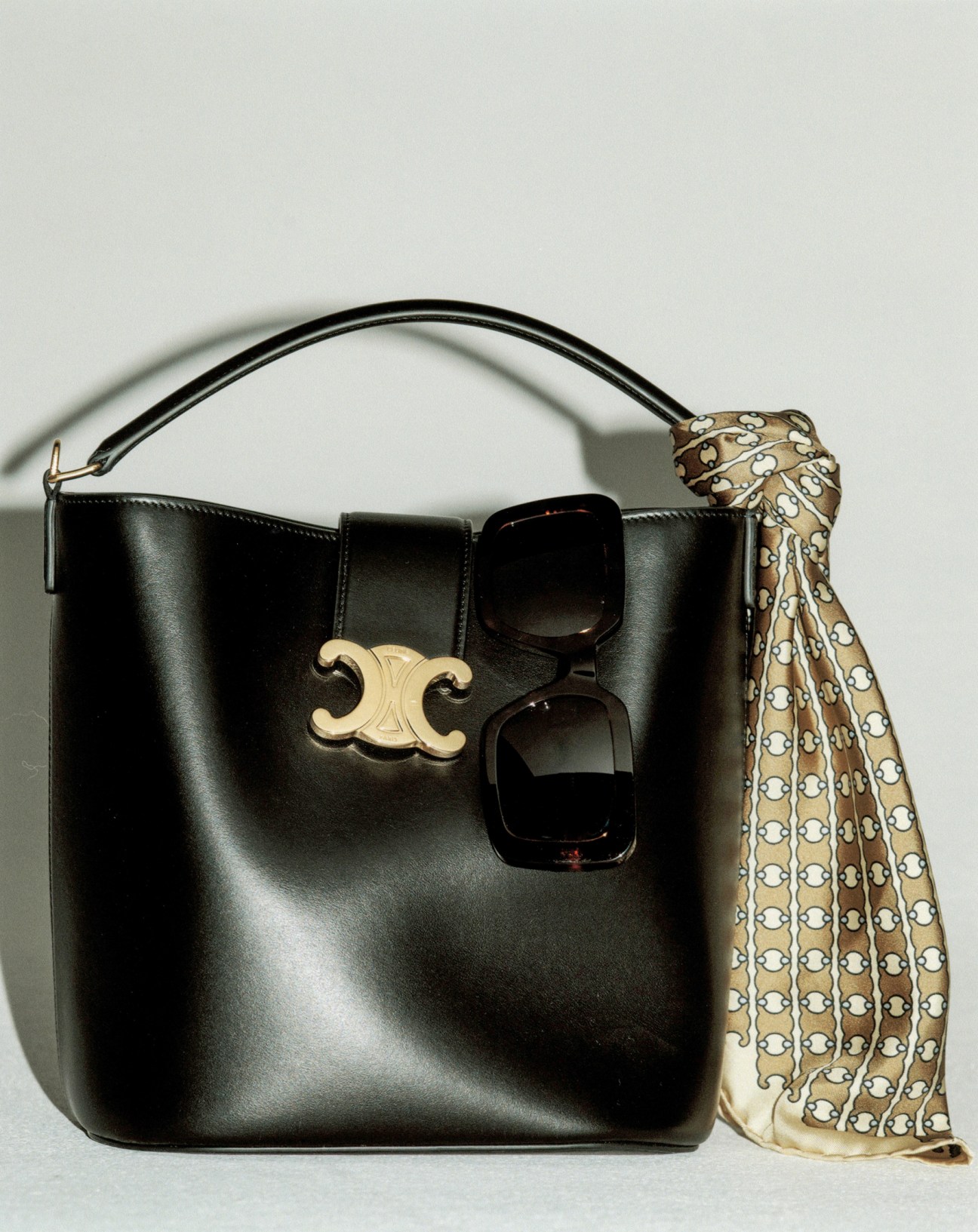
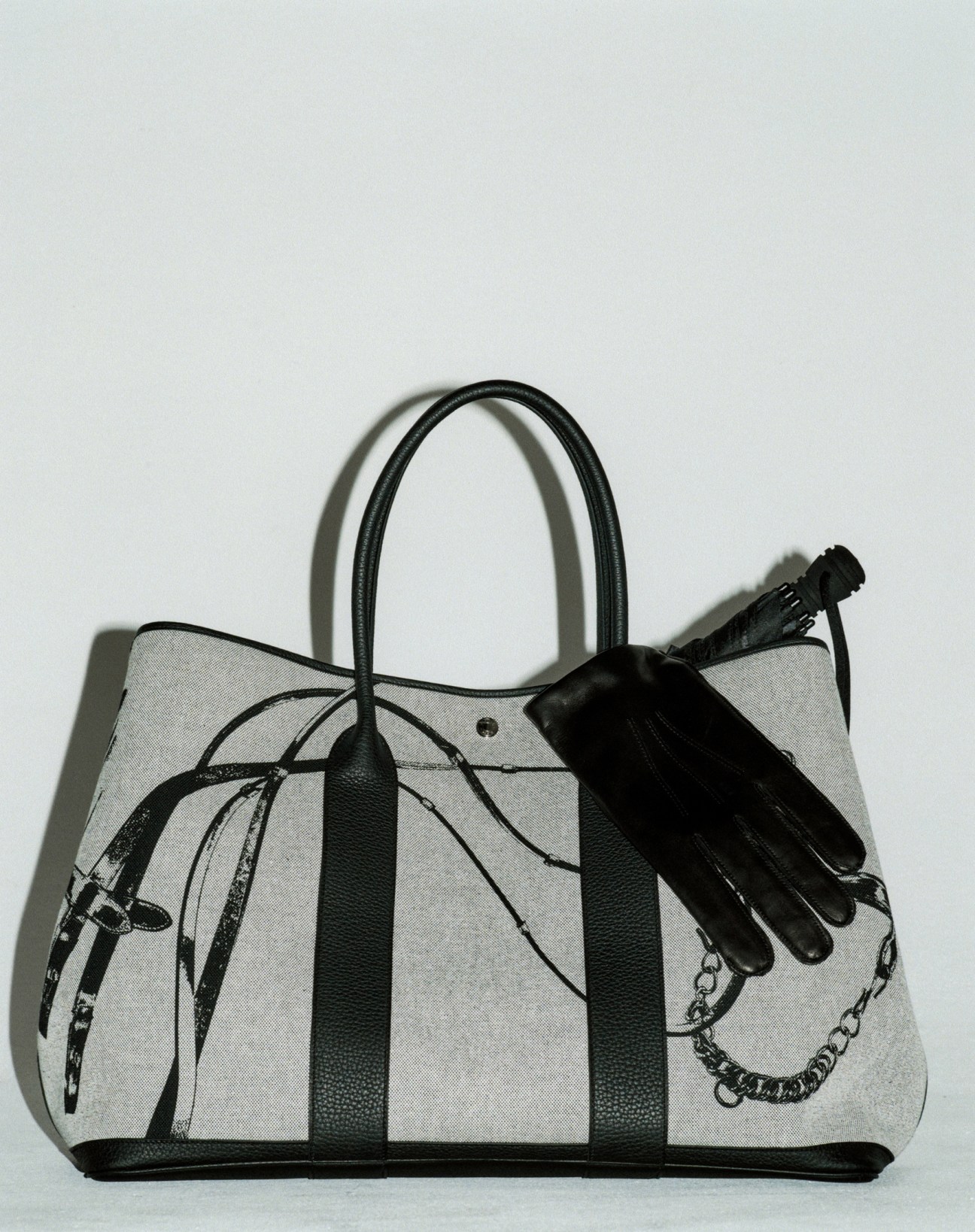
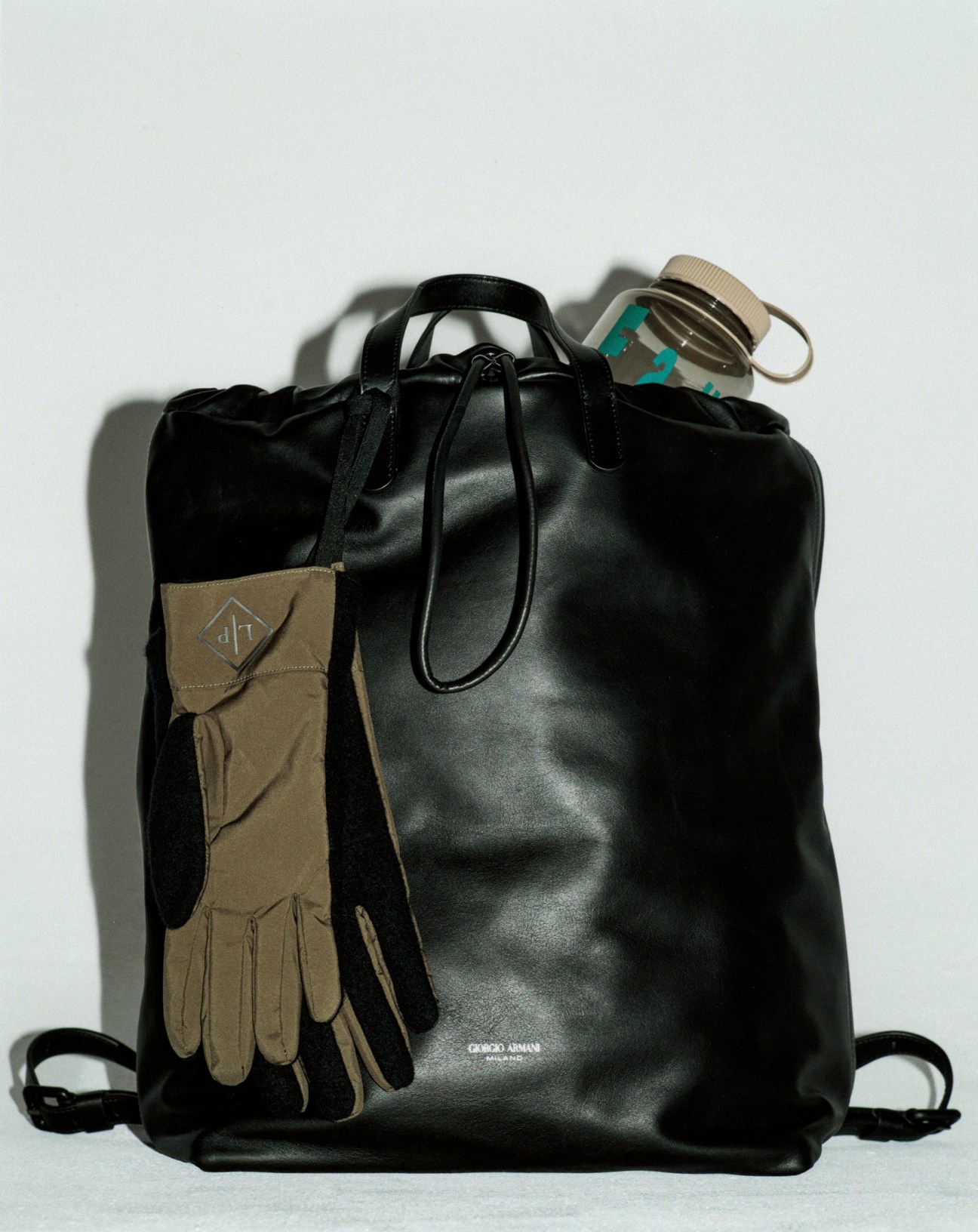
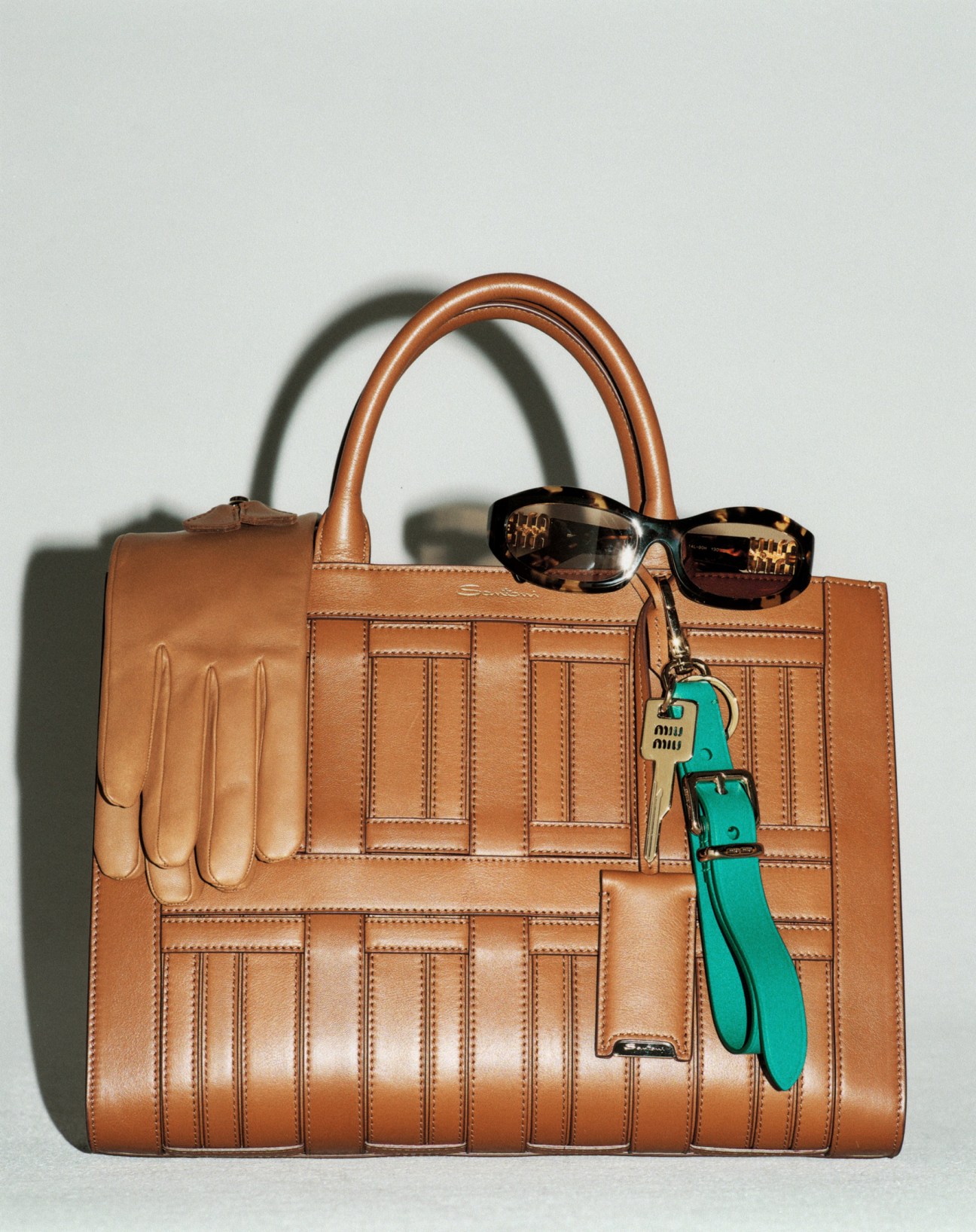
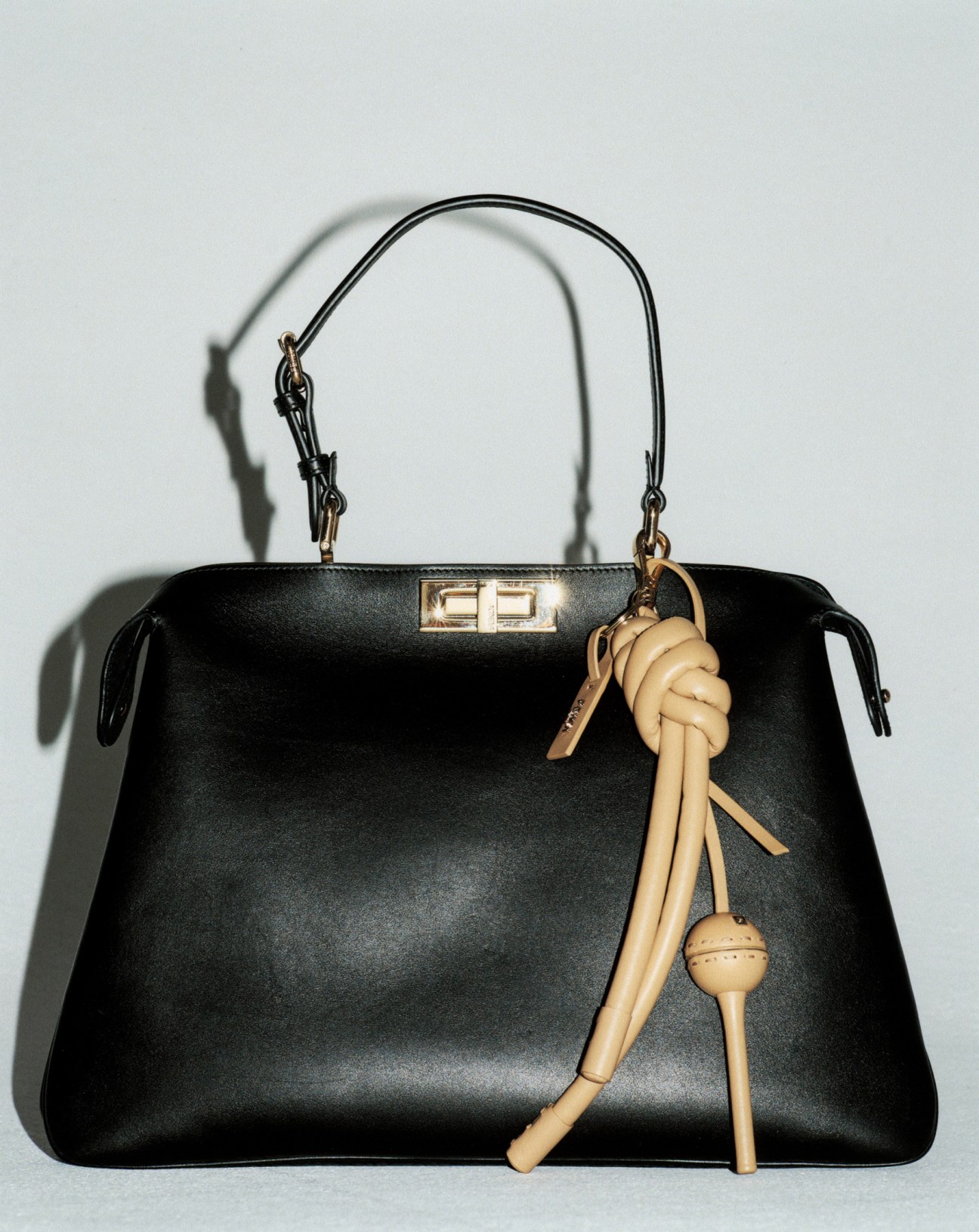
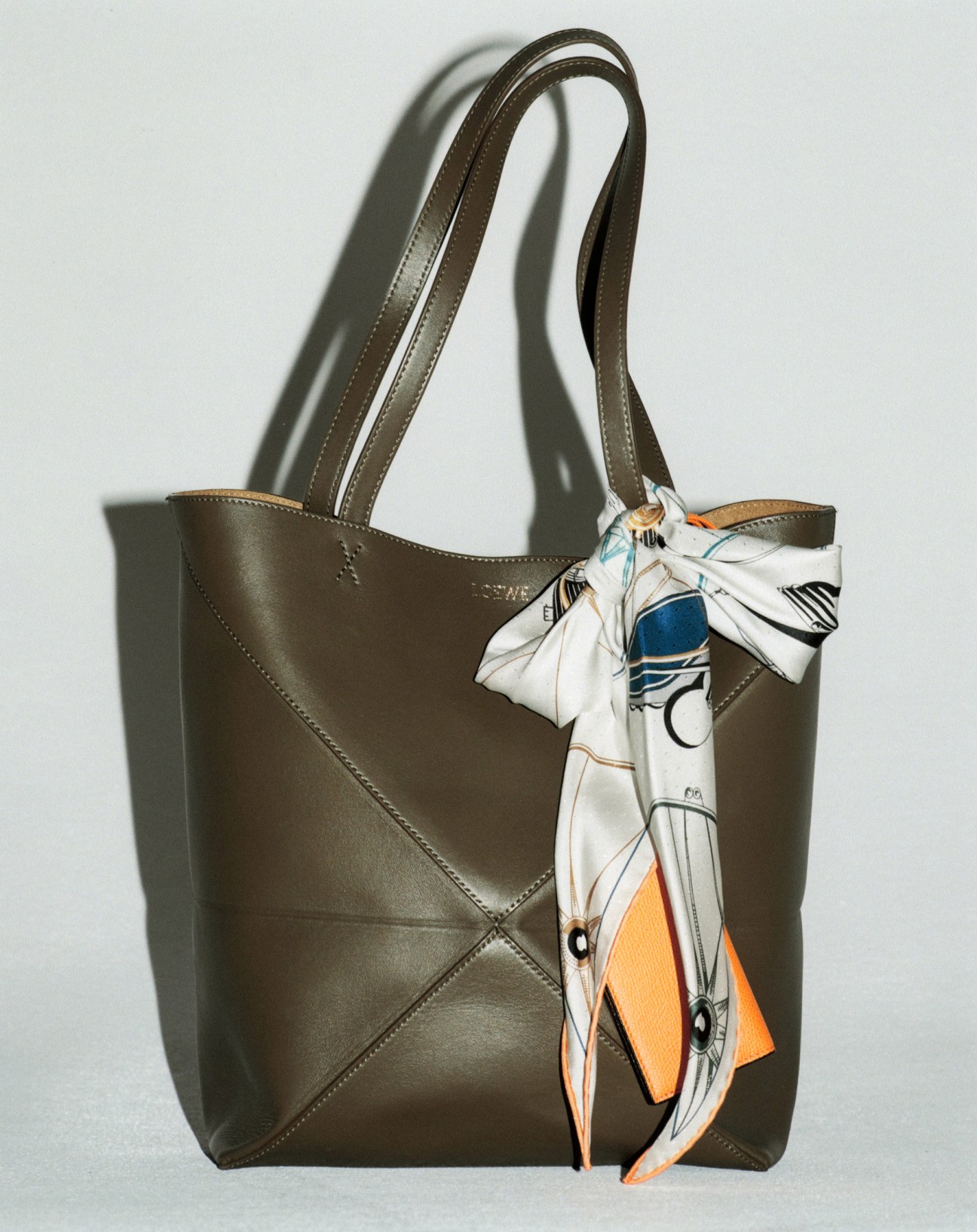
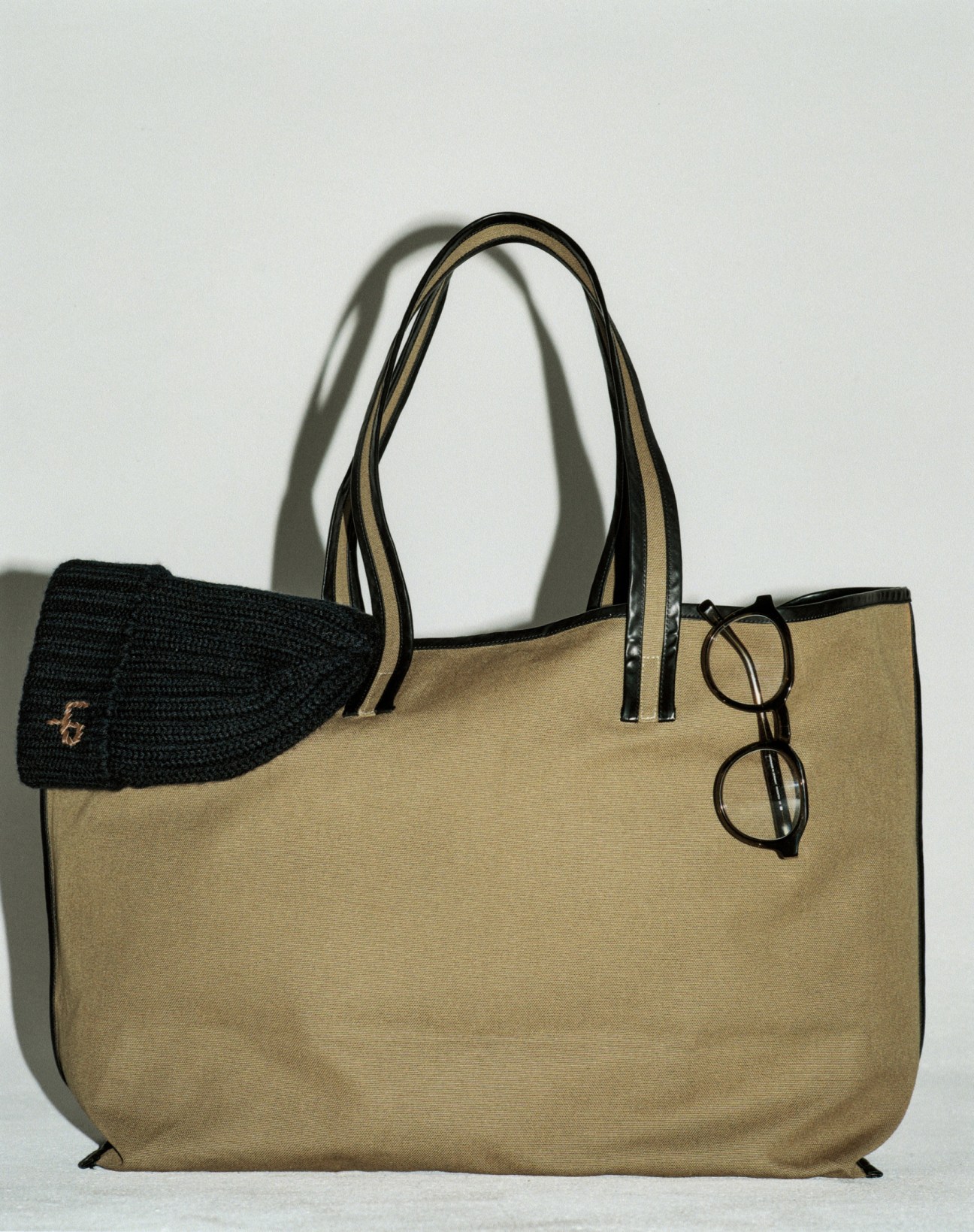
Accessories trends come and go but a classic tote bag never loses relevance. The best ones are big enough to fit all your belongings, yet compact enough to carry from the office to a chic restaurant. This season there’s an array of options to choose from, including Prada’s new Belt bag, Loewe’s popular Puzzle styles and Celine’s extra large bucket bags.
Picking sturdy leather that will age well is essential – independent label Manu Atelier is known for sourcing high-quality skins for its bags, including its new Du Jour tote. We recommend adding a personal touch such as a charm.
manuatelier.com; loewe.com; prada.com; celine.com

How 1940s-era bungalows of the Mar Vista Tract are nurturing the community
When Gillian Tennant and Steven Summers started house hunting in Los Angeles for their family of four, they had the goal of any reasonable Aussie transplants: a modern home not too far from the beach. They happened to be driving past a stretch of low bungalows on Beethoven Street, just off Venice Boulevard, when they were stopped in their tracks. The houses would probably have passed unnoticed had it not been for the gathering that was taking place out front. “In someone’s yard, there was a live band playing, with people sitting on the lawn listening,” says Tennant. “That’s something you don’t see anywhere. We said to each other that this is where we want to live.”
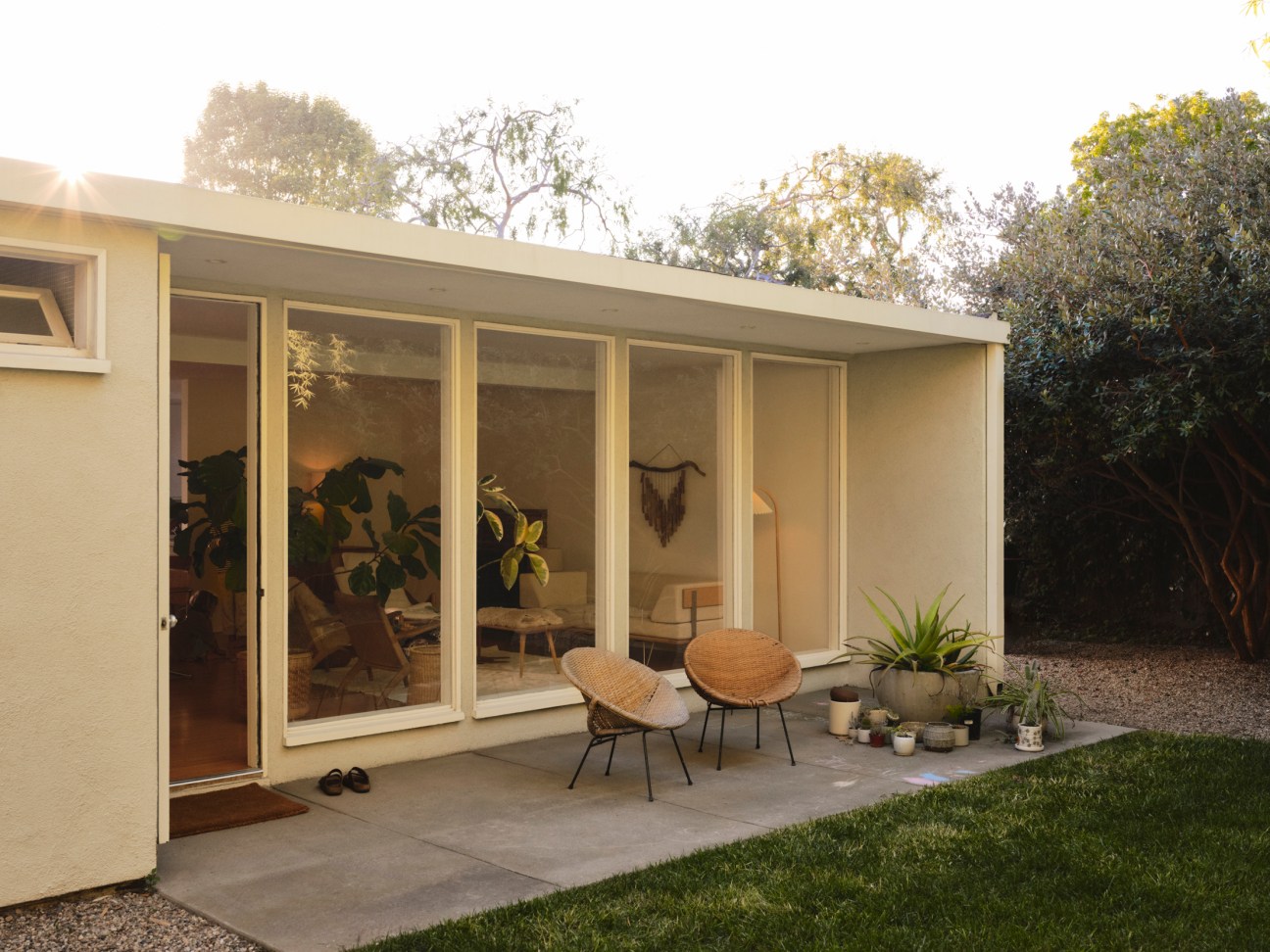
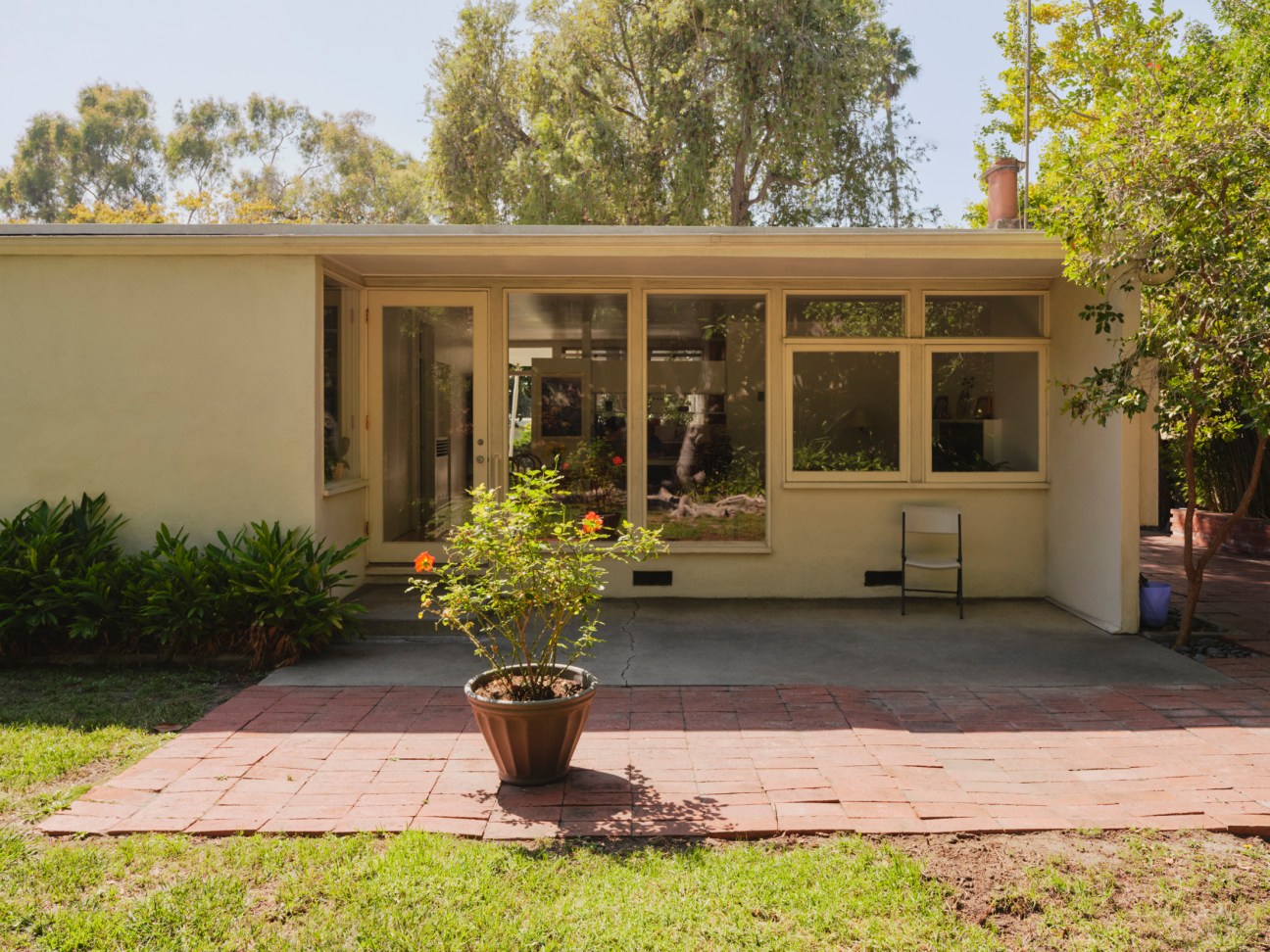
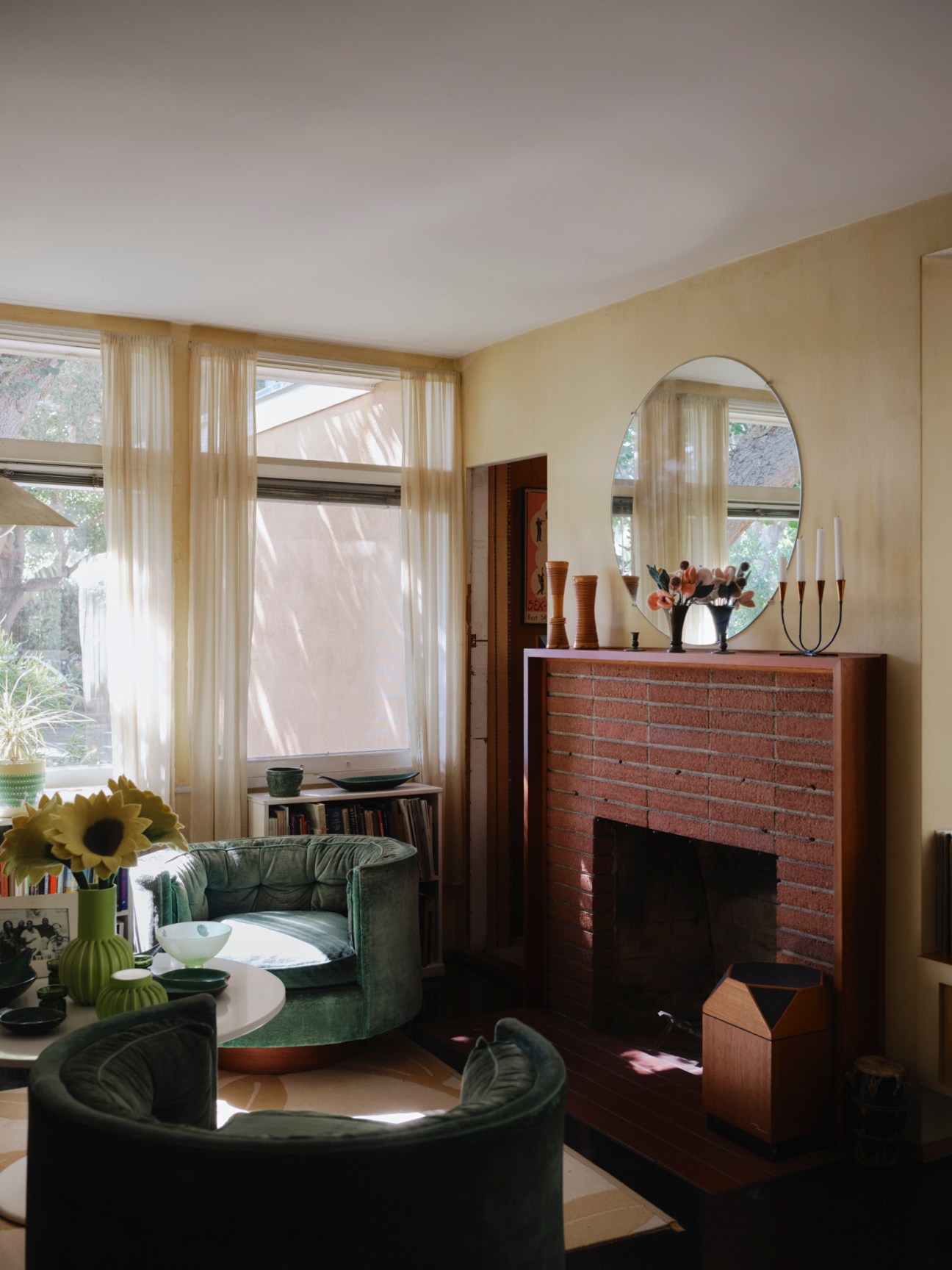
This scene of 1950s-era neighbourhood bonhomie that Tennant and Summers had stumbled on is typical for the Mar Vista Tract. A grouping of 52 houses that runs three streets deep (Beethoven, Moore and Meier Street, from west to east), this modernist enclave is easily missed when driving through the flat suburbia that sprawls out east of Venice Beach. The main decoration on the small, colourful bungalows are slim, V-shaped trusses that hold up awnings over garage doors and entrance walkways. But when Tennant and Summers fixed their mind on living in one, they had to get in line. Mar Vista Tract residents hardly ever leave; when a house does go up for sale, bids can exceed $2m (€1.8m).
In Southern California’s modernist architectural heritage, which mostly consists of the ritzy and secluded single-family villa, the Mar Vista Tract is a misfit. So was its architect, Gregory Ain, the child of a socialist Polish émigré who grew up partly on a commune. Ain viewed architecture as a “social art” that should address the “common architectural problems of common people”. After working in the drafting room of Austrian master Richard Neutra, he opened his own office in the late 1930s. By the mid-1940s, together with associates Joseph Johnson and Alfred Day, he started planning the Mar Vista houses.
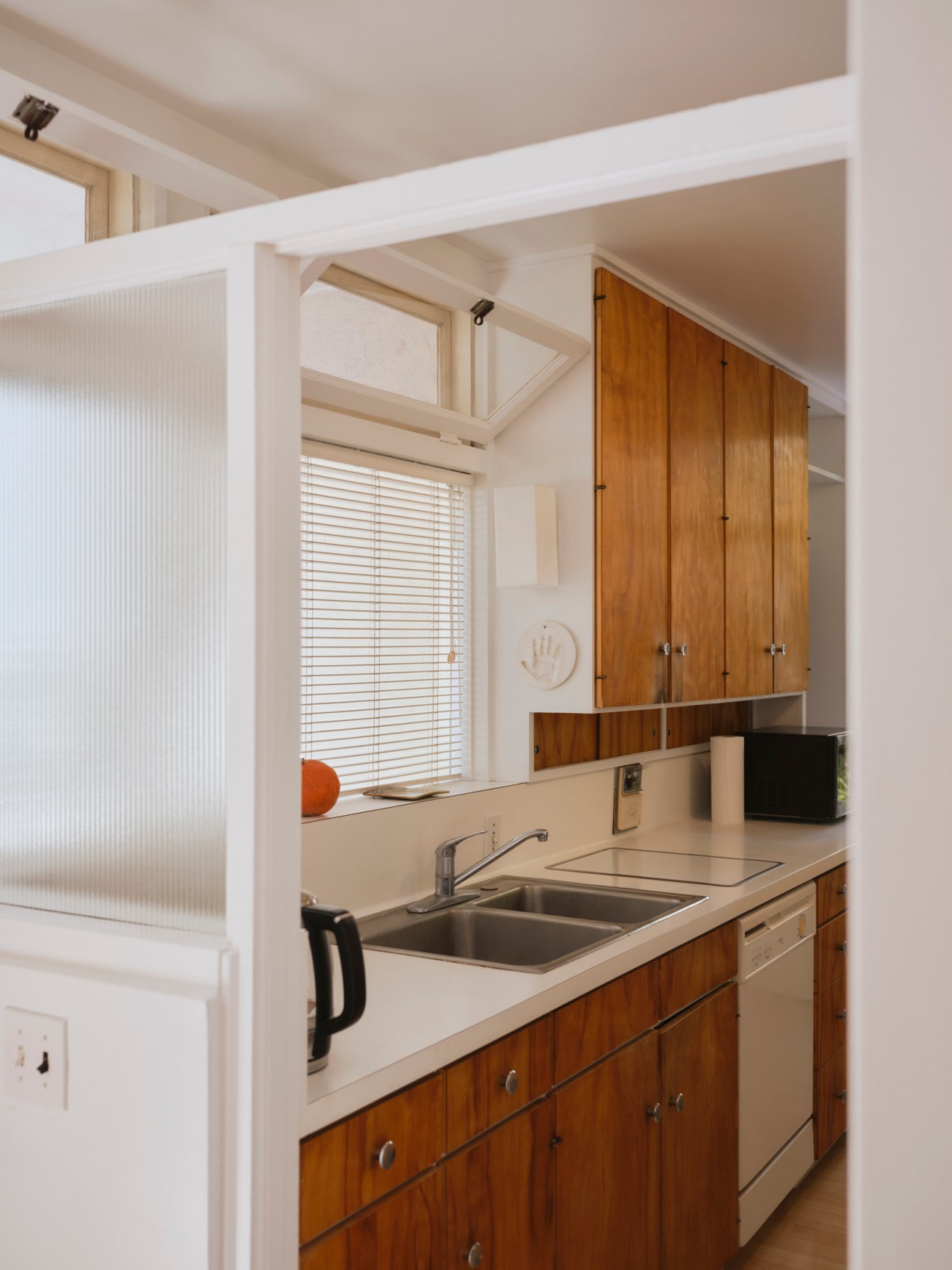
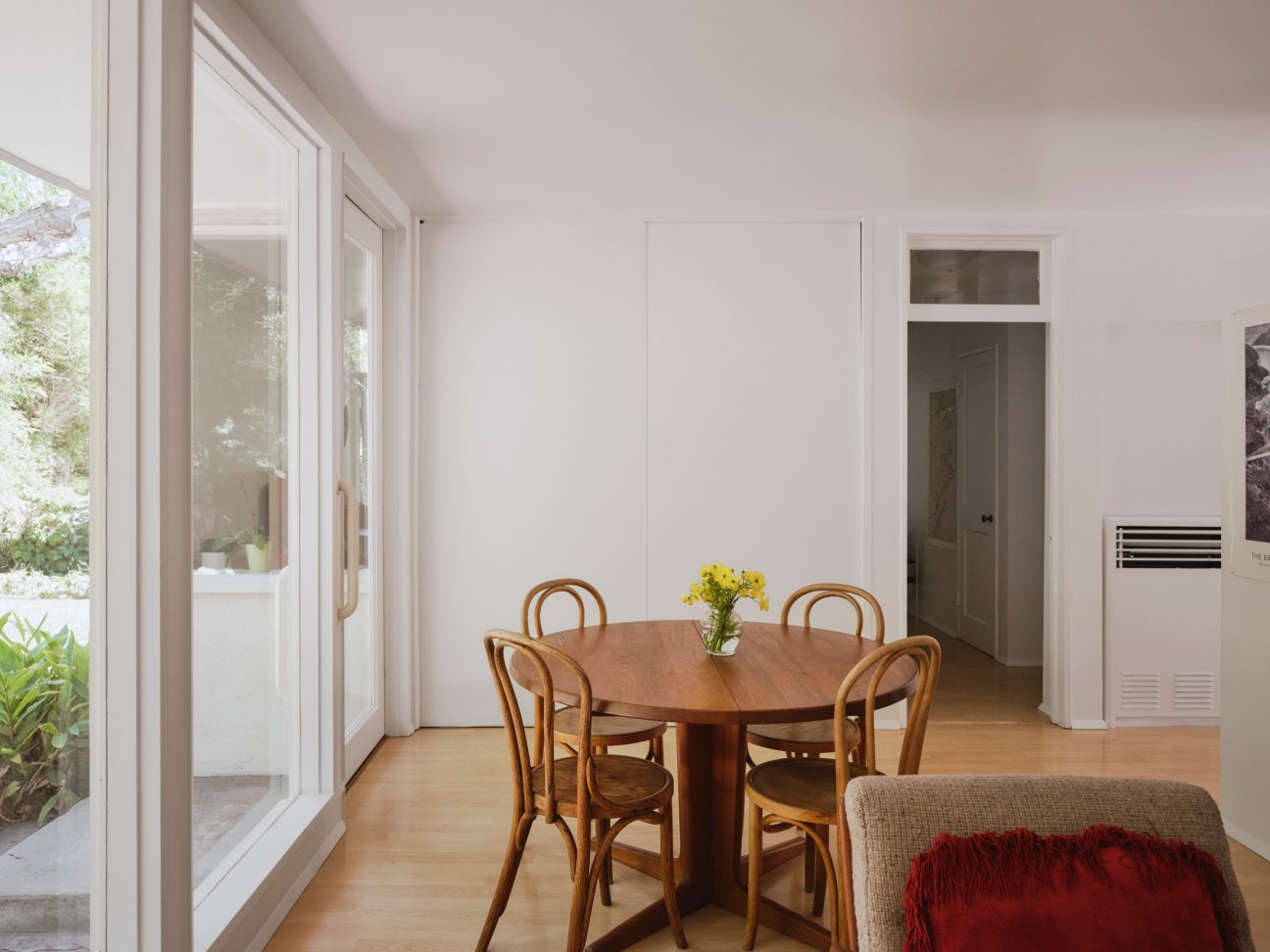
Ain himself referred to his masterplan as a tract – a term connoted with a kind of repetitive, characterless suburbia. In Ain’s design, the houses have the same basic layout and average just 98 sq m but every millimetre was carefully considered. The architect developed a plan that maximises space and flexibility using sliding doors and an open kitchen. By flipping and rotating this floorplan, and varying the position of the garage, he made every home slightly unique. Just as much thought was given to the surrounding green spaces. Ain’s frequent collaborator, Harvard-educated landscape architect Garrett Eckbo, drew up fenceless, communal gardens planted with species from six continents. Each parallel street had its own plant-lined walkway: ficus for Beethoven, melaleuca for Moore and magnolia for Meier. Backyards were dotted with loquat, mulberry, plum and guava trees to encourage fruit trading and socialising between neighbours.
The houses were completed in 1948 and christened the Modernique Homes (“Modern in design, unique in liveability!”). While keeping mum about Ain’s socialist leanings, the advertising material emphasised his innovative design solutions. “Check these features against homes twice the cost” it urged, followed by a 10-point list ticking off all that Ain had squeezed in, including folding and sliding doors that made space for one, two or three bedrooms, floor-to-ceiling windows and a dining table between the kitchen and living room that doubled as a buffet or a bar.
The design was progressive for the 1940s but prospective buyers, alas, did not take in Ain’s nuanced vision. Though the houses started at a reasonable $12,400 (just over $160,000 in today’s money), they were in a blue-collar area where homes sold for a third of that sum. The neighbouring property was a shooting range. The mainstream reaction to the development is captured in the 1949 film noir Tension, where a newlywed couple arrive in Mar Vista and the husband proudly presents the home he has picked out for them. Behind Ain’s unadorned design, barren fields stretch into the distance. “It’s 30 minutes from nowhere,” says the wife, sliding into the driver’s seat and taking off.
Though the Mar Vista Tract was a commercial failure, it attracted residents who saw the value of Ain’s design, many of them architects and designers. Early occupants included the founders of Architectural Pottery, the company that pioneered modernist ceramics in the US. The tract has also had an LA-appropriate share of intrigue (including one murder mystery) and makes several unexpected cameos in the city’s cultural history (empty pools in the tract informed early designs of skateparks).
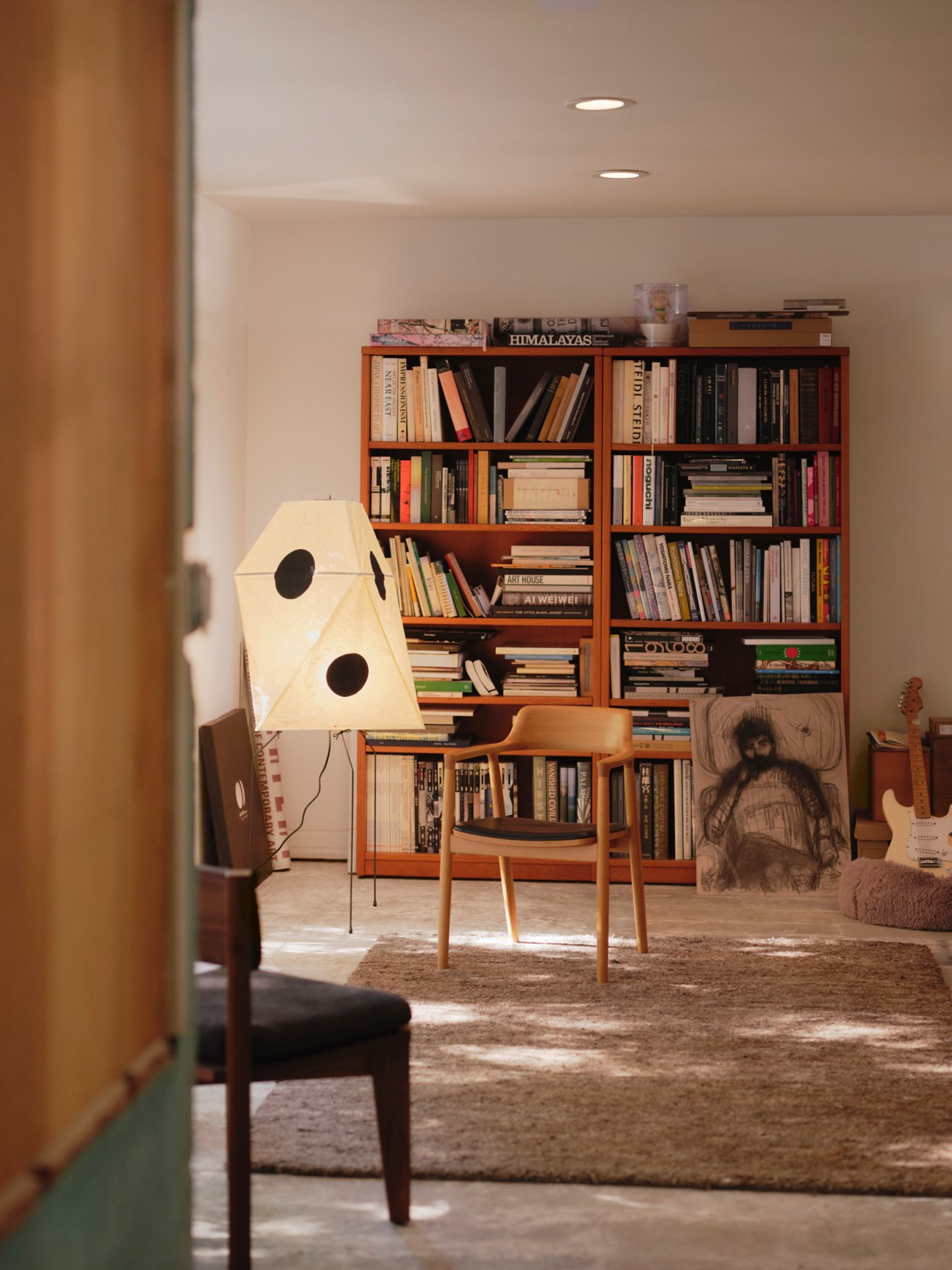
When Amanda Seward and Hans Adamson moved in on Moore Street in 1994, they had never heard of Gregory Ain. “This was the only house that we could both agree on,” says Seward. The couple only had a lay interest in architecture: Seward, who grew up in Santa Monica, is a lawyer, while Swedish-born Adamson produces music software. But when they began work on the fixer-upper, which needed a new roof, they started digging into the neighbourhood’s history. The previous owner had left behind the tract’s original blueprints. “He had been an enthusiast of these buildings and I inherited that with the house,” says Adamson, who started researching the original planting schemes and colour palettes of the homes. “It took years of detective work.”
By that time, in the late 1990s, Mar Vista was becoming a desirable place to live in LA, and the first McMansions had started popping up in the area. Eventually somebody submitted a planning application for adding a second floor to their Ain house but the neighbours did not acquiesce.
Angela Caputo, Ken Kook & Maya Cook
“We moved from Chicago to Los Angeles and happened to cycle by here and saw a ‘for sale’ sign out front – we put a bid in and got it,” says Angela Caputo, who has lived on Moore Street since 2020. “This is a very welcoming neighbourhood. People are so warm here. It would be tough if that atmosphere were lost. Hopefully, many of the neighbours’ children will stay. We hope that our daughter will one day have this place.”
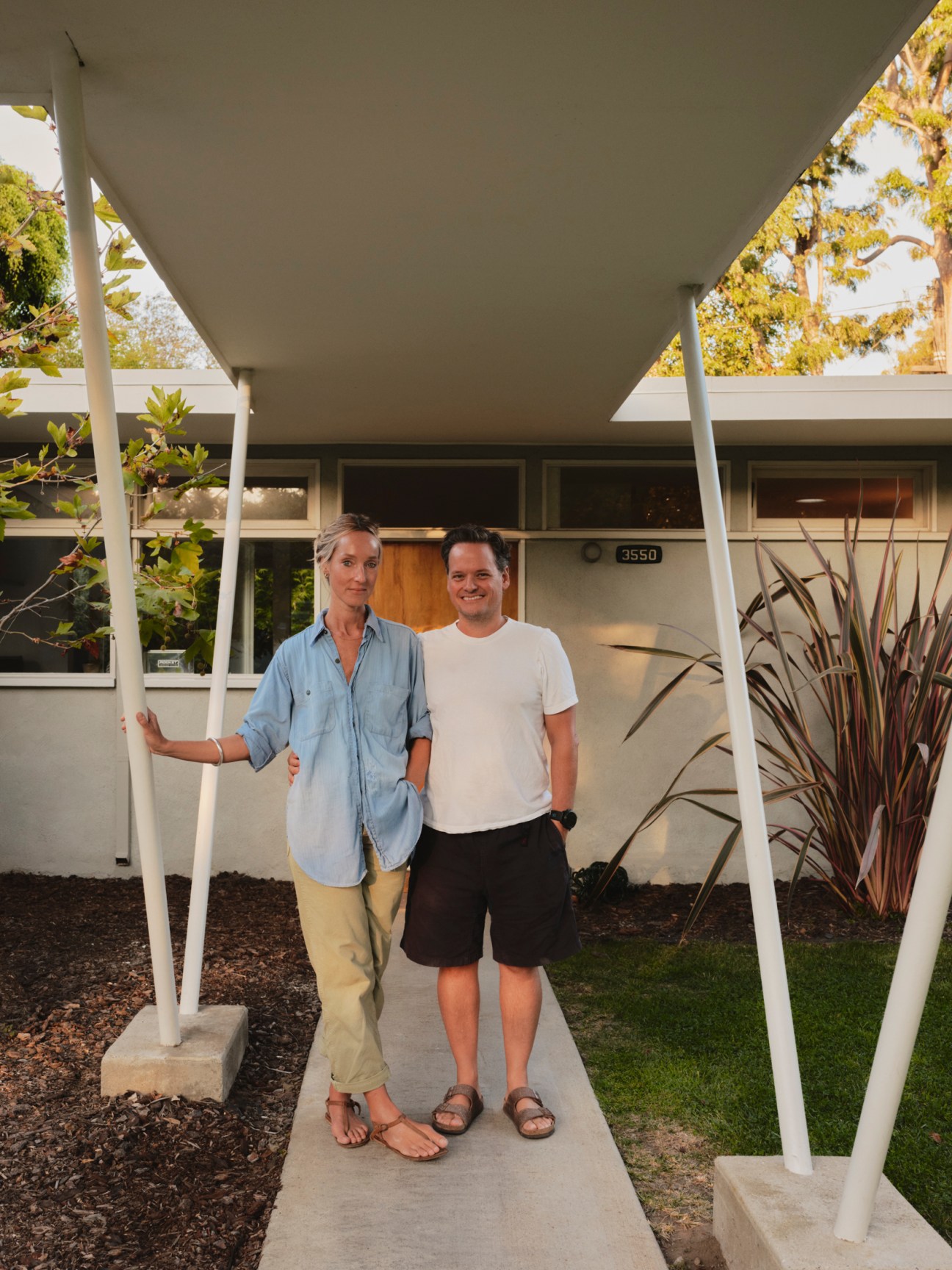
Gillian Tennant & Steven Summers
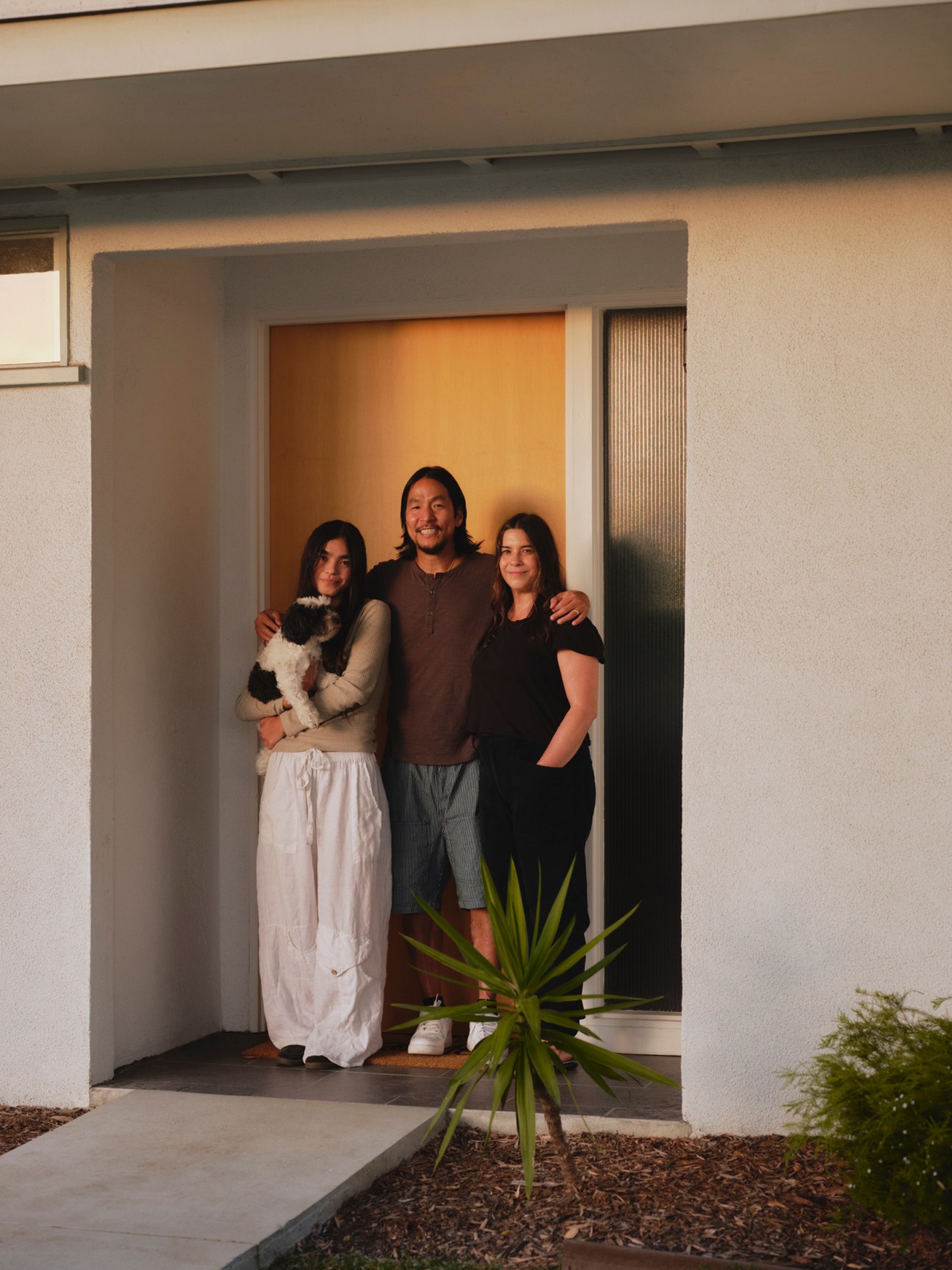
“We have been surprised by how safe this neighbourhood is, especially for this part of Los Angeles,” says Gillian Tennant, who has lived on Meier Street with her partner, Steven Summers, and their young family since 2023. “We thought we couldn’t let the children out the front door but there are kids running up and down the street. They love it here. The only odd thing is how many people take photos of the house while driving by.”
Takashi Yanai
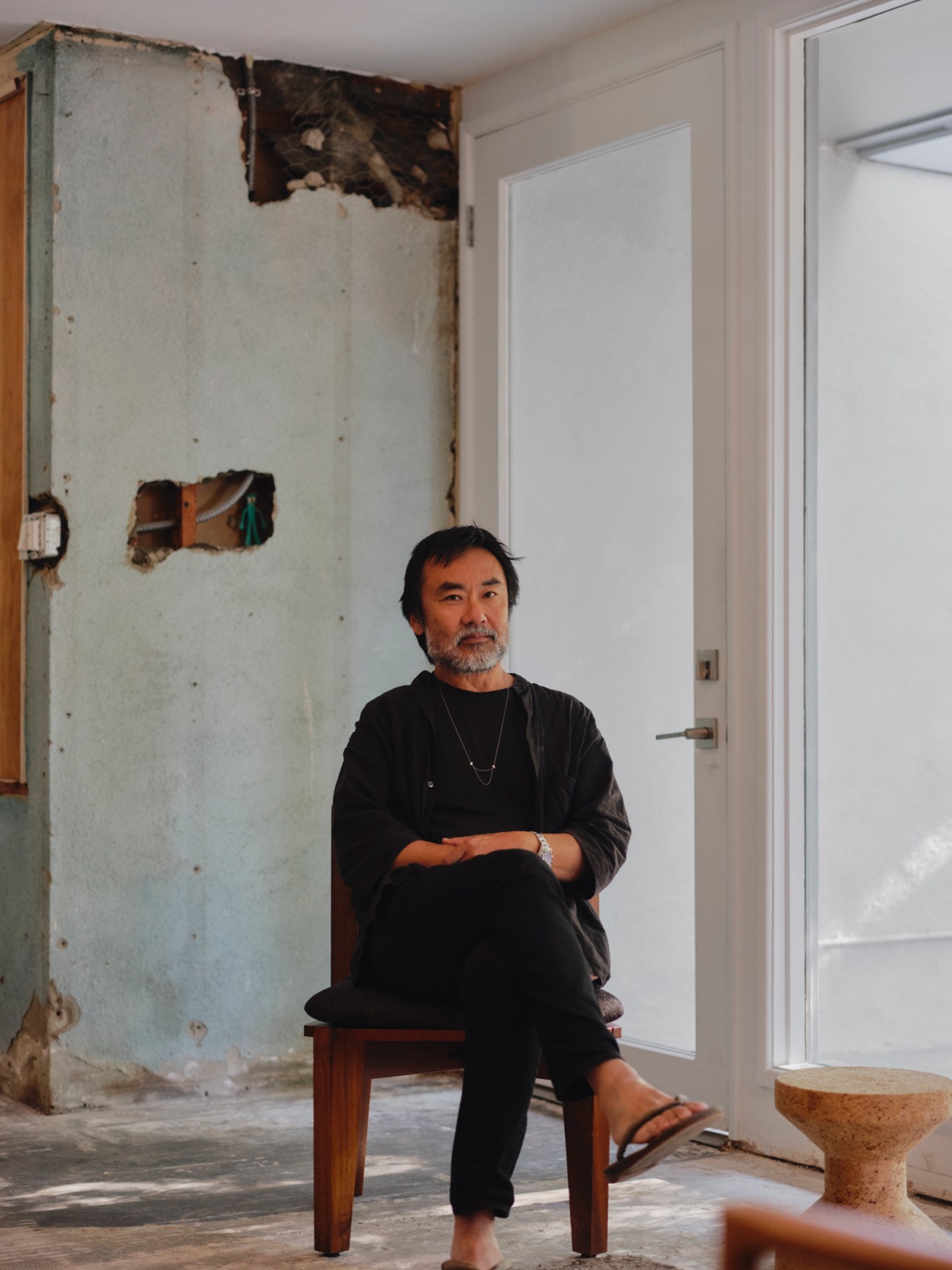
“I made an offer on a house here 20 years ago and didn’t get it but I always thought that someday I would live in one of these houses,” says Takashi Yanai, whose vision became a reality when he bought a house on Meier Street in 2023. “I want to make it possible for more people to experience this architecture. I have hosted dance performances and art exhibitions; next up is a karate performer. I am thinking about starting an informal artist residency.”

Ruth Handel & Lloyd Scott
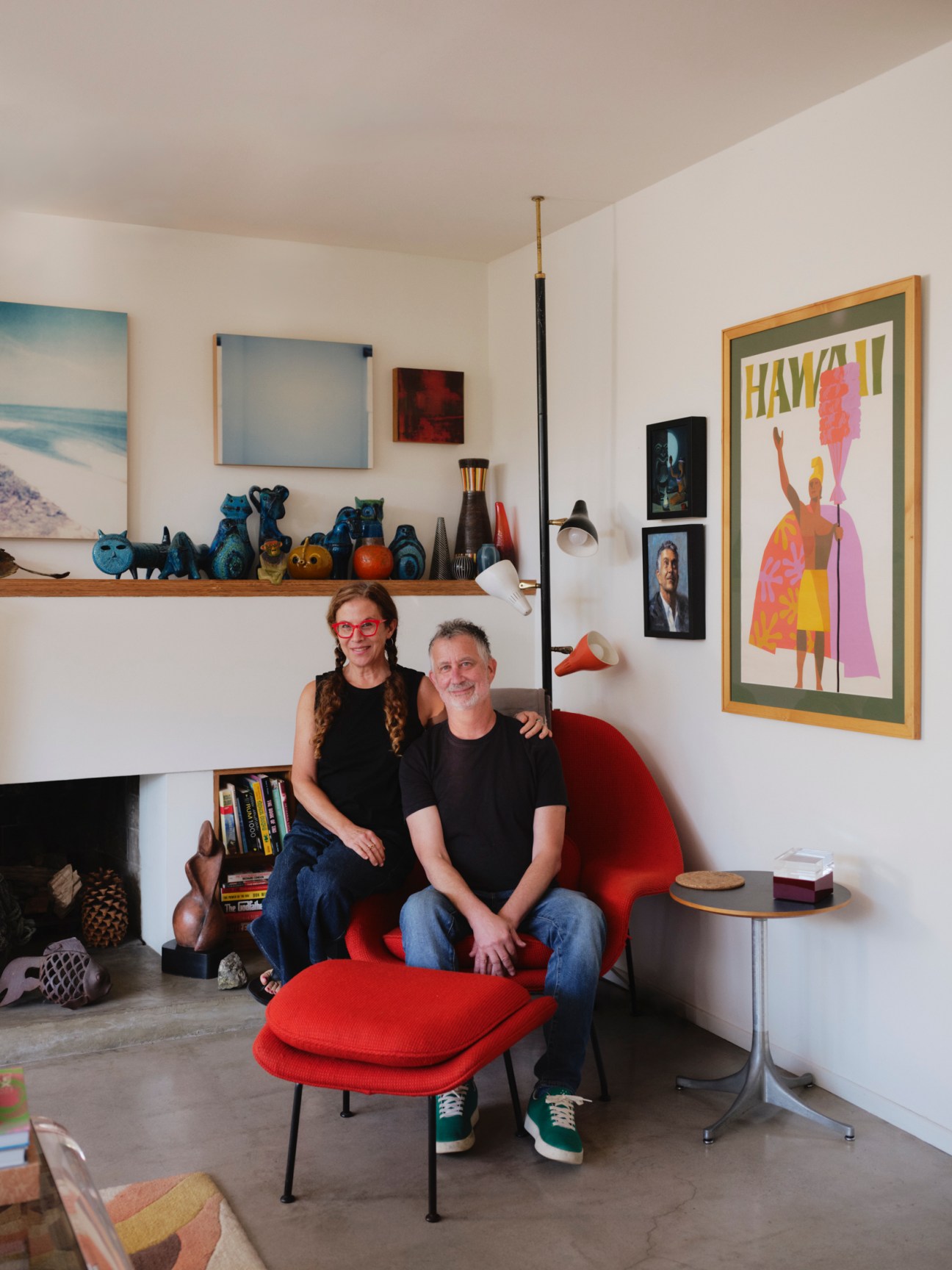
“Living in these houses makes you appreciate time in a different way,” says Ruth Handel, who has lived on Moore Street since 1999. “I’m working on a book about life in the tract and have been gathering stories and photos from previous residents. In one stack of photos I received, the first photo was of someone sitting in exactly the same spot I was in. It was a strange moment. You realise that you’re just passing through.”
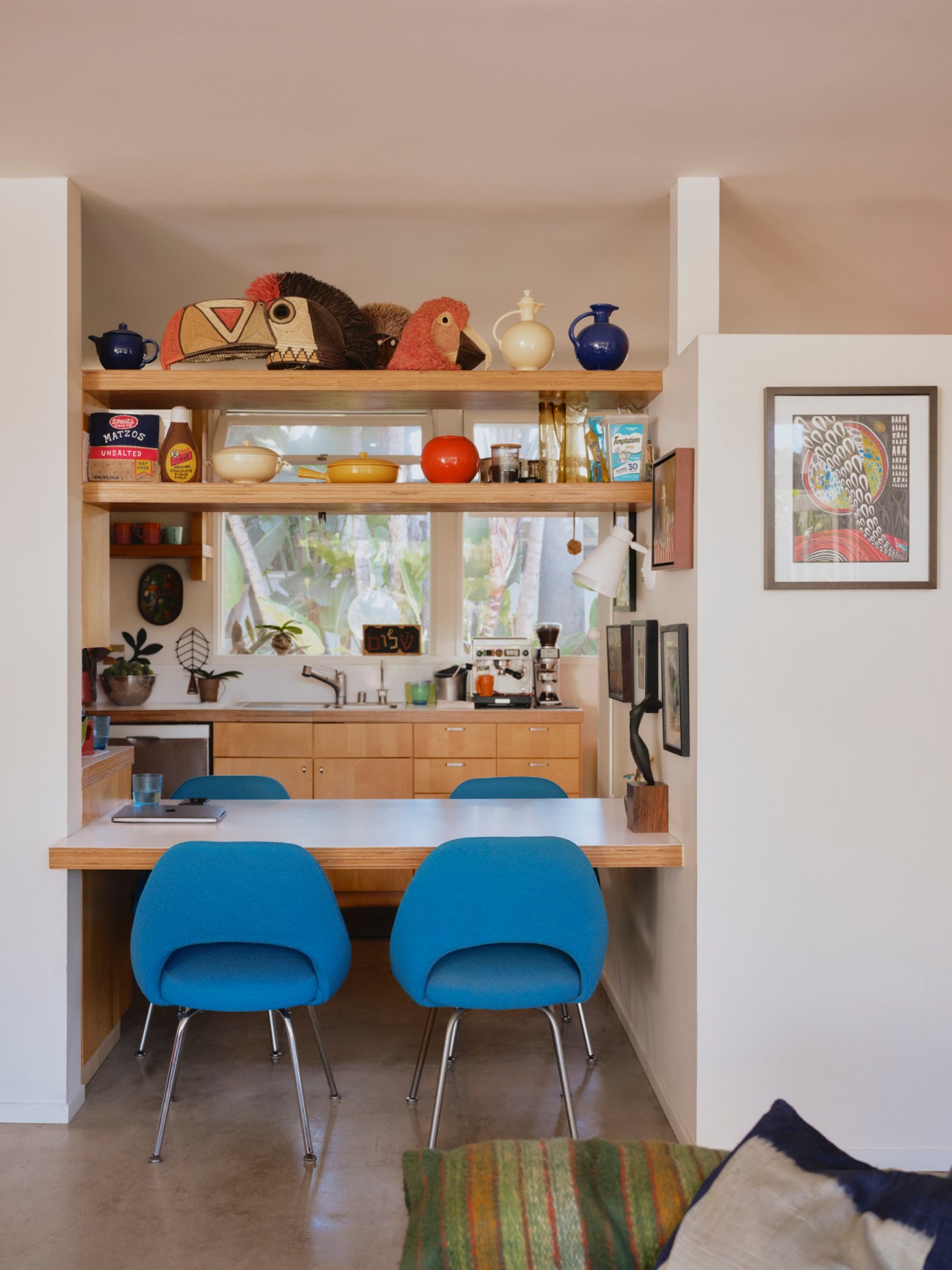
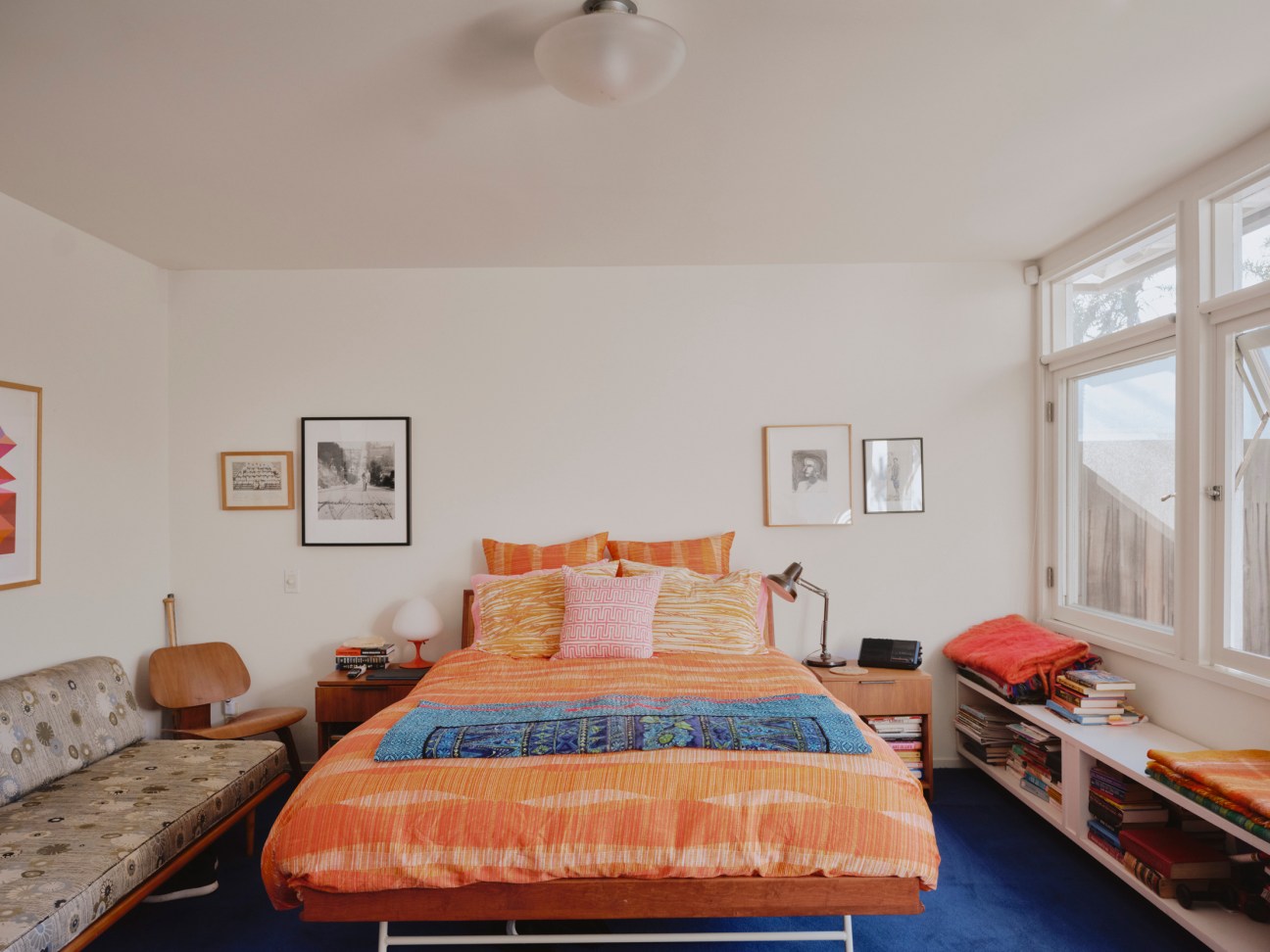
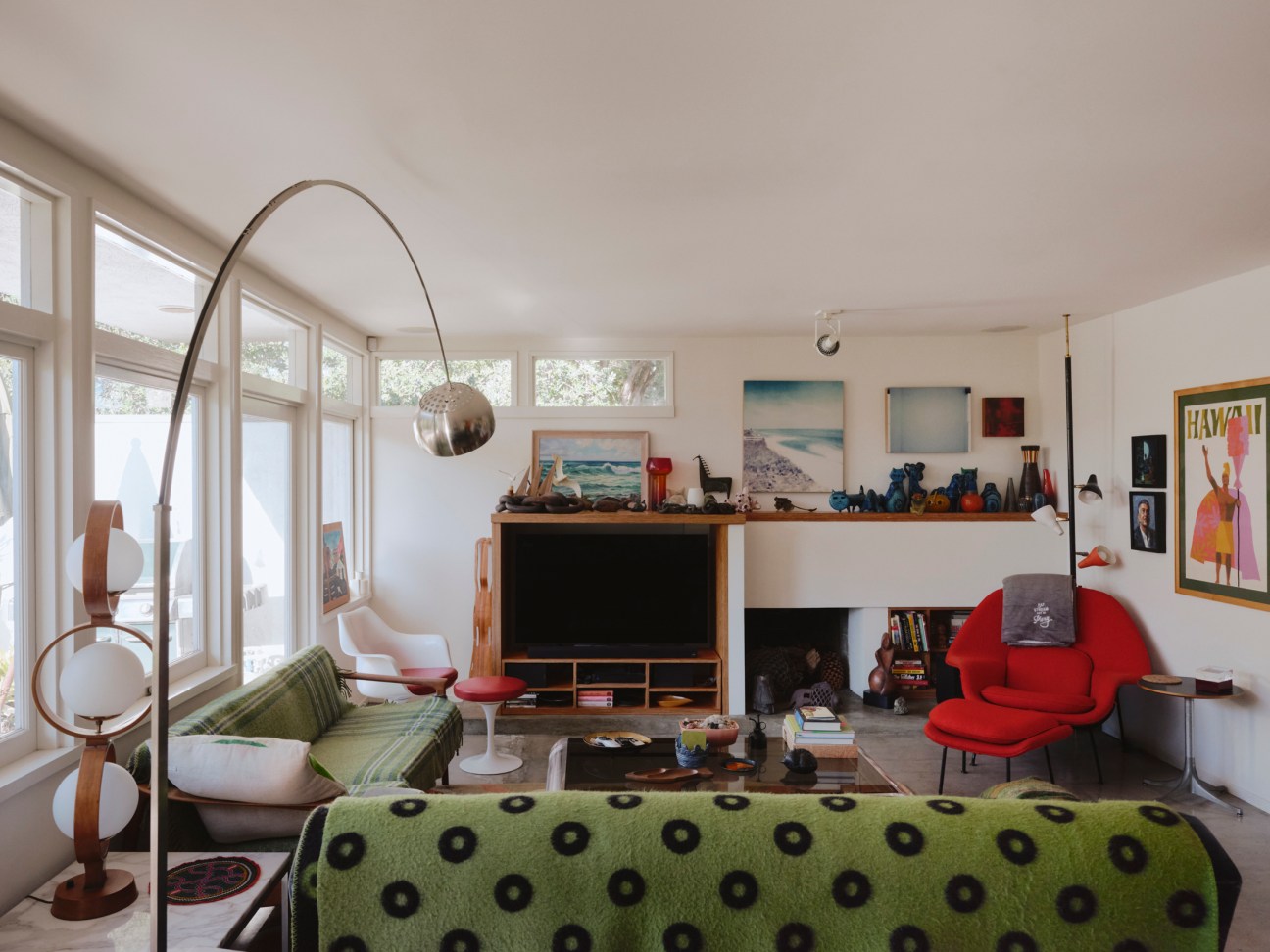
Bonnie Jones & Anni Michaelsen
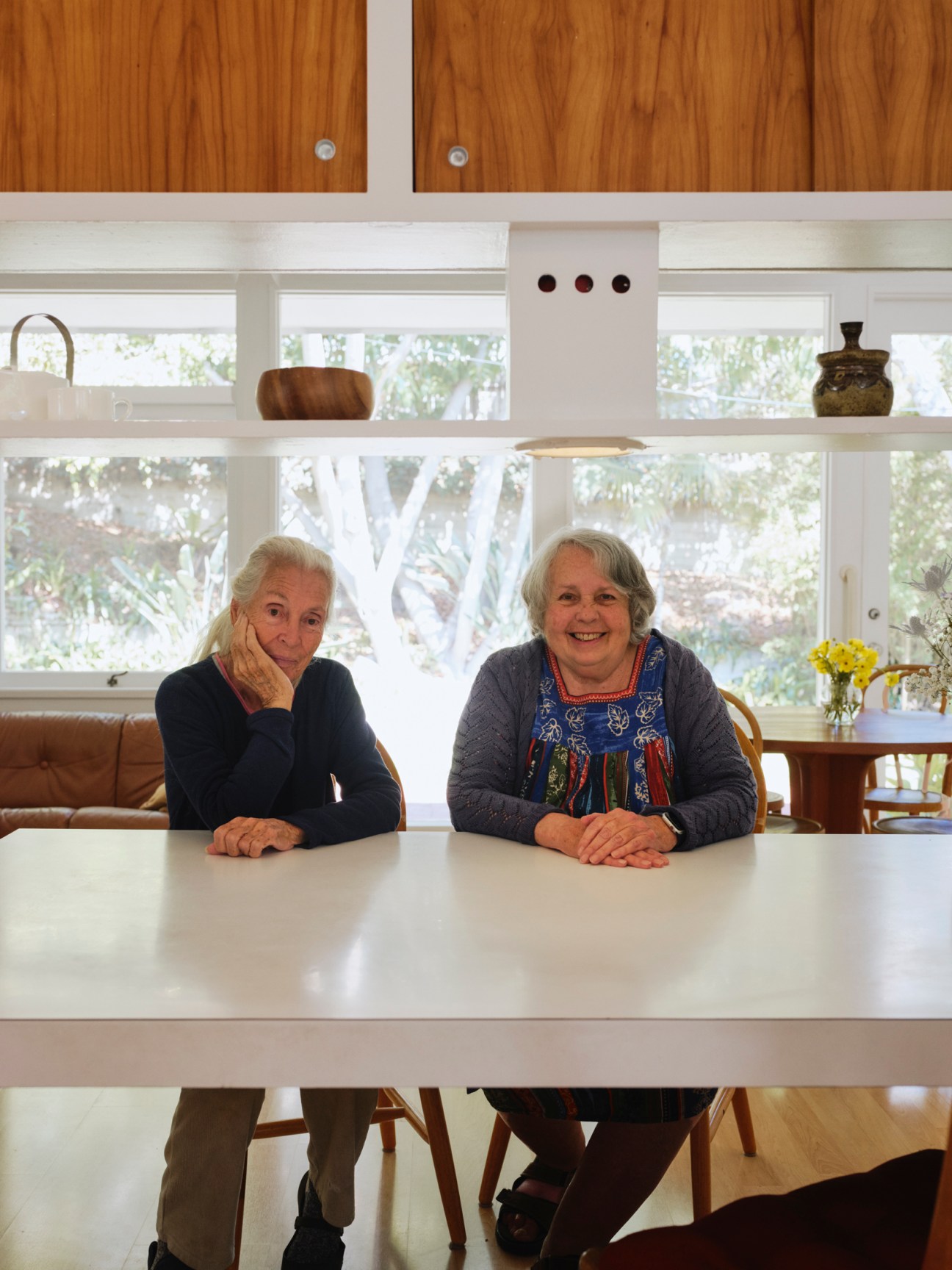
“We moved in 54 years ago, six months apart,” says Bonnie Jones, who has lived on Meier Street since 1970, with Anni Michaelsen across the street. “We both had children and became friends. In most houses at the time, the kitchen was in the back and you looked out through a tiny window. Here everything is open. We have never wanted to change our homes. The architect knew what he was doing.”
Hans Adamson & Amanda Seward
“While we were waiting for our bank to finalise the sale, the Los Angeles earthquake hit,” says Hans Adamson, who bought a place on Moore Street, with Amanda Seward, in 1994. “Buildings collapsed everywhere and we came over here to see if our home was still standing. But there was no damage anywhere in the tract. The construction is so light. We often get estate agents knocking on our door but we will never sell.”
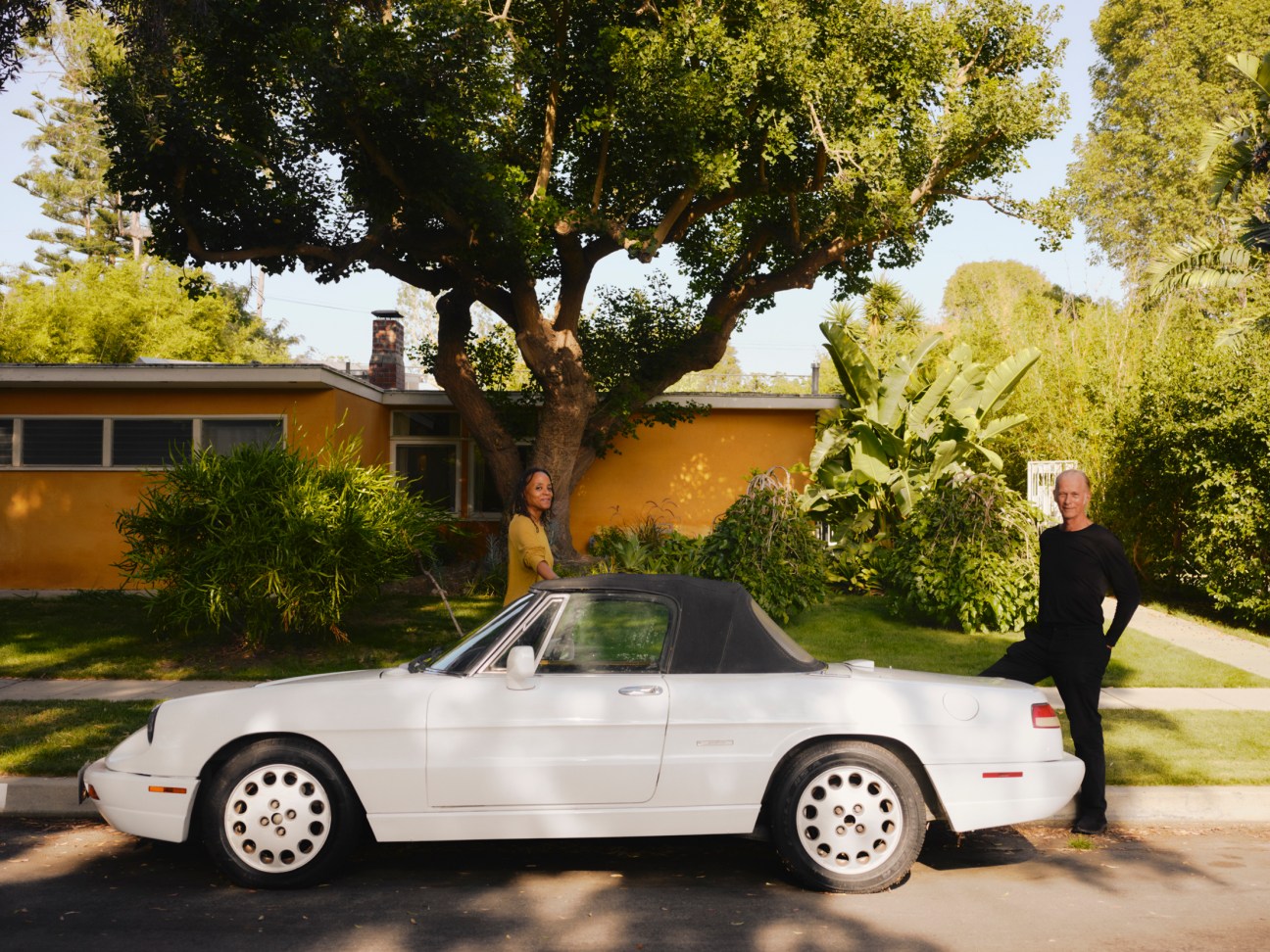
A grassroots movement of residents including Seward and Adamson began pushing to make the Mar Vista Tract a Historic Preservation Overlay Zone, or HPOZ, which blocks outward changes to a historically significant district. The move was unprecedented – no other postwar modernist buildings were protected by the programme. In 2003, after years of campaigning, 50 of 52 homeowners voted in favour.
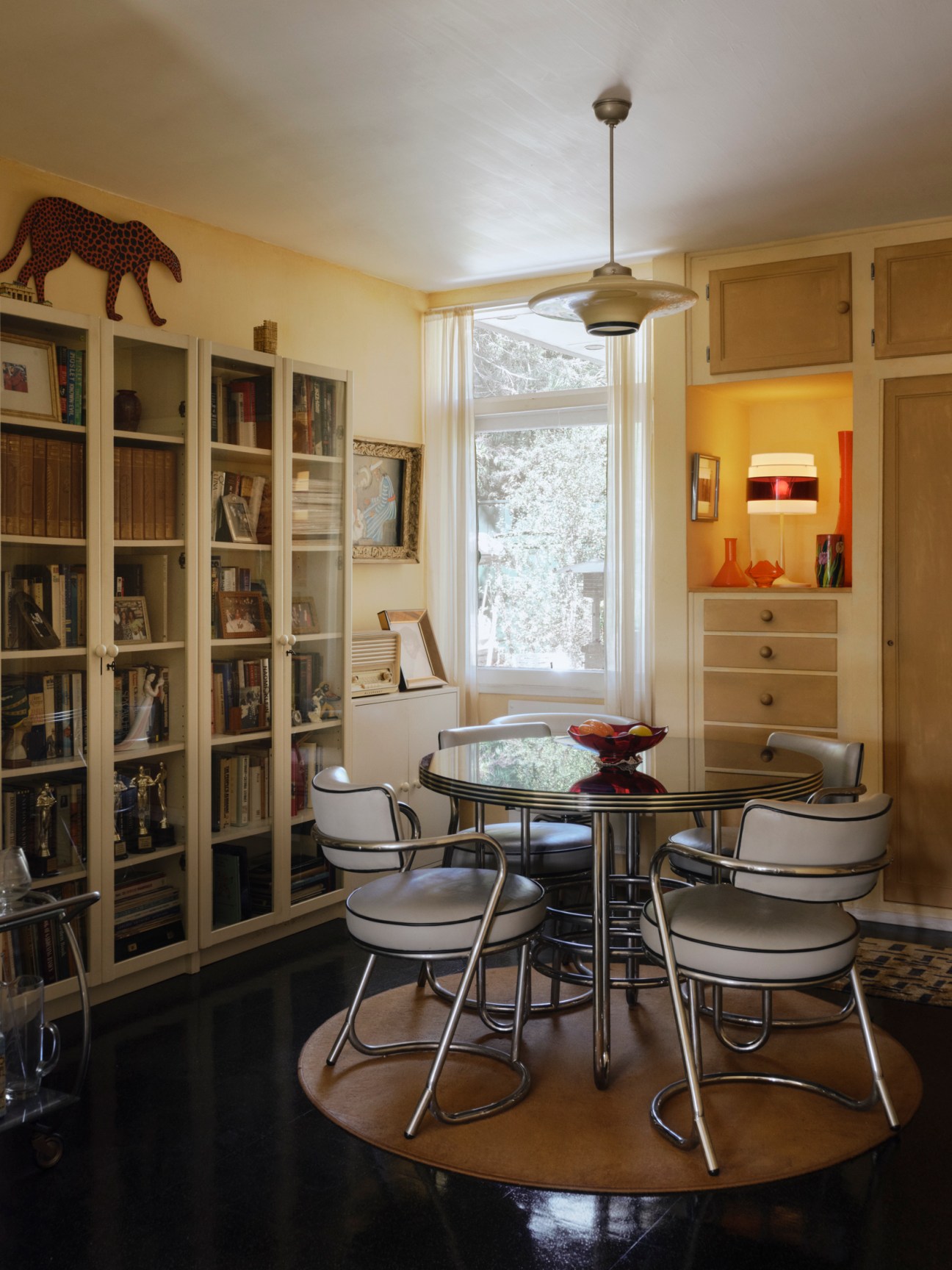
“These houses are small and people think that they need to live in a palace,” says Anni Michaelsen, a resident since 1970 who went door-to-door cajoling signatures in favour of the HPOZ. Danish-born Michaelsen opened her impeccably furnished home for campaign meetings and cocktail receptions. “I wanted to show what people wanted to tear up,” she said. “If we hadn’t done that, these houses would have disappeared.” Now any changes to the street-facing façades are off limits and most renovation work must pass approval of a five-person board made up of residents and at least one architect.
Mar Vista turned out to be the last large-scale housing project completed by Ain. The architect was hounded by the FBI as a suspected communist, and commissions dried up. It is a fortunate twist that the community spirit that Ain set out to create in Mar Vista is also what enabled this nook of LA to be preserved. “This architecture has a simplicity, openness and democracy to it,” says Seward. “Those are things that I am still attracted to.”
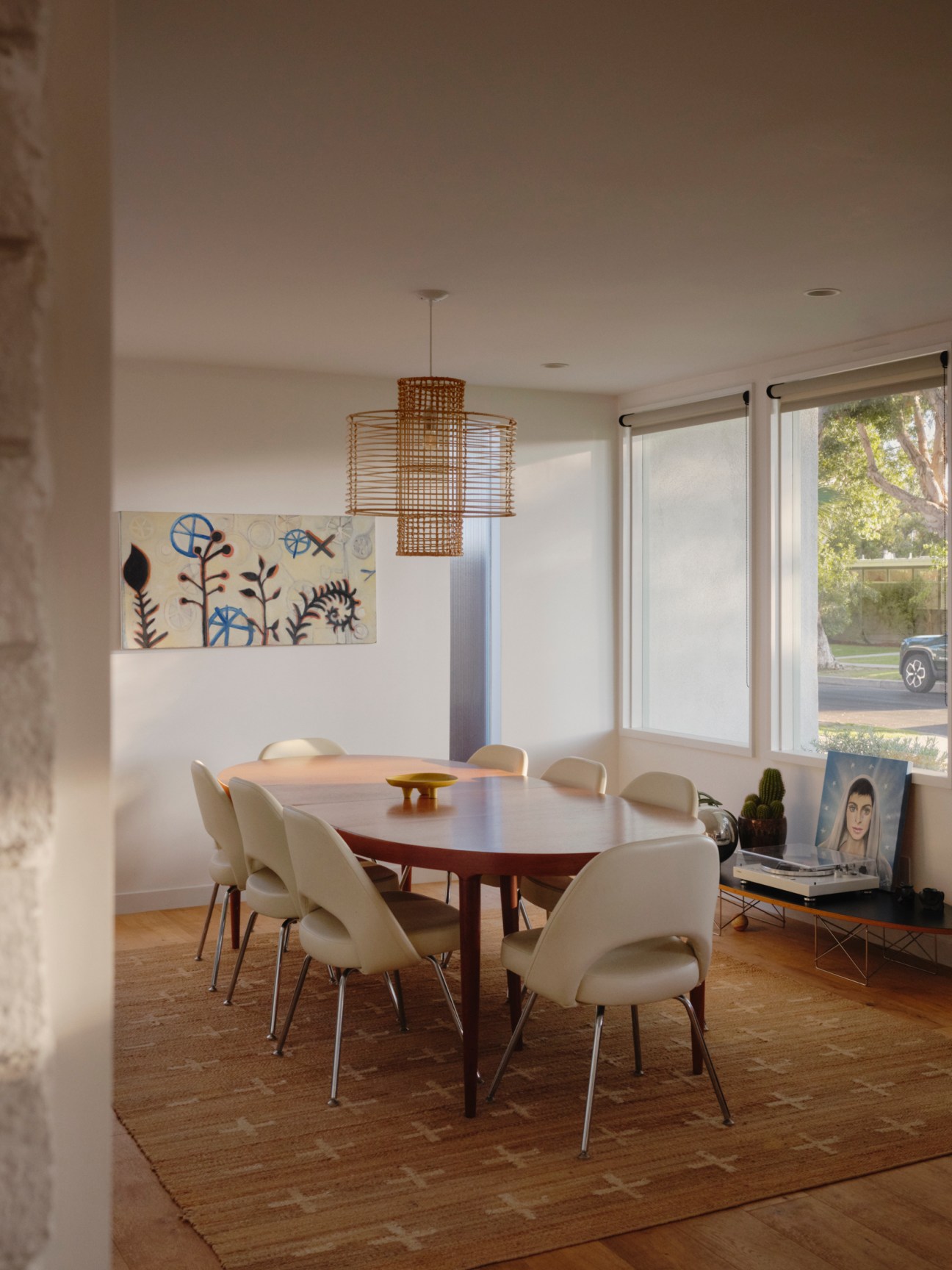
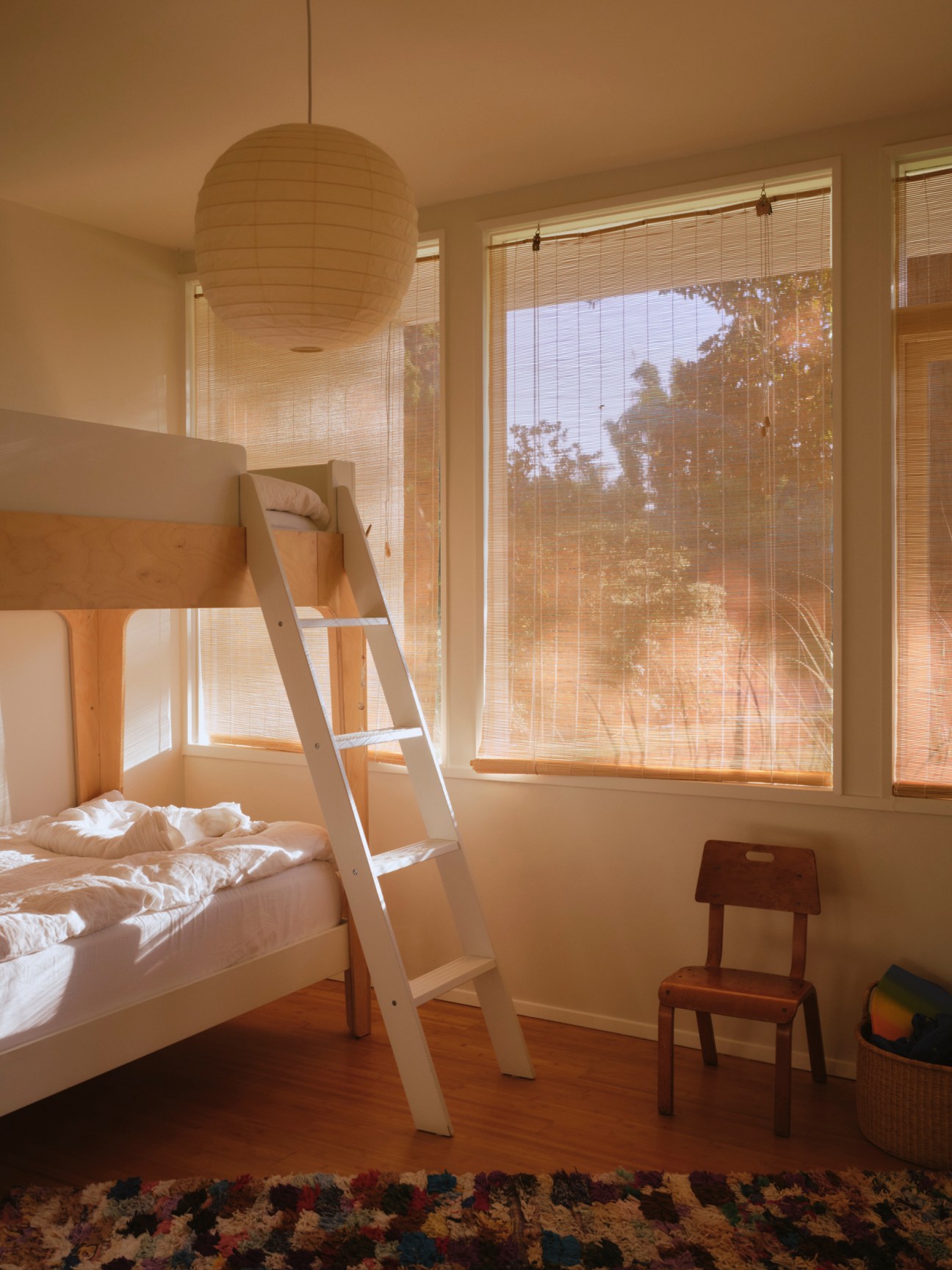
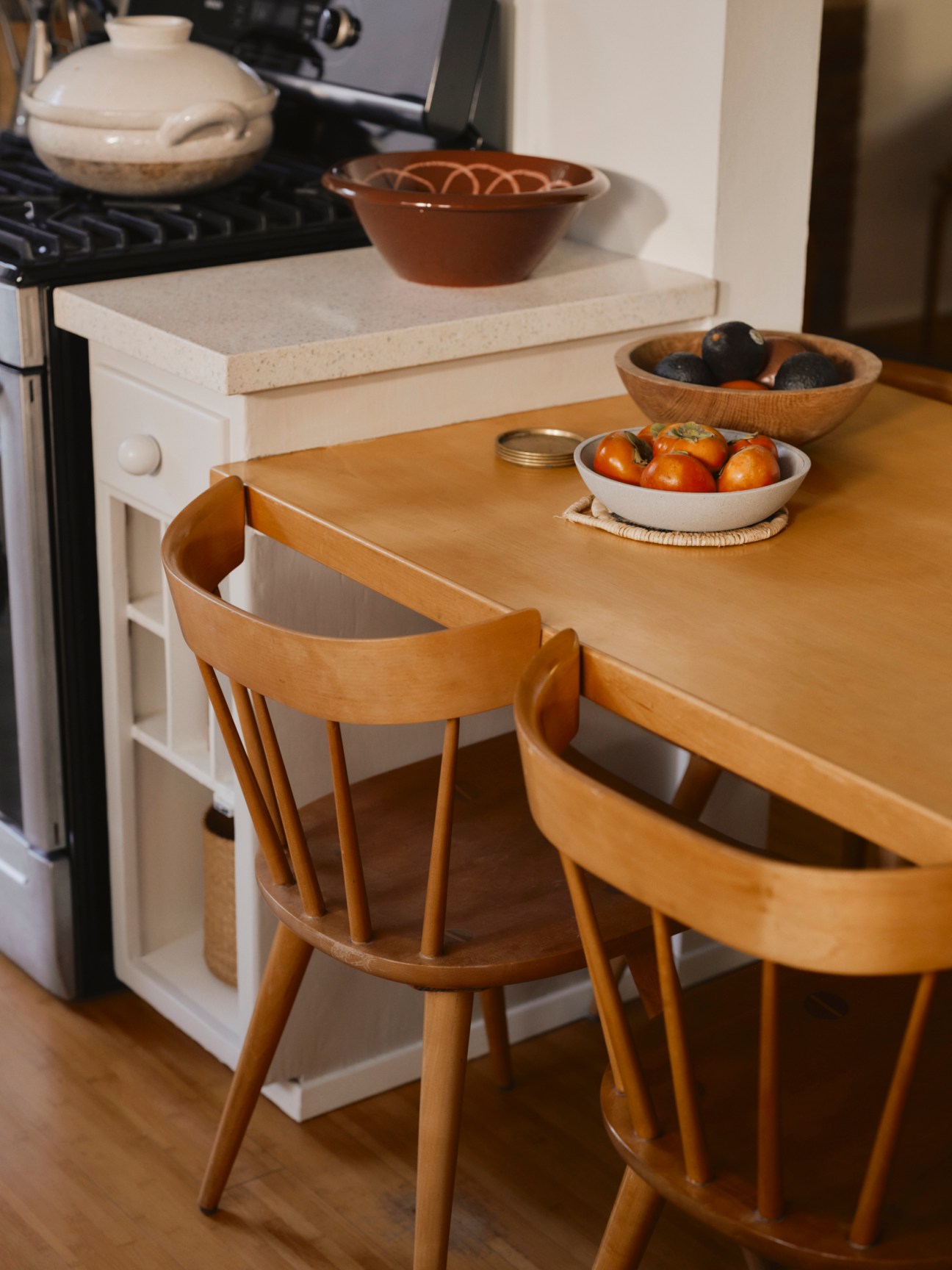
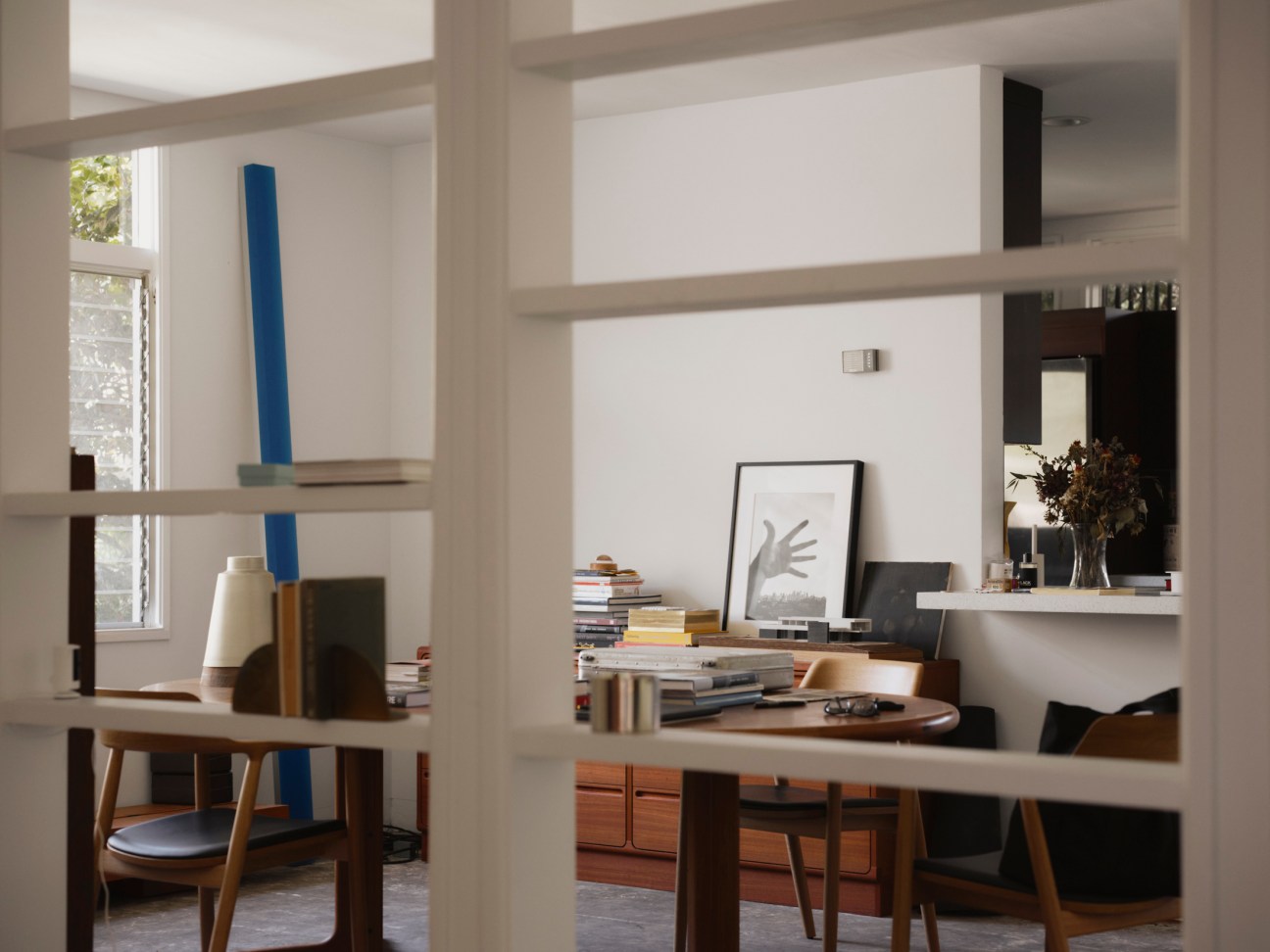
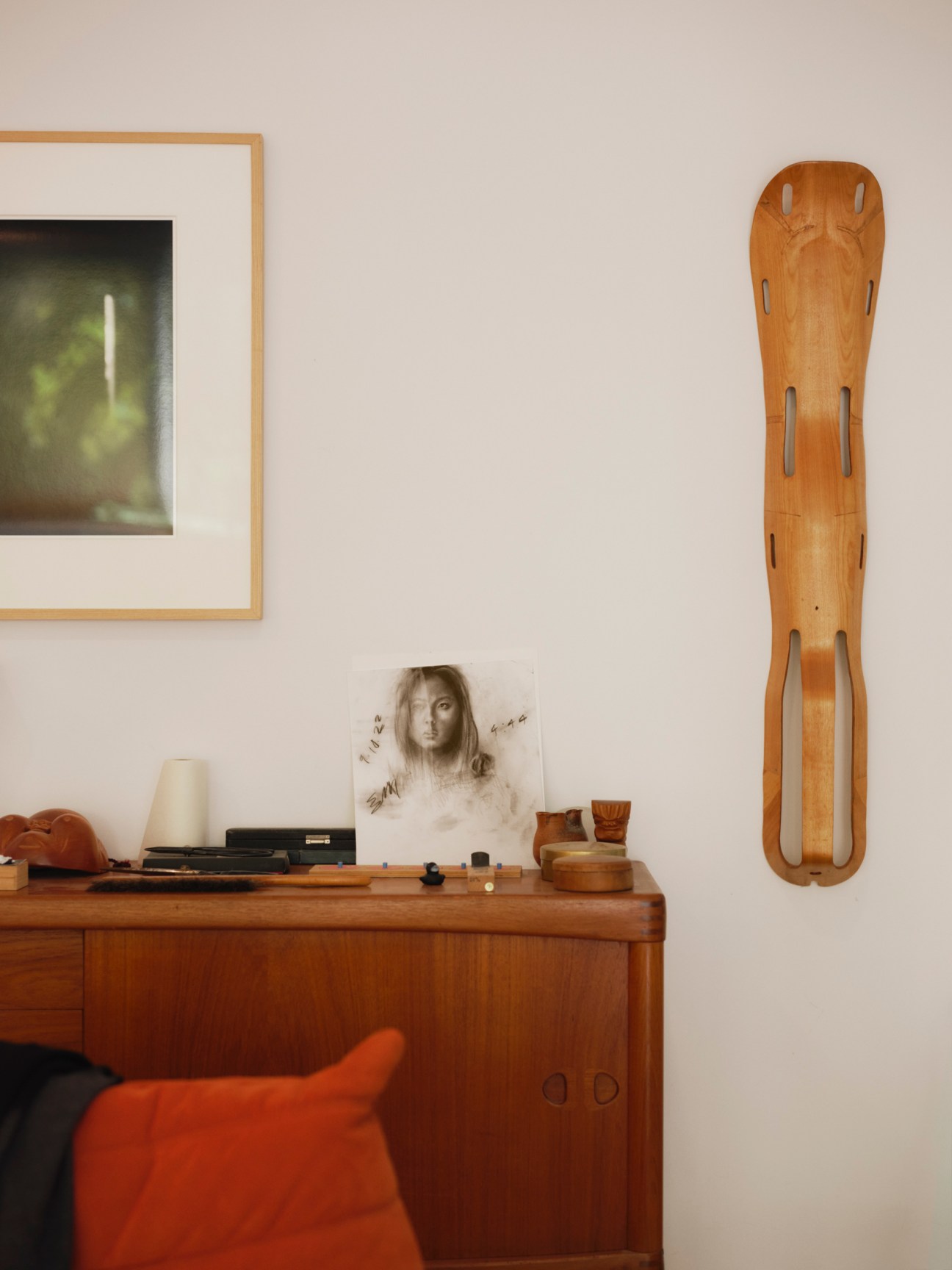
When Tennant and Summers first placed an offer for an Ain house, they were outbid; likewise with a second, a few years later. “We almost gave up,” says Tennant. But last year a house came up for sale on Meier Street and the third time proved the charm. The sunset-facing home was one of the best-kept in the neighbourhood, with welcome extra living space thanks to a tasteful 1960s expansion. The couple have created an LA-meets-Sydney idyll in warm wood and earthy tones, with pieces by mid-century designers Paul McCobb and Bror Boije.
Having settled into life in Mar Vista, the family’s first impression has held up. The tract’s residents all correspond on a reply-all email chain, where there are frequent invitations to barbecues and events. “We don’t have family here, so we really appreciate that,” says Tennant. “If anything happens, you’ll be looked after.” The Australians also feel at home thanks to the amount of wildlife that resides in Eckbo’s 75-year-old scheme. Coyotes, raccoons and squirrels all pass by the front porch, while a stately redwood in their yard hosts a family of hawks.
Across the street from Tennant and Summers is the house of Takashi Yanai, a Japanese-born architect who uses the home as a studio, salon and event space. This summer he invited an LA-based dance company to stage a show around the homes. Suddenly, his new neighbours found themselves at the centre of precisely the kind of event that had first drawn them here. “The performers moved down the street and then stopped in our front yard,” says Summers. “The whole neighbourhood came.”
Lucky escapes: The best new luxury hotels across the globe
Scorpios
Bodrum
Soho House & Co’s Scorpios beach club has opened an outpost on Turkey’s Bodrum peninsula. Alongside Med classics including lemon and courgette linguine, the menu features local favourites such as cig kofte (meatballs) and ariani (a yoghurt drink). For extended stays, there are 12 stone bungalows that riff on traditional Aegean residences, with terracotta interiors and floor-to-ceiling windows. The terrace hosts a mix of musicians, DJs and emerging artists. “This blend makes for unexpected connections,” says Scorpios’s co-CEO Thomas Heyne. “We want our guests to feel inspired.”
scorpios.com
La Roqqa
Porto Ercole
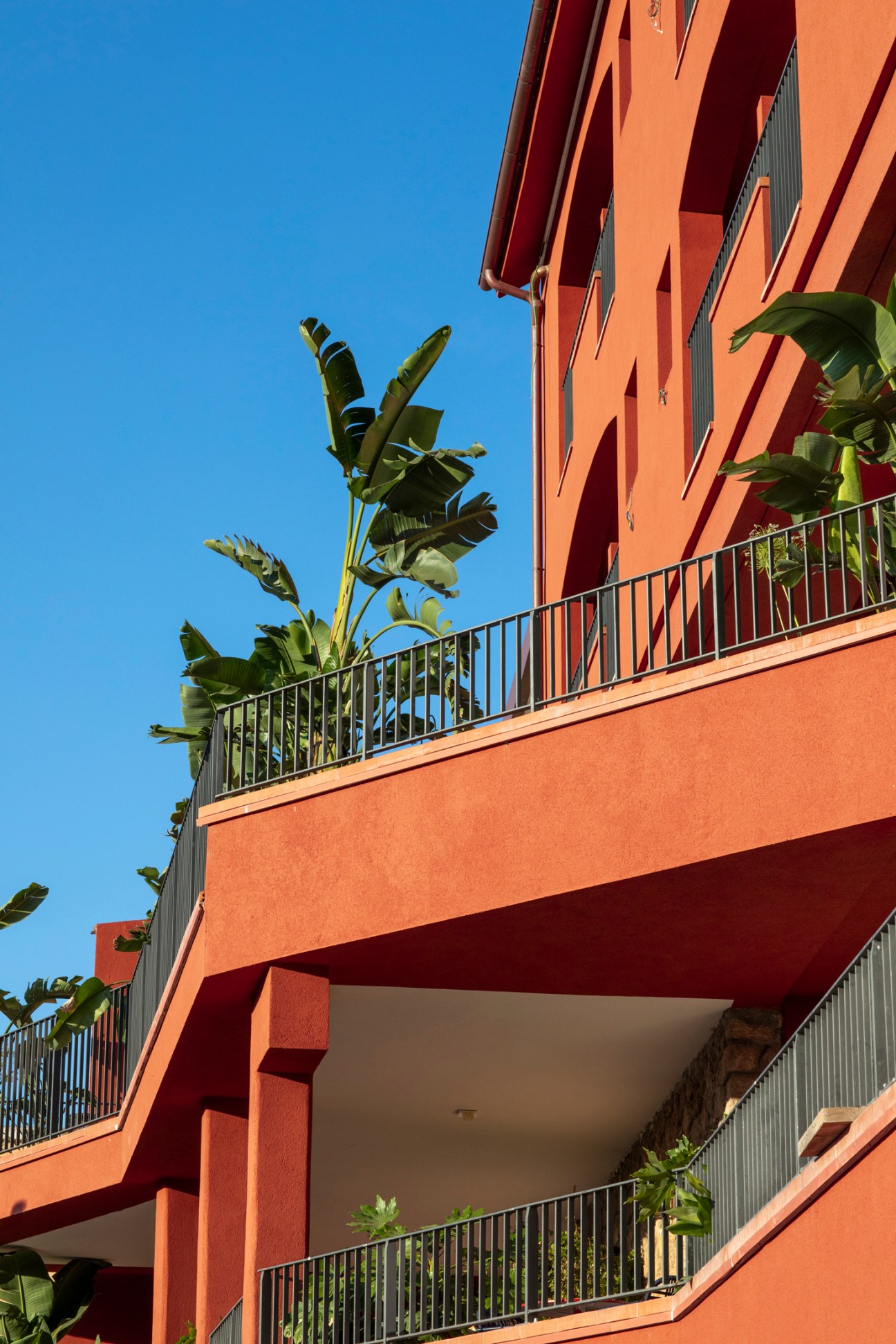
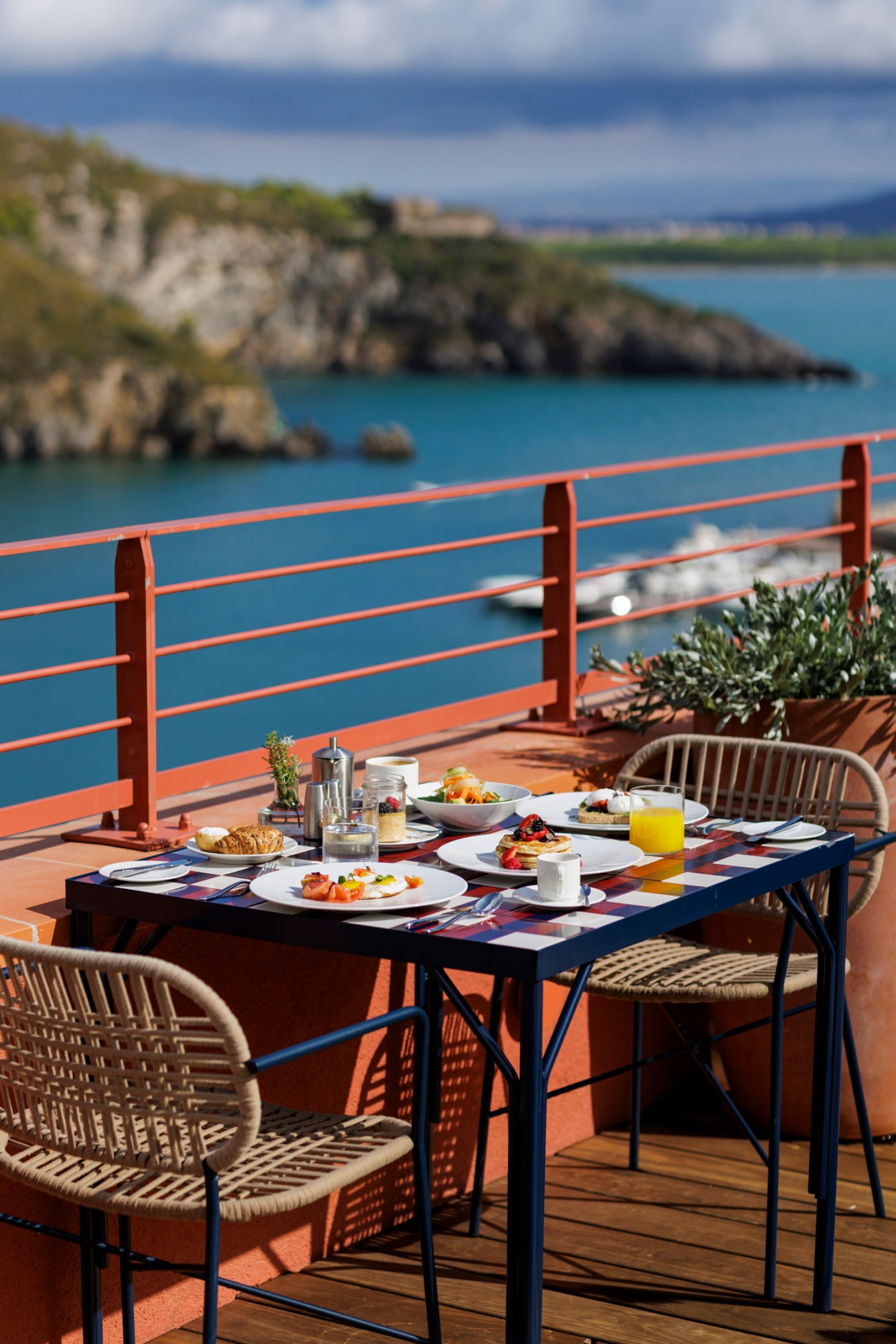
Dubbed the Portofino of Maremma, the Tuscan town of Porto Ercole on the Monte Argentario peninsula draws a discerning crowd. Here, you’ll find the 55-room La Roqqa hotel, a cliffside retreat owned by Swedish entrepreneur Conni Jonsson with floor-to-ceiling windows, an outdoor terrace and a rooftop bar. Milan-based Palomba Serafini Associati has transformed the property into an unexpected sanctuary. The interiors are fitted out with Italian design classics such as Gaetano Pesce’s Up chair, while contemporary furnishings match the sage-green and Tuscan terracotta colour scheme. The standout dish at the hotel’s Scirocco restaurant is the spaghetto otto pomodori. The Isolotto Beach Club invites patrons to linger by the sea and dip their toes in the waters of the Tyrrhenian.
laroqqa.com
Basq House
Byron Bay
Basq House, a 32-key hotel in southeastern Australia’s coastal idyll of Byron Bay, is just a five-minute walk from the beach and a short trek inland from the area’s waterfalls and forested trails. The property is brimming with Moroccan-inspired design and lush greenery, and its guest rooms are arranged around a heated pool in the courtyard. Every room’s light-filled interiors feature warm tiling, sleek wood furniture, paintings by regional artists and a minibar stocked with Australian wines.
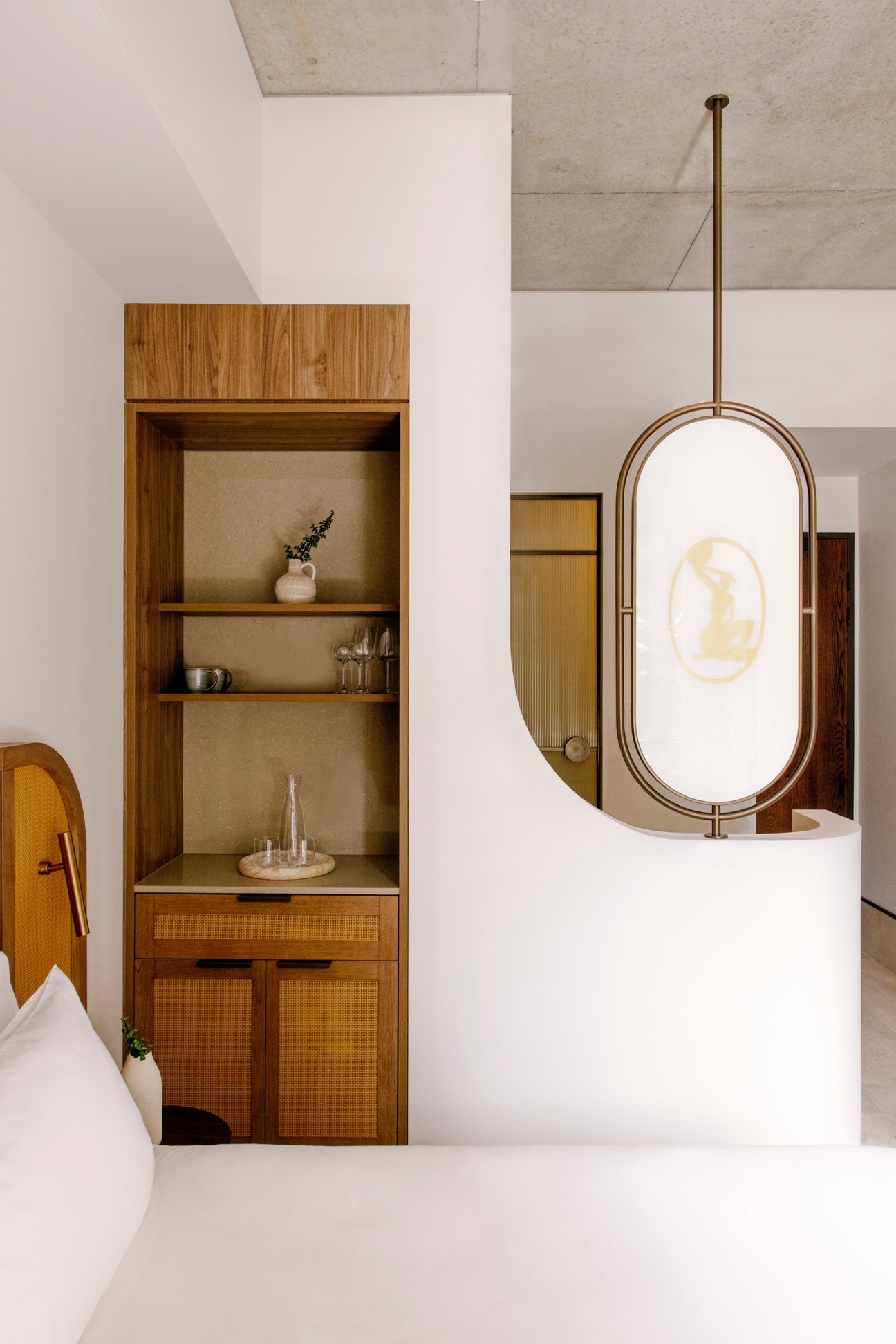
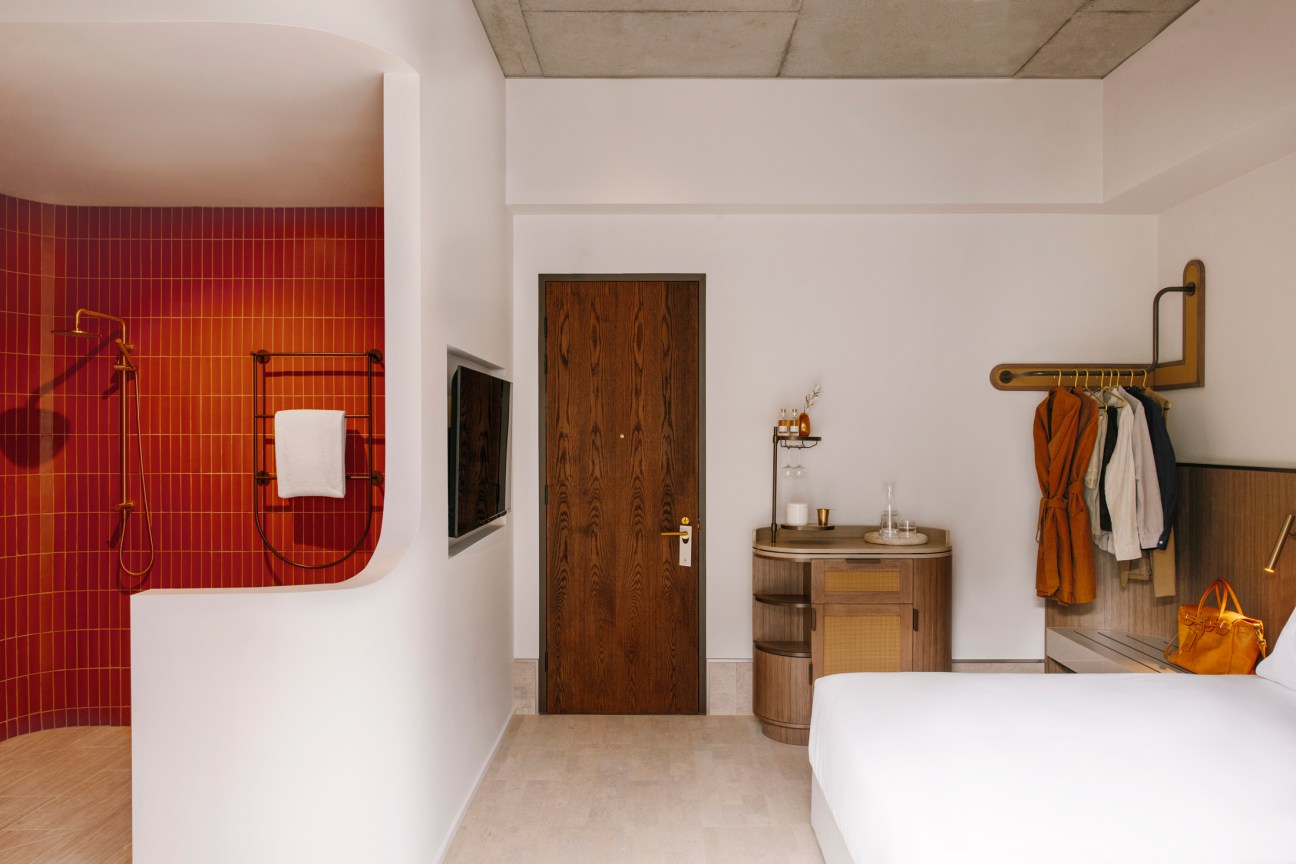
The hotel also offers a library with an open fireplace, a living room and a lounge with snacks, cocktails and board games, which encourage guests to mingle. “We wanted the property to feel as though it was a luxury home,” says Basq House’s co-founder Matt Walsh. “The rooms are for sleeping in and the common areas are for socialising”.
basqhouse.com.au
Deos
Mykonos
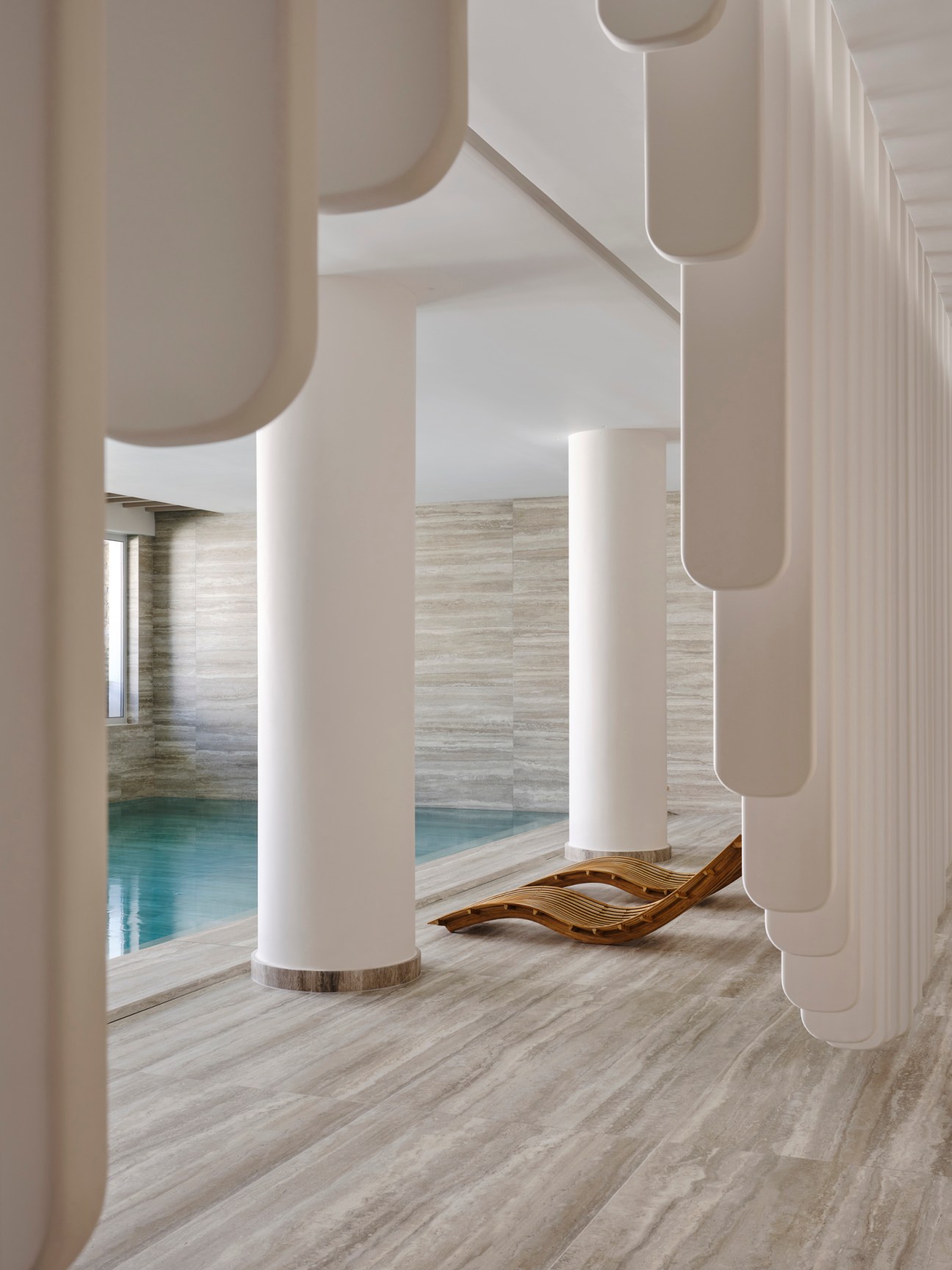
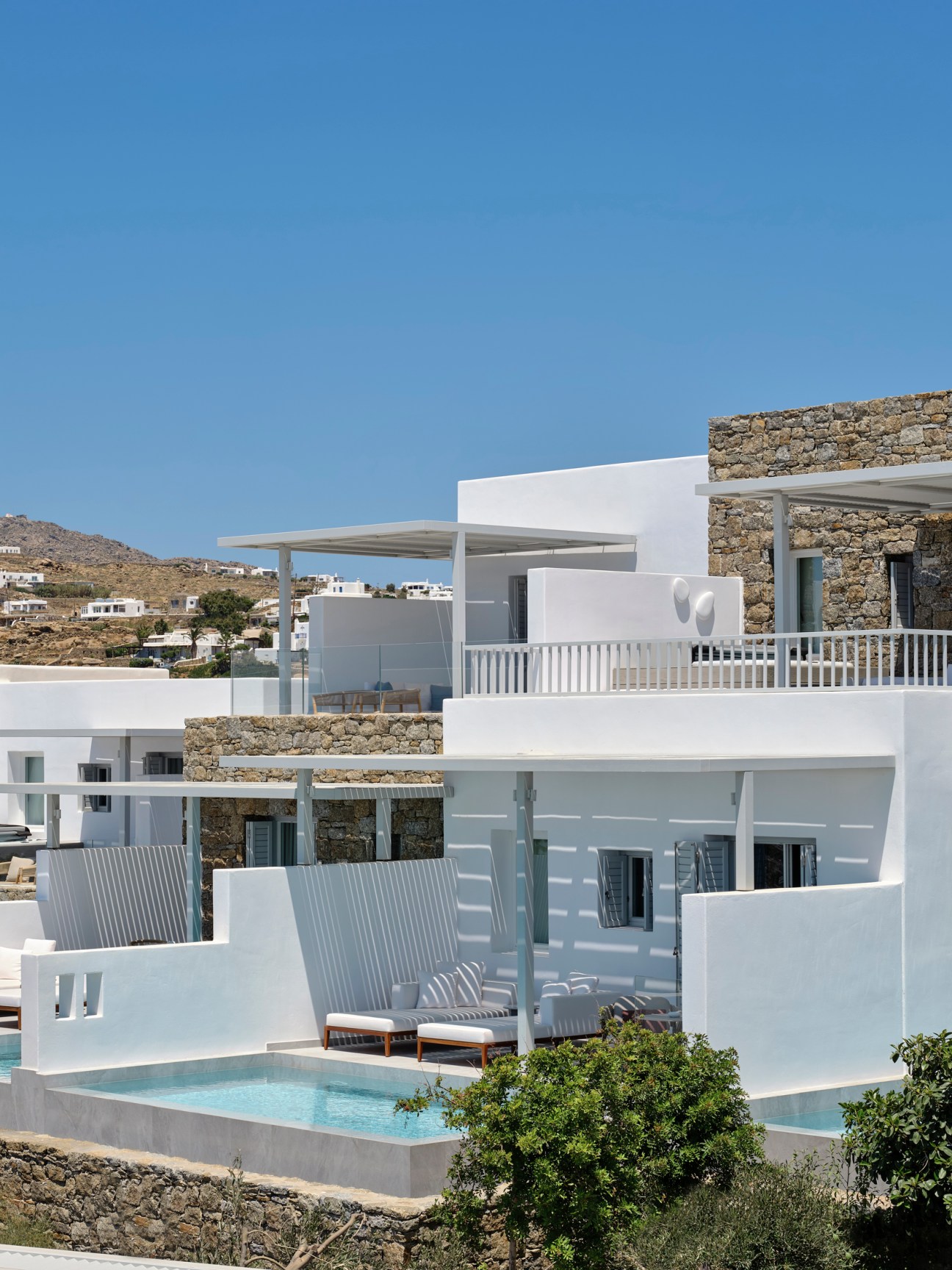
Deos, The Myconian Collection’s latest opening, sits on a hill overlooking Mykonos’s old harbour. Crafted by Galal Mahmoud of Beirut-based GM Architects, the 60-key hotel blends indoor and outdoor spaces using contemporary Cycladic design and natural elements such as rocks and native plants. The whitewashed buildings sit among gardens with silver olive trees and large terracotta amphorae. “My favourite spot is the terrace by the pool,” says Vangelis Daktylides, a member of the family who runs the hospitality group. “It offers views of Mykonos Town on one side and the Aegean on the other.”
deosmykonos.gr
Dunas de Formentera
Formentera
The smallest of Spain’s Balearic islands, Formentera offers visitors a more relaxing ambience than neighbouring Ibiza, which is rightly famous for its heaving nightlife. Those seeking serenity have a new property to explore: Dunas de Formentera, a 45-key hideout that occupies a picturesque strip of land next to Migjorn beach. The hotel’s modernist-inspired interiors are decorated in a soothing palette of beige, terracotta and off-white. Patrons can choose between suites with sea views and rooms immersed in nature. The unfussy beauty of the surroundings is complemented by a casual, Mediterranean-inspired kitchen that specialises in grilled fish and pizzas prepared in a Neapolitan-style wood-fired oven. To soak up the sun, guests can stretch out on a lounger next to the hotel’s infinity pool or take a short stroll to the white-sand dunes.
dunasdeformentera.com
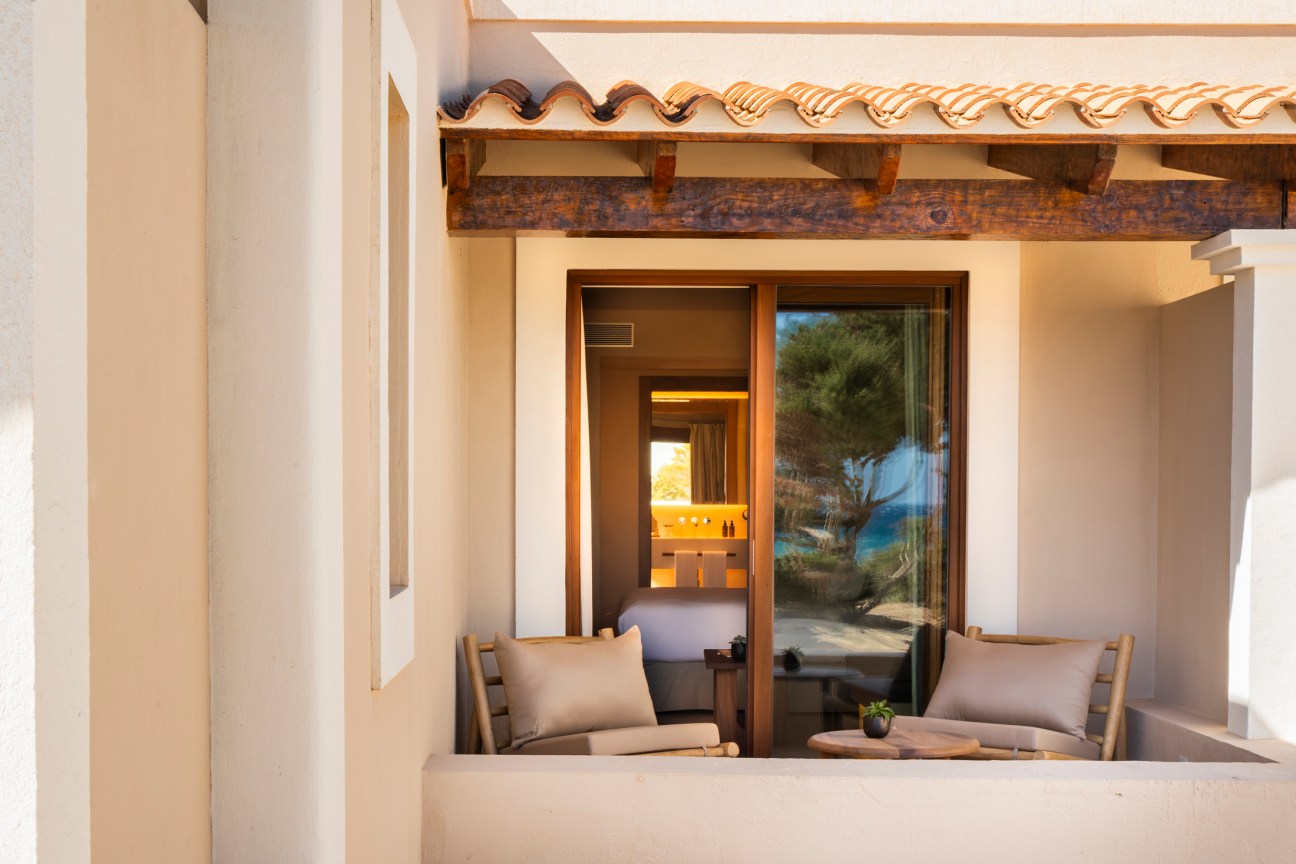
Hôtel Balzac
Paris
Novelist and playwright Honoré de Balzac lived in a handsome neoclassical residence off Paris’s Avenue des Champs-Élysées. Some 25 years after his death in 1850, the townhouse became a hotel celebrating his life and work. Design duo Charlotte de Tonnac and Hugo Sauzay of Festen Architecture completed a thoughtful revamp of the building this summer, updating it with neutral fabrics, subtle décor and bespoke wooden furniture.
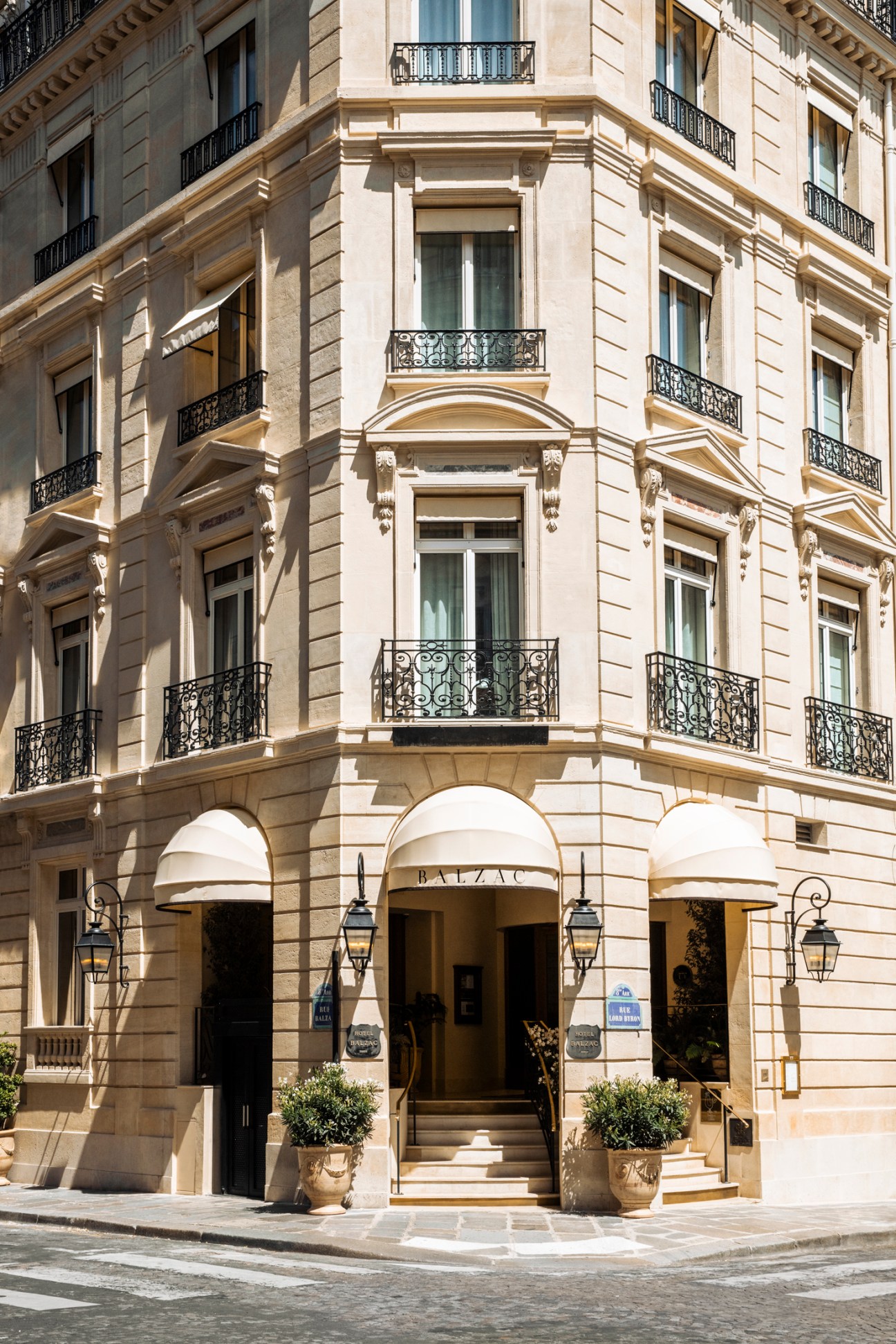
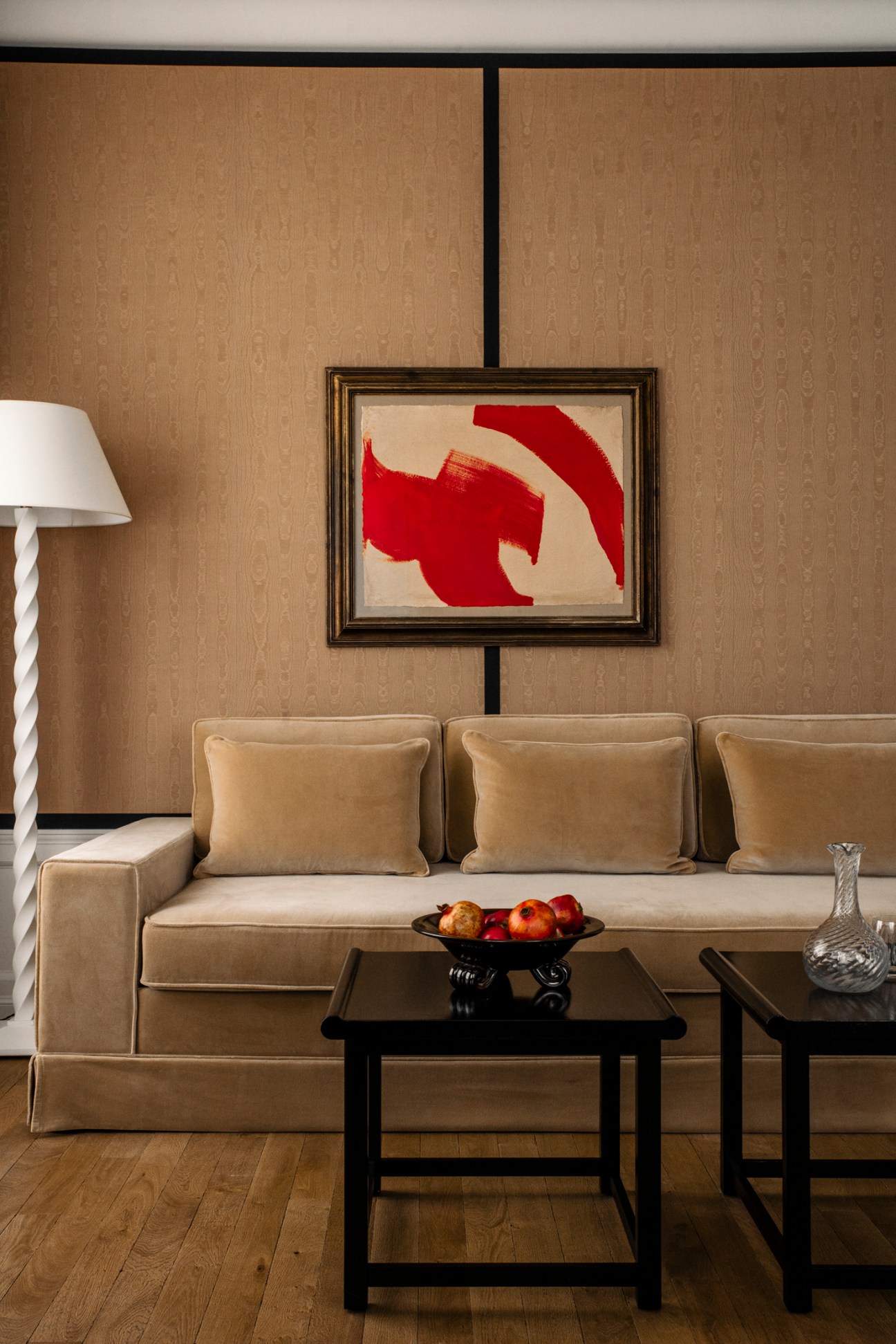
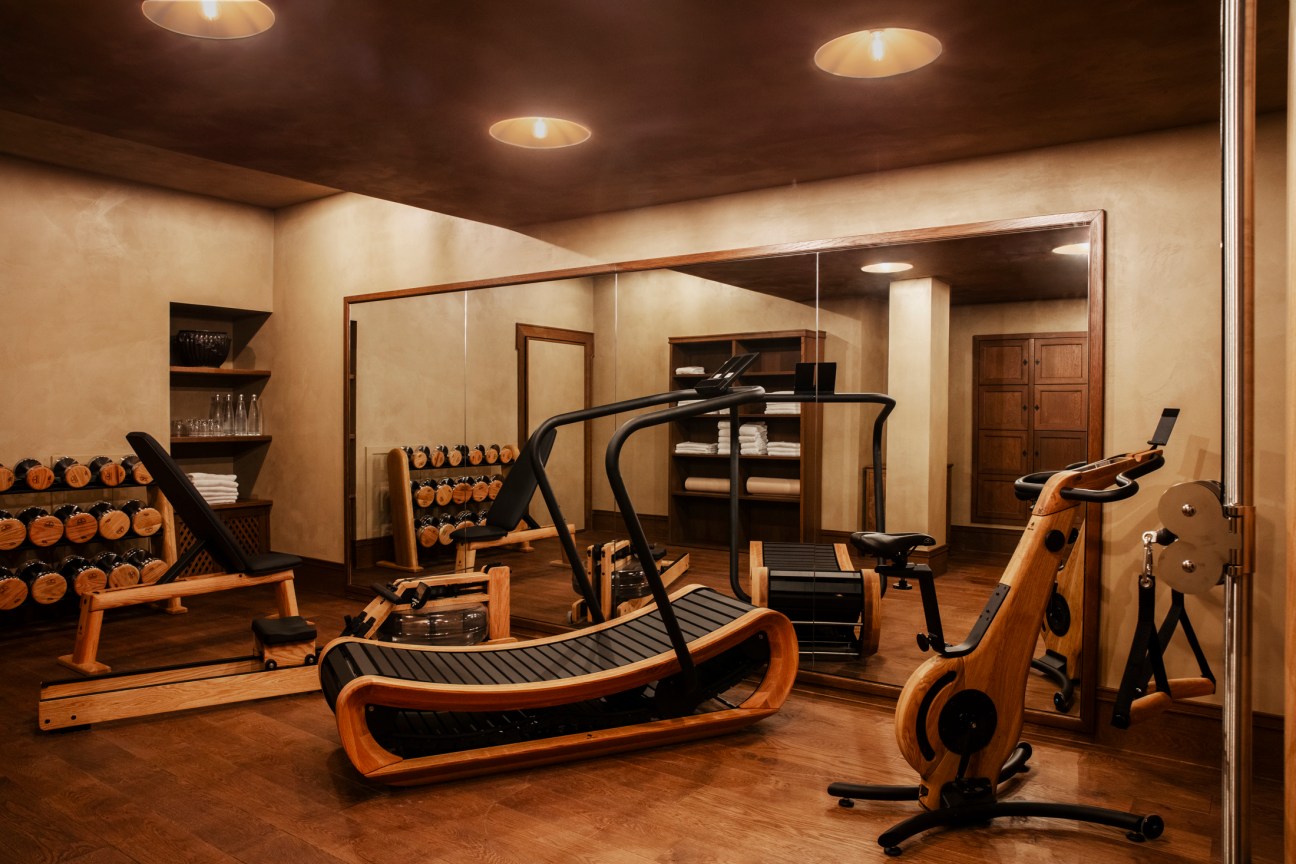
The 58-key hotel’s subdued interior belies the grandeur of the city’s eighth arrondissement. The address is also home to the Ikoi spa, which offers ancient Japanese treatments, as well as chef Pierre Gagnaire’s traditional French restaurant.
hotelbalzac.paris
Our six favourite French-inspired restaurants
1.
Massalia
Amsterdam
Named after the French port city of Marseille, which was founded by ancient Greek settlers, chef-restaurateur Angelo Kremmydas’s new brasserie bears more than a hint of his Hellenic sensibilities. Massalia has been attracting a steady stream of eastern Amsterdam’s creatives in search of abundant produce and herbs from across the Mediterranean.
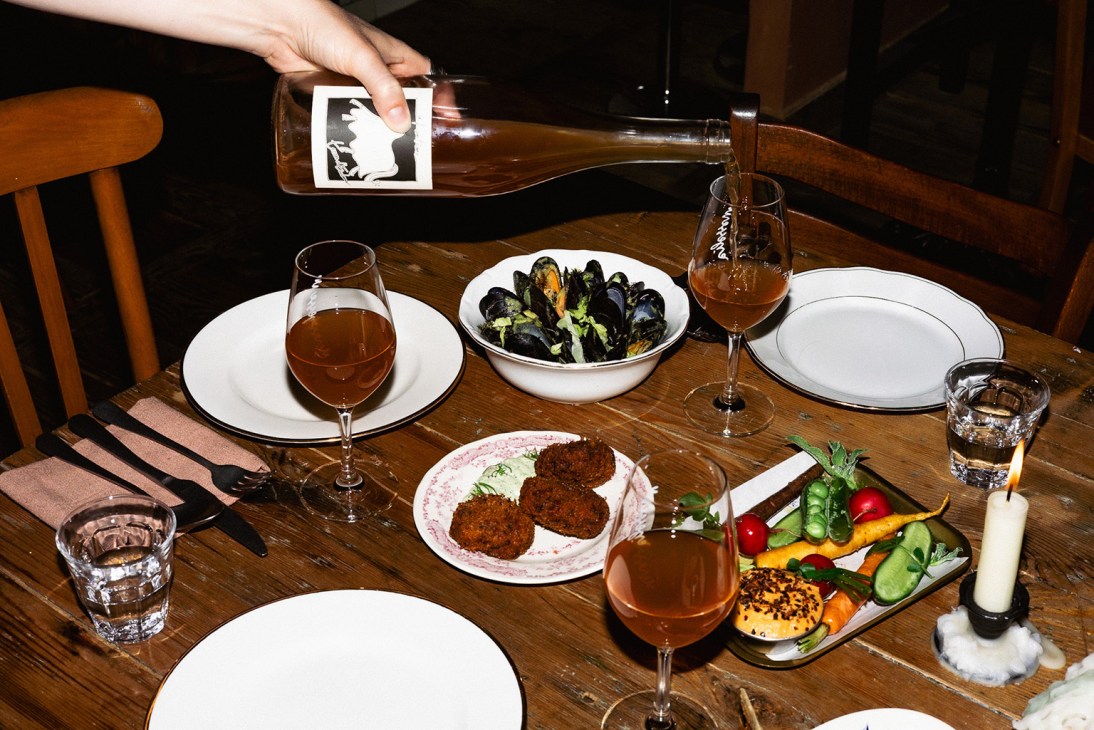
It comes off the back of Kremmydas’s success with Gitane, a contemporary take on the city’s brown cafés, designed by Dutch firm Studio Modijefsky. Gitane has lured plenty of western Amsterdammers into its wood-panelled interiors over the past year; Massalia is on course to be equally popular. Dig into salted-cod beignets with skordalia dip, octopus terrine with a burnt-pepper salsa and whole grilled artichokes. Finish off with a fennel granita with ouzo foam and grapefruit.
restobarmassalia.nl
2.
Au Rêve
Paris
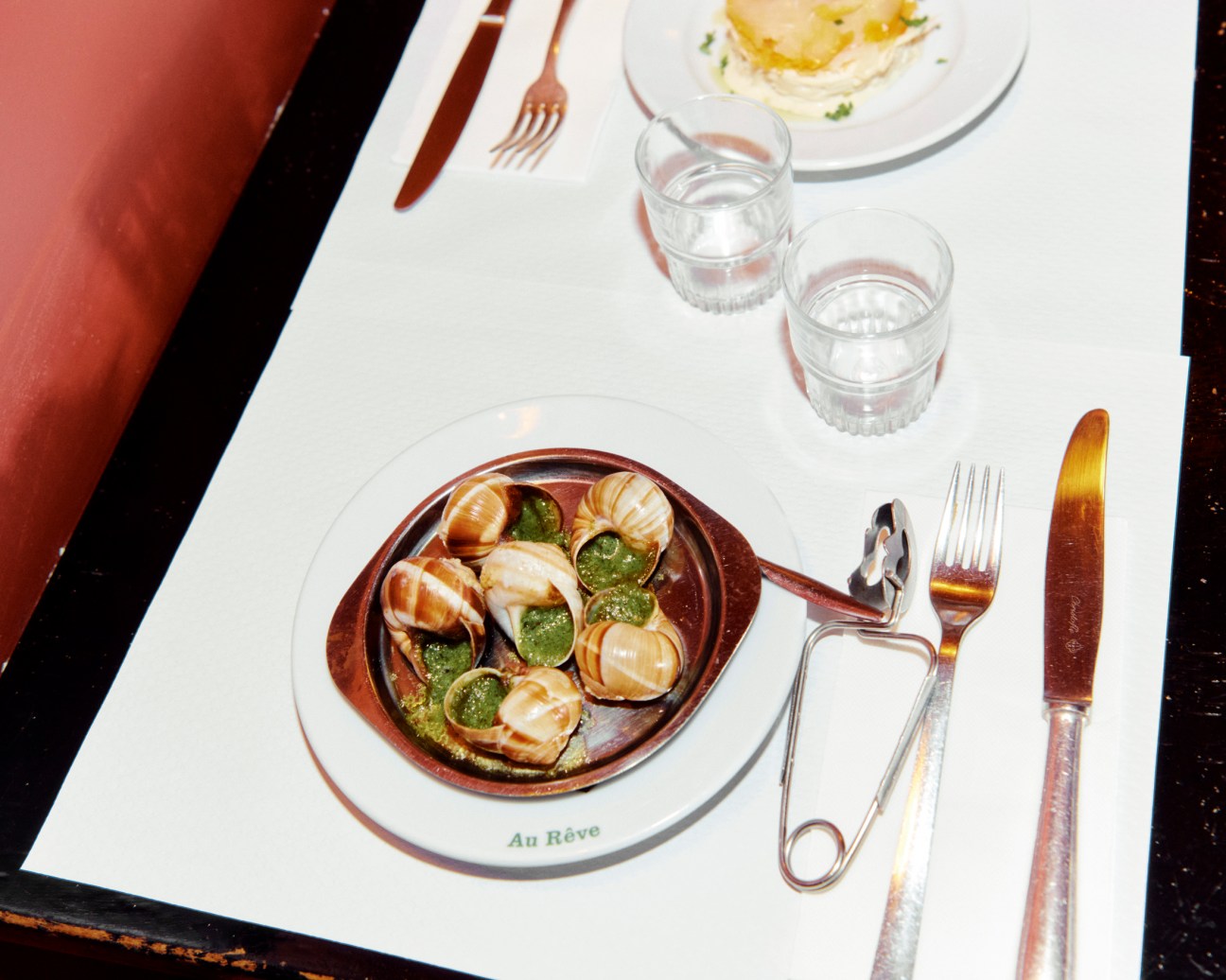
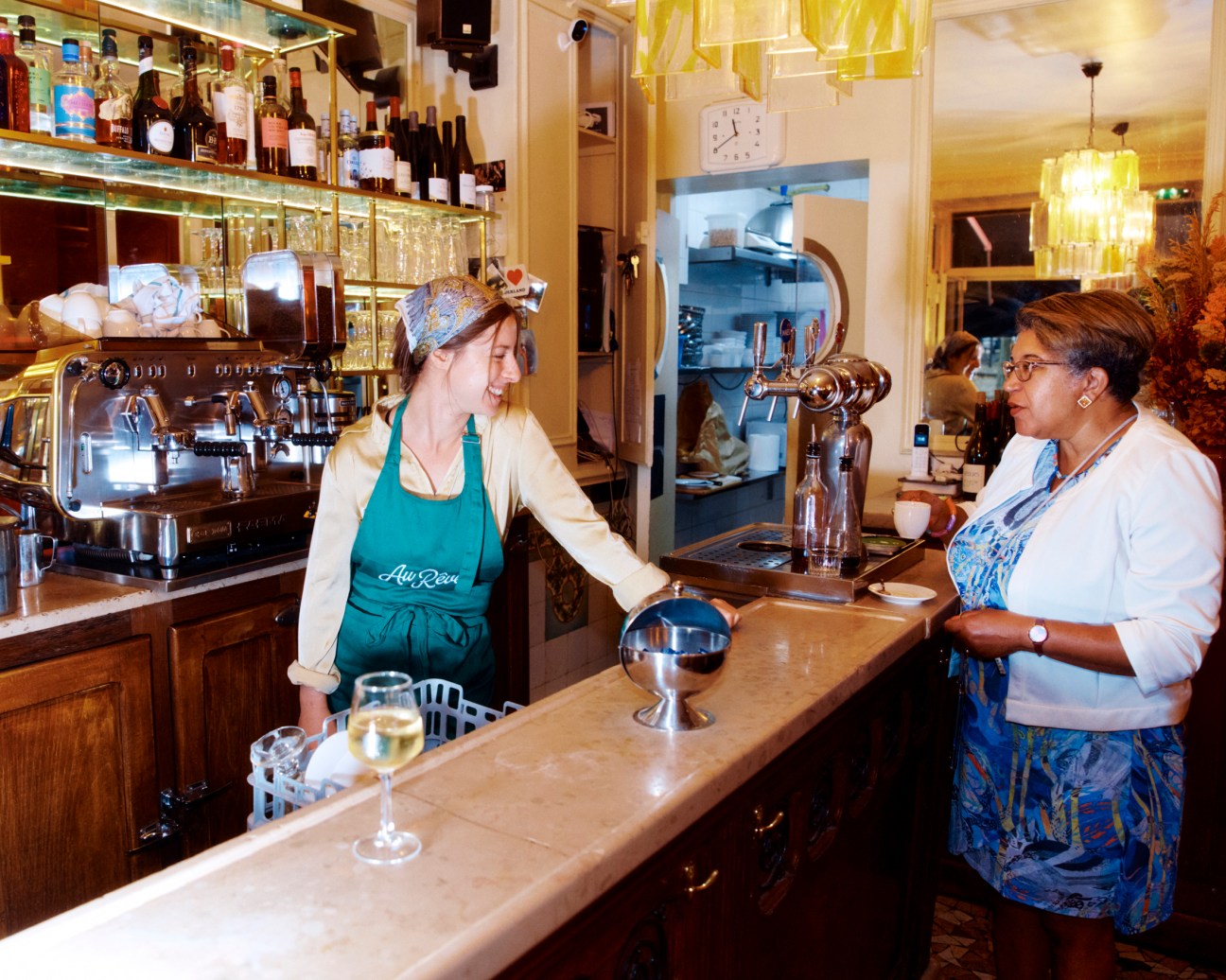
Café Au Rêve opened its doors in Paris’s Montmartre area in the 1920s, quickly becoming a popular haunt of French literary and musical icons. In 2019, however, it closed down. Now, thanks to the work of studio Atelier Saint-Lazare (ASL), it is reprising its role as a neighbourhood institution. “We revealed more than we renovated,” says ASL co-founder Antoine Ricardou. “We restored the bar with Burgundy stone, breathed new life into the floor and moleskin booths, rediscovered the 1930s embossed wallpaper and gave the Murano chandeliers their rightful place.”
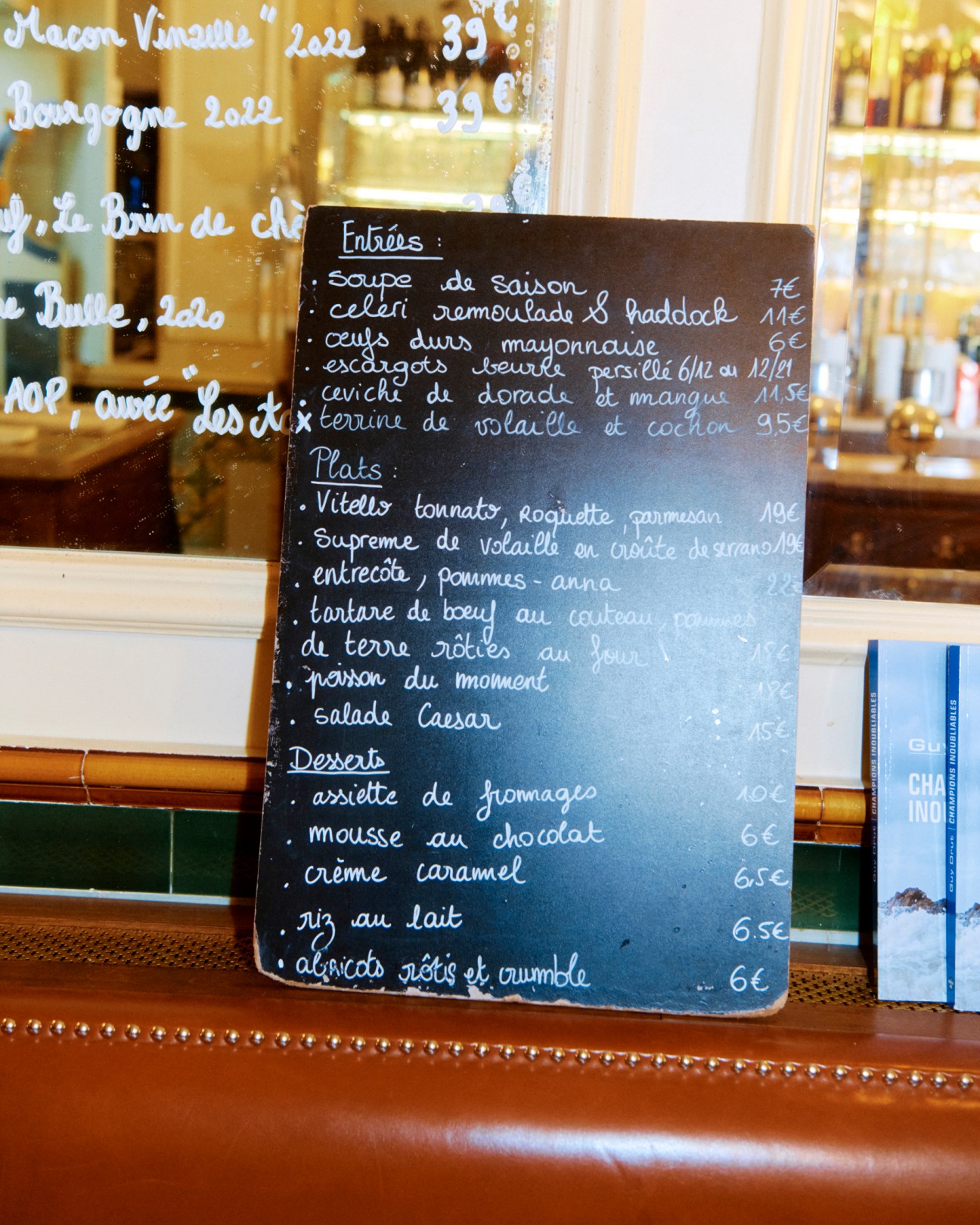
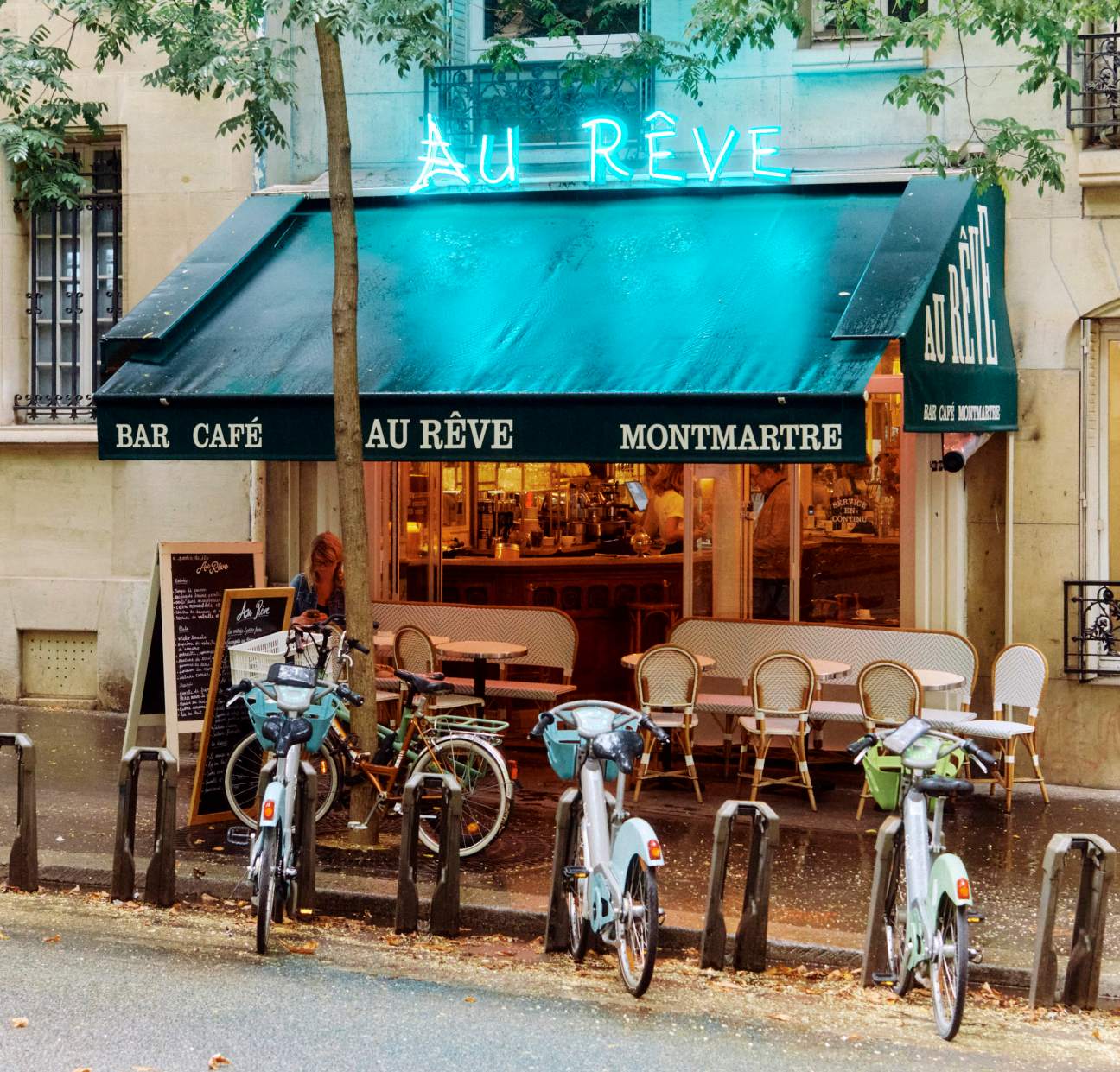
Since the quiet reopening, film editors from the nearby Pathé cinema offices, journalists from newspaper Libération, comic-book artists and Montmartre residents have started to mingle again at the café’s tables. Mathieu Renucci, who took over Au Rêve after its previous owner Elyette Ségard retired in 2008, serves bistro classics such as croque-monsieur and charcuterie, as well as great cocktails. “Our vision is meant to be modernist, not nostalgic,” says Ricardou. “Above all, Au Rêve is a living space, not a museum.”
89 Rue Caulaincourt, Paris 75018
3.
Bouillon Service
Paris
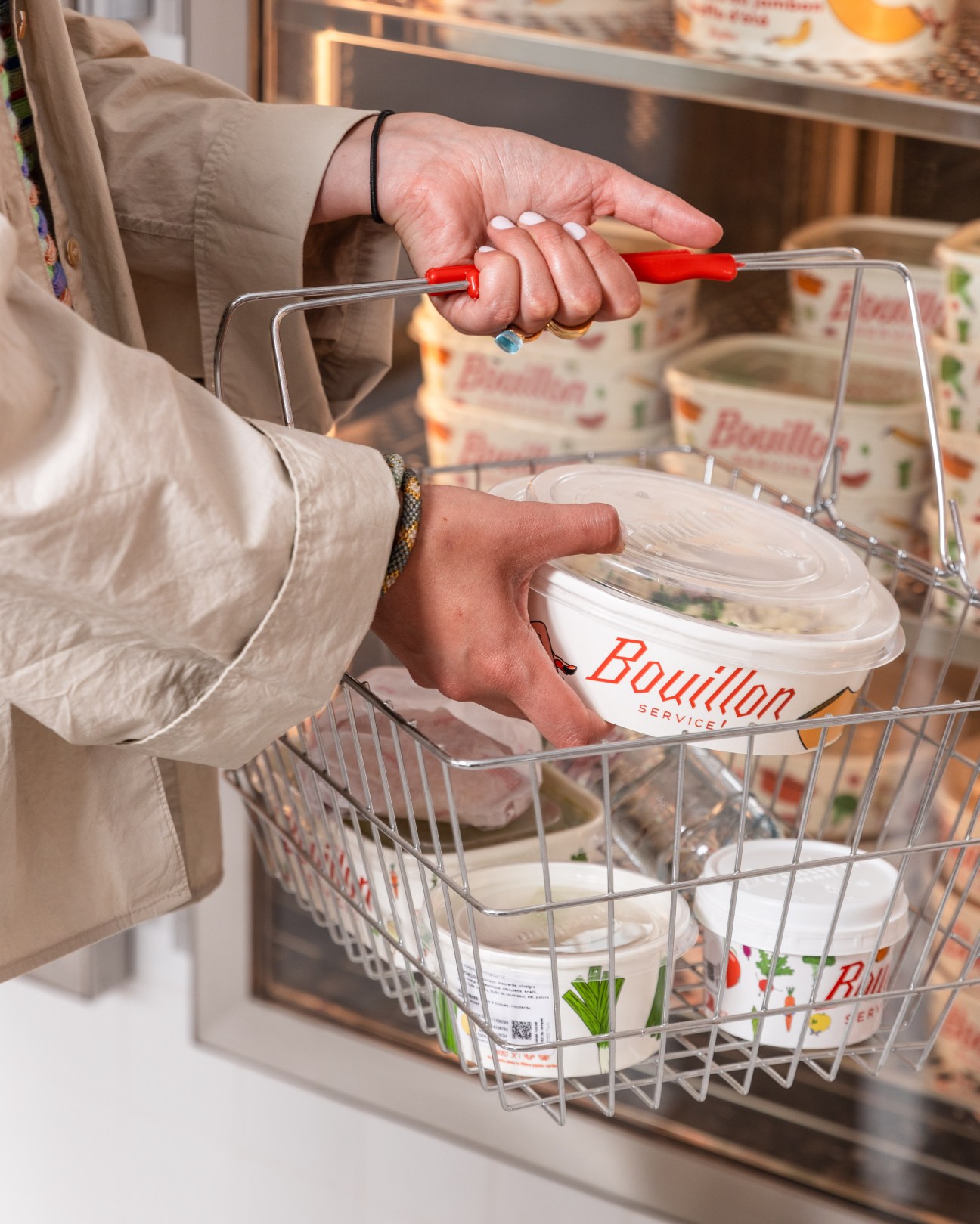
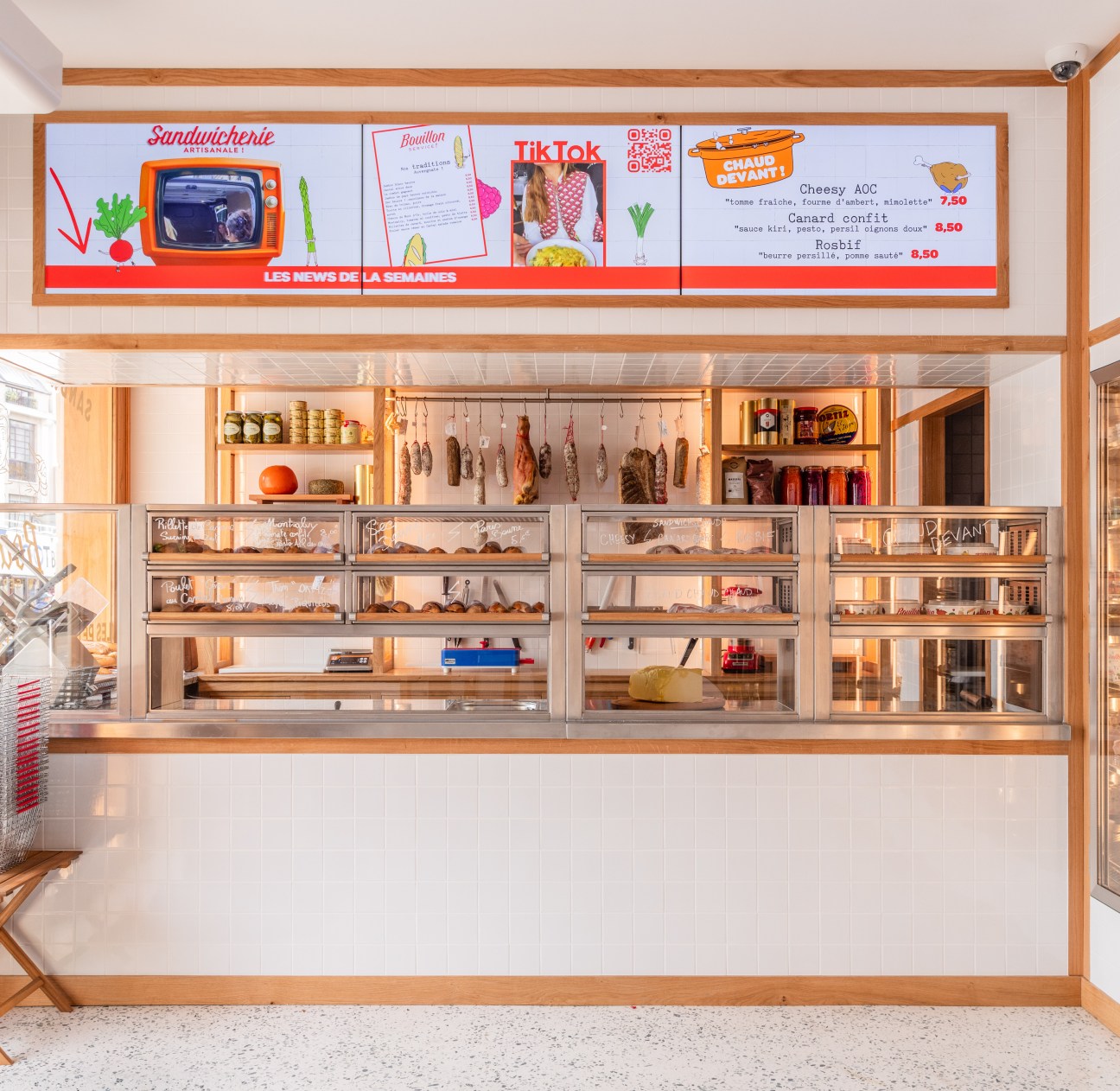
Bouillon Service, a takeaway-only food spot from Paris institution Le Bouillon, has opened in Pigalle. While it might seem strange that an establishment that’s synonymous with waistcoat-clad garçons, crisp white tablecloths and art deco interiors would do away with table service, customers are queuing out of the door for Le Bouillon’s latest offering – its first opening in four years. The takeaway-only approach is an extension of the delivery system that the company established at the height of the coronavirus pandemic. The deli and takeaway space in the 18th arrondissement, located just 50 metres from its Pigalle restaurant, prepares the establishment’s hero dishes and is open until 03.00. Think egg mayonnaise, jambon-beurre (courtesy of the on-site bakery) and canard confit to go.
bouillonlesite.com
4.
Chateau Grand Rapids
Grand Rapids, Michigan
Michigan might not be well known for its French cuisine but you’ll find a dose of Gallic flair at Chateau. Husband-and-wife duo Chris and Allaire Swart have transformed a heritage shopfront in Grand Rapids into a daytime café and evening wine bar. The pair picked San Francisco’s Obata Noblin Office to design the space. Large windows allow in plenty of sun during the day but judicious lighting creates a moody candlelit feel after dark.
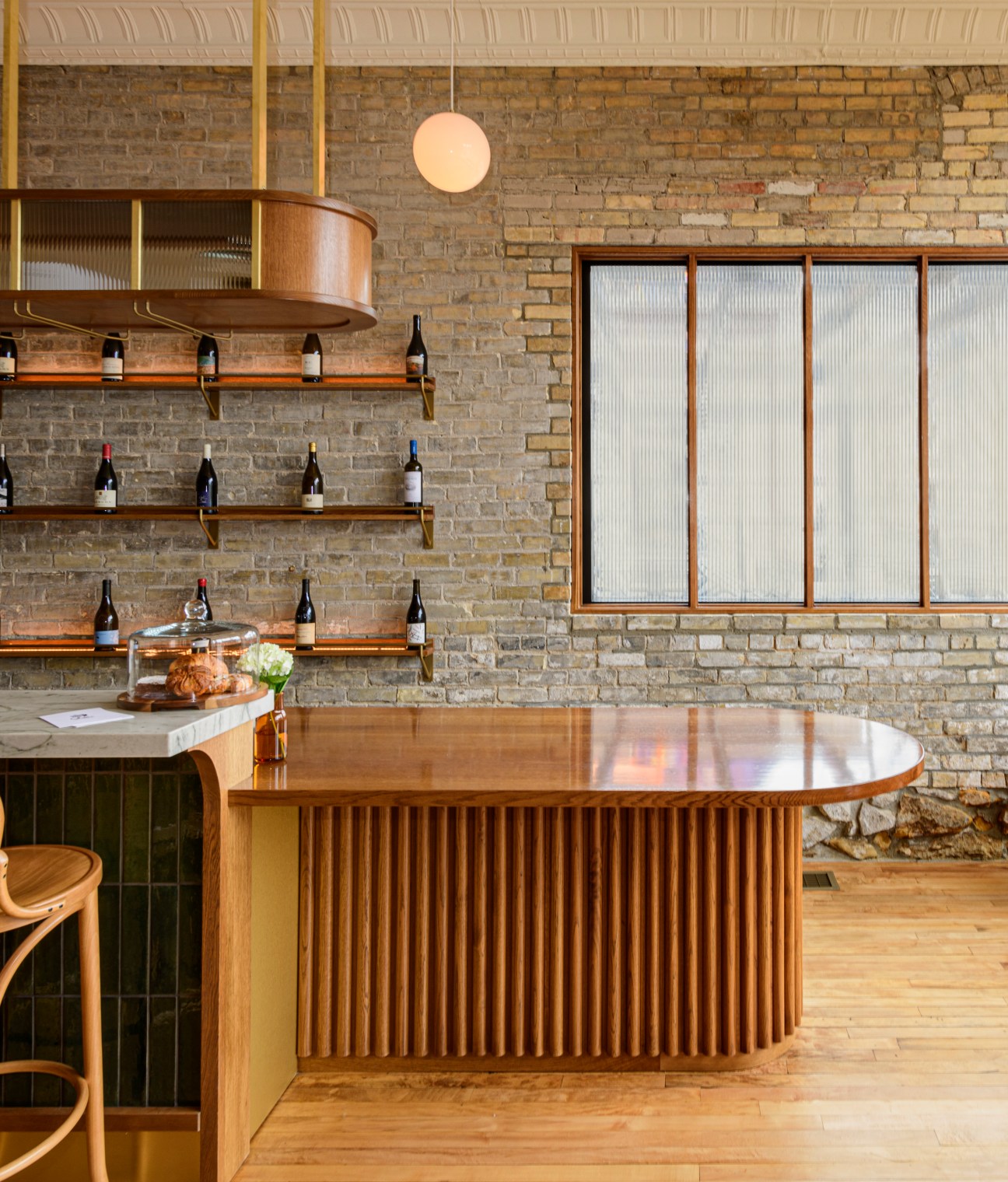
Green accents nod to the restaurant’s focus on natural wine and single-origin coffee. Chateau sets a new standard for Cherry Street, an up-and-coming neighbourhood in this Midwestern city. “We have taken a 100-year-old building and maintained almost all of its integrity, from tin ceilings and brick walls to slab-wood floors,” says Chris. “It was important not to shellac over history but, rather, to maintain that patina.”
chateaugrandrapids.com
5.
Domo Bar
São Paulo
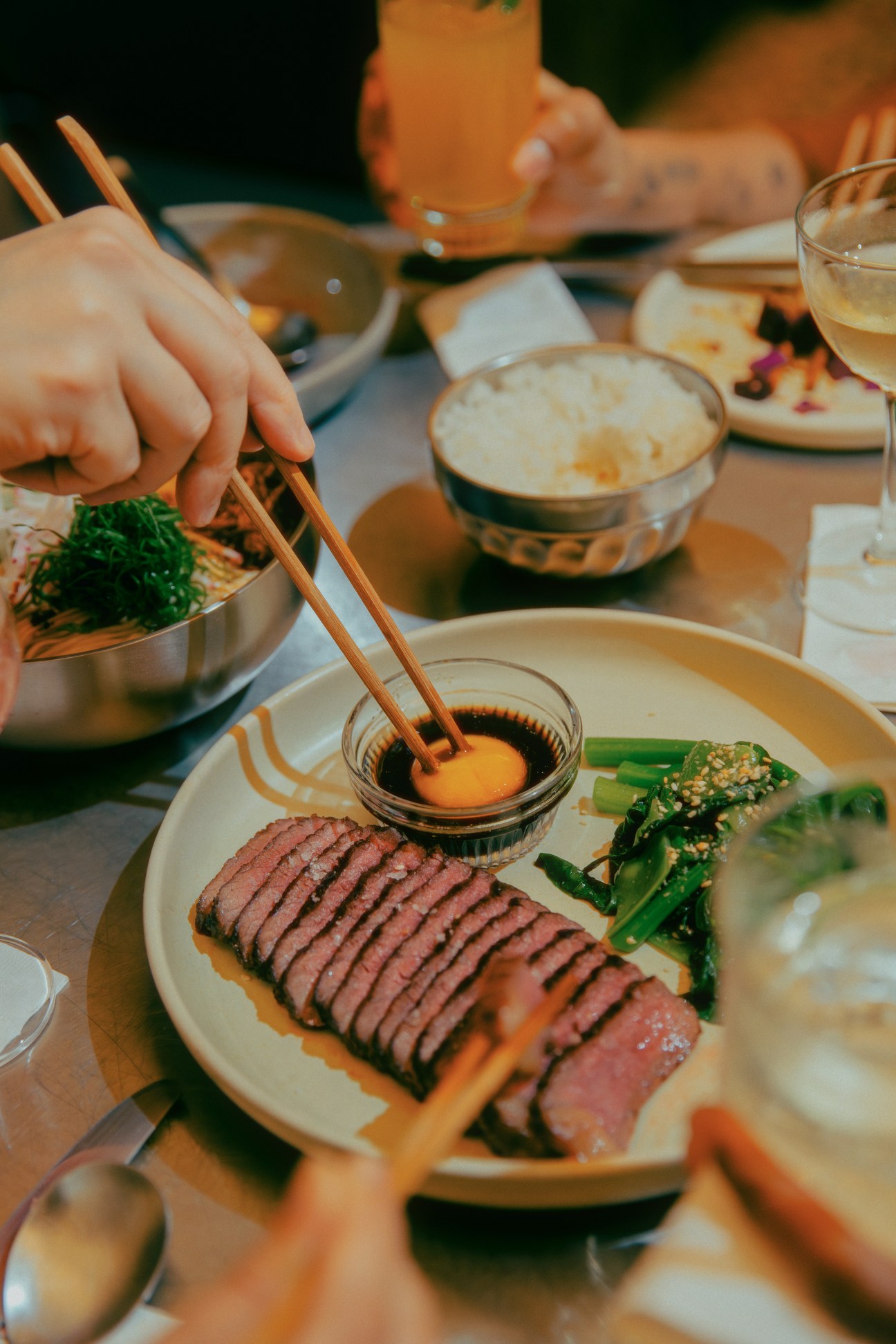
Domo, a listening bar in São Paulo’s Vila Buarque area, combines first-class hospitality with a sophisticated musical experience. Designers Flávio Seixlack and Rodolfo Herrera, whose coffee shop Takkø Café is just down the street, opened Domo last year. Since then, the bar has earned a reputation for its Asian-Brazilian menu, which features fresh takes on classics such as pulled-pork sandwiches with gochujang sauce, as well as creative cocktails and an eclectic music selection that comprises everything from bossa nova to Japanese jazz. The duo brought local studio Nina Morelli on board to tackle the interiors, where soft lighting is paired with wooden accents to create an intimate, record-filled space.
“Opening Domo was just a natural next step for us, especially after visiting similar places in Japan, London and Los Angeles,” says Seixlack. “Something that had always bothered us about our native city was that there was nowhere you could go to listen to good music and talk at a lower volume. And Domo is our solution to that.”
452 Rua Major Sertório, São Paulo 01222-000
6.
Penny
New York
First, there was Claud in New York’s East Village, a French-inspired wine bar that became a big hit thanks to the delightful craft of its menu – think nutty chicken-liver agnolotti and rich tomato mille-feuilles. Now the team has opened Penny, a raw bar and seafood counter, in the space upstairs.
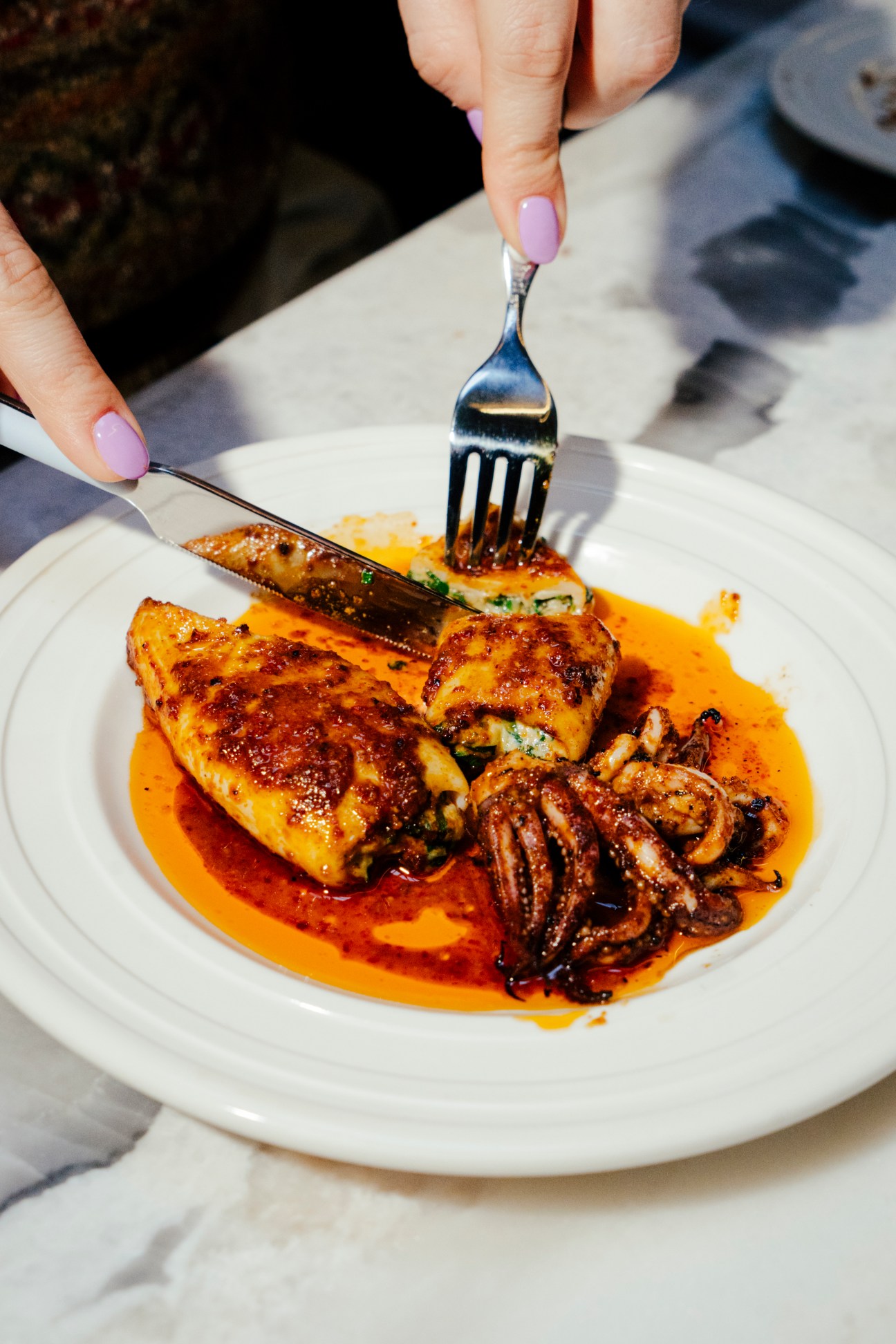
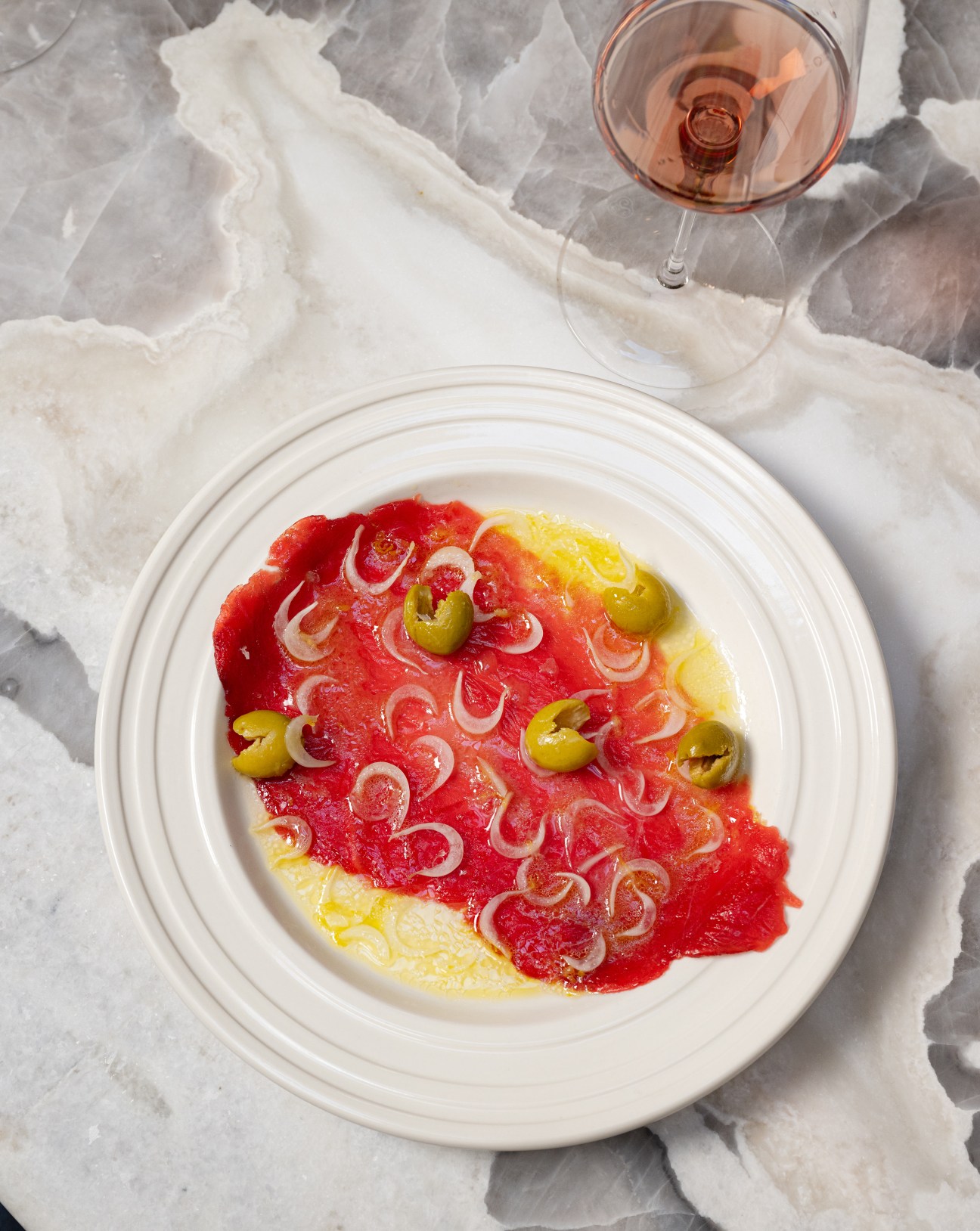
Designed in collaboration with Ian Chapin of Philadelphia-based practice Edsel, Penny has a quartzite oyster bar and is replete with cool, silvery tones. “The restaurants might appear different – Claud has warm, natural finishes, while at Penny there’s a blue tint – but they intersect in spirit,” says co-owner Chase Sinzer. Highlights include the Ice Box (oysters, clams and mussels), lobster and freshly baked brioche. To drink, there’s wine, saké and Suntory Premium Malt on draught.
penny-nyc.com
7.
Galipette
France
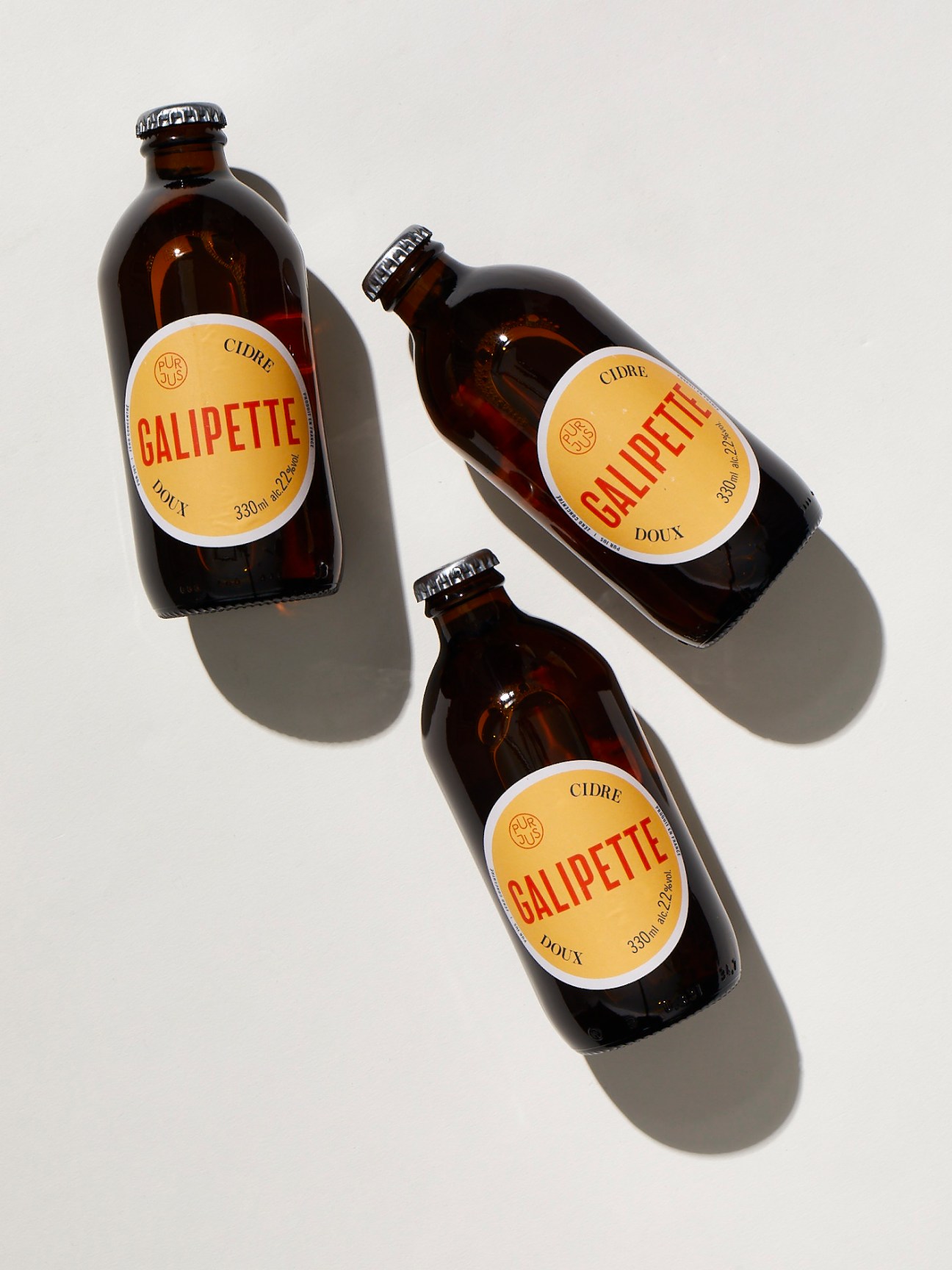
Launched in 2016, cider company Galipette champions the apples of northern France. “In a world of one-dimensional ciders, we look for diversity and flavour,” says co-founder Antti Laukkanen. The company produces cider made from bittersweet apples harvested in Normandy and Brittany, where mild temperatures and plentiful rainfall make the orchards ideal for cultivating flavourful crops.
The brand’s newest variety, Galipette Doux, has undertones of toffee as a result of its shorter fermentation process, which helps to keep the natural douceur (sweetness) intact.
galipettecidre.com
Interview: Vattenfall’s Anna Borg on navigating global energy challenges
The CEO of Swedish energy firm Vattenfall, Anna Borg, is a positive presence in an industry that can seem rather glum. Though many energy firms are facing heat over sustainability practices and the role that they play in climate change and energy security, Borg seems almost glowing about their potential. She’s also rather sparky in person. Unmissable in her double-breasted purple blazer and chunky Chanel shades, she cuts a dash in the autumn sun, brass buttons glinting as she heads to meet Monocle on an island in the Stockholm archipelago.
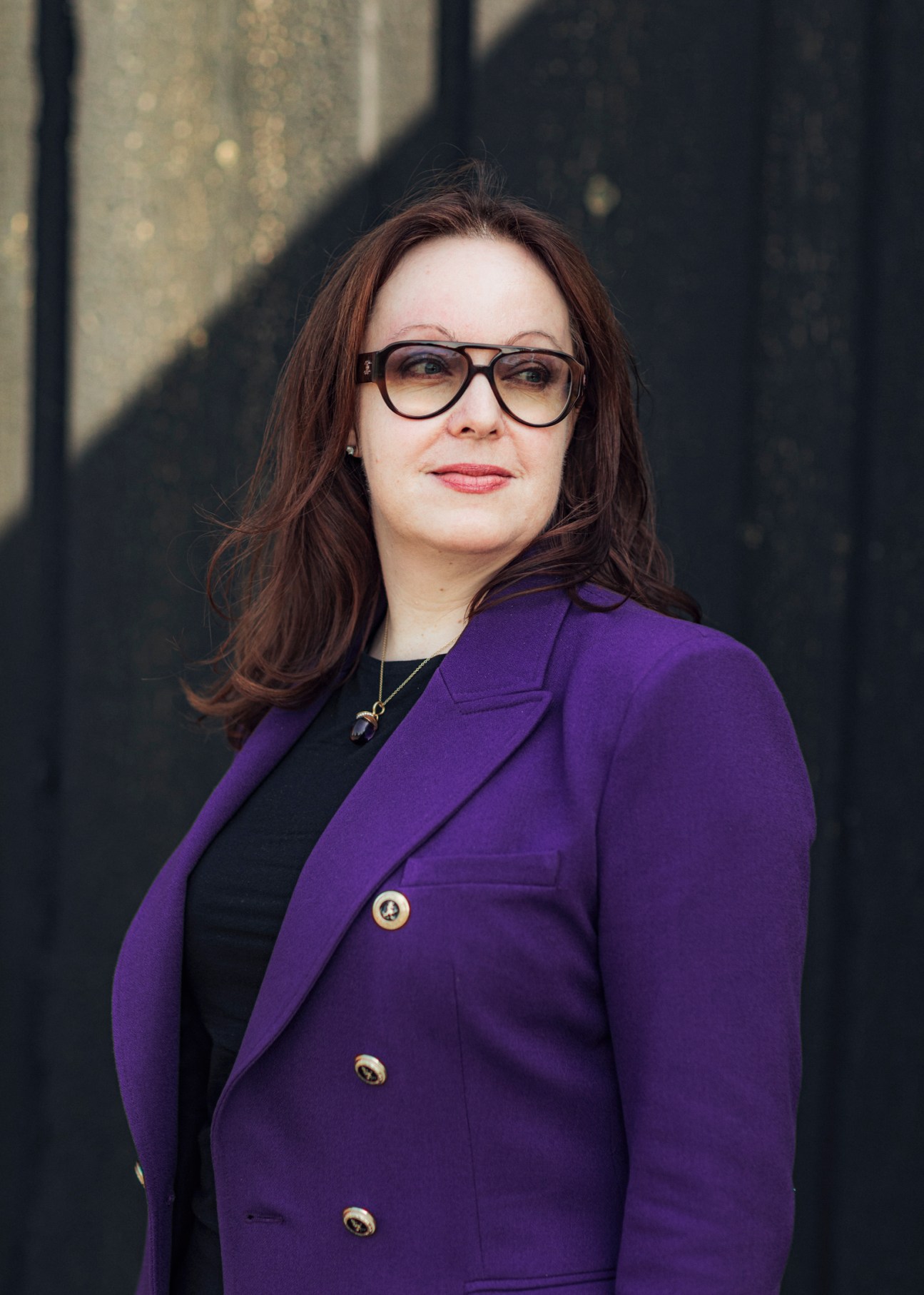
“It’s possible to live a modern, comfortable life with an acceptable climate footprint,” she says between panel discussions at a conference hosted by the Stockholm Chamber of Commerce. “We [Vattenfall] want to work towards fossil freedom,” she adds, settling at an outdoor table beneath a windswept fir tree. “It’s a necessary and good thing to do – and it’s what it will take to be competitive in the future.”
Borg joined the Swedish energy giant in 1999. Barring two years away (she joined Swedish technology firm Klarna between 2015 and 2017 before returning), she rose from CFO to the top job in 2020. Here’s what the woman in charge of one of Europe’s largest energy producers and retailers thinks about the future of fossil fuels, why there is no need to scare people and why we should still be optimistic about the industry.
We waste a lot of energy. Do customers need to accept sacrifices or should that fall to producers and suppliers?
I’m not so sure that it’s about making sacrifices. What’s needed in the green transition are investments on top of existing investments [in other technologies]. This is something that’s happening around the world: companies in the Nordics, Europe, Asia and the Middle East are all funding green transformation. The cost curve is trending downwards. Markets have realised that anything with a fossil footprint is risky, so they’re moving money into eco-friendly technology. Offering consumers products and services that are attractive and acceptable from a climate perspective is a wise, natural move. That’s where the opportunity lies, not in scaring people into something else.
That’s reassuring to hear. But fossil fuels aren’t going anywhere any time soon. Should we also be thinking more in terms of the fuel mix?
We need to have a conversation about options. The starting point is different depending on where you are. Energy is produced from natural resources and those vary in places across the world. We’re in a fortunate position in Sweden because our energy system is practically fossil-free. We only have to meet the increased demand in order to electrify our industries, transportation and so on. In some parts of the world, you have to work on transforming the energy system while also meeting this increased power demand. So it’s not really about whether we use nuclear or renewable energy or carbon-capture systems for oil and gas. We’re going to need all the technologies that we can get our hands on. Then it will then be about which technologies win out or whether they can support each other rather than compete. They all have different pros, cons and capabilities. Some are more stable or volatile. Some are less expensive or better at integrating and interacting with others. But there will also be technologies that we aren’t as aware of because they haven’t yet been commercialised.
I take your point about only seeing so far. But what are you excited about? Is there anything new on the market or interesting conversations around storing energy?
Costs are decreasing across the sector. Solar panels are very cheap now compared to what they were a decade or two ago. The same will happen when it comes to offshore and onshore wind turbines, and nuclear developments. Nuclear energy can produce a lot of power with a fairly small physical footprint. All of this comes down to how we can utilise the grid in the most efficient way to be able to provide electricity and energy where and when it’s needed, and at an acceptable cost.
Conflict in Europe and the Middle East and the arrival of forthcoming arrival of winter in the northern hemisphere are fuelling discussions about energy security. How are global events changing conversations in the industry?
Energy – and access to it – has been used as a weapon in many conflicts. There’s an awareness in Europe about the need to be more self-sufficient. Europe wants to be more independent but we still live in a globalised, international world. The regionalisation of power, commodities and products doesn’t mean that there won’t be a global market or international co-operation.
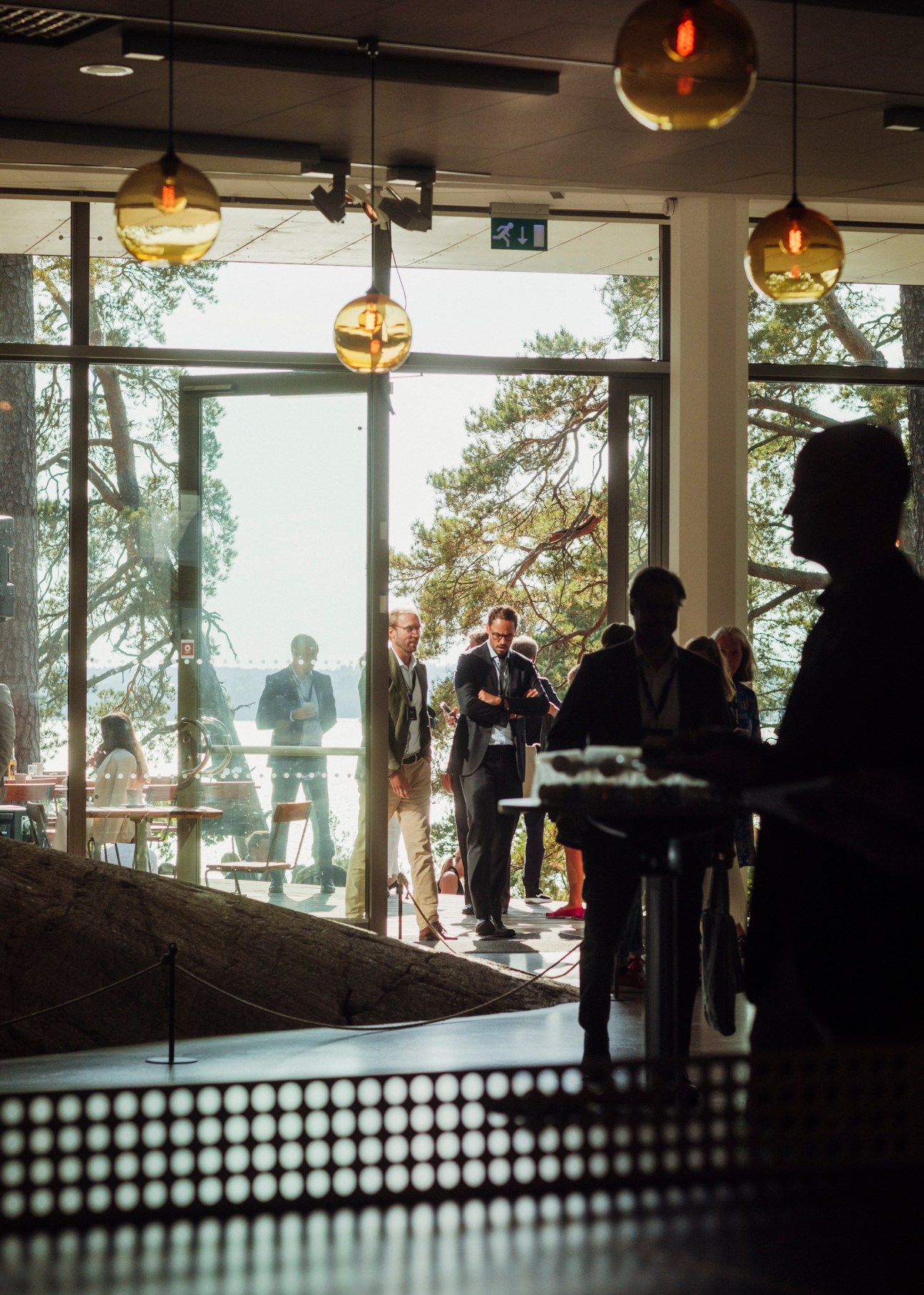
You have worked your way up the ladder at Vattenfall. What has that experience taught you about leadership?
For any business, it’s important to have a clear purpose. Why are you there? What are you going to do? Our goal is to deliver fossil freedom. We want to ensure that people can live, work and travel in a way that reduces their climate footprint. That’s our business strategy, not our sustainability strategy. We need to offer products and services that are attractive to customers but also profitable for us: you need to make money to invest in new technologies and be successful.
And that means working with partners. Tell us about the some of your current projects.
We are working on new value chains, such as fossil-free steel and fossil-free cement, with a few businesses. We have announced a collaboration in fossil-free electricity, for example. I recently met with the CEO of chemical company BASF in the Netherlands, which we have partnered with to co-invest in offshore wind. The company needs access to enough fossil-free electricity and at a reasonable price. We’re at the forefront of offshore-wind technology in Europe. Working on joint projects means that we can improve energy developments and fuel industry transformation.
Newspapers tend to paint a dire picture of human impact on the environment and the energy sector’s role and outlook. Is this fair?
I’m optimistic. I’m also realistic and very focused. We need to act now. It’s important to look at yourself in the mirror. Those of us who are here today [at the Stockholm Chamber of Commerce] need to lead the charge. We shouldn’t look to anyone else. The world around us is changing and we need to bear the consequences. We might not be moving at the speed some people are hoping for but we’re moving in the right direction. Yes, there are obstacles. But did anyone think that it would be an easy ride? That was never the case. We need to figure out where we’re going – and, to me, that’s very clear.
Sanctions have never stopped a tyrant – why do we expect them to now?
President Nicolás Maduro of Venezuela has won. Not Venezuela’s most recent presidential election, as such – various credible analyses have concluded that he could scarcely have stolen it more brazenly had he declared victory wearing a mask, a hooped shirt and shouldering a bulging sack labelled “swag”. But Maduro has won insofar as he remains president while opposition candidate Edmundo González is exiled in Spain and González’s ally María Corina Machado has been forced, as of this writing, into hiding. The response from those countries that refuse to recognise Maduro as legitimate – more or less everyone but Russia, China, Cuba and North Korea – has been predictable, piling further sanctions atop the teetering stack of measures already imposed upon Maduro’s regime during its miserable decade in power.

They won’t work. By and large, sanctions don’t. They’re mostly deployed by countries that either will not act decisively about a particular situation but want to look like they’re doing something or cannot act decisively, so are doing what little they might. There is, indeed, an entirely plausible case that Maduro – and Vladimir Putin, Fidel Castro, Muammar Gaddafi, Saddam Hussein, Slobodan Milosevic, two Iranian Ayatollahs and three generations of North Korean Kims, among others – were or are strengthened by sanctions. None of them ever wanted for anything; all the pain was passed down to the people. (I visited a Baghdad hospital during Saddam Hussein’s rule, and a couple of his palaces after his removal. Take a wild guess which had the gold-plated bath taps.)
Venezuela seems a ripe subject for an experiment in the opposite approach; what might be thought of as subversion by engagement. The same countries that have damned Maduro as a thug, a crook and a fraud should nevertheless do everything they can to encourage trade and cultural exchange with Venezuela, and tourism to it.
Energy companies should be liberated to exploit Venezuela’s immense reserves of oil and natural gas. Caracas, Maracaibo, Valencia and Barquisimeto should feature on the tour itineraries of major musicians. Holidaymakers from the US, Europe and all over Latin America should be cooling their toes on the Caribbean beaches of the Los Roques islands. Venezuelans – ordinary Venezuelans, many, many of whom voted against Maduro – would make money. Some of the millions who have fled Maduro’s misrule might return and bring their anger home with them. Poor and isolated people have little choice but to endure dictators; prospering and connected people start to feel like there are options.

Can Africa’s richest city function again?
Melusi Mhlungu has no time for speculating about whether or not his hometown can be saved. “If Joburg dies, the country dies,” he tells Monocle at the foot of Ponte Tower, a 54-storey concrete skyscraper on the edge of downtown Johannesburg that was Africa’s tallest apartment building. Two years ago, Mhlungu was in Brooklyn making Super Bowl half-time commercials, living the high life as a New York ad man. Today he’s back home – and he has a new job: selling a city whose “brand” is bathtub-sized potholes and rolling blackouts.
The project that brought the 36-year-old advertising director back was unexpected. On a trip home two years ago, he got a call to meet Robert Brozin, a local businessman turned philanthropist and co-founder of fast-food chain Nando’s. Brozin had an intriguing pitch for Mhlungu: Nando’s was getting involved with a project to revitalise Joburg’s historic inner city, much of which has fallen into disrepair since big businesses retreated to the suburbs in the 1980s and 1990s. The work was centred around a complex of neoclassical buildings recently vacated by mining giant Anglo-American. They were slated to become, among other things, a satellite campus for a local university. But Brozin’s ambitions went beyond that. He described to Mhlungu a grand plan: beautifying inner-city streets, improving security, training entrepreneurs and creating jobs and housing for the homeless. “There’s no point in just handing out sandwiches,” Brozin told Monocle. Instead, the businessman wanted Joburg residents to reimagine their city – and he wanted Mhlungu to be the one to make the pitch to them.
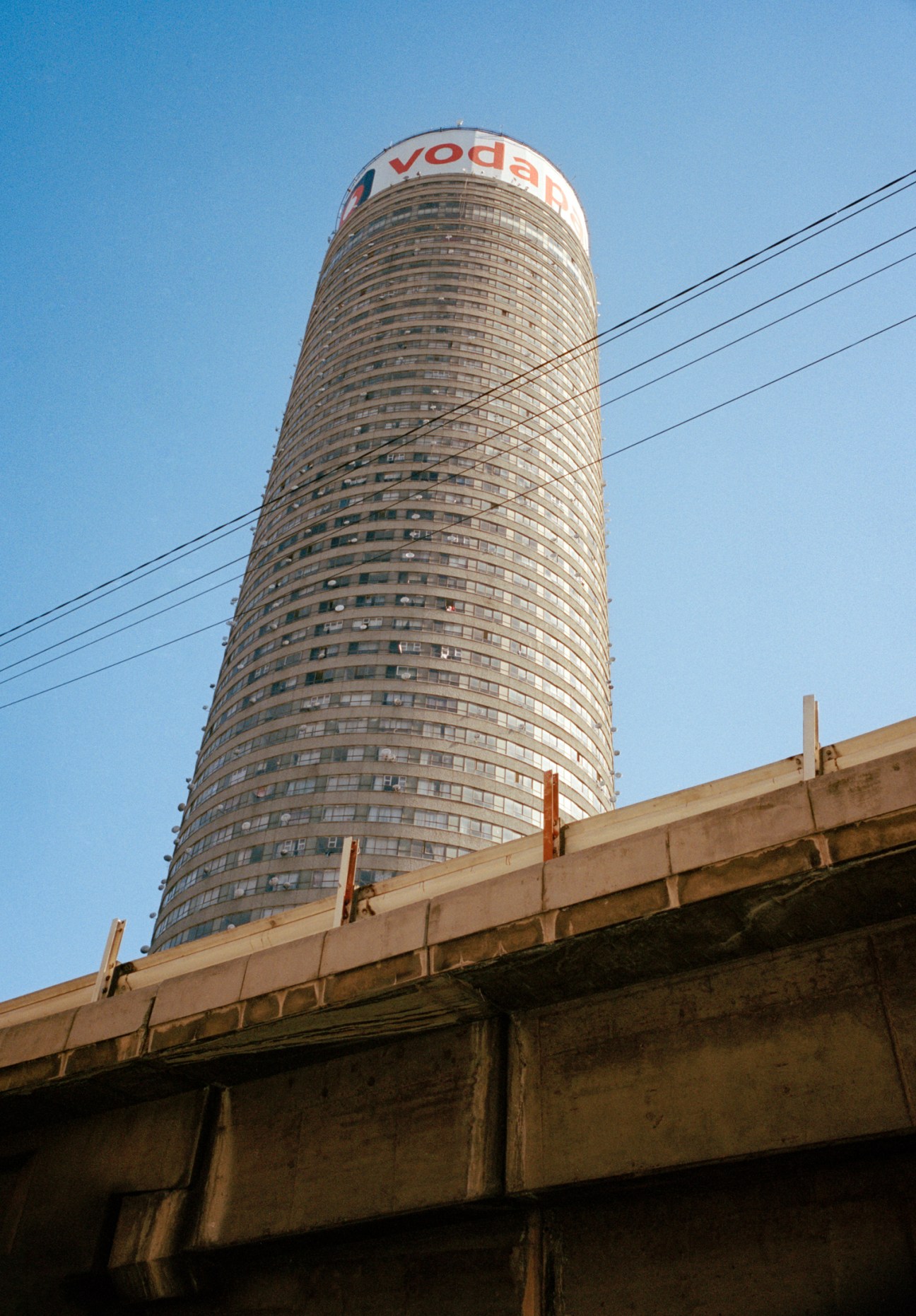
“It was a weird offer,” says Mhlungu. After all, he would be trying to sell a place steeped in dysfunction, whose official tagline, “a world-class African city”, had become an ironic punchline. South Africa’s largest (and Africa’s richest) city has always had a reputation for grittiness, which is perhaps a euphemistic way of saying a high crime-rate. Indeed, there were 2,600 carjackings in Gauteng, the province comprising Joburg and its environs, between April and June of this year, and the city ranks among the top 50 globally for its homicide rate (though it comes in below Baltimore, Detroit and Cape Town). But in the shadow of the coronavirus pandemic, Joburg’s woes were multiplying, as its politics imploded and several long-brewing infrastructural crises spilled over simultaneously. The city’s ageing power grid, for instance, was on its knees. From 2022 to mid-2024, rolling blackouts left most of Joburg in darkness for five to 10 hours a day. In the city where 70 per cent of South Africa’s businesses are headquartered, factories began cutting production. Thieves sliced through now-dead electric fences and public hospitals cancelled hundreds of procedures because operating theatres were too cold. Water outages became a regular occurrence for at least half of the city. In July 2023 a rotting gas pipe exploded beneath a downtown street at rush hour, snapping open the road above. The next month, a squatter-occupied building burst into flames, killing 77 people.
Meanwhile, the engine of South Africa’s economy was effectively leaderless. Between 2021 and 2023, the unstable ruling coalition cycled through eight different mayors. “Since everyone realised that you might be in office for just two weeks, any long-term planning is out the window,” one city official, who asks not to be named, tells Monocle. Indeed, in July of this year, the city council projected it needed $12bn (€10.8bn) just to catch up on maintenance for its road, power and water infrastructure. But before it could begin to act on that figure, mayor number eight since 2021, Kabelo Gwamanda, resigned and the musical chairs began all over again. Given all of this, Brozin’s offer was more than a request to market Joburg as a nice place to live. He was asking Mhlungu, in essence, to give its five million residents an answer to an existential question: could the city even be saved? And, if so, what would it take?
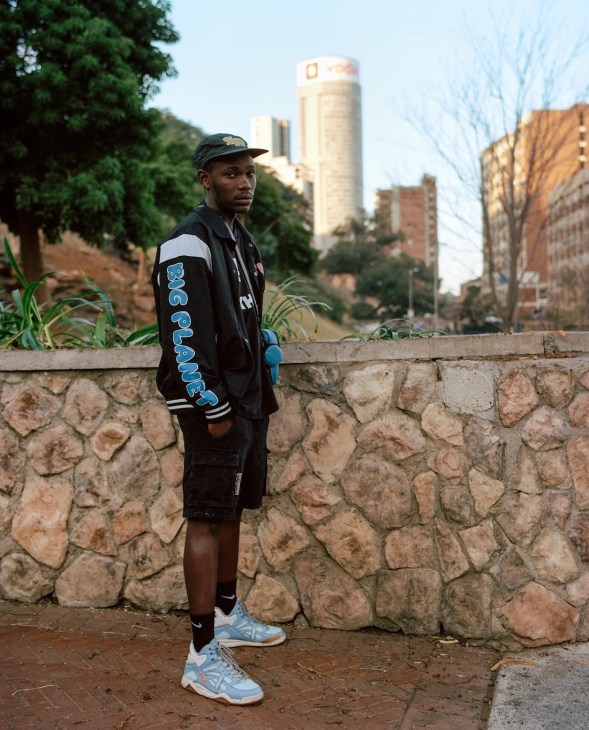
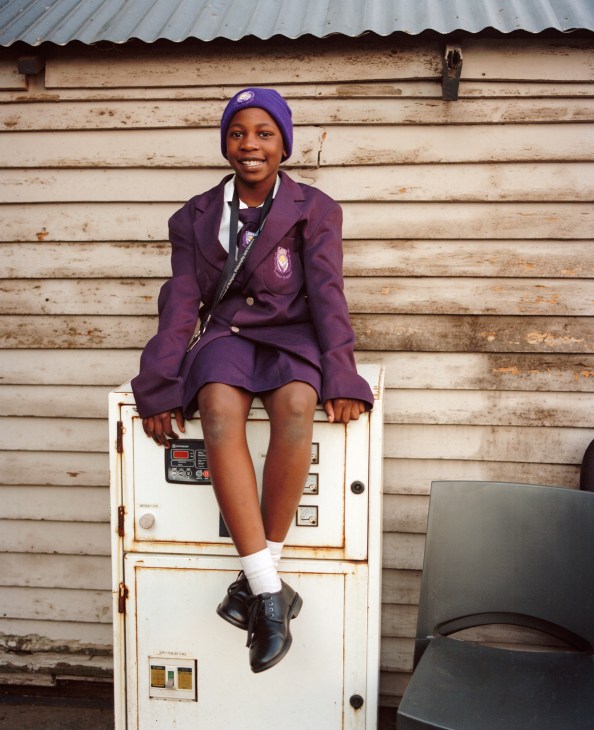
There was something compelling in the project for Mhlungu. Joburg is South Africa’s melting pot and its gateway. Between 2011 and 2022, almost five million people migrated to Gauteng from other parts of the country. The province is also home to nearly half of South Africa’s immigrant population. Mhlungu loved living in the US but also missed his hometown, a place crackling with the ambition of an entire continent. If any deeply broken place could turn itself around, he knew that it would be Joburg, where people had always improvised around the city’s failings. When Joburg’s streetlights went out, beggars became traffic cops to guide cars through the intersection. After road accidents, private security companies redirected traffic and passing doctors pulled over to care for the injured until the ambulances arrived. “Like it or not, there’s a strong creative energy in places that don’t quite work,” says Mhlungu. So he agreed to Brozin’s offer and in 2023 returned home.
If Johannesburg is an ambitious place, though, right now that go-getter attitude doesn’t extend to its leadership. For two decades after the end of apartheid, the city was ruled by the African National Congress (ANC). The liberation movement turned political party has dominated South African politics for the past 30 years. It saw Joburg through a period of whiplash transformation between apartheid city and democratic metropolis. But in 2016 the ANC lost the Joburg local government election. Since then, no single party has achieved a majority on the city council. This has left it in the hands of increasingly unstable coalitions and prompted an ongoing game of mayoral seat swapping. Gwamanda was still in power when Monocle began reporting this story in June and ANC old-timer Dada Morero occupied the seat when we finished in September (both were unavailable for interview).
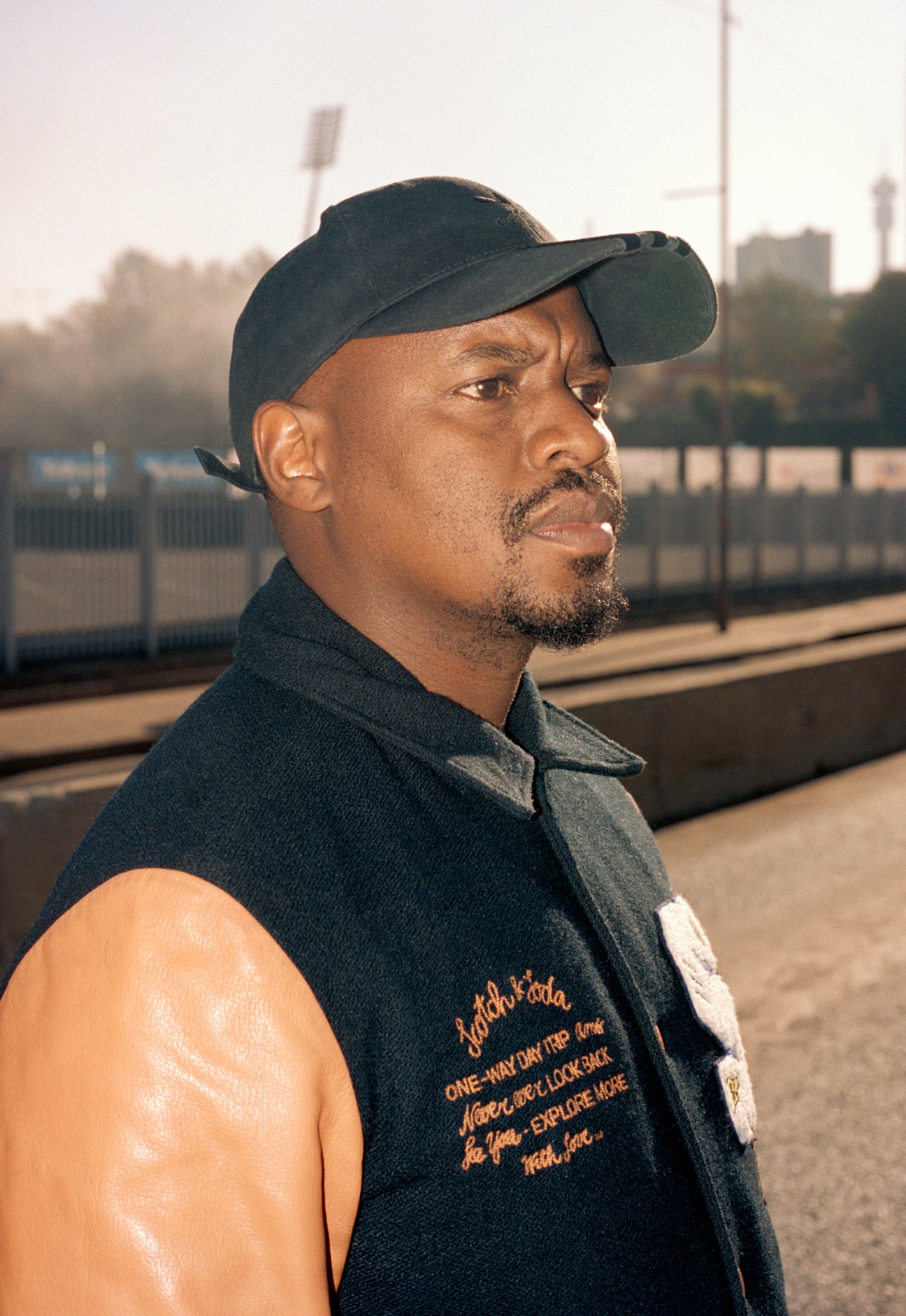
National elections in May did little to steady the ship. Countrywide, the ANC’s share of the vote dipped below 50 per cent for the first time in South Africa’s democratic history, forcing the party into a ruling coalition with its closest rival, the Democratic Alliance. In Joburg, meanwhile, the ANC governs in coalition with a different set of smaller parties. The churn at the top has made it difficult for city leaders to plan or execute long-term projects. “The budget is made, the budget is reversed, the budget is taken away,” says Dan Moalahi.
Moalahi is one of about 20,000 people who live in Slovo Park, an area in the south of Johannesburg that urbanists refer to as an “informal settlement”. That means its creation wasn’t authorised by the state, though the term is usually shorthand for neighbourhoods made up of shacks. In 2019 one in five of Johannesburg’s five million residents lived in such a settlement. Despite their name, many are not transient places. Slovo Park has existed for 30 years, far longer than many of the city’s sought-after suburban housing developments. It has wide, gridded roads. The properties lining them are neatly divided by fences and trees. Even the shacks themselves feel rooted. Moalahi’s has glass windows, plywood kitchen cupboards, a washing machine and goldfish swirling in a tank by the TV.
Before Johannesburg fell into its governance crisis, many communities in the city were already finding creative ways to take on jobs that the city wouldn’t do for them. Slovo Park exemplifies this stubborn self-sufficiency. The neighbourhood was founded in the early 1990s by workers in the nearby factories seeking a cheap, convenient place to live. Since then the city has tried to evict Slovo Park’s residents on several occasions to no avail. For more than 20 years the area has been run by a group of democratically elected “community forums”, who organise security patrols and hold conflict-mediation sessions. They also provide social services including food aid, shelter for victims of domestic violence and services for addicts. More impressive are their guerilla-style infrastructural upgrades. In 2010 the community forum got fed up with endlessly petitioning the city for running water. So it pooled money from residents to buy pipes and then hired plumbers living in the neighbourhood to connect the existing communal taps at the end of each block to individual properties. “We invited Joburg Water [the municipal provider] to come see,” says Moalahi. “We are doing the upgrading you can’t do.”
Joburg in numbers
4.8 million
Population of the City of Johannesburg.
15 million
Population of Gauteng province, which includes Johannesburg.
0
Navigable bodies of water running through Johannesburg – one of the world’s largest cities not built in proximity to a river or ocean.
79
Percentage of the world’s gold that came from Johannesburg and its environs in 1970, at the height of South Africa’s gold mining boom.
11
Official languages in South Africa, all of which are spoken in Johannesburg.
3,400
Beds at Chris Hani Baragwanath Hospital, in Soweto, the largest hospital in Africa and one of the 10 largest in the world.
The private sector has long had a hand in plugging the government’s gaps too. Joburg overflows with private security companies, private ambulances and private electricity grids, the latter a major factor in ending the rolling blackouts of the past two years. You can now use an app to report potholes to a local insurance company, which dispatches teams to patch them up. Every day, eight vans emblazoned with the words Pothole Patrol leave a nondescript office park in the east of Johannesburg. Over the past three years, they’ve filled about 250,000 potholes.
“We are heroes to people,” says the group’s vehicle manager, Joshua Baile, as he nudges his van onto a roundabout. Pothole Patrol is run by Discovery, South Africa’s largest insurance provider, which has obvious skin in the road-repair game. “Filling potholes pays for itself,” says Kgodiso Mokonyane, Discovery’s head of strategy and value-added products. In the first year of the project, she says, pothole claims by Discovery customers in Johannesburg fell by a quarter, even as they increased by 45 per cent in the rest of Gauteng, the province of which the city is a part. There’s a clear shortcoming to letting an insurance company fix city roads, of course: they get to decide which ones matter and which don’t. By and large, Pothole Patrol doesn’t fix roads in Joburg’s many historically black, working-class neighbourhoods. Then again, there are no shortage of potholes in the shopping-mall and office-block-lined roads of the suburbs either.
During Monocle’s visit, Baile pulls his van to a stop at the intersection of two busy roads in a part of town cluttered with new-build housing estates. He and his team cordon off the pothole, a watermelon-sized dent, and get to work. First they sear the surface of the road around the hole until it is hot enough that the top layer of asphalt can be scraped off. Then they shove that loose pavement into the hole, topping up the area with some fresh asphalt. Finally, they heat it again to set it in place. Within minutes, cars are gliding over the smooth road as though the hole never existed.
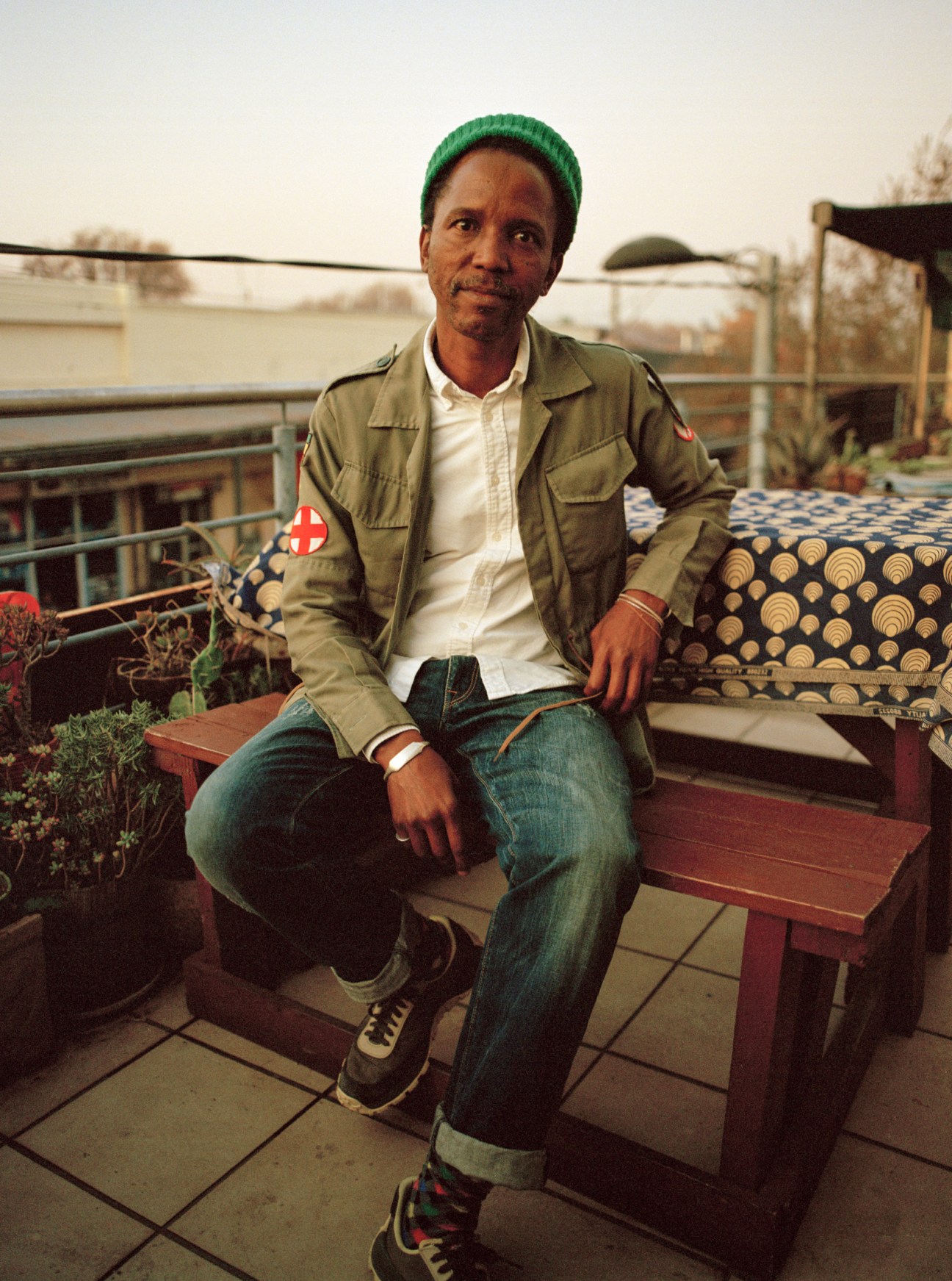
Mhlungu and Brozin aren’t the only people trying to rebrand Johannesburg. On a Thursday evening, Monocle joins Sanza Sandile, a self-taught chef who runs a popular supper club from a second-storey shopfront on Rockey Street, the main drag of the inner-city neighbourhood of Yeoville. Most days, Sandile serves a 10-course dinner of Afro-fusion dishes. Tonight the menu includes a Ghanaian-inspired gumbo, a saffron-tinged rice dish described as a “jollof-paella hybrid” and a beetroot salad. The meals that Sandile prepares are designed to reflect the diversity of the city on display outside the supper club’s windows. “Joburg is a tough city but it’s also amazing,” he says. The chef grew up in the dying years of apartheid, in the black township of Soweto. The place had a certain cultural – and culinary – uniformity that reflected just how effectively apartheid had kept different communities of South Africans apart.
By contrast, when Sandile first came to the inner city in the mid-1990s, shortly after Nelson Mandela became president, the area seemed like a dress rehearsal for the county’s future. Interracial couples held hands in the streets, brushing past white suburban skaters and Congolese sapeurs in brightly coloured designer suits. There were gay clubs and strip clubs, cafés with names like Café Pigalle and wine bars where returning political exiles engaged in debates about governance and democracy. But Sandile was most struck by one particular element of this melting pot. For him, sampling new cuisines was an act of rebellion against the country’s historical separations, “a way to kick the doors in”. He started selling food from a stall before moving upstairs seven years ago. Visitors have included Anthony Bourdain and Dave Chappelle, and even now, he says, the bookings come in faster than he can keep up with, proof that the city’s demise has been exaggerated. “This is still the big city of hope,” he says. “It’s home to the brightest and best from all over our continent.”
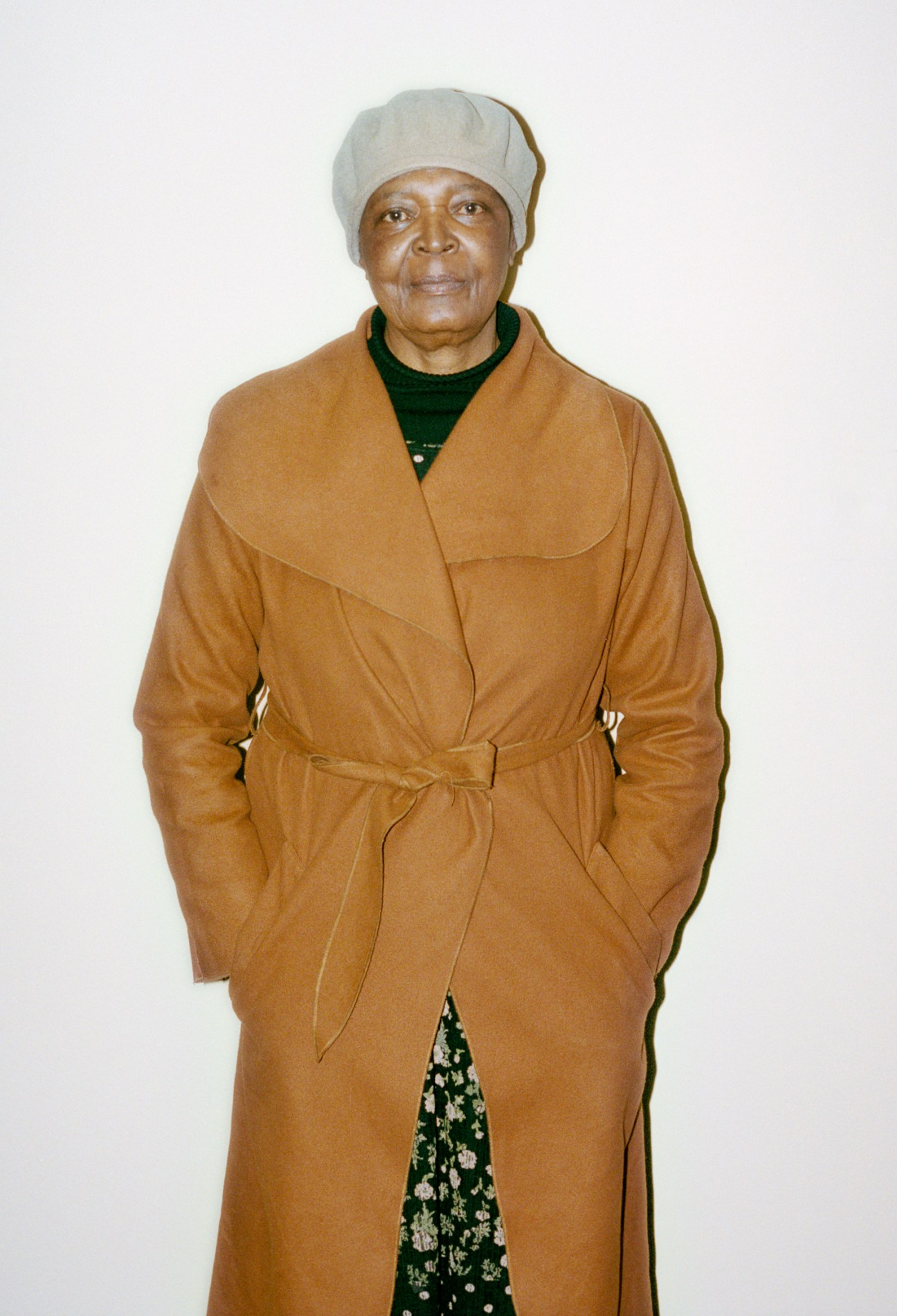
For inner-city activist Shereza Sibanda, Joburg’s saving grace is its residents’ unwillingness to settle. Whether it’s people piping their own water or insurance companies plugging potholes, she says that “people know that they deserve better than what they have”. That has been true, she claims, for her whole life. It was true when her father migrated here from Mozambique in the 1950s to work in the city’s gold mines. It was true in 1976, when she joined the uprising of schoolchildren in Soweto that marked the beginning of the end of apartheid.
And it’s on display now too, in the Joburg residents who pour into the downtown legal aid clinic that Sibanda helps to run, asking for help fighting illegal evictions or exposing crooked cops. She is amazed sometimes at how little Joburg’s recent struggles have done to dull its appeal as a city where anyone can shrug off their history and start over. “People keep coming to Joburg,” she says. “They won’t stop”. In recent years, about 300,000 people have migrated to the city’s province every year. It isn’t as though Joburg’s troubles don’t affect them. Poor leadership from their government has left its citizens – literally – in the dark. But their reasons for believing in the city transcend rolling blackouts and burst water pipes.
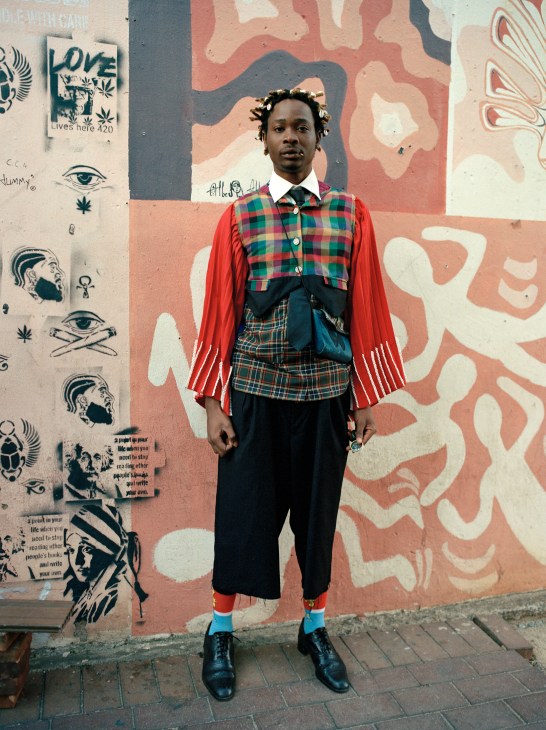

Take Sethokwakhe Zungu, a 31-year-old who lives in a one-room metal shack beside a paper factory. Since he moved here from a rural village a decade ago, Joburg has been, to say the least, difficult. Last year, unable to afford rent, he found himself squatting in a five-storey downtown building with no running water or electricity. One night in August, it caught fire. Of the 400 people inside, 77 died. Zungu lost the supplies for his small baking business and his entire life savings – about €100. “I have really lost hope,” he tells Monocle. We ask if he has considered leaving the city. “Never,” he replies, shaking his head. “It’s still Joburg. So maybe things can turn around.” It’s a sentiment that we’ve heard over and over again. “There’s nothing to love about Joburg but people do anyway,” as Brozin puts it. The project he helped to dream up, Jozi My Jozi, has been slowly ramping up since Mhlungu was hired last year. When Monocle visited, the initiative was cleaning up a dozen scruffy highway off-ramps leading to the inner city. “This isn’t about creating another Singapore,” says Mhlungu. In Joburg, the grit is part of the charm. But Jozi My Jozi wanted to give people reasons to feel proud of their city again. “The brand is broken,” adds Mhlungu. “But the people are not.”
Business agenda: Outdoor clothing company Peak Performance and new perfume brand To My Ships
Property: Singapore
Key to success
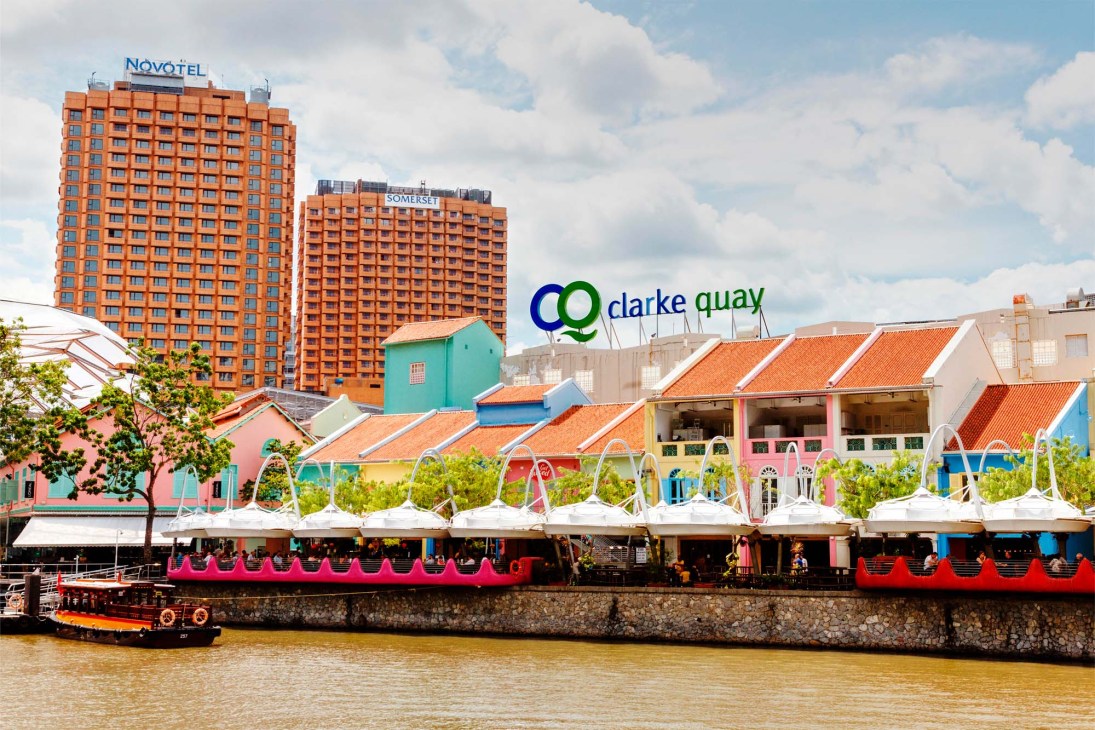
New property developments are bound to attract attention but a landlord’s job does not stop at the ribbon cutting. Managing these assets is often more challenging and success requires continual investment. Clarke Quay is a pedestrianised cluster of bars, restaurants and shops on the Singapore River that recently celebrated its 30th birthday with its second revamp.
The requirement for regular upkeep is a good lesson for place-making projects across Southeast Asia. Clarke Quay physically transformed downtown Singapore when it opened in 1993 (even if its commercial success was initially slow). After a brief period of success, it soon fell into disuse because consumers stayed away. This was blamed on the project’s inaccessibility, poorly curated shops and services, and lack of shelter from the elements. Then came a redevelopment in 2005. The opening of a nearby subway station shuttled in shoppers and a more enticing mix of tenants moved in. The effect was significant. “The market valuation when we started was near zero; they couldn’t lease it,” says Stephen Pimbley, who redesigned the area 20 years ago and now leads Spark* Architects.
Landlord CapitalLand learnt its lesson and now this fresh redevelopment, jointly handled by Meta Architecture and Formwekz Architects, will give Clarke Quay a more stable future. In April, the project boasted a 93 per cent committed occupancy, half of which is comprised of new concepts from international and homegrown brands. It was recently valued at €286m – an enhanced asset for CapitaLand and for all of Singapore.
The Entrepreneurs
Laura Kramer on: Growing off-piste
An eagerness to expand can take leaders down slippery slopes if they don’t have a clear direction. Luckily for Sara Molnar, the president and CEO of Sweden-based outdoor clothing company Peak Performance, navigating challenging terrain comes as second nature.
A lifelong skiing and freeride competitor, Molnar arrived at the Scandinavian brand in 2016 after a successful but ultimately unfulfilling career in the legal and financial sectors. “I noticed how other people spoke about their work with pride and passion, and wanted to have that feeling too,” she tells Monocle. “My connection to Peak Performance goes back to my childhood, which I spent skiing, and the community around the brand.”
Now, Molnar is leading Peak Performance’s transformation, guiding it through uncharted territory as the company grows. “You can’t expand globally without knowing who you are and what you stand for,” she says. “It’s about disciplined growth.”
The brand was founded in the 1980s by skiers who wanted to combine technical functionality and innovation with stylish design. “We have to stay true to that idea and not just slap a logo on products to commercialise them,” adds Molnar. “Otherwise, we would lose our edge.”
Peak Performance’s recent shop openings in Berlin, Vancouver and London – as well as new locations in China – offer the company fresh opportunities to learn and build a bigger community. That’s why, for Molnar, retail remains at the heart of the business. As the business continues its slalom across the world, the challenge is becoming how to balance the company’s global aspirations with the importance of honouring its Scandinavian roots.
“The shop is where you truly engage with your community and get to understand customer desires,” says Molnar. “You rely on shop staff as key brand ambassadors.” Sometimes, she explains, the hardest thing is to continue as you are, despite facing different challenges and consumers. “We often say that we are mountain born,” she says. “There is a Swedish sense of humility in letting the products that you make speak for themselves.”
For more on how to avoid going too off-piste in your business career, listen to Monocle Radio’s podcast, ‘The Entrepreneurs’.
Retail: London
Q&A
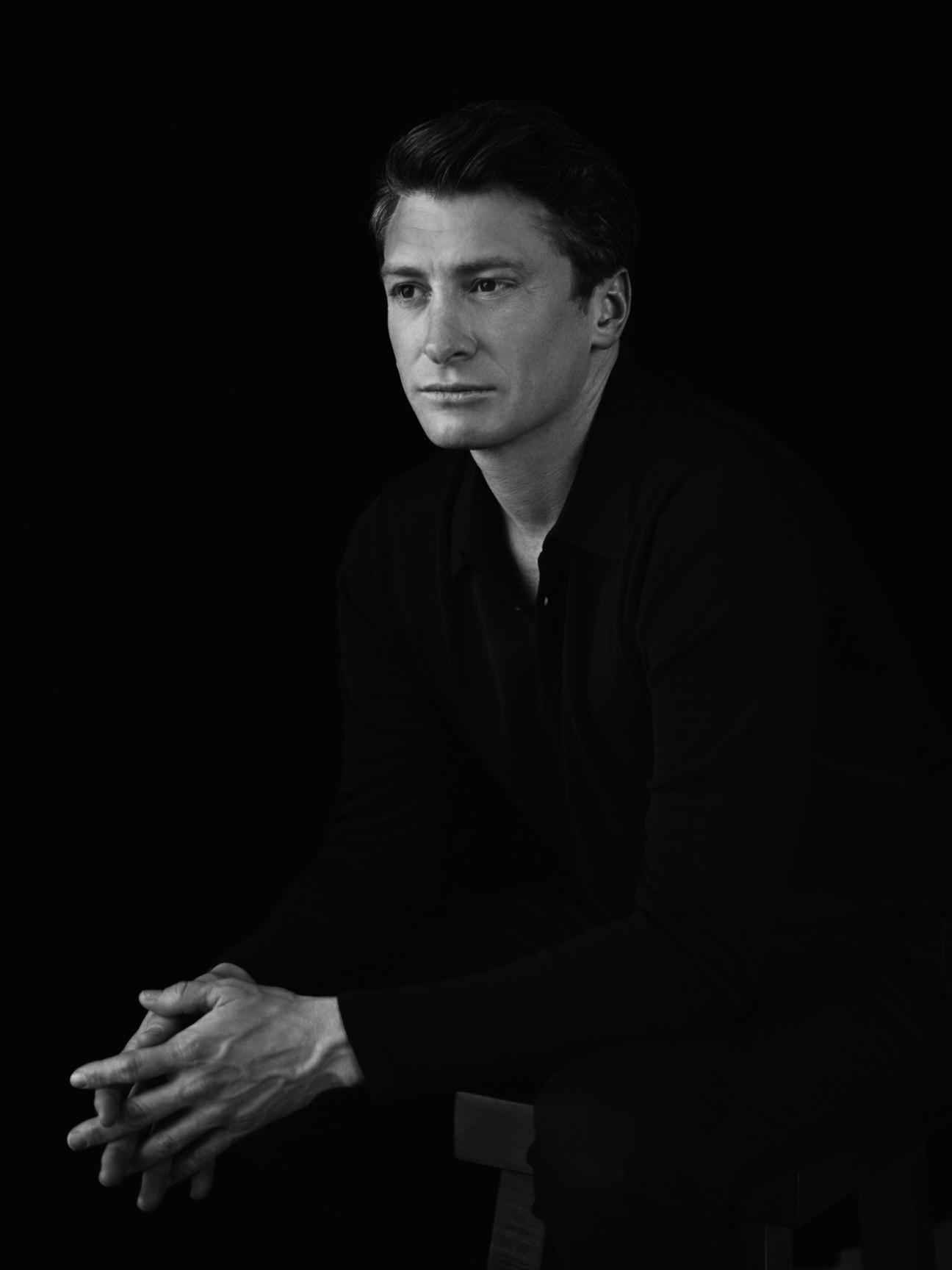
Daniel Bense
Founder, To My Ships
Few luxury skincare labels have received as much acclaim as Aesop. In September, Daniel Bense, an alumnus of the Australian brand, launched his own line of natural deodorants and perfumes. The collection, To My Ships, joins an increasingly lucrative industry valued at $21.8bn (€19.9bn) in 2023. Bense tells Monocle about demand in a crowded market and lessons learnt from his time at Aesop.
How do you want your product to resonate?
Our focus is on how the product is experienced by the customer. Packaging plays an important role. We worked with FormaFantasma to design our bottles and boxes. The studio’s thoughtful approach resonated with our own values.
How do you approach product development?
It is only worth creating quality products that are effective and a pleasure to use. Naturally, we started at the beginning with a well-defined brief. The goal is to give an uplifting experience.
Is there still demand for new luxury cosmetics brands?
Yes, there will always be space for brands that aspire to do things better than those who have come before them.
How did your experience at Aesop help this project?
I basically had an apprenticeship in balancing creative vision with commercial success in a high-growth, high-touch business.
tomyships.com
Fashion: Bordeau
Treading lightly
While most fashion companies claim to be committed to sustainability, Bordeaux-based trainer brand Zèta is walking the talk. Founded by designer and entrepreneur Laure Babin, it uses waste from agricultural production, such as grapes and corn, to make its shoes. Everything in its production chain is derived from recycled materials, including the boxes in which each pair is shipped. This level of control, however, poses technical challenges. “Our Portuguese artisans find the innovative materials that we use more difficult to work with, so it takes longer to make our shoes,” says Babin.
Following a partnership with Nespresso on its Moka collection, which used waste from coffee production, the brand’s latest model, the Olea (pictured), features a material called Oleatex, developed in Turkey. It’s created from the crushed remnants of olives generated during the production of oil.
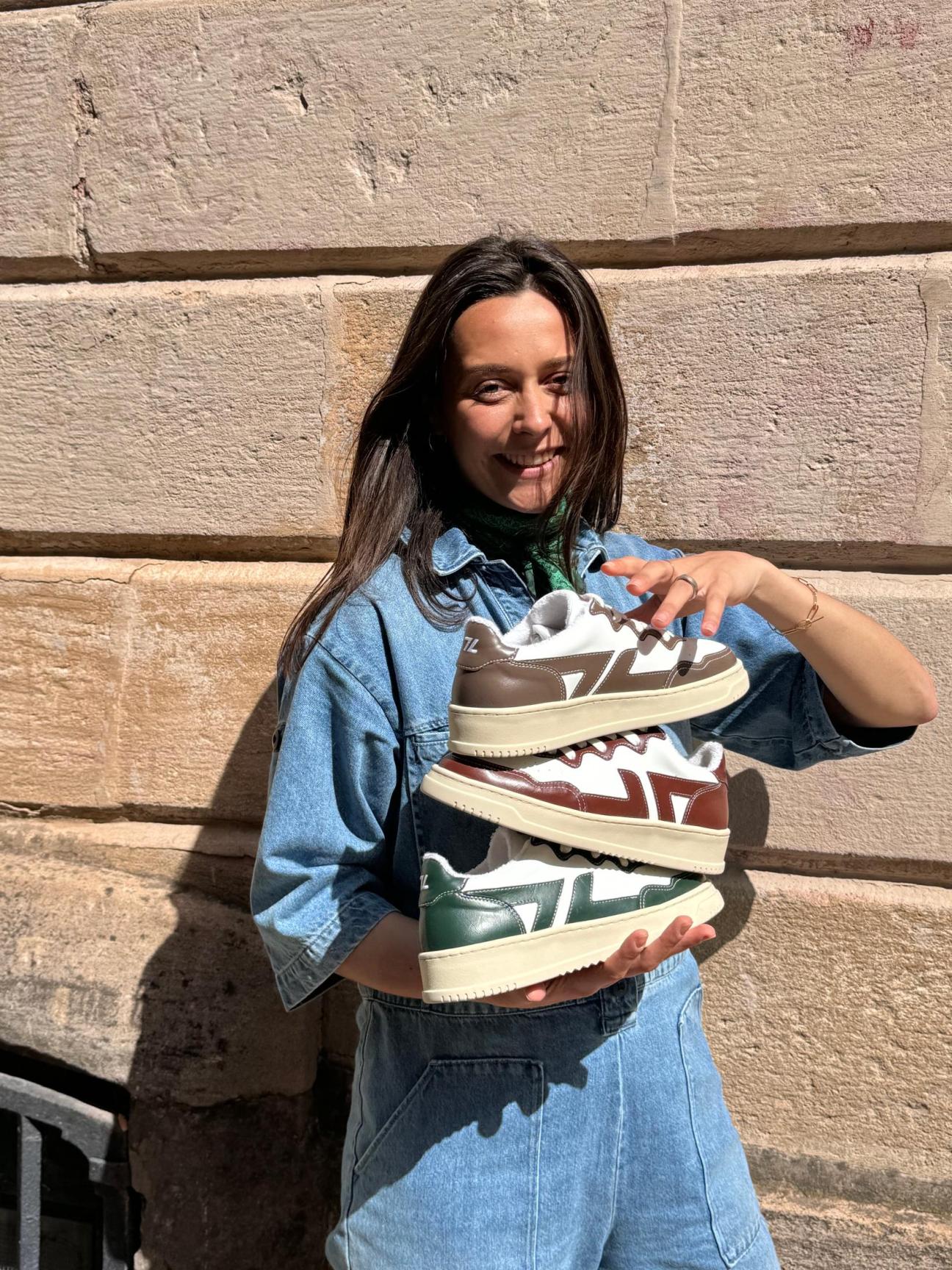
To date, Zèta has sold 40,000 pairs of shoes, through its website and its physical shop in Bordeaux, as well as a network of independent distributors in Europe and Asia. To finance the next phase of its expansion, the company is currently raising capital and has invited customers to become investors to support its research and development of sustainable materials.
“Our next project is a 100 per cent biodegradable pair with seeds built into the sole,” says Babin. The idea is that customers will be able to plant their worn-out shoes and literally give them a second life as flowers and shrubs.
zeta-shoes.com
Mobility: California
Lucid dreaming
Tesla was once the king of high-end electric vehicles (EVs) but Elon Musk’s brand is showing signs of slowing down in some markets. Despite record sales across the globe last year, numbers are down in 2024 in both US and European regions. Other luxury EV makers sense an opportunity. Among them is Californian start-up Lucid Motors, a publicly traded company since 2021 that was founded by former Tesla vehicle engineer Peter Rawlinson.

Lucid’s mission statement is to build “the most captivating luxury EVs centred around the human experience” and it has access to some deep pockets that could help it reach its goal. Its biggest investor is Ayar, an affiliate of Saudi Arabia’s Public Investment Fund, which owns about 60 per cent of the company. Faced with a difficult EV market, the Saudi fund has injected more cash this year, taking its total tally to about $8bn (€7bn). This helped sales to jump to $200m (€182m) in the second quarter of this year, up 70.5 per cent year on year – but the company is still losing money.
For Lucid to make the next jump, it needs to increase sales and expand into new market segments. With that in mind, the brand is expanding its line beyond the flagship Air sedan – retailing from just under $70,000 (€63,800) in the US – with the forthcoming Lucid Gravity suv, which is expected before the end of the year. Alongside building its own factory in Arizona, Lucid also opened a facility in Saudi Arabia last year. The aim? To bring down the cost of a new mid-sized vehicle and capture that all important (and much-needed) market share.
Aviation: Incheon
Only connect

The US’s oldest airline has announced South Korea’s Incheon International Airport as its new Asian hub. At the height of the coronavirus pandemic in 2020, Delta Air Lines dropped all of its routes between North America and Tokyo’s Narita airport, from which it previously operated its Asia connections. Now, in collaboration with fellow SkyTeam alliance member Korean Air, the Atlanta-based carrier is introducing its first nonstop flight from Incheon to Salt Lake City International in June. The route allows Delta to offer those living in the interior states of the US a direct connection to Incheon, making onward journeys across the rest of the continent easier too.
Delta already operates direct flights there from Detroit, Atlanta and Seattle, carrying about 2,100 visitors to the South Korean airport per day. But with the new SLC-ICN route, it expects a further 180,000 passengers annually, with 94,000 transfers. That should bolster Incheon’s plan to cross the threshold of 106 million passengers annually across 600,000 flights.
Recipe: Flourless orange-and-almond cake
Serves 6
Our Swiss chef Ralph Schelling has whipped up a light, fluffy cake with a subtle hint of orange. For an especially rich flavour, substitute the butter with some silky Fontclara olive oil from Girona.

Ingredients
250g ground almonds
4 medium-sized eggs
120g cane sugar
90g melted butter
1 large orange, juice and zest
½ tsp baking powder
Method
1.
Preheat the oven to 175C.
2.
Grease a small springform pan with a diameter of about 20cm and sprinkle with two tablespoons of ground almonds. Separate the egg yolks and white. Beat 100g of the sugar with the yolks until frothy. Beat the whites with the remaining sugar until stiff.
3.
Stir the melted butter, orange zest and juice into the yolk mixture. Mix the rest of the almonds with the baking powder and stir in carefully. Then fold in the beaten egg whites.
4.
Pour the batter into the prepared tin and smooth out. Bake the cake for about 40 minutes, covering with aluminium foil halfway through if necessary to prevent it from getting too dark.
5.
Dust the finished cake with powdered sugar if desired.
ralphschelling.com