Issues
Homeware brand Via Arno debuts to provide a commercial platform for artisans
After walking around this year’s Homo Faber, the Venice biennial dedicated to craftsmanship that took place in the grounds of a former monastery on the San Giorgio Maggiore island, visitors were invited to step into a quiet refuge tucked away next to the lagoon. This was the home of the event’s bookshop but also the first physical manifestation of something more ambitious: Via Arno, a new start-up from luxury behemoth Richemont. It made its debut this autumn. Its mission: to promote the “beauty and spirit of human making”.
Richemont, which owns jewellery and watch houses from Van Cleef & Arpels to Cartier, has long relied on craft to create best-in-class pieces. With Via Arno, the group is paying it forward by giving artisans a new global platform, connecting them with buyers and helping to safeguard their vocations.
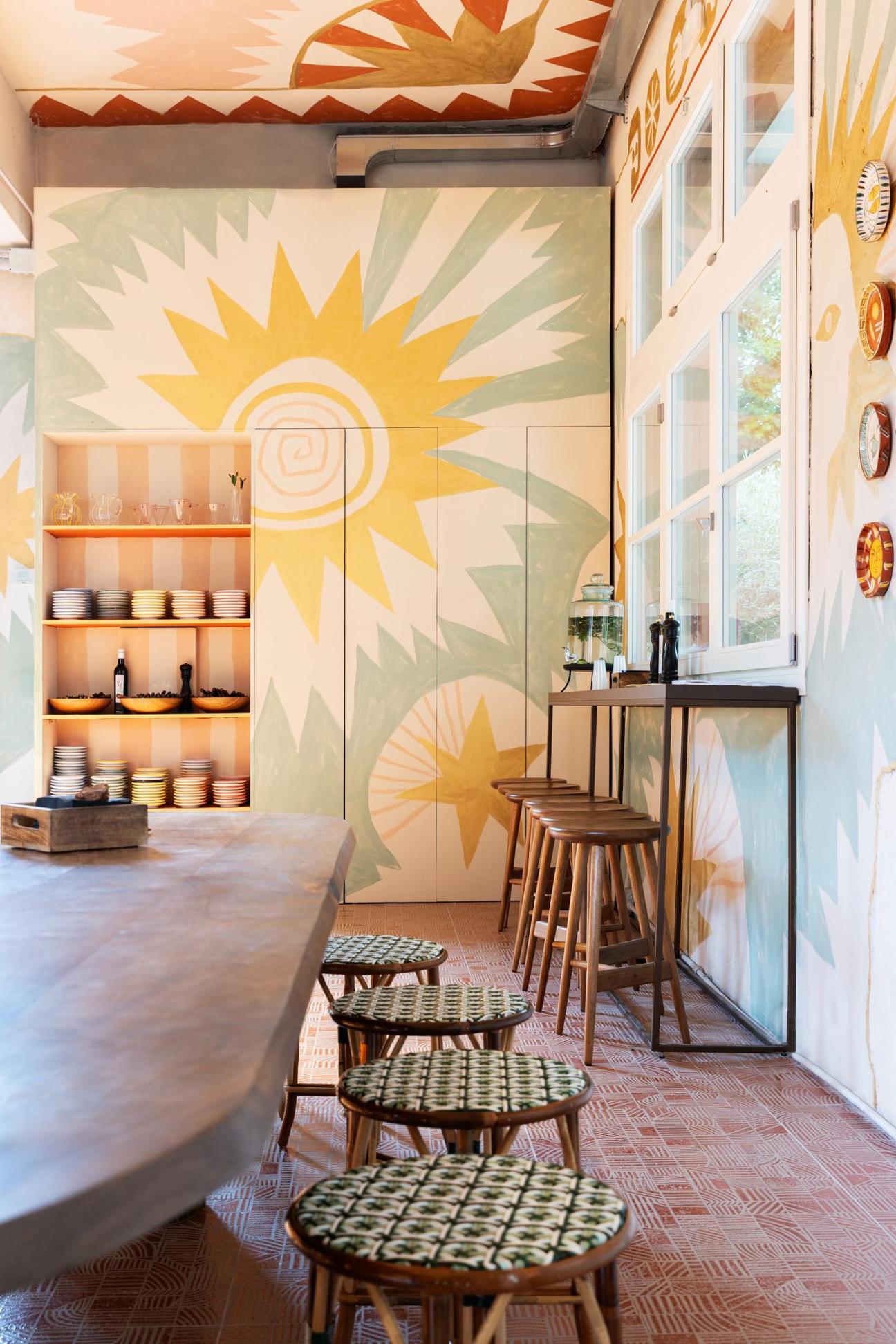
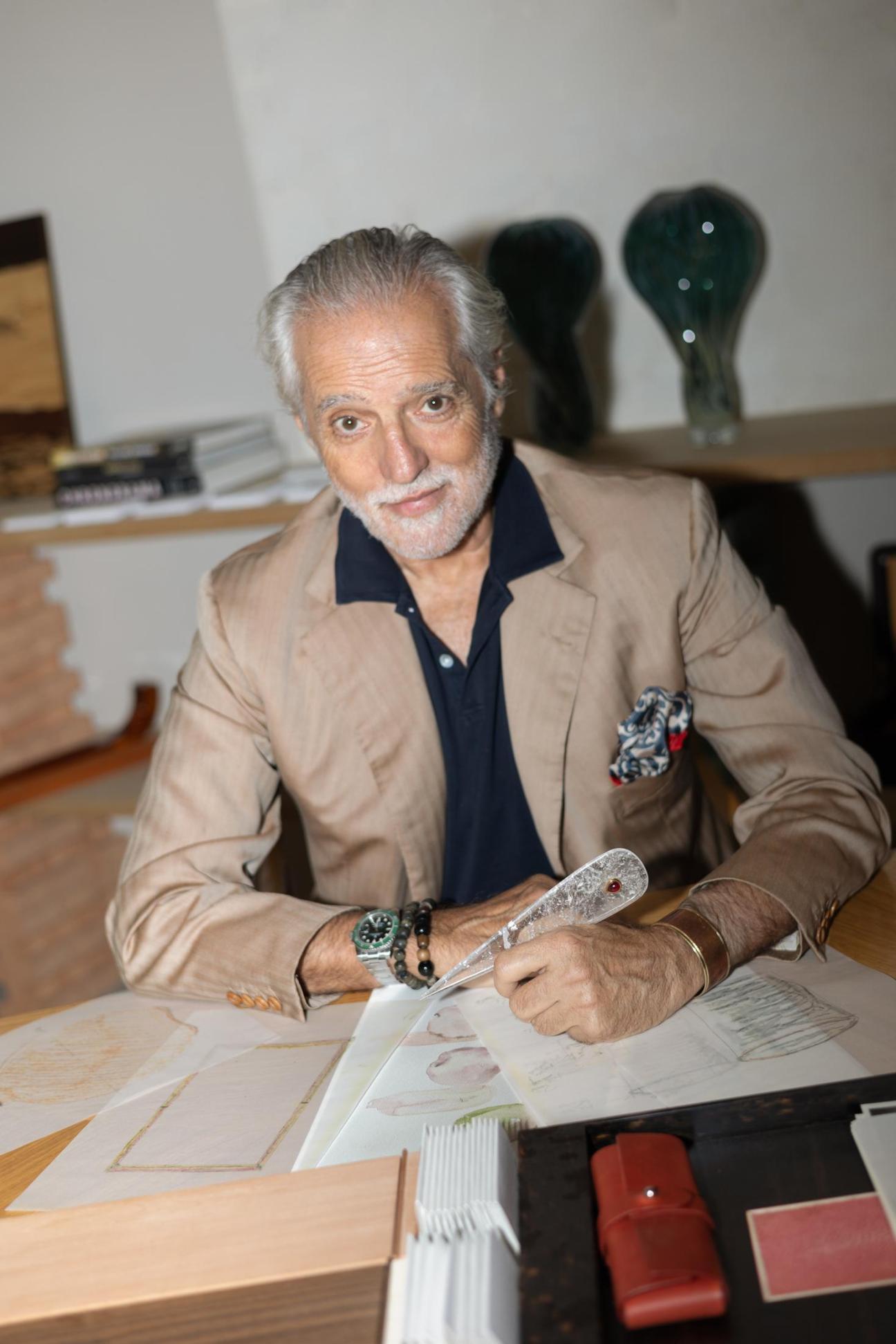
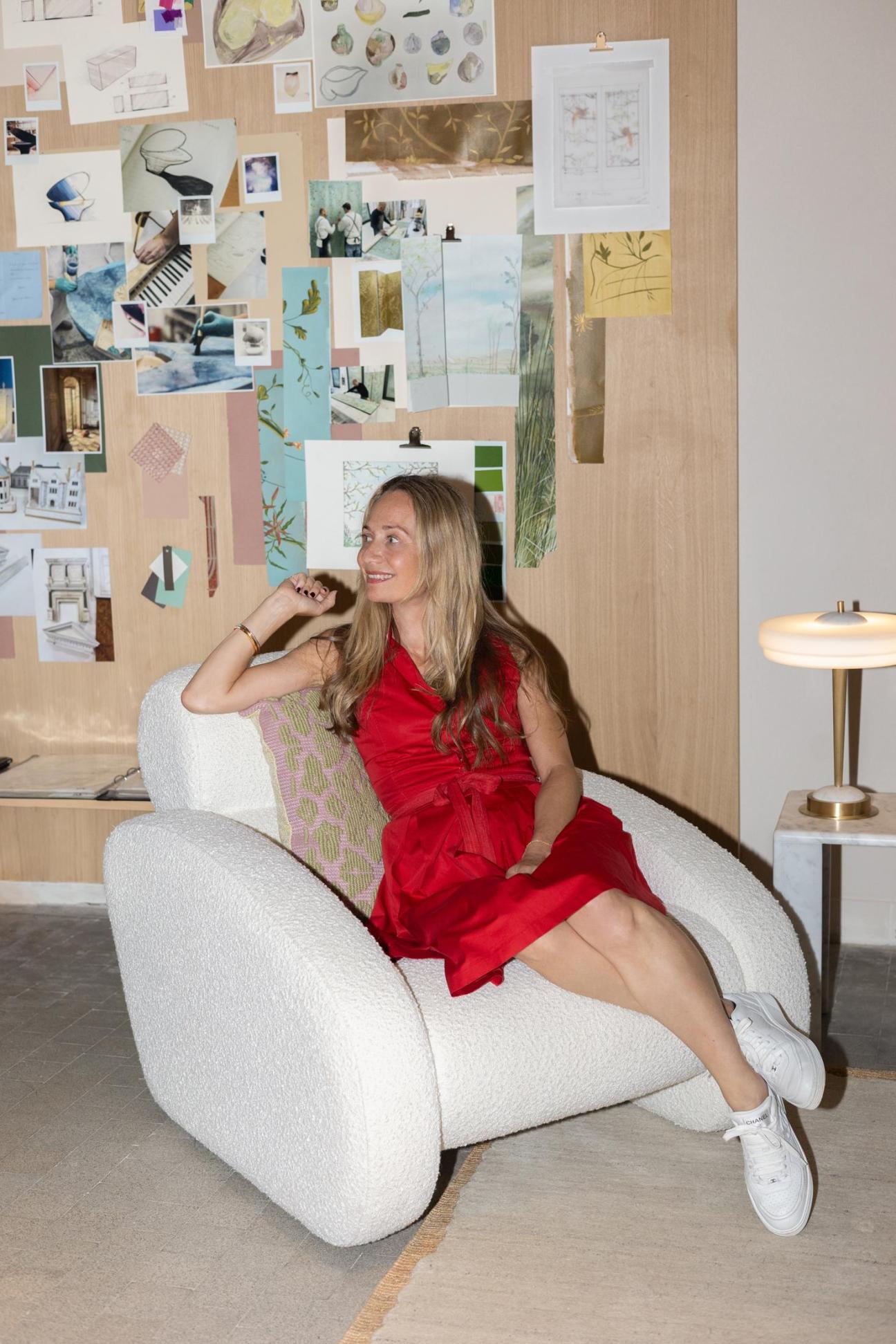
Stepping inside Via Arno’s Venice pop-up feels like entering an impeccably decorated living room or, perhaps, given the corner bar and piano, the lobby of a hotel. A wall mural by Mayeul Gauvin is flanked by multiple mirrors; soft rugs and a host of other design objects are scattered throughout the space. At the centre of it all, Annia Spiliopoulos, CEO and co-founder of Via Arno, sweeps in to greet Monocle in a flowing red dress. A trained classical ballet dancer from Greece who went on to work in film and music, she is a long-time resident of London, where Via Arno is headquartered.
Spiliopoulos is clear about what Via Arno is and is not. “This is human-made craft,” she says. “Design comes into it but it’s not design. It’s the woodworker applying their skills, or a marquetry maker or candle maker.” In short, Via Arno aims to provide a commercial platform for artisans from around the globe to sell often bespoke or custom-made goods.
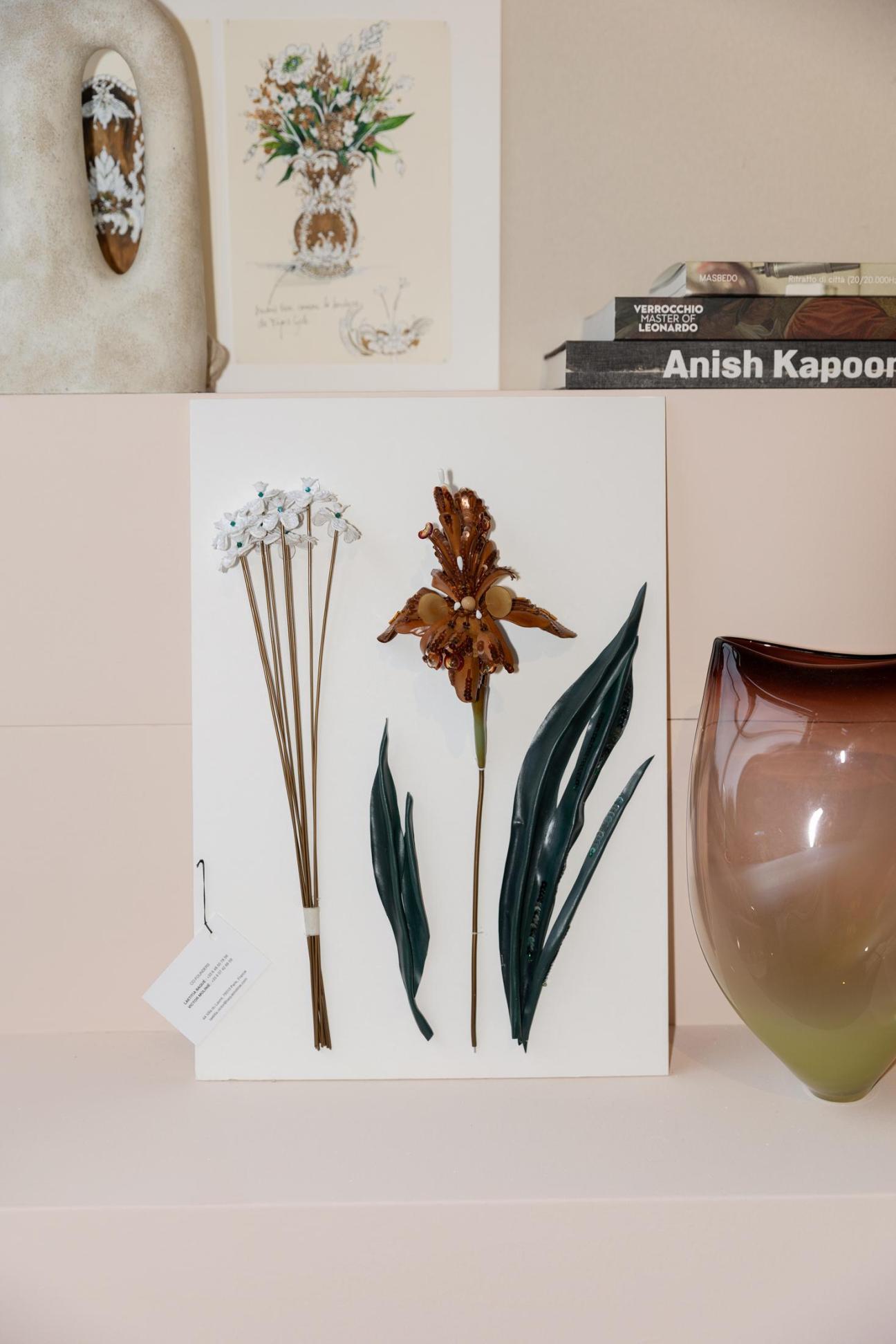
Spiliopoulos admits that she is still fine-tuning the details with her team but she envisions the bulk of Via Arno’s business being B2B. It will work with companies and architects that need to furnish homes or offices with unique pieces. Potential customers will be able to browse and shop on Via Arno’s soon-to-launch website. The platform will tell the stories of the 800 or so people it works with – a number set to grow as the company expands. The artisans, in turn, pay a service fee for each transaction.
The fledgling business doesn’t have plans for a permanent showroom for now, relying on select events such as Venice’s Homo Faber and online retail channels. When it comes to the latter, Spiliopoulos is keen to point out that Via Arno isn’t striving to be the next Amazon or Etsy. For one, people need to be happy to wait for what they’ve ordered; the artisans, each selected for their expertise, work at their own pace. “If you want to hit a certain level of excellence, it’s a smaller crowd,” she adds.
At first glance, the objects on display at the Homo Faber salon – from an espresso cup from Kihara in Japan to a stool from Brazil’s Fernando Mendes – may seem different to the rest of the Richemont portfolio. Founded by South African magnate Johann Rupert and based in Bellevue, Richemont has become an authority in jewellery and watches (Montblanc, A Lange & Söhne and Vacheron Constantin are also part of its portfolio) and has planted its foot in fashion with the likes of Dunhill and Chloé. But just as luxury conglomerates such as Chanel and LVMH have looked to safeguard craft by acquiring artisanal workshops and spearheading Métiers d’Art programmes, Richemont is equally committed to the idea. “Richemont has a tradition of long-term investing in craft,” says Spiliopoulos. “It’s a sensibility that cuts through the whole group.”
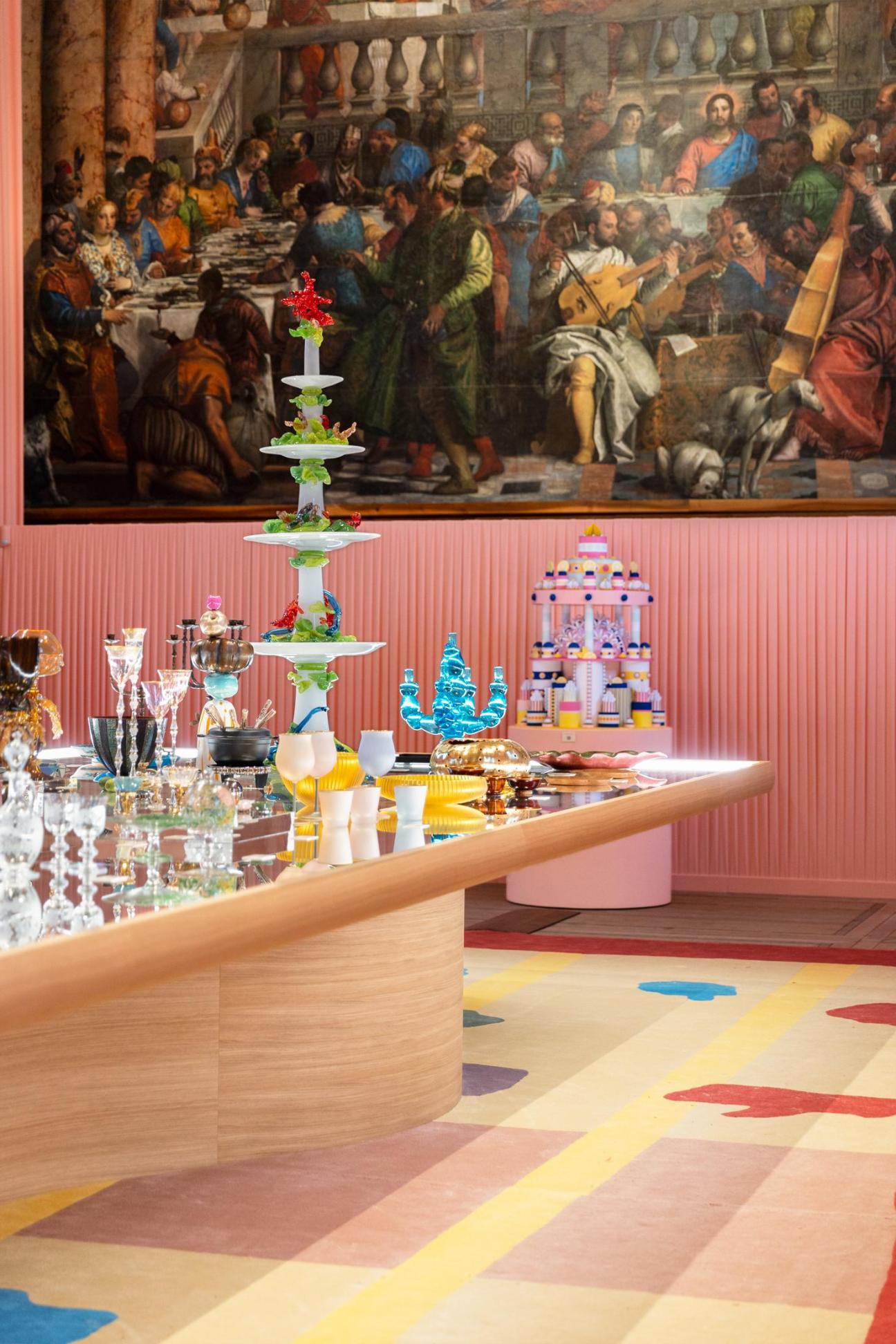
Richemont runs an annual craftsmanship programme that hunts for new talent in timepiece and jewellery making, while Rupert is also the co-founder of the non-profit Michelangelo Foundation for Creativity and Craftsmanship (which sponsors Homo Faber). Clearly, his connections in the craft world are helping to lay the foundations for Via Arno and will prove invaluable when the business looks to scale.
Like other Métiers d’Arts programmes looking to protect specific skills and traditions, there’s an existential element to Via Arno. Spiliopoulos and her team are aware of the ways in which machines have been eliminating craft jobs – a pattern bound to accelerate with the rise of artificial intelligence. Via Arno’s artisans are offered as the resistance to this shape-shifting world. “With the onset of rapid developments in technology, what is left of the human element in anything that we do?” says Spiliopoulos. Via Arno is a celebration of what its CEO calls “human faculties” and our ability to create beautiful objects that are the product of hours of toil and patience.
It’s an ambitious undertaking with a vast scope, spanning what Spiliopoulos broadly defines as “lifestyle”. While there are prerequisites – artisans must operate independently and be transparent about the provenance of the materials they use – a Via Arno item could be anything from a pair of earrings to a set of golf clubs or even a boat. In fact, an example of the latter is bobbing on the water a short walk from the Homo Faber site. A pristine vessel with distinctly mid-century aesthetics from Swedish builder J Craft, it comes in at more than €1m. Just like Spiliopoulos, who says that Via Arno works with artisans with at least a decade of experience, the craftspeople behind J Craft take time to mature. “I employed two people a few years ago with 20 years of experience in leisure boats,” says chief technical officer Johan Hallen. “I consider them boat builders but not ready to build a J Craft.”
As Via Arno navigates its own waters, it will have to question everything about the luxury landscape, even the definition of craft itself – a word so frequently used by brands that it has started to lose its meaning. How will Via Arno renew it? “Here [at Homo Faber] you’re starting to get a taste of what Via Arno stands for – and that’s the only way,” says Spiliopoulos. “I invite you to find something in here that, whether it’s to your taste or not, is not beautiful and made with love.”
These €70,000 bikes are helping German athletes to make faster tracks
Aspiring engineers in Germany typically do not have a hard time landing well-paid jobs. After graduating, almost all of Orfeo Nil’s classmates headed to Stuttgart or Munich for well-cushioned careers in the car industry. For his internship, however, the Brazilian-born 27-year-old sought out a nondescript workshop in Schöneweide, southeast Berlin. When he meets Monocle, he is wearing protective glasses and polishing a black carbon-fibre disc. The component will become the wheel of one of the world’s fastest track bicycles. “There’s no other bike like the ones made at FES,” he says.
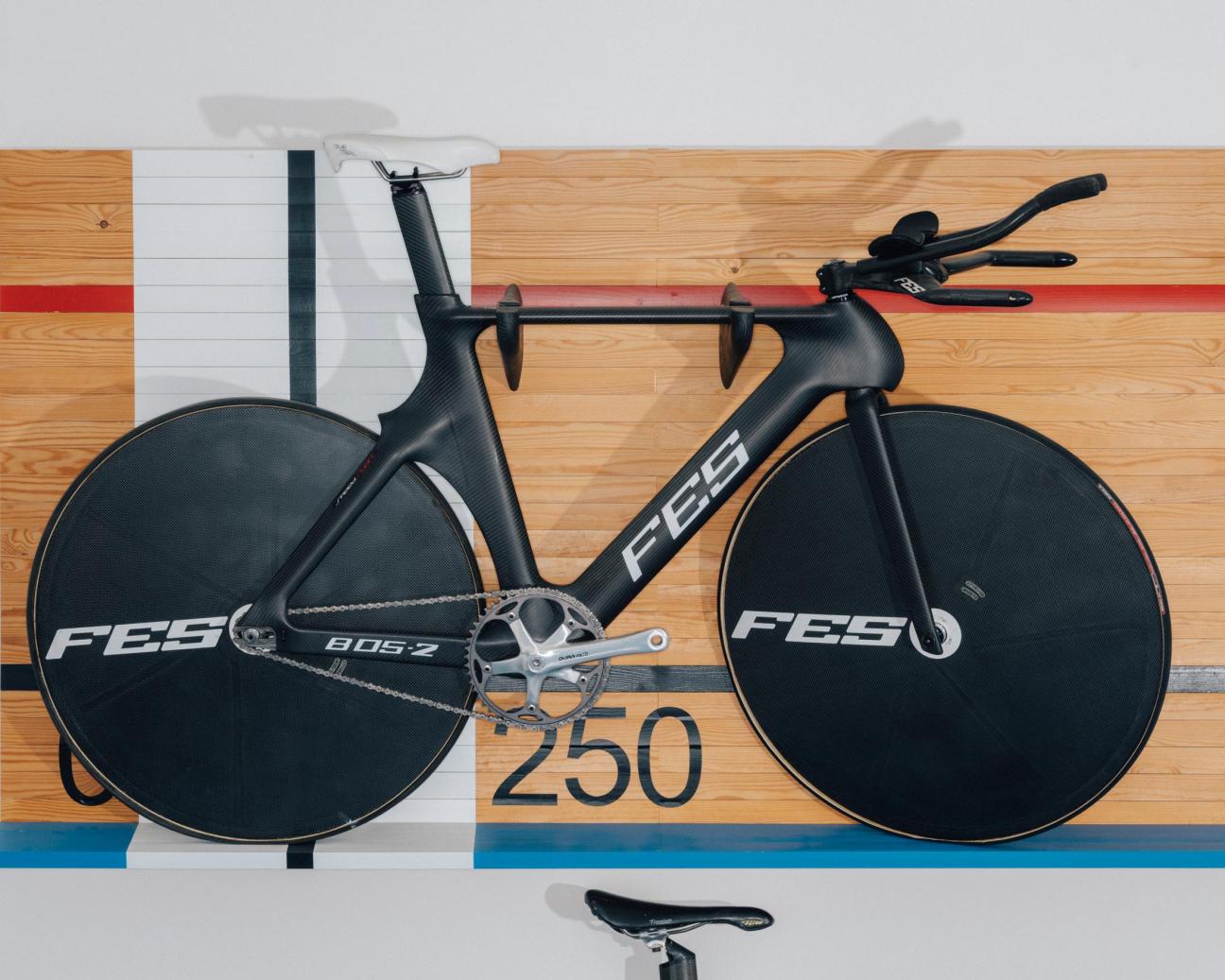
FES is short for Institut für Forschung und Entwicklung von Sportgeräten, the state-funded organisation that propels Germany’s athletes to victory. The institute produces kit used by Olympians across 14 sports, including most that Germany excels in: cycling, rowing and canoeing in the Summer Games; luge, bobsleigh and skeleton in winter. Though this year’s Olympics were disappointing for Germany, FES was involved in almost a third of the country’s medals. In the 2022 Winter Games, its share was more than 75 per cent.
With a staff of 90 – mostly lean Germans with aerodynamic buzz cuts – everything is manufactured from start to finish across FES’s three floors, which contain offices as well as carbon-fibre and steel workshops. “We cover so many sports, with everything under one roof,” says director Michael Nitsch. “I don’t think there is anything comparable in the world.”
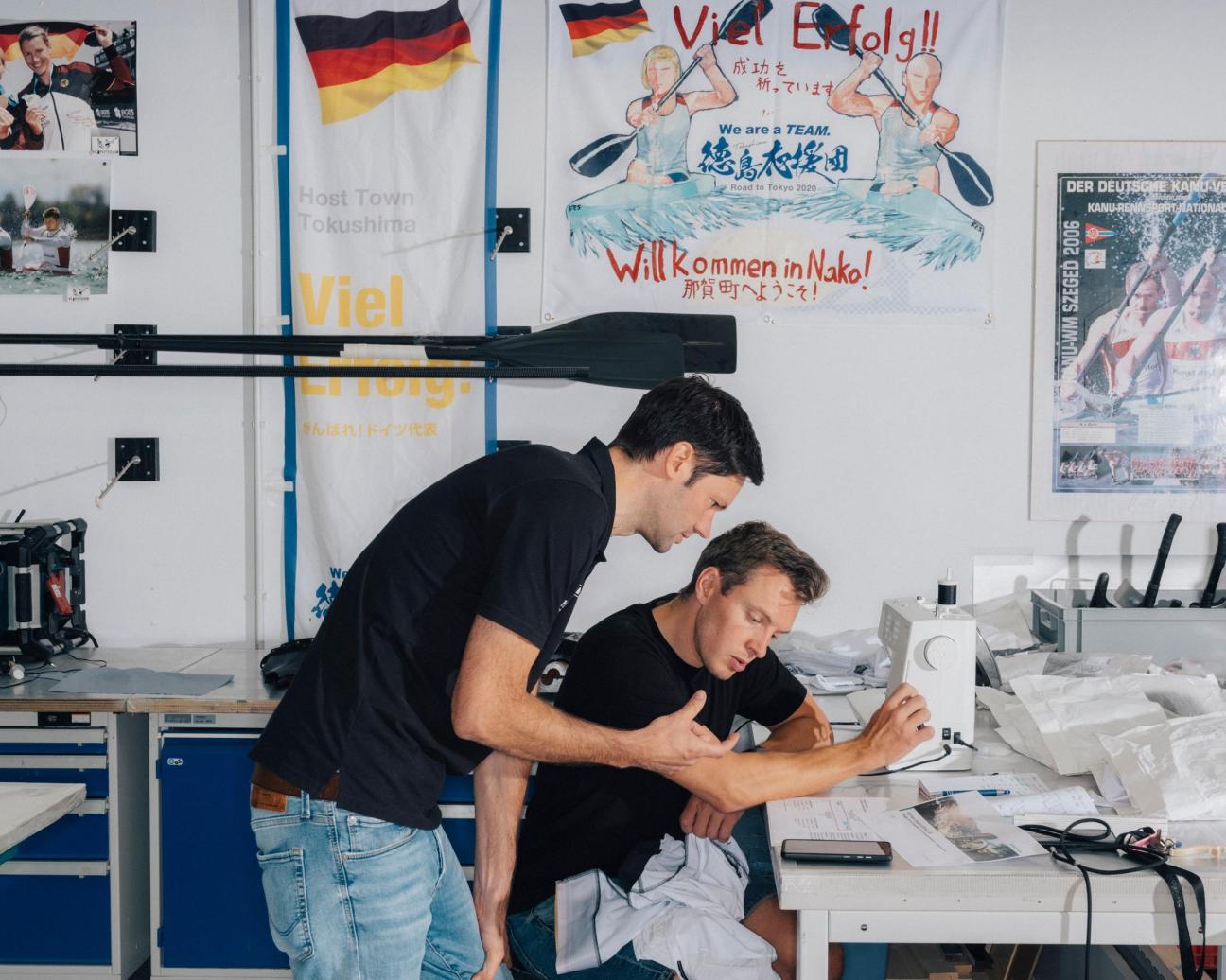
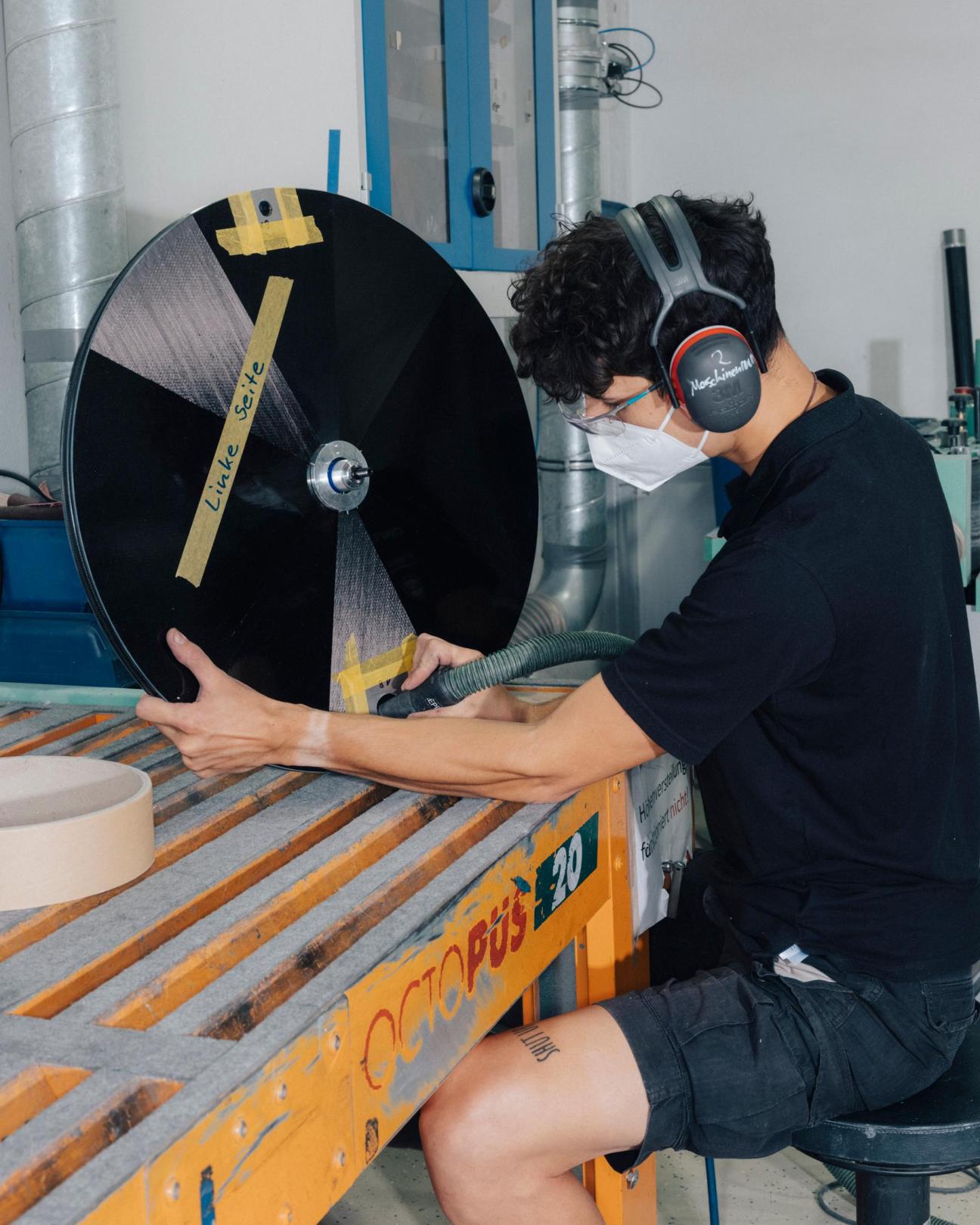
FES was founded in 1963, when this part of Berlin was inside the GDR. With the Cold War as a motivator, East and West Germany were often racing helmet to helmet in Olympic velodromes. Many of FES’s bicycle innovations were quickly adopted across the Iron Curtain, including making frames from carbon fibre and switching from spokes to disc wheels. Preserved post-reunification, the institute works with a modest budget – about €10m in 2024. Only a few firms can rival the wheels moulded at FES. “Regulators often look for features that only FES have and ban them,” says Nitsch. “We take it as a compliment.”
At the workshops, the manufacturing process begins with the frame, made almost entirely from carbon fibre. It arrives pre-mixed with glue and rolled up like a textile, before being cut, moulded and baked into shape. “You have three things to think about: the feet, the hands and the ass,” says Nitsch. “The secret is how you position these things.” But this humility is partly obfuscation. The B20, FES’s latest model used at the Paris Games, is made from more than 500 components – all individually engineered and moulded in-house. The improvements included a tweaked fork (the bit that connects the wheel to the frame) and a carbon-fibre crank (the part that the chains bolt onto). “At this level, the improvements are tiny tweaks,” says Nitsch. “Everything counts.”
When Monocle asks whether we can take a bicycle out for a spin, Nitsch looks appalled. “We don’t even let these bikes roll on normal floors,” he says. “It makes no sense.” Only professional athletes – as well as the occasional lucky intern – are welcomed into the FES velodrome. Still, there is hope. Olympic regulations stipulate that all gear used by athletes must be commercially available, so FES bikes are for sale. These Weltspitze wheels could yet be ours – for a mere €70,000.
How chef Fabrizia Lanza is reviving Sicily’s culinary roots
“The allure of Sicily is that it is a small continent of unique flavours, with each part having its own identity,” says Fabrizia Lanza as she prepares a dish in the kitchen of her cookery school. “We have mountains, rolling hills and the sea. The soil is different – think of the rich volcanic terroir around Etna – and ingredients are distinctive. Food is varied, so a dish that you find in Messina might not exist in Catania.”
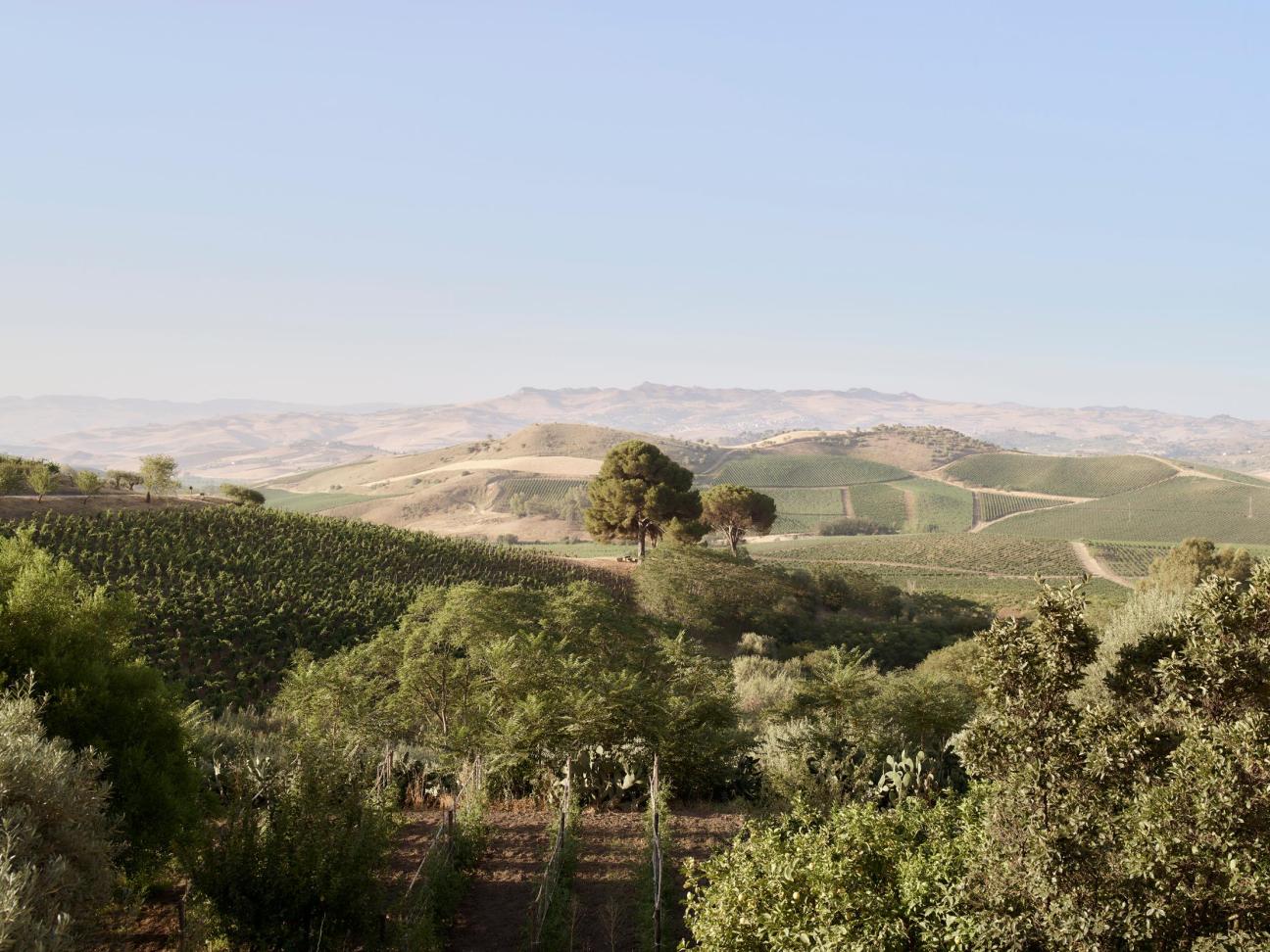
Born in Palermo to an aristocratic family, Lanza opted to leave her homeland behind at 18 years old to study art history in Florence. After almost two decades working at museums in northern Italy, the siren call of home lured her back to Sicily, where she decided to take up the torch and manage the culinary school set up by her mother in 1989. Nestled on the 600-hectare Regaleali estate, where her family has busied itself making wine for eight generations under the Tasca d’Almerita label, the school teaches students about Sicilian cuisine, from traditions and cooking techniques to ingredients.
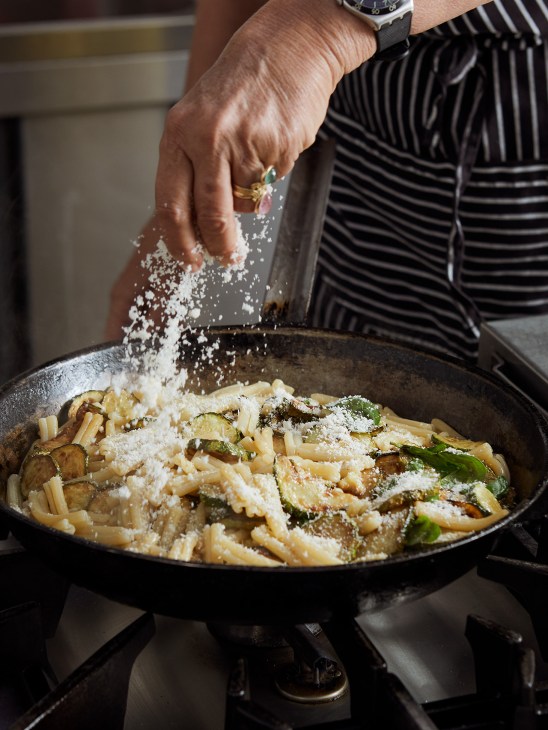
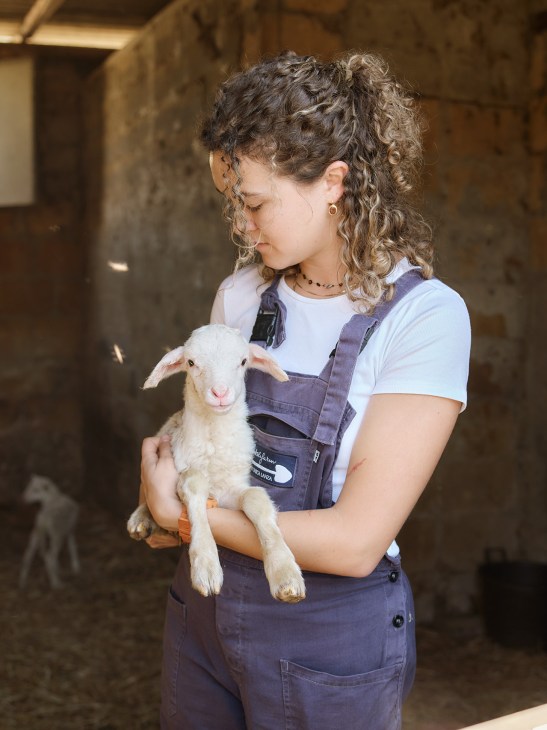
There is much to learn about the island’s food, aside from classics such as ricotta-filled cannoli and pasta alla norma. Over the centuries, a succession of invaders brought new ingredients to Sicily and transformed its agricultural practices, leaving a lasting mark on the region’s culinary scene. “It’s a melting pot,” says Lanza with a sense of animation. “The Arabs brought sugar cane to us, so we started to make candied fruit and marzipan. Then the Spanish brought us the tomato and potato, which revolutionised our cuisine.”
The Anna Tasca Lanza school’s team of 12 welcomes more than 250 students every year, attracting a range of travellers from places as afar afield as North America and Australia. Even prominent chefs have enjoyed spells at the institution, including Alice Waters of Chez Panisse and Beirut’s Kamal Mouzawak. Some visit as part of a food-focused holiday to learn how to prepare specific recipes, such as stuffed calamari with currants and pine nuts, while those working in hospitality stay longer. The six-week Cook the Farm course, for example, is designed for anyone interested in food production. It involves trips to an olive-oil press and a flour mill, where students learn about ancient grains.
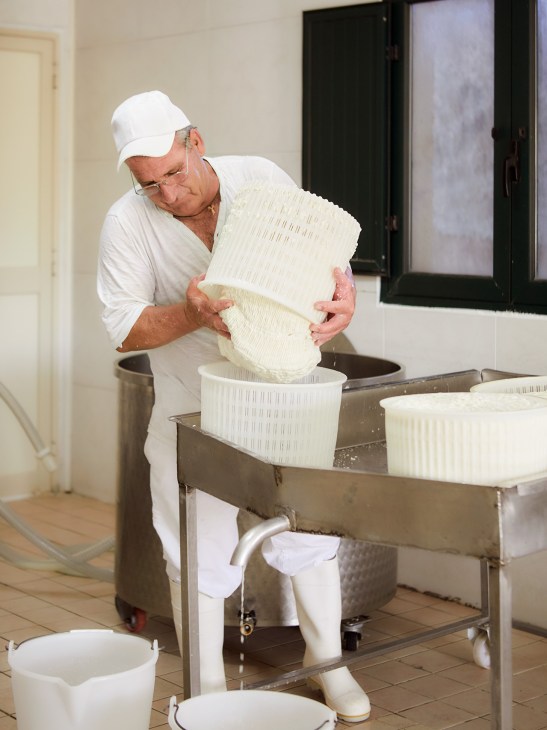
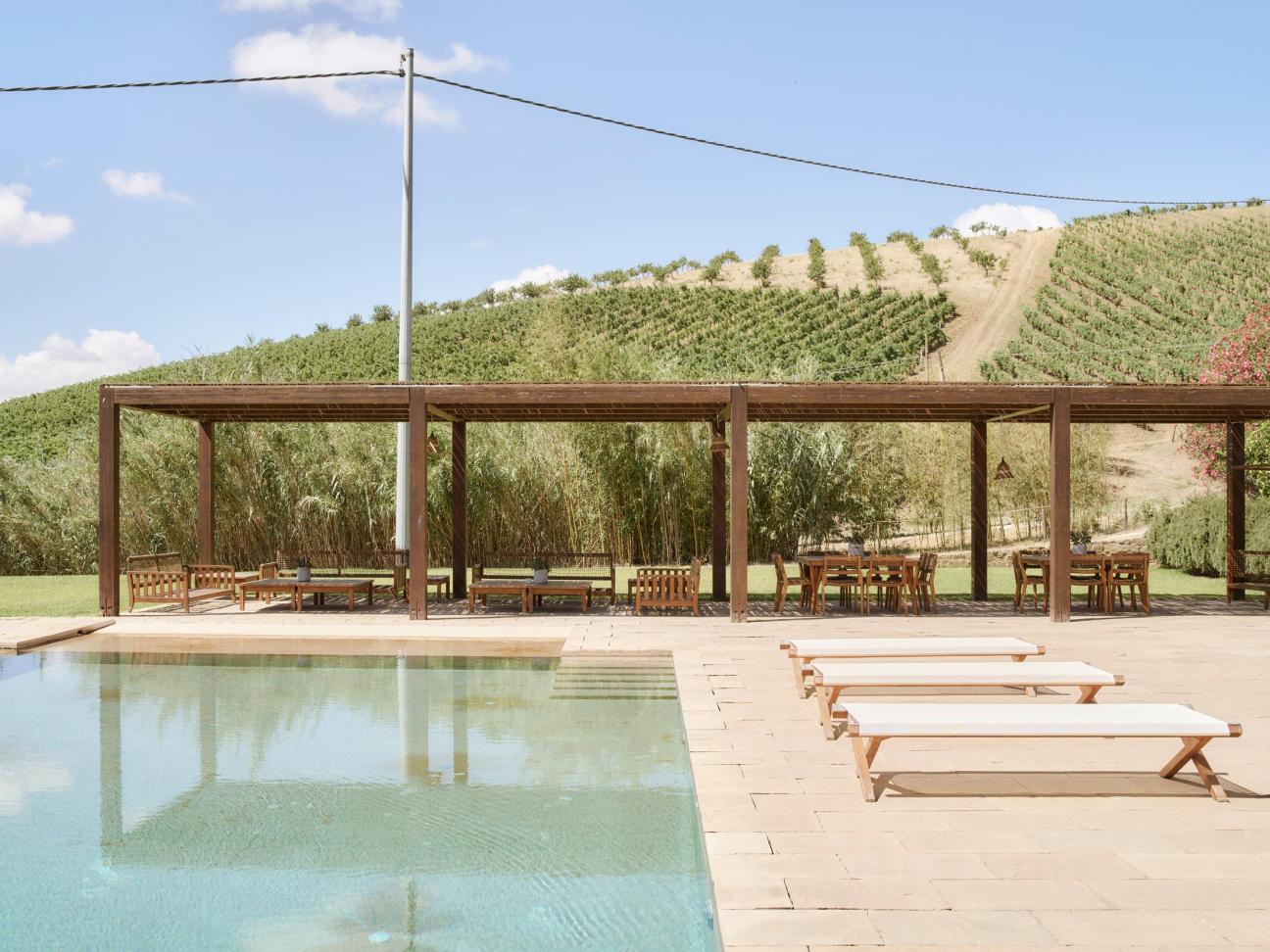
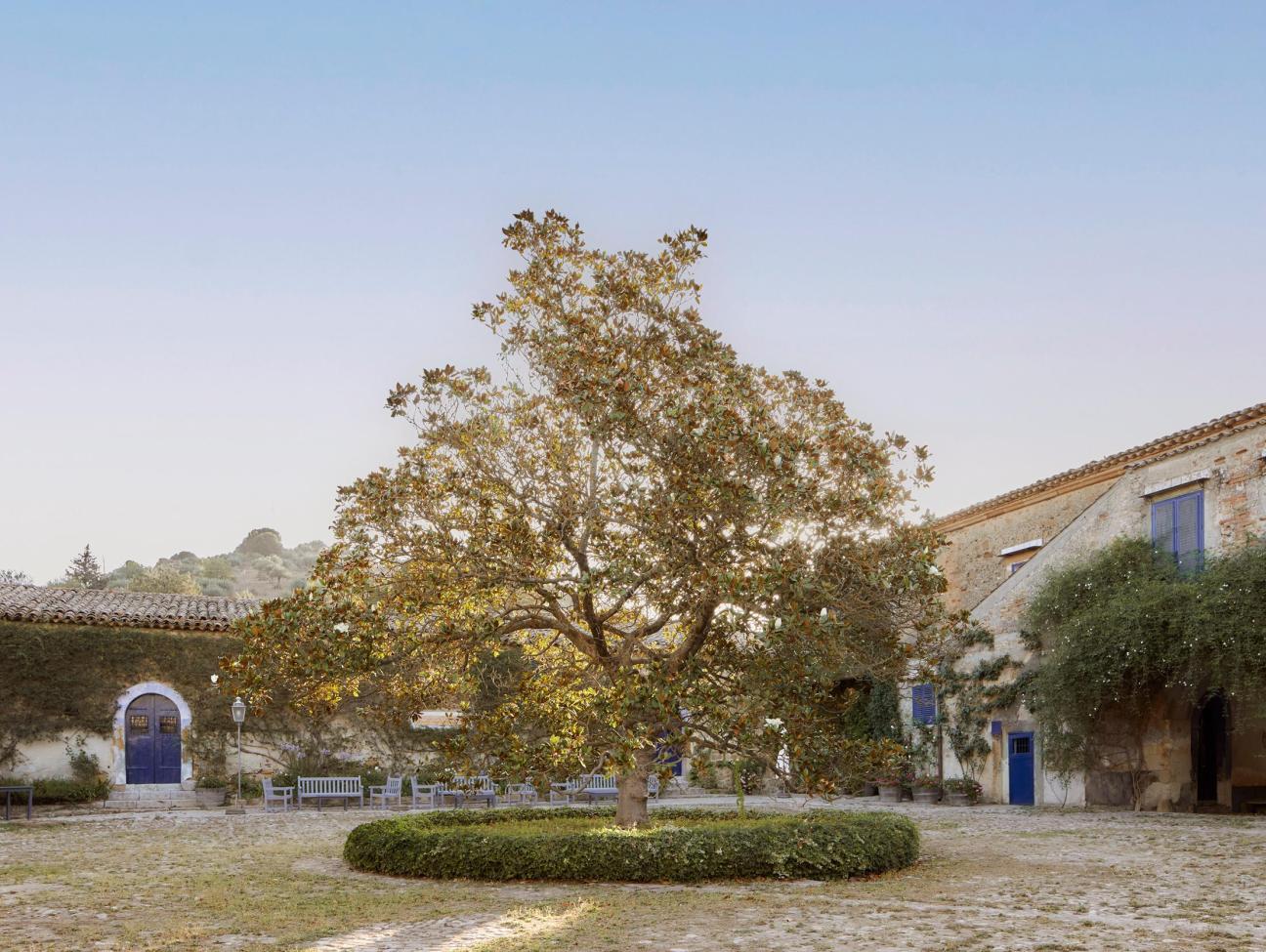
Foraging and on-site work in the school’s garden are part of the process. “These activities get people thinking about the environment and the produce,” says Lanza. Classes and meals take place within the idyllic Case Vecchie, a collection of stone structures from the 1830s surrounding a courtyard. Fig, lemon and orange trees frame the property, while a majestic old pine tree leads down to a swimming pool where attendees can unwind in the afternoon to beat the fierce Sicilian heat.
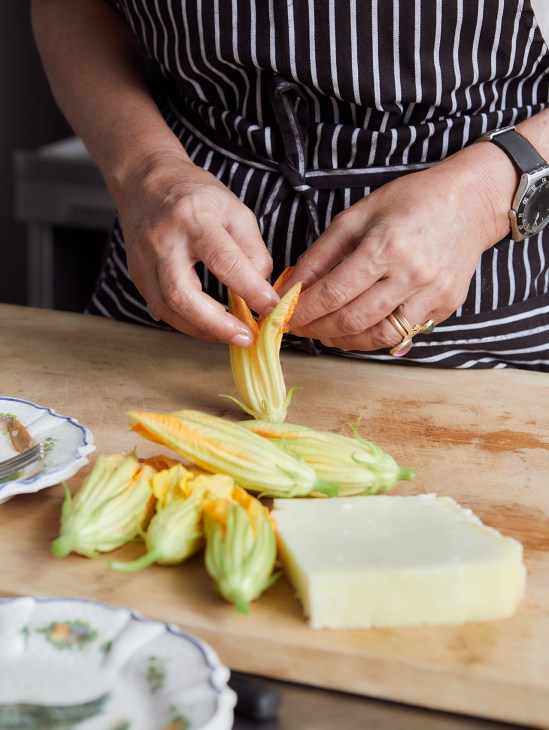
During Monocle’s visit, Lanza and her students take a trip to a local ricotta producer. She then whips up fried courgette blossoms for lunch in the school’s cosy kitchen space while Francesca Farris, the co-ordinator of Cook the Farm, gathers herbs in the garden. Meals are paired with wines made on the estate at the Tasca d’Almerita winery, a short drive up the road, and feature indigenous grape varietals such as grillo, nero d’avola and perricone.

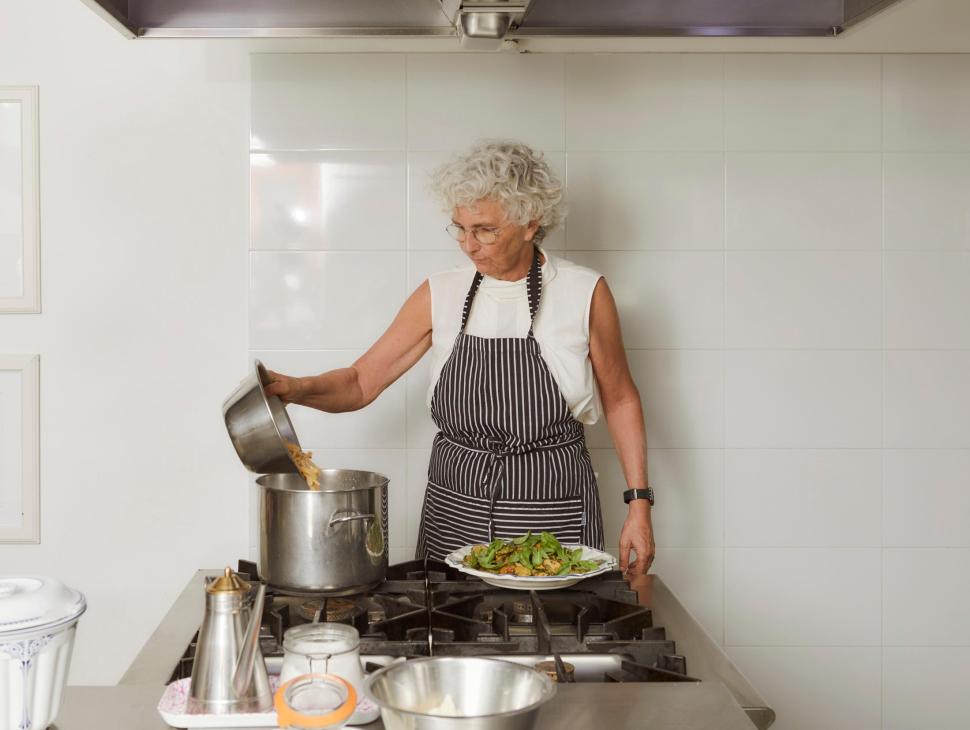
Lanza emphasises the importance of seasonal cooking to her pupils and prepares food using regional ingredients. Some of these components, including ornate breads, are derived from religious festivals such as the feast of St Joseph, which takes place in March. Lanza has committed many of her recipes to paper through cookbooks that chronicle the incredible array of dishes found on the island. Her latest title, The Food of Sicily: Recipes from a Sun-drenched Culinary Crossroads, documents 75 of her most-loved dishes, from savoury to sweet creations. One of her favourite recipes in the book is cassatelle: ricotta-filled turnovers, from the area around Trapani, which locals nibble on at breakfast. Lanza enjoys dispelling myths about Sicilian food. “Most people have this stereotype that our cuisine is very spicy because the island is close to north Africa. But this is not so,” she says. “We derive flavour from ingredients such as capers, wild fennel and oregano.”
During her time at the school, an increasing number of young people have begun signing up for classes; there is lodging on the site for up to 14 guests. “When my mother started her classes, we mainly received older students and retirees; often Italian-Americans reconnecting with their roots,” she says. “Nowadays, it’s encouraging to see more people in their twenties and thirties coming to learn about cooking with fresh, quality ingredients.”

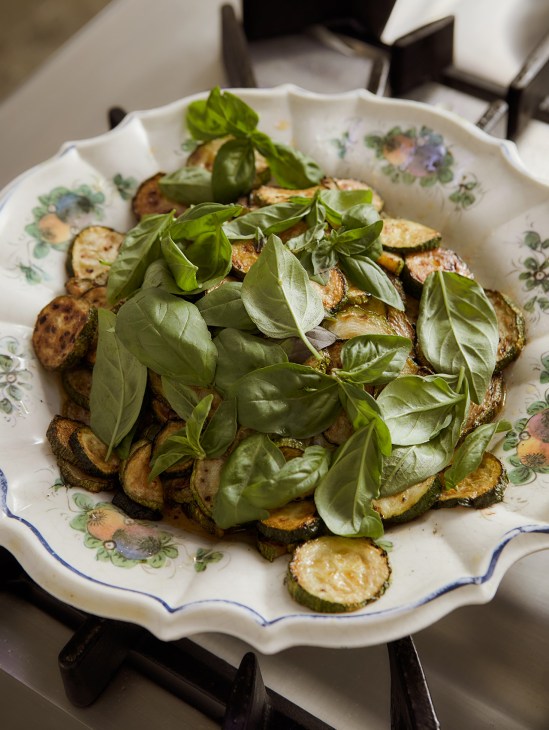
With so much delicious Sicilian produce, from olives and grapes to dense, pulpy tomatoes and squash, Lanza and her team stay busy by gathering and preparing meals. “The island truly is a bounty,” she says, savouring the taste of her words. “Take citrus as an example. There are vanilla oranges, blood oranges and lemons here. It’s a triumph.”
Lanza is also committed to exploring the lesser-known parts of Sicily’s culinary heritage. Her latest cookbook mentions a recipe for roasted cardoon – a thistle-like plant – drizzled in honey, which is traditionally consumed on a saint’s feast day. “This contrast between bitterness and sweetness is at the core of our religious festivals. It resembles life: a bittersweet story.”
Lanza is adamant that her school not only serves to pass on tradition and prepare regional specialities but also carves out space to experiment by engaging with outsiders such as chefs and journalists to exchange ideas about food. “Sicily has always been at the crossroads of the Mediterranean,” she says. “It’s a place where people have brought their own unique customs to enrich our table.”
annatascalanza.com
Pasta alla norma
Serves 4-6
Ingredients
Vegetable oil, for frying
900g firm aubergine, cut into 4 cm cubes
Fine sea salt
450g dried ziti or other tubular pasta
480ml high-quality tomato sauce, warmed
115g ricotta salata, grated
Handful of coarsely chopped fresh basil
Method
1.
Pour about 5ml of oil into a wide, heavy-bottomed pot and place over medium heat until hot enough to fry in.
2.
Once the oil is ready, lower the aubergine cubes into the pot. Do this in batches if needed to avoid crowding them in the oil. Fry the cubes for about 5 minutes, flipping occasionally, until golden brown all over. Use a slotted spoon to transfer the fried aubergine onto a wire rack or kitchen roll to drain. Sprinkle with salt.
3.
Meanwhile, cook the pasta in a large pot of boiling, salted water until al dente.
4.
Transfer the pasta to a large serving bowl along with warmed tomato sauce, half of the grated ricotta salata and half of the basil. Toss gently to combine. Pile the fried aubergine over the pasta and top with the remaining ricotta and basil. Serve immediately. This recipe is taken from ‘The Food of Sicily: Recipes from a Sun-drenched Culinary Crossroads’ by Fabrizia Lanza.
Intelligent digital tools are reinventing peacemaking in Finland
From her office on Helsinki’s South Harbour, Johanna Poutanen can see the Presidential Palace, where Donald Trump and Vladimir Putin met for talks in 2018. Finland’s capital was also the favoured city for Cold War summits between US presidents and their Soviet counterparts and it remains popular with peacemakers thanks to the country’s history of neutrality and reputation for diplomacy. But in her role as head of digital peacemaking at the Crisis Management Initiative (CMI) – also known as the Martti Ahtisaari Peace Foundation – Poutanen says that she wants to bolster Finland’s diplomatic savvy with innovative solutions for resolving conflicts. “Digital tools can help us analyse, visualise and present data to enhance understanding in mediation contexts, reach stakeholders who are difficult to engage in peace negotiations and disseminate critical information more effectively,” says Poutanen, who has just concluded a tender process for providers of “peace tech”, technology designed to help prevent or end conflict.

CMI has already used the AI-powered analytics tool Remesh to understand women’s priorities for peace talks in Sudan. In Yemen it used the Inclus platform to build consensus between political groups by visualising their agreements and disagreements. Elsewhere, Project Didi, which is based in Israel, uses “ripeness theory” to explain why parties in peace negotiations might be hostile to a proposed agreement at first but later agree to the very same terms. The Human Rights Data Analysis Group in San Francisco documents human-rights violations and verifies casualty data with machine learning. Peace Geeks in Vancouver operates a messaging platform for Ugandan victims of war crimes.
The trouble is that large data sets and data-driven tools for making peace can easily be turned against the people who they are aiming to protect. Take “big data” firm Palantir, which uses AI to analyse satellite images, open-source data, drone footage and on-the-ground reports. Lauded for helping to clear landmines and resettle refugees in Ukraine, Palantir, part-funded by the CIA’s venture-capital arm, is contracted to use the same technologies to supply information on targets for military forces. In the wrong hands, such tools could be exploited and used to attack vulnerable populations or manipulate peace negotiations.
We need strong regulations for the safe, ethical and moral use of peace tech. “Data protection and security are an absolute priority,” says Tim Epple, managing director of Edinburgh University’s PeaceRep initiative. “The challenge is preventing dual use of peace tech. Imagine, for example, if data collected on the ethnicity of respondents in a conflict zone gets into the hands of nefarious actors.”
Policing peace tech, which is often deployed in fragile states where governance is weak and accountability non-existent, won’t be easy. Can individual nations be trusted any more than big business or entrepreneurs to use technology for peaceful purposes? Of course, we’ll need top-down oversight by global institutions, such as the UN, itself a significant peace-tech developer, and a legally binding international treaty that expands the jurisdiction of war-crimes tribunals to cover the unethical use of peace tech.
But we should also use technology such as blockchain to track and publicly record the development and sale of any tech that could be misused, and mandate that all peace-tech systems have a “kill switch” if they’re found to be used for warfare. An international team of digital peacekeepers and cyber experts must be empowered to intervene, neutralising threats of peace-tech misuse in conflict situations. Ethical hackers swapping red hats for blue berets might be our best bet for ensuring that technology makes peace, not war.
How to get dressed: Maria Lemos’s pearls of wisdom
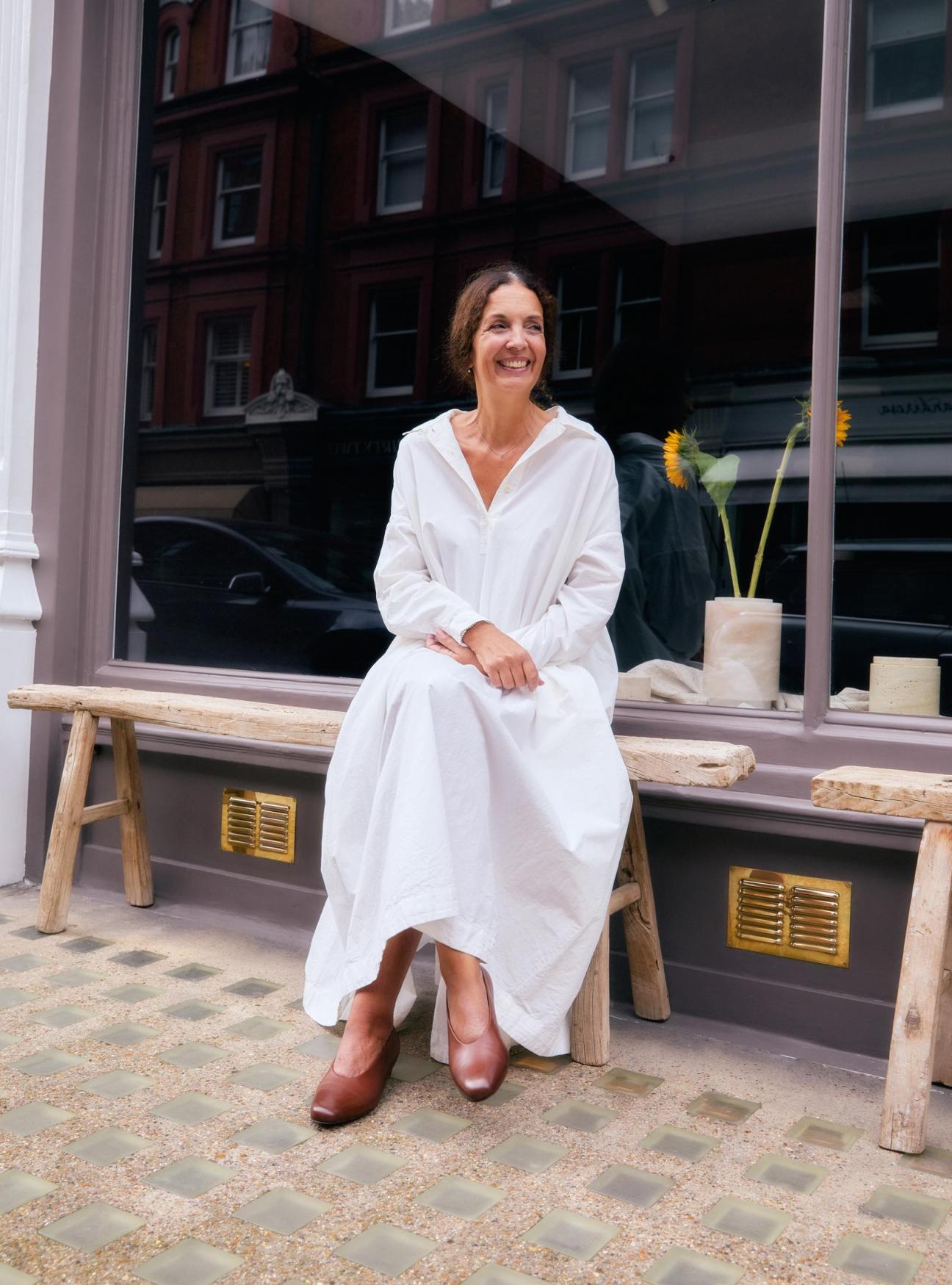
Maria Lemos certainly knows how to dress the part. The Greek-born entrepreneur has been running Mouki Mou, one of the most elegant retail addresses on London’s Chiltern Street, for more than a decade. Meanwhile, her showroom Rainbowwave represents best-in-class brands from around the world, from Athens’ leading jeweller, Ileana Makri, to artisanal Spanish label Masscob. Her knowledge of craft, textiles and the best makers to watch is practically endless – for autumn, she recommends keeping an eye on Parisian brand Carven. “We just introduced Carven to Mouki Mou – it’s exactly what I want to wear now,” she says.
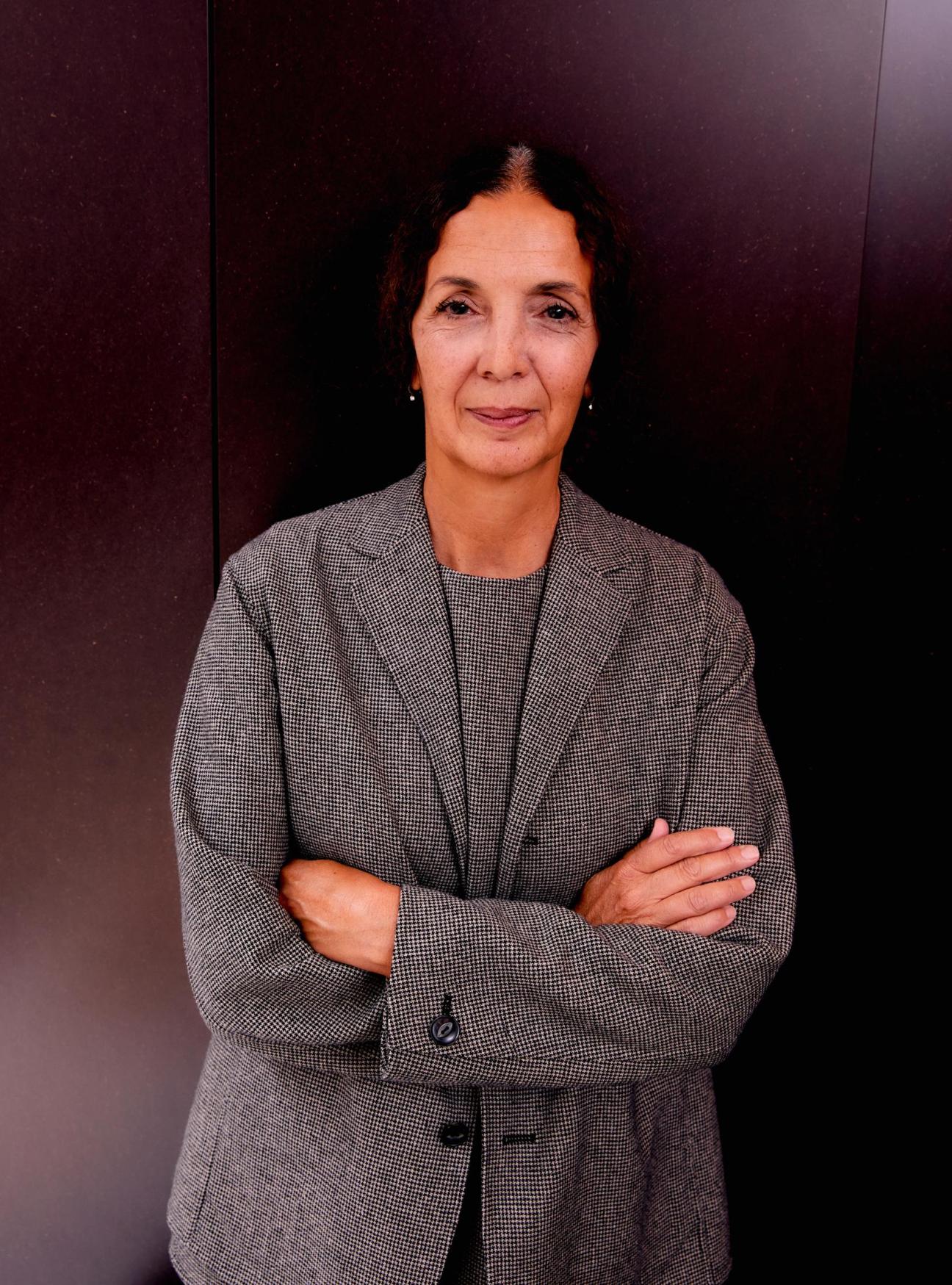
A sharp point of view and an appreciation for quality inform everything that Lemos does. Whether she is dressing herself, selecting new labels to stock in her boutiques or choosing a location for her next project, she’s not one to follow trends or veer away from her own aesthetic. “I don’t ever want to be anywhere other than Chiltern Street,” she says, speaking of m.ii, a new shop she opened down the road from the original Mouki Mou. “It was about evolution, not just about having a second space. I don’t believe in duplication.”
Lemos has equally strong opinions when it comes to design and, as evidence, points to her longstanding collaboration with architect William Russell. For the interiors of m.ii, the pair created “a darker, richer environment” that features cork flooring, Cornish clay plaster walls and Portland stone shelving.
Over the years, Lemos has learnt to create a separation when shopping for her customers, rather than for herself. Still, she remains her best ambassador and her impeccable taste filters through to her shopfloor. m.ii, which also marks her first foray into menswear, carries handmade shirts by Oliver Church and mountain-inspired vests by Rier, both based in Paris, as well as oversized coats by Japanese label Arts & Science. Here, she shares insights on building an ageless wardrobe.
How do you shop for yourself?
I rarely do – in fact I only shop at the end of the Mouki Mou sales. I keep saying that I want to see my mistakes. I was recently wearing a wool Lemaire dress that I picked up at the end of the season because no one else had bought it, yet I kept getting compliments on it. These clothes are ageless by nature; you can wear items from years ago and everything fits together. You’re building a wardrobe over time – but that does require a level of confidence.
How did you find that confidence in your choices?
Something happens when you hit your mid-fifties – you really know where you’re going. Until then, you’re always trying different things out. It’s about knowing yourself and bouncing things off the people around you. That’s why I like being around young, creative people.
What does luxury mean to you, especially when it comes to your fashion choices?
In the past, for many people it was about buying into [established] brands, which have become oversaturated. I felt more luxurious when I was in Marseille and visited Maison Empereur, which sells cookware. Niwaki [also on Chiltern Street] offers the most luxurious experience: buying tools in a beautiful environment. You go to [London butcher] The Ginger Pig and it’s luxurious. Buying clothes should be the same; it should feel personal.
What are some of your most treasured pieces?
I keep pieces that are more than 30 years old and it’s all about quality. They might have cost a fortune at the time but they remain in amazing condition and I still wear them.
Any recommendations for the new autumn/winter season?
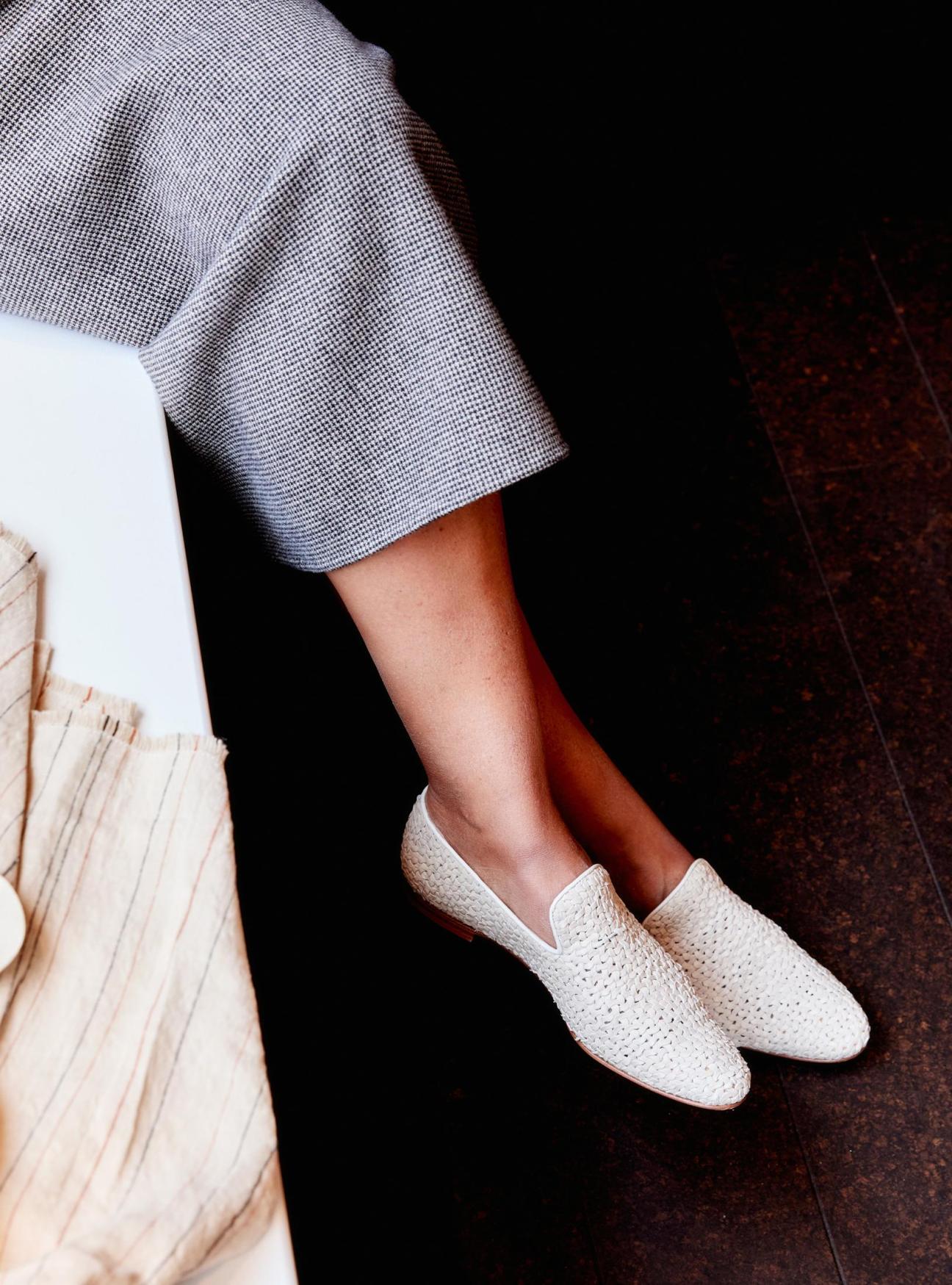
I love suiting and a black dress – [New York label] Fforme has done an amazing new column shape. I’d also suggest a pair of Marsèll heeled shoes in rust – I like the idea of a surprise colour – plus, a pearl necklace. Ileana Makri has done a special one for Mouki Mou that blends pearls and antique beads. That’s about it: a great pair of shoes, a black dress, pearls and I’m done.
moukimou.com
Simone Bellotti’s uncompromising vision for Bally
Picture Switzerland and you’ll think of high-end watches, artisanal chocolate, world-class financial services and the Alps. Luxury fashion, however, hasn’t traditionally been on that list. That was particularly true in recent years, as the country’s flagship fashion label, Bally, navigated choppy waters. The 173-year-old brand had been in a state of flux while its owner, German conglomerate jab, looked for a new buyer. In May 2023, however, Italian designer Simone Bellotti took over as design director and the label has swiftly turned things around. It was one of the most lauded labels at this year’s Milan Fashion Week, found a new backer in US investment firm Regent and now has the opportunity to turn over a new leaf.
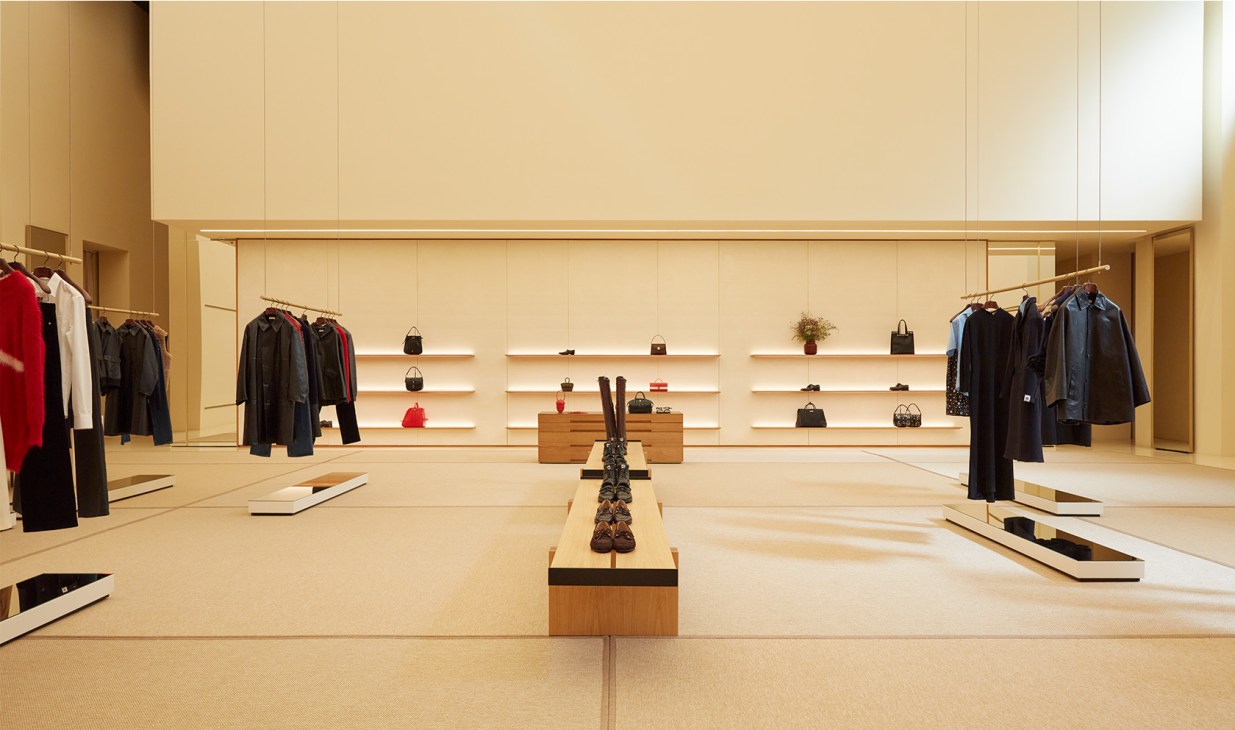
Bellotti, who joined Bally from Gucci, worked quickly and with conviction, returning the label to its Swiss roots and defining a new Mitteleuropean silhouette along the way. In his hands, Switzerland’s well-rehearsed tropes have been worked into chic wardrobe staples, piquing the interest of international retailers including Luisaviaroma and Net-a-Porter, which began investing in the brand for the first time. “Bellotti has asserted a new vision for the brand that is synonymous with Bally’s heritage,” says Katie Benson, buying director at Net-a-Porter. “We expect him to move from strength to strength, with his ability to balance fashion and function.”
By achieving this delicate balance and staying focused on the company’s roots, the designer has been able to command the attention of fashion critics and consumers alike – something that his predecessors, who had been caught in the trap of jumping on trends and resorting to the conventional marketing playbook, repeatedly failed to do. “Bally’s leather pieces, Mary Jane shoes, jackets featuring new proportions and oversized men’s totes are now filling our wardrobes,” says Marta Gramaccioni, buying director at Florentine retailer Luisaviaroma, another new partner.
Behind the scenes, the Bally team, which is now split between Milan and Caslano, is rejoicing after years of uncertainty. In 2020 a sale to Chinese textile group Shandong Ruyi fell apart in public, as did an earlier attempt to get the business back on track by hiring Los Angeles-based Rhuigi Villaseñor, founder of streetwear label Rhude. Villaseñor’s strategy for reviving Bally – riffing on streetwear, celebrity culture and 1990s fashion – was at odds with a brand built on family values, pragmatism and the craft of shoemaking. Unsurprisingly, the collaboration ended after two seasons.
Bellotti’s vision is starkly different. “I wanted to play with clichés,” he tells Monocle, while walking through Bally’s showroom in a prime corner of Milan’s Porta Venezia. He picks up one of the biggest hits from his debut collection: the Bally Belle, a handbag structured in thick leather to evoke the shape of a cowbell. It’s the clearest example of Bellotti’s playful rummage through the brand’s history and wider Helvetian culture. The collection hanging in the cavernous showroom, a former cinema, gives a first impression of cool composure, with wool coats in army green and preppy polo shirts stitched with the Bally family crest. But upon closer inspection, you’ll spot lace-up work boots and leather skirts studded with tiny shepherds and edelweiss.
Another hit is a pair of Mary Janes, a flapper-era strapped shoe that has enjoyed a surge in popularity this year. Its basic design has been in the label’s archives since 1923; Bellotti simply updated it. “Any style of shoe that you can imagine, Bally has already done it,” says the designer, who has developed an encyclopaedic knowledge of Swiss history. He cites Monte Verità, an early-20th-century commune of artists and intellectuals on the shores of Lake Maggiore, as a source of inspiration. He has also introduced the Ballyrina, a dainty shoe stamped on the sole with the image of a dancer, with the word Bally forming the shape of the tutu. The logo is also an archival find that dates back to the 1940s, when wartime import restrictions prompted the company to offer Swiss-made dancing shoes.
Focusing on footwear is a smart move, not only because it’s one of the most appealing categories for entry-level buyers but also because it’s at the heart of Bally’s history. The brand was founded in 1851 in the village of Schönenwerd by Carl Franz Bally, a ribbon manufacturer who was inspired to pivot to shoemaking after a trip to Paris. Carl Franz was a keen businessman. The company started expanding internationally as early as the 1920s, turning Schönenwerd into an industrial hub. From its founding until 2000, Bally produced more than 150 million pairs of shoes.
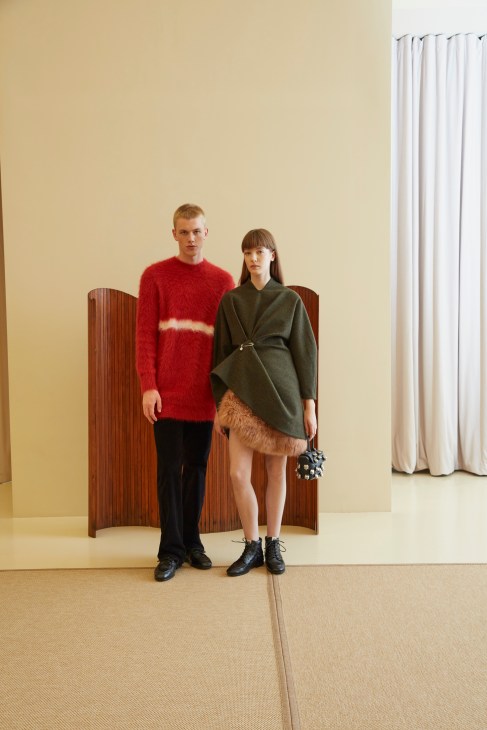
The brand has always riffed on its Swiss heritage. Its signature handbags and trainers usually feature a red-and-white cotton stripe that nods to the company’s origins as a ribbon-weaving factory. The trend in the wider industry of abandoning traditions, redesigning logos and switching out staff is a relatively recent phenomenon, the result of a feverish game of musical chairs between fashion houses and creative directors. But that has never appealed to Bellotti. Instead, he wanted to immerse himself in Bally’s vast archives.
The Ballyana Museum in Schönenwerd stores every shoe model that Bally has made since 1851 and, in true Swiss form, they’re all meticulously preserved and catalogued. “There’s a whole world inside,” says Bellotti. “You can see the evolution of dressing and of society at large.” The Bally family has also amassed a museum-grade shoe collection from across the globe that rivals that of any big luxury house. Bellotti has spent a lot of time here opening boxes containing Inuit shoes or ancient Roman sandals. “Of course, you have so many ideas when you’re lucky enough to be working with such an archive,” he says.
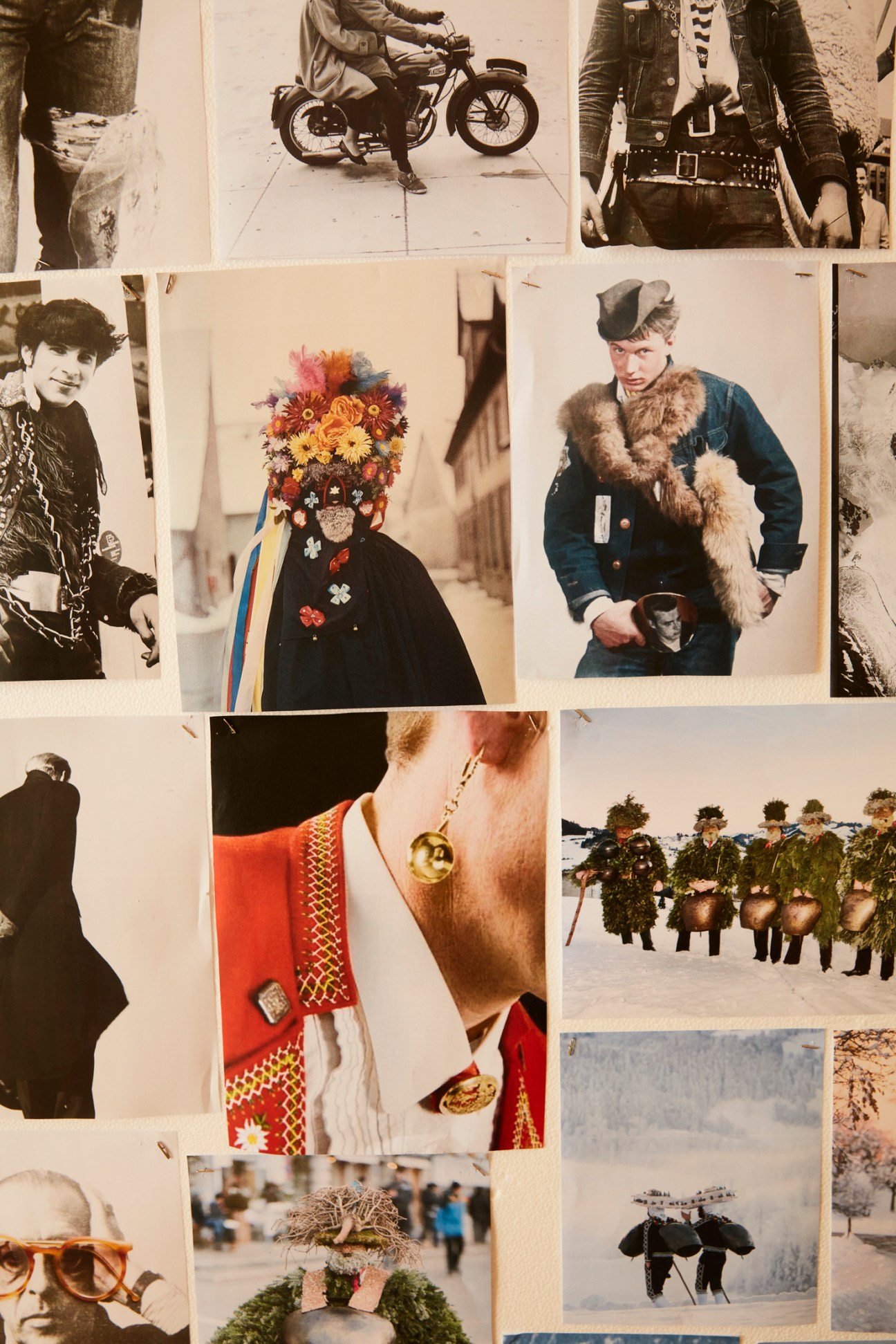
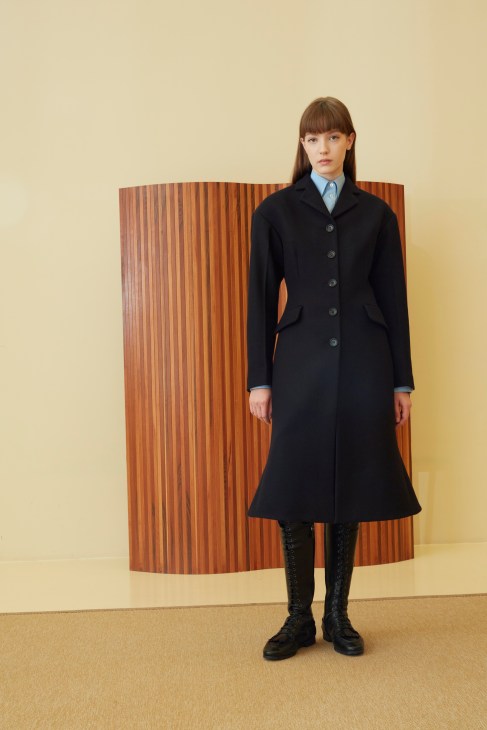
Inspired by his discoveries, he has continued to print red-and-white stripes on Bally’s leather handbags, including a popular series of satchels, while tags with the family crest are proudly sewn on the sleeves of blazers and knits. His autumn-winter 2024 collection, titled Der Wanderer, was inspired by Engadin folk myths about a double-tailed siren that lures fishermen to drown in icy lakes. Also on Bellotti’s mood board were Appenzeller folk costumes that disguise people as trees, as well as portraits of Zürich’s 1960s rebel youth. The references inform his collections in subtle and often humorous ways, from the Fair Isle patterns fashioned into a pair of knitted shorts to the subtle flaring of the hem of a winter frock.
Bellotti says that brands should be built like personalities. “There’s the more serious part of us that helps us to make sensible decisions in life,” he says. “But nobody wants to be serious all of the time. But we also have a more irrational side.” He credits this philosophy to his time working with former Gucci creative director Alessandro Michele, who also succeeded in turning around the fortunes of a heritage brand – a luxury house that was founded, as Bellotti points out, 70 years after Bally. “You can create anything with your imagination,” he says. “What emerges is an inner world.”
In fashion, convincingly capturing that world is like hitting the jackpot. Bellotti seems to be well on his way to accomplishing this. The investment from Regent and the expected appointment of a new CEO (Nicolas Girotto, who helmed the label since 2019, stepped down in September, shortly after the acquisition) will give him an even bigger boost and allow him the luxury of time when it comes to executing his turnaround strategy. Despite the warm reception to Bellotti’s collections, Bally has not embarked on a marketing blitz. Meanwhile, the brand has flagship shops in Milan, London and New York from before Bellotti’s time but, so far, he has made no effort to overhaul them. “Bellotti and Regent are paving a clear relaunch strategy, sharpening Bally’s brand image and product offering,” says Mario Ortelli, managing partner of the luxury advisory M&A firm Ortelli & Co. “Once those areas of the business are developed, they will also be able to work on distribution and translate the progress that they have been making into higher revenues and margins.”
The creative director is clearly having fun. In the showroom, he picks up the Scribe, one of Bally’s more classic styles. Max Bally, a grandson of Carl Franz, designed the slim men’s dress shoe in 1951 to celebrate the brand’s centenary. Most shoes are made in Caslano in a process that involves more than 200 steps from start to finish. That level of craft can even surprise a high-fashion veteran such as Bellotti. “The stitches are perfect,” he says, looking closely at the pinpricks of thread that hold the leather in place. “Very few factories can still make shoes this well.” The only adjustment that Bellotti has made is to widen the toes by a few millimetres.
“Can you guess what this is?” he asks, pointing to the tip of the shoe. Here, the outer edge of the sole is curved slightly inwards. Barely half a centimetre thick, the concave detail could easily go unnoticed. Bellotti explains that the feature, called the double lambris, is designed to function as a tiny rain guard that directs water away from the leather of the shoe in wet weather. Despite a 23-year career spent at Europe’s top fashion houses, Bellotti had never come across such intricate functional details until he arrived at Bally. “I’m learning things,” he says.
Bally’s collections are produced with the same precision and know-how as watches in Le Brassus or chocolates in Vevey. “They know how to make things well,” says Bellotti. “That has been the constant over all of these years.” Everyone knows what Swiss quality means. Bellotti is just bringing this into our closets. bally.com
Three designers who are setting the industry’s agenda, from typography to spiritual architecture
1.
The typographer
Mark Gowing
Graphic designer, Sydney, Australia
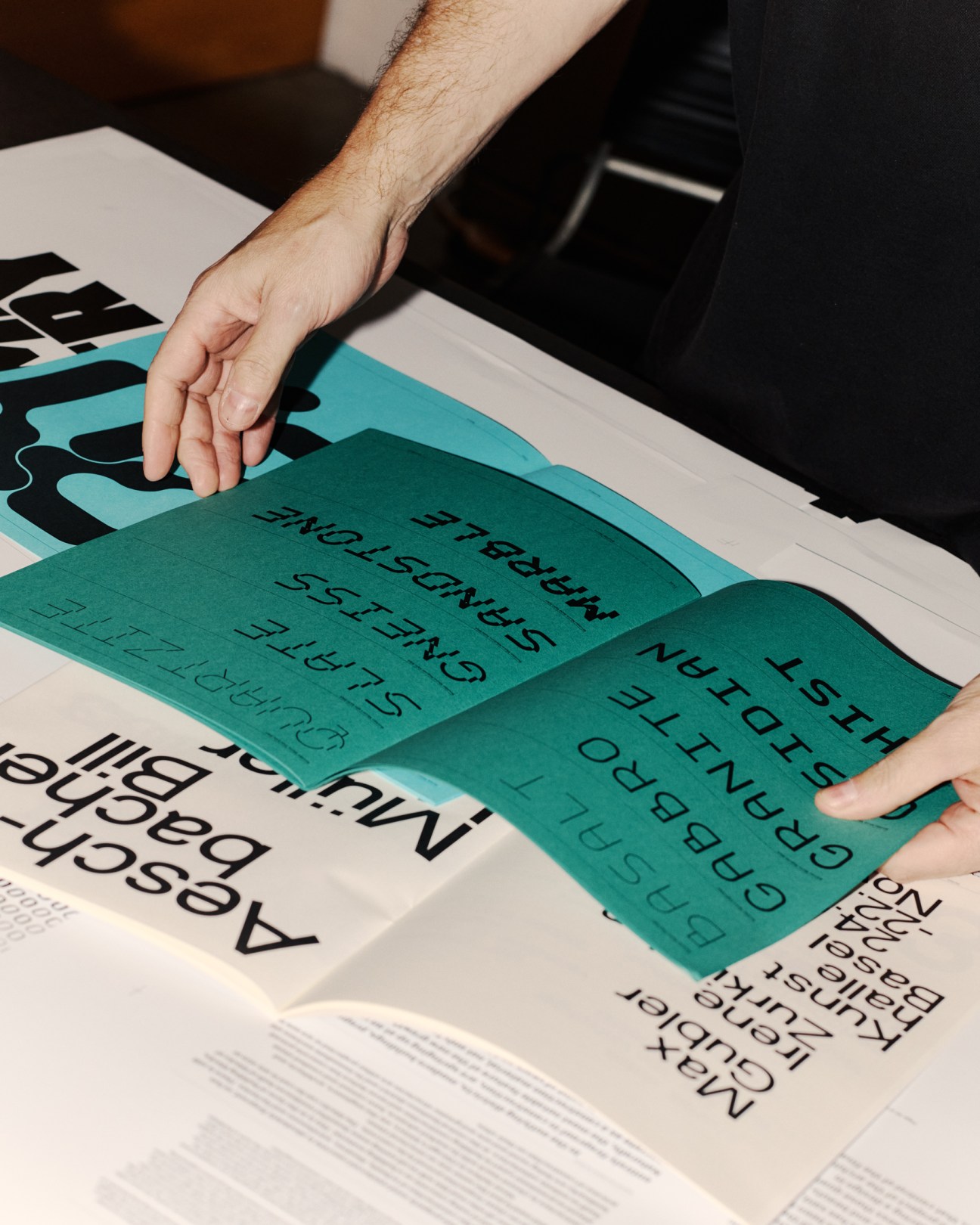
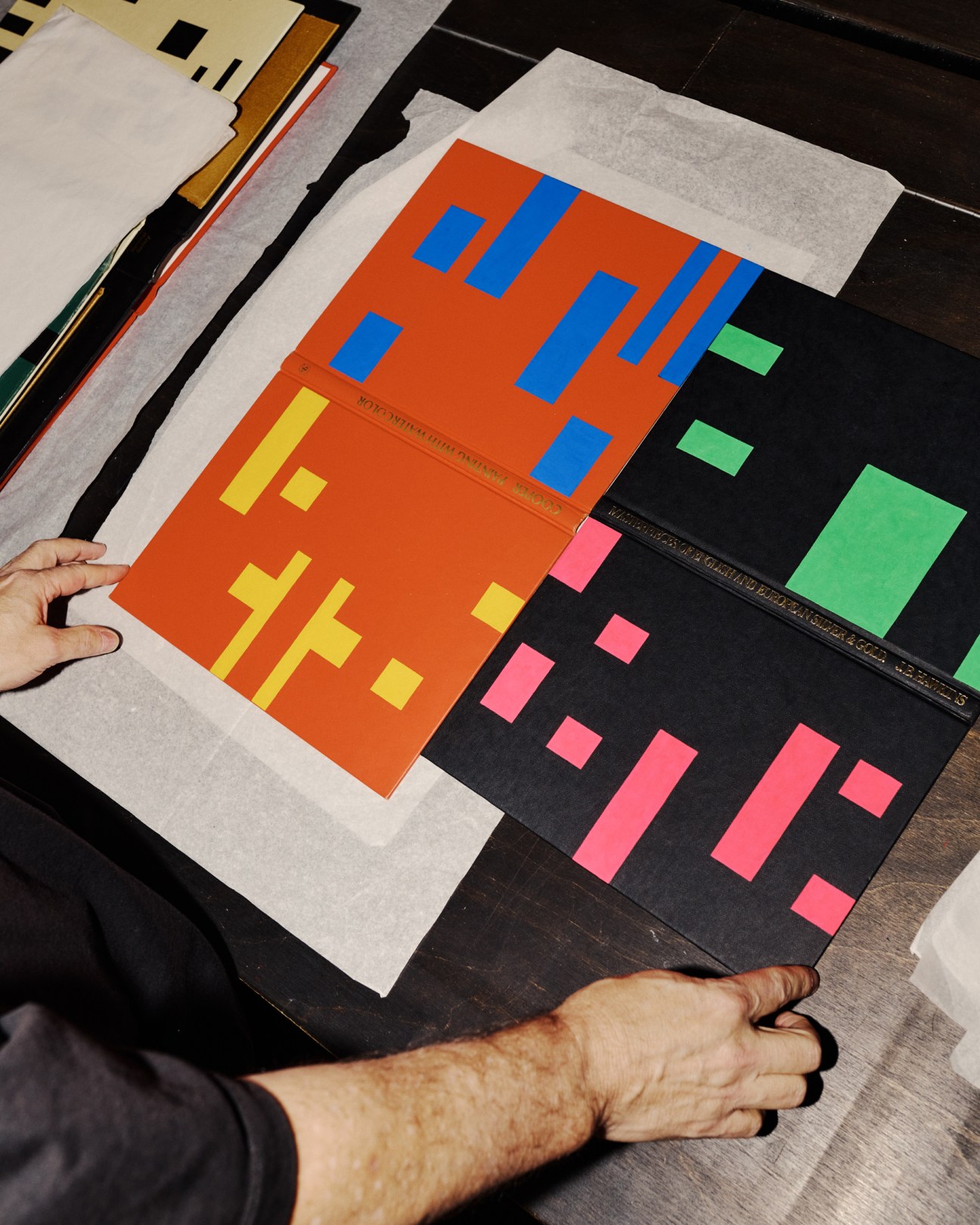
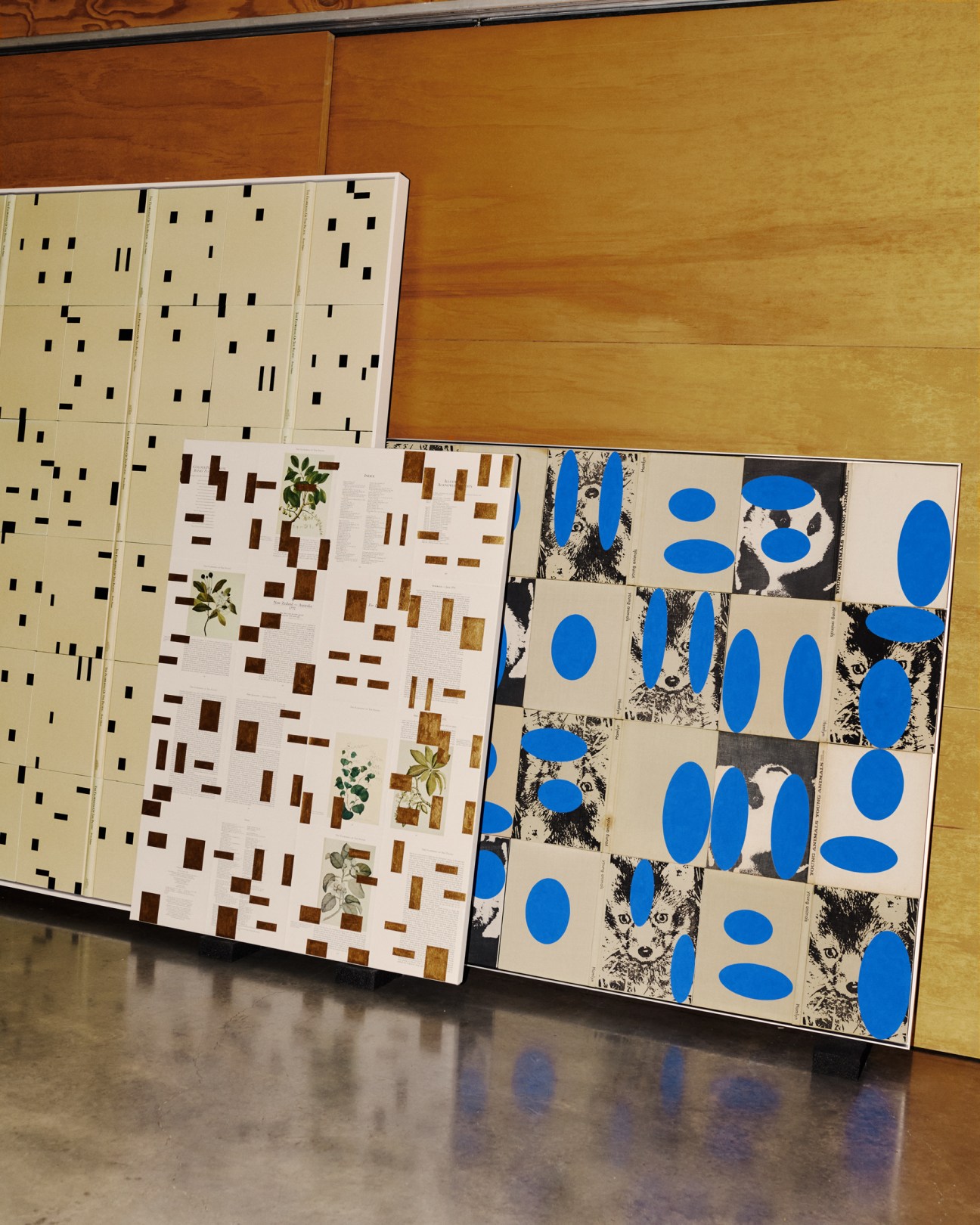
Mark Gowing is an Australian artist and designer whose 30-year career has been typified by type. His explorations of letters and language has been widely deployed across a range of fonts. He’s also a graphic designer, having worked on type for Artspace Sydney, identity and branding for Hopscotch Films and poster design for Euroluce Lighting.
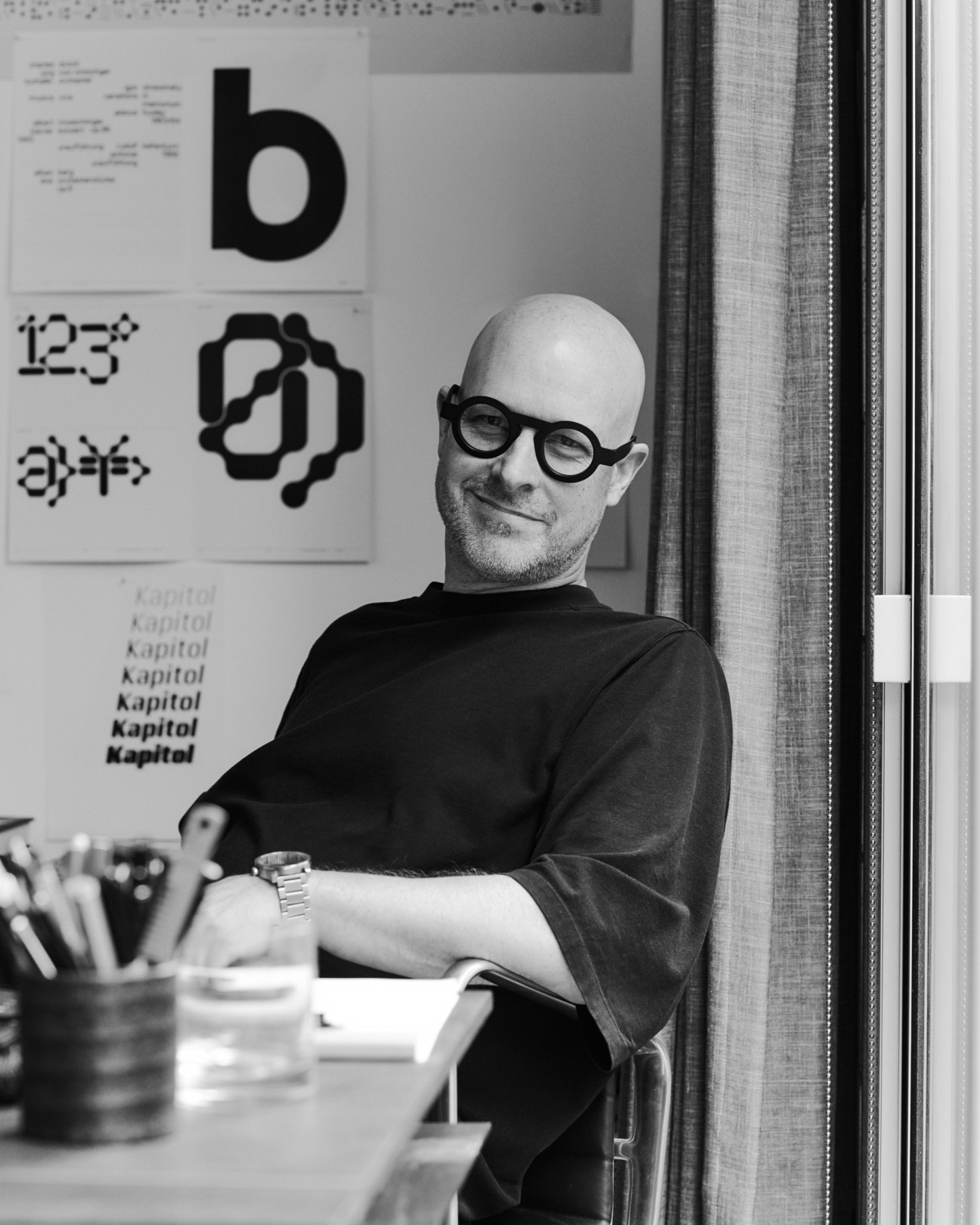
It’s work that has seen Gowing win a gold medal at the International Poster Biennale in Warsaw – becoming the first Australian to do so – as well as awards from type organisations in the US, Japan and Mexico. In 2013 he was welcomed into the AGI (Alliance Graphique Internationale), a global group of leading practitioners. Additionally, as an artist, Gowing’s regular pilgrimages to the edges of typographic abstraction are increasingly informing his design work.
As Gowing prepares to launch his new type practice, The Letters, Monocle visits his home and studio in Newtown, Sydney, to chat about his new company, the future of design amid constant disruption and why he no longer views himself as multidisciplinary.
When did you discover design?
When I was about 13 or 14, my grandfather showed me the typography book he made when he studied signwriting. I still have this book full of his typography. He used to catch me drawing structural things and copying logos. He explained to me what typography was and I thought, “Yeah, that’s cool.”
So being an artist was never on the cards?
Growing up in country New South Wales, becoming an artist wasn’t really an option. I got work experience at a children’s book publisher on the Central Coast and just locked into it. By 16, I was hired as an apprentice and left school to start work. It was an amazing environment and the art directors just kept throwing me into the deep end and moving me around into different roles. It’s served me so well. Just get dirty and don’t be precious about your place in it all; that matters in the end but it doesn’t matter in the beginning.
When did you start designing typefaces?
I’ve been designing typefaces since the digital boom of the late 1980s and early 1990s. The Apple Mac changed design and there was a big rift, of digital versus analogue, that was really exciting to be around. Digital font software made designing your own fonts accessible. Before that you were drawing types by hand and you couldn’t reproduce them effectively and efficiently. Suddenly you could design a font, key it in and use it in your own work.
It’s interesting, in light of the disruption facing design right now, that you saw the digital font boom as an opportunity.
The one thing that’s always defined the design industry is that it’s never been the same. Change is the only constant. I’ve never known it to be anything but that. I walked in the door as computers started happening, so I saw nothing but change from day one. It’s normal, healthy and good. What matters is thinking – and if you’re really worried about machines taking your job then I’m not sure you’re actually thinking. A generation grew up casting type out of metal but I would never have been able to make type without computers. So yes, there’ll be loss along the way but you can survive by relying on your thinking rather than your mechanical output.
You established Mark Gowing Studio in 1997. What will The Letters do differently?
I realised that I really needed to focus on the way that I practise because it has become very diverse and difficult to manage. So the entirety of my design practice will be officially typographically led. The Letters will offer retail fonts but we’ll also help customers with their trademark, their logotypes and high-level typographic problems. We’ll work on installations, posters and publications, and assist with all the normal design challenges but from a typographic point of view.
Has your expansion into fine arts changed your approach to design?
For a long time, design influenced my art but now art is starting to affect how I design things. If you look at the Bauhaus movement, they taught design as an art. Kurt Schwitters and Josef Albers didn’t say, “I’m doing design now, I’m doing art now.” They just made and didn’t really differentiate. I no longer see art and design as two things; it’s not as clear-cut to me as it once was. I don’t think of myself as wearing two hats. Instead I just feel like I’m wearing one big, weird hat.
theletters.co
2.
The craftsman
Ini Archibong
Industrial designer, Neuchâtel, Switzerland
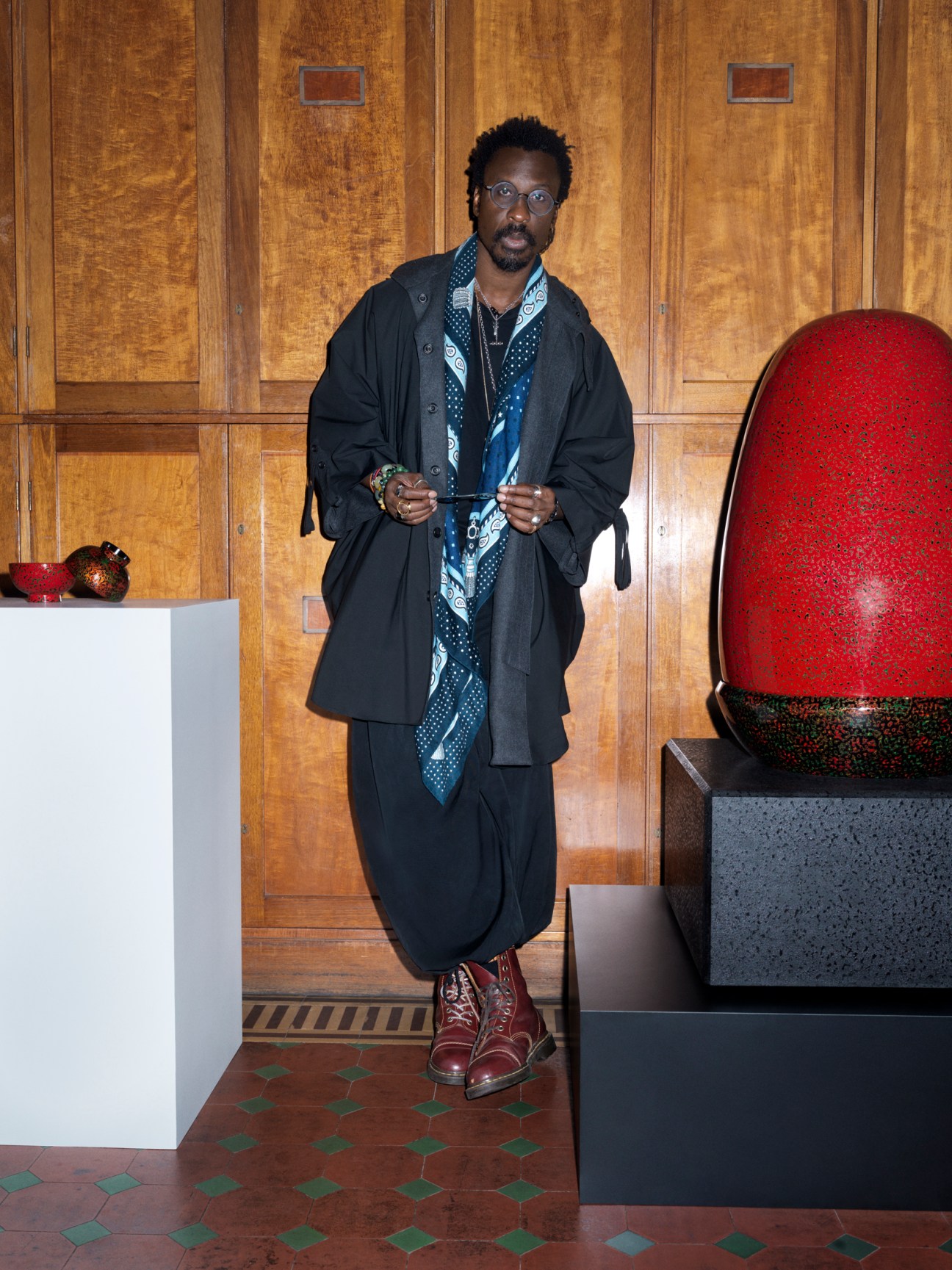
Nigerian-American industrial designer Ini Archibong is known for work that taps into heritage and craft traditions. As part of Craft x Tech, a cross-cultural initiative that pairs craftspeople from Japan’s Tohoku region with international creators, Archibong recently collaborated with artisans who specialise in tsugaru nuri, a type of layered lacquerware. “Don’t ask me about the Karaoke nights in Japan,” he laughs. The result is Artifact #VII, a playful egg-shaped piece that emits a sound when you hover your hand over it.
You like to include spirituality in your design practice. Why is that?
Simply put, when I started on the journey to becoming a creator it was a spiritual mission. It took me out of a more mundane perspective on what I was here [on this planet] to do. For better or worse, being a designer is more than a job. I don’t necessarily design from a place of practicality. I make functional things but the way that they come about is intuitive.
Where does your inclination towards world-building come from?
Fantasy, comics, movies, cartoons. As a kid, I was in church on Sunday and reading every day. I loved books by CS Lewis and L Frank Baum. When I would read them, I was in a different world; it was my escape.
How does this translate to the project with the craftspeople of Tohoku?
It was an amazing project to work on with the craftspeople, who went beyond lacquer: it’s the layers, the texture, all these things that give it the pattern it has. I love design that’s chaotic and that feels organic. The piece also emits sound, which reacts to your presence. It’s part of a wider series of artefacts that fit in to what I call a “mythology of the children of the diaspora”.
Which diaspora are you referring to?
That’s the question. It starts from the West African diaspora that I come from but there’s going to come a point, with a more globalised future, where everyone will be part of a diaspora. My goal with these pieces is to retell some of the mythology that has been told over the centuries in a new context, with a mentality focused on a globalised humanity. I keep it vague so people can fill in the gaps.
designbyini.com
3.
The spiritualist
Alison Brooks
Architect, London, UK
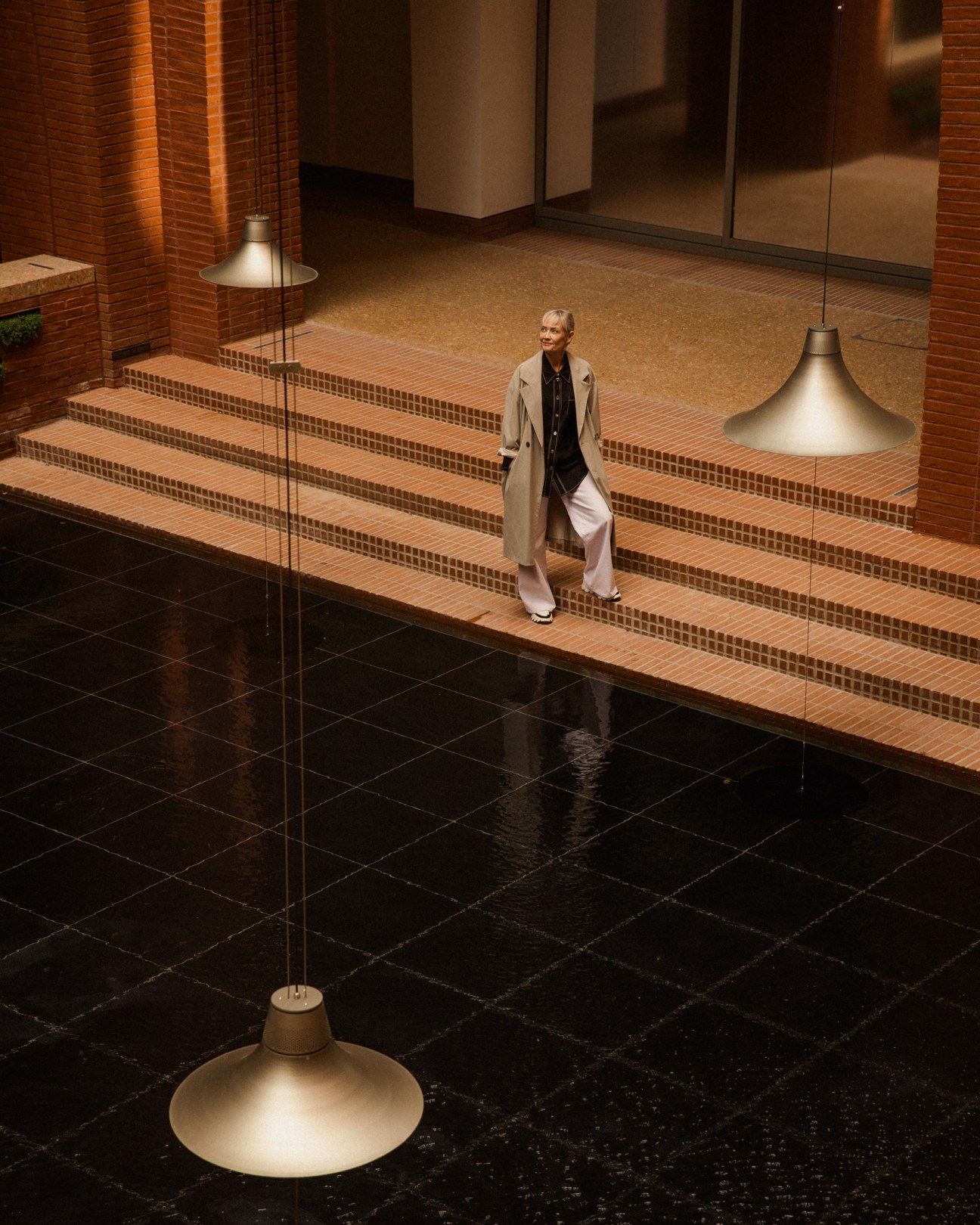
Following her graduation from Ontario’s University of Waterloo, Canadian-born, London-based architect Alison Brooks worked with Ron Arad before establishing her namesake practice in 1996. “I really wanted to work on public projects and housing, which was different to what I was working on with Ron,” she tells Monocle from the ground floor of her newly finished mixed-use building, Cadence, in Kings Cross. “Housing is the critical social and civic project of architecture because it impacts daily quality of life for its residents and the public.” It’s an ambition that she has since fulfilled, working on a host of award-winning residences and multi-residential housing projects across the globe. Here, Brooks elucidates on architectural spirituality and how best to translate the intangible – community, connection, nature – into bricks and mortar.
You established your practice in 1996. How did your early projects inform your work?
The first two commissions I had were the results of the only two letters I wrote when I first started, which is incredible. One resulted in the VXO House in London, which was the first private residence I designed. As an architect, such projects are remarkable because, when you design somebody’s private house, it must stand up to scrutiny every day from the same person – so you really have to master every detail.
Tell us about your latest project, Cadence.
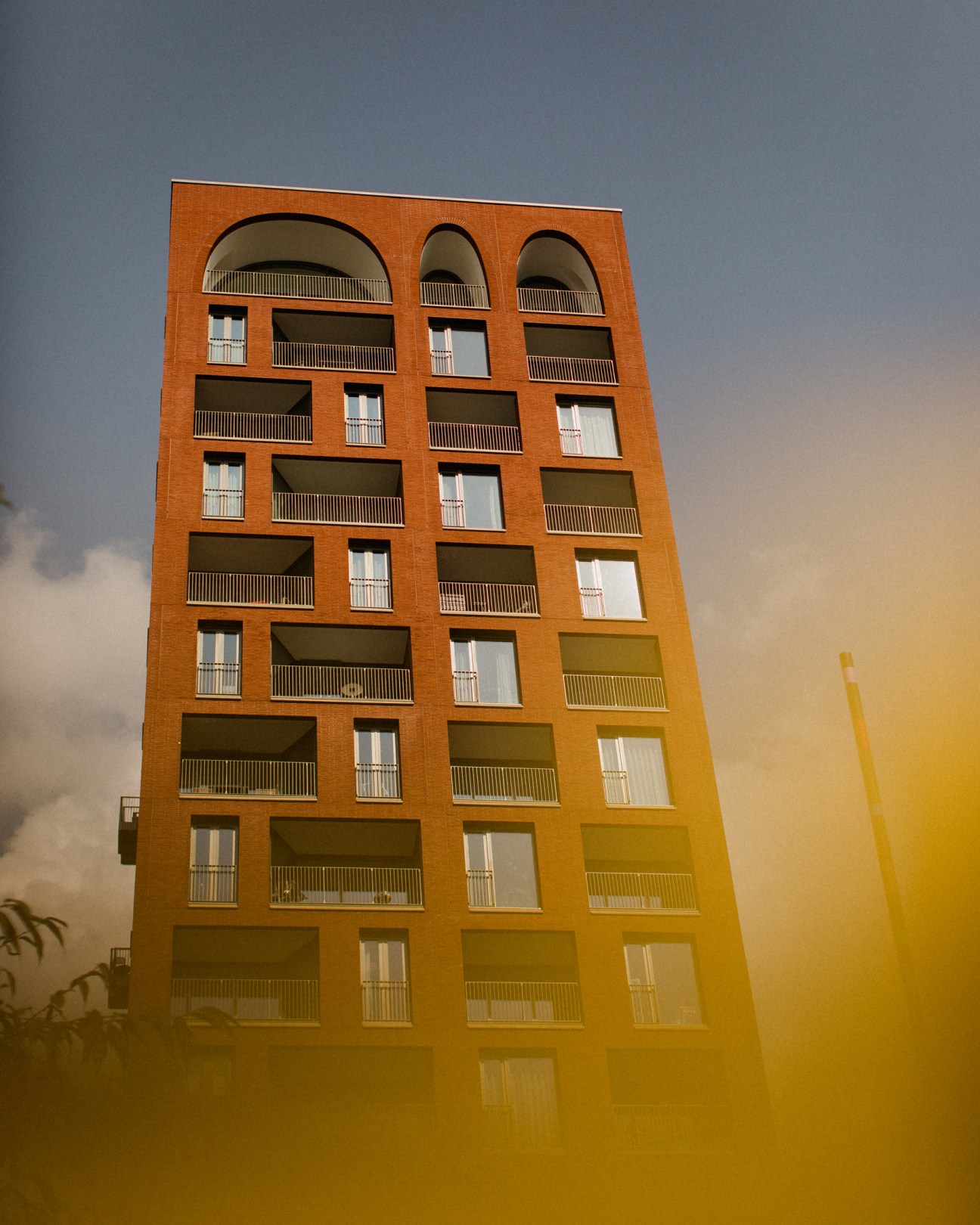
It’s situated on an irregular shaped plot and has 163 apartments in the scheme. I always try to bring unexpected moments to my work and with Cadence it came in the form of its arches. It felt like a bit of a leap of faith because it sometimes feels like arches have been banished in contemporary architecture. The key thing with this design, though, is that the arches are at different heights and have different widths, which respond to the building’s structural irregularity and introduces dynamism. It means that Cadence looks it’s walking, in a kind of animal-like way, because there’s no order or rhythm to its arches. Its structure is more lyrical and organic, which helps make it feel more human.
What other methods do you use to make architecture feel more human?
The way I work is to try to respond to context in a meaningful way; context is everything in architecture. Context can be physical, cultural or even spiritual, which is something that I’ve been starting to think about more consciously. This comes partly from working in Canada and learning from its indigenous people’s worldview and way of thinking, and tapping into animism – the idea that nature is made up of beings with which we can form relationships. It also comes from spending summers in the Canadian wilderness; when you’re alone out there you really need to believe that nature is on your side.
How can this outlook relate to architecture more broadly?
We’re all trying to find ways of practising in a more sustainable and responsible way in response to the climate crisis but there’s also a crisis of meaning. We can start to address this by recalibrating our relationship with nature and bringing spirituality into our way of thinking about architecture. Architects talk about a sense of place a lot but there’s a spirit of place too. We also need to address social value and try to make places that help people feel like they belong to a community and place. Feeling at home somewhere is fundamental to human wellbeing.
How do you translate something intangible – spirituality, community and connection – into something tangible?
One of the ways this can be done is through form and materials. With Cadence, we used a particular orange-red brick which emphasised the mass of the building but also paid tribute to George Gilbert Scott and his masterful work at the nearby St Pancras Hotel and Station. A similar effect can also be achieved by tapping into both collective and personal memory. For example, by using elongated bricks and terrazzo for the public spaces in Cadence, the Venetian architecture that inspired both myself and Scott is evoked. On other projects, like Oxford’s Cohen Quad, I’ve used American black cherry, as a tribute to my mother who loved the material and sparked my interest in architecture.
Given that your focus is on residential architecture, how do you feel when a project is complete and people move in?
It’s like taking your child to their wedding; you kiss them goodbye and off they go to live their life. The building will change and you have to accept that. But if people are using it, it shows that they want to invest in the place.
alisonbrooksarchitects.com
Interview: Cecilie Manz on design with a purpose
Since founding her studio in 1998, Danish designer Cecilie Manz has contributed to the catalogues of manufacturers including Fritz Hansen, Bang & Olufsen, Kasthall, Maruni and Hermès. Considering how prolific she is, it’s peculiar that the lasting impression that she leaves is one of restraint or, rather, compelling discretion.
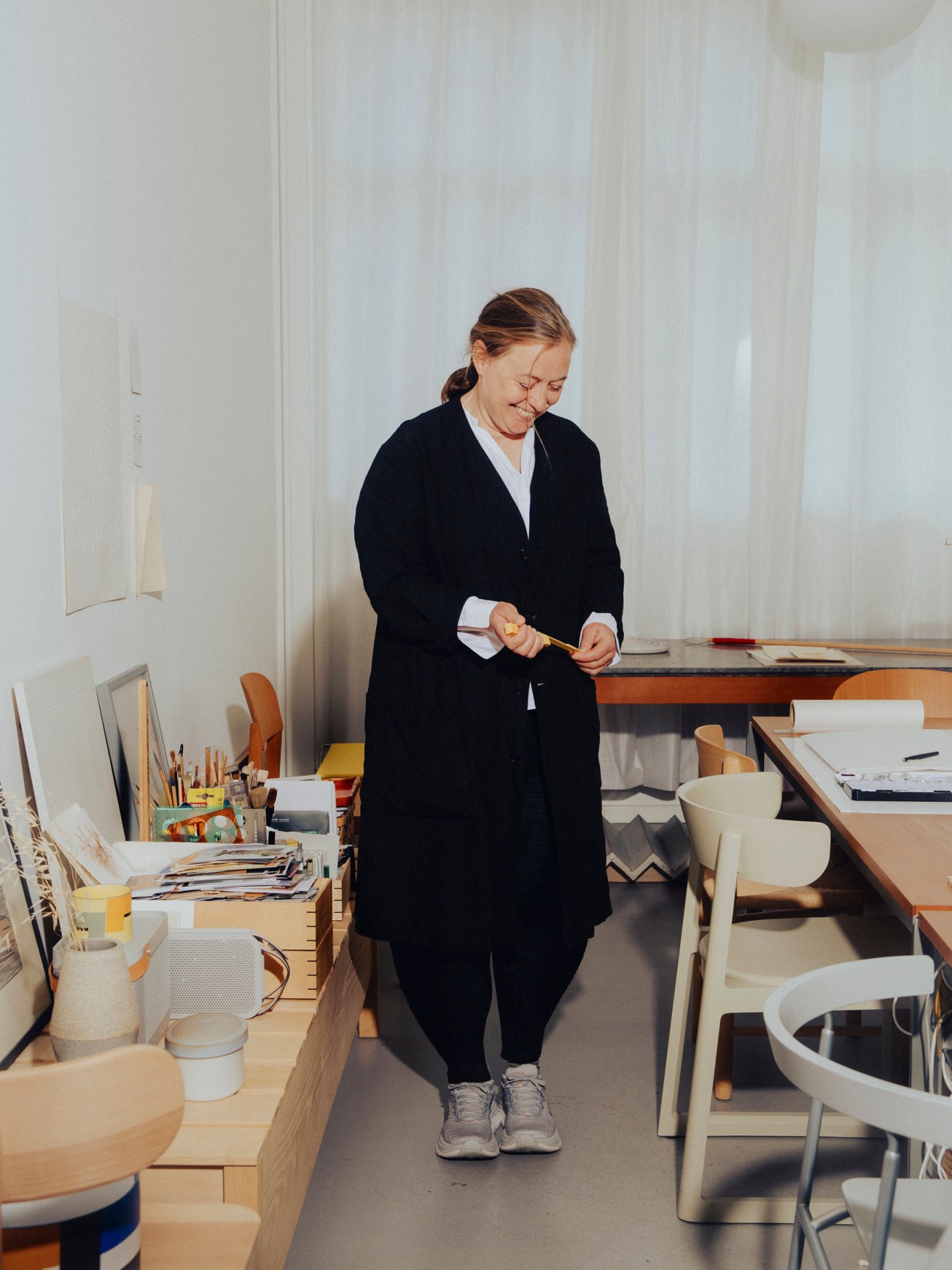
“I like to balance output and inspiration,” Manz tells Monocle in her studio in Sølvgade, Copenhagen. Sitting across an oak table that she designed for Fritz Hansen in 2009, she is cradling a cup of hojicha and wearing a pair of pleated black trousers by Japanese designer Issey Miyake. Surrounding us are stacks of paper weighed down by stones, cardboard prototypes and tchotchkes that she brought back from her trips across the globe, all neatly displayed on shelves.
Here, projects start as paper sketches or cardboard mock-ups before being refined in the workshop. Manz believes that function is the driving force of design, which means that all the pieces that she creates require considered examination. “I want to be involved in every step of the process, not just the part where you draw nice doodles,” she says. Manz employs two assistants to help with her work, including creating all the digital 3D models so that she can maintain her personal creative process as a strictly analogue affair. “With furniture, you can’t skip making mock-ups. You need to see how something interacts with your body.”
Born to ceramicist parents in Odsherred, about an hour’s drive from Copenhagen, Manz knew from early on that she would pursue a creative career. “I picked furniture design to do something different from my parents,” she says with a smile. “That was my crazy teenage rebellion.” Manz was admitted to the Royal Danish Academy of Fine Arts and went on to found her eponymous studio soon after graduating.
The CV
1972: Born in Odsherred.
1997: Graduates from the Royal Danish Academy of Fine Arts.
1998: Founds Cecilie Manz Studio in Copenhagen.
2007: Receives the Finn Juhl Prize.
2018: Named designer of the year at Paris design fair Maison & Objet.
2019: Named Chevalier des Arts et des Lettres by French Ministry of Culture.
2024: Launches products with manufacturers Maruni, Fritz Hansen, Kasthall and Elvang.
2024: Named designer of the year at the Scandinavian Design Awards.
Grants from art foundations initially helped to keep her afloat but then her designs were picked up for production. From there, she began to receive commissions for tables, chairs, lights, glass objects and even the occasional hat stand – all crafted with perfect clean lines and a purity of purpose. Awards including the Finn Juhl Prize in 2007 followed. She was named designer of the year at Maison & Objet in 2018 and again at the Scandinavian Design Awards in 2024. Today her work can be found in the permanent collections of the Design Museum Denmark and New York’s Moma.
Manz now has an extensive back catalogue. Does she ever run out of inspiration? “No, I have never had that problem,” she says after a short pause. “It’s just work. I just get on with it. Maybe you’ll draw some bad sketches but you can always destroy those. You have to produce and, at some point, you might find something interesting that you can dig into.” With a pragmatism and straightforwardness, Manz has quietly cut through the noise of the design industry, negotiating its evolving tastes.
Her pet peeves include the word “trends”, using a material because it’s popular rather than questioning its purpose and the art world creeping into the realm of design to sell decorative pieces with little to no function. “When I entered this field, I worried and felt guilty about bringing more stuff into the world,” says Manz. “But I design functional objects that last a long time. It justifies my practice if they are at least of a good quality and have nice design – parameters that you might call old-fashioned design virtues, right?” Sometimes, it’s as simple as that. ceciliemanz.com
Meet the creatives reinventing L’Hospitalet as Barcelona’s cultural epicentre
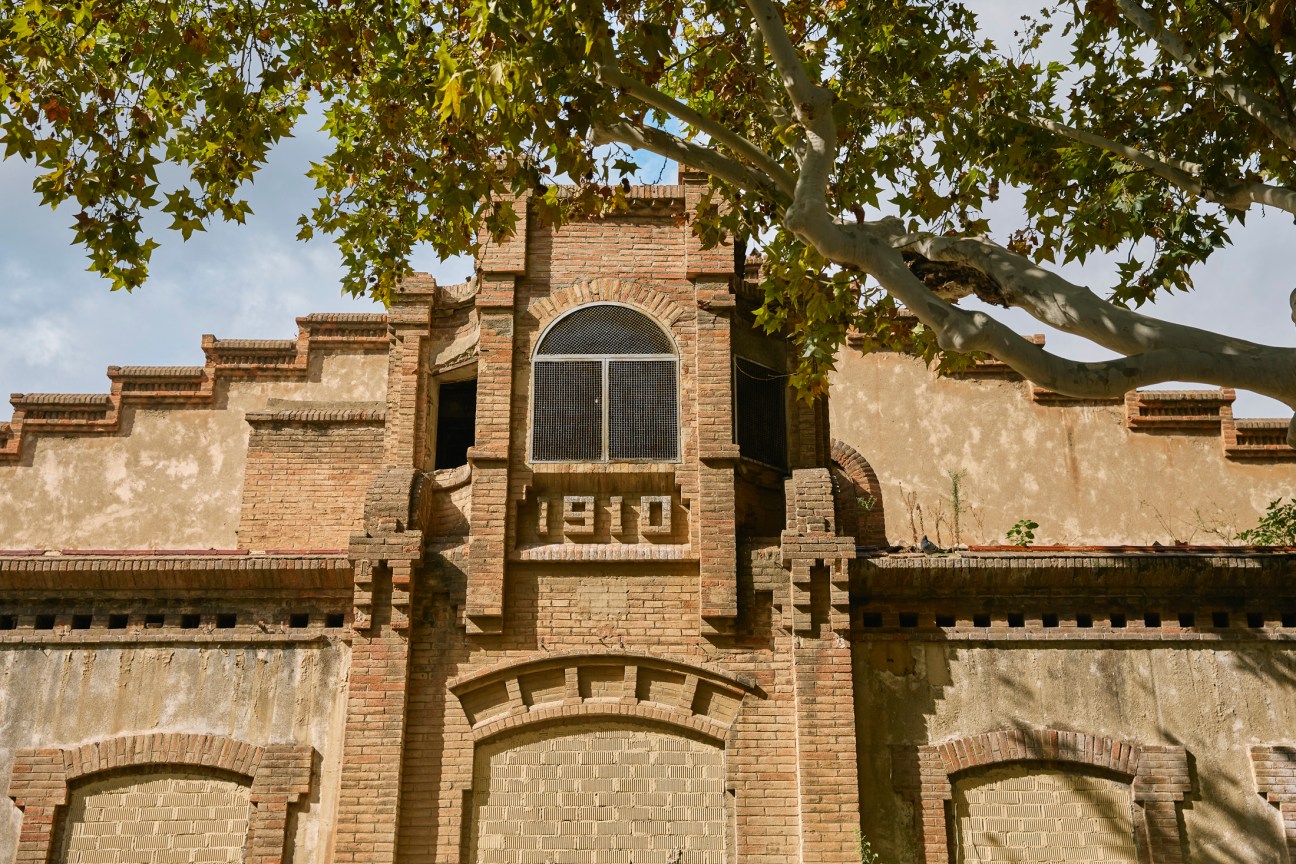
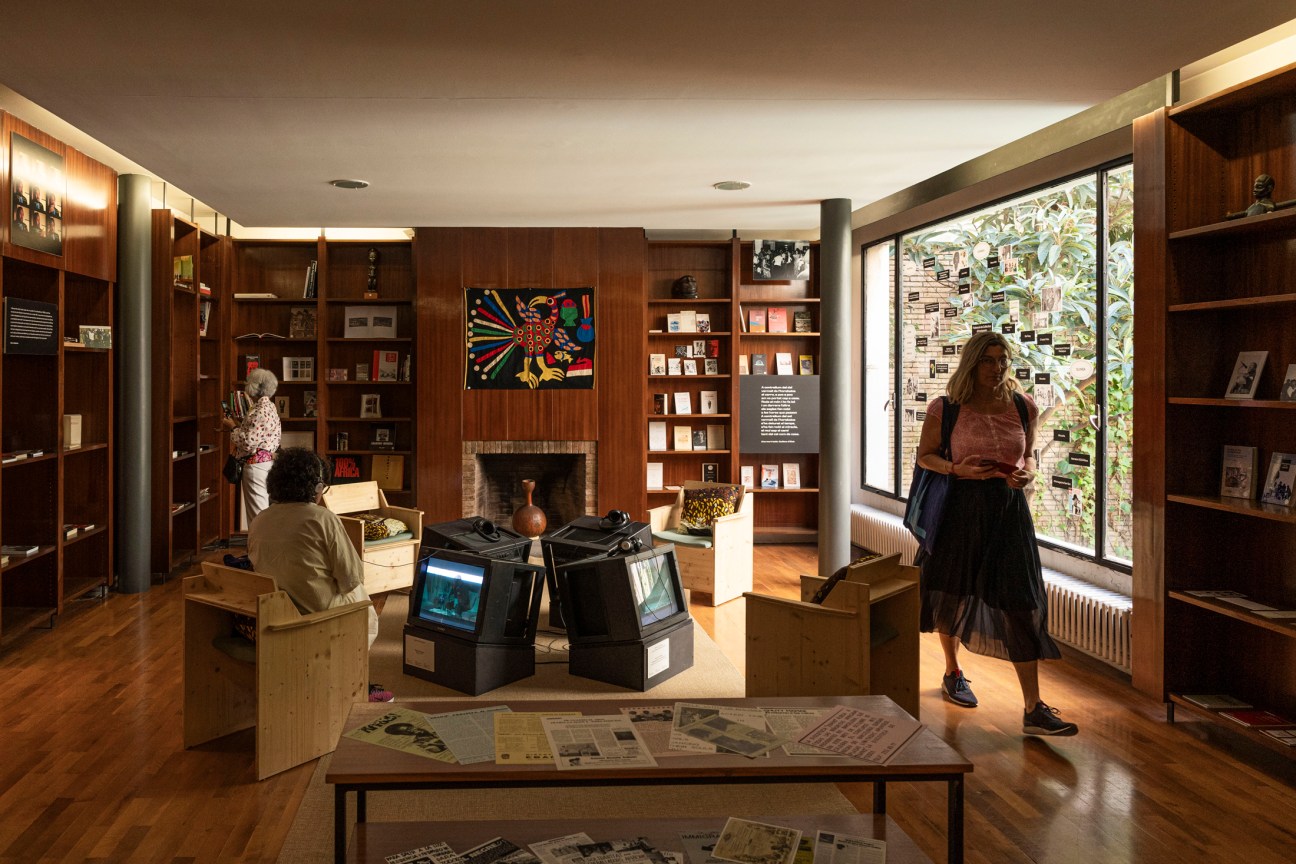
Can Trinxet, a textile factory built in 1890, has laid empty in L’Hospitalet de Llobregat – a city to the southwest of Barcelona – for decades. Once the largest manufacturing complex in the area, it is now a vestige of Catalonia’s industrial heyday, when people from all over Spain came to the region in search of work. Today the former factory has been given a new lease of life by Barcelona-based architecture studio Self Office. The building’s roof has been restored, while the walls have been painted white to host an installation during the Manifesta Nomadic Biennial, an art and culture festival running throughout the autumn.
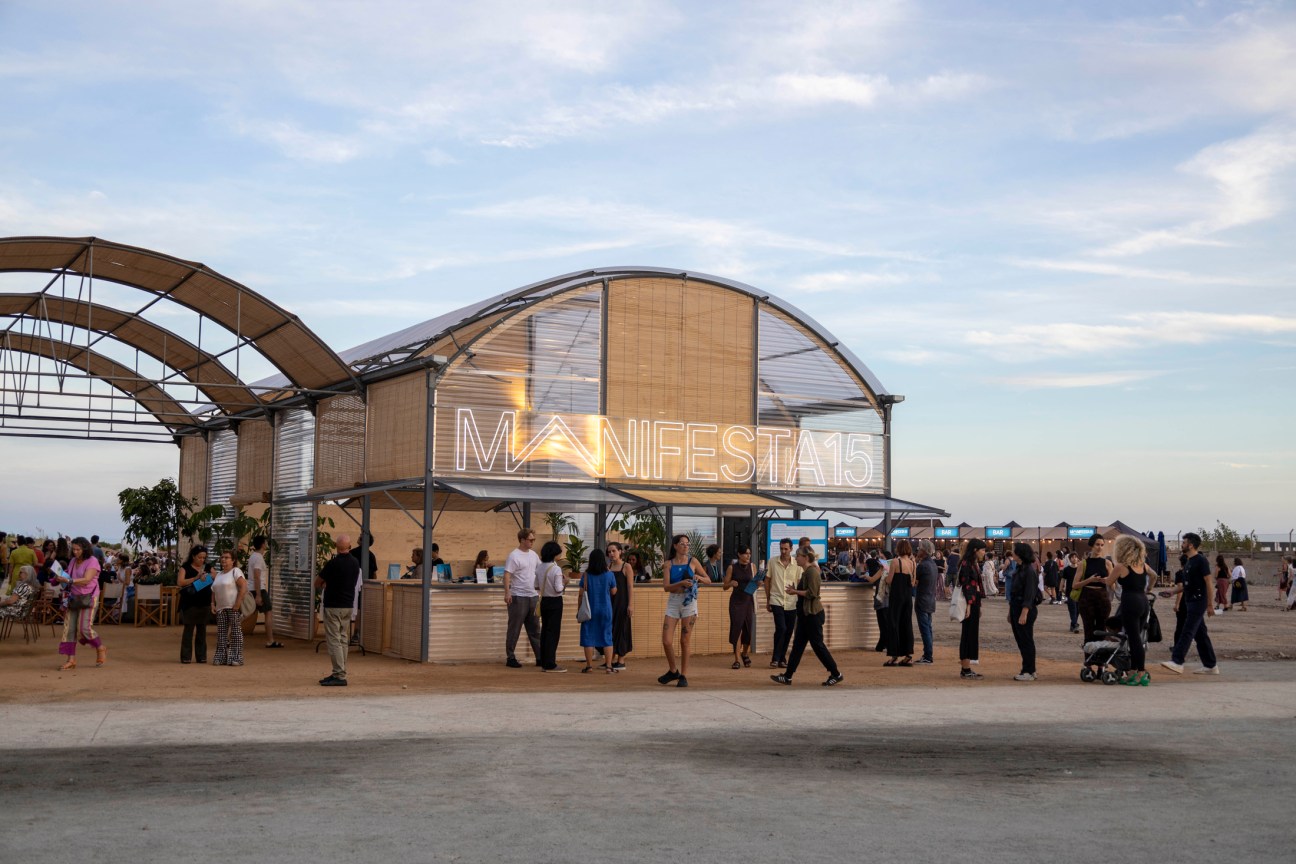
In a bid to decentralise Barcelona’s art scene, the event’s 15th edition is taking place across the Catalan capital and 12 neighbouring cities, including L’Hospitalet. “The centre of Barcelona hosts most of the area’s cultural institutions but people live outside it because housing prices are too high,” says Hedwig Fijen, founder of Manifesta.
L’Hospitalet, a commuter town and one of the most densely populated places in the EU, is putting culture front and centre of its urban strategy. Over the past decade, the city council has been building a Cultural District in a bid to lure creatives to the area and revive its economy. According to officials, some 500 cultural entities – art galleries, architecture practices and dance studios – have moved here in recent years, attracted by spacious industrial buildings and low rents. Spanish singer Rosalía recently announced that she would be transforming an old office building into one of the best-equipped recording studios in Europe.
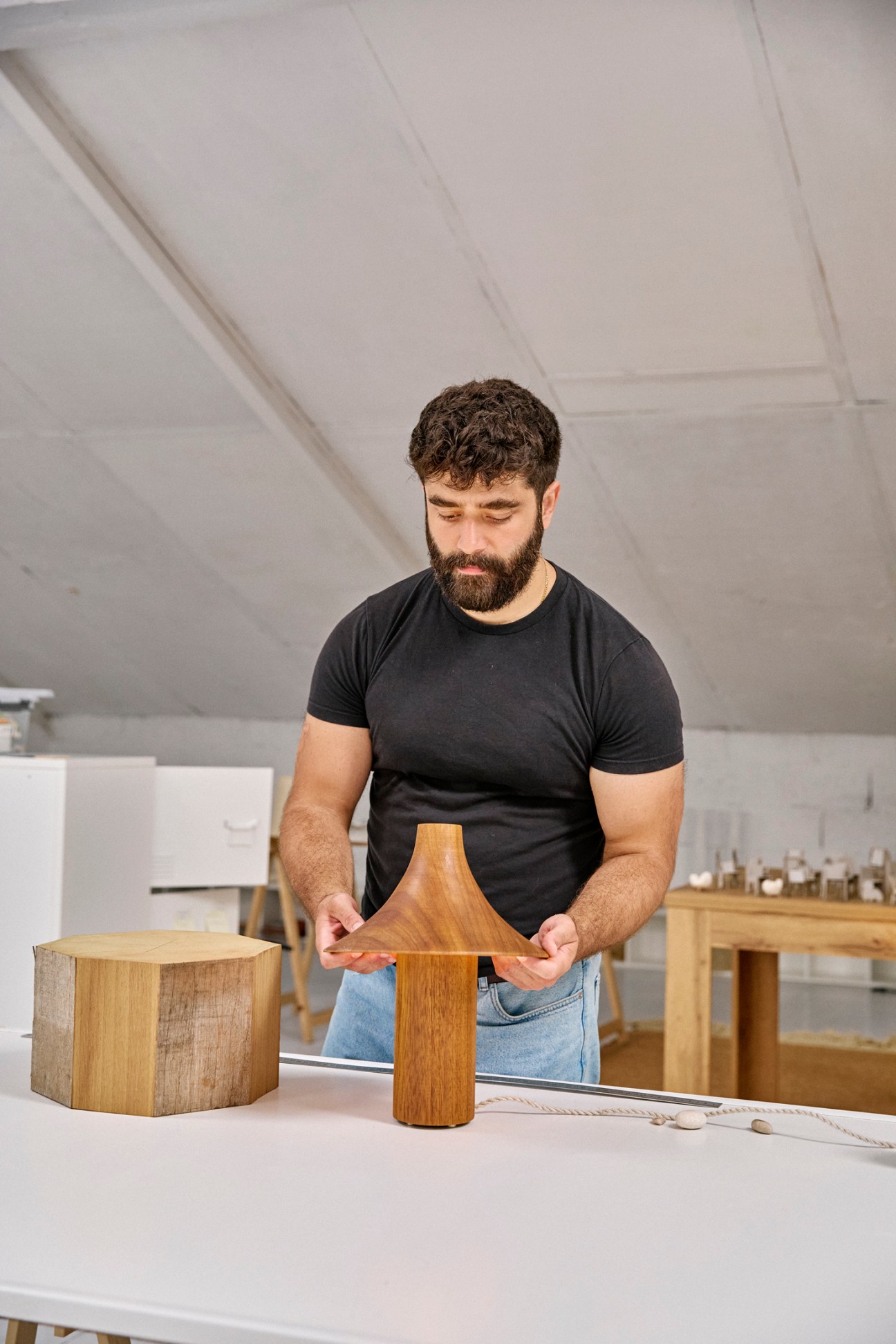
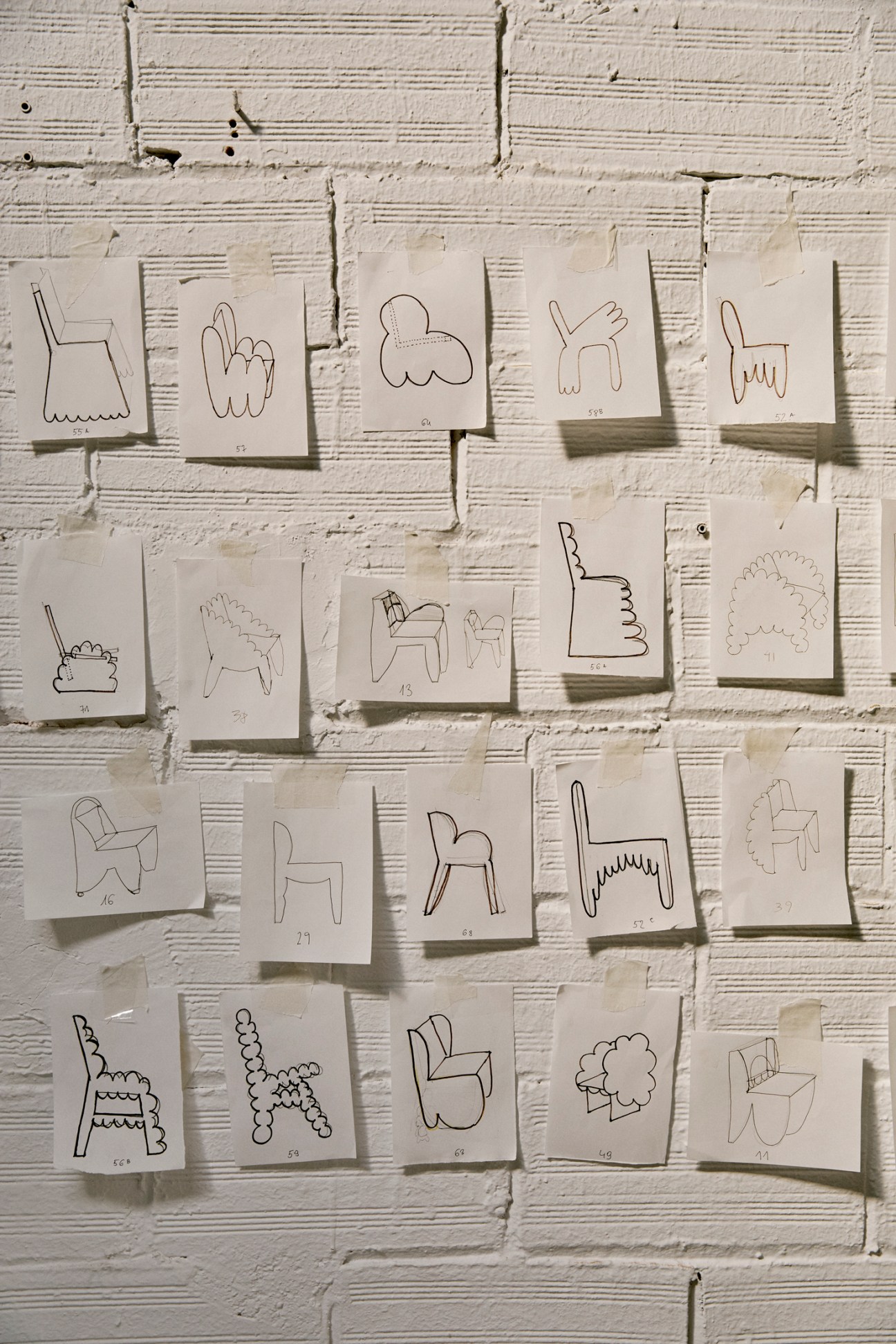
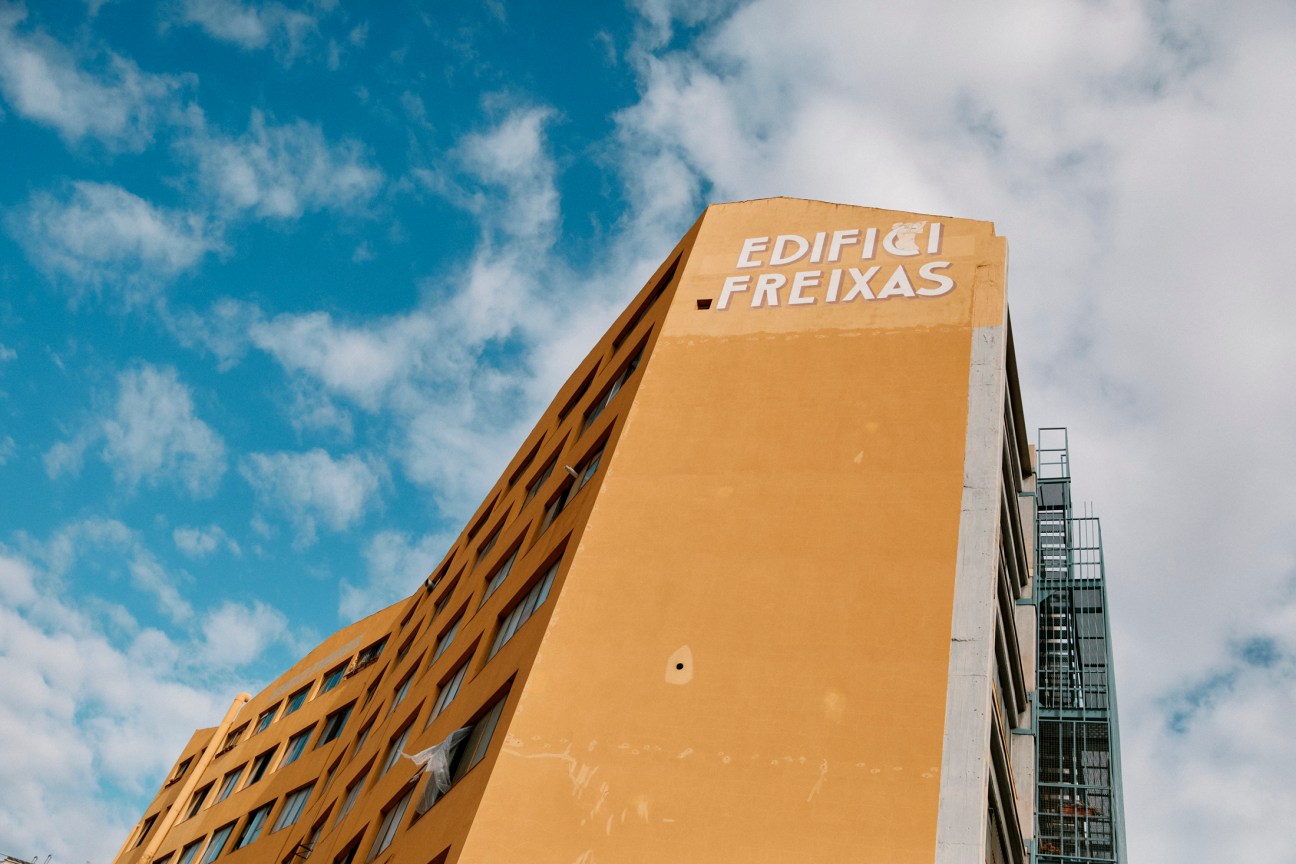
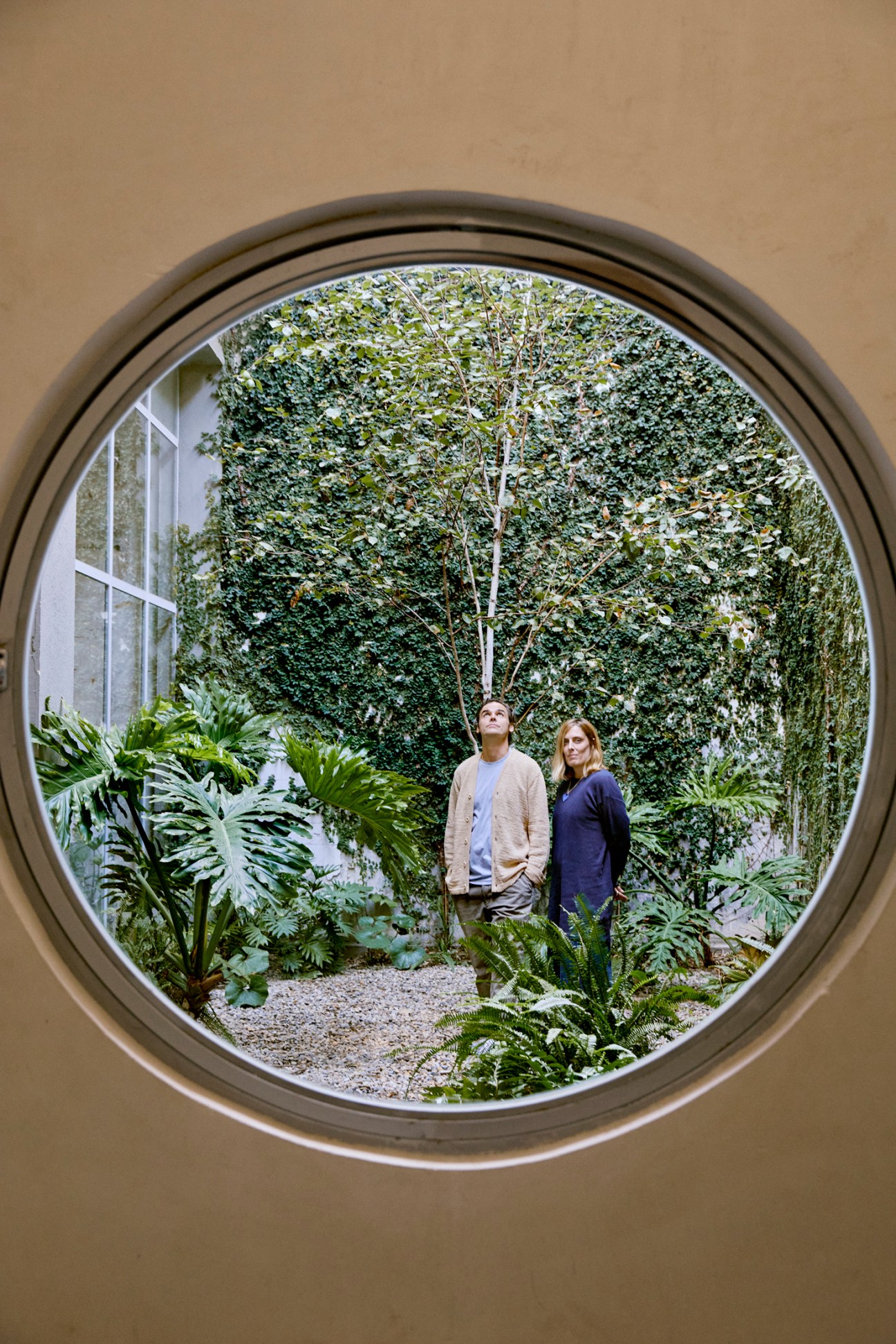
L’Hospitalet’s fragmented urban fabric consists of modern skyscrapers and warehouses, a medieval town centre and neighbourhoods with apartments built in the 1960s and 1970s. “I wanted a generous space to work in, which is hard to find in Barcelona,” says designer Jorge Suárez-Kilzi as he welcomes Monocle into his studio on the top floor of Edifici Freixas. The 1960s-era six-storey building was built for heavy industry and craftspeople. While it’s still home to a few carpenters and glassworkers, it now houses a growing number of artists. “Moving here came out of the necessity of finding an alternative to Poblenou,” says Suárez-Kilzi, referencing the trendy former industrial neighbourhood in Barcelona. That area is now “more established,” he says, as start-ups, technology companies and luxury hotels have moved in.
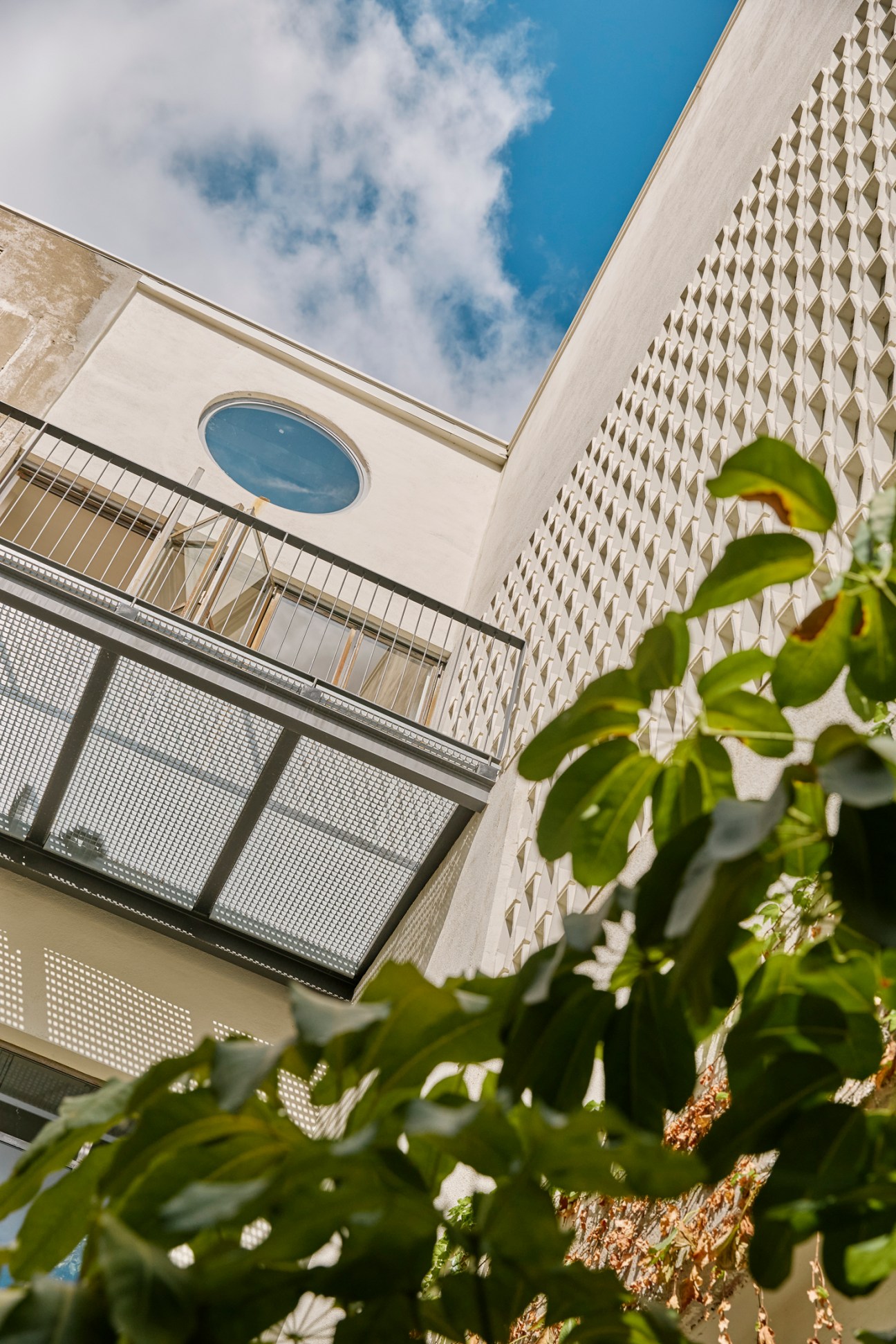
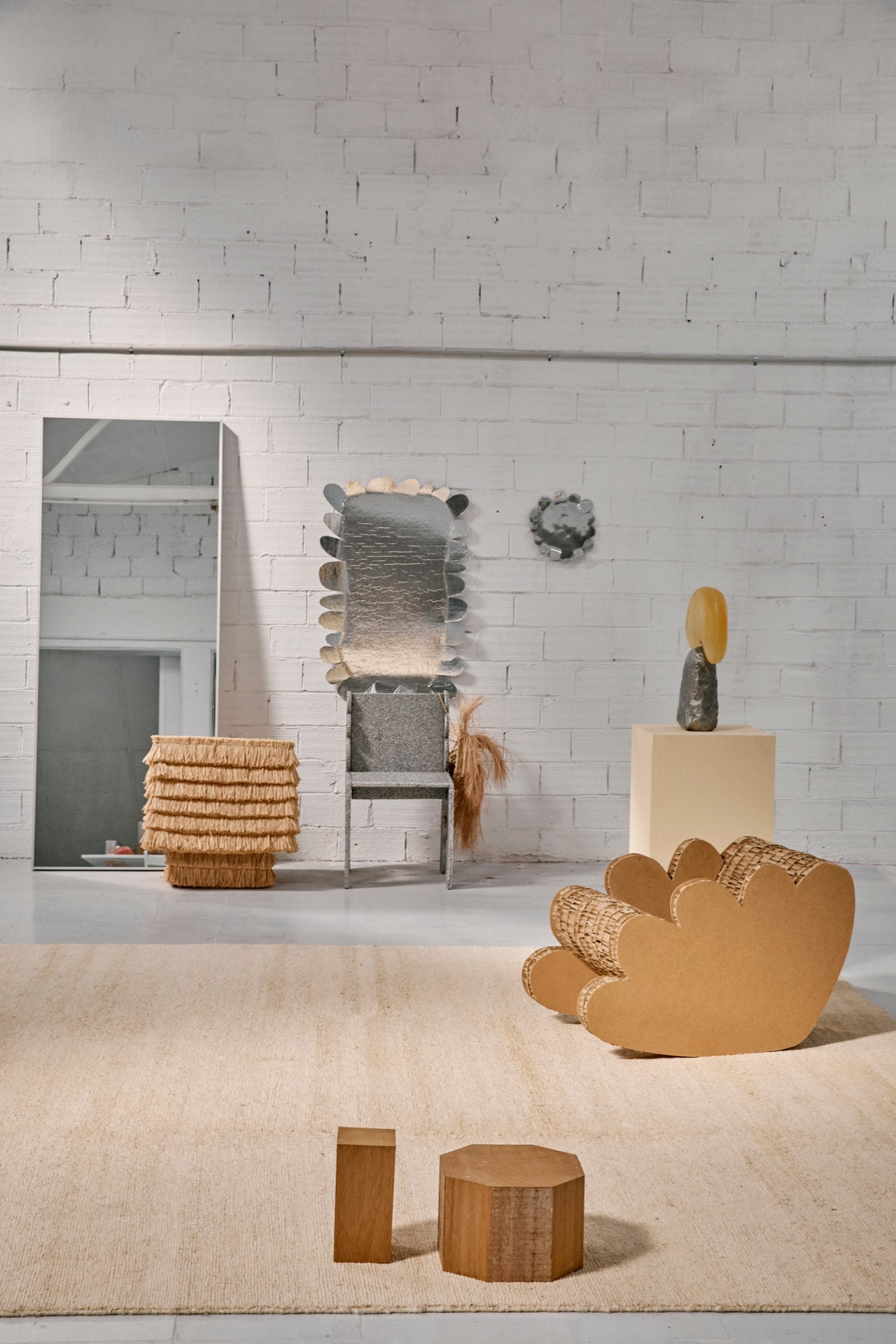
Uri Rivero and María Vázquez also considered setting up shop in Poblenou before stumbling across a 1970s factory near Edifici Freixas in L’Hospitalet. They have transformed the space into Industrial Akroll, a 2,000 sq m space dedicated to photography and film. The former manufacturing hub, which originally produced metal accessories, had been empty for 20 years. “The Cultural District project was a bit of a siren call for us,” says Rivero. “We knew that some art galleries had moved to the area. Plus, being here meant that we would have suppliers nearby.”
In the early 2010s, the city council created a team dedicated to helping new arrivals with paperwork and permits, as well as access to funding for projects. “We want to make people feel comfortable so that they stay,” says Mireia Mascarell, the council official responsible for L’Hospitalet Cultural District. The regional revival has attracted large, private projects too. Last December, La Caixa Foundation announced that it would convert a warehouse in L’Hospitalet into the Art Studio Caixa Forum, a new cultural facility that will host 1,039 pieces from its contemporary art collection. The Godó i Trias factory will also be turned into a centre for visual arts by Stoneweg Places and Experiences, with the help of Pritzker Prize-winning architecture studio RCR Arquitectes.
“It’s good that visibility is being given to not just Barcelona but the entire region,” says Vázquez of Manifesta. Of the eight million tourists who visit Barcelona every year, only a few venture beyond its iconic Catalan modernism buildings and urban beaches to explore its outer limits. The biennial’s inclusive approach is therefore one that officials across Europe are watching closely.
“Barcelona is attractive to tourists in a way that exceeds its capacity to welcome and respond,” says Xavier Marcé, city councillor for culture and creative industries, who was born in L’Hospitalet. “Because we have decided to crack down on short-term tourist rentals, we have to try to attract visitors in a different way. I believe that highlighting spaces across the metropolitan area and making the offering more cultural will appeal to the type of person that wants to experience the real Barcelona.”
This cultural expansion, however, has led many to question the role that it is playing in the process of gentrification. According to a study by Spanish property portal Fotocasa, rental prices in L’Hospitalet – a largely working-class area – went up by 17.5 per cent in 2023. Mascarell says that “for now, there is no gentrification”. But that could change, with visual artists already outnumbered by advertising agencies, architecture practices and recording studios. Some fear that L’Hospitalet might end up drifting from its industrial roots in the same way as Poblenou.
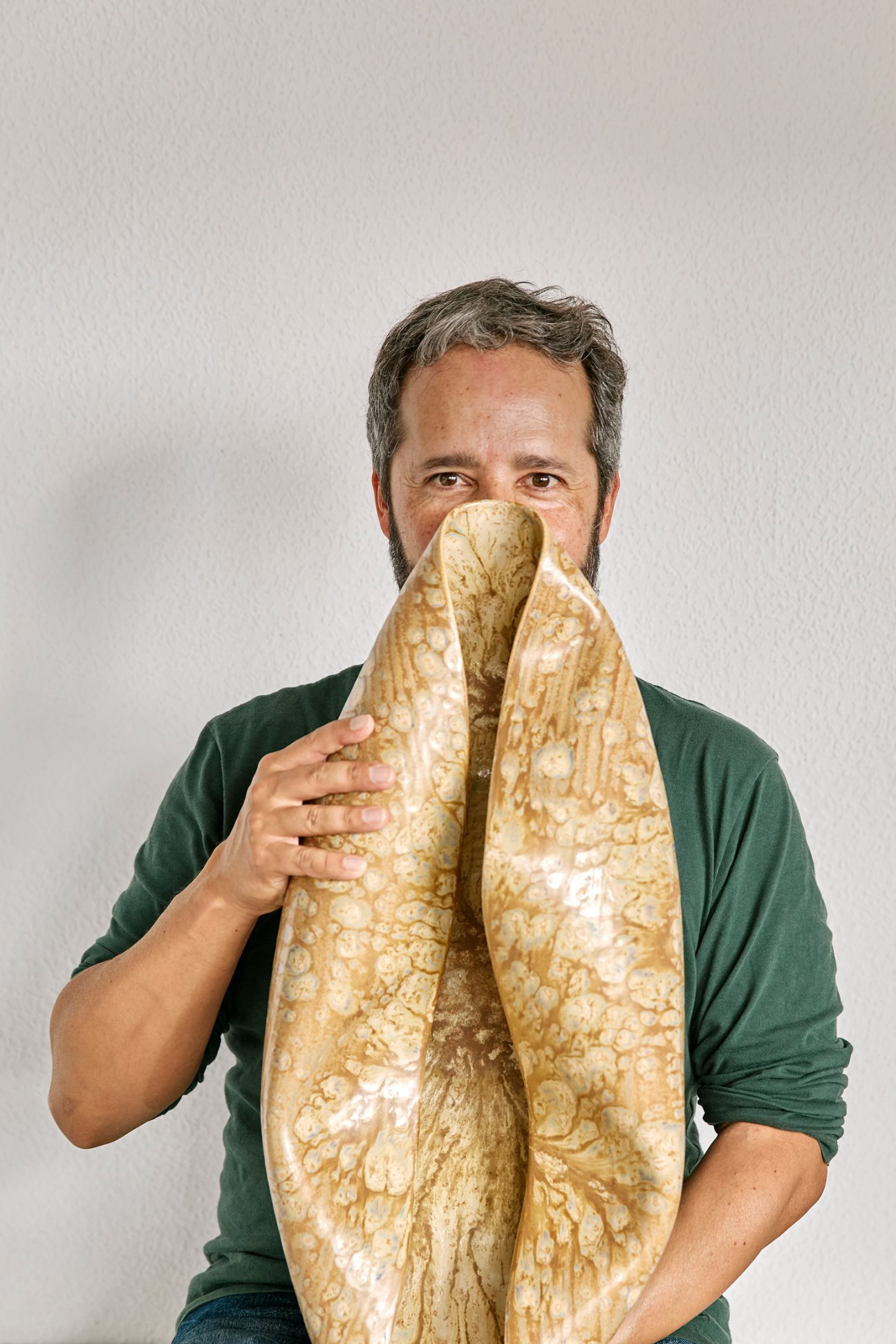
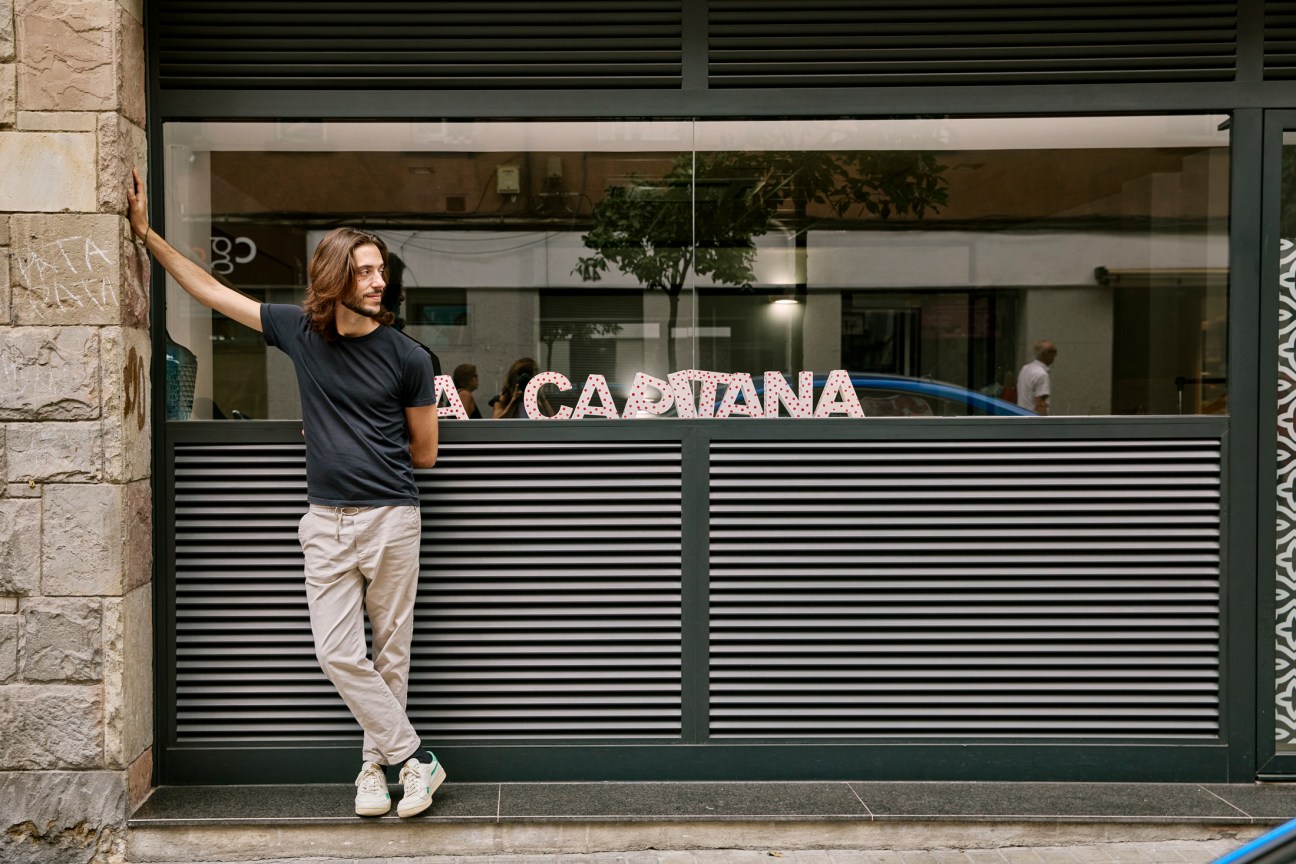
Despite these challenges, many are hopeful that the arrival of Manifesta and figures such as Rosalía will create a richer cultural landscape that supports newcomers and long-term residents. “It’s positive that people are moving here with new ideas,” says flamenco artist Jose Manuel Álvarez, who grew up in L’Hospitalet and returned to open dance studio La Capitana. His students, who come from towns in the metropolitan area, take classes in the same rooms where Rosalía choreographed dance routines for her 2018 album El Mal Querer. “If all these buildings are empty, why not bring them back to life?”
Walla Walla Foundry: The factory helping artists turn ideas into material reality
For some of the world’s leading contemporary artists, the path from studio concept to museum exhibition runs through a small town in southeastern Washington state. The Walla Walla Foundry specialises in metal fabrication and bronze-casting for artworks as tall as 18 metres. Founder Mark Anderson, a Walla Walla native, studied at the town’s Whitman College, a liberal-arts school, and learned metal-crafting at a small foundry focusing on American Western art. His tastes veered towards contemporary art, however, and he established his own factory in 1980.
Pop artist Jim Dine put the foundry on the map and it has since become a preferred fabricator for the likes of Matthew Barney, Yayoi Kusama and Wangechi Mutu. Anderson died in 2019 but his widow and children continue to uphold his legacy. “Success for us means focusing on contemporary art and supporting creatives,” says co-owner Jay Anderson.
Jay studied art at universities in Seattle and New York. Though he still practises his craft, he returned from the big city to the family homestead to further his father’s mission. His extensive experience is what encourages many people to make the trek to Walla Walla from far corners of the art world.
“For artists, our team is like a physical extension of the studio,” says Jay. “There are 100 technicians here who can all work as your assistant if needed.”
These factory workers translate artistic concepts into tangible works of art, whether that involves bending metal or shaping wood. The accumulated experience of the past 40 years has taught the foundry’s team how to do just about anything. “Artists have an idea but they might not know how to make it,” says Anderson. “That’s why we’re here. We help them to solve their problems.”
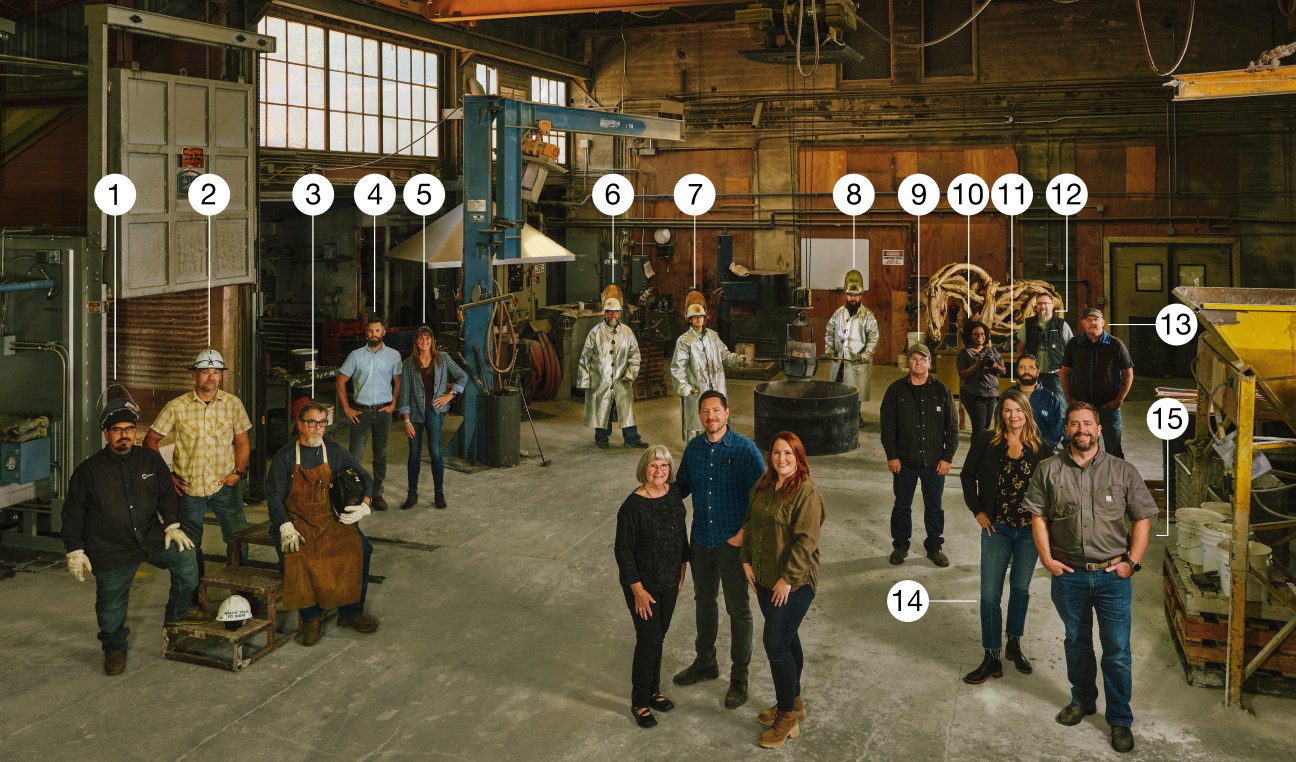
The Anderson family
Patricia Anderson co-founded the foundry with her late husband, Mark, in 1980. She continues to preserve the company’s history and provide the next generation with guidance. As a trained painter and sculptor, her son, Jay, has a deep understanding of the contemporary art world. He also runs the family winery. Her daughter, Lisa, studied art history and business. She handles the fine print – contracts, budgets, insurance and red tape. For the Andersons, the foundry’s mantra is simple: “We don’t want to say no.”
1.
Roberto Morales, Metal fabricator, “Monumental problem-solver”.
2.
Dustin Jones, Metal shop supervisor, “Steady hand and taskmaster”.
3.
Byron Peterson, Metal fabricator, “Keeper of stories and wisdom from his 38-year career”.
4.
Ryan Bagley, Operations manager, “The authority on safety and efficiency”.
5.
Tammie Buchanan, Finance director, “Budget whisperer and numbers genius”.
6.
Leif Dillow, Foundry supervisor, “Casting wizard with unmatched expertise”.
7.
Brandon Perez, Foundry technician, “The new guy with great promise”.
8.
Caleb Schmidt, Foundry technician, “Casting understudy and friendly Viking”.
9.
Matt Ryle, Director of production, “Art-world veteran and project mastermind”.
10.
Brianna Wray, Photographer, “Pun-loving documentarian who captures working processes”.
11.
Humberto Gonzalez, Lead painter, “Paints inside the lines every time”.
12.
Jeremy Lilwall, Wax-room and patina supervisor, “Expert patineur and tracking maestro”.
13.
Grant Griffin, Facility and crating manager, “Keeps everything together – literally”.
14.
Deirdre Bealey, HR manager, “Resourceful human and HR guru”.
15.
Jonathan Follett, President, “Public-facing, forward-thinking team leader and big-picture strategist”.