Issues
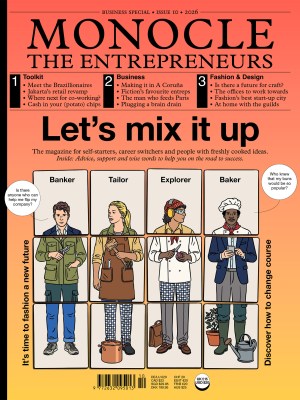
Home truths: 15 essays on the meaning of home
1.
The war reporter
Yaroslav Trofimov on: Why a place can still be your home, even when you’re far away
Dubai
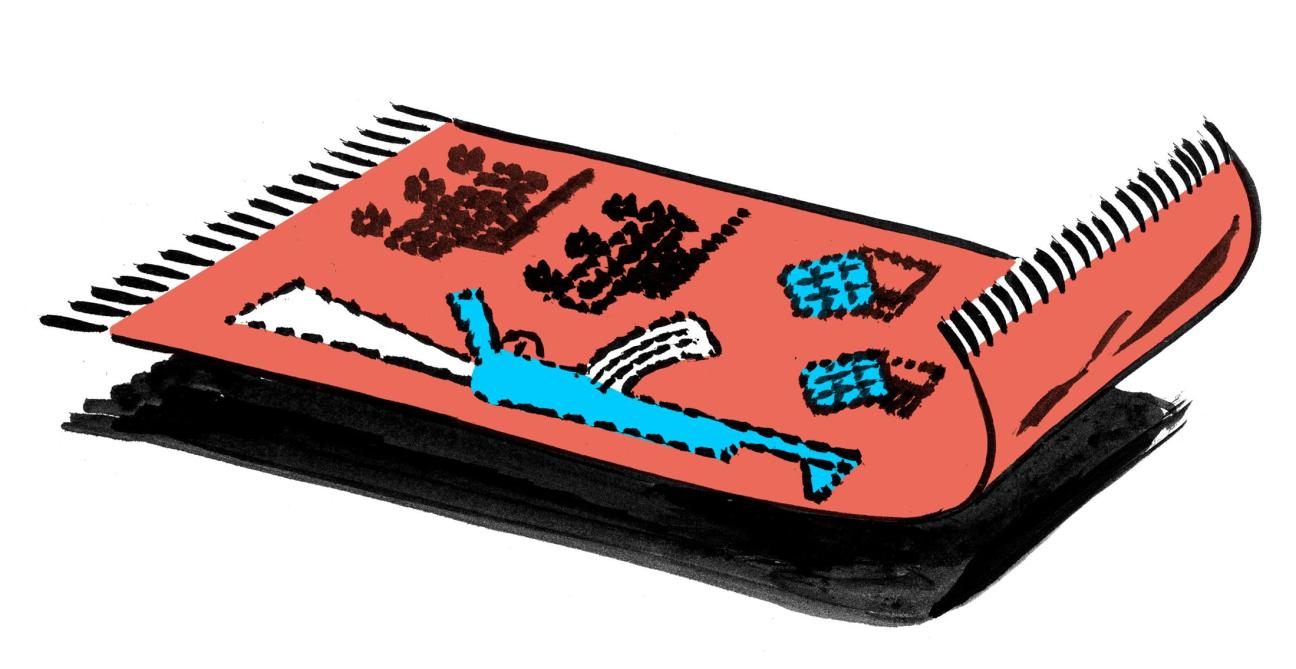
“Dubai wasn’t meant to be home when I moved here. It was meant to be a transit point, a convenient place from which to go and cover the world. But I’ve been here 10 years now and over time, places become homes. So it’s home now, and when I’m travelling, I do miss it and I do want to come back.
Coronavirus was a turning point. We were stuck here for nearly a year, so we went hiking and diving, and started to appreciate the city as more than somewhere to be between trips.
We have an apartment on a very high floor. It’s a change, as before Dubai I was living in Kabul in a house with a garden and goats and chickens: we were growing our own tomatoes and greens. Me and my colleagues all came from cities, so we were living the dream of a rural idyll. But I lived on the ninth floor in Kyiv when I was a child, so where I am now feels normal. Looking out now, I can see the port, the airport and, on a clear day, all the way to the mountains of Oman. Life is quite vertical in Dubai but there are neighbourhoods enabled for pedestrian life. I can walk underground in the summer or above ground in winter to various malls and restaurants.
I used to have a lot of things from reporting trips but my partner is an architect and designer, so now I have to negotiate where my Afghan war trinkets can and cannot hang. But in the living room we have an Afghan war carpet and a bronze of a Boko Haram fighter with a Kalashnikov that I brought from Africa. And lots of books, obviously. But we’ve also bought a lot of art together in Ukraine, mostly by contemporary Ukrainian artists.
I still feel a great deal of emotional attachment to my native Ukraine. When I was a child, we lived on a very famous street in Kyiv called Andrew’s Descent. It goes from the upper town of Kyiv down to what used to be the Jewish quarter of Podil. When I was a student in art school in Kyiv, we would go there every weekend and make some money selling our paintings. So that street is very much part of my identity.
I have thought of Ukraine differently since 2022. I left in 1990 and lived in the US and Italy for a long time. My passport is Italian, I spoke Italian and when people asked where I was from, I’d say I was an Italian of Ukrainian origin. After 2022 my answer is: I’m Ukrainian. You feel a much more visceral attachment when your country is under attack. Covering Ukraine as a journalist, I’ve taken much greater risks than I did covering Iraq, Afghanistan or the Middle East. When the city where you grew up, where every piece of geography is connected to your childhood, is under threat of being destroyed, of course you take it personally.”
As told to Andrew Mueller.
Biography:
Trofimov is a journalist and chief foreign affairs correspondent at The Wall Street Journal. His latest book is the novel No Country For Love published by Abacus.
2.
The gallerist
Nina Yashar on: How childhood memories can shape your taste and even your career trajectory
Milan
“My earliest memories of home are in Tehran, where we lived until I moved to Milan at the age of six. I have this very clear image of overlapping carpets in our home in Iran and how they would create these small, distinct environments within a larger space.

These Persian rugs were everywhere in our home, hanging on the walls as well as on the floor. Today this idea of layering and creating different zones is my signature as a gallerist.
It’s not just about filling the room with beautiful objects; it’s also about creating a dialogue between the different pieces, letting them complement and challenge each other. I feel this need to create conversations between different pieces – all on top of a rug. I never create something without a carpet on the floor because it has this power to create unity and a harmony between the things.
The common denominator in my home and my spaces is my taste; it’s my point of view. I don’t like everything to be totally in harmony. I like to create a personal and unique environment where different pieces with their own stories and characteristics come together to have a conversation. I have things that I really like – and this is important to say because not everything that I have in my gallery I would buy for myself. I like unexpected pieces that aren’t positioned in a conventional way, such as a very low chair next to a high table. For example, at home I have two unique console pieces by Gio Ponti for the Parco dei Principi Hotel in Sorrento and I didn’t know where to put two ‘Due Più’ armchairs by Nanda Vigo for Acerbis – so I put them together. It’s nonsense but I like it; it’s this idea of challenging conventions.
I have pieces at home connected to travel I did 20 years ago. I was in Copenhagen and I bought these tube vases with hand-made, steam-curved wooden bases from a Danish designer from the 1950s named Peder Moos. They were originally made as a 60th birthday present for a friend of his and there are 60 little tubes in glass. Whenever I receive friends at home, I put 60 flowers in them and place them on the dining table. I also have two candelabra that are from the Victorian period – so around the 1850s – that I bought in London. I put them on the table alongside the mid-century tube vases.
I love my neighbourhood, Risorgimento, here in Milan because it also has one foot in the past, with its little old shops and bars. It’s incredible but every time I come back to Milan from abroad, I feel like I’m in secure territory. I am very attached to the city – even its provincial side.”
As told to Ed Stocker.
Biography:
Milan-based Yashar has been in the design business for more than 40 years. The collector, dealer and gallerist is founder of Nilufar Gallery. In 2015 she founded Nilufar Depot in a former silverware factory and in 2023 launched a new line of furniture called Nilufar Open Edition.
3.
The magazine publisher
Rebecca Wesson Darwin on: How you can rediscover your roots – and turn it to your advantage
Charleston, South Carolina
“We’ve lived in our house for more than 20 years. It was built in the 1850s and has survived hurricanes, fires and earthquakes. There’s not a straight wall left in the place and I love that about it. It’s a home with deep memories for us as a family.
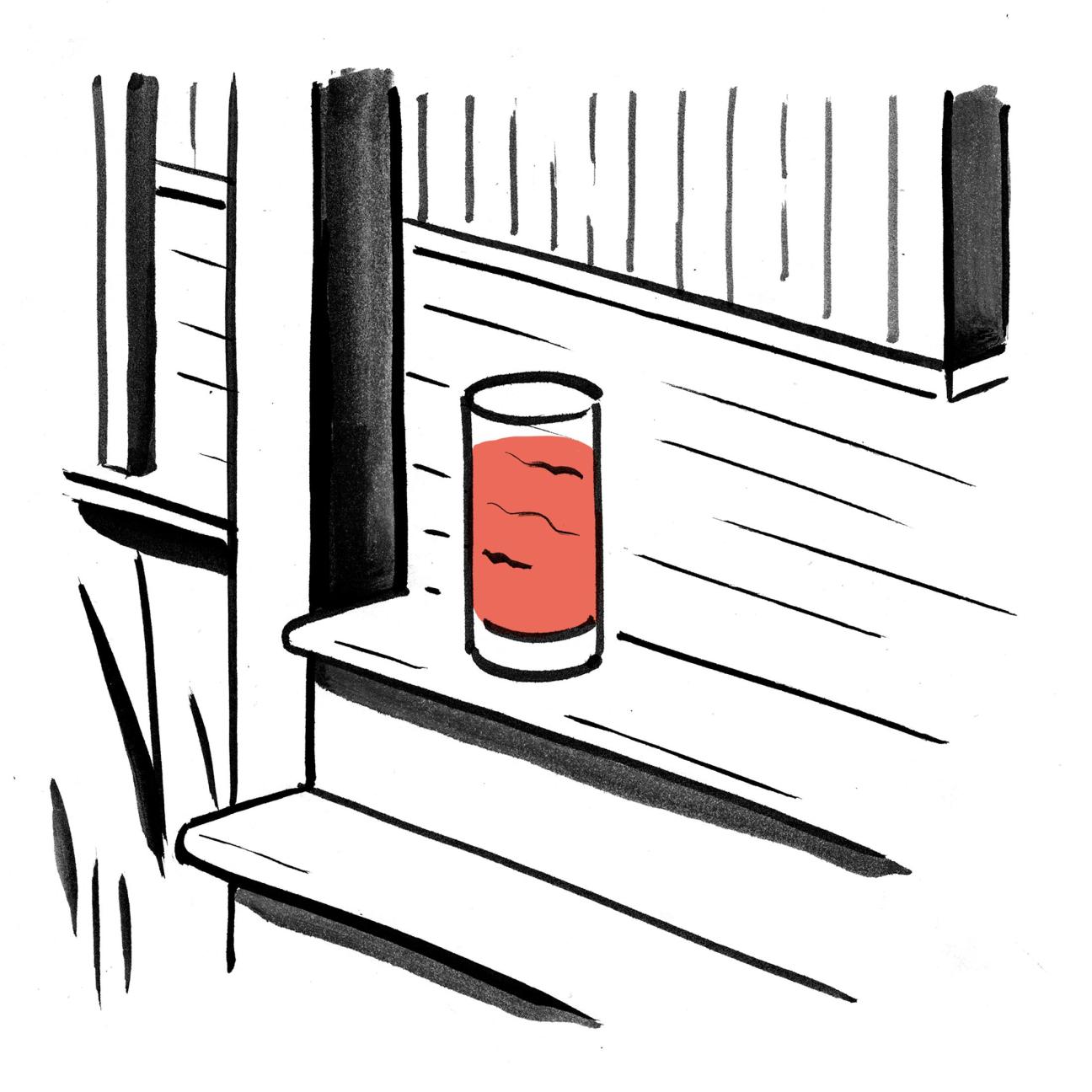
This house is what’s called a ‘Charleston single’, which has ‘piazzas’ [balconied porches] on two sides of the house. Sitting on the piazza in the sunlight is a very special place for me. Porches play an important role in southern US culture because of the heat and humidity we get here. We like to open all the doors and let the breeze blow through the house. So, for me, home is the smell of jasmine because we have an entire wall of it growing in our garden outside.
I was born in South Carolina but for a long time New York was my home. I was the publisher of The New Yorker, and I loved the city: whenever I’d step out of my front door, I always felt that I could take on the world. Looking back, I think my ‘southern-ness’ – which is about having a bit of grit and a lot of grace – meant that I was able to achieve certain things in New York that I wouldn’t otherwise have been able to do, especially as a woman at that time [in the 1980s].
When my husband wanted to retrain to become a pastor in the church, we moved back to South Carolina and I began to think about how the southern states were represented elsewhere in the US. There are so many clichés about this part of the country – that we all sit around drinking sweet iced tea, for instance – whereas I wanted to celebrate the great, sophisticated things that were happening all over the region: the rise of a food scene, for example, and lots of music being made.
In 2007, I co-founded Garden & Gun magazine to celebrate the soul of the South, from its sporting life to its culture. The initial team was all southerners like me who had been working elsewhere and had come home to make this magazine. We now have readers all over the country. Many come to us, I think, because they’re longing for a sense of home that they can connect with; the South has that strong draw for a lot of people.
In Garden & Gun we write about beautiful houses all over the region, but these don’t tend to be the biggest homes. We’re especially interested in that little home in Louisiana that has been brought back to life. Or the tiny place hidden away up in the mountains that somebody has put their heart and soul into.”
As told to Christopher Lord.
Biography:
Darwin had a long career in magazines that saw her become the first female publisher of The New Yorker and marketing director of Fortune. In 2007 she co-founded the Allée Group to publish Garden & Gun, a successful publication about the contemporary life, culture and taste of the US southern states.
4.
The Hollywood veteran
Francis Ford Coppola on: Family, the power of personal creativity and why he’s happy to be getting older
Napa, California
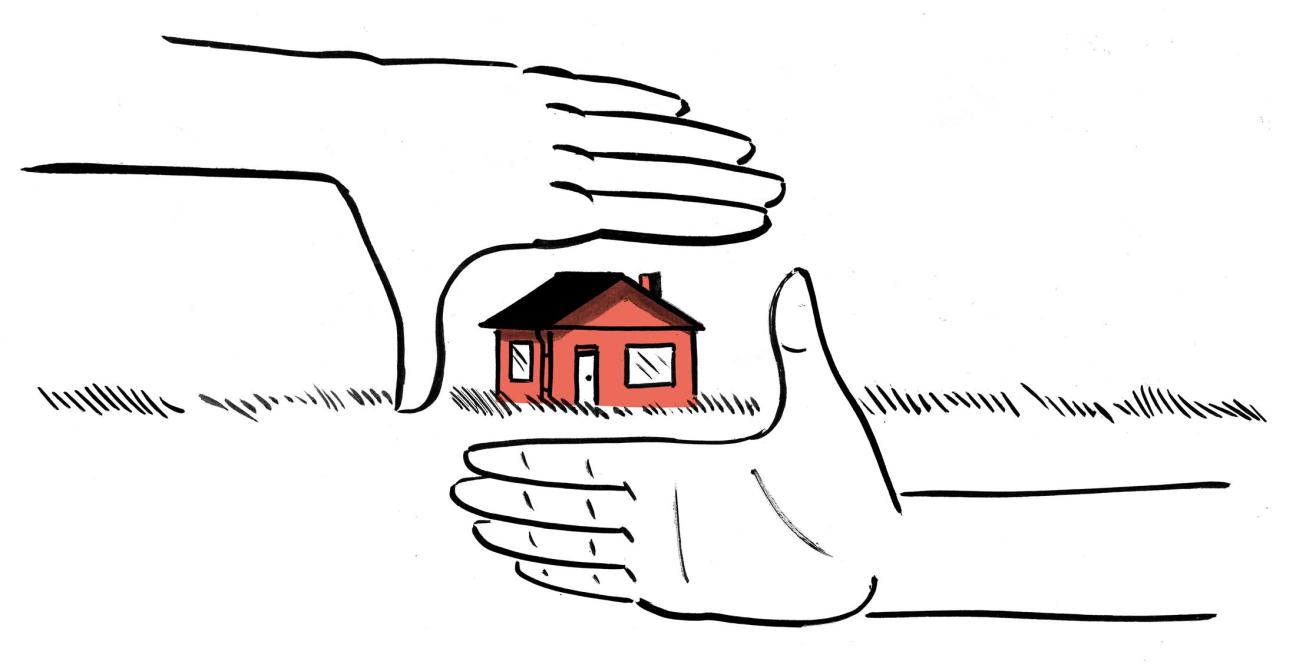
“Human beings are at their best when they play with their kids. That’s when everything gets invented. I once heard that the word ‘family’ is related to a German word that means ‘friend’. The meaning of ‘freedom’ shares its roots with ‘friend’. In Indo-European and Germanic languages, ‘family’ has another root that’s interesting in a darker sense. The Latin root, famulus, means a house slave. Our word for family, then, contains the germ of slavery.
We are in a joyous moment in time. We should talk about division and everything that’s happening to the world, and use our great talents to solve its problems, which we’re capable of doing. How many babies and children are dying every day? It’s not only unacceptable but also unnecessary. We can solve these problems beautifully with the talent that we have been given.
I’m not only a grandfather but also a great grandfather. Children are your jewels and grandchildren are dividends; my great-grandchildren are immortality itself. I’m comfortable with where I am. I’m not like Faust – I don’t want to be young but I want young people to have a beautiful world when I’m gone. And that’s what I’m trying to say in [the 2024 film] Megalopolis.
I have always had a rule while making films. Whenever I had to go away to work on something for more than 10 days, I pulled my kids out of school and brought them with me, sticking them in any school there was. My little Sophia was put in a Chinese school when she was five. She did not speak Chinese but they got the idea. The kids were around movie-making all the time. What I tell them is, ‘You’re unique. So whatever work you do, make it personal. Everyone here is a million-to-one shot and there’s no two of you.’
I made a film based on a story by John Grisham, The Rainmaker, in 1998. After that, I wanted to take 10 years off and see what I could learn if I wasn’t a professional film director. I went to different countries. I experimented a lot with acting. I recommend creative work because, in the future, we’re going to make robots do all the toil. We’re just going to play together. Megalopolis has a lot of personal detail – it’s got every movie I ever loved in it.
My father always said that he was a composer. He said, ‘Steal from the best. Poor artists borrow; great artists steal.’ We are on the shoulders of the extraordinary, talented people who came before us. The young are talented – more talented – because they are always an improvement on the previous generation: that’s human. The world has a lot of trouble and people are worried but if we could understand who we really are, there’s nothing we can’t solve. That’s a hopeful thought.”
As told to Tom Webb.
Biography:
Born in 1939, Francis Ford Coppola is one of Hollywood’s most celebrated directors, with a career spanning seven decades and countless accolades, including five Academy Awards. His 23 feature films include milestones of cinema such as the Godfather trilogy and Apocalypse Now. His latest release is Megalopolis.
5.
The book maestro
Irma Boom on: The importance of rigour and how books speak volumes about us
Amsterdam
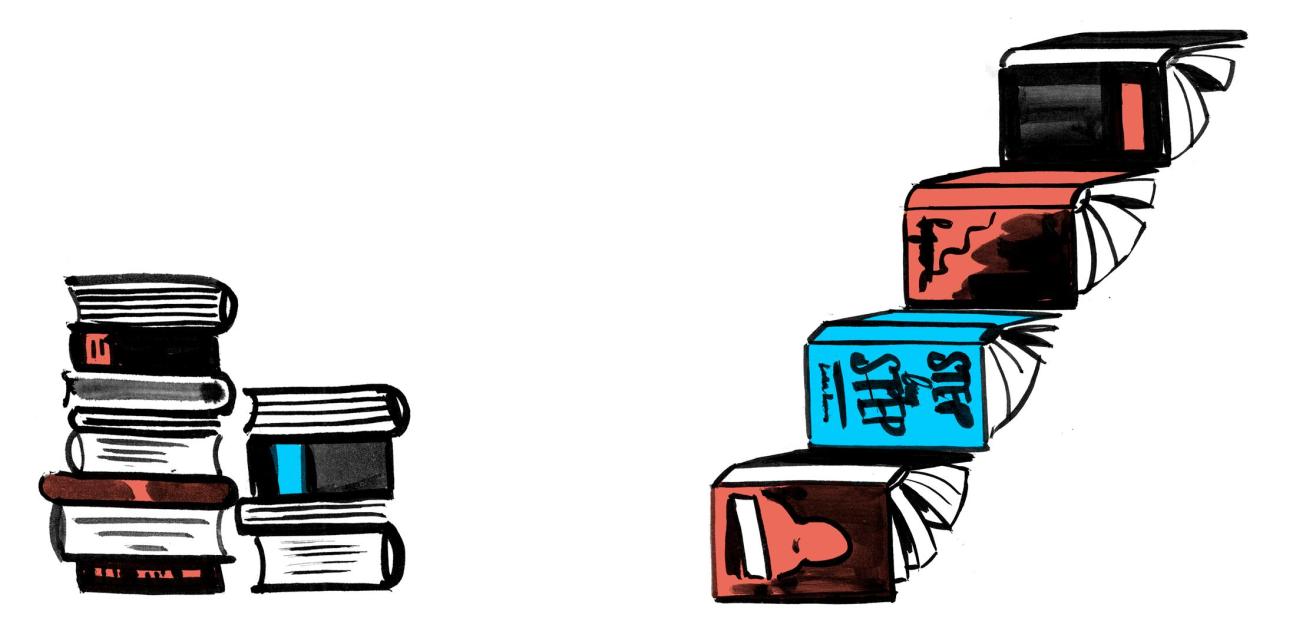
“I live in Amsterdam now but I grew up in the countryside, in the eastern part of the Netherlands. It was a big, old house – we had no central heating; it always was a very cold house but a warm family. I’m child number nine of nine. My memories are of long tables with lots of people: not only my brothers and sisters and my parents but also lots of friends – because if you can cook for nine children, you can cook for 12. There were always people who wanted to come to our house because it was very friendly. In Dutch the word is gezellig.
My mother was always cooking – fresh vegetables for the whole family and, of course, apple pie. It was a very organised family life – if you have so many children, you have to be – so my mother ruled as a sort of general. Everything was on time: 08.00 was breakfast, midday was lunch and 18.00 for dinner. It was all very strict but that was good; it gave structure to our life.
I now live in the south of Amsterdam. It’s a very high house with five storeys and steep stairs. The office is in the same house, on the ground floor. So I only have to go downstairs to get to work, which is super convenient. At the beginning I thought, ‘Oh, working and living in the same building is terrible,’ but now I really love it.
I trained as a painter and in the last year of art school, I found out that I wasn’t so good; at least, that’s what I thought. I had this romantic idea of being alone in my studio and painting. But in the end, it was not my thing at all. So I checked out other disciplines. Every week, one of my teachers showed us books and how you can create a new world with type and that you work with a ‘commissioner’. That was exactly what I was looking for: to collaborate on projects. Making books is a collaborative effort: you work with an author, artists, photographers, architects, printers and binders.
I love seeing [US artist] Sheila Hicks’s book in people’s homes. It always makes me a smile. Making books is a big responsibility. It’s very time-consuming and you use a lot of resources – water, wood, ink and people’s labour – so I try to do my best.
If you go to younger peoples’ houses, they often don’t have books anymore, which I think is sad as books are an integral part of our culture and knowledge. It’s important to have books in the house, I have them on every floor. They’re my friends. But if I had to save one thing in my home, it would be [my] photos and my ancient Roman wedding rings. My partner was very ill and we got married on the last day of his life. One of our friends brought us these Roman rings that they got at an auction, which I now wear. They’ve really changed my life, because I now think differently about time. It’s beautiful to have something so old on my hands; I’m connected to eternity, which gives a good feeling.”
As told to Sonia Zhuravlyova.
Biography:
Dutch graphic designer Boom is a specialist in books and has contributed to, commissioned, made and designed more than 300 titles.
6.
The serial entrepreneur
Ramdane Touhani on: How you can make a home anywhere and with anything, as long as it contains a good bed
Paris
“I grew up amid the apple trees on the farm where my father worked. We were living in a very poor place and our home then wasn’t really meant to be a house. It was in the middle of the field, next to a castle – well, a little château, where my mother did the cleaning – deep in the countryside of Tarn-et-Garonne, southwest France. I’m not bourgeois but my life is very different from that of my parents. Honestly speaking, my wife and I live in another world.
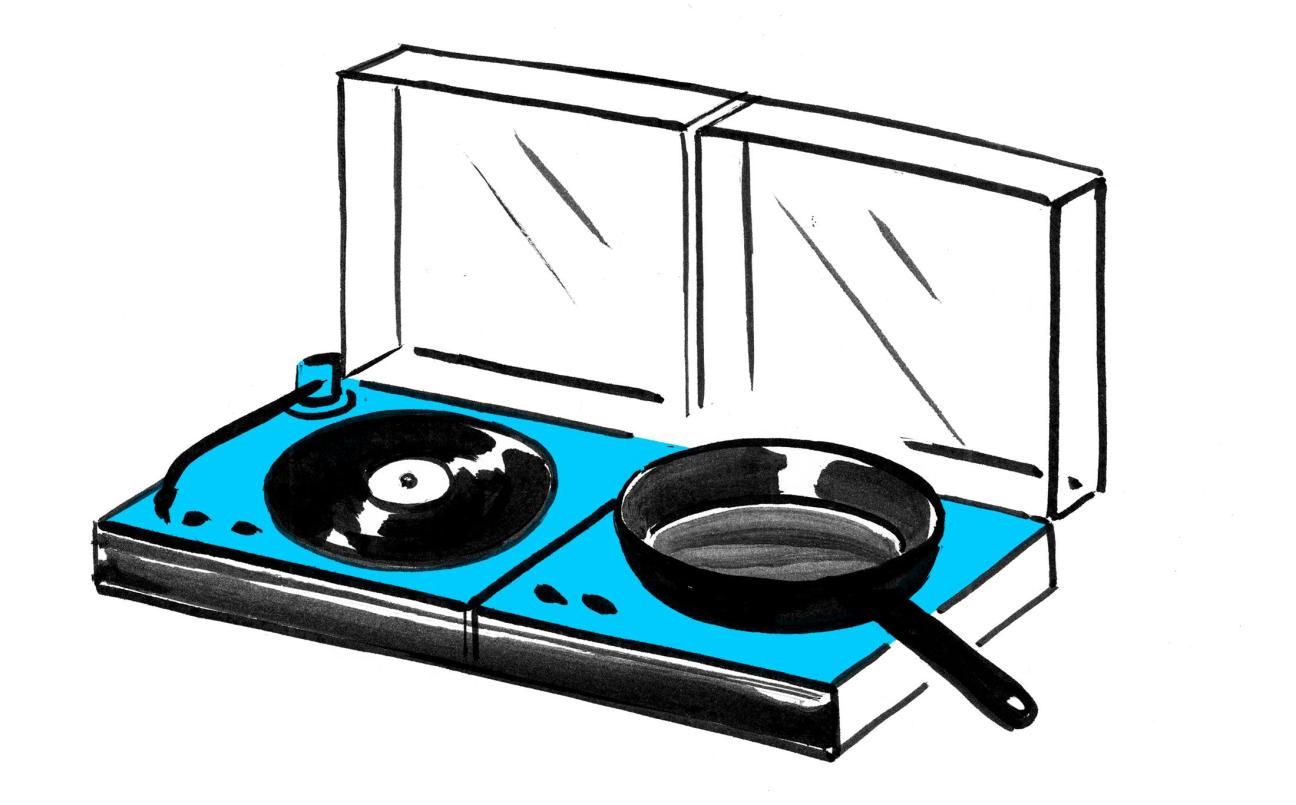
I moved into my first flat when I was 17 but I don’t remember what I bought first – I didn’t care about houses for a long time. I was always out. I just needed a good bed and maybe a table. I wasn’t concerned about the interiors but the first item I did care about was a double Technics SL-1200 turntable and a pair of speakers – that was in the mid-1990s.
In my life I’ve lived in 17 houses, from India to the US to Japan to Morocco. Really, home for me is where my wife and children live; it could be anywhere in the world. I’m not a materialistic guy. Even if I have a beautiful home in Paris with a garden, houses are still more of a logistical thing to me. Yes, it has to be beautiful first but the most important things are really the bed and the kitchen. What touches me physically matters too: mattress, bed, sheets, towels. I know people find art very important; we have art but it’s not an obsession. I try to use my house like a tool.
A new thing that’s important for my wife is the pool. We have a pool in Paris; not everyone has that. But I would rather have a very tiny home that’s comfortable than a very big one that’s not.
I don’t like too many people in my house. I have a guest room for friends but having them stay for two or three days is enough. It’s too intrusive. When I have a guest at home, they tend to always talk to me – I like to be by myself. Tonight, for instance, I have dinner with a friend at ours and, even though I’ll enjoy it, I’m already hoping that it’s not going to go on too late.
Designing my home was nothing like my work in retail: they’re totally different ways to do things. The light is different. Everything is different. The only thing in common is the fact that you have to design it but a store is all about efficiency: it’s not about the pleasure of staying somewhere. If people want to stay in a shop but spend nothing, that’s problematic.
Home is where you want to be at home. Sometimes that’s Tokyo but I can feel at home anywhere in the world. I don’t [always] like France but I live here because my wife wants to be here near her mother. But one day our home could be somewhere else.”
As told to Simon Bouvier.
Biography:
Touhami is a serial entrepreneur. His business triumphs include revamping the fragrance brand Officine Universelle Buly 1803 and selling it to LVMH. He recently opened the Hotel Drei Berge in the Swiss Alps and a hiking supply shop in Paris.
7.
The filmmaker
Felix Chong on: How the violence surrounding his childhood homes went on to inspire an acclaimed movie career
Hong Kong
“My first home in Hong Kong was in a legendary building in North Point called Kiu Kwan Mansion. The colonial government labelled it a communist stronghold and when I was five or six I would often see police raids.

The most memorable was when they lined up a group of suspected communists and made them kneel in front of this huge steel wall made out of mailboxes. When someone did something the police didn’t like, they’d get kicked in the back of their head and their face would smash against the metal. The sounds, the smells, the blood: that stuck with me all my life.
We shared that apartment with two other families; 10 people squeezed into a tiny space. By the time I was 17, my dad had found success selling soda and popcorn in cinemas, so we moved into our own apartment in Fortress Hill. I had to help in the shops every weekend and during holidays. It was so hot that I’d sneak to the air-conditioned cinema to cool down: that meant watching the same movie five times a day. A big hit could run for two months, so I started to learn about editing, camera placement and designing my kung fu choreography. I left my degree in industrial engineering after the first year and enrolled in the only film school that existed back then.
Hong Kong directors shoot on the street a lot because only real people and traffic can reflect this city. It’s hard, though, because the old city is disappearing. I now have to spend a lot on CGI. Each time a building is going to be pulled down it’s a kind of tradition for filmmakers to think of a scene that can be captured there. Hong Kong people are always charging towards the future, but we also want to stay where we are. It’s quite contradictory.
I now live in a historical building in Happy Valley and have fond memories of the old HSBC building in Central. My father would let me sit on the stone lions outside. I loved all of the buildings on that street but only the Bank of China still stands. I moved out of my parents’ home in Fortress Hill with my wife when we got married. I was planning to go to China to write TV scripts because it made a lot of money but when Infernal Affairs became a hit and my wife was pregnant, we decided to stay.
I like to have a silent space at home to work in but every home we’ve lived in has been next to a school. Only in our last one in Happy Valley was that deliberate. It’s next to my daughters’ old school because I wanted them to be able to walk there. I walked to my school as a child and I saw a lot of things: drug deals, violence, Triad members chopping each other up on the street. Hong Kong in the 1970s was a very different place.”
As told to James Chambers.
Biography:
Chong is an award-winning Hong Kong screenwriter, film director and actor who is best known for depicting his hometown in acclaimed crime thrillers including Infernal Affairs, Overheard and The Goldfinger.
8.
The historian
Alex von Tunzelmann on: Why dwellings are improved by pets and even big cities have nice neighbours
London

“Having tried several compass points, I’ve settled in east London, in Bethnal Green. It’s part of the old East End. It has a huge amount of historic character but has also had waves of interesting migration and change, and now gentrification, another wave of change on top of the others.
I’m always struck by the extraordinary pace of it. In the 1950s it was a very Jewish area, more recently a Bengali one. A while ago I saw a retrospective of Don McCullin’s photography at the Tate. Bethnal Green in the 1970s and 1980s looked like a war zone and now flats can cost a million quid. As a historian, it’s inspiring: you see the layers like sediment that has built up – and those layers don’t go entirely, they just accrete on top of each other.
We live with two cats, both named after obscure characters in 1980s movies – Bixby Snyder and Martha Dumptruck. You can have 10 points if you can name either movie. I grew up with parents who were quite resistant to pets, so this is my first venture and now I would find a house without pets a bit empty. It is sort of magical, having two miniature tigers wandering around the place. And it makes you relate to your home differently because you’re sharing it voluntarily.
There is a lot of art, to the point where it is now one in, one out. It’s probably all 20th and 21st century but it’s also very eclectic. I have a great love for Cuban film posters from the mid-20th century – they’re graphically very beautiful. I also have a poster from an exhibition of the work of Berthold Lubetkin, the architect. My mother was his lodger in Bristol, and there are buildings near us that he was involved in designing, so there is deeper significance than just liking it as a piece of art.
My husband grew up in northern Scotland and I grew up mostly in Brighton. Though we’re fond of those places, I don’t think we commemorate them. It’s probably significant that we’ve chosen to live very much in a city. People think of London as cold and impersonal but if you make the effort, it’s absolutely possible to get to know the neighbours. I love having people over but I like a bit of notice.
The biggest feature is books. The thing which drew us to our flat was the fact that it was double-height, so my fantasies of a double-height bookcase with the ladder have come to fruition. We have our own books in a cabinet which you can’t see through, so as to make our mothers sufficiently happy but without creating too much of a wall of [personal] achievement. I wouldn’t want people thinking they had to pay homage.”
As told to Andrew Mueller.
Biography:
Von Tunzelmann is a historian, screenwriter and author. Her latest book is Fallen Idols, a study of the theory and practice of statue-toppling. She lives in London.
9.
The career diplomat
Petri Tuomi-Nikula on: How a diplomat’s home represents more than just their country
Helsinki
“When I think now of my earliest childhood memories, I realise that they were a precursor to what life had in store for me. My childhood home was by a river in Ostrobothnia, western Finland. Less than a 100 metres from my bedroom window, rapids roared: that sound is my strongest memory from then. Long ago, ships would sail down that river to the Gulf of Bothnia and from there to the world’s ocean. Another memory – also a sound – is the whistle of train horns; those thoughts of a world far away that I wanted to explore.
My parents, both of whom were teachers, pushed me toward the rest of the world. They encouraged me to study languages and to travel. My father was a Francophone; my mother spoke German. During the summer holidays there were always friends from abroad at our dining table: it certainly influenced my career choice.
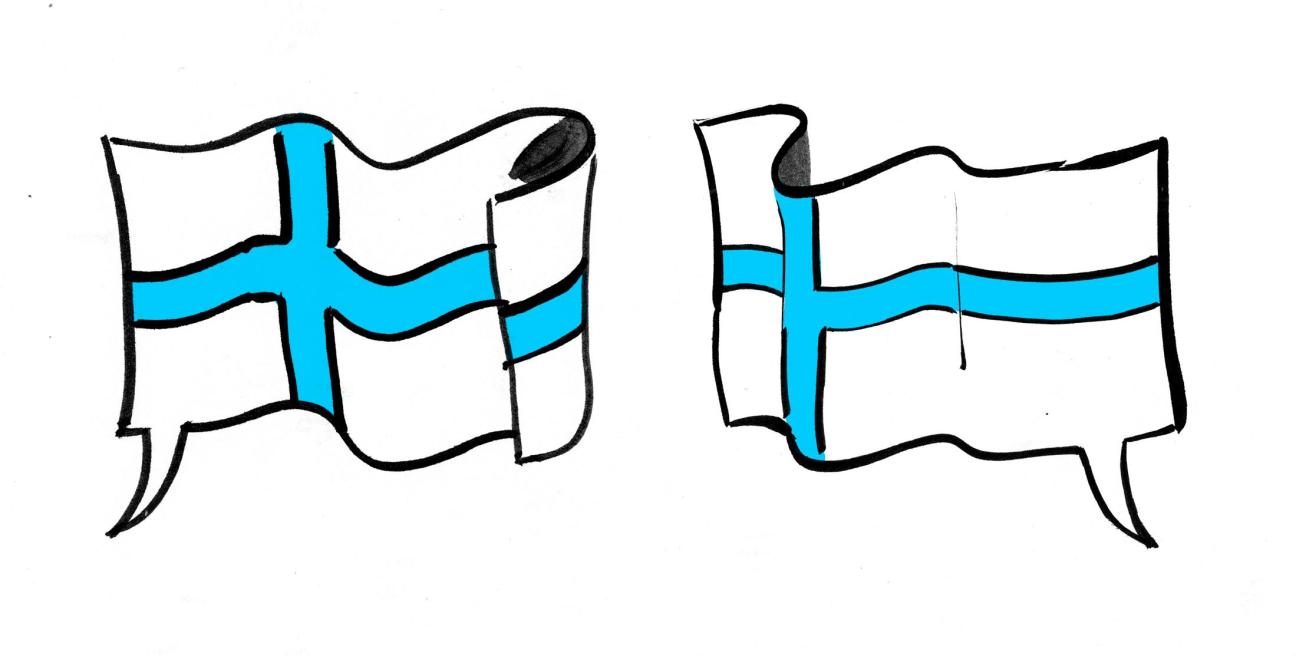
A home is not just a physical place to live in; it’s a state of mind. For me, it’s the Finnish language, my mother tongue. It’s the language that allows me to express myself most clearly but also the language that best allows to me understand others. I’ve spent a large part of my life living abroad and speak at least five languages but it is my mother tongue that provides me a sanctuary and renewal through reading and listening.
There’s a proverb that feels a bit old-fashioned these days but that has great wisdom in it for us diplomats: ‘A man builds a house, a woman makes it a home.’ It’s about the role of a spouse – man or woman – in creating a cosy, personal and unique home. Of course, a diplomat’s home is more than just their home. It’s also a state residence and is expected to reflect the diplomat’s home country and culture. This is especially true for the ambassador. However, it doesn’t mean that it should look like a showroom; it should look and feel authentic. It does this when you see the inhabitants feeling comfortable in it, surrounded by familiar things and objects, regardless of where those items originated. Diplomats’ homes are often furnished with objects and furniture from the countries where the family has lived, rather than items brought from home. In my case, Italy is strongly present but there are also items from my first posting more than 40 years ago in Germany.
For a diplomat, home is where you host, which is an important part of the job. My spouse and I have always invited people with different political views to gather around the same table. The best and most constructive conversations happen between people with different backgrounds and opinions. There’s less to talk about with those who share views. I guess you could say that for a diplomat, home is more than just a home.
Finally, home is nothing without music. After long dinners with colleagues from various countries, I find myself retreating to it. Music is a language of its own. My favourite is soft jazz, slow and classical. That’s the kind I fall asleep to.”
As told to Petri Burtsoff.
Biography:
Tuomi-Nikula is a retired senior diplomat who was Finland’s ambassador to Rome and Budapest. His recent book Erilaista diplomatiaa (A Different Kind of Diplomacy) is one of Finland’s best-selling non-fiction books of the autumn.
10.
The restaurateur
Pierre Touitou on: How a workplace can become a second home – and keeping things tasteful while you’re away
Paris

“It might sound weird coming from a chef but for many years, I only had two pots and pans at home. Most days, I’d eat at the restaurant [I worked at] and on my days off, I’d try new places. It wasn’t until coronavirus that I started properly cooking at home. There’s a lot of value in it though: anything I put on my menu has to be good enough for you to want to eat a full plate of it, just like when you’re cooking for yourself.
I’ve lived in a very small Parisian studio for the past 11 years, so hosting at home hasn’t really been an option. It’s a place to sleep and rest. That’s why many friends haven’t seen my apartment but they’ve all been to my restaurant. My restaurant is my second home; it’s where I spend the majority of my time and keep many familiar items – my favourite books. My job is about more than food; it’s about hosting people.
I recently bought a bigger apartment. It’s very minimal for now but maybe I’ll have more friends over when I’m more settled in. If there were a fire, what would I grab? My most prized possession is probably a pair of leather boots. I’ve been wearing them for a decade; they are so tough to break in but once they’re worn in, they become incredibly comfortable. Aside from that, I don’t own much: books and some clothes.
If home weren’t Paris, it would be Japan. I’m not into manga or anything but the general mindset – particularly the attention to detail – has resonated with me ever since I first visited as a child. My parents [APC founder Jean Touitou and art director Agnès Chemetoff] spent a lot of time there for work and would always bring me back things like crayons, backpacks and toys.
My girlfriend is French-Japanese and we go to Japan every May. I wish I had more time to travel but I also like the familiarity of revisiting places I know. Every New Year’s Eve, I go to our family house in Normandy. I have this flannel shirt there: as soon as I wear it, it feels like I’ve arrived home. It’s funny how you have different rituals in different places. Italy, where I go every summer, is the only place on Earth where I have breakfast. I look forward to it.
When people ask what the best meal I ever had was, I say it’s not just about the food but the where, when and who – the elements that make it feel right. That makes me think back to when I was working in a tiny village in Uruguay. One day we drove to buy food and guess what the three things I bought were? Société roquefort, a bottle of Evian and a baguette. I didn’t have much French food growing up but when you’re on the other side of the world, the food from your home takes on a new significance.
As told to Annick Weber.
Biography:
Touitou is a French restaurateur and the chef-patron of the unmissably good 19 Saint Roch restaurant in Paris’s 1st arrondissement.
11.
The architect
Jeanne Autran-Edorh on: The importance of bringing a little bit of home with you wherever you may go
Berlin & Lomé, Togo
“I grew up in the south of France, close to Marseille. It’s a beautiful region but what was most formative for me was the fact that I grew up between two cultures. My dad is from Togo and my mother is French. They separated when I was young, so I was always in between two households and these two different traditions. For me this was really rich because it allowed me to feel at home in different contexts, making me adaptable and flexible.
I spent a lot of time in my mother’s house when I was young, where we also lived with my grandmother. It was an old farmhouse that was always in a state of transformation because my mother was an artist. She worked with textiles initially, making decor and theatre costumes. Our place was always filled with material and art, and the sound of home was a sewing machine – even today it’s a noise that I find really relaxing because I would fall asleep with it as a child. When I was a teenager, my mother changed disciplines and became a ceramicist. She kept a studio at home which meant that there was always a creative space to retreat to. For me, even now, an atelier always goes with a home.
Today I’m based in Berlin but it’s not the only place I call home. I’m often in Lomé, Togo’s capital, and in France too. I share time between these three locations but the thing that unites these environments are crafts and materials inspired by my childhood. I furnish my spaces with objects and fabrics – there’s always texture and colour. This provides me with inspiration.
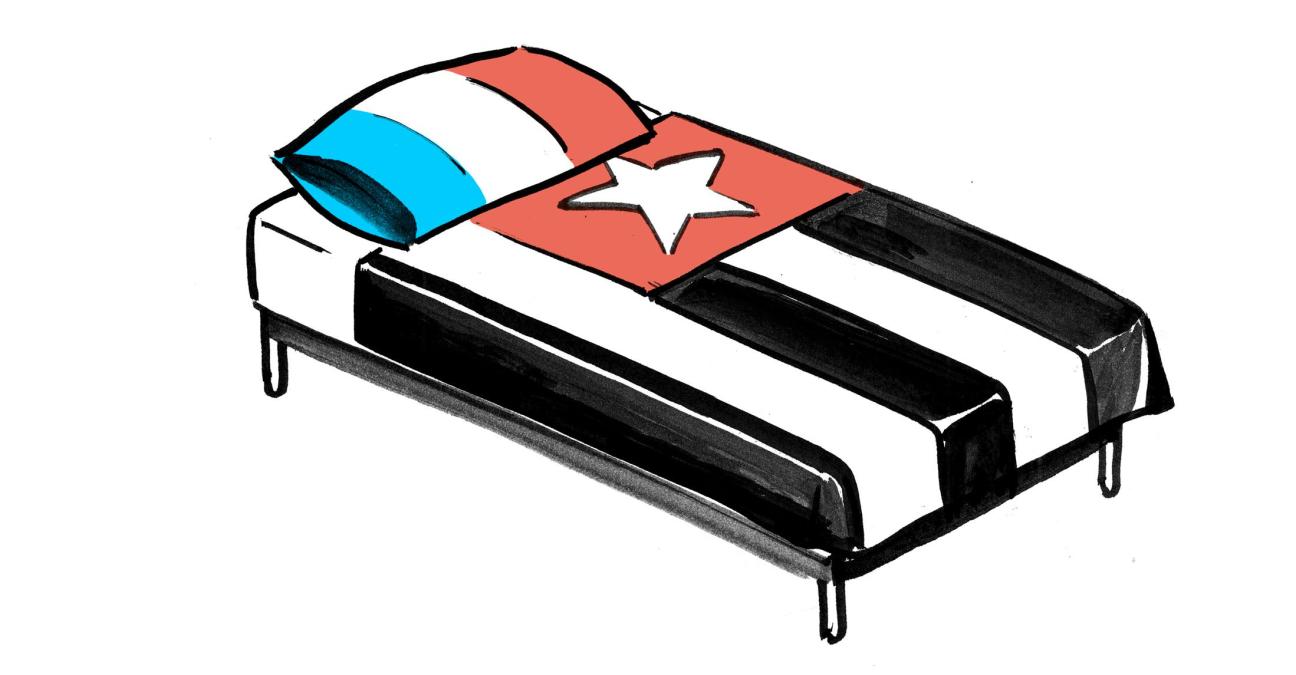
If I’m not at home in a big, blank and neutral place, I will always try to add things to make it feel like home and inspire me. As such, when I travel I always have textiles in my luggage, which I will place on things like the hotel couch to make it feel like part of my universe. I’m drawn to African woven fabrics such as kente, a type of silk and cotton fabric, that can serve as a blanket on the bed or couch – or even as a towel. I like the fact that it’s multifunctional.
As an architect, if I’m designing a home for someone else, I work really hard to understand their character, as well as their taste and what inspires them. I also like to ask what their ideal day looks like. This is different to asking what your daily routine is. I’m more interested in what your dream is. In an ideal world, how would you want to start your day? Where would you want to spend your time? What would you want to look at?
By answering these questions you can create a space that’s inspiring beyond your everyday life. It’s nice to think about the role that your home can play in creating your future.”
As told to Nic Monisse.
Biography:
Berlin-based Autran-Edorh is the co-founder of Studio Neida, a multi-disciplinary design practice, working between Europe and West Africa.
12.
The homemaker
Johanna Gullichsen on: How a designer’s home doesn’t have to be perfect. It’s sometimes a space to experiment
Helsinki
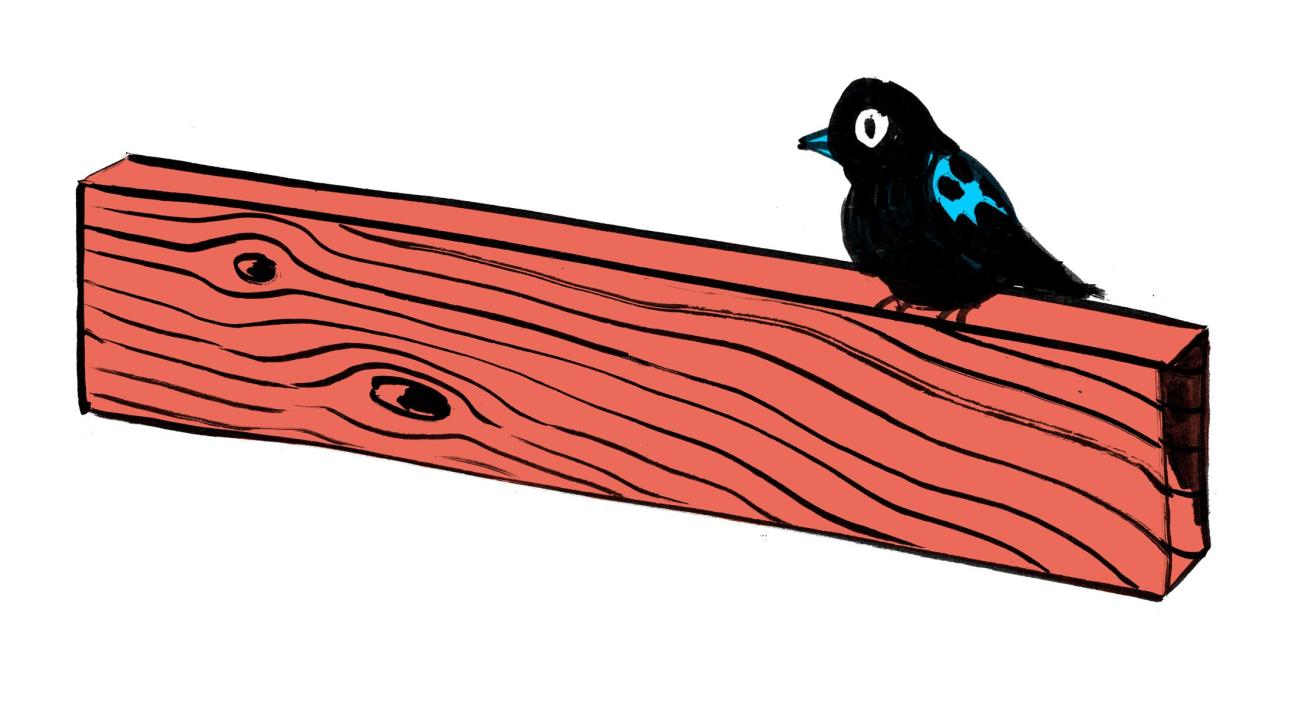
“As a designer of home textiles, I see a lot of homes. In Finland, where I live, the climate is cold and people spend a lot of time indoors. This means that people put considerable effort into making their homes feel cosy and nice.
But what makes for a good home? Many people follow trends and commission interior architects to design a perfect home for them. But at the end of the day it is about adding that personal touch that can only come from you. People need to find their own sense of style instead of letting someone else impose stylistic choices on them. If I think about my own home in Helsinki, I have a large collection of books and design items that I have accumulated over the years. They have travelled with me from home to home, and without them my home would feel empty. That said, they are still just things; they’re not holy to me. If I had to grab just one thing to salvage from my home, it would probably be my beloved woollen Ruskovilla sweater.
I think about things that remind me of home when I travel; it would probably be the smell and taste of rye bread, which is something quintessentially Finnish. Travelling a lot makes me sometimes think of why I don’t feel at home in hotels. I really don’t like them. There’s something impersonal and I feel constrained in an environment that I cannot shape.
I’ve been exposed to great design ever since I was a child. My grandmother, Maire Gullichsen, was a close friend of Alvar and Aino Aalto, and lived in Villa Mairea, one of Aalto’s most acclaimed buildings. I spent a lot of time there as a child, surrounded by wonderful design and architecture. Of course, as a child you don’t think about those things but with hindsight, I admit that it probably had something to do with the fact that I became a designer myself. My grandmother founded the Finnish furniture company Artek together with the Aaltos, and I grew up around Aalto furniture – both prototypes and the classics. In fact, one of the earliest things I remember from my childhood is sleeping in a wooden children’s bed that either Aino or Alvar had designed. That’s where my love of natural materials also comes from. As a child, I was barefoot a lot, and I still remember the tactility of the wooden floor and the rugs I walked on, as well as the scent of wood. If I look at my home now, there are a lot of surfaces and textures that are pleasant to touch, such as the indigo batik from Japan and the sisal rug that covers the floors – and, of course, my own woven textiles.
People often believe that designers’ homes look like showrooms. But just like great chefs don’t always cook Michelin-star dinners at home, a designer’s home can at times look chaotic and disorderly. We are creatives and the freedom, which is an essential part of the creative process, cannot and should not be constrained. That’s what my home means to me: freedom.”
As told to Petri Burtsoff.
Biography:
Gullichsen is the founder of the eponymous Finnish design brand known for its woven home textiles and fashion accessories.
13.
The UN housing chief
Anacláudia Rossbach on: The housing deficit and how crucial it is to offer a sense of home to everyone
Nairobi
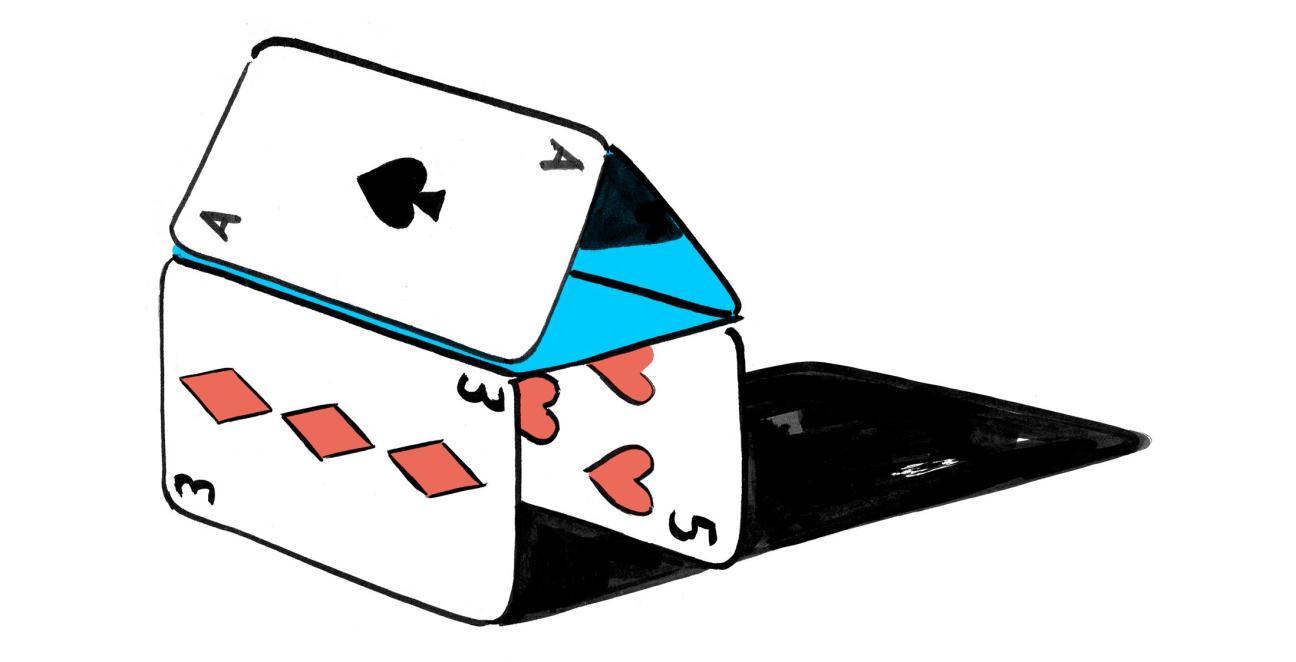
“Even though I move cities every few years, at any moment I could return home – I have the key to my place in São Paulo. When I think of my home, I think of sitting down with my children and dear friends on my brown sofa. It’s so comfortable and it reclines so you can stretch your feet out. I grew up in the Pinheiros neighbourhood. Our apartment building was on a dead-end street. I knew the neighbours and we played in the street, which is very rare in São Paulo. The city was safer then too. We went back and forth to each other’s houses. Having that sense of community in a big city like São Paulo was important to me.
My father was in the army and when I was eight years old we moved to a town without much infrastructure on the border of Brazil and Paraguay. There were indigenous tribes and rural people: a very different experience from São Paulo. It was remote but also on the border of another country. We would cross the river by boat almost every day to go into Paraguay.
One time there was an enormous flood that nearly wiped out the whole town. We had to flee our house. We came back with a boat to reach the second floor and gather whatever we had stockpiled upstairs. We lived in a temporary house for a while. I watched other families go through the resettlement process too. The experience created a sensation of vulnerability, that at any moment your house could be destroyed. And ours was a solid one – brick, two storeys – compared to the others in town.
Whether working with my NGO in São Paulo, or at the World Bank where I advised the Brazilian government, I visited lots of communities where we designed and built social housing. In Osasco, on the outskirts of São Paulo, I got to know several families who moved from wooden shacks to proper flats. I’ve followed their lives for 20 years and seen how this transition changed their lives, especially the children. Now they go to school, even university, and earn better wages. When they were living in shacks, they didn’t want to go to school because they were bullied for living in a slum. Plus, they had no place to do their homework.
Making their lives better was not only about the house. We also made sure that these families have access to a cultural centre, recreation facilities, green space and better connectivity – it’s important to have a robust home but also to enjoy the city and public spaces. These experiences inform how I think about the global housing crisis. I have two children and I couldn’t imagine them growing up without a house. Being a mother creates a feeling of urgency. We need to act now.”
As told to Gregory Scruggs.
Biography:
São Paulo-born, Nairobi-based Rossbach is an economist and the executive director of UN-Habitat. She took office in August 2024.
14.
The chef
Elena Reygadas on: The importance of dining tables and how their significance can span generations
Mexico City
“In my childhood, just as it does today, family life centred around the dining table.
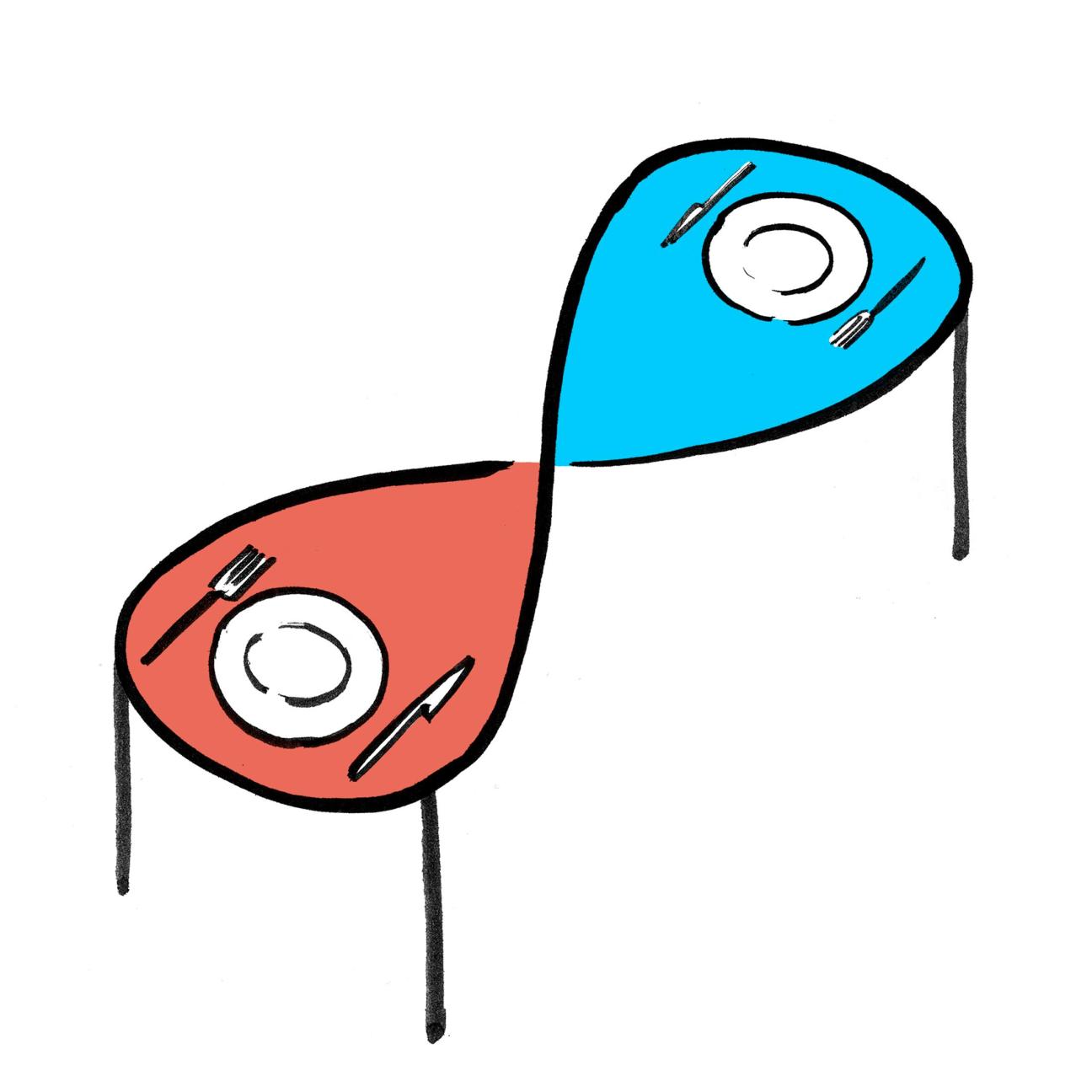
As a child, my family had two: one informal in the kitchen where we would laugh, chat and argue, and another for larger family gatherings, where, once again, we would laugh, chat and argue. Dinners were always prolonged at home; it’s where we reunited after long days. At my restaurant, Rosetta [in Mexico City’s Colonia Roma], I still enjoy watching the tables who stay late as they chat over their food and treat the place like their own.
At home I have two daughters who are used to the fact that, as a chef, I can’t always be home for dinner. The table, however, is where we congregate. Yesterday it was over a quick avocado salad. Despite my daughters being teenagers, challenging me and being occasionally, let’s say, provocative, these moments are always special. These table scenes are the reason I became a chef.
Years back, when I lived in London, I missed gatherings with family: I noticed the tastes and smells I missed, too. I craved tamales and pan dulce – two things always painfully missing from Mexican menus there. However, I loved visiting pubs whose warmth, carpets and chatter always remind me of home. On the colder evenings I would think of chile relleno – poblano chilli stuffed with cheese and black beans. Hearty meals like this evoke so much more than something light or intricate. You’ll never see a tasting menu at Rosetta: no one feels at ease or warm with them.
While tables and people made me a chef, I am sure of the exact reason I became a baker. I remember taking a long walk every afternoon with my cousins to a bakery in Velasco, the town just outside of Mexico City where I grew up. An old man and his two sons would be kneading dough and pulling fresh loaves from the wood oven. This region is a lot cooler than the rest of Mexico; I recall the bread’s warmth as we would walk back for dinner. Naturally, a taste would prove irresistible. Even with the words of warning from my mother repeating in my head – the bread was for everyone to share – I could never resist tearing off some small pieces to fuel my journey home. When we got back, some of the bread that we had fetched would be dipped in hot chocolate or atole at teatime, while the rest would sit at the centre of the table for dinner. It always pleased me to see my family enjoying the bread that I had brought them.
Recently, I went back to Velasco and back to that bakery. The old man was no longer there but his son was working the wood oven. Thirty-five years on, we both remembered one another and the bread has remained unchanged. I took a few loaves for the journey back.”
As told to Jack Simpson.
Biography:
Reygadas is the chef-patron of Rosetta and Panadería Rosetta in Mexico City. She also runs the sought-after Lardo, Café Nin and Bella Aurora restaurants.
15.
The enemy of the state
Georgina Godwin on: How being disowned by your country can trigger a different sense of belonging
London via Harare
“Zimbabwe has always been home to me and remained so, even though I’m not allowed back. In my thirties I started an independent radio station in Harare and now I am an enemy of the state. I have this complete visceral love for the place and a total antipathy for the politics and the way that it’s run. My family lost everything when we were forced to leave. I arrived in London with nothing and started again. In the UK, I still don’t feel British. I do, however, feel like a Londoner, which I think is something completely different. I really have no idea where I belong.
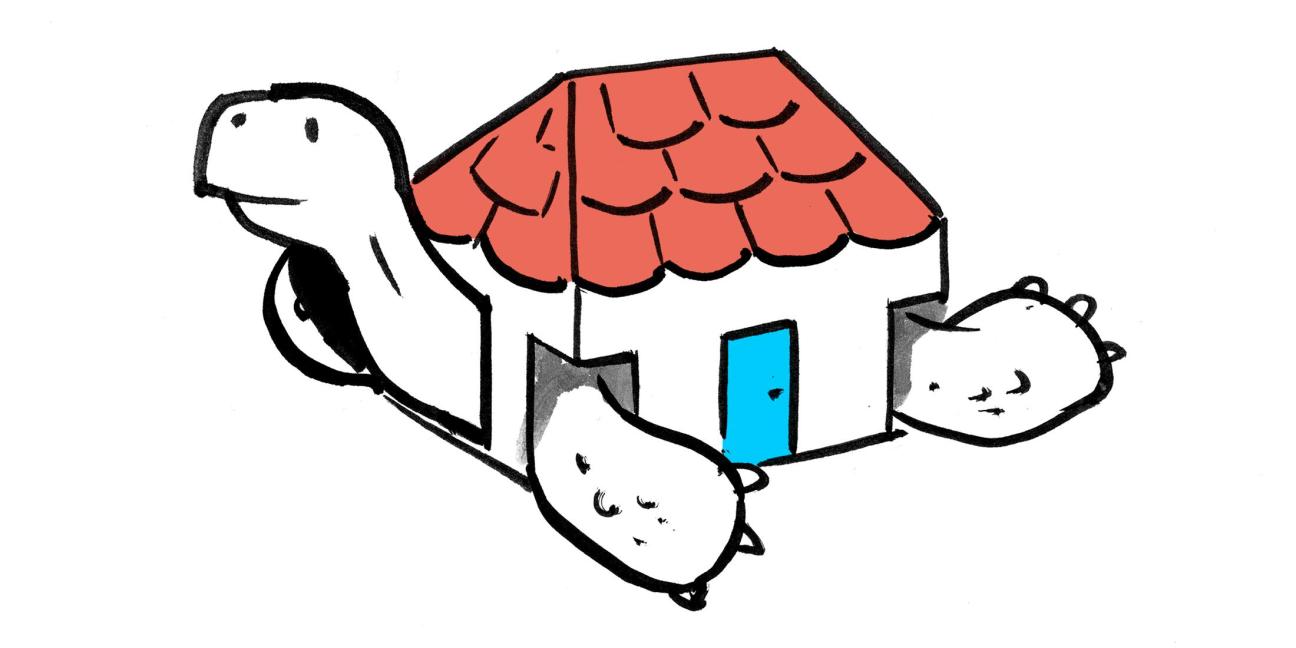
Home comes back to people. Of course, you can surround yourself with things. I might say I’m at home when I’m surrounded by my books but once you’ve lost material things, you realise that they don’t matter. I’ve managed to hold on to a couple of old family antiques and it’s lovely to have things but if I didn’t, it would be OK. Home to me is like being a tortoise with its shell – I take it with me.
My earliest memories are of wearing no shoes a lot of the time. It’s warm in Zimbabwe, though we have torrential rain: it’s extreme weather, which is wonderful. I grew up on an estate that grew wattle trees and tea and coffee. We were right up in the Chimanimani mountains between Mozambique and Zimbabwe. There were lots of waterfalls, so those sounds are evocative. Later, I lived in cities but cities in the 1980s that still felt like they were stuck in the 1950s. I’ve worked in radio since I was 16 years old and so in the background there’s always kind of different jingles going on and time checks and things for the various stations that I’ve worked for throughout my life.
In a fire I’d grab a book called When Hitler Stole Pink Rabbit by Judith Kerr, a story about a child needing to move home set against the backdrop of the Holocaust. She was born in Berlin and her family moved when the war came. When I was growing up, I had no idea that my father’s family were killed in the Holocaust. My father completely reinvented himself. The book had been given and inscribed to my older sister by some relatives. My sister, in turn, was killed during the Rhodesian war. It was the one book I took from Zimbabwe with me. Years later, I interviewed Judith Kerr and I took it to her house. I told her the story and she wrote in my copy. Now this book has my sister’s name in it and Judith’s name in it. Honestly, when I think about it, it makes me want to cry.
My brother has just written a memoir. It’s called Exit Wounds and it examines the thought of home. Like me, he grew up in Zimbabwe, came to the UK but now lives in America: he really kind of pulls apart what it means to come from somewhere. He uses the allegory, if that’s the right word, of migratory birds and talks about how the swallows return in spring. It’s just a very beautiful way of examining and teasing apart where we really belong. And I think the answer is that we don’t really know.”
As told to Carlota Rebelo.
Biography:
Zimbabwe-born Godwin is a London-based broadcaster and fellow of the Royal Society of Literature who was exiled from her home country. She hosts Monocle Radio’s Meet the Writers podcast.
The finest new furniture, lighting and homeware to curate your dream space
1.
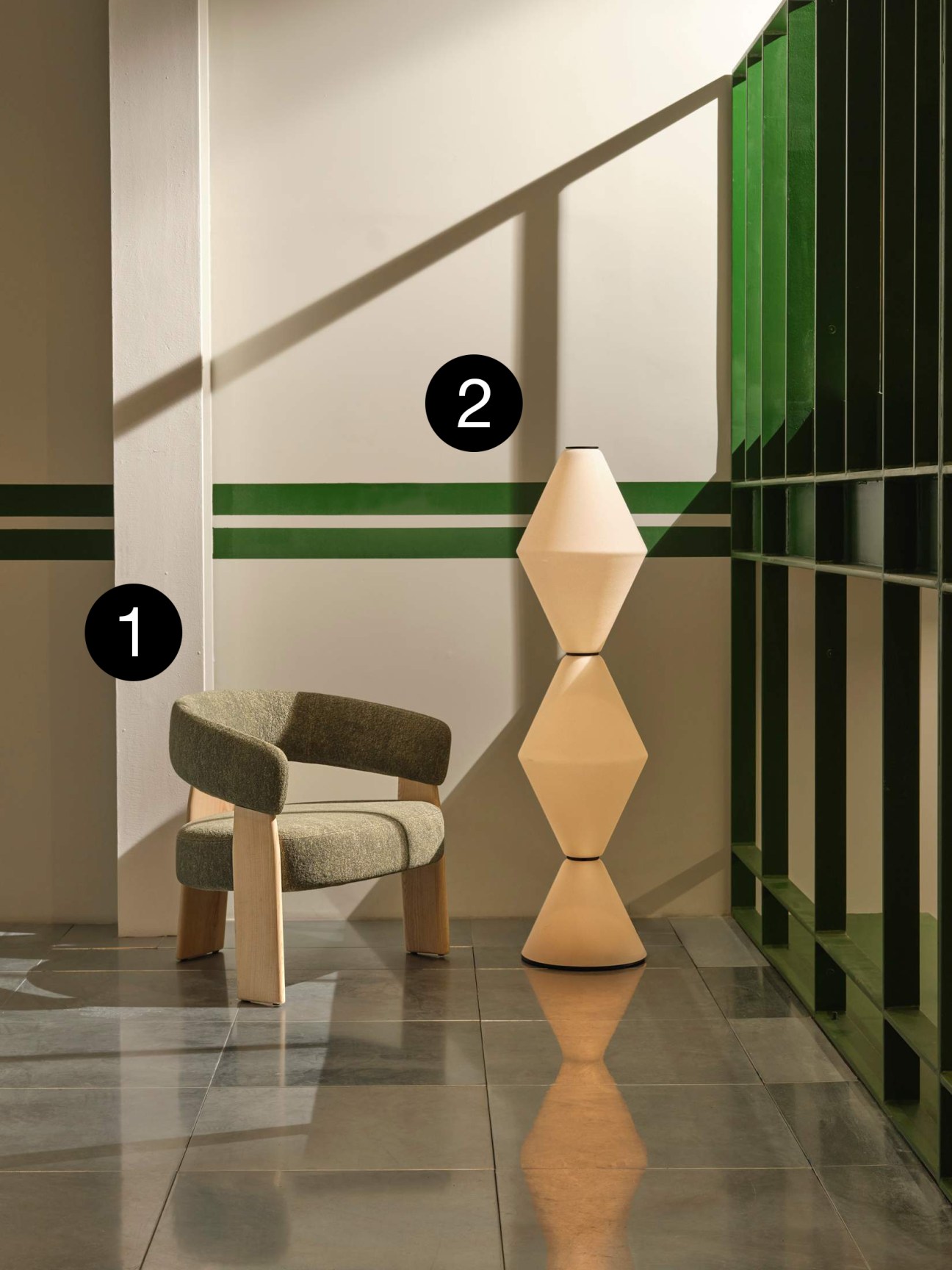
Oru Chair
Andreu World
Spain
Fully circular and sustainable in its production methods, Andreu World uses responsibly harvested timber to craft bold designs such as the Oru Chair. The firm’s expert craftsmanship is evident in the elegant curves of this solid ash frame, which wraps around a seat that can be upholstered in an array of colours.
andreuworld.com
2.
Helium lamp
De Padova
Italy
Designed by Elisa Ossino for De Padova, this lamp’s sculptural form makes it a statement piece for any living space. It can be composed of one, two or three glass components, and comes in two finishes that gently diffuse light: textured granular glass or an etched surface with a velvety appearance.
depadova.com
3.
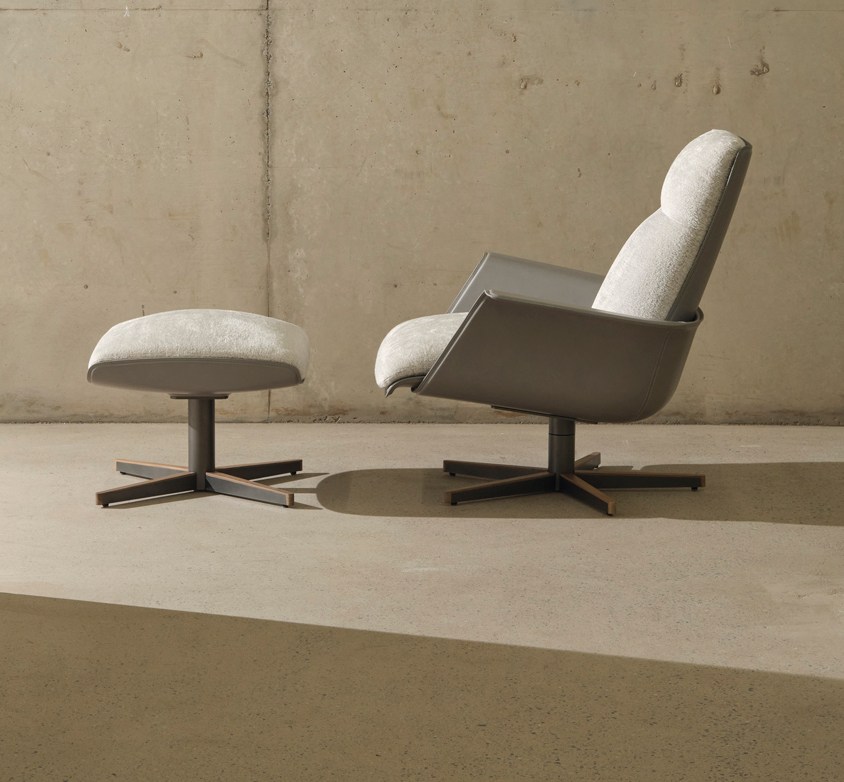
Clori armchair
Giorgetti
Italy
No cosy lounge or office is complete without a comfortable armchair – and this swivel wing chair and ottoman is the perfect design-minded addition. Made by Brianza-based Giorgetti, the Clori model is defined by its five-spoke metal base, finished with solid Canaletto walnut inserts.
giorgettimeda.com
4.
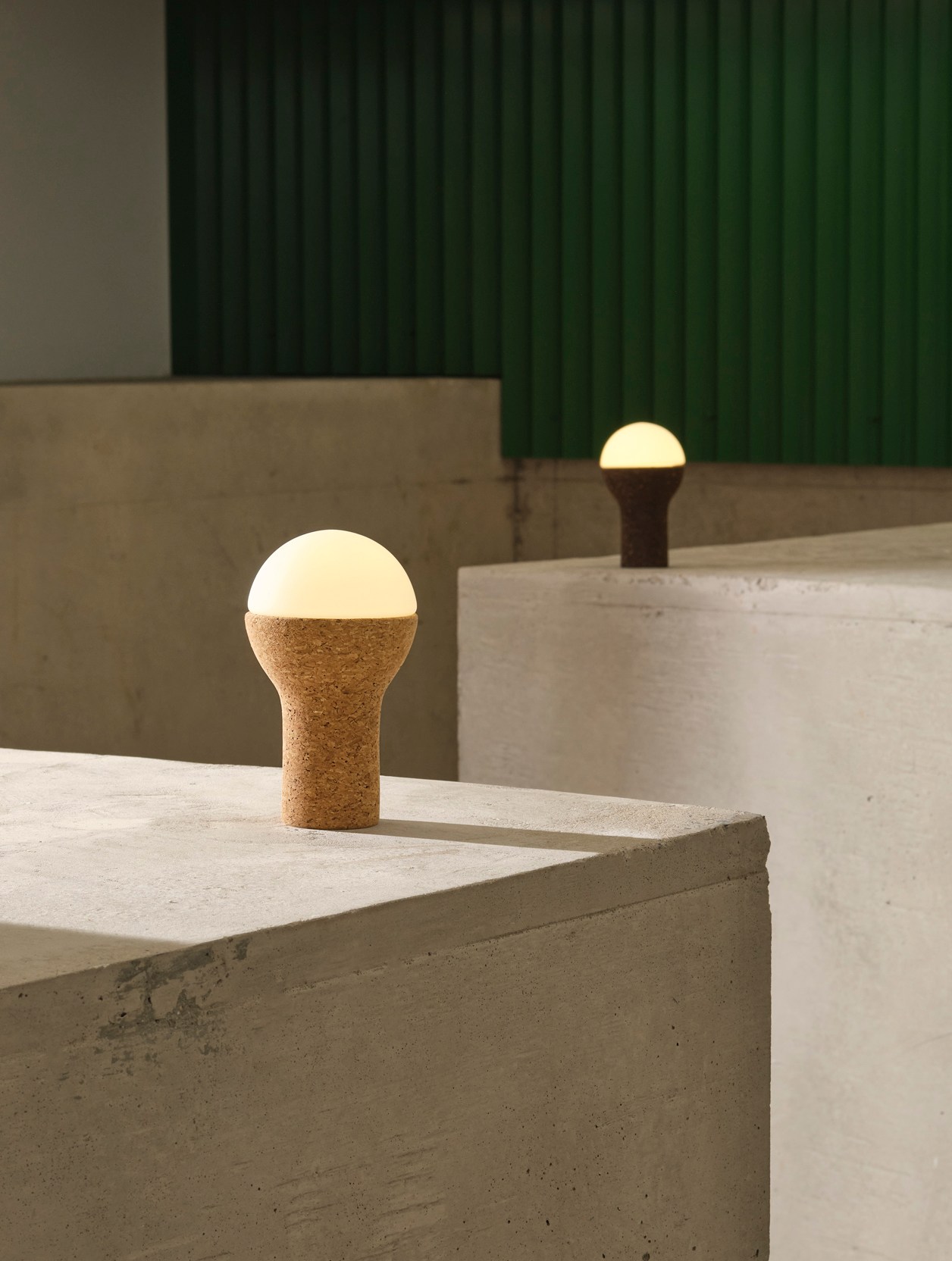
Stopper lamp
Daniel Schofield
UK
Designed on the back of an apéritif napkin at Milanese establishment Bar Basso, this lamp takes inspiration from a wine bottle stopper. Composed of a smooth opal glass shade and a cork body, it’s light and warm in appearance, with a subtly indented button for adjusting light levels and finding the perfect cocktail-hour glow.
daniel-schofield.com
5.
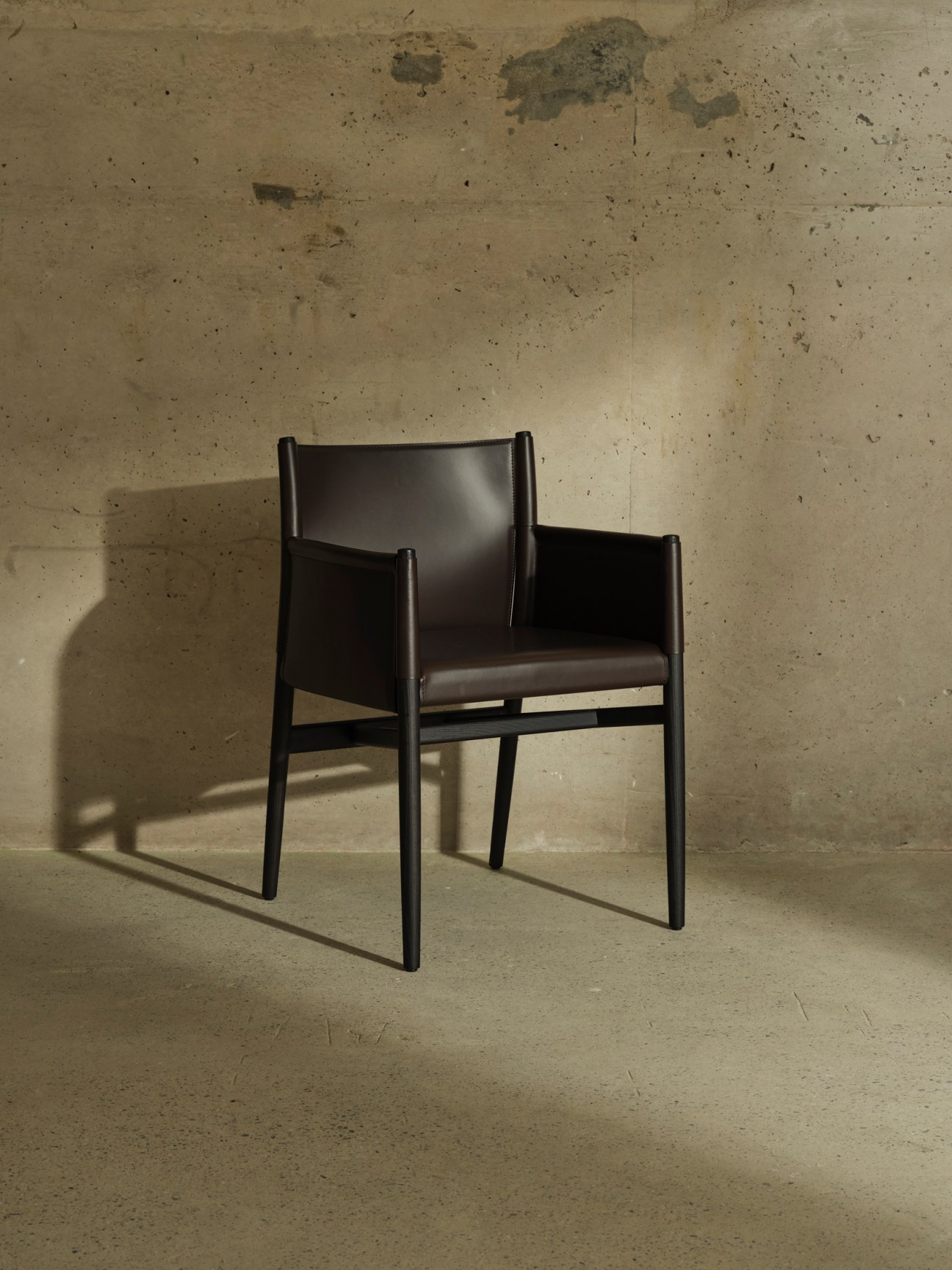
Ayon dining chair
Lema
Italy
Italian designers and architects Gabriele and Oscar Buratti’s leather-clad Ayon is the perfect perch for dinner parties. Its slender frame is made from ash, with upholstery in several hues. It celebrates the slight natural imperfections of wood and leather, adding character to a well thought-out seat.
lemamobili.com
6.
Origata console table
Porro
Italy
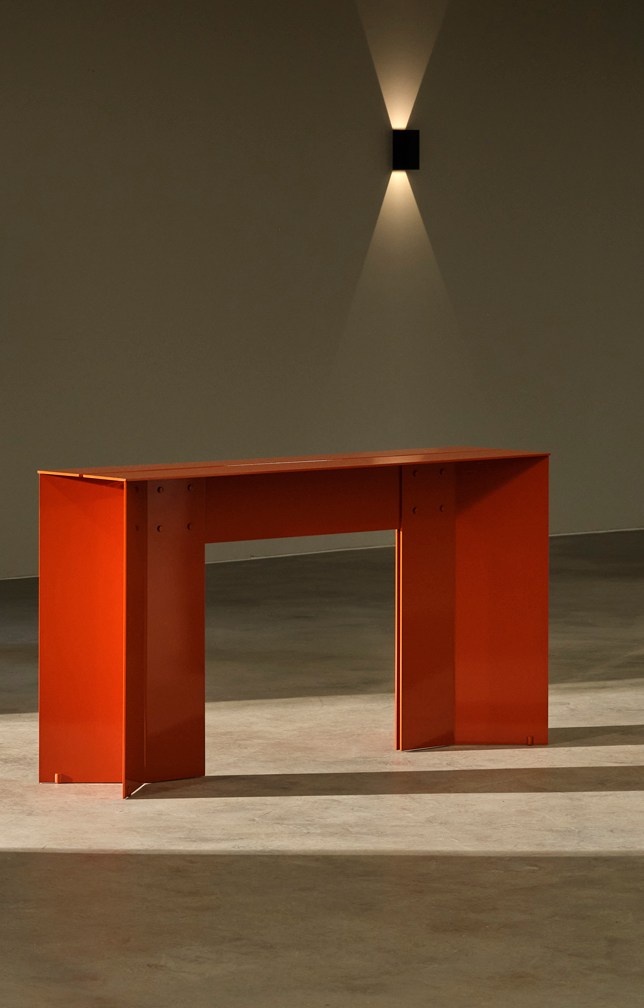
Created with designer Nao Tamura and made from thin aluminium sheets, the Origata’s construction is informed by kimono-making techniques, whereby materials are cut and folded to take striking forms. The table is available in a range of glossy colours but we’re partial to the warm glow of arancio siena.
porro.com
7.
Base Stool
Origin
UK
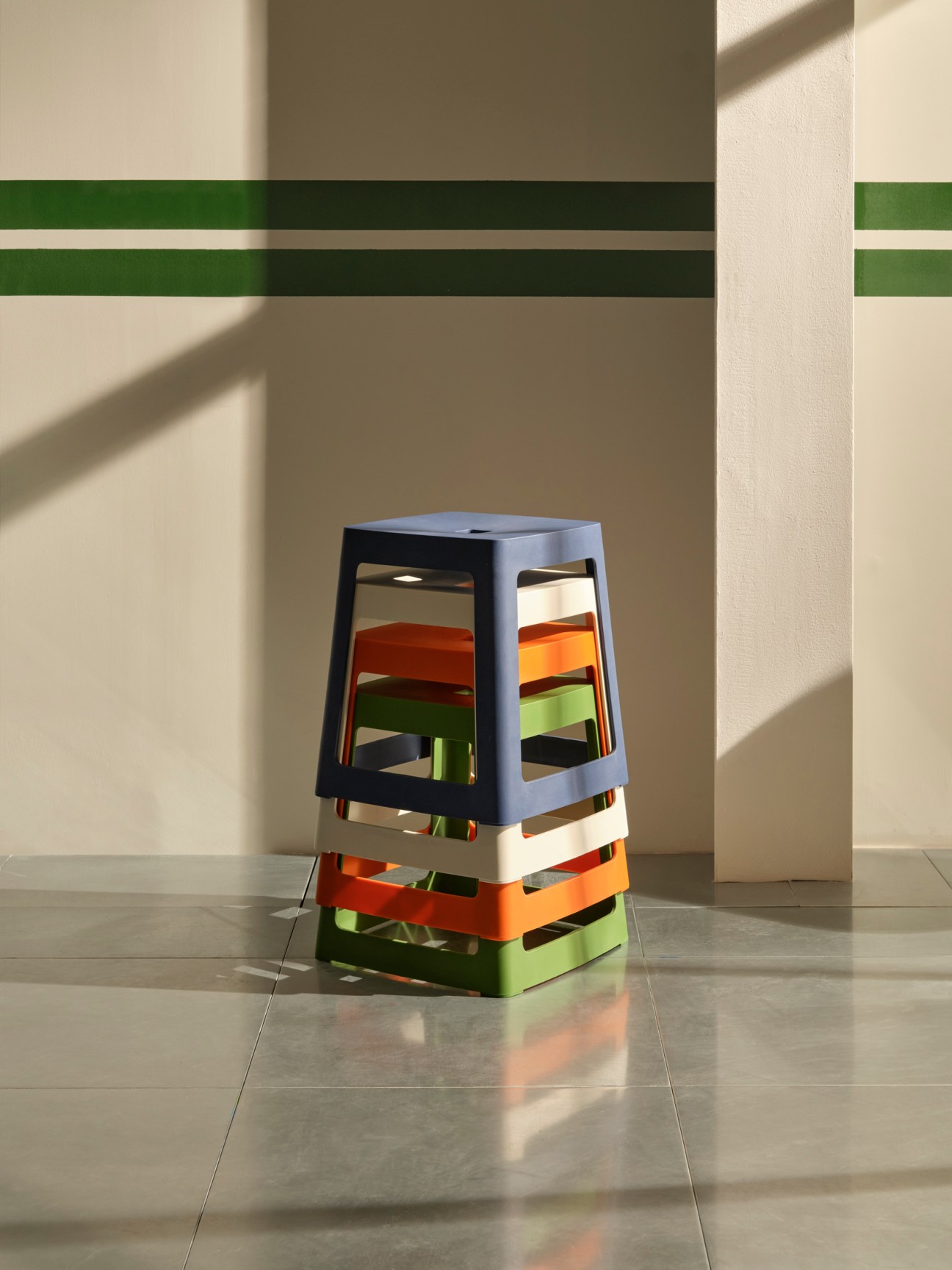
Designed by Giles Pearson for Origin (and stocked by the likes of scp), this seat is a minimalist take on the ubiquitous plastic stool. Pearson’s careful refinement of a well-known form ensures the perch is suited to a range of environments. Origin is currently experimenting with a host of wavy new colourways.
originfurniture.com
8.
VLA62 Radio House Mirror
Carl Hansen & Søn
Denmark
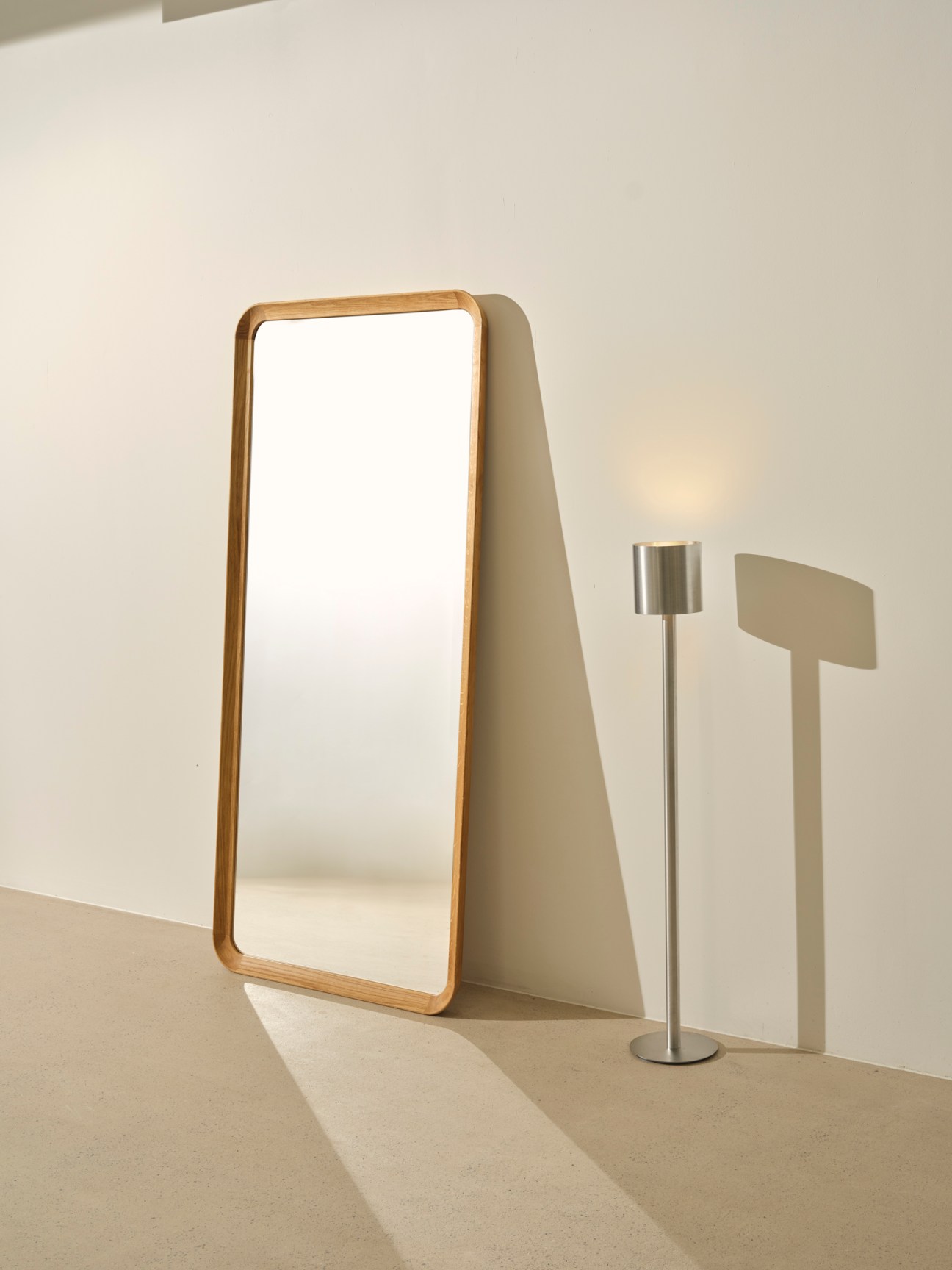
The VLA62 was originally designed in 1945 by Vilhelm Lauritzen for Copenhagen’s Radio House. Re-released by Carl Hansen & Søn, it has a deep, concave frame that adds warmth to any space.
carlhansen.com
9.
F2 floor lamp
Minimalux
UK
Made from partly recycled aluminium, the slender F2 enriches the atmosphere of any room. Its cylindrical shade gently diffuses light without bulb glare.
minimalux.com
10.
Arcade Chair
SmithMatthias
UK
This new piece strikes the balance between comfort and beauty. Its curving profiles complement a wide rotating backrest, which adapts to its user’s seating position.
smithmatthias.com
11.
Lauren armchair
Flexform
Italy
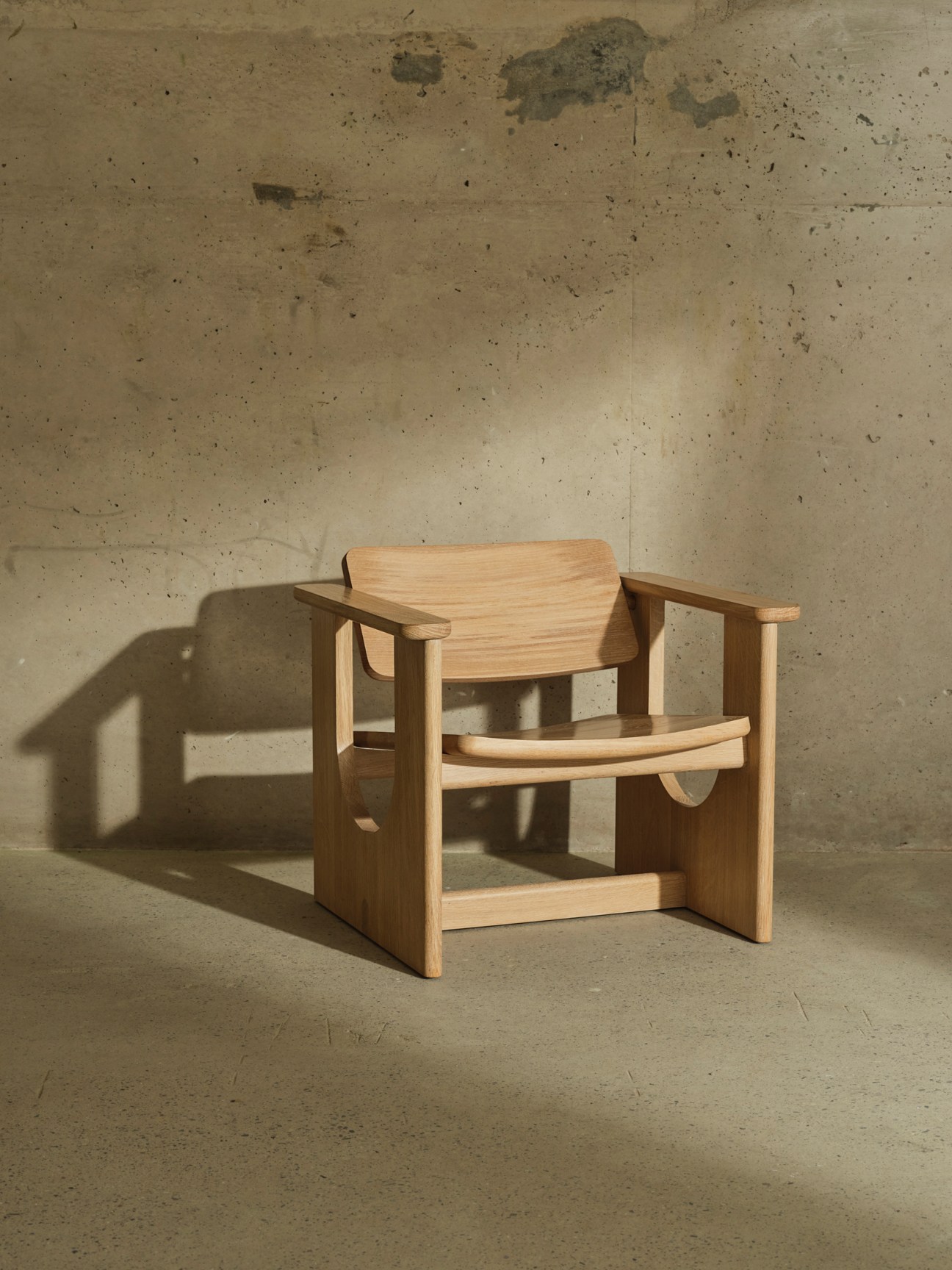
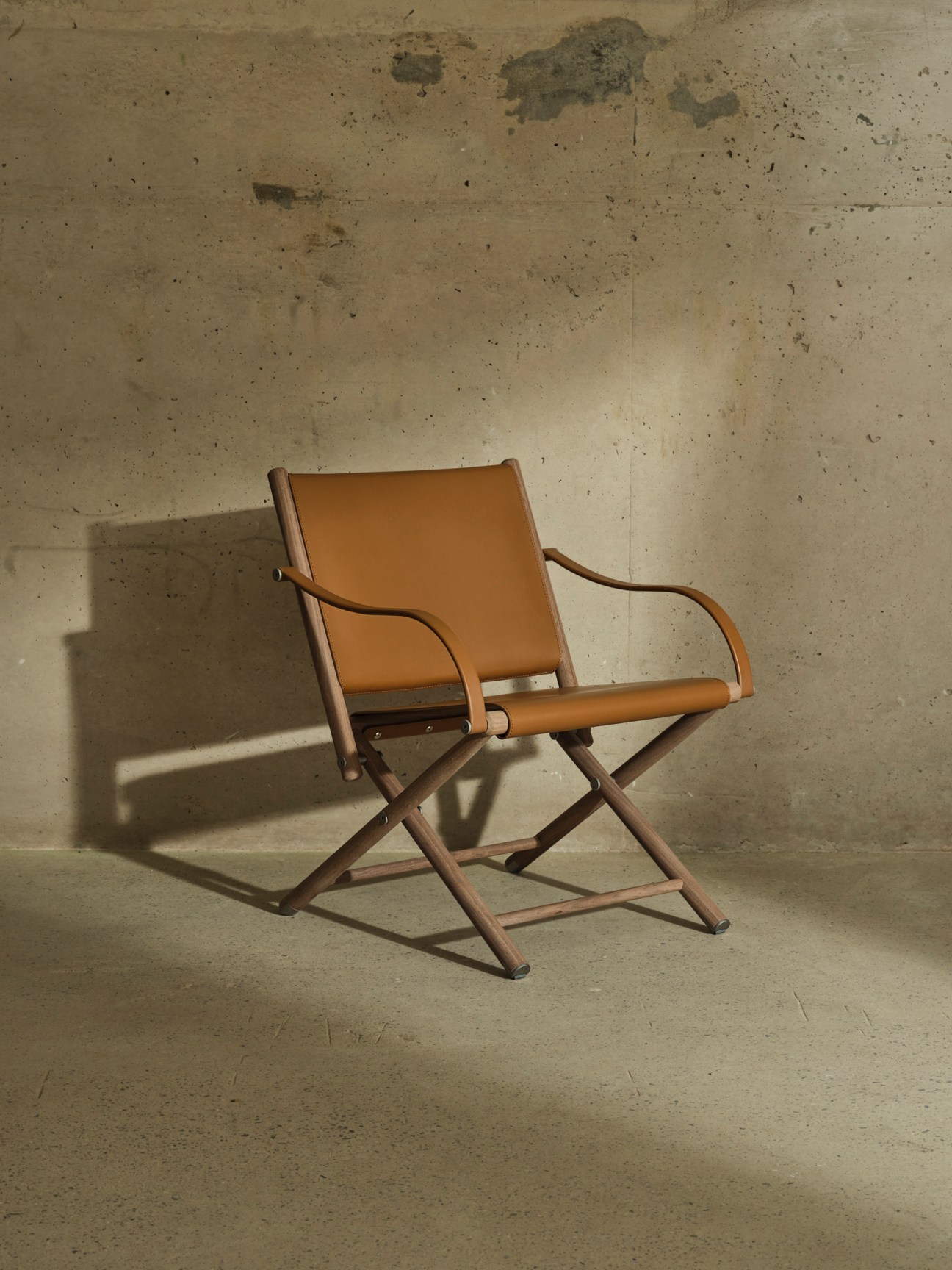
Antonio Citterio’s design appears to be inspired by a director’s chair. The base is composed of solid wood while its armrest, seat and backrest are made from metal that’s clad in cowhide.
flexform.it
12.
Ridge Vase
Muuto
Denmark
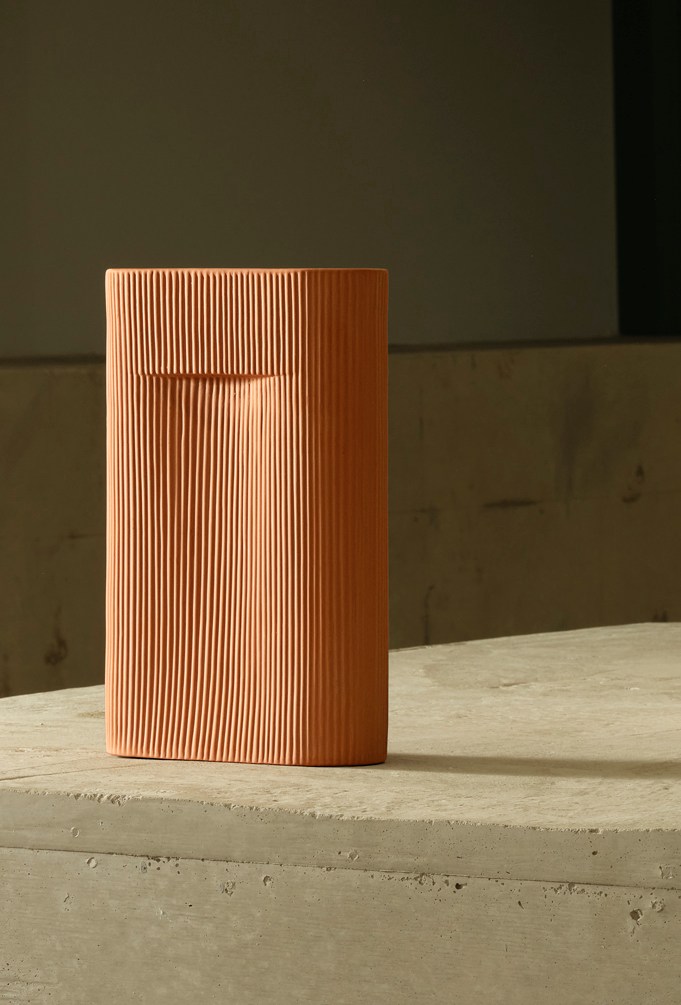
As the name suggests, a subtle sculptural ridge adds visual interest to this vase, while propping up floral arrangements and offering a handle for manoeuvrability.
muuto.com
13.
Isles Side Table
Jacob Marks
UK
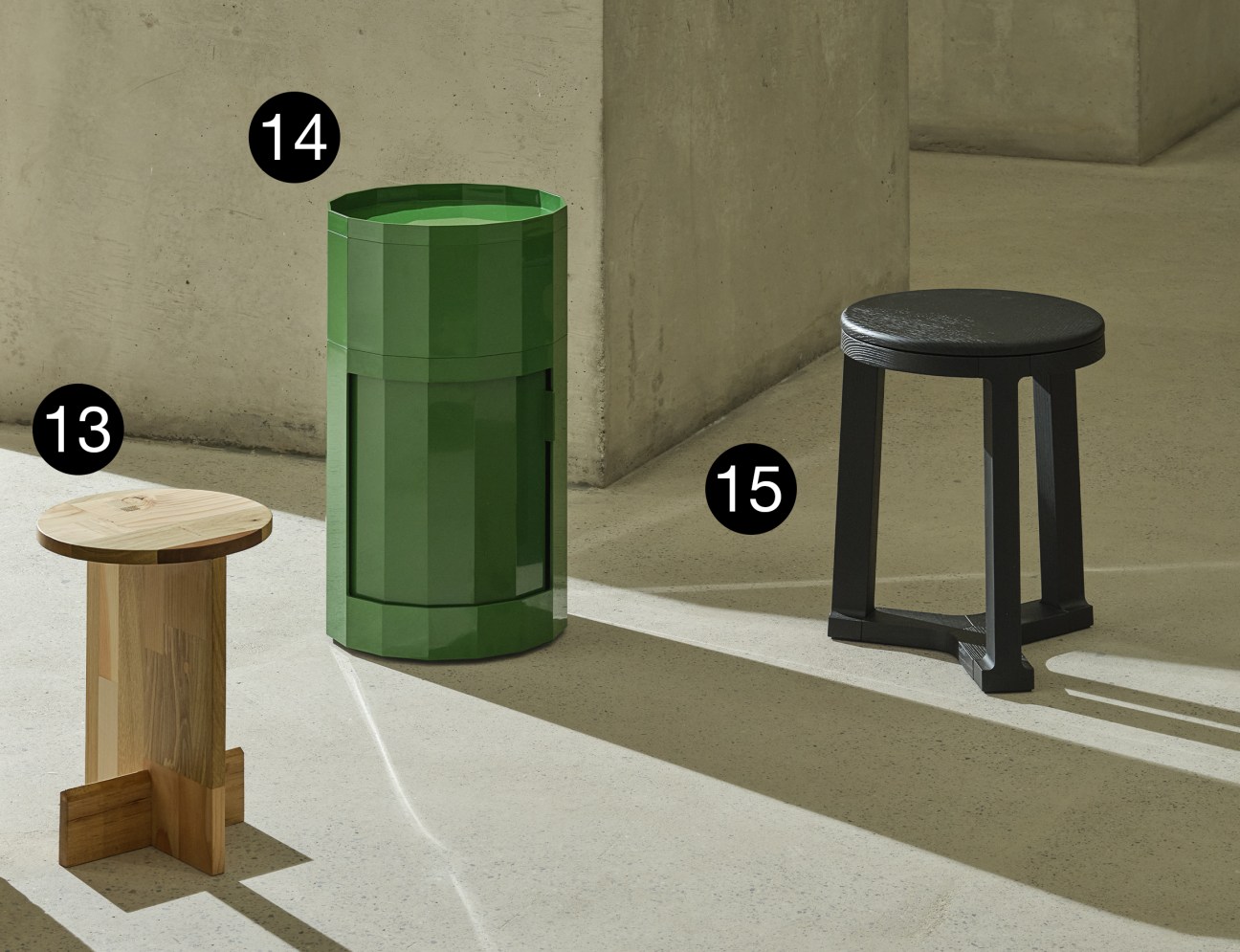
The compact Isles Side Table is made from a mix of sustainably grown timber and is an ode to natural British materials. A playful addition to any home, it’s finished in a natural hard wax oil. The jigsaw of light oak and dark alder, crafted using modern marquetry techniques, ensures that every iteration of the piece is unique.
jacobmarks.co.uk
14.
Facet Cabinet
Hay
Denmark
Dutch designer Stefan Scholten has created this portable piece in the reductionist style for which he has become a flag bearer. The ridged surface means that the storage unit can act as a bedside table or office organiser if your workspace needs colour. Made from recycled polymers, it’s executed with characteristic Danish flair.
hay.dk
15.
Fonte side table
Molteni&C
Italy
This side table from Belgian designer Vincent Van Duysen would make an excellent addition to any living room or bedroom. A pragmatic work, it rests on three oak-stained, solid-wood legs, with the circular table top available in a range of finishes, including marble, glass and this dramatic black-stained oak.
molteni.it
16.
Additional System
Tacchini
Italy
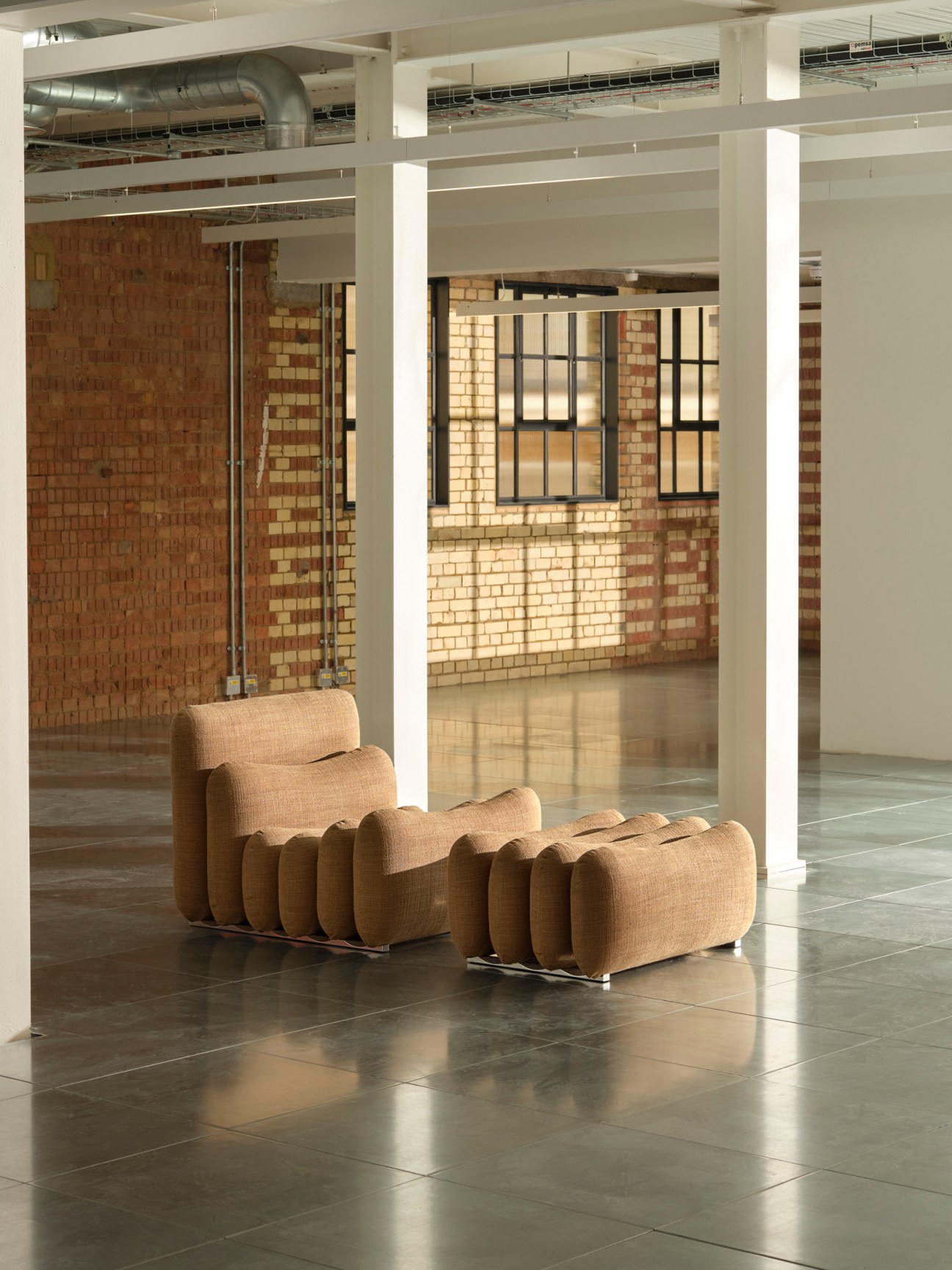
Designed by Joe Colombo in 1967, this lounge chair and ottoman has been newly re-released by Tacchini. The retro-futurist piece is made from a series of arching cushions.
tacchini.it
17.
Seto Stool
Fredericia
Denmark
This solid oak and canvas stool’s H-shape structure is inspired by the form of Japan’s longest bridge, Seto Ohashi.
fredericia.com
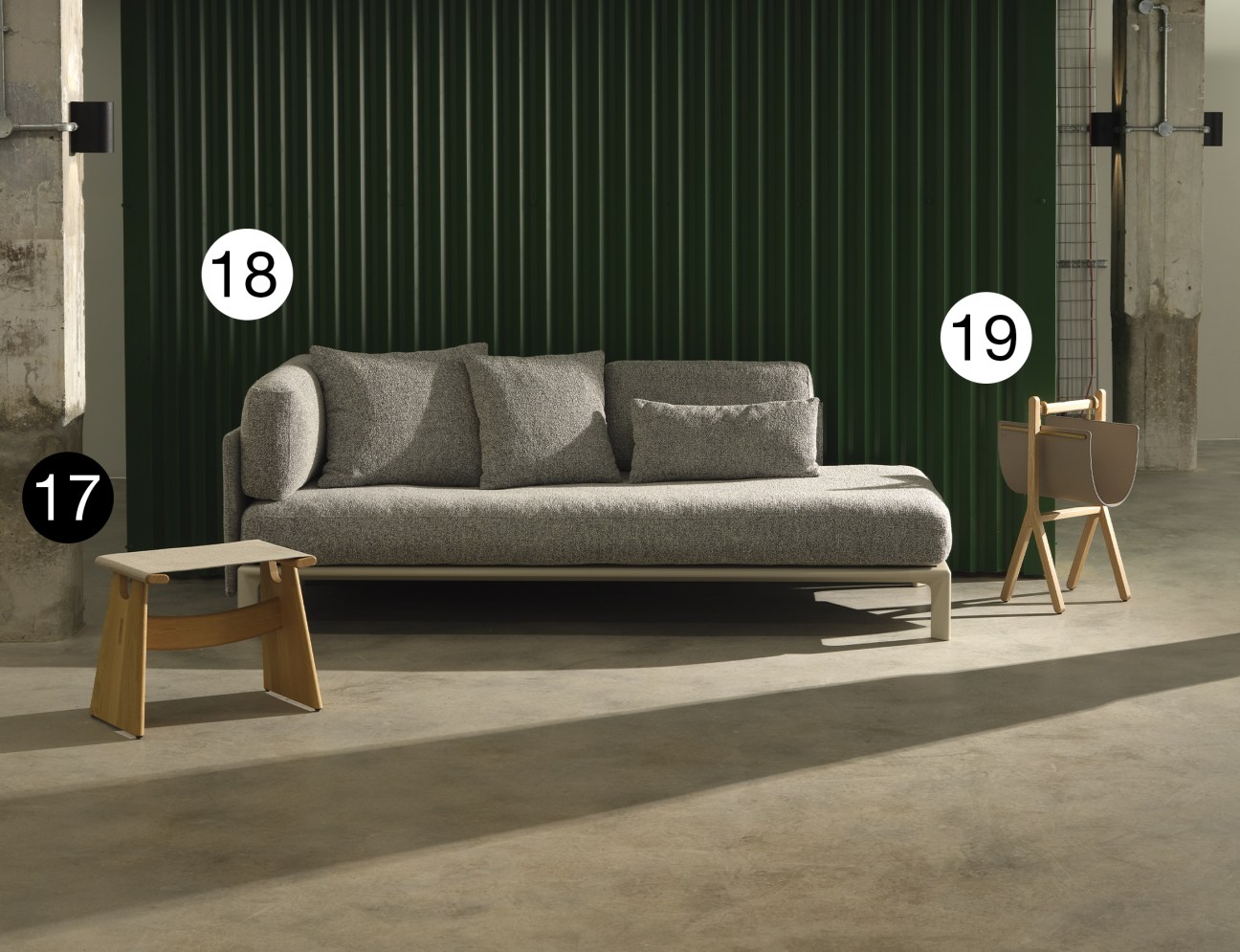
18.
Anagram Sofa
Vitra
Switzerland
This Panter & Tourron-designed sofa can be configured to suit any space, thanks to its range of backrests and side panels.
vitra.com
19.
Ren magazine rack
Poltrona Frau
Italy
Keep reading matter tidy with this handy addition to Poltrona Frau’s Ren line by Neri & Hu.
poltronafrau.com
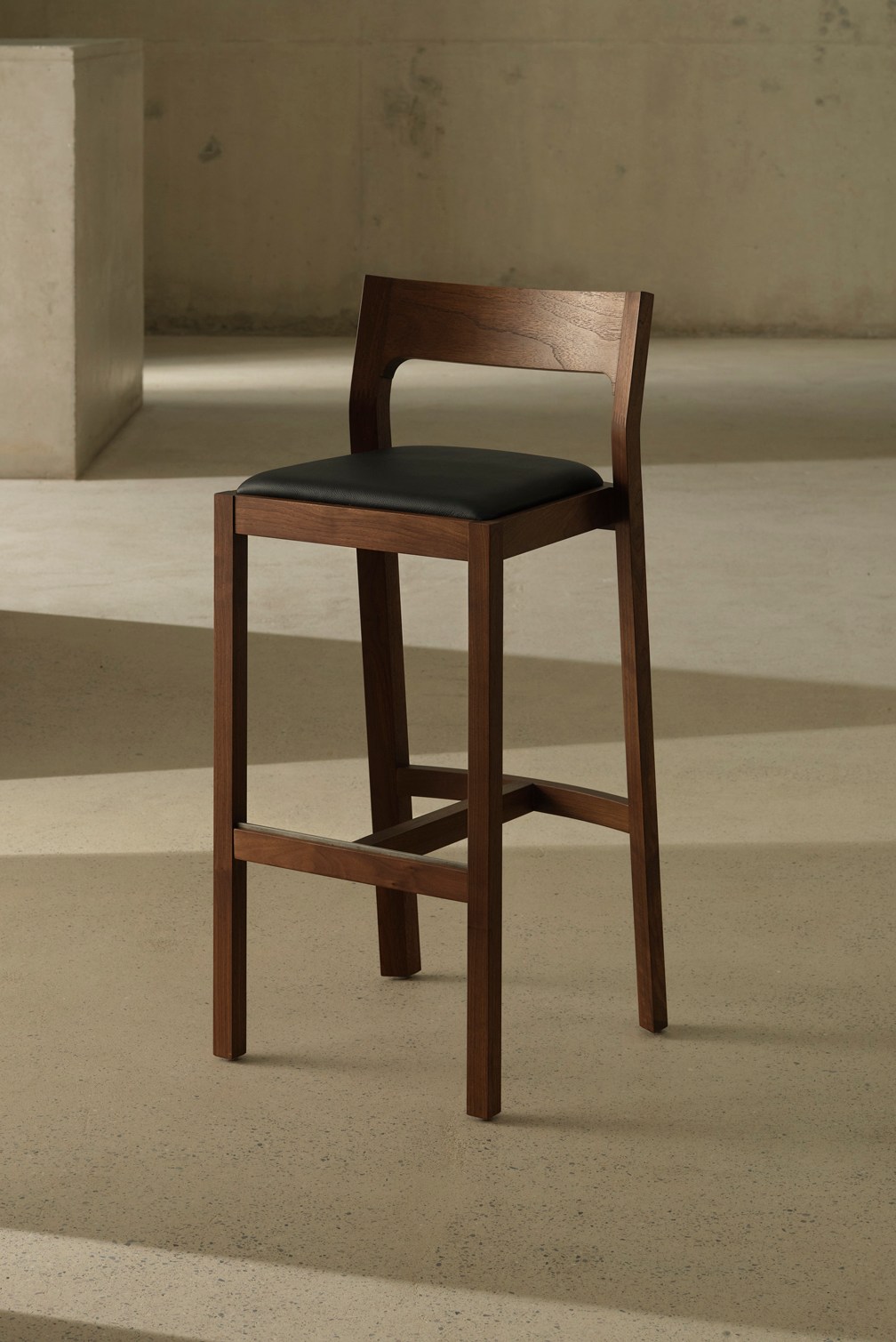
20.
Profile Stool
Case
UK
Made from solid wood, this stool has a soft upholstered leather seat and a recessed back for comfort.
casefurniture.com
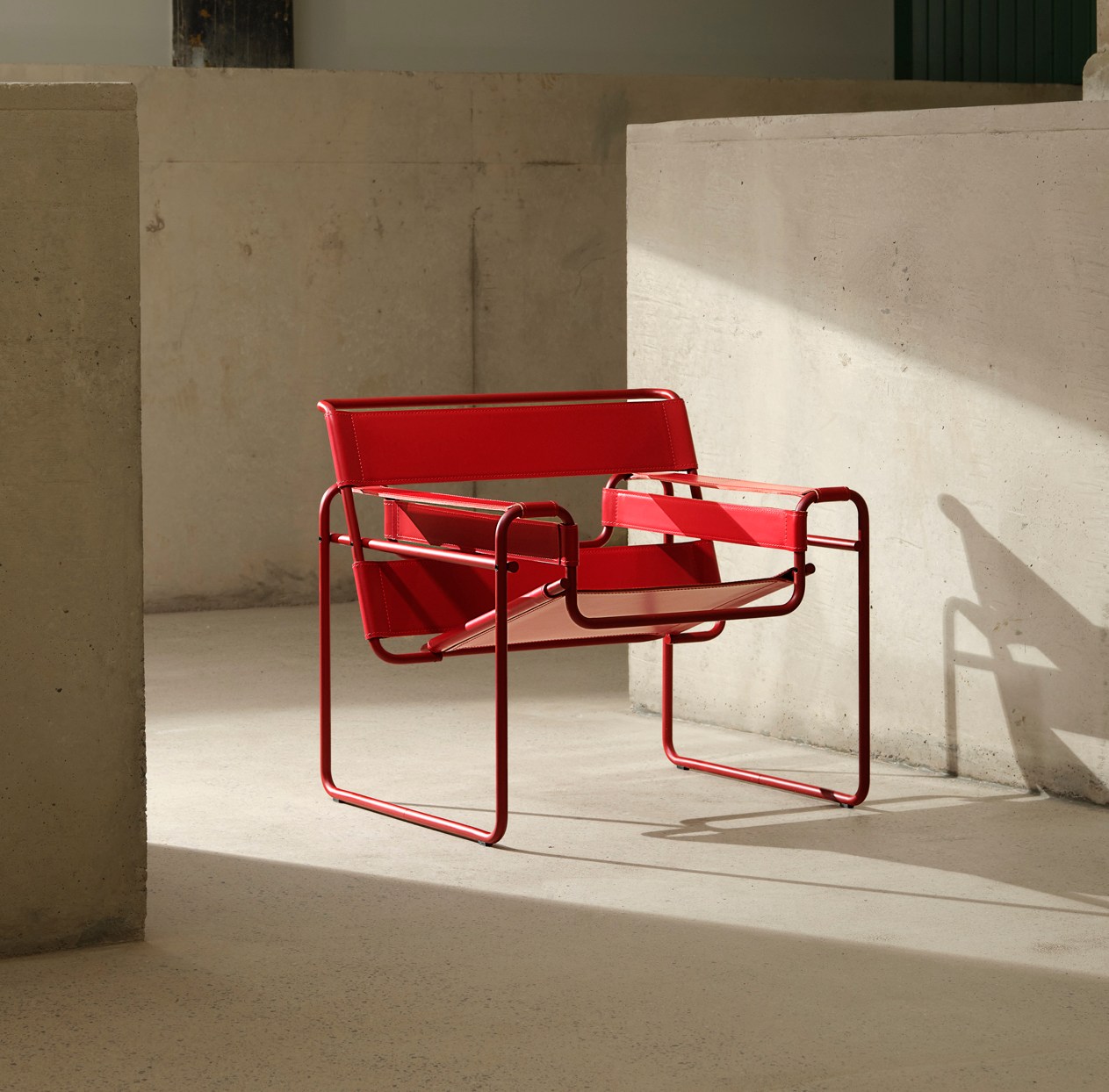
21.
Wassily Chair
Knoll
USA
Marcel Breuer’s famous design has been refreshed as a new edition available in a host of Bauhaus-inspired colours.
knoll.com
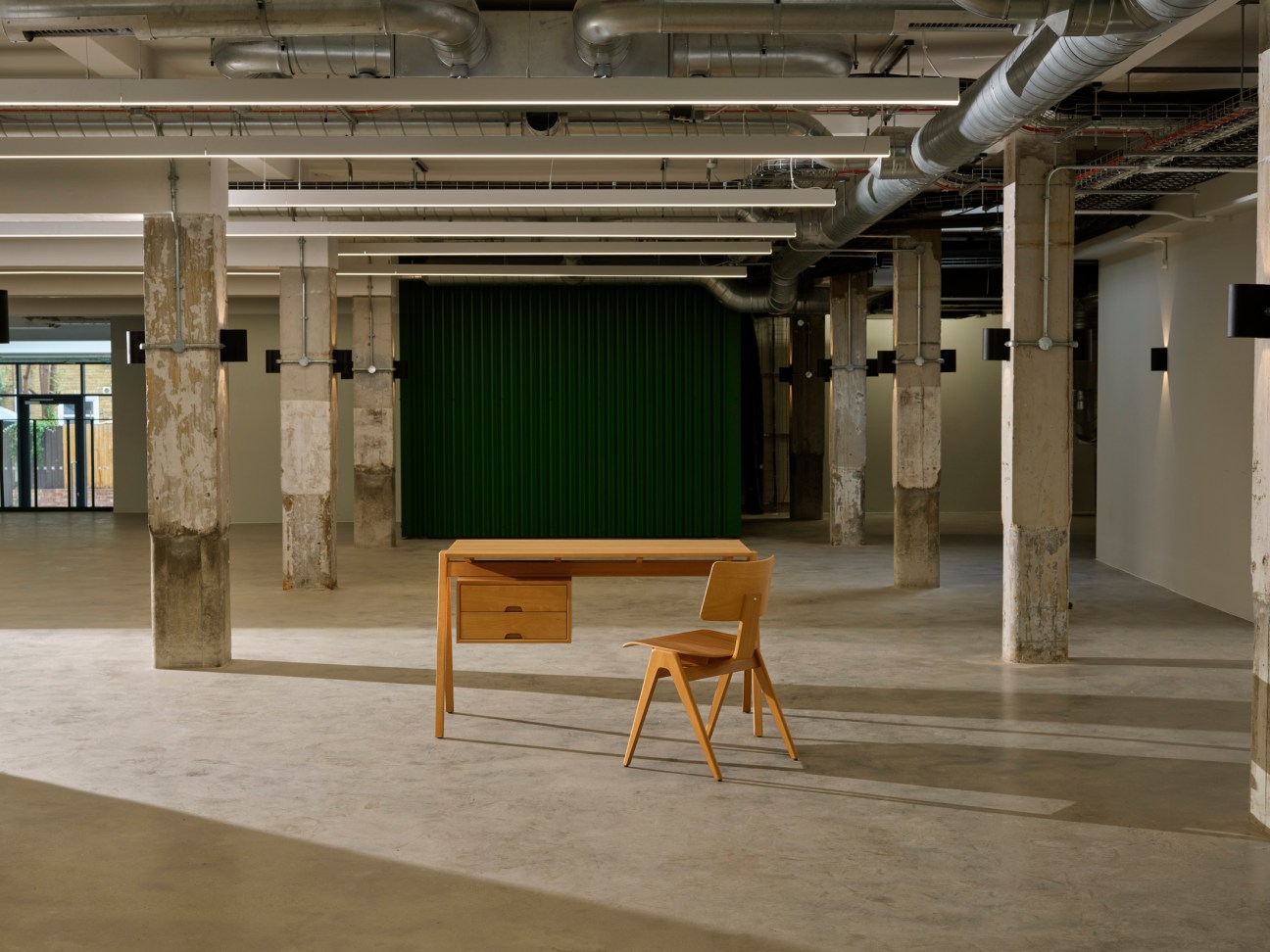
22.
Daystak Table and Chair
&Tradition
Denmark
To own a table or a chair by Robin Day, who helped to shape the look and feel of postwar Britain, is to have a piece of design history in your home. The striking Daystak collection from 1951 has just been reissued by & Tradition and exemplifies Day’s attention to detail and love of timber.
andtradition.com
23.
Jepara Shelf
Reddie
Australia
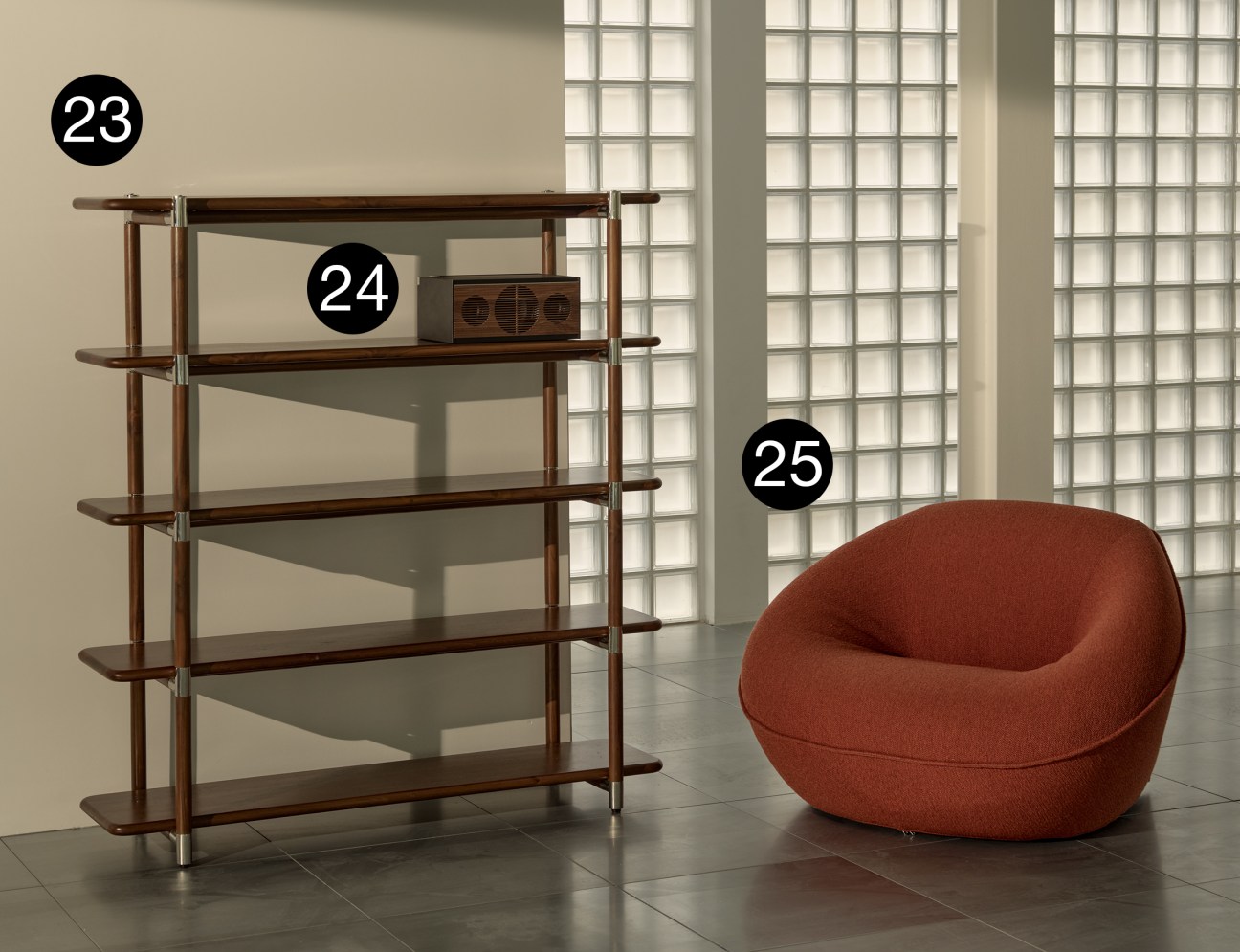
Made from 100 per cent reclaimed teak wood, the Jepara shelving system is an impressive work by Reddie, a brand established by Caroline and Andrew Olah. Highlights of this design include the sleek metal corners that connect the shelves to the frame and provide a striking contrast with the solid wood.
reddie.com.au
24.
PR Link speaker
La Boite
France
La Boite’s multiroom speaker, created in collaboration with Micromega, has a touch of the mid-century about it. Stocked by Silvera, it combines digital with tactile analogue features in a clean, compact form. The walnut-coloured front grille protects the speakers, creating a minimalist musical marvel.
laboiteconcept.com
25.
Tortello armchair
B&B Italia
Italy
For an armchair with personality, look no further than design duo Edward Barber and Jay Osgerby’s playfully plump Tortello. Recently unveiled by B&B Italia, the name of the curvaceous piece derives from tortello, a folded pasta shape associated with the Lombardy region of Italy.
bebitalia.com
Iberian furniture brands are driving shifts in the global interiors industry
Brands from Italy and Scandinavia have long dominated the global furniture market. The latter has become renowned for producing work under the banner of “democratic design”, creating functional contemporary furniture that is also excellent value for money. But it might soon face some stiff competition – at least, if brands and industry bodies on the Iberian Peninsula get their way.
In a sector where durability and wellbeing are becoming increasingly crucial to consumers, Spain is emerging as a country that is redefining what functional quality furniture looks and feels like. Established luxury firms such as Andreu World, Kettal and Vondom are being joined by some more accessibly priced direct-to-consumer brands including Kave Home, The Masie and Sklum. There are newly emerging forces too: think fashion brand turned homeware and furniture specialists Zara Home.
According to the Spanish National Association of Furniture Manufacturers and Exporters (Anieme), international sales in the Spanish sector grew by 3 per cent in 2023, surpassing €3bn. Firms in Catalonia, where the likes of Kave Home are based, and the Valencian Community account for more than 50 per cent of these exports. Galicia, where Zara Home is headquartered, also stands out with sales from brands in the territory growing by a notable 10.5 per cent over the past year. In short, these regions, deeply rooted in craft and tradition, are producing furniture brands that are catching the eye of an increasingly broad and international client base. Here, we meet three of the key players – the fashion brand, the family firm and the fair – that are driving these shifts in the industry and new growth in Spain.
The fashion brand
Zara Home
A Coruña
Traditional furniture manufacturers are not the only companies responding to a global surge in demand for Spanish furniture. For years, fashion retailers have been slowly expanding into the homeware market, blurring the lines between clothing and interiors. Now they’re eyeing up furniture too.
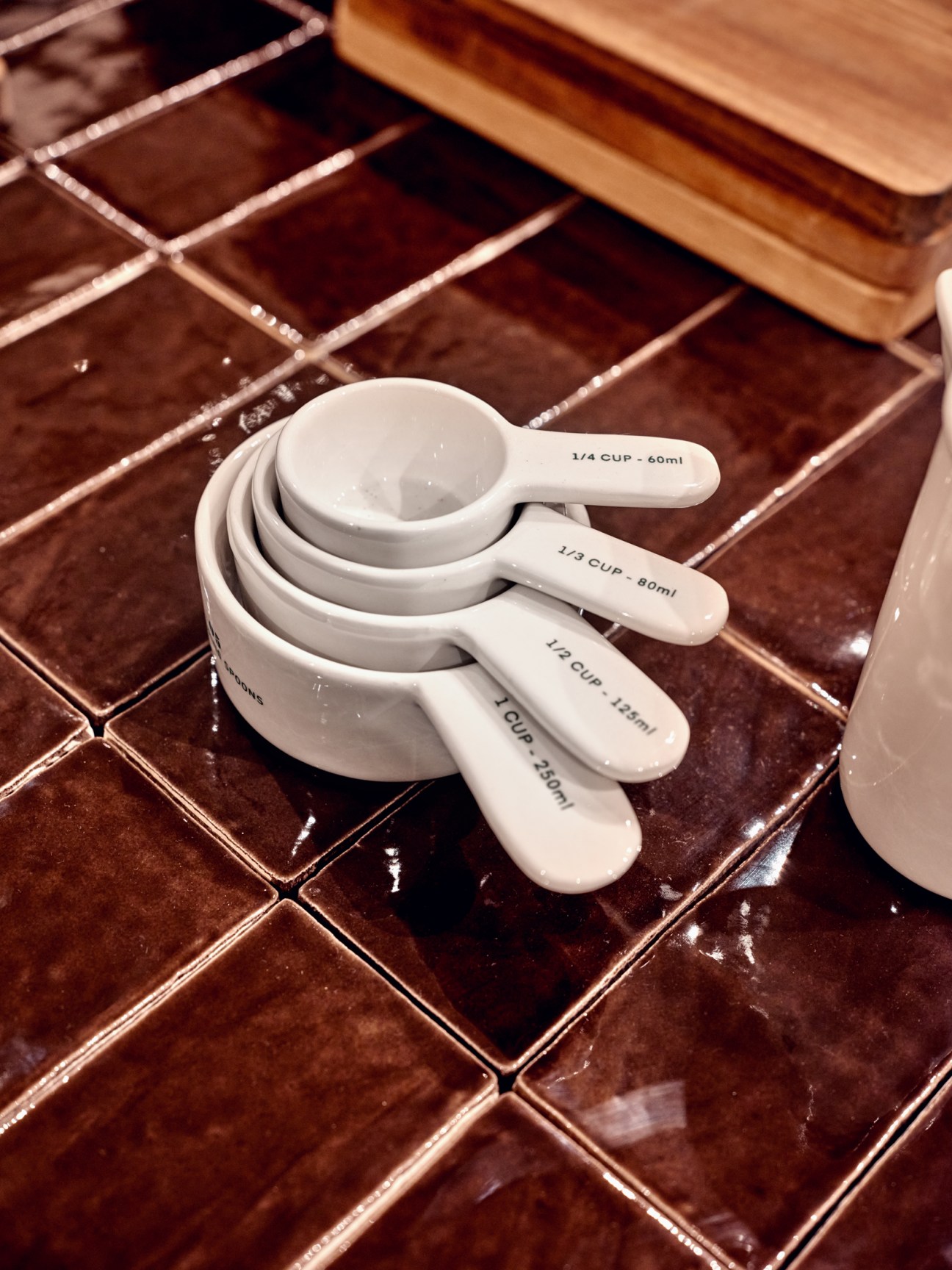
A case in point is Inditex, Spain’s most valuable company and the world’s largest apparel and accessories retailer, best known for fast-fashion juggernaut Zara. Its home décor and furnishings division, Zara Home, has been quietly growing, with its revenue increasing by 7.2 per cent to €18.1bn in the first half of 2024.


Established as a division of Zara in 2003, Zara Home’s model for growth starkly contrasts with the fast-fashion ethos. Instead of throwaway trends, it has embraced a concept closer to what some are calling “affordable luxury”, offering high-quality homeware as well as furniture by top designers. This shift is perfectly encapsulated in its collaboration with Vincent Van Duysen, which has been ongoing since 2022. Perhaps best known as the creative director of Italian furniture powerhouse Molteni&C, the Belgian designer has created collections for Zara Home that include elegant sofas, desks and rugs, with pieces crafted from materials such as oak and solid brass. Many of these are produced in Spain and available at accessible price points. A Van Duysen-designed Zara Home armchair will set you back €1,200 – much less than the eye-watering “price on request” tags used by high-end furniture brands working with designers of the same ilk.
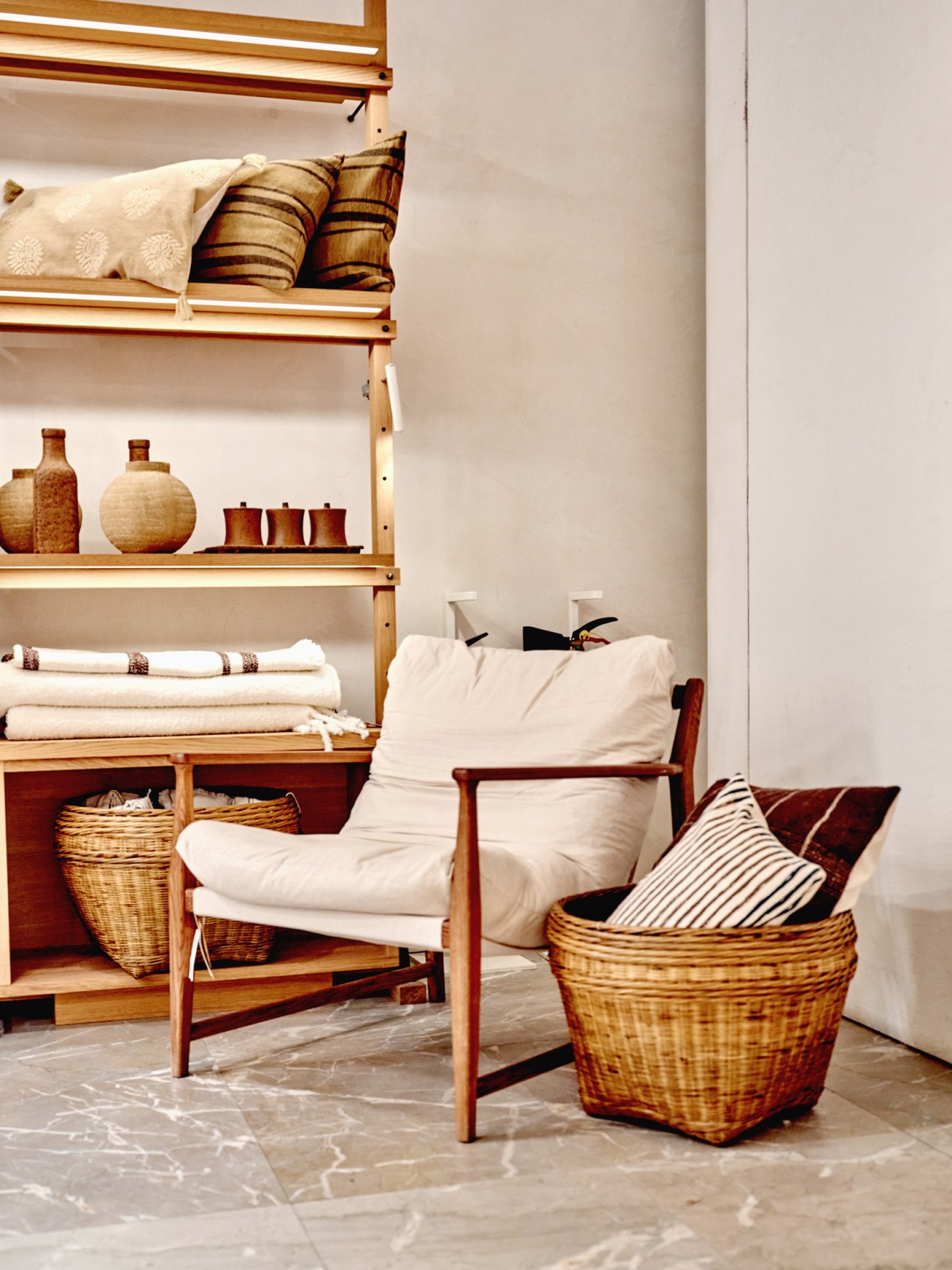
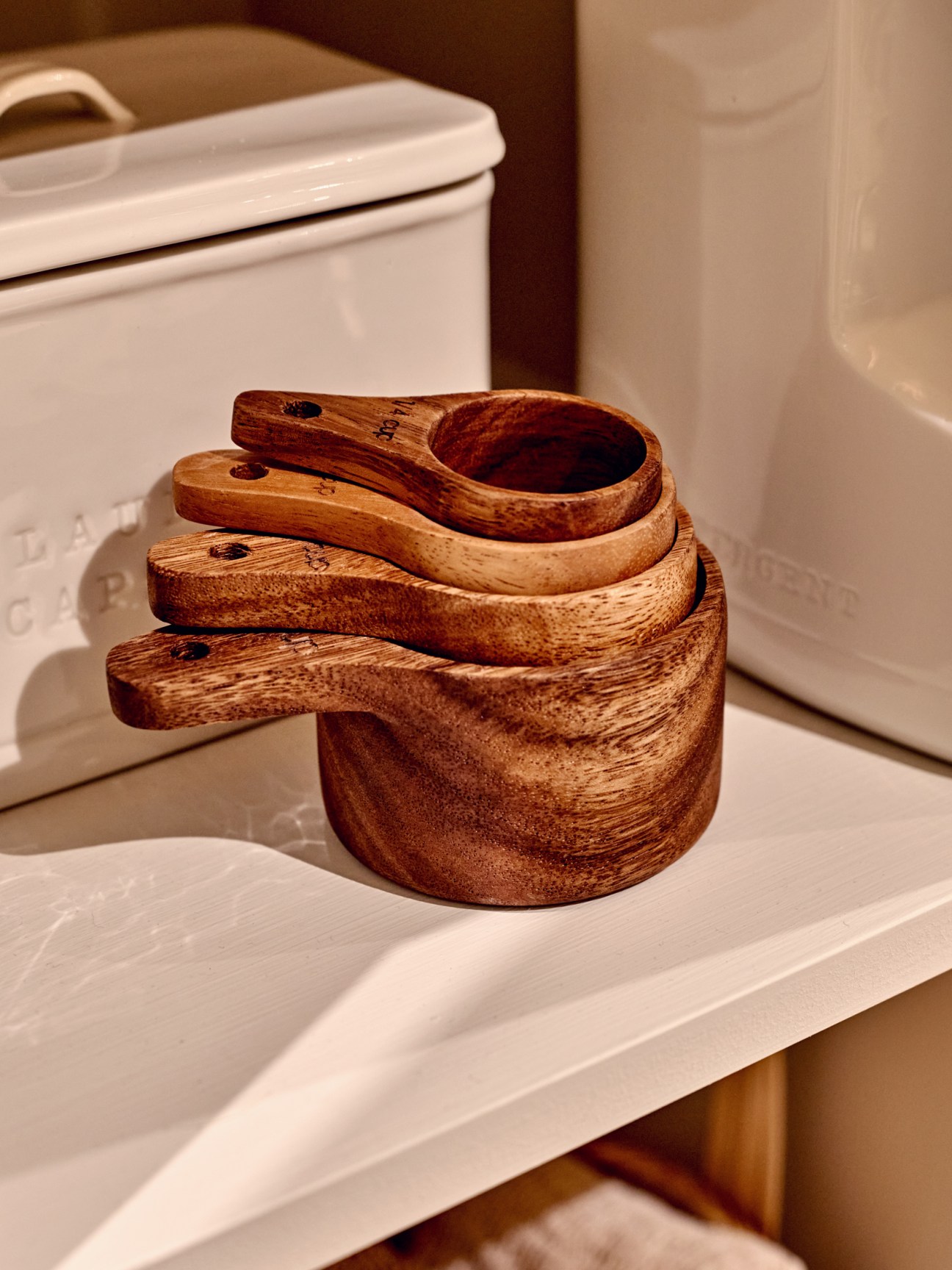
Zara Home is also investing in bricks-and-mortar retail. It recently made waves with a new flagship shop on rue du Bac, an iconic street on Paris’s Left Bank – a short distance across the river from Kave Home (see next spread). The shop’s crown jewel is its mezzanine, dubbed “the Apartment”, where Van Duysen’s plush sofas sit alongside vintage furniture. “We wanted to create a space where people could imagine living with these pieces,” Lorena Mosquera, director of Zara Home, tells Monocle when we tour Inditex’s HQ in A Coruña. Here, the first Apartamento occupies the top floor of Zara’s home city flagship. “It’s about offering something people want to touch, feel and keep for a long time,” she says.


This move towards high-end yet accessibly priced furniture speaks to the broader evolution of the brand. No longer content with just offering stylish, affordable fashion, Zara is now aiming to provide a complete lifestyle. The collaboration with Van Duysen is not just a collection but rather a statement that Zara Home is ready to compete in the luxury and furniture space. “We want to offer pieces that communicate calmness and durability,” adds Mosquera. “It should last over time.” And consumers seem to be responding. Zara Home has enjoyed a significant increase in its annual sales in recent years, reaching about €630m in 2023. Meanwhile, works by the likes of Van Duysen for Zara Home are becoming collectable pieces of furniture, suggesting that this is much more than a mere flash in the pan.
zarahome.com
The family firm
Kave Home
Girona

Many of Spain’s furniture industry stalwarts began as family businesses and have been passed down through the generations. For some, the secret to continued familial success lies in combining a humble, homegrown approach with a product that doesn’t break the bank. Take Kave Home, a furniture-maker based in Catalonia disrupting the market with a mix of craftsmanship, digital innovation and bricks-and-mortar retail.
Founded by Francesc Julià Gelabert in the 1980s, the company began as a mattress distributor before expanding into furniture. It embraced e-commerce early and became one of the first in Europe to launch a digital B2B shopping portal. This investment in digitisation paid off, allowing it to control distribution and expand its mattress services internationally, before launching its own design brand in 2013. Following impressive growth through its first six years, Kave Home opened its first shops in Spain in 2019.
While its online sales continue to boom, momentum has not slowed for its physical outposts either, with the brand expanding its retail operations abroad. Its first shop in Paris, a short walk from the Louvre, opened in October, while there are plans afoot for more in Milan and Rome. This expansion has been complemented by the successful launch of franchise establishments in locations as far afield as Guatemala, Bulgaria, Iceland and Singapore, giving Kave Home more than 100 additional points of sale across 50 countries. All of this helped the company to finish the most recent financial year with an impressive 30 per cent growth, driving its revenue beyond €200m.


Though the accessibility of its direct-to-consumer and retail operations is important, the Catalan brand still relies on its ability to deliver high-quality furniture. “The focus has always been on having our own designs and a quality-price ratio that is attractive,” says Julià Gelabert’s son, Francesc Julià Ametller, who leads the company as CEO while his father focuses on design operations. “We want to make excellent products accessible to as many people as possible.”
It’s not just about affordability either, says Julià Ametller. Like many other Spanish brands, Kave Home is riding the wave of the pandemic-driven desire for more refined home environments. “Many of us, especially us southern Europeans, used to live with our backs to our homes because we spent more time outside,” he adds. “But people are now more willing to invest in the best pieces.”
kavehome.com
The fair
Feria Hábitat València
Valencia
Perhaps the best place to take the temperature of this Spanish surge is the annual interior-design and furniture fair Feria Hábitat. Founded in 1963 in a region known for innovating bentwood furniture in the early 20th century, the showcase has a history of highlighting the best in Spanish design. This year’s event, held in the 96,000 sq m Feria València, hosted nearly 1,000 exhibitors (80 per cent of them Spanish) showcasing interiors, textiles and kitchen industries.
Daniel Marco, the fair’s director, sees the event as more than a display of products – it’s a manifestation of a growing movement. “Spanish design has been around for many years,” he tells Monocle. “But what we’re seeing now is a consolidation of what it means to express the Mediterranean lifestyle. It’s about sustainability, wellbeing and a deep connection to natural materials.”


This year’s trade show featured an installation by Héctor Ruiz Velázquez. The Madrid-based architect created a conceptual hotel within the fairground, furnished with Feria Hábitat brands that have solid sustainability credentials. “We’re seeing design that is timeless, functional and sustainable, and seeks a sense of wellbeing,” says Marco. At the fair, this was seen in the form of soft wooden textures, stone accents and colours that evoke the warmth of the Mediterranean coast. “Some are calling it ‘warm minimalism’. Companies are looking for furniture that fits with the minimalism that new generations are looking for but that is also welcoming and says something about you.”


In addition to defining a new look and feel for furniture makers, the fair plays a role in generating business opportunities for Spanish brands. Feria Hábitat’s work connects the Spanish furniture industry with overseas buyers, developers and architects in a bid to facilitate creative exchange and commercial expansion for brands. Of the 45,000 industry professionals who attend, 15 per cent come from abroad, many from Europe and North America.
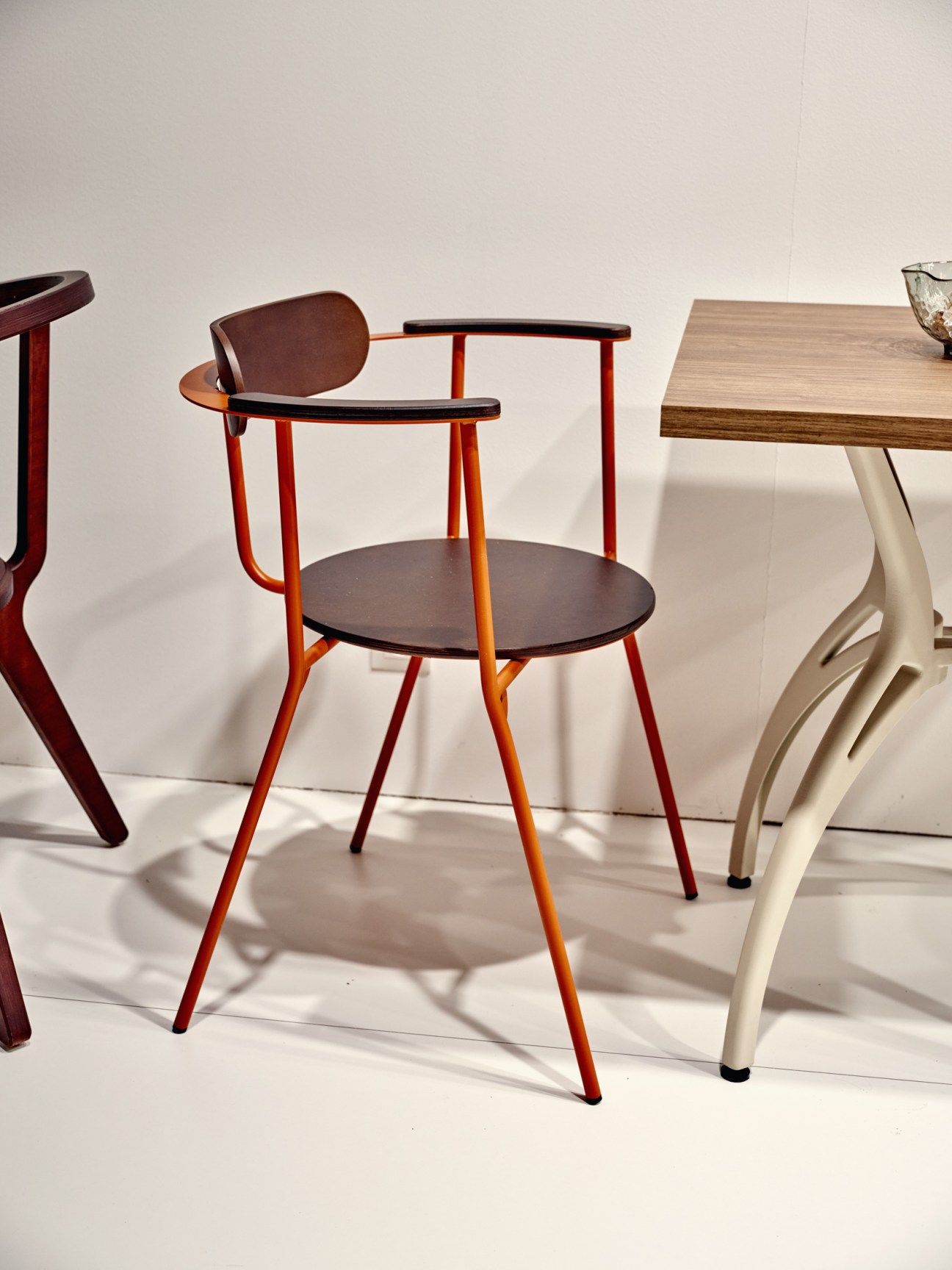

Successful international business partnerships have been forged through the fair. At the 2023 edition, leading US architecture firms were scoping out furniture to kit out a host of different projects, while a Valencian exhibitor signed off on a deal to furnish thousands of rooms in a new hotel complex. “Buyers do not come from just Spain but from all over the world,” says Marco. “We have buyers and others of an exceptionally high level who now see what our industry is capable of.”
feriahabitatvalencia.com
Three brands to watch:
1.
Sklum
Valencia
Sklum produces a wide range of home furnishings, from sofas and dining tables to lighting. As its Nordic-sounding name suggests, the brand’s distinctive style blends Scandinavian minimalism with Mediterranean warmth.
sklum.com
2.
Decowood
Catalonia
Specialising in pieces made from reclaimed wood, Decowood offers a unique collection of dining and coffee tables, and shelving units. Its environmentally minded approach to home furnishing has made it a hit with eco-conscious buyers.
decowood.com
3.
The Masie
Valencia
With a focus on e-commerce, The Masie offers a well-curated collection of sofas, armchairs and coffee tables. Defined by clean lines, natural textures and bold pops of colour, the Valencia-based outfit is beloved for its playful take on home furnishing.
themasie.com
Antonio Patriota on his ambitions to repair the international perception of Brazil
It’s quite fun, driving around town with the Brazilian ambassador. Is it the calm presence of his gigantic chauffeur, Walter? Or the S-class Mercedes-Benz and its cushy leather interior? Or the fact that it’s one of those London days when the wind is howling and the rain feels as though it’s rising up from the ground, and we’re as dry and toasty as Copacabana sand? Yes, it’s all those things.

But it’s also having a front-row seat to the daily protocol and ceremony of statecraft, with its smiles, back-pats and plentiful ice water. It helps that Antonio Patriota looks like Hollywood’s idea of a distinguished diplomat: trimmed beard, silver hair and a CV that one of his colleagues describes as “pretty much the best of anyone in the Brazilian diplomatic service”. An ambassador is the personification of their country – and when that country is Brazil, and that ambassador is someone like Patriota, smiles light up the road ahead of you.
Or, at least, they did. For most of the past few decades, Brazil’s image abroad was one of fun, sun and insouciance. Then came Jair Bolsonaro. The self-described “tropical Trump” sowed division at home and neglected the country’s international relationships. “The former government did not invest heavily in diplomacy,” Patriota tells Monocle. “In fact, it closed a few embassies in Africa. We will reopen them and open new ones.”
En route to the UK foreign office
10.30
Patriota has a meeting with Anneliese Dodds, the UK’s development minister, at the Foreign, Commonwealth and Development Office on Whitehall. On the way there, he speaks of the Brazilian mindset and the country’s propensity for optimism.
It’s no surprise that Patriota doesn’t exactly see eye to eye with Bolsonaro – he is an ally of the current president, Luiz Inácio Lula da Silva, and served as foreign minister under his protégé Dilma Rousseff. When asked whether he considered quitting if Bolsonaro won a second term in 2023, the ambassador answers, “That’s when I started composing songs.” Patriota is a jazz pianist too.
But the smoky bars will have to wait because Lula, who made a remarkable comeback after being imprisoned on corruption charges, won a third term last year and Patriota was sent to London, where Monocle is shadowing him for the day. The UK capital is often seen as a retirement posting: a reward for good service in a city that has plenty of historical prestige but isn’t likely to throw up any dangerous contemporary surprises. Indeed, Patriota will probably retire after this gig but that doesn’t mean he’s flicking through paint samples for his Bahia beach house.
Lula’s return to the Palácio do Planalto has invigorated the 70-year-old diplomat. “From day one, the foreign ministry was ablaze with initiative and trying to re-establish contacts,” he says. Patriota is especially keen on Lula’s phrase “Brazil is back”, which means that after years of introspection and fractious domestic politics, the country is ready to resume its role as a responsible presence on the world stage.
In this regard, November’s G20 summit in Rio de Janeiro should provide a crucial midterm test. At the UK foreign office, during his first engagement of the day, Patriota delivers a letter to Anneliese Dodds, the UK’s minister for development, formally inviting Keir Starmer to the summit. The gathering of the world’s top 20 economies will be an opportunity for Brazil to advance several of its key initiatives in matters social, economic, environmental and, perhaps most saliently, multilateral.
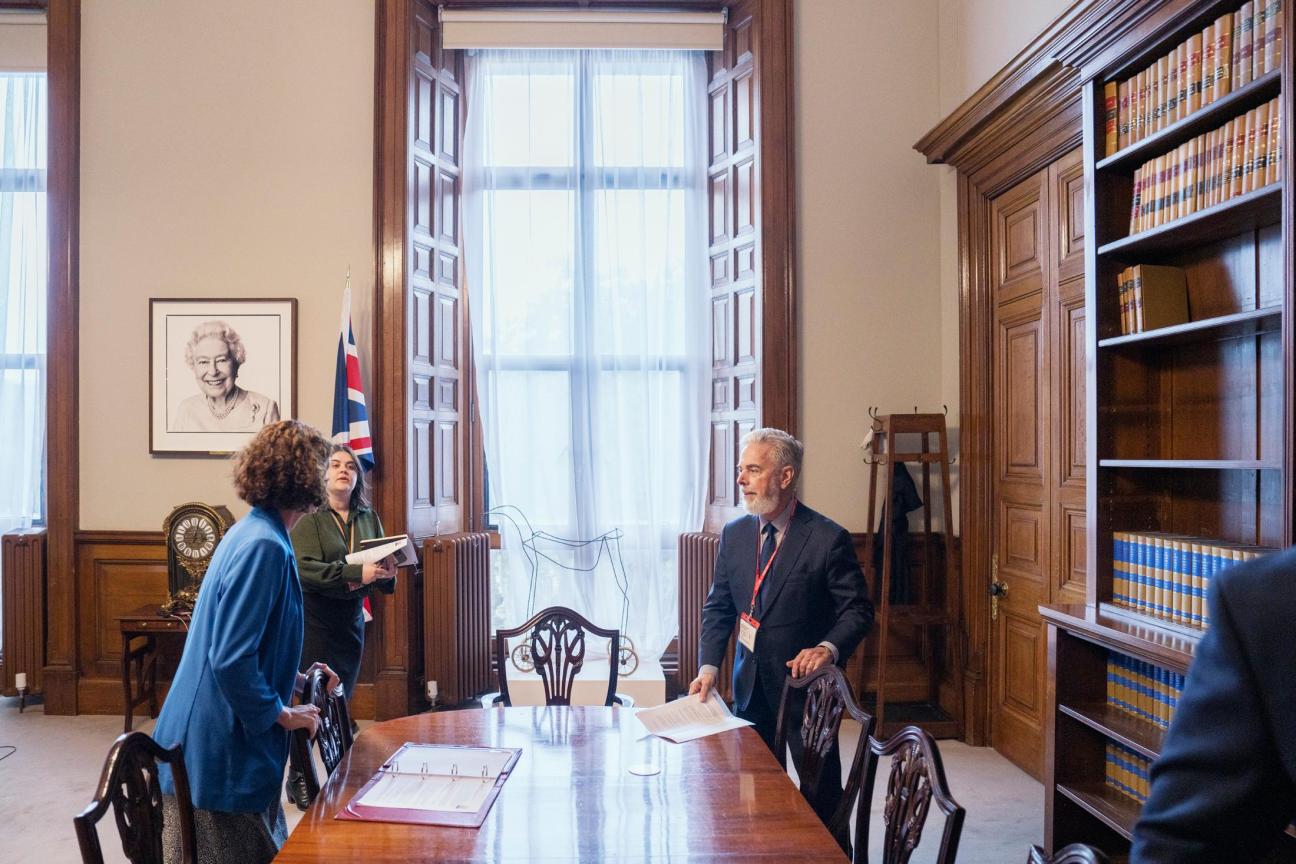
Meeting with Dodds
11.00
Patriota and Dodds discuss their respective countries’ shared priorities, including the environment. “Our collective challenge to confront the climate phenomenon is something that can bring countries together,” he says.
Brazil follows what might be called a “no enemies” doctrine. It explicitly seeks to chart a course of non-confrontation in foreign affairs, focusing on the promotion of trade and the strengthening of bodies such as the UN. That sounds like a noble endeavour but, while the country rarely fights other powers – quite a feat, considering that it shares 10 land borders – it has been criticised for its close relations with Russia and China. Though Brazil has voted twice for UN resolutions condemning Russia’s invasion of Ukraine, Lula has participated in bilateral meetings with Vladimir Putin and co-operates with Moscow and Beijing through the Brics group.
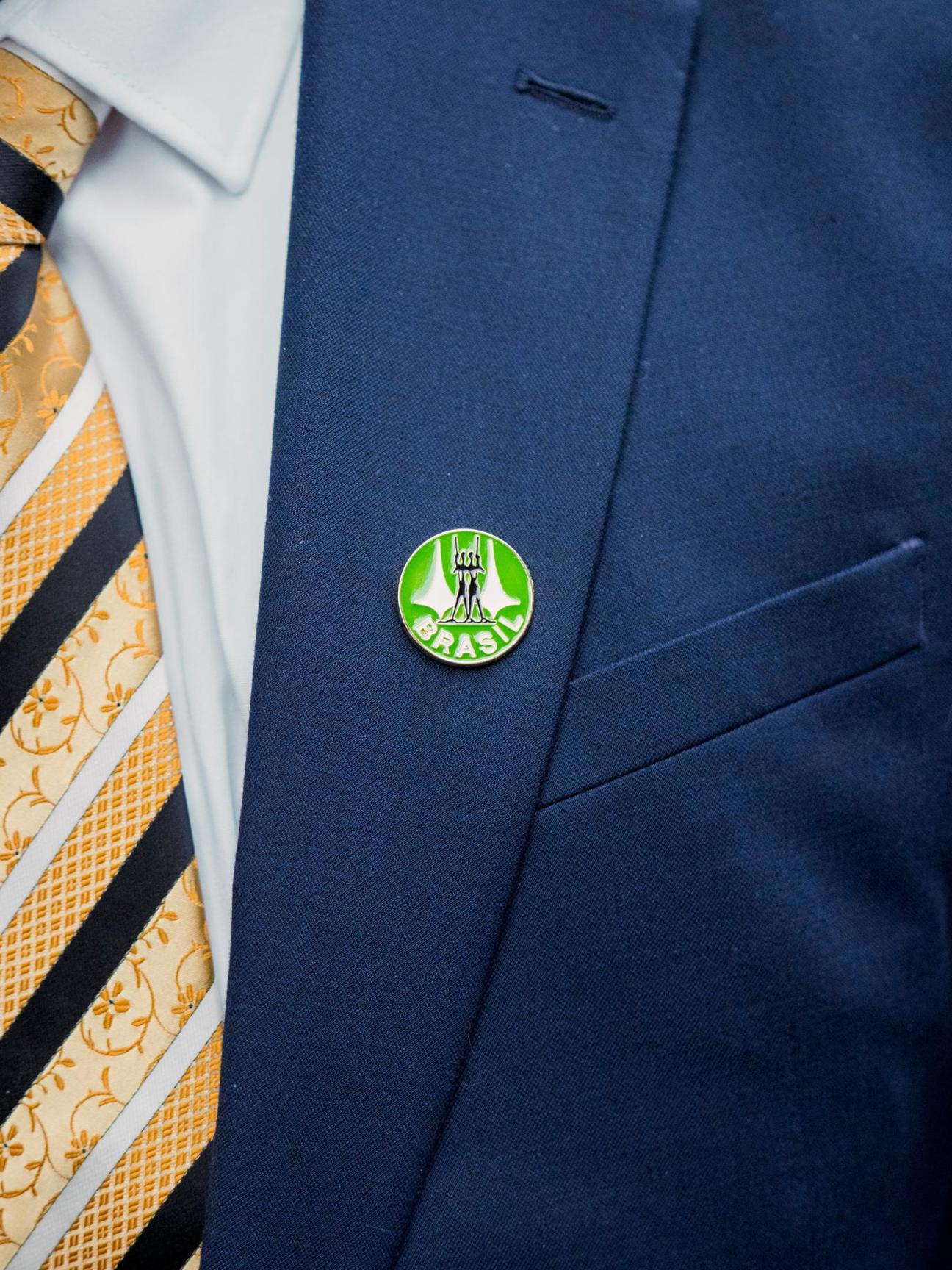
We head to east London’s Whitechapel Gallery, where Patriota receives a private tour of a new exhibition of the work of Lygia Clark, a Brazilian modernist painter and sculptor. Afterwards, Monocle asks him whether the world in October 2024 represents a failure of diplomacy. “We are seeing a concerning pattern of disrespect for international law on the part of countries that should be leading by example,” he says. But has there ever been a time in the past 70 years when some state or other hasn’t been flagrantly disregarding international law? And isn’t it true that serial transgressors such as Russia only respect might?
“I can make a comparison with a domestic situation,” he says. “Criminality has always existed but that’s not a reason for you to throw away laws.” Patriota, like his boss, is firm – almost zealous – in his belief that the UN must act as the ultimate guarantor of world peace. To accusations of its toothlessness, he replies with proposals for its reform. “There’s a widespread recognition that the Security Council is not representative of the geopolitical framework of today,” he says, as the Mercedes creeps along with the Embankment traffic. “If you have a permanent-member nucleus of five but there’s no country from Africa, Latin America or the Caribbean, it’s something less than representative of the international community.”
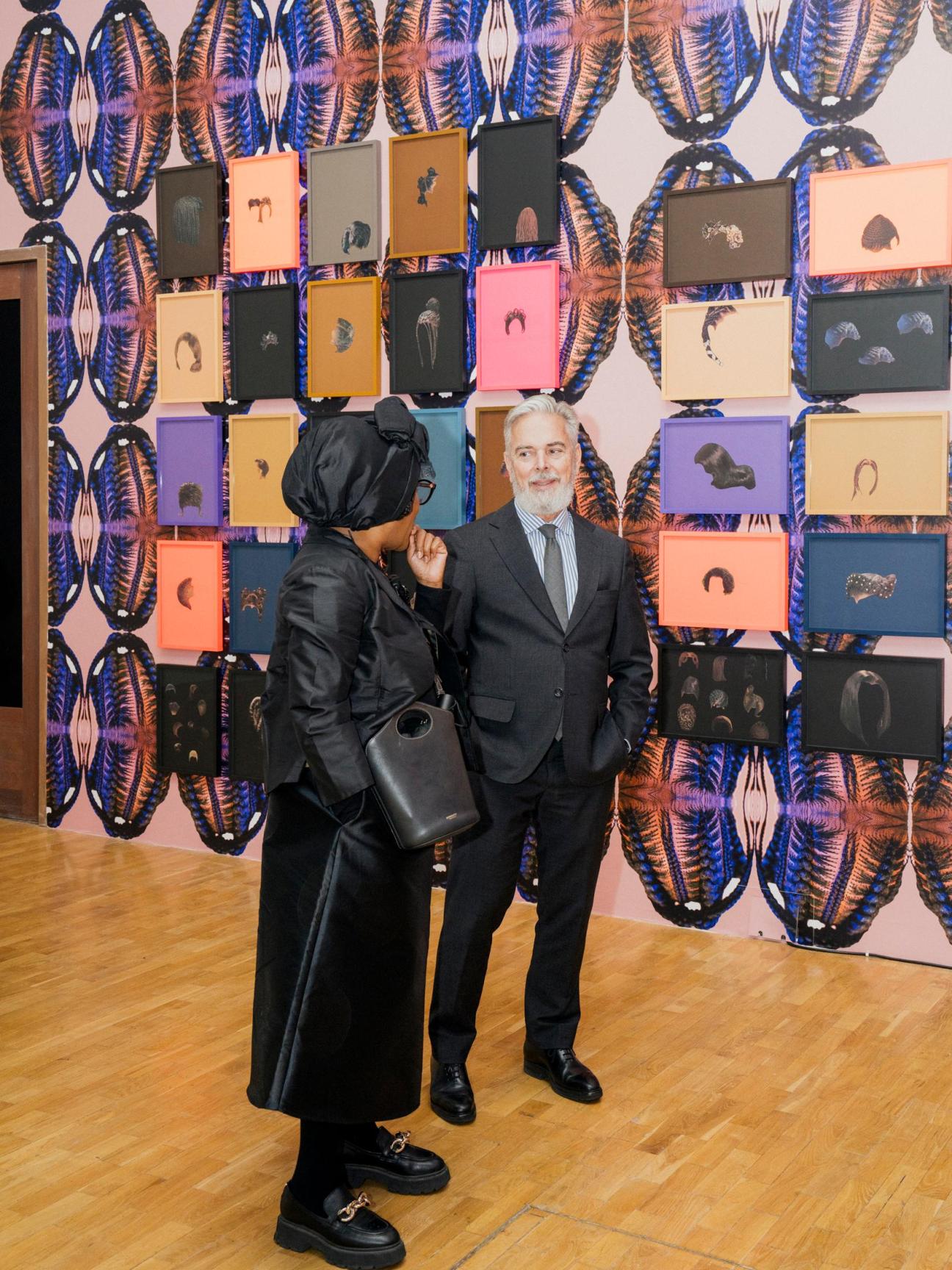
Whitechapel Gallery, east London
14.30
At east London’s Whitechapel Gallery, the ambassador receives a private tour of an exhibition of Brazilian modernist artist Lygia Clark’s work. Giving the tour is UK artist Sonia Boyce, who co-curated the show and has another featuring her own work running upstairs at the same time.
Patriota echoes Lula in advocating for an overhaul of the UN, starting with a review of its charter, “to endow multilateralism with a renewed impetus and credibility”. This is something that the Brazilian president proposed in a speech at the UN General Assembly (UNGA) in September. At a time when several regions of the world appear to be on the brink of all-out war, Patriota insists that the mere fact that the unga took place is a cause for optimism. “Most world leaders made a point of attending and presenting their views and listening to others,” he says. “The instruments are there. We’re not in a situation like the 1930s, when the League of Nations collapsed and rogue governments were disregarding every rule in the book.” He smiles. “See, no matter how much you try to provoke me, I will give you a positive answer.”
Back at the embassy near London’s unlovely Trafalgar Square, the ambassador gets down to the more quotidian aspects of his job. There is a delegation of businessmen from the Brazilian state of Bahia, discussing collaboration with UK manufacturers in developing renewable energy infrastructure. The conversation ebbs and flows in English and Portuguese, with Patriota playing the charming conductor: he laughs, asks questions, translates and poses for selfies. It is a role that he must play throughout his working day – a group from Brazil’s National Waterway Transportation Agency (ANTAQ) is later made to feel similarly engaged with and listened to.
Back at the office
16.00
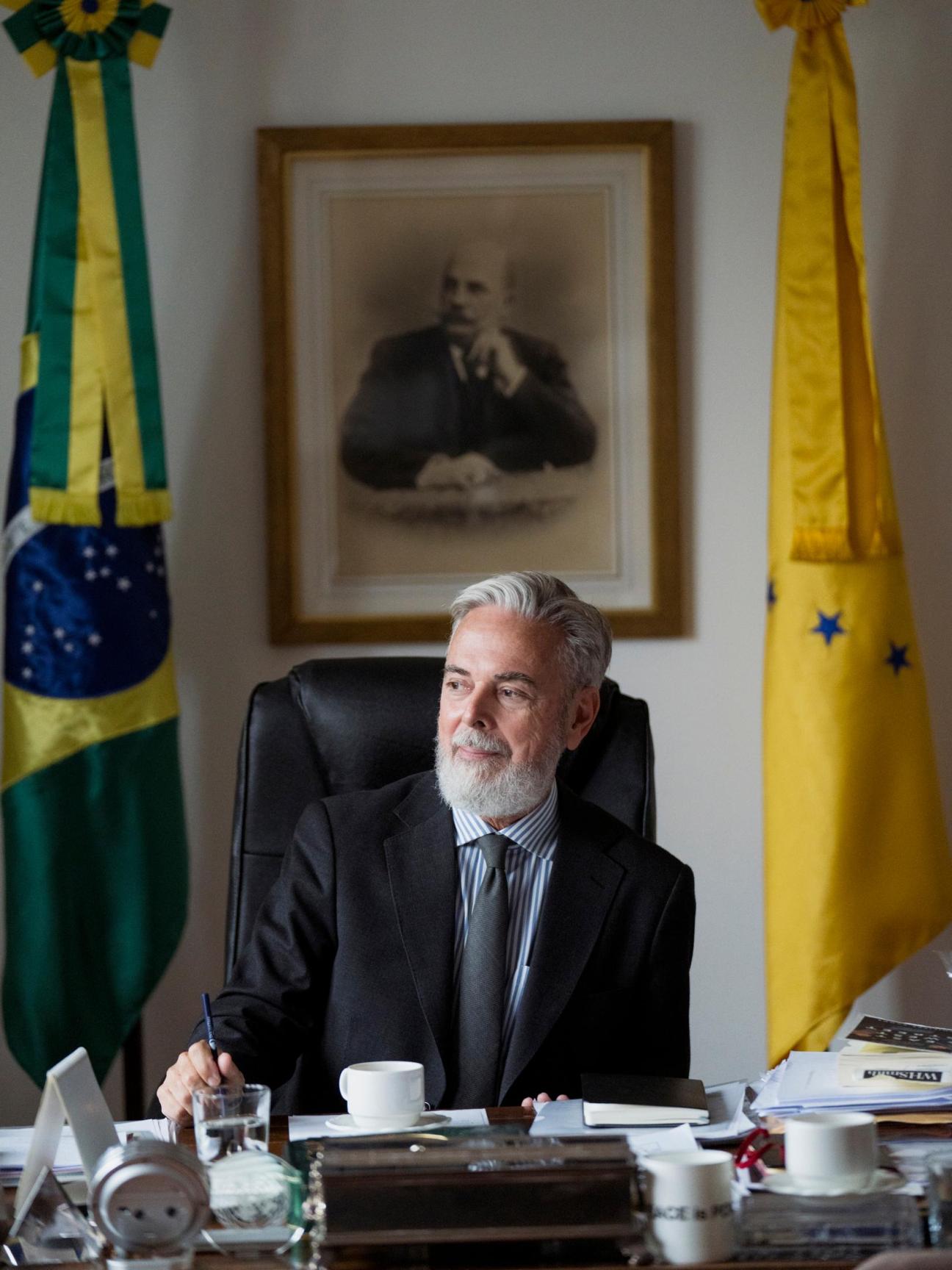
The ambassador’s desk is covered with books and magazines, including John Maynard Keynes’ The Economic Consequences of the Peace. “Keynes understood what would happen if Germany was humiliated, which is kind of what happened with Nato expansion [and Russia].”
At the ambassador’s residence that evening, as we await guests for a reception to celebrate the opening of the Lygia Clark exhibition, Monocle asks him whether he ever gets tired of all the meeting and greeting. “I have been an ambassador for more than 20 years – this is my fifth post,” he says. “I have discovered that I need two evenings a week when I don’t have an event. If I have something every night, I’m very tired by the end of the week and can become a bit unpleasant, which is unusual for me.” At just that moment, a woman enters and calls, “Mr Ambassador.” “Hello,” Patriota cries back, beamingly.
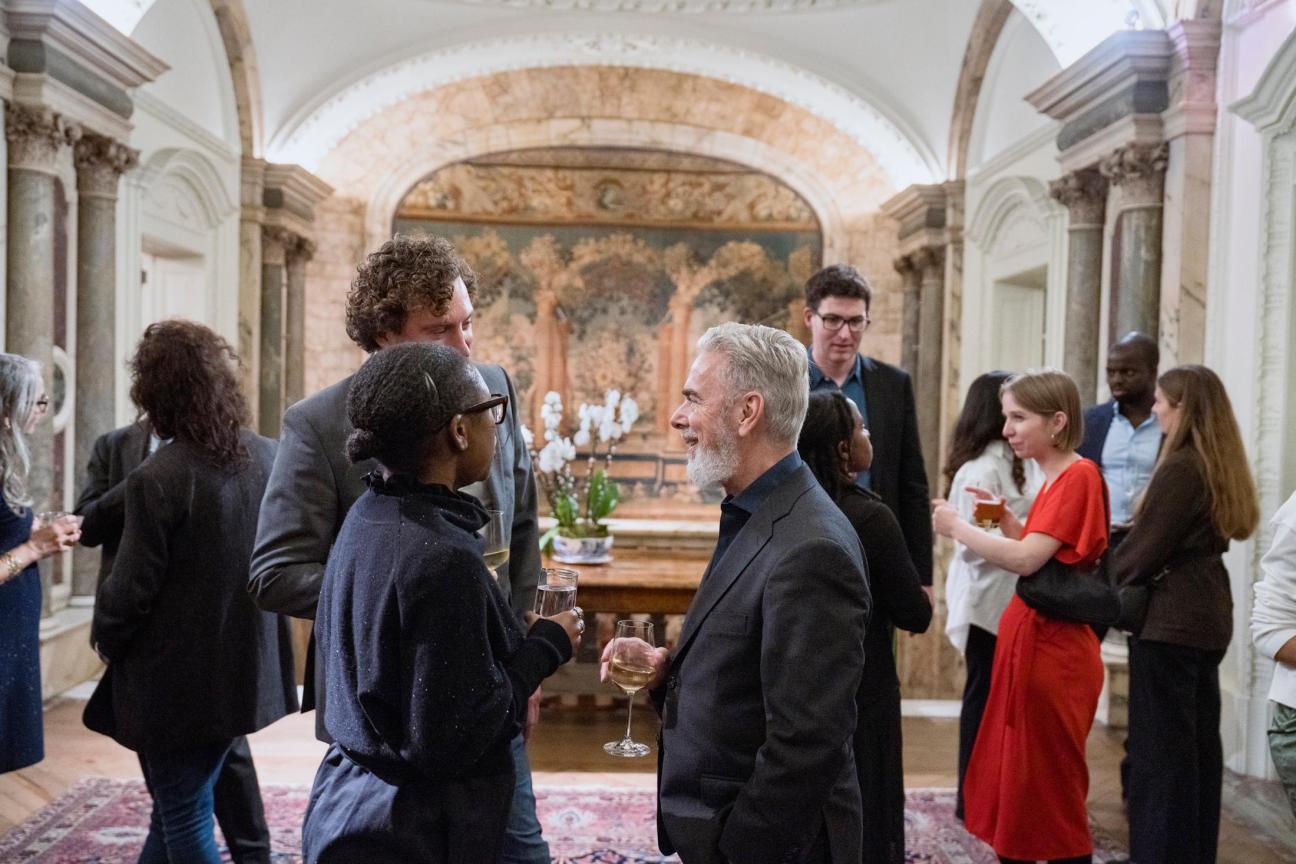
It’s hard work but Patriota is well rewarded for his perma-affability. His residence in London’s Mayfair, 54 Mount Street, was given to the Brazilian government in thanks for its participation on the Allied side in the Second World War. It’s quite the digs. Its exterior is a bit busy, with lots of windows and columns, but inside it’s magnificent: stylishly marbled and wood-panelled, and filled with excellent art, much of it from Patriota’s own collection.
Reception at the residence
18.30
To celebrate the opening of the Lygia Clark exhibition, Patriota hosts a drinks reception at his Mayfair residence. Does he feel at home there after taking up the post last year? “At first, I didn’t. But now we have made a few little touches and hung our paintings.”
Is this the nicest place that he’s ever lived? “No, the nicest was the residence in Rome,” he says. “It was a museum, right on Piazza Navona.” Compared to Renaissance frescoes, the Gainsborough painting that came with the London residence must seem a little measly. “It’s not my favourite but it’s still a Gainsborough,” says Patriota.
Another good thing about the London posting is the city’s profusion of world-class cultural institutions, which makes events such as tonight’s more common. The ambassador enjoys discussing art and recently took a trip with his wife to the Henry Moore Foundation just outside London. But his real passion is for music. “One of the reasons why London is a very attractive place to me is that this is a music city,” he says. “In fact, I’m going to see a fantastic singer who is making a name for herself: Arooj Aftab. Have you heard of her?” No, Monocle replies, feeling rather uncool. “Pay attention, as you will hear that name more and more,” advises the ambassador.
Despite the weather, Patriota is clearly a fan of the UK capital. “I like to describe my ambassadorial postings in one word. Rome is magical. Cairo is mysterious. And London is hip.” But is it still important? “I divide the 140 or so Brazilian embassies by importance according to the number of diplomats who are sent to each,” he says. “The three largest are Buenos Aires, Washington and the mission to the UN. After that, you have several slightly smaller ones that are still among the 15 largest – the big capitals of the world, such as Paris, London, Beijing, Tokyo, Moscow. The posting here isn’t so much a question of reward as of enhanced responsibility.”
There are several ways in which being in London can help to advance Brazil’s agenda. “In the UK, you have very influential media,” says Patriota. “So, it’s an opportunity to correct misperceptions and explain the ‘Brazilian specificity’.” This is a phrase that the ambassador keeps coming back to throughout the time that we are with him. In his mind, Brazil’s Brazilian-ness is a matter not of stereotypical things such as football, samba or caipirinhas, but of its long-held commitment to diplomacy, multilateralism, advancing equality and peace.
As a diplomat, these are the things that make his job worthwhile and rewarding. When we ask what Brazil has achieved in this regard, he replies, “What we have achieved is a certain respectability when we speak about human rights.” Whether or not that’s the case, it’s clear that the ambassador’s belief in the ability of humanist principles and virtues such as debate and discussion to solve the world’s issues puts him among the idealists in his profession – or, at least, the optimists. “Yes, I am an optimist,” he says. “And my surname is ‘Patriota’ and my deputy’s is ‘Brasil’, so we’re well suited to the task.”
Why are Finns enlisting in the military?
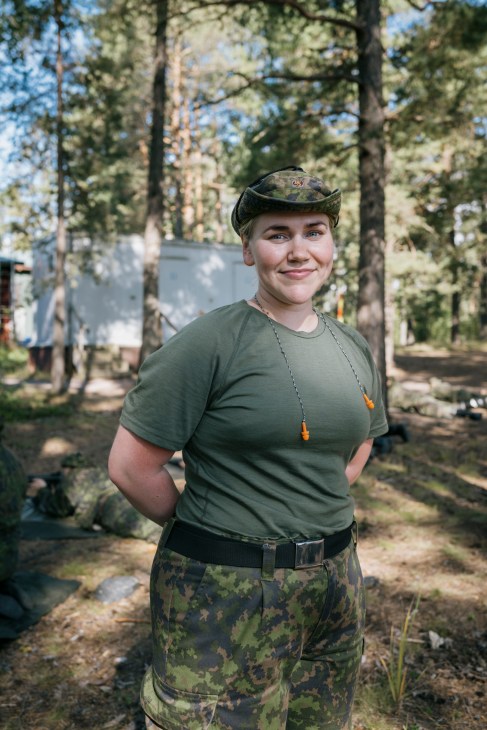
Alisa Krol takes a deep breath, exhales and pulls the trigger of her 7.62 RK62 assault rifle. The 50-cent coin on the rifle’s barrel quivers but doesn’t fall. “Well done,” says her trainer Ida-Susanna Pöllänen. The two women, both in their early twenties, are crouched down on a shooting range on the island of Santahamina off the coast of Helsinki. Krol had never fired a gun before today but, in less than half an hour, she and 20 or so more in her group will all fire live rounds from these assault rifles. All are attendees on a three-day “basic military skills” course, one of more than 3,000 voluntary defence courses organised every year by the MPK (short for Maanpuolustuskoulutus, or “national defence training”). This publicly funded, independent, non-partisan organisation has taught military and safety skills to hundreds of thousands of Finns.
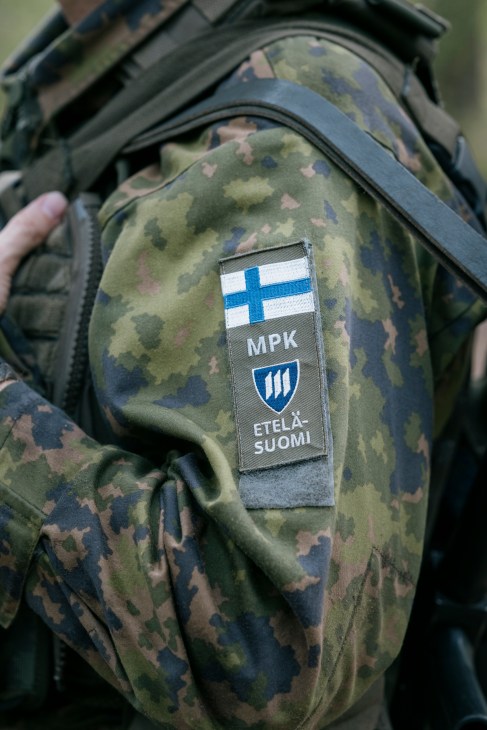
When Russia launched its invasion of Ukraine in 2022, applications to MPK courses grew tenfold. Most of them – many of which charge a €15 enrolment fee – now sell out in hours. On the day that Monocle visits the Santahamina base, less than half an hour’s drive from downtown Helsinki, most participants cite the Ukraine war as the reason for taking part. Finland shares a 1,300km land border with Russia and the conflict has shaken the foundations of the Nordic country’s defence and security policy. After decades of neutrality, Finland has joined Nato and there has been a significant uptick in conflict preparedness.
Krol’s group is split evenly between men and women. In a country where military service is mandatory for men but voluntary for women (about 1,500 of whom elected to take part this year), courses such as these are a great way to learn basic military skills in a short period of time. “I’m thinking about volunteering for the military service and this is a great way to see if I’m cut out for it,” says Krol. She’s not alone in this way of thinking. Tessie Fagerholm, a 22-year-old taking part on the same course, shares Krol’s sentiment. “Defending our country is everyone’s responsibility, not just the men,” she says as we accompany her and the other participants for a lunch of chicken soup and military-issue banana chips under the pine trees. “I work as a baker, so I’m accustomed to waking up early like they do in the army,” says Fagerholm.
The Puolustusvoimat (Finnish Defence Forces) views the MPK as a strategic and operative partner. Despite the latter’s notional independence, much of the training takes place on military grounds with military gear. Moreover, most of the courses that the MPK runs are designed in collaboration with the defence forces. The MPK’s mission statement, as defined by Finnish law, is to promote national defence while supporting and improving the country’s military preparedness. Remarkably, its courses train more than 70,000 participants a year on a budget of just €8m. And these numbers are set to grow.
The Puolustusvoimat (Finnish Defence Forces) views the MPK as a strategic and operative partner. Despite the latter’s notional independence, much of the training takes place on military grounds with military gear. Moreover, most of the courses that the MPK runs are designed in collaboration with the defence forces. The MPK’s mission statement, as defined by Finnish law, is to promote national defence while supporting and improving the country’s military preparedness. Remarkably, its courses train more than 70,000 participants a year on a budget of just €8m. And these numbers are set to grow.
“Without the 3,000 unpaid volunteers who run the organisation and its exercises, none of this would be possible,” Vesa Sundqvist, head of MPK’s Southern Finland District, tells Monocle as we join a group of men in their thirties taking part in anti-tank training. Dressed in battle gear, the men advance in the hilly forest, each carrying an Apilas anti-tank weapon. It’s a sunny day, with temperatures hovering around 25c, and the recruits are drenched in sweat. “Enemy tank ahead, take your positions,” shouts the trainer as the men dive into trenches. The tank is imaginary. This exercise is about how to manoeuvre while holding a 9kg weapon. If it was real, a properly managed Apilas would be able to destroy a tank from up to half a kilometre away. One of the participants is 30-year-old Heikki Toijala, who works at an IT company. “Russia attacking Ukraine was a wake-up call for me,” he says. “I signed up for courses in order to learn as much as possible about defence.”
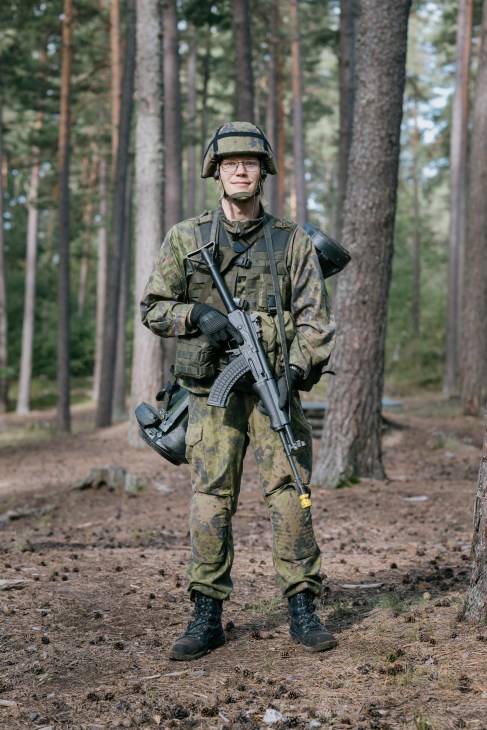
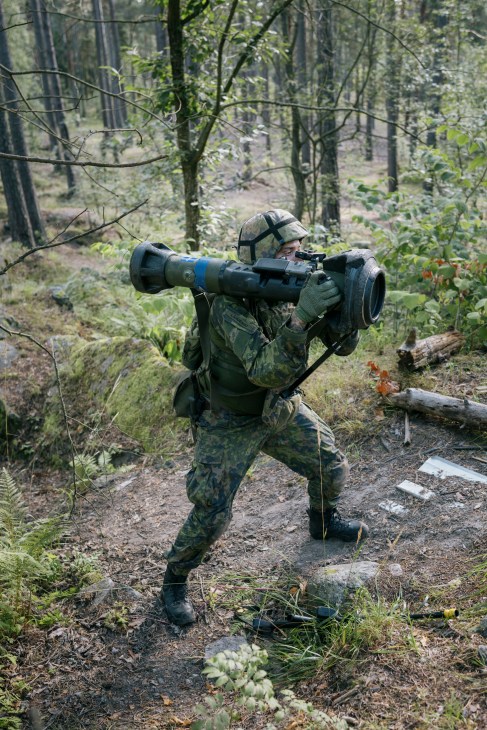
The two wars that Finland waged against the Soviet Union in the 1930s and 1940s, and the subsequent period dubbed Finlandisation – during which Moscow had a final say on the country’s foreign and security policy – are still fresh in Finns’ collective memory. When Russia attacked Ukraine, public opinion about staying out of Nato in order to avoid provoking its eastern neighbour shifted rapidly; Finland joined the alliance in 2023. Mandatory national service still enjoys widespread popularity in the country, with surveys indicating that 79 per cent of Finnish citizens would be willing to take up arms, among the highest numbers in Europe.
Finland’s armed forces in numbers
Active service personnel: 24,000
Reservists: 870,000
Artillery units: 1,700
Tanks: 650
Number of military aircraft: 164
Naval fleet: 246 vessels
The fact that all men are enlisted means that the country’s armed forces boast an astonishing potential wartime strength of more than 900,000 trained soldiers, out of a population of 5.5 million. “Our military strength, and therefore our deterrent, relies on having well-trained and active reservists,” says Sundqvist. “So it is important that they have the chance to maintain and improve their skills in voluntary training.” To keep such a large reserve army in fighting shape, people from all walks of life need to practise their military skills, not just those who are young and fit. Sundqvist tells a story about an 80-year-old participant for whom the MPK needed to negotiate tailor-made insurance coverage so that he could continue taking part in the courses.
Women now constitute one-fifth of participants, a marked increase compared with just a few years ago. In a lakeside military training facility near Tuusula, an hour’s drive north of Helsinki, two dozen women of all ages are split into three groups to study portable generators. Ulla-Maija Niemi and Anne Takala run a five kilowatt Scheppach generator under the guidance of Jouko Savolainen, a volunteer trainer who is an electrician in his civilian life. “There is so much war and conflict in the news that I felt like I needed to prepare,” says Takala. This class is part of MPK’s comprehensive defence training, which makes up about a quarter of all of its courses. It’s a concept that underpins Finland’s defence doctrine and is built on the principle that the society in its entirety, not just the military, is responsible for safeguarding vital functions in times of conflict and emergency. In addition to teaching how back-up generators work, the MPK also hosts courses on cybersecurity that it organises with Finnish universities, as well as ones on first aid, navigation, radiation, search and rescue, and wilderness survival.
Much of the MPK’s funding comes from the state. When asked whether more money would help, Sundqvist replies that “it wouldn’t hurt”. He is being diplomatic. MPK volunteers are currently stretched to the limit and it is clear that additional funding is needed in order to keep up with the growing popularity of the courses. In 2022 the government of then prime minister Sanna Marin granted the organisation additional funding worth €3m, while Finland’s current centre-right government has increased state support further.
But the organisation needs more than just money. Weapons training is by far its most popular course; few things beat target practice with live rounds when learning combat skills. Following the invasion of Ukraine, the Finnish government passed a law in 2022 that allowed the MPK to train with weapons and ammunition from the defence forces and border guards. This August, following a €1.6m deal for tailor-made AR-15 and Nato-compatible practice rifles for voluntary defence training, Finnish weapons manufacturer Sako delivered a first consignment of ARG S40s. The organisation won’t disclose how many rifles it ordered but says that the guns will give them the ability to organise more shooting training. “With this new rifle, we can practice shooting without the need to involve the defence forces,” says Sundqvist.
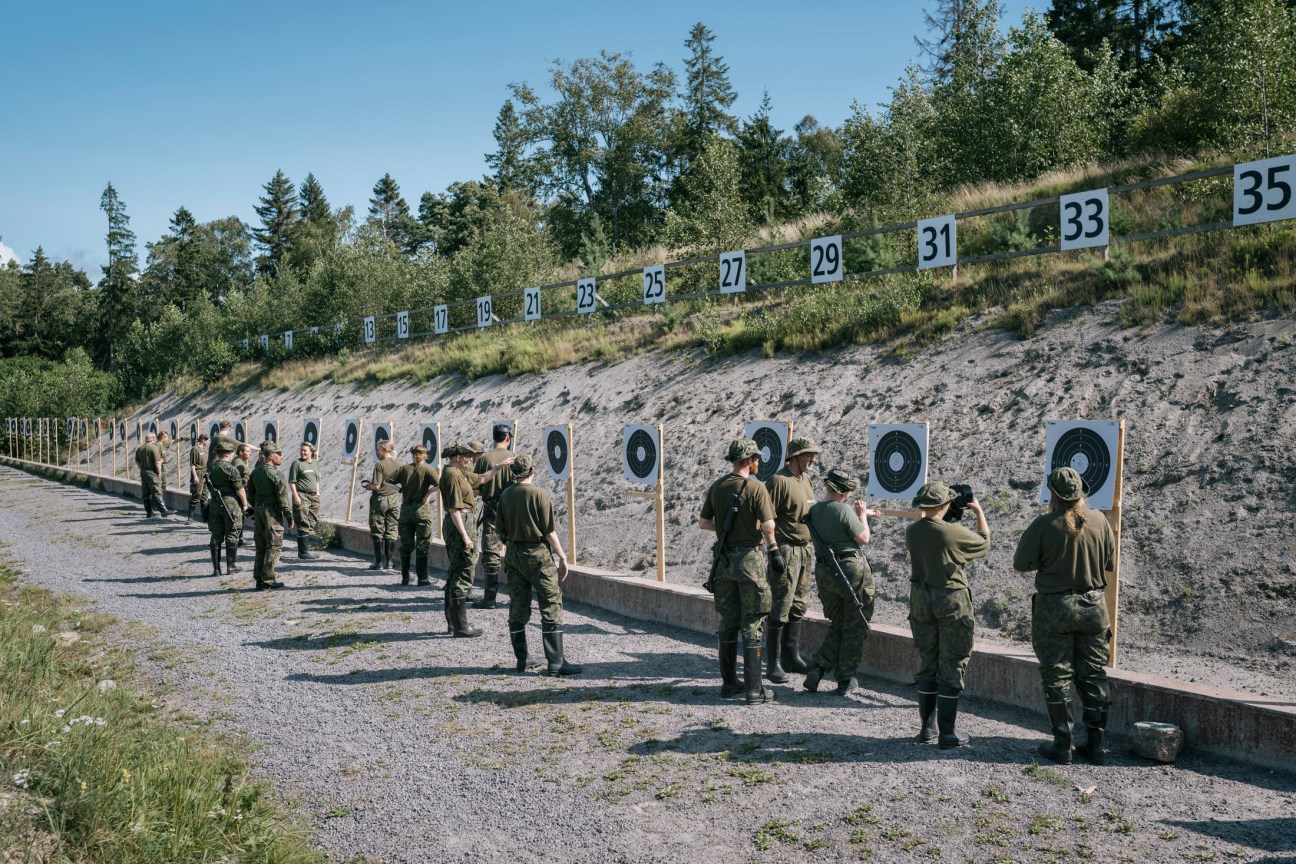
But the MPK also needs places to fire the rifles. The number of shooting ranges away from military bases has dropped from several thousand a few decades ago to just 670 today. In its policy programme, Finland’s current government, led by conservative prime minister Petteri Orpo, has pledged to up that number to 1,000 by cutting down on bureaucracy and environmental regulation, something that the MPK has welcomed.
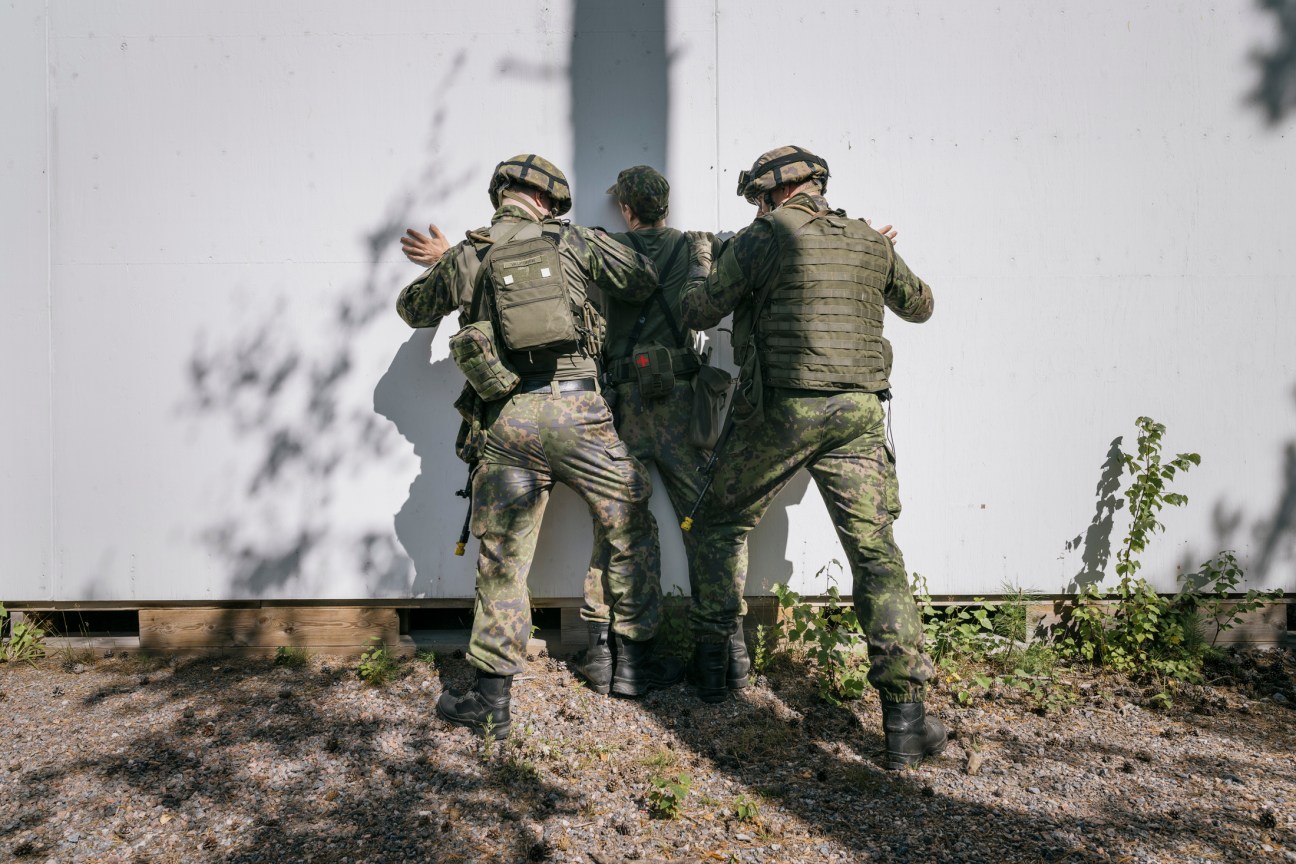
The war in Ukraine has led many Western countries to increase defence spending and ramp up weapons production. Politicians in countries including the UK and Germany have suggested returning, at least partially, to mandatory military service, while Latvia, Lithuania and Sweden have reinstated conscription. Many cite Finland, which never scrapped national service, as a positive example.
Finnish voluntary defence training is getting a lot of attention too. Finland’s neighbours Estonia, Sweden and Norway have their own equivalents of the MPK, though they are part of the defence forces, while Taiwan has a longstanding tradition of civil defence training. Sundqvist says that he has recently hosted contingents from other European countries who have expressed interest in doing things the Finnish way. Poland has launched an initiative dubbed “Holidays with the Army” to attract recent graduates to learn military skills over a month in the summer. For their efforts, the participants were paid an equivalent of about €1,400. In contrast, Finns have to pay to take part in most MPK training. It is a testament to the country’s remarkable national unity and sense of duty that tens of thousands do this every year. In a world sliding towards conflict, there are few better deterrents.
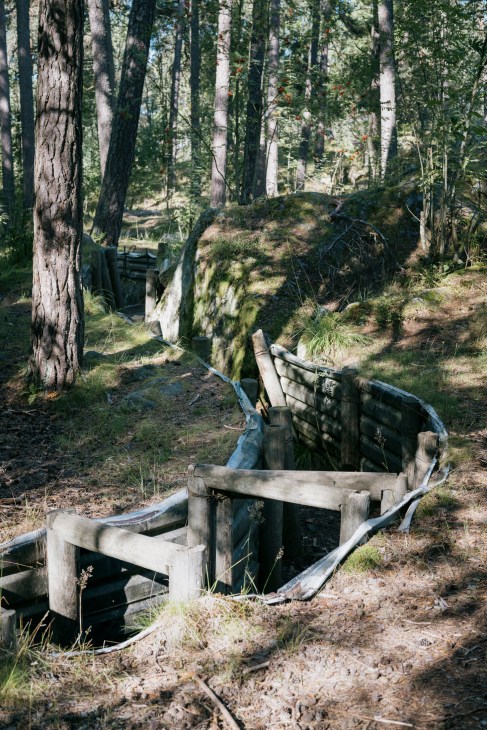
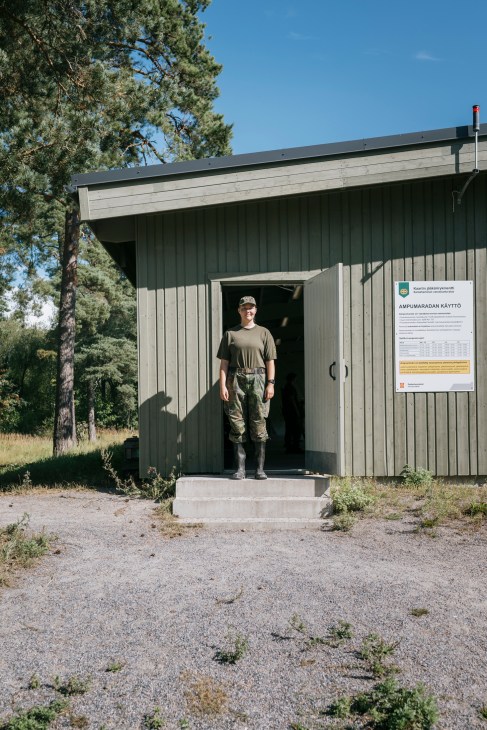
An illustrated guide to the 10 buzziest spots in Toronto’s East End
Despite its size and vast footprint along the shore of Lake Ontario, Toronto tends to think of itself in more intimate terms as a city of neighbourhoods. And while its districts downtown and in the West End are the go-to for visitors – thanks to their many restaurants, watering holes and independent retailers – Toronto’s East End is reimagining itself and beginning to dream a little too.
It is here that one of North America’s largest urban projects is currently under way – a transformative redevelopment of former docks into homes and business hubs that will continue to take shape in the years ahead. But there is already much to savour in the city’s east, particularly in two of its prettier residential neighbourhoods: Leslieville, which kept its handsome red-brick Victorian architecture; and The Beaches, an intuitively named neighbourhood on the mainland shoreline that includes the peerless Woodbine Beach.
The Fox Theatre has been screening films in this part of town since 1914 and newer openings – including dining rooms, magazine shops and music venues – are enlivening proceedings further. There’s also an array of recording studios dotted around the area where Toronto-born rapper Drake opened his concert hall, History, in late 2021.
Yet it’s the neighbourly qualities that define Leslieville and The Beaches, particularly in their public parks, which host some great summer farmers’ markets. Here’s our guide to a small corner of Canada’s largest city.
1.
Read:
‘Serviette’ magazine
A stylish food and drink quarterly launched in 2022 by restaurateur Max Meighen, founder of Leslieville’s Avling Kitchen & Brewery. Pick up a copy from nearby Issues Outpost, Toronto’s newest magazine retailer, and leaf through it over an espresso at Rooster Coffee House.
serviettemag.com; roostercoffeehouse.com; issuesmagshop.com
2.
Stay:
The Broadview Hotel
Housed in a red-brick corner plot, which played cameos in the Hollywood films Cinderella Man and A History of Violence, The Broadview Hotel reopened in 2017 after a restoration, shaking off some of its notoriety in the process (it was home to Jilly’s, a well-known adult venue, for 34 years). The cosy, brick-walled private space attached to the King Terrace Room makes it the suite to plump for.
thebroadviewhotel.ca
3.
See:
Leslie Lookout Park
Toronto’s newest public park, which opened in September 2024, is one of its most unusual. Nestled in a nook in the industrial waterfront where cargo ships turn around in port, the space has been transformed into a charming public beach by Montréal-based architects Claude Cormier and Associates.
createto.ca
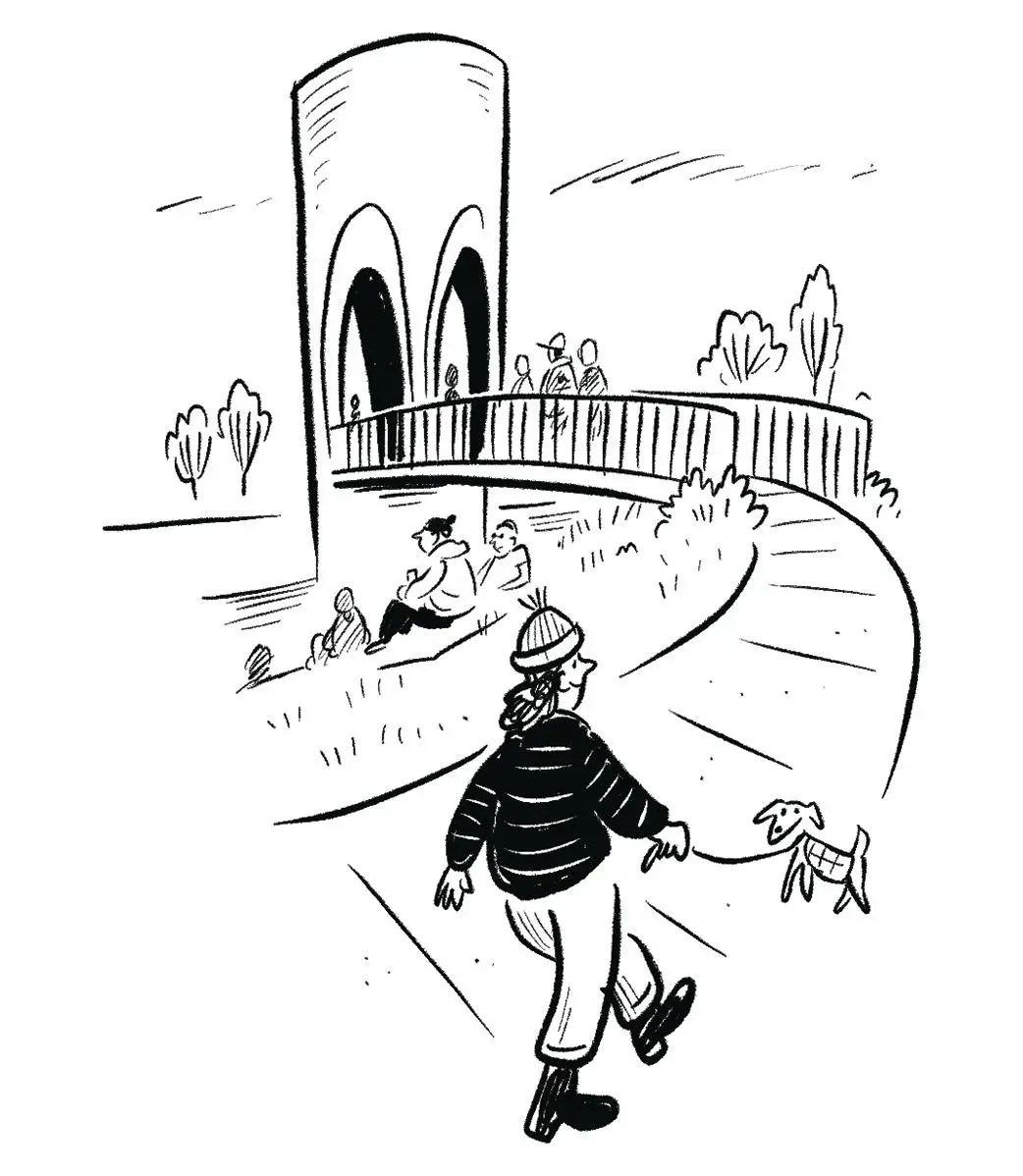
4.
Eat:
Maha’s Egyptian Brunch
Try celebrated Egyptian-Canadian chef Maha Barsoom’s novel takes on the African country’s staples. The grilled cheese sandwich, studded with caramelised dates, is a treat. A second location, shared with Toronto-based Egyptian-cotton clothing brand Kotn, opened last year.
mahasbrunch.com; kotn.com
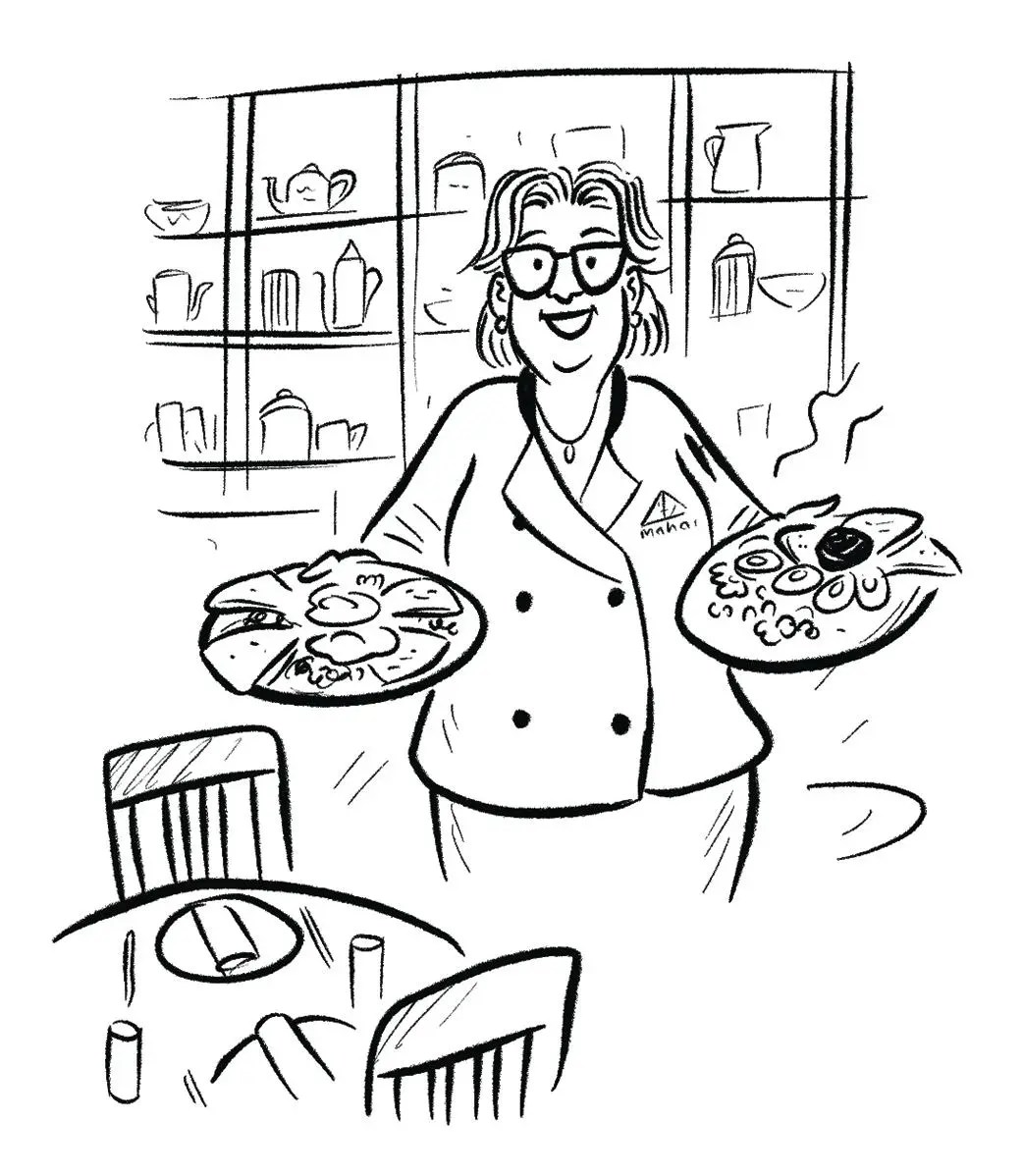
5.
Shop:
Good Neighbour
Opened in a pretty converted home in Leslieville, Good Neighbour stocks jumpers and shirts by brands including Portuguese Flannel and Les Deux, plus sunglasses by Le Specs and Izipizi. Its third branch opened in the affluent Summerhill neighbourhood this year.
goodnbr.com
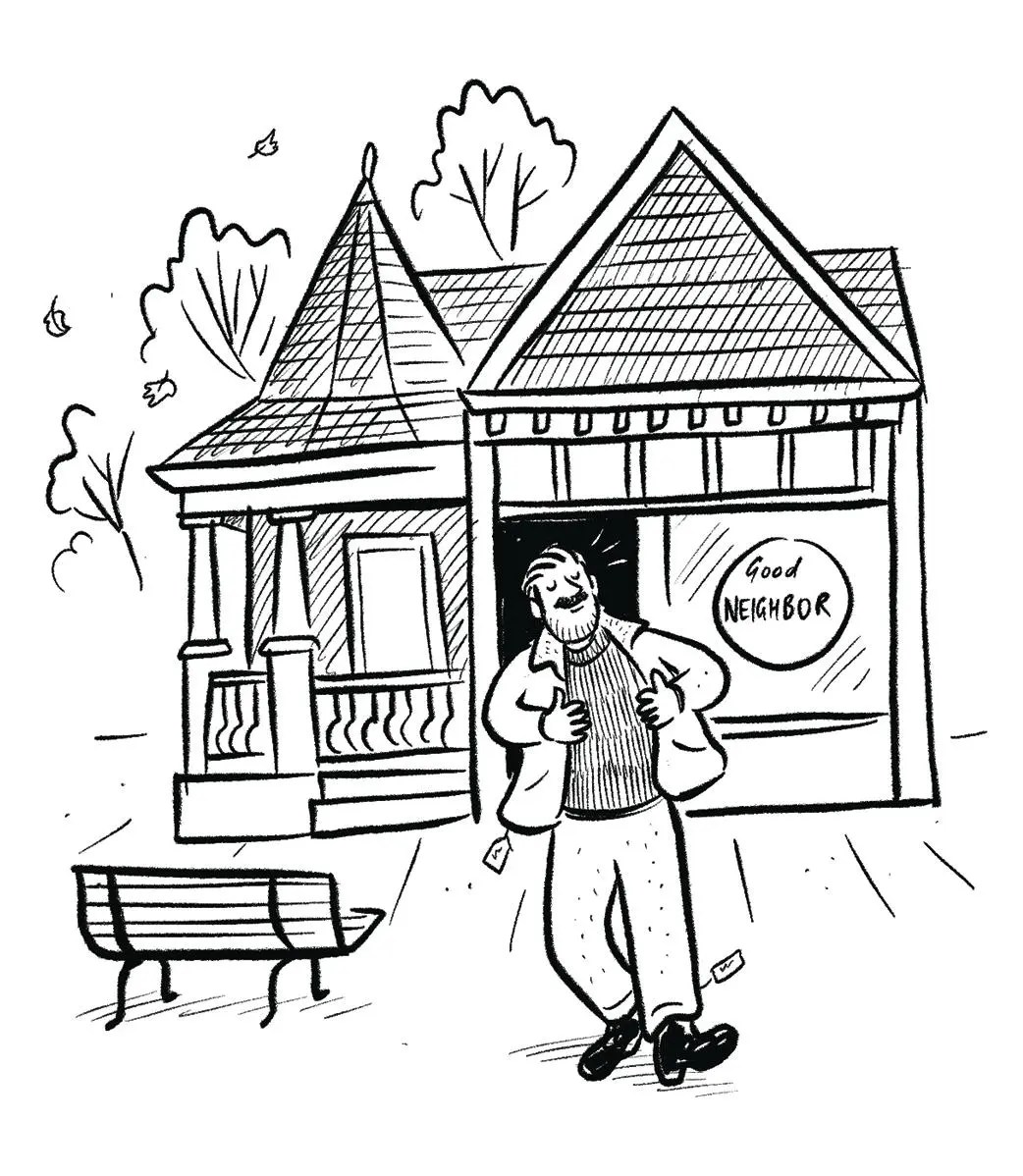
6.
Drink:
A daiquiri at Goods & Provisions
This lively neighbourhood tavern is known for its excellent natural-wine list (try a chilled glass of Foradori teroldego Lezèr) but it mixes a mean daiquiri too. The Wagyu carpaccio, served with fresh chive dressing, is a dish to savour.
1124 Queen Street East

7.
Buy:
Guff mid-century furniture
Guff is one of the best suppliers in a city that does mid-century furniture very well. Its inventory changes frequently but dining tables by Denmark’s Hans Olsen and Gudme Møbelfabrik make paying a visit to its showroom well worth it.
gufffurniture.com
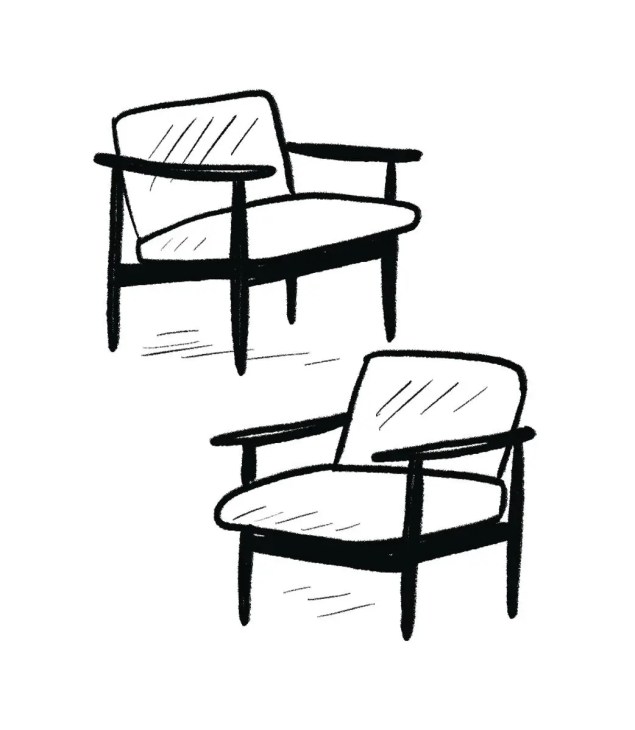
8.
Visit:
Fox Theatre
Toronto’s oldest continuously operating neighbourhood cinema opened its doors in 1914. Its single unfussy screening room is an institution, showing blockbusters, indies and documentaries, as well as playing host to public screenings during the annual Toronto International Film Festival. For a pre-film tipple and snack, head down the street to Mira Mira Diner to enjoy a martini and the signature deviled eggs.
foxtheatre.ca; eatmiramira.com
9.
Order:
Ontario striploin at Wynona
Served with spring-onion chimichurri, soubise (oniony bechamel) and pickled mushrooms, the striploin is a staple dish at one of Leslieville’s most highly regarded dining rooms. The venue’s more casual sister cocktail bar, The Comrade, is also a neighbourhood favourite.
wynonatoronto.com; comradetoronto.com
10.
Don’t miss:
Woodbine Beach
If you’re visiting Toronto in summer, pick up a read at Queen Books before wandering along the boardwalk to take your place on the sand at Woodbine Beach. In the chillier months of winter, when the annual Winter Stations design competition takes place here, architects transform the beach’s lifeguard stations into eye-catching – and warm – huts.
queenbooks.ca; winterstations.com
Read next: The Monocle City Guide to Toronto, featuring the best hotels, restaurants and retail spots
Fall guise: The sharpest menswear for winter, photographed on the streets of Paris
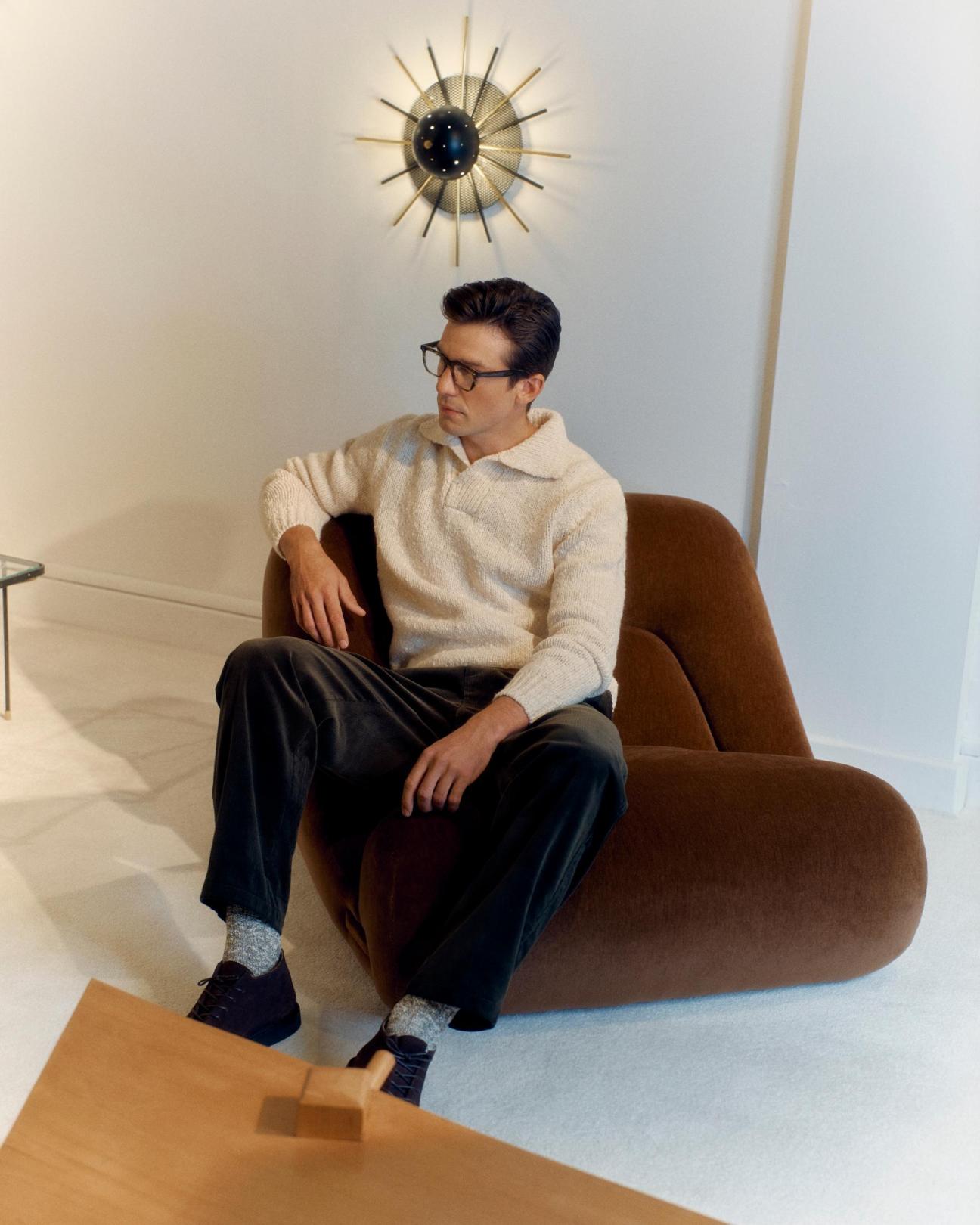

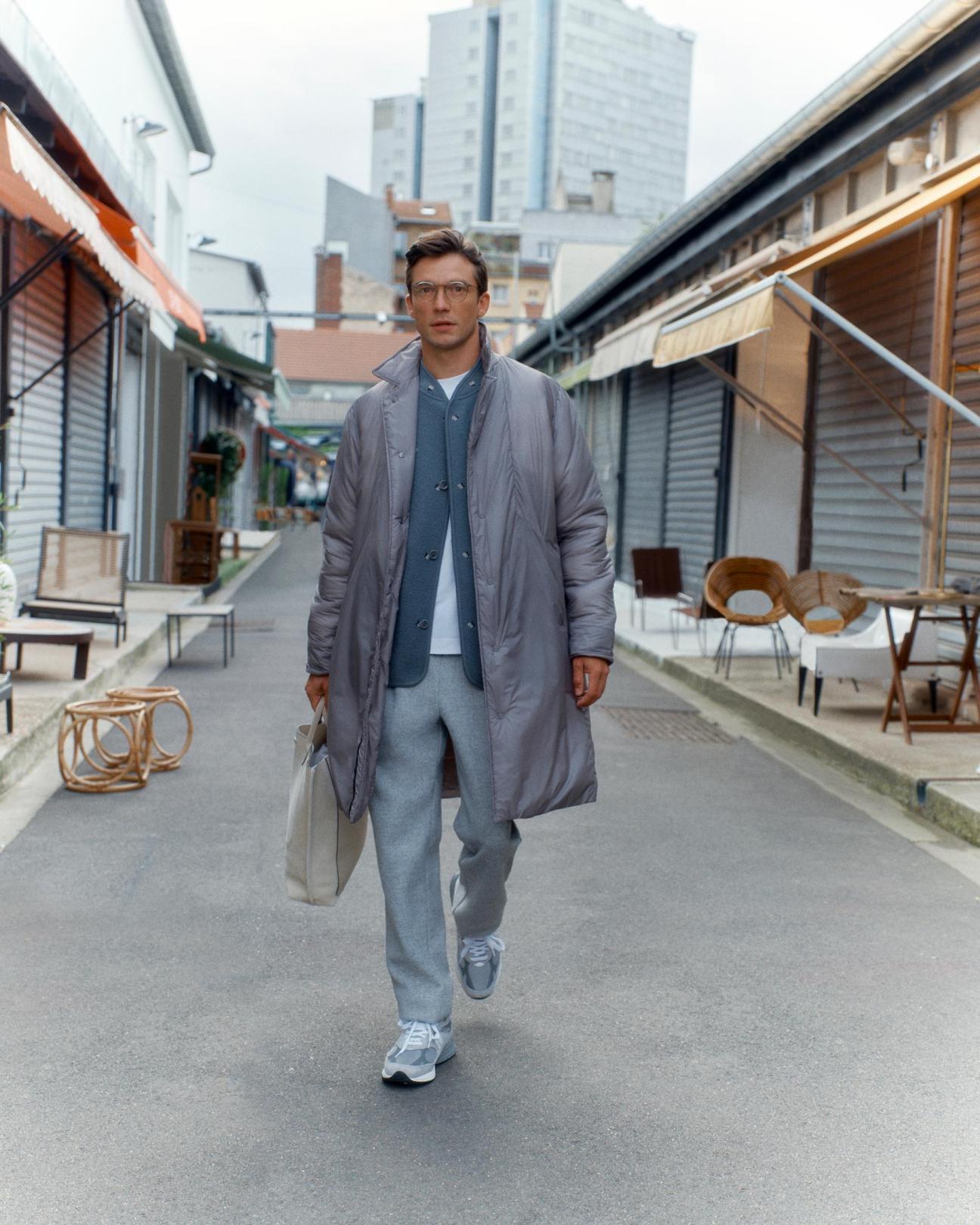
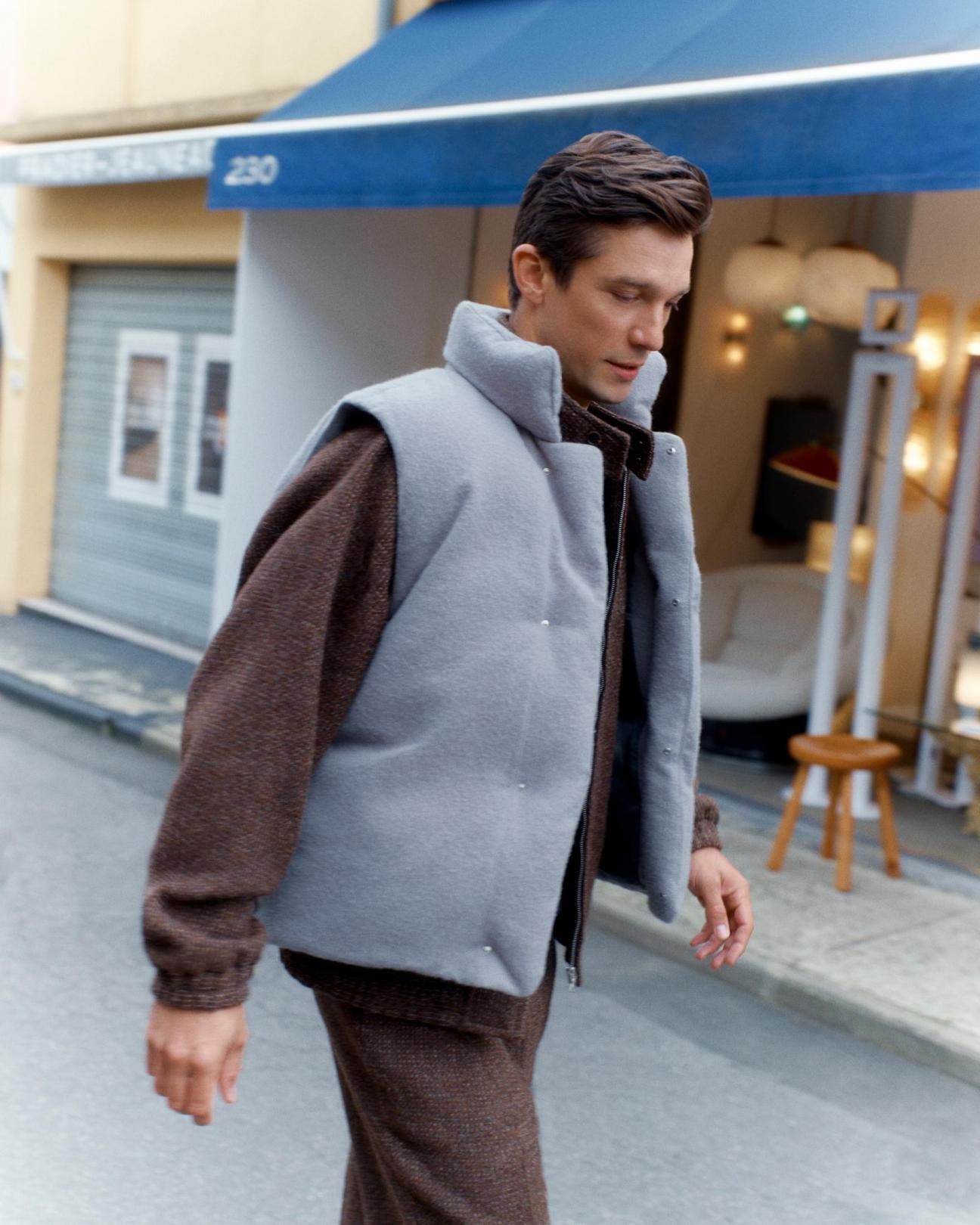
Stylist: Kyoko Tamoto
Hair & make-up: Marlène Bouron
Model: Alexis Petit
Design agenda: Sydney’s Studio Prineas, London-based Hût Architecture and the revival of the Memphis waterfront
Urbanism: USA
Walking in Memphis

The city of Memphis, Tennessee, was founded on the banks of the Mississippi river in the 19th century but its modern waterfront has long been defined by unremarkable swaths of turf abutting the famous waterway. Now, a 12.5-hectare portion called Tom Lee Park has opened as a dynamic public and natural space, refreshing the city’s most prominent landscape.
“The redesign was inspired by a desire for Memphians to come to the river to reconnect with each other and with the Mississippi,” says Kate Orff, founder of New York-based design studio Scape. “It’s also inspired by the story of Tom Lee, an African-American river worker who became a hero after risking his own life to save 32 people from a capsized steamboat in 1925. The space celebrates Lee’s legacy of generosity, while still confronting difficult and unfinished conversations about justice.”
Brought to life by Scape and architecture firm Studio Gang, the new design has organised the parkland into a series of zones that mimic the sediment flows of the Mississippi. Boasting structures made from timber, a river-themed playground, sports and recreation courts, as well as picnic areas, the park also works to strengthen the connection between downtown Memphis and the river, with locals now having a reason to venture towards the water.

More than 1,000 new trees and native plants have also been added to the space, helping to replenish and restore the local ecosystem.
The transformation has added a new civic common space where Memphis residents are welcome to gather, exercise, relax and attend events alongside the ecologically revitalised river corridor. “Our job was to design a park that aspires to meet Tom Lee’s spirit of generosity,” concludes Orff. “Communities in Memphis are so vibrant. We wanted to make a park that enables that grit and love and creativity to come together in one place – at the river’s edge.”
Design: Europe
Charged up
Frankfurt-based design firm E15 and Australian brand Zetr have joined forces to create a new flush-finished socket set-up to subtly incorporate power sources in office furniture. Called System 25, it can be fitted to E15’s own tables or integrated into products from other manufacturers. The nifty little gadget is composed of two parts: a power box which is fitted to the underside of desks and contains electrical charge, and a flush metal faceplate from which only essential cables, such as phone or computer chargers, emerge. Available in brass, bronze, steel or black steel finishes, there’s a host of options available to ensure that a table’s silhouette is no longer interrupted visually by clunky outlets.
e15.com, zetr.com.au
Architecture: UK
East-end makeover
London-based Hût Architecture have transformed a former military drill hall into a new mixed-use development in the UK capital’s East End. The property, which has been largely undisturbed since the 1930s, when it served the Royal Army Service Corps 1st Anti-Aircraft division, had seemingly been doomed to a gloomy future of use as a storage space and the dilapidated backdrop for grunge fashion shoots. But the restoration has breathed new life into the building in the form of new offices, apartments and a coffee shop.
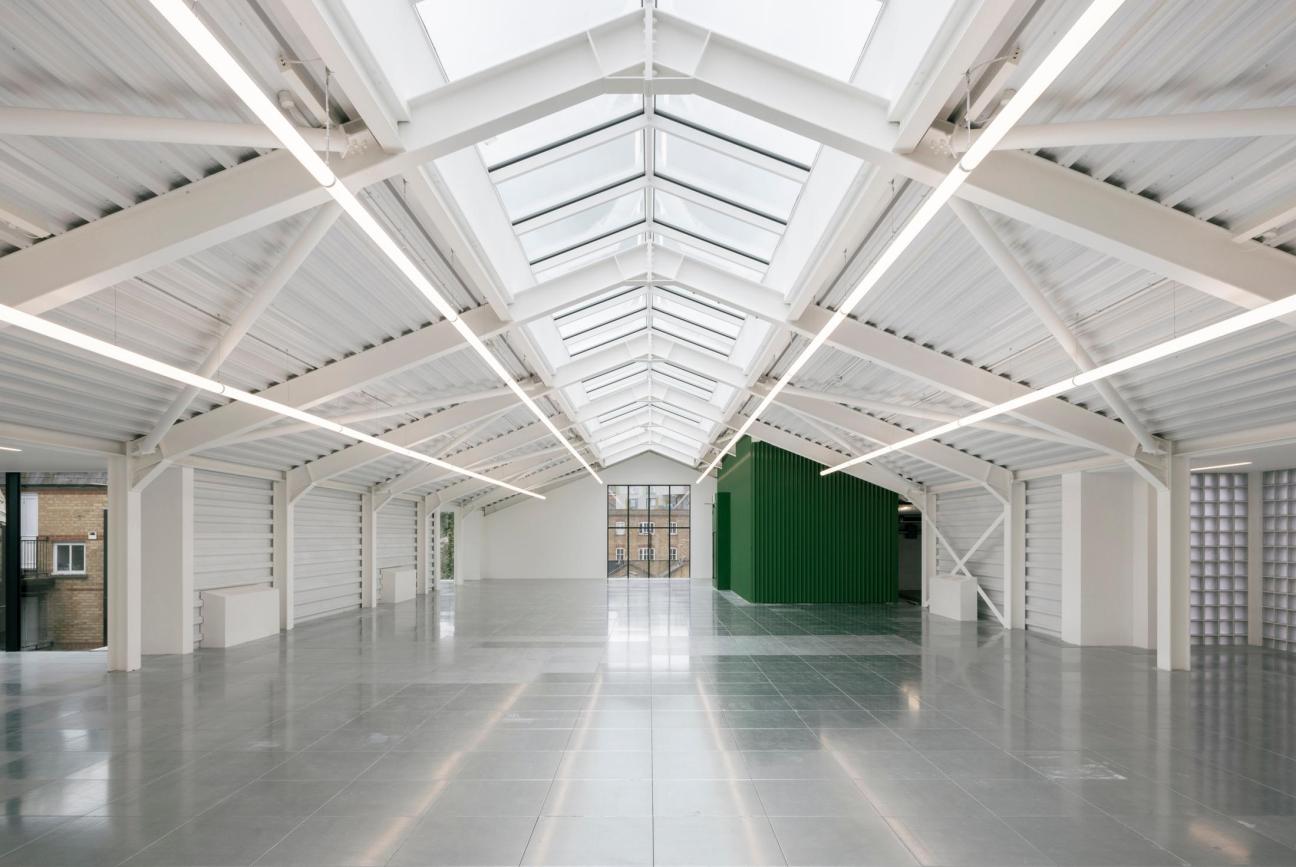
Roof lights and translucent block walls ensure that natural light glows across the exposed structure and brickwork, while also illuminating the forest-green accent colour that defines the renovation. From sheets of corrugated iron and steel beams that cross the lofty ceilings, to plants and vines that tumble down the exterior walls, the redesign’s juxtaposition with the original industrial feel brings a sense of purpose to a neglected urban relic.
hutarchitecture.com
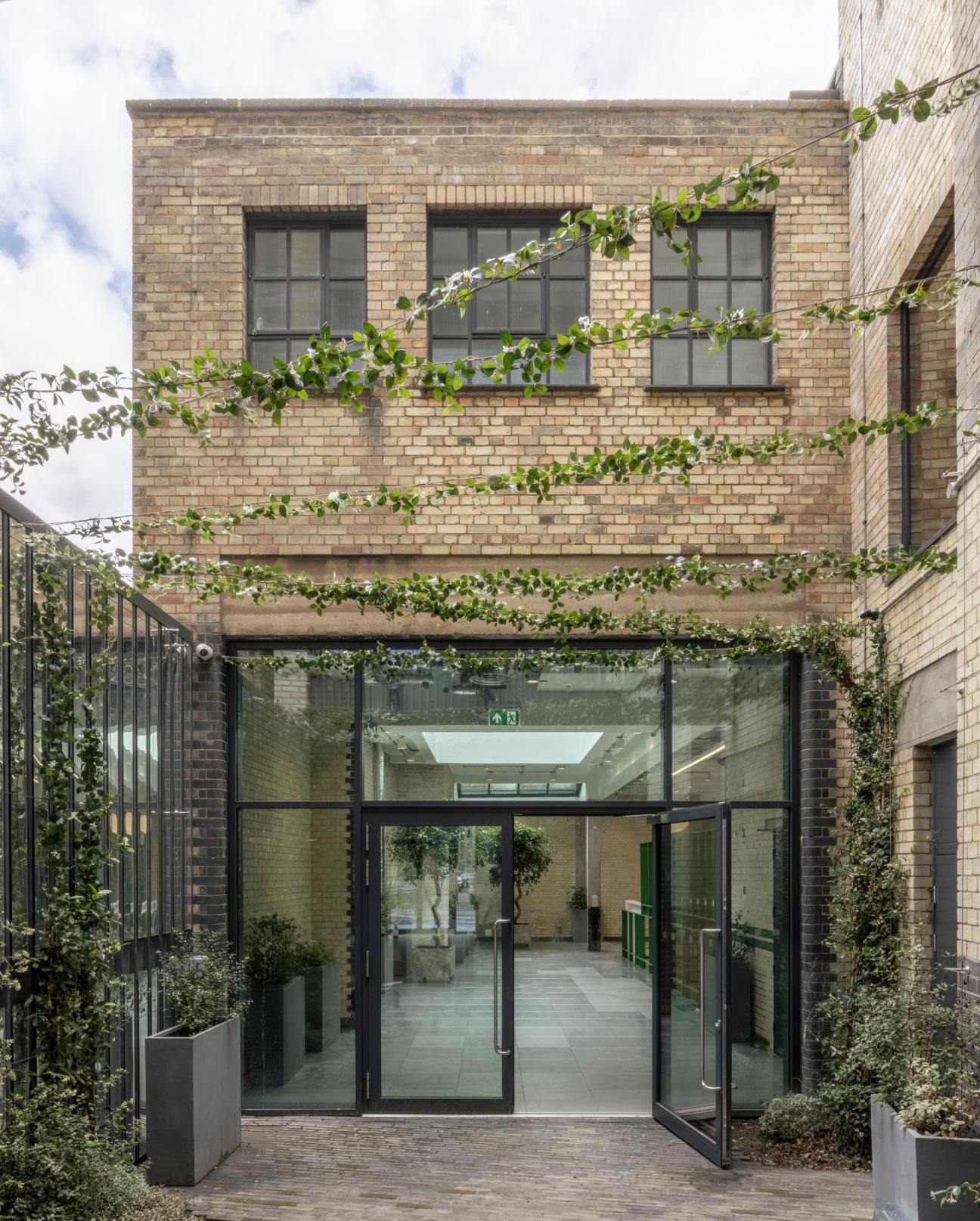
For more on Drill Hall, click through to our feature here, where the project sets the scene for a fine selection of sofas, chairs and lighting.
Design: Australia
Q&A
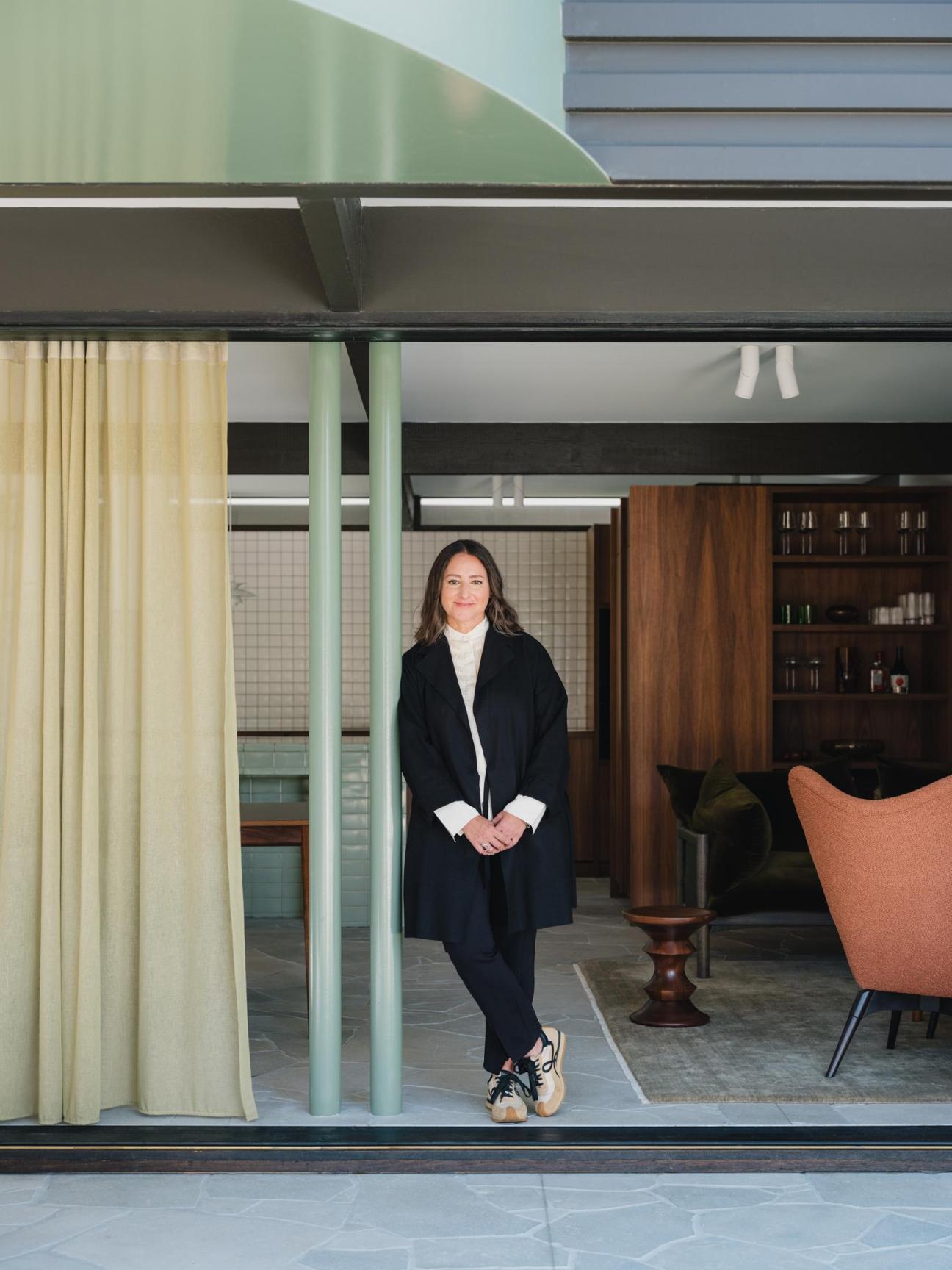
Eva-Marie Prineas
Founder, Studio Prineas
Since 2004 the Australian architect Eva-Marie Prineas’s projects have focused on building on Sydney’s historic architectural legacy, “thinking more and building less”. We asked her about her responsible approach to building and the peculiarities of work in Australia.
How does a ‘building less’ approach end up improving your practice?
It’s the most responsible way for architecture to move forward. When you’re working with existing buildings, you have to think about what you need to keep and what you might not necessarily have to keep; these are the decisions that are important moving forward, so that you’re doing as little as possible, but with as much impact as necessary.
Why is ‘responsibility’ your word of choice when describing your projects?
I feel that the word sustainable is almost an oxymoron in construction. Everything that we do is creating more of a carbon footprint. So it’s about being responsible about our choices and minimising the impact as much as possible.
How do you create architecture that is grounded in place?
With a recent project, we developed the landscaping as a reference ecology for the local area. We went for a bush walk with our clients and looked at all the planting, then we came up with a beautiful scheme. Once the garden started to grow, beautiful fauna were coming to the site.
studioprineas.com.au
Culture agenda: New art spaces from Guadalajara to Warsaw and what’s next for the Australian Ballet
Media: Dubai
Q&A
Isabella Craddock
Editor, ‘Near+Far’
New Dubai-based publication Near+Far offers a Middle Eastern perspective on hospitality and travel. Its stories range from those on the Palestinian art scene to coverage of Dubai’s latest hotel openings. The magazine’s founder and editor, Isabella Craddock, tells Monocle about its audience, the tourism industry and her aim to dispel regional clichés.
Why is Dubai a fitting place to launch this title?
There’s space here for a homegrown, independent title such as mine. I have worked in publishing for more than 10 years but it’s still exciting to launch a new magazine.
What’s the main aim of your publication?
As the title suggests, I want to go near and far. The first part of the magazine is all about the Middle East. The second is about other places but with travellers from this region in mind – though anyone can read it.
Is tourism booming across the region?
Tourism numbers are very positive. Great hotels are opening, not only in Dubai. Saudi Arabia is also an exciting place for tourism. In Near+Far, I try to dispel the clichéd image of the region as one of camels and desert dunes. There’s more to it.
To hear the full interview with Isabella Craddock, click here.
Art: Poland
To those who wait
Muzeum Sztuki Nowoczesnej (MSN) has been a long time coming. “There are newspaper articles from the 1950s arguing for a dedicated modern-art museum in Warsaw,” says Sebastian Cichocki, its chief curator. Now it has finally arrived.
The museum was originally slated to open 10 years ago. In 2005 planning began in earnest for the new building on Plac Defilad, the capital’s central square, next to the Stalinist-era Palace of Culture and Science. The project, however, was beleaguered by several false starts and delays.

After such a long wait, it seemed that the only appropriate way to celebrate the museum’s launch was with a three-week party. In October, the MSN’s curators lined up more than 160 events over 16 days, including performances by US musician Kim Gordon and Lebanese contemporary artist Tarek Atoui. The festivities and a rich public programme will carry on until the full opening in February, when visitors will be able to see the full extent of the collection, which focuses on art made since 1989.
“Much of this space was handmade by craftsmen from Warsaw,” says Thomas Phifer of the 20,000 sq m building. The New York-based architect’s design is a minimalist box in white concrete. “There’s a sense of abstraction,” he says. “It’s very simple, very heavy and all about the light.”
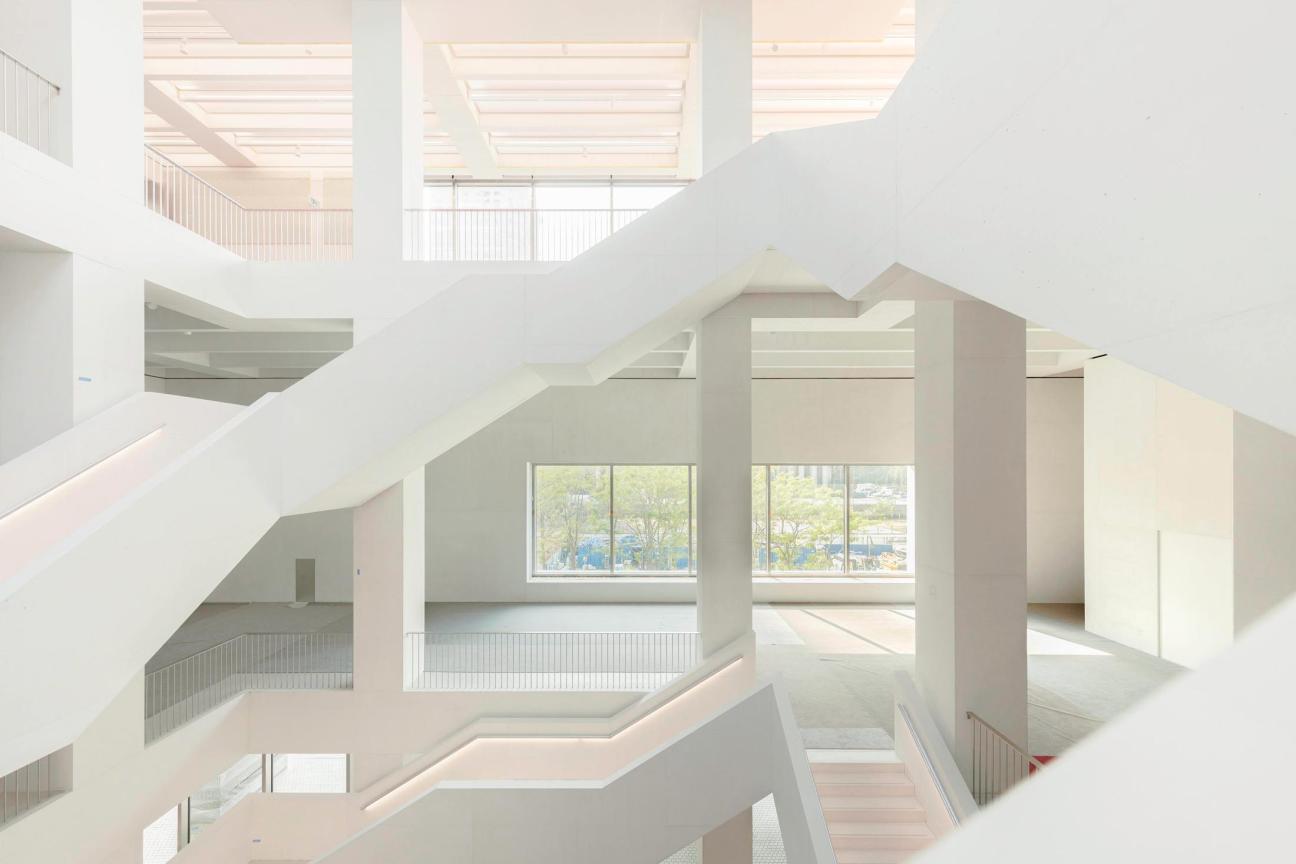
The MSN’s ground floor is open to the public and serves as a shortcut across the square, where the city is building a performing-arts theatre (also designed by Phifer) and a park. A symmetrical staircase takes visitors up to the galleries, which range from compact rooms to vast, skylit spaces. Resisting the trend for flexible exhibition spaces, the MSN has opted for a fixed floor plan. On every floor, windows and balconies overlook the Palace of Culture on one side and a shopping centre on the other. “Moving through the building, you have different framed views of the city,” says Phifer.
The location of the MSN is fitting, as it sits between structures from Warsaw’s communist past and its subsequent commercial boom. “Poland was the best student in the class after 1989,” says Cichocki, referring to the country’s embrace of capitalism after the fall of the Iron Curtain. “But it always lacked a magnet.” It might be a few decades overdue but Polish art finally has a venue that stands on its own.
artmuseum.pl
Art: Mexico
Centre of attention
When José Noé Suro discovered a former funeral home in Guadalajara’s Americana district, he knew at once that it was where he would open the city’s latest art space, Plataforma. Not only was it central and in a creative area but the 1970s modernist site would also provide ample exhibition space. “The bones were perfect,” says Suro, who called on the expertise of architect Sergio Ortiz for the project.
Suro had long dreamt of an art hub that could provide a platform for the burgeoning regional talent that he already knew and worked with in his ceramics business. His collaborations have also included international designers and architects, such as Kelly Wearstler; he has welcomed artists in residence from across the globe too.
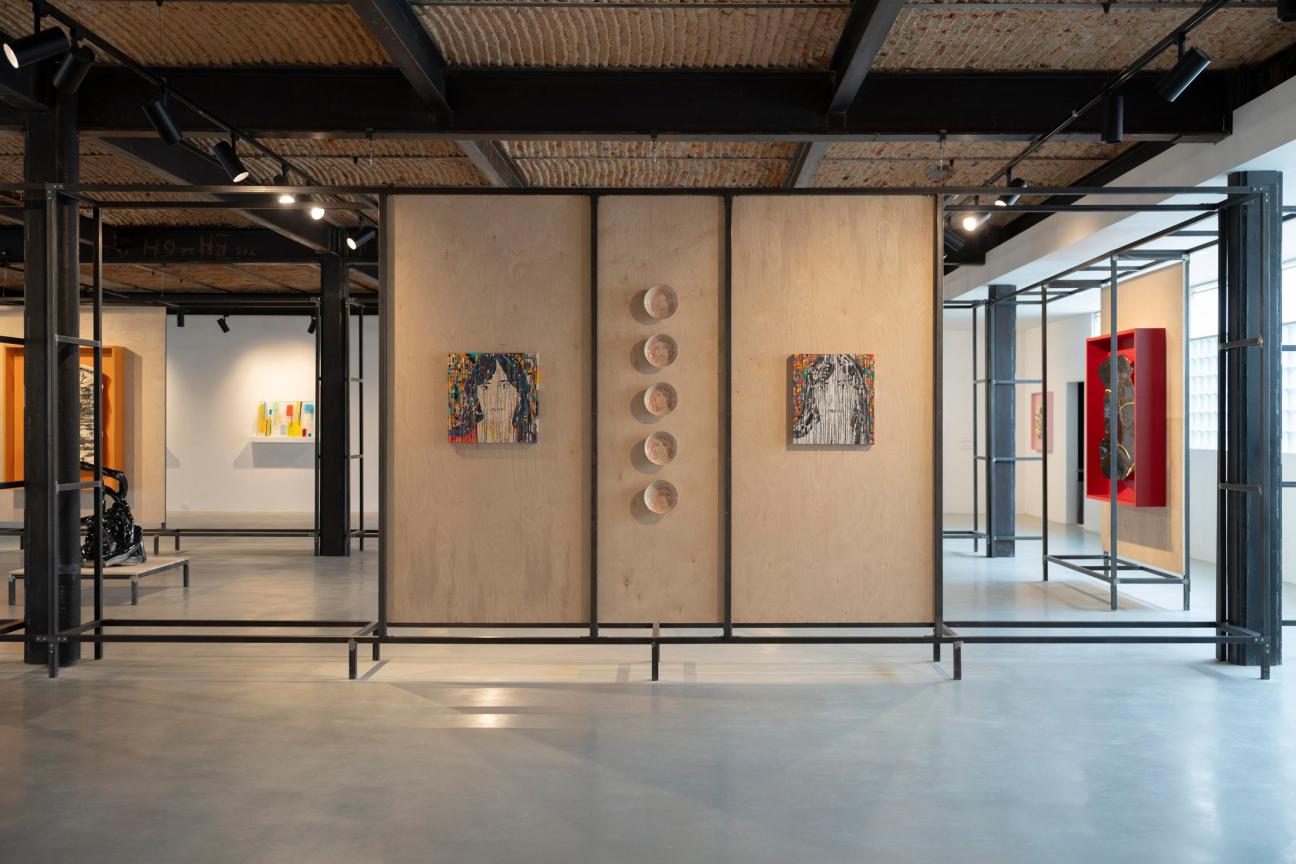
At Plataforma, Suro has brought in renowned curators – including Madrid-based Agustín Pérez Rubio, former director of Museo de Arte Contemporáneo de Castilla y León – to develop exhibitions with artists from Guadalajara and Mexico’s interior. Also on display are pieces from Suro’s private collection. Meanwhile, a bar just opened and a restaurant is in the works. “We will show visitors what is happening in the region,” he says.
Ballet: Australia
Q&A

David Hallberg
Artistic director, Australian Ballet
The Australian Ballet’s new production, Oscar, reimagines the life and work of Oscar Wilde through dance. It’s an ambitious commission that celebrates love in all of its forms. Here, David Hallberg, the company’s artistic director, tells Monocle about using Wilde’s life as source material, the power of storytelling and choreographer Christopher Wheeldon’s brilliance.
Why did you and Wheeldon bring this story to life?
The life and writings of Oscar Wilde have been explored before but never really in the ballet world. I want to tell bold stories that people can relate to.
Do you feel that you have broken new ground?
People have said so but that wasn’t the intention. Wilde wrote beautiful stories and also had a troubled existence. He was tried for gross indecency with young men, served two years of hard labour and died not too long after he got out of prison. We wanted to tell this honest story. I hope that this paves a new path for more courageous storytelling.
How do you create the building blocks of a character through dance?
It takes a great choreographer such as Wheeldon to evoke the wit and character of Oscar Wilde through movement. He has told Wilde’s story not through the words that he wrote but through the life that he led.
Music: UK
Playing it by ear
The Marquee Moon in northeast London is a bar of two halves. At ground level, you’ll see traces of its past life as a pub: an oak parquet floor, leaded windows with streaks of green stained glass. The formidable array of DJ equipment dotted around the building signals its new function as a listening bar. The downstairs space was once a club with “a little 60-capacity dance floor”, says co-founder Eugene Wild. Now it’s a sleek, seductive world of mid-century lamps and stools, half-moon booths made from teak and sapele, and banquettes, tiles and speaker grills in shades of deep orange.
The listening-bar concept has its roots in the jazz kissa – bars or cafés playing US jazz records that emerged in Japan in the late 1920s. Many of these venues banned talking, such was the veneration towards the perfect sound. In recent years, more relaxed interpretations of the idea have spread across the world.
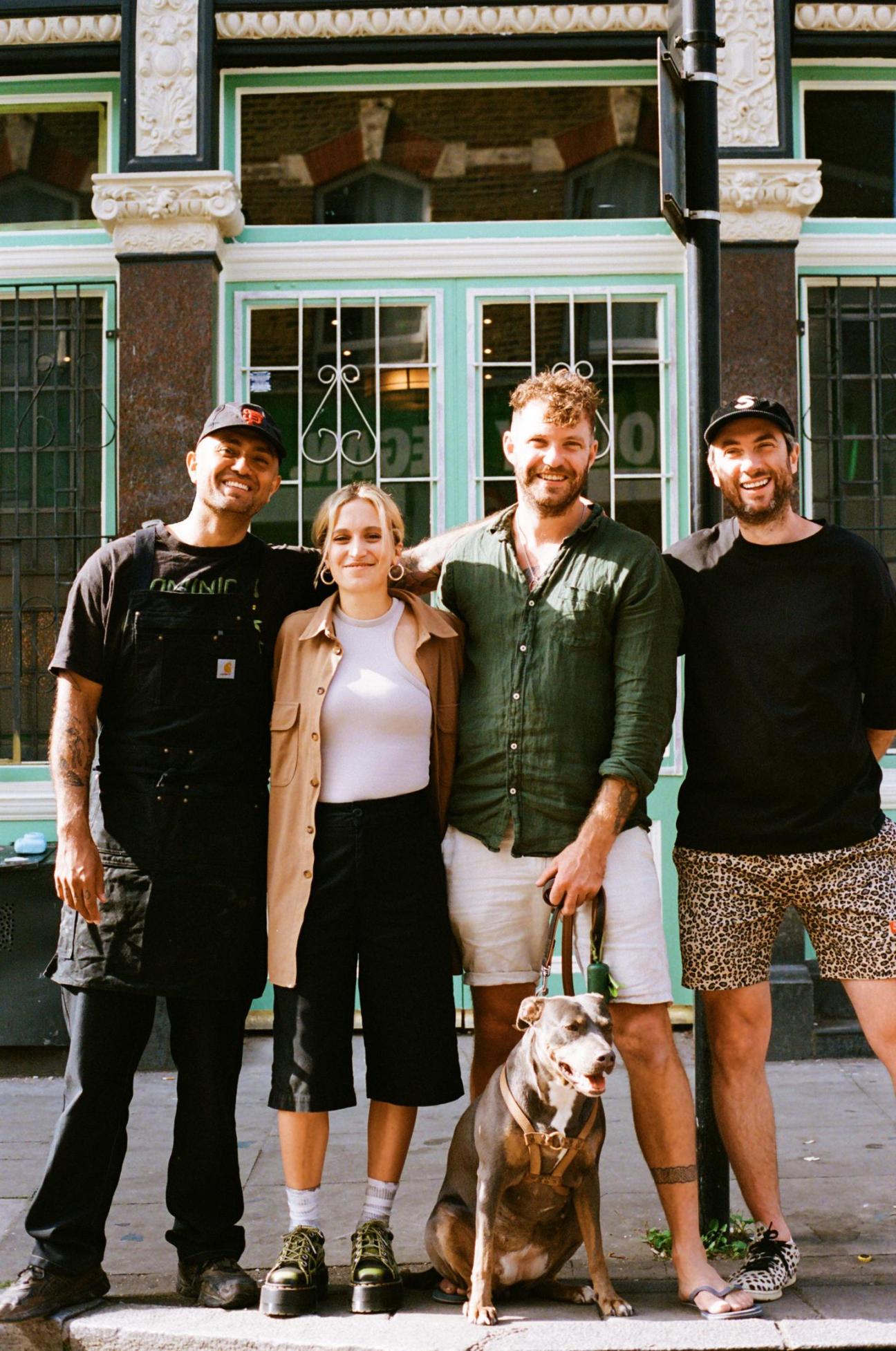
Wild and his business partner Stuart Glen have worked together since 2018 and today run five businesses in London. The Marquee Moon was partly inspired by the fact that its customers were increasingly going to late night bars. “As they’re maturing, so are we,” says Wild.
The DJs who play here are briefed to steer clear of “run-of-the-mill” electronic dance music. “We know that these DJs have amazing record collections. So, we want to encourage them to play like they would in their living room to a bunch of mates.” The downstairs area is acoustically treated and the JBL speakers are rigged for quality, not volume. Unlike a traditional Japanese kissa, conversation is encouraged. And Wild promises the occasional airing of punk band Television’s 1977 album Marquee Moon, the bar’s namesake.
themarqueemoon.uk
Berlin’s Eternithaus returns to its roots
In 1957 the Hansaviertel, a quiet neighbourhood between Tiergarten and the river Spree, drew more than one million people to gawk at how good living in West Berlin could be. The occasion was a building exhibition, Interbau, where more than 50 leading architects, including Alvar Aalto and Oscar Niemeyer, had designed modern, near-nature homes that were in sharp contrast to the cramped Plattenbau being built in communist East Berlin. Today one of the Hansaviertel’s most beloved buildings, the Eternithaus, has been returned to its original purpose as a space for living well – and, perhaps, showing off a little. And this time around, it’s available for rent.
Fulds was founded by Sarah-Joan Fuld, who runs a design agency, and her brother David, who lives and works in the Eternithaus and runs a personnel company. The slender building has a glass-walled ground floor, topped by seven two-level maisonettes. “There were always people standing outside, looking in,” Sarah-Joan tells Monocle. “We thought that we needed to share this with other people.”
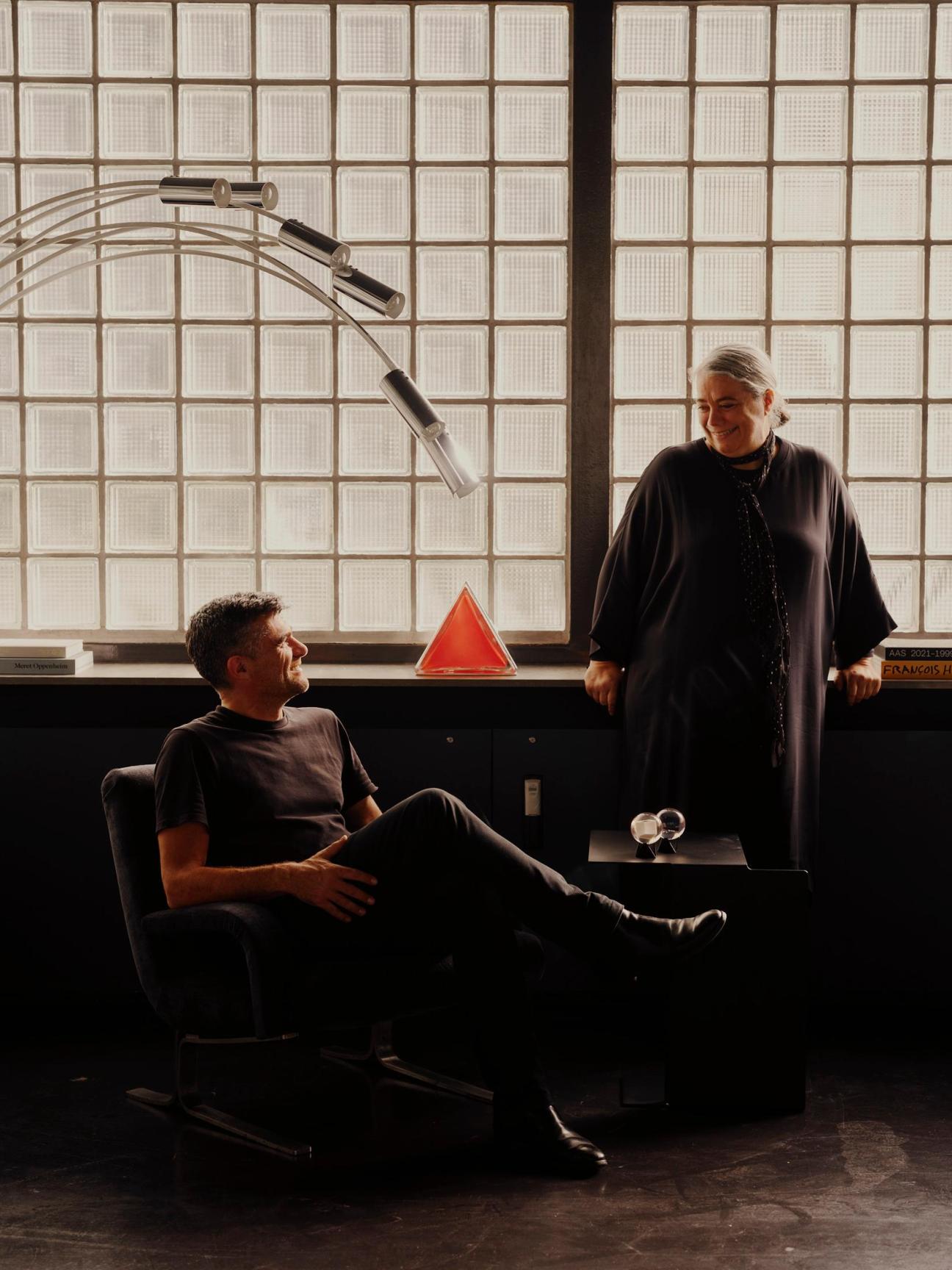
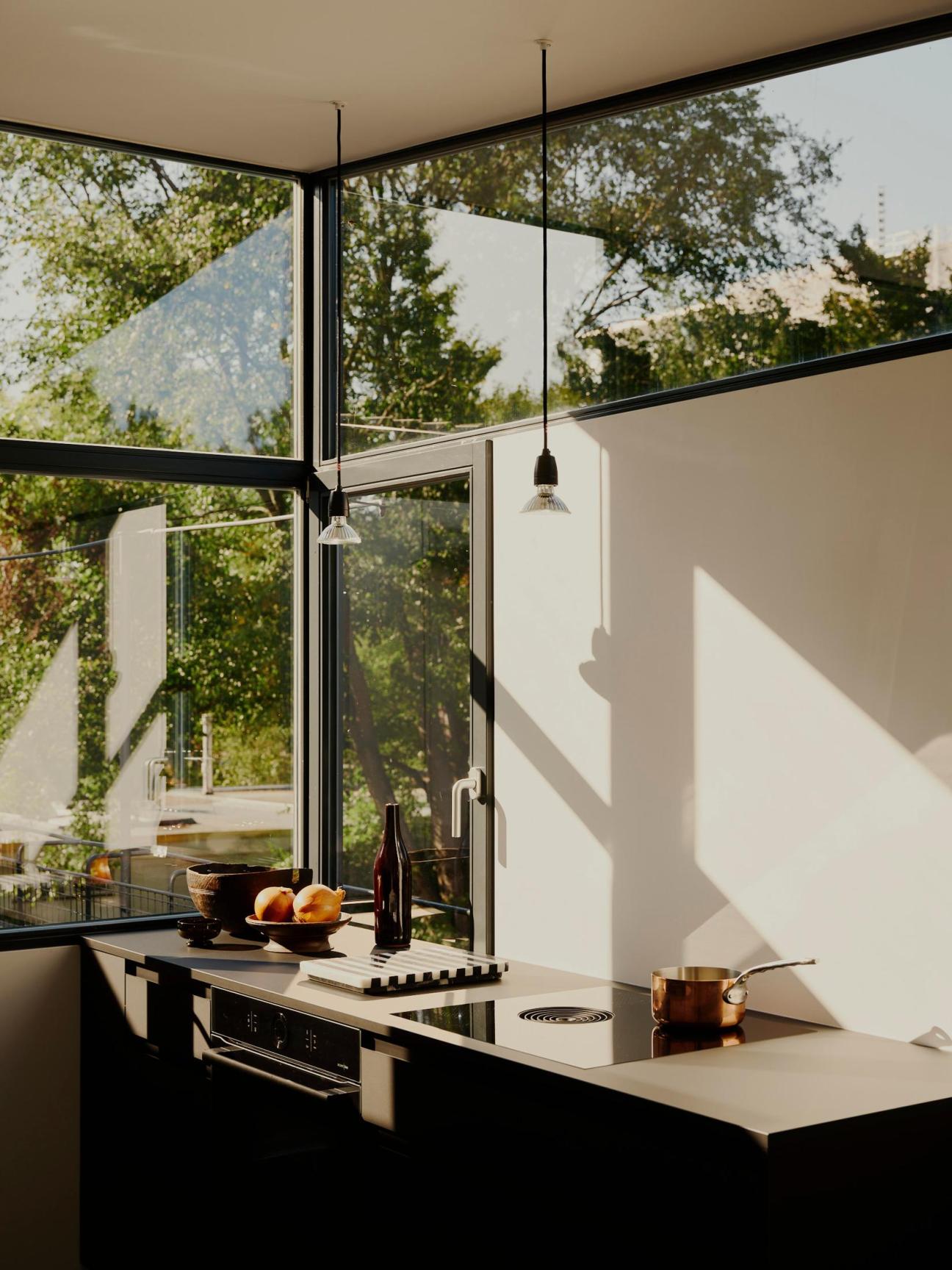
Sarah-Joan was already running The Fuld, a townhouse in Munich used for events. Keen for a Berlin project, David gradually took over leases as apartments freed up in the Eternihaus. After a two-year project to renovate and furnish the spaces, the ground-floor Glass Block Room and two maisonettes are now available to hire for meetings, dinners, exhibitions and parties.
The Eternithaus itself was designed by German architect Paul Baumgarten on a plot of land bordering Tiergarten. Tasked with making compact family homes, Baumgarten felt that it was improper to create gardens right next to Berlin’s most beautiful park. Instead, he chose to raise the homes and give them windows in three directions, plus large balconies that feel nestled among the trees. The building takes its name from its sponsor, Eternit, one of Germany’s largest manufacturers of construction materials. After Interbau, it became the site of the firm’s offices and employee homes.
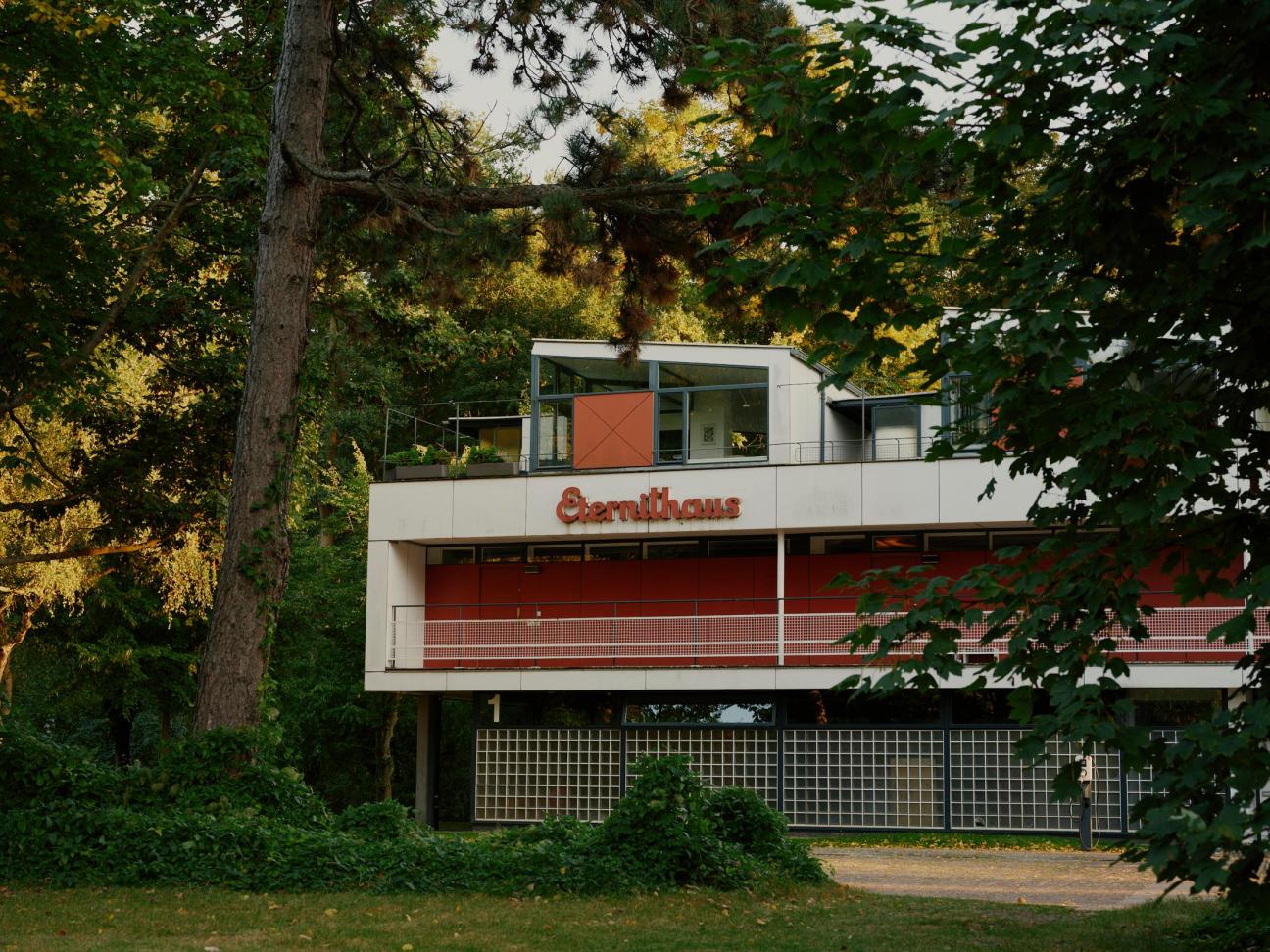

David came across the Eternithaus in 2007, when he was seeking an office space for his fledgling firm Fuldwerk. “The ground floor had been empty for years and was in terrible shape,” he says. “There were seven layers of carpeting and plastic covering on all the windows.” He slowly returned the heritage-listed building to its former, airy character. As well as organising employee trainings, he often rents the space to film crews and friends – and has thrown many parties himself. But when more maisonettes were freed up, the siblings realised that there was potential to create an official venue. “We want to bring in life here,” says David.
First came a six-month effort to bring the apartments – many of which hadn’t been renovated in 40 years – up to scratch. Respectful of the original design, the pair laid new floors, updated a new bathroom and kitchen and painted the walls. Sarah-Joan handled the interiors. The furniture is almost all mid-century, acquired from dealers including Studio Schalling in Sweden and Morentz in the Netherlands, alongside Berber rugs sourced from Thomas Wild in Berlin.
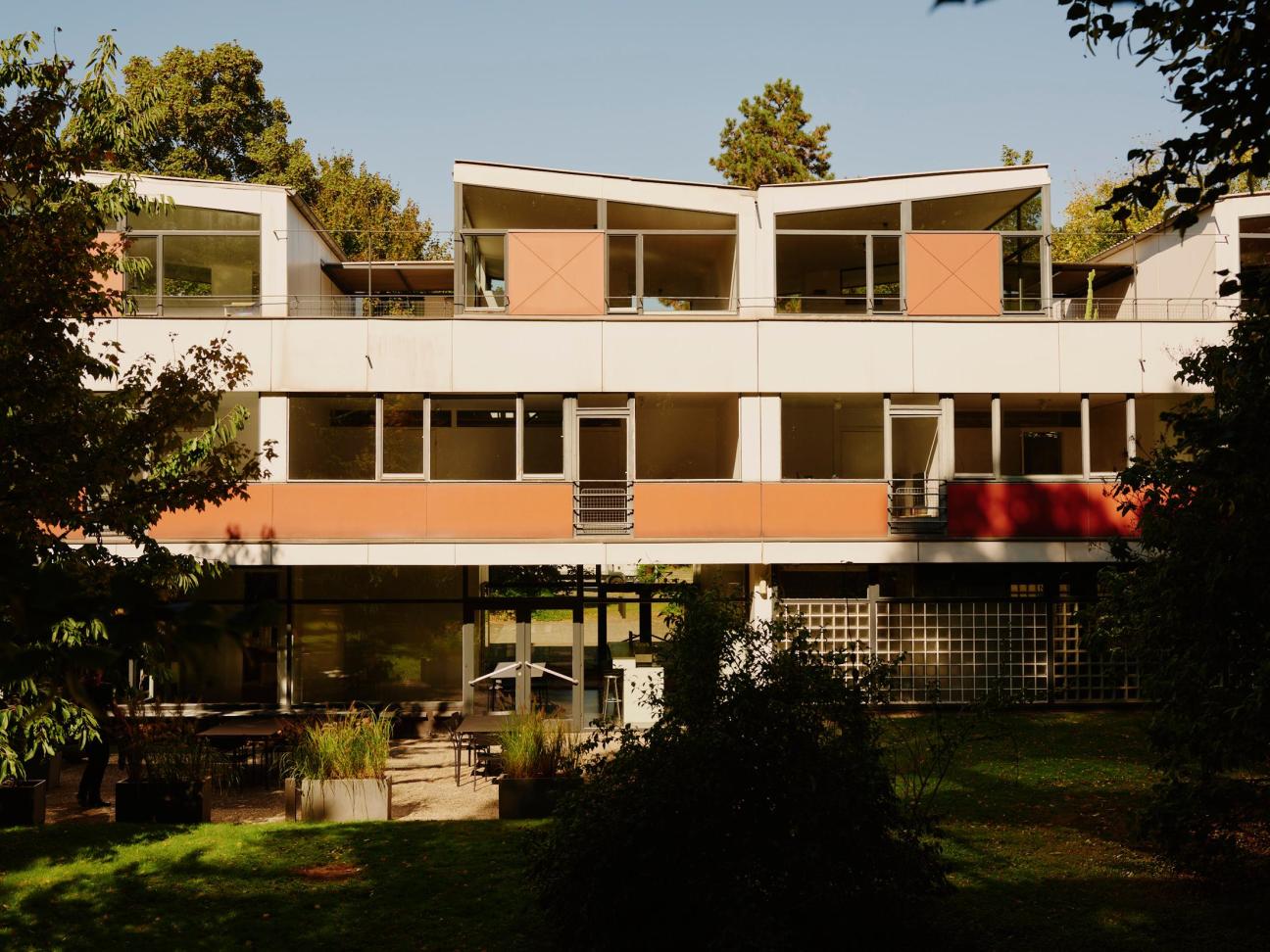
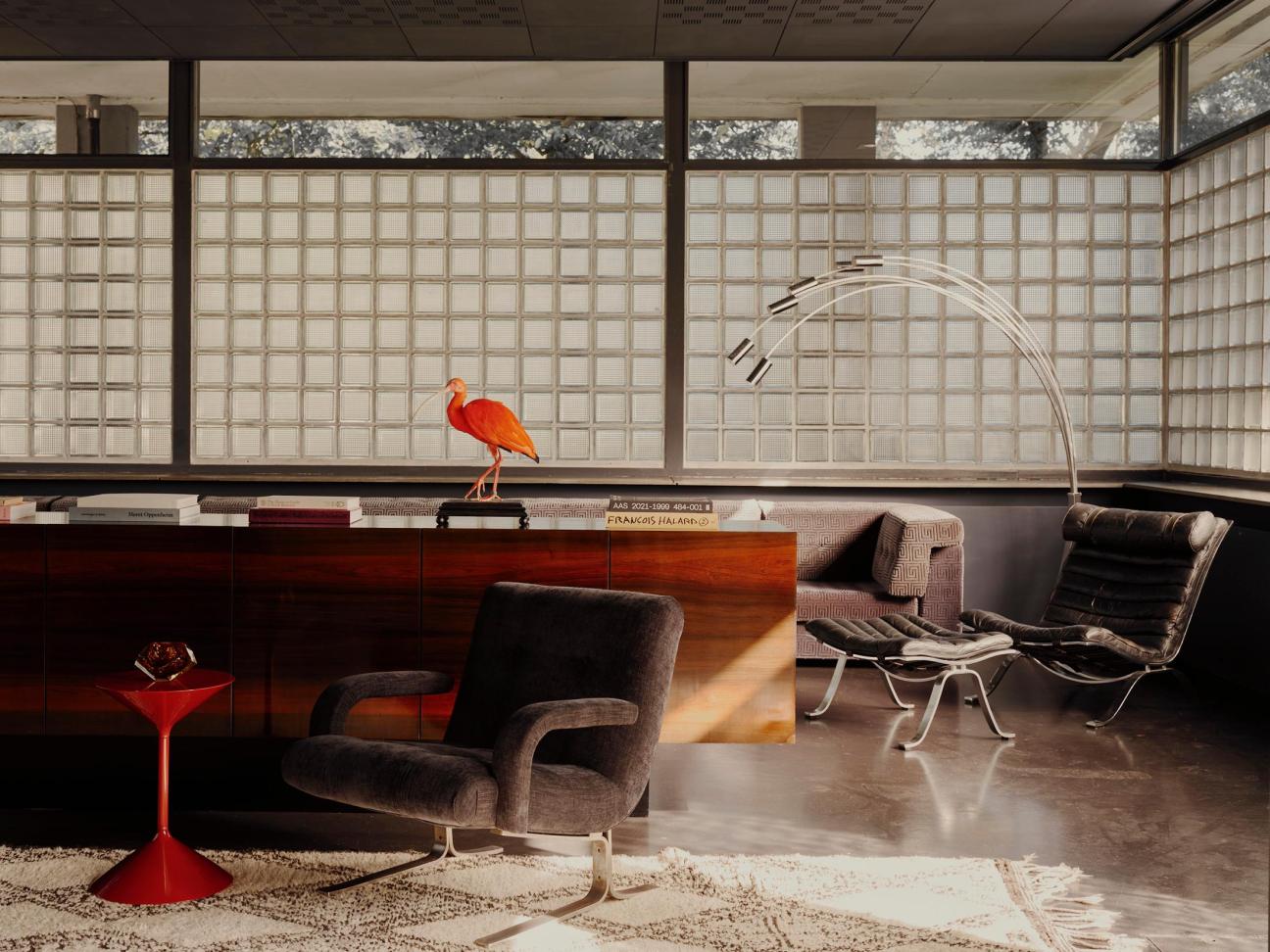
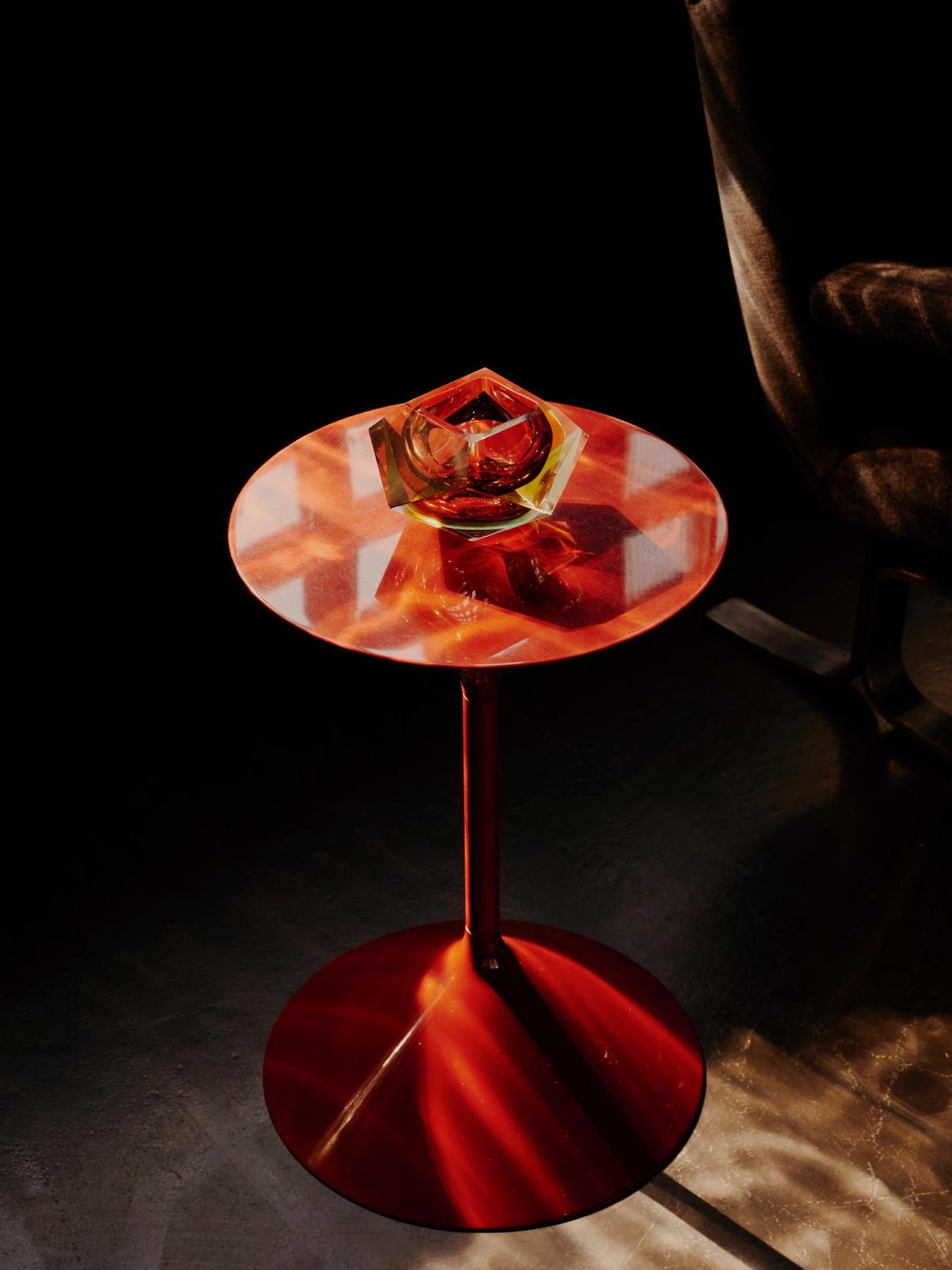
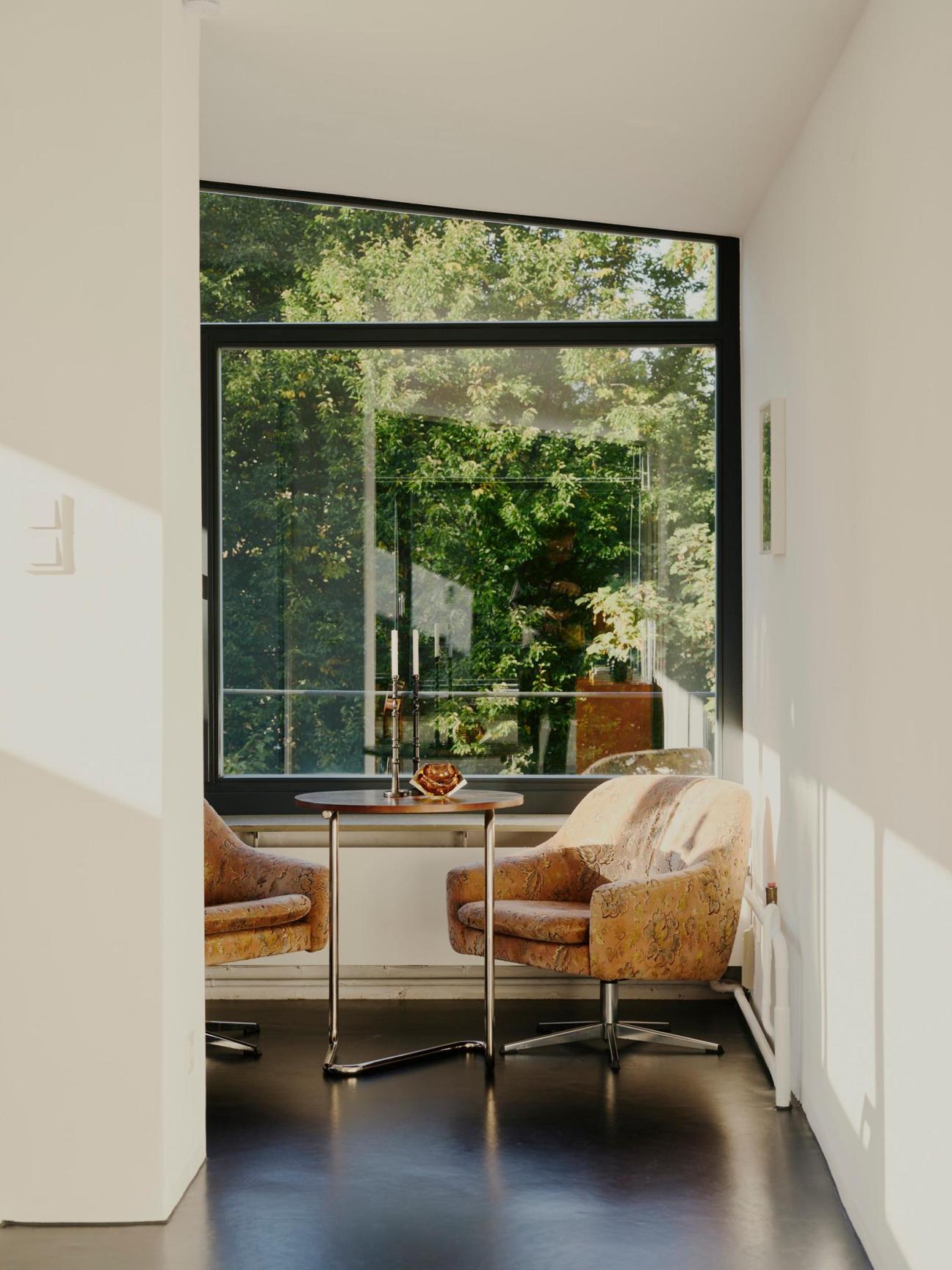
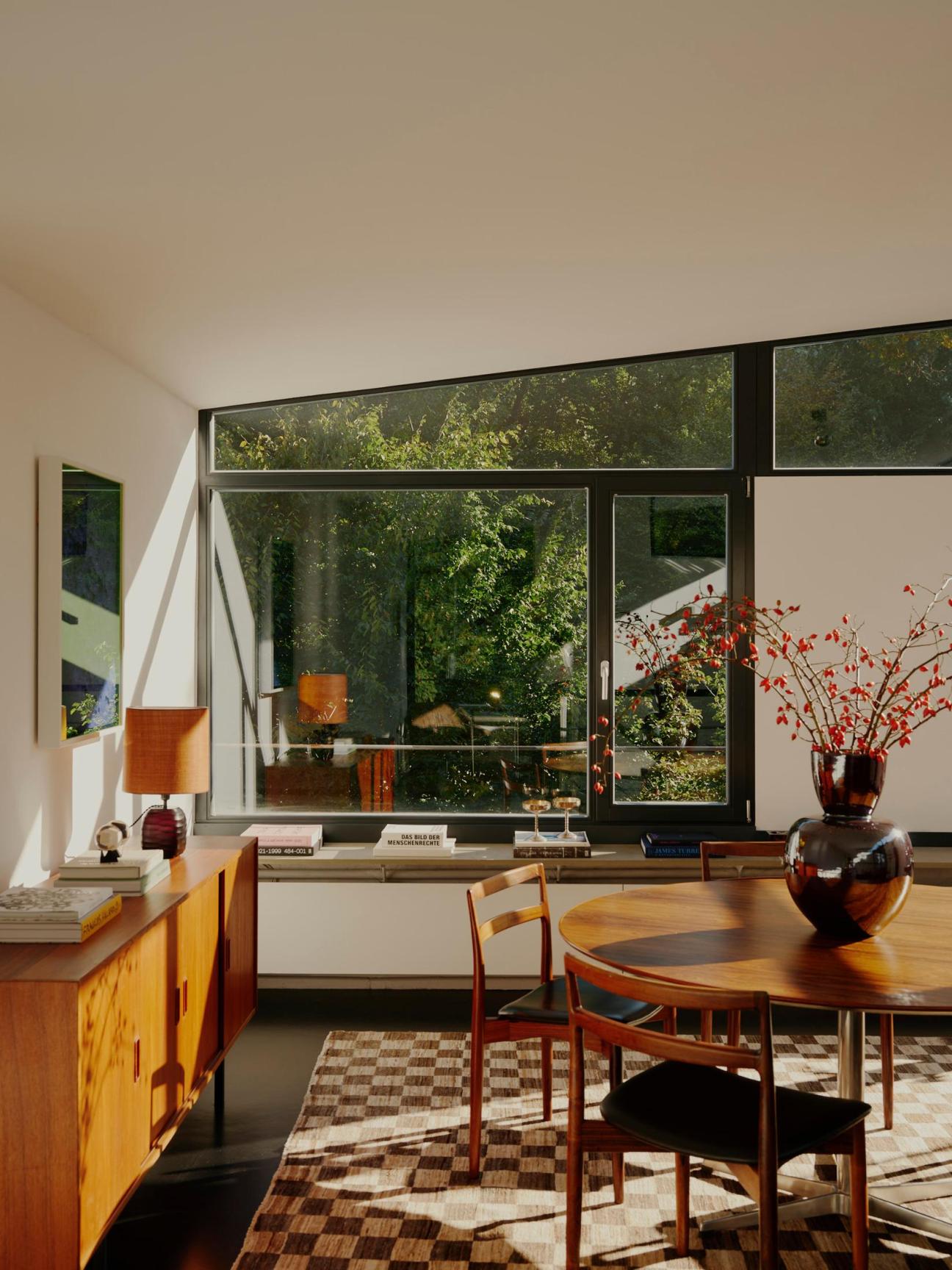
No expense has been spared. Downstairs, meetings can be chaired around a 6.5-metre-long rosewood table, while the apartments have original Eero Saarinen tables and Jean Prouvé chairs. Some furniture is by architects who participated in Interbau, such as Arne Jacobsen’s Series 7 kitchen-table chairs. “We try to fill this, bit by bit, with really good things,” says Sarah-Joan. Contemporary accents come courtesy of Berlin-based designers and artists, including Gonzalez Haase’s triangular Lola light and works by Wolfgang Flad.
Despite the substantial investment of time and effort, the siblings are not too precious about the space and hope to host lively dinners and raucous parties. “You can always paint the walls,” says David with a glint in his eye. That is not to say that the Fulds aren’t picky about who they welcome into the Eternithaus. “If someone were to book an event and come in with ugly plastic tables – I would probably throw them out.”
fulds.berlin
Eternithaus in numbers
Year built: 1957
Time spent on renovation: Six months – and a further six months to furnish
Cost: €300,000
Units available to hire and rates: Two maisonettes (€1,500 a day); the Glass Block Room (€2,500)
Distance to Siegessäule: Less than 500 metres