Issues
December 2024 updates from Monocle magazine
So much to do, so little time – which is why Tyler Brûlé has resurrected an old tradition: the round-the-world tour.
“The last quarter of 2024 has been marked by the return of a dependable but slightly forgotten old habit: the round-the-world tour. Ten years ago I realised that it was more efficient to stay on the road for long stretches than to dash back to base all the time to check on the “kids” (my colleagues) and water the plants. For a variety of reasons, I fell out of the habit but, since October, rtw tours have been back in the diary and today I’m filing from the Park Hyatt Sydney, with the opera house in the background and more than 200 Monocle subscribers about to join us for our first party on the continent in almost a decade.
“My current tour started in Zürich and has included stops in Tokyo, Hong Kong, Bangkok and Melbourne. From Sydney, I’ll be moving on to North America, with sojourns in Dallas, Des Moines and Toronto, before pivoting to the Middle East for appointments in Doha, Dubai and Abu Dhabi. All in all, it’ll be three weeks, with one carry-on and an array of story ideas for the issues ahead (and as many opportunities to match). For 2025, the agenda is just as packed. We look forward to seeing as many of you as possible at the end of January, when we’ll be throwing open the doors of our new premises in Paris – and maybe, just maybe, a little outpost back Sydney way. Cheers to a happy and prosperous 2025.”
Out in the world
Over the past month, the Monocle team has been busy convening with readers and thought leaders. Here are some of the highlights.
The Monocle Shop at the Landmark
Hong Kong
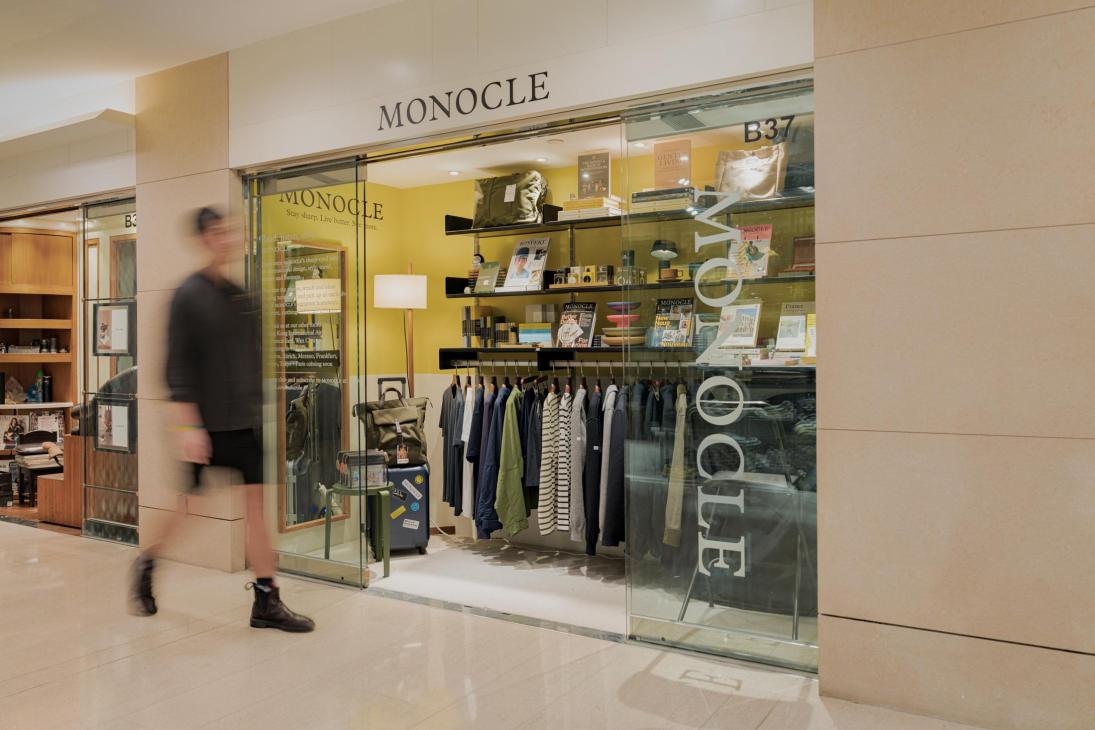
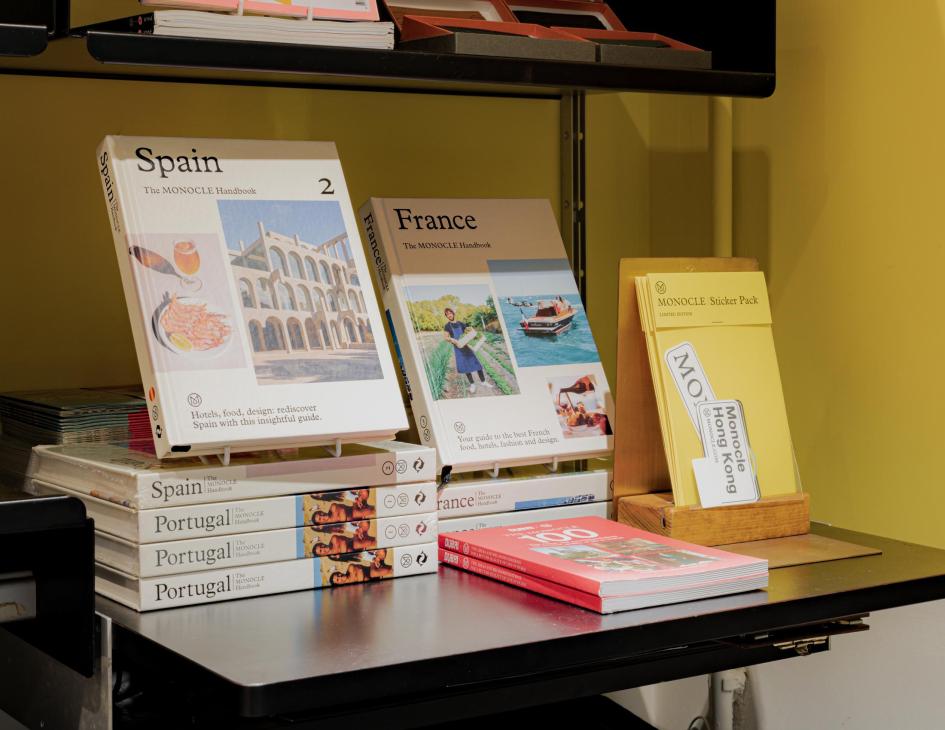
We bolstered our Hong Kong presence this autumn with a month-long pop-up within the iconic Landmark retail space. Our appearance in Central happened while our beloved Wan Chai shop closed for some timely refurbishments. Both the Wan Chai outpost and The Monocle Café on London’s Chiltern Street are set to reopen in December.
Monocle at Selectshop Frame
Dubai, UAE
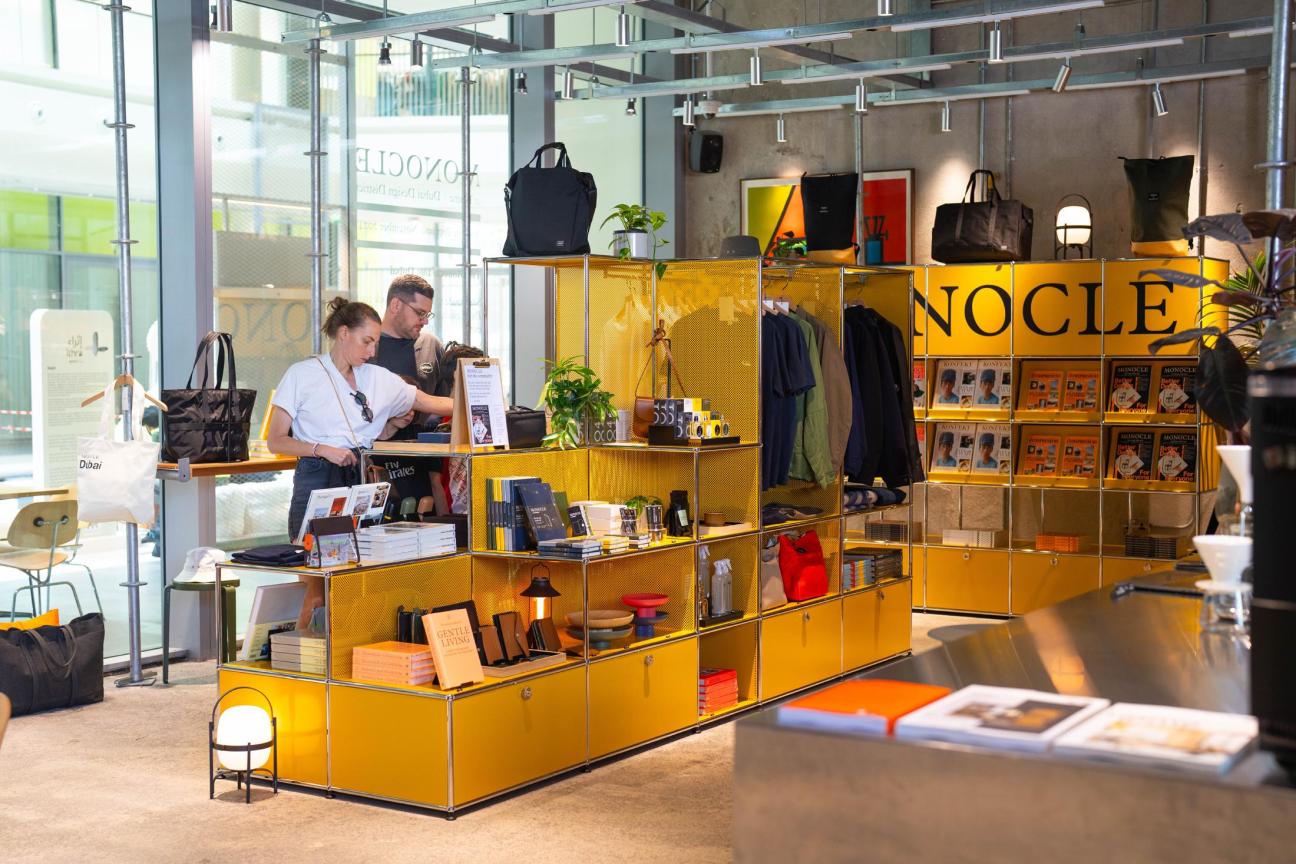
The Monocle shop was in Dubai in November for a pop-up at Selectshop Frame, coinciding with the launch of The Monocle 100: Dubai handbook.
Monocle Patrons at Maçakizi
Bodrum, Turkey

A sunny group of our most dedicated readers joined Monocle’s editors at the Maçakizi resort for faultless service and the best swimming set-up this side of the Pacific. Patrons are a select group who are invited to private events and sent every print product we make. To join the programme, email Holly Anderson at ([email protected]). It would be great to have you on board.
The Monocle Quality of Life Conference
Istanbul, Turkey
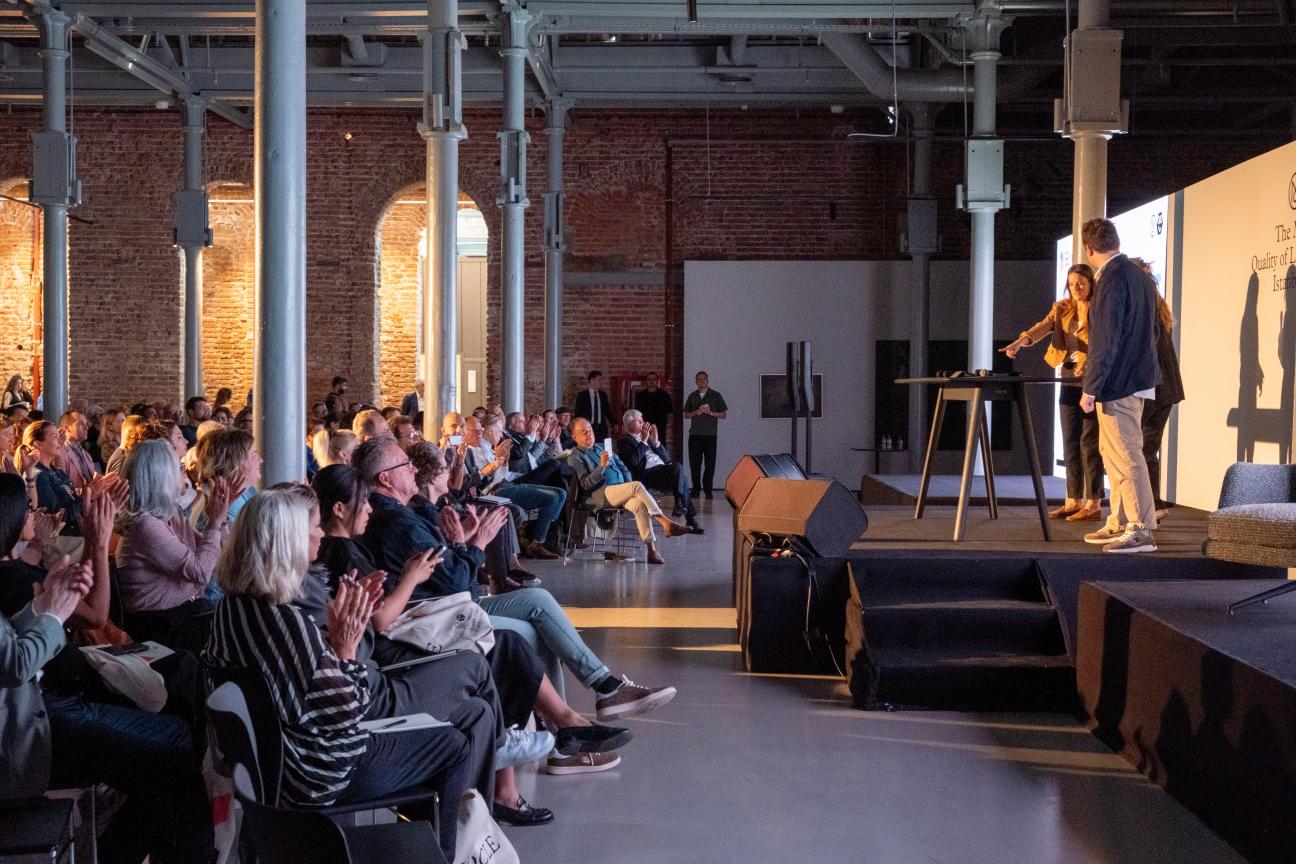
More than 100 delegates attended Monocle’s annual Quality of Life Conference in Turkey’s biggest city. The speaker line-up included architect Richard England, mayor of Tirana Erion Veliaj and submarine officer Taylor Sheppard. There were also plenty of party moments at The Peninsula on the Bosphorus. Look out for all forthcoming events at monocle.live/events
Bucherer
New York, USA
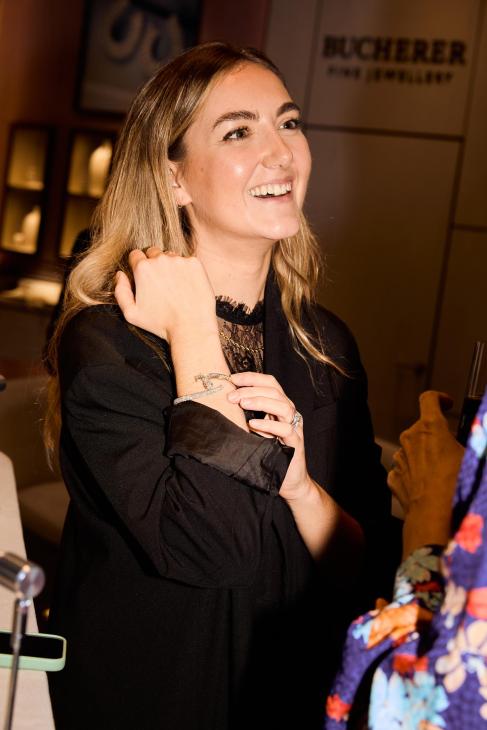
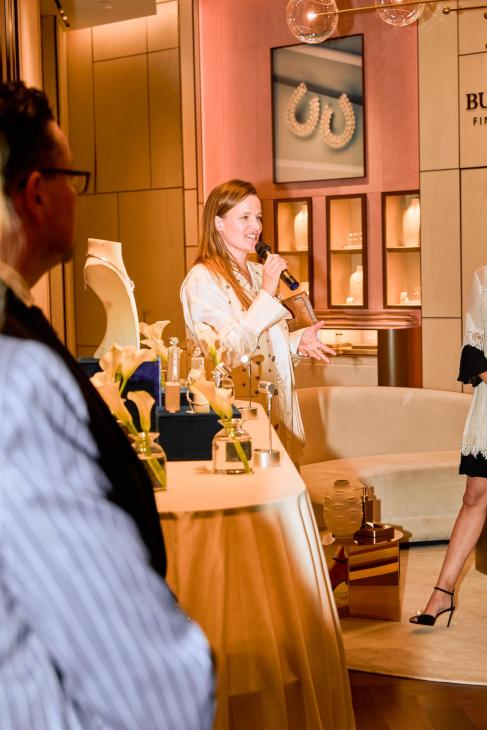
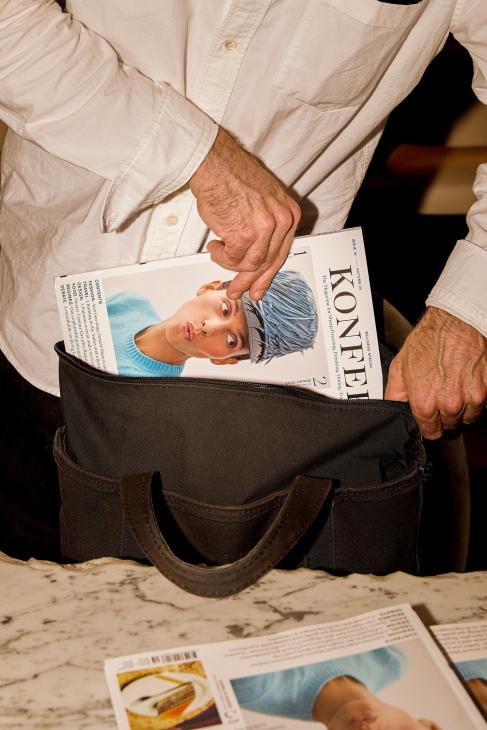
In partnership with Swiss watchmaker Bucherer, Monocle’s sister publication Konfekt brought together leading creatives for dinner, drinks and a conversation on craft and luxury.
Coffee at Midori House
London, UK
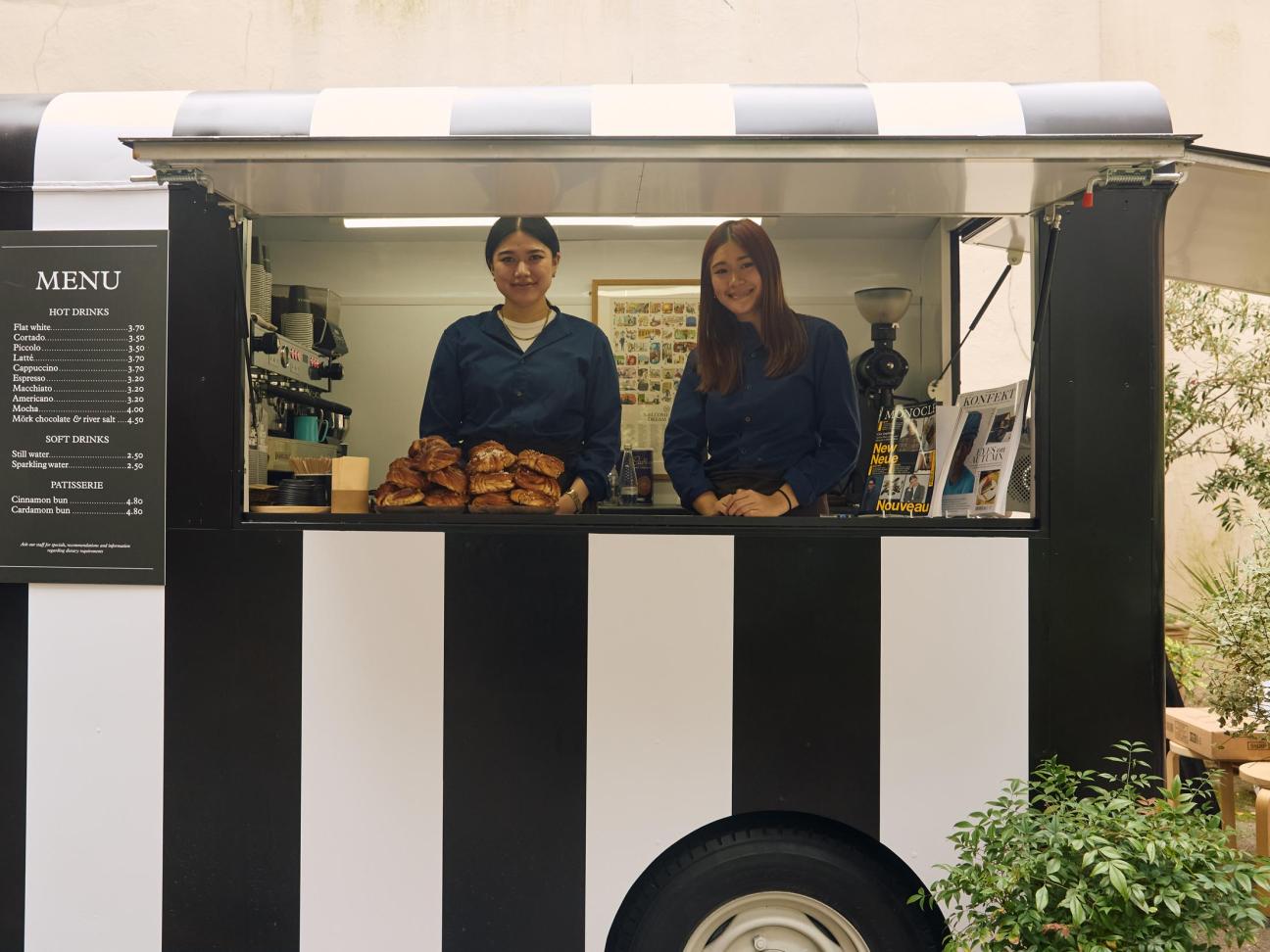
During our Chiltern Street café renovation, the Monocle coffee (and bun) hit came from our truck parked outside Midori House. Beep beep!
From the editors: five things we’d like to see more of to round out 2024 and ring in 2025
1.
Off-season travel
Monocle was in Mykonos in November. The weather was stunning, there were few people and hotel prices were low. And you could go further afield too: it’s off-season in the northern hemishpere but hotting up down south.
2.
More indie print
Singapore is leading the way, with online politics and culture publication Jom launching a first print issue, food magazine Slow Press branching into events, and arts zine Now & Again releasing a new issue after two years.
3.
Visionary tech
Comédie Française has introduced for-hire eyeglasses that add individualised subtitles to the viewer’s field of vision. A winning idea both for hearing-impaired Parisians and foreign theatre visitors.
4.
Feast on frites
Next time you’re in Paris, tuck in to steak frites at Nonos. Chef Paul Peret’s 1950s-inspired grill at the Hotel de Crillon offers a tender take.
5.
Cultural education
The Blue Chair Film Festival in Laos (December) and the Jaipur Literature Festival in India (January) present a host of emerging Asian creatives.
Global: Up next
Feeling festive? Why not join Monocle for seasonal parties and pop-ups to round out the year.
The Monocle Shop, St Moritz, Switzerland
If you want an early dose of Christmas cheer, make your way to the Alps, where The Monocle Shop is set up as an outpost at Hotel Steffani.
5 December 2024 to 31 March 2025
Christmas Market, Zürich, Switzerland
Kick off the season with our annual Christmas market at our HQ at Dufourstrasse 90. Gifts and Glühwein are on offer.
7-8 December 2024
Christmas Market, London, UK
For some last-minute Christmas shopping and a visit from Santa, all the way from polar Finland, join us in London. Plus: live Monocle Radio broadcasts.
14-15 December 2024
Emily in limbo: The pull of Rome causes a diplomatic stir
Who vs who? France vs Italy
What it’s about: Emily in Paris, the Netflix series about an annoying American woman inhabiting a clichéd simulacrum of the French capital. It has become an enormous global hit, very possibly because it permits non-American and non-French people to sneer loftily at American and French people at the same time. Rumours abound that its titular character might be heading to Rome, and French president Emmanuel Macron, for one, is not having it: “Emily in Paris in Rome,” he has declared, “doesn’t make sense.” Rome’s mayor, Roberto Gualtieri, responded: “One can’t control the heart: let’s let her choose.” More pointedly, Gualtieri wondered, “Doesn’t President Macron have more pressing matters to worry about?”

What it’s really about: All criticism of Emily in Paris aside, it has been an immense soft-power boon for France. Sales of French brands worn by the characters have spiked. A study by France’s national film centre found that about four per cent of recent visitors to France had been inspired by the show. Four per cent of France’s tourist business is a perfectly reasonable thing for the president to worry about. Even Brigitte Macron is such a fan that she made a cameo appearance during the most recent season.
Likely resolution: Further wrangling over what is clearly a valuable media property, while the producers figure out how to milk this rivalry.
El Mordjene: The banned Algerian spread threatening to upset Nutella
In 2024, Nutella celebrated its 60th year as one of Italy’s most successful exports. But an Algerian upstart has been stealing the thunder of Ferrero Group’s famous chocolate spread. For sweet-toothed aficionados in France, Belgium and the Arab world, 2024 was the year of El Mordjene, a chocolate-and-hazelnut cream made by Algerian confectioner Cebon. This family business, founded in 1997, created El Mordjene in 2021 using hazelnuts, milk, cocoa, palm oil and, of course, lots of sugar.
Earlier this year, El Mordjene became a viral hit among Francophone internet users, which led to an explosion in popularity. As Cebon shifted gears to meet demand, there was a setback: French customs officials began detaining pallets of El Mordjene. Though it had been available in France since 2023, the spike in imports led authorities to realise that it had been on sale illegally, as EU rules forbid the import of Algerian products containing dairy. In Algeria, the press cried foul, with some inaccurately claiming that El Mordjene had been banned because it threatened to take Nutella’s crown.
Despite the ban, El Mordjene’s success provided an image boost for Algeria in the face of recent diplomatic setbacks with its former colonial masters. (In July, for instance, France sided with neighbouring Morocco in a decades-long dispute over the Western Sahara.) Indeed, the import ban might just be fuelling the hype, as French confiseurs and recipe websites compete to create a replica.

December cultural updates, from Ruinart’s art-infused cellars to Finland’s national soundtrack
House Proud
Art, France
If you find yourself at an art fair and in need of a drink, chances are that a cold glass of Ruinart will be available to quench your thirst. The champagne house – which was founded in 1729, making it France’s oldest – has long fostered close ties with the contemporary art world. This relationship is the focus of Ruinart’s newly renovated headquarters in Reims. In addition to a sparkling new pavilion designed by Japanese architect Sou Fujimoto, artworks have been peppered throughout the site. Visitors will come across the first of these works – a flag painted with a calendar by British artist Marcus Coates – after following a zigzag path flanked by steep limestone walls up to the maison. Every day, a new flag replaces the last, with a description of how nature in the Champagne region is changing with the seasons. “Most of the art pieces here are about our connection with the living world,” Maison Ruinart president Frédéric Dufour tells Monocle. “This harmony with nature is absolutely crucial for us – our product comes from nature.”

Coates’s work is one of almost 20 pieces that can be seen in the Artists’ Garden. But there are also artworks inside the pavilion and the Unesco World Heritage-listed chalk cellars, where artistic duo Mouawad + Laurier has installed a giant sculptural “root” adorned with Murano-glass lamps. In response to climate data, it moves, lights up and emits sound. While ancient cellars and vineyards might be a far cry from the booths of Art Basel or Frieze, they represent a new creative iteration of Maison Ruinart and reinforce a universally known truth: that art is best observed with a glass of champagne in hand.
ruinart.com

Film: USA
Q&A

RaMell Ross
Director, ‘Nickel Boys’
Adapted from a novel by Colson Whitehead, the film Nickel Boys tells the story of two African-American boys, Elwood and Turner, and their traumatic experience of a reform school in 1960s Florida. Here, director RaMell Ross describes his unusual directorial decisions and his personal association with the story.
Why did you want to adapt this novel?
The book is about me in a way. I guess that I’m Elwood or Turner, given the type of family that I came from in the suburbs. What happened to them could have happened to me too.
The film is shot from a striking first-person perspective. Can you talk about that decision?
It seemed as though it was the right approach. Coming from an arts background, I believe that the intent of any project is just as important as the result. If the film doesn’t make a big splash but people get to access Elwood and Turner’s life and Whitehead’s novel through this subjectivity, then that’s a success to me.
Why did you want to use archival footage in ‘Nickel Boys’?
It opens the film up. It also helps to ground it in a way. The footage allows it to be both a Hollywood production and a film that shows what’s happening and what’s at stake in the real world.
Take note
Music, Finland
If your country were a piece of music, what would it sound like? That’s the question that the Finnish Ministry for Foreign Affairs asked before commissioning Lauri Porra, one of Finland’s most revered contemporary composers, to create the nation’s soundscape. The idea is not to present Finland’s greatest hits to the world but to capture the country’s essence through mental images of nature, which are expressed by the sounds of instruments.
“It could be the colour of the sky, a forest scene or the sound of the water running in our rivers,” Porra tells monocle. “It’s not about recreating these sounds but capturing the feelings that they evoke.” The finished piece, which will be ready in time for Finland’s Independence Day on 6 December, will become the soundtrack to parties and other events thrown by Finnish embassies across the world.
Porra was given creative freedom to make sure that the work felt personal and intimate, instead of turning into an idealised marketing image of the country. “I have spent a large part of my life abroad and whenever I return to Finland, I notice how the scale of things appears to change,” he says. “Humans seem smaller and nature seems bigger. That gives a beautiful perspective to life as we become more bewildered by our surroundings. I wanted to capture that sensation through the language of music.”
To hear the full report, tune in to ‘The Globalist’ on Monocle Radio.
Media: Italy
Trade secrets
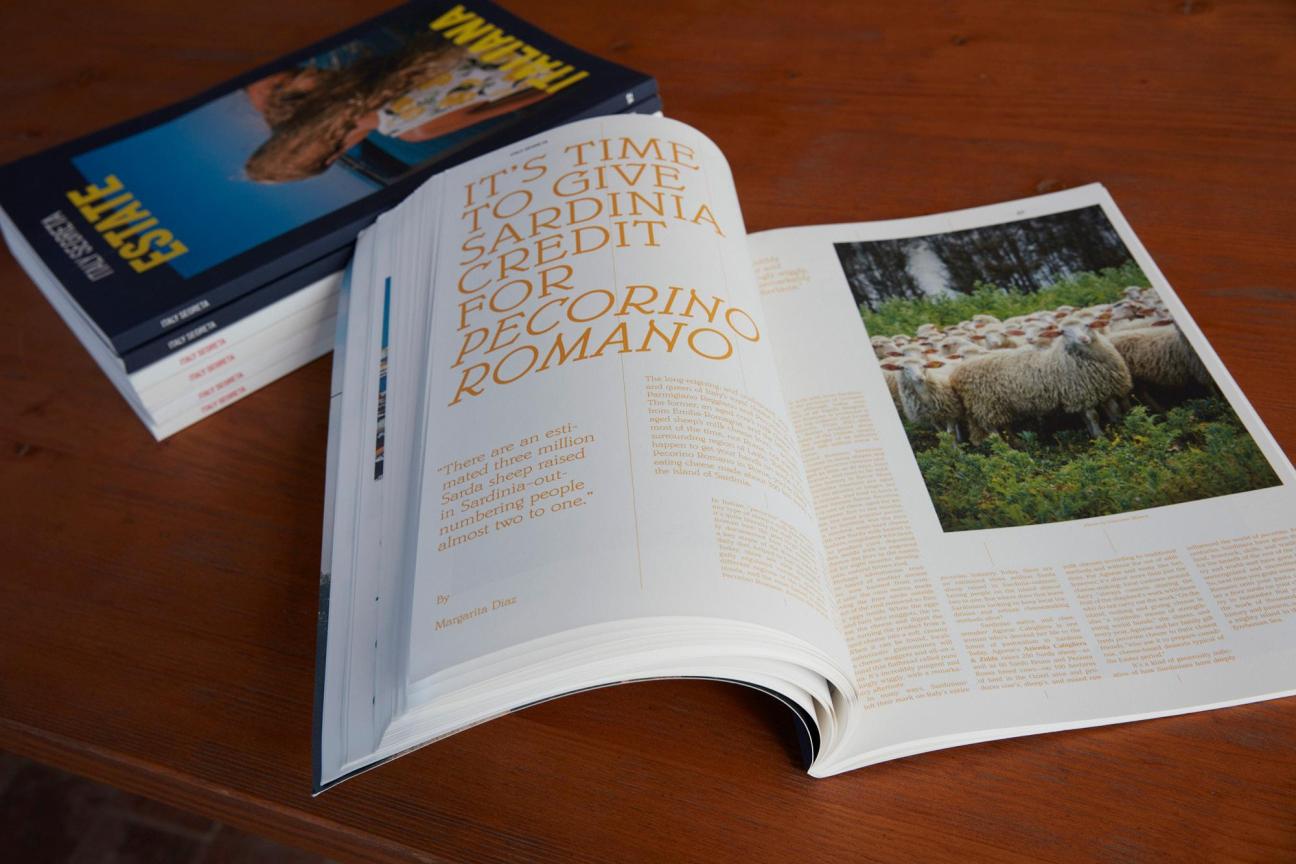
With top-floor views of Florence’s Duomo, the headquarters of Italy Segreta feels like a daydream. The magazine, however, is not interested in fairy tales but rather the depiction of real life in Italy. Marina Serena Cacciapuoti, the magazine’s founder, grew up in Florence but moved to New York in 2014 to pursue a career as a photo editor. “I missed Italy,” she tells monocle. “And I hated how one-dimensionally it was perceived abroad: just pizza, prosciutto and the Amalfi coast.”
Cacciapuoti was only 28 years old when she left New York. “I was thriving,” she says. “But all I was building was myself.” Returning to Italy, she envisioned a magazine that would give a platform to young writers and photographers. After launching in 2020, Italy Segreta quickly exploded, highlighting often-overlooked details of Italy, such as coffee rituals and street life.
Italy Segreta now publishes a digital issue every month and, since 2023, an annual large-format print issue packed with articles on everything from essential pasta dishes to Sicilian ceramics.“Many Italians think of their country as dysfunctional,” says Cacciapuoti. “It’s partially true but we’re showing that it’s possible to create something that works here.”
Novel approach
Books, Singapore
Singaporean photographer Rebecca Toh was exploring a Japanese fishing town in April when she wandered into a small library. She learned that each shelf was operated by different people, who brought their own books for others to borrow. “I couldn’t get the idea out of my head,” says Toh. She posted on social media to gauge interest in starting a similar project in Singapore and received hundreds of responses. Encouraged, she signed a lease for a shop in Bukit Merah.
An architect volunteered to install wooden flooring; graphic designer friends created a logo; and almost 200 people committed to a monthly fee of s$45 (€32) to cover the space’s costs. In August the Casual Poet Library opened to the public, staffed entirely by volunteers.
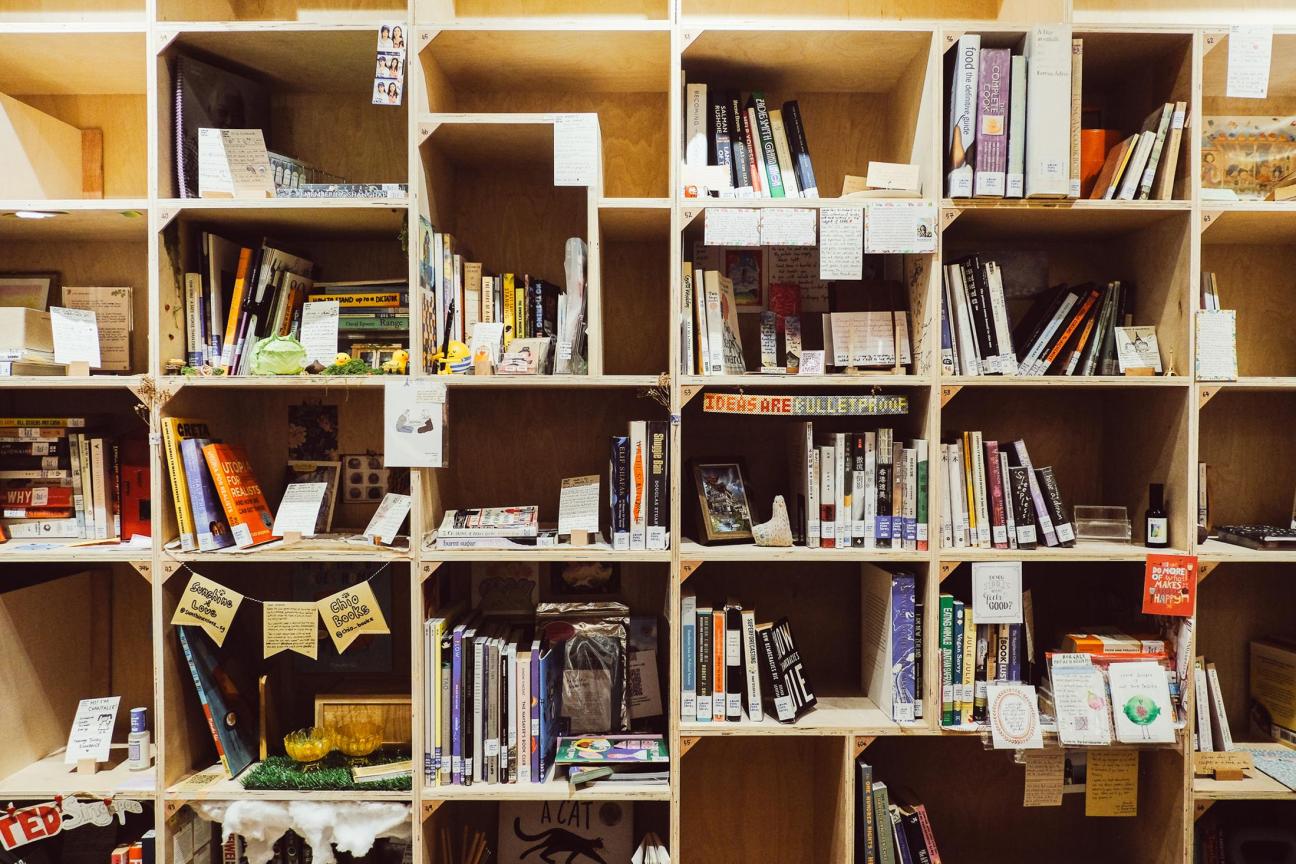
Membership is s$25 (€18) a year and members can borrow five books at a time. There are no late fees; mutual trust is central to the ethos of the library. One shelf is run by a class of schoolchildren, while some are curated by doctors, aspiring playwrights and couples. “People just want to share their passion for books and literature with others,” says Toh. “We have built a real community here.”
Innovations in gifting, architecture and property
Knut R Holmøy
CEO, Holmøy Maritime
Founded in 1973 in Norway’s High North, seafood group Holmøy Maritime prides itself on sustainable wild fishing – and great architecture. In 2014 it partnered with celebrated architecture studio Snøhetta to develop its headquarters in Vesterålen. A decade later, Snøhetta has delivered a 16,000 sq m facility at the fishery’s neighbouring Liland site, which will process 150 tonnes of salmon a day. The group’s CEO, Knut R Holmøy, tells us more.

Why is it important for your company to invest in good architecture?
It helps us to capture attention, attract expertise and create comfort and safety for those working with us. We offer the kinds of facilities that you might find in a city but with better views of Norway’s northern landscape.
How does it affect your team?
Our architecture shows that we prioritise quality. This gives our employees a sense of security and fosters pride. Nothing is achieved without human resources and, since moving our operation here, we have gained a lot in terms of efficiency for our investment.
How do Holmøy Maritime’s values help staff?
Our values revolve around sustainable production that’s both profitable and renewable. In this way, we can ensure safe and stable jobs, and acquire the expertise that we need to meet the environmental requirements that we face today, as well as those that we expect in the future.
Retail: London
Present and correct
Christmas is the busiest time of year at Colford. Founded in 2023 by Nathan Cole and Imogen Beresford, the London-based company sends out more than 5,000 intricately wrapped presents over the festive season. Catering to private and corporate clients including Hermès, Cartier and Soho House, Colford takes care of the entire gifting process, from selecting envelopes and commissioning calligraphy to packaging and delivery. “Luxury clients are always looking for new ways to elevate their brand,” says Cole. “They value our knowledge and guidance.”

The couple created Colford to facilitate a more considered approach to gifting, free from the last-minute rush. “We love the concept of a slower Christmas, especially one without excessive plastic wrapping paper,” says Beresford. “We have been working with paper made from recycled beer grain,” adds Cole. “It’s material that’s usually wasted after the brewing process. It creates a beautiful texture and subtle colour changes: you get some rich, deep browns through to the palest beiges.”
Colford takes pride in sourcing unusual materials and gifts, and works with more than 200 designers and makers. Creating a link between craftspeople and clients is important to the pair, who insist that gifting excellence doesn’t have to end with the festive season. “We can add a theatrical element all year round,” says Cole. “We consider how the present arrives, who delivers it, what they’re wearing and even what vehicle they arrive in.”
Hot properties
David Barry was the leader of the 2012 US Olympic wrestling squad, so he knows how to grapple with risk and tackle opportunity. It’s a skill set that has served the founder and ceo of property-development firm Urby well throughout his business career. Barry is also an angel investor who has backed Peloton, the Standard Hotels group and others. “Passion and strong values are what I look for,” he says. “These are often found in hospitality brands.”
Urby’s residential apartments offer a blend of traditional city living and the hospitality flair of boutique hotels. Since launching the company in 2014, Barry has worked to foster a sense of community in his developments. “We all rely too much on social media,” he says. “We need to return to humanity and cultivate real interactions. One way that we do this is by integrating a café into our lobbies.”
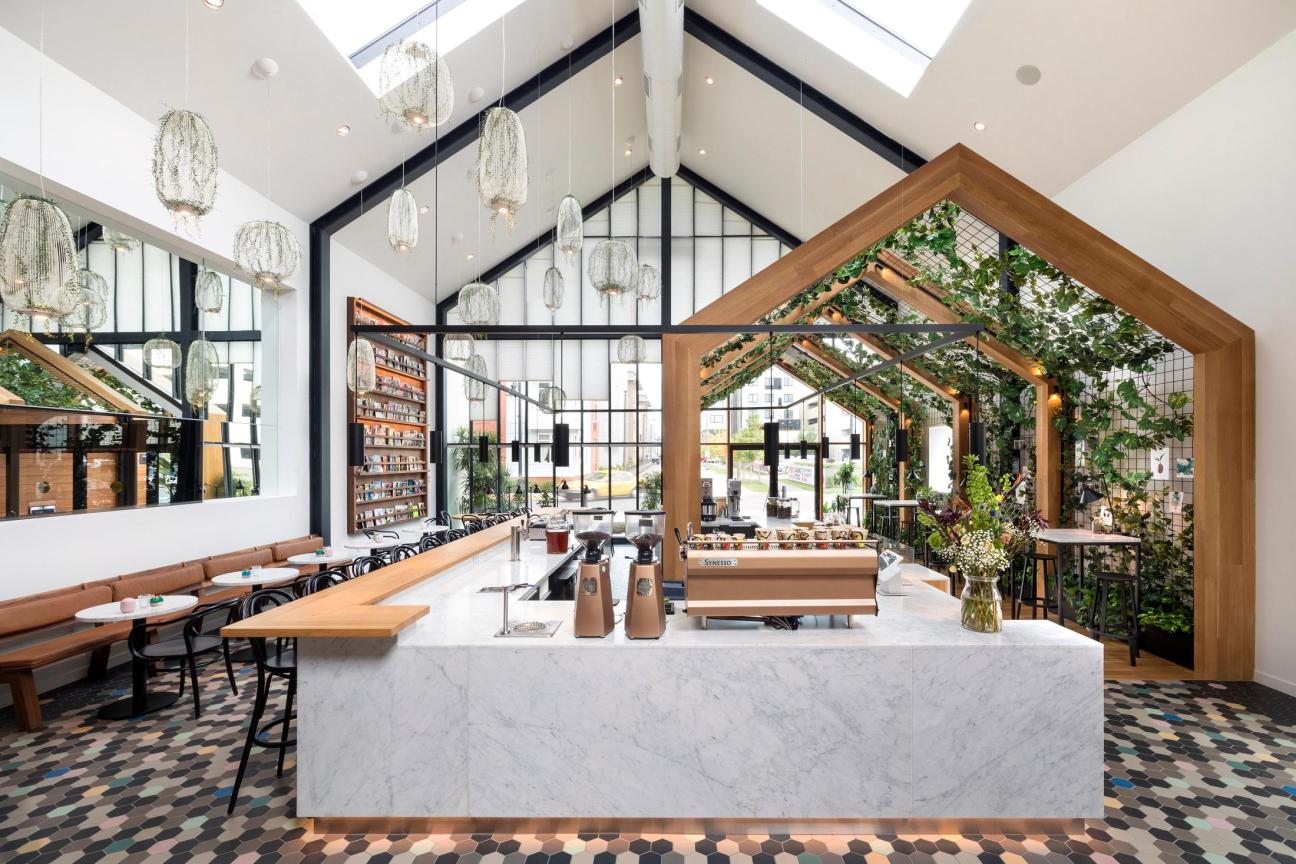
Urby now has eight properties across the US, in cities including Dallas and New York. Four more are in development. “The apartment world has often been dominated by financial interests and generic values,” says Barry. Urby’s generous amenities, such as communal gardens, gym classes and terraced pools, challenge this. Next, Barry hopes to expand across the border. “I would love to head to Mexico City,” he says. “It’s a vibrant city that’s bursting with creativity and Urby would thrive there.”
For more on brand builders you should know, tune in to Monocle Radio’s weekly show and podcast ‘The Entrepreneurs’.
The concierge: Our comic-book hero saves the day while gift shopping in Paris
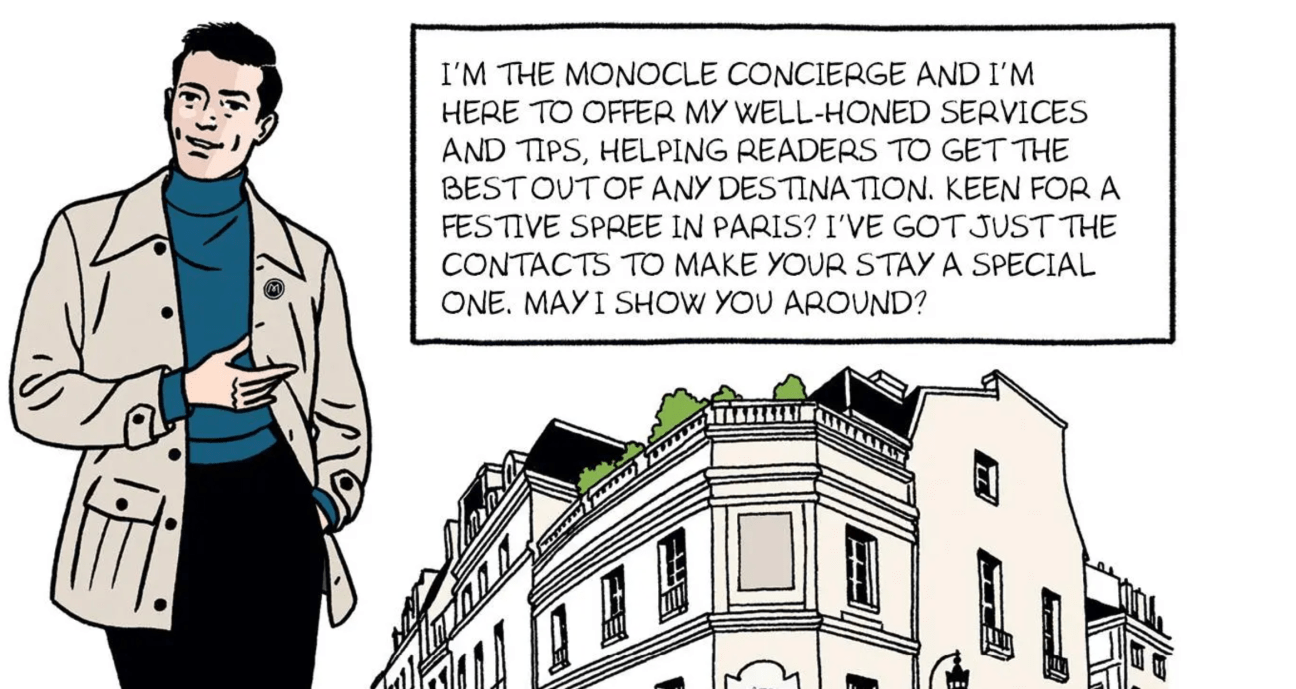
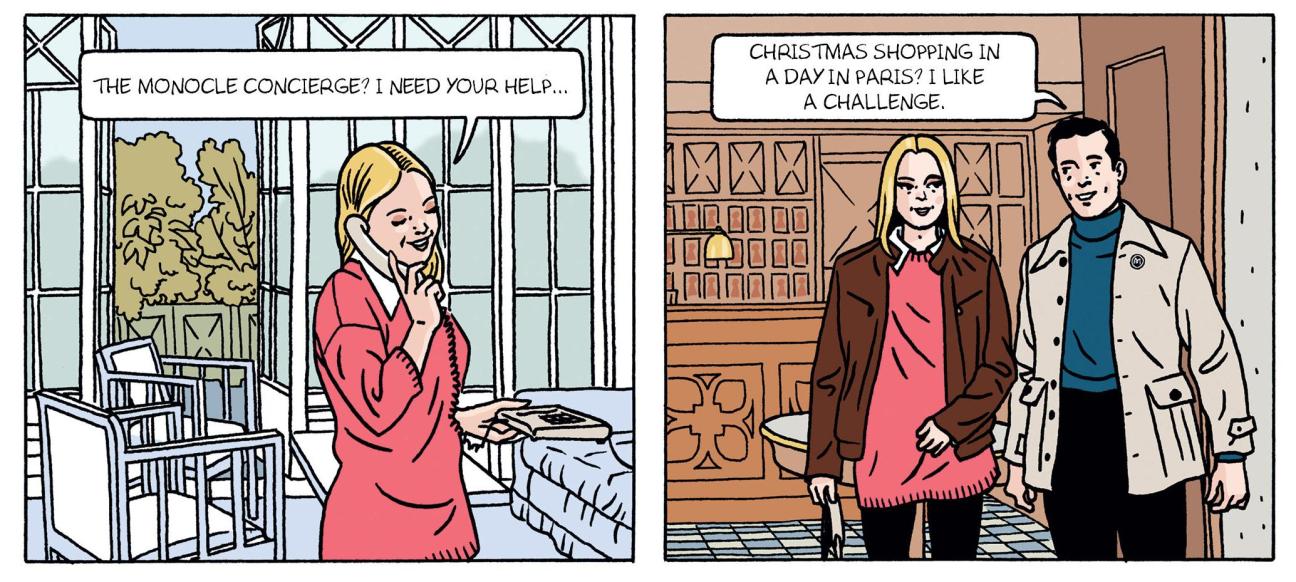
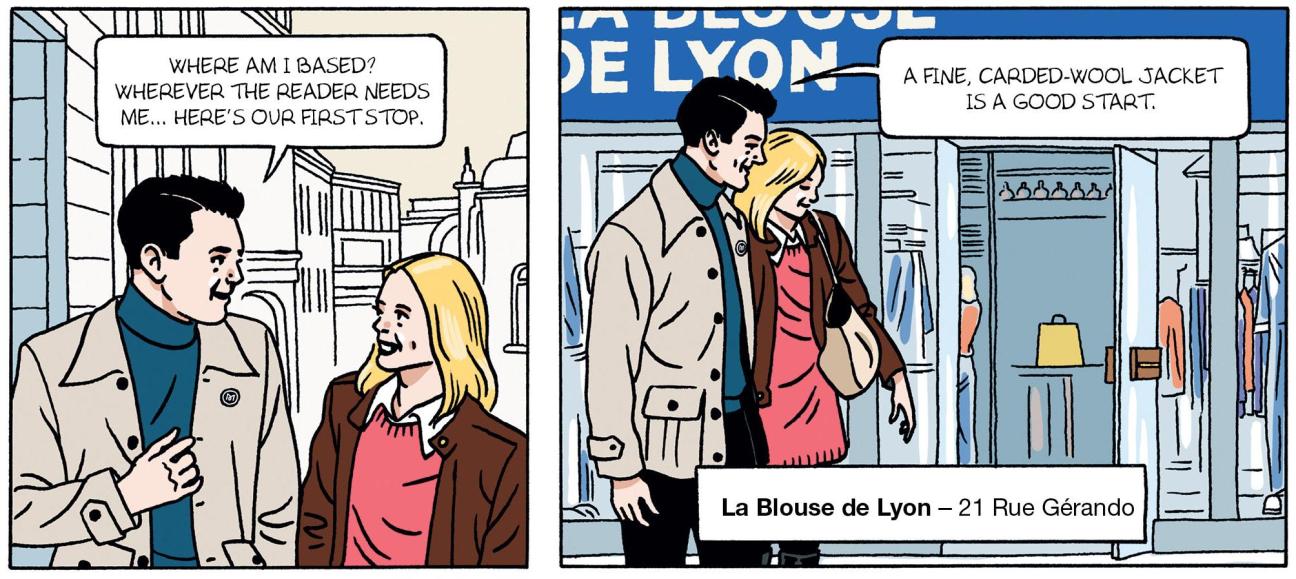
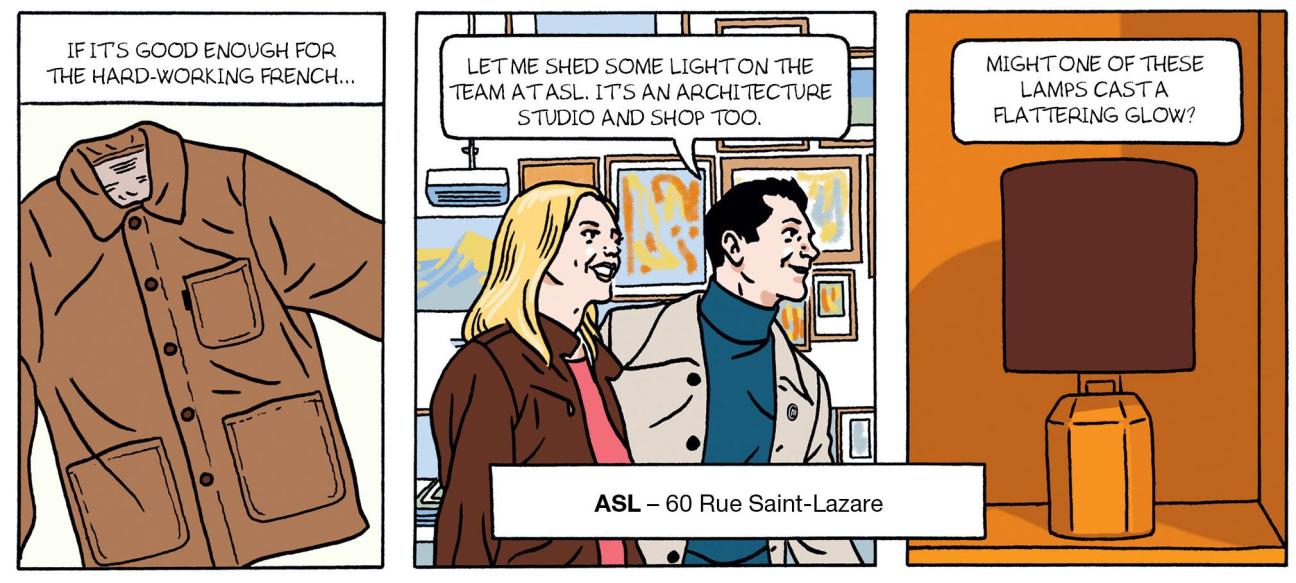
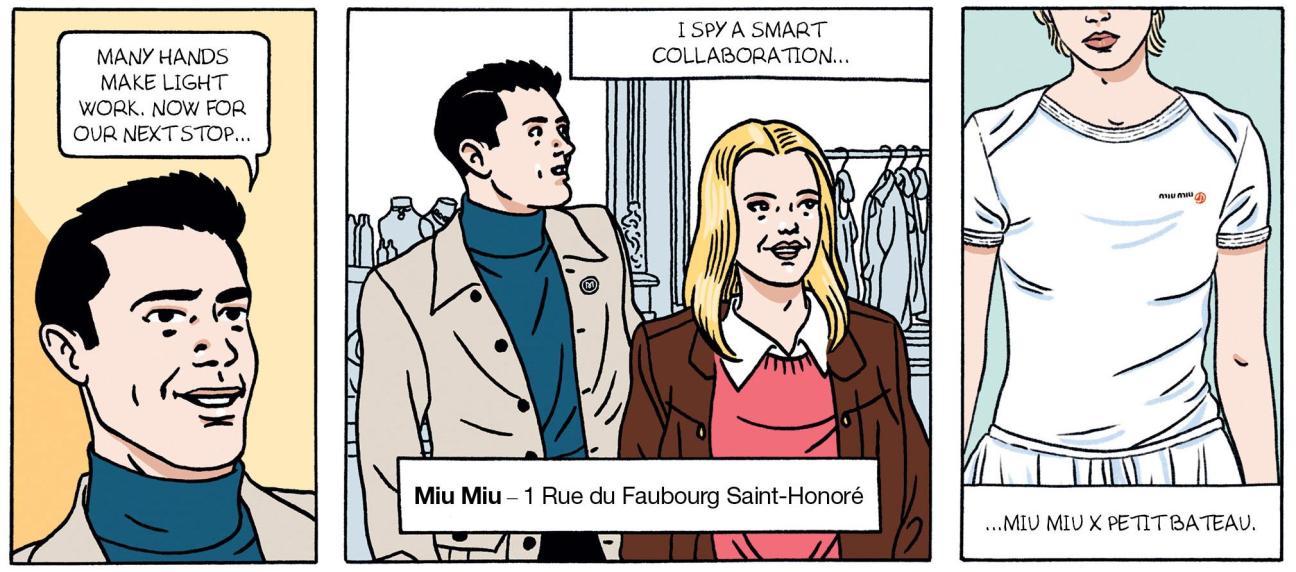
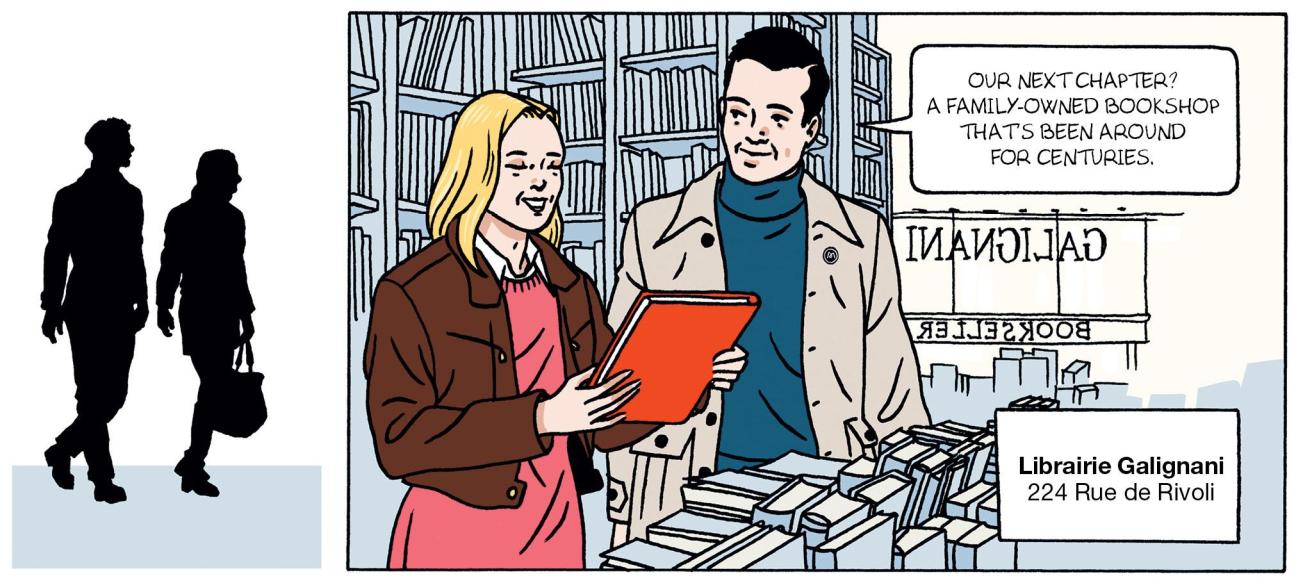
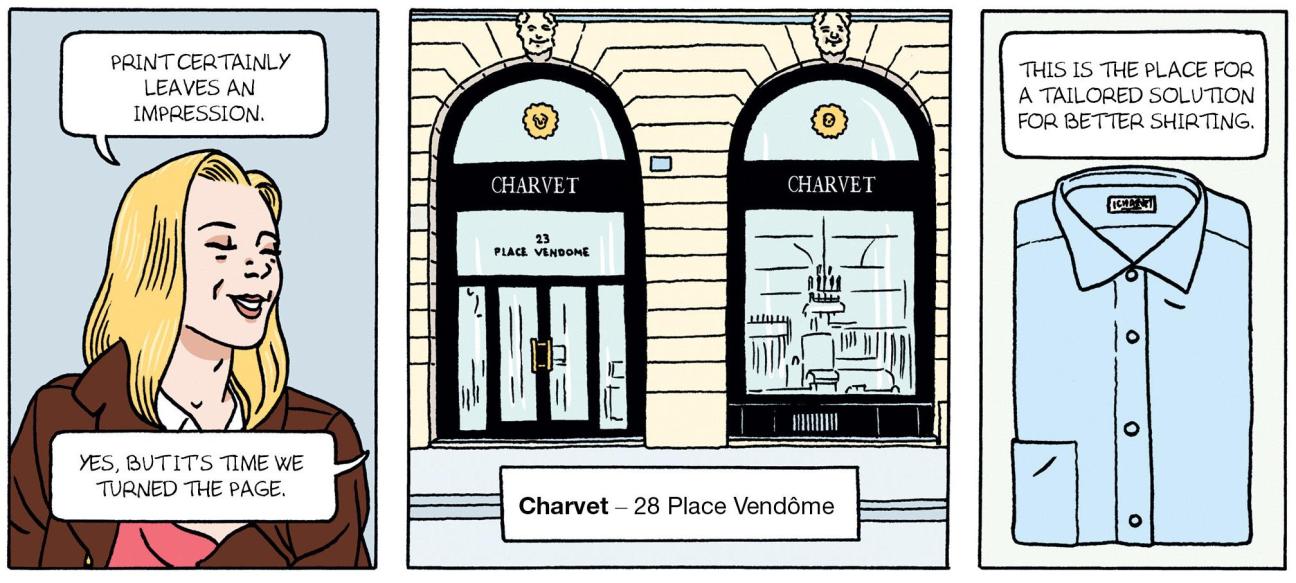
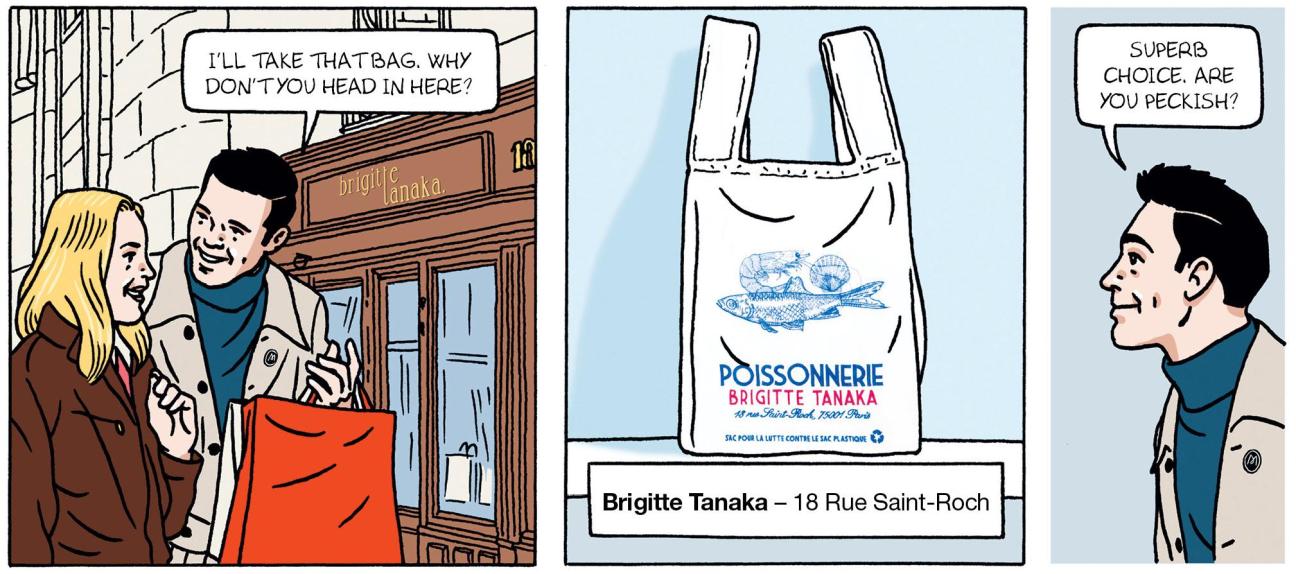
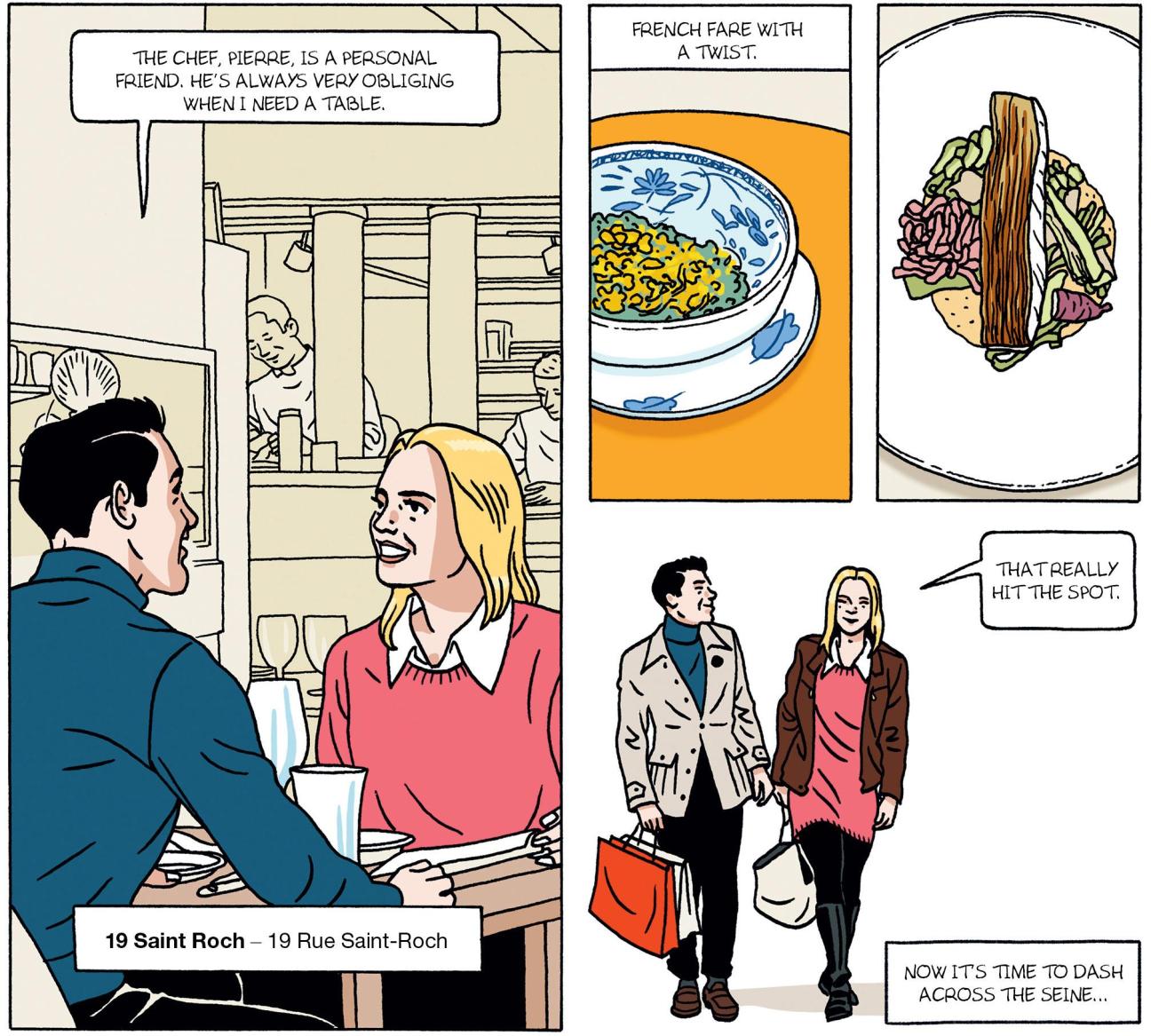
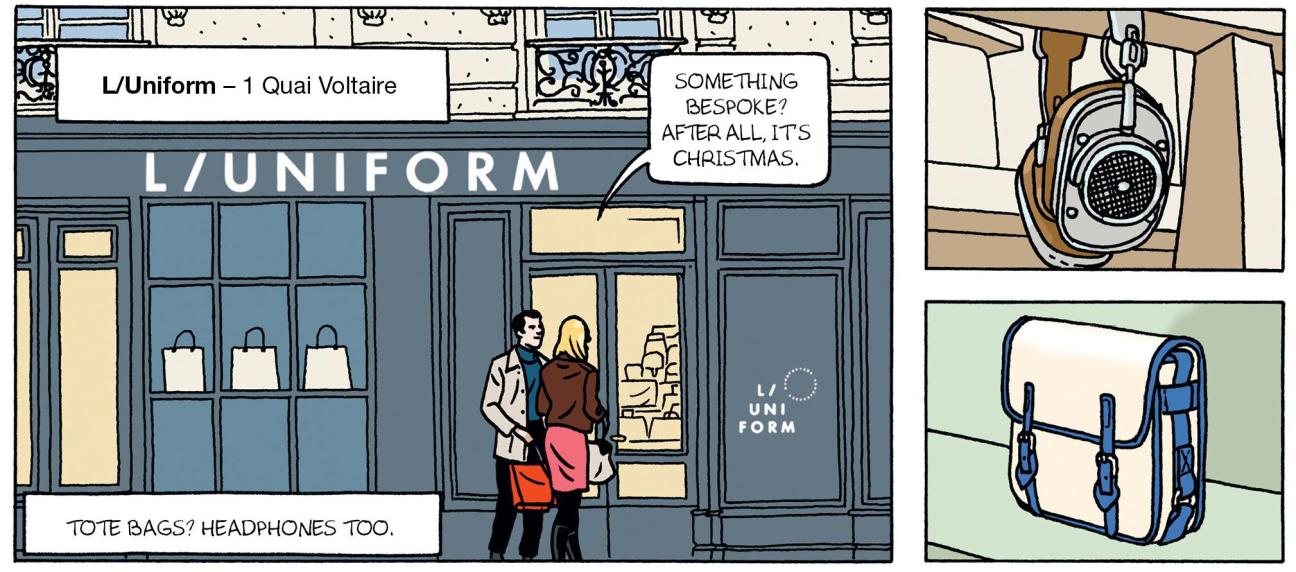
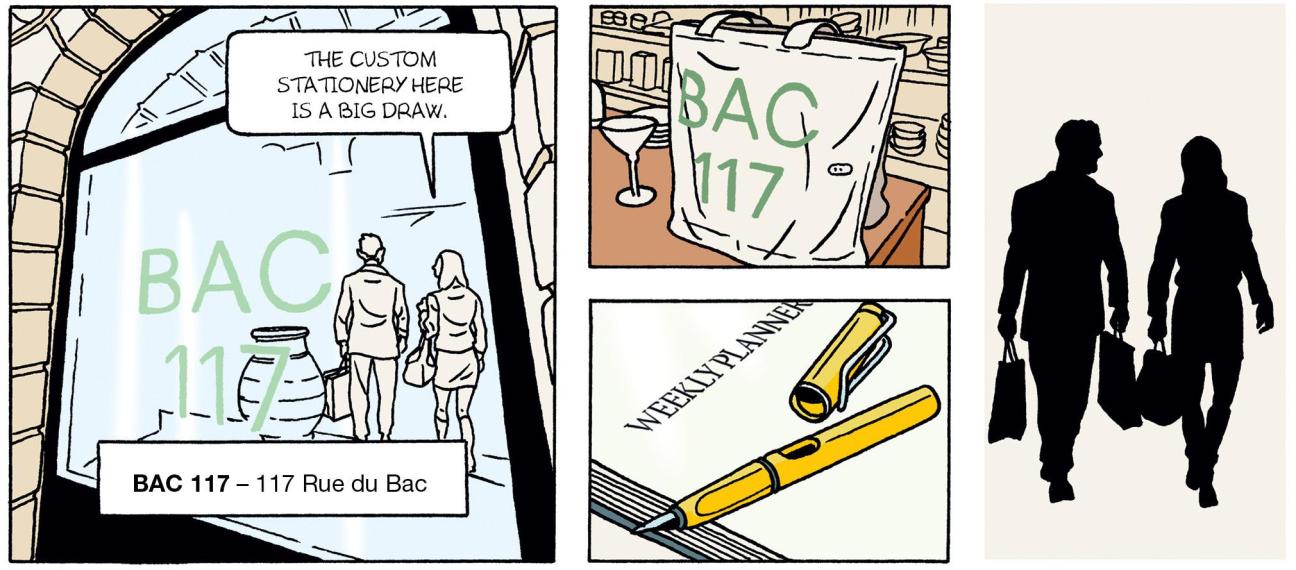
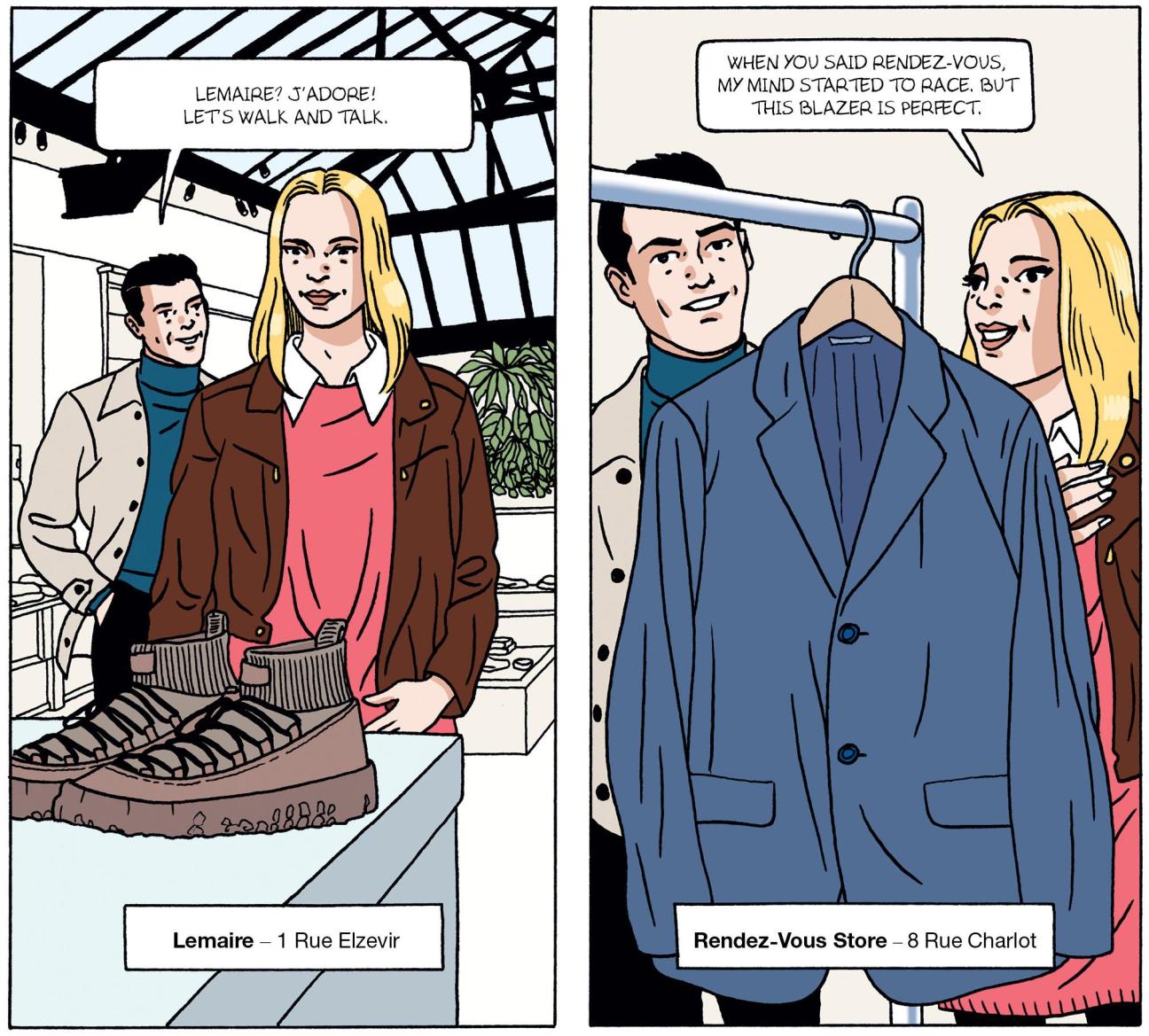
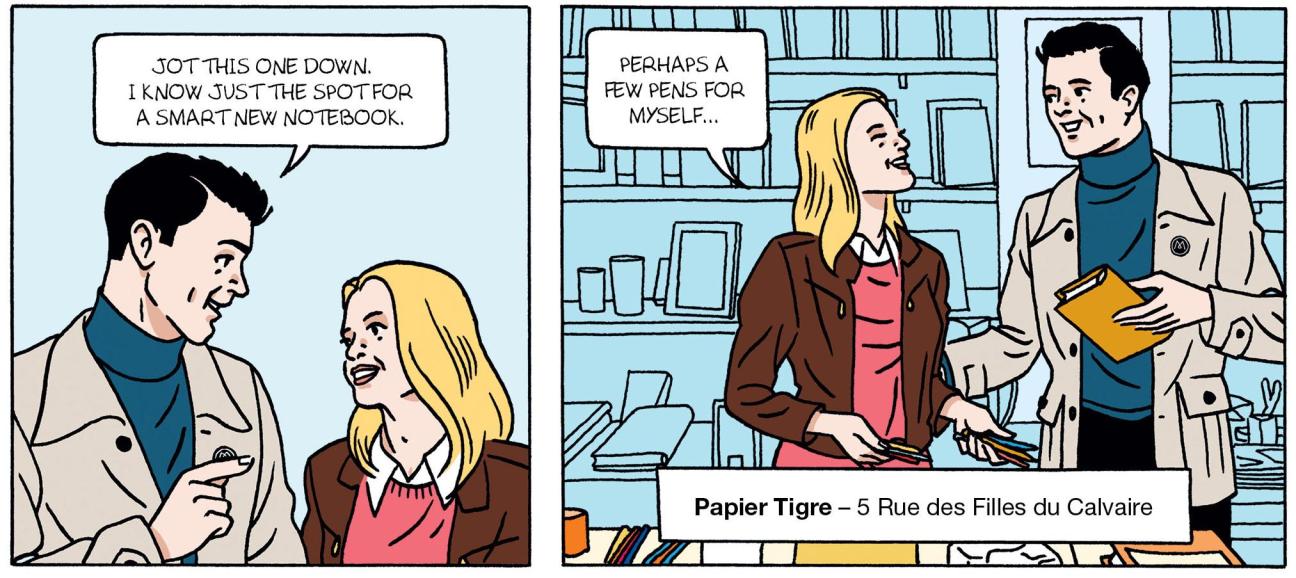
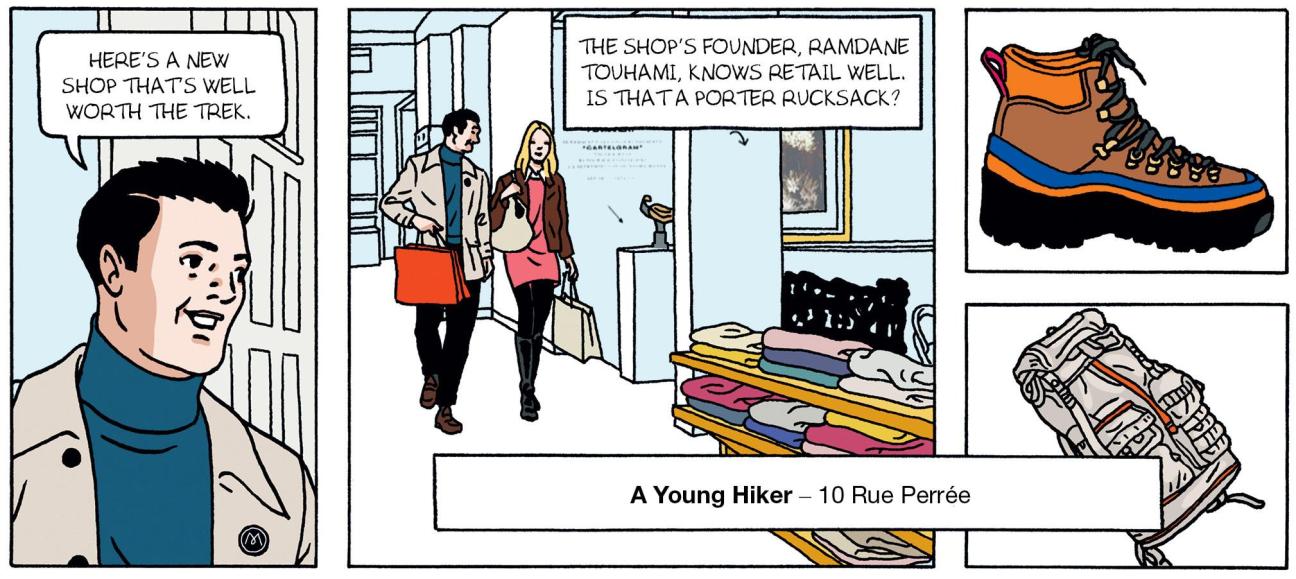
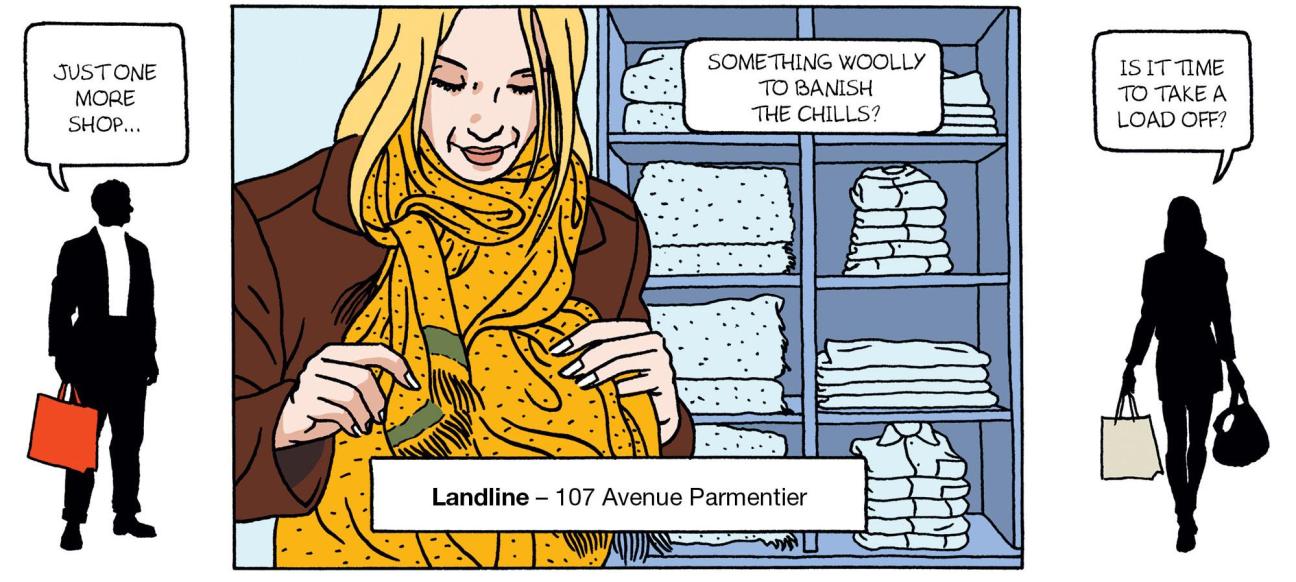
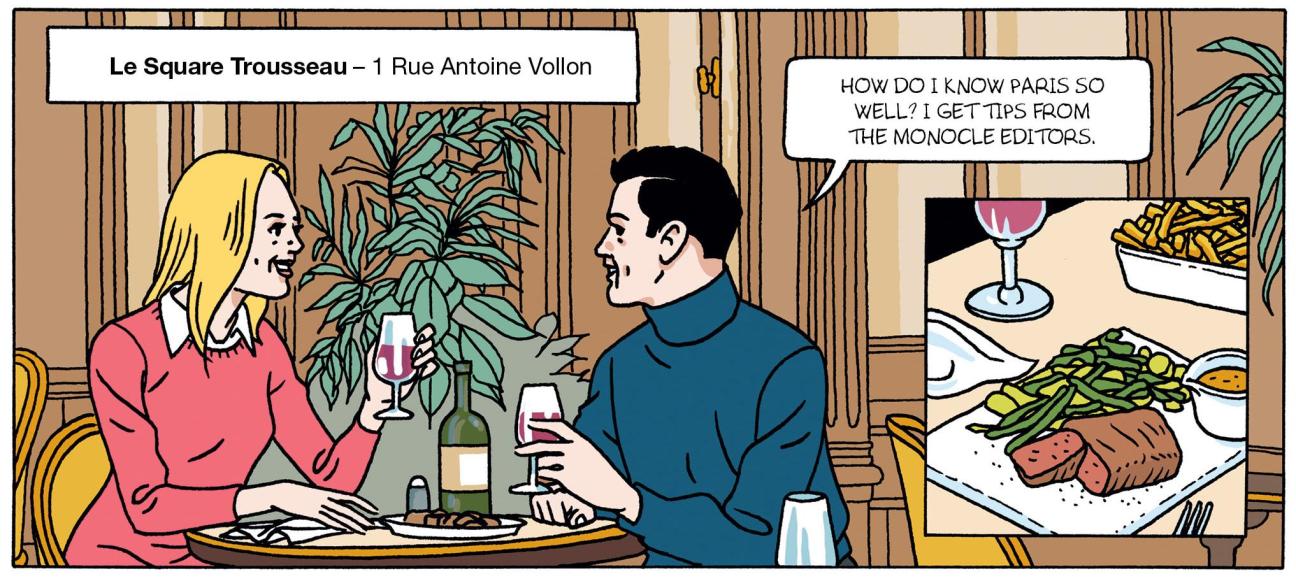
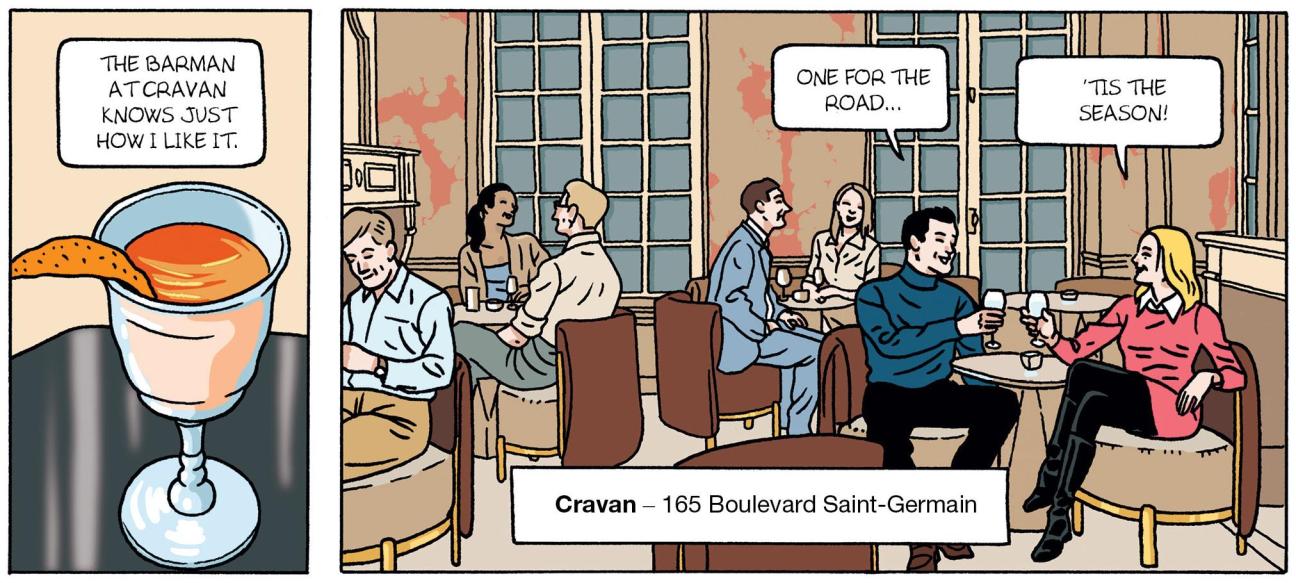
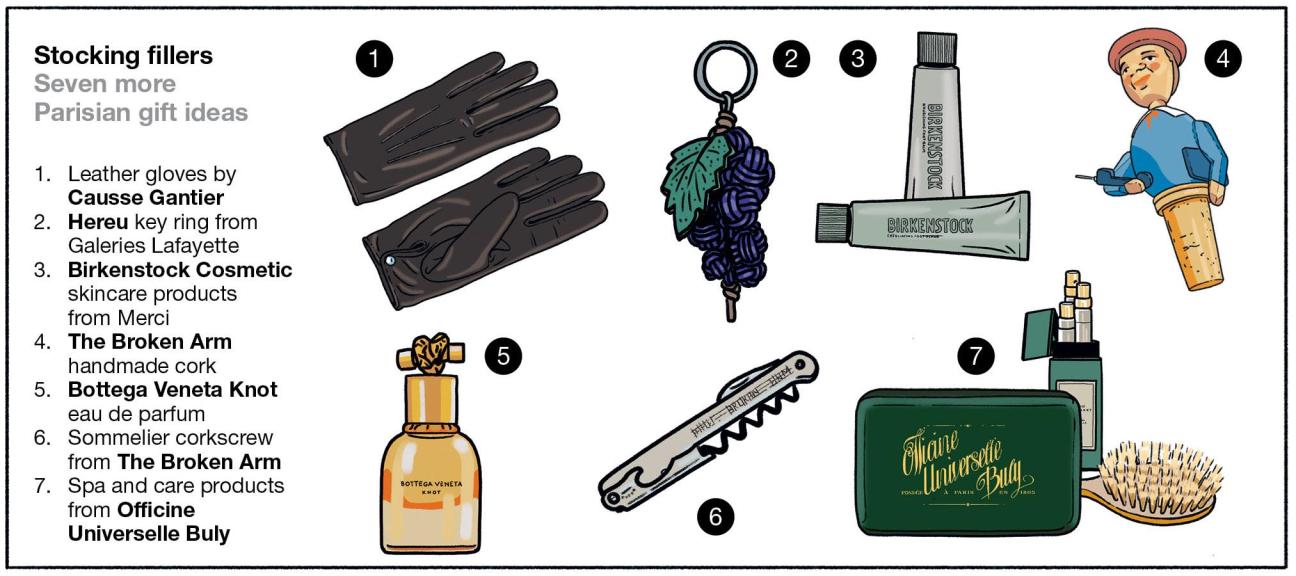
Click here to enjoy Monocle’s complete city guide to Paris
The growing market for luxury product packaging
The market for luxury product packaging hit $16.8bn (€15.11bn) last year and, though brands are trying to find more sustainable ways to pack their goods, most of it will end up in landfill. New York-based start-up Chowa wants to bring preciousness back to packaging. It supplies high-end brands, such as fashion house Drake’s and Dom Pérignon, with kiribako boxes, which are traditionally used in Japan to store kimonos and the implements used in a tea ceremony. Chowa’s pitch is that its boxes, which are made from a pale paulownia wood that naturally keeps the contents dry in humid climates, can be kept and reused for storage by customers, while also telling a story about handmade traditions.
“Kiribako have been used to package premium products in Japan for centuries,” says founder Ray Suzuki, who grew up between New York and Tokyo. “These boxes also have an afterlife; repurposing is a huge part of [Japanese] culture.”
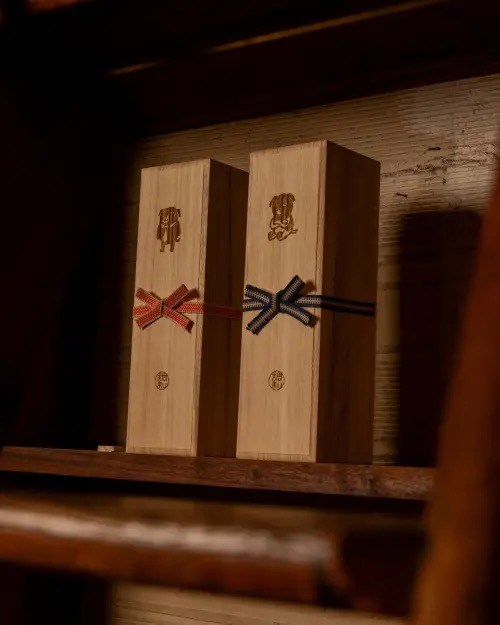
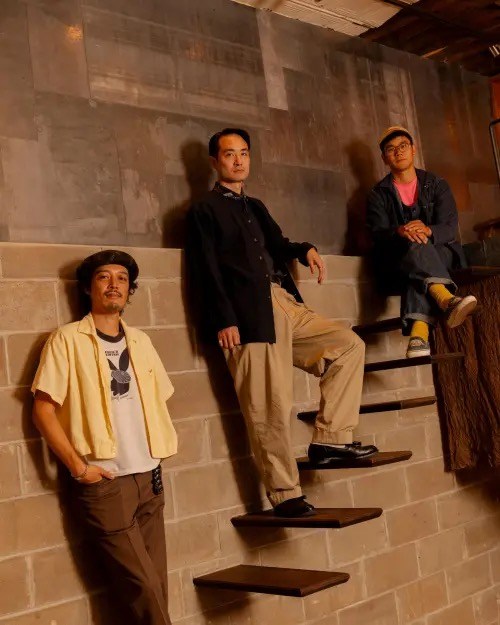
Founded last year, Chowa has quickly built a healthy client base, in sectors from hospitality to retail, and has collaborations with clothing brands on the horizon. Suzuki works with a factory in Hiroshima prefecture to make every box and initially struggled to find a partner, as many historic workshops feared that their heritage product would be thrown away once it landed on US shelves. Gaining their trust, says Suzuki, is part of the business model. “I speak to the clients one by one on behalf of the artisans. As long as they understand the care that goes into the boxes, I’m OK working with anyone.”
Chowa’s office is in a high-rise in Tribeca, with paulownia walls and a shoji window looking over the city. In July, Chowa opened a shop in Bushwick, Brooklyn, a library-like space where the brand can tell customers about Japanese craft and aesthetics through materials and architectural details. Subdued light falls across raw wooden columns and floors lined with denim from fashion brand Engineered Garments, which was founded by Suzuki’s father. The space can be turned into a chashitsu (tea room) and there is a small door to the storage area so that those entering must bow reverentially to the wooden boxes within.
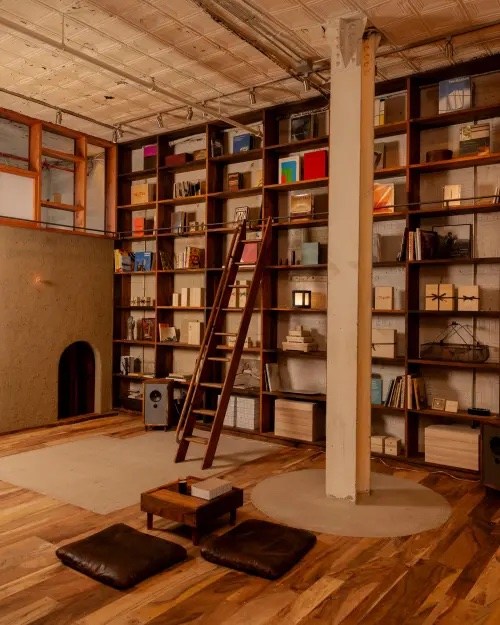
“A space has the power to speak directly to the emotions and these boxes have the same sort of energy,” says Suzuki. “I want to share a certain idea about what luxury packaging can be. Luxury itself is transitioning to be more conscientious. People care about the story behind how things are made.” Indeed, some boxes are for life and not just for Christmas.
chowa.nyc
Editor’s letter: Andrew Tuck considers how our homes influence our lives
Sitting comfortably? Well, you certainly will be after reading our November issue, which includes not only a guide to the best in interior and residential design but also a wonderful Expo dedicated to the sofa. Nic Monisse, our design editor, who is always up for a challenge, set about persuading esteemed designers, gallerists and architects to let us into their homes to take portraits of them with their couches. While some of them live with masterpieces, one rising star is the proud owner of a sofa purchased from Ikea, which he had shipped all the way from London to Lagos.

What comes across in the reporting – and this is the reason why we gave Nic this mission – is how a well-considered sofa, a seemingly modest piece of design, can shape our lives. A sofa is a place where we can read, have TV dinners and curl up with a dog or a partner. It’s where ideas are hatched and where last-minute guests can be accommodated overnight. At Monocle’s Midori House, it’s where we gather to plan the day’s radio shows, entertain visitors, interview potential staff and have meetings about upcoming issues. It was where we first wondered whether the very thing we were sitting on should become a story.
The idea of the home as a refuge, as a source of inspiration and a space where our lives can unfurl, is also picked up in a special series of essays, our “interior monologues”. Josh Fehnert, Monocle’s editor, managed to wrangle a cast of screenwriters, diplomats and economists to talk about what home means to them. The film director Francis Ford Coppola, for example, tells us how he used to take the essence of his home, his children, away with him when he was abroad making movies, “sticking them in any school there was”.
In our office, one of these short texts really hit, well, home. Georgina Godwin has been part of the Monocle family for many years and is perhaps best known for her wonderful voice and probing questions on Monocle Radio. She is originally from Zimbabwe but her family was forced to leave the country and she has been declared an enemy of the state so cannot return. This much – the facts – I knew. What I didn’t know was what it’s like to be from a place that still feels like home but can no longer be seen, touched or felt. “Home comes back down to people,” she says. “Of course, you can surround yourself with things. I might say I’m at home when I’m surrounded by my books, but you know, once you’ve lost material things, you realise that they don’t matter. I’ve managed to hold on to a couple of old family antiques and it’s lovely to have things but if I didn’t, it would be OK. Home, to me, is like being a tortoise – I take it with me.” It’s a sentiment that so many exiles and people who have sought refuge will identify with. Home is a special place.
Being surrounded by books is also a topic picked up by Simon Bouvier, our new bureau chief in Paris, who was tasked with surveying the city’s 400 bookshops and trying to explain how it has managed to hold on to so many glorious stores. He had a bit of a head start as his uncle, who makes an appearance on our pages, is an antiquarian bookseller.
It transpires that Paris has benefited from a series of literary-minded politicians who have enacted laws and developed schemes to protect this world. For example, Bertrand Delanoë, a former Paris mayor, bought up property in the city’s Latin Quarter with the specific objective of leasing it to bookshops at below the market rate. And, as Simon reports, through a gradual expansion of this policy, Paris is “now landlord to 25 per cent of all bookshops” across the city. It’s interventions such as this that have helped to keep the French capital vibrant, protecting its independent shops and allowing neighbourhoods to avoid death by chain store. If you want a good book to hunker down with on your sofa, we recommend a trip to Paris.
Finally, as always, thank you for reading Monocle (whether on your couch or off) and please feel free to contact me at [email protected]m with any thoughts, feedback or bookshop recommendations.
Homes need to stir the soul, not just house the body
“My house is my refuge – an emotional piece of architecture, not a cold piece of convenience,” wrote Mexican architect Luis Barragán in 1948. These words – which I first read when I was at university about 65 years later – stuck with me as I set out to create a home of my own following graduation from design school. I spent the better part of a decade trying to inject some of myself – my own emotions – into the various residences I called home.
Places have been furnished with the colourful painting of an eagle that my partner and I picked up at a street-facing gallery in Amsterdam, a Renzo Piano sketch of the Centre Pompidou that the Italian architect gifted to me while I was reporting on his work, and Zig-Zag chairs of questionable provenance purchased from a quirky Dutchman in Surrey. The stories attached to each of these elicit strong emotions: feelings of love, pride in one’s work and a sense of adventure, respectively. But in reporting for this issue, I realised that I’d missed Barragán’s tip: the idea that the architecture should be eliciting emotion and not just the furniture and objects within it.
It’s something I’ve since addressed – or rather researched – with our reportage. In a world where we seem to be trending towards aesthetic sameness (visit any new development from Stockholm to Sydney and you’ll see the same colourfully-clad mid-rise mixed-use buildings), Alison Brooks outlines why it pays to tap in to the spirit of a place. This can be done, she says, by building in a way that pays respect to nature: homes can tug at heartstrings when they work with the slope of a site (rather than levelling it) or incorporate natural features (why not embrace an existing boulder or tree in the design?).
But perhaps the most informative note I’ve picked up from our reporting is the need for architecture that invokes pride too. Take our residents at the Mar Vista Tract. Inspired by their compact houses, they have banded together to form heritage protection groups, united by a shared appreciation for how the architecture encourages them to live a particular lifestyle built around community. The love that they have for their four walls is proof that residences can be so good – to the point where the Mar Vista crew won’t even sell, despite gargantuan offers – when actual architecture elicits powerful emotions, such as pride, and don’t simply provide a vehicle for living.
Architects on sofas: 12 leading creatives on the best seat in their house
The sofa is – by many measures – the singular, most defining piece of furniture that one can own. Often the largest item in a living room, it can dictate everything from our behaviour to our selection of other pieces. Whether it’s a plush contemporary work or vintage leather number, our couches speak volumes about our personalities and lifestyles, providing somewhere to unwind, entertain and relax.
Here, we visit the homes of 12 leading creatives to hear about their settees. Get comfy and read on – just don’t forget to plump the cushions when you’re done.
Llisa Demetrios, curator, Petaluma
Eames sofa by Herman Miller
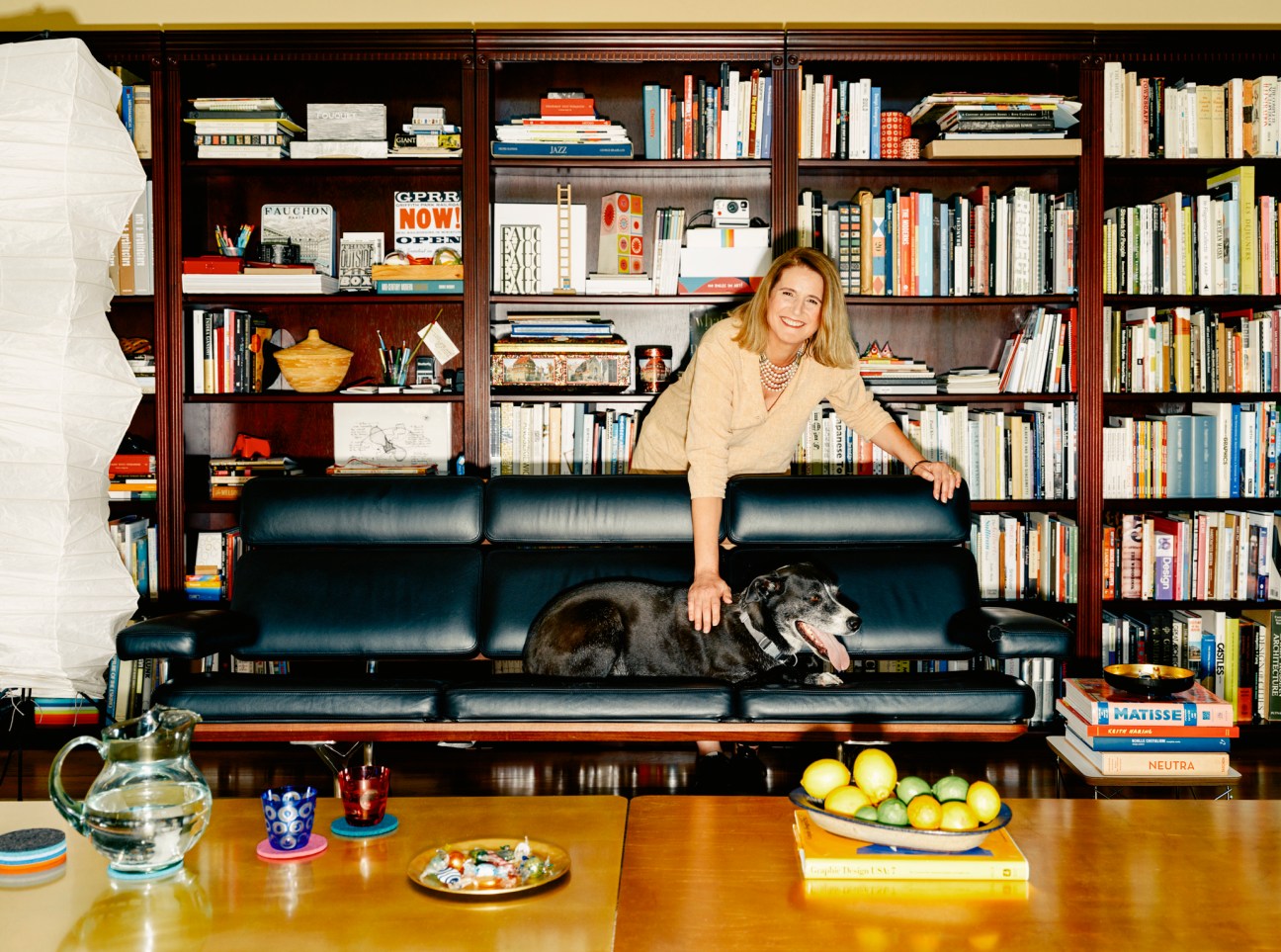
Llisa Demetrios has just returned home after giving the day’s last tour at the Eames Institute of Infinite Curiosity, the non-profit exhibition space in California’s Bay Area dedicated to the work of her grandparents, designers Charles and Ray Eames. “This is my place to pause,” says Demetrios, the institute’s chief curator, leaning back into the gently reclined black leather of the Eames sofa in her home. “It holds you but you also have to sink in a little bit; you don’t perch on a truly great sofa.” This sofa – the last project her grandparents worked on together – went into production in 1984, five years after Charles had died. Demetrios bought a pair almost 20 years ago, intending to pass them down to her own children. After all, Eames furniture was designed to withstand the test of time and Charles and Ray were always fascinated by how people lived with their work. “When I was growing up, they would send my mother a lot of prototypes,” adds Demetrios. “I do wonder now if they were just testing out what five young grandchildren could do with the furniture.”
Fien Muller & Hannes van Severen, designers, Ghent
Pillow sofa by BD Barcelona
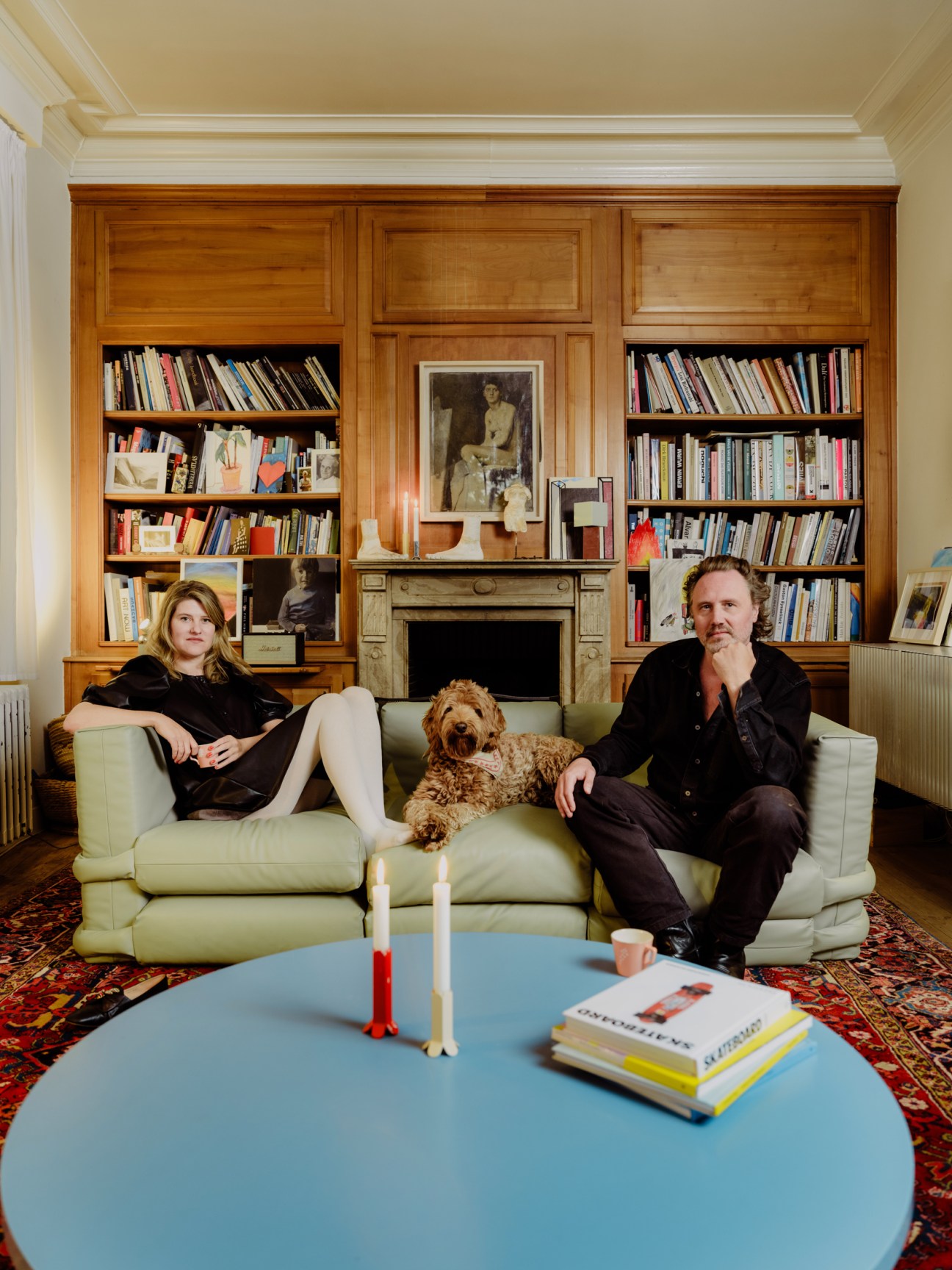
“We like to live with our own pieces,” says Fien Muller, one half of Belgian design duo Muller van Severen, which she co-founded with Hannes van Severen in 2011. “We want to know how they behave in real life.” That includes the couch at their home in Ghent, which is in production with BD Barcelona. Launched at Salone del Mobile in April 2024, the Pillow Sofa was shipped directly from the showroom in Milan to take up residence in the couple’s living room. Modular and low-slung, it is upholstered in a bright, mint-green leather and informed by the best Italian mid-century designs. “Sofas are a difficult thing to design, because they have to be comfortable,” says Muller. To that end, the Pillow is passing its live-in test with flying colours. “I often fall asleep on it,” says Van Severen. “I wake up in the middle of the night thinking, ‘Where am I?’” On several occasions, the couple have even put up house guests for the night on the sofa. “Nobody has ever complained.”
Marcio Kogan, architect, São Paulo
Horizonte sofa by Minotti
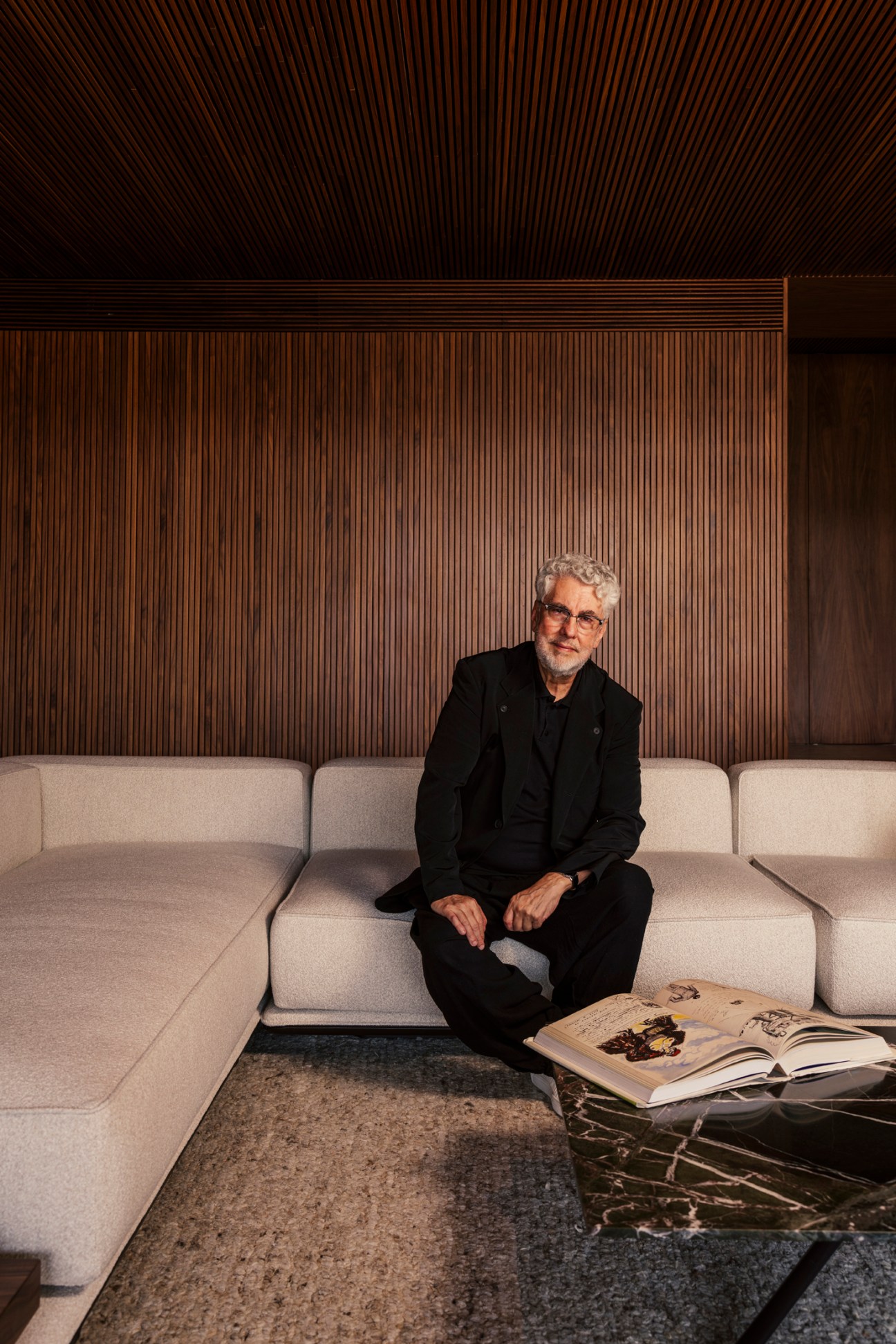
For most, the ability to design one’s own dream sofa and have it put into production lies well beyond reach. Not so for Marcio Kogan, the Brazilian architect whose perch of choice is the Horizonte seating system, which he developed with Italian furniture company Minotti. “I’m an architect and in my studio we design everything for our projects,” says Kogan, who founded Studio mk27 in the 1970s. “One day, Minotti called us and asked where we bought the furniture for our projects. I said we design it.” It was a conversation that would change the course of work for both Studio mk27 and the furniture powerhouse; after the Minotti family visited Brazil, they invited Kogan to design for them. The partnership has been ongoing since Kogan’s first collection was released in 2018 and led to this sofa in 2022. “I like the proportion – that’s the main thing,” says Kogan “And I like the bouclé fabric.” He laughs, acknowledging that white sofas are a bold move. “But comfort is what’s most important.”
Wael al Awar, architect, Dubai
Armchair by Unknown
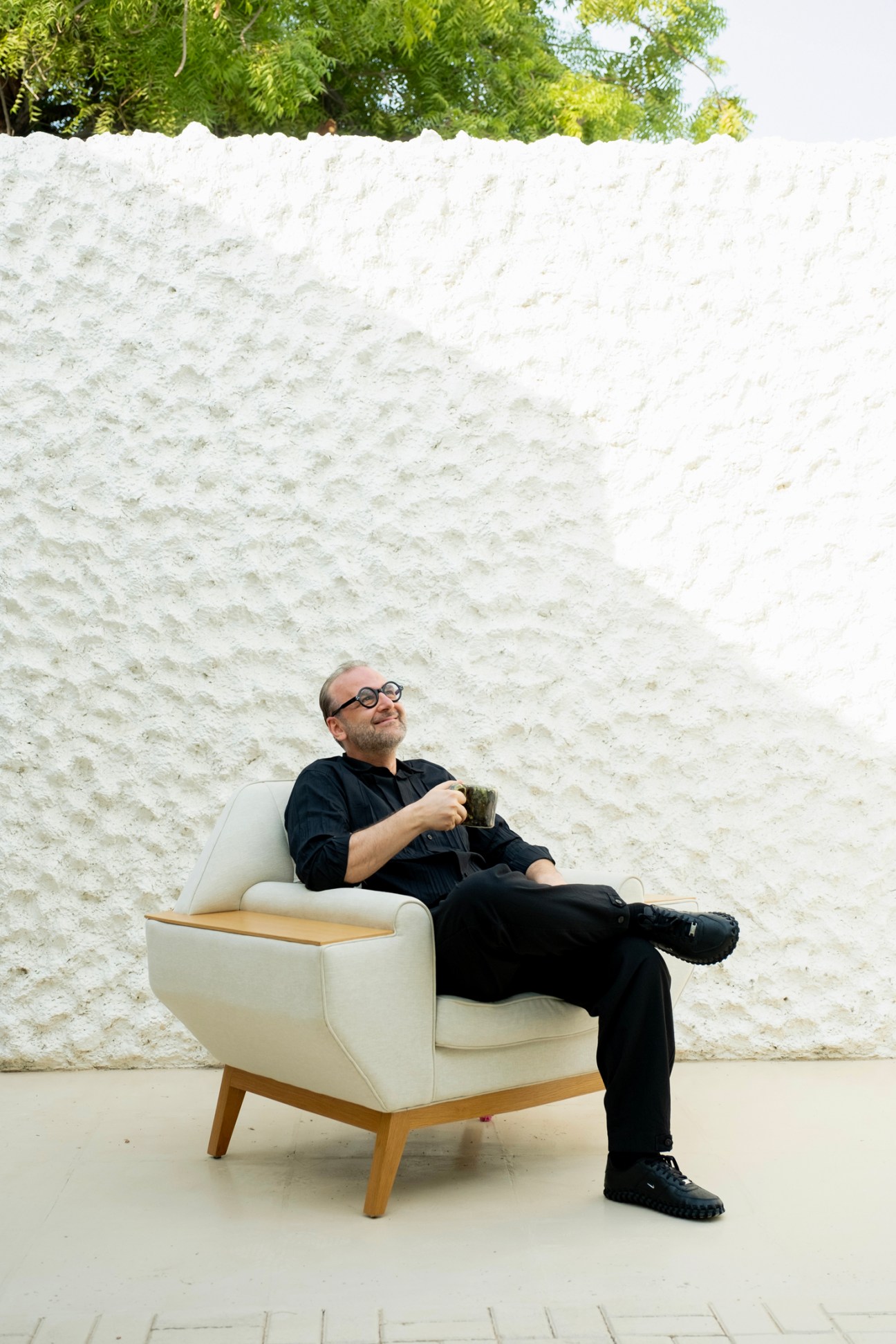
“I don’t know its name but I knew that it would be mine as soon as I saw it,” says Wael al Awar. The Dubai-based architect found this 1960s piece as a set of four in 1998 at a Sunday market in Beirut. “I was studying architecture and doing a module on informal economies, so looking for deals at the market was a weekend ritual,” he adds. The architect fixed up the full set, which was found in terrible condition, and brought it with him to Dubai. Today the four capacious seats sit in his family home with his wife and twin boys having their own individual perches to curl up on. “I hate today’s low-back sofas. You should feel cradled, which is why I also love the hammock-like Jangada chair by Jean Gillon.” Awar’s chair, with its inbuilt table, also forms his home office. “Tea sits on one side, with my laptop on the other. Hidden beneath these inlaid tables is a secret compartment to keep magazines and papers in order too. Designers back then challenged the idea of a sofa and I appreciate that.”
Nifemi Marcus-Bello, designer, Lagos
Äpplaryd sofa by Ikea

“Ikea has always been an interesting company and one I admire from afar,” says Nifemi Marcus-Bello. “I like its transparency around production and its design process.” The founder of Lagos-based Nmbello Studio is an ardent fan of the flat-pack specialist’s Äpplaryd sofa. “We didn’t have an Ikea in Lagos, so I had to go to great lengths to ship the sofa here from London.” Marcus-Bello’s work touches on narratives of African migration and identity, interweaving Nigerian artefacts with bold accents. He says that he never works on his sofa. “I associate it with rest so I can never get any work done,” he says. On weekends, the plush perch comes into its own. “The sofa plays a huge role within my space and family dynamic. It’s the only chair that we can all sit on at the same time.” He considered the limited natural light of the sofa’s surroundings, choosing a lighter fabric and a design that is raised off the floor to allow light to pass underneath. “The sofa is very considerate to our way of life.”
Tarini Jindal Handa, gallerist, Mumbai
Standard sofa by Edra
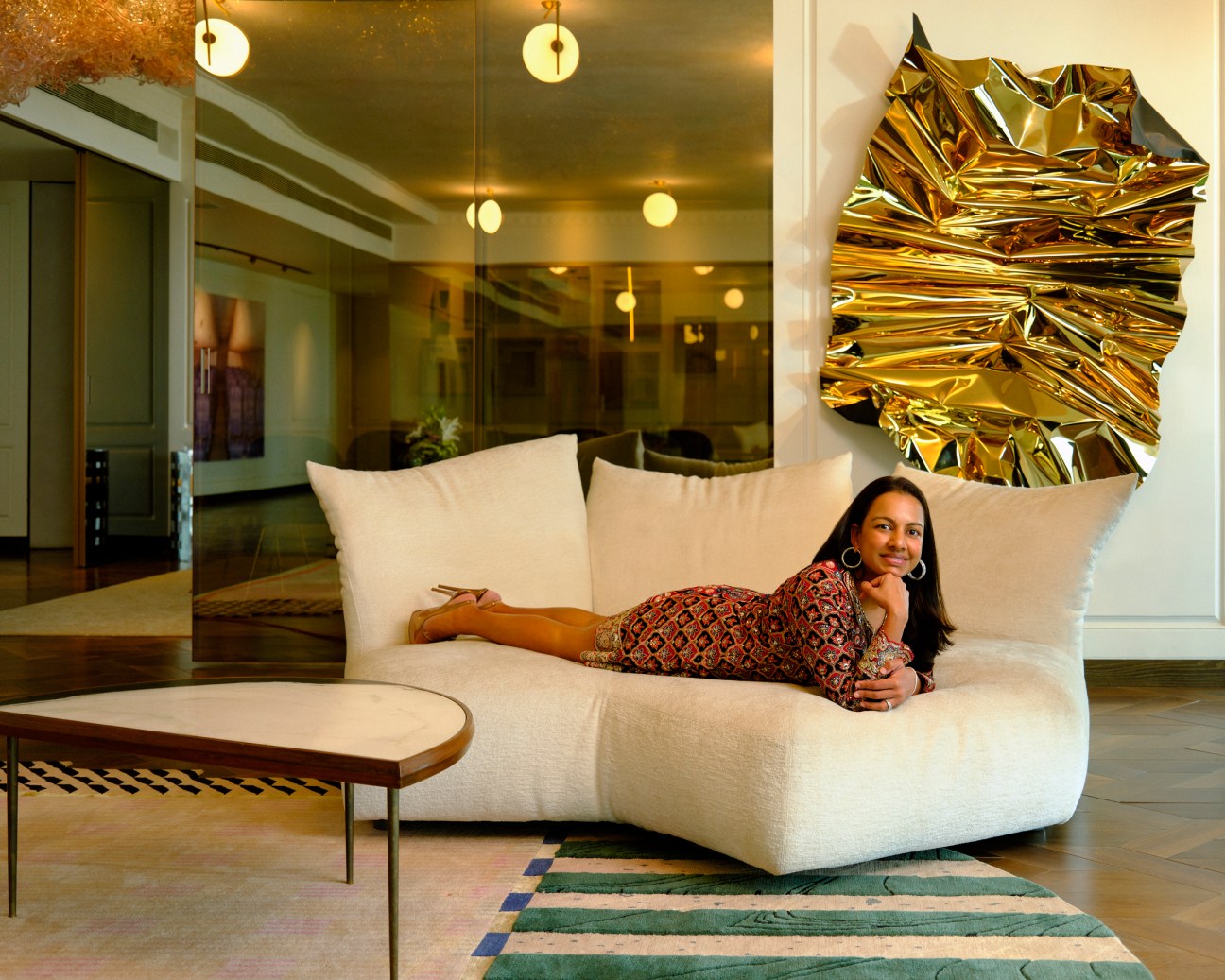
“The functionality and comfort are incredible,” says Tarini Jindal Handa about her favourite piece of furniture. As the founder of Aequo, India’s first collectable-design gallery, Handa knows a thing or two about good seating. What helped the Standard sofa – designed by Francesco Binfaré for Italian furniture company Edra – win her over was its impressive adaptability. “Sofas should be comfortable,” she tells monocle from her home in Mumbai. “That is their most important attribute.” The couch’s mouldable backs and sides, made using Edra’s Smart Cushion and Gellyfoam technology, make it an extremely versatile piece, which can either be set upright for comfortable chats with friends or turned into a daybed for lounging. “It’s one of those wide, white, fluffy sofas,” says Handa. Having owned it for more than 10 years, it has become integral to her home – the pièce maîtresse of the living room. Handa adds that the sofa has almost become part of the family, occupying pride of place.
Malika Favre, illustrator, Barcelona
Quilton sofa by Hay
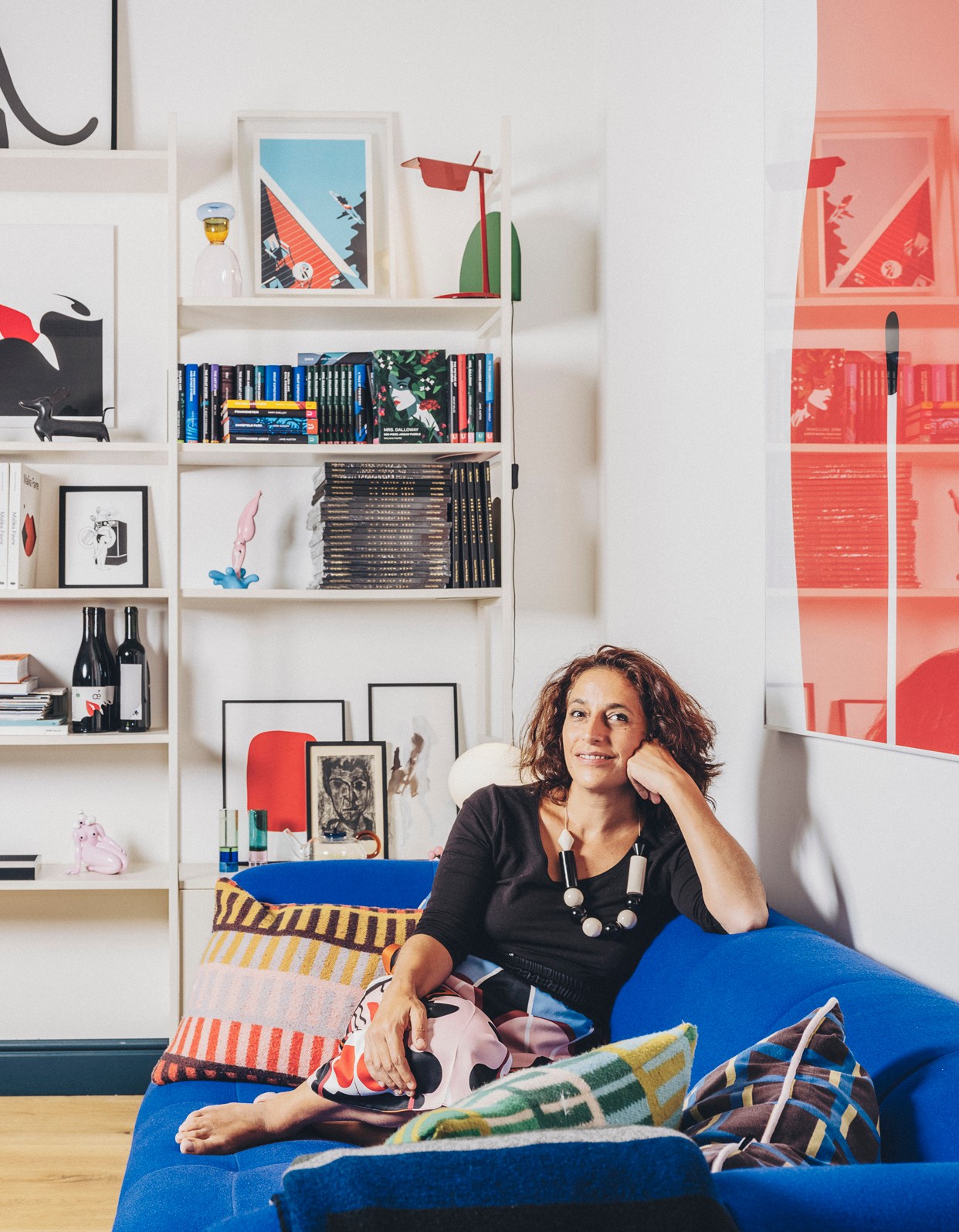
“There are as many definitions of a good sofa as there are people,” says Malika Favre. The French illustrator’s choice comes in the shape of an electric-blue Quilton model by designer Doshi Levien for Danish furniture firm Hay. “Blue is my favourite colour. You can find pieces of it throughout my home.” It is also common in Favre’s work, such as her recent cover illustration for The New Yorker and re-edition of the 2017 Montreux Jazz festival poster. Before purchasing the Quilton model in 2023, Favre, who is based in Barcelona, had kept a mid-century couch through every move. It was nicknamed “the rock” because it was beautiful but not particularly comfy. Favre enjoys curling up in the evenings on her new (and cosier) Quilton but aesthetics remain key. “I need to be surrounded by beautiful things,” she says. “A good sofa should be comfortable but not at the cost of being gorgeous,” says Favre. “It needs to be elegant but also cosy and generous.”
Grant Wilkinson & Teresa Rivera, designers, London
Peonia sofa by SCP
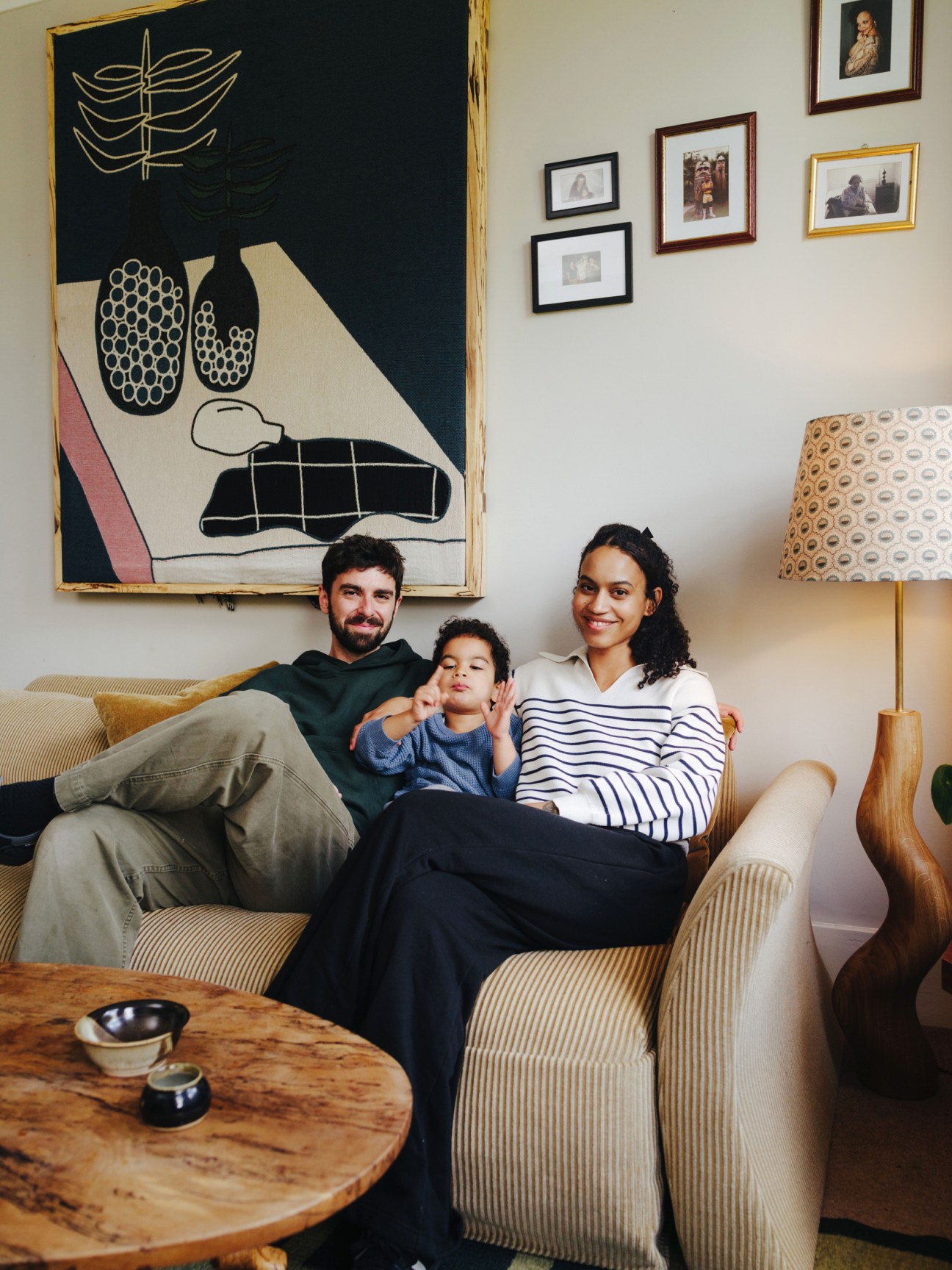
Grant Wilkinson and Teresa Rivera opened their design and manufacturing studio in 2020, the year that their son was born, so it was only natural that young family dynamics would influence their work. “We bake purpose into our designs,” says Rivera, sitting on the mohair cord sofa, which they created for London-based design brand scp. “It’s ridiculous to have something in the home that you can’t use. With a four-year-old around, it has to be sturdy and scrubbable.” The couple are content with their elegant sofa being taken over by a preschooler. “We’re have-dinner-on-the-sofa people,” adds Wilkinson. “It’s why we made the Peonia so deep, so that we can all fit comfortably.” The couple met while studying fine art. Despite having since moved into furniture design, they still think like artists. “As soon as we put pen to paper and start sketching, we’re talking about it the same way we used to talk about sculpture back at school,” says Wilkinson.
Daniel Libeskind, architect, New York
La Maquette sofa by Louis Vuitton
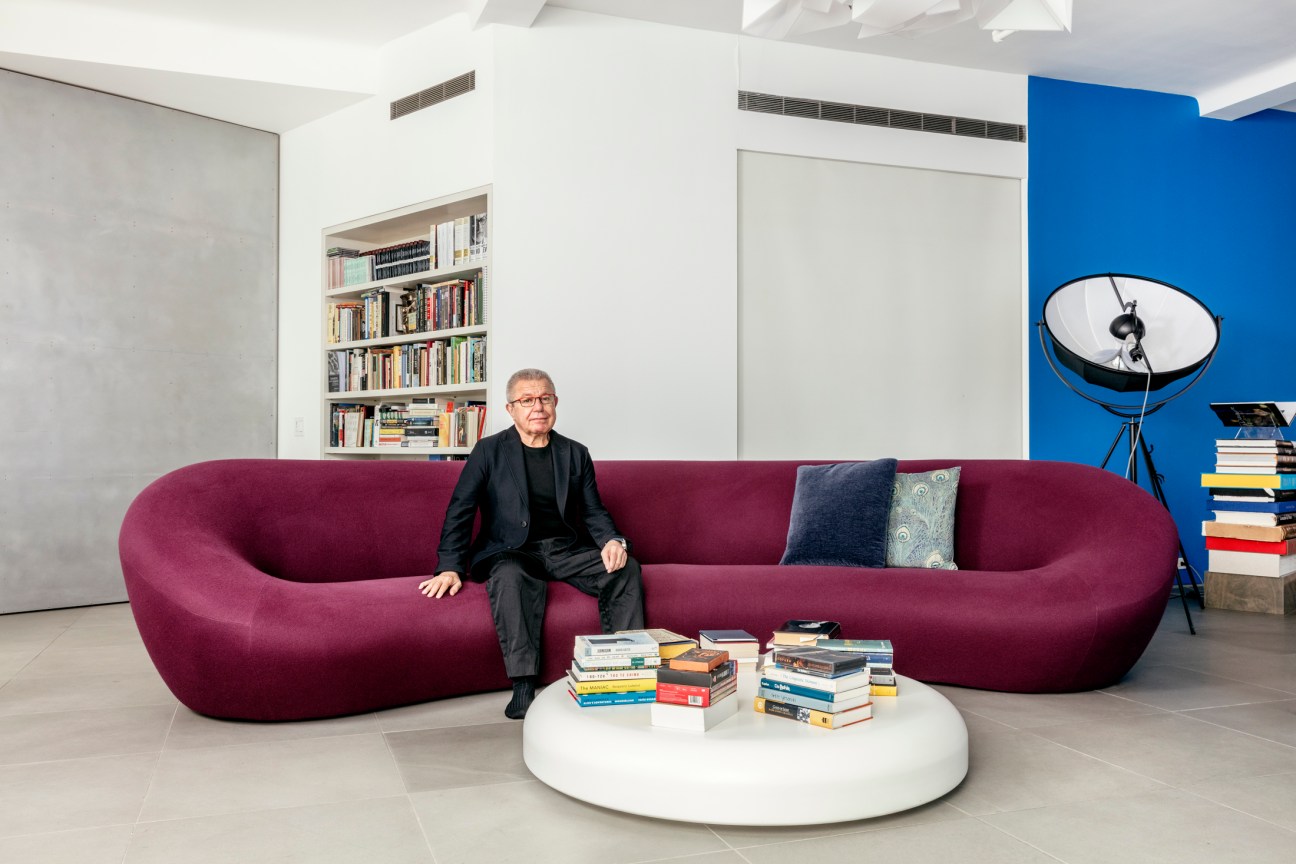
“It was an impulse buy,” says Daniel Libeskind. The architect purchased his couch at Louis Vuitton’s 2014 Design Miami showcase, for which the French fashion house put the unrealised La Maquette collection by Pierre Paulin – including this sofa – into production. “I bought it without considering its size or scale, or the complexity of getting it up a building in New York.” But once it was placed in Libeskind’s home, its impact was immediate. “It’s the largest object that I have and has an unusual red-purple colour and an unexpected form that was clearly drawn by hand. That allows me to get away from the rectilinear modernist look that’s very prevalent in my house.” Today, it sits alongside the complementary white disc that is the La Maquette coffee table. “What makes a great sofa is not only comfort but what it looks like when you’re not sitting on it,” says Libeskind. “It’s about the views you get of it from different angles – looking down on it, looking across the room. I see La Maquette as a sculpture.”
Ingegerd Råman, designer, Stockholm
VVP02 sofa by Verk
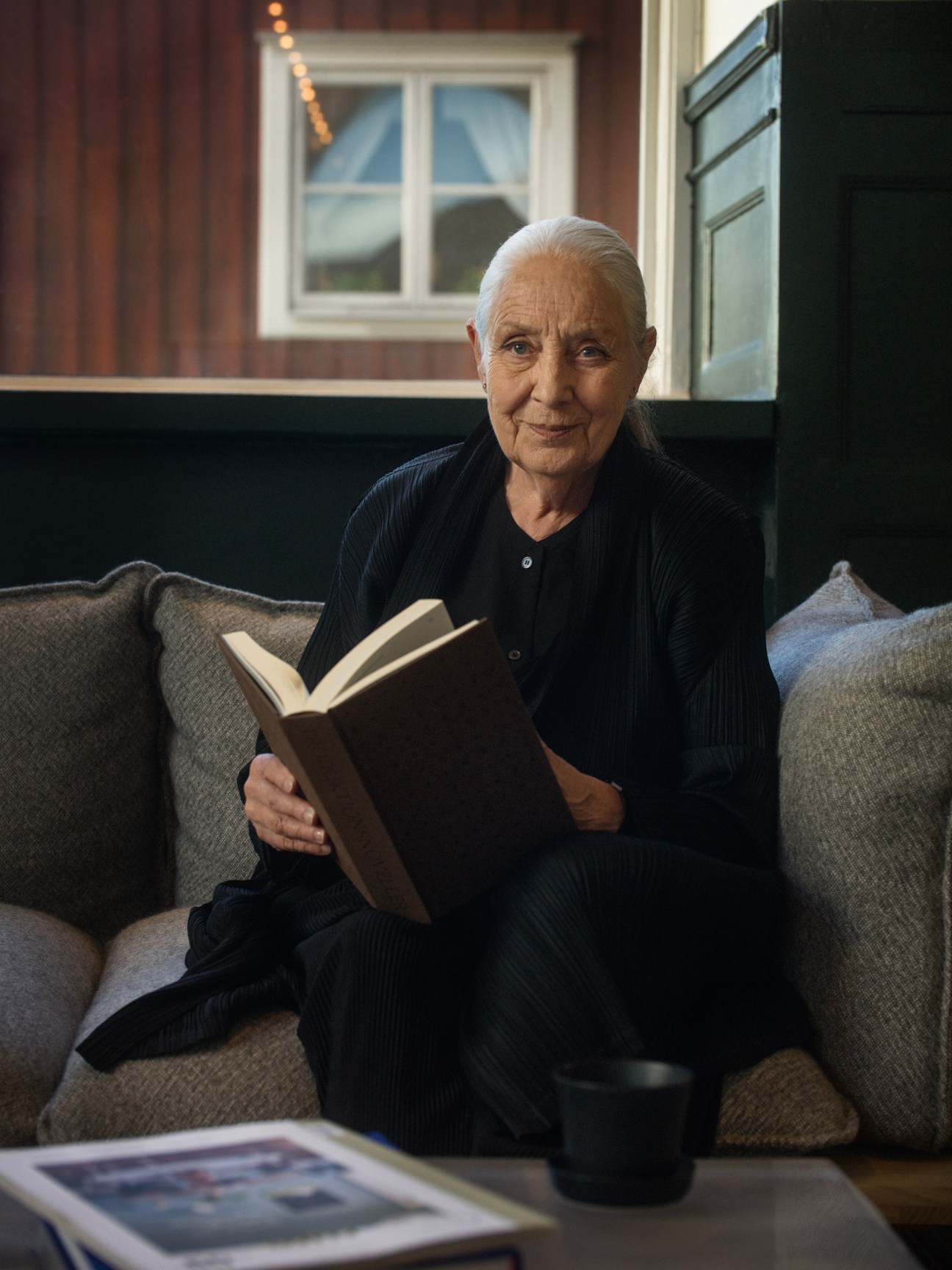
Ingegerd Råman no longer owns a sofa. And that should not come as a surprise: the octogenarian designer never stops moving – or working. When monocle talks to her, she has just left Skåne, where she has run her namesake studio since 1967, to visit Nice via Stockholm. But when pressed on where we would find her if she were to take a perch, she says it would likely be in the studio of Verk, a Swedish furniture firm that she recently designed a textile for, which now upholsters its vvp02 sofa.“The company is built on the idea that we have nice wool in Sweden and we should be using it in our homes,” says Råman, best known for her glass and ceramic work. “They approached me to make a wool textile and I developed something that is mostly grey, because sheep are mostly grey,” she says. Should she ever purchase a new couch, she would finish it in the textile too. “I can’t do anything that I can’t have myself. I couldn’t make something that I couldn’t have around for 10, 20 or 30 years.”
Joris Poggioli, designer, Paris
Patrick leather sofa by Joris Poggioli
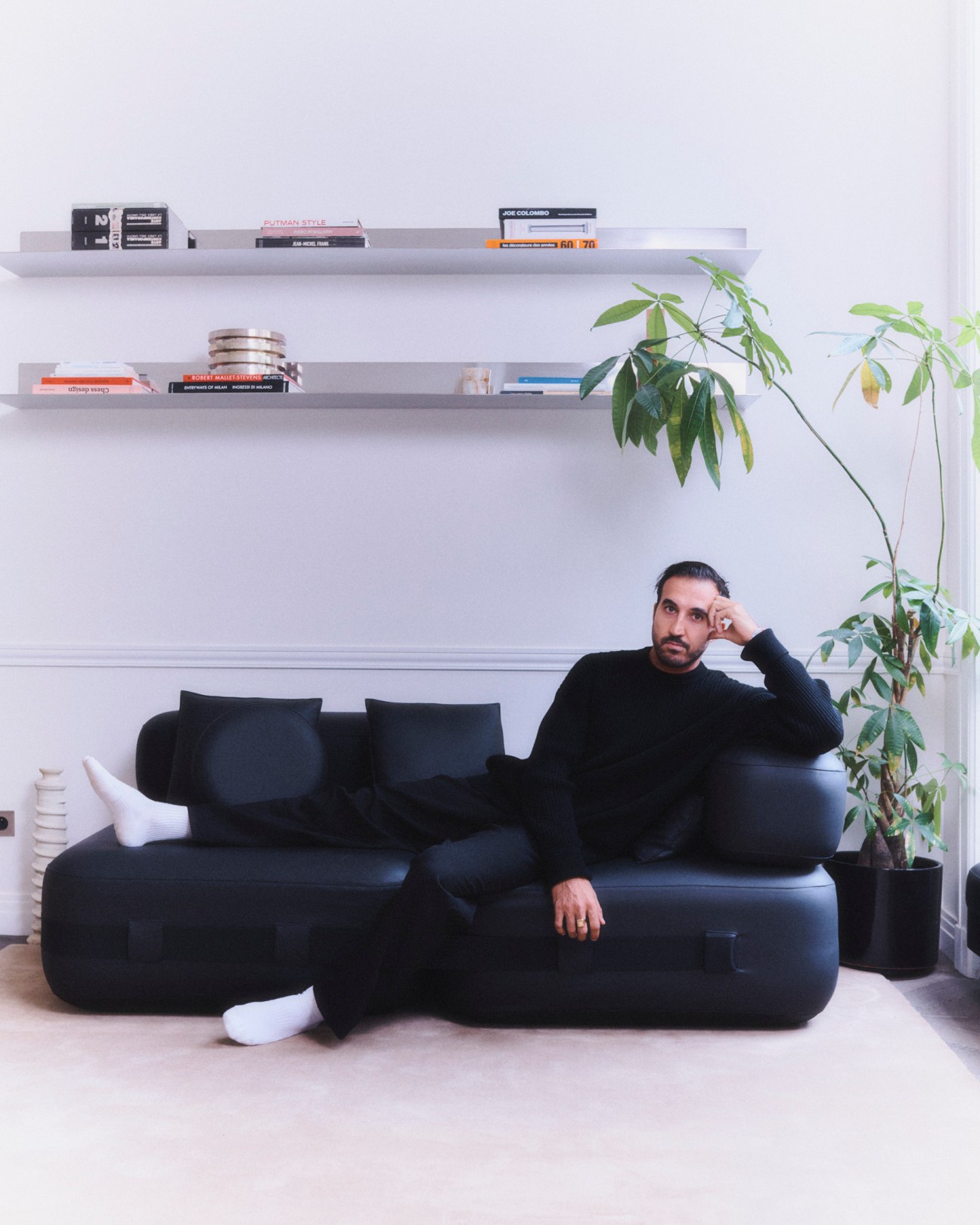
There’s a personal story behind the name of Joris Poggioli’s sofa. “Patrick is a member of the team who has helped us develop everything that we draw, in particular this sofa,” says the French-Italian designer. “Once we had it, after almost 20 prototypes, I thought that the least he deserved was to have it named after him.” Finished in black leather, it was built to be flexible and adapt to its owner’s everyday life. “I love hosting guests and enjoy lying down,” adds Poggioli. “I adore watching movies and having the option of accommodating friends who stay over.” Sleek and elegant, Patrick (the sofa, not the person) can be turned around in different ways and even endure dinner-party spills. “I’m not a big fan of colour, so black was perfect.” For Poggioli, the ideal sofa is not only a pile of pillows that you can sink into but an expression of taste. “Some people are obsessed with comfort. My vision is that you must please your eyes first, because comfort for the eyes is comfort for the brain.”
Farshid Moussavi, architect, London
Osaka sofa by La Cividina
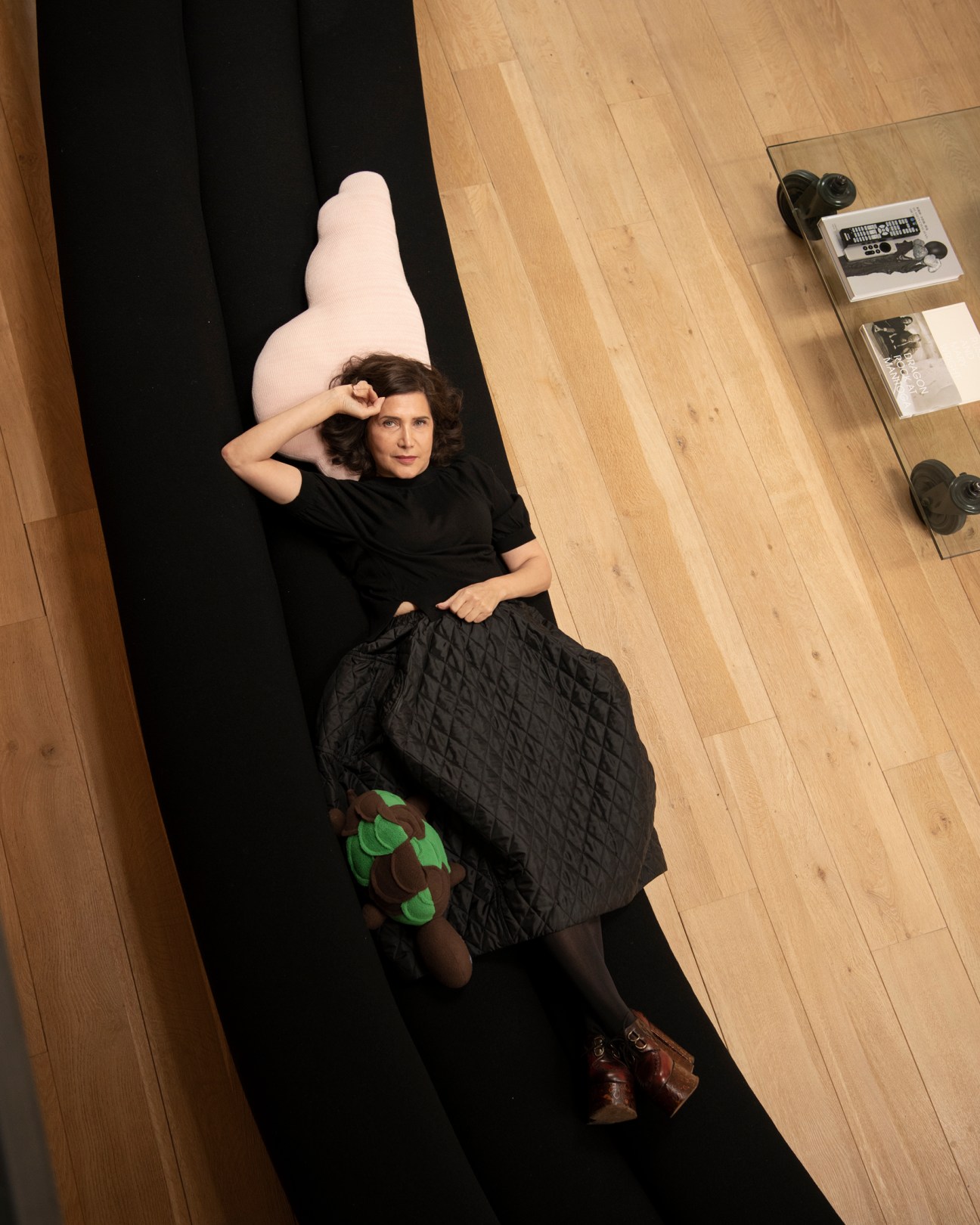
“My living room is tall and long so I can choose pieces that wouldn’t work in a smaller space,” says Farshid Moussavi. The Iranian-born British architect’s environment calls for a sofa that can match it – and her five-metre-long version of the customisable Osaka sofa does just that. “It has metal brackets on the base, so you can shape and curve it. I was interested in this idea that I could change the look of the piece over time.” Moussavi spends much of her working day sitting down, so her spare time is spent away from the sofa. “I associate it with having company rather than relaxing alone,” she says, explaining that the sofa would be put to good use when she held birthday parties for her daughter, who grew up in the flat. The monochrome colour palette allows for some personalisation too, with Moussavi making a custom pillow inspired by one of her daughter’s drawings. And while comfort is important, the architect says it’s also critical that a sofa adds to the character of one’s home. “It’s a sculptural piece.”