Issues
Making time: The Finnish school shaping the future of watchmaking
Kelloseppäkoulu, The Finnish School of Watchmaking, is one of the watch industry’s best-kept secrets. But for those in the know it is considered to be one of the world’s most prestigious watchmaking schools, with Swiss heritage labels such as Rolex and Patek Philippe trying to recruit its students before graduation. Alumni include the likes of Kari Voutilainen and Stepan Sarpaneva, who regularly receive some of the top honours at the annual Grand Prix d’Horlogerie de Genève.


Despite its successes, Kelloseppäkoulu is relatively unknown outside the tight-knit circles of watch enthusiasts. Securing a place on the school’s three-year training course, which doesn’t charge tuition fees, can seem impossible: Kelloseppäkoulu has only admitted a maximum of 30 Finnish students a year since it was founded in 1944. But things are changing. In an effort to expand its curriculum and attract an international cohort, the school has announced plans to launch its first English-language programme later this year. The €50,000 course will teach pupils the art of bespoke watchmaking over two years.
Despite revisions to the school’s admissions process, Kelloseppäkoulu’s commitment to precision and artisanship remain unchanged. When Monocle visits, a dozen or so third-year students are hard at work, assembling wristwatches in classrooms filled with neat rows of desks, lamps and large collections of tools. It would be easy to mistake them for surgeons, given the white jackets and protective glasses that they often wear. In fact, much of their work is similar to surgery: watch movements are made up of miniscule pieces that require both a steady hand and detailed knowledge to assemble. Working on wristwatches is a privilege that these students have earned after years of rigorous training. This starts with learning the basics, including the construction of tools and individual watch parts.
First-year student Mervi Kivistö is building a handmade drill bit in a workshop, whose walls are lined with antique pendulum clocks. She worked in another industry for more than a decade before pursuing her dream of becoming a horologist. “Many of my fellow students had other careers before deciding that watchmaking was what they wanted to do,” she says.
It’s rare for horology students to start their training by making their own equipment. Most Swiss brands use industrial machinery to produce their watches, so tool-making know-how is often deemed unnecessary. “It’s this expertise that makes Finnish graduates stand out from those who come from German or Swiss schools,” says celebrated watchmaker Kari Voutilainen. Part of Kelloseppäkoulu’s class of 1986, Voutilainen went on to work for the likes of Parmigiani Fleurier in Switzerland before founding his eponymous brand in 2002. He has since received multiple awards for his designs, including the kv20i Reversed and World Timer men’s watches. “Finns have been working for the likes of Patek Philippe since the 1960s and the Swiss industry loves them,” he says.


Many students hope to work in Switzerland after completing their studies. In order to beat the competition, Swiss brands start courting Kelloseppäkoulu pupils before graduation. Direct sponsorships are forbidden in Finland, so luxury watchmakers forge co-operation agreements with the school, allowing them to donate movements and train teachers.
Given its close-knit relationships with some of the best brands in the world of horology, aspiring watchmakers have often lamented the school’s admissions process. “People are constantly asking me how they can study at Kelloseppäkoulu,” says alumnus Stepan Sarpaneva, who started Helsinki-based brand Sarpaneva Watches after working for celebrated watchmakers Viennau Halter and Christopher Claret in Switzerland. “The school could charge more than Harvard and its courses would still be full.”
For Kelloseppäkoulu principal Hanna Harilainen, the decision to address these concerns by introducing the school’s first English-language course couldn’t come at a better time. Demand for luxury watches is rising. Fashion brands, such as Louis Vuitton and Gucci, are investing in the sector and Swiss factories are seeking new talent to increase their production capabilities. Soon, Kelloseppäkoulu students will be able to partake in international exchange programmes with watchmaking schools across Europe. Finland’s best-kept secret might not stay secret for much longer.
Alessandro Sartori’s vision for a timeless, trend-free Zegna
“Last week I was dressing a doctor friend for a special night,” says Alessandro Sartori, Zegna’s artistic director, sitting on a sofa in the Italian fashion house’s Milan showroom. “He needed something a little different so we went with a deep-blue tux and an extra-large lapel.” As Sartori speaks, his eyes widen with excitement. “I really enjoy dressing people – getting the perfect fit, choosing the most amazing fabrics. If I wasn’t doing what I do, I would have certainly been a tailor.”
Before taking on his current role in 2016, the Biella-born designer held prominent positions at Z Zegna, the label’s now-defunct sub-brand, and Berluti. Yet Sartori, who grew up seeing his mother work as a tailor and his father design textile machinery, never forgot the joy of dressing individual customers. As far as he’s concerned, being a fashion designer is a service job. “As with hairdressers and make-up artists, designers’ work touches the human body so we need to be respectful and ensure that people feel like themselves,” he says. “We are not dressing them for our own pleasure.”
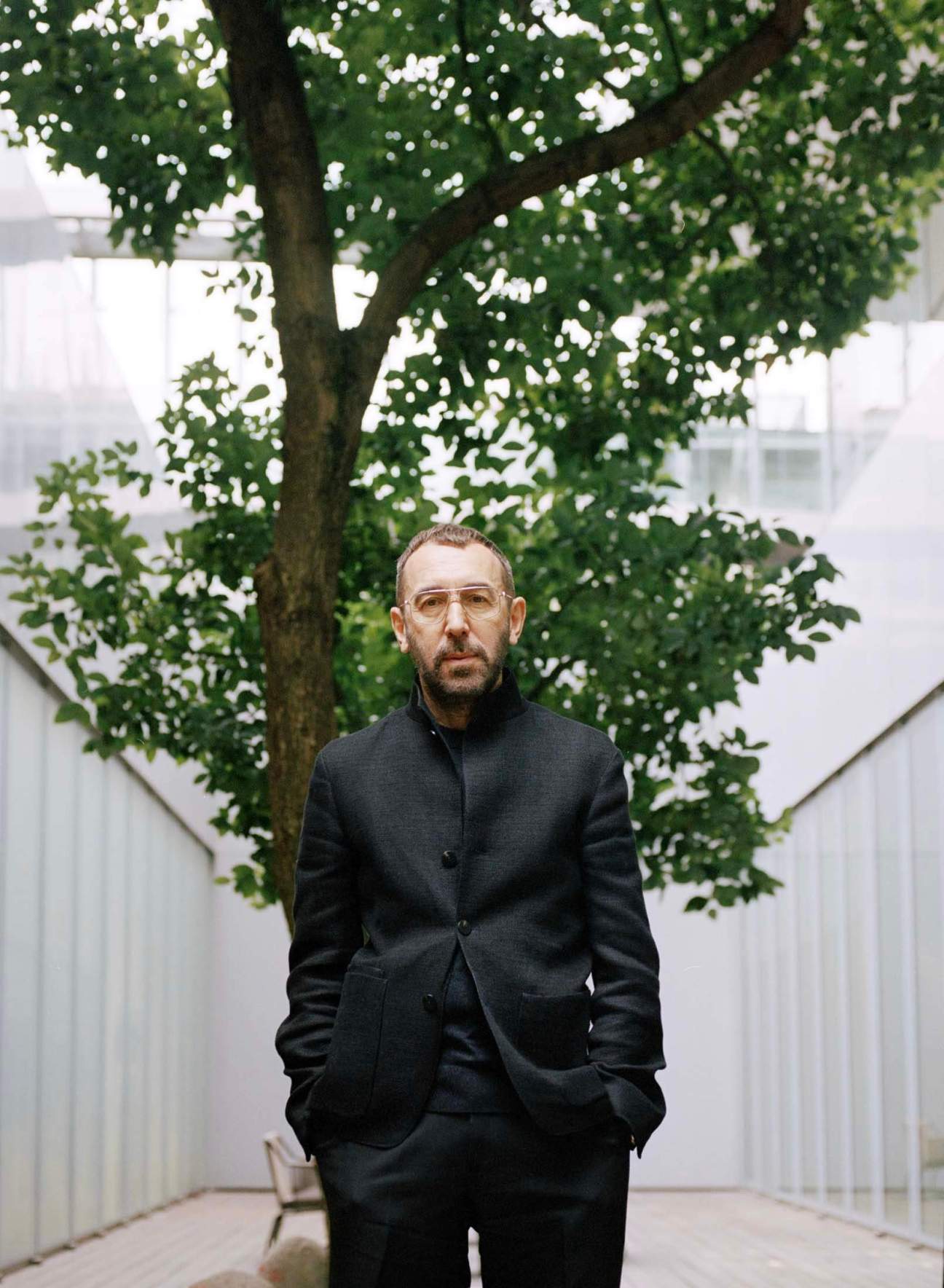
His grounded approach has helped him to steer Zegna through one of the most successful rebrands in luxury menswear – and entice customers to keep shopping, even as sales have slowed down across the sector. In 2024 it was the only house in the Ermenegildo Zegna Group (which also owns brands such as Thom Browne and Tom Ford Fashion) that grew, generating €810.6m in sales in the first three quarters.
Sartori works closely with ceo Ermenegildo Zegna, who was named after his grandfather, the company’s founder. On their watch, the brand’s name was shortened from Ermenegildo Zegna to Zegna; they also unveiled a new logo and a fresh design direction. “We wanted to recreate the Zegna silhouette,” says Sartori. “In the past the brand was recognised for quality and beautiful tailoring but we would design our collections based on seasonal [themes] and trends. Now we want to own a specific tailored look, to define the style of tomorrow. That’s why we started launching new designs that are easy to wear, uncomplicated and work across the seasons. It’s more utilitarian but executed with made-to-measure precision and luxurious fabrics.”
By way of illustration, Sartori points to some of Zegna’s new designs, from cashmere overshirts to loosely tailored blazers and the Il Conte chore jackets, with their raised collars and leather-trimmed pockets. “There’s classic tailoring, which many heritage brands execute at incredibly high standards, and then there’s experimental tailoring – eccentric lapels, pieces with too many buttons and so forth – which is usually for the pleasure of the designer,” he says. “But there’s a beautiful middle ground where you can express a fashion-forward point of view while also remembering that the garments that you’re designing need to be worn by real people. I’m always returning to the idea of respecting the customer.”
A sense of lightness and fluidity has come to define Sartori’s designs: think lapel-free cashmere blazers that are so comfortable that you’ll want to wear them all day but are smart enough for dinner; feather-light loafers that are appropriately named Secondskin; or cashmere polo shirts that make for the perfect layering pieces. A new outdoors-wear collection also caters to customers’ off-duty needs, with a wide range of ski and technical wear.
“Zegna performs so well for us,” says Sophie Jordan, the menswear buying director of e-commerce platform Mytheresa, which recently celebrated the launch of the new outdoors-wear collection with an event in Milan and Piedmont, home to the company’s factory and natural park, the Oasi Zegna. “There’s value and quality in every piece that it produces. With Sartori’s attention to detail and creative direction, the brand will continue to evolve and lead the menswear space.”
It helps that Sartori is his own customer. “I love wearing the same jacket from morning to evening so I’ve been focusing on the idea of multifunctional pieces,” he says. Men across the globe relate to his need for elegant yet pragmatic designs, including famous faces such as Danish actor Mads Mikkelsen (who is now a brand ambassador), film-maker Adjani Salmon and dancer Paolo Busti. “I want to represent our entire community, which ranges from men aged 20 to octogenarians.”
The idea of “an encounter of generations” was also on Sartori’s mind when he was designing Zegna’s latest collection, which the brand presented during Milan Fashion Week Menswear in January. Models walked around a vast runway that was covered in green grass, wearing tweed coats, high-waisted trousers and cardigans crafted with Vellus Aureum – an award-winning wool that set a world record in 2023 with a fineness of 9.4 microns. Sartori tells Monocle that all of these items were designed to be collected, kept for decades and combined with staples from previous seasons. He compares his work to furniture and, like a true Milanese, makes frequent trips to the city’s Nilufar design gallery for inspiration.
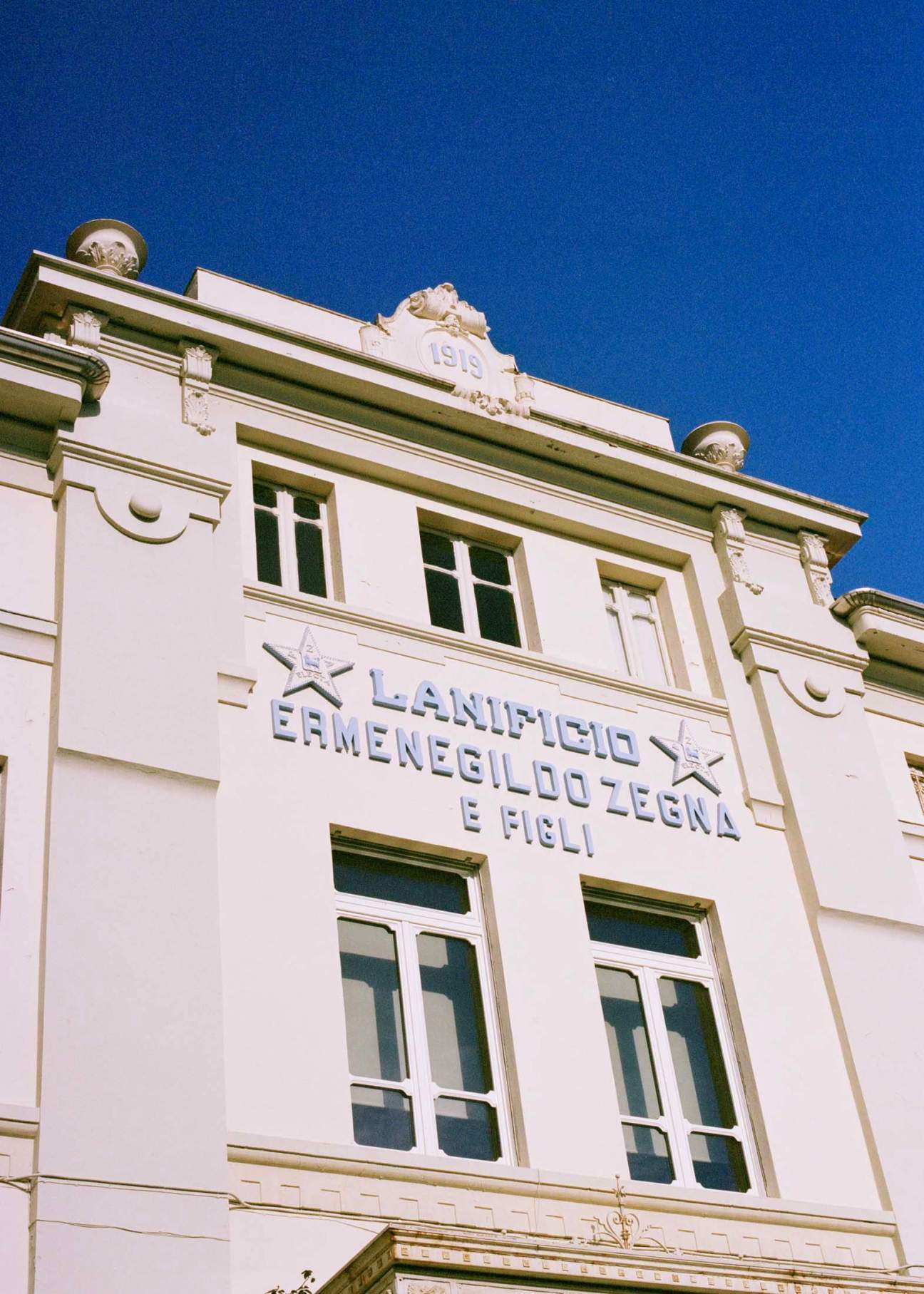
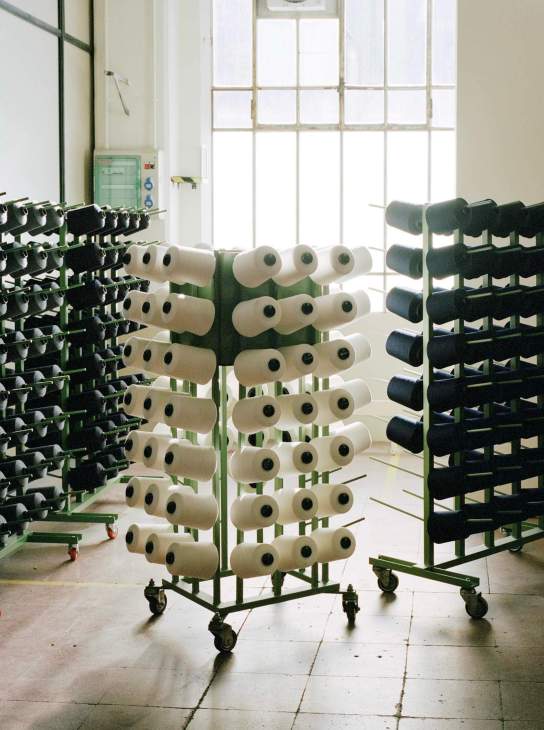
The artistic director is equally fond of thinking of himself as a chef. “I work in the best kitchen, using the best ingredients,” he says with a big smile, referring to Zegna’s wool mill in Piedmont, which the founder established in 1910. It remains the backbone of the business today. The highest-quality merino wool is transported there from Zegna-owned or partner farms in Australia and washed using the region’s purified water. It is then combed to ensure that the fibres are parallel to each other and woven on machines, before undergoing rigorous quality checks. Specially trained artisans inspect every centimetre of the fabric by hand and mark even the smallest of defects, moving swiftly from one end of their station to the other as if they were choreographed.
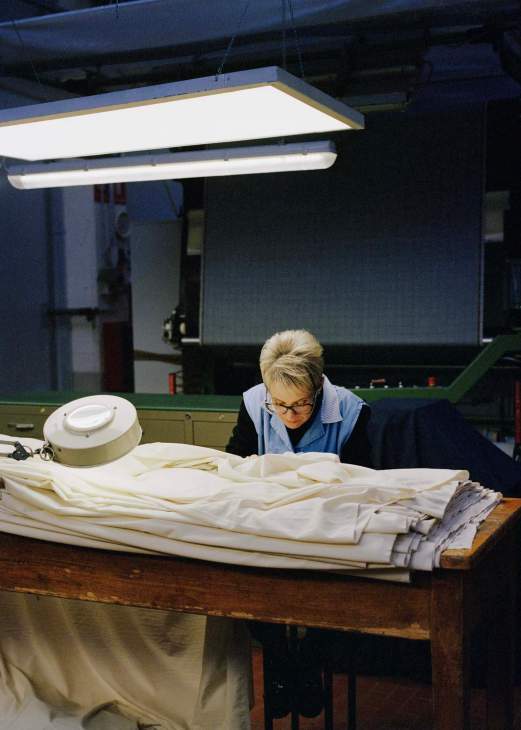
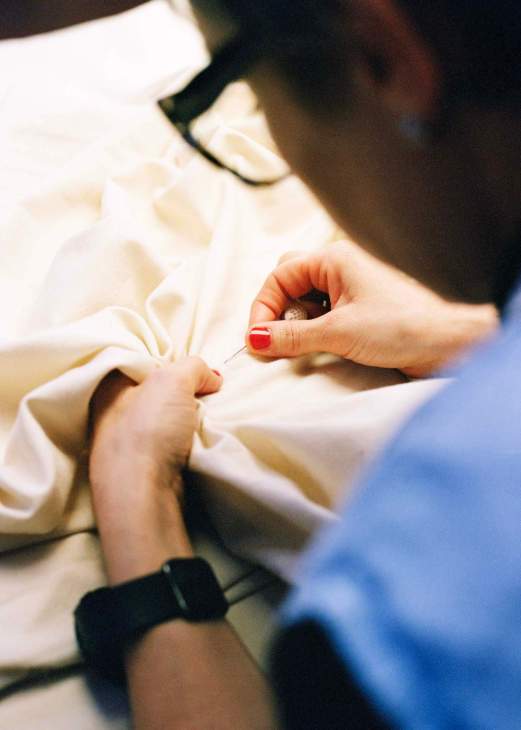
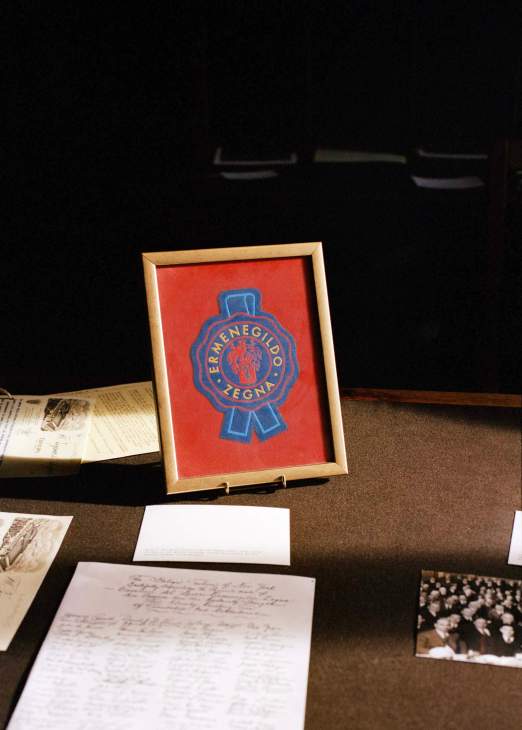
“We love the idea of having every component of a garment made in-house,” says Sartori, who frequently drives to Piedmont to work with the factory team and gather new ideas. “The concept of ‘sheep to shop’ is real for us.” Above the factory is the founder’s office and vast archives filled with fabric swatch books dating as far back as the 1930s, when the first Ermenegildo Zegna travelled to the US to sell the woollen and worsted fabrics that he was already known for.
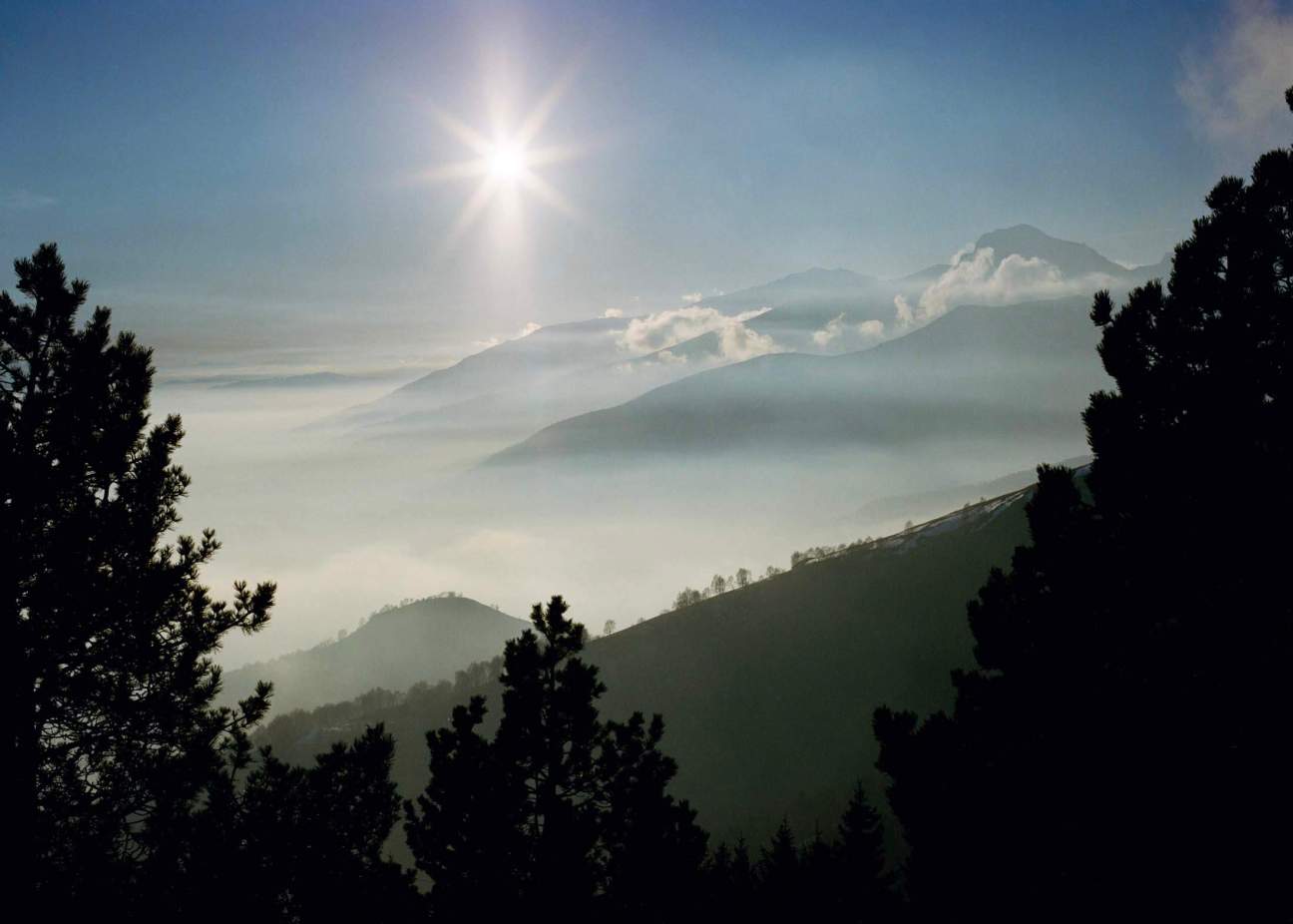
At the nearby Villa Zegna, members of the family sometimes still gather for celebratory meals – usually a risotto, followed by a roast and baked cakes from the recipe book of the founder’s wife, Nina. Meals are then followed by rides up to the mountain to ski or enjoy the panoramic views from the Monte Marca Hut, which was designed by architect Ernesto Giuliano Armani. It was the founder who planted the first tree on the then-barren mountain in 1929, hoping to transform the region for generations to come. He also built roads, a hospital, a pool and a recreation centre for residents in the area in the belief that you can only produce high-quality clothing if its makers have fulfilling lives. It’s an inspiring entrepreneurial story that remains relevant a century later as luxury brands try to clean up their supply chains and build communities. It also offers Sartori and the new generation of Zegnas who are now in charge solid foundations from which to execute their new strategy.
“If the ingredients are good, the food will be delicious, even if the recipe is simple,” says Sartori, returning to his culinary theme. Zegna’s recipe for success is refreshingly straightforward: focusing on wardrobe staples and eschewing trends, putting the customer first and investing in intimate retail experiences. The company’s trusted retail partners include Munich-based Mytheresa, which shares its premium, customer-centric approach, flying top clients to Italy to experience family-style lunches at Villa Zegna and tour the company’s wool mills.
Emphasising the human side of the business, even as it scales globally, has proven just as important. Customer events, such as those held with Mytheresa, frequently result in friendships being formed, personal stories being exchanged and plenty of cannoli being passed around. Campaign shoots also often end with Sartori and Mikkelsen playing cards and singing karaoke into the wee small hours. “We are not here to teach anyone,” says Sartori. “We just want to be true to ourselves.” As luxury goes mainstream, being yourself and celebrating your humanity might be the most revolutionary approach that a designer can take. For Sartori and Zegna, it’s paying off.
Monocle’s spring style forecast
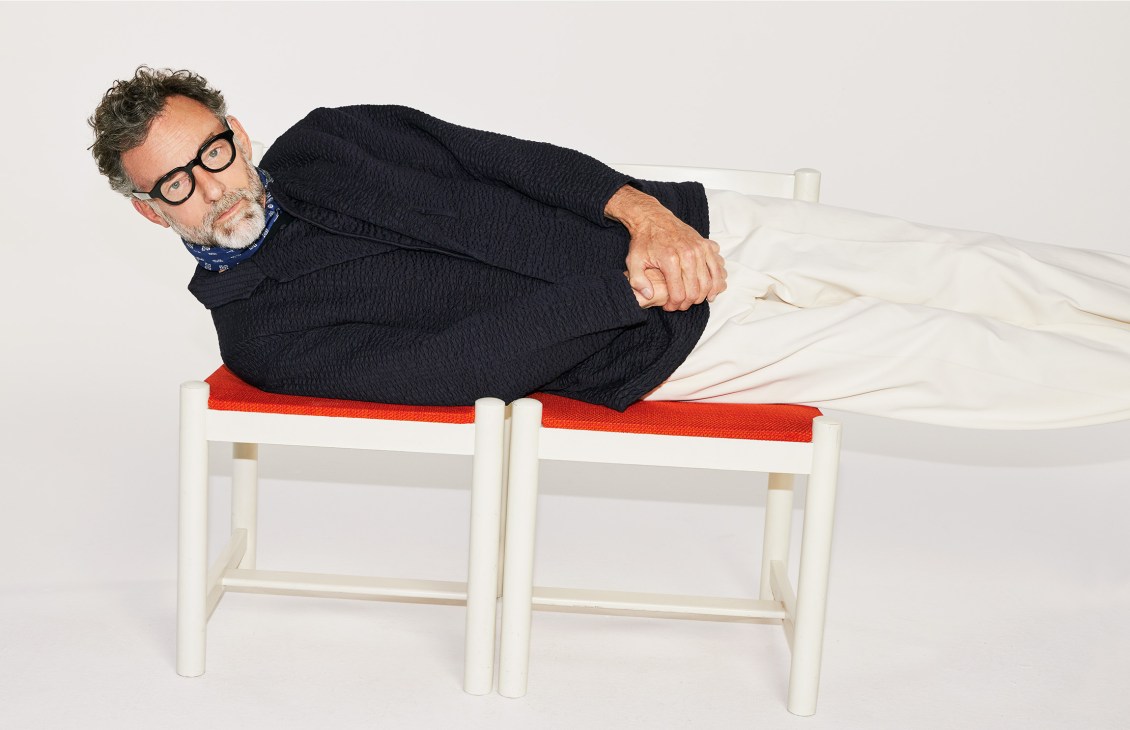
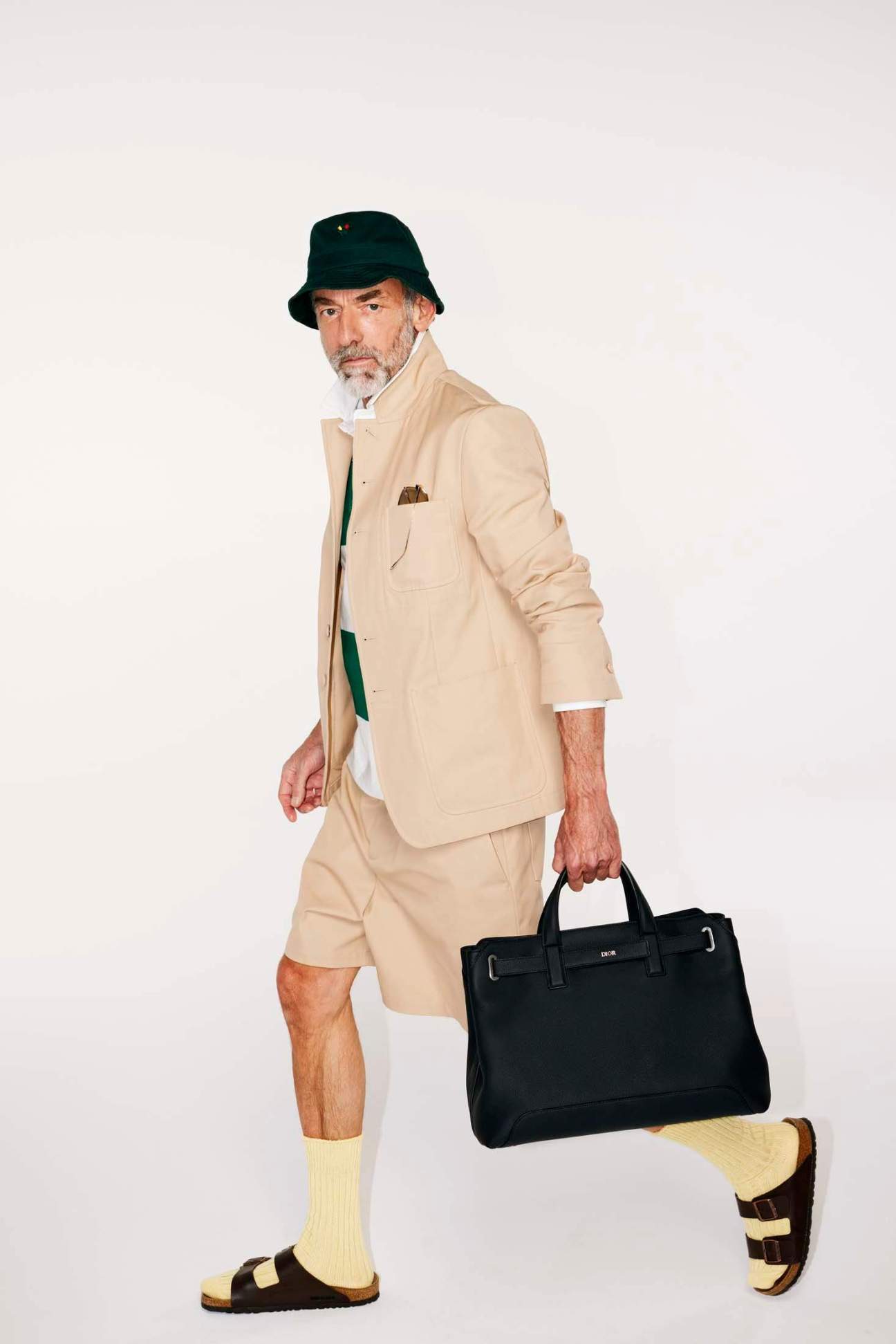
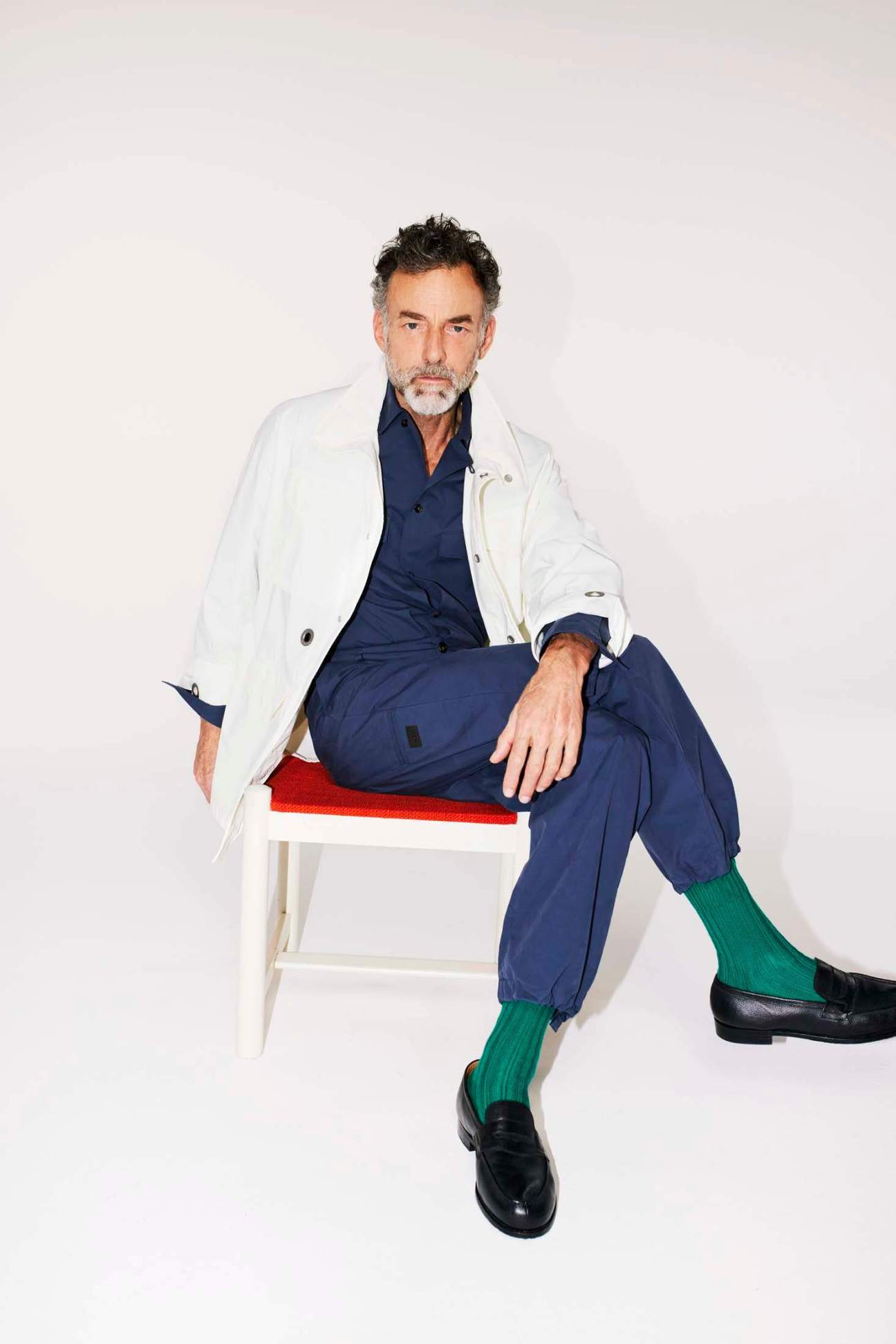
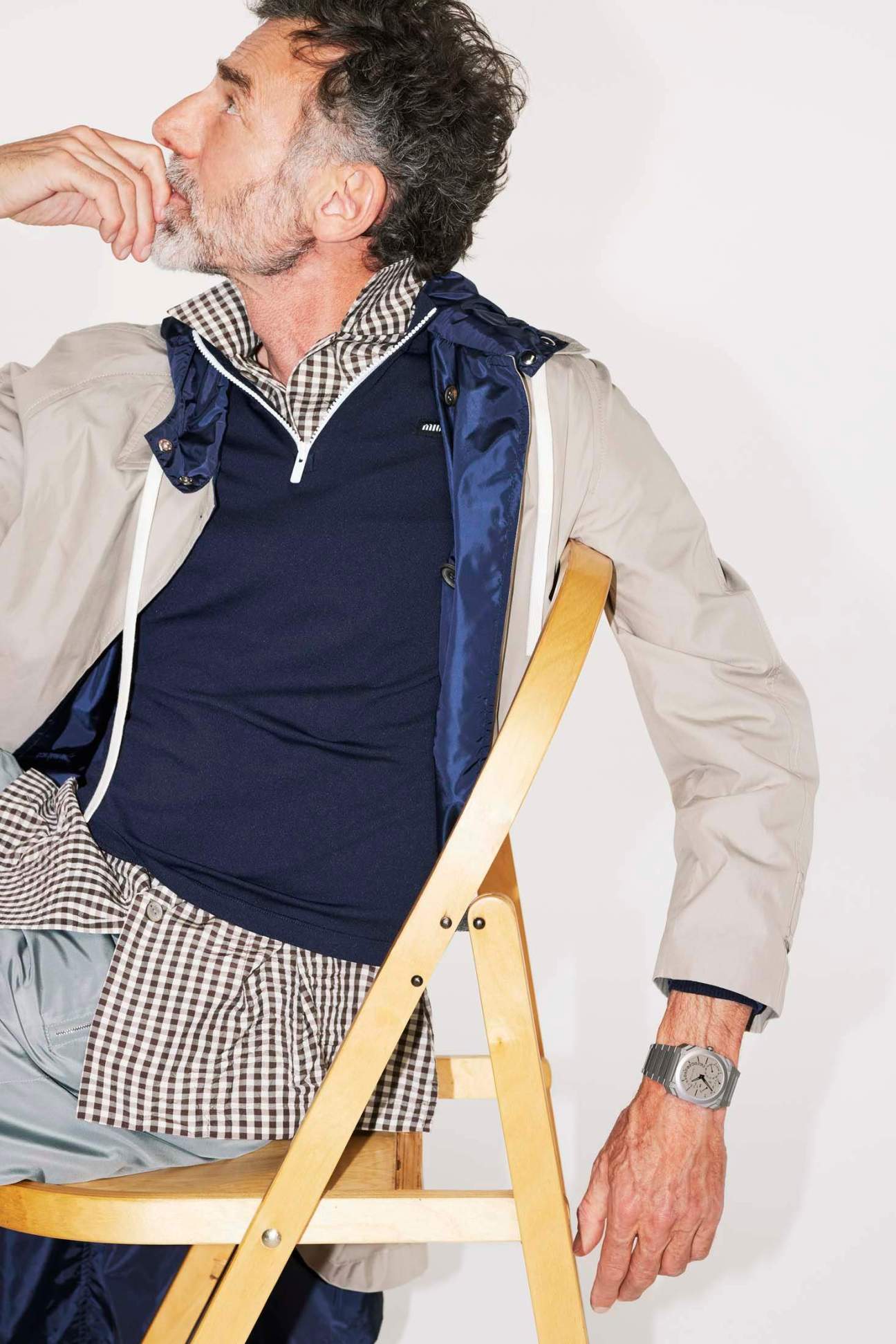
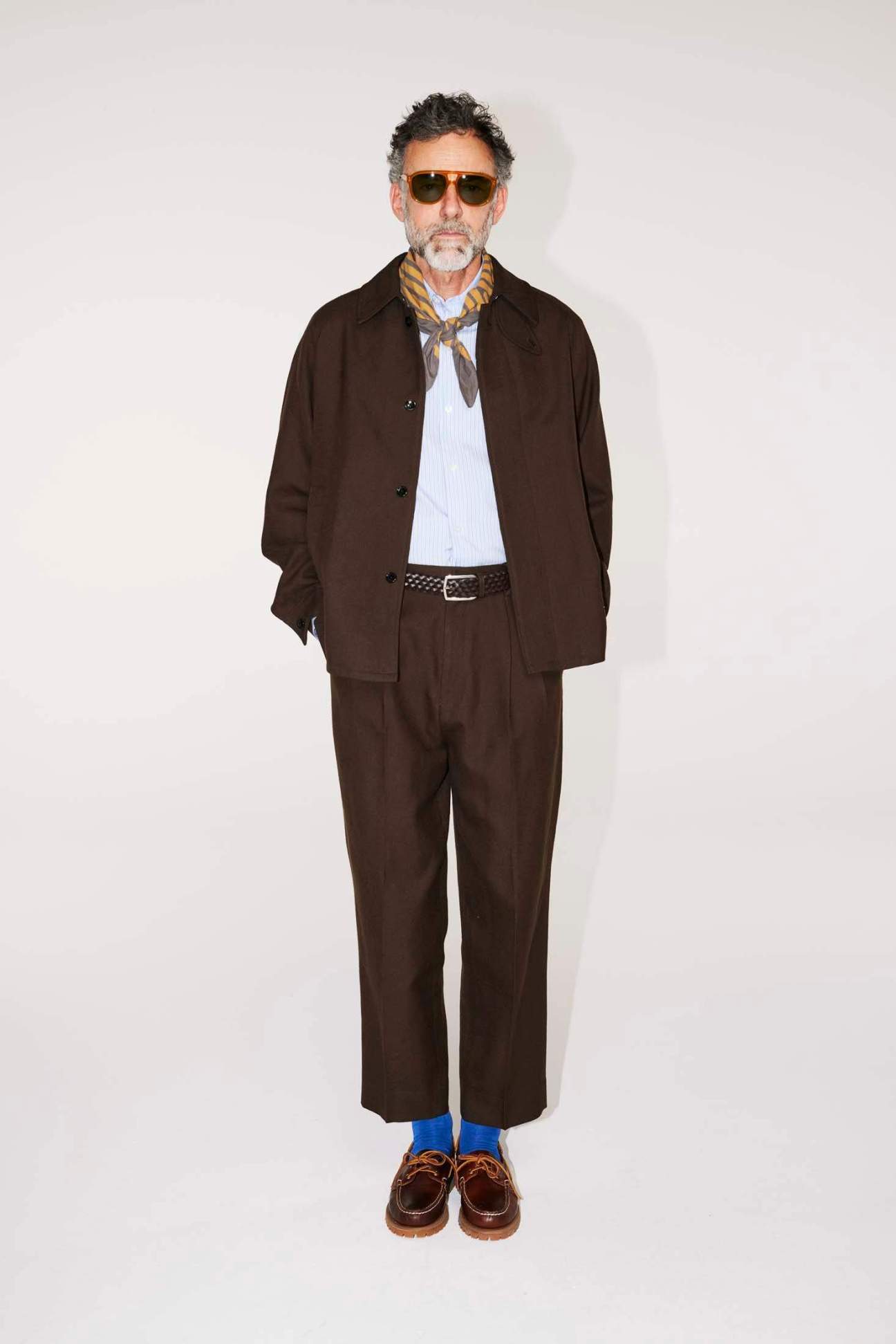
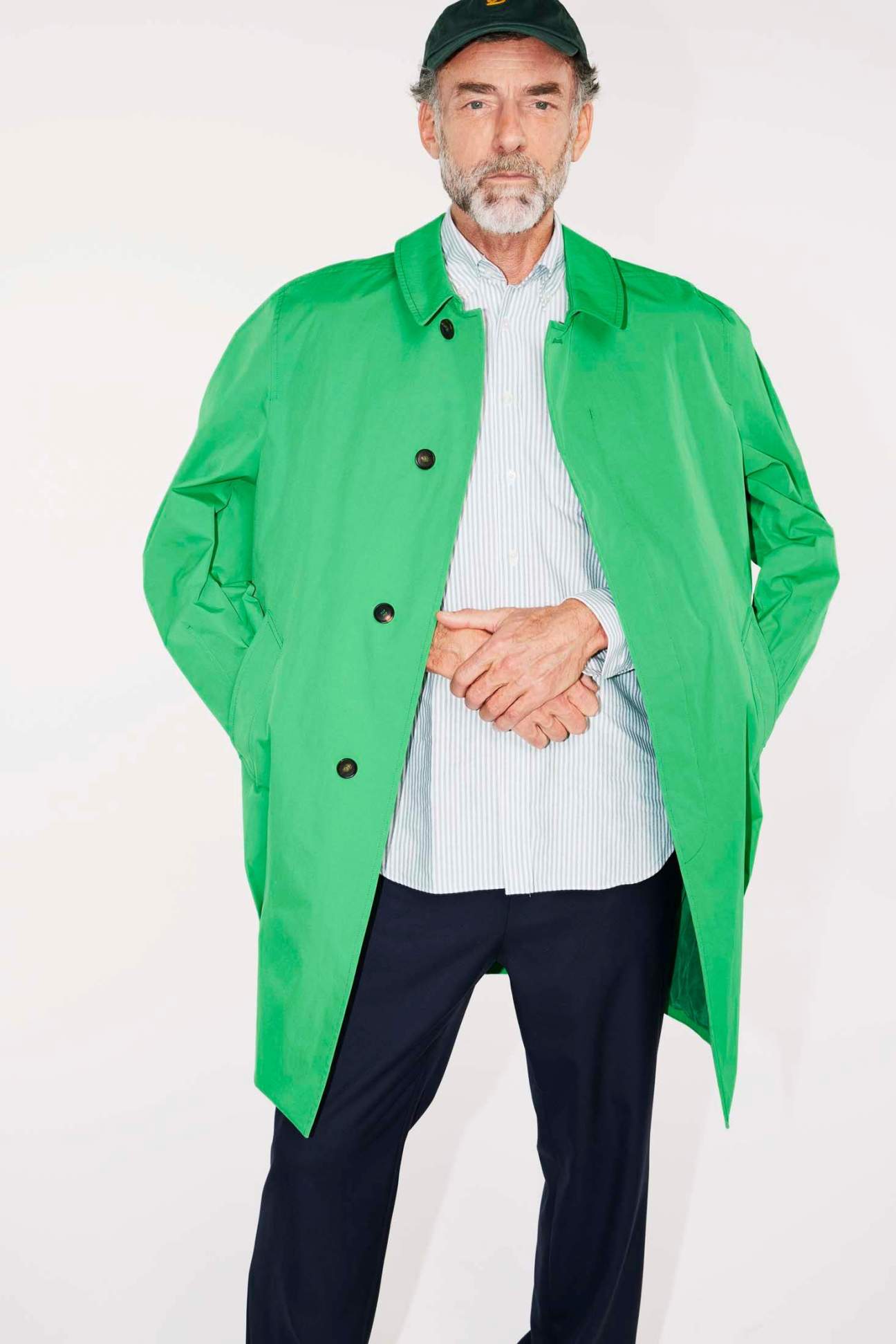
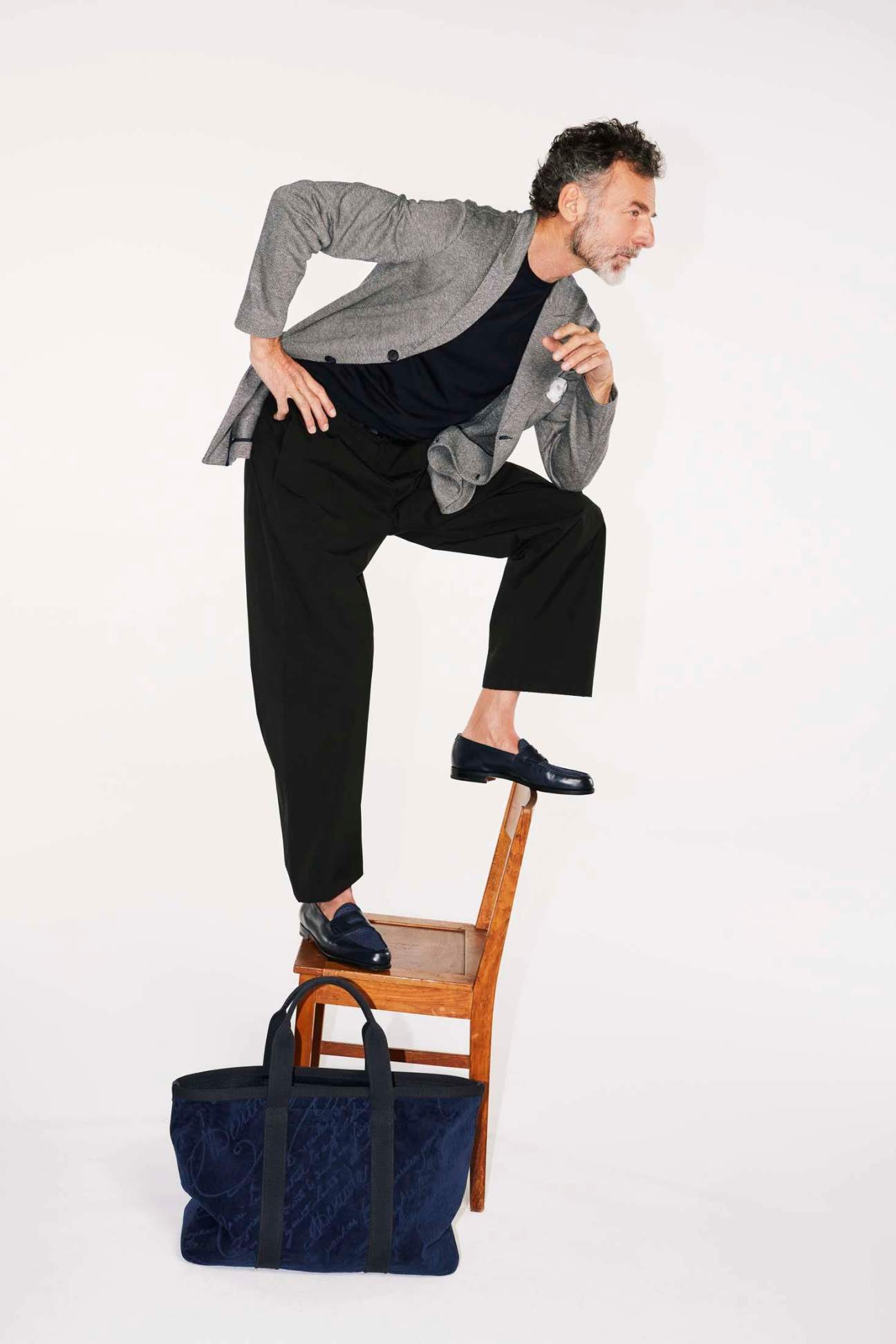
Trousers by Goldwin 0, Shoes by John Lobb, Bandana by Glarner Tüechli, Bag by Berluti
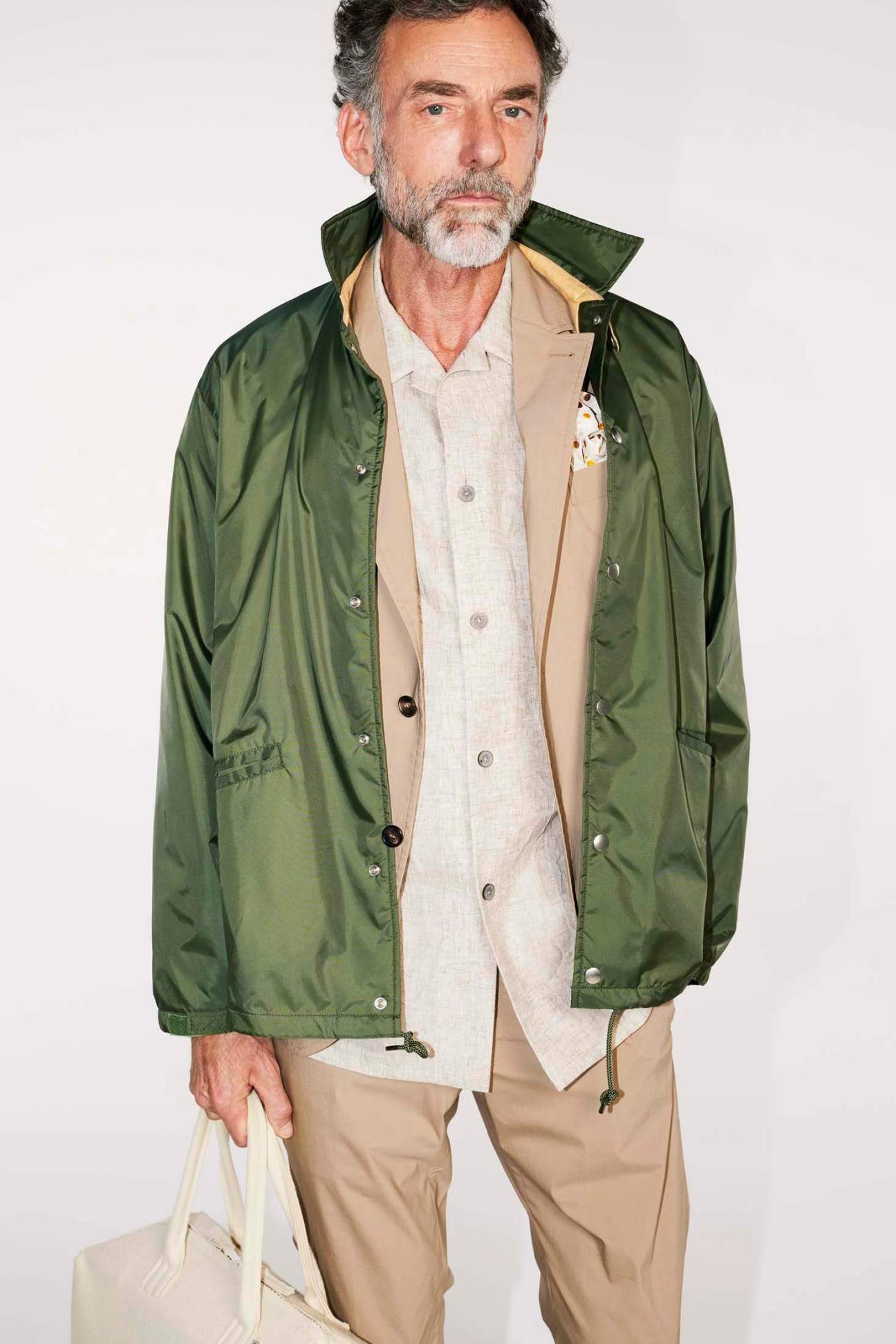
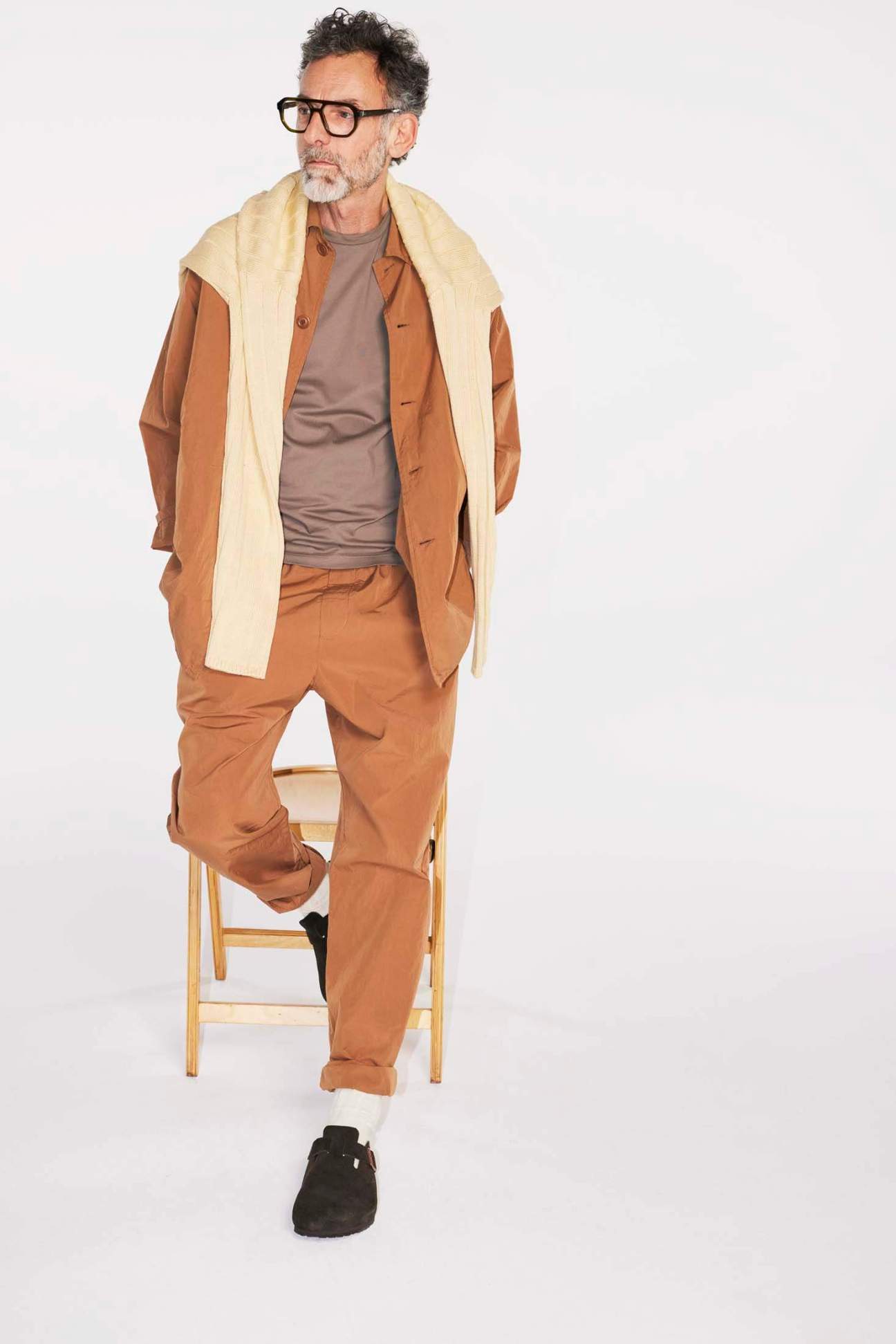

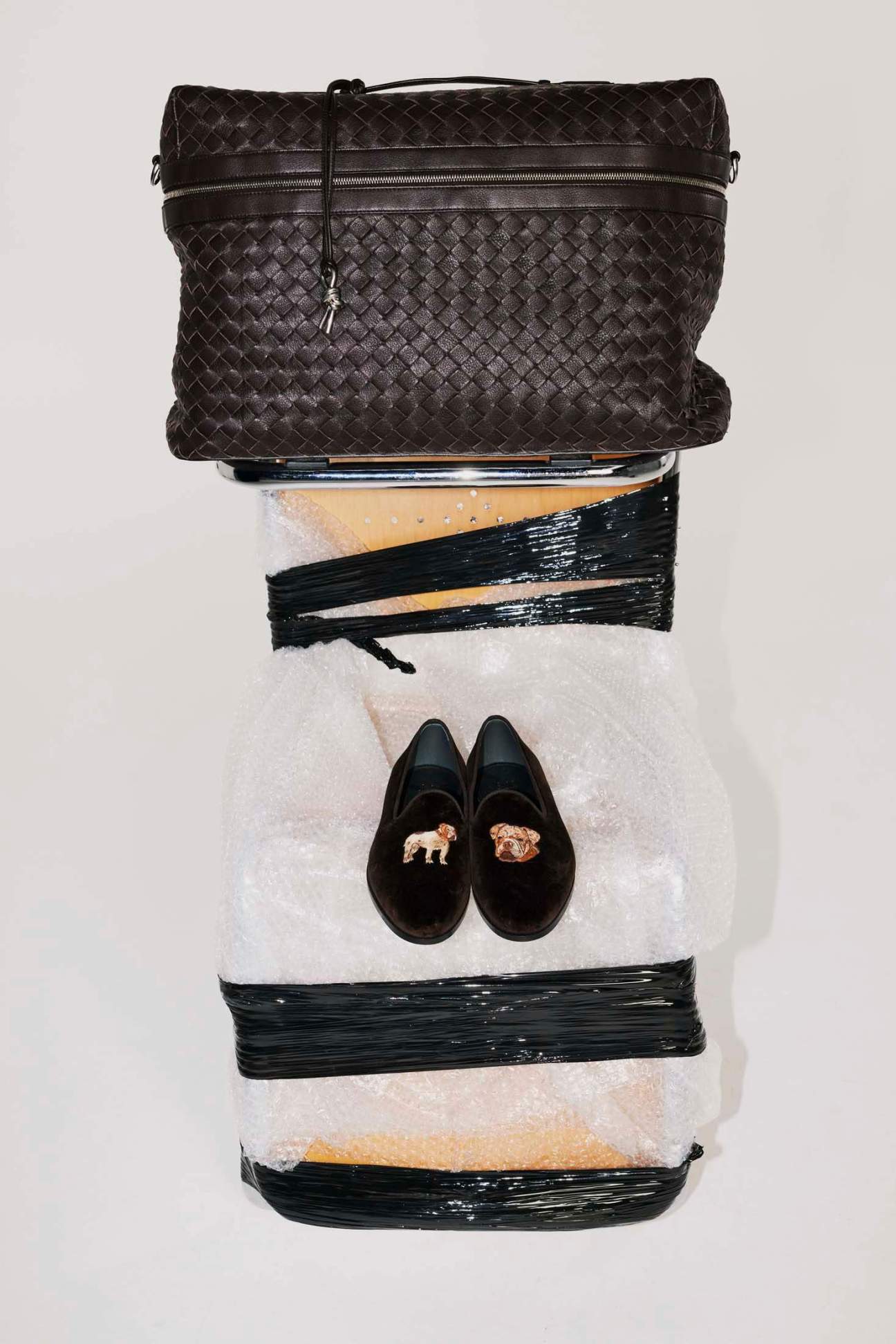
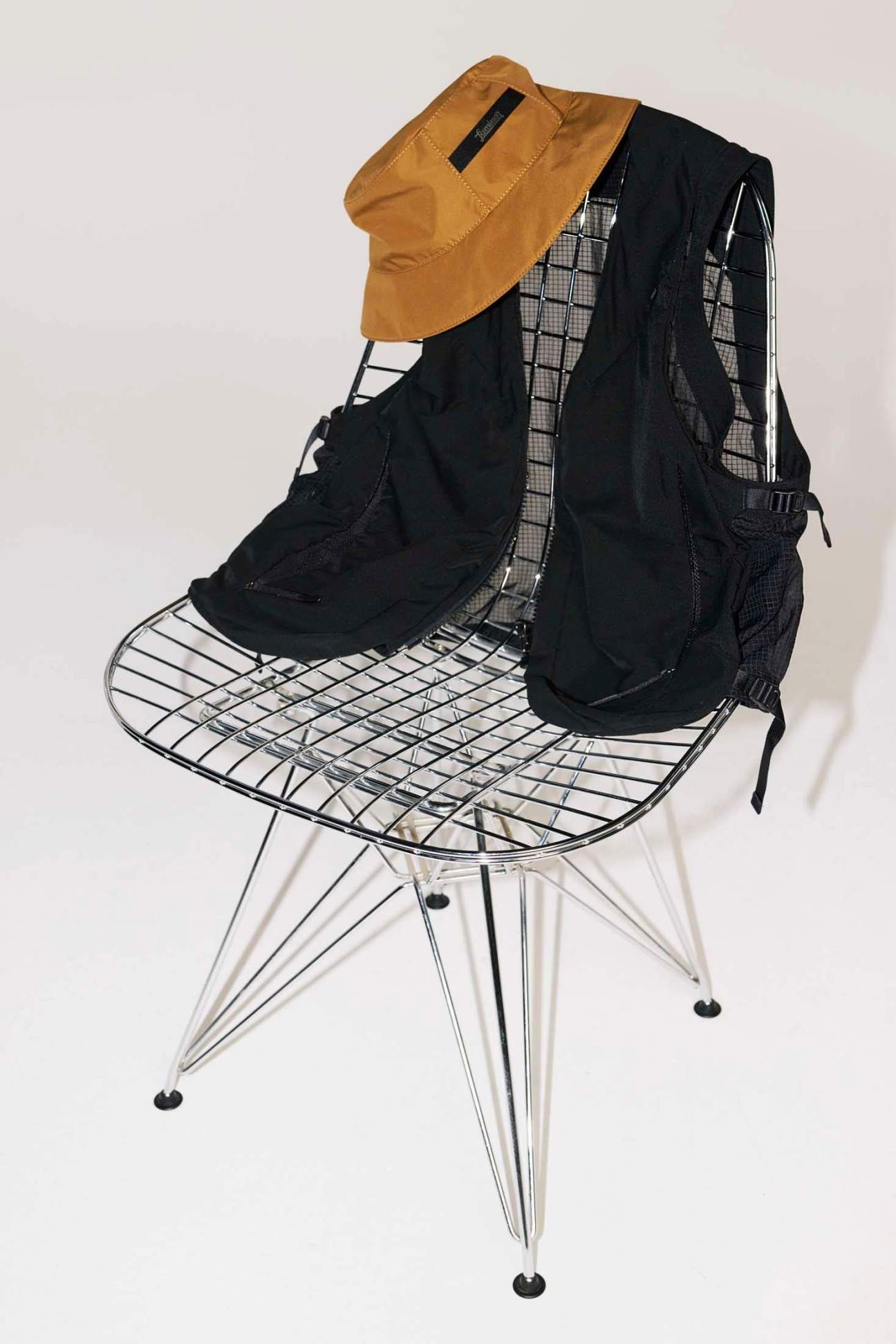
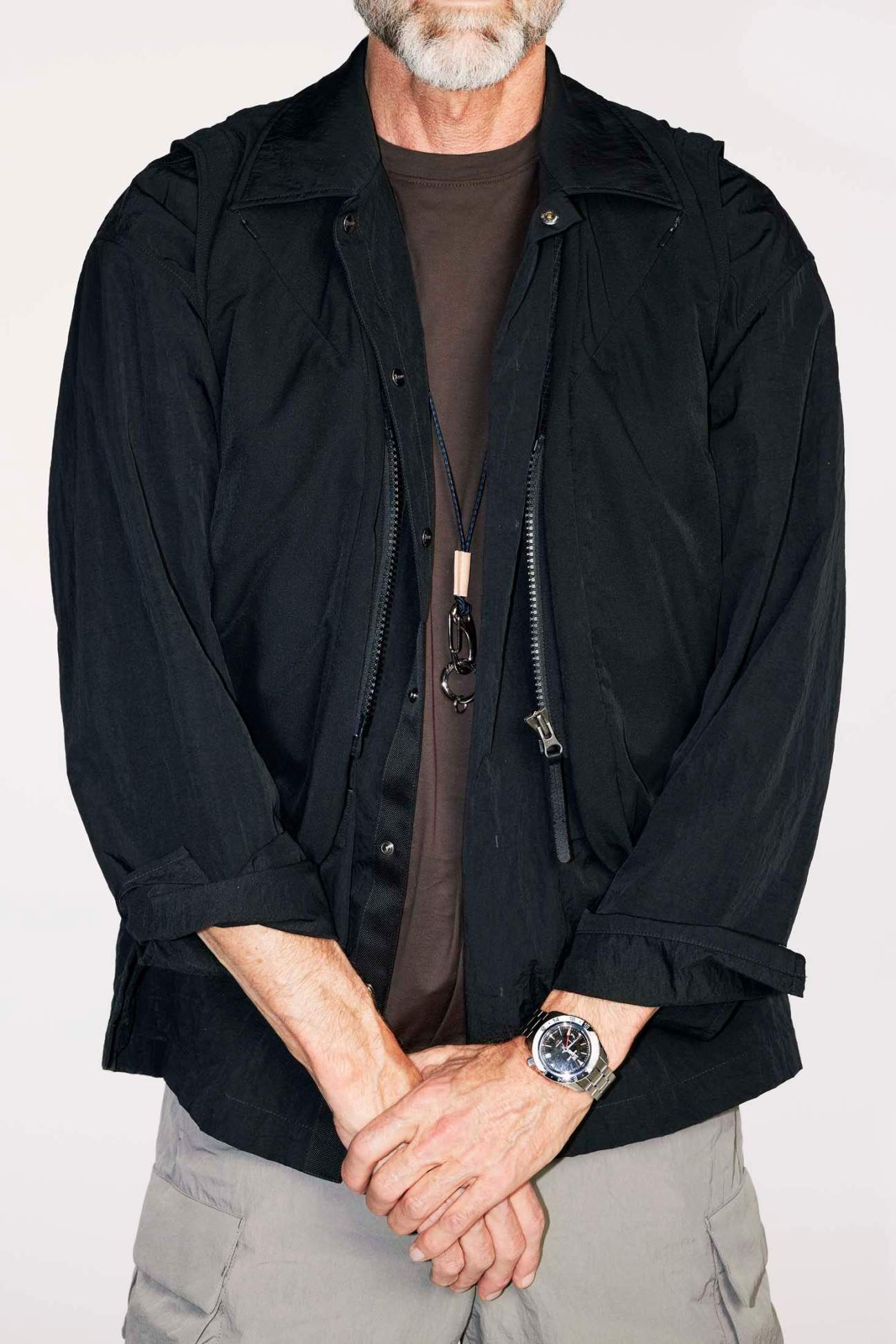
Stylist: Kyoto Tamoto
Grooming: Hiroshi Matsushita
Prop stylist: Emily Beaman
Props: House of Modern Vintage
Model: Alain Gossuin
Porvoo’s growing culinary scene
Just a short drive to the east of Helsinki, Porvoo is popular among day-trippers who come for its 18th-century Old Town, with its riverside warehouses and pastel-painted wooden architecture. Today the city of about 50,000 is often compared to San Sebastián, thanks to its diminutive size and the growing pull of its drinking-and-dining scene.
Monocle follows a winding country road through fields of rye and oats to Ylike Farm on the outskirts of Porvoo. Its history can be traced back to the 18th century but Emily and Thomas Simpson brought the land back into production in 2022. Originally from England, they now grow more than 50 varieties of vegetables, herbs and edible plants here, including chard, fennel, cabbages and (this being Finland) five types of potato.


“What I like about Porvoo is that it has a very distinct food identity that you can’t find anywhere else in Finland,” says Emily, uprooting a plump beetroot from a bed of soil. “There are almost no chain restaurants and much of what the independent bistros have on their menus comes from close by.”
The Simpsons sell their produce to both restaurants and individual customers. “We’re building an earth cellar for preserving vegetables over the winter,” says Thomas. “We would also like to get more involved in local cookery classes, bake our own bread and learn fermenting.”
Less than 5km north of Ylike is Bosgård, another organic farm that is one of the main suppliers of beef to Porvoo’s restaurants. When Monocle visits, more than 300 Charolais cattle are grazing in the fields surrounding a 19th-century manor in a setting far removed from industrial farming. There’s also an on-site farm-to-table restaurant. “The farmers here work together and there’s a strong sense of community,” says Aarne Schildt, Bosgård’s owner. “Restaurants and residents alike want to buy local produce, which keeps the food scene vibrant and gives it a unique feel.”
Finns love fish and you’ll find it on the menu in most restaurants in Porvoo. Borgå Fiskhus is a leading supplier and works with many of the region’s fishermen. Inside, the sweet aroma from an in-house smoker fills the air and a counter displays fresh fish such as salmon, zander, perch, white fish and pike. When Monocle visits, it’s crayfish season and most of the patrons exit the shop carrying bucketfuls of the freshwater crustaceans. The fishmonger’s biggest hit? “Restaurants love our warm-smoked salmon more than anything else,” Theo Skogberg, the shop’s service area manager, tells Monocle from behind the counter.


Porvoo’s Old Town, where you’ll find most of the city’s restaurants, cafés, bars and bakeries, is a compact maze of cobblestone streets that boasts dozens of culinary attractions. These range from Michelin-starred finery to cosier bistros and quaint little cafés that serve the local speciality cake: the runebergintorttu, a rum-and-almond torte named after Finland’s national poet, Johan Ludvig Runeberg, who lived in the city.
Monocle stops for lunch at Ravintola Salt, a restaurant inside a wooden villa that dates back to 1780, near Porvoo Cathedral. We feast on a simple but satisfying meal of smoked fish, potatoes, courgette, mustard seeds and beurre blanc, served with sweet malted bread. In the kitchen we meet the head chef, Erik Tornberg, a Porvoo-native who went to the city’s culinary school and worked his way up the local restaurant scene. “This is a city where a chef will never go unemployed,” he says, even though many culinary professionals have relocated from Helsinki to Porvoo in recent years, in search of a gentler pace of life and other benefits that small-city living offers. “Don’t get me wrong,” says Tornberg. “You can’t rest on your laurels here.”
The brightest star of Porvoo’s food scene is Vår, which earned its – and the city’s – first Michelin star in 2023. When Monocle visits, its menu includes crayfish, cold-smoked pike, a beetroot vorschmack and malt brioche, served with fennel and cucumber. “We are lucky to be surrounded by independent farms that cater to our needs,” Niko Lehto, the restaurant’s co-owner, tells Monocle as a voileipäkakku (a savoury sandwich cake) is served. “This allows us to source things such as garlic flowers, which are impossible to find even in Helsinki.”


Vår is an example of how Porvoo’s food scene and the wider city is evolving. Following international acclaim, it has started to attract more foreign visitors. “Almost a fifth of our patrons now come from abroad,” says Lehto. This is a challenge for the hospitality infrastructure of a city that is more used to catering to domestic day-trippers.
Thank goodness, then, for Runo, a 56-room hotel designed by Joanna Laajisto that opened in 2021. It’s managed by Erkka Hirvonen, while the bar – an asset long missing from Porvoo’s culinary scene – is overseen by other team members. “We live in one of Finland’s most beautiful cities and this has had an effect on the food scene too,” says Hirvonen of the talent that has been tempted here to set up new businesses. “Good food is about taste and how it is presented. But it’s also about where you enjoy it.”
Porvoo address book
Stay: Runo
Rihkamakatu 4
runohotel.com
Eat: Vår
Papinkatu 17
restaurantvar.fi
Eat: Salt
Vuorikatu 17
restaurantsalt.fi
Shop: Brunberg (Finland’s oldest confectionery factory)
Välikatu 4
brunberg.fi
Shop: Pieni suklaatehdas, for chocolate
Teollisuustie 15
suklaatehdas.com
Getting here
Porvoo is a 30-minute drive from Helsinki Airport or three hours from the capital by boat.
Late-night tables: Seven after-hours dining hotspots
When the city quiets and the shutters come down, the best late night restaurants are just getting into their stride. Far from greasy spoons or after-hours diners, these are refined addresses where you can still find a crisp tablecloth, an elegant glass of wine and service that never rushes you out the door. Whether it’s a brasserie in Paris serving scallops at midnight, or a Manhattan dining room that hums into the small hours, these spots prove that dinner can – and sometimes should – begin long after dark.
1.
The cinematic stop-out
Le Grand Colbert
Paris
Don’t let its old façade fool you – Le Grand Colbert’s best days are ahead of it. This spot, just north of Palais Royal, is one of the most fêted brasseries in a city that’s brimming with great places to break bread. When Monocle pays a visit, there’s an appreciative hum during evening service and a fleet of smart waiters clip across the floor and between busy tables.
The building dates to 1828 and has had many lives, including becoming a restaurant – a bouillon – in 1900. The current owner, businessman Joel Fleury, took over in 1992. The architecture is a draw: soaring ceilings, mirrors, a mosaic floor and sculpted pilasters all in the pleasing curves of art nouveau. If it all looks a little familiar, it’s perhaps because the dining room has lent that grandeur to several films and TV series, including the 2003 Hollywood hit Something’s Gotta Give with Diane Keaton, Jack Nicholson and Keanu Reeves (shot at table 29).

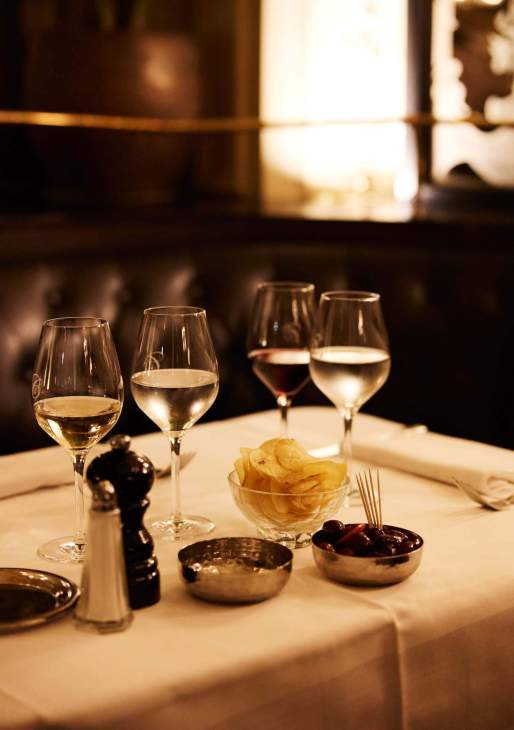
But film credits and finery only count for so much when tummies start to rumble. People still come to this hallowed dining hall for one reason: to eat. Service here runs from midday to midnight and in a relative rarity for such a traditional joint, it is – as the neon sign outside reads in pleasing Anglo-French – “non-stop” (as in not broken up into sittings).
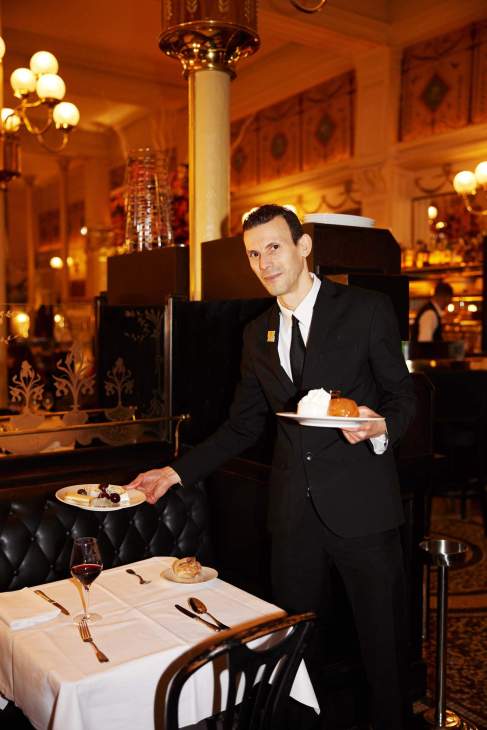
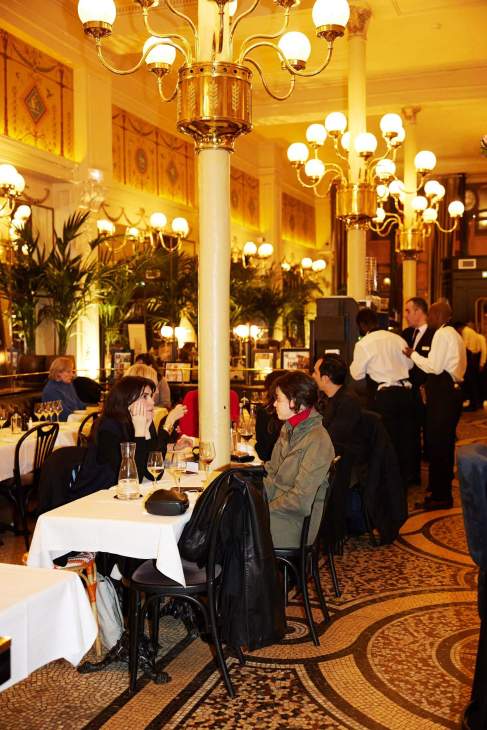
Chef Fabrice Cornée uses seasonal produce to prepare classic French cuisine with a modern twist. But the result is anything but anodyne: just-so sole meunière, tender coquilles St Jacques (scallops) or blanquette de veau (veal stew) are all the tastier – and yes, perhaps a little cinematic – when consumed under the establishment’s golden lights and fluttering palm fronds.
legrandcolbert.com
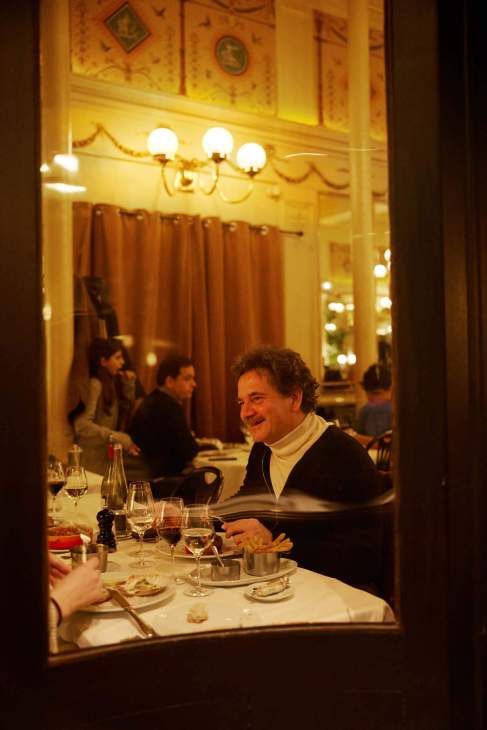
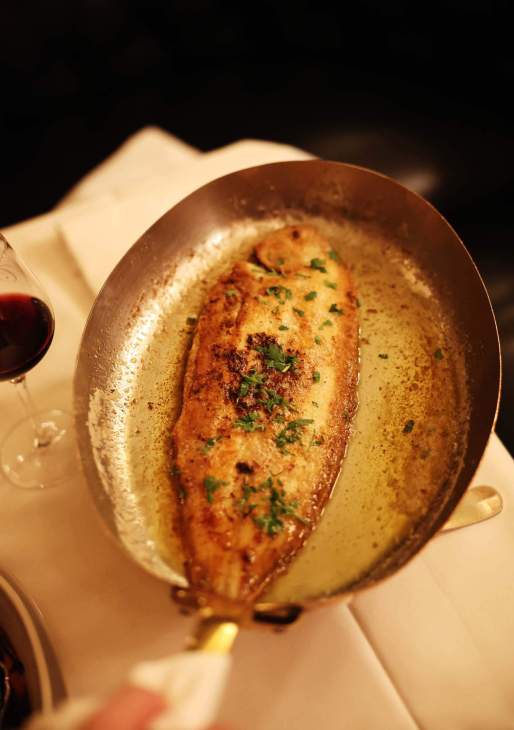
Year founded: 1900
Number of covers: 110
Best dish: Free-range chicken roasted in thyme. The morel-stuffed sea bass within a puff pastry crust is a close second.
Drink to order: Room 64 cocktail (champagne, lime, raspberry liqueur and a rosemary sprig).
Interesting fact: It’s a popular filming location. If you can’t visit, you could see the place as a backdrop in French espionage thriller The Bureau.
Best table: If you’re making a statement then number 46, which is in the middle of the restaurant. Numbers 24 and 58 are the quietest.
2.
The whimsical wonder
Bemelmans
New York
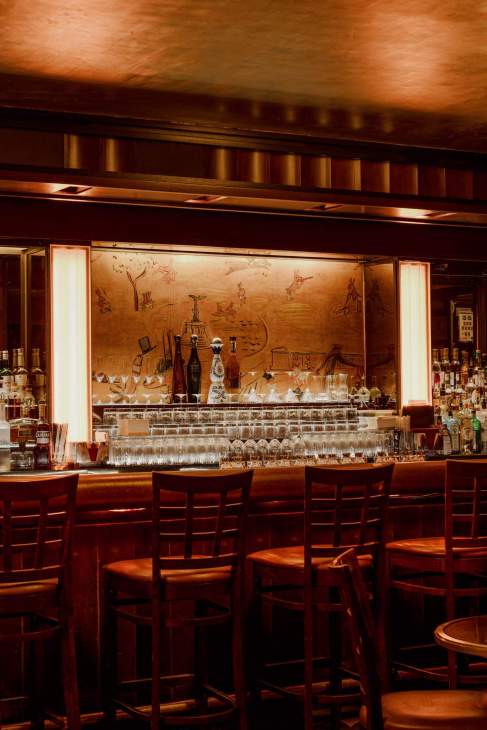
In the late 1940s, Ludwig Bemelmans, the US writer and illustrator of the beloved Madeline children’s book series, made a deal with a friend. In exchange for a protracted stay at the swanky Carlyle Hotel on the Upper East Side (of which his friend was fortuitously the manager), Bemelmans agreed to paint the walls of the hotel’s new bar. He opted for a fantastical depiction of nearby Central Park –giraffes with parasols, besuited bunnies and even an appearance by the famous Madeline character and her school chums. The murals remain vibrant to this day and add a touch of whimsy to the sumptuous, leather-and-wood snug that still bears Bemelmans’ name.
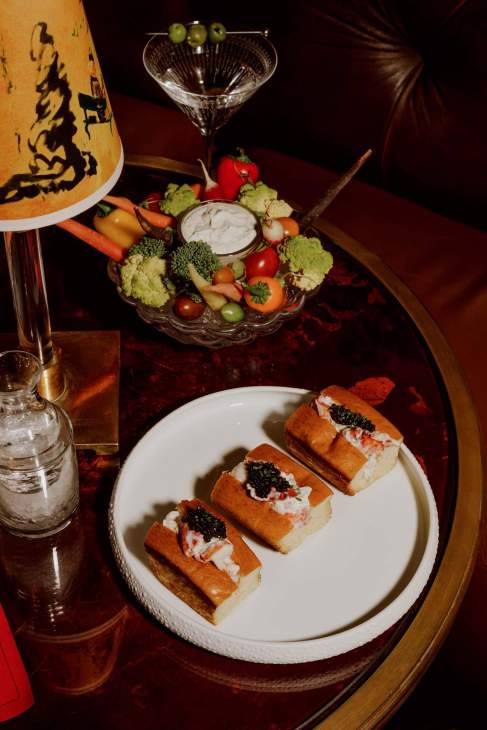
If you can snag a table (walk-ins are welcome, though there is sometimes a queue) then come hungry. The bar fare is no-nonsense and decadent: caviar, oysters, charcuterie and cheese, plus finger foods such as beef sliders, mini tuna tacos and andouille sausage pigs-in-a-blanket.
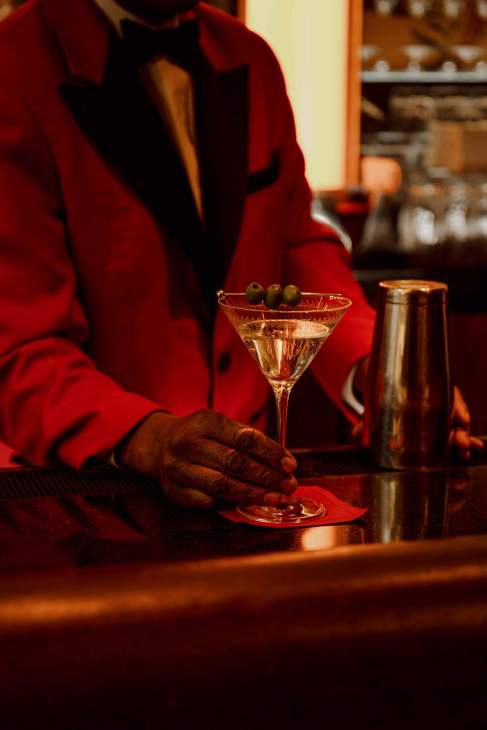
Bemelmans has accomplished a rare feat: staying perpetually popular while preserving the charm and atmosphere that made it so irresistible to late-night patrons when it first opened in 1947. The glamour is understated, the red-jacketed bartenders discreet and the martinis stiff. There is live music every day until closing – Emmy Award-winning pianist Earl Rose’s weekly performances are a treat – and on raucous nights guests have been known to crowd around the Steinway and join in.
35 E 76th Street, New York, NY 10021
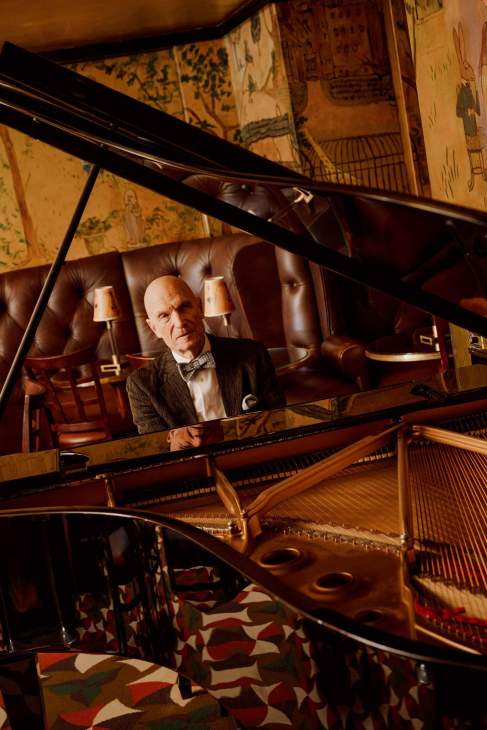
Year founded: 1947
Number of covers: 87
Best dish: The complimentary trio of bar snacks served on a silver stand.
Drink to order: An ice-cold martini served with a classic sidecar.
Interesting fact: The bar is named after Ludwig Bemelmans, the creator of the Madeline children’s books, and the walls are adorned with his hand-painted murals.
Best table: A spot at the bar, where the red-jacketed bartenders are always within earshot.
3.
The trusty trattoria
Rosy e Gabriele 1
Milan
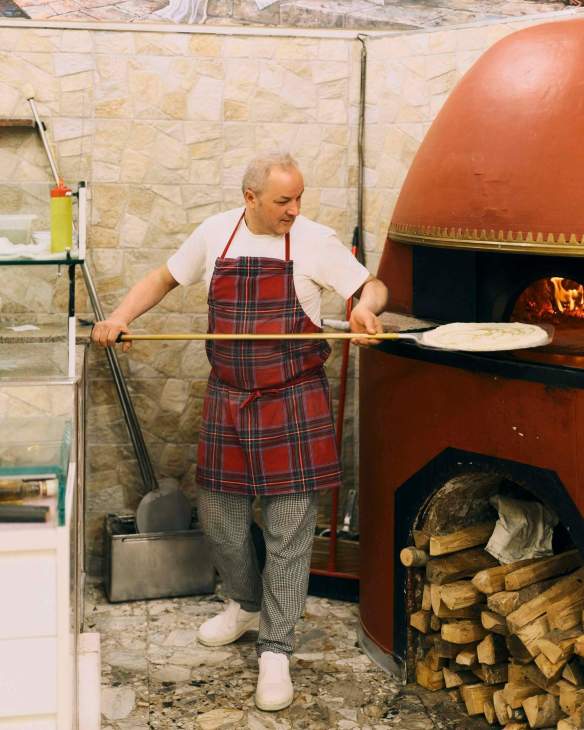
As bars and restaurants come and go in Milan’s Porta Venezia, Rosy e Gabriele 1 remains, well, number one for late-night dining. Established in 1967 (at one point there was a second, hence the name), the trattoria has been run by a Serbian-Montenegrin family for four decades. The restaurant, which opens for lunch and dinner, is marshalled by brothers Cedo and Cuca Mikic, with the all-male waitstaff entirely made up of family members.
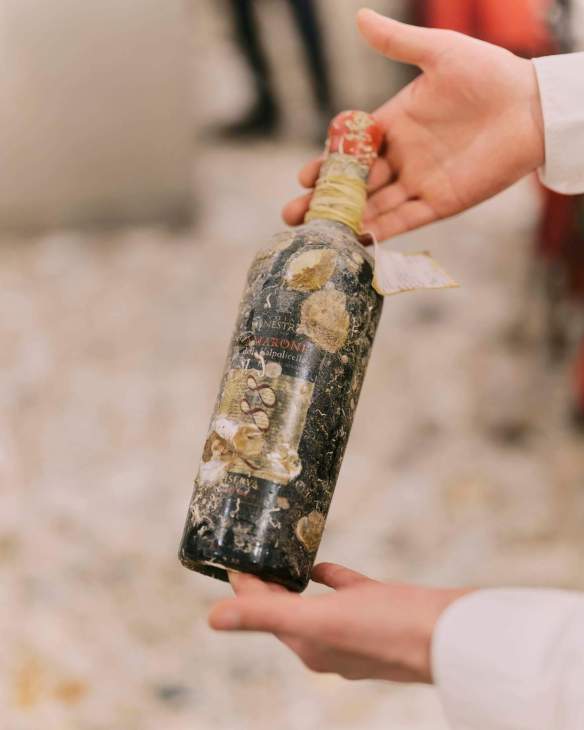
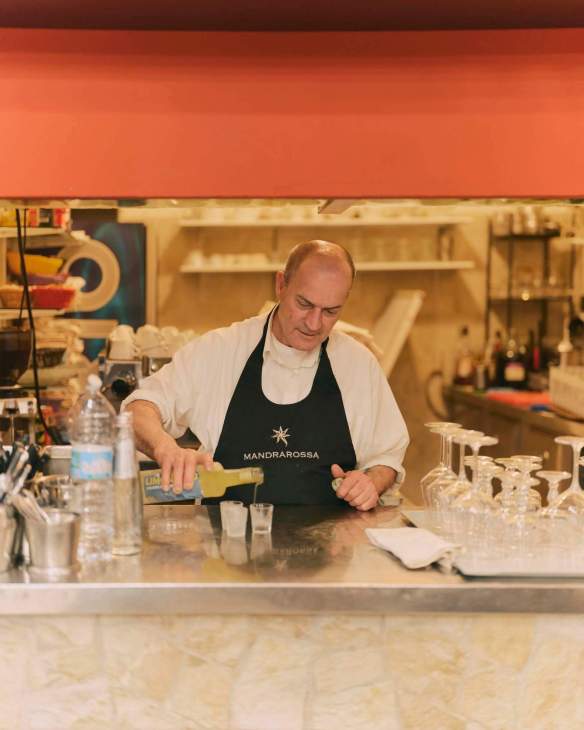
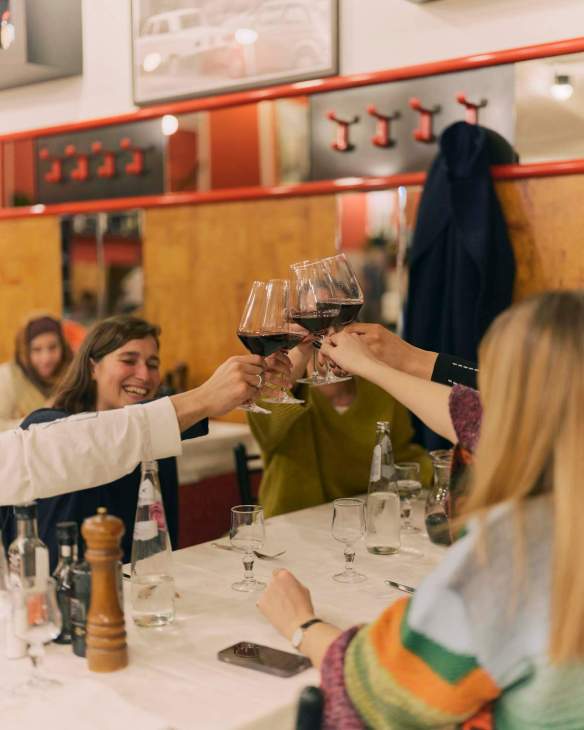
The restaurant has a timeless and slightly kitschy air. There are paintings of Rome and Pisa on the walls, a world map above the fish fridge and a hanging wooden Montenegrin insignia, with a wolf in its centre, which was gifted to Cedo. There are brightish lights – the true mark of an old-school joint in these parts – and 1980s and 1990s Italian ballads on the stereo. The large dining room is busy on the Thursday night when Monocle visits, as patrons drink wine and plump for something from a menu of some 300 dishes, featuring everything from fish crudo to pizza. The piano at the far end of the bar is regularly tinkered on in the wee hours by a maestro from La Scala.
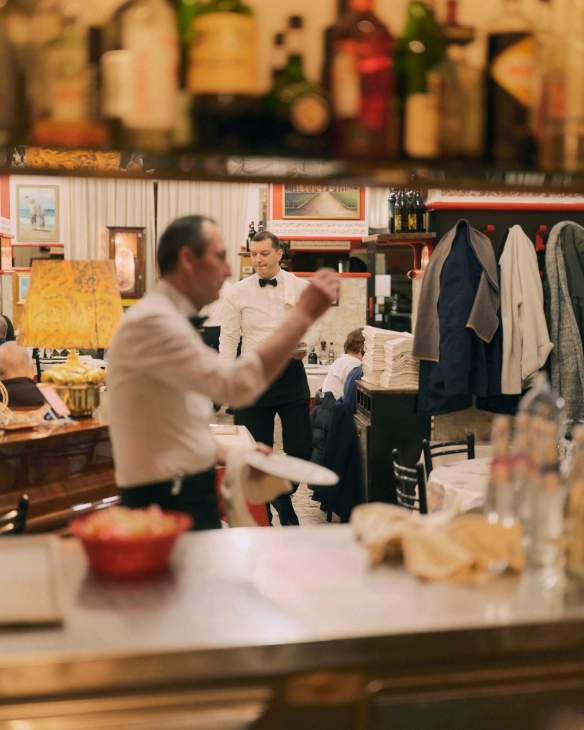
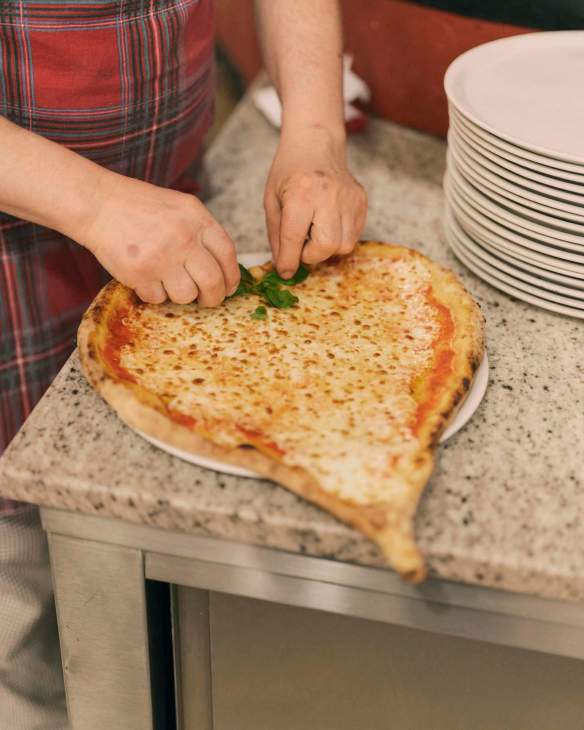
One thing that’s kept Rosy e Gabriele lively is the diverse crowd. When Monocle visits, a politician is here, as well as a group of footballers. An architect takes a pew at the same table that he’s been eating at for the past 40 years and by 22.30 several young fashionistas sit down. There’s an air of bravado about the crowd that’s echoed in the owners’ pride in the place. “All the most famous people have come here – actors, politicians, sports stars,” says Cedo. “Maradona was here.” Yet he seems a little saddened that people aren’t dining as late as they once did. “Before the pandemic, people would eat here at 02.30 like it was 20.30,” he says. Still, he adds, there’s no problem showing up at the restaurant at midnight. “Just give us a call.”
26 Via Giuseppe Sirtori; 139 02 2952 5930
Year founded: 1967
Number of covers: 180
Food served until: 01.00
Best dishes: Lobster spaghetti, Grand Plateau Royal of crudo or pizza.
Drink to order: There’s a 1971 Barbaresco from Angelo Gaja that the restaurant claims is the only bottle in Europe.
Interesting fact: The courtyard out back and the next-door stables once housed trams and the horses that pulled them.
4.
Good for a yarn
Snob Bar
Lisbon
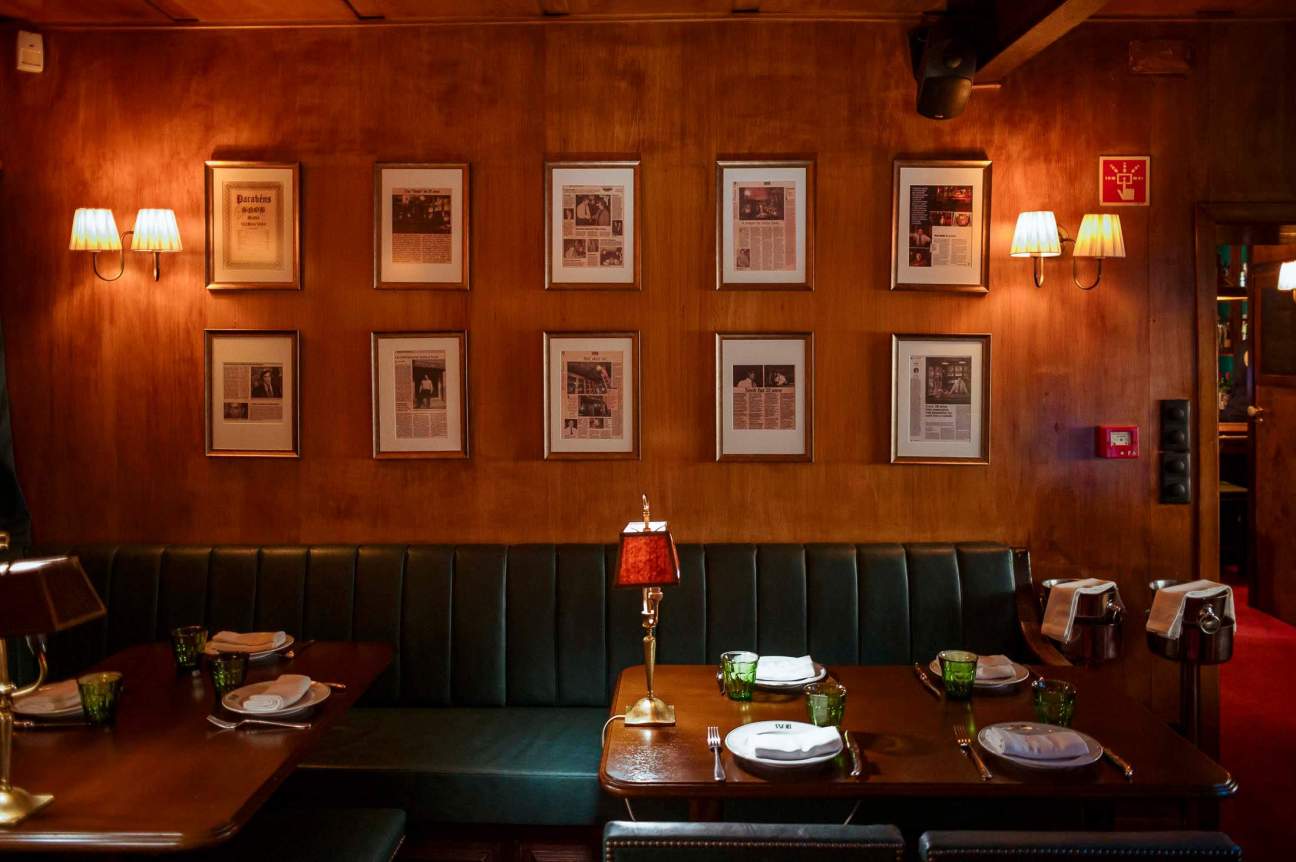
It’s a new era for Snob Bar but thankfully one marked by little obvious change to this legendary Lisbon restaurant. “My goal is to keep things as they’ve always been,” says Miguel Garcia, who took over the Lisbon address last year from its previous owners’ 50-year custody with a promise of safekeeping and continuity. “There are places that simply cannot disappear. They are part of a city’s history.”
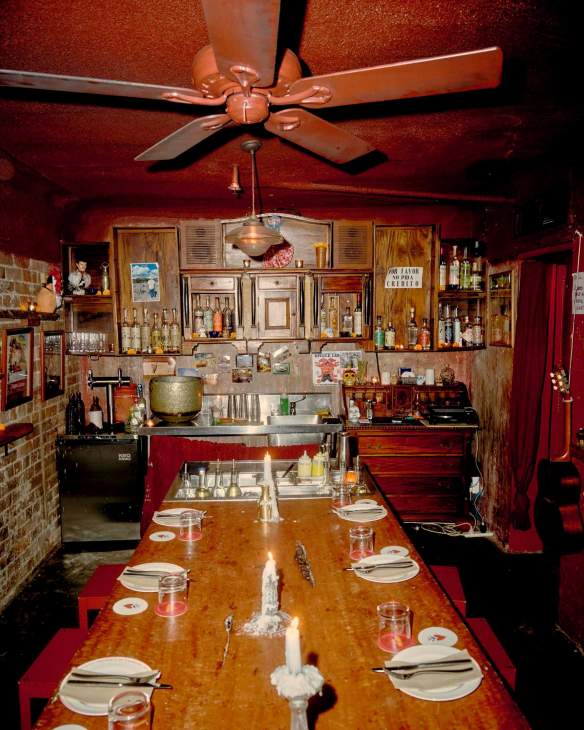
Opened in 1964, Snob belongs to a special strain of establishments known for a discreet, closed-door policy, behind which lie dimly lit wood-panelled interiors and the possibility of late-night dining. Founded by an illustrator at the O Século newspaper (whose newsroom was nearby but shut in 1977), Snob continues to draw in a clientele of journalists, writers and politicians. “We want Snob to remain primarily a Portuguese house, with regulars who recommend it to the new generations through word of mouth,” says Garcia.
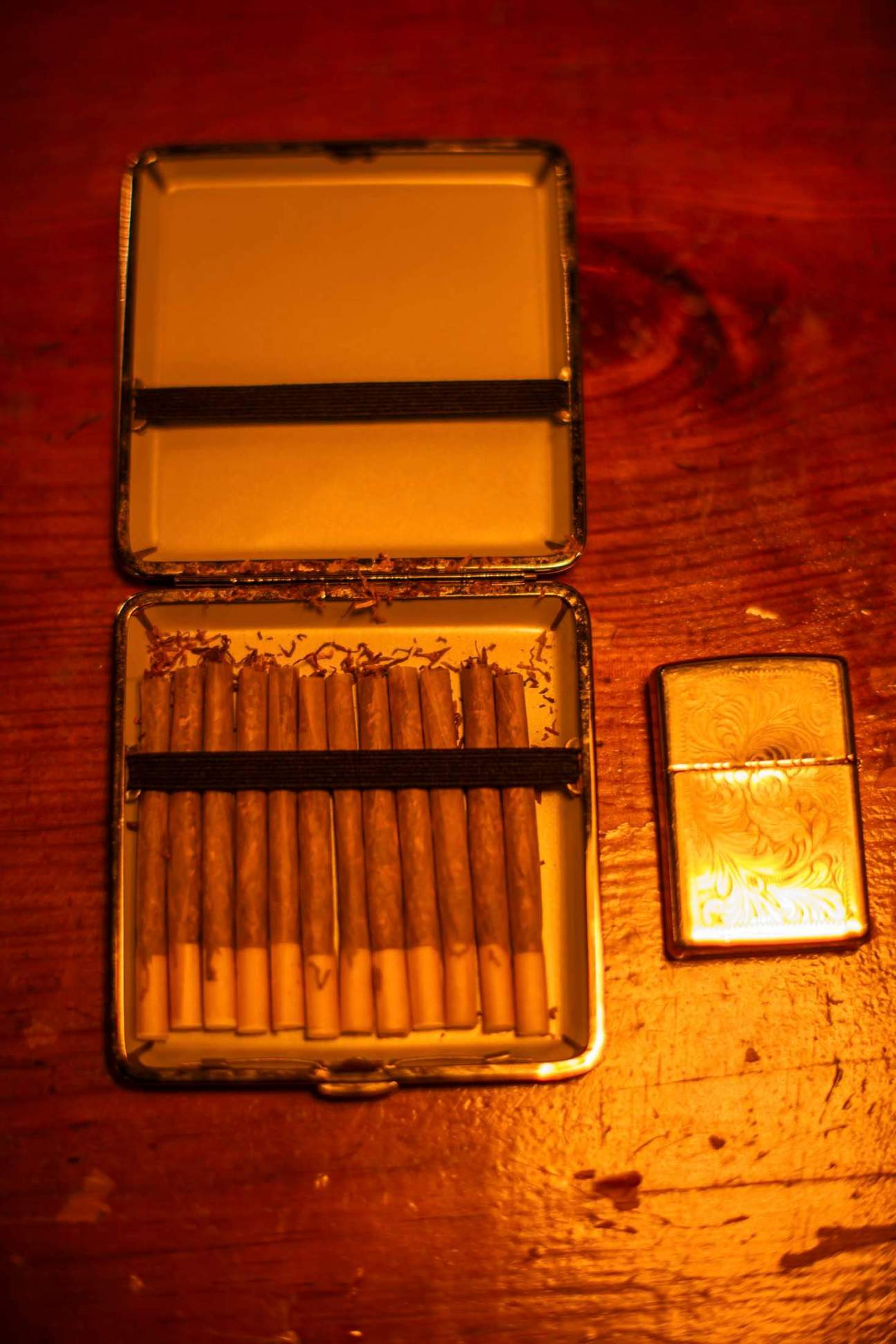
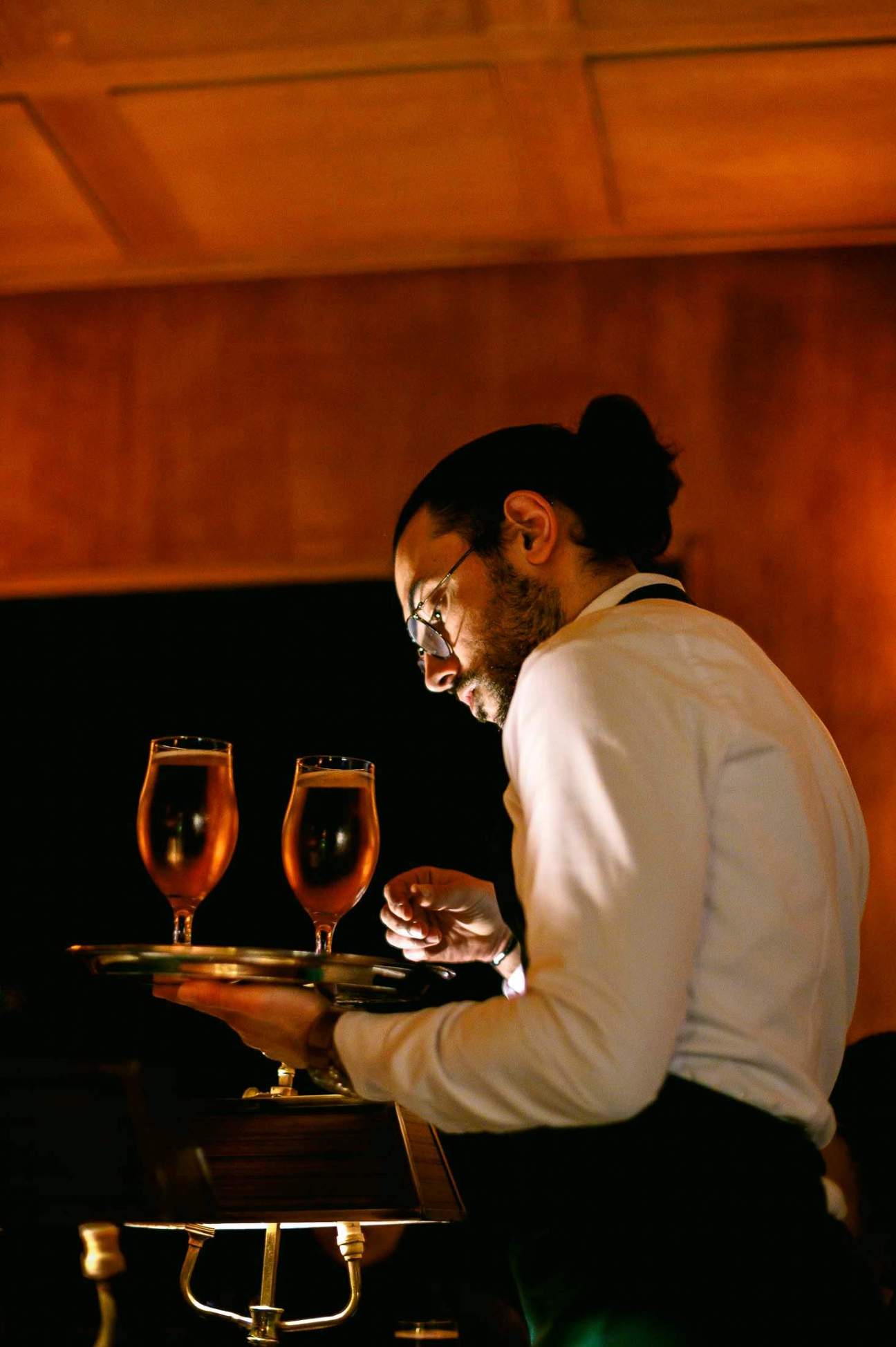
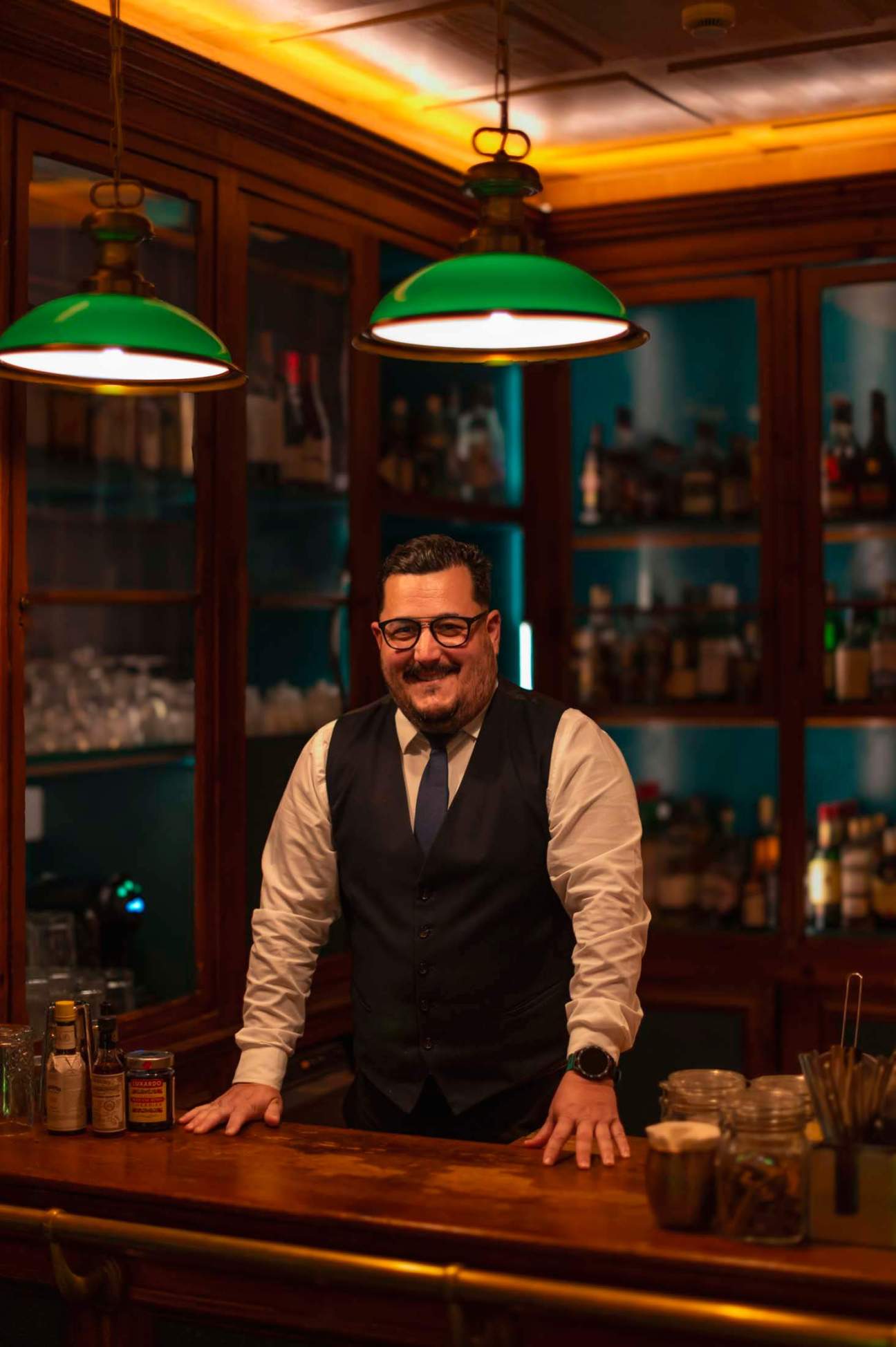
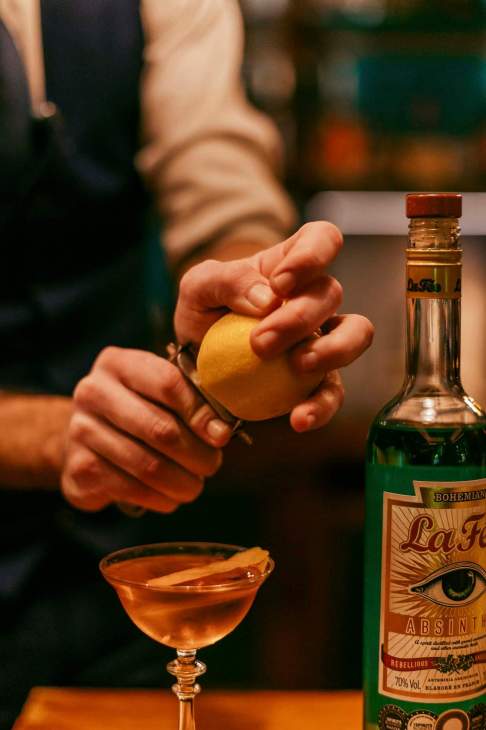
The intimate decor of red carpet, leather seats and books on shelves has remained the same but the place has been given a facelift. The tin on the table lamps and the wooden ceiling and walls have been polished and the sofas reupholstered in their original bottle green. The food is the same as always, with croquettes and “Snob steak” with fries as the calling cards. This said, the drink selection has been jazzed up with classic cocktails, a careful selection of spirits and a good line-up of whisky. What feels different is the absence of the previous owner, Albino Oliveira (who almost single-handedly served while managing Snob’s door policy). However, the hope is that a new staff of eight can offer on-point service while keeping some of the place’s time-tested allure. The aim? To become part of the furniture.
snobbar.pt
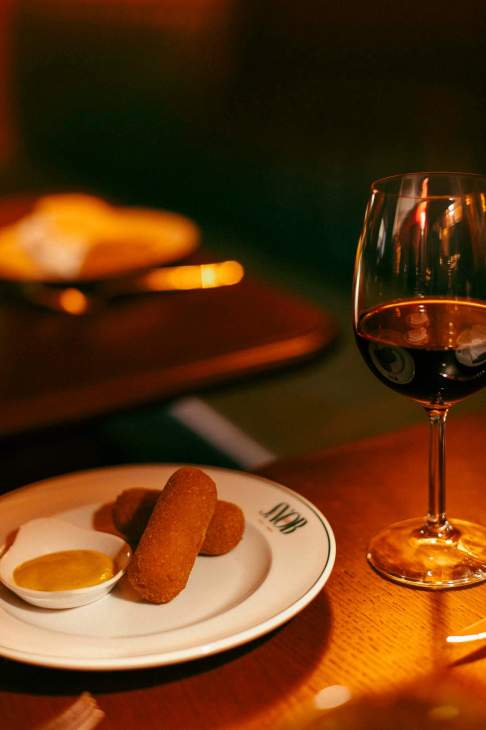
Year founded: 1964
Number of covers: 40
Food served until: 02.00, with last orders at 01.00
Best dishes: Snob steak or mango mousse.
Drink to order: Sazerac.
Interesting fact: The old landline still works but its number is now only to be found in the phonebooks of Snob’s oldest clients and today serves as a red telephone of sorts for VIPs. Pure snobbery.
Best table: Table 10 by the entrance continues to be the choice of journalists in the know.
5.
Get the ball rolling
Kaniya Honten
Nagasaki


A quick stop for an after-dinner onigiri (rice ball) is common practice in Nagasaki these days but the origins of this ritual started with one restaurant. “My father opened Kaniya in 1965 when there were no conbini (convenience stores) and fewer restaurants,” says current proprietor Hideki Fujikawa. “This was the first onigiri speciality shop in Nagasaki and once it opened, it became part of the local culture to have an onigiri after a night of drinking. People started saying, ‘Nondara Kaniya’, which means ‘After you drink, it’s Kaniya.’”
On any night, Kaniya is rammed. The onigiri are made to order with A-grade Koshihikari rice from Niigata, seaweed from Ariake and Hakata salt from Ehime. “We’ve always prepared each onigiri at the counter in front of the customers,” says Fujikawa. “Regulars often say that the taste hasn’t changed but it has. Customers have a more sophisticated palate today so we always try to make subtle improvements and use the best ingredients.” A Kaniya onigiri is small enough to wolf down quickly, allowing diners to try more of the 33 variations on the menu.
Popular orders are iwanori (seasoned seaweed), takana (pickled mustard leaves) and the signature shio-saba (salt-grilled mackerel). “Unlike convenience-store versions, we carefully remove the bones by hand and grill each piece without any additives,” says Fujikawa. A bottle of Asahi Super Dry and the popular akadashi red miso soup complete the picture. The convivial hum is the sound of a room full of satisfied customers of all ages. “We are seeing a lot more younger people lately, alongside our loyal regulars,” says Fujikawa. The Kaniya tradition looks set to continue.
Year founded: 1965
Number of covers: Kaniya usually serves between 500 and 1,000 people; on particularly busy evenings that’s up to 3,000 onigiri.
Food served until: 03.00, Fridays and Saturdays; 02.00 rest of the week.
Best dish: Shio-saba (salt-grilled mackerel).
Drink to order: Bottled Asahi Super Dry.
Best table: Zashiki (tatami seating where you take off your shoes) are the most popular with the young.
6.
The spot for a singalong
El Primo Sanchez
Sydney

In a 1940s pub on Oxford Street, Paddington, on Sydney’s eastern fringe, is a colourful Mexican haunt that’s a go-to for a late bite. Serving drinks until 02.00 with a resident DJ in the corner, the technicolour decor, old-school Mexican music and a private karaoke booth make it an ideal spot for a late-night margarita, mezcal or a plate of tacos and a singalong.
Bartender Eduardo Conde oversees the shaking and stirring, showcasing his talent with a menu of creative and curious cocktails. With a focus on tequila and mezcal, the extensive drinks list includes adapted classics, such as the negroni made with raicilla (a Mexican spirit distilled from the agave plant) and the viva la vida, a piquant take on the humble margarita that arrives with lashings of mango, mint, a kick of Ancho Reyes chilli liquor and native lemon myrtle.


Head chef Diego Sotelo’s menu includes tostadas with diced raw tuna served with edamame, while the pick of the tacos are the al Pastor (pork belly with pineapple) and the campechano (with smoky brisket, chorizo and salsa). Desserts run to piping-hot churros with dulce de leche for dipping and brown-butter madeleines dotted with white chocolate and Australian wattle seed.

For a more intimate experience, venture into La Prima, the private speakeasy within the bar. This cosy space, its walls adorned with colourful Mexican prints and lit by candlelight, also has a dedicated bartender service. Barkeep, another viva la vida, por favor!
elprimosanchez.com


Year founded: 2023
Number of covers: 250
Food served until: 00.30
Best dish: Al Pastor taco.
Drink to order: Try a sanchez paloma (tequila, lime juice, and grapefruit soda)
Best table: For groups, a spot in the private La Prima room offers a journey straight to Oaxaca. The more intimate Blue Room is quieter. And for the people watchers, table 3 is your front-row seat to all the action.
7.
For the grown-ups
The Dover
London
After 15 years as COO at Soho House Group, Martin Kuczmarski amassed an enviable amount of experience and inspiration from the bar and restaurant world. The Dover, his instant classic in London’s Mayfair, is the distillation of all that he’s learned – a meticulous amalgam of Kuczmarski’s favourite late-night establishments and his design-led philosophy.
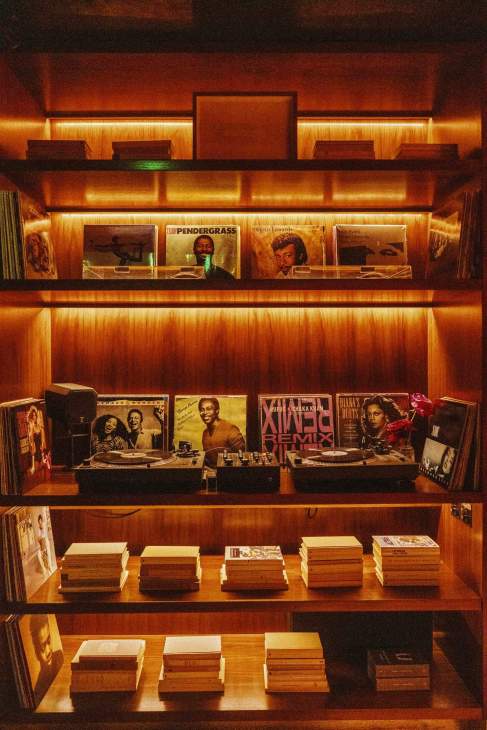
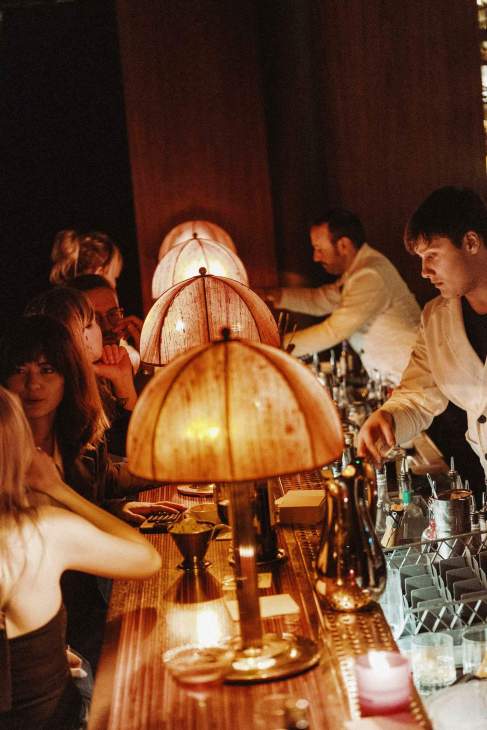
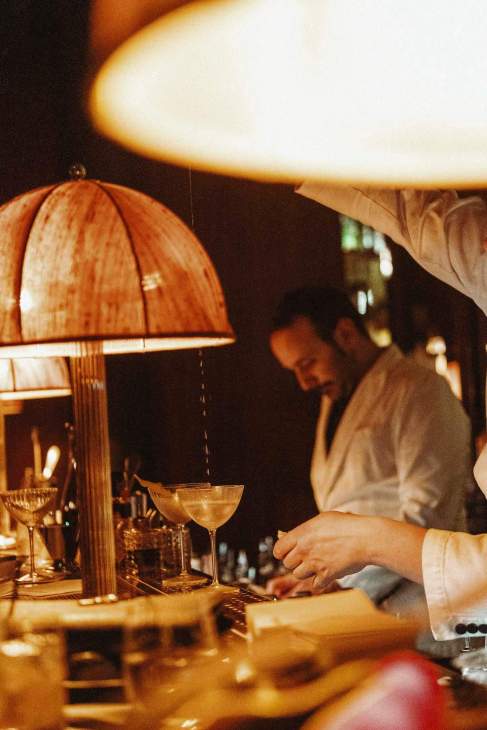
Once through the heavy velvet curtains, the softly lit, slender bar is a blur of bartenders kitted out in white double- breasted Savile Row jackets made from the same cloth as butchers’ aprons. The drinks list is long and classic but majors in martinis. The signature Dover martini sums up Kuczmarski’s pedigree: an American drink made with Italian vermouth and Konik’s Tail vodka from Poland and is accented with an orange twist and bitters. Trays of the things float out to the candlelit tables, while a barback selects records to suit the sultry, grown-up mood.
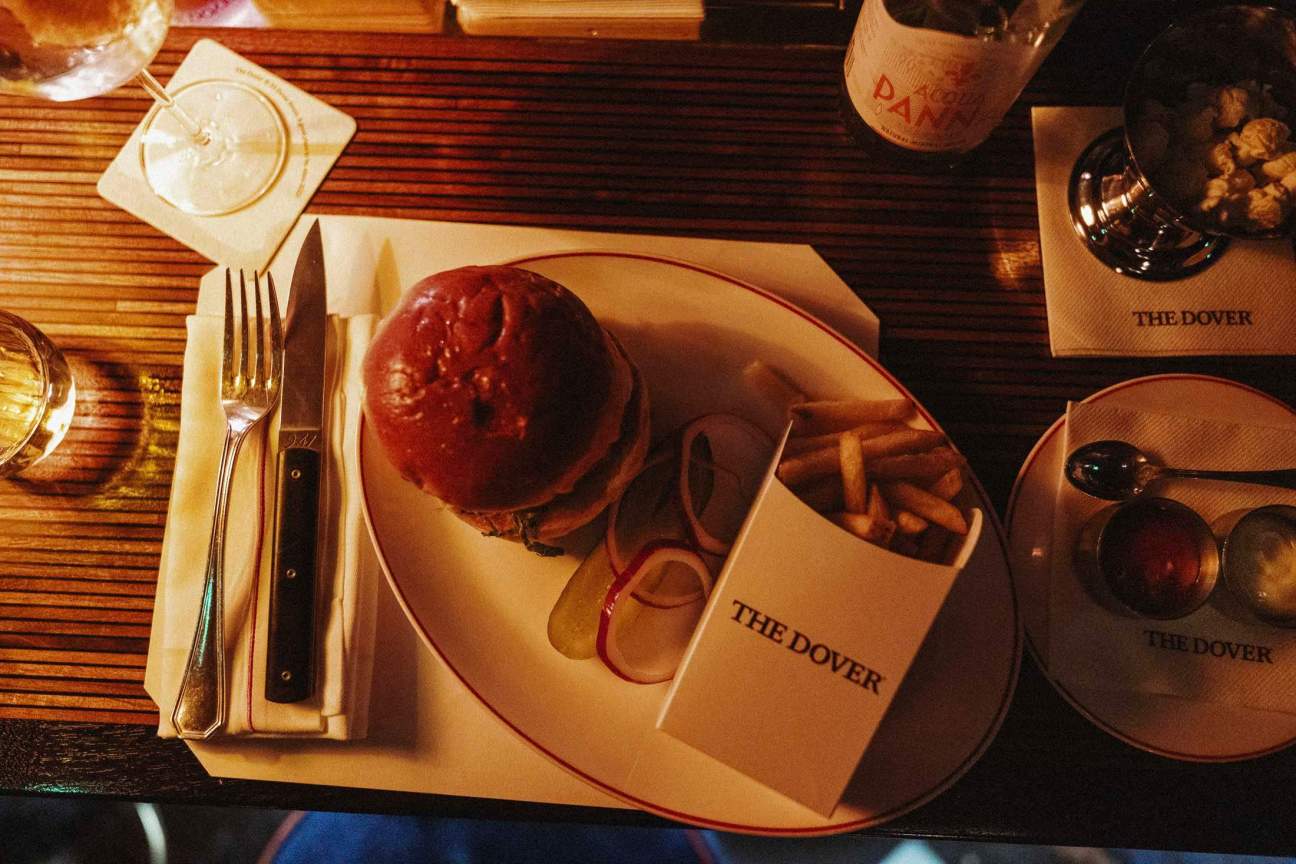
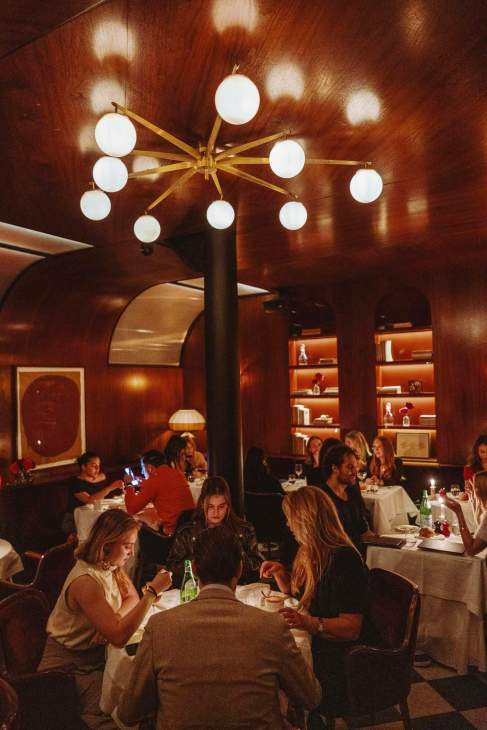
Beyond the bar, a stretch of conspiratorial booths leads to the oblong dining room, which is all sinuous swoops of walnut panelling rising to a glazed barrel ceiling. This club-like space, designed by Quincoces-Dragó, a Milanese architecture practice, takes cues from an age of steam-powered travel and art deco dining cars. Here you’ll find an international set tucking into Italian-American fare of courgette fritti, spaghetti meatballs, hamburgers and beef arrosto, all served on bone china plates and pleasingly bereft of the usually hefty Mayfair price tag for the pleasure. Kuczmarski’s next venture? A hotel in Parma.
thedoverrestaurant.com
Year founded: 2023
Number of covers: 30 in the bar, 56 in the restaurant.
Food/drinks served till: The bar serves until 01.00 and the last sitting is at 23.30.
Best dish: Spaghetti meatballs or beef arrosto.
Drink to order: The Dover martini.
Best table: In the bar it’s table 40, which sits in a nook on the banquette and gives the best vantage point of the action. In the restaurant, table 17, a corner table for two, feels secluded for whispered sweet nothings but remains part of the hubbub.
Interesting fact: Veteran restaurateur Jeremy King can sometimes be spotted enjoying a bite or a drink here after service at his own fêted establishment, The Arlington.
The tech rivalry between the US, Russia and China will influence great-power relations
Artificial intelligence (AI), advanced computing, semi-conductors, microelectronics, connectivity infrastructure and sensors have become arenas in which states vie for dominance. Technological competition between the two principal blocs – the US and its allies on one side and China and Russia on the other – has escalated significantly. This intensification is partly driven by Russia’s war in Ukraine. But it is primarily rooted in China’s military modernisation and efforts to establish an independent technological ecosystem.

The US and its partners across the Euro-Atlantic and Indo-Pacific have responded to these threats by strengthening technological co-operation and limiting access to critical components. Yet China and Russia have circumvented Western restrictions through the use of underground networks and third-country intermediaries. Both states have also challenged export controls, while developing retaliatory measures against Washington and its allies.
Russia has shown an ability to exploit weaknesses in the global supply chain by leveraging a network of states across the Middle East, Central and Southeast Asia to acquire critical technology components for military weapons. US-made semiconductors, from appliances such as microwaves and fridges, have consistently been found in Russian weapon systems on the Ukrainian battlefield.
But the threat of China is more concerning. Beijing has heavily invested in the domestic development of industries affected by export controls, particularly microchips. It has also reduced the market share of Western firms by imposing restrictions on critical materials such as rare-earth minerals. China’s use of surveillance and AI to collect data on its citizens is of great alarm to Western strategists. So too is the country’s “military-civil fusion” strategy, which integrates resources in the civilian and defence sectors to advance military development. Beijing is implementing this policy not only through its own domestic measures but also through the acquisition of foreign technologies. This obscures end-use export controls, making it difficult to impose restrictions on items that are supplied to China.
Recent developments in AI have intensified the rivalry between the US and Beijing. In an attempt to weaken China’s ability to train large-scale AI models, the Biden administration introduced trade controls on semiconductors. Though the US has long maintained a technological edge in AI, recent developments suggest that Beijing is rapidly closing the gap. Over the coming years, AI will be one of the biggest factors in altering the balance of power between nation states. Automation could drive economic growth, while advanced AI systems capable of directing weapons could offer military advantages.
Some observers view the narrowing technological gap between the US and China as an opportunity to negotiate an agreement on the use of these systems. Given the current tensions between Washington and Beijing, however, the chances of a deal are slim. If such an agreement were to emerge, it would probably take the form of a bilateral pact rather than a multilateral arrangement. Interstate relations are becoming more transactional, with defence and technology posing complex challenges to co-operation.
Gorana Grgic is Monocle’s security correspondent.
The Monocle Concierge’s guide to Bangkok’s hidden treasures


Click here to enjoy Monocle’s complete city guide to Bangkok
The sharpest spring fashion collaborations
Hollywood Ranch Market X Wildside
Japan
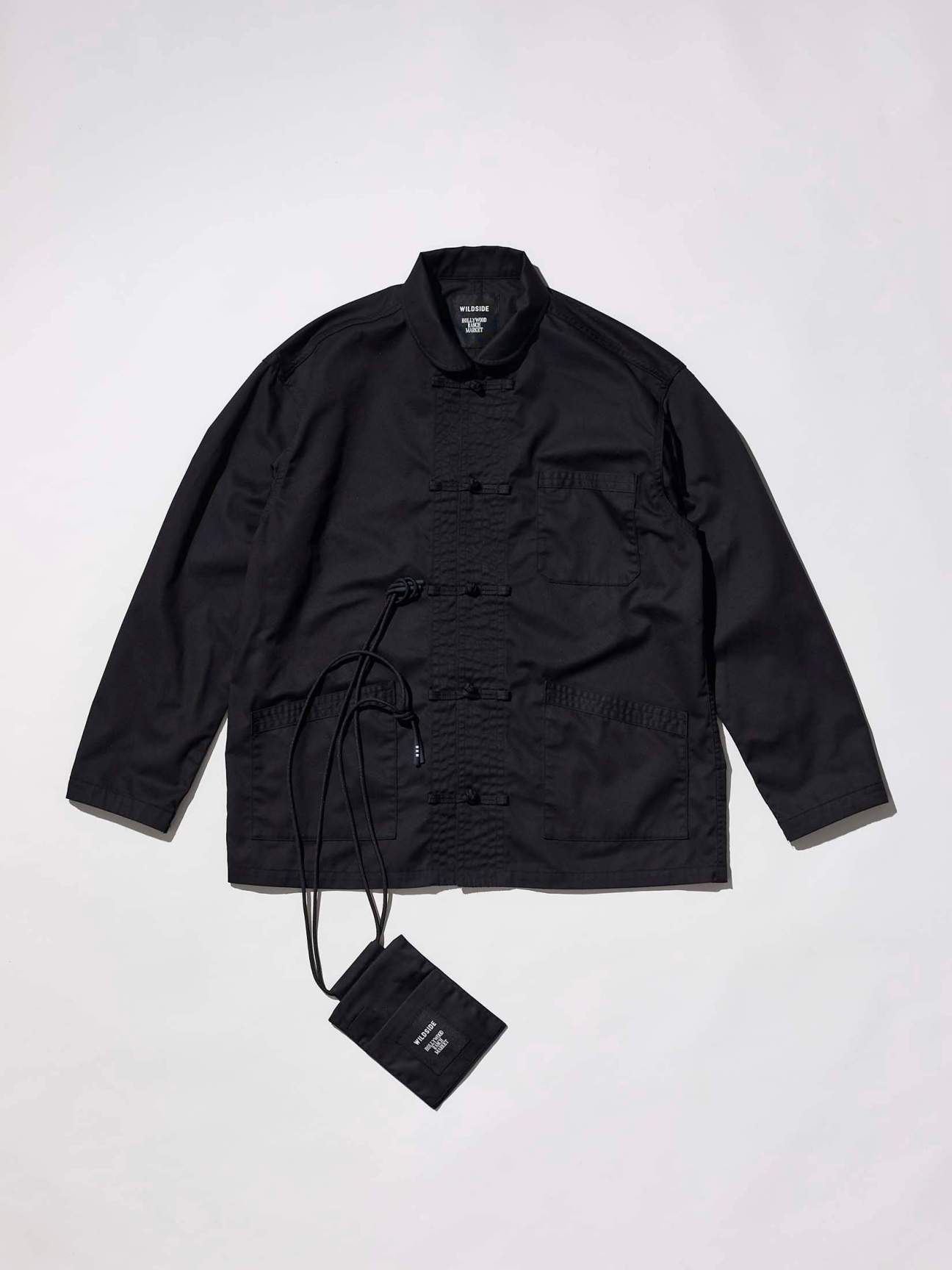
Influential designer Yohji Yamamoto has unveiled a collaboration between his sub-label Wildside and fellow Japanese brand Hollywood Ranch Market. The six-piece collection is inspired by French workwear – think stretchy, long-sleeve tops, drawstring trousers and sharp chore jackets with French-style rounded collars. Bags are also on offer, including a mini twill satchel and a larger tote. Follow Yamamoto’s styling cues and add a pair of black leather Oxfords for a polished, monochrome look.
wildside-online.com; hrm-eshop.com
APC X Anastasia Barbieri
France
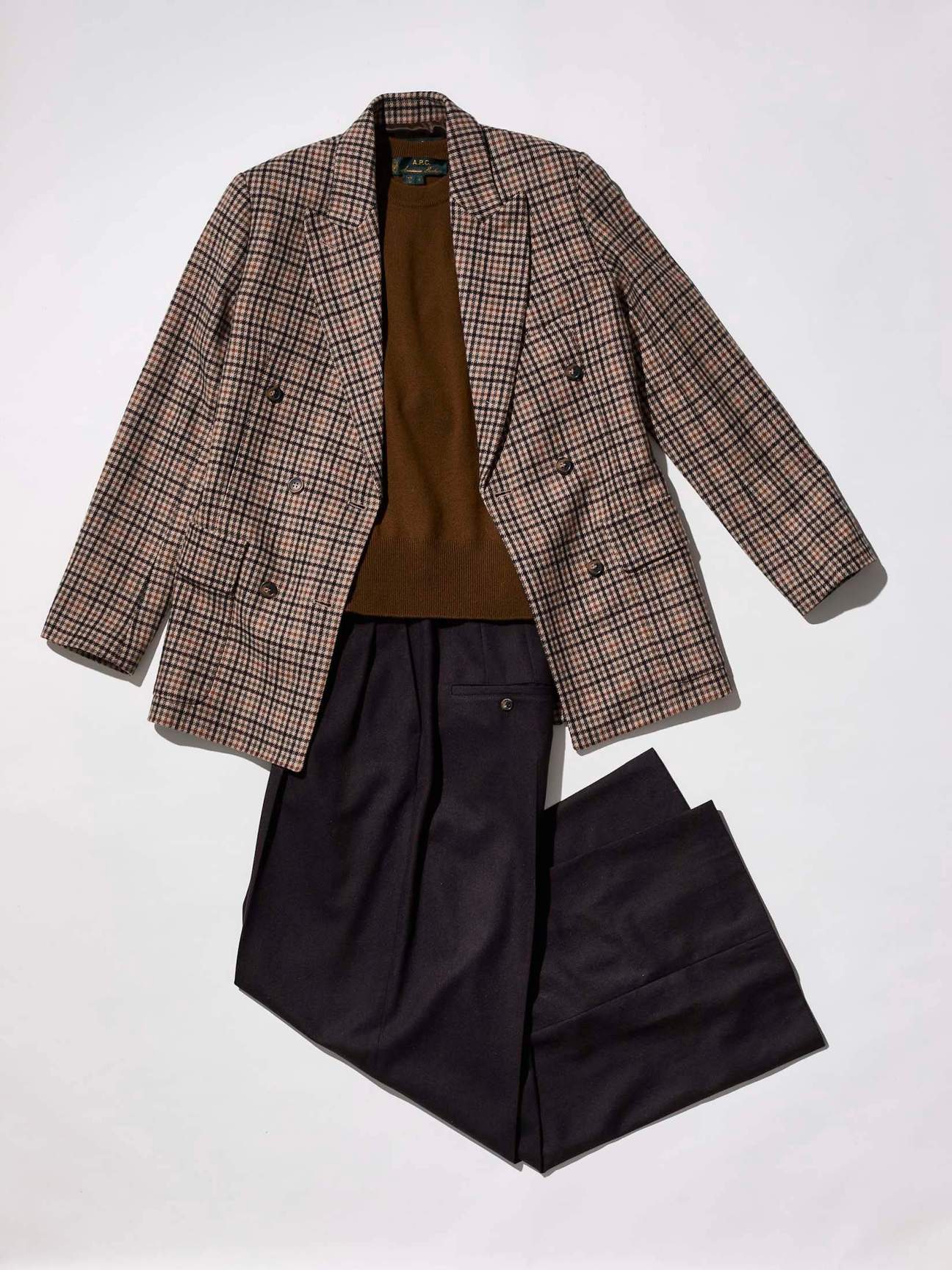
Paris-based apc continues to surprise with its ongoing series of collaborations – or “interactions”, as the brand’s founder, Jean Touitou, prefers to call the capsule collections co-designed with the likes of Jonathan Anderson, Jane Birkin and Katie Holmes. Joining this roster is stylist and former Vogue Hommes fashion director Anastasia Barbieri. “apc is a brand that I’ve known since my youth,” says Barbieri. “I’ve always appreciated its timeless pieces [and] nonchalant spirit,” she adds, pointing to the new classics in her own capsule, from tuxedo jackets designed to be worn from day to evening to gabardine coats and double-denim looks. Also worth adding to your shopping list: a new edition of the brand’s organic olive oil with a raw denim apron to match.
apc.fr
JW Anderson
UK
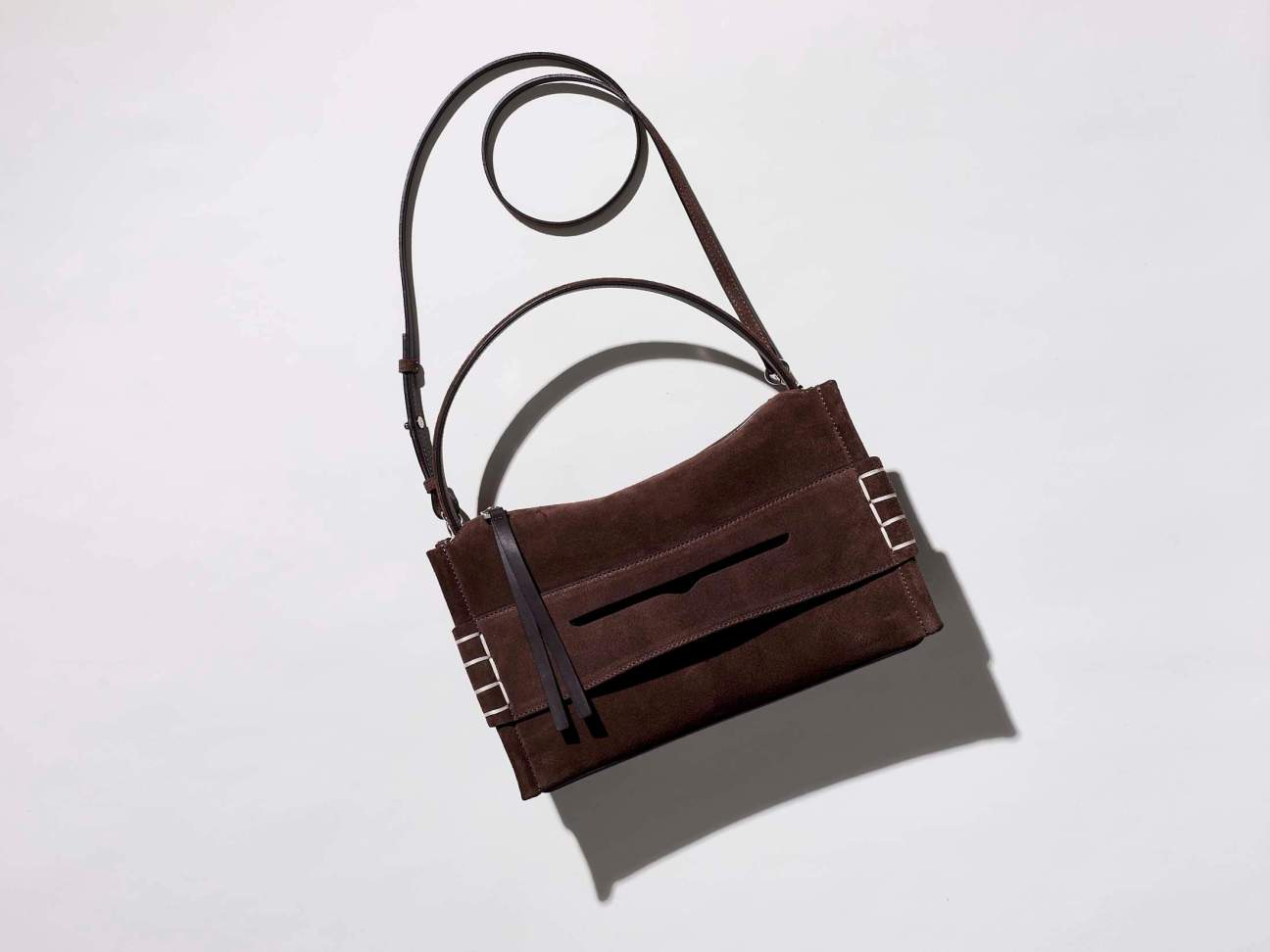
Loafers have been on the rise for a few years now, slowly but surely replacing the trainer. Irish-born designer Jonathan Anderson – known for his humorous, often surreal approach – decided to take the trend a step further with his new line of Loafer bags, a series of elegant top-handle totes featuring a front panel resembling the penny slot on the shoe. It’s a low-key, practical design but the nod to the footwear brings a touch of the irreverence that’s synonymous with Anderson’s label. The larger size, ideally in brown suede or navy leather, also doubles as a weekender bag.
jwanderson.com
Vacheron Constantin
Switzerland & UK
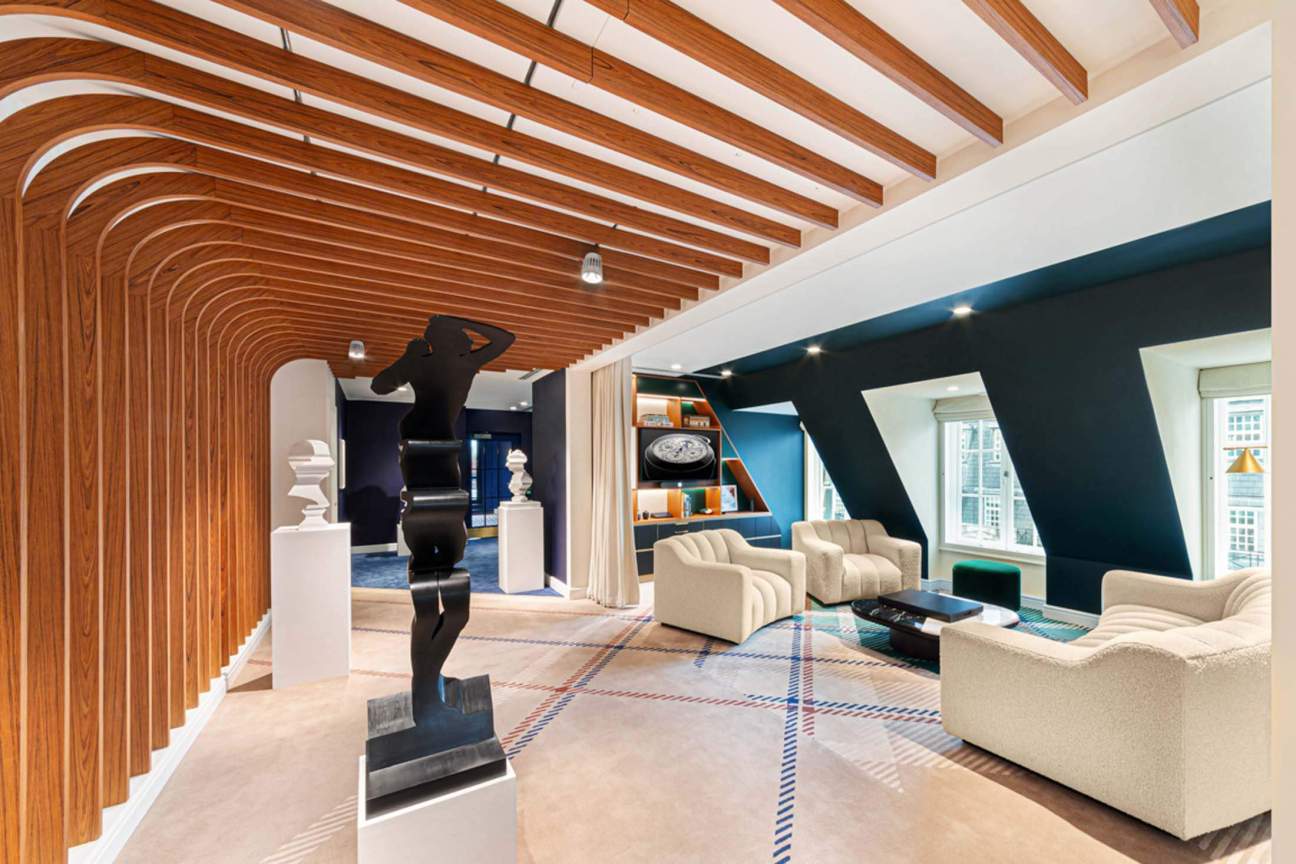
Vacheron Constantin’s Club 1755, in London’s Mayfair, is only open to the Swiss company’s top customers. “Before collecting timepieces, our clients might collect cigars, cars or art,” says UK brand director Charlotte Tanneur Teissier. So watches aren’t the only design objects on display. “Timepieces are part of a broader conversation and the club offers a space to host that discussion.”
vacheron-constantin.com
Mover
Switzerland
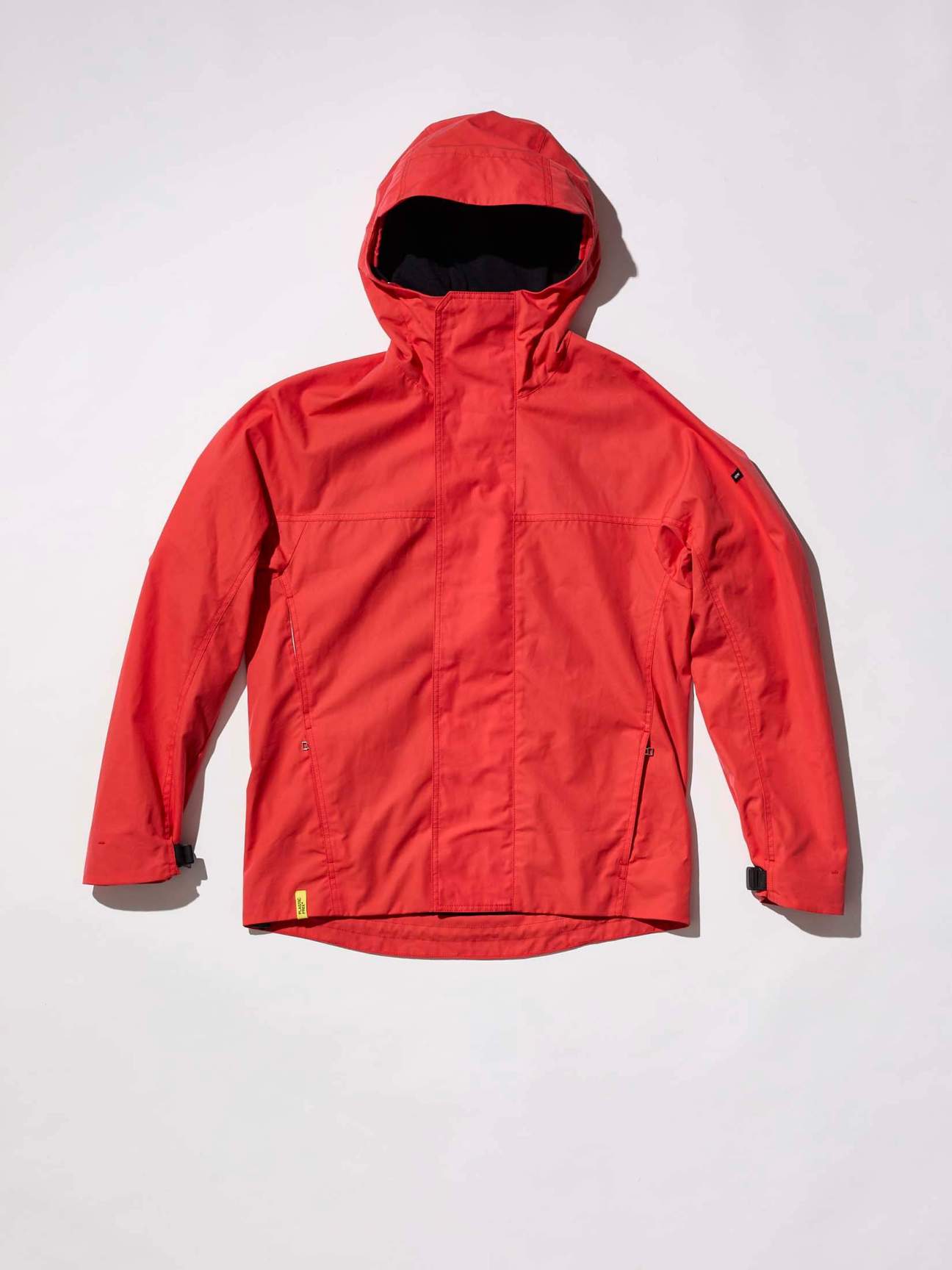
Swiss-based Mover has been delivering plastic-free collections since 2021. Its latest innovation is the Vintage Shell+ running jacket. Crafted from a waterproof high-density deadstock cotton with a merino lining, it is warm and breathable. We recommend this eye-catching mandarin shade.
mover.eu
SR_A Engineered
Spain
Over the past year, Inditex-owned Zara has unveiled an evolving collaboration series with the likes of former Saint Laurent artistic director Stefano Pilati, musician Charlotte Gainsbourg and Budapest-based label Nanushka.
The A Coruña business is now aiming even higher by launching a new label with Samuel Ross, the architect turned fashion designer known for streetwear label A-Cold-Wall and partnerships with watchmaker Hublot. Named SR_A Engineered, this joint venture is a “multidisciplinary studio” rather than a traditional fashion label, spanning clothing as well as furniture, art and industrial design.
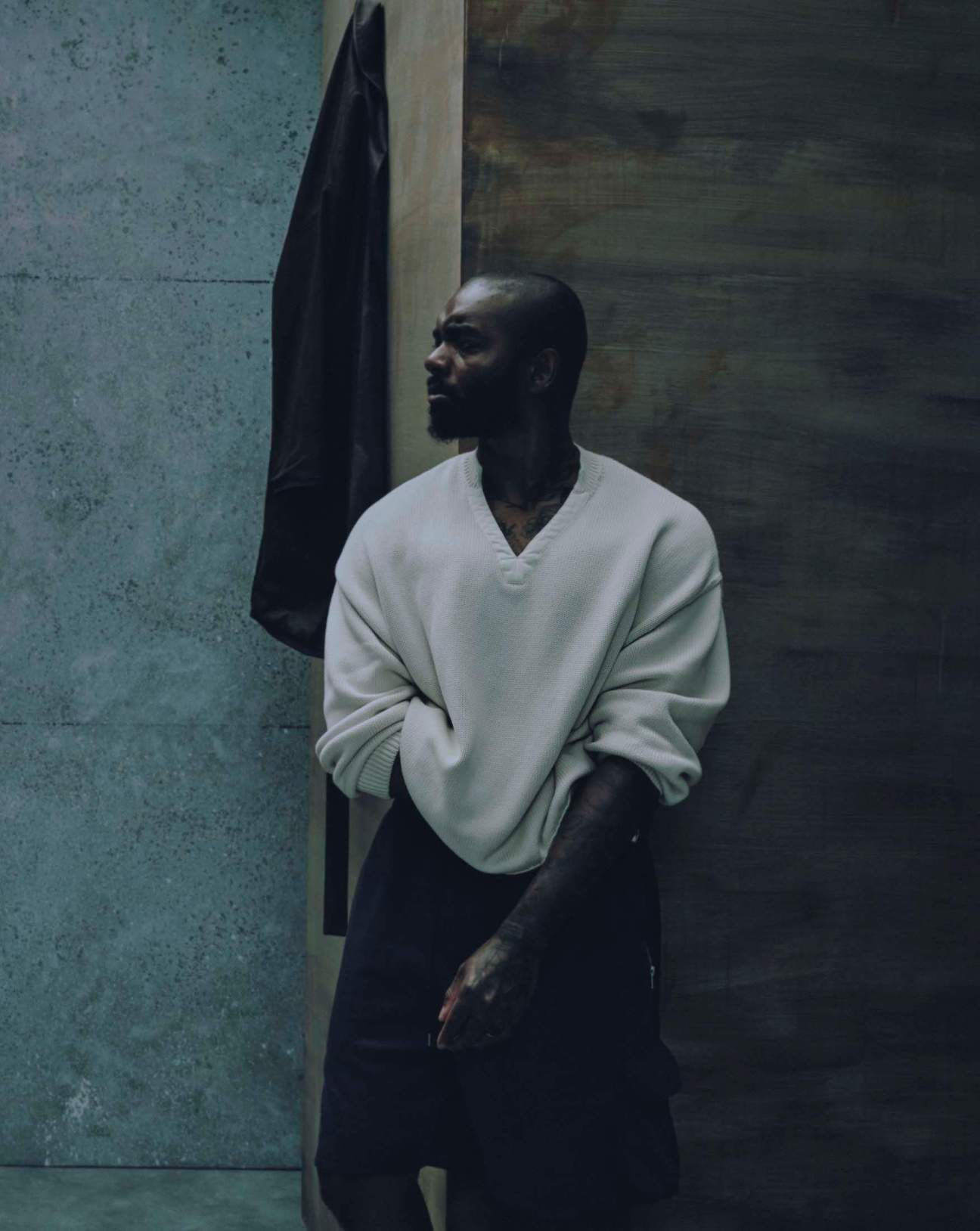
Ross’s first project, a menswear capsule focused on performance wear, made its debut during Paris Fashion Week this January and included voluminous parkas, kimono-inspired coats and slides featuring Japanese shiso stitching. “These are clothes for navigating cultural spaces and spaces of work and play,” says Ross.
sr-a.com
Kestin
UK
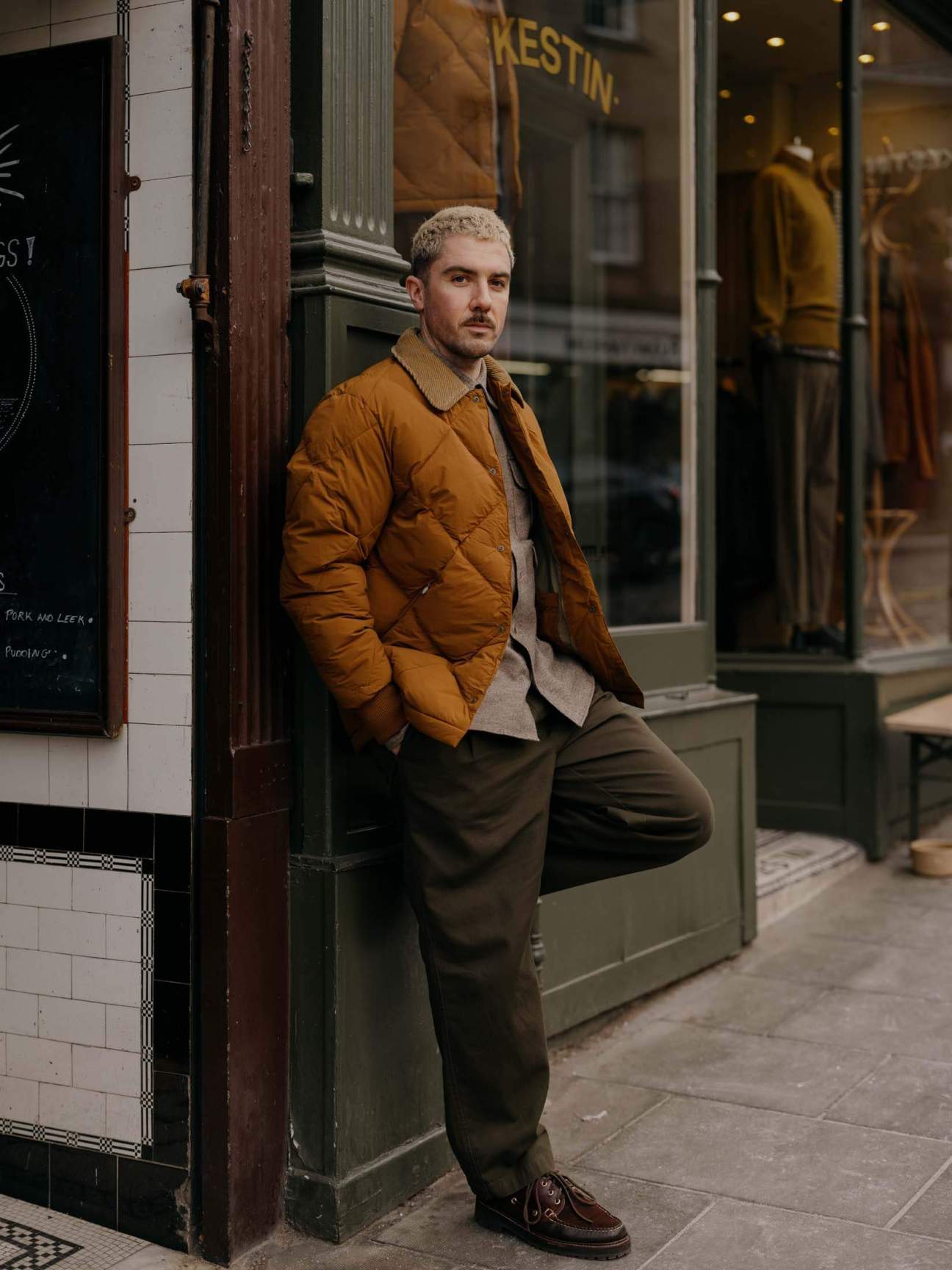
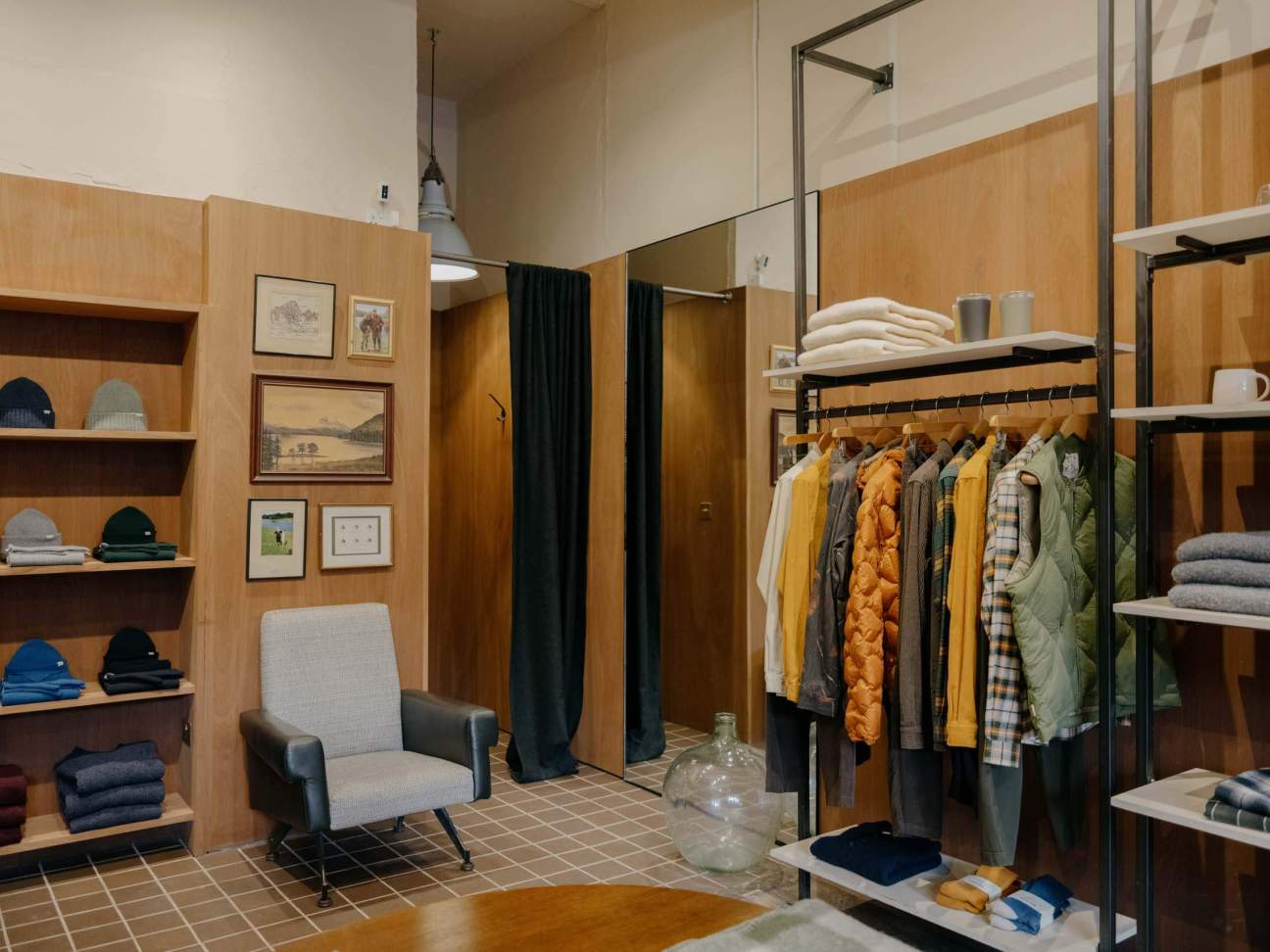
“They say that if you’re brought up in Scotland, you’re either a golfer or a fly fisher,” says Kestin Hare at the Edinburgh shop of his menswear label Kestin. And life outdoors informs his Scottish-made knits and workwear-inspired garments, crafted using a mix of technical and natural fabrics, and produced at the brand’s studio in Annan.
Hare inherited this obsession with quality fabrics from his mother, an interior designer; while the technical wear he wore while fly fishing with his father fuelled a love for high-performance garments.
The ambitious designer is working with fabric makers in Japan, while eyeing new markets. “Our biggest growth area is in the US, where many people feel a true affinity to Scotland,” he says. “You can design the best product in the world but if it doesn’t have a story, it won’t work. We’re always developing new techniques in the studio to keep us all ready to venture outside.”
kestin.co
The Milan bistros, Melbourne cocktails and cosy Dutch hotels to have on our radar
Melbourne Place
Melbourne
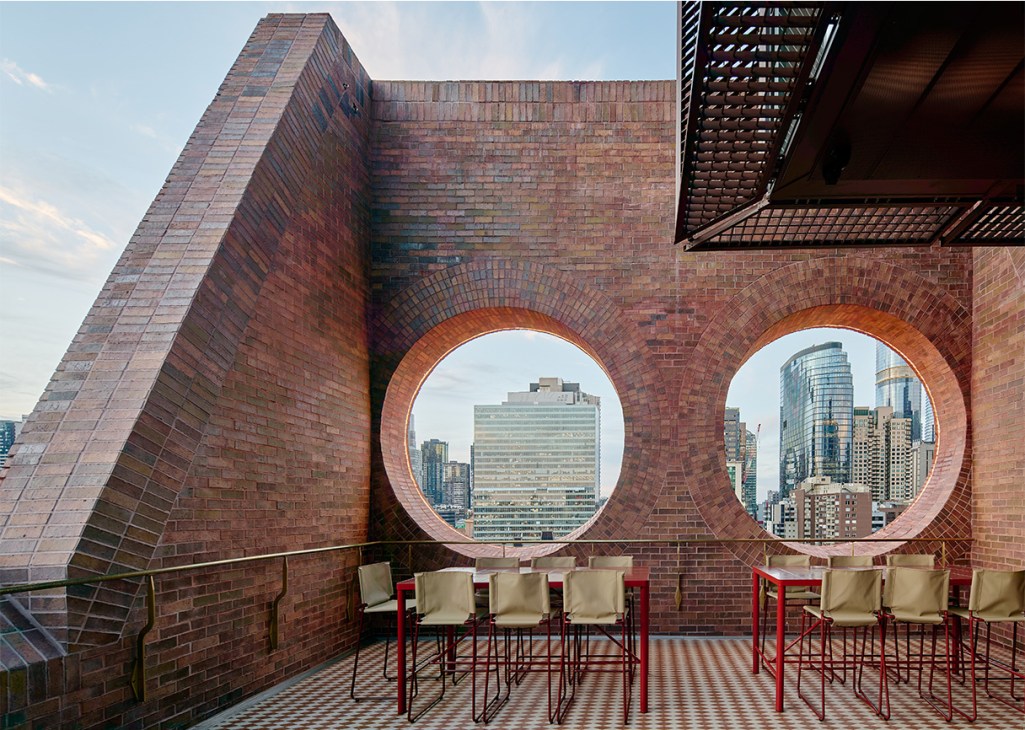
“There’s a sameness about many Australian hotels that we wanted to get away from,” says Patrick Kennedy, co-principal of architecture firm Kennedy Nolan. When the practice was commissioned to design a 16-storey hotel in Melbourne’s CBD, it took inspiration from “family-owned properties in Europe”. Melbourne Place has a brick and tinted-concrete exterior that reflects the spirit of the area’s older buildings. “Melbourne has been keen to preserve 19th- and 20th-century masonry buildings,” says Kennedy. “We engaged with those aspirations closely.” The hotel offers 191 guest rooms and suites.
melbourneplace.com.au
Sandì
Milan
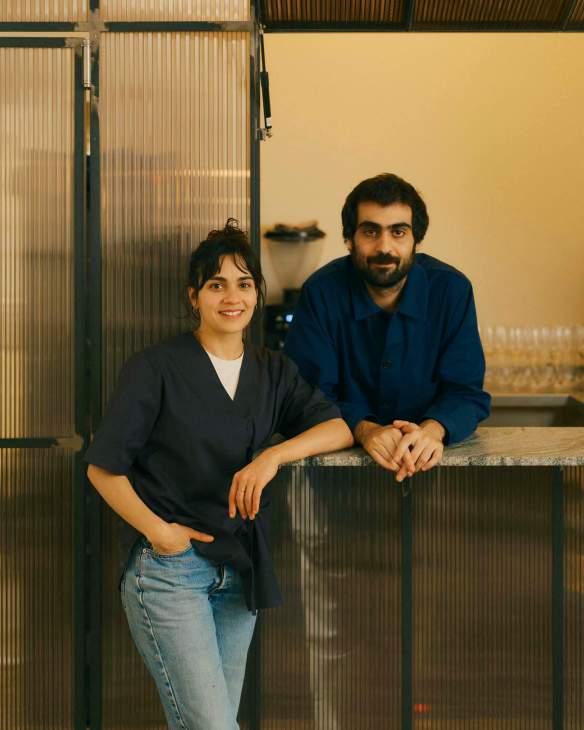
Hidden away on a residential street in Porta Venezia, bistro Sandì has swiftly become a neighbourhood favourite. The project is overseen by chef Laura Santosuosso, originally from Modena, and her partner, Denny Mollica (pictured, on left, with Santosuosso), who takes care of front of house and pulls together an unconventional, ever-evolving wine list.
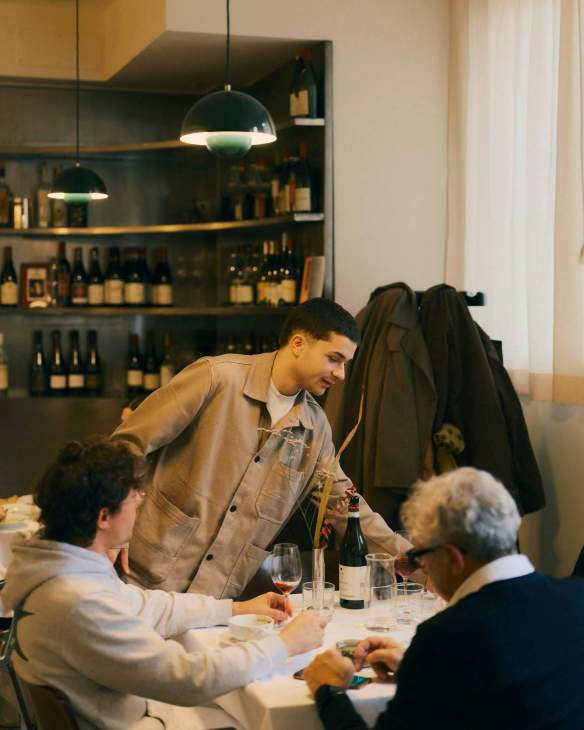
Sandì – a portmanteau of Santosuosso’s surname and Mollica’s nickname – occupies a beautiful 1960s street-level space that was once a bakery. Original design details have been preserved, including a Palladian marble floor with flashes of pink. In-demand design studio Parasite 2.0 is behind the subtle refurbishment work and the striking metal-and-glass wall at the far end that opens like a kiosk.
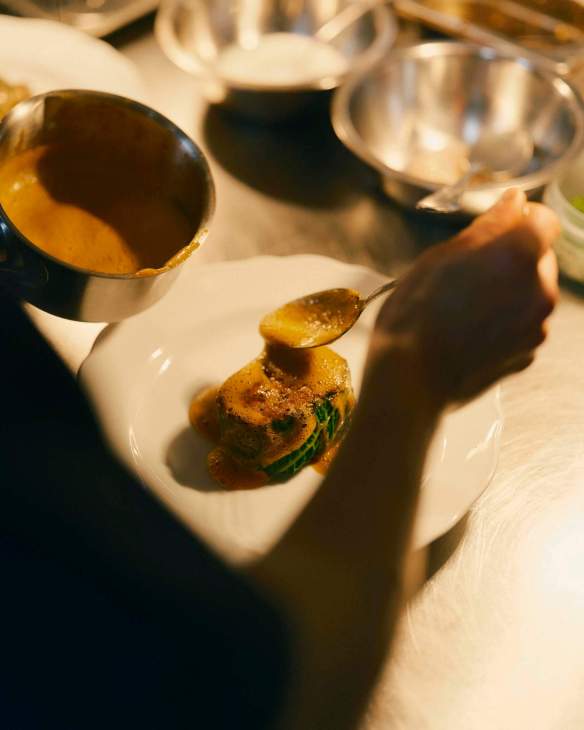
Santosuosso has worked at some of Milan’s finest restaurants – from Erba Brusca and Remulass to Nebbia – and has also spent time in Paris. “The menu’s departure point is always Italian regional food,” says the chef. “But there are influences from all of our travels too.” Dishes such as roasted cauliflower in a green pepper sauce are bursting with umami flavour. Other standouts include slow-cooked leeks in red wine, blue cheese and dark chocolate, and cabbage stuffed with red prawns and pork shoulder, served with a flavoursome bisque.
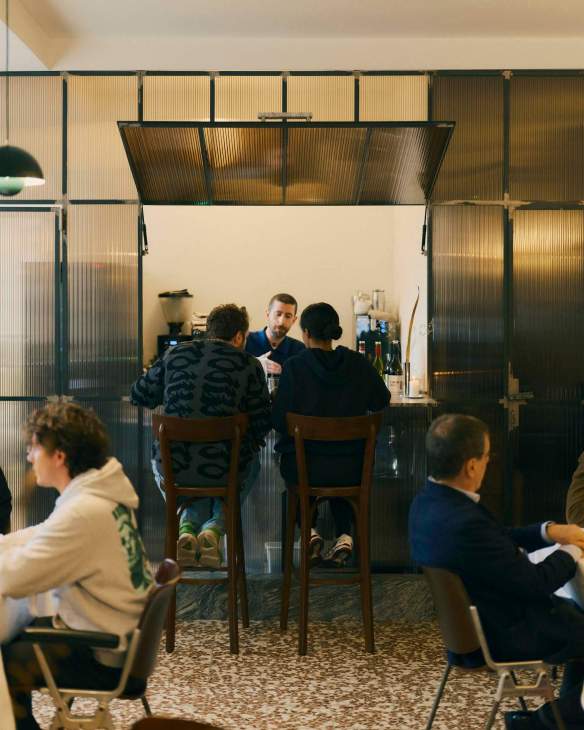
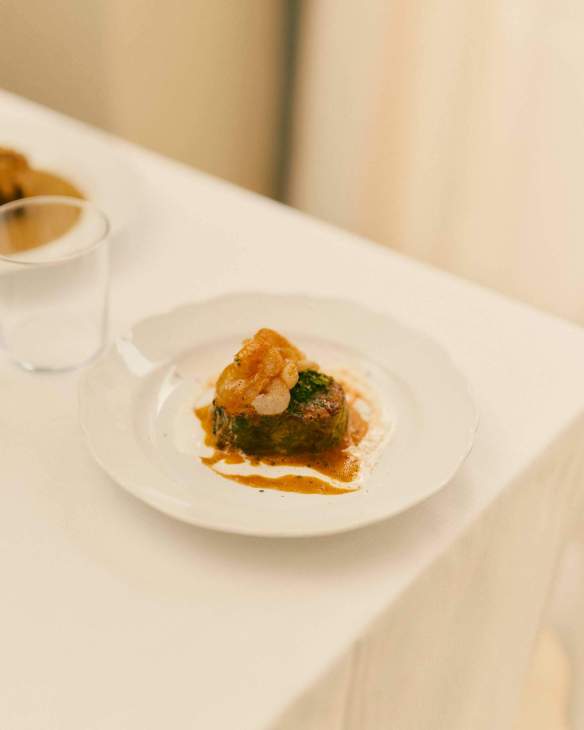
The couple, who have a young son, currently only open Sandì for lunch, except on Fridays when the bistro also serves dinner. The aim, says Mollica, is to have “a place that is buzzing during the day” and to maintain a healthy work-life balance. The à la carte options are excellent but the set menu is undoubtedly Milan’s best meal deal: €25 for three inventive and scrumptious courses. “We want to have all of the comfort of dinner but at lunch,” says Santosuosso. We like their way of thinking.
Via Francesco Hayez, 13
Hotel Rumour
Leiden
Studio Modijefsky – the Amsterdam-based firm behind the handsome Gitane restaurant and bar, as well as the revamp of the Blauwe Theehuis pavilion in the Vondelpark – is at it again. This time it has transformed a 17th-century carriage house in Rembrandt’s home city of Leiden into the cosy Hotel Rumour.
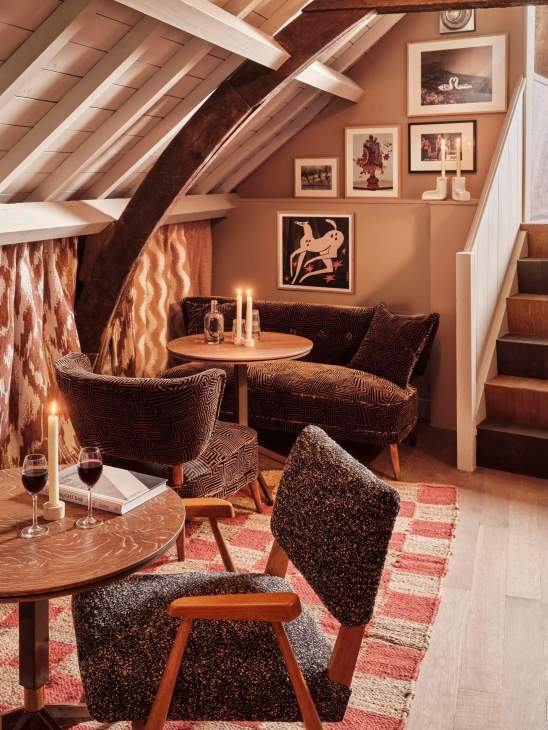
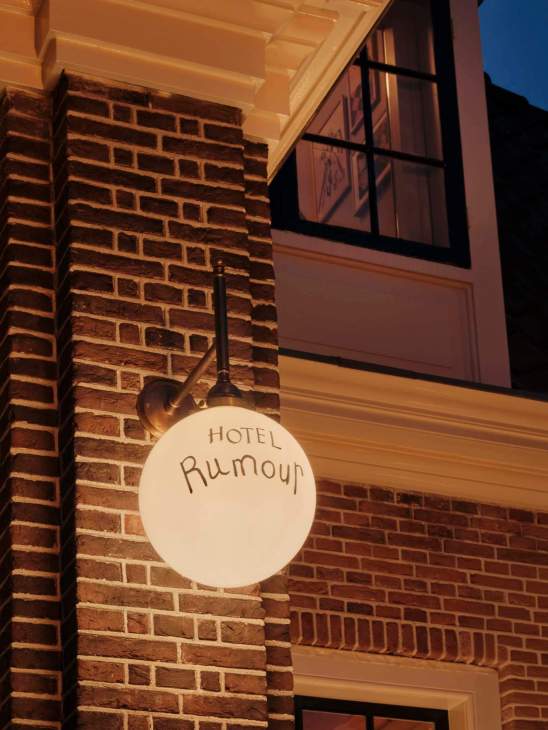
The hotel’s terrace is dotted with tan parasols. There’s a downstairs brasserie clad in brown terracotta tiles and a travertine bar beneath original wooden ceiling beams. You’ll find texture everywhere, from the smooth sage-hued upholstery of the bar seating to the marble tabletops and bobbly beige stuccoed walls that hint at the age of the building. A staircase leads to La Suite Petite, which is available to rent for private bashes. It has space for 12 people and a private dining option. There’s also the Salone Royale (with room for 100) amid the attic’s atmospheric wooden rafters.
Chef Thomas van der Slikke oversees a bistro with a menu of crowd-pleasers, which range from brunch staples to a dinner of sea bass or steak with a great wine list to choose from. It’s easy to stray into hyperbole when painting such a comely portrait of a new opening but let’s just say that the hotel’s success isn’t just a rumour.
hotelrumour.nl
Recipe for success: Parma’s prestigious Alma culinary school
Commuting to a palace might be tough but somebody has to do it. Such are the tribulations of Alberto Figna, who admits that he works in “an extraordinary place”. Figna is president and CEO of Alma culinary school, which occupies four floors of the magnificent Colorno Palace, a 17th-century masterpiece just outside the city of Parma that’s known as the “Versailles of the Dukes of Parma”. The venue is befitting of the institution, which was established in 2004 and sees 1,000 students pass through its doors every year – about 20 per cent of whom are from outside Italy.
“Alma is by some distance the largest, most recognised and most important Italian cooking school,” says Figna. His role, which he calls “complicated but also very stimulating”, is to develop the school and increase its international profile. Alma works with a network of global schools, which send students to Italy (on the day Monocle visits, there’s a delegation from Taiwan). It also participates in a venture in Bangkok called The Food School. “Alma is growing a lot,” says Figna. “And we believe that it can also grow a lot in the future.”
Located in the heart of Emilia-Romagna’s ‘Food Valley’ – land of cured ham and Parmesan cheese – Alma has a strong crossover with industry (pasta giant Barilla and tomato-sauce king Mutti are based in Parma), helping to get students into placements and working with guest teachers. There is a core staff of 17 chefs and 26 academic professors who teach international courses in English, as well as Italian-language programmes that cover everything from F&B to baking and pastry.
Figna, who has been in his role since 2023, says that he couldn’t do without his staff, which includes everyone from a café assistant to a graphic designer. They all contribute to creating a place of educational excellence (and where lunch, as you might expect, goes above and beyond). “Alma is a school where there is a great sense of belonging and where the students are very united,” he says. “We believe that they can go on to be the best ambassadors of the Italian way of life around the world.”
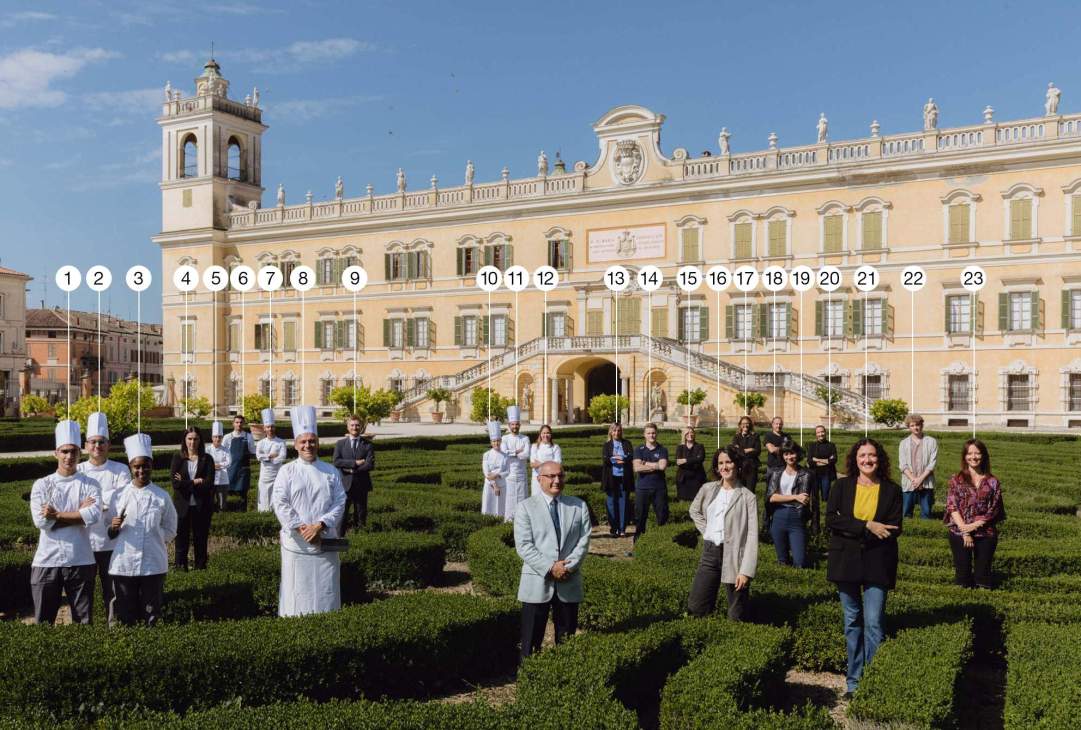
Alberto Figna
President & CEO
Figna hails from a family of millers. He worked for Parma-based pasta company Barilla, first in southern Italy and then in the US and East Africa. He has held managerial roles in diverse sectors across the Food Valley. He currently maintains his position as president of milling company Agugiaro & Figna Molini (a key school partner, particularly for the modern bakery course). He previously worked as ceo of Gazetta di Parma Group and is on the board of directors of the company that manages Parma Airport.
1.
Gianluca Montalbetti, Assistant
2.
Luis Guerra, Assistant
3.
Jessica Ferri, Assistant
“They are the bridge between teachers and students. As they have been Alma students themselves, they’re aware of what that means and they’re able to help and support students.”
4.
Paola Masini, Marketing and sponsorship specialist
5.
Adi Moravia, Café assistant
6.
Simone Spartà, Bartender
7.
Luigi Margiovanni, Alma ambassador and consultant
8.
Fabio Giacopelli, Cooking techniques teacher
“He is a human encyclopaedia of produce and producers, gastronomic traditions and cooking techniques.”
9.
Stefano Venturelli, Hospitality manager
10.
Laura Torresin, Cuisine teacher (international students)
11.
Pierfrancesco Petta, Cuisine sous-chef
12.
Najoua Bel Haj El Karim, Plongeur
“She has a strategic role. Every day, she takes care of hundreds of plates, glasses and kitchenware to keep our school running.”
13.
Cristina Ceci, Administrator
14.
Manuel Alinovi, Bursar
15.
Nunzia Cozzolino, Educational adviser
16.
Francesca Giopp, Nutrition teacher
17.
Ludovica Tramontano, Event manager
18.
Daniele Bersellini, Housing maintenance
19.
Andrea Cavalli, Students’ officer
“She is a beacon for the students, from the moment they arrive until graduation, following their daily life.”
20.
Prisca Ferrari, Management secretary
21.
Margherita Leoncini, Culinary education secretary
22.
Davide Peracchi, Graphic designer
“Alma’s brand image is driven by his creative ideas, both for marketing materials and internal communication.”
23.
Chiara Carnevali, Culinary education secretary