Issues
Why we need to nurture children’s media literacy
In 2014, when I worked for Slovenian daily newspaper Delo in Ljubljana, we often hosted children and school groups on the editorial floor. During their visits, we would conduct a Q&A and I liked to ask whether the children’s parents were subscribers of any newspaper. Only a few hands would ever shoot up. This was a sign of a worrying trend. A 2024 Reuters Institute study with Oxford University put the proportion of people who pay for news online in France at 11 per cent and in the UK at 8 per cent. What example are we setting our children by abandoning traditional sources of information? And are we on the brink of losing a generation of discerning, intelligent current-affairs readers?
We live in an increasingly fragmented and polarised world where many are shunning the news. The line between information and entertainment is becoming blurred, while the information systems vying for our attention are growing in sophistication. But old-fashioned media, for all its failings, still offers hope. Standing there on the editorial floor, I realised what had to be done if we wanted diligent, professional journalism to survive. Starting with trust and solution-driven storytelling, we had to teach children media literacy. Not all stories are equal. Instead, it is all about creating a balanced media diet.
So, in 2015, I set up Casoris with a team of fellow journalists and editors. Buried within each story in my children’s news company is the idea that trustworthy journalism has value and a role to play in democracy that can connect people, communities and society. This is especially important given the media landscape that young people have to navigate today. Amid all the news junk food, we wanted to offer some nutrition – more a refreshing smoothie than online broccoli.
Aimed at children between the ages of six and 15, Casoris caters to those who wouldn’t necessarily read the news on their own. An advantage for us (but also the difficult thing about social media) is that children are rather trusting souls, less cynical than you or I. If an adult who they respect – a teacher, say, or a parent – tells them that it’s important to read and engage with ideas, they will listen and often end up enjoying it. It’s my hope that if we work together to instil this habit early enough, the process of scrutinising what they are presented with and seeking credible information will be second nature for them by the time they are young adults.
Every morning starts with a current-affairs story. We publish a short article (no longer than 300 words), accompanied by a glossary and some points for consideration delivered in a child-friendly but not patronising tone. Though we write about difficult topics, our articles try to be solution-oriented to avoid the doom and gloom so often present in the news (grown-up media companies – take note).
We also aim to spark hope, reinforcing the idea that life is beautiful, and to prevent news avoidance and crisis fatigue by offering a range of stories. One week we covered a bomb scare in schools, a disinformation campaign, the importance of writing by hand and skills that you can develop by building with Lego.
In the afternoon, we publish articles written by children to give them a voice. They deserve to be heard and this is part of creating a dialogue. Our research shows that they also prefer reading news written by their peers. By engaging with young readers directly through our mentorship programme, Casoris is more than just a news outlet for children. It’s a platform helping the next generation of informed citizens to read, think, write and share their thoughts – all without the risks associated with the scarier, anonymous and unpoliced world of social media.
In the end, the news media might be divided, dissolute and have a bad reputation to shake off but I truly believe that it remains important in a world where positivity seems in fatally short supply. Think about it: as recently as 2020, the coronavirus pandemic taught us that people can still discern between cat memes, conspiracy theories and clear, impartial news.
Of course, some parents might feel that they can get all the information that they need online for free. Perhaps they have even told their children so. But I’ll remind you of a handy adage: there’s no such thing as a free lunch.
About the writer:
Slovenian journalist and novelist Zdovc founded her award-winning online newspaper for children, Casoris, in 2015. She serves as its editor in chief.
casoris.si
How can we defend journalism in an age of declining press freedoms? One Berlin-based firm has the answer
From media polarisation and falling subscriptions to fake news and the threat of artificial intelligence, the challenges facing journalism are a familiar topic to anyone who, well, follows the news. Even in Germany, where it is still common practice to flip through a broadsheet every morning, many major newsrooms are going through rounds of layoffs. But the country’s capital is also home to a new bastion of optimism named Publix. Located on Hermannstrasse, a hectic street in the Neukölln neighbourhood of Berlin, this hack’s haven is an institution entirely dedicated to journalists and pro-democracy organisations.
“This is a kind of editorial utopia,” says Maria Exner, director of Publix, as she greets monocle on a sunny Monday morning. In the glass-walled foyer of the building, which opened last September, a barista is making espressos while tables are occupied by people tapping away on laptops. A wide wooden staircase, which doubles as a stage during panel talks and readings, leads to the upper floors. Here, a badge is needed to enter: the first floor is a co-working space for media professionals, with fees starting at €179 per month, while the four storeys above host permanent offices for organisations including Reporters Without Borders and investigative outlet Correctiv.
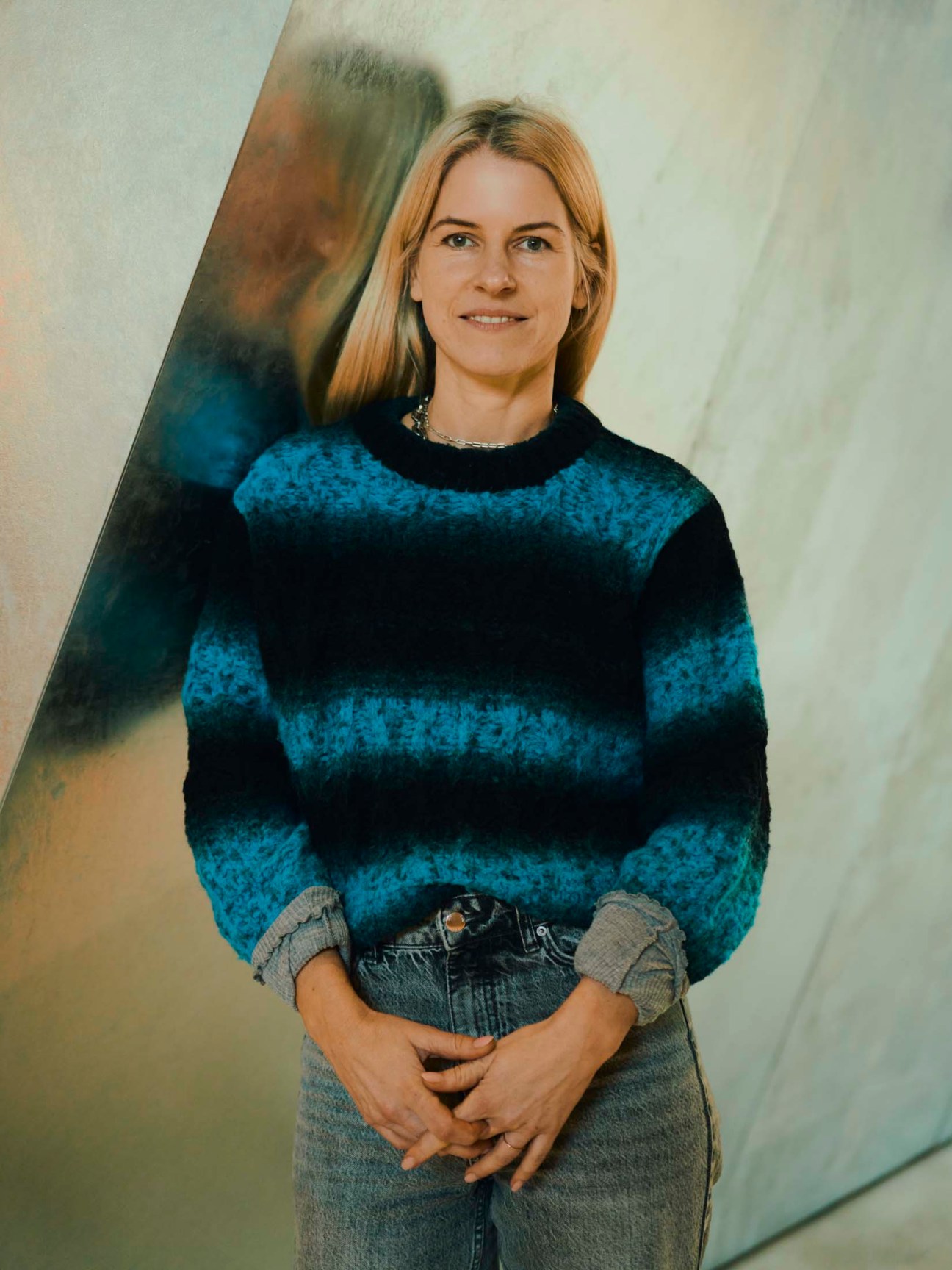
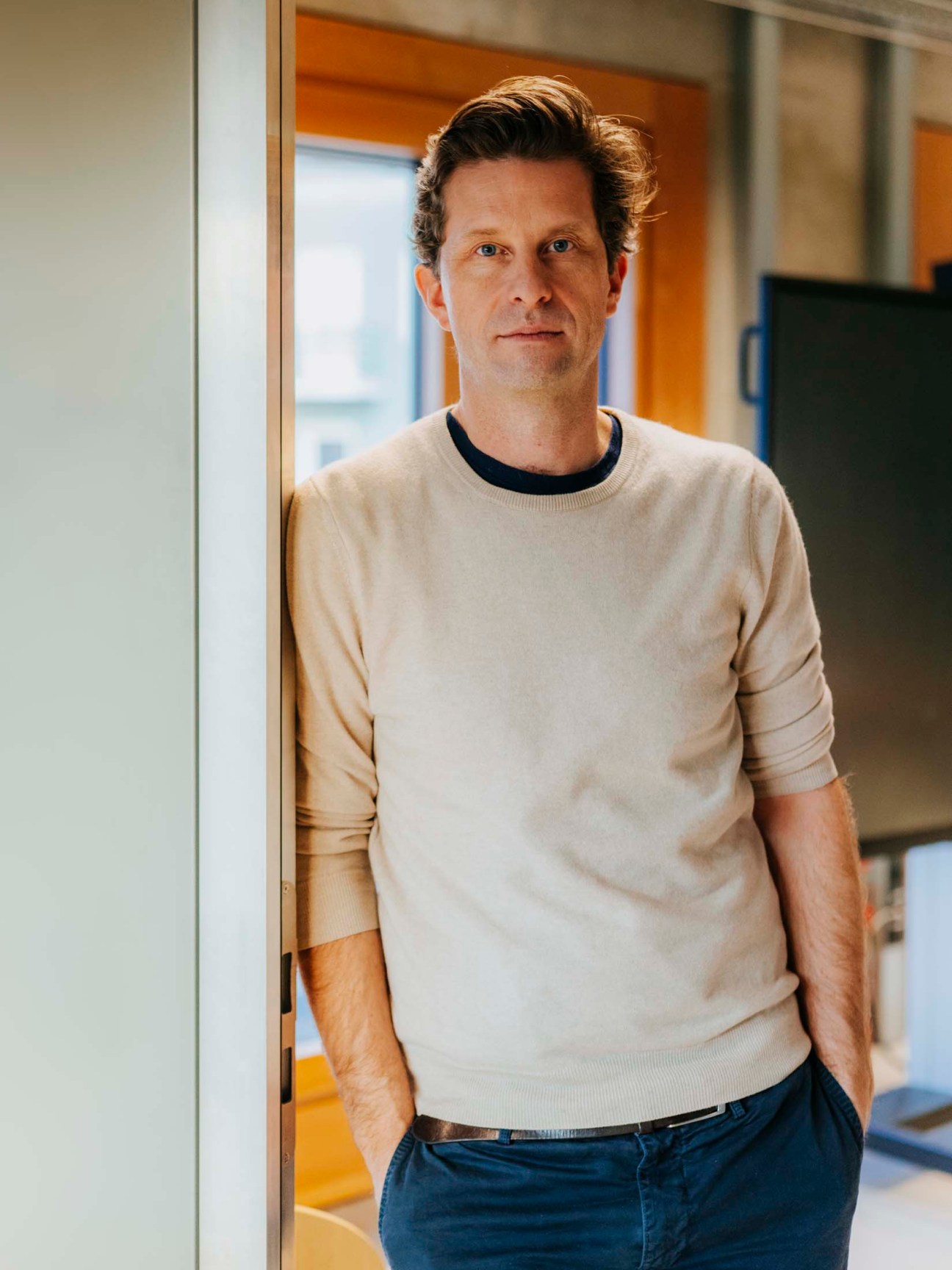
in-chief at ‘Correctiv’

Publix is the initiative of the Lörrach-based Schöpflin Foundation, a low-profile but deep-pocketed philanthropic organisation. Founded by entrepreneur and investor Hans Schöpflin, it has long been a funder of local and start-up journalism in Germany. The idea for a physical space came from seeing how many Berlin-based organisations were struggling in the city’s tight property market. “Many would have to move offices every year, or even several times a year,” says Exner. When a partly disused cemetery on Hermannstrasse chose to sell a part of its land to the non-profit initiative, the idea grew in scope, expanding to co-working spaces and public programming.
“We always said that this is a building without a model,” says Ulrike Dix, a partner at AFF, the architecture practice behind the design. Indeed, there are similar journalists’ houses elsewhere but none have the size or scope of Publix. To figure out the building’s needs, the team set up a panel with its future tenants to steer the planning process. But the board made few design demands, mostly stressing the need for secure computer systems and data storage. “Journalists are used to working anywhere,” says Dix. “They’re not used to thinking of their needs in terms of architecture.” Exner, who was previously editor-in-chief at Zeit Magazin, chimes in. “When we started a podcast [before the Publix outpost was built], we set up our first studio in an old server room,” she says, laughing.
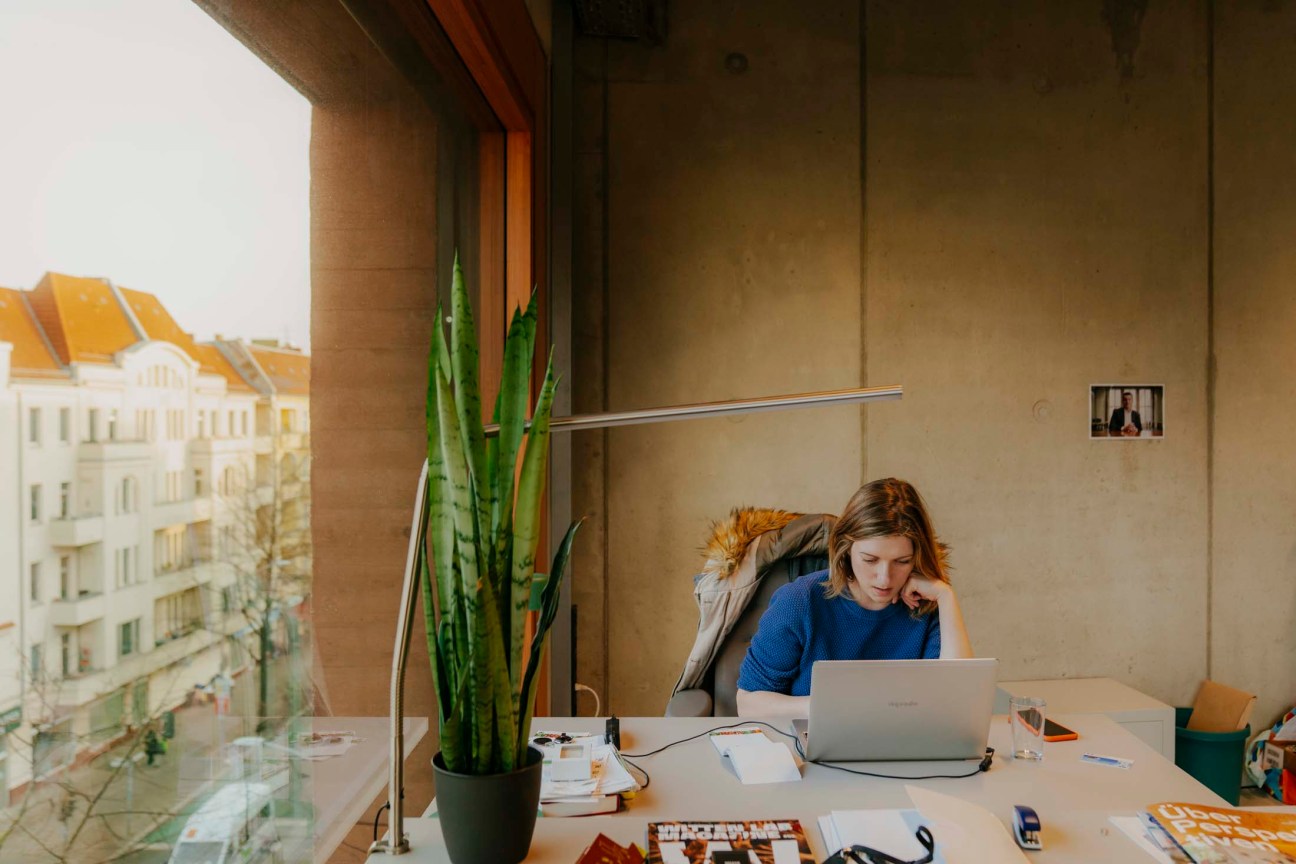
Despite the relaxed brief, the architects delivered something remarkable. The six-storey building makes the most of its slim site: with a busy street on one side and a lush park on the other. There are floor-to-ceiling windows throughout that bathe the building in light. “We wanted to create a sense of transparency,” says Dix. Tenants have open-plan offices and plenty of meeting rooms – named after activists and journalists such as Alexei Navalny and Letizia Battaglia – all in a simple palette of raw concrete, galvanised steel and Douglas fir. “We didn’t look to co-working spaces that are furnished like a home,” says Dix. “We wanted this to feel like a workshop for journalism.” Naturally, there are audio and film studios that are used by tenants and can be rented.
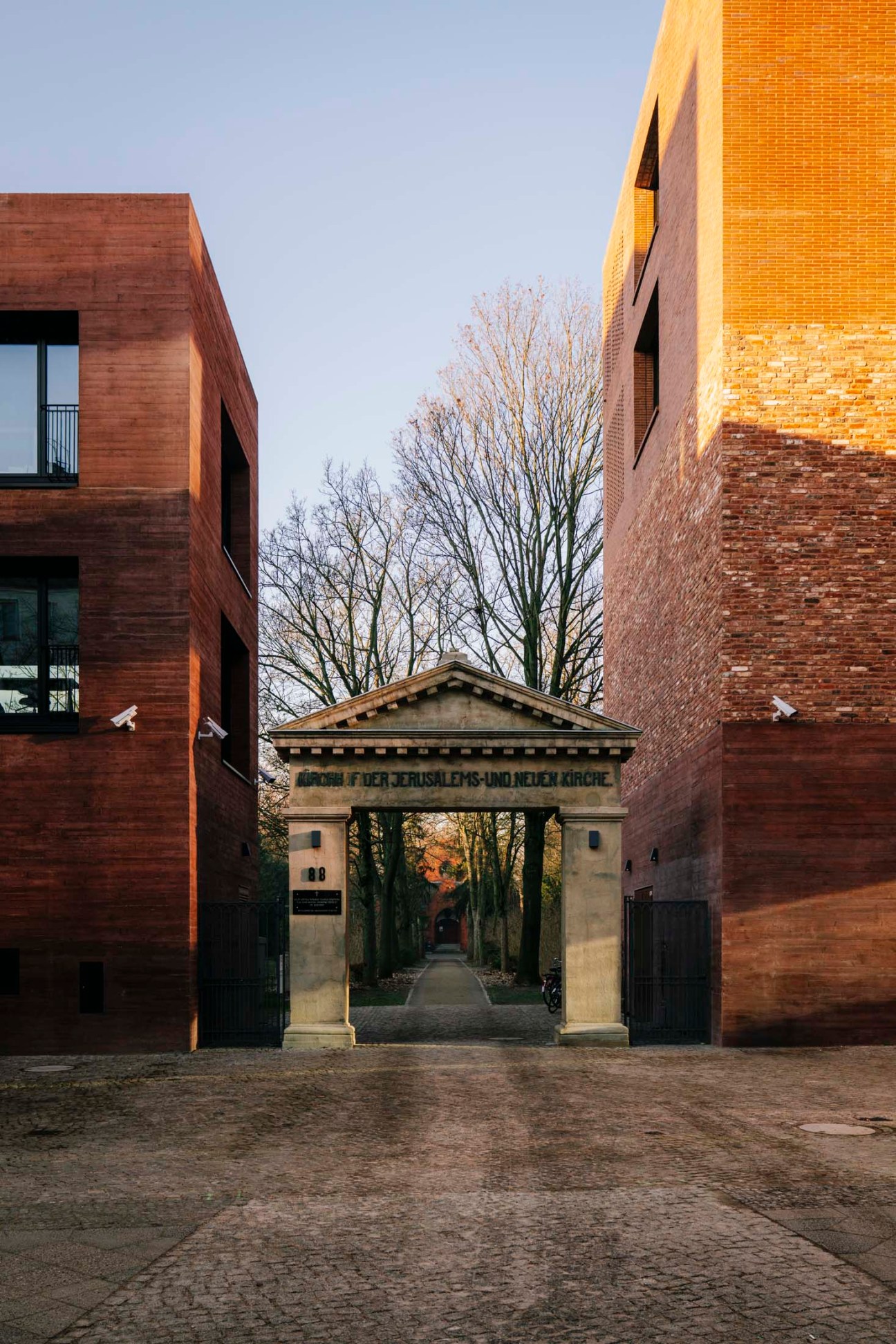
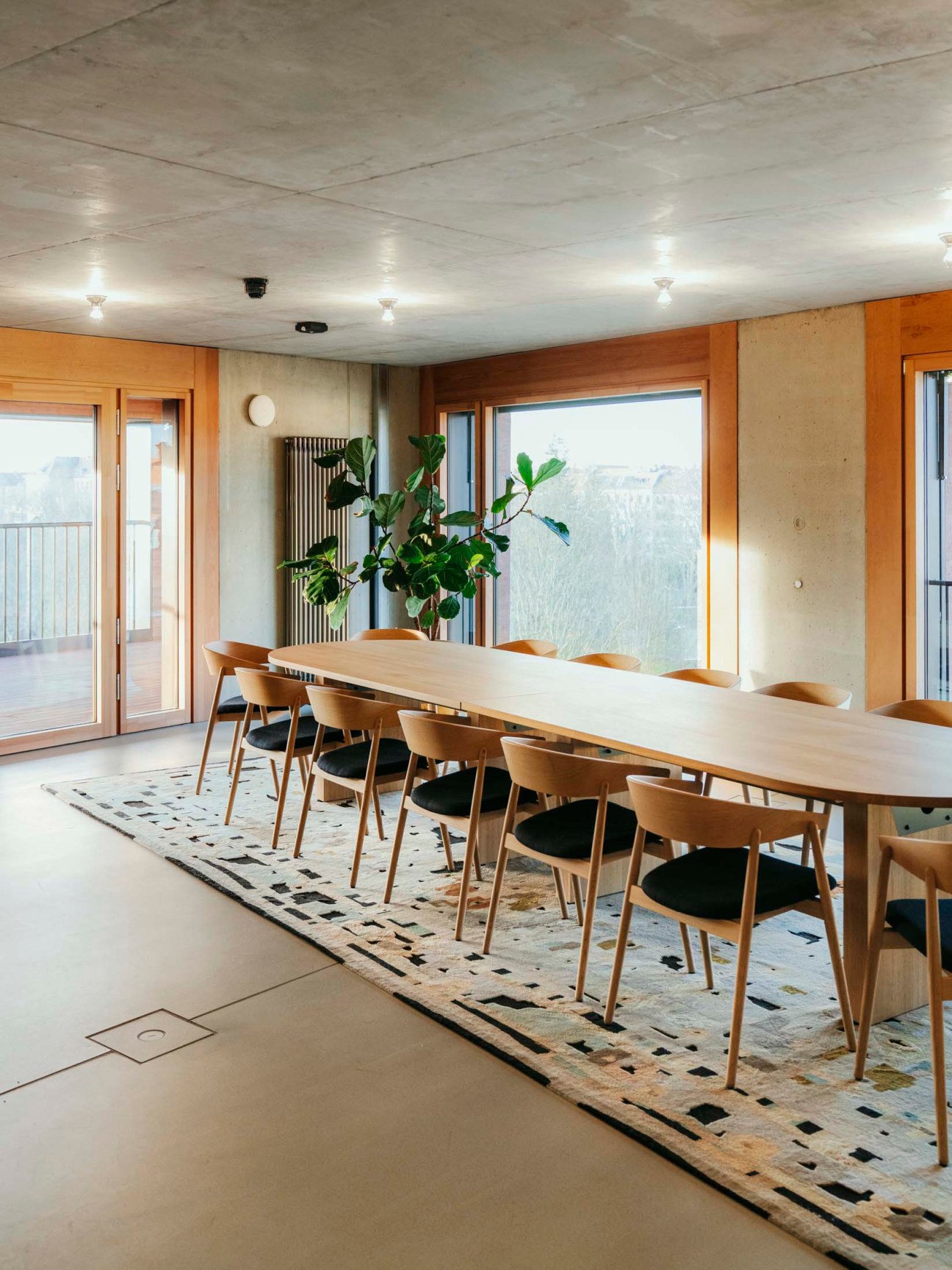

The safety demands of the tenants turned out to be no exaggeration. In January 2024, only a few months before moving into their new offices, Correctiv published an exposé of a secret conference in Potsdam that plotted the “remigration” of people with foreign backgrounds. The bombshell report led to both protests in opposition to the rising far right in Germany and a wave of lawsuits and harassment against Correctiv. “There were people standing outside our offices, filming,” says co-editor-in-chief Justus von Daniels. Once they moved into Publix, that became more difficult: the offices are tucked away behind multiple locked doors. “Here, we had the fortune to decide what kind of offices we wanted.”

Publix has opened to high demand. There are already more than 400 registered tenants, though, according to Exner, “nobody comes in every day”. The journalists have done far-reaching work: editor Tobias Haberkorn got a new magazine, the Berlin Review, off the ground thanks to the support of the Publix fellowship, while the first documentary partly filmed at the building, about the German pension system, aired in January on public-service broadcaster ZDF. Exner is now focused on establishing Publix as an international hub for the future of journalism and public discourse. “My hope is that the organisations inside this building take really novel, experimental approaches to editorial work,” she says. Exner lists AI-generated headlines, low media literacy and the fragmentation of news media as just some of the looming threats to journalism, though Germany has, so far, been less affected by these than other countries. “Luckily, Germany tends to be 10 years behind other countries,” says Exner. With Publix, it is suddenly setting an example.
publix.de
Monocle’s menswear picks from Tokyo
Italian icon
At Zegna, creative director Alessandro Sartori aims for a quintessentially Italian look: relaxed silhouettes, dropped shoulders and artisanal quality, mastered at the company’s historic Piedmont factory.
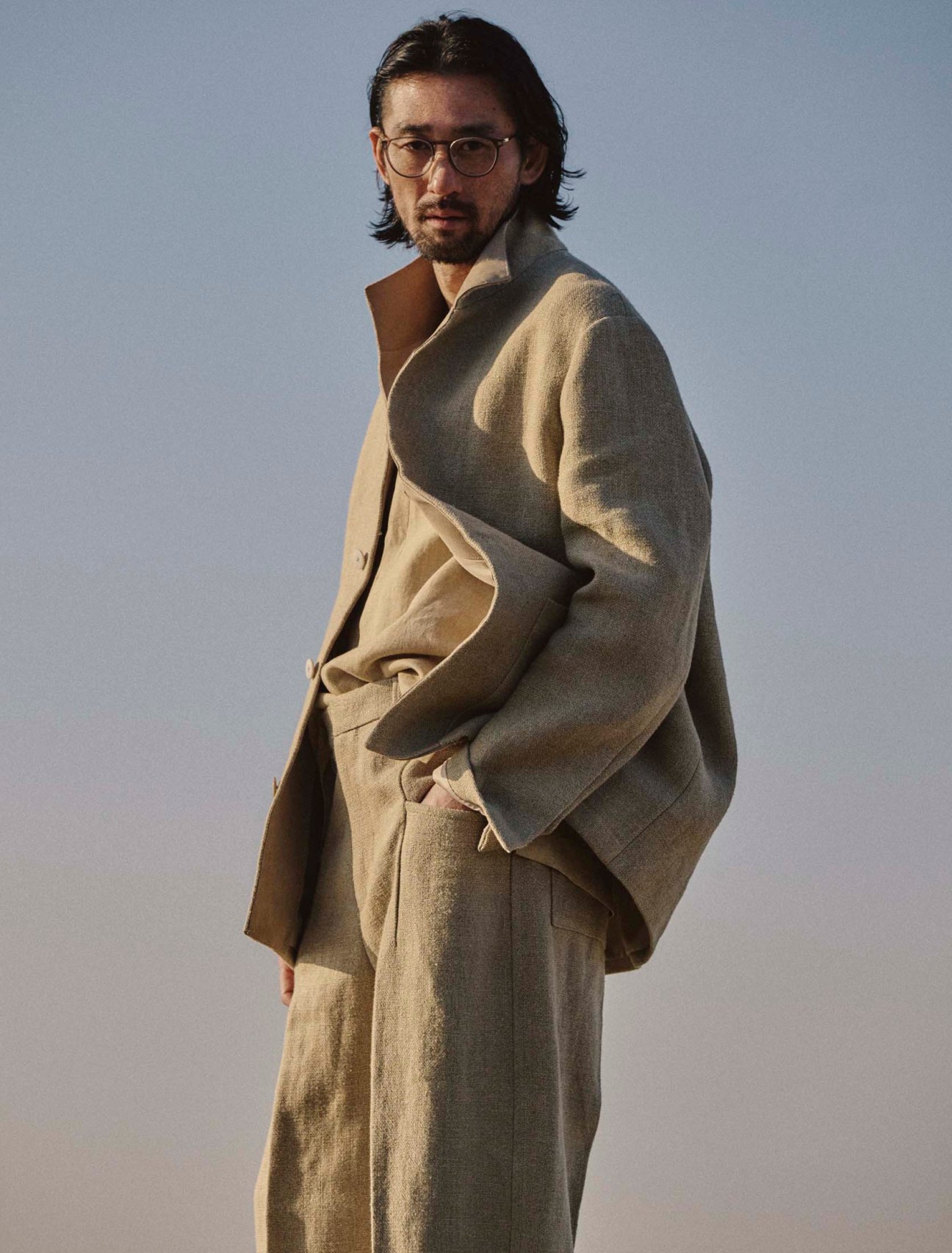
Left: Suit and shirt by Zegna, glasses by Mykita.
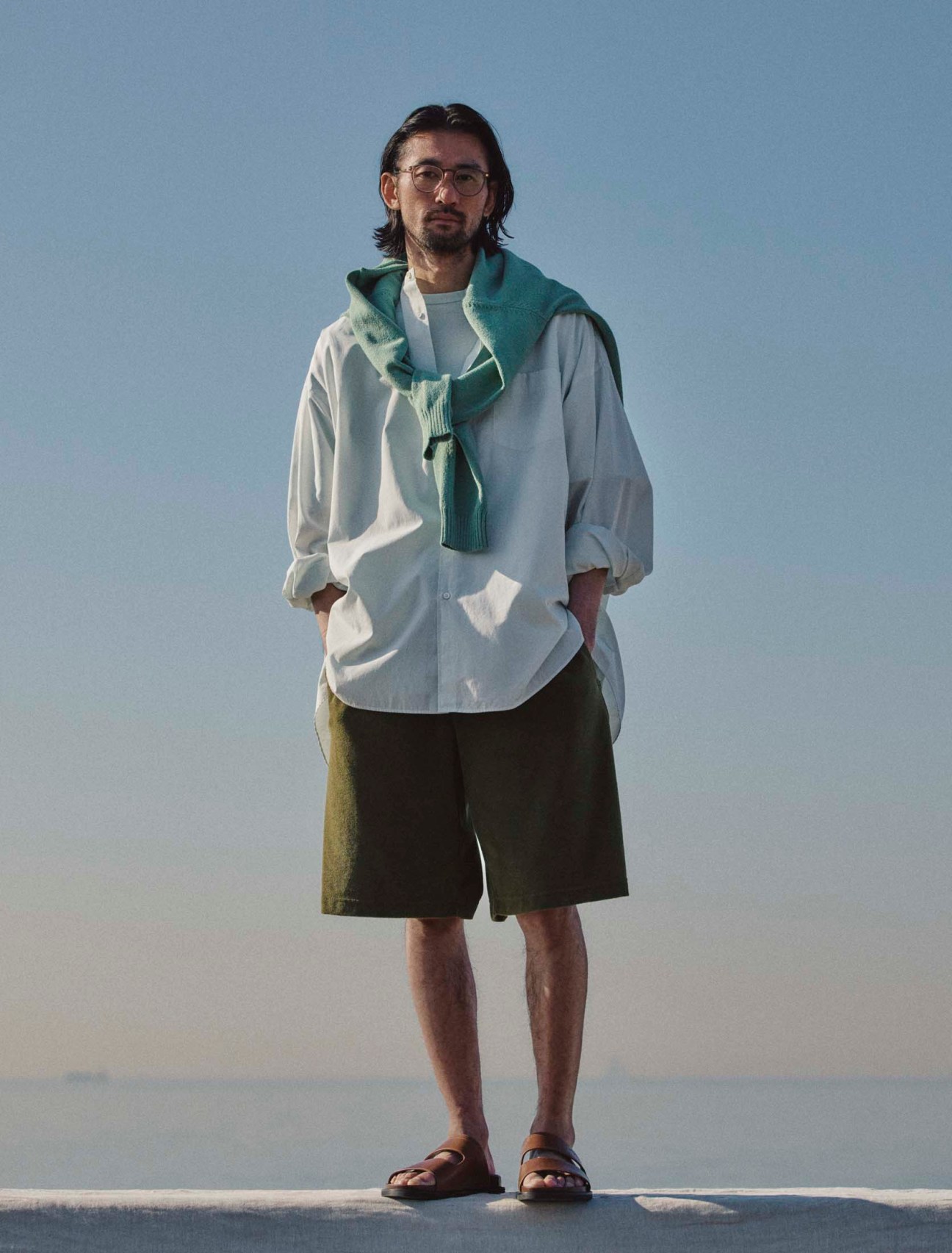
Right: Jumper by Beams Plus, shirt and t-shirt by Graphpaper, shorts by Herno, sandals by JM Weston, glasses by Mykita
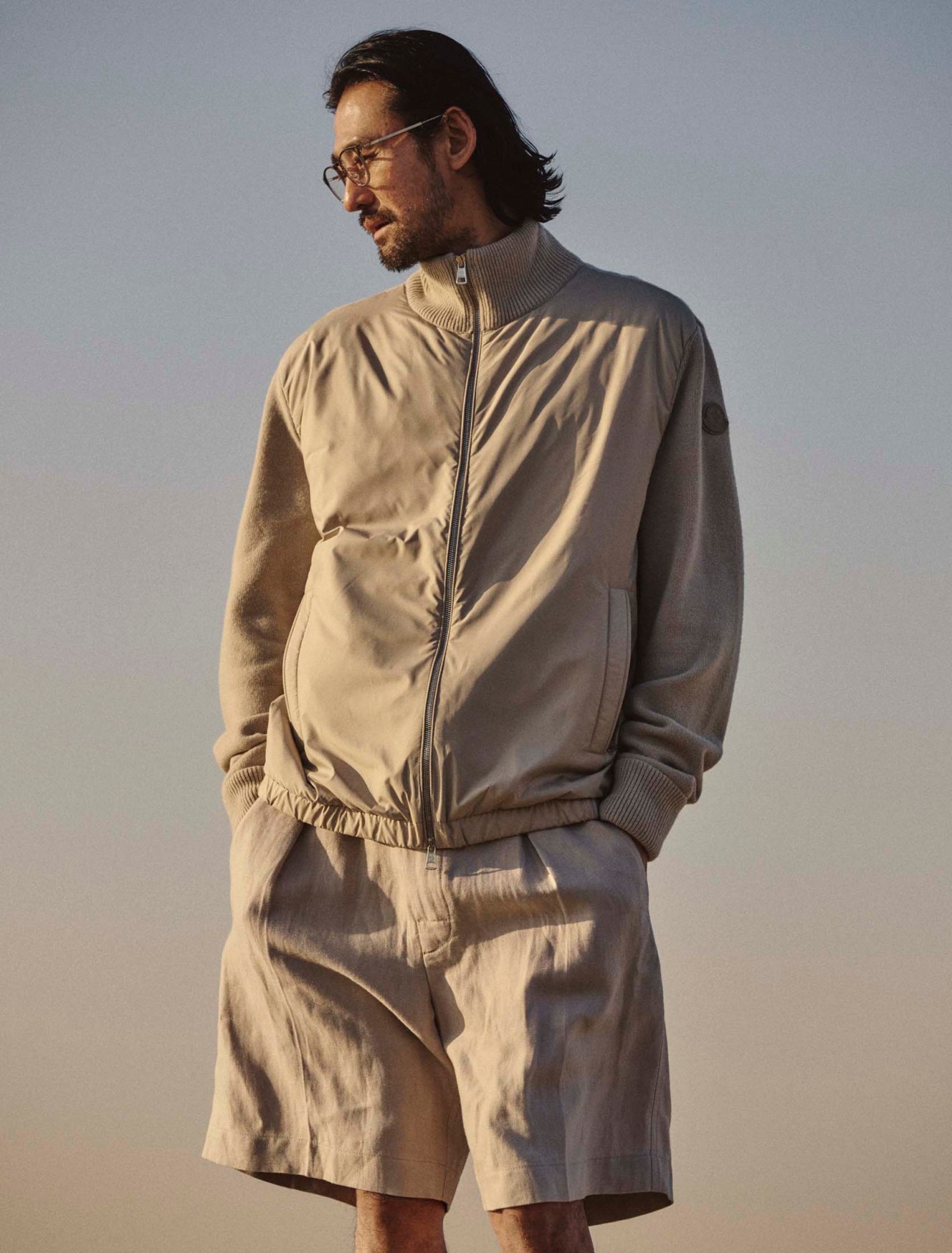
Free and breezy
Kyoto-based Graphpaper, is best known for its boxy supima cotton shirts, selvedge denim and relaxed tapered trousers. The latter look best when rolled up and paired with leather sandals on sunny days.
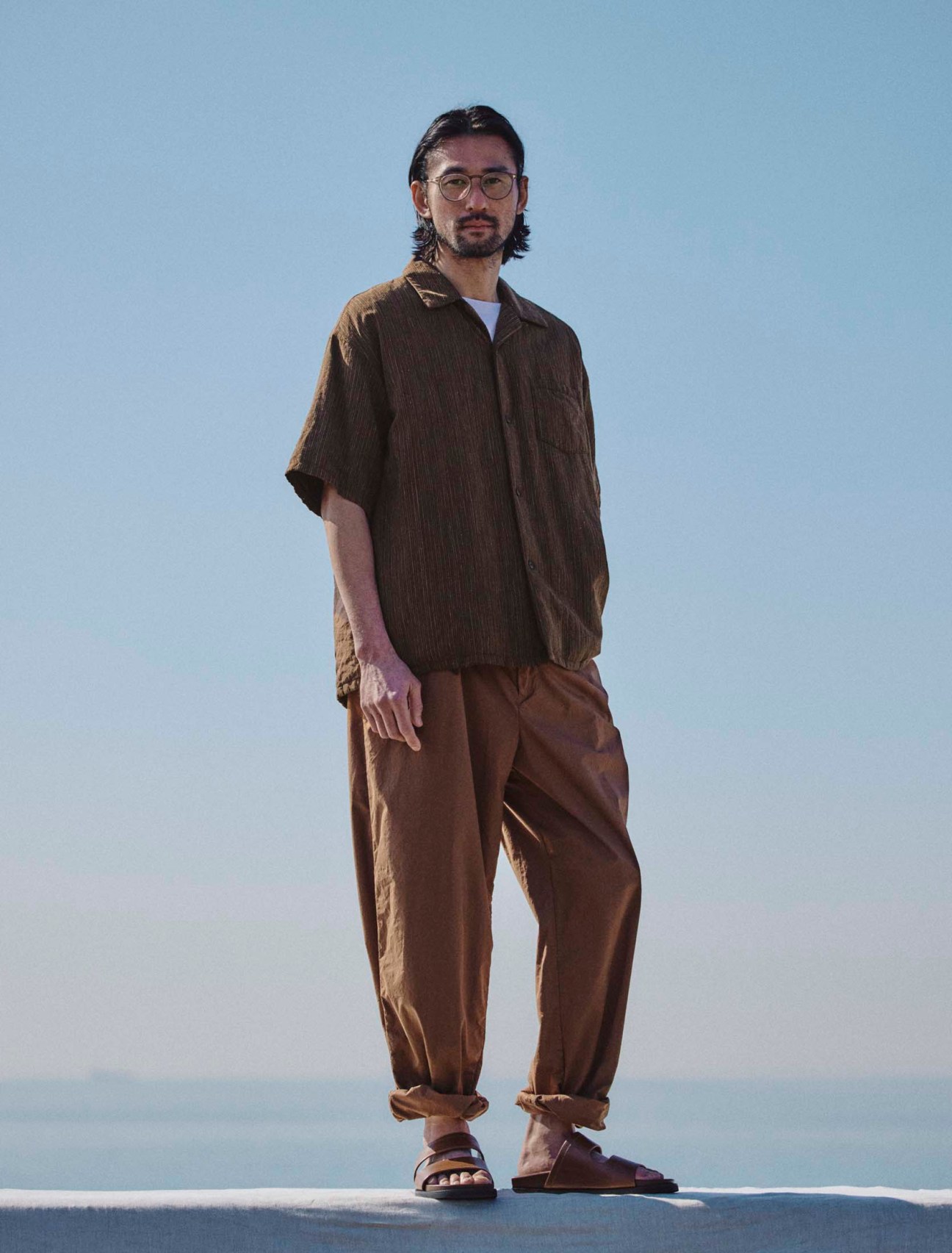
Left: Shirt by Visvim, t-shirt by Eton, trousers by Graphpaper, sandals by JM Weston, glasses by Mykita
Right: Jacket by Moncler, shorts by Loro Piana, glasses by Mykita
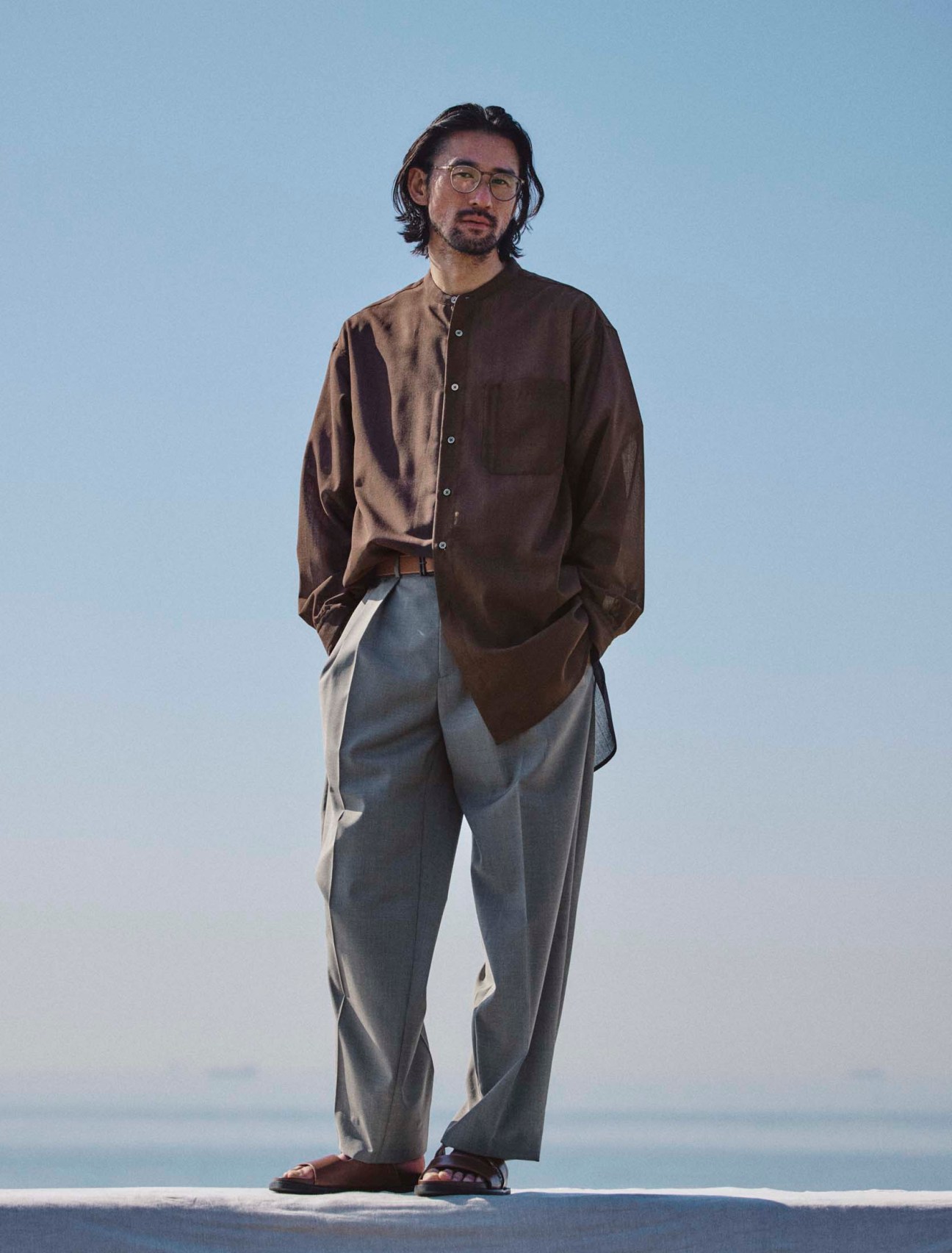
Science conviction
Polyploid is a Berlin-based label, founded by Isolde Auguste Richly, a designer known for the scientific precision with which he cuts patterns and sources fabric. The result is meticulously crafted wardrobe essentials, including shirts manufactured between Germany and Japan.
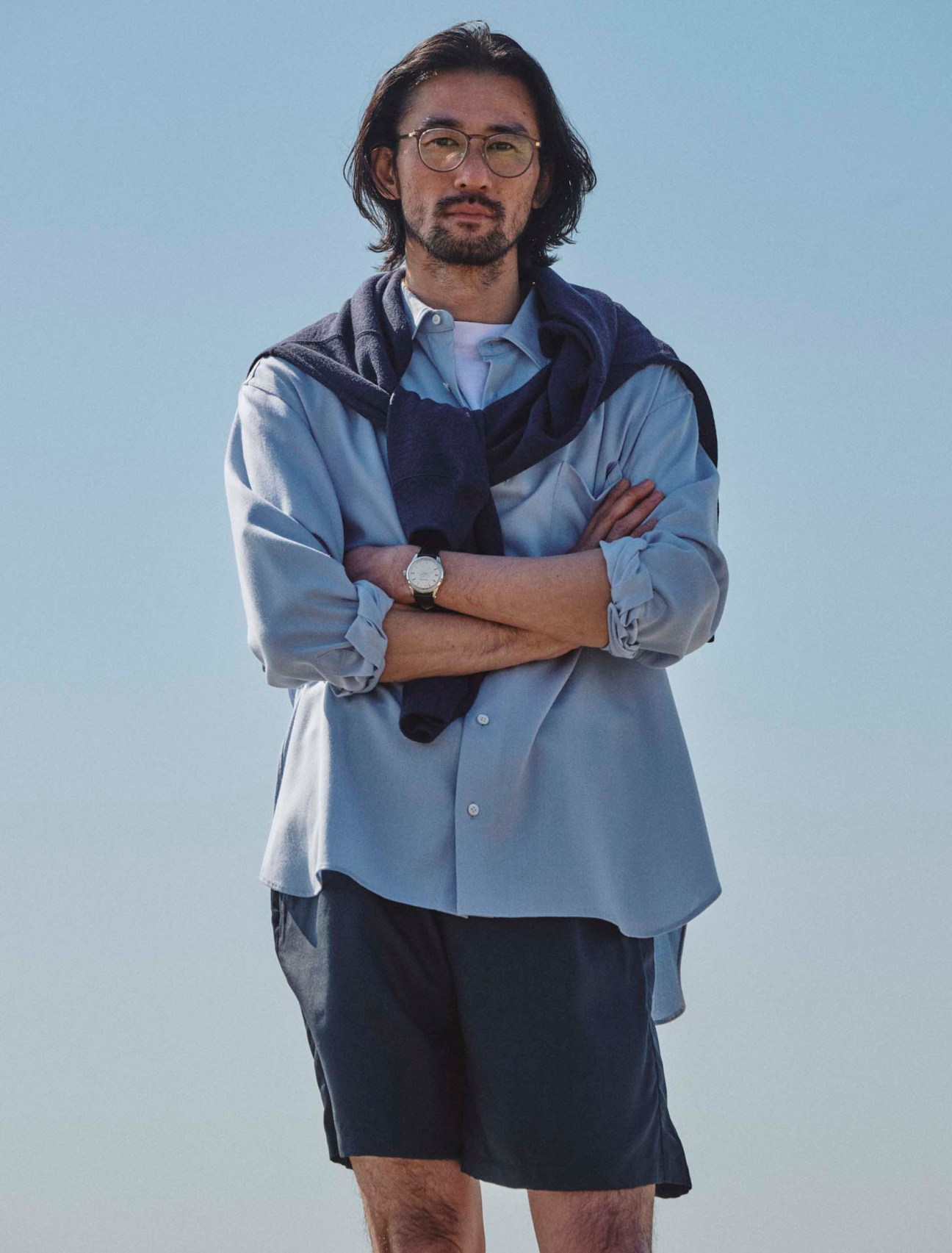
Left: Hoodie by Visvim, shirt and shorts by Bodhi, t-shirt by Comoli, glasses by Mykita, SBGW301 watch by Grand Seiko
Right: Shirt by Polyploid, trousers by Emporio Armani, sandals by JM Weston, belt by Hermès, glasses by Mykita
Classics reimagined
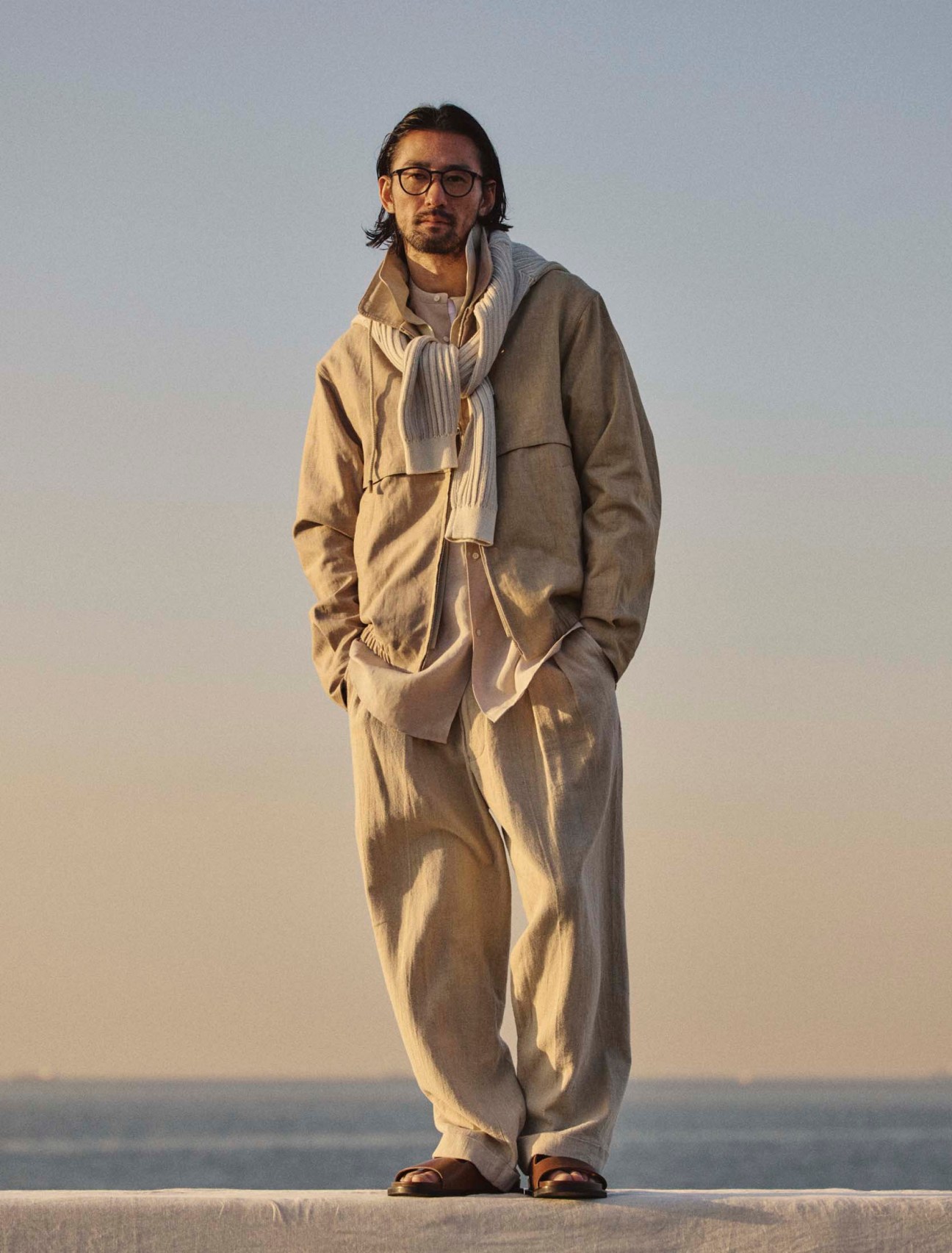
Sans Limite is the brainchild of Comme des Garçons veteran Yusuke Monden. He started with a sharp edit of six shirts and has since continued to perfect his concept: wardrobe classics made well.
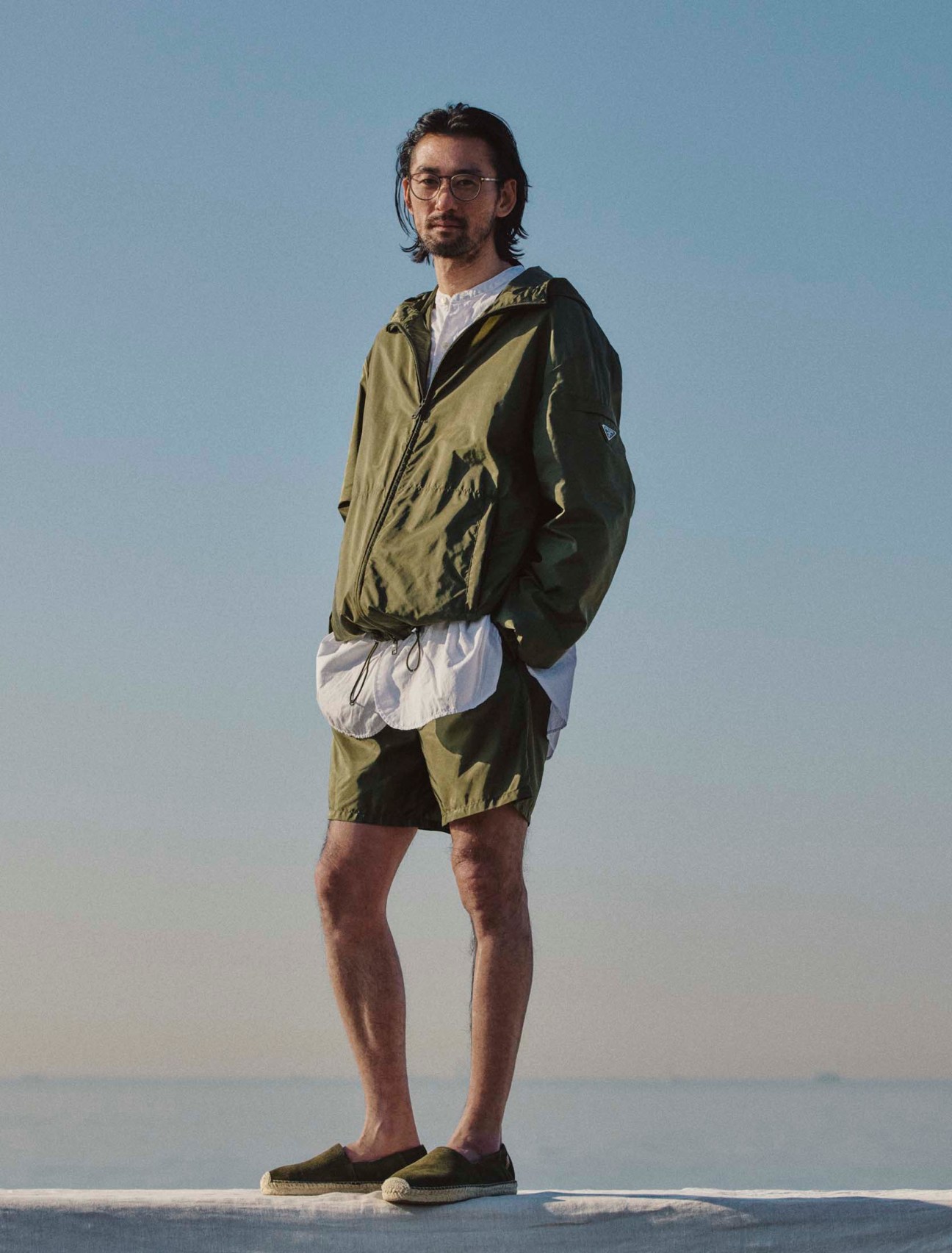
Left: Jacket and shorts by Prada, shirt by Sans Limite, espadrilles by Polo Ralph Lauren, glasses by Mykita
Right: Jacket by Loro Piana, shirt by Graphpaper, jumper by Zanone, t-shirt by Eton, trousers by Beams Plus, sandals by JM Weston, glasses by Mykita
Come rain, come shine
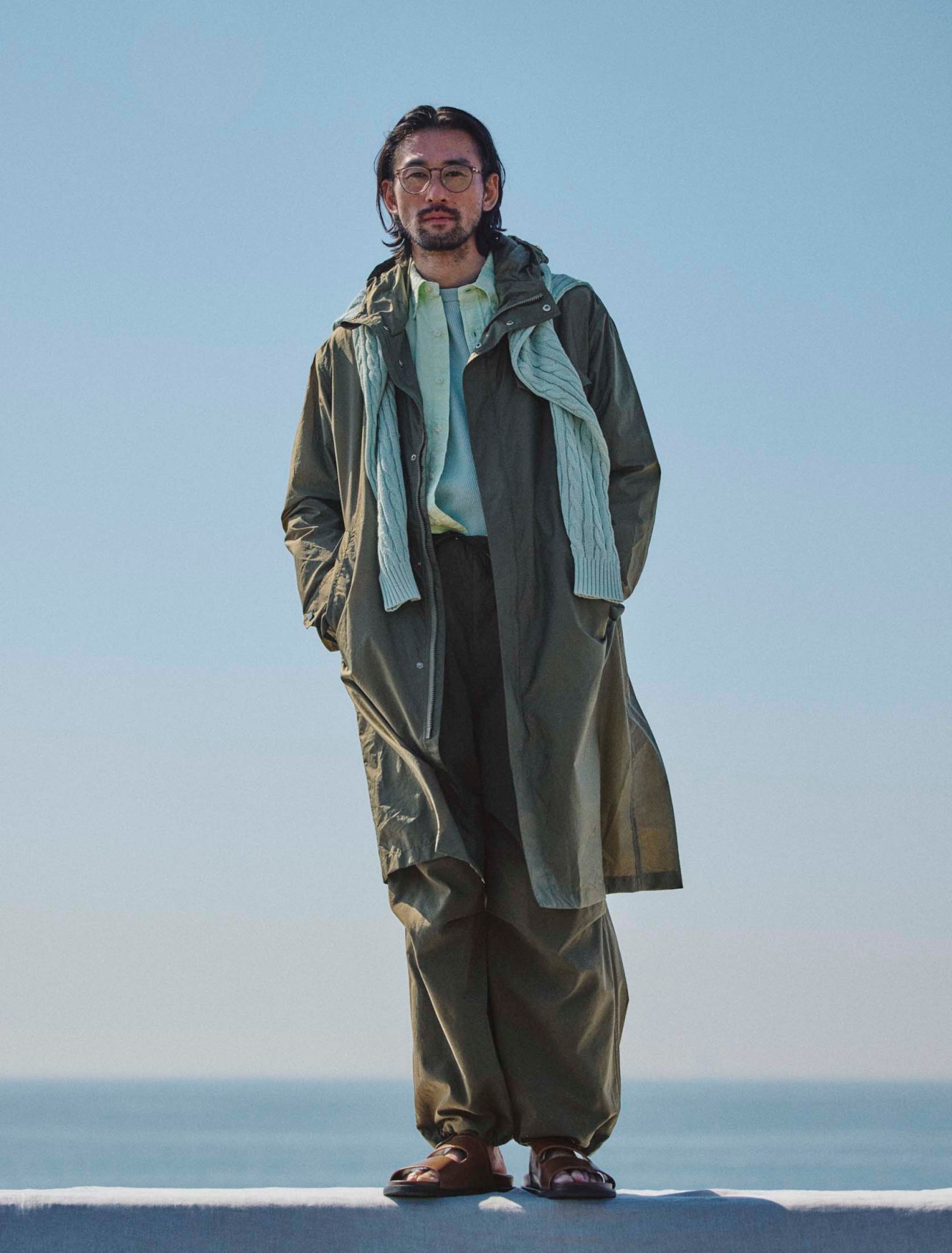
Herno is an authority in outerwear, having been created in 1948 in Lesa, Italy, to fulfil a growing demand for raincoats in the region. Today the family-owned business remains our go-to for waterproof essentials made with durable, innovative materials.
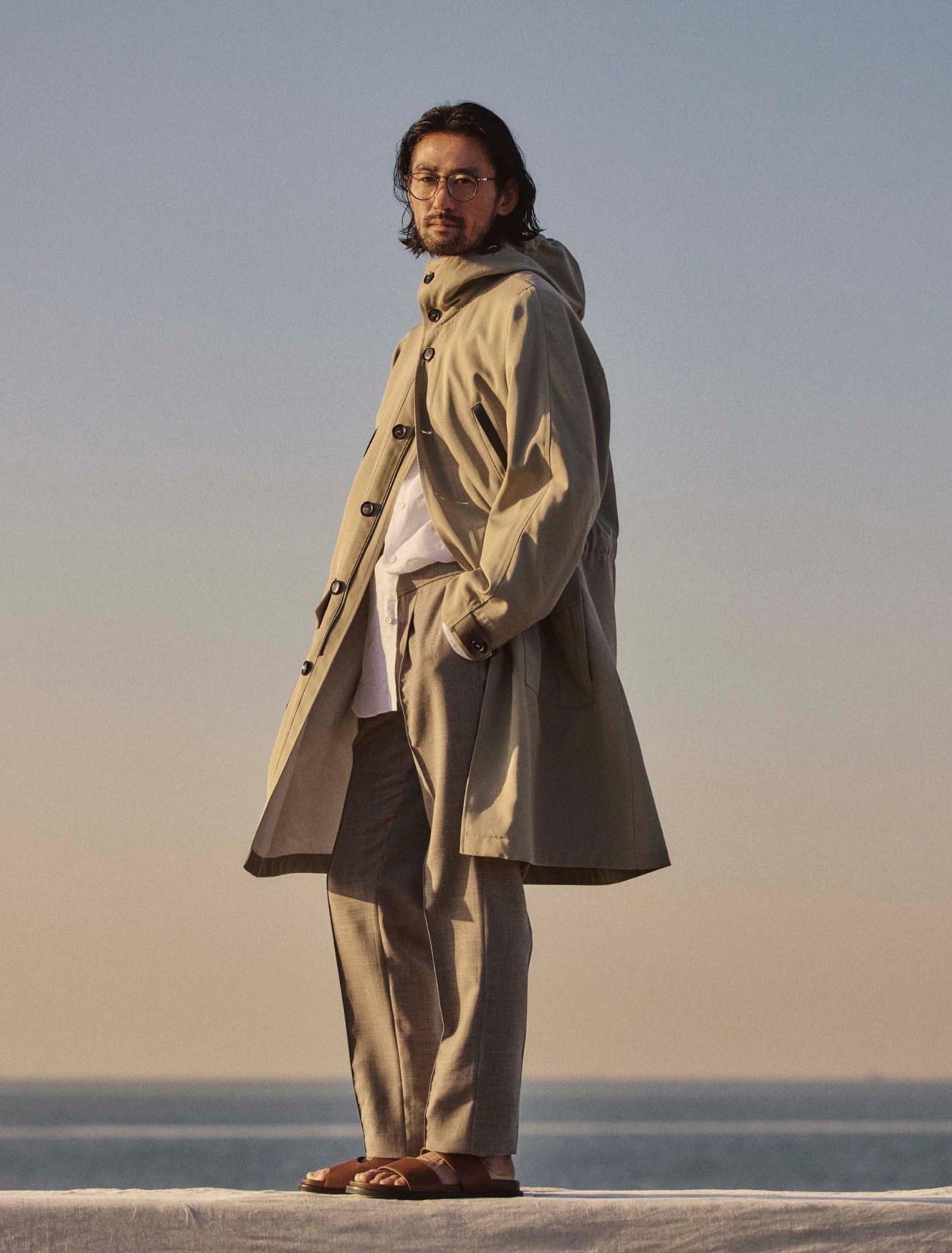
Left: Coat, shirt and trousers by Brioni, sandals by JM Weston, glasses by Mykita
Right: Coat by Herno, shirt by Polo Ralph Lauren, jumper by Beams Plus, thermalshirt by Polyploid, trousers by Blurhms, sandals by JM Weston, glasses by Mykita
Sight to behold
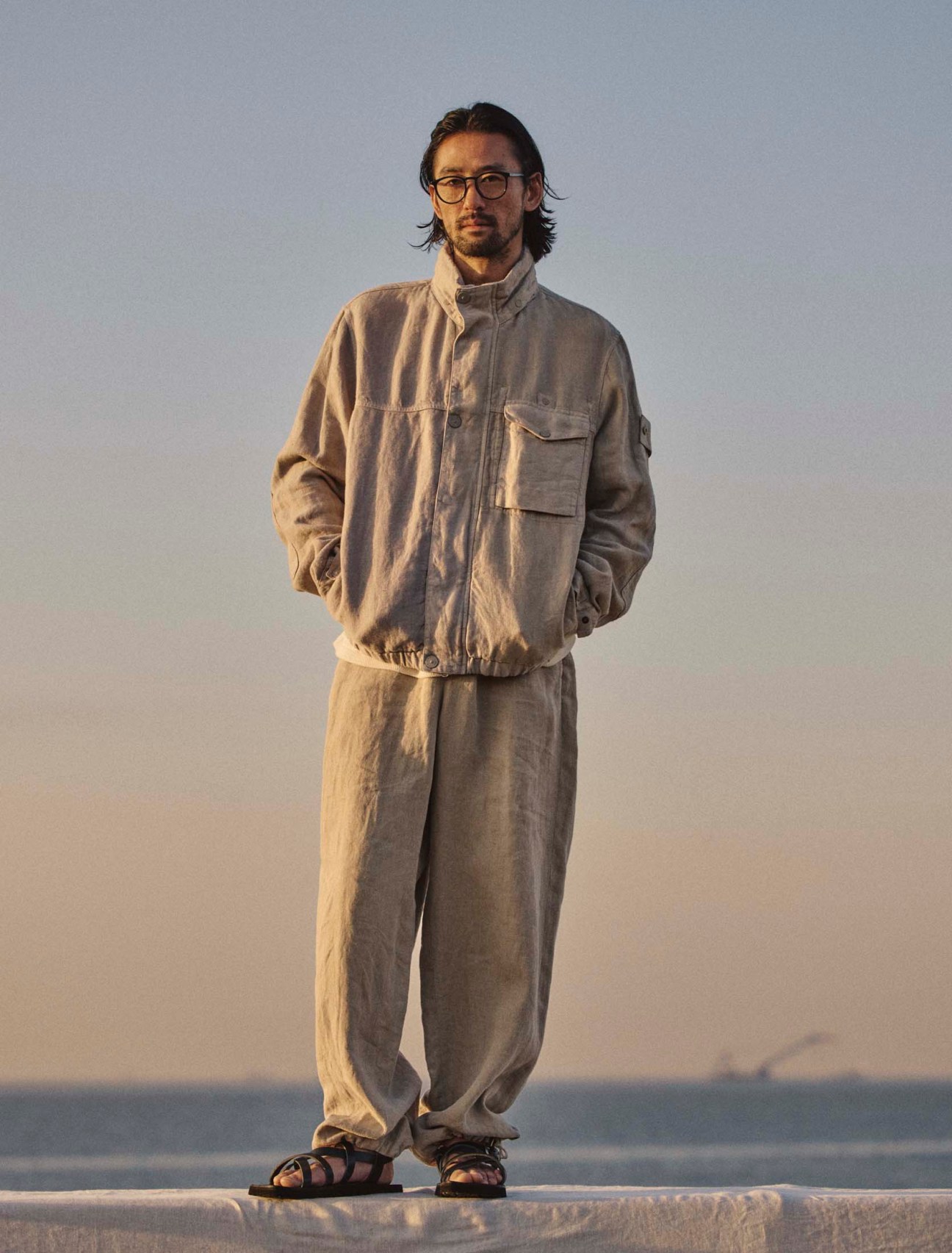
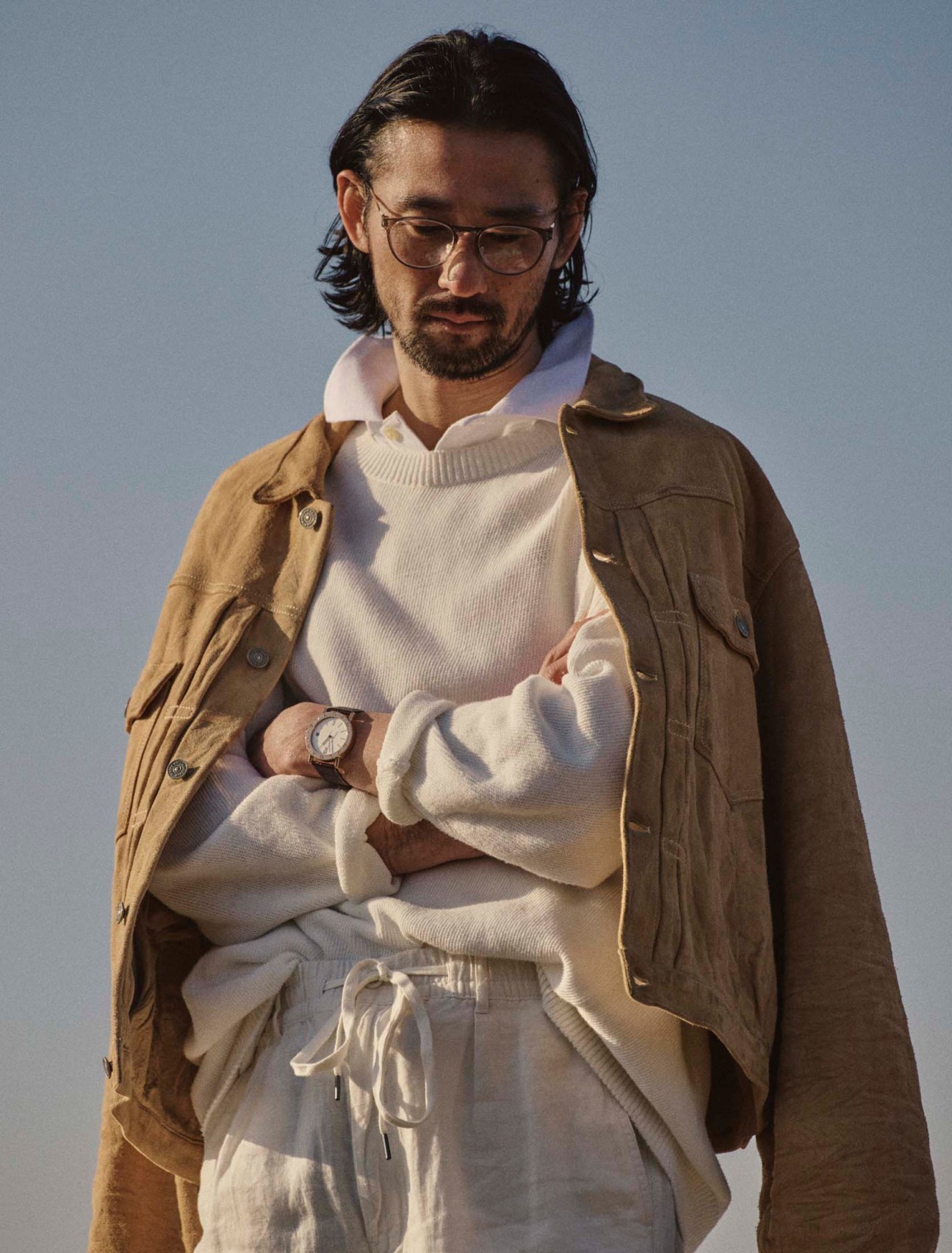
The appetite for refinement in fashion has returned – and with it, accessories such as hats, gloves and optical glasses are rising in popularity. Mykita remains our go-to for sleek, metal frames, made at the label’s high-end manufacturing facility in Berlin.
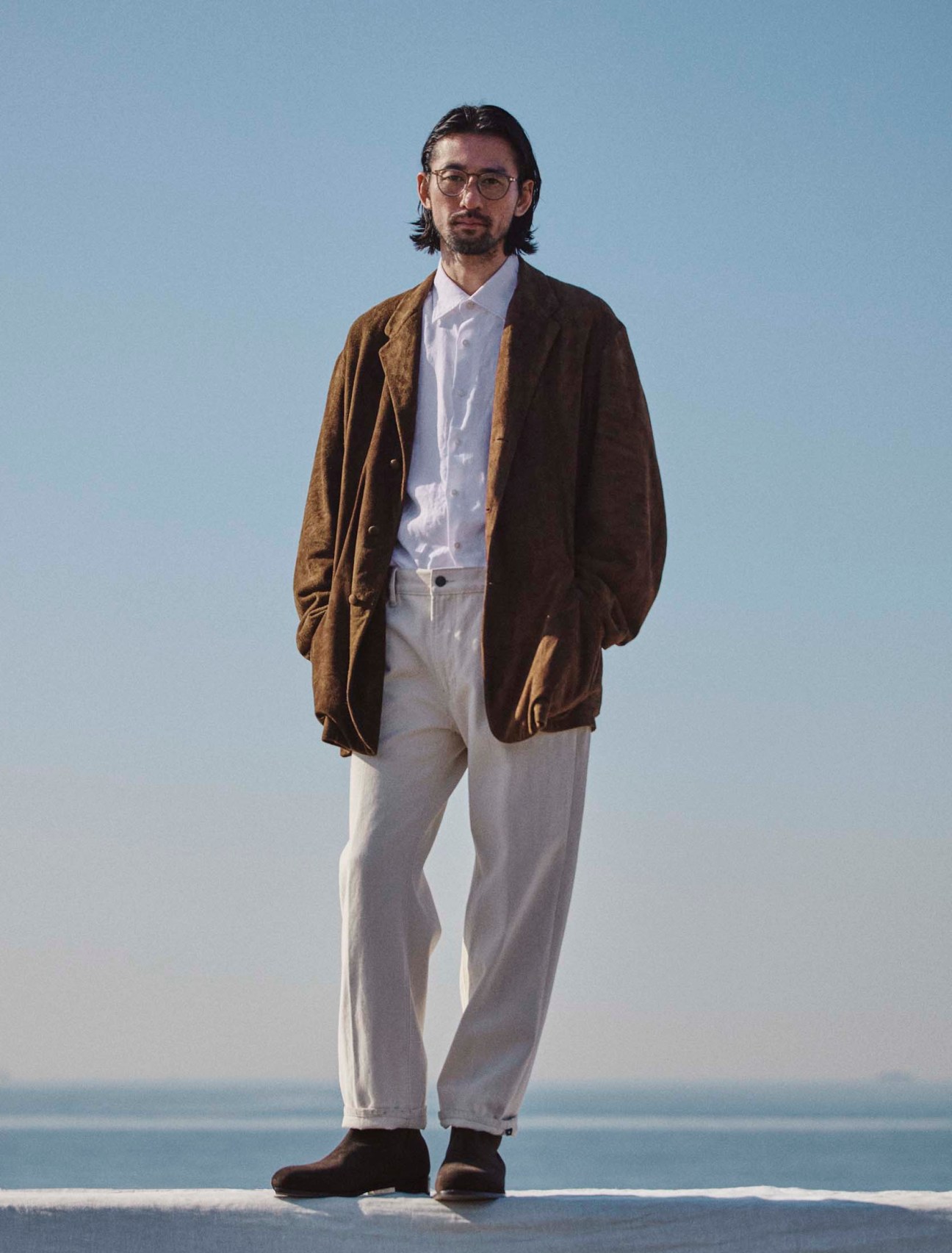
Left: Jacket by Comoli, shirt by Glanshirt, trousers by Emporio Armani, boots by JM Weston, glasses by Mykita
Right: Jacket by Stone Island, thermal shirt by Polyploid, trousers by Aton, sandals by Hender Scheme, glasses by Mykita
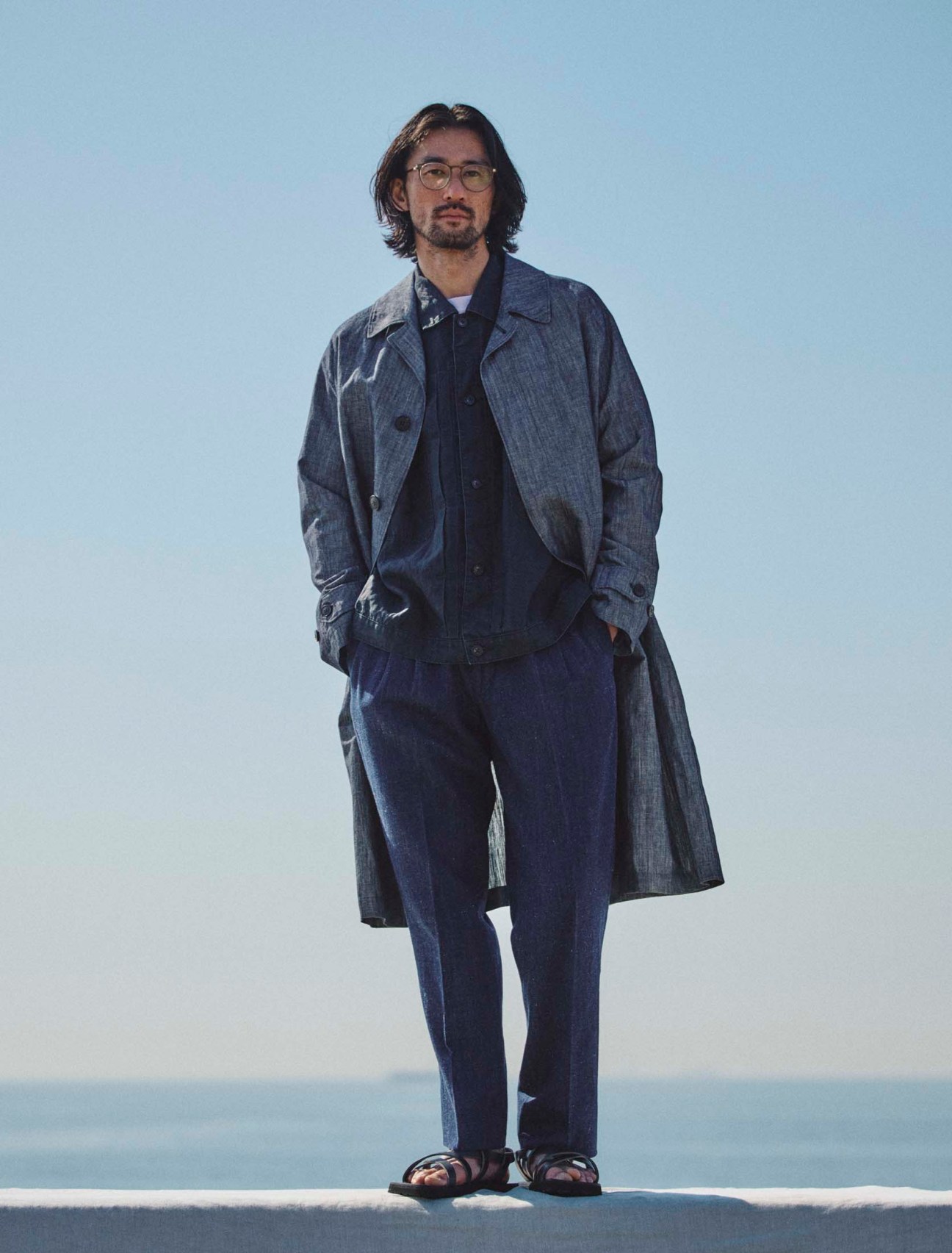
Left: Coat by Hevò, jacket by Porter Classic, t-shirt by Comoli, trousers by Devorè Incipit, sandals by Hender Scheme, glasses by Mykita
Right: Jacket by Visvim, jumper by Comoli, polo shirt and trousers by Polo Ralph Lauren, BVLGARI BVLGARI watch by Bulgari, glasses by Mykita
Styling: Akio Hasegawa
Grooming: Kenichi Yaguchi
Producer: Shigeru Nakagawa
Model: Ikken Yamamoto
The best new restaurants this April, from Greece to South Asia
Tiffany’s X 1905
Thessaloniki
A classic mageirio, Tiffany’s served homely dishes to Thessaloniki’s diners for some 40 years before closing in 2013. Now, Tiffany’s X 1905 (pictured above) is bringing it back – with a twist. “We didn’t want to copy the original but to invent a modern version,” says restaurateur Nikos Nyfoudis, who draws inspiration from Crete, Kefalonia, London (where he lived for 13 years) and his native Thessaloniki. Oenologist Anestis Haitidis procured about 550 varietals for the wine list, for pairing with the kontosouvli (spit-roasted pork), Tinos pickled artichokes and braised lamb with yoghurt. For dessert, try the kiounefe – a pastry shell filled with mozzarella cheese.
tiffanys1905.gr

Da Costa
Somerset
Since Hauser & Wirth opened its Bruton outpost a decade ago, tasteful types have flocked to the Somerset village to see the best art that England’s southwest has to offer. But leafy Bruton boasts more than just contemporary culture. Named after co-founder Iwan Wirth’s maternal grandfather, Da Costa is a new addition to the gallery and to Bruton’s culinary scene. The restaurant serves northern Italian fare made with seasonal ingredients – think salt-baked beetroot risotto and cured trout with smoked ricotta and blood orange. Tiramasù will wrap up your food tour of the Italian Alps via the West Country.
da-costa.co.uk
Jason
Helsinki
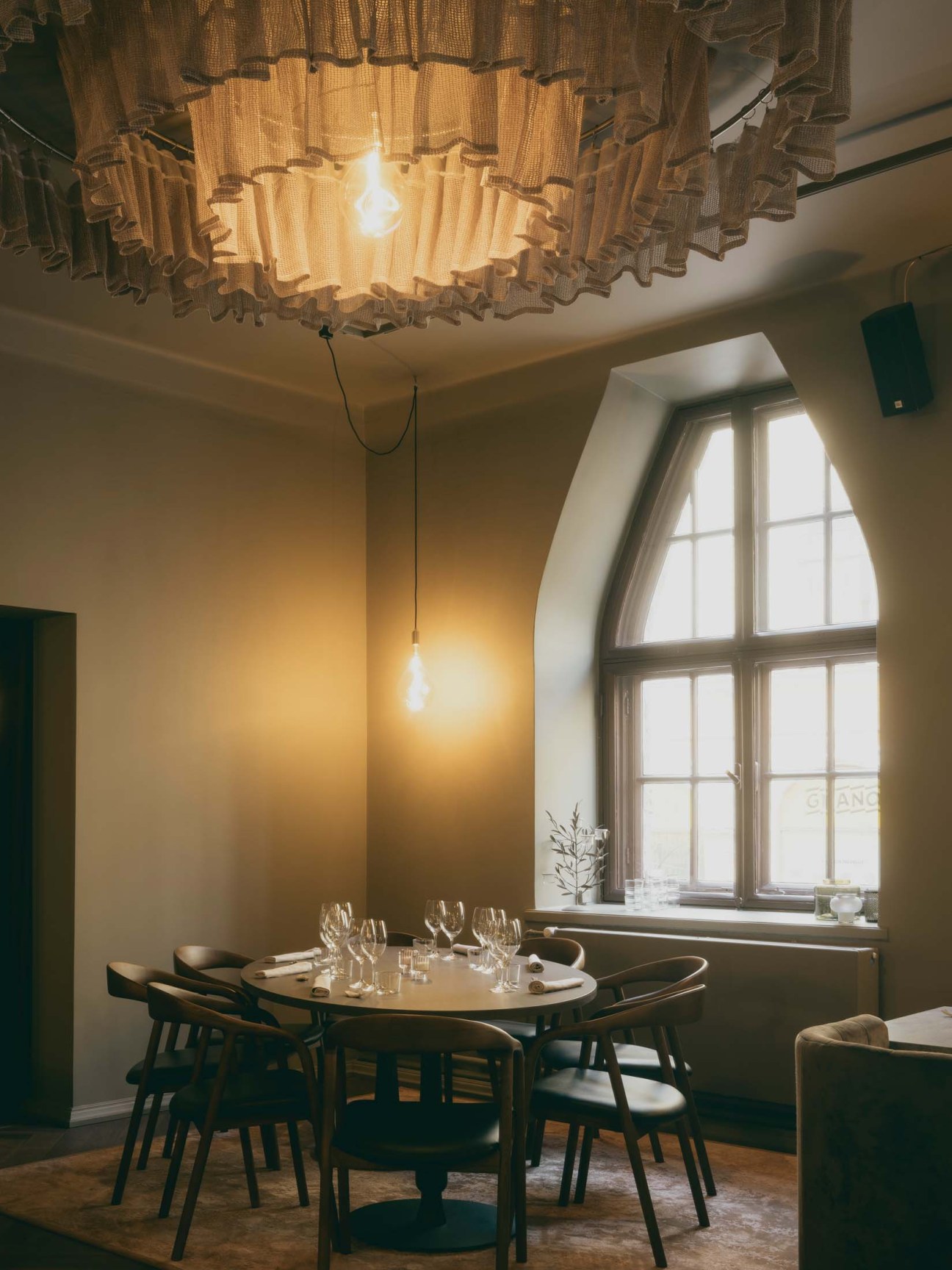
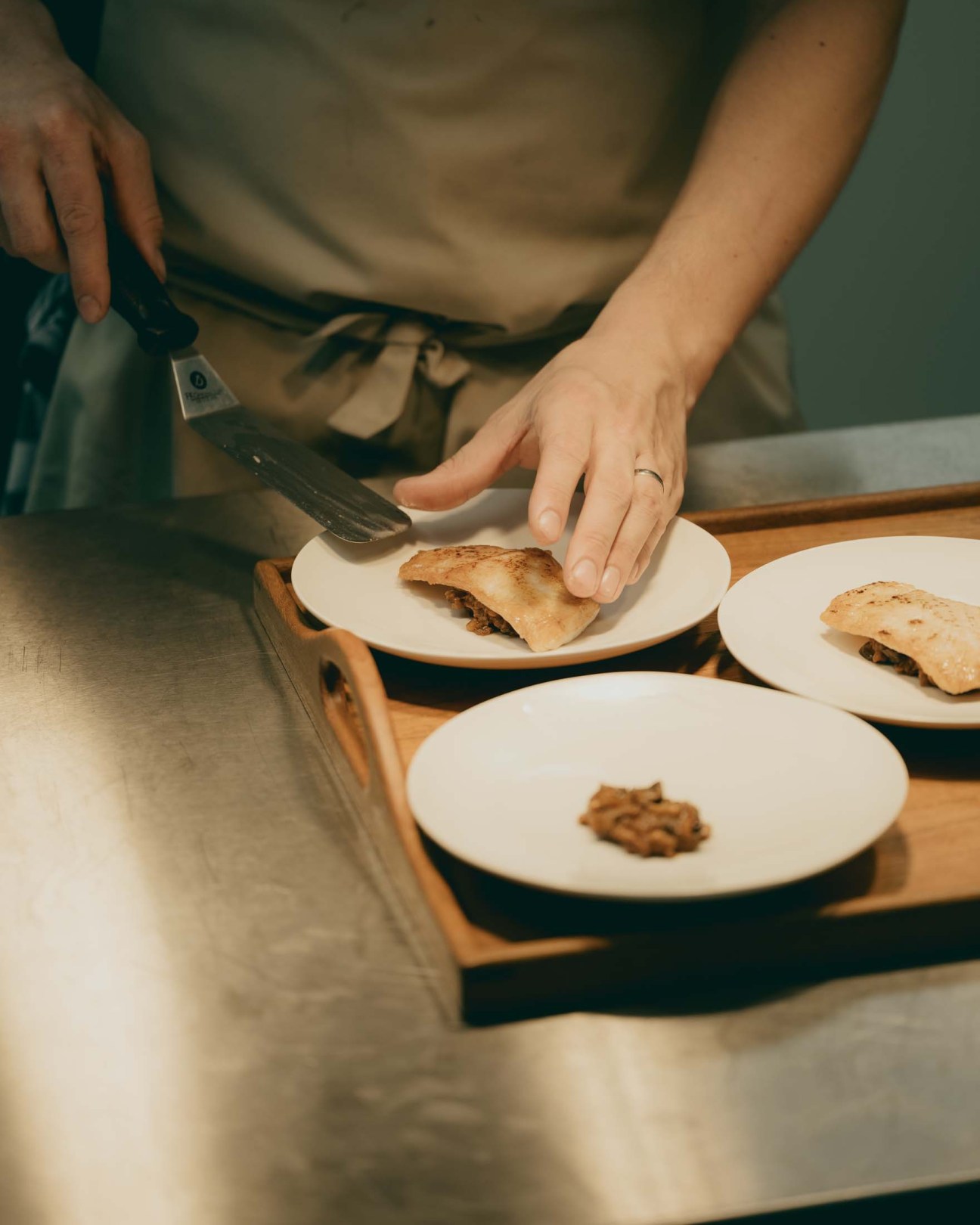
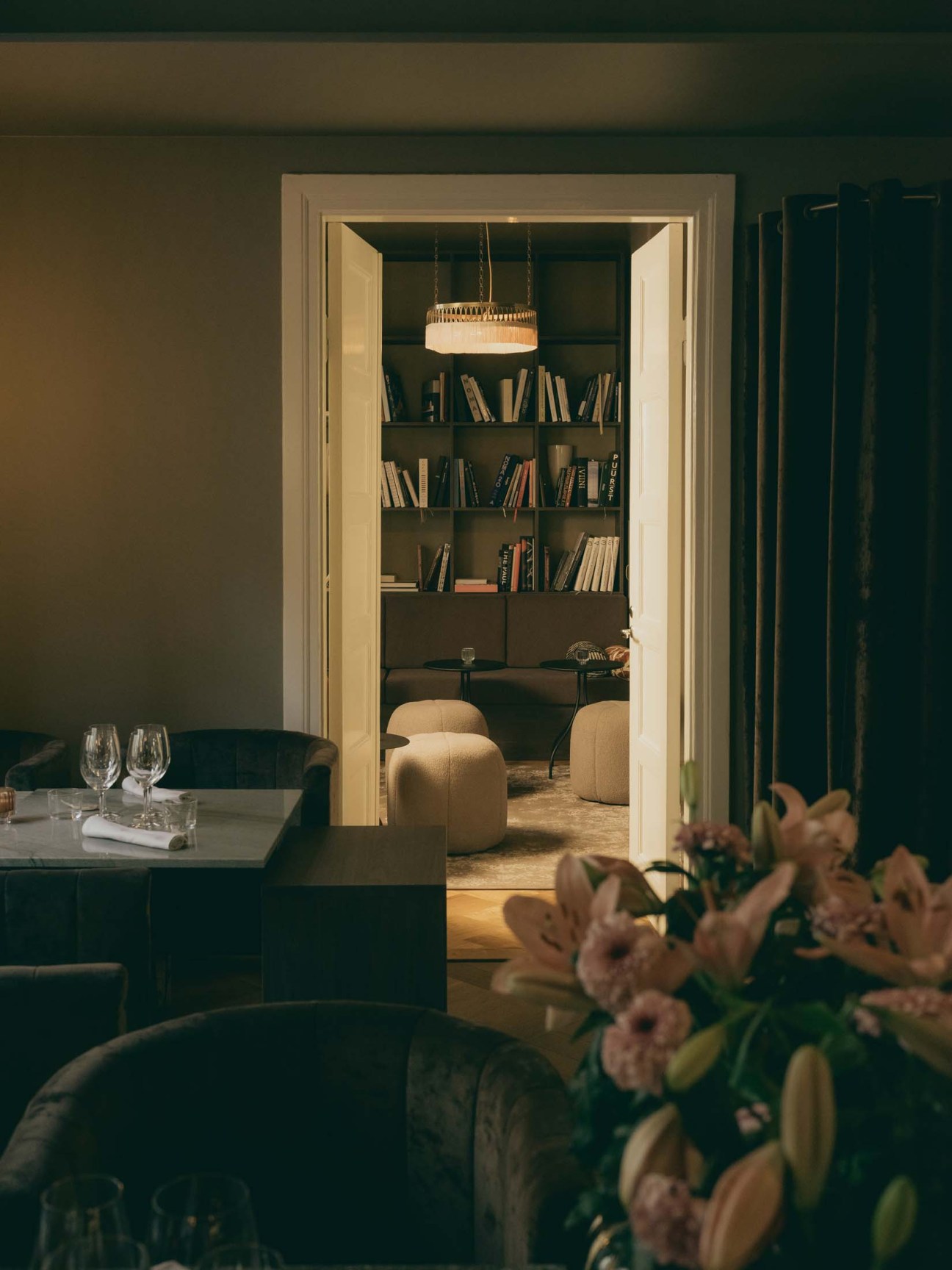
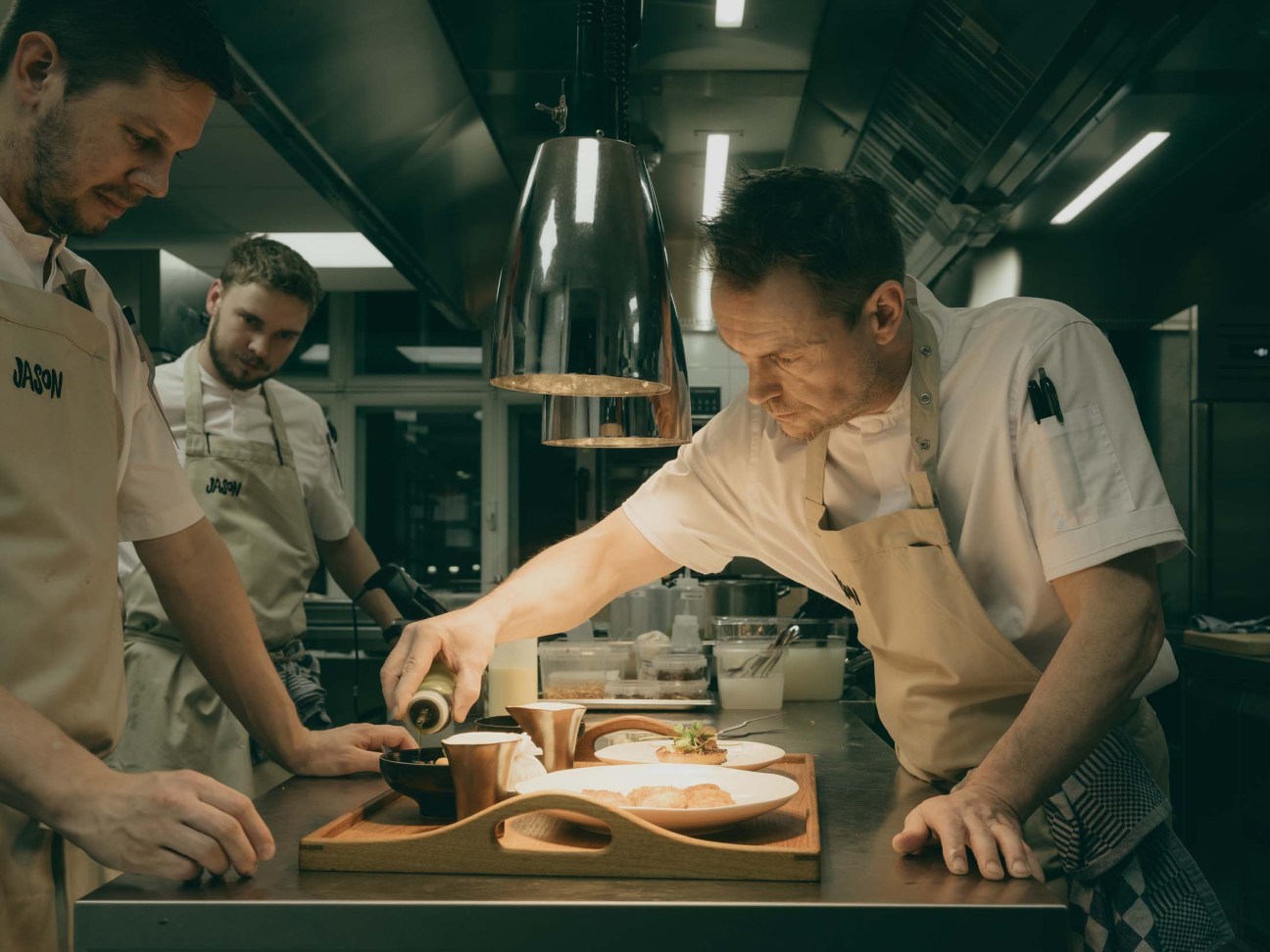
Finland’s Jari Vesivalo, a chef with decades of experience in his capital’s Michelin-starred kitchens, has shifted gear to open a casual joint, Jason. “The goal in the kitchen is to make good food without unnecessary gimmicks,” says Vesivalo of the 50-cover venue in a dark-hued art nouveau building. Monocle is treated to seasonal dishes on our visit: mushrooms with sour plum and white soy, and pike perch served with lobster butter sauce. “Our portions are hearty and we don’t align every salad leaf on the plate,” says Vesivalo with a chuckle. “But I still organise the kitchen like I used to.”
ravintolajason.fi
Luna Restaurant
Bolzano
Luna Restaurant has opened in Bolzano’s Parkhotel Mondschein, parts of which date back as far as 1320.
Head chef Mathieu Domagala’s menu features carpaccio of pink shrimp from Porto Santo Spirito, tagliatelle with duck ragù and salted cod with Taggiasca olives, with all vegetables courtesy of the kitchen garden. To finish? A zu Plun Rum babà. Merano-based Biquadra’s design pays homage to the building’s history with a rich red colour palette, accented with brass and offset by velvet seats and travertine tables.
parkhotelmondschein.com

Somma
Singapore
After the success of his seaside bistro Fico, Singapore-based Italian chef Mirko Febbrile embarked on a fresh fine-dining venture: Somma. Within the city-state’s New Bahru retail and hospitality complex, this collaboration with The Lo & Behold Group takes inspiration from Febbrile’s home province, Puglia. The intimate 36-cover restaurant offers a tasting menu, while the bar is more casual, with options from taralli crackers to handmade pasta with river crab. Cocktails include Italian aperitivos and experimental creations: the whiskey-based Bolognese Muse is unmissable.
somma.world

Eel Bar
New York


New York’s Lower East Side doesn’t exactly need another new restaurant. But when the team behind much-loved Iberian-style bolthole Cervo’s announced that its new venue, Eel Bar, was opening around the corner, locals regained their apetite. “We knew that we wanted to be in this neighbourhood,” says partner Nialls Fallon. Inside, diners share olives and anchovies, fried and marinated mussels, and hunks of pan de cristal. It can be hard to snag a table in this wood-clad dining room but you can sink a cocktail at the bar while you wait.
eelbarnyc.com
Five key takeaways from the World Governments Summit
In February, Monocle travelled to Dubai for the World Governments Summit, a gathering of global leaders, innovators and technology players. It’s an impressive summit with numerous talks and events, and we were at the heart of the action with a pop-up Monocle Radio booth (as well as our café). Over three days we welcomed numerous guests into the studio. What follows are just a few of the conversations that unfolded around the mic.
1.
The Politician
Jeremiah Manele
Prime minister of the Solomon Islands
“Leadership is both an opportunity and a responsibility. Because at the end of the day, our task, our vision, is to improve the livelihoods of our people. How we stand in terms of disaster preparedness is closely linked to the development challenges we are facing as a small island country in the Pacific.
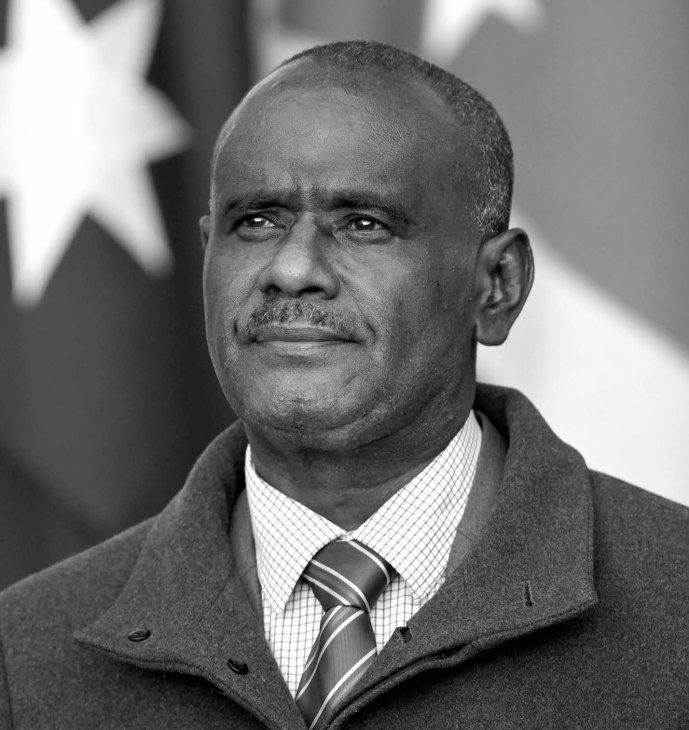
The experience is the same for other islands. We are very small economies, highly vulnerable to environmental shocks but also to global economic shocks. When we talk about responsiveness and preparedness, of course, we do take initiatives at the national level but also at the provincial and community level. We work closely with NGOs and other international partners and countries but disasters happen despite your good efforts. The recovery part of it is always the most challenging. It’s a daunting responsibility. Investing in economic as well as social infrastructure – human capital, education, health – is critical, because once you improve those indicators, that increases the resilience of your community and the population.
Forums like [the WGS] provide that platform where we can forge ahead and remind ourselves that climate change and sea-level rises require global partnerships going forward.”
2.
The Artist
Emily Yang
Co-founder and artist, Shibuya.film
“I was on a panel discussing how artists can drive economic growth. I was primarily nominated because of the independent film crowdfunding platform that I’m building.
I was tired of traditional gatekeepers and launched an anime project that raised more than $1m [€925,000] in 20 minutes. It opened my eyes to this new paradigm of how we can contribute to the economy by creating art.

Anime has transformed culture and has a huge effect not only on tourism to Japan but also on the fashion, technology and gaming industries. When the South Korean government invested in infrastructure around K-pop, it helped to create a billion-dollar industry. When there’s a structure built around storytelling, it can be transformative. The storytelling matters the most.
It’s exciting that technologies such as AI are helping artists to enjoy greater autonomy because they don’t need major backing to create something meaningful, though there are tensions around this. It’s ironic that many artists are against AI. They are afraid of change and don’t want their jobs to be taken away. But until we reach the singularity, technology will be behind human ingenuity. It’s a tool. The creativity still lies in how you use it and how much culture, art and information you have ingested over the years. Our brains are the original large language models.”
3.
The Academic
Soumitra Dutta
Dean of the Saïd Business School, University of Oxford
“I’ve been coming to WGS for almost 10 years now. The first few editions were very small, pretty local, but it has mushroomed to a whole global meeting. Attracting leaders around the world is great. It just shows how the Middle East is booming and assuming more of a leadership position in some key areas.
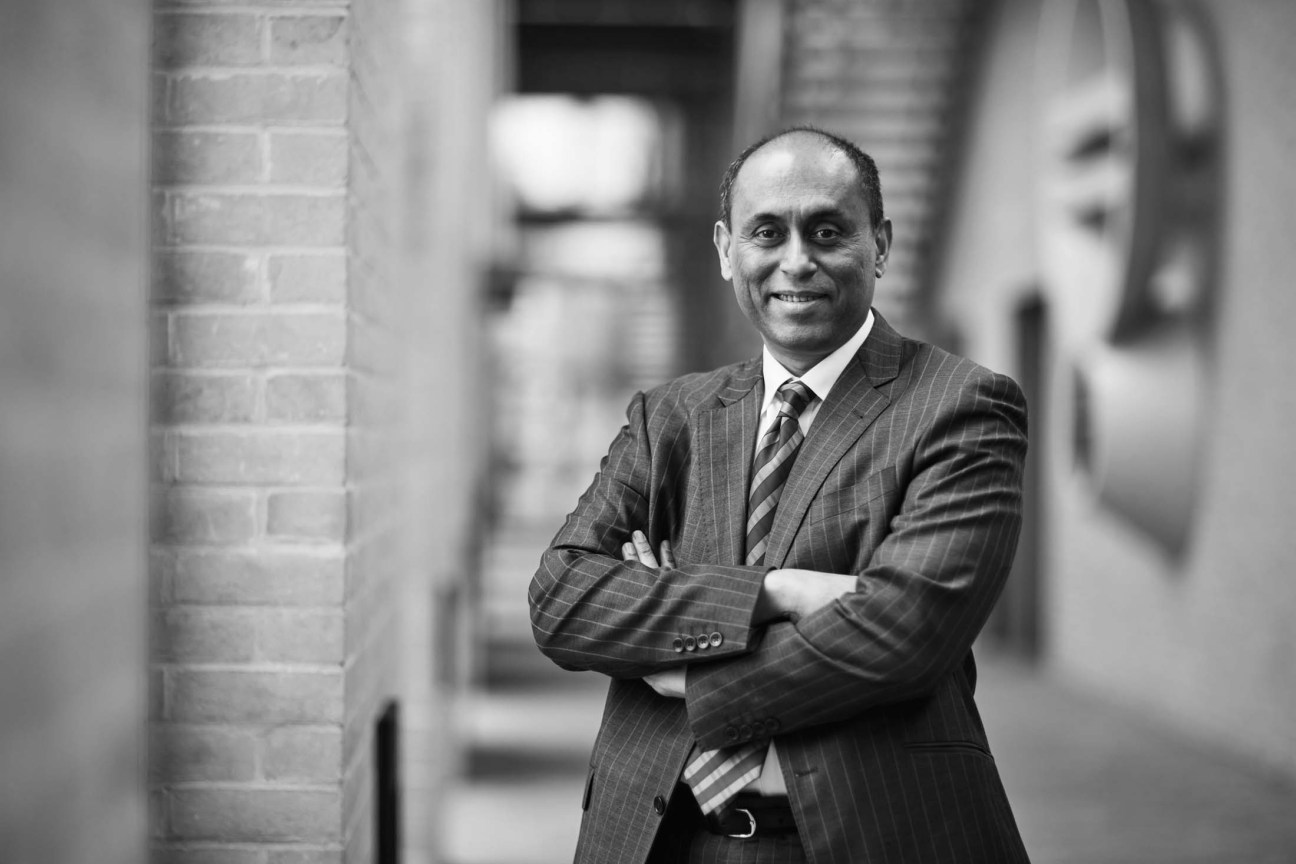
Dubai, in particular, has become a magnet for global talent from around the world. But more than that, I’ve seen an increased confidence and awareness that the region can lead and is leading in key parts of the economy. People come here because you can learn from the region itself. If you look at technology in general, over the decades it has increased inequality. And that’s the surprising thing that many don’t realise.
A lot of people think of mobile phones and such as having equalised society. But look at the differences they’ve increased in the world, mainly because technology has a multiplying effect. People who are richer typically have societies that are richer. These typically have better technology, they have higher skills, they have more resources and they’re able to combine that technology to create higher value. Societies that are poor or people who are poorer essentially have less good technology. They have lesser resources, they have smaller networks and lower levels of education. They do create value with technology but they create less value. And over time, that gap increases.
The same thing is happening with AI. You’re finding some companies – and some countries – are going to create enormous value with AI, while others will get less value. I’m not saying that they’ll get zero value but proportionately less. So is the gap going to increase between those that have the capacity to leverage it better and those that don’t? The answer is yes. It’s going to create a more unequal world. And that’s the challenge. I don’t think technology is ever really democratised. That’s a myth. Technology doesn’t make the world more equal. It has actually made the world more unequal.”
4.
The Campaigner
Tatiana Antonelli Abella
Founder and managing director, Goumbook
“For many years, the UAE was calling for people to come here and bring their expertise and their knowledge. But I feel now that there’s this shift, particularly on ocean conservation, and this is why we’ve decided to launch the MENA Oceans initiative. We want to mobilise academia, research, private sector and public sector to really focus on the region. Why is the Middle East and North Africa region so important?
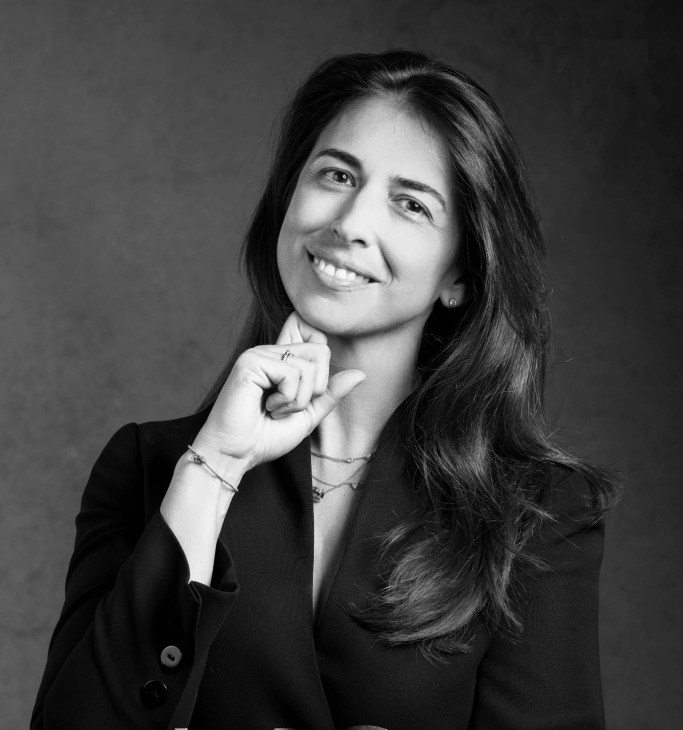
We have a very specific climate, so we have species and a biodiversity that thrives in extreme environments with very high temperatures in the summer. This could be a solution for other parts of the world, where because of global warming and climate change, you see a loss of biodiversity. So I really believe that the region has a lot to give. Our success has been to change the narrative.
When we started Goumbook, we were talking about going green. Sustainability was seen as a movement coming from Europe and the US. What I realised when I moved to the UAE was that there wasn’t a focus in the region. We couldn’t talk about forests here, or polar bears and melting ice. We had to change the narrative and start looking at the desert, arid environments, the lack of water. So that’s where we started campaigns focusing on the Arab world. And that’s when things started to change.”
5.
The Businessperson
Rainer Stampfer
President, global operations, Four Seasons Hotels and Resorts
“I get excited about all markets. We’re here at the moment in Dubai, we’re close to Saudi Arabia, where we’re also very active. I’ll be going there next week.
Who can’t get excited about what’s happening in that country, in the region altogether? But we equally see great expansion and strong markets in Europe, in the Americas and in Southeast Asia, a region that has done really well.
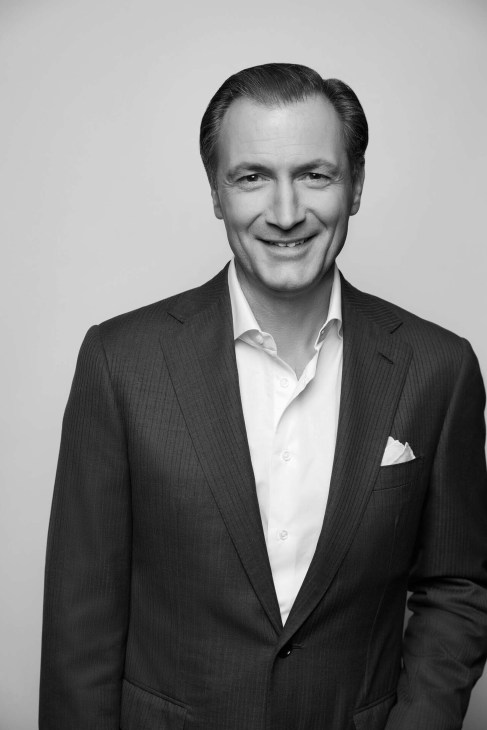
That’s where AI helps. We work with AI today in enriching guest insights. Ultimately, it’s about how you gather this information and make it available to team members so that they’re better enabled to care for our guests and really take personalisation to the next level.”
Keep up to date with the latest in international affairs by tuning in to Monocle Radio’s daily news shows ‘The Globalist’, ‘The Briefing’ and ‘The Monocle Daily’ at monocle.live/radio
Summer travel briefings: New hotels to visit this year
Oshom
Bali, Indonesia
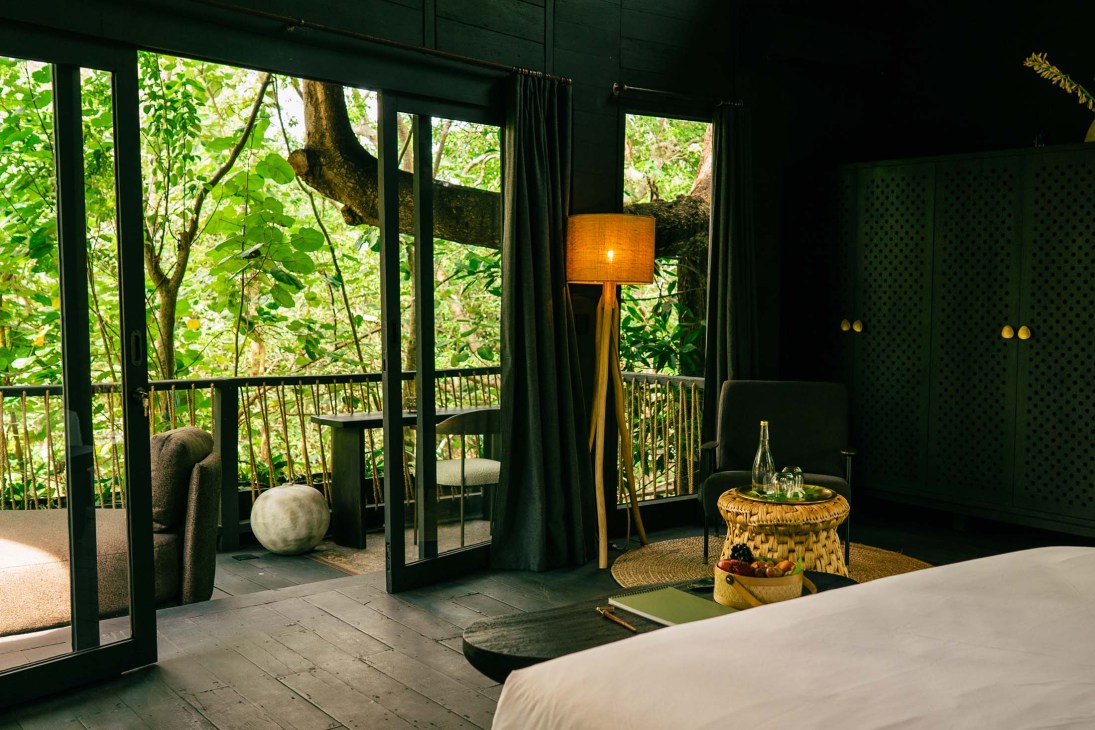
Bali is the jewel in Indonesian tourism’s crown but the island’s popularity has come at the cost of the serenity that it’s known for. Look hard, though, and you’ll still find pockets of the blissful solitude that made it a global destination. Oshom is a new hotel that overlooks Nyanyi beach. This waterfront property is in the recently launched Nuanu Creative City, about 90 minutes’ drive from Denpasar Airport. You’ll find all of the amenities that you’d expect from a top health retreat, such as well-appointed rooms and a saltwater pool.
oshombali.com
Vipp Guesthouse
Todos Santos, Mexico
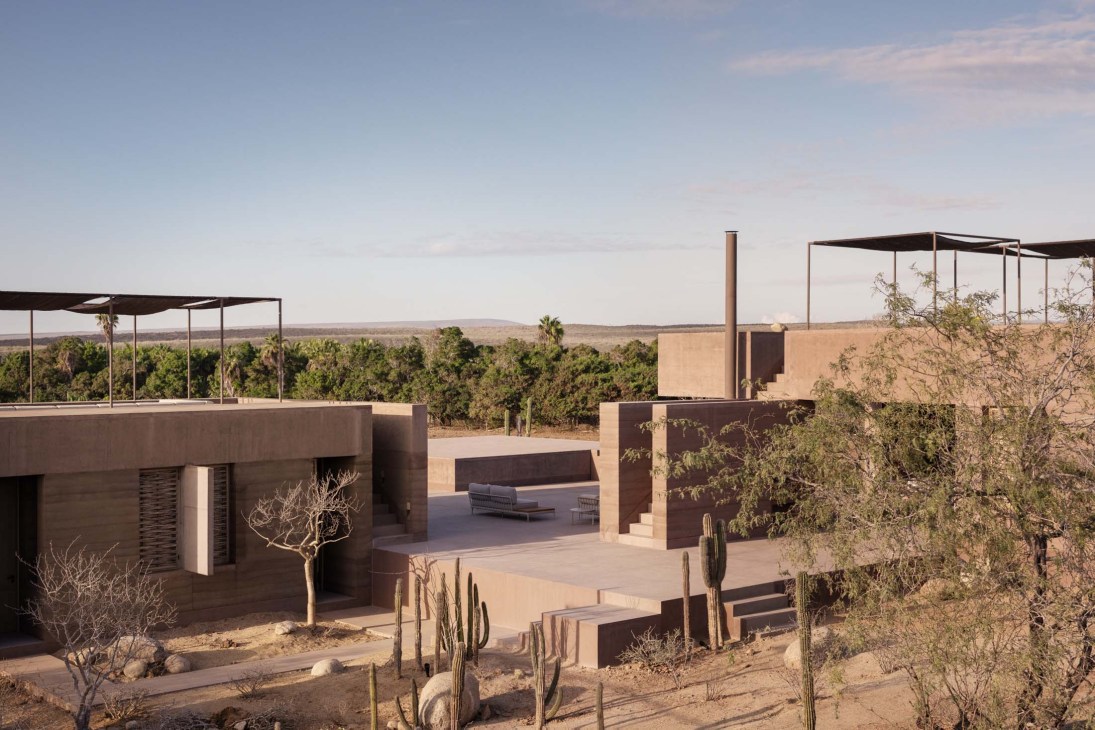
Family-owned Danish design brand Vipp, known for its slick homeware, has cut the ribbon on its first North American guesthouse on Mexico’s Pacific coast. Having opened a string of small properties around Europe, Vipp’s hospitality can now be enjoyed in Todos Santos on the Baja California Peninsula. Informed by the area’s natural beauty, the brutalist four-bedroom property is decked out with natural materials in sandy tones. Wedged between the Sierra de la Laguna mountain range and the Pacific Ocean, the views extend over a landscape dotted with cacti on one side and waves on the other.
vipp.com
Arlberg Club House
Lech, Austria
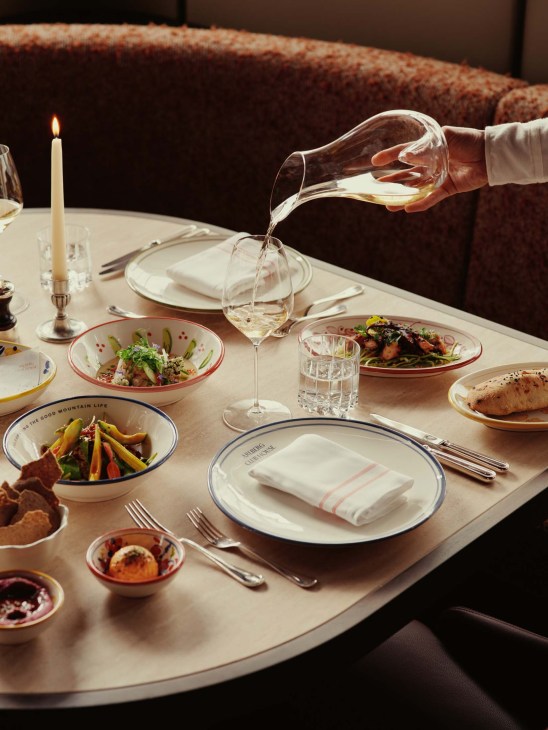
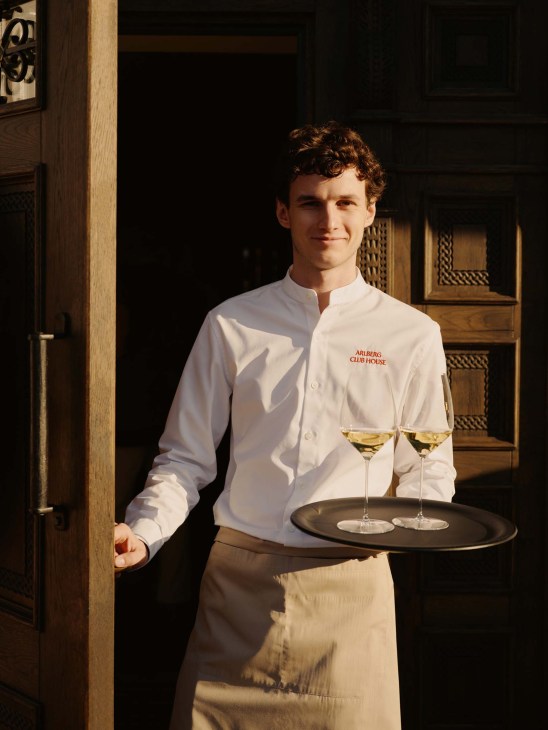
“Lech’s a town that values powder over pomp,” says Patrick Krummenacher, who co-owns Hotel Arlberg with his husband, Benjamin Schneider. They have repurposed the old tourism office to create Arlberg Club House. The restaurant’s menu departs from alpine staples, instead serving Mediterranean dishes such as gnocchi with caviar and lobster bisque. A shop offers Austrian Mühlbauer hats and skiwear from Aspen’s Aztech Mountain. You can also find cashmere from Iris von Arnim and Meta Campania’s workwear-inspired collection by Bottega Veneta alumnus Jon Strassburg.
arlbergclubhouse.com
Solo Palacio
Asturias, Spain
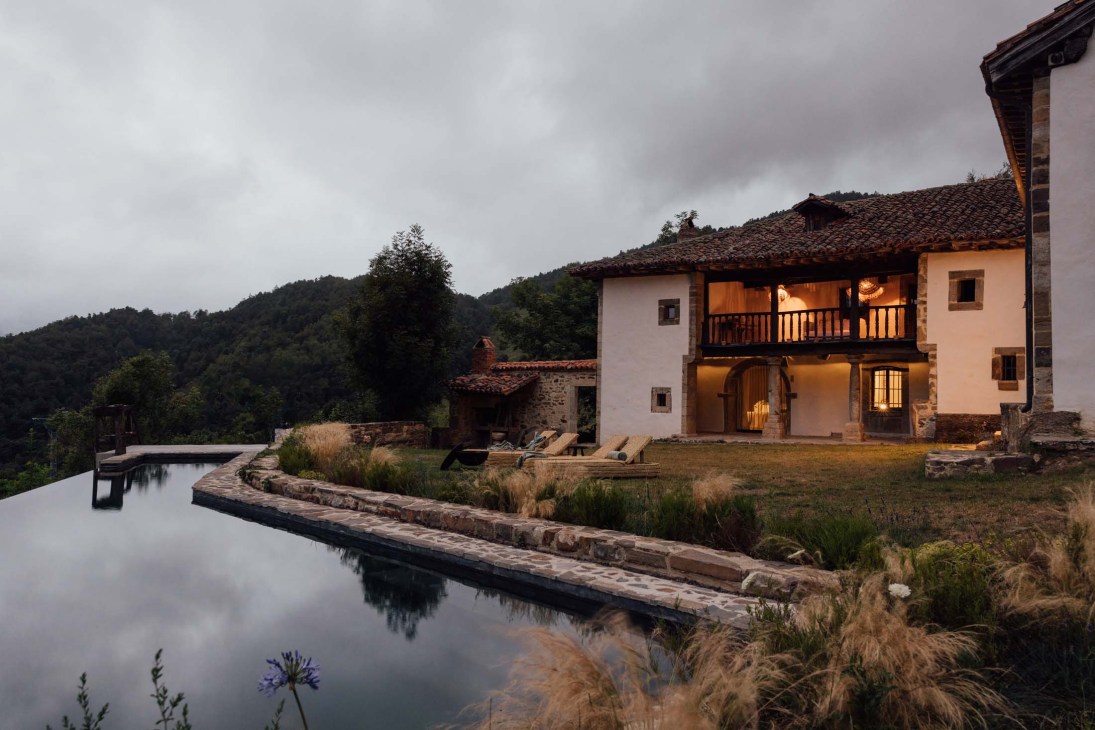
If you’re seeking Spanish sun but without the crowds, Asturias should be on your radar. The cooler climate of this mountainous region is a pleasant alternative to the sweltering south. Head to the Las Ubiñas-La Mesa Nature Reserve, where you’ll find the 11-key Solo Palacio hotel in a converted 15th-century palace. Madrileña Sofía Tejerina began restoring the property in 2023, incorporating the wabi sabi philosophy of embracing imperfections. “Tourists are looking for alternatives to Spain’s sunny beaches,” says Tejerina. “Here guests can find a pleasant microclimate away from Spain’s cities.” Asturian and Japanese touches extend to the restaurant, where you’ll find dishes such as tempura vegetables with soy mayonnaise and noodles with sobresada (Spanish cured sausage).
solopalacio.com
Gundari
Folegandros, Greece
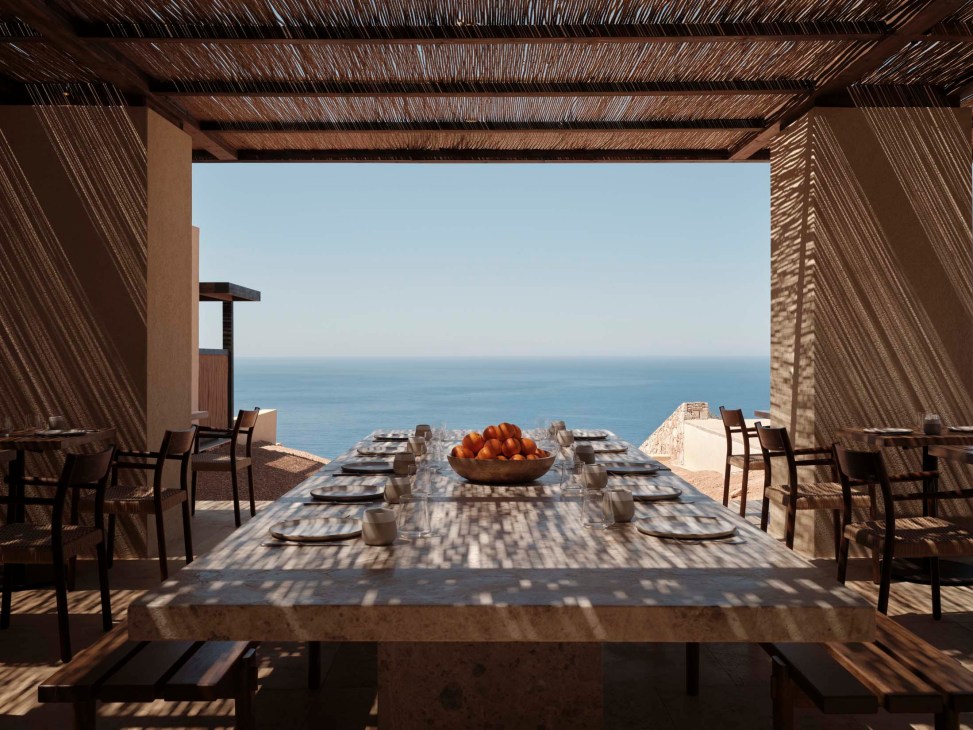
Gundari sits atop a cliff at the southern end of the Cycladic isle of Folegandros. Echoing the island’s wild, rocky landscape, Gundari’s interiors feature earthy browns and limestone chosen by Australian owner Ricardo Larriera. The 25 suites and two villas are designed by Athens-based architects Block722. All have windows framing ocean views but some include subterranean rooms carved into the cliff where infinity pools and dark-wood joinery enjoy shelter from the summer Meltemi winds. Chef Lefteris Lazarou brings city flair from his Michelin-starred Athens kitchen while one of the capital’s best bars, Line, helps with the cocktails. Best of all, the swarms of tourists are nowhere to be seen – just the Aegean Sea stretching away to Crete.
gundari.com
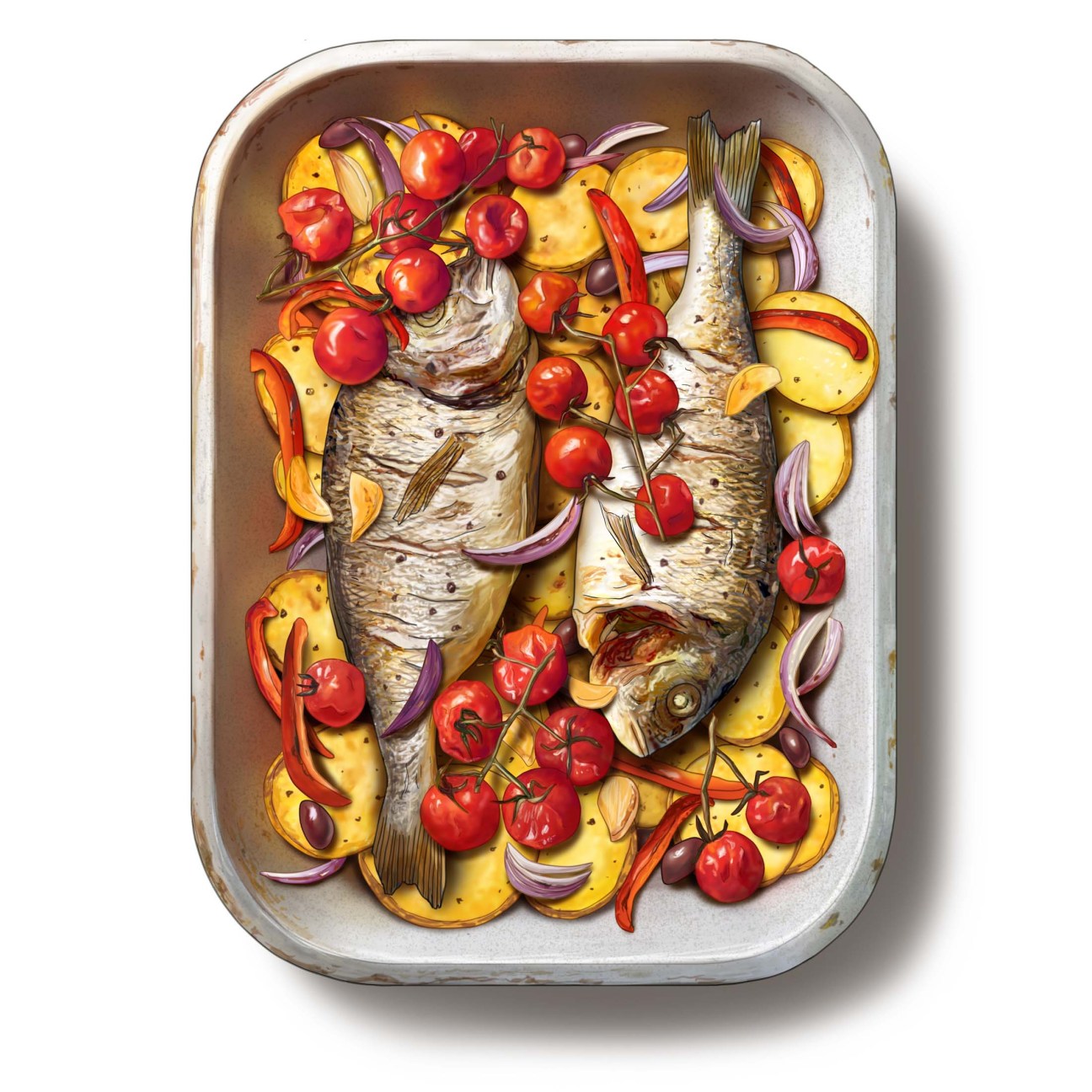
Recipe: Baked sea bream with sautéed vegetables
Swiss chef Ralph Schelling shares a recipe inspired by Greek dish psari plaki.
Ingredients:
350g potatoes
1 red bell pepper (thickly sliced)
1 large red onion (cut into wedges)
3 garlic cloves (sliced)
2 tbsps dried oregano
4 tbsps olive oil
2 whole sea bream (Dorade)
4 bay leaves
50g pitted Kalamata olives
200g cherry tomatoes
Pinch of salt
Method:
1.
Preheat the oven to 200C.
2.
Cut the potatoes into approximately 5mm-thick slices and place them in a pot of salted boiling water. Parboil for 5 minutes, then drain well.
3.
Transfer to a large bowl and mix with red bell pepper, onion, garlic, oregano, 2 tablespoons of the olive oil and seasoning. Toss well and spread in a single layer across the bottom of a large baking dish. Roast for 20 minutes.
4.
Meanwhile, score each sea bream’s skin 3-4 times on one side. Season the bellies with salt and pepper, then stuff 2 bay leaves into each.
5.
Remove the potatoes from the oven (if they stick, gently release them from the dish), sprinkle the olives over them and place the fish on top.
6.
Arrange the cherry tomatoes around the two sea bream and brush both with the remaining olive oil. Season the fish skin with salt and pepper. Return to the oven and roast for 25 minutes or until the potatoes are golden brown and the fish flesh is opaque and easily separates from the bones when tested with a knife-tip.
ralphschelling.com
For the best of Greece, pick up ‘Greece: The Monocle Handbook’, published by Thames & Hudson and available at monocle.live/shop

How Europe’s tech sector is quietly gaining ground
Europe is often portrayed as a tech underdog, lacking a single giant firm of the calibre found in Silicon Valley. In February, during an AI summit in Paris, US vice-president JD Vance poured scorn on Europe’s regulatory regime, arguing that it stifles progress.
But all that is to miss the bigger picture: there are companies across the continent proving their competitiveness; you just need to know where to look. In northern Italy, Ephos is developing energy-efficient photonic chips that use light instead of electricity for data processing. Unlike traditional chipmakers, it focuses on glass-based technology, which is touted as being more energy-efficient than silicon chips, especially in the resource-intensive demands of AI and quantum computing.
The company recently secured $8.5m (€8m) in funding and opened the first glass-based quantum photonic circuit facility in Milan’s Innovation District. In a recent edition of The Entrepreneurs on Monocle Radio, CEO Andrea Rocchetto admits that Europe has been a bit slow out of the blocks.
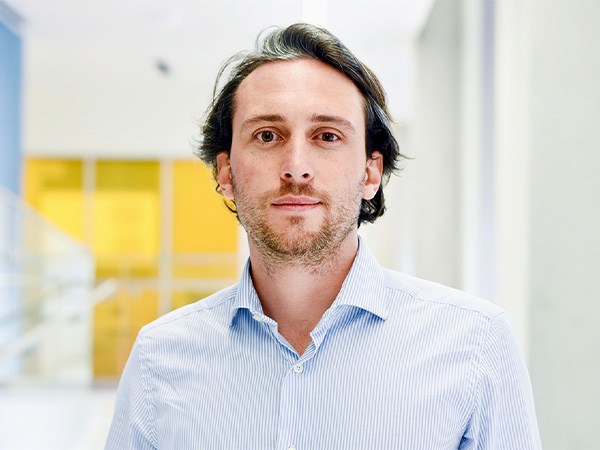
“We need a shake-up, no doubt, but negativity isn’t helpful,” he says. “Change will come from working with the US and embracing a more global outlook.” Ephos has a broad range of investors, with major support from the US and partnerships with organisations such as Nato; it is proof that Europe remains a strong and innovative player. “Barriers to collaboration are rising but we can’t compete with the US and China in isolation,” says Rocchetto. Indeed, as Silicon Valley increasingly throws its lot in with the Trump administration, a backlash to these tech giants is growing. In this more uncertain world, Europe has an opportunity to strengthen its own ecosystem and become more competitive if it’s willing to seize the day.
For more visionary ideas, listen to ‘The Entrepreneurs’ on Monocle Radio, or download the show as a podcast on Spotify, Apple Podcasts or wherever you get your audio.
Editor’s letter: Building better cities starts from the ground up
If you start talking about architecture, design or urbanism, people will immediately be primed for an engaging conversation that involves big ideas, fresh thinking about how we want to live and introductions to folk trying to make the places where we reside better. They are all disciplines imbued with hope. But mention property developers – those who are charged with making all of these fantastic ideas come to fruition – and countenances will often turn stony. Now they’ll be steeling themselves for a discussion that will focus on cost and how so-called “value engineering” might turn ambitious proposals into humdrum ones, all in the name of driving up profits.
One of the many reasons why we have always kept a weather eye on the property world is that this perspective is a false one. Across the globe there are developers, large and small, who want to turn a profit but also improve and invest in the cities where they do business.
While this issue is on newsstands, Cannes will hosting the 2025 edition of Mipim, the world’s largest property event. Monocle will be on the ground to report on the plans and projects under way by companies in places from the Gulf and Portugal to Bavaria and the US. So, ahead of this epic gathering of investors, mayors, national leaders and hospitality chiefs, we have dedicated this issue’s business pages to the developers and buildings that are helping to revitalise communities.

One of the most interesting reports is by writer Tom Vanderbilt, who visits a new neighbourhood outside Phoenix, Arizona, which has been created by a developer called Culdesac. What’s remarkable is that it’s car-free and walkable – and a success. Culdesac’s CEO, Ryan Johnson, describes it as “the first car-free neighbourhood built from scratch in the US”. It has proved so popular that two more large-scale projects are being lined up.
The other wonderful thing about property – a building made right – is how it can shape the lives and perspectives of those who use it. That’s certainly the case with Monocle. I often wonder whether our business would have thrived so much if Midori House wasn’t our London home. The car-park-turned-garden provides a spot where we can sit and soak up the sun, the ample balconies offer a place to work come summer and the kitchen-cum-dining room is where we naturally catch up with colleagues and take time to break bread. It’s the same with our Zürich headquarters. When our set-up at Dufourstrasse 90 opened, it elevated our brand and also our ambitions. It’s a property that combines elegance with functionality, cosiness with some modest swagger. And now there’s Paris.
A few days before this issue went to press, I nipped over to the French capital to see our team and have a planning lunch with Tyler. I also stopped by our new café-shop- radio outpost on Rue Bachaumont. I had visited the premises just before we signed the lease – they were being used for a flash fashion sale – so I knew the layout and scale. Well, sort of. Even though there were boxes of new products to unpack, a bar to stock and art to hang, I was blown away by how big and amazing it all looked.
It is the most contemporary, on-point execution of everything that Monocle stands for – a place where we can take care of our guests, showcase all of the print products that we produce and offer a visual journey through our design and business ethos. Come and see it for yourself: the doors are open and we would love to welcome you.
There are numerous more stories and buildings to discover in this issue but make sure that you check out our Expo. Editor Josh Fehnert has commissioned a story celebrating the establishments that take care of late-night diners, from lovers and party people to theatregoers who eschew that early-evening table in favour of a midnight feast and one or two more drinks. I am pleased to say that Paris has many such establishments (the city’s Le Grand Colbert makes an appearance), so there’s another reason to head to the City of Light (and dark).
If you have ideas, suggestions or comments, feel free to drop me an email at [email protected]. And perhaps see you in Paris?
25 property insiders on the next big market opportunities
1.
Architect
Tosin Oshinowo
Oshinowo Studio, Lagos, Nigeria
“Growing up in Lagos, I’ve seen a growing property market that is maturing and doesn’t yet use data sufficiently to understand the needs of its residents. Lagos has a saturated luxury industry. It’s incredible to see these exceptional-looking properties but there isn’t enough spending power in the market for this product.
“What the data shows is that there is a need to develop appropriate housing for the burgeoning middle class. There are lots of people moving to Lagos who aren’t just looking for the standard two- or three-bedroom apartment. They want to live together and benefit from sharing communal spaces. Lagos has the potential to be a blueprint for urbanism that doesn’t just copy the Global North.”
2.
Global chief investment officer
David Steinbach
Hines, Houston
“We’re going to see a lot of blurring of lines. In what sense? For example, the line between retail and logistics, and also office and living. There are plenty of other areas such as these where there’s room for growth.”
3.
Director
Tamsin Ace
East Bank, London
“Culture being a part of the growth conversation is really key. The realisation is being made that it’s not enough to build homes and facilities and then expect something to happen. It’s a large-scale collaborative process between leaders, artists, programmers and grass-roots organisations, all in conversation and harbouring the same desire to build a solid community.”
4.
Research assistant
Wenzhuo Ma
ReMatBuilt, Braunschweig, Germany
“Demand for natural materials, such as stone for concrete production, remains very high. With so much waste improperly used, it leaves a genuinely untapped area for growth in the property business. Therefore, finding ways to recycle building materials continues to be very important, in pursuit of both the reduction of resource consumption and the amount of construction waste ending up in landfill.”
5.
CEO
Fang Low
Figment, Singapore
“The demand for co-living will continue to climb. The rise of remote and transnational working arrangements have deepened people’s desire to connect with like-minded individuals while still feeling at home. Incorporating art, design and culture into co-living spaces can help residents to feel rooted and inspired. They are no longer just looking for a place to live; they want to belong.”
6.
Founder
Anna Mackay
Sister City, Portland
“In my ideal world there is increased interest from the property-investment community in supporting projects where the sole focus isn’t financial return but rather the whole return. We see property and leasing values around our projects go up after we build because our projects are special and bring people into those neighbourhoods. These are real performance indicators. I’m also interested in the health outcomes of people living in our buildings – how do we start to really value that?”
7.
Founder
Amish Tolia
Leap, New York
“There are a lot of retailers that need to be in the world of physical retail and need a bricks-and-mortar strategy to complement their online presence. So we do feel very confident and bullish about the future of bricks-and-mortar. There is a tremendous amount of growth that’s still going to happen, given the need for shoppers to have the in-store experience. Capital markets that support retail investment are going to open up a bit more, so access to capital will loosen up.”
8.
CEO
François Trausch
Pimco, Paris
“The time when you could build an office building occupied by a single tenant and not care about your community is gone. There is also an opportunity in the secular trends that can enable growth: demographics, digitisation and decarbonisation. The US has strong demographics, meaning that residential there is a very conducive asset class. But there are also plenty of opportunities in countries that have declining demographics, such as Japan, where household formation in larger cities is growing.”
9.
Sculptor and architect
Martand Khosla
New Delhi
“We need to realise that he world is not climatically homogeneous and I really think that architecture needs to reflect this. But it’s important to remember that there is opportunity in incorporating traditional materials, including stabilised mud bricks and stone, that could significantly reduce a building’s energy demands. In my view, the key to sustainable growth lies in decentralised urban planning. The focus for architects and developers should shift to creating self-sufficient hubs in rural and semi-urban areas that are equipped with employment opportunities, healthcare and education infrastructure.”
10.
Chief operating officer
David Hilman
Agung Sedayu Realestat Indonesia, Jakarta
“Retail has been growing and we’re now way beyond where we were before the pandemic. People still love going to shopping malls, particularly to dine out with the family. Food and beverage is the big growth segment and we have tenants lining up to go into our malls. When it comes to shopping, there’s more local content in the industry. Young people are getting into retail and doing it differently. They’re the ones who used to run online e-commerce businesses but now realise that they can’t just exist online.”
11.
Partner and chair of Europe
Anthony Duggan
Knight Frank, London
“Ten years ago, [private investors] wanted something on Bond Street or the Croisette in Cannes. Now it’s about how they can work their capital harder. They’re in the same place as institutional investors: they’re thinking about logistics, data centres, the private rented sector. That is a redefinition of what they’d have been doing in the past.”
12.
Arhictect and founder
Omar Gandhi
Omar Gandhi Architects, Halifax, Canada
“There is growth and opportunity in rejuvenating dilapidated parts of our urban centres in order to meet the challenges of affordable housing. Adaptive reuse is an interesting field, especially when considering the cost of construction as well as new ways of thinking about sustainability. In North America, there’s such a poor use of existing infrastructure. A second important factor to consider is resilient buildings: what are the ways in which we can construct to prepare for rising sea levels, strong winds and forest fires?”
13.
Executive director
Nadia Verjee
Expo Dubai Group, Dubai
“The property industry is poised for a year of cautious optimism. Affordable housing initiatives are having a moment, which is especially critical in Dubai, where there’s a significant opportunity for developers to invest in affordable housing projects – and observers will start to see these springing up in Dubai around transport nodes to address the first and last mile. Catering to the middle- and lower-income segments can help to meet market demand and contribute to social equity.”
14.
Architect and co-founder
Max Melvill
The Maak, Cape Town
“Here in South Africa there’s much room for growth in architecture and buildings that can help to foster meaningful connections between people and support and grow the community. The people who are involved in designing the urban environment have a responsibility to provide more kindness, compassion and care. There’s a huge opportunity for large-scale apartment blocks or bigger city developments to have some valuable community functions incorporated into them.”
15.
Founder
Rana Amirtahmasebi
Eparque Urban Strategies, New York
“I’m concerned about sites of cultural production disappearing from our cities. So the first thing is to integrate the arts into mixed-use development: warehouses, factories and shops that can be repurposed into cultural hubs, including for use as galleries or performance venues. Developing flexible, multifunctional spaces such as these can attract artists as well as the broader community.”
16.
CEO
Annica Ånäs
Atrium Ljungberg, Nacka, Sweden
“After several years of market changes due to the pandemic, recession and inflation, we are now witnessing market stabilisation. A thriving, secure city is essential to attract employees back to offices. We need to offer attractive environments and a different customer proposition than we once did. This includes good transportation, appealing environments and new levels of customer service.”
17.
Executive director
Laura Viscovich
Holcim Foundation, Zürich
“You need to have a growth mindset to bring change and test new ideas. We need change-makers who can drive policies to hasten the implementation of sustainable materials and design. There are existing solutions that are still not fully understood in the property industry. We need to help the industry understand the need to change.”
18.
Chair
Anurag Verma
RUSS, London
“Building is not only a material practice; it is a social one. As a society we need to find ways of seeing land as a resource and rethinking what value means. If we stop thinking of housing as a commodity, you start thinking about the mental health benefits of stable housing, for example.”
19.
Architect and founder
Richard Francis-Jones
Fjcstudio, Sydney
“We need more lateral thinking when building for education, housing, health and aged communities – the areas I expect to see grow. There is much to be excited about in the rate of technical innovation and development in construction materials that can help us to deliver more sustainable, cost-effective and beautiful buildings.”
20.
CEO
Wallaya Chirathivat
Central Pattana, Bangkok
“As cities in Thailand and Vietnam grow and populations increase, the demand for well-designed, sustainable and resilient buildings will skyrocket. Urbanisation starts with shopping malls and residential buildings, then hotels, offices, international schools and hospitals. Climate resilience is also gaining importance. Properties must not only minimise their environmental impact but also be designed to withstand natural disasters and extreme weather events. Key elements such as fire-resistant materials, flood-resistant designs and smart infrastructure that adapts to changing weather patterns are crucial for future-proofing buildings.”
21.
CEO
Rodrigo Rivero Borrell
ReUrbano, Mexico City
“Developers now understand that if they build a trustworthy relationship with the community, it’s better for everyone. Commercial spaces are realising that purposeful ground-floor projects make more sense. Adding local commerce rather than chains adds a huge amount of value.”
22.
Director of cities, planning and design
Alice Charles
Arup, Dublin
“We need to build green and thriving neighbourhoods, because at that level we can start to address the sustainable transition and affordable housing in our cities. But finance needs to flow in the right direction; there needs to be more long-term thinking, particularly around pension funds, with more focus on financing a whole block rather than single buildings.”
23.
Group development officer
Nick King
Red Sea Global, Tabuk, Saudi Arabia
“There’s opportunity everywhere in hospitality development right now. People will travel, they want to explore new places and they are eager for positive engagement with other people, other cultures and beautiful environments.”
24.
Head of private markets
Cecile Retaureau
Phoenix Group, London, UK
“We see investment opportunities in decarbonisation, energy security and digitalisation such as data centres. We also continue to invest in core sectors driven by demographics, such as affordable housing, partnering with local authorities to unlock critical and essential projects in the UK, and find ways to make them investable for us.”
25.
CEO
Augusto Martins
JHSF, São Paulo
“When it comes to residential developments, we are seeing growing demand and opportunities for residences with personalised services – think in-house concierge – and more robust infrastructure for sport, be that golf, tennis or pickleball. Our Boa Vista Village, for instance, has a surf club, even though we’re in the interior of the country, with manmade pools that have proved to be a major draw.”