Issues
Meet the designer bringing architecture to life with doll-sized models
At the back of American designer Giancarlo Valle’s New York studio, there’s a room that looks as though it could be a Wallace and Gromit film set. Shelves are lined with maquettes from architecture and interior-design projects, which include miniature furniture pieces such as thumb-sized lampshades and chairs no larger than hens’ eggs.
For Valle, who trained as an architect, these small-scale buildings and furnishings are integral to his practice, which encompasses architecture, interiors and the decorative arts for residential and commercial projects. His studio has designed lofts in New York, villas in St Barths and residences in Mexico City. “We work on a lot of interior architecture, so using models is important,” says Valle. “They help you to understand the proportions or height of something – both essential when it comes to composition.”
The team spends hours crafting and then rearranging the sculptures within the maquettes. The studio has acquired a 3D printer that renders products in materials such as aluminium and wood. But sculpting pieces by hand from clay is still a large part of the creative process. “It’s fun,” says Valle, picking up a hand-moulded chair.
“As a creative person, one of the most rewarding things that you can achieve is an element of surprise,” he says. “There is a lot of planning in architecture, so you know what you’re going to get. But this process also allows you to do unexpected things,” he adds, holding up a green couch about the size of a deck of cards. He places it back on the shelf, next to a miniature coffee table. “Models force you to edit your work. With a computer, you can make objects as big or as small as you want. But with models, you actually have to make decisions.”
The sculptures also act as a kind of visible archive that the team can tap in to at any point. “Having them in the space is a big part of the way we work,” says Valle, who often uses old models to inspire new projects. “We take ideas and repurpose them,” he adds, looking around the room at the various models, which resemble unfinished dolls’ houses. “There’s no formula to it. Sometimes we start on a computer and other times we start on a model but the idea is to keep things visible.”
Monocle follows Valle to the main room, where an employee is painting a maquette with squiggles and half-moon shapes in shades of black and gold. We then travel downstairs to a studio with a long, crafting worktable. Creating models in this way ensures that the team comes up with innovative design ideas that haven’t been perpetuated online. “It’s our remedy for internet algorithms,” says Valle. “Everything is digital now and everyone sees the same things. There’s no way to break out of that cycle unless you create your own analogue algorithm,” he says, gesturing to the shelves lined with objects and tools. “A generation of work is being created that is just referential; a recycling of ideas,” he says. “You have to invent your own world.”

Greece is taking a leading role in European defence. What’s next?
In February, Greece announced a 12-year €28bn modernisation of its armed forces that will include the acquisition of 20 fifth-generation F-35 fighter jets, a sensor network for underwater threat detection and the construction of a comprehensive air, missile and anti-drone system dubbed “Achilles Shield”, built in partnership with Israel. The plan also allocates about €2.5bn a year to the Hellenic Armed Forces, meaning that Greece will potentially exceed the more than 3 per cent of GDP it currently spends on defence.
Countries such as Poland have been singled out for walking the talk on defence at a time of heightened security concerns across Europe. But Greece is rarely mentioned in the same sentence, even though it has the third-highest defence expenditure of European Nato members as a percentage of GDP. For decades, Athens, like many European nations, relied on the US to guarantee its security. Its mutual defence co-operation agreement with Washington, signed in 1990, grants American forces access to Greek bases.
“Athens’ military push comes at a time when it’s also trying to burnish its diplomatic credentials”
But with uncertainty over Washington’s commitment to Europe, Athens is recalibrating. It has become one of the EU’s most vocal advocates for defence autonomy, pushing for looser fiscal constraints to allow members to bolster their own security without breaching the EU debt ceiling. Kyriakos Mitsotakis, the Greek prime minister, has suggested a similar system to Achilles Shield to cover the whole continent. Athens’ military push comes at a time when it is also trying to burnish its diplomatic credentials. In January, Greece began a two-year term as a non-permanent member of the UN Security Council and foreign minister Giorgos Gerapetritis has been active, attending bilateral meetings concerning the wars in Ukraine and Gaza. During uncertain geopolitical times, Athens is aiming to have its voice heard above the panic.
Navigating nuclear proliferation
Russia’s assault on Ukraine has been an ominous advert for a nuclear deterrent. Moscow felt empowered to launch its rampage in part because Kyiv is not protected by such weapons. Ukraine ceded the Soviet nukes stationed on its territory after gaining independence and, unlike the formerly Soviet Baltic states, it is not under Nato’s nuclear umbrella. Conversely, Russia’s nuclear weapons stopped Ukraine’s allies taking a more direct role in its defence. This two-way demonstration of the efficacy of nuclear deterrence, coupled with recent statements by Donald Trump’s administration, will prompt focused discussions among countries that spent the Atomic Age assuming that American Minutemen, Titans, Tridents and Tomahawks were protecting Berlin, Seoul, Sydney and Toronto as diligently as Washington, Honolulu, Albuquerque and Muskogee.
Several countries could build nuclear weapons and might now begin inching from the theoretical to the practical. Polling in South Korea has shown handy majorities in favour – living next door to a nuclear-armed cult compound that threatens you with obliteration will do that – and that was when the US was assumed to be a reliable ally. If Iran ever tests a functional device, Saudi Arabia will want one too. Poland has indicated a willingness to host American nukes – if the US has lost interest in defending Europe, Poland may prefer to host its own. Turkey, which stores American tactical nuclear bombs at Incirlik airbase, has occasionally sounded interested.
Countries that fear China may also consider their options. Taiwan had a nuclear-weapons programme until the 1980s, before ending it under American pressure. They are obviously a sensitive issue in Japan but former prime minister Shinzo Abe publicly tested the water on the subject. Australia’s mood has shifted towards nuclear energy; nuclear power is a current election issue. If it can’t rely on Washington, Canberra could decide to go it alone.
The more nuclear weapons there are, the greater the danger of rogue actors obtaining them or calamitous misjudgements being made. President Trump has not been wrong to note the costs to America of underpinning a rules-based global order. There are also costs of not doing it.
Mueller is the host of the ‘Foreign Desk’ on Monocle Radio.
Culture Cuts: Art shows, music and films to savour this month
Art
City of Others: Asian Artists in Paris 1920s–1940s
National Gallery Singapore
Between the two world wars, Paris was a playground for artists such as Picasso and Dalí. This group show reframes the era from an Asian perspective, spotlighting talented painters, such as Georgette Chen and Amrita Sher-Gil, and Paris-based designers and furniture makers from Asia. Often sidelined at the time, this overdue corrective explores their influence on Western art.
‘City of Others’ runs from 2 April to 17 August 2025
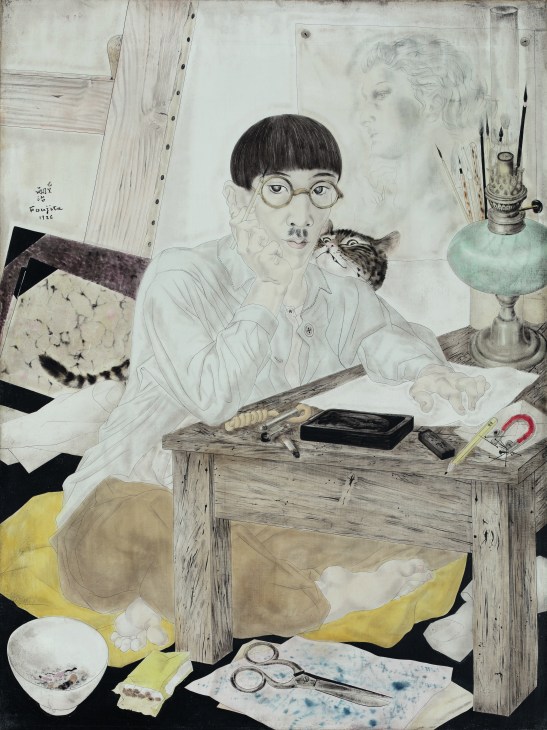
Paula Rego and Adriana Varejão: Between Your Teeth
Centro de Arte Moderna Gulbenkian
Varejão is one of Brazil’s leading contemporary artists, famed for using cracked Portuguese tiles as a visual metaphor for subjects such as colonialism and religion. She co-curates this two-hander, drawing parallels with the work of Paula Rego, who shared a desire to tackle taboos.
‘Between Your Teeth’ runs from 11 April to 15 September 2025
Photography
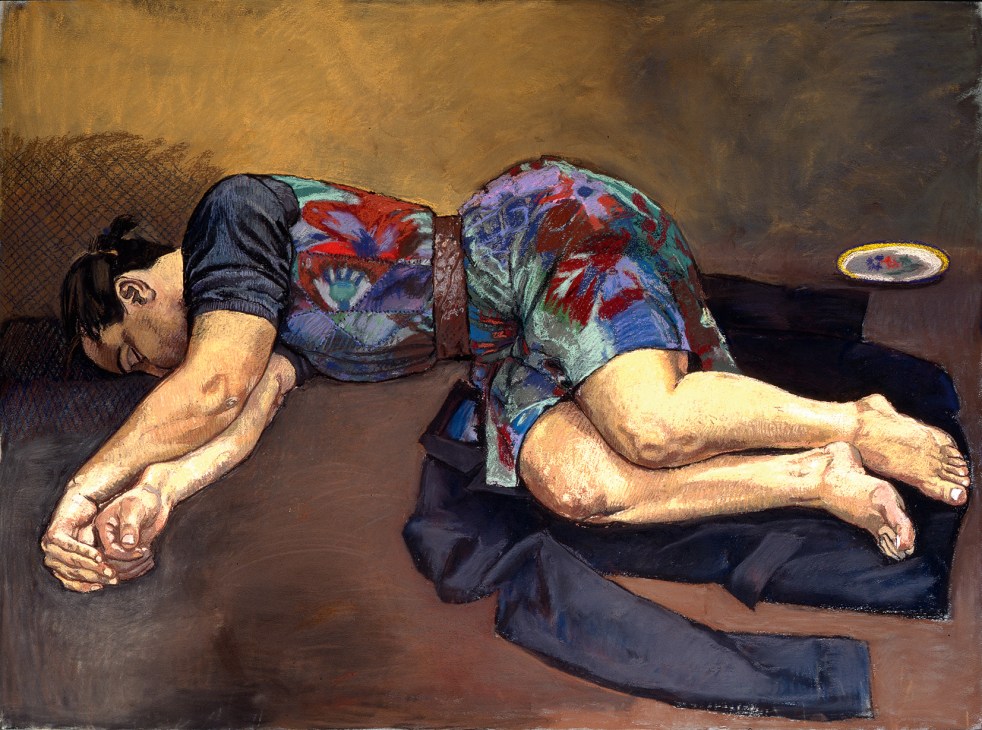
Kunié Sugiura: Photopainting
San Francisco Museum of Modern Art
A trained photographer, Sugiura’s first multimedia works happened by chance in 1967 when she moved to New York and couldn’t find a darkroom. Coating canvases in photo emulsion started a lifetime of experimentation. The artist has oscillated between the soft expressiveness of her brush and the focus of her lens ever since.
‘Kunié Sugiura’ runs from 26 April to 14 September 2025
Books
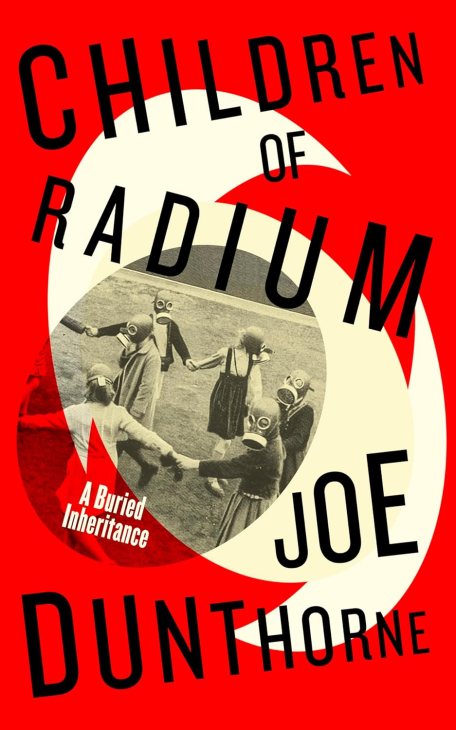
Children of Radium
Joe Dunthorne
In this memoir, poet and novelist Joe Dunthorne investigates the life of his great-grandfather Siegfried, a Jewish scientist who worked in Germany between the wars developing, among other substances, radioactive toothpaste and poison gas. Siegfried wrote a near 2,000-page memoir, which Dunthorne’s father called “a bit of a slog”. By contrast, Children of Radium is anything but: a funny and moving family history that troubles even as it entertains.
‘Children of Radium’ is published on 3 April
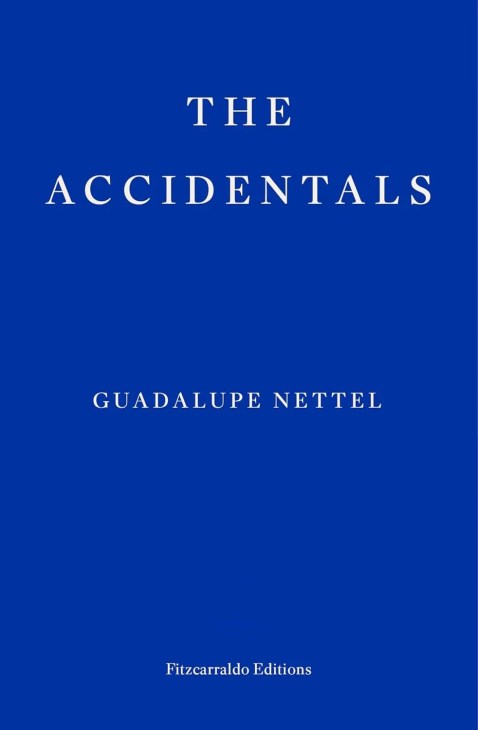
The Accidentals
Guadalupe Nettel, translated by Rosalind Harvey
Nettel, one of Mexico’s most well-regarded authors, returns with a collection exploring the ways in which ordinary lives can turn upside down. Sometimes these changes, such as the one described in “The Pink Door”, are brought about by magic. Other stories, such as the brilliantly menacing “Playing with Fire”, suspend us in a space somewhere between realism and horror-tinged fantasy.
‘The Accidentals’ is published on 10 April
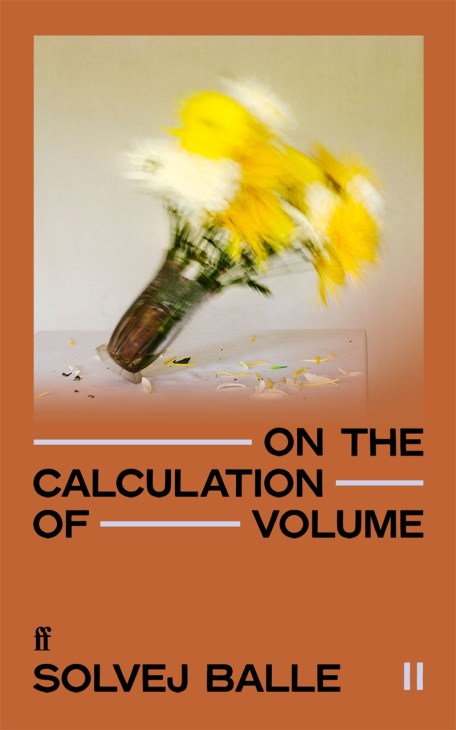
On the Calculation ofVolume, Books I & II
Solvej Balle, translated by Barbara J Haveland
The first two books of Danish writer Solvej Balle’s On the Calculation ofVolume are published simultaneously. They follow Tara, a bookseller, as she lives repeatedly through the same November day. If the conceit isn’t original, the beauty and philosophical heft that Balle brings to it is.
‘On the Calculation ofVolume’ Books I & II are published on 10 April
TV
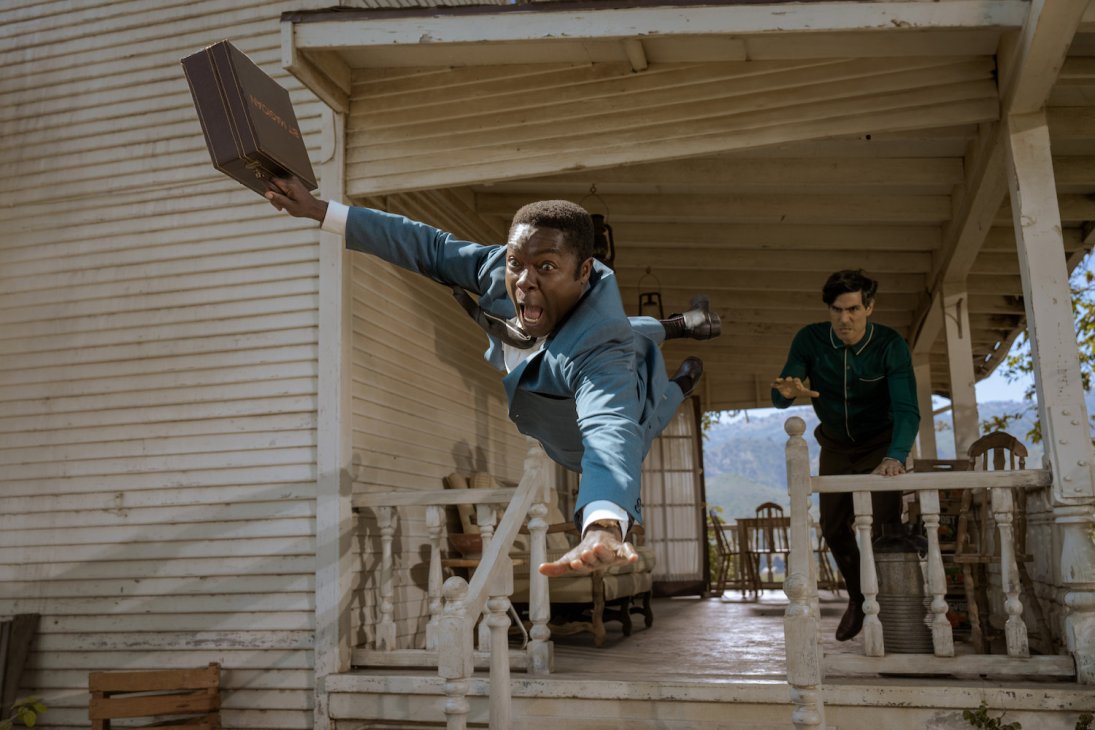
Government Cheese
Apple TV1
David Oyelowo, alongside his wife and producing partner Jessica, signed a first-look deal with Apple TV+ after his work on their series Silo convinced him of the streamer’s commitment to originality and artistic integrity. Their collaboration, surrealist comedy Government Cheese, features Oyelowo as a 1960s family man intent on grabbing his slice of the American dream.
‘Government Cheese’ is released on 16 April
The Eternaut
Netflix
One of Argentina’s most celebrated literary works, The Eternaut is a dystopian comic series about the survivors of a mysterious, toxic snowfall, now left to battle new oppressors. It proved unexpectedly prescient for its writer, Héctor Germán Oesterheld, who was disappeared by the country’s military dictatorship in 1977. Now, a Spanish-language adaptation shot in Buenos Aires hopes to honour his legacy.
‘The Eternaut’ is released on 30 April
Music
Slipper Imp and Shakaerator
Babe Rainbow
Listening to Babe Rainbow will immediately transport you to their native Rainbow Bay in East Australia. This album was recorded in a warehouse on a banana farm and is full of their trademark sunny acid-pop sounds. The breezy “Long Live the Wilderness” hides the track’s theme of the loss of innocence. Another highlight is “Like Cleopatra”, featuring fun synth-funk beats.
‘Slipper Imp and Shakaerator’ is released on 4 April
Jesucrista Superstar
Rigoberta Bandini
This is Spanish singer Paula Ribó González’s follow-up to her successful 2022 record La Emperatriz. The 22-track album traverses from the danceable electro pop of “Kaiman”, which sounds like it could be a winning Eurovision entry, to the poignant single “Pamela Anderson”, a tribute to the American actress. A big summer tour across Spain is on the horizon.
‘Jesucrista Superstar’ is out now
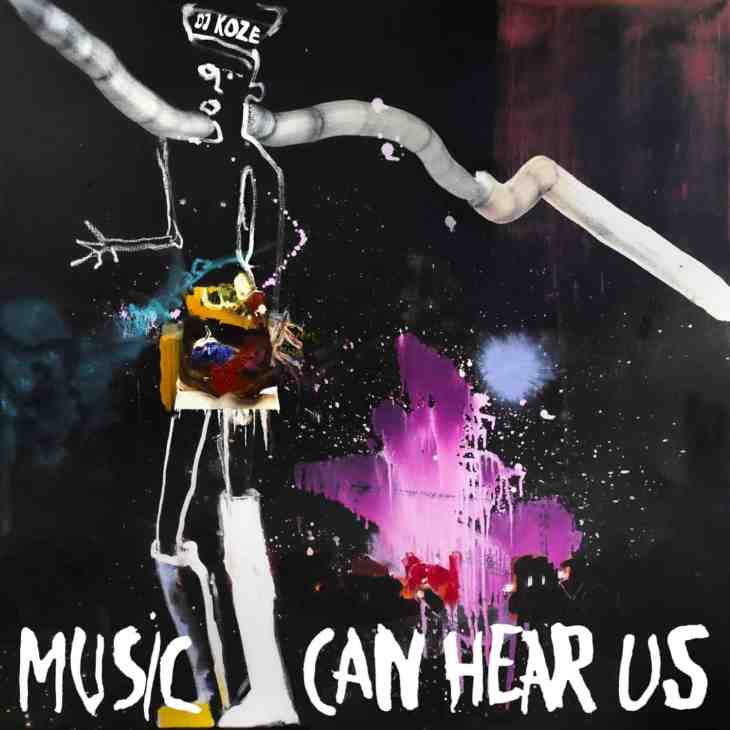
Music Can Hear Us
DJ Koze
The German DJ and music producer returns with an album released on his own label, Pampa Records. The cosmic-inspired record has an A-list set of contributors, including Damon Albarn on “Pure Love” and Ada and Sofia Kourtesis on “Tu Dime Cuando”. Progressive house track “Unbelievable” is a highlight, as is the otherworldly cover of the 1983 iconic summer hit “Vamos a la Playa” by Italian duo Righeira.
‘Music Can Hear Us’ is released on 4 April
Film
The End
Joshua Oppenheimer
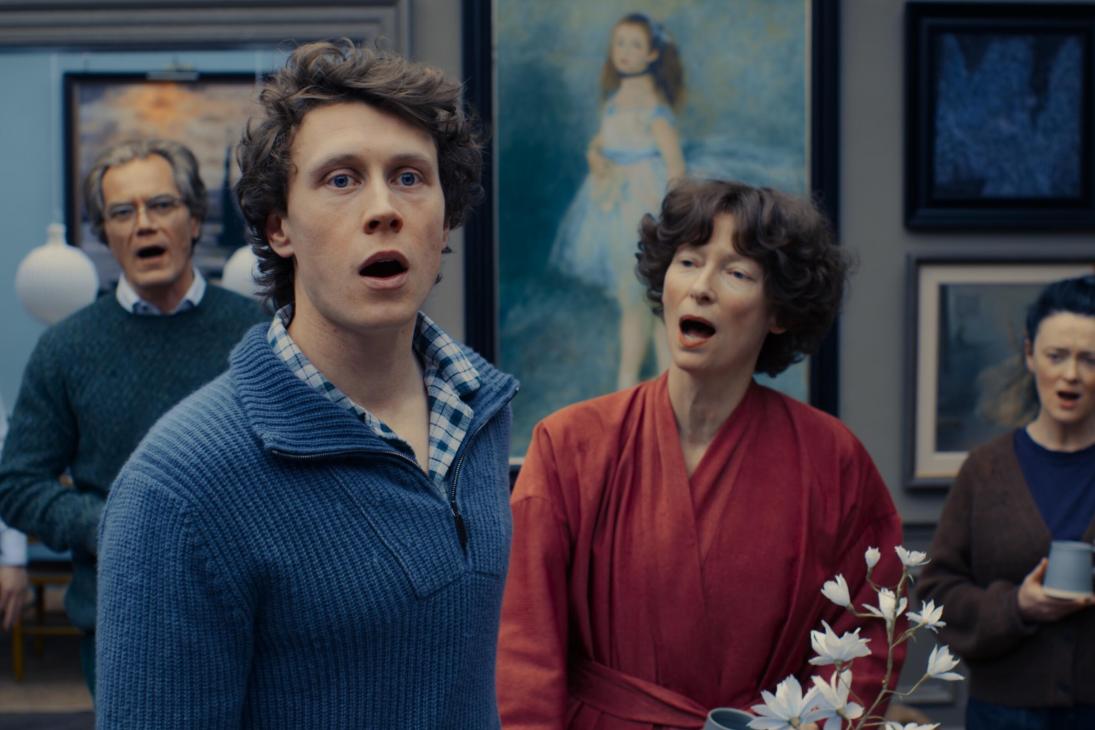
Having made The Act of Killing, one of the most inventive documentaries in memory, and followed it up with further acclaimed non-fiction work, it would have been easy for filmmaker Joshua Oppenheimer to remain in his comfort zone. Instead, he has defied expectations by returning to cinemas with an audacious post-apocalyptic musical starring Tilda Swinton and Michael Shannon as the heads of a family clinging to their privilege after an extinction-level event.
‘The End’ is released on 28 March
The Most Precious of Cargoes
Michel Hazanavicius
The first animated feature to compete for the Palme d’Or since Waltz with Bashir in 2008 takes on similar themes of war, dehumanisation and trauma. In this case, a fairy-tale retelling of the Holocaust centres around a baby abandoned just outside Auschwitz. It’s a lyrical fable that includes the perspective of those who enacted these horrors – and some who defied them.
‘The Most Precious of Cargoes’ is released on 4 April
The Amateur
James Hawes
In troubled times, escapism and familiarity can be attractive, so the timing of The Amateur could not be more perfect. James Hawes’ spy thriller is based on the 1981 Robert Littell novel, which was previously adapted for the screen starring Christopher Plummer. It has now been reimagined with Rami Malek as a CIA operative who goes on a quest to avenge his wife’s death.
‘The Amateur’ is released on 11 April
Up in the air: India’s fighter-jet conundrum
Since its independence in 1947, India has assiduously avoided enmeshment in any bloc or alliance (“We endeavour to maintain friendly relations with all countries, even though we may disagree with their policies or structure of government,” as Jawaharlal Nehru had it). Sometimes, however, choices must be made and India now faces one both militarily and diplomatically significant: whether its next generation of fighter pilots will fly the US-built Lockheed Martin F-35 or the Russian-made Sukhoi Su-57. The F-35 is the more advanced aircraft but costs at least twice as much – and there is yet more to it than that.
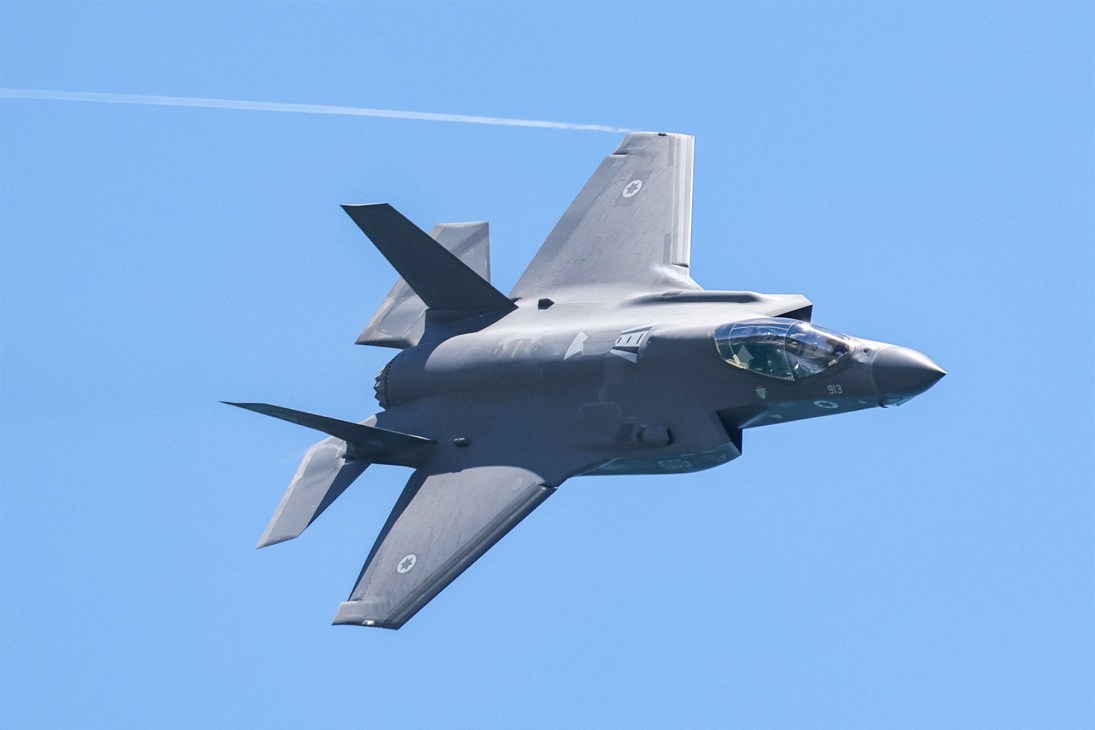
“Strategic and geopolitical implications will be taken into account,” says Dr Walter Ladwig III, senior lecturer in International Relations at King’s College London. “As a major weapons purchaser, New Delhi has used arms deals as part of its overall diplomacy, ensuring that a range of strategic partners get a piece of India’s business.”
India’s relationship with Russia is, however, especially significant. “The majority of front-line combat platforms across all three services are of Russian origin,” says Ladwig. “Even before the Ukraine war there was an attempt to reduce India’s dependence on Moscow.”
There might seem an obvious third option for a country that does build fighter jets. India’s Aeronautical Development Agency is working on a fifth-generation fighter which would be an approximate analogue to the F-35 or Su-57 – but it is not expected before 2035 at the earliest.
The art of a narrative: How Louise Courvoisier and Natasha Brown bring stories to life
Slice of life
Louise Courvoisier, director
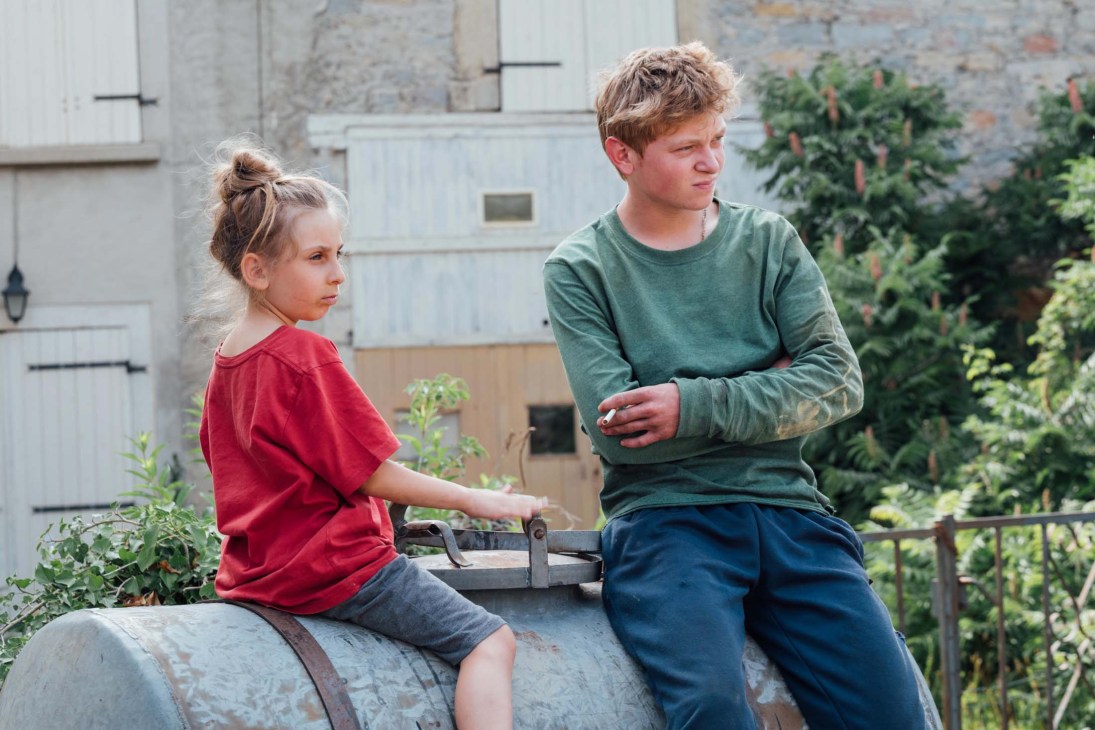
The process of making comté cheese isn’t something that has had much cinematic airtime. But director Louise Courvoisier puts the arduous task centre stage in Holy Cow. The new film follows 18-year-old Totone as he takes over his father’s dairy farm while wrestling with the travails of first relationships. Here, Courvoisier tells us about decentralising French cinema, casting non-professional actors, and why cheese is a worthy protagonist.
How did you choose the film’s location?
I grew up in the Jura, so that’s where I shot the film. I wanted to make a film about the young people who I grew up with and those that don’t have a choice to leave the countryside. In France, films are always set around Paris, so it was important for me to focus on my area.
How did you cast the film?
I wanted to work with non-professional actors who were from the area, but I didn’t know how to find them. It isn’t a documentary, so they had to be good at acting. Clément Faveau, who plays Totone, has fire and fragility in him.
Why did you want to tell a story about comté?
Only a small part of France is allowed to make this cheese. When you come from the area, it surrounds you in a way. It was a challenge to film, but I was confident about the idea because it’s interesting to capture a process that’s so physical. Totone grows up in the film, and making comté helps him to evolve.
Holy Cow is in cinemas on 11 April.
Novel techniques
Natasha Brown, author
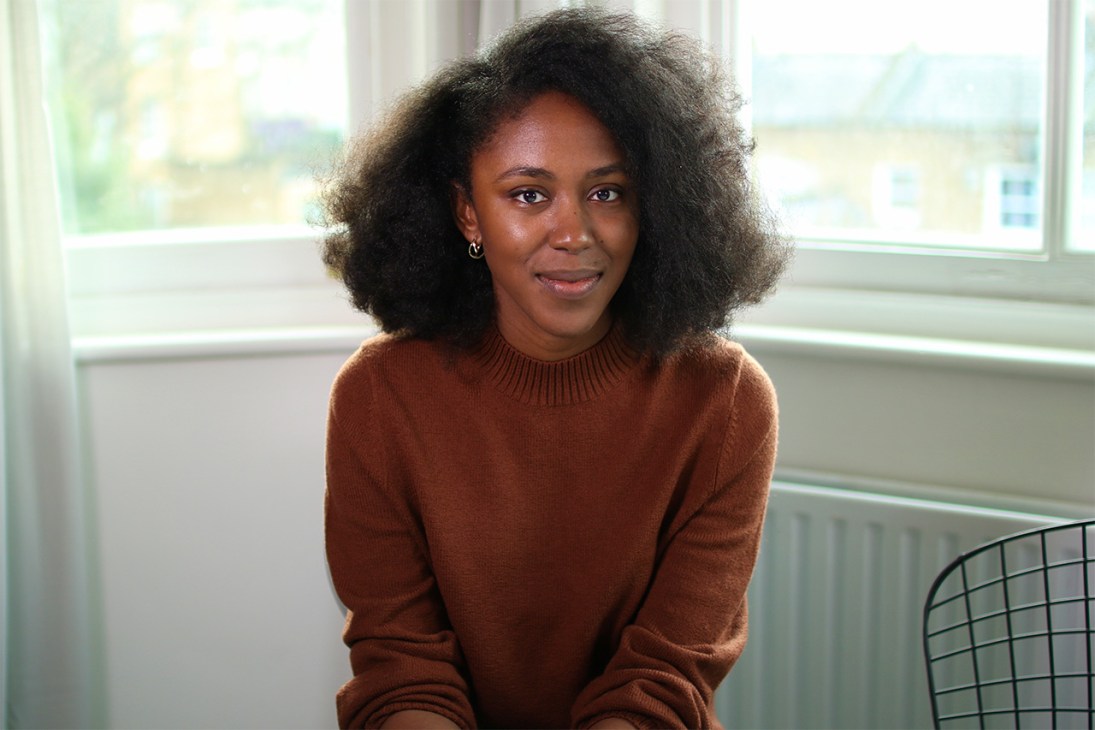
Following the success of her debut, Assembly, in 2021, British novelist Natasha Brown returns with Universality. In this comedy thriller, a journalist’s exposé raises questions about the power that language holds. Here, Brown tells us about her influences, writing dialogue and hooking readers.
Is social analysis at the heart of ‘Universality’?
Jane Austen is a huge influence. Her novels capture what life and people were like in her time; the little hypocrisies of those who take themselves too seriously. I wanted to do the same for what the world looks like today.
How do you write such lifelike conversations?
I write every scene from the perspective of every character, then go over it. After I’ve done that, I write from that scene’s narrative perspective and pick and choose from those different bits. Sometimes I have to be harsh and take away a character’s perfect line but I always need to believe that they’re real people and that their motivations are real.
How do you balance the excitement with the ideas?
I wouldn’t write novels if I wasn’t interested in these questions about language. The esoteric side is where I begin. But when I get into it, it’s about the characters, the story and the hook. These are key.
‘Universality’ is published by Faber UK and Penguin US
What can furniture brands learn from fashion?
The blurring of boundaries between fashion and design is picking up pace: famed Finnish design house Iitala (whose catalogue includes designs by Aino and Alvar Aalto, and Tapio Wirkkala) has just celebrated the second anniversary of its creative director, Janni Vepsäläinen, who took up the role after working as the head of knitwear at JW Anderson. Meanwhile, French outdoor furniture firm Tolix is now being run by former Balmain executives Antoine Bejui and Emmanuel Diemoz. At Milan Design Week, which this year runs from 7 to 13 April, the biggest showcases are almost always the fashion brands, with Hermes’ homewares prompting queues around the block. A host of labels have even launched furniture and homeware lines – Fendi Casa, Versace Home and Dolce & Gabbana Casa spring to mind.
This movement is, so far, one way: fashion to furniture. Perhaps it’s understandable, as clothing textiles know-how is simpler to apply to upholstery than joinery and welding to cutting a suit. Nonetheless, I’ve begun pondering what the furniture industry could embrace. Certainly, I don’t want to see fashion’s rapid seasonality transfer over: in an ideal world, you’re sitting on the same sofa in 30 years’ time – and preferably not in the same pair of trousers.
I would like to see furniture brands that show the fashion designer’s sense of adventure. Furniture design studios tend to share creative directors, an approach that means the same person is churning out similar-looking chairs and sofas for multiple brands. Fashion’s current merry-go-round of creative directors, by contrast, is producing a giddy host of new styles. And emerging fashion designers are given serious platforms: editors flocked to Jawara Alleyne’s London Fashion Week show in February to size the young designer up. By tapping into fashion’s taste for innovation, furniture brands might be able to compete, finding themselves some breathing room in a crowded creative market. They could step back into the limelight at events such as Milan Design Week too. And maybe it will even make for a better product.
Context matters. How has journalism helped us to understand South Korea’s martial law?
It was a night to remember, even for South Korea – a country accustomed to political turmoil and social unrest along its 77-year road to democracy. President Yoon Suk Yeol’s martial-law declaration in December was short-lived but it succeeded in unleashing a flood of political and social complications that continue to this day.
While news traffic has surged, so too has distrust in traditional journalism. The struggle to hold on to audiences has intensified as their interpretations of news have become increasingly polarised. Meanwhile, balanced reporting has become more difficult, with fringe views harder to ignore. News outlets have been accused of misrepresenting information while conspiracy theories have run rampant in the months since. Youtube algorithms are convincing radicals – both progressive and conservative – that their beliefs are the truth.
To the democratic audience worldwide, the case was clear-cut. Yoon’s martial-law decree, which banned all political activities and placed the media and doctors under military supervision, was swiftly judged in the courts. But the question for the media in South Korea has been how to report the nitty gritty of his trials without burying the bigger picture.
At The Korea Herald, we provide an inside perspective for global readers and strive to report in a way that provides context. During those six hours of martial law, we glimpsed what being robbed of our freedom of speech might look like. But the turmoil also united the country’s news outlets, regardless of their political persuasions, and reinforced our fundamental purpose. It highlighted how journalism exists to assist people’s judgement and not lead it, and how safeguarding the credibility of the media has become even more important to ensuring a sound democracy.
Lee Joo-Hee is the managing director of The Korea Herald.
What can the Munich Security Conference tell us about the new world order?
At the 2025 Munich Security Conference (MSC) in February, the world underwent what can only be described as a geopolitical vibe shift. A horrific car-ramming attack on the eve of the event set the tone for a rancorous long weekend during which Nato, the institutional bedrock of the MSC, was ripped asunder by JD Vance, the US vice-president, who fired a rhetorical salvo on the opening morning that reverberated across the whole continent. Here are five things that I learned during a tumultuous three days in Bavaria.
Munich is the Davos of a rearming world
For years, the MSC has followed a week or two behind the World Economic Forum’s get-together on the other side of the Zugspitze. The former was seen as a Cold War anachronism during the era of hyper-globalisation, when heads of state and CEOs favoured Davos as a place to do deals while enjoying Mitteleuropa’s hospitality. But in a more security-conscious world, the MSC has regained its relevance and this year’s event was the hotter ticket for both politicians and big business.

Are journalists the real enemy within?
Much eye-rolling greeted Vance’s description of Europe’s gravest threat as the “enemy within” – what he saw as illiberal constraints on freedom of expression. But I was troubled by how the media were treated at this year’s MSC. Herded into a marquee 10 minutes’ walk from the Hotel Bayerischer Hof, we were only allowed into the main venue with a pre-arranged meeting and a security person in tow. Given the profile of the attendees, the organisers were understandably on edge but a free press is something that the conference was founded to defend. Every journalist there had been background-checked – so trust us to behave ourselves among the grown-ups next time.
The power of hot air
Vance’s excoriating address on the opening morning became the talking point of the weekend, though perhaps not for the reasons that he intended. Still, in an age in which political rhetoric appears to be either a soundbite or a rant, it was notable for the power of its (slightly loony) message. A few hours later, Germany’s defence minister, Boris Pistorius, tore up his own prepared speech to deliver a rebuttal. It might have felt a little unseemly to have two apparent allies engaged in a public slanging match but it was interesting to witness a speech that is likely to go down in history for its impact on global security.
The US still cares about its own safety
The security surrounding a high-level US official is almost artful in its sustained choreography. Vance’s exit from the Bayerischer Hof featured a 35-strong convoy, including several armour-plated Chevrolet Suburban SUVs, which are flown around the world alongside the vice-president. The long periods spent shivering at checkpoints while Secret Service men with M16s frowned with distaste and barking Polizei ordered you back were also a taste of American over-the-top protocol.
Don’t break the rules in a beer hall
On entering one of Munich’s most famous beer halls, I immediately began to get under my waiter’s collarless shirt. My first sin was to sit at a table with a laminated “Reserved” placard on it. After I explained that I would be gone before the 19.00 reservation, I was allowed to remain. I ordered a glass of the house ale; one litre arrived. I asked for a replacement; my request was denied. Then I got my card out to pay – this was the final insult. My glass was snatched from me and a finger pointed towards the door. I could say that this denial of my freedom of expression was relatively small beer compared to the geopolitical gravity of utterances made elsewhere in Munich that weekend but it was actually a very big beer.
About the writer:
Self is the foreign editor of Monocle. He covers diplomacy, defence, geopolitics and more besides. He will bring hard cash next time he steps foot in a Munich beer hall.
Interview: Meet Martin Österdahl, the man behind Eurovision

In many ways, Switzerland is the true home of the Eurovision Song Contest. It is co-ordinated by the Geneva-headquartered European Broadcasting Union (EBU) and Switzerland hosted (and won) the first edition in 1956. But at the helm of this rather Swiss enterprise is, in fact, a rather dapper Swede.
You might recognise Eurovision’s executive supervisor, Martin Österdahl. On finals night, he announces when the votes have been counted. But this moment in the spotlight is the culmination of months of behind-the-scenes grunt work getting Eurovision – still the world’s most watched non-sporting TV event – shipshape and sparkling.
Österdahl has been in the role since 2020 but last year he was booed on stage due to several flashpoints, including Israel’s presence at the event and the exclusion of the Dutch representative. Despite the bumps, the 2024 contest’s three live shows reached an audience of 163 million, making it one of the most successful so far.
The 2025 competition will be held in Basel. And so on a crisp day in late January, monocle traversed the city’s cobblestone streets to witness the semi-final draw and city handover – two key moments ahead of the live shows in May. These took place in the new wing of the Kunstmuseum, in front of a brightly coloured Frank Stella artwork, which serves as a fitting backdrop for an event that is known for its vibrancy. After a record-breaking yet bruising period for the competition, we sit down with Österdahl to hear about how he keeps the show on the road, why contemporary culture is always political and the importance of events that unite not divide.
Many people know about the Eurovision Song Contest but you technically work for the European Broadcasting Union (EBU). What is it?
The EBU is an international member organisation of national broadcasters with 100 members across Europe and associate members all over the world. I only work on the Eurovision Song Contest and Junior Eurovision Song Contest, but the EBU does co-production and programme exchange within the membership across all genres, including news and sport.
How long have you been a Eurovision fan?
I grew up in a home where both my parents worked in the music industry. My father competed in Eurovision in 1967 as a songwriter on the Swedish entry. He was a hit maker in the 1960s and 1970s, and then he started managing his own recording studios in Sweden and the UK. The first one was in the basement of my family house; Abba recorded there. Later, we moved to the UK and my father recorded some of the biggest stars of the time, from Marvin Gaye to Iron Maiden and later the Spice Girls and Take That. It was a very special environment; I learned the ins and outs of recording music. That has been helpful in this job.
“Eurovision is the Super Bowl on steroids”
Sweden has a special relationship with Eurovision. When the show is hosted there, the level of excitement is palpable…
That’s right. And our national competition to select our Eurovision representative, Melodifestivalen, is a massive event. It takes place over six consecutive Saturday nights with Eurovision-style production in arenas around Sweden. The whole country pretty much comes to a standstill. The final of that tour is in Stockholm with 35,000 people in attendance – more than we have for any Eurovision Song Contest. The secret to the success of Sweden in Eurovision and the Melodifestivalen format is the close collaboration between SVT [the national broadcaster] and the Swedish music industry.
Does it feel particularly special to be hosting the competition in Switzerland this year?
The first edition was in Lugano, so it is coming home in a way. There’s a growing fan base here and Switzerland is quite unique. It’s a country divided between three languages but united in being Swiss.
Tell us more about your role and the complexities of hosting an event like this.
A large part of what we do is the knowledge transfer from each year: sharing how to set up what is the world’s largest music event and arguably its most complex TV production. My team and I work on this every year, so we make sure that the new host broadcaster has all the information they need because of the unique hosting mode – if you win it, you host it. We take the Monday off after the grand final and then we start again on Tuesday. There is no time to lose. I used to be a commissioning editor of entertainment and sports programming at SVT. If you’re the host broadcaster for a ski world championship, you normally know that five years in advance. With Eurovision, you win it on a Saturday night, and the host broadcaster gets a letter on Monday saying, “Congratulations, you’ve won. Now you’re expected to put all this together a year from now, and it will go out live to hundreds of millions of people”. It’s quite a daunting task.
Do you try to avoid capital cities when selecting the host location?
The show employs more than 10,000 people, which is something that people at home perhaps do not realise. We need a lot of hotel rooms and an international airport. We also need an area near the arena with changing rooms for up to 26 delegations of 20 to 25 people. They need to have space for hair and make-up, and somewhere to organise their costumes. There needs to be a prop storage area. We also need a media centre for 1,000 members of the press and a press conference room. The logistics behind the stage are extraordinary. Cities such as Basel, Malmö and Liverpool are well equipped, but there’s the soft factor too. You want to have a city that embraces the values of the brand and wants to do something with it; that tends to be a country’s second or third city. The biggest cities have so much happening already.


Those logistics are comparable to the biggest international music tours, right?
When we produced the Eurovision Song Contest in Malmö back in 2013, the last big show before us was Lady Gaga’s tour – at that time, the world’s biggest. Lady Gaga had something like 30 semi-trailers of technology and props. We had 97. And now, we have more than 200. I love when people talk about the Super Bowl; Eurovision is the Super Bowl on steroids.
Let’s talk about the 2024 show, which was incredibly successful in terms of viewing numbers but also controversial.
The truth is that the Eurovision Song Contest started in 1956 as an experiment in new technology but it also had that big idea of uniting people across borders at a time when Europe had become very divided. That’s one of the main reasons why it’s become so popular. Throughout the almost 70-year history – this is the longest-running show on television – lots has happened in Europe. Unfortunately, we live in a time of conflict and division but that just makes the Song Contest even more important. We believe that we have a higher purpose: for a few nights, we can imagine the world as we would like it to be, not necessarily as it is. That’s what gets us out of bed in the morning.
“For a few nights, we can imagine the world as we would like it to be, not necessarily as it is”
How do you manage the delicate question of artists expressing political views?
The arrival of social media has changed things and artists who participate in this event suddenly have their own platform. Popular culture has always been opinionated – and it must be to be contemporary. It’s an expression of identity, of what’s going on in the world and what you think about it. We understand that but we also have a set of rules that say that you’re not supposed to use the Song Contest to express political views. And that does become more challenging when we’re in a divisive time. Unfortunately, over the past few years, we’ve had the Nagorno-Karabakh conflict between Armenia and Azerbaijan. They both participate. We’ve had the invasion of Ukraine. And now we have the conflict in the Middle East. It’s difficult to be that neutral space when things like this are going on.
Some of those conflicts will be ongoing during this year’s show…
We don’t expect anything else but it’s important that we find a way through it. In Malmö [the 2024 edition], the latest conflict in the Middle East was relatively new and we were the first big international event to come on stage with an Israeli delegation. I think we became a little bit too passive, a little bit too silent. And we’re not making those mistakes again. We’re going to be much more proactive. We’re going to be much more communicative. We’ve introduced new codes of conduct and duty-of-care protocols. But, ultimately, it’s about mutual respect. We are supposed to be a kind, gentle event. Hate, violence and toxicity have no place in the Eurovision Song Contest.
And there have been some new additions to the team as well.
One of the things that we realised in Malmö was that we were understaffed because the event has grown so much. We’re now a global entertainment superbrand with millions and millions of followers. We needed more support for the leadership, crisis communications and everything that has to do with managing an international brand. That’s why broadcast events leader Martin Green was recruited, which is great for us.
Lots of fans would like to see Turkey back [after it withdrew over perceived bias]. Would it be welcome?
We would love to have Turkey back because of the fanbase there. There’s a massive fanbase in Russia too. I’d love to be able to serve those fans with Eurovision. Unfortunately, in the case of Russia, that is looking difficult. But in 20 years from now, I would love to see Turkey and Russia participating.
“Public service media is more important today than it has ever been”
At the heart of Eurovision are public service broadcasters, which each fund and organise their country’s participation. Have attitudes toward those organisations changed?
There are a lot of political voices who think that public service media is something that we no longer need but we believe that public service media is probably more important today than it has ever been. With all the new channels of communication and information, it’s harder to figure out what is going on in the world and what is true.
What’s your favourite moment in the show?
Right at the beginning when the clock starts and then it’s Eurovision time. It gives me goosebumps just thinking about it. I find the energy in the venue to be like nothing else.
Finally, what music do you enjoy listening to in your spare time?
I listen to the Eurovision songs until I’ve learned them completely. I also watch every single rehearsal. I have to learn every detail of every performance to be able to see if something goes wrong. So when Eurovision is over, I need something different. Most likely, classical music.
Top 10 winners
Fernando Augusto Pacheco’s favourite Eurovision victors.
1956: Lys Assia’s “Refrain”(Switzerland)
The first Eurovision winner was a classy strings affair.
1972: Vicky Leandros’ “Après Toi” (Luxembourg)
The Greek singer represented Luxembourg with a ballad by her father.
1974: Abba’s “Waterloo” (Sweden)
One of Eurovision’s most recognisable tracks, spurring an international career.
1988: Céline Dion’s “Ne partez pas sans moi” (Switzerland)
A historic win for a young Canadian on the brink of stardom.
1990: Toto Cutugno’s “Insieme: 1992” (Italy)
This ballad in support of the European Union shows a political edge.
1998: Dana International’s “Diva” (Israel)
The victory of this trans artist showed how the contest can break boundaries.
2003: Sertab Erener’s “Everyway that I can” (Turkey)
An energetic winning performance before Turkey withdrew from the contest in 2013.
2014: Conchita Wurst’s “Rise like a Phoenix” (Austria)
The bearded Austrian drag queen impressed with a song that sounded like a Bond theme.
2021: Måneskin’s “Zitti e buoni” (Italy)
Måneskin made leather trousers cool again, bringing a taste of rock’n’roll.
2022: Kalush Orchestra’s “Stefania” (Ukraine)
An emotional victory for the Ukrainian group the year Russia invaded their country.