Issues
Inside the Reserve, Singapore’s largest and most stylish vault
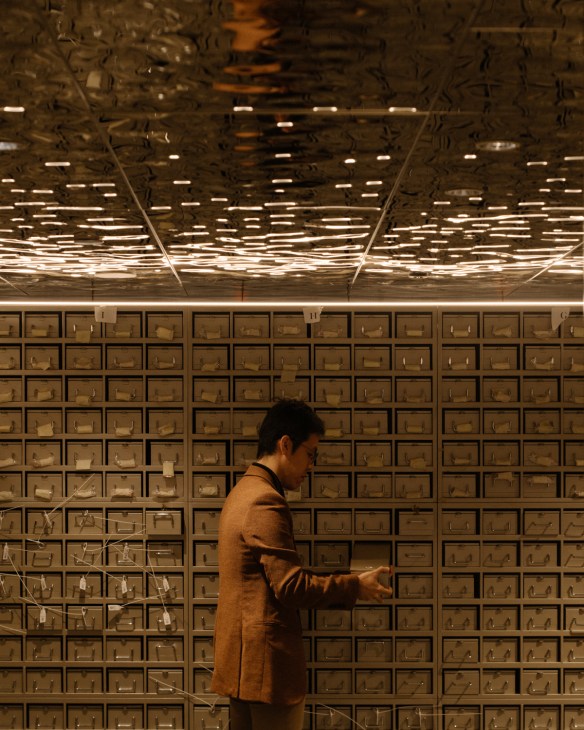
Gregor Gregersen looks down at the bar of gold in his hands. It is a slim trapezoid of burnished, ochre-hued metal, a 12.5kg brick that gleams gently in the light and is worth – at time of writing – about $1.2m (€1.1m). “Gold is intrinsically valuable; it doesn’t depend on the government,” says Gregersen, the founder of the Reserve, Singapore’s newest, largest and arguably most stylish vault for bullion and precious metals. “That’s the philosophy that underlies everything here.”
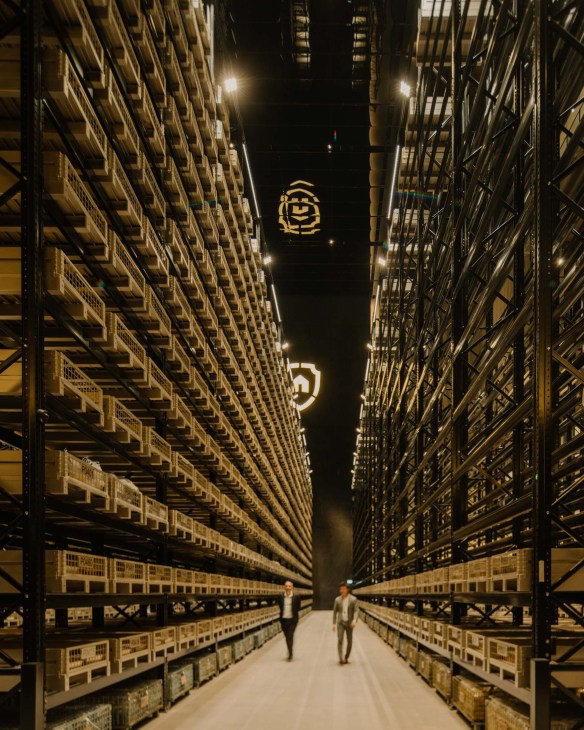
We are standing in a low-ceilinged bunker in the eastern end of Singapore. All around us, every centimetre of wall space is taken up by rows of drawers, each containing millions of dollars’ worth of bullion. Gregersen places the gold bar back in its drawer and turns the key, locking it safely away. The Reserve consists of a 17,000 sq m facility that was completed in 2024 and can store up to 500 tonnes (or about €45bn) of gold and 10,000 tonnes (about €10bn) of silver, potentially making it the world’s highest-capacity vault (national governments do keep some secrets to themselves).
“The financial system is much more fragile than it appears,” says Gregersen, who is originally from Germany but is now based in Singapore. “Geopolitics is getting more and more fragile. I wanted to create an option for myself and others to have a safe haven for assets.”
The Reserve is different from the other safe-storage sites peppered around the world, in places from Singapore to Switzerland. It doesn’t simply offer clients a place to stash their precious metals – it sells them too.
“What’s different about us is that we are vertically integrated,” says Gregersen with a grin. “We are the trader, the equivalent of a bank, the vaulting operations and the facility itself. This means that we can control everything, from the time that a client buys the gold to how we source it and how it’s being stored. It also means that we can provide a lot more transparency.”
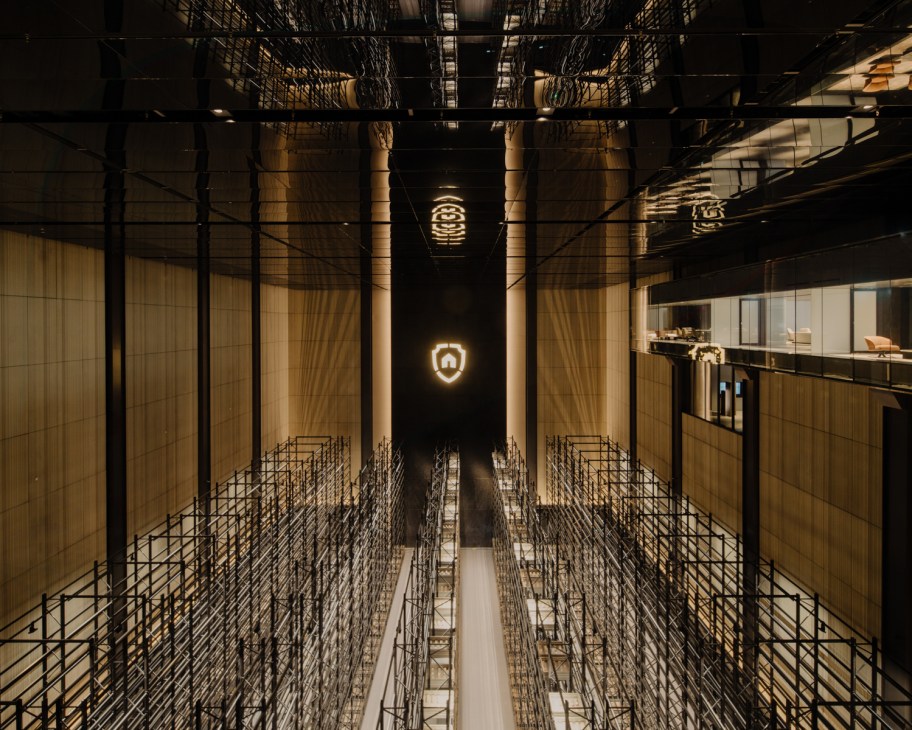
In addition to this, The Reserve is more open to public attention – and access. In 2020, when Gregersen bought the building that became The Reserve, it housed an electronic components factory. He enlisted architects Wesley Liew and Jessica Baczkowski to transform the nondescript six-storey structure into an architectural marvel.
While the gold and the private vaults (used by the Reserve’s highest-paying clients to stash whatever they desire under guard, laser, lock and key) are located in small dedicated chambers, the silver vault is a cavernous 32-metre-high space of giant illuminated shelves. (Gregersen believes that silver is significantly undervalued – but perhaps you would expect him to.) A fifth-floor lounge and coffee bar, which Gregersen plans to let to corporations and luxury firms for parties and fashion shows, offers a vertiginous view of the vault from above. The cumulative aesthetic effect of this falls somewhere between Blade Runner and the Batcave.
Gregersen is aware that The Reserve, in its total aversion to being nondescript and under-the-radar, is nothing like a “traditional” vault. But, he says, it checks all the boxes that matter.
“Singapore is already a very safe place,” he says. “Having said that, we still have the heavy walls, we have mantraps – where a door closes behind you, sensor checks are happening. And if we don’t like you, we don’t open the other door and we call the police. We have auxiliary police, we have the lasers, we have motion sensors, vibration sensors, we have almost 500 CCTV cameras.” Gregersen pauses, then adds: “But you also need to have style.”
thereserve.sg
Amsterdam’s rebel mayor on sex, drugs and tourists
The first mayor of Amsterdam was appointed in 1383 in a process not dissimilar to that used in 2018, when Femke Halsema became the first woman to hold the position. Amsterdam’s mayor is nominated by the minister of the interior and kingdom relations on the recommendation of the municipal council – a selection then rubber-stamped by the Dutch monarch. This makes Halsema’s role officially apolitical but she has responsibility for many political things, including taxation and the police. Some argue that this state of affairs is more suited to the 14th century but not being beholden to voters might also mean that a politician can propose radical solutions to urban ills.
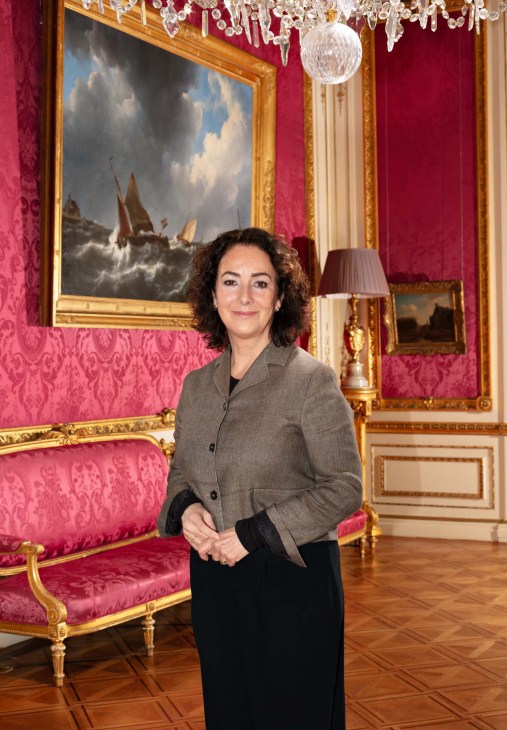
Halsema has done exactly this. She is a proponent of both decriminalising all drugs and introducing tighter rules on the selling of cannabis to tourists, as well as its consumption. (It is the only narcotic currently legal in the Netherlands.) Her boldest idea – relocating Amsterdam’s red-light district to a purpose-built “erotic centre” on the outskirts of town – does not contradict her pro-sex-worker pronouncements. She is also battling the twin scourges of gentrification and over-tourism, signing legislation this year that will limit to 15 the number of days residential properties in certain neighbourhoods can be let out on platforms such as Airbnb; while in 2023 she launched “Stay Away”, a campaign to deter undesirable tourists from visiting Amsterdam.
But perhaps her greatest challenge came in November last year, when clashes between supporters of Israeli soccer club Maccabi Tel Aviv and local youths made global headlines. Media reports alleged that young men had “hunted” the team’s Jewish fans, sparking outrage from both Joe Biden and Benjamin Netanyahu. Halsema earned praise for a response that ultimately calmed tensions between the city’s Jewish and Muslim communities. On a misty day in the Dutch capital, Halsema welcomed Monocle into her official residence, a 17th-century canal-side townhouse, to discuss the riots, housing, security and much more.
Let’s dive into that episode in November that became a global story within hours. What’s it like when the US president inserts himself into your municipal affairs, while the Israeli prime minister proposes dispatching jets to Schiphol Airport?
It felt utterly surreal. Someone told me that the rioters had chosen the sweetest city in Europe. I don’t know whether that’s true but we have relatively little crime and few riots. And then this. Of course, what happened that night was terrible. But in hindsight I’m increasingly astonished. At the very moment we were still collecting all the data, Joe Biden was already responding, 30 minutes before our press conference. We tried to be careful not to be cornered by hasty reactions.
What did you learn from that episode?
What deeply moved me was the pain in our Jewish community. During the Second World War, almost all of the city’s Jews were deported from Amsterdam, with a questionable role played by the municipality. Even after the war, the reception was distressing. Yet Jews have always continued to speak fondly of “Mokum”, their city since the 16th century, with synagogues and a rich Jewish life. After the riots, a deep hurt arose. What shocked me next was how politicians and certain residents were quick to single out Muslims, another pillar of this city. Since the riots, I have been investing a lot of time in conversations with both Jews and Muslims. My message to them is clear: this was your city yesterday, it is today, and it will remain your city tomorrow.
Since the coronavirus pandemic, the city has seemed agitated. Geopolitics has an effect on local politics. How do you govern a restless city where disagreements can lead to physical confrontations?
Are the city and country really more unsettled, or do we cope worse? I think the latter. Amsterdam has a history of resilience. Geopolitical tensions are nothing new – the largest-ever demonstration in the city was against US nuclear weapons in the middle of the Cold War. After September 11 and the murder [by a 26-year-old Dutch-Moroccan] of film director Theo van Gogh in 2004, emotions also ran high. Commotion is part of a city like Amsterdam; people make themselves heard and sometimes clash. We always have been a city of individuals, not of groups. Unrest is of all times but the reactions now are more hysterical and there is less and less room for dissent. That worries me.
As a mayor, you are in charge of maintaining public order and have authority over the police. How do you approach this?
We call it “the triangle”. It consists of me, the chief public prosecutor and the police commissioner. We direct the police. I have the last vote but we almost always agree. That strengthens my position in talks on security with national politicians. Demonstrations in the city have doubled since 2023. We’re also grappling with a rise in mentally disturbed people prone to violence. We have about 4,750 police officers but are short 300 full-time positions. Yet the government thinks that we have enough people. In the medium term, this harms public safety.
Speaking of public safety and wellbeing, in your position as a mayor and police chief, you advocate for the legalisation of drugs. Other European mayors do not yet dare to explore this topic.
The debate is ideologically charged due to the failed war on drugs. People hardly dare to talk about it rationally for fear that by doing so, they condone it. But why leave a health-risk product to criminals? Alcohol and medicine are regulated, why not drugs? Take MDMA: it’s less harmful than alcohol yet has been banned since the late 1980s. The consequence? The Netherlands is now the world’s biggest producer, resulting in illegal labs and drug wars. We want to investigate how much tax and excise duty we are losing and what a regulated market could look like. Eighty per cent of Amsterdam’s police capacity is used on drug crime. This is unsustainable. It is not a moral issue but an economic and managerial problem that requires rational solutions.
Do any colleagues in Europe share your ideas?
Many leaders privately agree but fear the political fallout of going public. Behind closed doors, I get a lot of support. The mayor of Bern openly supports me, as does Claudia López, the former mayor of Bogotá. Awareness is also growing within police, justice and health services. An international group of former heads of state and secretary-generals support regulation but they wait until they are out of office before speaking out.
Amsterdam is a prosperous city but residents complain ofhousing shortages and overcrowding.
Growth means that things are going well, and our scale makes the city manageable. However, there are significant issues: we have both the richest and poorest neighbourhoods in the Netherlands, and middle groups are moving away. That is why we invest unequally: not pro rata to the number of inhabitants per neighbourhood. The money goes where it is needed – a pragmatic, sharp, social-democratic choice to keep the city liveable.
Property prices here are rising at the fastest rate in Europe and the population is approaching one million. There is less and less space for lower-income groups. What is the city doing about this?
We are building everywhere but the housing shortage is increasing. Things are moving too slowly. We will have to densify. In new neighbourhoods, we will build upwards, without modifying the historic city centre. This requires more infrastructure, schools and public transport, as we are already competing for every square centimetre, while dealing with the effects of climate change in a city below sea-level. It is a highly complex puzzle.
Tourists are also competing for space – the city had a record 22 million visitors last year. What are you doing to decrease tourism?
We need to think hard about the tourist/resident ratio. The city’s liveability is under enormous pressure. In Barcelona, short-term rentals will be banned from 2028. That will be inevitable for us too, we need to change the tide. People jetting in on €25 flights to binge drink and get high, with no thought for the town, adds nothing to our economy. That needs to change. In Amsterdam, tourism accounts for about 10 per cent of employment. That’s not so bad but not crucial. Business services, technology, and health and sciences mean much more to the city. Fewer tourists do not necessarily harm the economy. Everyone remains welcome but mass tourism without local connection has to decline.
As Amsterdam celebrates its 750th birthday this year, how well is the city really doing?
Amsterdam keeps changing – it’s greener, fairer and more in tune with its residents. But one thing remains constant: it’s a city with a big heart and a rebellious streak. I wouldn’t trade it for anything.
The CV
1966: Born in Haarlem.
1993: Graduated from Utrecht University with a degree in criminology and sociology.
1998: Enters parliament, representing GroenLinks.
2002: Elected leader of the GroenLinks party.
2012: Works as a documentary filmmaker and journalist.
2018: Becomes Amsterdam’s first female mayor and the first from GroenLinks.
Mipim, the property industry’s annual meet-up, is finally breaking new ground
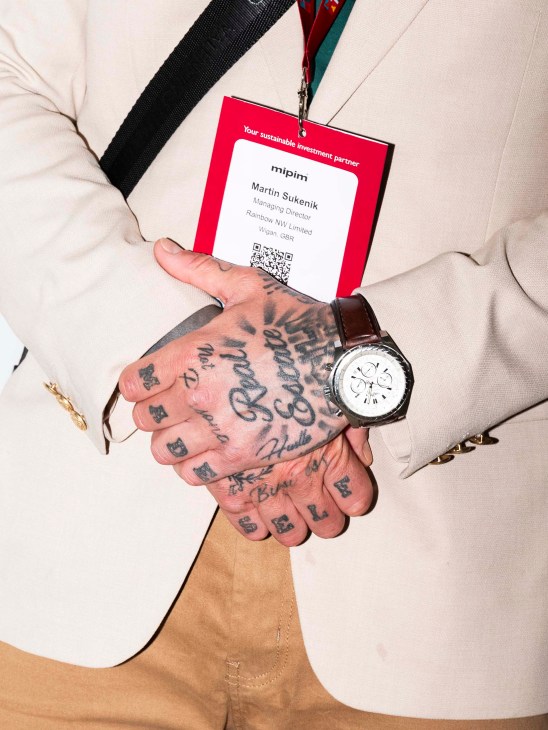
Mipim, held in Cannes every year, is the biggest global event for property players, be they developers, venture capitalists, architects or national, state and city leaders with ambitious plans to develop sectors from housing to hospitality. The trade show pulls in exhibitors and attendees from Europe, the Gulf, North Africa and the US, all vying to make the best deals.
This year, Mipim took place under grey skies – literally and metaphorically. You needed an umbrella to keep the downpours at bay but also a thick skin to ignore the potential effects of a US-led tariff war, which had left some wondering whether American projects would be mothballed if steel was unable to enter the country. Yet there was something else at play; a sense that many in Europe would push ahead no matter what and certainly not try to amend targets for emissions reductions or sustainability. There were also pockets of genuine optimism: Ukrainians predicting a building boom post-ceasefire, Brazilians promoting a vibrant and verdant hospitality boom and the UK strutting its stuff, believing that the ills around housing might finally be addressed.
At Mipim it is possible to discern the levels of confidence around the world and see where’s on the up. And Monocle was there in force this year – with a radio studio at the heart of the event’s main venue, the Palais des Festivals. Here is a snapshot of a few of the conversations we had; for a deeper dive, tune in to our special episode of The Urbanist. Now let’s get building.
1.
Make Europe great again
Muyiwa Oki
President, Royal Institute of British Architects
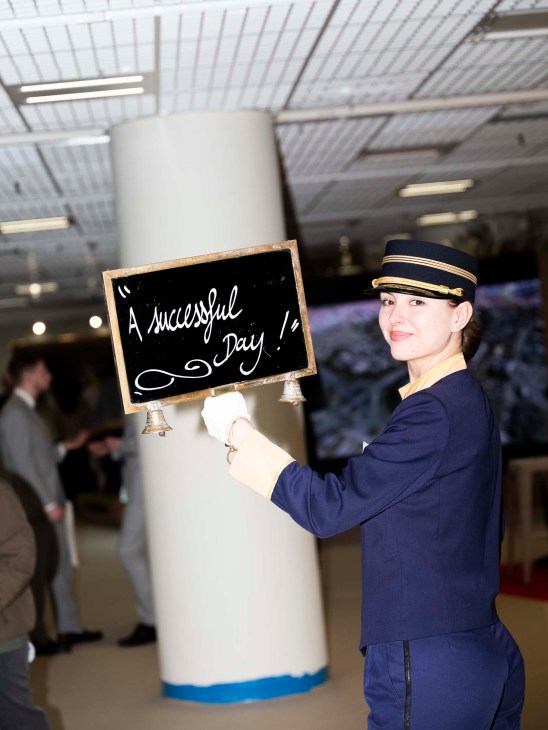
In the US we are seeing the government back away from sustainability, lowering emission standards. Do you think that will happen in the UK?
“I believe that a new generation of architects and older real-estate professionals need to come together. They need to put their foot on the gas – as it were – to ensure that we do not miss out on this opportunity. I sat in on the keynote speech by Mario Draghi, the former president of the European Central Bank, and he mentioned this important point about optimising for the future of the EU and the European continent, and that our future needs to be sustainable. And that comes from having sustainable energy sources. In his opinion, which I agree with, we need to ensure that we have our own sources of energy that we control. In Europe we need to buckle down.”
2.
Foster resilience
Haris Doukas
Mayor of Athens
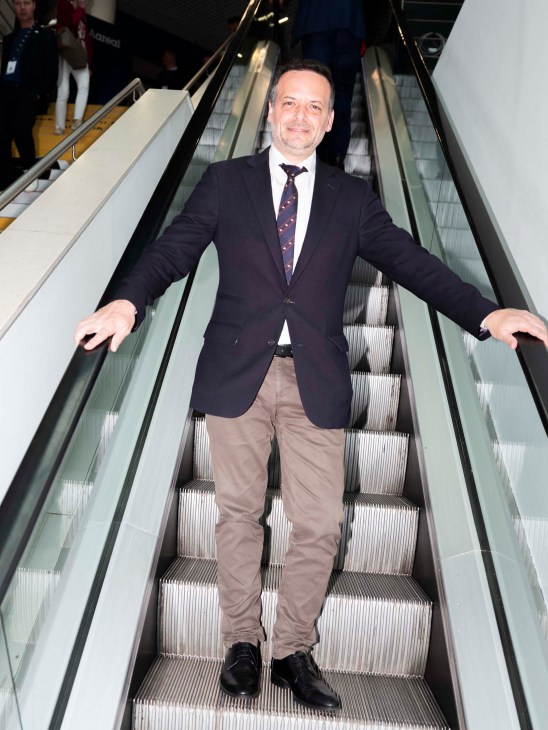
Athens is incredibly hot during the summer, what can be done to address this and deliver a better quality of life?
“When I was running for mayor, I said that within five years, I would try to reduce the ‘feeling temperature’ by 5C. This went viral. People said that it couldn’t be done. I insisted that there were two things that we could do immediately and the first was to plant trees. I told people that we would deliver 25,000 trees in five years but we did it in the first year. We now have heat maps and are planting trees in the places where there are the biggest rises in temperature in the summer. The second thing is that we are using new materials for roads. They’re more expensive but they don’t store heat. We are engaging residents too: we have awards for the greening of rooftops and gardening so if you are planting your roof, your balcony or anywhere in your city, we can give you specific bonuses.”
3.
Fix your own city
Mathias Müller-Using and Astrid Maria Rappel
Founder and CEO, Inter±pol Studios; communications and development at Dietrich Untertrifaller
Mathias, you have transformed a Second World War bunker in Hamburg into a public space, with an urban park on its roof and a path to the top inspired by the High Line. A million people have now visited. How did this come about?
“It was built between 1942 and 1943 [using forced labour]. It’s a concrete monster, it’s 40 metres high and in the middle of the city. It made me think about how we could make a better place out of it. I could see it every day from my apartment. The core idea was to bring nature and greenery onto this building and to develop a concept so that people could get up to the top without going into the building. And this is what we have done.”
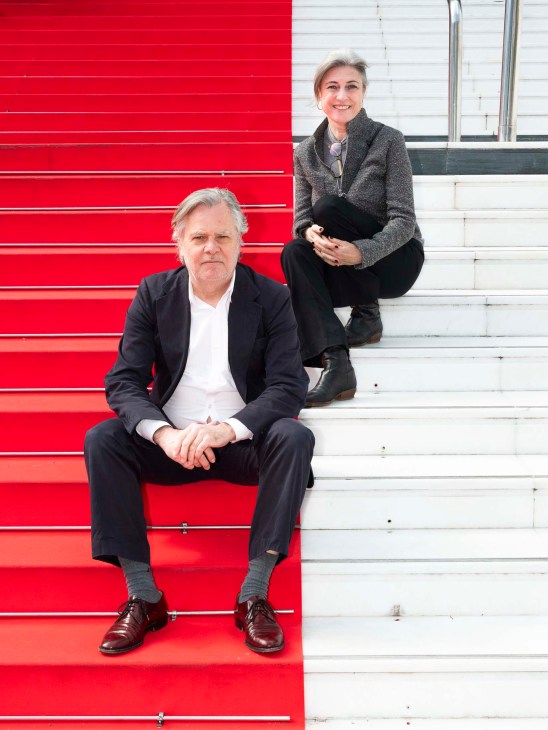
Astrid, you’ve seen the project – what’s your impression?
“Before it was a private building and now it’s a public one, and this has completely changed the image of the surroundings and the image of Hamburg. The project has taken a really bad monument and given it a positive image without forgetting its history. The fact that it’s accessible to everyone is important. And this is all thanks to Mathias’s vision.”
4.
Fill those empty spaces
Alice Charles
Global leader of strategic partnerships and director of the Cities, Planning and Design team at Arup
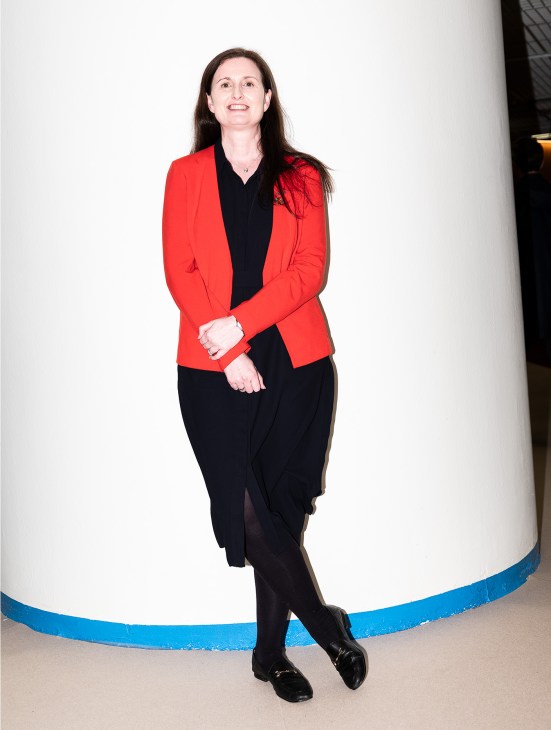
Many cities are grappling with the lack of affordable housing. What’s the solution?
“It takes time to build housing – building is your medium-term solution. Your short-term solution is making use of vacant stock. Some cities have done good work already: Melbourne has looked at its water data to understand what housing is vacant. Paris found a way to deal with Airbnb rentals by putting a tax on Airbnb and making sure that these properties meet health and safety standards. If we were to apply more uniform approaches across cities to the likes of Airbnb, then you might suddenly see stock coming on the market for citizens to rent.
Another phenomenon is stock being held. It could be an investor from overseas who wants to hold an asset in the currency of that country. And they’re not renting out that asset. There has to be taxation to encourage the rental of this stock. To solve your problem and your crisis in the short term, it’s going to be about working with that vacant stock. Mid-term is about making sure that you’re unlocking land for development. Everyone thinks that planning is the problem but that’s not necessarily the case. When we relax planning too much, that’s generally just before we have a crash, and then we’re left with stock that is of poor quality. There’s a very difficult balancing act that governments need to get right when it comes to planning. I’m always concerned when a government says that it’s all a planning problem.”
5.
How to drive change
Giovanni de Niederhäusern
Senior vice-president, architecture and product design, Pininfarina
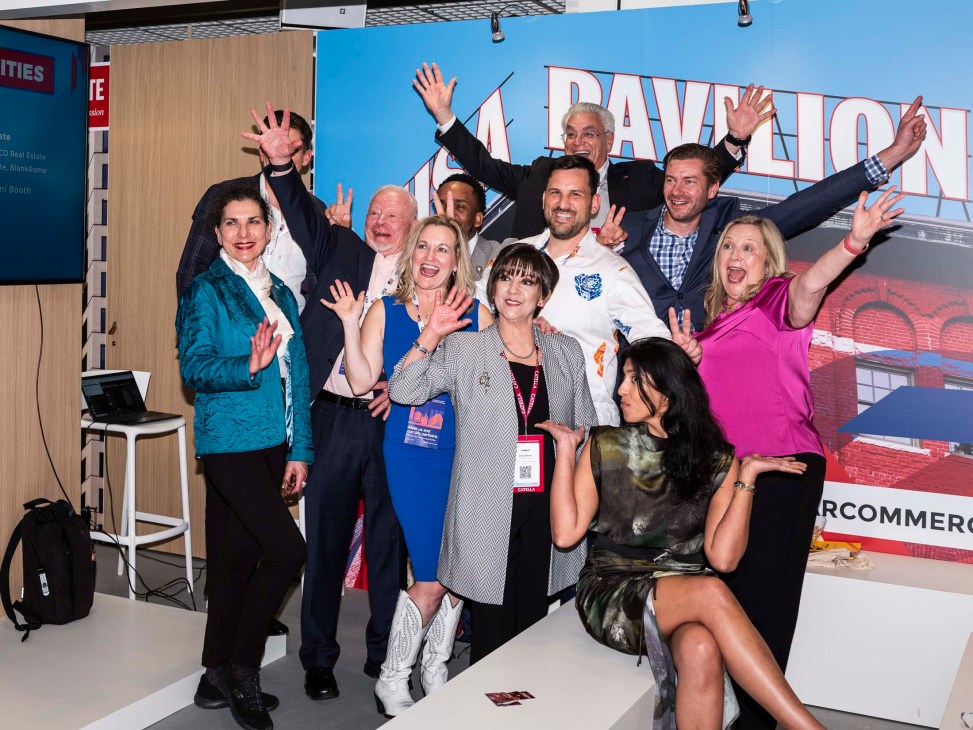
What unites the properties that sit under your brand? Is there a specific aesthetic?
“I always say that I would like people to recognise Pininfarina not for the aesthetic but for our methodology, which goes back to car design. Pininfarina worked with almost every famous car designer around the world. It is a company that was able to adapt its vision and create a car that was unique, which was innovative but was made in the image of the car manufacturer, not of Pininfarina itself. And we have the same thing in architecture. So depending not just on the client but on the social, economic and geographical context, the architecture can be very different. What is always the same is the methodology, which is strict and is able to create value. With a Pininfarina building you see the detail; you understand the relation with the context.”
6.
It’s a materials world
Jordan Goldstein
C0-CEO, Gensler
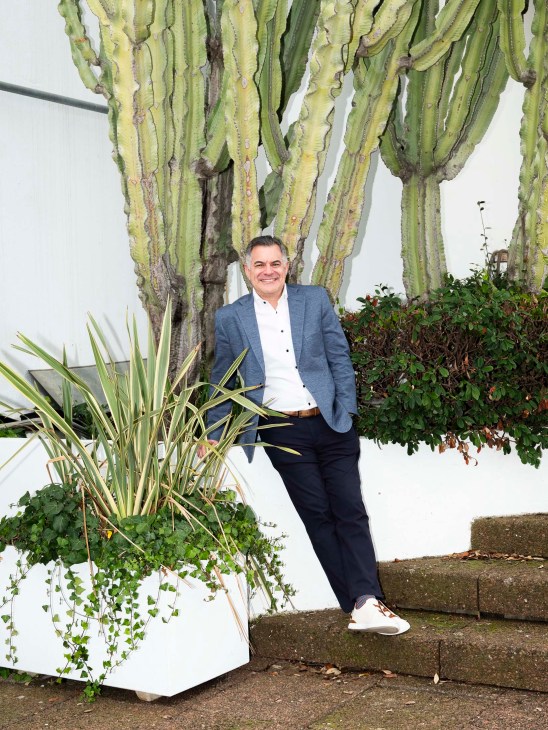
With climate resilience becoming a critical urban concern, what design strategies
will define the next generation of sustainable, liveable cities?
“We believe that to shape a better future through design, it’s important to think about materials, structures and sites and ask, ‘Do we always have to build new?’ There are all these different materials coming into architects’ offices so how do we start to look at these materials through a resilience lens? So we put out the Gensler Product Sustainability Standards, setting the minimum thresholds for materials and finishes for both buildings and interiors. The result is that it has made us go through the materials in our libraries and offices and say, ‘You know what? These just don’t work.’ This then creates a ripple effect. Suddenly you have manufacturers and vendors rethinking some of the fabrication processes and material composition of what’s in the marketplace.”
7.
New nations head to Cannes
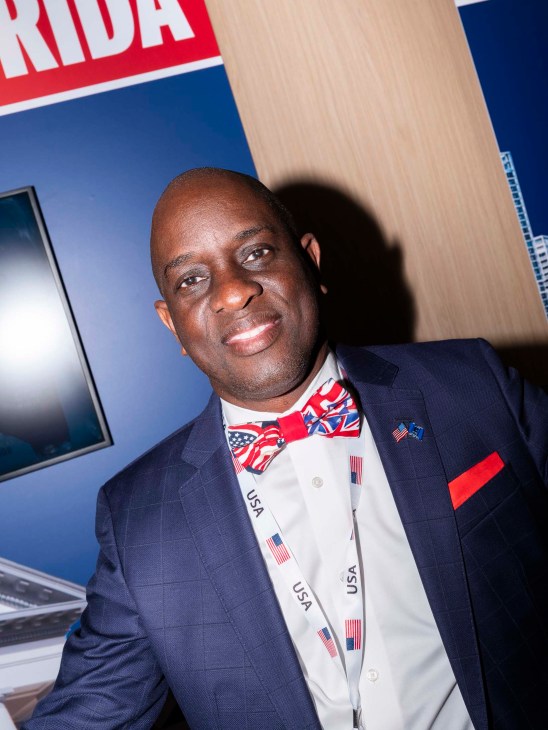
Nicolas Kozubek
Managing director, Mipim
Uzbekistan and Romania are new attendees. Are you seeing a change in the countries coming to Mipim?
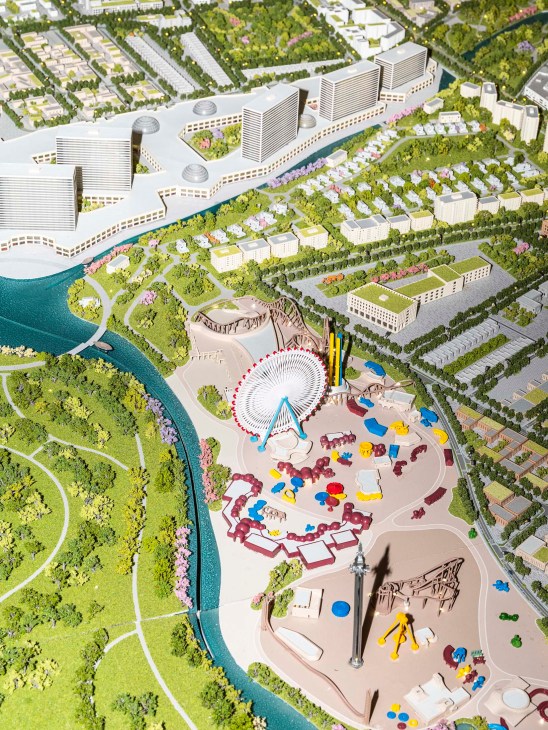
“Yes there’s definitely a shift. There are countries that are very mature in their urban development that are looking to understand how they will face future challenges with their existing built environment. In Europe and across the US, where the possibility to build something totally new is low, you have to understand how you retrofit, how you rebuild, how you renew what you have. And on the other side, you have vast parts of the globe where urban development is the topical issue because nations have rising populations and a will to modernise. Uzbekistan is a nice example because the New Tashkent project is something that is crucial for them. They are very proud of it. They are showcasing it their way this year and then, as exhibitors, they will learn about what they can achieve at the event. I’m sure that they will come back next year and continue this story further.”
8.
How to retrofit
Sebastien Ricard and Yasmin Al-Ani Spence
Board directors, WilkinsonEyre
Sebastien, what did you learn from transforming the Battersea Power Station into one of London’s most important mixed-use developments?
“The biggest thing I’ve learned on the project is that actually you can do anything. A lot of people felt that the project would never happen – it was too complex, too challenging. The building was in a very poor state. So I think that if you put your mind to it, whether you’re a client or a designer, you can always find a positive solution.”
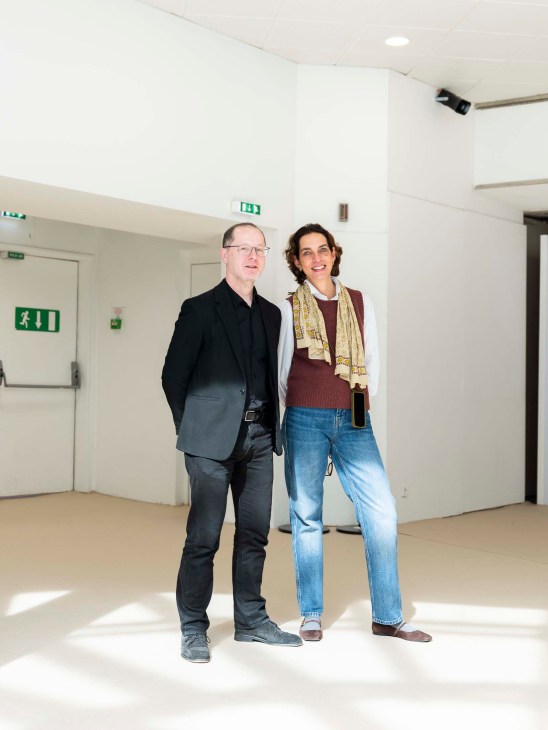
Yasmin, you’re involved in the regeneration of the Citi Bank building in Canary Wharf, where you are transforming an old skyscraper into a modern workplace, even inserting a winter garden halfway up the tower. What’s the plan?
“It is an extraordinary project and it’s very daring that Citi decided to keep the tower. I think more and more we will see this happening; it’s a huge learning curve for the construction industry, which will have to adapt to these new ways of building, to think a bit outside the box of how things can be done because there isn’t a building site – all the materials are stored inside the tower. It was built in 1999 and it was segregated floor by floor; what we’ve done is make it more democratic – in the middle is now a space for everybody. The winter garden is open to the fresh air so people don’t always have to leave the building if they want to go out. We’ve made the tower into a town. And everything that a town needs the tower has. It allows for a more collaborative work environment.”
Supermarkets have lost their charm. How can we make them better?
At their best, grocery stores are engines for neighbourhoods and platforms for smaller, honest and interesting businesses. By stocking great produce, they boost cottage industries, help local farmers and artisans while delivering the best options for their customers. An excellent grocer’s offers a place to meet, ideally with a café for mingling. Good ones are also sensory experiences. Great ones combine familiarity and personal service.
Sadly, many supermarkets have become utilitarian and samey – even dystopian in the impersonality of their self-checkouts. Monocle has written about retail since we launched more than 18 years ago. We also have shops and cafés that show how we like to do things. So let us share some ideas about a shopping format that’s ripe for reinvention.
1.
Work from the ground up
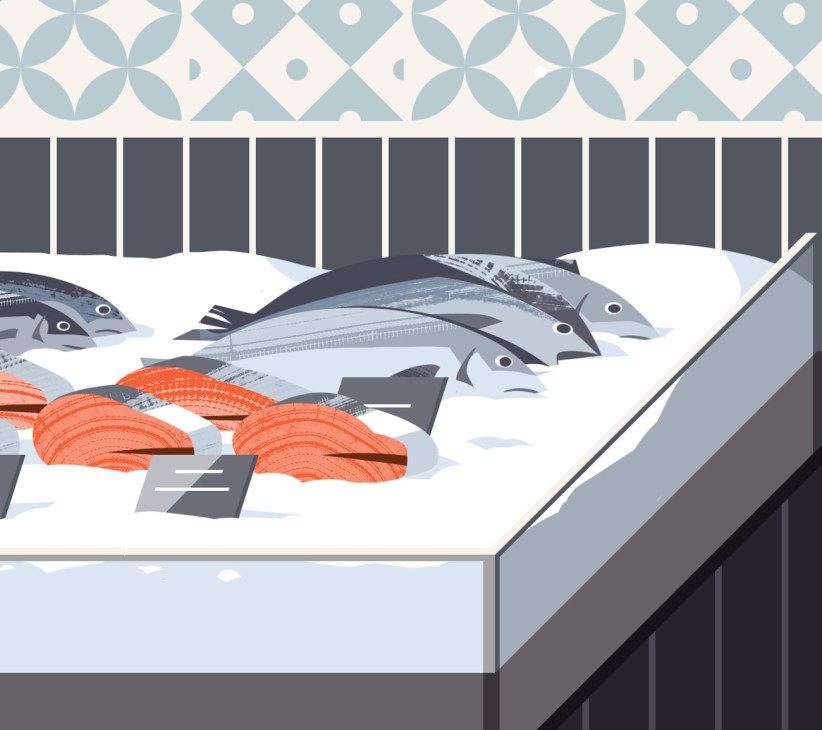
Do away with drab grey lino-like floors or pebbledash plastic and opt for a material that speaks to the calibre of what’s for sale. At Paris’s La Grand Epicerie Rive Droit, a masterclass in food retail owned by luxury group LVMH, there are heavyset stone tiles in the fromagerie, wooden parquetry in the delicatessen and luxurious marble in the ready-made section. The fishmonger is a mosaic-filled tribute to the sea’s bounty.
Together, these combine to create the atmosphere of a department store for delectables that invites shoppers to stay, browse and pick up a few treats (bonus: it’s also easy to clean if there are spills). For more inspiration, look to Grandiose, a chain of supermarkets in the uae, which also uses different flooring to frame its products by type and region.
2.
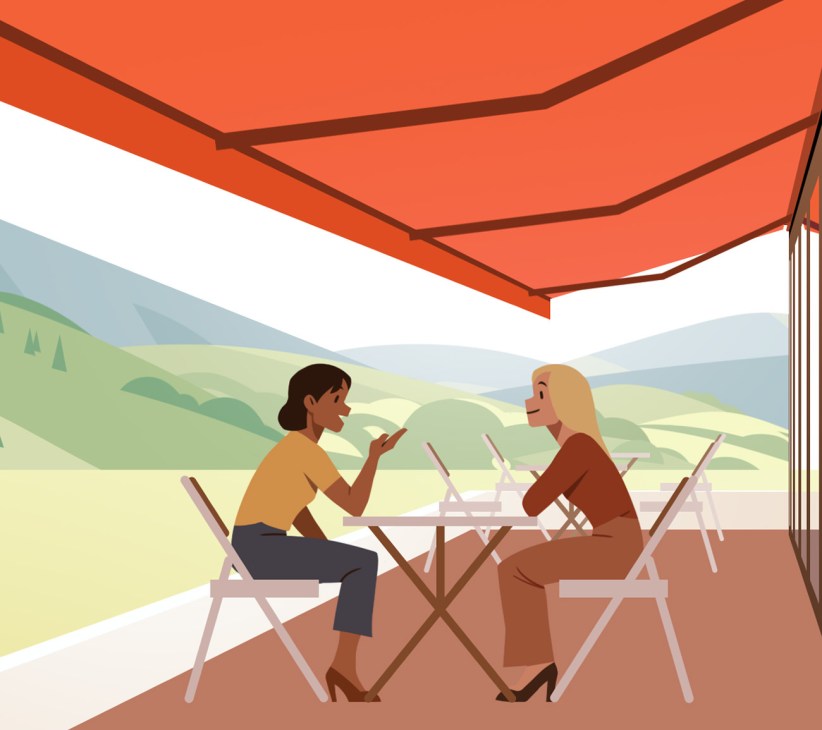
Hire a shop-friendly architect
From the height of the shelves to the clarity of the signage, supermarkets need to be functional in design. But they can also draw on a few ideas from luxury retail spaces, such as the use of natural light and the flow through the space. (See the work of Los Angeles and Lausanne-based architect David Montalba.) MPreis’s timbered Tyrolean headquarters, for example, are an aesthetic homage to the region’s lush woodlands, which are a strong source of regional pride.
And it’s not just the produce that the Austrian food retailer goes to great lengths to source from the surrounding alpine resorts; the design of MPreis’s supermarkets is deeply rooted in Tyrolese culture and craft of its native Innsbruck. Pür Sudtirol also shows how to succeed on a smaller scale.
3.
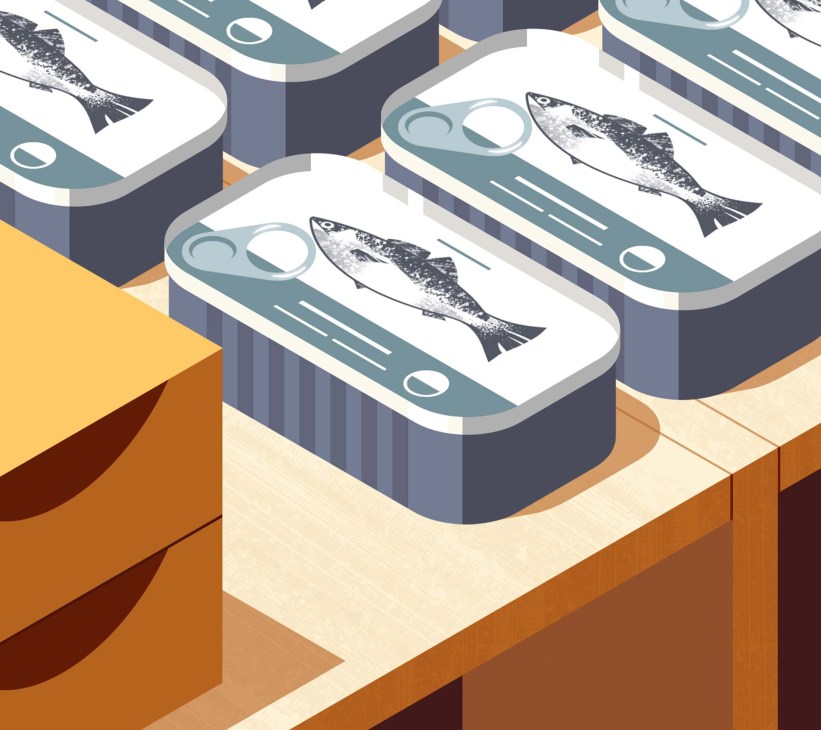
Get the light right
Remember that you’re selling food and do away with harsh strip lighting reminiscent of a dentist’s office. Prioritise warmer tones overhead and gentle spotlights that compliment a sense of discovery by leading customers to new finds. US firm Erewhon is the master of using light to imbue a sense of preciousness: shoppers at its stores are greeted by pyramids of brightly lit produce that can transform a green apple or a blushing tomato into something precious.

4.
Stack the shelves in style
Fukushimaya Tasting Market worked with Tokyo-based Landscape Products to create pantry-like wooden shelves in its Shibuya shop: these emphasise the cottage-industry origins of its small-batch producers.
For larger stores, look to the sturdy
wooden shelves at Harris Farm Markets in Sydney, while Yaoya a French-Japanese neighbourhood grocer in Guethary, France, presents its wares on blonde woods, wicker baskets and farmyard crates to great success.

5.
Tell a story with products
Madrid’s specialist food retailer Petramora keeps it in-house with a line of products from its own flock of Churra sheep, which tell a story about its connections to the Spanish countryside. Seek out producers who speak to your brand; think of them as collaborators, not “own-brand” products (this way you can also see how they sell before committing). The Herkku classics sold at department store Stockmann’s market hall in Helsinki is a case in point and has become a mark of quality.

6.
Be selective, not exhaustive
Choose products with excitement and delight – but stock selectively and consider quality control. Italy’s Esselunga leads the way with its in-house sommelier service, which advises on the best sancerre to pair with sea bass and can be relied upon for finding one-off bottles for a dinner party. When Michael Käfer founded his eponymous Munich-based market and restaurant, he made sure to be involved in selecting the products that made it to the shelves.

7.
Pack in style
Wanzl has been the go-to Bavarian builder of hardy shopping baskets and metal trolleys for more than a century. But for a personal roller with grace, Perigot’s lightweight “trolley market” consists of two removable baskets that slot elegantly into a sleek black frame. Meanwhile, Rolser has been building zippy shoppers in Alicante since 1966. Its Plegamatic trolley, which can be folded to the size of a tote, was once a fond fixture of small grocers across Spain.

8.
Play an original soundtrack
Don’t subject shoppers to faded floor-fillers or fuzzy radio stations. Central Market by Texas’s heb Grocery is known for its soundtrack. Expect lesser-known B-sides, up-and-coming acts and deep-cut hits rescued from the archives. Music can improve your mood and offer customers a few ideas to freshen up their own playlists. Central Market’s flagship supermarket in Austin even has a patio where (decent) live bands play through the week.

9.
Say no to self-checkouts
Automated checkouts have become an unexpected nightmare in the bagging area. They snarl up the aisles as machines go bust and queues snake through the shop, and lead staff to bark at customers as machines become available. The setup has veered away from its promised ease and efficiency. Sensible supermarkets are going back to basics: Booths, a high-end grocer in the UK, has done away with self-checkouts. Good service is still the best solution.

10.
Welcome the weekly shop
Daily – and weekly – essentials must come first. Some shops have an exhaustive collection of olive oil but don’t do decent chopped tomatoes. Butterfield Market in New York and Kinokuniya International in Tokyo have remained in business so long because they know what shoppers want. Maybe being the only shop in town that sells a rare manuka honey will draw a few, but being a neighbourhood staple means being dependable about your stock too.
Illustrations by Donghyun Lim
Five of the world’s most peaceful buildings, where architecture soothes the soul
For millennia people have sought out places to visit where they can get away from the bustle of everyday life. Architecture has the ability to create moments of calm – think of how you feel when you stop at the threshold of an awe-inspiring hall, pause for a moment of contemplation in a city cathedral or clamber into a sauna in the middle of a Scandinavian winter. The fast pace of modern life means that there’s a greater need for such places than ever. That’s why Monocle has journeyed across the globe to bring you this selection of outstanding buildings that offer somewhere for our thoughts to drift – and give us space to breathe.
1.
A place of meditation
Kohtei art pavilion
Fukuyama, Japan

Nothing quite prepares the first-time viewer for the sight of Kohtei. Set in lush green hills to the west of the Japanese city of Fukuyama, the Buddhist meditation pavilion has a mysterious air, appearing to hover above a sea of stones. That was exactly the intention of Kohei Nawa, the contemporary artist who created the design. “Kohtei was designed to resemble a ship floating in the mountains,” says Nawa, who worked on the pavilion with architects Yoshitaka Lee and Yuichi Kodai as part of an art collective, Sandwich.
The maritime echoes were no accident. The 1960s Zen temple of Shinshoji, in whose grounds Kohtei was completed in 2016, was founded by the president of Tsuneishi, a shipbuilding company based nearby. But the subject also offered a gracefulness to the project. Drafting in craftsmen from the area, Nawa and the two architects had 590,000 pieces of Sawara cypress layered on top of each other using a traditional roofing technique called kokera-buki. In spite of the building’s size, stretching to some 45 metres in length, the delicate wooden shingles give the hull-like structure a sense of lightness.


Then there is the sensation of entering the pavilion: plunging into total darkness is an immediate shock to the visitor’s system. “The idea was to create a meditative experience by interpreting Zen through contemporary art,” says Nawa. “The interior expresses an ‘ocean of consciousness’ through installations of water and light. In the darkness, faint light and rippling waves flicker, allowing visitors to engage in a quiet sensory experience that sharpens their senses.” The duration of the installation is set to 25 minutes, the same length of time it takes for a meditation candle used in Zen practice to burn out. Visitors emerge discombobulated by what is an unexpectedly profound experience. Without trying, they have touched on the simplicity and impermanence that is at the heart of Zen. “This work emerges as a space where the external and the internal; the hard and the soft; and architecture and art resonate with each other in harmony,” says Nawa.
While the surrounding Shinshoji temple and gardens open a door to Zen, Kohtei is perhaps the most effective route into the Buddhist meditation practice. And there is much it can offer in the modern world, not least a way to switch off from our busy, overstimulated lives.
szmg.jp
2.
A place to respect the dead
Sexto Pantéon
Buenos Aires, Argentina
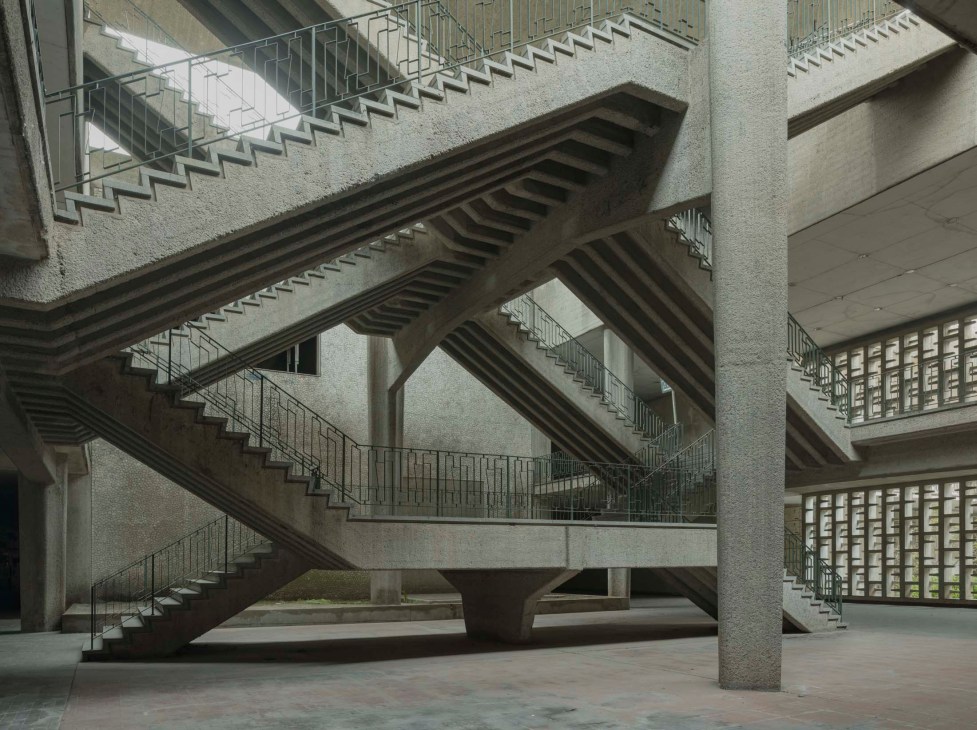
Hidden in the underbelly of the vast, flat plain of the Chacarita neighbourhood cemetery in Buenos Aires, the subterranean Sexto Pantéon (Sixth Pantheon) is a quiet, contemplative place of burial. Designed by Ítala Fulvia Villa, one of Argentina’s first active female architects and a keen urbanist who helped to shape the capital, its structure is a radical departure from traditional expectations of funerary architecture.
On the surface of the cemetery’s 95-hectare plot (which makes it one of the largest in the world) there is little indication of what lies beneath. Since construction was completed in 1958, it has been largely overlooked by those seeking an architectural pilgrimage due to the lack of visible structure. But those who do visit find themselves at first surrounded by angular lawns and an expanse of sky. Occasional monolithic concrete structures stem upwards, resembling familiar mausoleums. “When you approach the central stairway, however, a new curiosity is immediately fired up,” says Léa Namer, author of 2024’s Chacarita Moderna – the first major written work to highlight the necropolis and chronicle Villa’s story. “From above, you begin to see strange elements that entice you to make the descent. You see the darkness, the shadows. You spot the full-sized trees growing underground.”
Passing down into the necropolis via its labyrinthine stairway is a sensory experience. “You enter an intermediary world,” says Namer. “It’s suddenly cold. The light changes. All sound falls away.” With those shifts come bigger existential realisations: the scale of the resting place, home to more than 150,000 bodies, must be confronted. “The architect achieved something remarkable. Through her designs, spatial planning and choices of material, Villa makes the visitor ask themselves some really, really big questions.”
Time spent under the earth is dedicated to silence, paying respects or gaining perspective. But what follows is what the Ancient Greeks called anabasis – the return to the land of the living. In myth, this is an important act; one that distinguishes the person who has a choice to leave from those who are forced to stay. Visitors returning to the surface from Villa’s Sixth Pantheon might even bring back a greater appreciation for life itself.
chacaritamoderna.com
3.
A place to switch off the city noise
Löyly sauna
Helsinki, Finland
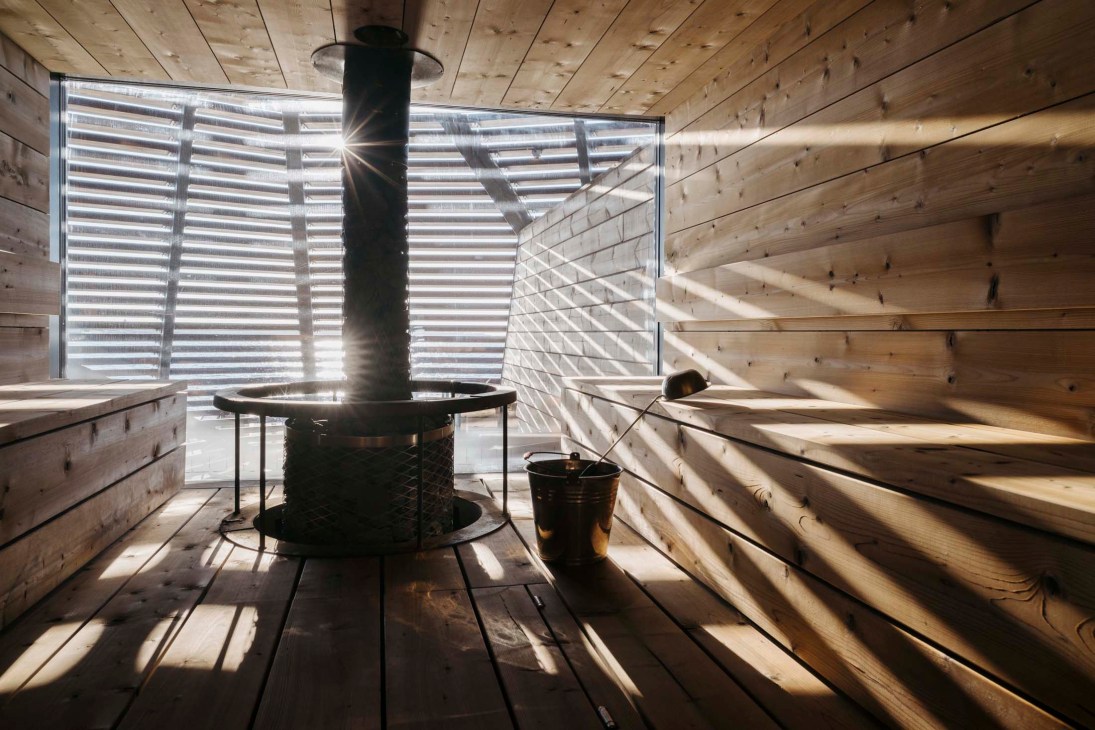
According to the latest UN World Happiness Report, published in March, the Finns are the happiest nation on Earth. Perhaps this has something to do with the country’s three-million-plus saunas. Not only do the heated rooms provide a space to cleanse and purge, but they also present the chance for a moment of solitude and reflection.
The sensation of stepping away from the stresses of daily life isn’t confined to the countryside either, as evidenced by urban saunas such as Löyly, near the harbour in Helsinki’s Hernesaari neighbourhood. “When we set about creating Löyly, the goal was to offer residents a place to check out of the hectic pace of life,” its co-founder Jasper Pääkkönen tells monocle. “We are inundated in modern society and our phones are constantly buzzing. But once you’re in the sauna, it’s just you for an hour or two.”
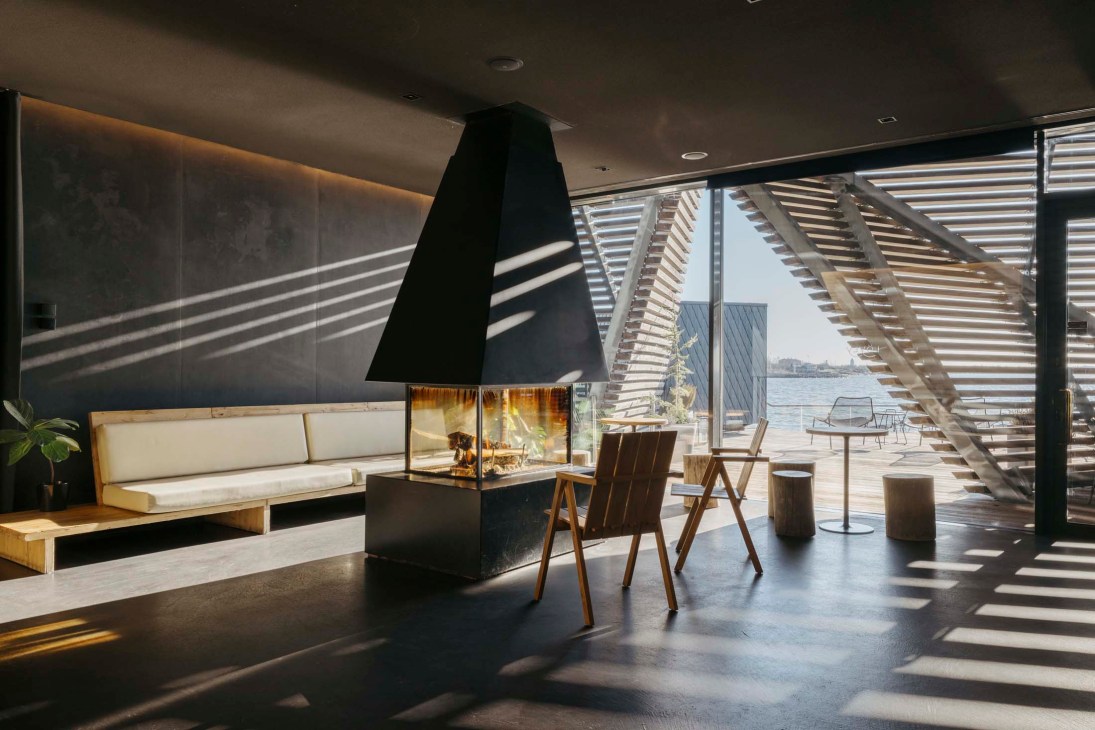
Opened in 2016, Löyly’s design plays a key role in setting up the sauna as a sanctuary. Shielded from the outside world by a pinewood shell, the rooms are kept dim, even in summer. Like the best saunas, it feels spartan, with the focus centred on the heat – löyly is a Finnish word describing hot steam evaporating from sauna stones. The mysterious ambience is accentuated by the use of wood within.
What might surprise some is that this space for solitary reflection has become one of Helsinki’s most popular attractions. As Pääkkönen points out, there’s something refreshingly down-to-earth about spaces where people are stripped of clothes and accessories, as well as wealth and status. “There are no distractions in the sauna,” says Pääkkönen. Instead, the world outside fades and time passes at a different speed. “I can’t think of a setting better suited to contemplation,” he says.
loylyhelsinki.fi
4.
A place for creative reflection
Kimbell Art Museum
Fort Worth, USA
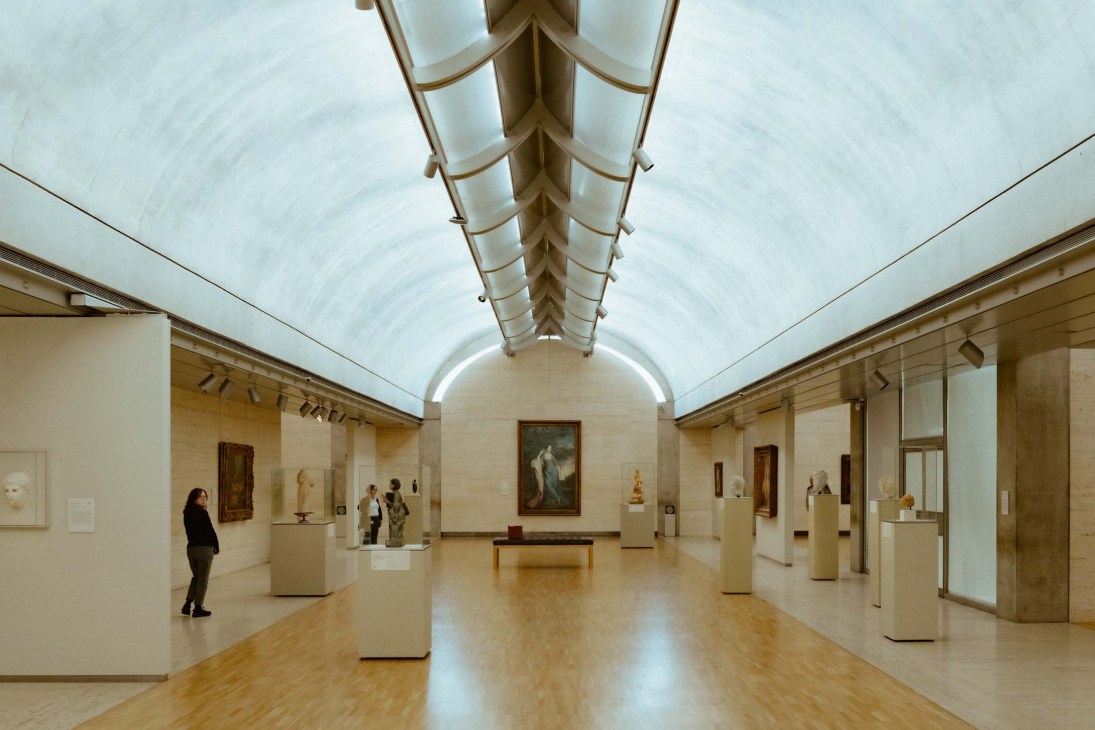
The Kimbell Art Museum in Fort Worth, Texas, is the kind of place you could visit for the building alone. Though the collection is highly impressive, with some 375 works by artists including Claude Monet and Michelangelo, the Louis Kahn-designed building is the real masterpiece. Opened in 1972, it was the last project that the Estonian-born American architect completed before he died. According to museum director Eric Lee, it was also Kahn’s personal favourite. With concrete vaults bathed in the bright Texas sun, walls clad in travertine (the same as used in the Getty Museum) and elements of cork and white oak, it invites tranquillity. “It is a place of serenity,” says Lee.
The feeling of calm washes over visitors from the moment they set foot on the 3.9-hectare property, which is dotted with tall elm and yaupon holly trees. “It starts outdoors on the grounds,” says Lee, identifying the gentle bubbling sound of water from the fountain as a source of peacefulness. Deeper within the building, the Texas light becomes more subdued. “It’s a blend of natural and artificial light, so both cold and warm,” says Lee. “It’s very inward looking.” Some might consider the concrete vaults to be brutalist in design but Lee says that this is not the case. “It was built at a time when brutalist architecture was the dominant mode but this is not a brutalist building,” he says, adding that Kahn’s prerogative was to make it welcoming. “It is human scale.”
The structure has a modernist feel but it also strikes a balance between contemporary and classic styles. “Kahn was very much inspired by ancient architecture,” says Lee. Inside, the cool space calls for a natural hush. “I never hear people raising their voices,” he says. “You speak in a whisper because it feels like a holy space, in the non-religious sense. It’s very spiritual.” More than that, it invites visitors to slow down and immerse themselves in an entirely different world for a couple of hours. “It offers an opportunity for people to take a break from ordinary life,” says Lee. “It’s magical.”
kimbellart.org
5.
A place to reflect
Chapelle du Rosaire à Vence
Vence, France
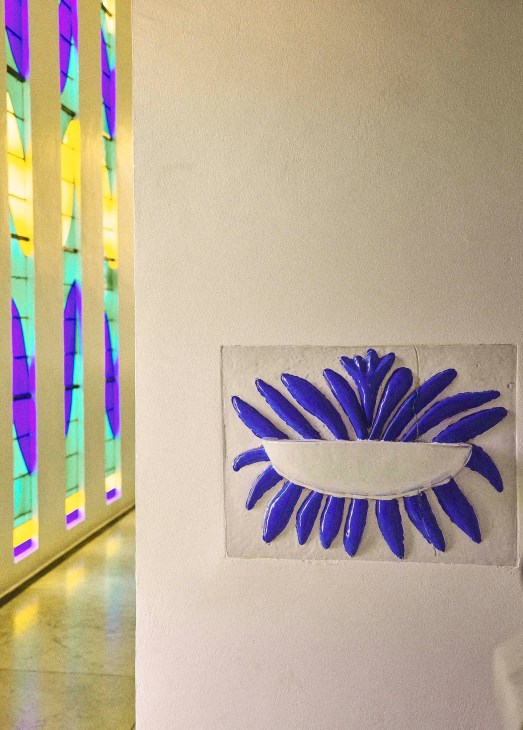
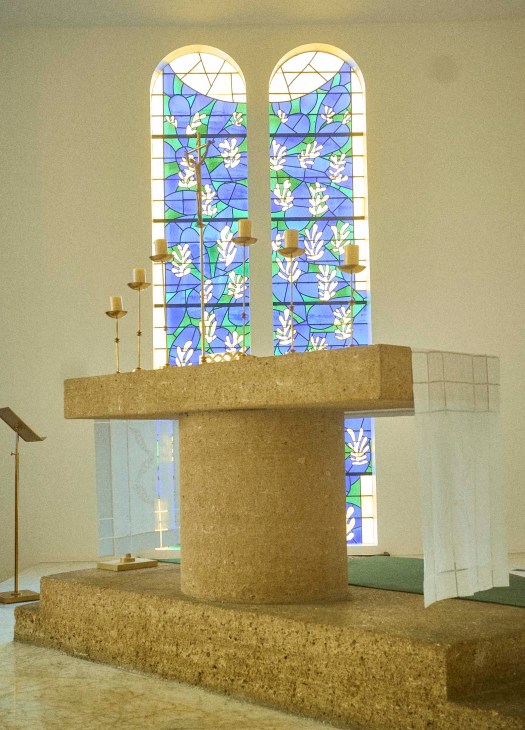
French artist Henri Matisse designed the Chapelle du Rosaire à Vence in 1951 but its merit is more than purely ecclesiastical. Indeed, its atheist creator, who had limited experience working with religious art, became disillusioned by divinity after cancer confined him to a wheelchair. This sanctuary in Vence was actually a token of gratitude for Monique Bourgeois, the night nurse who dedicated herself to overseeing his convalescence before becoming a Dominican nun in a convent that lacked a chapel. It was an opportunity that the French artist found himself impossible to turn down despite the limitations of his health. “Matisse had carte blanche within the constraints of such a place of worship,” Gaëlle Teste de Sagey, manager of Matisse’s chapel, tells monocle. Fatigued and unwell, he was forced to work slowly and the project took four long years to complete. But the result is a remarkable alliance between faith and artistic endeavour.
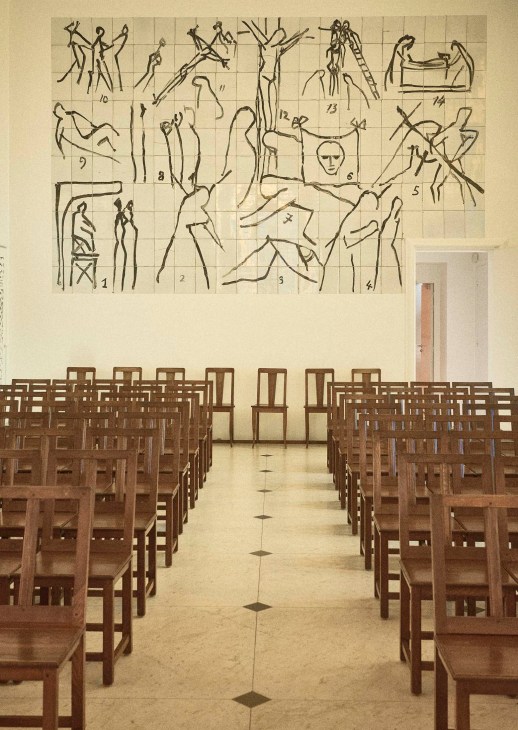
Regarded as Matisse’s architectural chef-d’oeuvre, it was the first time that the artist had created a monument in its totality. “Matisse saw the relationship between the objects as little worlds that fit together,” says Teste de Sagey. From the altar and crucifix to the ceramic murals featuring the figures of the Madonna and Saint Dominique, as well as the colourful vestments of priests, Matisse dedicated his final years to this deeply personal and reflective work. Under the guidance of French architect Auguste Perret, a master of reinforced concrete, Matisse designed the L-shaped chapel’s two narrow naves in modest proportions due to the steep terrain on which the chapel is perched. Just 15 metres long by six metres wide, the glory is in its artistic value rather than its size.
But this doesn’t detract from the chapel’s grandeur. “Matisse made every effort to give an impression of elevation,” says Teste de Sagey. Opting for a pared-back colour palette for the chapel’s 15 stained-glass windows, Matisse used blue inspired by the surrounding Côte d’Azur, yellow for sunlight – a divine glow that reaches every corner of the chapel – and distinctive green palm-leaf motifs as a reminder of the lush nature of the Riviera, which he appreciated from his window during his recovery. “The organ-pipe shape of the windows is very significant in a chapel with no organ,” says Teste de Sagey. “It corresponds with Matisse’s idea that the musicality in his chapel would come from the luminosity.”
The dappled Provençal rays that dance around the chapel’s white-tiled interior still offer a sense of hope. “Matisse found the silent rhythm of the reflections in the stained-glass windows immensely soothing,” says Teste de Sagey. And so will anyone visiting today.
chapellematisse.fr
Why Germany’s far-right electoral bounce is just an affirmation of an ancient divide
Germany’s chancellor-in-waiting, Friedrich Merz (pictured), is ripping up the script so quickly that we scribblers can hardly keep pace. In early March, there was the double bazooka of €100bn each for defence and infrastructure; a few days later, he raised us “whatever it takes”. Goodbye, the sacred “debt brake” – and about time. As I said on the opening page of my book The Shortest History of Germany, published in 2017, Europe’s largest economy needs to start acting like a great power at the heart of the West. Eight years later, this call has become an SOS. But what about the German federal election at the end of February? Do we really want to be led by a nation in which Elon Musk’s beloved Alternative for Germany (AFD) is the second-largest parliamentary party? To misquote Barack Obama: yes, we do. To understand this, we need to understand why the AFD is not the threat to German democracy that many make it out to be. After the election, a widely circulated map showed what the outcome of the vote would have been if Germany had a first-past-the-post system like the UK: it exactly mirrored the Cold War division between east and west.
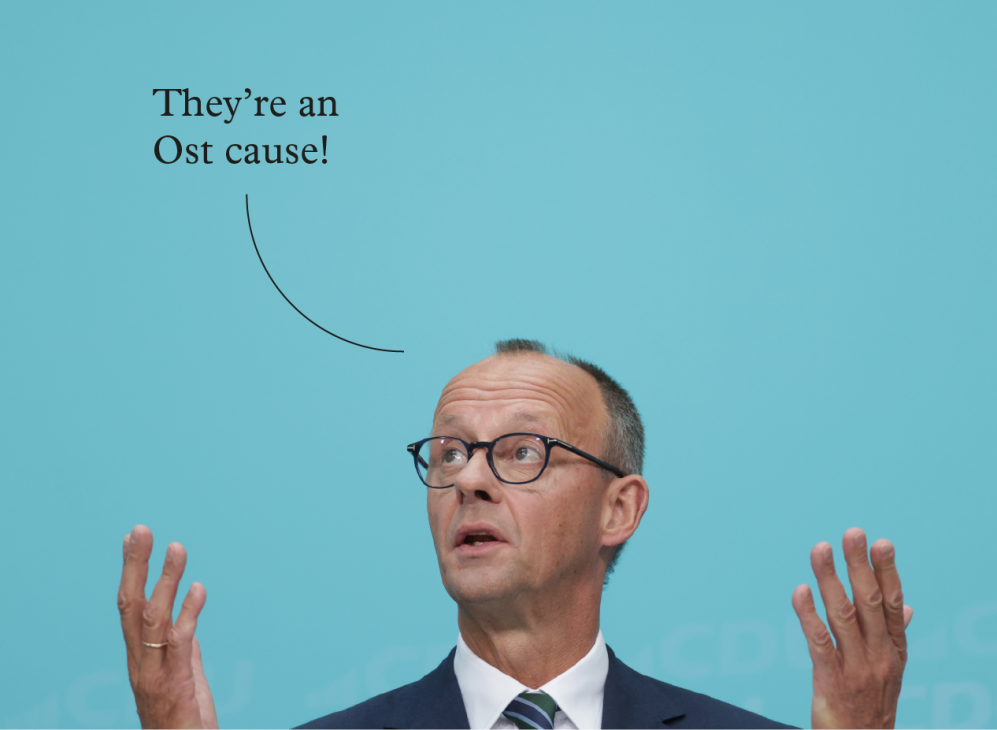
Many people blame West German arrogance after reunification for the far-right’s triumph in the country’s east. This is just the domestic German version of the Putin-is-only-aggressive-because-Nato-provoked-him shtick. The truth is that the electorate in the east has chosen authoritarian, anti-liberal parties ever since it got the vote: first the Prussian Conservatives before the First World War, then the German National People’s Party (DNVP), then the Nazi Party. Indeed, in 1933, when Adolf Hitler became chancellor, he only ever got within distant sight of a national majority (43.9 per cent) because he piled up huge votes in eastern Germany. And he only made it over the 50 per cent threshold thanks to the 8 per cent of the DNVP, which was also much stronger in the east and formed an important part of the so-called “Hitler coalition”.
And therein lies the truth about Germany: the east is unique because it has always had completely different priorities to the west, being far younger and colonial in origin. When, in 1198, Germans took the small Slavic fishing villages next to what we now call Berlin, Köln, Mainz, Bonn and Frankfurt were 1,200-year-old, Roman-founded cities at the heart of western Europe. For the Germans in the east, though, the story, through the Teutonic knights, Frederick the Great and the Prussian General Staff, up to the Hitler-Stalin pact and Operation Barbarossa, was the same: keep peace with the Slavs when they seem too strong; crush them if you get the chance. And like William Faulkner said, “The past is never dead; it’s not even past.” Anyone who lived in the German Democratic Republic experienced the final humiliation in this 900-year battle: occupation by the Red Army. Different histories; different people.
So all that actually happened in February is that eastern Germany voted as it always has. The consolation is that the region is now much smaller than in 1933. Indeed, provided that the west holds its nerve, the east can vote however it wants to. Western Germans can forget the optimistic vision of national near-consensus and get used to seeing Germany like the US: a country with almost immoveable red and blue states. Democracy is a fight. So bring on that double bazooka, Herr Kanzler, or whatever it takes. And please use that €500bn infrastructure spending in the West. Taxpayers there have sent more than €2trn to the East since 1990 and it hasn’t changed a thing; because it can’t.
Hawes is the author of several books, including ‘The Shortest History of Germany’.
How broadcaster Najwa Shihab became one of Indonesia’s most important voices
As digital technology transforms the media landscape, more and more respected broadcasters are swapping major networks for Youtube shows, podcasts and newsletters. Southeast Asia is home to some of the boldest disruptors. Jakarta-based news anchor Najwa Shihab left news channel Metro TV in 2017 to set up her own media company, Narasi, with two former colleagues. Eight years later, this trio of women have turned one talk show and Shihab’s reputation for grilling the country’s top politicians into a nationwide news platform that employs 170 people.
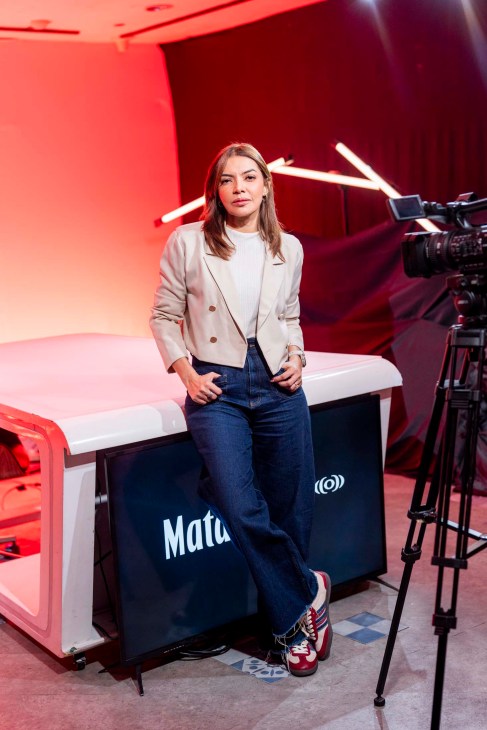
“The definition of mainstream media has shifted in Indonesia,” Shihab tells Monocle from Narasi’s headquarters inside Intiland Tower, a brutalist building in central Jakarta. “If I could turn back the clock, I wish I would have started [Narasi] earlier.” Born in South Sulawesi, Najwa Shihab is the host of Mata Najwa (Najwa’s Eye). The long-running current affairs programme began in 2009 on Indonesia’s first news channel, Metro TV. The show left with Shihab and, since then, Mata Najwa has millions of views on Youtube and filled football stadiums for live debates on issues such as female empowerment. One of the most infamous episodes featured an “empty chair” interview with Indonesia’s minister of health that highlighted his inaction during the coronavirus pandemic and led to him being replaced.
Mata Najwa’s success has allowed Shihab to build up a newsroom of reporters trained in traditional journalism. Narasi’s head of news has full editorial control of the website and unlike many other stations in Indonesia, which are often controlled by tycoons with political ties, aims both barrels at the rich and powerful. In 2022 a cyber-attack brought down its website around the time when the news division was reporting on the investigation of a powerful two-star general accused of murdering his bodyguard. When computer screens came back on, a warning message appeared: “Be silent or die.” But that threat was water off a duck’s back for Shihab; her main concern is for the future of her industry. “One of the biggest challenges for professional journalists in the digital era is adhering to the code of ethics and the law, while content creators don’t have any restrictions,” she says.
The CV
1999: Completes internship at Indonesian broadcaster RCTI.
2000: Graduates with a law degree and becomes Metro TV’s first reporter.
2004: Reports from Aceh on the Boxing Day tsunami.
2009: Mata Najwa debuts.
2017: Establishes Narasi.
2018: Records first series of Shihab & Shihab.
2020: Conducts “empty chair” interview with Indonesia’s health minister about his response to coronavirus.
2024: Interviews all three candidates in the run-up to Indonesia’s presidential election – the only journalist to do so.
When big names want to talk to Indonesia’s vast population of 285 million people, Mata Najwa gets the exclusive. In February, Shihab conducted the only sit-down interview with Turkey’s president, Recep Tayyip Erdogan, during his first state visit to Indonesia in a decade. As Erdogan sat opposite her, calmly lambasting US president Donald Trump’s Gaza strategy, he was following in the footsteps of Coldplay’s Chris Martin and Nvidia CEO Jensen Huang. Dutch former footballer Patrick Kluivert gave his first interview to Shihab a day after landing in Jakarta to become manager of Indonesia’s national team.
This year, Shihab is aiming for one big exclusive a month. Mata Najwa went out weekly for more than a decade, but the workload was taking its toll on the 47-year-old host, whose time is in demand. Events are Narasi’s second-biggest revenue stream after content and the busy programme includes university campus tours, courses on journalism, festivals and running clubs led by Shihab, a keen runner. An English-language version of Narasi is also in the pipeline, beginning later this year with reports co-produced with media companies from the region.
The daughter of a well-known Muslim cleric, Shihab became a journalist by “accident”. Privately owned TV stations were springing up in Indonesia after the fall of the Suharto dictatorship in 1998 and a young law undergraduate looking for a distraction from writing her thesis applied for an internship. “Those three months changed the entire course of my life,” says Shihab, fondly recalling asking then UN secretary-general Kofi Annan a question at a press conference during that time. Her first full-time job was as a junior reporter at Metro TV. Shihab rose to national awareness for her emotional coverage of the 2004 tsunami, before going on to present the primetime news and getting her own talk show.
She left television after 17 years to “be where the young people are” and have more editorial freedom in terms of formats and content. Episodes of Mata Najwa in recent years have covered coal pollution in Jakarta and the tribespeople living near the new capital, Nusantara. “The beauty of digital is that I can do a story when I want,” says Shihab. In 2022 she spent six days filming a documentary on the 20th anniversary of Timor-Leste’s independence, which has been viewed 18 million times. “We were shocked to see the overwhelming response to that documentary,” she says. Fame is her main limitation now; millions of Indonesians watch Shihab on their phones and stop her on the streets for photographs. An “occupational hazard”, she says.
Narasi has also given Shihab the space to show a different side of her. Shihab & Shihab is a series of conversations between Shihab and her father that airs every day during Ramadan, while families wait for the Iftar evening meal. “It’s a daughter asking her father about religious and contemporary issues from the point of view of the Qur’an and moderate Islam,” says Shihab, who comes under attacks online for not wearing a hijab, a personal choice which is increasingly uncommon as Indonesia becomes more conservative. “The key word here is moderate,” she says.
Shihab ends every episode of Mata Najwa on a positive note. “It’s important to have optimism but I define optimism as being consistent and staying true to the process,” she says. “If we see something good, we will defend it. If we see something bad, we will fight it.”
On the defensive: Europe must co-ordinate its defence procurement to avoid past mistakes
European defence stocks are booming. In the first quarters of 2025, indices such as the Stoxx 600 added more than $100bn (€92bn) in market value. This is down to the start of a massive rearmament programme intended to compensate for the perceived loss of US security guarantees. But how does Europe, and particularly the EU, avoid repeating the mistakes of the past? The European Commission estimates that a lack of intracontinental co-operation costs the bloc up to €100bn a year.
Due to a diverse range of suppliers, the continent’s militaries often possess non-interoperable munitions. Recent data suggests that this is shifting – the number of key weapon systems in production is decreasing. However, national governments have historically procured materiel independently, often favouring their domestic industries. While politically expedient, this fragmented approach has resulted in the duplication of efforts and inflated costs. In this context, Europe’s current defence build-up can be understood as both an evolution and a revolution in the continent’s approach to security co-operation. Several mechanisms to incentivise joint procurement and reduce fragmentation, such as the European Defence Fund, are already in place. More recent initiatives, such as the European Defence Industrial Development Programme (EDIP), have taken more concrete and ambitious steps. EDIP aims to pool defence procurement to ensure that, by 2030, 40 per cent of national defence budgets are directed towards pan-European programmes. It further envisions that EU nations will allocate 50 per cent of their defence procurement budgets within the bloc.

Yet the current wave of rearmament also marks a massive change in some long-standing defence investment paradigms. Several taboos have already been broken. In Germany, for instance, the country’s strict rules have been relaxed to allow defence expenditures of more than 1 per cent of GDP to be exempt from fiscal limits. At the EU level, there is a parallel push to ease broader spending regulations, clearing the way for unprecedented increases in defence budgets. European Commission president Ursula von der Leyen has proposed borrowing €800bn to finance air defence systems, missiles and drones. Combined with multi-billion-euro national packages in countries such as Germany, France, Poland and the Nordic states, this signals a decisive break from Europe’s traditionally fragmented, underfunded approach to defence.
Avoiding inefficiencies, prioritising joint development and interoperability is critical. Otherwise, Europe risks repeating past mistakes: spending vast sums without achieving meaningful strategic autonomy.
Grgic is Monocle’s security correspondent.

Will Rodrigo Duterte be seen as a symbol of justice finally being carried out?
Rodrigo Duterte, who was president of the Philippines from 2016 to 2022, never made much effort to disguise his brutal “war on drugs”. As recently as last October, he testified to a Filipino investigation that, along with licensing police and paramilitaries to proceed as they pleased, he had personally directed an off-the-books squad of hit men, who he described as “gangsters”. If the prosecutors of the International Criminal Court (ICC), who in March charged Duterte with crimes against humanity and extradited him to The Hague, cannot make this one stick then they should seek alternative employment.
Duterte always justified the lurid violence of his admittedly popular crackdown on the Philippines’ drug trade by calling it war. But war is governed by laws as well. Duterte now awaits a hearing in September to determine if the case will go to trial. He is already 80 years old so this indictment might not necessitate a guilty verdict to effectively result in a life sentence. But his arrest is a welcome reminder that the world has not completely descended into a free-for-all, even if recent history might have given that impression. In the past few years alone, Russia has visited violence on a neighbouring country for no good reason; Israel, though provoked, has pounded Gaza to rubble; and the citizens of the US have re-elected to their presidency a convicted criminal. Yet the rule of law is hanging on. Russian president Vladimir Putin and Israeli prime minister Benjamin Netanyahu are wanted men: neither will ever be able to travel entirely unburdened by worry that someone at the other end might serve the arrest warrants issued by the ICC. Should Donald Trump not find a way to install himself as president-for-life, he could still be reacquainted with charges overhanging from his first term.
All of which might not seem much but it is not nothing: if Duterte’s incarceration prompts one despot to pause and consider that actions today can have consequences tomorrow, it might save lives. Back in 1998 former Chilean tyrant Augusto Pinochet was arrested in London by British police serving an Interpol warrant issued by a Spanish judge for crimes committed during his dictatorship two decades previously. The law needs not just a long arm but a long memory.
Andrew Mueller is the host of the ‘Foreign Desk’ on Monocle Radio.
Beirut’s art scene is undergoing a revival. Here are 3 cultural institutions you should seek out
Lebanon’s cultural institutions have long existed in a hostile environment. Historically, the country’s weak state has hobbled public sector sponsorship of artistic production on the European model. Yet Beirut’s arts institutions persevere. Among the most robust are Metropolis, an arthouse cinema founded in 2006; the Arab Image Foundation (AIF), an artist-led photo-archiving project launched in 1997; and Metro al-Madina, a repertory theatre founded in 2012. These private initiatives have thrived despite state indifference and in defiance of Lebanon’s political, economic and security instability.
The years since 2019 have been trying for the city: financial collapse, the 2020 port explosion, the coronavirus pandemic, political stagnation and war. The crises have reduced many to penury and emigration. Lebanon’s haemorrhage of artists, experienced administrators and other cultural labourers has undermined organisations’ capacities and institutional memory. The support of local and international donors is more uncertain, while those who have stayed have had less money and leisure time.
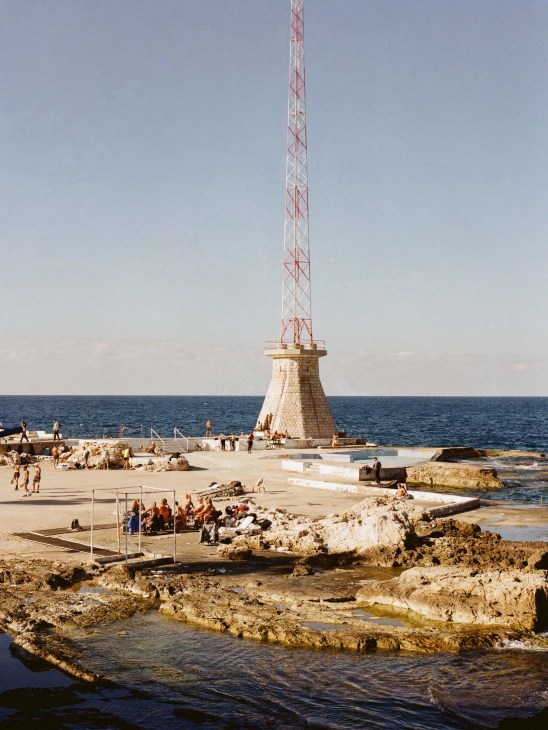
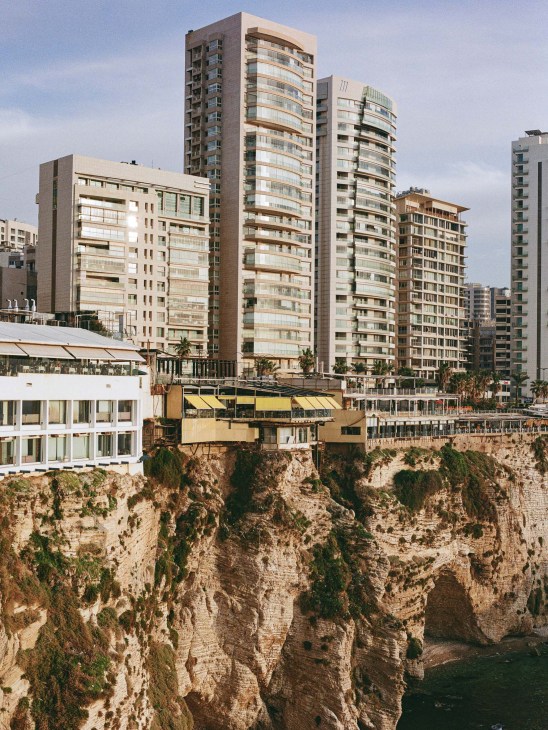
Yet, in stubborn optimism, Metropolis, AIF and Metro have each moved into new spaces during this time. When the ceasefire between Israel and Hezbollah ended the bombing of greater Beirut in November, their hopes were fuelled. Metropolis, AIF and Metro continue to face challenges but they share an unshakeable belief in the power of culture in times of crisis.
1.
The cinema
Putting arthouse film in the frame
Metropolis
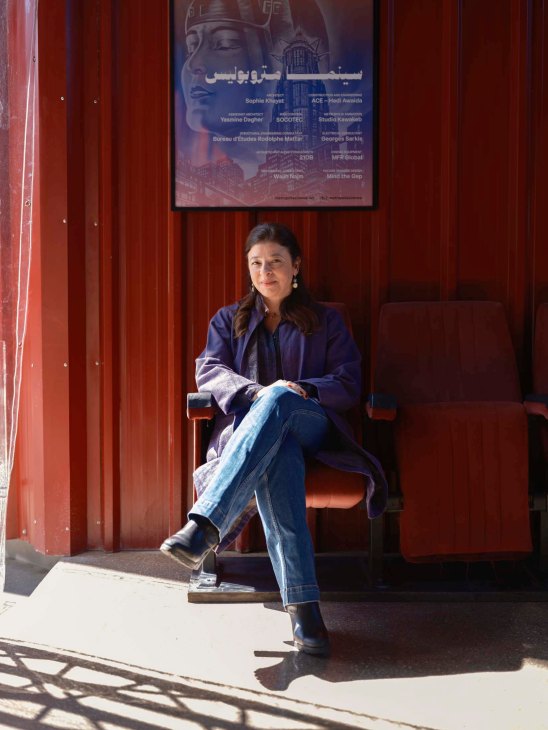
“Metropolis is almost 19 years old but this is a new venue,” says Hania Mroué. “No matter how prepared you think you are, there are always things that you discover as you go.” Mroué started dancing professionally at 18, performing at the prestigious Caracalla Dance Theatre for 13 years. She later studied economics, then earned a diploma in cinema production. In 1999, Mroué co-founded a filmmaking co-operative and served as managing director of its Ayam Beirut al-Cinemaiyya (Beirut Cinema Days) festival. When asked how a dancer found herself running a film festival, she shrugs. “For the love of cinema.”
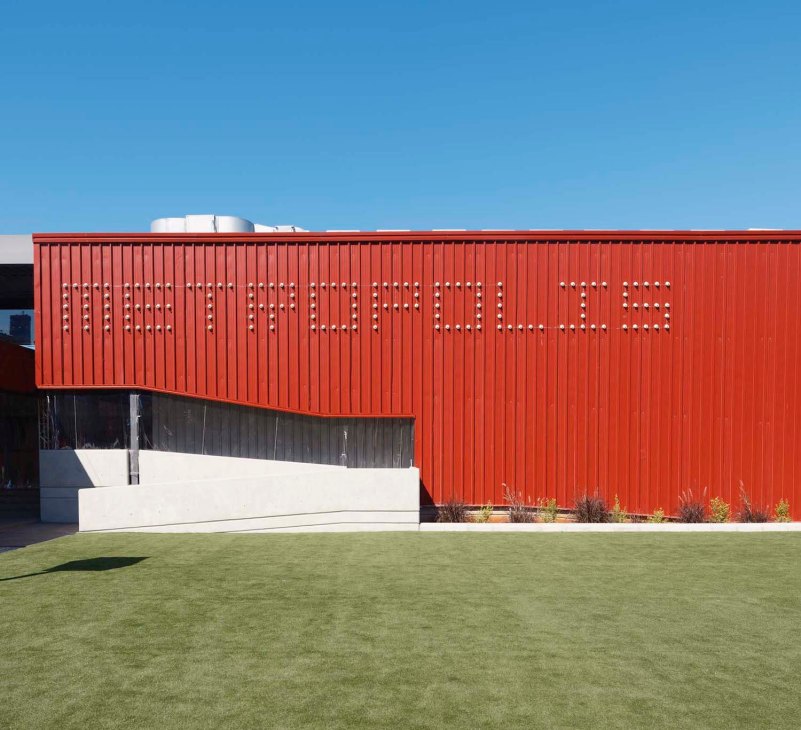
After five years without a proper location, thousands descended on the cinema’s new space on opening night in December last year. Among those to address the crowd were Hollywood star Cate Blanchett, French auteur Jacques Audiard and Lebanese director Nadine Labaki, who all sent video messages to express their support. Since then, Mroué’s 15-person team has been playing catch-up, hosting events programmed for a 2024 season severely truncated by the war. The reception has been strong, with mostly sold-out festival programmes. “It’s a diverse audience and very wide, age-wise,” says Mroué (pictured). “In general, the audience of arthouse cinemas across the world is ageing. That’s not the case in Beirut.”
Metropolis’s story began in July 2006, in the basement theatre of the Saroulla, a cinematic institution of pre-civil war Beirut. Its debut event was a run of that year’s Cannes’ Semaine de la Critique programme. A few hours after a sold-out opening, Beirut Airport was bombed – the start of a month-long war with Israel. While European guests fled via Damascus, young people from displaced families now sheltering in the theatre came to watch Metropolis’s projections. Two years later the cinema migrated to a two-screen theatre and a business partnership with Empire, a Beirut-based regional cinema and distribution chain. “It allowed us to grow,” Mroué said in 2020. “It gave us access to a beautiful cinema and allowed us to release many Lebanese and Arab films in other commercial cinemas.”
Metropolis also partnered with international film industry bodies to create workshops and training platforms for the region’s young film professionals and set up outreach programmes to bring cinema to students in Lebanon, including youngsters in refugee camps. It established Cinematheque Beirut – a Wikipedia-style online archive for the region’s neglected cinema heritage – and created an independent film distribution company.
When political demonstrations erupted in October 2019, the cinema joined other Beirut arts institutions in expressing solidarity with a general strike. But when Metropolis wanted to resume programming, Empire shuttered the cinema in January 2020. Mroué’s team continued as much of its work as possible without a location. And, slowly, Mroué started gathering support for a purpose-built cinema from international, regional and domestic institutions including European embassies, cultural centres and film platforms, foundations and distributors.
The newest iteration sits in Mar Mikhael, a two-hall structure with an outdoor projection area. In April, the venue will host a new festival focusing on the cinema of the Global South. “We’re gathering international filmmakers who work with the same constraints as the Arab world: censorship, lack of support and infrastructure,” says Mroué. “It’ll be interesting to see how they deal with these challenges and still manage to create wonderful films.”
2.
The archive
Preserving the image of the Middle East
Arab Image Foundation
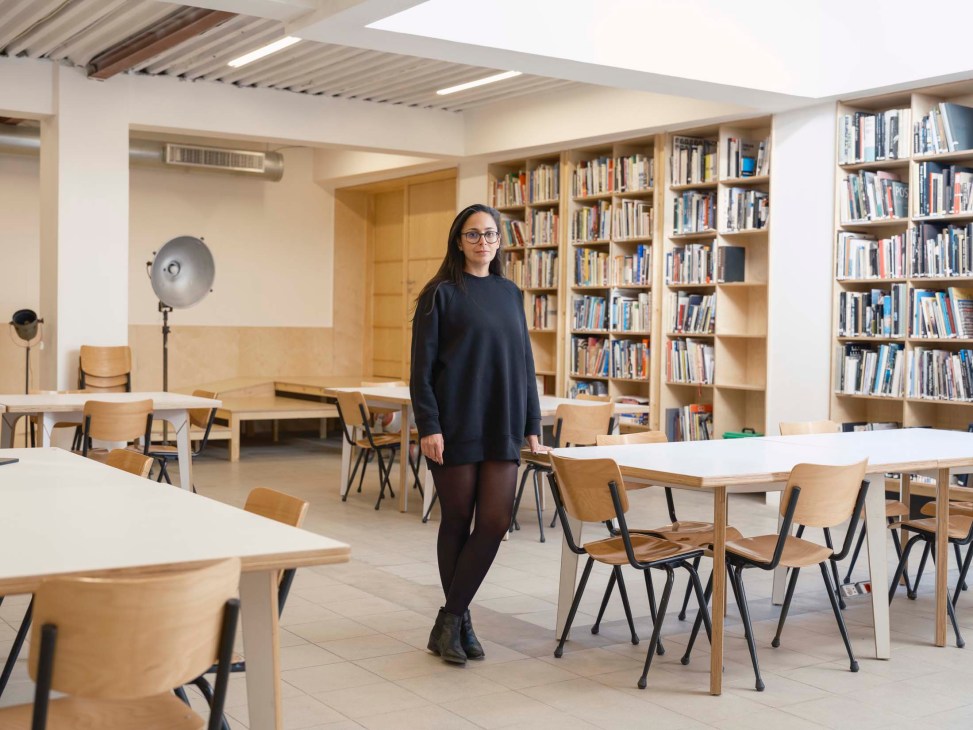
Rana Nasser Eddin is anxious to get back to normal operations. The Arab Image Foundation (AIF) director is awaiting the delivery from Kirkuk of Kurdish photographer Ramazan Zamdar’s collection of glass photographic plates dating from the 1930s to the 1980s. “In his studio photography, Zamdar used glass plate technology long after the film revolution,” says Nasser Eddin.
Six months after AIF opened the doors to its new premises in March 2024, warplanes began targeting locations across greater Beirut, delaying the shipment of the collection. “Beirut airport was functional,” says Nasser Eddin.“But no art shipper was willing to transport 13,000 glass plates to a place that’s being bombed.” The foundation activated emergency protocols, which involved packing and securing its collections and paper archive while preparing evacuation plans.
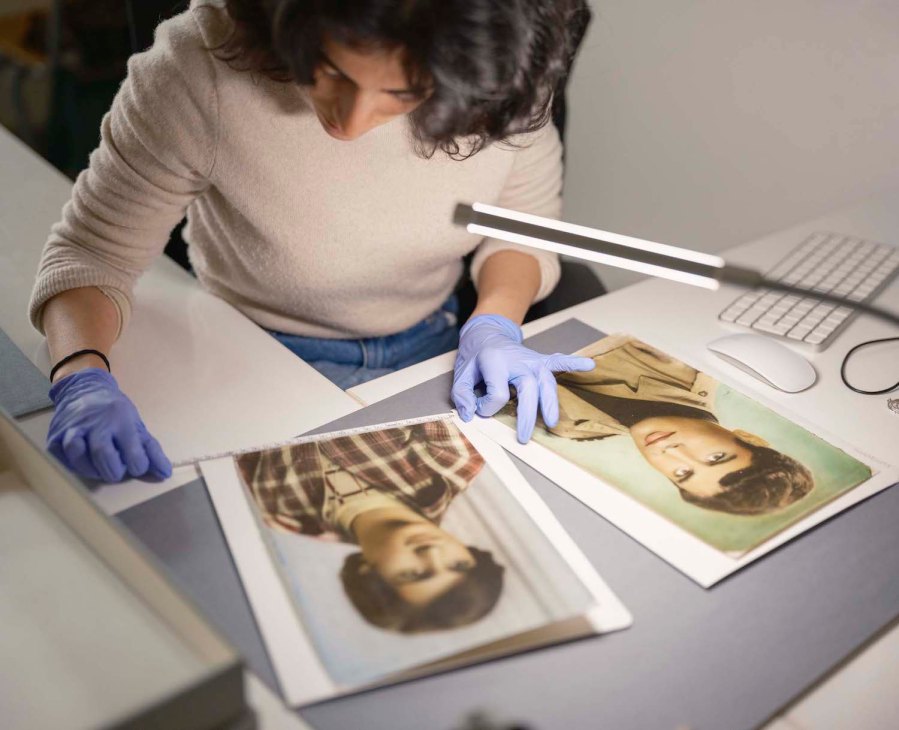
Co-founded by Akram Zaatari, Fouad Elkoury and Samer Modad, AIF is a unique project: a resource for the critical discussion of archival practices and a collection of photographic objects from the MENA region. With the Zamdar collection, the foundation will have approximately 600,000 objects from 308 collections, dating from the 1860s through to the 1990s and spanning 50 countries. Beirut’s port blast ruined the foundation’s previous offices – a cramped flat 300 metres from the explosion – but the collection emerged intact.
The foundation now nests in a three-story suite of rooms in Beirut’s Aresco Center, a short stroll from Lebanon’s National Library and three universities. The workspaces (where AIF’s six-person technical team conserves, documents and digitises images and preserves them in climate-controlled storage), the library and 42-seat auditorium, which will soon house a Beirut filmmaking co-operative, occupy the basement. At ground level, gallery-style spaces with shopfront windows allow for exhibitions and workshops. Public Works, a critically minded research and design studio, operates from AIF’s mezzanine.
In 2024, AIF’s library opened to the public. The stacks combine its specialist print library with Dawawine bookshop’s collections dedicated to cinema, sound and performance, and the library of Public Works. AIF launched its public programme in March with a series of screenings and talks about politics and film translation.
3.
The theatre
Inspiring future generations to take the stage
Metro al-Madina
Hisham Jaber’s flat overlooks Beirut’s derelict Holiday Inn, which was ruined during Lebanon’s civil war a few months after it opened in 1974. Through its gaping windows, the Mediterranean is clearly visible. “There will be peace, it seems,” says Jaber, glancing into his coffee. “We’ve faced many problems these past 13 years but now we have a clearer vision of what we should do.”
The flat is a short walk away from the Metro al-Madina theatre, which Jaber co-founded. He is well known for his on-stage persona: cabaret emcee Roberto Kobrolsi, notable for his mop of black curls, spectacles and fondness for silver lamé. Since 2002, Jaber has written and directed more than a dozen plays, musicals, stand-up comedy routines and cabarets that have been staged around Lebanon and the wider region. While Jaber is invested in recent history, the performances he’s staged tend to favour the light-hearted and sardonic over the tragic. And when asked why he became an entertainer, it’s a simple answer. “I like people to be happy,” he says.
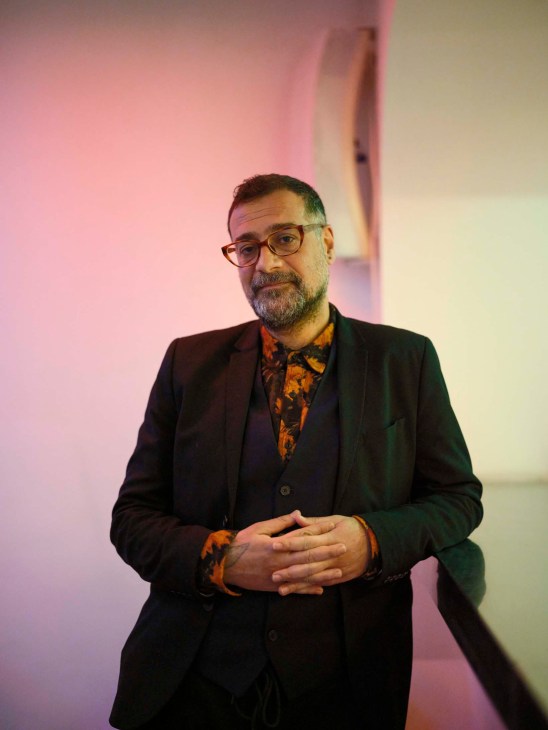
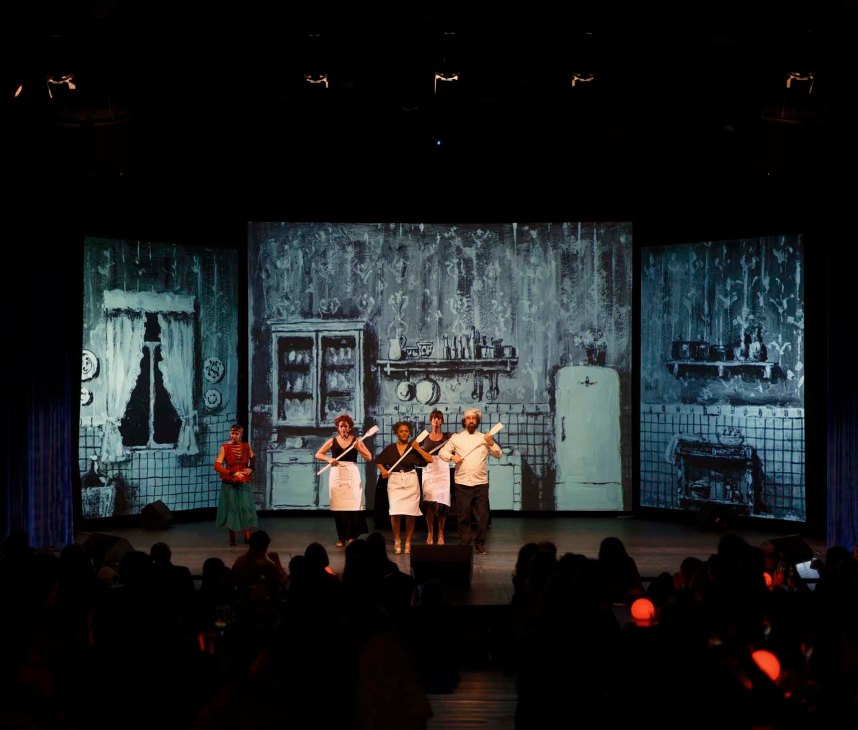
Like Metropolis cinema, Metro was born in Saroulla’s little theatre. But since July 2023 it has made its home at the theatre of the Aresco Center, next door to The Arab Image Foundation (AIF). “We moved during the biggest crisis of our generation,” says Jaber. “They said we were mad but it was a good move. You feel new energy in the hall.” Renovated and redesigned by architect Paul Kaloustian, Metro’s terraced hall can seat more than 700 guests at tables in front of the 14-metre-wide stage. The venue is “a bit trippy”, says Jaber. “It’s like something from a 1960s film about the future or outer space.”
Currently headlining at Metro is Al-Souq al-Oumoumi (The Public Market), a musical comedy set in the early 20th century, in a thriving red-light district on Beirut’s Mutanabbi Street. Featuring 18 vocalists and musicians, the show was written and directed by Jaber, who created the music with composer Makram Aboul Hosn.
During the recent war, Metro unveiled 3al-Qamar (On the Moon), a series of intimate Tuesday evening listening sessions. “We invite two or three solo musicians to try something new,” says Jaber. “It’s a lab for small gigs that could later develop into a main stage show.” Several new performers have also emerged from Mehaniya, a free, two-year performing-arts programme that the troupe created in 2022. Rather than soliciting donations, the theatre invites regular clients to become partners in the company, though some support comes from the Arab Fund for Arts and Culture (AFAC) and Unesco. AFAC and Culture Resource, another regional cultural support agency, also made a grant to Metro after the Beirut port blast.
Jaber says that peace will be a time for consolidation and experimentation, and it should bring younger artists with fresh ideas to the theatre. “Next year, we might start working with new technologies. With AI – sensors and suits – you can bring a new dimension to onstage visuals.” He sips his coffee. “And it’s cheaper. Thank god.”
While much in Lebanon is still in ruins, Jaber echoes the sentiments of Mroué and Nasser Eddin, expressing relief and enthusiasm at the prospect of something resembling normality in Lebanon. Like Metropolis and AIF, Metro has come through the crises on firmer ground than before 2019. The contingency, though, never abates entirely. “We are still recovering from the extreme violence that we lived through in 2024,” says Mroué. “We’re happy, but cautious. We know how fragile this stability is.”