Issues
Take a tour of The Shelborne, a freshly revamped art deco hotel in South Beach, Florida
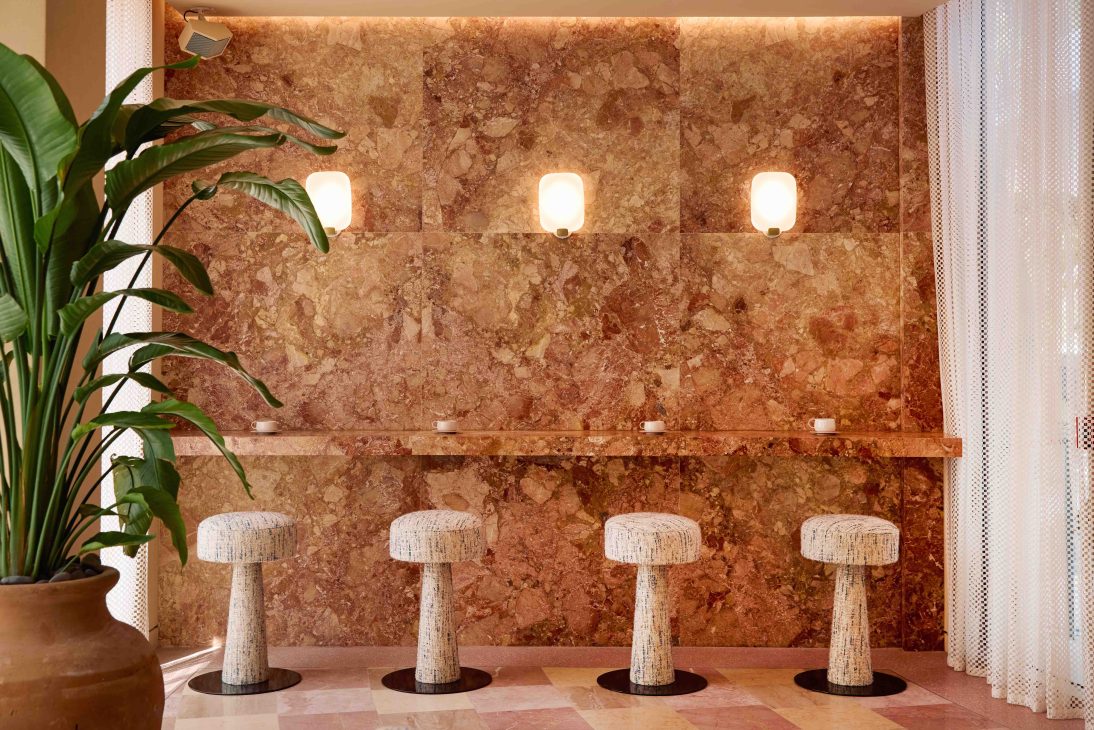
The word “iconic” is chronically overused but it is perfectly applicable to the venerable fleet of art deco hotels being relaunched along South Beach’s Collins Avenue. The Raleigh is set to reopen as a Rosewood, while The Shore Club will become part of the Auberge Resorts Collection. And then there is the beautiful Shelborne, built in 1940.
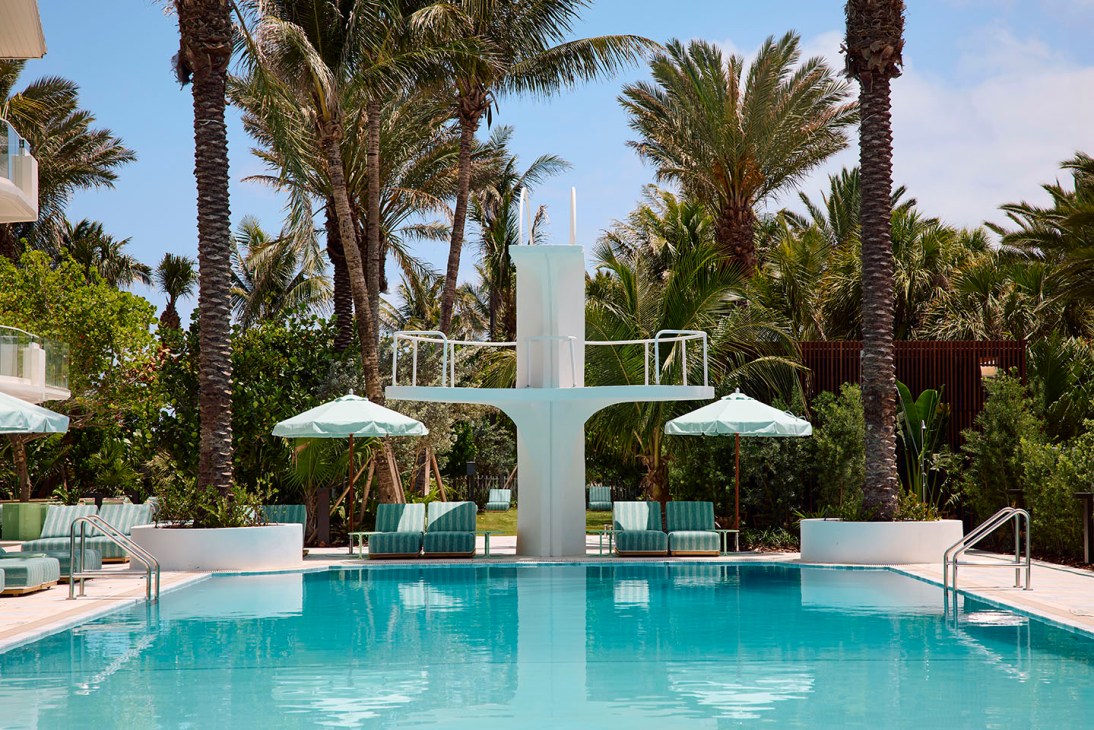
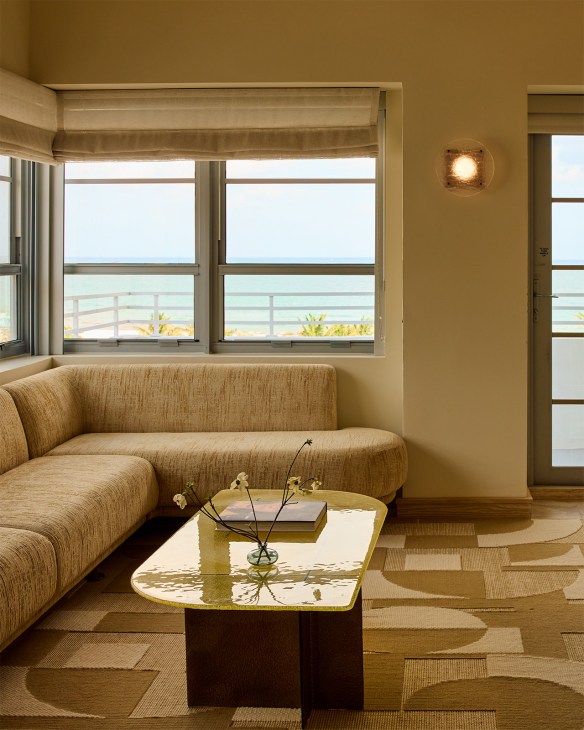
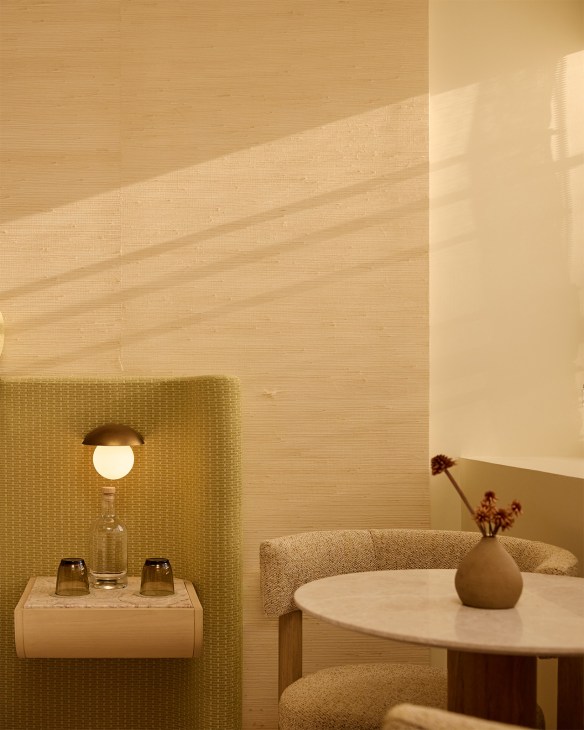
The property underwent its first renovation in the 1950s, when Miami modernism pioneer Morris Lapidus added the pool, cabanas and more guest rooms. Now, Proper Hotels has applied the latest licks of paint and lively finishes to the 251 guest rooms designed by ADC & Tuneu. “Being able to bring it back to life in such a beautiful way was very exciting for the team,” says Guy Chetwynd, the managing director of The Shelborne by Proper. The hotel’s beach club is only steps from the sea but the best place to spend an afternoon is by the pool amid the mint-green daybeds and parasols – ideally with a drink in hand and bossa nova on the breeze.
Timeline
1941: The Shelborne opens its doors. During the Second World War, the US Army Air Forces leased the building as a training centre. It is reopened to the public in 1945.
1958: The Shelborne undergoes its first major expansion, overseen by the architect Morris Lapidus.
1993: A portion of the building is temporarily transformed into residential condo-style accommodation.
2023: The Proper Hotels group acquires The Shelborne and commissions ADC & Tuneu to begin a $100m (€86m) transformation.
2025: The reimagined Shelborne opens to the public.
Three new hotels worth a reservation: Exploring Villa Pétrusse, The Eve Sydney, and The Telegraph Tbilisi
1.
Villa Pétrusse
Luxembourg
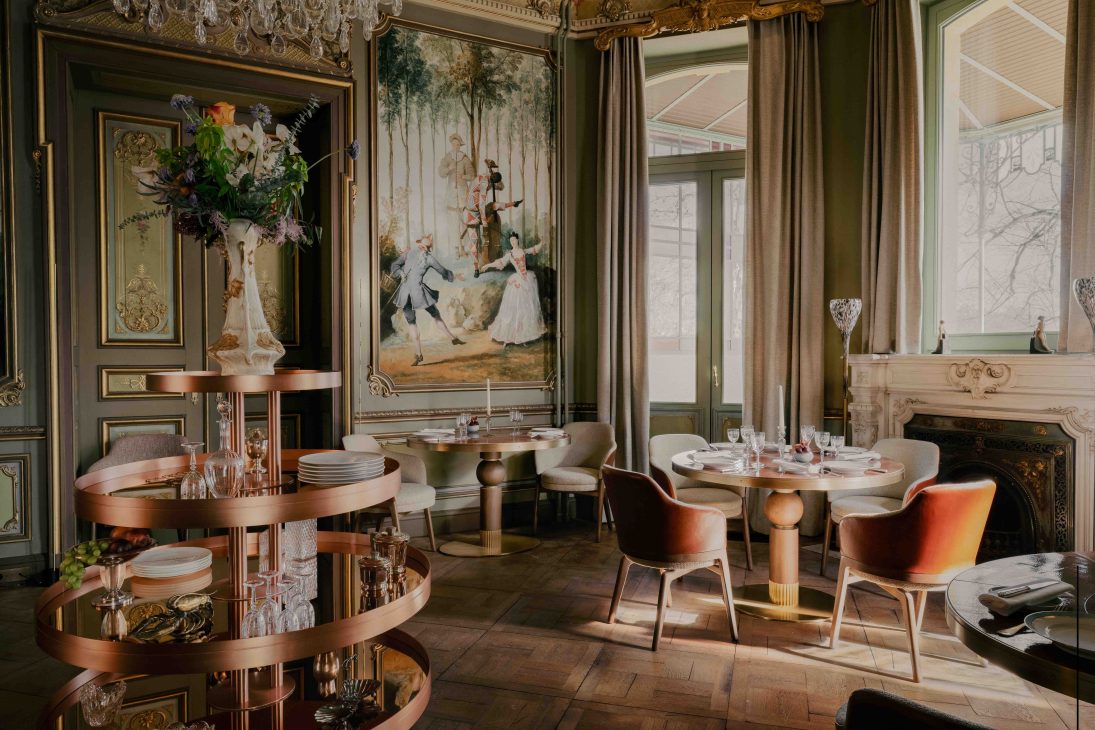
A short stroll from the Adolphe Bridge stands the stately Villa Pétrusse. Despite its scale, the building retains the intimacy of a family retreat. Following a five-year renovation, it’s now a hotel that’s part of the Relais & Châteaux group. The listed 1880 townhouse is in Ville Haute, the oldest district of the grand duchy’s capital.
French interior designer Tristan Auer transformed the 22 guest rooms, aided by artisans from the region: think hand-painted wallpaper, neo-gothic fireplaces and pieces by Luxembourgish painter Sosthène Weis. Chef Kim de Dood – fresh from Michelin-starred kitchens in cities from Kuala Lumpur to Dubai – runs Le Lys restaurant. Highlights on the menu include eel with lait ribot (buttermilk) and monkfish with yuzu kosho (a Japanese seasoning).
villapetrusse.lu
2.
The Eve
Sydney
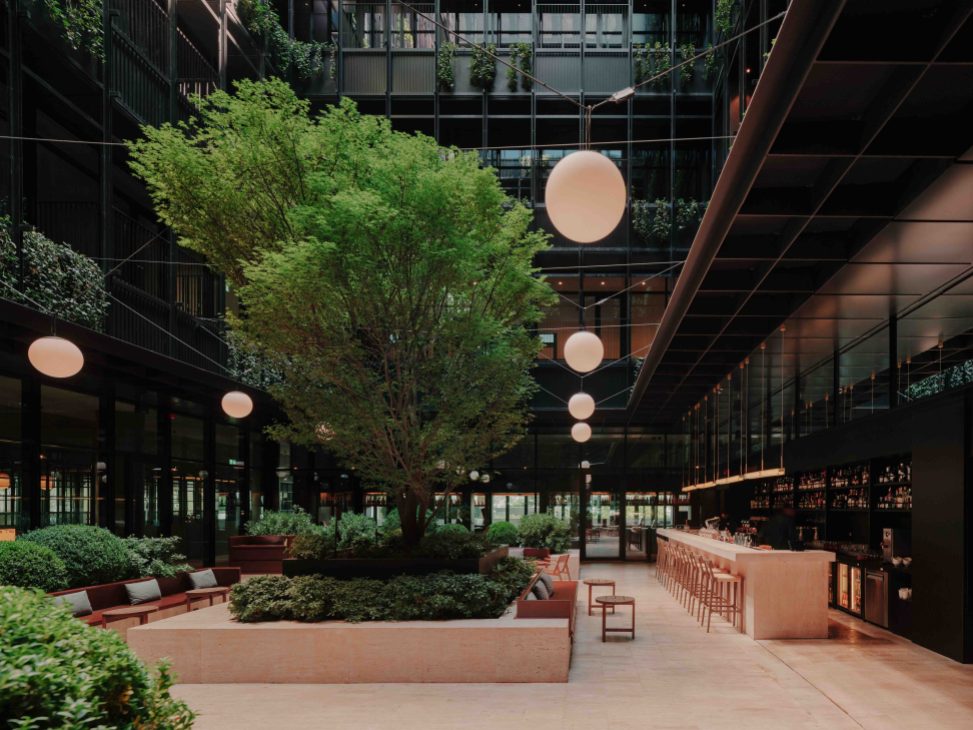
This 102-key hotel in Redfern’s dining and lifestyle mecca Wunderlich Lane is part of a broader project by SJB design studio’s Adam Haddow, Daniel Baffsky of landscape architecture firm 360 Degrees, Allan Vidor of developer Toga Group and George Livissianis, the interior architect behind Sydney restaurants Olympus and Lottie. Beyond the red-tiled entrance, Bar Julius features ceiling murals by artist Louise Olsen, while leafy gardens pay tribute to a nursery that flourished on the site almost 200 years ago. It’s a place to unwind, with greenery framing its public spaces and the rooftop pool.
theevehotel.com.au

3.
The Telegraph
Tbilisi
In the 1960s the Central Post Office and Telegraph building linked Georgia to the world from Rustaveli Avenue, one of Tbilisi’s main thoroughfares. Now discerning travellers fill the space. Reimagined by Shanghai-based architects Neri&Hu, the building reopened in June – this time as 239-key hotel The Telegraph. “Our aspiration was that it would become a piazza for the city,” says Lyndon Neri, half of the design duo. The Georgian capital is brimming with creativity and culture, and the Telegraph – with its library, courtyard garden by Dutch landscape designer Piet Oudolf and Thai restaurant by chef Rose Chalalai Singh – is right at the heart of the buzz. Tatuza, the city’s top jazz club, hums into the night downstairs.
telegraphhotel.com
Inside Iittala’s glass factory, where fashion meets fire
On an autumn afternoon, the Iittala glass factory hums with a rhythm that has remained largely unchanged for more than 140 years. The air is heavy with heat from the furnace, which roars at 1,450C as glassblowers – masters of a craft that can’t be learnt at school – pull glowing masses of molten glass from the fire. They blow and shape the material in a way that feels both age-old and modern. “I spend every other week here,” says Janni Vepsäläinen, Iittala’s creative director. “This is the most inspiring place. It’s where the magic happens.”

Vepsäläinen, who took the helm in spring 2023, comes not from the homeware sector but from fashion – knitwear, to be precise. But the pull of Iittala’s heritage, its craft and its factory proved irresistible. “When I was approached about this role I couldn’t say no,” she tells Monocle. “Being Finnish, I grew up with Iittala. It felt like I was joining a family.”
Her background shapes her creative vision. She describes having an “epiphany” as a student when she discovered that she could make her own fabrics: selecting yarns, colours and techniques to create something from scratch. Visiting Iittala’s factory during her interviews for the creative-director role, she felt the same spark. “I was again in front of a material being shaped and formed right there and then,” she says. “I had never done glassware design but I realised that the process was the same. Both knitwear and glassblowing are about craftsmanship and century-old techniques that can be used to create something modern.”


Her conviction that disciplines can inform and enrich one another underpins her philosophy at Iittala. “Creativity should know no boundaries,” she says. “The best projects are always born from conversations between creative fields. When you’re new to something, you ask different questions. You see the possible in the impossible.”
One of Vepsäläinen’s recent projects was a collaboration with London-based musician Damsel Elysium, in which glassblowers crafted glass instruments that were used to compose new pieces. “It was about stretching the material, pushing the boundaries of what glass can do, then bringing in a completely different form of expression – music. That’s the kind of project that excites me.”
She has also introduced a fashion-inspired rhythm to the brand by instituting two seasonal drops every year – concept-driven collections that tell stories beyond individual products. “That’s completely new to Iittala,” she says. “It’s about creating coherence, not just through products but through campaigns and the whole expression of the brand.” The forthcoming autumn collection, for example, includes the company’s first scented candles that draw directly from glassmaking’s essence. The scents are named Sand, Fire and Water – all integral to the process.
Next year, Iittala will celebrate the 90th anniversary of Alvar Aalto’s Savoy vase with a series of collaborations reimagining the avant-garde spirit of the 1930s original. “When it was first presented, journalists hated it so much that they threw it out of taxi windows,” she says. “Now it’s our crown jewel. That story tells you that Iittala has always been about pushing boundaries.”
For Vepsäläinen, keeping the brand relevant is as much about the future as it is heritage. “We can’t just be a museum,” she says. “We love our history, but we have to use it as inspiration to guide us into the future.”
She says that Iittala’s DNA consists of three elements: Finnish identity, craftsmanship and exploring creative frontiers. Vepsäläinen sees untapped potential in allowing disciplines such as fashion and homeware to collide. “There is always something to learn from different parts of culture,” she says. “The best artists are the people who are brave enough to ask those questions.” She points to global design fairs, which she notes are increasingly less about single industries than about cultural conversations that bring together designers, musicians, artists and thinkers.
Asked what she hopes her time at Iittala will be remembered for, Vepsäläinen says, “I would like people to think of our curiosity, the conversations that we started and the opportunities that we gave different creatives to explore glass and design.” Her leap from knitwear is proof of what can be achieved when creative boundaries are crossed.
Can you create an art scene from scratch? Why real art can’t be engineered
“A picture looks so remote when it hangs glassed and framed on the wall,” says E H Gombrich in his 1950 book, The Story of Art. Indeed, when you imagine a lively art scene, it’s unlikely that you would include the white walls of a museum where the work could eventually end up. You might picture Keith Haring in 1980s New York, adding charm to the grotty subway with chalk squiggles before a night out with Madonna and Basquiat. Or maybe you are cast further back to bohemian Montparnasse, where Modigliani and Soutine share studios and art dealers while bemoaning their inability to sell a painting. Collectively, these artists, along with gallerists, collectors, poets, philosophers and hangers-on, banded together to sketch the hazy outlines of their “scene”. And whether in down-at-heel Manhattan or on the buzzy Left Bank, it was the scenes that shaped the artists too.
Today, there’s a steady stream of what press releases call “cultural hubs” popping up around the world. In early September, a refurbished sgraffito-covered Soviet cinema in Almaty opened its doors as Kazakhstan’s first private cultural institution. The Tselinny Center of Contemporary Culture aims to provide a new and much-needed platform for artists from the region. Head further along the Silk Road and a 20th-century tram depot and diesel station has just been revived as Tashkent’s shiny new Centre for Contemporary Arts (CCA). It will be joined by the Tadao Ando-designed State Art Museum of Uzbekistan next year.
Though the plans are striking, the former Soviet state appears more pleased with building the largest exhibition space in Central Asia than with what will be inside. Building an enormous museum with a famous Japanese architect is a sure-fire way of bringing more visitors to your city, but it’s tourism – rather than culture – that’s the main goal here.
Art makes for excellent tourist attractions and it lends its destination a new note of prestige. At their best, museums draw on their region’s deep artistic histories and open them up to a new audience, while allowing locals the chance to see world-class work in their home city. But something is lost when these scenes are engineered, marketed and managed rather than given the space to spring up organically.
No matter where it’s viewed, great art is transportive – but it should also invite conversation. An “art scene” relies on creating the right environment for that dialogue and for the next generation of artists to take risks. Visual art is impossible to separate from other topics such as music, literature and, ultimately, politics. A scene extends beyond museum doors, and community is just as important as curation. A purely top-down approach risks your “scene” being just some good-looking pictures glassed and framed on the wall.

The Waldorf Astoria’s lavish renovation blends its original splendour with gorgeous modern luxury
There are few hotels as storied as Manhattan’s Waldorf Astoria. In the grand, chandelier-filled ballroom, Albert Einstein gave a speech and Ella Fitzgerald once sang. The hotel was also home to luminaries such as Cole Porter, who lived in a suite that was later taken over by Frank Sinatra. Marilyn Monroe and Herbert Hoover were residents at this grandest of grandes dames too.
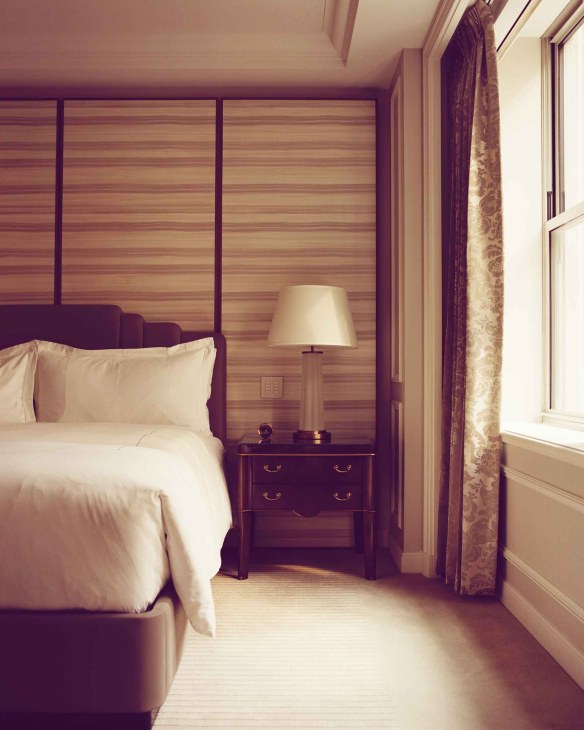
Founded in the 1890s, the Waldorf Astoria moved into its art deco building, steps from Grand Central Station, on Park Avenue in 1931. Closed since 2017 for an eight‑year restoration that reportedly cost $2bn (€1.72bn), the hotel has at last reopened. One bold aim was reducing the 1,400 guest rooms. Today it has 375 rooms and suites, and 372 private residences. “You can’t run a 1,400-room luxury hotel [these days],” Dino Michael, senior vice-president and global head for Hilton’s luxury brands, tells Monocle. Conrad Hilton won the managing rights in 1949 with his corporation buying it in 1972 before a sale to China’s Anbang Insurance Group in 2014. “The world has moved on,” he adds, while suggesting that the demand for branded residences has been rising. The rooms are designed by Pierre-Yves Rochon in soft grey with white furnishings and art deco motifs on geometric pendant lamps and patterned doorknobs.

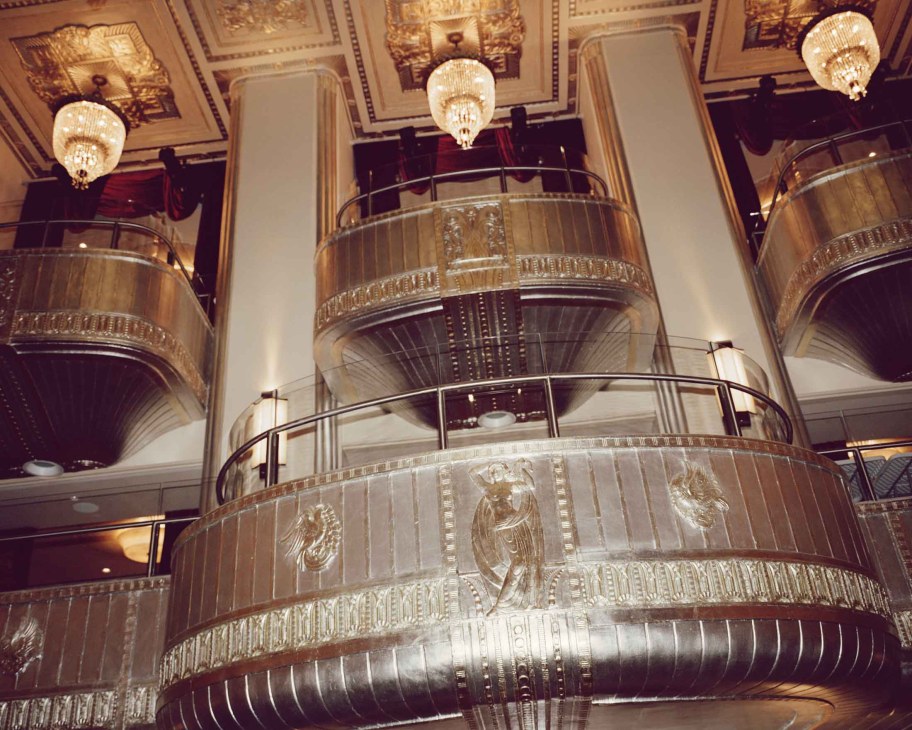
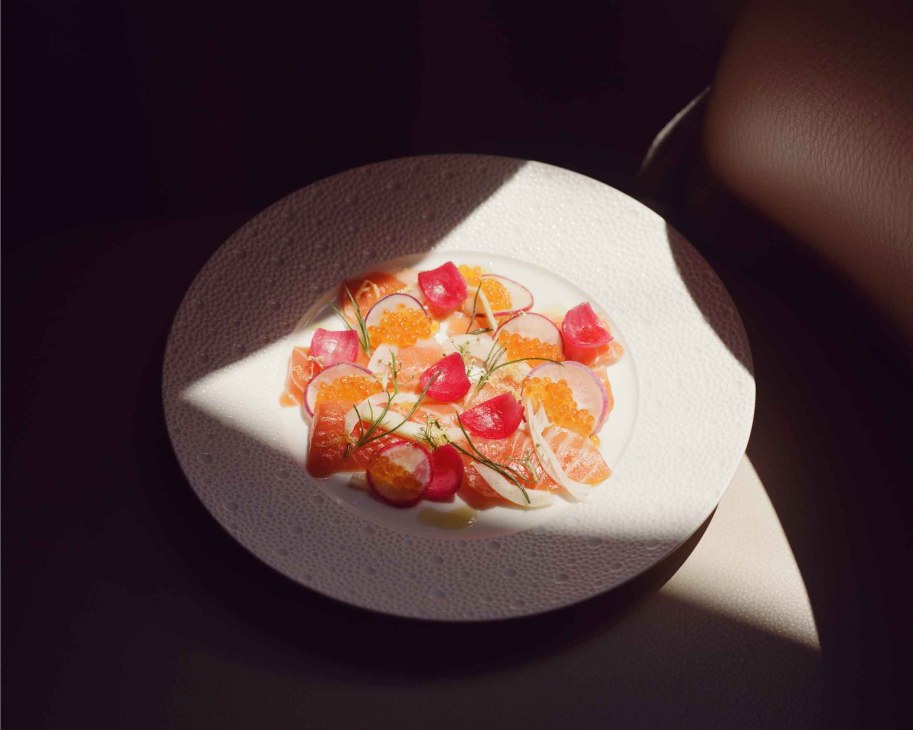
Another addition is the Portes Cochères (discreet porches) on 49th and 50th Streets, where guests, greeted by staff in Nicholas Oakwell-designed uniforms, can slip into a marble-clad lobby on the lower-ground floor. At American brasserie Lex Yard by chef Michael Anthony, there are several takes on – you guessed it – the Waldorf salad: the original features celery, apples, grapes, walnuts and a lemon dressing. As the building was picked apart and layers of paint were peeled back and sandblasted, the team unearthed wonders including original marble pillars, embossed walls and even smoke-stained murals on the ceiling in the Silver Corridor, built to mimic Versailles’ Hall of Mirrors.
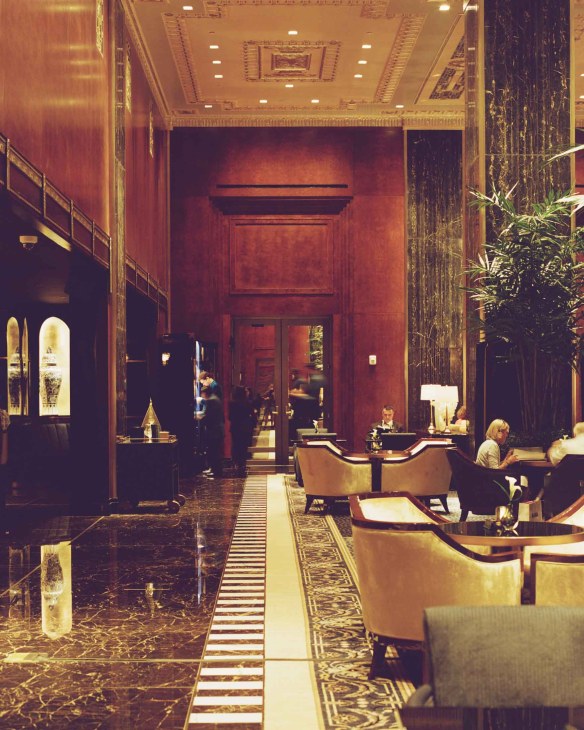
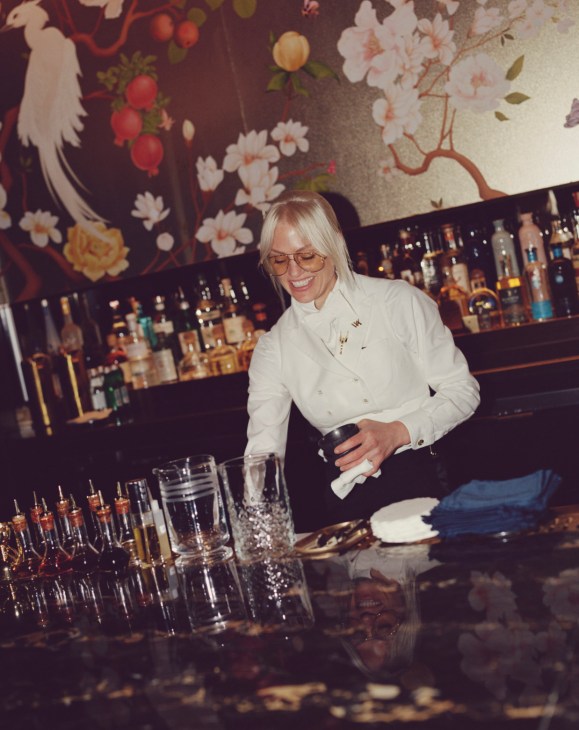
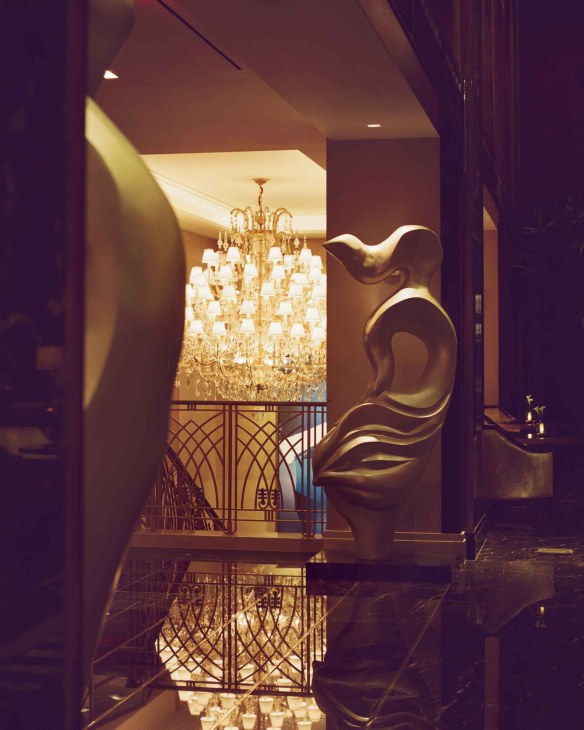
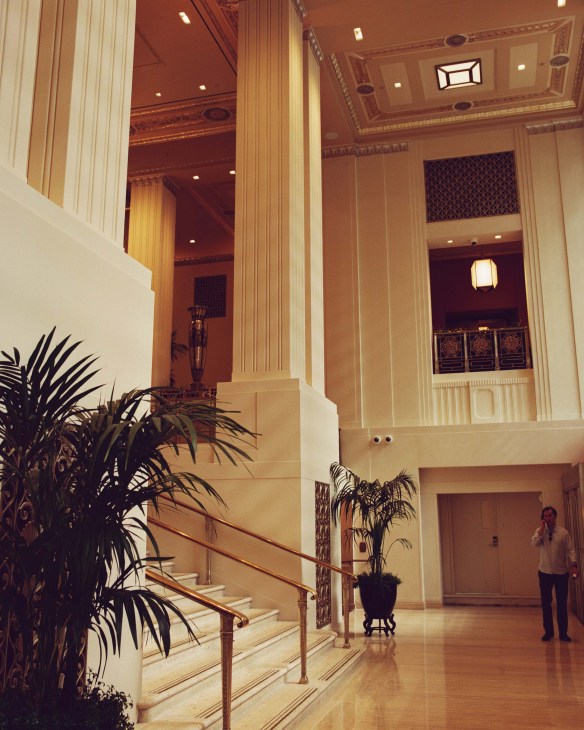
The main lobby, known as Peacock Alley, originally linked two separate hotels – the Waldorf and the Astoria were subsequently connected – and in it you’ll spy a walnut-and-copper clock commissioned by Queen Victoria, as well as Cole Porter’s mahogany Steinway piano. “It’s in perfect condition and someone plays it every night,” says the senior vice-president, Michael. “We’re living in a time when people are just overwhelmed with homogenisation,” he adds. “Wherever you go, it’s kind of copy-and-paste. This is real and authentic. They don’t build things like this any more.” By 17.00 on a Thursday, before the first piano note even sounds, the lobby buzzes with energy. Patrons cluster at the bar, sipping martinis, playing their part in a century-old ritual.
waldorfastorianewyork.com
Timeline
1893: The Waldorf Hotel is built on Fifth Avenue.
1897: Two hotels created by feuding factions are combined to create the Waldorf Astoria.
1929: The Waldorf Astoria is demolished in order to make way for the Empire State Building.
1931: The Waldorf Astoria opens on Park Avenue.
2014: China’s Anbang Insurance Group purchases the hotel.
2017: Renovations begin, reportedly costing $2bn (€1.72bn).
July 2025: The Waldorf Astoria is reopened.
Inside a brutalist US embassy reborn as London’s newest Rosewood hotel
For decades a sculpted golden eagle loomed over London’s Mayfair as the embodiment of US diplomatic might. It still presides over Grosvenor Square – but now as the gilded emblem of the UK capital’s newest luxury hotel.
The brutalist landmark that once served as the US embassy was unveiled in 1960 by Finnish-American industrial designer Eero Saarinen. Its chequerboard stone windows made a disruptive statement amid the Georgian residences that lined the square. Long rumoured to contain a CIA office, it carried all the intrigue of a Cold War stronghold. The sculpted eagle, whose wings span 11 metres, was created in Brooklyn by Theodore Roszak, who cast it from aluminium sourced from B-52 bombers once deployed as a deterrent against the Soviet Union. The hotel group Rosewood won the coveted redevelopment opportunity in 2017, commissioning David Chipperfield Architects to transform the site. With 30 new entrances, the former fortress has literally thrown open the doors to a landmark that was once strictly off-limits.
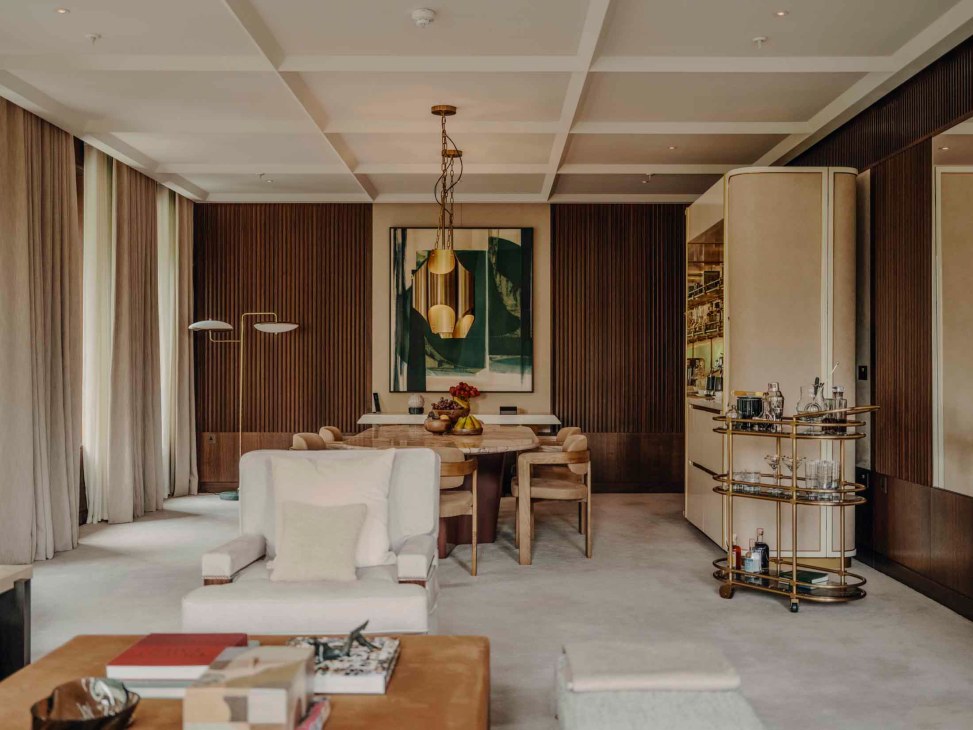
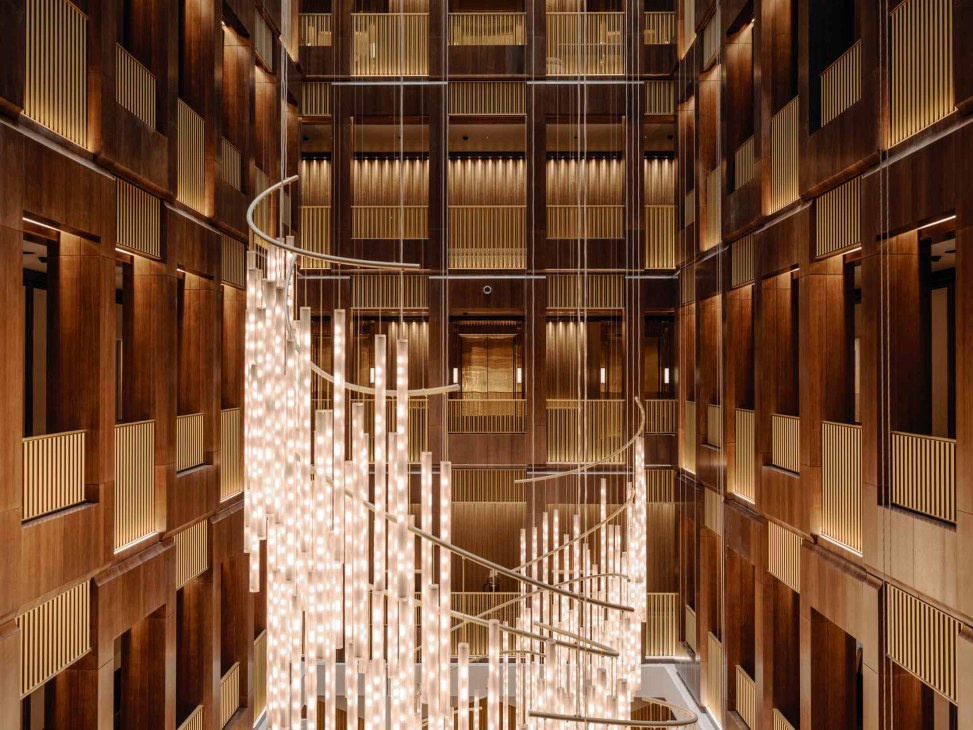
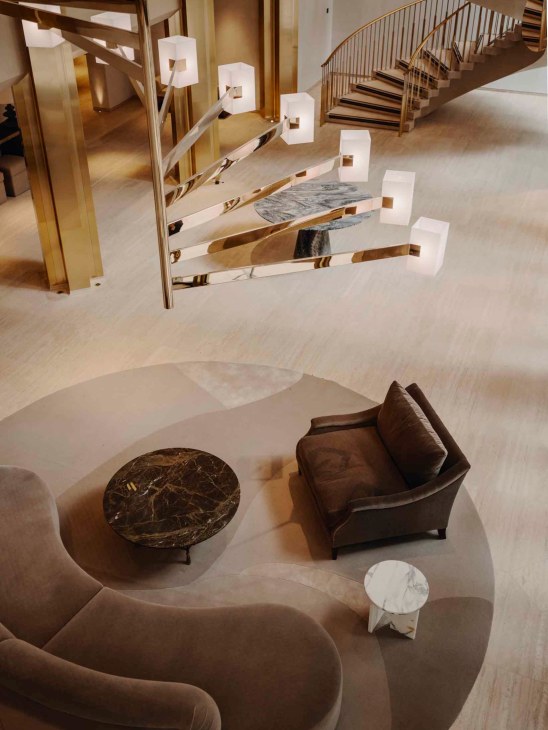
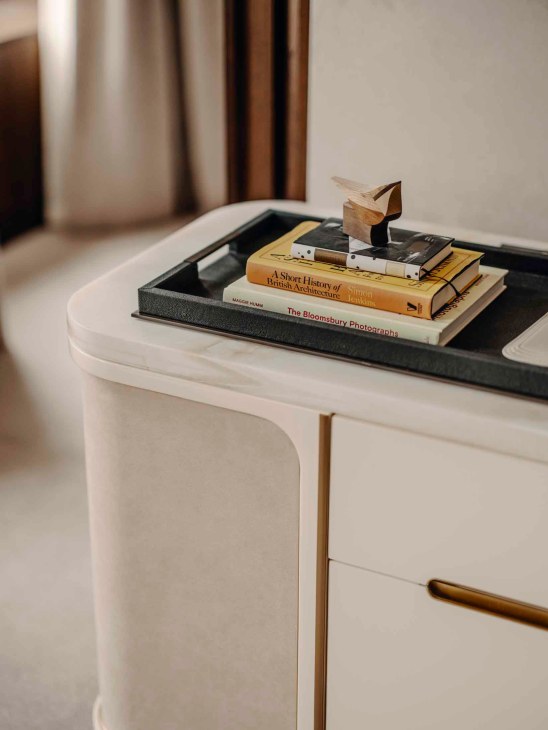
Redeveloping the embassy presented engineering challenges: a four-storey excavation, delicate heritage preservation and the retention of Saarinen’s striking angular façade. The hotel has almost doubled the footprint of the original embassy. There are 144 houses and suites – each averaging 185 sq m, comparable to a large Mayfair flat. The Eagle Bar on the seventh floor fosters Manhattan-style rooftop culture. Parisian designer Joseph Dirand has layered art deco detailing with mid-century glamour in the interiors. The dining offering is immense, with the first European outpost of New York’s Carbone, alongside the hotly anticipated revival of London institution Le Caprice.
As for the eagle, it was so synonymous with the US embassy that the plan was to relocate it to its new site. But when Saarinen’s building achieved Grade II status in 2009, the sculpture was legally bound to its original perch. So the formidable bird continues to preside over Grosvenor Square, watching on.
rosewoodhotels.com
Read next: The Monocle City Guide to London, featuring the best hotels, restaurants and retail spots in the UK capital
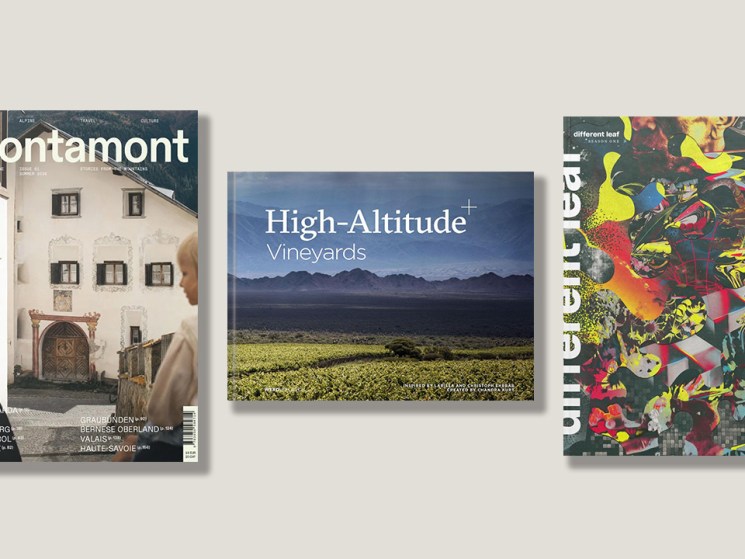
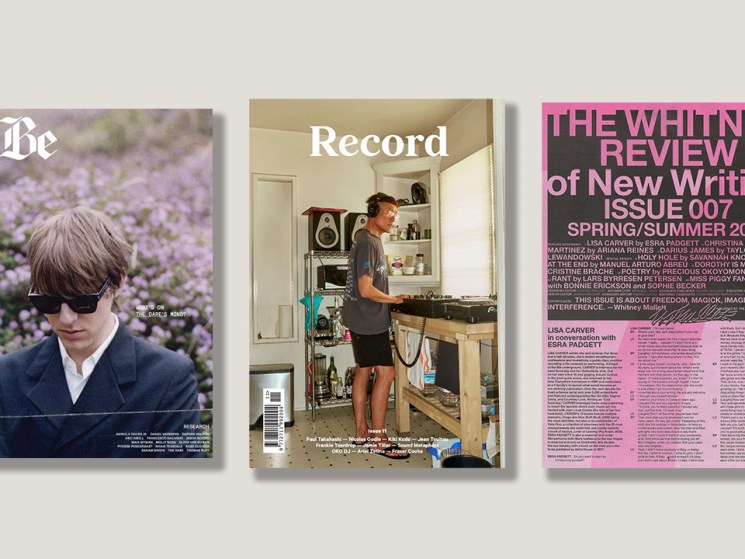
Chanel, Translator and About present three new arts & culture magazines to add to your stack
1.
Arts & Culture Magazine, Chanel
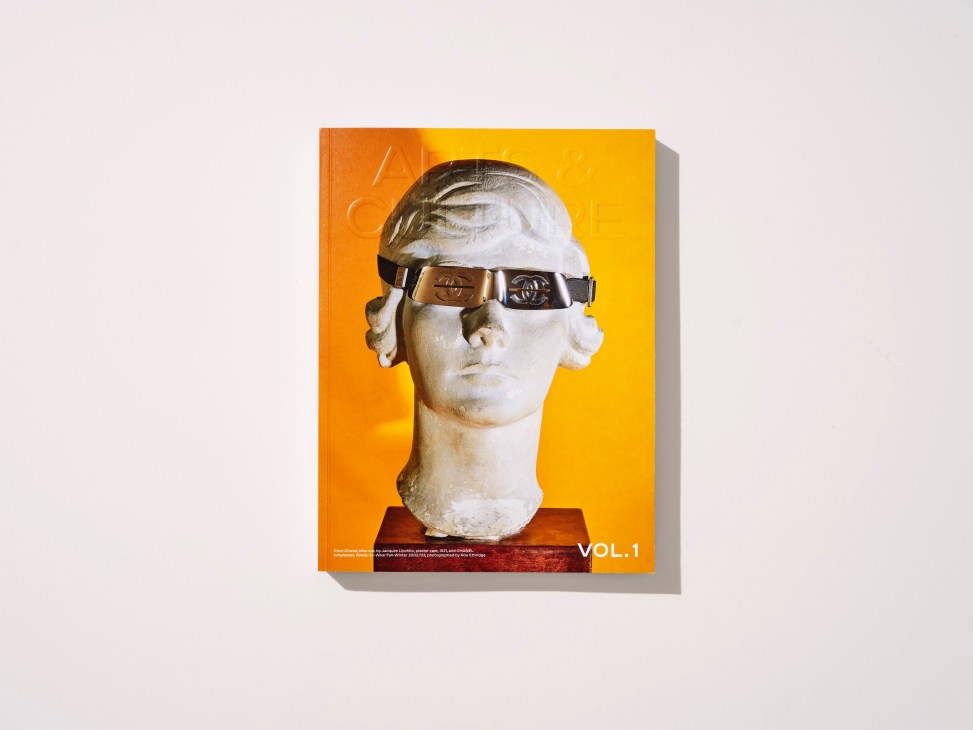
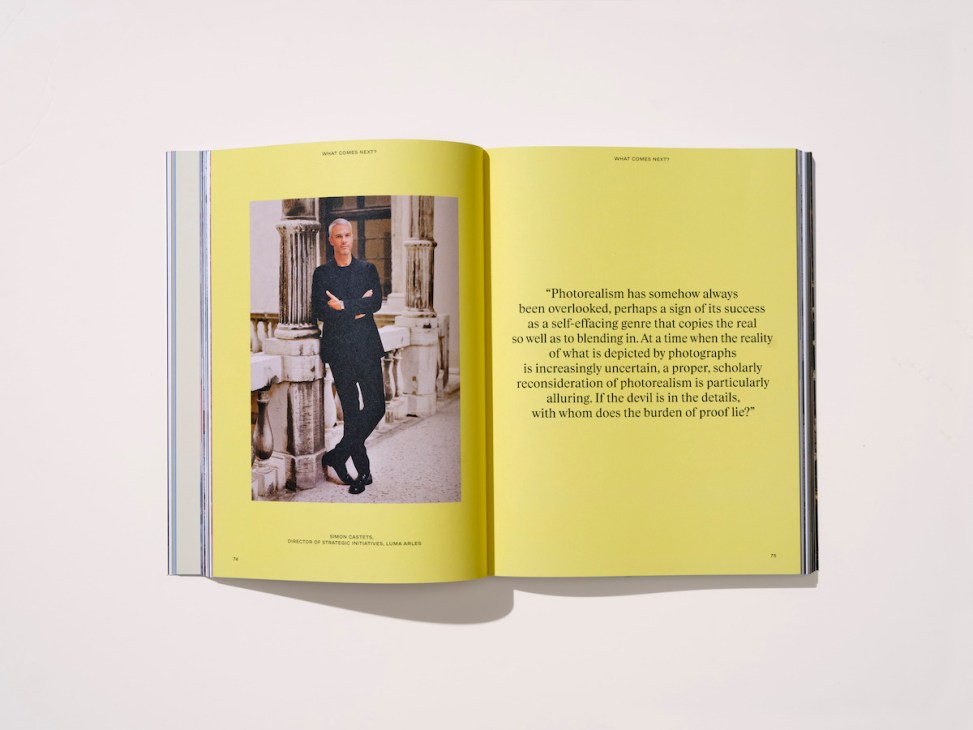
In this launch issue, Swiss critic Hans Ulrich Obrist muses on the relationship between art and technology, while US photographer Roe Ethridge creates sumptuous still‑life shots of objects that once belonged to Gabrielle Chanel. Throughout, creatives are asked, “What comes next?” It’s a question that we’re eagerly asking of Chanel’s magazine production team too.
2.
Translator
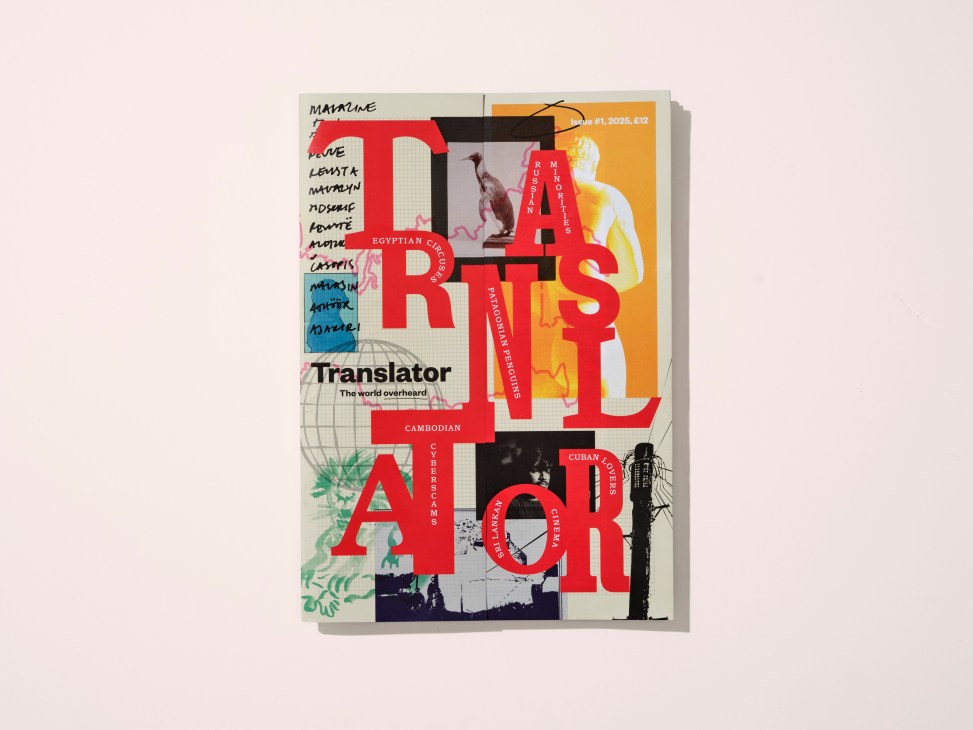
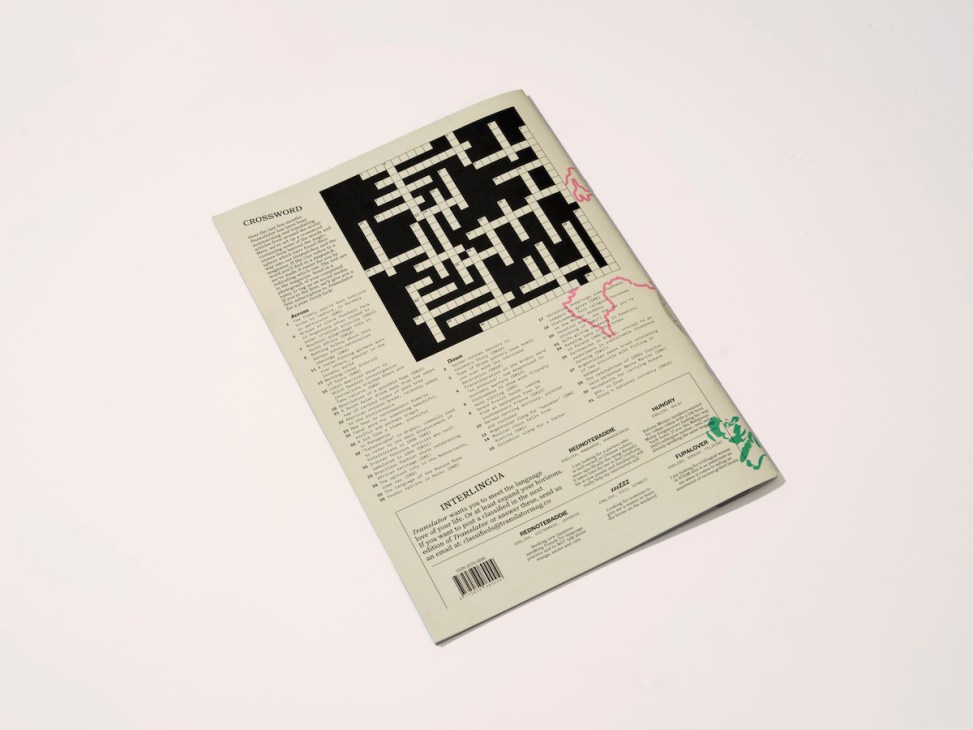
“This is a way of platforming excellent writing from across the globe and giving English‑speaking readers a different frame of reference,” Charles Emmerson, Translator’s editor, tells Monocle. Highlights from the first issue include pieces on penguins in Patagonia and Donald Trump’s executive order to make English the official language of the US.
translatormag.co
3.
About
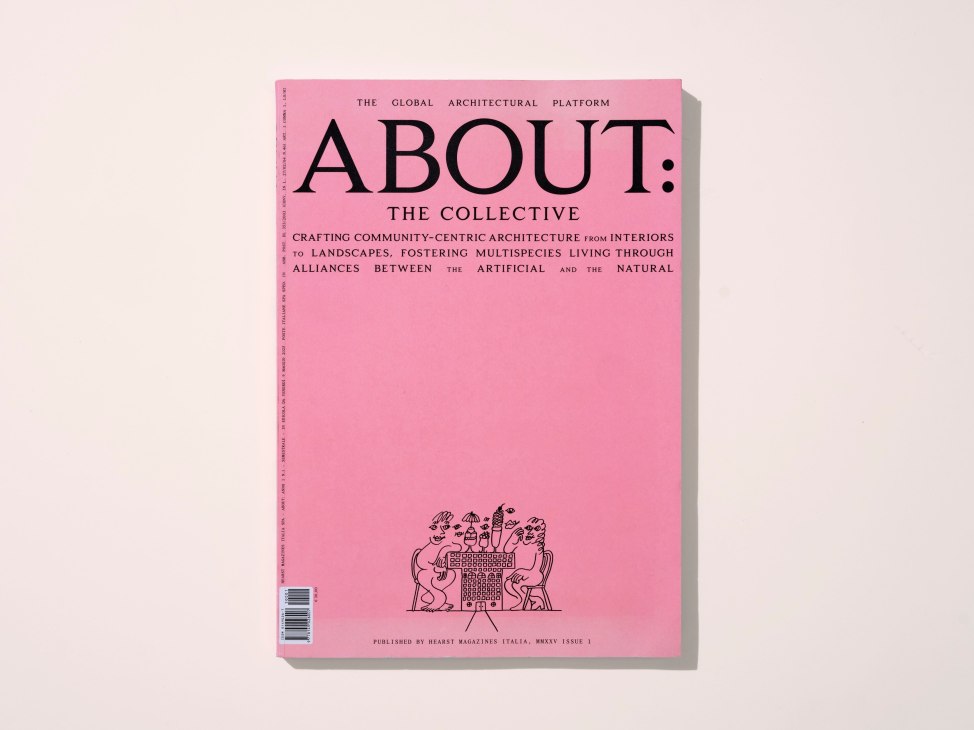
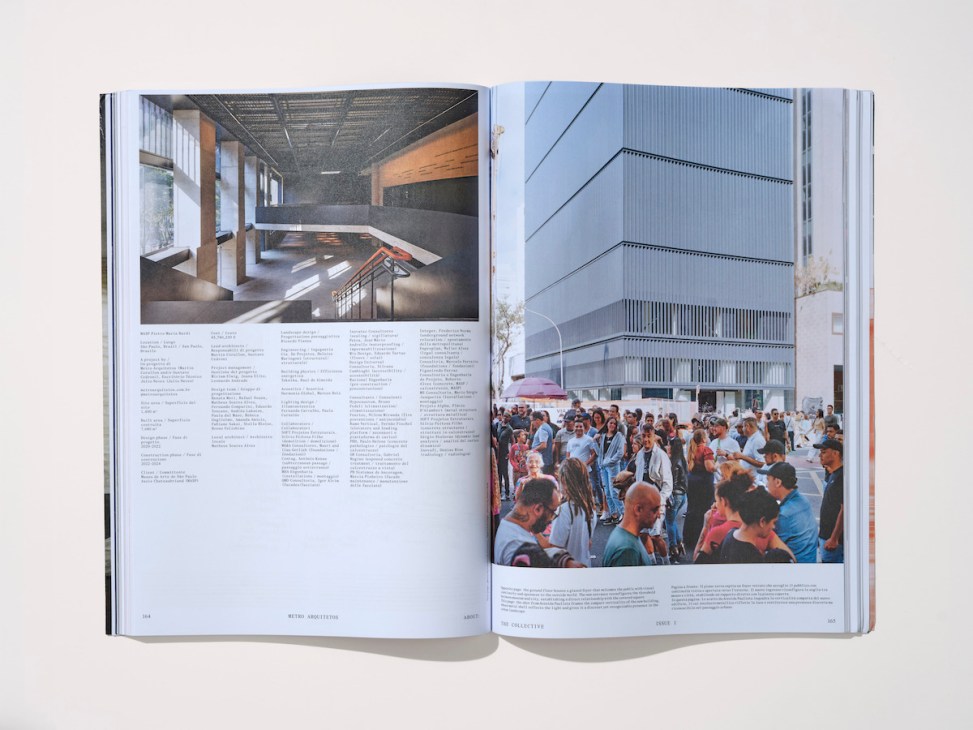
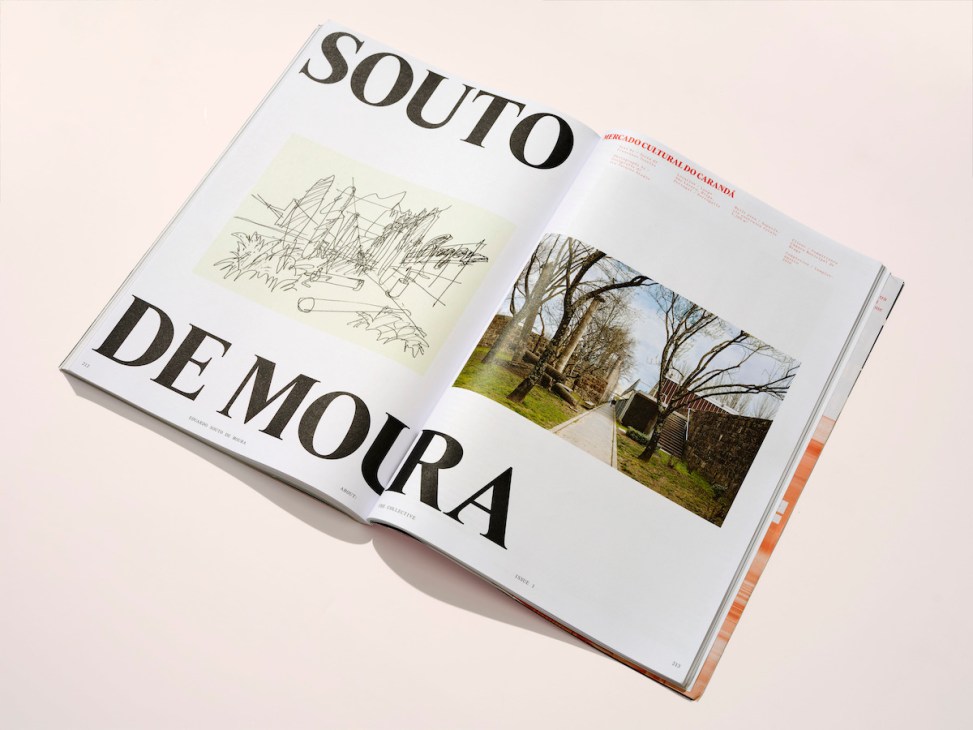
“Its references are the 1970s and 1980s, when architecture was political and magazines were cultural projects,” says Alessandro Valenti, editor in chief of Hearst Magazines Italia’s hefty new publication About. The bilingual Italian and English title features photographs and blueprints of projects such as a Mexico City Pilares civic centre.
aboutplatform.com
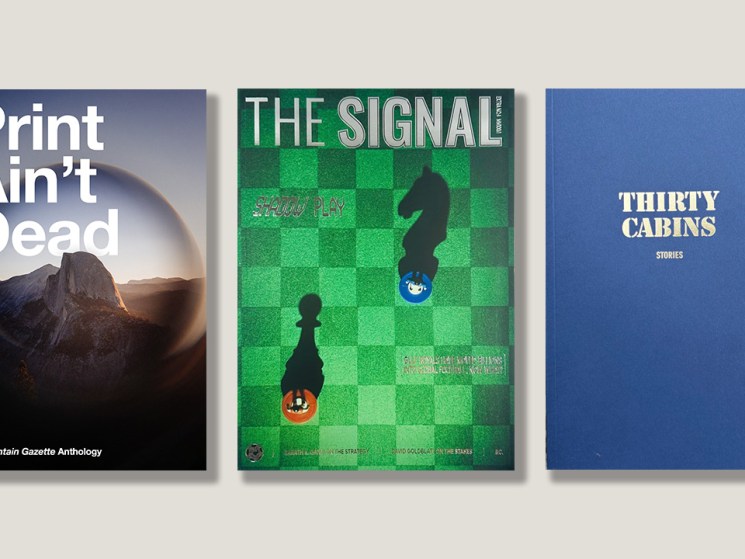
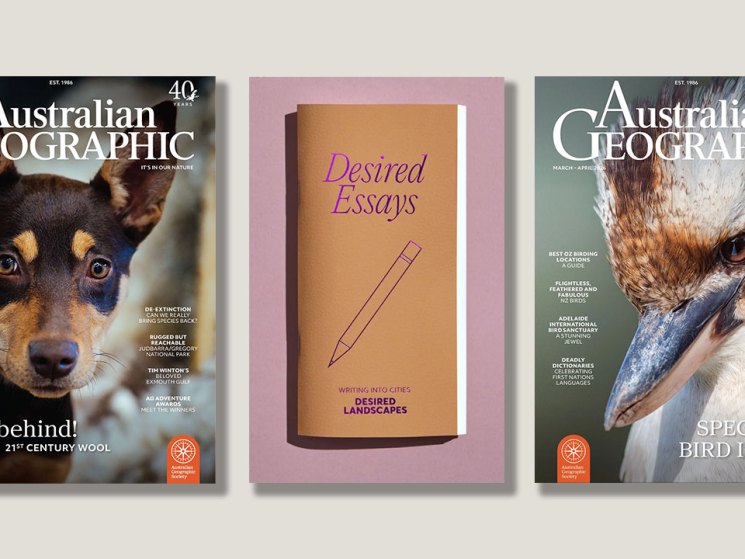
Find out more about the titles that should be on your radar on The Stack, Monocle Radio’s weekly show about print media.
RECENT EPISODES OF THE STACK






Other Circle blurs fashion, design and culture in Copenhagen
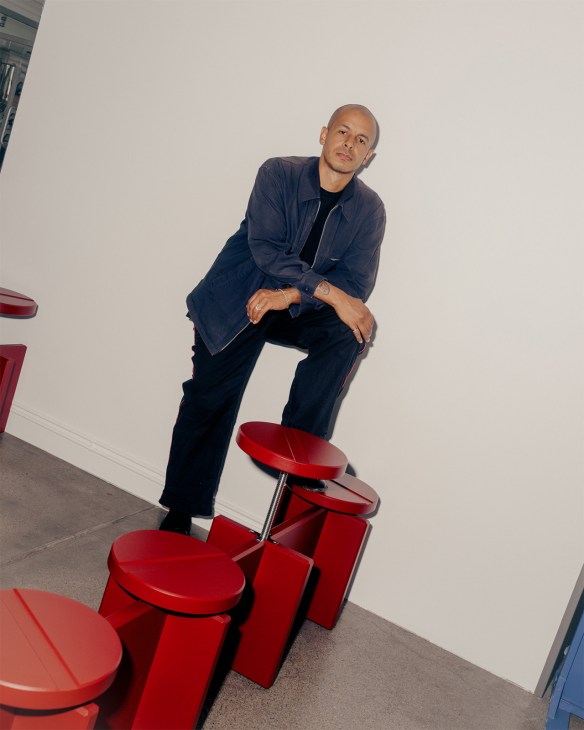
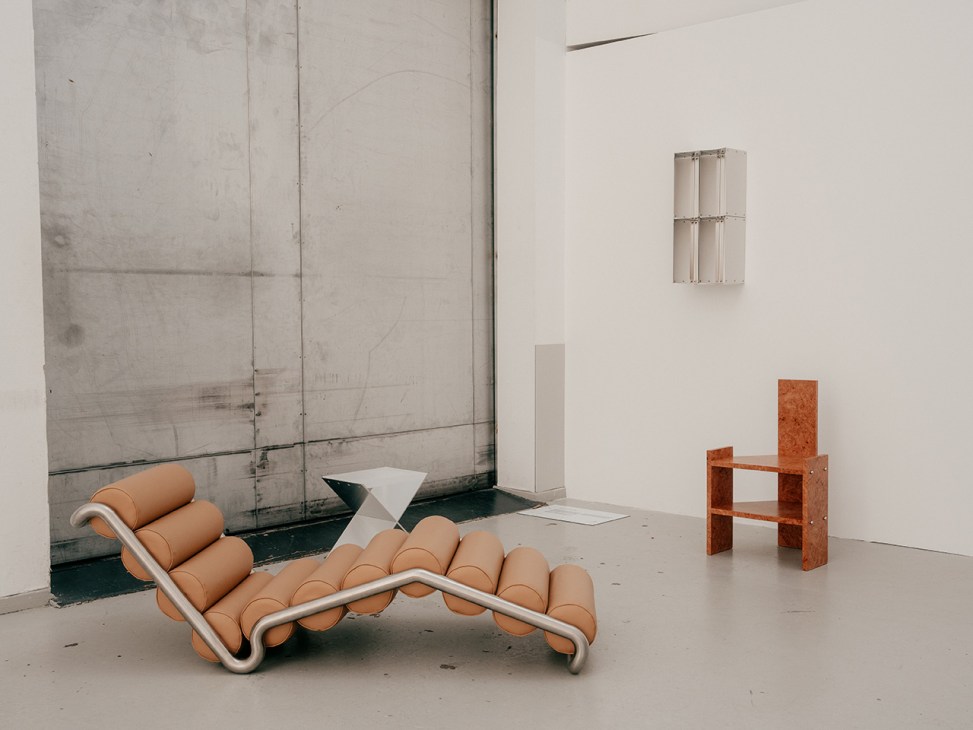
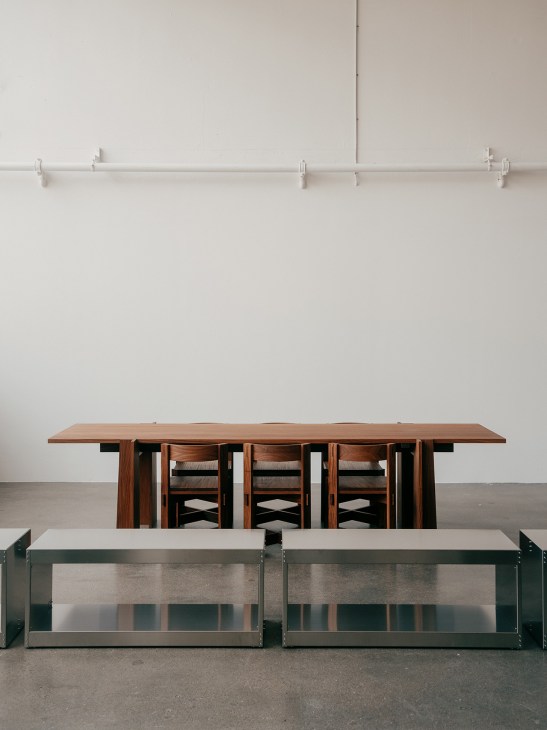
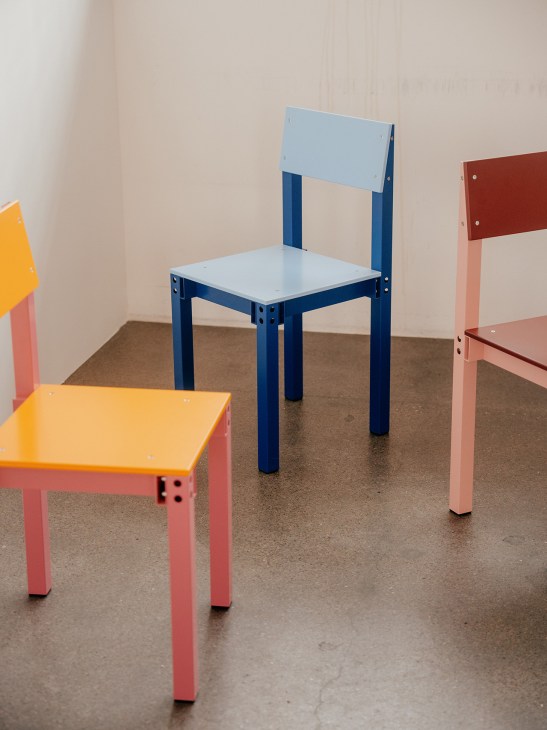
Design intersects with a host of disciplines: ask Silas Adler, the creative director of new design salon Other Circle. “We feel that these boundaries between creative disciplines are dissolving and the way that we engage with culture is shifting,” he tells Monocle. The platform’s first event debuted alongside Copenhagen’s design week earlier this year, to showcase how design, art, music, food and fashion often overlap. It featured more than 50 participants, including local food institutions Atelier September and Noma Projects, as well as Berlin-based Lotto Studio and Reidar Mester, Stockholm-based Joy Objects and Italy’s Meritalia. Adler’s background in the fashion industry (he founded streetwear brand Soulland in 2002) might explain his desire to do away with the rule book.
Why create a showcase that blends so many different disciplines?
We felt that there needed to be a curated exhibition experience that highlights creative culture beyond disciplines. We need these platforms to happen within design week, within fashion week – at these moments, there should be a platform that can be a catalyst for upcoming designers to be in the room with established furniture brands and fashion labels, and next to artists, chefs and people who don’t even put labels on themselves.
How did your experience in the fashion industry lead you to co-create this showcase?
We often put boundaries on ourselves creatively. That was, perhaps, one of the toughest things when I worked in fashion. But creatives are questioning the old models and pushing for something more connected, more alive.
If the boundaries are dissolving, why are there still labels such as ‘fashion’ and ‘design’?
It’s harder for the people selling the work to explain it without a label. But for people consuming creativity, it’s all the same. If you have a great meal or listen to a great record or see design that you really enjoy, it’s the same neurological experience.
othercircle.com
Achielle shifts European bikes up a gear with custom, luxury frames
Peter Oosterlinck and his brother, Tom, are steering their third-generation family business, Achielle, back to the front of the continental peloton. “When my grandfather Achiel started building frames in 1946, there were about 250 companies in Europe doing the same,” says Peter. “By 2000, there were only four.” The cause of this decline? Cheap Asian imports of steel bicycle frames. Rather than go toe-to-toe on price, the Oosterlincks changed gears, deciding to construct entire bicycles using high-quality European-made parts and accessories, including Brooks England saddles and Busch & Müller headlights from Germany.
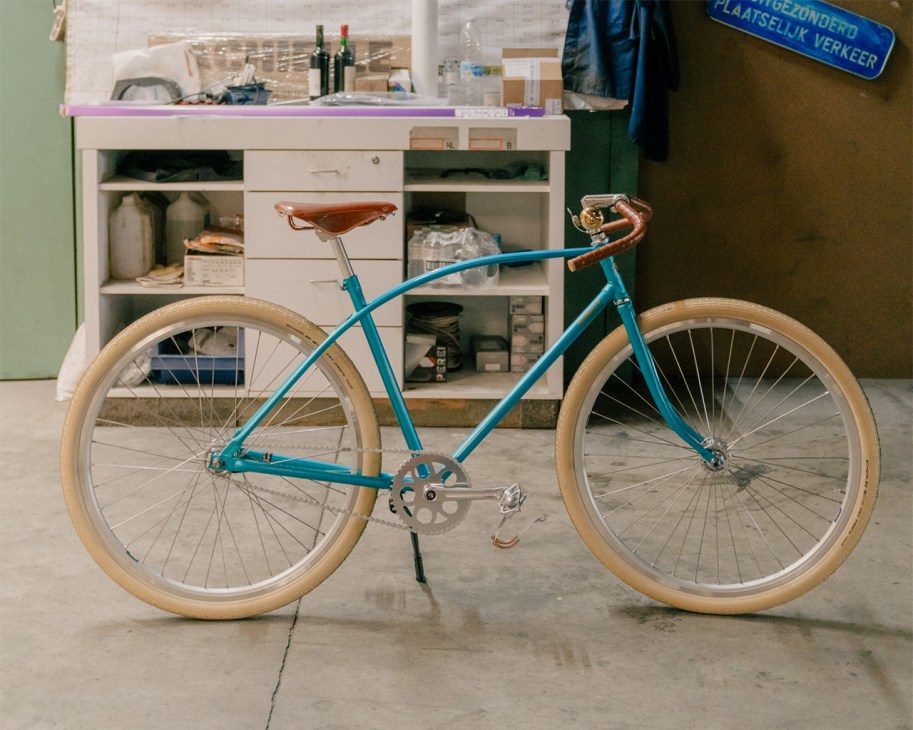
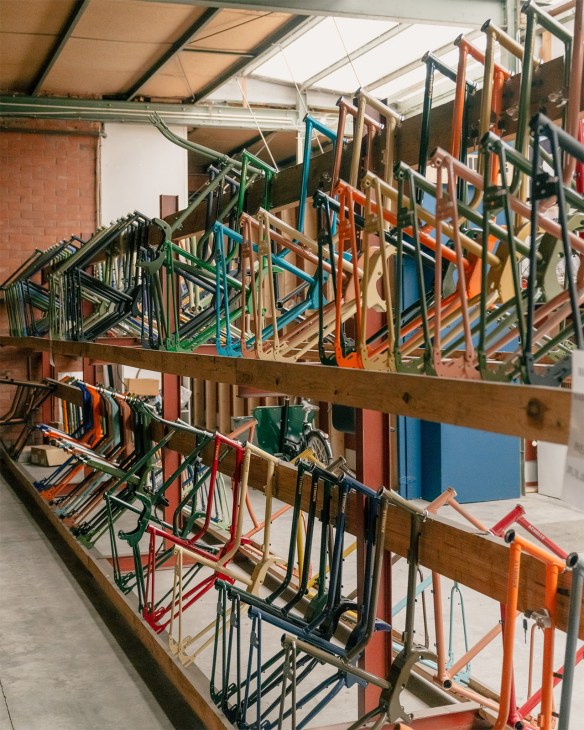
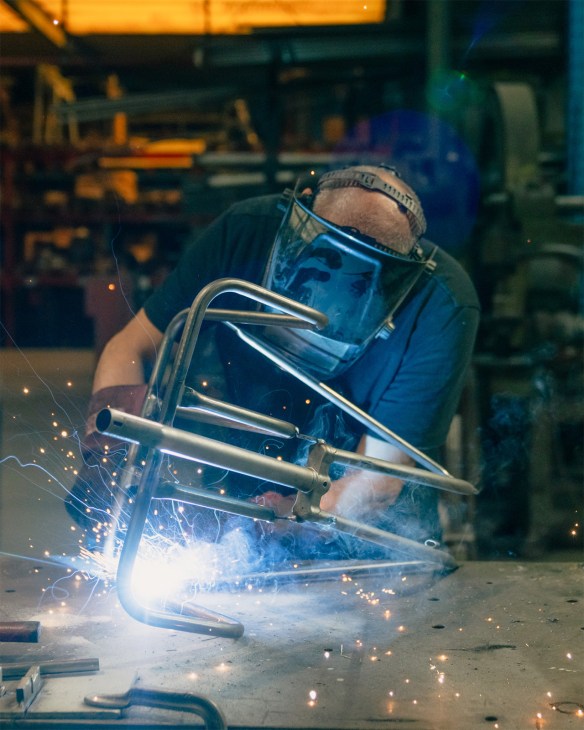
“We went from making 30,000 frames annually and supplying some of the biggest companies in Europe to only 800 bikes in 2007,” says Peter. “I didn’t pay myself a salary that year.” Today, Achielle builds and assembles about 2,000 bikes annually and is part of a resurgence of European manufacturing that places quality over cost. “Bikes are becoming more luxurious so we’re aiming to have a bigger turnover while making the same number of units,” he says. Achielle brazes and welds all its frames in its atelier in Pittem, West Flanders.
It even powder-coats parts in-house, allowing clients to choose from a palette of 30 colours. “Twenty years ago nobody wanted a brightly coloured bike,” says Peter. “Now cyclists want their bike to fit them not only in form but also in style.”
achielle.be
Comment
Cheap imports have left many hankering for the quality of old. Brands such as Achielle answer the call for the local and the handmade.
Read next: These €70,000 bikes are helping German athletes to make faster tracks
The commute: Take the Paris Métro with shoe designer Alexia Aubert
Do you get any time for yourself in the morning?
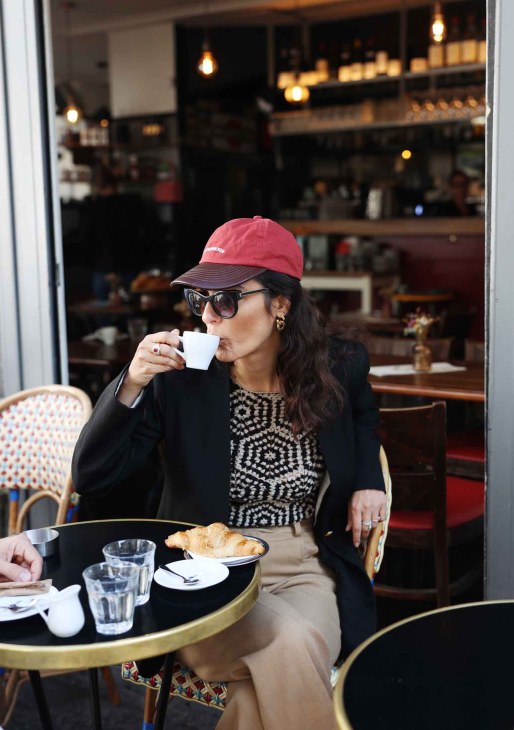
After taking my kids to school I’ll go to the gym and, when I have time, to Café Marguerite on Rue des Martyrs for breakfast with my husband. I love its buttery croissants. Another spot is Café Varenne on Rue de Varenne, which is a bit more discreet – perfect for a slower breakfast. And there’s always Café de Flore. There’s something timeless about sitting at one of its tables in the morning and watching the Left Bank wake up.
Sitting or standing on the Métro?
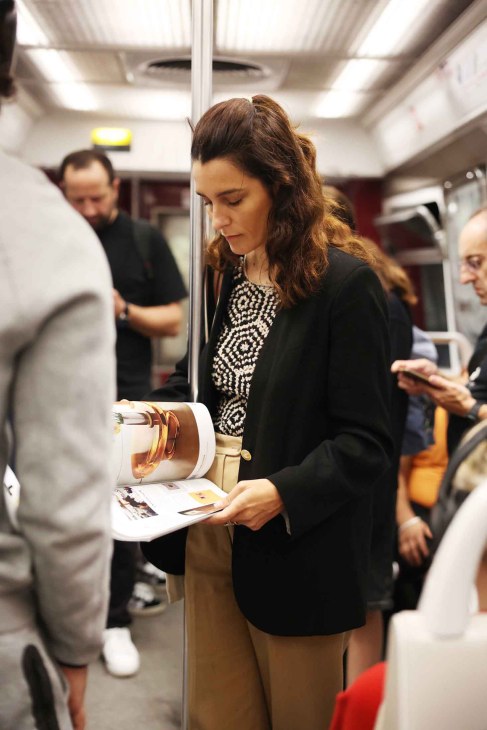
I prefer to sit because I often work while I’m commuting.
Are you chatty with fellow passengers?
No, I don’t talk to other people. I actually hate it when people interrupt me.
You must put a lot of thought into your commuting outfit. Best shoes for a Parisian stroll?
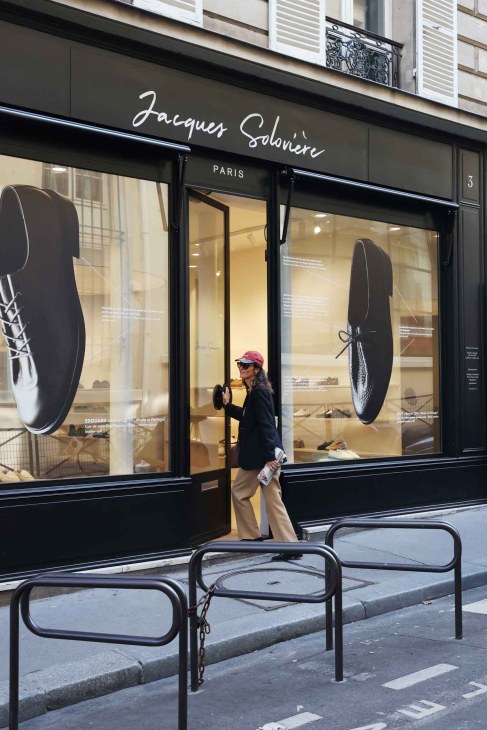
They need to balance comfort and elegance: practical enough for long walks across cobblestone streets, yet stylish enough to wear to the office, a business lunch or an evening art opening. Our Édouard Lug Bold is a perfect example: a sleek leather upper, a lightweight but sturdy sole and a versatile design that will take you seamlessly from day to night.
What would improve your commute?
Fresh air. The Paris Métro has its charms but breathing crisp, clean air underground would change everything.
You’ve lived in Paris all of your life. What is the best thing about life here?
The city is bursting with creativity: exhibitions, music, food and design. I never miss Art Basel Paris when it’s on. Throughout the year, one of my favourite places to go is the Musée des Beaux-Arts de la Ville de Paris [Petit Palais] in the eighth arrondissement. It has a courtyard garden, where you can take a break. I also love Galerie Perrotin, which feels both accessible and edgy.
And the worst thing?
Endless roadworks, dense streams of cars and trucks, and the brusqueness of people in a hurry. It can make moving across the city feel exhausting.
Is Paris a morning or an evening city?
An evening city. That’s when it comes alive: glowing with lights, the cafés buzzing, the streets shimmering. There’s always a palpable sense of energy, as though something is about to happen. I often head to Classique for inventive cocktails that aren’t overcomplicated. For dinner, I like to book a table at L’Arpaon. It’s delicious and has that mix of conviviality and refinement that I love in Parisian restaurants.
Read next: Monocle’s full city guide to Paris