Issues
Inside Renzo Rosso’s bold strategy for OTB’s resilience and growth
With his leonine features and all-black uniform, Italian-born Renzo Rosso cuts a distinctive figure in high-fashion circles. He is the founder and chairman of Vicenza’s OTB Group (short for Only the Brave), which owns a portfolio that includes Diesel, Jil Sander, Marni, Viktor&Rolf and Maison Margiela. In 2024 the group reported a turnover of €1.8bn, resisting the broader luxury slowdown and laying ambitious plans for an IPO and expansion in markets such as Mexico and the Middle East. Though he admits that luxury is “now in crisis”, Rosso remains optimistic.
His recent hiring decisions and willingness to take risks have received much praise. From entrusting the up-and-coming Meryll Rogge with Marni to bringing experimental Belgian designer Glenn Martens to Maison Margiela and poaching Bally’s Simone Bellotti as Jil Sander’s new creative director, there’s plenty to look forward to at OTB.
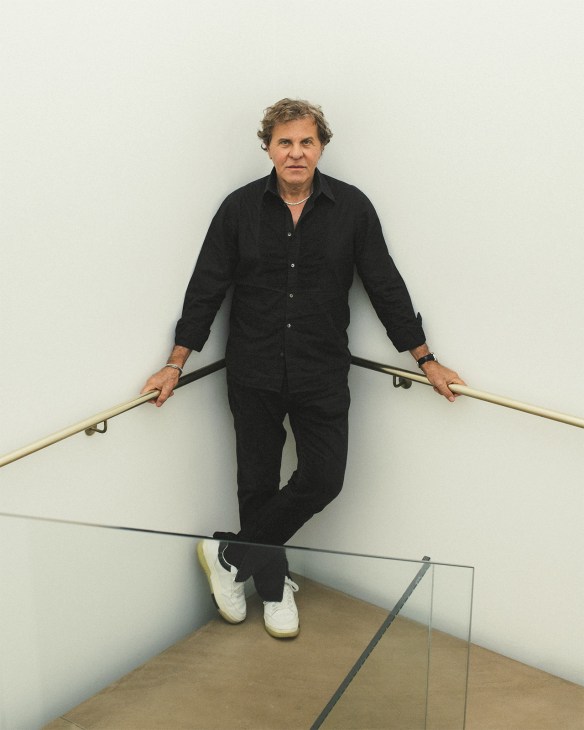
When Monocle meets Rosso at the Jil Sander HQ in Milan, he is deep in conversation with Bellotti about his debut spring/summer 2026 show. Racks of crisp shirts and overcoats are wheeled away as we sit down with him. In his black shirt and jeans, he personifies a certain ideal of a laidback CEO but, as the conversation veers towards retail strategy and supply-chain audits, it’s clear that he means business.
It has been a tough year for the fashion industry. How have you been navigating the upheaval?
Wars, political instability, taxes, duties – it’s complex. People are spending less and questioning whether they need more clothes when their wardrobes are already full. How do we come out of this? By fostering a better connection with the end consumer. Shop traffic is also falling. In China’s malls, it has decreased by 50 per cent; in Europe, it’s at minus 8 per cent. The US is at about minus 17 per cent. How can we pay our rent and employees? The answer is by relationship-building and convincing existing customers to increase their spend. To do so, we need to tell our clients the stories behind our products. [UK fashion designer and former creative director of Maison Margiela] John Galliano was the master: every dress had a story behind it. Storytelling sells a product. We’re well placed to do this because at OTB we have always promoted creativity. And through creativity, you gain respect.
What is your approach to hiring talent?
I’m very close to the hiring process of our creative directors. Before hiring John [Galliano], I met him every few months for two years. I would always tell him, “I want to work with you – when you’re ready, tell me.” One day after dinner in Paris, we went to Maison Margiela and I showed him the archive and what the house represents. That’s when he came on board.
I’ve never designed a thing in my life. I’m just someone who knows the market and who has worked with incredible creative directors who taught me how to have an open mind. At the moment, brands are changing creative directors like soccer players, moving them from team to team. With OTB, I think in periods of 10 years.
A decade is a good length of time for a person to be at the helm of a brand. The first few years should be about learning the DNA of a house and not necessarily succeeding. Once that’s established, a creative vision can be developed and market appeal grows. Then, after 10 years, you need to give a touch of modernity to a brand, a refresh. That’s what happened at Margiela and Marni.
When we hire a new creative director, I’m not just looking for someone who ticks the boxes of working at Dior, Gucci or wherever. I’m looking for someone who can do ready-to-wear, jewellery, shoes and bags, interior design and cosmetics. With Jil Sander, we looked at 17 potential creative directors. Three of them were some of the biggest names in the industry. I told them to prepare a plan to turn the brand into a luxury house comparable to Hermès. I asked the same of Meryll [Rogge]. I was impressed by how much these designers loved the Marni brand. They knew the history of the house better than
I did. In the end, I chose Meryll because her vision was perfectly in line with how I wanted to drive the brand forward. And I was looking for a woman because, for me, Marni is a brand that appeals to a woman’s mind.
What are the benefits of being a smaller group compared to bigger conglomerates such as LVMH?
I don’t dream of having a gigantic company – we’re not LVMH but we can be cool and less bureaucratic. I want my team to work with fluidity and an emphasis on creativity and sustainability. I like being able to catch up with people over lunch or dinner and create relationships.
OTB owns Italian leather goods maker Pelleteria Frassinetti and, last year, purchased shoe company Calzaturificio Stephen. Are you aiming to own your supply chain?
The goal is to protect our manufacturing. We’re currently doing audits on everyone who works for us and you can’t stop at the first layer. You have to check if the suppliers that you have hired are outsourcing the work to others.
There are many ways to do so: for example, if electricity is being used at night, it could be because work is being outsourced to people who are underpaid and doing night shifts. So you can check the electricity bills. The stricter you are, the less likely it is that these things will happen.
Are you still planning on taking OTB public?
Yes, I’m just waiting for the right moment. I don’t need money; we’re cash-flow positive. I want to do it for my successors and for transparency. My dream is for all of my employees to be my business partners, even if they own just a single share. I want us all to be able to say that OTB is “our company”.
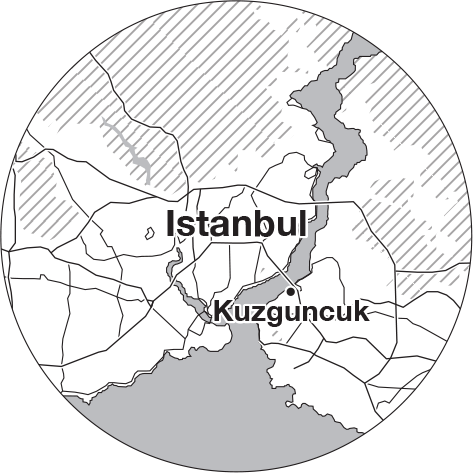
Istanbul’s secret village: Why Kuzguncuk is the city’s coolest historic quarter
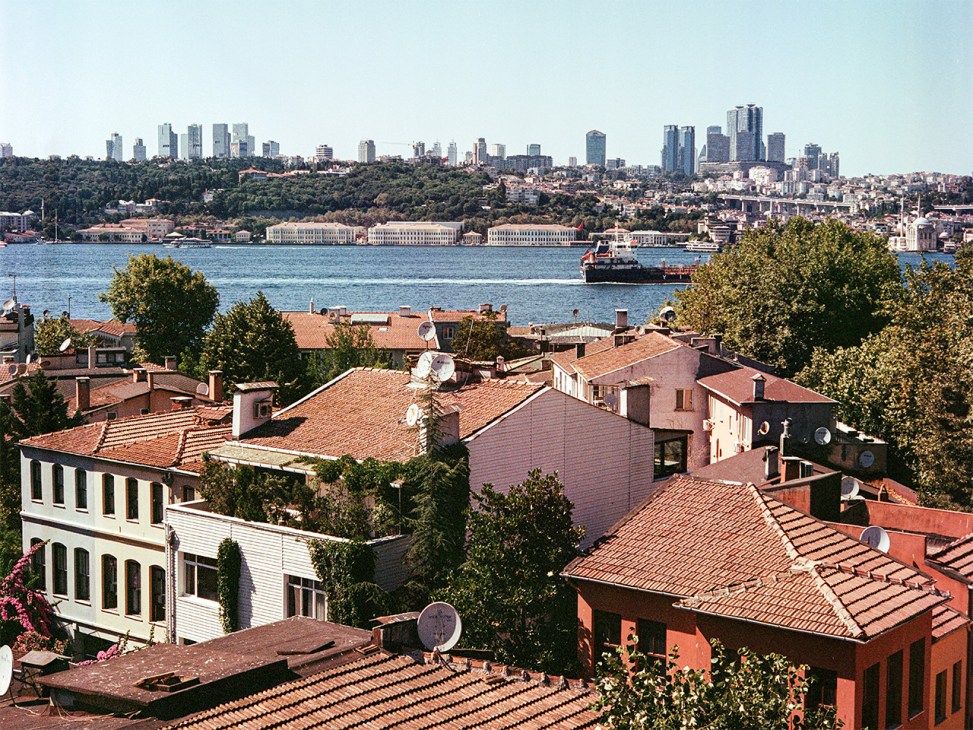
There’s a place in the middle of Istanbul where you can sit at a window flung open onto the water and look across the sweep of the Bosphorus as it runs through the city’s heart. To your right is a parade of fine wooden houses with lace-like trellises, each with a private jetty. To your left is a small public square where locals drink tea on benches under a spreading linden tree. And behind you, up the narrow valley, is a neighbourhood that feels like a rare find amid the city’s overdeveloped sprawl.
Monocle is lunching at Ismet Baba, a meyhane – or fish restaurant – that has been operating from this spot in the centre of the Kuzguncuk district since 1951. A huge photo of its founder, Ismet Baba, watches over the regulars who gather here over tall, milky glasses of raki, Turkey’s national aniseed liqueur.
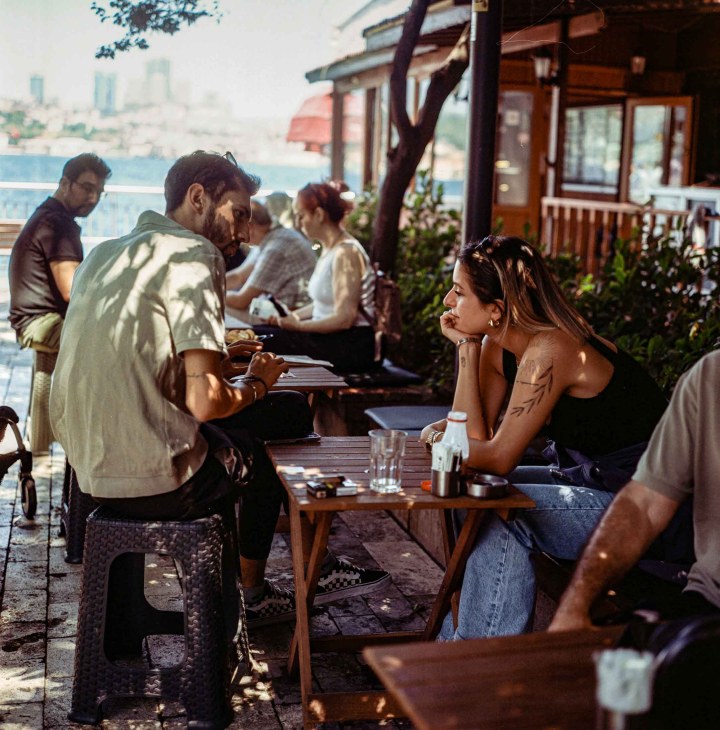
Kuzguncuk – which translates as “little raven” – lives up to the spirit of its fairy-tale name as a laidback haven for artists, architects and academics. This slice of old Istanbul on the Asian shore of the Bosphorus was once a quaint village, home mainly to Greek and Armenian Christians and Jews. In the late 19th and early 20th centuries, a parade of balconied wooden houses was built along its main street, Icadiye Caddesi, with a few stone buildings in baroque and art deco styles thrown in later. There are a couple of hammams and at its heart are the still thriving historic bostan, or allotments, popular in Ottoman Istanbul. Kuzguncuk emptied and became down at heel in the mid-20th century as most of the Christians and Jews left. But its dinky churches and synagogues survive, as have many historic buildings and public spaces. The result is a district that has retained the character of old Istanbul but with a stylish, independent-spirited new spin – though the threat of chain stores is never far away.
The best streets to live on (and why)
Icadiye is the artery but the grand villas overlooking the bostan on Simitci Tahir Sokak are recommended.
The cost of a property
Spacious two-bedroom flats start from about TRY10 million (about €208,500), although expect to pay more for a terrace or a Bosphorus view. Kuzguncuk Emlak is the best estate agent’s window to look in, at the start of Icadiye. For a restoration project, talk to residents – properties that have an ownership dispute or have been empty for a long time might not be listed but could be available with the help of a good lawyer.
The best grocer, baker and simit-maker
Many premises are turning into touristy coffee shops but the Tarihi Kuzguncuk Firini survives as a place for supplies and to meet friends over a pastry or simit. There are a few more options for grocers – the Kardesler Konsept Market has the finest fresh and packaged produce in the district.
The five galleries or collector’s spots to visit
1. Te Art Gallery
2. Mona
3. Harmony
4. IMOGA Art Space
5. Dada Kuzguncuk (antiques and vintage collectables)
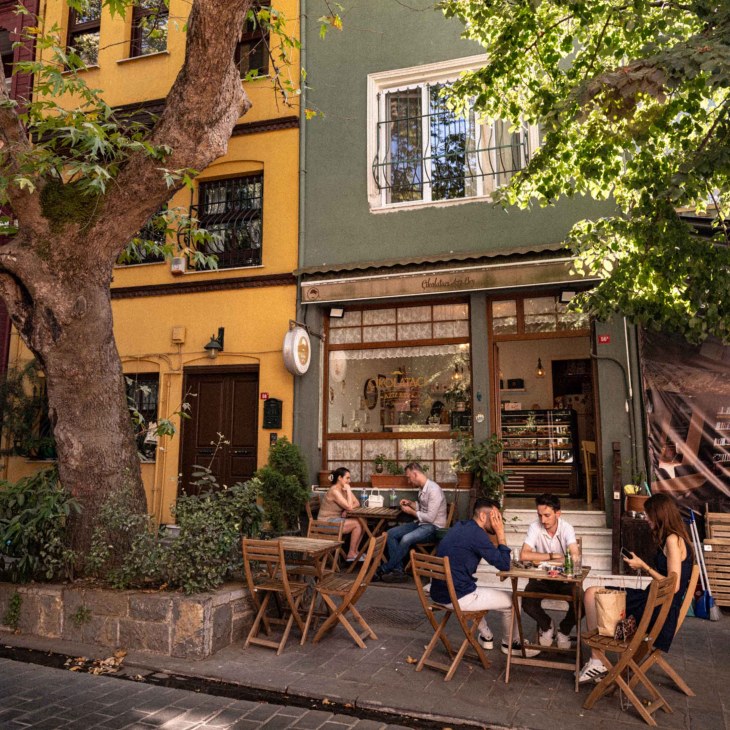
Every shop premises along Icadiye is a small art display, be it a huge, glass-fronted canteen showcasing its kavurma, pieces of roasted veal bubbling in butter, an ice-cream joint with a graphic installation in the window or a parfumerie selling scents mixed by hand in a nearby workshop. There is plenty to remind you that this is a living area too. The eczane, or chemist, which opened at its spot on Icadiye in 1905, serves customers amid its collection of vintage medicine bottles and old photos of the area. Venture into the rooms of the falci, a fortune teller giving readings from a crooked old building on the corner of Tufan Sokak, and you will find an interior preserved like a museum – a window onto the Kuzguncuk of old. On the pavements, sellers offer dried local lavender – the same that powers the parfumerie – from baskets.
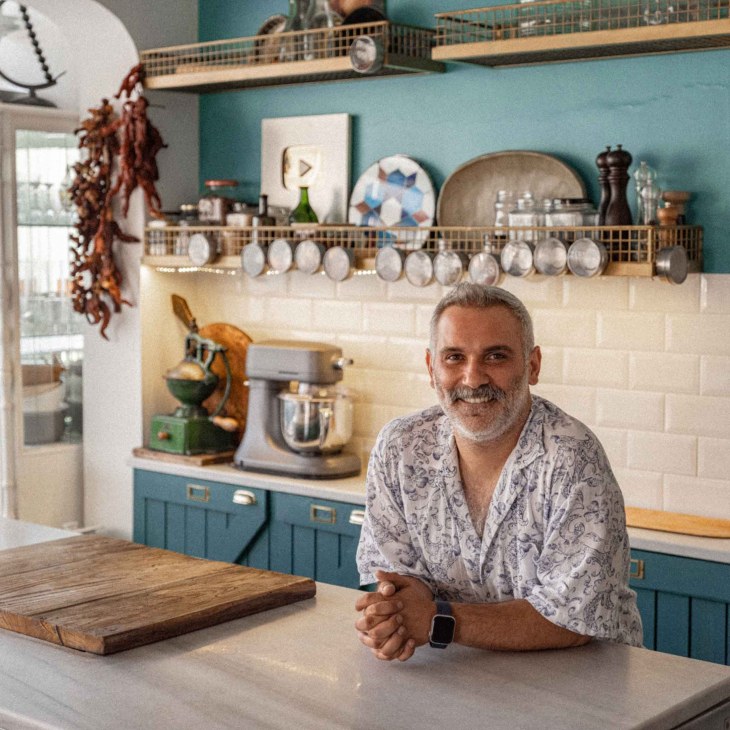
Today’s Kuzguncuklular are custodians, says Refika Birgül, who has been living and working here – and renovating its old buildings – for 22 years. “Decay and regeneration are a cycle,” she says. “But the people who stay here ensure that it is never going in a bad direction.”
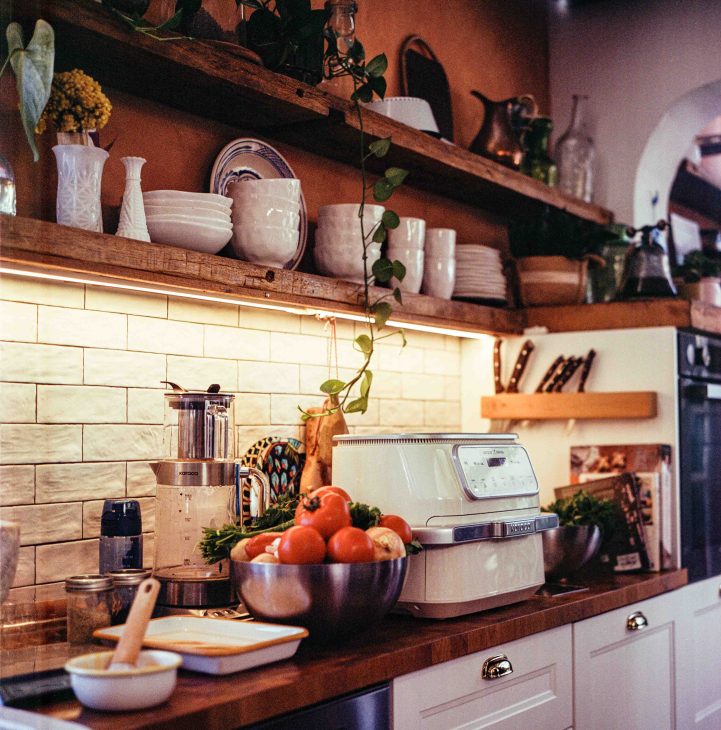
Birgül is the founder and star of Refika’s Kitchen, an online cooking channel that expanded into a cookery book and kitchenware line, all based in Kuzguncuk. The nerve centre of her business is a five-storey stone building dating from 1923; the year is written three times above the door in the Gregorian, Islamic and Hebrew calendars. It was a wreck when she bought it but, with her family and team, she restored its history and rich interior, stripping back the rooms to showcase high ceilings and show-stopping views from wide windows. On the top floor, the roomy studio kitchen opens onto a terrace where you can see all of Kuzguncuk before you. Stained-glass windows up the landing cast the building’s winding internal wooden stairs in bright colours. This is one of a clutch of buildings that Birgul, who also lives here, has renovated in Kuzguncuk.
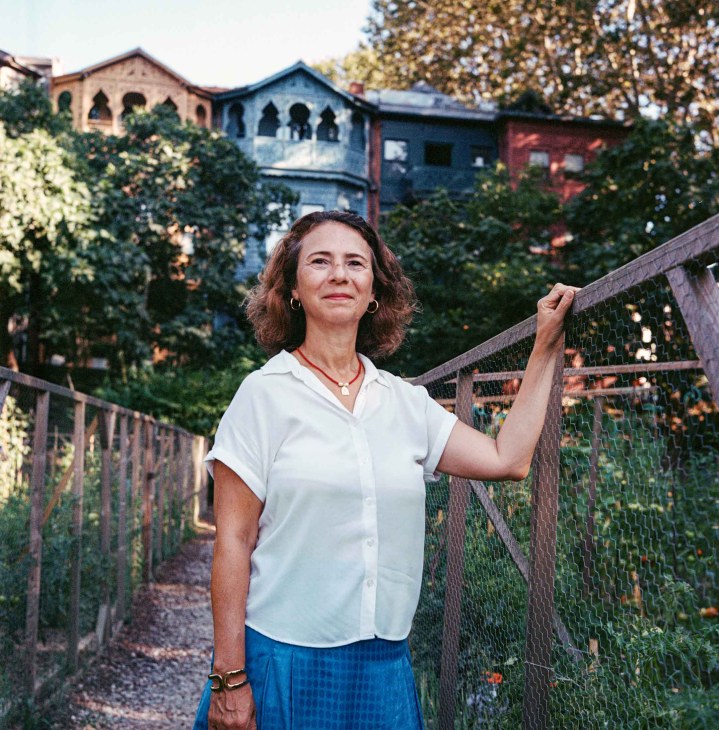
“If you want the fancy, posh life, in new buildings with all the modern comforts, then Kuzguncuk is not for you,” she says. “But that is the beauty of it.” This spirit is in evidence at the bostan allotments at the top of Icadiye, lined by a row of grand coloured villas. Campaigning residents have ensured that they remain; today there are more than 100 patches divided by the municipality, which distributes its crops to schools, restaurants and residents. It’s also a wonderful place to wander on a sunny afternoon, full of dozing cats and wildflowers. The bostan is the very soul of Kuzguncuk, says Nazli Piskin, a historian and Mediterranean food expert who is based in the area. “It’s not just nostalgic,” she says. “This is a place to reconnect with the seeds, the plants and the animals, to touch the soil.”
These days it is rarer to find a restoration project here, and prices have soared. Expect to pay several million euros for a yali, one of the old wooden villas on the water that rarely come up for sale. Further from the strait, there is always a steady stream of sale and rentals available, in historic buildings and more ordinary modern apartments. Any foothold will give you a place in Kuzguncuk’s tight-knit community. This is one of the smallest Istanbul wards by population, so expect to see the same welcoming faces on morning strolls down to the Bosphorus.
The running route that shows the area at its best
An early-morning dash up and down the hill will do it. Trace the perimeter of the bostan side and the cross over Icadiye and navigate the side streets, not missing the flight of colourful steps at the top of Bican Efendi Sokak. Finish with the downhill stretch and a tea and simit at the square overlooking the water.
Closest airport and how to get there
Sabiha Gokcen is Istanbul’s second airport and is smaller, closer and calmer than the main hub. A taxi takes about an hour, while the Metro ride from Kadikoy is 50 minutes.
The biggest improvement in recent years
The municipality has upgraded the city’s water transport and there is now a decent number of ferries leaving Kuzguncuk’s small port. There is also a water taxi that offers journeys anywhere along the water.
What the area is missing
For a night on the tiles, the options are limited.
One thing you might only find here:
This is perhaps one of the only places in the world with a working mosque, church and synagogue huddled next to one aother.
Inside Fondation Cartier’s radical new Jean Nouvel-designed home
“This place was almost mythical for us because we waited so long to see it,” says Grazia Quaroni, the director of collections at Paris’s Fondation Cartier pour l’Art Contemporain. The Italian, who has been with the institution for more than three decades, is showing Monocle around the foundation’s new home, across the street from the Louvre’s Richelieu Wing. The building will open to visitors on 25 October.
The private foundation – set up in 1984 by the then-president of Cartier International, Alain-Dominique Perrin – was the first of its kind in France dedicated to contemporary art. The opening exhibition in the new space will look back at that 40-year history. It will feature 600 works from the foundation’s 4,500-strong collection, including Panamarenko’s utopian submarine sculpture, complete with a functional periscope, and photographs by William Eggleston.
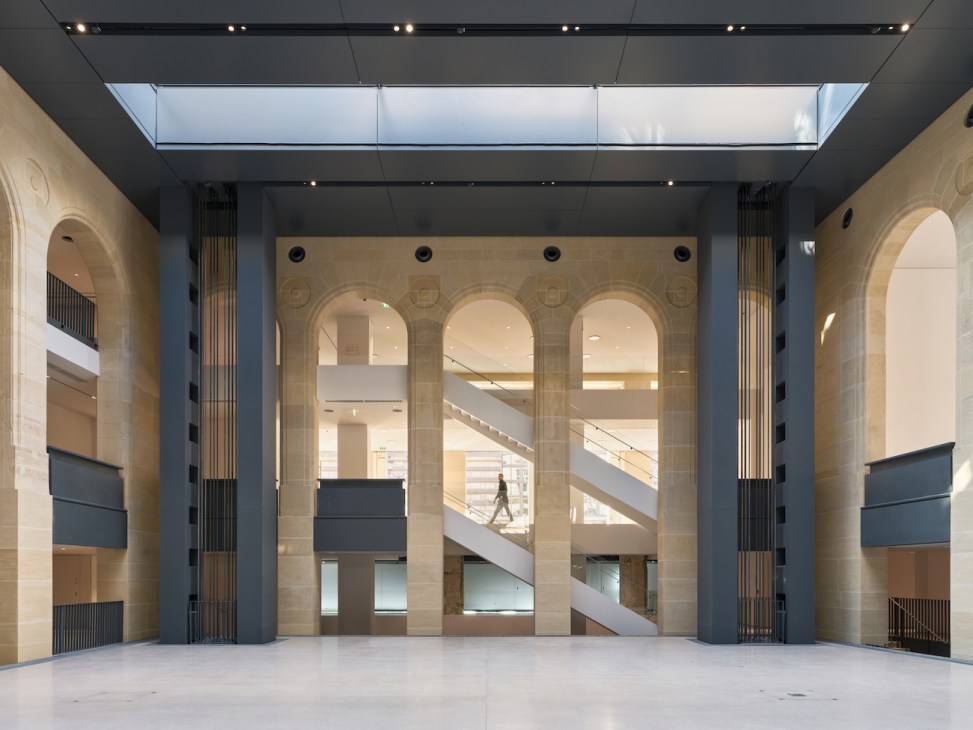
While the exterior of the historic building, erected in 1855 as the Grand Hotel du Louvre, has been preserved, the interior has been transformed by architect Jean Nouvel. In its centre, five platforms – each large enough to house standalone exhibits – are capable of hoisting monumental sculptures up towards the 11-metre-high ceiling and can be staggered to reconfigure the floorplan of the building. In effect, every exhibition will feature not just new art but a new museum layout. “The potential of the space to make artworks enter into dialogue with one another is immense,” says Quaroni.
In its new home, Fondation Cartier will continue to showcase artworks that take on pertinent human-centric themes, including deforestation, migration and craftsmanship. “The foundation’s DNA won’t change,” says Quaroni. “But this new space allows us and the artists to make every exhibition a platform for widening artistic horizons.”
Comment
Art galleries and museums around the world are facing tricky times. Fondation Cartier’s reconfigurable new exhibition space allows visitors to have a new experience on every visit.
Read next: The Monocle City Guide to Paris, featuring the best hotels, restaurants and retail spots in the French capital
Why Donald Trump’s opponents should strive to better understand his governing style
It is said that today’s leaders – whether in a boardroom or bunker – usually fall into two stylistic categories. Transactional ones concentrate on management, bargaining and calibrated rewards or punishments, often prioritising short-term gains and measurable outputs. Transformational leaders, by contrast, anchor their authority in a broad vision and moral purpose, and seek to inspire followers to accept a shared, higher goal.
These styles shape foreign and security policy in different ways. Transformational leaders can redefine national identity and doctrines – think of Ronald Reagan’s role in reframing Cold War rhetoric or Nelson Mandela’s in conceiving post-apartheid South Africa – by mobilising public purpose and long-term commitment. Transactional leaders – perhaps most famously exemplified by Donald Trump – typically pursue tactical bargains, incremental reforms and contingent alliances: they negotiate, trade and calculate advantage rather than seek wholesale reordering of the international system.
Many believe that what Europe needs is a standout transformational leader – a singular figure capable of, for example, leading the negotiations over Ukraine’s future or bringing peace to the Middle East. By contrast, the US president, who is widely perceived as being wholly transactional, seems to be setting the global agenda. But it is misguided to present Trump as representing one clear leadership style. Instead, he is a paradoxical embodiment of both transactional and transformational. On the one hand, he treats foreign relations as a series of zero-sum exchanges, underscoring a deal-making philosophy that fits the transactional definition. Yet he also, particularly during his election campaign, exhibited transformational traits such as calling for a complete reordering of US foreign policy and global trade.
Perhaps herein lies the effectiveness of Trump’s sometimes difficult-to-articulate style. The late Joseph S Nye Jr conducted a thorough stylistic survey of US presidents in his 2013 book, Presidential Leadership and the Creation of the American Era. He concluded that while long-term economic and military shifts have accounted for much of the rise and fall of US power, crucial historical turning points have also been shaped by key leadership decisions. Indeed, Nye’s striking finding was that highly effective transactional leaders, such as Dwight D Eisenhower and George H W Bush, often proved just as consequential as their more transformational counterparts. By portraying transformational leadership as the sole engine of historical change, opponents of Trump, at home and in Europe, might be looking for the wrong style. The multinational challenges of the 21st century demand hybrid leaders: managers who can negotiate and execute, and visionaries who can build trust and long-lasting coalitions.

How Hamburg’s Flakturm IV was transformed from a Nazi bunker to a vibrant roof garden
Even by bunker standards, the 35-metre-tall by 75-metre-wide concrete Flakturm IV in St Pauli was austere. Built using slave labour as both an anti-aircraft gun emplacement and an air-raid shelter in 1942, its symbolic weight could be said to exceed even its literal heft. But this behemoth’s postwar survival was less down to Vergangenheitsbewältigung (Germany’s efforts to face up to its past) than the lack of enough TNT to rupture its 3.5-metre-thick walls. So its looming ramparts continued to monopolise the Hamburg skyline. Designer Mathias Müller-Using could see the building from his living-room window. “Nobody had the courage to change it because it’s in the middle of the city and the Dom funfair happens beneath it three times a year,” he says. “No politician in Hamburg would touch it.”
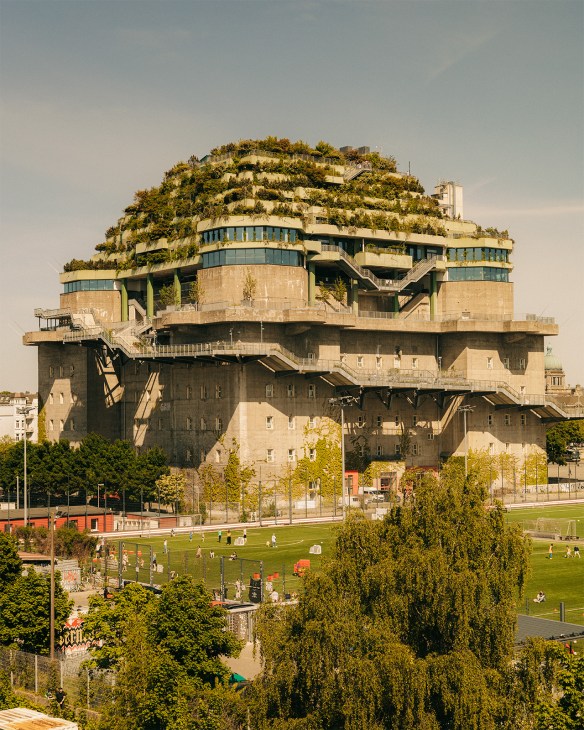
But Müller-Using had a vision, inspired by Oscar Niemeyer’s Niterói Contemporary Art Museum, to weave a staircase around its ramparts so that people could access the roof. “I then thought: ‘It should be green and have life on it.’ The most important thing was making it a public space.”
Some 10 years later, in July 2024, his vision was realised – sort of. During the process of designing the bunker’s new terraced roof garden, which adds five new floors to the original structure, and its 560-metre winding staircase, Müller-Using fell out with the building’s owner and was once under a restraining order preventing him from entering this strange concrete ziggurat. But he can still see it from his office window and is proud of the part that he played in the creation of an architecturally inventive, highly popular and green public space.
Restaurateur Jeremy King’s bold vision for Simpson’s in the Strand
“Most interesting cultural things emanate from restaurants,” says restaurateur Jeremy King. And he should know: painter Lucian Freud dined almost nightly at one of his establishments while, at another, Elizabeth Taylor once took a seat vacated by Laurence Olivier.
After opening their first venue, Le Caprice, in 1981, King and his business partner Chris Corbin created exquisitely designed, surprisingly affordable and often star-studded restaurants across London. Then, in 2022, the duo were unceremoniously ousted from their company by a shareholder, Thai hotel group Minor International.

Now, King is rebuilding. Monocle joins him at the site of his newest project – the revitalisation of the beloved Simpson’s in the Strand. King, who stands out in a blue Timothy Everest suit and yellow polka-dot tie, apologises for not being able to offer us coffee as we stand among plastic-wrapped pillars, wooden planks and walls marked with paint samples. So how does the man with 50 years’ experience and 15 openings design the perfect restaurant?
“I’m normally driven by the building itself,” he says. “There’s a plethora of restaurants with poured concrete floors, open ceilings and white painted walls with some art hastily put on them.” But step into one of King’s creations and there’s little chance of mistaking it for another. “The beauty of restaurants is that there’s nothing formulaic,” he says. At The Park, one of two new spots that he opened in 2024, warm wooden interiors nod to 1960s New York. At Arlington in Mayfair, diners sit surrounded by monochrome fittings and portraits by David Bailey. Opened on the site of the original Le Caprice, the restaurant retains the spirit of that earlier institution.
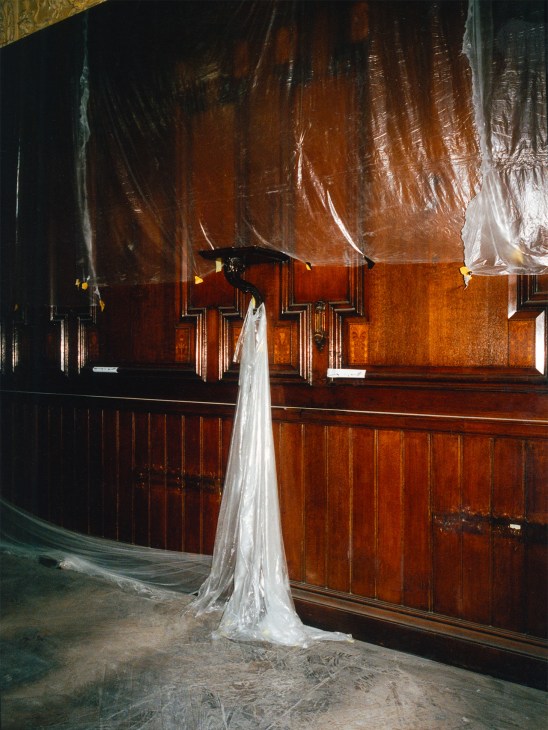
Meanwhile at Simpson’s, the restaurants and bars are being returned to their former glory, with polished wood panelling and ornate cornicing. Years ago, in Paris, King stood outside Montparnasse brasserie La Coupole, analysing why it looked so good. “It had seven different typefaces outside,” he says. “The neon, the painting on the window, the signage. That’s where you get a sense of age. Too much these days is one-dimensional.”
King still feels that he is learning all the time. “Anybody who says that they don’t regret things or feels that they’re at the top of the game is making a mistake,” he says. “I have learnt from the ones who cheated me, embezzled from me and humiliated me,” he adds – but he refuses to dwell on losing the company that made his name. “Years ago, when I was bemoaning the fact that I didn’t have a mentor to look up to, somebody said to me, ‘Stop looking up and start looking down. There are people who are looking up to you.’ That stayed with me.”
simpsonsinthestrand.co.uk
Read next: Looking for a late-night table? Seven exquisite after-hours dining hotspots
Comment
London’s rich dining scene lacks a good selection of late-night options, which holds it back from being truly great. King, the scene’s doyen, is helping to lead the charge.
Is the award-winning, windowless Stealth House a new blueprint for Western architecture?
In 2024, when Specht Novak Architects unveiled Stealth House in Austin, Texas, critics were quick to note the building’s fortress-like quality. A low-slung private residence without any outward-facing windows in its corrugated steel façade, it derives all of its natural light from two internal courtyards. This martial aesthetic marks a sharp break from the floor-to-ceiling windows that have defined high-end residential architecture for decades. Specht Novak touts Stealth House – which has received several prizes, including a National American Institute of Architects Small Project Award – as “a prototype for future urban living”. Is high-end residential architecture in the West about to shift towards the kind of a privacy-oriented “compound architecture” that is more commonly associated with the Gulf?
There is an obvious clash between the compound look and Western democratic sensibilities: after all, it seems to reject the idea of community and signal that wealthy homeowners no longer feel the need to even feign a connection with the rest of society. When Monocle puts these concerns to Scott Specht – a founding partner of Specht Novak, who owns and lives in Stealth House – he points out that people have been modifying their homes to maximise privacy for decades.
Typical suburban and urban neighbourhoods in the US have long been taking “traditional-looking buildings based on the loose template of a ranch house with acres of land around it and jamming them together”, he says. “You put in windows to make it look like a conventional house but always have the shades down because otherwise you wouldn’t be looking at anything except the nextdoor neighbour. You have a big open backyard but then you build a giant fence around it so the neighbours can’t look in.” For Specht, Stealth House merely streamlines and integrates the privacy features that US homeowners tend to clumsily bolt on to their conventionally “open” homes.
The house has caught the attention of private clients seeking similar features for their own residences. Specht isn’t naive about the fact that the design appeals to people’s desire for security as well as privacy. “We’re seeing a lot more electronic security systems going into the houses that we design,” he says. But he contests the allegation that the style’s opacity spoils neighbourly connections. “In New York, you live in a residential building with doormen or you have a locked door with a vestibule. Then you go up through another locked door to your apartment and your view of the street is a distant one through a window. But people there still feel like a part of their neighbourhood. You don’t need to have windows that people can look into to achieve that.”
Reflecting on his own experience living in Stealth House, Specht says that he has a better connection to his neighbours now than when he lived in a more conventional suburban setting. The architect makes a convincing case that concerns over the antisocial nature of compound architecture are misplaced. But it’s undeniable that a handful of Stealth Houses in an otherwise conventional quarter of a city would feel different to an entire neighbourhood of compound-style residences. It’s difficult to truly guess at what point a change in an area’s architectural vernacular would tip into a shift in social substance.
Comment
Innovative and attractive architecture enhances our cities but living in compounds, while sensible in parts of the world, will not become the norm in societies that value openness and human connection.
Illustrator: Nathan Hackett
Do touch that dial: How Sangean is impressively tuning in to success
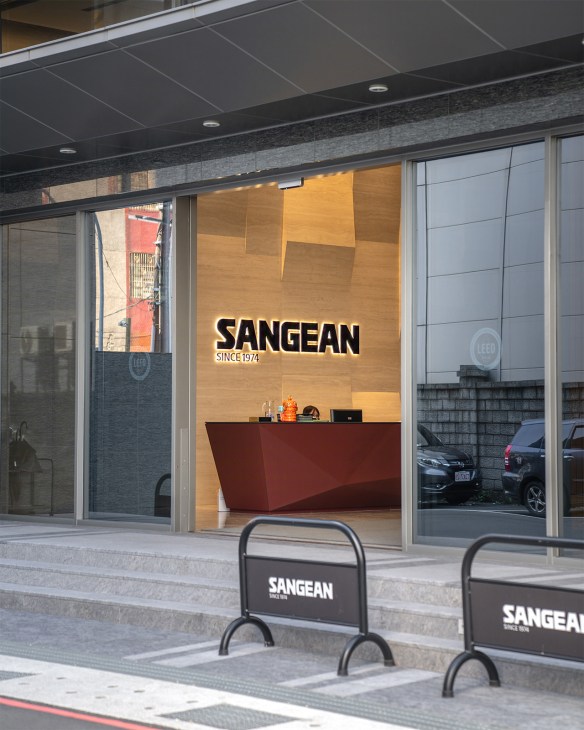
Sunny Yang remembers the night when Taiwan was hit by a 7.3-magnitude earthquake in 1999. He was staying in the mountains when it struck. “Everything went black,” says Yang, the general manager of Taiwanese radio manufacturer Sangean, which his father founded half a century ago. “The power grid was out. There was no emergency lighting and no neighbours nearby.”
In his drawer was a Sangean hand-crank radio, unused until that night. “From the broadcast that I tuned in to, I found out what was happening,” he says, showing Monocle around Sangean’s office tower in New Taipei City. “I realised that it wasn’t war and that gave me peace of mind.”

Radios will continue working even when your wi-fi goes down or your signal bars vanish. That combination of utility and reassurance in an era of geopolitical tensions and climate-change-related weather events has made Sangean’s emergency radios one of its bestselling products. Other water-, dust- and drop-proof models from its extensive Bluetooth-ready range appeal to the growing number of people who are interested in spending time outdoors. The rugged designs, bright colours and metal cages are a far cry from the wireless gathering dust in grandma’s front room and younger listeners are tuning in.
Yang oversees a global business and Sangean is dialling up its investment in the long-term future of radio. More than half of the staff at its headquarters are dedicated to research, development and testing. Radios are set inside anechoic chambers – cavernous rooms lined with jagged foam that absorb every echo – to measure sound and reception with precision, before being blasted with heat, water and dust to ensure that they can survive real-world extremes.They are also exposed to electromagnetic interference and electrostatic shocks – the invisible jolts and disruptions that can take lesser devices out of action. “It has to work when you most need it,” says Yang, who believes that durability is the baseline and design the differentiator.
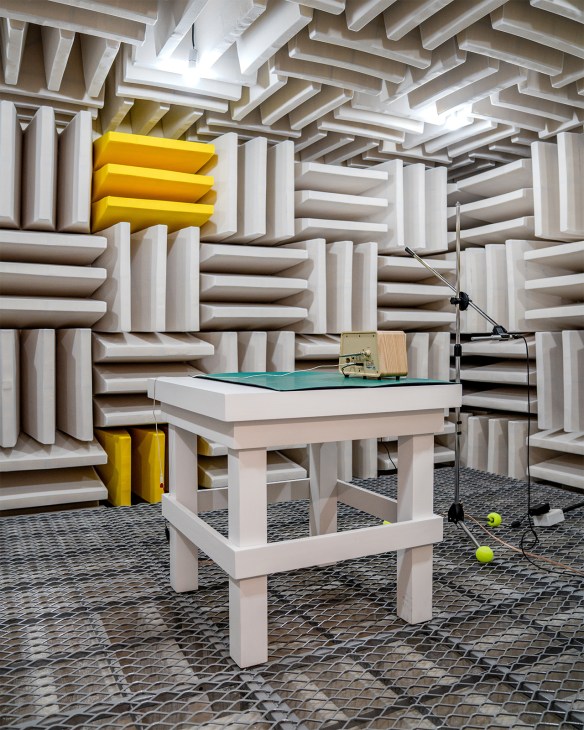
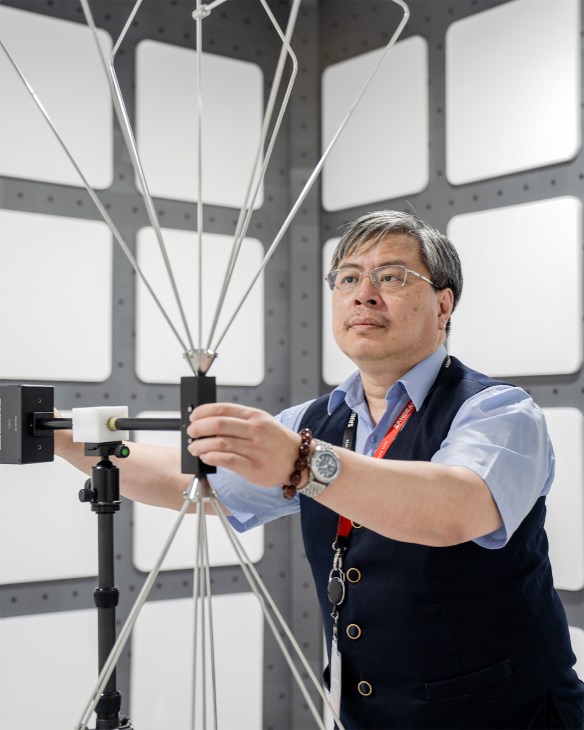
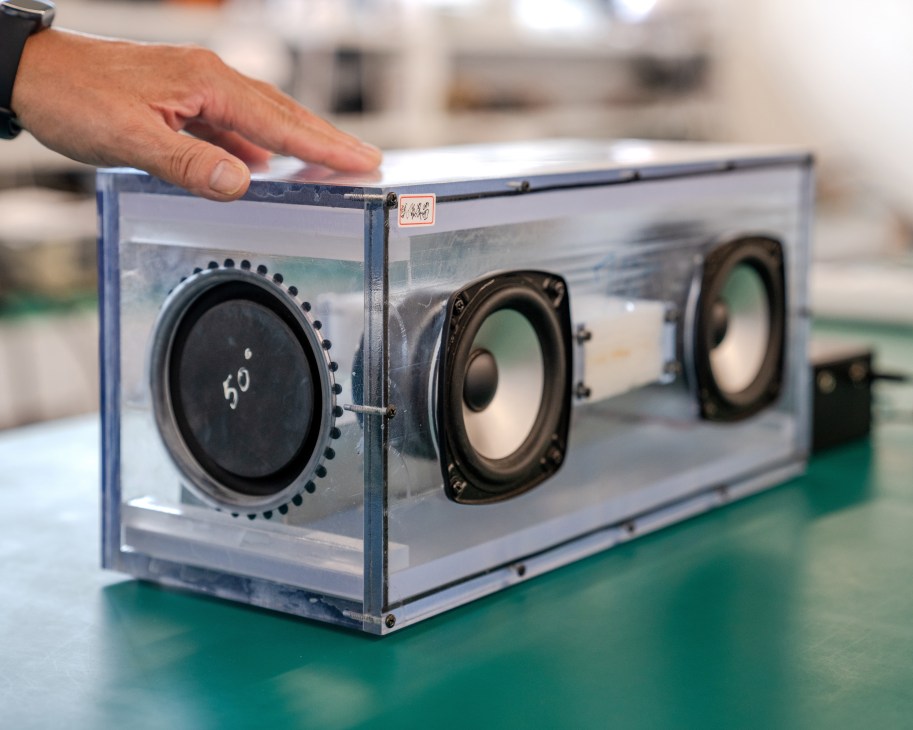
Sangean is one of the last family-run independent firms dedicated to radios. Its largest market is Europe, where decades of broadcasting culture sustains demand. Beyond its own label, the firm manufactures for other brands at its factory in southern China. Yang’s son, Kai, is now considering where to take the brand next. “We’ll try to expand,” he says. That means more categories, including models integrated with furniture and outdoor radios for camping. He is also aware of a growing yearning for the past, as younger buyers gravitate towards objects that feel and look simpler. “There’s a trend for a retro style, with tactile analogue dials instead of digital buttons,” he says. For Kai, the task is less about defending radio than redefining it. “Every market has different tastes. Japan wants precision; the US likes bigger radios; Europe expects quality. But radios are still useful everywhere.”
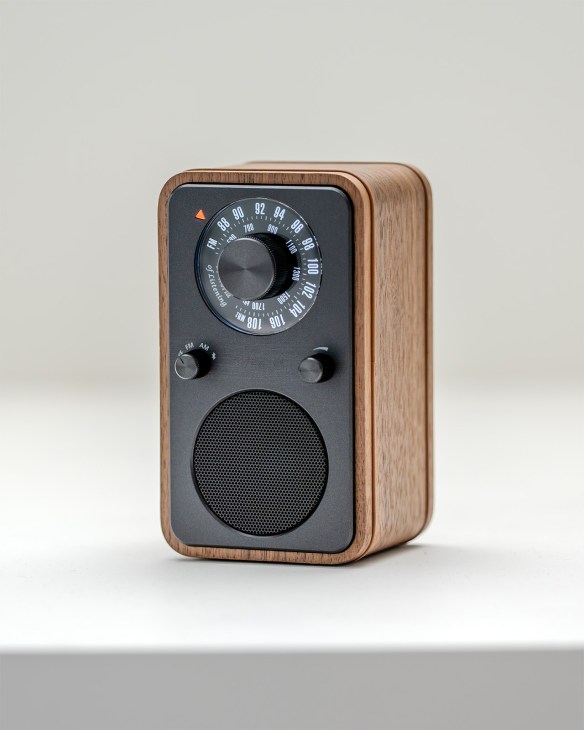
WR-9
Compact and polished, this wooden radio offers 30 hours of play on a full battery charge. An external antenna boosts reception well beyond that of typical pocket sets, while its warm acoustic profile proves that small can still mean substantial.
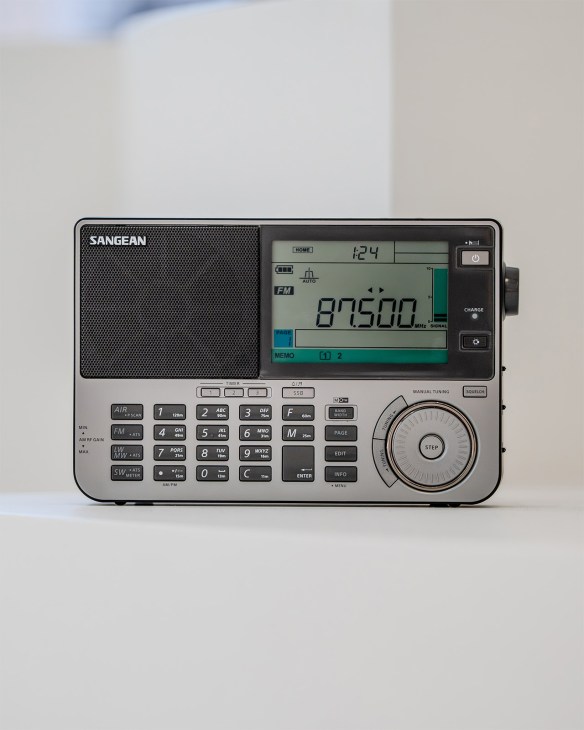
ATS-909X2
A radio for the globally curious. Beyond AM and FM, it tunes in to short-wave signals that span continents – and even air-traffic chatter in select countries. It’s precise, stable and made for those who still relish radio’s long reach.
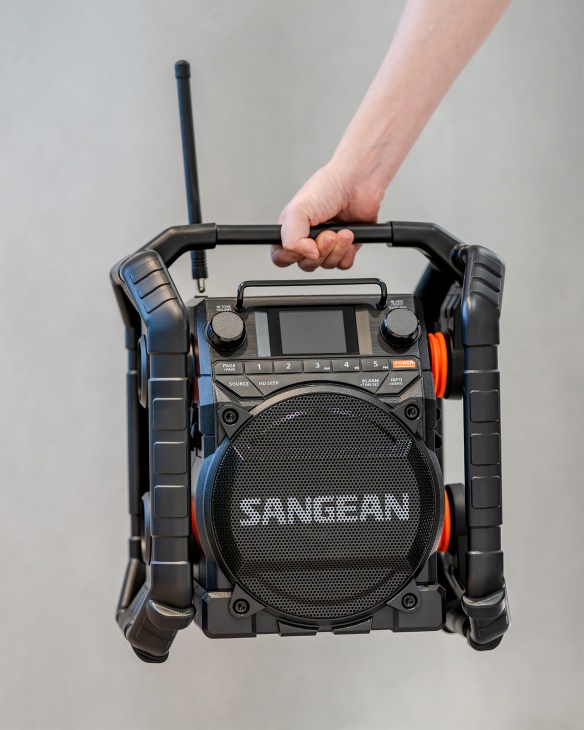
U7HD
This robust workhorse is built to handle noise and grit, whether on a construction site or at a backyard barbecue. Waterproof, dustproof and seriously tough, it delivers clear HD broadcasts and can even survive a fall from the second floor of a building.
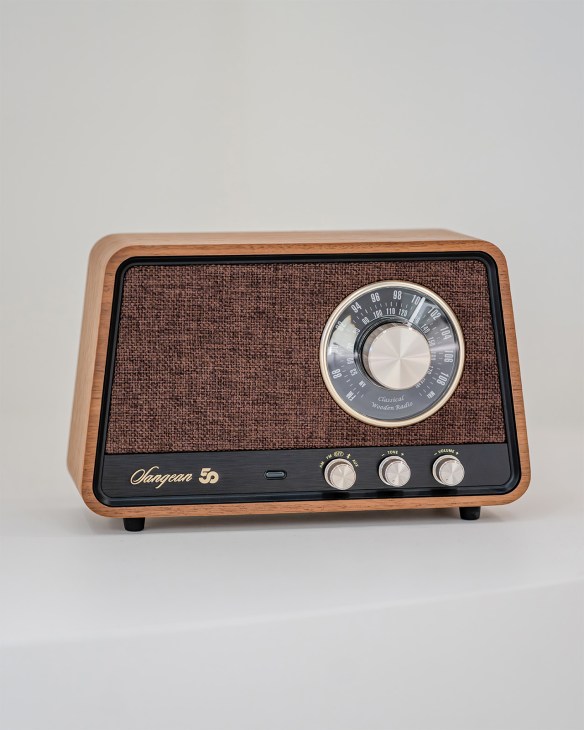
WR-101
This retro-styled tabletop is set in wood with a woven speaker grille. It features precise analogue tuning, a backlit dial scale and tone controls to shape the sound. Solid and handsome, it holds its own even in spacious contemporary rooms.
The bold redesign that put Austin’s Blanton Museum on the global map
Until 2018, many people in Austin – let alone Texas or, indeed, the world – hadn’t heard of the Blanton Museum of Art. “People couldn’t find our front door,” the museum’s director, Simone Wicha, tells Monocle. “You’d have to spend a lot of time describing where the museum was.” But when “Austin”, Ellsworth Kelly’s otherworldly art chapel, touched down among the science blocks and faculty car parks of the University of Austin at Texas (UT), giving directions became a lot easier. The chapel, which heralded the start of the Blanton’s rebirth, has now been joined by 15 12-metre-tall fibreglass “petals”, part of a $38m (€33m) transformation of the museum by Norwegian architecture firm Snøhetta.
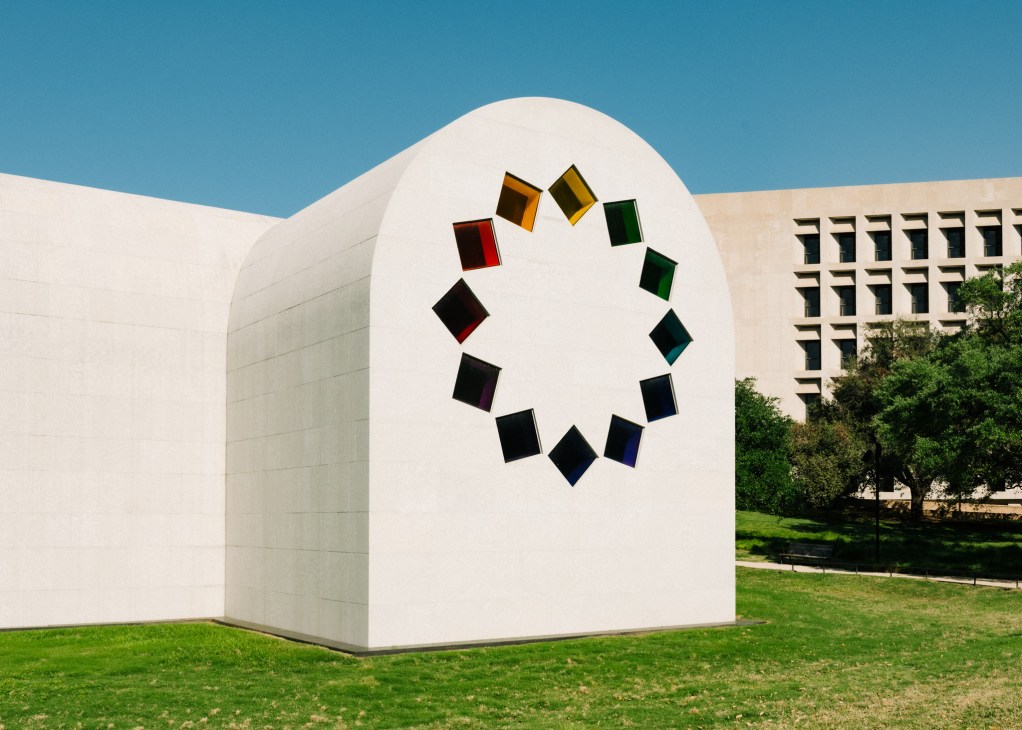
Wicha’s tenure began in 2011 and has taken in a number of destabilising challenges – turbulent Texan and national politics, coronavirus and the museum director’s perennial albatross, funding – but last year’s redesign feels like a crowning achievement. Despite being just a kilometre from the Texas Capitol, the fairly nondescript nature of the Blanton’s two buildings and the fact that they faced each other across a tree-filled plaza meant that the museum’s entrance was shrouded until the redesign. The space between the buildings became a short cut for students seeking a quick route on to campus. “Bikes were barrelling through,” says Wicha. “If you were trying to walk from one building to another, it wasn’t the safest environment.”
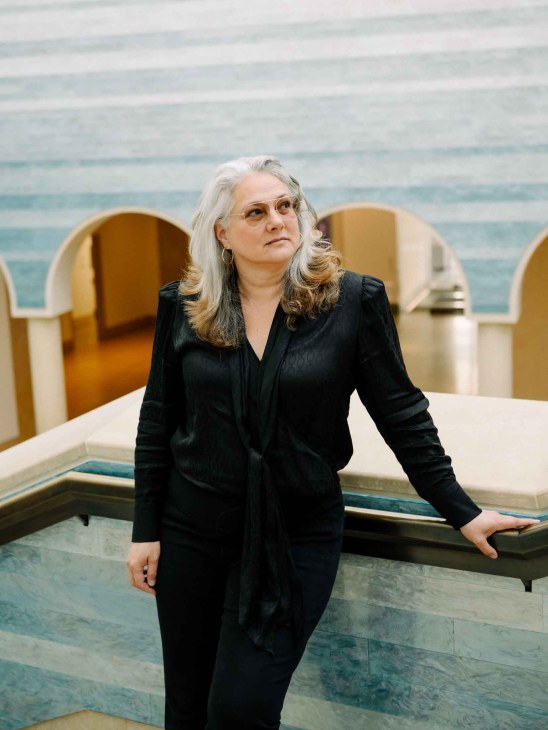
Wicha collaborated with Snøhetta’s founder, Craig Dykers, a UT alumnus, to reclaim the space with something bold. The resulting petals – works of art in their own right – have created both a shaded piazza (invaluable in the furnace of a Texan summer) and another impossible-to-miss Austin landmark.They are also highly innovative.Their fibreglass stems conduct heat downwards rather than radiating it out, while their hollow shafts feed rainwater into the soil – which will come as no surprise to followers of Snøhetta’s work. Neither should the incorporation of plant life into the museum’s grounds.
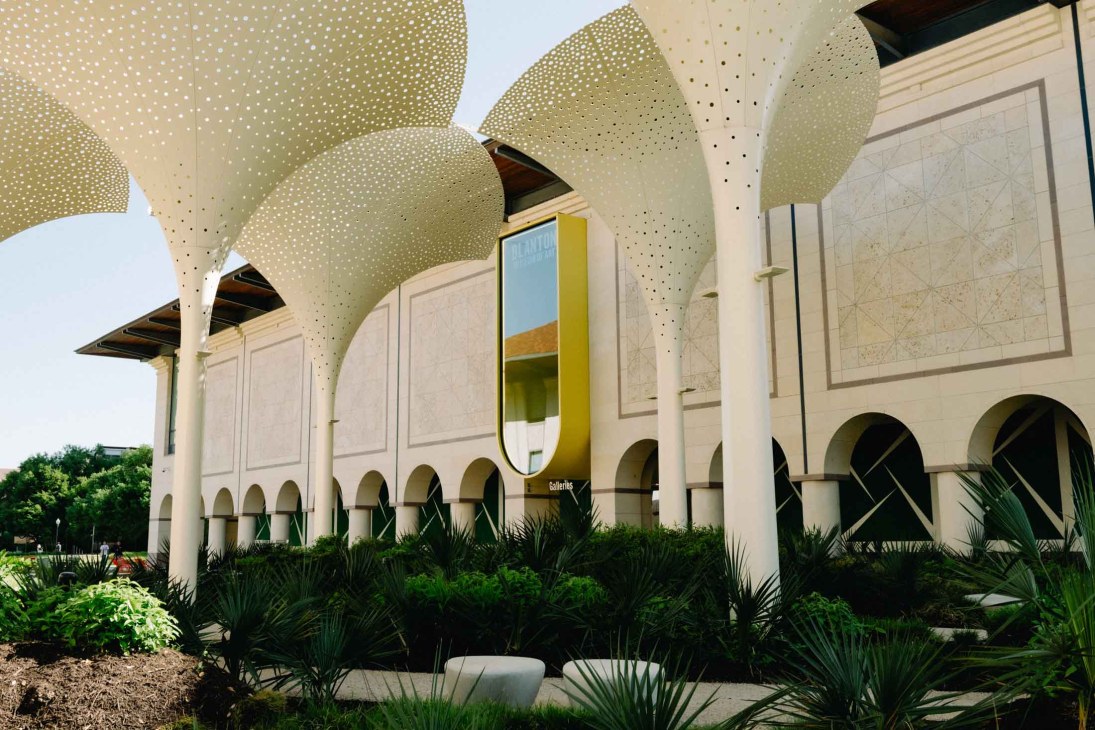
About 25,000 new plants – many of them drought-resistant North American species – weave around the museum’s buildings, creating a green oasis in the hot heart of the city. “I grew up in Mexico City,” says Wicha. “That sense of a place where people linger and just watch each other was really important to me. And it’s not necessarily in the fabric of all of our cities in the US. Having the Blanton be a place where art, nature and people come together was really important.”
About that art. Four new permanent installations have been created for the museum, the most eye-catching of which is Mexico-born, Texas-based Gabriel Dawe’s “Plexus No 44”, a gossamer rainbow constructed from hundreds of multicoloured threads. Like two new canary-yellow arched vaults that have replaced the old entrances, the integrated artworks bring an inviting pop of colour to the otherwise monochromatic UT campus. It is a Gesamtkunstwerk that has proven irresistible to locals. “People used to go into the galleries and then come out as quickly as they came and get into their car,” says Wicha. “Yesterday I was at the museum until it closed. The vast majority who walked out did not leave. They were either standing in groups or they went and found a chair.”
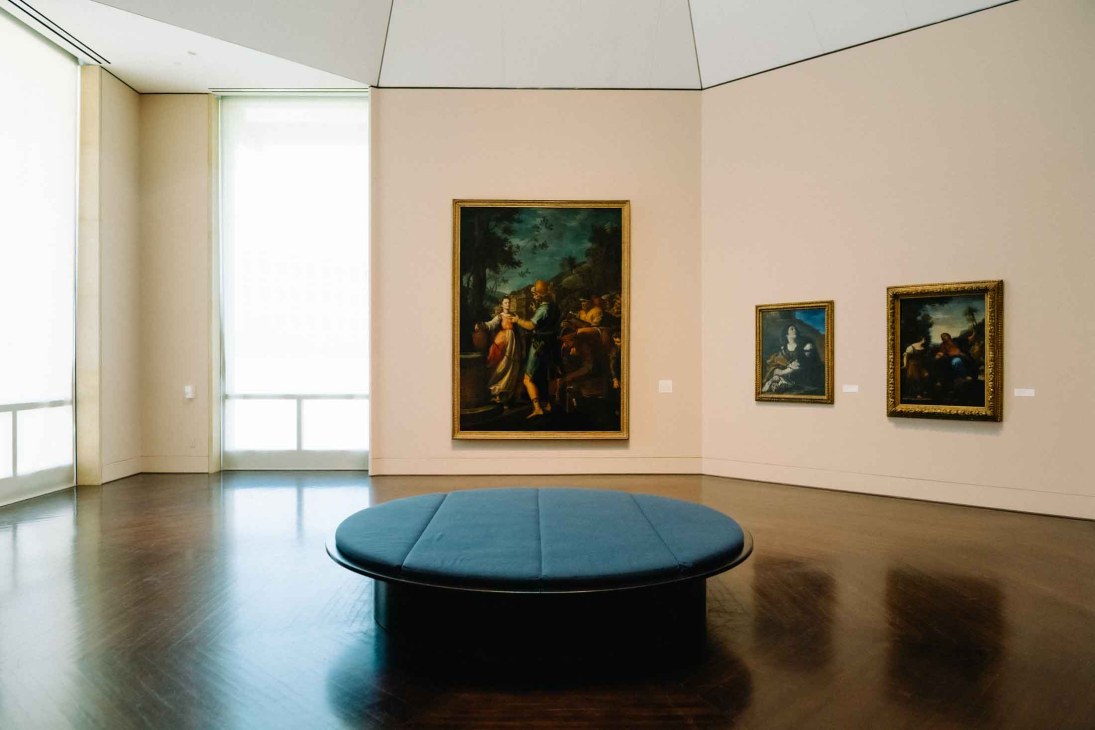
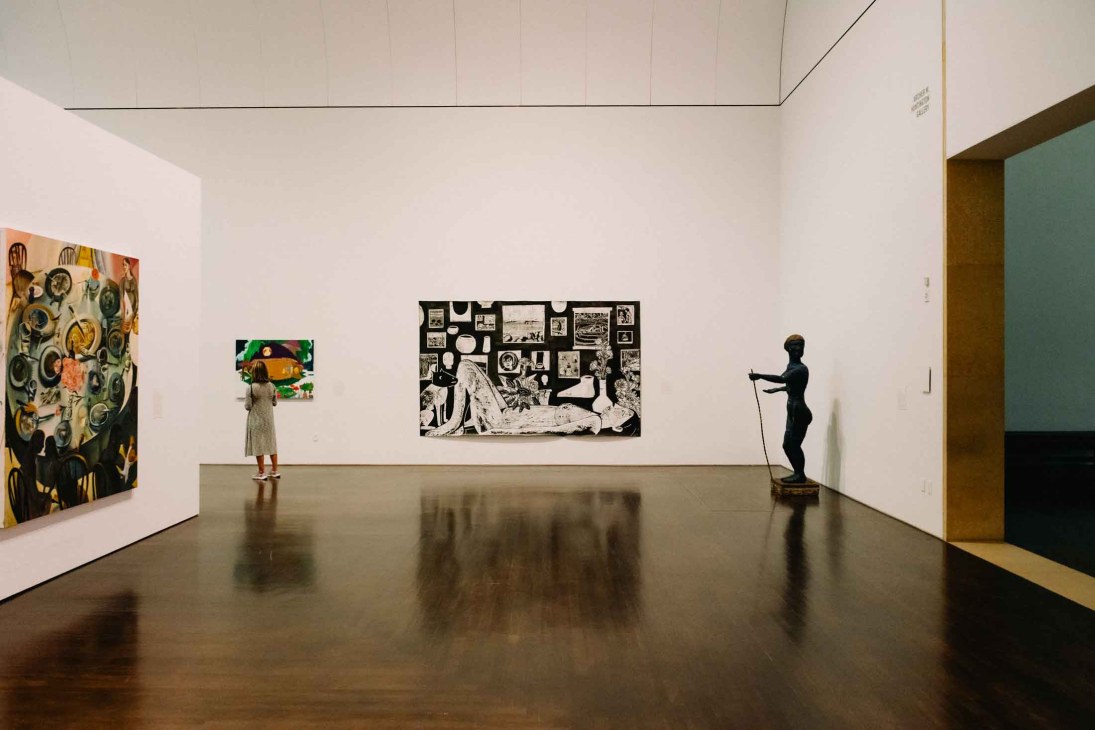
A reborn Blanton has been a boon for a city looking to pump its ample cultural muscle. Known primarily as a hub for music, in large part due to the huge success of the homegrown SXSW festival, Austin is becoming more famous for its visual arts. The Texan capital’s second gallery week took place this May and its lower rents and access to nature have become a draw for those leaving the bigger coastal cities; Austin’s metro-area population has doubled to more than two million since 2000.
It is something of a bastion of free expression in a state whose Republican government seems to be turning against the arts. In January, Texas police removed several works by photographer Sally Mann from the Modern Art Museum of Fort Worth for their depictions of child nudity. A few months later, a bill was introduced to the state legislature that would have penalised museums for displaying material deemed obscene or harmful.This didn’t pass but it was symptomatic of a state and a country whose leaders are seeking to censure institutions, often connected to higher education, that they believe represent the “enemy within”.
This must be a tricky time to be the director of a university art museum. “It hasn’t affected the Blanton’s programme,” says Wicha. “Texas has always been a place that challenges and pushes.There were gun laws that we had to navigate that were different to what was going on in other museums around the country. There was a statewide ban on dei [diversity, equity and inclusion] that came much sooner than nationally. Some of my colleagues across the country are now having to navigate some of the same waters.” Still, while the national scene looks choppy, the people of Austin are still basking in the glow of a refurb that has put their city and its premier art museum firmly on the international map.
From pizza in the Alps to Japanese fine-dining in Helsinki: Where to eat next
1.
Alto Pizza
Bolzano
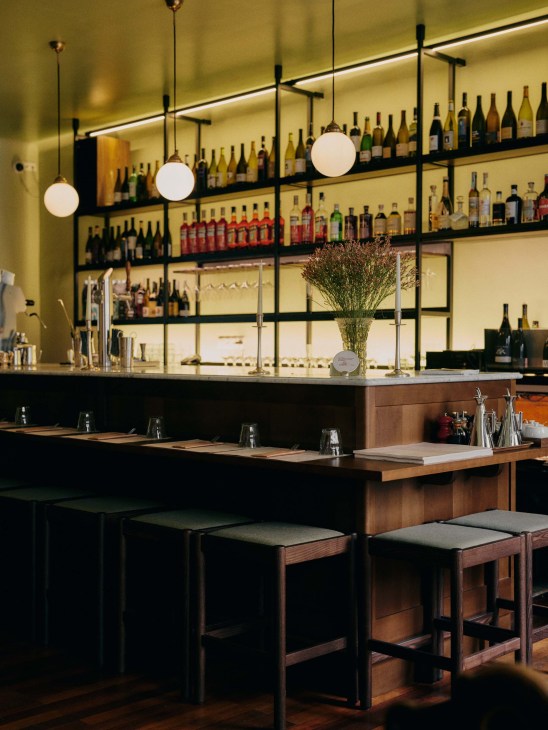
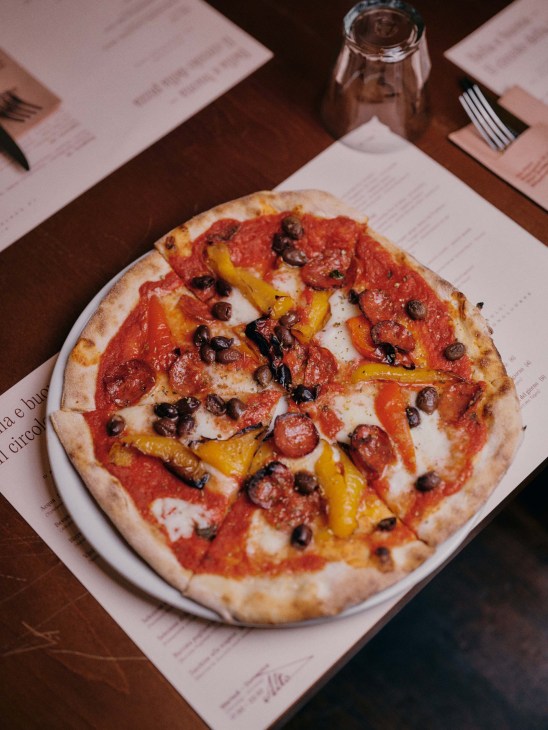
Parkhotel Mondschein has opened a pizzeria in the former dining hall of the South Tyrol region’s first inn. Brothers Moritz and Klaus Dissertori decided against a Neapolitan concept. Instead, they use a light spelt and wholewheat dough and incorporate locally sourced ingredients: the charcuterie comes from butcher shop Alter Keller in Trentino and the vegetables are from the restaurant’s garden.
The interior design was overseen by Christina Biasi-von Berg, the founder of Merano-based studio Biquadra. She decided to keep the original tiled stove and the belle époque stuccos, and freshened up the wooden counter with a white marble top. Spoilt for choice? Klaus’s favourite item on the menu is the romana with grilled artichokes and pecorino.
Via dei Bottai 25, Bolzano
2.
Keit
Berlin
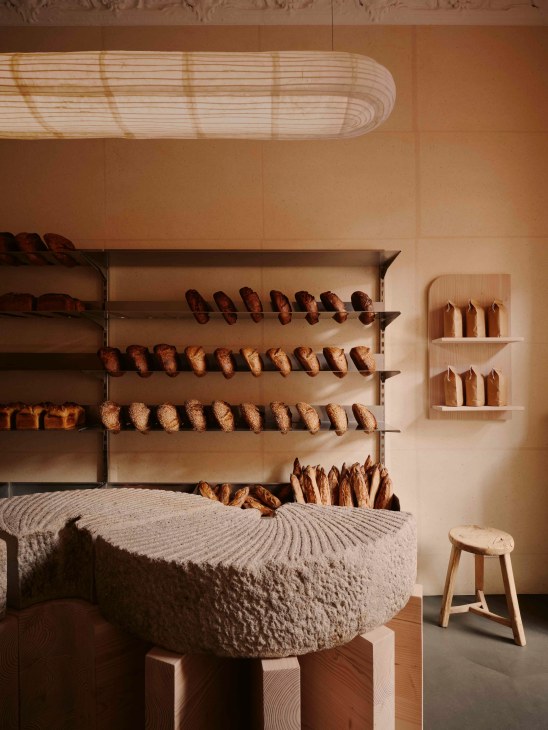
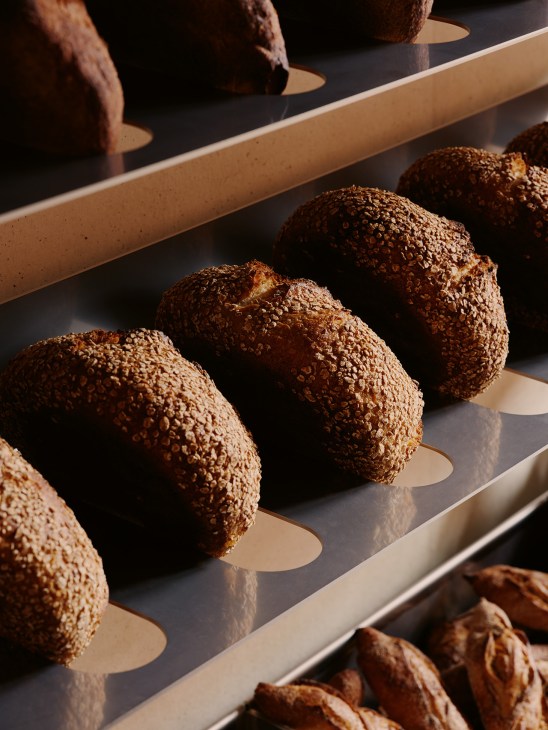
“Berlin can do everything but bread,” was a fair criticism until a few years ago. That reputation is crumbling thanks to a new crop of sourdough-focused bakeries. Leading the charge is Keit, founded in 2019 by former Adidas creatives Thanos Petalotis and Kolja Orzeszko. “We’re making bread from Berlin, for Berlin,” says Petalotis.
The bakery’s third and latest outpost has just opened in Kreuzberg, created by US designer Michael Burman. At its centre is a granite millstone-turned-counter. Walls are clad in handmade paper, while the benches are made from Douglas fir. The founders’ mantra is less but better – and then better still.
keit.berlin
3.
Belimbing
Singapore
With three successful outposts, The Coconut Club is driving Singapore’s food scene forward with sister restaurant Belimbing. Named after an indigenous fruit still rarely spotted in kitchens, it champions lesser-known aspects of Singaporean food.
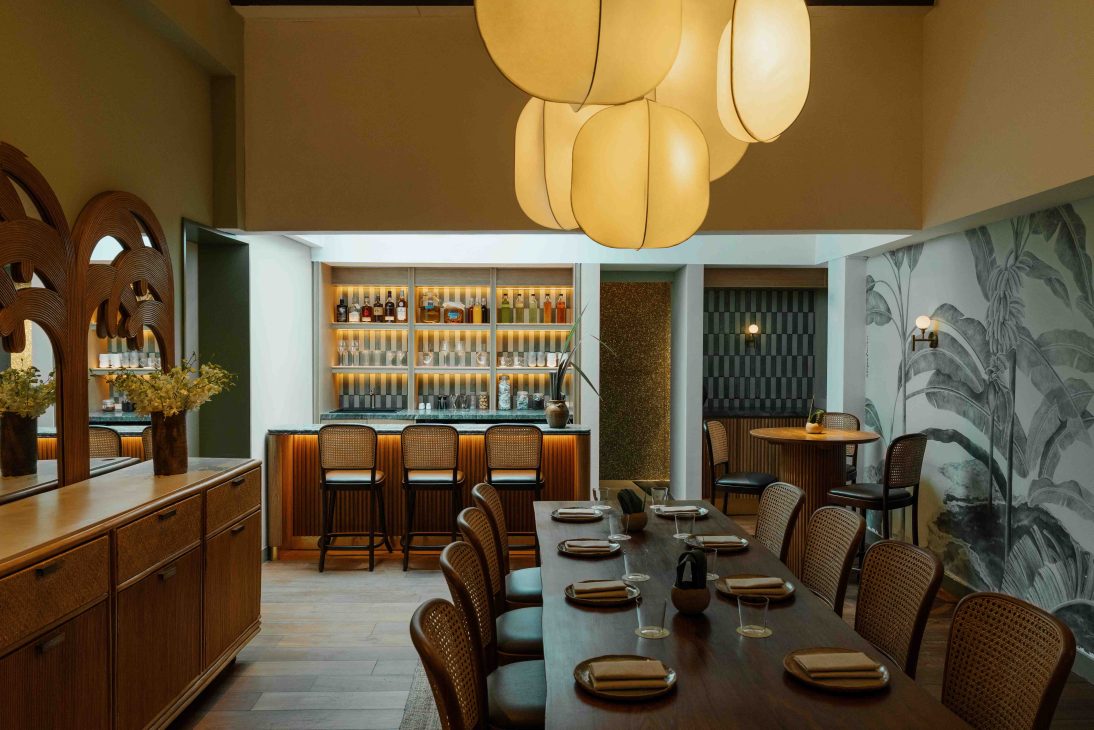
Chef Marcus Leow, a veteran of Michelin-starred kitchens such as London’s Ikoyi and Iggy’s in Singapore, gives fresh inflections to familiar flavours. Rojak, a salad tossed with shrimp paste, is amped up with slow-cooked prawn shells, belacan (fermented shrimp paste), shaved ginger flower, Japanese firefly squid, pickled strawberries and powdered dried cuttlefish. It might sound like a tricksy-sounding combo but the result is delicious. Leow shows how far Singaporean cuisine has come and points to the distance that it can still cover.
269a Beach Road, Singapore 199546
Madre Mezcal
Oaxaca
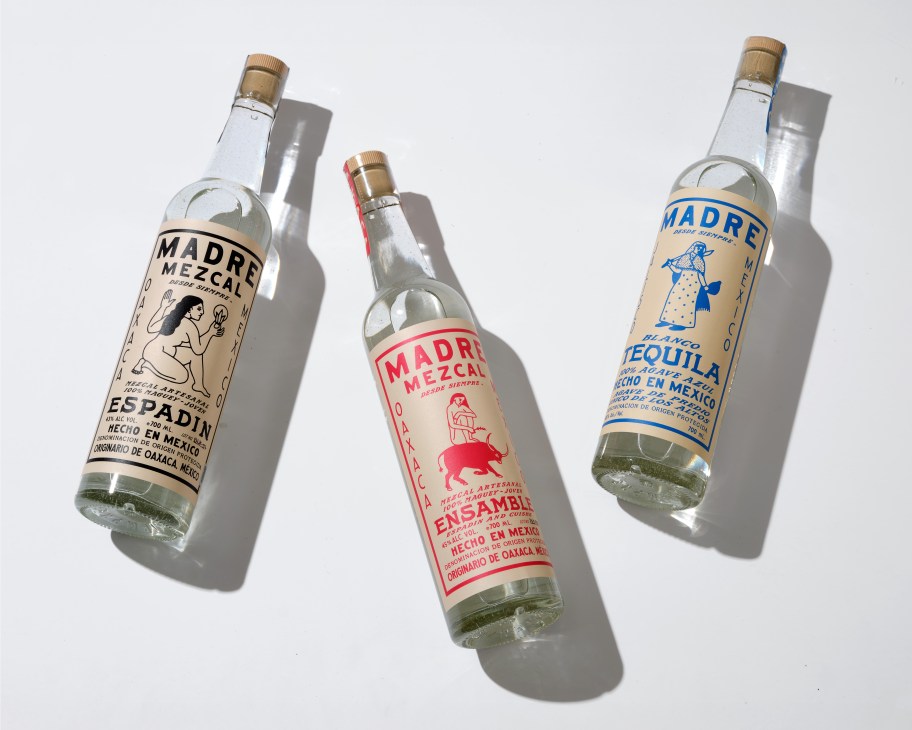
If mezcal is the secret to Mexico’s festive spirit, then Madre Mezcal’s bottles are well worth a toast. Micro batches are made the ancestral way: by roasting agave plants in a pit, fermenting the resulting sugary liquid and distilling it in clay pots. Try the Tequila Blanco, made using blue agave, or the Ensamble Mezcal, a mixture of Espadín and Tobasiche varieties.
madremezcal.com
4.
Shii
Helsinki
Shii doesn’t make much of an impression from the street. But step inside and the atmosphere shifts as your eyes adjust to the low lighting. Here, every detail feels deliberate. “We want people to slow down the moment they walk in,” says chef Nadim “Nadi” Nasser, who opened the space backed by Helsinki’s Financier Group. “There’s a lot of noise in the world. We try to offer something quieter.”
The kitchen’s approach is rooted in Japanese tradition but flexible in its sourcing. Spanish sea bass, Atlantic golden-eye snapper and Japanese hamachi are dry-aged in-house and served alongside locally sourced vegetables. Some ingredients are flown from Japan but the philosophy is about restraint, not purism. “We don’t want to imitate Tokyo,” Nasser says. “This is Helsinki. It should also taste like Helsinki.”
shii.fi


Stuzzi Hot Sauce
South Tyrol
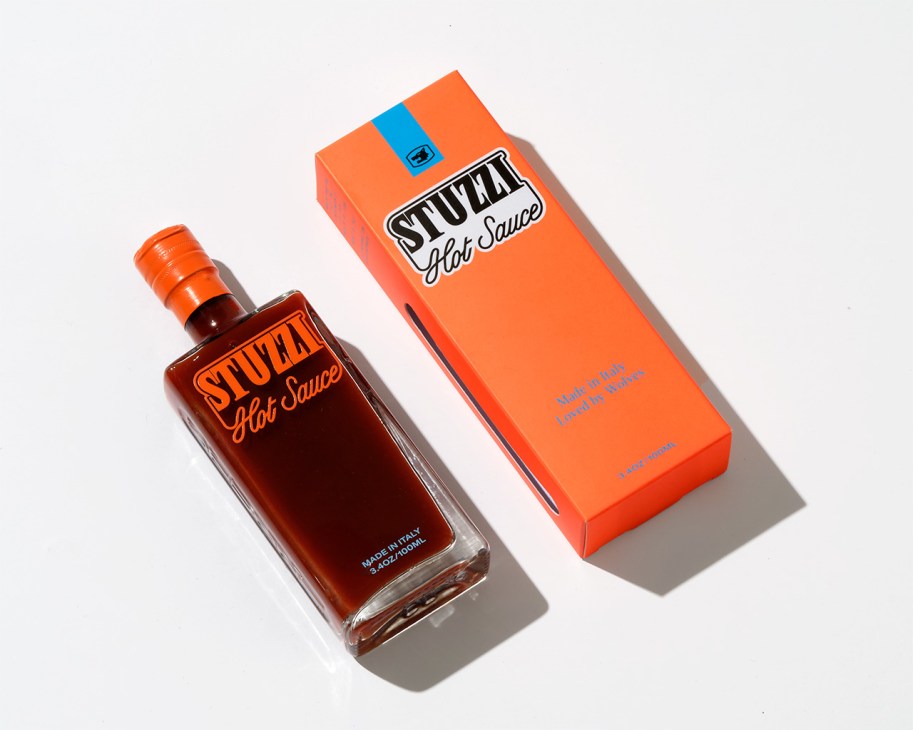
The Alps might not be synonymous with hot sauce but South Tyrol’s aptitude for winemaking translates surprisingly well to condiments. Stuzzi’s creators have plenty of industry experience: US winemakers Carla and Richard Betts have teamed up with Singaporean chef Ethel Hoon and South Tyrolean chef Jakob Zeller of Restaurant Klösterle in Austria’s Zug valley. The result is a streamlined bottle containing dried Calabrian chillies, distilled vinegar and a pinch of salt. Stuzzi also sidesteps brash branding to channel the refinement of Italy’s most elegant province.
stuzzihotsauce.com