Issues
Why Keiji Takeuchi believes a walking stick can change how we see ageing
Milan-based Japanese designer Keiji Takeuchi has turned his attention to one of humanity’s oldest tools, the walking stick, which is now the subject of a globe-touring exhibition. Speaking at Monocle’s Quality of Life conference this year, he sauntered across the Monocle stage to chat with Andrew Tuck about the elegance of this seemingly modest tool and its links to quality of life and human dignity.
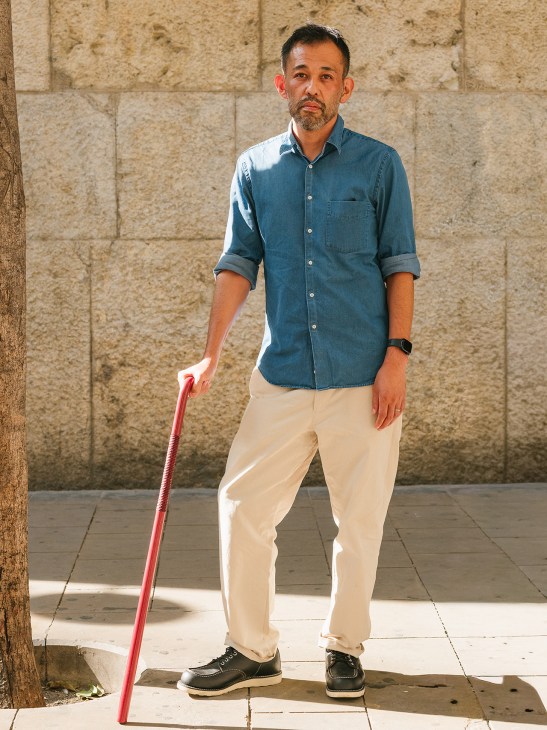
Andrew Tuck: I’ve been looking forward to chatting to you since I saw your humble exhibition at the Triennale during Milan Design Week. Where did the idea come from? What made you think, “I’ll do an exhibition about walking sticks”?
Keiji Takeuchi: The idea came from my travels and from living in Japan and New Zealand, among other things. Being out in the world, I began to observe the different designs of walking sticks. Where I once lived in Japan, I used to see canes that were more functional and practical, whereas in Europe, they were more personal and emotional. I started gathering a collection of walking sticks. It became an important task for me, because while design seems to be tending towards the commercial, I felt more strongly than ever that its true purpose was to bring happiness through the objects that we use every day.
AT: Well, as a man who might need one in the coming years, it certainly piqued my interest. The collection is large, with walking sticks made by well-known designers who you’ve commissioned, as well as found examples. Tell me about the ones you featured.
KT: At the Triennale exhibit, there were 18 sticks from 18 designers. I’m quite closely connected to all of them – I knew what they were good at and how they approached design. There was Hugo Passos, who created a utility-inclined stick with a basket. Henri Frachon is a French designer and artist who is obsessed with holes and their incorporation into design, as evidenced by the stick that he developed. Alban Le Henry turned in a telescopic design that can be adjusted for use by multiple people and aid better posture. One has a grip that helps you to get up from a sitting position on the floor, while another has a lip on the handle from which you can hang a shopping bag. And there are many more.
AT: Do you think that designing walking sticks in such ways could help to give some dignity back to their users?
KT: Absolutely. The walking stick has quite an impressive lineage. Once upon a time, it was a sign of authority or a tool for walking long distances across forests and harsh landscapes. At certain points, it became a weapon. But it has slowly been stigmatised and has become a symbol of disability in some ways. If I gave somebody a walking stick as a present, they wouldn’t like it, as it would make them question themselves: they might think about whether they need one or worry that it draws attention to an inability. It could even obliquely highlight mortality. But why should gifting a tool to somebody mean all that? This was the question of the exhibition.
AT: So many objects in our world today are disposable. Do you think that you have a role to play in the transformation of how we treat things?
KT: I sometimes have the opportunity to speak to students. When I do, the idea of patina often comes up. Let’s say that there are two tables; they’re both clean and well designed but one of them gets damaged. Many will want to throw the “bad” one away, as it’s no longer perfect and they can see what the pristine one looks like and would rather have that. I’m encouraging a shift: sometimes you’ll damage a table but that isn’t necessarily a negative. It’s a mind-set change – to believe that it can be a “patina” – and it’s starting to catch on. If the user likes a product enough that they see it as part of their lives, they’ll take care of it and keep using it. Emotional engagement is important. That’s something that can be affected directly by us in the design process, by making a product correctly and occasionally allowing things to go wrong.
AT: Will the walking stick endure?
KT: Undoubtedly, because the walking stick, in a way, is just a vehicle for a bigger idea – that someone, no matter their age, wants to move and to get out into the world. That’s what this is all about: bringing that spirit back into society, through the design of a simple object.
monocle.livement:
Not all ideas need to be big or complicated. For Keiji Takeuchi, turning his attention to an everyday item has amplified a sometimes overlooked but important idea: our duty to look after and support the elderly and less able.
The forgotten underpass of Tokyo’s Skwat Kameari has become a creative, cultural hotspot
Until recently, east Tokyo’s Kameari neighbourhood was perhaps best known as the setting for KochiKame, a popular manga about a hapless policeman that ran for 40 years before bowing out in 2016. These days, however, there’s a new crowd coming to this far-flung corner of the city – and they’re here to visit a bookshop under the railway tracks of the Joban Line, along with a record store, an exhibition space and a coffee shop.
The tracks that snake out from Kameari Station run high overhead, cutting through a residential area with a narrow road on either side. Underneath this is mostly blank space; there’s some bicycle parking here and there, as well as a small supermarket, but the railway line’s underbelly was otherwise left unused – until now. Stroll 10 minutes along the railway line from the station and you’ll find Skwat Kameari Art Centre (SKAC).
This unconventional cultural outpost is a quiet presence with no splashy signs or bright colours. Instead, big windows and wooden benches encourage passersby to engage with this fresh addition to their neighbourhood. Peer through and you’ll see people rifling through crates of vinyl or scanning bookshelves. A café, Tawks, is also inviting, while a battered but coolly retro sofa sits outside.
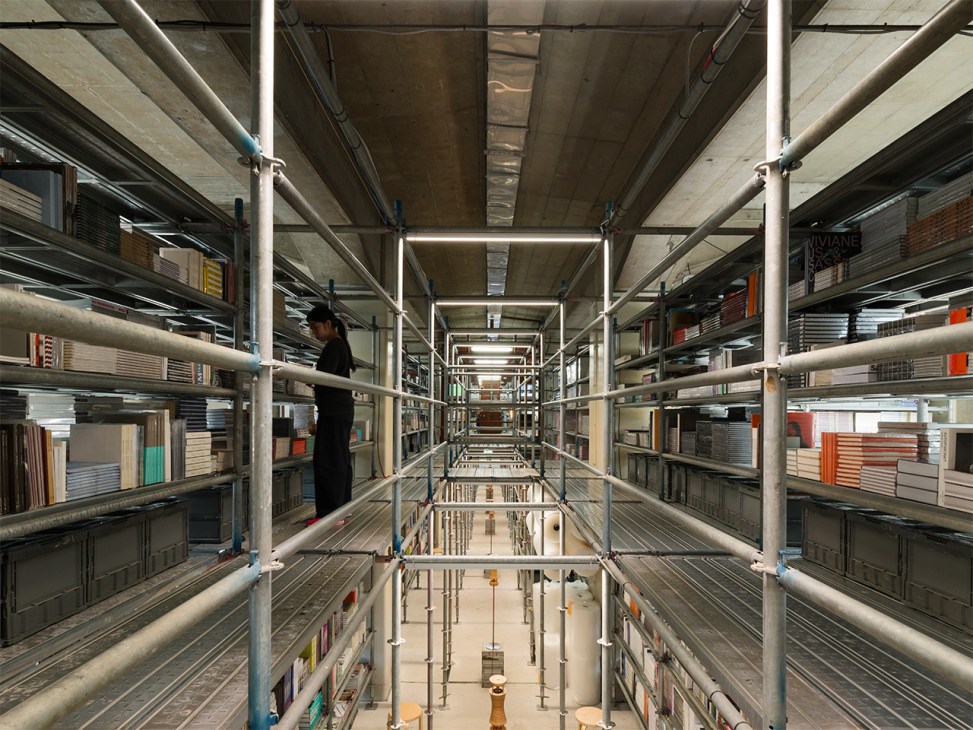
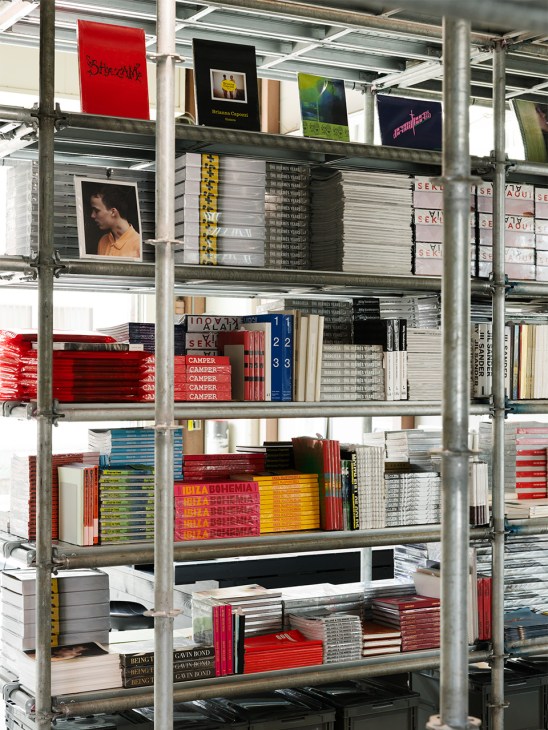
Inside is one of the most unconventional bookshops in Tokyo, a hybrid shop-warehouse for art-book distributor Twelvebooks, founded in 2010 by Atsushi Hamanaka. The company’s inventory of 80,000 volumes is stacked here on open metal shelves. Record shop Vinyl Delivery Service (VDS) sells mostly second-hand titles, while the exhibition space is currently showing a video of a collaboration between upcycling brand Format and artist Seongil Choi.
How did this project come to be here, in an area that’s generally considered unfashionable? SKAC is the work of designer Keisuke Nakamura and his firm Daikei Mills. Until 2019, Nakamura ran his office and an events space known as Vacant in Harajuku, one of Tokyo’s buzziest neighbourhoods. For about 10 years, it was a magnet for a cross-section of cultural scenes; but as that era began to draw to a close, Nakamura tentatively launched Skwat to explore his interest in Tokyo’s overlooked places. In a city that’s teeming with construction sites and epic mixed-use developments, he was curious about the possibilities of buildings or, in this case, voids, that ostensibly had no commercial value.
From the outset, there was a strong cultural element to Skwat. Nakamura made his first stab at the project six years ago. It involved taking over a small house and former dry cleaners in Harajuku – a compact building that was painted in a vibrant blue and filled with art books supplied by Twelvebooks. In this cobalt building, they launched Thousandbooks, where every book was priced at ¥1,000 (€5). Nakamura later opened another Skwat pop-up, again with Twelvebooks, in the glitzy Minami-Aoyama district.
The term squatting – Nakamura became familiar with it as a student in London – implies illegal occupation but this was never Skwat’s intention. “Our concept is to flexibly reimagine spaces,” says Daikei Mills’ Masaki Jo. “We’re trying to find value in places that don’t fit within the existing framework.” Nakamura seeks out places that others might not notice. “When it was decided that we would leave Minami-Aoyama and we were searching for our next location, this underpass caught our attention,” says Jo. After a few conversations with the Japan Railway East Urban Development Corporation, the Daikei Mills team saw potential in what was effectively an empty space.
A design for life
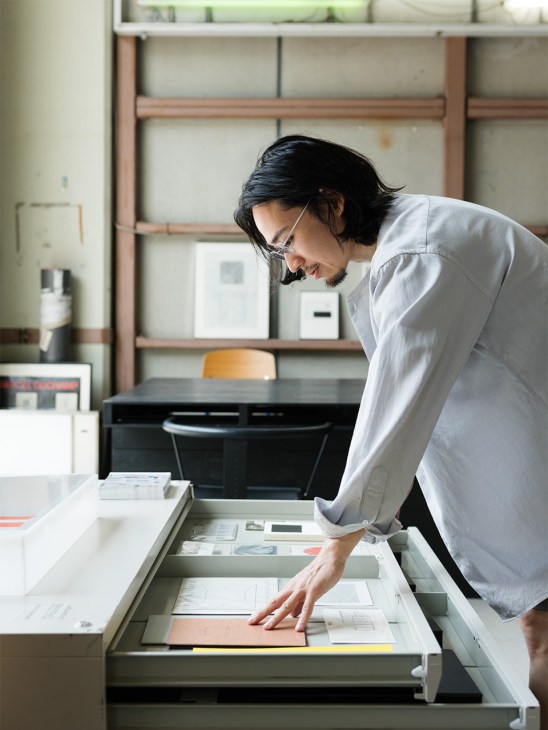
Keisuke Nakamura founded Tokyo design studio Daikei Mills in 2011 and has worked on projects for the likes of Issey Miyake, Not a Hotel and Auralee. He has long been interested in finding ways of opening empty spaces to the public. “Tokyo exhibits an excessively timid character, permeated by conservative thinking,” he says. “I have felt the need to break through this, aspiring to guide the city’s potential from a more artistic perspective”. Daikei Mills is now based in Skwat’s Kameari project.
Twelvebooks is bringing the same kind of thinking to the rarefied world of art books. “We want to popularise them,” says Yoko Nakayama, one of Twelvebooks’ staff. “We seek to provide opportunities for people to pick up and browse photo books, and art books published overseas that are often difficult to find in Japan.” The advantage here is that they can also buy them.
Twelvebooks is an organiser of the annual Tokyo Art Book Fair, the largest event of its kind in Asia. Unsurprisingly, the company doesn’t focus on obvious blockbusters. Its most mainstream offerings are a selection of Phaidon titles but otherwise it stocks an eclectic selection of obscure exhibition catalogues, photography books and hard-to-find editions, mostly from overseas. They choose books, mostly from small publishers, that are desirable as objects. Customers might not come with specific titles in mind but they will leave with a slim volume on a house by Balkrishna Doshi, say, or a cookbook from Apartamento.
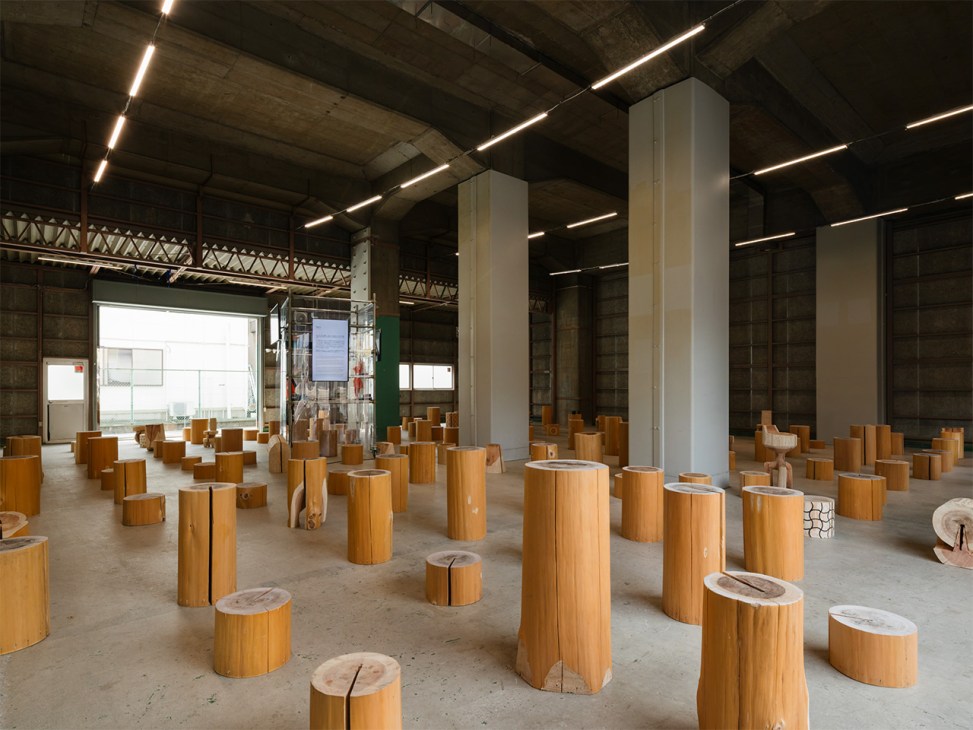
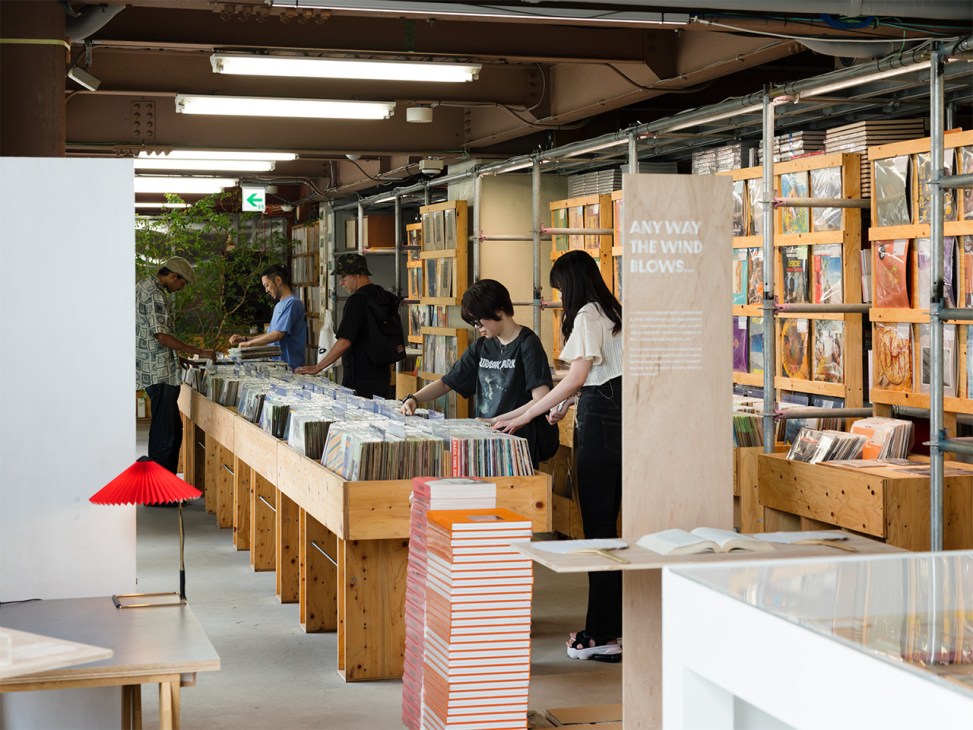
SKAC’s architecture is determinedly industrial. “From the start, we had a deliberate intention to try to ‘reveal’ the raw materials and structure,” says Jo. “We felt that there is a unique beauty to be found in places that seem forgotten within the city or in spaces left unfinished. So, rather than over-decorating, we intentionally left space and openness.” The result is a bracing palate cleanser after the deluge of crafted good taste that’s on offer elsewhere in the city.
The irony is that Skwat’s radical rejection of retail and property norms has made this place a hit. The SKAC project was originally intended to have a limited run but, at least for now, it continues. “I think that it’s because the way we frame our perspective is a little different,” says Jo. “At SKAC, it’s not just about viewing an exhibition. You can pick up a book, listen to music and spend time over a drink. It serves as a place where people relate to their environment through real experiences.”

Skwat’s success has inevitably attracted interest within Japan and further afield. And while Twelvebooks and VDS are core collaborators here, the next outing could look very different. “Each Skwat project is operated by a changing team with a different composition,” says Jo. “Likewise, SKAC is not a fixed team but rather structured according to the goals and content of each project.”
An outing to SKAC should be on the list of any curious traveller in Japan. It will take visitors to a pocket of Shitamachi (downtown Tokyo) that they almost certainly wouldn’t see otherwise – and they can also stop in at the new museum for KochiKame, which opened earlier this year. The project is a radical reimagining of the conventional bookshop format and offers a thought-provoking perspective on what to do with the overlooked pockets of our cities. If you do make it here, come with an open mind, not a shopping list.
twelve-books.com
Read next: The Monocle City Guide to Tokyo, featuring the best hotels, restaurants and retail spots in the Japanese capital
Thom Mayne on designing cities, museums and The Line in Saudi Arabia
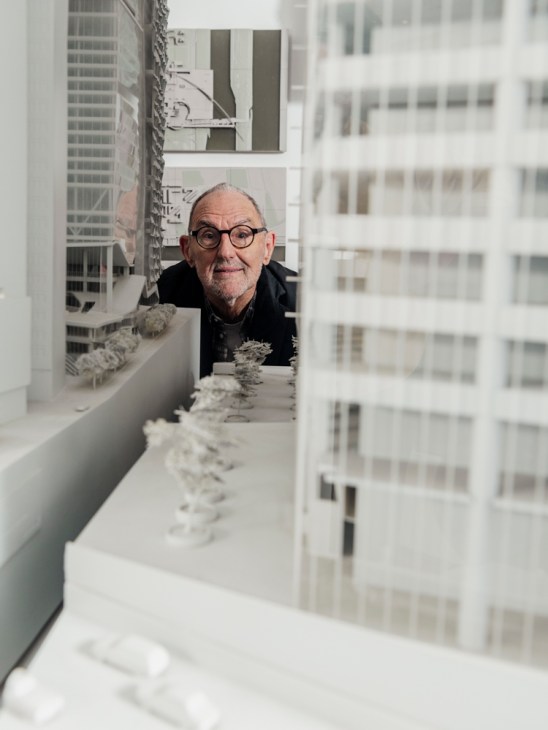
“I’m more interested in the compelling than the beautiful.” The message is the medium at Thom Mayne’s studio, a nondescript cube of concrete breeze blocks on a busy corner in Culver City, Los Angeles. Across its walls are statements such as the one above, rendered and layered in stainless steel and crawling like calligraphy over its façade.
At the age of 81, Mayne remains an imposing figure – born in Connecticut, he was raised in Chicago and Los Angeles, where he forged his legacy. From humble beginnings in a studio above a bait shop in Venice Pier, he founded Morphosis in 1972 and co-established the Southern California Institute of Architecture (SCI-ARC).
After greeting us at his studio’s front door (which has “door” written on it, also in metal), Mayne leads Monocle into a cave-like workspace. His practice spans continents, from Orange County museums to Saudi Arabia’s new US embassy, but he’s far from everybody’s architect – his buildings frequently raise the hackles of critics and detractors. He belongs to no school, outside of a modernist’s imperative to always make things new.
Los Angeles is full of concrete boxes. How has the vernacular of the city influenced you?
Early in my career, I began to think about the idea of “architecture without architects”. A building that isn’t “architecture”, as it were, will still have its own characteristics and have formal qualities, even if you strip the design right down. Los Angeles is a temporary city. It is made up of these simple little buildings that were almost the first growth of the city. Architects were the second growth, taking down the little buildings or adding to them. And over time, the city was filled in.
Your first studio was in Venice Beach. How did the area inspire your early work?
At the time, it was an affordable place to be. It was pretty rough and I would hear gunshots at night. I had only just finished school and everybody used to gather at this café called DuPar’s, where you could get dinner with a beer for a few bucks. Ed Ruscha was there with this whole group of architects and artists, who were just kids then. I remember buying one of his early books, which was all about stripping stuff down visually. I connected with that.
How should Los Angeles rebuild itself after the recent wildfires?
At an architectural level, it’s a question of materials. So many of the houses here are faux-something – people want to build faux-Greek villas, for example. But they should build it like an actual Greek villa: make it out of stone, rather than flammable wood. In the recent fires, the architecture became the fuel. Fires of this scale happen maybe once or twice a century. But they can be used to create a positive outcome.
You worked on the original designs for The Line, a 170km-long development in Saudi Arabia arranged in linear form through the desert. Why did you want to design a city in this way?
I’m interested in how landscape informs architecture. They can have a hybrid, in-between relationship in which the project becomes more like “augmented land” than a building in the purest sense. In Saudi, there are mountains and ocean, and it’s a site the size of Belgium – a fascinating scale. It has since become a complicated project that many different people have worked on.
In California, you designed the Orange County Museum of Art. You described the building as “a fragment, not a whole”. What does that mean?
The project is open-ended – it’s not static. I want my buildings to be dynamic, with the viewer translating it and understanding it on their own terms. That would be different for someone who is highly educated in architecture and someone who is not.
You have said before that there’s “no zeitgeist”. What does that mean for architecture?
Go to a place that has vast amounts of new architecture – Shanghai or Shenzhen, for example – and there’ll be a couple of hundred buildings that are more than 50 or 60 storeys tall. There isn’t a set of constraints or rules, so you get a city that’s something of the moment and not about agreement or continuity. It’s a very modern notion of the city: a political, social and cultural expression of the individual, personified and concretised in the architecture of these cities. They give it form. And that’s where the conversation starts.
The architecture of empathy: Yvonne Farrell and Shelley McNamara on building for communities
Soon after graduating from University College Dublin in 1974, Yvonne Farrell and Shelley McNamara began teaching architecture at their alma mater and, shortly after, co-founded Grafton Architects on the Dublin street of the same name. In the first few decades of their practice, they predominantly worked on projects in their homeland, from schools to public housing, but a competition to design a lecture hall at Università Luigi Bocconi in Milan (completed 2008), launched them onto the global stage. They have now worked in cities from Lima to London. Additionally, they have curated the Venice Biennale’s International Architecture Exhibition (2018), picked up a World Building of the Year award and were awarded the Pritzker Prize in 2020.
When Monocle visits their studio, models and maquettes are being prepared for competition entries and team members are poring over drawings. Awards and trophies, from Silver Lions to Prix de l’Équerre d’Argent, are set on shelves. Despite the accolades, the duo remain committed to building with clients and communities in mind. “Architecture, whether it’s a door or a huge campus, has the capacity to be everything,” says Farrell. “If it’s done properly, it’s a gift to humanity. And if it’s an afterthought, it’s absolutely horrible because it affects everybody’s life.”

How did your early life shape your desire to work in architecture?
Yvonne Farrell: I grew up in Tullamore in the middle of Ireland. It was a small place but it had a public swimming pool, which was unusual for an Irish town at the time. Every child would cycle to it in summer. I saw a freedom in having that generous public infrastructure. That’s why architecture is amazing: it’s building the world. It’s misunderstood as a discipline, with people seeing it as a series of Taj Mahals instead of the infrastructural web that makes community possible. Shelley and I talk about it as built skin.
Shelley McNamara: I grew up in Lisdoonvarna, a spa town in County Clare. For a month every year, I would watch farmers come after the harvest to have their sulphur baths and massages. What I loved about it was that all ages and income groups would use the same place in the same way. It shaped my views. I saw the mixing of people in towns and cities as the secret that brings an exchange of energy that everyone benefits from. Architecture provides the framework for this.
Tell us about your approach to practice.
YF: For us, one of the lovely components of architecture is that it’s a social and cultural responsibility, where the work is usually initiated by the client. You don’t go off and think up a design irrespective of the people who commission you. Instead, they come with their hard-earned money and say, “Can you translate my words – the brief, the list of needs and requirements – into space? And can that space have some cultural value?”
SM: We start by trying to articulate how a space might feel, not how it’s organised. With the Anthony Timberlands Center for Design and Materials Innovation at the University of Arkansas, for instance, we loved the idea of creating a big hall, in the form of a workshop, as the heart of the space. The result is a beehive of activity where you’re never separated from the process of making.
How important is it for your projects to have a strong sense of place?
YF: It’s about cultural continuity, which is what anchors us in the world. If you’re not connected with your culture, you’re floating. Even nomadic people have a home. It might not be a physical one – maybe it’s a memory, a person or a thing. We need to consider the geological and landscape aspects of culture too. That might be remembering that there’s a breeze from the ocean that a contemporary work could possibly absorb.
SM: The interesting thing about this outlook is that there isn’t just a building and then culture – there’s an interconnectedness of it all at multiple levels.
How can a work of architecture reflect this view?
SM: One of our projects that captures this is the headquarters that we designed for the Dublin Electricity Supply Board. It was on a site where Georgian-era townhouses had been knocked down in the 1960s. People were very sensitive about their loss. Our design embedded a new tiered structure along the street, with façades at the same height as the original streetscape, referencing the original language of that part of the city. The question was how to make something authentic that’s also directly linked to the past. We found the answer by learning from an Italian architect about how to make a beautiful door and steps that feel as though they’re from the 18th century, referencing the doorways that were once there. The key to this was being true to the craft – making real brick walls and not brick cladding like so many buildings.
YF: Architecture is a spectrum of good, ordinary and, sometimes, gorgeous. It’s important to remember this – and that there’s a place for it all. There is, for instance, a spectrum of decent housing. You can have a lovely place to live with a terrace looking out over a beautiful bay or an ordinary, light-filled home within walking distance to a good school. You can look at it in the same sort of way as you would the joy of fiction: you can read The Grapes of Wrath or poet Eavan Boland’s work. It’s like that with architecture.
Giorgio Armani’s farewell show at Milan Fashion Week
This was supposed to be a period of celebration for Giorgio Armani and his brand, which turned 50 this year. Il signore Armani, as his friends and colleagues often referred to him, achieved what once seemed impossible: building a global fashion business on his own terms. He was his company’s sole shareholder and spokesperson; he signed everything off, from the merchandising of shop windows to the amount of blush on his models’ cheeks. And he resisted fashion’s fleeting trend cycles in favour of his own purist design vision: neutral colour palettes, relaxed tailoring and pared-back elegance.
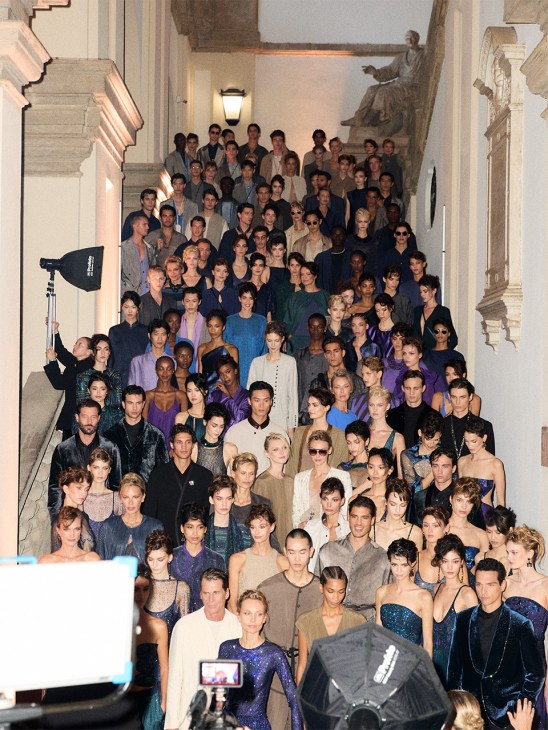
To mark the milestone, the brand began the season with the launch of Armani/Archivio during the Venice Film Festival in August. A visual archive of some of the brand’s most significant collections and advertising campaigns, it contains everything from a sketch of a woman’s suit from spring/summer 1984 to a 1998 campaign shot by Paolo Roversi and featuring Canadian actor and model Shalom Harlow. An anniversary runway show and the opening of an exhibition at the Pinacoteca di Brera – a stone’s throw from Armani’s offices and apartment – were scheduled to take place shortly afterwards, on 28 September, coinciding with the spring/summer 2026 edition of Milan Fashion Week. Three weeks before the anticipated show and exhibition opening, however, Armani’s family and colleagues announced his passing.
Even if the mood in Milan was more sombre than celebratory, the show went on – just as the 91-year-old designer, known for his unparalleled work ethic, would have wanted. You could feel it in the air the moment you approached Via Brera and saw the procession of fashion professionals heading towards the Pinacoteca, just as the sun was beginning to set as if to salute the late designer. One journalist cycled through Brera’s cobbled streets in a velvet skirt and a black tuxedo jacket. The company’s long-serving shop managers, who flew in from as far as Japan and the US, wore dapper velvet tuxes. Muses and friends came dressed in the brand’s signature evening uniform of palazzo trousers, embellished jackets and pillbox hats. There was an unspoken agreement of sorts among attendees to not only respect the event’s black-tie dress code but also to interpret it in the way that Armani would have wanted: without pomp or unnecessary excess.


This was one of the rare occasions when the usual pandemonium that comes with large-scale fashion shows was replaced with an orderly, almost reverent atmosphere. For once, fashion editors respected the queue, marching quietly towards the show’s entrance and leaving their phones tucked away to be fully present. A sense of awe settled in the moment you entered the gallery: glowing lanterns surrounded Antonio Canova’s imposing statue of Napoleon Bonaparte in the guise of Mars the Peacemaker. Guests embraced, complimented each other’s sharp tailoring (“We scrub up well,” was overheard more than once) and spoke of the privilege of witnessing history. “It’s emotional – he really was one of a kind and he created modern fashion culture,” one fashion editor told Monocle. “It was really just him and Ralph Lauren.” Further down, fellow designers Paul Smith and Dries van Noten spoke about how much they admired his work and clarity of vision.


After an hour of quiet socialising, guests took their seats. From pristine white chairs placed around the cobbled courtyard, they took in Pantelleria/Milan, the last collection designed by Armani himself. He had reportedly been working on the anniversary collection through the summer, attending fittings and approving looks before going on his final summer vacation. Italian composer and pianist Ludovico Einaudi took to the stage first, followed by some of Armani’s favourite models, from Gina di Bernardo, who starred in some of his earliest ad campaigns, to Agnese Zogla, who closed the show. They mostly walked in pairs – another Armani signature – gliding through the Pinacoteca to Einaudi’s soft, emotional melody.
True to his independent spirit, the Italian designer was known for always asking his models to smile and walk at a slower pace so that his audience had time to appreciate the quality of the garments. Even when fashion favoured stern faces, loud techno and rapid walks, Armani clung to his vision of relaxed luxury. “You are young, beautiful people – you should look happy,” he told models during a fitting, captured in Julian Ozanne’s 2000 documentary Giorgio Armani: A Man for All Seasons.


Armani knew how to paint a picture of joy and elegance. Watching his models walking down the runway with that subtle smile and a sparkle in their eyes, you didn’t just want to buy his clothes. You felt an urge to become part of his entire world too. He was among the first fashion designers to understand the importance of building an identity that extended beyond clothes, expanding his business into furniture in 2000 with the launch of Armani Casa and entering the hospitality sector a decade later with Armani-branded hotels, cafés and restaurants.
“He created environments defined by a kind of austere warmth that feels both minimal and richly textured,” says Enric Pastor, the editor in chief of interiors, art and architecture publication Manera, who in the past interviewed the designer to discuss the Armani Casa collections. “At first, the atmosphere would be almost theatrical, with the [Armani team] orchestrating every detail. But this would soon be offset by the designer himself, his warmth and his clarity of thought.”


This same warmth was palpable on the runway, which paid homage to two places close to Armani’s heart: Milan, “the city of modernity and work”, and the Mediterranean island of Pantelleria, where he spent many of his summers. He was drawn to the island’s wild nature, its proximity to Europe and Africa, and the endless blue of the Mediterranean Sea. His house there, as Pastor puts it, “remains a perfect example of what Armani stood for: symmetry, restraint and refinement”.
You could immediately imagine the opening looks – linen suits, palazzo pants, smart vests in the brand’s signature “greige” hue – gliding down the vibrant streets of Brera. The more casual khaki sets that followed, accessorised with bucket hats and leather sunglasses cases strung around the models’ necks, transported you straight to Pantelleria’s rocky landscapes.

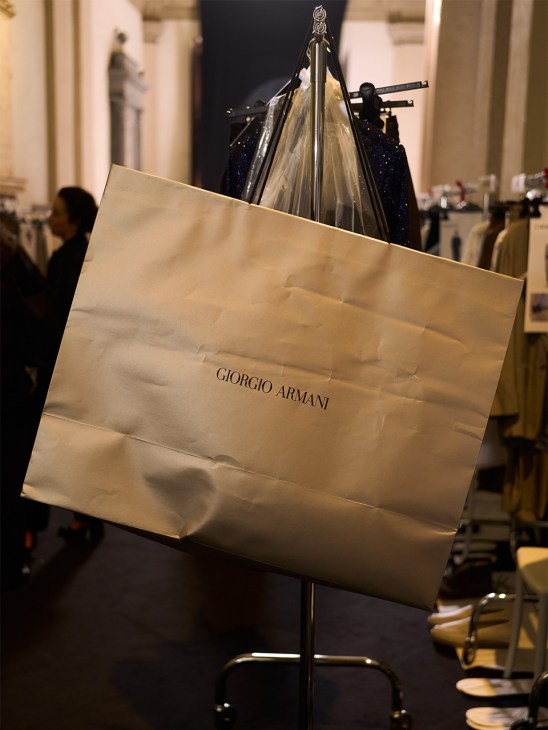
Even when the show shifted to evening wear, with beaded handbags for women, heavier jacquard suits for men and deeper, nocturnal-blue colour palettes, the same sense of lightness and ease prevailed. The word “effortless” might be overused in fashion discourse, especially at the moment. In the context of Armani and his work, however, it carries real weight. “Armani’s touch lies in this paradox,” read his team’s show notes. “A powerful stylistic statement, expressed through weightless clothes.”
The final look, a clean-lined, beaded dress bearing the portrait of a young Armani (visible only when you looked closely) perfectly encapsulated that paradox. Model Agnese Zogla received a standing ovation when she walked down the makeshift runway in the gown – as did Armani’s niece, Silvana, and his longstanding partner, Leo dell’Orco, who took a bow in matching black velvet, the look in their eyes betraying both melancholy and pride.


The guests were then invited upstairs to view Milano, Per Amore, an exhibition of about 120 Armani looks displayed alongside masterpieces of Italian art from the 13th to the 20th centuries. A series of pinstripe suits from the 1990s surrounded another colossal statue of Napoleon by Canova, while a group of signature greige suits for men and women sat across a painting of an “invented Orient” by Giovanni Bellini. The connection between the historic artworks and Armani’s contemporary fashion collections might not have been immediately obvious but, as the Pinacoteca’s director, Angelo Crespi, noted, Armani’s commitment to purity of form puts him among Italy’s most important artistic ambassadors. It’s also why the mayor of Milan, Giuseppe Sala, declared a day of mourning for the designer’s funeral.
“Giorgio Armani stands as one of the highest expressions of Italian creativity, manifested through the essentialness and rigour of form,” added Crespi, who said that he thought it was both “right and necessary” to pay homage to the designer in his own neighbourhood. “He is the most emblematic expression of Brera’s culture, a place where for five centuries art, research and innovation have flourished.”

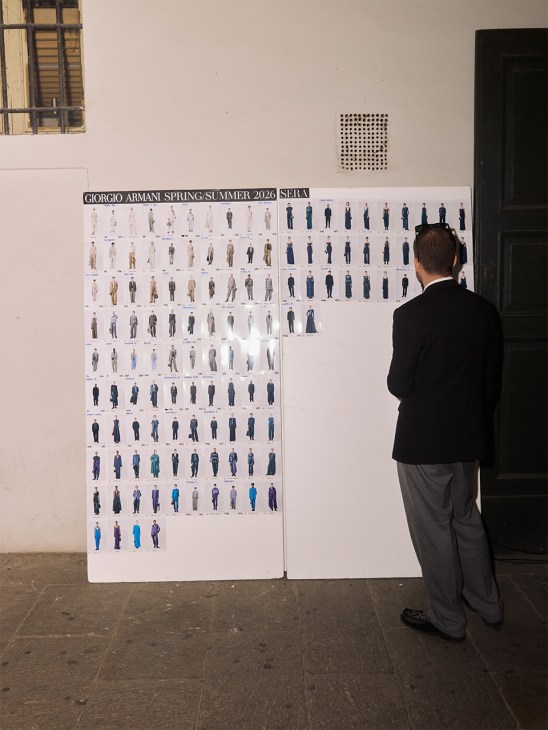
As models, editors and retailers waltzed through the gallery, glasses of champagne in hand, what had begun as a sombre farewell quickly turned into a joyous celebration of a life well lived, a moment to reflect and be inspired. “It is especially important for us to be here to salute Mr Armani because he was such a supporter of print,” said Konstantin Spachis, the fashion director of Munich’s Madame magazine. “He wanted to see his products on our pages.”
Notably, succession was not discussed – as always, Armani commanded quiet respect. His design team has been meticulously trained to continue his legacy for seasons to come but, in the near future, the search for a new creative lead will become inevitable. “I think that brands need to stay current, so a refresh [under a new designer] would benefit the company,” says Luca Solca, a managing director at private wealth-management firm Bernstein, adding that a new leader could also modernise the company’s sub-brands and its approach to wholesale.
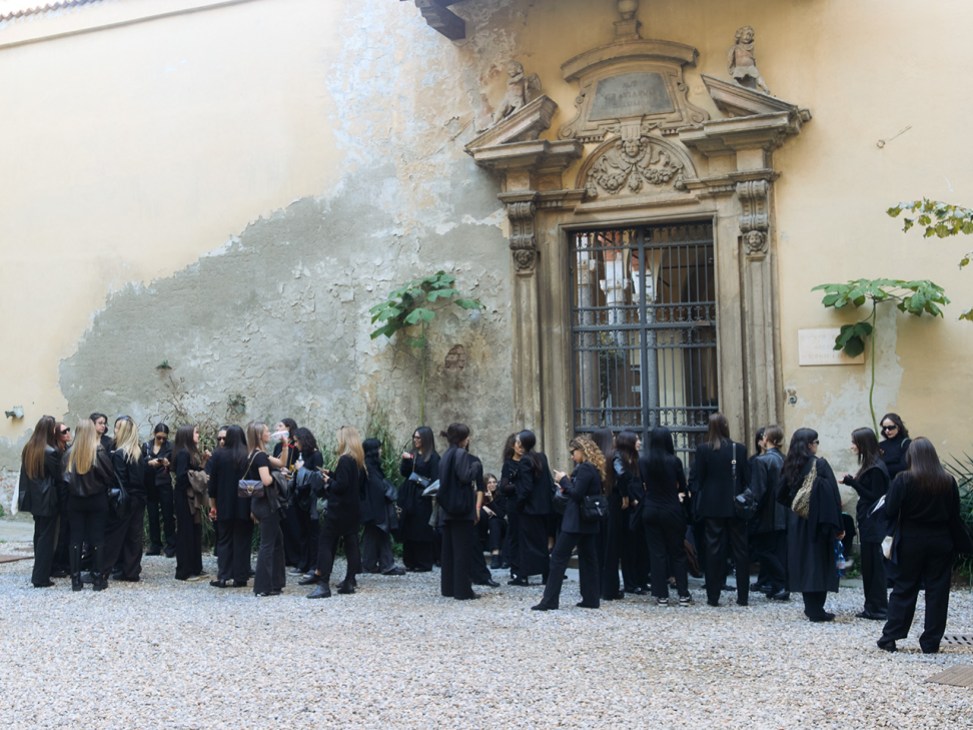
Armani left little to chance in business matters. His will instructs his heirs to begin selling the €2bn company within 18 months of his passing, giving priority to heavy-weights such as LVMH, L’Oréal or EssilorLuxottica. “This confirms – if it wasn’t clear already – that Armani had no interest in building a mythical Italian luxury conglomerate,” says Solca. “He just wanted to stay independent for as long as he was running the show.”
And while bidding wars might already be brewing, that Sunday evening in Milan wasn’t about the Armani business or its future. It was about Giorgio Armani, the man – and the power of consistency, refinement and obsession with detail. By insisting on those values, he created a universal design language, a new way of getting dressed. Just as Coco Chanel freed women from corsets, Armani will long be remembered as the “King of the Blazer”, the man who loosened up tailoring for the modern world.
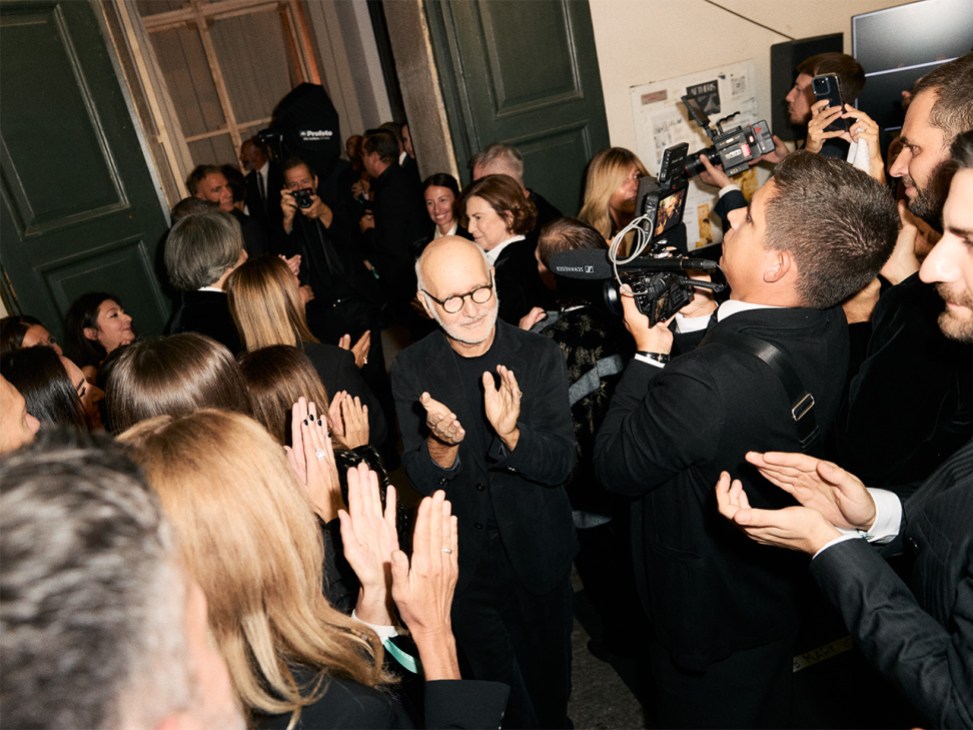
By about midnight, the candles in the courtyard of the Pinacoteca had dimmed and the Steinway piano was packed away. By January, the collection will return to the brand’s archive. But the Italian designer’s legend will remain etched in our memories. Whenever someone orders his favourite meatballs at the Armani restaurant on Via Manzoni, checks into the Armani Hotel next door or dons a perfectly tailored greige jacket with no shoulder pads, the Armani name will come to life.
Three independent publishers getting book design just right
1.
Charco Press
Edinburgh-based Charco Press has helped fresh voices in Latin American literature to reach English speakers since 2016. Co-founded by Samuel McDowell and Argentinian Carolina Orloff, the imprint has become known for its simple but evocative covers, which typically feature line drawings against vivid hues. Charco’s in-house designer, Pablo Font, continues the transatlantic relationship from his base in Argentina. “Designing our covers is a long process,” Orloff tells Monocle. “He’s an essential part of our team.”
charcopress.com

2.
Wetlands
Venice is the base of operations for Wetlands, a publisher known for its catalogue of non-fiction books, much of which is loosely themed around social justice and the environment. Its entire production process is based in the city, with the titles’ distinctive covers created by local designers and printed on sustainable paper made from algae. “Venice is often considered just a backdrop,” says Clara Zanardi, the editorial director and co-founder of the company. “We want to make it a place of production again.”
wetlandsbooks.com

3.
Poursuite Editions
“We are dedicated to publishing photography that is anchored by a sense of place,” says Benjamin Diguerher, the founder of Arles-based Poursuite Editions. Its location is apt; after all, the city is home to the Rencontres d’Arles festival and a prestigious school dedicated to the medium. From the edgy 1980s clientele of London’s Blitz Club to the French countryside, Poursuite’s photographers capture their subjects with subtlety, depth and charm.
poursuite-editions.org

Read next: Monocle’s new book, Designers on Sofas, explores what the humble couch says about who you are
Studio Museum’s return is finally giving Harlem the cultural space it deserves
The Studio Museum in Harlem closed for a major renovation in 2018 and was expected to reopen in 2021. Its belated return, after a series of delays, comes at a tempestuous moment for the arts as the Trump administration seeks to influence cultural institutions. But it’s also well timed: after all, aren’t the arts supposed to make sense of such precarious moments?
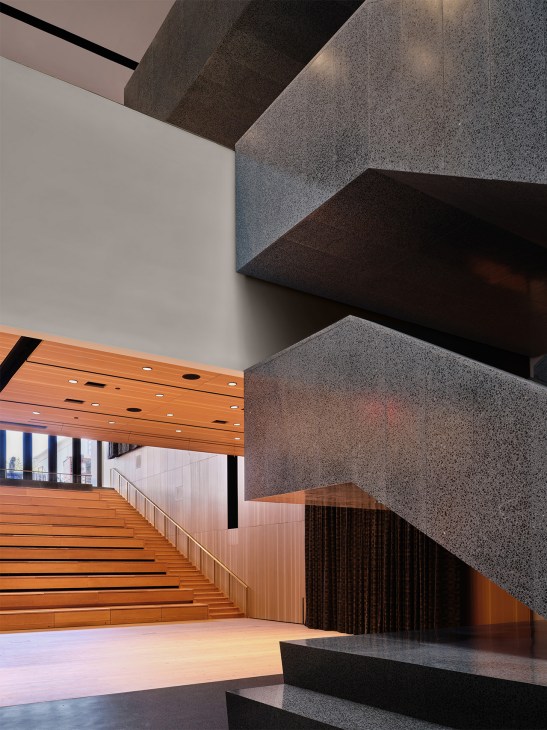
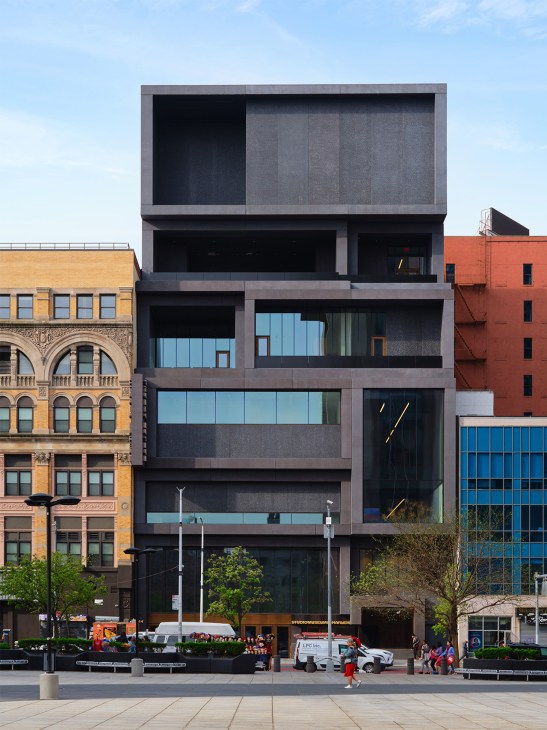
“We were founded in an era [the 1960s] that was very much like the one that we’re in now,” Thelma Golden, the museum’s director and chief curator, tells Monocle. On 125th Street, the museum showcases the work of artists of African descent in a vast, boxy new home designed by Adjaye Associates with executive architect Cooper Robertson.
The opening exhibition focuses on the late US sculptor and activist Tom Lloyd, who also featured in The Studio Museum’s inaugural exhibition in 1968. Harlem has changed in many ways since then but has clung onto its identity and the museum is keen to stay rooted in the community. “I take a lot of inspiration from our founders, who understood why it was important to create space for dialogue – for the ability to engage with art and ideas and each other,” says Golden. “And that’s what we hope to be again.”

Beyond Harlem, the city of New York is experiencing a cultural moment. Earlier this year, The Frick Collection – which showcases art from the Renaissance through to the late 19th century – reopened on Fifth Avenue in the Upper East Side, following a $220m (€187m) renovation. Also in the pipeline is the New Museum, a contemporary art establishment that will unveil a sprawling expansion designed by OMA/Shohei Shigematsu and Rem Koolhaas (in collaboration with Cooper Robertson). It promises an opening exhibition featuring more than 150 international artists.
In a charged moment, when many are searching for glimmers of hope, who better to look to than artists? “They have always been important because of the way in which they allow us to see, think, feel and, perhaps most importantly, imagine,” says Golden. “In both good and bad times, our ability to imagine a bold future is essential.”
Rethinking prayer: Emre Arolat on designing faith for the modern age
Celebrated Turkish architect Emre Arolat joined us at this year’s Quality of Life conference to discuss his delivery of a contemporary mosque that has been embraced by worshippers and architects alike as a true modern marvel. He also revealed where he finds new starting points and inspiration after years in the business.
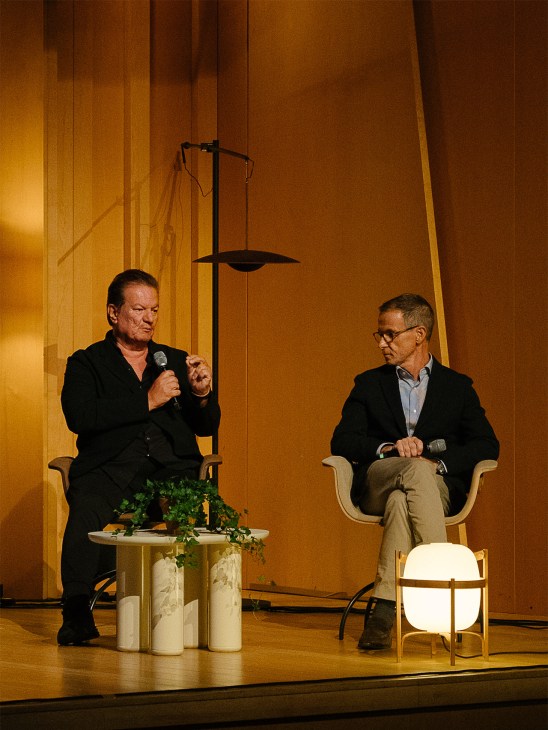
Andrew Tuck: Emre, you’re a prolific architect with projects all over the world: Albania, Japan, Russia. But, to me, Turkey’s Sancaklar mosque defies all expectations. How did you set about challenging not only Ottoman forms and characteristics but your own stylistic inclinations too?
Emre Arolat: It was a big challenge, to tell you the truth. The first thing that you face up to when you’re designing a mosque, especially in Turkey, is that classical Ottoman style. It can be difficult to ignore. The early meetings for this project weren’t very productive: people from the foundation arrived at my office, saying that they wanted a modern mosque, while waving a photo of a very conventional one with a standard cupola and traditional minarets. I said that I was sorry but if this was their understanding of ingenuity or modernity, we could not work together. They left.
AT: Slamming the door behind them, I’m sure.
EA: Something like that. But they returned a few days later – this time showing me photos of the land. I was astonished. It was a wild panorama. From the proposed space, you could see a 5km-long lake with the sun falling across it. A real, natural, virgin plot. I told them that I would take the commission but that they should have a back-up plan, because there was a high chance that they wouldn’t like what I would do with the space. They were on board. The next thing I asked for was more time because, right from those early days in the design process, we were very keen to understand what the essence of Islamic prayer is and I needed time to think about the place, the energy and the atmosphere. Context, in my opinion, is the most important aspect of architecture.
AT: There have been times when I’ve wandered into spaces – Grundtvig’s church in Copenhagen or the Abrahamic Family House in Abu Dhabi, for example – and felt my emotions soar. You feel something in such places. Do you think that architecture can create believers?
EA: I don’t think that spirit is directly linked to religion. For me, it’s something else. To design a beautiful and functional oncology centre, you don’t have to be a cancer patient. But as I say, that doesn’t mean it’s easy.
AT: So how did you get the Sancaklar mosque through?
EA: The proposal was a unique experience. When we did our first presentation to the members of the commissioning foundation, I recommended that they bring a small group, so that we could talk through it and check whether the mosque would satisfy the brief. They arrived with 45 people. The president of Diyanet [Turkey’s leading Islamic jurist] was even in attendance. They all took their seats and I made the presentation. When the lights came up, all 45 of them were sitting in silence. They looked to the president, who said, “If somebody showed me the renders on their own, without explanation, I would say it’s impossible; it couldn’t be a mosque. But since Mr Arolat has explained the story and the thinking behind it, why not?” It was a big surprise for me.
AT: Are you an architect who thinks about legacy?
EA: Of course. I’m more than willing to open the door too. There are many young architects who are engaging with this building. It has had a big effect in the industry. I’m happy to see it.
AT: Whether you’re making a mosque or rethinking a business, what’s your advice on creativity?
EA: To do something that’s original or genuine, you have to forget everything you know. You must be focused on the context, not only the geographical one but in a broader sense: politically, sociologically, demographically and environmentally. Regarding architecture, I believe that there are two schools: the first is the signature – you have your own style that is very visible and maybe famous, and you bring your architectural language to each area, city and context. The second is contextual architecture. I believe that my path is the latter. I say to my colleagues at the start of every project that we have to put down a blank sheet of paper. Forget all that we know. Then we can try to understand what is demanded of the project.
monocle.livement:
Creating buildings that are beautiful and suit their space and function but also defy expectations requires faith – and not always of the supernatural variety. This could take the form of an architect’s fearless creativity or the openness of clients and the people who end up using and inhabiting the space.
Bulgari CEO Jean-Christophe Babin on the brand’s factory expansion, and retaining value in true luxury
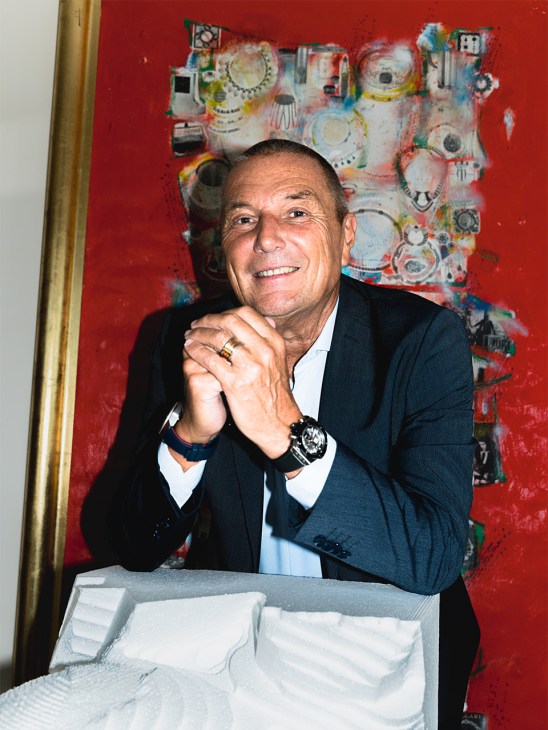
In 1884 a Greek silversmith named Sotirios Voulgaris – or Sotirio Bulgari in Italian – opened the doors to his eponymous boutique on Rome’s Via Sistina. Today, Bulgari is synonymous with the sprezzatura of the Italian capital. With the brand’s legacy secure, its CEO, Jean-Christophe Babin, is focused on safeguarding its future.
Always dressed in a sharp suit, Babin has been reimagining Bulgari not merely as a luxury house but as a custodian of Italian expertise and craft. In April 2025 he cut the ribbon on the brand’s new factory extension in Valenza, a town 600km north of Rome, in Italy’s Piedmont region, and a centre of jewellery making since the late 18th century. The site is the largest single-brand jewellery manufacturing facility in the world. It will allow Bulgari, part of the LVMH group, to double its production capacity by 2029 and to accommodate more than 1,600 employees here within the next four years. It’s a rapid expansion, even for a sector that is as resilient as fine jewellery and watches. According to Babin, who also became the CEO of LVMH Watches in March, this growth stems partly from the label’s steady momentum in the US, its resilience in China despite regional slowdowns and its appeal to a “nomadic” luxury clientele eager to trust in heritage brands.
Alongside the expanded factory, Babin also inaugurated the Scuola Bulgari in September – the house’s first foray into artisanal education. Open to the public, its courses were developed in partnership with the renowned Campanian Tarì Design School.
In one of Bulgari’s most pivotal years, Monocle takes a tour of the new wing of the Valenza factory and sits down with Babin to discuss the importance of investing in Italy – and in yourself.
Why is it so important that Bulgari jewellery is made in Italy from start to finish?
For us, it’s a strong statement about our commitment to being proactive Italian citizens. This country has managed to become the largest exporter of jewellery worldwide, which is amazing for a country of just 59 million people. We want to continue to be a major contributor to the commercial balance. If jobs are created here, they’ll generate tax revenue, which will be good for the country, and the benefits will go to the national trade balance. We don’t want to produce outside of Italy and won’t compromise or choose the easy way, which would be to create factories in different places. We are proud to be Italian and consider ourselves to be a flagship of the country’s excellence. If you think about Italy’s biggest luxury companies, alongside Ferrari, we are one of the most emblematic brands. It’s very important that this shows not only in our products and communications but in our manufacturing excellence and artisanship too.
What inspired your decision to invest in your new factory?
When we opened the original Valenza factory in 2017, we thought that the space would sustain our growth and support our development until early 2030. Immediately after the coronavirus pandemic, however, we realised that we were already at capacity. So we decided to expand radically, going from 14,000 sq m to 33,000 sq m. Today, in Valenza alone, we estimate that about 6,000 people work for the jewellery sector and of those, 1,100 are already employed by Bulgari, while more than 1,000 work for us via third-party companies.
What has been the response so far to Scuola Bulgari?
Education is not just a responsibility but an investment in the future of our craft. Luxury is rooted in excellence and savoirfaire, and those values must be nurtured and passed on. This is why we created the Scuola Bulgari and the response so far has been incredibly positive, from both within the industry and among young professionals who are eager to learn.
Jewellery and watches remain among the few luxury categories that have resisted the global luxury slowdown. What makes these pieces such good investments, even during a crisis?
Jewellery is the oldest luxury of humans. For about 150,000 years, it has always been associated with special moments or turning points in life. That means, unlike fashion, it’s an occasional purchase but is very much charged with lasting emotions. It’s also made from precious materials, whether metals such as gold or platinum, or gems that never lose value over time. Because they are in limited stock on the planet, when you buy fine or high jewellery, you cannot be wrong. It’s not a silly or speculative purchase. It might be hedonistic or pleasurable, because you can wear it and enjoy it, but financially it’s also a defensive investment. You never know whether a piece will appreciate by 50 per cent or 30 per cent but I say “defensive” because it certainly won’t fall to zero. I bought some shares in Moderna during the coronavirus pandemic and they have plummeted. That will never. happen with my ring or my watch.
What influence does heritage play in attracting luxury clients? In the case of Bulgari, is Rome always a central part of your story?
Rome really is one of the key elements at the heart of Bulgari, whether in the city’s artistic and architectural inspiration, which is reflected in every product that we craft, or in the spirit of the brand and the concept of the dolce vita – the sense of hospitality and warmth that we hope people get to experience in every Bulgari hotel. Whether you are in Milan, Beijing or Bali, we want you to somehow feel as though you were in Italy and have an Italian experience.
What comes next after such a key year for Bulgari?
We will continue to focus on our products and on deepening our connections with our clients through physical and digital experiences. While the global landscape remains complex, I’m confident in the resilience of the luxury sector. What defines true luxury is its ability to inspire and endure. By staying true to our values, Bulgari, and the industry as a whole, can thrive, even in times of uncertainty.
Layering winter fashion: Luxe pairings of leather, suede and wool
Pair darker, wintry shades with rich textures such as leather, suede and sumptuous wool for a layered and luxurious look.
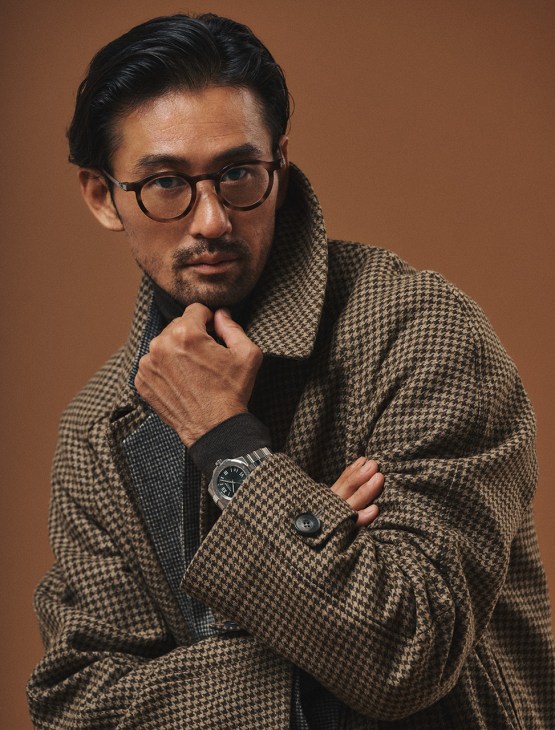
Chopard, glasses by Lindberg
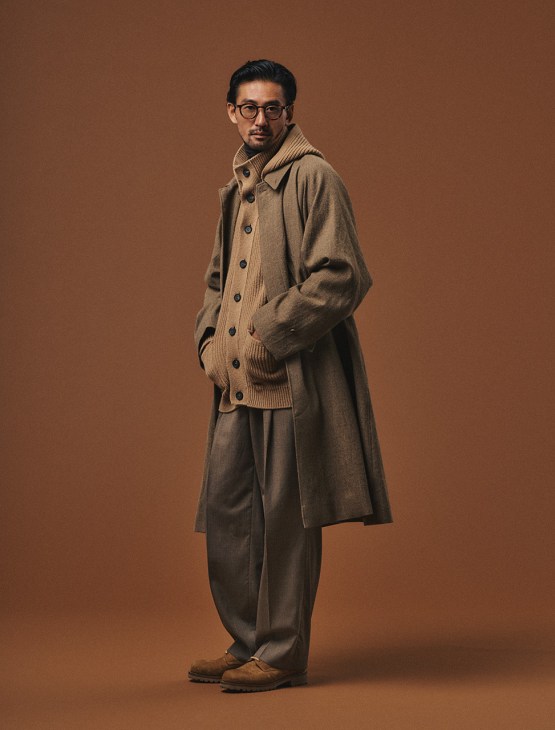
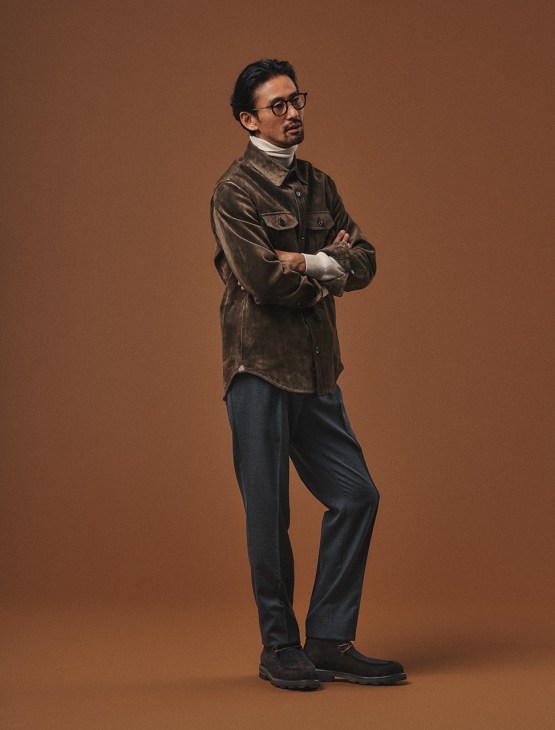
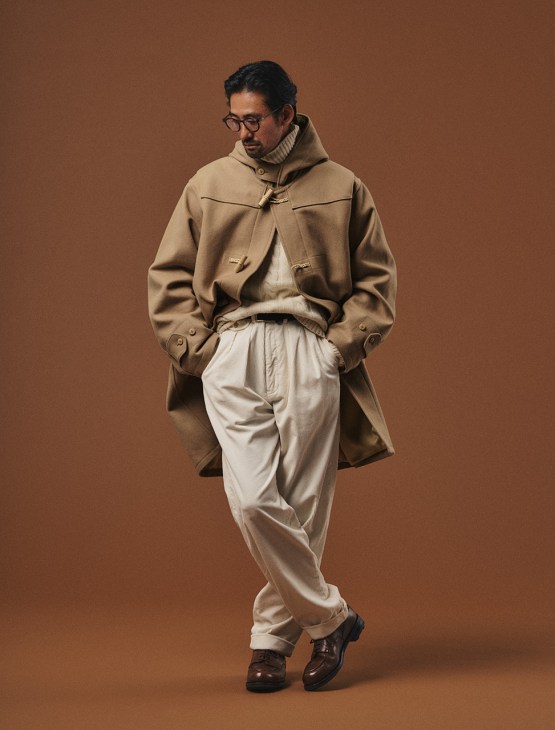
Lauren, shoes by JM Weston, glasses by Lindberg, belt by Athison
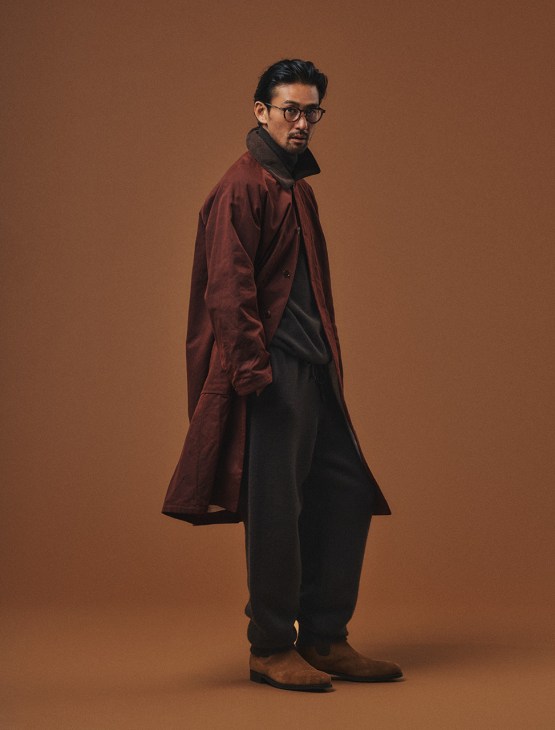
Batoner, boots by JM Weston, glasses by Lindberg
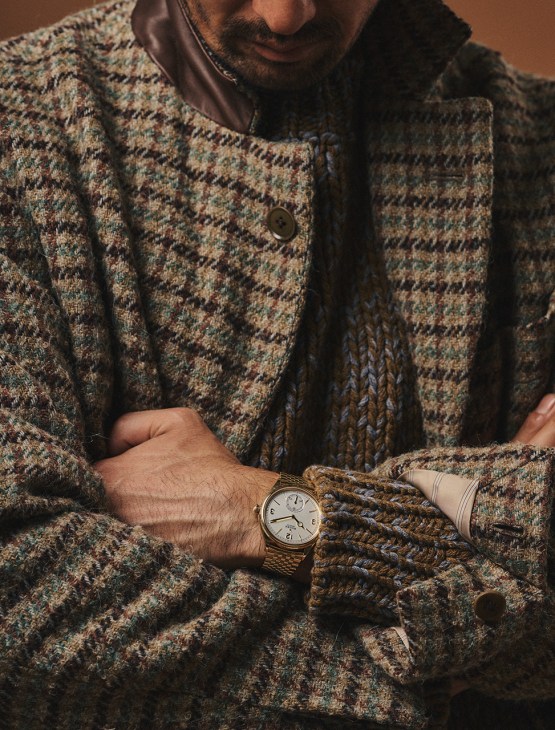
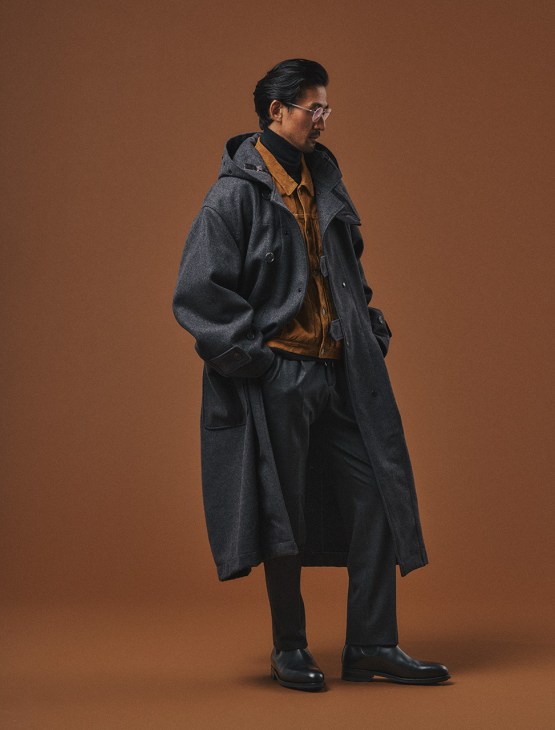
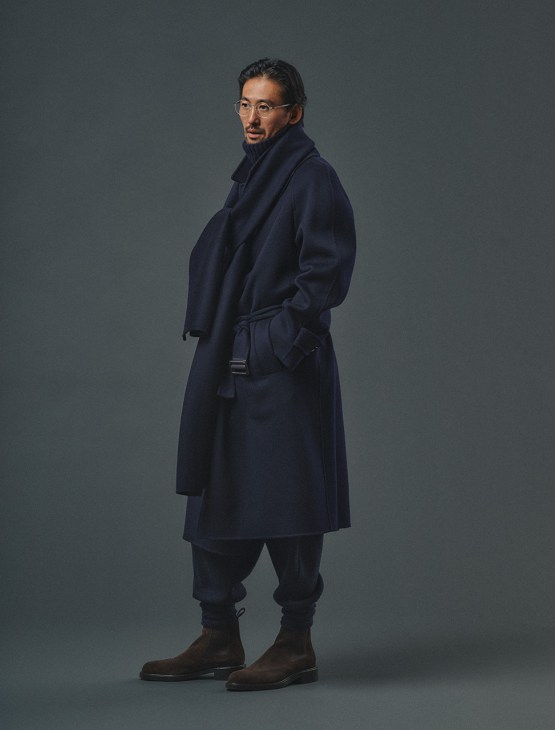
Piana, glasses by Lindberg
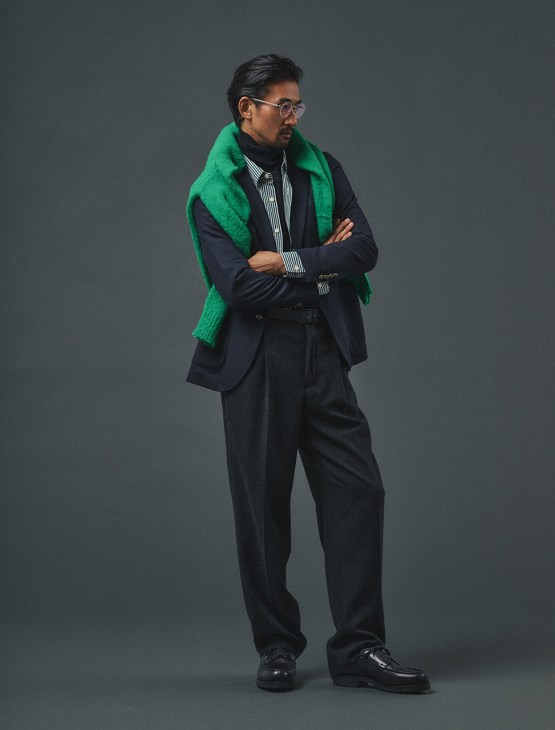
jumper by Uniqlo, trousers by Kaptain Sunshine, shoes by JM Weston, glasses by Lindberg, belt by Hermès
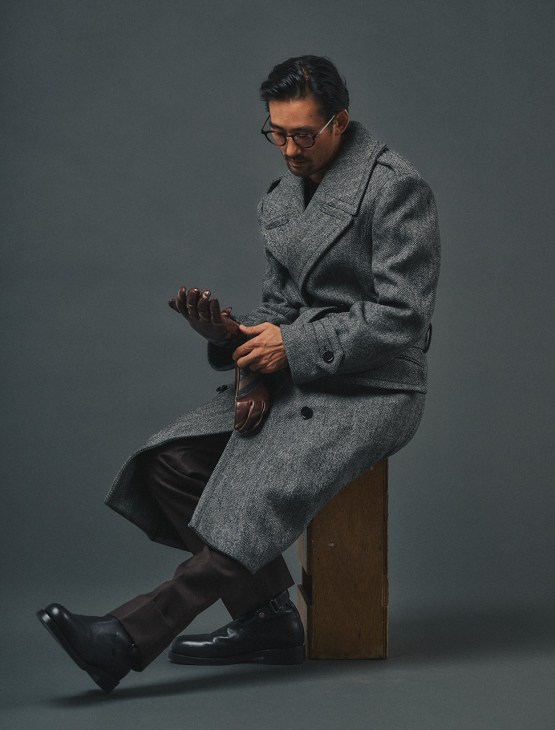
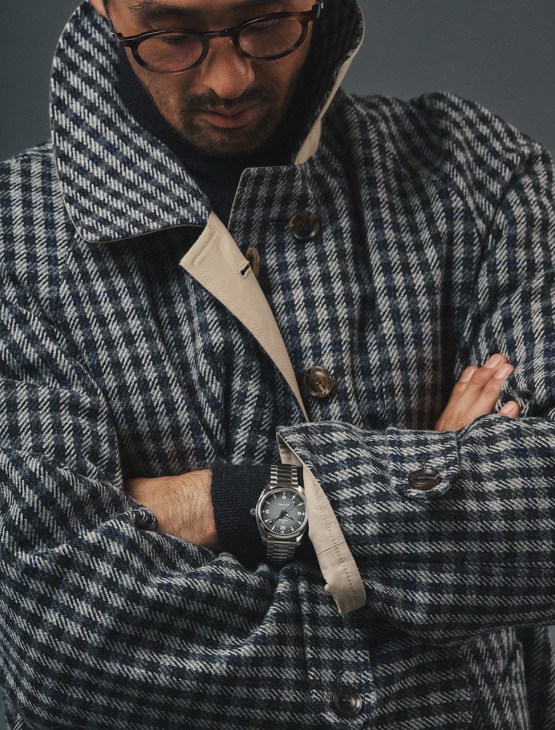
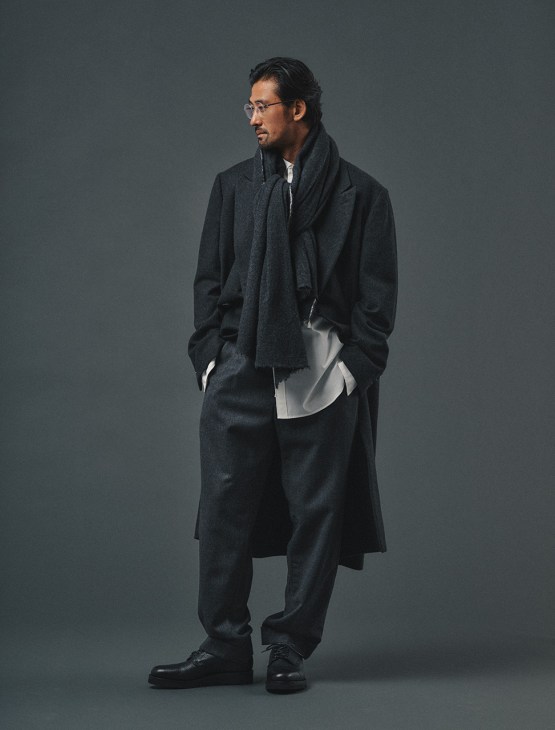
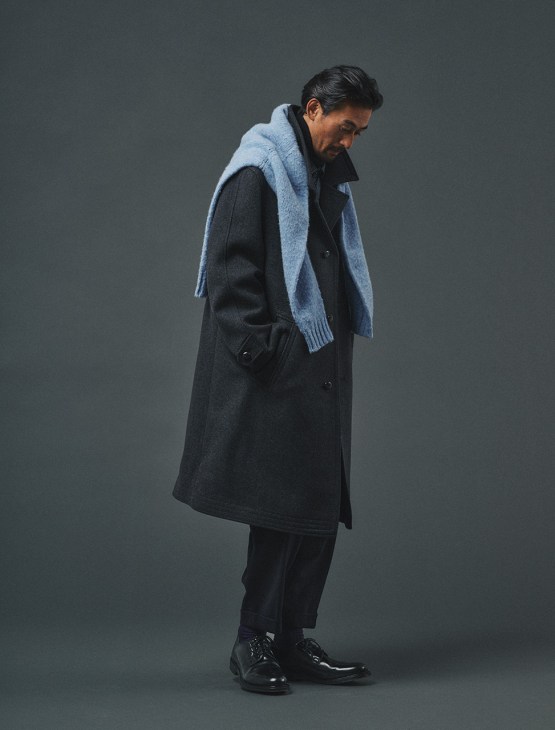
Aspesi, rollneck jumper by Uniqlo, socks by Tabio, shoes by Church’s
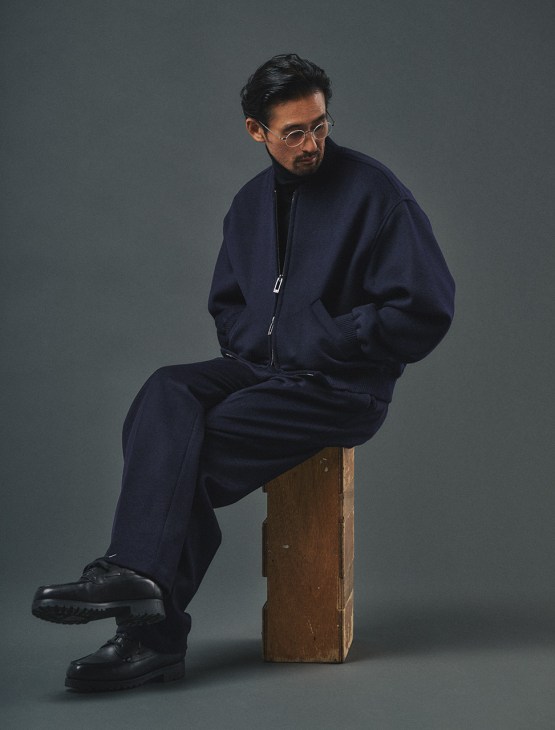
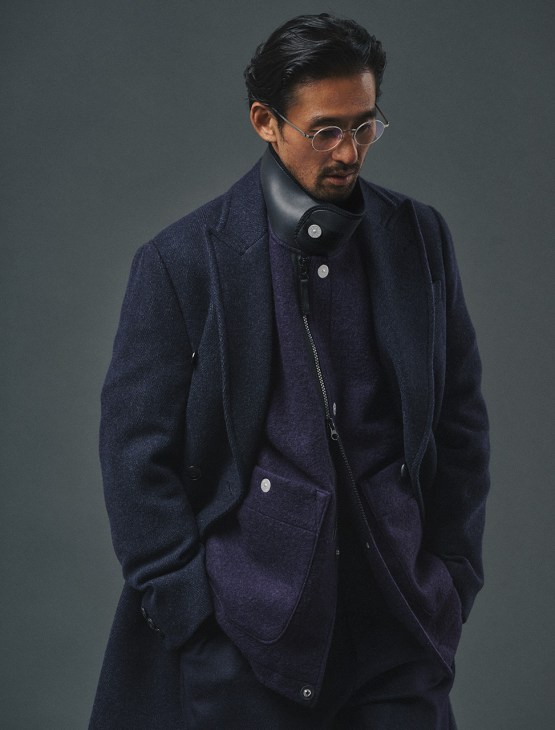
Marina, glasses by Lindberg
Stylist: Akio Hasegawa
Photography: Seishi Shirakawa
Model: Ikken Yamamoto
Grooming: Kenichi Yaguchi
Producer: Ryo Komuta (Rhino Inc)