Issues
Perfect combinations
Maison Delano
Paris
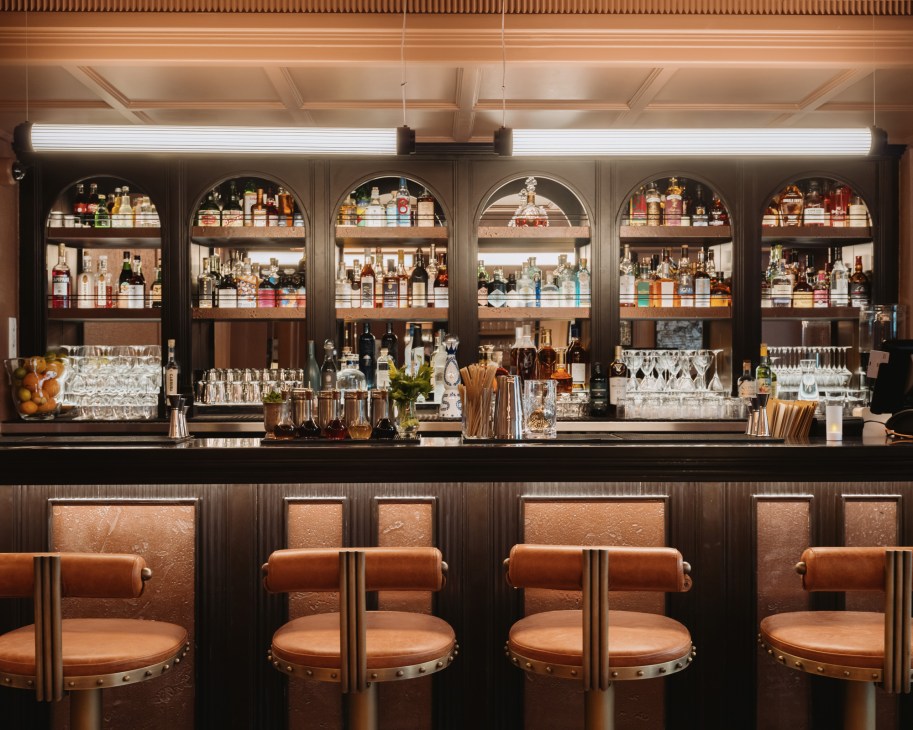
Bar Manager Kevin Eteo Mba is busy fine-tuning one of Maison Delano’s signature cocktails. Combining Anaë gin, verjuice, ruby port and Jerez manzanilla with flower mead from Mont-Saint-Michel, ginger syrup, a spray of Currach whiskey and spirulina, he works deftly before placing a tumbler on the black granite bar. “That’s the Delano mule,” he says. It’s a reinterpretation of the classic US east coast cocktail, in a nod to the original Delano hotel in Miami, which has been closed since 2020. Launched by Ian Schrager in 1995, the Philippe Starck-designed beach club was known for its whitewashed palette and Blue Door restaurant beloved by A-listers.
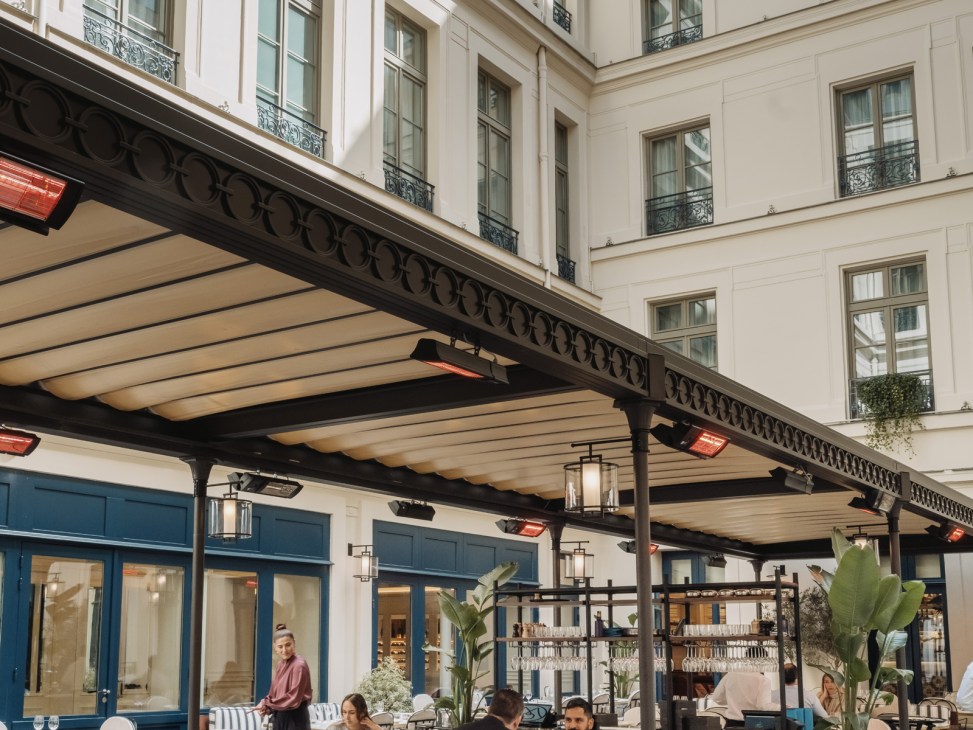
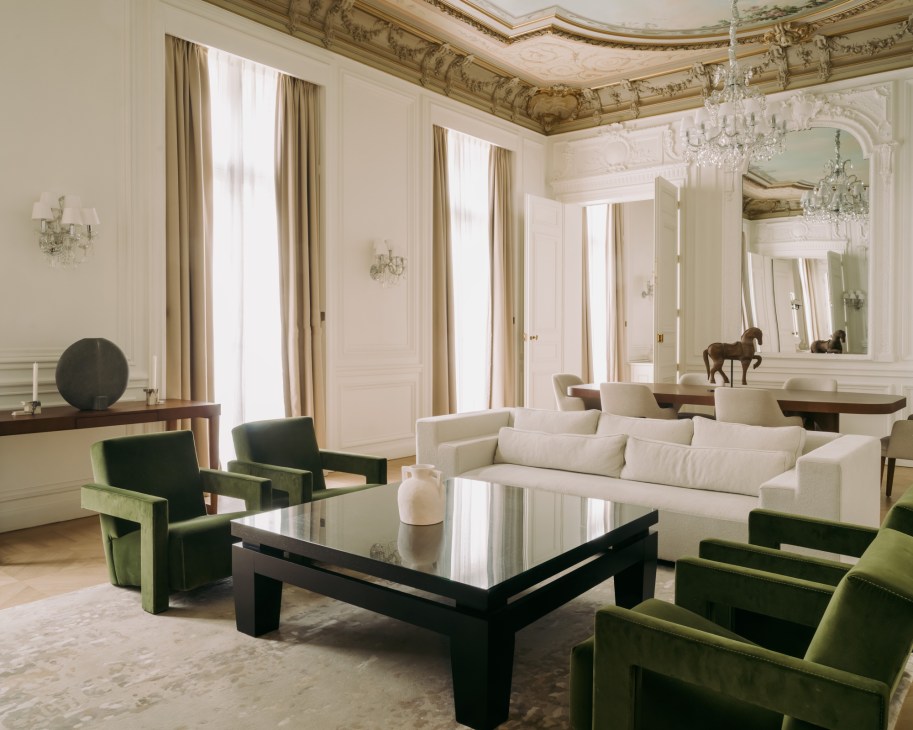
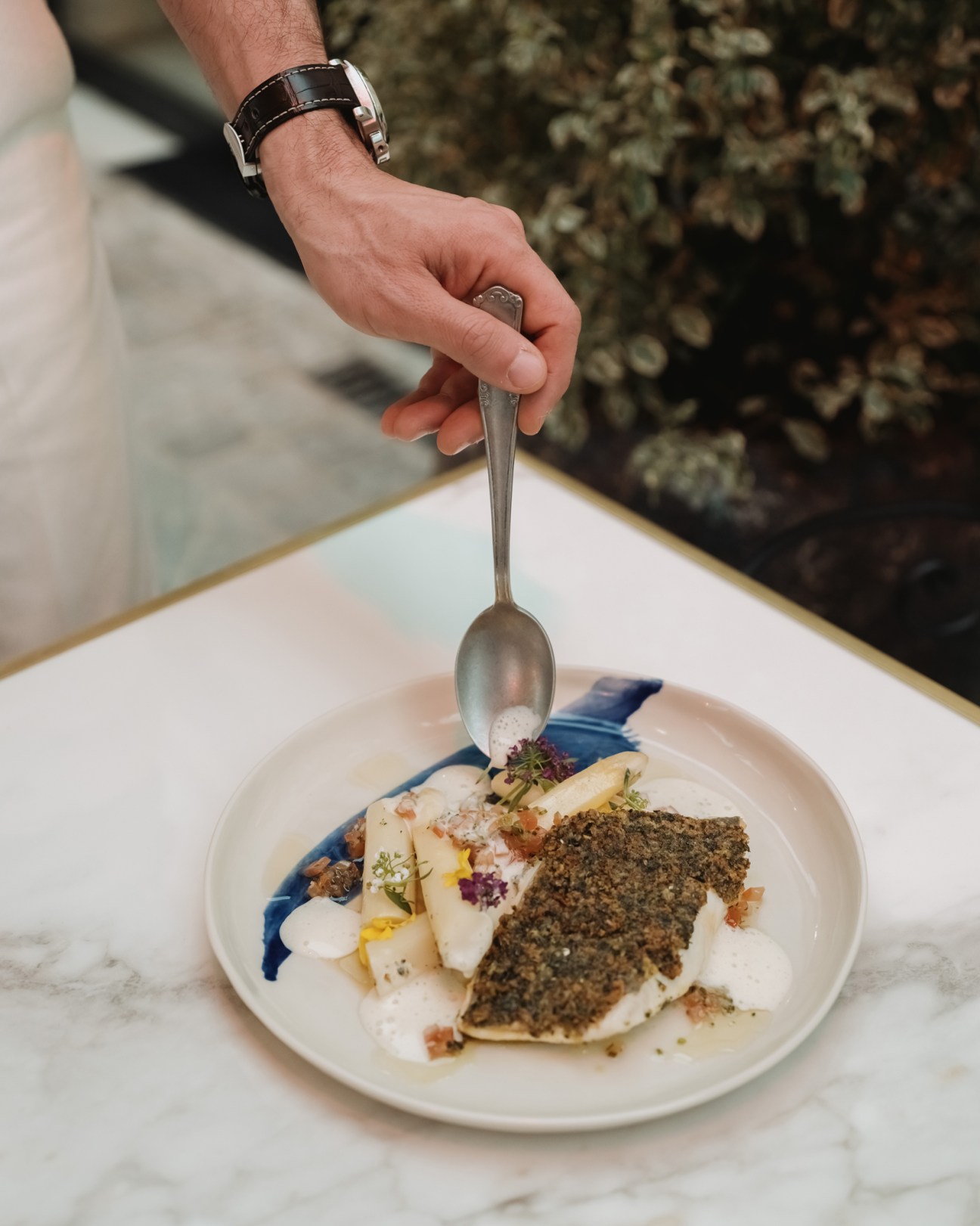
Maison Delano in Paris, a new collaboration between Katara Hospitality and Ennismore (a joint venture with Accor), is far from a carbon copy of the original. The hotel is in a 1734 mansion with all the trimmings: think gilded mirrors, marble fireplaces and ornate frescoes. The 56 guest rooms and suites were designed by Lázaro Rosa-Violán, with views over the interior courtyard or across Rue d’Anjou, on the corner of Rue du Faubourg Saint-Honoré. In Dani García’s La Chambre Bleue restaurant, diners can enjoy a paella with a French twist; there’s a cobblestoned courtyard trimmed with awnings and blue touches across the banquettes, window frames and kitchen tiles, including a fresco by ceramics-maker Art Antic L’Alcora in the kitchen.
In the bar, Eteo preps for the night ahead. “I fell in love with the French art de vivre,” he says. This hotel might have Floridian roots and a Spanish-inspired menu but there’s no mistaking its French flair for bringing together ingredients with a certain je ne sais quoi.
maisondelanoparis.com
8 Holland Street Townhouse
Bath
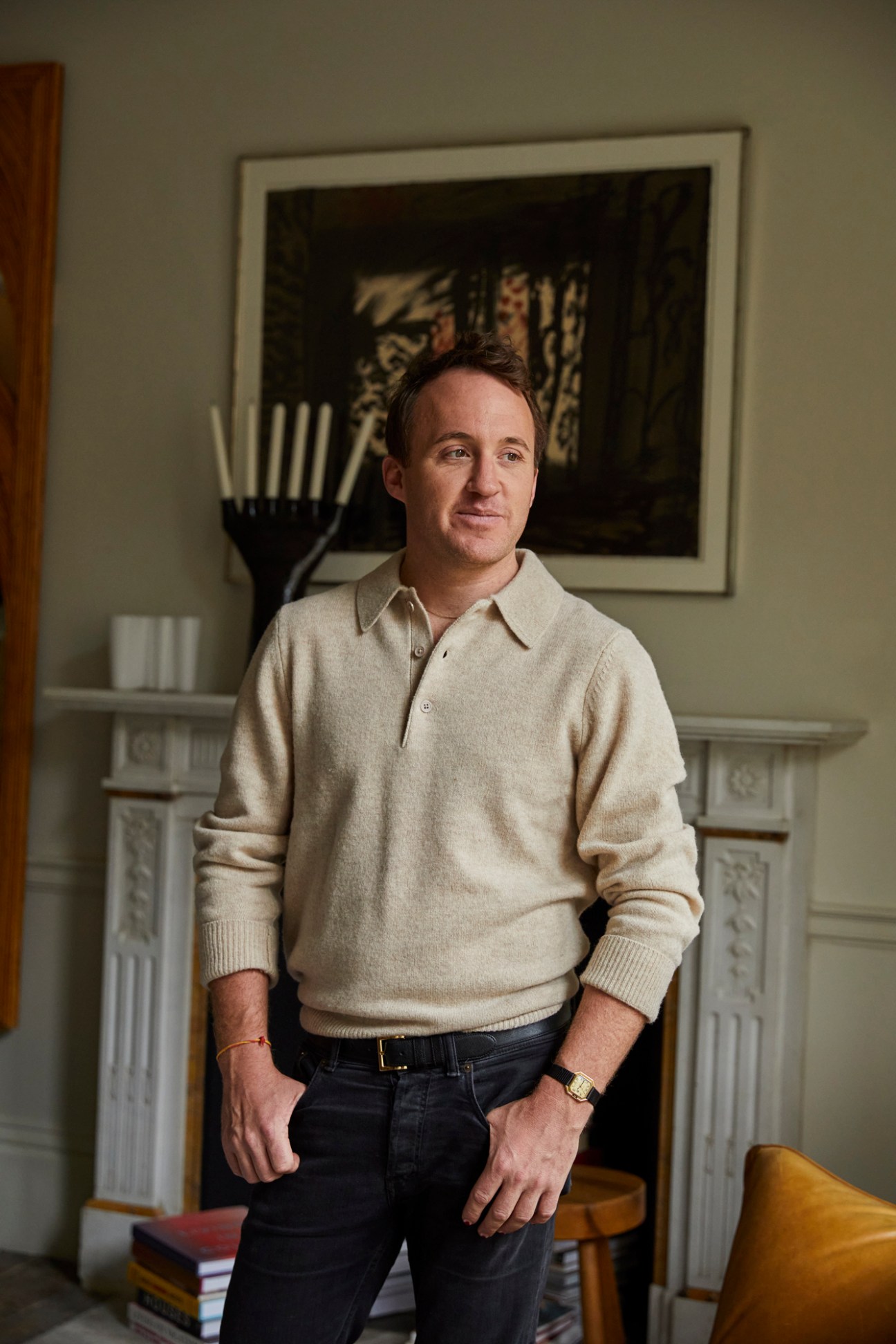
When deciding on a colour scheme for his new guesthouse in Bath, curator and collector Tobias Vernon referenced the pastel hues of neoclassical architect and designer Robert Adam. The hallway and main staircase of this spacious Georgian property are decked out in welcoming shades of pink, blue and green. In its feel and function, the project forms a pleasing extension to Vernon’s quirky gallery-cum-shops 8 Holland Street in London and Bath.
The guesthouse sits above the Bath gallery and is packed with design objects, from a decorative Eames whale to a green Vico Magistretti chair and a vintage Mario Bellini leather sofa. Almost everything is for sale, which means that the interiors will change as pieces come and go.
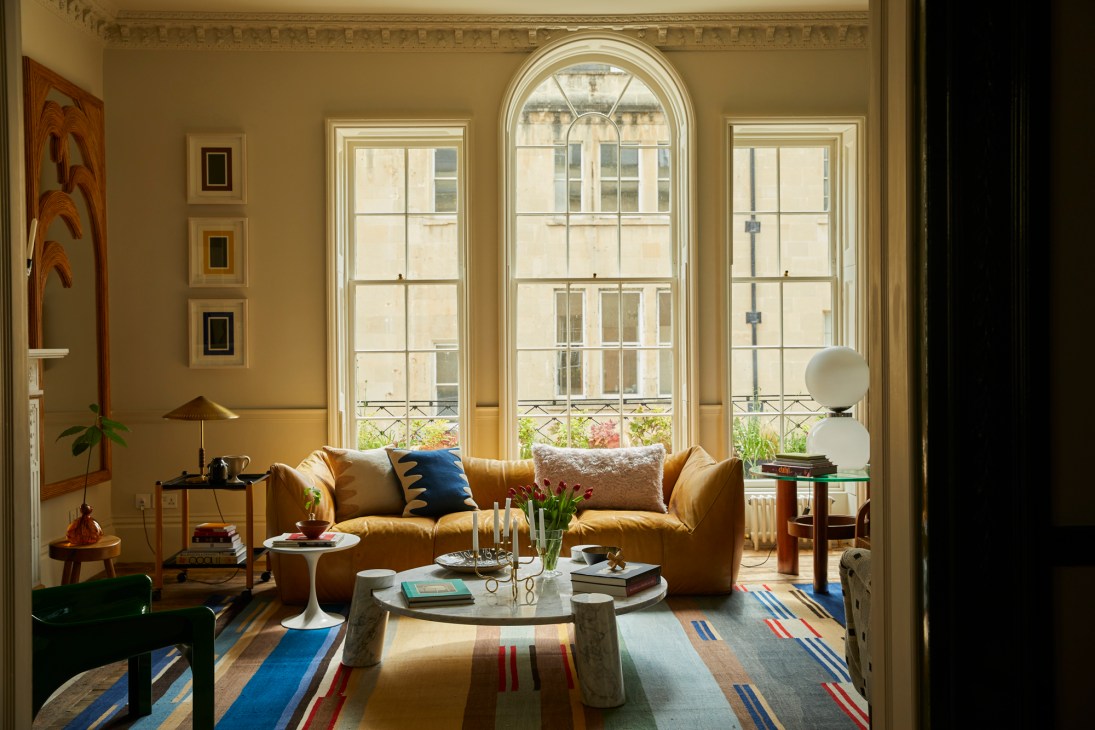
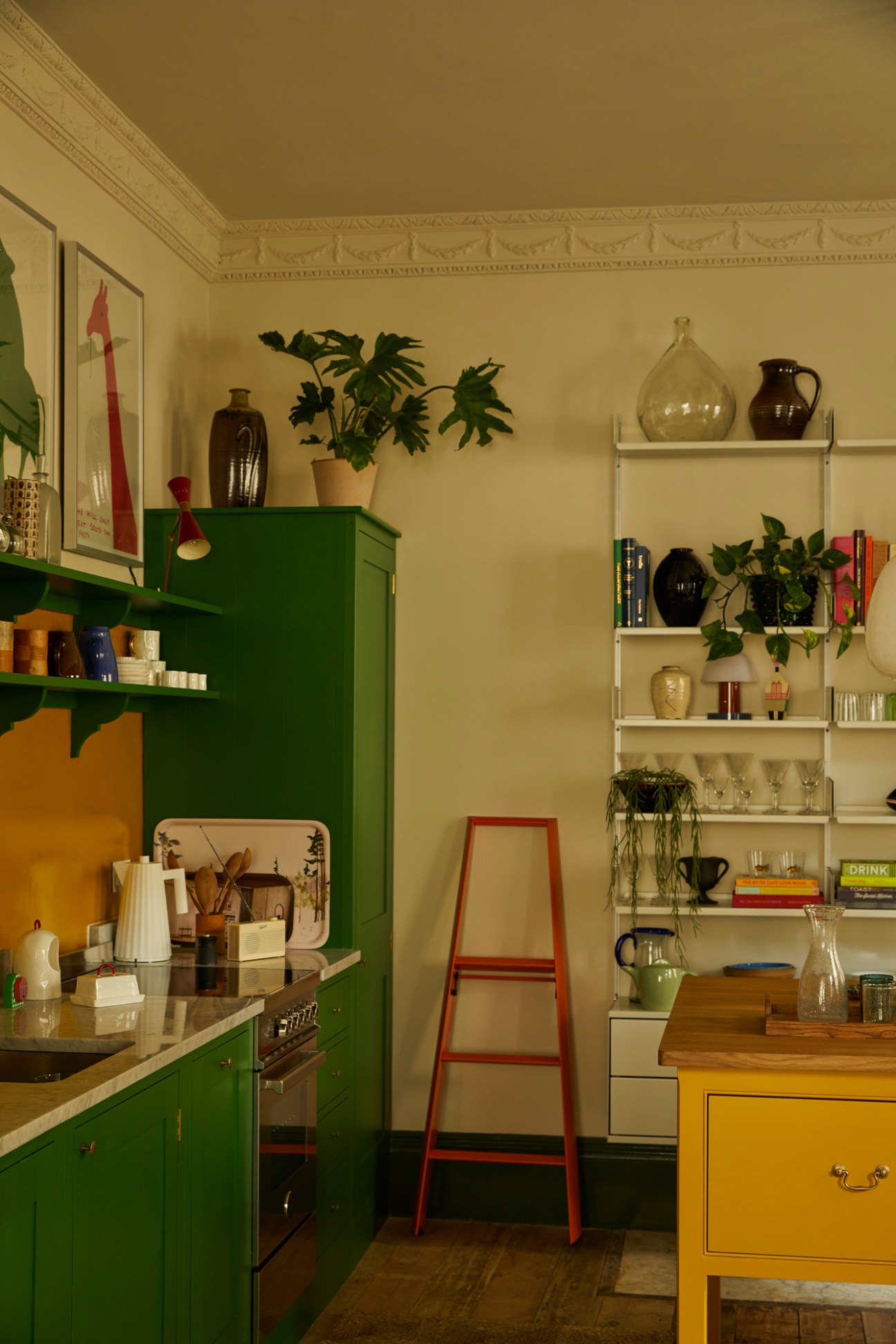
There are three comfortably appointed bedrooms, a large drawing room and a big kitchen that reveal Vernon’s passion for melding colours, patterns and surfaces in unexpected ways. “There’s a balance of different materials and textures here,” he says. “There’s a lot of metal and glass but there are also wood and rustic pieces, and then something lacquered and some fibreglass. I like to think about these juxtapositions.”
In May, 8 Holland Street launched a second London venue, a gallery, exhibition space and design studio overlooking St James’s Park. “It’s hugely exciting,” says Vernon. We hope to continue the townhouse concept in the capital too. It’s all go.”
8hollandstreet.com
Phoenix rising Global
Villa Inkognito
Oslo
A cheerful hum fills the air as Monocle visits Villa Inkognito on a bright spring morning. A few days before the official opening, almost every room of this former private residence from 1870 is being tended by people tweaking light fixtures, adjusting tapestries or perfecting bowls of pomegranates.
The property sits next to Sommerro, the spectacular 231-room hotel that opened last year in the art deco former HQ of Norway’s state energy company in Oslo’s West End. By contrast, Inkognito’s 11 rooms, run by the same team, are places for relaxation and privacy.
Built by architect Thøger Binneballe as an office, the building hosted the Algerian embassy from 1980. As the hotel’s name suggests, it is supposed to feel mysterious and there is indeed an atmosphere of delightful discretion here – it’s part fairy tale, part Orient Express.
The supervisor, (dubbed the lady of the house) Deborah Wigardt, guides Monocle past interiors that are a mix of classic Norwegian, art nouveau with hints of arts and crafts, and a bit of Japonisme, all rooted in the history of the building, which was brought to life by interior design company GrecoDeco.
Start your day by ordering eggs benedict and coffee in the cosy open kitchen (Sommerro will provide chefs on request), then catch up on the news in the blue snug before working up a sweat in the private gym. An evening at one of the seven eateries at Sommerro follows, which you can enter via a direct – and characteristically discreet – passageway that links the two buildings.
This passageway is also handy if you would like to swim in Sommerro’s wellness area, Vestkantbadet, which features a spectacular restored walrus mosaic by Per Krohg. Back at Villa Inkognito, have a cheeky nightcap in the Lily Pad room or indulge your curiosity in the Poppy Library (books are on loan from the National Museum library) before you curl up in the comfort of your bed.
Landscape art
Artist Rosie Mennem’s hand-painted and botanically inspired work is on show throughout the villa. Mennem also took cues from Norwegian landscapes to create bespoke decorative pieces that appear across the hotel’s cabinets and woodwork.
sommerrohouse.com
To get a sense of the overwhelming scale of Tokyo, it always pays to view it from above. And where better to see the city’s magical jumble than from the new Bulgari Hotel Tokyo, an amber-hued oasis that occupies the top five floors of the city’s latest skyscraper, Tokyo Midtown Yaesu. With its basement walkway to Tokyo Station, busy shopping and office floors, and even an elementary school, this new development is a microcosm of modern Tokyo. For Milan-based architectural studio Antonio Citterio Patricia Viel (ACPV), responsible for the design of all eight of Bulgari’s hotels, it was an irresistible proposition.
Bulgari Hotel
Tokyo
“We liked that the project maintained the complexity of the old neighbourhood,” says Patricia Viel. “To build a liveable place, you need a mixture of real life and aspirational life.” If the school provides the reality, the hotel brings the aspiration and more than a touch of Roman glamour. Doors slide open, the Bulgari scent wafts through the air and black-and-white photos of film stars at Bulgari’s Via Condotti shop adorn the walls. Jewels appear in cases, including a signature diamond-studded Serpenti watch and a jewelled brooch made in 1972 that boasts an image of Mount Fuji.
The hotel’s colour palette is all warm caramels, rich saffrons and deep browns – a deliberate contrast to the concrete world outside. “The colours in Japan are always a little dusty, very sophisticated,” says Viel. “Tokyo is a very medium-grey kind of environment, which I like very much, but we thought we’d bring some colour into this picture.” There’s Italian travertine, Japanese wood, custom Italian mosaics and handblown Murano lights. And, everywhere, those Tokyo vistas.
Design cues are drawn from Japan and from Bulgari’s own story, which started when Greek silversmith Sotirio Bulgari opened a shop in Rome in 1884. The elm wood lobby portals echo the entrance of Bulgari’s Via Condotti flagship as well as the bell-shaped windows of a Japanese Zen temple. Bulgari’s classic fan-shaped “Diva” motif, inspired by the ancient Roman baths of Caracalla, looks like a traditional Japanese pattern when repeated here on mosaics and silk walls.
Dar Zefta
Lebanon
The hotel has 98 rooms, some with views of the Rainbow Bridge and Tokyo Skytree, others overlooking the central station and the Imperial Palace beyond. There’s a 416 sq m suite with its own kitchen and gym, artworks, and a headboard by 17th-century Kyoto textile-maker Hosoo. The spa has nine treatment rooms, steam, sauna and hot baths, and a gym put together by London trainer Lee Mullins with an outdoor terrace. The 25-metre-long swimming pool, lined with emerald mosaic tiles, is big enough for proper lengths but has cabanas for snoozing poolside too.
bulgarihotels.com
After spending his childhood in the gardens of his great-grandfather’s mansion, Bahjat el-Darwiche was determined to preserve it for the next generation. Sadly, in 2014, a devastating fire swept the family home in the southern Lebanese village of Zefta and destroyed the roof along with everything inside.
Walking through the ashes, says Bahjat, was “painful”. “But my thinking was: no matter what, I’m going to rebuild it better than it was,” he says. “I want my father to see the house that he fought so hard to protect standing tall again.”
The rebuild came together with the help of architect Simone Kosremelli of the American University of Beirut. “My great-grandfather was avant garde,” says Bahjat. “So I decided to do the same, to build for the next 100 years and preserve the spirit of the house while increasing its comfort for living.” Kosremelli incorporated new features such as skylights and wooden beams throughout, and extended the house to create seven spacious new rooms around the cobbled courtyard.
“People thought we were crazy investing so much at a time when the country is going down and running costs are going up,” says Bahjat. “We decided not to leave after the disasters here. Many people have decided that their children have no future in this country. We’re trying to swim against the tide, set the highest standards of service and inspire hope.”
The process took six years, much of it spent sourcing furnishings. Just one armoire survived the fire – the rest of the appointments are a love letter to Levantine design across the decades: sweeping art deco mirrors sit alongside Damascene bureaux with mosaic woodwork and inlaid mother-of-pearl; carpets from Istanbul’s Grand Bazaar coat the stone floors; and Parisian auction rooms supplied finishing touches, such as two Jean Royère Yo-Yo armchairs. A pair of chandeliers by Italian designer Gio Ponti dominate the dining room – after falling in love with the first, it took Bahjat years to find its partner.
“We don’t promote; it’s all word of mouth,” says Ghada Darwiche, Dar Zefta’s guest liaison and Bahjat’s wife. She takes the bookings, discussing menus and plans for the stay. But not all guests are right for the house and she’s selective about bookings. “We’re not a hotel; people who come here want to connect with the house, with its history, with us. It’s a special environment.”
Guests range from Lebanese visitors seeking to escape the buzz of the city to diplomats exploring further afield than the capital, while architects, designers, artists and musicians are regular visitors, attracted by the architecture and decor. The couple use the garden for pop-up exhibitions – Bahjat has many canvases stashed around the house by up-and- coming Lebanese artists who he supports.
Lebanon’s south is best known as the home of the militant group Hezbollah and the site of multiple wars fought against Israel. Bahjat wants to show the gentler side of the area, whose meadows, orchards and rolling hills foster a sense of timeless relaxation. “For many of our guests, it’s their first time in the south. This is a way of giving back. With a project like this, we can provide local employment to inspire new ideas.”
“The house isn’t totally finished,” says Ghada, sipping green tea as the afternoon light filters through leaves of the apricot tree overhead. “Because, as people come, they will bring their stories with them and build memories here, and that will become part of the fabric of the house. It will keep growing with every new visitor.”
darzefta.com
It takes a village
Lebanese dining is always special but at Dar Zefta, it’s unforgettable. Averse to the impersonality of buffets, meals here reflect the warmth of Levantine hospitality. Lunches and dinners feature everything from silky kibbeh nayyeh and spiced Levantine lamb tartare to maqluba, melt-in-the-mouth aubergine, roasted tomatoes, courgettes, chicken and crunchy potatoes, all spilling over mounds of stock-rich rice. Every ingredient comes from the house’s orchards or the nearby merchants that Dar Zefta has called upon for generations. The secret? Zainab, the chef, a mother of four from the nearby village.
Above the salt
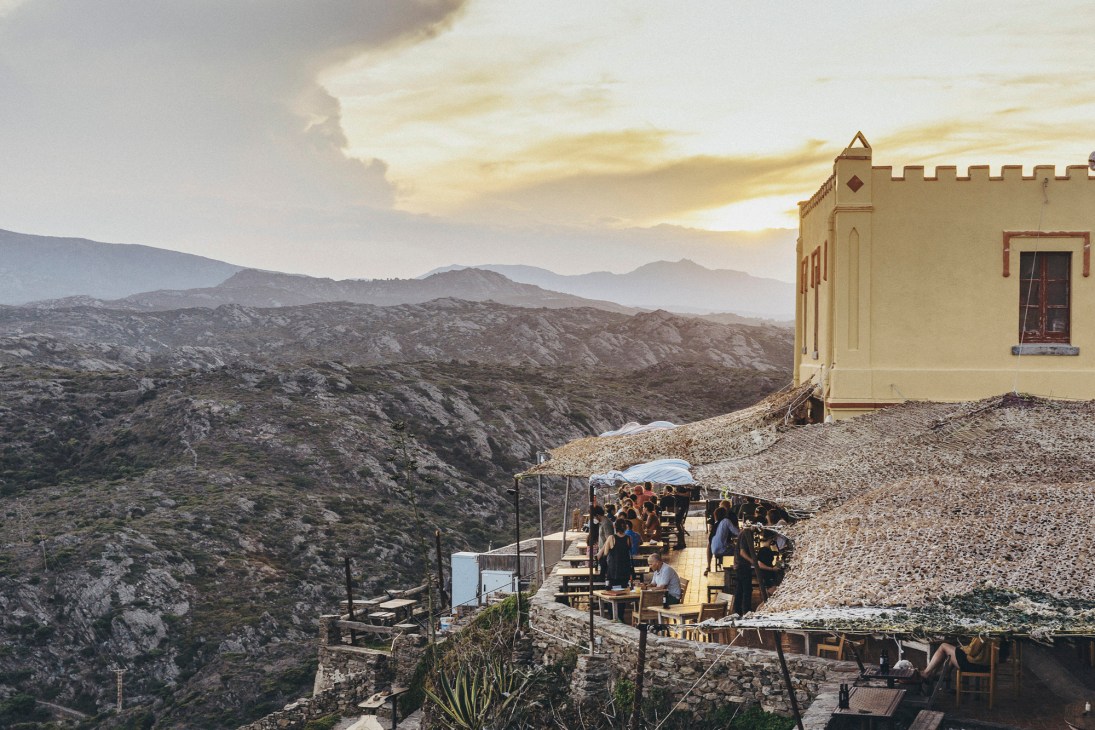
The Cap de Creus peninsula juts out from the coast of Catalonia into the Mediterranean. Its jagged shoreline has proven treacherous to many a ship. But on the terrace of Restaurant Cap de Creus, near the town of Cadaqués, you can think of happier things. And this image summons something that always makes our day: allowing time to idle by in the heat of a European summer. If it all feels too good to walk away from, well, they rent out apartments too.
Ibiza’s expat growers are sowing a more sustainable future
Though more readily associated with clubbing than growing crops, the Balearic island of Ibiza is experiencing an exponential growth in small-scale agricultural activity, the seeds of which are mainly being sown by expats disillusioned with the corporate grind and wasteful lifestyle of mainland Europe and beyond. These new smallholders are investing their time and money in sustainable and biodynamic practices, typically influenced by age-old, organic and collaborative concepts. Monocle crisscrosses the White Island to visit these innovative farms and meet the growers whose fertile imaginations could offer solutions for how food is produced and consumed across the world at large.
There’s a seductive, mythological side to Ibiza. Readily embraced, earnestly retold, many of the stories have a self-fulfilling sparkle to them. The multitudes gathered to gaze at the rocky islet of Es Vedrà, for example, say that it’s magnetic. Another much-loved maxim claims that Ibiza accepts or rejects people according to their intentions, while others quote the probably apocryphal line from Nostradamus: “Ibiza will be the final refuge on Earth.” Indeed, every time the world seems to teeter on the brink, the island welcomes waves of second-lifers seeking a fresh start. Lately the seeds of change are coming from a resurgent interest in agriculture, uniting people from all walks of life around a more balanced future.
The aforementioned folklore doesn’t seem to be on the minds of the workers assembled for the morning meeting at Ibiza’s largest certified-organic farm, Terra Masia. It’s 07.45 and the sun is drenching the 56-hectare property in a golden hue. Folded over the island’s northeastern plain, wisps of dissipating mist are giving way to the scent of orange blossom in the early morning air.
Ticking through the order of the day is head farmer Philipp Gandler, a young, mild-mannered Austrian who moved to Ibiza in 2017. Twenty faces – mainly European, some hailing from Ukraine, another from Africa – sip coffee, exchange playful banter and listen to the morning laundry list before hopping off for an honest day’s work. “I was fed up,” says Gandler, of his past life working in a Michelin-starred kitchen and as a private chef for a princess. “There was so much waste.” Seeking a more sustainable lifestyle is a common island concern. Visionary farming projects like this one have become the locus for talking about – and toiling for – real systemic change.
Talking us through his 18-month journey to enrich the farm’s soil using terra preta, fertile anthropogenic soil found in the Amazon basin, there’s a glint in Gandler’s eye. “Since we switched to biodynamic, it’s almost as though the animals know,” he says, highlighting a tenfold increase in rabbits and birds nibbling and pecking at the crops. “Avoiding pesticides and using untreated seeds makes our daily battles harder but we’re determined to prove that this farming model is the future.”
Supported by Dutch investors and a Scottish DJ, Terra Masia’s harvest – taken from 3,000 fruit trees, countless vegetable plots and greenhouses – is sold to island restaurants. Eco-conscious islanders can visit too. A wooden market stall sells vegetable boxes with aromatic bundles of rosemary, white sage and bay leaves. Terra Masia also offers seasonal farm tastings that enable more people to get a taste, smell and sight of farm life in the warmer months.
Returning from her morning check of Terra Masia’s 10 hives, resident beekeeper Amandine Massot seems worried. The bees, she says, are getting more aggressive but no one knows why. Massot relocated from France in 2020. “There’s more space here,” she says. “Ibiza feels far away yet still connected. Nearly everyone comes from abroad. We bond over wanting something better.” With 50,000 perturbed bees per hive, workplace discord still appears be a live issue, however.
Leaving the unsolved mystery of the belligerent bees behind, we travel northwest to Terra Viva, another farm with a big vision – and plenty of happy hens. Co-founder Andrea Abad has just waved goodbye to a group of schoolchildren learning how to make flower bombs – an innocuous germination technique that consists of seeds rolled into balls of clay, championed by late Japanese natural farmer and philosopher Masanobu Fukuoka.
An energetic 34-year-old from Barcelona, Abad once worked in marketing for an oil company. “Every time I sent an email, I felt like part of my soul died,” she says. It was a talk by activist Satish Kumar in London that prompted her to resign and foray into permaculture. Terra Viva’s focus is syntropic farming, which mimics the complexity of a forest. “We want to prove within five years that we can grow without external inputs such as water, fertilisers or pesticide, nourishing the soil with just tree clippings,” says Abad. The farm’s 20 hectares were secured as a part of the Association of Organic Farmers of Ibiza’s land bank. The founders – an Israeli film producer, an Italian documentary-maker, an American offering new-age palliative care, a Colombian farmer and Abad – signed a 25-year lease for just €1,500 a year. “When I pitched the project to investors, I went all in,” says Abad. “I asked them, ‘Are we going to be regenerating systems and working practices too?’” As a result, everyone, including the chief farmer and landowner, were made equal partners. Turning her professional communication skills to a cause she truly believes in, Abad has built friendly alliances with Ibicenco farmers for training and knowledge sharing. There are plans for Terra Viva to become a centre for EU certification for regenerative farming practices too.
In an example of how the farm improves on standard industry practices, Terra Viva’s nifty moveable chicken tractors (like coops on wheels) ensure that the birds have access to fresh food and pasture, and are protected by several Pyrenean mastiffs. Feeding off the land means that the farm’s 2,400 healthy chickens grow to three months with 21 per cent less saturated fat, triple the omega-3 and more vitamin A, K and D than standard hens, with no antibiotics or hormones. Judging by their serene mood, the birds might as well be at a clucking day spa.
When a neighbour complained about the taming of his once wild view, Abad responded with articles and videos to explain the vision. “One day he wrote back, ‘Now I understand. Empty land is dead land. I want to help.’” He’s now the project’s biggest financial backer. It shows that there’s a more wholesome side to the amount of capital pouring into Ibiza; a neighbours’ squabble can suddenly become a collaborative investment in the future.
Brokers turned bucolic warriors are becoming a bit of a trope in Ibiza. It’s the latest chapter of a long saga of wealth and wanderlust that has altered the relationship with the land. But Ibiza’s new farming movement, conscious and collaborative, feels like a course correction. Many of the generational farmers are welcoming this renewed interest. Traditionally, sons of farmers inherited fertile fields while daughters were relegated to less- precious allotments along the coast. Tourism turned the tide as demand for property with sea views brought newfound prosperity for the women, while men chased fortunes in hard-slog service industries such as taxi driving. This might have fed the folklore about the island’s divine feminine energy but the collective thirst for easy money also left much of Ibiza’s arable farmland abandoned.
In 2022, 3.4 million visitors passed through Ibiza (up 8.3 per cent from pre-pandemic levels). For a 570 sq km island with only 161,000 permanent residents, the trample of tourism often favours a myopic mindset. Island elders recall waterfalls pouring from the aquifer but today parts of the water table are sucked dry during the peak of summer. There’s more island mythology about this too, according to which Ibiza is a microcosm for how people treat the wider world.
Christian Jochnick is telling us his grand plan. Trailing a herd of 120 goats in the fields of a disused dairy farm, the Swedish lse graduate and former investment banker bought the property a year ago to be the epicentre of his Juntos Farm project. “What’s happening in Ibiza is unique,” he says, attributing the surge in nature-conscious investment to a wake-up call resulting from the pandemic.
Tipped to be a €40m development, Juntos Farm will combine the essence of a food market, co-op and what Jochnick calls “a regenerative theme park”. It has the ring of a boardroom pitch but the idea is about creating an experiential destination grounded by the spirit of sharing. There are plans to strengthen the island’s production capabilities by offering open-access facilities such as a transformation kitchen and processing plant, helping small-scale farmers to add value to their yields by producing oils and pickling and fermenting.
Over the past 20 years, Ibiza has lost 56 per cent of its agricultural land, Jochnick tells us, while only 2 per cent of food consumed here is grown locally. “We want to bring a sense of ceremony and celebration to the land with a focus on interconnectedness,” he says. Christian has recently been supporting an initiative that replaces diesel-powered tractors with mule- and horse-driven vehicles.
“I was living a perfect life in London but there was an emptiness,” he says, as we walk past a trio of women adding seedlings to the keyline crops. “Like many, I was asking myself, ‘What am I doing? Where am I going?’ ‘Juntos‘, which means ‘together’ in Spanish, is about responding to the modern malaise by offering greater purpose, connection and the promise of deeper relationships.”
Thinking about personal potential is a recurring theme in this Balearic idyll. Inside Elaine Groenestein’s canister-laden kitchen, a strong sense of playfulness is baked into the process too. “Telling people that I farm is a good way to avoid conversations about the stock market,” she says, laughing. “Ibiza made me redefine the meaning of career.” The Dutch-Tanzanian founder of Labritja Botanica, Groenestein transforms her own farm-grown chillies, herbs and berries into face oils, spicy salt, fruit preserves and wine. Living between Amsterdam and Ibiza, she juggles a clutch of passion projects as an angel investor and art curator. Adding to the daily fun at her 600-year-old restored finca is a gang of six feisty rescue donkeys and a sheep.
The line between farming and hospitality is blurring in the Balearics. Set to open in June, Aguamadera, the island’s most anticipated new agroturismo, is a 12-room rural hotel, restaurant and crop-revival project, co-founded by Pablo Fernández-Valdés and Iria Urgell, daughter of the founder of superclub Pacha. Today, two Mexican farming consultants, recently arrived from Yucatán, are overseeing a delivery of enriched soil. “In Mayan culture, you ask permission of the energy of the land,” says Tomás Gómez, a dancer, who with husband David Robertson swapped city life to make a difference on the land. “These small rituals are important because they cultivate reciprocal respect with the environment.”
In the tiny town of Sant Mateu, at a table filled with plates of roasted broccoli and beetroot butter, Monocle meets French-Canadian former recruitment director Sophie Daunais. As the owner and director of delightful restaurant Juntos House – affiliated with the Juntos Farm project via a previous marriage – she believes that many people come to Ibiza to build something new. “In Montréal there’s a saying: ‘Don’t dream in colours.’ This warns people not to follow the crowd. Living in Ibiza has taught me that being a leader is important.”
Alonso Colmenares’s The Farmers Club is about connecting the well-intentioned dots. A farm-design consultancy combined with services such as soil analytics, it has grown 22 projects so far. The Madrileño advertising consultant’s own property, The Farm, is run with Chilean wife Francisca Muñizaga, who ditched the music industry to become one of the island’s most sought-after florists. “We all know each other in this new farming community,” says Colmenares, passing through his grove of 500 pomegranate trees. “Here, it’s more about collaboration and communication than competition.”
It all comes down to how people define progress, says Jochnick, when quizzed about his farming project’s philosophy. “For me, it’s about biodiversity, better water, nutrients in the soil and insects in the air – more life.” Perhaps it’s the small-island dynamic but plans to revive the world seem to carry more promise in Ibiza. Once a place to unplug from the ether, the influx of money has rewired the island, making it a place where ideas, intentions and influence are backed by a spirit of collaboration.
The Monocle Design Awards 2023: All 50 winners
1.
Tidiest two-wheeler
Kalk & by Cake, Sweden
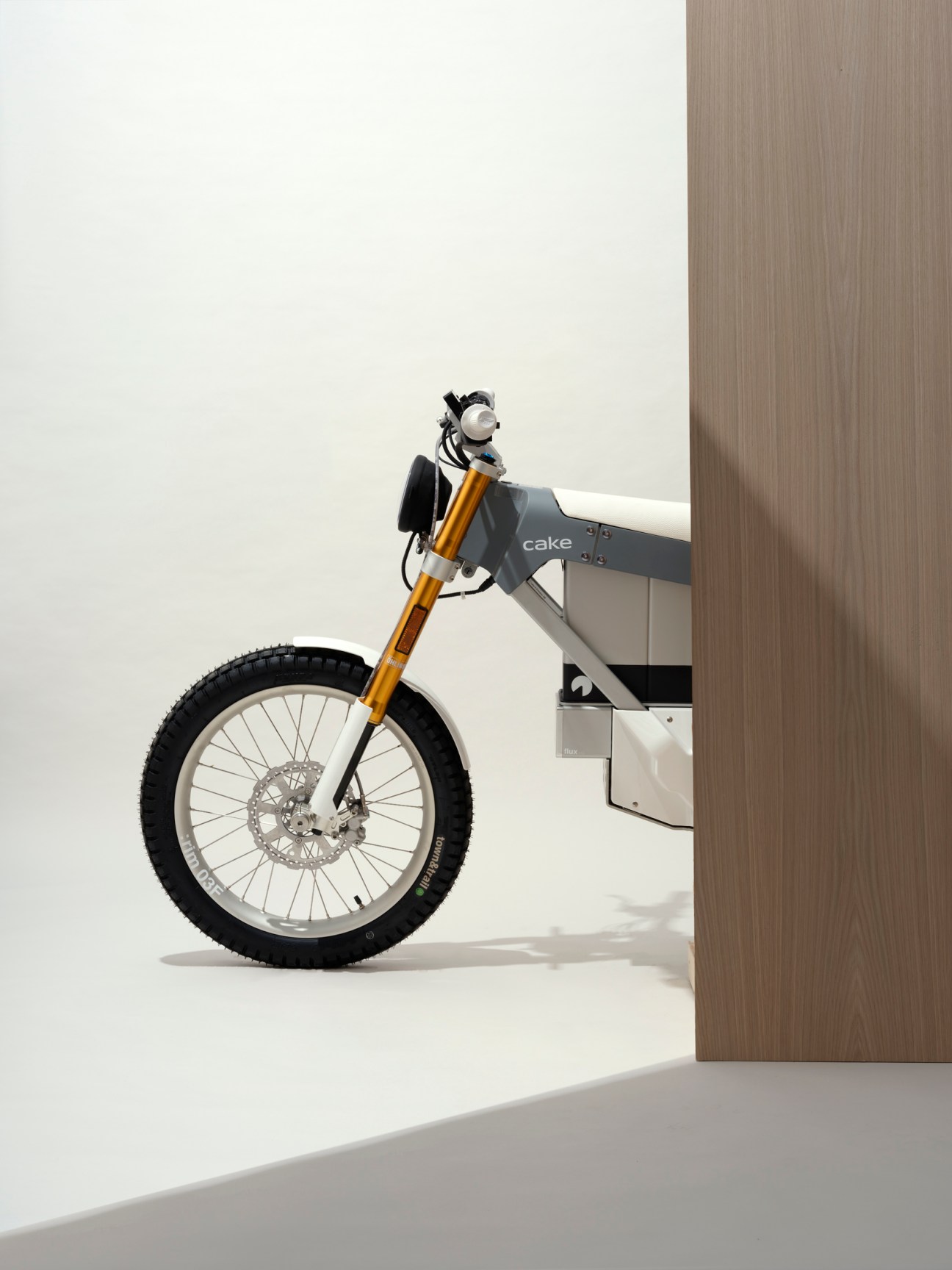
“I was a motorcycle hater,” says Stefan Ytterborn. That is, before the Swedish entrepreneur tried a few electric ones and got so hooked that he decided to design his own. Cake’s first model, Kalk, put competitors to shame with a design weighing 40 per cent less than the average motorbike. In 2021 Cake started shipping out Kalk &, an upgrade engineered for both commutes and off-road escapades. “During the week you ride the bike from home to work, and during the weekend you bring it out to the countryside,” says Ytterborn. “It’s something to use every day.”
ridecake.com
2.
Sharpest shooter
Leica M6, Germany
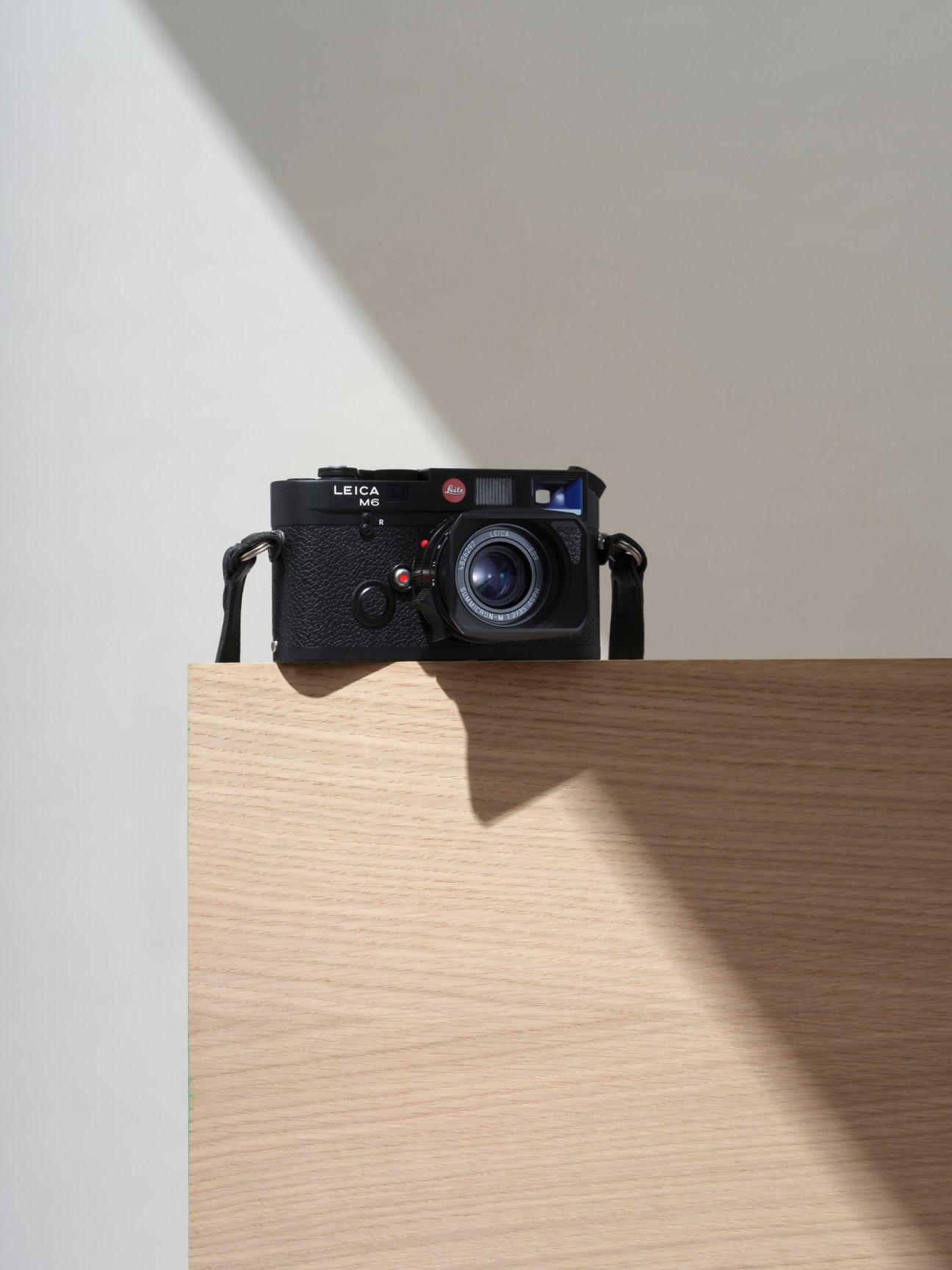
Ditch your dslr or smartphone because shooting on film is well and truly back, following German manufacturer Leica’s relaunch of its iconic M6 analogue film camera. Designed in the 1980s, it still feels contemporary, thanks to its compact size and quiet shutter. As per Leica tradition, the new models will be handmade in Germany. The likes of Bruce Davidson, William Klein and Nan Goldin have all shot with the camera, meaning that any user is at least heading in the right direction when it comes to taking masterful photographs.
leica-camera.com
3.
Best at going green
Urban Farming Office by VTN Architects, Vietnam
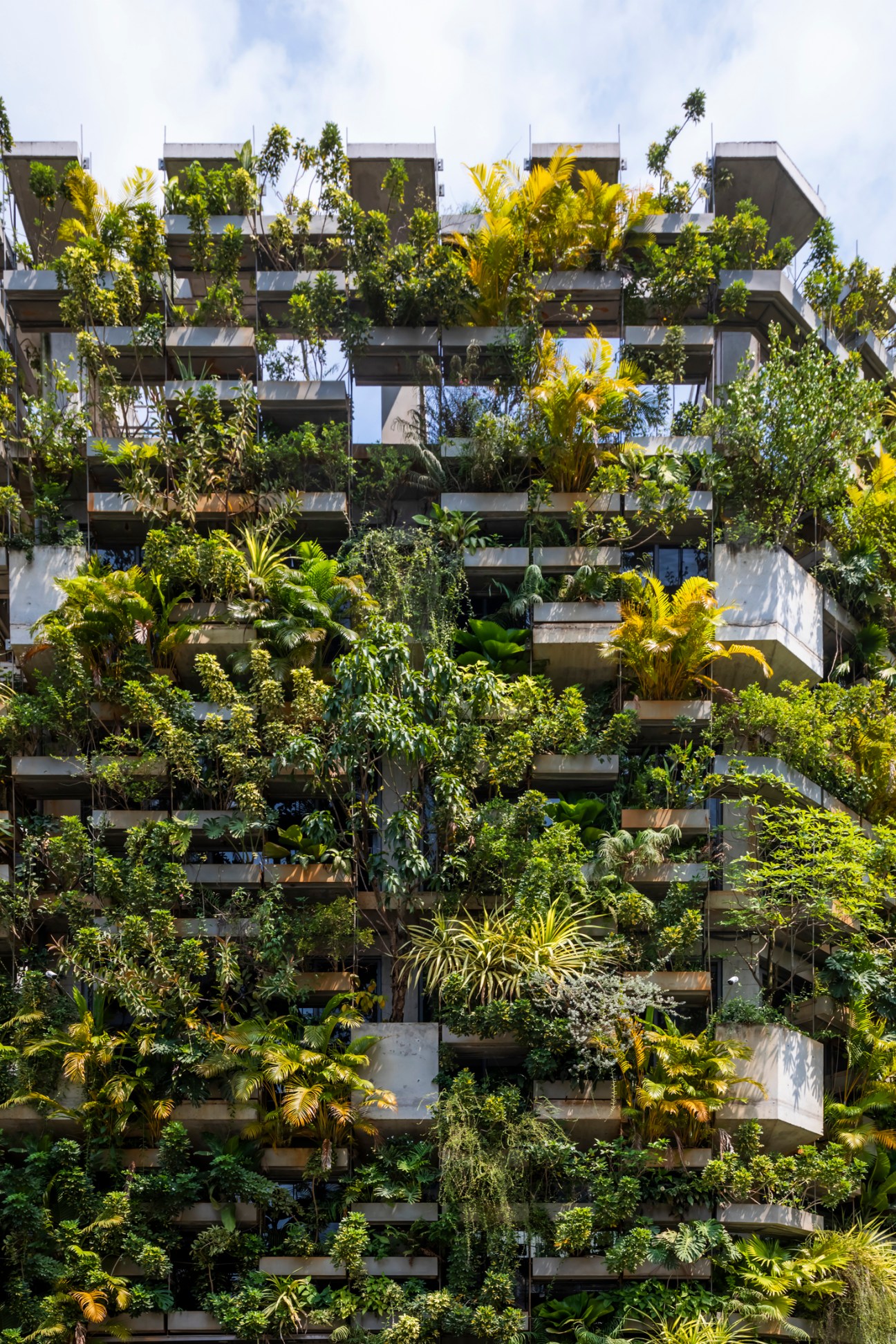
Vietnam is one of the world’s rapidly developing economies and hyper-urban Ho Chi Minh City bustles with new skyscrapers and building projects, meaning that designers need to find savvy ways to introduce greenery into a growing concrete jungle. For an example of how to do this well, look to Urban Farming Office by vtn Architects. Its concrete frame is wrapped in vines, palms and trees, blanketing the building’s southern walls. Tucked in behind these larger plants is a vertical farm of local and organic herbs, fruits and vegetables that are planted in modular boxes that can be easily shifted around for sowing and harvesting. A rainwater-irrigation system feeds the greenery, which provides a pleasant microclimate and leafy shade for the open-plan offices inside, reducing the need for energy-intensive air conditioning. The project is an outstanding showcase of beauty and practicality, with vtn Architects eschewing the typically ornamental nature of outdoor green walls in favour of greenery that not only improves the building’s sustainability credentials but provides produce for its tenants too.
vtnarchitects.net
4.
Best in the bathroom
Roca Nu tap, Spain
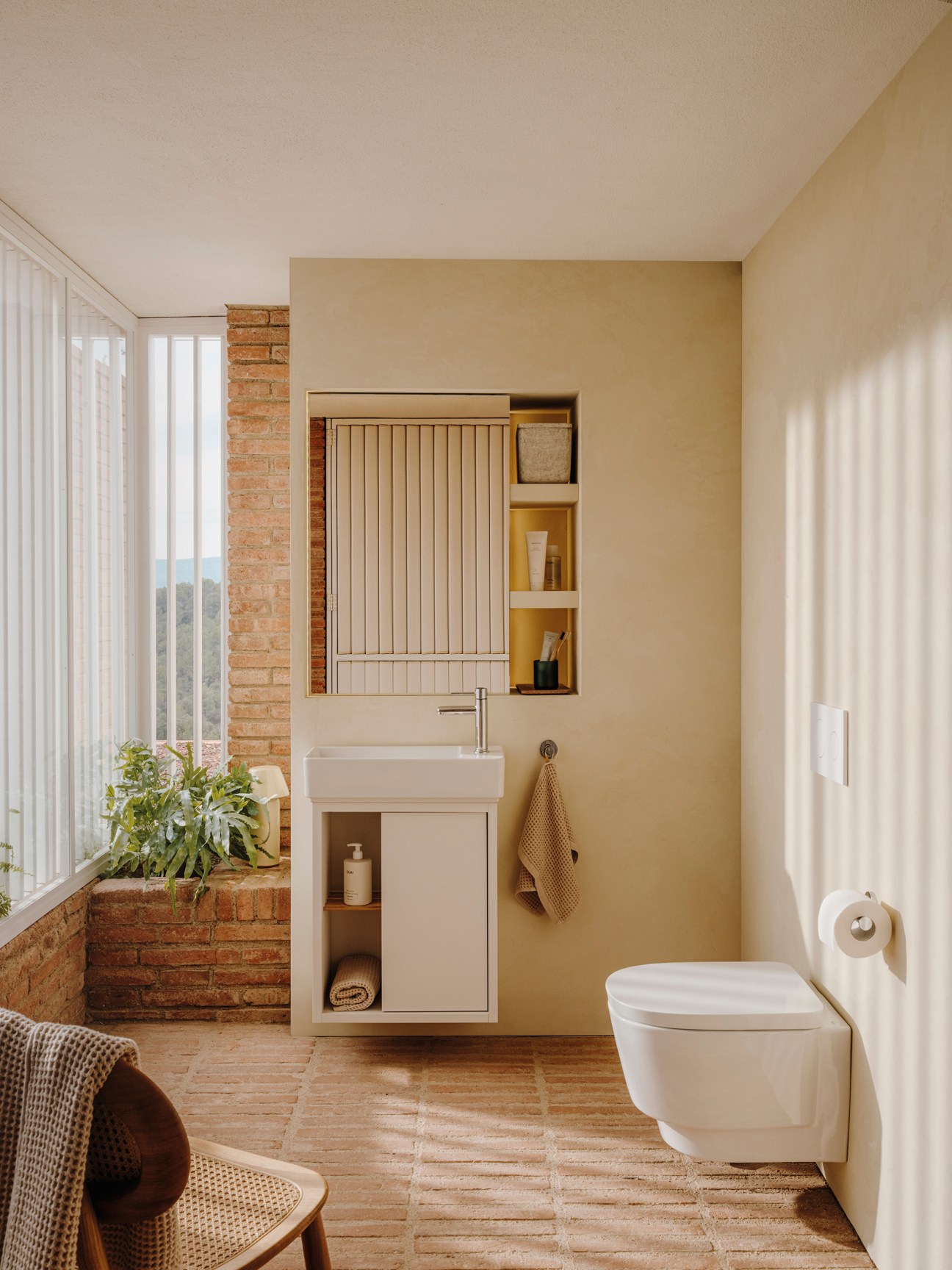

This collection of taps, designed by Valencian studio Inma Bermúdez for Spain’s Roca, includes three different handles – pin, dome and striped – attached to the thinnest possible body and plumbing connections for both space efficiency and to cut down on any unnecessary material usage. Available in six colours, the bold shapes will inject a sense of style and joy into any bathroom.
roca.com
5.
Best boat
Toy 36 Fly by Toymarine, Italy
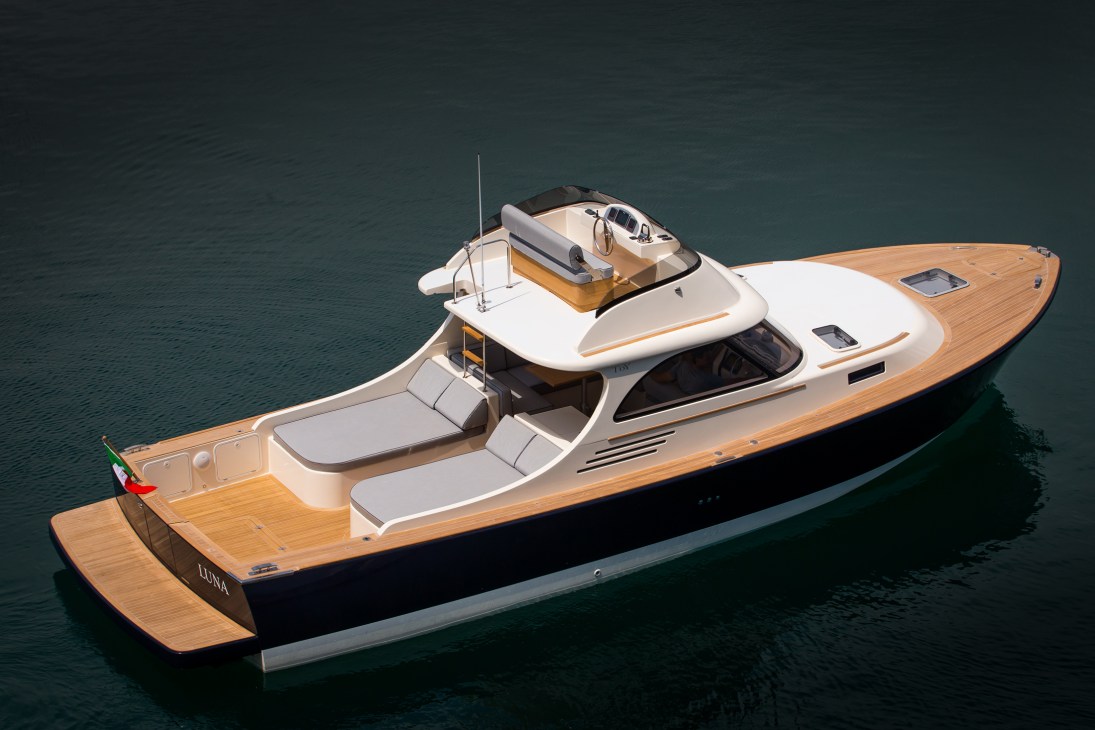
Yacht design today often leaves us cold with styling that strays from maritime references and cabins that mimic the interiors of a Manhattan loft. Ligurian boatyard Toy Marine has found the right formula with its chic range of day cruisers that update the silhouette of Maine lobster boats from the 1930s with a touch of Italian flair. Its newest addition to the fleet, the Toy 36 Fly, is no exception. A natural evolution of the boatyard’s classic 36-footer (11 metres), the new launch features a second wheelhouse on the fly to offer a wider field of view and make navigating tricky coastlines easier. “It’s a classic design with a lot of appeal that never goes out of fashion,” says Toy Marine co-founder Aldo Tomasina. The versatility of the boat is also a draw, with owners able to use it as an overnight cruiser, a tender to support superyachts or as fast commuters to arrive at the office in style.
toymarine.it
6.
Best boutique
Asaru Studio, Singapore
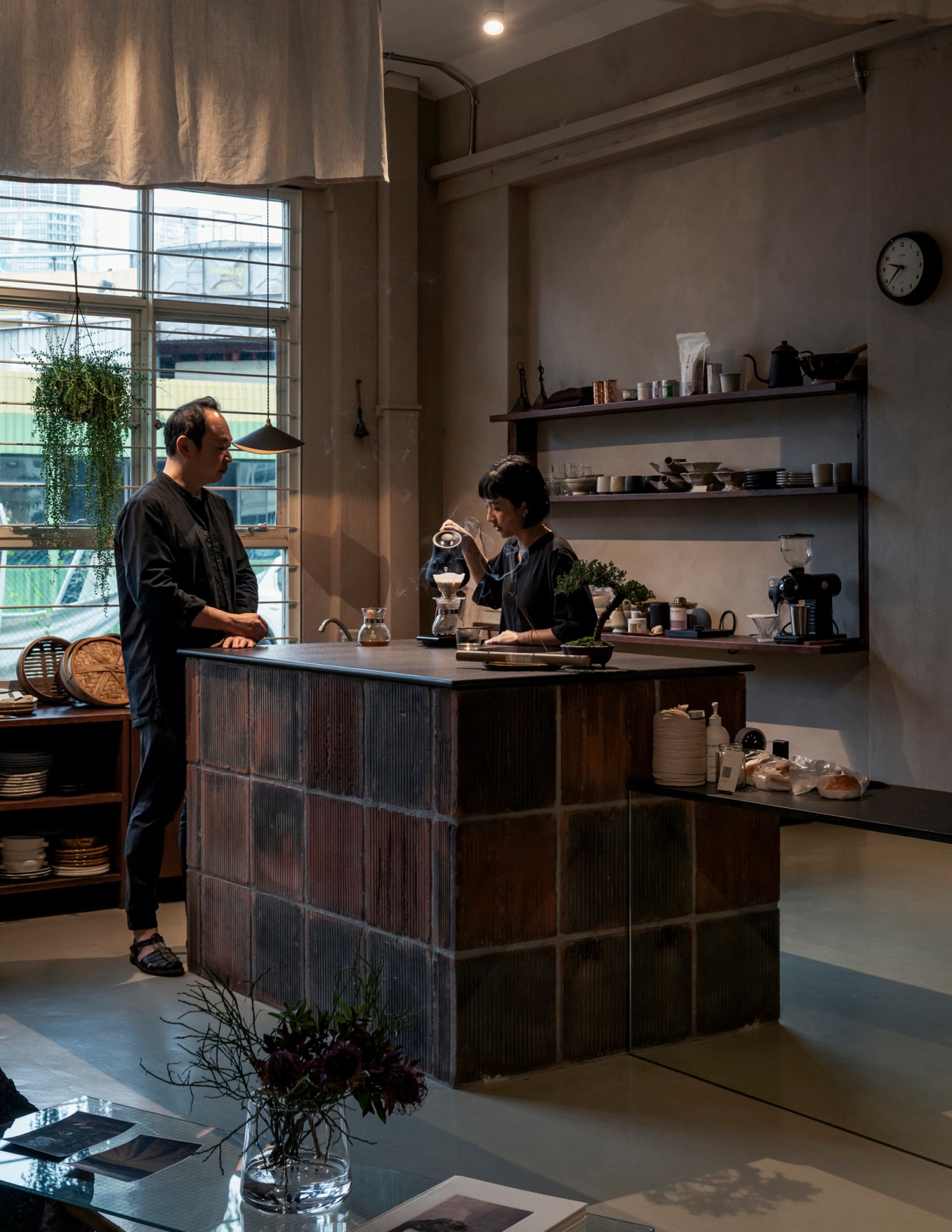
Asaru means “to forage”, which captures this shop’s approach. Bonsais and volcanic rock furnish the space, with steam rising from bamboo baskets in which wagashi (Japanese confectionery) is warmed. Owners Hui Shan Pang and Vincent Teng receive customers as guests, blurring the line between retail and hospitality.
asarustudio.com
7.
Best for the terrace
Crate by Rietveld Originals 3 Hay, The Netherlands
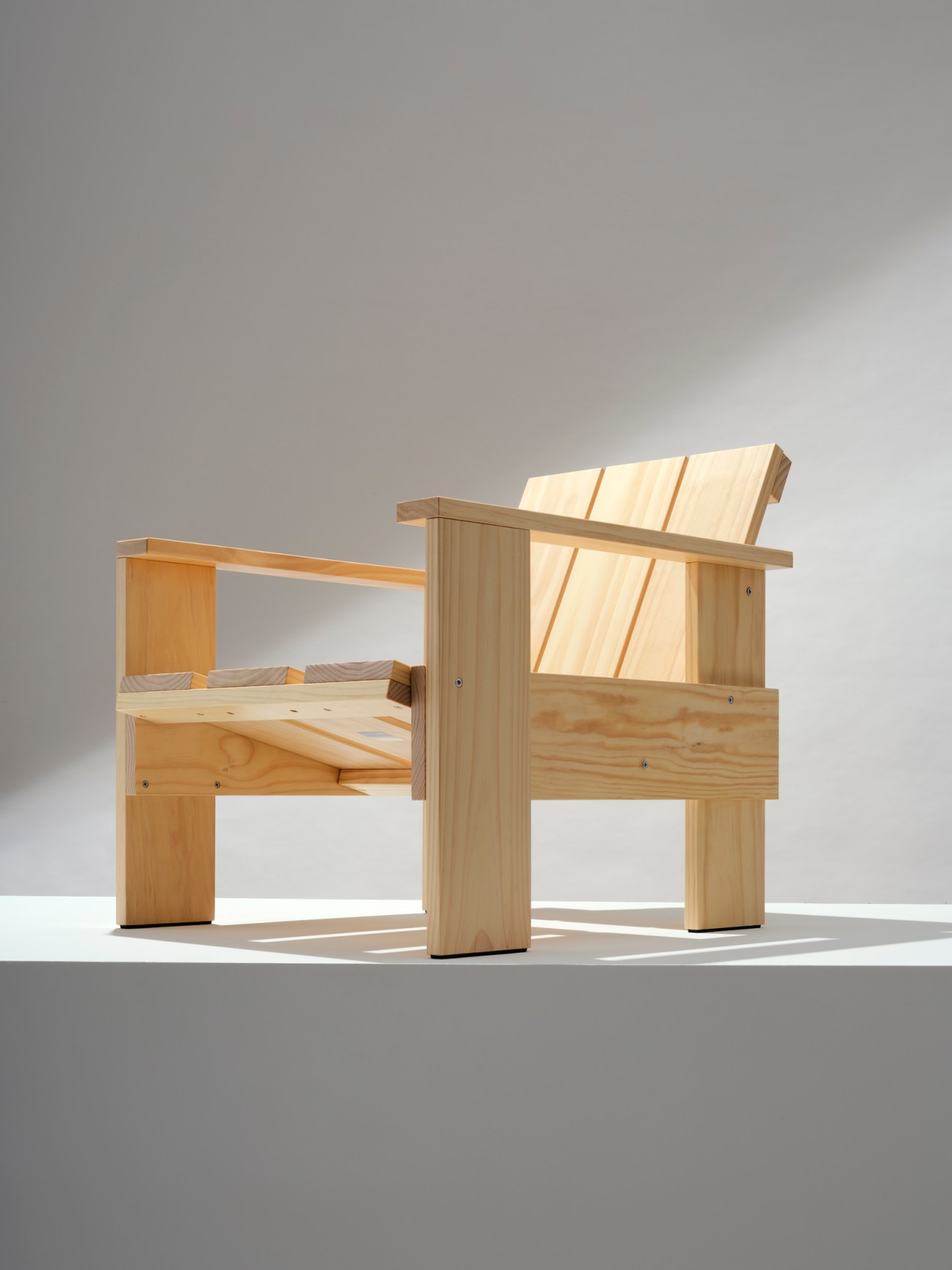
In 1934, Dutch designer Gerrit Rietveld built a furniture collection from wooden shipping crates that was honest and affordable. The collection has now been revived thanks to Rietveld Originals and Denmark’s Hay. Solid pine, treated with a water-based lacquer, the crate’s lounge chairs are equally comfortable indoors or out.
rietveldoriginals.com
8.
Best community connector
Mobile Makers, US
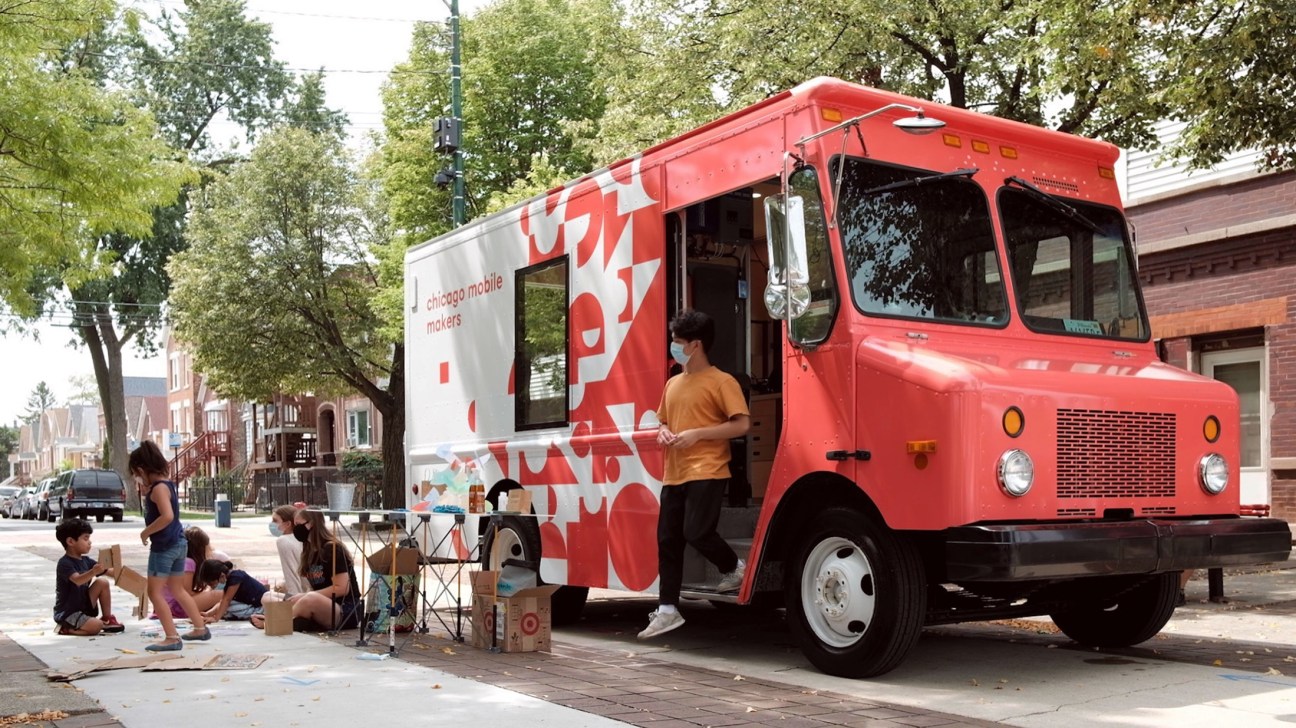
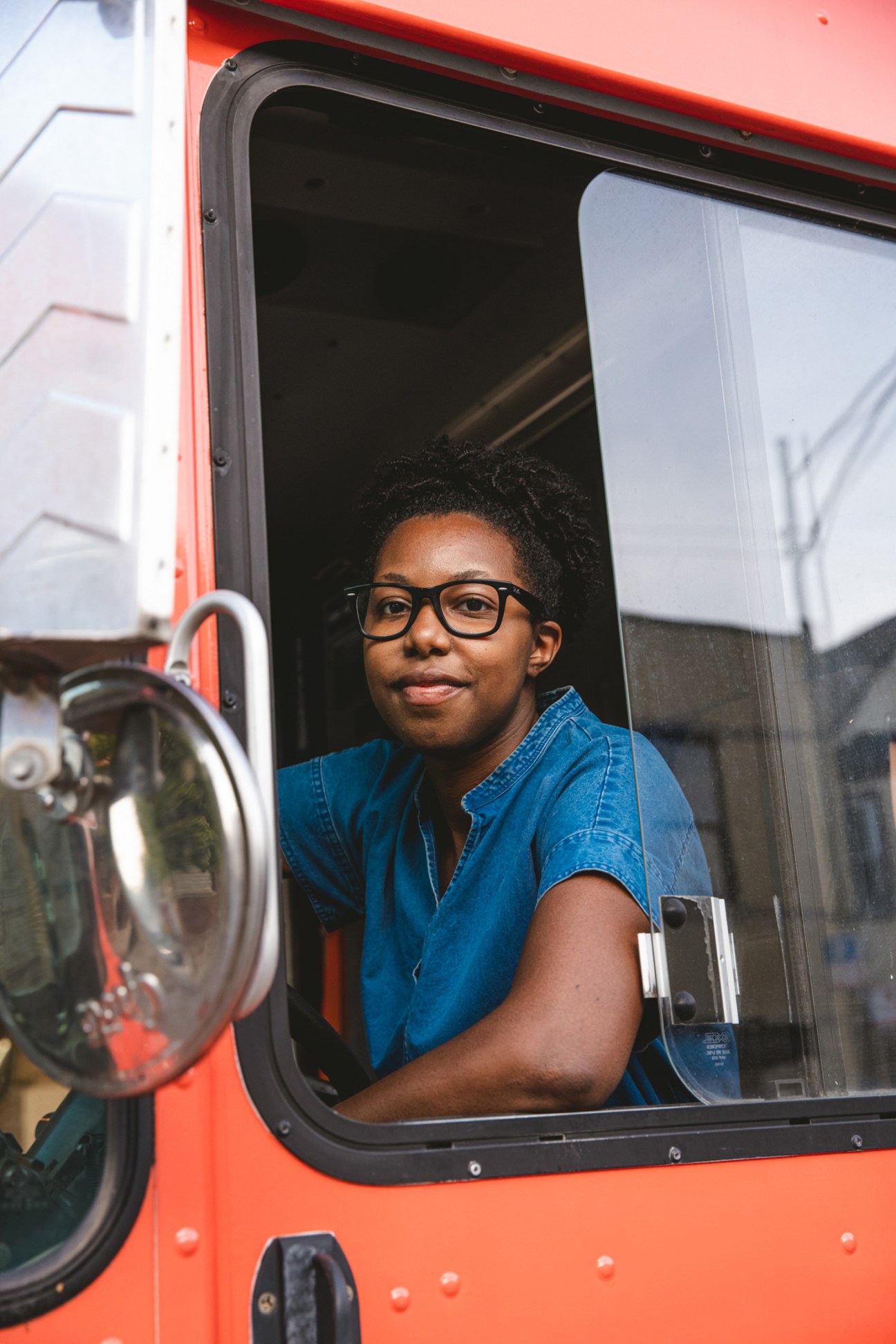
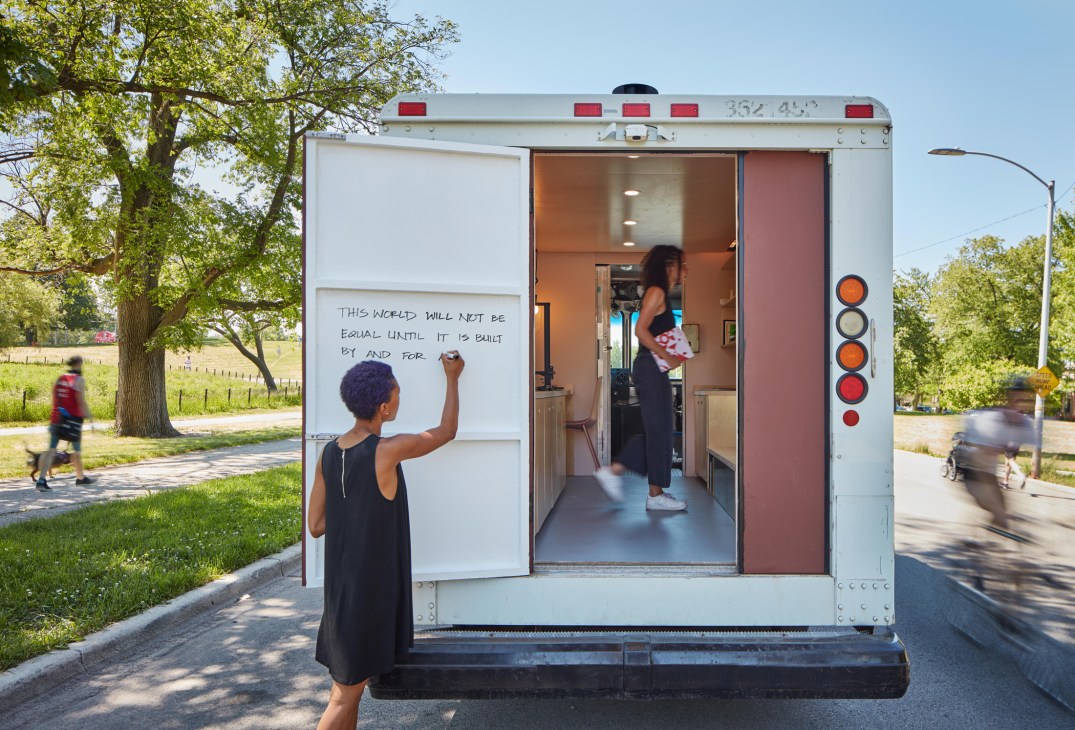
Mobile Makers is the brainchild of architect Maya Bird-Murphy who, with a small team, visits schools and hosts workshops in underserved communities in Chicago with a colourful truck retrofitted as a design studio and learning laboratory on wheels. The team’s aim? “It’s broad: it’s about giving kids life skills,” says Bird-Murphy. “A teenager who comes through Mobile Makers, and can now work a bandsaw, can get a job in a carpenters’ workshop. Others might just realise that design is fun.” This ambition is a reminder that raising the profile of design and educating young people about architecture can have an effect beyond simply enticing people to work in the profession.
mobilemakers.org
9.
Best small gallery
Denis Goldberg House by Noero Architects, South Africa
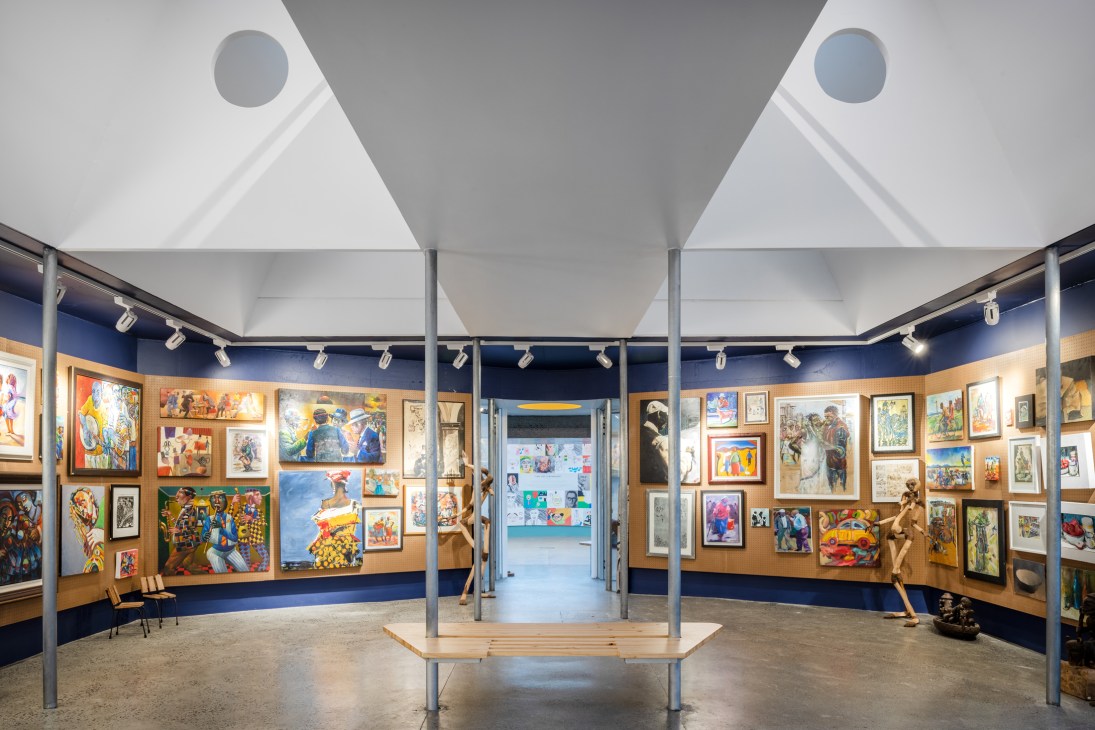
Designing an art and education centre in Cape Town dedicated to anti-apartheid activist Denis Goldberg is no small task. But architect Jo Noero, who knew the late Goldberg personally, tried to capture what he would have wanted architecturally. “Denis was trained as a civil engineer. He was very straightforward and he hated luxury,” says Noero, who used basic materials that could be manipulated to appear luxurious. The result is a collection of mostly white buildings that are a shining showcase of how to make the simple feel glorious.
noeroarchitects.com
10.
Best ecological effort
Grand Junction Park and Plaza by David Rubin Land Collective, US
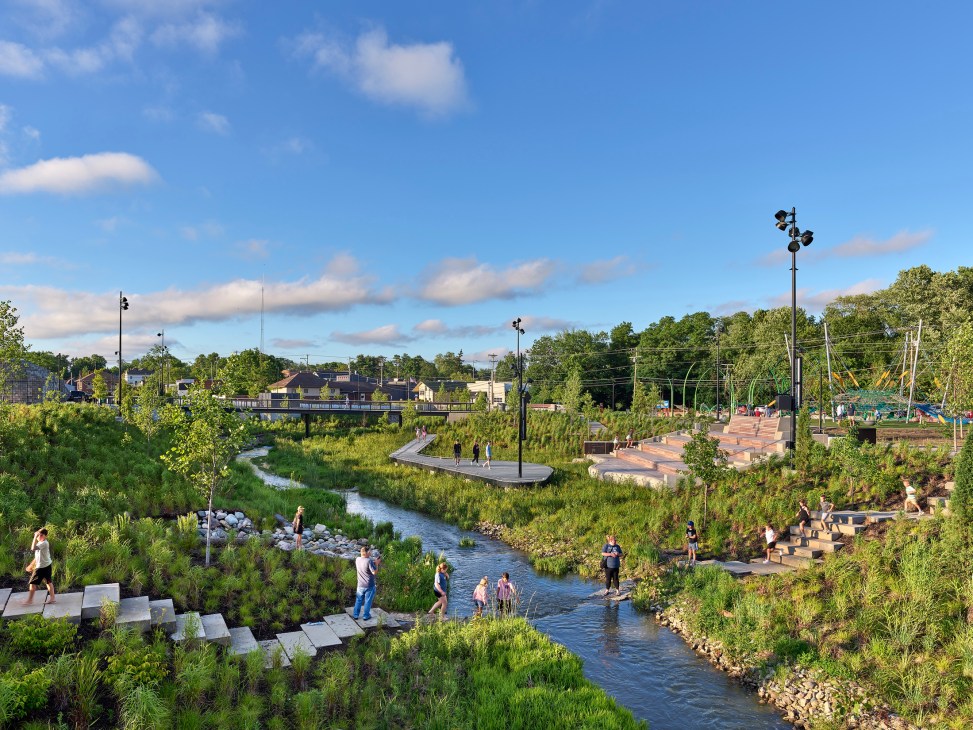
This new park near Indianapolis used to flood during heavy rain before it was stabilised. “With a riparian corridor of plants, there is a system in place to handle overflow, making this a far more resilient area,” says Land Collective founder David Rubin.
land-collective.com
11.
Top restoration effort
Ipiranga Museum by H1F Arquitetos, Brazil
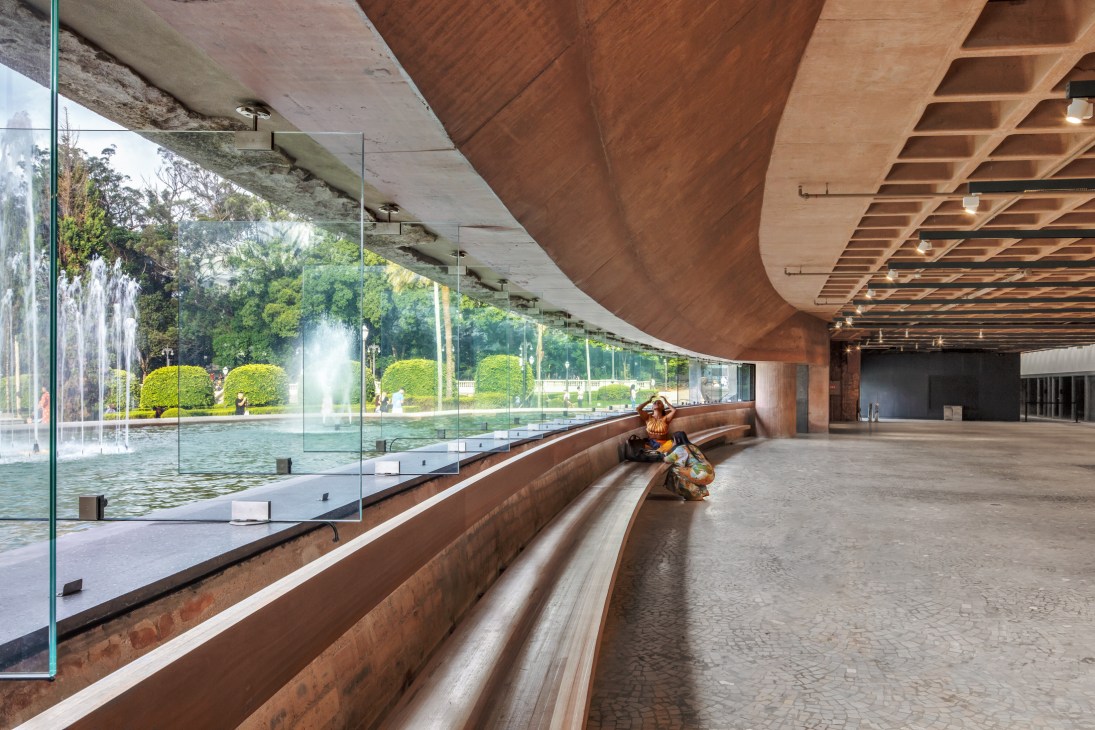
Built on the site where Brazil’s independence from Portugal was declared in 1822, this museum has been renovated by São Paulo-based studio h1f Arquitetos. The outcome is an expansion and restoration effort that allows existing features, such as the museum’s iconic façade, to reatin pride of place.
hf.arq.br
12.
Best in timber
Küng Holzbau by Seiler Linhart Architects, Switzerland
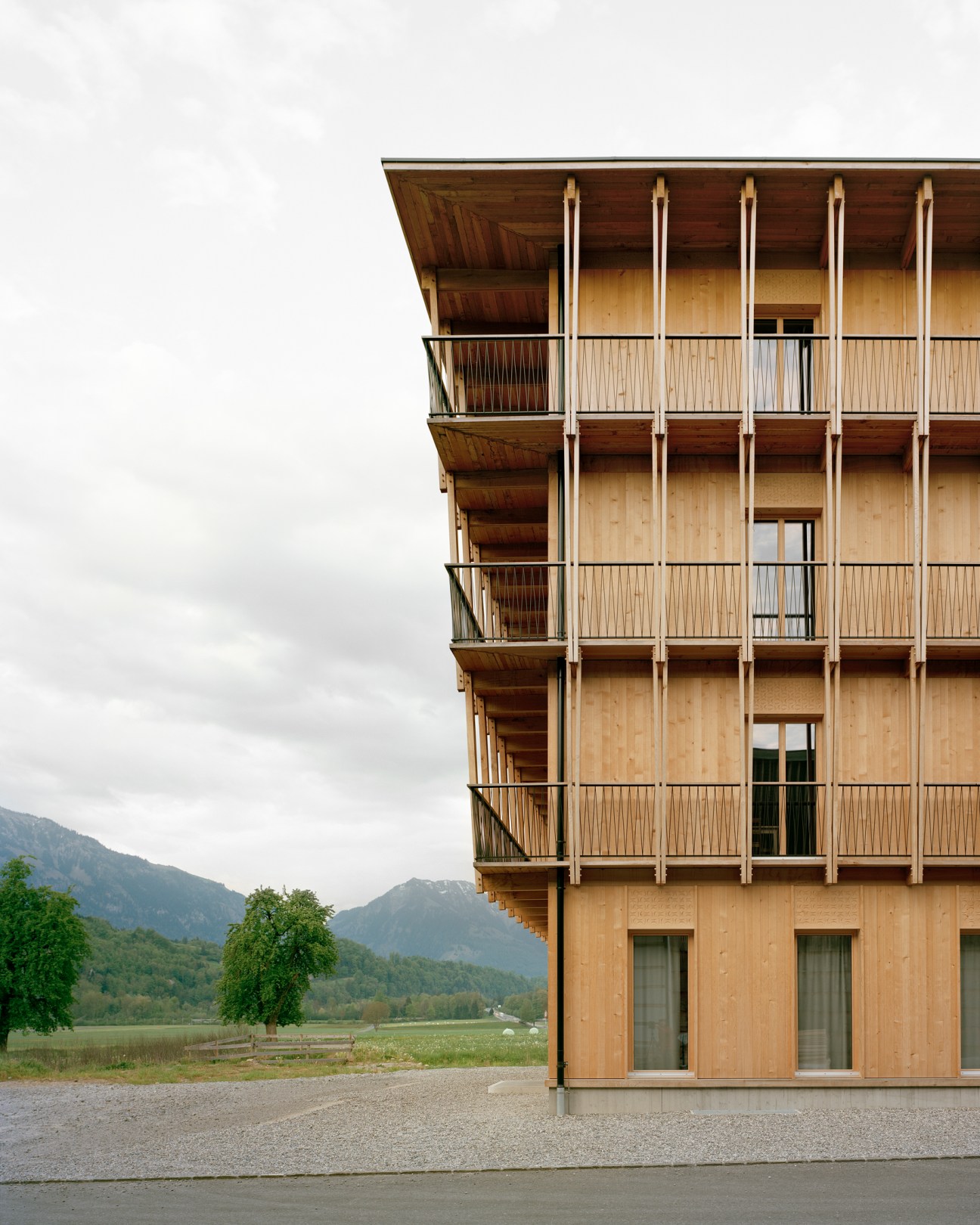
The office and gallery for Swiss timber company Küng Holzbau is made from moon wood (timber cut in winter just before the new moon rises). Stephan Küng, second-generation woodworker and co-owner, says that it’s more resistant: “There’s no metal, no glue, no chemical building materials. It’s just pure, solid, moon wood.”
seilerlinhart.ch
13.
Leading wayfinding
Collingwood Yards by The Company You Keep, Australia
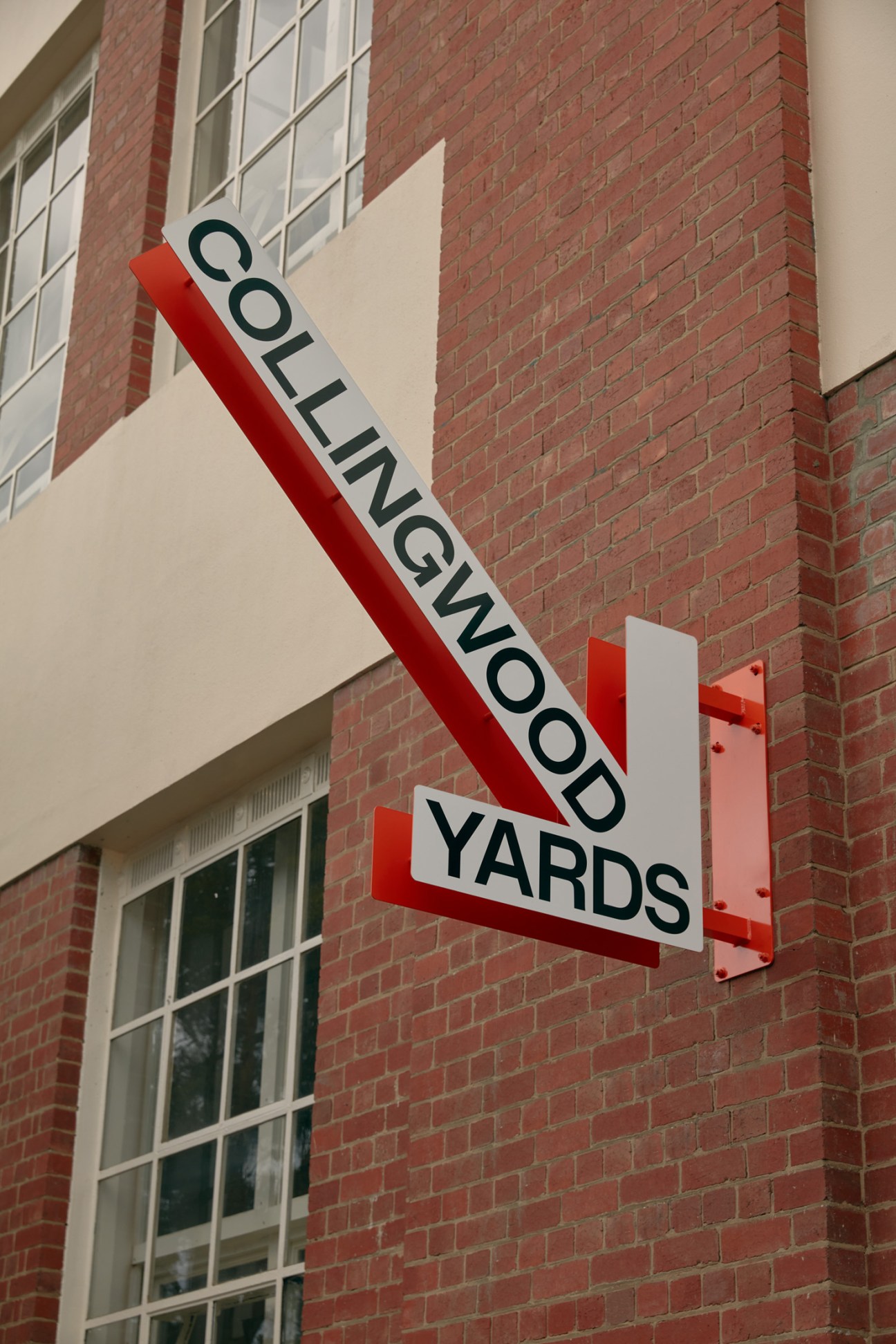
This arts precinct is always in flux, so it needed a flexible brand and wayfinding system. The Company You Keep collaborated with designer Jordan Rowe and type specialist Vincent Chan of Matter of Sorts to create a system of screw-on nameplates and wayfinding signage for easy updating. The result is practical, versatile and sleek.
tcyk.com.au
14.
Leading editorial design
Studio Joost Grootens, The Netherlands
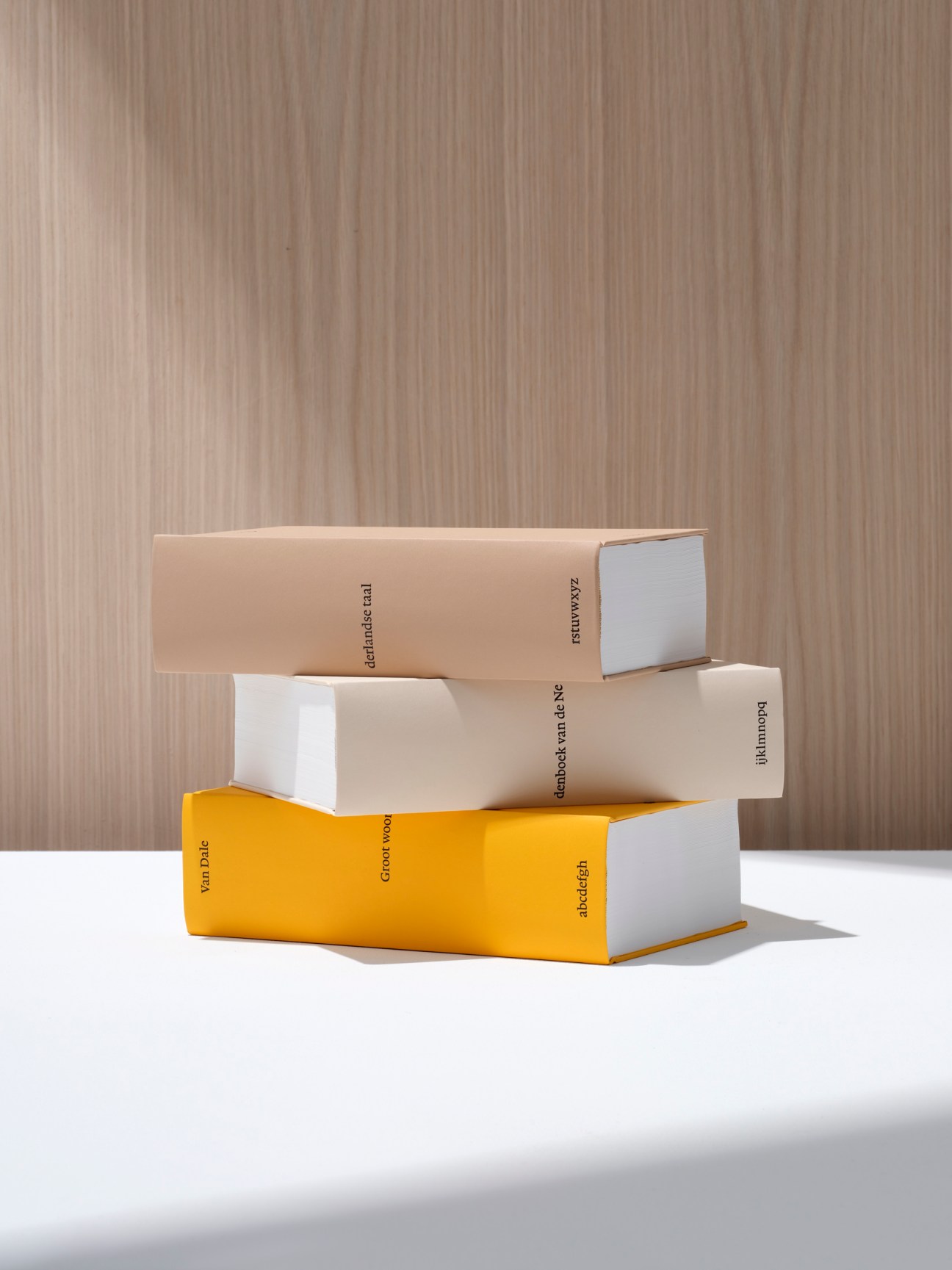
Joost Grootens is one of the world’s best book designers, as proved by his studio’s collaboration with Dutch Van Dale Publishers on the 16th edition and 150th anniversary of the Big Dictionary of the Dutch Language. The attention to detail in the three volumes extends to the colour palette used for idioms on page: a warm grey for technical information, blue for etymology and pink for illustrations that deepen the understanding of language. In a world that relies on the internet, flicking through a beautifully designed book can offer more than definitions; it’s a beautiful reading experience too.
joostgrootens.nl
15.
Top temporary activation
Mané Market by Bloco Arquitetos, Brazil
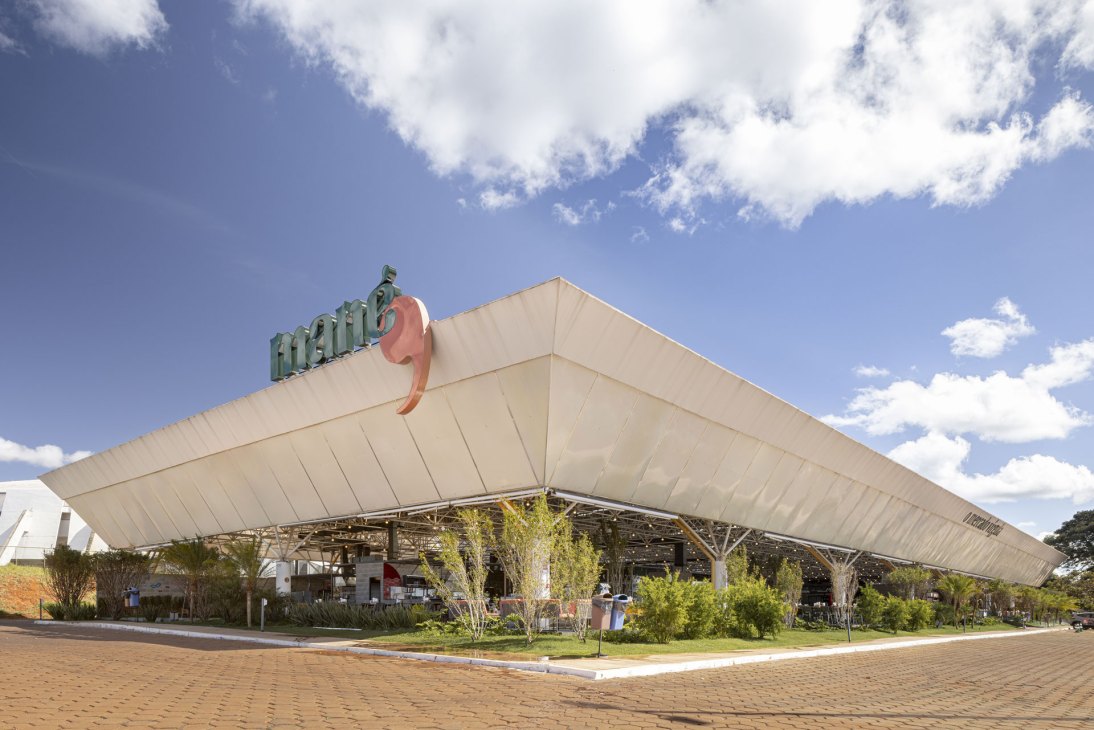
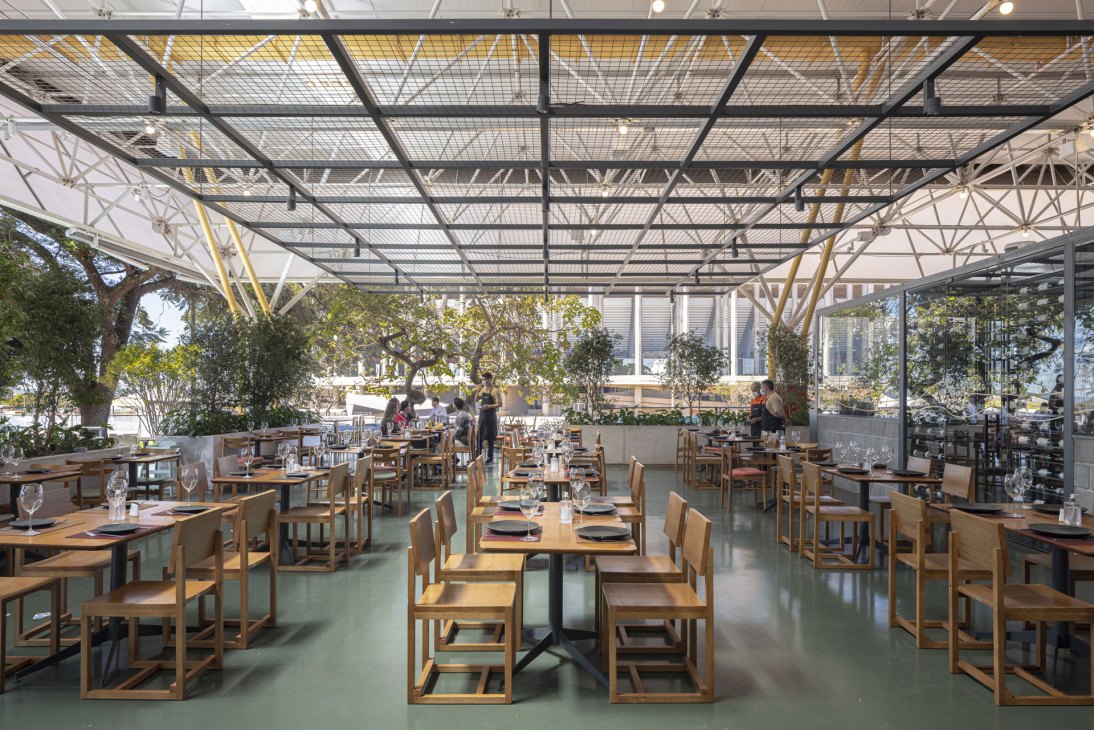
Built for the Pan American games in 2007, this structure was out of use prior to the intervention of Brasilia-based studio Bloco Arquitetos, which was founded by Daniel Mangabeira , Henrique Coutinho and Matheus Seco. The firm has transformed the site into the Mercado Mané, an open-air food market with a stunning canopy, breezy interiors and lots of green space. Global sporting events and conventions can leave white elephants in host cities but this is a reminder that sites post-event – or ones waiting for a new build – don’t necessarily have to sit empty.
bloco.arq.br
16.
Best in brick
Localworks, Uganda
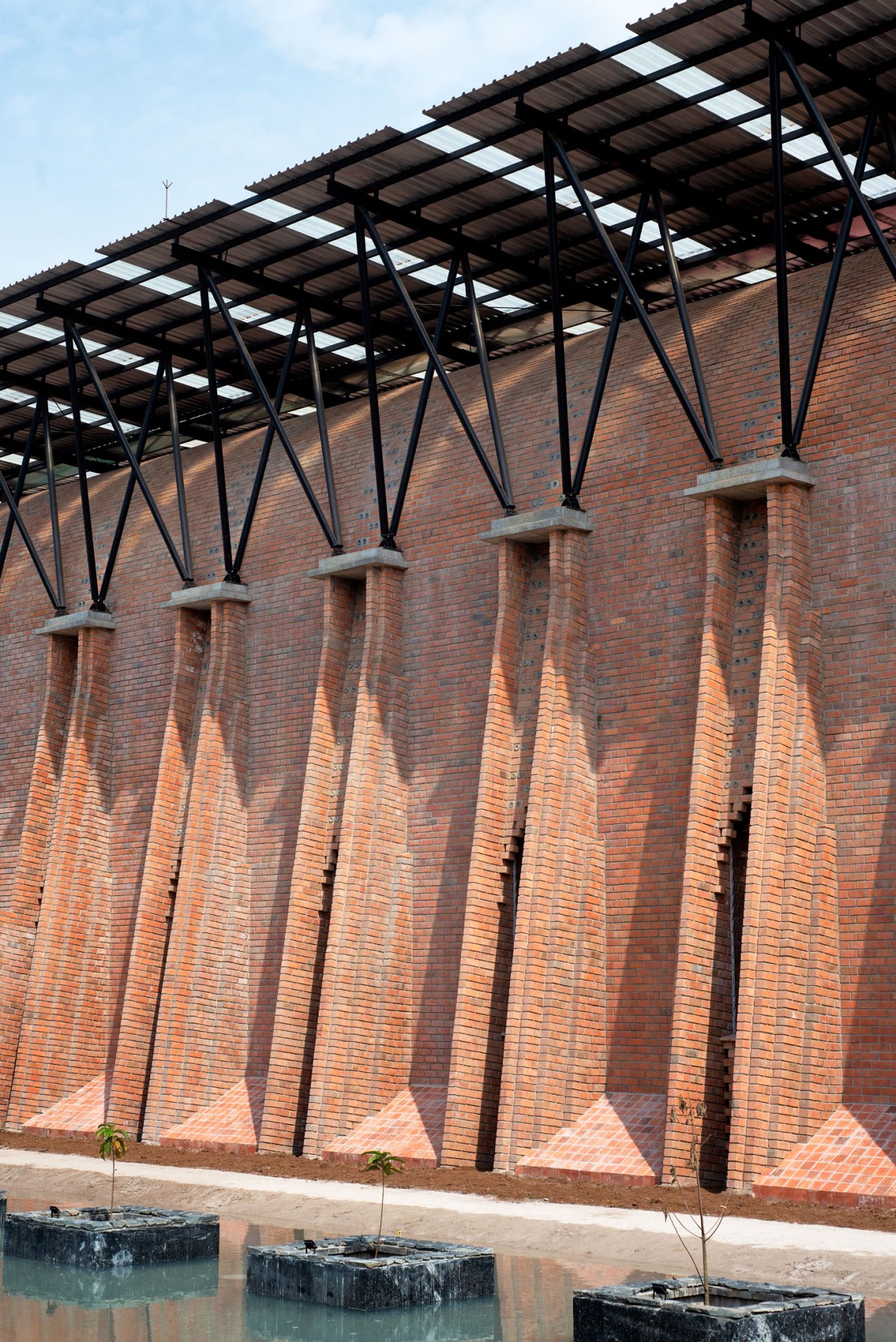
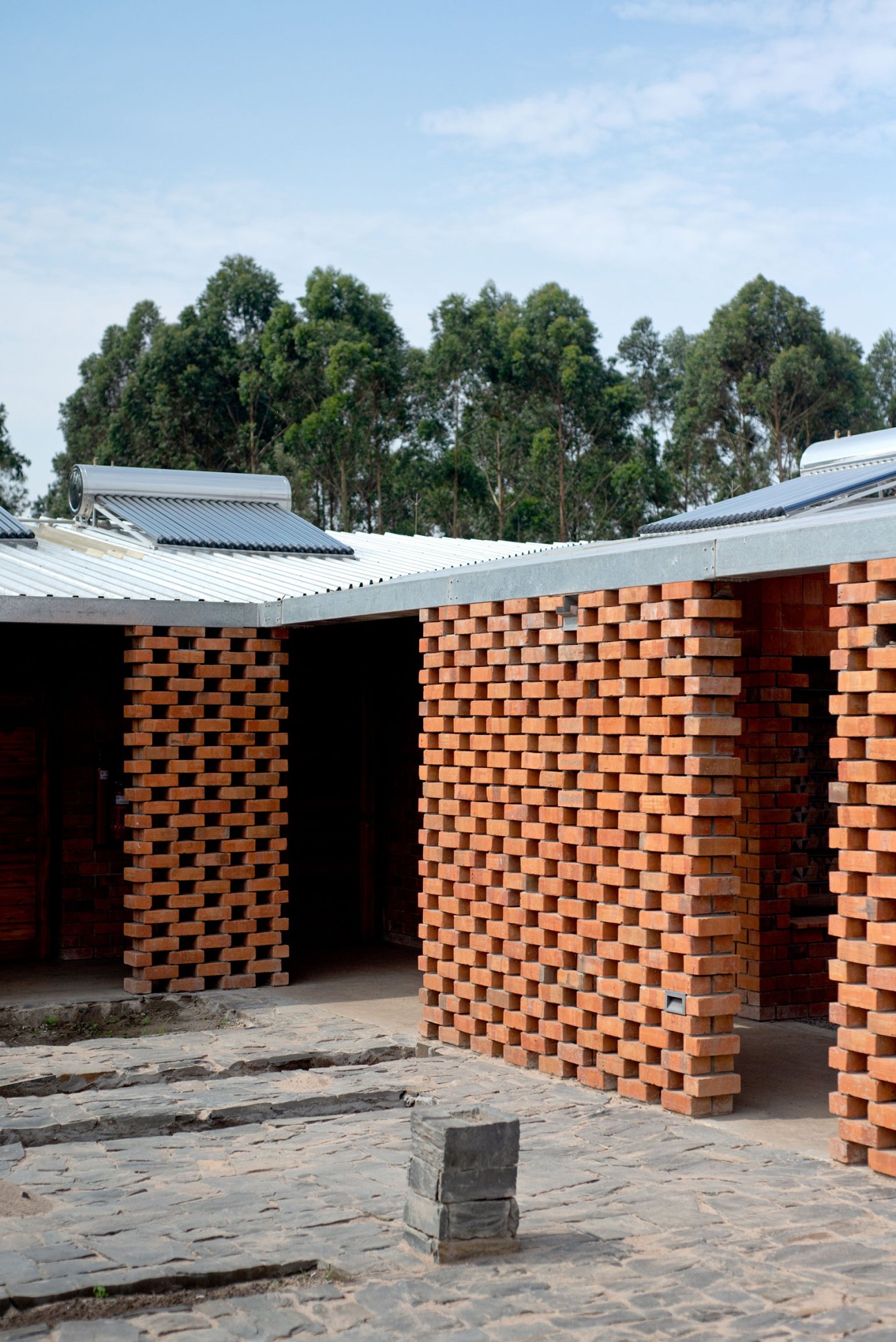
Kampala-based architecture practice Localworks has mastered the use of materials native to their sites, including bricks made from local clay. Bricks can ground a project in its location and also helps to create buildings that, according to the team, “virtually don’t age, despite their dusty or muddy environments”.
localworks.ug
17.
Preferred production company
Shelter, Australia
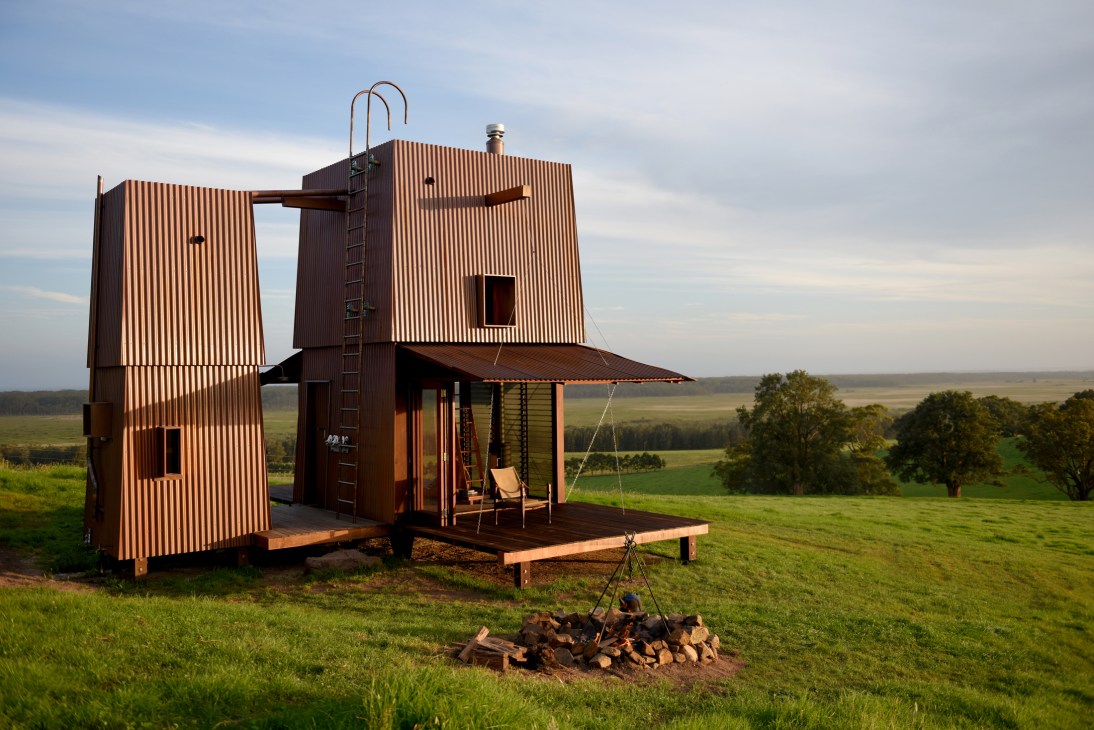
Tired of the dull ubiquity of home renovation-focused television programmes, entrepreneurs and design enthusiasts Dustin and Camille Clare established Shelter, an Australian streaming service devoted to the celebration of good design. Since launching in 2020, the network has broadened its scope beyond its initial antipodean focus with an impressive and acclaimed line-up of original programming, covering everything from urban renewal public projects in Mexico City to remote cabins in Australia (pictured). There’s also a tight roster of curated series and films, including glossy retrospectives on titans such as Renzo Piano and Zaha Hadid, debates on the future of prefab housing and dispatches on design’s emerging luminaries. The result is a streaming service that fits an important gap in the market. It’s why we’re tuning in.
watch.shelter.stream
18.
Best new showroom
V-Zug showroom in Paris, France
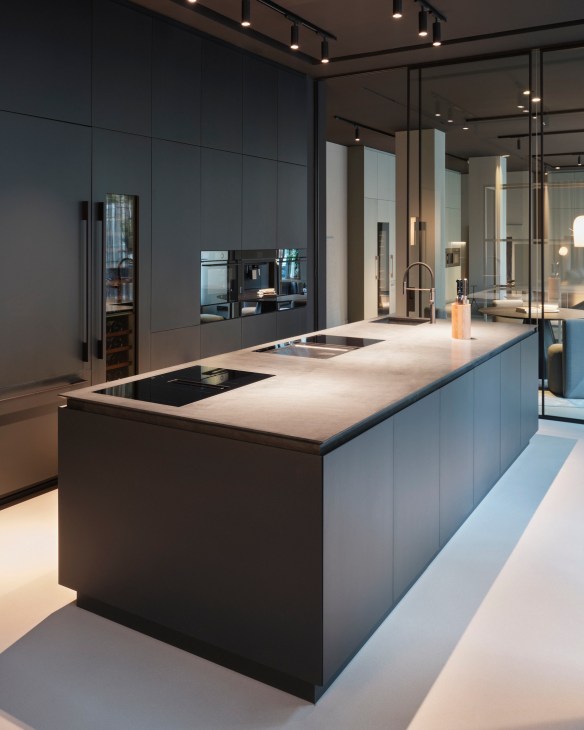
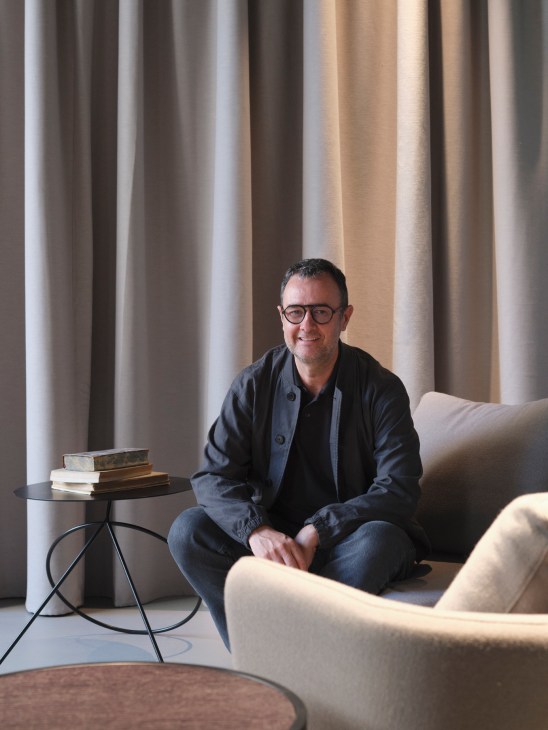

The challenge with conventional kitchen showrooms is that you can’t actually use the appliances on display – unless of course you’re visiting a space run by Swiss firm V-Zug. Its new outpost in Paris showcases a range of the Swiss company’s premium appliances, including impressive mirror-glassed combi-steamer cookers. Yet the studio offers more than sleek displays: it hosts regular lunchtime cooking workshops run by chefs that allow guests to see the appliances in action and actually use them too, all while also learning to cook. It’s a recipe for success that more retailers should follow.
vzug.com
19.
Best restaurant design
Brutus by Sandra Tarruella Interioristas, Spain
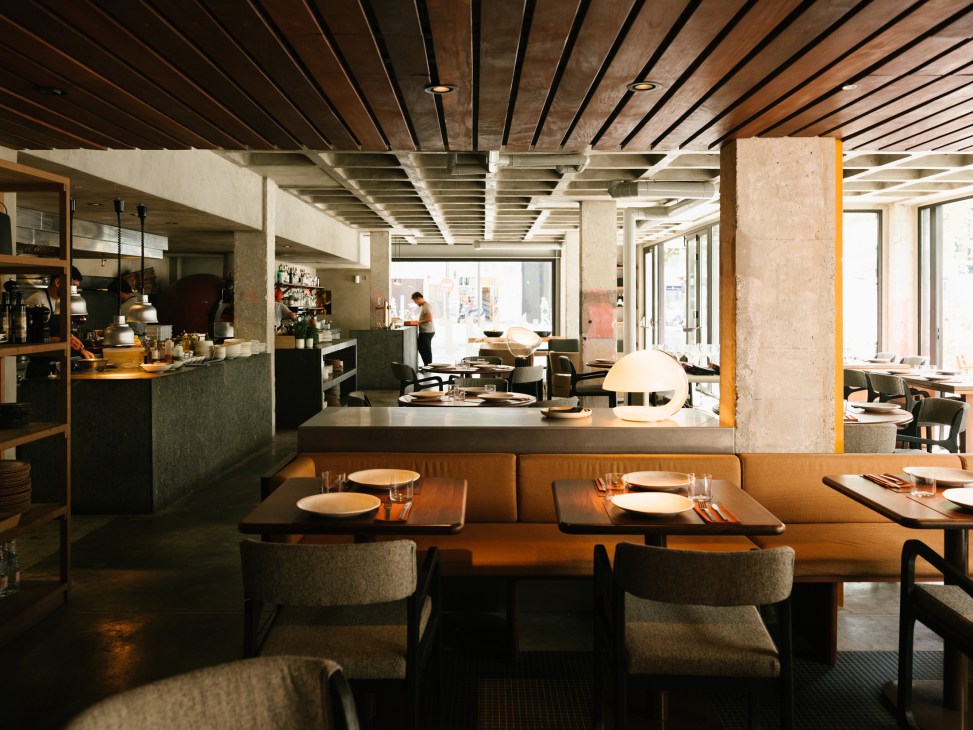
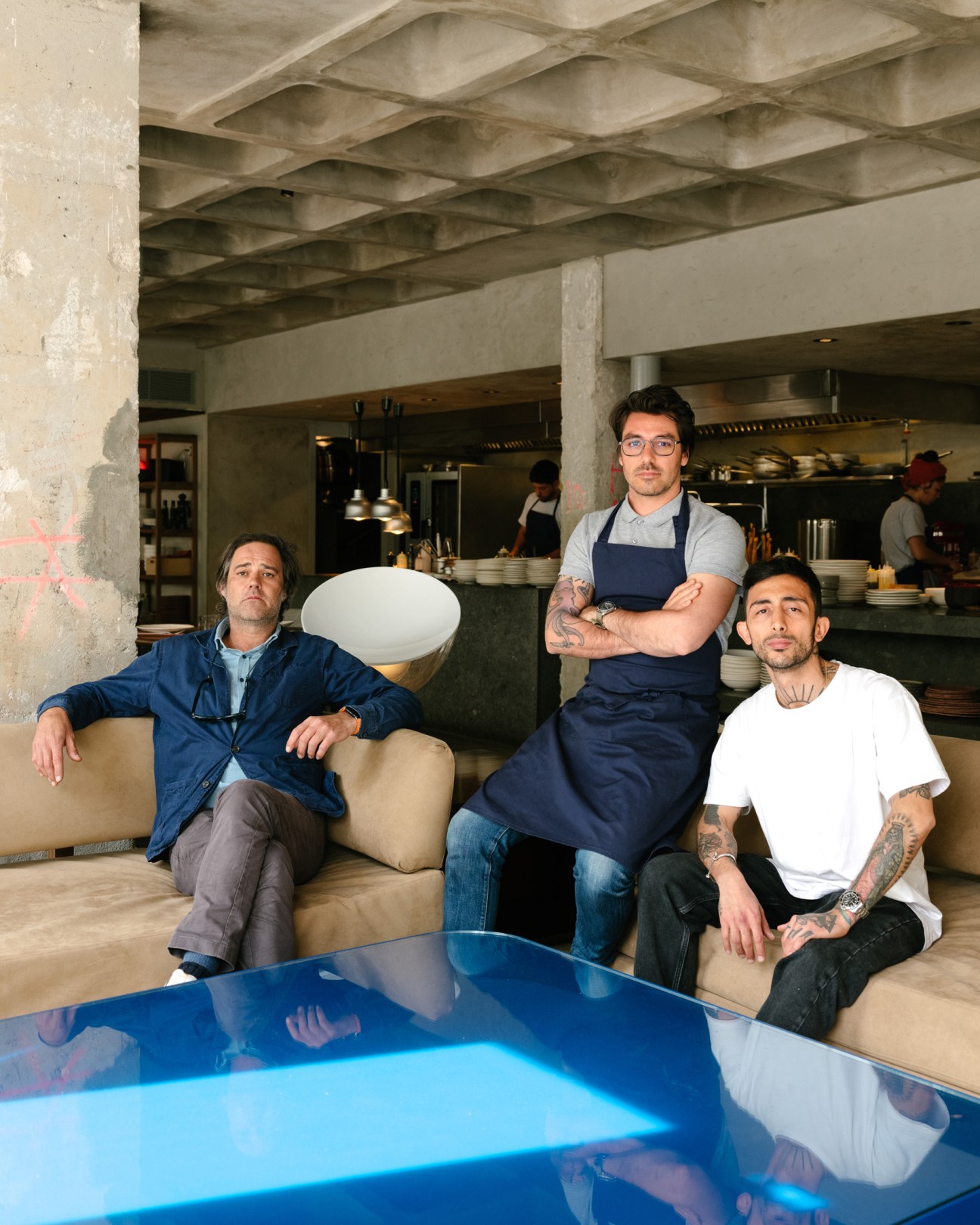
In a confident nod to brutalism, designer Sandra Tarruella has taken the bare bones of this structure in Palma de Mallorca – a waffle-slab concrete ceiling, weathered cement columns, exposed bricks and pipes – and transformed them into features. The gridded ceiling becomes a clever magnifier of downlights, while warmth emanates from the smaller details. But what truly gives this restaurant a sense of warmth and movement is the open kitchen, against the back wall, where the food spectacle comes alive atop a stone benchtop that appears almost like a stage.
tarruellainterioristas.com
20.
Best brand collaboration
Odakyu Railway saké by Agnavi, Japan
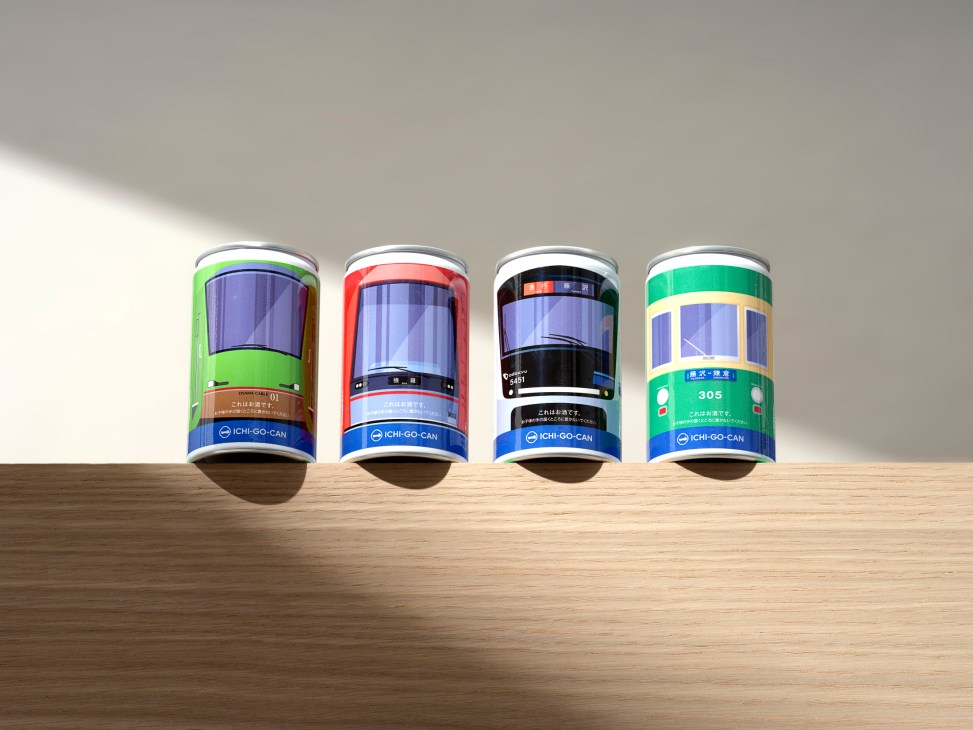
Food and drink start-up Agnavi and its Ichi-Go- Can brand now sell limited-edition saké produced by makers around the Odakyu Railway lines, with cans designed to look like trains. It’s a perfect partnership between contents and packaging.
ichi-go-can.jp
21.
Outstanding outdoor effort
Chop by Philippe Malouin for Hem, Sweden
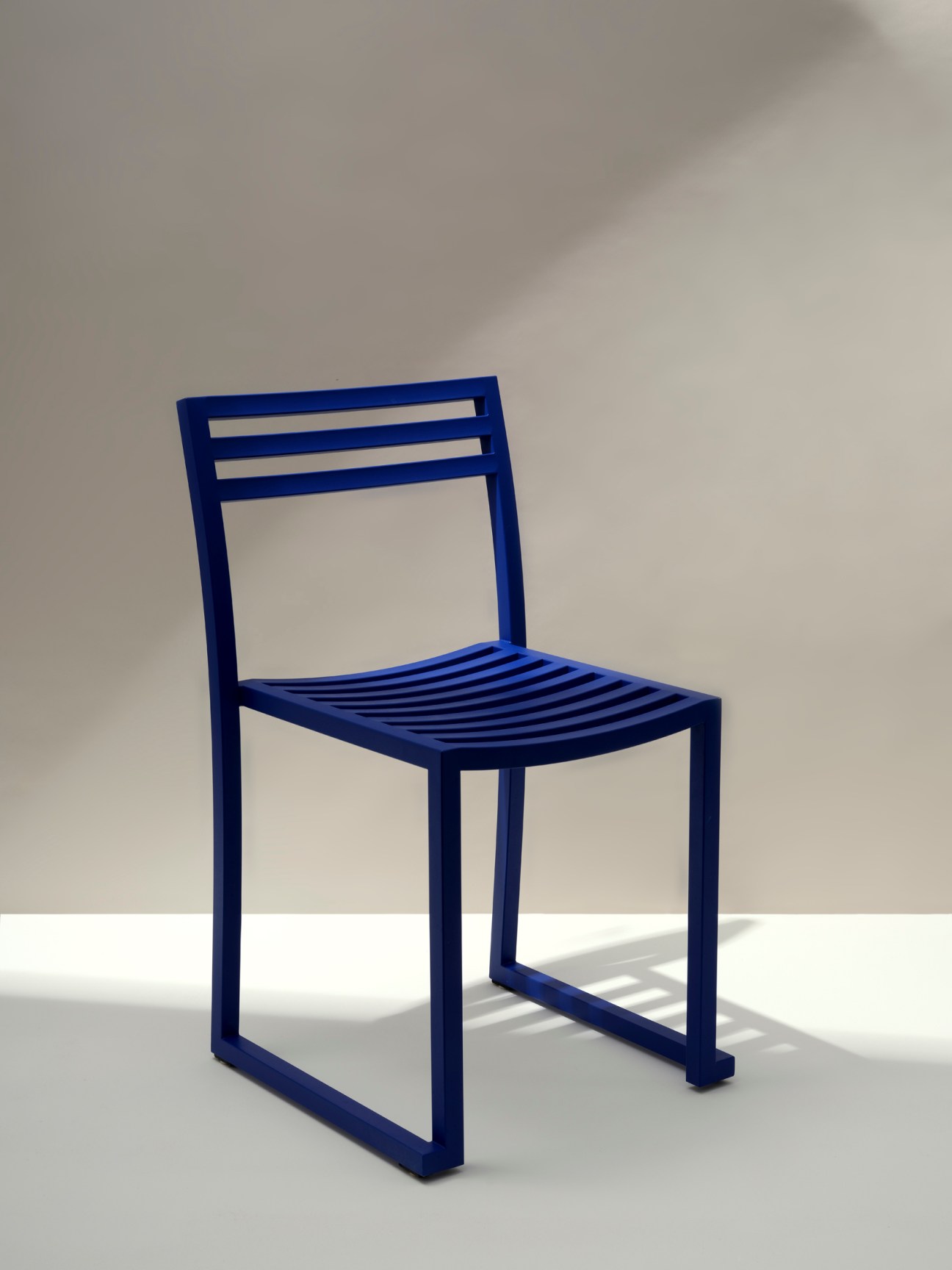
The Chop collection – which includes chairs and tables in a range of finishes – is built to last, yet light enough to stack and move around, making it a flexible and winning outdoor set.
hem.com, philippemalouin.com
22.
Best in the kitchen
Tinyküche, Switzerland
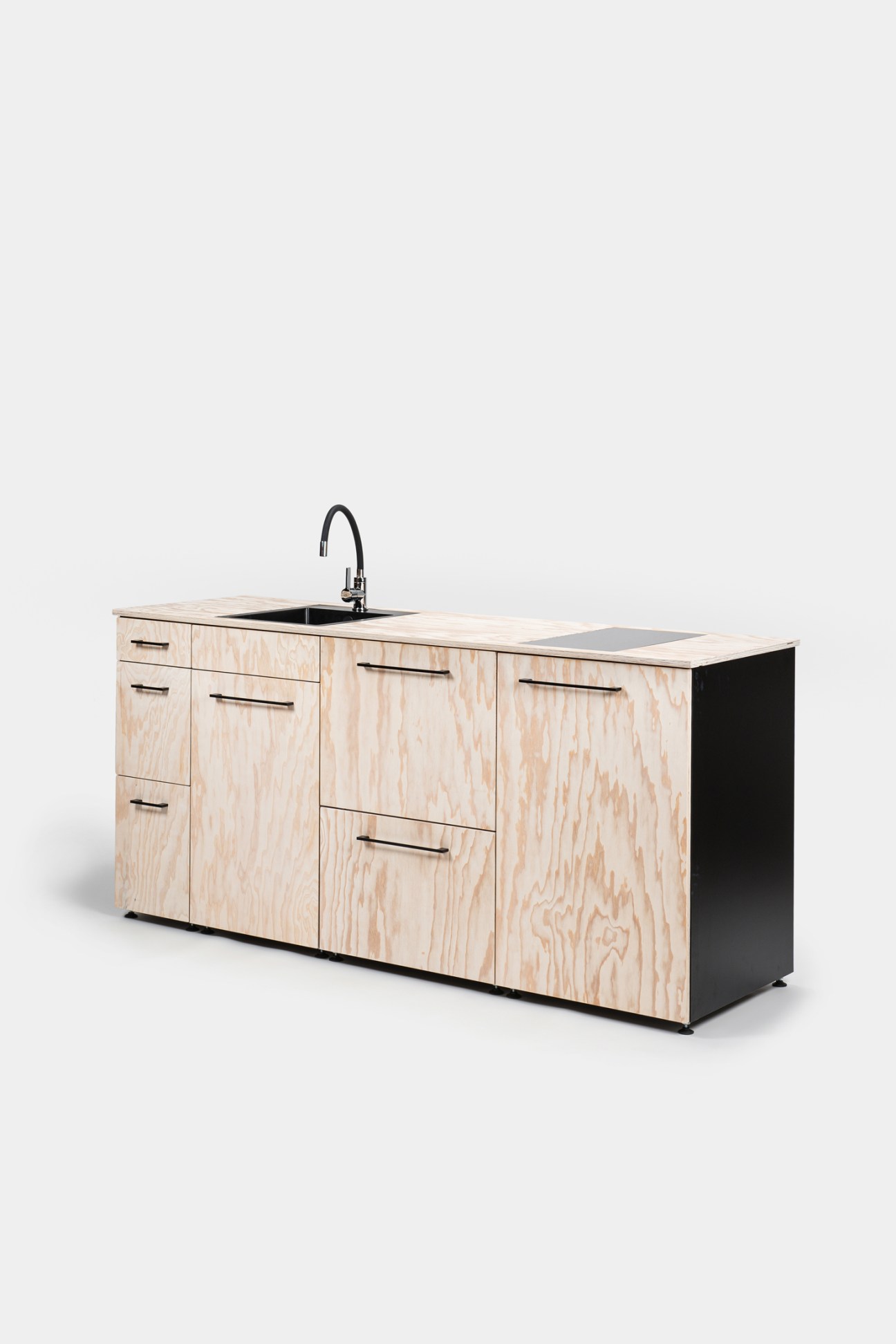

Kitchens and small spaces can lead to a mishmash of dysfunctional furniture – a problem that Swiss firm Tinyküche’s free-standing kitchenette solves. Created by Swiss designer Stefan Senn in collaboration with industrial designer Robert Pludra, the kitchenettes are manufactured in Basel by Senn’s furniture company Wohn Geist and his five-person team. The versatile modular design allows for customisation and can include a stove, oven and other appliances, making it a perfect fit for a variety of spaces. Available in two sizes and several natural finishes, Tinyküche integrates all the features necessary for easy cooking in a compact space. In fact, it does this so effectively that we wouldn’t blame anyone for downsizing their kitchen just to install one.
tinykueche.ch
23.
Best playspace
Tophane Park by Carve, Turkey
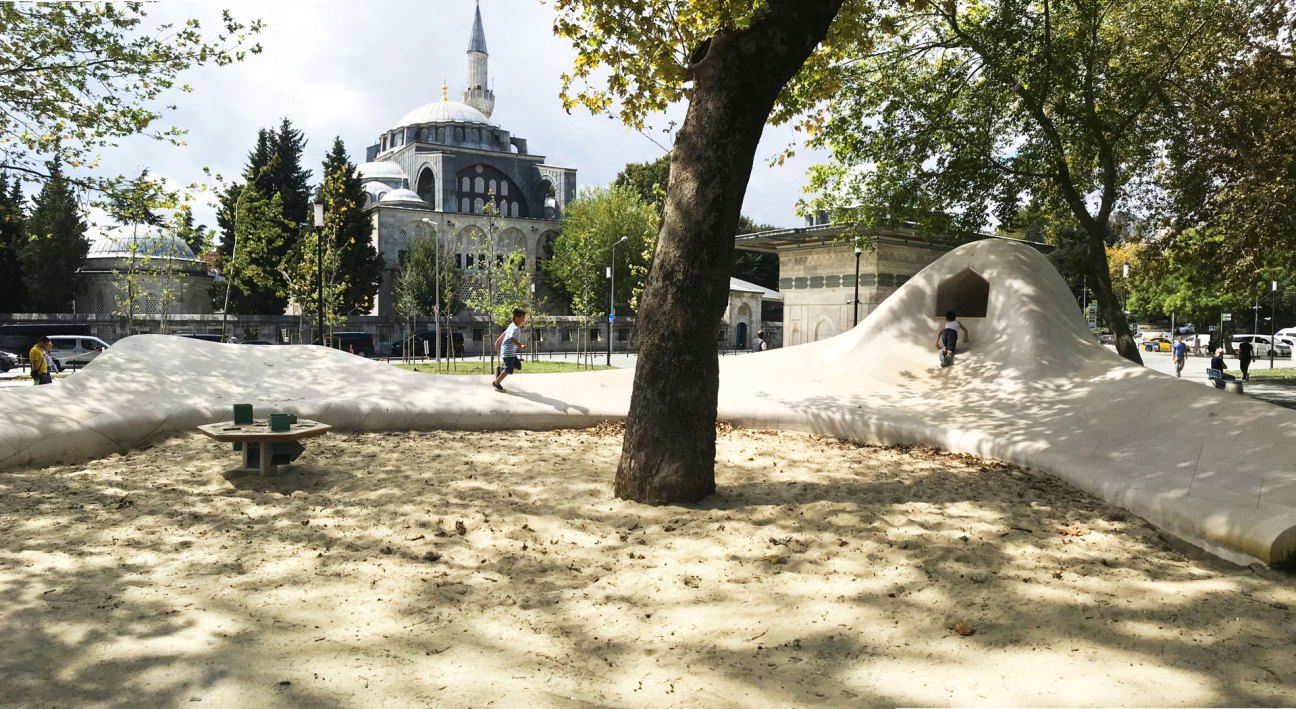
This playground in Istanbul’s Tophane Park taps into traditional Turkish craftsmanship. Amsterdam-based design studio Carve used local materials and integrated stone-carving and wood-carpentry techniques to make a sculpted play area.
carv.nl
24.
Most practical tool
Replica 1897 by Victorinox, Switzerland
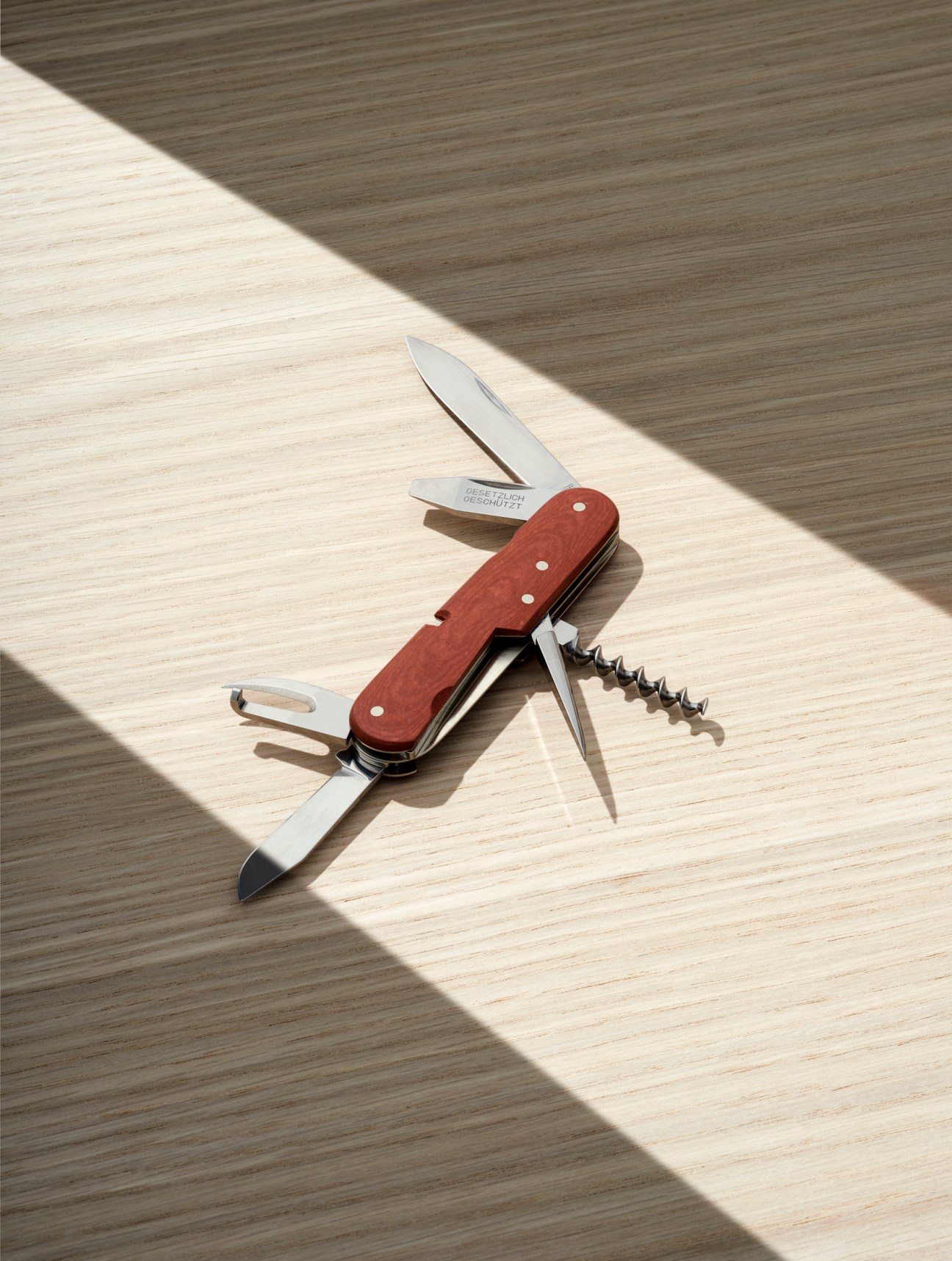
Celebrating the 125th anniversary of Victorinox’s Swiss Army Knife, this model features the same tools with certain specifications updated (such as a stainless steel blade). It’s hard to improve on a classic but this proves that it’s possible.
victorinox.com
Still lifes: Benjamin Swanson
In focus
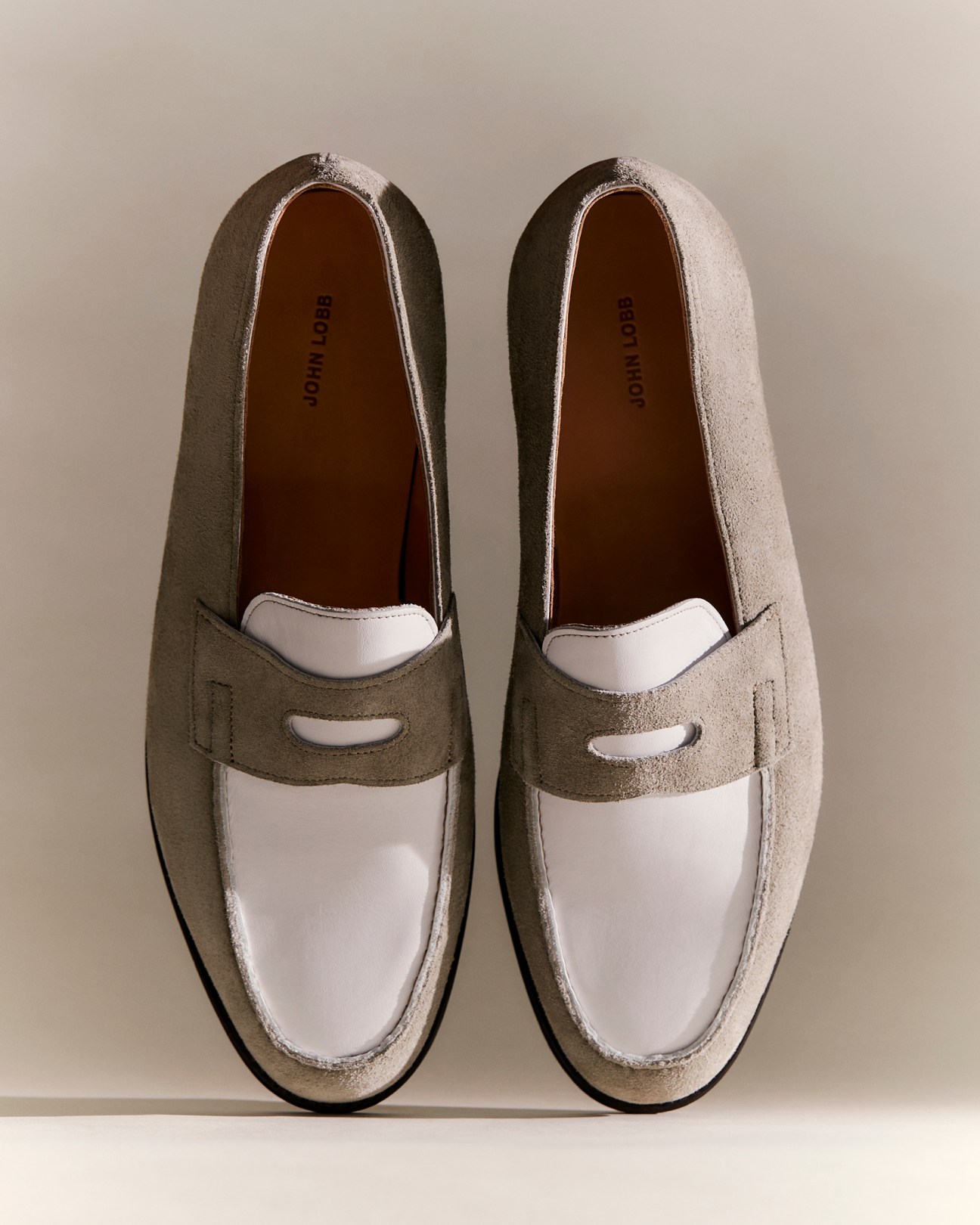
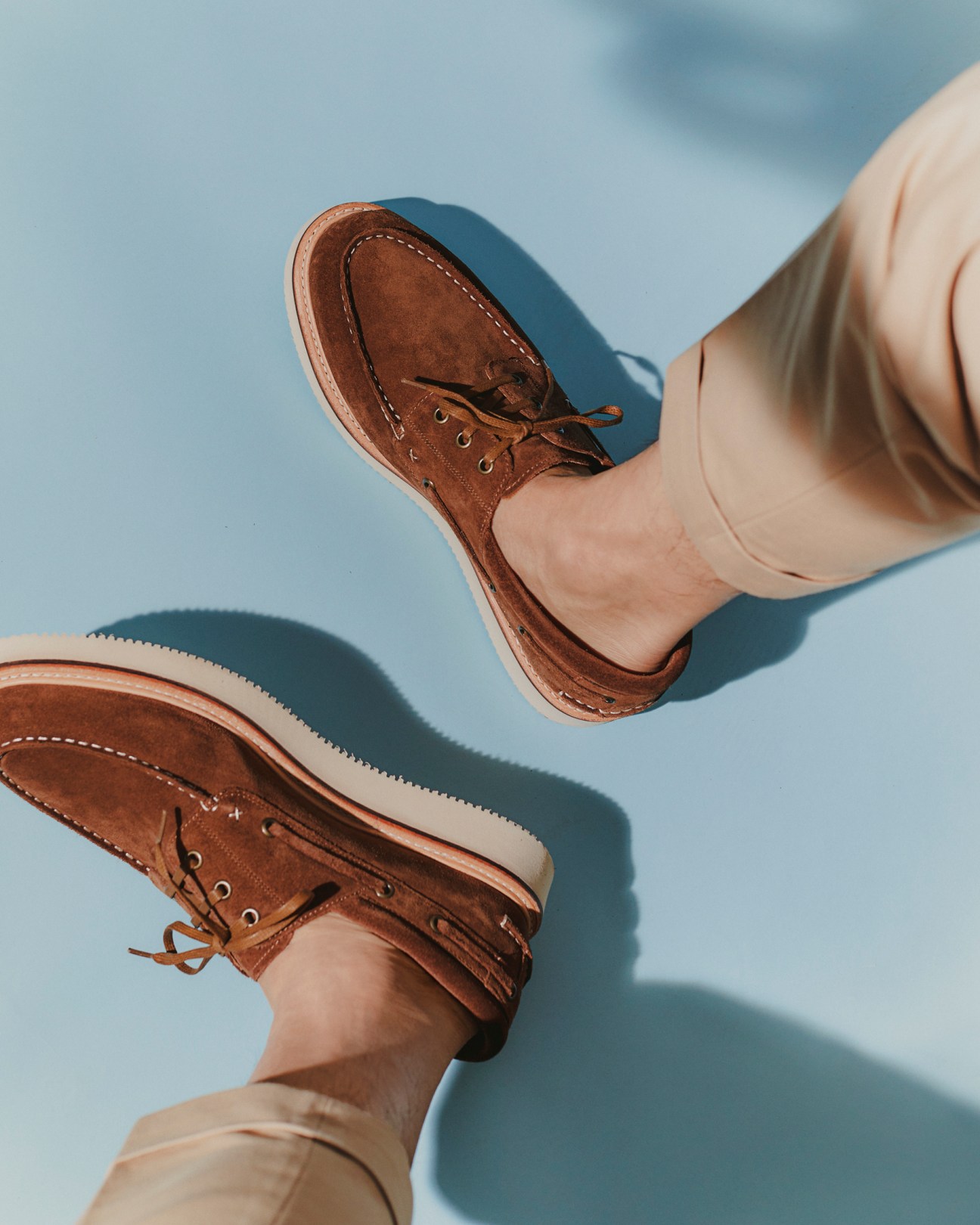
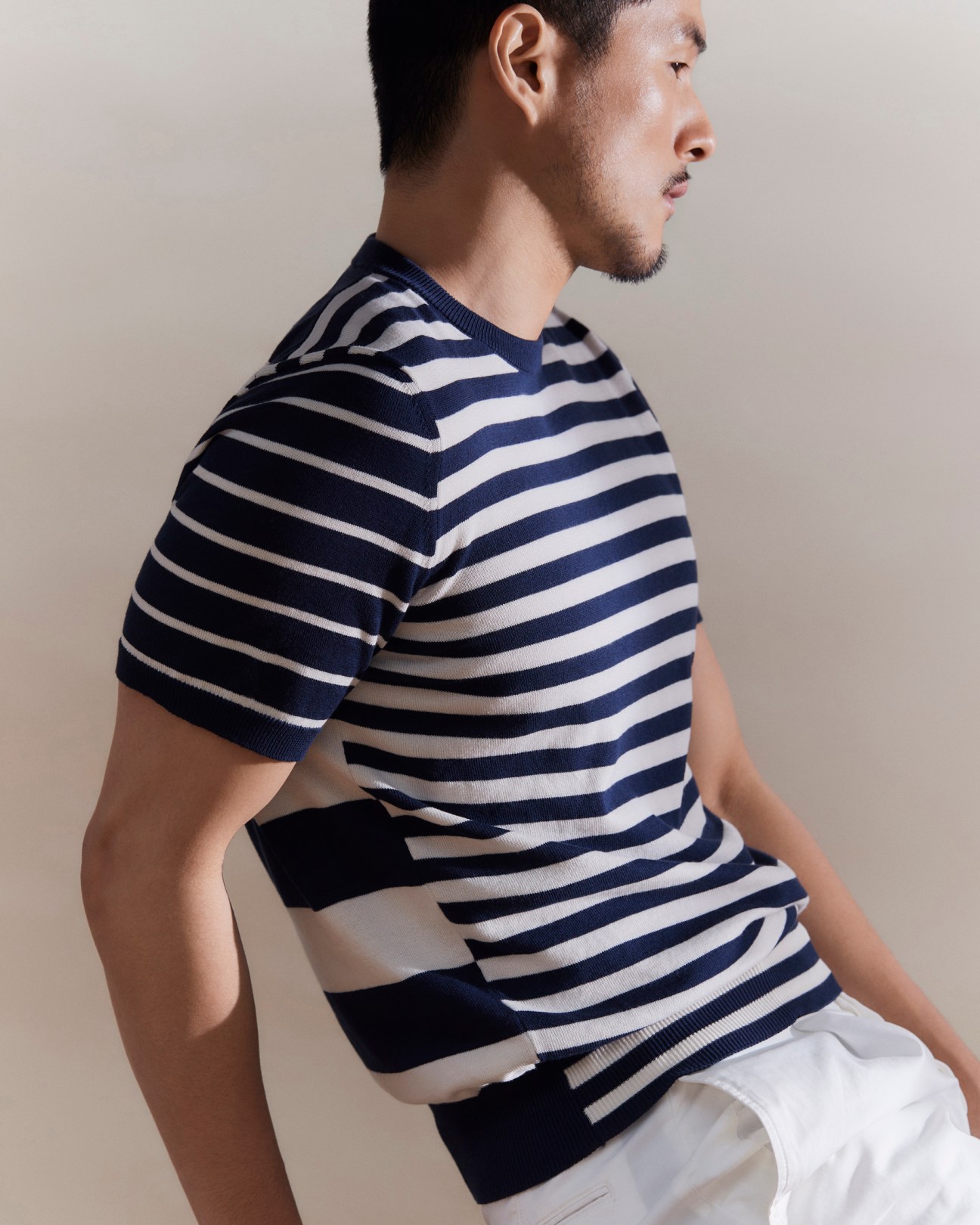

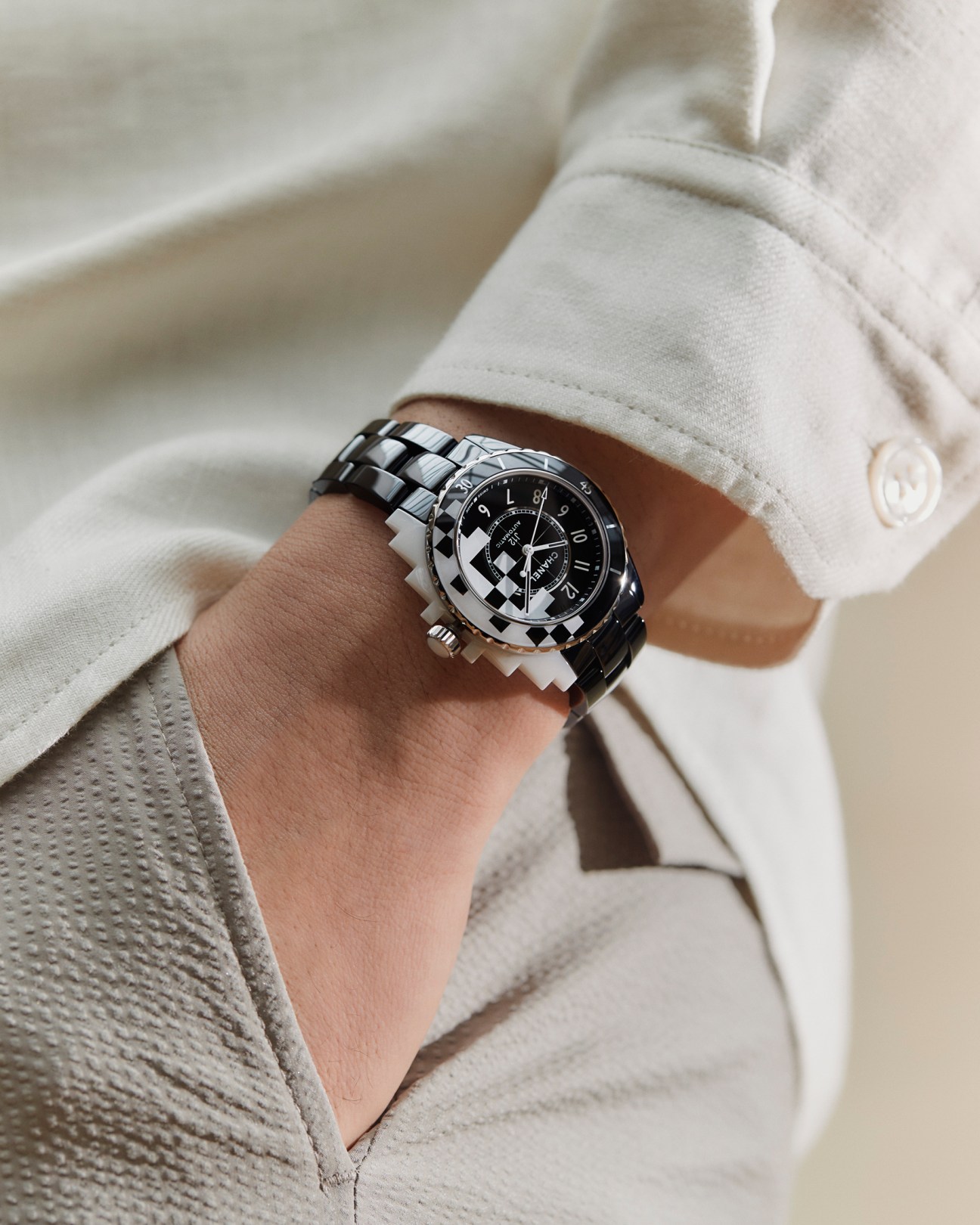

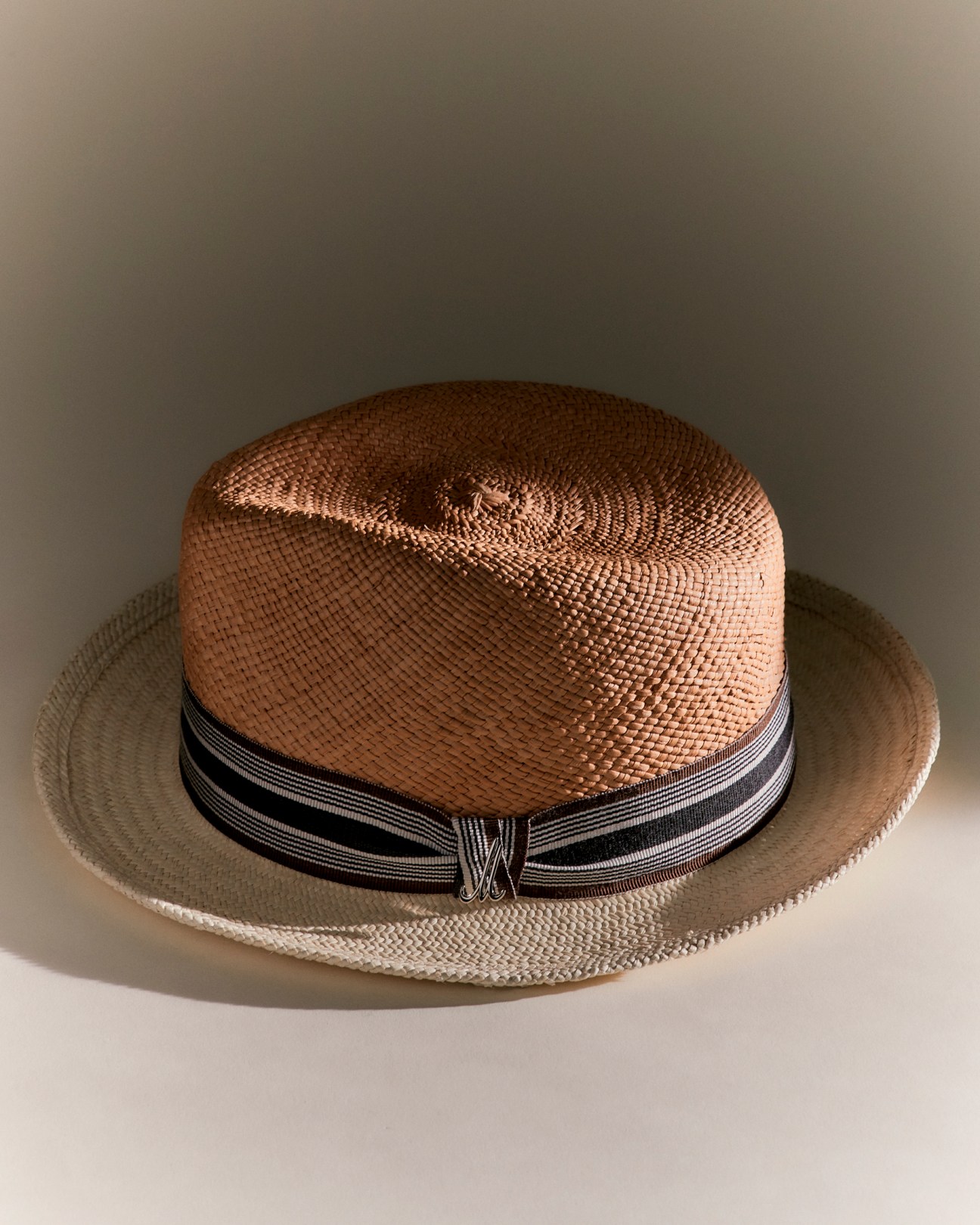
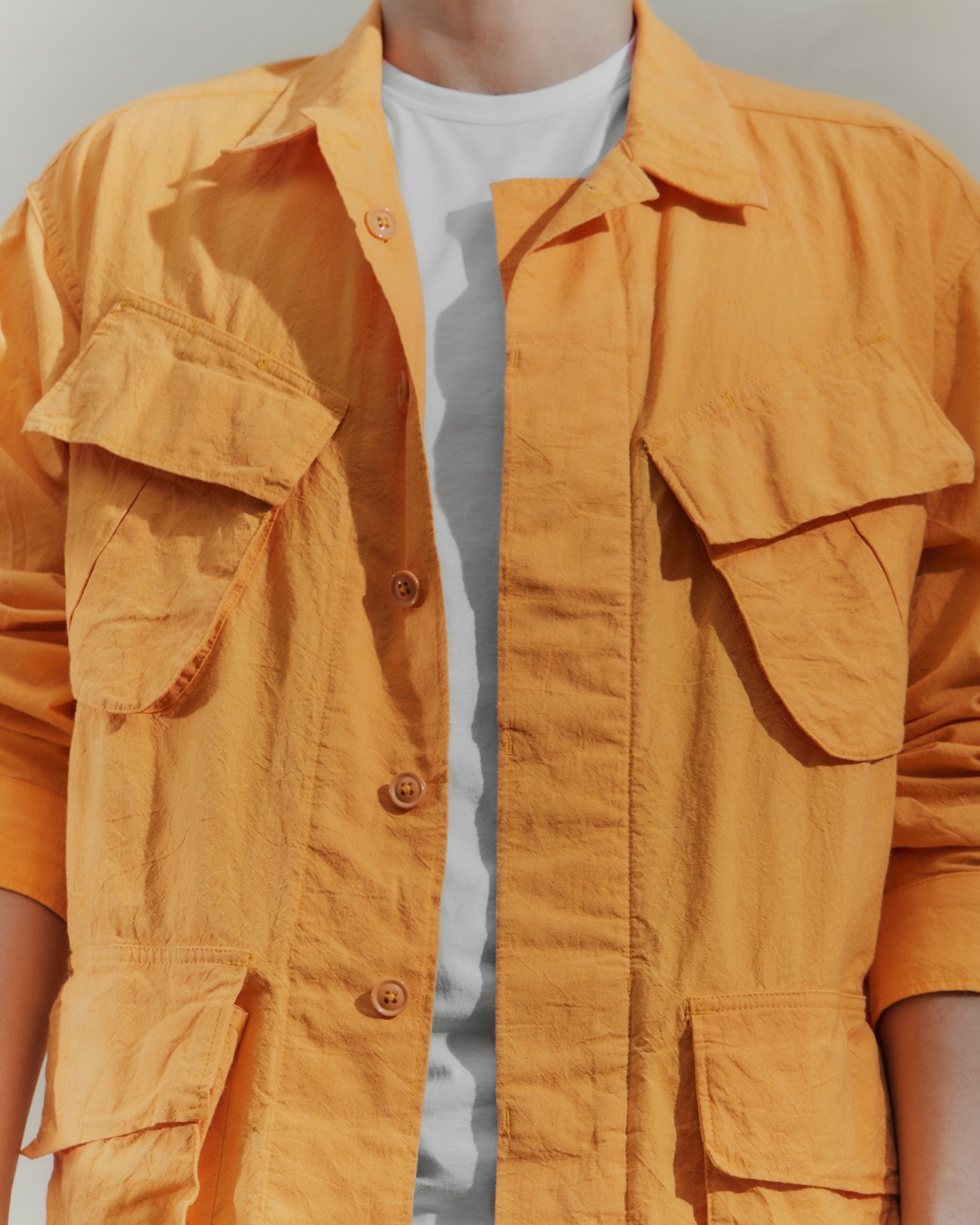
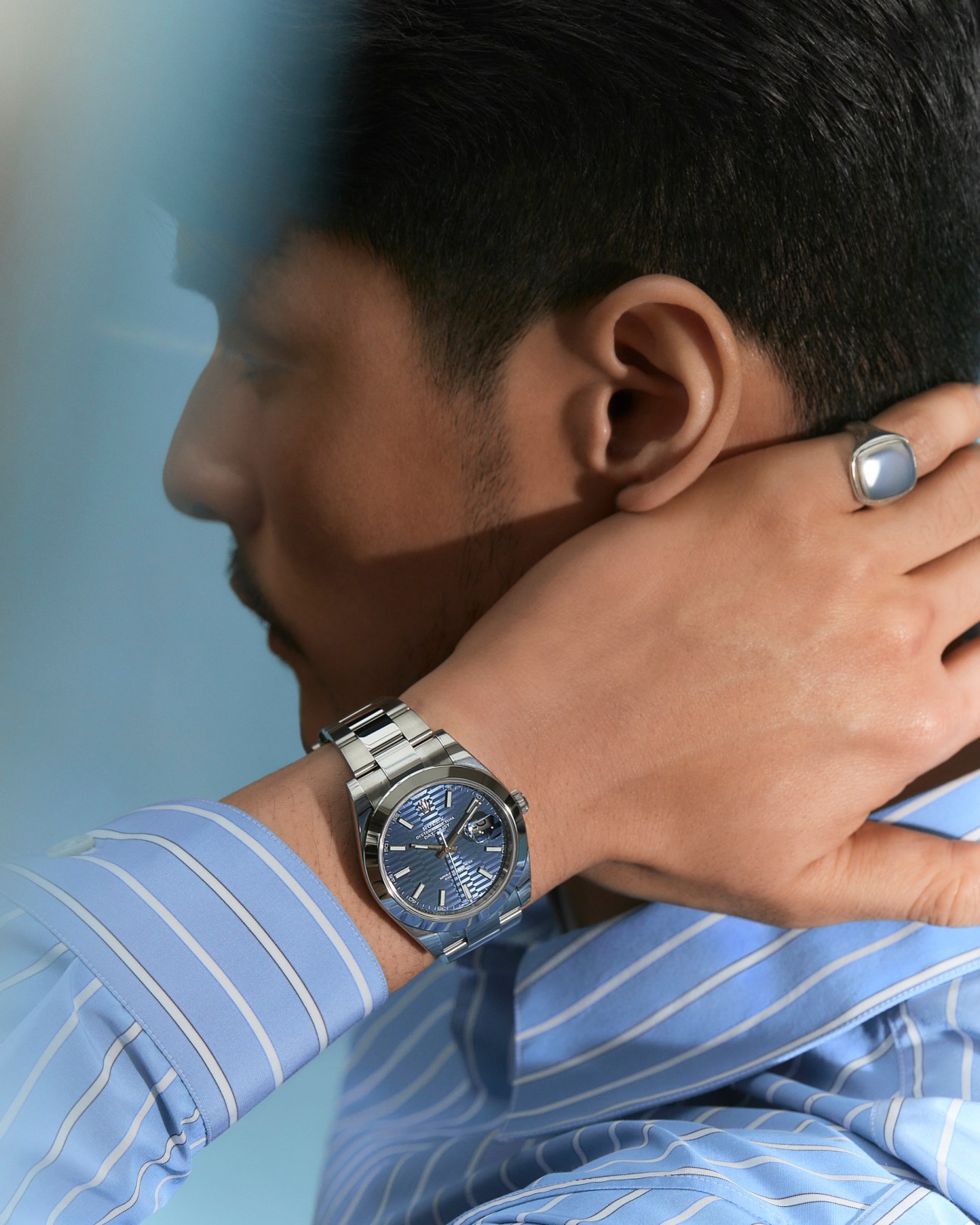
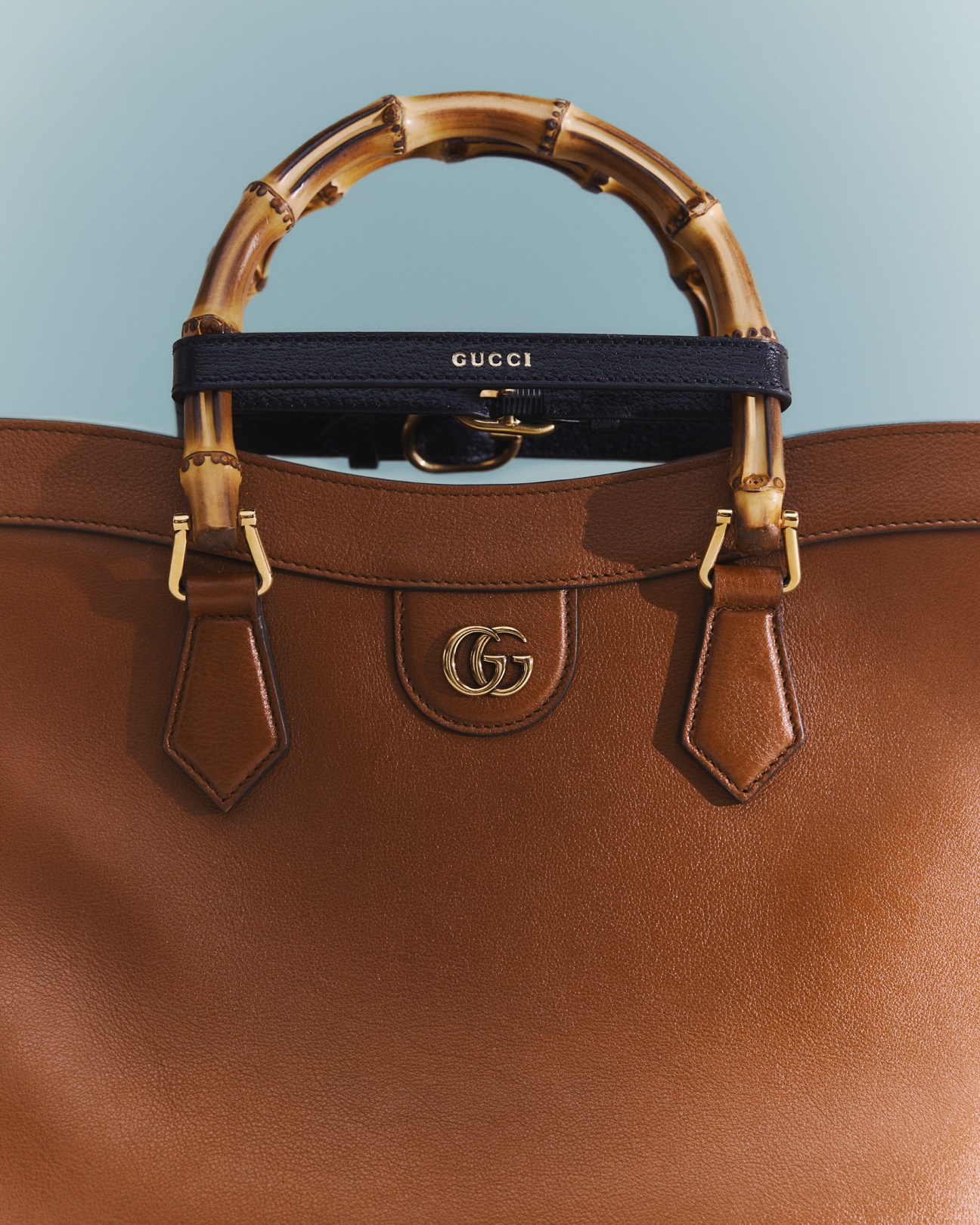
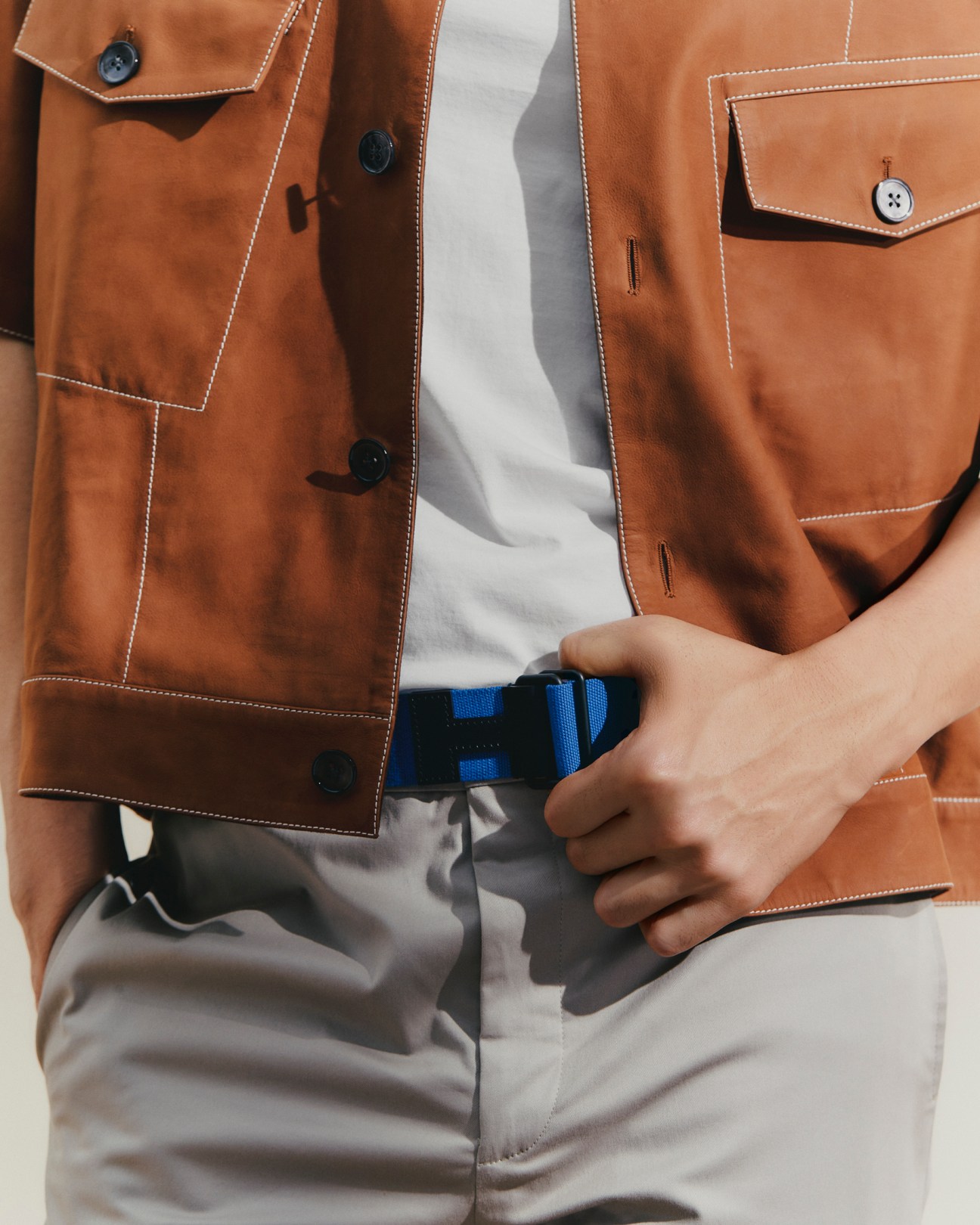
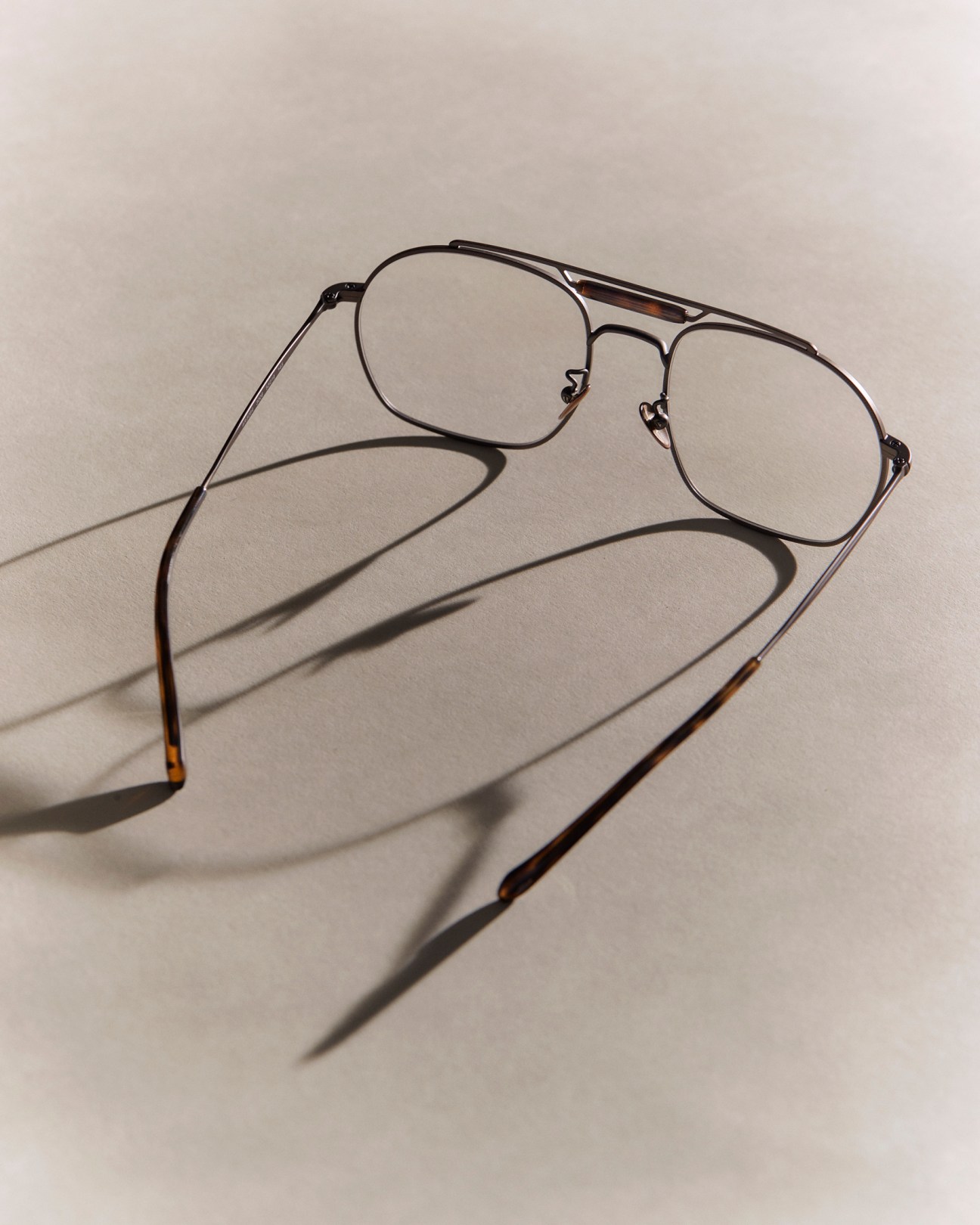
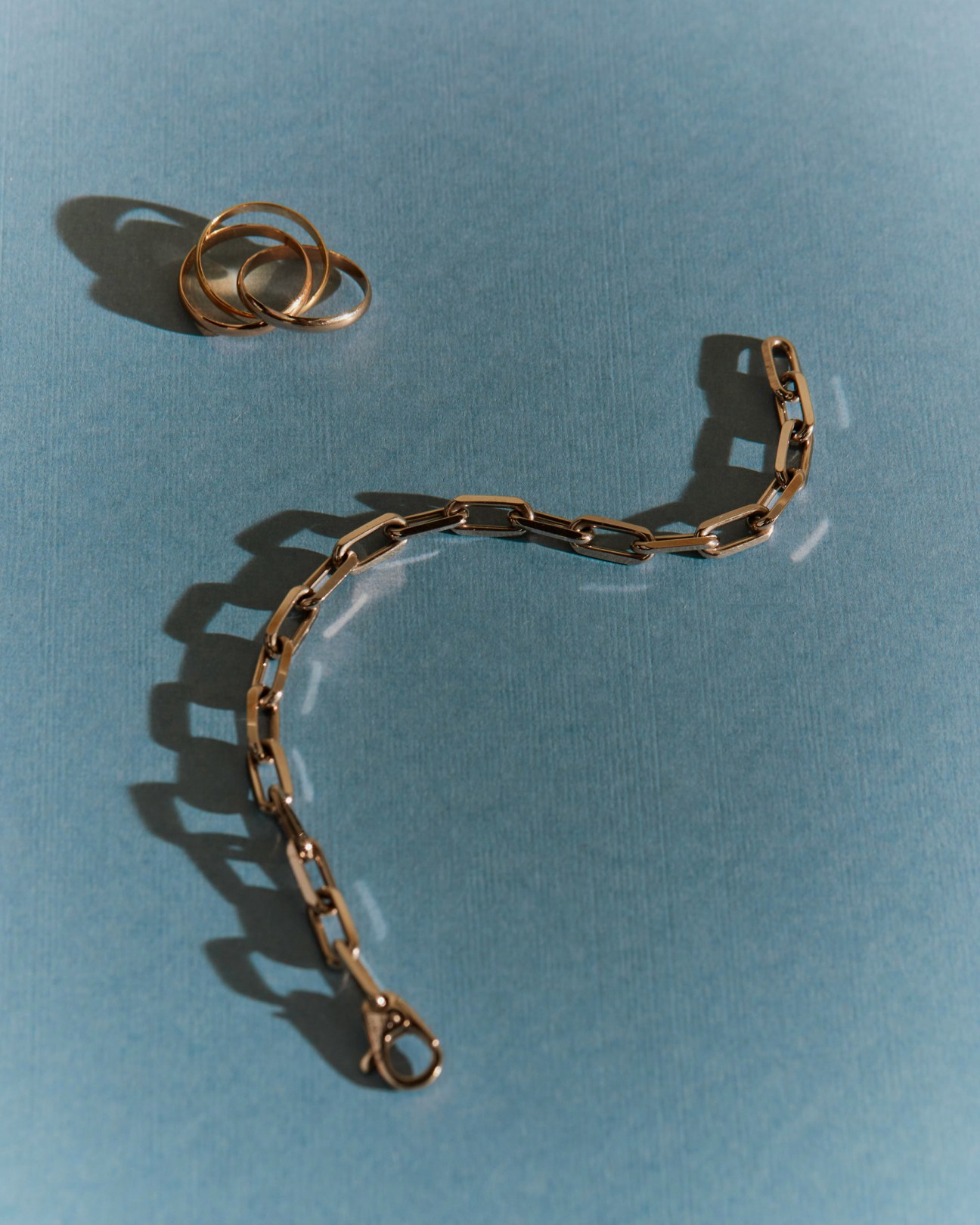

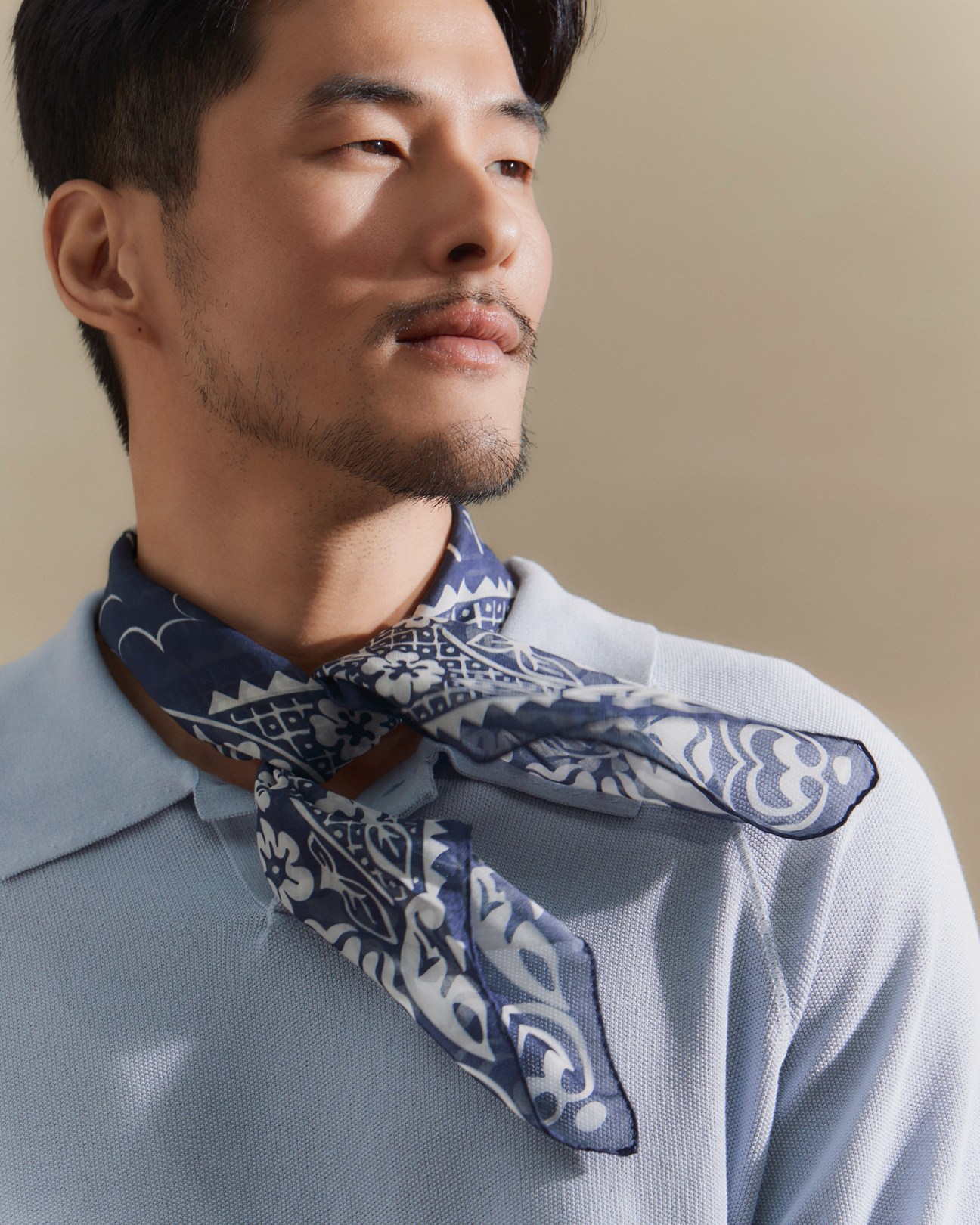
Model: Takayuki Suzuki
Hair and make-up: Hiroki Kojima
Styling: Kyoko Tamoto

Greek revival
Athens is rapidly becoming a prominent creative centre, as young Greeks increasingly choose to return home from overseas and take over family businesses, rather than chase opportunities abroad. Equally, expats in search of a higher quality of life have been putting down roots in a city where there is sunshine all year, lively nightlife and a lower cost of living than in many other major European centres.
This new wave of Athenians is helping to secure the future of long-standing family businesses, as well as setting up new fashion labels and creative studios offering fresh perspectives on Greek design. Believers in the value of responsible manufacturing, these designers are sourcing fabrics in Greece and collaborating with the city’s historic artisan workshops, which, until recently, had been struggling with dwindling demand. Now orders are on the rise and those visiting Athens have more opportunity to engage with local craft and new fashion names. Here, in the first of a new series, Monocle rounds up some of the best locally produced labels to discover on your next trip.
1.
Utility players
Ruben Bansie
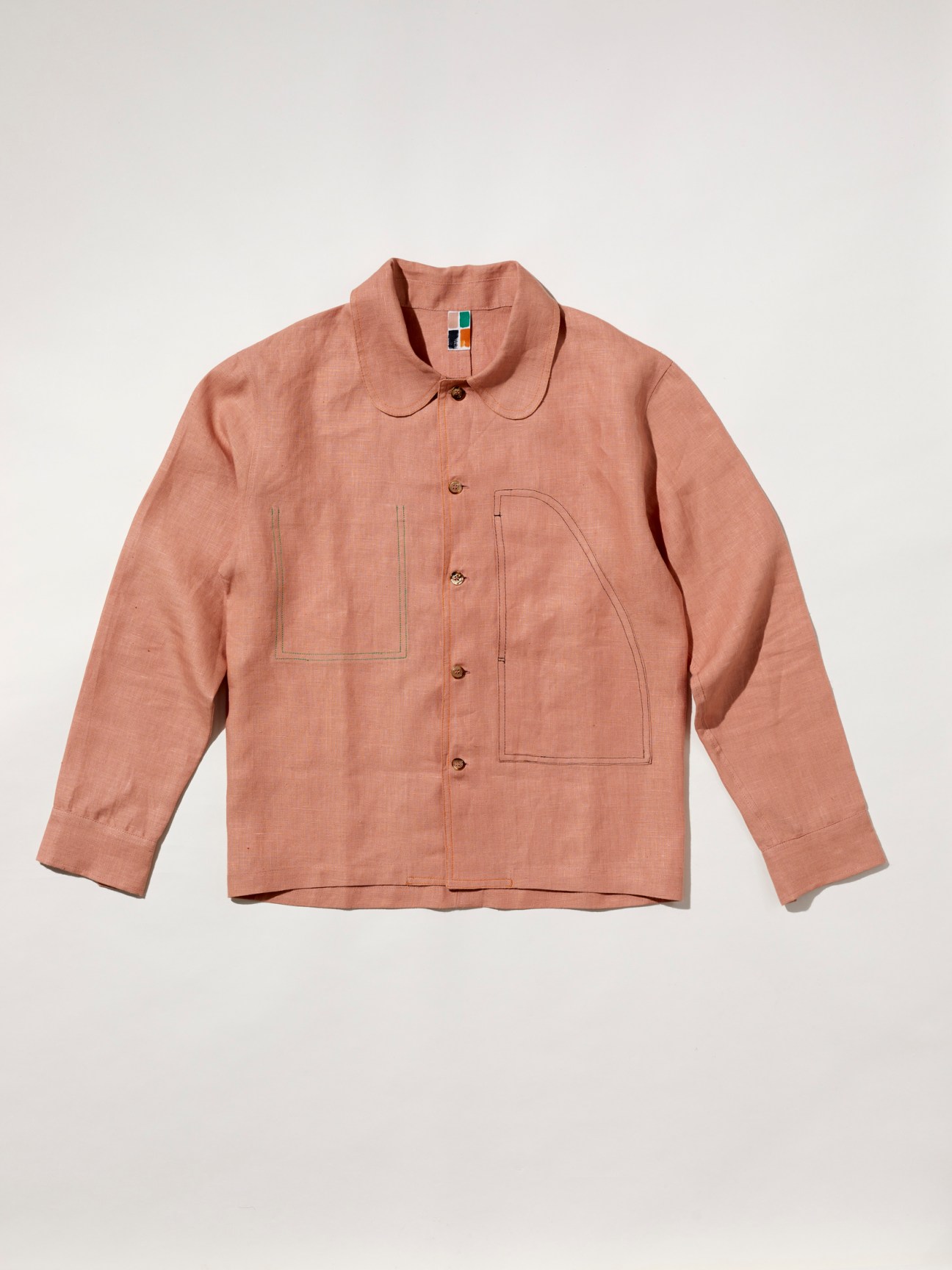
Working exclusively with Athens’ House of Shila, artist Ruben Bansie created a line of unisex shirts for the new hotel group, handmade using fabrics sourced in the city. The linen La Camargue shirt features neat lines and an oversized workman’s fit, contrasted with bold hems and stitching around its three pockets.
shila-athens.com
2.
Fabric of the city
Unsung Weavers
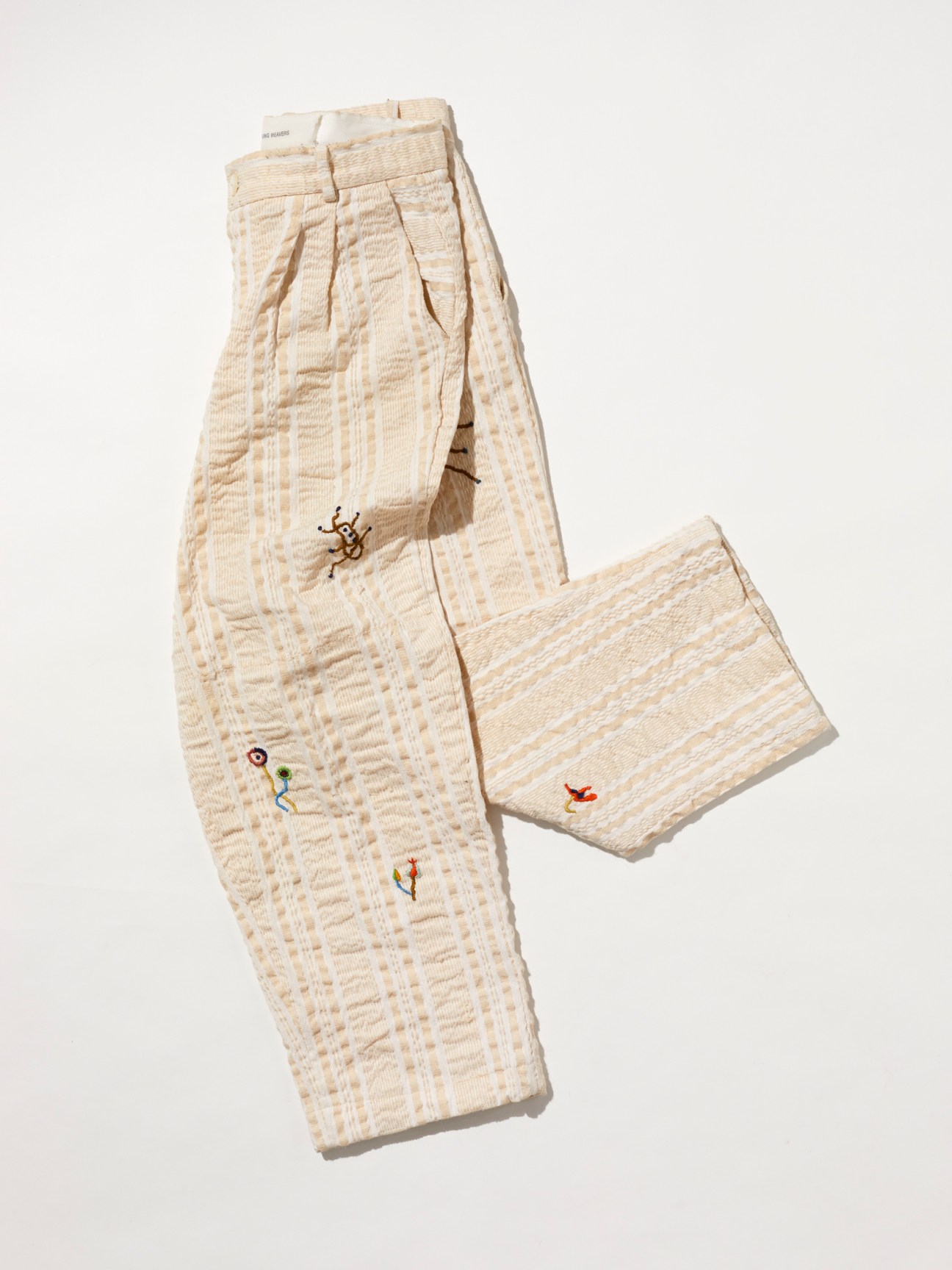
Elina Tseliagkou was inspired to start fashion label Unsung Weavers when she came across an aunt’s long-forgotten dowry. In the past, brides in Greece received handwoven fabrics that were used as blankets on the marital bed. “So many of these are in drawers and forgotten about,” says Tseliagkou who went on a quest to find more examples. “These materials carry the labour of each of the weavers,” she says. Tseliagkou now designs utilitarian outerwear from these heavy blankets, which she sources from mountain villages. The one unifying trait is that these folk fabrics still tell the stories of the weavers who once spun them.
unsungweavers.com
3.
Staying in step
Melissinos Sandals
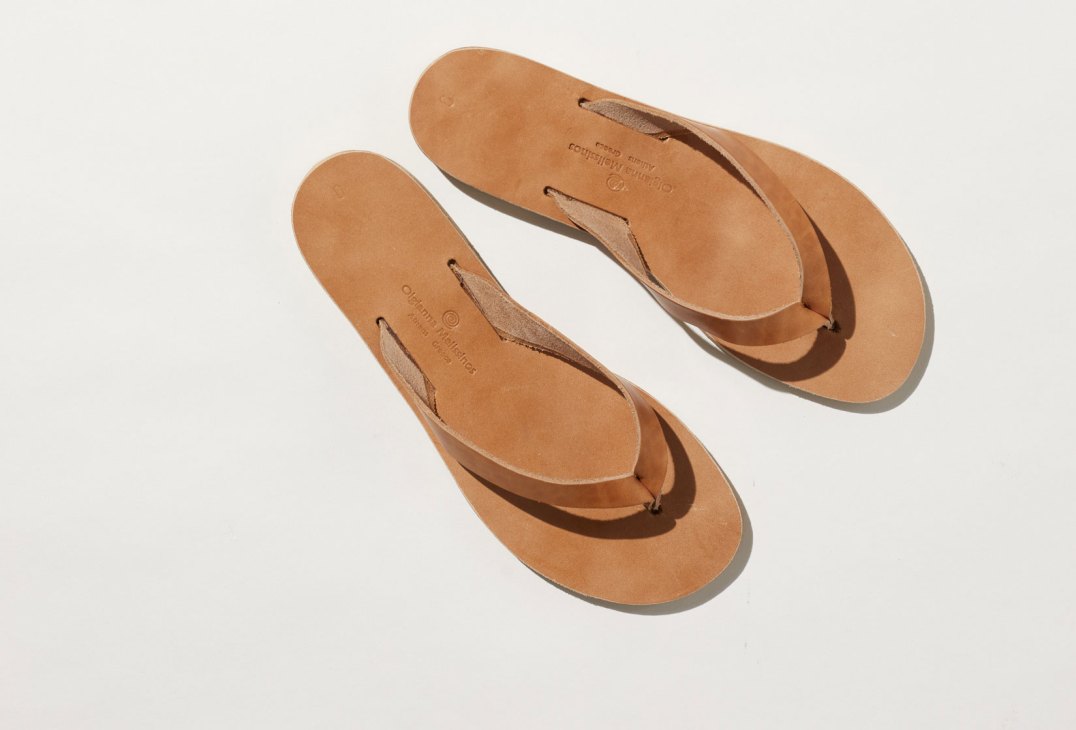
The craftsmanship needed to make durable summer footwear is still going strong in the heart of Athens. Over three generations, the Olgianna Melissinos workshop has become among the most steadfast and trustworthy of all Greek cobblers. The craft of sandal-making began in this family in the 1920s when George Melissinos opened his atelier to great success. His son then inherited the business, taking their soft but sturdy leather footwear to new levels, drawing in clients such as Jackie Onassis, Sophia Loren and even the Beatles. Now, Olgianna Melissinos, daughter of Stavros, continues in the family business, creating Greek sandals with the same commitment to handcraft and the “Made in Athens” label as her father and grandfather.
melissinos-sandals.gr
4.
Jewel in the town
Apiliotis
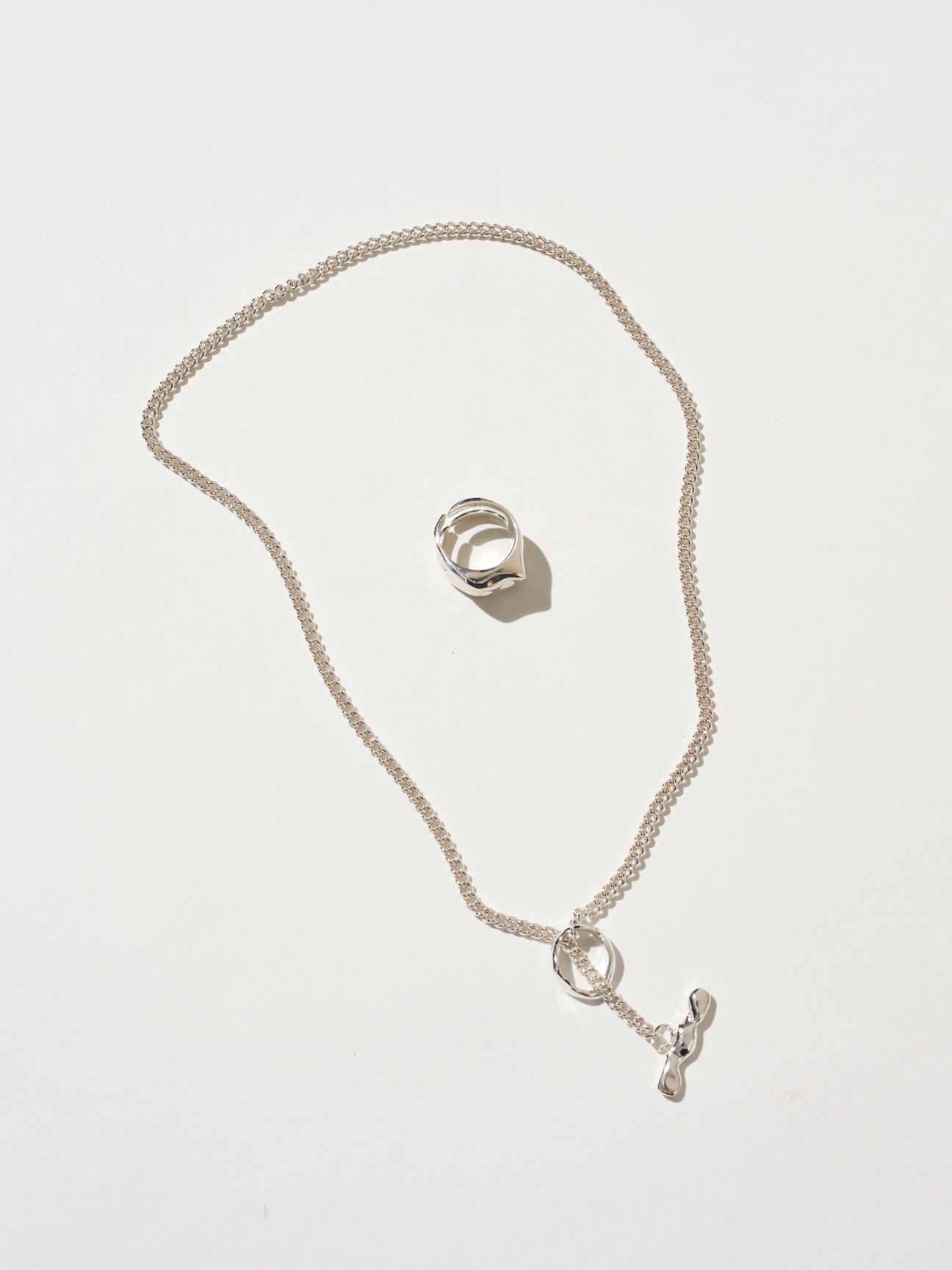
Unisex jewellery made from recycled silver makes up the offering from Apiliotis, a label that operates out of the Kypseli neighbourhood of Athens. The minimalist jewels are handcrafted using locally sourced semi-precious stones and recycled silver to form everyday pieces. Its undulating ring bands can be stacked, making for collectible items.
apiliotisjewellery.com
5.
Lifelong journey
Hak Studios
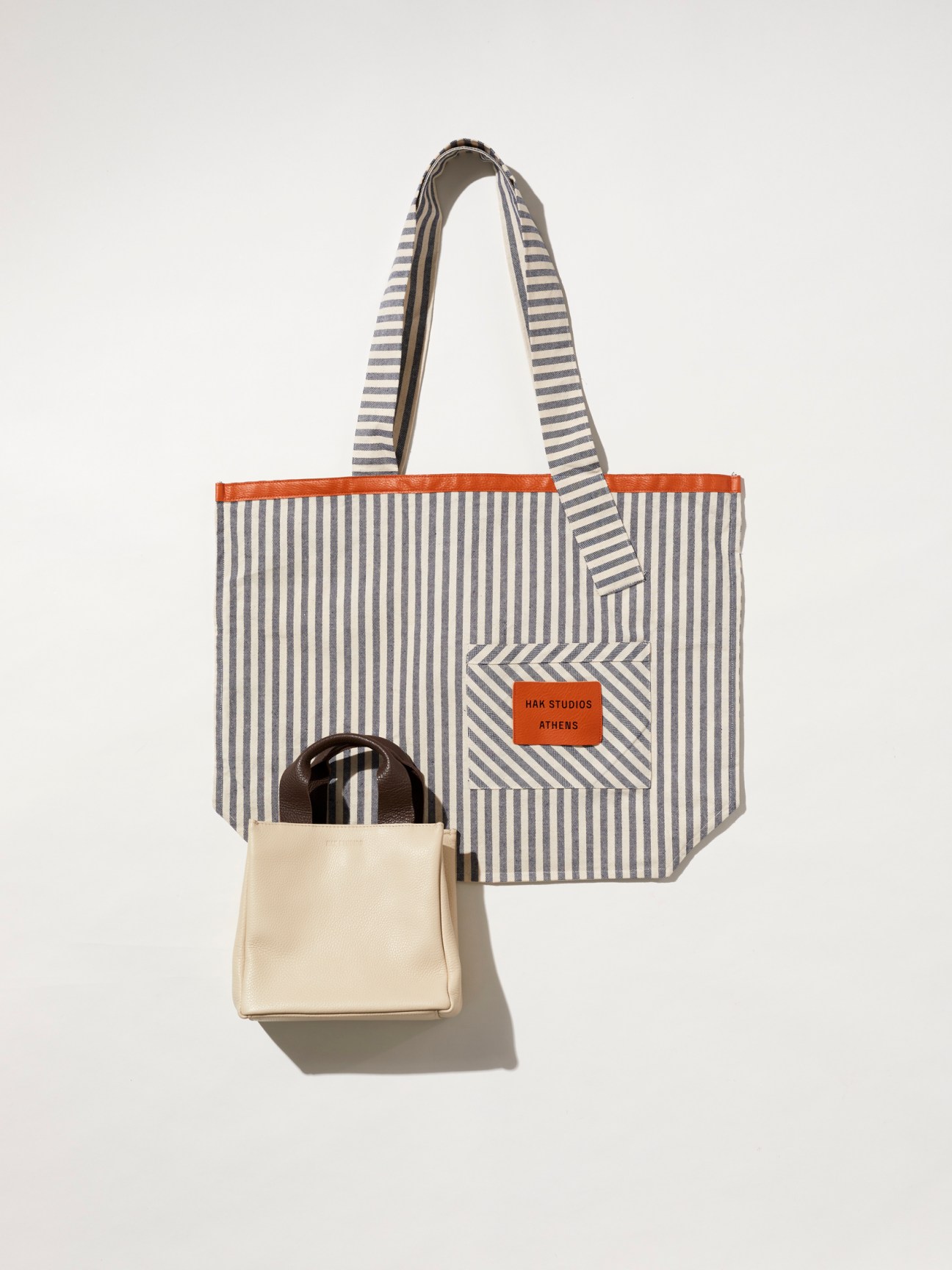
Hailing from Kastoria, a Greek city that has been central to the country’s fur and leather trade, Alex Kotoulas was raised in artisans’ workshops and learned to sew from a young age. Now he runs Hak Studios, a multidisciplinary brand that encompasses hand-crafted bags, leather accessories, ceramics and artwork made from materials found in Greece. Kotoulas’s first design was the Voyager backpack, which marries durable canvas with supple leather. “I wanted to create something that could transition between my Athenian life and summer on the Greek islands,” he says.
hak-studios.com
6.
Collar co-ordinated
It’s a Shirt
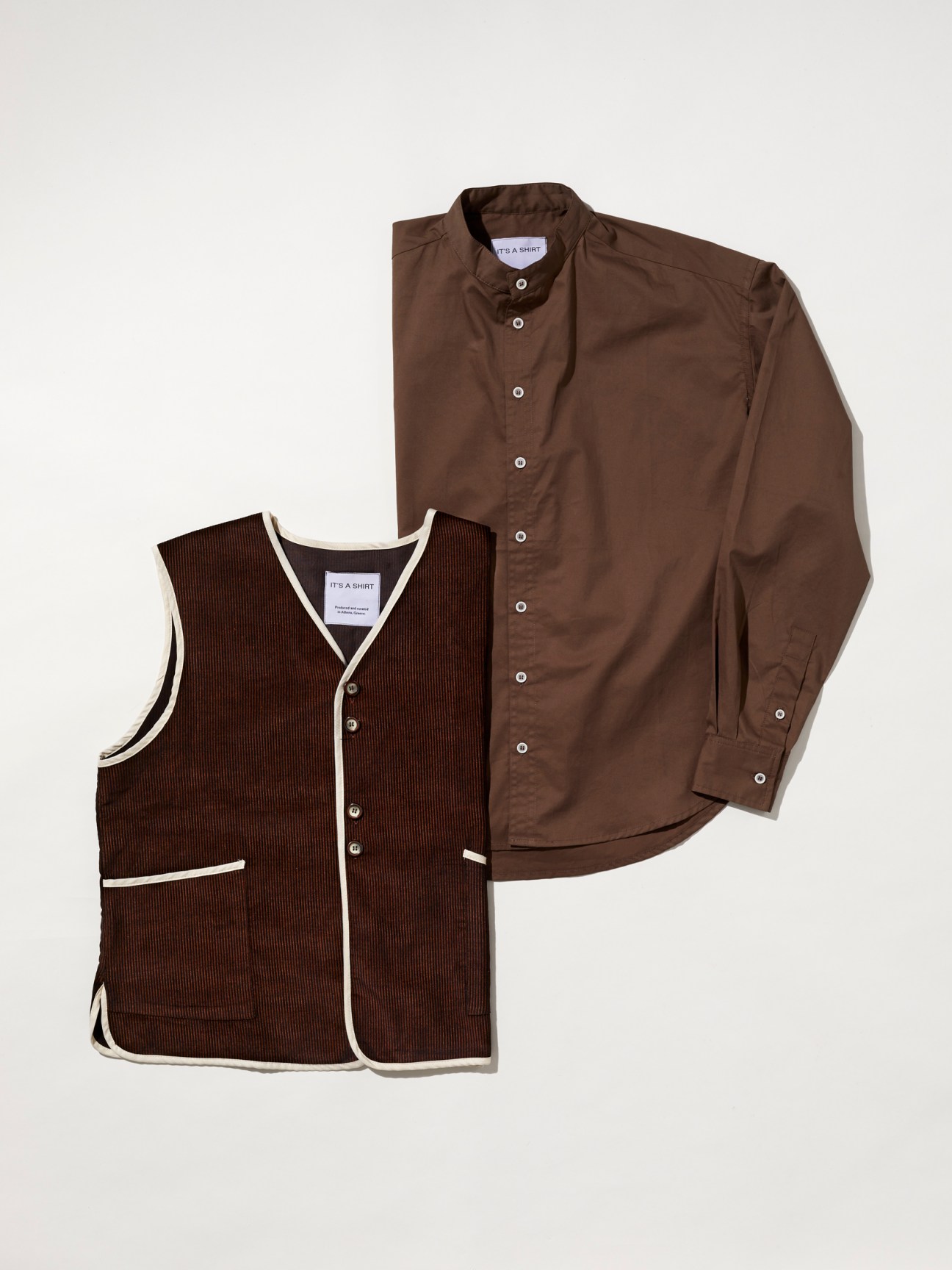
It’s a Shirt was born out of a father-daughter collaboration between Christina and Konstantinos Christodoulou. Raised in the port town of Piraeus, Christina was exposed to the family’s garment workshop from a young age. The firm’s studio in Athens is now dedicated to unisex shirts and smart tailoring, made using vintage and deadstock fabrics sourced in Greece. “I usually search for materials such as furniture fabrics, English wool or Italian jacquards,” says Christina. Look to the classic collection for unisex shirts that can be worn all year.
itsashirt.gr
7.
Breezy does it
Lefko
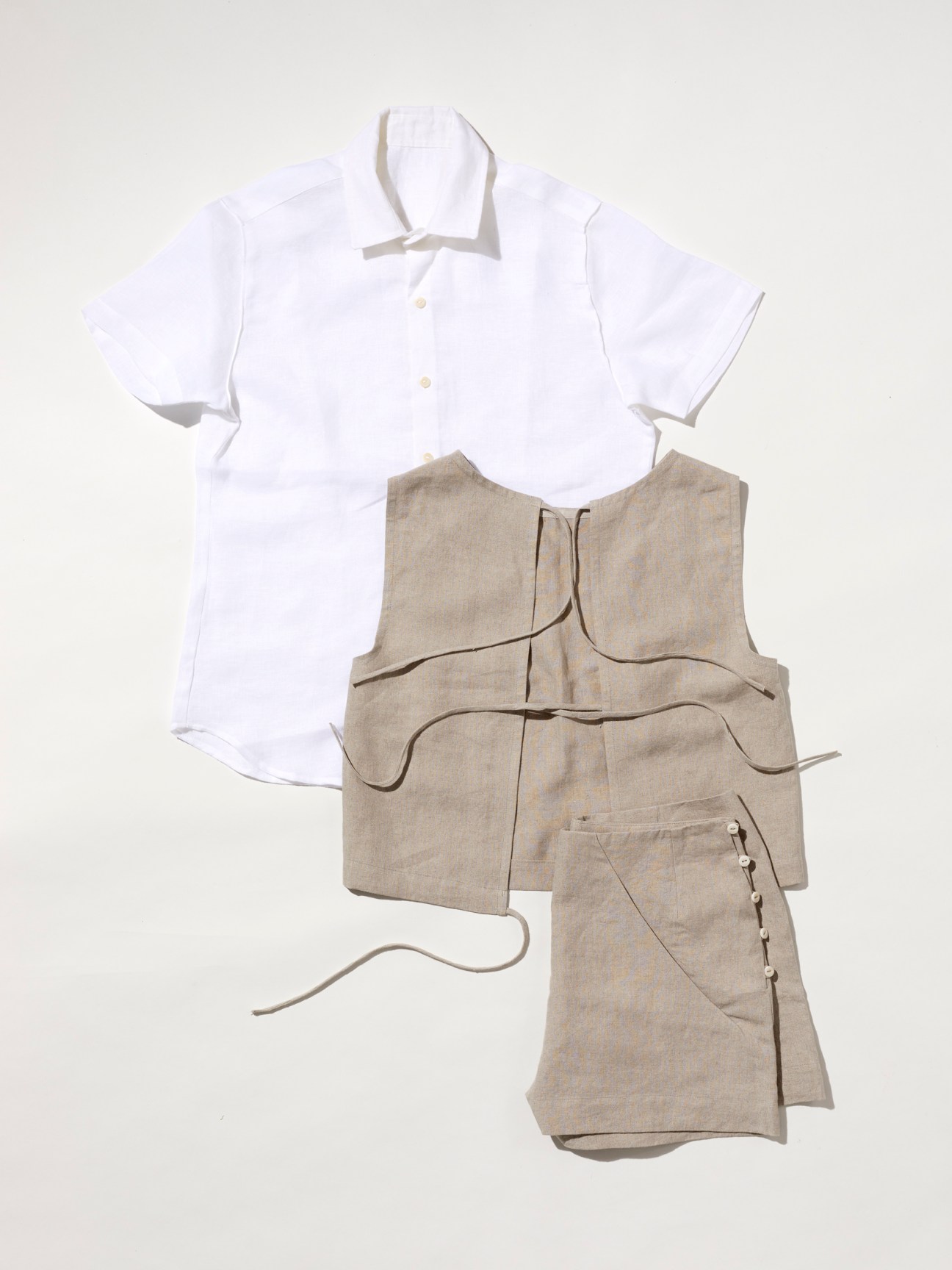
Made-to-order linen label Lefko began as a project to empower refugees and victims of human trafficking who were seeking asylum in Greece. Now the label, whose pieces are manufactured in the Votanikos area of Athens, relies on Shafi, a Tajikistani tailor who arrived in the city via a refugee camp on Lesbos, for its lightweight summer pieces. Shafi crafts every linen item by hand, using fabric produced by family-run textile business Savvidis. Lefko, which means “white” in Greek, is a nod to the label’s commitment to a transparent supply chain and fully biodegradable materials. The breezy Apollo men’s shirt is designed with a relaxed fit in mind, so wear it untucked.
lefko.co
Wear it’s at
1.
New retail
Goods is, well, very good
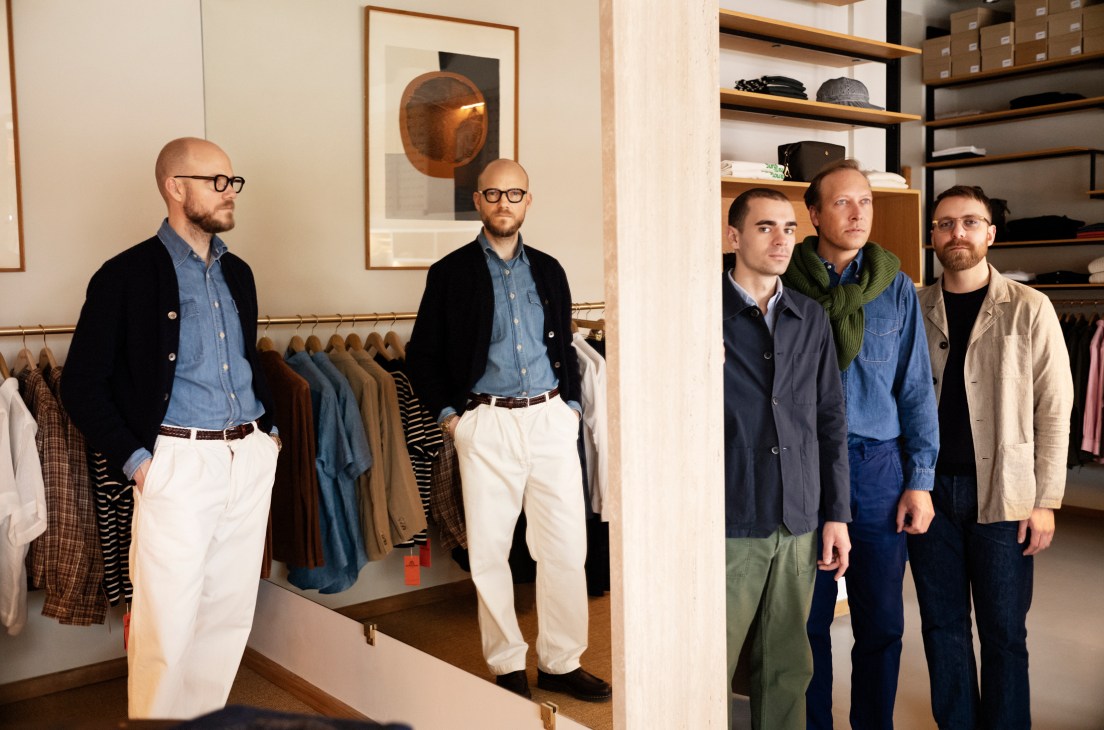
Julius Nielsen, an architect and Copenhagen resident, has been stocking his wardrobe from menswear store Goods for the past 15 years. He discovered the independent outpost when it opened in 2008, in a basement close to his Østerbro home. It was the shop’s selection of timeless, well-crafted clothes from Denmark and beyond that first drew him in. But he also got to know the shop’s staff and formed friendships; it’s now a regular habit to drop by for a coffee on his way home from work. “Goods quickly established itself as an intrinsic part of the neighbourhood,” he says. “It became more than a regular clothing shop.”
Fast-forward to 2023 and Nielsen is working alongside Goods founder Kasper Hostrup on the shop’s first major redevelopment in years. After buying a neighbouring lot on Østerbrogade, the shop is expanding and introducing an elegant new look. “It was important that the redesign was in the hands of someone who knew the shop well,” says Hostrup, who has been the driving force behind the business’s customer-centric ethos and ongoing growth. He takes monocle on a tour of his newly refurbished shop, sharing his ambitions behind the redevelopment project: to reaffirm Goods’ position as a leading menswear retailer. “Physical retail is as much about product as it is about atmosphere,” he says, adding that he has been aiming for a gentle refresh rather than a complete overhaul. “We wanted the expansion to feel as natural as possible to our customers.”
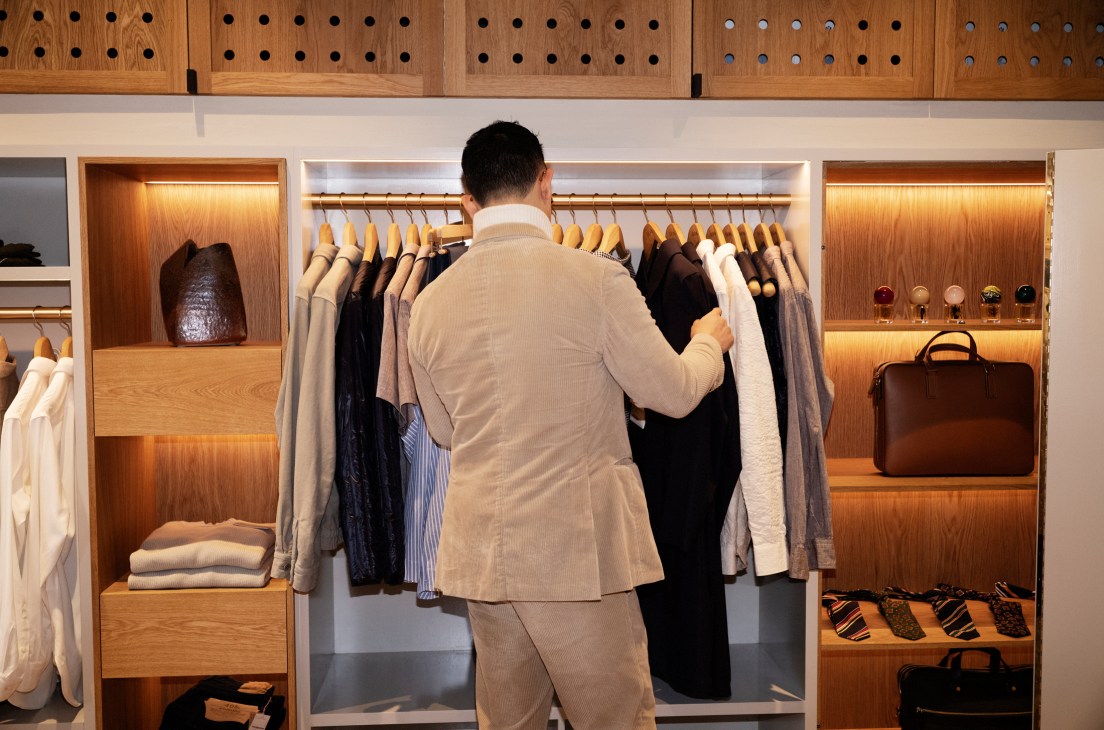
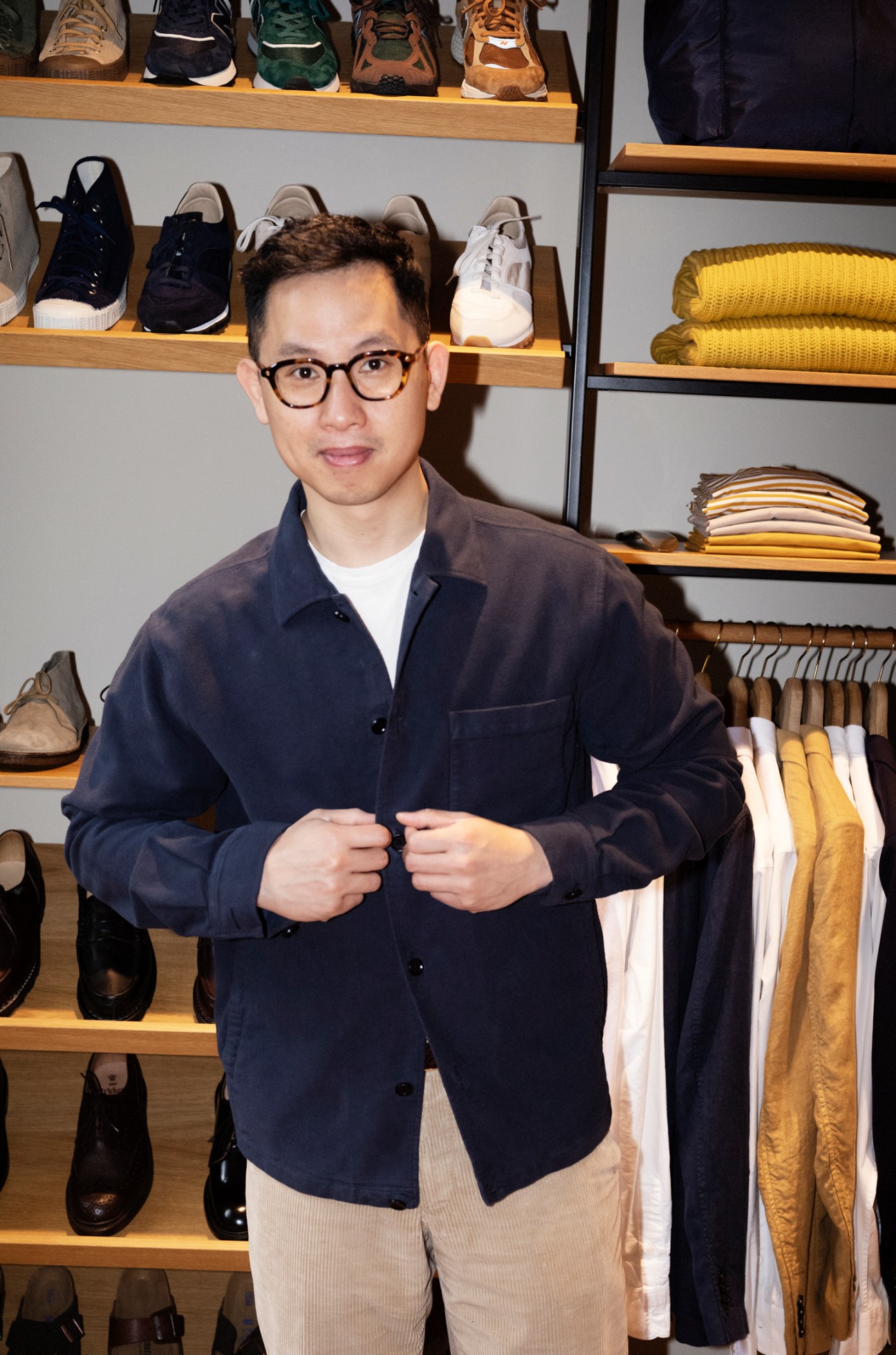
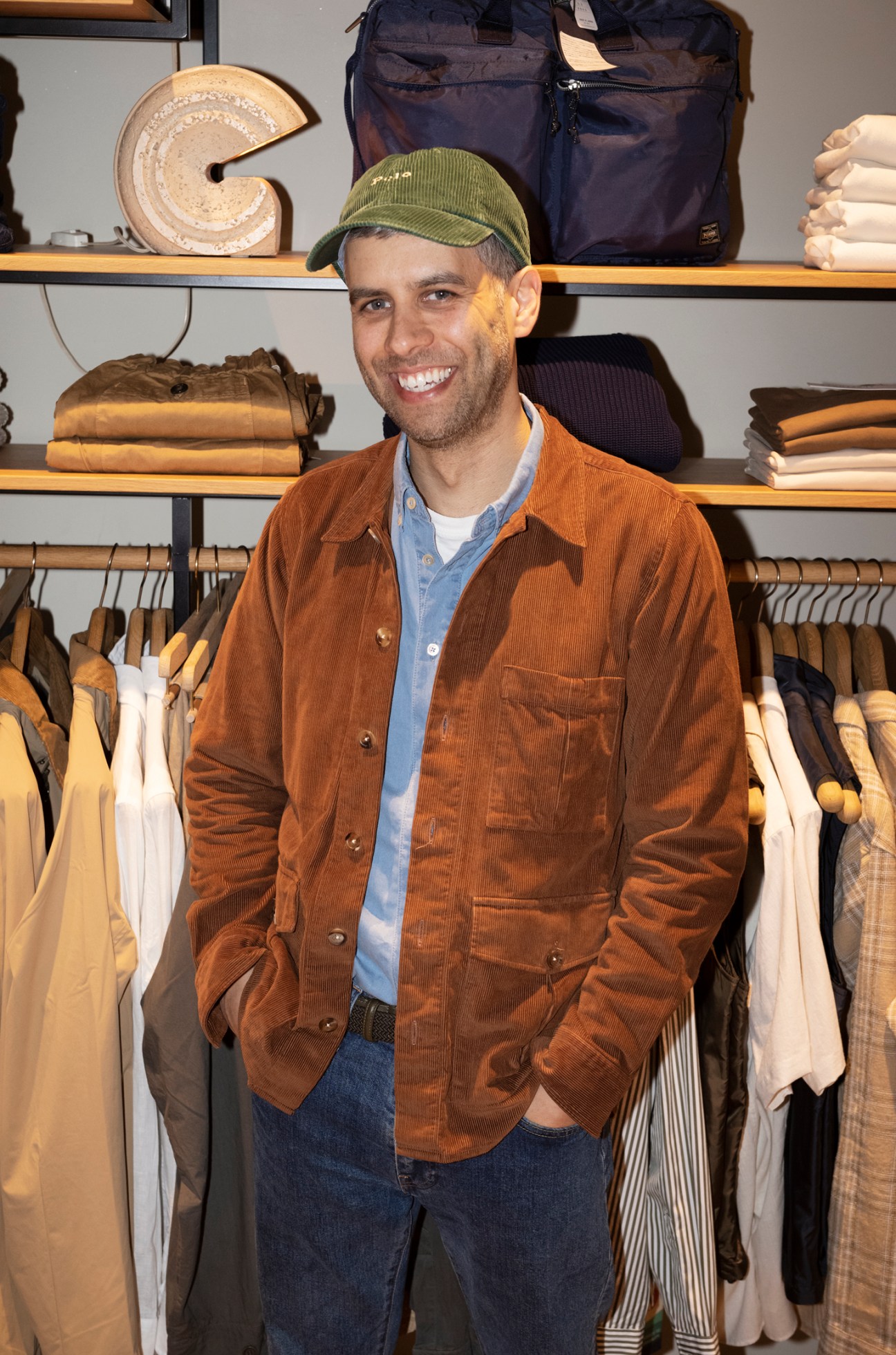
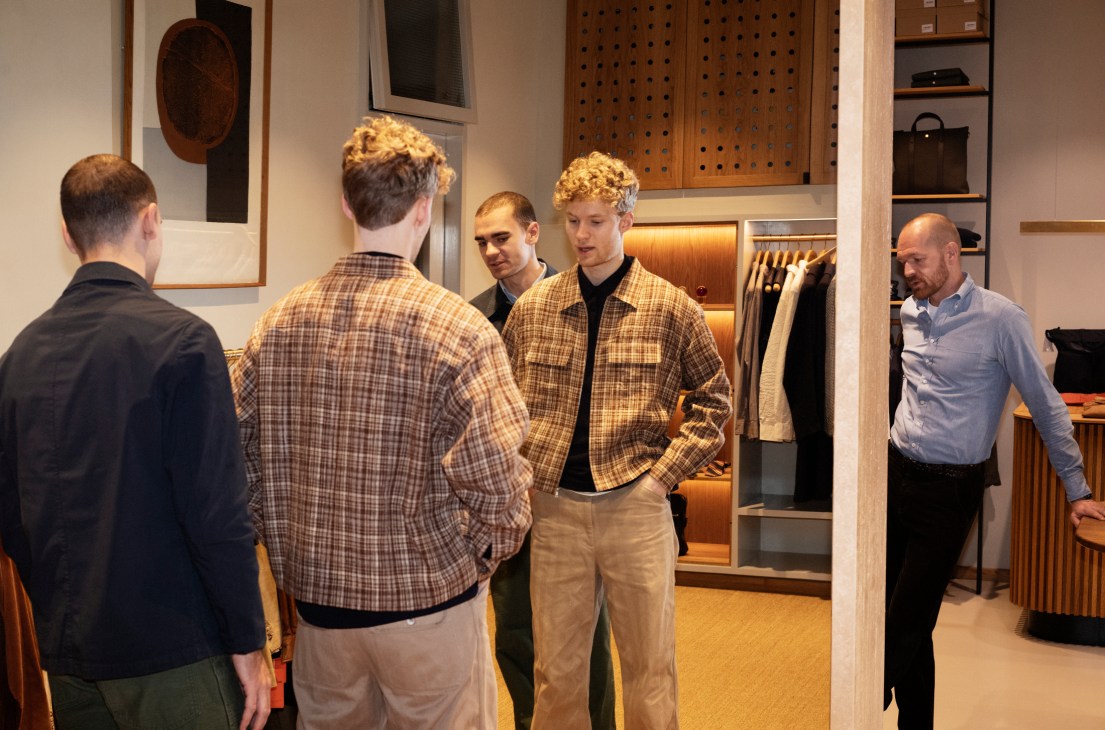
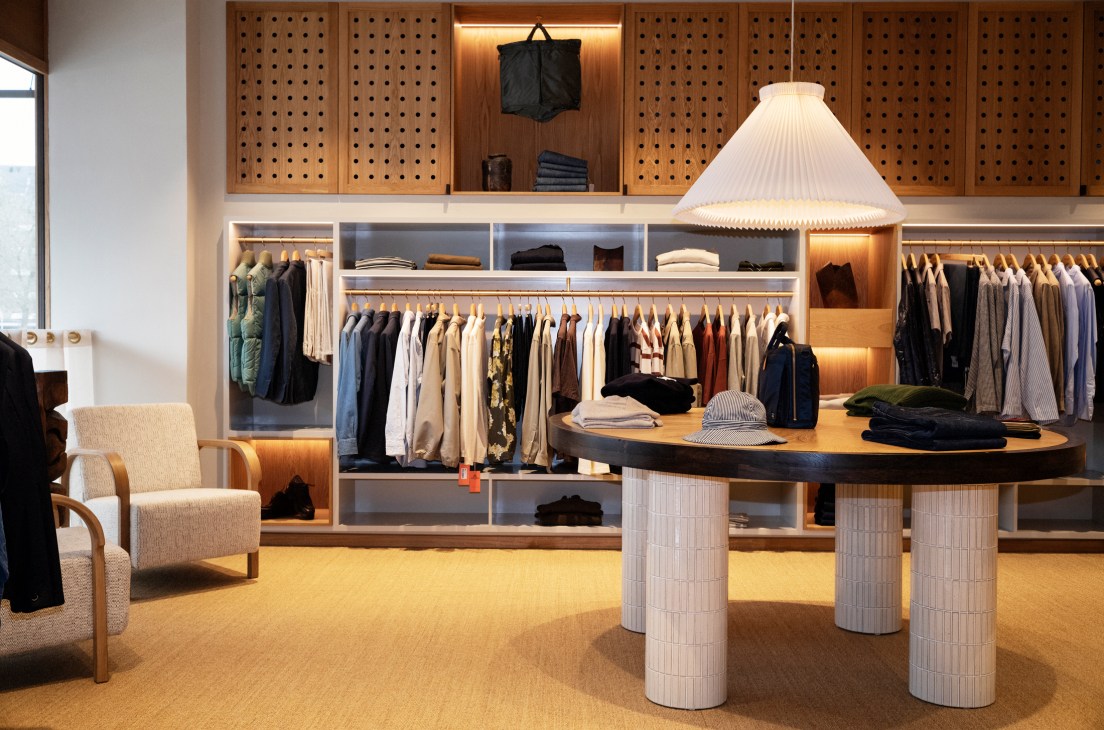
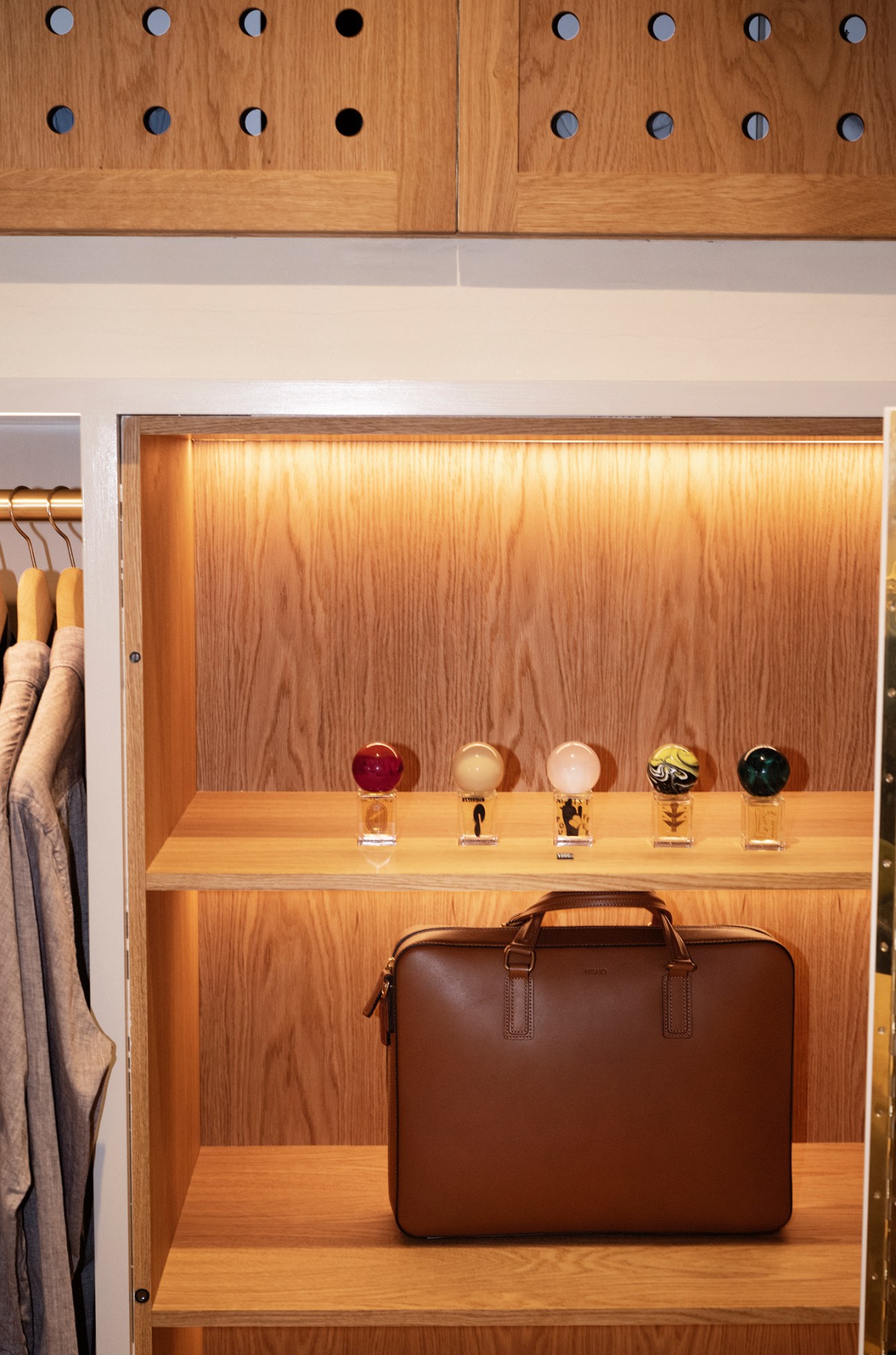
A luminous room adjacent to the original shop makes up the main part of the redevelopment. It connects to the main shop floor through a wide opening fitted with a travertine frame – a nod to the building’s stone façade. At the centre of the room is an imposing round table that was custom-designed. It displays a selection of arrivals for the coming season, including leather sandals and a striped bucket hat by Japanese brand Orslow. Hanging over the table is a folded paper lamp by lighting brand Le Klint, a Danish design classic from the early 1900s that you still spot in many locals’ homes today. “We wanted the space to feel homey and familiar,” says Hostrup, who selects all the products he stocks at Goods. These range from all-time classics, such as New Balance sneakers and Barbour overshirts, to relaxed suits by Danish tailor Berner Kuhl and elegant staples by Goods’ in-house label – printed bandanas, suede gloves and cashmere sweaters are among the highlights.
The opening of this new iteration of Goods marks an important moment for Hostrup, who left school at 17 to pursue a career in menswear. After a few years spent abroad, he returned to Denmark and set up Goods, using his industry network to forge partnerships with designers who shared his obsession with craft and timeless design. “Quality is key if you want customers to come back,” he says.
Hostrup also understood the value of building a community that shared his values. “Starting in a basement meant that people could only get to know us through word of mouth,” he says. Today, Hostrup prides himself on a loyal customer base that combines locals who drop by on a weekly basis, with those travelling to this part of Copenhagen purposely to visit his shop. “If you know the kind of customers you cater to, it’s not as important to be located in a highly commercial area,” he says. “People will find you.”
Mitchell Dean is one of those people: a Sydney native who heads up multiple departments at the prestigious Copenhagen Business School. He speaks of Hostrup’s ability to bring together the best brands under one roof and make smart selections. “I keep coming here because the garments in stock never disappoint,” he says, adding that every visit to Goods is a new discovery. “Sometimes it feels like the selection is made specifically for me.”
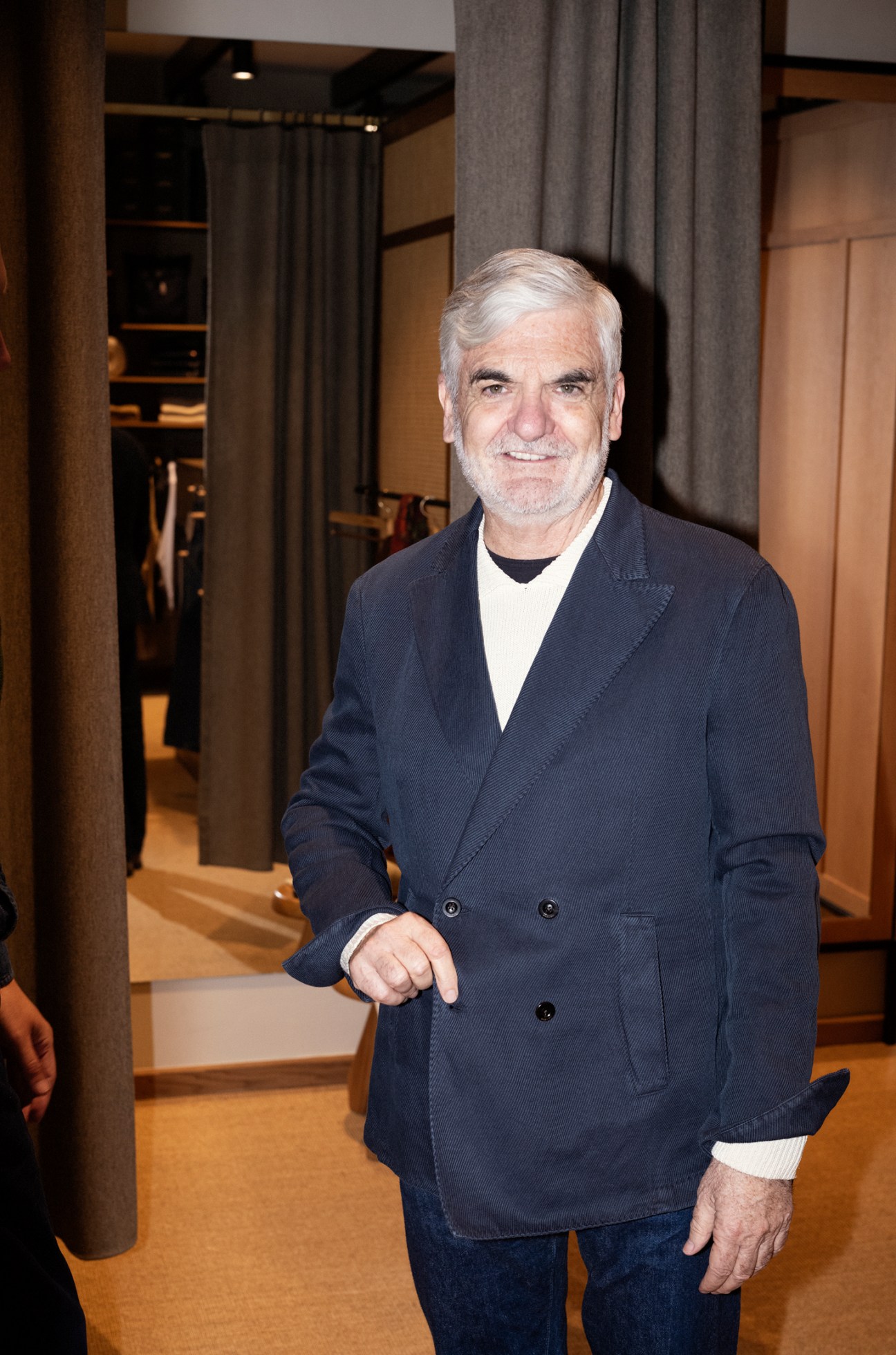
The strength of the Goods community became particularly evident during the pandemic, when Hostrup was forced to shut his shop for three months. Not only did many of his regulars support the business through online purchases but they returned en masse once the shop re-opened – Goods was able to recoup the €150,000 lost during Copenhagen’s three-month lockdown within the first month of reopening. “It also proved that people love physical retail,” says Hostrup.
After experiencing the extent of his customers’ support, he felt encouraged to press on with his redevelopment plans and now he is looking ahead to the business’s new chapter with renewed confidence. He plans to reaffirm Goods’ reputation on a global scale, host more events (starting with an evening with Perfumer H), without forgetting to keep nurturing his connections with his regulars – and even welcome them in-store for their daily coffee. “We like giving our customers a little bit more than they expect,” he says. “I feel that we can achieve this in the new space.”
goodscph.com
2.
The designers
Where heritage and modernity combine
Copenhagen has long been famous for its world-class interior design brands but its fashion labels are an increasingly proud addition to the city’s creative cachet. Take a stroll around the Danish capital and you’ll spot smart workwear jackets placed next to Hans Wegner chairs in the windows of design boutiques and become taken with the locals’ elegant-yet-carefree approach to dressing.
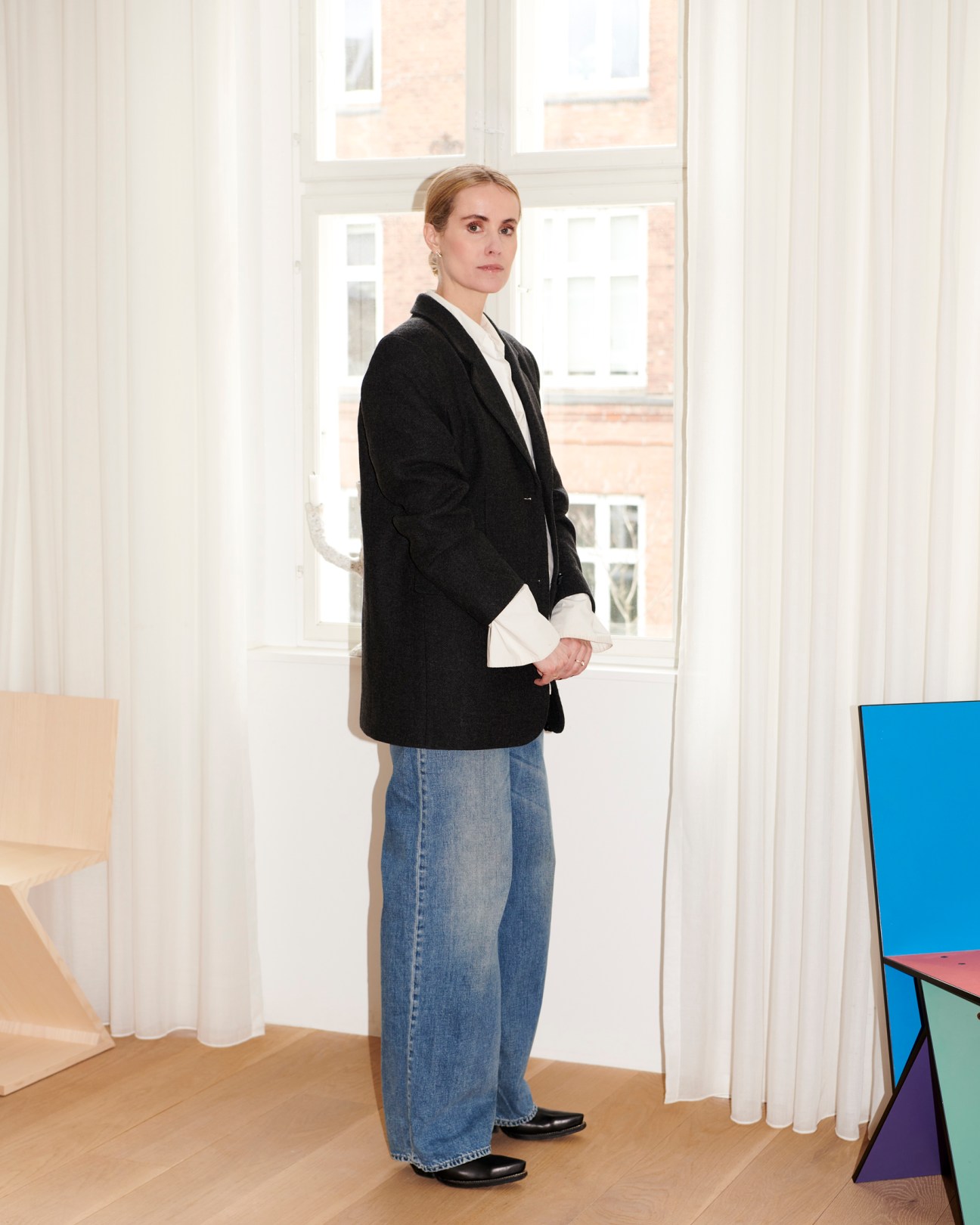
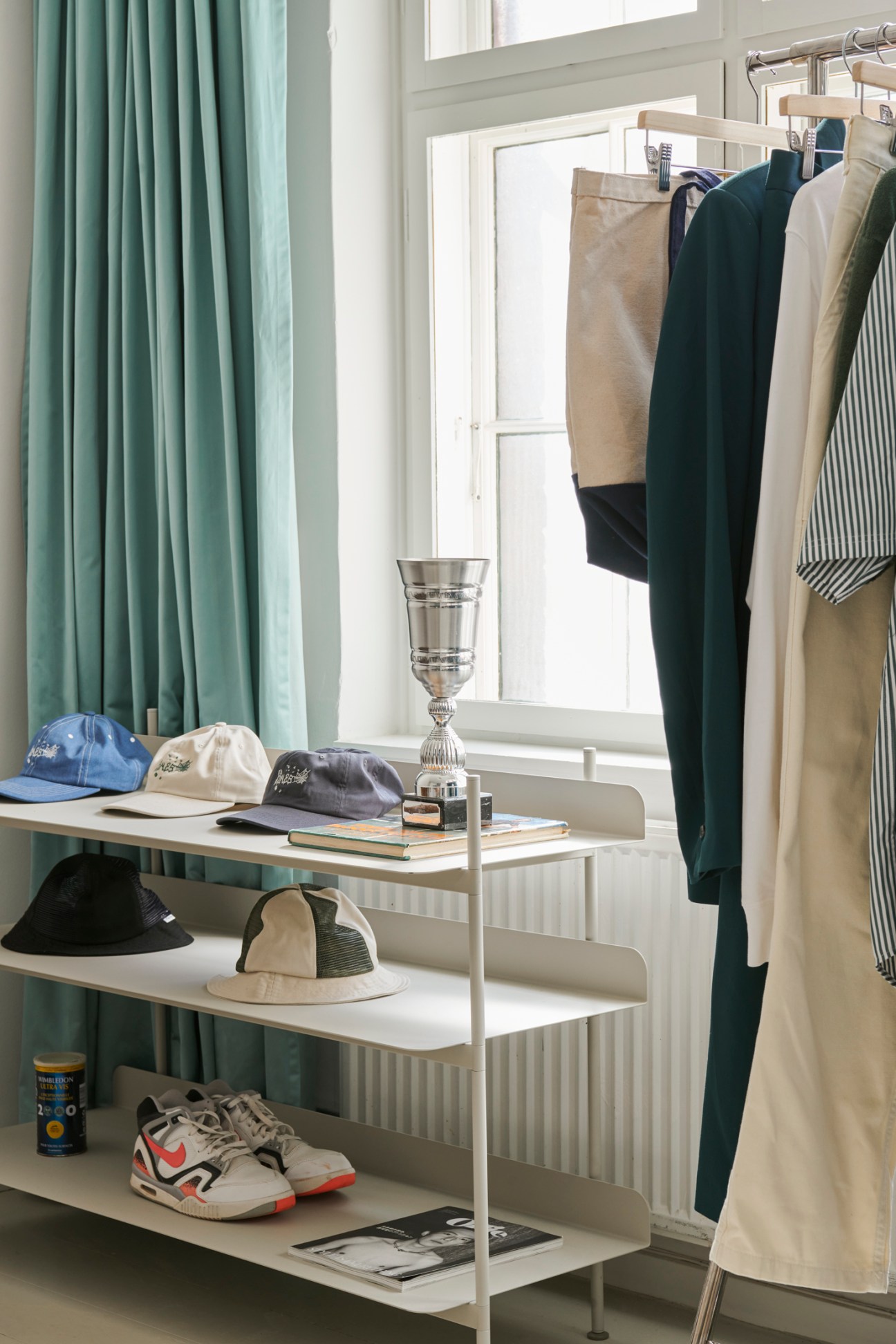
In little more than a decade, Copenhagen has developed its fashion industry almost from scratch, as many Danes have chosen to set up their brands on home turf rather than work for heritage houses abroad – and now the industry generates 19bn kroner (€2.6bn) in fashion exports. The city’s fashion week has also evolved from a small, local event to a global industry get-together, firmly established in buyers’ calendars as an essential stopover in their seasonal tours to scout new talent and establish commercial partnerships. In a saturated market where new brands are cropping up by the hour and cities around the world, from Budapest and Sydney to nearby Stockholm, are trying to establish themselves as the next Milan or Paris, how is Copenhagen winning the race?
Danish brands’ commitment to responsible manufacturing and timeless design is proving particularly relevant. At a time when the fashion industry is seeking to reverse the environmental damage that it has been contributing to and shift the focus back to slower consumption, the Danes are leading by example. They’ve set out to create fashion that has the same pure ethos as the mid-century furniture that they’ve grown up with and been taught to treasure for a lifetime.
“The success of Danish design is rooted in sustainability,” says Ulrik Pedersen, creative director of menswear label Sunflower. “We are a small country so we need to choose an area of focus. Success means creating designs that aren’t just for today and tomorrow but for years to come.” Pedersen spends months sourcing fabrics in Japan and Italy to design Sunflower’s collections, which are sold globally; the young business’s biggest markets are South Korea and Scandinavia. “We love to play around with classics and offer one-of-a-kind fabrics that you probably wouldn’t have seen before, such as novelty jacquards or marbled denim,” adds Pedersen. “That’s why we had so much success in cities like Seoul: they appreciate Danish design and our approach to minimalism, which always has a twist. This started in the 1960s and 1970s with furniture designers such as Arne Jacobsen and then became integrated into fashion. We would not have had the same success if we were German or Italian.”
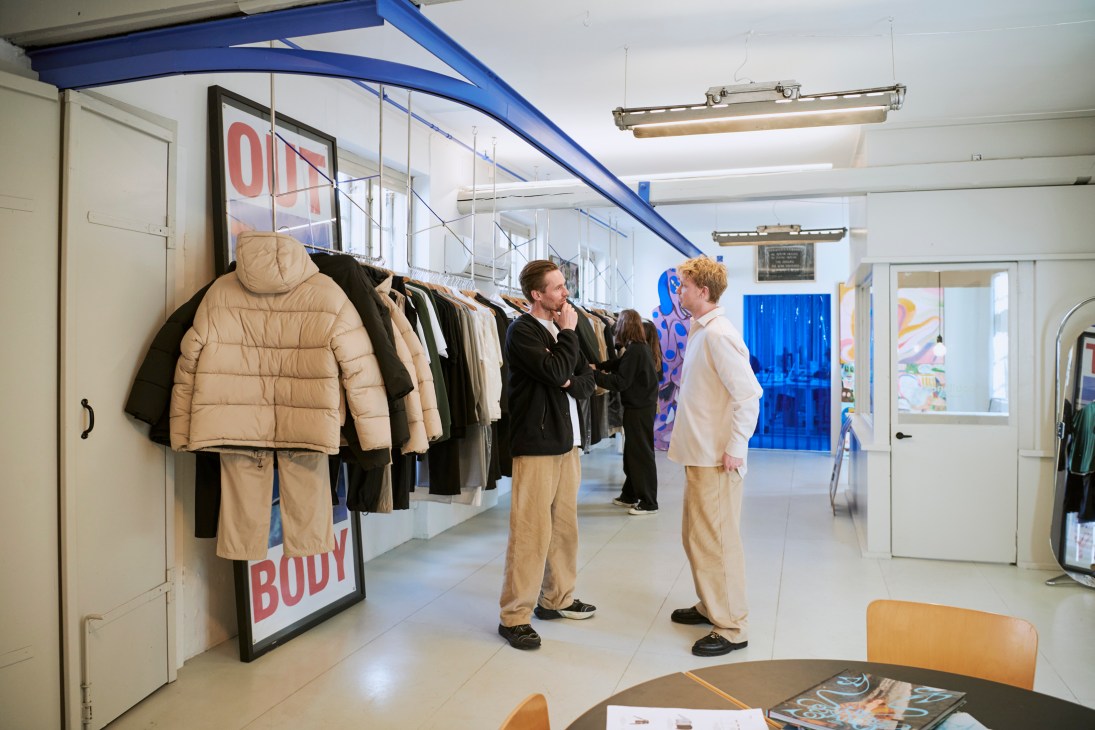
Copenhagen’s design achievements are inspiring its fashion community to focus on quality over quantity. “Craft drew me back,” says Cecilie Bahnsen, who returned to her home country in 2015 to start her eponymous label after studying at London’s Royal College of Art. “You grow up around design pieces that are timeless, beautifully made and have memories attached to them. I wanted to create dresses that are worn again and again and, just like furniture, get passed onto someone else.”
The city’s existing reputation when it came to architecture, design and (more recently) food meant that there was a healthy bias towards the place that the fashion world could capitalise on. “There are positive connotations of what you can bring to the table if you identify as a Danish brand – people usually think: Noma, best-in-class furniture and mid-century modern,” says Nikolaj Hansen, whose sportswear brand Palmes is distributed in the US, Europe and South Korea. “Danish brands might not be as glamorous as the heritage houses of Paris but we’re still drawing buyers and international customers because of everything that Copenhagen has to offer. People love to come here to cycle around, see the design museums and grab a beer by the river. The lifestyle is aspirational and connected with this image of Denmark as one of the happiest countries in the world.”
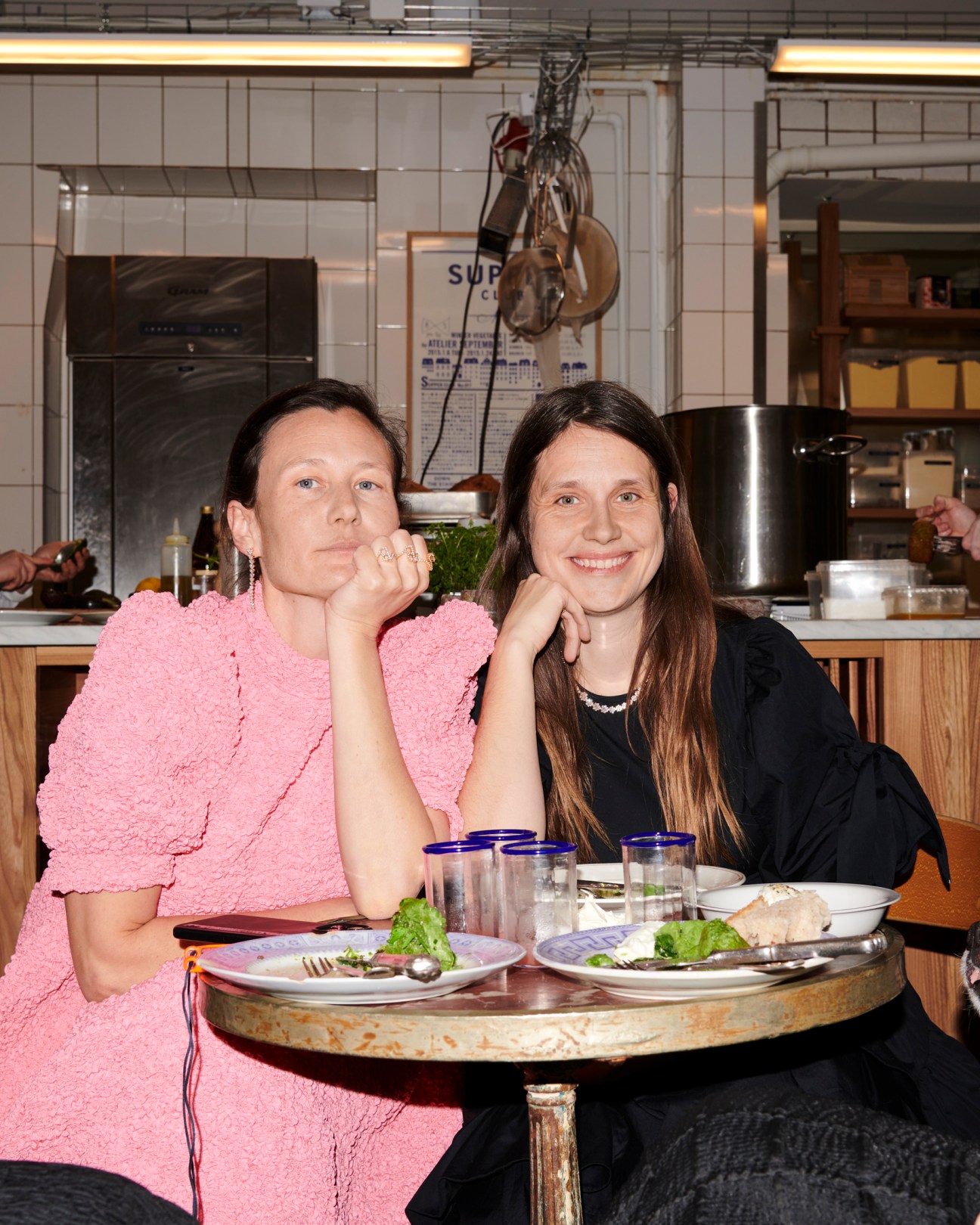
Ultimately, fashion is about more than just selling clothes – the best brands offer aspirational lifestyles and the chance to be part of a community. It’s why the Danes’ family-style fashion week gatherings, carefree approach to life and ability to marry style with good food and design have intrigued fashion audiences across the globe. Some are drawn to Bahnsen’s romantic world, which usually involves cycling around town in taffeta dresses and Salomon sneakers, as well as intimate dinners at Atelier September with fellow designer Sophie Bille Brahe and her brother Frederik, one of the city’s best-known chefs. He always ensures there’s natural wine, hearty pasta and his famous whipped butter on the table.
Ganni – one of Copenhagen’s biggest successes, valued at $700m (€646m) and counting LVMH’s investment arm, L Catterton, as its main backer – has made its name both for its playful designs and its ability to throw a good party. “The fashion world was so closed off and exclusive, which makes no sense because you can’t exist without your community,” says Ganni creative director Ditte Reffstrup, who is usually the last one remaining on the dance floor at company parties. She has helped the brand to build a tribe of loyal customers who buy into her free spirit as much as her designs.
Beyond ready-to-wear labels, the city has also become home to popular cycling brand Pas Normal Studios, celebrated for its ability to blend contemporary design with technical expertise. Beyond its smart-looking cycling gear, it is known for its beautiful spaces, from its headquarters in Copenhagen to its new shop in Seoul, where customers regularly gather to watch cycling races.
It’s not just the consumer who has become fascinated with Danish culture but fashion professionals too – so much so that many are choosing to leave jobs at established style capitals in favour of Copenhagen’s laid-back lifestyle. “People come because they’re looking for something different and we make sure to offer it,” says Cecilie Liv Mortensen, who worked as head of design at Wood Wood, one of the city’s more established labels. “There’s more focus on wellbeing and work-life balance.” Wood Wood is taking advantage of the influx of talent in the Danish capital, recruiting designers from houses such as Balenciaga and buyers from London-based retailer Browns, who are all helping to push the brand into the luxury realm and refine its collections.
Expats are also choosing Copenhagen to start their own labels. UK-born Raphael Godfrey, who started menswear label Works and Days last year, is one of them. “I wouldn’t have felt the freedom to take the leap if I were still living in London,” says Godfrey, who first moved to the Danish city to take a job at retailer Norse Projects. “There’s a real support network here, a community of people making things happen, so it’s easier to take risks. This was the right place for me when I started thinking about settling down and starting my own business.”
Whether you’re seeking a support network or a better quality of life, Copenhagen has something to offer. “It’s a great place to live for someone like me who has kids and needs work-life balance,” says Silas Adler, founder of Soulland, known for its sharp take on casual wear. “It’s expensive but the system just works. Especially now that people are willing to travel here, we get to host them as if we were hosting them at our own homes. We don’t have to compete with the conglomerates.”
Supporting each other seems ingrained in the locals’ mentality. It’s why Ganni co-founder Nicolaj Reffstrup has made a point of using the brand’s success to help Copenhagen’s up-and-comers: he mentors new talent via the Wessel & Vett fashion award and has invested in clothing and homeware business Tekla, as well as Sophie Bille Brahe’s jewellery label. “I come from a technology background where you’re always taught to share your code,” he says.
Adler echoes those thoughts: “We recognise that to succeed we need to work together. Creatives have always been drawn to each other but here it’s even more evident because the city is so small.” When Adler started out a decade ago, the funding and support that are available today did not exist but he always felt that there was a place for him. “Other cities struggle more with inclusion,” he adds.
Soulland has since gone on to become established globally and showcase its collections as a guest at Florence’s Pitti Uomo, one of the world’s leading menswear fairs. The show, held last summer on the rooftop of the Maggio Musicale Fiorentino theatre, was a reflection of the Danes’ ambitions to conquer the international stage. They are now investing in larger-scale events, craft skills and luxury materials. “The fact that so many brands have become globally recognised really emboldens you to keep going,” says Godfrey. “There’s a real appreciation of materiality and sustainable quality here. We’re obsessed with how clothes can enhance someone’s life.”
The new generation of designers is also diversifying the genres of fashion that the city has to offer, from Sunflower’s updated wardrobe classics to the tennis-inspired collections of Palmes or the artisanal knitwear of Amalie Roege Hove, a Cecilie Bahnsen alumnus. “My generation of designers was standing on the shoulders of traditional Scandinavian brands but we never had an issue with breaking the rules a bit,” says Adler. “For the new generation, experimenting comes even more naturally and that’s how Copenhagen fashion will move forward. If we look at our cousins in food, art and film, they have been getting the most recognition for shaking up the system and moving on from that quintessentially Scandinavian attitude of modesty.”
Still, Copenhagen’s fashion designers remain invested in growing their businesses responsibly. Rather than following industry norms and making empty promises about sustainability, they have been among the first to champion circular business models and invest in recycling schemes and new material innovations. “When the local industry is just 20 years old, you can make your own rules,” says Hansen. At Ganni, the Reffstrups are making the most of the company’s increased resources to fund green energy projects and launch new materials, including a mushroom-based leather produced with start-up Bolt Threads.
Building on the brands’ own efforts, Cecilie Thorsmark, CEO of Copenhagen Fashion Week, has also established a set of minimum sustainability standards to which labels must adhere if they want to participate in the event. “We wanted to accelerate the industry and put Denmark on the map for taking responsibility,” she says. “We’ve been able to lead by example. We have proof of concept now that you can push brands, including large-scale ones, in this direction.” Her strategy caught the attention of more established fashion organisations in London and Paris. She plans to stay on the global radar by continuing to raise the bar and introduce a new set of standards every year. “We’re showing that a modern fashion week can be a platform for conversation and change,” she adds.
Beyond the runway, the city’s retail scene is being revamped. Tekla has just opened its first flagship shop. In an old publishing house near its offices, the new space aims to capture the brand’s Nordic aesthetic and pay homage to the city that kick-started its explosive growth. In five years, Tekla’s team has grown from five to 35 employees, built a global distribution network and collaborated with international labels such as Jacquemus and Stussy. “Copenhagen gave us proof of concept and the initial support we needed,” says Tekla’s managing director, Kristoffer Juhl. “We couldn’t have been here without our local customers.”
Other young brands are also experimenting with physical retail. Menswear label Another Aspect is moving to a larger space in Møntergade and Palmes has a pop-up shop in the works, which will double as a clubhouse and organise tennis sessions for customers. “There’s a great mix of boutiques in town and the shopping experience is quite straightforward,” says Hansen. “We are straightforward people and that’s also how we consume things.”
Copenhagen’s momentum isn’t going away. Food connoisseurs continue to fight for tables at the best restaurants, furniture exports remain at an all-time high and fashion brands and retailers are carving their own space in the global market. But creatives stay committed to their home city. “Being part of the Copenhagen fashion scene helps me find my own style,” says Bahnsen, who is capable of showing her collections during Paris Fashion Week, yet remains committed to open studio events and local collaborations back home.
“We owe it to Copenhagen to keep investing here,” says Juhl. “The city showed us that, with the right vision and capabilities, you can grow a global business from here. It offers good energy and work-life balance but it’s also highly ambitious.”
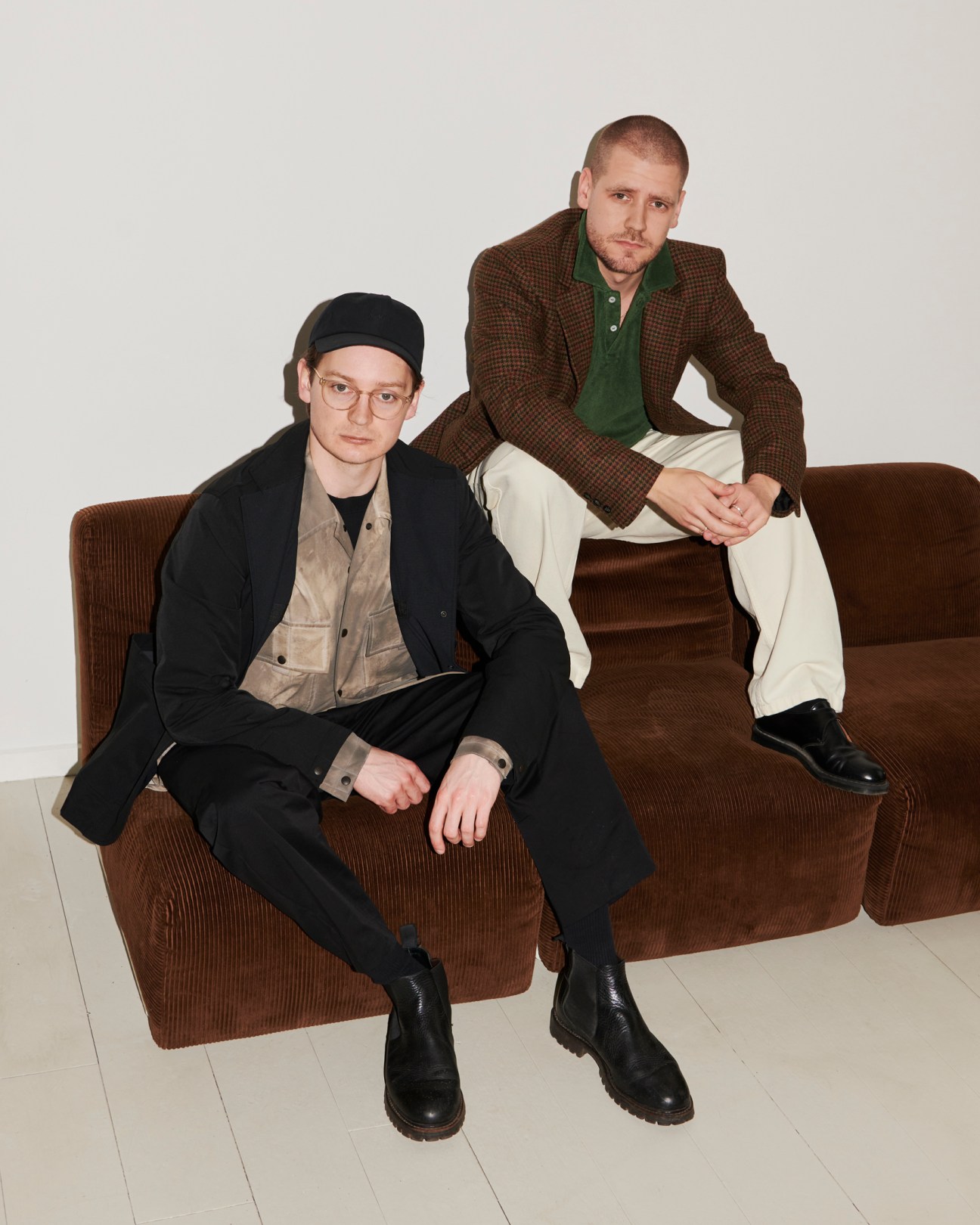
Copenhagen guide
The fashionable haunts
Where to shop
1. Norse Projects In-house designs and independent brands. Pilestraede 41, 1112
2. Tekla The homeware brand’s first flagship.
Vestergade 12A, 1456
3. Another Aspect Best for sharp wardrobe staples.
Møntergade 3A, 1116
Where to eat & drink
1. Atelier September Frederik Bille Brahe’s newest project.
Strandvejen 134, 2900
2. Restaurant Schonnemann Fine Danish dining.
Hauser Plads 16, 1127
3. La Banchina Best for a glass of wine in the sun.
Refshalevej 141, 1432
Where to enjoy culture
1. Inter.pblc The newest space for contemporary art.
Hamletsgade 6, 2200
2. Kirkegaards Antikvariat Cecilie Bahnsen’s favourite bookshop.
Islands Brygge 25, 2300
3. Etage Projects Where contemporary design meets art.
Borgergade 15E, 1300
3.
Closer look
Copenhagen Fashion Week
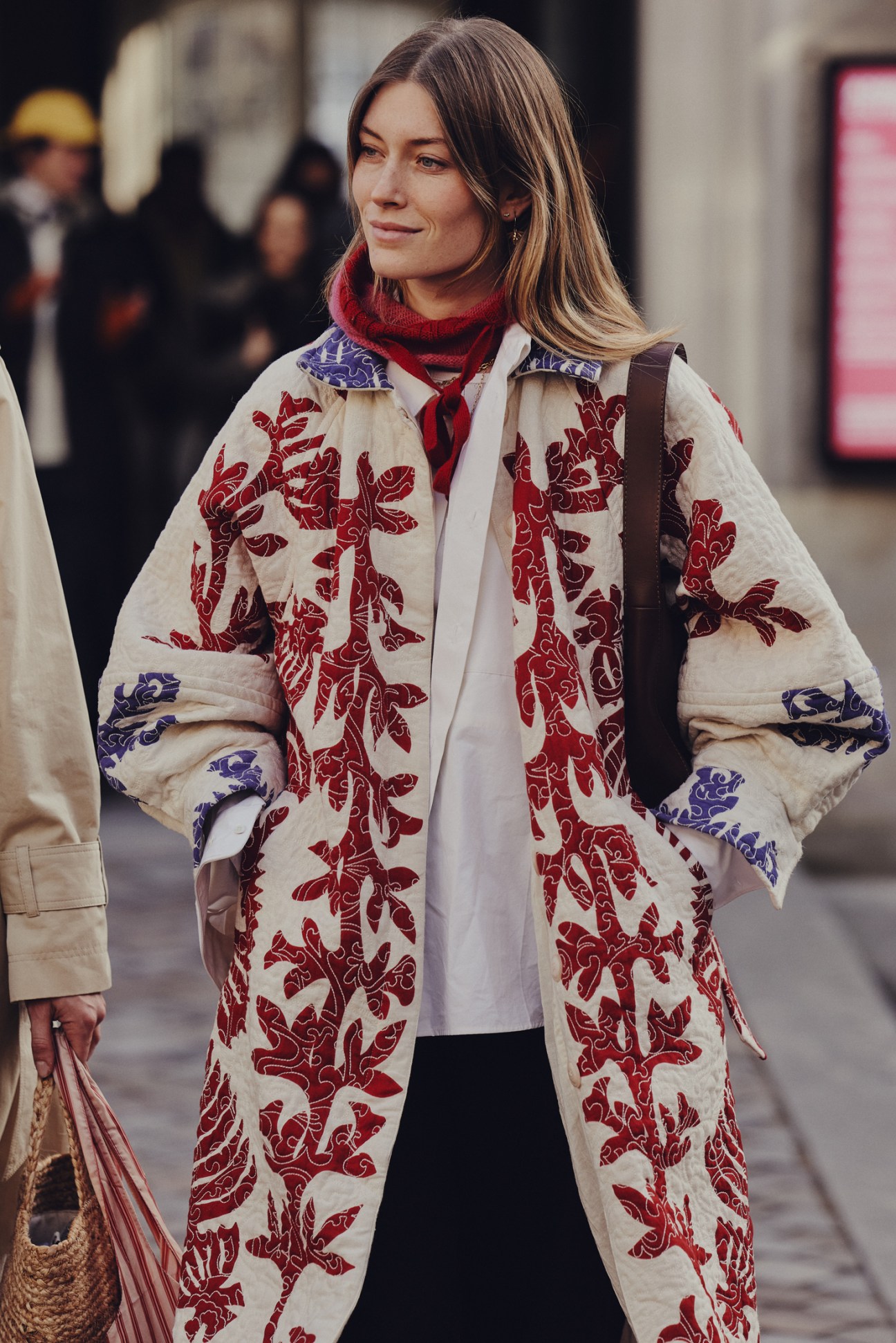
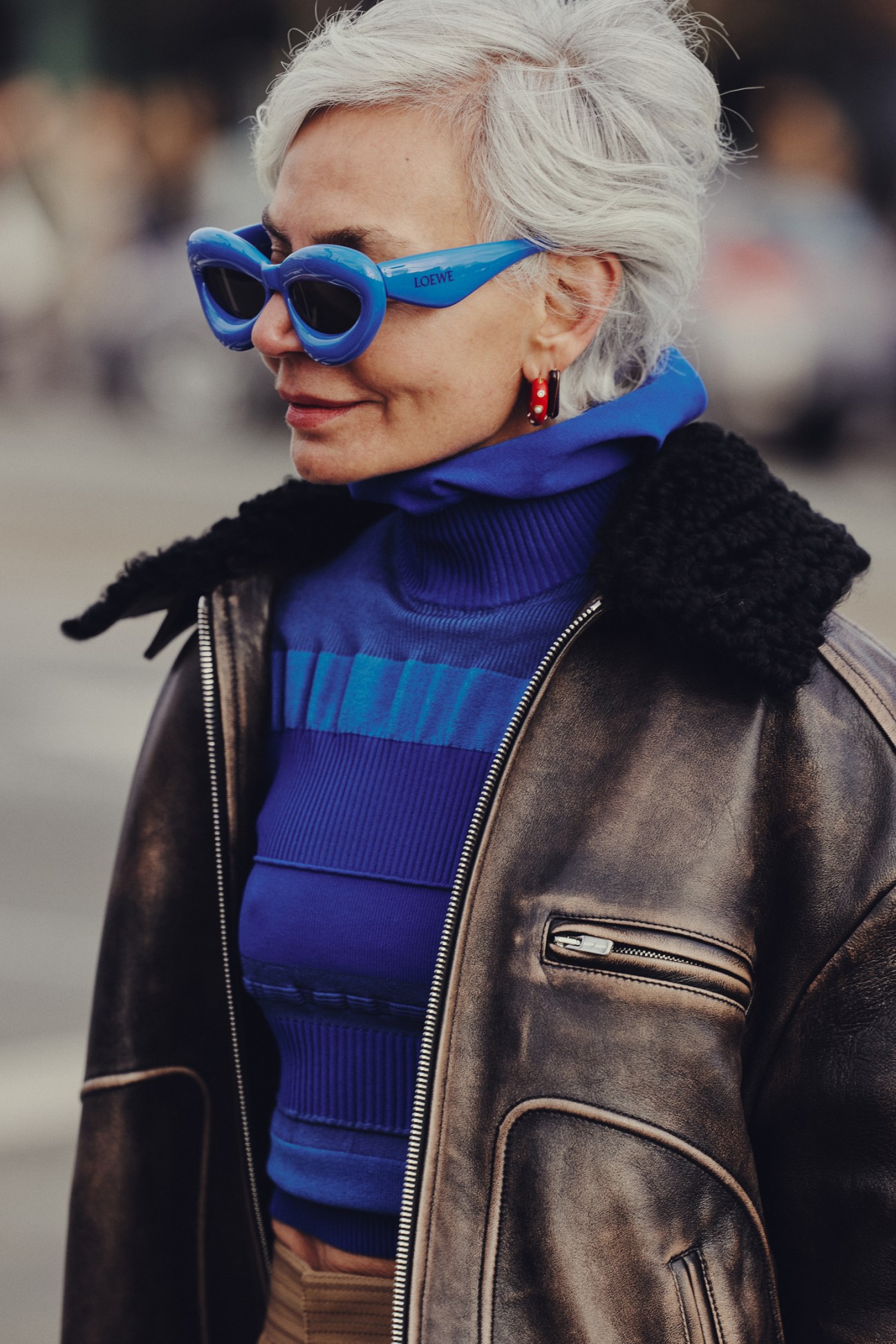
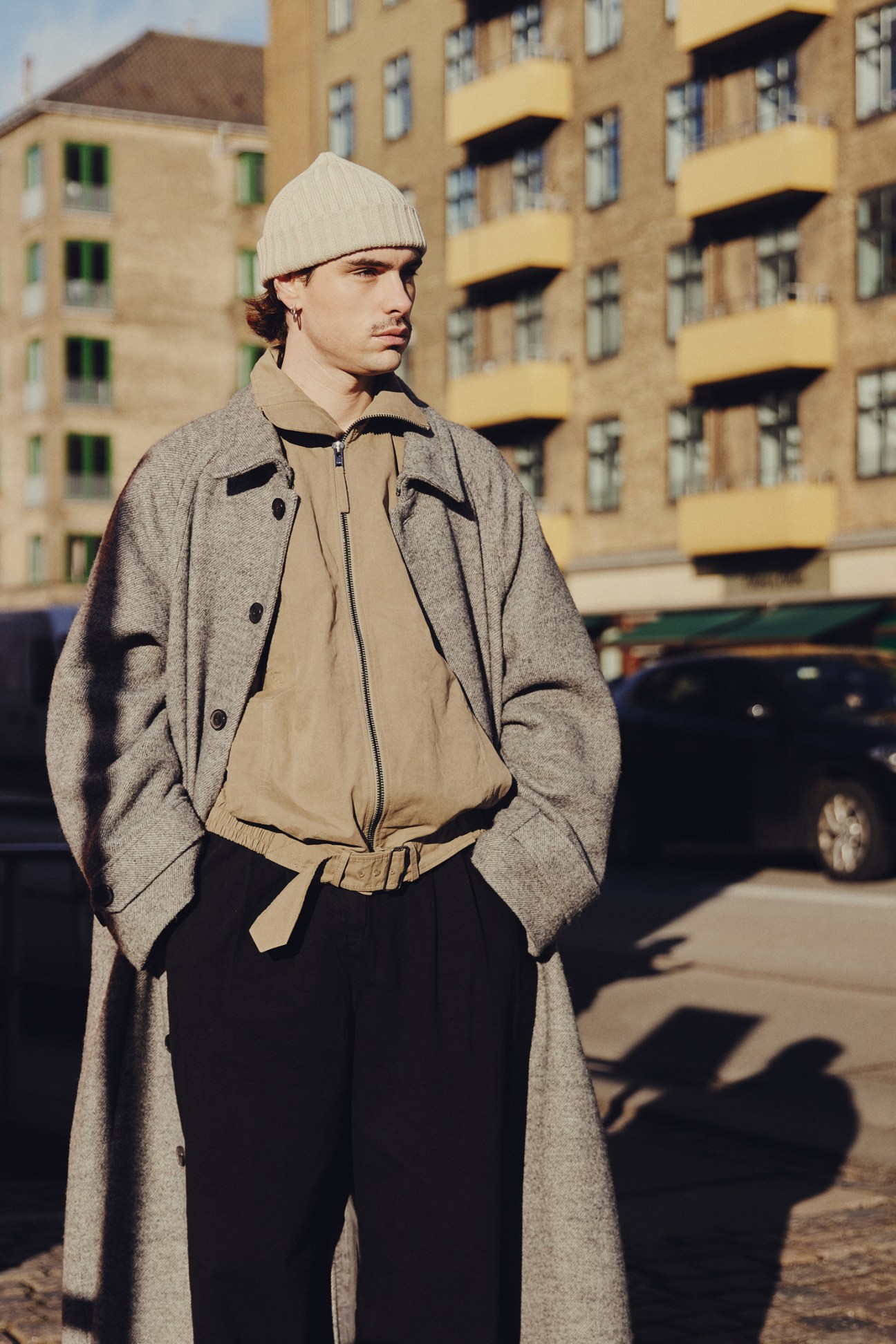

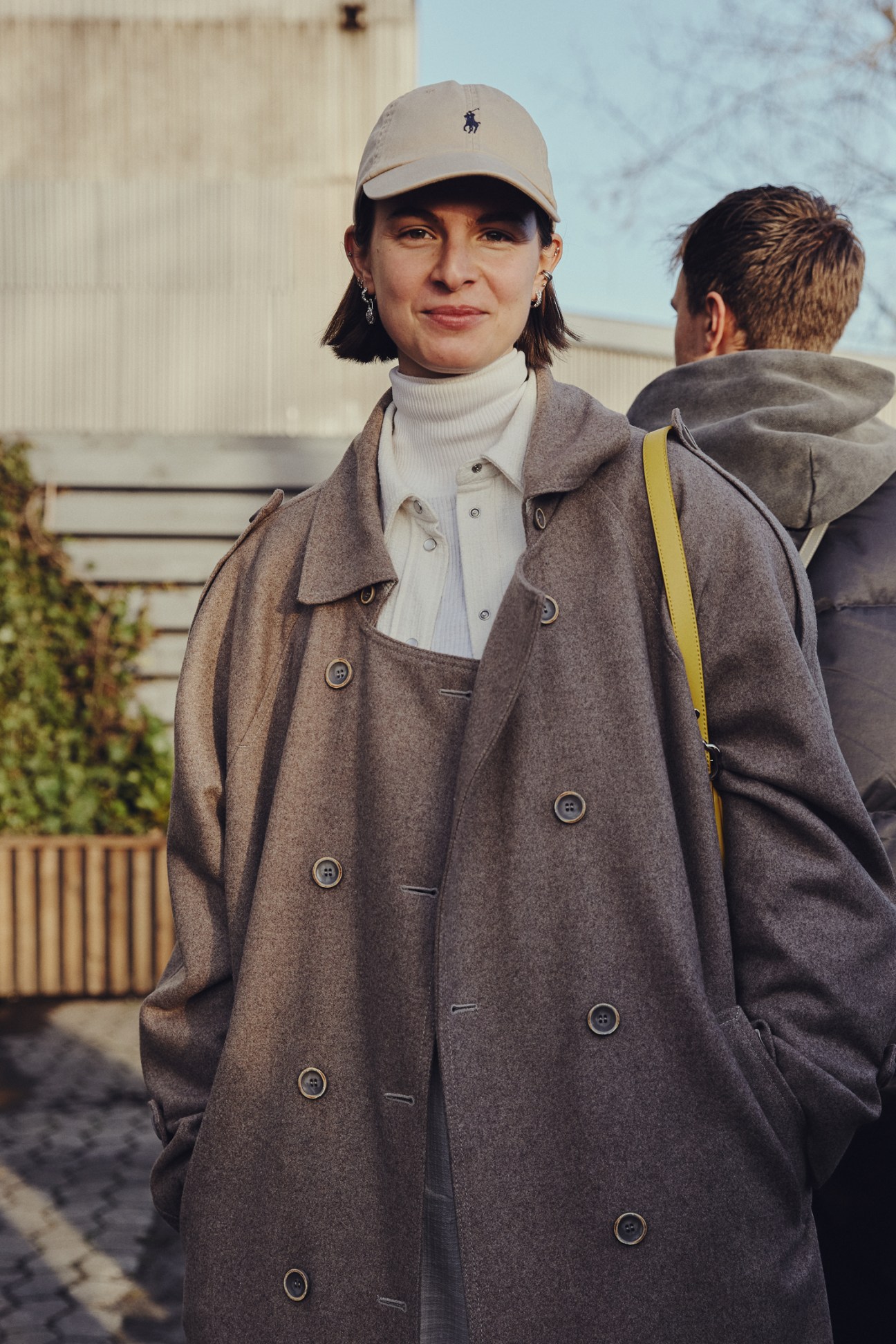
Copenhagen Fashion Week is one of the world’s most responsible fashion events, with benchmark-setting sustainability standards and insightful conversations. But the Danish capital also has plenty to offer in the style department, with visitors taking note of the focus on comfort and playful use of colour. Take these street snaps from the city’s latest fashion week.
Sound and vision
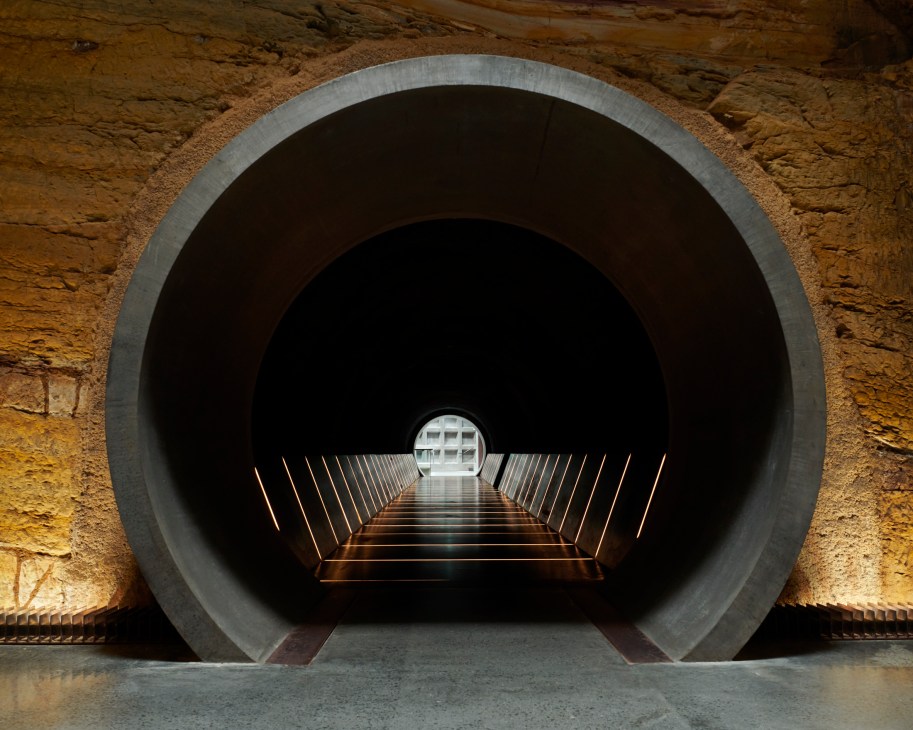
Now a giant on Australia’s cultural scene, professional gambler Walsh has a reputation for being cerebral and something of a provocateur. Born and raised on the outskirts of Hobart, he made his money betting and initially began collecting art as a way to avoid cash declarations when crossing borders. But art soon became a business. He opened Mona in 2011 and it has since gained an international reputation for its inventive curation. A meandering bunker within a sandstone peninsula, the facility was built to house Australia’s largest private museum of art but has long been known as far more than that.
And so the desk made its way to Mona’s Frying Pan recording studio, designed to allow musicians to make art while surrounded by the museum’s pieces. The space launched at the beginning of the year with the Redd.17 as its centrepiece. “It’s a beautiful addition to the creativity of Mona,” says Chris Townend, perched behind some of the world’s most prized recording equipment. A veteran producer of musical acts such as Portishead, D12 and Silverchair, Townend is now at the helm of the studio.
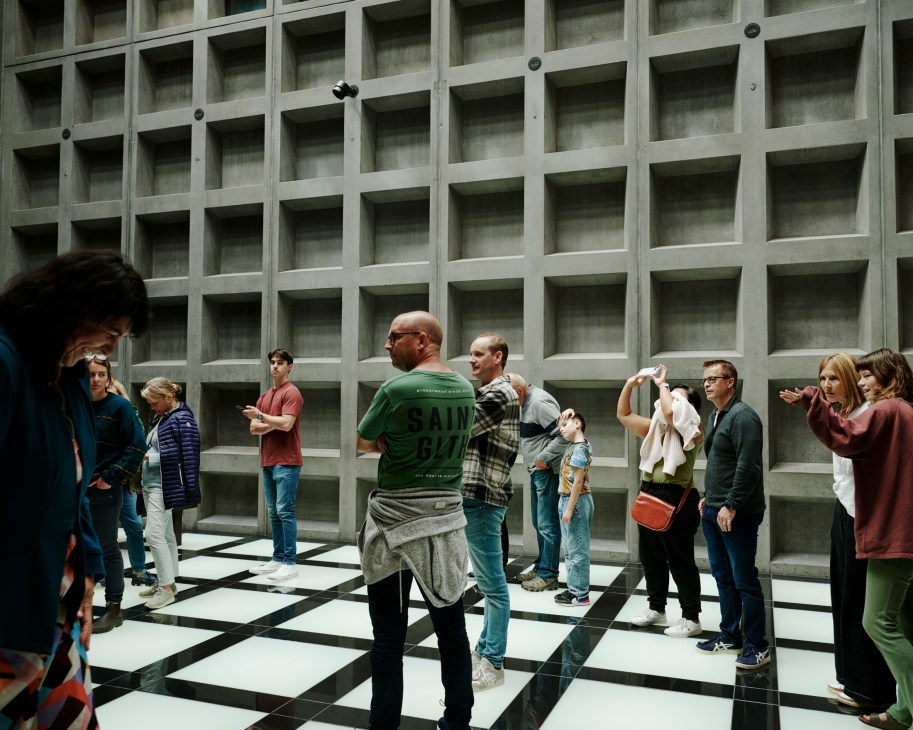
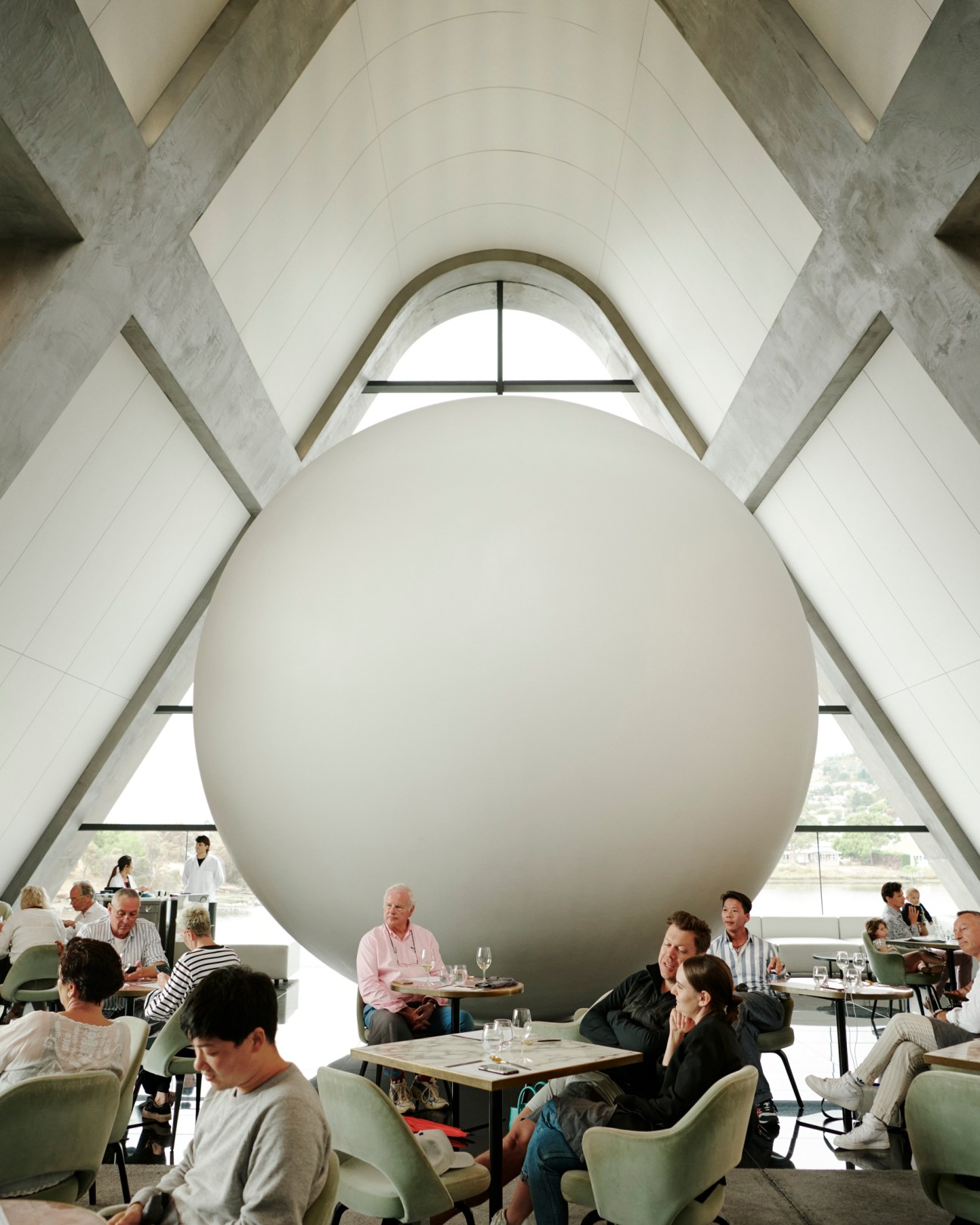
When it came to choosing the right equipment for Frying Pan, Townend asked Walsh, “Do you want us to record punk bands, choirs, indie bands or classical music?” The creatively voracious Walsh said that he wanted all of the above – and then handed creative control and a hefty purse to the team. The budget went into buying microphones, amps, instruments, lighting, filming equipment and broadcasting technology.
“It will pretty much be fully booked seven days a week forever,” says Townend. Acts such as Malian singer and guitarist Vieux Farka Touré, Canadian musician Peaches and Australian songwriter Kutcha Edwards have already recorded here and interest is growing. With its calming view of a placid river, the studio aids musicians’ creativity and concentration; through a glass panel, however, museum visitors can glimpse the activity within. Architect Nonda Katsalidis of Fender Katsalidis worked alongside New Zealand-based acoustic consultancy Marshall Day Acoustics to deliver a snug set-up, with parquet floors and Tasmanian oak battens extending up the walls to the ceiling.
A recording studio might seem an unlikely addition to a museum that is famously dedicated to the themes of sex and death but Walsh believes that Mona wouldn’t exist without music. For the whip-smart founder, music is inseparable from art. That’s why he started Mona Foma in 2009, an annual summer festival of art and music now spread across the cities of Hobart and Launceston. The multi-day event was launched before the museum; Walsh had decided to spend au$1m (€635,500) on it rather than allocating the budget to traditional publicity.
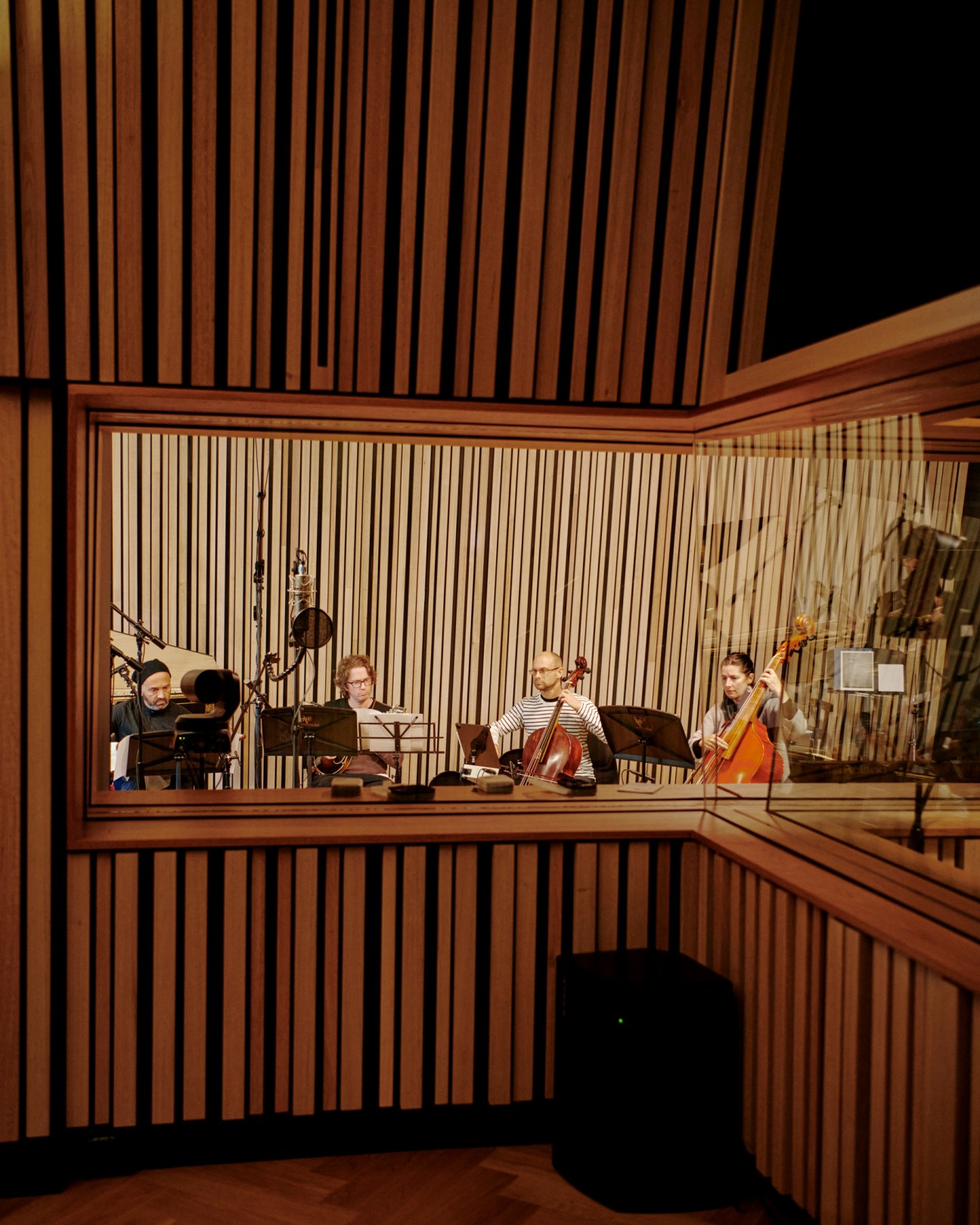
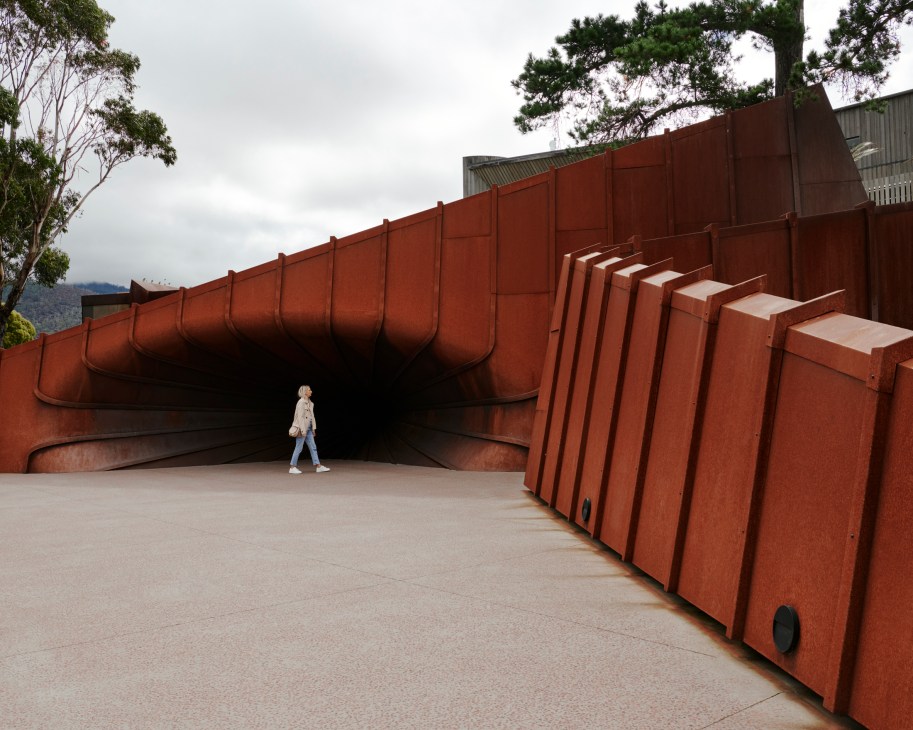
“I didn’t want to spend a million bucks a year on marketing,” he says when we meet on the first weekend of this year’s edition. He is sitting on the floor on the 1990s navy carpet inside Reunión District, a former vocational college that is hosting some of the schedule’s performances (people call it “Old Tafe”, for “technical and further education”). Here, he starts ruminating on the power of different creative disciplines. “Music intrinsically enables the creation of art,” he says. “Then art actually aids our survival.”
Walsh credits Brian Ritchie with Mona’s ability to reach the public through music. The bassist of iconic US punk-rock band Violent Femmes settled in Tasmania in 2008 when his wife received a research grant to study insects here. he and the Salamanca Arts Centre roped him in as the festival’s artistic director, dashing Ritchie’s dreams of a laid-back island life. Over the years, the duo have also worked on live music elements in Mona’s regular museum programming.
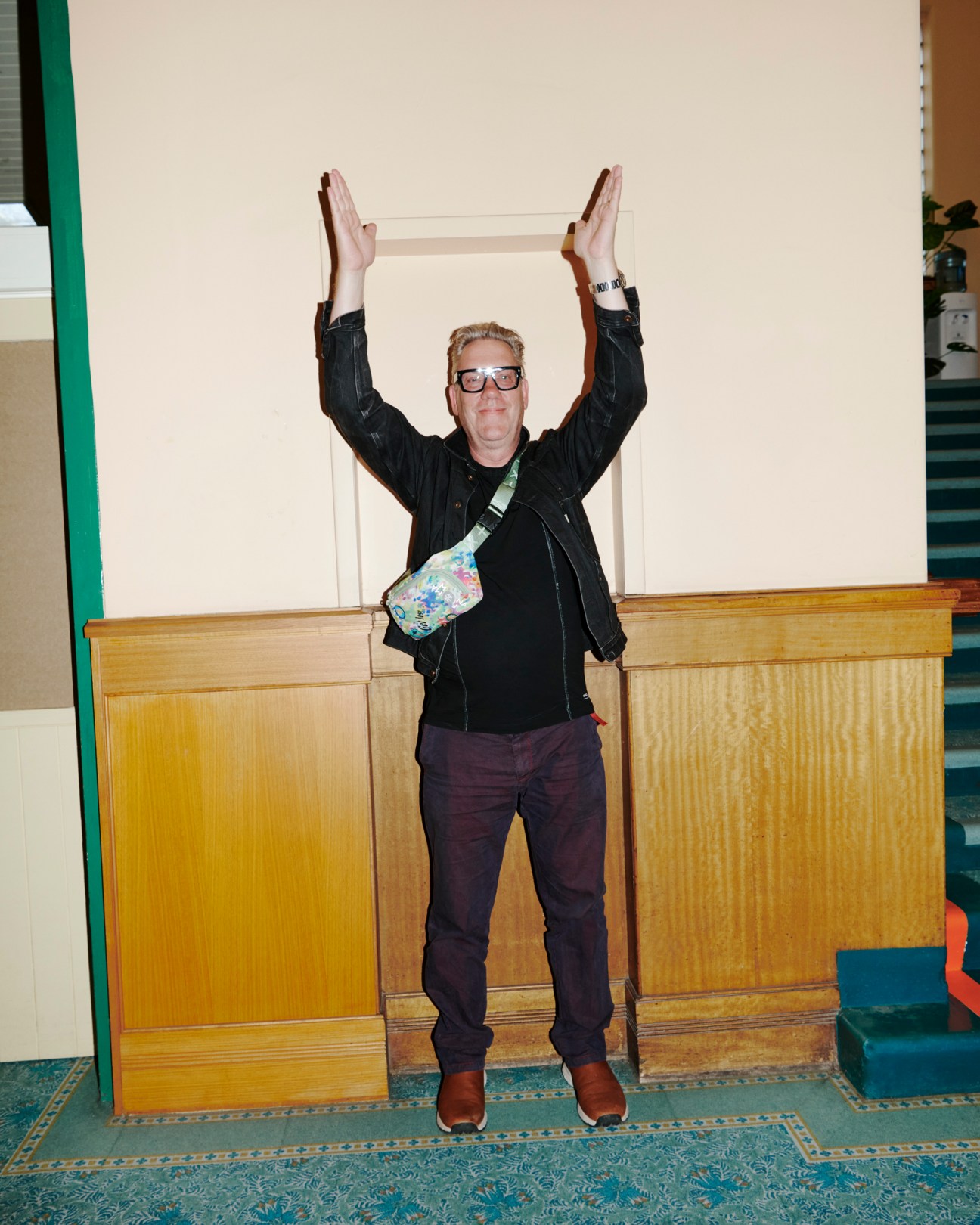
A tall man with a tie-dye cross-body bag, Ritchie is easy to spot on the festival grounds as he flits between acts, nodding his head and gently shepherding audiences around. “When they asked me to do the direction, I was, like, ‘Why me? I’m a performer, not a curator,’” he says. Still, because of his unfazed approach, he had no fear of stepping outside the box and exploring uncharted territory. “I had been to a lot of festivals in my life and I found all of them wanting,” he says. “So I decided to try to do something that had everything that I thought was valuable. Much of that consisted of ignoring things such as genre- based programming.”

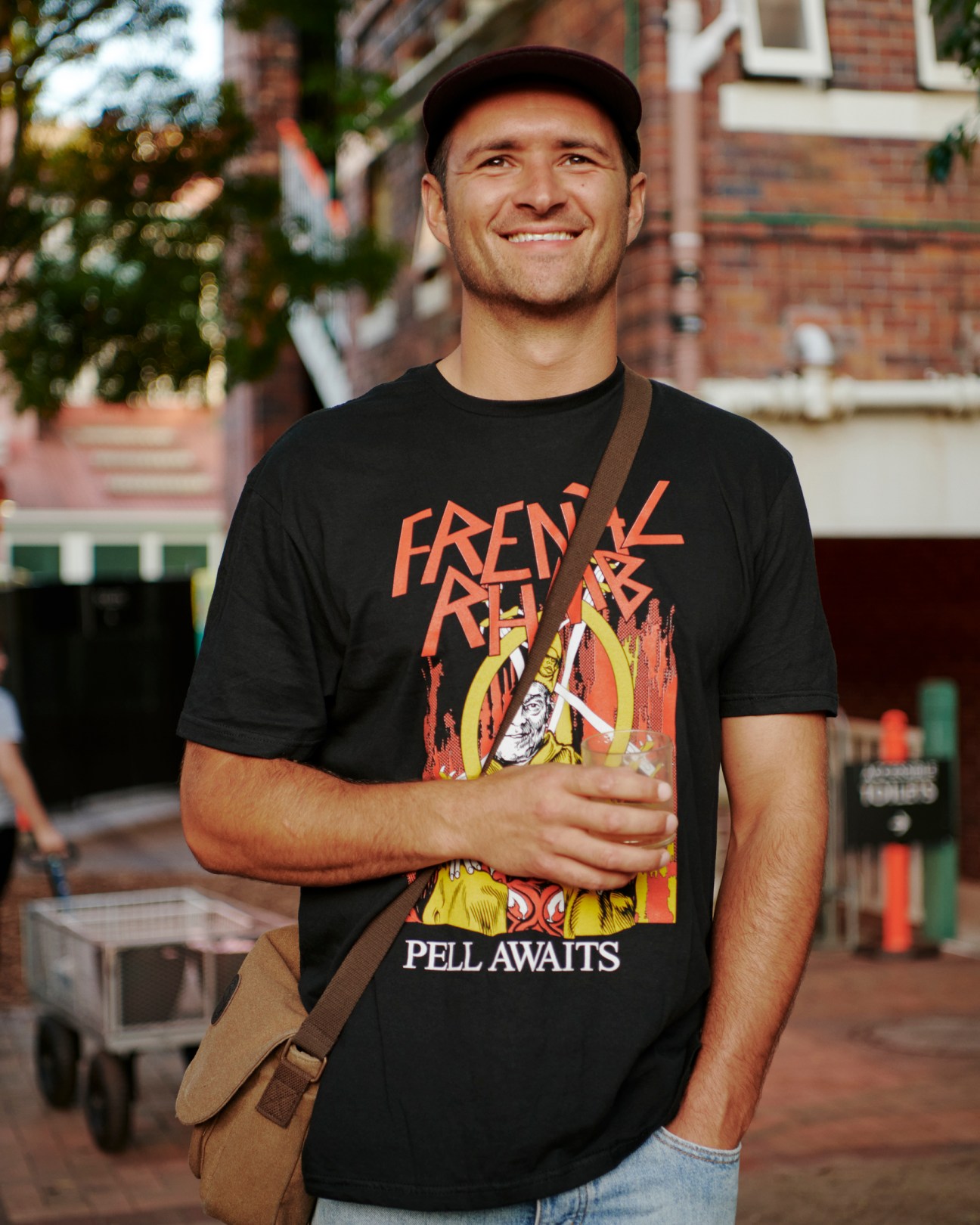
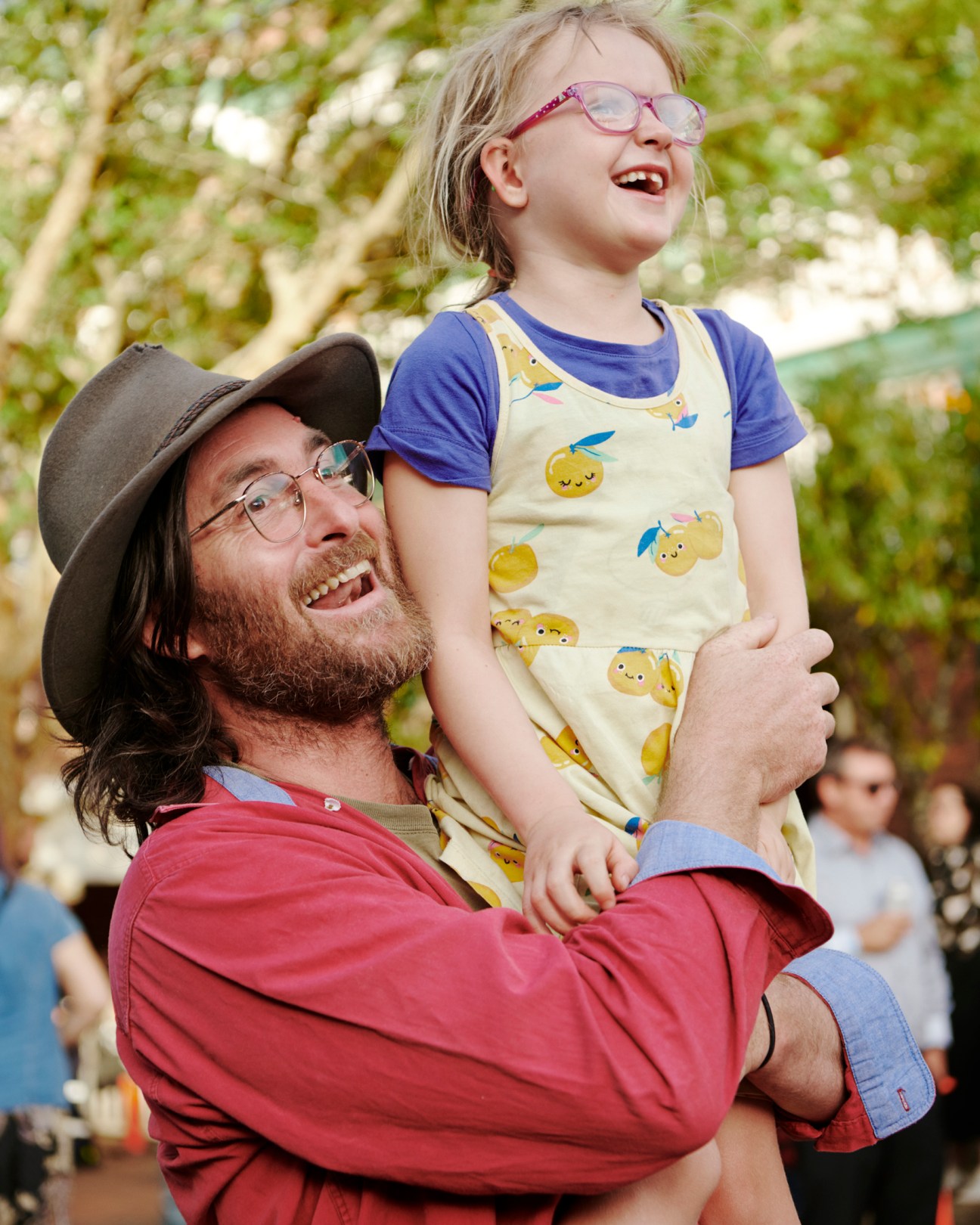
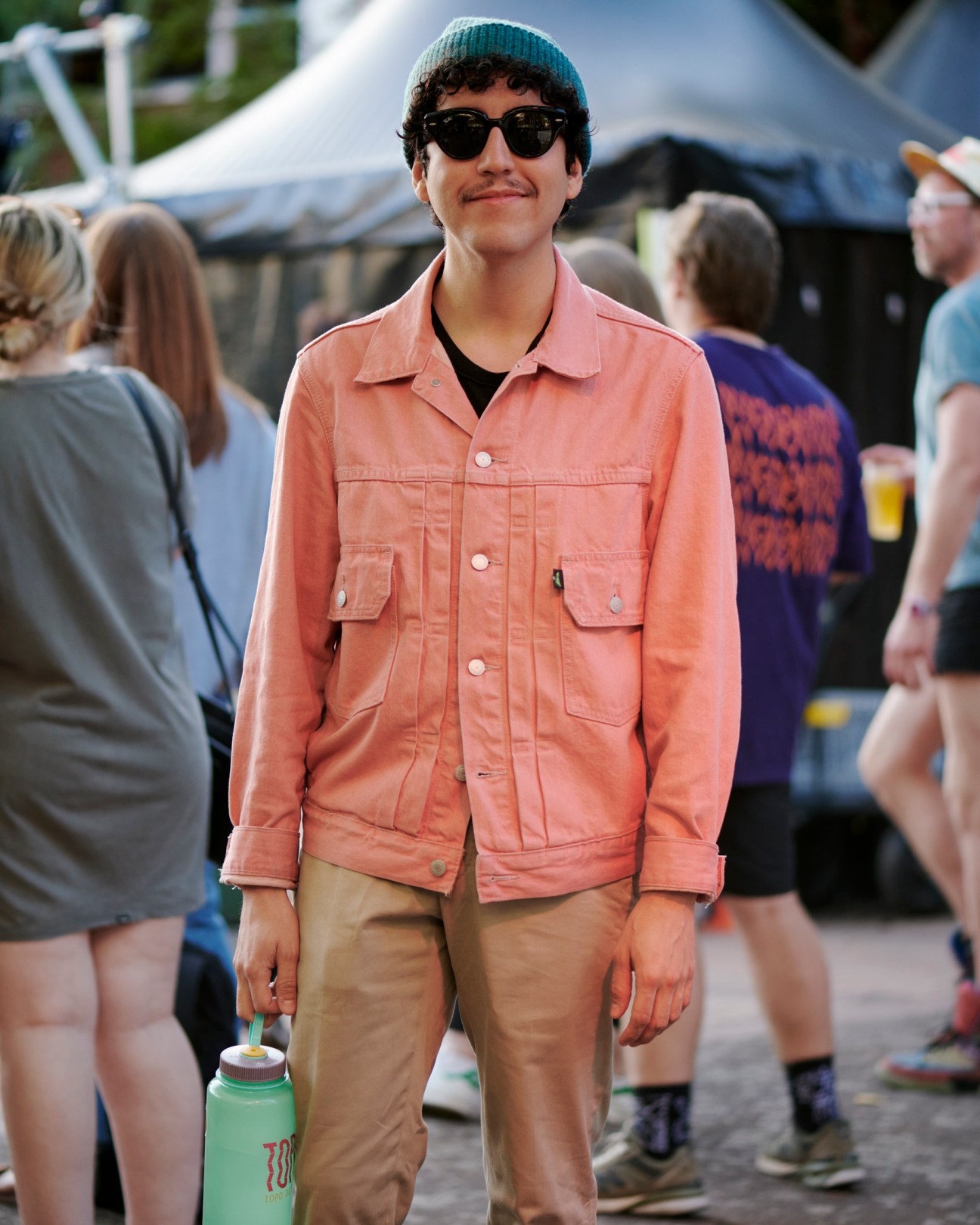
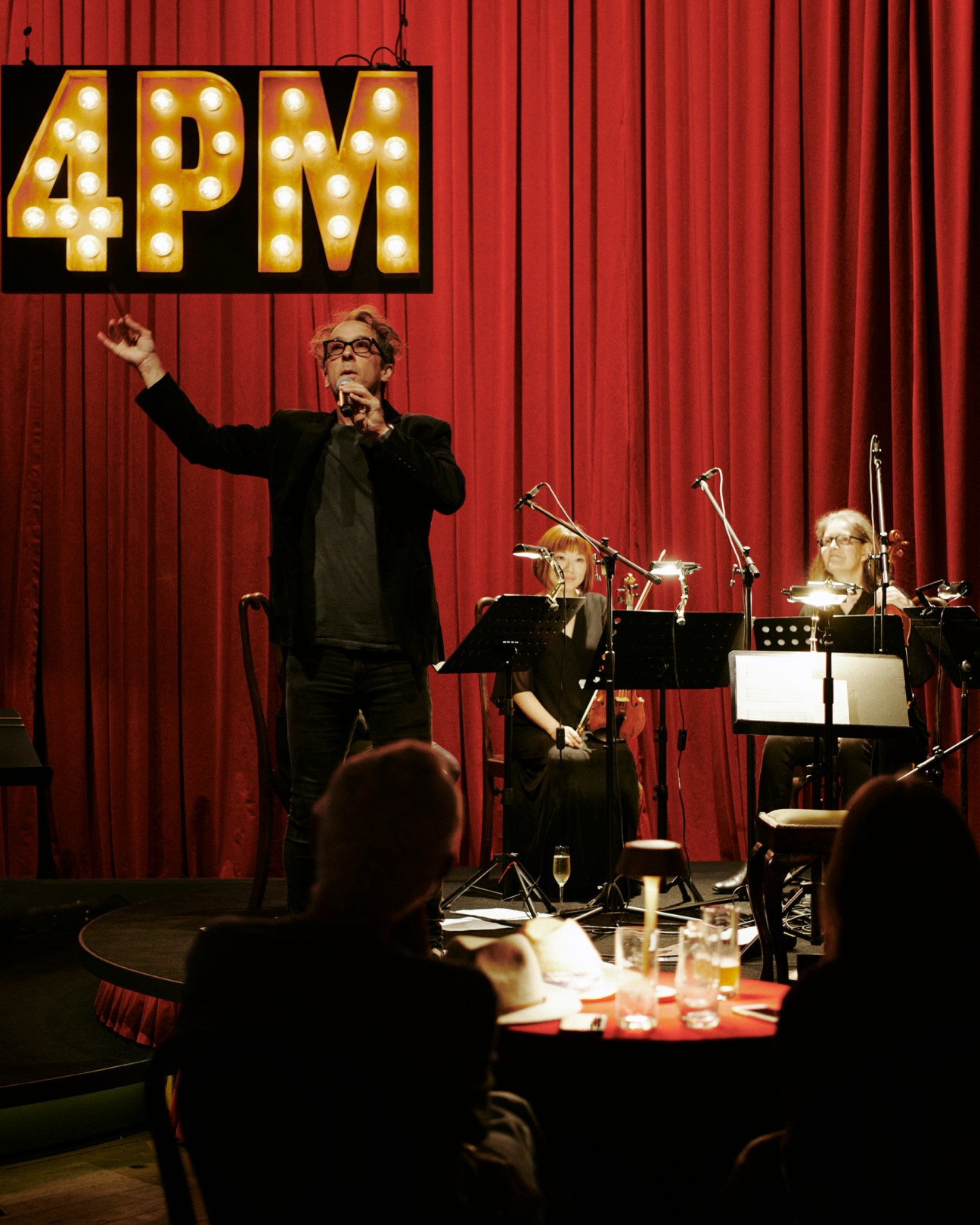
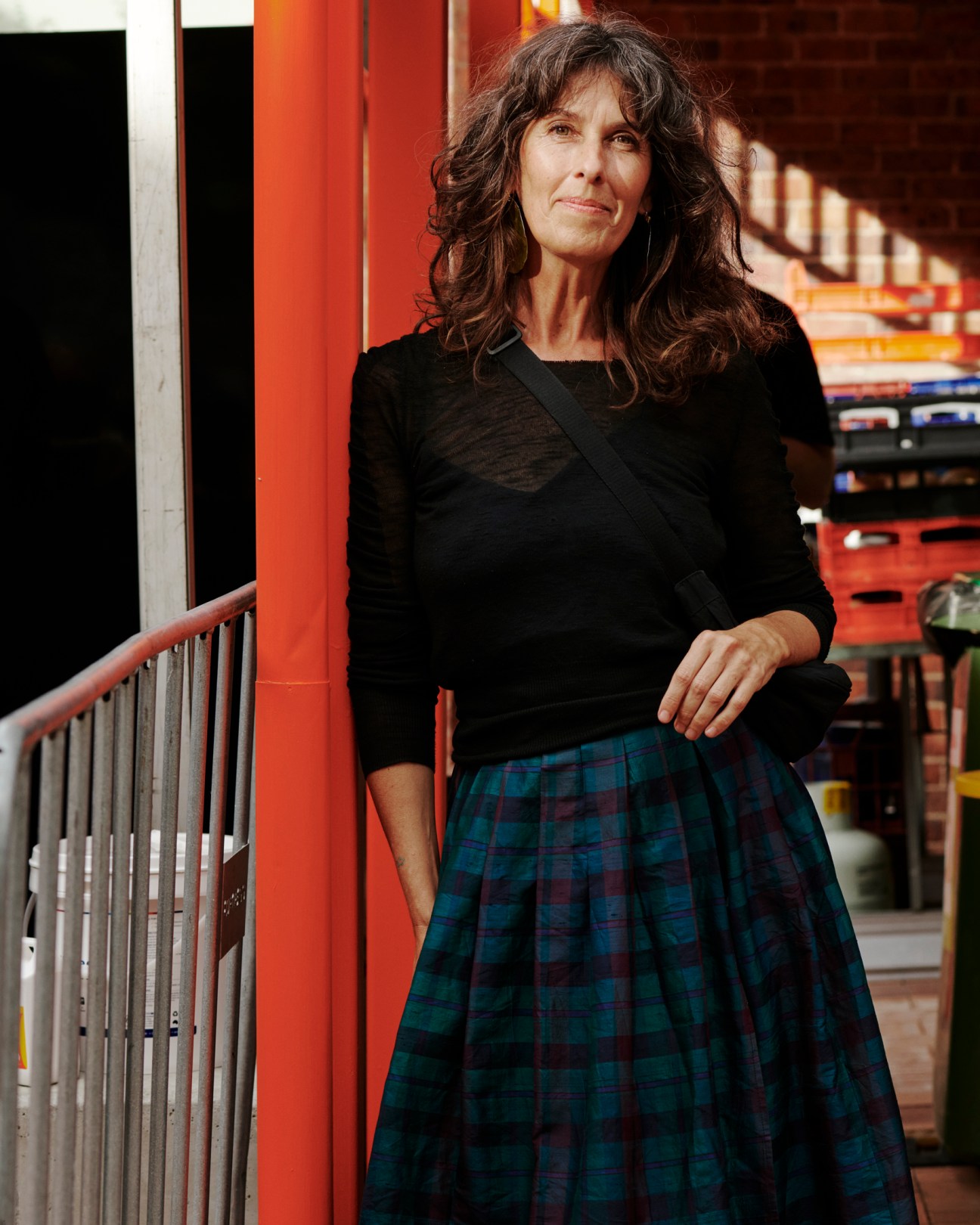
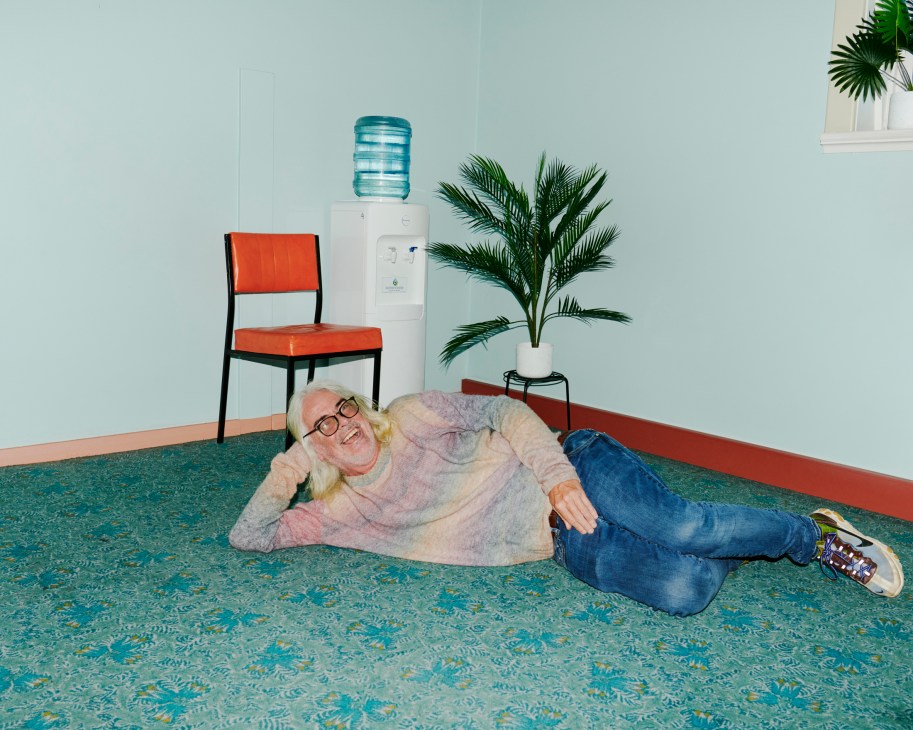
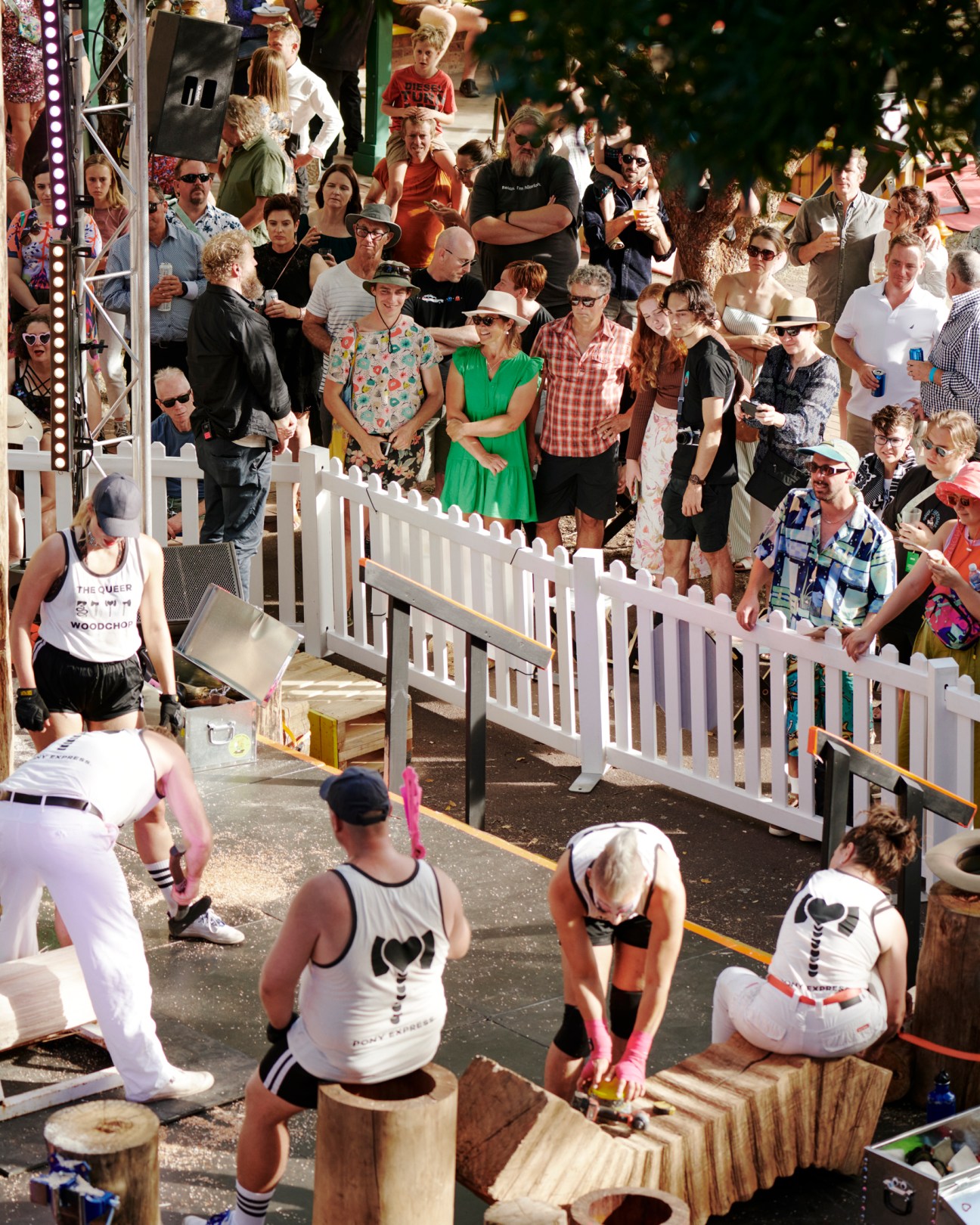
Take the 2015 line-up. Festival-goers waiting to see singer-songwriter Paul Kelly, Australia’s answer to Bruce Springsteen, first had to watch Chinese performance artist Li Binyuan smash 250 hammers with a hammer. “Kelly asked me, ‘When do I get to play?’ and I said, ‘Well, there’s no specific time. It’s when he’s finished smashing the hammers,’” Ritchie tells Monocle, with a grin. This approach is central to Mona’s ethos: don’t pussyfoot around the audience, because people can handle far more than some curators and cultural institutions give them credit for. “We’re kind of messing with them but they deserve it,” says Ritchie. “They need to be shaken out of their complacency sometimes.”
In this attitude, Ritchie and Walsh are remarkably alike. Walsh has never had an “If you build it, they will come” mentality when it comes to devising Mona’s activities. Rather, his philosophy is simply to build what he wants to see, regardless of whether people come or not. Prior to opening the museum, he told one journalist, “If no one comes, I’ll turn off the air-con and let the art rot.” Fuelling each other’s fire, the professional gambler and the musician have created a renegade festival that’s all the more popular for its eccentricity.
On a single day of this year’s Mona Foma in February, Monocle heads across the basin from a morning meditation beneath the ferns and tall pines of Launceston’s Cataract Gorge to catch part of Korean-Australian musician Chloe Kim’s 100-hour drumming project, before jumping into the public pool to hear British electronic producer Leon Vynehall’s sound composition “Floors of Heaven” playing underwater. In the afternoon, it’s back to the Old Tafe building for performance-art duo Pony Express’s community event The Queer Woodchop, then to the main stage for a jolt of joy courtesy of Punjabi-Australian singer-songwriter Parvyn, immediately followed by the screeching Muslim death metal of Hazeen playing in an adjacent brick alley.


It’s not every festival crowd that will take in Sikh-infused pop, fierce punk, frenetic jazz and dystopian synth compositions over a single weekend. To an outside observer, it speaks of the public’s full belief in what Ritchie and Walsh are trying to do. Punters give themselves over to the school of Mona, where the lesson is that art and music come in all shapes and sounds, and everything is worth a shot at least once. When Monocle puts this theory to Walsh, he is quick to shoot down the idea of the audience’s unconditional trust, saying that he believes our sample size wasn’t big enough to draw such a conclusion.
Mona Foma might feel like a rare cultural utopia but members of the curatorial team are well aware that all places face challenges of one kind or another. At the festival, a group of Launceston-based singers in a “Complaints Choir” perform renditions of citizens’ real grievances as cheery show tunes. “There are definitely, absolutely not enough pedestrian crossings, no, no, no,” they sing. “How come the stairs always smell like piss?”
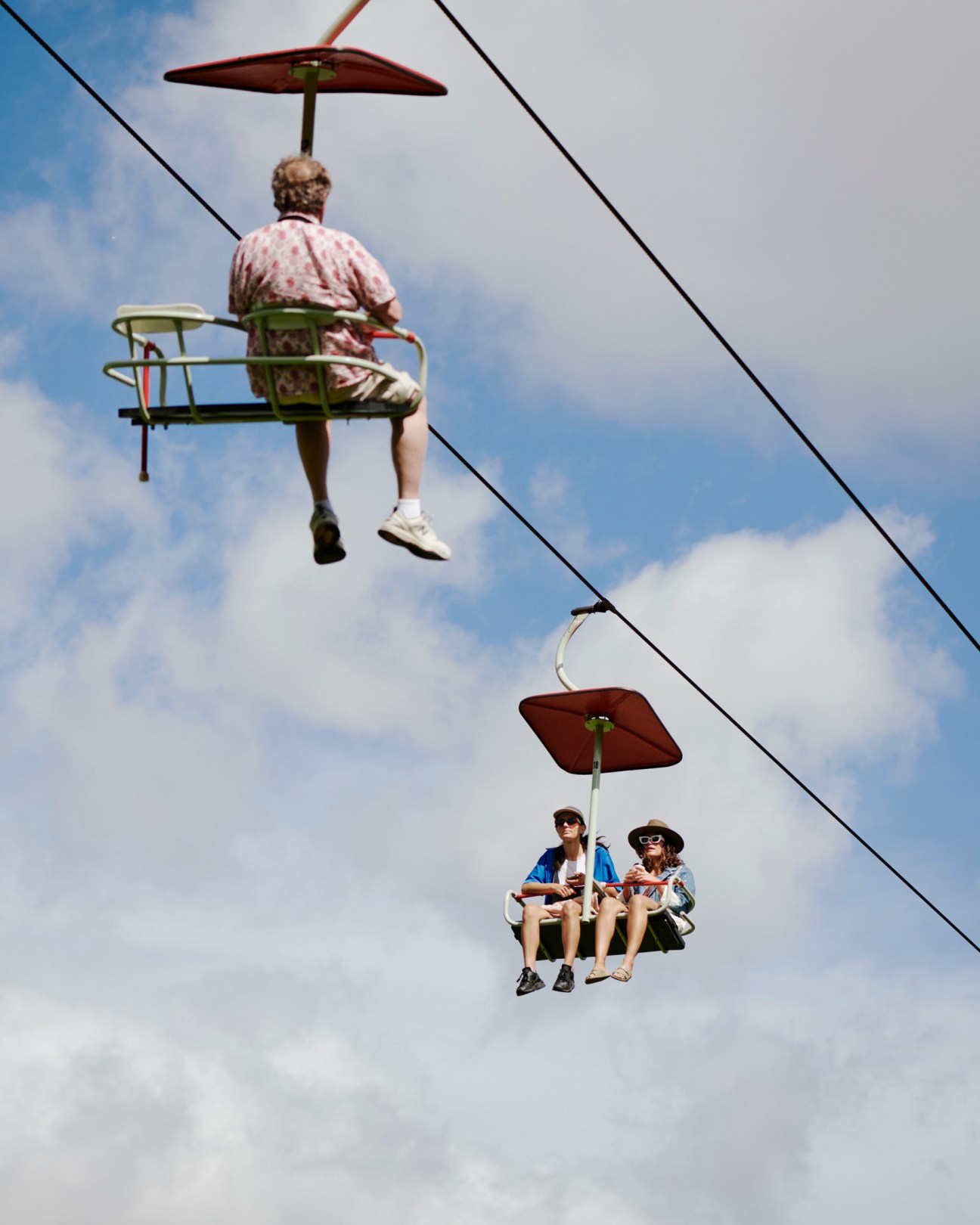
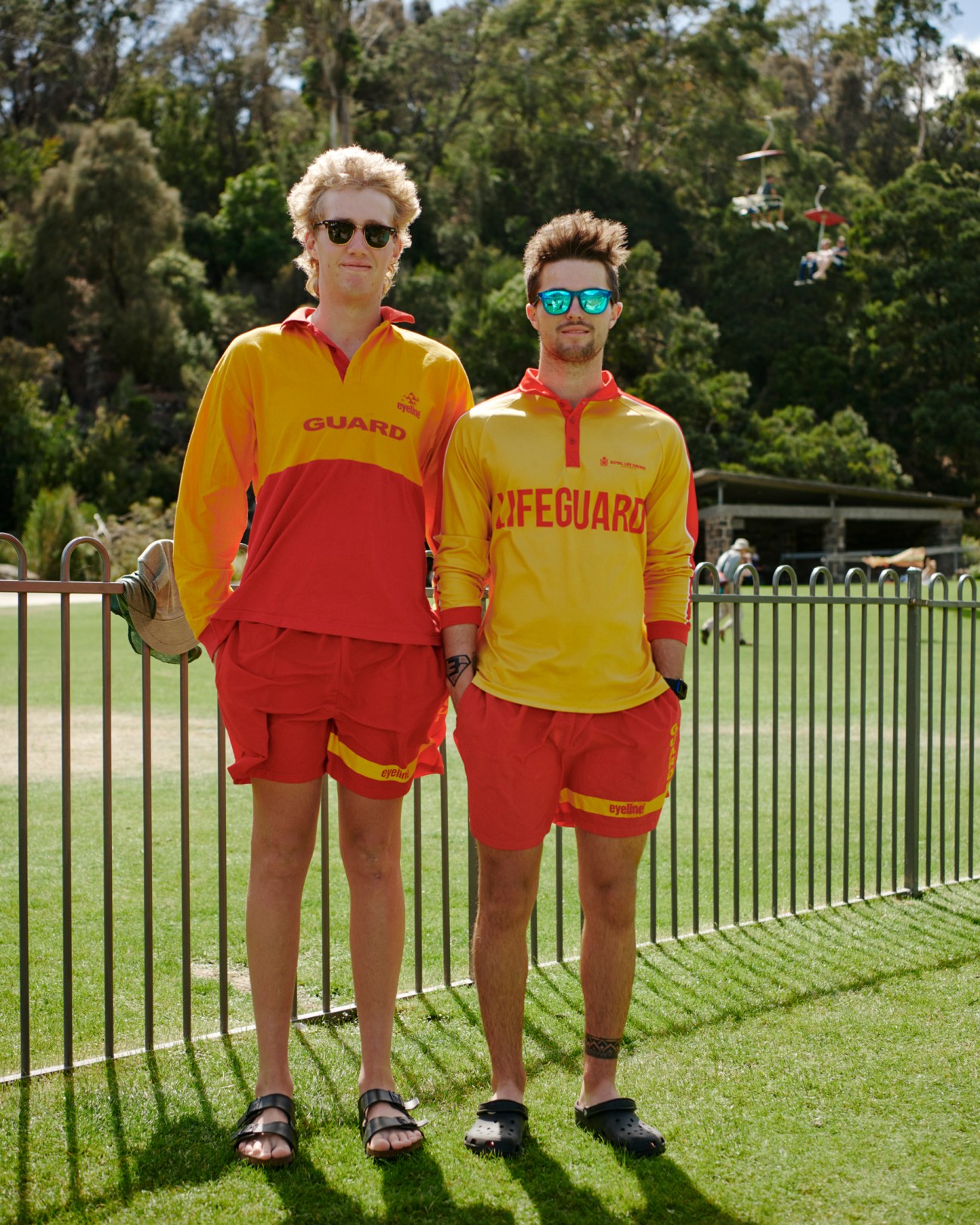
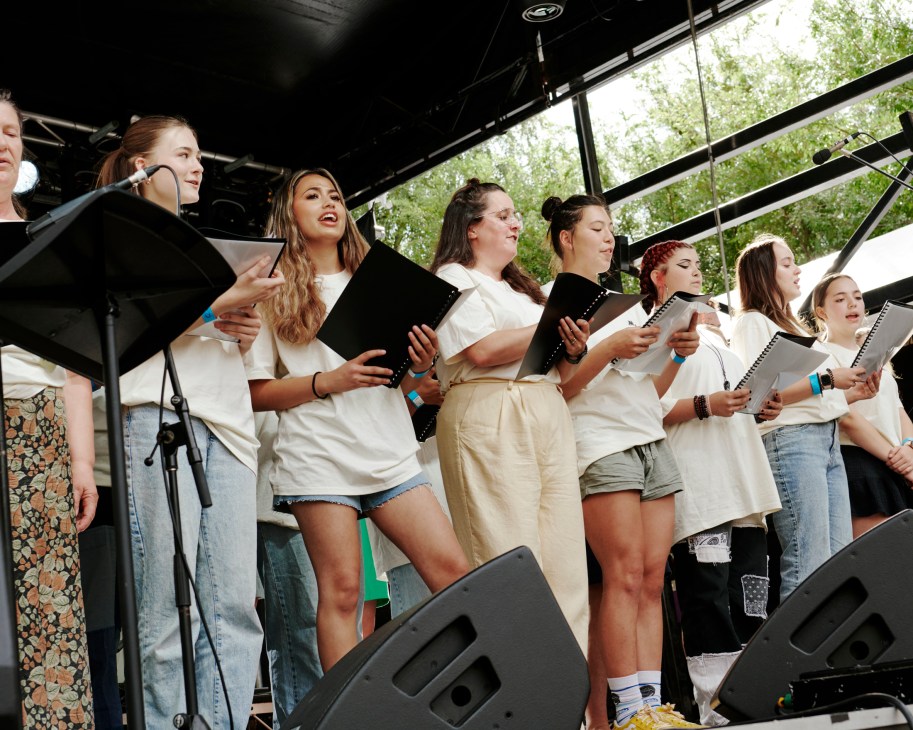
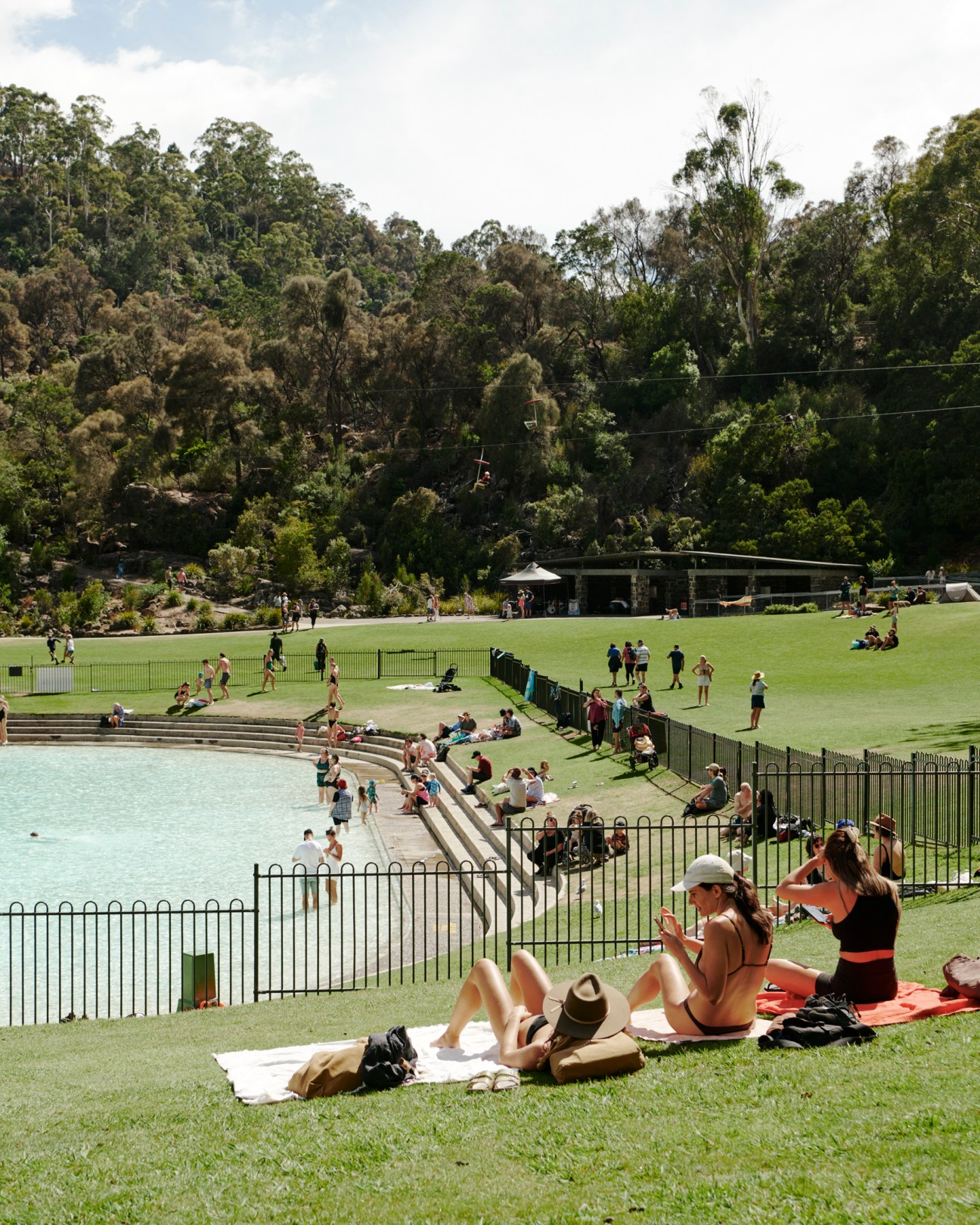
Beyond Tasmania’s idyllic landscapes and thriving arts scene, the island state is contending with a range of problems in areas from employment and education to healthcare. Walsh is the first to admit that the so-called “Mona effect” has had unintended consequences, including exacerbating a housing shortage. “There are homeless people in Hobart now: I did that,” he says. But responsibility can’t be attributed to one man. In 2018, Deloitte reported that Mona had contributed more than au$135m (€85.5m) in a single year to the state economy and supported more than 1,200 full-time jobs. Walsh, however, seems reluctant to dwell on what he has done for Tasmania or the fact that he is funding programmes to counteract its crises. “What matters is that when you do stuff locally, you can at least be accountable,” he says.
Out on the main stage, the Turiya Always quintet is performing compositions by jazz musician Alice Coltrane. Despite one young attendee covering his ears, the sounds of the double bass, drums, vibraphone, saxophone and harp are received with tapping toes and nodding heads. Walsh joins the crowd mid-set; people clock his halo of grey hair and send friendly “g’days” his way. Despite what he thinks, he is a star around here: the man who helped to turn Tassie around, encouraging residents to welcome visitors and show off the state’s natural and cultural riches.
Later that evening the crowd in front of the Old Tafe’s stage greets British poet and musician Kae Tempest with a giddy whoop. “I can’t believe Kae is here!” says Sunny, a radiant septuagenarian Launceston resident. When Tempest’s pit stop in Tasmania was announced, fans rushed to pay for tickets. A few weeks later, however, an email landed in residents’ inboxes informing them that Mona was refunding their money and granting them free admittance. This sort of generosity isn’t uncommon for Mona; it frequently hands out subsidies and holds free events. Entry into the museum, which costs au$35 (€22) for most, is free for Tassie residents.
That might help to explain why there have only ever been two months in Mona’s 12-year history when the museum has run at a profit: January 2014 and June 2020, when the federal government refunded staff wages to keep businesses afloat during the pandemic. Asked whether Mona will ever have a third month in profit, Walsh fires back, “Not while I’m alive.” Money or power isn’t what drives Walsh; that’s why he throws his own funds into the business and trusts his staff completely when it comes to Mona’s projects, big and small.
Towards the end of Tempest’s set, members of the audience get emotional, linking their arms around the shoulders of nearby strangers. The singer’s poetic prose falls on a captivated crowd. “Now I don’t have the answers,” sings Tempest. “But there are still things to say.” Walsh, Ritchie, Townend and the Mona team don’t claim to have all the answers for music, art or Tasmania – but they certainly have plenty of things to say.
Music at Mona
Every day that Mona is open, there’s music on its lawn, performers serenading diners in the on-site Faro restaurant and two musicians in residence. The restaurant’s music programme was a post-coronavirus intervention, a siren song to attract residents with something that they hadn’t yet experienced at the museum. When the restrictions were lifted, the music remained. Audiences can now see a choir walking between their tables as they enjoy their lunch. At 15.00 they’ll lean casually against a gallery wall while musician Ben Salter performs. Then, at 16.00, Dean Stevenson conducts a quartet for a rendition of a piece that he composed earlier that day. When Walsh is not away you’ll likely catch him at both shows and Ritchie will often hop up with the band at Faro. “A place like Mona almost couldn’t exist anywhere else,” says Salter.
Art at Mona Foma
A common theme at Mona is the daring, unconventional characters with whom Walsh chooses to surround himself: people willing to take risks, put together festivals with idiosyncratic line-ups and address alarming gaps in society. Among them is Emma Pike, the curator behind the artwork at this year’s Mona Foma. Pike wanted to lean into Old Tafe’s college motto, “Fantastic futures”. “I commissioned a lot of socially- or community-engaged artists to create unlikely collaborations throughout the space,” she says. The result included Willoh Weiland’s ode to female volunteering, “Chant”, and Kenneth Tam’s mock-men’s-social-club film, Breakfast in Bed.
Tried and trusted
“So much about the marketplace involves monopoly platforms shaping your consumer experience. There’s an enormous amount of power that needs to be held accountable”
A spinning metal drum is suspended centimetres above the track of a treadmill. Rubber nubbins protrude from the drum’s surface. As the treadmill moves, the nubbins press into the track, simulating the pressure and pattern of a runner’s stride. A technician stands by, monitoring the performance and interaction of the machines. The rotating nubbin drum is called Johnny Walker Black. It’s the younger sibling of Johnny Walker Red, which does the same job: putting treadmills through their paces as part of an evaluation that takes into account ergonomics, construction and ease of use. When the testing is complete, the treadmills will be reviewed and ranked, and the information made available to the six million members of Consumer Reports.
Founded in 1936, Consumer Reports is a non-profit organisation that advocates for the interests of US shoppers. The organisation is best known for its product reviews, which are available online and in a monthly magazine. Its marketplace involves monopoly platforms shaping your consumer experience,” the organisation’s CEO, Marta Tellado, tells Monocle. “There is an enormous amount of power that needs to be held accountable.” Consumer Reports’ financial independence allows it to maintain a degree of objectivity that’s rare in a world of top-10 lists stuffed with affiliate links. The products that it tests are purchased by a national network of unidentified “secret buyers” from the same shops that ordinary consumers use. This mitigates the possibility of manufacturers supplying unrepresentative, cherry-picked items. Once testing is complete, the goods are sold to Consumer Reports staff through an internal auction.
The most striking embodiment of the organisation’s commitment to rigour is its anechoic chamber. It’s built on foundations that are separate from the rest of the building to isolate it from vibrations. The inside of the room is lined with large fibreglass teeth arranged to eliminate sonic reflections; as a result, all of the sounds that you hear inside are direct. To human ears, the effect and, for some, can evoke a similar feeling to the one you can get when descending in an aeroplane. Others have to flee the room, perturbed by the sound of the blood rushing through their own head. Anechoic chambers are often built as part of physics laboratories for experimental purposes or used for hi-tech industrial applications, such as testing jet engines. Consumer Reports uses its chamber to review consumer audio equipment.
Some might dismiss this as overkill but Tellado is not for turning. “Technology is moving so quickly and our rights and protections aren’t keeping up,” she says. “The balance of power has shifted away from consumers and it’s making us incredibly vulnerable. We need to do the work that we do.”