Issues
Can Amsterdam clean up its chaos without scrubbing out its soul?
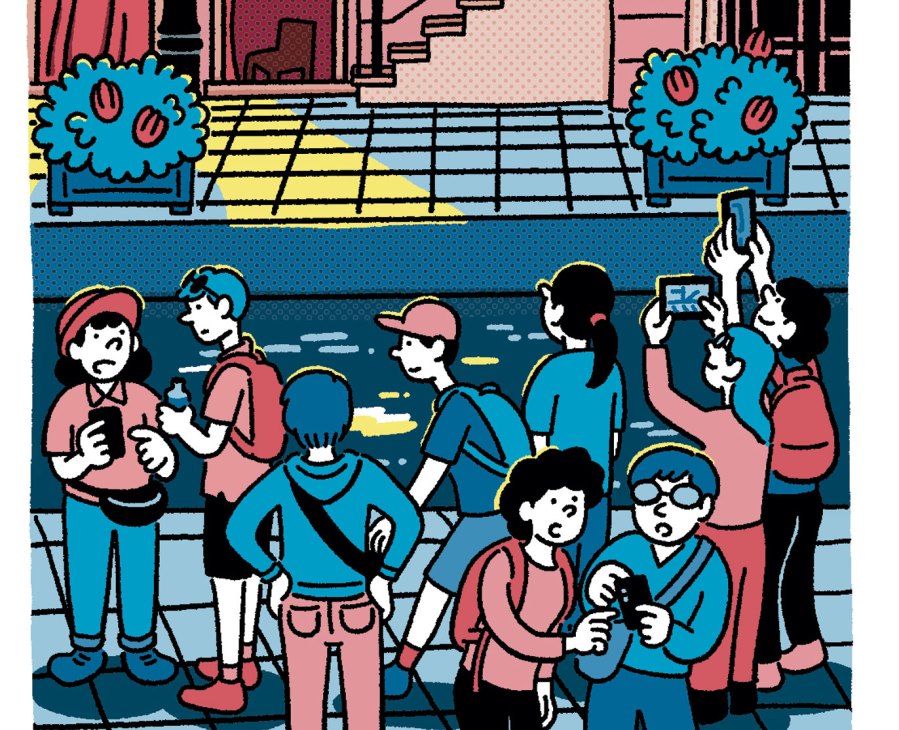
There are few more disappointing arrivals to a great city than emerging from Amsterdam’s Central Station. It’s a beautiful 19th-century cast-iron and red-brick building designed by Rijksmuseum architect Pierre Cuypers. But a few steps from its monumental entrance hall, you are greeted by a tangle of tram tracks, unsteady tourists wobbling on rental bikes and the heavy whiff of marijuana. Then the main stretch down to Dam Square is a gauntlet of low-grade pancake houses, garish coffee shops (as legal cannabis cafés are known) and crowds of visitors, many visibly worse for wear. On a recent visit, I watched a tram conductor escort a tourist off his vehicle so that she could vomit in a bin.
Amsterdam is one of the world’s most visited cities, hitting a record 22 million guests in 2019. There are fewer than one million residents and some, understandably, feel swamped, especially as many tourists are not there for museums or orderly canal trips. As night falls the historic De Wallen red-light district becomes a saturnalia of stag dos and stoners staggering between bars and brothels. It’s certainly rambunctious but would Amsterdam still be Amsterdam without this freewheeling, chaotic heart?
That is the paradox facing mayor Femke Halsema as she embarks on a plan to, ahem, weed out the troublemakers. It was cooked up during the coronavirus lockdowns, when travel bans transformed the city centre back into the quaint oasis it must have been before mass tourism. But now this vision for a tranquil Amsterdam is being put into practice – and it’s not going well. In February the city announced its proposal to close about 100 of the 249 brothel windows in De Wallen and relocate the sex workers to an “erotic centre” on its outskirts offering tantric-yoga courses and lectures on feminism over afternoon tea.
Halsema apparently said that she was inspired by the film Moulin Rouge but it’s not clear whether any affected parties were consulted. The sex workers themselves certainly weren’t: they marched on City Hall saying that the proposed erotic centre and a decision to close the red-light district earlier on weekends would make their jobs more dangerous. The two mooted locations have also provoked an outbreak of Nimbyism, including from the European Medicines Agency, which the Dutch worked hard to woo from London after Brexit. It issued a statement making clear that they didn’t want “drug-dealing, drunkenness and disorderly behaviour” on their doorstep.
Then in April the city released two videos discouraging undesirable tourists from the UK from visiting. With bad acting and botched attempts at British slang – “Coming to Amsterdam for a messy night and to get trashed?” – they fell as flat as a Dutch pancake. Cue the satirists pitching in with their own versions, warning of “over-priced beer”, “oat-milk lattes” and “too many ‘paddos’ [hallucinogenic mushrooms]”. The campaign contradicts the spirit of Amsterdam, a city built on openness, tolerance and free thinking. And this isn’t the first bout of puritanism attempting to tame its wild side: successive rounds have already seen bars close earlier and coffee shops culled.
So are rowdy tourists in an area that has hosted sex work since the 16th century really the issue? Perhaps it’s the ill-planned gentrification that is really threatening to swamp the city’s character? Many say that soaring rents and a housing crisis are pricing out creatives. If Amsterdam wants to remain a celebrated global city, it needs to start thinking about the kinds of people it wants to attract rather than berating those it wants to keep away.
Charlotte McDonald-Gibson is Monocle’s correspondent in The Hague.
Images: Getty Images, Tekever
Making the cut
“The relationship between swordsmith and polisher is similar to that between music composer and performer,” says Sotaro Matsumura, as he sits down on his workshop floor. “You’re creating this thing together – it’s a performance. You need each other for the sword to come to life.”
It is 07.00 and the scent of coffee hangs in the air when we visit Matsumura’s cedar-clad workshop. “Do you like bossa nova? That’s my favourite genre for gentle polishing. Of course, I play techno or dub for heavier, more physical work,” he says, walking over to his record player. “But don’t let this ruin your image of a very traditional Japanese craftsman.”

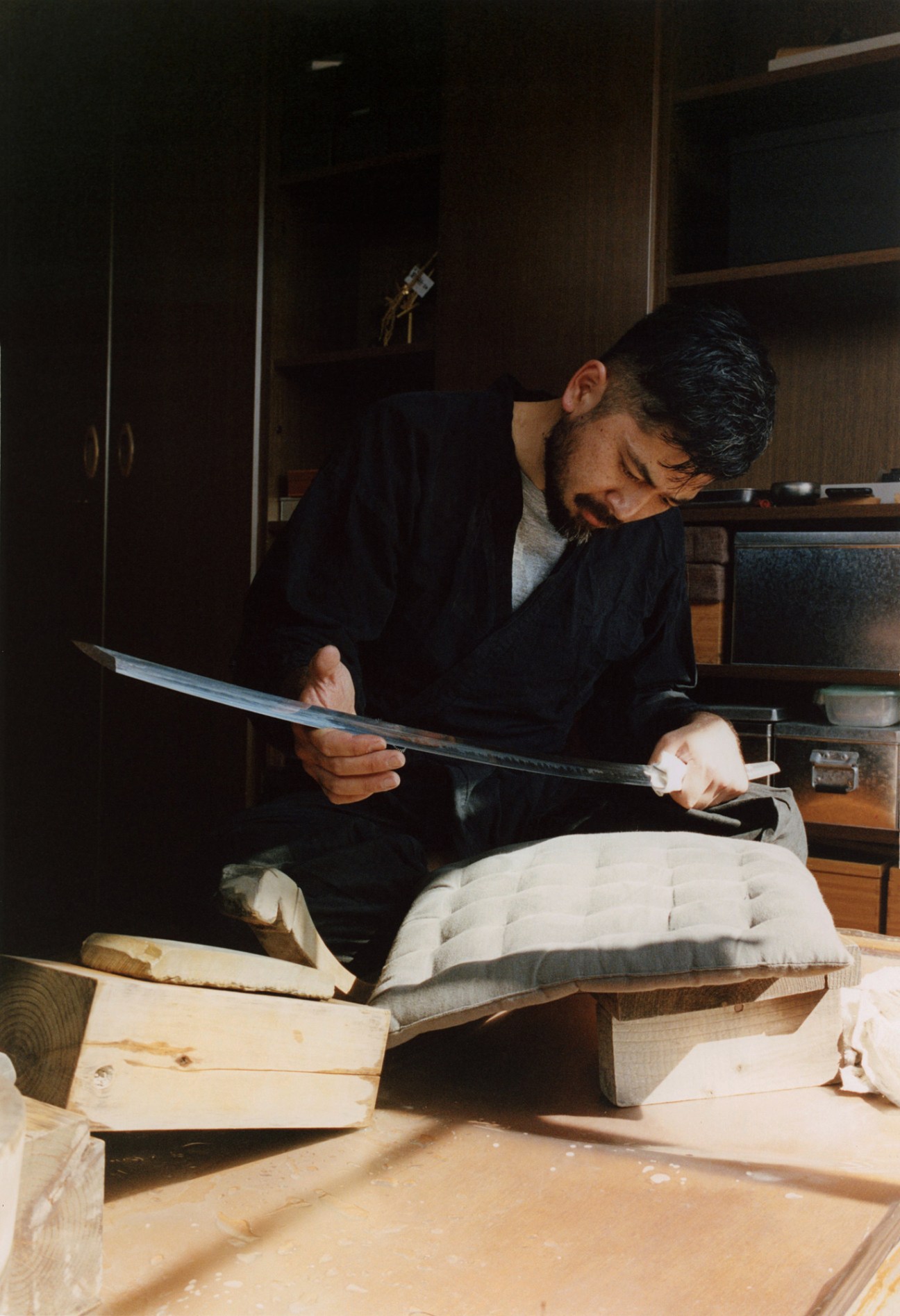

Looking at Matsumura, it’s clear that he is every bit “traditional”. He wears a dark indigo-hued samue, a robe sported by sword polishers for easy movement. It’s one of his many rituals. Like most togoshis, Matsumura is no stranger to repetition. After all, the discipline requires a lifetime of practice and dedication. It takes 10 years of apprenticeship just to become qualified to work with basic swords. Matsumura has mastered every type of sword: from tachi (his favourite) to katana and naginata. “The nihonto, created in the 10th century, has a distinctive curved shape,” he says. “But these are not just weapons; they’re art forms, treasures, guardians, symbols of wealth and power.”
Sword-polishing has been in his family for three generations. Growing up, he learned by watching his late father. The two worked together in their studio just outside Tokyo, in Funabashi, where they welcomed sword collectors, museum curators, film directors (they assisted Tom Cruise’s team in The Last Samurai) and even yakuza. “These walls hold so much history,” says Matsumura.
Still, there’s a risk that the tradition will die out. Fifty years ago, Japan was home to hundreds of sword polishers; today, only a few are left. Engaging younger generations is vital to keeping the craft alive but it is no easy task. “I have three daughters and, of course, I want them to understand the urgency in saving this cultural tradition,” he says. “But, while I’ve given my life to this, it is their choice. As a child, I watched my father with awe and wonder. It’s all I ever wanted to do. If they feel the same way, I’ll support them.”
Monocle watches Matsumura repeatedly push the metal blade of an 800-year-old katana sword over a whetstone. His movements resemble a choreographed dance. Yet the process isn’t as smooth as it looks, he says. “I’ve cut myself many times. I can only see the true, raw beauty of the sword once I’ve polished the blade with the natural uchigumori [a type of stone], which makes it sharp.” After repeating this process for a few hours, Matsumura will wipe the blade clean and oil it before storing it in a handmade scabbard sewn using fabric from vintage kimonos.
As he prepares to go home, he wraps today’s blade and puts it away for the night. “A togoshi has to honour the sword,” he says. “That’s the whole point. When I’m polishing, I think of all of the togoshis whose hands have worked on this blade in the decades before me.”
For Matsumura, this is part of honouring the masters who went before. “Our ancestors have been taking care of these swords for more than 1,000 years. Now it’s my responsibility to preserve this part of our heritage or our history will fade away,” he says. “But if I do good work, people will treasure these swords for years to come.”
The Opener
Save the date: QOL Conference
Finest forum
As we send this issue off to press (writes Tyler Brûlé), monocle’s editors and correspondents are surveying the streets of key capitals and crunching the numbers (hours of daily sunshine is always a key metric) for our annual quality of life ranking, which will be released in our July/August issue. The team is also pulling together the format for our annual urbanism event under the same banner.
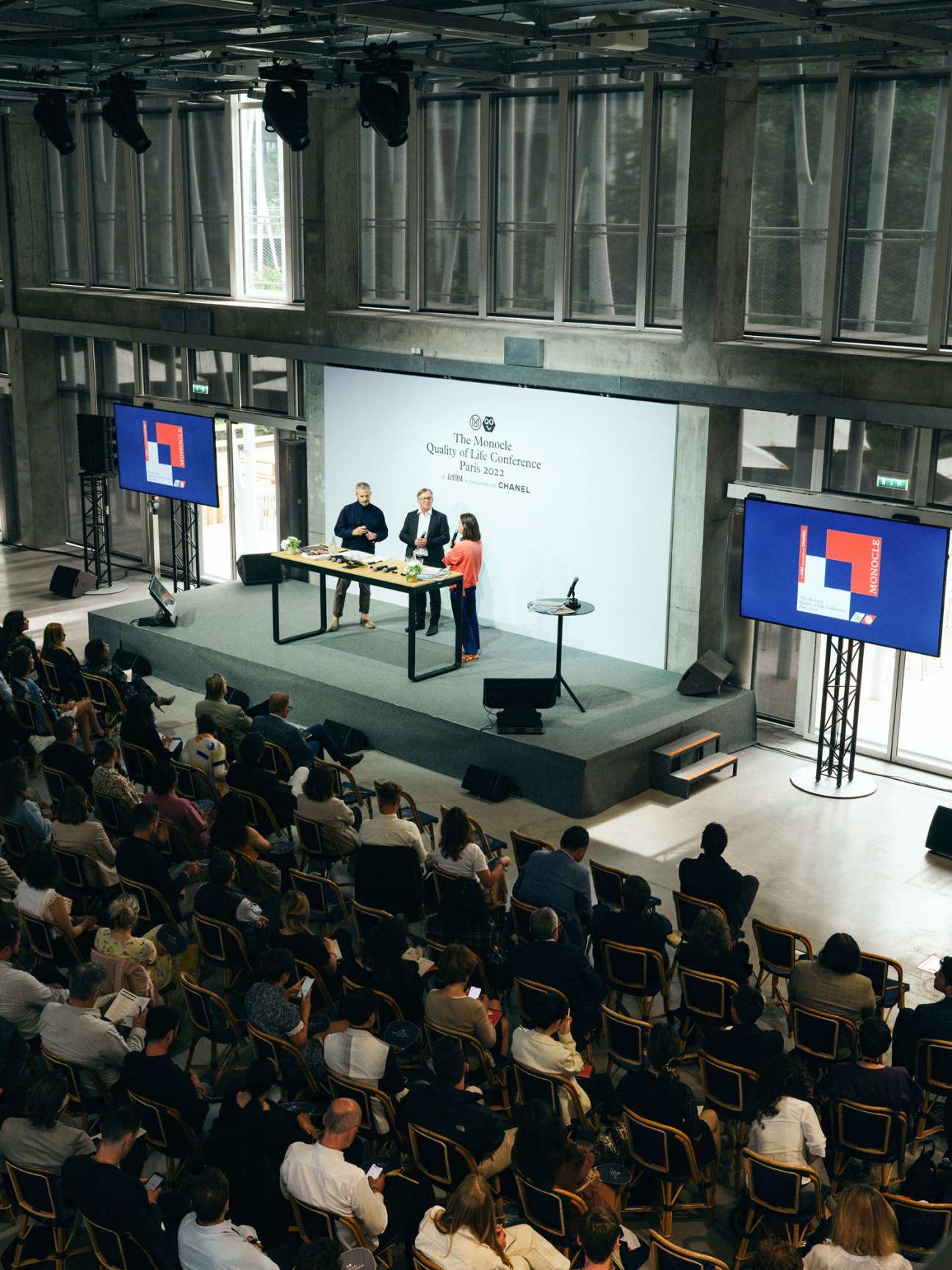
Munich will be the host city for our 2023 edition as we discuss the topics that make for better living in centres large and small over three days. If you’ve never managed to attend one of our summits, you might want to act quickly to not only secure a ticket for a front-row seat but also ensure that you get a choice room at one of our favourite hotels in the Bavarian Hauptstadt. This year, expect a panel of architects who you need to know for future projects (both personal and professional), a session on the finer points of building the perfect community and plenty of pretzels, beer and fine hospitality. For tickets and questions, visit conference.monocle.live or drop my colleague Hannah Grundy a note at [email protected]. See you in Munich.
Reporting from…
Monocle has a network of correspondents in cities around the world. Our brief dispatches include a new transit system in Bangkok, a ‘mini-Hollywood’ in London and alfresco dining in Los Angeles.
Bangkok
Coming on track
Bangkok’s first monorail is launching with a snazzy fleet of Bombardier Innovia 300 trains. Nearly 65km of track will be added to the network and the trains will make it easier to travel across Bangkok without going into the city centre.
London
Star struck
An investment company is hoping to transform a former recycling centre in north London into film studios. Some residents aren’t thrilled but might they change their minds when Timothée Chalamet turns up at the local pub?
Los Angeles
Ray of light
A tussle between restaurateurs and the City of Los Angeles over alfresco dining has been settled, preserving rules making it easier to put tables and chairs on the street. Good. Dining outside in sunny LA is always a bright idea.
Sweet dreams
Come June, much of the art world will decamp to Art Basel – and attendees are seeking a good place to stay (writes Kimberly Bradley). While private jet-setters get themselves luxury suites at the famed Hotel Les Trois Rois and gallery staff book out most other fancy hotels way before the fair opens, for the rest of us it’s slim pickings.

Me? For years, I’ve joined a group of women to stay in the airy live-work studio of an artist friend who is based in Basel. We sleep on fold-out beds and blow-up mattresses surrounded by her works in progress and an art-theory library. In the mornings we have breakfast in a vast kitchen: the Swiss support the arts so well that some buildings, like my friend’s, are set up just for artists.
In this kitchen, year after year, I meet people who crash in art studios by night and schmooze at Art Basel by day. My breakfast companions usually come from around the world and represent the art world’s no-expense-account backbone: they are artists, critics, young curators or emerging collectors.
And maybe we’re onto something: art critic Jerry Saltz once said that Art Basel, in its various locations and iterations, was a giant adult sleepover. He meant this metaphorically but last year at Art Basel Miami Beach, the week’s best party was a massive sleepover in the Miami Design District, hosted by the app Basic Space together with educational platform Secular Sabbath. Art fair or not, we all feel better when we have some good times with our friends – and get some proper shut-eye.
Kimberly Bradley is Monocle’s Berlin correspondent.
Music to their ears
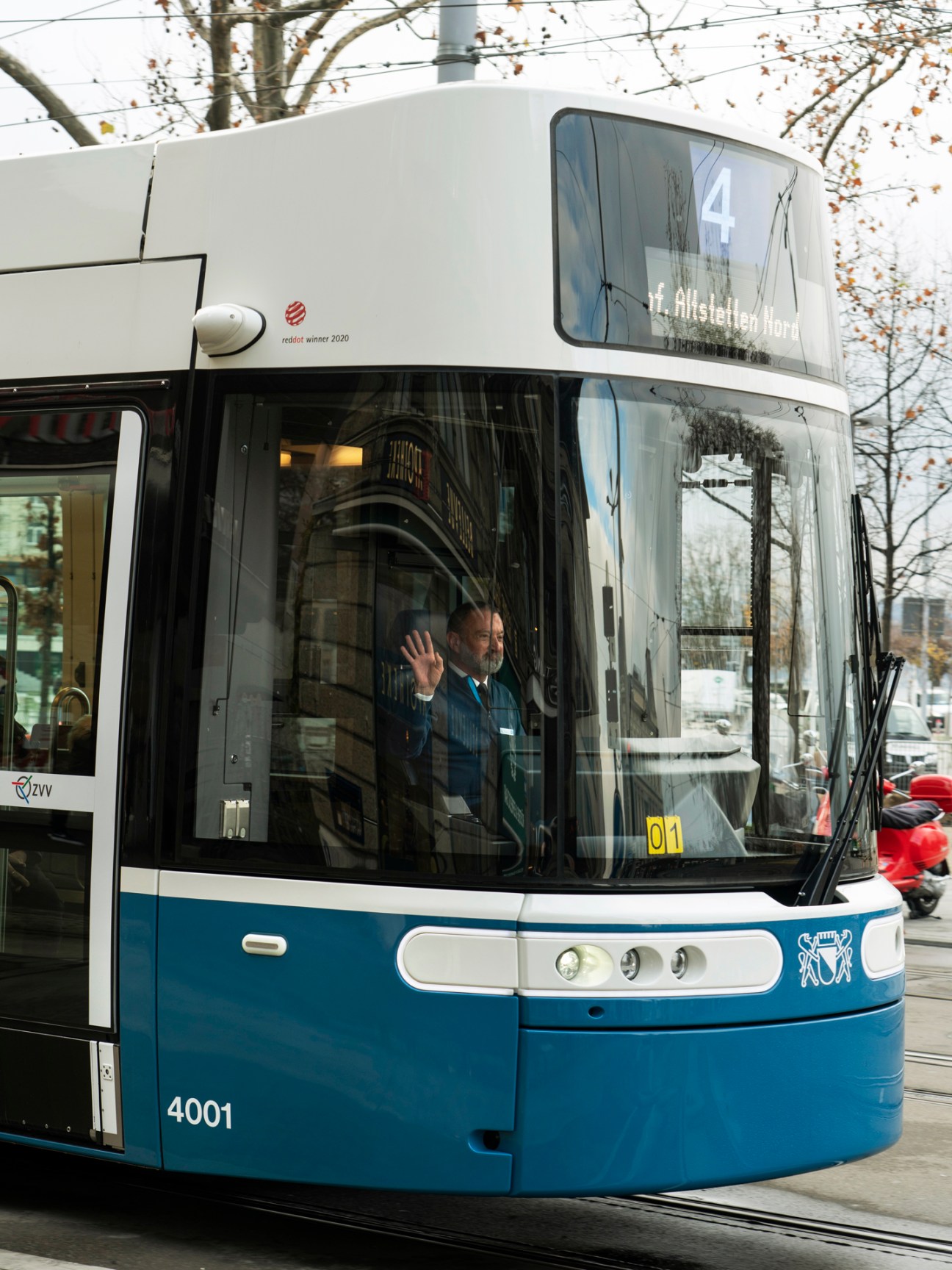

We’re all acquainted with the cacophony of public transport: the phone gossipers, the couple unwittingly dragging the whole train carriage into their argument, the toddler watching Paw Patrol on an iPad. Swiss commuters are about to experience the next auditory frontier. Zürich’s bus and tram drivers will now be allowed to play their music on Bluetooth speakers. Let’s just hope that the esteemed people carriers of Switzerland’s financial capital aren’t into Nickelback.
Line of duty
In 2010 the Royal Spanish Academy scrapped the tilde accent adorning the adverb sólo (Spanish for “only”) – the sole factor that distinguished it from the adjective solo (alone). At the time, the decision angered Nobel prize-winning novelist Mario Vargas Llosa and other language purists. But 13 years later, it looks like his pro-accent brigade finally has its way.
Much to the dismay of the anti-tildistas, who disapprove of the accent, the Academy reversed its original policy this year, restoring the tilde in sentences where there is a real risk of ambiguity. It is a tepid victory for both factions but here’s hoping this means that they can finally leave each other alone.
Special delivery

The field of lunar motoring is more than 50 years old. Each of the last three Apollo missions took a basic moon buggy and, indeed, left them there (low mileage, one careful owner, buyer covers delivery costs). Since then, remote-controlled lunar rovers have been deployed by Russia, China and India (though India’s Pragyan rover was destroyed when the Vikram lander crashed in 2019). Now, US start-up Astrolab wants to put new wheels on the moon. Its Flexible Logistics and Exploration Rover (Flex), which resembles a small rubbish skip on wheels, will be crewed by two astronauts and capable of carrying stuff and picking things up. It can also be controlled remotely. A prototype has been tested – by Canadian astronaut Chris Hadfield, no less – in the deserts of Death Valley. Astrolab is confident that it will operate reliably in the moon’s colder climate.
Astrolab’s CEO, Jaret Matthews, hopes that the rover will be like “UPS for the moon”. There might be many frustrated customers of one notorious British courier wondering if that’s where their parcels have somehow ended up.

Cheers to that!
Scottish whisky-maker Glenmorangie is helping to fund a project that aims to reintroduce four million oysters to the Dornoch Firth – the inlet along which its distillery sits – by 2030. The Dornoch Environmental Enhancement Project was established in 2014 but is now showing considerable results: it is on track to double biodiversity in Dornoch Firth.
The revival of the firth owes much to technology: Glenmorangie claims that the anaerobic digestion plant it opened there in 2017 reduces the distillery’s organic waste by 95 per cent. But the plan is that the remaining 5 per cent will be hoovered up by the returned oysters. By filtering the water in the firth, the shellfish will help to maintain the whisky’s quality – after all, you can’t make whisky without high-quality water – and clean up the inlet.
This happy synergy is yet further refutation of a persistent urban myth that oysters and whisky must never be mixed. In fact, oysters and whisky are often served together in Scotland and work well as a bracing entrée or an even more bracing hangover cure.
Alternative Pest Policies
Rats have been gnawing away at the Big Apple ever since they scurried off boats from Europe nearly 250 years ago. But their days in the city might be short-lived. Earlier this year, mayor Eric Adams appointed New York’s first “rat czar”, Kathleen Corradi, who will spearhead the city’s new rodent mitigation programme. While this might sound like an unusual position, it’s far from the most imaginative strategy officials have deployed to tackle pests. Here are three more, from cats to control rats, to contraception for pigeons and crippling crustacea.
1.
Through a programme called Cats at Work, a Chicago animal shelter placed more than 1,000 (spayed and vaccinated) cats outside residences and businesses to fight rat infestations, calling it a “green” solution to the vermin problem. And it’s possibly more humane to cut out the humans.
2.
Brussels has been dispensing contraceptive corn pellets to humanely decrease the ever-growing number of pigeon births around the city. At Square Clémentine, where the first seed dispenser was installed in 2019, the population halved in just a year.
3.
Dikerogammarus villosus (or “killer shrimp”) are a damaging invasive species. After being found at a UK reservoir, fishermen were asked to rinse their equipment before going elsewhere – to no avail: the shrimp are now troubling native crustacea across western Europe.
Images: Astrolab
Festival season
For many, architecture might seem like a guarded profession. In cities and countries without a strong communal appreciation of design heritage, it can appear to be something that only takes place in creative studios, educational institutions and city halls.
It’s a disappointing state given that architecture impacts all people across the globe, almost all the time. At the most basic level, it provides shelter but it can also affect our health, mood and relationships. Developing a broader understanding of the benefits of good architecture – from the impact of lighting on our sleeping habits to the calming effect of buildings finished with natural materials – can encourage people to advocate for their own right to it, rather than leaving it to those who they perceive to be in the know. It’s something that the famous urbanist and activist Jane Jacobs pushed for, stating that “cities have the capability of providing something for everybody, only because, and only when, they are created by everybody”. And it’s an understanding that the London Festival of Architecture is looking to address.
The annual festival runs throughout June and includes more than 400 events under the theme “In Common”. Event organisers have been invited to find ways to build a broader appreciation of architecture’s effect. As part of the programme, the general public can ask questions at architecture offices such as Zaha Hadid Architects (Studio Lates) and children will have the opportunity to plan their ideal neighbourhood (Build-A-Town). Guests can also learn how to make bricks (Build Together: Community Building at the Story Garden), watch films about the lives of buildings (The Architect Has Left The Building) and explore installations that examine the accessibility of public space (Seats at the Table). The effect? Hopefully to inspire a new generation of Jane Jacobs, who know they have a right to good design and architecture.
For more fresh perspectives on design, listen to Monocle on Design at monocle.live/radio
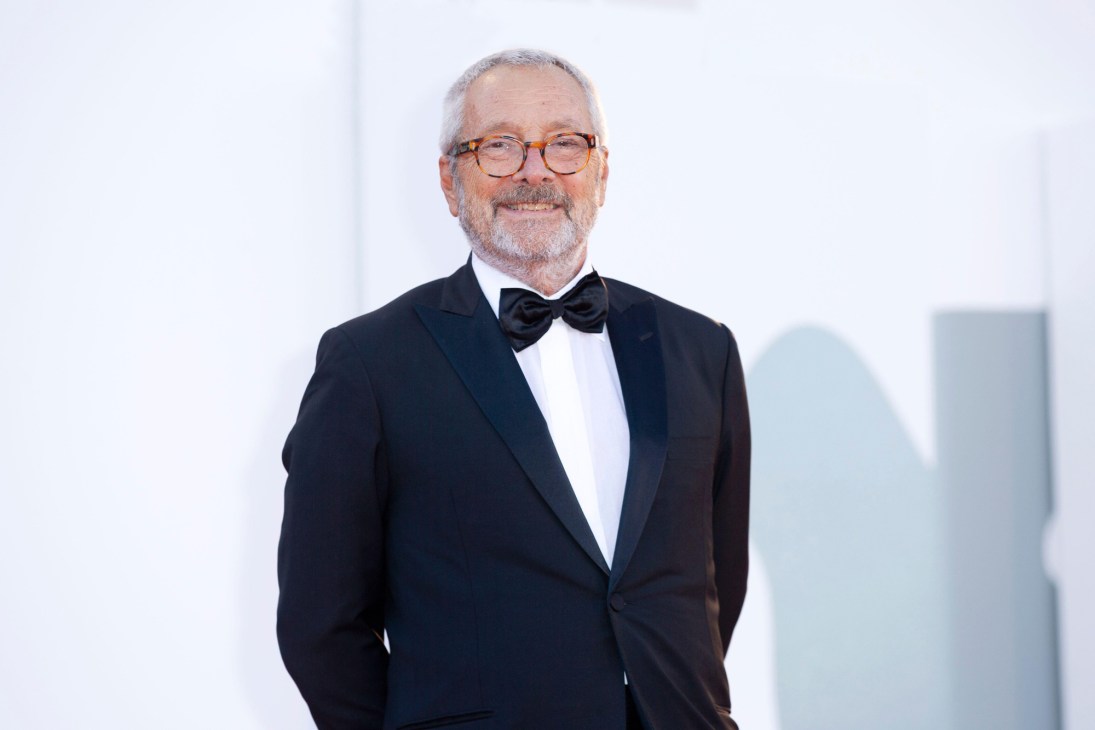
Roberto Ciccuto
President, Venice Biennale
Award-winning film producer Roberto Cicutto is president of the parent organisation of the architecture biennale. His role includes naming an agenda-setting curator. This year he selected Ghanaian-Scottish architect Lesley Lokko, who set 2023’s “The Laboratory of the Future” theme.
Lesley Lokko is turning Venice into a laboratory of architecture rather than a showcase. Why was this vision important to you?
Having a curator who selects outstanding buildings wasn’t enough. So when Lesley said that Africa was already a laboratory of all the challenges that the rest of the world is experiencing today, from migration to resource shortage, this was a strong starting point to have a dialogue about what architecture is for.
Why is the event important?
The biennale is something that can survive because it has a soul, a DNA and is a part of history. Over 130 years, the biennale has created situations that have changed the course of architectural history, which is a reason to pay attention.
What do you hope that people take away from the Venice Biennale this year?
Cultural institutions understand that they have to take greater responsibility for what happens in real life. With regards to Venice, this means looking at fragility. The city faces all the challenges that we face in a more intense way – climate change, preserving buildings and heritage – and the biennale addresses the need for it to be used, giving access to the rest of the world.
For Havn’s sake
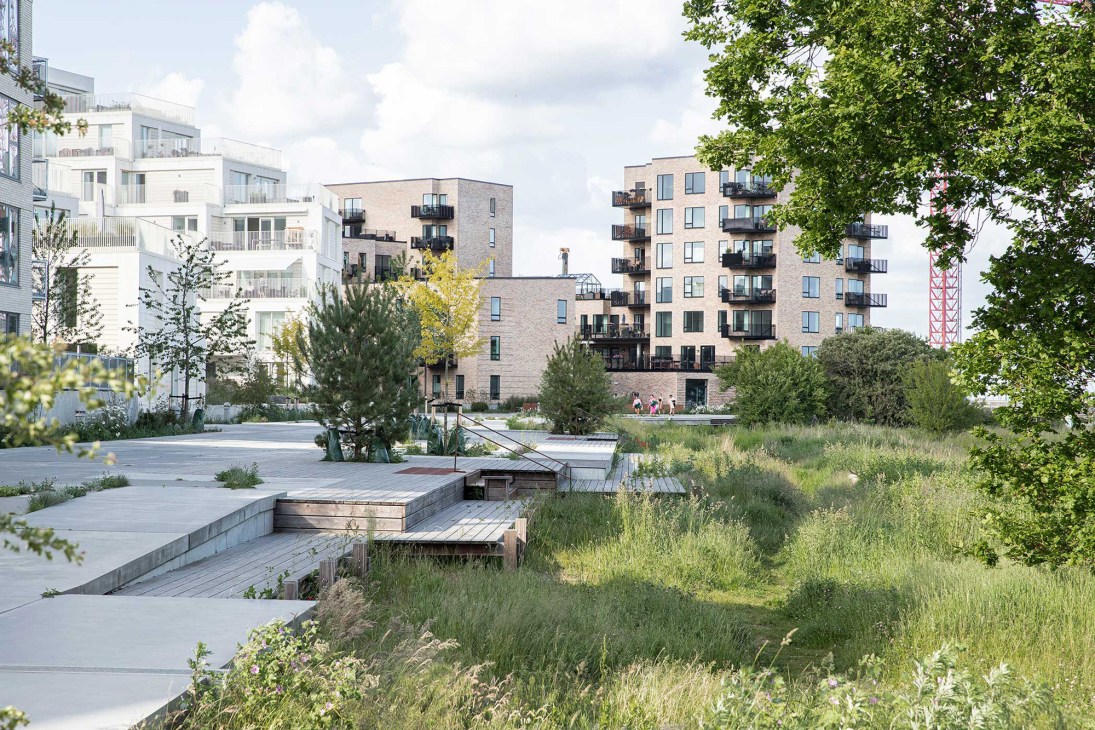
Danes are accustomed to local authorities understanding the benefits of urban greenery. The district of Frederiksberg in Copenhagen, for example, brilliantly brought nature closer to its residents by legislating that every household must be able to see a tree from its windows. The municipality of Køge took things further, making nature an intrinsic part of an entirely new neighbourhood.
Copenhagen-based design studio sla is behind this new Søndre Havn district, which took over a former industrial harbour. The firm’s approach used nature as a means to tie the community together and create a sustainable urban environment resilient to a changing climate.
Central to its development are two components: the pedestrian promenade that encircles the district and the green commons that are spread across it. The 1.4km elevated walkway allows direct access to surrounding sites while doubling as a dyke to protect the area from flooding. The commons not only provide lush greenery and recreational spaces for residents but also enhance the area’s biodiversity and efficiently manage rainwater runoff.
sla wants to demonstrate that water management isn’t limited to ugly swales and pits; it can encompass beautiful parks and human-scaled spaces too. “We’re showing all the benefits of implementing a strong, nature-based design,” says CEO Mette Skjold. “The project can act like a prototype for how to think, plan and develop the surrounding area.”
Model citizen
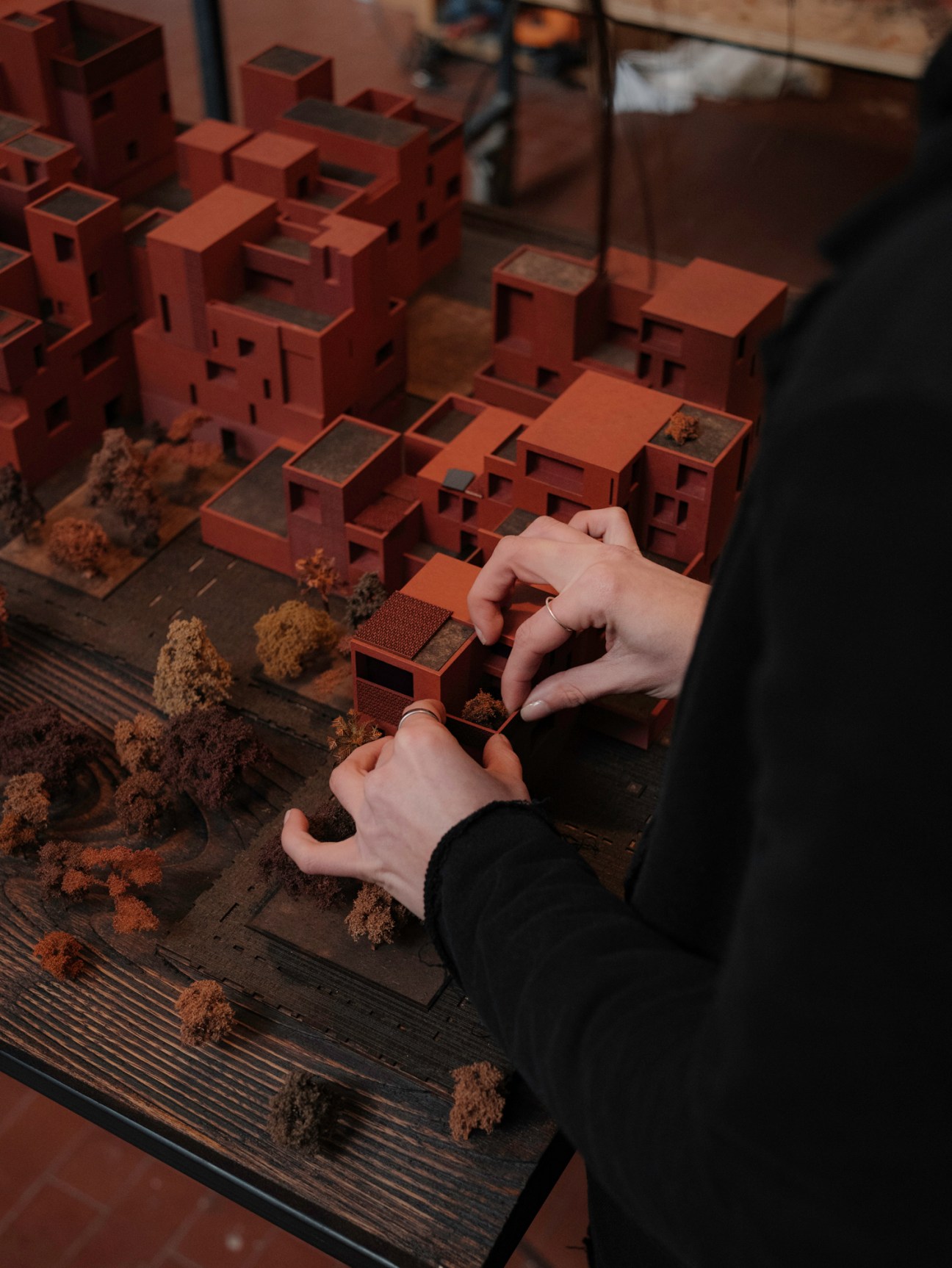
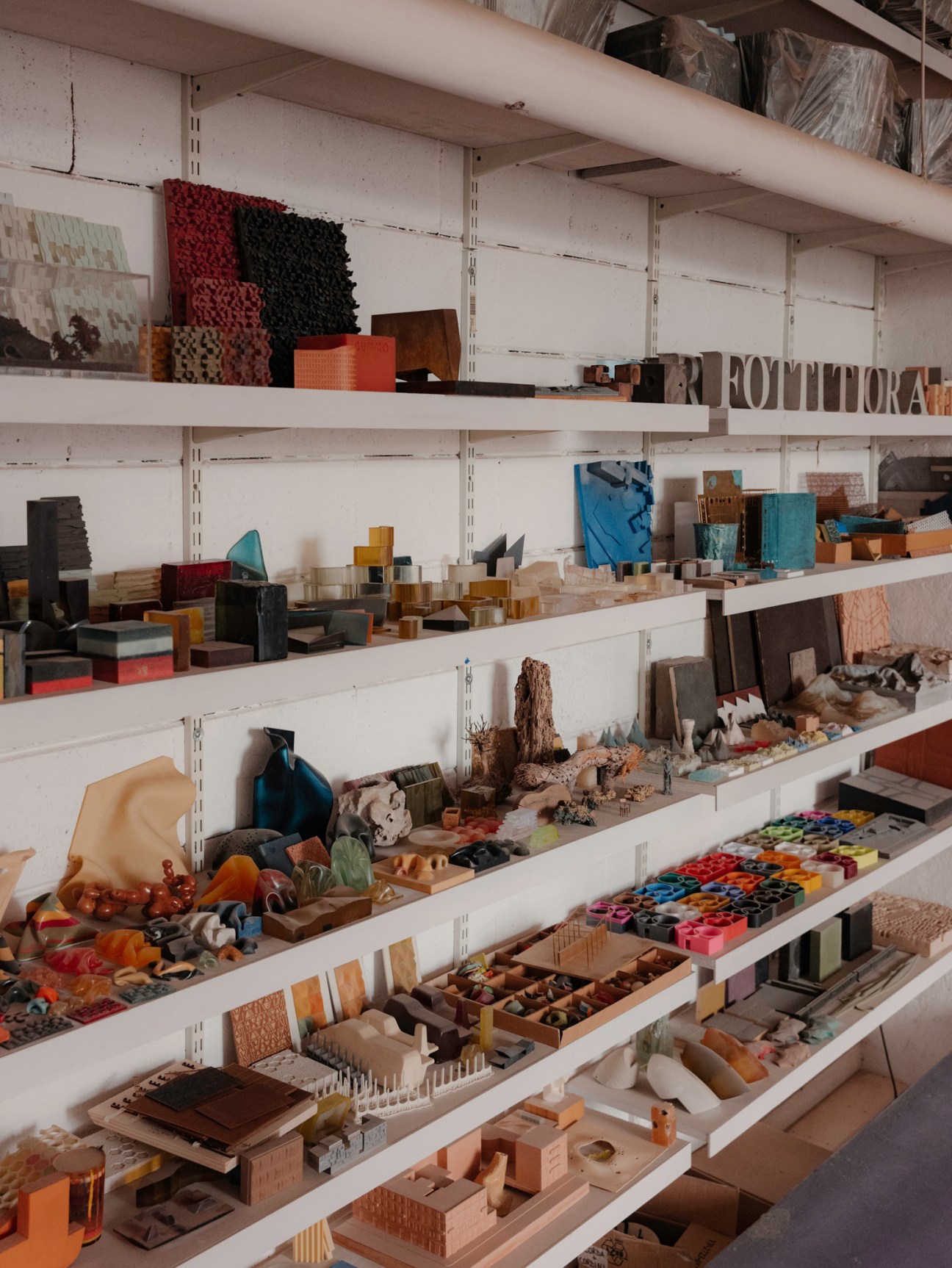
With the rise of photorealistic architectural renders, one might have thought that the need for physical model-making had fallen by the wayside. But, judging by the behaviour of visitors at the Rome workshop of Marco Galofaro, this isn’t the case: here guests find it hard to resist the urge to pick up one of the model-maker’s miniature buildings. “Go ahead,” the bespectacled Galofaro tells Monocle, as a smile breaks out on his face. “It’s a sign that we are doing things right if people’s first instinct is to want to touch the piece.”
Trained as an architect, with stints working at the studios of Peter Eisenman in New York and Massimiliano Fuksas in Rome, Galofaro decided that he preferred working with his hands to drawing up blueprints. In 2002 he set up Modelab to collaborate with architectural firms and artists in need of well-made mock-ups of their designs to impress clients. “A model is the first time that an idea takes physical form so you want to ensure people are engaged with its design,” says Galofaro, as he reaches for a wooden maquette of a tower designed by Jean Nouvel. The model-maker typically uses a different colour scheme to the one requested in the plans to better highlight forms and details.
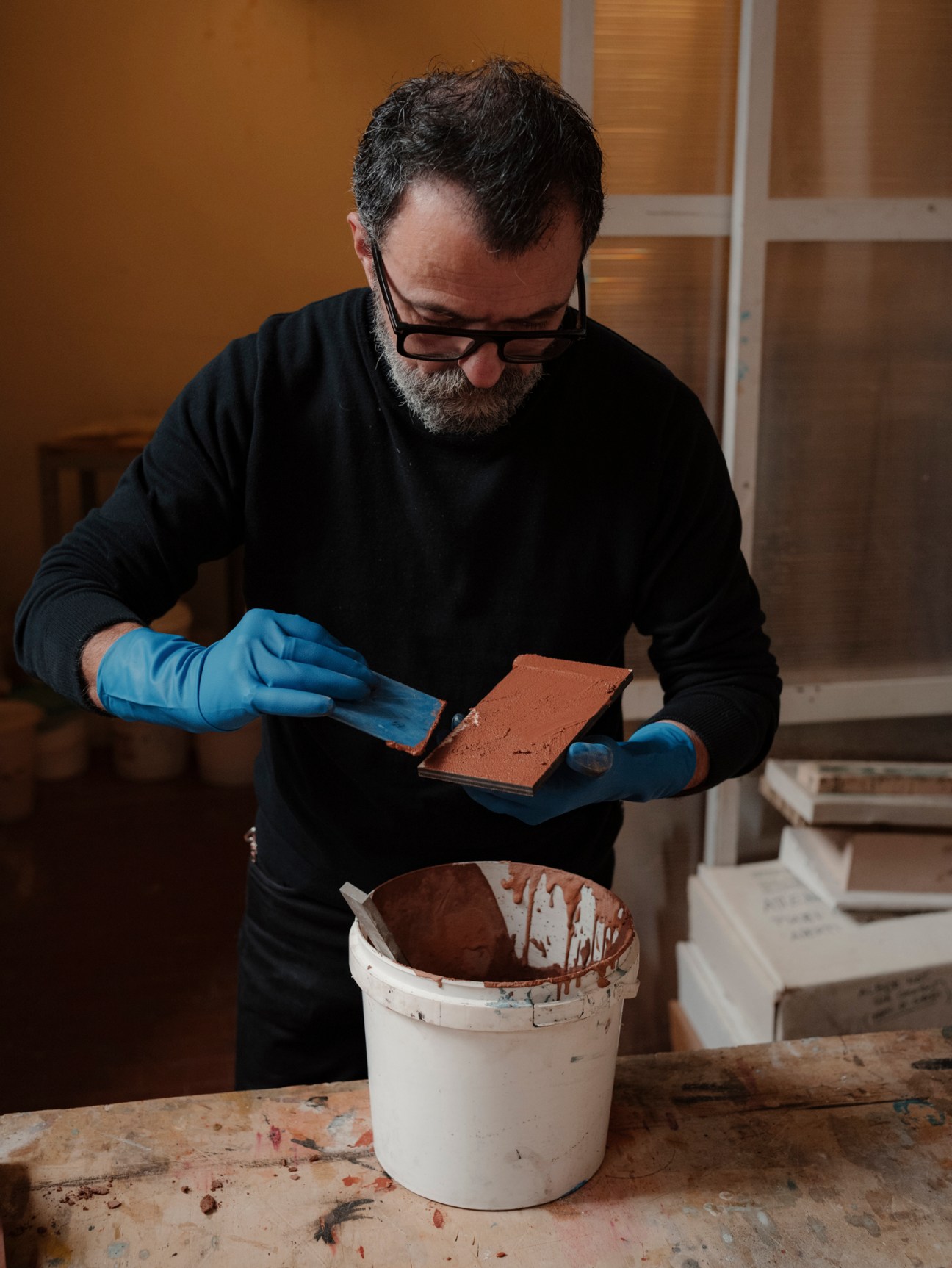
Models are made using a range of different materials, spanning hand-cut mdf boards to resin-based 3D-printed objects but the human touch is never lost in the process. “Too often the plasticity of models gets in the way,” he says. “You need to give them warmth and depth.” He demonstrates by reaching for a thin, flat brush and applying liquid bitumen to wood to give it an aged effect before reaching for jars of sand and earth that he has collected to show how he makes terrain and roads on models.
When monocle visits, Galofaro is completing a model of a Riyadh housing project. To finish the landscaping, he adds tiny packets of glycerine-preserved foliage bought from a supplier in Puglia who caters to clients making nativity scenes. His meticulous approach has earned him important commissions, including an ongoing collaboration with Lebanese architect Lina Ghotmeh. One fan is Chilean artist Alfredo Jaar, whose site-specific installation for the 2013 Venice Art Biennale was built by Galofaro. “If you can dream it,” said Jaar of the collaboration, “Galofaro will make it real.”
Supreme ruler
South Korea
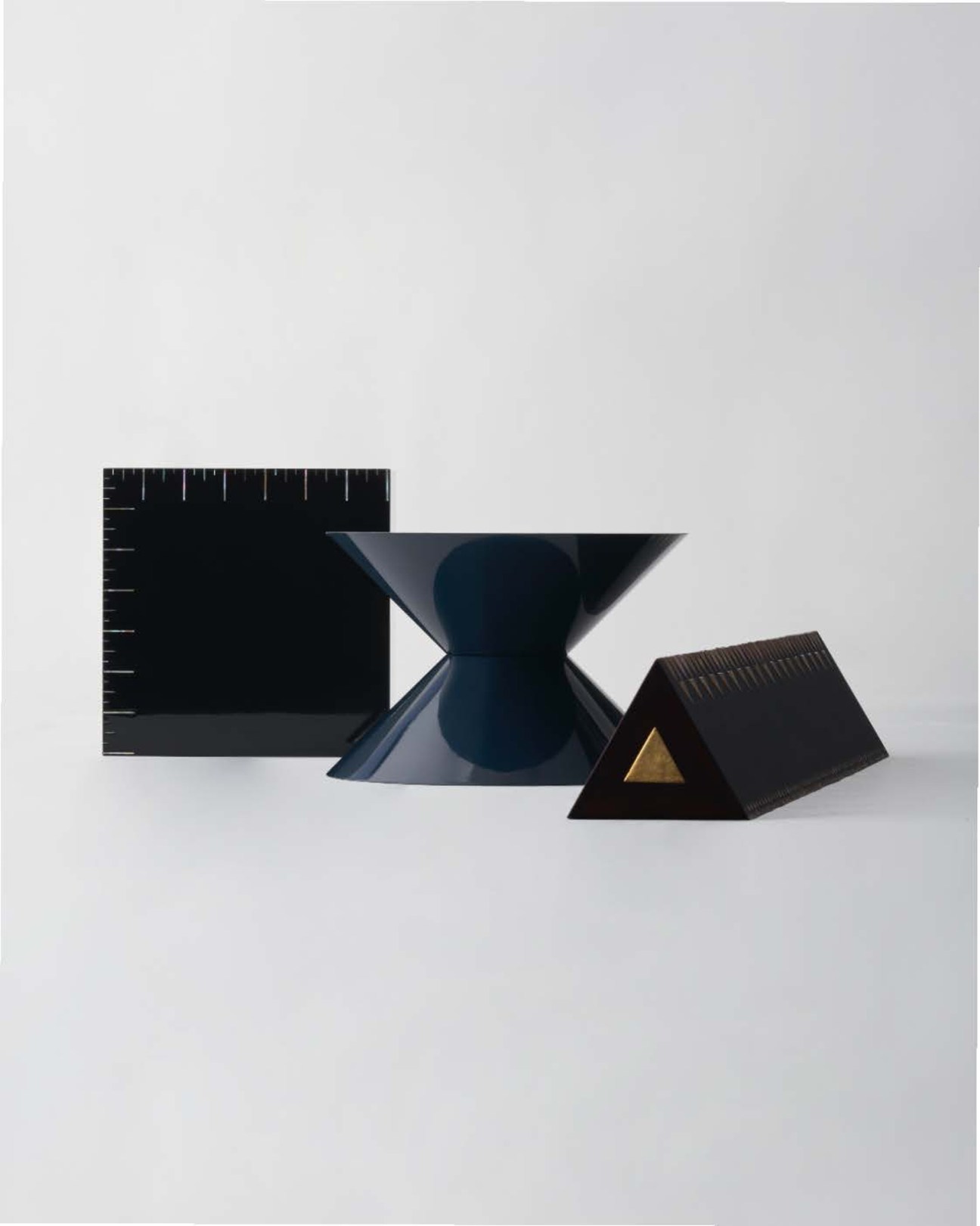
Government-backed promotion of art and design is key to the preservation of many traditional, less commercially lucrative means of production. It’s work to which the Korea Craft and Design Foundation (KCDF)is dedicated. Case in point: its recent Shift Craft exhibition in Milan, which showcased objects made by 20 Korean creatives.
The selected cohort provided contemporary takes on crafts including ceramics, metalwork, woodwork, mother-of-pearl and woodburning. Monocle’s pick of the bunch is a series of rulers by Sungyoul Park. The Daejeon-based artisan, who was a finalist in the Loewe Craft Prize and specialises in the Korean ottchil lacquer technique, made three lacquered wooden rulers finished with mother-of-pearl and gold leaf. It’s work that neatly blends art and design, and shows the potential for traditional crafts to be applied to the making of modern items.
“In the same way that mankind formed unique cultures in different environments, it also developed unique ways of creating with regionality and cultural characteristics,” says Shift Craft art director, Byung-jun Koo. “This work underlines Korea’s unique sense of beauty in its diverse permutations.” And it might just point to the future of craft in the country too.
Images: Korea Craft & Design Foundation, Alamy
Outer space
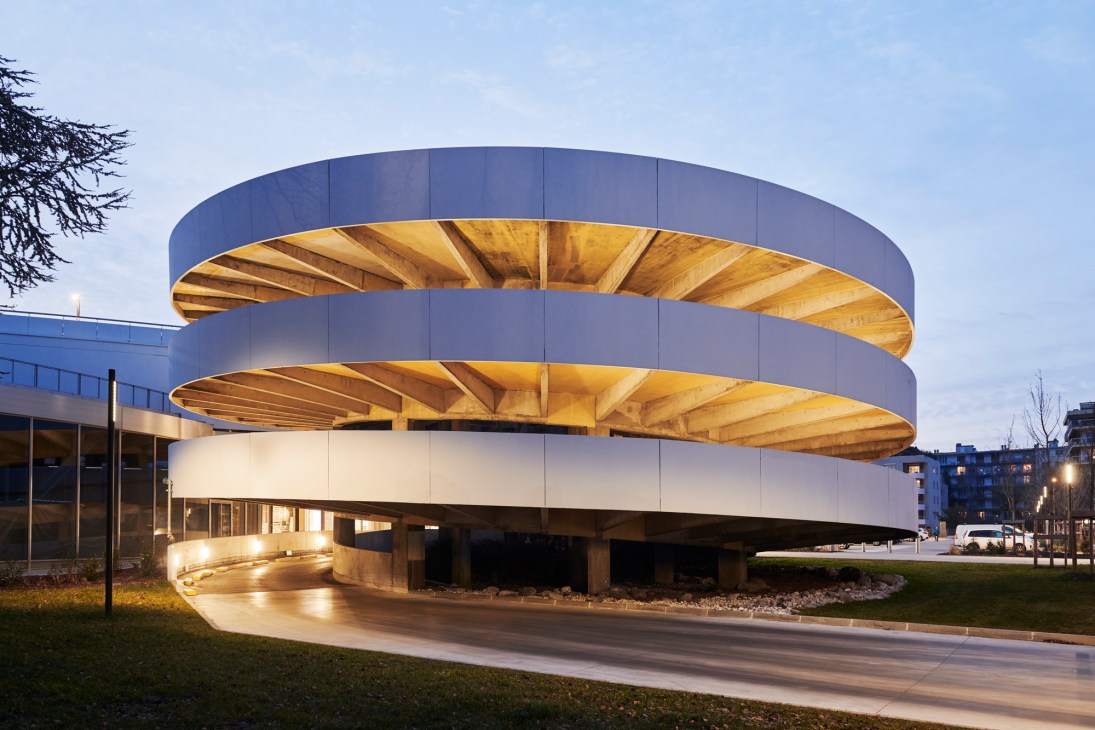
For the better part of 50 years, people passing through Annecy in southeast France would be forgiven for thinking the small Alpine city doubles as the set for a long-running science-fiction TV show. This is largely due to the spaceship-like building on the edge of the city centre. Called Nouvelles Galeries, it’s the conurbation’s defining piece of architecture –and it looks like a grounded ufo. Built to the design of French architect Antoine Dory in 1969, it has a box-like department store at its centre, wrapped in a circular car park.
Its striking modernist form, in stark contrast with Annecy’s more traditional Alpine vernacular, has become a source of pride for residents, with local lobbying helped secure its heritage status. Despite this, Dory’s structure has long failed to adequately serve the increasingly pedestrian-friendly city centre, with easy access on foot only possible via the car park. It’s a fact that Citynove, the real-estate development branch of Groupe Galeries Lafayette (of Parisian department store fame), knew it had to address when it purchased the property and took over the main retail tenancy.
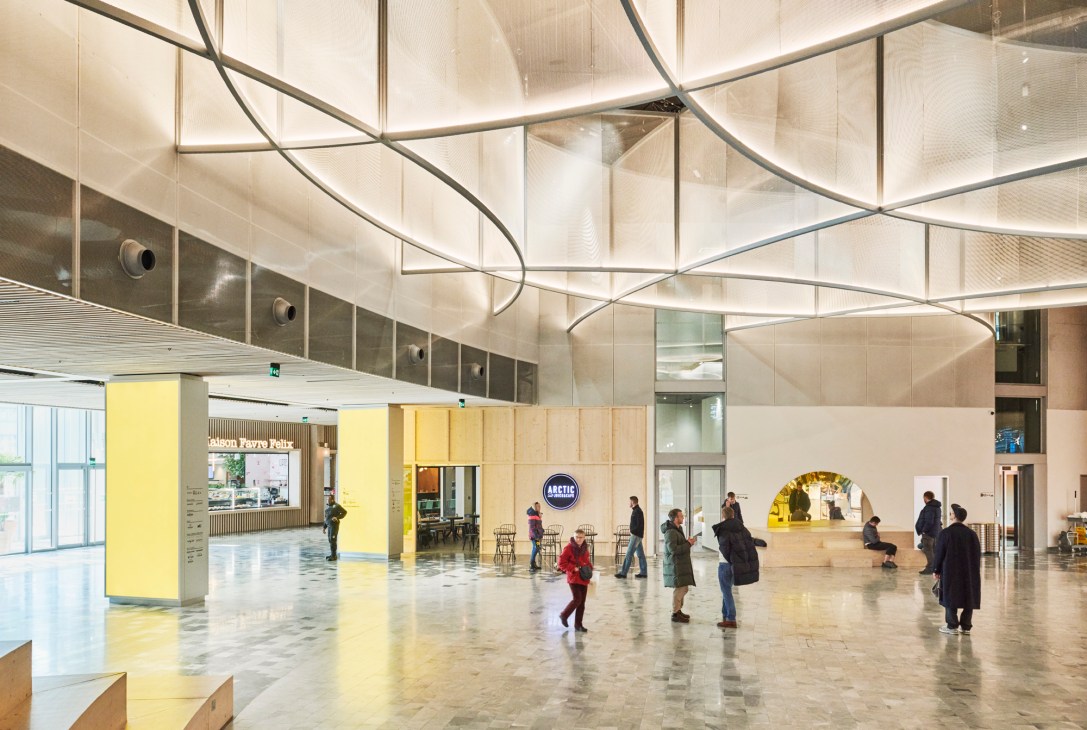
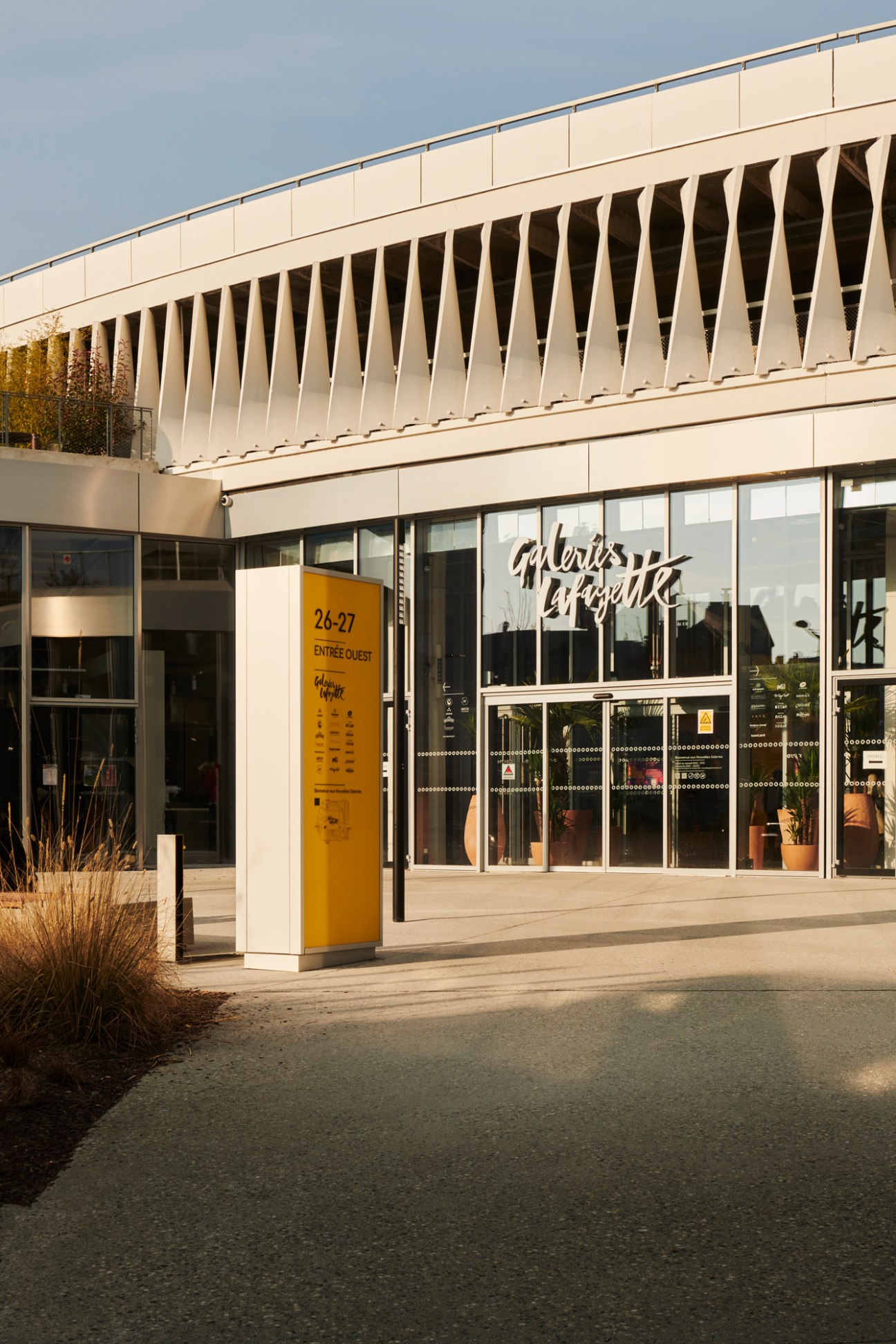
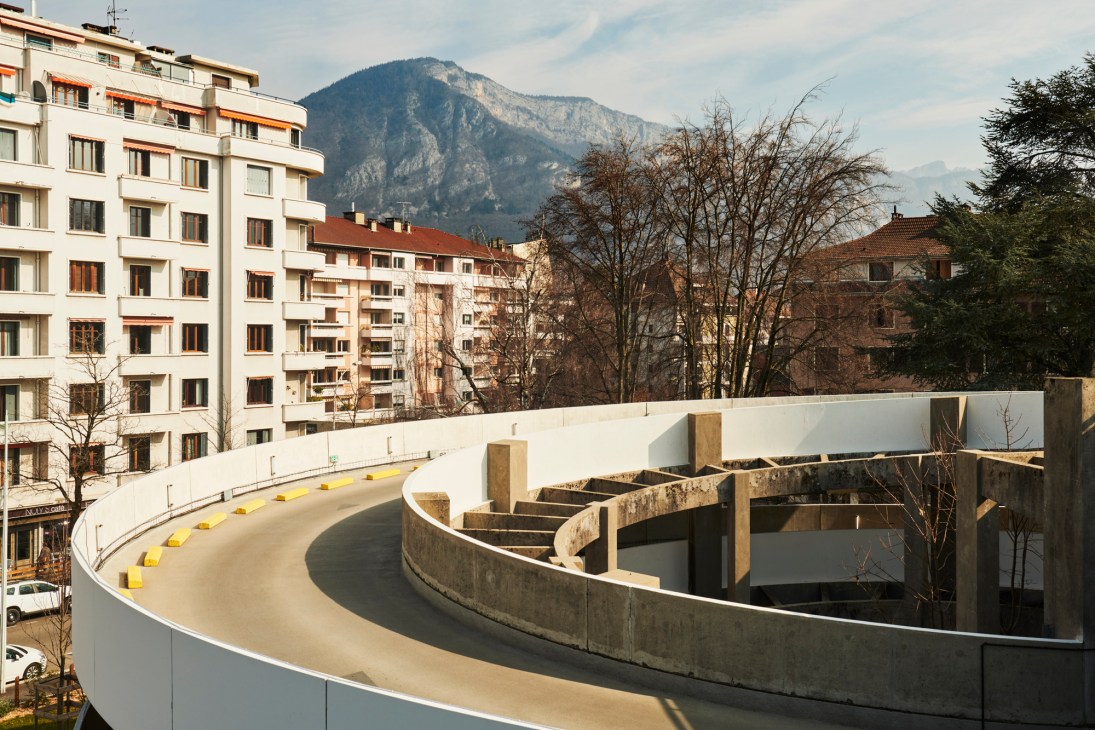
“People don’t just want to buy something nowadays; they want to connect with other people,” says Romain Labbé, deputy director-general of Citynove. “Tenants want spaces where they can build relationships with customers and not just transact goods.” The original building, Labbé says, didn’t allow for this. It prompted Citynove to employ celebrated French architect Manuelle Gautrand in 2013 to address the site’s deficiencies, beginning a 10-year renovation process that is finishing this summer. “The original building was a shoebox enveloped by the car park without any alignment to the street,” says Gautrand. “It’s not how we conceive architecture today but it’s loved by the people of Annecy so we had to transform it in a way that respected its roots.”
Gautrand’s approach was simple: “Demolish nothing.” Using the void beneath the existing parking rings, she installed a curving indoor promenade lined with 40 new shops. “Putting a mall precisely beneath the parking meant that we didn’t have to change the shape of the building and could keep all the columns, which is the first goal in terms of sustainability.”
Gautrand added six circular “satellites” to the site. Intersecting with the ringed parking and varying in diameter, these additions seamlessly blend with – and arc out from – the existing structure, extending the edges of the building to meet the footpath and the city beyond. Finished in glass, these satellites invite passersby to linger. “It’s a way of encouraging people to visit,” says Gautrand of the transparent frontages. “It helps to attract visitors by showcasing the life going on inside.”
To increase the building’s appeal, Citynove commissioned Danish architect David Thulstrup to revamp the interiors. He created everything from bespoke lighting to coloured wayfinding that nods to your direction of entry: yellow signs on the west side match the colour of the city’s old lanterns; blue ones are seen by those entering from the lakefront; and an earthy pink is reserved for the side facing the Alps. The colour coding helps visitors to find their way around more intuitively (aided by matching installations from Dutch designer Sabine Marcelis), while the same thematic principles are also applied to Gautrand’s internal promenade. “The floor has nine different types of stone,” says Thulstrup. “They graduate from grey on the western side to being sand-coloured in the south, like the lake shores, to darker browns on the east towards the mountains. It’s about giving definition to the promenade.”

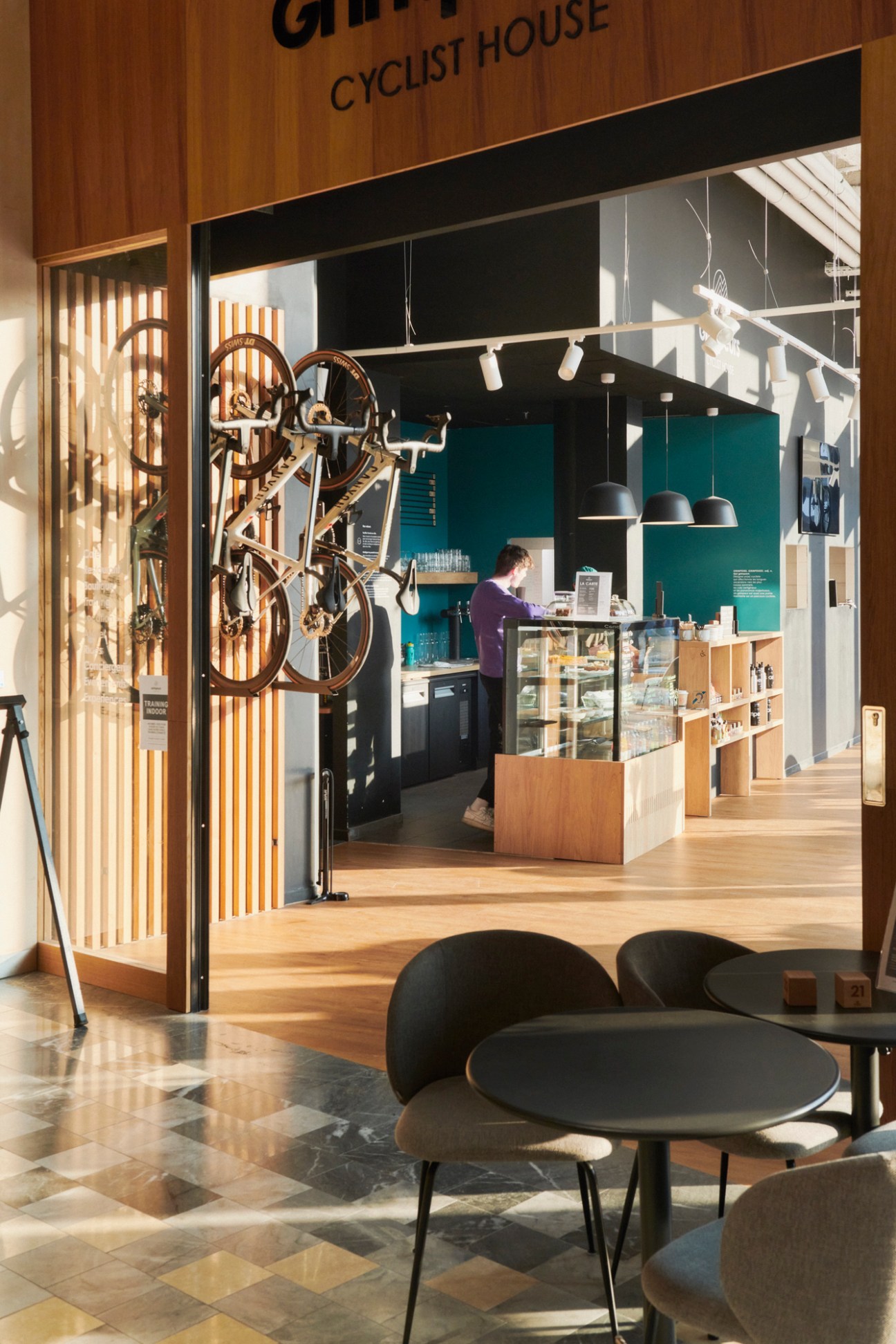
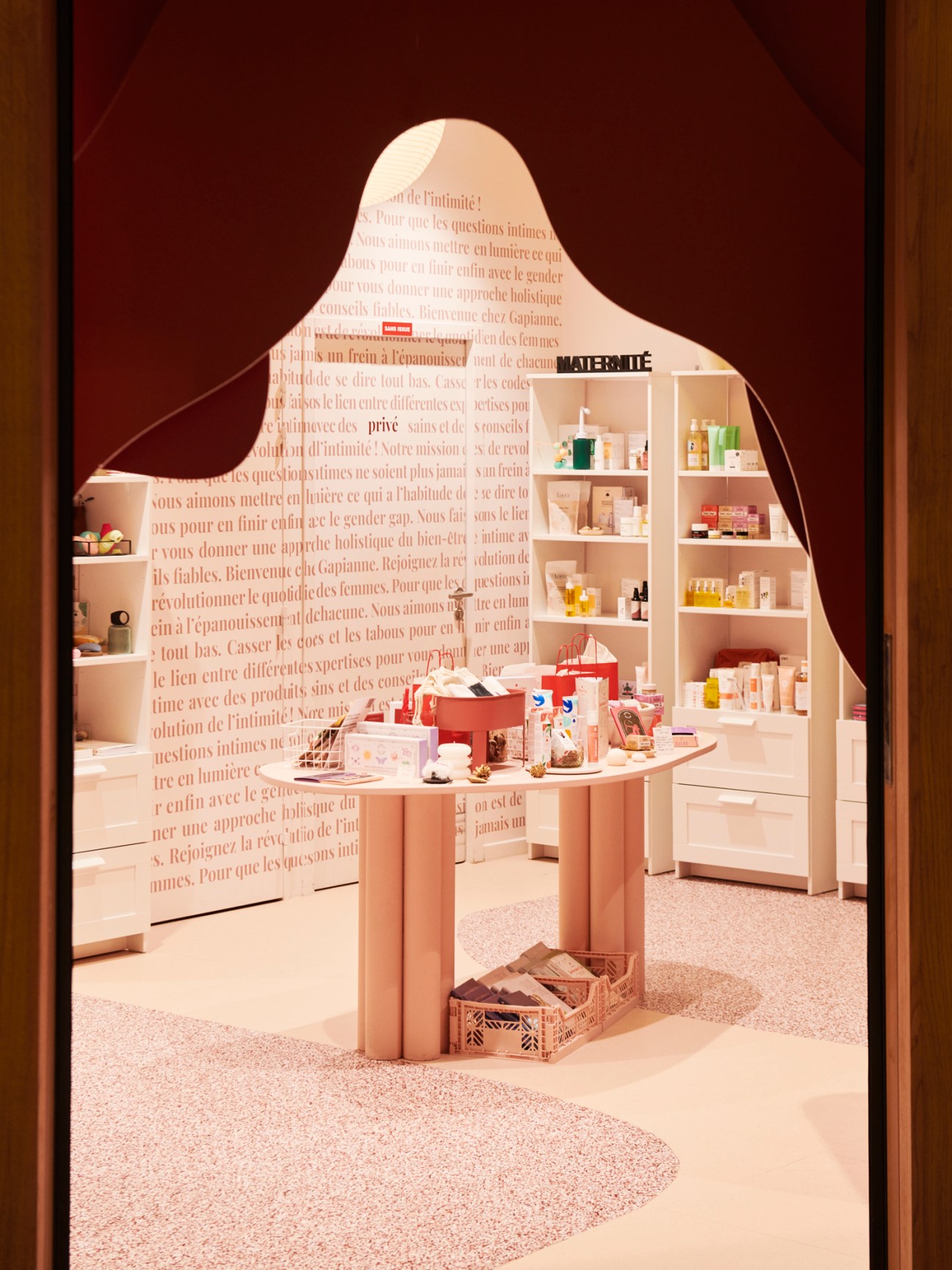
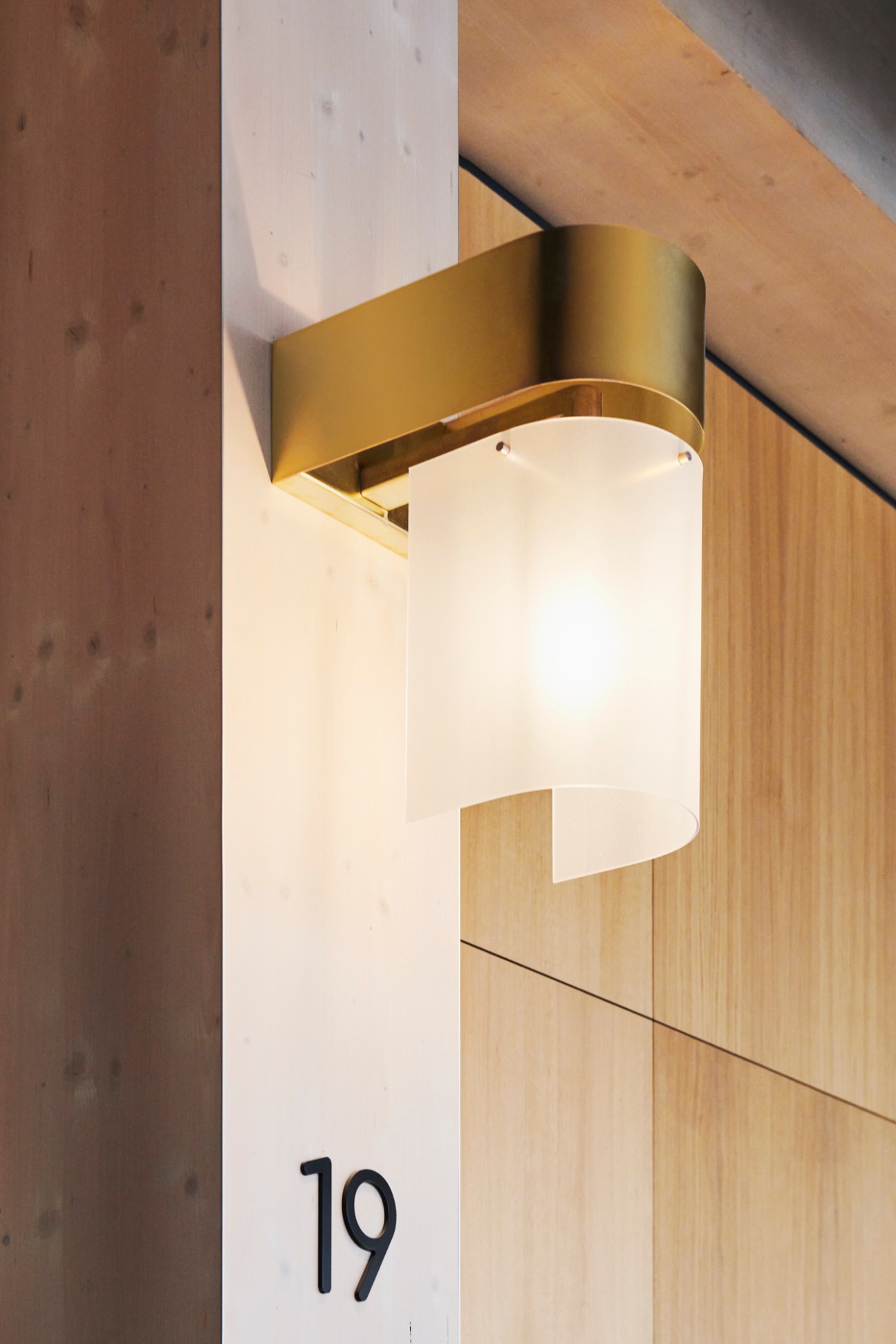

Thulstrup further enhanced this concept with the shopfronts. Owners could choose from a menu of 20 frontages to suit their business, from a kiosk-style counter to a built-in-bench for passersby to sit on. “It means that each tenant can be slightly different, lending itself to more specialised shops and customer curiosity, creating intimacy and accentuating divisions along the promenade,” he says.
The move speaks to Citynove’s efforts to welcome a mix of tenants and ensure that Nouvelles Galeries is more than just a retail destination: there’s a climbing gym, a pharmacy, street-food offerings, fine dining, a repair shop, a cycling store and public seating along the promenade (again, by Marcelis). “Everyone wants to shop online now, which is understandable because the classic mall is super-efficient and that’s boring,” says Labbé. “We have created little opportunities for people to sit in front of a shopfront or stop and drink coffee with friends. We want to bring quality design back to retail and make it a very natural part of everyday life.”
Perhaps it’s appropriate that a building that looks like a spaceship might point to the future of retail.
Retailers on why Nouvelles Galeries is worth the visit:
Vincent Favre-Félix
Owner and chef, Maison Favre-Félix
“Even if it’s like a mall, Nouvelles Galeries doesn’t feel like a mall. We set up here because of the quality of the new building’s architecture. The place is quality, so our food needs to meet this standard.”
Helena Celestini
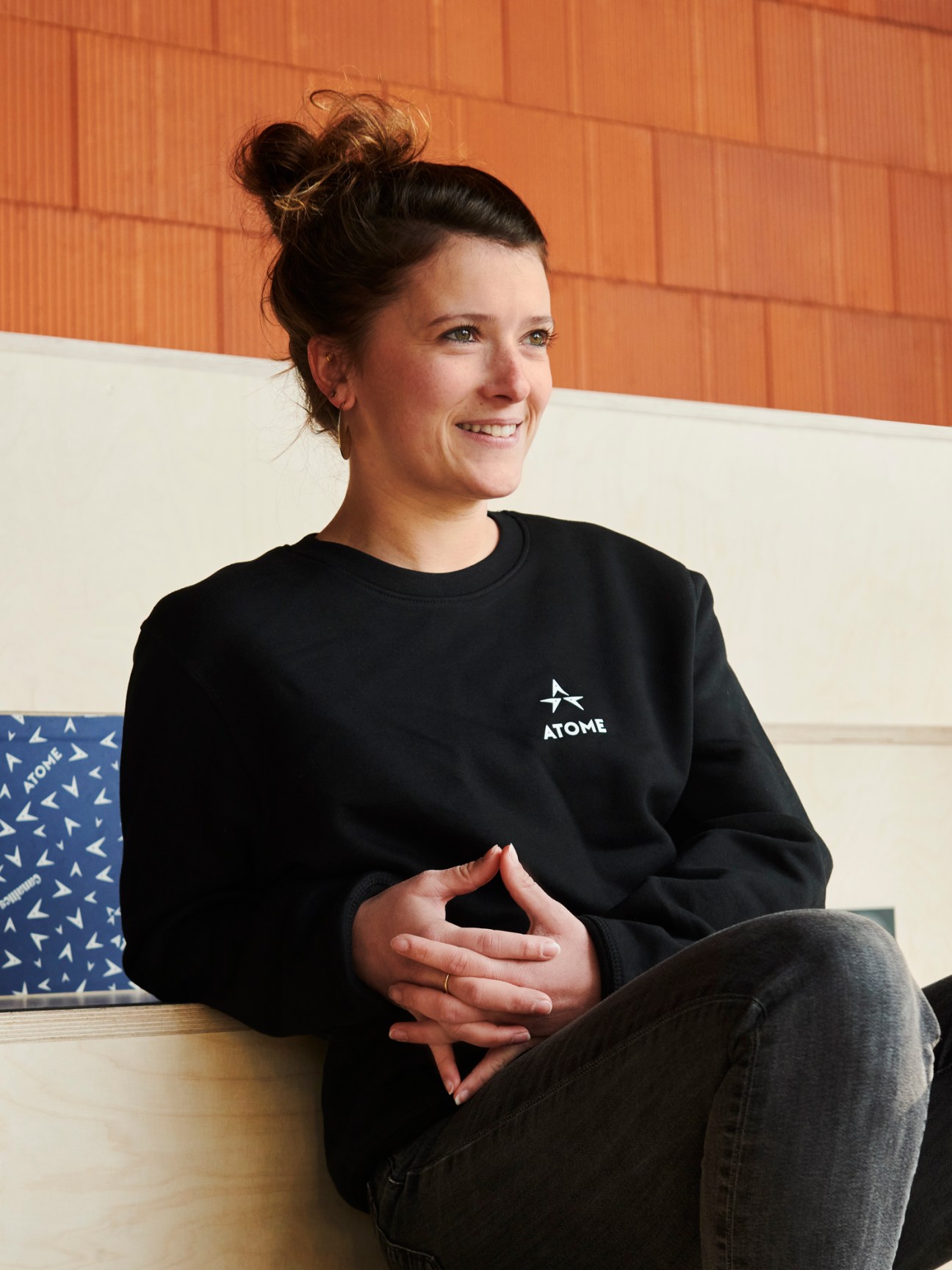
Manager, Atome
“As a climbing gym, the benefit of being in the mix of shops at Nouvelles Galeries is that it attracts people who are not climbers. People come here to shop and then go climbing. Many of our customers are from Annecy, especially those who live downtown because it’s so close to walk and bike.”
Anne-Cécile Descaillot
Co-founder, Gapianne
“Nouvelles Galeries was quite innovative for France. When we were looking for our brand’s first physical space, we thought that it was a great place to start because we really wanted to be integrated in an ecosystem with a strong sense of lifestyle around us.”
In the picture
1.
Artists
Artist
Tabitha Millett
Cambridge
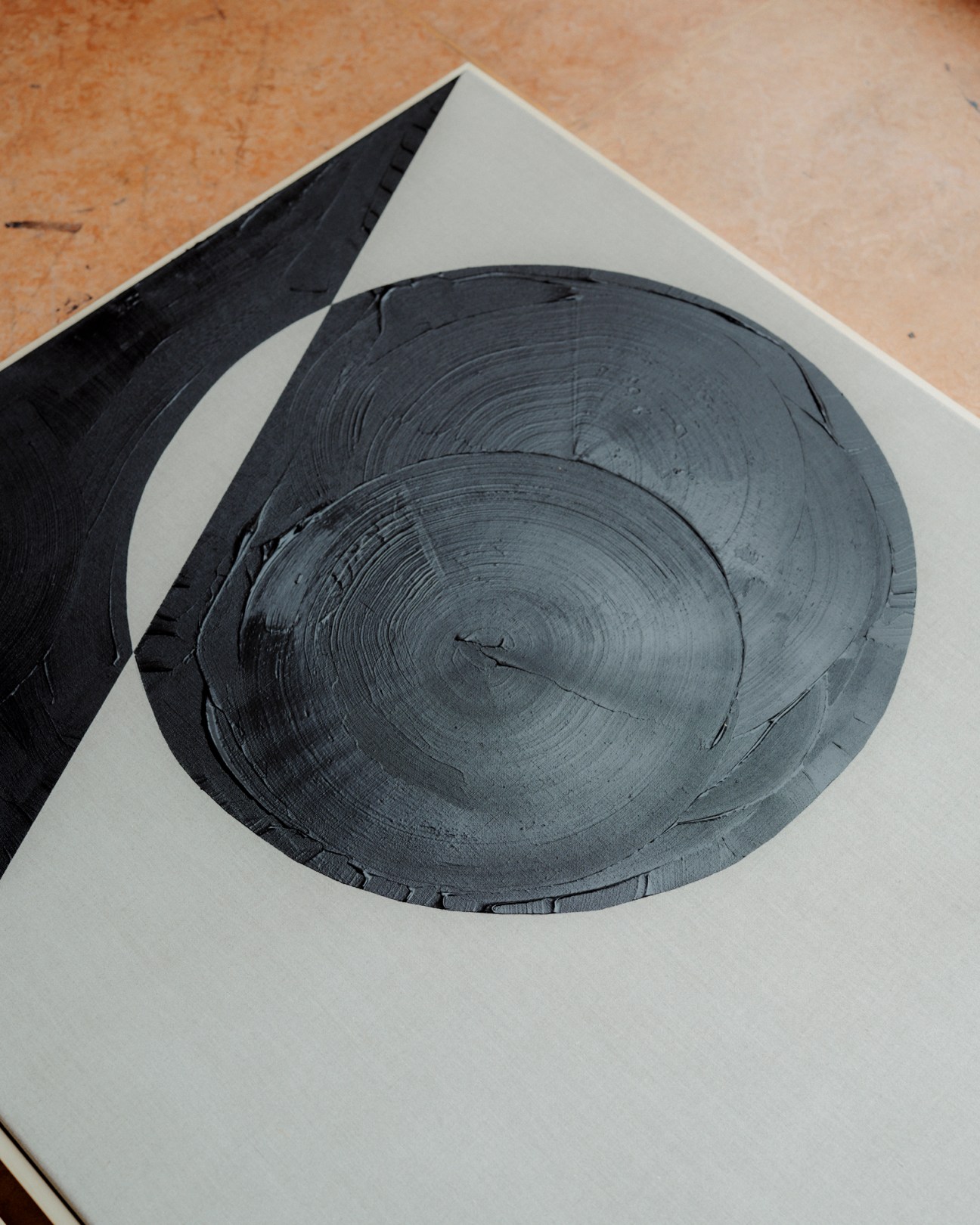
Tabitha Millett’s paintings are enigmatic. What seems simple at first glance gets more complex once you take a closer look. Inside her bold geometric shapes, paint is applied in broad strokes to create vivid textures. Inspired by minimalist art and masters such as Pierre Soulages, Millett (pictured) places materials, rather than subjects, at the forefront of her work. “When you’re making anything, especially with painting, you really see a sense of material agency that is apart from you,” she says. “Materials have their own mind. There’s a certain alchemy.”
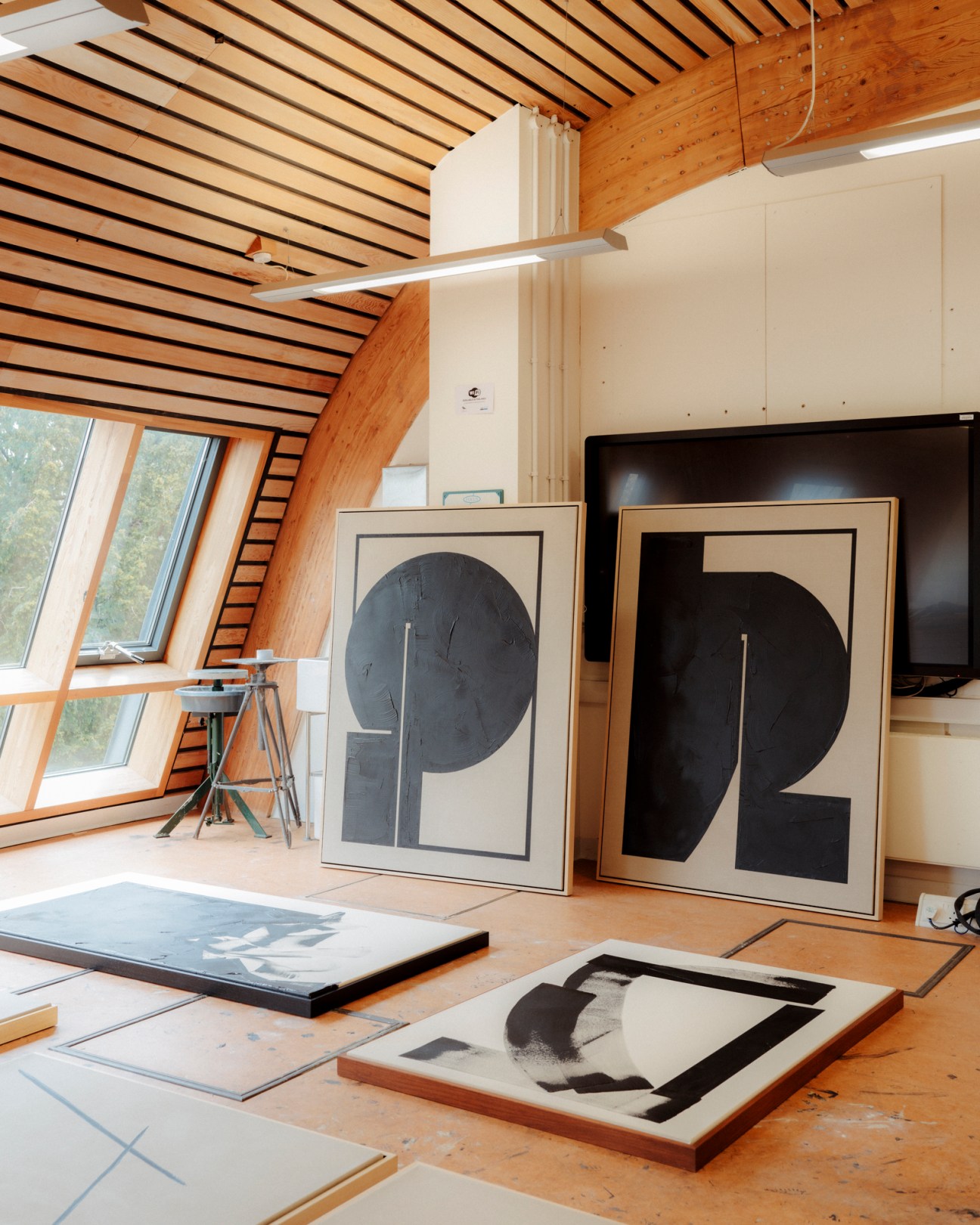
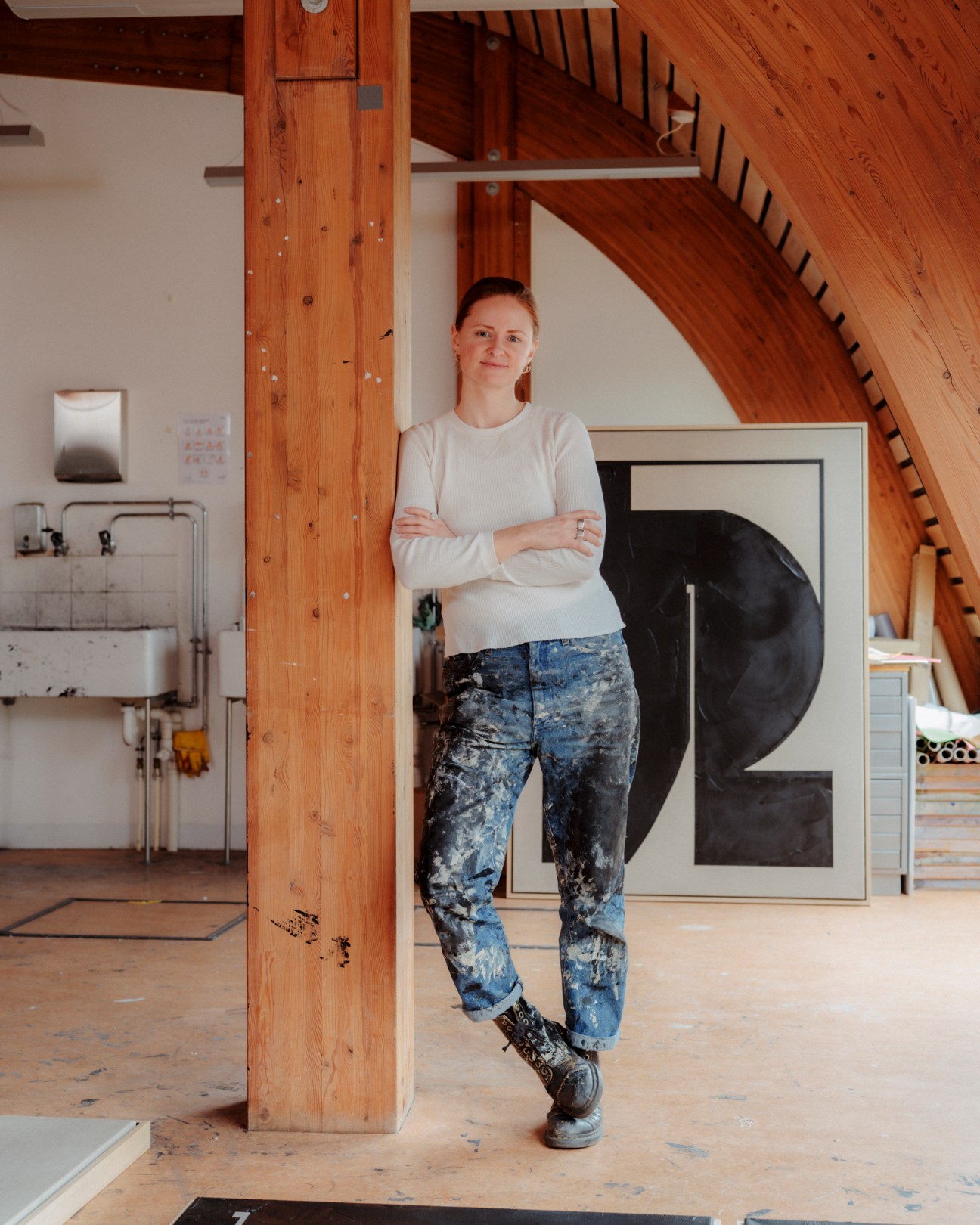
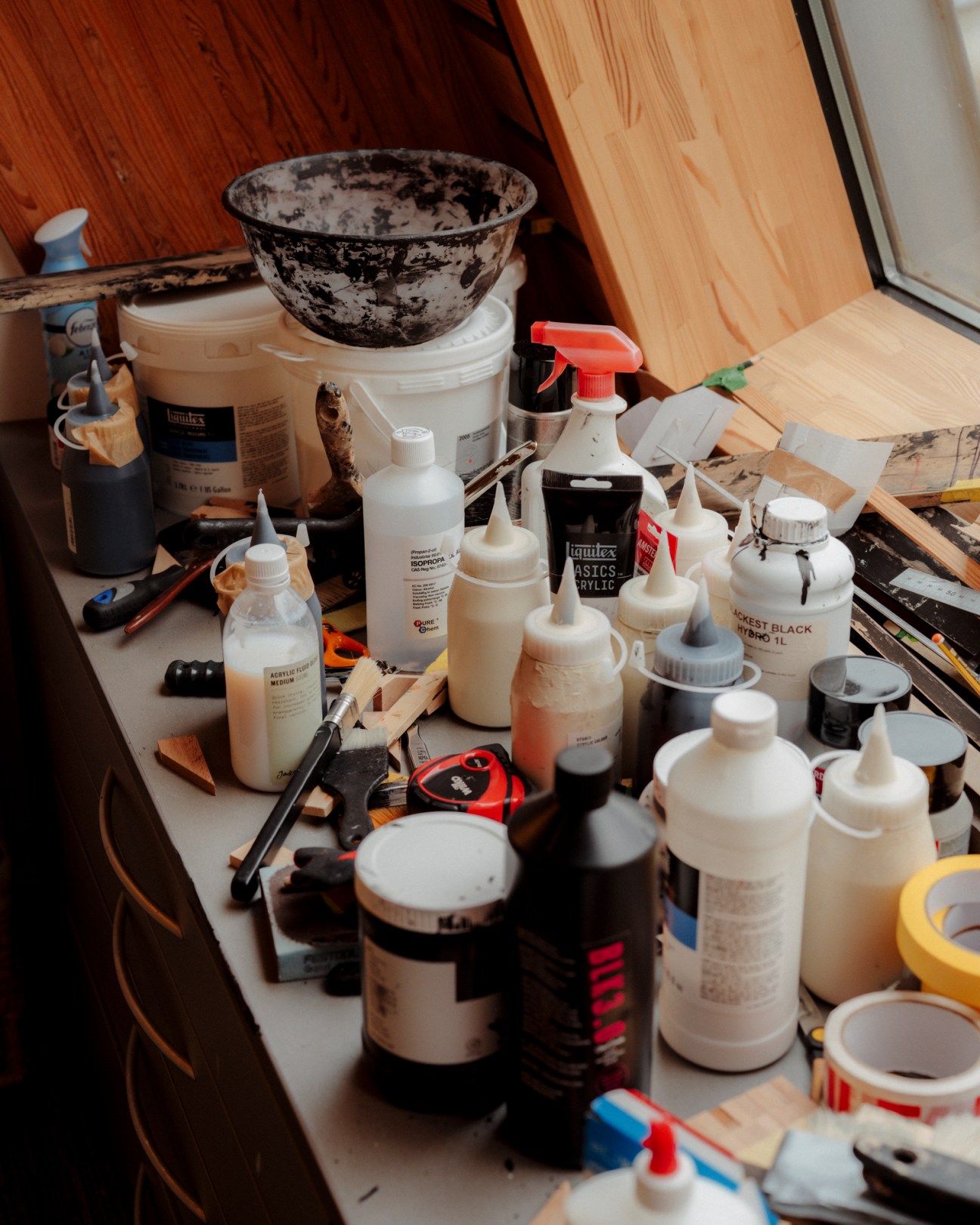
Millett is speaking in her studio, a space with high ceilings and paint-splashed floors inside the faculty of education at the University of Cambridge. As well as a painter, she is also an assistant professor in the arts, creativity and education course. Her studio is both workspace and classroom: when it’s not filled with chattering students, the only sound is the music she plays while at work. “I listen to techno and house, which connect with the paintings; there’s a certain aesthetic they align with,” she says.
Millett’s pieces can feel as powerful as any electronic track, while brutalist architecture is a big influence too. Her use of black acrylic mixed with marble or limestone dust creates a tactile, impasto effect, while the black and white tones make for compositions that play with high contrast. “I like to explore the different ways in which black and darkness can be imagined,” she says. Her designs are made even more effective by the pieces’ large size and sleek wooden frames.
Her creative process is a back and forth between precision and freehand. “I usually have something clear in mind and the geometric patterns are straightforward,” she says. “But paint pulls you in certain directions that are down to chance.” Yet when it comes to drawing the outlines of the shapes, she allows for no error. “It’s a case of, ‘You have one shot to do this.’ If a line is slightly less crisp, I rip it up.”
With shows so far this year at London’s Maze and Munich’s Nuo galleries, she is now preparing for autumn’s Start Art Fair at the Saatchi Gallery. She hopes that the audience there will feel both the intensity and simplicity of her art. “I’m always treading the line between the two,” she says.
Millett’s work is on show now as part of ‘No 1’ at Nuo Gallery in Munich.
nuogallery.de
Artist
Grada Kilomba
Berlin
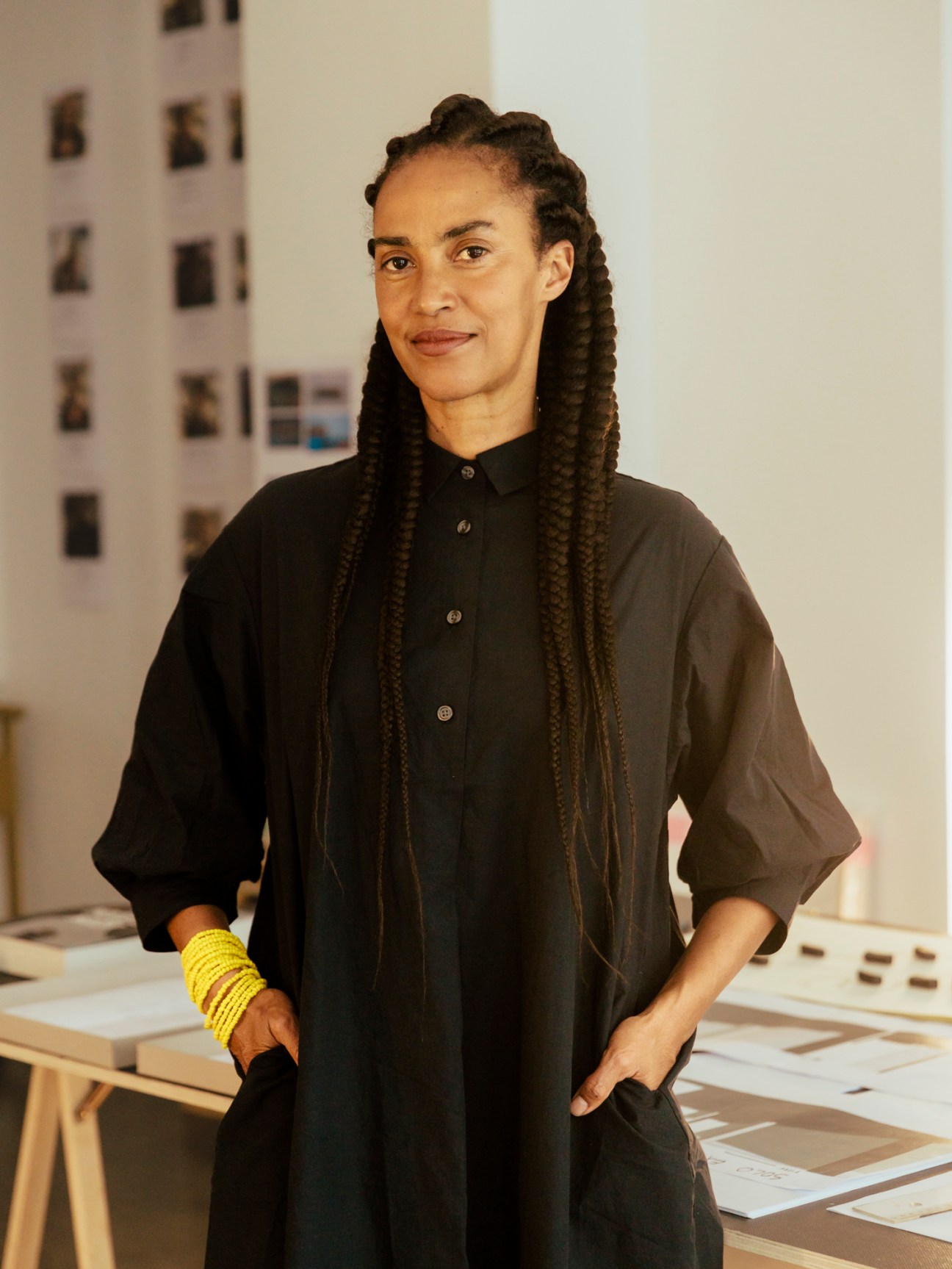
There are many layers to Grada Kilomba’s work, whether in her films, installations, writing or performances. This is partly because she is a thinker endlessly interested in the subjects she tackles but also because of the multifaceted research that goes into her pieces.
Born in Lisbon to a family of African heritage, Kilomba (pictured) grew up in a working-class suburb of the Portuguese capital and moved to Berlin in 2008, where she completed her doctorate. Given that she studied Freudian psychoanalysis and philosophy, it’s no surprise she has a tendency to dig deeper – and that she’s frequently been inspired by Ancient Greek myths, such as for her video “Illusions Vol. iii, Antigone”. “Mythologies speak to what we are aware of but also unconscious knowledge, which plays a very important role in our imagination, values and perspectives,” she says. “That fascinates me: what is material and what is not material? What isn’t there, but still exists?”
Already represented by the London- and South Africa-based Goodman Gallery, Kilomba recently started working with Pace. Later this year, she will co-curate the Fundação Bienal de São Paulo. Getting involved in Brazil makes sense, given her work’s themes of post-colonialism, power, gender and trauma, particularly with reference to the transatlantic slave trade. Kilomba has lived a lot of those issues directly; yet her art delivers its message with an empathy that turns stories of loss and brutality into opportunities for healing.
Her best-known piece is the 32-metre-long “O Barco / The Boat”, an installation made from burnt wooden blocks arranged in the shape of a ship, inscribed with a poem and completed with a live performance. An extension of this, titled “18 Verses”, is at Pace New York from May. Each work leads into the next, creating an overarching piece. “Being an artist is a bit like writing a book,” she says. “Each artwork is a chapter that deals with the questions I’m busy with. It’s like a puzzle.”
‘18 Verses’ is at Pace New York until 1 July.
pacegallery.com
Artist
Lee Bae
Cheongdo
When Lee Bae speaks in Korean, he does so with a slight but distinct accent: a remnant from his childhood in the countryside around Cheongdo in Gyeongsang Province. Though he moved to Paris in 1989 and still has a home there, the 66-year-old has gone full circle, returning to his hometown in 2012 to set up a studio.
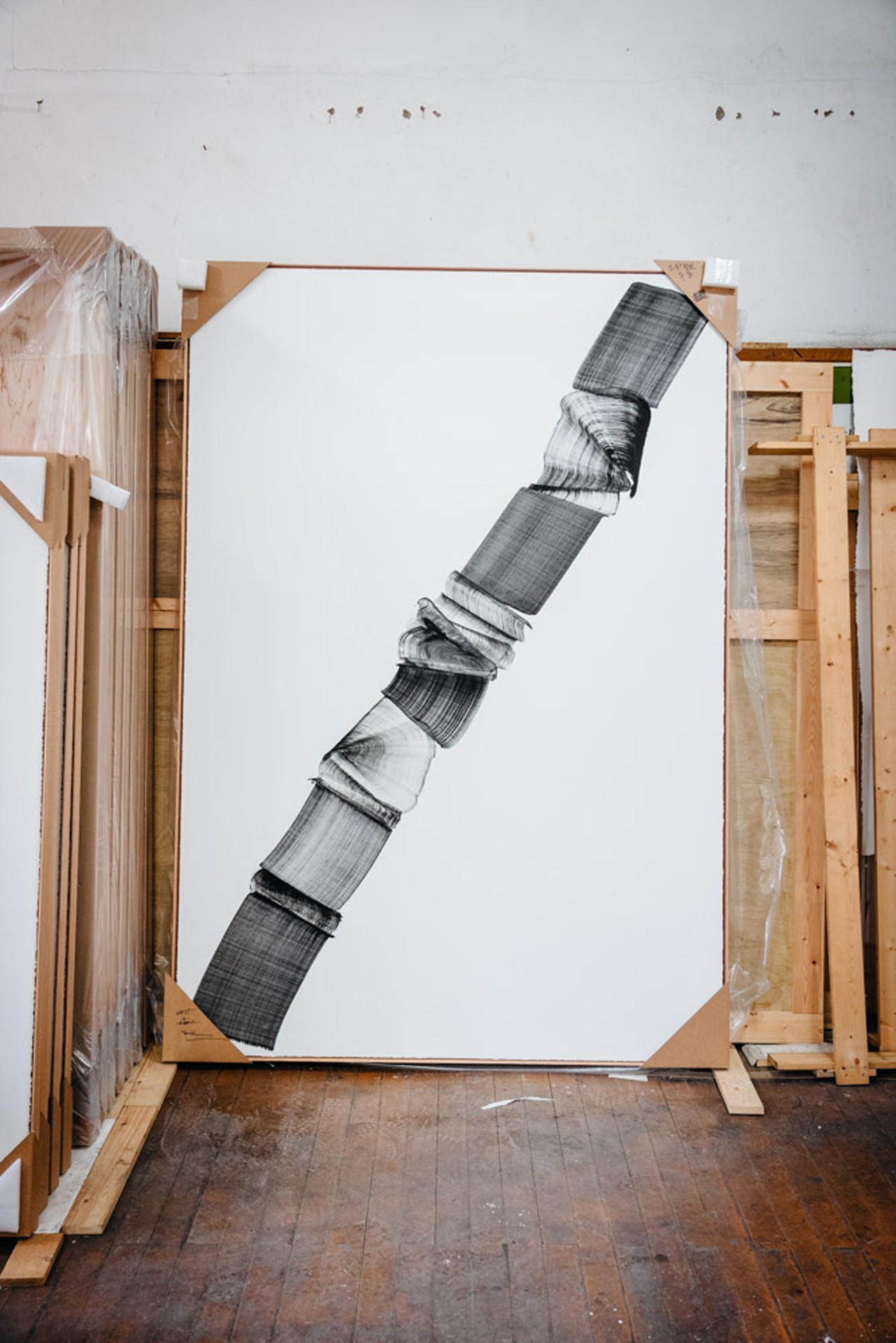
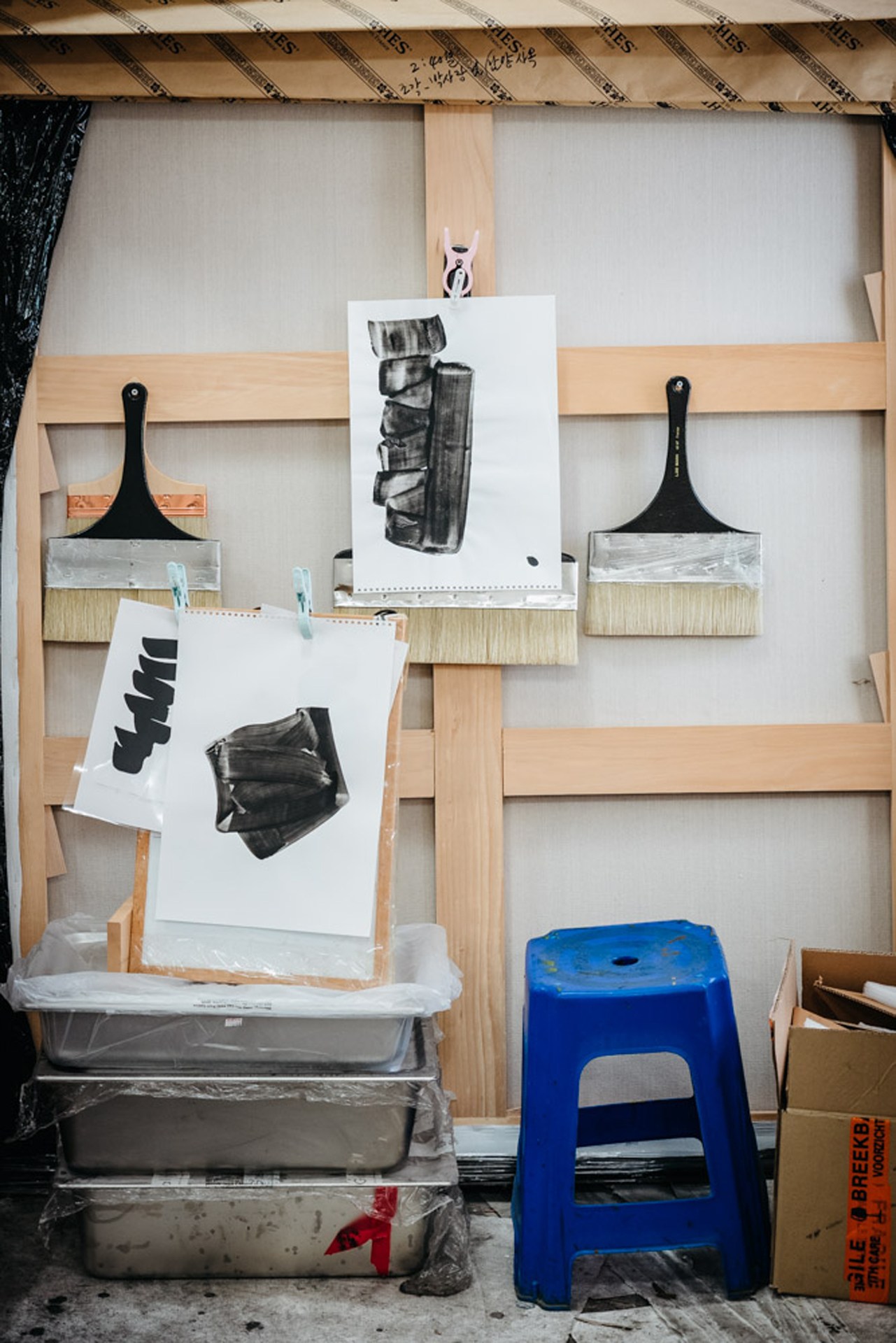
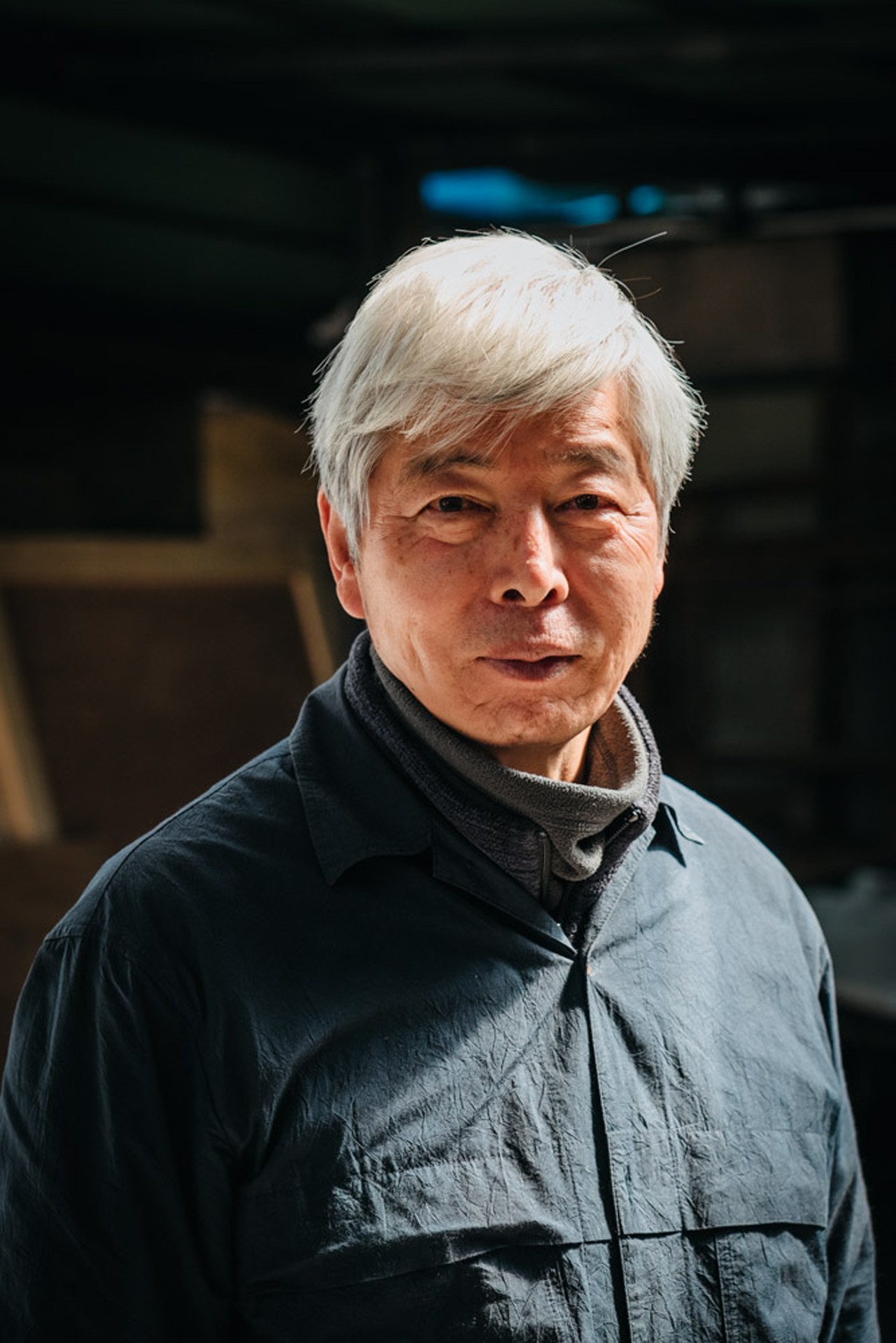
As a penniless thirtysomething in France, Lee (pictured) stumbled upon a bag of charcoal at a service station and experienced flashbacks to the colours that he had grown up with. Memories of calligraphy traced with Indian ink made from pine-tree soot were among them. Charcoal represented his roots.
Since then he has experimented with the material in many formats. He has mixed it with acrylic paint for drawings, and has assembled charred wooden shards on canvas. To Lee, charcoal is a symbol of the cycle of life: born from the destruction brought about by fire but used to start a new flame too.
After he was named the South Korean National Museum of Contemporary Art’s artist of the year in 2000, Lee attracted international attention, with shows at the likes of Fondation Maeght in southern France and the Musée Guimet in Paris. His adopted home recognised him in 2018 with a Chevalier de l’Ordre des Arts et des Lettres title.
“Initially I was always aware of a wall [from local artists] as a stranger but it made me contemplate where I come from and what it meant to be a Korean artist,” says Lee, sitting in his studio near the lush hills of his childhood.
This summer, Lee is bringing Cheongdo to the Rockefeller Center’s Channel Gardens in the form of a three-storey-high sculpture for the institution’s Korea Week celebration. As part of his Issu du Feu series, he baked pine logs for weeks in a kiln to create a black monument that shimmers ever so slightly.
“New York is the centre of the industrial world and in the centre of that city I’m bringing a part of this countryside, of primitive physicality,” says Lee. His next project is a collaboration with a paint-maker to create a black named after him, like Yves Klein Blue. For that, he is delving even deeper into his roots, looking at the black hues of ancient pottery made nearly a millennium ago.
2.
Photography
Interview
Yoram Roth
Fotografiska
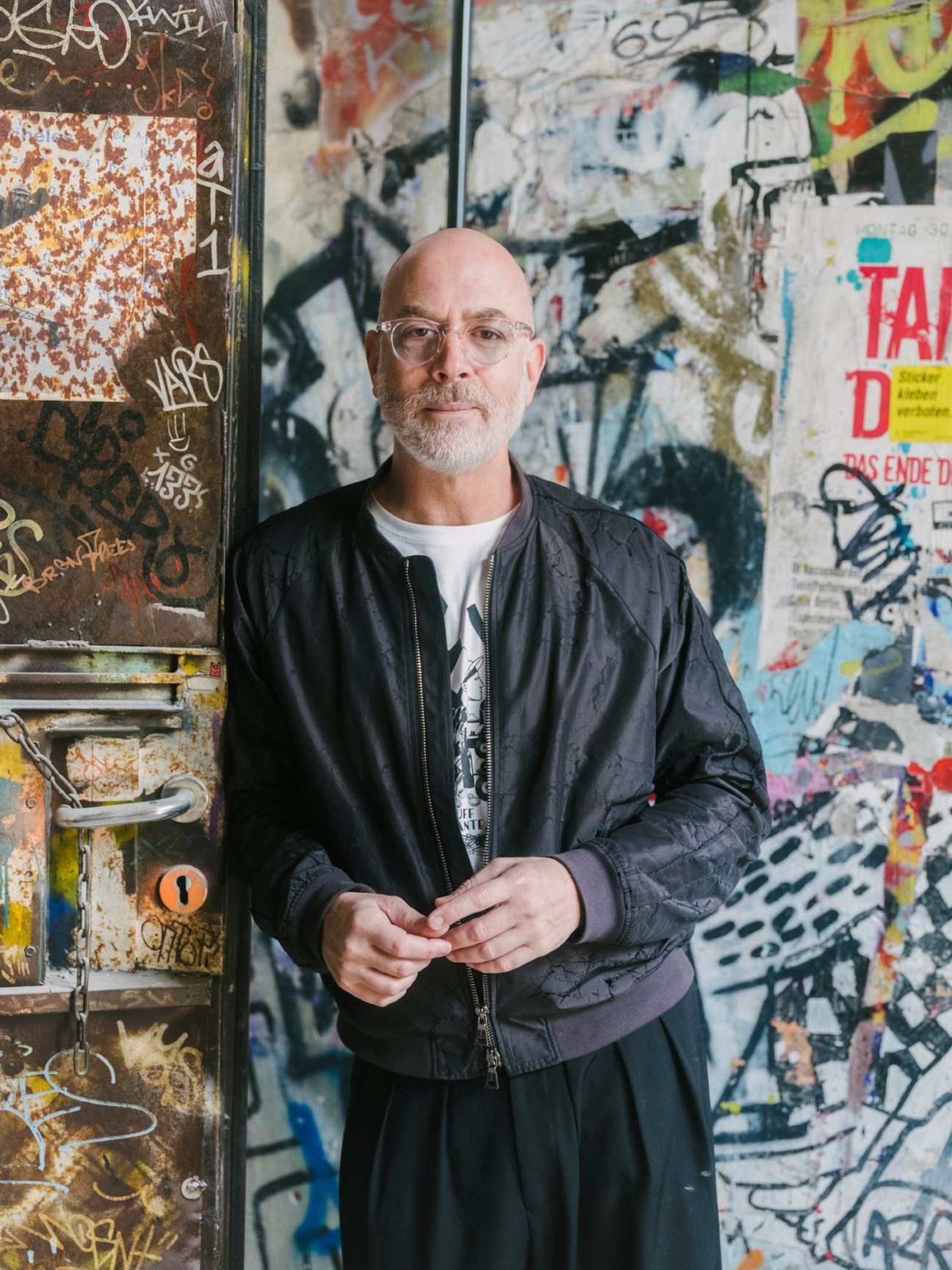
Fotografiska is a museum of contemporary photography that opened in Stockholm in 2010. Two further locations opened in Tallinn and New York in 2019; in 2021, Fotografiska merged with the US-based members’ club and workspace NeueHouse under the CultureWorks umbrella. Berlin-born Yoram Roth is executive chairman of both companies. He began his career as a photographer and record-label owner, before investing in cultural projects including Berlin’s Clärchens ballroom. With construction under way for Fotografiska spaces in Berlin, Shanghai and Miami, Roth is overseeing a rapid expansion of the museum brand.
What is the Fotografiska philosophy?
We have come to a point in history where we’re inundated by thousands of images a day and their primary task is to sell us something. So we’re interested in this idea of people going to a place and standing in front of an image that was created solely for the purpose of being an image.
Fotografiska doesn’t sell the images on display, like a commercial gallery, but it is run as a for-profit museum. How does it differ in its approach from other institutions?
A friend of mine runs another photo museum in Berlin and we both talk about the same thing: putting on shows that resonate with an audience. Where Fotografiska starts being different is things like opening hours. We sometimes open until 23.00 so you can come after work, have a glass of wine and see an exhibition. A traditional museum can’t offer that.
What stage are you at with the three new venues?
We signed agreements years ago and they’re beyond our control to some degree. In Berlin, we’re delayed so we will be opening in September. We hoped that Shanghai would be open in 2022 but China’s “zero-Covid” policy made that virtually impossible, so we’re hoping to open this year. Miami is not delayed. There’s so much construction going on there; we like what we’re doing.
Where is the photography industry heading in the next decade?
I don’t know but I worry about the photo- gallery world. When you go to Frieze or Art Basel, you see paintings that are worth millions; if a major gallery sells one piece, their overheads are covered. With photography, a gallery has got to sell a lot more work to justify the trip. It will become increasingly difficult for galleries to operate.
How do you see the medium evolving?
The way that we show photography is changing. We just had a lifetime retrospective of James Nachtwey, one of the great war photographers. At the same time, we were showing Sarah Moon, one of the greats of fashion photography. The only thing that they have in common is the tool: the camera. News photography has changed a lot. If 20 years ago there was a crisis, we would send someone like Nachtwey to explain what’s going on. Now, if there’s an earthquake in Turkey, we see the images from people’s phones and we have a more direct contact with that journalistic moment. You used to be able to become relatively wealthy being a fashion photographer; those days are over. Every one of these industries is affected.
fotografiska.com
Briefing
MAP
Bangalore
Bangalore’s new Museum of Art & Photography (MAP) is a ball’s throw from a vast cricket stadium in the heart of India’s fastest-growing city. The location is appropriate: map aims to put culture on an equal footing with India’s most popular sport. “The challenge is: how do you involve the whole community?” says Nathaniel Gaskell, director of map Academy, the museum’s education arm. “How do you take the best elements of experienced museums and still reflect what’s going on in India now?”
map embedded ideas of accessibility and openness into the site’s design. An ambition to engage and educate took shape in meeting rooms and educational facilities that were given equal importance to the galleries. By creating a steel structure, Bangalore-based Mathew and Ghosh Architects were able to accommodate larger spaces, uninterrupted by supporting columns.
The museum is home to more than 60,000 objects, ranging from contemporary paintings to Bollywood posters. Photography, however, represents its largest holdings, thanks to an archive of negatives stretching back to the 19th century and prints by Western and Indian practitioners, such as Magnum’s Raghu Rai and contemporary talent Dayanita Singh.
Gaskell curated its inaugural photography exhibition, Time and Time Again, which runs until 25 July, with photography by Indian modernist Jyoti Bhatt. Future exhibitions include a show devoted to one of India’s earliest photojournalists, TS Satyan.
map-india.org
3.
Collectors
Collector
Udit Bhambri
Mumbai
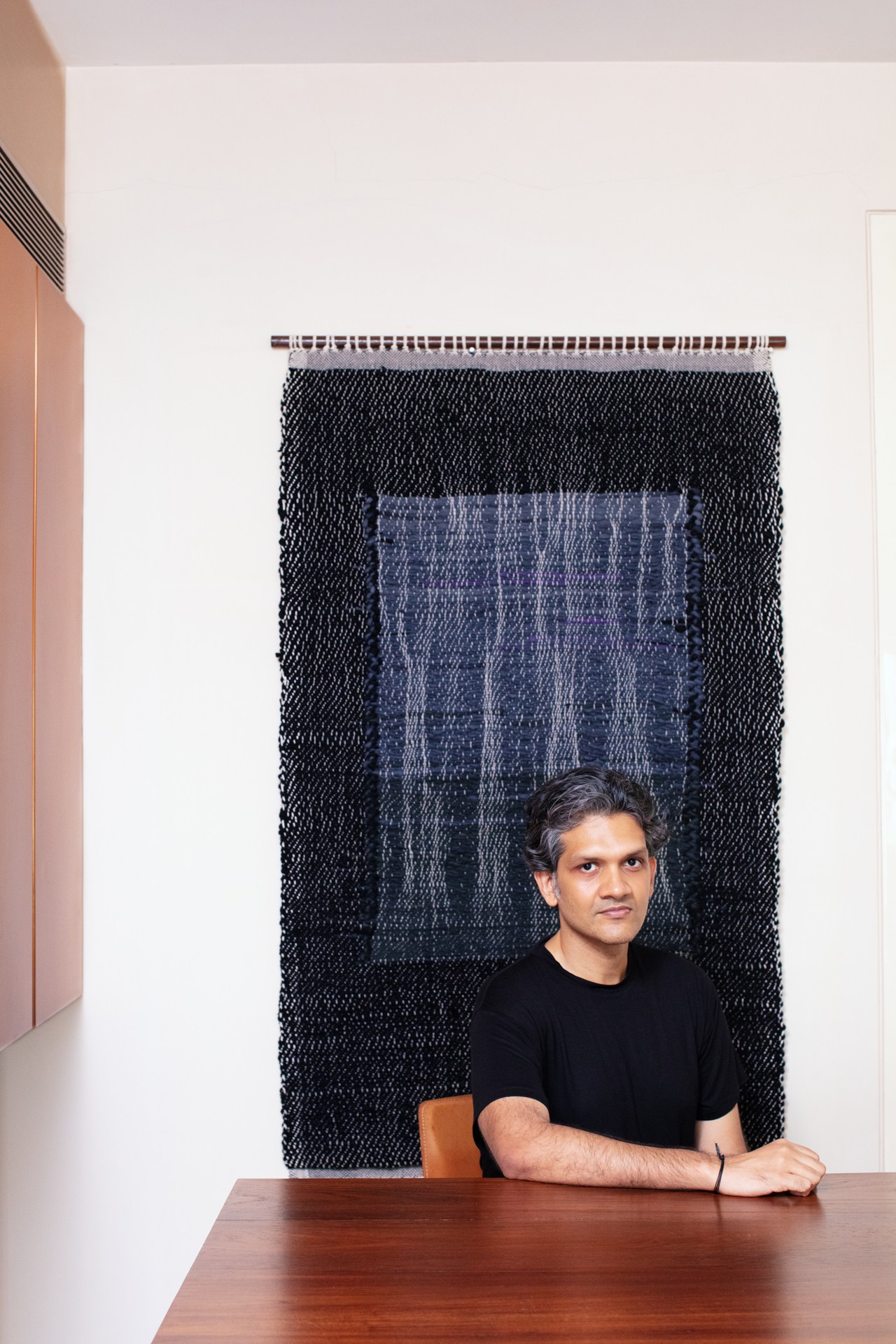
You will be hard-pressed to find an empty stretch of wall in collector Udit Bhambri’s south Mumbai home. The former country head of advertising and marketing agency vml India, Bhambri (pictured) owns more than 1,000 pieces of art of various sizes and formats – paintings, sketches, collages, photographs and sculptures. His accumulation includes works by artists considered fundamental to south Asian art history, including Anju Dodiya to Arpita Singh, MF Husain, Rana Begum, Shilpa Gupta and Tyeb Mehta. Over time, he has loaned several pieces for public viewing (such as at the just-concluded Kochi-Muziris Biennale).
“Art allows you to live someone else’s life without actually having lived it,” says Bhambri, whose parents and grandparents were also collectors. His interest was sparked as a child, when he would join his family on studio visits armed with a book for artists to autograph. This would often be a sketch addressed to him. “The first time I met Husain-saab, he misspelt my name, which makes it even more special,” he says of the late MF Husain, with whom he shared a long friendship.
In recent years, Bhambri has spoken at art events, helped friends shape their collections and curated a show for Delhi-based Vadehra Art Gallery. “It was a mini-ensemble of the artists whose works I have at home,” he says. Alvar Aalto Medal-winning architect Bijoy Jain is helping Bhambri build his new residence, where he hopes to bring together “like-minded” people to showcase the art he owns.
Do you have a philosophy on collecting art?
It has to have longevity in the sense that it stays relevant to society and to other people who appreciate art. It could be a political work with a different meaning in 1993 – but it could have an exponential gravity to what it means in 2023. It has to stand the test of time.
Is there an artist who has changed the way you look at art?
Arpita Singh is my favourite artist, by leaps and bounds. She has changed my life in many ways, from how you look at art to the process of looking at it; what colours are going into it; what text means in a certain work of art; whether ultramarine is melancholic or joyous; what the finish point of a work is.
Your taste leans towards paintings so what made you buy the Monika Correa tapestry you’re pictured with above?
Arpita Singh and another favourite of mine, Prabhakar Barwe, have a background with the Weavers’ Service Centre [an institution dedicated to textiles, where Correa studied]. I’m not sure whether it was an extension of this, the blurring lines around art and craft or simply my desire to explore new mediums to juxtapose the collection of paintings with that made me want Monika’s work. But I’ve always loved it.
Collector
Benedicta M Badia Nordenstahl
Chicago
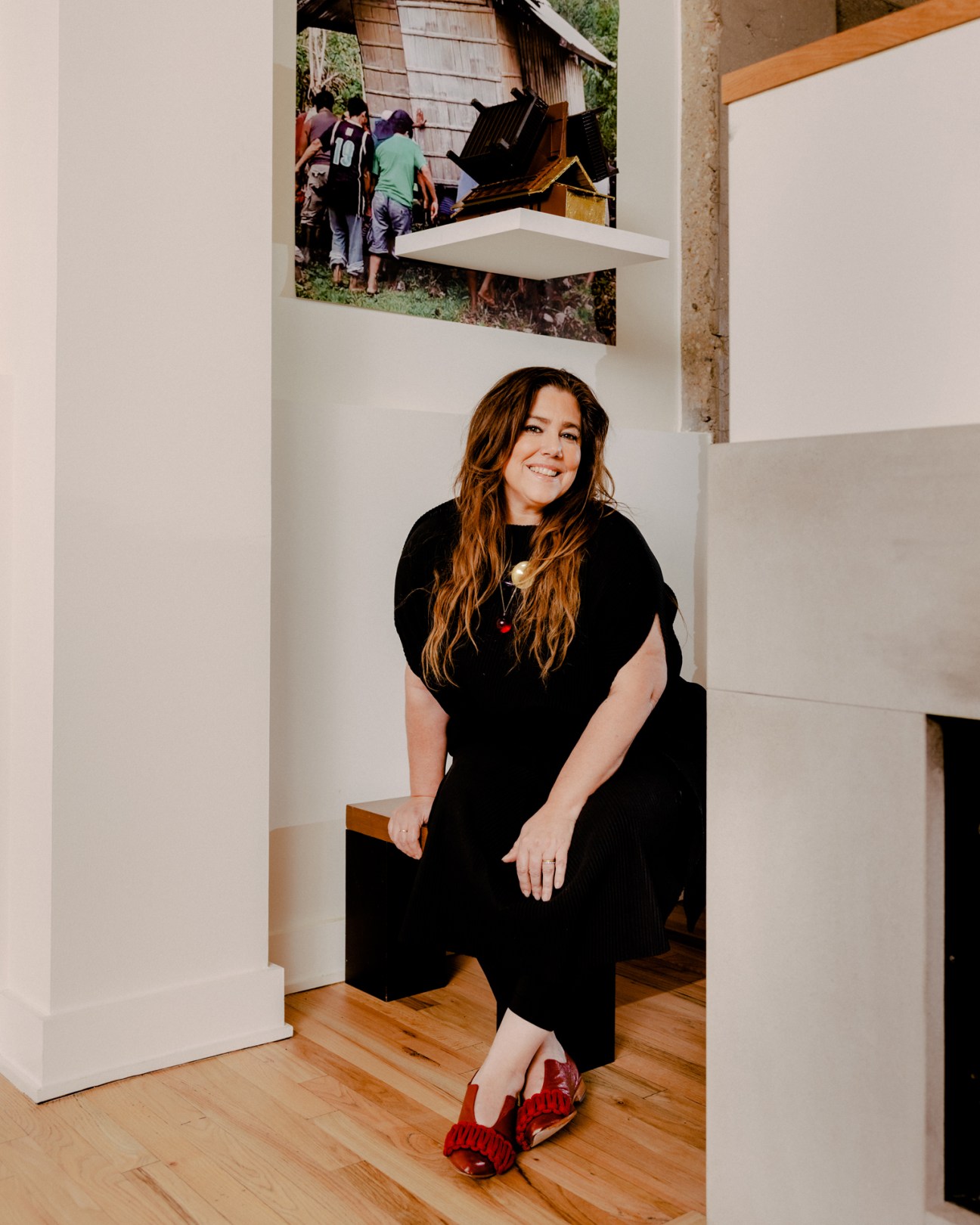
Argentine-born Benedicta M Badia Nordenstahl is drawn to work that confronts her with uncomfortable truths, such as this piece by Filipino-Canadian artist Stephanie Comilang about Thai migrant women in Berlin. Having lived in southeast Asia, she is now based in Chicago. She started collecting 18 years ago. Today much of her professional life consists of connecting different foundations and institutions with creatives outside the European and American canon.
What’s the philosophy behind your collecting?
I buy art that feeds my mind but also when I believe in an artist’s work. I collect as a political exercise. Many of the artists I buy are in a process of real social change. I don’t need to change the world; I just need to be part of the solution. I’m not attached to the object per se, I’m more attached to the human being behind it and the story they’re telling.
Do you ever buy straight from an artist or always through galleries?
I always buy from a gallery. They can be an artist’s biggest champion and I support young galleries that don’t treat the work like a luxury item but that are safe havens for artists. We don’t buy just for things to stay in storage; we rehang our home four or five times a year and we do a lot of tours.
What is it like to live with such challenging art?
There’s a book by Japanese writer Jun’ichiro Tanizaki called In Praise of Shadows and its idea is that there is no light without shadow. I am connected with artists who are change-makers. But they crack me up too: they are funny, satirical and questioning.
Collectors
Allan and Mei Warburg
California
Pinot noir vines frame an uphill entrance road that points to the giant, alabaster-coloured meditating head of Jaume Plensa’s “Sanna”, one of more than 50 sculptures on the Donum Estate in Sonoma County, California. On spring mornings, Bay Area fog swathes the work while, on a clear day, the sun reflects off Richard Hudson’s “Love Me”: a shiny, bulbous heart looming on a hill close to the entrance.
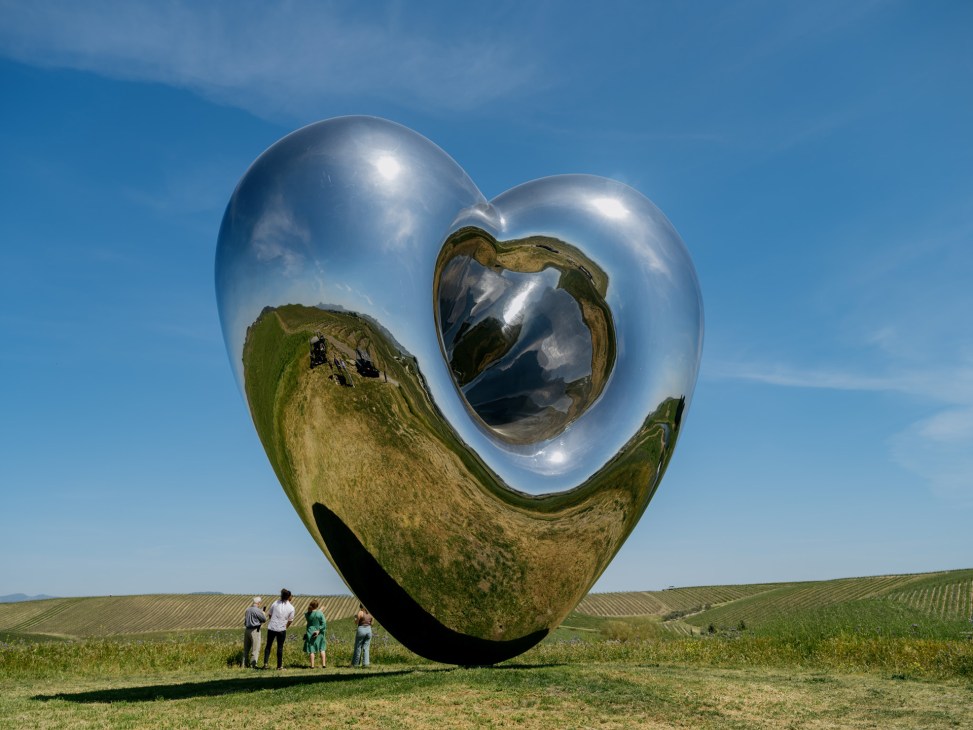
A working farm and vineyard, Donum was taken over by Hong Kong-based art collectors Allan and Mei Warburg in 2011. Danish businessman Allan built his career in China, where Mei was born, while he was working for the East Asiatic Company, and later co-founded fashion company Bestseller. The Warburgs began collecting contemporary Chinese art during the late 1990s and were soon building a global collection. They started adding sculptures to the Donum grounds in 2014 and are now considered among the world’s top art collectors.
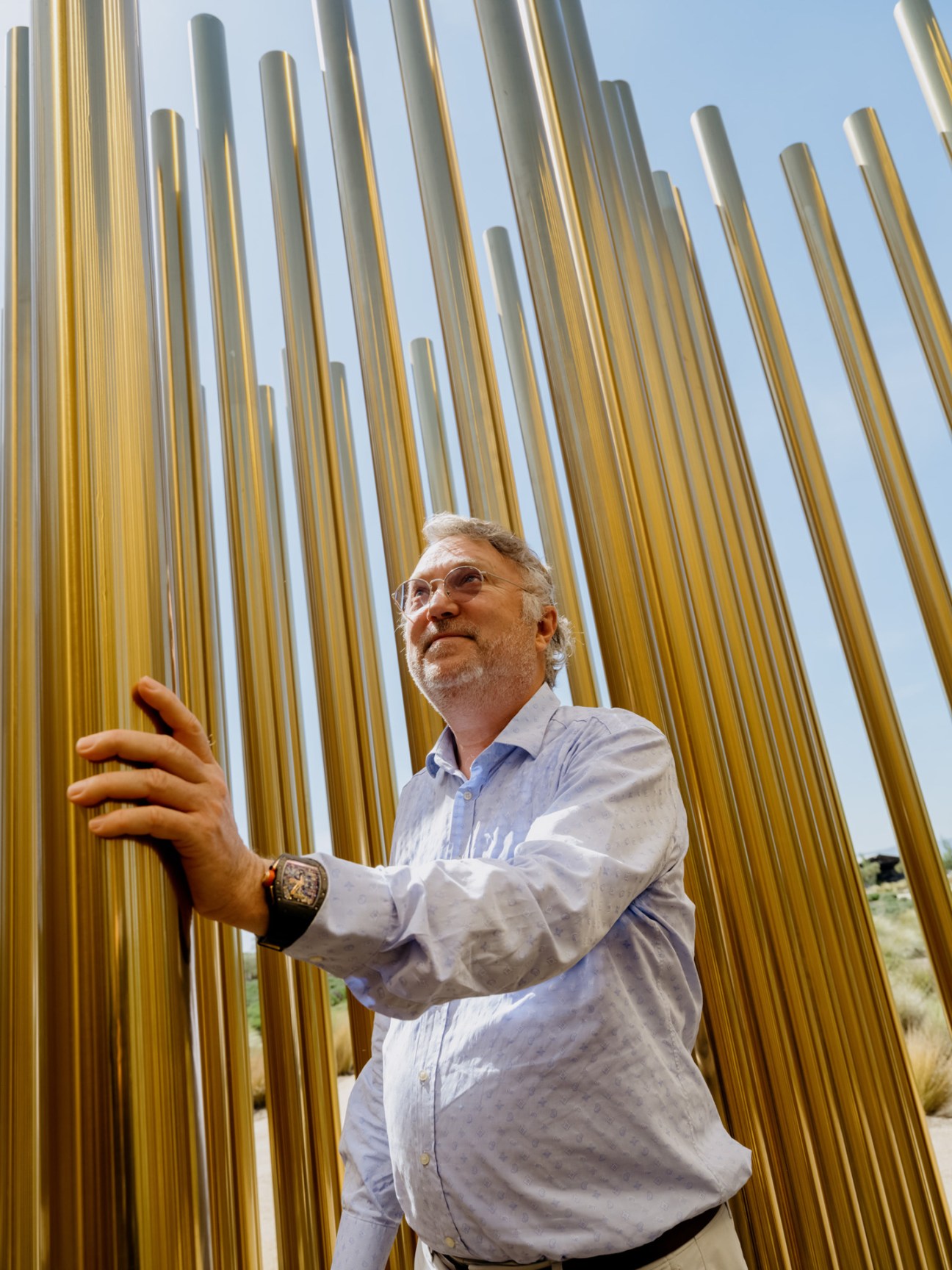
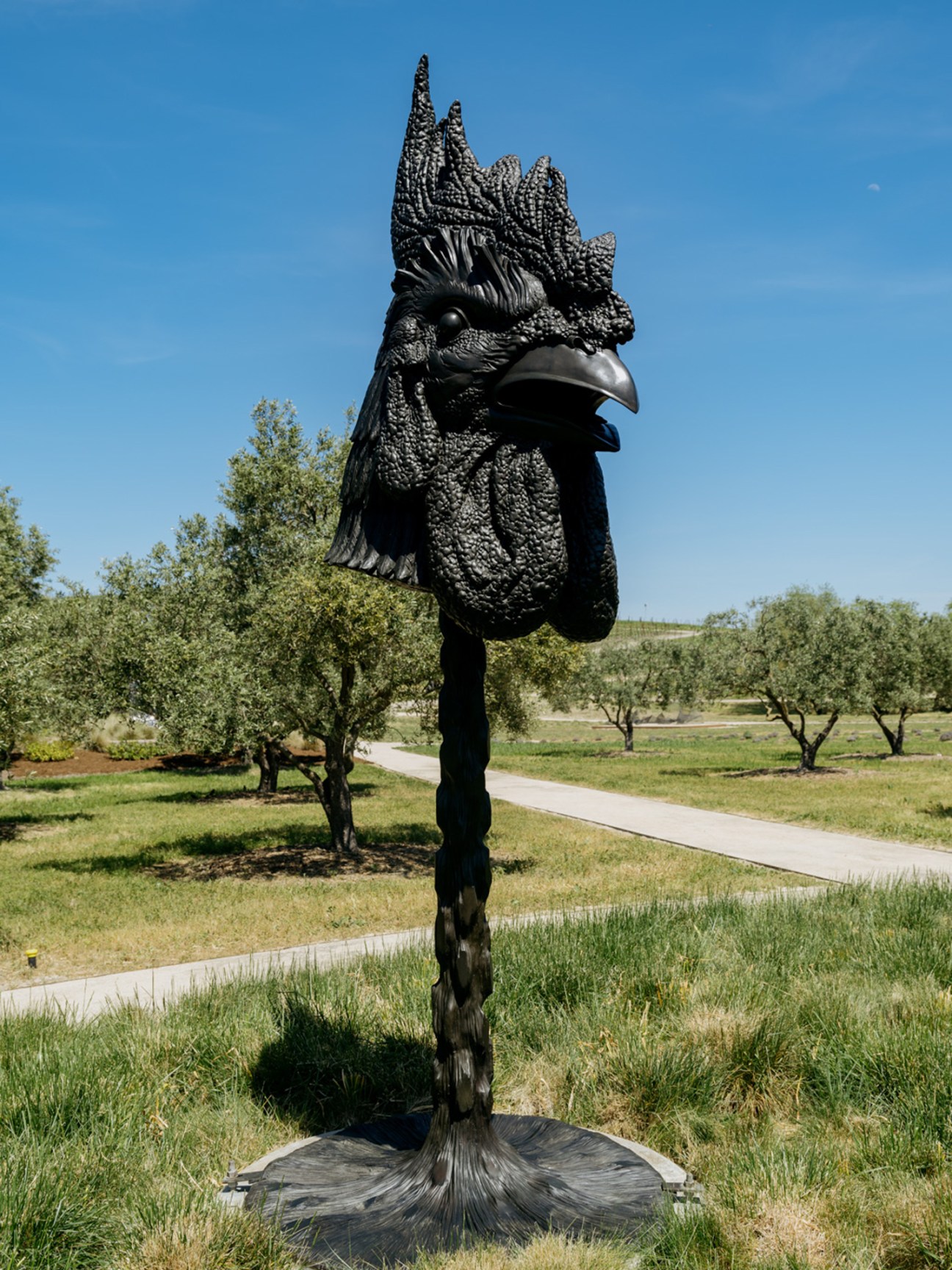
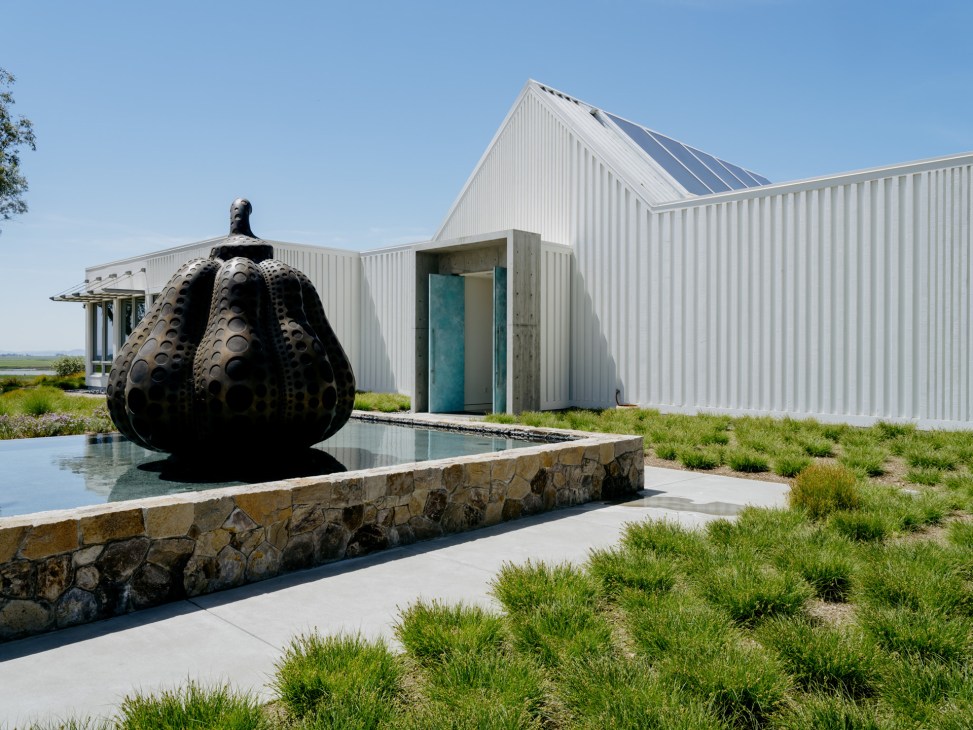
The pair’s collection extends far beyond the monumental works placed at Donum but the setting is one that Allan is very keen on. He and Mei champion the idea of displaying work away from the sterile white cubes and wax lyrical on the beauty of birds perching and chirping atop pieces such as Li Hui’s “Captured Rhino”. The estate’s Yayoi Kusama pumpkin is surrounded by vegetation and Zhan Wang, Keith Haring and Ai Weiwei pieces are placed throughout the grounds too (Weiwei’s work also adorns some of Donum’s labels; the artist receives 24 bottles a year for the usage). “Here, you take art and a beautiful landscape, and it just becomes something much stronger than each of them by themselves,” says Allan.
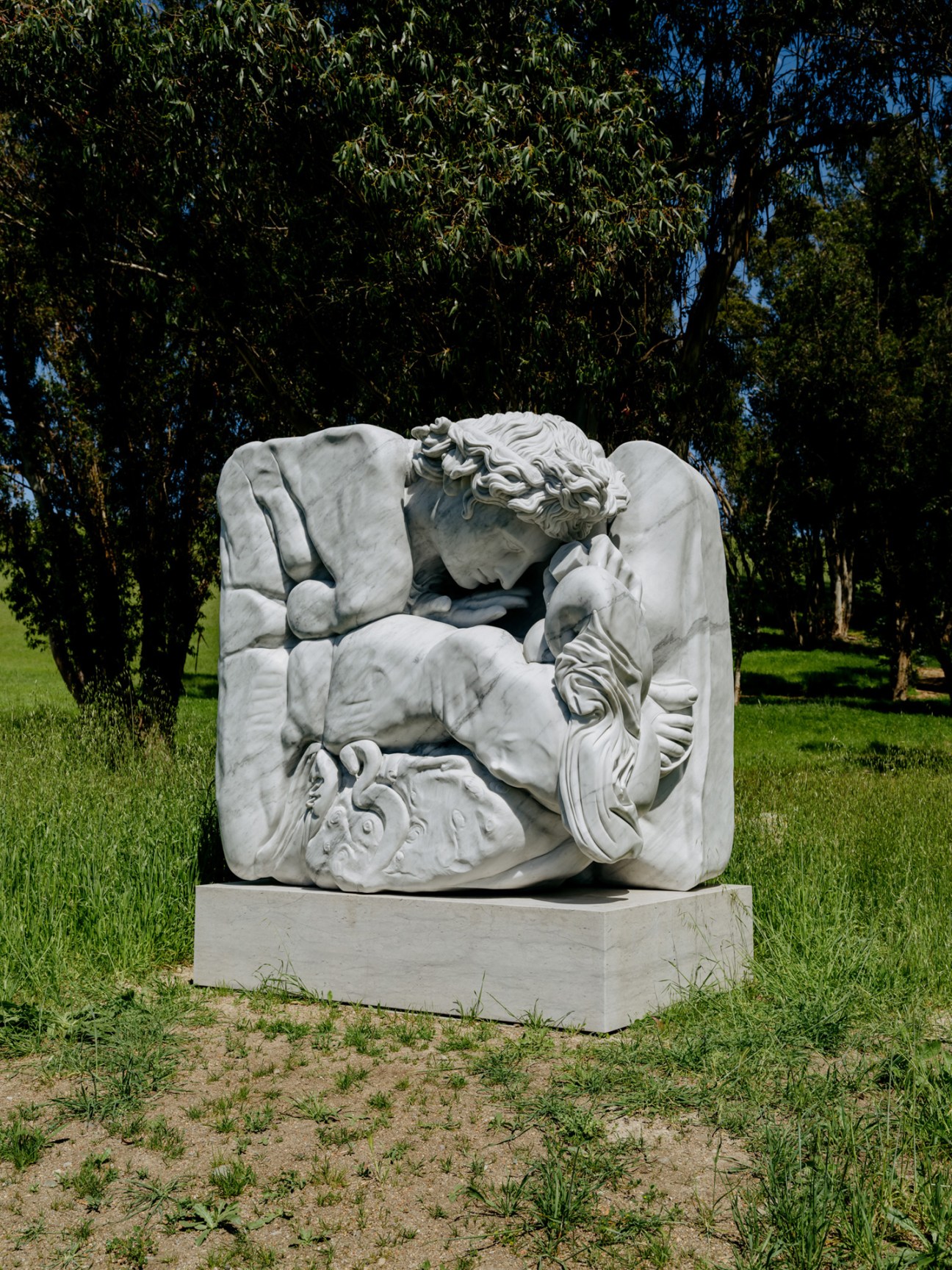
The Warburgs have started commissioning work especially for these surroundings, such as the recently installed “Apollo of Belvedere” by Adam Parker Smith. It is the first marble statue on the estate: a take on the classical work squeezed into a cube-like shape. “I don’t try to influence [the artists] at all,” says Allan. “It is very much a collaborative process.” Next to Smith’s stands another piece created for the estate, Doug Aitken’s “Sonic Mountain, (Sonoma)”: 365 chimes hung in a eucalyptus grove that play music when the wind flows through the vineyard. In the absence of a breeze, Allan runs his hand along the chimes.
“Feel free to touch them,” he says of the works we encounter. Riding around the estate in a brp Can-Am, he gesticulates at this or that sculpture, hops out of the vehicle and advocates getting up close to embrace the uniquely tactile nature of this set-up. At the brightly coloured Ugo Rondinone piece “Nuns 1 Monks”, he speaks about how seeing the colours livened his and Mei’s mood during the doldrums of the pandemic.
Allan fell in love with art while visiting creative studios in China. “Beijing in the late 1990s was really fantastic,” he says. “You hadn’t been allowed to express yourself for so many years but suddenly artists could be creative and free to do what artists should do. You could just go to studios and knock on the door and the artists would be so happy to show you around.”
Messages conveyed by the works he bought then influence his style of collecting today: art that makes strong statements and breaks down cultural barriers, such as Carl Fredrik Reuterswärd’s “Non-Violence” or Robert Indiana’s “Love (Gold/Red)”. Sopheap Pich’s bamboo-and-rattan sculpture “Morning Glory”, depicting the type of flower the artist and his family survived on during Cambodia’s Khmer Rouge rule, also takes pride of place. “For Pich, this is really a sign of hope,” says Allan.
Evenings spent in artists’ studios, sometimes over a glass of wine, have shaped his ambition for the estate. It is to have a space that pairs world-class art with simply hanging out, and that the public can visit by booking in advance. “A lot of the artists we knew from back then, they’re still very close friends,” he says.
4.
Venues
Venue
ICA
San Francisco
Silicon Valley’s start-up spirit seems to have rubbed off on the new Institute of Contemporary Art San Francisco (icasf). Set in the former Esprit campus, the gallery opened its doors October 2022, just 18 months after the concept was conceived.
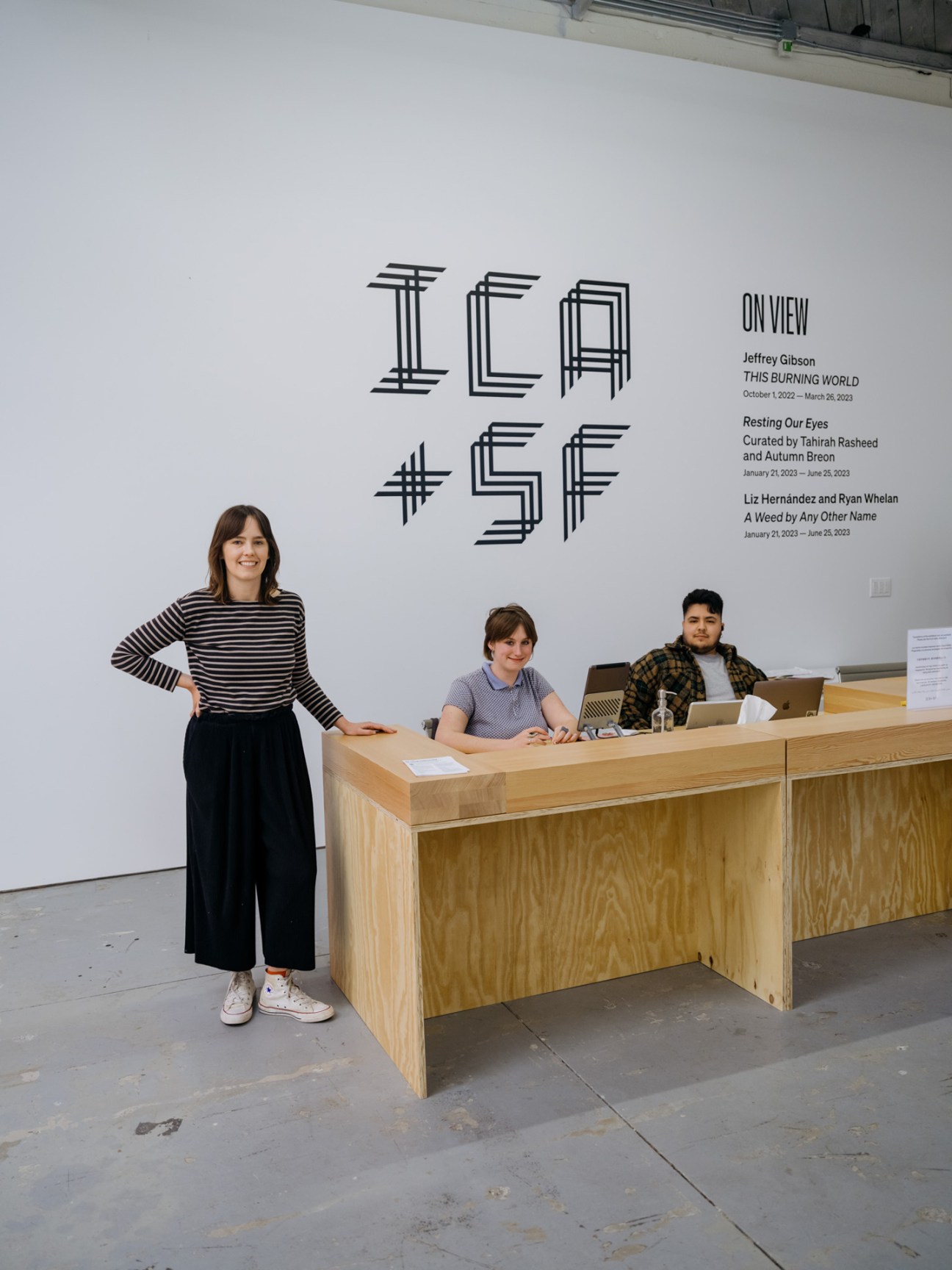
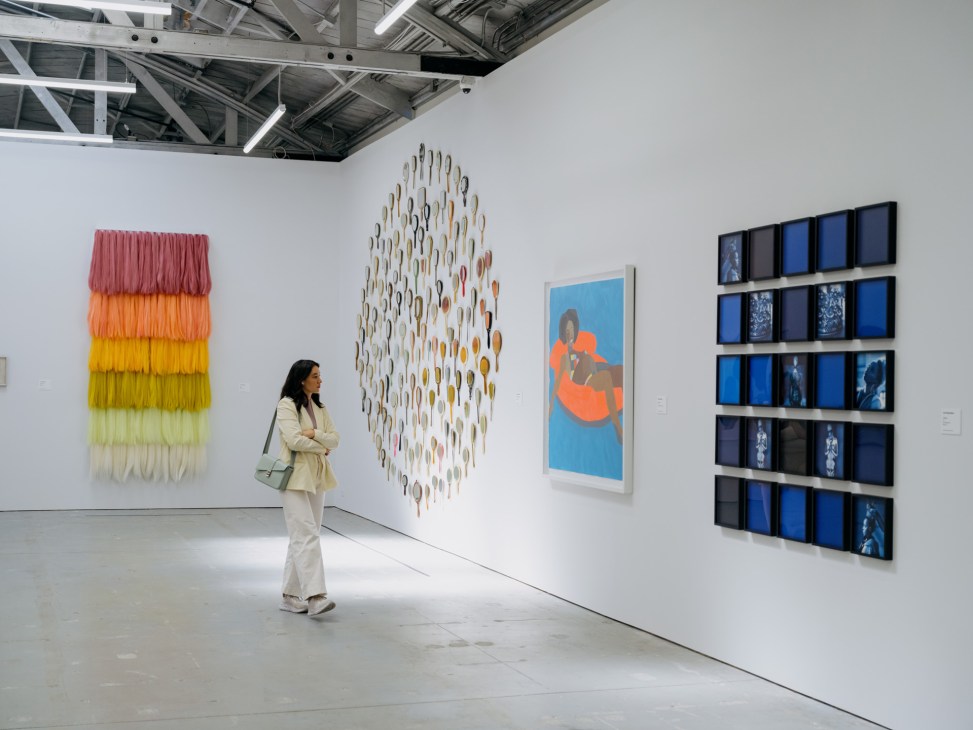
“Moving quickly and risk-taking are the vision of this institution,” says Christine Koppes, the icasf’s curator and director of curatorial affairs, from a sunny courtyard. She wants artists coming on board for exhibitions to be doing “something big”.
Choctaw-Cherokee painter Jeffrey Gibson answered that call with “This Burning World”, a multimedia installation that consisted of him cutting trenches into the museum’s concrete floor with a diamond saw blade. It was a suitably loud announcement for the rest of the burgeoning Dogpatch art neighbourhood that this new kid on the block isn’t afraid to get its hands dirty.
icasf’s status as a non-collecting institution facilitates a sense of artistic freedom. In lieu of constantly maintaining a permanent collection, Koppes believes the institution is better placed to “focus our funding and time on the artists directly”.
Not that icasf eschews the value of collecting. Patrons have flocked to the Collector Starter Pack, an instructional series in which staff teach the basics of browsing and buying art. “A lot of people are interested in purchasing work but it can feel intimidating,” says Koppes. Despite rumours of San Francisco’s and its technology behemoths’ demise, the city remains an enclave of new wealth that can be coached into supporting culture and icasf can play an important role in that process.
icasf.org
Venue
Mac
Marseille
Opened to the public in 1994, Musée d’Art Contemporain de Marseille (Mac) unveiled its new look in April after a four-year, €5m overhaul. The original modernist structure, designed in the 1970s by German doctor-cum-art-collector Gustav Rau to house his works, has been updated with an airy entrance hall and ample extra exhibition space, as well as a rooftop overlooking the genteel southern neighbourhood of Bonneveine. The building’s environmental footprint has also been improved.
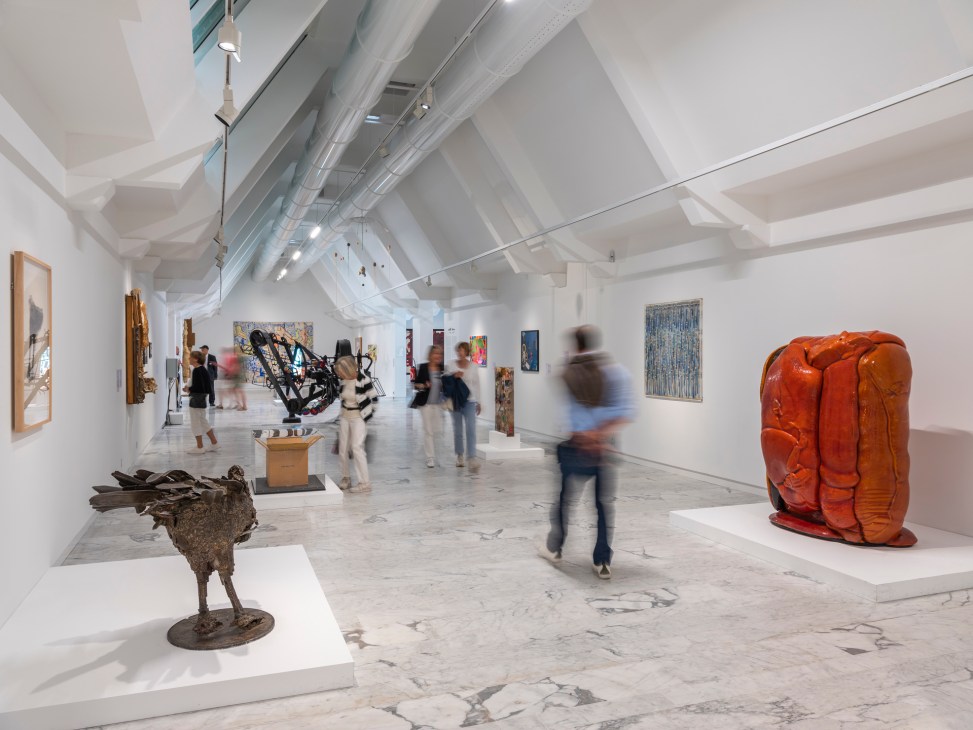
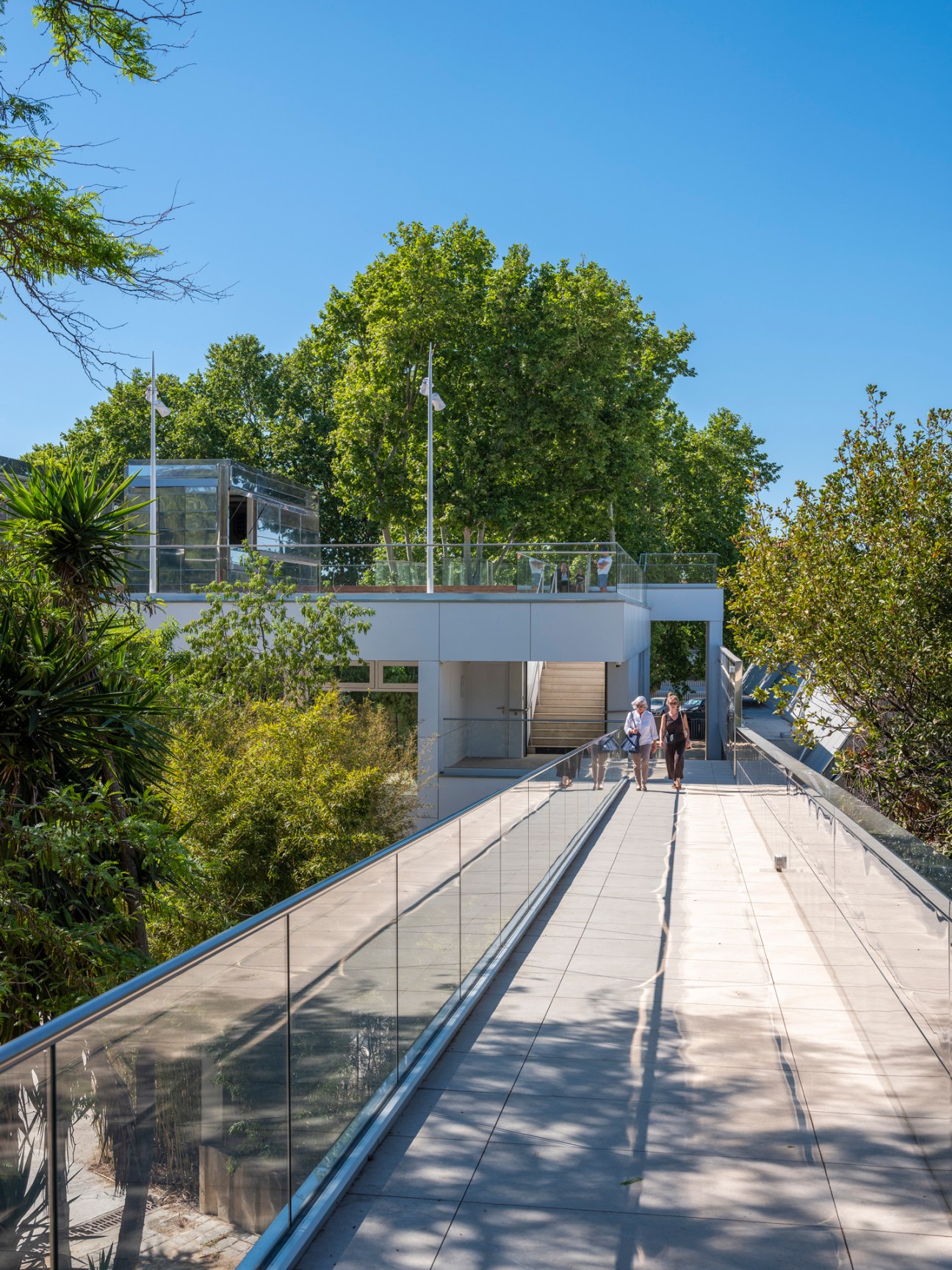
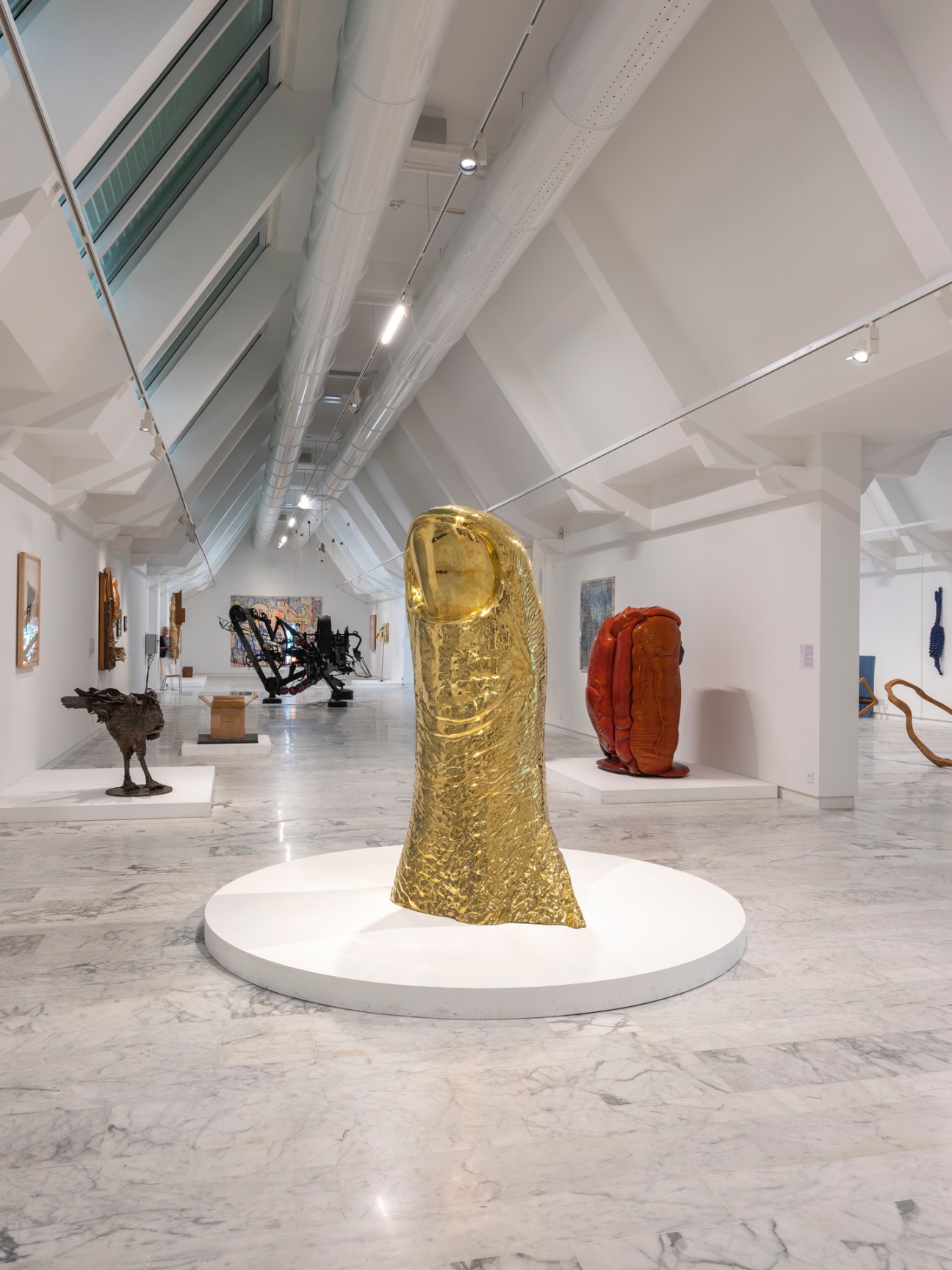
Located near Prado beach and Parc Borély, the museum is a great jumping-off point to explore the city’s docile side. Marseille-based Bureau Architecture Méditerranée’s co-founders, Maxime Repaux and Frédéric Roustan – also behind a lofty auditorium in Budapest and a sleek archaeological centre in Cairo – were tasked with injecting a sense of the Riviera’s luminosity into the minimalist space.
Inside, Italian artist Paola Pivi’s bright and cheeky work inaugurates the venue’s refreshed programming, which will focus on artists from across the Mediterranean. Pivi’s installation Free Land Scape consists of a tunnel made from denim, representing a childlike vision of the sea. The museum’s new layout also allows for more room to show off its permanent collection, which spans everything from arte povera to fluxus, featuring works by French artists including Niki de Saint Phalle, Louise Bourgeois and Daniel Buren, as well as big names such as Jean-Michel Basquiat, Carsten Höller and Robert Rauschenberg.
musees.marseille.fr
Venue
IN’EI
Venice
On the ground floor of a historic palazzo facing Venice’s Grand Canal, in’ei is an art and design gallery with a particular focus on China, South Korea and Japan. The space is the brainchild of French business partners Patrice Dumand and Hélène Dubois. Dumand calls Venice “the perfect city” for such a project. “Venice was that bridge looking to the east,” he says. “There was a lot of traffic [historically] between the city and East Asia.”
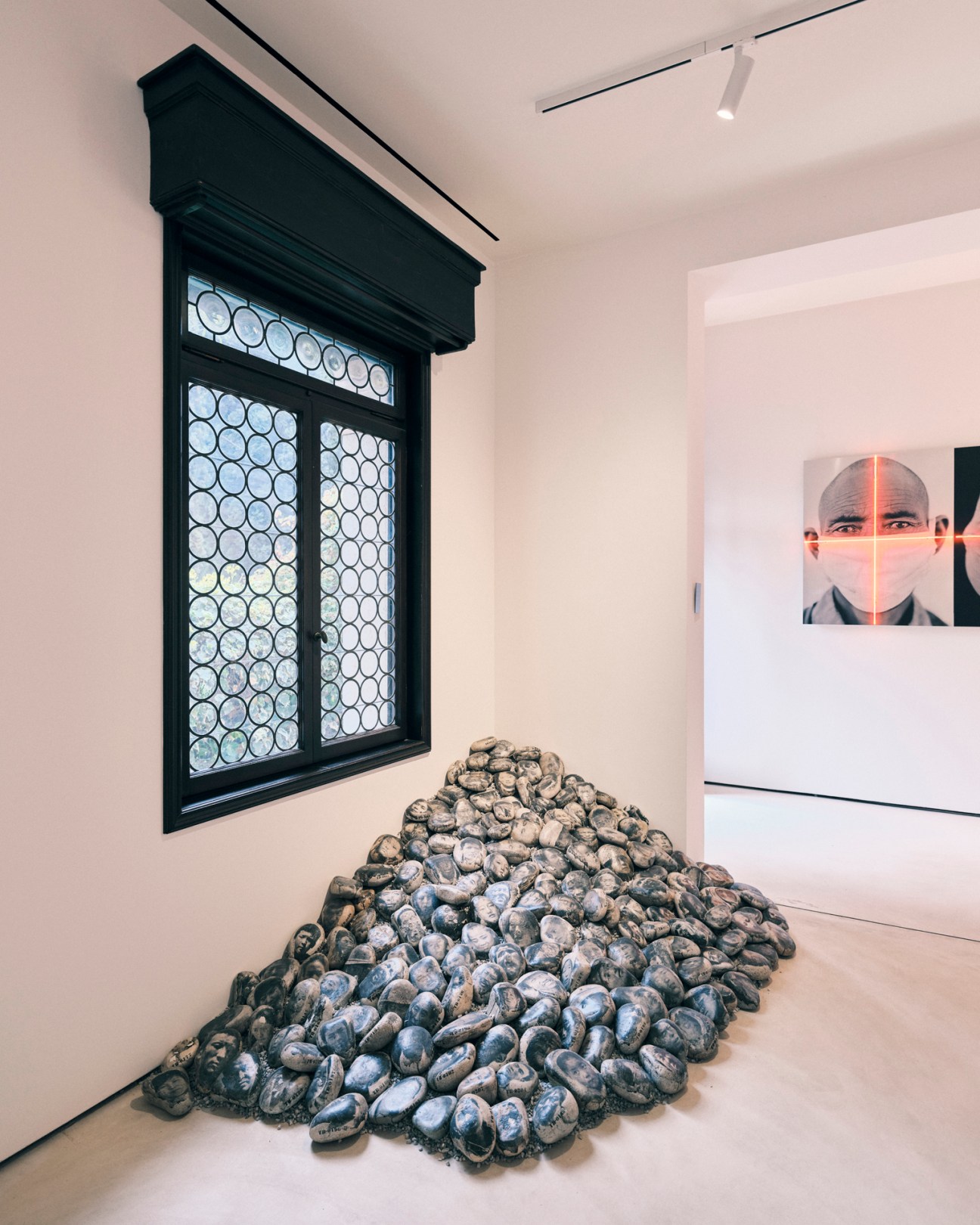
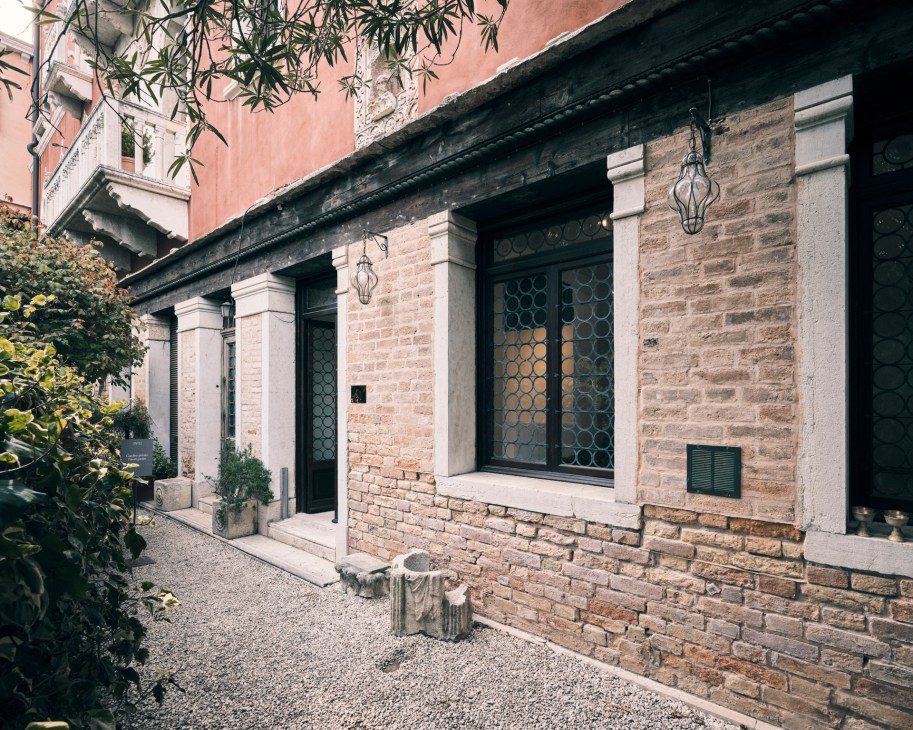
The pair had already worked together on another passion: bringing Japanese vintage furniture to Europe as part of a previous project that they began in Florence in 2019. Seeking to create a home to show works by East Asia’s architects and artists in Italy, Dumand and Dubois found the current building online and fell in love. Dumand calls the gallery’s programming “eclectic”, with plans to change the shows up to eight times a year.
in’ei’s opening exhibition focused on often political Chinese artist Gao Bo, including photography from his travels in Tibet. Next up, to tie in with the architecture biennale, is South Korean architect Jinhee Park and Japanese collective h220430. “It’s going to be the perfect example of who we are,” says Dumand. “From joyful to cerebral.”
in-ei.it
Venue
Sabino 336
Mexico City
On a quiet street lined with industrial warehouses in Mexico City’s Atlampa neighbourhood, contemporary artist Bosco Sodi has opened a new studio and gallery space. Brooklyn-based Sodi, who founded Casa Wabi in Puerto Escondido, needed a place to work when he travelled back to the Mexican capital, which is his hometown. He also wanted somewhere to present his pieces, most of which were hidden away in boxes. “The main purpose of work is to be seen,” says Sodi. “It’s interesting to visit old works and have a new dialogue with them.”
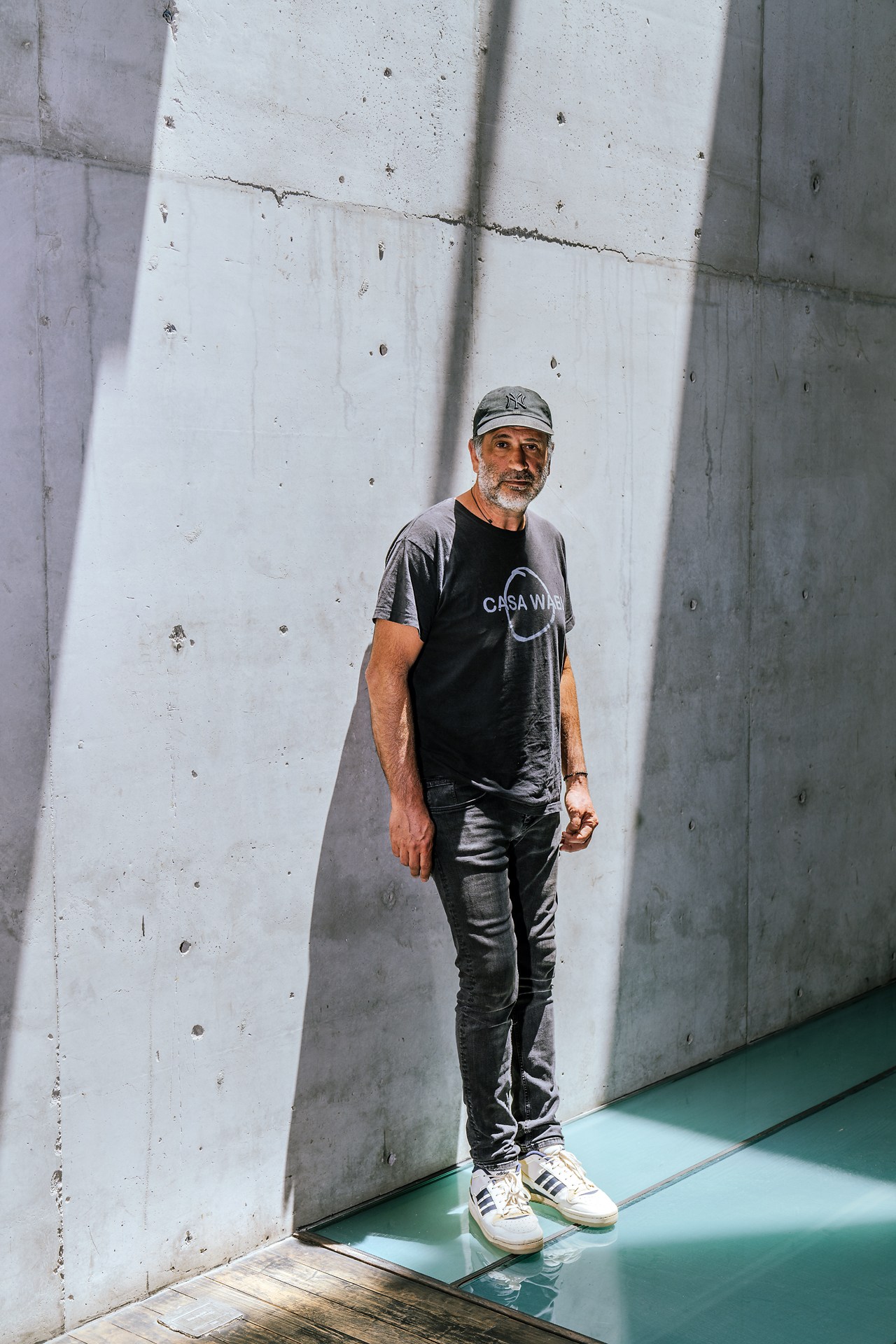
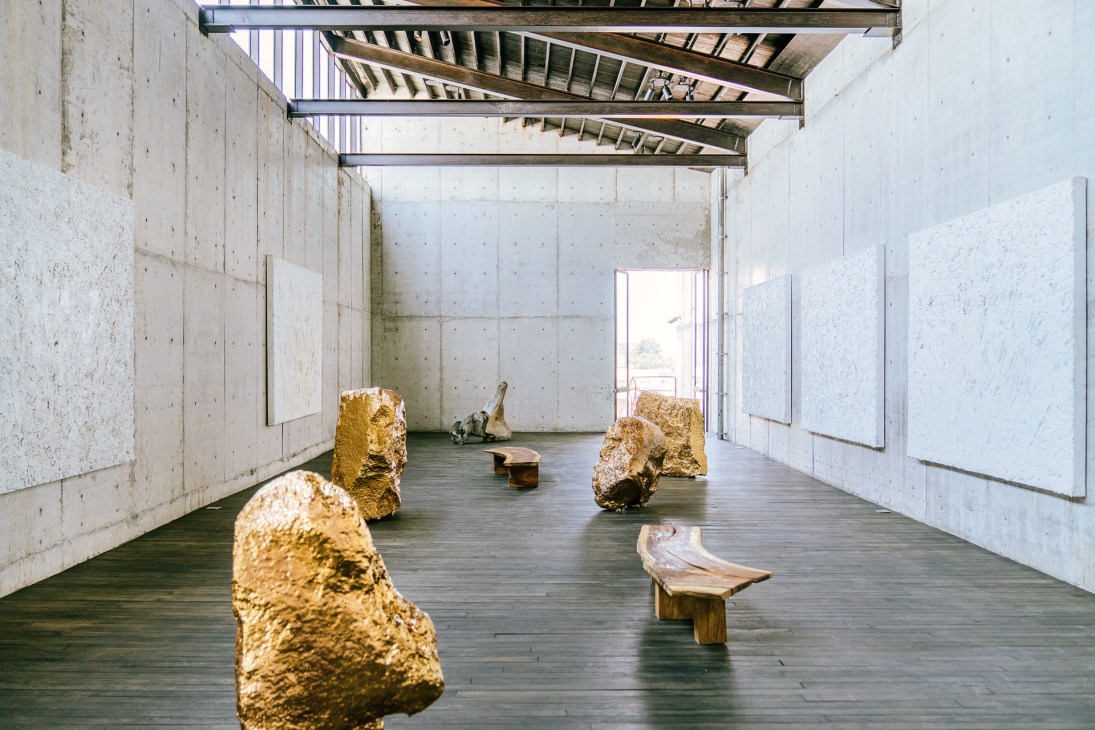
To design Sabino 336, Sodi enlisted the expertise of Mexico City-based architect Alberto Kalach, a longtime friend. “We have a similar philosophy: we like humble materials, such as concrete, wood and brick,” says Sodi. “I wanted to create a space that looks like it has been there forever; there’s no competition between the building and the art. The light changes through the day and there’s an interesting dialogue.”
Sodi bought the former warehouse six years ago, tore it down and replaced it with two soaring cement and brick structures; one houses Casa Wabi’s offices and two exhibition spaces, while the other houses Studio Bosco Sodi. From the outside, Sabino 336 almost blends into the street but inside it’s minimalist and cutting-edge. Across multiple levels are gallery spaces and a terrace with Sodi’s hallmark pieces: large bronze sculptures, gold-coated spheres and paintings made from a mixture of sawdust, pigment and water.
The building also has a ground-floor café and a studio where Sodi can work. Look at the view from the rooftop terrace and you’ll see the surrounding warehouses almost bleed into the distant mountains. Sodi saw an opportunity to lift this neighbourhood, one of the more underprivileged areas of Mexico City. “Art has the power to change complicated dynamics,” he says. “It has always been my philosophy. There’s an obligation when you do these types of projects; you open them in a place where they will add value.” Last year, Sodi debuted Assembly, a non-profit museum in an old Buick dealership in the forgotten town of Monticello, north of New York.
The gallery in Mexico City is open to everyone; neighbouring schools are invited to join creative workshops and spend full or half days in the space. “That’s most important for me,” says Sodi. “Art means its most when everybody can see it.”
boscosodi.com
Venue
Gas
Lagos
Though based in the UK, British-Nigerian artist Yinka Shonibare has long been a key player in Lagos’s creative scene. His role as a city patron has grown steadily since he launched non-profit foundation Guest Artists Space (Gas) with a board of directors in 2019. A brutalist cement building in Nigeria’s biggest city, the structure, designed by Ghana-born UK architect Elsie Owusu, stands in stark contrast to the surrounding uniform houses. “The building will be able to deal with the rain and sun,” says Shonibare. It will function as an art hub, with a courtyard and private rooftop for events and gatherings, as well as a gallery, artist-in-residence quarters and an apartment for Shonibare.
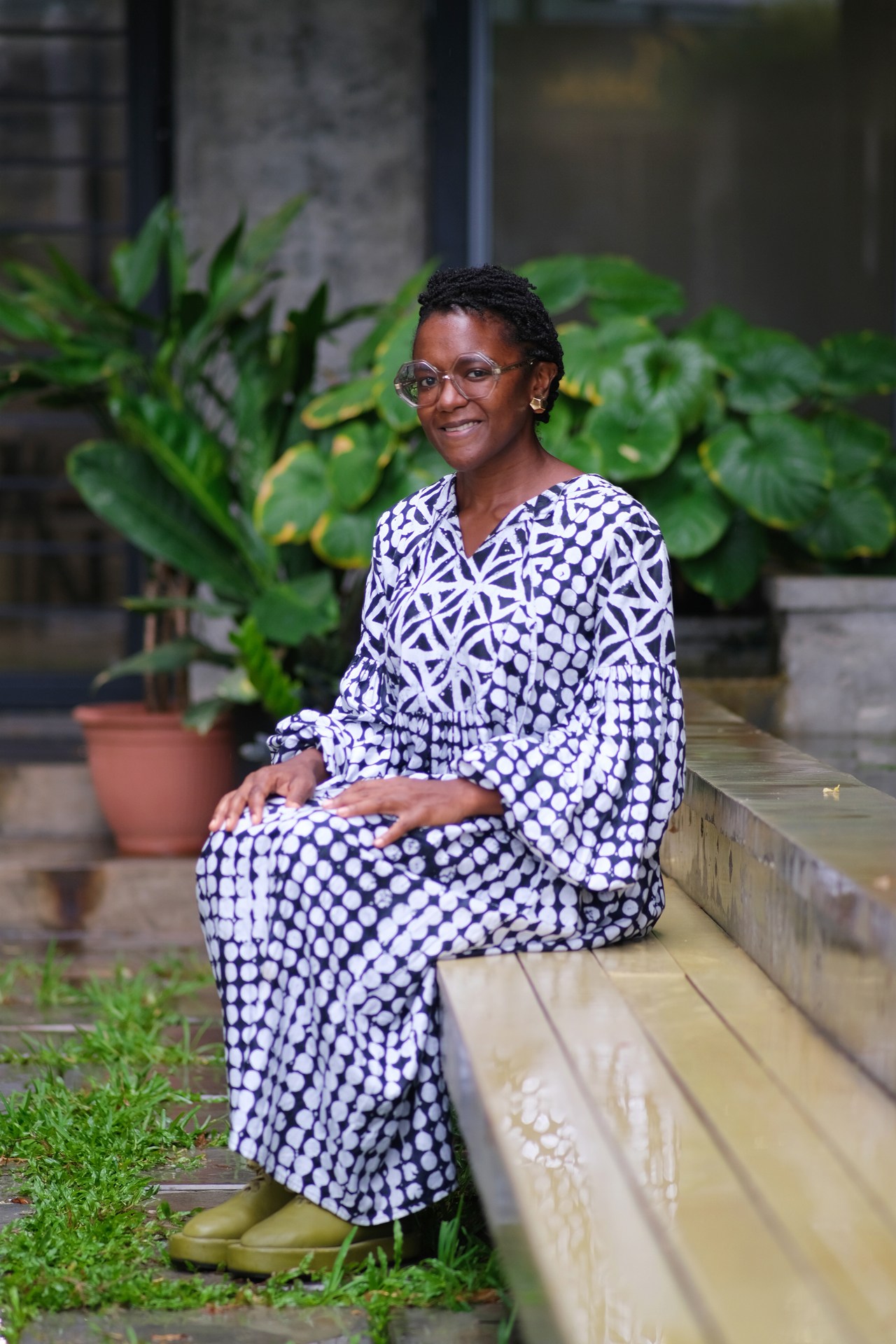
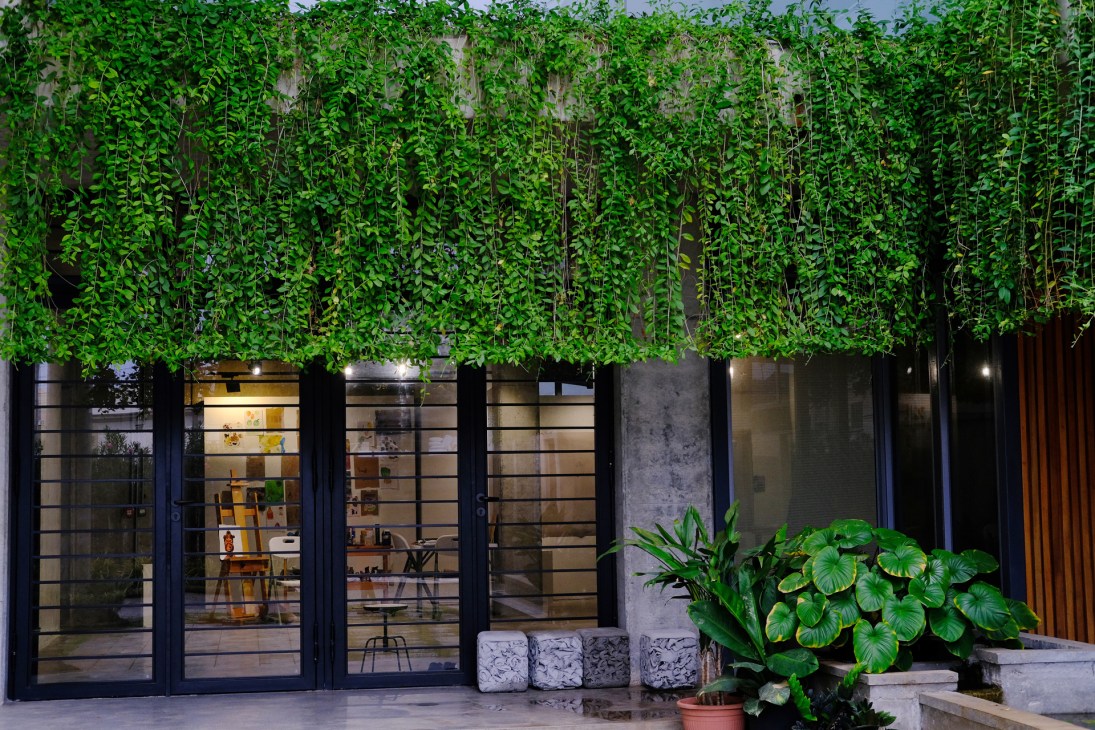
Previous residents include South African Nolan Oswald Dennis, UK-based Evan Ifekoya and Nigerian Samuel Nnorom. Shonibare’s hope is to create a deeper dialogue between Nigerian and foreign creatives. “There’s a huge ignorance about Africa,” says Shonibare. “Knowledge exchange is important so that people can meet other practitioners like themselves and learn from them.”
Shonibare has also opened another artist-in-residence venue on a farm two hours outside the city. “I didn’t want to build a project that’s elitist and doesn’t connect with a place,” he says. The hope is that more creatives will engage in projects around food security. “It’s also to support the local ecosystem, because in Africa many disciplines are interrelated,” says Shonibare. As the interest in African art grows globally, the time is ripe for this kind of institution. “Now, sectors like fashion and art have a huge market and are highly valued,” he says. “The talent is just unbelievable.”
guestartistsspace.com
Venue
Ladbroke Hall
London
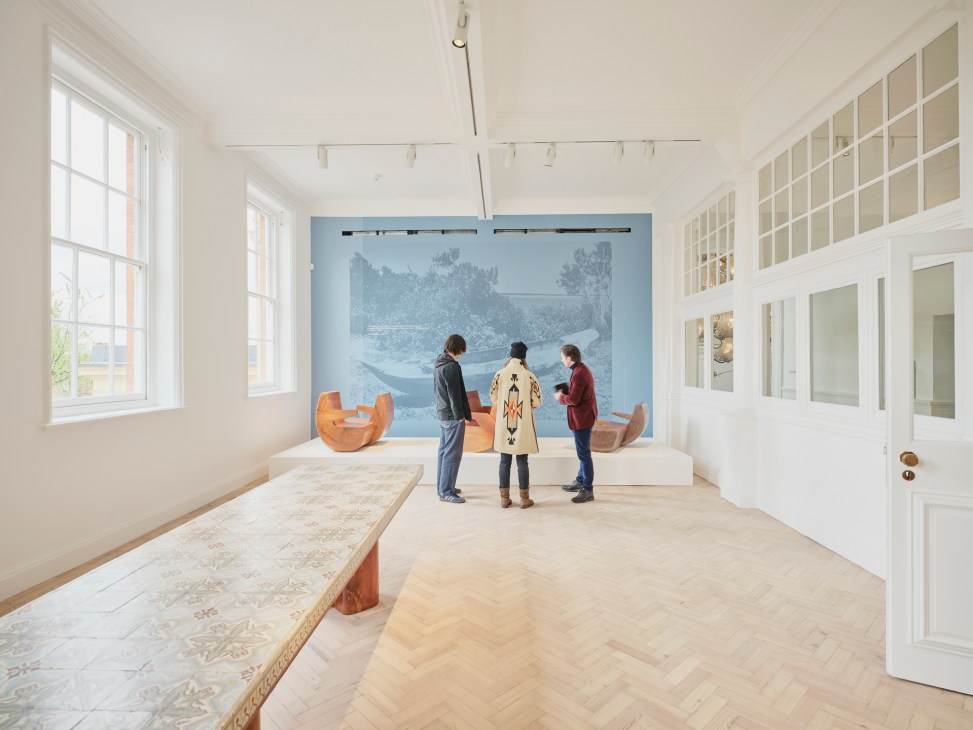
The former HQ of Britain’s first purpose-built car factory has been transformed into London’s newest cultural centre. When it was completed more than a century ago, Ladbroke Hall contained car showrooms, offices and a panelled directors’ suite. Loïc Le Gaillard and Julien Lombrail, co-founders of Carpenters Workshop Gallery, are breathing new life into the vast listed building. “My core business is about creating exceptional objects,” says Le Gaillard. “In 1903 they were building exceptional sports cars here. We are carrying on the legacy of elite craftsmanship and creativity.”
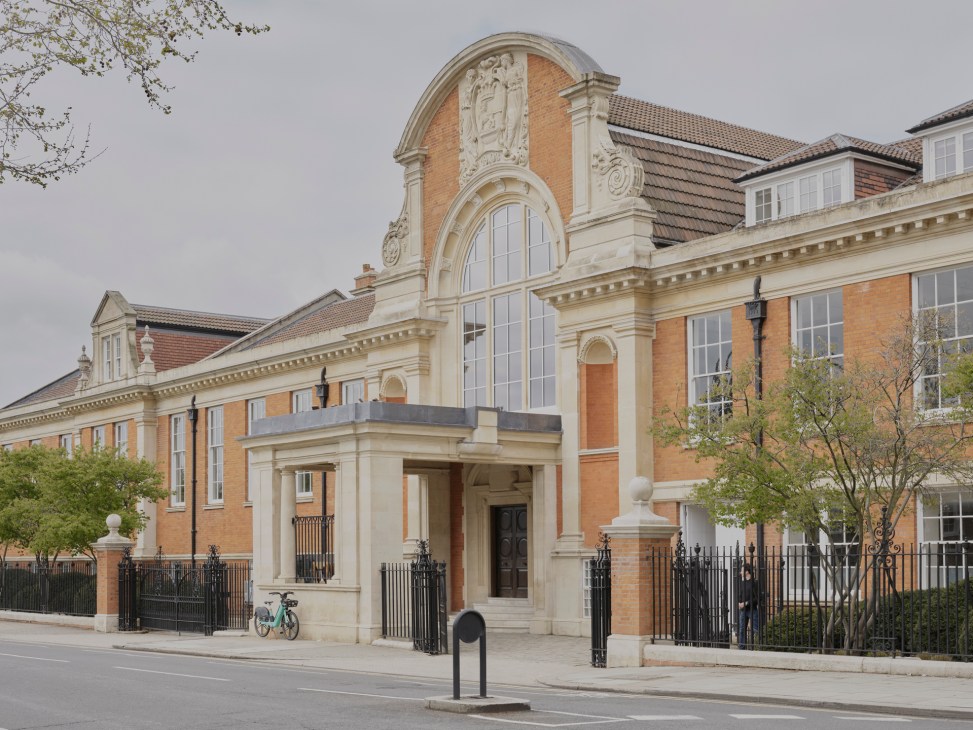
The east wing will host a gallery space, exhibition rooms, private salons, a terrace and a jewellery showroom. The opposite wing will include a 120-seater theatre and a recording studio, plus events space. From the garden, designed by Chelsea Flower Show winner Luciano Giubbilei, to the Steinway grand piano in the Sunbeam Theatre, the project has involved an impressive list of collaborators and brands. An onsite restaurant led by Italian chef Emanuele Pollini will also open in September. The scale isn’t lost on Le Gaillard. “This is the biggest project of my lifetime,” he says. “It’s the beginning of something very ambitious – artistically and culturally.”
ladbrokehall.com
Venue
Tiwa Select
New York
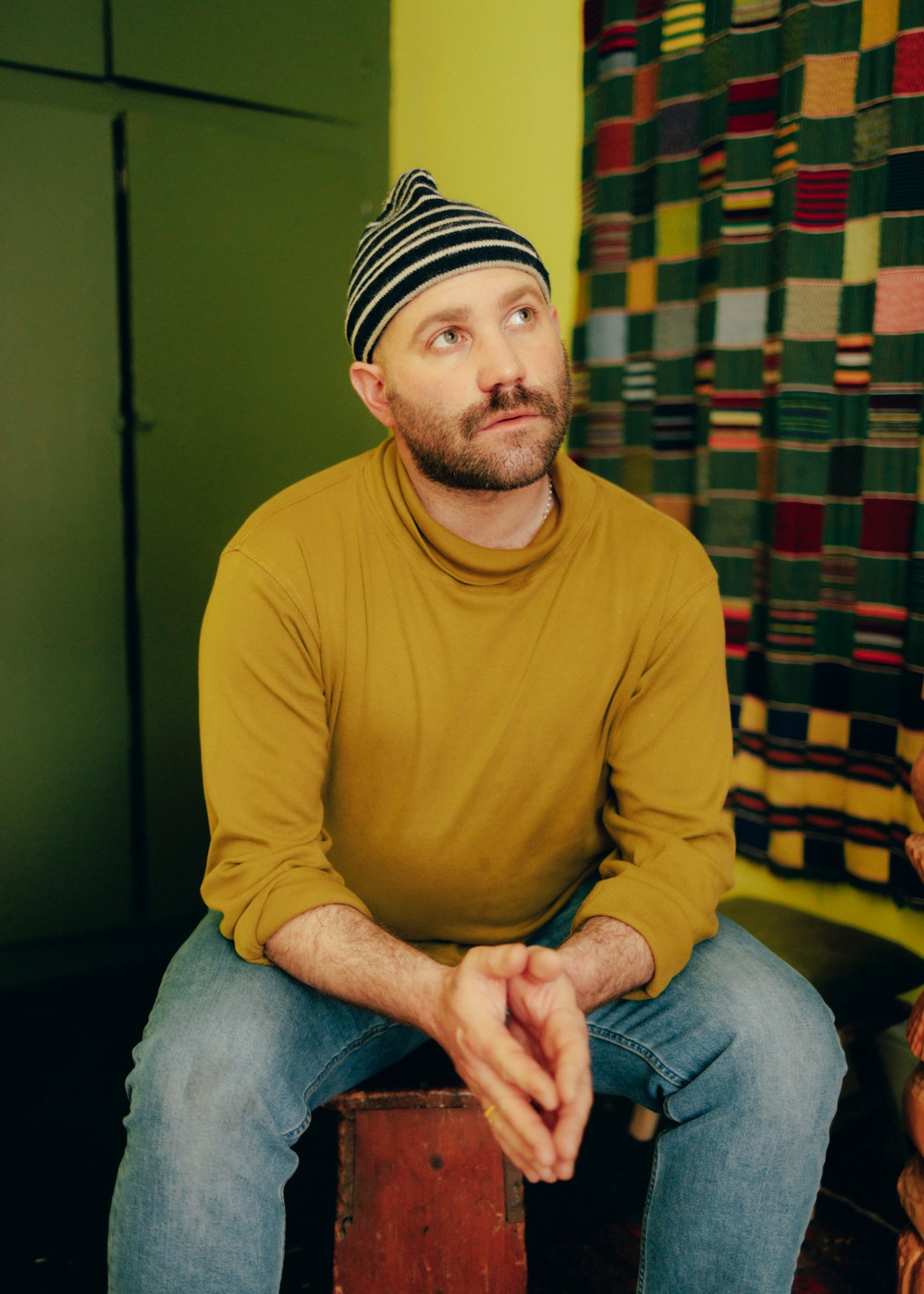
Inside the National Arts Club in Manhattan’s Gramercy Park district, Tiwa Select is a recent transplant to New York’s gallery scene from Los Angeles. It carries the torch for a rich but overlooked tradition within US arts: handmade craft objects from self-taught makers.
Founder Alex Tieghi-Walker (pictured) was inspired by a trip to Japan in 2019. “There are shops in Japan called ‘select stores’, which are collections of objects that the owner likes, not necessarily targeted to a particular audience,” he says. On the plane home, Tieghi-Walker, a collector of craft objects, drew up a business plan for a platform featuring works by self-taught artists. When the pandemic scuppered his plans for a physical space, he set up an online shop that grew quickly. “I wasn’t simply putting pieces on the website for sale,” he says. “I was investigating the makers’ stories and the history of the craft traditions that they were working with.”
As Tiwa Select has expanded into physical exhibitions, Tieghi-Walker has kept a context-rich approach, focusing on artists from a range of backgrounds. “Vince Skelly, a wood sculptor I work with, was previously a skater and musician. Potter Jim McDowell was a coal miner, then in the army. Ceramics was something he started doing much later in life. I’ve always been interested in artists who have been making without the intention that their work would be viewed as art; that it would have a more practical use instead.”
tiwa-select.com
Venue
Ateneum
Helsinki
Ateneum, Finland’s most renowned art museum, has unveiled a rehang of its permanent collection. The institution’s new exhibition, consisting of 280 works by 160 artists, seeks to question the prevailing narratives around Finland’s cultural identity. “Our collection has played a pivotal role in shaping Finnishness,” says director Marja Sakari. “We wanted to examine the dynamics of inclusion and exclusion in how we tell Finland’s story through art.”
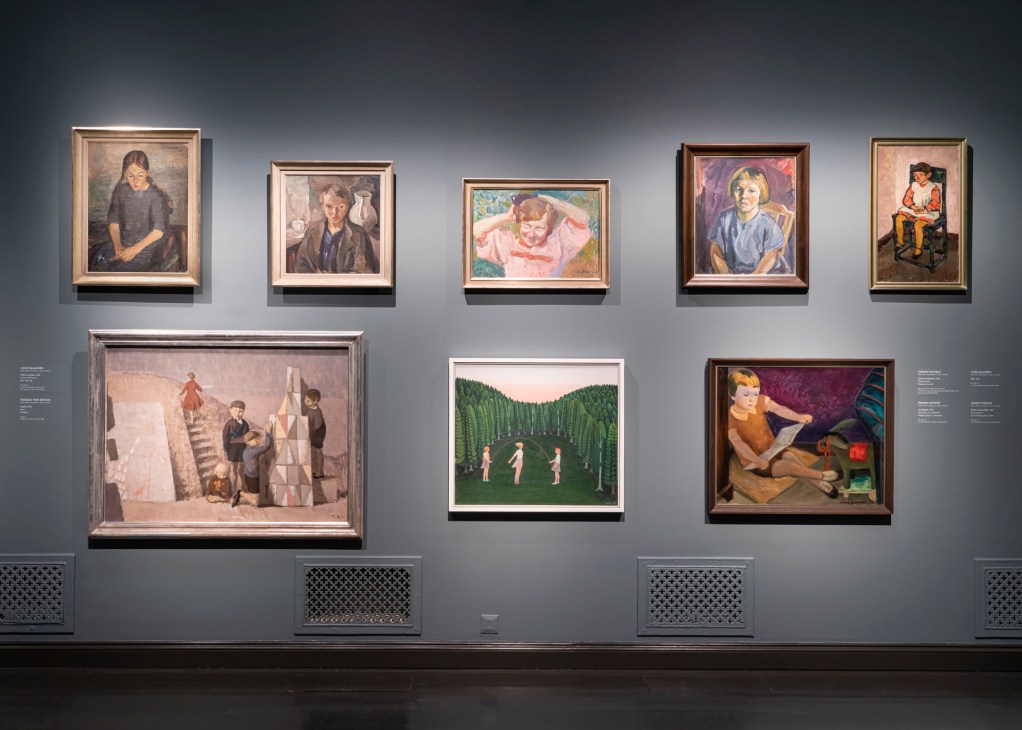
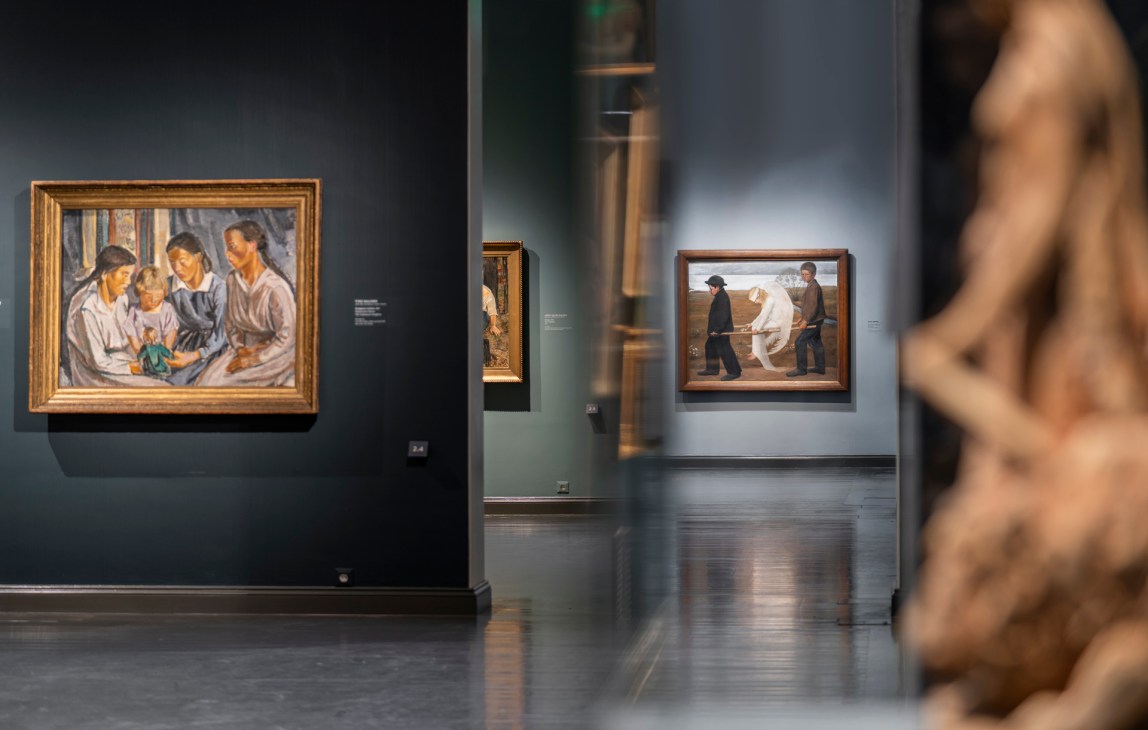
The refreshed display includes works that portray minorities such as the indigenous Sami people and people of colour. It forsakes art history’s traditional chronological narrative, adopting a thematic approach instead. Works are grouped around topics such as modernisation and our relationship with the natural world. “People love Ateneum for its classics and they’re still very much part of our collection,” says Sakari. “But this thematic approach offers a novel perspective.”
The new hang brings works such as the “Redbearded Moor” by the Lappish artist Reidar Särestöniemi and the monumental “Samiuela Elone (Tonga)” by Sirpa Alalääkkölä into the spotlight.
ateneum.fi
Venue
Slovak National Gallery
Bratislava
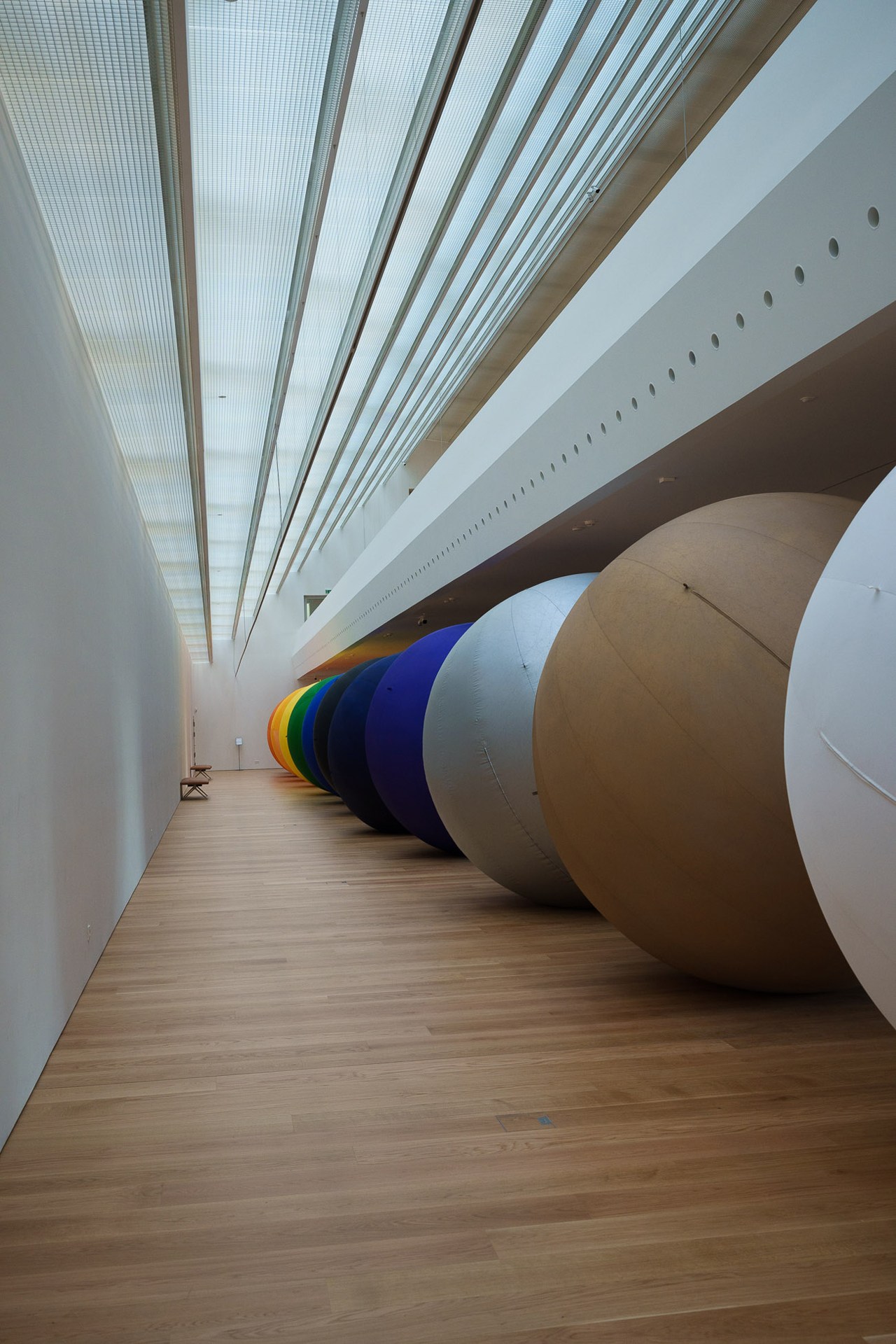
The giant inflatable spheres inside the Slovak National Gallery look as though they were measured specifically to be displayed in the gallery room, yet the colourful installation by Stano Filko was conceived in the 1970s to inject some excitement into the grey urban life of communist Czechoslovakia. When the museum acquired the artwork in 2015, it lacked a decent space to display it. Now the long wait is over and Filko’s piece stands proudly at the heart of the institution’s renovated venue in Bratislava.
The gallery’s display rooms range from baroque-era halls to modernist extensions by architect Vladimír Dedecek. Atelier bkps, which was in charge of the renovation, wanted to maintain the building’s historic features but it has also transformed the tunnel-like technical rooms into loggias with spectacular views of the Danube and the city’s ufo Bridge. “All of a sudden, the building is inspiring artists, architects, musicians and performers,” says Lucia Gregorová Stach, the gallery’s chief curator of modern and contemporary art. “Even the fact that it has connected the river with the city means a lot. It has created a new experience of the city.” Gregorová Stach has worked at the Slovak National Gallery since 2010 but the reimagined site has allowed her to look at the location with fresh eyes and envision a new programme strand centred around the river and music.
With the Austrian capital just an hour upstream, Bratislava has often been eclipsed by the vibrant Viennese art scene. Now, however, the National Gallery’s new space is giving its team the confidence to claim the city’s place on Central Europe’s art map and present sometimes overlooked Slovak artists. Gregorová Stach will collaborate with museums in the region on an exhibition about expressionism in Central Europe. “Perhaps we don’t need to start with Egon Schiele and Oskar Kokoschka,” she says. “Instead, we can tell the story from our own point of view.”
sng.sk
Venue
Hangar Y
Paris
The structure that now houses Paris’s Hangar Y has lived many lives. Originally built as a pavilion for the third Paris World Fair in 1878, it was moved southwest to the Meudon forest, where it formed the skeleton of the world’s first airship hangar. It then reopened in the 1920s as an air museum, which was moved to the 15th arrondissement, then shut down by the Nazis. By the time that entrepreneur Didier Gouband noticed the site, it had been abandoned for decades. “The building was falling to pieces, to be honest,” says Aideen Halleman, Hangar Y’s general manager.
The vast hall has now been reimagined as a multi-use arts centre. Alongside exhibitions, Halleman hopes to stage theatre, dancing and even circus shows. “We want to explore new things and find the next frontier,” he says. The surrounding nine hectares of forest have also been given an upgrade with a contemporary sculpture trail and a restaurant with views of the 17th-century Chalais basin.
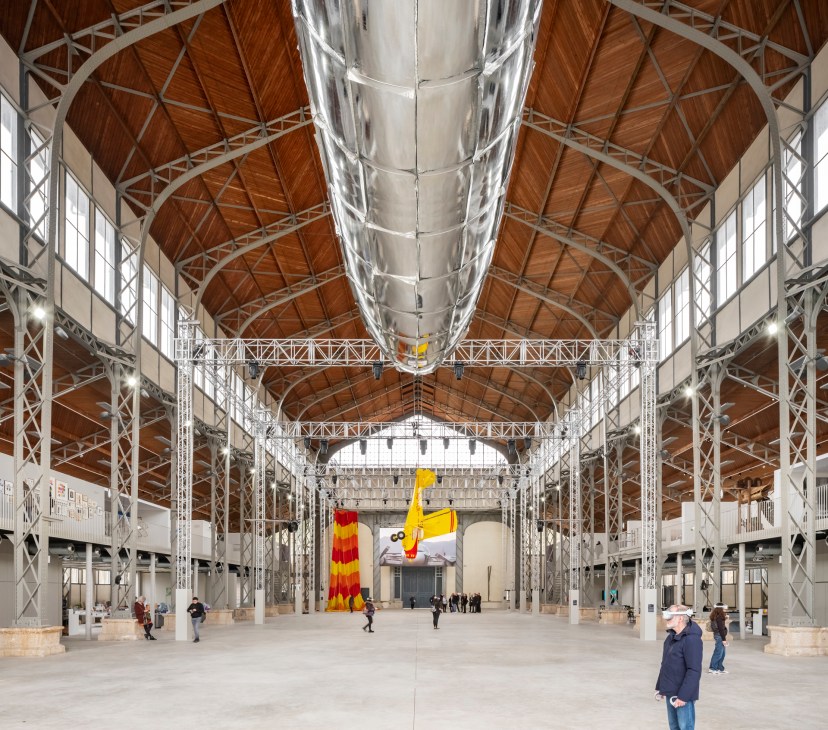
Bagnolet-based Data Architectes was tasked with renovating the space in a way that honoured its colourful past. “The idea was to bring a 19th-century spirit of innovation and exploration into this century,” says Halleman. Hangar Y’s modern glass façade gives the building the impression of being wide open – just as it would have been when it housed airships.
A conversation between past and future is also evident in the opening exhibition. Titled In the Air, the Flying Machines, after the book Dans l’air by Brazilian pilot Alberto Santos-Dumont, it traces the enduring fascination with human flight in global art. The artworks on display, including drones and spaceships, are aeronautical innovations that Hangar Y’s original inhabitants could only have dreamed of.
hangar-y.com
5.
Auctions
Interview
Robert Ketterer
Ketterer Kunst

Founded in 1954, Munich-based Ketterer Kunst is a family-owned auction house specialising in art from the 19th to 21st centuries, as well as rare books. Last year it achieved a turnover of about €100m. Having taken over the business in 1994 at the age of 25, CEO and auctioneer Robert Ketterer leads the company from both boardroom and podium. He tells us how his clientele has changed in recent years and why auction houses outside the world’s main art hubs now have a chance to shine.
Who are Ketterer Kunst’s clients?
It’s an ever more diverse group. In the past it was the wealthy entrepreneurs of the postwar Wirtschaftswunder [West Germany and Austria’s economic bounceback of the 1950s]. Then these were joined by a broad range of business owners or successful lawyers and doctors. In the past 20 years, I have seen an enormous change driven by the internationalisation and digitalisation of our business. We now have clients from around the world, mostly private individuals but also a number of museums and collections. We recently sold a Gerhard Richter painting to a collector in Hong Kong, other works to customers in the Middle East and Asia, and modern art to US bidders.
As the CEO, why do you still choose to lead the major biannual auctions?
I really enjoy it and it is where I excel. The key to being a good auctioneer is empathy, knowing the art and the audience. We have bidders in the room, on the phone and on the internet but I know who they are at every moment. You need to have good communication, to know when to push and when to stop – and to not be so fast that you miss bidders. I’ve been doing this for more than 30 years; there are many small tricks that come with the experience.
What sets Ketterer Kunst apart from other auction houses?
Our auctions are quite small, with only 400 objects. We insist on printing catalogues in German and English, which is remarkable. Most houses have stopped printing catalogues but we send 10,000 of them all over the world. If you have the catalogue on your table, it commands more attention than a link in your inbox. Plus, consignors are more likely to sell at a higher price if their artwork is in print. We also started digitalising early, in 2007. During our sales, we have a video live-stream using up to nine cameras with three operators and three people directing what you see, with close-ups and different information – so it’s not boring; it’s like a television show.
What do auction houses in mainland Europe have to gain from Brexit?
Brexit changed a lot of things and so did the pandemic. In 2018 or 2019, there were two major auction spots in the world: London and New York. Now you can find big auctions in Paris, Munich, Shanghai or Hong Kong. We used to go to London for one week and it was fun to jump between the auctions at Sotheby’s and Christie’s but buyers now realise that they can go elsewhere.
Looking ahead, what are you most excited about?
We hold big biannual auctions and our next one is in June, with names like Alexej von Jawlensky and Gerhard Richter. We have a Max Pechstein painting, which is amazing because until two months ago it was in the Nationalgalerie in Berlin. It’s part of a restitution case and has been given back to the heirs of the collector. Restitution cases are really important in the global art market at the moment.
kettererkunst.com
Calendar
Auction round-up
Global
Helsinki Spring Sale
Bukowskis Helsinki
The Swedish auction house, acquired by Bonhams in 2022, will be presenting Nordic art, including standout pieces by Finnish painter Helene Schjerfbeck and writer-cum-artist Tove Jansson.
Until 28 May
bukowskis.com
Summer Auction
Grisebach Berlin
German auction house Grisebach’s summer sale is the occasion to pick up pieces by 19th- and 20th-century artists such as Jean Fautrier, Max Liebermann and Egon Schiele.
1-2 June
grisebach.com
Pierre Boulez Collection
Artcurial Paris
Composer Pierre Boulez’s private collection includes pieces from the prominent artists he met during his career, including Alberto Giacometti, Joan Miró and Pierre Soulages.
7 June
artcurial.com
Mary McCartney: Can We Have a Moment?
Sotheby’s London
This selling exhibition pays homage to UK photographer Mary McCartney’s 30-year career, displaying portraits, still-life images and landscapes.
Until 9 June
sothebys.com
Modern and Contemporary Art
Pandolfini Milan
Italian painter Antonio Ligabue’s “Autoritratto” will go under the hammer for the first time in Milan, along with works by 20th-century artists such as Giorgio de Chirico and Carlo Carrà.
21 June
pandolfini.it
Picassomania
Bonhams Paris
Bonhams is marking the 50th anniversary of Pablo Picasso’s death with a sale of works by the master and other artists celebrating his legacy.
29 Jun
bonhams.com
The Art of Hawaii
Bonhams Los Angeles
This sale features works by contemporary artists including Betty Ecke and Hajime Okuda, who celebrate the beauty of the Pacific archipelago.
5-15 August
bonhams.com
David Hockney London Auction
Phillips London
The second edition of this annual sale offers the chance to secure a piece by the beloved British painter.
20 September
phillips.com
6.
Fairs
Interview
Eri Takane
Director, Tokyo Gendai

Tokyo is hosting a new international contemporary art fair this summer. Set inside the Pacifico Yokohama convention centre, Tokyo Gendai will bring together almost 80 galleries from Japan and beyond. The fair is organised by The Art Assembly, which is behind many of the largest art events around the Asia-Pacific region, including Sydney Contemporary, Taipei Dangdai and Singapore’s Art SG. Tokyo-born director Eri Takane, who lived and worked in New York until 2016, tells us why it was important for the Japanese capital to have its own hallmark fair.
Why Tokyo?
It’s about time! People have long been waiting to hold a big international art fair here. The last one, the Nippon International Contemporary Art Fair, was about 30 years ago. Recent fairs in Tokyo have been more focused on local galleries; we haven’t had an event on this scale. This year we’ll have nearly 80 galleries – 40 per cent of the exhibitors are Japanese, while the other 60 per cent are half Western, half Asian. We have a lot of amazing museums and galleries in Tokyo but the general audience hasn’t connected visiting art shows to buying art. Taiwanese, Chinese and South Korean collectors are excited. They’re interested in visiting Japanese art studios and galleries.
What’s the art-buying scene like in Japan now?
There’s a new generation of art buyers who have started collecting, many from IT backgrounds or start-ups. Beginners often feel more comfortable buying a painting but collectors are also getting videos, sculptures and different media. When you think about the contemporary art market in the US and the philanthropists paying for museums there, Japan is different. We have a lot of wealthy people but not at that level. There won’t be so many takers for a $50m [€45m] painting but there is still huge potential, because a lot of people can afford a $50,000 [€45,000] work and those sales are important to a mid-size gallery. We have some big artists in Japan, such as Takashi Murakami, Yayoi Kusama and Hiroshi Sugimoto. But we’re also looking at younger generations and different creatives. I’m enjoying the work of female artists using pottery, such as Namika Nakai. I’m hoping that this fair will highlight new names who might interest people in the future.
What’s on offer at Tokyo Gendai?
We have four sections. The main one focuses on leading galleries from Japan and around the world. Then there are three more with Japanese plant names: Hana (“flower”), where you can explore up-and-coming artists; Eda (“branch”), which focuses on curated exhibitions or artists who are well known in Asia; and Tane (“seeds”), centred on new media, including nfts and digital art. We also have talks and installations, as well as a vip excursion programme for people to visit museums and studios in places such as Kyoto, Naoshima and Maebashi.
Do you think there are too many art fairs in the world?
[The Art Assembly] is organising six art fairs in Asia under the same umbrella but we have different names for each one. We try to localise every event. There are more than 300 art fairs held globally every year but 90 per cent are in Western countries. If we can balance it out, that would be nice.
Tokyo Gendai runs from 7-9 July
tokyogendai.com
Images: Luc Boegly, Hayato Nag
Family unit
There are many reasons why Los Angeles architect Samantha Mink might have shied away from designing a weekend house for her parents. She tends to favour esoteric modernism, while they gravitate towards antiques. Construction quagmires can strain even the strongest relationships. And mixing money and family is always a risk.
Yet 100 years after Le Corbusier built his parents the pioneering Villa Le Lac on Lake Geneva’s eastern shore, perhaps the greatest hurdle was the calibre of what had come before. Some of the biggest names in 20th-century architecture made their first splash with seminal designs for their parents: Richard Rogers, Robert Venturi, Harry Seidler, Charles Gwathmey, Richard Meier. If you’re going to get carte blanche, you had better make it count.
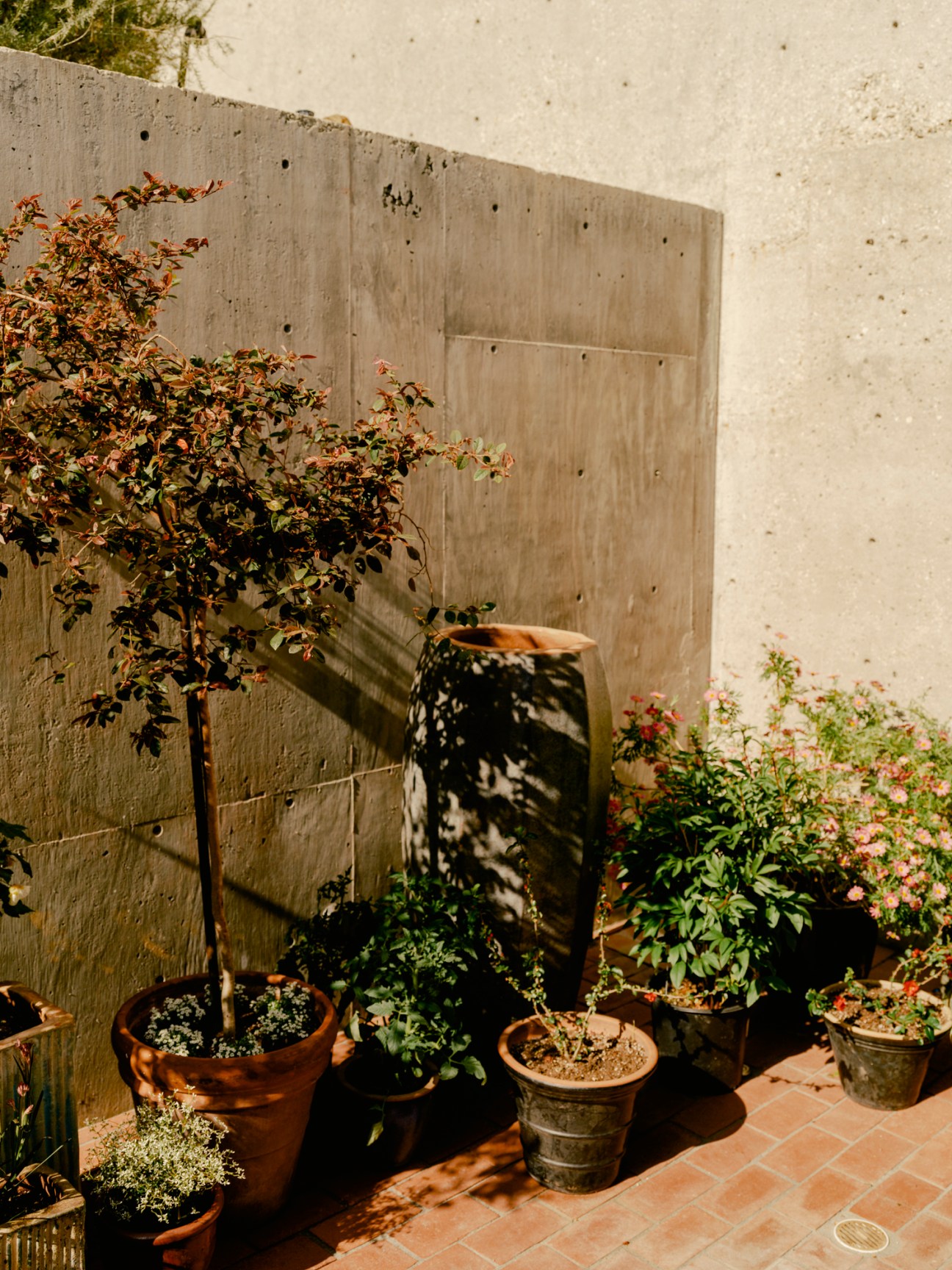
Fortunately, Mink, who dropped out of Georgetown University in Washington and moved to Manhattan to start over as an architect, isn’t the type to shirk a challenge. And now the work that has consumed much of the past decade of her life is done: a cruciform pavilion of concrete, glass, Douglas fir and oak nestled into the pastoral landscape of the Ojai Valley, a two-hour drive northwest of Los Angeles.
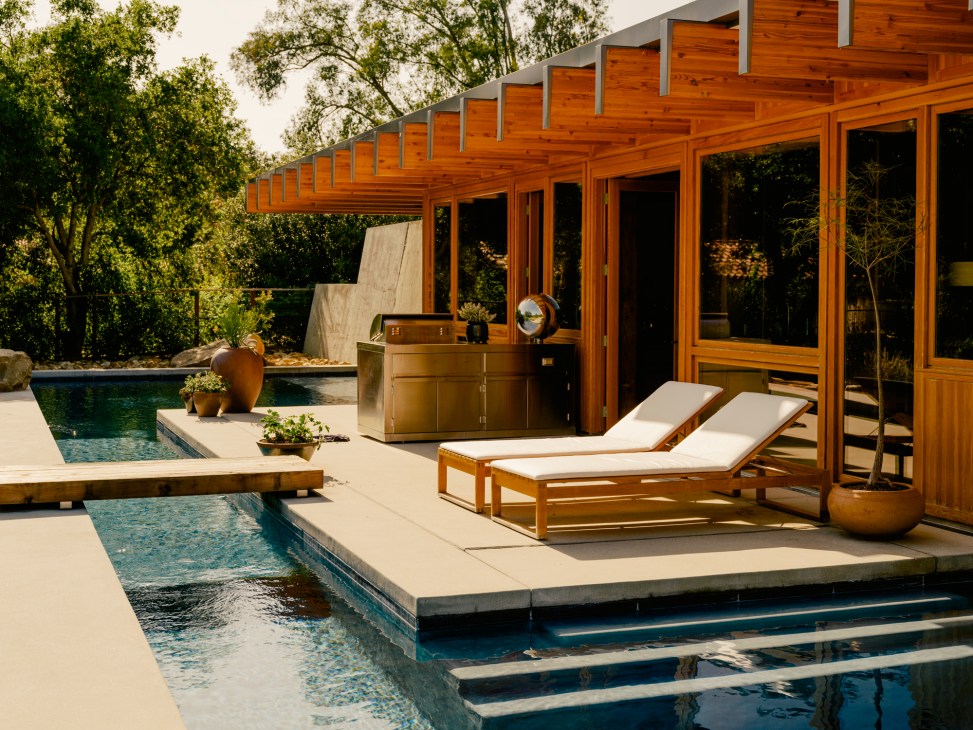
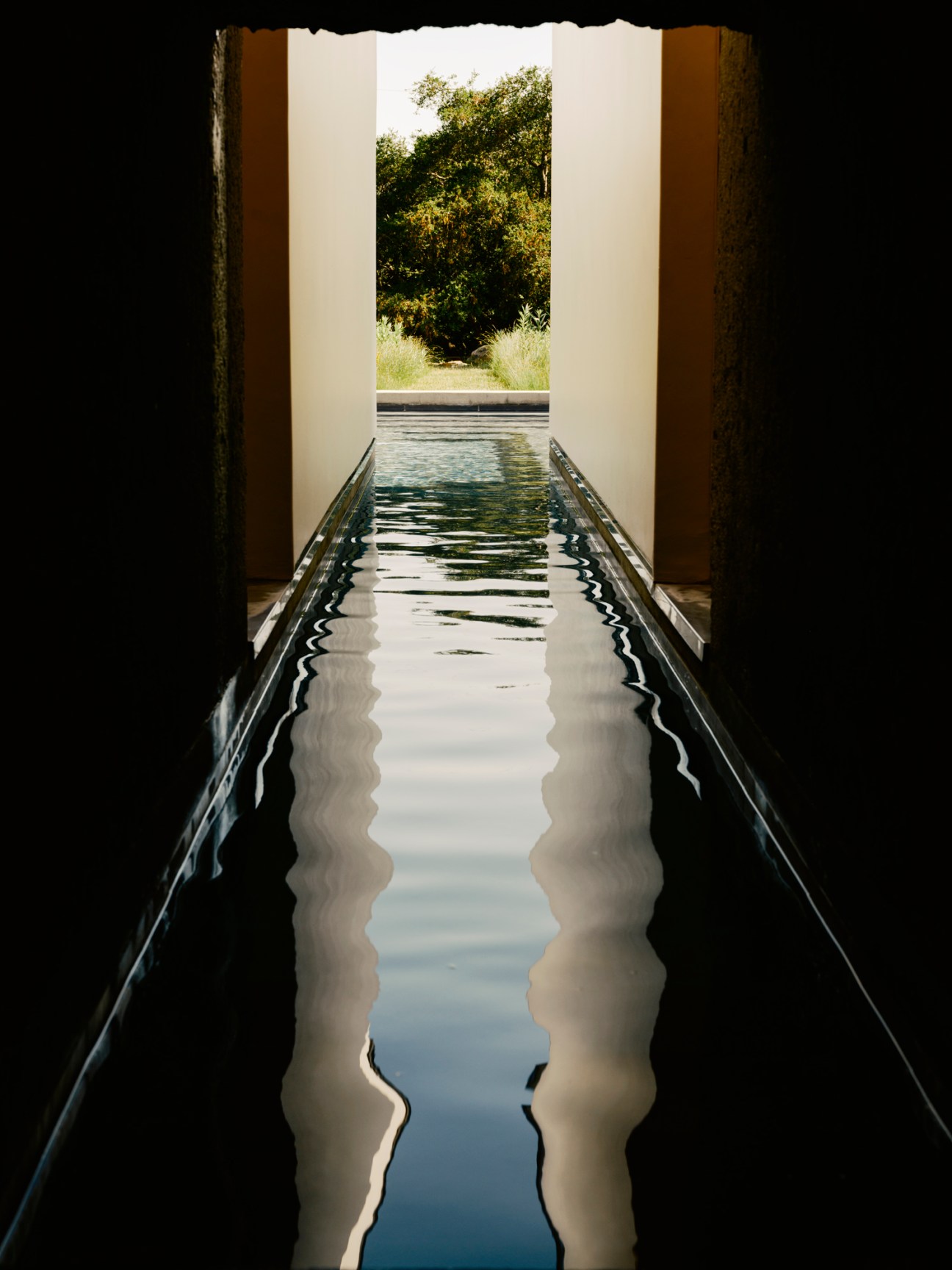

“I should never have built this house,” says Mink, 36, as she glances towards the rippling pool that runs the length of its rear façade. “It was way too big an undertaking for me. But it was the same with becoming an architect. I suddenly thought, ‘I want to make stuff.’ I just decide something – and then I decide that I can do it.“Dubbed “Prime”, Mink’s debut unfolds as a series of revelations. The front door – a giant slab of pivoting concrete – awaits at the foot of a sunken staircase, invisible from the street. A sunlit glimpse of pool and meadow beckons beyond the dim, burrow-like lobby. Framed by muscular glulam beams and a vast wall of windows, one colossal valley oak sways in the spring breeze. A lofted office meant for Mink’s father hides behind the monumental hearth; another compressed concrete passage leads to a pair of luminous bedrooms, which in turn open directly onto the stepped pool. But only by wading down the narrow waterway between the master suite and the detached guest studio can visitors reach the heart of the house – a secret “sanctuary”, complete with hot tub, at the bottom of what appears to be a massive concrete monolith rising high above the rest of the long, linear structure. “One contractor tried to talk me out of it,” says Mink, her voice reverberating off the high walls towards the open-air skylight above. “He told me that it would be damp and echoey. I was like, ‘Yeah, that’s the point.’”
Originally a student of literature, Mink worked at a restaurant while reapplying to New York’s esteemed Pratt Institute. Her uncle, a contractor who customised his camper and created his own miniature golf course, had died the year before. The loss helped her to understand how much she “loved making environments and possibilities”, like him. In 2012, Mink’s parents purchased the lot in Ojai, a longtime retreat for artier Angelenos; water and sewage issues had spooked other buyers. It didn’t take long for Mink to devise a water-treatment solution – or a design concept.
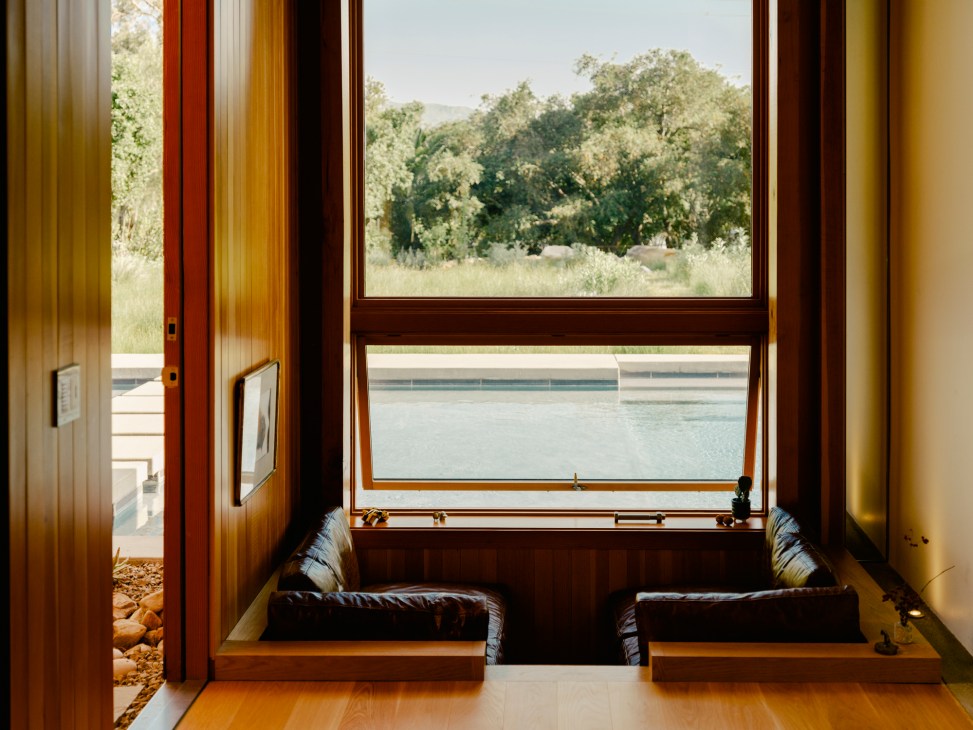
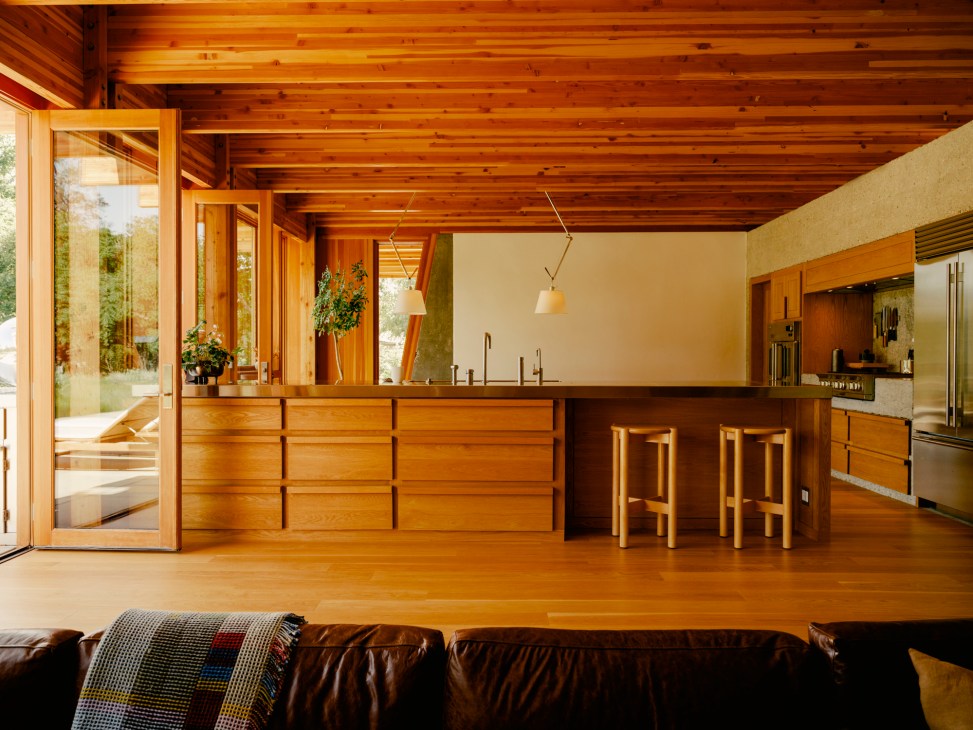

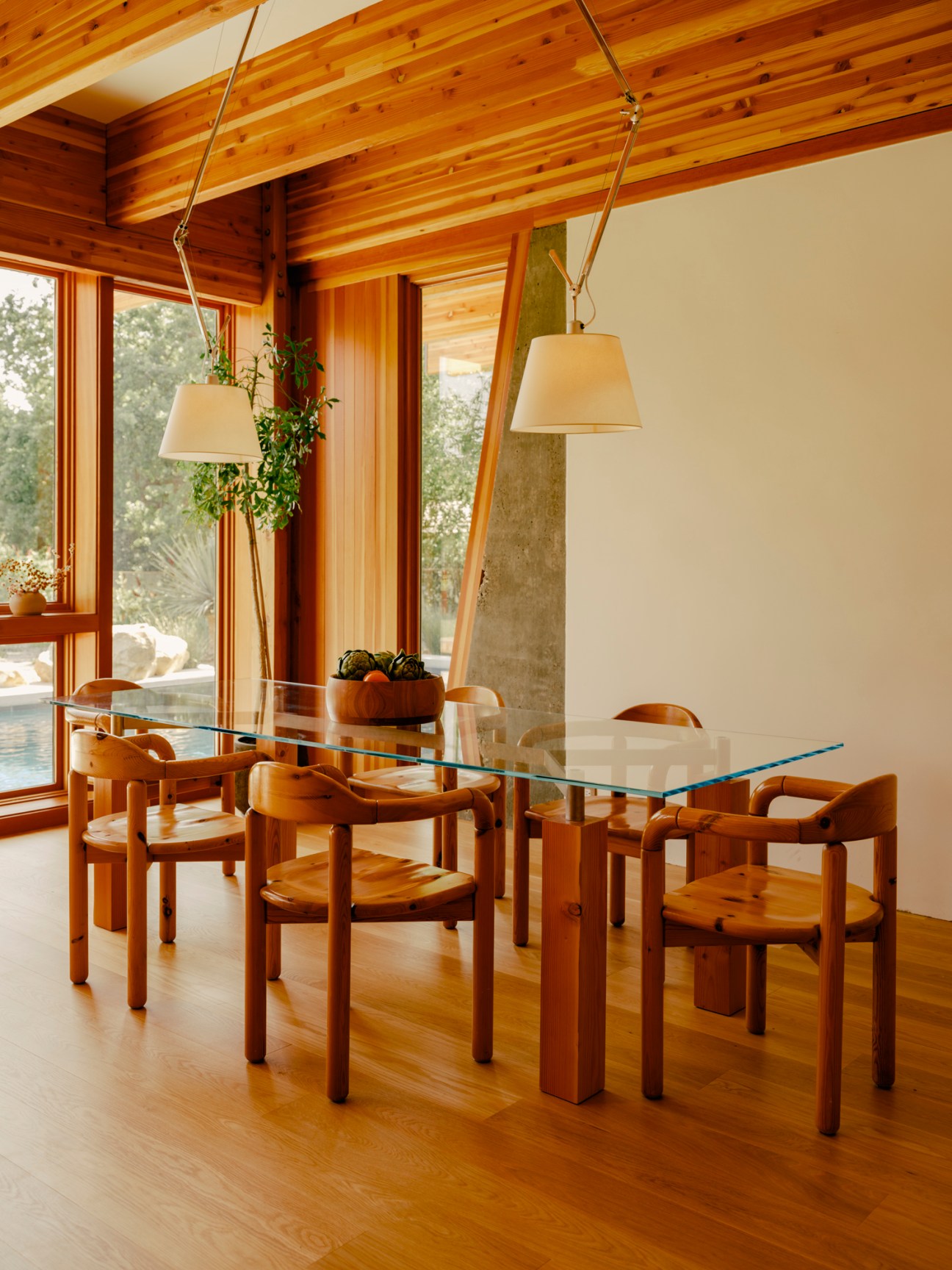
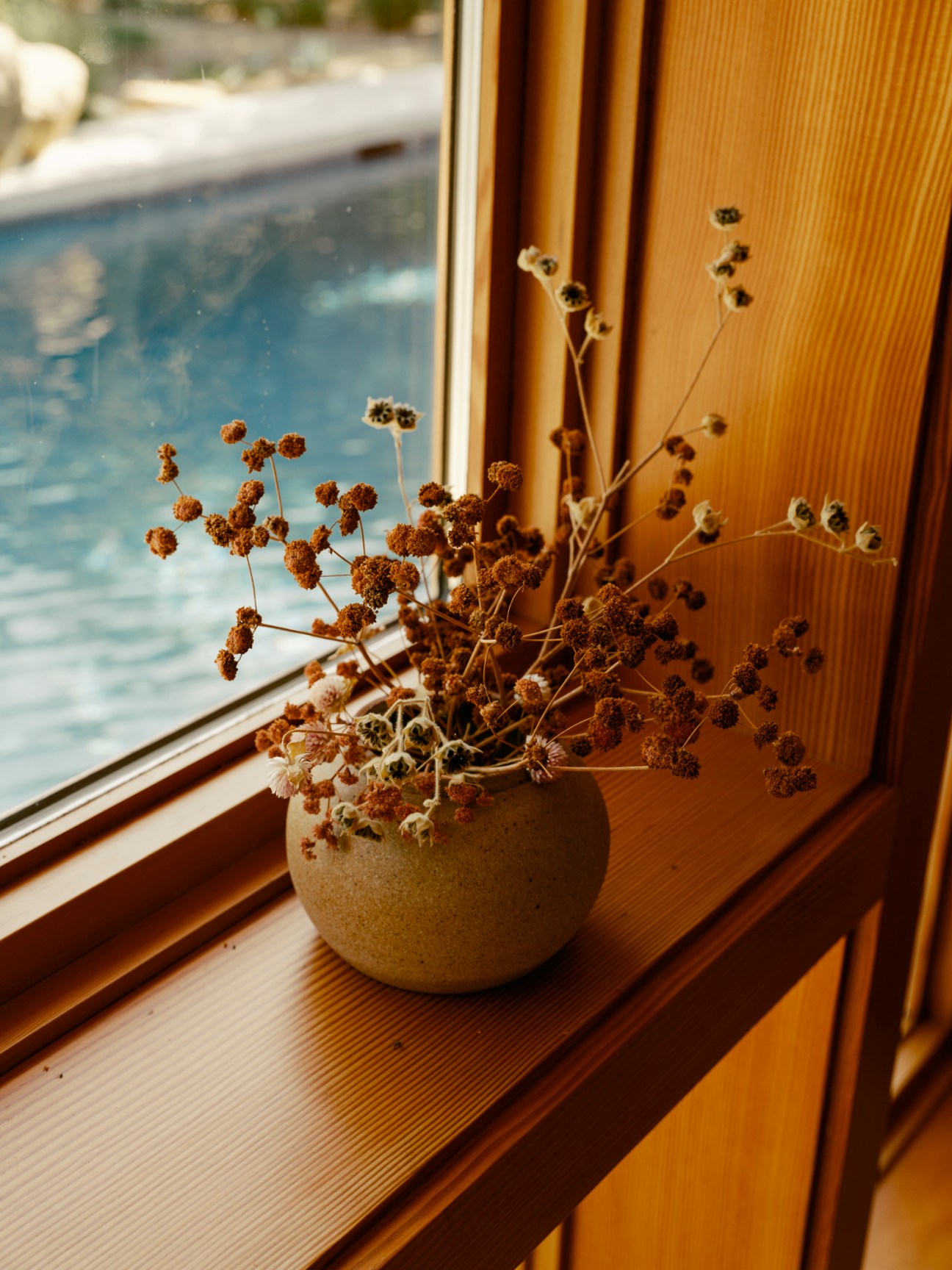
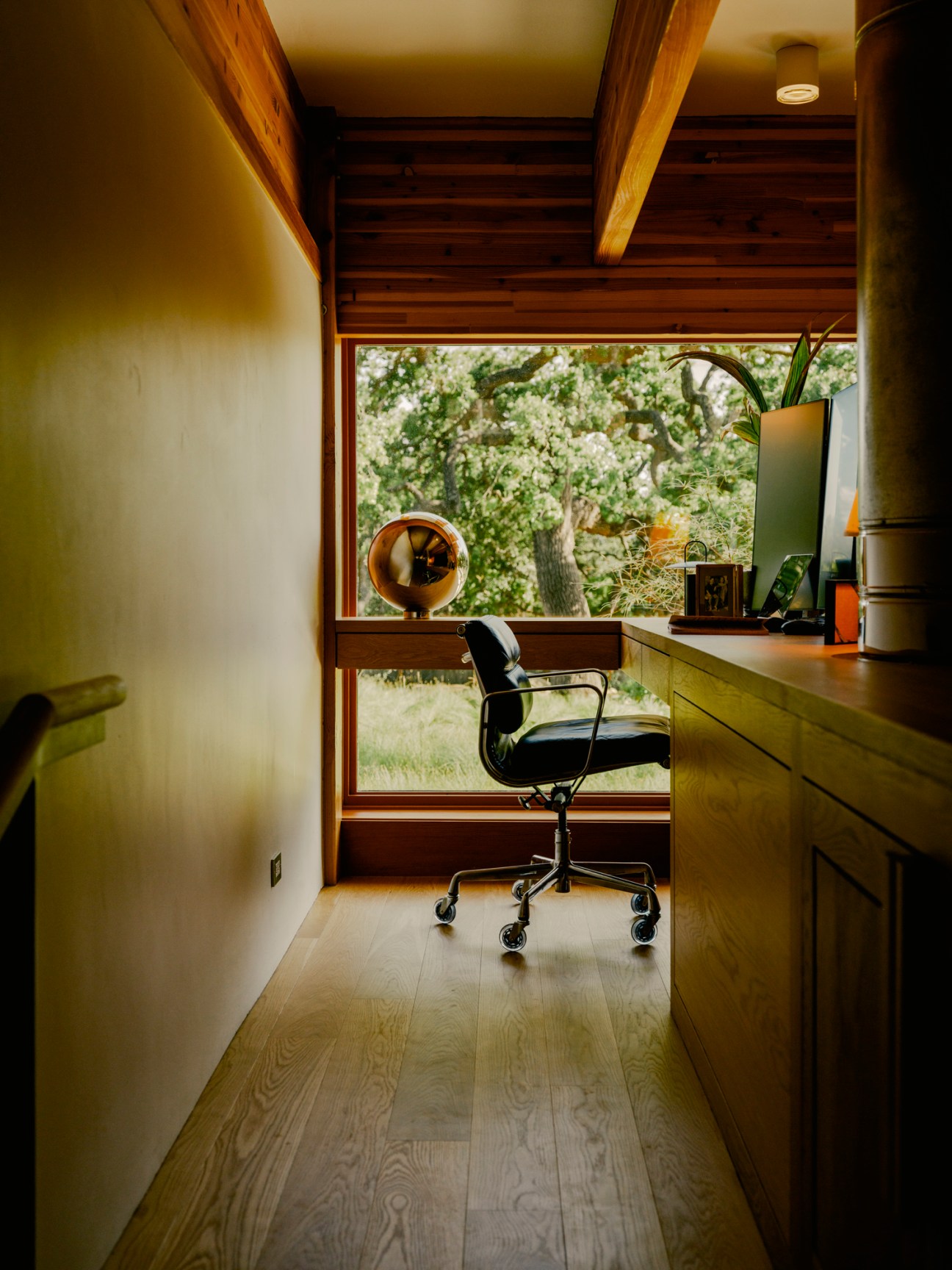
“It has always been about this concrete mass that extends the entire length of the property and houses a lot of the fixed elements, such as bathrooms and service areas, and how that intersects with the tower,” she says. “The intersection of any two things is where everything begins.”
Construction was more complicated. First came the Thomas Fire, which swept through the southern Californian landscape in 2017, then the Central Coast floods of 2018 – and then the pandemic. Costs soared. “This wound up being a much bigger undertaking than anybody expected, especially in terms of money,” says Mink. “It just wouldn’t have happened today.”
Natural disasters aside, the fact that Prime happened at all still seems hard to fathom. In some ways, the house summons a familiar history of California modernism: the primal palette of RM Schindler’s Kings Road House; the classical grandeur of Louis Kahn’s Salk Institute; the cabin-esque cosiness of Sea Ranch. Yet in a deeper way, it remains fundamentally defiant. It’s a space far less interested in serving as a spectacle for social media – or a concept for contemporary architectural discourse – than as a good place to live.
As the midday sun glints off the boulders in the garden, Mink perches at the kitchen counter and reflects on a few of her favourite details: the sunken living-room sofa; the custom dining table that she built by hand; the concrete shower tucked beneath a staircase; the automated waterfall shielding the sanctuary; the intricate cabinet that conceals her parents’ TV. But what has surprised her most? “How well it all works as a house,” she says.
Mink’s parents, in their mid-seventies, were unable to visit during the closing months of construction. Throughout, the architect had urged her mother to decorate. But the elder Mink would always demur, insisting that she didn’t want to muddle her daughter’s design. To which the younger would reply, “No, the house is meant for you to live in. I want you and all your things here.”
Finally, last June, Mink’s clients drove up from Los Angeles to see their nearly completed commission. “There were lots of tears,” says Mink. “They were so proud.” Soon after, Mink’s mother installed an antique floral light fixture in her bedroom.
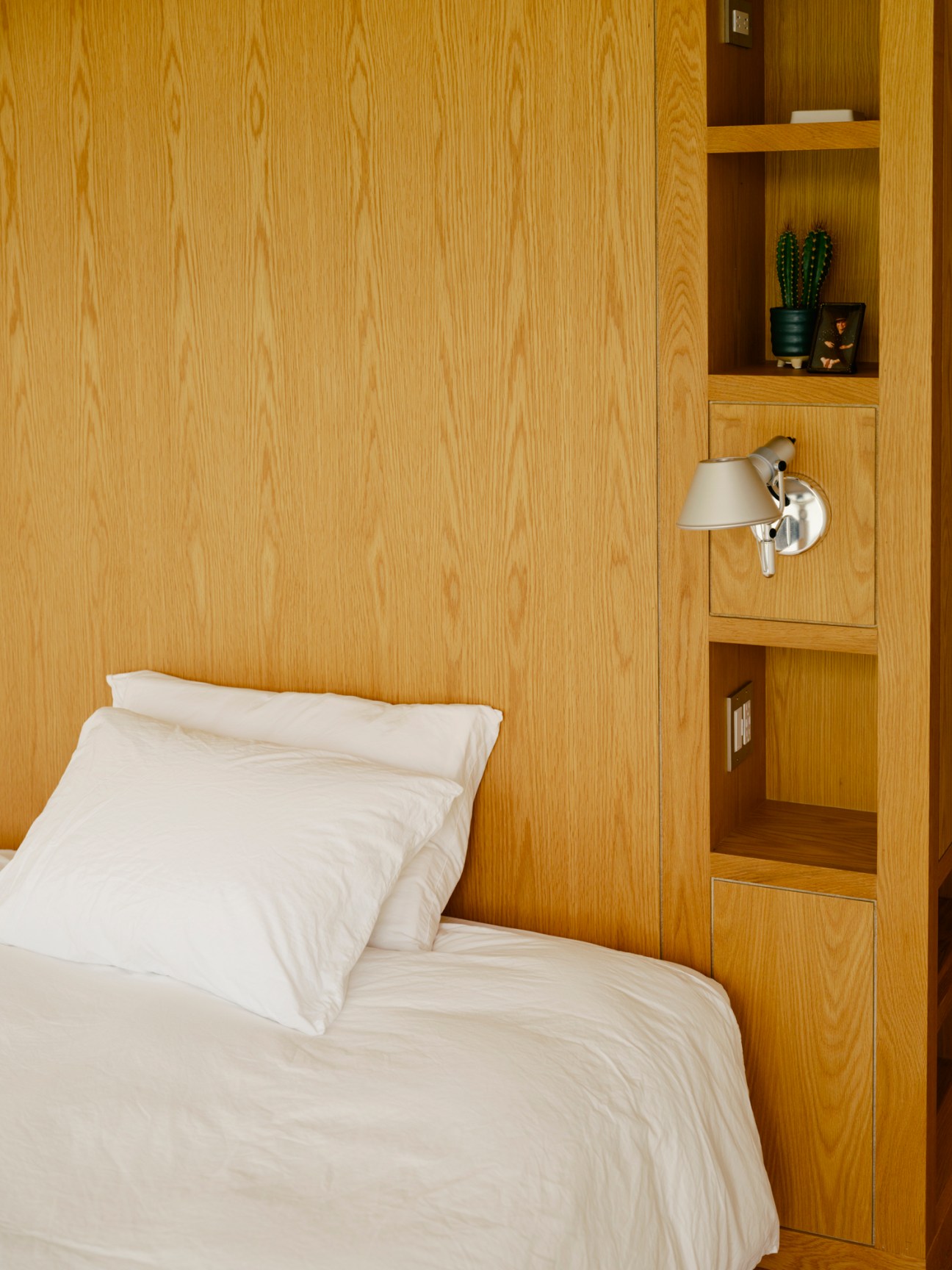
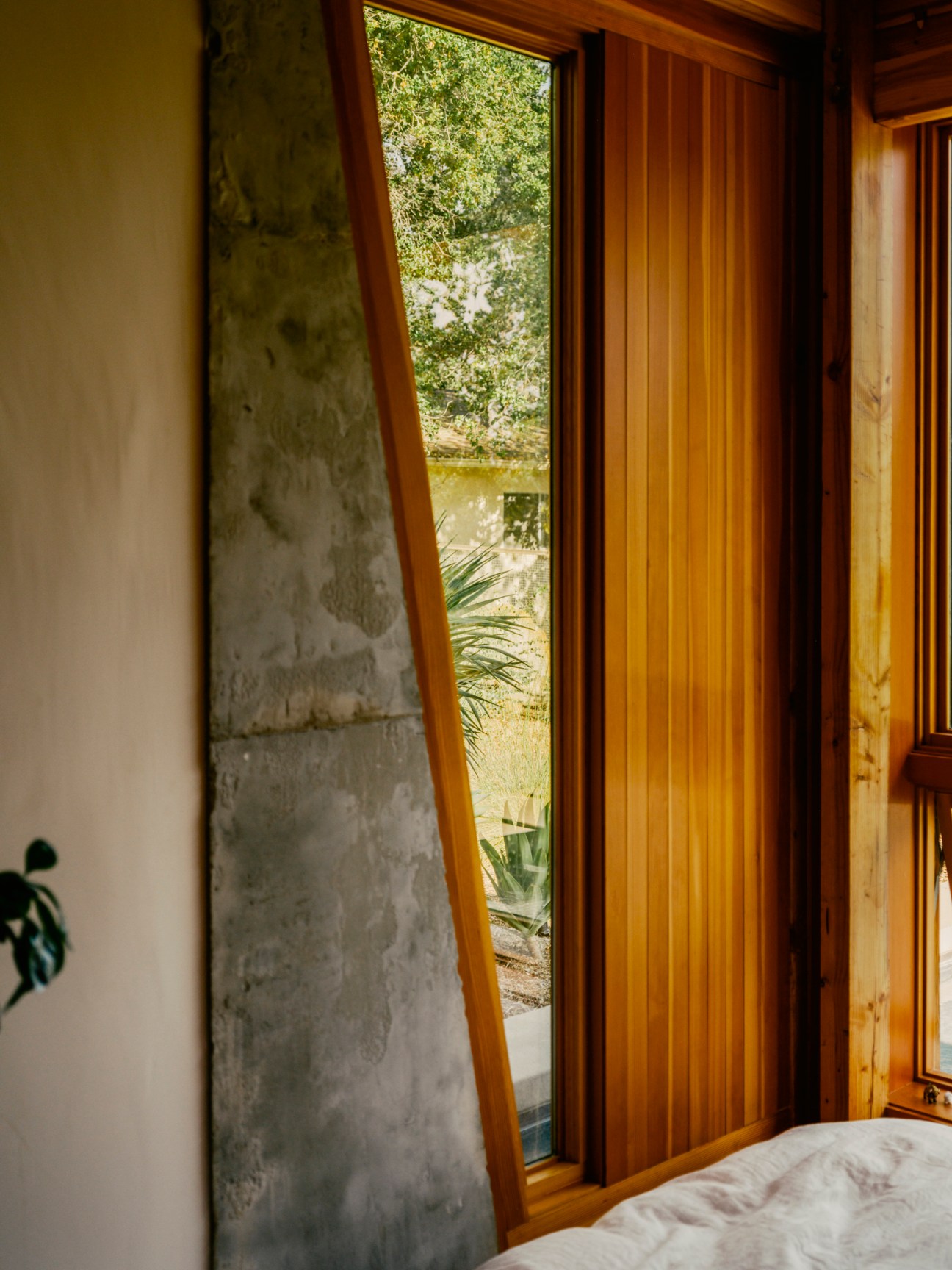
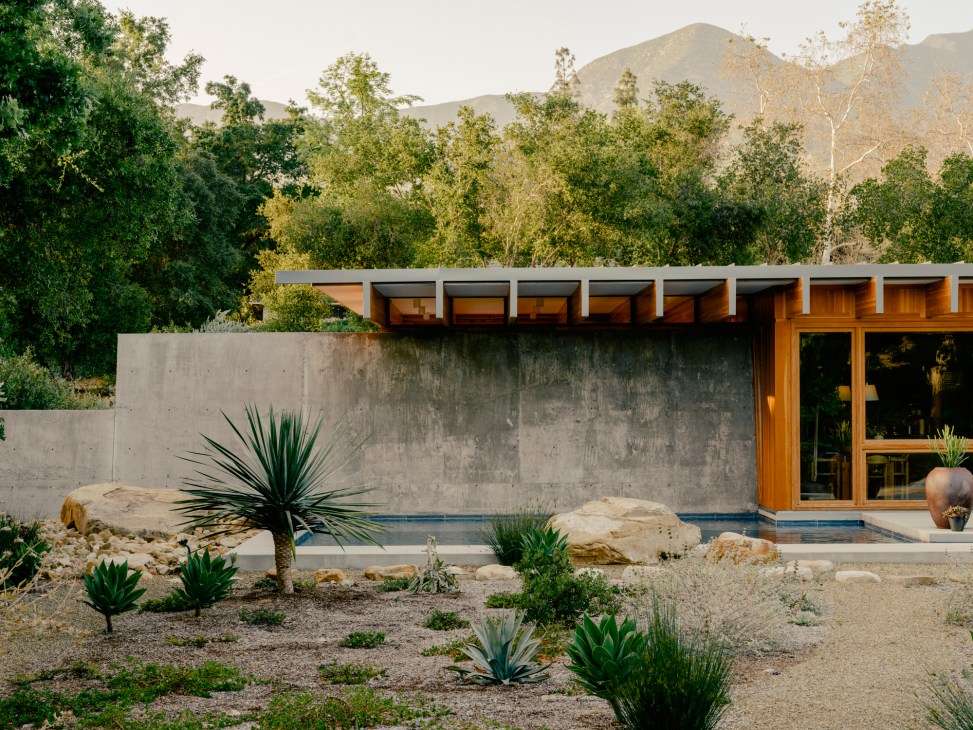
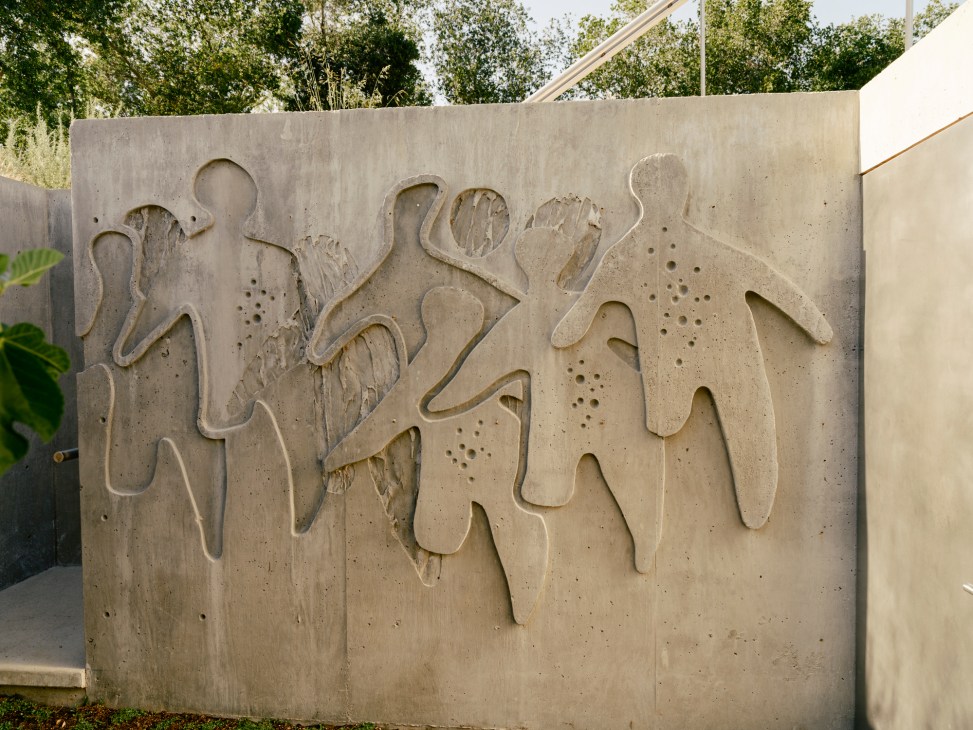
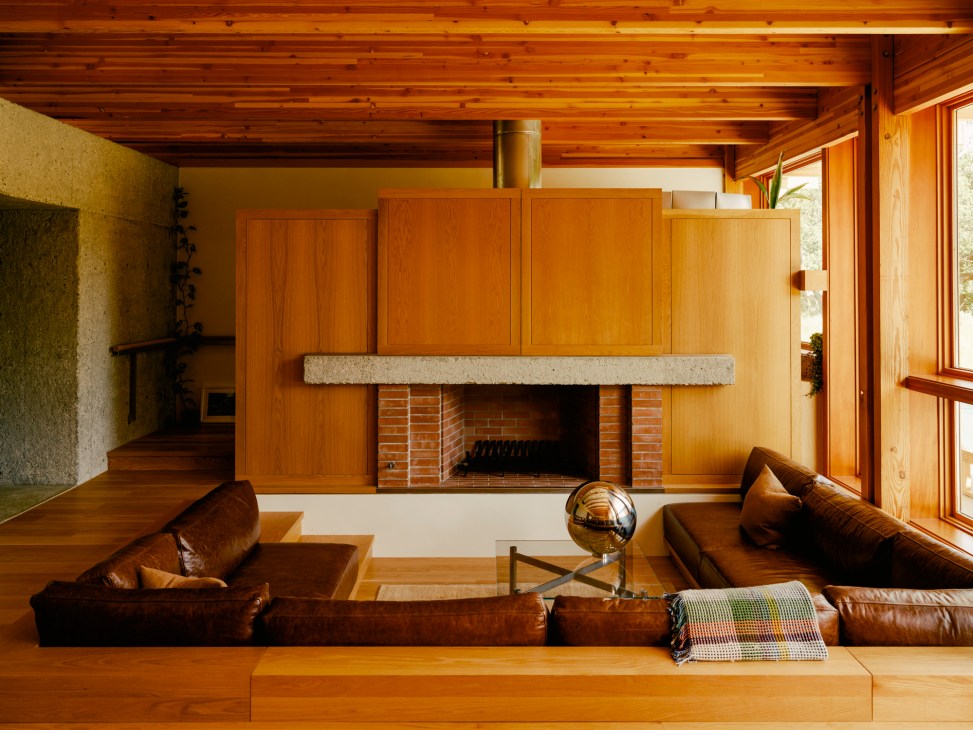
Family-first commissions
For any young architect striking out on their own, winning early commissions is the biggest hurdle to establishing a practice. Luckily for some, mum and dad were on hand to help out. Here’s a list of world-beating designers whose parents gave them all-important early jobs.
Rose Seidler House
Harry Seidler
An icon of Australian design, Seidler’s home for his parents, Rose and Max, overturned suburban house conventions when it was completed in 1950. Its spectacular use of timber and glass, bush stone and reinforced concrete created a boxy benchmark of mid-century modernism in Sydney.
Vanna Venturi House
Robert Venturi
The story goes that Venturi’s parents decided that he was to be an architect before he was born. So it shouldn’t come as a surprise that he would go on to build this house for his mother in Philadelphia. Completed in 1964, it is considered the first postmodern building due to its ornamental façade.
Gwathmey Residence and Studio
Charles Gwathmey
Gwathmey’s first residential project was a house for his parents, completed in 1965. Given carte blanche as long as it fell within budget, the New York architect created a “sculpture”, carving out rooms from cubic, triangular and spherical structural forms.
The Jerome & Carolyn Meier House
Richard Meier
Finished in 1965, this home was Meier’s first residential commission and forecast the New York-based architect’s signature style. Large glass walls bring the outdoors inside, with brick frontages providing privacy from the street.
22 Parkside
Richard Rogers
Completed in 1969, this house in South London is cited as a precursor to Paris’s Pompidou Centre, which Rogers designed with Renzo Piano. A single-storey home, it has moveable partitions inside, which allowed Rogers’ parents to reconfigure the layout to suit their needs.
Sharpen up: How pencil-maker Viarco secured global fans and healthy profits
One of the advantages of using a pencil rather than a pen is that graphite allows for experimentation (and mistakes to be erased); for sketching ideas before making them permanent. It’s this same notion of trial and error that José Vieira has used to breathe new life into Viarco, the Portuguese pencil-maker. “We can kick-start projects quickly,” says the CEO. “We don’t have to change an entire operation, rent a new space and create a whole marketing campaign around a new product. We can just try things out, spending almost no money.”
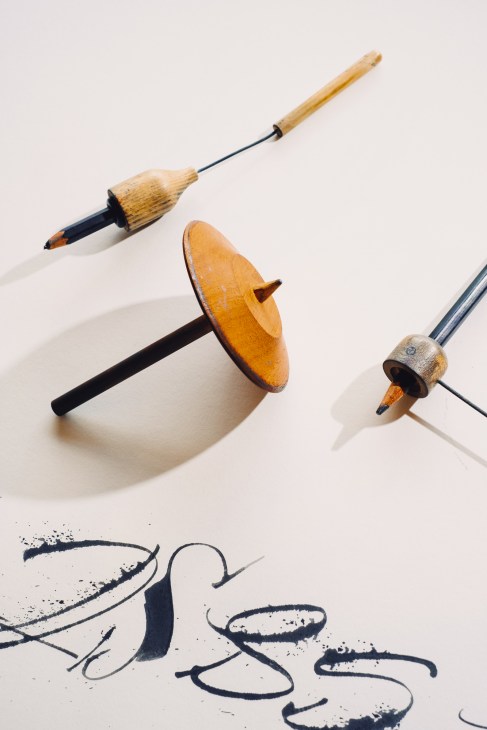
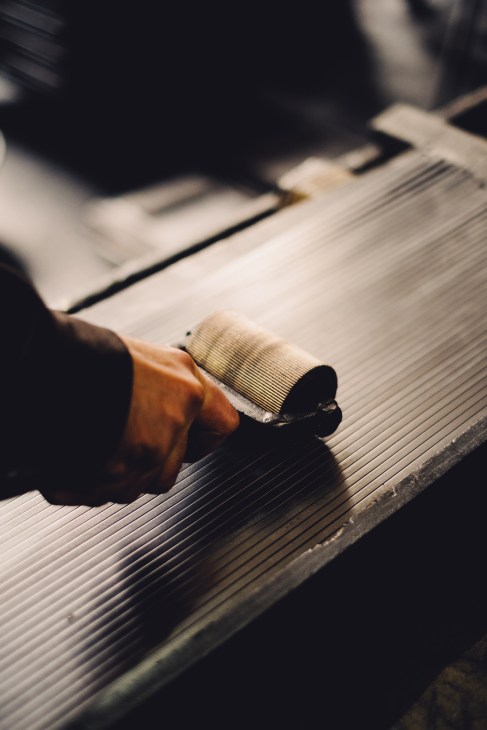
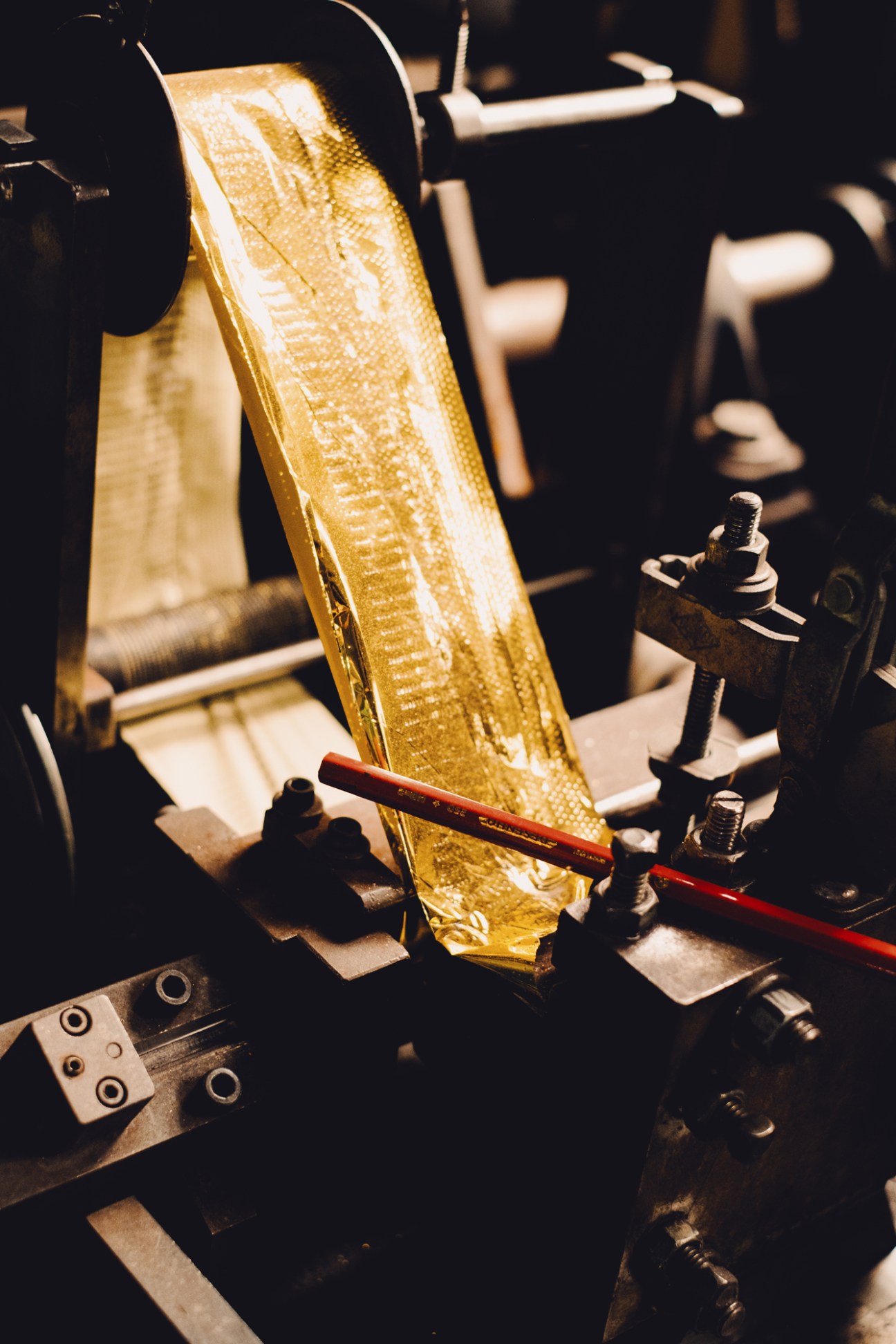
That nimbleness is possible because of Viarco’s modest size. The company has been around since 1907 but production remains artisanal. The factory in São João da Madeira, a tiny municipality south of Porto with a rich industrial heritage, is a low-tech operation of clattering machinery and about 20 staff working on detailed processes, often by hand. “It’s a nightmare of a factory in terms of efficiency,” says Vieira above the din. Despite all of this, Viarco’s pencils and graphite-based art products have become coveted by artists and stocked by premium retailers around the world and last year the company had earnings of €950,000.
So how has this small, traditional firm not only stayed relevant for more than a century but also found new fans? It hasn’t been simple. The business was founded as Faria, Cacheux & Co by Conselheiro Figueiredo Faria and Jules Cacheux in the town of Vila do Conde but it struggled during the Great Depression. In 1931 it was sold to Manoel Vieira Araújo – José Vieira’s great-grandfather – who had previously been a milliner. Araújo registered the business as Viarco in 1936 before moving it to São João da Madeira – and the factory that it occupies today – in 1941. In the years that followed, Viarco established a near-monopoly on the sale of pencils in Portugal, especially during the latter years of the Salazar dictatorship when every child used Viarco pencils and the regime’s censors struck out anything that they deemed offensive using an Olímpico 291. Today 50 per cent of all sales are in the country (20 per cent are in the US, another 20 per cent in the rest of Europe, the rest in Asia and South America).
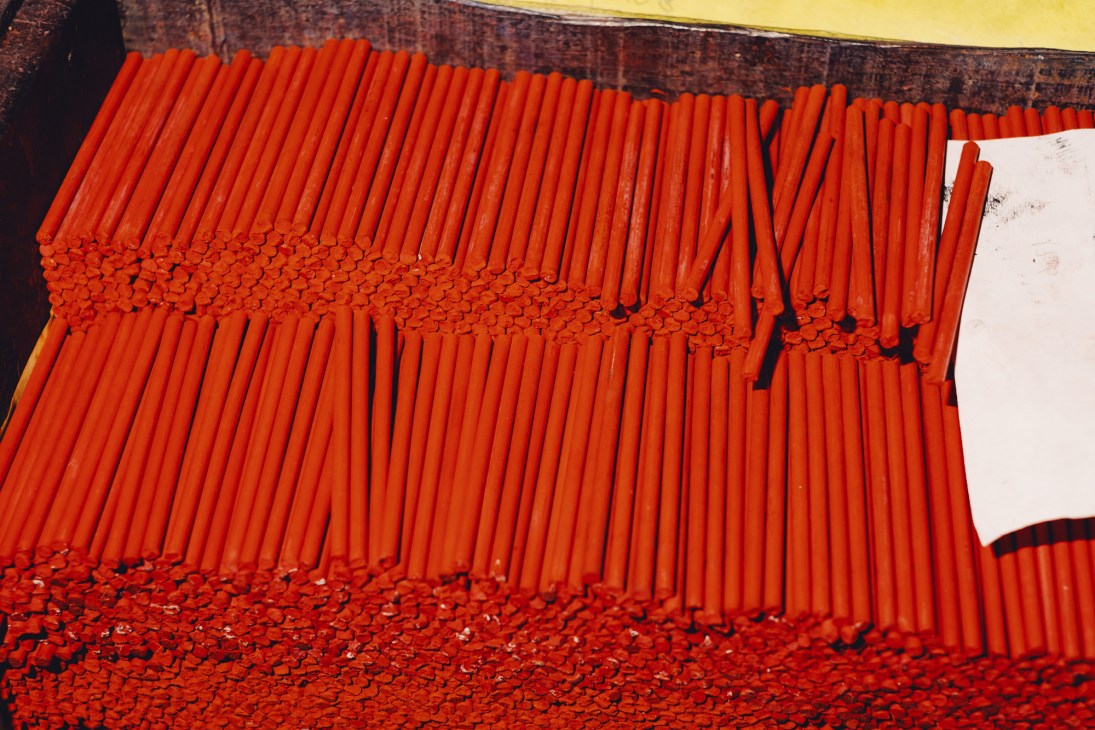
“Then came the revolution, followed by Portugal’s entry into the European Union,” says Vieira.“From one day to the next we lost space in the market. There were factories in Asia that could suddenly sell the finished product for cheaper than we could buy the wood we needed.” The new millennium would bring even more challenges and so, when Vieira and his wife, Ana, took control of the business in 2011, many thought that they would shutter the operation. “But then it hit me,” says Vieira. “We are the only pencil-makers in Portugal, the only ones that have this knowledge – and if we close, that’s it.”
This realisation made Vieira look at the business afresh. The factory might seem like an industrial relic but this also made it a symbol of Portuguese heritage and, matched with voguish vintage branding, could be a powerful marketing tool. “But we’re not a museum so we needed new products to sustain all of this,” says Vieira, who turned to one of the key constituencies who use his products: artists.
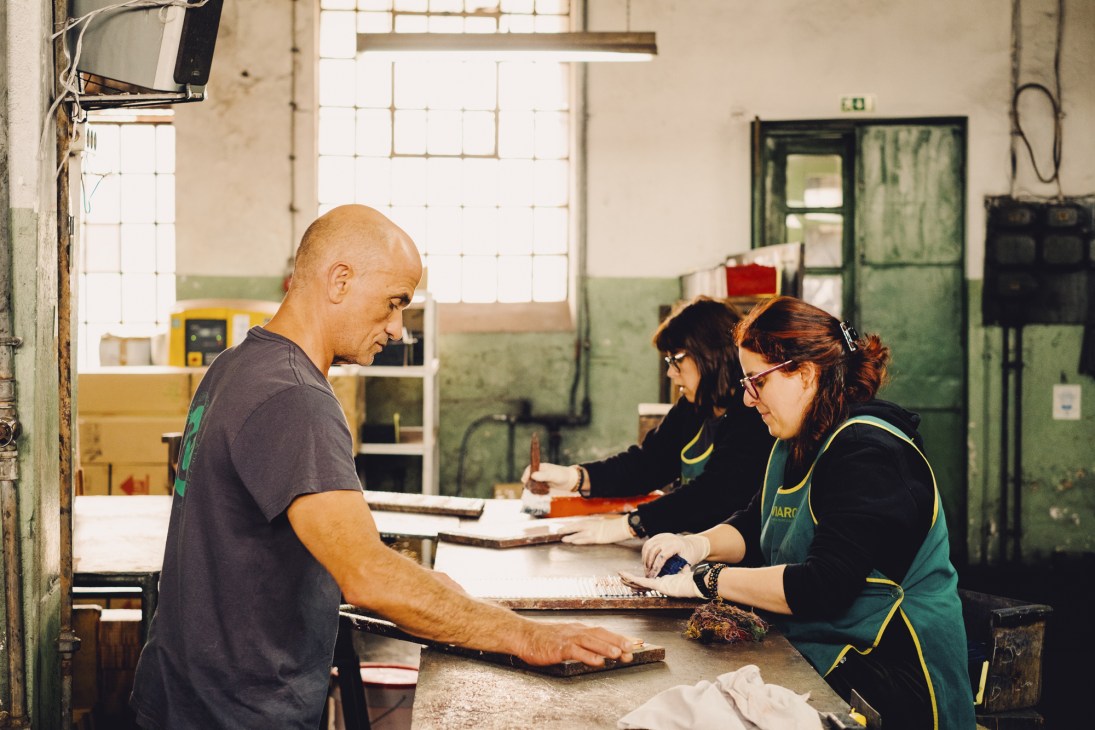
Since 2008 the factory has hosted artist residencies and it struck Vieira that the space that these visitors used could become a kind of r&d lab. “We’re neither carpenters, nor calligraphers, nor illustrators,” he says of his team. “We make pencils. But these artists who were coming here were using our products and so, if I had any technical doubts, I could go to them and get instant feedback.” This constant dialogue with the end users has propelled numerous innovations that have, says Vieira, rescued the business. “It’s not a very formal residency,” he adds. “We aren’t asking the artists who come here to create something specific or hold an exhibition, we just give them the space and tools to play with.”
Viarco’s new creations include leather satchels for organising your pencils and a clever drawing desk that rolls out fresh paper with the spin of a hand-crank. “It helps that we’re in an industrial area and we can run next door to prototype almost anything,” says Vieira. Other innovations have already become bestsellers, such as the ArtGraf range of speciality products, which includes a soft graphite putty that allows users to shape their own drawing tool and a soluble graphite that can be applied like watercolour paint.
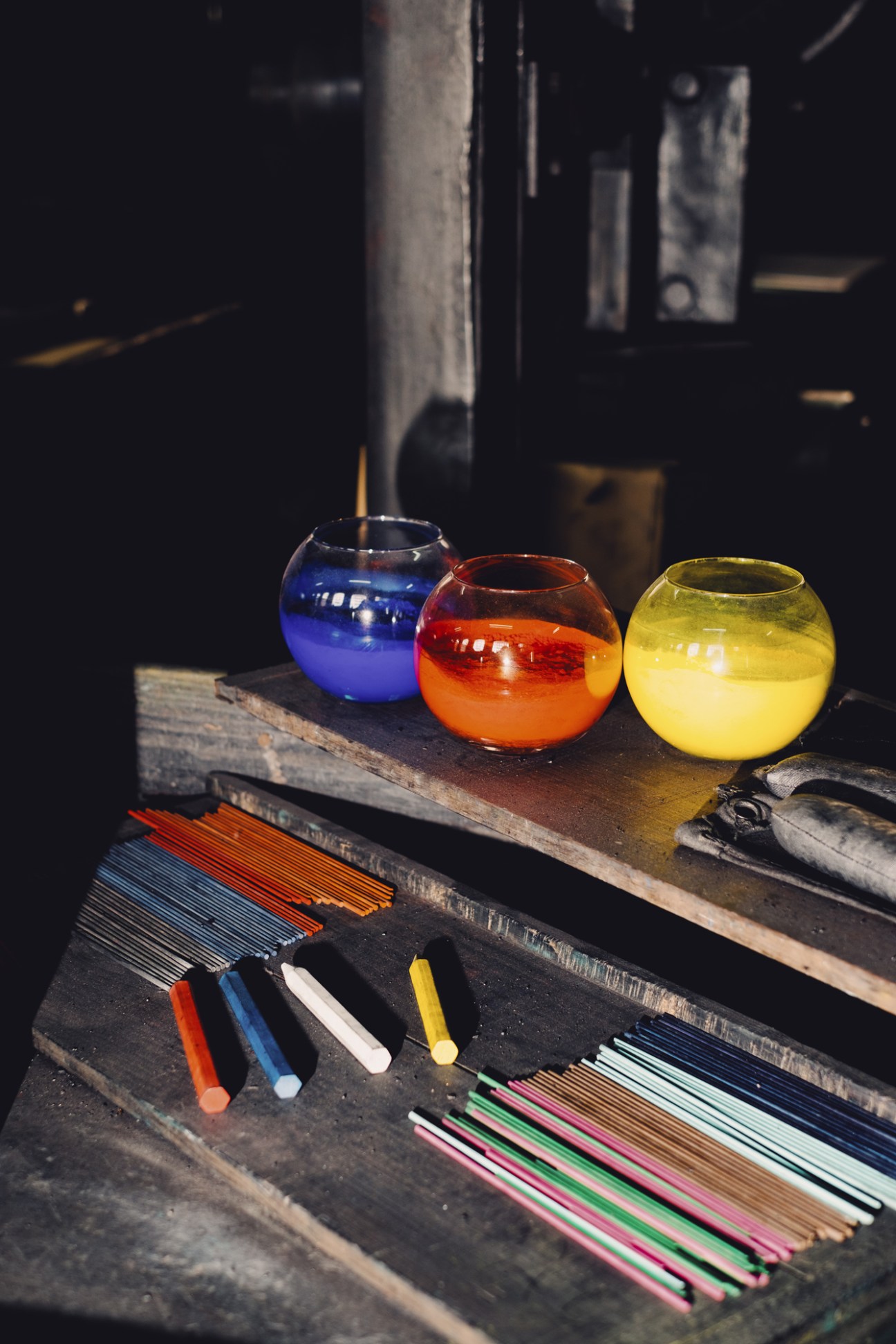
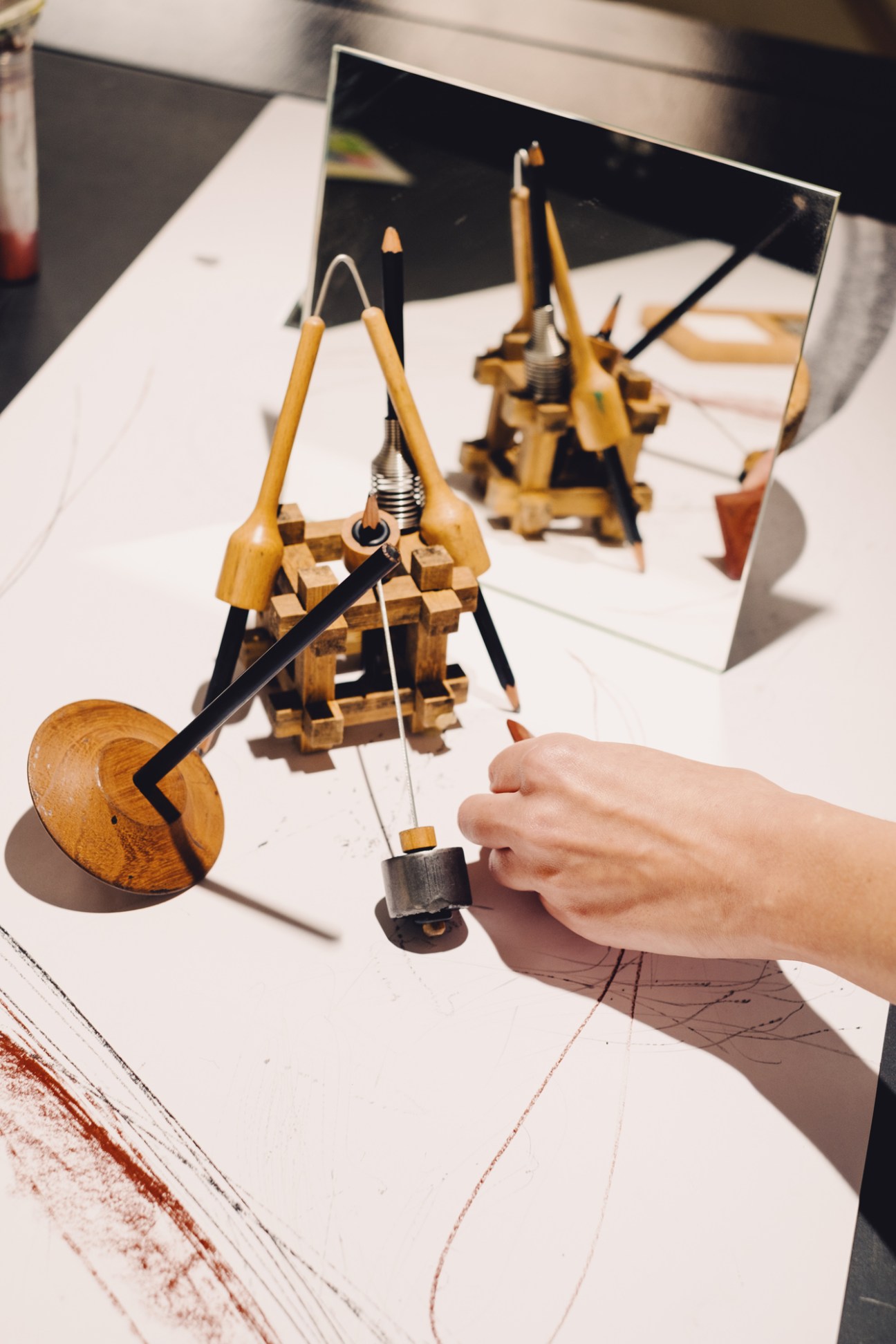
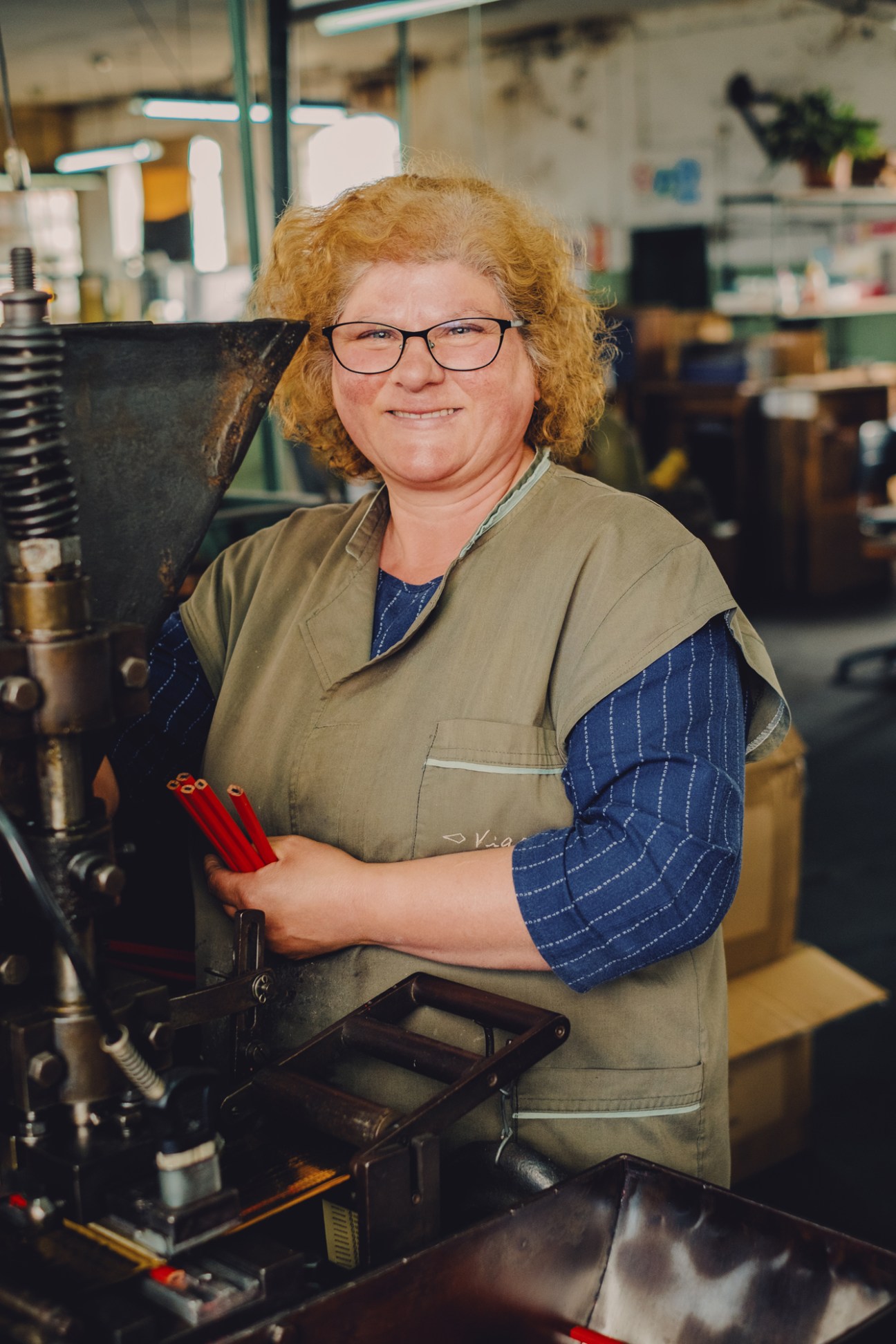
In February, Vieira attended Frankfurt’s Creativeworld trade fair where he gauged market interest for Viarco’s new pencils and scribers especially made for use with ceramics and silkscreen printing. “Every one of these products either came from a collaboration with an artist or was inspired by a residency,” he says, taking a chunky piece of raw graphite in his palm. The idea for this, the ArtGraf XL, came from a sculptor who, during his stay at the factory, expressed a desire for a heftier drawing tool. “If there’s something fundamental that I’ve learnt from these dialogues it’s that, while every physical thing that’s produced today has decades of studies and technique behind them, they’re no longer innovative. And if an industry stops innovating, that’s when people turn to the digital world with its heaps of novelty every day.”
Viarco has become involved in exploring new ways of drawing too. Noticing that several resident artists were creating contraptions to attach pencils to their fingers, Vieira decided to bring this idea to the factory floor. The experiment not only led to the creation of Ponta, a new spring-based fingertip drawing utensil, but also to a whole new way of thinking. “When we started experimenting with it, we began to consider the needs of people who don’t have fingers or properly functioning hands,” he says. “And suddenly we are researching tools for the elderly or people with special needs. A pencil is such a valuable tool. Think about everything it enables, from learning to creativity.”
Drawing attention
Viarco products to discover
Half of Viarco’s sales consist of professional and branded pencils for businesses. The other half is split between its premium ArtGraf line, design products and reissues of its much-loved vintage lines, which come in boxes featuring classic mid-century designs.
Up in the air
On a graffiti-tagged dead-end street in East Williamsburg, a neighbourhood that marries industry with Brooklyn cool, Air Company might seem, at first glance, to be just another artisanal distiller. Housed in one of a pair of galvanised-steel Quonset huts (a nightclub occupies the other), the start-up’s distillation machinery is running round the clock to keep up with the demand for its Air Vodka. A gold-medal winner in the 2019 Luxury Masters spirits competition, the beverage has the distinction of being “carbon negative”; according to the company, the act of producing each bottle removes 450g of greenhouse gases from the atmosphere.
Air makes its vodka and other products, including a fragrance and a hand sanitiser, in a similar way to how plants create nutrients from the sun’s energy. It takes carbon dioxide, captured at industrial facilities before it is emitted into the atmosphere, and hydrogen, generated from water using an electrolyser (a device that splits water into oxygen and hydrogen atoms), then runs them through its proprietary Carbon Conversion Reactor, which is powered by electricity from wind and solar sources. The result is pure ethanol, which, paired with water, becomes a premium vodka sold at $75 (€68) a bottle.
The company combines the diverse talents of co-founders Stafford Sheehan and Gregory Constantine. The former has a doctorate in physical chemistry from Yale University and a fascination with the idea of turning emitted carbon into useful products, such as fuel; the latter, meanwhile, is an Australian with a background in marketing who previously worked for spirits giant Diageo.
Carbon diversion isn’t cheap, says Sheehan. Producing alternative fuels means competing with fossil-fuel giants. “Look at that reactor,” he says, pointing to a machine that is roughly the size of a Volkswagen Beetle. “Now, compare it to an oil refinery. Those facilities have their own zip codes.” Air needed a product that could help to fund its research and would combine Sheehan’s scientific knowhow with Constantine’s ability to tell a good consumer story – something that they could sell at a premium. “The vodka,” says Sheehan, “is a by-product of our research and development.”
Last year the company received a call from members of the US Air Force (USAF). “They said, ‘We’re looking for innovative solutions from an aviation perspective,’” says Constantine. Air had been one of the winners of Nasa’s co2 Conversion Challenge in 2021, a project exploring ways to turn the chemical compound into sugar, which astronauts could one day use to make useful products such as adhesives, food and medicine on Mars. The usaf had got wind of some of the work that Air was doing to convert co2 into sustainable aviation fuel (SAF). “They told us, ‘There’s an opportunity if you guys have the ability to deliver volumes within 90 days.’”
Though Air was struggling to keep up with the demand for its vodka, the company decided that the “internal sprint” was worth it. Air Factory One, as the Brooklyn site is known, produced about 20 litres of Airmade saf, poured it all into “dairy cans” labelled with hazmat stickers, placed them on a pallet and shipped them to Florida. There, the Brooklyn-produced jet fuel was pumped into an unmanned aerial vehicle with no special modifications made to the engine. The usaf was impressed with what it saw. “The most recent round of testing confirmed it as the first fuel made entirely from carbon dioxide emissions that matches the properties and performance of Jet a-1 [conventional jet fuel],” it reported.
On the strength of that test, Air was awarded a $65m (€59.2m) grant from the US Department of Defense’s Defense Innovation Unit this year to install its saf production technology at military bases, partly to reduce the risks of transporting fuel (for every 24 fuel convoys that the US Army undertook in Afghanistan, it sustained an average of one casualty).
That a small company best known for producing top-shelf vodka is fuelling the planes of the world’s largest air force shows how wide-ranging the search for sustainable aviation fuel has become. As aviation bodies and airline carriers commit to the goal of carbon neutrality by 2050 – and to myriad intermediate targets ahead of that – the hunt is on for a reliable, cost-effective alternative fuel that can “drop in” to existing engines. According to the International Air Transport Association, saf is expected to contribute about 65 per cent of the carbon savings (with improvements in aircraft and traffic management, among other things, expected to supply the rest).
Of course, saf is hardly new. More than 450,000 commercial flights have flown on conventional fuel blended with a sustainable alternative since 2008, when a Virgin Atlantic 747-400 flew from London to Amsterdam partly powered by a biofuel comprised of coconut and babassu oils. If you have flown out of an airport such as Los Angeles International (LAX), you have probably been on a plane whose tanks contained at least a small amount of saf.

The number of approved means of producing saf, however, has grown in recent years. Fuels produced through the conversion of biomass waste have been joined by so-called “power to liquid” solutions, such as Air’s, whose “feedstock” is not a waste oil but co2. “We have a methodology to produce a synthetic jet fuel from fats and greases, sugars and starches,” says Steve Csonka, executive director of the Commercial Aviation Alternative Fuels Initiative. “We’re almost there with a full suite of technologies to produce fuel from all manner of circular-economy waste streams.”
All of this technological innovation will be needed to close a huge supply gap. Last year about 300 million litres of saf were produced, according to the iata. That compares to a pre-pandemic consumption height of 359 billion litres of conventional fuel. To put it another way, the entire annual output of Air Company’s Air Factory One would be sucked up and expelled by the engines of a wide-body plane on a single flight from New York to London. The need to produce sufficient quantities of fuel – and at a cost that is more competitive with fossil fuels – is leading companies to scour the planet for the raw materials for saf. “Even with this whole suite of technologies, there’s no silver bullet,” says Csonka.
The world’s largest saf producer is Neste, a Finnish energy company formed after the Second World War to secure the country’s fuel resources. Headquartered in Espoo, it was long known as Neste Oil but it dropped the second word in 2015, signalling a move away from fossil fuels. Jonathan Wood, Neste’s vice-president for renewable aviation, tells Monocle that the company had long had a prowess for converting lower-cost “sour crude”, largely from the former Soviet Union, into high-quality diesel. A few decades ago it began to use that expertise to develop technologies to transform fats into fuels and began opening renewable refineries. It produced its first saf in 2007. “The renewable part of the business wasn’t making money for years,” says Wood. “But we stuck it out. Now it’s making a return and that’s going into the renewables arm of the business.” Neste – and, indeed, Finland – has one remaining crude-oil refinery but that too will soon shift to renewables.
While the company produces 3.3 million tonnes of renewable fuel and other products a year, only about 100,000 tonnes are bound for aeroplanes. By the end of 2023, however, Neste expects to have boosted its saf-production capacity to 1.5 million tonnes, thanks to new refineries in Rotterdam and Singapore. Even this increased supply would account for less than 1 per cent of global aviation fuel, says Wood. With an EU mandate expected in 2025 to call for saf to comprise 2 per cent of Europe’s aviation fuel, “Neste’s production alone would exceed what that would require,” he says.
Neste produces a kind of saf known as Hydroprocessed Esters and Fatty Acids (HEFA) by using hydrogen to convert a feedstock, such as cooking oil, into jet fuel. While Wood underscores the importance of working with larger sites of carbon emissions, such as factories, much of Neste’s fuel comes from the fryer baskets of restaurants – from Wingstop to Burger King (in the US alone, Neste collects oil from about 80,000 restaurants). At the most recent Super Bowl, in Arizona, Neste, working with US company Mahoney Environmental, collected about 3,220 litres of cooking oil. That oil, however, needed to be transported back to Finland to be refined, which is one reason why Neste’s saf can cost as much as five times more than traditional fuel (the Neste saf used at airports including lax, meanwhile, is shipped from Finland). Wood points out that carbon-pricing regimes that impose costs on the externalities of emissions, as well as the efficiencies and learning effects of scaling up production, will eventually force fossil-fuel and saf prices to converge. In the meantime, government policy must support the forward-looking bets of Neste and others, he says.

The more saf that Neste produces, the greater the pressure on the available quantities of cooking oil, or whatever the feedstock happens to be, and the more you risk competing with sectors such as the food industry. That is why companies are seeking to broaden the range of materials that can be converted into saf. For example, US-based saf pioneer World Energy uses tallow, a by-product of beef production. But Timothy Obitts, CEO of Washington-based Alder Fuels, warns that there’s a finite supply of even tallow. “In North America, there’s about eight billion pounds [3.6 million tonnes] of tallow produced every year,” he says. “If you were to take all of the tallow in North America and make 100 per cent of that into jet fuel, you would be talking about a billion gallons [3.8 billion litres] of saf.” Not a small number on the face of it. “But we need 25 billion gallons [95 billion litres] and it continues to grow,” he says. How to meet that demand? “The only way we’re going to get there is by looking at abundant biomass that is scalable and commercial.”
Alder uses waste products from forestry and agriculture for its feedstock. These range from bagasse, the fibrous residue from sugar-cane production, to purpose-grown grasses such as miscanthus. The advantage of the latter, notes Obitts, is that you’re “using dirt that can’t bear crops and basically rehabilitating it”. Alder builds on pyrolysis, a heat-driven decomposition process, to create a kind of oil. “People have been trying to figure out for years how to make this pyrolysis oil,” says Obitts. “It’s simple and easy to make, and can be refined.” Through Alder’s proprietary process, backed by grants from the US Department of Energy, a “greencrude” is produced that, says Obitts, has the potential to be “a lot closer to the price of fossil crude oil without the incentives”. Citing research from the US Department of Energy, he says that the use of existing forestry and agricultural residues could supply enough biomass-derived fuel to offset about 75 per cent of conventional fuel consumption in US aviation.
Alder is in a rapid commercialisation phase and already has a commitment from United Airlines to its product. There are currently only two facilities in the US that produce saf at scale, says Csonka. But more are on the way. “If you look at the offtake agreements [the arrangements that airlines make to buy a company’s future production], the entire production of jet fuel has been more or less completely purchased for the first 12 facilities.” Nine of those 12, says Csonka, “don’t even have even concrete or steel in the ground but the airlines have bought fuel from them. We have a lot of production in our future.”
At the site of the Germany Aerospace Center in the town of Jülich, North Rhine-Westphalia, two towers rise from a field. They are surrounded by a cluster of more than 2,000 mirrors that track the sun’s movement and beam the reflected light towards the towers. Last year, Swiss start-up Synhelion, which was spun out of research by eth Zürich, used the facility to produce “sun-to-liquid” synthetic fuel, or “syngas”, on an industrial scale for the first time.
Gianluca Ambrosetti, Synhelion’s co-CEO and co-founder, says that the idea of using mirrors – “heliostats” – to harness the power of the sun’s rays has a long history, from the mythical story of Greek sailors using bronze shields as mirrors to destroy the Roman fleet in 212bc to the deployment of solar-concentration power plants in places such as Spain and California. The technology fell out of favour, he says, after the price collapse of photovoltaic panels but it has an advantage when it comes to producing fuels: heat. Synhelion has been able to reach temperatures exceeding 1,500c in its receiver; that heat is directed into a reactor, along with bio- methane and co2, to produce a syngas that is then converted into sustainable liquid fuel. Because heat can be stored much more efficiently than electricity, he says, the plant can run at night using the preceding day’s sunlight. He explains that the whole process echoes the way in which greenhouse gases are created, albeit in this case harnessed for benevolent ends. “We are turning an enemy into a friend,” he says.
Backed by investment from Swiss International Air Lines, as well as industrial firms such as Mexico’s cemex (with which it is developing a way to drive cement production with solar thermal energy instead of burning fossil fuels), Synhelion has broken ground on an industrial demonstration plant in Jülich, with plans to construct a commercial facility in Spain in 2025. Ambrosetti says that the plant will produce 1.25 million litres a year. That scale would be below the radar for the fossil-fuel world but he says that for “solar people”, it’s “already huge”.
While scale will be the watchword in the world of saf over the coming years, Ambrosetti says that, unlike in the technology industry, this isn’t “a winner-takes-all game”. “Because of the way that energy conversion works, you will have a series of boundary conditions that makes one technology better than the other,” he says. As crucial as government intervention is, favouring one technology at the expense of others could hinder innovation, which might be the most crucial feedstock of saf. How quickly we will reach genuinely sustainable flying is a roundly debated question, one that might ultimately be driven more by policy and price than technological feasibility. But one thing is clear: there is no one fuel yet poised to fill every tank.
Bay watch
It’s a choppy day in Narragansett Bay, Rhode Island, as a pair of rocket-shaped drones skip over the swell. They stop abruptly, noses pointed skyward in the dark water, awaiting a signal to dive into the deep. “You just throw these boys in the surf and off they go,” says Ian Estaphan Owen, a Welshman who served in the UK’s Royal Navy and worked for US defence manufacturers Raytheon Technologies and Lockheed Martin before co-founding Jaia Robotics in December 2020. In a historic bay-side workshop, where Burnside rifles were assembled during the American Civil War, Owen developed this small, inexpensive craft that autonomously collects real-time data about conditions beneath the waves. “There’s also a payload option,” he says, running a hand along the bright red body of the Jaiabot. “You could put a bit of c-4 [explosive] on it and really annoy somebody.”
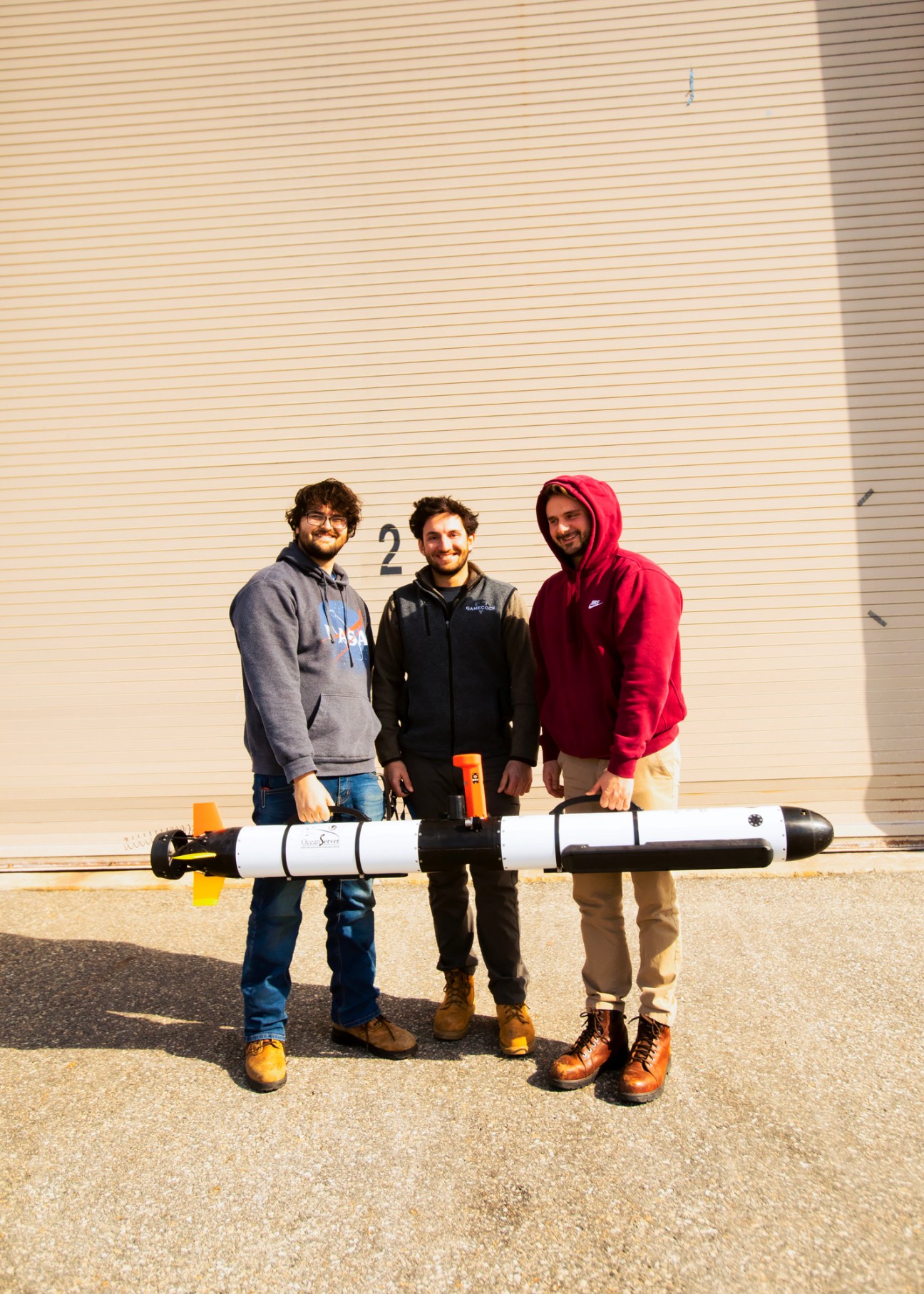
Jaia Robotics attracted more than $1m (€1.7m) in seed funding last year and its Jaiabot drone has caught the US military’s eye as a tool for finding safe spots for amphibious operations when the waves are high. It’s one of the many firms and start-ups that are clustered on Rhode Island’s coastline, an emerging blue economy of maritime expertise, ideas and manufacturing.
For 2024, the Pentagon has requested an $842bn (€769bn) budget – the largest in US history – and embarked on one of its biggest peacetime procurements. While America’s major defence players will reap the benefits, the Department of Defense (DOD) is also looking to grow its network of small defence businesses across the US – and Rhode Island is showing the way. Beyond the quaint, cobbled streets and Gilded Age mansions of Newport, a growing cadre of factories and laboratories are supplying the US Navy with undersea technology, from vessels that can withstand depths of 6km to onboard systems for submarines.

Pacmar Technologies, for instance, has expanded its historic canal-side workshop where it makes prototypes and inflatables for the navy, as well as carrying out undersea work that it must keep tightly under wraps. “Being in Rhode Island gives us access to a wealth of partners to grow our undersea line of business and ensures that we are staying in lockstep with the navy’s needs,” says Pacmar’s chief technology officer, Priya Hicks. Down the road in Quonset Point, General Dynamics Electric Boat is building the next generation of American submarines, the Columbia class, which is billed as a potential game-changer in undersea warfare, even if it won’t be delivered until 2031. “We need to have a strong workforce pipeline to ensure that people can get the training and skills that they need to fill those well-paying submarine manufacturing jobs,” says Rhode Island state senator Jack Reed, who also chairs the powerful Senate Armed Services Committee. Turn on the local TV channels and there are regular adverts recruiting people to build the new submarines. “These jobs are critical to the future of our national security,” Reed tells Monocle.
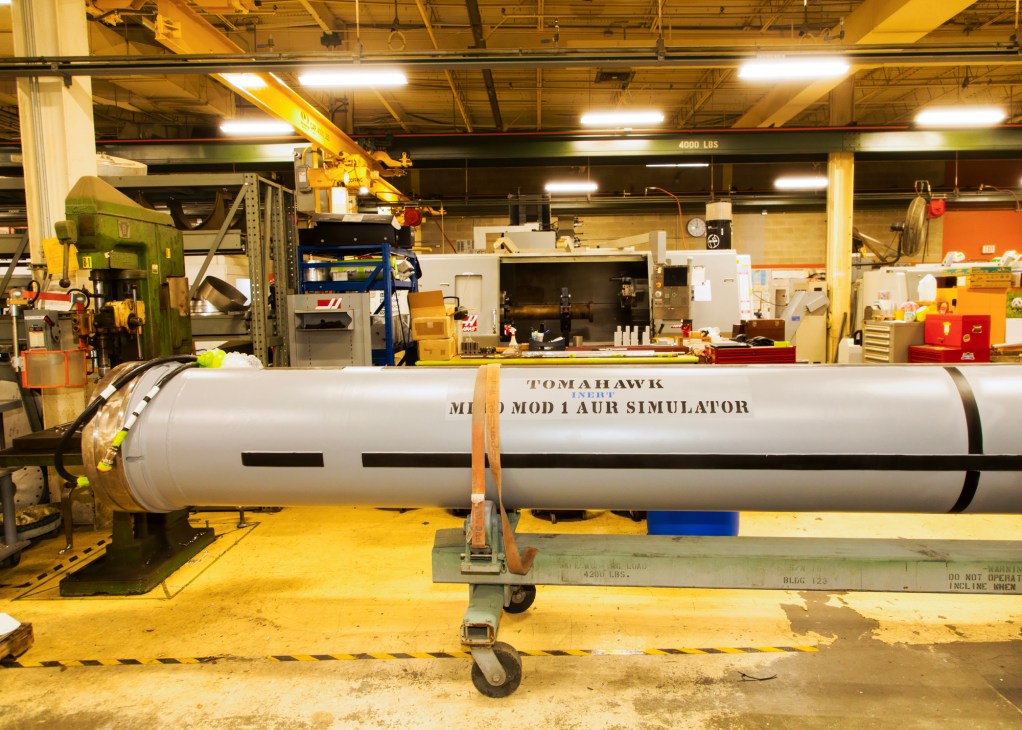
All around Narragansett Bay, which is crowded with sailboats and sunseekers in the summer, history is repeating itself: the US Navy tested torpedoes in these waters during the Second World War and the military is again looking at hardware developed on this coastline to help turn the tide of future conflicts.
At the centre of the blue economy is the Naval Undersea Warfare Center (NUWC), a secretive US military installation perched on the eastern side of the bay, which is handing big contracts to local manufacturers. Home to about 3,600 civilians, mostly scientists and engineers, and only 20 military personnel, the nuwc is where the US Navy comes to solve a deep-sea problem: its specialists work in artificial intelligence and its physicists know how to take advantage of the bubble that forms as a torpedo enters the ocean. Jason Gomez, the nuwc’s chief technology officer, drives us around the base, keeping close tabs on everything that we see and hear. “Our folks work directly with the fleet on a daily basis,” he says. “They understand what the commanders in the leadership need, right down to points in a mission kill-chain.”
The nuwc team is not used to welcoming visitors, especially foreign media, and none of our photographer’s cameras are allowed on base. Instead, Monocle must use the navy’s own equipment and our shots are scrutinised. “These vehicles are at the forefront of the navy’s future,” says Mike Ansay, supervisor of the unmanned undersea vehicles (UUVS) workshop at nuwc. “Most of the uniformed navy hasn’t yet been exposed to what we’re working on down here.”
Almost everything in Ansay’s basement workshop is highly classified: objects of various shapes and sizes are swathed in sheets of tarpaulin. Undersea drones will play an increasingly important role as deployable listening posts that lie in wait and patrol the depths, monitoring hostile submarines and distracting incoming torpedoes without putting sailors in harm’s way. At nuwc, there’s a Snakehead drone, the largest such vehicle yet to be launched from a nuclear submarine – to the public’s knowledge, anyway. It is currently unclear whether this hefty machine will ever go into full service. Though intended for surveillance, it also looks as if it could be adapted to pack a punch. In the torpedo launcher lab, a new configuration is put through its paces; the head engineer leans on a decommissioned Tomahawk cruise missile as a blast of compressed air emits from the ocean-blue test barrel, which gets a thumbs-up from the crew. “In the 1990s a lot of work was done on quieting but now we need to renew that technology and get even quieter,” says John Laliberte, who is standing in the propulsion lab’s anechoic chamber, which is designed to eliminate all echoes. “The adversary has become a lot more complicated.”
Undersea warfare is, by its nature, stealthy work – the motto of US submariners is “alone and unafraid” – yet some of the labs appear ossified and unchanged since the Cold War. But those who work with the nuwc say that a fresh energy is blowing through the facility as it engages more with local firms. Many now test their latest products on the base’s stretch of waterfront and are increasingly called upon to find solutions to naval dilemmas.


“Rhode Island is a small place with a long history of innovation,” says Julie Kallfelz, director of Northeast Tech Bridge, a non-profit formed in 2019 that tries to cut some of the red tape that otherwise prevents new products developed in the private sector getting out to the fleet. Kallfelz cites a recent example of a Rhode Island firm that devised an onboard system to 3D-print handwheels – ubiquitous aboard any naval vessel – in case one should break at sea. Having hosted the America’s Cup 12 times between 1930 and 1983, Rhode Island can also tap into a long tradition of boat building. Eric Goetz made race-winning sailboats for decades and now the firm he co-founded, Composite Energy Technologies (CET), uses the same methods to mould uuvs out of carbon fibre for the navy. The huge 16.7-metre-long hull of one lies in pieces on the factory floor. Though Goetz’s team also mould architectural forms for Renzo Piano and theme-park rides, the military is now cet’s biggest customer. “We end up doing everything on these uuvs – the naval architecture, the calibrations for how it floats – from soup to nuts,” says Goetz. “And the navy guys love that.”
All of this is not just about growing the blue economy. In February the US secretary of the navy, Carlos del Toro, warned that China has a larger fleet than the US, as well as the shipyards to further increase its advantage. Simply put, America no longer has the manufacturing muscle that it did at the height of the Cold War. The decline of small defence manufacturers in recent decades has curtailed supply chains that would be essential if the navy ever needed to mobilise suddenly. What’s happening in Rhode Island are tentative steps to address that. “It’s about putting more resilience into the system,” says the aptly named Colonel Erik Brine, director of defence sector r&d initiatives and operations at the University of Rhode Island. The university’s research foundation is leading on millions of dollars in new funding from the dod this year to help accelerate local maritime firms and give them access to the latest equipment.
Rhode Island is also home to the US Naval War College, which was founded in a coastal cottage in 1884. Now, it’s the Pentagon’s think-tank for US sea power and recently they’ve been wargaming the question of whether larger navies win wars. There’s no single answer, say academics: China has more warships but its nuclear submarines are outpaced by US technology – for now. “They’re the right type of subs to do what they want with them though, which is the unification of Taiwan with the mainland, and ensuring that the US and its allies can’t come to Taipei’s assistance,” says Alfred Turner, an associate professor of joint military operations at the college.
Professor Carol Prather, a specialist on Chinese maritime strategy, says that there’s a tendency for military planners to fight past wars. She points to the use of drones in Ukraine as a sign of how conflict is evolving. The US Navy plans to have 150 unmanned surface and undersea vehicles in its fleet by 2045, so an industry gold rush is coming. Further up the New England coast, ambitious defence start-up Anduril is building a submersible in Massachusetts that it says can conduct missions autonomously for 10 days at a time, while Swedish firm Saab is opening a vast new factory in Rhode Island that will build uuvs that the navy will use to train sonar teams to identify undersea threats. “Maritime domain awareness is shaping the evolution of underwater and surface vehicles,” says Erik Smith, president and CEO of Saab Inc. “The geography of Rhode Island couldn’t be better for testing the kind of vehicles that we envision building and deploying there.”
It’s fitting that this is a state where people have long sought privacy and solitude. The relationships in the undersea economy, between business and military, are anchored in discretion; workforces are vetted and tech is only explained on a need-to-know basis. As one engineer told Monocle: “The navy gives us the dimensions, they tell us where the wires go, but when it comes to the actual gizmos inside, we don’t know what they’re for.”