Issues
Quality time
When we held the Monocle Weekender in Asheville, our US editor, Chris Lord, arrived off the back of a reporting trip in Alabama. He had been there to cover the work of Rural Studio, an off-campus programme run by the state’s Auburn University. The amazing project sees students designing, crafting and erecting buildings for towns in Hale County. It all started in 1993 when two professors were passing through the area and noticed that many people were living in rudimentary homes and that the towns lacked basic structures, such as somewhere to park a fire engine. They suggested that their students build the absent infrastructure – to date, some 200 projects, including the fire station, have been completed.
As I quizzed Chris, I could hear in his voice how impressed he was by the transformation he had witnessed: a coming together of people delivering quality of life for all. And it’s this idea – that towns and cities should deliver for all, not just an elite and not just in a few cool neighbourhoods – that runs throughout this issue. You can read Chris’s inspiring story starting on page 164.

We have published an annual Quality of Life issue every year since Monocle launched in 2007. Over the years, many people have written to ask why, say, Chicago, Buenos Aires or London are not in the ranking of the best cities to call home. They point out that, in their minds, sometimes a bit of grit or a wild spirit are what make cities soar. But, for example, while Rio de Janeiro is one Monocle’s favourite places, security, housing and education remain out of reach for many residents. That’s why lots of cities we love are unlikely to land in our liveability index, though they do pop up on other pages.
This year there’s another issue at play: how many of the bigger cities in the US are still recovering from the pandemic. While mental health, drugs, housing and homelessness are hot topics in many places around the globe, they are in a different league in parts of the US. Just read Greg Scruggs’s essay about his hometown, Seattle, a city struggling – and often failing – to get back on track to understand the consequences of what’s afoot (see page 77). Unlike in rural Alabama, getting people to agree on a way forward is almost impossible because of the divisive state of US city politics. Let’s see where we are in a year’s time.
There are lots of stories in this issue, however, that put the spotlight on progress and on outposts that anyone would be happy to call home. In our Expo (see page 219), we head to Bratislava to meet its mayor, Matus Vallo, who is also a skilled architect and musician. He and a large, informal group of city campaigners and advocates are working to make the Slovak capital a bastion of pioneering, child-friendly urbanism while also renewing its residents’ sense of urban pride. Then there’s our business report on the shop, bar and restaurant owners who deliver life and excitement to communities and high streets around the world (see page 108) – owners who understand that it’s not just what’s on their shelves that makes for success but also how they show responsibility for what happens beyond their front door. That’s the same motivation that inspires our cast of “urban heroes”, from Tokyo organic farmers to a Helsinki courtyard fixer-upper. There are a lot of good people who you should get to know in this issue.
Speaking of which, we would like to meet you in person to talk about making better places to live in. The annual Monocle Quality of Life Conference takes place in Munich from Thursday 31 August to Saturday 2 September. The event brings our readers and listeners together with the Monocle team and more than 20 speakers for talks, tours, dinners and parties. Secure your ticket at conference.monocle.live. Come and have a good time in a fascinating city.
Personally, I am looking forward to a few summer negroni moments, time pleasantly lost around the Med, travelling to places as yet unknown to me. Whatever your summer plans are, here’s hoping that you also have a blast – and find plenty of time to settle on a lounger with your copy of Monocle at hand.
If you want to drop me a note, forward an idea, you can find me at [email protected]. Salut!
City in the frame
To maintain its world-leading position, the Swiss city’s art fair must find new ways to evolve. Here the key players talk creation, curation and community building.
Basel’s Messeplatz is a nondescript square surrounded by grey exhibition halls – but once a year it bursts into creative life when it hosts Art Basel, the world’s most important art fair, which acts as a magnet for global collectors and curators. Galleries tend to save their best wares for the event, as about 90,000 art-world players assemble by the Rhine.
Messeplatz’s transformation is accentuated by a giant temporary installation: this year it’s the turn of Moroccan artist Latifa Echakhch. Projects such as this are one way that Art Basel stays fresh after 53 years. Over the decades, a set of about 290 participating galleries has solidified and all are determined to hang on to their precious spots. But this year, the fair is shaking things up more than usual. “We have opened up space to allow newer contemporary galleries into the main sector,” says Vincenzo de Bellis, Art Basel’s director of fairs and exhibition platforms.
When Art Basel began in 1970, its international remit mostly meant participants from around western Europe. Having since launched events in Miami, Hong Kong and Paris, the challenge now is to reflect a more complex, globalised market on home ground. Blank Projects is one of the new galleries bagging a coveted spot on the main exhibition floor. Founded in Cape Town in 2005, it has become an important part of South Africa’s burgeoning scene. “We tend to focus on abstraction, minimalism and materiality,” says founder Jonathan Garnham. “It’s definitely different from what others are doing here.”
With cheaper stands and a chance for an artist to win the chf30,000 (€30,500) Baloise Art Prize, the fair’s Statements section has been the easiest way to get a foot in the Art Basel door. This year it welcomes 10 newcomers, including participants from Mexico City, Tbilisi and Mumbai. Change at Art Basel is incremental but the direction of travel is clear: in the past decade the number of exhibitors from Africa, Asia, Latin America and eastern Europe has almost doubled. Basel is back – and more international than ever.
Art Basel runs 15 to 18 June; artbasel.com
7.
Art Basel
interview
Noah Horowitz
CEO, Art Basel
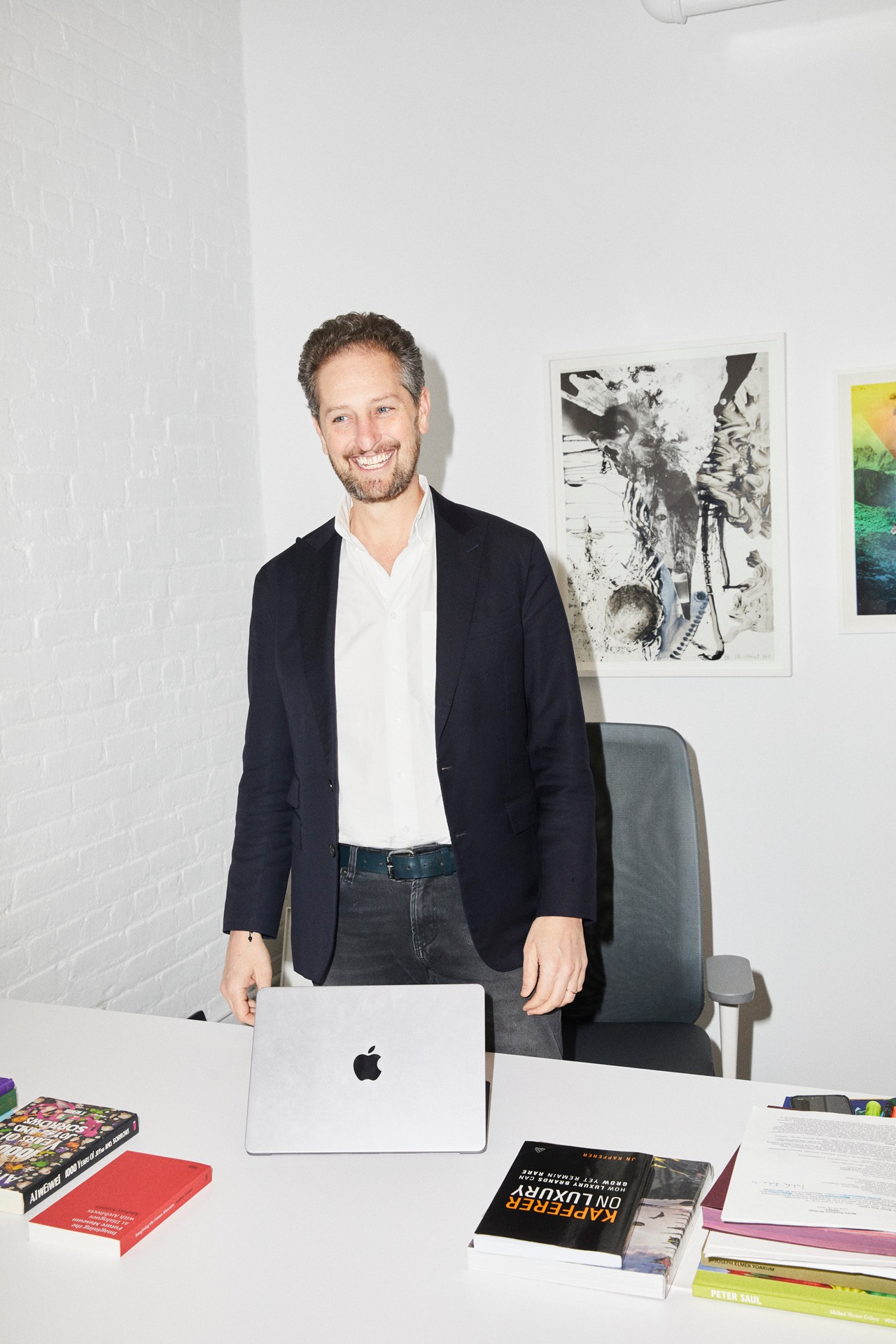
Veteran art-world executive Noah Horowitz took over as CEO of Art Basel last November. His previous roles included heading up The Armory Show in New York and Art Basel Miami Beach, as well as a stint at Sotheby’s. Here he reveals his plans for the company’s activities beyond the fair itself, tells us how to keep up with events worldwide and outlines how he thinks the art-fair scene is (and isn’t) changing.
What’s new at Art Basel this year?
We’re thrilled to have 285 galleries from all over the world. Not only do we have 21 new exhibitors but three of them are coming directly into Art Basel’s main sector [where the long-established players have booths] without taking part in the fair’s other subsections beforehand. This shows an evolution in our thinking – to truly support pioneering galleries.
Last autumn, Art Basel launched new fair Paris1. How else is the brand evolving?
Getting Art Basel running in a full capacity across four shows is a huge task. One thing that I have my eyes on is how else we can deploy our business platform – our relationships with galleries, artists, institutions and art-loving audiences – all year. There’s a correlation with what we do in the digital realm and how we support artists and galleries through our content channels. Without giving too much away, Art Basel will be more switched on with ever-wider audiences.
Art Basel is growing and niche fairs continue to expand but the influence of medium-size fairs is flagging. Where are fairs heading?
During the pandemic, people were questioning the future of fairs. But in the past year, there was the launch of Frieze in Seoul, we launched Paris1 and celebrated 20 years in Miami. We’ve seen strong application numbers across our shows. The art world has become more selective and fairs must have great programming or there’s a risk that people won’t attend in the same numbers.
You spent about a year working for Sotheby’s. What did you learn?
It taught me that there are a lot of opportunities for innovation but you have to go out and find them. Seeing and learning how to think not just as a business manager but as someone involved in the buying, selling and financing of work was valuable. I came back to Art Basel with fresh perspectives on what it takes to get business done and a better sense of where the opportunities are.
How would your ideal art fair look?
A lot like Art Basel: a venue that brings together the greatest galleries, artists and collectors in a single place and time. But we don’t rest on our laurels. Art fairs haven’t evolved tremendously in some 50 years. We can be more ambitious in how we innovate and build creative communities around fairs.
artbasel.com
artist
Latifa Echakhch
Vevey
Moroccan artist Latifa Echakhch answers the door of her lakeside studio in the Swiss town of Vevey while wearing a paint-splattered outfit. On the crisp spring day when Monocle visits, she has just returned from Milan’s Salone del Mobile, where she showed some paintings at the Kaufmann Repetto gallery. She is now turning her attention to her next, pressing commission: the main temporary installation on the Messeplatz at this year’s Art Basel.
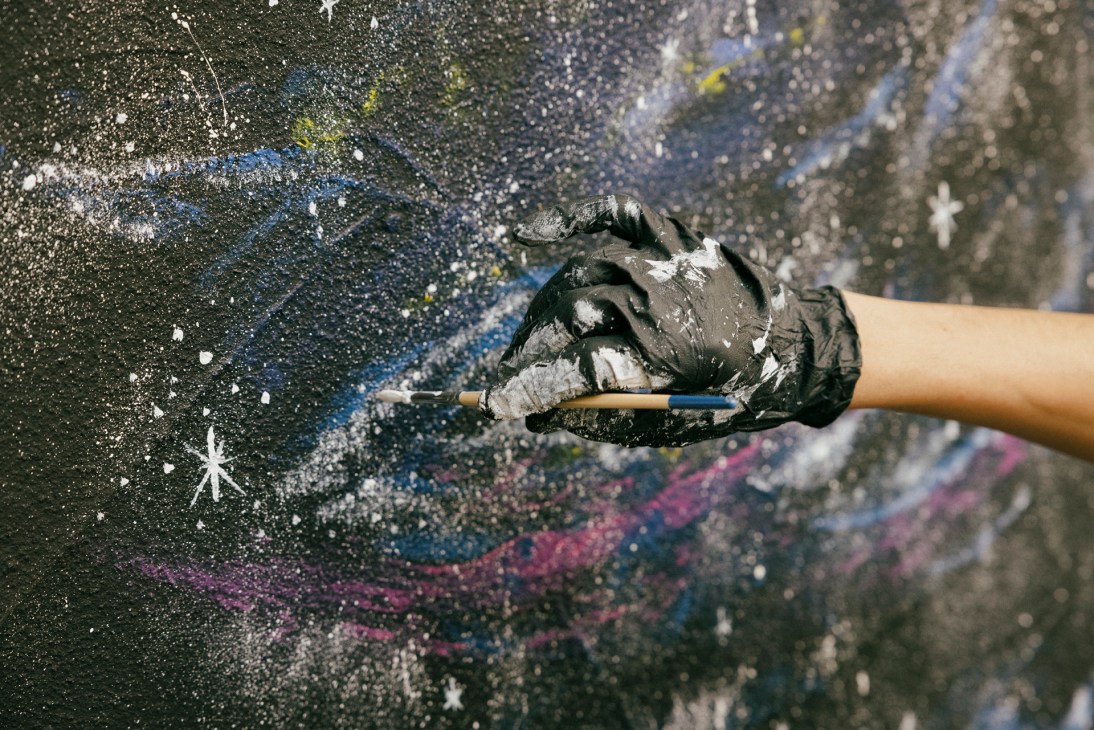
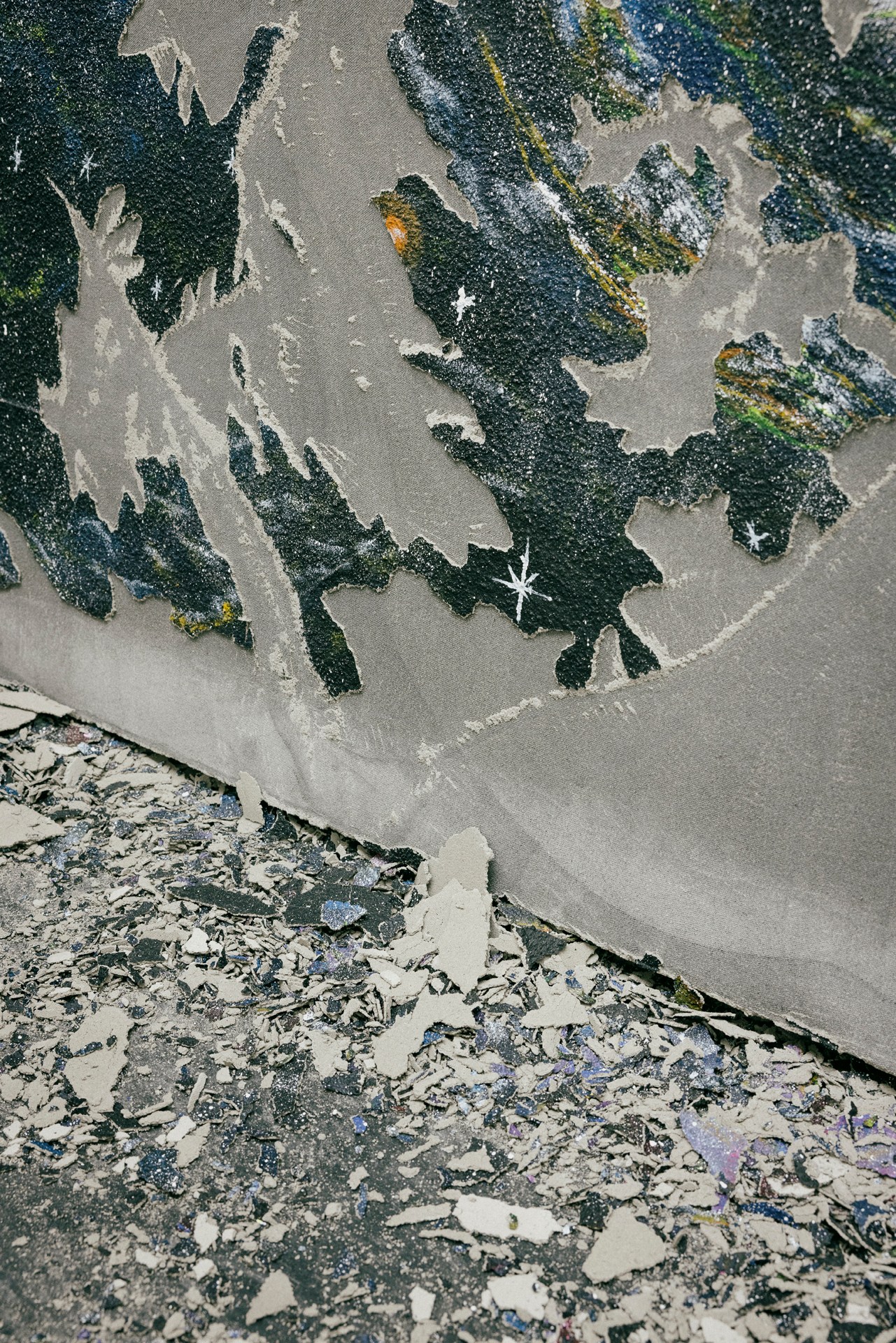
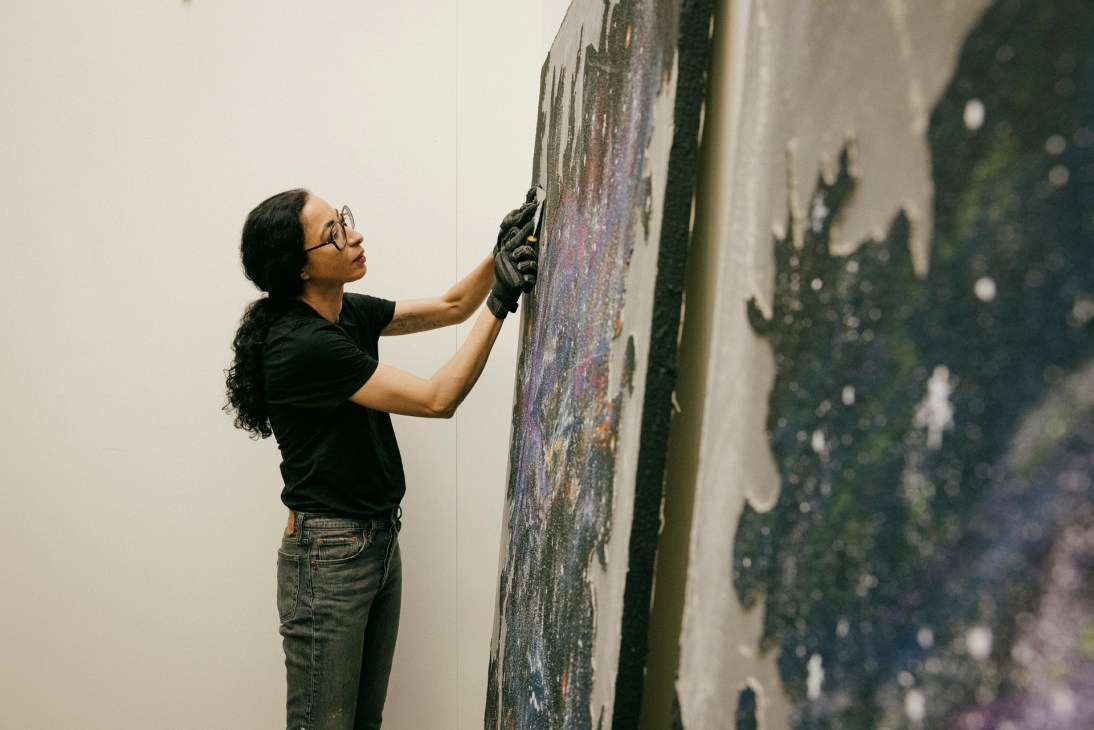
“It’s a monumental work, so it needs to be charismatic enough to command the square,” says Echakhch. “I want to play with the public element of the space, creating a type of festival for everybody with different concerts throughout the day.” Her idea consists of building a colossal stage that looks as though it has been half-destroyed, as well as putting together a programme of two or three performances a day for the duration of the fair with the help of her partner, Luc Meier, director of nearby artist residence La Becque. Performers, including Robert Longo, US poet and musician Moor Mother and South Korean cellist Okkyung Lee, are set to take part.
This interest in sound is not new to Echakhch, despite being well known for her large-scale installations. In her takeover of the Swiss Pavilion at last year’s Venice Biennale, she collaborated with musicians on a two-day concert. She spent two years reading about music theory in preparation. “I’m very polite and I like to be able to hold an intelligent conversation with the people I work with,” she says. “As artists, we have the same job. We’re here to share our feelings about the world so that people can find solace.”
Set in a former ballroom from the 1930s, her studio is a light-flooded space where vast paintings sit next to black usm organisers and trays of bright acrylic paints. Pseudo-oriental decor, including colonnades and intricate doorways surrounded by plants, adds a distinctive touch to the airy room. In the basement, a vast library of books on the theory of art is proof of Echakhch’s academic dedication to her work. When she speaks of her art, she weaves together complex concepts and theories, straddling gravitas and abstraction.
Given that Art Basel is an event that can sometimes seem dominated by deal making, how does a cerebral artist like her feel about getting involved in such a commercially driven occasion? “The commission for the Messeplatz came directly from the fair, not from a gallery,” she says. “It’s a temporary and public piece. Art Basel is the world’s most important fair and it’s a great way to take the temperature of the current artistic climate.” The mood that she aims to capture in her installation is one of fragility and chaos – visitors might wonder if the stage has been attacked or simply left in ruins. “I’ve always been very sensitive, I lack tranquillity,” she says. “Even when I’m experiencing beauty, I can’t help having a double vision, already letting nostalgia for the present moment set in.”
A need to preserve an inner peace (and a dislike of big cities) has led Echakhch to the banks of Lake Geneva, in the French-speaking part of Switzerland. “I like to lead a calm, simple life,” she says. “Here, when the sun shines, people go to the lake to eat and drink. The Swiss are very good at switching between work and play. This lake, with its mountains, has inspired so many artists before me and it’s always changing.” It’s a slice of tranquillity that allows her to focus on her work – however unsettling and unpredictable the results might be.
Latifa Echakhch’s work will be on display on the Messeplatz from 15 to 18 June; artbasel.com
curator
Samuel Leuenberger
Parcours
Samuel Leuenberger has been for countless strolls around Basel and every new walk delivers surprises. Born and bred in the city, for the past eight years he’s been curating Parcours, the section of Art Basel that was founded in 2009 to scatter public artworks and performances across the town. Having begun his art career at the Stephen Friedman Gallery in London, today Leuenberger also directs Salts, an experimental exhibition space in the Swiss town of Birsfelden, on the outskirts of Basel.
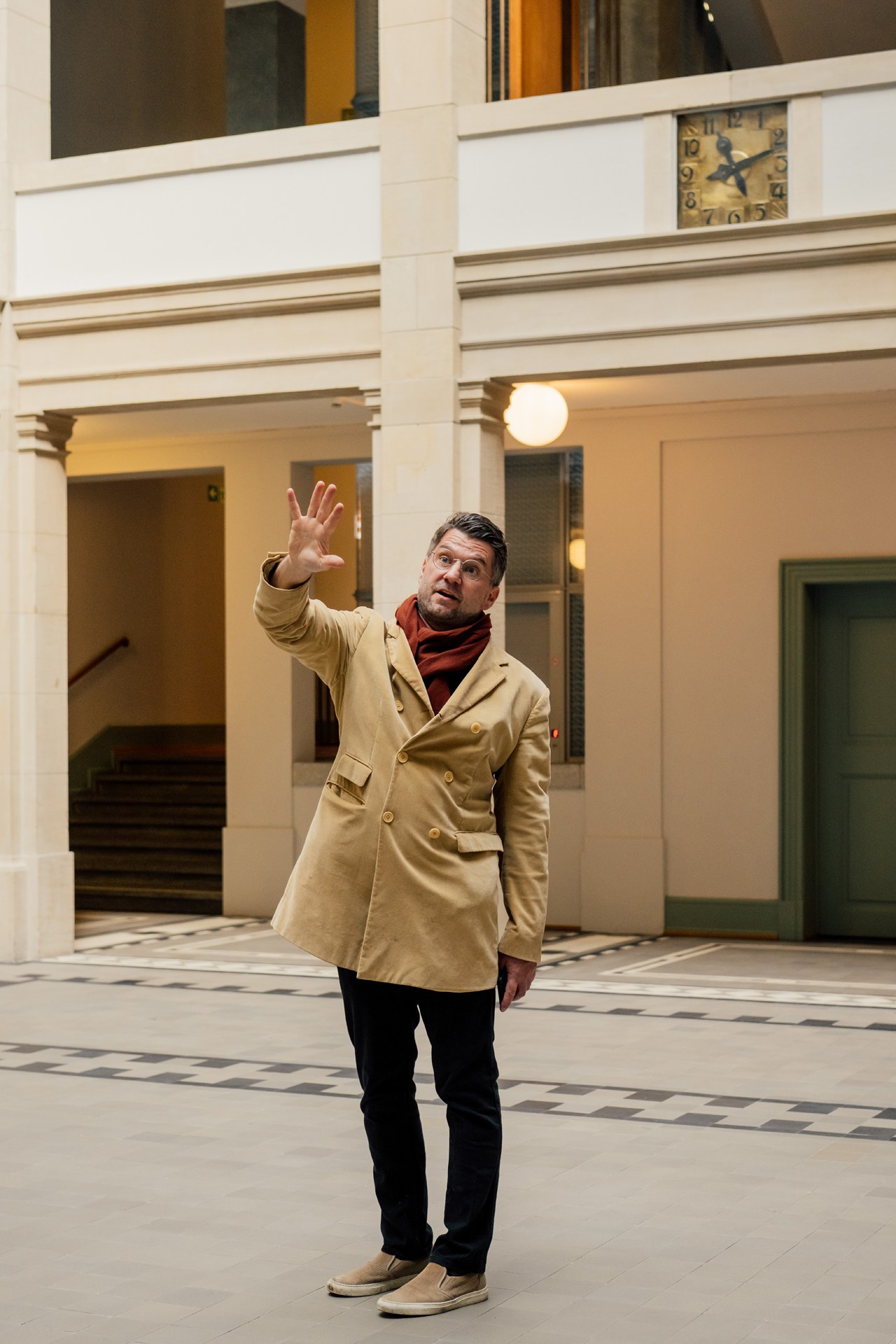
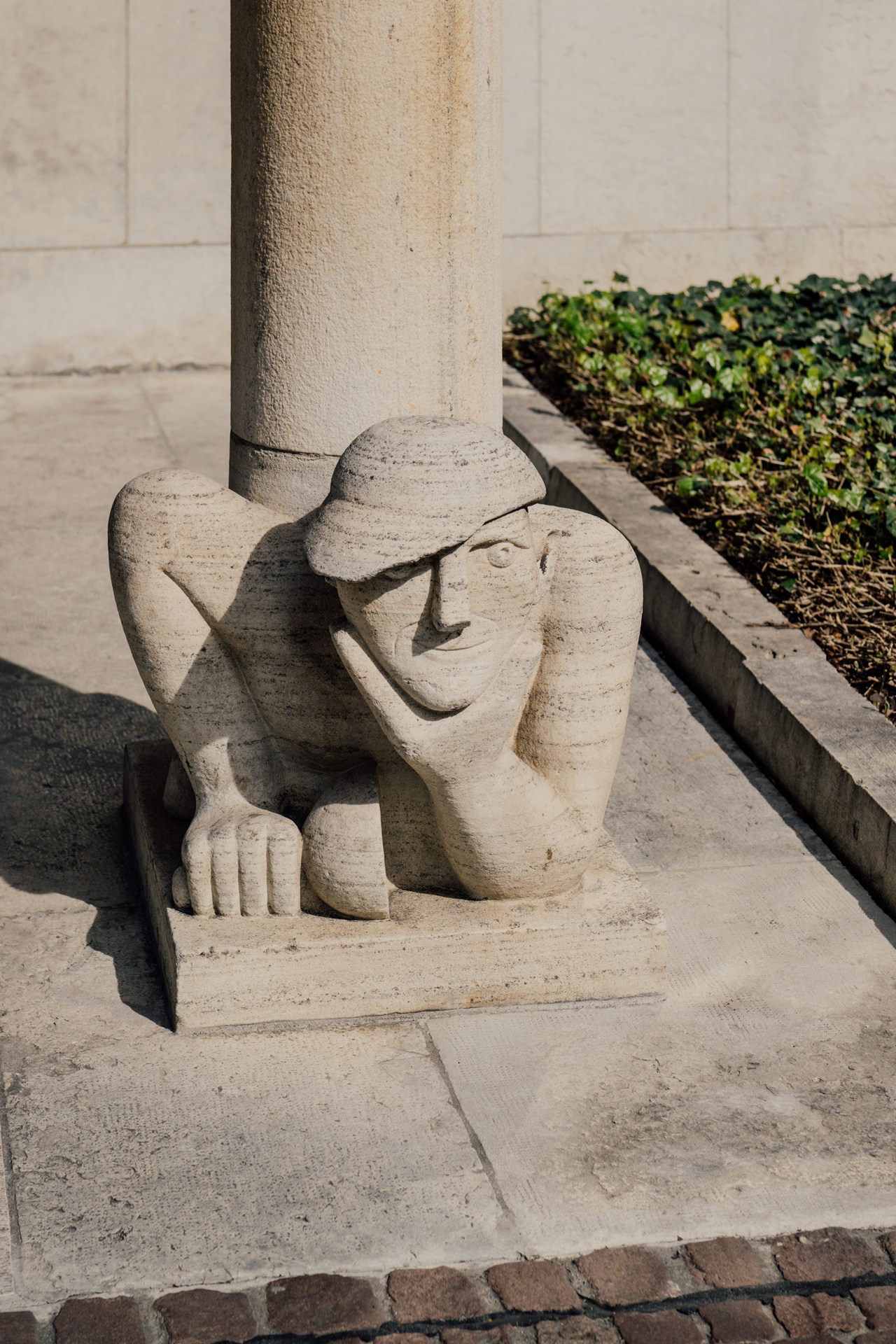
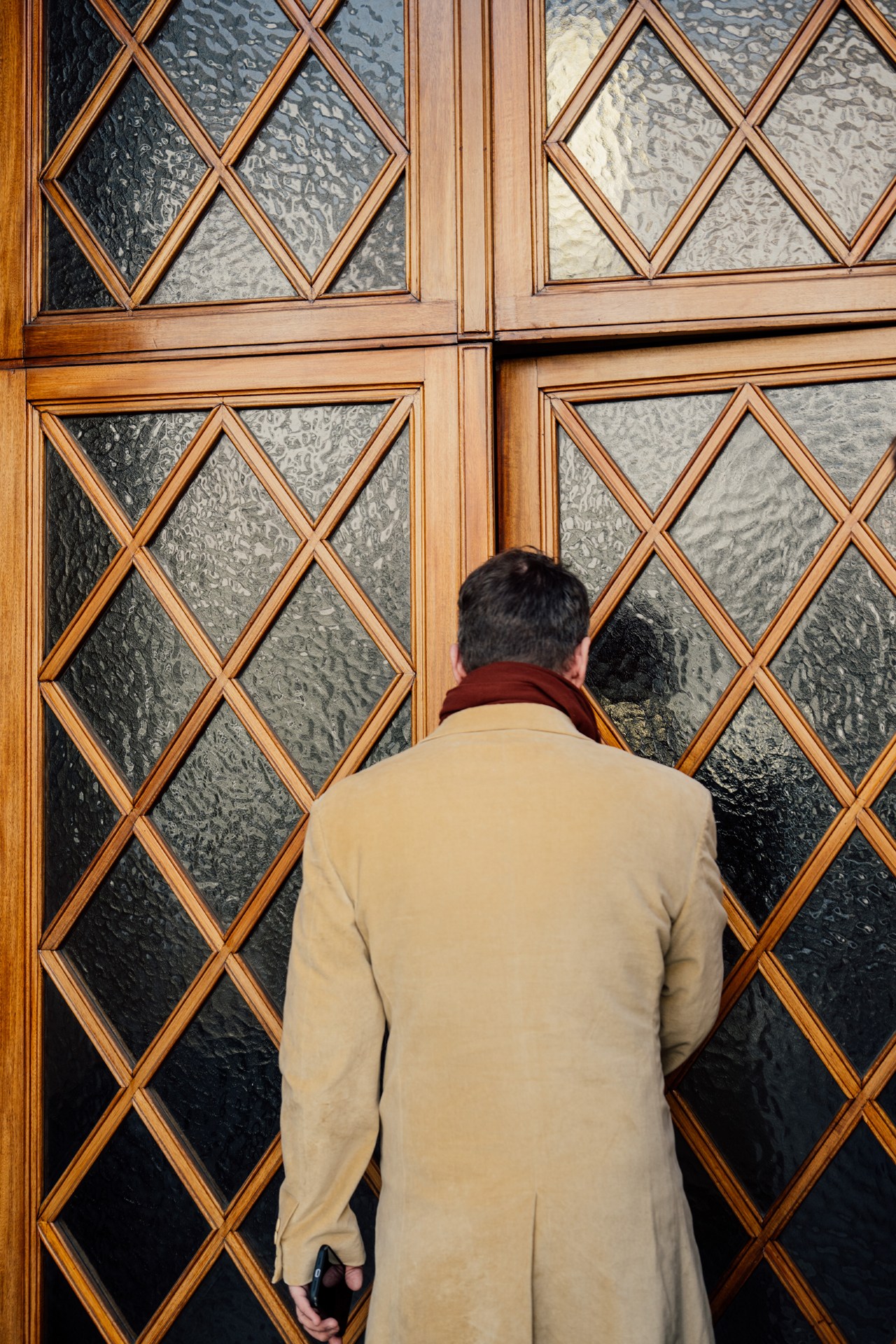
Going for these walks is fundamental to discovering locations for future projects, although getting inspiration from around the world on his travels, before heading back to his hometown, is just as important. “If you never distance yourself from your home, you stay blind to some of it,” he says, as we stroll toward the river into Basel-Vorstaedte, the city’s museum district.
The works inside the Messe make up the commercial backbone of the most important art event of the year but Parcours helps attendees to appreciate the city beyond the fair halls. “Parcours is a very non-commercial product,” says Leuenberger, taking us over the Rhine on the Wettstein Bridge. Instead, the idea is to deviate from the typical path, showing works anywhere from roundabouts to secret beaches, lecture halls and private banks. Whereas many galleries are experimenting with bringing works outside the white cube, for Leuenberger this project is about enabling a wider audience to discover settings and artworks that they might not have had access to otherwise. This year he has enlisted choreographer Noa Eshkol’s dance ensemble to stage a performance inside the city’s construction and traffic department. Most people, unless they needed approval for a loft extension, wouldn’t otherwise get to see the building’s spectacular atrium, framed with stone balconies that rise to a handblown-glass roof.
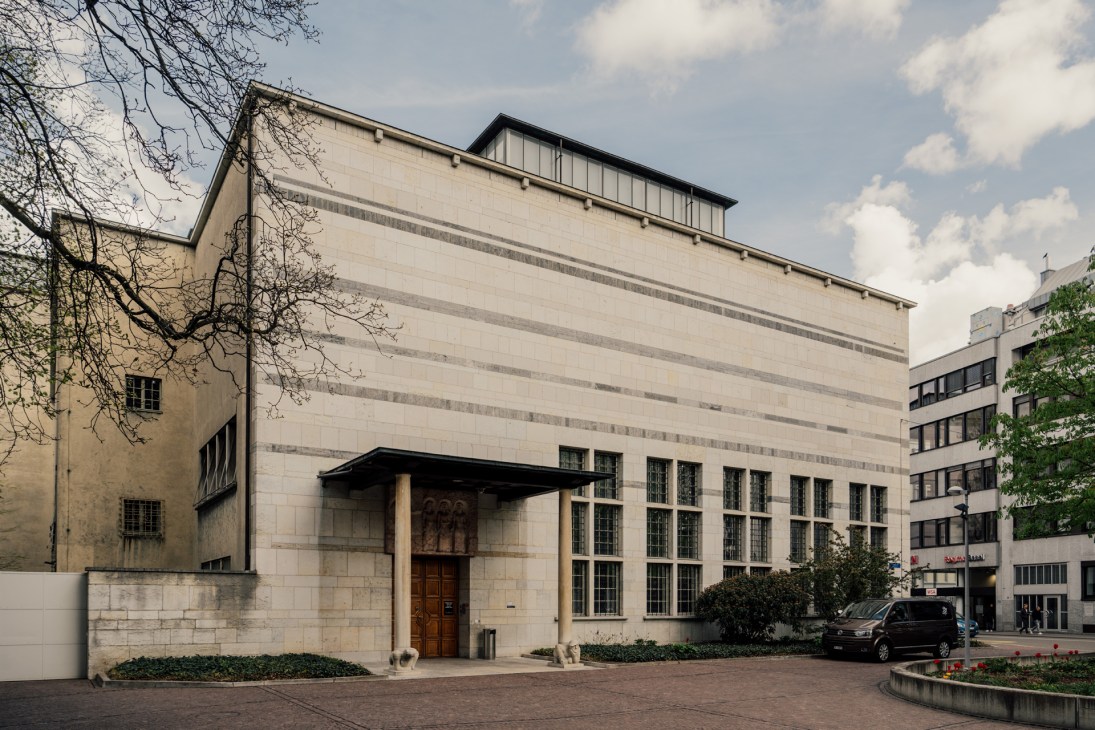
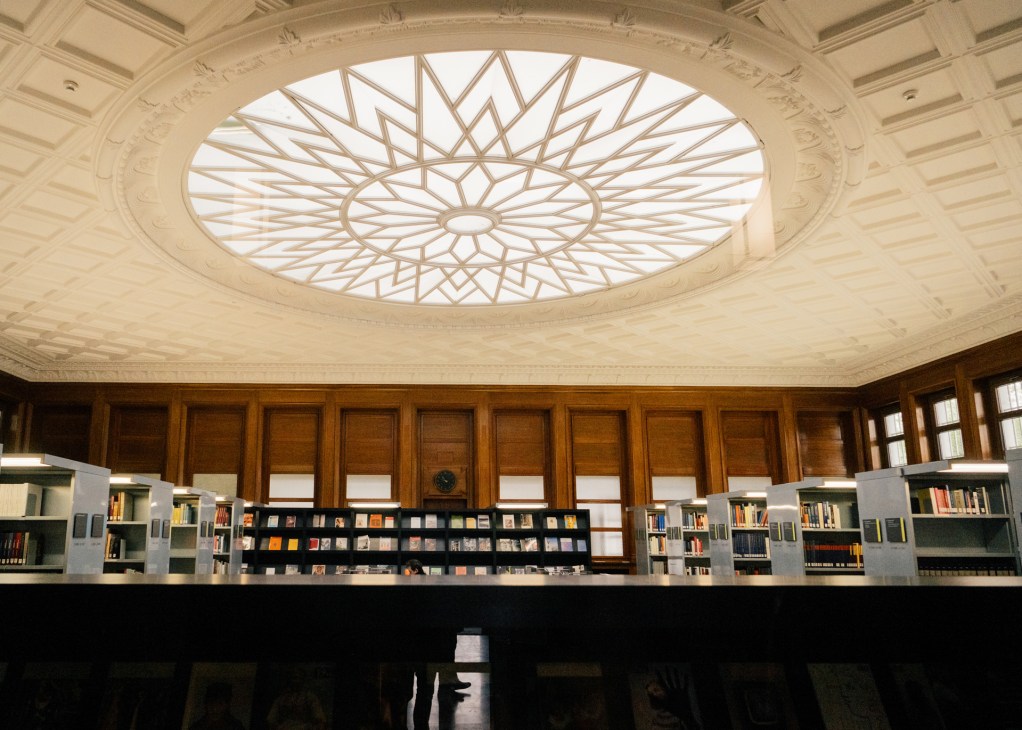
Elsewhere, Laure Prouvost will show a neon piece and video work inside the Birsig tunnel, a water gateway beneath the Hotel Les Trois Rois. Leuenberger has long wanted to use this location for an installation but wet weather in the nearby mountains meant that he had to raincheck for years. For the first time, he’ll also be curating a sculpture garden: works by Thomas Houseago, Berlinde de Bruyckere and Wyatt Kahn will be shown in what is usually a private park near the Kunstmuseum. “Every year you learn more about the city and its secrets,” says Leuenberger.
Being able to use such exclusive locations and open them up to a wider public beyond the top-level collectors requires a lot of trust. Despite the odd 18th-century garden being trampled by visitors in an early edition of Parcours, the city seems willing to relinquish its numerous private spaces. Increasingly, Leuenberger’s polite letters (or doorstep visits) are well received by those who own some of Basel’s hidden architectural treasures.
In return, Leuenberger puts a lot of trust in the artists. Rather than deciding in advance which pieces should go where, he lets participating creatives tour the sites and be inspired by their potential before they embark on a new commission. The line-up of works is all the more cohesive as a result.
And even though Leuenberger admits that he faces growing pressure to keep discovering intriguing locations, landing worthy collaborations and fending off copycats, the biggest challenge is to find enough room to host all the commissions and ideas that are born in the process. “It’s an obsession and a challenge,” he says. “But there is plenty more that we can do here.”
Parcours takes place around Basel from 15 to 18 June; artbasel.com
curator
Frédérique Hutter and Last Tango
Baloise Art Collection
“The most important skill for a curator is intuition,” says Zürich-based artist manager Frédérique Hutter. Having worked with such galleries as Bruno Bischofberger and Haunch of Venison, she now runs her own space and, since 2022, has been the art adviser for the Baloise Art Collection, the Swiss insurance firm’s cultural arm.

Intuition is what led Hutter to curatorial duo Last Tango. “One of my collectors spoke about Linda Jensen and Arianna Gellini, and their space,” she says. “I had a hunch about them right away.” When it came to choosing who should look after the exhibition inside Art Forum Baloise Park at this year’s Art Basel, she knew that it had to be them.
Part of Hutter’s role at Baloise consists of giving emerging curators a bigger stage, allowing them to rethink what should be on show at the large gallery space inside the corporation’s HQ. Here, the duo will be able to pick which piece from the insurer’s more than 1,500-strong collection they believe deserves the spotlight – and hang it alongside 11 works borrowed from other institutions and artists. The resulting show, Siren Songs / Sinister Sirens, opens on 15 June.
“It’s not the first time we have worked with such prestigious pieces but it was amazing to have such incredible works to choose from,” says Gellini (pictured, centre, with Hutter, on left, and Jensen). “It was challenging to narrow it down to one that resonates with an overarching theme.” They decided on a pencil, charcoal and watercolour work by US artist Bruce Nauman, titled “Human Need Drain”. “It’s about the idea of agency, which has been a focus in our curatorial work,” says Jensen, who kicks into high gear when she talks about art and the questions it inspires.
Even though instinct is a big part of the profession, a curator also needs to know how to negotiate efficiently. “You need to be good at sensing people and managing them,” says Gellini. “When you do an exhibition, you’re dealing with personalities who bring themselves into the picture.” Empathy, sensibility and curiosity are important. “It’s about nurturing a community; having the museum director meet their neighbour as well as a student from art school.”
That type of meeting is not unusual at Last Tango’s exhibition space. Housed in a former barn overlooking the Limmat river in Zürich, the venue is sandwiched between the area of the city that’s home to many artist ateliers and the blue-chip galleries at Löwenbräu Areal. “It’s crucial that there’s a place for the big galleries to see the emerging artists and vice versa,” says Hutter. “This way they can nurture each other.” Her own nurturing work will soon be ready to bear fruit.
‘Siren Songs / Sinister Sirens’ opens on 15 June at Baloise Art Parc; art.baloise.com
interview
Elena Filipovic
Kunsthalle Basel
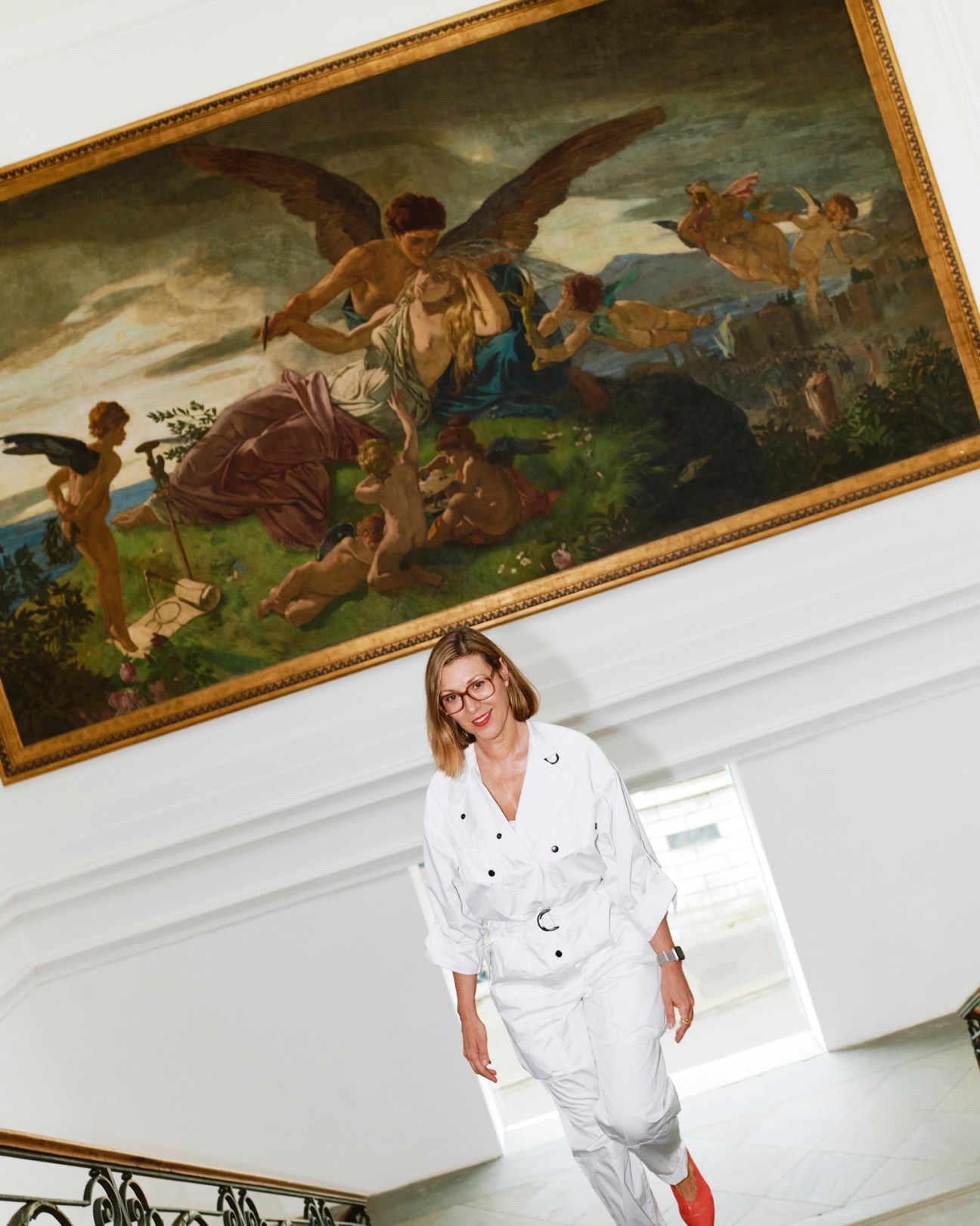
Long known as a launchpad for artists on their way to global superstardom, the Kunsthalle Basel is an unmissable stop-off for many visitors to the Swiss city every June. Legends such as Pablo Picasso, Paul Klee and Alberto Giacometti had landmark exhibitions here and the venue mounted some of the first European institutional shows for big-name US artists including Jackson Pollock, Jenny Holzer and Barbara Kruger. Curator Elena Filipovic has been in charge for almost a decade and has continued that august scouting tradition. Her nose for new talent has been instrumental in building careers, including those of German visual and performance artist Anne Imhof, British painter Lynette Yiadom-Boakye and Romanian sculptor Andra Ursuta, who all had early and important shows here.
Set in the heart of Basel inside an unprepossessing 19th-century building, the 151-year-old institution is one of the world’s oldest exhibition spaces that’s dedicated to chronicling contemporary art. “Kunsthalle Basel is a paradox,” says Filipovic. “It’s very old but has always concerned itself with the present.”
Sharing its patch with Art Basel – a fair that’s intent on capturing the most cutting-edge art – the venue’s spirit predates the arrival of the event. “We’re not here because Art Basel is here but the other way around,” says Filipovic. “Art Basel established itself here because there was so much interest in art already.” The city has plenty of collectors, an excellent art school and a stunning ensemble of cultural institutions, each with its own strong ideas and identity.
Born in Los Angeles, Filipovic moved to Paris in the late 1990s to research her dissertation on Marcel Duchamp. She was an assistant to peripatetic Swiss curator Hans Ulrich Obrist in the early 2000s, later working with the Berlin Biennale, Parisian museum Jeu de Paume and the Wiels contemporary art centre in Brussels. She took the Kunsthalle’s reins in 2014 and immediately began creating exhibitions to make people think. Early shows featured maverick British Turner Prize winner Mark Leckey and olfactory artist Anicka Yi. “I don’t need to provide consensus,” says Filipovic. This attitude is something that she valued about the Kunsthalle even before taking the top job.
“I’d seen more than a dozen shows here and what was special about the venue was its scale and ambition; its ability to put its money where its mouth is and to be avant garde and political.”
Filipovic has expanded on this ethos, incorporating a lively public programme into the Kunsthalle, championing a diverse roster of artists and mounting some, in her own words, “crazy” shows.
International art lovers know to follow the Kunsthalle’s goings-on but there is community support too – testament to a strong sense of civic and creative pride. “We have a very vocal local fan club,” says Filipovic. “If you come to openings, the demographic is shockingly wide: you will find 20-year-olds and 80-year-olds.” So, how does Filipovic go about spotting the next big stars? Sometimes, she says, it’s simply a matter of serendipitous discovery or late-night online research but it’s generally about keeping an eye on the art world, watching who’s touching on today’s thorniest topics in new and interesting ways. Even if Filipovic has spotted an intriguing artist, it doesn’t mean that they’ll have a solo show right away. It’s important, she says, to wait for the right moment.
“I’m not choosing the artists who everyone is interested in but the ones who are most provocative – the ones we need to listen to, even if we don’t understand them,” says Filipovic. “When I really don’t understand an artist, when I can’t get their work out of my head, then I know.”
kunsthallebasel.ch
gallerist
Hester Koper & Stefan von Bartha
Von Bartha
Artworks greet you at every step as you climb up to gallerists Hester Koper and Stefan von Bartha’s top-floor apartment. The couple reside above their gallery, Von Bartha, and members of their team live on the floors in between. “It sounds very unhealthy,” says Koper. “But we’ve known each other for a very long time,” adds Stefan. Von Bartha has always been a close-knit affair: it was founded in 1970 as Galerie Minimax by Stefan’s parents, Margareta and Miklos von Bartha. Around the time he was born, the family moved with the gallery into a building in Basel’s city centre. “As a child, I enjoyed that very much,” says Stefan. “It was always fun to be at home to meet all the artists and the collectors.” Since 2008, the gallery has been set inside a disused garage. Taking over unexpected buildings is something of a Von Bartha trademark: in 2021 the team opened a new outpost in an old lighthouse in Copenhagen. “We don’t go for easy spaces,” says Stefan.
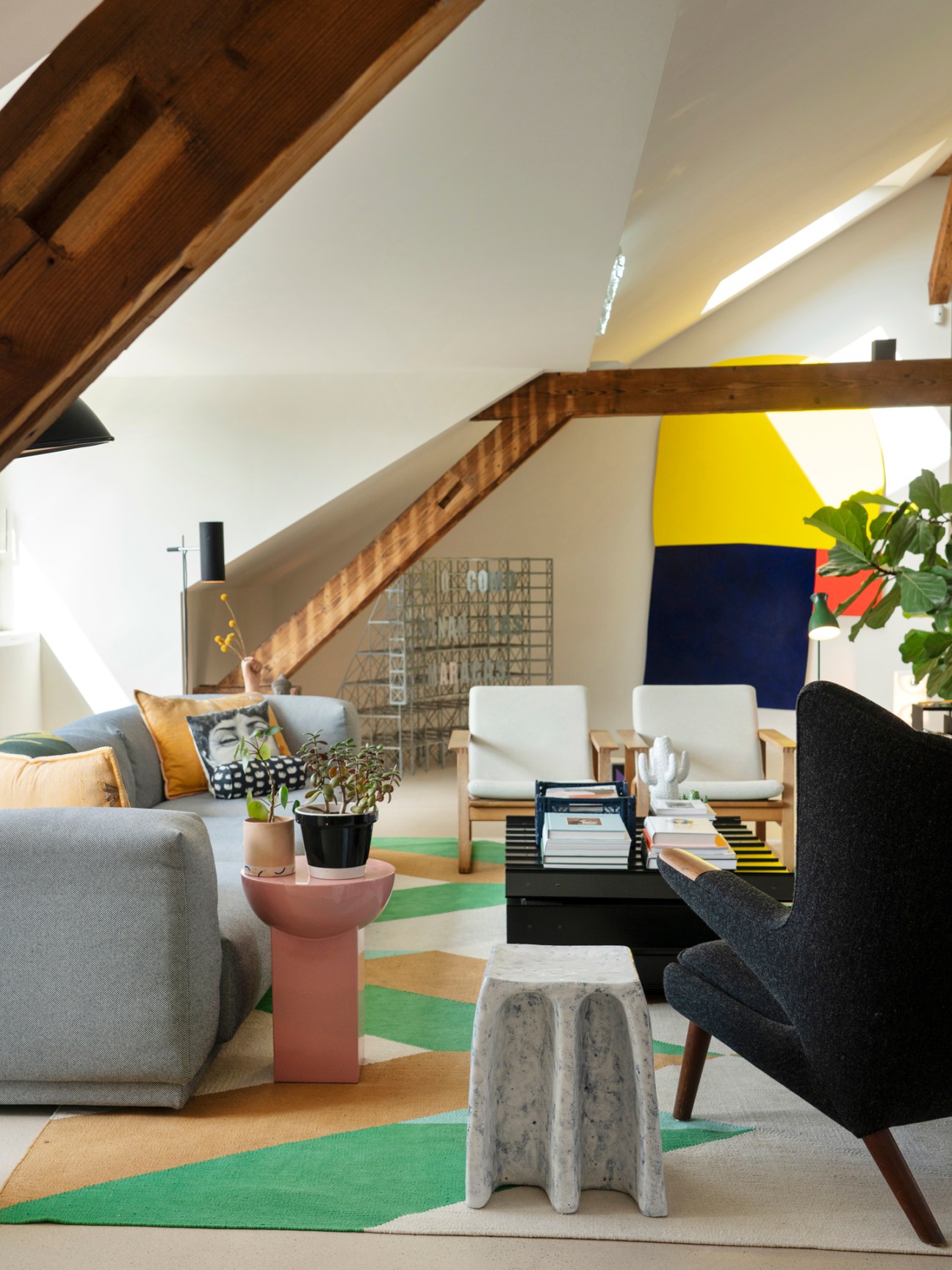
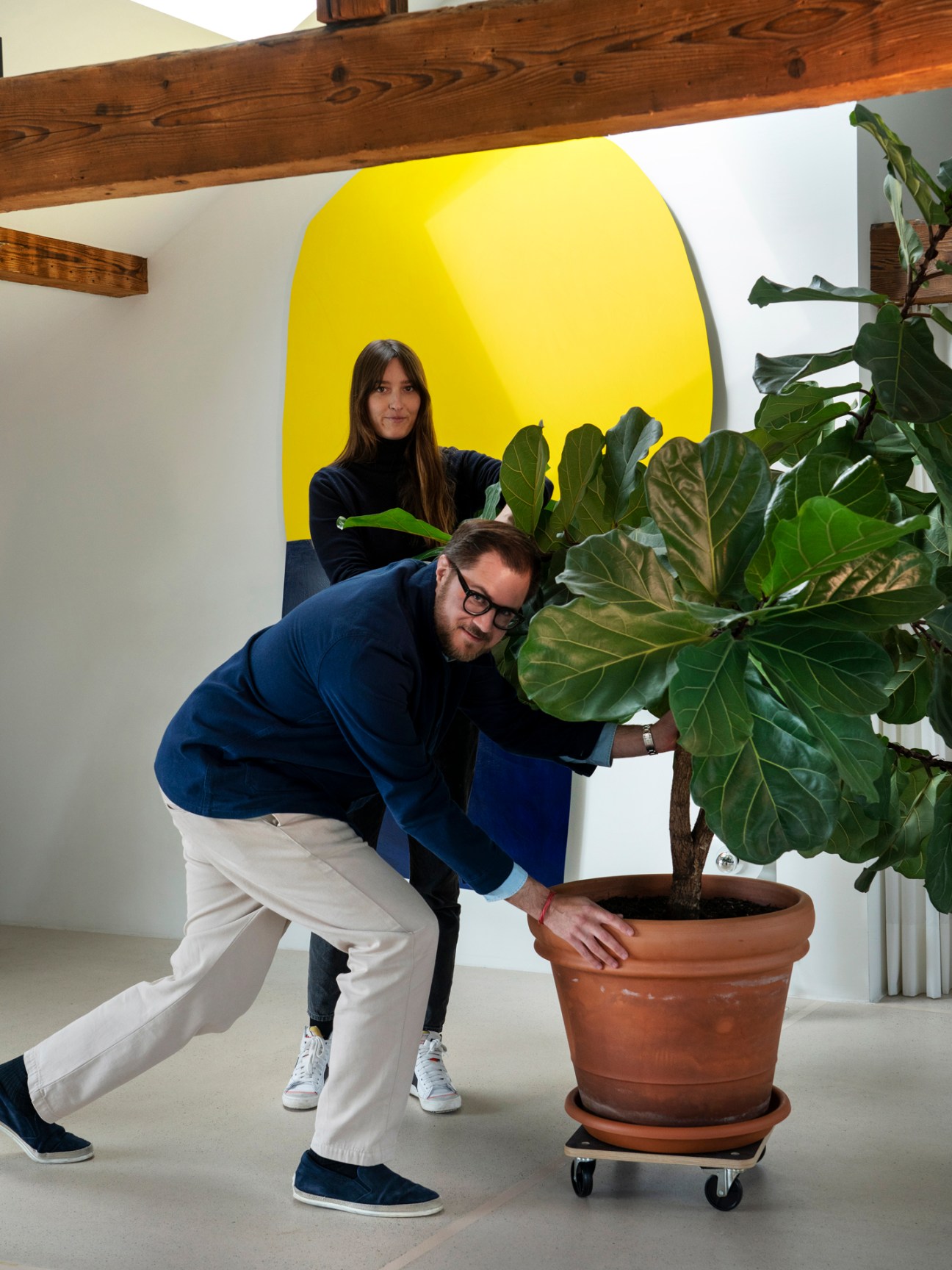
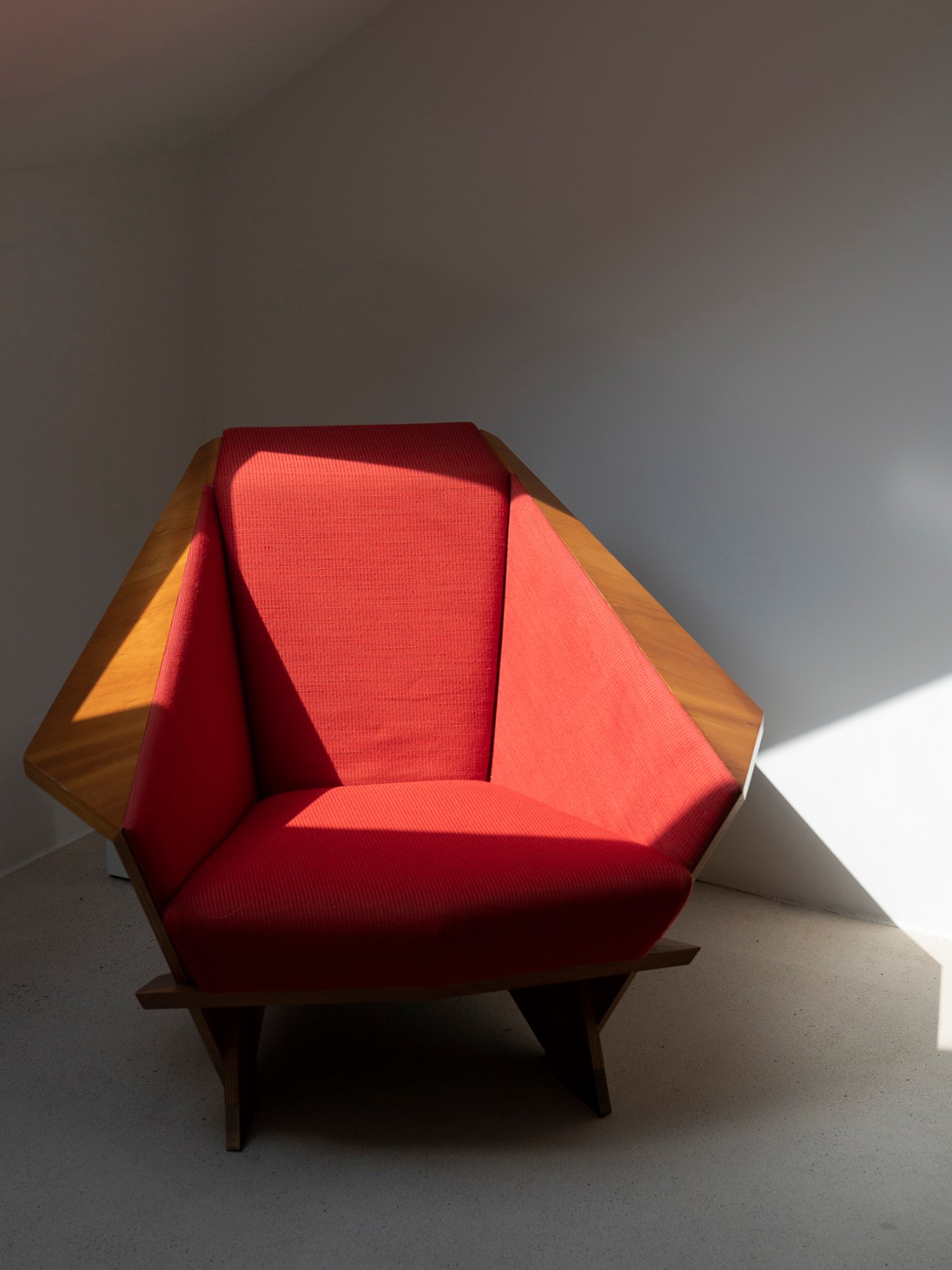
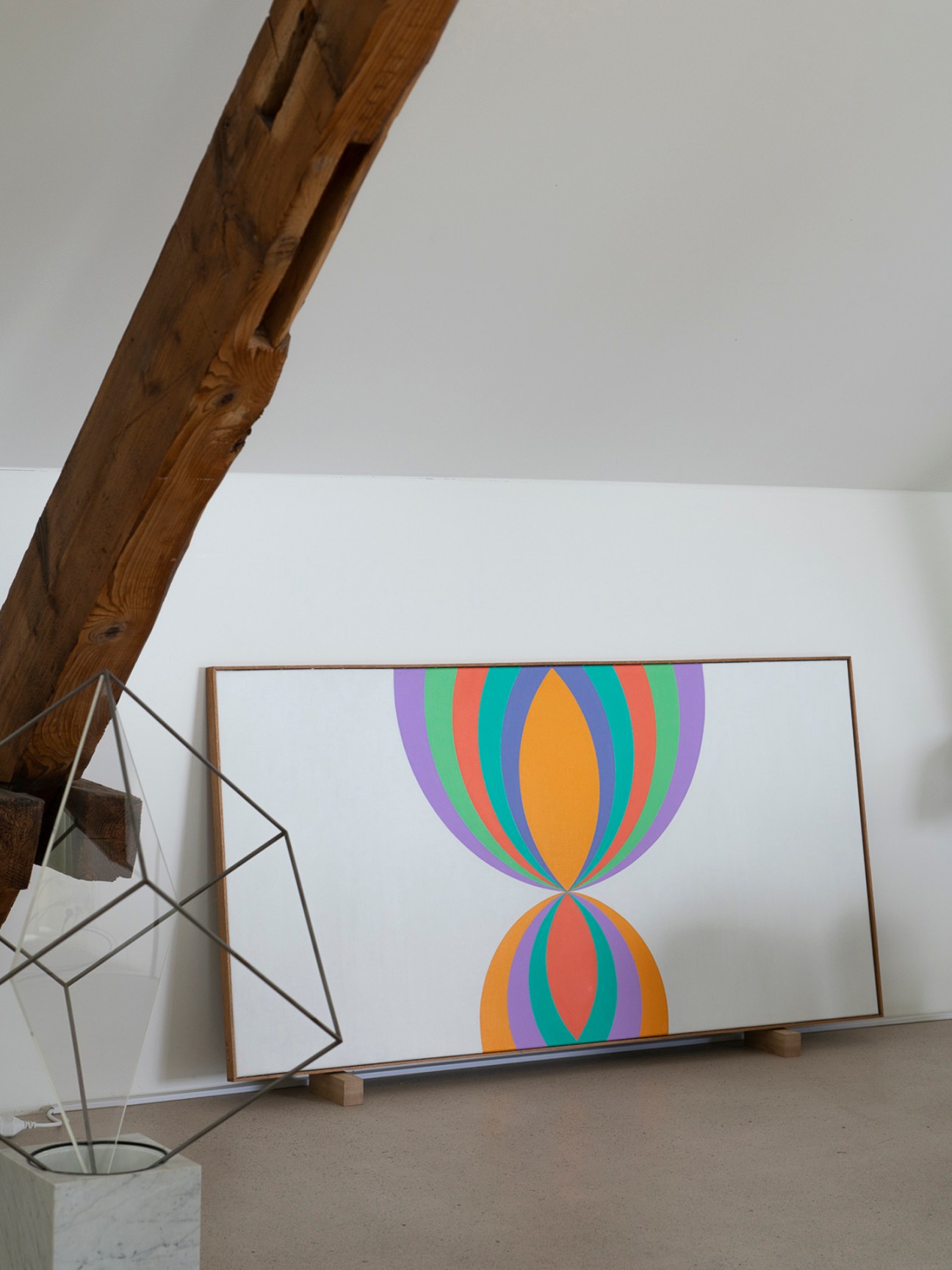
Whether at home or work, the Von Barthas choose art in an instinctual way – an approach that they encourage new collectors to follow. According to Koper, many gallerists spend too much time recounting facts and figures.
“If something draws your attention but you can’t really explain why, that’s the best case scenario,” says Stefan. The couple sometimes sell pieces from their collection to finance new projects. But Koper believes that changing the art on the walls makes it feel more like home. “Living surrounded by art is beautiful: it really is life changing.“— smn
vonbartha.com
briefings
City in the frame
Basel
Questions of provenance
The Canton of Basel is offering its museums financial support to track the provenance of their works. Its government has assigned chf250,000 (€254,000) to Basel’s Kunstmuseum, Natural History Museum, Historical Museum, Museum of Antiquities and Museum of Cultures. “Provenance research is there to find out whether there were injustices in the acquisition of objects,” says Werner Hanak, deputy head of Basel-Stadt’s culture department. The Kunstmuseum was already conducting its own studies before the grant but it has welcomed the cash injection.
Basel for Ukraine
Russia’s invasion of Ukraine has been devastating for the latter’s galleries and museums. Basel’s Kunstmuseum is helping by safeguarding some Ukrainian works as well as bringing the nation’s art to a wider audience. Born in Ukraine displays pieces that are usually on show at the Kyiv National Art Gallery. The exhibition features 31 artists, including Ukrainian painters Illia Repin, Ivan Aivazovsky and Volodymyr Borovikovsky. “The war has given us newfound pride in our artistic tradition,” says Ukraine-born Olga Osadtschy, the Kunstmuseum’s assistant curator. “This is an extremely productive moment for Ukrainian art.”
‘Born in Ukraine’ runs until 2 July; kunstmuseumbasel.ch
Enlarging Fondation Beyeler
Since opening on the outskirts of Basel in 1997, Fondation Beyeler has become a leading destination for modern art. Now the space is set for an expansion by architect Peter Zumthor.
Born in Basel, Zumthor made a name for himself with minimalist buildings such as the Therme Vals and Köln’s Kolumba Museum. Due to open in 2025, the extension will add an administrative centre, a museum and a garden pavilion to host talks and concerts. The project will also open up the formerly private Iselin-Weber Park, giving the complex a village feel.
fondationbeyeler.ch
From Damascus to Aleppo, Syria courts visitors in the midst of its rebuild
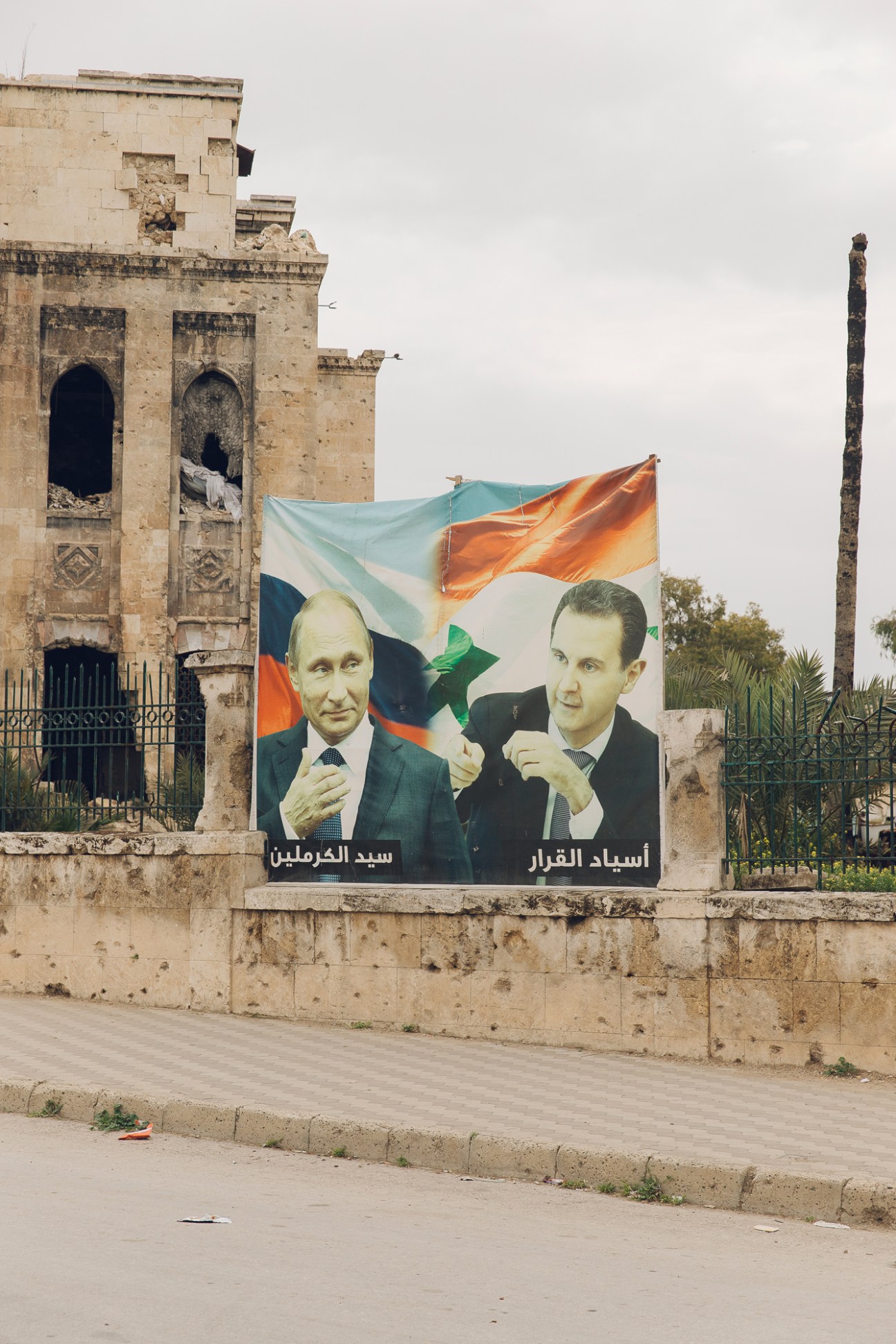
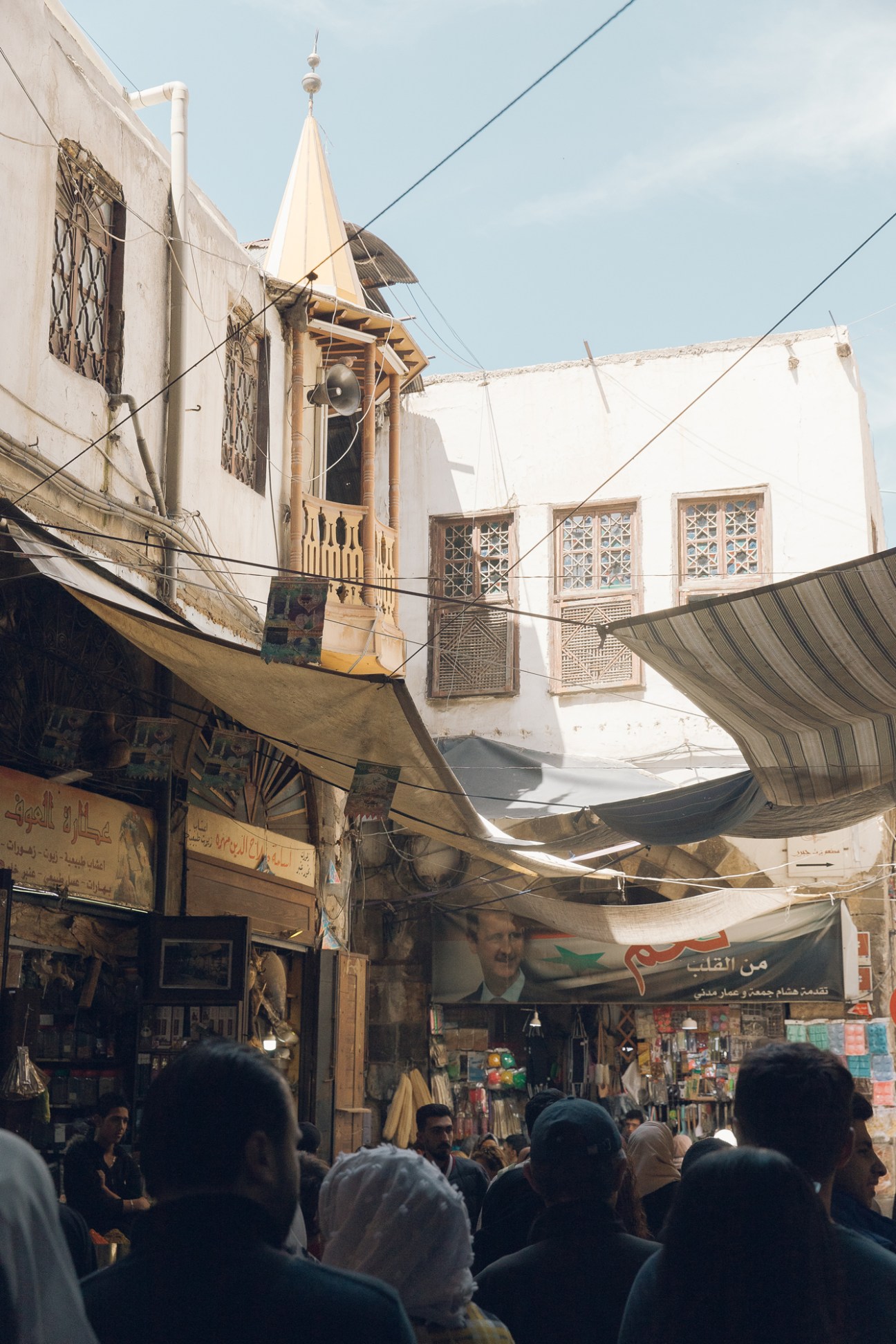
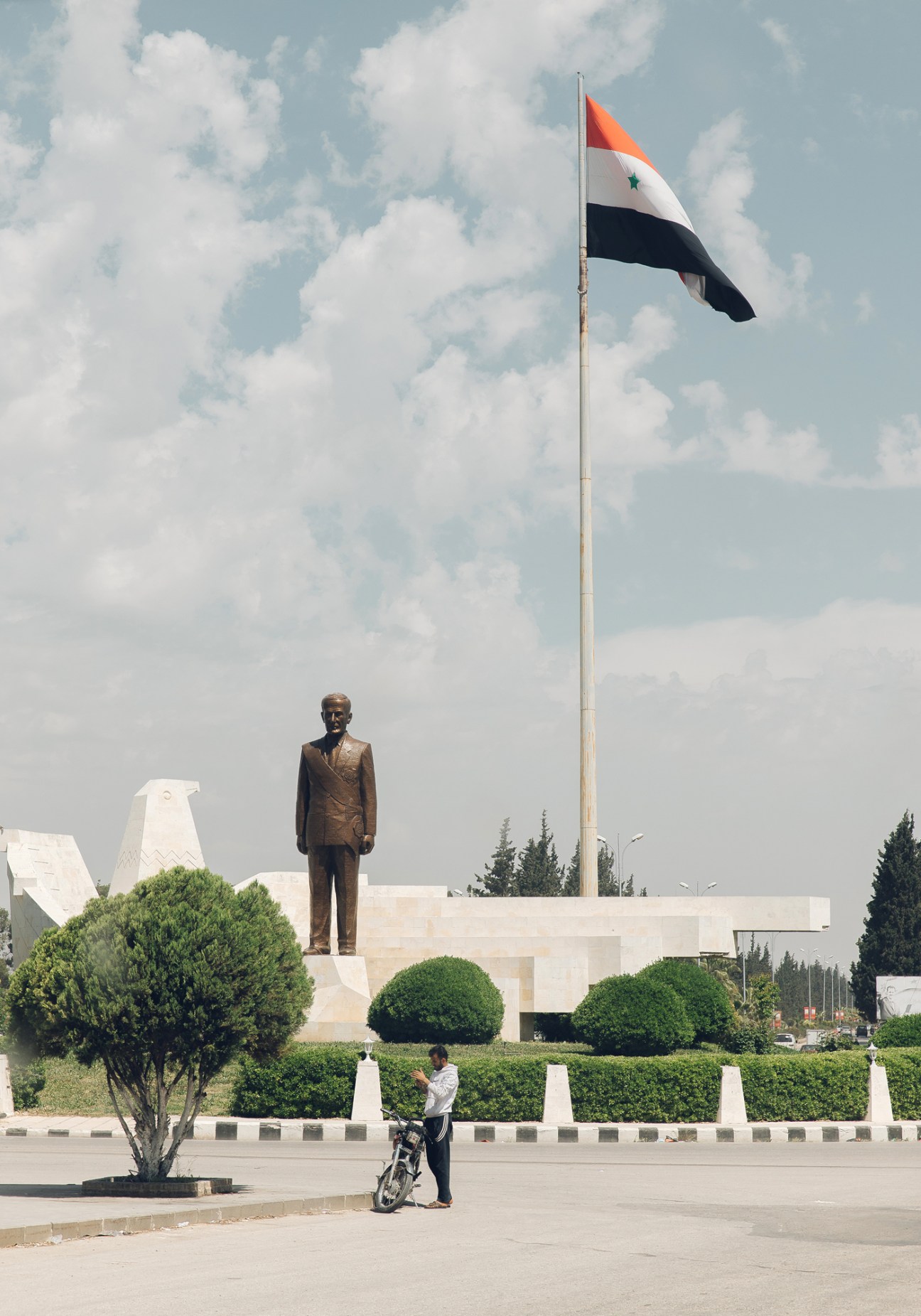
It’s a bumpy ride over Mount Lebanon to the Masnaa crossing, the gateway to Syria. The strip-lit border office is a rather mundane-looking entry point to a country that holds such mystique. Waiting for the guard to return from a cigarette break, an eastern European tourist pulls my sleeve and says, “He really is everywhere, isn’t he?” While hagiographic leader portraits are commonplace in authoritarian countries, beady-eyed Bashar al-Assad seems to stare down from every wall in Syria – in buildings, checkpoints and bathrooms. “Don’t talk about that in here,” says someone else in the queue. If Assad’s eyes are everywhere, so, in all likelihood, are his ears.
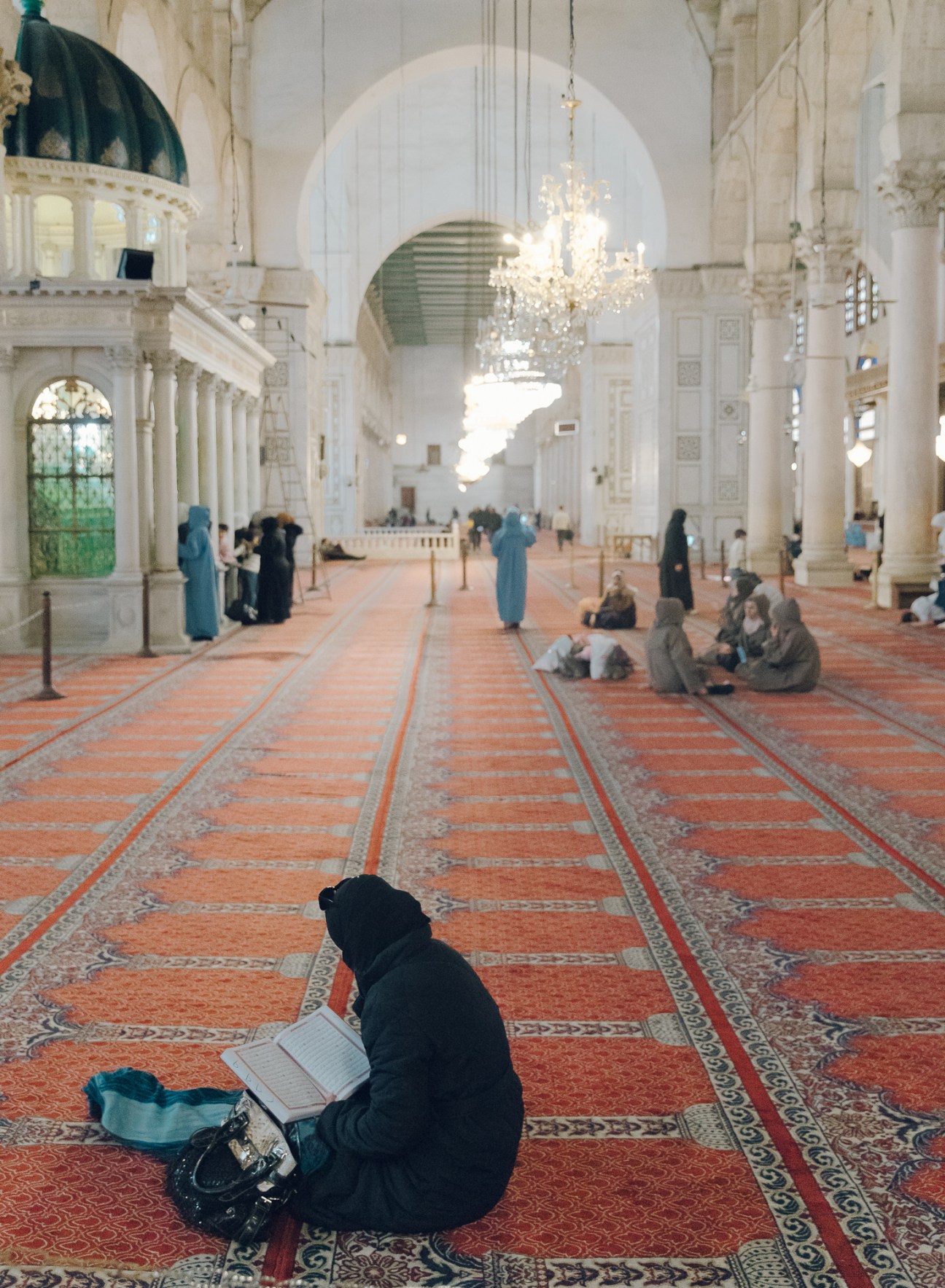
Weekenders once made the two-hour dash from Beirut to Damascus for shopping trips and hammam breaks but since Syria’s bloody civil war began in 2011, crossing the border has become an increasingly laborious and, for those trying to flee to Lebanon, risky process. After an anxious wait in the heat of late morning, we drive on to the Syrian capital, arriving just as market stalls are springing to life. The conflict has left the old city mostly untouched. We drag our luggage down winding lanes before reaching a stone arch, through which is the Talisman Hotel, the Damascene idyll that travellers have dreamed of for centuries. In its central courtyard, the sun beats down on a stone basin surrounded by traditional wrought-iron tables. Every corner contains lush bougainvillaea and orange-blossom trees haloed with dancing butterflies. Through heavy wooden doors leading to airy bedrooms, a treasure trove of furnishings inlaid with mother of pearl awaits.
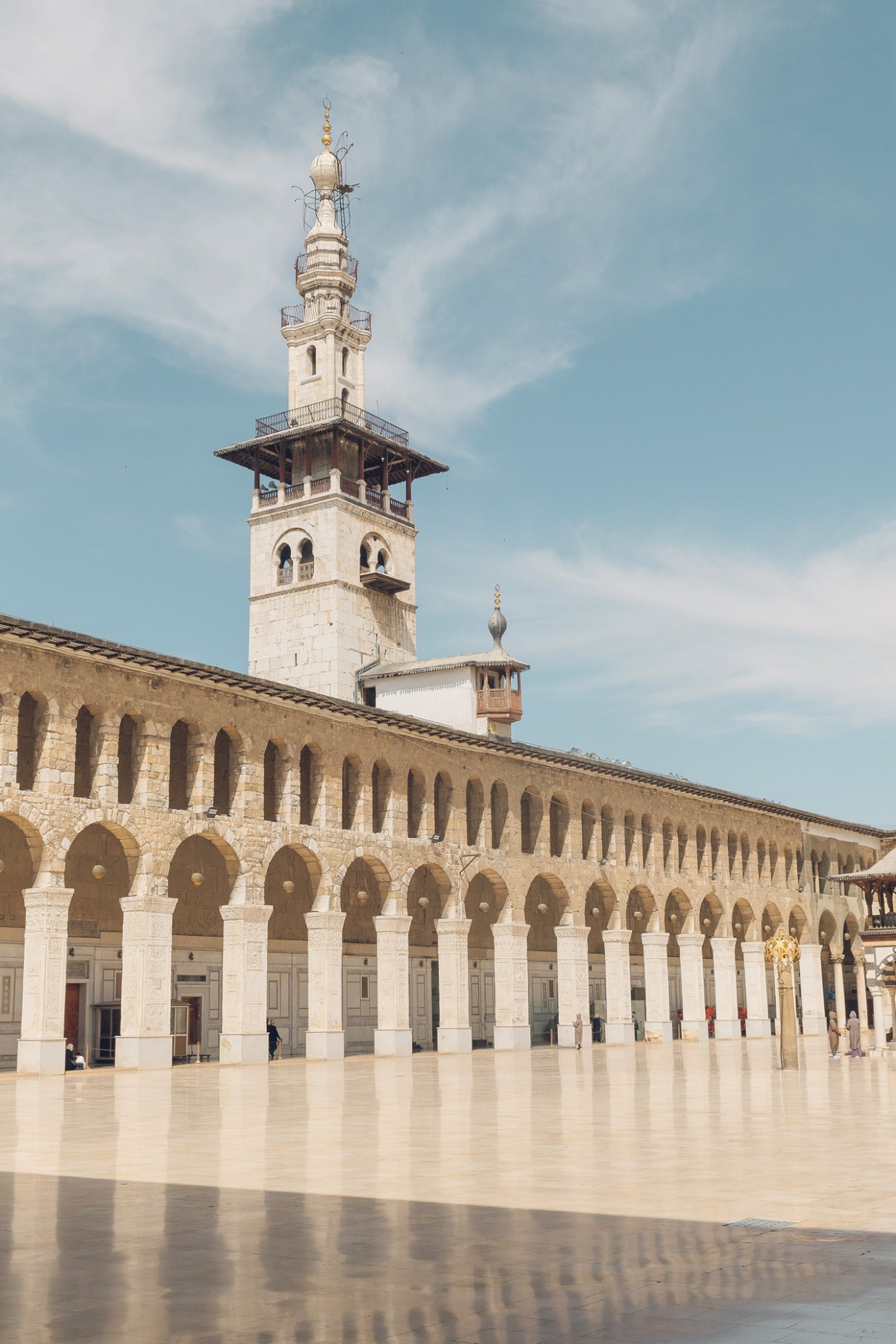
In old Damascus, every ornate doorway and carved wooden balcony window is a discovery. Continuously inhabited for more than 12,000 years, this city has been rebuilt time and again, as we discover in the ancient House of St Ananias, which lies at the Roman street level some three metres beneath today’s well-trodden pavements. The centre of the tranquil old city retains a community that has held itself together with a commitment to its daily rituals. Breakfast pastries laden with juicy meat soaked in pomegranate molasses are stacked on wooden boards in front of stone ovens known as afran. On the lush, tree-lined main boulevard, couples walk hand in hand as they survey the traders’ wares: beaded chandeliers, embossed brass trays and wooden-inlay mirrors are piled high. Many of the antiques on sale come from abandoned homes but few of those left behind have the money to buy them.
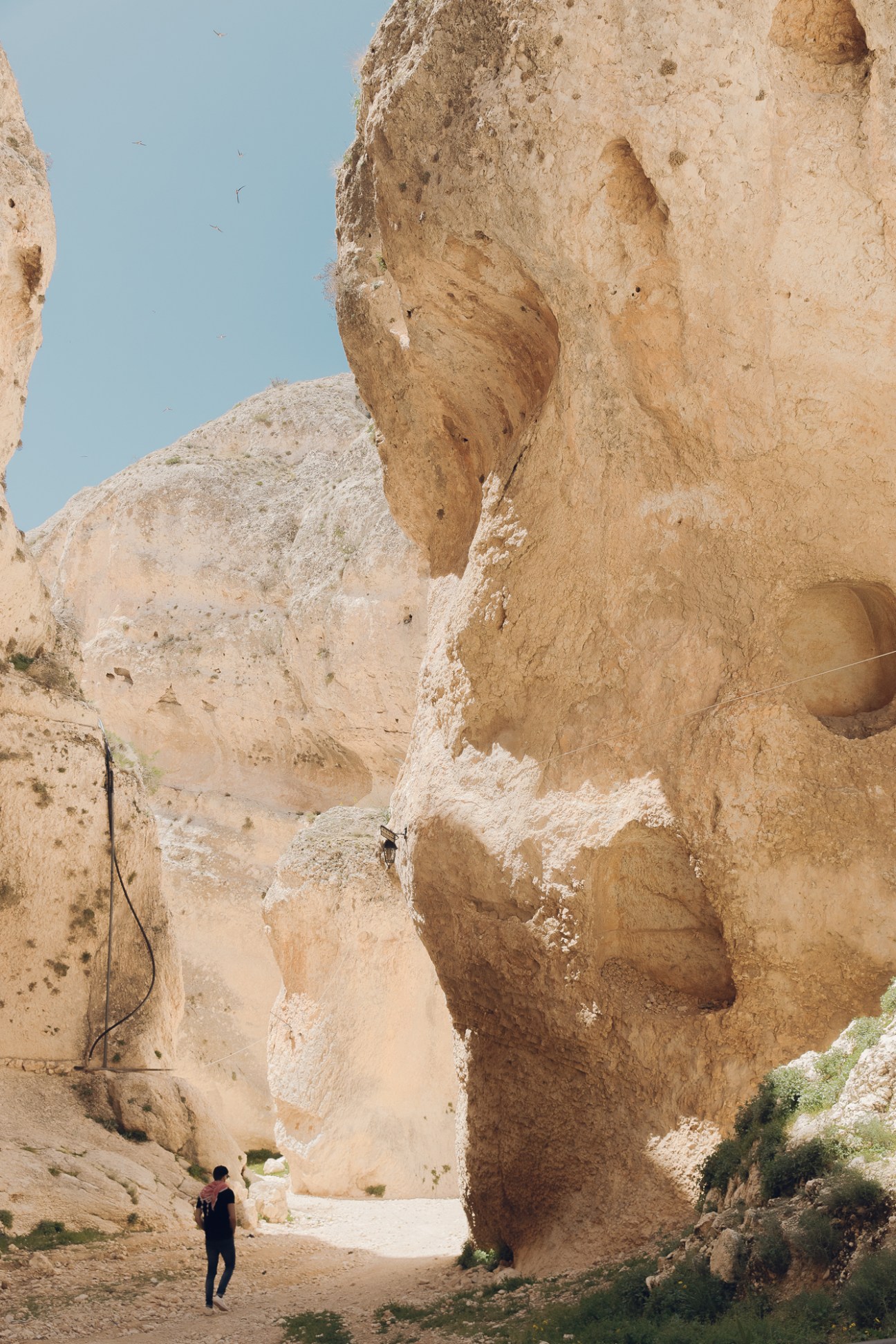
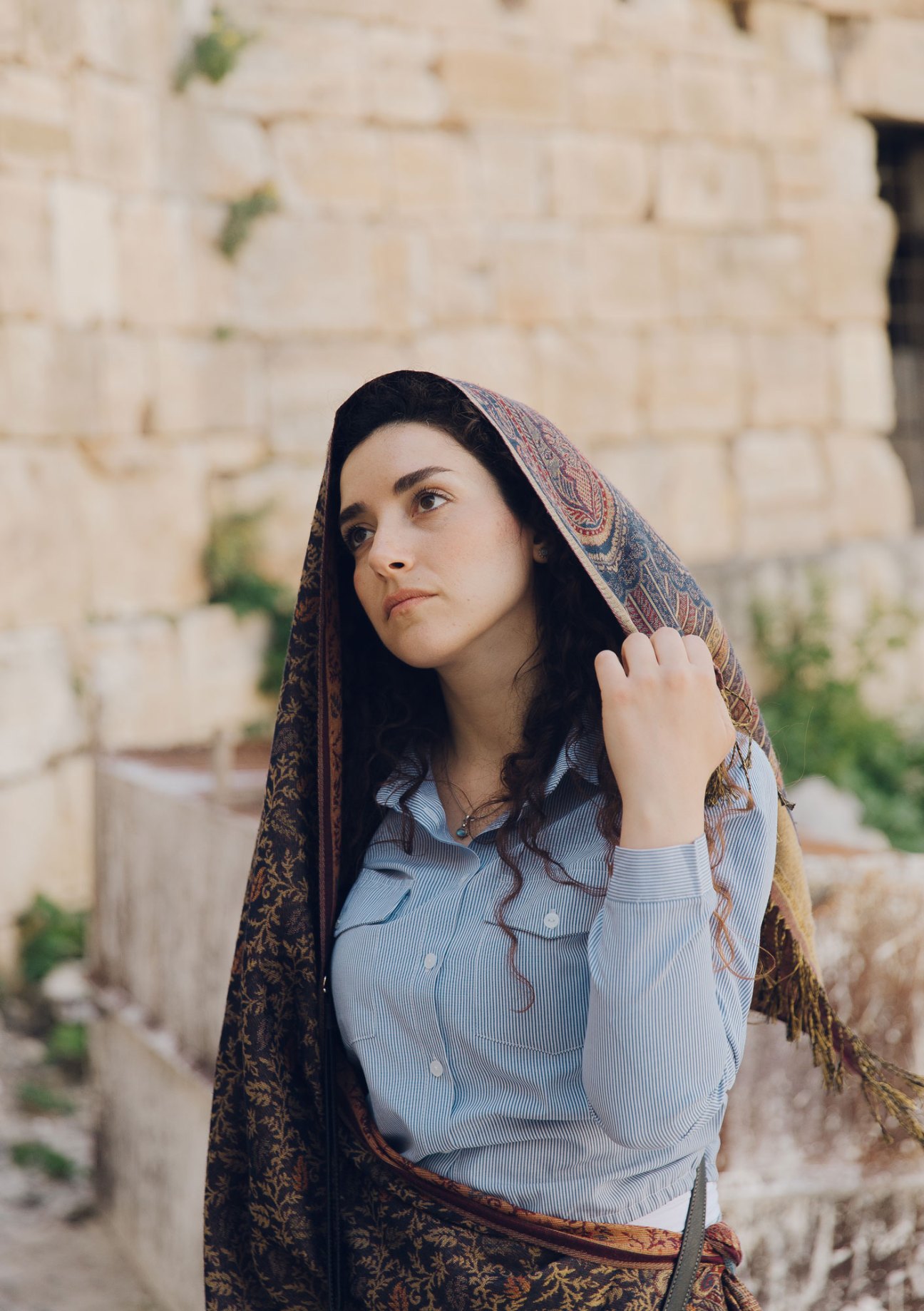

Arwa Haddad moved from Homs to Damascus to pursue a career as a tour guide. “The look on your face when you see every beautiful and surprising corner of this city – that was the look on my face when I first came here too,” she says. “That’s why I want to do this job: to show everyone my country that I love so much.” Haddad is one of a crop of fresh-faced Syrian tour guides in training, hoping to reveal a different side of their war-torn home. With so few opportunities for young people to work, they’re counting on tourism to help them build a future for themselves. Guide-turned-entrepreneur Fadi Assi is the man behind the project. His career began in 1997. Business was booming, with about 8.5 million tourists coming to Syria every year; 2010 was the busiest year yet. After the protests and brutal government response in early 2011, however, a packed schedule of bookings suddenly cleared.
With no visitors, Assi switched to working in oilfields. Kidnapped on four occasions by militant groups during the period of lawless violence that erupted in northern Syria in 2012, he did what he could to earn an income. When relative security returned in 2019, Assi decided that the time was right to bring tourists back but on his own terms. “It’s a new Syria and the kind of people who want to visit are different too,” he says. “Tourists who come here now don’t want a history lesson. They want to see our life and our culture, and share our joys and struggles.”
Assi set about recruiting young people, who he believes are more open-minded after all that they have endured in their lives. He has seen his booking enquiries triple in the past year and is never off the phone, always driving back and forth from the border to collect his charges. The first and only guide to succeed in securing visas for Americans since 2011, he is in high demand and has done his best to assemble a group (his “Golden Team”, as he calls it) that runs the gamut of ethnicities and religions in this diverse country.
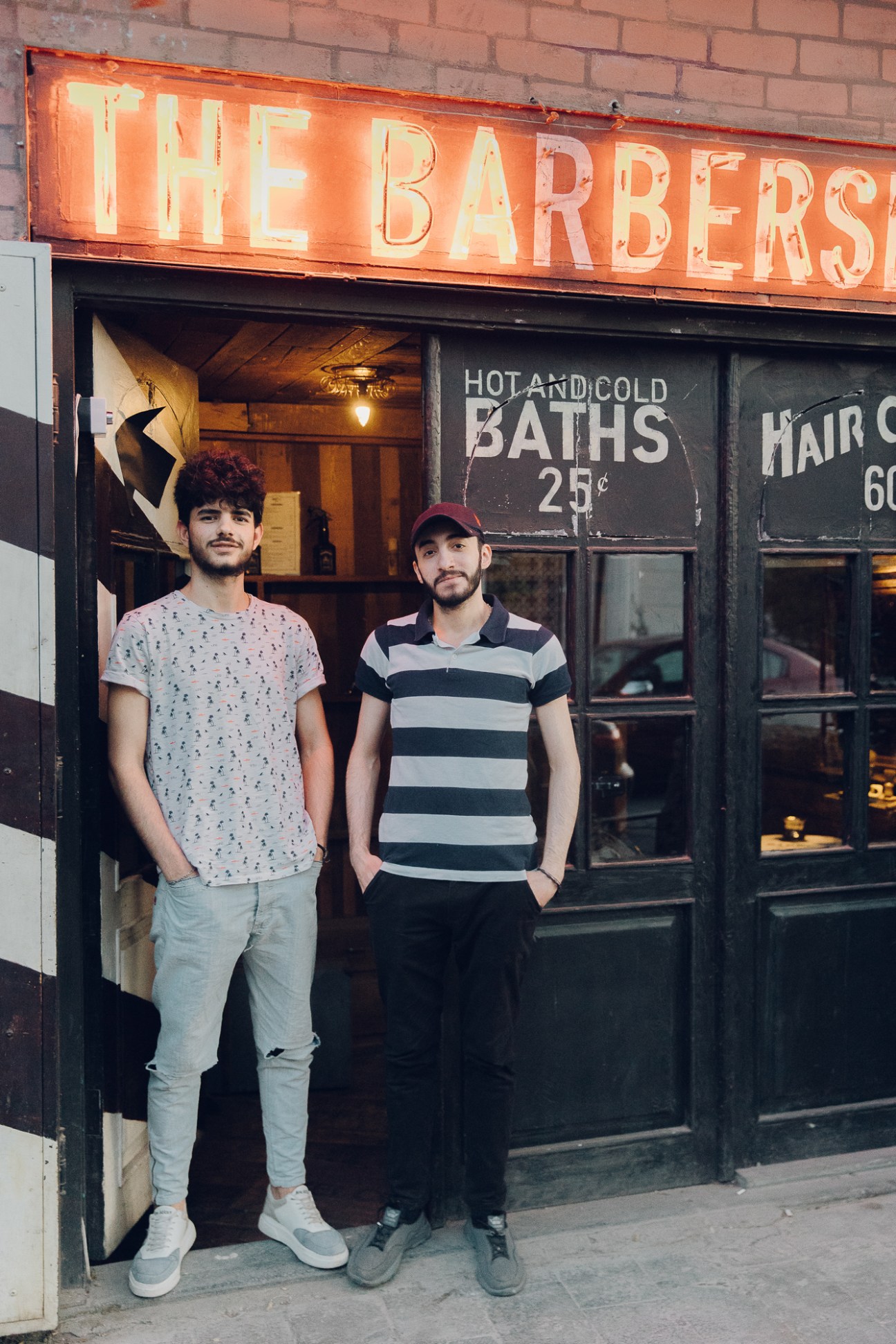
As night draws in, Damascus sparks into life. In a cave bar tucked behind an old villa in the backstreets, young people gather to drink bottles of crisp Syrian-brewed Afamia beer and sing the songs of the Arab world’s old divas. “Life is impossibly hard,” says Sirina Alnabwani, a 25-year-old graphic designer and dance teacher. “We all have to work so many jobs just to get by. Where are the opportunities for our future? We’re Syrian and that’s a black mark now. No one wants us.”
Despite what this city’s young people have been through, the desire for life coursing through their veins is infectious. Alnabwani’s hips begin to sway to the music as she calls her friends onto the dance floor. They spin and stamp, ululating as the beat grows stronger and tossing their heads back. “People think that we have died here but we’re alive no matter what,” she says. “If we young people have learned one thing, it’s not to care what anyone thinks about us.”
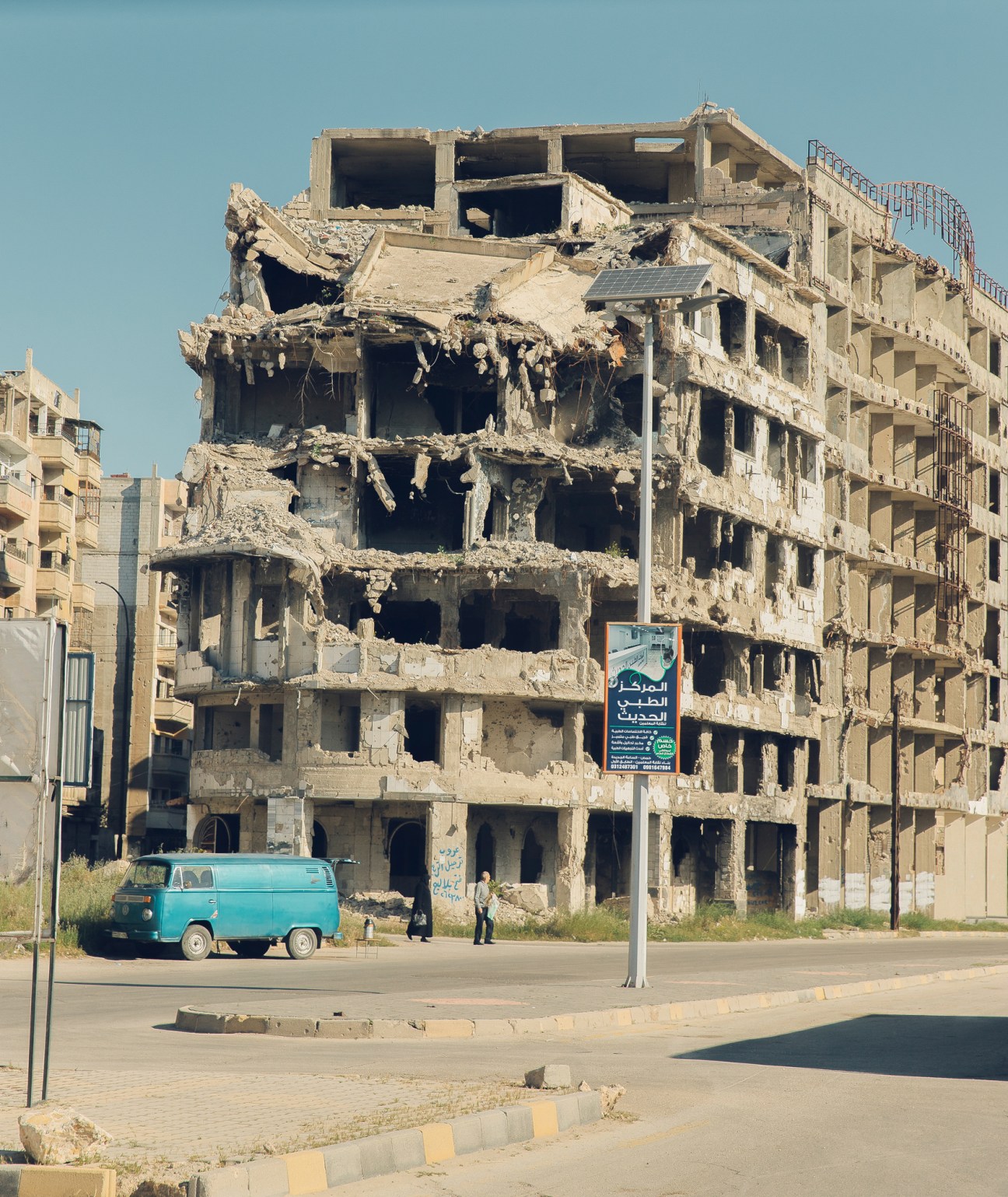
Damascus feels sorrowful but secure. But as we leave the city the next morning the mood changes. The northern suburbs, infamous for their drawn-out rebellion and long under siege by the government, are all but gone. Mounds of dust coat a landscape that was once filled with homes and farms. “These people will never come back,” says an old man as he surveys the destruction. “There’s nothing to rebuild. The regime flattened it. What was it all for?”
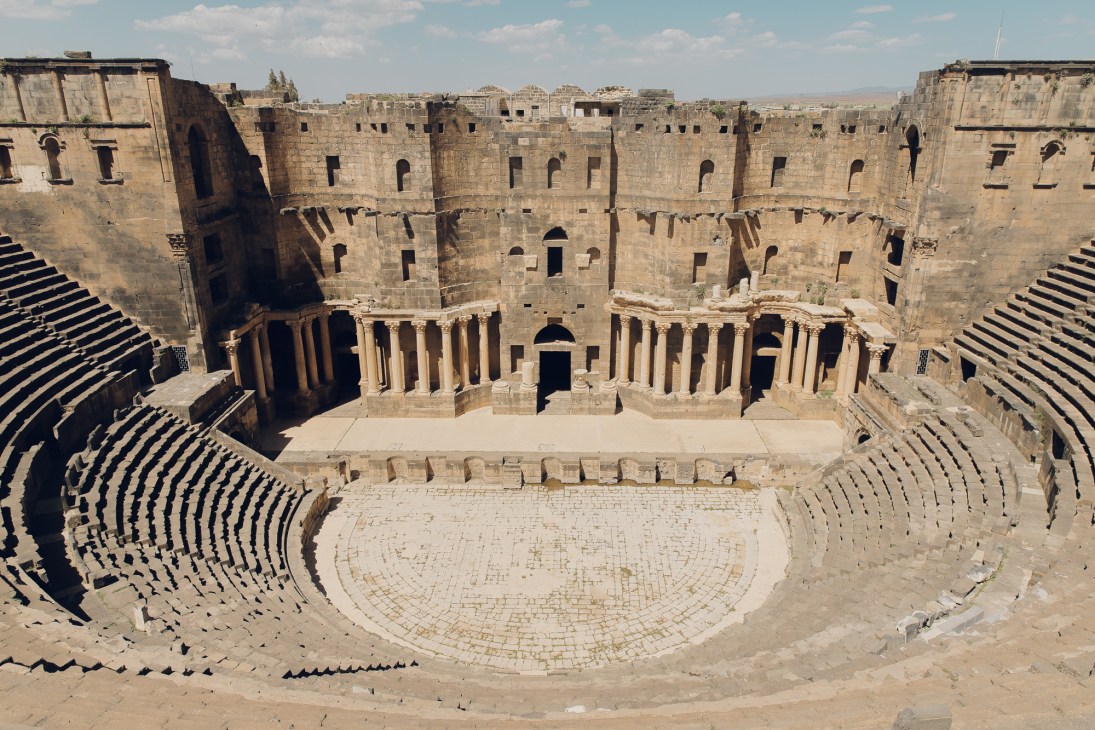
Driving towards the southern city of Bosra, under government control after being wrested back from rebel forces, our guide grows tense. “The terrorists tried to beat us but they did not win,” she says, steely-faced. There is a clear lexicon for tours here. Every side except for the government is referred to as “terrorists”; there is no differentiation between al-Qaeda, Isis and the rebel groups that rose up against Assad’s forces. Any destruction is attributed to attacks by these “terrorists” on pro-government Syrians; the army and their allies shoulder no blame. Many of the younger generation here seem genuinely not to know or understand the difference. The road should only take an hour but at least 10 checkpoints stand between us and our destination. At each, smiling soldiers announce, “Welcome to Syria!” before carefully reviewing our names and passports, as well as the credentials of our guides. No foreigner can enter Syria without a personal sponsor, so guided tours such as the one we have attached ourselves to are the only way that most can see the country.
Among Bosra’s Roman ruins, shop signs lie scattered in streets littered with sheep droppings. As we pass walls still daubed in the green, white and black flag of the Syrian resistance, we’re instructed not to take pictures. “That is not the real Syrian flag,” we’re told. “It means nothing.”
“Twelve years of violence and fear,” says 22-year-old guide Tilka, as we wait at another checkpoint. She’s a Syriac from Qamishli, a northeastern city at the centre of a dispute between Kurdish forces and the Syrian government. Her eyes fill with tears as she looks out of the window. “That’s such a long time: half of our lives. It has been so hard.” Her childhood friend Gabriela has come to Damascus to train as a guide too; whenever they want to visit their home city, they face a 13-hour journey across some of the country’s still-active front lines. Gabriela’s first love is literature, she tells me as we walk the old streets. Virginia Woolf taught her what it is for a woman to forge her own path; Emily Dickinson’s poetry speaks to her because so much of it is left open to interpretation. But with Western imports so limited, she finds it difficult to get hold of the books that she craves to read.
We drive north to the Krak des Chevaliers, a fortress built by crusaders in the 11th century and recently occupied by rebel and jihadist forces. Inside, wildflowers poke from every crevice and fig trees crouch on the high ramparts. For residents of the nearby village of al-Husn, the land has not been so giving. “We have kept the castle safe and people are starting to come again,” says Rachad, who has been the castle’s caretaker for decades, his greying hair swept behind stark cheekbones. “But for us, there is nothing. I’ve only managed to rebuild one room of my house, where I live with my whole family.” As we climb down from the high walls, Haddad pulls me into the castle’s ancient chapel-turned-mosque. Covering her abundant curls with an embroidered shawl, she begins to sing a mournful Sufi prayer. “God, I never knew love before I knew you. When I close my eyes, I see no enemies. You protect me…”
The road to Palmyra promises even greater loss. This ancient town, which once thrived through trade and, later, tourism, sits desolate in the baking midday sun. The gate of its museum lies rusting on its hinges, the walls savaged by bullet holes. Inside, only a few treasures remain; the statues’ faces were hacked off by Isis fighters who captured the city in 2015. A picture of Khaled al-Asaad, the 82-year-old archaeologist who was publicly beheaded that year after refusing to disclose the location of hidden artefacts, is painted on a filing cabinet door that is propped up in the lobby. The ruins are a trace of their former glory: the magnificent temples of Bel and Baalshamin were levelled by dynamite, their proud columns and friezes reduced to rubble. Only the amphitheatre remains intact. A local man and his four-year-old daughter try to sell faded postcards in the dry desert heat but few now come this way.
Though depleted, these ancient marvels are what draw tourists to Syria today, despite the dangers. Bernardo Martinez, a Mexican architect from Monterrey, travelled to the country to explore its architectural heritage. Once here, he found the people equally stimulating. “Inspiration doesn’t just come from the architecture of ancient sites or modern buildings but also from the people, food, culture, colours, textures, fashion, religion, nature, music and even weather. Though Syria’s infrastructure is devastated, the soul of its culture and people is as strong as ever.”
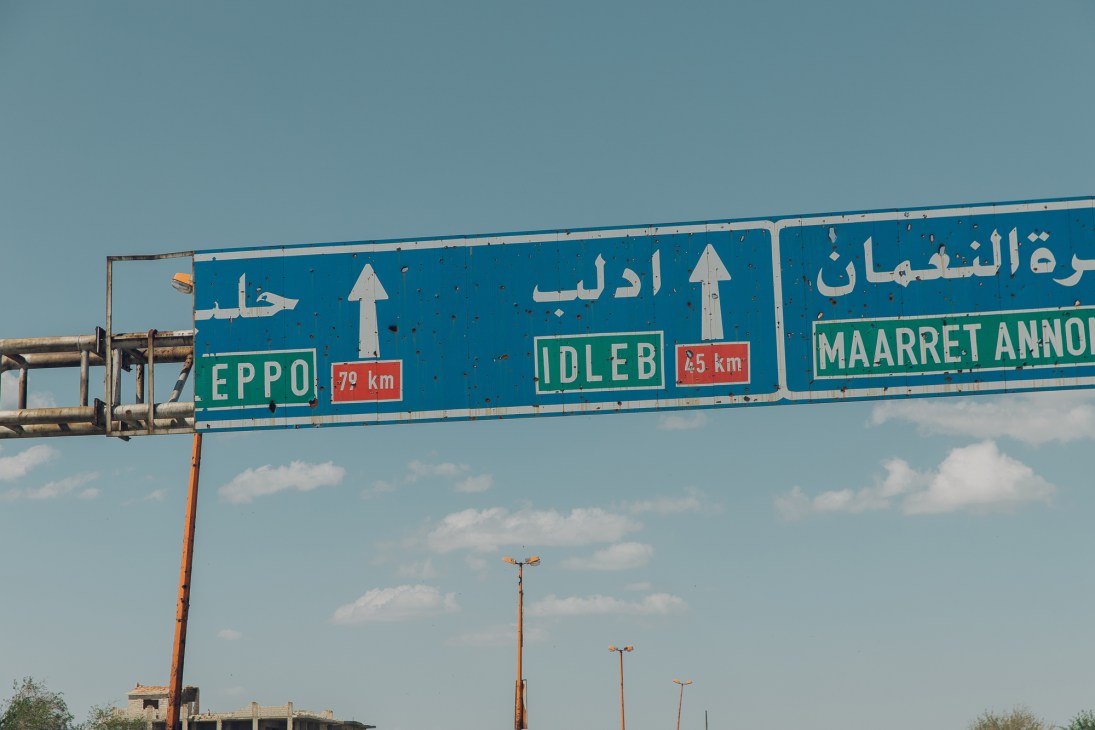
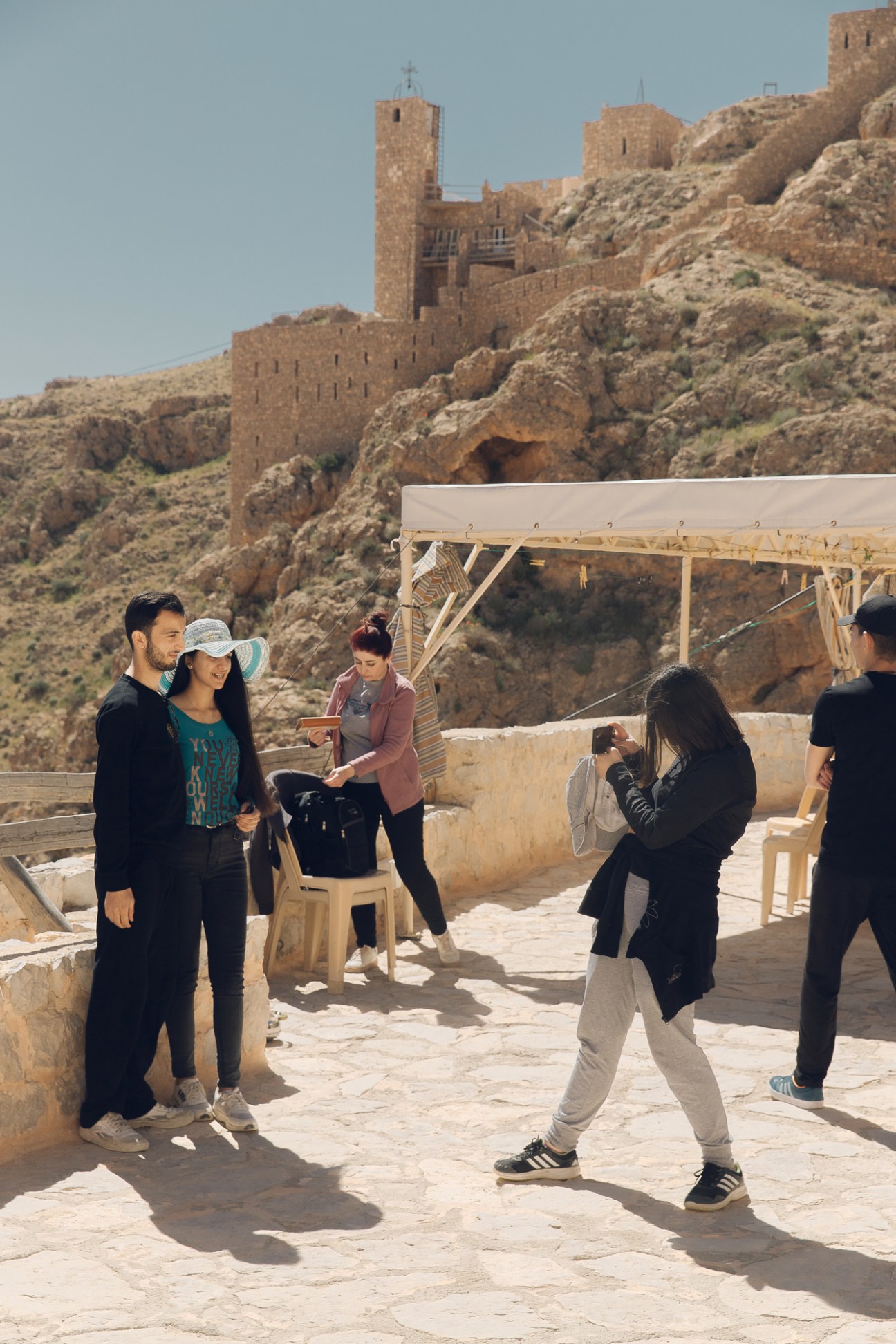
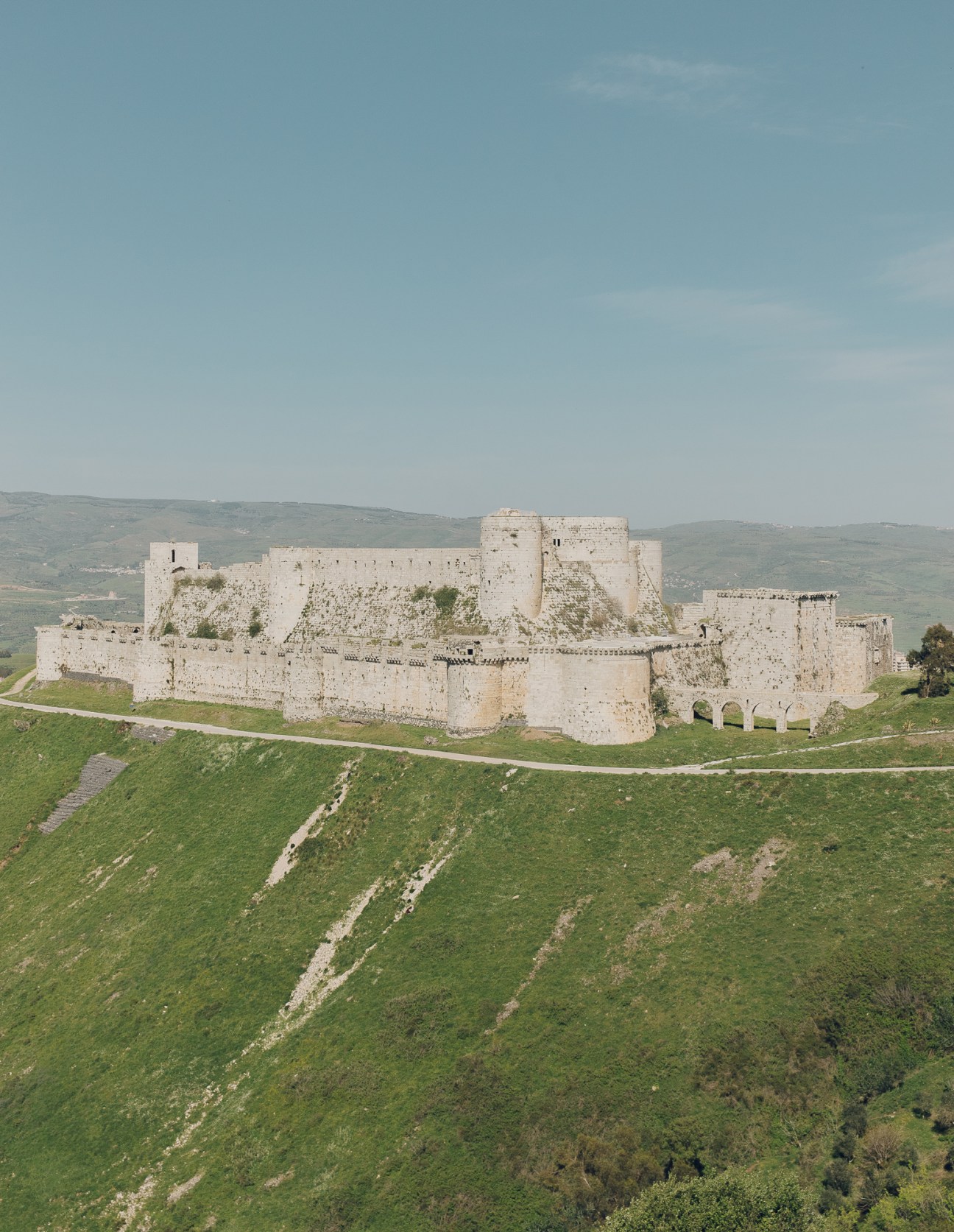
Michael Treichl, a German airport duty manager, first visited Syria 20 years ago. Now he is back to see the country that haunts his dreams. His jaw drops as he walks through the devastated old souks of Aleppo, every step kicking up thick dust. The 14th-century alleyways lie in ruins, weeds growing between piles of ancient stone. “This was once the most vibrant, the most alive place that I have ever been to,” he says. “Seeing it like this is unbearable.”
The reconstruction of Aleppo’s souks is under way but in February they were hit by another devastating blow, as the earthquakes that struck southern Turkey and northern Syria levelled the rebuilt section. “How much more can we take?” cries 27-year-old Aleppo resident Alissar Basmaji. “You think it’s beautiful now? You should have seen it before. This place was magical.” Like so many other young Syrians, Basmaji is working many jobs – including as a pianist, public relations manager and university lecturer – to survive. “When the war was at its worst, everyone left. But I want to do everything that I can to stay, to make a life here again.”
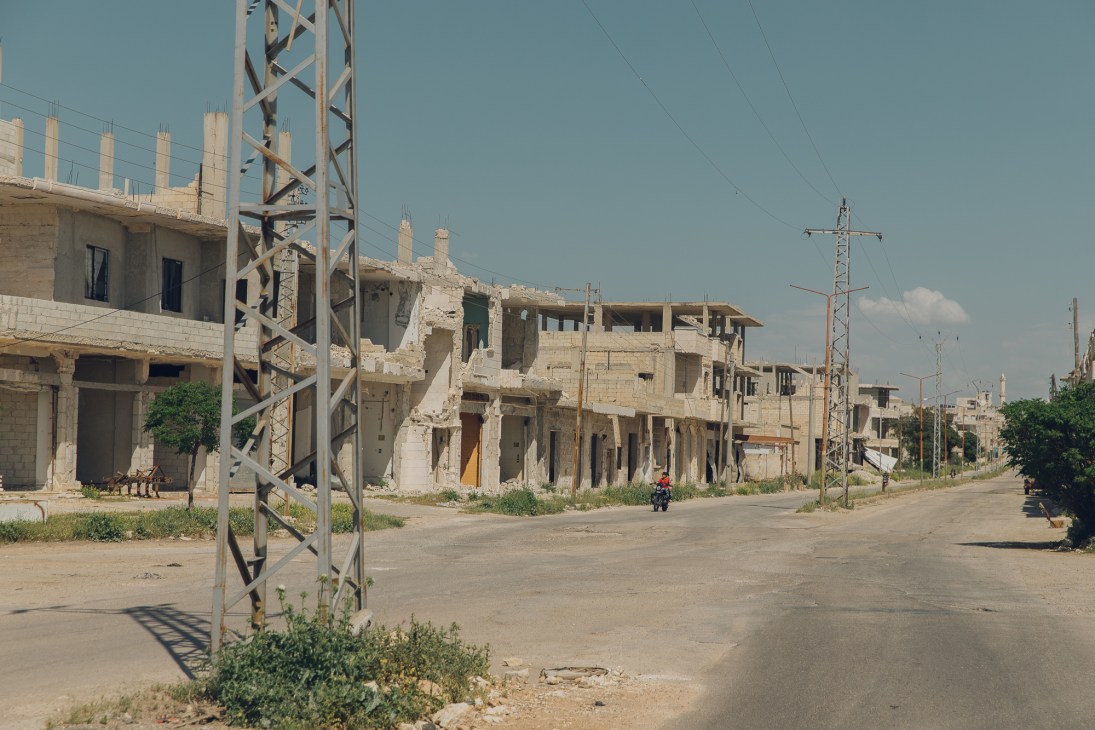
If the destruction in Aleppo comes as a jolt after the protected charms of Damascus, it is only a taste of what is to come. On the 200km drive to Homs, the true cost of the war is laid bare. Every town and village on this embattled front line has been laid to waste. No one lives in these burned-out shells any more, each former home a patchwork of shattered concrete and twisted metal. Army tanks are parked in apartment garages that once housed family sedans. Occasional lines of drying clothes slung from high apartment windows flag those who have refused to leave. Shepherds graze their sheep on central reservations; roadside merchants with crates of fresh cherries and strawberries pop up once every few kilometres, hoping to catch the occasional car. As we enter Khan Sheikhoun, the centre of some of the worst fighting, Assi gazes out of the window. The town is famous for its honey and pistachios but now the wildflowers that blanket the roadside stand lonely, the gentle buzz of bees wafting around them long gone. “We used to come camping here in the spring as the nuts were ripening,” says Assi wistfully. “Do you know how a pistachio tells you it’s ready? It pops. We would lie under the trees through the cool spring night and hear the nuts call their readiness, ping, ping. What a gentle life we lived.”
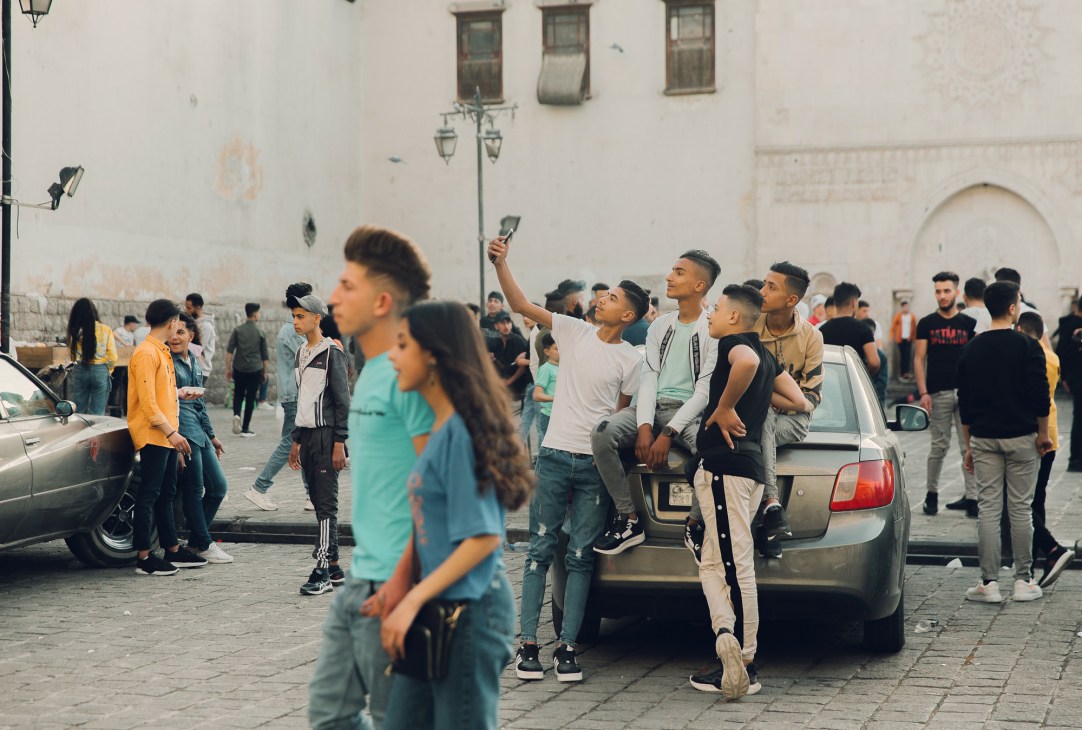
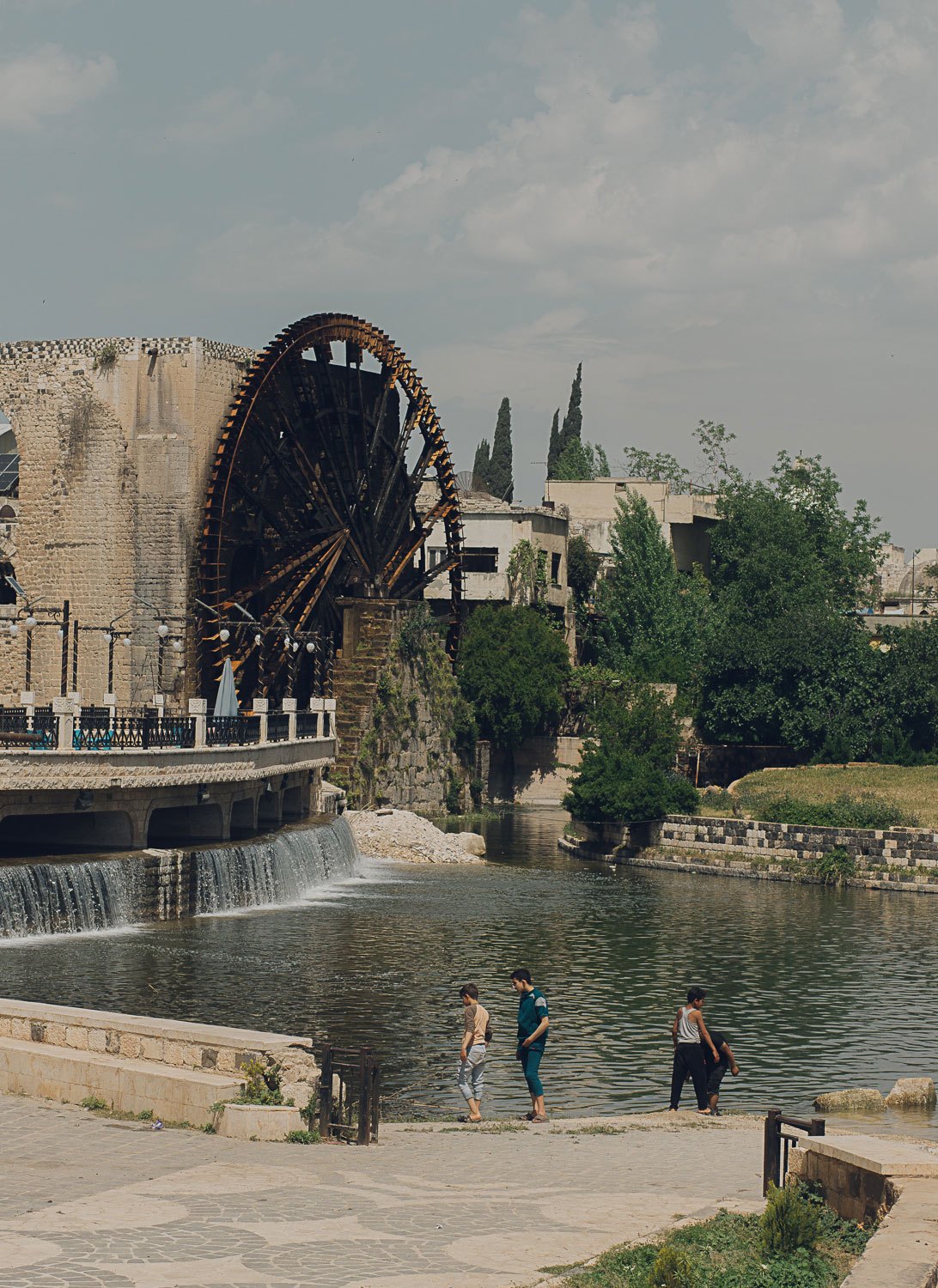
In the central Syrian city of Hama, home to 12th- century water wheels that once powered the ancient settlement, the poverty is more extreme. Mothers in ragged clothes beg desperately for change as young couples eat ice cream in the sunshine and take selfies in the park. Children scream in delight as they hold diving competitions on the banks of the Orontes river. Yusuf, a teenager who, like his friends, has no school and no work, is picking ruby-red camellias to give his mother. He hands me one shyly, wishing me a happy Eid.
A significant sector of the international community advocates boycotting tourism to Syria, arguing that foreign currency entering the country would prop up a government responsible for the deaths and displacement of millions of its citizens. Others argue that such an approach only hurts civilians who are already struggling to survive. The country’s economy is at its lowest ebb, largely as a result of the devaluation of the Syrian pound. Before the war, syp50 bought $1 (€0.90); now you would need about syp7,000. Government salaries bring in less than €30 a month, barely enough to buy basic food staples, let alone pay rent and afford petrol, gas and generator fuel. Electricity functions for only a few hours a day and running a business is almost impossible as financial transactions are frozen, meaning that international banks will not send or receive money from Syria. Sanctions target many building materials because of their potential military use; that leaves millions of people without the resources to rebuild their homes, even if they could afford to do so. Despite temporary exemptions for specific humanitarian aid after the earthquake, the US has shown little willingness to lift existing sanctions; meanwhile, the EU imposed further measures on Assad’s government in late April.
People are forced to use workarounds to get foreign currency into the country. A Kurdish hairdresser in Geneva, for instance, might serve as a drop-off for payments; he’ll then call a contact in Syria who will distribute funds at the other end. Sometimes, it’s as simple as handing a stack of notes and desperately needed supplies such as baby milk and heart medicine to a taxi driver crossing the border, along with instructions about where to deliver them. But these are crisis measures, not long-term solutions. “It’s clear that while sanctions are officially targeting the Syrian government and its institutions, they are indirectly affecting the whole population,” says Syrian economist Joseph Daher, an affiliate professor at the European University Institute in Florence. “The objective of sanctions is behavioural change and popular pressure for reform but the opposite is happening. Economic pressure is increasing and there is no political will for change. People are just focusing on surviving or trying to leave.”
In recent months wealthy Arab states such as the uae, Saudi Arabia and Egypt have renewed ties with Assad’s government. Besides pleading with friendly nations to reconsider, the US and its allies can do little to turn the tide as it becomes increasingly clear that Syria’s president is here to stay.
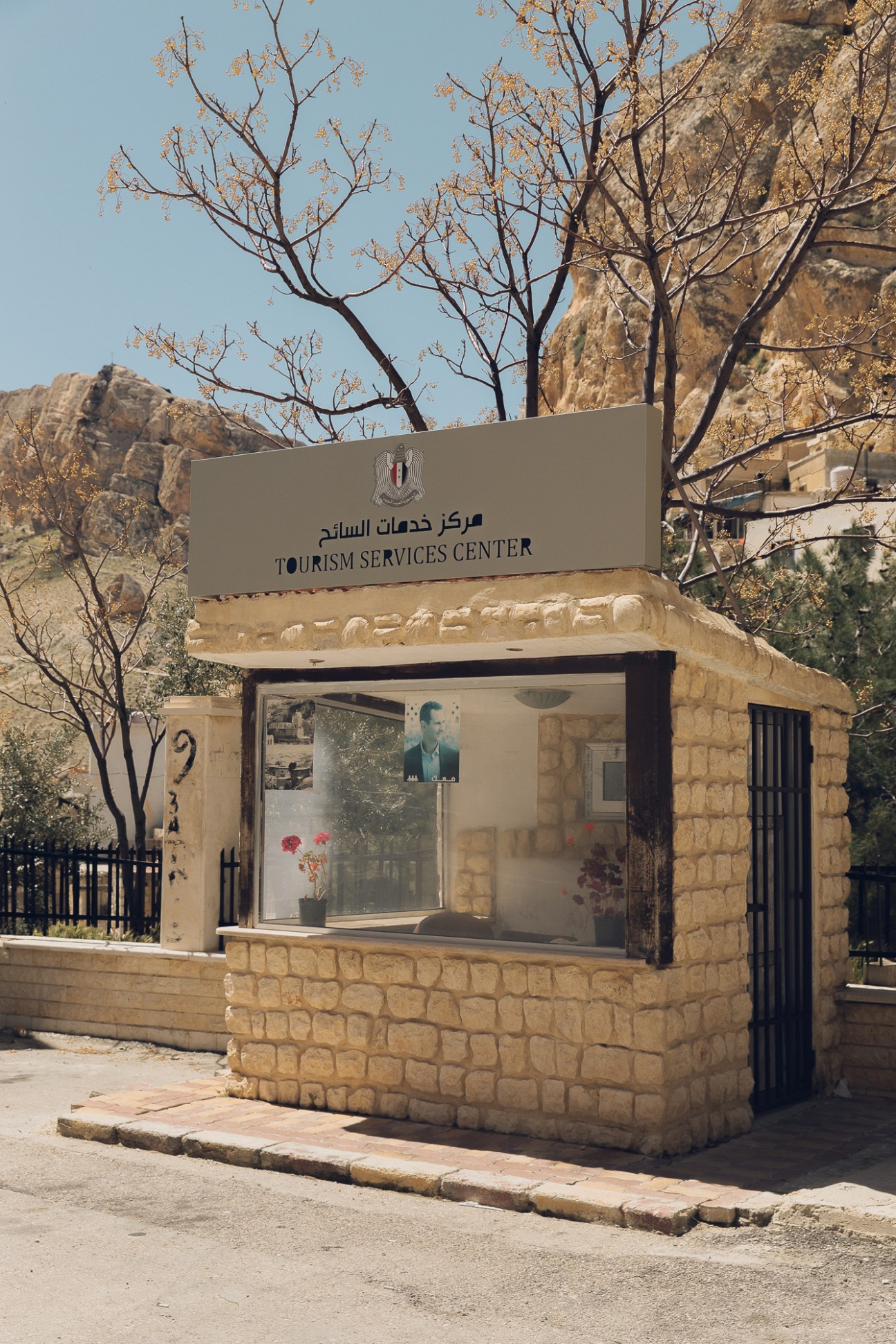
Rik Brinks runs Cultureroad, a Netherlands-based adventure-travel company that has brought tours to Syria since early 2022. Brinks says that Syria is one of his most popular destinations: interest has shot up this year, attracting a mix of adventure travellers and people with a specific connection to the country. “Their first question is, ‘Is it safe?’” says Brinks. “We want to show them a different side. Syrians fall in love, have families, live the same lives as we live. Visitors say that their trips are amazing and that’s mostly down to the people.” For Brinks, arranging tours to Syria has been easier than some of his other challenging destinations because the tourism infrastructure and knowledge were in place before the war. But it has not been without its challenges. The biggest hurdle is visas, as every traveller needs individual security screening and clearance from the government. Brinks believes that avoiding tourism to Syria to punish its leaders is misguided. “The people don’t choose their government,” he says. “Only about 2 per cent of our costs go to the state, for permits. Everything else goes to the people here and their businesses and, in this economic climate, every meal at a restaurant helps.”
Homs, Assi’s home district, is as beautiful as it is tragic. The wild, rolling fields of countryside seem to vibrate with nature’s riches, the daily rhythms of agricultural life now set against a backdrop of destruction. The northern suburbs lie in ruins, a haunting reminder of the communities that once lived there.
In a four-room apartment decked out with the low-slung, brightly patterned sofas that are particular to Arab hospitality, Assi’s mother, Asmahan, has prepared a feast. Plump chickpeas marinated in olive oil and topped with boiled chicken and bulgur wheat bump against platters of fresh peas and grilled lamb. Shish barak, meat-filled pastry parcels served with an acid-sharp yoghurt sauce, is the star of the show. We wash down plate after plate with arak, aniseed liqueur hand-distilled from grapes grown on the farm of Assi’s father, Nadim. Every meal in Syria is a delight.
After dinner, we sip on sweet tea as Assi’s cheeky eight-year-old daughter, named Syria, proudly lays out her Monopoly board, an edition that features Damascus’s best-known streets. The prices on the bright squares hark back to a time when a stack of Syrian pounds could buy a home (or hotel), not just a can of soda.
The following day, as I walk down the unlit streets of Homs’ old town, fat drops of rain begin to fall – a relief after a series of sweltering days. Looking for shelter, I see a wooden door propped open, its delicate brass reliefs sparkling as the water lands. Inside there is a hidden palace. The carefully laid arms of ancient wood-beam ceilings swing out to meet traditional striped, black-and-white stone walls, each bearing a series of geometric patterns.
Across the fountain-laden courtyard, the same stones lie scattered in piles – the back half of what was once Homs’ grandest restaurant, Beit al-Agha, now in ruins. Rain falls on a UN tarpaulin strung over the tile floor, beneath which hangs a single battery-powered bulb. It gives just enough light for the fierce backgammon game unfolding between Abu Ghadi and Abu Georges.
As I sit down to watch, I am handed a scalding cup of thick, black cardamom coffee. They have played this way every night for four or five years now, their friend Imad tells me, hunched over a towering ashtray that he fills from an ever-replenished cigarette at the corner of his mouth. With no electricity at home and no work, they meet to talk of the old days and use what public spaces they have left.
Imad used to build stone houses such as this. His friend Abu Ghadi was a plumber. With no money for reconstruction, they have all the skills that their country needs but none of the materials. Still, they have hope. Imad sweeps his greying hair from his forehead, heavily lined through years of grief, as he looks around the battered beauty of the ruined palace.
“We will rebuild our Syria – we have no other choice,” the stone mason vows determinedly. “Step by step, stone by stone, we’ll get there.”
Fractured state
In January 2011, as Syria erupted in protest just a few weeks into the Arab Spring, most predicted that Bashar al-Assad, seemingly the weakest of the Middle East’s dictators, would easily fall. Even after a murderous response from the state, most of Syria’s neighbours were preparing for life after Assad. As the revolution became a civil war, myriad armed factions entered the fray, all with their own foreign sponsors. Kurdish forces, with the assistance of their compatriots in Iraq, quickly established a redoubt in the north. Meanwhile, in the large cities of Homs and Aleppo, the Syrian Interim Government, an alliance of pro-democratic opposition forces, dug in. What came next shocked the world.
Assad, the awkward second son of former president Hafez al-Assad who had only become heir apparent after the death of his elder brother, proved himself more than callous enough to wage a brutal civil war. His forces bombed and gassed opposition towns and cities, displacing millions of Syrians and causing a European migration crisis. Amid the chaos, Isis, an armed group with a medieval regard for human life, declared a bloody caliphate in eastern Syria. Though the US and its allies co-operated to neutralise its threat, they stopped short of taking the fight to Assad.
Into this vacuum stepped Vladimir Putin. In September 2015 he deployed the Russian military to help Assad reassert control. Under Putin’s aegis, Syria’s president stepped up the bombing of opposition cities and the mass murder of civilians. Today, ancient cities have been reduced to rubble and Syria has lost between a third and half of its pre-war population. Recent estimates put the war’s death toll at about 600,000, including more than 300,000 civilians. At least 14 million people have been displaced and about half of those have left the country. Assad is now in control of three quarters of the nation. In May the Arab League readmitted Syria 12 years after it had been suspended.
Images: Every person quoted and photographed for this piece gave full approval for their inclusion.
Every picture tells a story
I was in Asheville, North Carolina, for The Monocle Weekender when the photo desk received many of the shoots for this issue. Richard Spencer Powell, our creative director, kindly selected some images from the key features and emailed them to me so that I could see how many pages each story merited – and to assure me that all was running even more smoothly with me out of the way. One of the shoots I was especially keen to see was for our Syria dispatch (page 61).
A few months ago, after years of trying official routes, we took the decision to send our Beirut correspondent, Leila Molana-Allen, and a photographer, into Syria as tourists. This comes with risks: the Syrian regime is not keen on having uninvited journalists in their country. Precautions were taken. We agreed that they would travel overland from Lebanon with an organised group, first stopping in Damascus, then heading on to Aleppo, Homs and Palmyra; meeting contacts where possible, seeing the country’s attempts to revive its once vibrant tourism industry and gauging the mood of the nation.
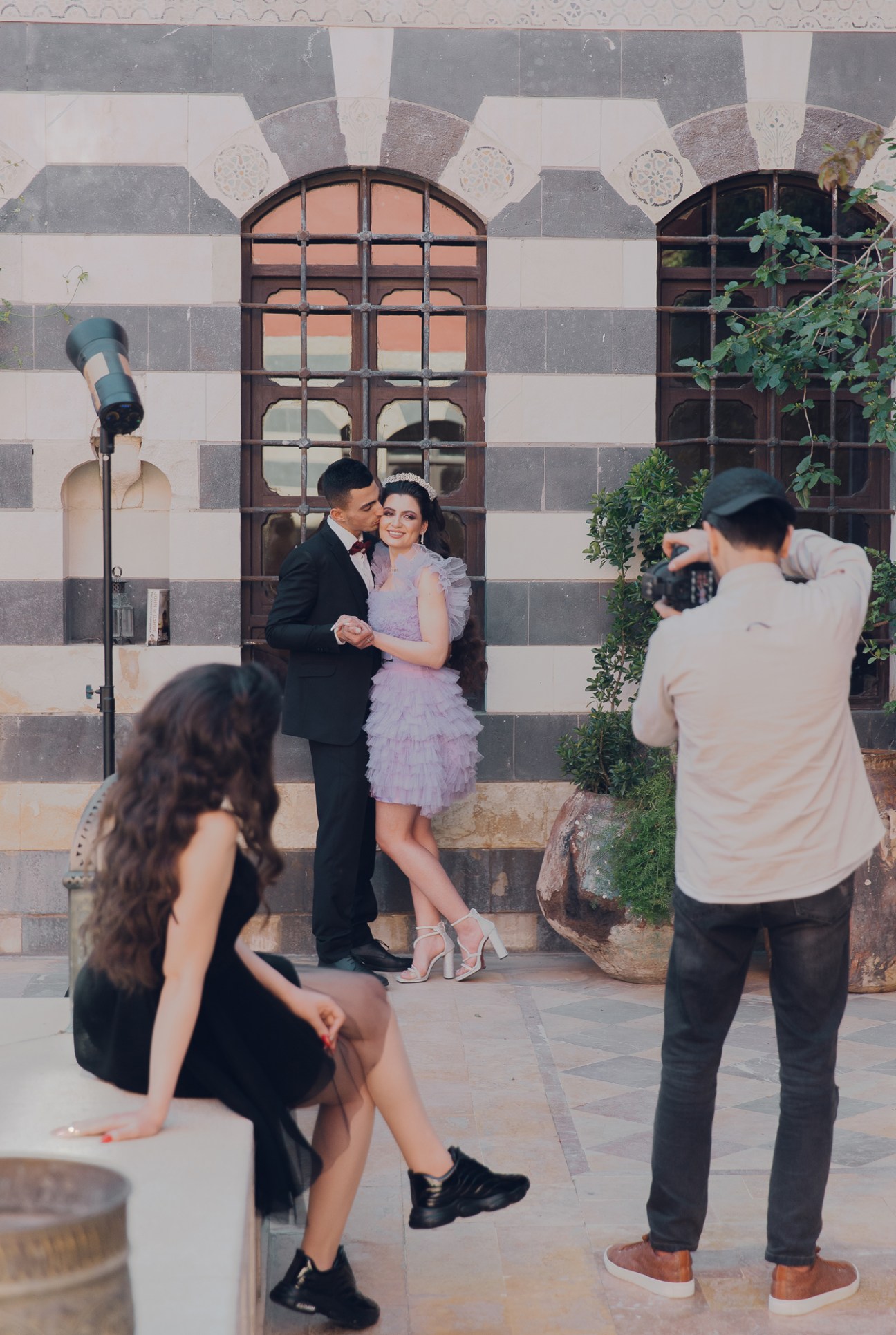
Thankfully, all went well – mostly. There were some uneasy moments with the police, meaning that our photographer has decided not to use their name on this report. Leila is credited. But the pictures. In my hotel room, I opened the pdf sampler and found myself pulled in by one image in particular – you can see it on pages 70 and 71. Shot on a square in Damascus, it shows some 20 or so young men and two young women. The men – boys, really – all look as though they have been to the same barber: sides of heads are sharply shaved and a lot of hair product seems to be holding the rest of their neat cuts in place. One group is taking a selfie. A couple walks past, closer to the camera, holding hands. It’s a picture that looks so normal; just young people hanging out. It could be anywhere. But what aches is knowing that Syria is anything but normal, that even if these young Syrians live in Damascus, where the ravages of the civil war were felt less severely, their futures will be curtailed. It’s a picture of the everyday but also of people who can’t quite see how caught up in history they are. I hope that this same feeling comes across in Leila’s report: that after years of terror, of the gruesome Isis caliphate, the crushing of the democratic movement, the arrival of Russian forces, people are trying to find ways to rebuild their lives, cling on, take pleasure in mundane moments.
Rich also sent me another set of pictures to preview. These are far removed from the destruction of Syria. Liam Aldous, our Madrid correspondent for many years, has spent much of his time in Ibiza. For this issue’s Expo (page 187), he reports on a generation of transplants who find themselves on the island not for clubbing or life on the beach but to farm. There has always been magical mysticism at play in Ibiza, which has attracted people on personal journeys of discovery. But increasingly the island is a laboratory for sustainable farming at every scale. I am not quite ready to buy a hoe and farmer’s smock (though I like the look) but it did make me think that owning a goat could be a good life ambition.
This issue is also an art special (page 100) and Chiara Rimella has pulled together an impressive survey of what’s ahead this summer, the artists you should know, the pieces that collectors are snapping up, a preview of Art Basel and a dive into the photography market to find out the value of a perfect shot.
If you couldn’t join us in Asheville, here’s some news: our annual Quality of Life Conference will take place in Munich from Thursday 31 August to Saturday 2 September – and tickets have just gone on sale. It’s a highlight of our year. You’ll hear from 20 speakers, attend great dinners and receptions, see a dynamic city afresh and hang out with team Monocle. Come. You can buy tickets at monocle.live or message our head of events, Hannah Grundy, at [email protected]. In the meantime, feel free to contact any of our editors with ideas and comments; you can find me at [email protected]. Have a good month.
Shining a light
On 16 March dozens of Israeli women wore deep-red cloaks and white bonnets to a protest against their government’s judicial-reform plans. They weren’t the first demonstraters to do so. Conceived by Canadian writer Margaret Atwood for her best-selling 1985 novel The Handmaid’s Tale, the outfit has become a fixture of anti-government demonstrations around the world. In the novel, a repressive regime requires “handmaids” – women who are considered the property of the state and forced to bear children – to wear these bonnets and cloaks; since the release of the book’s hit 2017 television adaptation, the “modesty costume” has become a symbol for activists who see parallels between Atwood’s dystopia and their own lives.
“It’s a visual way of protesting,” says the 83-year-old author, speaking to Monocle in a book-lined boardroom in the Toronto headquarters of her publisher, Penguin Random House. “People can put on this outfit and get into legislative chambers, and they can’t be kicked out for causing a disturbance because they’re silent.”
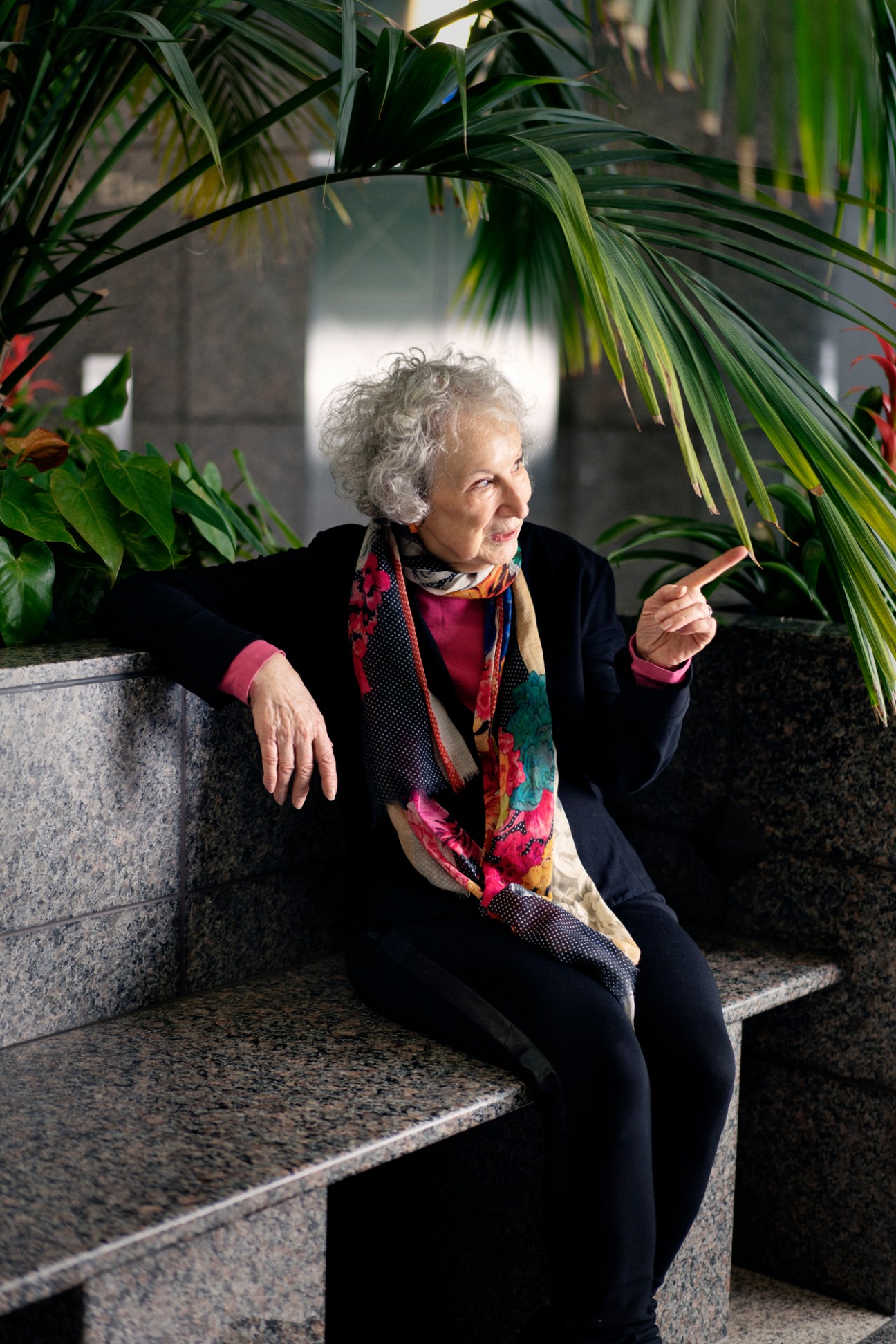
Atwood is a prolific writer whose work has spanned poetry, novels, children’s books and graphic novels; her latest collection of short stories, Old Babes in the Wood, was published in March. Over the years, she has also become a sort of guiding figure for her readers. Consuming her views on everything from the US Capitol attack to the sanitisation of Roald Dahl’s work, they look to her for advice about how to navigate these turbulent times.
She tells Monocle about the morning after Donald Trump’s election in 2016. “We were still filming the first season of The Handmaid’s Tale and there was a lot of, ‘Oh, no! It’s all coming true!’ from people [working on the show] who had never been through really hard times,” she says. “They thought that this was the worst thing that had ever happened. I said, ‘No, actually it’s not. It can get a lot worse.’”
In several ways, it already has. From the US Supreme Court’s decision to overturn the landmark Roe versus Wade court decision that protected the right to have an abortion to the banning of books from schools and libraries in several parts of the US, authoritarianism seems to be on the rise. Atwood has personal experience of it. The American Library Association lists The Handmaid’s Tale as one of the country’s most regularly banned books; to illustrate the point, Penguin Random House even produced a special edition of the novel made from fireproof paper and filmed the author blasting it with a flame-thrower.
Atwood knows that these aren’t new problems. “Since when have we not had authoritarian people trying to get rid of writing that they didn’t like?” she says. “It’s very old stuff. But it is a symptom of a creeping authoritarianism in some parts of the US.”
Government-mandated restrictions that are disguised as “protective measures” – from Tennessee’s ban on drag shows to the hurdles to accessing gender-affirming healthcare across the US – don’t surprise Atwood either. “People go too far and when they realise that they don’t really like the results, it can be hard to claw back from that,” she says. Politicians with totalitarian tendencies “want to keep things static”, she warns. “They’re at the top and they want to stay there.”
But for Atwood, change is inevitable. “I channel Charles Dickens: it was the best of times, it was the worst of times,” she says. “A lot of things have become worse but [the current political landscape] is also energising people who otherwise would have been sitting there saying that nothing ever happens to take countersteps. You can’t say that nothing ever happens any more.”
The CV
1939: Born in Ottawa.
1969: Publishes her first novel, The Edible Woman.
1976: Co-founds the Writers’ Trust of Canada with her partner, Graeme Gibson, and three others to promote the country’s new writing.
1985: The Handmaid’s Tale is published.
2000: Wins the Booker Prize for her novel The Blind Assassin.
2006: Launches the Longpen, a mechanical invention devised to enable authors to sign copies of their books remotely.
2019: Named a Companion of Honour to Queen Elizabeth II for her services to literature and also wins the Booker Prize a second time for The Testaments, the long-anticipated sequel to The Handmaid’s Tale.
2021: Canada’s national postal service unveils a postage stamp in her honour.
Object lessons
Perched on a small island just off the coast of Maine, overlooking the Atlantic Ocean, Haystack is quiet almost by design: the birds seem to chirp louder and the pine trees rustle longer. For the artists and makers who spend their summers here partaking in open-studio residencies and workshops spanning disciplines from ceramics to blacksmithing, the school’s sense of community is also a major draw. “Haystack is isolated, not isolating,” says executive director Perry Price. Designed by US architect Edward Larrabee Barnes in 1961, the school – known for its summer residencies, programmes and workshops – is the type of place where creative types go to escape everyday life. “We welcome people from all over the world so that they can be engaged with what they’re doing and be focused in the studio,” says Price. “But the experience is very communal: we come together for meals and for presentations by faculty.”
These close bonds formed between students, studio technicians and office co-ordinators are, according to Price, what set the school apart from other institutions. “There’s an incredible amount of attention paid to this gem of an architectural campus,” he says, pointing towards the maze of cedar-shingled cabins overlooking the bay. “But this place is really about the people: our board, staff, the faculty that teach here, the constituents that come here to take courses and the community of people that supports us.”
When Monocle visits the campus, the Haystack team is preparing for the start of this year’s summer session, with artists working in ceramics, fibreglass, metal and wood. “We wake up the campus during the spring, welcome the world over the summer and, when the autumn comes, we close everything again and go into a reflective period,” says Price. “The place has its own rhythms, its own lifecycles – it’s something that we should emulate in our own lives as well.” Price, who joined the team earlier this year, is looking forward to finding his own role in that cycle. “There’s an incredible sense of entering into the history of a place and knowing that you are a momentary caretaker for a thing that has had a life prior to you,” he says. “Hopefully a long life after as well.”
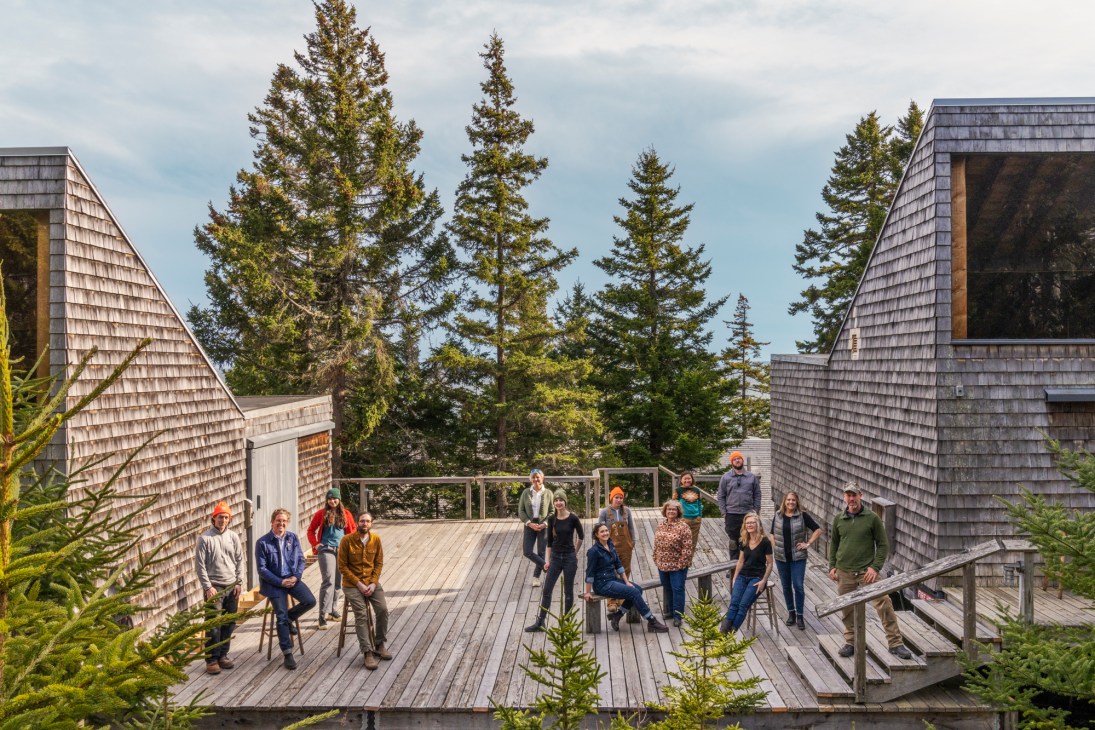
The Cabinet (from left to right)
Brad Willis
Studio technician
Works in the studio spaces and maintains the equipment.
Perry Price
Executive director
Price grew up in Denver and studied at Johns Hopkins University in Baltimore. He was executive director of the Houston Center for Contemporary Craft in Texas before he joined Haystack. “I’ve always been interested in the way that art is fabricated and in the intersection between making and design, so craft was a natural avenue for me,” he says. “What’s remarkable about this field is the people.”
Phoebe Zildjian
Fab Lab community assistant
Designs and facilitates programmes showing people how to use 3D printers, laser cutters, digital embroidery machines and more to empower them to create projects using digital fabrication.
James Rutter
Technology director
Oversees Haystack’s Fab Lab, a digital fabrication studio [established in partnership with the mit’s Center for Bits and Atoms] that integrates technology with craft.
Marissa Hutchinson
Programmes & studio co-ordinator
Connects, collects, organises and processes. Then ensures that all this information properly translates into the studio space and workshop experience that the faculty and participants are hoping for.
Molly Flanigan
Development & database co-ordinator
Keeps the data. Manages the school’s database of donors and programme participants. On a day-to-day basis, Molly processes donations, works on mailings and stares at many, many spreadsheets.
Sarah Tietje-Mietz
Digital content editor
Shares the stories of Haystack’s artists, staff, history and community with the world.
Mia Sartori
Studio technician
Loves working in a beautiful place and being mostly outside.
Ellen Wieske
Former deputy director (retired)
Loves that Haystack fosters a creative spirit with a sauce of learning, doing and nature.
Bich Nguyen Nguyen
Registrar
Communicates with participants about programme acceptances, campus housing and travel.
Isaac Goss
Maintenance assistant
Assists in the maintenance of campus systems and infrastructure.
Julie Adley
Office co-ordinator
The finder, passer and keeper of the little details that keep Haystack up and running.
Ginger Aldrich
Development director
Promotes Haystack and helps steward its award-winning campus and programming through marketing, fundraising and by recording and sharing historical institutional information that honours the foundation, attends to the present and plans for the future.
Josh Worthington
Operations manager
Does carpentry and trail work with a splash of maintenance.
Flight problems
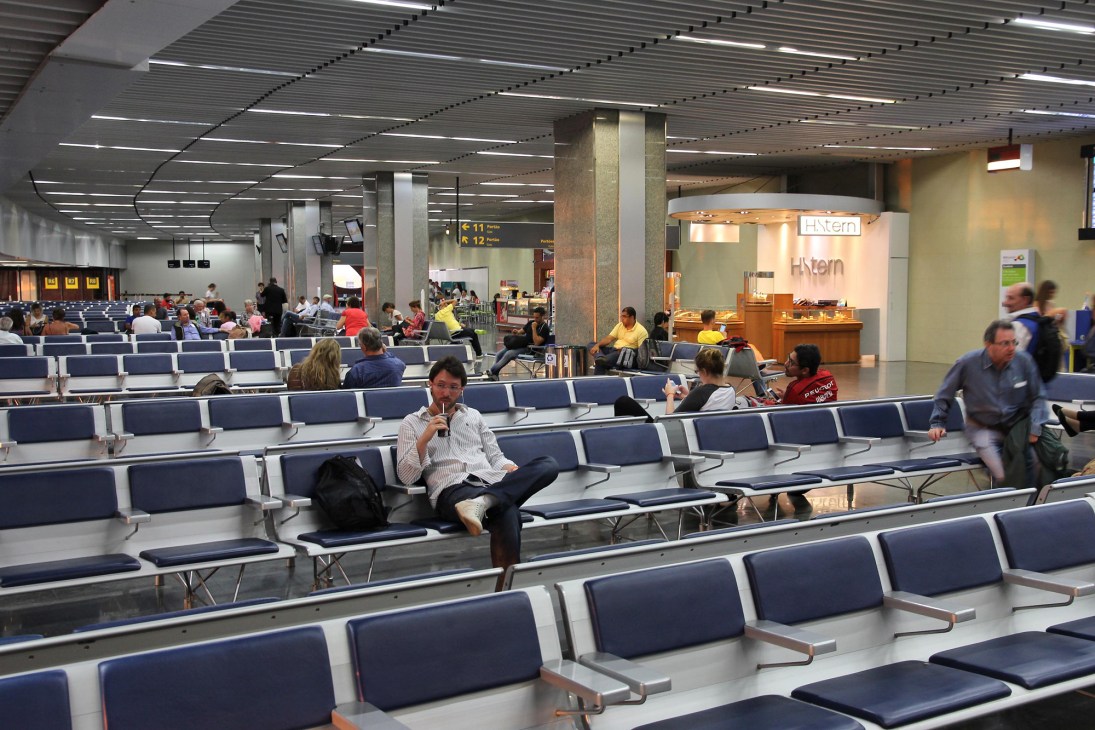
Galeão used to be Rio de Janeiro’s busiest airport but traveller numbers have steeply declined, from 17 million in 2014 to less than six million last year. Coronavirus isn’t to blame: other Brazilian airports have returned to or even exceeded pre-pandemic levels. Among them is Santos Dumont, a smaller airport that also serves Rio; more than 10 million people used it last year, making it the country’s fifth busiest (Galeão is 10th). However, its boost in traveller numbers isn’t enough to compensate for Galeão’s losses.

Rio’s mayor, Eduardo Paes, is concerned that the larger airport’s decline could leave the city increasingly disconnected. (Where São Paulo’s airports link to 57 Brazilian cities, Rio’s link to 27.) He plans to control the number of flights at Santos Dumont but that isn’t enough. The route to Galeão passes through a dangerous expressway; one fix could be to invest more in public transport. And why not expand Santos Dumont, which is suffering from delays and queues as a result of its popularity? To attract more arrivals, Rio needs to set its sights higher.

Q&A
Leslie Thng
CEO, Scoot
Since joining Singapore International Airlines (SIA) in 1999, Leslie Thng has led several of the group’s carriers and is now CEO of its low-cost airline Scoot. A year into the role, he tells us about its recovery following the lifting of pandemic restrictions and its Pikachu Jet.
What has Scoot achieved since you joined as CEO?
We have recruited almost 1,000 new staff, about 80 per cent of whom are crew. And we have launched new routes: Miri in Malaysia and Jeju in South Korea, and direct services from Singapore to Incheon and Narita.
Can you tell us about your Pikachu Jet?
Around our 10th anniversary, when the market started to reopen, we partnered with The Pokémon Company to have one of our aircraft, the 787-9 Dreamliner, painted in Pikachu livery. It has been very well received in Singapore, Thailand, Japan and Taiwan.
What are your plans for the year ahead?
China used to represent a quarter of our network. We aim to have restored about 80 per cent of our former capacity for the country by October. Meanwhile, we had 49 aircraft before the pandemic; we now have 55. We have also decided to lease nine Embraer E2s to expand our network in the region and strengthen our Singapore hub. On top of this, we will be taking delivery of almost 20 new aircraft in the next couple of years. This will let us retire the older a320s and switch to modern narrow-bodies. Our airline will have one of the youngest fleets, allowing us to reduce carbon emissions.
Tom Edwards On…
The value of food and drink
The appointment of Ewan Venters as the first global CEO of art-gallery powerhouse Hauser & Wirth in the autumn of 2020 might have raised a few eyebrows. But those who had followed his previous work as chief executive of London retail institution Fortnum & Mason knew that raising a glass was the smarter option. After he led the department store to record profits and driving its international expansion, the move to head up the gallery (as well as hospitality company Artfarm, also owned by Hauser & Wirth’s founders, Manuela and Iwan Wirth), was the perfect fit for a business leader with a flair for F&B to match his passion for art.
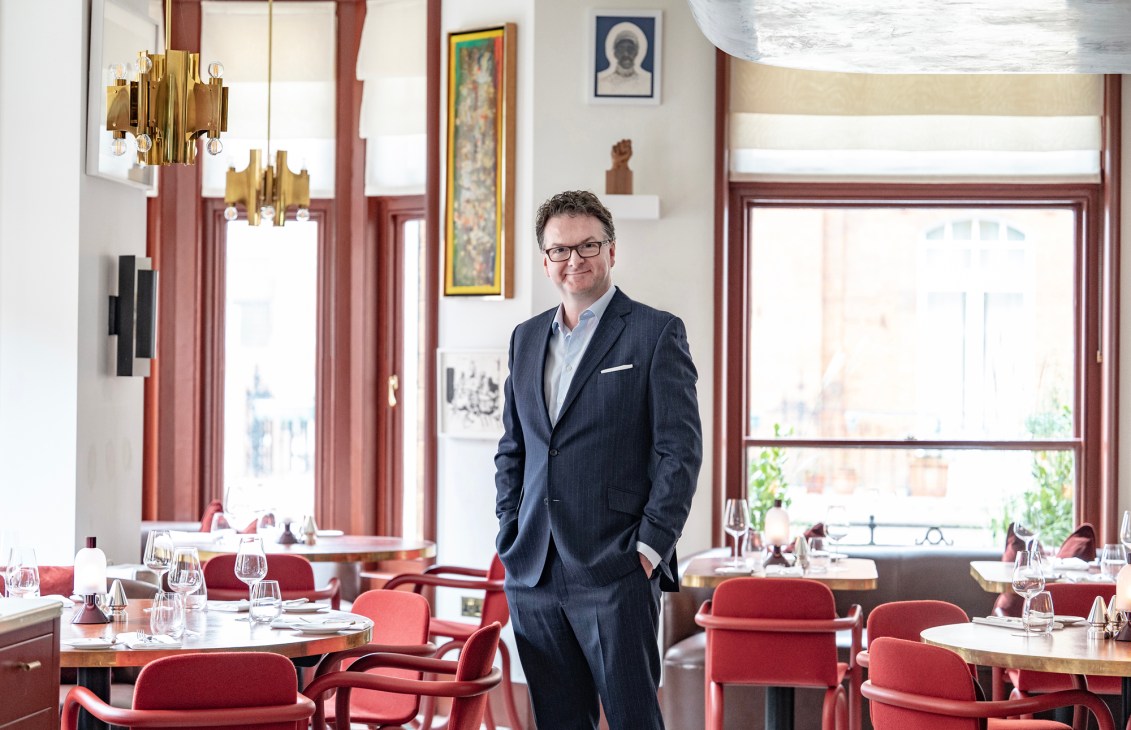
“Iwan and Manuela made their first restaurant investment around the same time as when they opened the gallery more than 30 years ago,” says Venters. “They have always had a deep, personal passion for food and farming, a love of nature. And if you have met many artists in your life, you’ll know that they all adore nothing more than sitting at a restaurant table, breaking bread, drinking good wine and having a great conversation.”
As you might expect from the man behind Selfridges Food Hall and success at Fortnum & Mason – and who is now the custodian of a range of well-appointed drinking, dining and hotel venues, as well as an international gallery business – Venters is good company. He’s also an advocate for the great things that happen at the intersection of hospitality and art. “It’s just natural that [the Wirths] would want to make this more of a business,” he says. “And so Artfarm was created in 2014. Now it’s turning into quite a serious venture and expanding at a great rate, which is exciting.”
Venters is a believer in the value of convening over great food and drink, whether in the name of art or strictly for business. “In every job that I have ever done, when I have been interviewed and the person on the other side of the table says, ‘We’ll be back in touch soon with an offer,’ I always say, ‘If you’re going to make me an offer, let’s meet over lunch or dinner.’ I would never take a job with someone if I hadn’t shared a meal with them first.”
Hear more from Ewan Venters on episode 592 of Monocle Radio’s ‘The Entrepreneurs’ at monocle.live/radio. Subscribe to the podcast for inspiring business stories every week.
Images: Sim Canetty-Clarke, Alamy, Reuters
The sky’s the limit
War is an accelerator of technology. The Ukraine conflict is doing for drones what the 1991 Gulf War did for cruise missiles and the Second World War did for jet engines: it is ushering an emergent technology into the mainstream. Ukraine’s military is using Portuguese aerospace company Tekever’s kit for “recognition and intelligence missions”. “A year and a bit of war in Ukraine feels like 10 years of information,” Ricardo Mendes, Tekever’s CEO, tells Monocle. “Previously you had large military drones but this war has shown that ordinary people can use the technology.”

Other Tekever operators include the navies of Portugal and the UK, and the Italian Coast Guard, for which the firm’s drones monitor whales and dolphins in the Pelagos Sanctuary. In March the UK gave Tekever a contract for its ar5 and ar3 drones for surveillance of the English Channel.
Tekever is now working on the arx, which will be among the largest uncrewed vehicles in the air. “It’s a significant leap,” says Mendes. “We don’t look at arx as just a plane. It’s a computing platform.” A potential application is swarming: the deployment of smaller drones from a larger “motherdrone”. The possibilities are immense, especially for militaries – if they can keep up. “The typical military procurement curve means that you’re using last decade’s technology,” says Mendes. “That needs to change – and whoever doesn’t change will be at a tremendous disadvantage.”
tekever.com
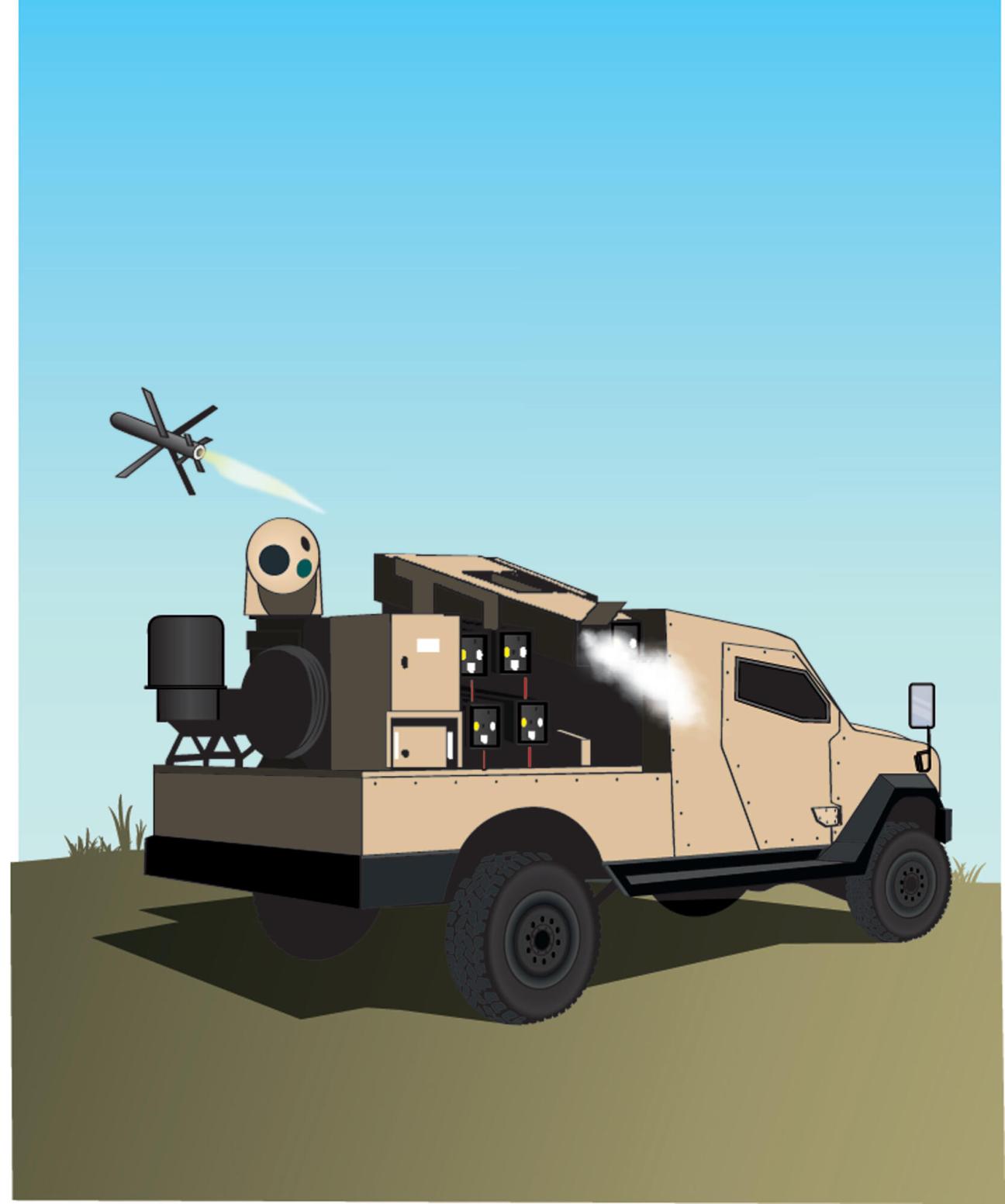
In the basket: Spike antitank missiles
Who’s buying: Greece
Who’s selling: Israel
Price: €370m (approx)
Delivery date: tbc
Israeli state-owned defence contractor Rafael’s Spike missile is a popular weapon that is already used by 39 countries. Greece’s order includes variants designed to be launched from the ground or from helicopters and naval vessels. For obvious reasons, many European countries are taking a heightened interest in antitank provisions (Croatia and Switzerland will also soon be Spike owners). Israel has become something of a market leader in defensive-missile systems. Greece’s purchase of the Spike comes on top of Finland’s acquisition of the Israeli air-defence system David’s Sling.
Q&A
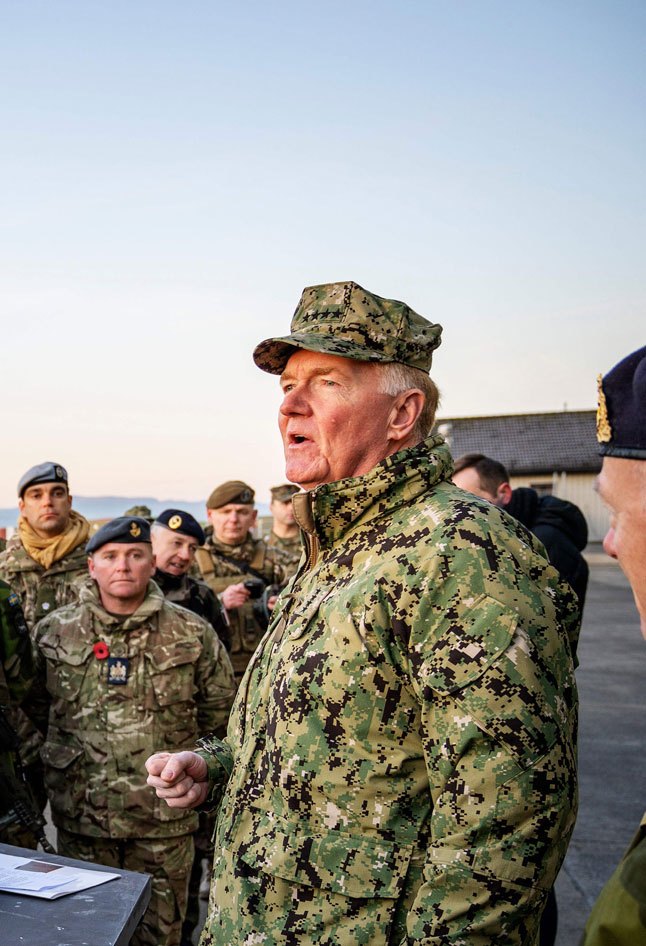
Admiral James Foggo
Dean of the Center for Maritime Strategy in Arlington, Virginia
Admiral James Foggo led the US naval forces in Europe and Africa until 2020 and, before that, Nato’s Allied Joint Force Command Naples. He tells Monocle about the geopolitical struggle that is under way beneath the waves.
What is the ‘fourth battle of the Atlantic’?
Since the war in Syria there has been a resurgence of Russian presence in places such as the Mediterranean that is primarily felt underwater. The new battle is in the North Atlantic and the tributaries feeding into it from the Arctic, the Baltic, the Med and the Black Sea.
Can the US still build ships and submarines as rapidly as it did in the past?
Manufacturing is starting to return to the US but since the 1960s we have lost 14 shipyards that construct ships for our navy. We should be producing more warships but we can’t do that quickly because of the industrial base’s limitations.
How significant is the Aukus pact?
It is crucial. It’s about more than just nuclear submarines: it sends a message to authoritarian regimes that have encroached on island chains [in the Pacific] and transformed them into military bases.
For more on the new era of naval competition, turn to page 73 for a report on Rhode Island’s underwater weapon manufacturers.
Finding true north
With a conspicuous lack of ceremony, Russia ceded its role as chair of the Arctic Council to Norway on 11 May. The handover marked the beginning of a much-needed fresh chapter for the eight-nation body, whose activities were paused soon after Russia’s full-scale invasion of Ukraine.
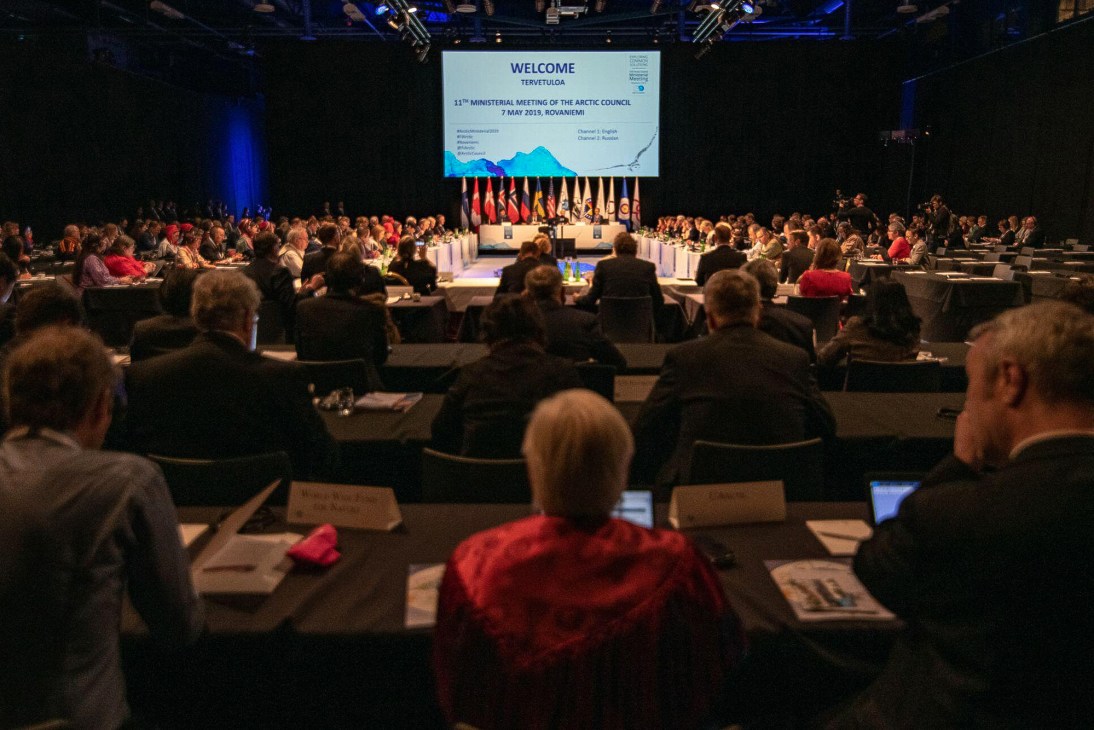
Since the Cold War, nations in the High North have increasingly pulled together on science, maritime navigation and environmental management. Indigenous people, meanwhile, have had a bigger seat at the Arctic Council’s table than at most multilateral forums. All of this makes resuming dialogue at the council a pressing concern for many, from Inuit leaders to researchers studying permafrost. In March, Norway’s Arctic affairs ambassador, Morten Høglund, outlined Oslo’s priorities at a symposium in Anchorage, Alaska. These, he said, are climate change, oceans, sustainable economic development and working with the people of the Arctic. None of this is ground-breaking but given that Høglund’s audience included delegates from Belgium, Estonia, the EU, Germany, Japan, Poland and Singapore, it suggests that economy and environment are a welcome change of subject from militarisation, which has dominated Arctic discussions for the past year. As Nato, Russia and China bolster their security postures in the High North, reinvigorating the Arctic Council could help the region to regain its lustre as a global model for peace, diplomacy and co-operation.
Given that Russia has more territory above the Arctic Circle than any other nation, engaging with Moscow is inevitable. As such, the council could become a place for cooler heads to reset relations in the wake of the Ukraine conflict. But Høglund is tempering expectations. “Our measurement of success is that the Arctic Council has survived intact and that work on all relevant areas is ongoing – not necessarily at the level that it once was but at an adequate level,” he tells Monocle. “A functioning Arctic Council without Russia isn’t meaningless but it has a lot less value.”
The Foreign Desk
Andrew Mueller on…
International rescues
There is no sterner test of a country’s commitment to the protection of its citizens than a sudden need to extract them from peril. The deterioration of the situation in Sudan in April presented many governments with this daunting challenge. Such operations are a risk first and foremost to the personnel who have to carry them out but they also present dangers to the prestige of the nation concerned.
The US’s chaotic withdrawal from Afghanistan in 2021 made it look heartless and inept. Such an impression was fair enough, as it was both of those things – and the country’s response to Sudan suggested that it wasn’t a fluke. While special forces flying Chinooks from Djibouti evacuated US embassy staff in Khartoum, other Americans in Sudan received little more than vague directions to possible overland routes. Shortly before shutting up shop, the embassy tweeted that it was “not currently safe” to evacuate US citizens – to which those citizens would have been entitled to retort, as the city erupted around them, “That’s why we’re enquiring.”
The UK also received poor reviews for its early efforts. The Times reported that British staff at the Khartoum American School who contacted the Foreign Office were simply told to seek guidance online. The beleaguered teachers were flown out by France, whose response seems to have been as generous as it was efficient. As of this writing, France has rescued more non-French than French. (Spain and Germany have also evacuated non-citizens.)
The French airlift, Operation Sagittarius, also demonstrates the coercive potential of being perceived as a serious military power, whether one fires a shot or not. France’s media confirmed that Emmanuel Macron personally contacted both of Sudan’s rival warlords before deploying troops. One suspects that during these calls, General Abdel Fattah al-Burhan and General Mohamed Hamdan “Hemedti” Dagalo did rather more listening than speaking.
These are moments when a nation state can demonstrate the best of itself to the world and, in so doing, remind its own citizens of what it is there for. Though the circumstances were different, Israel’s raid on Entebbe airport in Uganda in 1976 to rescue hostages taken by Palestinian militants and German revolutionary weirdos was a significant statement of intent: we look after our people, wherever they are, whatever the odds. When the soldiers returned, the then prime minister, Yitzhak Rabin, told them, “Not only did you save lives; you changed the image of Israel.”
Andrew Mueller hosts ‘The Foreign Desk’ on Monocle Radio. Listen live at monocle.live/radio every Saturday at midday London time or download as a podcast.
Images: Getty Images, Tekever
Personal shoppers
Business
Personal shoppers
The biggest US department stores have endured some tumultuous years, having lost touch with the needs of younger consumers and struggled to translate their brand appeal to the world of e-commerce. But there has been a surprising story of business resilience away from the spotlight: the skill and nimbleness of family-owned department stores in places that aren’t readily associated with retail prowess.

Halls in Kansas City is a shining example. Founded in 1916 and owned by the family behind Hallmark Cards, it has just had its best year of business. “We attract customers from five states because our buyers travel all over to bring the best items to Kansas City,” says Halls’ store director, Todd Epperley. “Mostly they head to New York with specific customers in mind, right down to their sizes.” They also work virtually with European partners.
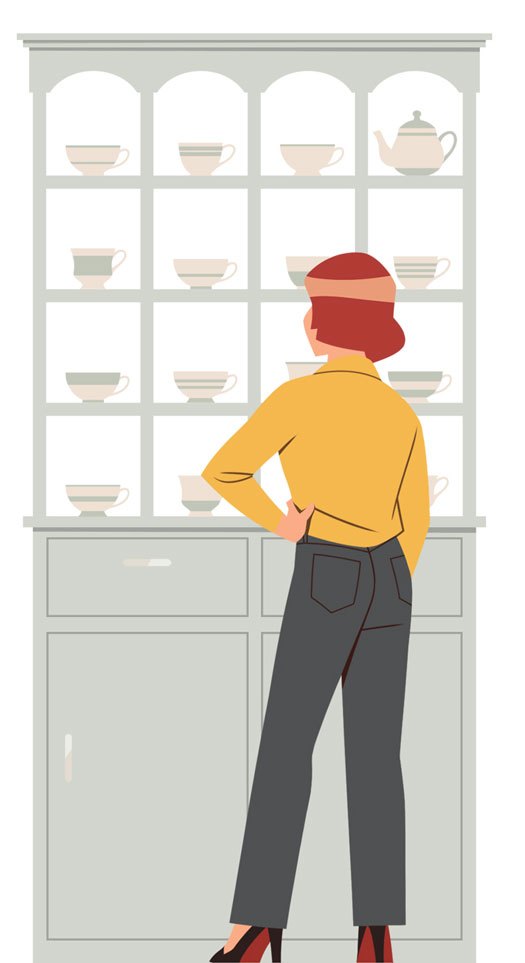
Epperley believes that his in-house style team and the relationships that they cultivate with their clientele have been crucial to Halls’ longevity. The department store has downsized in recent years and jettisoned its makeover counter but the considered selection of clothing for men and women is still its livelihood – think labels such as Gucci, Zegna and Moncler. When an item suited to a client’s taste comes in, the team drops them a line. There’s no e-commerce; instead, Halls hosts events for top shoppers. It also always keeps red shoes in stock in case a star player from the Kansas Chiefs nfl team drops by (for the uninitiated, the players wear red jerseys).
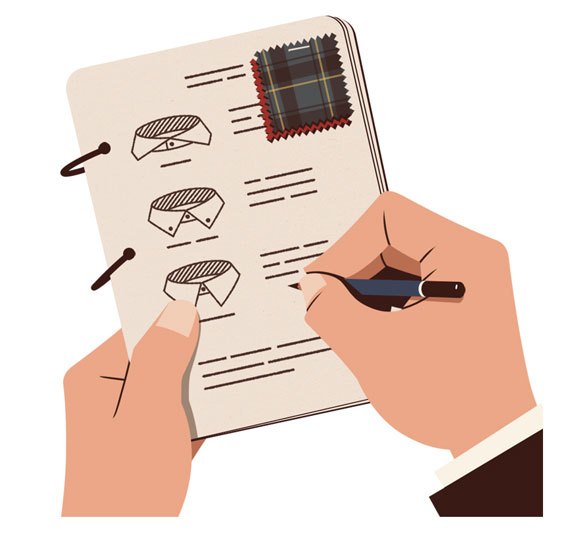
Such personalised service might seem better suited to smaller markets but the success of Boyds in Philadelphia shows that, done right, it is applicable anywhere. The sales staff of the family-owned luxury retailer, which has been going strong for 85 years, maintain close relationships with clients. Some of the suit specialists keep a notebook in their breast pocket with details of the preferred cut and cuff sizes of their best customers, as well as a log of swatches from previous purchases.
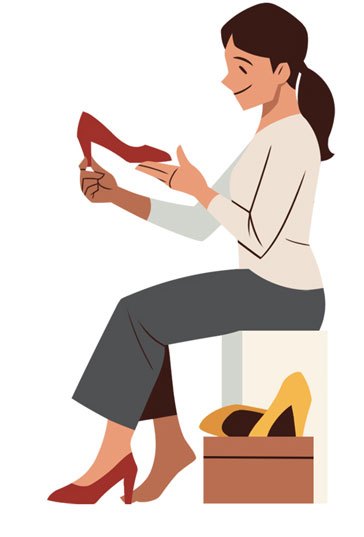
Hanna Struever, founder of California-based Retail Portfolio Solutions, says that the travails of the bigger department stores are “a referendum on more of the same” and that family-run operations have an advantage when shoppers are seeking personality and an authentic experience. “These one-off stores often have a strong point of view,” she says. “You go there because you’re into fashion.”
Reclaiming history
In 1863 four Irish nuns were sent to establish the order of the Sisters of the Good Shepherd in Melbourne. For more than a century, their Abbotsford Convent was home to one of Australia’s largest Catholic congregations, as well as to thousands of women and girls who were placed in its care. While some “penitents” arrived voluntarily, many were confined against their will.
In the 1990s the complex was bought by a developer with plans to turn it into flats but a residents’ group led a campaign that resulted in it going into community ownership. Two decades of restorations later, the building’s dark past is as much a part of its identity as its bright future. Today, Abbotsford Convent Foundation has transformed the site’s 11 buildings into Australia’s largest arts and culture precinct.
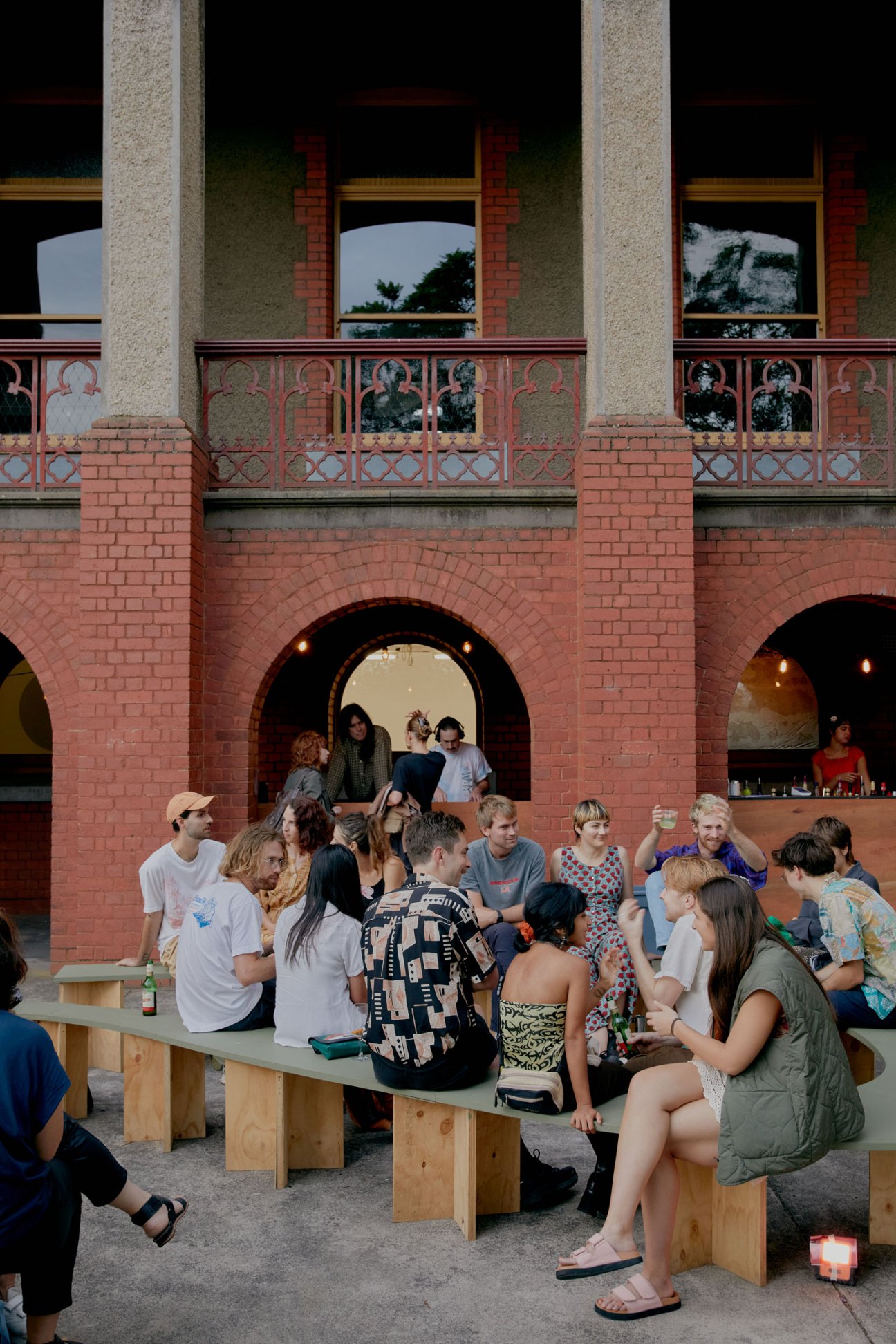
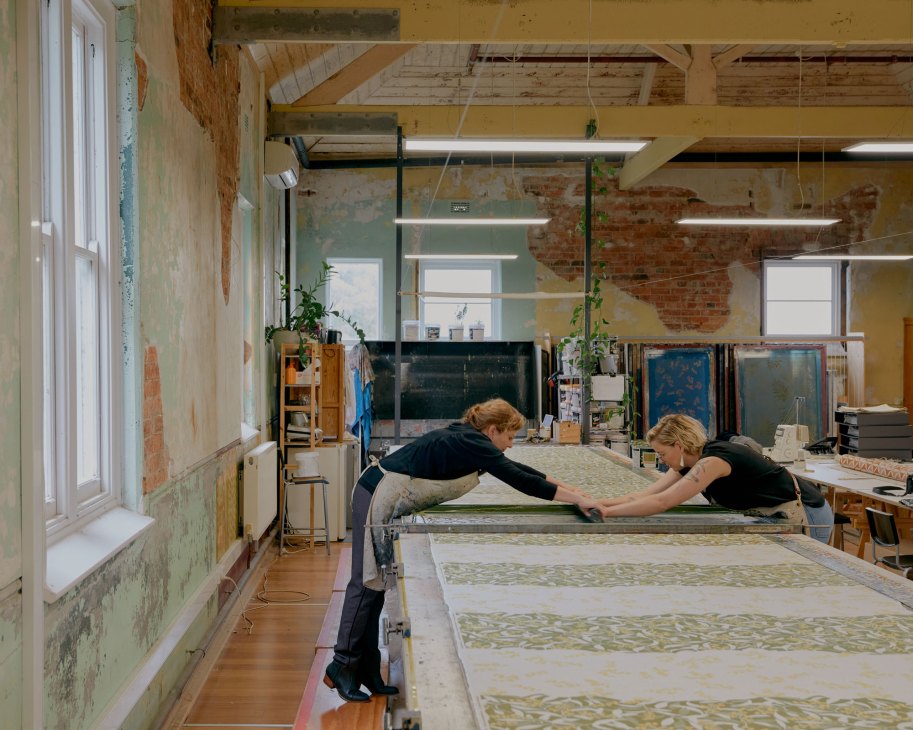
Patricia Sykes spent two years in the convent as a child and left in 1954. Now she is a poet, storyteller, librettist and the author of The Abbotsford Mysteries, a collection of poetry that documents her experience. “Being in the orphanage felt like a form of imprisonment and punishment but it also fed my creativity and imagination,” she says. As an adult, Sykes returned for a six-month residency to work on her book. “As a child I couldn’t choose to leave; later I became free to re-engage with it on my own terms. That such diverse artists can occupy this space speaks of its capacity for metamorphosis.”
Like Sykes, many of the creatives here find inspiration in the buildings’ history. Potter Matthew Vretas, who works in what was once the convent’s finishing school, reflects on the passing of time in his work. “We continually reflect on the life of clay in our work, the idea that mountains erode to create something soft, something that we can form and harden again,” he says.
Johanna Howe, co-founder of clothing label Caves Collect, agrees. “I love being surrounded by design and materials that don’t just last but age with elegance,” she says, pointing to the decades-thick layers of peeling paint and the stone archways that host DJ sets at the weekend. Upstairs, Lara Cameron and Caitlin Klooger handprint homewares in their studio. “As a female-led business, we like to think that we are giving the space a new, more positive and empowered purpose,” says Cameron.
abbotsfordconvent.com.au
World record
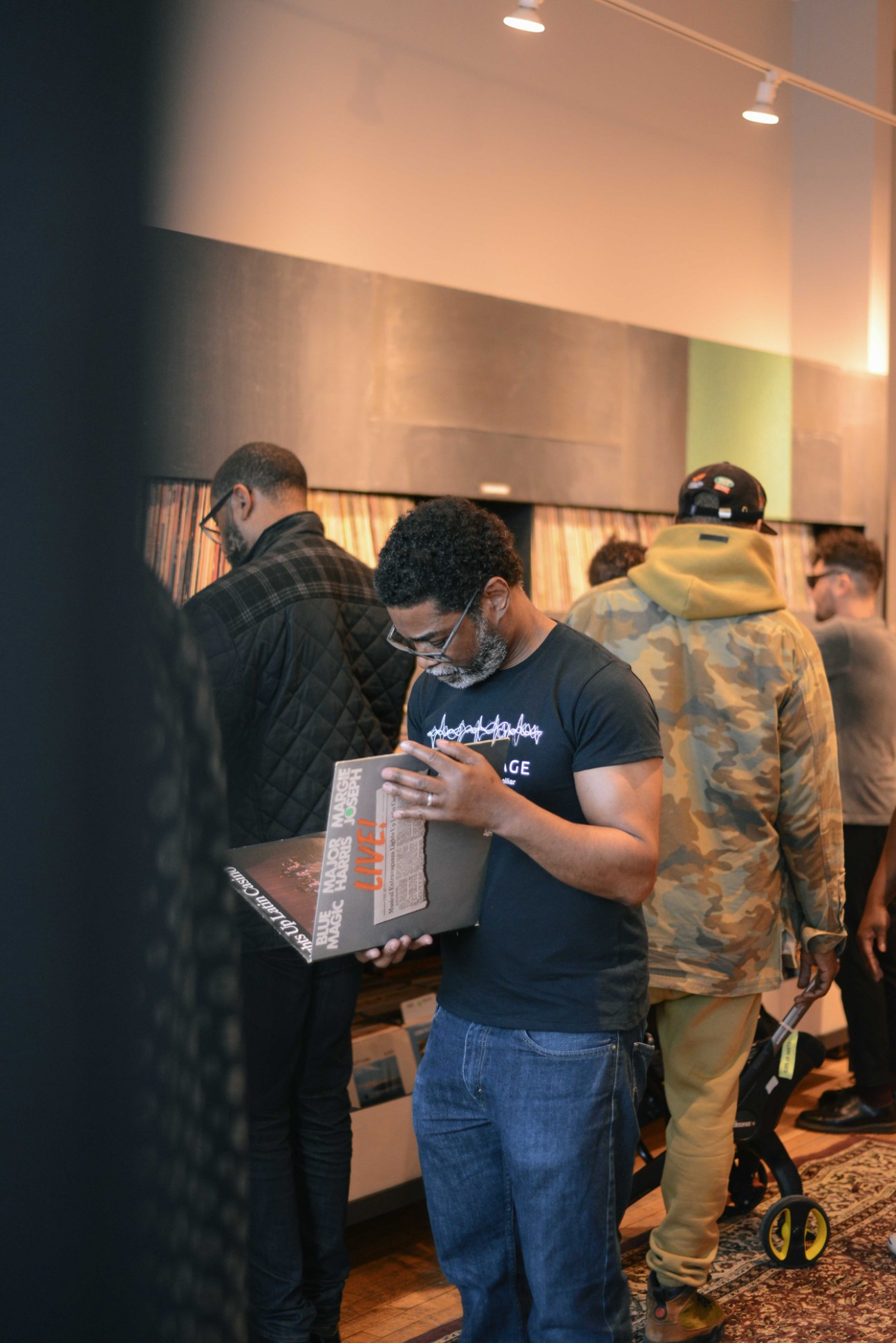
Artist Theaster Gates might have recently made headlines with his plans for Liverpool’s waterfront but his seminal work in Chicago’s Southside is also quietly continuing apace.
Building on the activities of his Rebuild Foundation, which works on community spaces, Gates has been acquiring vacant lots that he has transformed into public gardens, as well as abandoned houses and a former school that he plans to turn into residencies for artists of colour. His latest opening is Miyagi Records, a vinyl shop opened in collaboration with the eponymous label stocking everything from blues to house. “We’re at the beginning of a 50-year project,” says Gates. “You need to create a problem that’s big enough for it not to be just yours to solve.”
miyagirecords.com
Q&A
Richard Hoechner
Co-founder and head of community at ‘Republik’ magazine

Zürich-based Hoechner joined editors, reporters and CEOs at Perugia’s International Journalism Festival to discuss the future of media. There, he shared insights gathered at the helm of Republik, the reader-owned, slow-news platform he co-founded five years ago.
What is the future of membership models?
We are trying to find new ways to sustain quality journalism; it’s a difficult business and we need to co-operate with our audience to offer what is useful to them. On my panel, we had a long conversation about paywalls: no one likes them but they are part of the business. Our paywall is very strict in most ways – but in other ways it’s fairly open. For example, anyone with a link can access the full story, so our members can share stories with their friends for free. We are looking for creative solutions to paywalls as they are still the future.
Who are your members?
We have a very lively, engaged community [of about 30,000 people] and they are unusual in that they own part of the magazine. In fact, they were there before we started the magazine. They were concerned about the media world and wanted a solution to the changing landscape. We pitched an idea with a crowdfunding subscription and there was clearly a market for this.
What is the future?
We put so much work into our journalism; we want to be a voice that cannot be ignored. We are still young and I’m sure that we will extend our work to larger audiences.
republik.ch
Reading the room
It is probably the most beautiful and grandest space in Washington but at any given moment, you would only find about 20 researchers in the Main Reading Room of the US capital’s Library of Congress, the world’s largest library. Without a research pass, its nearly two million annual visitors could only shuffle into a glass-enclosed mezzanine space and peer down at the room below. It has been that way for decades but such opaqueness isn’t really the style of Carla Hayden, the librarian of Congress. “It’s such an inspirational room. We want people to be able to walk in there,” she says, as streams of visitors line up for the unexpected pleasure of wandering into the heart of the library’s 125-year-old Thomas Jefferson Building. Since April, the public has been getting two one-hour slots each day to visit the Main Reading Room.
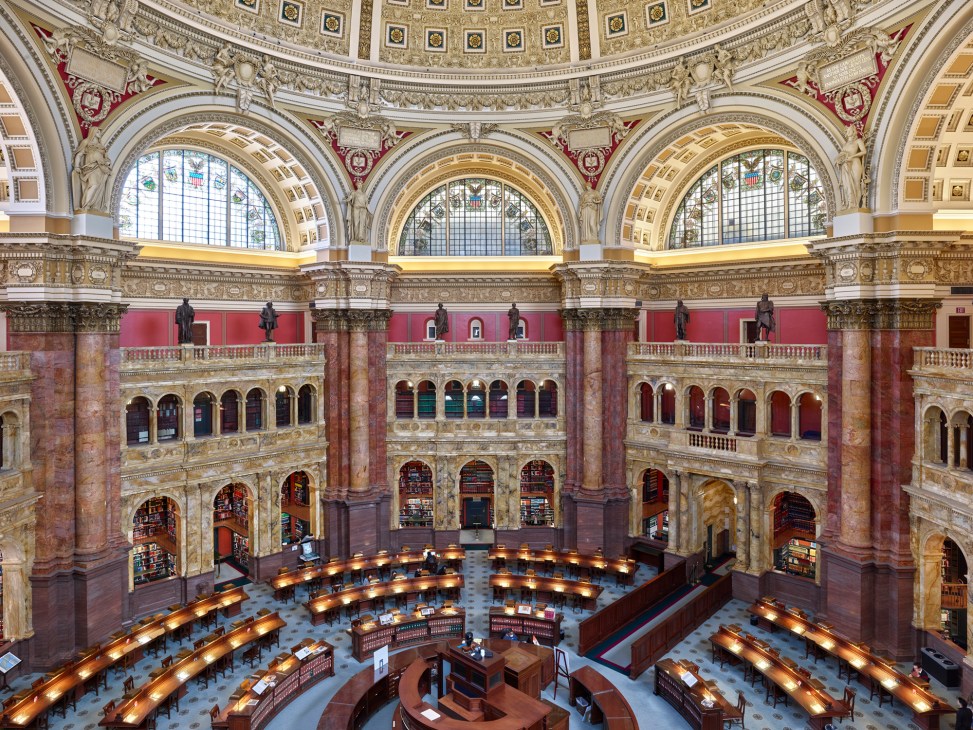
The Thomas Jefferson Building, built in Italian renaissance style by architects John L Smithmeyer and Paul J Pelz, was the country’s first public building with electricity and was kept broadly accessible. Nowadays, visitors “walk away thinking, ‘Beautiful building’ but you see that they still don’t have that connection”, says Hayden. A $60m (€45m) overhaul of the building is designed to change that. An orientation centre directly below the Main Reading Room will offer a glimpse of the 1,349km of shelving, include interactive exhibits and a rotating gallery of its most prized possessions. Hayden has also been expanding public events in other spaces. “Live! At the Library” keeps the building’s Great Hall open for concerts, exhibits and drinks every Thursday evening.
Hayden’s approach and the renovations haven’t been without controversy: preservationists have been up in arms about aspects of the plan that would have tampered with the room’s central reception desk. Those interventions were eventually abandoned but Hayden argues that they still provided a great opportunity for people to think what libraries should be about.
Getting such attention is essential as libraries have taken on central roles in US cities in recent years. Here they can provide anything from community spaces and social safety nets to vaccines, mental health care, education and internet access in rural communities. Hayden chuckles at the thought of one library she visited that loans out sewing machines and traffic cones for learning drivers.
The Library of Congress has been busy digitising its own collection (61 million items available for download and counting) and creating lesson plans for teachers and librarians around the country. “There are a lot of common issues with libraries,” she says. “And there’s a feeling that the national library, which is the Library of Congress, should be more involved.”
Images: Laurent Burst, Felton Kizer/Rebuild Foundation