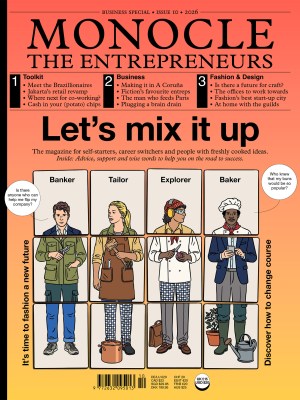
Issues
Hit your stride
Cross borders
Boldly go somewhere you don’t know
Opportunity and discovery are everywhere. But sometimes we can lack a little imagination when it comes to making the most of it. Allow us to step in with some humble proposals that are designed to give you some momentum, ranging from small steps, such as getting your groom on and experiencing the camaraderie of being a team player, to life-changing explorations of foreign lands or finally taking the plunge with that long-dormant business idea.


Crossing borders can do wonders for perspective. Be it switching a big city for a smaller one, or a beach town for a cabin in the woods, thrusting yourself into a new environment helps you to learn more about yourself and how other people live. The way in which you end up communicating and translating where you’ve come from (and where you are) changes as you move from one place to the next. Maybe you will come back to your hometown after living in a big city and find that the once-intimidating public transport system is a walk in the park. Or maybe – like our photographer for this story, Mariano Herrera – you will peer down the France-Spain border from the top of the Pyrenees and feel like you’re in two places at once. Our advice? Buy the plane ticket you’ve been meaning to get. Go on a road trip. Explore on foot a city you never thought you would go to. Once you start travelling, there’s no telling where you’ll end up. And that is always a good thing.
Drive an estate car
Kids, luggage, dog… let’s go
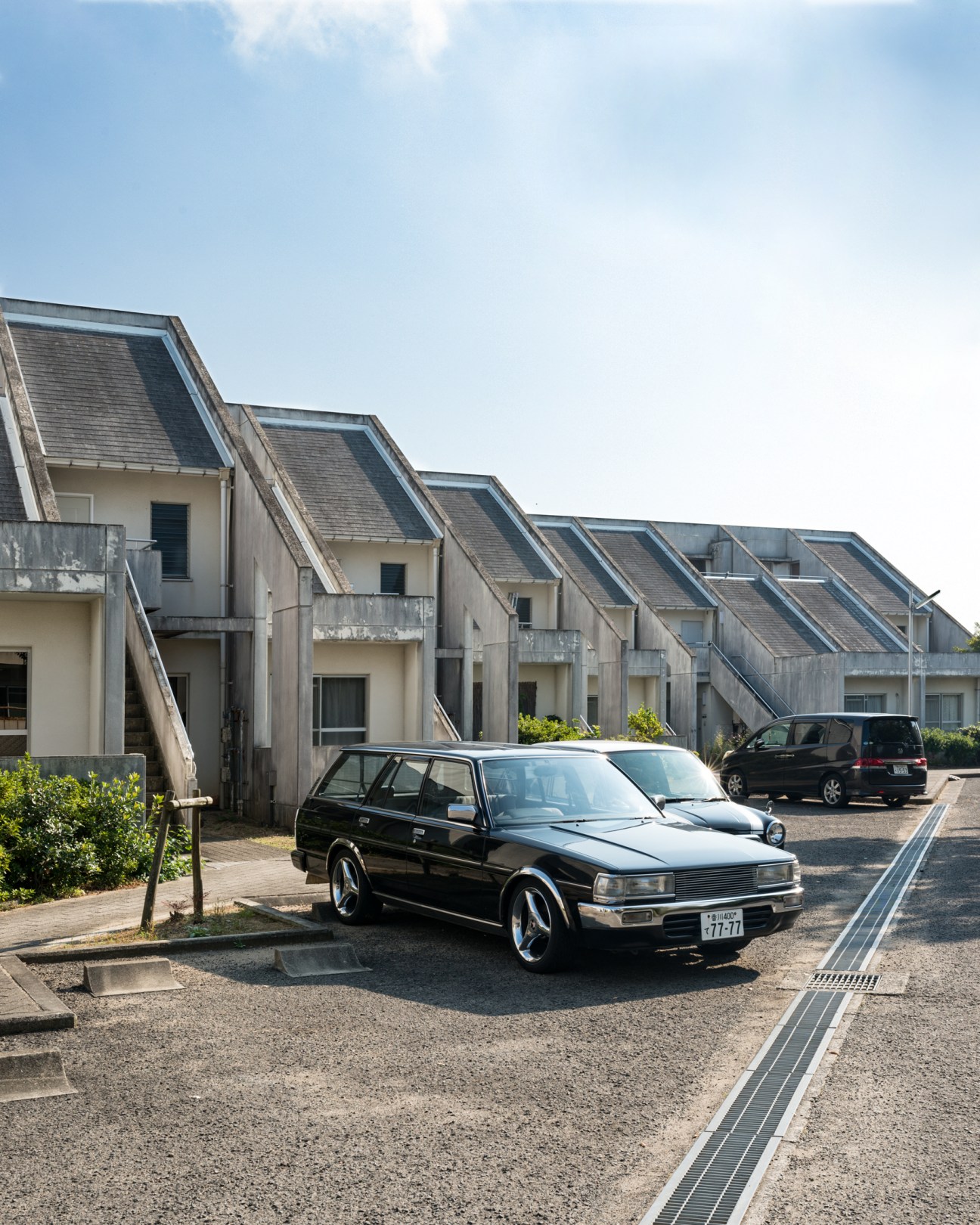
In 2022, suvs accounted for nearly half of new car sales worldwide. Colossally popular though they are, suvs remain undeniably gauche, at least in an urban context where most of them are actually driven. A conventionally powered suv is unnecessarily polluting and the electric ones still obnoxiously hefty. Far more stylish and no less practical is an old-school estate car, also known as the station wagon – a more evocative designation that permitted its owner to think of every trip to the city tip as a languid tour of their homestead. A proper classic of the genre, such as the Nissan Bluebird estate (pictured), distinguishes its driver as someone at home in town and country but who seeks to impose themselves on neither. So dominant have suvs become that many manufacturers have abandoned proper estate cars (honourable exceptions include the Volvo v60, the Mercedes-Benz E series and the Skoda Octavia). But every driveway should have one.
Bring back the business lunch
Talk shop over a meal
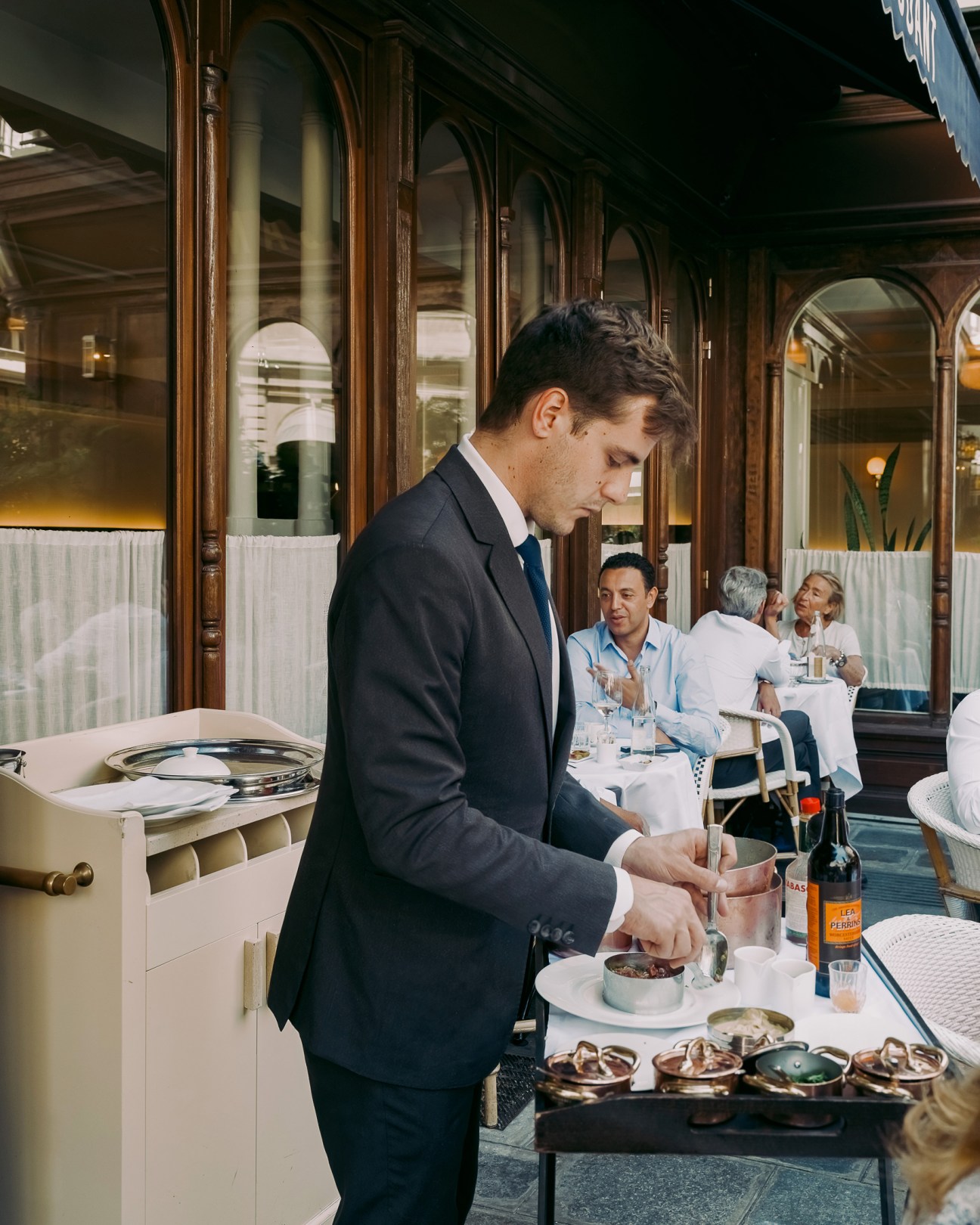
Whether you’re after a book deal or investors for your new fashion venture, nothing beats a good business lunch. Parisians famously get this ritual right: at lunchtime on a weekday, the restaurants around Opéra Garnier are buzzing. For a smart meal, try Drouant, an art deco restaurant founded in 1880 on peaceful Place Gaillon. During warmer months its chic terrace, furnished with cane chairs and tables draped in white tablecloths, offers two must-haves for a fruitful business lunch: shade and privacy. Here, over a glass of white wine or a pale rosé, the conversation often drifts from the office to holiday plans. And there’s nothing wrong with that. A study published in the Harvard Business Review shows that negotiating while eating often leads to more mutually productive discussions. We’re inclined to agree. In fact, we’re already reserving a table for next week’s tête-à-tête.
Join a team
Find a common goal
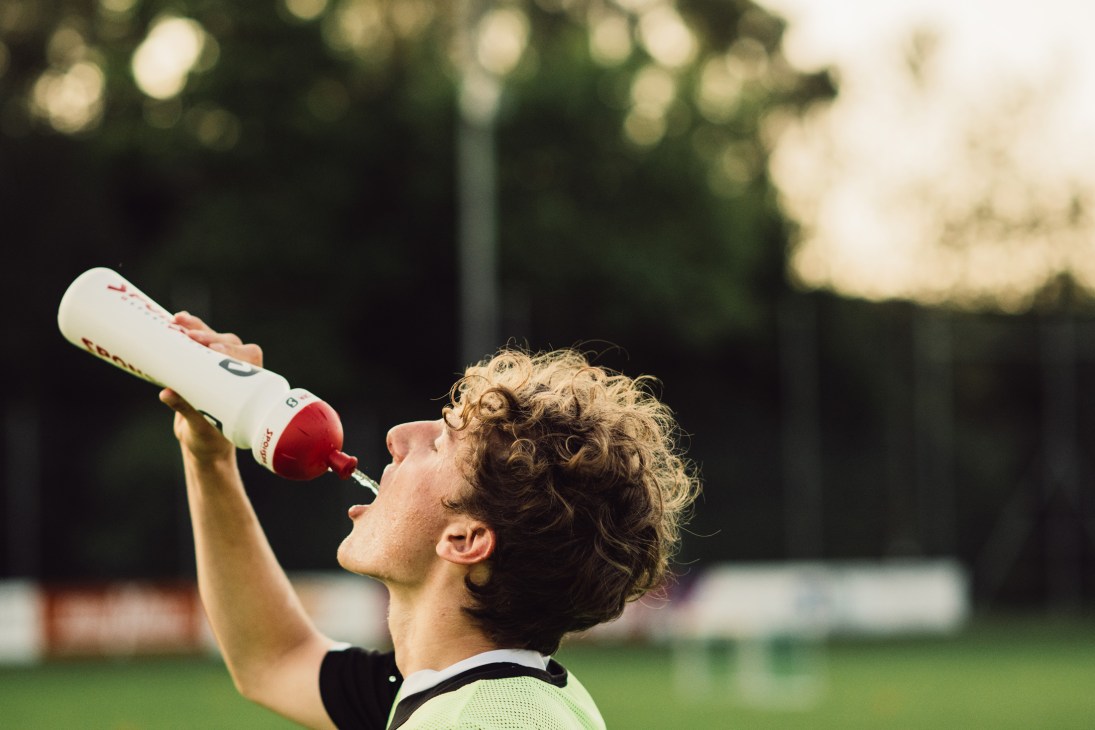
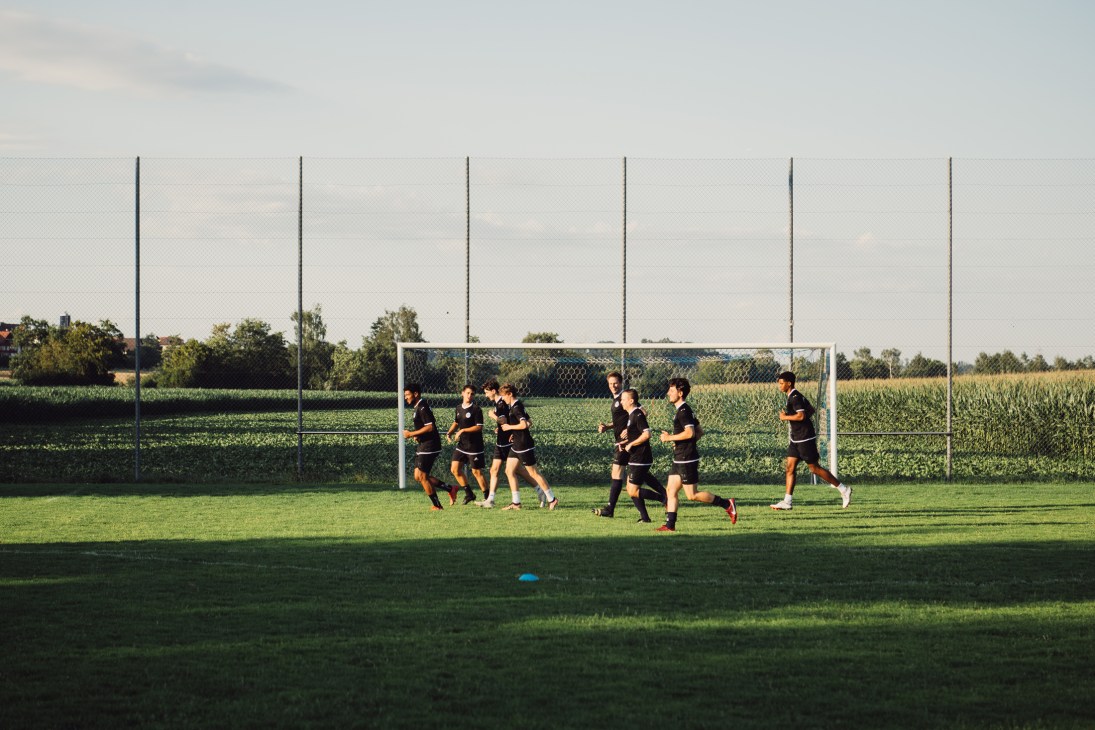

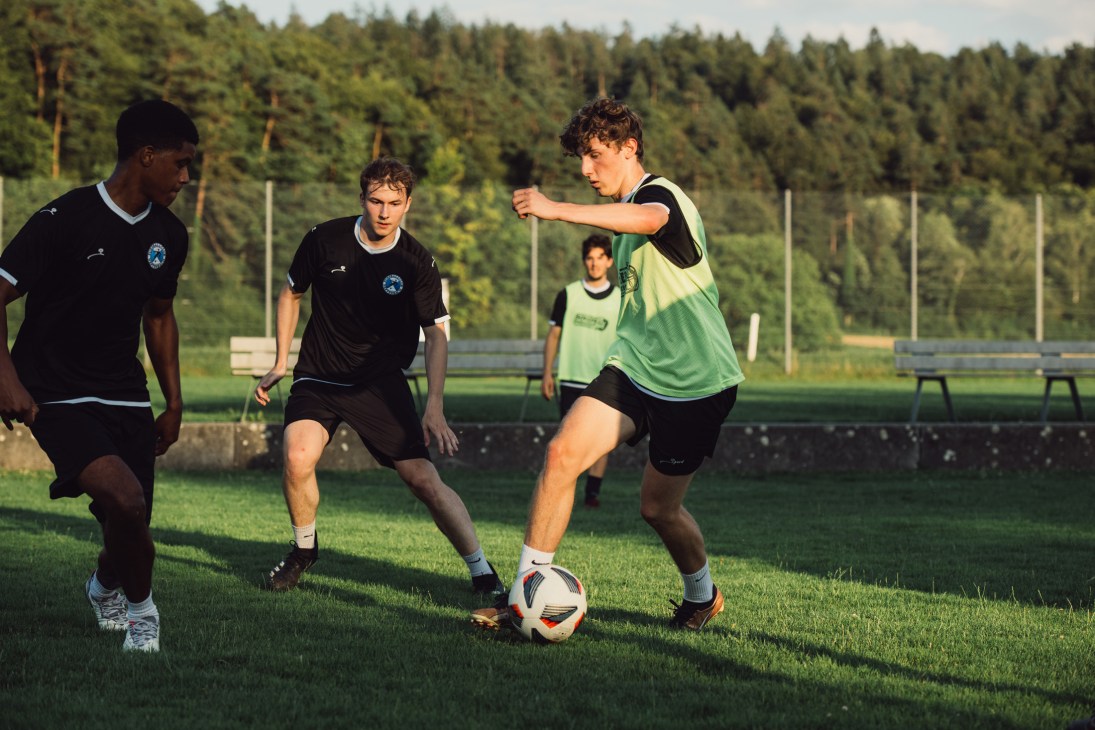
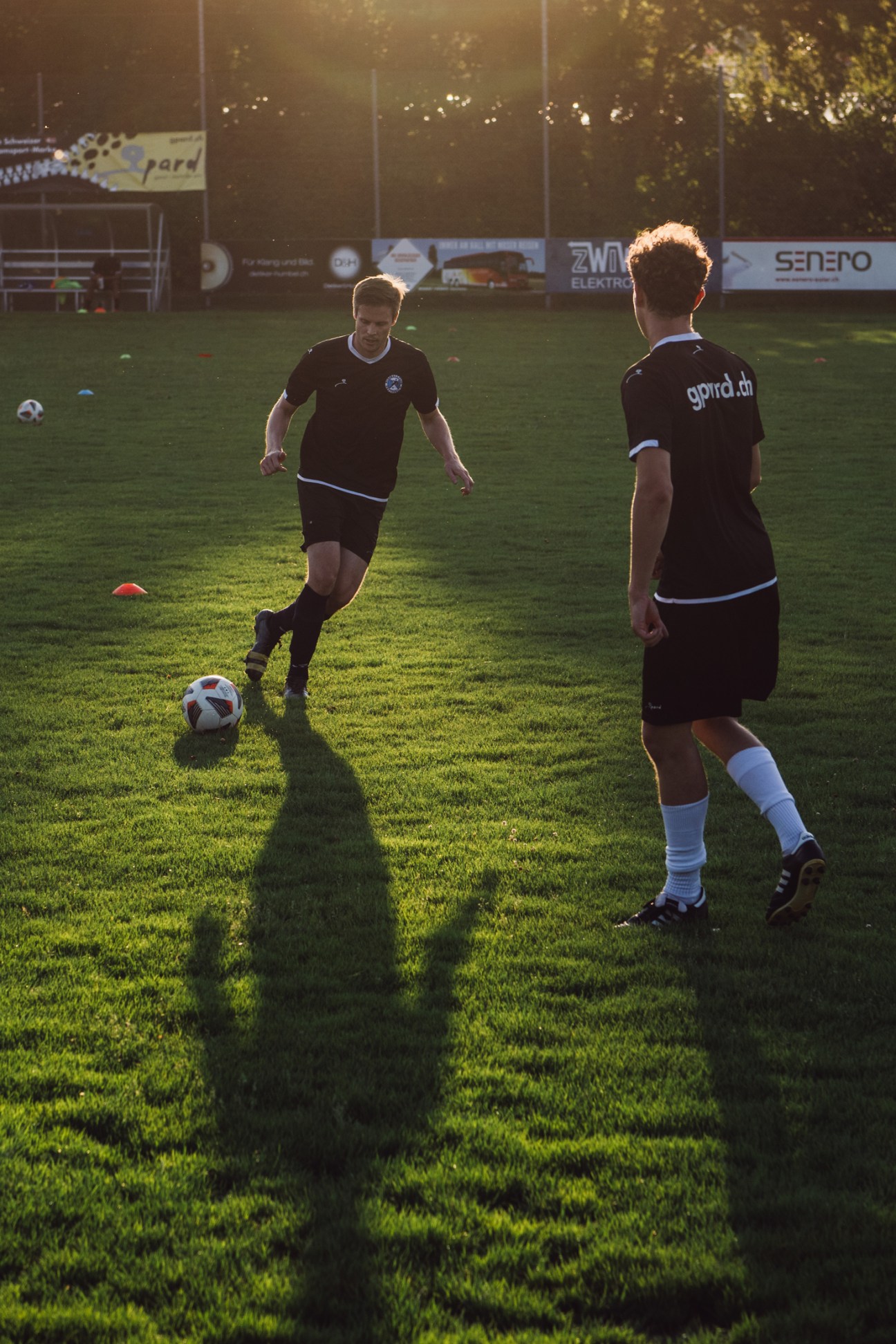
Winning is always a nice feeling but winning with your teammates beside you is even better. This is something that the players at Football Club Neftenbach know well. Founded in 1987 and named after the municipality where it resides on the outskirts of Winterthur, Switzerland, Neftenbach is home to 15 football teams, the best of which currently plays in Zürich’s second highest division. René Scherrer, who plays for that first team and has been a member of the club for more than a decade, can’t recommend the experience enough. “By playing in a team, you learn how to work effectively with others, to rely on each other and to achieve common goals,” he tells Monocle. “It’s a source of joy and fun when you get excited about something together.”
Take the ferry
The slow route is invariably more satisfying
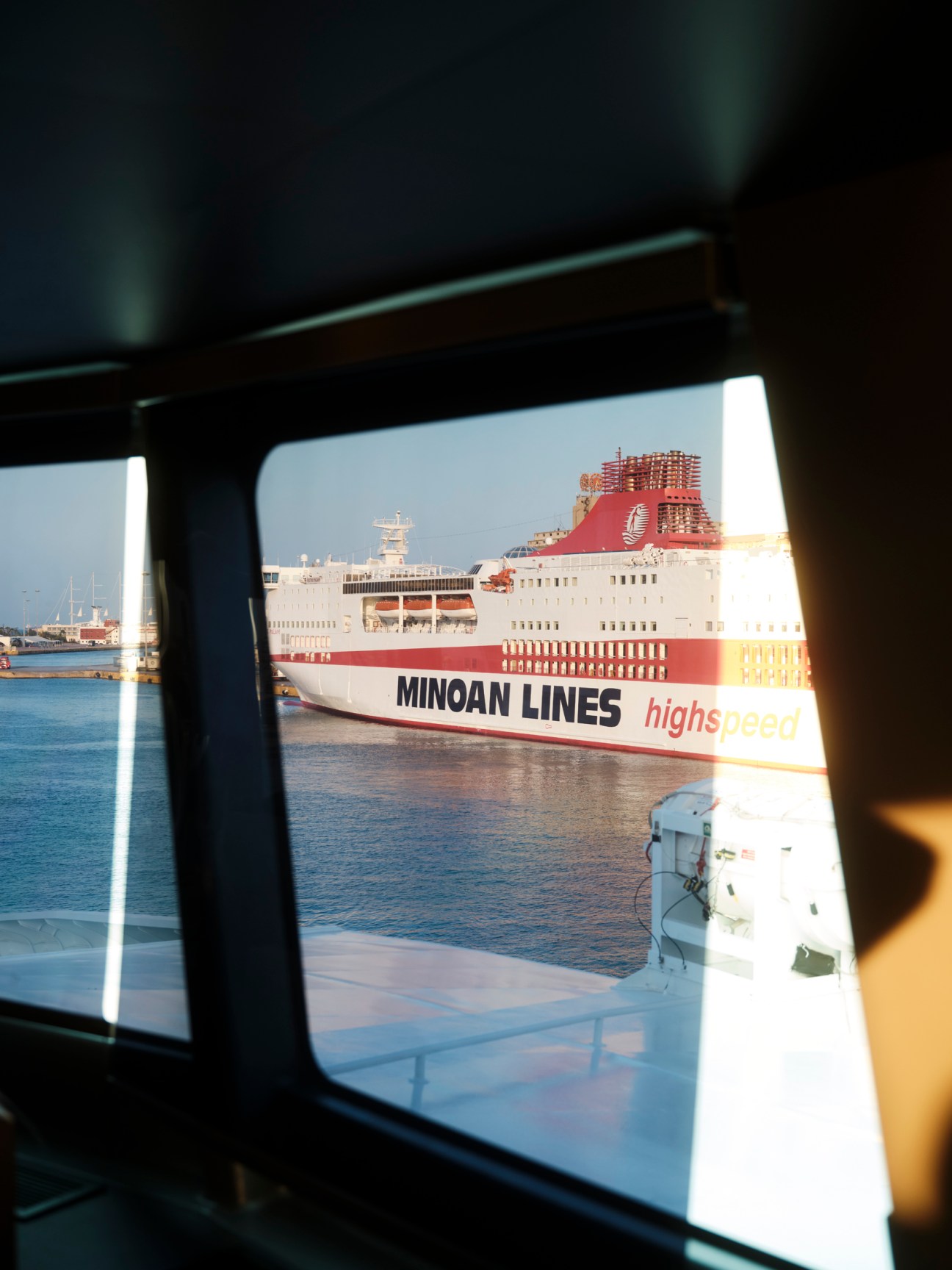
When it comes to travel, faster isn’t always better. Charting a course from Piraeus to Heraklion in Crete, the Santorini Palace ferry stops at seven Cycladic islands, including Mykonos, Tinos and its namesake, Santorini. It’s not the quickest journey but part of the fun is seeing each place go by and gently unwinding into your holiday groove. The service is run by Minoan Lines, which launched more than 50 years ago and today is one of Europe’s largest passenger ferry companies. The star of its fleet is the 1,160-seater catamaran, on which passengers can recline in airline-style seating while looking out at the azure waters of the Aegean. Onboard cafés serve flaky spinach and feta spanakopita pies and iced lattes. Those looking to elevate the experience should book a spot in the slick vip lounge on the upper deck, which has a private bar and even more spacious seating.
Launch a business
Even in an unpredictable world, you should seek success

Starting a business can be daunting but Singapore is a great place to do it, if its track record of successful start-ups is anything to go by. In just a few decades, the southeast Asian nation transformed itself from a relatively poor country to a global financial capital with a GDP per capita similar to that of the US. A highly educated workforce, low tax rates and pro-private-sector regulation have helped it secure top spot in the Economist Intelligence Unit’s ranking of the world’s best business environments for 15 years running. Homeground Coffee Roasters is one of its many success stories. Founded in 2017 as an online retailer, it now has a roastery in addition to a vast café and shop. Frequent collaborations with baristas across Asia have helped to raise the brand’s profile. “It’s a must-visit coffee shop when people come from overseas,” says co-founder Elysia Tan (pictured).
Strip off
Be comfortable in your own skin
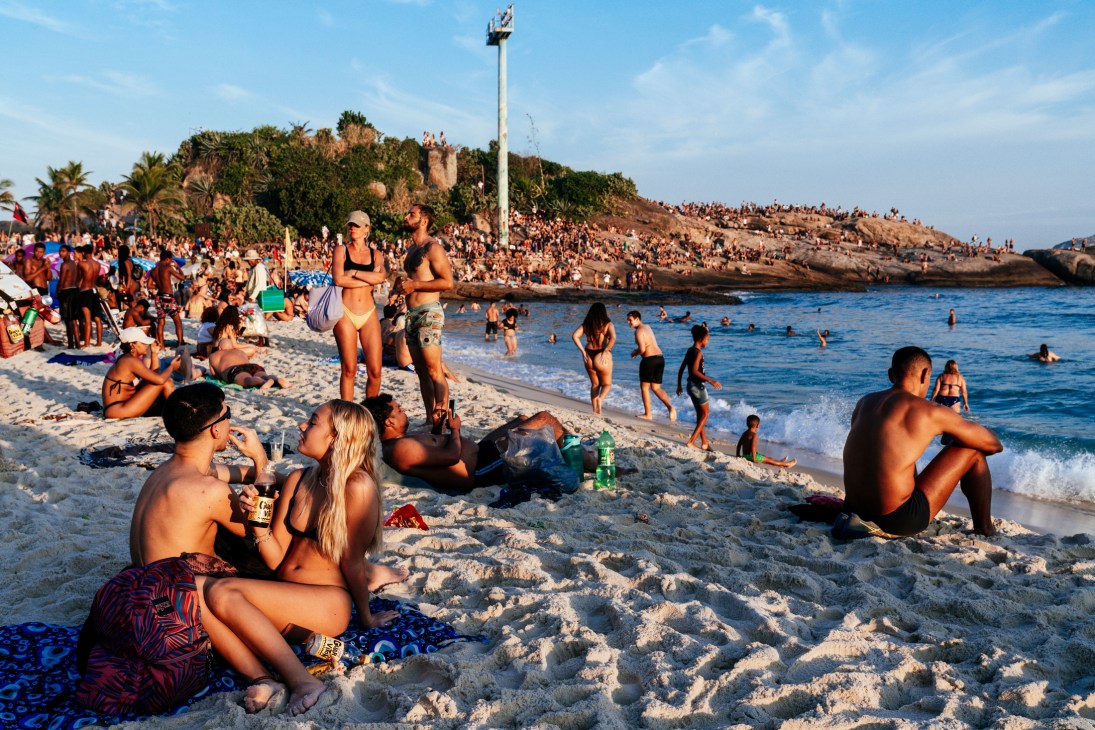
In recent years, Brazil’s beachgoers have taken to wearing uncharacteristically large bathing suits and wider cuts. But it appears that is no longer the case. A recent story in the newspaper Folha de São Paulo announced that Brazilians are once again favouring skimpy swimwear. And we don’t blame them. In places such as Rio de Janeiro, where ocean life is seamlessly integrated with the city, wearing less is the best way to feel the sun on your skin. Besides, there’s something undeniably admirable and dignified about the way cariocas enjoy showing off their bodies with so much confidence. It’s a reminder that when it comes to wearing less, anyone should be able to take the plunge.
Fly on a Gulfstream
Sometimes new wings can get you going
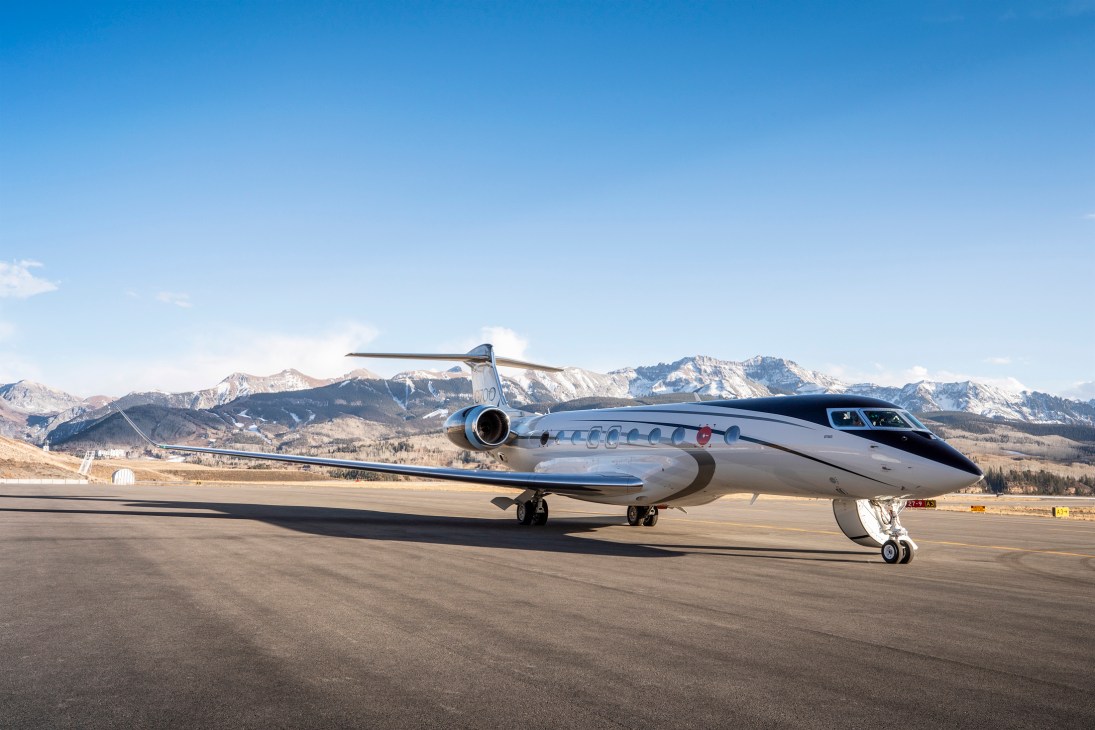
Getting out there is about setting off for new frontiers and extending your reach into untapped markets. There’s opportunity from Mexico to Malaysia but it’s more important than ever to show up and see things for yourself. For that, perhaps you need a set of wings that will go the distance. Gulfstream’s g700 (pictured) can clock 7,500 nautical miles (13,890km) in a single journey. The roomy cabin can comfortably accommodate 19 passengers, making it the perfect setup for taking a top team on a fact-finding mission across the world, while a high-speed cruise of mach 0.90 – powered by twin fuel-efficient Rolls-Royce Pearl 700 engines – is primed for zipping across continents so you can seal that deal on the ground.
Plant a garden
A modest plot of nature will change your world
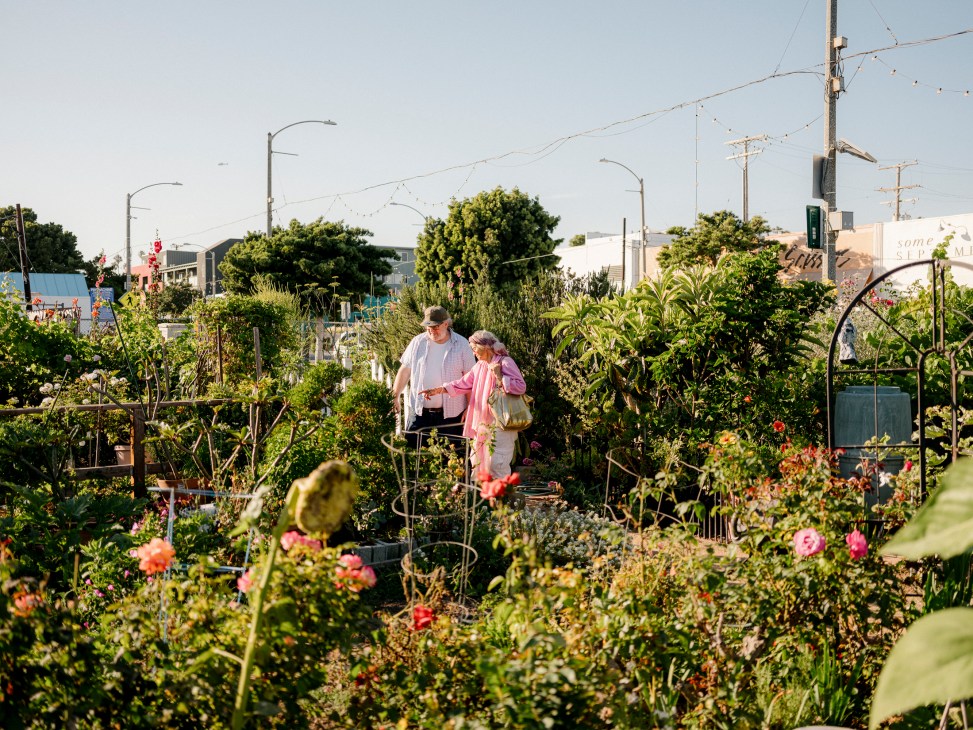
Since 1976, a stretch of Main Street in Santa Monica has drawn the attention of visitors and city residents alike. The block is not home to a Los Angeles doughnut joint or buzzy taco stand, nor is it a celebrity-endorsed gym or shop. Rather, it’s a community garden, the oldest in Santa Monica. When Monocle visits, the scent of sunflowers, California poppies and jasmine is heavy in the air and snails are slowly zigzagging across the soil. Tending this verdant retreat are humans, who plant vegetables, herbs and flowers. They do it for practical reasons, of course. After all, produce often tastes better when grown closer to home. But there are social and psychological benefits associated with caring for a patch of land too. “I cannot advocate for community gardens enough,” says Cris Gutierrez, who has owned a plot here since the 1980s. “In the US, in particular, they counterbalance hyper-individualism. There’s something so wonderful about these places because you’re part of a community, you’re with humans. Some of them you might not agree with or cross paths with in any other situation, yet there you are, sharing commonality in the garden.”
Buy an old guide book
It will make you see places afresh
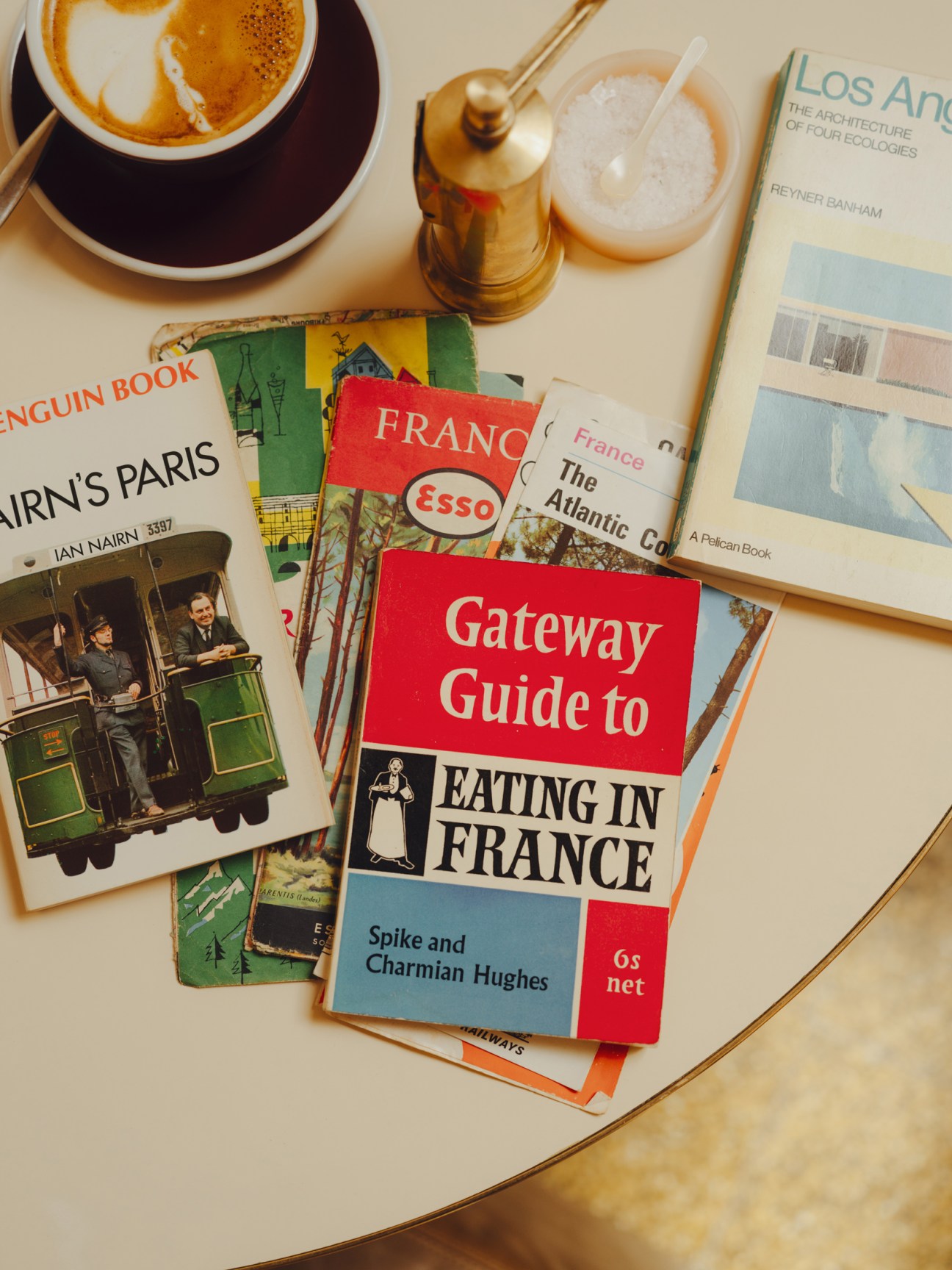
Travel transports us in more ways than one. You might feel that tell-tale frisson of excitement as your plane breaks cloud-cover over a sparkling, unfamiliar city, or perhaps as you recline on a sun-warmed lounger on a weekday afternoon. What’s better than breaking routines and finding fresh ones? And let’s not forget the joy of a good slap-up lunch in unfamiliar climes. Sadly, online recommendations and the droves of modish gone-tomorrow reviews rarely hit the spot. So what about flicking through an old guidebook for a properly unexpected perspective on your destination? There’s much to be gleaned from what’s gone before, even if it’s an old curmudgeon’s take on what made a city sing in the 1960s, or what passed for food in a less appetising age. Plus, in the restaurant stakes at least, if a place was good then and has survived since, it’s well worth a punt for that lunch you were after.
Lace up those hiking boots
See things from higher ground (and use your muscles)
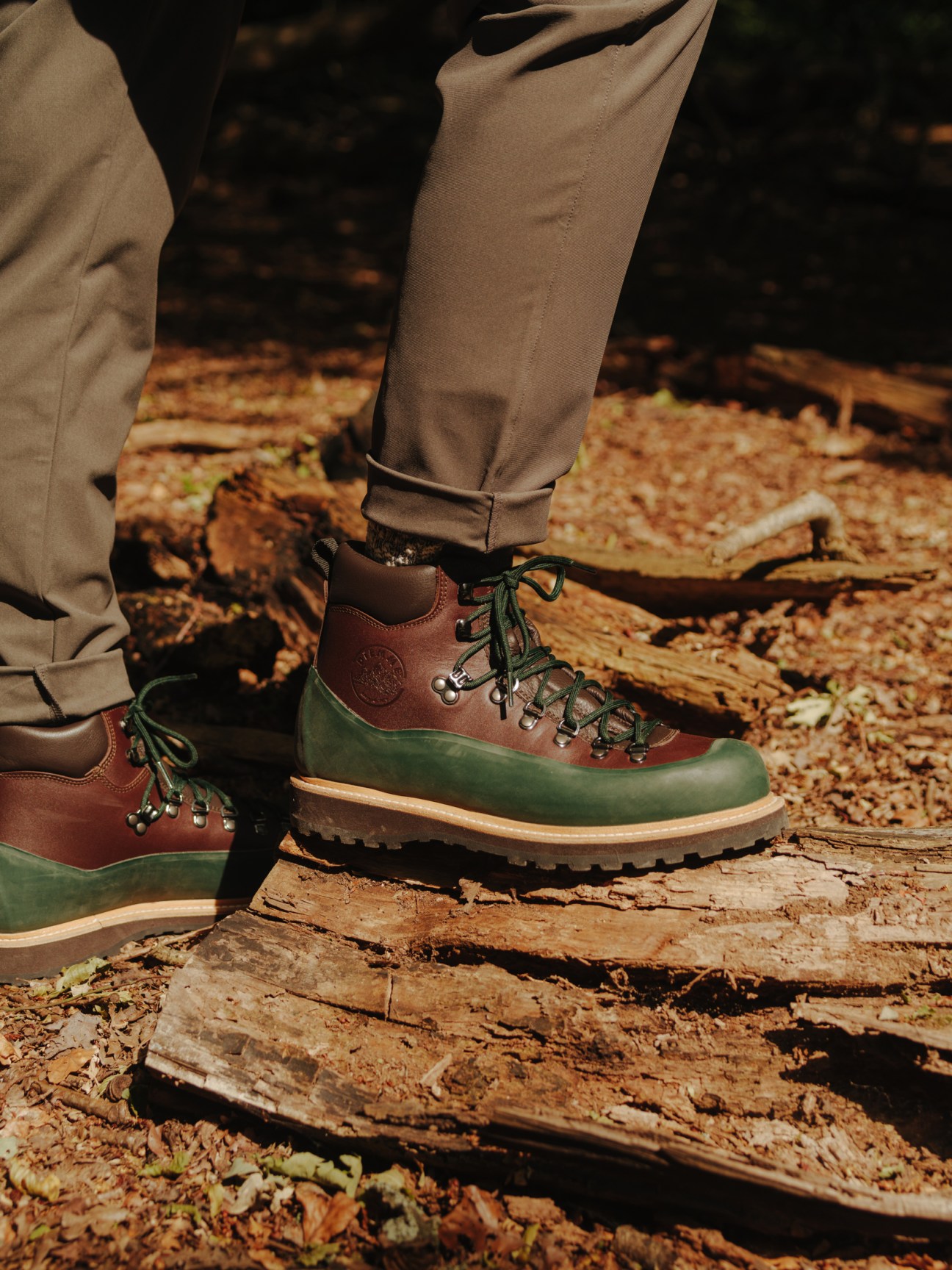
Climbing to the top of a hill always feels good, even when the person who dragged your perhaps initially reluctant self there is saying, “I told you so.” But to really get the most out of the experience, make sure you have a pair of good hiking boots. For a long-lasting yet stylish option, try Italian brand Diemme. Based in the small town of Onè di Fonte, Diemme crafts hiking boots that are just as suited to hiking the Dolomites as they are to walking Bolzano’s cobbled city streets. But don’t worry if you scuff your pair a little. After all, any seasoned walker worth their salt knows that pristine kicks never got anyone anywhere.
Help out
Don’t sit back, you can fix this
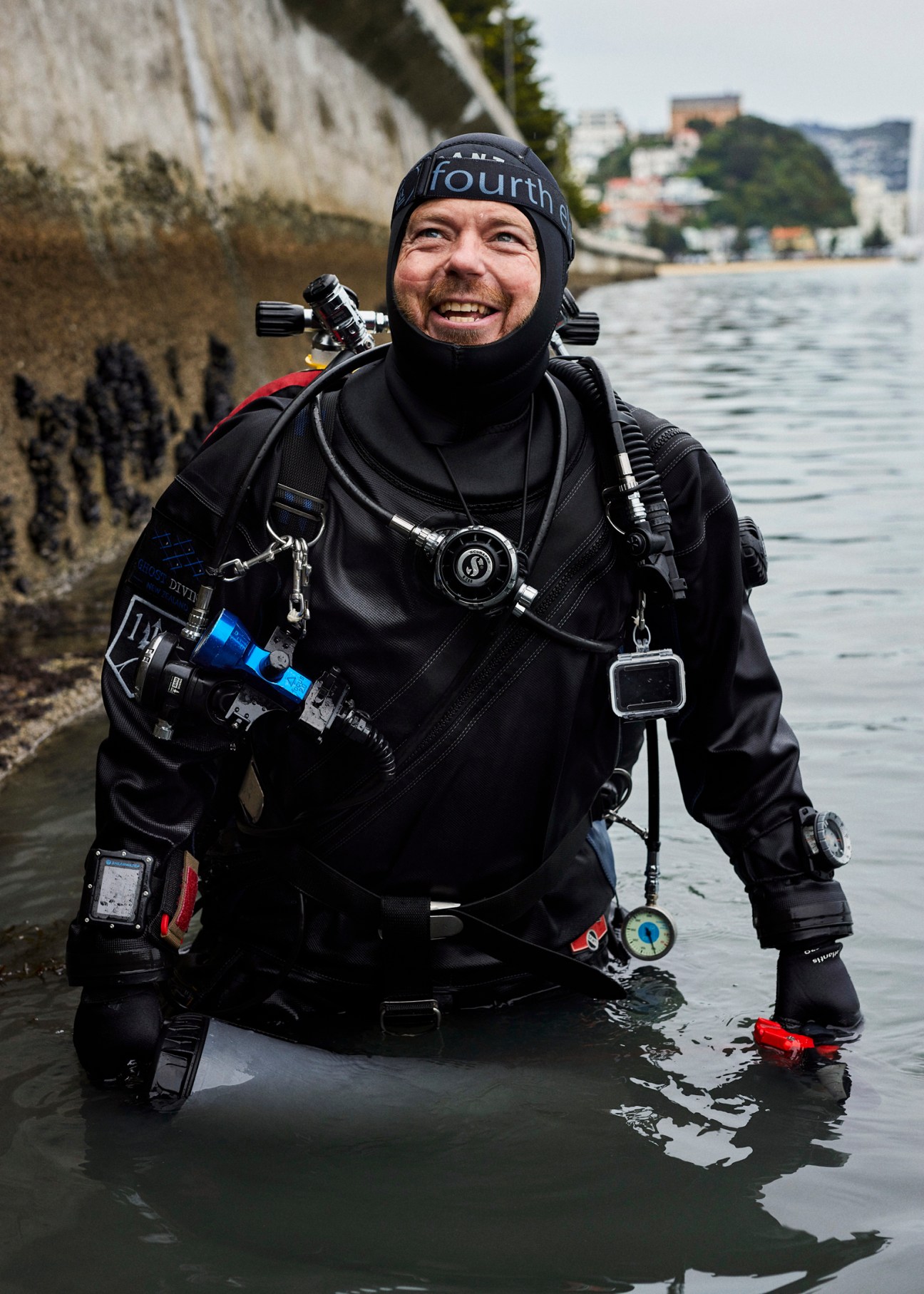
Don’t fret – take action. That’s what the Ghost Divers, a group of volunteer conservationists who remove litter from Wellington’s shores, do every few months. Decked out in scuba gear, they dive down to the seafloor and haul back as much rubbish as they can, including unexpected objects such as aeroplane tyres or scaffolding encrusted with marine fauna and flora. Meanwhile, non-divers (known as “de-critterers”) rescue aquatic animals, easing starfish off dumped traffic-cones, coaxing crabs out of tins and extracting octopuses from bottles. Every creature is catalogued and placed in a tank, before being returned to the ocean. According to Andrew Stewart (pictured), a 65-year-old volunteer and curator of fish at New Zealand’s national museum, researching these creatures – and teaching Wellingtonians about their aquatic neighbours – is an important part of the process. “If they know what’s there, they will care,” he tells Monocle.
Treat yourself to a trim
A sharp haircut gives you a head start
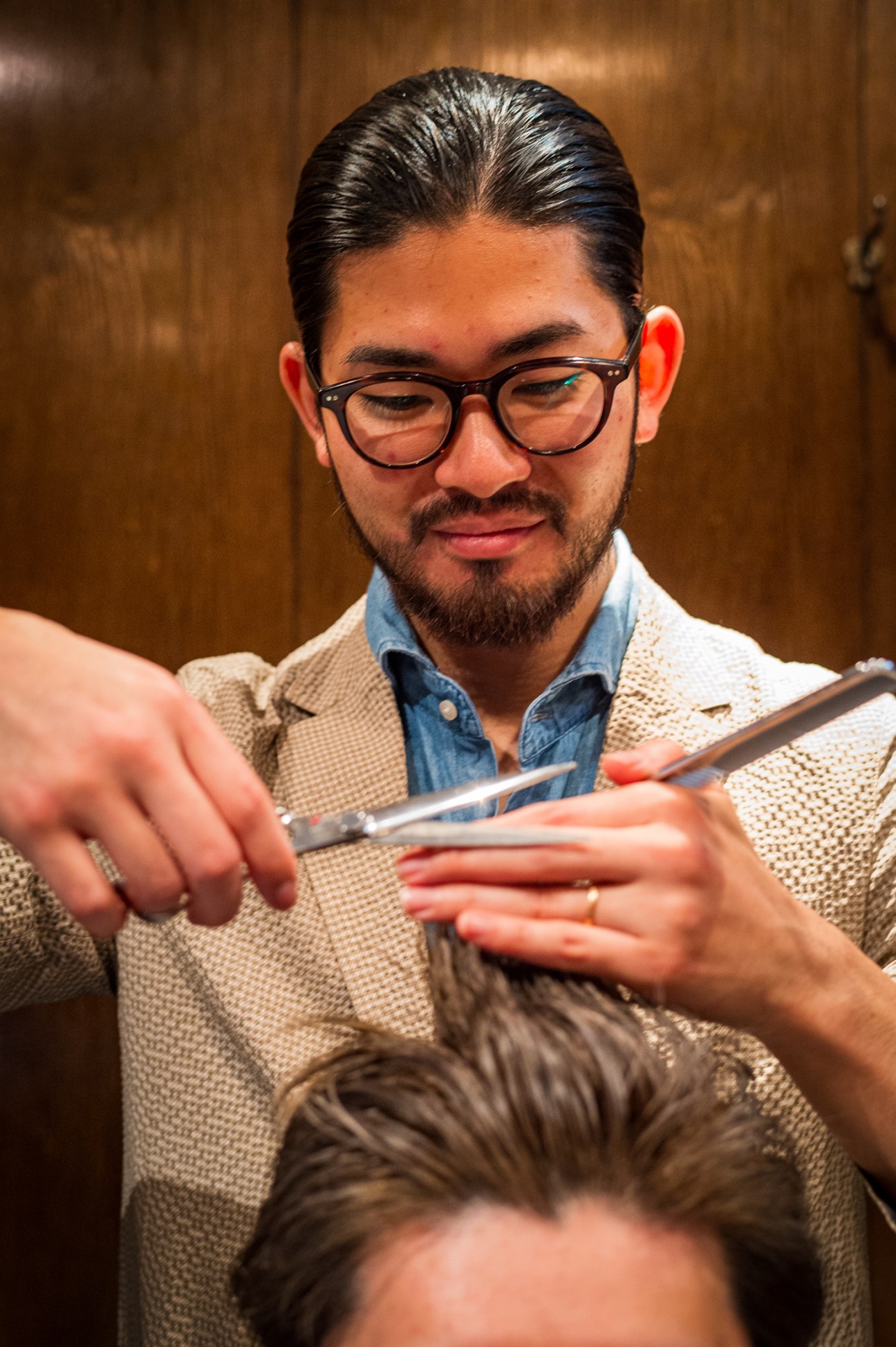
Whose day isn’t improved by an hour in the hands of a skilled barber and a fresh haircut? At The Barber Tokyo, the emphasis is on rest and relaxation, with plump chairs in semi-private rooms and an enveloping wooden interior. A crack team of smartly dressed stylists are on hand to see you through a menu that runs from a simple trim and shave to a head spa – complete with warm mist and a scalp massage – and a facial, where the shave is compared to “being stroked with a feather”. Even if you don’t have time for a full reboot, a sharp hairdo is sure to give you a spring in your step.
Monocle’s Quality of Life survey 2023: The world’s most liveable cities
When Monocle’s Quality of Life survey was first published – in 2007, the year of the magazine’s foundation – the rise of a particular type of city seemed inexorable: large, highly diverse places, open to talent and views from around the world, and tethered to the global financial markets. Those criteria were made manifest most successfully, or so it appeared, by three cities: New York, London and Hong Kong. Much has changed since then. Today these three places are suffering from social, economic and political turmoil, much of it self-inflicted.
In the case of New York, its problems – wealth inequality, violent crime and poor mental-health provision – are emblematic of a wider urban malaise in North America since the pandemic. For many cities in the US and Canada, lockdown restrictions turbocharged a fraying of the social fabric and what lies ahead remains uncertain. But what is clear is that issues of security are now central to discussions about quality of life – and where and how people want to live. That’s why we have included new metrics to quantify the effect that this is having on citizens. For the first time, this survey takes into account factors such as violent crime per capita and trust in police.
To help assess the effect of inflation on city living, we have also included metrics on the year-on-year rise in rent, as well as child poverty rates. All of this has meant that the cost of living has had more of a bearing on which cities have made the top 20 than ever before. It is why, for example, Athens – a cheap, cheerful, at times chaotic place – has made it into this year’s ranking.
Though, for those reasons mentioned above, no North American cities are included in our list, the ranking is not a closed shop and we are optimistic that places such as Los Angeles and Vancouver can turn things around. Our optimism is based on the conviction that cities are still the engines of human progress and the more open, equal and diverse they are, the better – and also, of course, the evidence supplied by those places around the world doing things well.
The cities that have scored highly include Singapore, where civic leaders are working hard to make one of the world’s greenest large urban centres even greener. Then there’s Vienna, a place that scores highly on public transport but is not resting on its laurels in this regard. And there’s Tokyo, which has finally awoken from its long pandemic-induced slumber with a zeal for building inventive and exciting new developments. And Amsterdam, where a clean-air strategy is getting even more people onto bikes and boats. We could go on, and we do – on the following pages.
Key metrics explainer
Adopt: Initiatives and policies that would benefit the city.
Drop: Problem areas that are holding the city back.
Crime rate: number of reported crimes per 100,000 people.
1.
Vienna
The forward-looking historic city.
Adopt: Extended trading hours during evenings and on Sundays. This simple measure would be a huge economic boon for the city.
Drop: Overly fussy regulations that prohibit things such as plant pots in the street.
Population: 1,980,000 (metro: 3.7 million).
Crime rate: 0.72 per 100,000 people.
Average working week: 35.9 hours.
Number of homes built in the past year: 17,000.
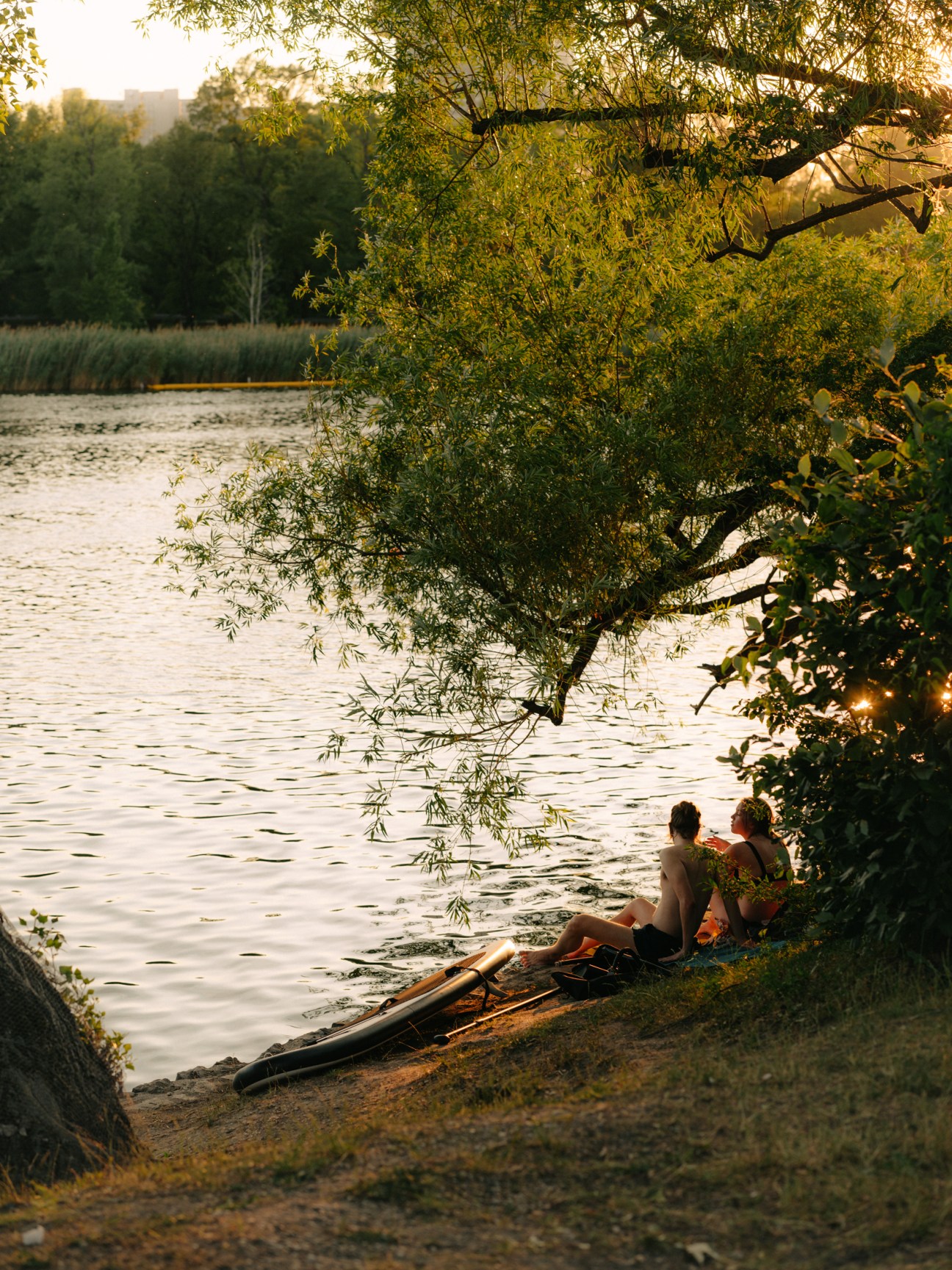
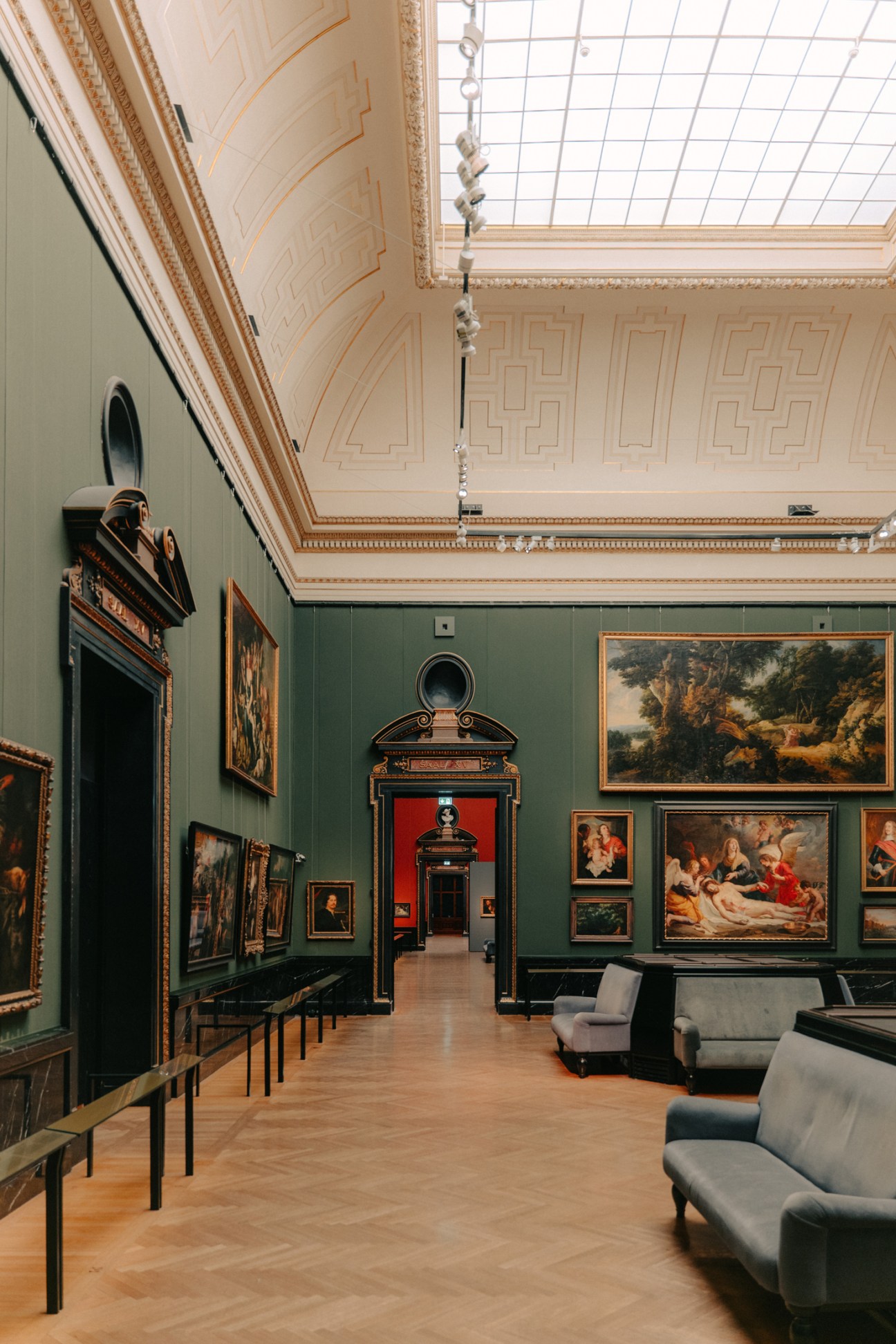
With Vienna’s stunning baroque architecture and refurbished parliament building, it’s easy to forget its natural beauty. But there are hills, lakes and rivers within the city limits. As the sun returns, so do the Viennese – to the water. Danube Island is a popular spot, as are public swimming areas such as the Gänsehäufel on the Alte Donau.
Meanwhile, museums have been celebrating the 150th anniversary of the event that turned the city into a global metropolis: the 1873 Vienna World’s Fair. Though it was a financial disaster, it rekindled European interest in Japanese and Middle Eastern arts and crafts, which in turn inspired Viennese artists such as Gustav Klimt.
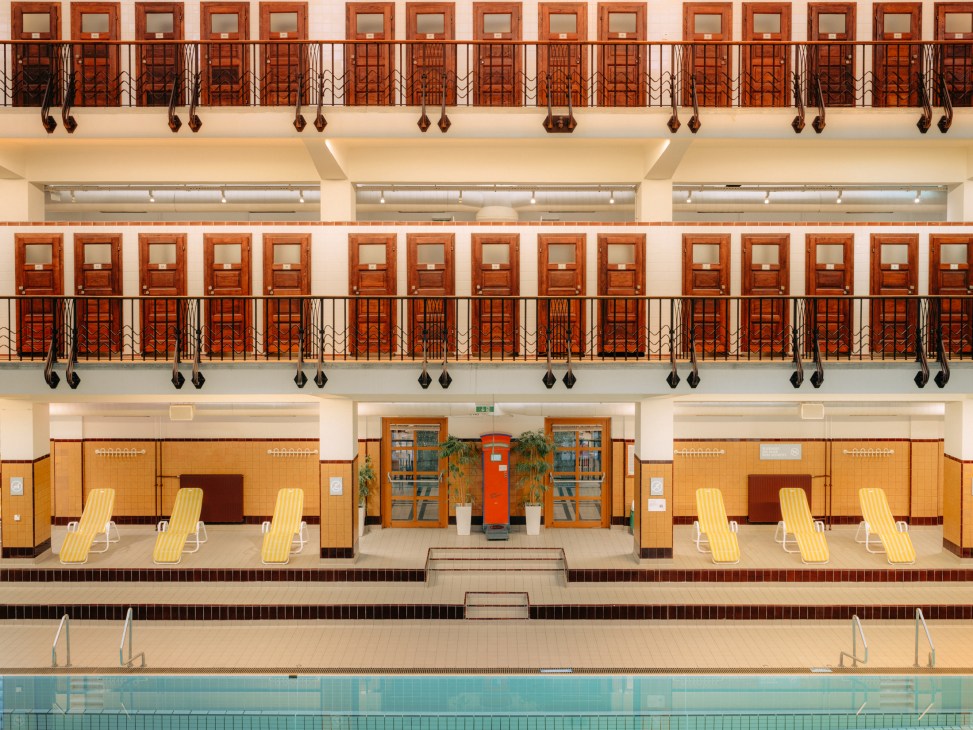
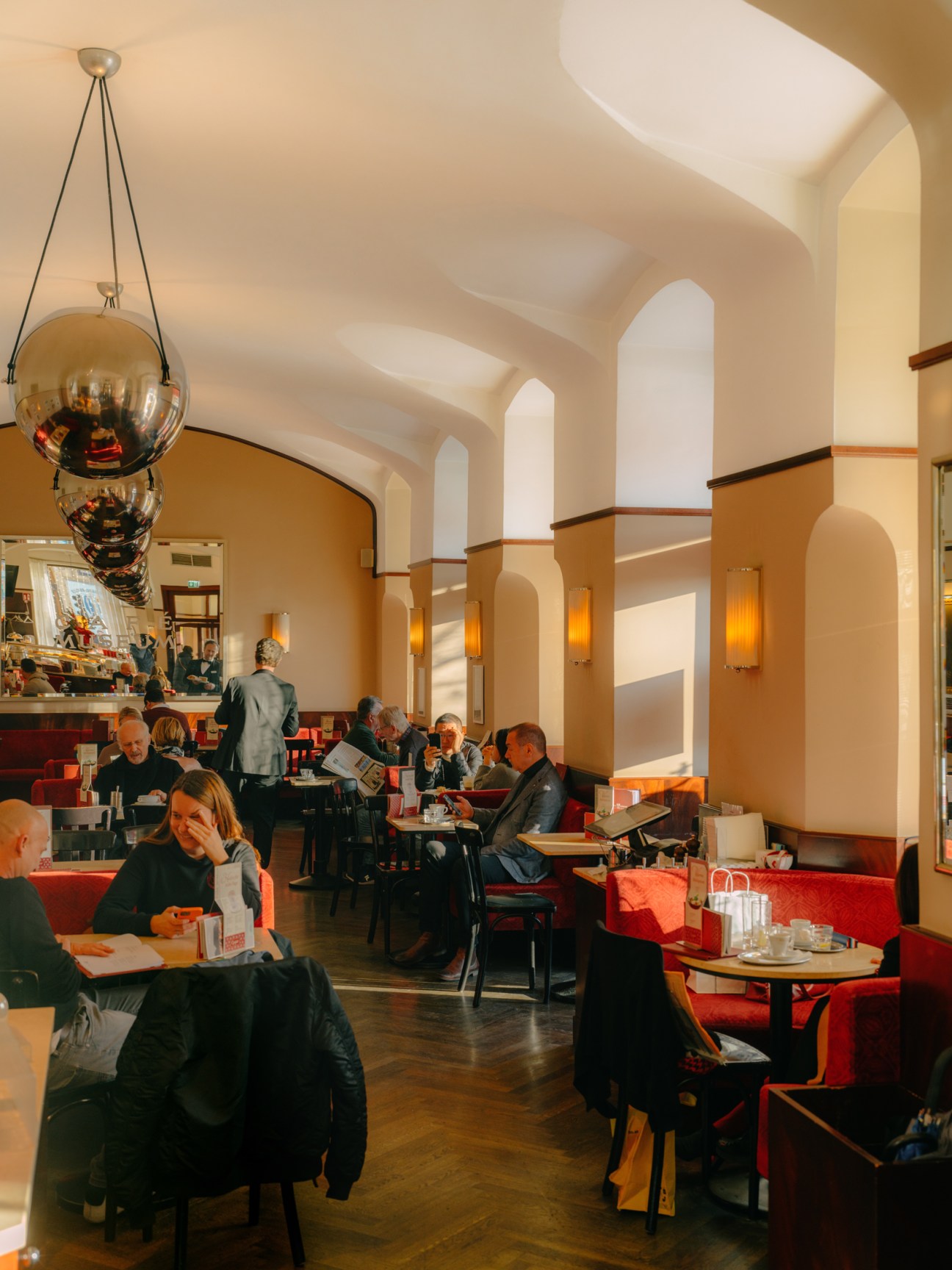
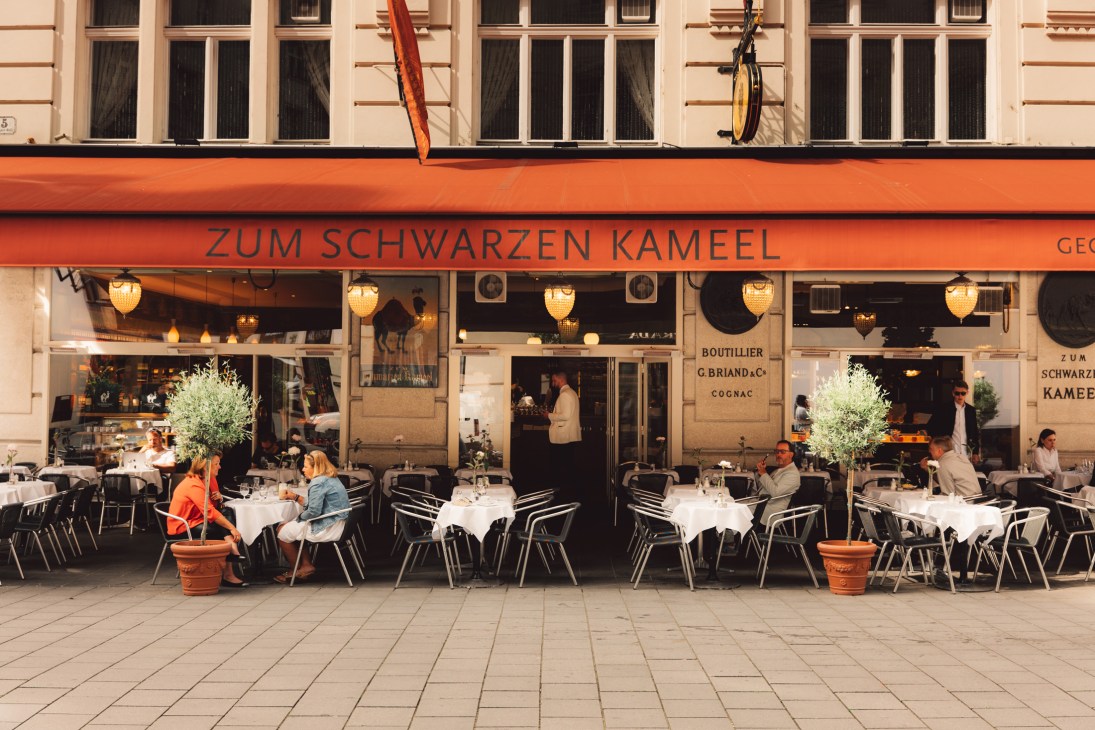
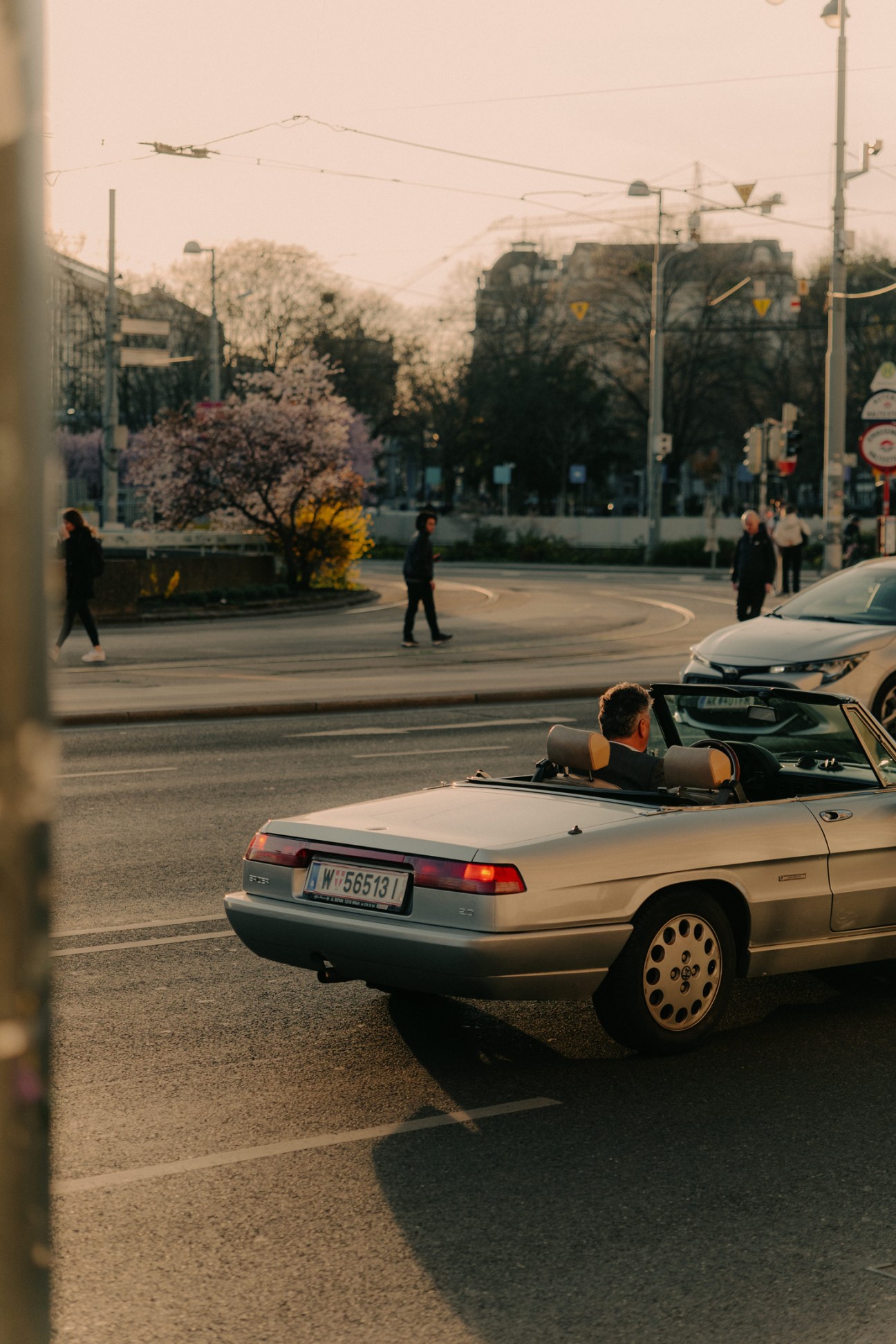
City authorities have pressed on with their plan to build more social housing, while crime is at its lowest rate in 20 years. A network of community-run parklets known as Grätzloasen, set up by former deputy mayor Maria Vassilakou (see page 37), has continued to expand into neighbourhoods devoid of public space. Vienna’s excellent transport system is seeing two more additions, both produced by Siemens, whose factory is located within the city: driverless X-Wagen trains for the Vienna U-Bahn and new Nightjet sleeper trains for Austria’s national railway operator, öbb. Construction has continued on the new U5 U-Bahn line, though the planned reopening of a section of the U2 line has been delayed until next year. But even without it, Vienna has an embarrassment of transport riches.
2.
Copenhagen
The well-balanced Nordic capital.
Adopt: Later opening times. It’s not the easiest place to get a decent meal after 22.00.
Drop: Gas-guzzlers. While good by European standards, Denmark has the worst air in the Nordics, with Copenhagen the country’s most polluted city.
Population: 644,431 (metro: 1.4 million).
Unemployment: 3.3 per cent.
Ambulance response times: 97.2 per cent arrive within 15 minutes.
Percentage of commuters who cycle to work: 62 per cent.
One year on from its triumph in our last Quality of Life Survey, things are going swimmingly in Denmark’s capital. Local authorities have greenlit a plan to make its waterfront accessible to swimmers after years of restricting the number of bathing areas. As well as freeing up crowded hot spots in the warmer months, this will make the most of the city’s geographical advantages.
Meanwhile, its extensive public-transport network is receiving a boost. Multiple new metro lines are under way, with a link between Copenhagen and Malmö looking likely – though the two cities are still quibbling over who will pay. The 20-minute connection would make them Scandinavia’s largest urban area and a mighty economic, social and cultural hub.
The city’s housing market has dipped slightly over the past year, with prices falling by a few percentage points. Following the implementation of the “ghetto law”, which has led to families being relocated from social-housing estates, the city has announced that 40 per cent of new builds must go to public housing to encourage a better balance.
Crime rates have fallen for the fifth year in a row. What worries Copenhageners most today is bike theft. The war in Ukraine has led to the Danes sacrificing a bank holiday for the first time in more than 250 years as the cabinet of the country’s prime minister, Mette Frederiksen, seeks to boost the defence budget. That’s one more day a year when locals will need to cycle to work.
3.
Munich
Where technology meets tradition.
Adopt: More ambitious renewable-energy policies, such as harnessing solar and geothermal power. Munich has a lot of potential but often falls short.
Drop: Political in-fighting. The city’s governing coalition too often struggles to implement its programme effectively.
Population: 1,574,110 (metro: 6.2 million).
Average monthly cost of renting a one-bedroom flat: €1,800.
Cost of a monthly travel card: €59.10.
Number of public parks: 1,200.
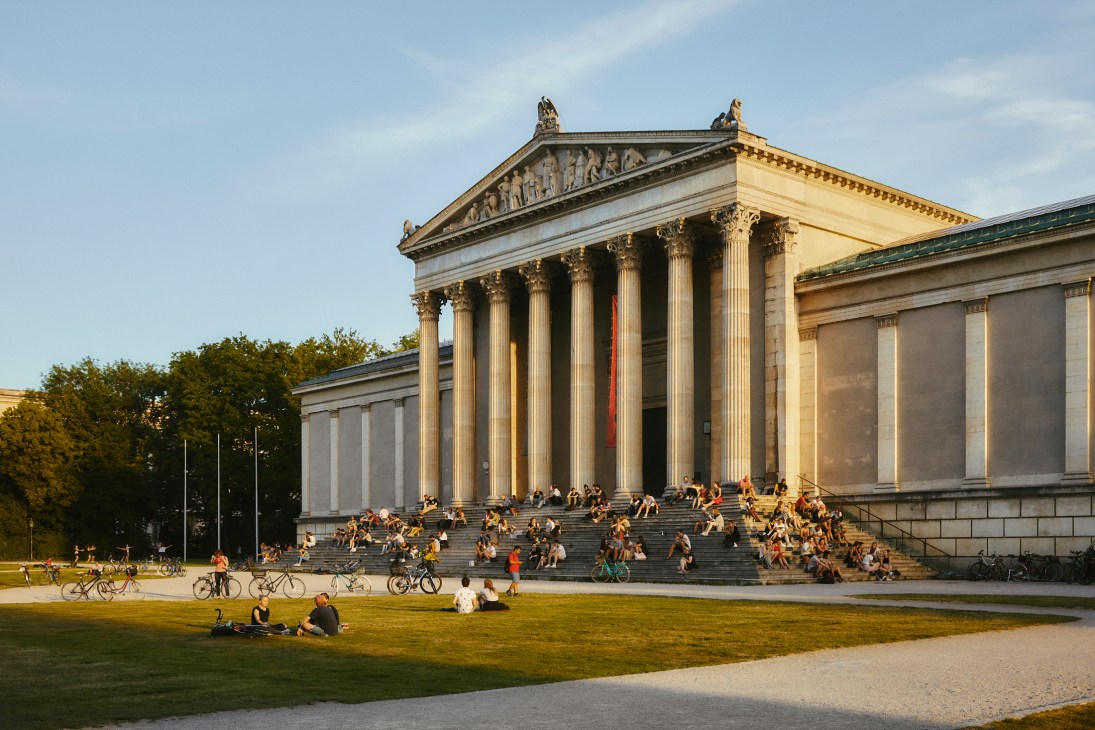
Germany’s former president Roman Herzog once praised Bavaria for its “symbiosis between laptops and lederhosen” – and in Munich both are flourishing. The leather shorts were on last year as Oktoberfest reopened after two years of pandemic-related restrictions. Munich’s technology companies, concentrated in the “Isar Valley”, also thrived. The area’s mix of top universities, visionary investors and local champions such as Siemens, Allianz and bmw is increasingly being supplemented by US titans. In step with Amazon, ibm, Microsoft and Google, Apple will boost its presence with a €1bn investment. Critics warn of gentrification but it will bring jobs, know-how and new charging stations.
Mobility has benefited from a dedicated municipal department that has built cycle tracks, pedestrian zones and the first metres of long-planned bike highways connecting the suburbs to the centre. Planners have been further emboldened by successful experiments, including transforming car lanes into cycle lanes and parking spaces into restaurant terraces. Such measures have helped to raise the number of bike trips by 70 per cent over 10 years and cut nitrogen-dioxide levels by about 30 per cent over five years. Munich’s brightest experiment is the interim use of vacant buildings, which is currently reviving two titans: a 70-year-old department store and the Gasteig culture centre. These will host concerts, bars, restaurants and arts studios – a typical Münchner mix of tradition and modernity.
4.
Zürich
The flourishing city on the lake.
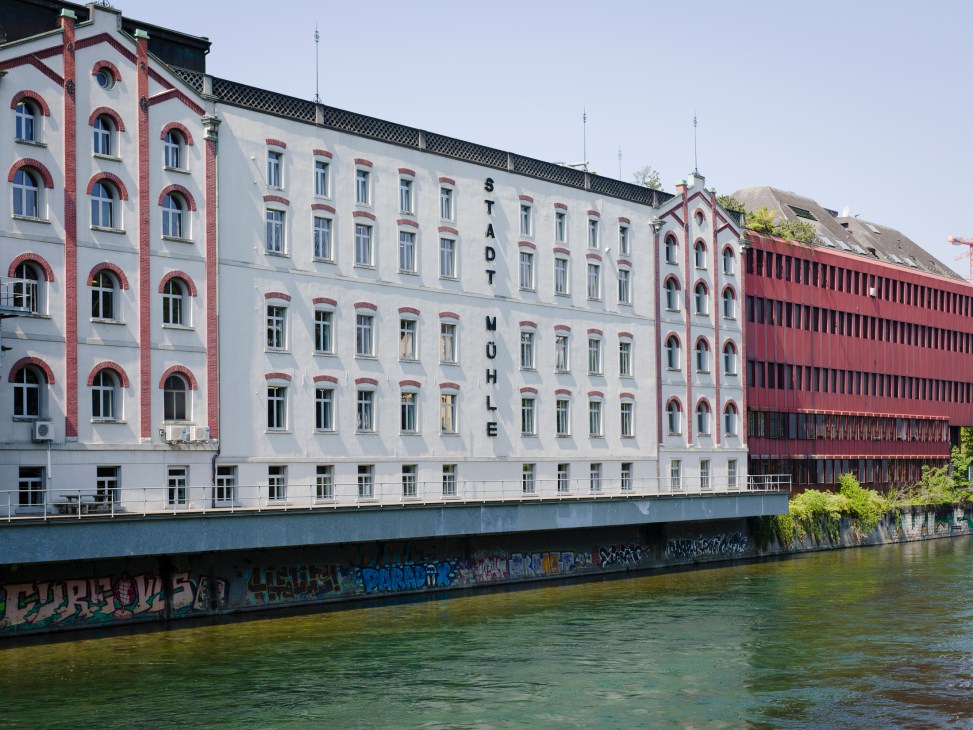
Adopt: A more concerted plan to clean up graffiti.
Drop: Restrictive Sunday trading hours.
Population: 443,000 (metro: 1.6 million).
Unemployment: 1.7 per cent.
Proportion of workforce in the creative sector: 11 per cent (about 80,800 jobs in the city).
Average price of a glass of wine: €14.
Number of public parks: 72.
Number of hotel rooms in the city: More than 9,100.
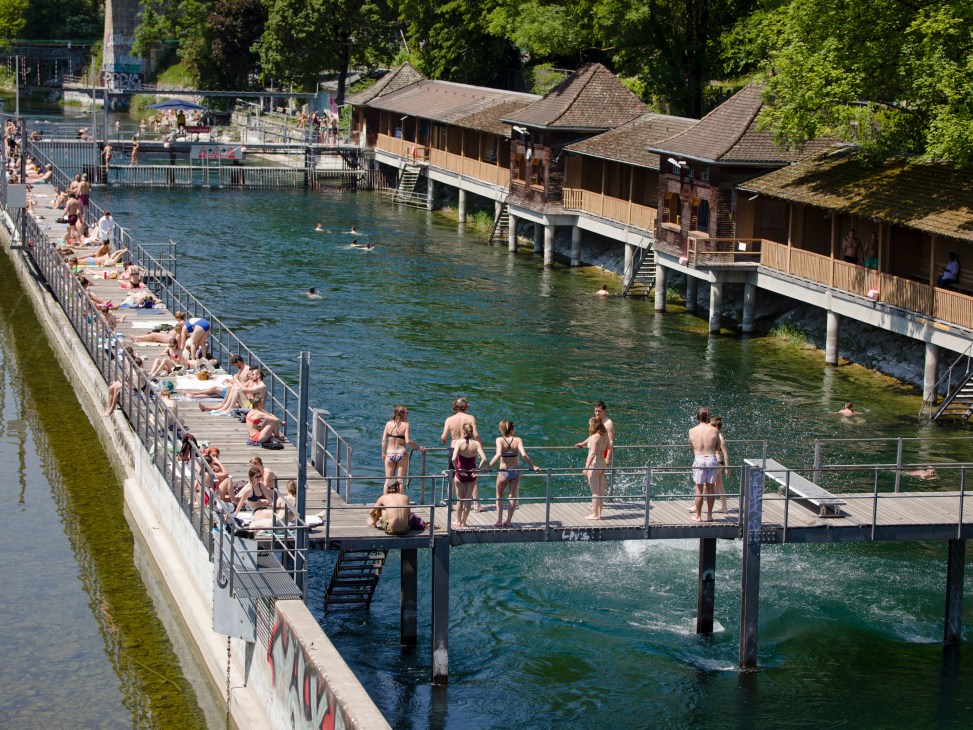
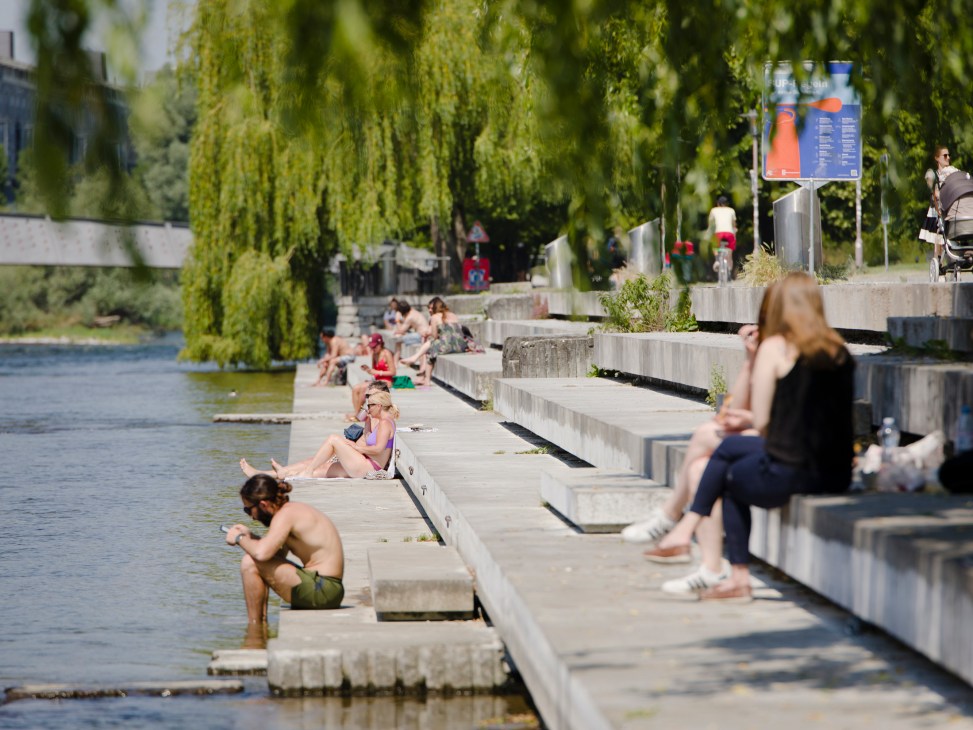
Zürich has never been more populous, with 443,000 people calling the city home at the end of 2022, surpassing the previous record from 1962. The downside of this is the low number of flats available to rent: in June there were just 161 in the whole city. This has led to rising house prices and rents in a place already infamous for its high cost of living. To ease the burden on young families, citizens voted to make every school responsible for looking after children all day and feeding them at lunch but, in typical Swiss fashion, the transition period is long and the measure won’t come into effect until 2030. That year, Zürich also hopes to finish installing 100km of cycle lanes, an initiative that sounds good on paper but has so far seen little tangible success.
The financial hub is still recovering from the downfall of Credit Suisse, a huge part of local life since 1856 (ubs’s takeover of the ailing bank has not yet officially gone through). With its iconic Paradeplatz headquarters, Credit Suisse was a major employer and the sponsor of many cultural events. But the city will hopefully bounce back quickly and concentrate on the many things that it does well, such as organising big events. The Züri Fäscht, Switzerland’s largest folk festival, takes place in July for the first time since the pandemic began. The last edition attracted about two million visitors; organisers hope that this year’s will exceed that number and show the world how clean and efficient this Swiss city can be.

Rising again
Ukraine
It might seem odd to talk about rebuilding Ukraine’s cities while continuing to pledge weapons and military support but at the German Marshall Fund’s Brussels Forum in May it was clear that these conversations must happen simultaneously. During the two-day summit, the war in Ukraine and what its reconstruction might look like took centre stage.
“The time to plan our rebuilding is now,” Oleksandr Syenkevych, the mayor of Mykolaiv, told Monocle in Brussels. “We can’t wait until the war is over.” Syenkevych’s city was one of the first that Russia tried to capture. They eventually withdrew but the city’s population has fallen from 500,000 to 350,000. Rebuilding, says Syenkevych, is the best way to ensure that people return. “We need to make our city safe and create the infrastructure for regular life even as the war continues.”
Financing for the rebuild has mostly come from the European Bank for Reconstruction and Development (EBRD), which has granted Ukraine €1.7bn since the war began. “We are the largest institutional investor in Ukraine at the moment,” Odile Renaud-Basso, the ebrd’s president, tells Monocle. “But the type of investments that we make has changed. We are now more focused on supporting key infrastructure, such as electricity, heating and railways.”
The rebuilding of Ukraine has been described as the world’s largest infrastructure project. The World Bank estimates the cost at $350bn (€329bn). If the country is to attract the best foreign investors and donors, there needs to be guarantees when it comes to the risk of potential future destruction.
5.
Stockholm
A city of Nordic beauty and charm.
Adopt: Measures to get commuters out of their cars and onto bicycles. Though the city has an extensive network of bike lanes, few residents currently cycle to work.
Drop: Spending cutbacks that have led to threats of strike action.
Population: 986,340 (metro: 1.7 million).
Chain test – how many Starbucks in the city? 2.
Cycle lanes: More than 1,126km.
Percentage of commuters who cycle to work: 6 per cent.
After a long winter, Stockholm’s citizens are back celebrating a city that truly comes alive in the sun. Indeed, in recent months, it is unlikely that you will have heard talk of a gloomy economic outlook or a spike in gang-related violence. These topics, however, are always simmering under the surface. Stockholm was rocked by a number of deadly shootings in early 2023 and there is a big question mark over how the new right-wing national government is planning to deal with these developments.
But setting aside the politics of a city that has long struggled with issues such as integration and housing, Sweden’s capital is opening its arms to larger numbers of visitors this summer. The final touches are now being added to a new area of Arlanda airport that will ease passenger flow through a hyper-modern security check. The design by Swedish practice Tengbom epitomises the Nordic sensibility and elegance, with limestone flooring and blond-ash-tree panelling.
This is why people still come here: to get a taste of those appealing attributes and to stroll through a city that is as beautiful as it is sophisticated. Stockholm has so much to offer, from wild nature in the middle of the city to a rich cultural scene and eating-out options that are becoming better and more varied with every summer season. It’s a city that serves up a balanced mix of open-mindedness and forward-thinking optimism. And for these qualities it will always attract newcomers.
6.
Tokyo
The dynamic Japanese capital.
Adopt: More projects like SasaHataHatsu, a grass-roots effort to regreen a section of a historic freshwater canal in Shibuya.
Drop: Inconsiderate developers. Innovation is good but more thought is needed on existing buildings. Tokyo’s 1960s and 1970s heritage could disappear.
Population: 9,660,461 (metro: 37 million).
Crime rate: 0.25 per 100,000 people.
Percentage change in rent since last year: 3.2 per cent.
Cost of monthly travel card (Metro): ¥17,700 (€118)
The borders are fully open, masks are off and Tokyo is back in business. Japan’s capital is a restless city and change is a constant. Neighbourhoods are being reconfigured and reinvented through ambitious redevelopment projects. Just this year, two huge projects by the same developer will open in central Tokyo: Toranomon Hills Station Tower, a 49-storey office and retail development, and the even bigger Azabudai Hills.
Covering eight hectares, with three towers and a low-rise area designed by the London-based Heatherwick Studios, the development will feature residences, offices, shops, a hotel, a school and space for a workforce of 20,000 people. Another giant skyscraper, Yaesu Midtown, recently opened close to Tokyo Station. One of the biggest infrastructure projects looming on the horizon is the railway line that will connect Haneda Airport, now Tokyo’s preferred international terminal, and its main station. Initially planned for 2029, the opening date has been pushed back to 2031.
Once it launches, the new line, expected to cost €2bn, will allow passengers to reach Tokyo Station in 18 minutes without changing trains. With pandemic restrictions gone, Tokyo is looking to attract those residents who might, at one time, have considered moving to China. The city is back on its feet but there’s a sense that the pace is slower. Restaurants are busy again but they are closing earlier these days. Night owls might have to wait for normal service to resume.
7.
Helsinki
Safe, green – but also plenty of fun.
Adopt: More pedestrian-only zones. The city has too much car traffic downtown.
Drop: Overly powerful developers. Citizens’ views are too often neglected when it comes to major developments.
Population: 658,457 (metro: 1.5 million).
Number of restaurants opened in the past year: 270.
Chain test – how many Starbucks in the city? 2.
Cycle lanes: 1,500km.
Proportion of rubbish recycled: 50 per cent.
Wherever you are in Helsinki, nature is always just minutes away. It’s not in every European capital that you can pop out to pick berries or mushrooms, spend an afternoon fishing or even spot deer. Helsinki knows that its citizens cherish their close connection with nature, which is why it is opening up previously inaccessible islands for public use and adopting ambitious climate policies (the city is aiming to be carbon neutral by 2030).
And city hall isn’t resting on its laurels when it comes to infrastructure either. It is busily expanding pedestrian zones downtown, building new light rail links and urban ferry connections, and putting forward a €8.8m budget for citizen-led initiatives to make the city a nicer place to live in. Added to all of this is a tolerant attitude to things such as turning car parks into popular summer terraces and, dare we say, a progressive way of tackling the scourge of e-scooters: by designating (and enforcing) exclusive docking areas.
Helsinki does an excellent job of marketing itself as a functional and safe city. However, it should also talk a lot more about how much fun it is. With events such as the city’s biennial, museums such as Amos Rex and festivals such as Flow and Slush, there is plenty to do all year round.
As with other Scandinavian cities, it has suffered from high levels of inflation, with already-expensive rents becoming too much for some residents and businesses: retail occupancy fell to 87 per cent last year.
8.
Madrid
The easygoing Spanish capital.
Adopt: A major public housebuilding project. Affordability is beginning to become a problem.
Drop: Uninspiring leadership. Madrid needs leaders who are able to present a positive vision of the future.
Population: 3,300,000 (metro: 6.7 million).
Average cost of buying a three-bedroom house: €289,000.
Newspapers just for the city: 19.
Number of independent bookshops: 584.
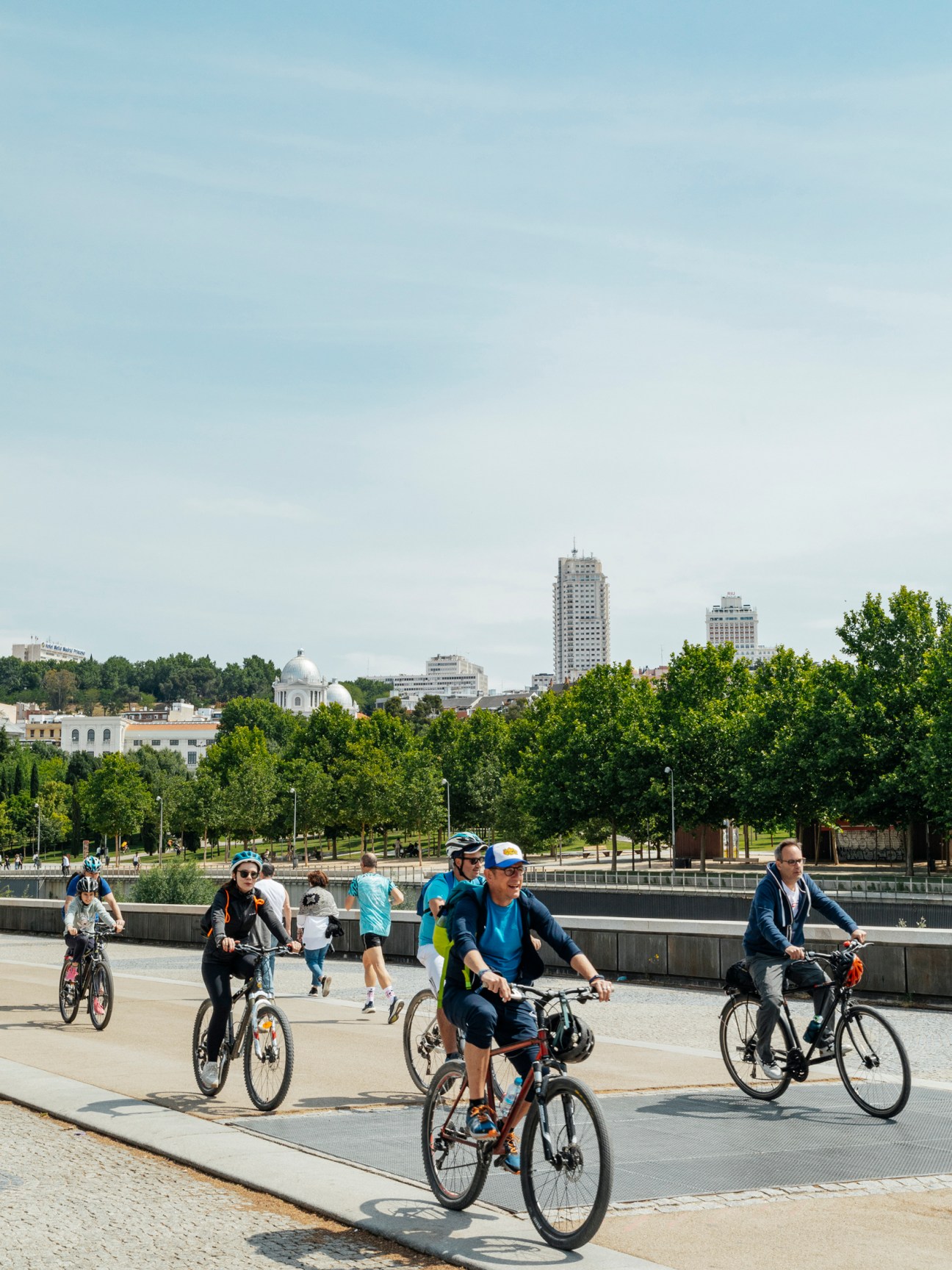
The end of a four-year electoral cycle is a good time to take stock. In the past term, Madrid’s mayor, José Luis Martínez-Almeida, led a minority coalition impeded by the far-right’s hold on the balance of power. The city’s scope in terms of its voice and vision – its diversity, its chutzpah – has narrowed, which is unfortunate for a place that was growing more comfortable as a global capital. But, no strangers to hardship, its citizens’ default mode has always been to focus on life’s simple pleasures. Despite the political impasse, the mood on the streets remains plucky and puckish.
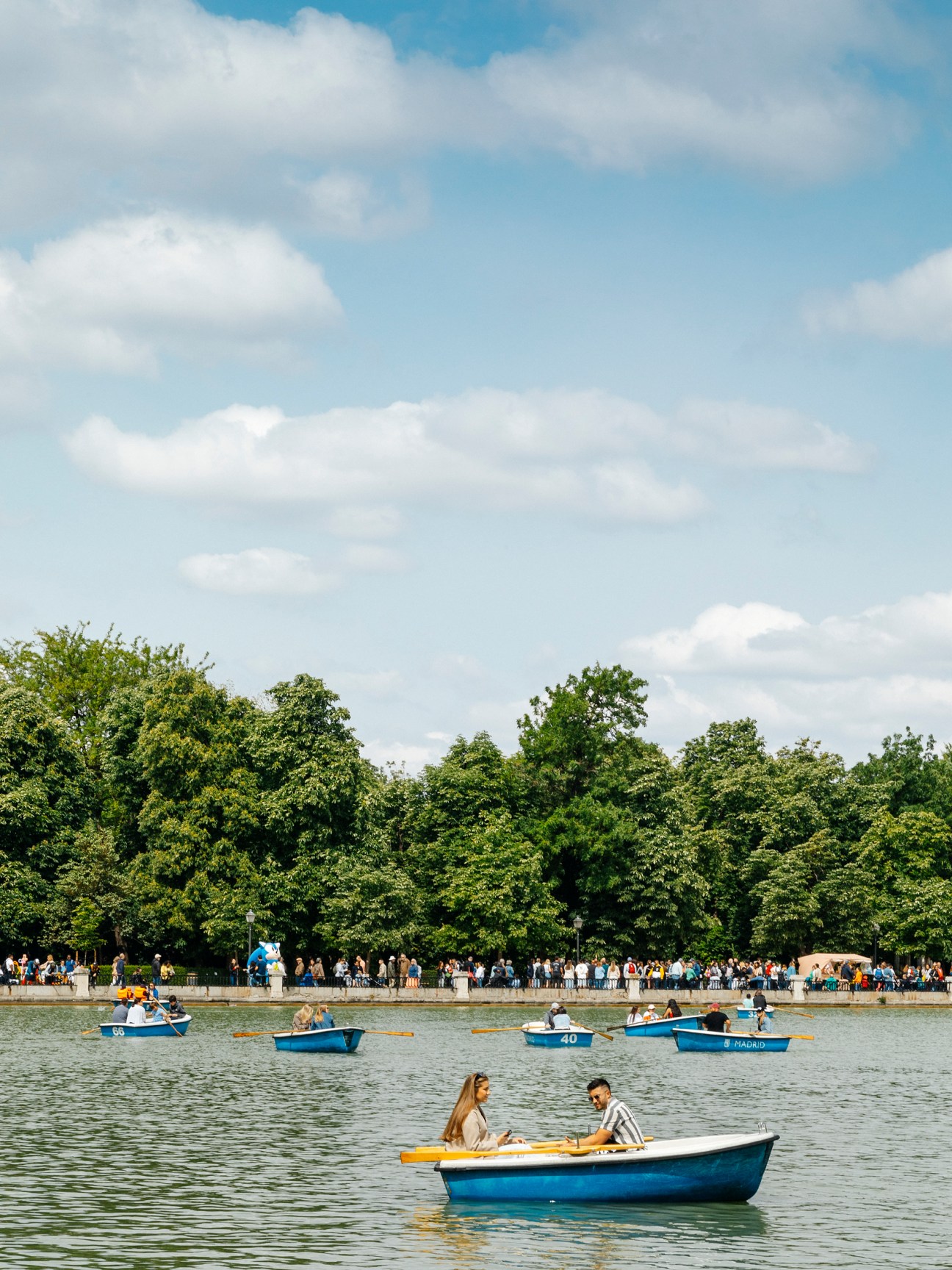
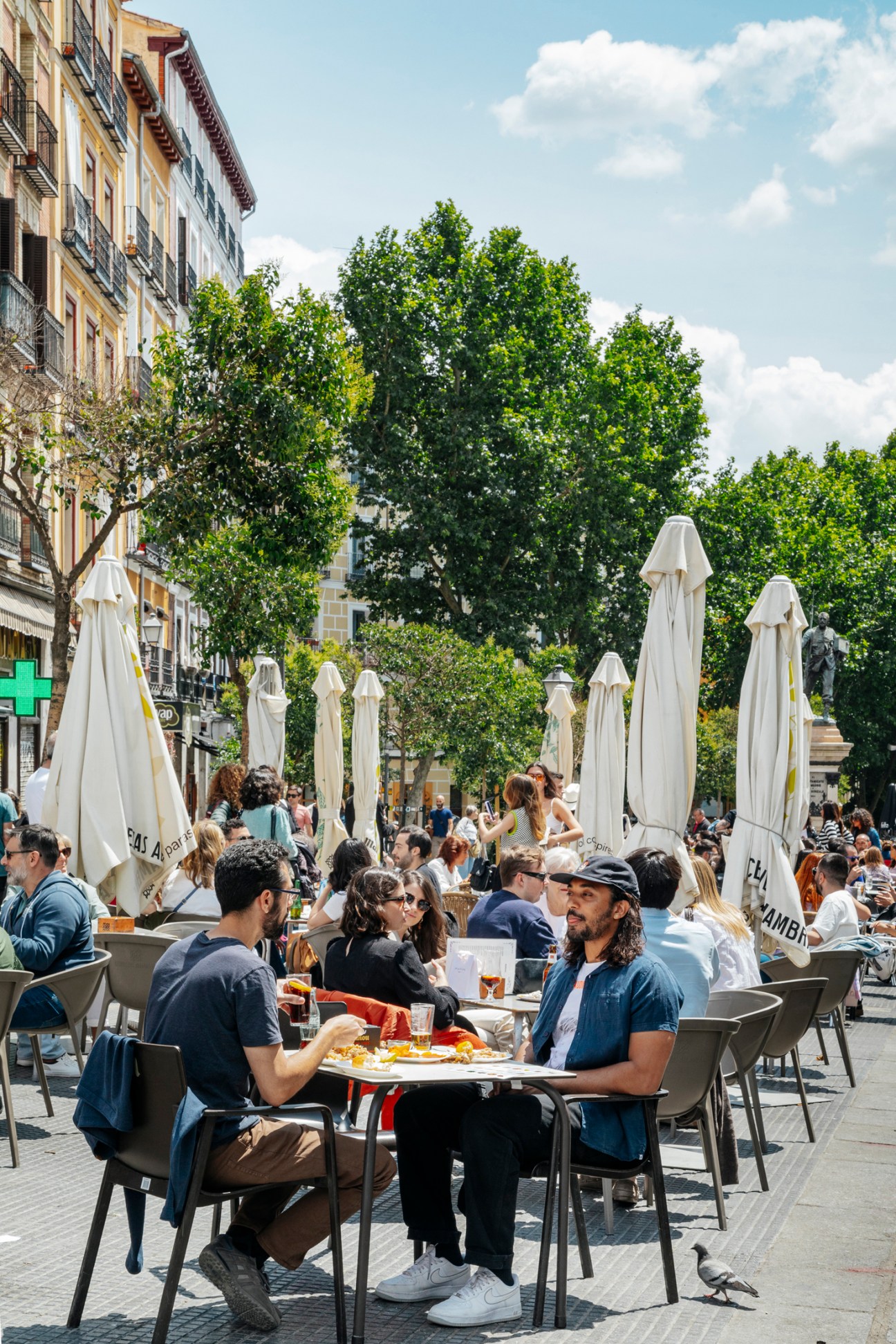
Over the past year there have been several seismic changes to the map. The new Santander Park is the result of a 17-year legal battle by residents to reclaim a private inner-city golf course, returning 55,000 sq m of green space back to public use. Meanwhile, after its long-overdue face-lift, Puerta del Sol plaza looks clean and uncluttered (though it is conspicuously lacking in trees). Finally, the much-delayed Gallery of Royal Collections opens this June. This spectacularly designed space promises to invigorate dialogue about the Spanish monarchy’s role in shaping the city and its cultural luminaries.
Madrid’s quality-of-life credentials are unquestionable, swapping out the struggles of unaffordable housing, tiresome commutes and crime for a general sense of ease, affordability and charm. It’s a reminder to other big capitals that daily life doesn’t need to involve so much sacrifice.
Taking office
Sydney
Since the pandemic began, many city centres have been grappling with the problem of vacant commercial buildings. It’s a situation that is resulting in desolate downtown areas in places that once teemed with life. In Australia, for instance, 13 per cent of office stock is currently sitting empty, the highest rate since the 1990s.
In Sydney, however, the New South Wales state government is attempting to use one urban predicament (empty buildings) to solve another (the housing crisis). “We have to make choices about how we deliver new housing stock,” Rose Jackson, the state’s planning minister, told local media in May. “Office conversions present a good opportunity.”
While that might be true and seem, on the surface, to be a simple way to bring people into the city, it’s not an easy task. Many of the buildings have been designed to pack in cubicles and workers, with large floor plates that result in interiors being located away from windows. Such a layout makes incorporating the necessary natural light and plumbing needs of residential buildings a challenge.
For Sydney to be successful, savvy architects must find ways of configuring apartments to meet these needs. Support from the government – beyond identifying the opportunity – would be welcome too; grants to facilitate the addition of balconies and the installation of internal light wells would further the cause. Doing so will not only allow Sydney to tackle its housing crisis but ensure that the city centre maintains its status as a vibrant destination, bustling with people and street life
9.
Lisbon
The welcoming international city.
Adopt: More and safer bike lanes, and smarter connections between the city’s outskirts and city centre.
Drop: Property speculation. An enhanced public-housing policy would stop private developers from exploiting rising rents.
Population: 544,851 (metro: three million).
Average price of a cappuccino: €1.81.
Annual hours of sunshine: 2,799.
Number of international destinations served by the main airport: 121.
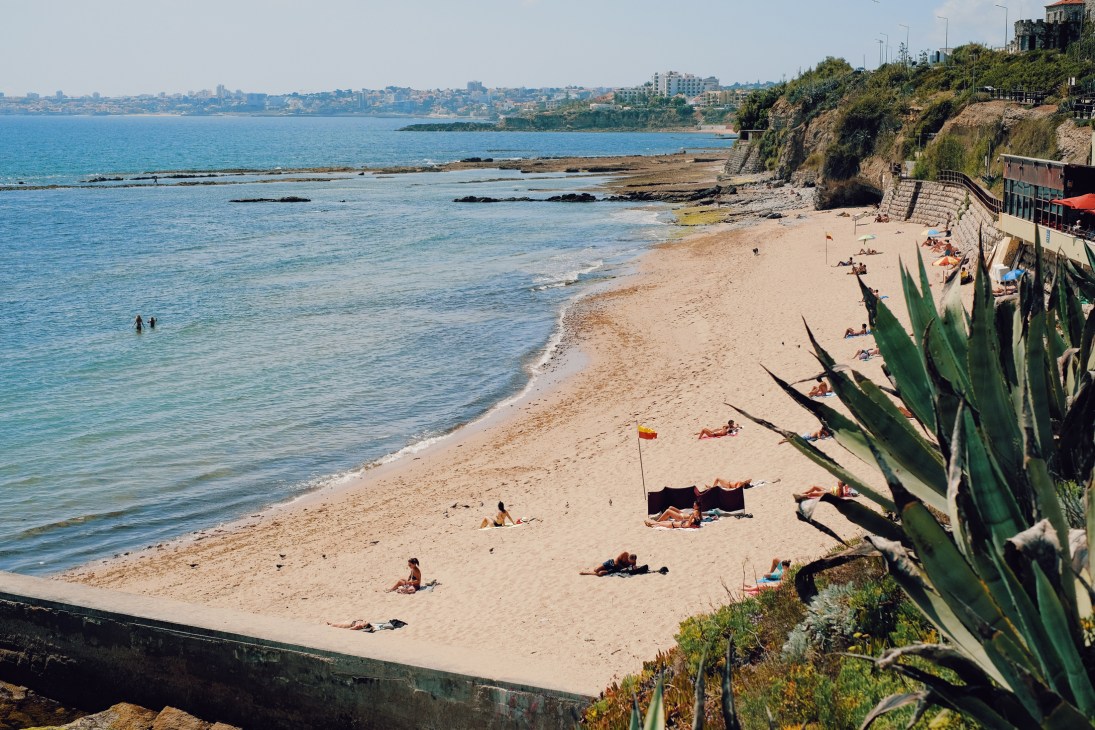
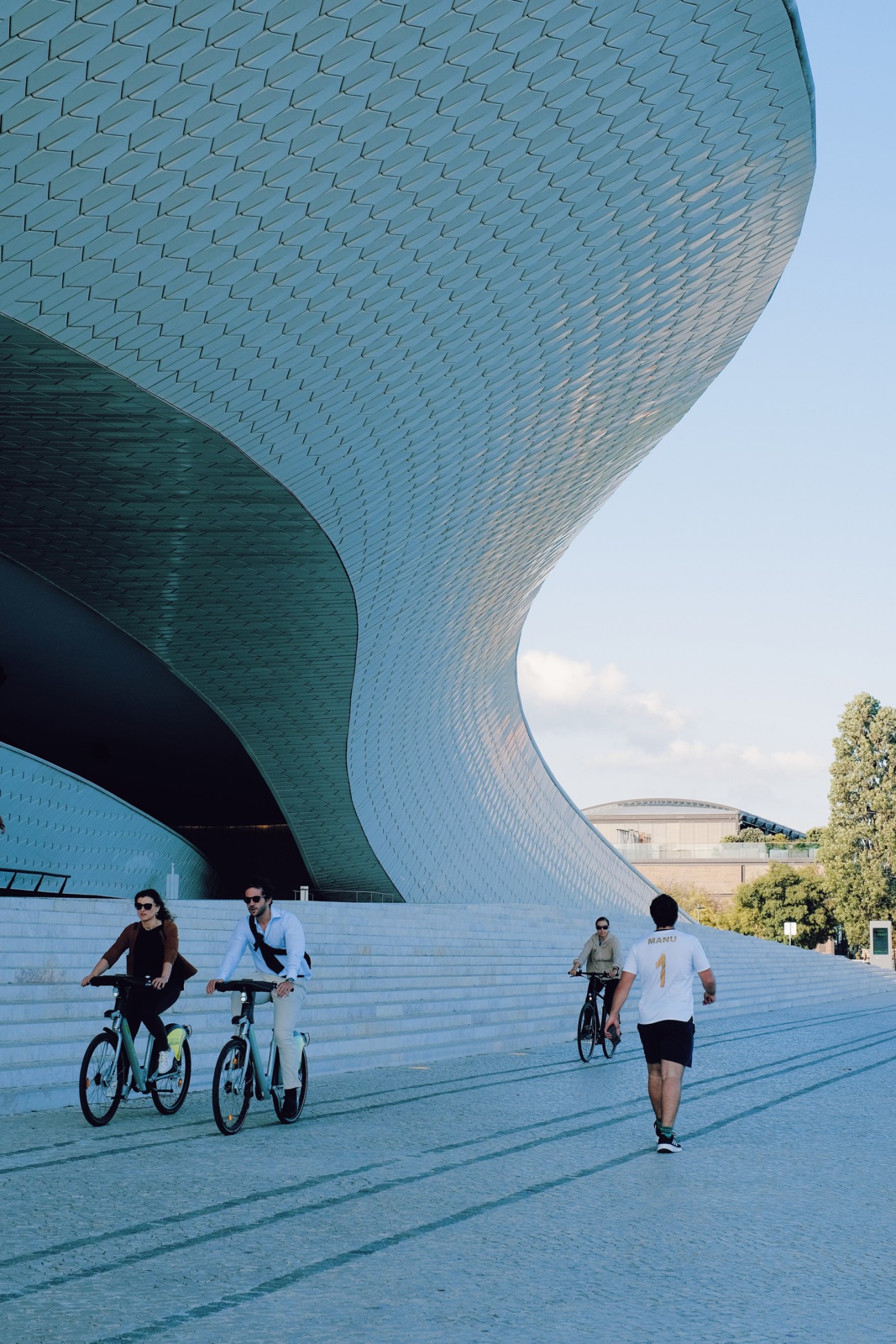
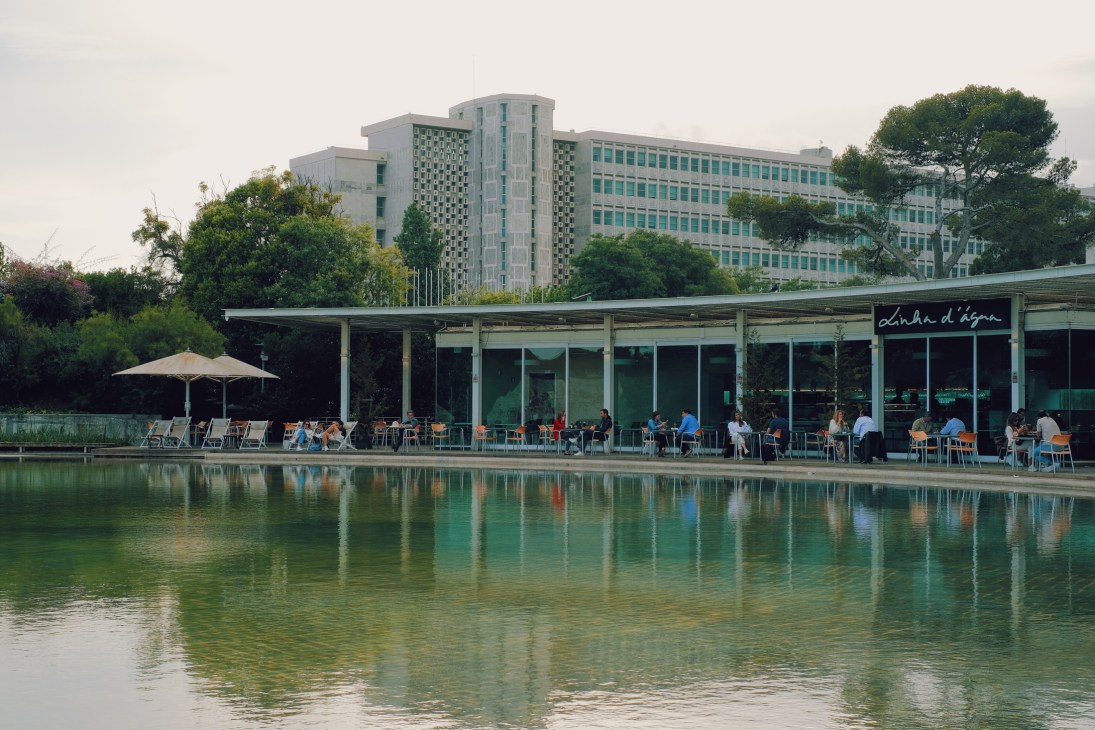
Lisbon emerged from two years of restrictions as a place that gets the fundamental things right: safety, community, hospitality and nature. The city’s renaissance as a truly cosmopolitan European capital has continued to draw in newcomers, who in turn play a significant part in making parts of the city that were previously sleepy dynamic.
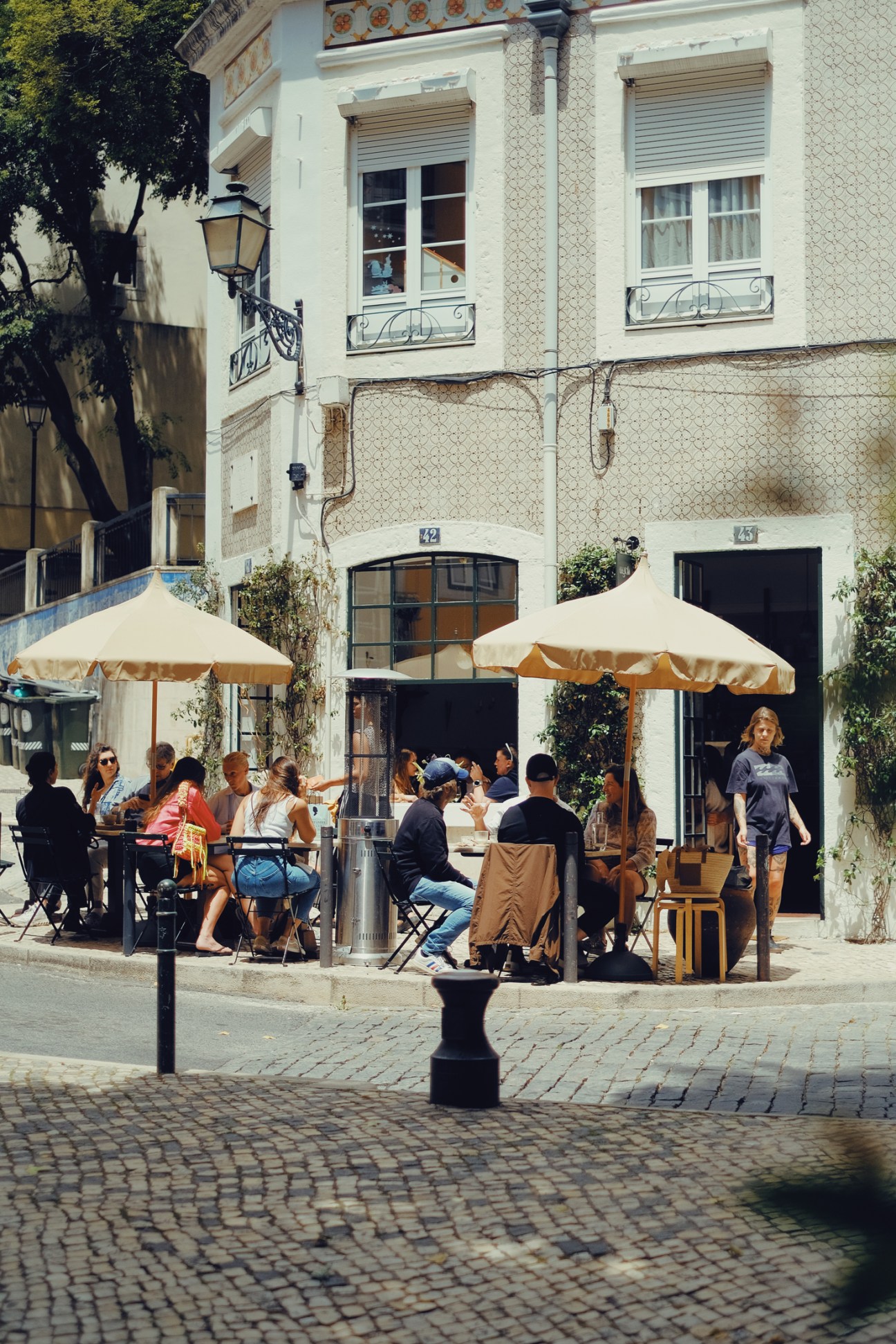
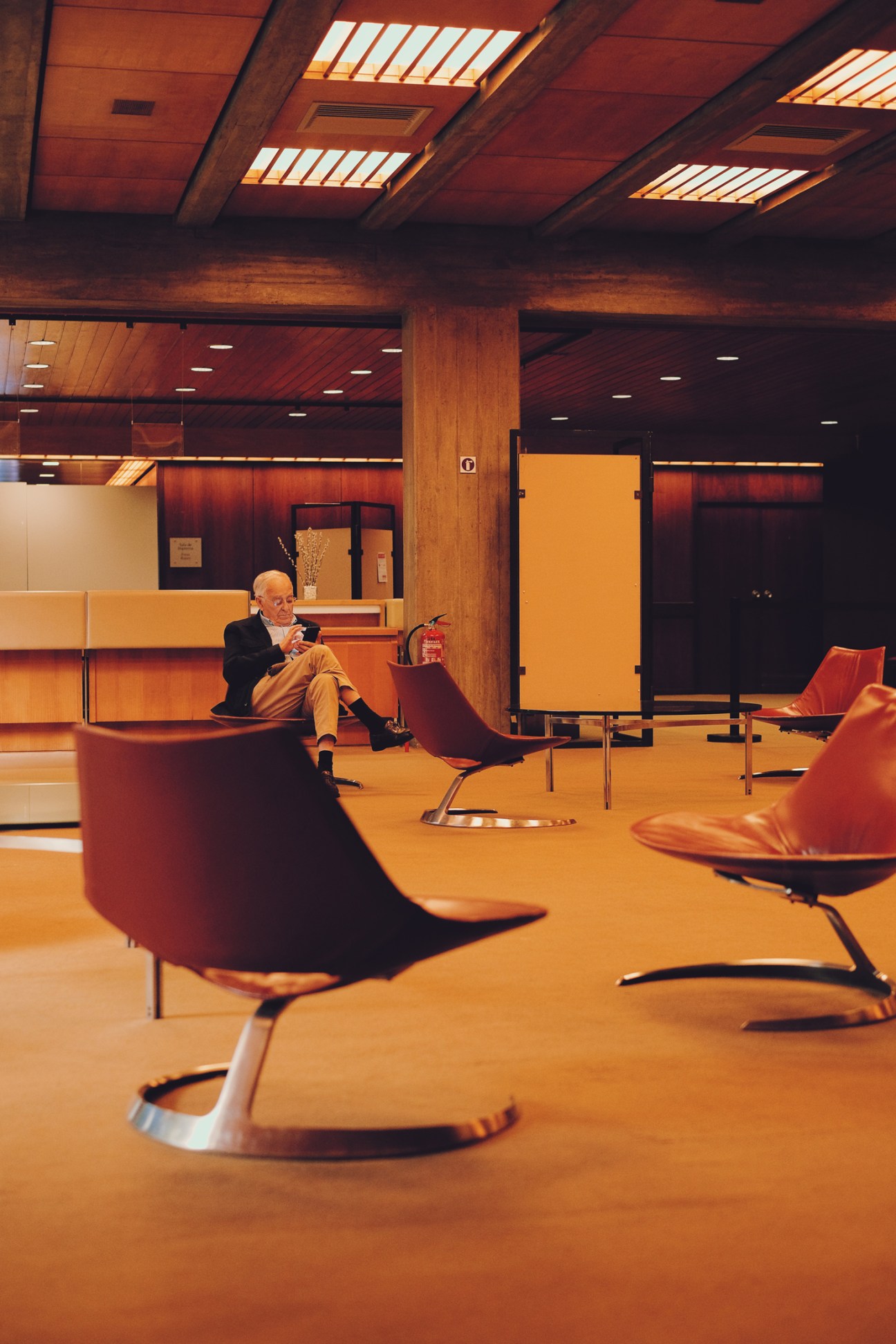
The influx of relatively wealthy residents also presents challenges and there is still some way to go in terms of turning this new energy (and money) into long-term success. In the past 12 months, there have been large protests and a growing concern over the city’s soaring house prices and cost of living. While Lisbon might be affordable for digital nomads, salaries in Portugal remain among the lowest in western Europe, with the situation particularly hard among the young. Policymakers will need to show leadership and pragmatism in ensuring that the city doesn’t become a victim of its own success.
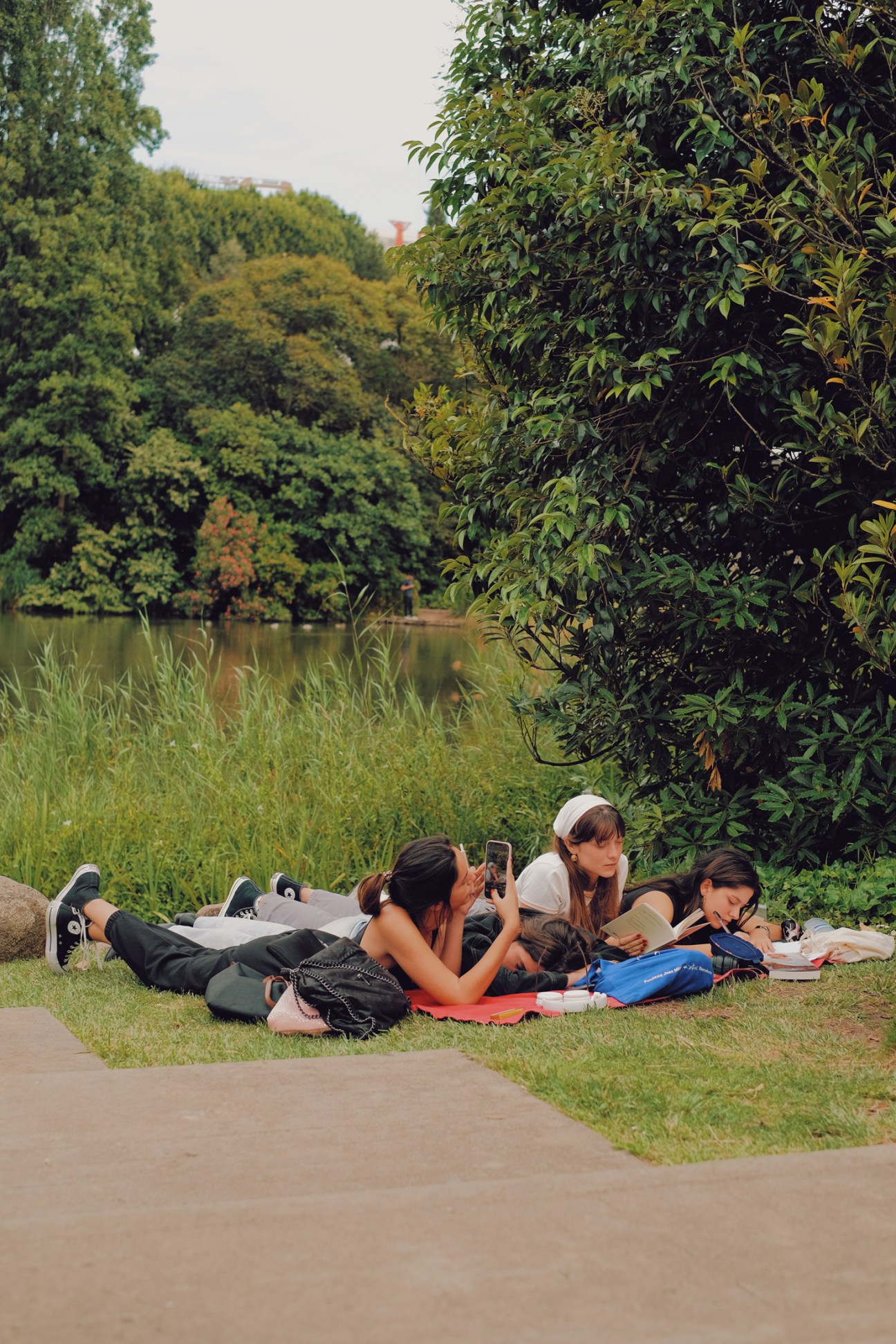
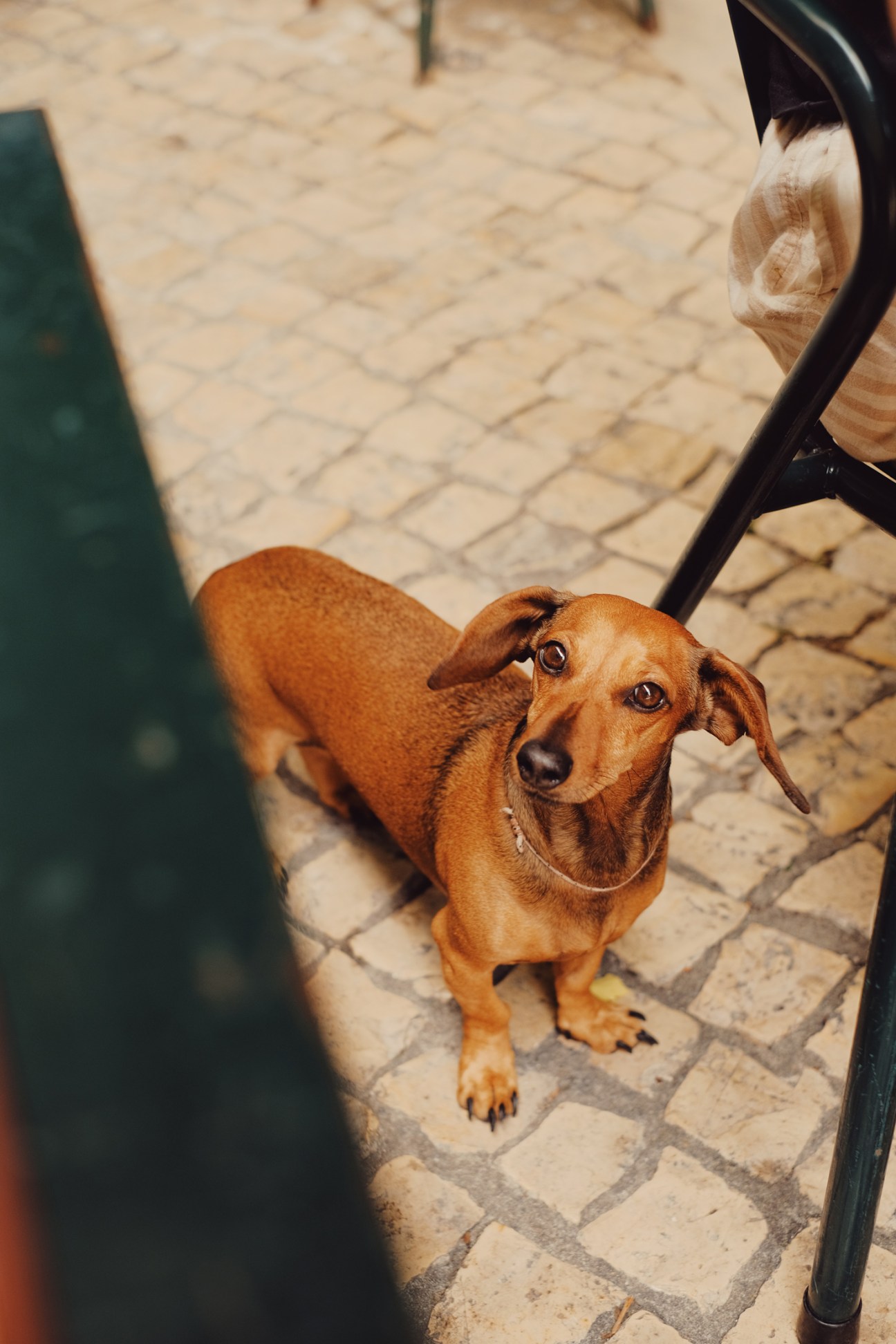
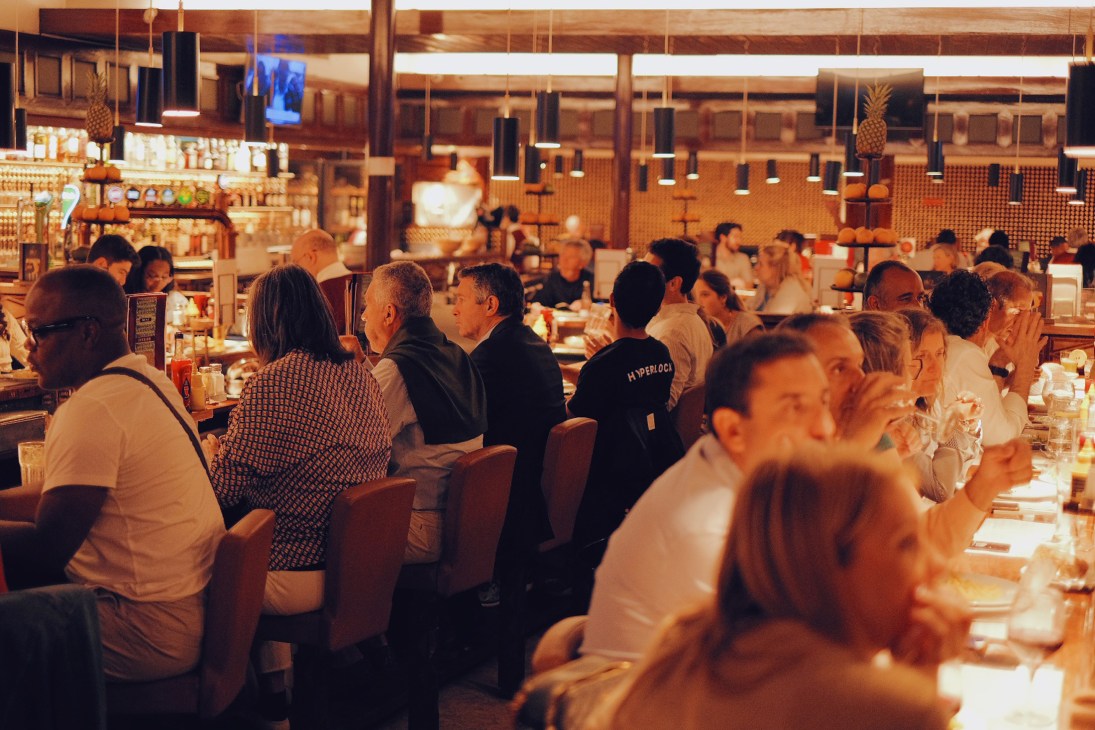
One thing is certain: residents seem to be more engaged than ever in debates about the city’s future and it’s heartening to see public conversations resulting in creative solutions, such as has happened with a recent attempt to stop Airbnb getting out of control. If Lisbon can find a way to turn its best assets – of which there are many – into attractive opportunities not just for foreigners but longtime residents too, talented young people will feel more optimistic about staying here.
Capital fight
Washington
Though it has a larger population than Wyoming or Vermont, the 700,000 residents of the District of Columbia have no representatives in the Senate and no substantial voting rights in Congress. Local passions run high about what is perceived to be a democratic deficit; “Taxation without representation” is written on car licence plates, a reference to the Boston Tea Party that triggered the American Revolution.
“In the US, there is equality for everyone except the residents of their own capital,” says Eleanor Holmes Norton, Washington’s delegate to the House of Representatives (a congressional post without a vote), who has campaigned for statehood for decades. Opponents say that it was stipulated in the constitution that the capital must remain under the rule of Congress, while Republicans observe that as the 51st state it would almost certainly be a Democrat-led one.
The debate has reignited lately because the people of Washington want a greater say in how their city is run. Since November, when a crime bill put forward by the city council was quashed in the Senate, there has been a tussle between politicians on both sides of the house over a set of police reforms. Some elements of these bills were contentious but urbanists have long argued that it doesn’t make sense for lawmakers from, say, rural Mississippi to have a direct say on the workings of a vast urban centre such as Washington.
“If Congress could no longer interfere with our affairs, it would change everything about the way we approach government here,” says Norton. At the very least, the people of Washington must not be left feeling that their city is being run as a suburb of Capitol Hill.
10.
Melbourne
The well-rounded livable city.
Adopt: Better suburban rail infrastructure.
Drop: Cold shoulders. Newcomers often complain about the difficulties of penetrating social circles.
Population: 160,000 (metro: 5.2 million).
Average ambulance response time: 10 minutes.
Average price of a cappuccino: €3.32.
Average commute time: 65 minutes.
Residents born overseas: 55 per cent.
Australia’s second city is always in the mix when it comes to debates about world-class liveability. It is multicultural and liberal; it offers high-quality schools, healthcare, sport and entertainment; it has excellent nightlife and plenty of sunshine, beaches and green space. The stringent lockdowns are beginning to fade into memory and Melbourne overtook Sydney as Australia’s most populous city, largely due to a technicality (the incorporation of the district of Melton). These are all reasons why Melbourne has climbed this ranking.
There is still work to be done. In one crucial area the city has long fallen short: rail travel, specifically a link between its international airport and downtown. As Melbourne grows in size and desirability, this has increasingly become a problem. The state’s Labor government proposed an ambitious au$13bn (€7.9bn) Airport Rail Line, alongside a number of other grand infrastructure projects, and campaigned heavily on them at the election late last year. It won but has since backtracked spectacularly, announcing that some of these, including the rail link, will be shelved.
The city is also suffering from housing shortages. Rents are shooting up alongside other cost-of-living measurements. Now the median weekly cost of renting in Melbourne is au$480 (€293), a figure that, while not especially high by European standards, represents an increase of almost 7 per cent on 2022 – and further eats into that airport taxi fare.
11.
Berlin
A mecca for start-ups and creatives.
Adopt: Improved signage at the Hauptbahnhof and smoother security control at the airport. Travelling into and out of Berlin can be a drag.
Drop: Excessive red tape. Basic roadworks can take several years as a result of endless permit applications.
Population: 3,700,000 (metro: six million).
Percentage of population that rents: 85 per cent.
Number of museums: 170.
Average price of a glass of wine: €5.
Thanks to its freewheeling lifestyle and relative affordability, Berlin has edged up on London and New York as a global magnet for talented young people and start-up businesses. The city’s population of about 3.7 million increased by an estimated 70,000 in 2022 – not as much as years gone by but still a significant number. Though Berlin was once considered to be somewhat grungey, the effects of an influx of foreign capital over a period of nearly 20 years are beginning to show. It is now possible to book a hotel suite here with a Damien Hirst artwork on the wall or head to a rooftop restaurant for a 10-course yakitori dinner.
There are, of course, fears that rising rents will push out all of the artists and any European town with some buzz will quickly be proclaimed “the new Berlin” (take Athens, for example). But not many of the pretenders to its throne are able to compete with the cultural pull of Berlin’s many world-class museums and theatres, two opera houses and more than 300 art galleries.
But the city’s success comes despite, not because of, the local government. Over the past year, policymaking has largely been subsumed in the aftermath of botched elections in 2021, when polling stations ran out of paper ballots. Many consider the German capital’s new airport to be an epitome of its dysfunctional politics: it opened after an almost 10-year delay. This, at least, gave Berliners of all stripes something to complain about.
12.
Paris
Europe’s cultural hot spot.
Adopt: Better airport connections. The Métro will reach Paris Orly in 2024 but trains to Charles de Gaulle, the city’s principal airport, remain unreliable.
Drop: Restrictive trading hours. It can be difficult to even buy basics on Sundays, public holidays or evenings.
Population: 2,200,000 (metro: 11.2 million).
Murder rate: 1.2 per 100,000 inhabitants.
Number of alfresco restaurants: 4,000.
Average price of a glass of wine: €6.
France’s storied capital is still the place to be when it comes to all things culture, from fashion to the arts. Last year, there was a wave of new openings and important events, such as Paris+ by Art Basel. Despite heated protests over the pension reforms that were pushed through by the country’s president, Emmanuel Macron, life in the city has continued pretty much as usual for most people (except, perhaps, for the mountains of rubbish in the street when the rubbish collectors were on strike).
With the 2024 Olympic Games rapidly approaching, Parisians are bracing themselves for the biggest event ever organised in France. The Games will change the urban landscape for the better, from a green facelift for the Champs-Élysées, which will turn the avenue into a huge garden in the middle of the city, to the extension of the speedy Métro Line 14 south to Paris Orly, one of the city’s two main airports. With the Paris Tourist Office expecting more than 15 million people to visit for the Olympics, it will be a tight squeeze but that figure is also another cause for celebration.
Apartments in Paris are generally small and expensive. While this encourages residents to spend time together outside, things can get a little claustrophobic in winter. Come summer, however, the parks are buzzing. At the leafy Parc des Buttes Chaumont, residents of all ages picnic in the grass while others enjoy a game of pétanque.
13.
Amsterdam
A pioneer in sustainable living.
Adopt: A better welcome. Arriving at Amsterdam Centraal can feel chaotic and confusing.
Drop: The focus on road infrastructure. More can be done to make the most of the city’s canals.
Population: 921,000 (metro: 2.5 million).
Electric-vehicle charging points in the city: 1,917.
Proportion of commuters who cycle to work: 68 per cent.
Number of international destinations served by the main airport: 327.
The capital of the Netherlands doesn’t lack ambition when it comes to its residents’ quality of life. It is halfway through implementing its bold circular-economy and clean-air strategies, both of which aim to create a healthier, more sustainable city. These initiatives grab headlines, encouraging investment and innovation, and help to keep Amsterdam at the top of the list of dynamic cities where residents are proud to be forging a better future.
The clean-air strategy is reducing the number of carbon-emitting cars on the streets; meanwhile, the greater incentivisation for bikes, canal transport and mobility-sharing is welcome in a city with a perennial parking problem. But a lack of space isn’t just an issue for cars here. There is a housing shortage across the Netherlands and in Amsterdam it is acute. Soaring rents are pricing young creatives out of the city. In response to a recent poll showing that young Dutch families were abandoning the capital and being replaced by wealthy expats, the mayor suggested that international residents should learn Dutch and integrate better.
Instead of looking for scapegoats, the municipality needs to prioritise investment and innovation in the housing market. But for those who can afford to live here, Amsterdam offers a rich restaurant scene, access to beautifully maintained green spaces and a cultural scene that reflects the great diversity of the city, where at least 170 nationalities rub shoulders every day.
14.
Sydney
Australlia’s maturing cultural hub.
Adopt: More of the stepping stones that cross the city’s broad Kamo river, which have proved their worth as a quick foot crossing and a place to read, chat or sit.
Drop: The area around Kyoto station doesn’t create a good first impression. The ancient capital deserves better.
Population: 1,450,000 (metro: 3.8 million).
Average monthly cost of renting a one-bedroom flat: €505.
Average ambulance response time: Nine minutes
Life in Sydney has always been shaped by nature’s whims. Good days (and there are usually many) can be spent on the beach, in the pool or hiking around one of the national parks that ring the city. Last year’s 196-day deluge changed life here tremendously. That the record wet weather came hot (or, rather, wet) on the heels of Australia’s two-year pandemic-related border closure only made the experience harder. As the weather dries out – and with borders reopened – the city feels once again connected to the rest of the world, abuzz with visitors, festivals and exciting openings.
A standout attraction is the Art Gallery of New South Wales’s sprawling new contemporary gallery designed by Pritzker Prize-winning Japanese architects Sanaa. Though not without controversy, the project is an ambitious addition to Sydney’s art scene, which has too long languished in Melbourne’s shadow. Similarly, the reopening of the iconic Sydney Opera House after two years of extensive renovations has been a boon to the city’s cultural offering.
But here, as in so many cities around the world, the cost-of-living crisis has started to sting in earnest. Inflation in Sydney has topped 7 per cent and the city’s housing problem has only become more acute, with rents jumping by nearly 5 per cent and soaring interest rates doing little to cool the overheated housing market. In the first quarter of this year, the median house price rose to au$1.49m (€906,000).
15.
Singapore
The outward looking city-state.
Adopt: More of the stepping stones that cross the city’s broad Kamo river, which have proved their worth as a quick foot crossing and a place to read, chat or sit.
Drop: The area around Kyoto station doesn’t create a good first impression. The ancient capital deserves better.
Population: 1,450,000 (metro: 3.8 million).
Average monthly cost of renting a one-bedroom flat: €505.
Average ambulance response time: Nine minutes
Now that pandemic-related restrictions have been lifted and all of Asia is open again, Singapore’s residents can make the most of the well-connected Changi Airport and the fact that the city-state is in a prime location for easy weekend hops around the region. Meanwhile, numerous new restaurants, bars and hotels have popped up all over the island. Ambitious commercial redevelopment projects, such as the Golden Mile Complex, promise new large-scale retail and dining opportunities in the near future.
Singapore is one of the world’s greenest cities but the government continues to expand its efforts to protect nature and enhance access to it. Two trails in the Clementi Forest, scheduled to open in 2023, will give hikers new routes to explore one of Singapore’s only remaining patches of primary rainforest. The cultural scene is flourishing too, from world-class art fairs such as Art SG, which debuted in January, and a regular inflow of chart-topping music acts on tour to independent screenings and festivals at cinemas such as The Projector.
Tourists are back in full force and retail occupancy rates are rising again. The property market is booming but that has resulted in skyrocketing rents, in some cases prompting residents to leave Singapore because they can no longer afford to live there. But with an increasing number of global companies relocating their Asia headquarters to Singapore (often to the detriment of Hong Kong), the influx of new residents is unlikely to slow down.
16.
Kyoto
Japan’s bustling cultural jewel.
Adopt: More of the stepping stones that cross the city’s broad Kamo river, which have proved their worth as a quick foot crossing and a place to read, chat or sit.
Drop: The area around Kyoto station doesn’t create a good first impression. The ancient capital deserves better.
Population: 1,450,000 (metro: 3.8 million).
Average monthly cost of renting a one-bedroom flat: €505.
Average ambulance response time: Nine minutes
Kyoto’s impressive heritage is a crucial part of the city’s charm but it can present its own challenges in the form of tourism. After three quiet years, when the bamboo forests of Arashiyama and the celebrated sloping walk to the Buddhist temple of Kiyomizudera were emptied of visitors, tourism is now back with a vengeance and residents of the city are once again learning to coexist with its transient population. The economic benefits are clear: the restaurants are full and shops are doing brisk trade. However, residents are also keen to enjoy the greenery that surrounds Kyoto and the waters of the Kamo river that flow through it.
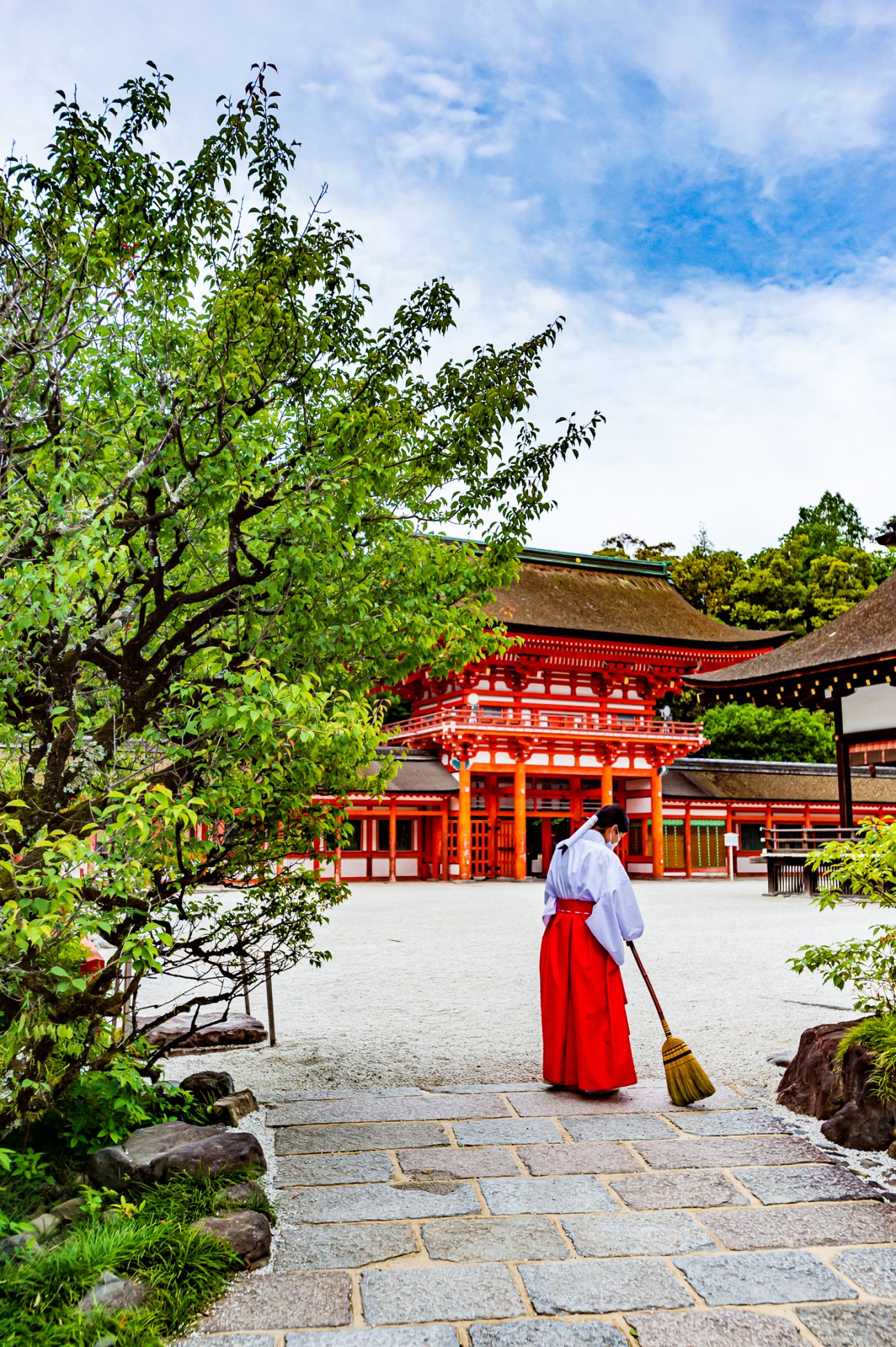
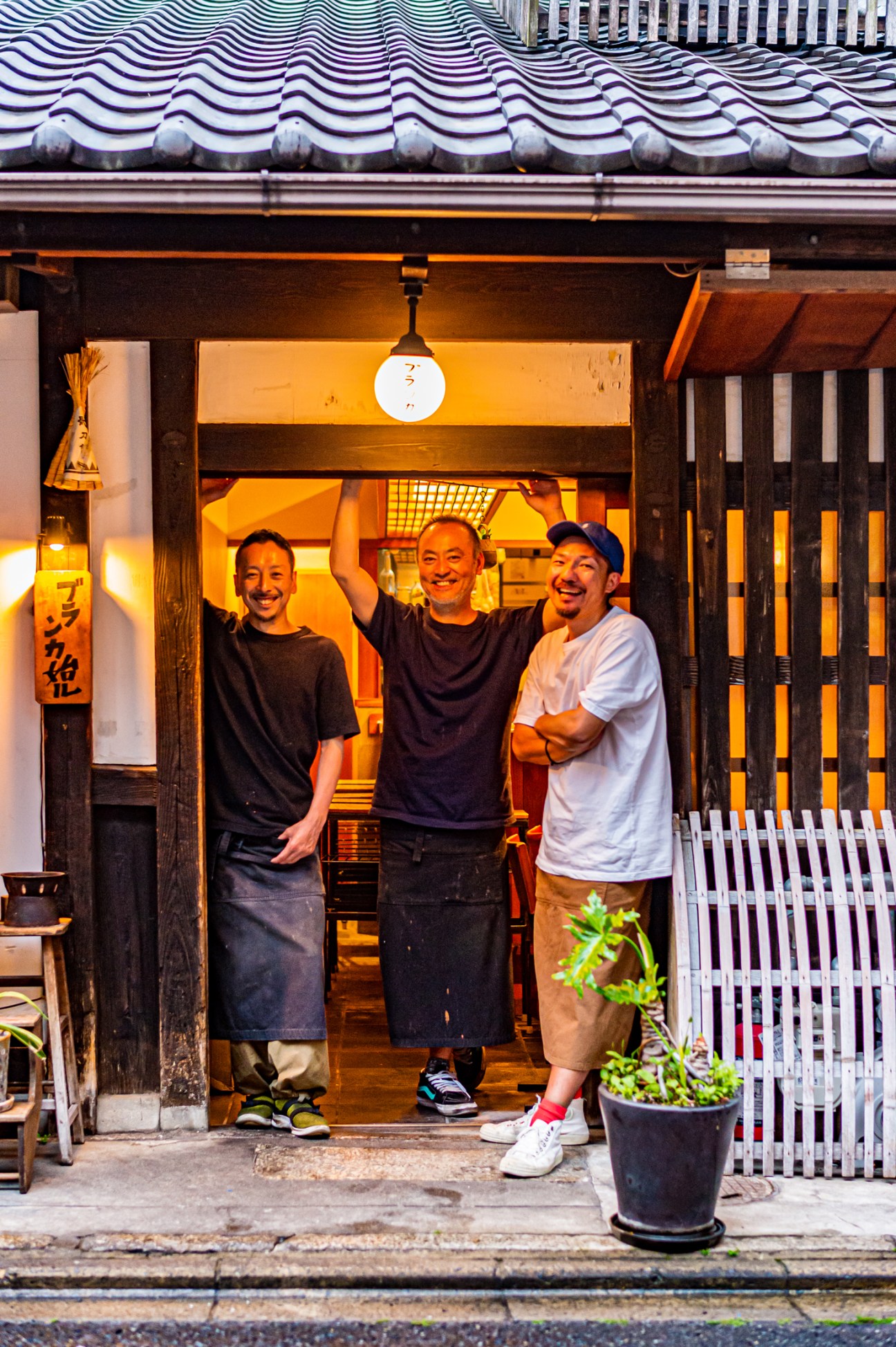

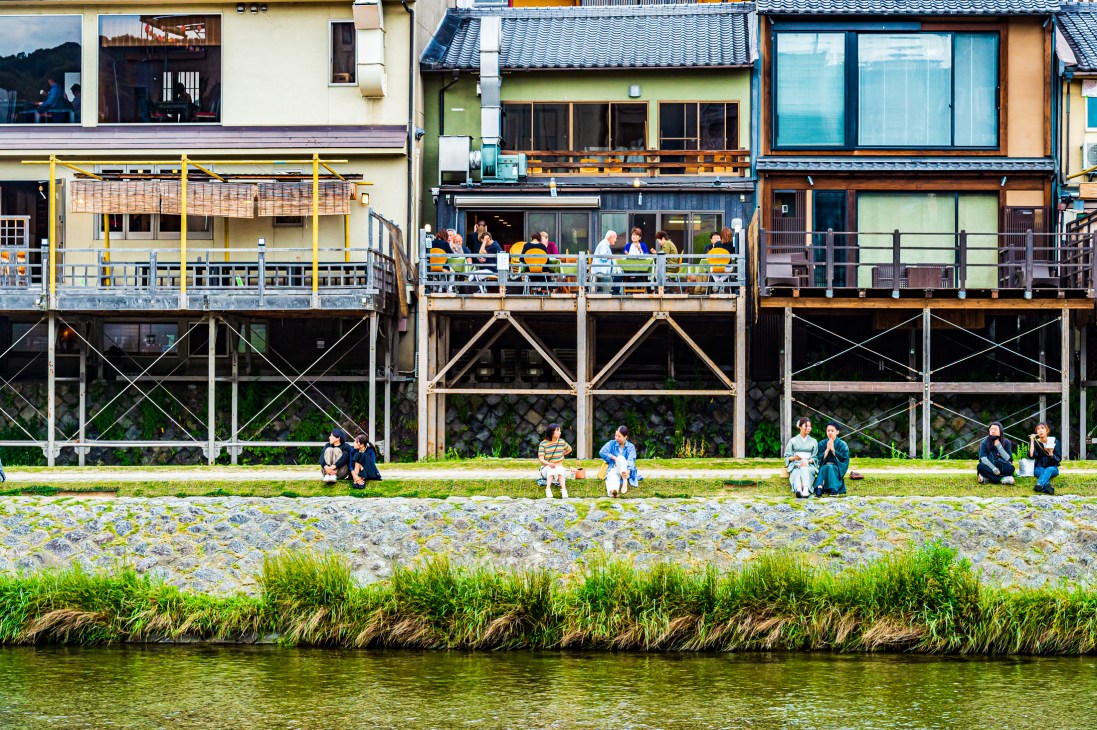
The city’s working parents will welcome Nalba, a new community facility with a focus on agriculture for children who need a place to go after school. Kyoto has a track record of playing fast and loose with its historic townhouses so it’s good to see that tourism has pushed preservation up the agenda.
The pandemic encouraged people from other areas of Japan to live out their dream of moving here. Greater numbers of young creatives who might find Tokyo too expensive are now basing themselves in the old city; the cost of living is lower and the capital is less than three hours away. Kansai Airport, which serves a host of international destinations, is just 90 minutes away from the centre. Japan’s Cultural Affairs Agency also relocated from Tokyo this year, a vote of confidence for the ancient capital.
Chef’s kiss
Micho
Paris
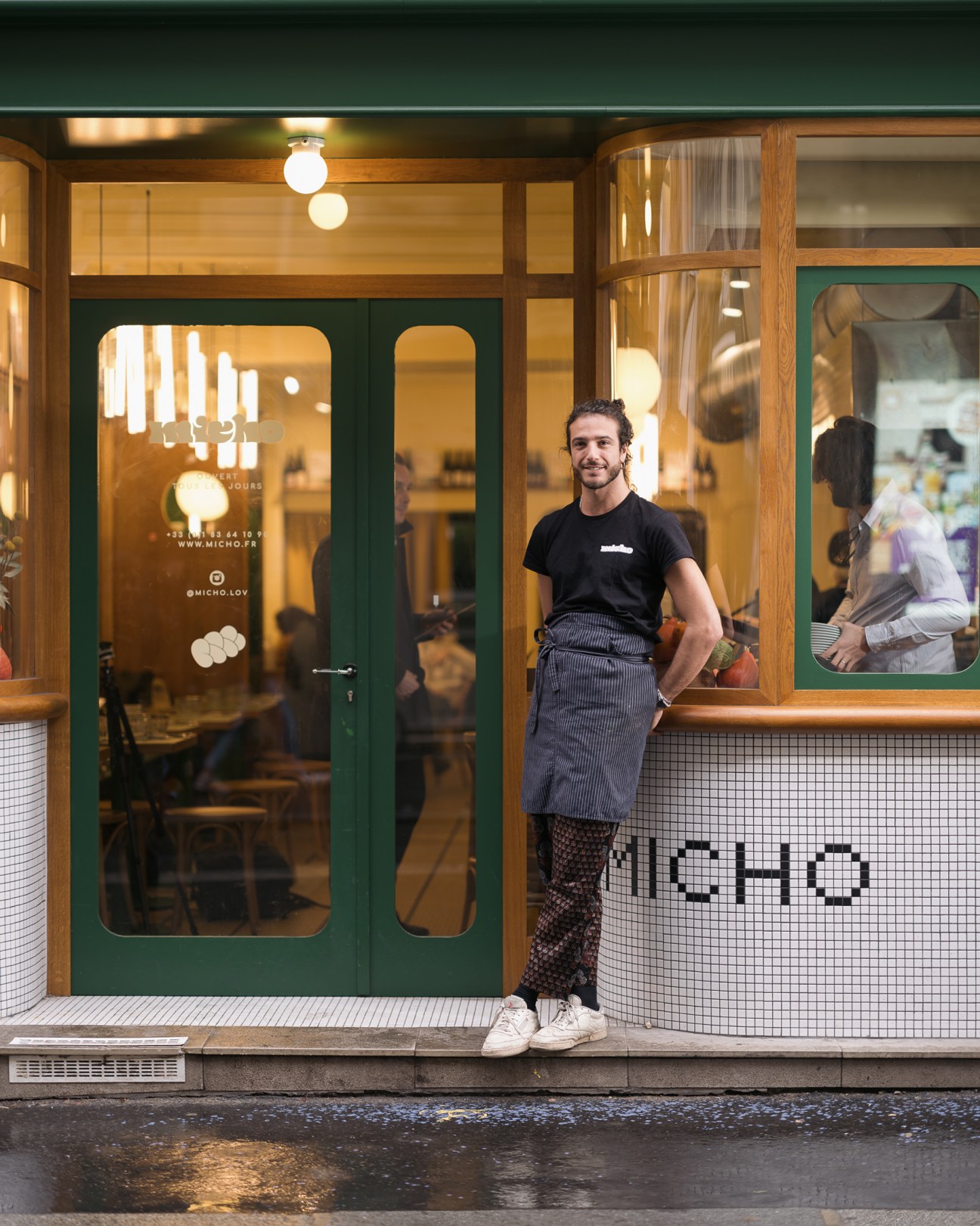
Some might consider the jambon-beurre the quintessential Parisian sandwich – but not devotees of Micho. Behind the green and white tiled façade of this popular new sandwicherie on Rue de Richelieu, diners delight in fluffy challah buns stuffed with all manner of Mediterranean- and Middle Eastern-inspired fillings: think kebab meat, labneh and za’atar.
“It’s what I used to eat on Saturdays as a child,” says 30-year-old chef Julien Sebbag (pictured, top right), as he stands behind the counter, facing an open kitchen where a team of five makes as many as 150 sandwiches a day. “We would put the leftovers from Friday’s Shabbat dinner in a challah and finish them up. It was always delicious.” With fillings ranging from fish shawarma to a rather special mushroom omelette, it’s comfort food that will keep you going until well past dinner time.
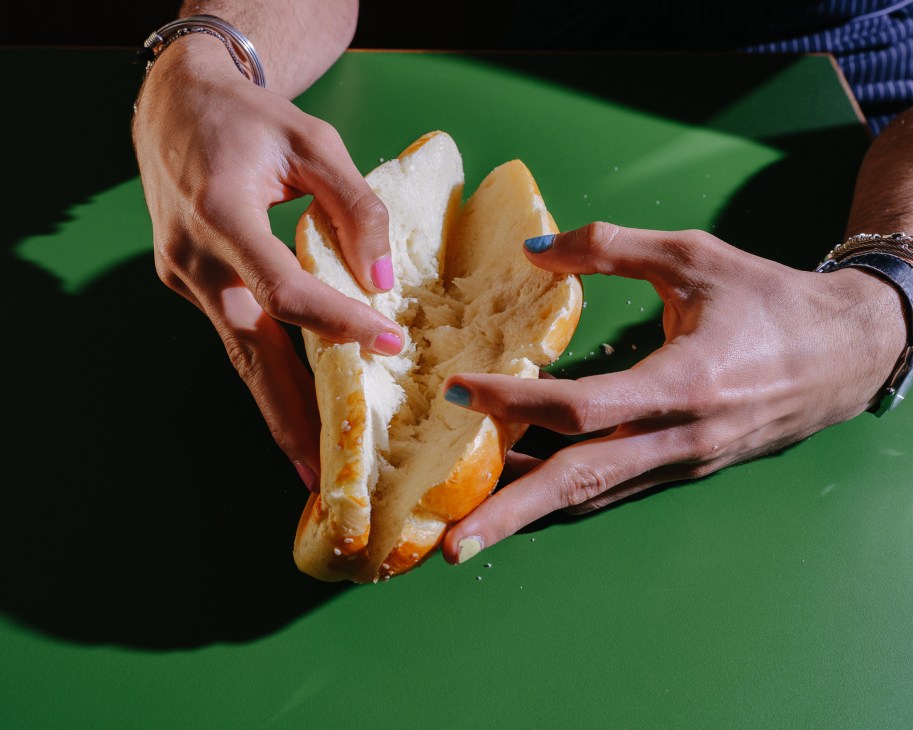
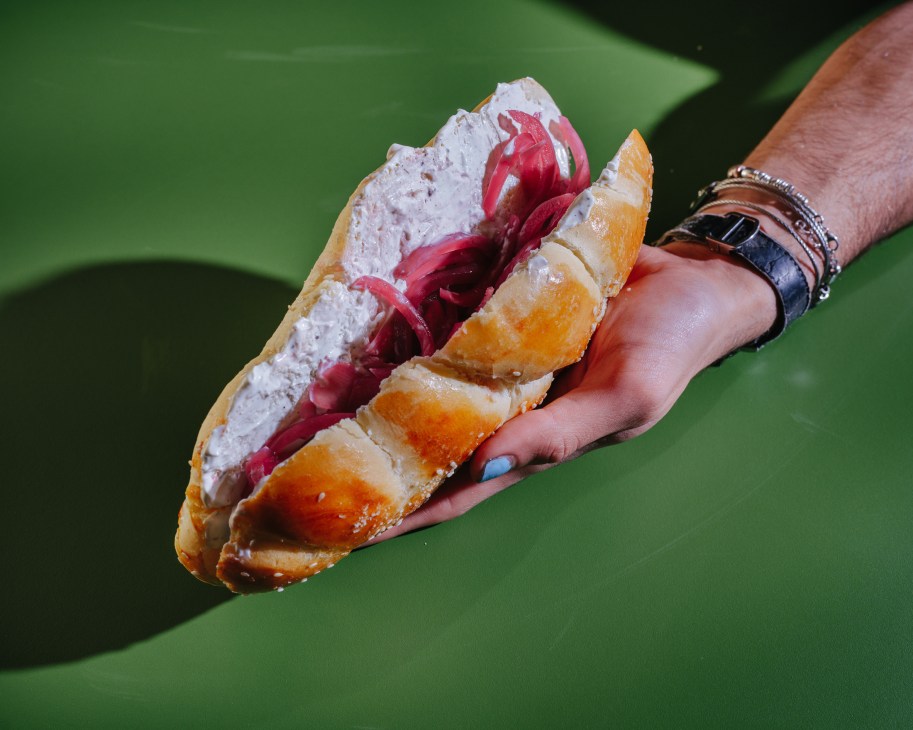
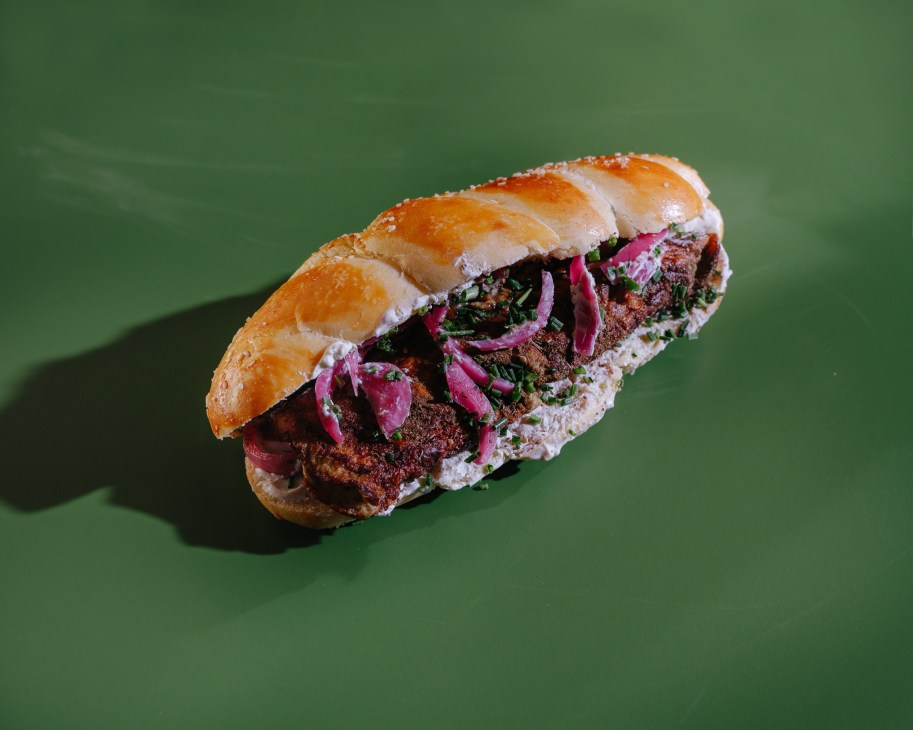
If you arrive after 13.00, be prepared to queue outside for a table or settle for a takeaway. With its green banquettes and old photographs adorning the wood-panelled walls, it feels more like a Jewish deli in New York than a Parisian café, especially in the evening when Sebbag turns his hand to Levantine-inspired small plates and offers a tasty wine selection.
micho.fr
Recipe
Japanese ‘shokupan’
by Ralph Schelling
Japan’s soft, slightly sweet shokupan milk bread goes well with anything, from bacon to blueberry confiture.
Serves 4
Ingredients
500g type-550 flour (add more if necessary)
2 tbsps caster sugar
1½ tsps dry yeast
1 tsp salt
270ml lukewarm water
50ml whole milk
50g soft butter
Blueberry jam, optional, to serve
Method
1. Mix the flour, sugar, yeast and salt in a bowl.
2. Add the water and milk, and knead the mixture into a smooth dough.
3. Add the butter in pieces and knead for 10 minutes. Form the dough into a ball, place in a clean bowl and cover for half an hour or so. Let it rise in a warm place until it has doubled in size.
4. Place the dough on a lightly floured surface and press it firmly several times. Divide into three, then shape each piece into a ball and let it rise, covered, for 20 minutes.
5. Grease a loaf tin and line with baking paper. Set aside. Flatten the dough balls slightly and spread apart to form an oval shape. Roll up the pieces from the long side to make short, thick rolls.
6. Place the rolls side by side in the mould, cover loosely with plastic wrap and let rise again for about 1 hour, until they have doubled in volume.
7. Bake at 200C in your oven for about 40 minutes until the surface of the bread is a nice golden colour.
8. Remove from the oven and then the pan. Leave to cool.
9. Serve with blueberry jam.
ralphschelling.com
Parquet
Toronto
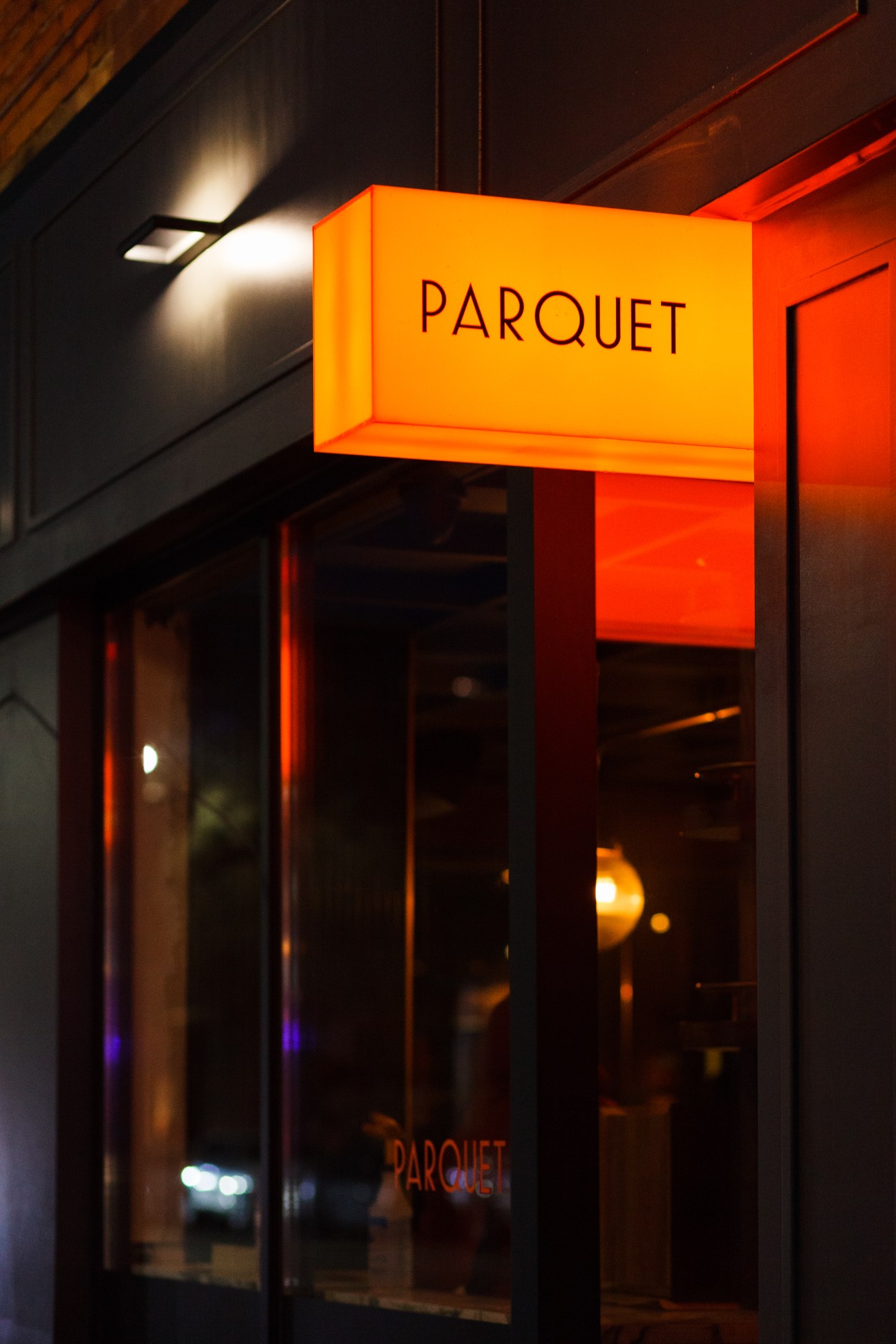
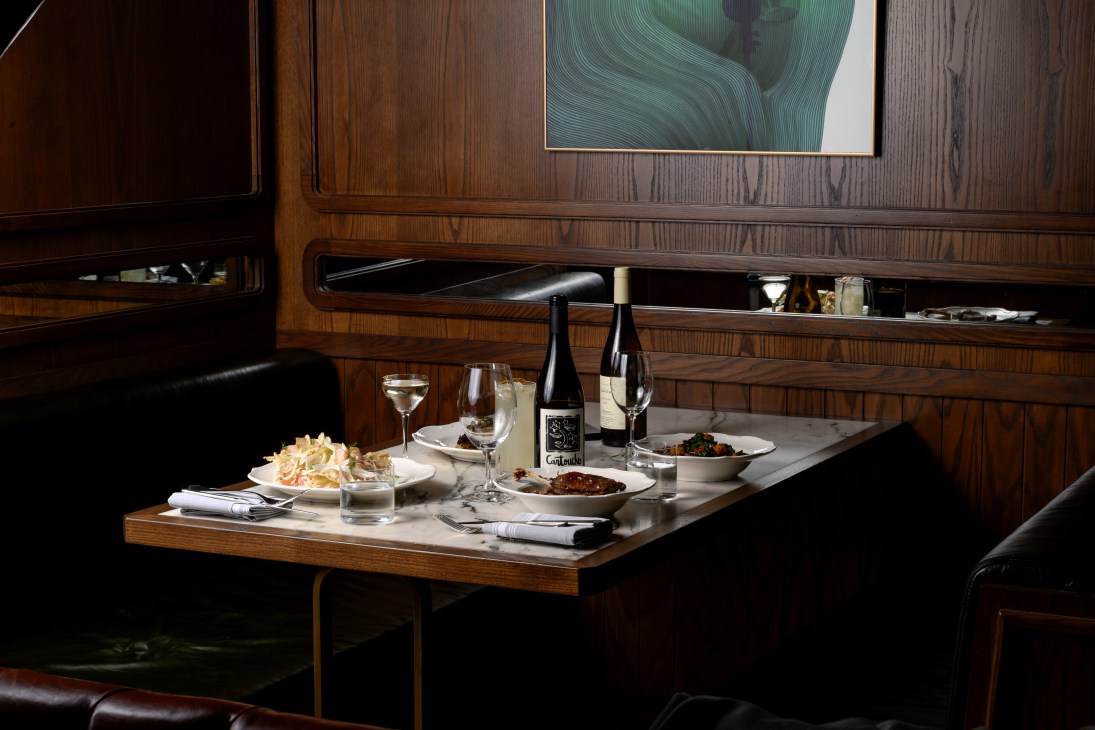
Harbord Village, between the University of Toronto’s downtown campus and Koreatown, has a fine new addition: Parquet, a French-style bistro opened by Daniel Berstein and Matt Cohen. Solid Design Creative, the studio behind the refit of Toronto’s Canoe and Paradise Theatre, designed its wood-panelled dining rooms. Executive chef Jeremy Dennis’s menus include an irresistible riff on steak tartare, gruyère tartine and steak frites. We also enjoyed the Nova Scotia scallop and sablefish with brussels sprouts and hazelnuts.
restaurantparquet.com
Address book
New Toronto food openings.
Club Paris
Natural-wine bar and restaurant Paris Paris on Ossington Avenue has launched a small, dedicated bottle shop and wine club that is well worth a visit.
shopclubparis.com
Stock TC
Housed in a grand former post office building, smart new supermarket Stock TC is a joint venture from two of Toronto’s best independent food and drink brands, the Terroni Italian restaurant chain and the Cumbrae’s group of butchers’ shops. It makes the cut.
stocktc.com
Bricolage Bakery
Pastry chef Soyoung Lee won awards in East Asia before opening this bakery in Toronto’s Little Portugal. Try the curry buns or an epi loaf, stuffed with potato and bacon.
981 College Street, Toronto
Jacuzzi
London
French restaurateurs Victor Lugger and Tigrane Seydoux of Big Mamma Group are the sort of people you’d want to plan your party. Since starting the firm in 2013, they have earned a reputation for lively joints and their latest opening in Kensington is perhaps their most highly anticipated. Spread over four floors and with 170 covers, Jacuzzi is as warm and bubbly as its name implies, even if it doesn’t quite evoke the “Venetian villa” that its sales bumf claims inspired its design. Instead, the firm’s in-house team Studio Kiki has filled the space with plants, booths, colours, patterns and more. There’s barely a patch of wall without adornment, from Murano glass to vintage bottles and even a pair of Versace flip-flops.
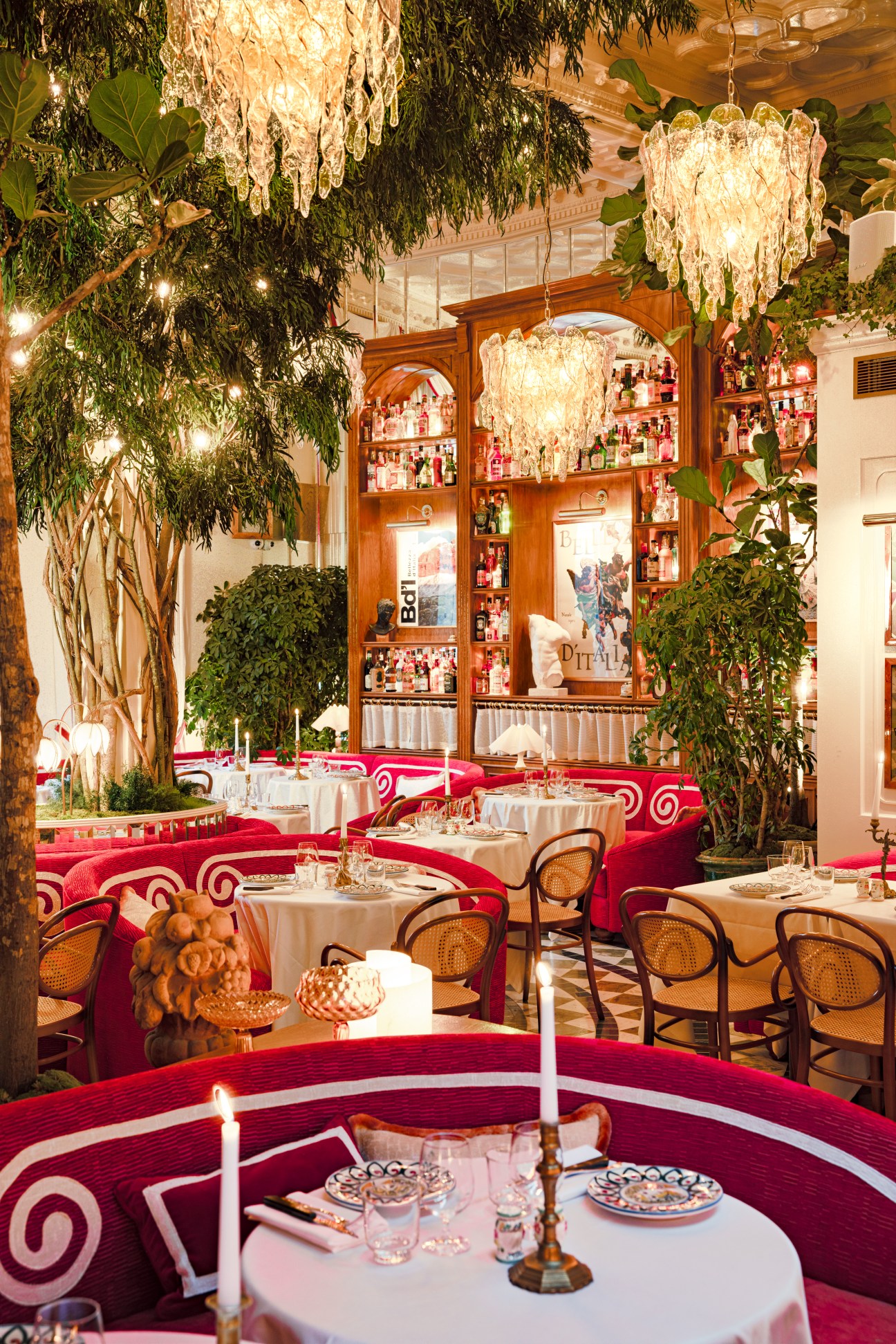
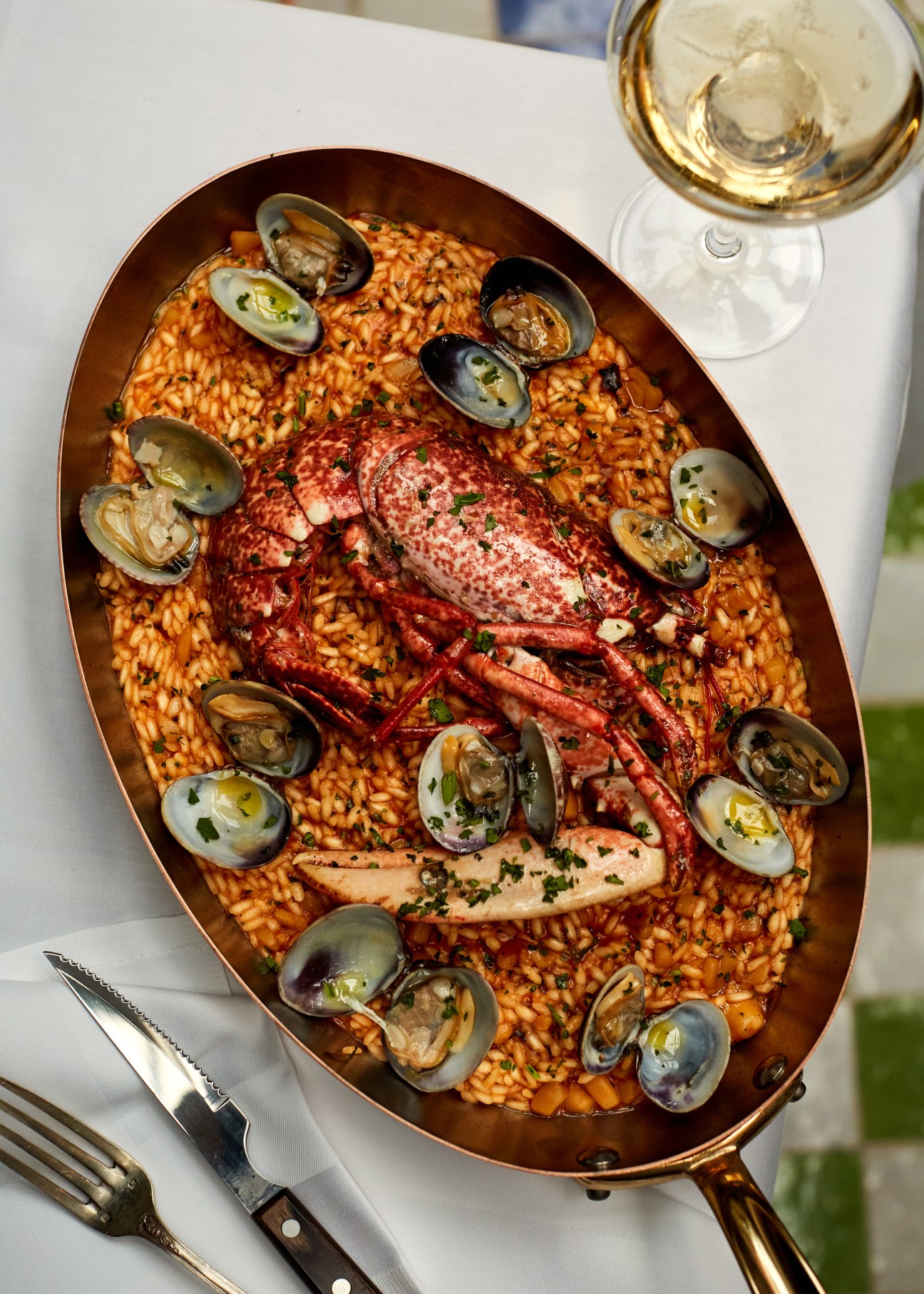
The brash, bold and boisterous new site shares its DNA with Big Mamma’s 19 other trattorias and its Parisian market, La Felicità. The food is as lively and colourful as the décor and includes items such as saltimbocca alla romana and a lobster-and-seafood risotto, as well as the usual line-up of pizzas (one of which is topped with smokey burrata and caviar). A retractable glass ceiling on the mezzanine offers the promise of enjoying the spectacle in the open air as the weather improves.
bigmammagroup.com
The Coconut Club Siglap
Singapore
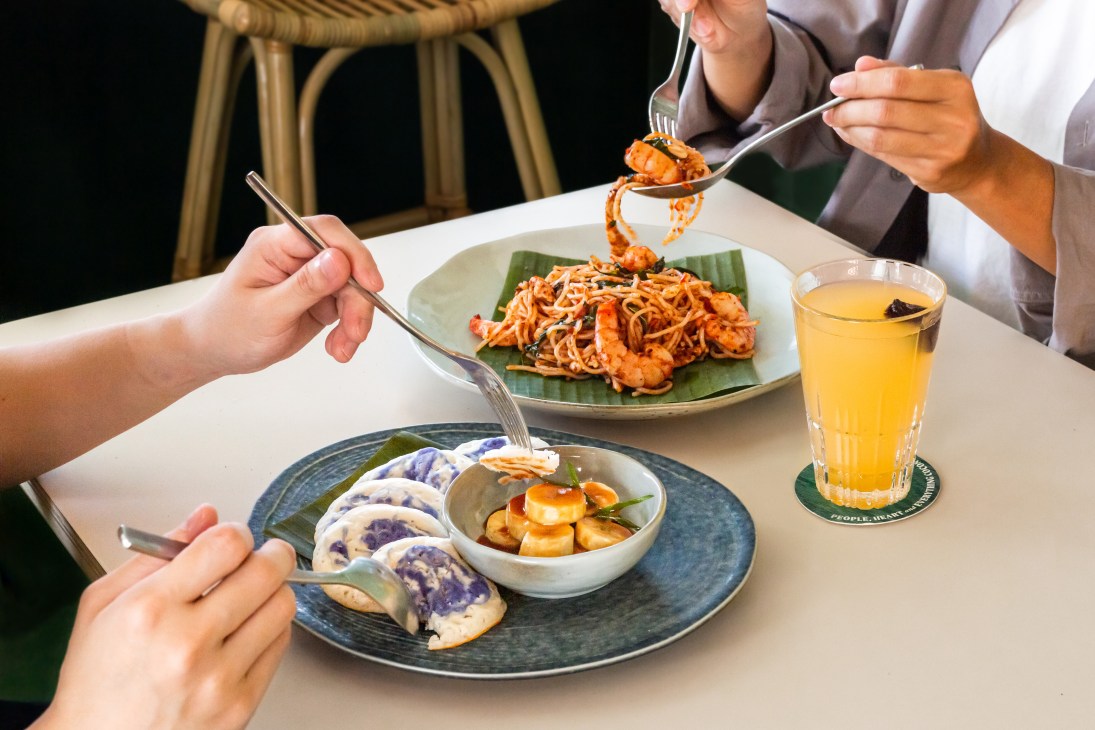
After the death of its co-founder Eng Su Lee in 2019, beloved restaurant The Coconut Club was in limbo before The Lo & Behold Group stepped up to the plate. It is faithful to Lee’s work and this second outpost in the Siglap neighbourhood was spruced up by Sacha Leong and Simone McEwan of London-based studio Nice Projects. The space is inspired by old-fashioned food stalls, complete with rattan pendants and glazed tiles. “We believe in its potential to be a flag bearer for Singaporean cuisine,” says Wee Teng Wen, co-founder of The Lo & Behold Group. “We plan to take it overseas.”
thecoconutclub.sg
Images: Sam Harris, Charlie McKay, Daniel Neuhaus, The Coconut Club
For the record
The label
Antoine Bisou
Founder, Microqlima
The rise of “boutique” record labels, which often provide tailored support to independent artists, has shown that these players still have a crucial role in the music industry – even in the age of streaming.
One of the best examples of this bespoke approach is Paris-based Microqlima, which aims to provide “the right ecosystem” to each of the seven artists on its roster. “We see our work as craftsmanship,” says founder Antoine Bisou. “We are better suited to artists who want to work with us in the long term and develop a career. We try to do things better than a bigger label but with less.”
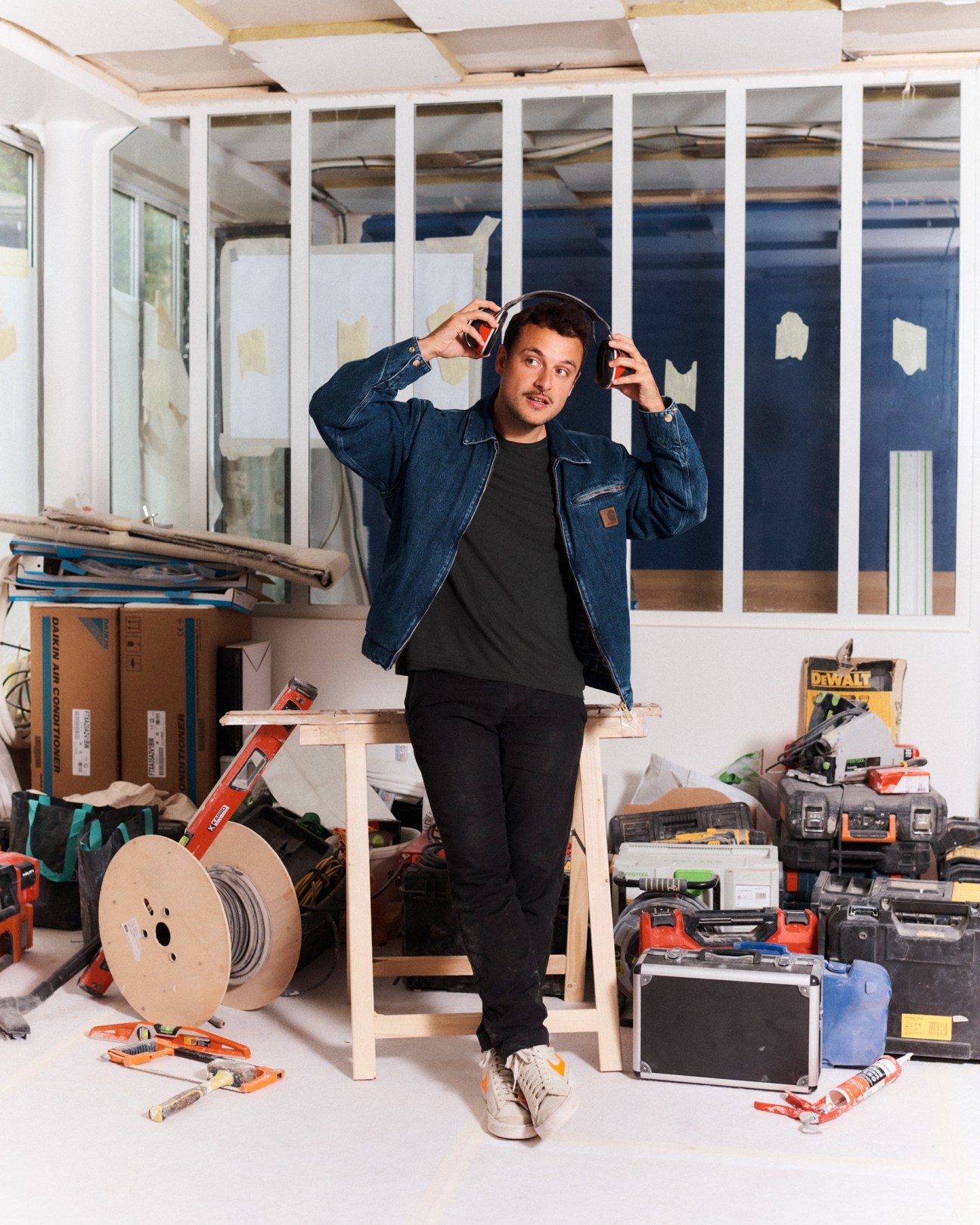
Bisou (whose real name is Bigot) was always passionate about music. After dropping out of a politics degree in Toulouse, in 2009 he moved to Berlin where he interned at some independent record labels. Upon his return to France, he started organising club nights under the name Microqlima, with the idea of “creating a mini Berlin microclimate in Toulouse”. He started helping his artist friends, later becoming the manager of disco band L’Impératrice, dream- pop duo Isaac Delusion, singer Fishbach and cheery Pépite.
It was the artists who convinced him that the management company he started in 2014 could be turned into a record label. With the funds from a deal signed with distributor Idol, Bisou got a tiny office in what is now Le Popup’s (see page 138) art gallery. He did everything from designing album covers to sending out press releases. The venue next door was the perfect place to showcase artists. Microqlima still organises regular concerts there with up-and-coming artists on its radar.
Most of Microqlima’s acts are in the realm of French electro-pop. Now with seven full-time employees, the label will soon move into new offices in the 11th arrondissement that will also house recording studios – and Bisou lets slip that there are more signings in the pipeline. He is mindful of staying relevant as music trends evolve. “The challenge is to stay as open as possible and not be defined by a single genre,” he says. “I would love to sign three different styles of rap, or three styles of rock tomorrow. In fact, that’s what we’re going to try to do.”
microqlima.cool
The radio host
Angèle Chatelier
Journalist and presenter, Radio Nova
Radio Nova has been broadcasting the best pop, rock, electronic and hip-hop music, new and old, since 1981. “The number of listeners completely exploded during the pandemic,” says Angèle Chatelier, who presents the radio’s show Nova Lova every weekday from 17.00 to 19.00. “That is because we accompany the listener. It’s my role as a journalist to say, ‘You’ve just listened to this song but did you know about this other band that is playing a concert tonight?’ You don’t get that with a playlist.”
As a teenager in her hometown of Caen in Normandy, Chatelier presented a daily 30-minute slot on student station Radio Phenix, where she interviewed local up-and-coming artists. “There is a good music scene in Caen, so I invited acts from what we called the ‘pop Caennaise’ scene,” she says. “Some of them went on to become big, such as DJs Fakear and Superpoze.”
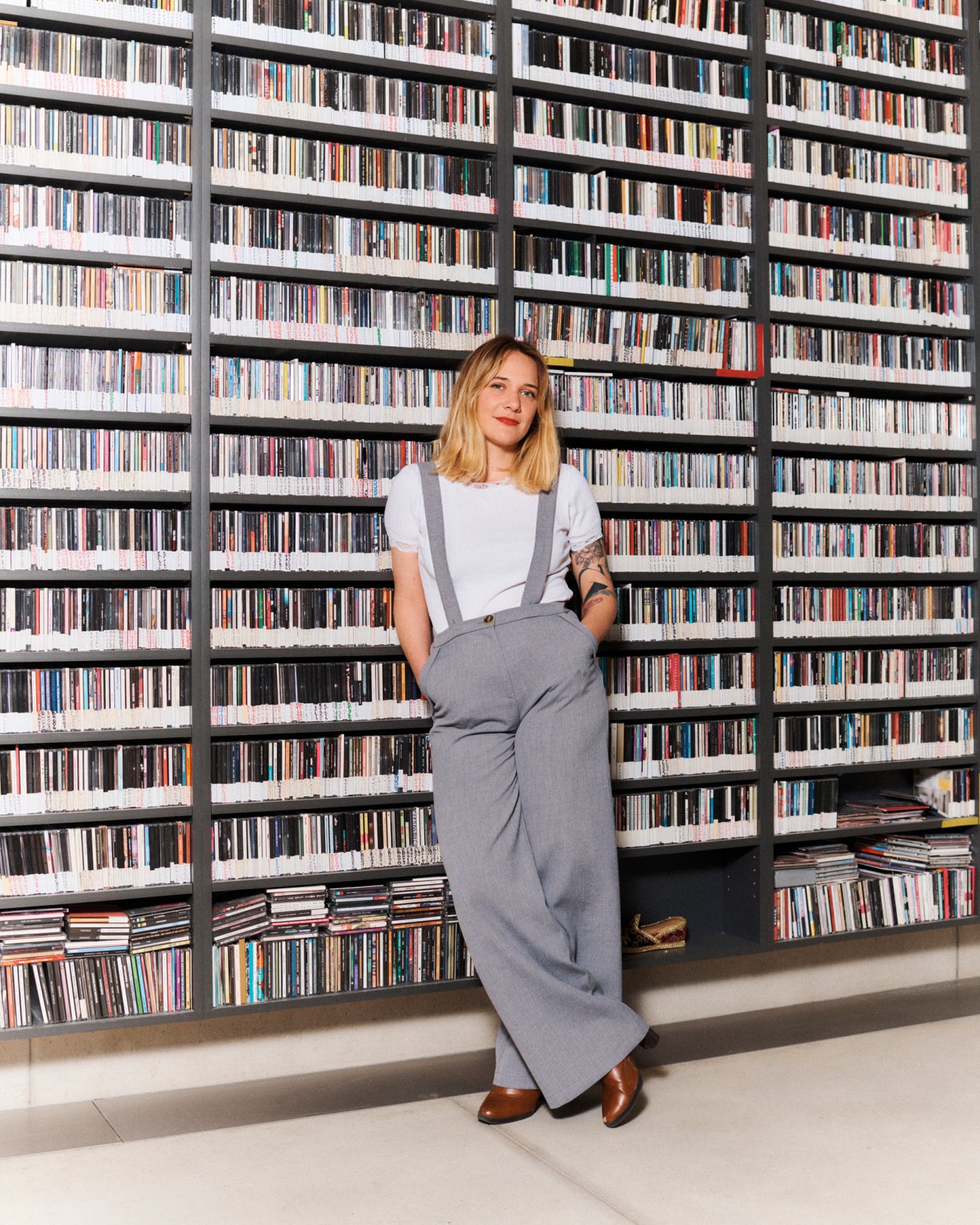
Today much of her work is still about spotlighting emerging talent, though now they come from all over France and beyond. After moving to Paris to study philosophy, Chatelier landed a job at Europe 1, one of the country’s leading private broadcasters, where she covered the music industry for three years – before putting in stints at rmc, Rolling Stone and Slate. Since January, in her new role at Radio Nova, she has been playing the station’s eclectic selection of pop and rock interspersed with news, interviews and reports on everything from artificial intelligence to how music festivals are going green.
Radio Nova is known for its alternative programming and free-spirited attitude. For the station’s 30th anniversary, the team dispatched 30 reporters to 30 different countries and broadcast at 11.00 from each time zone. Recently, French singer Voyou was invited to write and play a piece of musical theatre for the station, and psychedelic rock band La Femme were given a three-hour “carte blanche” slot to perform, pick tunes and tell the stories behind their songs. “Radio Nova has always done stuff that is completely out there and it’s great that we can continue,” says Chatelier. “It’s not about ratings; it’s about being creative with sound.”
Though the station is based in Paris, every summer the team sets off on a road trip across the country in a camper van to broadcast from DJ sets and festivals in a dozen cities. For Chatelier, the radio’s role in highlighting lesser-known acts is key. “Streaming has its limits. People listen to the same artists, or the same kinds of artists, because the algorithm will present you with the same thing, so curiosity is lost,” she says. “That’s where Nova has a role to play. If people don’t listen to emerging musicians, the whole ecosystem that depends on them – small concert venues and record shops – would collapse.” They can count on Radio Nova’s help.
nova.fr
The band
Christopher Willatt, Julia Johansen and Lewis Lazar
Band members, Oracle Sisters
For the band Oracle Sisters, the question, “Where are you from?” does not produce a straightforward answer. Childhood friends Christopher Willatt and Lewis Lazar grew up in Brussels despite being Irish-English and Danish-American respectively, while drummer Julia Johansen is Danish-Finnish.
Perhaps this is why the trio is so rooted in Paris, where they are based. Lazar had been in New York playing in the band Summer Moon (founded by The Strokes’ bassist Nikolai Fraiture) and Willatt had been running a music venue in Edinburgh when they decided to reunite in the French capital in 2017 and form a band. “We grew up in a French-speaking country and part of the reason why we felt comfortable coming here is that it felt a bit like home,” says Lazar. It also turned out to be a great place to be a musician. “A lot of emphasis is placed on artistic creation here,” says Willatt. “People are brought up to put strong importance on literature and music. There’s also a lot of [state] support so you can live an OK life here.”
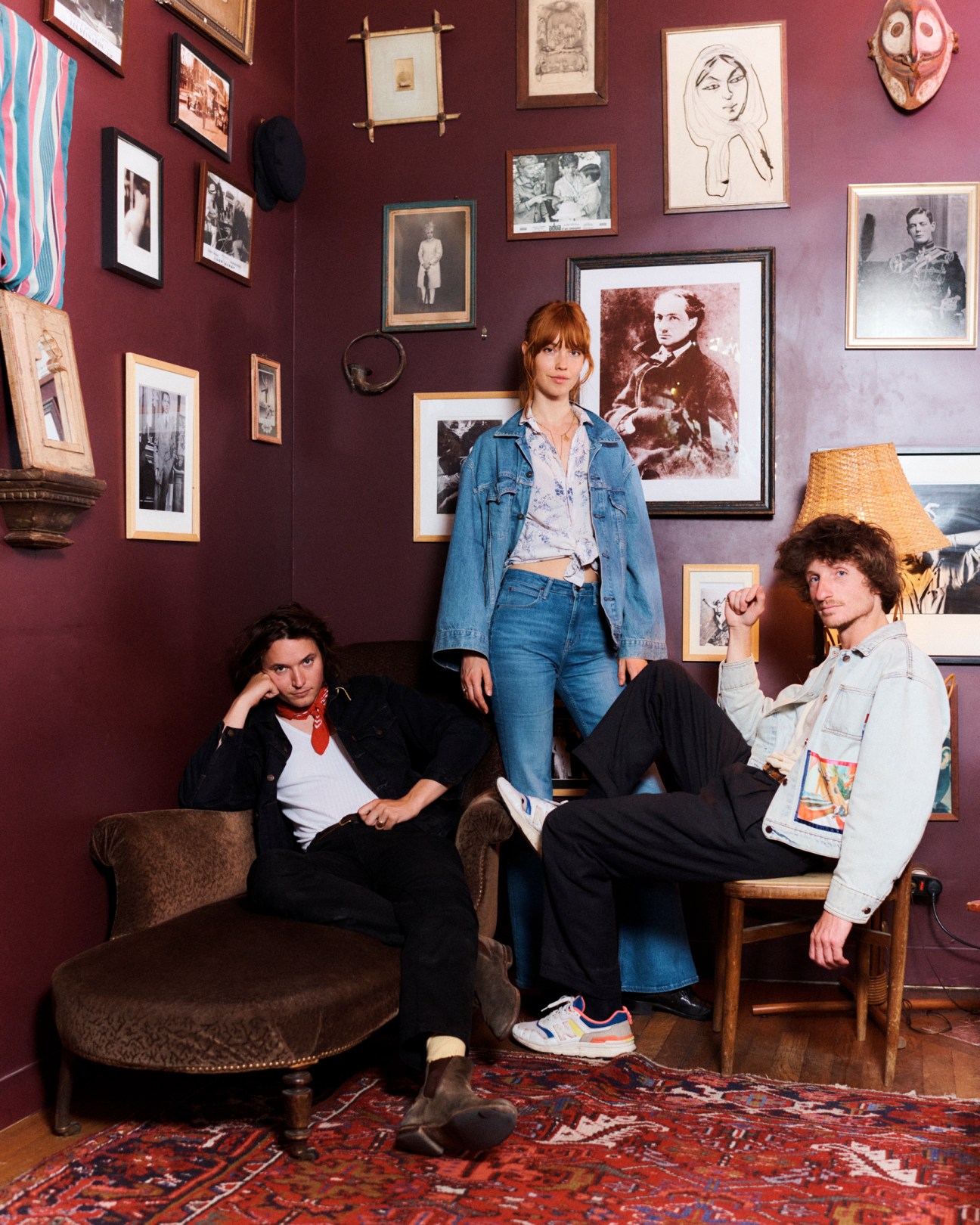
A friend introduced them to Johansen, who had learnt to play the drums after growing disenchanted with a career in modelling. Their first songs were released soon afterwards. Their home city is the theme of the band’s first two EPs: Paris I and Paris II, released in 2020 and 2021 respectively, which quickly gained a huge following. They were only able to meet their audience when venues reopened after lockdown. “Le Popup (see page 128)was a really important venue,” says Johansen. “It’s the place in Paris that is allowing new artists to step up. They were very supportive.”
Since those early days, the band’s dreamy indie folk has gained a huge following in France and beyond. They arrive at a bar near the Place des Vosges on a sunny evening lugging several suitcases for a US tour. Their debut album, Hydranism, came out in April and they have since toured Europe, selling out shows in France and the UK. As its name suggests, Hydranism was not written in Paris but on the Greek island of Hydra, where the group spent the autumn of 2020. The island, known for attracting writers and artists such as Leonard Cohen and Henry Miller, is famously car-free, so musical equipment had to be transported by donkey to the old carpet factory where they holed up for two months. The result is 11 timeless tracks that bring together folk, dream-pop and jazz influences, all embellished by the group’s alluring vocal harmonies.
The album was finished back in Paris, where they collaborated with producer Maxime Kosinetz. The band point out how welcoming Paris is, which has resulted in friendships with bands such as Papooz, who they have supported on tour. “The most important thing is the community,” says Willatt. “You don’t feel like people are trying to win.”
Would the band ever consider singing in French? “Well,” says Lazar. “I saw a fortune-teller and she said that we have to write songs in French, it’s going to be massive.” Superstitious or not, Oracle Sisters seem to have a bright future laid out before them.
oraclesisters.com
The editor
Carole Boinet
Editor, ‘Les Inrockuptibles’
In the coastal city of Saint-Brieuc in Brittany, Carole Boinet grew up immersed in music. In 1983, four years before she was born, her parents founded the Art Rock Festival where they hosted the likes of Miles Davis and The Sugar Cubes. Her home was always scattered with vinyls and CDs. “It was my mother who introduced me to Daft Punk,” she says. “I had a parental filter that was very precious and which led me to develop a particular relationship to music and art.”
The festival also revealed her parents’ passion for finding exciting new bands and sharing them with potential fans. “I grew up with a desire to help people discover things they didn’t know about, of sharing music rather than keeping it closed in a small group of people who are already in the know,” she says.
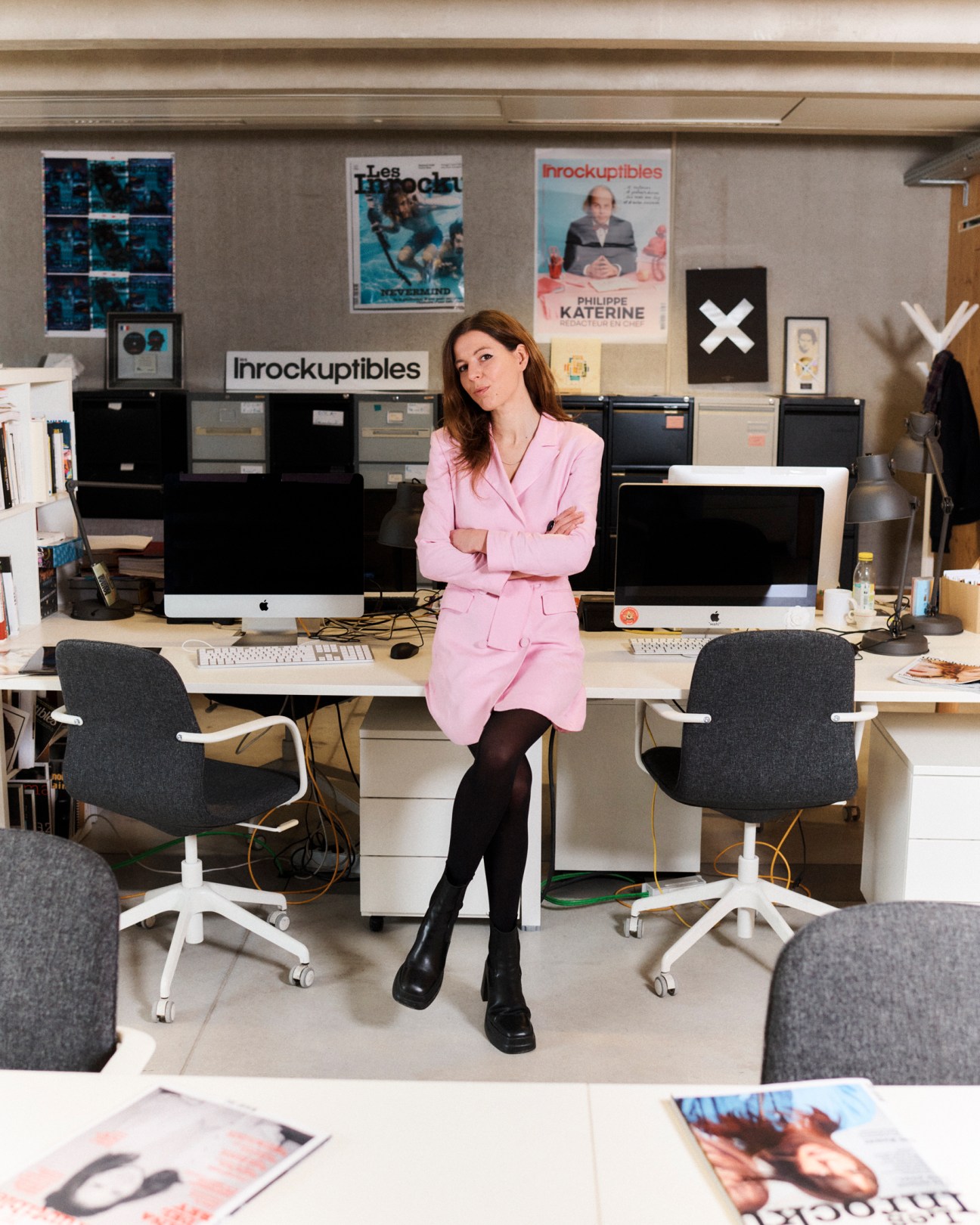
It is perhaps no surprise, then, that despite an early temptation to become a university lecturer, Boinet also sought a career helping people across France stay up to date with the latest releases as the editor of cultural magazine Les Inrockuptibles. Founded in 1986, Les Inrocks (as it’s commonly known) is a highly respected title covering everything from albums to films and books. Born out of an interest in the sounds coming out of the 1980s Manchester scene, back when a French audience had limited access to it, the magazine has evolved into a reliable source of cultural criticism and a fixture of newsstands around the country. Given how lively and well-populated the French music scene is, it has been an essential guide for those trying to navigate it. In 2010 it was bought by banker Matthieu Pigasse (who also owns Radio Nova) and expanded its remit to politics and society coverage. Boinet arrived as an intern in 2012 and slowly worked her way up, becoming the editor of the annual special issue on sex and eventually making it to the position of editor-in-chief last year.
Boinet is keen to highlight the magazine’s role in promoting emerging artists: Les Inrocks organises its own festival as well as hosting monthly gigs with up-and-coming bands at La Boule Noire, a venue in Paris’s 18th arrondissement. “I love discovering new artists and at Les Inrocks we have always tried to help and accompany artists we like,” says Boinet. “For example, we scheduled November Ultra, Yoa and Eloi when they were still unknown.”
The magazine might have had to adapt to stay relevant to an audience increasingly looking for new music online but Boinet is convinced that Les Inrocks‘ role goes beyond simply being a directory of new releases – and is committed to making it reflect the times we are living in. “Culture is political,” she says. “It’s not just about entertainment; it can change the world.”
lesinrocks.com
The organisers
Louis Dumas and Pauline Couten
Co-founders, Pete the Monkey Festival and Le Popup
Below the Coulée Verte, a railway-turned-elevated park in Paris’s 12th arrondissement, Le Popup stands out thanks to its blue awnings and its bright pink, green and purple façade. On most evenings, crowds can be seen spilling out onto the pavement outside this concert venue – whether it’s for a Tuesday night jam session or a DJ set in the early hours.
The name of the venue, which is Rue Abel, is a reference to its humble beginnings: the 200-capacity space started out as a pop-up over a decade ago but became a permanent fixture complete with a bar, art gallery and restaurant serving seasonal French dishes. “There were very few venues this size back then,” says Franco-British founder Louis Dumas, who grew up in Oxford and Brighton before moving to Paris. Since then, the venue has become a stop-off point for emerging local and foreign artists seeking a small stage to test their songs on a Parisian audience: Clara Luciani, Juliette Armanet, Eddy de Pretto and Loyle Carner all played here before they became well known. With most of the French music industry concentrated in Paris, Dumas and his team want to support the scene however they can. “It’s become a venue for developing artists,” says Dumas. “What I find exciting is participating at the beginning of their career, to be there before anyone else.”
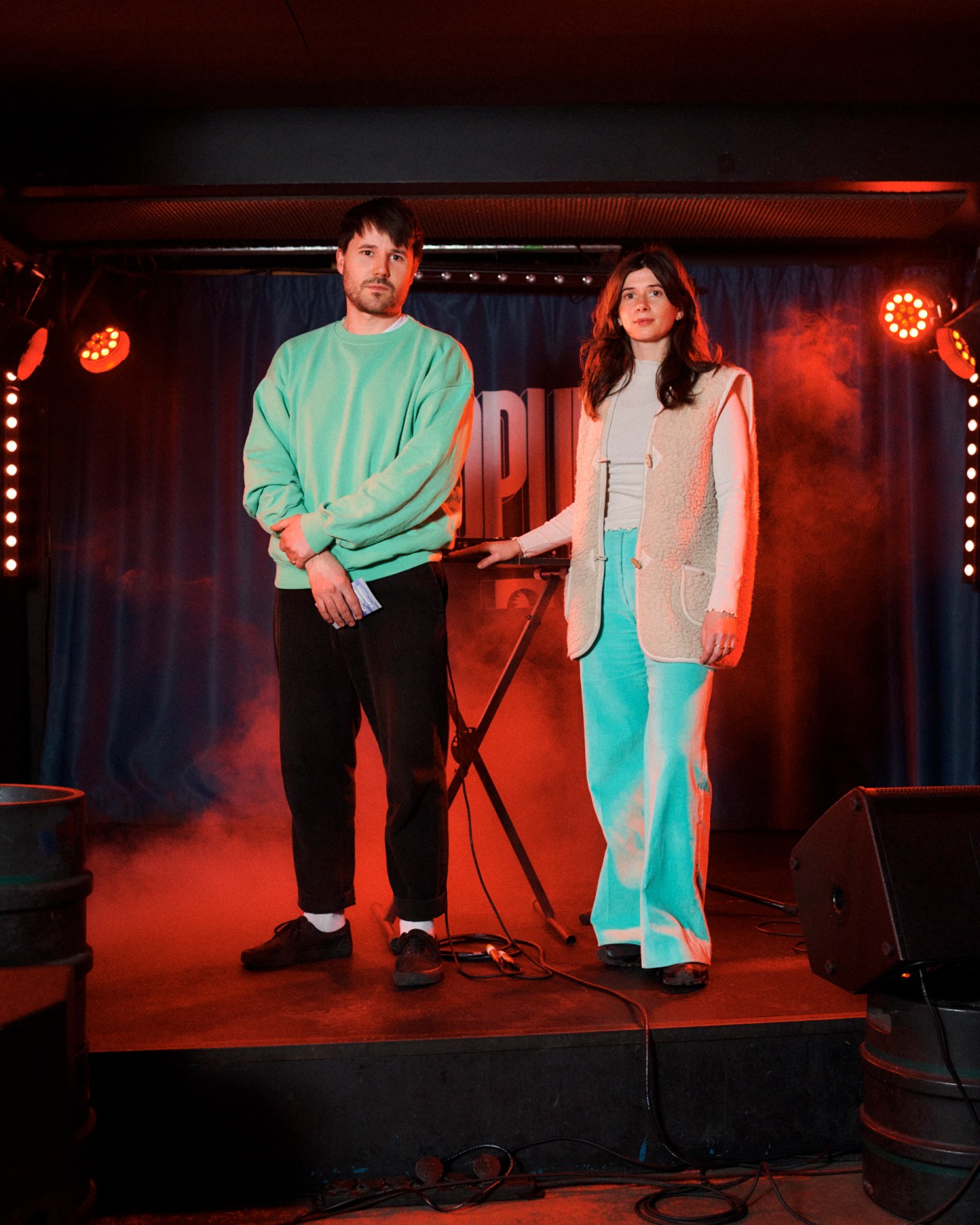
Over the years, the venue has also served as an incubator for Pete the Monkey, the festival that Dumas founded in 2012, which takes place on the Normandy coast every July. The project, named after a capuchin monkey that Dumas filmed while volunteering for a wildlife conservation NGO in Bolivia, has an environmental bent: every edition raises funds for the Latin-American charity. “My brother, Rob, and I had a project for a festival in Saint-Aubin-sur-Mer, where we spent our summers, and we thought it would be a good way to raise awareness around the cause,” says Dumas.
For the first edition, they invited friends from the UK and France: 300 people turned up. Ten years later, the festival has set itself apart thanks to its unique multidisciplinary approach, with dance workshops, sports activities and a sauna alongside concerts. Most of all, though, Pete the Monkey is beloved because of its ability to act as a springboard for up-and-coming music acts on both sides of the Channel. In recent years tickets have sold out even before the line-up has been announced. “Our community is open-minded and curious, and they trust us to bring them real gems every year,” says Pauline Couten, Dumas’s wife, who joined to run the festival’s operations in 2013.
The festival became so successful that a production company in Portugal expressed interest in launching an off-shoot edition near Porto four years ago. The founders declined, as they weren’t sure whether they could reproduce an authentic feeling of community in a less familiar context. Instead, they decided to focus on supporting the music scene closer to home. “That’s what drives us,” says Dumas.
popup.paris; petethemonkeyfestival.org
The producer
Renaud Letang
Music producer and owner, Studios Ferber
In the basement of an unassuming 1970s building in the 20th arrondissement, in a peaceful neighbourhood dotted with quaint townhouses known as La Campagne à Paris (“The countryside in Paris”), Studio Ferber is one of some 30 recording studios in the French capital. Here, the likes of Serge Gainsbourg, Charles Aznavour and Juliette Greco spent hours honing their albums to perfection.
Today, down a spiral staircase and through a soundproofed door, record producer Renaud Letang welcomes Monocle into a wood-panelled room furnished with leather sofas. Ever since he inherited Studio Ferber from its founder René Ameline in 2014, Letang has used the same room. “We have three commercial studios,” he says. “We built 11 booths that are rented out to producers, musicians and film score composers year-round.”
Born in Tehran to French parents, Letang spent much of his childhood travelling around the world thanks to his father’s job as an engineer for a big multinational. Though he didn’t make a career out of music, Letang’s father was an avid multi-instrumentalist who, in his son’s memories, “played the piano for three hours every day but came from a generation for whom becoming a musician was not an option”. After Iran, the family moved to Indonesia and then to Venezuela. This exposure to different influences, along with his family’s eclectic music taste, had a profound effect. “These three countries are cultural extremes, so it broadened my mind,” he says. “That’s why I’ve been able to do such a vast variety of things in my career. From an album for Jane Birkin to Seu Jorge and The Kills.”
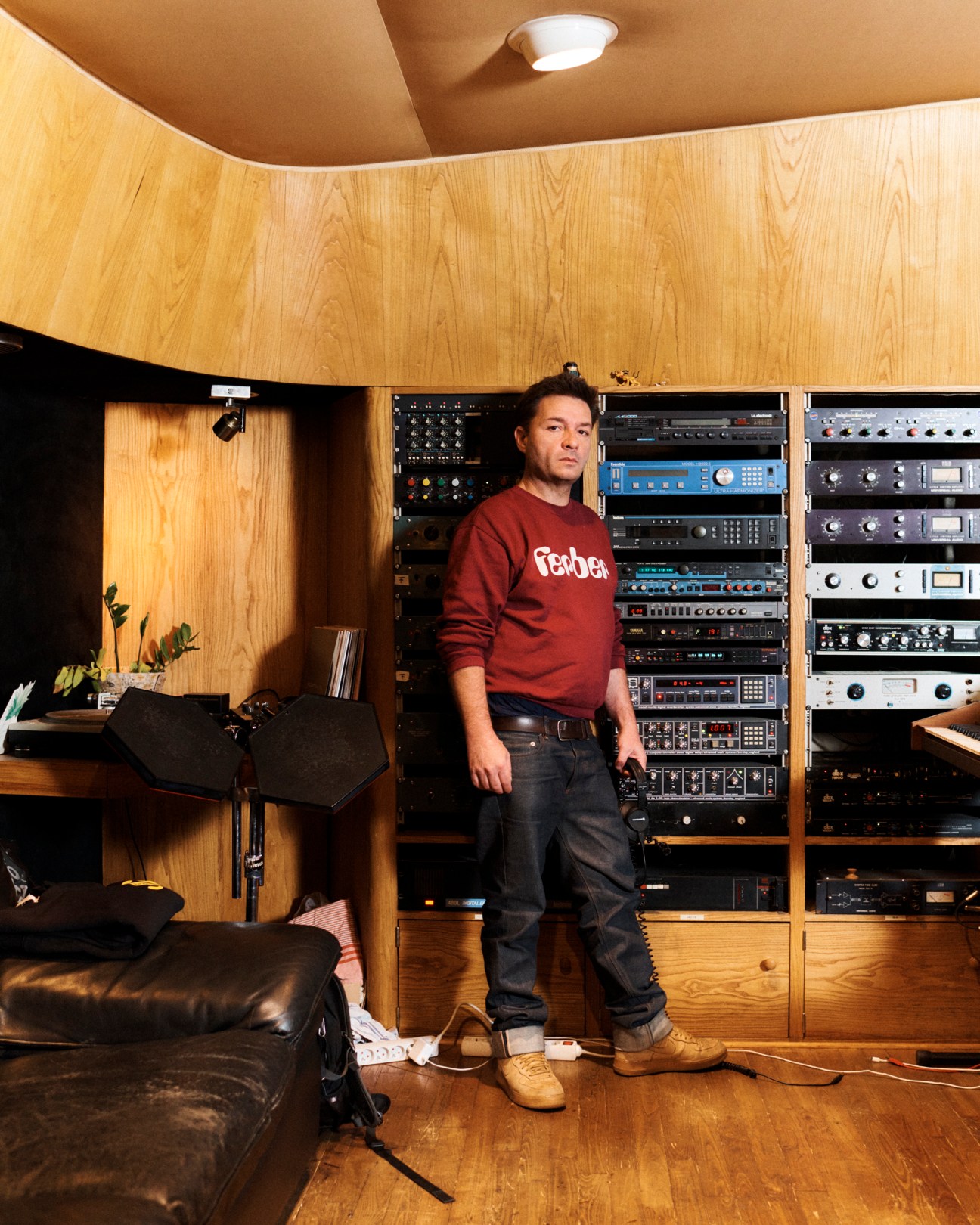
After leaving school, Letang got an internship at Studios Guillaume Tell, another legendary Parisian recording space that attracted artists from around the world. “For three years all I did was work with some of the biggest acts: Sting, Prince, Peter Gabriel, Paul Simon,” he says. “That’s how I learnt everything.”
At 20, Letang met Jean-Michel Jarre, one of the pioneers of French electronica, and spent the following decade as a sound engineer for his live shows. He went on to collaborate with seminal artists: from singer-songwriter Alain Souchon to French-Spanish musician Manu Chao.
“We developed a production style, a sound that worked very well at the time,” says Letang. Though he is perhaps best-known for his work in folk and pop, a recent interest in the revival of French touch has also benefitted his operations – with a variety of international artists choosing to record here. In recent years, Letang has helped to steer projects by Benny Sings, Chilly Gonzales and the French disco band L’Impératrice.
Ultimately, Letang says that his role comes down to finding “the right emotion” and working with artists who are open to his suggestions. “I need to have an idea of where I can take the project,” he says. “The aim is to try to understand what they want better than they do themselves.” It’s this expertise that, from behind the scenes, will keep shaping the French music of tomorrow.
studios-ferber.com
Mellow Yellow




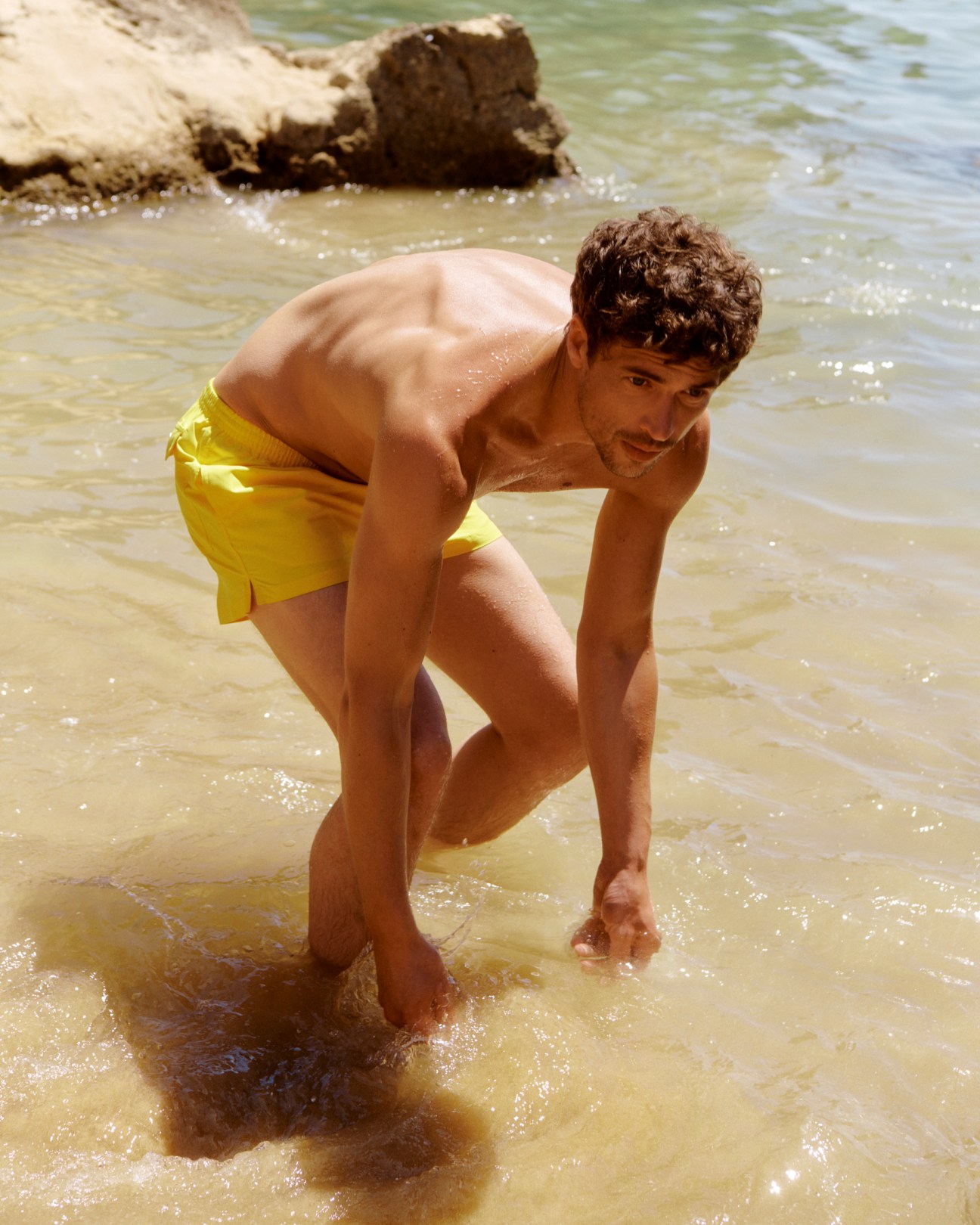


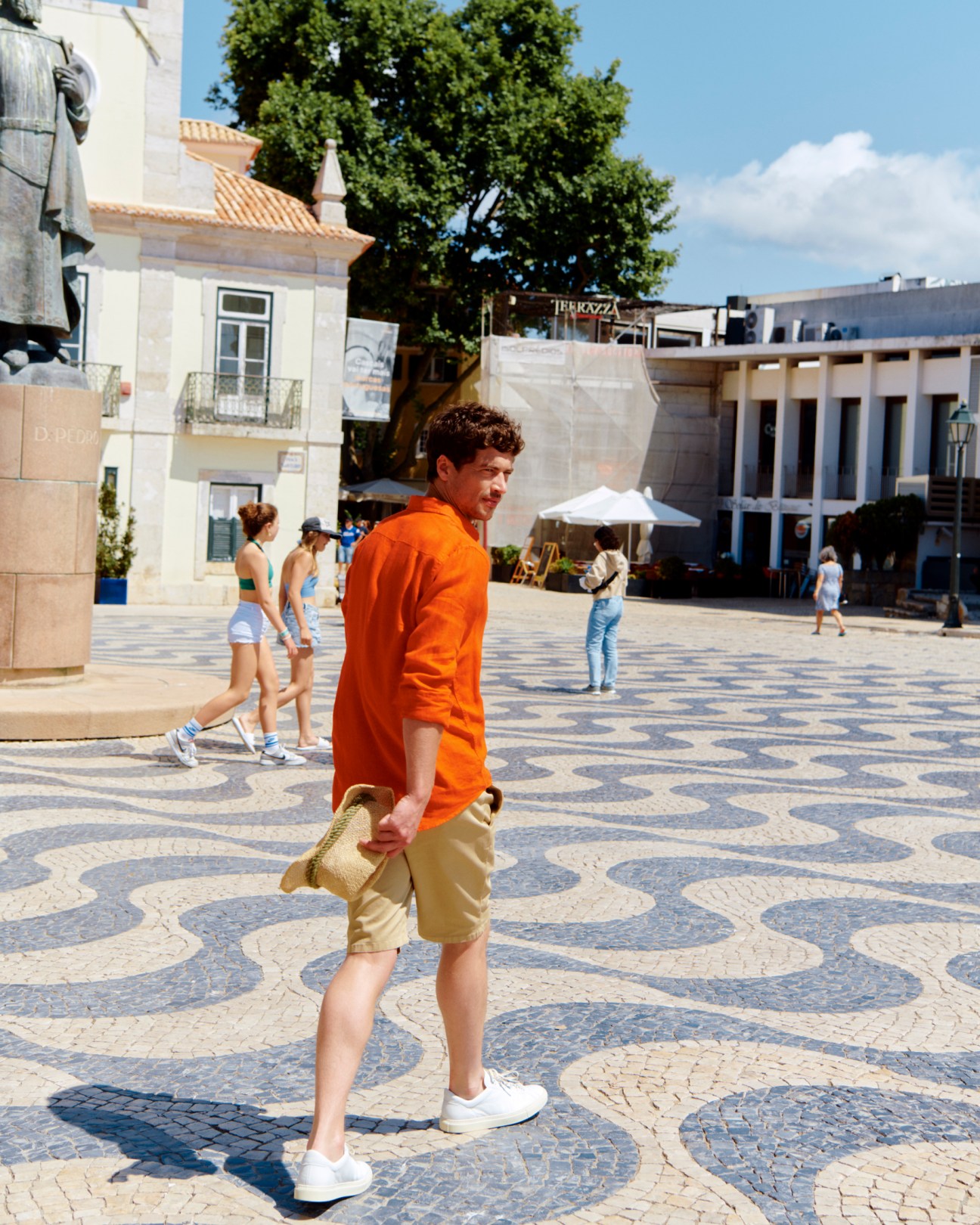


Stylist: Kyoko Tamoto
Hair & Make-up: Julia Kraemer
Model: Timothé Echelard
Local producer: Bianca Scherr
Location: Rainha Beach Club
On the up
1.
Warsaw
Poland
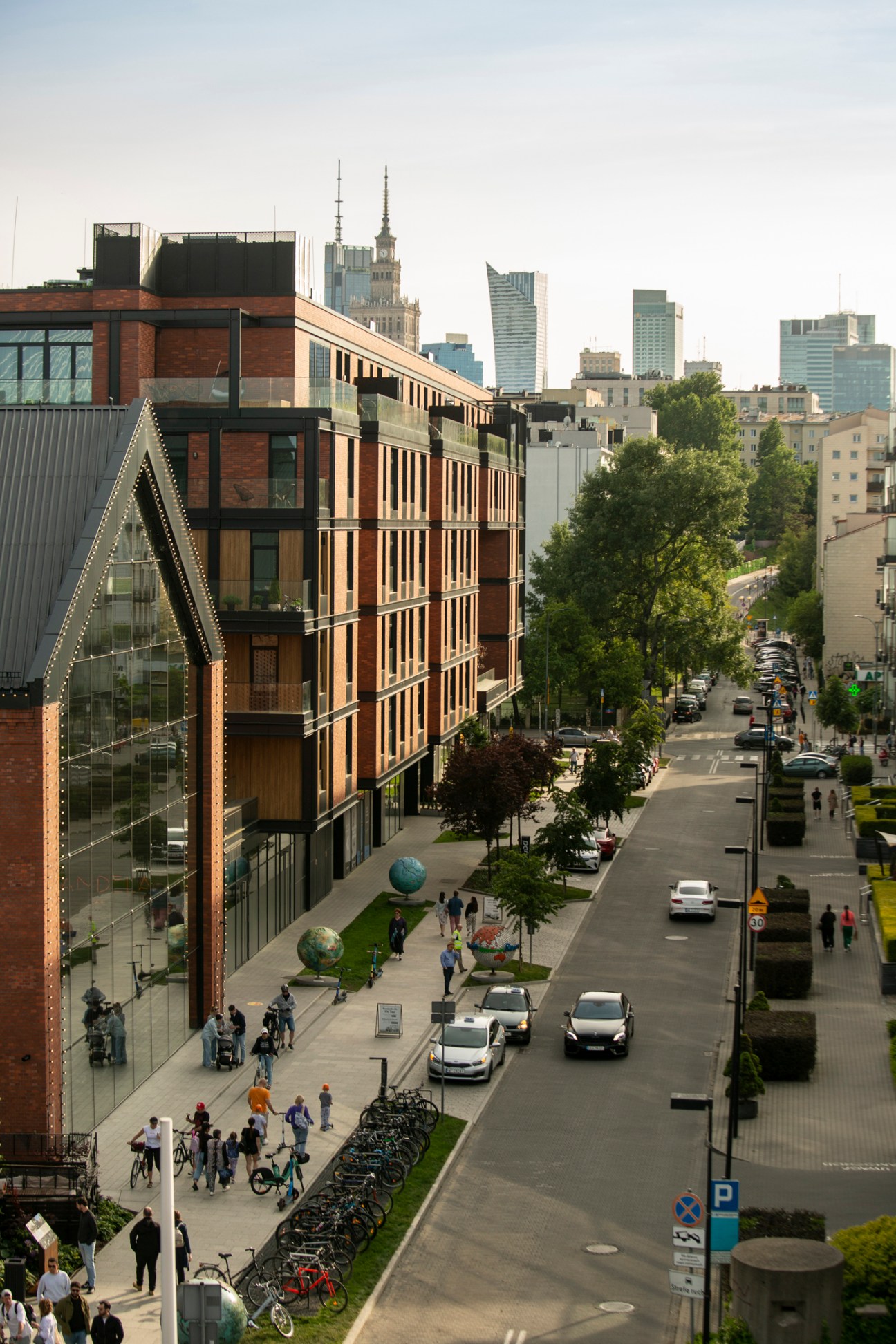
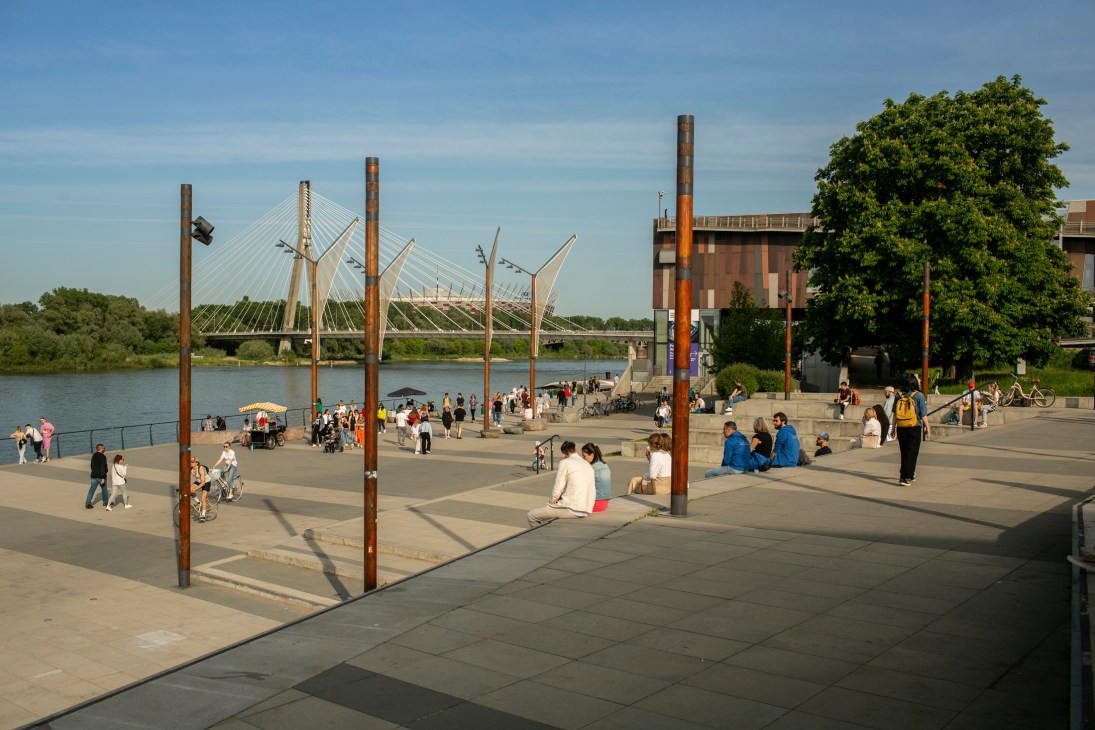
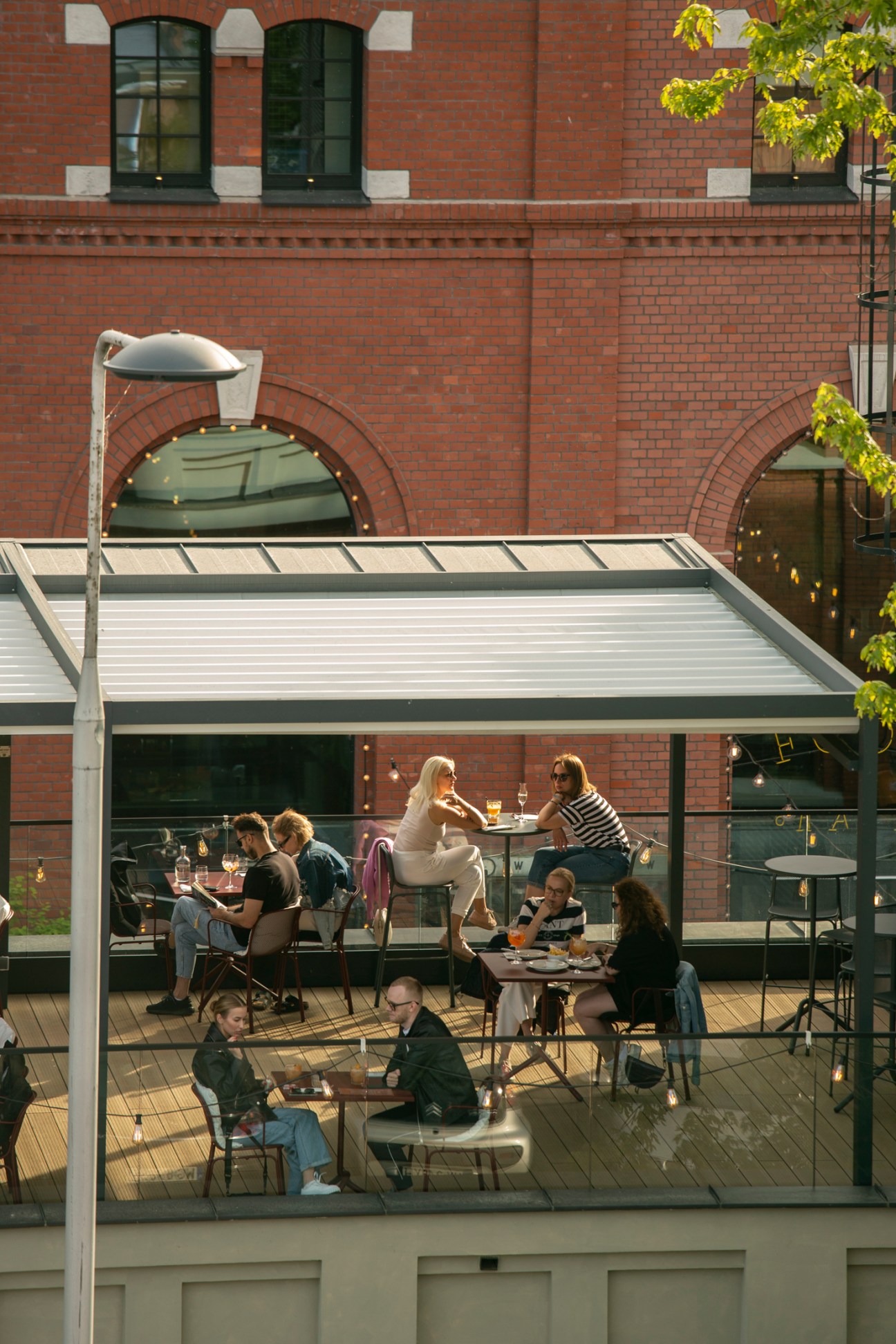
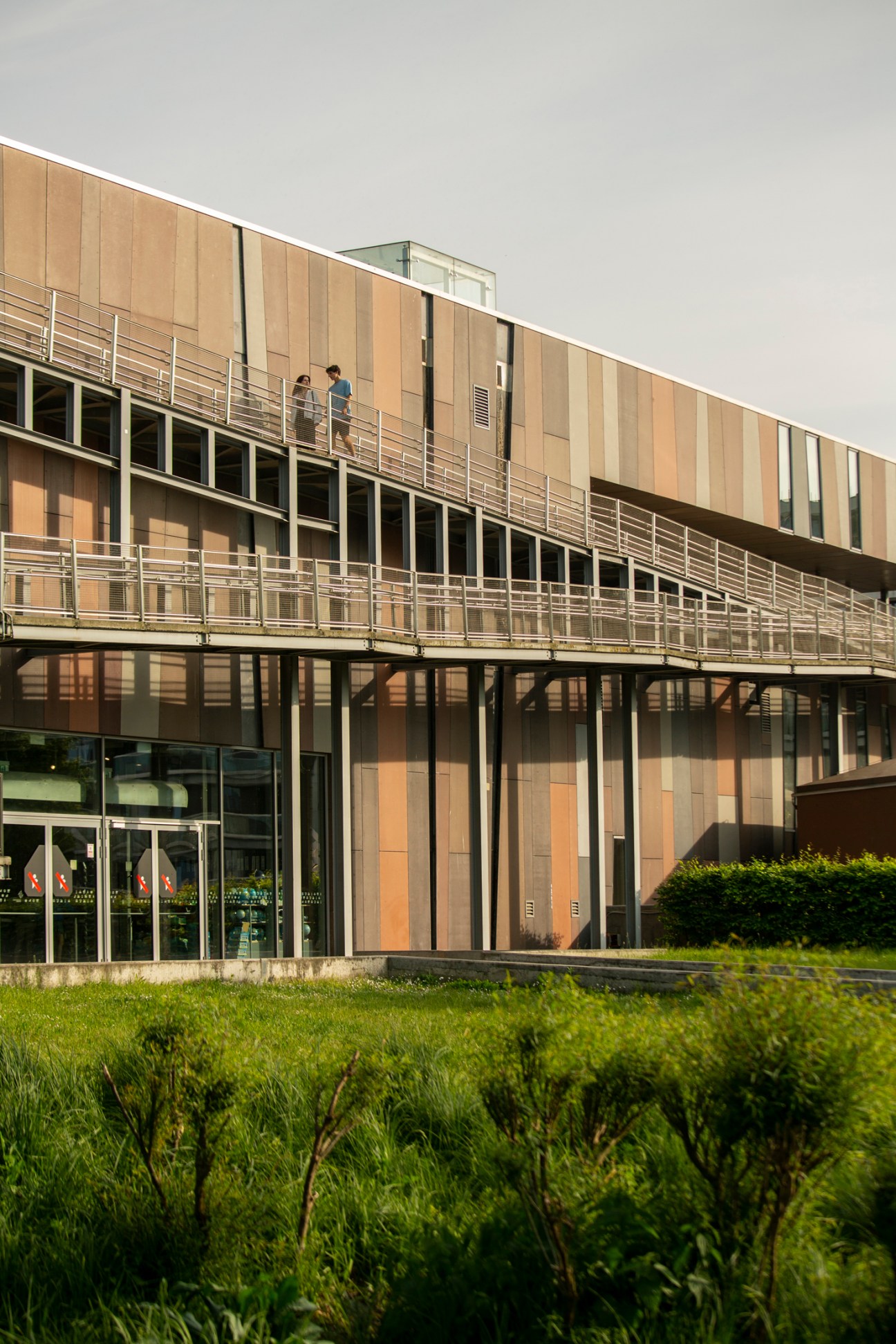
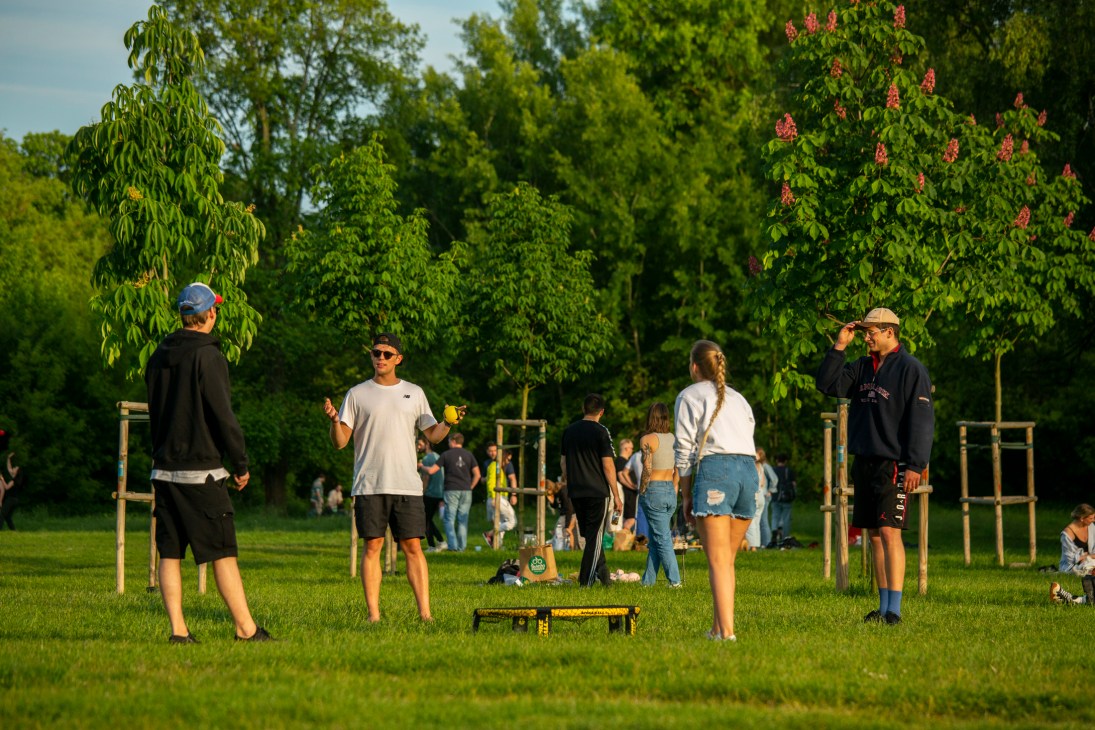
Some 34 years since the fall of communism, Warsaw is a thriving European capital with an increasingly international population. When Russia invaded Ukraine in February 2022, the city welcomed 300,000 Ukrainian refugees with open arms, boosting Warsaw’s population by about 17 per cent. It is something of a domestic political haven too: while the country is governed by the socially conservative Law and Justice party, the city has a liberal mayor, Rafal Trzaskowski.
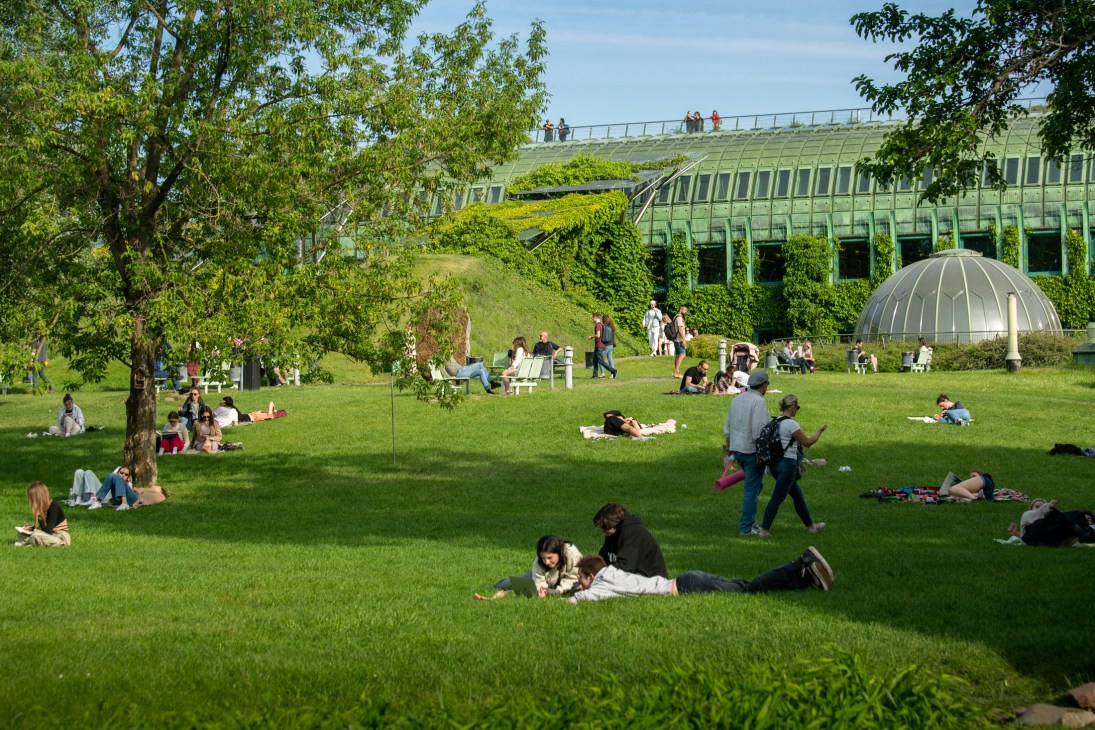
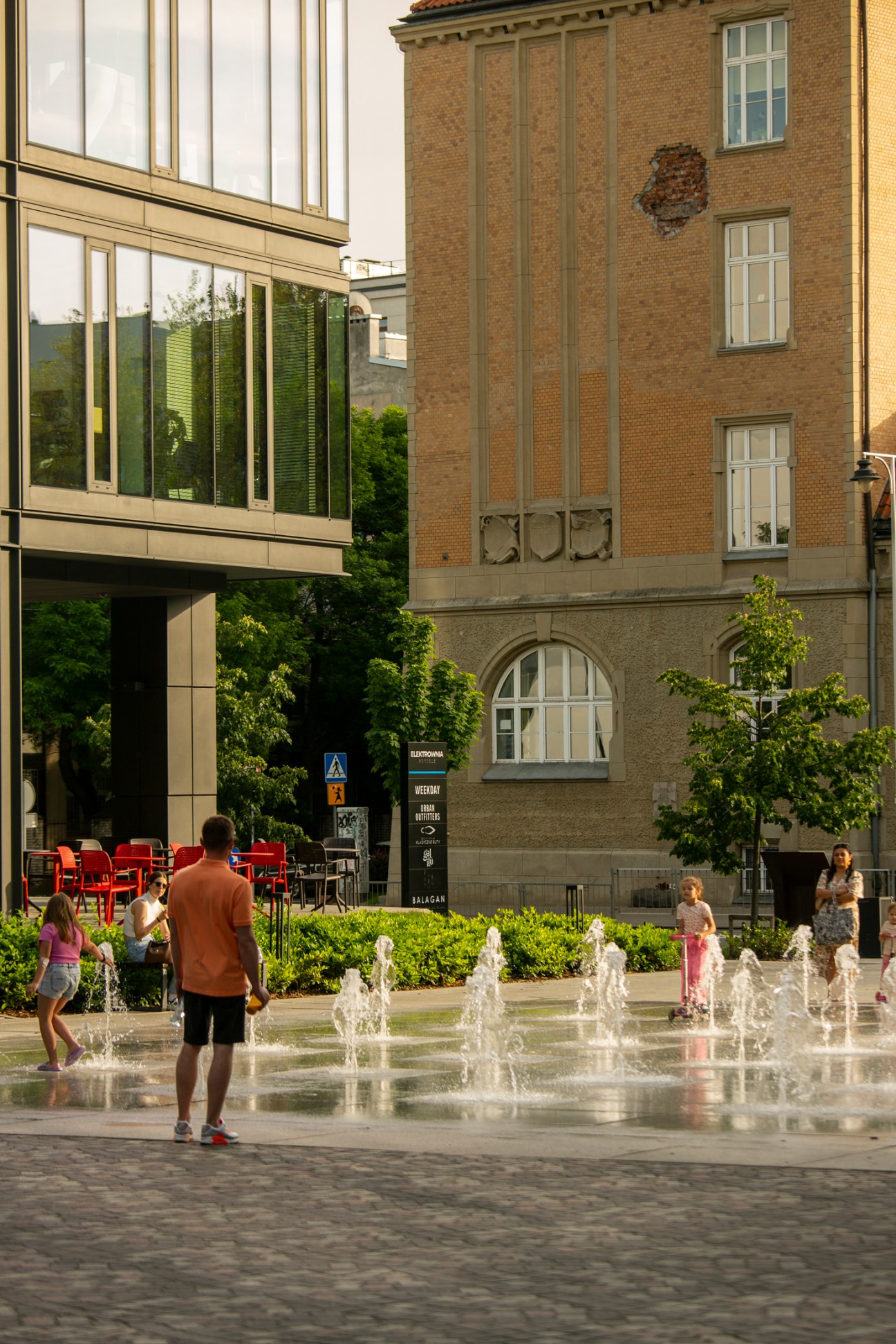
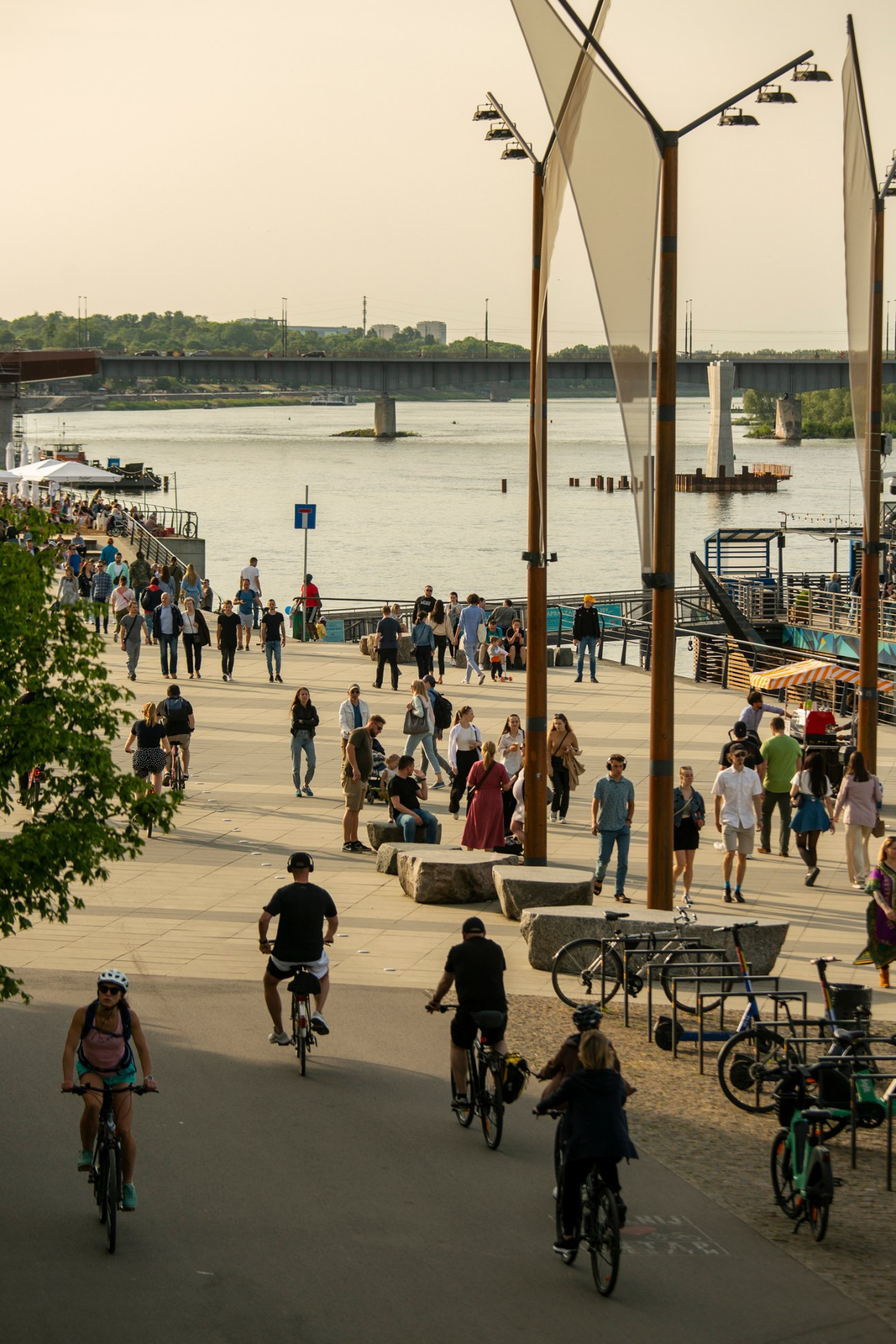
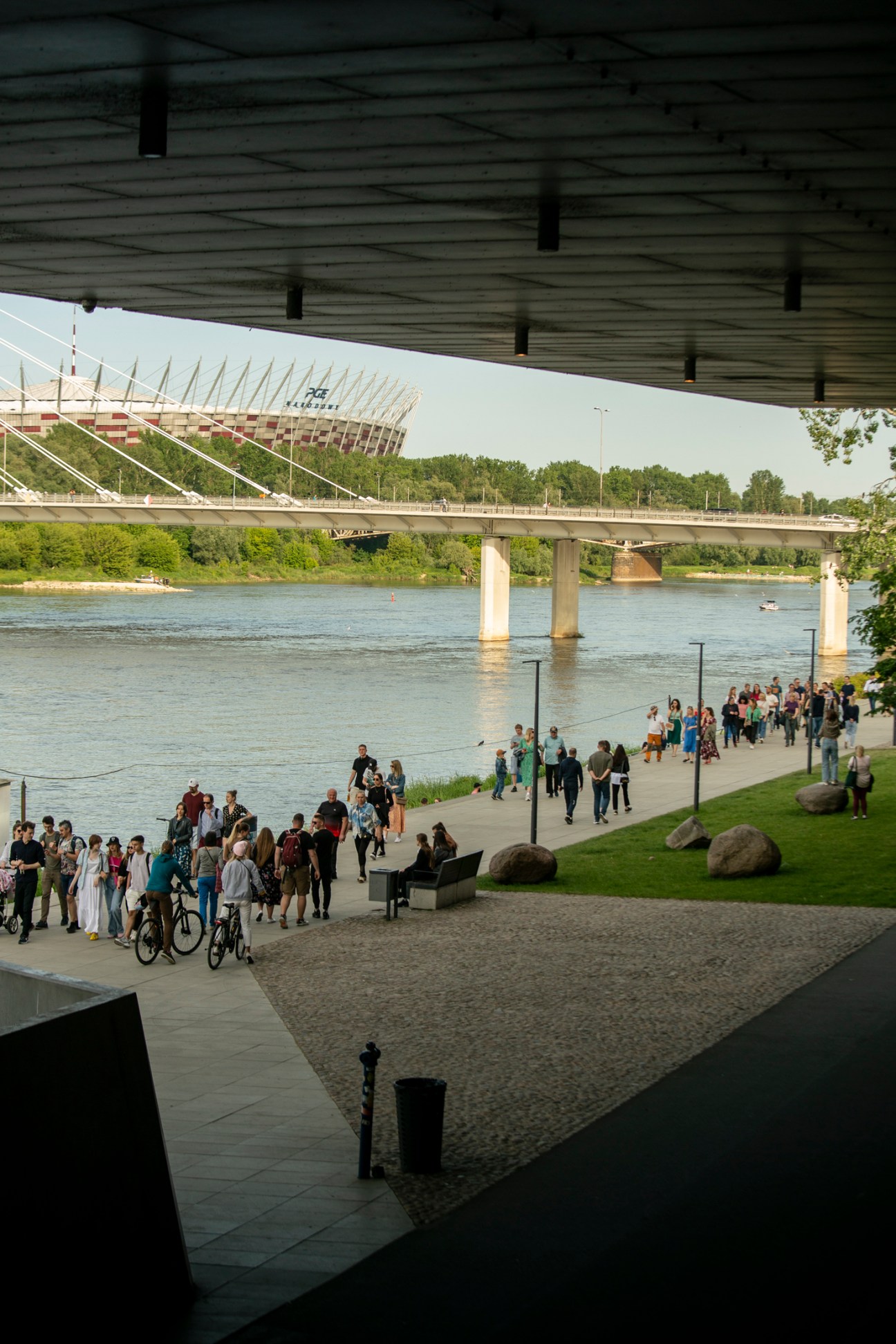
Beyond the concrete-heavy centre, Warsaw has lots of green space and neighbourhoods such as Mokotow, Zoliborz and Saska Kepa draw young families with their leafy streets and sought-after pre-war apartments (much of the city was destroyed during the Second World War). Once the weather warms, the embankment along the Vistula, which splits the city, comes alive with joggers, cyclists and people making the most of the outdoor seating. Between the hearty Georgian bakeries, the endless vegetarian options and the traditional Polish fare, the city’s food scene is increasingly diverse too. Decent coffee is no longer hard to find either.
However, problems do remain, including air pollution, with Warsaw recording some of the worst for a capital city in Europe. Plans announced by Trzaskowski this year will ban old petrol and diesel cars from the city centre from July 2024. And while life in Warsaw has continued much as usual despite the war in neighbouring Ukraine, inflation in Poland has surged, reaching more than 18 per cent in early 2023. Housing has become more expensive and, exacerbated by the influx of refugees, hard to find. But you won’t catch many Poles complaining about this: support for the Ukrainian struggle is one of the few things that unites people in this increasingly polarised country.
2.
Kuala Lumpur
Malaysia
For years, the Malaysian capital has quietly been one of Southeast Asia’s most pleasant places to live, with high living standards and a less hectic street life than some of its regional counterparts. Affordable retail rents have allowed independent shops and creative spaces to flourish, including APW, an old printing-press site converted into a semi-outdoor complex to comprise wine bars, coffee shops and fashion labels, and the Zhongshan Building, a former commercial block that now houses artist studios, booksellers, bakeries and stationery shops. Cultural events such as the KL Art Book Fair, launched in 2021, are giving residents more to explore and drawing regional artists and publishers to the city.
Kuala Lumpur has always had an outsized culinary influence but the restaurant and bar scene is booming, with new openings led by young Malaysian chefs and mixologists, from envelope-pushing fine-dining restaurant Eat and Cook to experimental bistro Small Shifting Space and cocktail bar Sanctuary 38. Though Kuala Lumpur is not widely known for its natural attractions, the city is one of Asia’s greenest. The verdant Perdana Botanical Garden is a tranquil green lung right in the centre with jogging and cycling paths, a large lake and a rich living collection of tropical flora. More adventurous trekkers can easily explore the many slivers of rainforested greenery that dot downtown.
Traffic is an ongoing issue in this sprawling metropolis, however, and recent improvements in public transport have not proved sufficient to wean residents off their cars. Train delays and a lack of last-mile connectivity at stations have hindered the effectiveness of commuter rail lines. Solving these issues would mean more passengers and less traffic and pollution. A long-anticipated high-speed rail that was set to link Kuala Lumpur and Singapore was terminated in 2021 after a long impasse; reviving this project would be a coup for the current government and a huge quality-of-life boost for the city’s residents.
3.
Mérida
Mexico
With its streets fringed with colonial-era, pastel-hued buildings and haciendas built during the boom of the henequen industry, Mérida has one of the prettiest historic centres in Mexico. While the beauty is one of the more obvious reasons creatives have been lured here, the city’s affordability is also part of its attraction. When renowned curator and gallerist José García relocated to Mérida from Mexico City in 2016, he was able to buy a gallery space rather than rent. “It’s easy to be creative because it’s more affordable,” says García, who now owns five businesses across the city, including Salón Gallos, an exhibition space that also comprises a restaurant, cinema and bar.
More affordable housing and studio spaces have been a major draw for artists and creatives from elsewhere in Mexico, as well as the US and beyond, inviting a wave of new businesses, including China Arts Objects, a gallery that was previously based in Los Angeles.
The population growth in Mérida has been steady, with an increase of 19.08 per cent between 2010 and 2020, yet it still doesn’t feel like a sprawling metropolis. “Even though it has the commodities of a city, you still feel like you’re in a small town,” says García. The downside of this is that business can be sluggish. “It’s not as profitable as Mexico City and it takes longer to do good business,” says García. However, considering it’s also one of the safest cities in the country, with easy access to nearby beaches, for many, the slow growth is certainly worth it.
4.
Rabat
Morocco
In Morocco, there is a friendly rivalry between those who reside in the industrial hub of Casablanca and those who call the capital Rabat home. Speak to inhabitants of the former and they might tell you that the latter is too pristine, shiny and lacking in soul.
This is true to some degree – and in keeping with what you might expect from the city dubbed “the Washington of North Africa”. But it’s also a key part of what attracts people to this coastal metropolis. Morocco’s bureaucratic centre and “royal city” is remarkably clean, immaculately well kept and, according to the 2023 edition of Numbeo’s global safety index, the safest city in Africa. From its tidy tree-lined streets and neat residential enclaves to the good conditions of its roads (particularly when compared to neighbouring cities), Rabat is a place that always feels looked after, wherever you venture. Framed by the Atlantic to the west and the lush rolling scenery of surrounding fields, you don’t have to travel too far to find natural beauty either.
Those seeking a little more in terms of culture might instead gravitate towards Tangier, Marrakech or the aforementioned Casablanca. Locals, however, would point to a growing number of restaurants that are helping to reinforce Rabat’s culinary offering. As the city emerges as a regional business hub, more hotels and smoother airport experiences would be welcome as international visitors begin arriving in greater numbers.
5.
Dubai
UAE
It might seem odd to describe Dubai as a city to watch, when many feel that it has most definitely already arrived, particularly coming into its own during the pandemic. The success of its balanced approach with regards to public health, enabling trade and commerce while preparing for the recovery, can be seen in the swift return of millions of tourists. Plenty of people, those from the Russian-speaking world included, have also chosen to make Dubai home in the past two years, drawn to the emirate by its high levels of safety, access to quality health care, education and the vibrant lifestyle it offers.
Of course, the flipside to any population spike is the upward pressure it puts on prices, particularly housing costs. Dubai’s growth has also triggered an inevitable increase in grumbling about traffic that affects everyone living in the city, regardless of wealth or status. While congestion on the roads seems to be a common problem for many cities around the region, Dubai is tackling the issue in typically dazzling fashion. From testing autonomous vehicles for transporting goods to preparing infrastructure and regulations for flying taxis to carry people across the city’s skyline, no solution is apparently too fantastical.
It is highly likely, however, given the ever-evolving nature of Dubai, that the tension between the benefits and drawbacks provided by the rapid diversification of an economy and growth in population will remain a fixture – the true figure now feels far higher than the 2018 data point of approximately three million people. But it will be a fixture that ebbs and flows over time, just like the cars travelling along the Sheikh Zayed Road.
Man for all seasons
Not all green spaces are created equal. “In most cities, you’ll find lots of lawns and trees,” says Dutch garden designer Piet Oudolf. “But in a good park, you’ll find different elements working together: plants and creatures that you don’t usually see in a city. It benefits not only human beings but everything around us, from bees to birds.”
Few gardeners are household names. But Oudolf, who is best known for helping to transform an abandoned railwayin New York into the High Line and designing landscapes for the likes of Vitra and Hauser & Wirth, has exported his gardening model to cities around the globe.
Working mainly with perennial plants, the garden designer’s approach to planting prioritises structure and stability over colour. He believes that seeing plants respond to seasonal changes helps people in urban environments to forge better connections with the natural world. “The city won’t change but everything around it will,” he says. “People know the difference between spring and autumn – that experience is magnified in a green space. And the more diverse the planting, the better it is to walk through.”
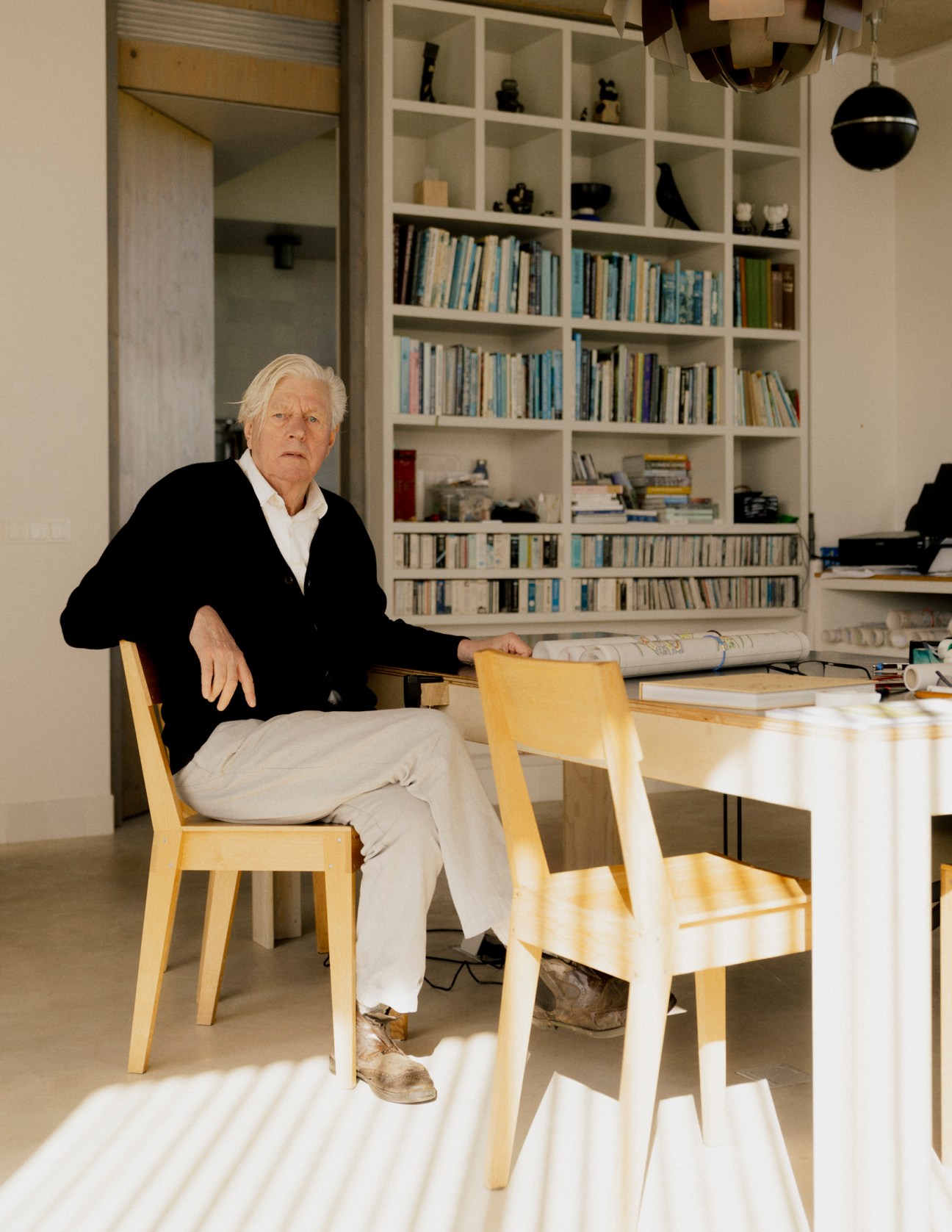
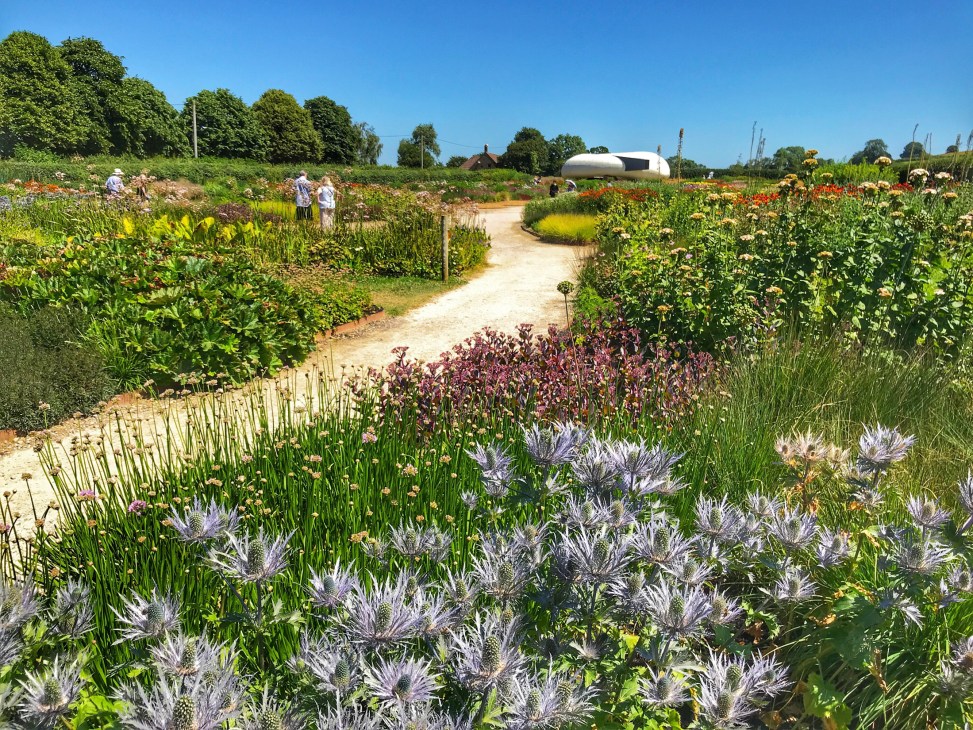
Oudolf, now 78, rose to prominence after he and his wife, Anja, founded a plant nursery in the Dutch rural community of Hummelo in 1982. “We grew plants that we thought were interesting; ones that weren’t available in nurseries anywhere else,” he says. “And we started gaining a reputation for that.” Then, in the early 2000s, after Oudolf had made a name for himself in Europe, Chicago tasked him with designing the Lurie Garden in the Millennium Park.
So what’s Oudolf’s advice for younger garden designers looking to get into the field? “Work with your hands and work in a practice rather than in an office,” he says. “It’s important that people learn what can go wrong. Make mistakes and don’t be afraid to do things wrong; it’s all a learning experience. I still make little errors and they help me to innovate.” These days, Oudolf spends his time supervising the installation of gardens, sketching plans for future designs and collaborating with a wider network of landscape architects and planting experts. He’s now working with James Corner, who designed New York’s High Line, London practice vppr Architects, community-engagement specialists Street Space and the London Wildlife Trust to bring an urban regeneration project to the British capital. The Camden Highline will transform a strip of land alongside a railway track into an elevated park and walking route, breathing new life into a previously disused area that weaves through some of the borough’s most densely populated areas. The project will include play areas for children, volunteer-run allotments and an outdoor classroom.
“We need green,” says Oudolf. “There’s a reason why people have plants in their houses. Experiencing the beauty of a good park is a great escape.”
The CV
1944: Born in Haarlem in the Netherlands.
1982: Opens a plant nursery with his wife, Anja, in Hummelo.
2001: Designs Chicago’s Lurie Garden with landscape architects Kathryn Gustafson, Jennifer Guthrie and Shannon Nichol.
2009: The High Line in New York opens to the public.
2011: Works on an interior garden for the Serpentine Gallery in London alongside Swiss architect Peter Zumthor.
2017: Thomas Piper directs Five Seasons: The Gardens of Piet Oudolf, a documentary following Oudolf’s landscapes as they change throughout the year.
2023: Phaidon releases Piet Oudolf At Work, a book chronicling the designer’s creative process.
Switched on
Sonicare 9900 Prestige toothbrush
Philips
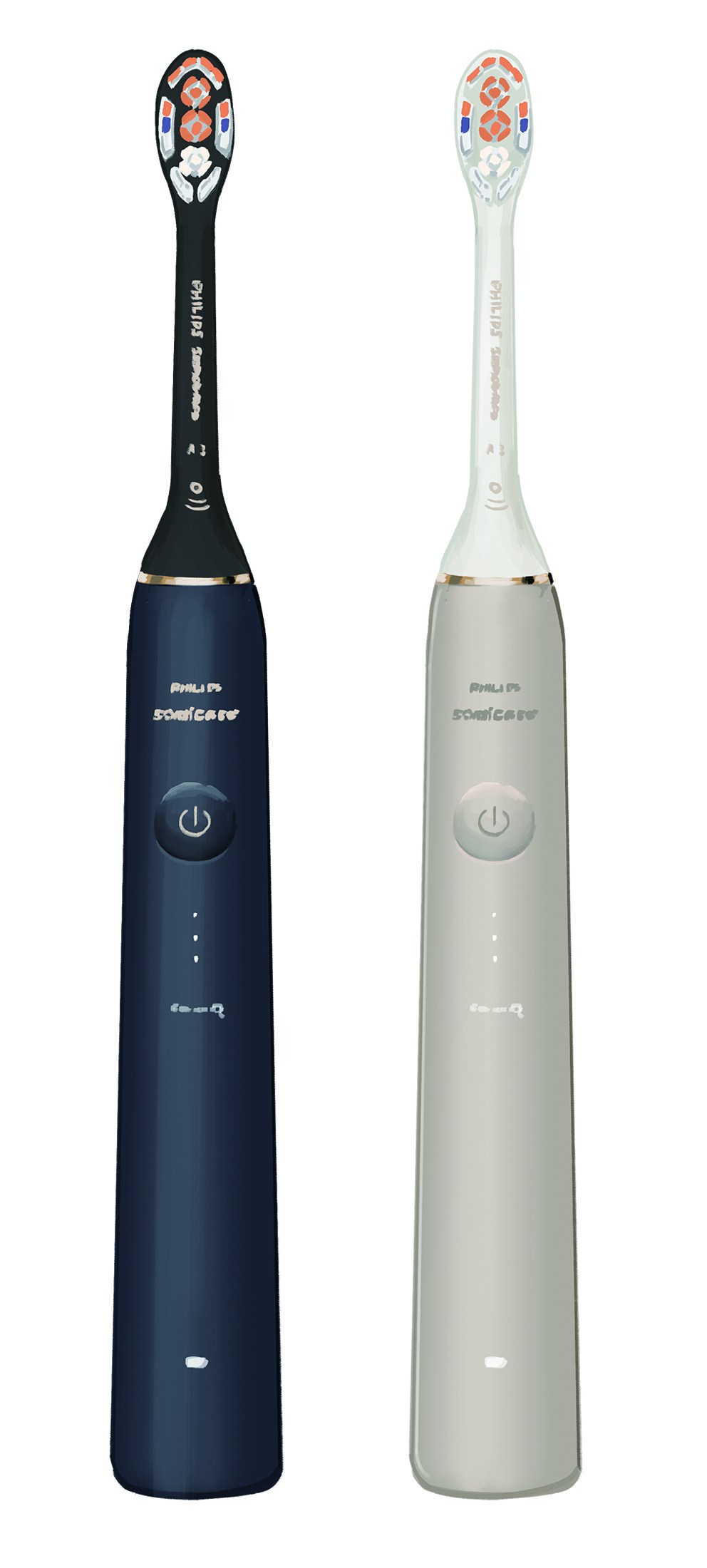
As you would hope, Sonicare electric toothbrushes are exemplary at cleaning teeth and massaging gums. This one even has a smartphone app that can tell whether you’re brushing too hard. A USB-C connector on the case means that it’s easy to recharge – the brush lasts a good week between charges. A breath of fresh air.
philips.com
Beosound A5 Bluetooth speaker
Bang & Olufsen
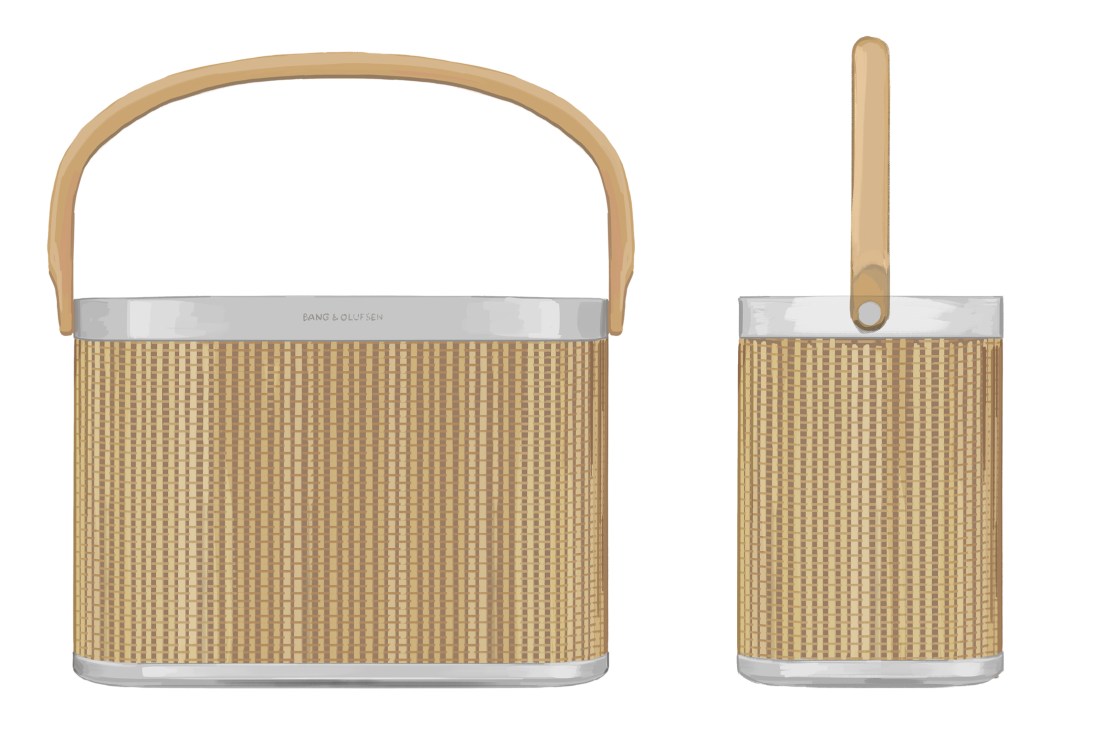
This slick portable speaker has a timeless quality with an aluminium build, wooden handle and a modular design that allows parts to be replaced if they wear out. The top includes a wireless charging panel so you can juice your phone while you stream music from it. It’s also dust- and water-resistant so you can listen poolside – assuming your neighbours approve.
bang-olufsen.com
AirFly SE Bluetooth adapter
Twelve South

In-flight entertainment is usually a no-go zone for true wireless headphones as you need a wired connection, so the AirFly is here to help. Connect it wirelessly to your AirPods (or any other Bluetooth headphones). Then plug the AirFly into the headphone socket on the plane and you’re set. Works well for fitness equipment in the gym too, if you’re active during your trip.
twelvesouth.com
Studio Buds+ earbuds
Beats

The latest earbuds from the Apple-owned headphone brand have noise-cancelling, so you can hear your music whether you’re on a plane or by a busy hotel pool. They come in several colours but the most striking is a transparent version. Where AirPods are best suited to those with Apple products, Beats has greater compatibility with both iPhone and Android users.
beatsbydre.com
65-watt power adapter
Nomad

Nomad’s products are well-made and thoughtfully designed. This plug is useful thanks to two USB-C sockets and plenty of power (65 watts), delivering up to 45 watts from the top socket and 20 watts from the lower. This means that you can charge a laptop and tablet at the same time. If you don’t need twin sockets, there are 20-watt and 30-watt options.
nomadgoods.com
Xperia 1 V smartphone
Sony

Sony’s smartphones are distinctive, with a 21:9 aspect ratio to the OLED display. Unusually for a flagship phone, there’s a headphone jack. The 6.5in display has 4K resolution and it has a physical shutter button for speedy access to the trio of cameras, which include an impressive 52-megapixel sensor. Photo and video capabilities are strong, even in low light.
sony.com
AirTag
Apple

Keep track of your luggage, keys or anything else with Apple’s tiny tracker. If you lose your belongings, you can locate the attached tag through an app. In Lost Mode, the AirTag silently sends an alert to any passing Apple device and the encrypted message is relayed to you, showing the location on a map. The tag is battery-powered and lasts a year or more.
apple.com
Series 9 Pro electric shaver with PowerCase
Braun

The Series 9 Pro electric shaver sounds complicated but is satisfyingly simple, managing short stubble and stray hairs. And it’s perfect to travel with, thanks to the PowerCase, which has a battery inside. If the shaver runs out, tap the power button in the case to recharge it. There’s another charging cable you can leave at home.
braun.com
Belt Cable Duo
Native Union
Cables when travelling are tedious; you almost always forget the one you need. Native Union has designed a two-in-one cable which comes to the rescue. One end is USB-C, so make sure you bring the right power adapter for that. But the other has two connectors for either USB-C (laptops, tablets and Android phones) or Lightning (iPhone, some iPads and AirPods). Neat.
nativeunion.com
QuietComfort 45 headphones
Bose

Bose over-ear headphones are ideal for travel. Lightweight, they offer more powerful sound than in-ear headphones. Noise-cancelling from Bose is second-to-none, so even the harshest background noise shouldn’t interfere with what you’re listening to. You can turn noise-cancelling off and the audio is still immersive, balancing clarity with strong bass.
bose.com
Growing strong
At Minagarten, a community-focused development at the heart of the Minaga neighbourhood in Hiroshima, the morning unfolds slowly. There’s a gentle breeze wafting down the Yawata River as children wander off to school on paths cut amid the glossy plant life shimmering in the pale morning sun.
Bakers are preparing pastries and loaves of shokupan (Japanese milk bread) as a visiting barista lugs bags of coffee beans and staff begin to set tables for the first customers. Under the sprawling Japanese maple, volunteer Lan Haguma, who fell in love with the project after attending a pruning workshop, is about to start a round of watering.
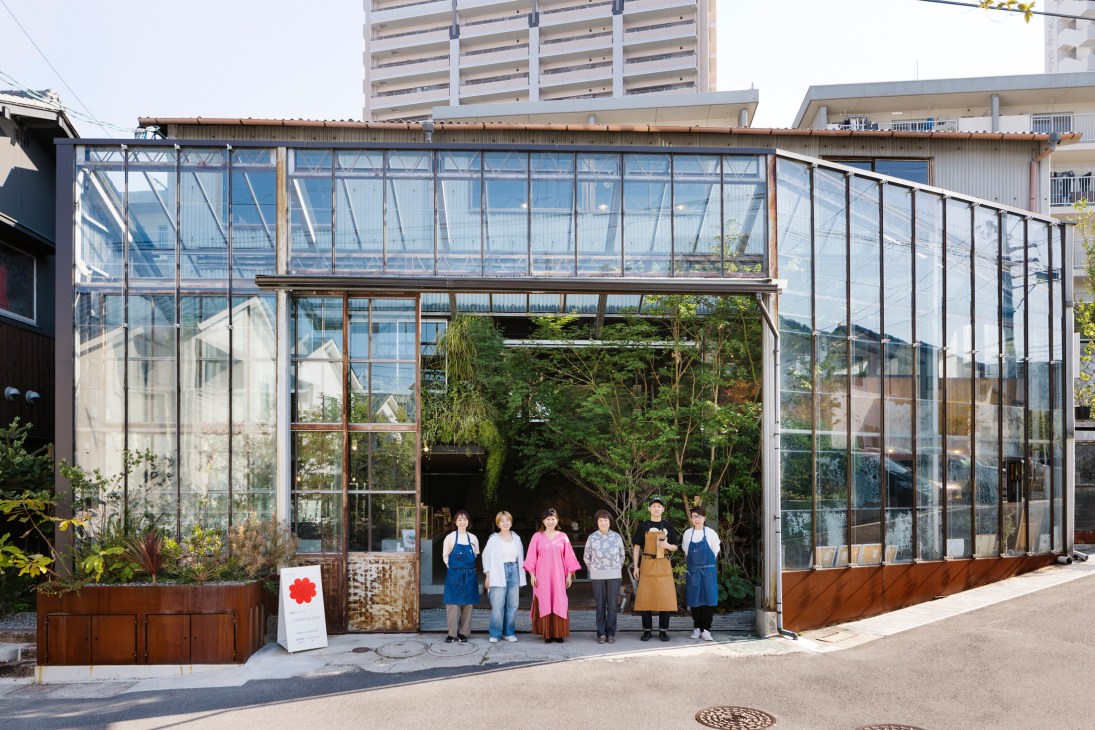
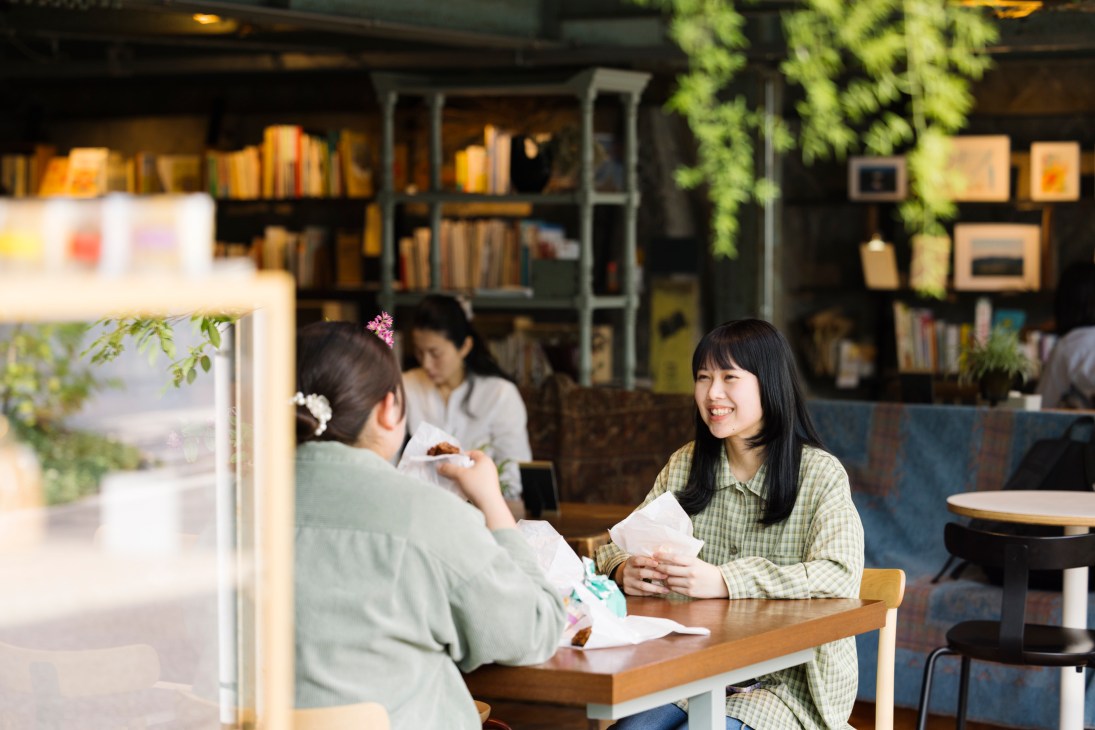
Developed in increments over the past three years, Minagarten is a village-like mixed-use community based around a renovated warehouse. For founder Chiharu Taniguchi, the project began with a deep dive into the history of Minaga, where her family has lived for the past 430 years. Central to the redevelopment of the former Shinya Farm site was the community’s wellbeing and way of life. “Viewing the site as one big garden, I wanted to create a landscape and then incorporate houses, shops and other amenities,” Taniguchi tells Monocle on a tour. “The aim was to create symphony, rather than division. By bringing people together, I wanted to create a community enriched through sharing.” Her research revealed that many centuries ago, Minaga was often flooded by runoff from the nearby mountains. However, the collective efforts of citizens led to the implementation of flood-control measures that made the area liveable.Then in the 1970s, the construction of a bypass prompted a new wave of development. Areas once home to fields were turned into housing and Minaga took shape as a commuter town. It was during this time that the Taniguchi family business founded its farm and horticultural wholesaler. Originally cultivating orchid seedlings and tulip bulbs, it soon became a bustling hub supplying garden products to the Chugoku and Shikoku regions. When the business closed in 2017, Taniguchi set about working on Minaga’s next chapter: a business that might help to grow a budding new community and tempt people who grew up here to move back.
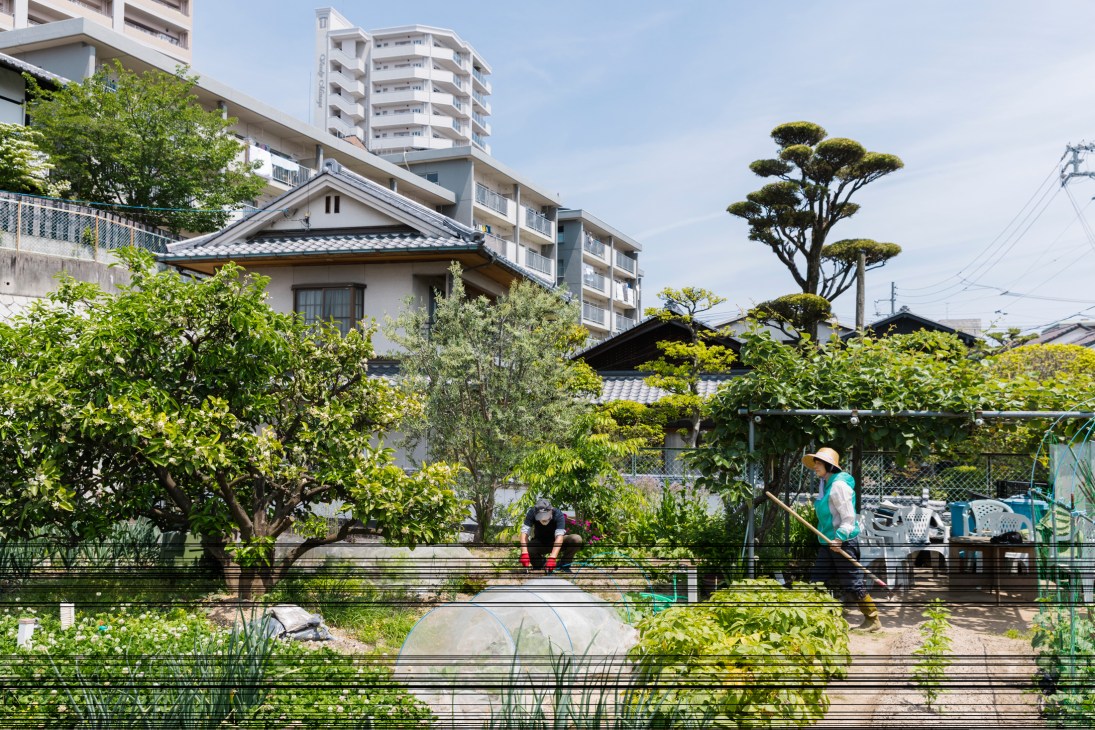
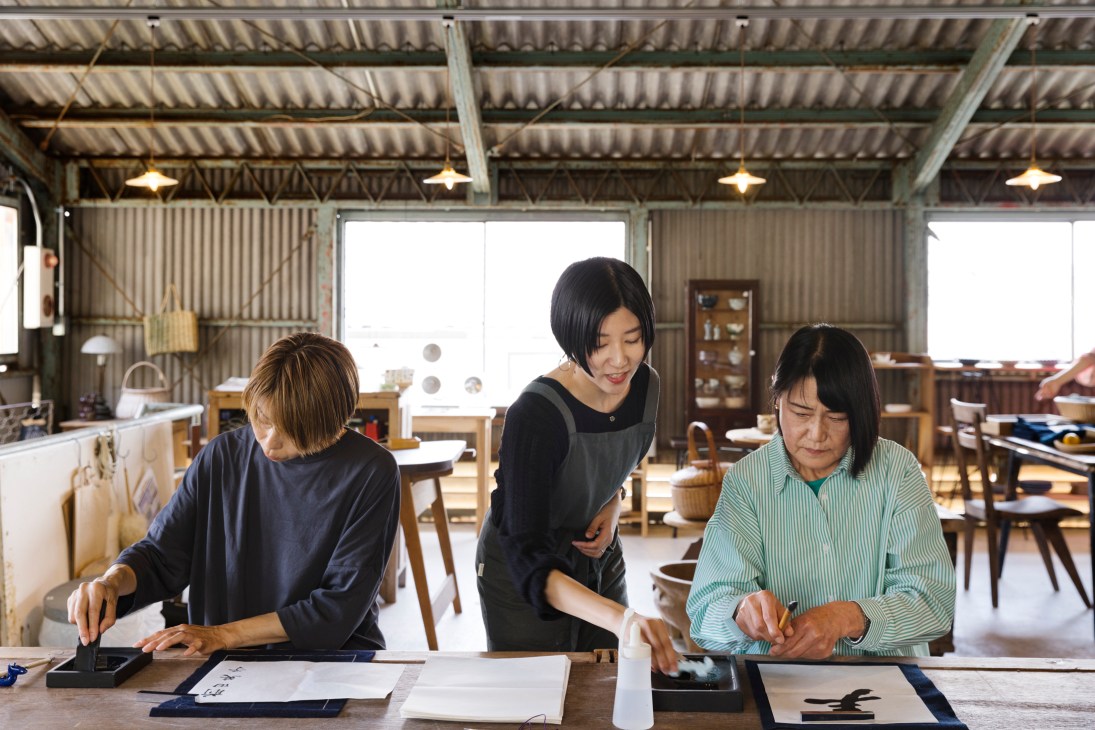
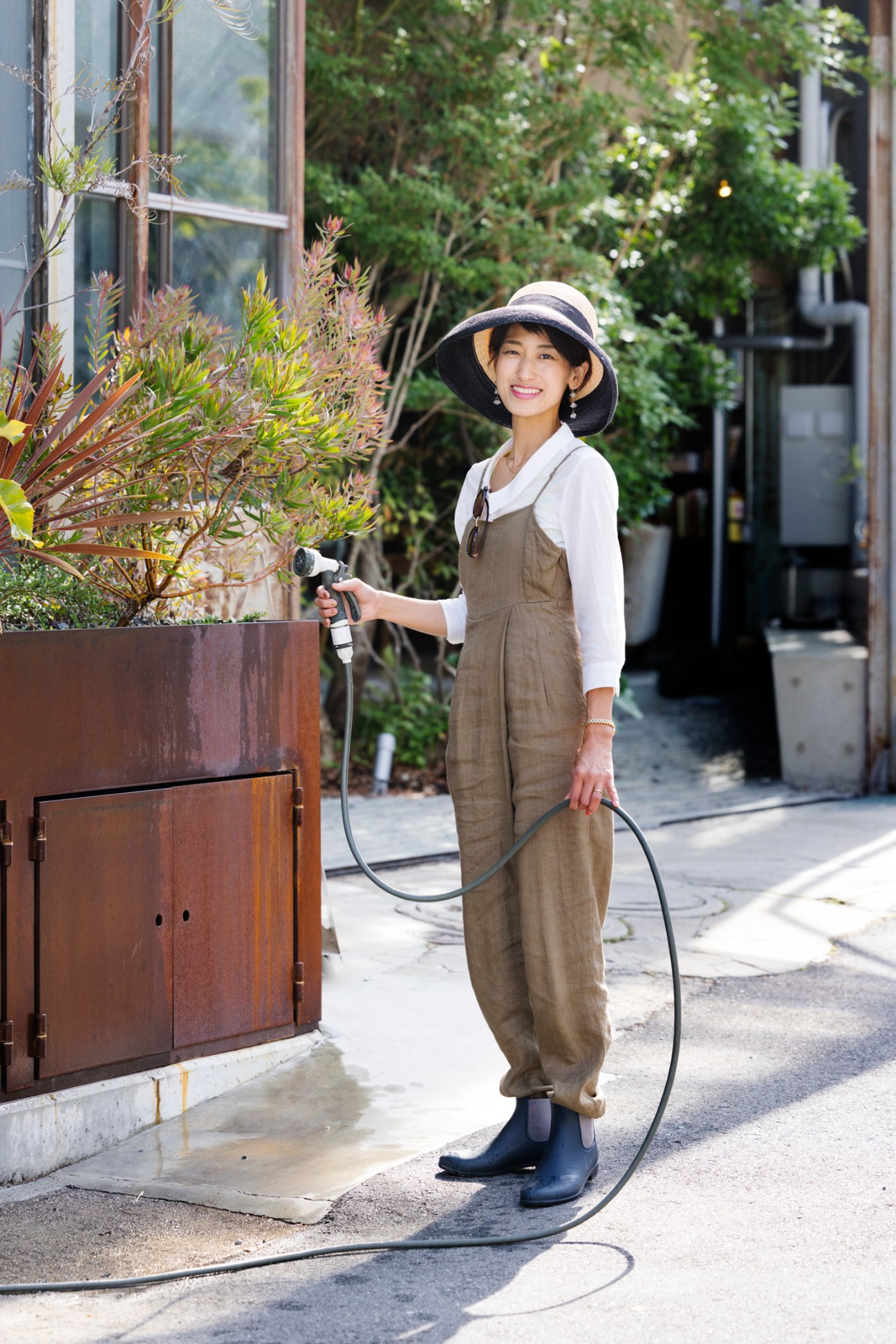
“I grew up surrounded by the mountains and nature, so working in the garden here feels like I’m connecting to my roots,” says volunteer Haguma, who is a hairdresser by day. Watering duties aside, she now also works out of the› complex’s Salon Élan Vital, a beauty parlour and spa that offers massages and clay treatments. Returning to her native Hiroshima after years living in Tokyo, she finds fulfilment in contributing to the community. In her eyes, the Minagarten development is a place for ikoi: a Japanese expression for rest and relaxation.
Throughout this journey, Taniguchi has been conscious of honouring the history that the project inherited. Equally important was a communal approach to placemaking, inviting the public to help shape the development. Work began with an art event in 2020, which saw the warehouse floor painted as a vibrant flower garden, making a platform for concerts, markets and a range of events. In the years that followed, the three-storey building became home to a bakery, salon and other retail spaces. In the large plot across the road where greenhouses once stood, the residences were constructed in a village-like arrangement around a central garden.
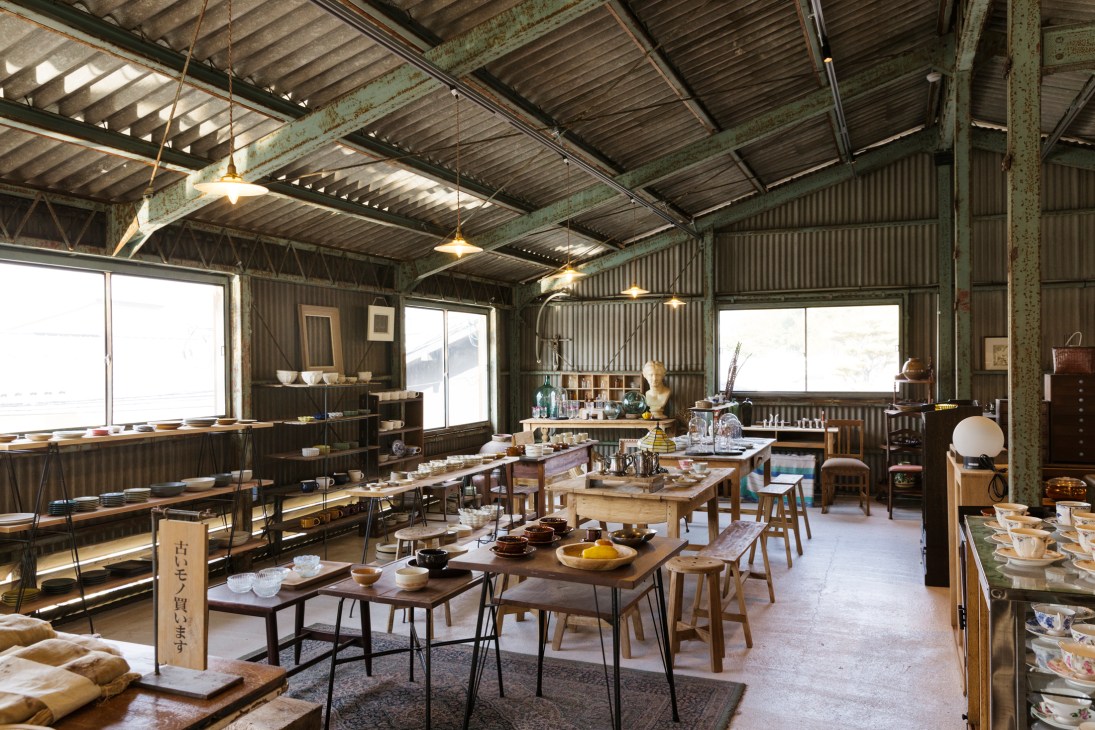
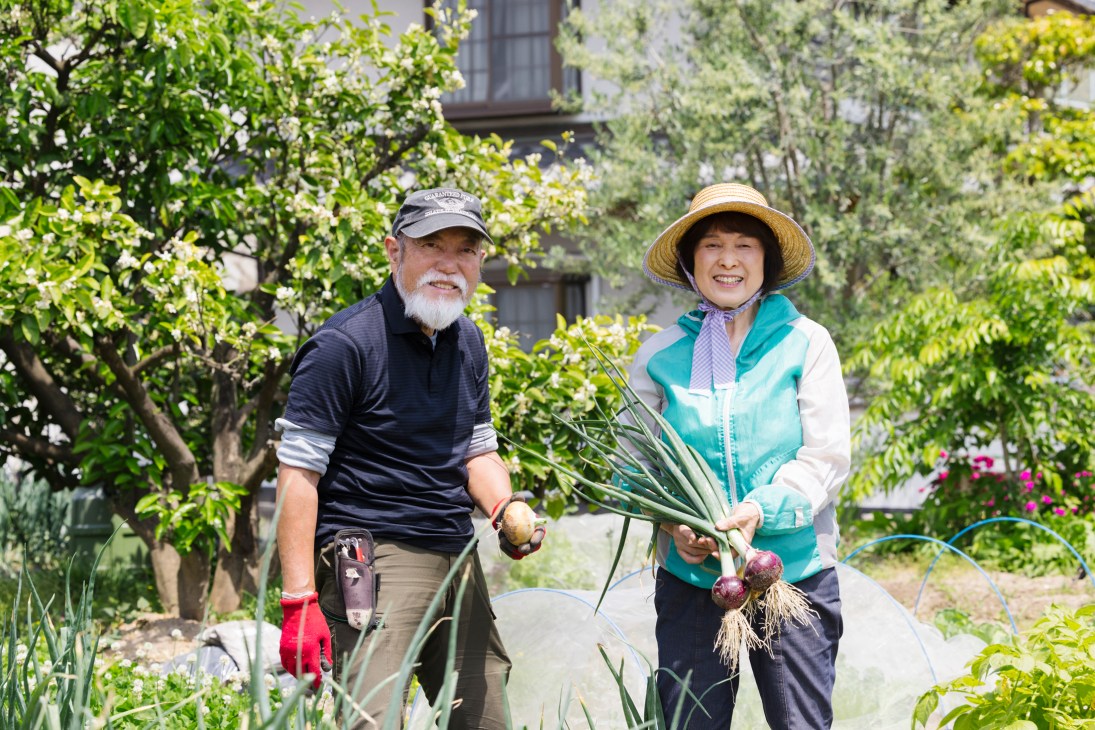
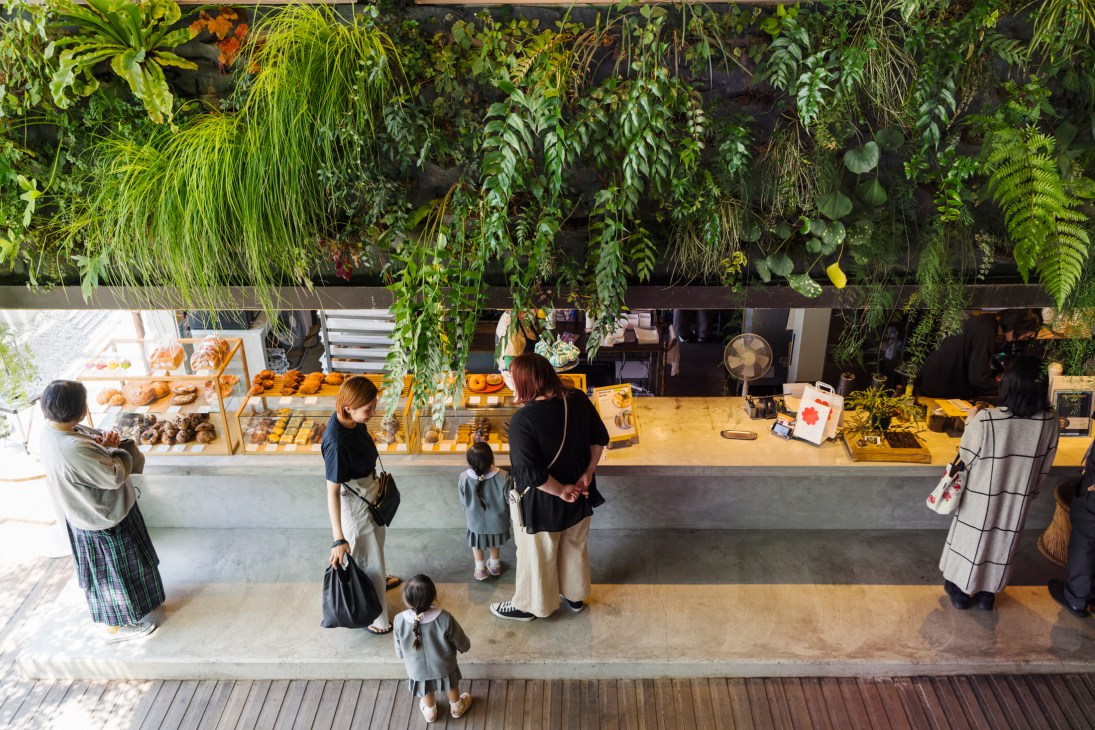
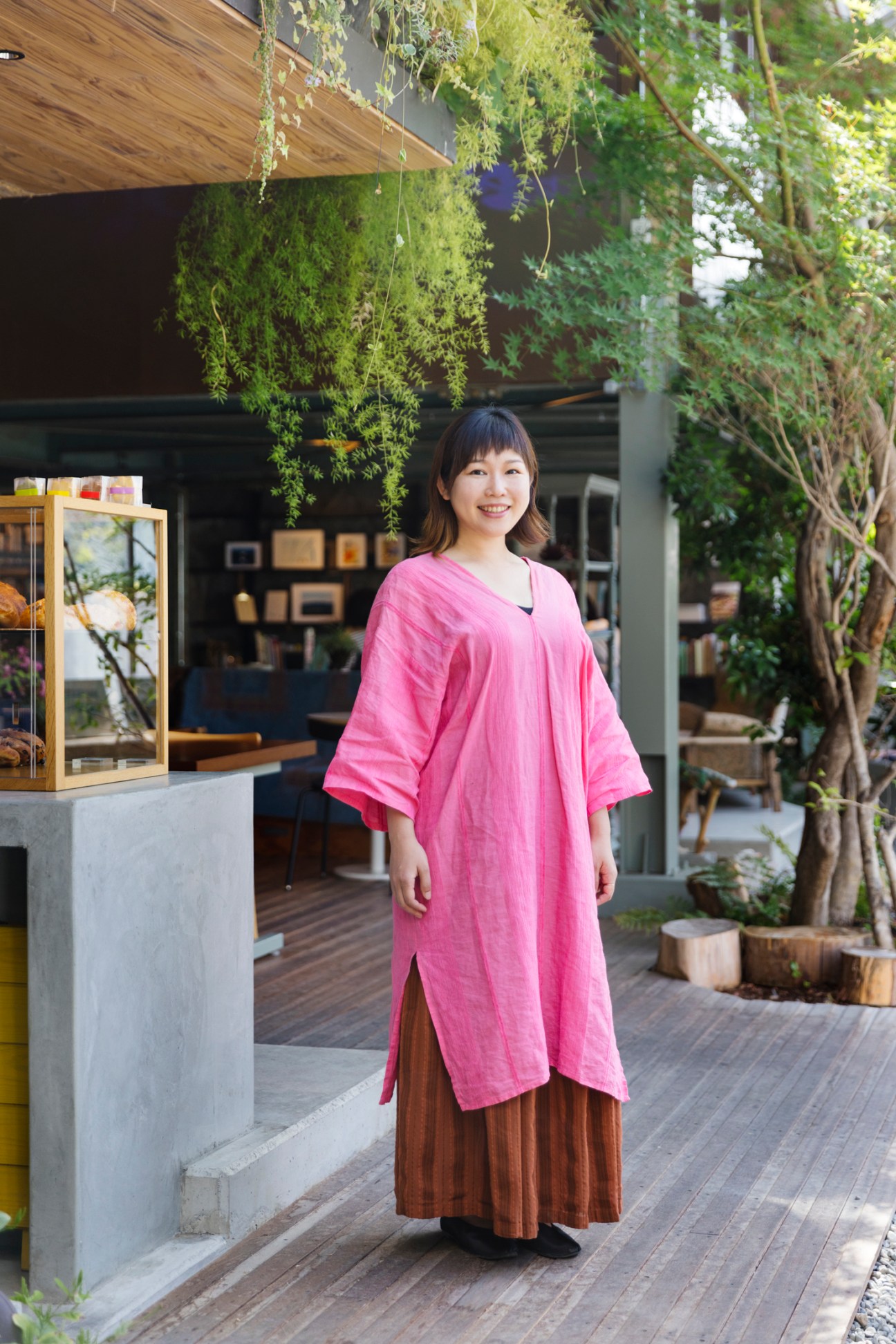
At the development’s heart is the Companion Plants bakery, the first outpost for chef Ippei Sato, formerly of 365 Jours in Tokyo’s Tomigaya neighbourhood. “I didn’t just want to open a bakery; I wanted to create a place where people love to work,” says Sato. “Minagarten’s concept of creating a gathering place for the community resonated with me, so I decided to come on board.”
Sato and his team bake about 40 varieties of bread, from tulip-inspired buns to pistachio-cream doughnuts and chocolate croissants. The bakery services the café alongside the in-house coffee stand called Watering Duty. A different barista is assigned for each day of the week, bringing his or her own menu and styles ranging from single- origin brews to vegan lattes.
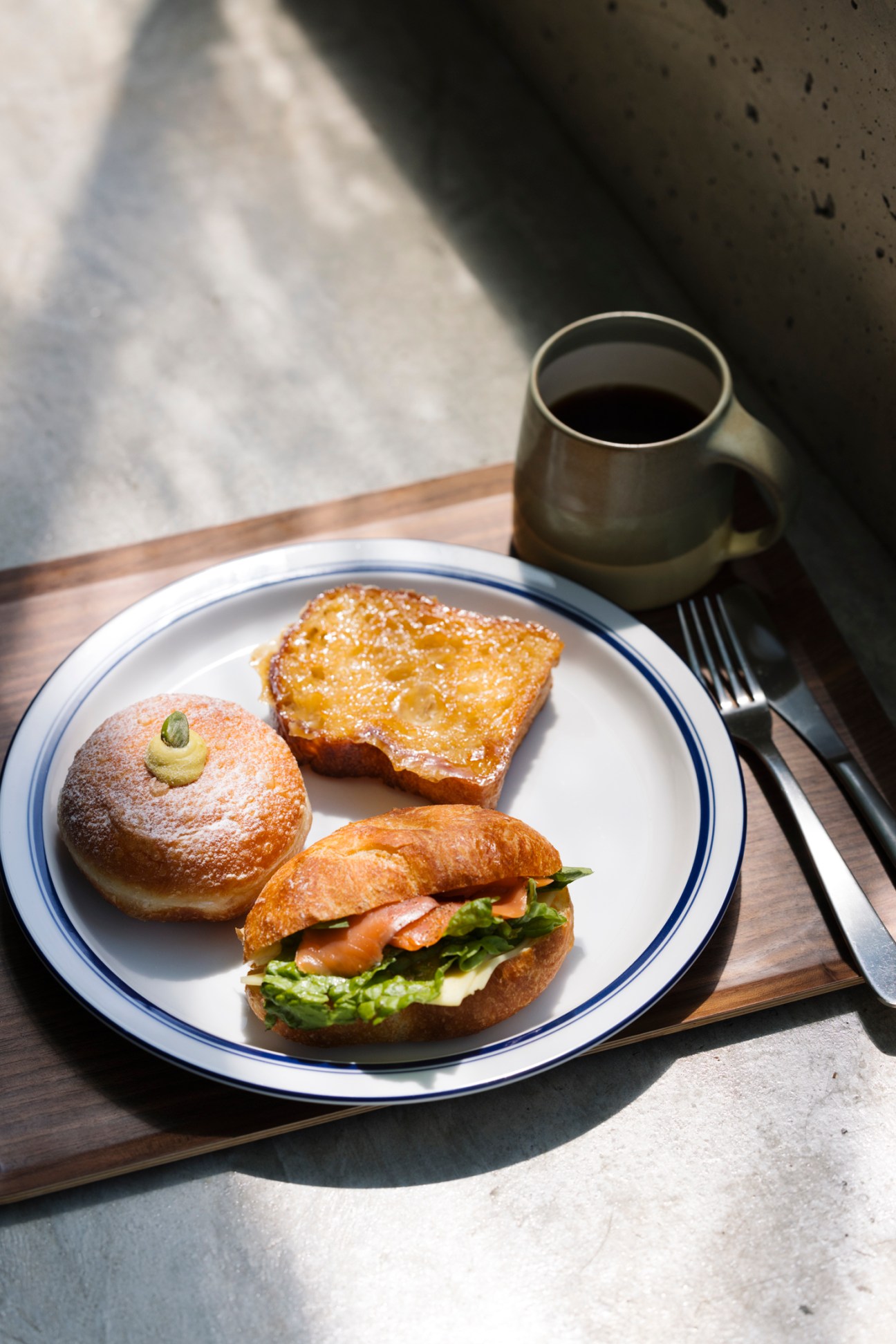
Providing diversions for the residents is one thing but the community thrives on tempting visitors as well. On the building’s top floor, a hybrid retail, workshop and gallery space is managed by a team of young creators including a woodworker, a basket weaver and a painter. At a large table surrounded by an assortment of antiques and furniture, Kanoko Nakashima is running a weekly calligraphy workshop. “Even just preparing the ink provides you with a moment of quiet,” she says with a satisfied grin. “People are so busy and often can’t find time for themselves. Calligraphy can be a form of mindfulness, bringing a hint of happiness to daily life.”
The sharing of knowledge also forms a key part of Minagarten, which provides both the platform and programming to encourage such exchanges. The community garden, a short stroll down the street, hosts hands-on workshops twice a week under the guidance of 75-year-old Hitoshi Sogawa.
“Places with this kind of freedom are almost non-existent these days,” says garden researcher Sogawa. “It’s so important to come into contact with the soil. You can experience that here, feeling the vitality of the plants. Growing plants is like caring for children. I teach people the importance of observing plants in order to truly understand their needs.”
With an eye on the future, Taniguchi has plans to launch an artist-in-residence programme, which will host artists and aspiring creators for mid-to long-term stays. She also works with other community and urban development projects, using them to share her expertise and learnings with a wider audience. From the neighbourhood of Minaga to the world, Minagarten provides a glimpse into how a garden-inspired community development can put down roots and grow.
minagarten.jp
Book smart
Minagarten has grown organically and implemented small-scale initiatives. Case in point: Mina Books. The shop offers shelves for hire that enable curators to introduce readers to a mix of literary genres and audiences. There are offerings from Readan Deat and two other Hiroshima-based independent bookshops, as well as Mitsubachi Bunko, a picture-book shop run by a storytelling group from a local elementary school.
Marseille’s culinary renaissance
It doesn’t take long to realise that everyone in Marseille seems to know each other. And, more importantly, they seem to like each other too. Stepping off the TGV in France’s second city, Monocle settles for an early lunch at La Relève on Rue d’Endoume, a few streets south of the old port.
Taking orders is co-owner Grégoire Hessmann, who is greeting customers with bises and handshakes. Chef Gregory Mandonato rests by the zinc counter for a natter with Ingrid Giribone, a designer friend who helped to update La Relève’s 1940s interiors when the duo took over in 2013. “You can come alone and still have fun,” says Mandonato of their all-day venue. “You will certainly end up talking to others.” And he is not wrong: perched at the bar are the owners’ fathers, lost in conversation with a couple of regulars.
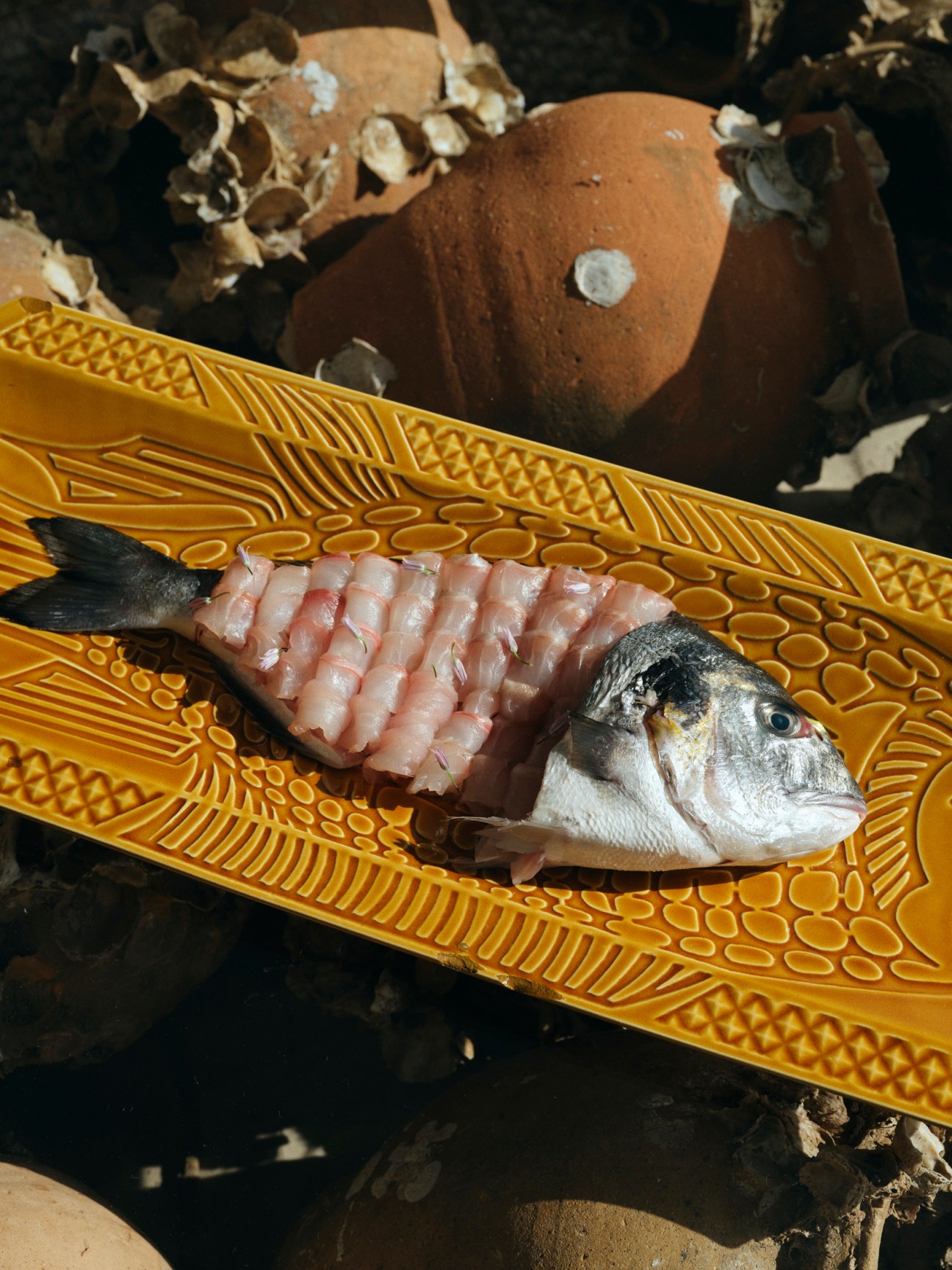
While the best time to witness Marseille’s conviviality was once outside the summer months, now the opposite seems to be true. Like Parisians, residents used to close the bistros, boutiques and boulangeries for month-long holidays in August. Today, though, a new crop of entrepreneurs is keeping neighbourhood businesses open for locals and visitors seeking a taste of the city beyond the tourist traps. “August is our busiest month,” says Hessmann, gazing out onto La Relève’s street-side terrace. “We get a lot of tourists from other parts of France and abroad, plus the Marseillais are realising that they don’t need to go far to feel as though they’re en vacances.”
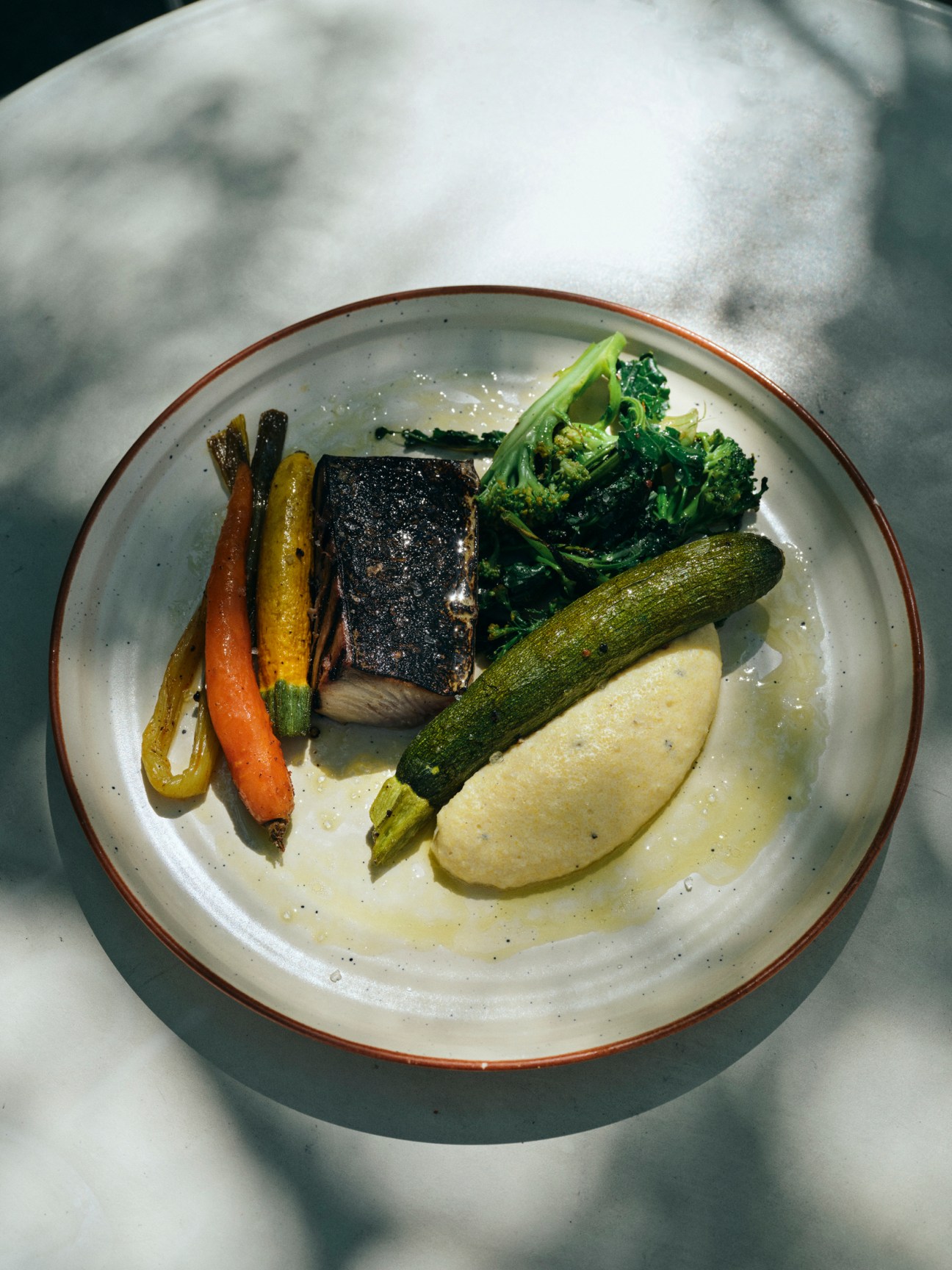
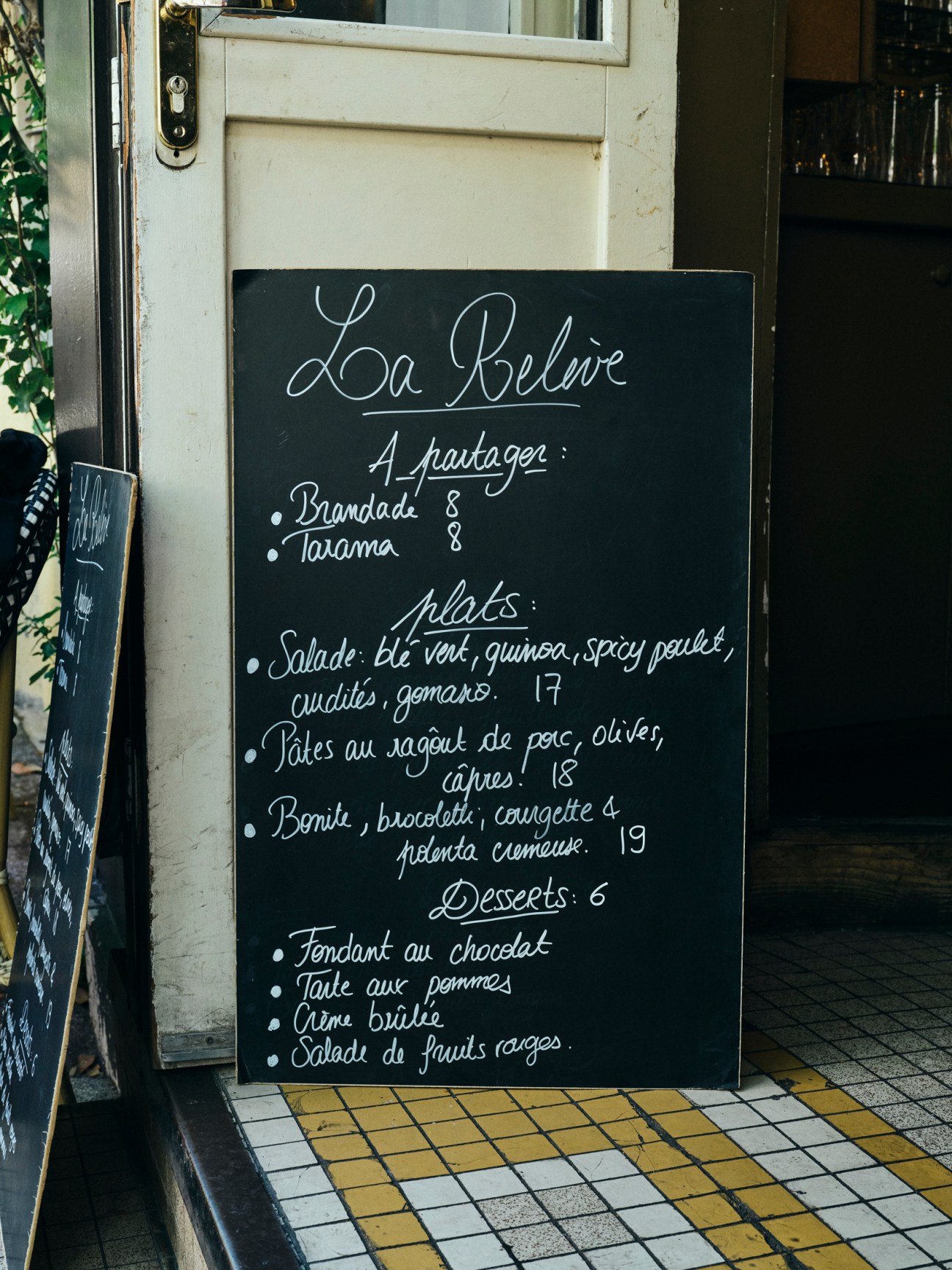
Hessmann and Mandonato have even opened four guest rooms above La Relève. And though the nearest seafront is a 15-minute stroll away, the design – courtesy of Giribone and her mother, Annick Lestrohan – brings a hint of the beach, with block-stripe lampshades, terry-cloth bedspreads and bright-hued walls.
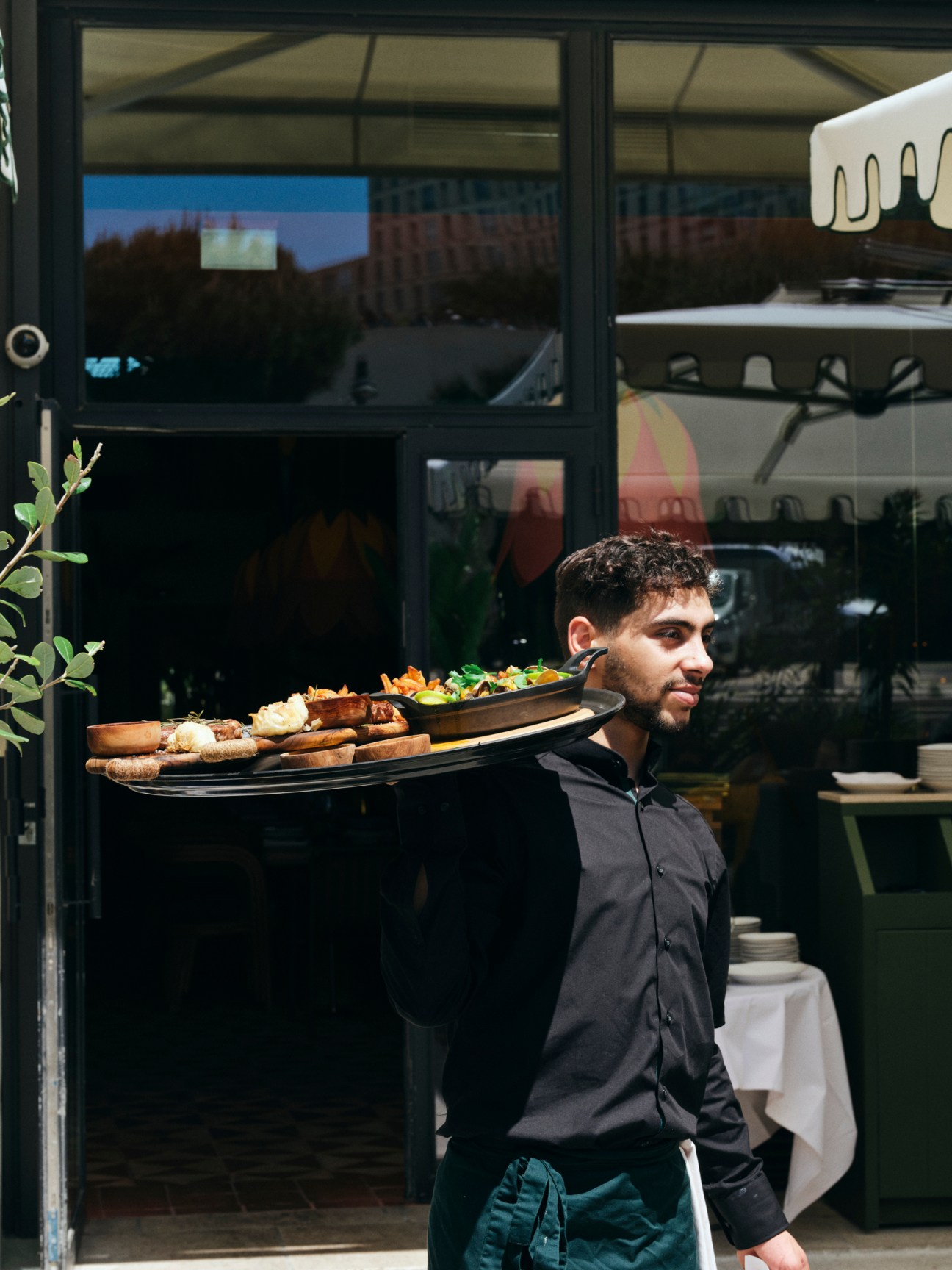
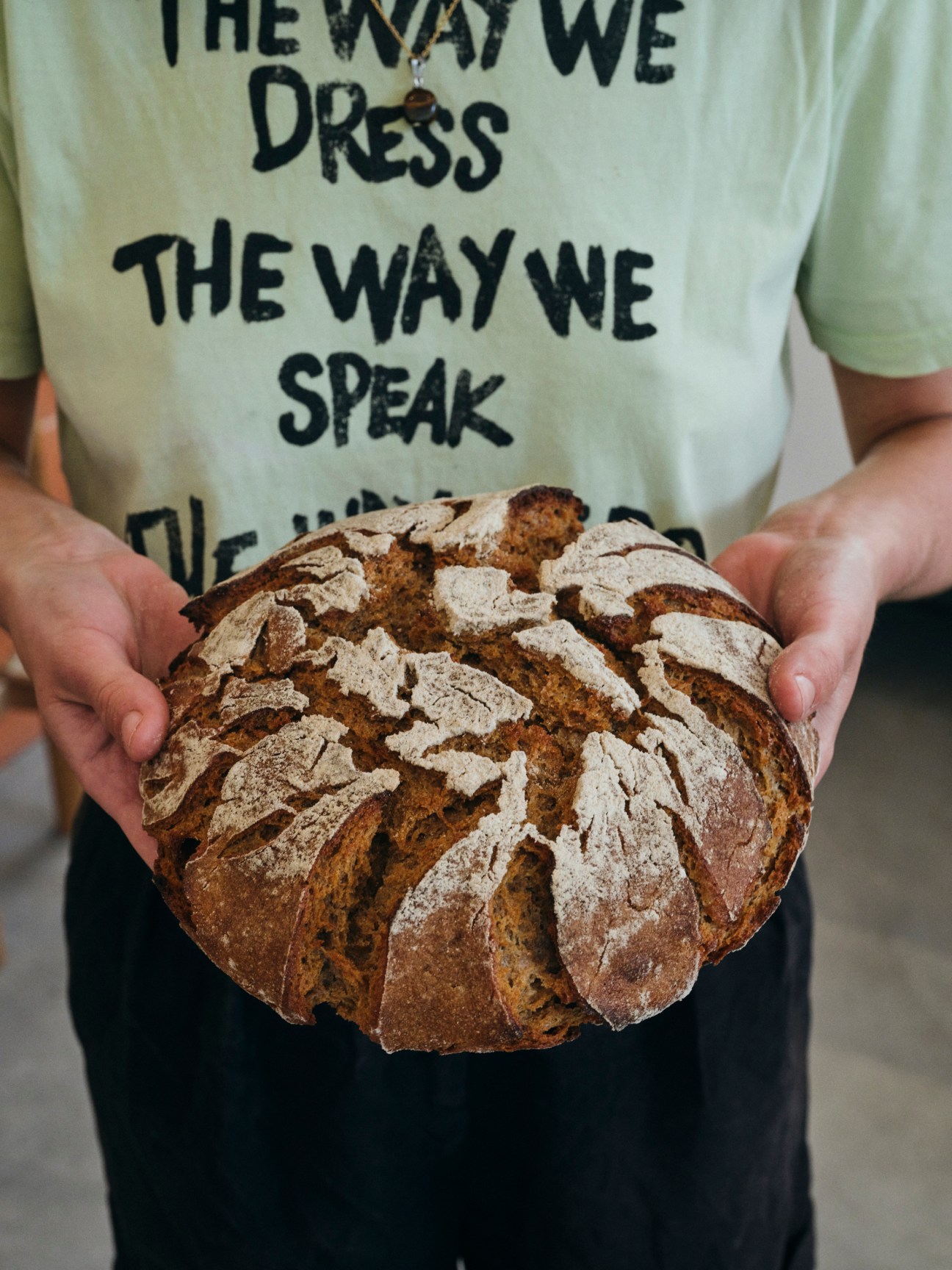
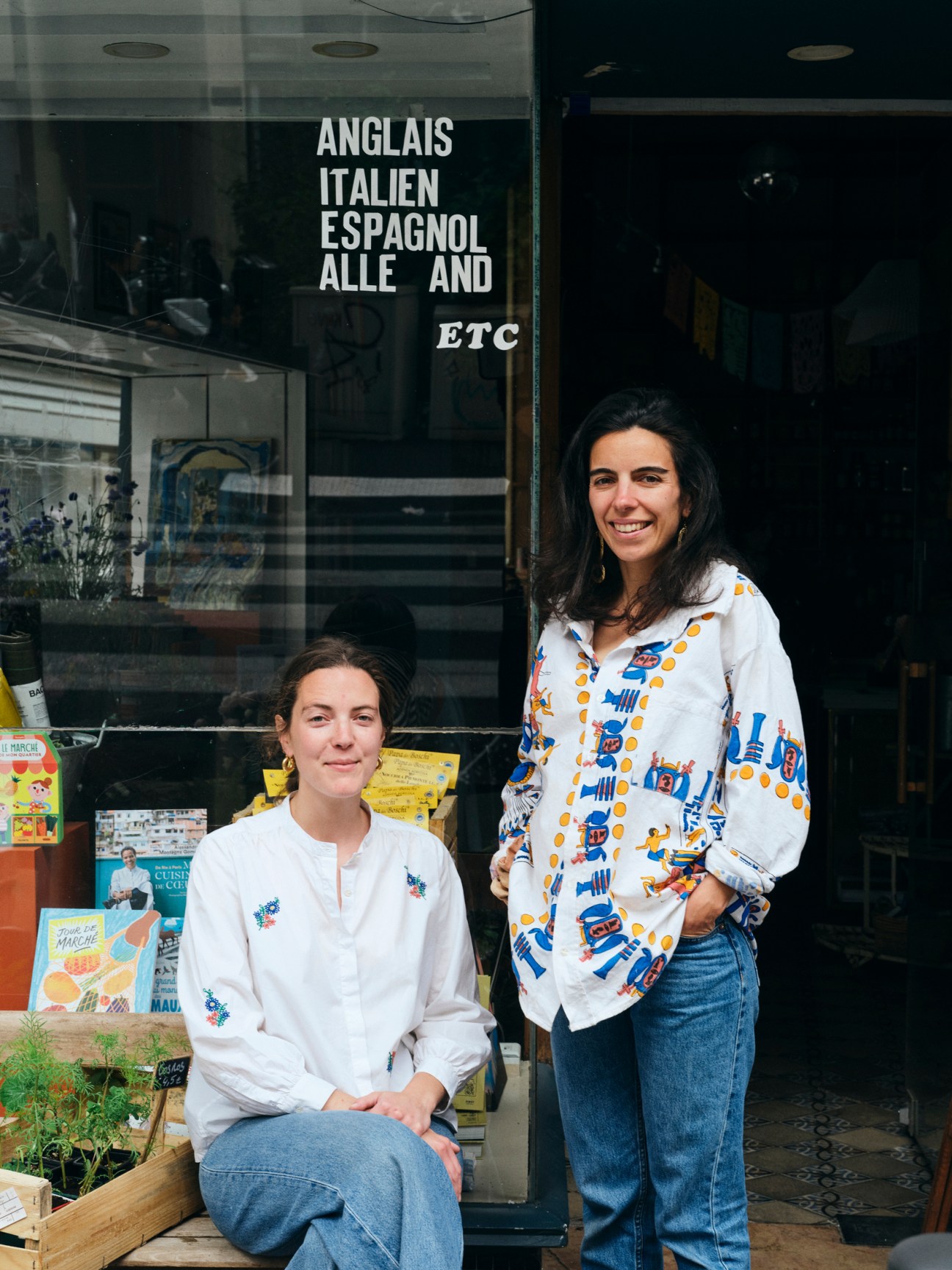
Meanwhile, a new wave of food ventures has come ashore in the old fishermen’s quarter of Malmousque. Among the recent arrivals is café-and-deli Cécile, which opened its doors in March. It’s well past lunchtime when Monocle arrives but the queue, seeking shade under the sherbet-yellow-and-brown awnings, is still going strong. Fresh sandwiches and salad boxes are being collected through a pick-up window, while people in sunglasses and shorts settle on the benches outside. “I didn’t want to have real tables,” says Barthélémy Tassy, who came up with the idea while living in the US. When he returned to France, he called on his childhood friends, Paul Langlère, Thibault Hillmeyer and interior designer Marion Mailaender, to help make the project a reality. He loves the ease and flexibility of the alfresco set-up; even ice-cream cups from the new gelateria next door are welcome. “Friends can join in and children can run around freely,” says Tassy.
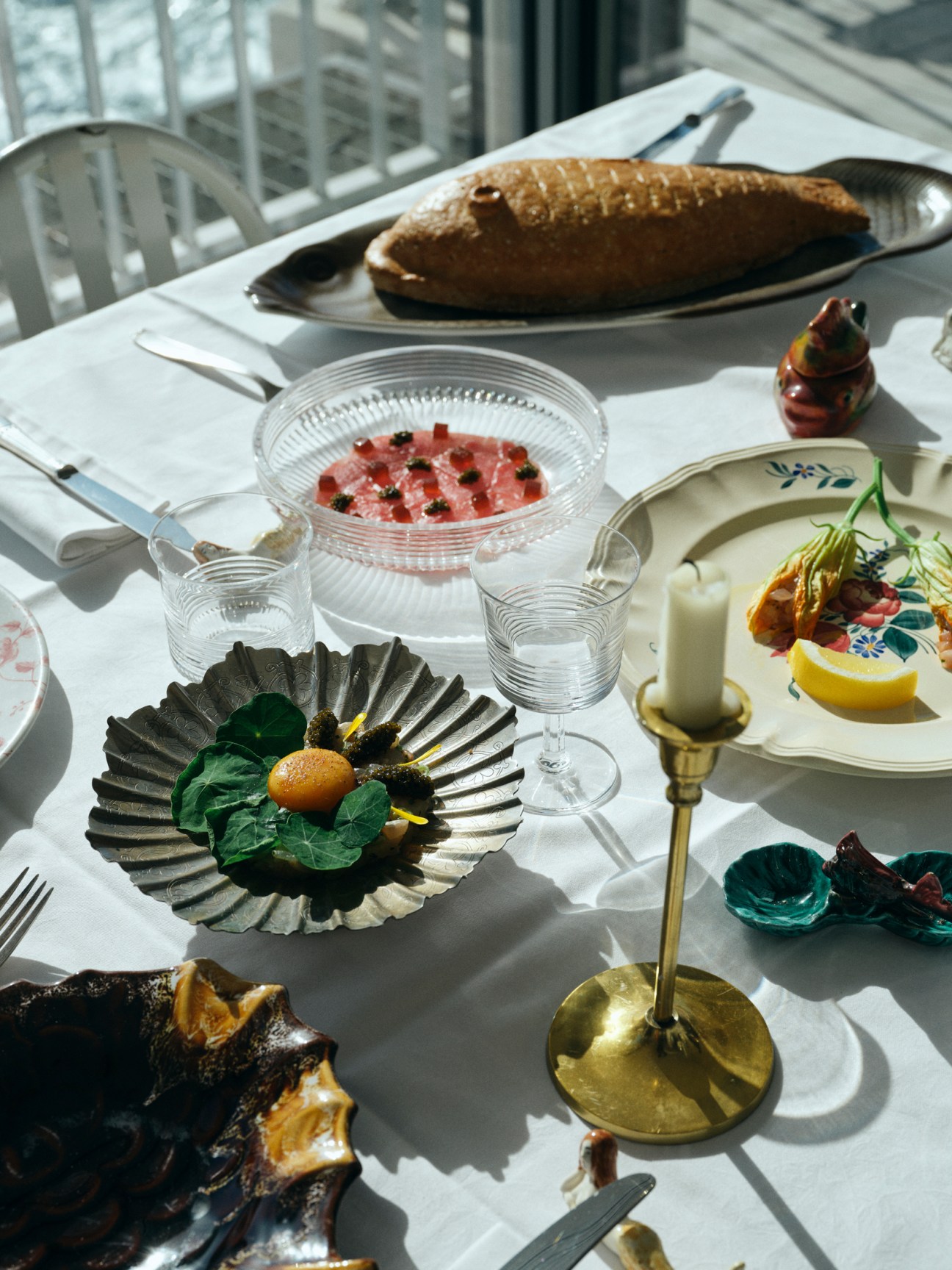
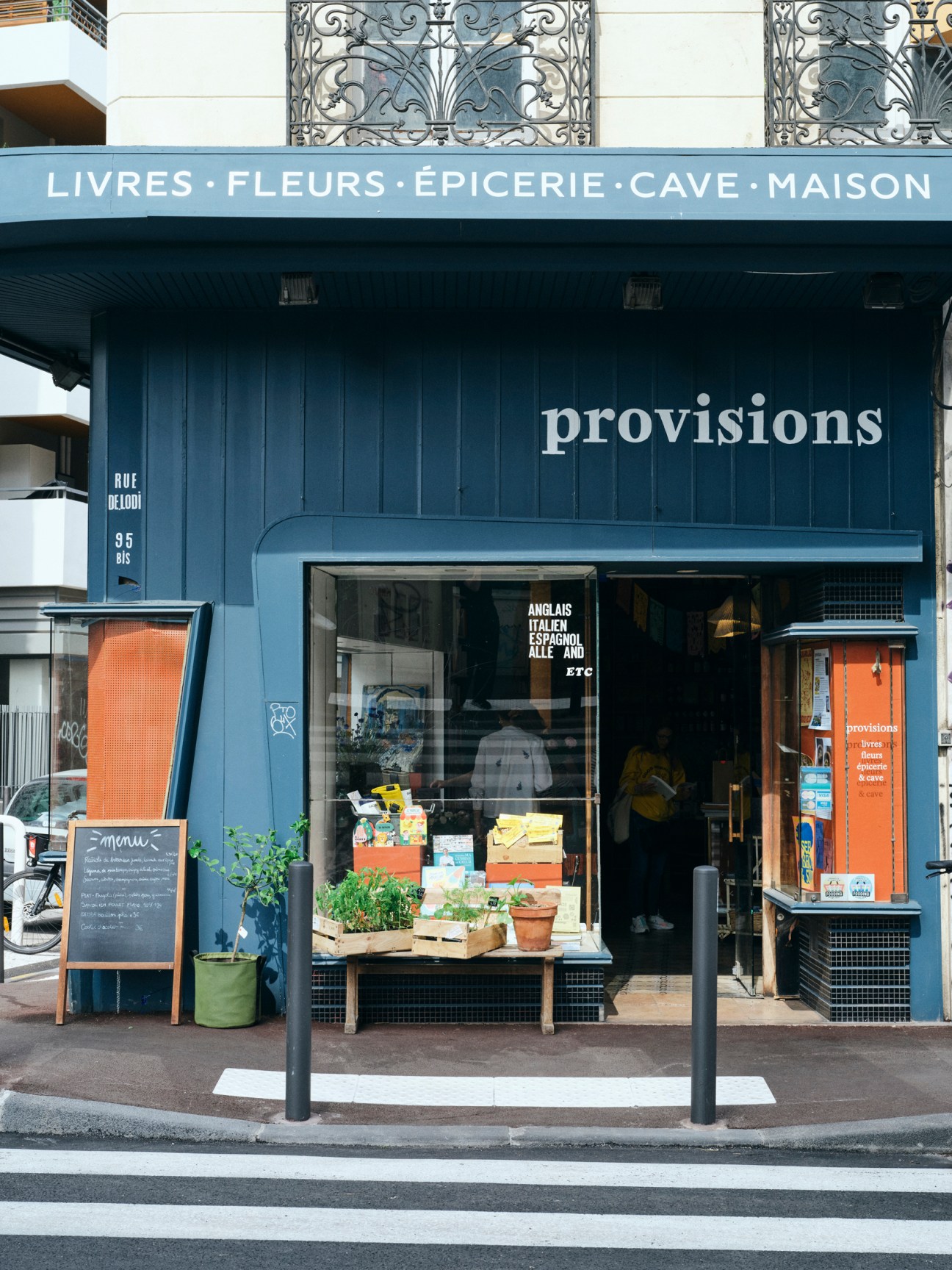
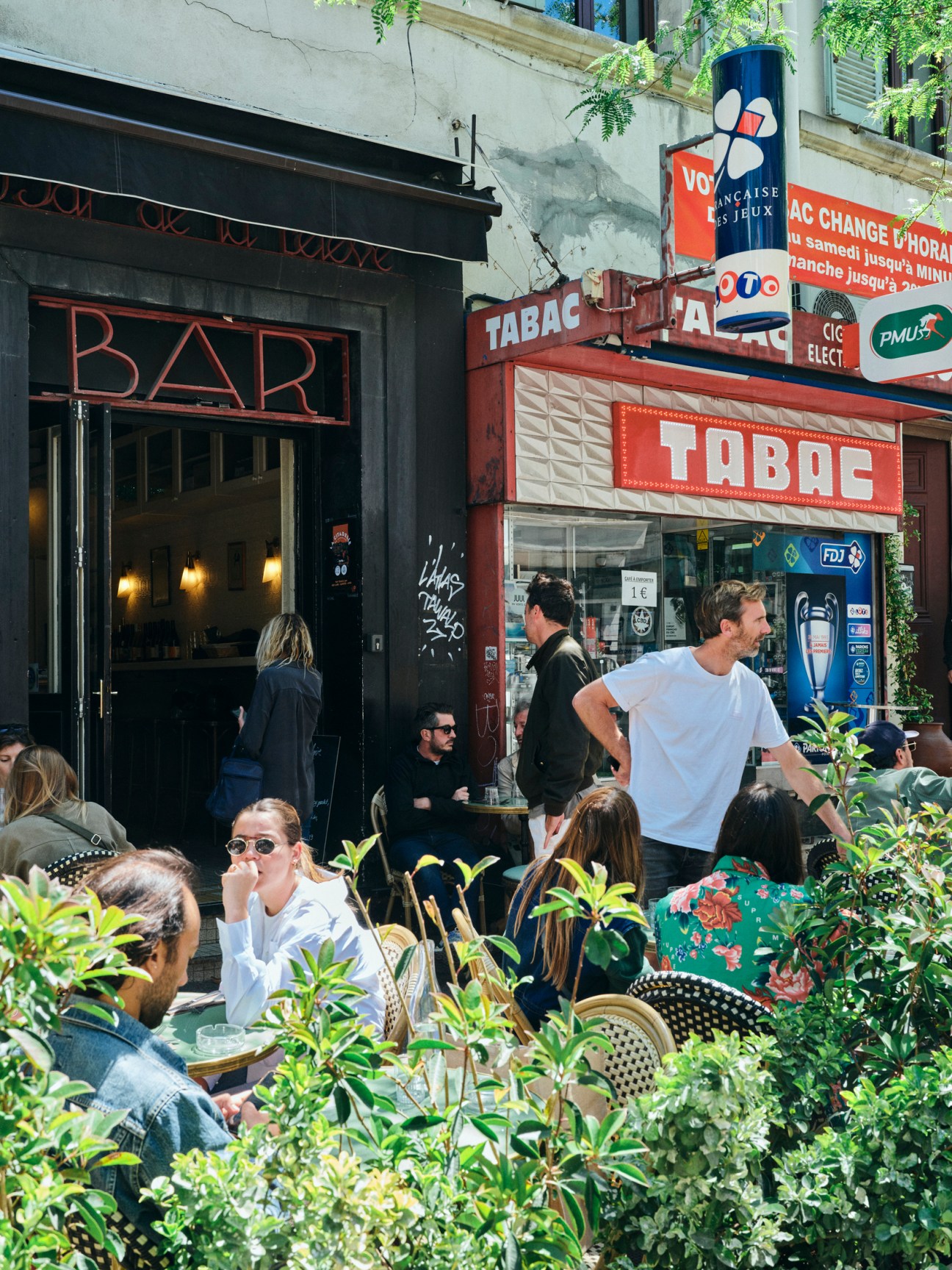
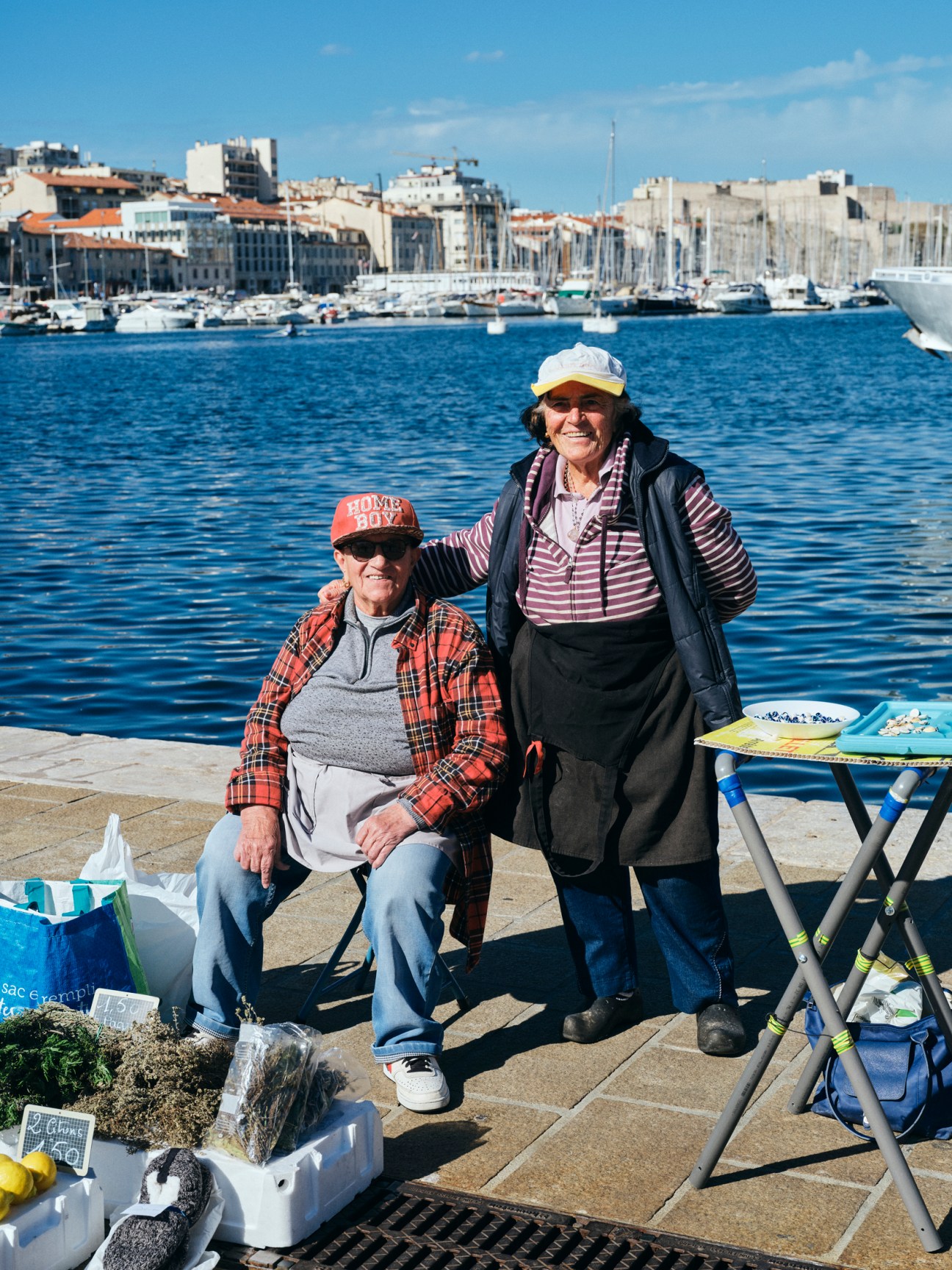
Marseille is also increasingly on the map for Parisian restaurants seeking new opportunities. The former warehouse at the foot of the Cathédrale de la Major is now home to offshoots of chef Julien Sebbag’s hit opening Forest and Latin American restaurant Andia; both have a steady footfall all year. Until recently, restaurants might have chosen Saint-Tropez for their branches in the south of France. Their arrival in Marseille speaks volumes about the city’s growing appeal.
Even the beautiful and beloved summer institution Tuba Club at Les Goudes on the outskirts of town has a new villa with three guest rooms offering a high-end alternative to its simpler cabanon accommodation. Chef Sylvain Roucayrol also serves private seafood feasts for up to 12 diners in the building’s ocean-facing living room.
If Marseille’s food scene is having its moment in the sun, much of it is thanks to the belief in honouring the bounty of the area’s fertile soil and sea. “People are very attached to this region,” says Guillaume Tetu, owner of Ferments Bakery & Provisions. “So our bread appeals to them.” Opposite his airy boulangerie, shoppers can stock up on local produce at Provisions, where wooden shelves are stacked with Marseille-made hot sauces, La Baleine à Cabosse chocolates and small-batch olive oils. Every month, producers Laurène and Fabien Dumont drive from Saint-Rémy-de-Provence with boxes of sun-ripened veg from their farm. It’s also then that the disco ball at Provisions comes in handy. “Sometimes we end up trying the wine we sell with our customers,” says co-owner Saskia Porretta. “We’re all friends.”
Marseille address book:
Stay and eat
Tuba Club: 2 Boulevard Alexandre Delabre, Marseille
La Relève: 41 Rue d’Endoume
Cécile: 116 Cor Président John Fitzgerald Kennedy
Shop
Ferments Bakery & Provisions: 95 Rue de Lodi
Farmers’ market: Notre Dame du Mont (Wednesday mornings)