Issues
Business
Commerce ––– Detroit
Back in gear
When Detroit’s central railway station was built in 1913, it was a marvel: designed by the architects behind New York’s Grand Central Station, it was the world’s tallest rail hub (a height achieved by the office tower constructed atop the concourse, which was a rarity for station architecture at the time). At its peak, more than 4,000 passengers passed through the beaux arts Michigan Central Station every day.
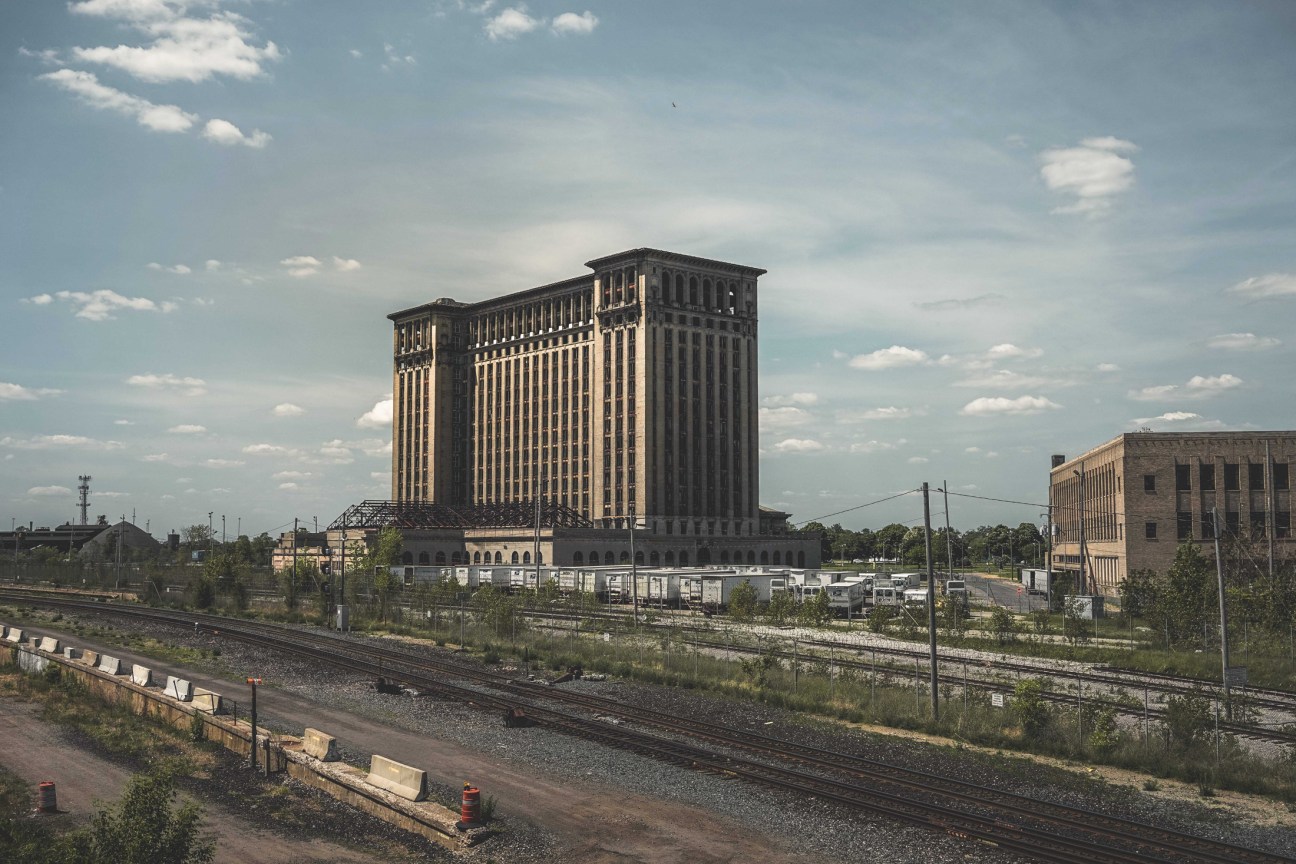
But if the station represented Detroit’s prominence in the first half of the 20th century, its closure by rail operator Amtrak in 1988, and the building’s subsequent decline, made it a prominent symbol of a broader dwindling of the city at large.
The station, part of the Michigan Central development project, will reopen on Boxing Day as a $950m (€876m) campus for Ford Motors, which bought the building in 2018 and has transformed it into a centre for business. The former concourse will be a public meeting space, housing hospitality businesses, while the offices above will be used by arts organisations and other firms in the city.
Of all the transformations underway in Detroit, the forthcoming reopening of its former central railway station is, perhaps, among the most potent – a symbol that the city’s ambitions are, once again, running full steam ahead.
Tourism ––– Balkans
Holiday blues
Just 70km separate Dubrovnik from Tivat in Montenegro on the Adriatic coast. But the two cities, and their respective countries, report dramatically contrasting summer fortunes. Euro adoption and Schengen Area accession boosted arrivals in Croatia. But neighbouring Montenegro has seen sanctions against Russia scupper holiday hopes for some of its most loyal customers.
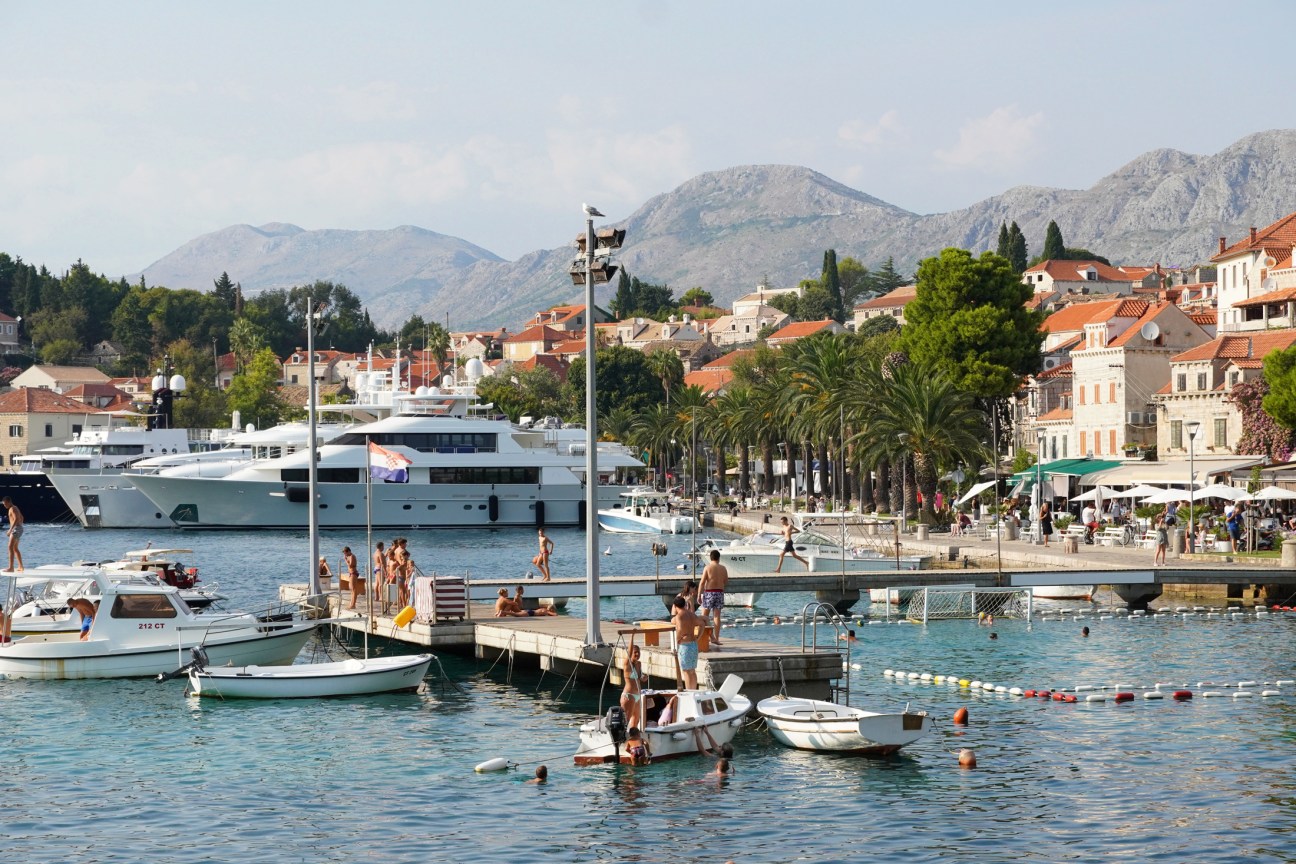
The results offer vindication for Croatia’s push to join the single currency and scrap border controls with its EU neighbours. The country’s tax administration reports that year-on-year income from hospitality is up by about a fifth. The Croatian National Bank predicts a €1.3bn increase in tourism revenue, pushing the total to about €14.5bn.
Neighbouring Montenegro can only look on in envy. Arrivals at Tivat Airport are 40 per cent down on their 2019 peak. A ban on flights to Russia, following Montenegro’s decision to join EU sanctions, has hit hard. Before the pandemic, Russians, Belarussians and Ukrainians made up about 20 per cent of Montenegro’s visitors. Now most of those people are missing. Bad news for Budva’s beach bars but an opportunity for those seeking a more relaxing escape.
The Entrepreneurs
Laura Kramer on…
How heritage can shape a brand
Henrik Berg, founder and creative director of Morjas, is good at bringing together different worlds – something of a family trait. His men’s footwear and accessories label fuses Mediterranean and Scandinavian heritage, inspired by his grandparents’ love story, which started when his cosmopolitan Spanish grandmother met a forest-dwelling Swede. “The two worlds from which they came couldn’t have been more different,” says Berg, laughing. “My grandfather, as charming as a man can be, who enjoys wildlife, hunting and fishing; and a woman used to the hectic lifestyle of Madrid and going out in high heels. But they fell in love. And he convinced her to move to Sweden with him.”


Growing up with a foot in each country, Berg says that the contrasting lifestyles were fundamental in shaping the Morjas aesthetic, blending classic European craftsmanship – in espadrilles, penny loafers, belts and wallets – with a bold Scandi approach. It’s that perspective on provenance and timeless design that has set Morjas apart in men’s footwear since its beginnings in 2017. “A lot of brands out there that honour a timeless aesthetic sometimes become a bit boring and that’s a no-no for us,” he says. “I need to have some kind of edge that makes a jaw drop, or that makes a head turn on the street.” Since its launch, Morjas has focused on online retail. Berg sees being a direct-to-consumer brand as a win-win in terms of pricing. But the plan was always to move into physical retail. With curved wall openings, custom-designed furniture and an on-site café, Casa Morjas, the brand’s first bricks-and-mortar shop in Stockholm, is a milestone and another meeting of worlds – that of Berg and architect Victor Ingmo Magnergård.
Berg (pictured) says that it was the natural next step for the label, which always aims to make things better. “Whether that’s the product, the content or a photo shoot, we always try to tweak it to make it sharper and more exciting. That’s noticeable in the product in the way we work with materials, silhouettes and content. With the brand, with packaging, and now with the physical shop, it’s all touchpoints with a customer.”
morjas.com
To hear more from business owners on the move, listen to Monocle Radio’s weekly programme, ‘The Entrepreneurs’.
Office furniture ––– Finland
Pod squad
Research shows that many people find it increasingly difficult to be productive in open-plan offices. Concentration can evaporate when you are surrounded by constant conference calls and the gaggle of team meetings. Finnish company Framery has developed a solution that is, it says, both stylish and functional. Its office pods, made from wood, steel and glass, provide soundproofed and well-ventilated spaces for phone calls, video conferences and small team gatherings.
“We wanted to develop a pod that both works and looks good,” ceo Samu Hällfors tells Monocle. “Nobody wants ugly boxes in their offices. The pods need to fit in and make the office look better.” Framery’s instantly recognisable rounded and transparent pods are now a mainstay in offices around the world. They are used by 70 per cent of the top 100 companies globally. Out of the 200 or so players in today’s office-pod market, Framery is the clear market leader and manufactures more than 17,000 every year in its factory in Tampere.

“You would think that it’s easy to make a soundproof pod but it’s far from simple,” says Hällfors. “Without proper ventilation, it will be hot and uncomfortable. But that requires making holes, which makes soundproofing a challenge.” The pods also need to be comfortable for a worker to sit in and their design needs to be elegant and not make you feel as though you have crammed yourself into a tight space. “We solved this by having the user sit upright on a high chair with great ergonomics,” says Hällfors.
Framery won’t divulge numbers but says that its growth potential is immense. “The global office-pod market is still in a halcyon stage but in 10 years’ time most offices will have pods,” says Hällfors. Framery is now studying how to enhance its products by integrating stress sensors into the pods in order to measure and boost wellbeing. This means that users won’t only be making their colleagues happier by getting into a pod for that noisy call but themselves too.
Aviation – Global
Flight club

On 22 August, Atlantic Airways, the national airline of the Faroe Islands, flew its first-ever service to the United States. It marks a historic moment for the airline and an exciting, if uncertain, attempt at expansion for the small carrier. Top on the list of challenges is the fact that the service is being operated to and from Stewart Airport in upstate New York, a 90-minute bus ride from Manhattan. The airport has struggled to attract and keep air services, even domestically. Other issues include a lack of awareness about the Faroe Islands among Americans, and that this once-weekly flight is only scheduled to operate through to September and was launched toward the end of the peak tourist season. Just 45 passengers boarded the inaugural flight on an aircraft that can seat 174. However, the airline says that future bookings look promising and the ceo has indicated that the service will return in the summer of 2024.
For the tiny Faroe Islands, it is an interesting time – especially when it comes to managing a growing tourism industry. The passport control area at Vágar Airport is too small: if you’re not one of the first 20 off the plane, you’ll be queueing outside on the ramp in what could well be howling wind and rain. But when it comes to the Faroe Islands, that’s just the kind of adventure many come for.
Food – New York
Grub’s up

When New York’s Park Slope Food Co-op opened 50 years ago by about 10 founding members, it was at a time when such groups were cropping up across the US. In 1973, social movements were in full swing and young, idealistic shoppers wanted anti-corporate alternatives. “Out of that came co-ops,” says Ann Herpel, general co-ordinator, who has seen community-driven shops throughout the country celebrate the same milestone. Unlike many of those other retailers, though, the Park Slope Food Co-op is still managed by one of the founding members, Joe Holtz.
The cream brick building with a neon sign outside has remained a beacon even in rapidly changing Brooklyn. With almost 15,000 members today (compared to 5,000 in 2000), it has expanded into more buildings but still follows many of the same founding values. There’s a focus on organic, minimally processed foods, as well as a drive to support local businesses – takeaway sandwiches, for example, are from the nearby Court Street Grocers and tomatoes from Upstate New York. Every six weeks, members pack groceries, work on the checkouts and perform other tasks. Not only does this give them a sense of ownership but it harnesses community. At the counter, they chat as though they are among friends. “When you work next to someone in the stock room for two or three hours, you get talking,” says Herpel, who has seen friendships and even romances bloom during his time at Park Slope. “People find it meaningful.”
Images: Getty Images, Alamy
Culture
Music – New Zealand
Floating verses
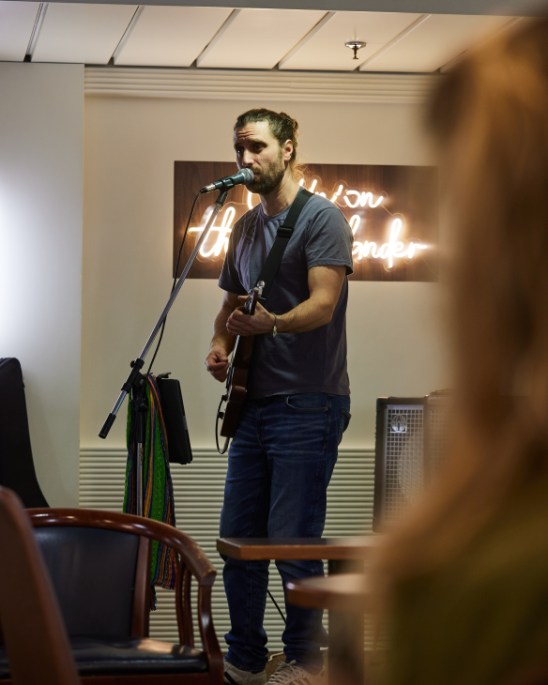
New Zealand’s musicians have a literal rite of passage: solo performers and as many as six members of a band can travel for free on the Interislander ferry between the country’s North and South Islands in return for a live performance on the 210-minute, 92km trip between Wellington and Picton. Launched in 2006, the Bands on Board initiative has hosted about 5,000 gigs of a wide range of genres, from electro to indie folk. The programme was paused at the height of the coronavirus pandemic but it made a noisy return in June 2022.
“It’s a win-win,” says Walter Rushbrook, Interislander’s executive general manager. “We get to support people on a musical journey by providing them with a physical journey. And passengers enjoy listening to music that they wouldn’t otherwise be exposed to.” Venues across New Zealand benefit too: the cost of ferry tickets for bands can prevent those from one island performing on the other.
When it comes to music, New Zealand takes pride not just in big names such as Lorde and Bic Runga but also in fostering its smaller, lesser-known talent. Bands on Board considers all applications but mainly books emerging artists. Successful alumni include TV presenter and recording artist Anika Moa and Wellington-based country rock group The Warratahs.
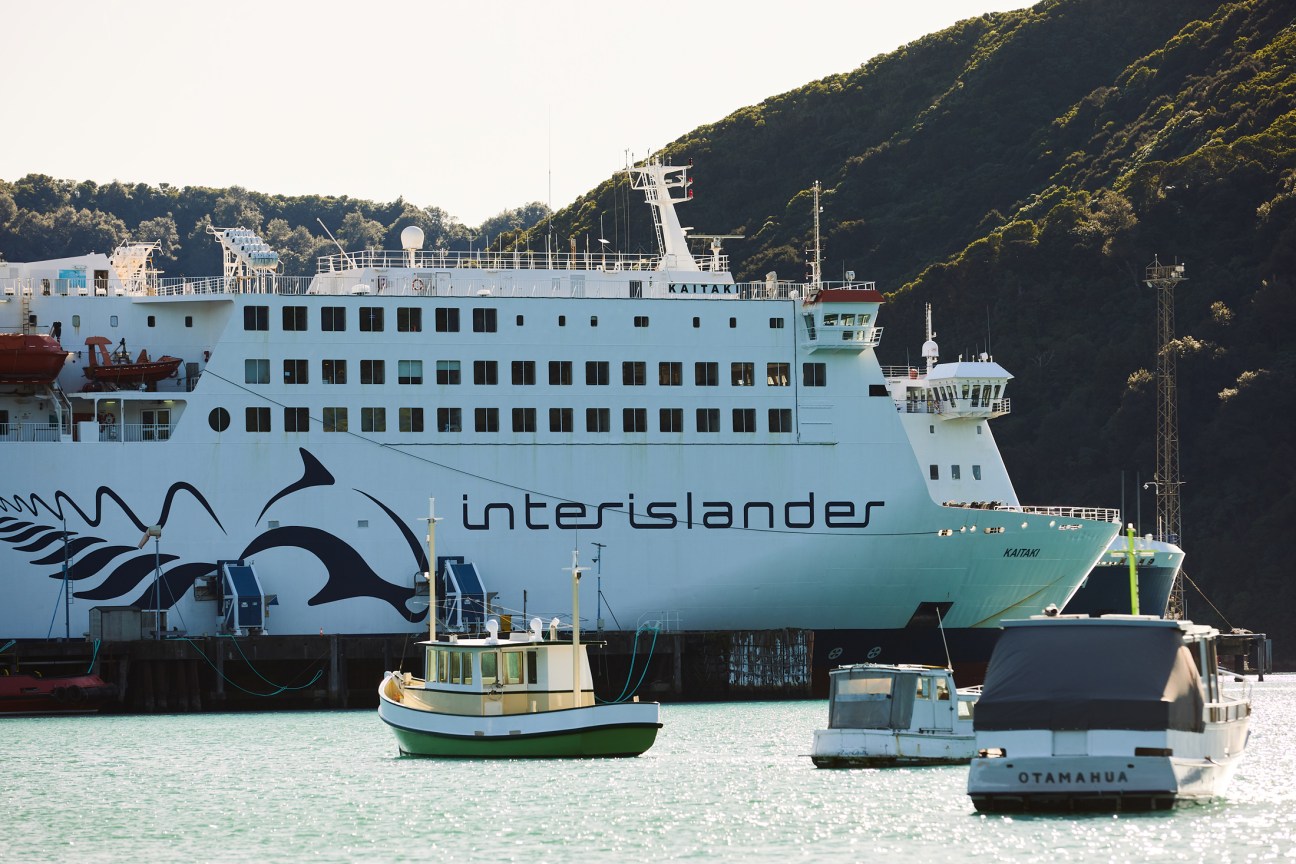
Sets typically last for up to 90 minutes and take place on the Kaitaki ferry during the Interislander’s busiest crossings. The headline shows are held on trips from North to South Island between 08.45 and 12.15, then from Picton back to Wellington between 14.15 and 17.45. Acts aren’t scheduled for every crossing but the calendar fills up quickly. Applicants are vetted not just for their ability or potential; a family-friendly feel is a must. Bands bring their own equipment and set up on a small stage in a passenger lounge. “Things can’t be too noisy because members of the night crew sometimes sleep in the room above,” says Rushbrook. “Many performers enjoy the challenge of playing within our space and volume constraints, which can spark creativity and add something to their music.”
As Monocle boards, 294 people are travelling from Picton to Wellington, including Simon Lusby, who is preparing for his third Bands on Board gig. Based on the South Island, Lusby is a singer-songwriter and guitarist in various bands and has spent five years playing in Latin America; he is currently promoting a solo album, Possibilities. Driving his van onto the ferry and into a reserved spot beside a lift, Lusby lugs his gear to the stage, introduces himself and plays both covers and original music. Among the passengers enjoying the entertainment are parents, a couple playing cards and a man who launches into an air-guitar solo. Sisters aged about four and six twirl each other around near the stage. “Great to see you dancing!” says Lusby, unbothered by the regular loudspeaker updates about the craft’s progress.
“Heaps of people I know have done this,” says Lusby as he packs up his equipment. “Today I saved nz$200 [€109].” The loudspeaker announces our arrival. “It’s good exposure for my music,” he tells us. “Bands on Board is awesome.”
Archives – Norway
For the record

The Svalbard Global Seed Vault, the backup facility for the world’s crop diversity on the Norwegian archipelago, might soon have a noisy new neighbour with a similar objective. The Global Music Vault (gmv) project has the ambitious goal of sequestering the world’s melodies and rhythms in a repository in the remote region to ensure that they can survive anything from conflict to ecological breakdown. While protecting music might not be our most pressing concern in the event of such calamities, the gmv’s managing director, Luke Jenkinson, cites the Taliban’s crackdown on songs in Afghanistan as an example of a current threat to the world’s cultural heritage.
Working with Microsoft, he and his team have designed a robust, environmentally friendly way to store music without the use of data centres, which rely heavily on electricity to stay cool and will eventually become obsolete. The company intends to store vast quantities of musical data by laser-cutting between one and 10 terabytes into glass squares that are each about the size of a coaster and can store thousands of songs.
While the matters of precisely which music and how much of it will be included in the vault have yet to be decided, Jenkinson says that the mission should remain as open as possible to ideas. For now, his priority is to persuade the music industry about the importance of preservation. “Music has shaped us for centuries,” he says. “It’s important that we celebrate it and never lose it.”
Best in stores
Welcome to the new Monocle Retail Awards. We have a simple ambition: to put the spotlight on the shop owners, mall makers, buyers and developers who deliver best-in-class experiences and products. We champion those who understand that, done well, retail is what holds neighbourhoods together, offers fledgling brands a chance to shine, and creates moments of interaction that elevate the everyday. These are the stalwarts and pioneers that the world needs to salute.
1.
Top emerging fashion outpost
The Decorum
Bangkok
This summer saw the opening of The Decorum’s third menswear shop in Bangkok, inside Gaysorn Village, an upmarket shopping mall on retail thoroughfare Sukhumvit Road. The invite to the official party specified “formal attire” and the retailer’s smartly dressed customers didn’t disappoint. Classic tailoring has become popular here and The Decorum sits at the centre of a growing community of well-dressed men (and some women).


Over the past six years, co-founders Sirapol “Guy” Ridhiprasart and Warong “Ball” Pattharachaikul have assembled a collection of primarily Japanese and some European and US brands, seeking out quality production and reasonable price tags. Kamakura dress shirts, Echizenya trousers and Crockett & Jones loafers are paired in a way that appeals to customers of all ages, winning over teenage streetwear fans and high-fashion junkies alike.
The 40-year-old Ridhiprasart talks repeatedly about remaining in the hearts of his customers. This means employing knowledgeable staff to provide styling advice and organising regular trunk shows by new labels, such as South Korean bespoke tailor, Assisi. It also means hosting weekend barbecues at the flagship in Ari.
The Decorum began in 2017 as a side hustle. Ridhiprasart and Pattharachaikul bonded over fashion and decided to start selling Kamakura shirts from a two-storey, street-level space that was originally designed to be Ridhiprasart’s home. “Building a sustainable business is not about money or marketing, it can take time before it snowballs into something bigger,” says Ridhiprasart, who recently quit his government job at the ministry of finance to focus on his growing business.
The past few years have seen the retailer open in Singapore, launch a private label and introduce a contemporary concept store called Club Luminaries stocking US brands such as Bode and Universal Overall. Shoe sales generate half of all revenue but that percentage is shrinking as own brand sales expand.


Next year will see the launch of The Decorum’s first full head-to-toe collection, designed by Yasuto Kamoshita of United Arrows fame. “We have become quite successful so I want to move the business to the next stage,” says Ridhiprasart. More shops are planned and there’s a music bar in the mix, where sharp-dressing customers can cut a dash every night of the week.
thedecorumbkk.com
2.
Most versatile offering
Frama
Copenhagen
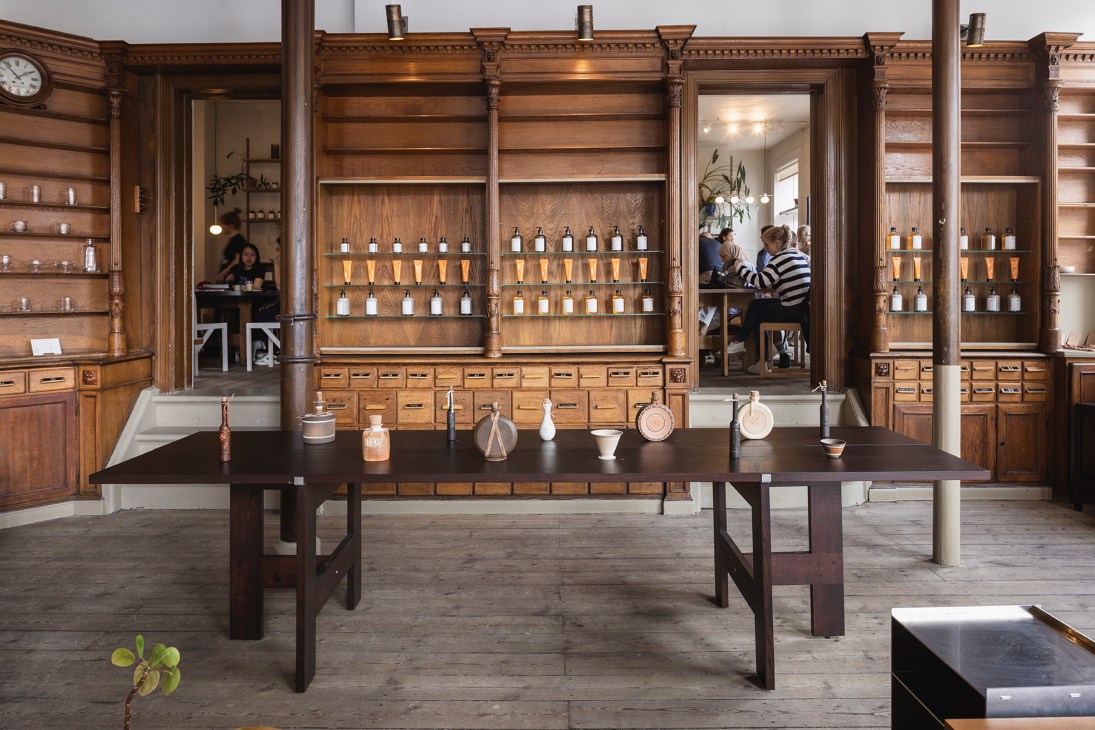
For many years, the headquarters and shop of Frama have been housed in a historic pharmacy in Copenhagen’s Nyboder neighbourhood, where the design brand’s furniture and homewares are showcased against 19th-century apothecary drawers.
In 2020, keen to show its wares in action, the brand opened Apotek57 – a café-bakery that instantly became one of the city’s chicest hangouts. Last year, Frama’s footprint expanded again when it took over the shopfront next door. Instead of putting it to use for more offices or retail, Frama decided to dedicate the space to pop-ups and exhibitions by other brands. “Our universe is built around relationships and community,” says Frama founder, Niels Strøyer Christophersen. “It’s nice to be able to invite other identities that we have a synergy with.”
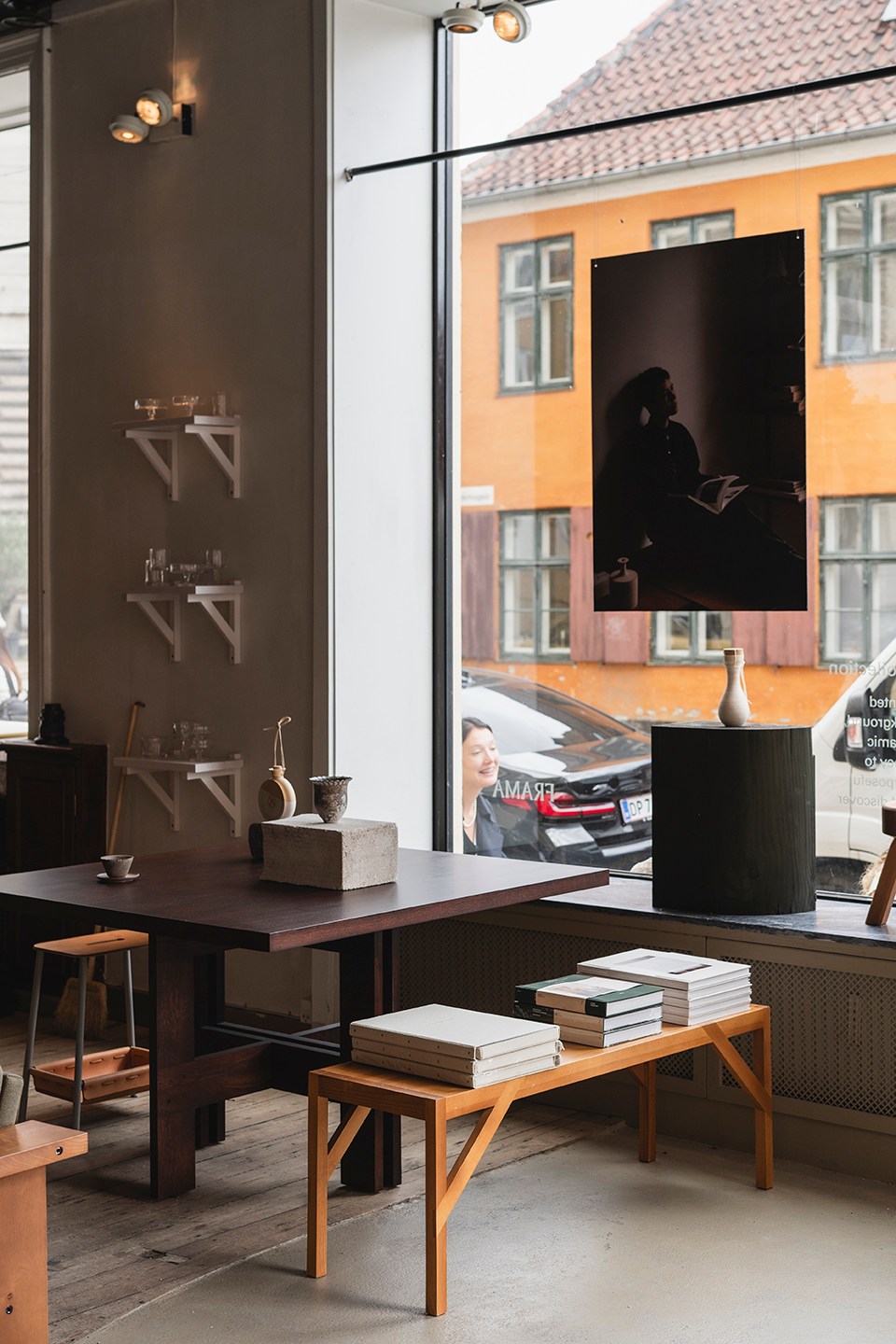

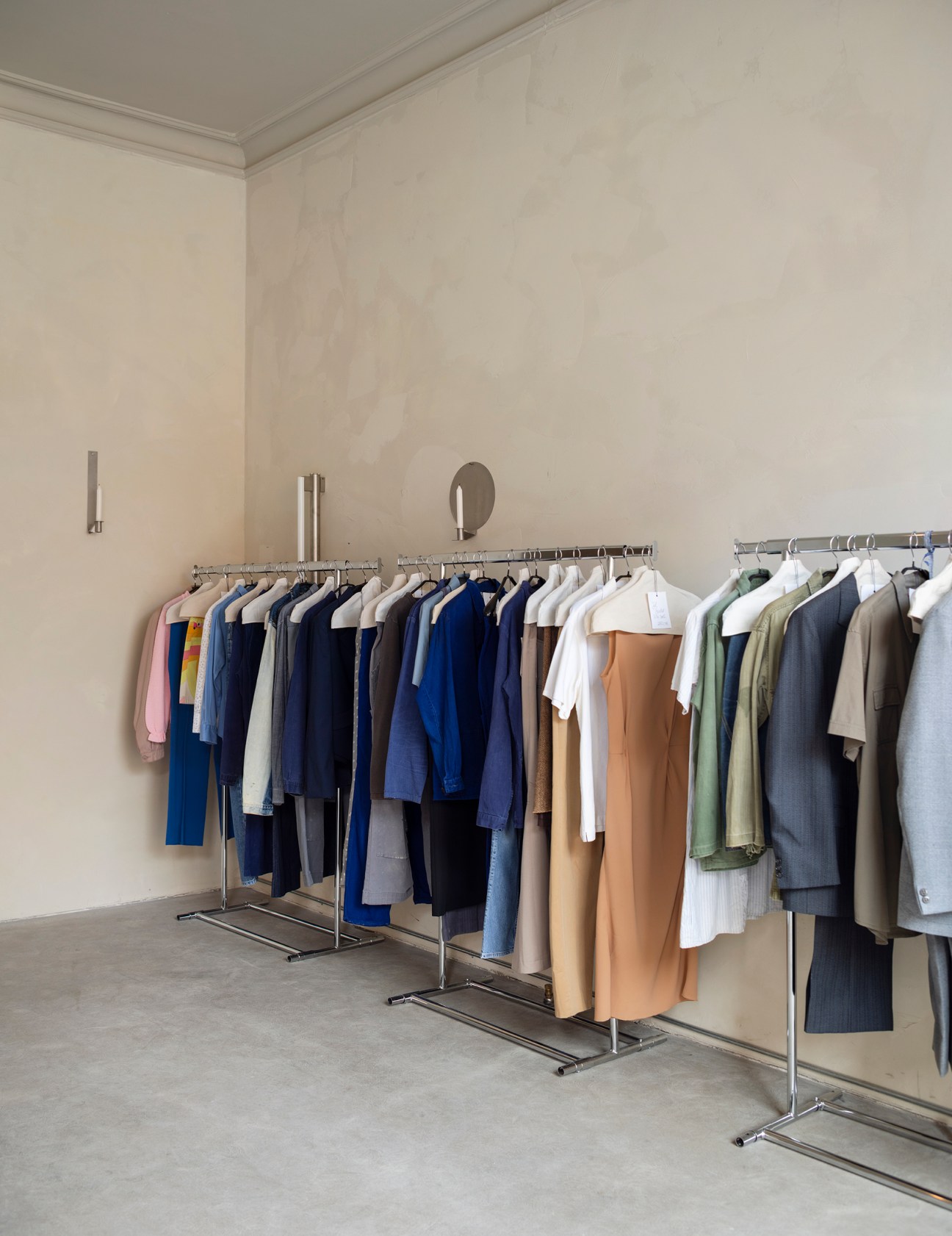

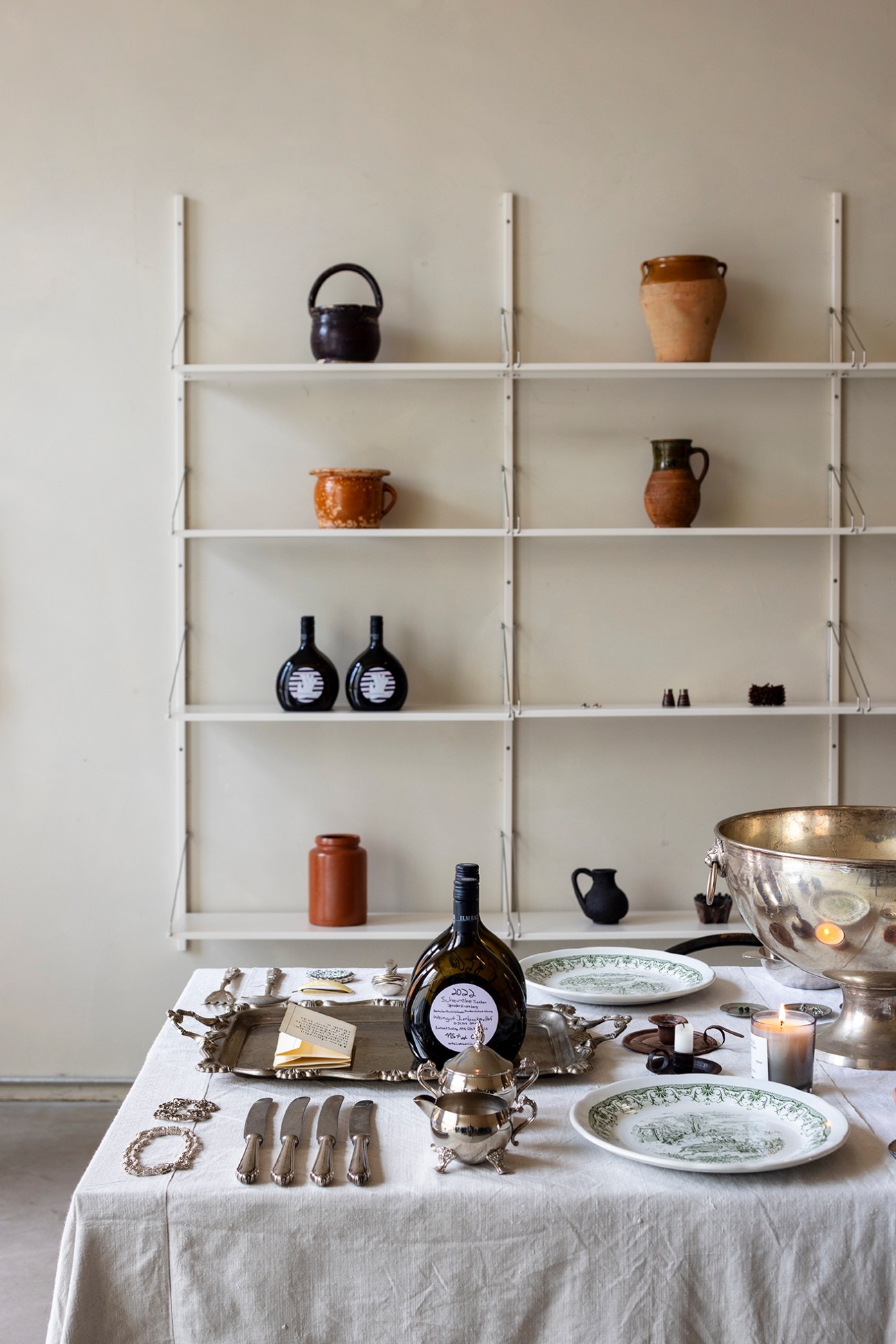
The former butter shop features two street-level rooms linked by an arched doorway and now looks like a gallery with minimal furnishings. “It’s a kind of a blank canvas,” says Strøyer Christophersen. For the first pop-up, during Copenhagen Fashion Week, Frama hosted a Berlin-based vintage company; for the rest of the year, the calendar is mostly kept open for spontaneous collaborations with friends of the house. In this corner of Copenhagen, you can’t help but be drawn into Frama’s world.
framacph.com
3.
Best Asian expansion
Tsutaya
Kuala Lumpur
Last year, Japanese bookshop chain Tsutaya expanded into Southeast Asia with its inaugural outpost in Kuala Lumpur. Malaysian bookworms formed queues on opening day and have kept up the momentum since. Tsutaya is known for its focus on design and what Hideyuki Uemoto, CEO of Tsutaya Books Malaysia, calls its “holistic” approach to running a bookshop. Customers seeking a new cookbook can browse the shelves of the culinary section, beside which are tables offering chef’s knives and handmade dinnerware from Japan. “We can create these cosy enclaves for discovery,” says Uemoto.
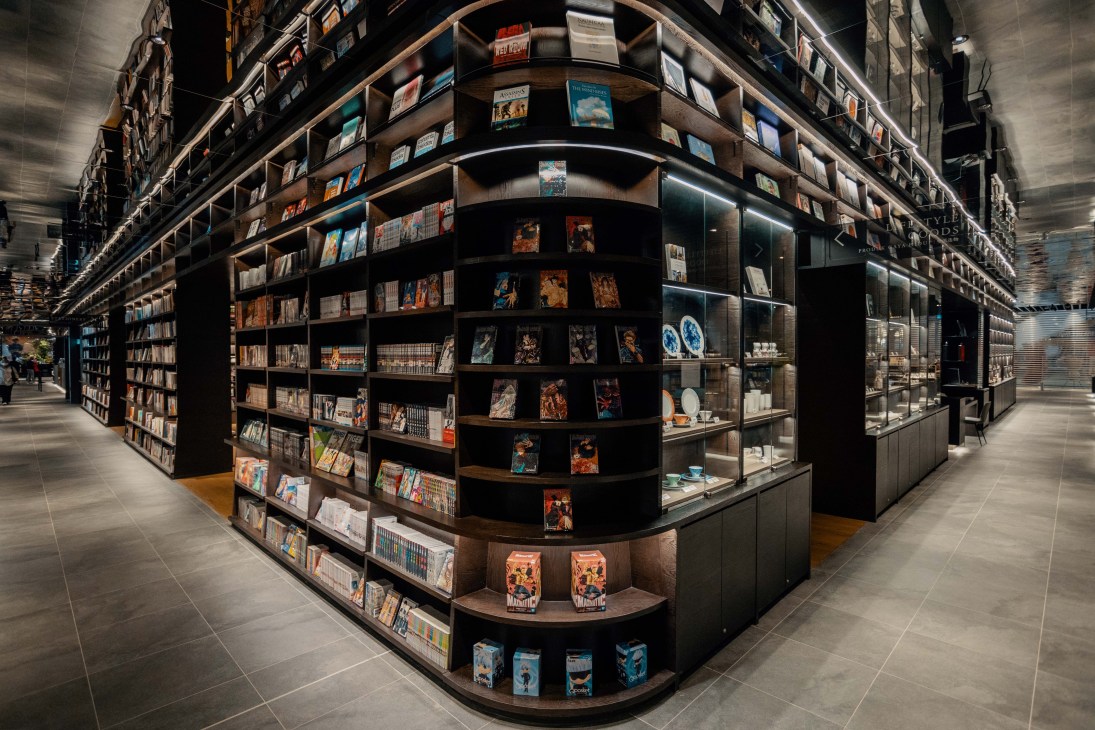
The 2,880 sq m space includes a full-service café serving snacks and drinks, including dorayaki and matcha flown in from Kyoto. The mellow lighting and furnishings – dark timber, mirrored ceilings and curved corner shelves – give a quiet intimacy to the expansive space. There is a large children’s section with its own dedicated nook, in consideration of the many young families that populate the Bukit Jalil neighbourhood where Tsutaya is located. “Every Tsutaya Books caters to the neighbourhood that it serves and every shop is unique.” Malaysian illustrators and authors are featured in events and on shelves, and local artists design paper bookmarks. The Bukit Jalil outlet launched last summer but it has since proved so popular that Tsutaya is opening a second Kuala Lumpur branch at the end of 2023.
ccc-my.com
4.
Australia’s top literary outpost
Readings
Melbourne
Melbourne’s independent bookshop chain Readings has served the city for more than 50 years. Customers have embraced the flagship shop in Carlton, an inner-city suburb near the University of Melbourne, with such a passion that a decision a few years ago to revamp the interiors divided opinion. “Some customers didn’t like the renovation,” says Joe Rubbo, Readings’ managing director. “The bookshop has become enmeshed in Carlton’s vibrant community and it’s really become a product of its place.”
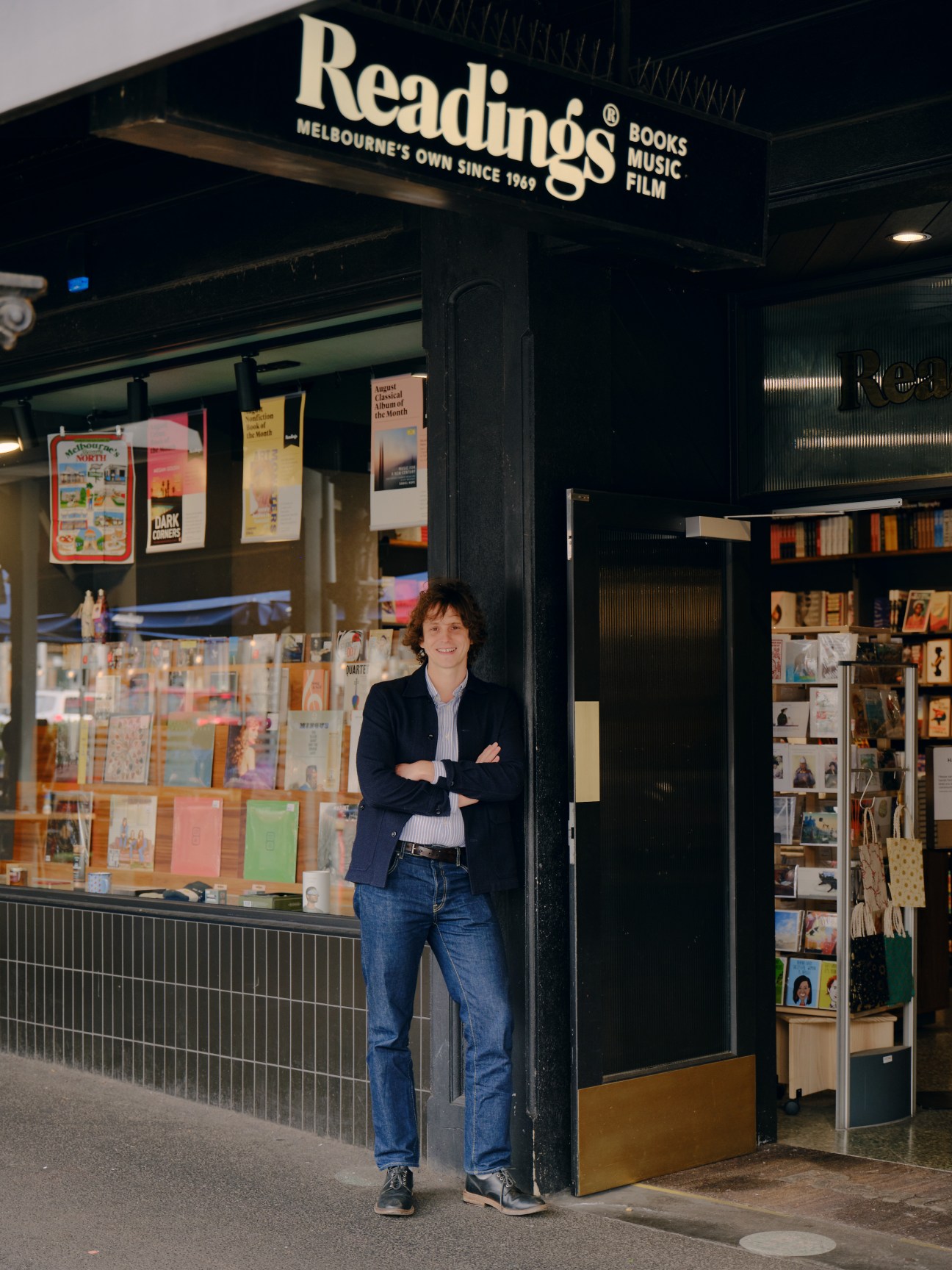
Rubbo has been in the top job for just a few weeks – a rare passing-of-the-baton at this Melbourne institution. His father, Mark, previously helmed the shop for almost half a century. Established in 1969 by Ross and Dot Reading with Peter Reid, Mark Rubbo, a local record vendor at the time, took over in 1976. Under his stewardship, Readings grew from a single shop to eight addresses across Melbourne.
Joe has also taken charge of the events programme, with up to 400 talks, readings and book launches held every year. “Dad is still hanging around, which is good,” says Joe. “However, I’ve been working in the business for 20 years so I feel pretty comfortable.”
readings.com.au
5.
America’s leading bookshop
McNally Jackson
New York
Book recommendations at McNally Jackson range from “Debut novels by people over 50” to, more memorably, “Our favourite smut”, where Lady Chatterley’s Lover shares a shelf with Brontez Purnell’s 100 Boyfriends. “To bring people in, you need to have a mix of books that are both familiar and unfamiliar,” says founder Sarah McNally (pictured at the new Rockefeller Center branch), who now has five across New York. The tables of novels and non-fiction feel put together by a very well-read person. “I choose everything; all the books, all the stationery,” says McNally, whose focus remains on building an extensive backlist of some 60,000 titles per outpost.
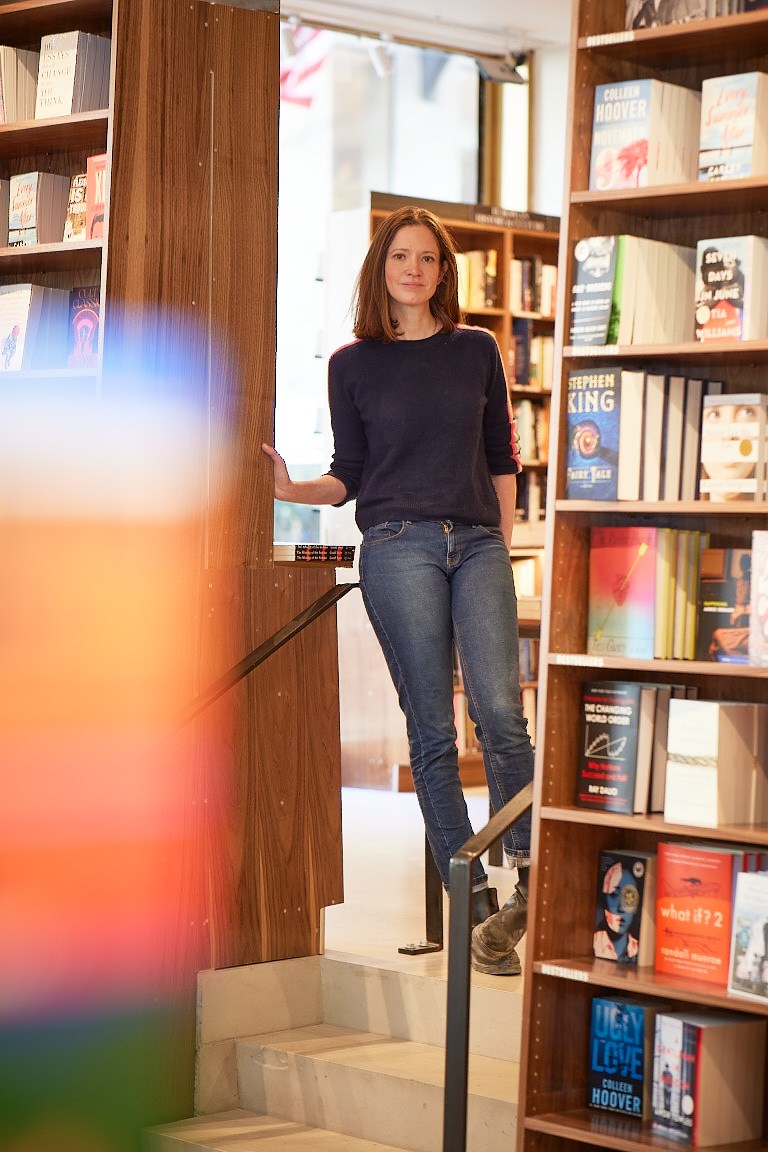
Growth, McNally explains, has always happened gently and serendipitously. “The US booksellers who seem to succeed – whether it’s a chain or just a single shop – always come out of the intersection of a love of books, neighbourhoods and people,” she says. And that’s why she has our vote.
mcnallyjackson.com
6.
Top vending-machine maker
Tao Bin
Bangkok
Inside Tao Bin’s gleaming factory on the outskirts of Bangkok, welders and laser cutters are making parts for the company’s state-of-the-art vending machines. Adorned with a touch screen and Tao Bin’s distinctive flying-turtle logo, the machines have become a sensation since they began appearing across the Thai capital, selling almost 50 million cups of various drinks in 2022 – the first full year of operations. Though that figure could double by the end of 2023, it’s Tao Bin’s profitability that’s pushing the right buttons.

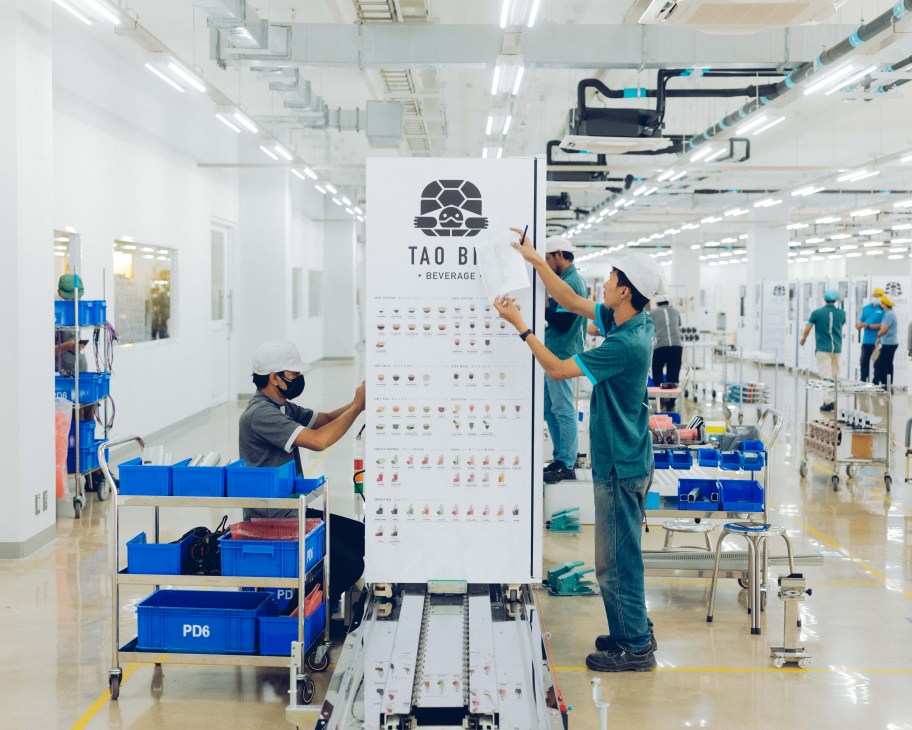
Standard vending machines dispense a small selection of cans and bottles. This model only generates a tiny profit on each sale, whereas Tao Bin’s overall margin is more than 20 per cent. The young company is shaking up an old industry by cramming 40-odd ingredients inside each machine and mixing a variety of drinks while customers wait, from hot coffee to iced yuzu lemonade. “We use every centimetre inside,” says CEO Watanya Amatanon. Soda is one of its proudest technical achievements. “We took a lot of time perfecting the fizziness,” she says.
Tao Bin is the creation of Watanya and her father, Pongchai Amatanon, an engineer and avid inventor. Forth Corporation, a successful technology group founded by Pongchai in the 1980s, manufactures everything from street lights to electric-vehicle charging stations. He decided to enter the food and beverage industry in 2015 and, though vending machines seemed like a natural fit, the business struggled with problems caused by imported hardware. Eventually the company decided to do everything in-house, designing its own coffee vending machine, completed in 2021.
When Watanya returned home from a technology job in the US, the machine was christened “Tao Bin”. The 33-year-old computer scientist became CEO earlier this year. “Our data scientists are using machine learning to make the menu more efficient,” she says. Her husband, Thomas Morrison, is chief technology officer. Morrison oversees a team of mechanical engineers and 3D printers on the R&D floor, where Tao Bin’s next-generation vending machine is under development.
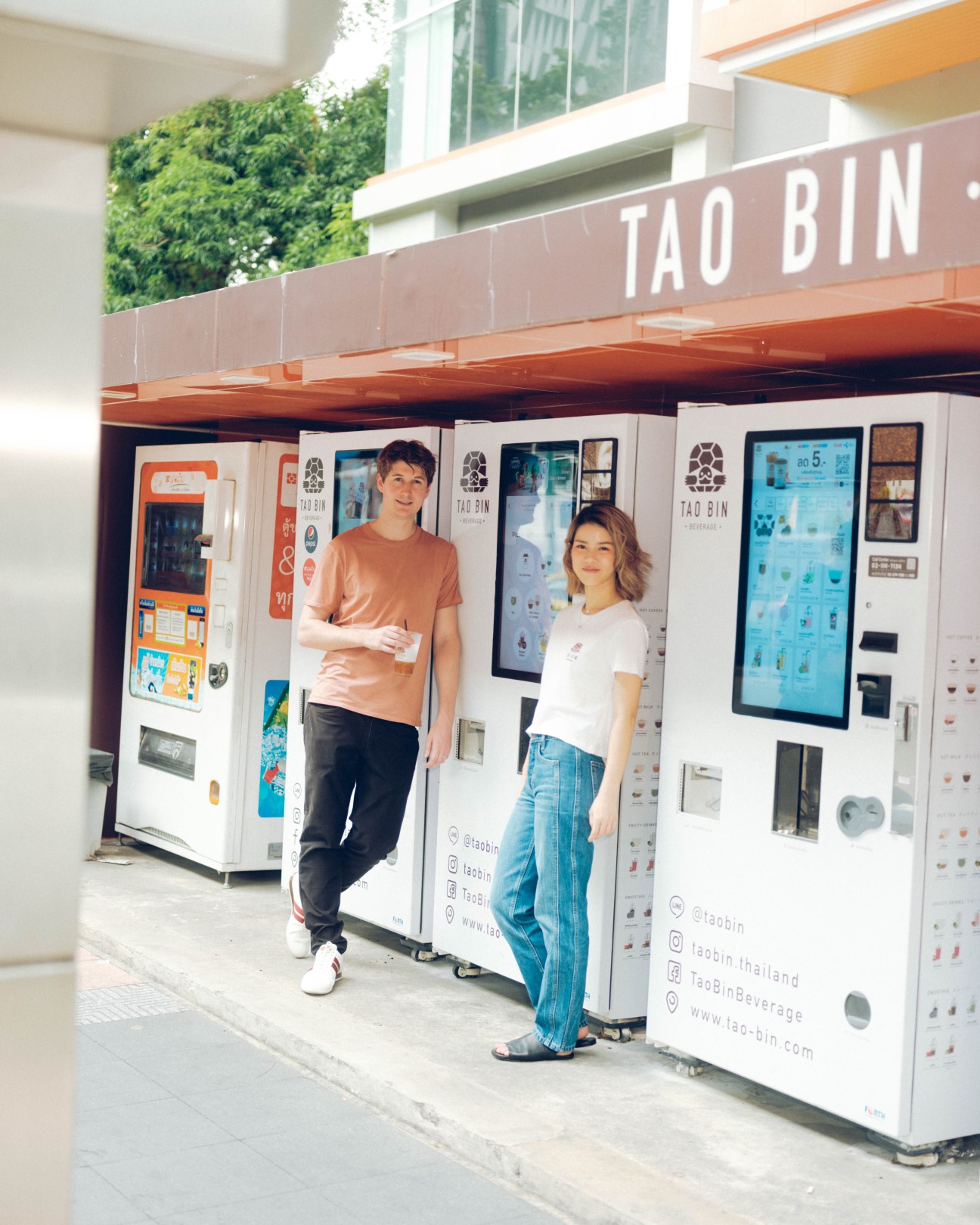

The biggest challenge is to keep customers coming back. “The one thing I have discovered about the f&b industry is that consumers get bored easily,” says Watanya. “We need to keep the product exciting with new drinks and promotions.” A loyalty game is the newest addition. Customers get to feed an on-screen pet while waiting for their drinks. Prototype two of the vending machine, which is now nearing completion, will carry foam drinks and bubble tea, and there is already a machine that serves as a bartender at private parties.
International markets, such as Malaysia and Australia, now beckon. And Watanya is working on Tao Bin’s next project: cooked food. Having seen what goes into the drinks machines, existing vendors will soon feel the heat.
tao-bin.com
7.
Asia’s top print-media outlet
Thambi Magazine Store
Singapore
Thambi Magazine Store in Singapore’s Holland Village area is a family affair. It started in the 1940s with the current owner’s grandfather selling newspapers to British soldiers. His son joined the business in the 1950s and opened a newsstand inside a mamak food stall, later expanding to magazines. Thambi now stocks almost 1,000 titles from around the world. It’s run by Sam Thambi, who transformed the stall into a fully fledged magazine shop. He grew up helping his father in the shop during the school holidays.
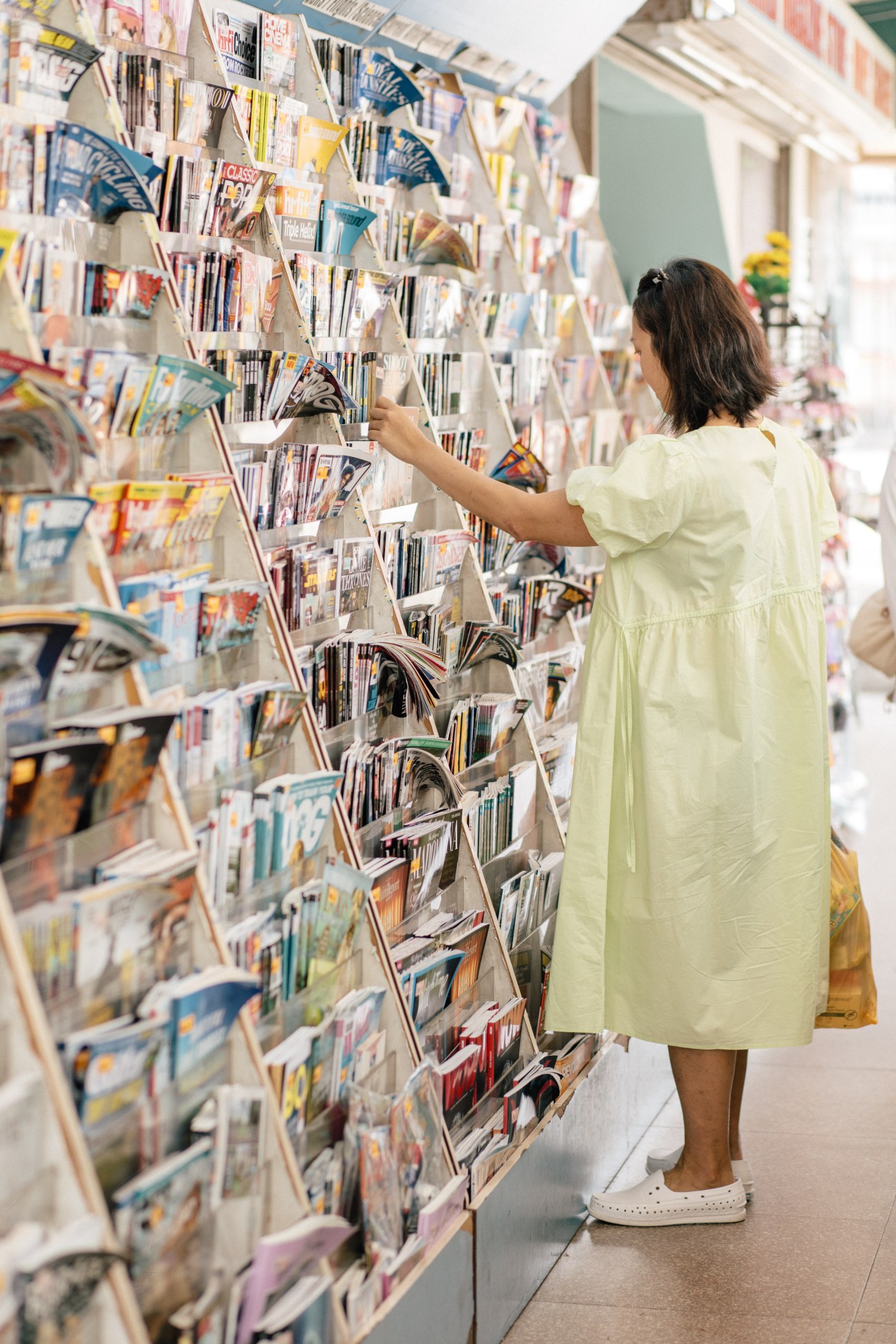
“I came in very reluctantly as I didn’t like the long hours,” he says, laughing. “But I fell in love with it.” The street-level shop is doorless and open, and racks of magazines and newspapers line the pavement, creating a tunnel of print where customers can shelter from the sun and peruse periodicals. Last year, Thambi sublet part of the space to a tiny café to encourage patrons to linger and enjoy a cup of coffee while they browse.
211 Holland Avenue, #01-K4
8.
Europe’s best newsstand
Le Kiosque de Paris
Paris
Located in front of La Grande Épicerie de Paris, the delightful emporium annexed to Le Bon Marché department store at Rue de Sèvres, Le Kiosque de Paris has an unrivalled selection of French and international titles. Brothers Nicolas and Médéric Bogo are in charge of the kiosk, which was previously owned by their great-grandparents, grandparents and parents. In fact, the kiosk was created even before the construction of La Grande Épicerie itself.
“Because of readers’ growing disinterest in the printed press, it was necessary to renew our offer,” says Médéric of the newsstand’s varied inventory. “I decided to develop our international selection and picked some great independent journals, which help to attract younger customers.”
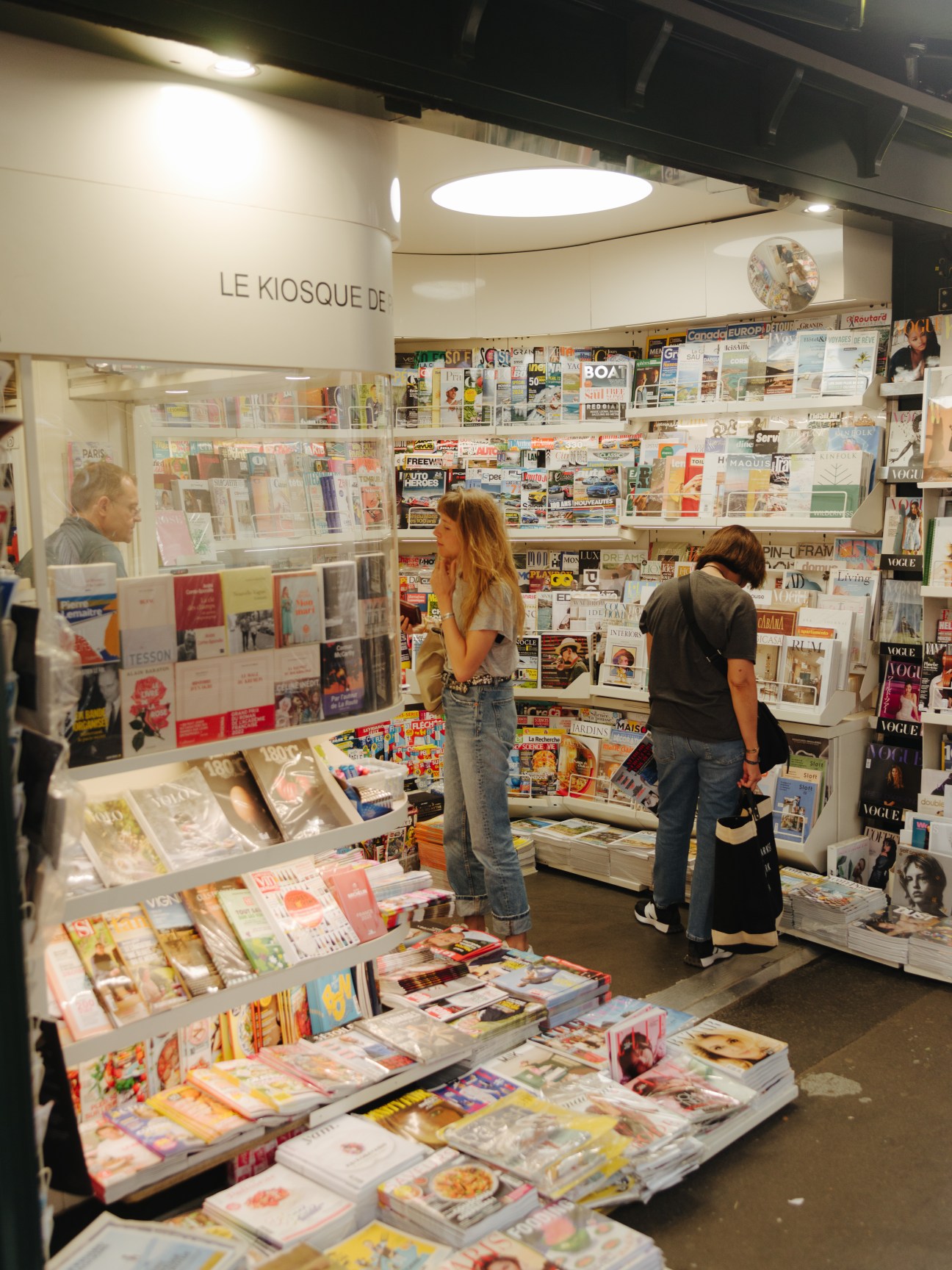
The best-sellers are lifestyle and homestyle titles. Even though the international selection is unique, the offer of local titles is comprehensive too, ranging from the new L’Étiquette Femme and Le Magazine Dubo, a quarterly about art, design and living well, to more traditional staples such as Paris Match, Le Monde and Le Figaro. With its handpicked selection of titles, Le Kiosque de Paris certainly does stand out from the crowd.
36 Rue de Sèvres
9.
The top magazine store
Casa Magazines
New York
Casa Magazines is inextricable from New York’s cultural life; even the columns of magazines stacked on the floor resemble the city’s skyscrapers. This apparent chaos belies a tight operation. It’s run by a three-man team of owner Mohammed Ahmed, manager Syed Khalid “Ali” Wasim and Maria “Happy” David, who stock 3,000 titles. The lifeblood of their business is fielding requests from clientele for niche fashion magazines and periodicals.
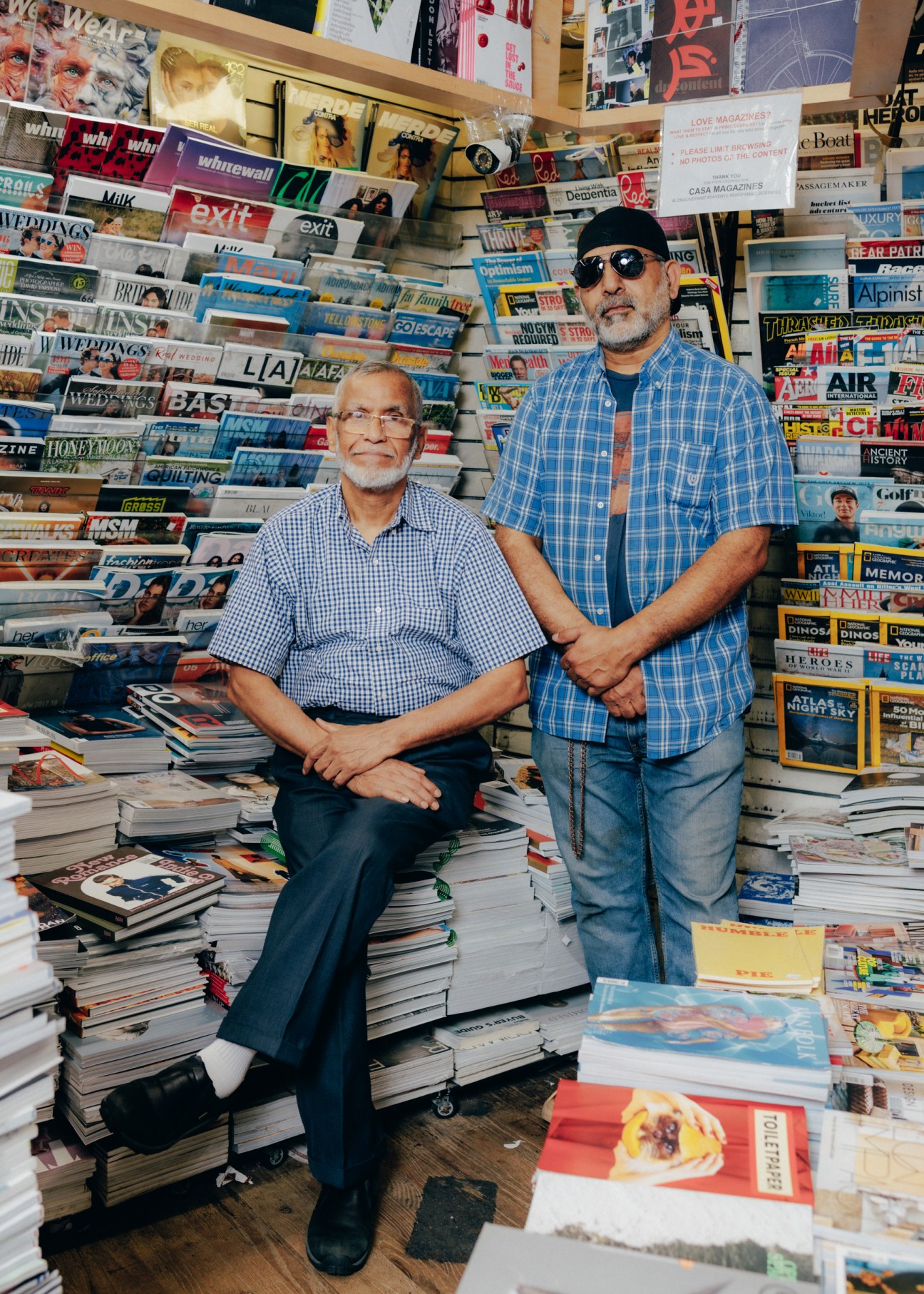
Ahmed took over the business in 1994 and, while many newsstands have closed, Casa has stayed successful, in part because it’s at a crossroads for the West Village’s fashion and design industries. On any given day, you can find, perusing the stacks, a stylist or an up-and-coming art director. “Print is the only business that’s never going to die,” says Wasim, who believes that there’s a nostalgia for ink on paper. “The first time people come to Casa, they take a deep breath and say, ‘My God, it smells so good!’”
22 8th Avenue
10.
Most considered market makeover
Hakaniemi Market Hall
Helsinki
Helsinki’s Hakaniemi Market Hall has reopened following a six-year revamp that saw the iconic 1914 market hall restored to its original look and feel. The second-oldest of the city’s three historic market halls, its return has been met with great enthusiasm. “We had 60,000 visitors in the first week and I’ve had nothing but positive feedback,” says Peggy Bauer, CEO of Helsingin Kaupunkitilat, a publicly owned company that runs the city’s market halls.
The market hall features old favourites including butcher Böf, fishmonger Ekströmin Kalapuoti, cheesemaker Lentävä Lehmä and an assortment of bakeries, grocers, cafés and restaurants. Among the 50 or so vendors there are newcomers such as Kuurnan Kasvispuoti, an organic vegetable shop run by Kuurna, one of Helsinki’s most-loved neighbourhood bistros. “When the opportunity presented itself, we didn’t hesitate,” says co-owner Tom Hansen. “We want people to enjoy the same high-quality produce that we use in our restaurant.” Another addition is restaurant Kirsikka, which serves easy-going local food such as Baltic herring nuggets and vendace roe linguine.
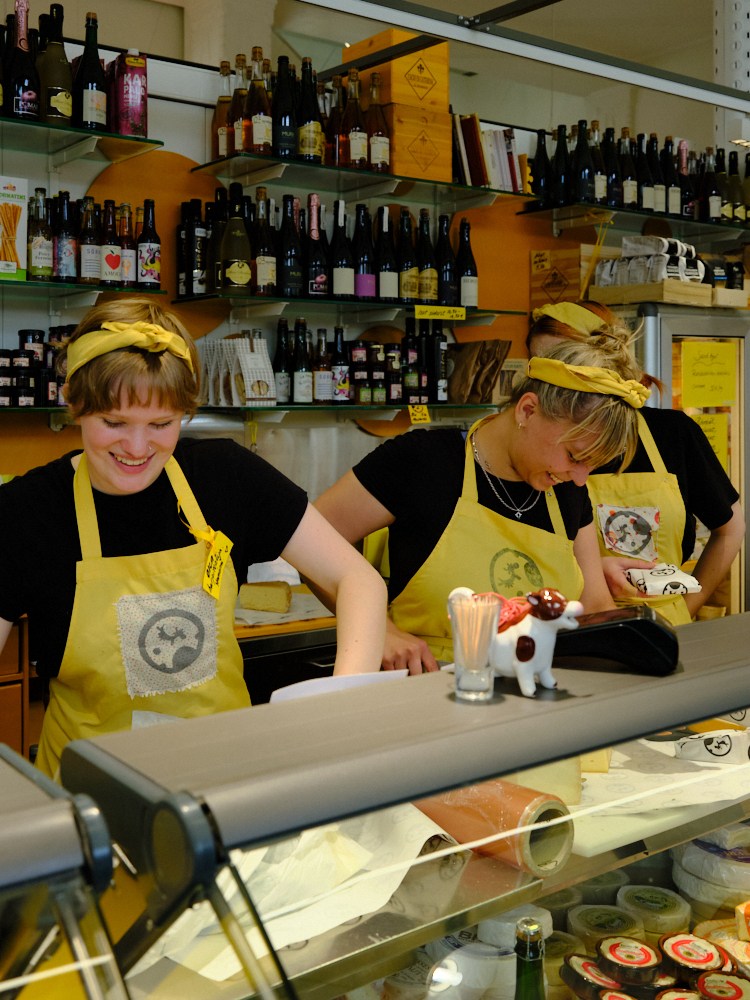
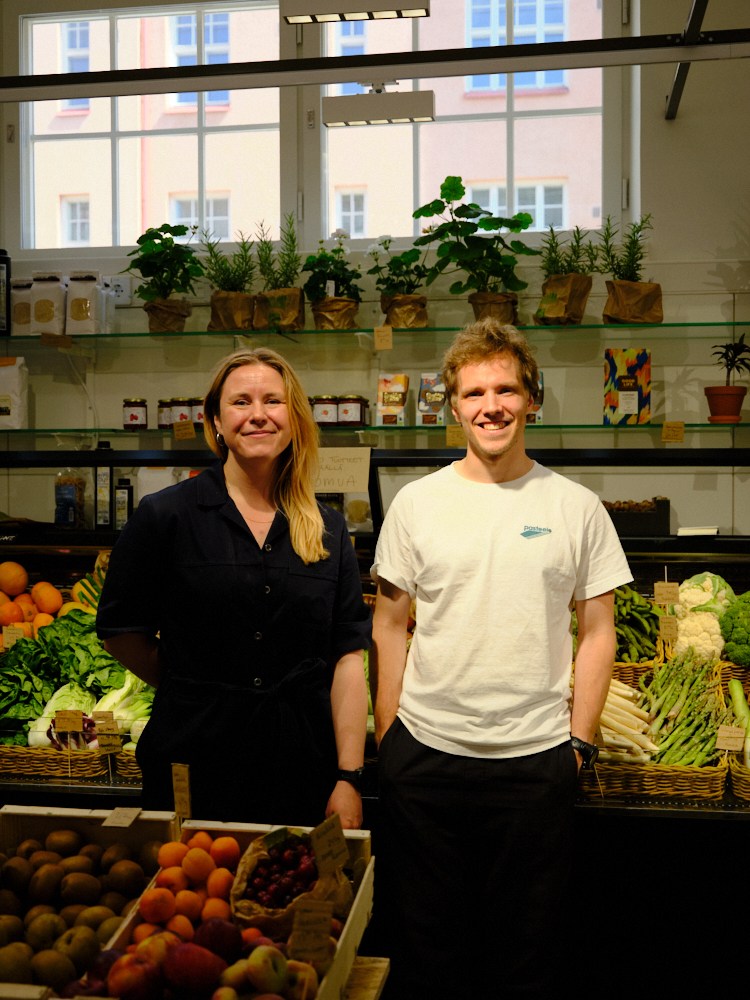
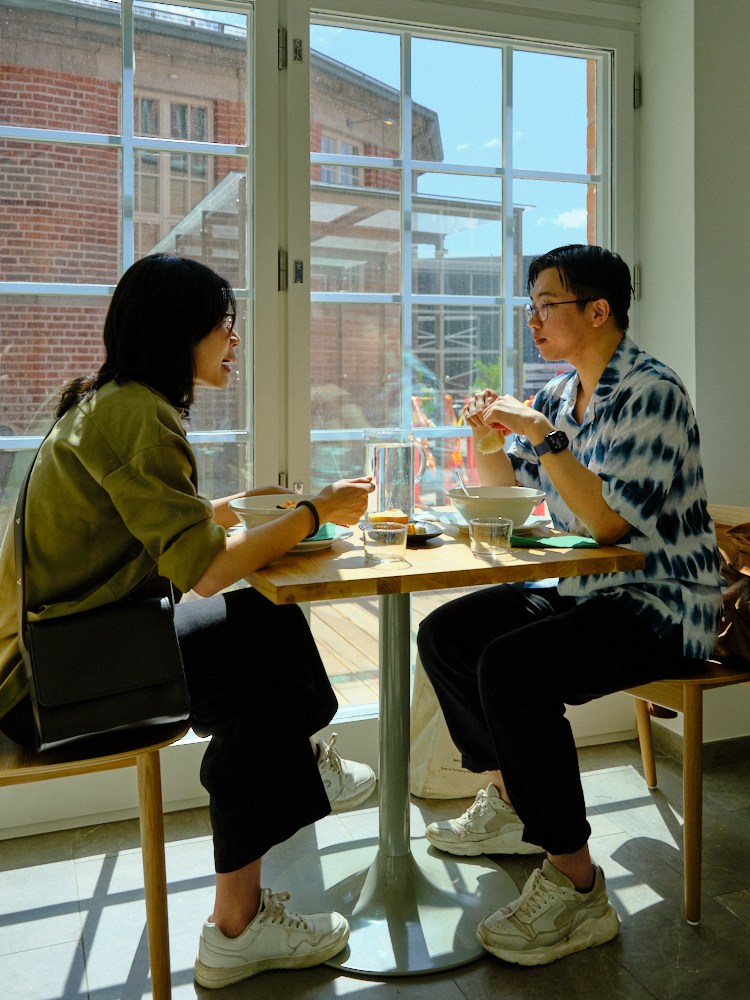
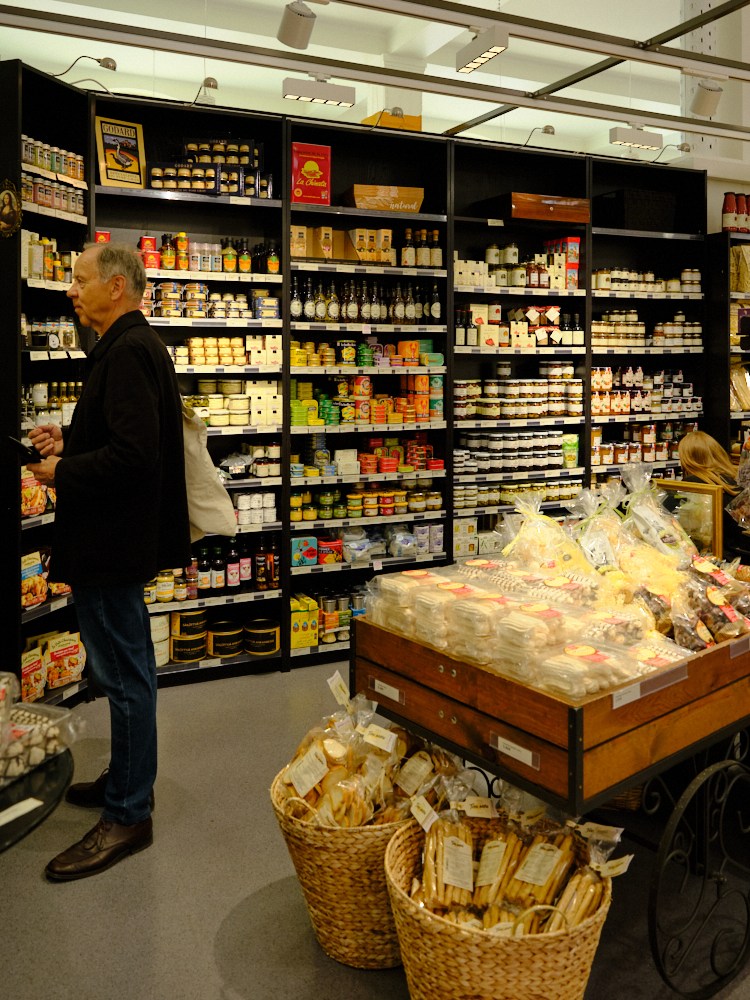
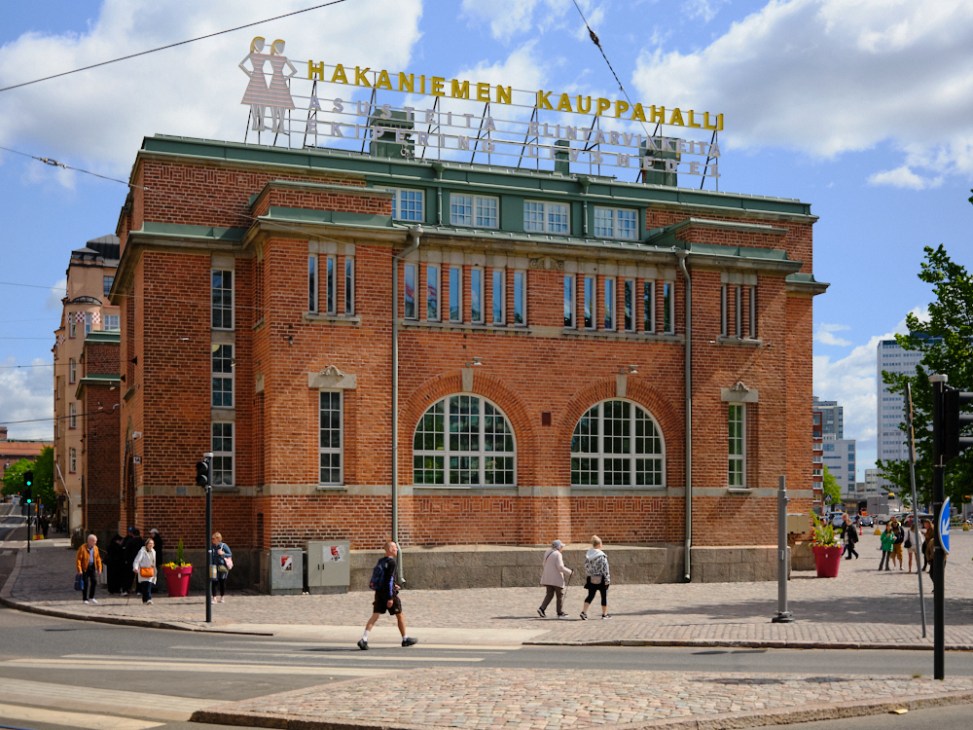
Hakaniemi’s secret ingredient is that it sells more than just food. On the second floor, vendors tout a versatile selection of household items from wooden booths. Here you can find everything from handmade cooking utensils to hats. “This is a place where you want to linger, have a cup of coffee and a cinnamon bun, meet friends and chat to the vendors about recipes,” says Bauer. The €40m price tag for the revamp, twice what was budgeted, met with little opposition, according to Bauer. “Helsinki recognises that the historic market halls are a big part of the city’s identity and culture.”
hakaniemenkauppahalli.fi
11.
Sharpest in-store experience
Nonfiction
Seoul
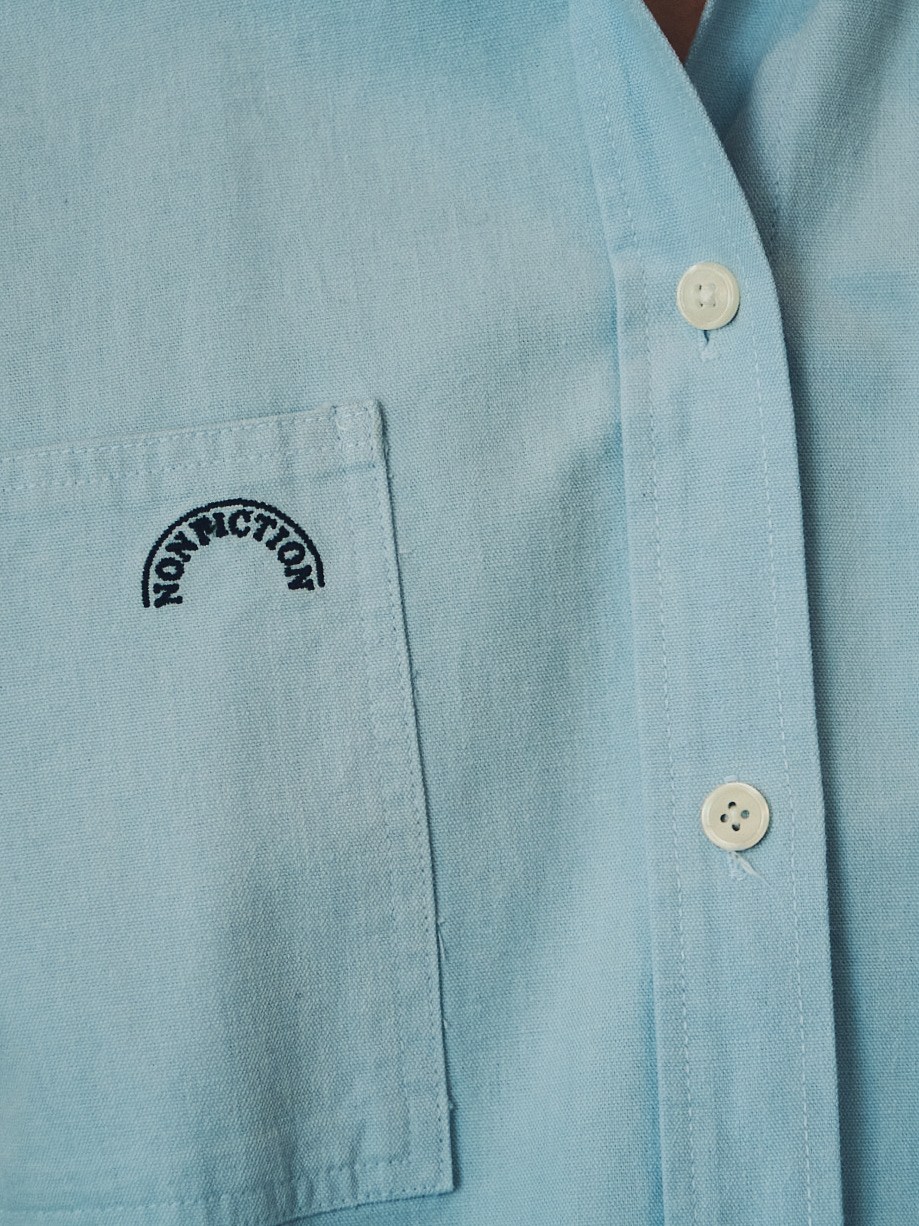
We’ve long admired South Korean fragrance brand Nonfiction and a recent foray to the Hannam-dong branch in Seoul reminded us why. On a busy Saturday, the shop was buzzing and the upbeat staff were well-dressed. The uniform has some seasonal tweaks but the core look, in a flattering pale blue, is as comfortable and practical as the products: soft chambray shirts, cotton trousers and an apron with pen-sized inserts to load vials of Nonfiction’s fragrances.
Founded by its creative director Haeyoung Cha in 2019, Nonfiction has a strong aesthetic that is clean but never clinical. “It is important to me that our customers feel a sense of warmth when they walk into our shops,” she says. Her staff deserve a nod for their fresh turnout. Cha works with a strong team and collaborates with like-minded artists; she isn’t bothered about celebrity campaigns or relying on market research to tune into the zeitgeist.




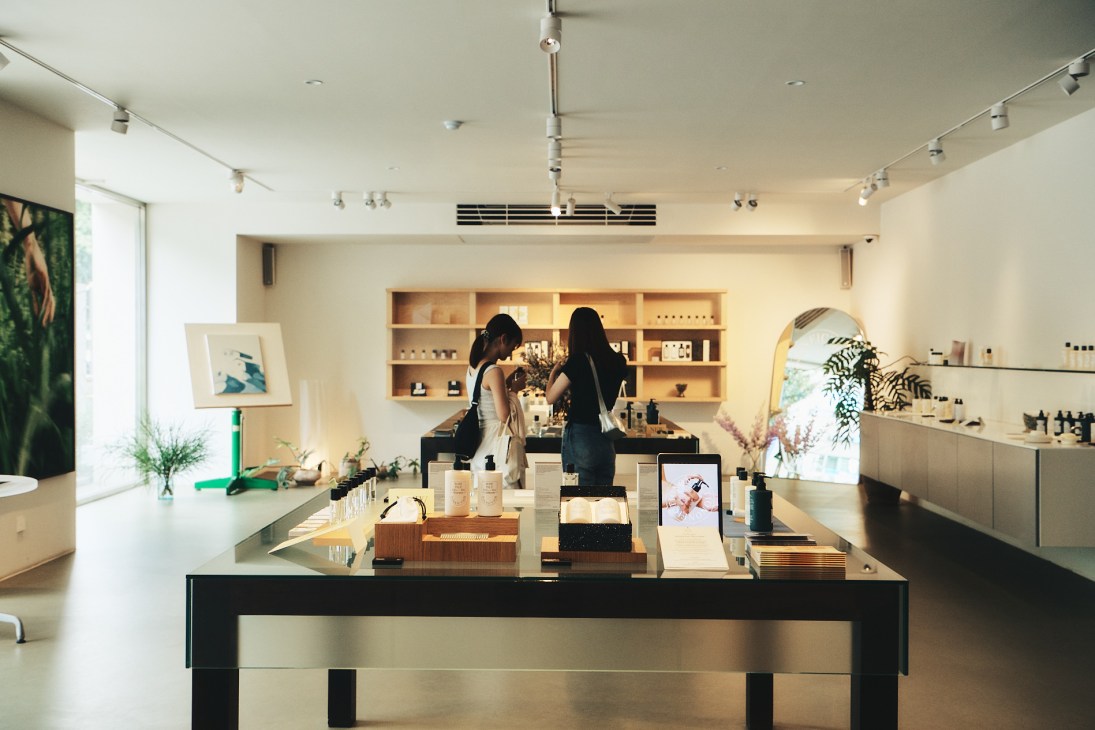
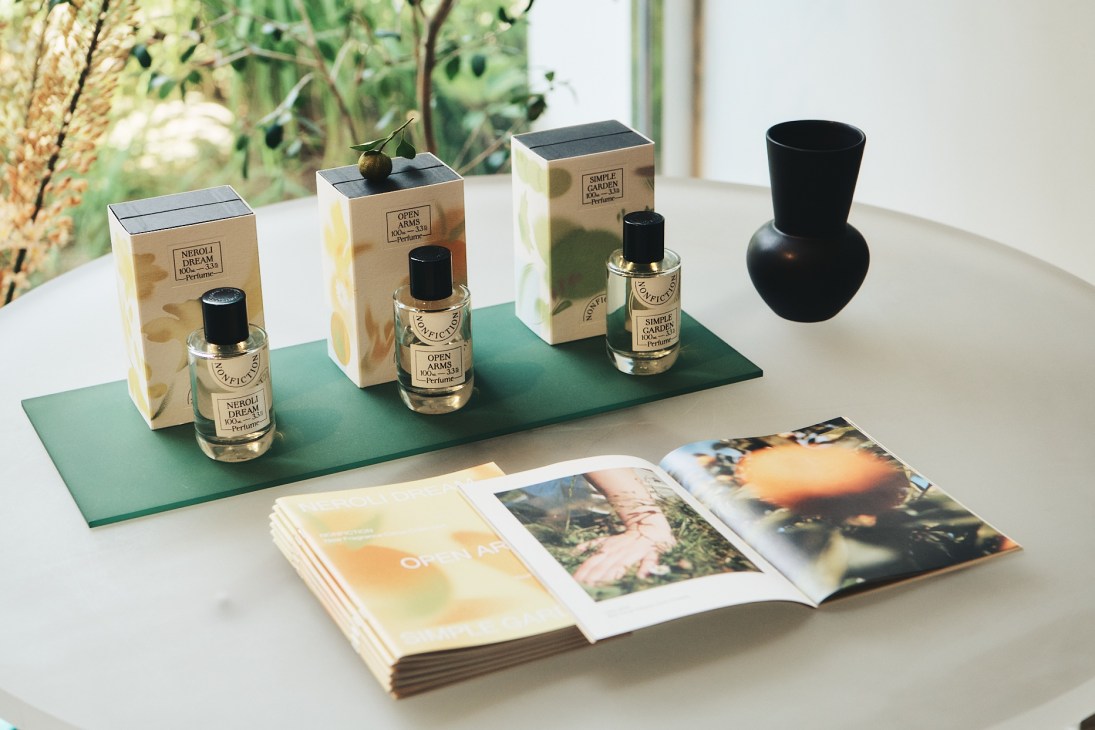
As for the scents, we favour For Rest, an enveloping mix of hinoki, frankincense, Turkish rose, yuzu and nutmeg. Newcomer Open Arms blends bitter orange with woody notes – a smart choice for autumn.
nonfiction-beauty.com
12.
America’s most-focused mall
NorthPark Center
Dallas

As malls across the US shutter and others struggle to stay relevant, it’s worth going back to the source for inspiration. NorthPark Center in Dallas set a new standard for shopping when it opened in 1965, in part for the crisp modernism of the architecture but also the museum-quality artworks by Rodin and Matisse dotted throughout, from the collection of the owners, the Nasher-Haemisegger family.
“Customers expect a fully engaging, almost immersive experience as part of their shopping journey,” says Nancy Nasher, daughter of the founders, who today runs the mall and augments its art collection with her husband, David Haemisegger. She might call NorthPark a “shopping museum” but it has kept pace with the times and remains one of the US’s top-performing retail outposts; its 235 shops rang up more than $1.3bn (€1.2bn) of annual sales last year.
northparkcenter.com
13.
Most-considered retail designer
David Montalba
Los Angeles
David Montalba explains that he’s just turned down a job to design multiple shops for one of the world’s most-hyped “shapewear” brands. “We want to do things that are transformational,” says the architect, sitting in the garden of his home in Santa Monica, Los Angeles. “We’re trying to make spaces for living that just happen to be transactional.”
Headquartered between LA and Lausanne, Montalba Architects’ retail projects often mix a warm California modernism found in mid-century homes with a European’s exacting sense for materials. Though it has projects around the world, the firm is best known for its work in LA, a city that has space to experiment with retail design. For instance, Montalba worked with luxury grocer Erewhon to create a proper neighbourhood gathering spot in Santa Monica and has designed West Coast outposts for fashion brands Isabel Marant and The Row, which opened in 2014 and enclosed the boutique around a light-filled courtyard and swimming pool straight out of a Hockney painting.
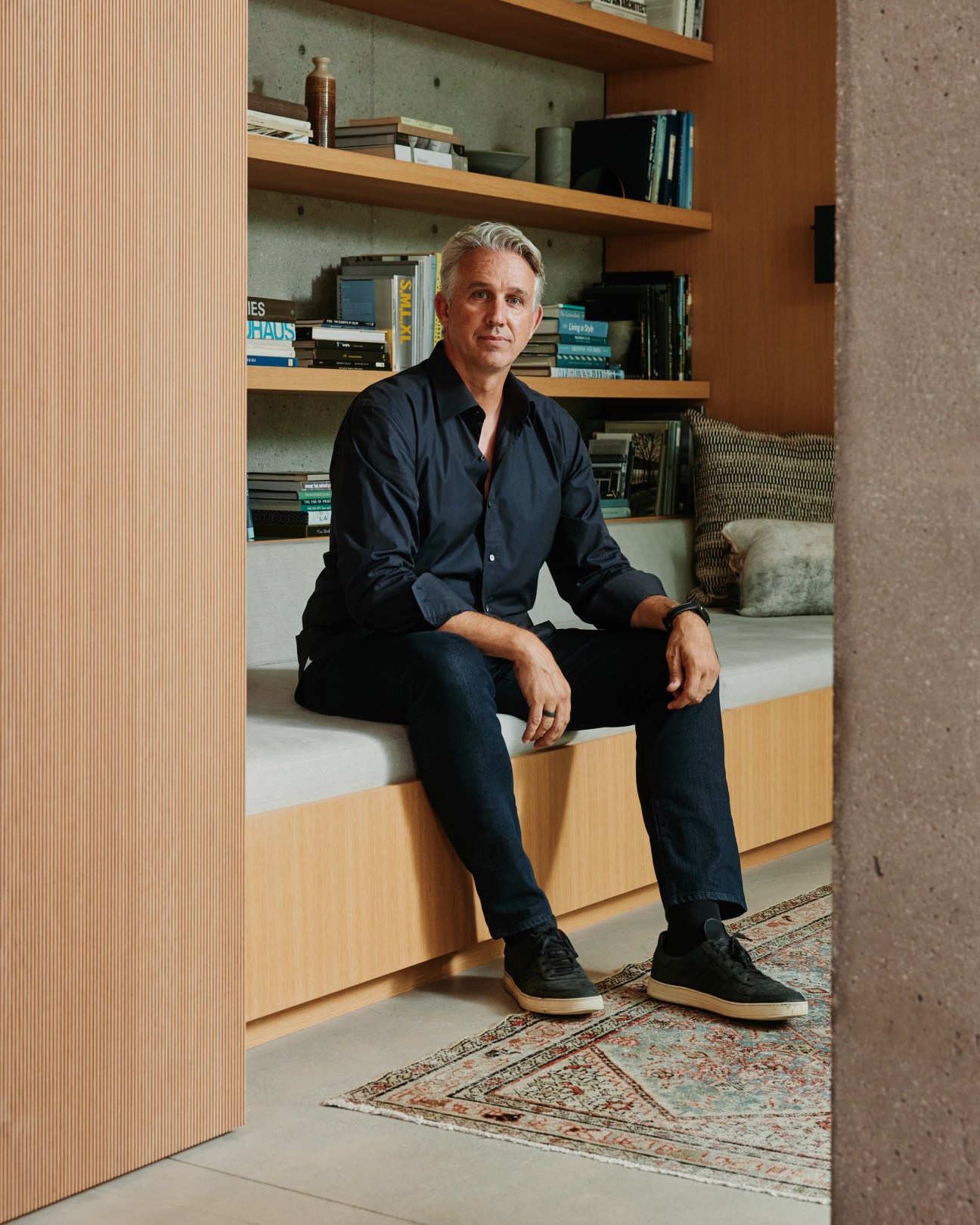
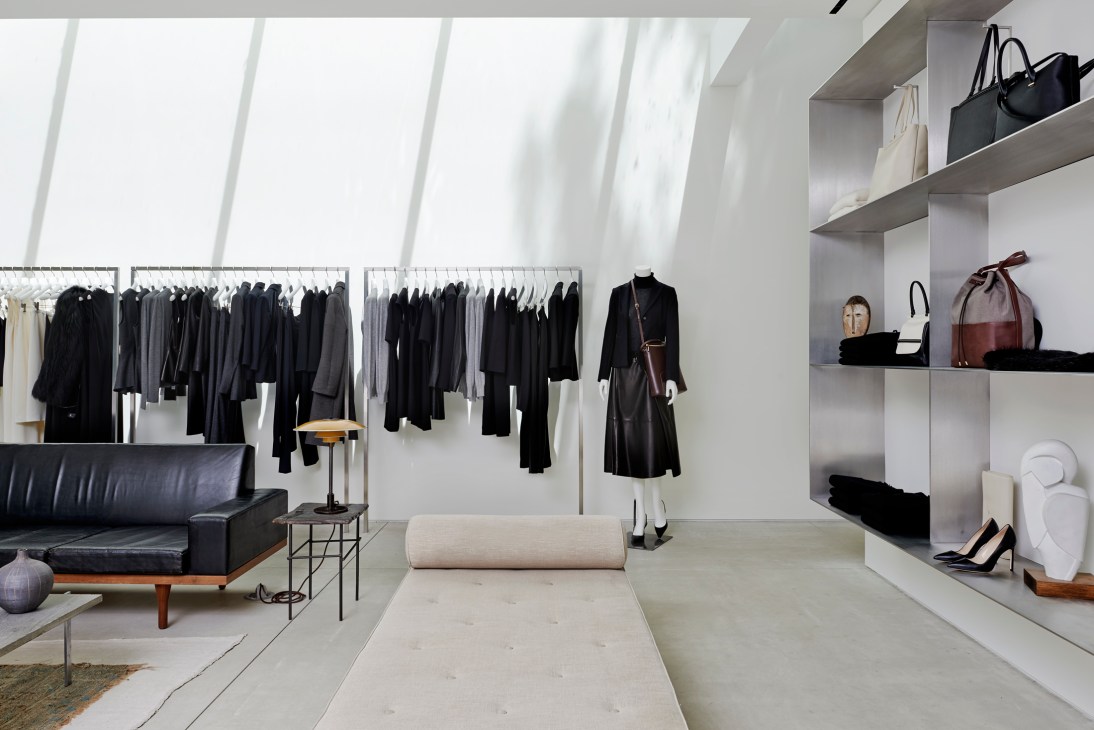
“Humans tend to gravitate towards natural light so it can help to frame the procession through a building,” says Montalba. “It’s also about layering and being able to see through several spaces. You can see some of that in my home too; we try to bring that idea into everything we do.”
He’s currently working on a large retail project, comprising multiple luxury brands in a single space. Depth and authenticity in retail, Montalba believes, mean making a shop feel rooted in its locale. “Brands have to recognise that there needs to be a dna to the place,” he says.
montalbaarchitects.com
14.
Best new concept
Graphpaper Tokyo
Tokyo
Takayuki Minami is such a tireless creative force in Tokyo’s retail world that he makes it look effortless. For his latest opening, Graphpaper Tokyo, the fashion designer and creative director has created a mini development that incorporates a restaurant (Yose), art gallery, record shop (Vektor Shop), coffee stand and clothes shop (for his label Graphpaper). Yose offers a changing food menu, devised with some of Minami’s favourite places from around Japan. He sourced the ukiyo-e woodblock prints from an Osaka collector and came up with the merchandise. Vektor Shop, which mixes music from home and overseas, contains vintage Sony cassette players, modern versions by French brand We Are Rewind and Vektor Shop merch.
Upstairs is Graphpaper, Minami’s made-in-Japan standard wear, which is “simple but not boring”. Shirts in crisp cotton can be made to measure using Thomas Mason fabrics. Some items are designed specifically for men and women but Minami says that the gender gap is closing. “Japanese men are buying women’s pieces and vice versa.” Also on sale is furniture by the late designer Shigeru Uchida, whose work deserves more attention.
The Graphpaper building is an appealingly understated Tokyo vintage that is too often overlooked. “I didn’t want Graphpaper to be a shiny new addition to the neighbourhood,” says Minami. “I wanted it to look like it had always been here.” Minami placed his new shop in the Sangubashi neighbourhood near Shinjuku, just as it seems to be attracting other interesting tenants. “I didn’t know that at the time,” he says, laughing. We should all be so lucky to have such a good nose for the next big thing.
graphpaper-tokyo.com
15.
Best shoe shop
John Lobb
Paris
Celebrated British shoemaker John Lobb opened its first bespoke boutique in 1866 in London. Only three years later, its first international outpost opened in Paris. Of course, plenty has changed since then: the business was sold to French luxury house Hermès in 1976 and today John Lobb shops are widely known for offering the best-quality products and a luxury retail experience that few others can compete with. The house’s expert craftspeople abide by a 190-step manufacturing process, while its in-store services were designed to reflect this commitment to handcraft. Bespoke shoes are available and requesting alterations to the brand’s existing models is another option. You can access this level of service while enjoying the shops’ elegant wood-panelled interiors, a reflection of the brand’s knack for minimalism.
johnlobb.com
16.
Best new specialist retailer
Tekla
Copenhagen
Tekla is no newcomer to the world of textiles – the Copenhagen-based brand has, since 2017, been producing a fine collection of made-in-Portugal bed linen, blankets, towels and pyjamas. But it’s the opening of the brand’s first flagship shop that has earned it the best newcomer gong.
“We fell in love with this spot because we could see how beautiful we could make it feel by adding just a few simple elements,” says the firm’s co-founder and managing director, Kristoffer Juhl (see page 204). The shop’s bespoke plywood units, art deco-inspired Karlskrona lighting and simple steel rails show off the label’s cosy collection. “We wanted to create a universe that people find engaging,” adds Juhl. “To do this, we realised that we could only have a few products on display and that the service element was key.” The result? Inspiring interiors and a team always ready to celebrate the customer.
teklafabrics.com
17.
Best design shop
Chanintr Craft
Bangkok
Chanintr Craft in Bangkok is not just a multi-brand furniture showroom selling Wishbone chairs from Carl Hansen & Søn and wooden tables by Conde House; nor, for that matter, is it merely a pleasant, hidden-away café at the north end of Thong Lo, a residential area popular with expats. This purpose-built temple of calm in the chaotic Thai capital is the culmination of more than 25 years of industry experience and commitment to beautiful design by founder Chanintr Sirisant. “People tend to think that doing a showroom is as simple as throwing some furniture into a white box,” Sirisant tells Monocle while sitting at a Karimoku Case Study dining table on the top floor of Chanintr Craft.
Sirisant has been importing furniture to Thailand since the mid-1990s. He currently has multiple showrooms across Bangkok and acts as exclusive agent for the likes of Minotti, Liaigre and Bulthaup through his main company, Chanintr, which employs some 250 staff. Chanintr Craft, however, is his first standalone space, which he’s built from the ground up. The result is a pair of interlinked, four-storey buildings that wrap around an inner courtyard. Initially intended to be a renovation, the project morphed into a $5m (€4.6m) new build.
Customers enter Chanintr Craft through a covered, ground-floor car park. This multipurpose shelter from Bangkok’s intense sun and rain provides a glimpse of the internal sun-lit courtyard and the café beyond. “Furniture showrooms can be very quiet and still,” says Sirisant. “The café is the heart of the whole thing. It allows people to feel engaged with the lifestyle that we are presenting and experience it for themselves.”
chanintr.com
18.
Top (indy) department store
Hirshleifers
Manhasset, Long Island
Luring shoppers from Manhattan to Long Island might sound like a tall order but Hirshleifers has been doing just that for more than 60 years. “People come here looking for that special piece,” says co-owner Shelley Hirshleifer. The family-run business began as a furrier in Brooklyn in 1910 before moving, as a department store, in the 1960s. Today it is an institution of speciality retail with collections of high-end men’s aand womenswear from more than 150 brands, such as Loewe, Thom Browne and Chanel.
Inside the glass-fronted store, each brand has its own space and identity; Moncler’s boutique, for instance, pops with shiny red and orange walls. The store is run by sisters Shelley, Caryn and Lori, who cruise around chatting to staff and customers as they go. “Family is at the centre here, for better or worse,” says Lori.
Maintaining close ties with clients is crucial and staff will often reach out when a well-suited item comes in. While some customers leave with big shopping bags, others are there to take in a refreshed section or stop at the in-store Youngs Farm market and the café. “You never know who’s going to buy a pastry and a Chanel bag at the same time,” says Lori.
hirshleifers.com
19.
Freshest fashion buyers
Marc Llorens & Olivier Salette
Rendez-Vous, Toulouse
Neither Marc Llorens nor Olivier Salette set out to run their own shop. Llorens began his career as a stylist and creative director in Paris, working for Irié and Lacoste. In need of a break, he moved to Toulouse where he met Salette, a local merchandiser for Ralph Lauren. Together they opened Rendez-Vous, as much a creative hangout as it is a fashion boutique, in the city’s charming Carmes district.
The shelves of Rendez-Vous are usually stocked with breezy linen shirts and suits by French label Casey Casey, perfectly tailored trousers by London-based Studio Nicholson and workwear by Japanese labels Auralee and Comoli. Limited distribution is often the common denominator. “We deliberately stock small volumes because the idea isn’t for our customers to all dress the same way,” says Salette.
The boutique’s partnerships can stem from a customer recommendation, a summer trip to Florence or an inspiring exchange with a designer in Milan, Tokyo or South Tyrol. At a time when fashion buying is becoming less personal and more data-driven, Salette and Llorens stand out for following their instincts and leaving room for spontaneity.
rendez-vous-store.com
20.
Best independent supermarket
Apolónia
Algarve
When Avelino and Célia Apolónia opened a tuck shop next to Célia’s mother’s house in 1983, they couldn’t have imagined that they would be overseeing a chain of niche luxury supermarkets in southern Portugal with their sons, Paulo and Eduardo, 40 years later. But this is not an ordinary grocery shop. “There are some items on the shelves that we only stock because a customer asked for it,” says Paulo. This personalised ethos has always been at the core of the family business.
After living in Canada for more than a decade, where he worked in catering, Avelino returned to Portugal to set up shop and was eager to fill his shelves with the products that he had grown accustomed to finding in North America. “I used to drive to Lisbon every two weeks to pick up things for the shop that you couldn’t find anywhere else in the country,” he says.
The aisles are carefully considered, from the clean lines of the signage to the colourful organisation of the items on the shelves. “The design approach was intentional,” says Eduardo. “We’re a modern brand but true to traditional family values.” The two sons went to university and worked in other industries for a while but, as Apolónia grew from a small enterprise into a bigger operation, they decided to join the family business. Today the brand has three outposts (Almancil, Lagoa and Galé), its own pharmacy, an in-shop newsagent and a café.
Plans are in the works to set up an outpost outside the Algarve. “It’s important to keep the family values that have guided us until now,” says Paulo. “We are not competing with every other supermarket. There’s a reason why we’re different and that’s what we’re betting on.”
apolonia.com
21.
Lifetime achievement award
Carla Sozzani
Milan
When Carla Sozzani put down roots in Corso Como in the early 1990s, there was nothing but a grocer’s shop down the street in this overlooked part of Milan, north of the city centre. She opened a gallery space that would exhibit the works of the artists and photographers with whom she had fallen in love as Italian Elle‘s founding editor in chief and, later, director of special editions for Vogue Italia.
This artistic approach has continued to inform every decision that she has made as 10 Corso Como has grown into a fashion boutique selling the wares of progressive designers such as Comme des Garçons and Maison Margiela, a bookshop dedicated to art and design, and a café serving simple Italian dishes in the shop’s leafy courtyard. Sozzani arguably created the first concept shop.
Since then 10 Corso Como has become known worldwide, and the experience of walking through the boutique’s doors to grab an espresso with friends, buy a Karakter lamb or a Comme des Garcons blazer feels as modern and relevant as ever. This is testament to Sozzani’s initial vision and lifelong commitment to championing the boutique experience, at a time when many of her peers were choosing to shut shop and luxury brands were taking over the high streets with their own flagship shops. More than three decades since converting that old garage into a gallery, 10 Corso Como remains a prime retail destination and any design or fashion enthusiast would agree that Sozzani’s mission to champion boutique shopping has been well and truly accomplished.
10corsocomo.com
22.
Best shop reboot
The Conran Shop
Tokyo
Almost 30 years since The Conran Shop opened its first outlet in Japan, it was high time for a reboot. Its new Tokyo flagship in Daikanyama has been given an uncluttered interior by architect Keiji Ashizawa, who has reconfigured the space and introduced natural materials and paper screens from Kyoto. Tea master Shinya Sakurai has opened an elegant tea room in the basement; the product roster, meanwhile, has been refreshed under CEO Shinichiro Nakahara.
The latter has been a key player in Tokyo’s interiors scene for the past 20 years but he credits Terence Conran for helping to shape his design outlook. “He always used three keywords, ‘plain’, ‘simple’ and ‘useful’, which resonate deeply in Japan,” he says. “It was important to apply these values to the country’s Conran Shops.”
The reboot is part of a wider strategy by the brand’s CEO, Peter Jenkins, with a new logo and an acknowledgement that the shops should adapt to the needs of their locale. When Nakahara joined, the Japanese outposts contained few products from the country or the wider region; accordingly, he has put the spotlight on east Asia’s crafts, techniques and designers. This approach differs from shop to shop. In Fukuoka, The Conran Shop offers a complete lifestyle experience; in Shinjuku, it is pitched at professionals’ living spaces. The Daikanyama flagship celebrates Asian design and craft: customers will find Japanese brands Karimoku and Ariake, Podium furniture from Thailand and Nonfiction fragrances from South Korea.
Nakahara brings his own talent to the shops but keeps the founder’s ideas in mind. “Conran’s work is very special,” he says. “I still aspire to be like him.”
conranshop.jp
23.
Best DIY department
The BHV Marais
Paris
The bhv Marais, formerly known as le Bazar de l’Hotel de Ville, is one of the oldest department stores in Paris, offering a one-stop shop for everything from fashion to homeware. Opened in 1856, it was dubbed “the best market in all of Paris” and quickly became much more than a shopping destination. It has long been a source of inspiration and a meeting place for Parisians from all walks of life.
But of its eight floors it is in the basement, dedicated to bricolage (DIY), that the bhv has built its strongest reputation. After the liberation of Paris in 1944, the 4,000 sq m space was revamped with what was then the biggest home-improvement section in Europe. Known as “Paris’s toolbox”, it stocks every diy item imaginable. Navigating this rabbit warren is admittedly not easy but the shop’s highly trained staff are never far away and are ready to give you specialist advice on everything from plumbing to furniture refurbishment.
bhv.fr
24.
Best in-store service
Jogging
Marseille
These days, retail service is often reduced to a matter of speedy deliveries but what creates true loyalty is a great in-store experience. For former photographer Olivier Amsellem, simple moments make all the difference. In 2014 he opened Jogging, a stylish multibrand boutique that also operates a restaurant, grocery shop and places to stay.
Amsellem’s aim is to bring people together over eclectic food and a love of contemporary fashion and design. Friendly staff are on hand to guide you through the shirts by designers such as Simon Porte Jacquemus, art books and vintage design objects in the boutique or talk to you about the artworks exhibited on its walls. As a partner of Marseille’s contemporary art fair, Jogging has put on shows with artists such as Sara Sadik and Thomas Mailaender.
Amsellem wants to offer visitors to the sunny French city a flavour of local life – hence the Jogging épicerie and restaurant, selling fresh produce and serving hearty dishes by chef Lilly Gratzfeld. He also has rooms for rent to accommodate customers seeking to immerse themselves fully in his modernist design universe.
joggingjogging.com
25.
Top one-stop shop
H Beauty & Youth
Tokyo
If you find yourself in the unfortunate position of losing your suitcase or simply want to nail Tokyo’s high-low fashion style, we suggest that you head straight to H Beauty & Youth in the Japanese capital’s Aoyama neighbourhood for a one-stop restock. An arm of the country’s United Arrows fashion empire, this spacious shop for both men and women is perfect for those seeking clothes that will update their wardrobe without leaving them looking like a fashion victim.
You’ll find an ever-changing array of imported labels, some given a gentle collaboration twist or a limited-edition colour. The shop’s tireless team of buyers has done the hard work, ruthlessly editing and making sense of brands from around the world. Nightwear, grooming products, swimsuits and sports attire are all covered and there’s a vintage section with plenty of denim. As a reward at the end, there’s a branch of Daikanyama restaurant Pizza Slice below.
united-arrows.co.jp
Pride and prejudice
Kenya’s LGBT+ people had cause for celebration earlier this year. In February the country’s supreme court issued a landmark ruling affirming their right to associate. For almost a decade, the National Gay and Lesbian Human Rights Commission (NGLHRC) had fought for the right to register as an organisation under Kenyan law. But the joy that came with the decision was short-lived. “The judgement was a step in the right direction but it created turmoil,” Imani Kimiri, the NGLHRC’s head of legal affairs, tells monocle. While the judiciary had followed the principles of the rule of law, the two other branches of government, the executive and the legislature, reacted with outright hostility. Kenya’s president, William Ruto, criticised the ruling and members of parliament began to discuss legislation to counter it, while calling on the supreme court to review its decision. Since then parliament has drawn up the Family Protection Bill, which proposes a ban on activities that “promote homosexuality”.

According to Kimiri, politicians are stoking homophobia to distract Kenyans from issues such as corruption and inflation. Ruto is facing a foreign-debt crisis that has forced his government to delay payments to public servants. The Kenyan shilling has been sliding against the dollar, increasing the cost of servicing the country’s debt, which stands at about €65bn. Meanwhile, the opposition has been calling for weekly demonstrations to protest against the rising cost of living. It is in this context that homophobia has reared its ugly head again.
Across Kenya’s western border, things have taken an even more sinister turn. In May, Uganda passed a law that includes life imprisonment for anyone convicted of homosexuality. Volker Türk, the UN’s high commissioner for human rights, described the legislation as “probably among the worst of its kind in the world”. Frank Mugisha, executive director of rights group Sexual Minorities Uganda, sees a pattern emerging. “Politicians have been handed a silver bullet to use for their failures,” he tells monocle. Gay, lesbian and transgender people are facing “blackmail and extortion by law-enforcement officials”, he says.
While Europe has reacted to rising homophobia in East Africa by pursuing “silent diplomacy”, the US has acted more decisively. In May it imposed travel restrictions on Ugandan officials and issued a travel warning for US citizens who identify as lgbt1. In August the World Bank announced that it will halt new loans to Kampala; soon afterwards, the Ugandan shilling plunged.
Kimiri wants similar action to be taken against Kenya. “Don’t put money in people’s pockets,” she says, pointing to the importance of the country’s €1.9bn tourism industry. Kimiri and Mugisha also want foreign governments to target the finances of outside actors, such as US evangelical churches, which have been accused of sponsoring homophobia here. Mugisha also says that African countries that have put in place progressive rights and protections for lgbt1 people, such as South Africa, should play a more active role. He has received death threats and has considered fleeing Uganda but has stayed out of a sense of responsibility to his compatriots.
Kimiri tells monocle that the nglhrc is betting on advocacy to halt the rise of homophobia in Kenya. “When the courts are progressing, we have to ensure that society is not left behind,” she says. People are risking their lives in the region. The rest of the world must not abandon East Africans to fight for progress alone.
Defence
Defence – USA
Paw and starboard
The US Navy’s newest aircraft carrier, USS Gerald R Ford, is on its first operational deployment, piloting more than 20 revolutionary new technologies and one old one: man’s best friend. Sage, a three-year-old labrador, is a therapy dog, first-in-class of what the US Navy is calling, in typical militarese, “The Expanded Operational Stress Control Canine Pilot Program”.

Sage is not really an innovation as much as a reboot. Until they were banned for hygiene reasons decades ago, animals proliferated on warships. Initially they were a source of food, while live-aboard cats and mongooses were used to catch rodents. On 4 April 1772 the obituary of a goat appeared in the London publication The Craftsman. She had “been twice around the world, first in the Dolphin, Captain Wallis, then in the Endeavour, Captain Cook,” making her possibly the first animal of any kind to circumnavigate the globe twice. For her service, the goat was allowed to retire honourably at Greenwich.
Tirpitz the pig was a ship’s mascot that switched sides. Originally serving aboard the German cruiser SMS Dresden, she was onboard that ship during the destruction of a British squadron at the Battle of Coronel in 1914. Dresden (and Tirpitz) then survived the later German defeat at the Battle of the Falkland Islands, only for the ship to be tracked down and sunk by the Royal Navy off the coast of Chile in 1915. Tirpitz swam from the wreckage and was rescued by the crew of the HMS Glasgow, where she became a popular ship’s pet. Her mounted and stuffed head was donated by the 6th Duke of Portland to the Imperial War Museum in London, where it remains on display today.
Historically, mascots were picked up by sailors on shore leave or were sometimes the gifts of foreign governments. There were so many animals on ships that the Royal Navy constructed a shoreside zoo in Portsmouth to house, for example, a polar bear that had been rescued from an ice floe off the coast of Greenland. The abolition of ships’ mascots in the 1970s because of new health regulations in the UK around rabies came directly on the heels of the abolition of the daily rum ration – a double whammy to sailors who were bored and lonely at sea.
Things are more orderly these days. Sage relieves herself on a waste-collection mat made from artificial grass and has her own goggles, ear protection, float coat and paw protectors for the sometimes harsh environment of a warship. While serving aboard the Ford, she has joined the flock of Commander Genevieve Clark, the carrier strike group’s chaplain. As primary handler, Cdr Clark underwent 120 hours of training. Two ships’ doctors are trained in canine first aid and cpr. Sage, in turn, is taught to put her head on the lap of a sailor experiencing increased stress levels, to seek help if someone is in medical distress and be stroked if a person is having trouble breathing due to anxiety. Results of the pilot programme will be analysed at the conclusion of the Ford’s deployment but it seems as though even those on the frontline can benefit from a little helping of animal magic.
In the basket
On the radar
In the basket: Two Saab 340 aewc aircraft
Who’s buying: Poland
Who’s selling: Sweden
Price: €51m
Delivery date: By 2024
The acronym aewc stands for Airborne Early Warning and Control. The contraption mounted atop the Saab 340 twin-prop plane, which affords it such a designation, is the Erieye radar system. So far these two planes have had one careful owner, the United Arab Emirates, which bought them in 2009 and returned them 11 years later as a part-exchange for Saab’s more advanced GlobalEye aewc platform, based on the Bombardier Global 6000.
Poland has embarked on a colossal surge in defence spending: it wants to invest 5 per cent of GDP in its defence, more than twice the minimum Nato threshold. The Saabs will begin to give Poland its own aewc capacity, currently covered through Boeing e-3 aewc planes furnished by Nato allies.

Trade – Global
Q&A

Rebecca Fatima Sta Maria
Executive director, APEC
The Asia-Pacific Economic Cooperation (APEC) is a trade forum for 21 Pacific Rim economies including China, the US and Russia. Ahead of the apec Leaders’ Summit in November, Monocle sits down with the group’s chief executive, Rebecca Fatima Sta Maria.
The US has denied visas to Russian officials and won’t allow sanctioned Hong Kong chief executive John Lee to attend. How do you prevent geopolitics from derailing APEC’s agenda?
We know that geopolitics is at play but we always try to look at it from the business side. You can take your diplomatic skirmishes to another forum. But in our forum, can we please focus on what’s good for business? When companies join our meetings, the tone is very different. Businesses will tell you to your face whether something is working or not.
Has APEC failed when it can’t reach an agreement on a declaration?
In today’s realities, we should not be wedded to a joint statement as an outcome of a meeting. Instead of focusing on the negative side, say, “Here’s where we agreed.” It’s not about having a statement but rather having us explain the deliverables. What have we done? That’s more important than a joint statement.
What is your strategy when negotiating?
My famous last word is, “How can we find middle ground?” Is it OK if you just get 40 per cent? It’s not quite haggling but still trying to find some way where the other party benefits as well. It is not about win and lose. The moment when you say it’s a zero-sum game is when it gets tricky.
The Foreign Desk
Andrew Muller on…
Countries claiming to be neutral
When a country calls itself neutral, it projects a lofty reluctance to be dragged into the squabbles and brawls of less heroically civilised nations. The difficulty is that neutrality rather relies on proximity to countries that are not neutral and which are therefore willing to do the stuff – spending on defence, deploying of forces, asserting values – that neutral countries regard as beneath them.
In the European context, Russia’s lunatic assault on Ukraine has illuminated the idleness of this stance. A couple of countries took the hint. Sweden abandoned centuries of neutrality and sought to join Nato. So did Finland – which, while never actually neutral, had long cultivated a less confrontational relationship with the belligerent behemoth next door. But a few countries are holding out. Discounting the Mediterranean islands of Malta and Cyprus, and a few microstates that do not significantly tilt the strategic balance, they are Switzerland, Austria and Ireland.
Switzerland can probably not be talked out of this any more than it could be talked out of indigestible triangular chocolate. But Austria and Ireland should get off the fence. Austria pitches itself as a handily impartial arbiter: foreign minister Alexander Schallenberg floated this line on Monocle Radio in February when I interviewed him at the Munich Security Conference. “We are the seat of opec, the osce and many other international organisations,” he said. “And this is where a degree of neutrality is worthwhile and helpful.” It’s also cheap – Austria spends just 0.8 per cent of GDP on defence – and arguably in more ways than one. Ireland is Europe’s principal Atlantic bulwark but maintains a tiny army, no air force to speak of and a navy consisting of half a dozen patrol vessels, four named after famous Irish writers (and yes, the LÉ James Joyce doubtless specialises in interminable, incomprehensible missions that everyone abandons halfway through, etc). Its policy of neutrality is connected to a reluctance to be militarily allied to the UK but it has done Ireland little credit (infamously, Dublin issued formal condolences to Germany upon the generally unlamented death of its chancellor in 1945).
Ireland’s taoiseach, Leo Varadkar, has (correctly) declared that his country should take defence more seriously and, perhaps wistfully, sought to assert that it is not really all that neutral – understanding itself, in all meaningful respects, to be a constituent of the Western democratic world. Schallenberg told us much the same in February. But this, like most things, is a stretch easier to say than do.
Mueller is the host of Monocle Radio’s ‘The Foreign Desk’
Soft-power icon
Prize Asset
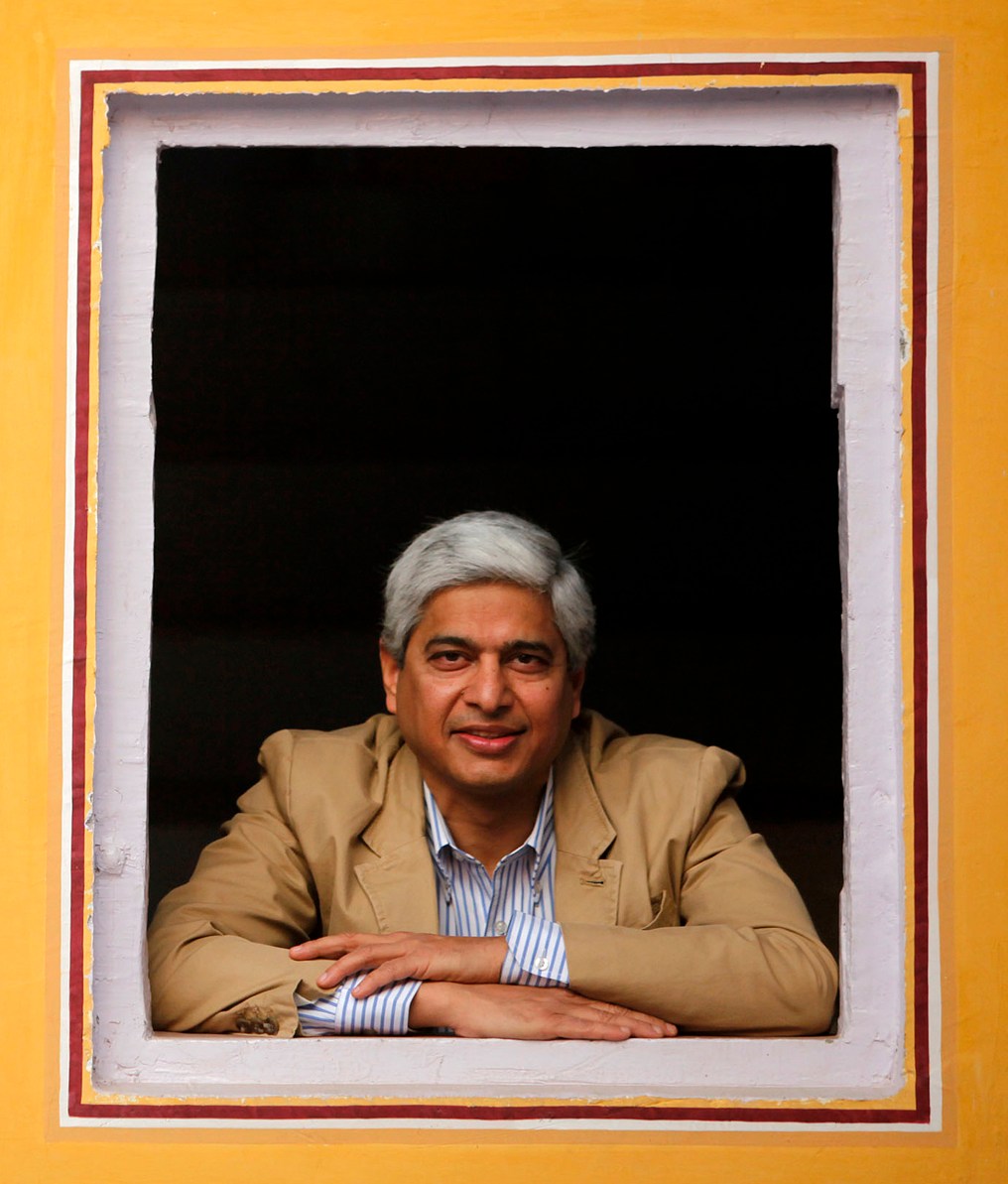
It is not always easy for diplomats to get themselves in front of local officeholders. But does it help if you’ve written a book that inspired an enormous Hollywood hit? “Absolutely,” says Vikas Swarup, whose debut novel, Q&A, was adapted for the screen as Slumdog Millionaire, which won eight Academy Awards. “As one fellow diplomat put it, ‘Vikas, we have interlocutors; you have fans.’ It opened many doors.” Swarup enjoyed a distinguished 35-year career in India’s foreign service, including postings to Ethiopia, South Africa, Japan and the US, and a stint as high commissioner to Canada. He also served as spokesperson for India’s Ministry of External Affairs and chef de cabinet to the foreign minister.
But that was not how he made his greatest impression on the world on his country’s behalf. In 2003, Swarup was winding up a posting to the UK. His family had returned to India as planned but Swarup was asked to stay to oversee a visit by then-prime minister Atal Bihari Vajpayee. Alone in London, he began writing. “Monday to Friday, I would be at the High Commission in Aldwych, doing my usual diplomatic stuff,” he says. “Then I would come home and do research. I wrote the novel over those 10 weekends.”
Q&A was the foundation of a soft-power triumph beyond the wildest dreams of any ambassador. But Swarup agrees that as a representative of one’s nation, and as an author, one is essentially seeking to tell a gripping story. “We diplomats are trained to use words very carefully,” he says. “We know their value.”
Melting pot
For author, artist and master potter Edmund de Waal, creation is a physical experience. “Clay is a gorgeous, messy untamed material,” he says at his office-cum-studio in London. “But so is language. I often think of the pressure between words when I put one next to the other or when I make spaces between them.”
De Waal, whose best-selling memoir The Hare with Amber Eyes has been published in more than 29 languages, is just as well-known for his work as a visual artist. Often crafted in response to historical processes or other works of art, the potter’s large-scale porcelain installations touch on movement, diaspora and materiality. They are also cross-disciplinary. De Waal currently has two shows in New York. To Light, and then Return at Gagosian’s Madison Avenue gallery features works with titles that allude to poems by Seamus Heaney and Emily Dickinson, as well as responses to photographs by Sally Mann, whose pictures are also on display in the collaborative exhibition. “Creating installations, like writing, is an art of construction,” De Waal tells Monocle. “You’re constantly putting things together then taking them apart.”
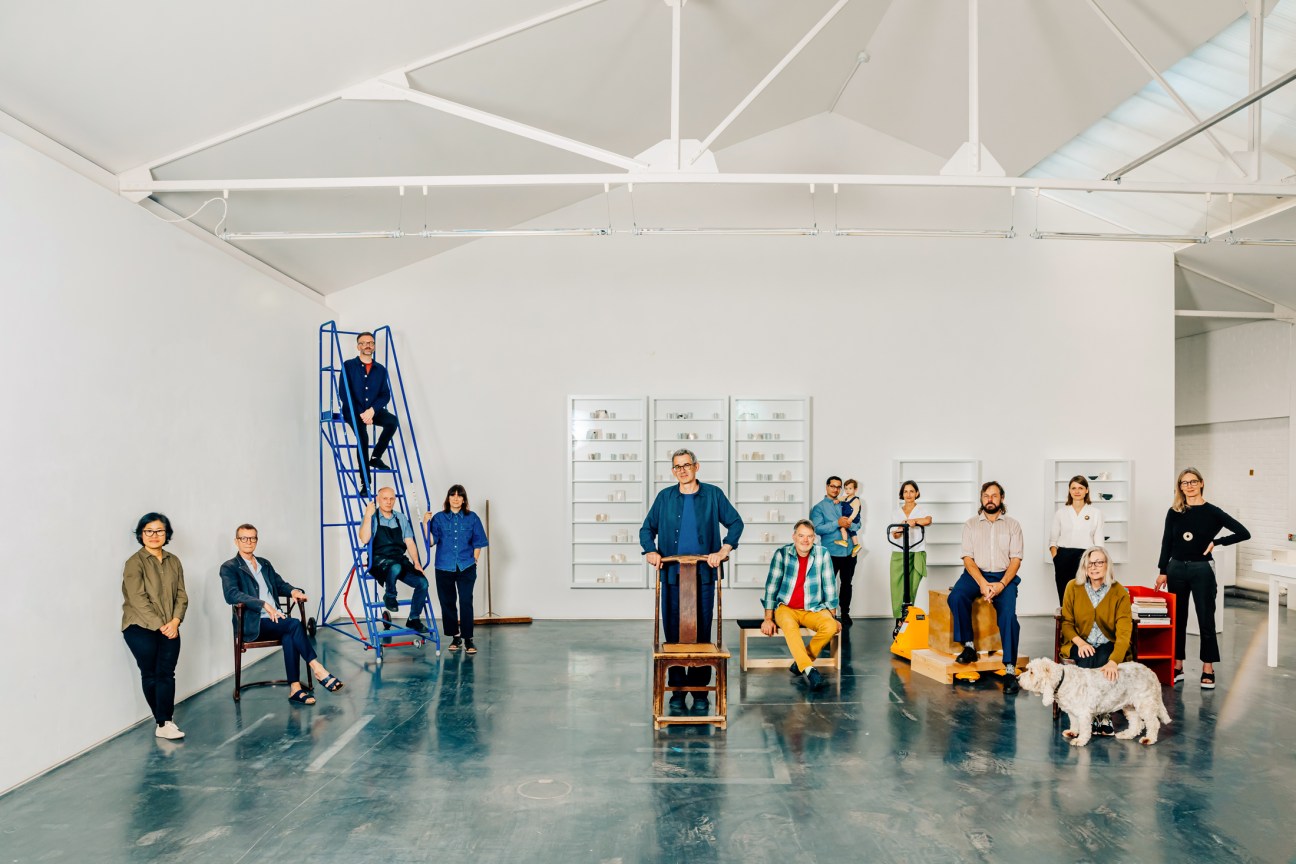
De Waal credits the breadth of his creative output partly to the people around him, most of whom come from different disciplines. “It’s a privilege to be alongside people whose own creativity sits in another place,” says De Waal. “It’s why I’ve always collaborated.” From working with ceramicists to going through drafts of his books with his literary agent, to recording with musician Simon Fisher Turner, communicating with his peers and the outside world has always been a key part of his creative process. “I come from a big family and so I never felt like creativity came from solitude,” he says. “That’s why this studio is full of people, materials and books. We have events and music playing. It feels like a library of possibilities.”
Ahead of his time
Portuguese architect Álvaro Siza’s office resembles a museum. Overlooking the Douro river in Porto, the room brims with paraphernalia collected over the course of decades of work: sketches and drawings, tiles, pieces of paper inscribed with pithy mottos and tacked to pinboards, paintings, bottles of port, boxes – and piles and piles of books.
Siza’s career spans almost 70 years and four continents. Born in 1933 and raised in Matosinhos, a small town near Porto, the 90-year-old Pritzker Prize-winning architect is known for his simple, sculptural designs. And while he made a name for himself in Portugal during the 1970s and early 1980s, Siza’s reach now extends far beyond his place of birth.

Today his buildings house paintings in South Korea and China, pupils in Spain and church-goers in France. But that wasn’t always the case. Growing up under Portugal’s right-wing dictatorship, Siza had little contact with the outside world. “I was 41 years old when I first left the Iberian peninsula,” he says. “At that time, it was very difficult for Portuguese people to leave the country.”
Nevertheless, Siza became interested in art. “I came across the classics,” he says. “Picasso, Matisse and many sculptors. I wanted to be a sculptor. But in Portugal, and particularly in Matosinhos, it was not something that most people saw as a good idea at that time. They saw it as a career path for bohemians because there wasn’t a lot of money in it.”
At his father’s request, Siza enrolled on a more general course at the University of Porto’s School of Fine Arts before he eventually found his way into architecture. “At the time, people started working very early on,” he says. “So when I began designing my first houses, I hadn’t even finished my degree.”
Decades later, Siza’s approach to making and designing still spans a wide range of disciplines. A recent foray outside the world of architecture was a collaboration with the watch brand Cauny. “At first, I thought to myself, ‘Why design a watch when there are already so many beautiful ones out there?’” says Siza. “But Cauny convinced me.”
Whether he is working on a timepiece, a museum or a school, Siza always designs with functionality and practicality in mind. “Communication is important,” he says of working on projects. “I always tell people, ‘Look, I like this, but I don’t know what the execution will be like – if it works well, if it’s safe, et cetera.’”
Even so, his attention to detail rarely detracts from the poetry in his work. It is often hard to distinguish Siza the artist (he still paints, sketches and sculpts) from Siza the architect. From the Iberê Camargo Foundation in Porto Alegre, Brazil – which, from certain angles, resembles arms embracing the building – to the coral façade of Porto’s Serralves Museum’s, his projects have a human quality that is clearly rooted in a deep commitment to artistry.
Despite turning 90 in June, Siza still enjoys working in the field but he often worries that doing so is losing prestige in Portugal. Future generations, he says, should remember that we all benefit from the work that architects do. “Architecture is related to comfort, it’s related to beauty, it’s related to the economy,” says Siza. “It affects all of us.”
Show on the road
Egyptians know that the road connecting their country’s two largest cities, Cairo and Alexandria, is full of surprises. When Monocle makes the journey, families are driving along the route in oversized suvs while nimble microbuses packed with commuters weave between the overladen trucks and dodge the construction workers toiling in the central reservation, scarves wrapped around their faces to protect them from the dust and heat. Kerbside, men sell tea, spare tyres and salvaged parts from cars that have crashed here.
Egypt has one of the world’s highest traffic mortality rates and the desert highway connecting Cairo and Alexandria is often recorded as the country’s deadliest. Despite this, Egyptians tend to wax lyrical about it – the shooting stars that they see when they’re driving at night, the spectacular sunsets, the sublime falafel shacks. Few similarities unite Cairenes and Alexandrians but a strange appreciation for the highway is one of them. It’s common to come across people from all walks of life at the pit stops. “We serve guests travelling for religious, medical and business reasons, as well as tourists coming purely for pleasure,” Ali Gallah, manager of the roadside Balboul Restaurant, tells Monocle.

The wide road, which is some 220km long, was built in 1935. Millions of people use it every year for business and trade but, for many, driving along the highway is synonymous with leisure. On the day that Monocle does the dash, streams of Egyptians have hit the road hoping to swap Cairo’s intense heat for the coast’s white beaches. For Yassin Ashour, a Cairene who drives on the highway most weekends in the warmer months, the trip evokes nostalgia. “I have memories of my late grandmother stargazing through the window,” he says. “I grew up to have that same ritual with my friends, so the road has come to symbolise summer for me during different times of my life.”
Others come here seeking economic opportunity. On the first stretch of the highway, three men are cutting up a tangled web of iron with an angle grinder, metres away from raging traffic. The noise is dizzying but they seem unfazed. Wearing a Manchester United windbreaker and standing in front of an array of equipment, Mohammed, the beaming owner of the business, explains that he makes a living by selling parts he finds on the road.
He’s not the first person to do business here. Over the years, inexpensive land prices and easy transportation links have lured the agriculture industry to this seemingly hostile stretch of land too. For instance, one of Egypt’s largest dairy companies, Dina Farms, is based along the highway, 80km from Cairo. Tea houses, restaurants, fruit and vegetable shops, and shisha cafés are also commonplace. For the most part, it’s inside these establishments that many people make lifelong memories. After passing a truck loaded with young men perched on bundles of rubbish bags, we arrive at the Master Rest House, a service station packed with excited children, groups of friends and exasperated mothers stocking up on snacks. Here, between gulps of coffee, a gaggle of glamorous older ladies tells Monocle that they’ve been travelling together on the highway to the north coast for years and remain best friends.
As dusk falls over the desert, we start the journey back to Cairo. Monocle gets the sense that, like the older ladies, we’ll return soon. A few kilometres on, our car passes trucks carrying watermelons and is overtaken by microbuses. But we’re unfazed. Traffic flows continuously, as does life on the road.
Bring it on
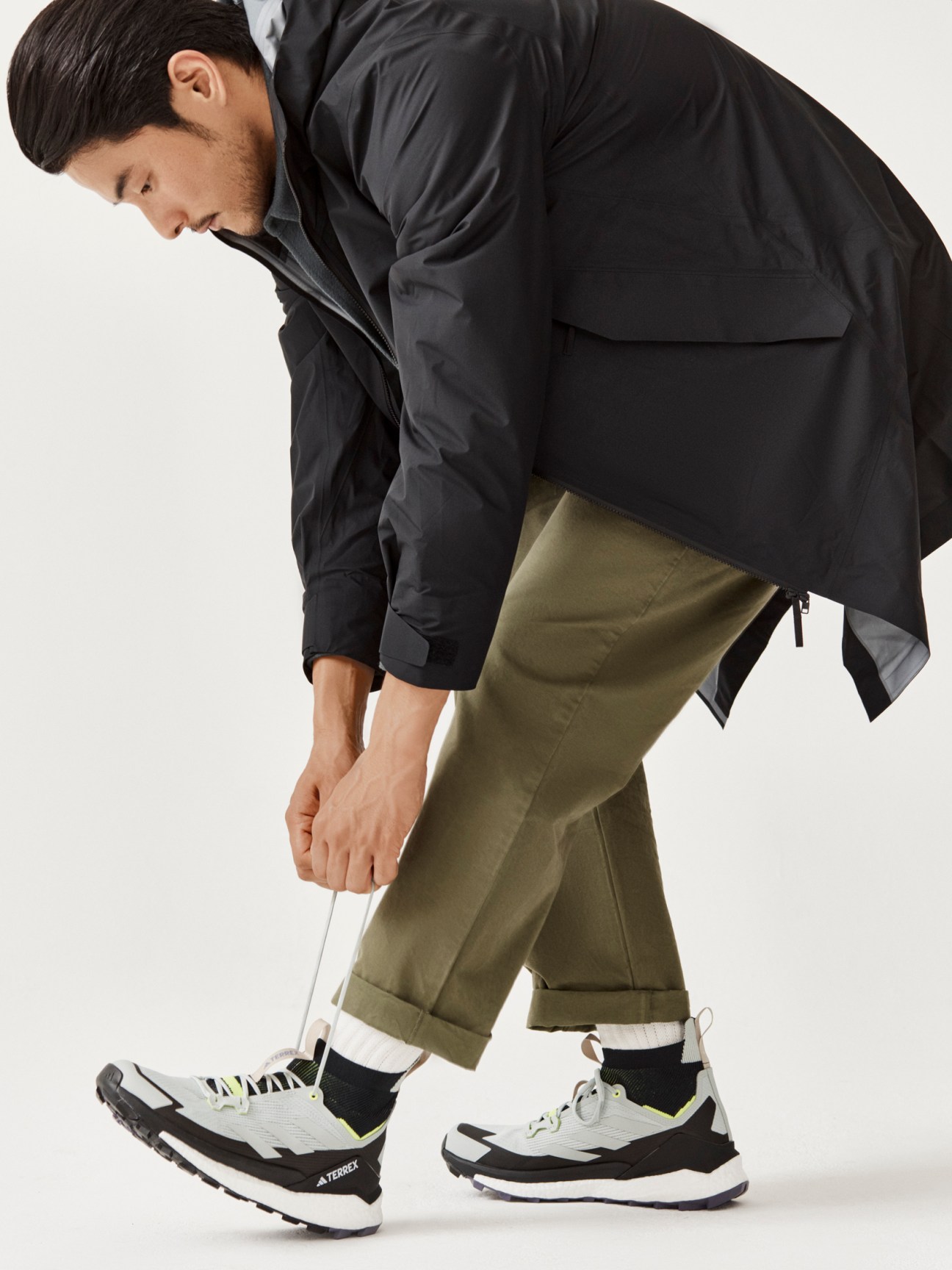
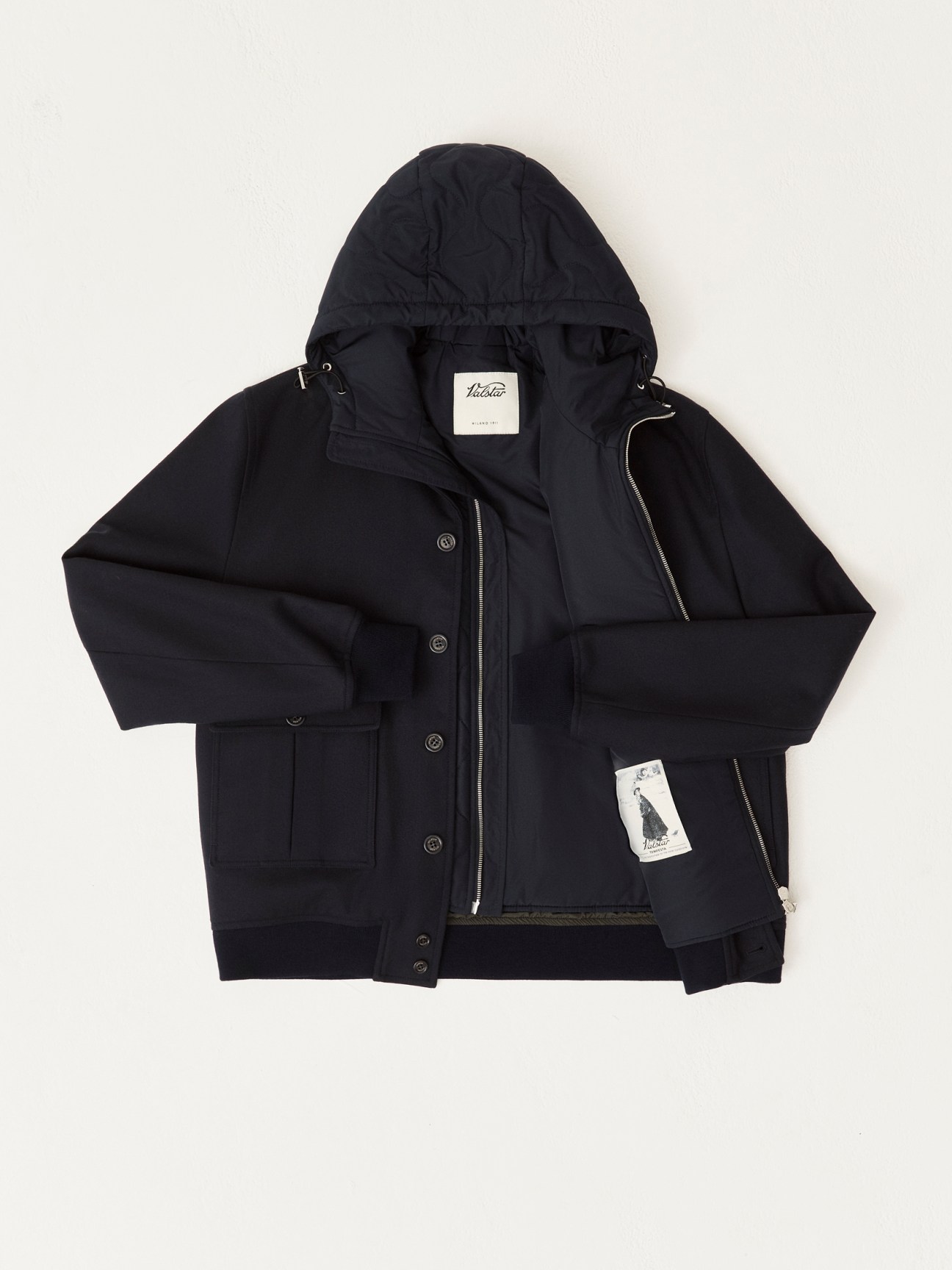
socks by Rototo, trainers by Adidas Terrex

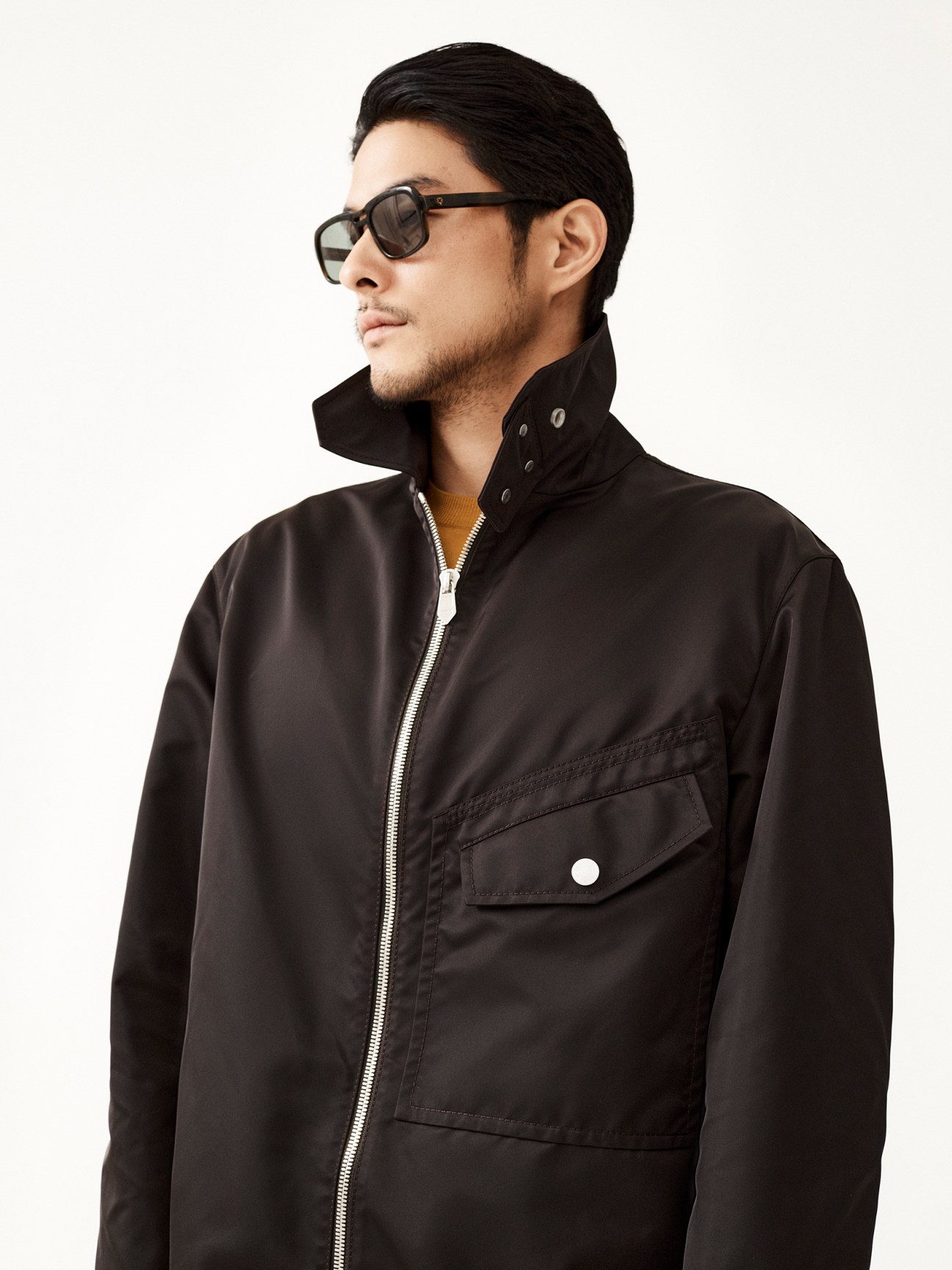
sunglasses by GLCO 3 Massimo Alba
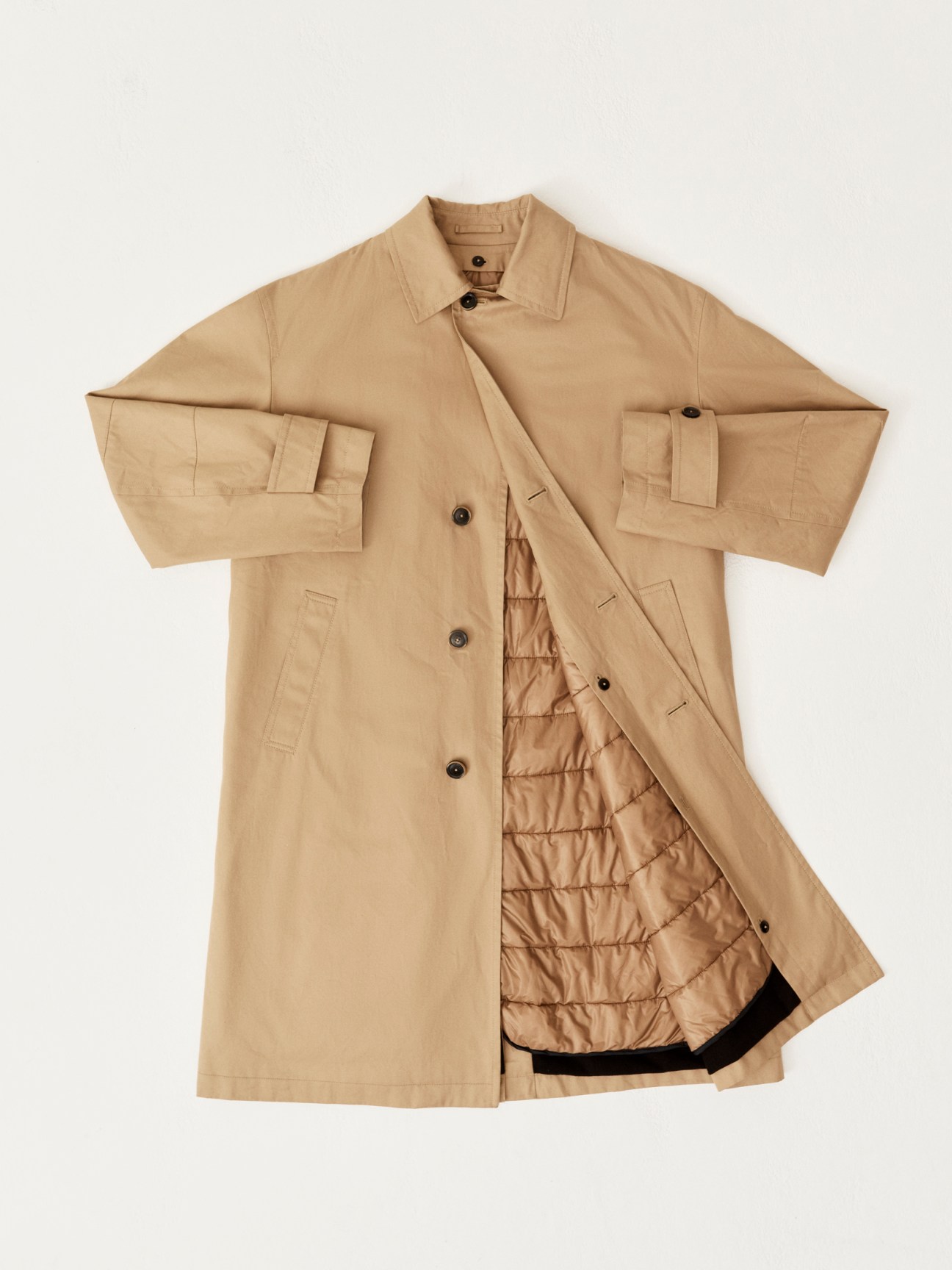

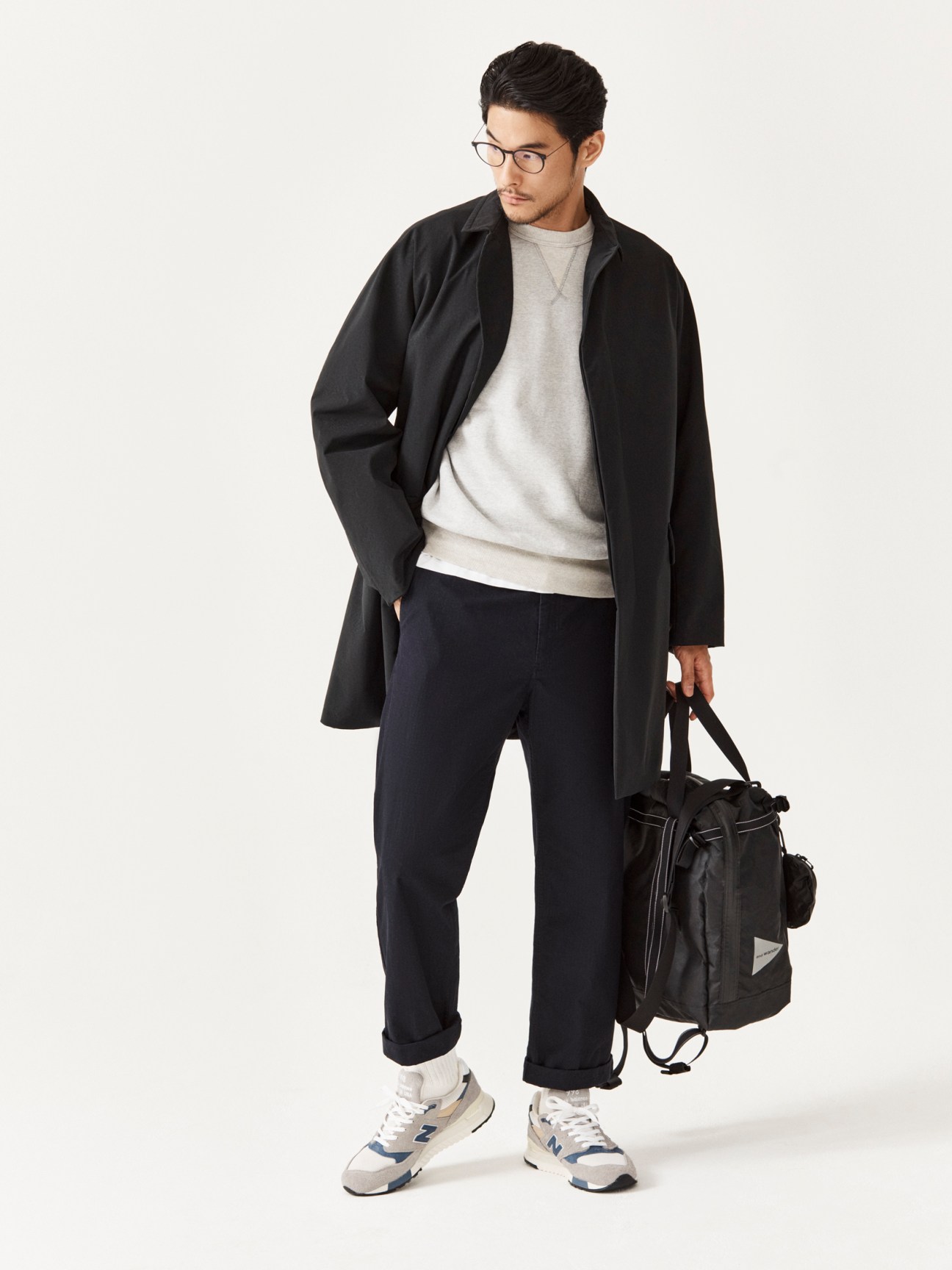
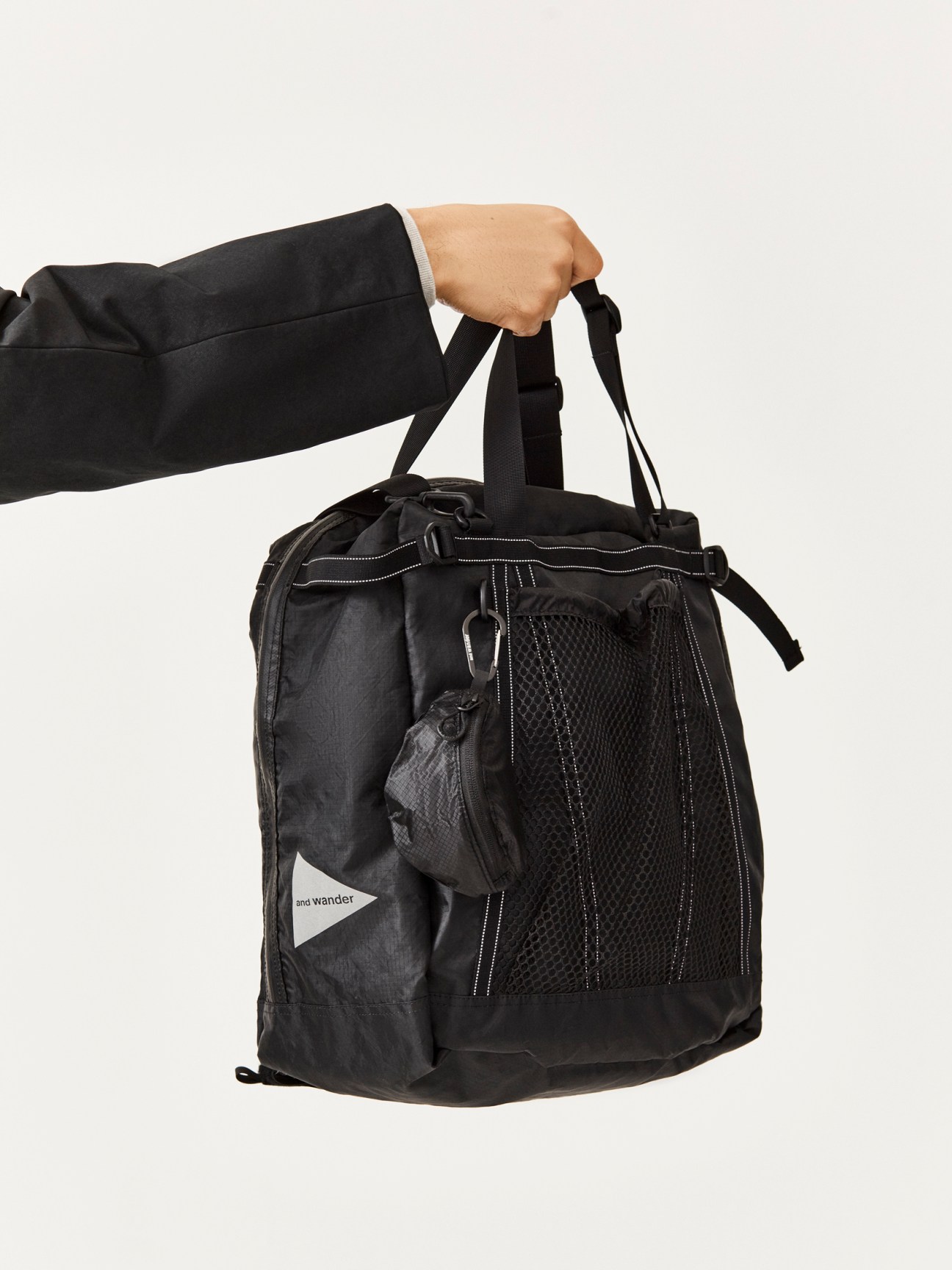
trainers by New Balance, glasses by Lindberg, bag by And Wander
trousers by Norse Projects
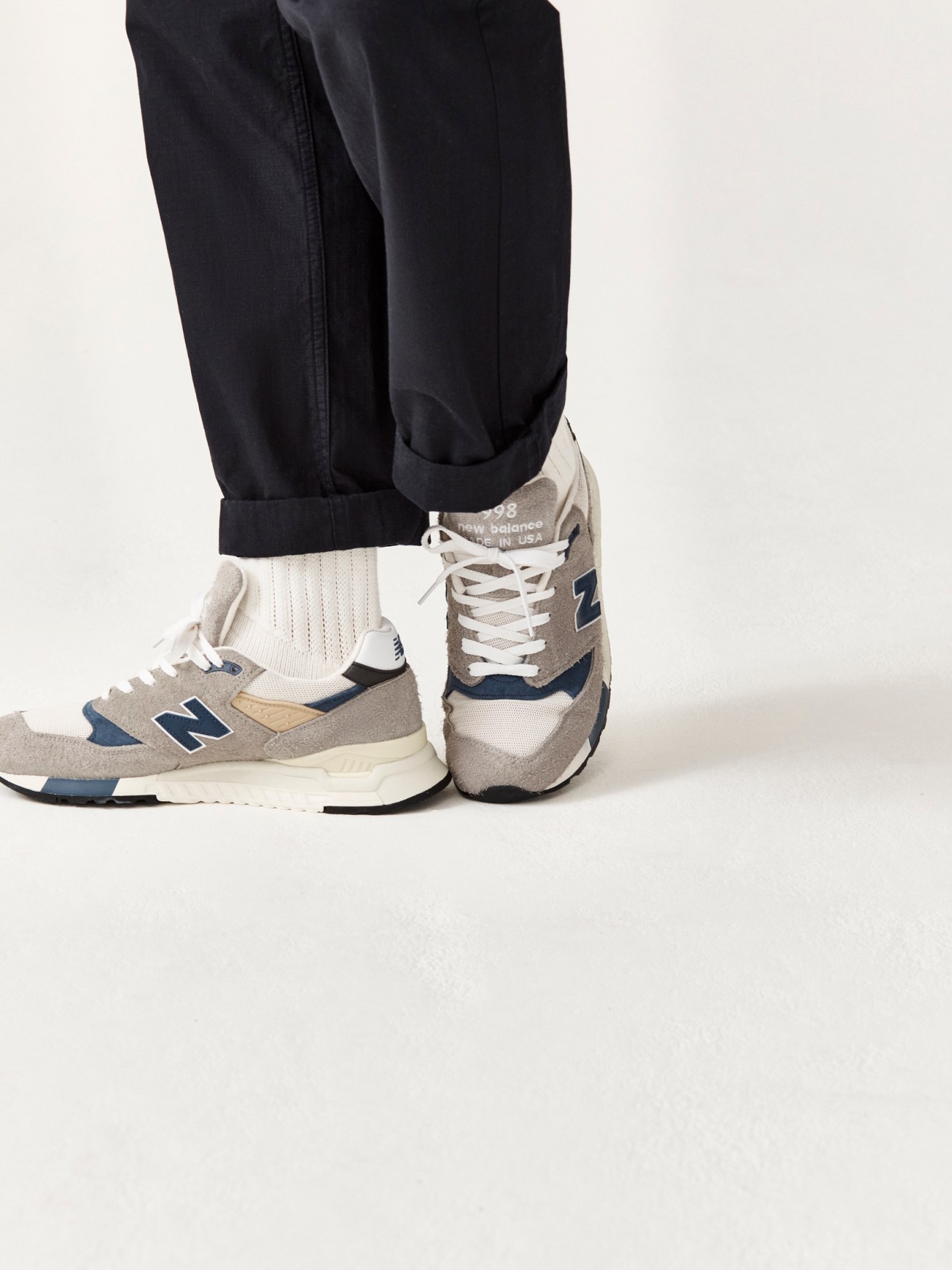
trainers by New Balance


trainers by JM Weston, beanie by A Kind of Guise,
backpack by Porter
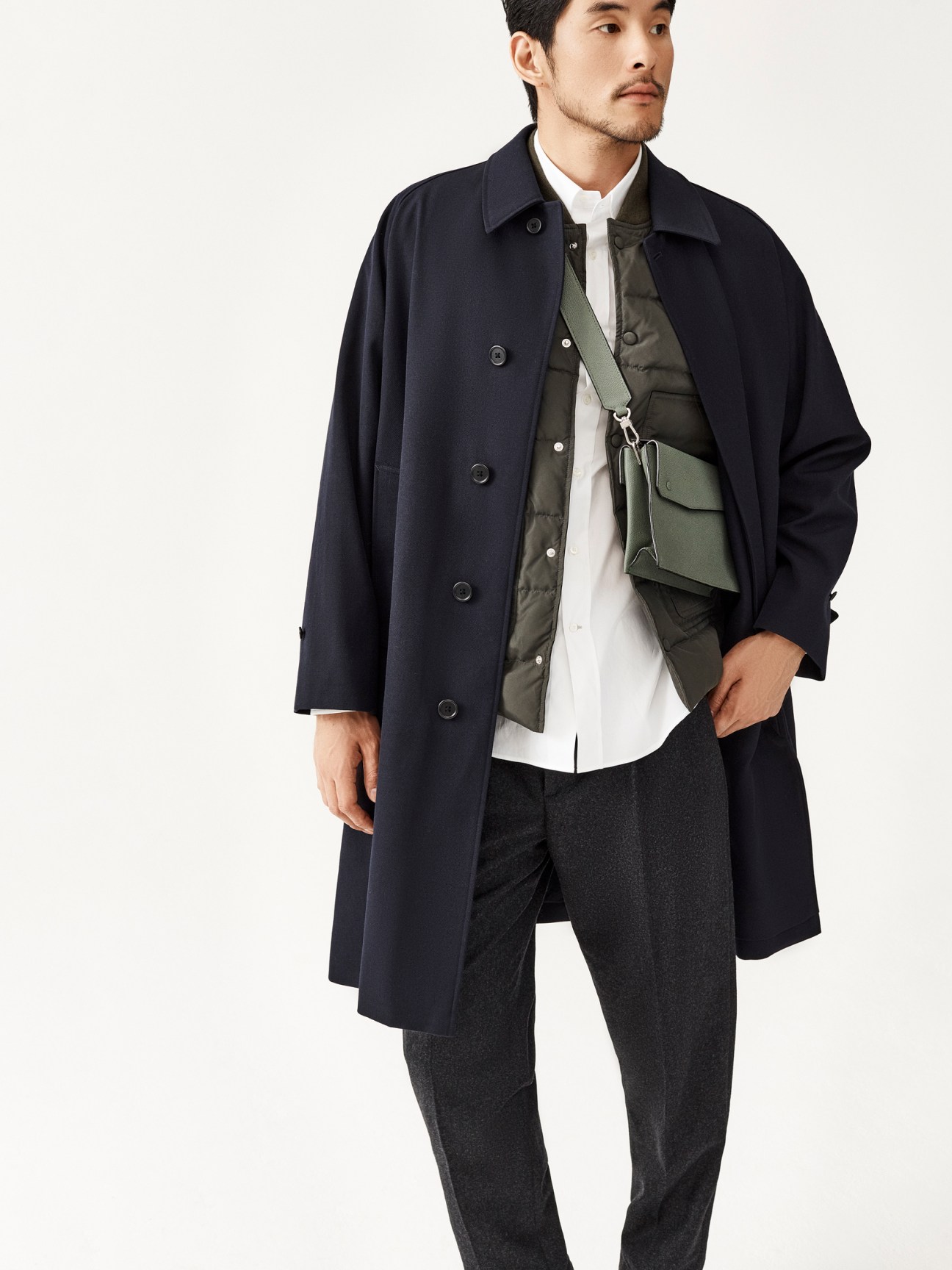
shirt by Brunello Cucinelli, trousers by Tod’s,
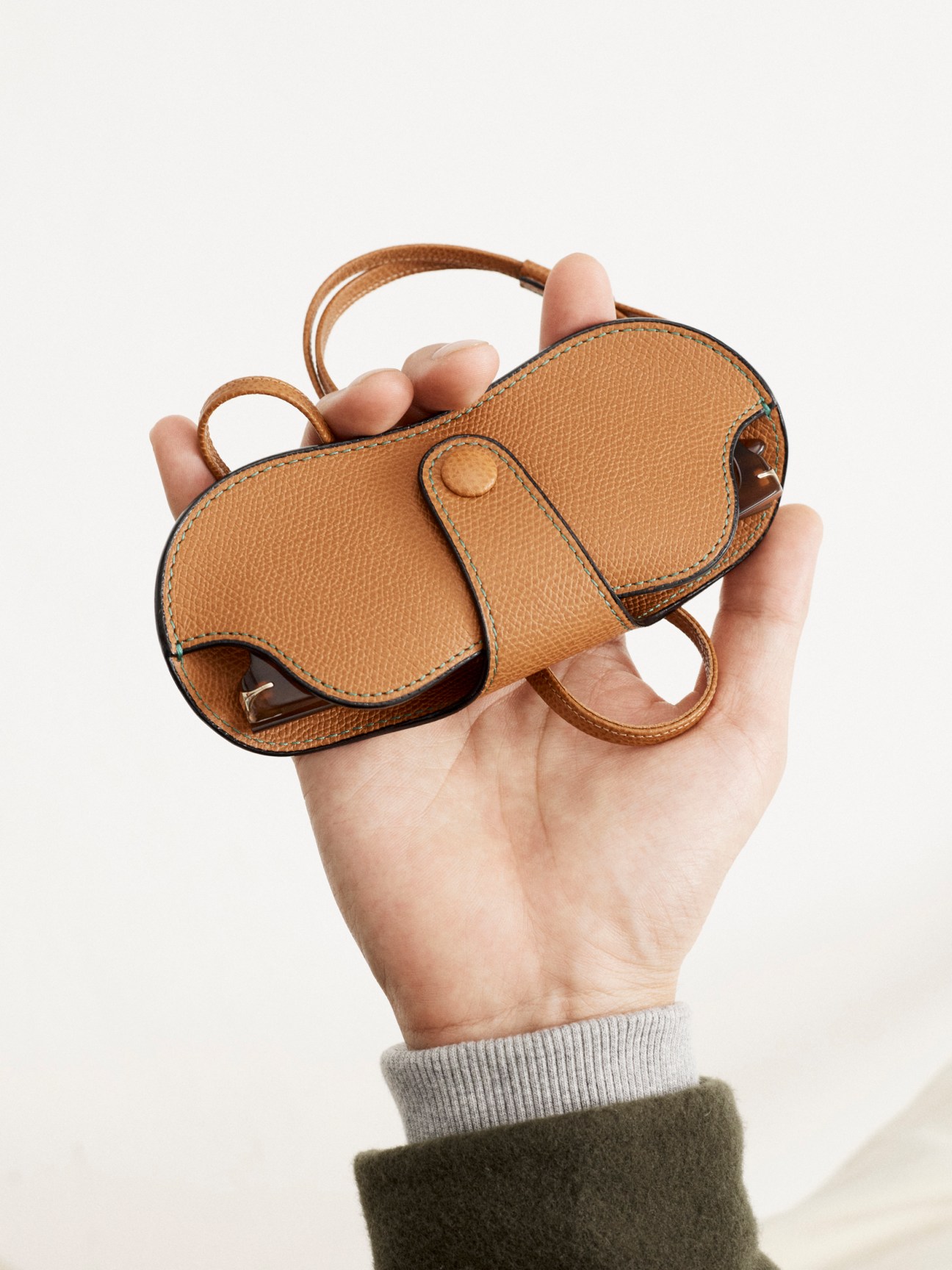
bag by Valextra
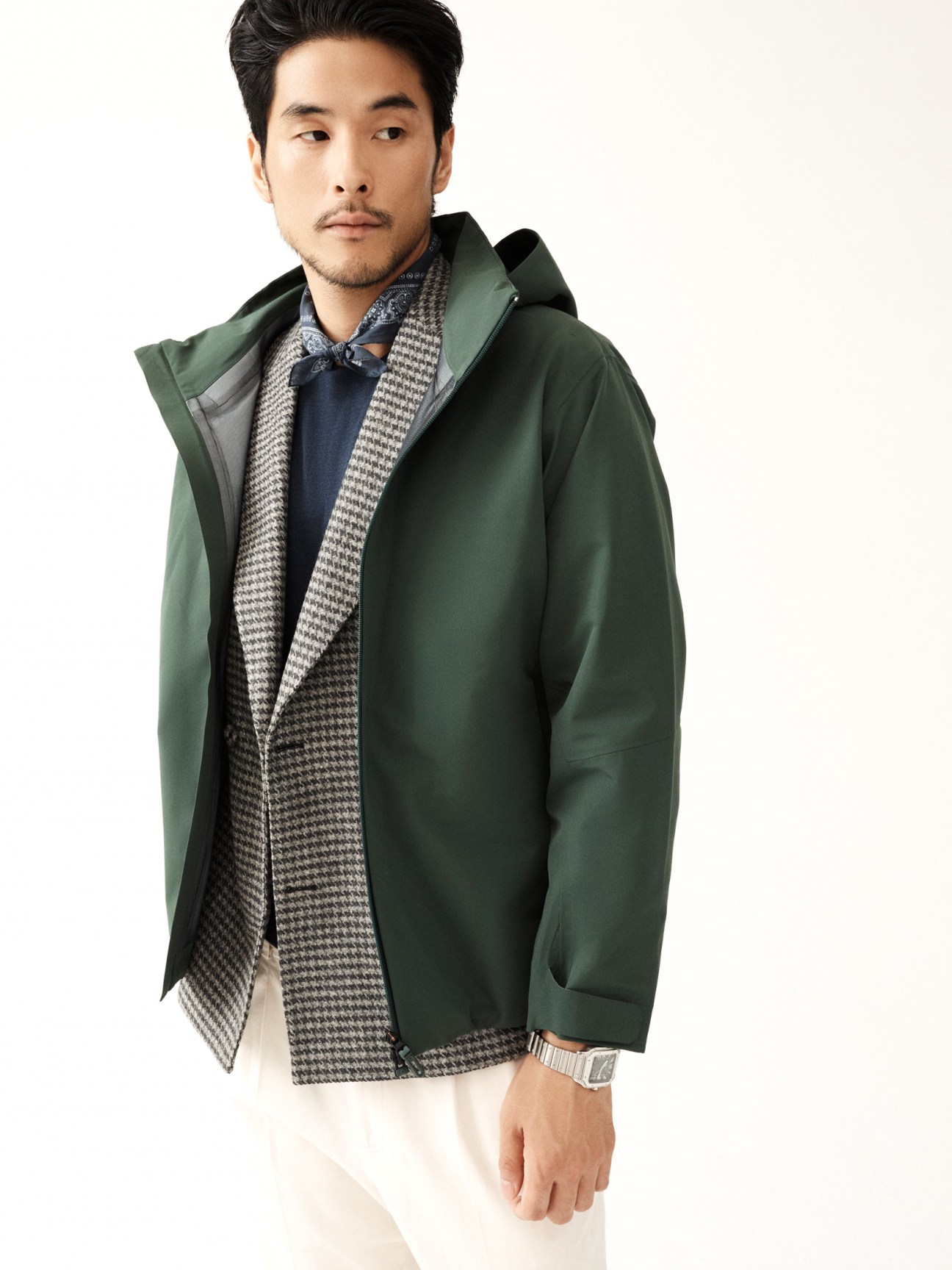
bandana by Massimo Alba, Santos de Cartier watch by Cartier
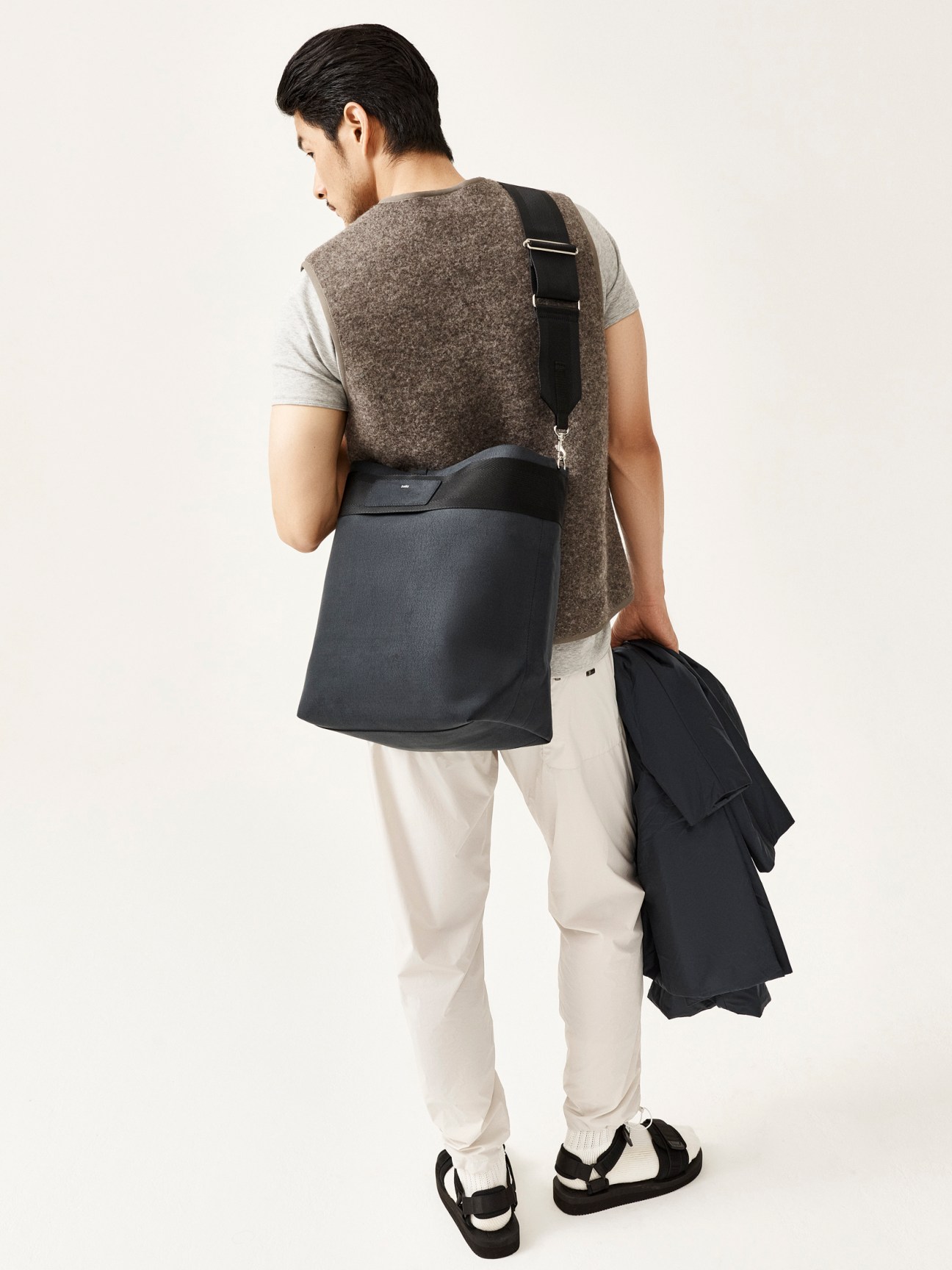
t-shirt by The White Briefs, trousers by Herno Resort,
socks by Tabio, sandals by Suicoke

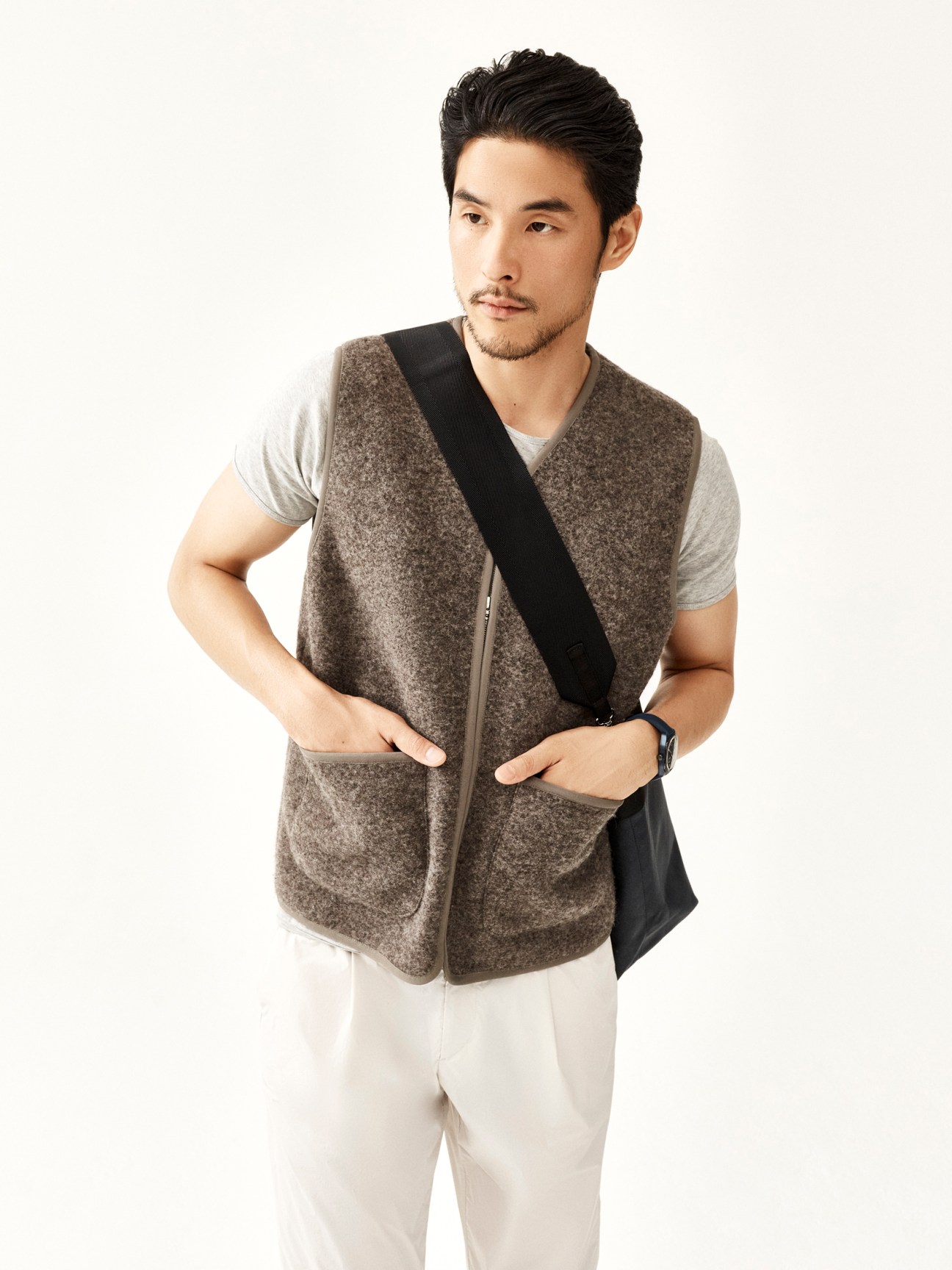

scarf by Johnstons of Elgin
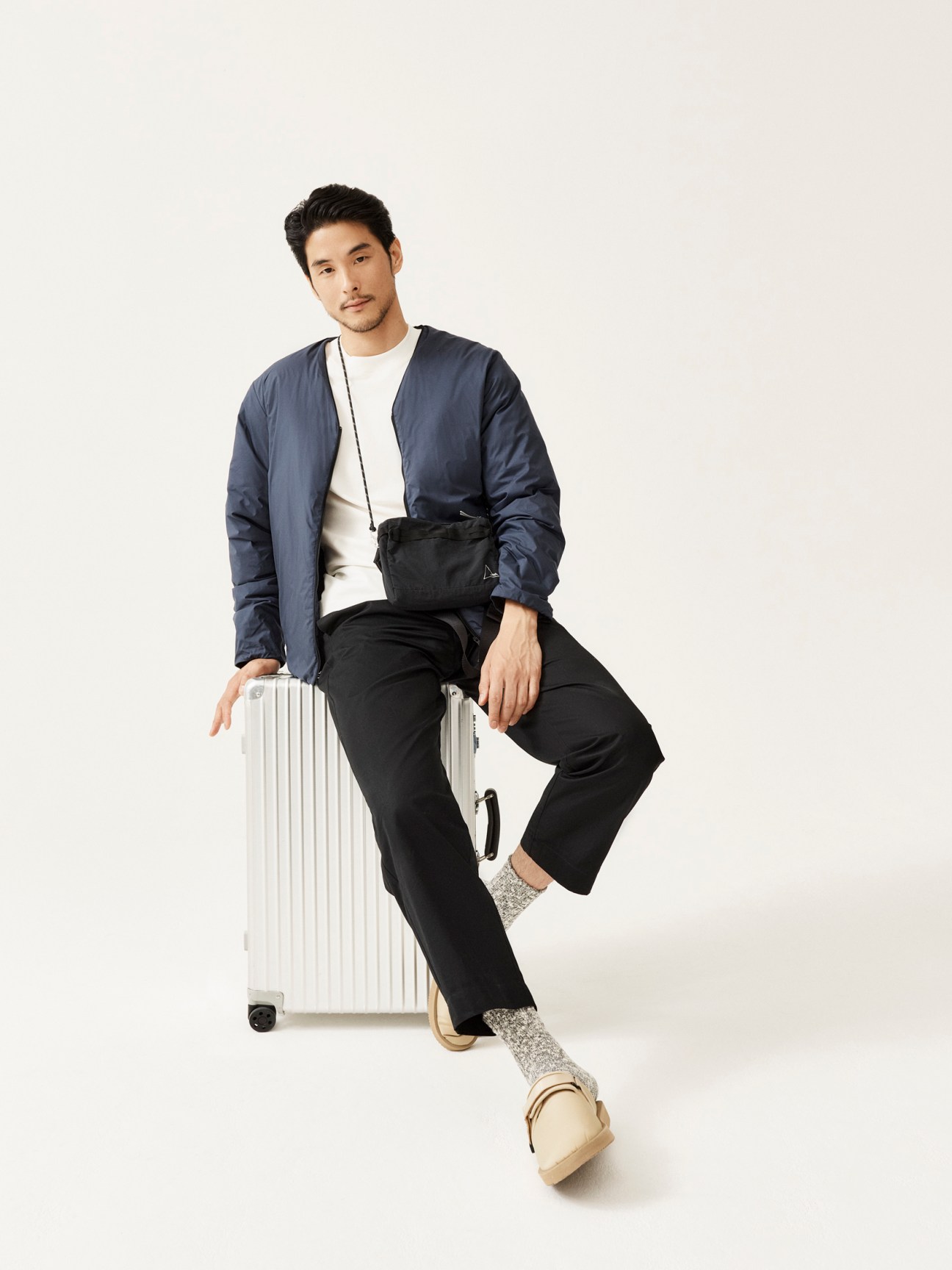
trousers by Applied Art Forms,
socks by Mauna Kea from Couverture & The Garbstore, sandals by Suicoke, bag by ROA,
suitcase by Rimowa
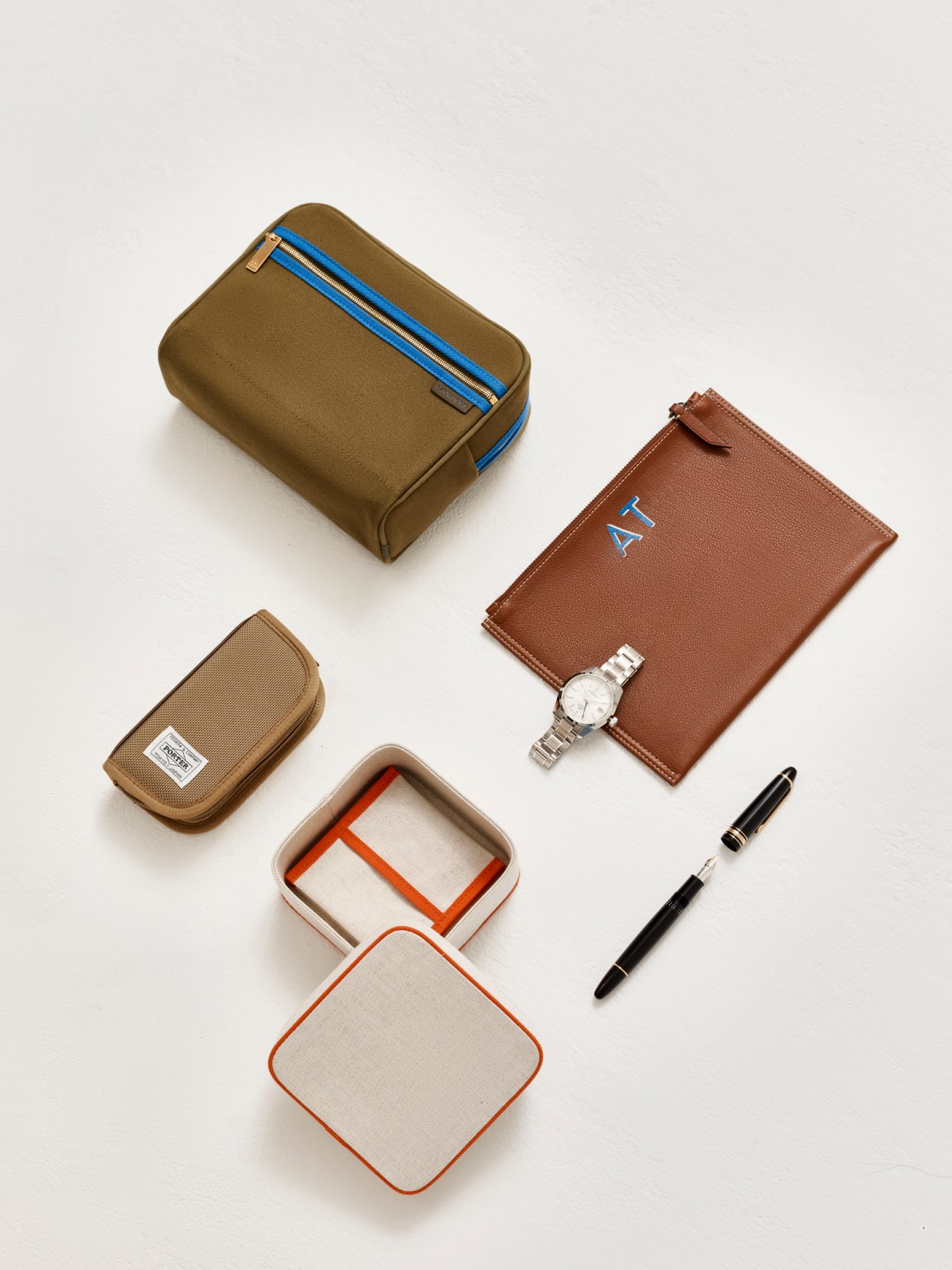
watch case by Vague Watch Co & Porter Yoshida & Co from Couverture & The Garbstore,
Pouch by Métier,
storage box by L/Uniform,
Heritage Collection watch by Grand Seiko
pen by Montblanc
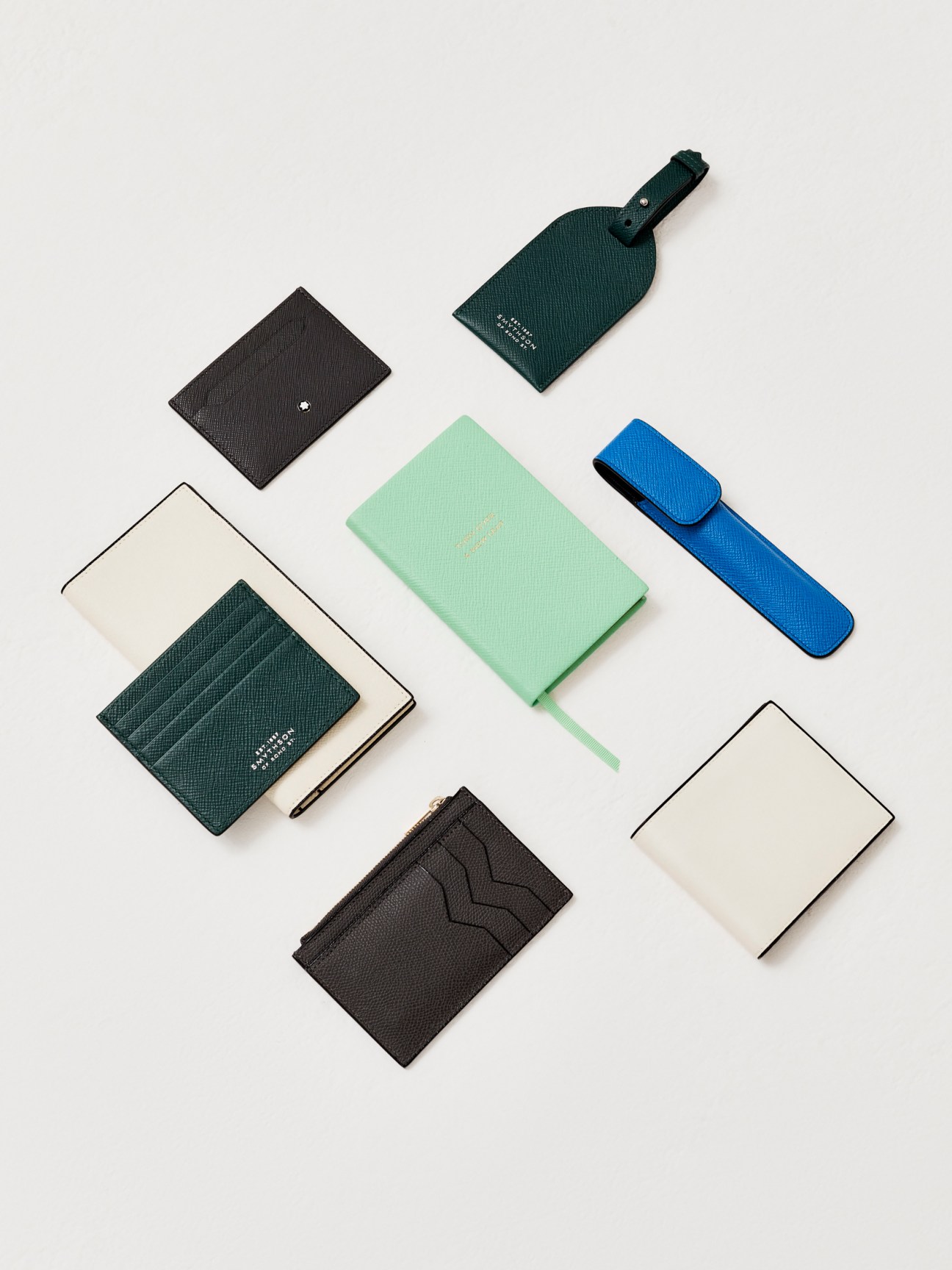
Double wallet by Valextra, notebook by Smythson,
Pen case by Smythson, Card case by Smythson,
Card case by Valextra, mall wallet by Valextra

bag by Pas Normal Studios
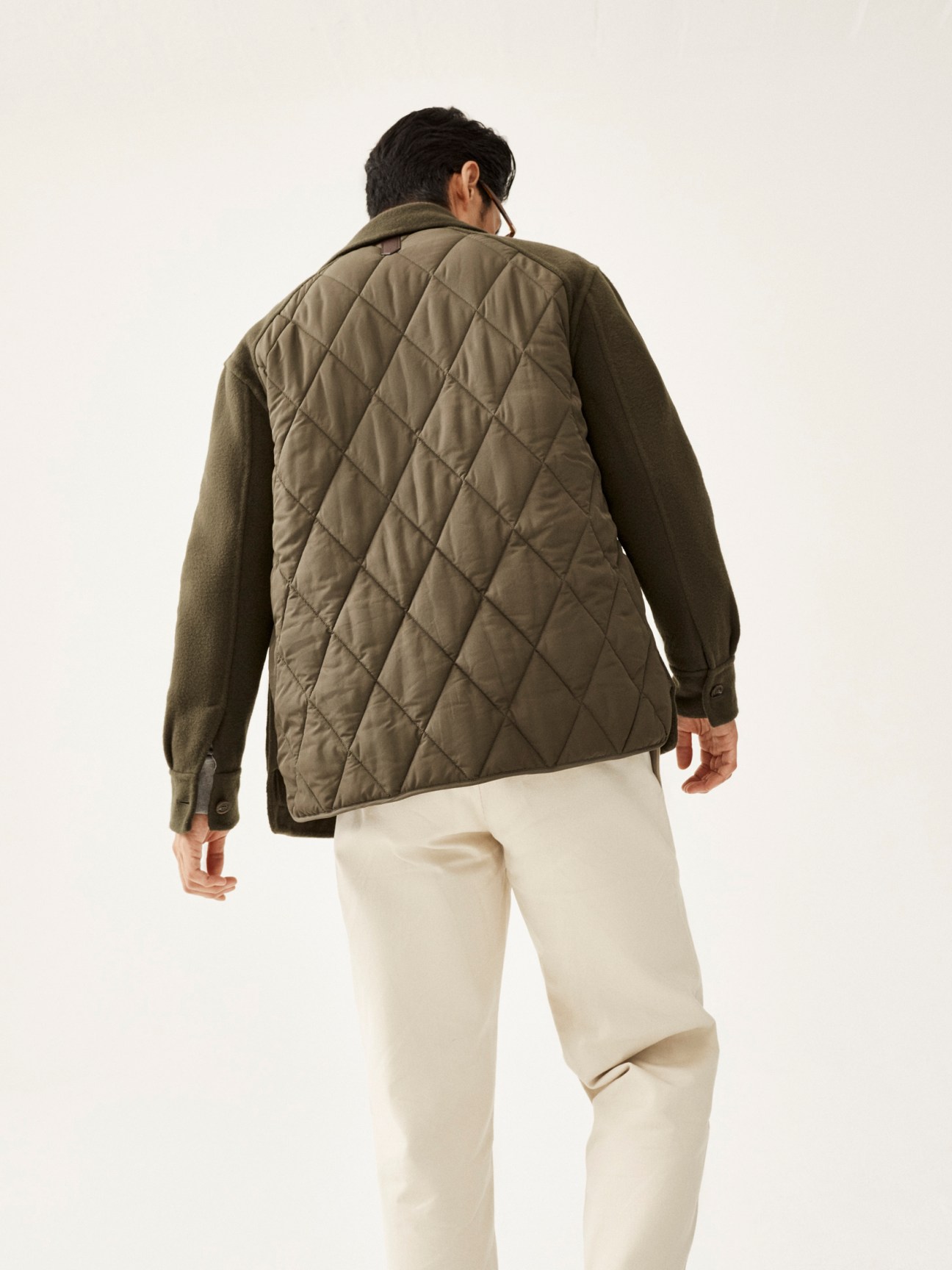
trousers by De Bonne Facture,


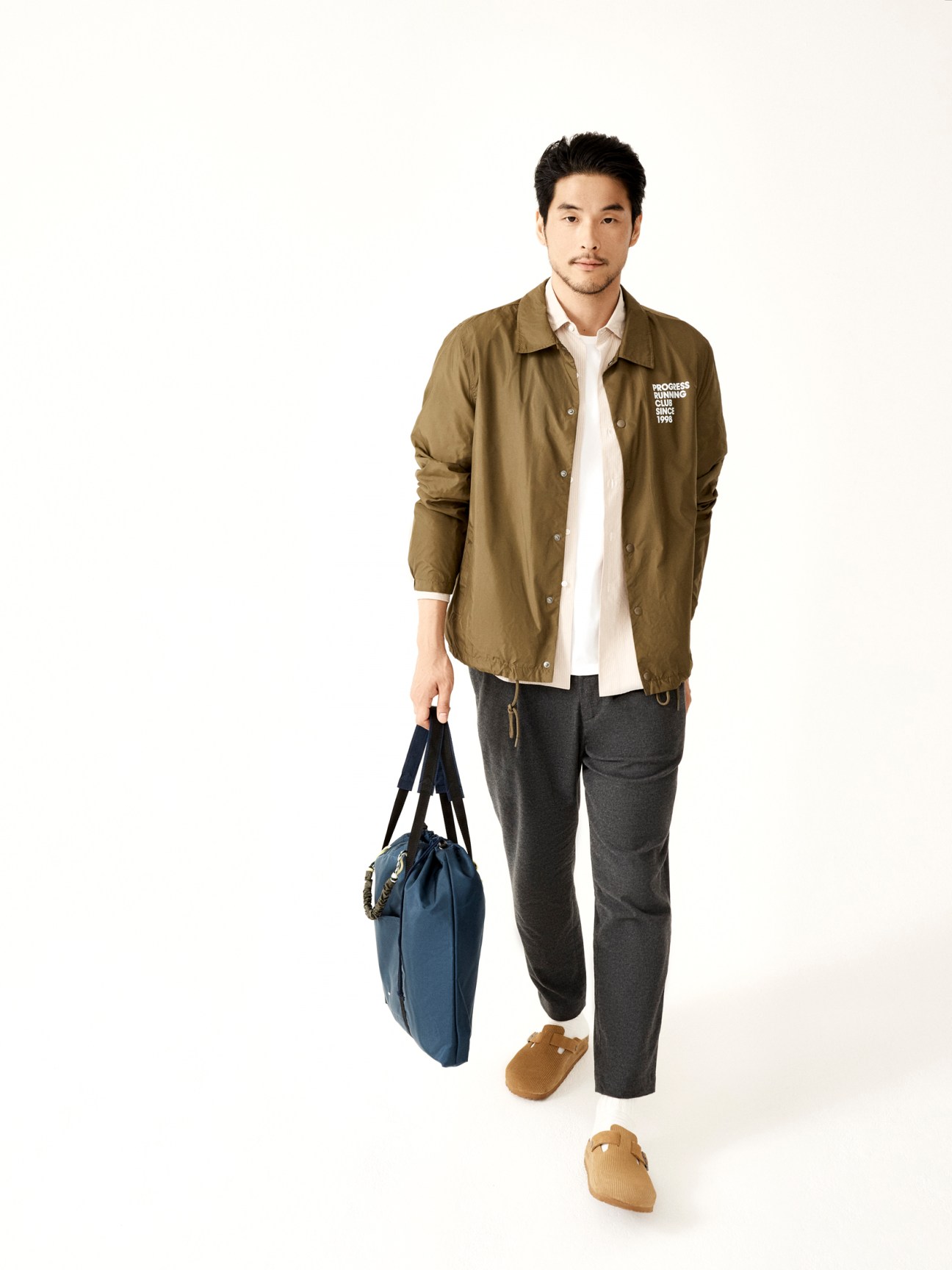
t-shirt by Asket, trousers by HandPicked,
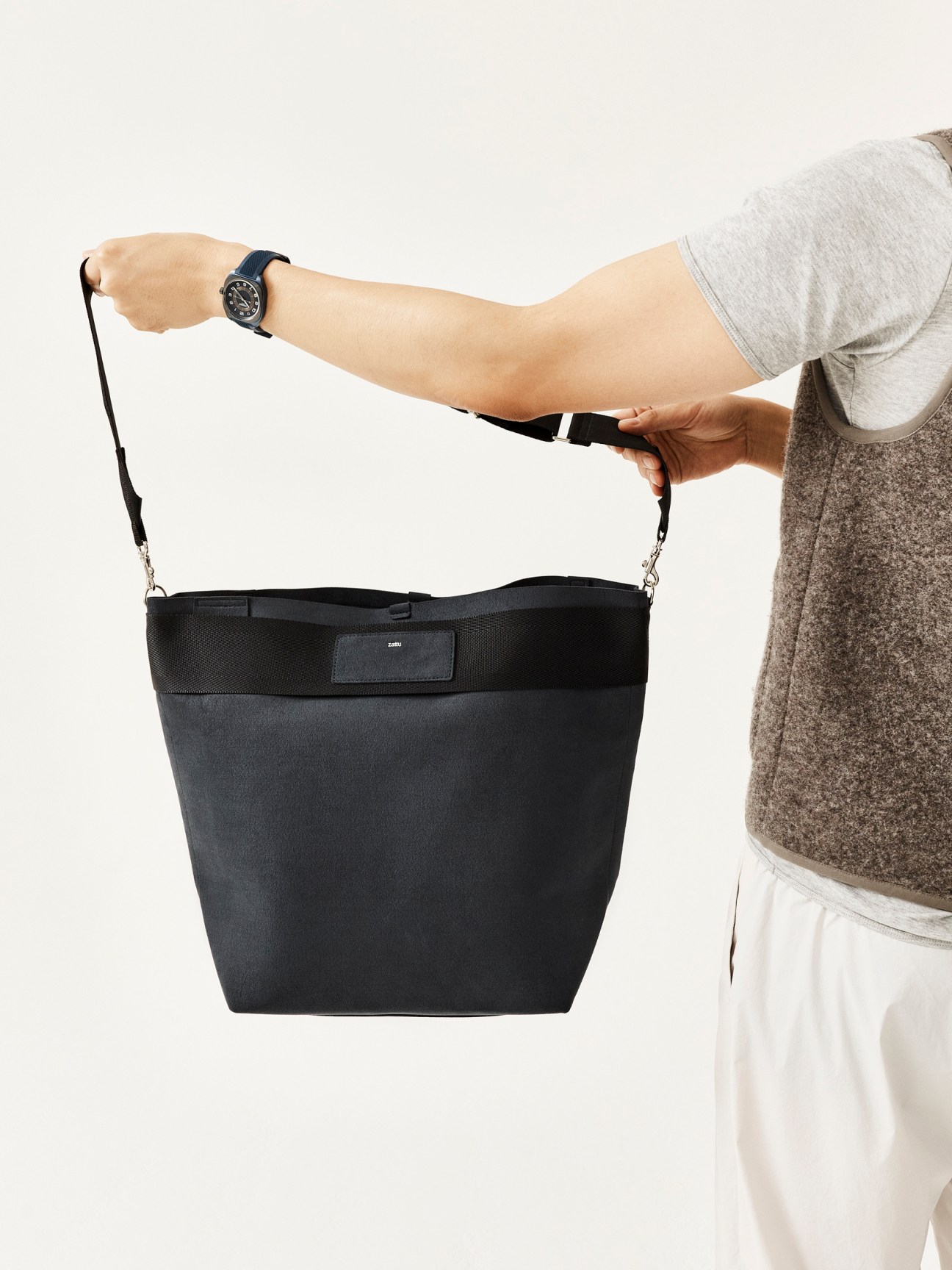
socks by Rototo, sandals by Birkenstock, bag by Zattu
Styling: Kyoko Tamoto
Model: Takayuki Suzuki
Hair & Make-up: Liz Daxauer
Station to station
The second half of this year is packed with must-see design events, architectural projects and exhibitions. We round up nine essential stops for those planning a design-minded itinerary for 2023’s home stretch.
1.
Mircea Anghel
Portugal
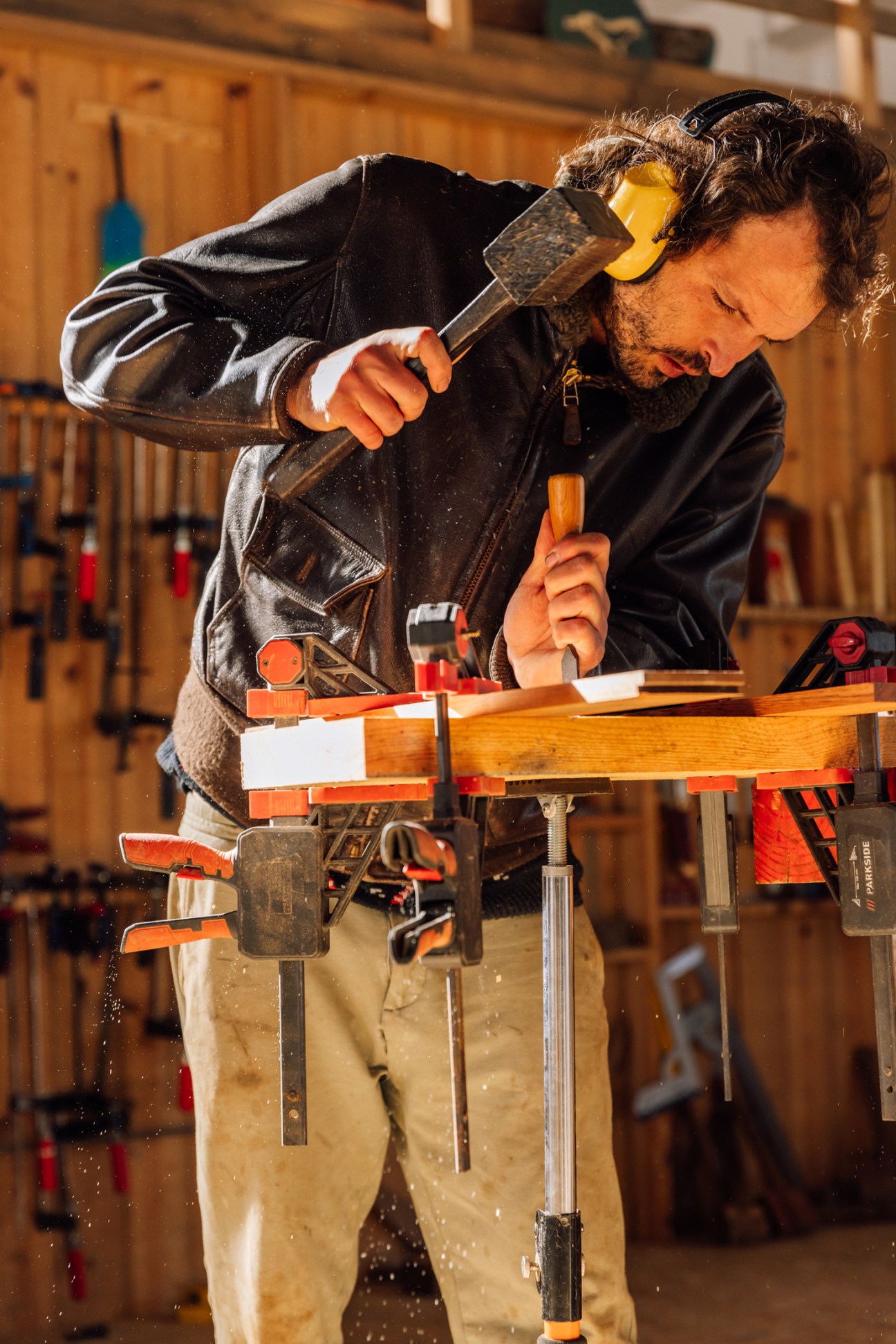
Based in Alcácer do Sal, southeast of Lisbon, designer Mircea Anghel has opened his studio and sawmill to the public, giving visitors a chance to see his creative process up close.
mirceaanghel.com
2.
Phive
Australia
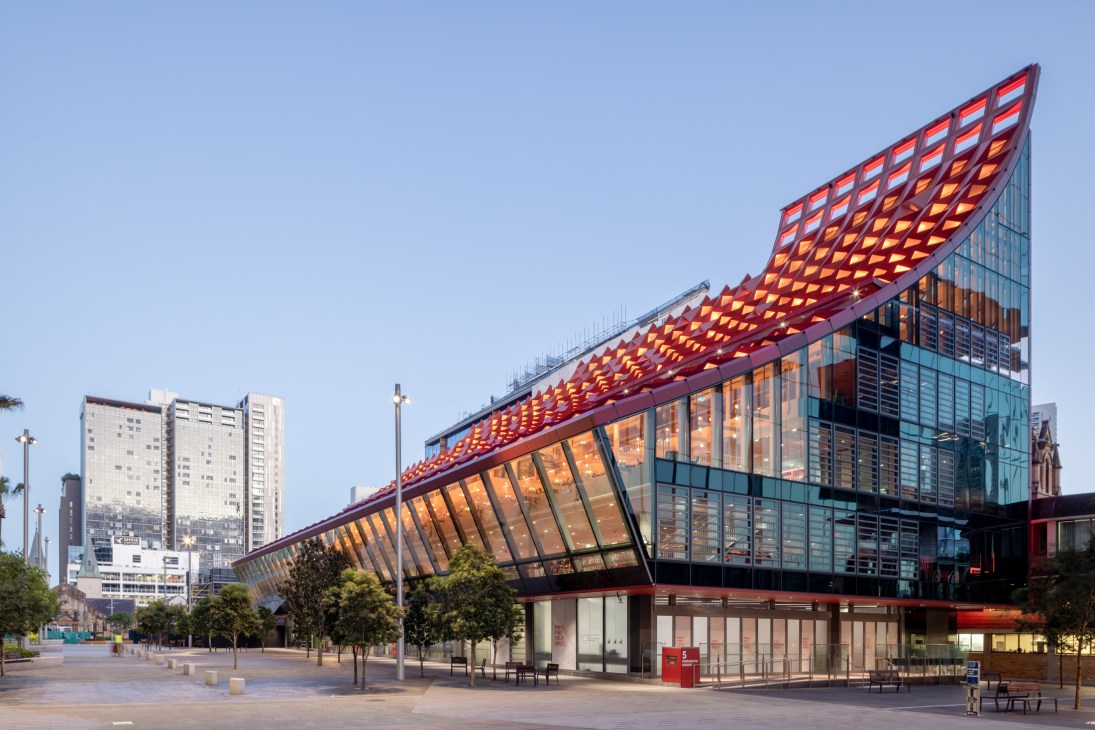
Designed by Manuelle Gautrand Architecture, this new building in Sydney’s Parramatta Square functions as a library, a council chamber for the local authority and a community and exhibition space. Its curving roof serves as both a ceiling and a façade, and hundreds of folded-glass panels offer striking views of the city.
manuelle-gautrand.com
3.
Maison & Objet
France
The biannual interiors and decoration fair will be held at Paris Nord Villepinte exhibition centre from 7 to 11 September. The theme this time is “Quest of Pleasures”, so expect some colourful, audacious work.
maison-objet.com
4.
Habitare
Finland
For the first time, Helsinki’s largest design and interiors event will extend beyond the Messukeskus to showrooms across the city. Running from 13 to 17 September, it’s a chance to check out the best that the Finnish capital has to offer in terms of furniture and city life.
habitare.messukeskus.com
5.
Moynihan Connector
USA
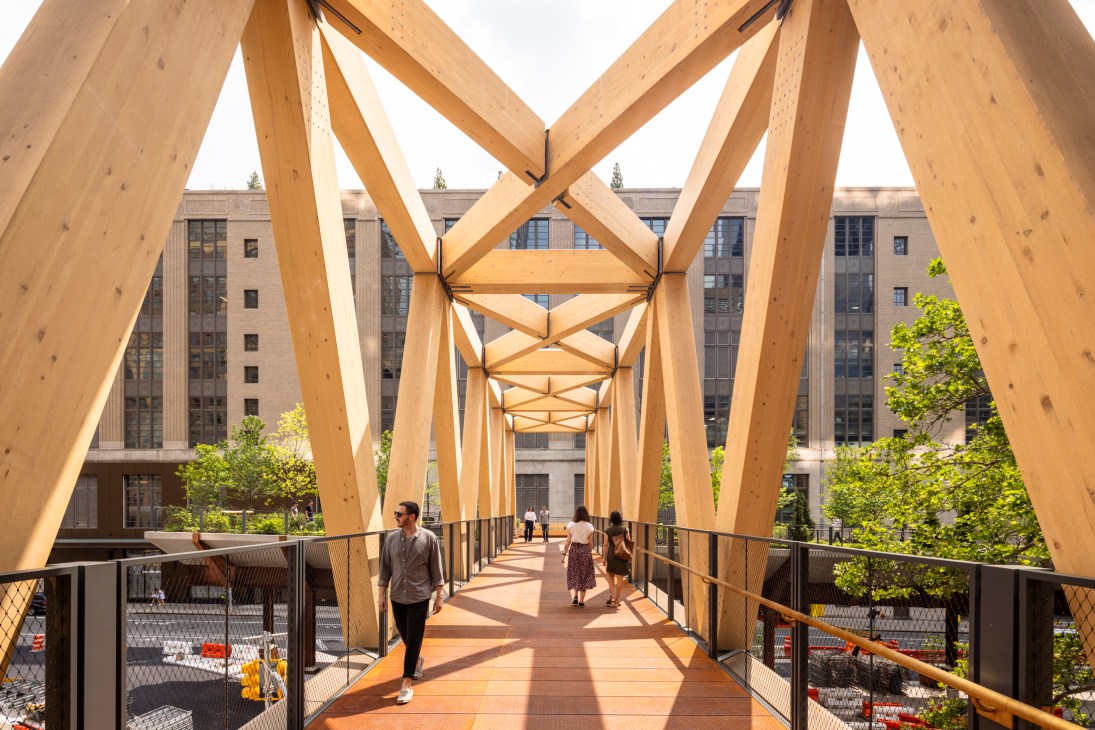
The latest expansion of New York’s High Line demonstrates why the project continues to serve as a global benchmark for pedestrianisation and urban reuse. The Moynihan Connector has been co-designed by Skidmore, Owings & Merrill and Field Operations, and links West Side Manhattan with Penn Station’s new train hall.
som.com; fieldoperations.net
6.
Find Design Fair Asia
Singapore
The second edition of Find Design Fair Asia runs from 21 to 23 September at the Marina Bay Sands exhibition centre as part of Singapore Design Week. Its focus extends beyond the city-state, with its organiser keen to provide a broad platform for designers from across Southeast Asia to showcase their wares.
designfairasia.com
7.
Tane Garden House
Germany
Japanese architect Tsuyoshi Tane has designed the Tane Garden House for the Vitra Campus in Weil am Rhein. Made mostly using local materials, including stone and wood sourced from within a 50km radius of the site, it’s a welcome addition to a campus that includes works by the likes of Frank Gehry, Zaha Hadid and Herzog & de Meuron.
vitra.com
8.
Chapelle Saint-Michel de Brasparts
France
Those seeking a moment of respite should make a pilgrimage to this newly restored chapel in Brittany. Here, French designer Ronan Bouroullec has created and implemented new furniture for the sanctuary using granite, steel and glass. The result is a simple, elegant space that invites contemplation and reflection.
bouroullec.com
9.
Dubai Design Week
UAE
This year’s edition of the Gulf’s premier design event will run from 7 to 12 November. The festival’s programme includes exhibitions and installations alongside talks, workshops and performances. It’s a great way to soak up some desert heat and find inspiration before you return to a European autumn.
dubaidesignweek.ae