Issues
Top of the class
The 21st-century school aims to be more than a mere space for study. A shift away from rigid education models has led to curriculums being updated and a novel approach to the architecture of schools themselves. Design adjustments, such as increasing natural light and air flow in classrooms, have been linked with improvements in teaching and learning.

To explore how the design of schools can enhance children’s educational experiences, Monocle travelled to Morocco, Italy and Lithuania to speak with the architects and educators building inspiring institutions.
Object lessons
Jacques Chirac School
Rabat, Morocco
In the bright, early morning sun, Monocle drives down one of Rabat’s broad, palm-lined avenues among the embassies and villas of the city’s Souissi neighbourhood. Guiding the way is the architectural team behind the city’s newly finished, modernist-inspired Jacques Chirac School.
As with many capital cities, Rabat’s structures lean towards the impressively monumental. However, architect Driss Kettani explains that he and his associates wanted to contribute to the fabric of the city by creating a civic building with “a sense of presence and its own identity” that was decidedly not a monument. “You have to try to create a space that has a kind of soul, that conveys lightness and joy,” Kettani says of his collaborations on school design with fellow architects Saad El Kabbaj and Mohamed Amine Siana, who all met while attending the National School of Architecture in Rabat.
The trio designed notable Moroccan institutions such as the Higher School of Technology in Guelmim, which was influenced by the mud-brick constructions typical of the country’s southern regions. In 2018 they were invited by a group of private investors to submit a proposal to design a new academy. Though Kettani, El Kabbaj and Siana each maintain individual offices within a broader shared studio in nearby Casablanca, the team has made a habit of joining forces on larger commissions over the past 18 years.

“We sit around the table and sketch together,” says Kettani. “We all get involved in every part of the design process; none of us is limited to a particular task. Any idea we present to the group has to be rational and very well justified. If the idea is weak, it won’t convince the other two. At the end of the road, only the best ideas survive this process.” The team feels that their ability to draw on the power of collective thinking while retaining each member’s individuality added to the strength of their winning proposal.


As we arrive at the school gates, Kettani further contextualises the building’s bold geometric forms within the cityscape. “We tried to create a sculptural feeling,” he says. “We adopted features from Rabat’s schools from the 1960s and 1970s, such as the use of white stucco, sober forms, horizontal lines and a ground floor made from stone.” The team believes that combining traditional Moroccan architectural features with more modern influences, such as striking angular elements inspired by the work of French-Moroccan architect Jean-François Zevaco, leads to designs that create a heightened sense of belonging for the school’s pupils.
The Jacques Chirac School is a private institution that is part of Agency for French Education Abroad, an international network. Its lead investor, Princess Lalla Soukaina, granddaughter of the late King Hassan II of Morroco, felt that it was essential that the school reflected the country’s culture – and for good reason. Even though the institution operates as a multicultural and multilingual learning environment, the bulk of the school’s students are Moroccan. Within a space the size of two football pitches, the three-storey building comprises a primary and secondary school for 1,100 pupils.
We enter the campus via the southwest entrance, which is used by the younger children. Wide rectangular columns covered in light-blue zellige tiles, a type of colourful mosaic, punctuate the entrance with their shine and texture. It was important for the team of Moroccan architects to include the hand-moulded, glazed clay tiles to highlight the use of traditional local materials. “People were quite astonished when we decided to use zellige,” says Kettani. “But then they saw how the touch of colour brought balance. In the end, it’s one of the features that they love the most.”
Though children from the ages of two to 16 share the building, the creation of separate entrances for primary and secondary-school pupils facilitates the management of traffic flows at peak times. The school’s interior unfolds a bit like a riad, the traditional Moroccan house built around a central courtyard. Kettani explains that the building’s courtyard is a large, flexible, “non-space” that opens to the sky. Children’s laughter fills the air. Fabric strung across this outdoor space provides shade during the day’s hottest hours, while also continuing the architectural play of light and shadow.
Headteacher Carole Soulagnes gives Monocle a warm welcome in the courtyard. She leads us up one of the school’s airy staircases to a large terrace on the first floor. As we overlook the institution’s grounds from this higher vantage point, Soulagnes explains how the architectural “precision” of the school has made it into a “living space”.
“When I walk through the school, on any given day, sometimes I’ll just stop and marvel,” she says. “I’ll look up and find a new perspective that is so striking that I feel the need to take a picture. It’s always different; the white against the blue sky is always shifting,” she adds, before explaining that the building has a peaceful atmosphere. “Parents respond to that equilibrium when they visit. They feel that the children are in a safe space, like a cocoon. Not too big and not too tight of a space.”

The architectural team is relieved to receive this feedback. “A huge issue for us was the density, because we had a lot of spaces to include in this project,” says Kettani. In addition to classrooms, the design had to accommodate a 250-seat auditorium, indoor and outdoor sports facilities, a cafeteria, a library and administrative offices. “Luckily, we received a very precise brief,” says Kettani. “The client did a thorough job in advance of the call for competition entries and we ended up having a very positive collaboration. They were very respectful and would listen to our opinions.”
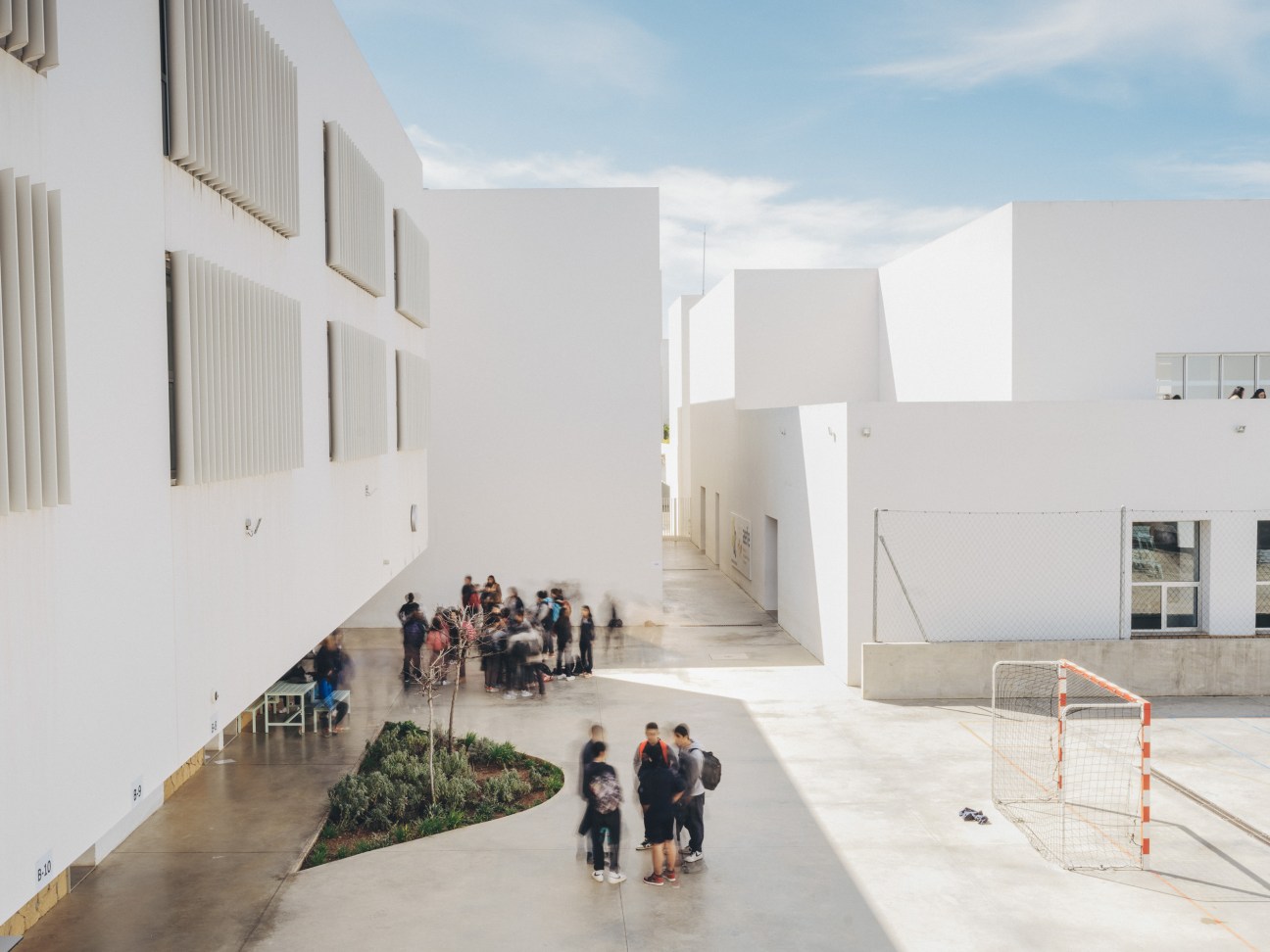
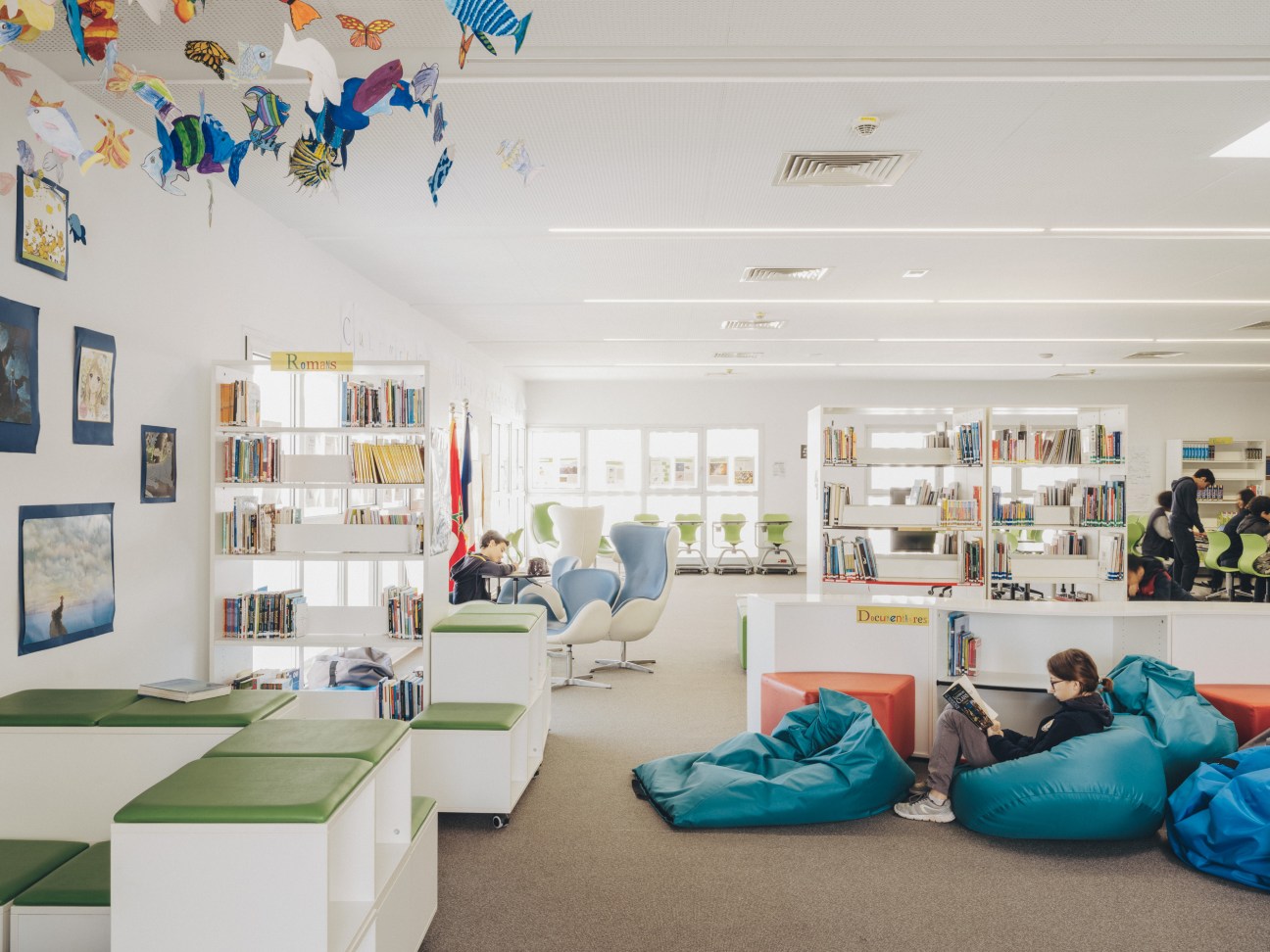

In developing a vision for the school, the architects also carefully considered the teaching objectives. In response to a desire expressed by the Jacques Chirac School’s team to have a technologically connected school, projectors were included in the design for classrooms along with brise-soleils on exterior windows for managing light and acoustics. A wish to have an “open” school was achieved by including lots of windows and outdoor areas. Cross-ventilation systems were developed to help to regulate temperatures without consuming large amounts of energy.
Architects Kettani, El Kabbaj and Siana are also educators themselves. They teach at university level and find it an activity that enriches their architectural practice. “Teaching forces you to deconstruct the mechanisms behind your work,” says Kettani. “You learn a lot yourself from having to redo the process in your head.”
But perhaps the biggest testament to the team’s ability to successfully distil its design vision, has come in the form of a repeat commission. The Jacques Chirac School recently purchased a plot of land next to the current site and has entrusted Kettani, El Kabbaj and Amine Siana with the task of designing a new lycée (secondary school), which will be fully independent from the original structure and allow for a further 300 pupils to attend. “It’s important to have continuity,” says Soulagnes. “The educational project is a continuum and so the physical school has to be a continuum as well.”
Before heading off, we ask Soulagnes whether she believes that the children have been influenced in some way by studying in what she refers to as “the most beautiful school I’ve seen”. She smiles mischievously. “A lot of them want to become designers,” she says. “My 10-year-old son, who also attends the school, told me yesterday, ‘I’d like to become an architect.’”
What better legacy could the school and its architectural team hope for? Not only have they added to the fabric of Rabat but they have motivated several of its youngest minds to aim one day to do the same.
Learning curves
Iris Nursery School
Guastalla, Italy

“The first thing I did when we won the contract was to think back to my own nursery school years,” says architect Mario Cucinella of his design approach for the Asilo Nido Iride – or Iris Nursery School – in the Italian town of Guastalla. As it happens, the nursery school building of Cucinella’s early childhood was designed by rationalist architect Giuseppe Vaccaro, famed for his work on Naples’ central post office in the 1930s. “You don’t have many memories from when you were four years old – but, wow, those first impressions are so important,” says the 62-year-old Sicilian-born architect whose eponymous studio has offices in Bologna and Milan.
For Cucinella, a personal architectural connection to this Vaccaro-designed kindergarten led him to appreciate that architecture can leave an impression on young minds. “I thought, ‘We must be careful with this project because a building will not physically move but it will certainly travel through the imagination of a child and remain in their memory for decades.’”
So the challenge of designing a structure that would capture the imagination of its young users brought Cucinella to Guastalla. The earthquake that struck the small agricultural community and the surrounding Emilia-Romagna region in northern Italy in 2012, had pushed the local council to open a competition for the design of a new nursery, which Cucinella won in 2014.
Luckily for the children of Guastalla, Cucinella’s musings on architecture and space, seen through the mind of a youngster, drew him to a classic Italian children’s novel. “I was struck with the image of the space inside the belly of a whale in Pinocchio, when he and Geppetto were swallowed up,” he says. “I wanted to use that as the basis of an unconventional spatial concept.”

Local and less iconic images also inspired his concept. “I asked myself, ‘What does a child see in Guastalla every day?’ All around there is the flat horizontal line of the plain, punctured by the repetitive rhythm of poplar trees,” he says. This starting point led to a design of 50 wooden frames, which are lined up and evenly spaced apart to form the structure of a low, rectangular building. The resulting cross-section creates an interior void, which calls to mind the ribs of a whale and, when viewed from the outside, the series of vertical timber elements look like tree trunks. “This allows children to imagine that they could be anywhere in the world when they come here,” says Cucinella.
The architect points out that this empathetic, child-centric way of thinking differs from the childcare and educational buildings most of us are used to. “Schools can be so ugly,” he says. “They’re often boxes with corridors and classrooms, and with a square window in the middle of the wall.”
The architect did not have to look far in terms of adopting an educational philosophy that supported this approach. The idea of “architecture as the third educator” originated among the teachers and architects in Reggio Emilia, the provincial capital a 40-minute drive from Guastalla. From the 1960s onwards, internationally renowned local educators, such as Carla Rinaldi and Loris Malaguzzi (whose educational philosophy became known as the Reggio Emilia approach) were convinced that the design of an educational environment plays a crucial role in shaping the learning experience of children. If teachers are the first educators and parents the second, then environment is seen as being the next most significant influence on children’s learning, exploration, imagination and interactions.
A critical factor in designing the kindergarten in Guastalla was working with key stakeholders: teachers, children and parents were all involved, says Cucinella. Did he go as far as to organise a focus group for toddlers? “In effect, yes, but it was more like a test run,” he says, recalling a morning, prior to opening, when the town’s children were invited into the space and explored it with only a little supervision. “Of course, the children immediately went for the most dangerous elements. They ignored their toys and found the best surfaces to clamber up onto and slide down,” says Cucinella, referring to the polished wooden half-pipe-like slides that the architects created between the timber frames of the nursery.

Since the completion of the Guastalla nursery in 2015, the project, like its students, has blossomed; its timber walls have developed a patina of deep, worn and welcoming brown, and the surrounding landscape, designed by Marilena Baggio has matured to provide a verdant garden for children to play in. Cucinella’s portfolio has grown too, with the architect taking on an ever-increasing number of projects that seem to be growing in dimension, from a university campus in Rome to towering corporate headquarters in Milan. “The intensity of creativity, for me, is not dependent on the size of the project,” he says. A child’s experience of architecture, according to Cucinella, is just as important as anyone else’s.
Nursery prime
Peledziukas kindergarten
Pagiriai, Lithuania
Having grown up in Lithuania, architect Gilma Teodora Gylyte, co-founder of Do Architects, was familiar with austere, Soviet-style kindergartens that can be found throughout central and eastern Europe. So when she was asked to design an extension and breathe new life into the Peledziukas kindergarten in Pagiriai, a small village south of Vilnius, she wanted to completely overhaul the existing structure. “In Baltic states like Lithuania, we’ve inherited these grey buildings that I believe are a form of spatial propaganda,” says Gylyte. “These spaces were built to prevent people from connecting with each other and after we gained independence in 1990, we never changed the layouts or the structures, we just plastered over with new façades.”
The Peledziukas kindergarten dates to the 1980s and follows a typical, Soviet “H” typology, with two annexes connected by a slim corridor. This layout serves a school system wherein each child is assigned to a group and rarely meets other children, let alone socialises with them, beyond their classmates. To facilitate this system, buildings throughout former ussr states have been designed with multiple entrances that stream the children into their classrooms and prevent groups (and by extension, parents) from mixing with each other. Even breaks outside in these sorts of buildings are usually taken separately, with teachers leading their group of kindergarteners to an often uninspiring concrete area for their allocated recreation time.


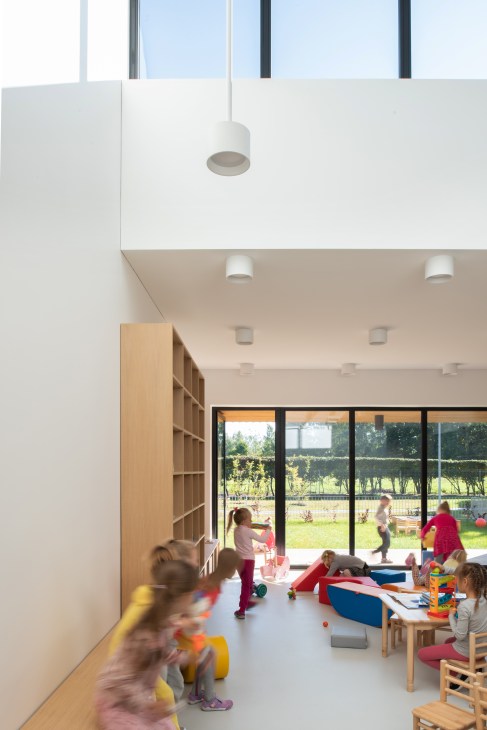
The first thing Gylyte did to break from this architectural convention was to establish a single entrance that leads to a gated courtyard where children can now play together. An unexpected but welcome knock-on effect has been that the space has become a communal hub for the teachers, parents and the village. “This courtyard has changed everybody’s routines,” says Gylyte with pride. “It has become a cultural centre and meeting point for the town.” She then made sure to include a roof terrace and a green space with plenty of trees. Inside, wood-panelled corridors have been expanded and the rooms made multifunctional, with curtains that can be drawn to temporarily change room layouts, allowing spaces to function as a playroom, classroom or dining hall. By doing this, Gylyte has increased communal areas, doubling the space for socialisation. “Previously, the event hall would be unlocked for Christmas celebrations and not much else,” says Gylyte. Now the children regularly perform dances, plays or songs for their parents and teachers in the courtyard, on the wooden stairs. When the new kindergarten was unveiled in 2021, the children wrote and sang a song about wide windows and high doors as a tribute to their new surroundings.
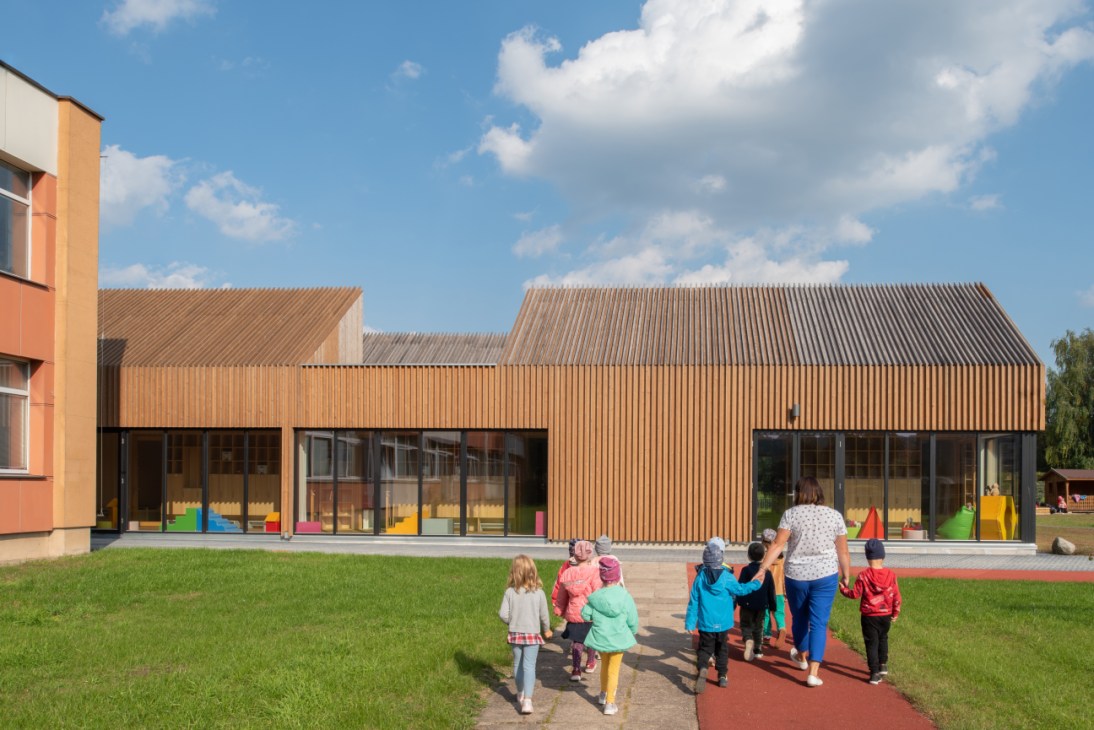

Since completing the project, one of the nicest changes in human relationships is between the school’s cooks and the children. In the redesign, Gylyte insisted on making the cooks visible and moving them into an open kitchen with windows for the kindergartners to see into. “Children want to see everything,” she says. “They like to know how pancakes are made, for example. And now the cooks are flourishing: they’ve started trying new recipes and baking. Neighbours even drop by to buy pastries from the school.”
This example of rehabilitation of Soviet architecture is part of a project that Gylyte is working on that looks at the Cold War architectural legacy in central and eastern Europe. This year, Gylyte is travelling to Ukraine as part of Rebuild the Wonderful, an initiative she set up that looks to how the country might be able to transform Soviet schools after the war with Russia using five models for transforming more than 100 damaged institutions. “Architecture is powerful. Spatial transformations change habits, routines and lives,” says Gylyte. “This goes beyond design and aesthetics. The transformation of a building is also a transformation in our heads.”
Natural Wonders
This year at design fairs across the globe – from 3 Days of Design in Copenhagen to the Venice Biennale and Singapore Design Week – there has been an increased emphasis on using innovative building products in the making of furniture and architecture. Designers and material technology companies are leading the charge and innovation has taken shape in a number of different ways, from finding new applications for old materials and crafting fresh forms with existing matter to the development of entirely new substances from waste products or with emerging technologies. Much of this focus on materiality has been driven by a desire to lower the industry’s carbon footprint: material production, installation and disposal in the building industry accounts for nearly 20 per cent of global greenhouse-gas emissions. Add to this increasing consumer expectations and industry incentives for environmentally friendly work, and the shift shouldn’t come as a surprise. The result is an exciting new frontier that is influencing the forms, shapes and structures which designers, architects and makers are conceiving. Here, we profile 15 new materials and building products that have caught our eye and are shifting the paradigm.
Hempcrete
Lirio Design House, USA
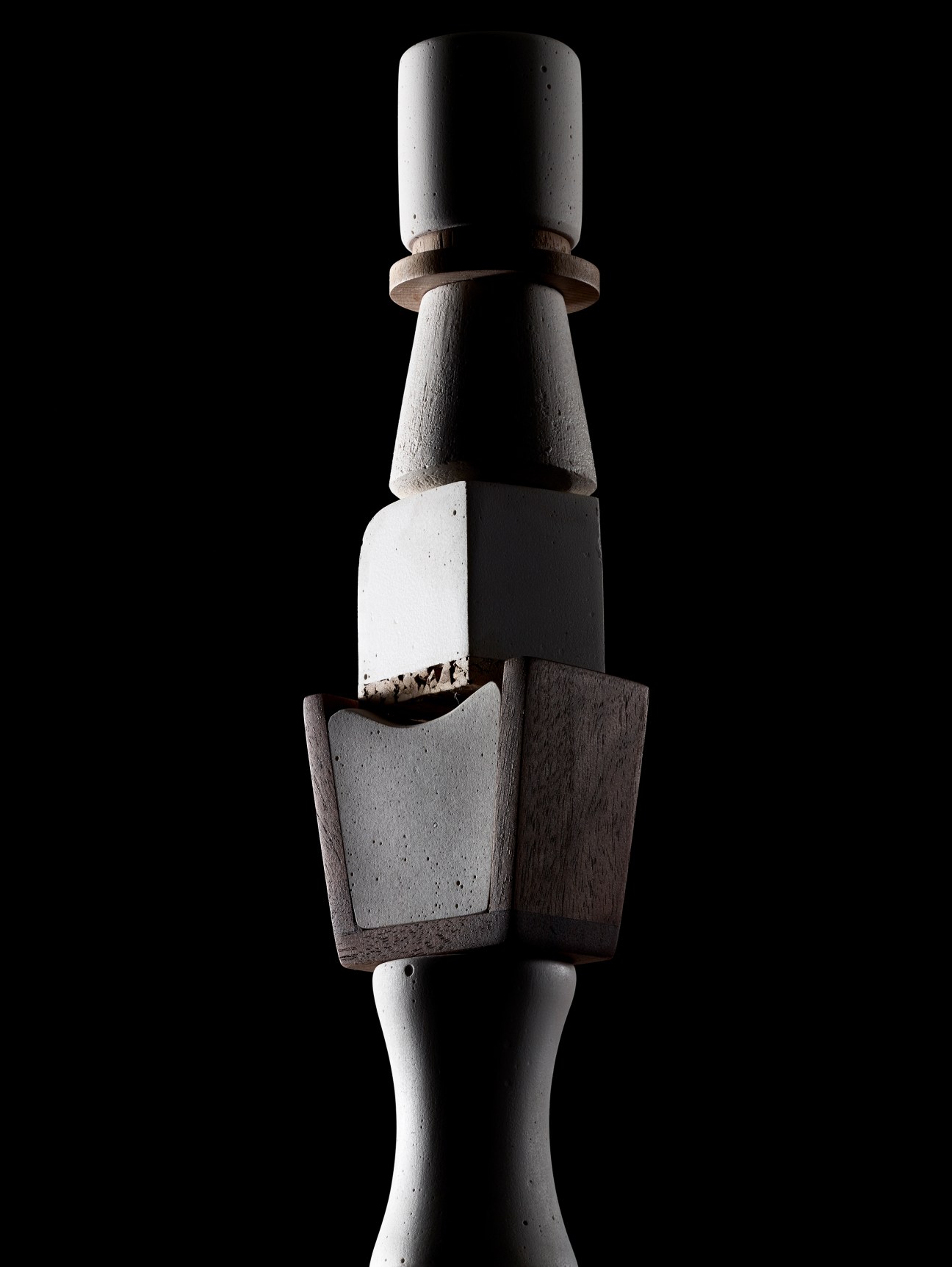
Despite being used as a building material in Europe and Asia for centuries, hempcrete has long flown under the radar – until now. Made from the woody core of the hemp plant, lime binder and sand, and traditionally used to insulate houses, designers are now employing the lightweight material to make furniture too. Case in point is Pennsylvania’s Lirio Design House, a furniture studio that is using hempcrete to make tables and stools because, unlike concrete alternatives, it is water resistant, absorbs more carbon dioxide than it produces during its production and can naturally break down at the end of its useful life.
liriodesignhouse.com
Jali terracotta bricks
Mutina, Italy
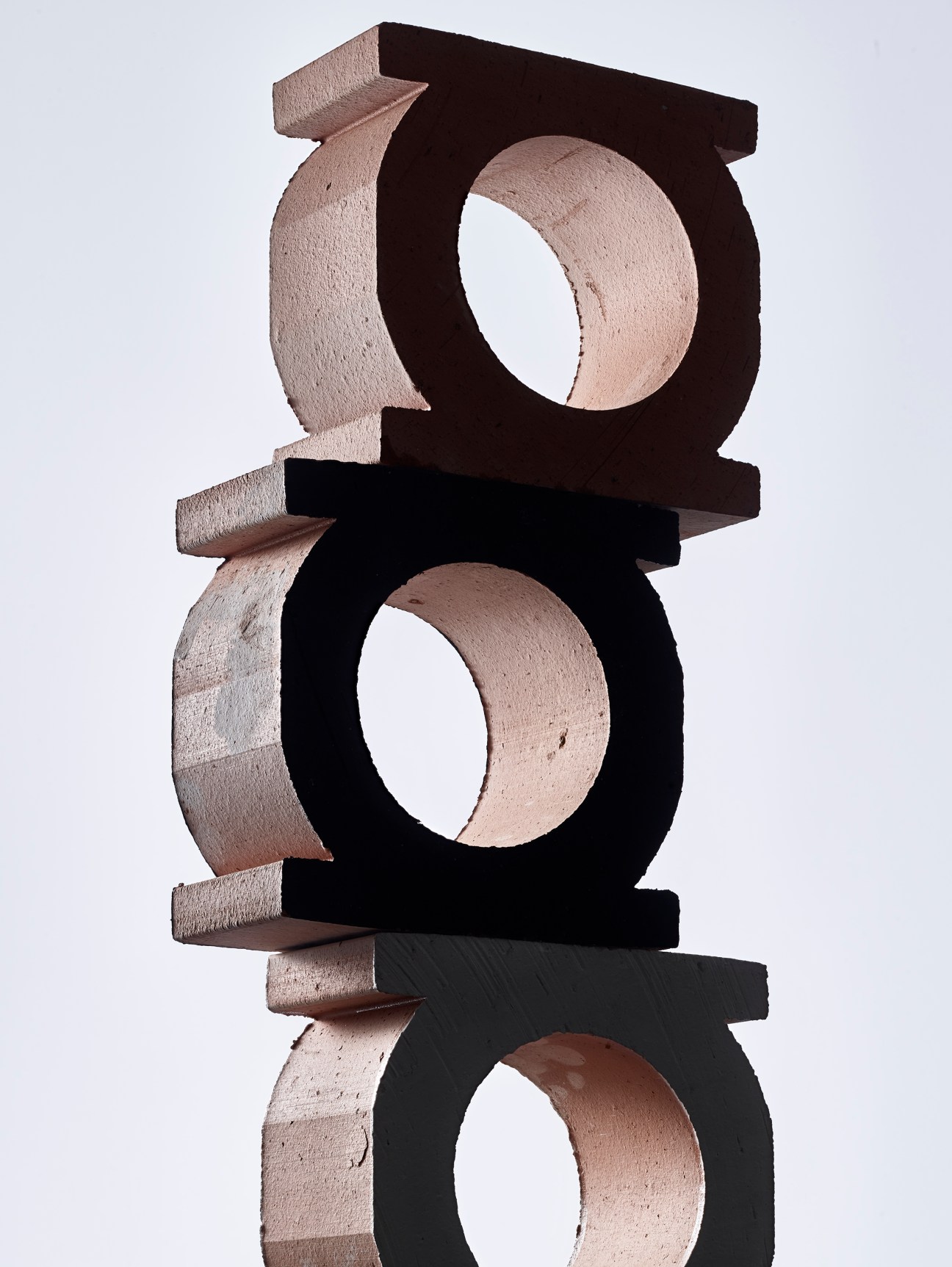
To reduce dependence on air-conditioning, architects are finding ways to channel breezes into buildings. One way is using perforated bricks, including this design by Spanish architect Patricia Urquiola and manufactured by Italian firm Mutina. Its modular geometry allows it to be placed both vertically and horizontally.
mutina.it
Acoustic panels
Kvadrat, Denmark
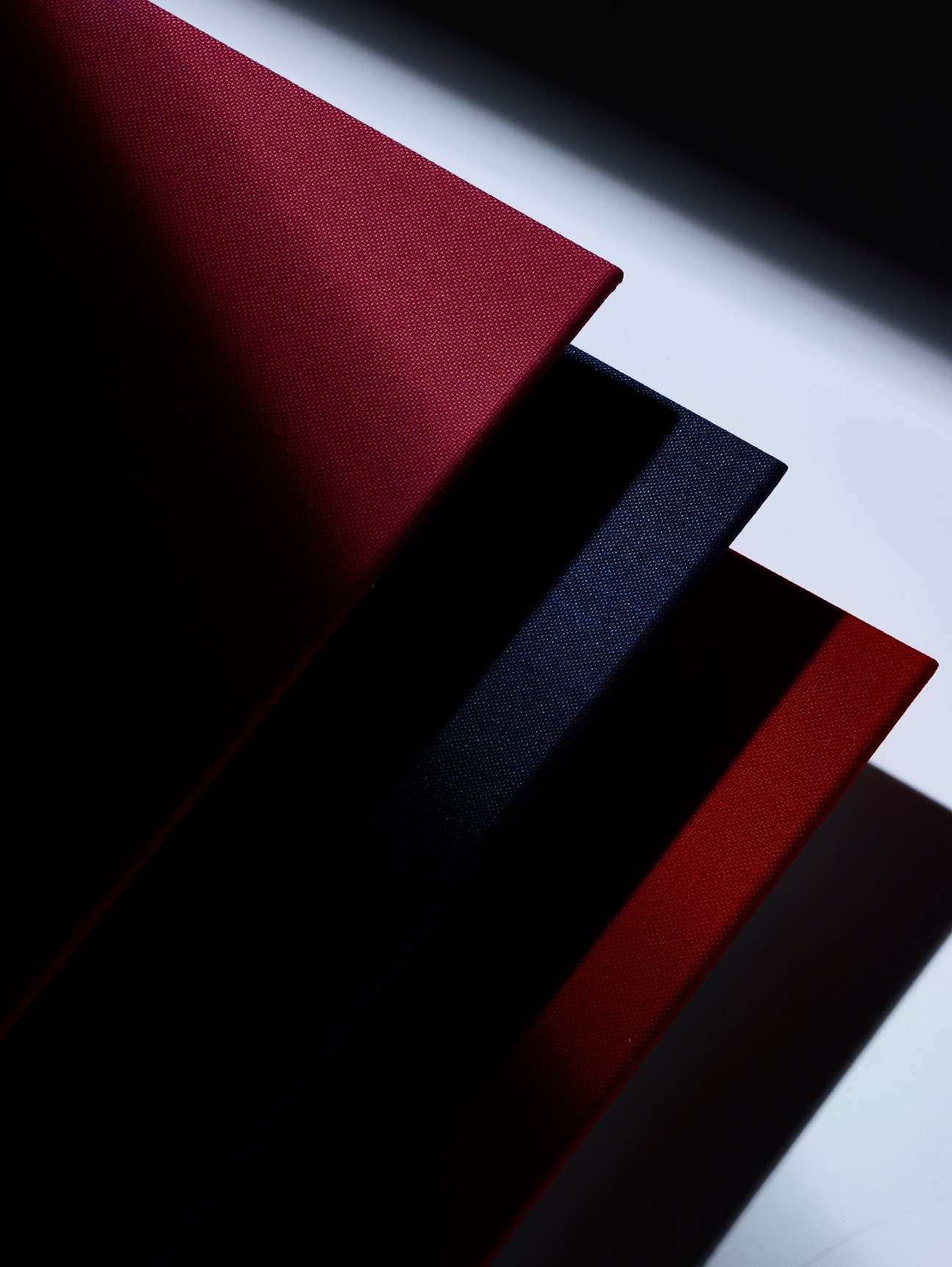
Cutting noise pollution is key to creating comfortable living environments. Danish textile specialist Kvadrat produces acoustic panels that not only provide sound insulation but also improves thermal and acoustic comfort. This is achieved responsibly too: the company has adopted the guidelines of the Science Based Target Initiative, which promotes ambitious climate action in the private sector.
kvadrat.dk
Magnesium oxide cement
Waiwai, UAE
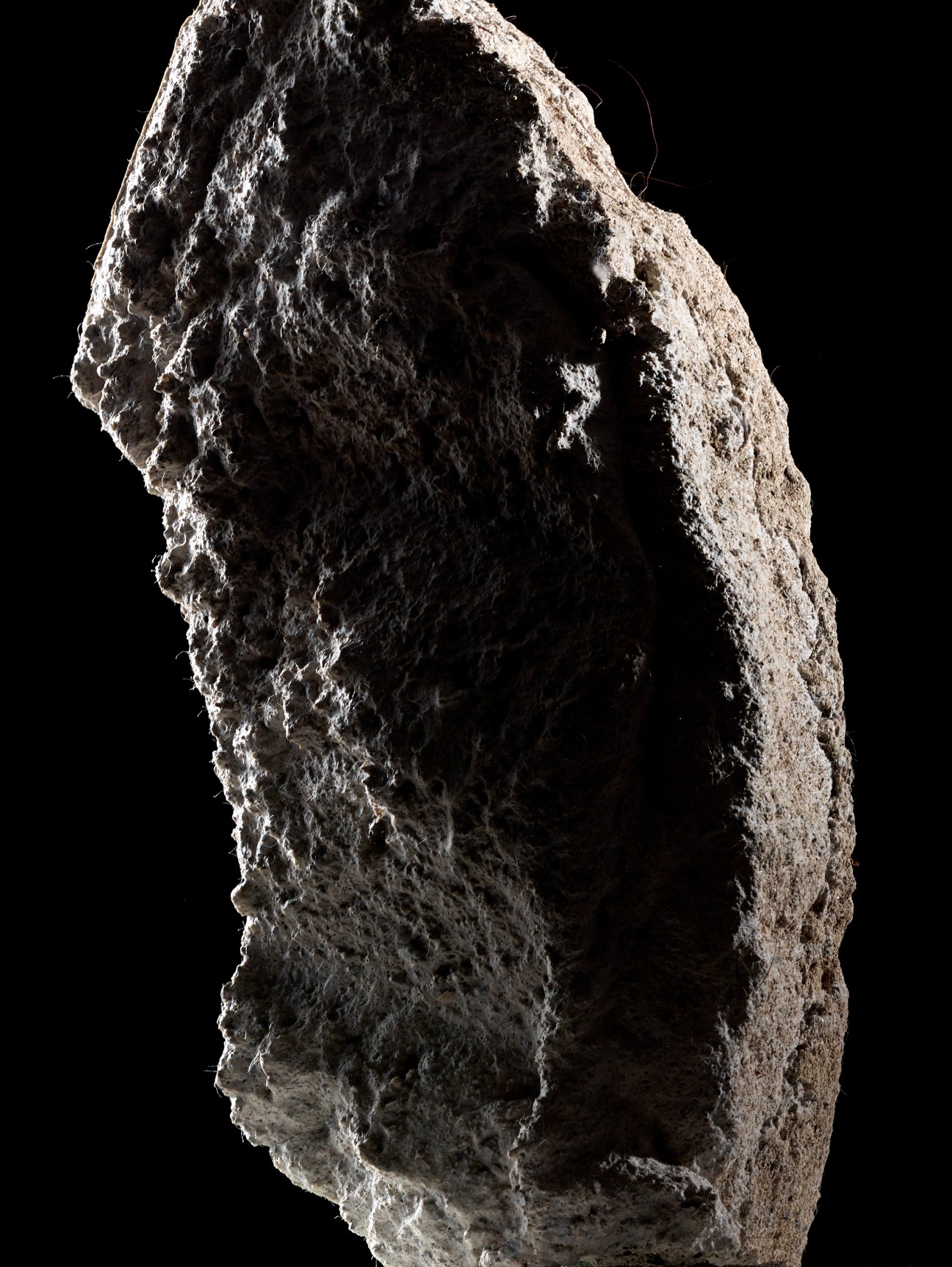
The manufacture of Portland cement produces significant amounts of carbon dioxide. Dubai and Tokyo-based design studio Waiwai have developed an alternative that uses brine generated by the uae’s industrial desalination plants for the cement mix (instead of lime). The process doesn’t produce emissions and uses waste products.
waiwaidesign.com
Food concrete
Fabula, Japan
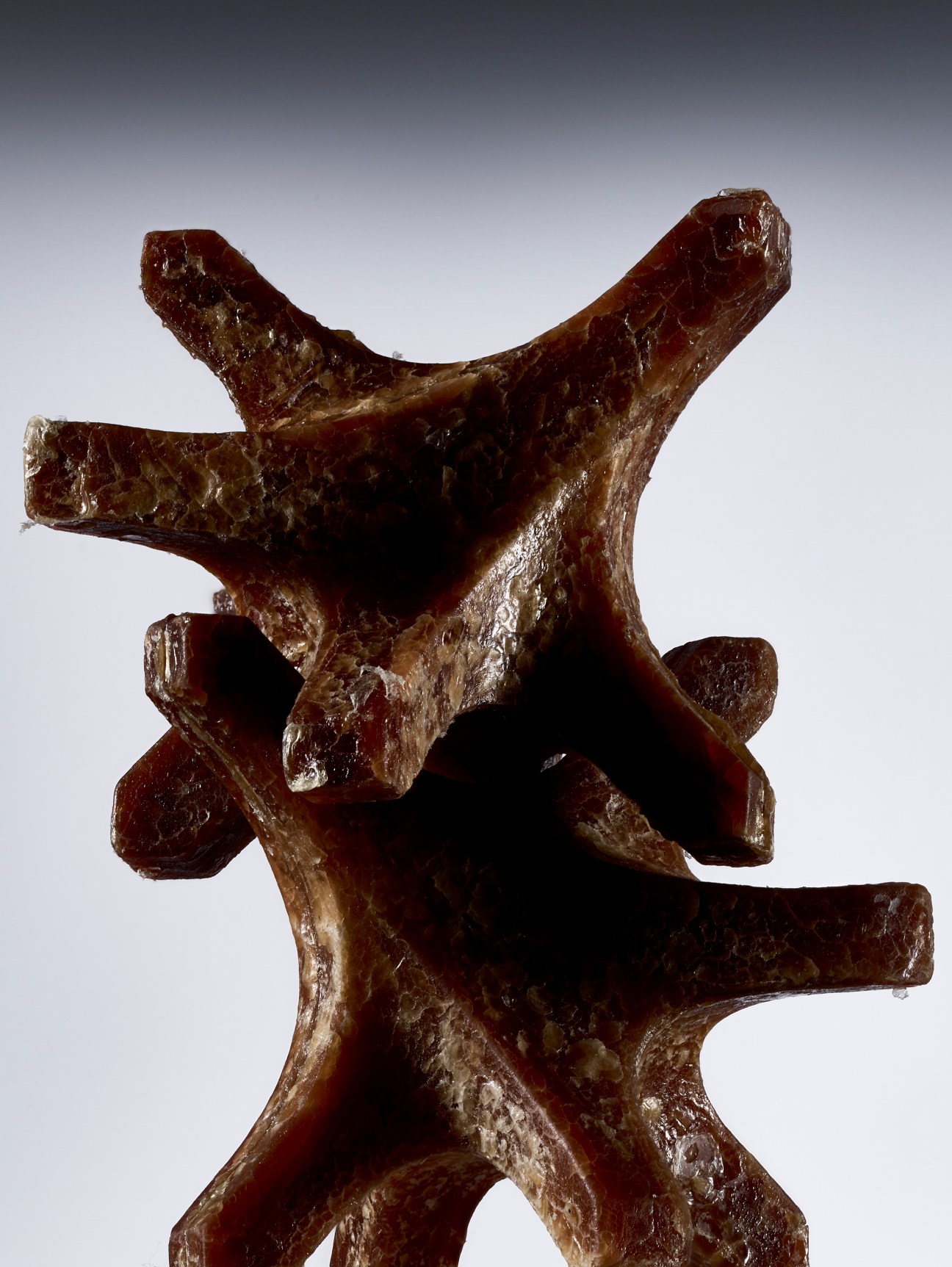
Japanese firm Fabula has developed an ultra-strong cement by drying and compressing food waste. Baking organic materials and then grinding and hot-pressing them creates a cement that is four times as strong as concrete. This joint, created for Tokyo-based architects Mitsubishi Jisho, is made from spaghetti.
fabulajp.com
Bananatex
Qwstion, Switzerland
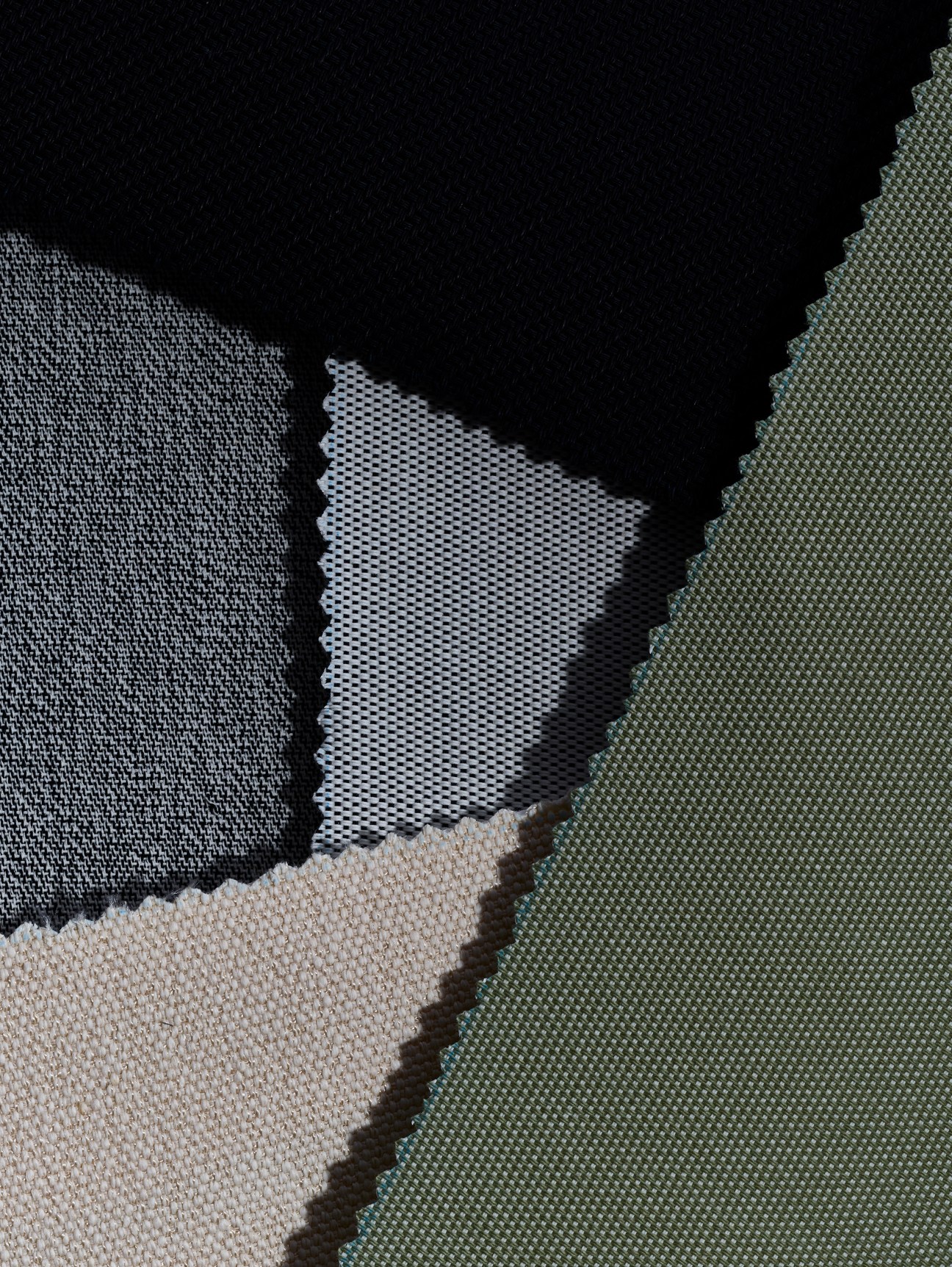
Swiss bag brand Qwstion developed Bananatex in collaboration with yarn and weaving specialists in Taiwan and the Philippines. A sleek, waterproof fabric that can be used for everything from clothing to upholstery, it is made entirely from the natural fibres of the abacá plant (a member of the banana family). The abacá plants used for Bananatex are also used to rehabilitate agricultural and forest landscapes in the Philippines. The plant is sturdy and self-sufficient, and doesn’t require pesticides or irrigation. The result is an environmentally sound fabric that helps wider ecosystems too.
bananatex.info
Terra
Léon Félix, Switzerland
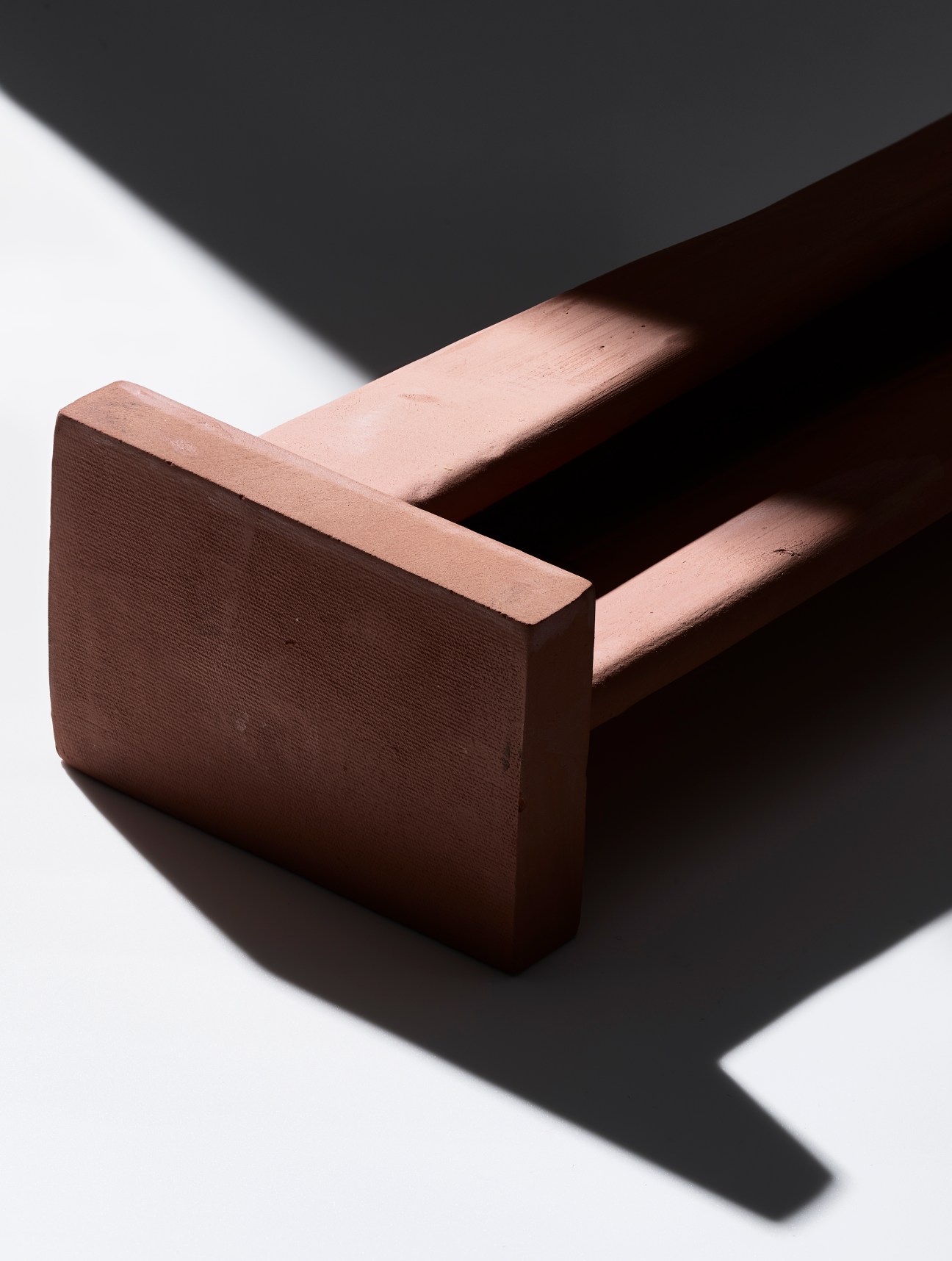
Inspired by traditional Islamic architecture, designer Léon Félix has developed Terra, a sliding terracotta shutter system. It includes a tray to hold water, which is then absorbed by the terracotta. As temperatures rise, water evaporates from its surface, cooling any air that flows over it: a natural alternative to air-conditioning.
leonfelix.ch
Hemp mycelium sound panel
Coexist, US
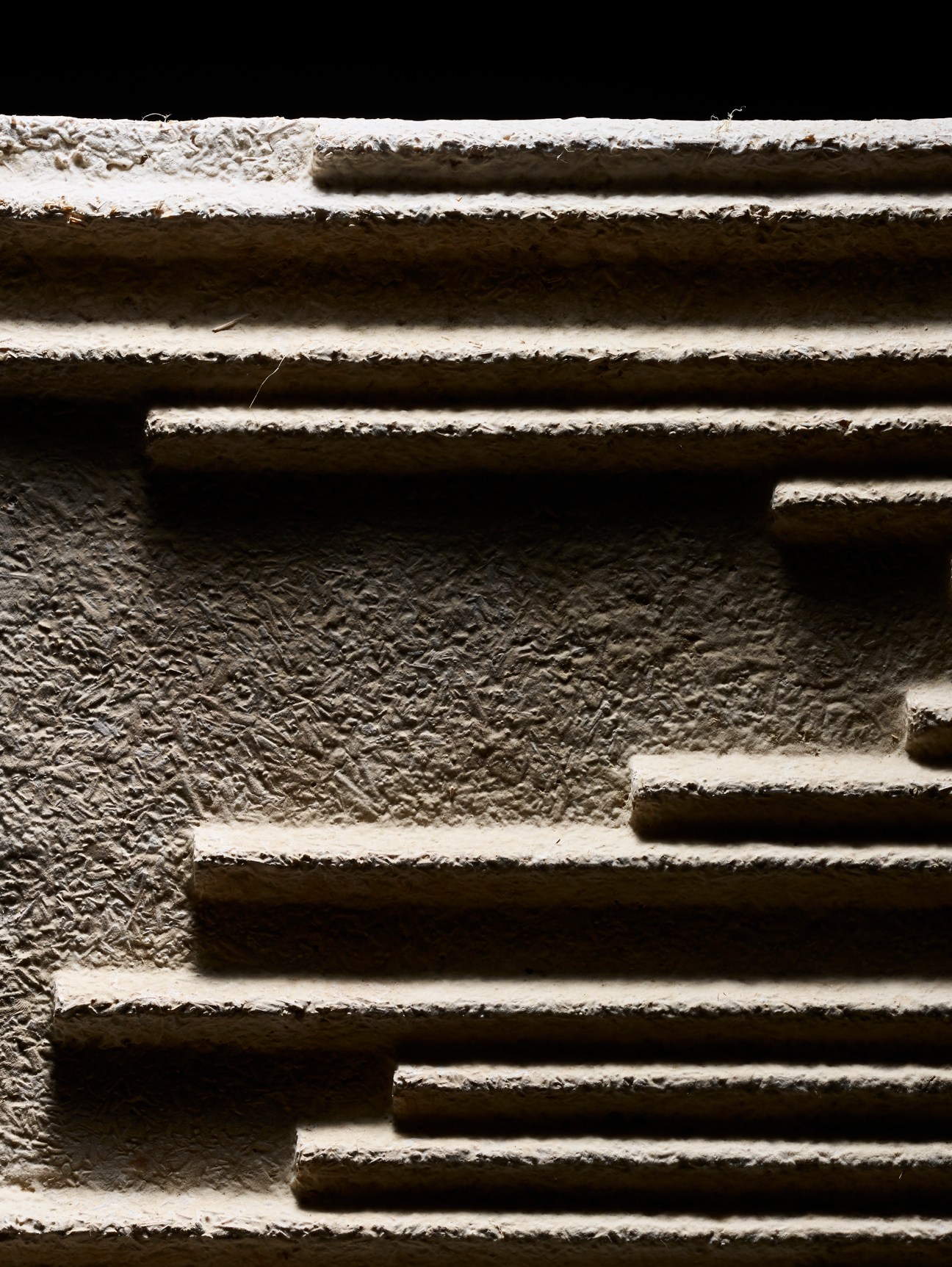
Fabricated with hemp hurd and bound with mushroom mycelium, these acoustic panels are fire and mould-resistant, highly insulating and carbon-negative. Coexist, a Pennsylvania-based architecture studio, have tapped into the potential for hemp-based products to not only soften noise but regulate humidity levels too.
coexist.build
Biocomposites
BioMat, Germany
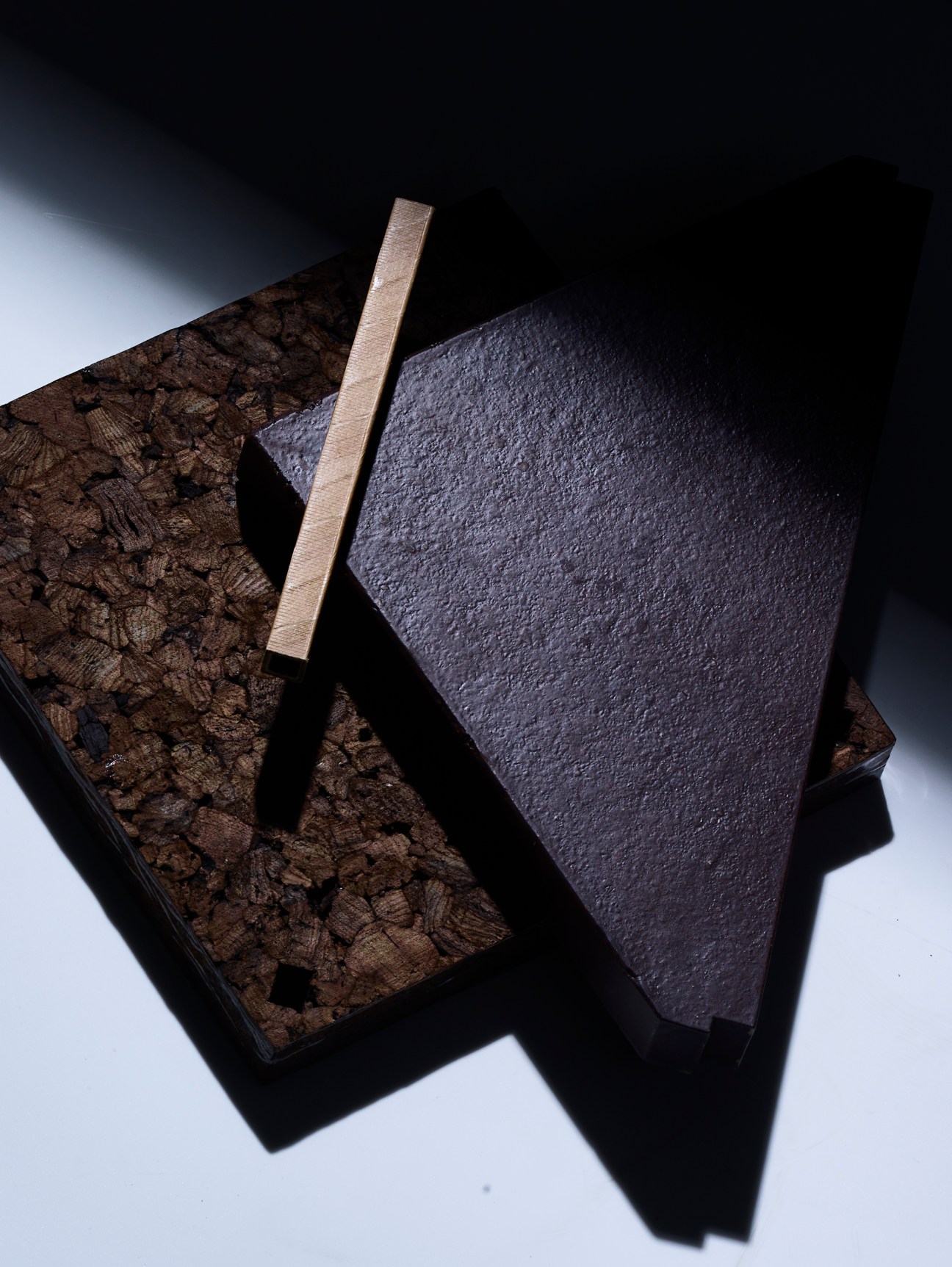
Professor Hanaa Dahy leads BioMat, a research unit that operates from the University of Stuttgart. Dahy’s team develops biocomposite materials (manufactured using natural flax fibres and materials derived from vegetables) that can be used in construction projects in lieu of the likes of wood, aluminium and concrete.
hanaadahy.com
Silt brick
Urban Radicals, UK
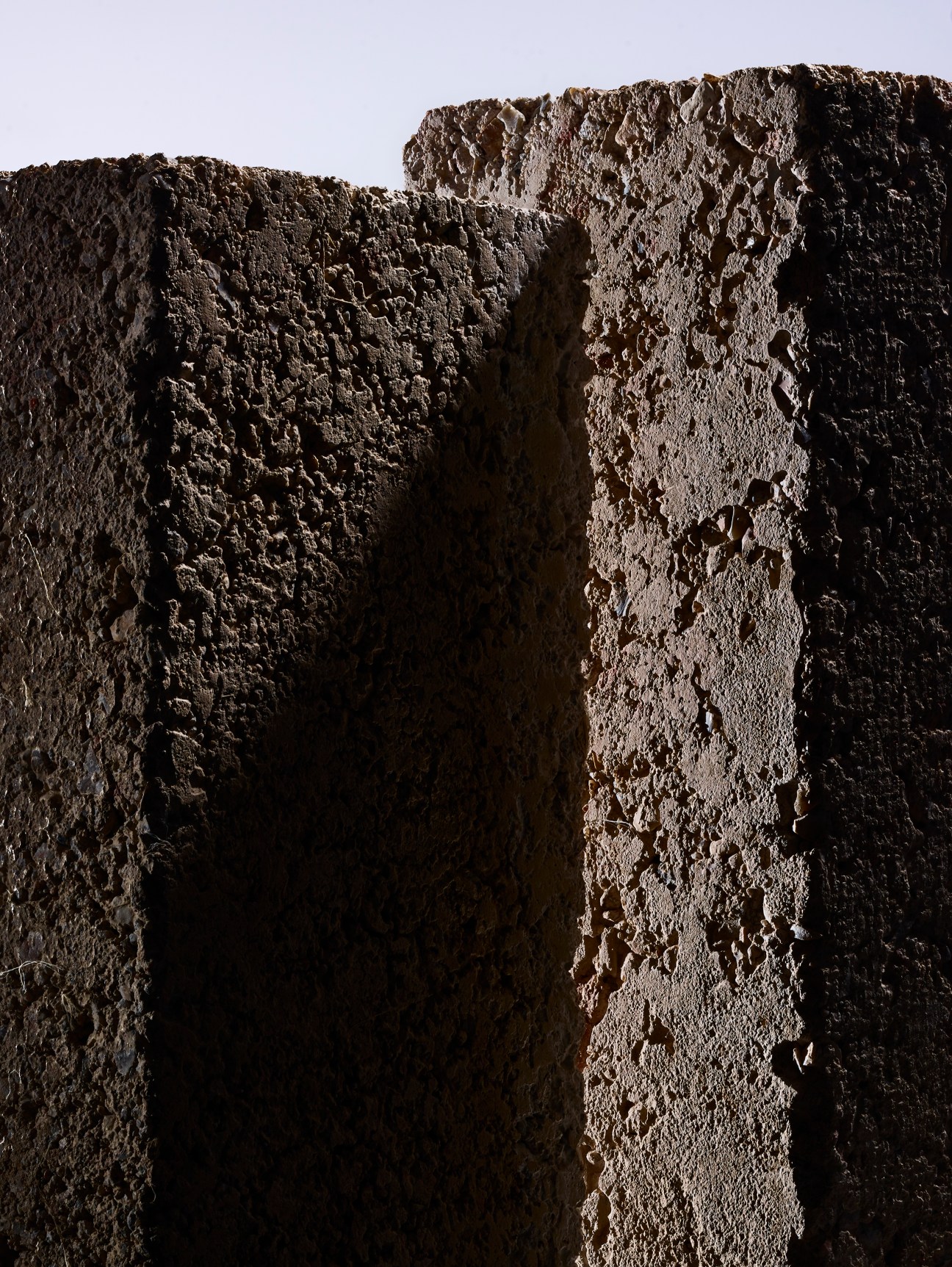
London-based architecture studio Urban Radicals developed this brick for this year’s Venice Biennale. It is made with local materials: silt dredged from canals, natural lime mortar, concrete and brick offcuts, and hemp fibre. A reminder that for materials to have a small environmental footprint, locally sourced parts should be used.
urbanradicals.com
EcoPact
Holcim, Switzerland
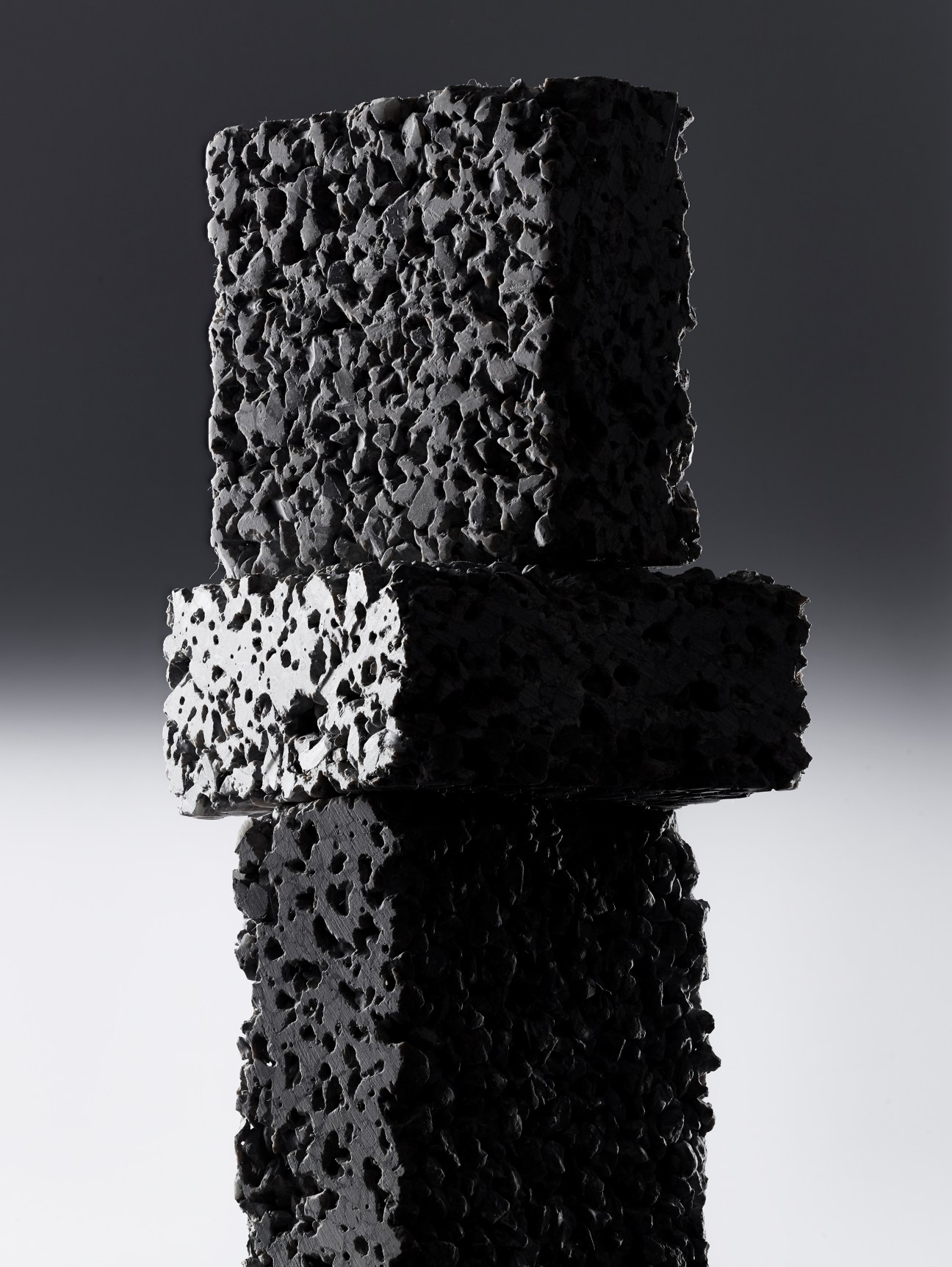
Holcim developed EcoPact low-carbon concrete as part of its Essential Homes Project, a housing model with a low carbon footprint. The material is ideal for use as outdoor flooring thanks to its porosity: It is also luminescent and so absorbs light and reflects it at night, reducing light pollution and improving safety.
holcim.com
Procel
Natural Material Studio, Denmark
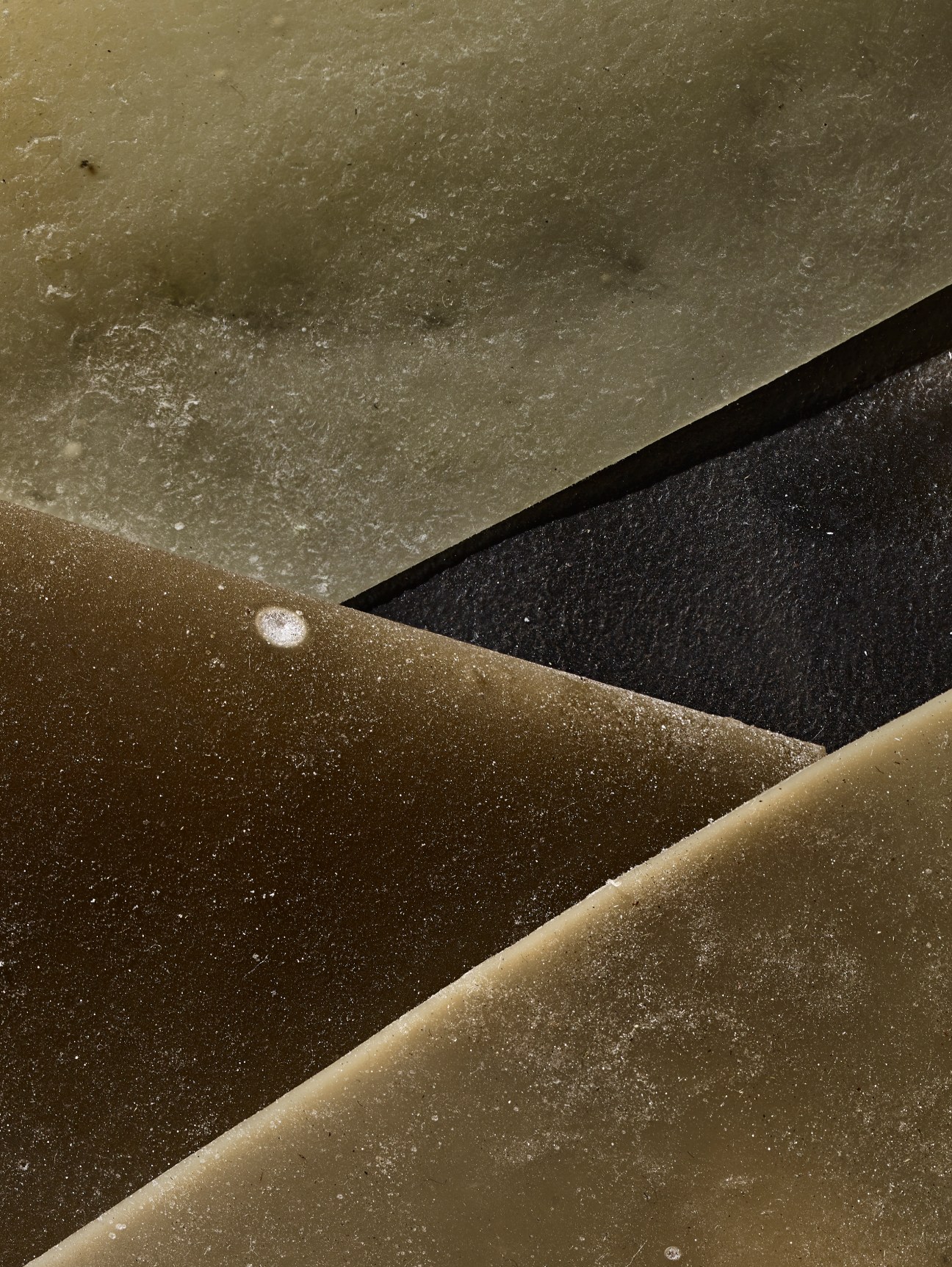
Natural Material Studio’s Procel is a biotextile (fabrics made from organic matter such as soybeans, corn and milk). The material uses natural pigments and, due to its organic content, its texture, colour and shape react to changes in temperature and humidity. It also has eco-credentials as it can be home-composted at the end of its life.
naturalmaterialstudio.com
Knitted textiles
Tiffany Loy, Singapore
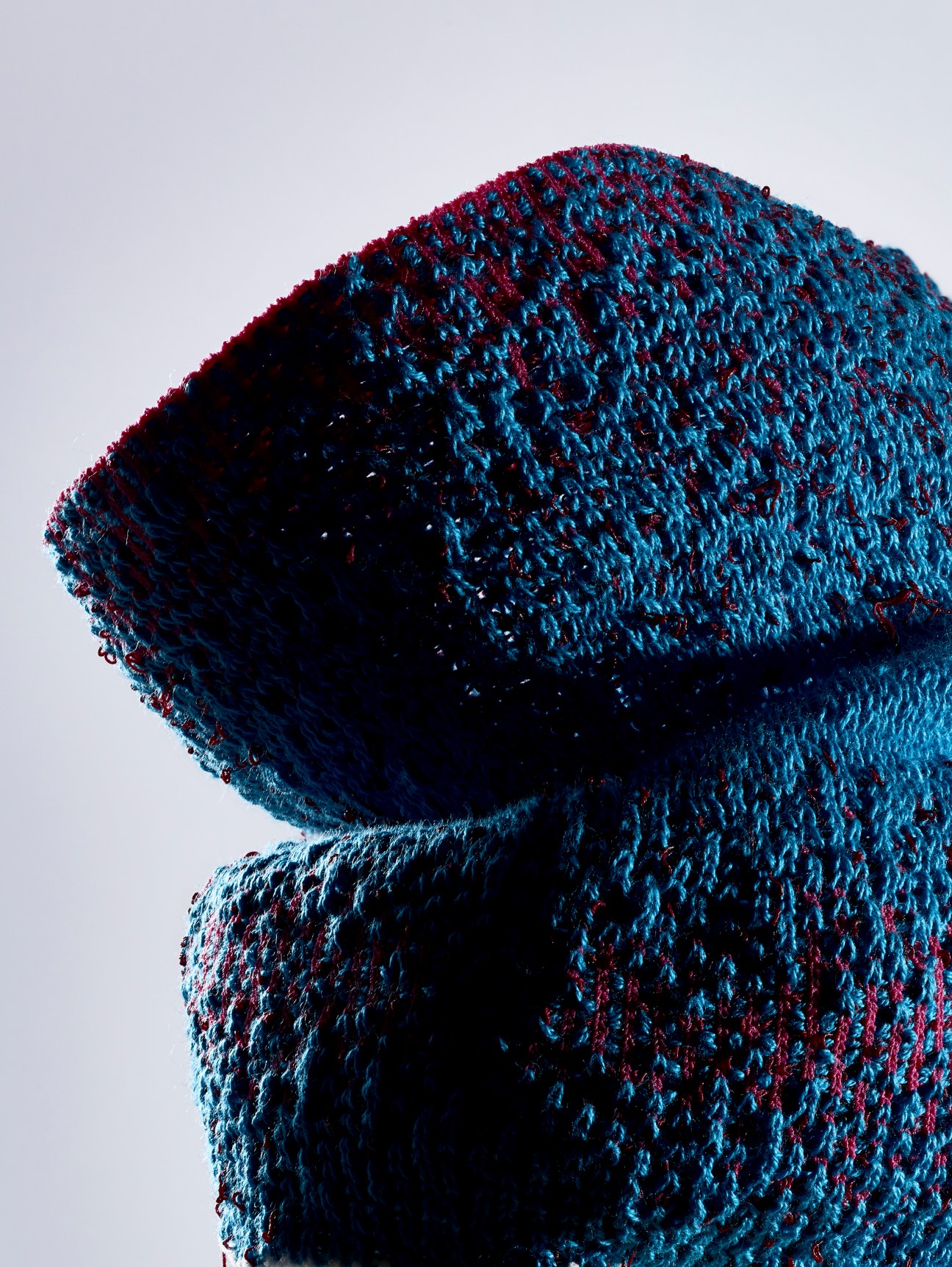
Textile designer Tiffany Loy teamed up with the Singapore University of Technology and Design to develop a fabric that can hold its form and won’t just slump to the ground – useful for products such as moulded furniture. Loy used different types of yarns; the stiffer parts hold their shape while the softer parts provide flexibility.
tiffanyloy.com
Paper skins
Paper Factor, Italy
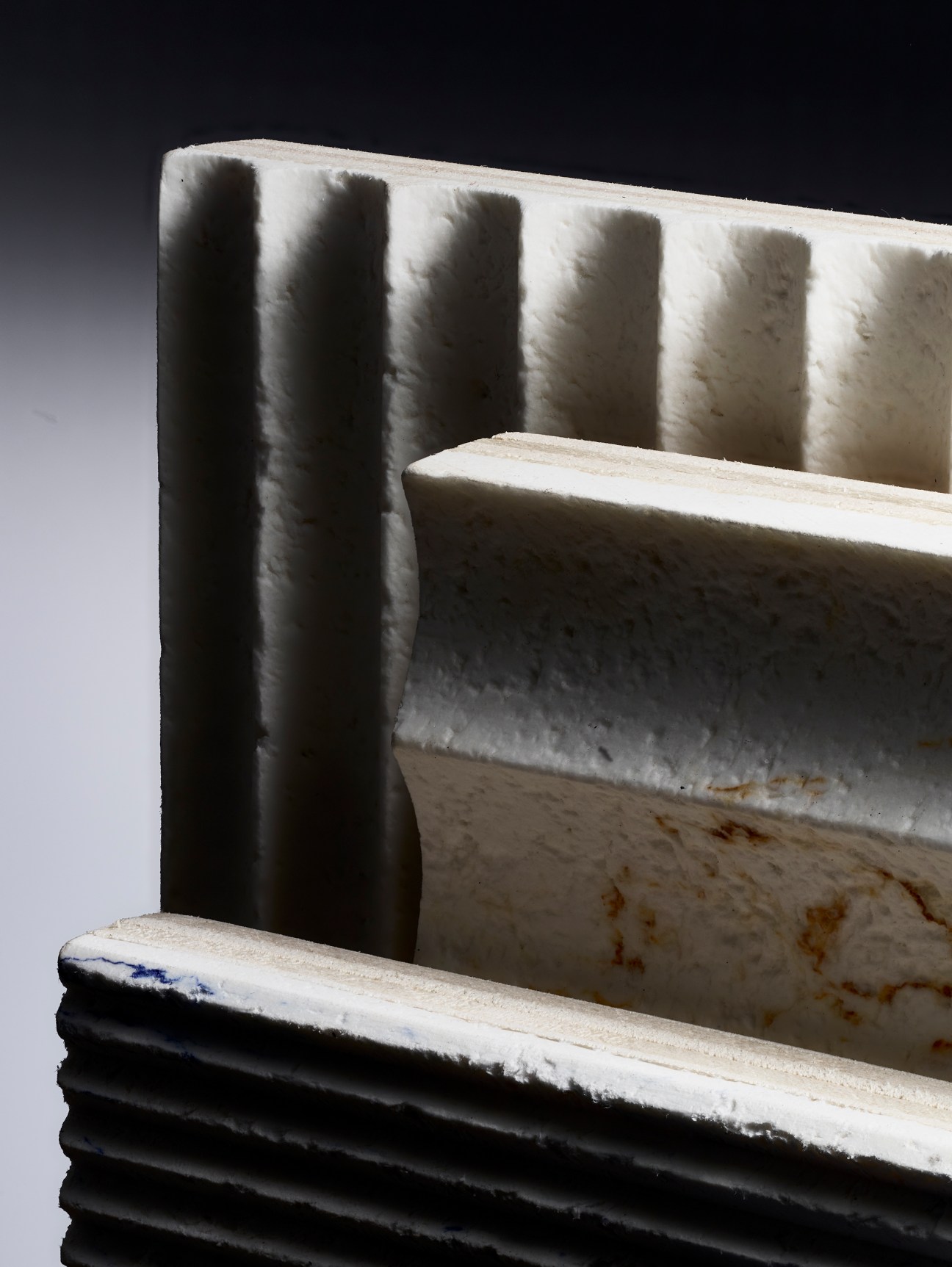
Based in Lecce, materials firm Paper Factor turned to papier-mâché when creating its interior surface panels. Made from a compound composed largely of recycled paper, it is an appealing alternative to stone and concrete. The surfaces are lightweight, resistant to mould, offer sound and thermal insulation, and can be recycled.
paperfactor.com
Close encounters
Historically, tailors and shopkeepers have made some of the best confidantes. But the advent of online retail dealt a significant blow to those relationships. Founded in 1987, German retailer Mytheresa, which started with a single shop in Munich and now also operates a global online platform, is intent on changing this.
By hosting in-person events around the globe and connecting top customers with their favourite designers, brand ambassadors and personal shoppers, it is hoping to restore these bonds, re-establishing age-old connections between makers and wearers. “Events were part of this company from the very beginning,” says Mytheresa’s ceo, Michael Kliger, a seasoned retail executive who often finds himself on the road, attending events as far as Los Angeles, Antwerp, Portofino and Rome, meeting his customers and gathering insights.
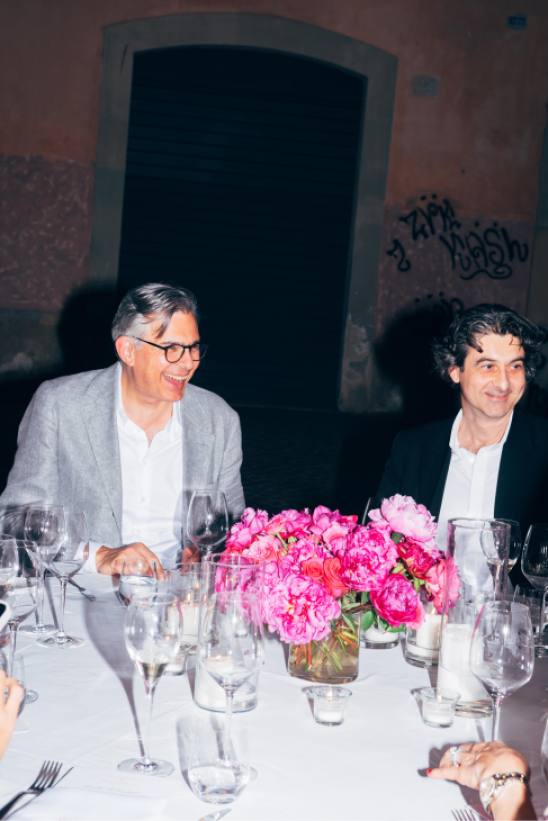
These offline get-togethers have been a crucial part of Kliger’s customer strategy since he joined the business eight years ago from Ebay, helping Mytheresa to build a loyal network of high-net-worth shoppers – and ultimately keep a far healthier bottom line than most of its competitors. Beating recent economic and social challenges, which have turned most online players into loss-makers, the company has been on a steady growth trajectory. In the second quarter of 2023, it reached almost €216m in sales and had a 26 per cent uptick in its vip customer base in the same period. “We have built a very resilient business model,” says Kliger. “Being active across many luxury categories and delivering such high quality of service places us as one of the few winners in the consolidating luxury ecommerce space.”
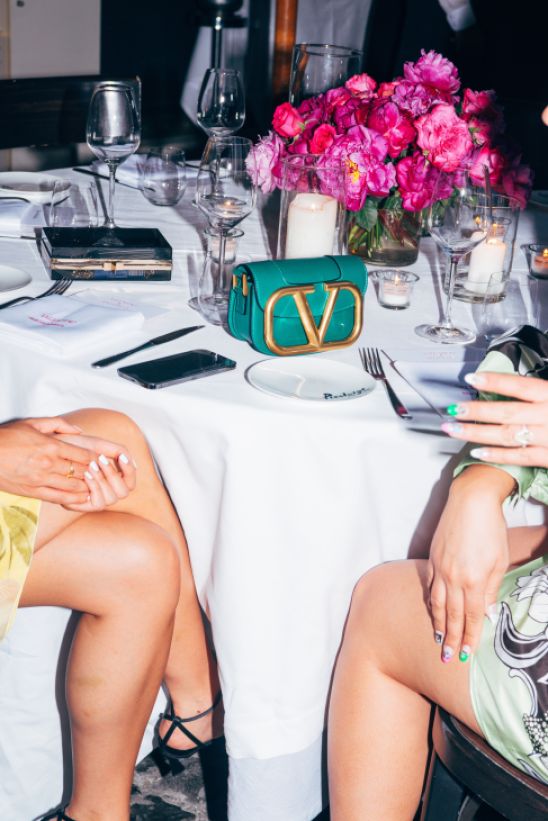
Because Mytheresa, which defines itself as an e-commerce retailer first, has been operating two bricks-and-mortar shops (its original womenswear boutique on Munich’s elegant Maffeistrasse and a newly extended menswear space nearby), the company has a deep-rooted understanding of the value of client relationships. Events are where they make this happen, for all those who can’t stop by Munich regularly. “We recently hosted something with Dries Van Noten in Antwerp, where clients had access to his design studio,” says Kliger, recalling another event that started with a presentation at the Belgian designer’s central Antwerp studio and ended with a dinner at architect Axel Vervoodt’s castle, outside the city. “It all felt very design and architecture-orientated – very Dries.”
For Kliger, it’s important that Mytheresa’s in-person gatherings reflect the identity of the designer they’re collaborating with. “The event we hosted in Portofino with Dolce & Gabbana [earlier this year] was very different, for example,” says the ceo, who in the past year has also hosted elegant get-togethers in Los Angeles with Loewe and Loro Piana, and riotous parties in the Swiss Alps to toast Emilio Pucci’s ski launches.
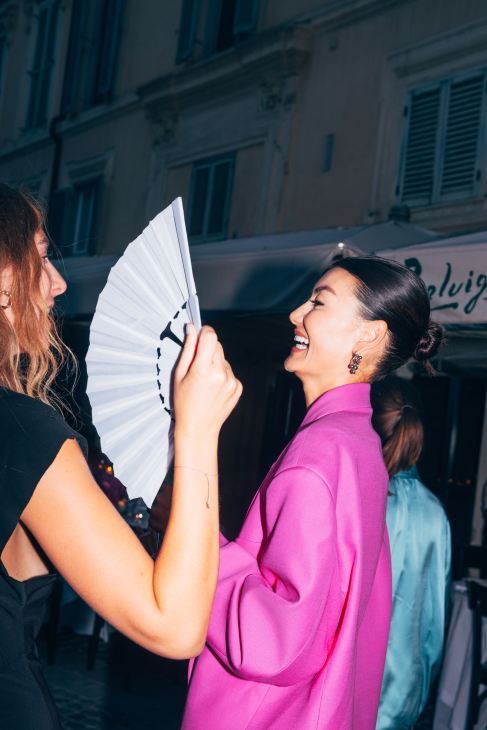
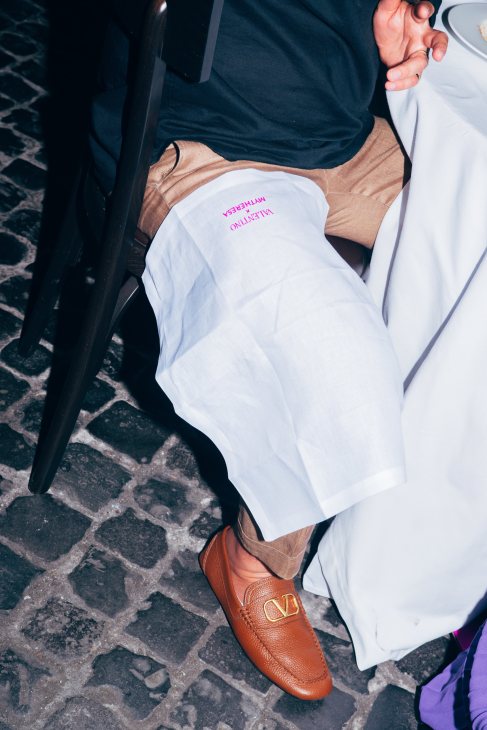
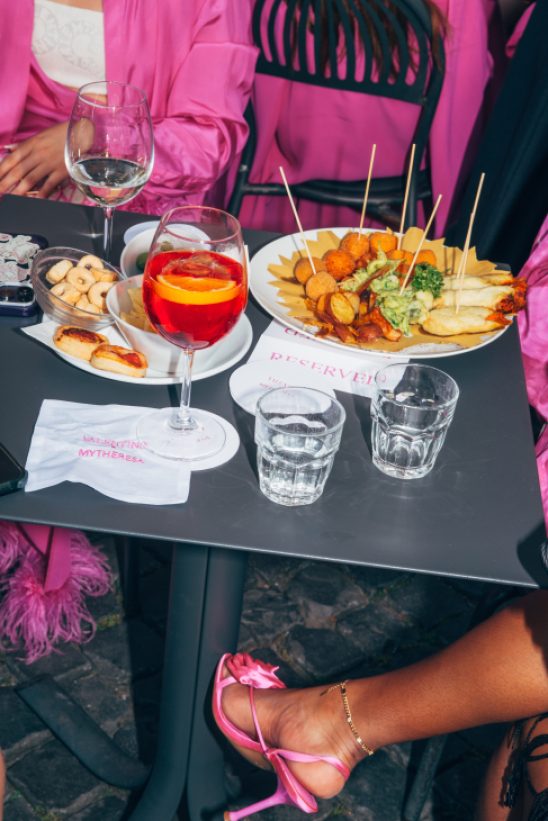
When Monocle meets Kliger in Rome, we catch him drinking an espresso in the courtyard of the Hotel de Russie near Piazza del Popolo. He’s in town for another Mytheresa event, this time with Valentino. “I mean, Valentino and Rome,” he says with a grin. “It makes sense, right?” Billed as a cultural and gastronomic tour of the city, the event has a busy itinerary: a gallery tour at Spazio Musja, drinks at Camponeschi, an intimate dinner at Pierluigi, a private tour of the Valentino archives and, finally, lunch at Dal Bolognese.
But Kliger and his team wouldn’t have it any other way. “We have people from the US, Germany, Portugal and Malaysia flying in because they want to experience something that money can’t buy,” says chief customer experience officer Isabel May. “After all, money can’t buy access inside the brand, it can’t buy those locations nor the magic of the luxury fashion business.” Many people also see Mytheresa’s events as a networking opportunity. “Clients are busy people and they want to use this time to make new connections,” says May. “We’ve had attendees go into business together after meeting at one of our events.”
Her assertion is hardly surprising; it’s clear that there is room for serendipity here. At Camponeschi, a swanky bar overlooking the Piazza Farnese, attendees are drinking Aperol spritzes and talking about the people they know, their summer calendars and plans for the rest of the year. The conversation is equal parts casual and contrived, with plenty of laughter and eye contact. Occasionally, someone will look away to survey the room, or to swat a mosquito lingering around their ankles. Two tables away, a group of Valentino ambassadors – all draped in creative director Pierpaolo Piccioli’s trademark shade of PP pink – are towering over the rest of the crowd and making a case for the brand’s new-season accessories. “The shoes are more comfortable than they look,” says American actress Kathryn Newton.
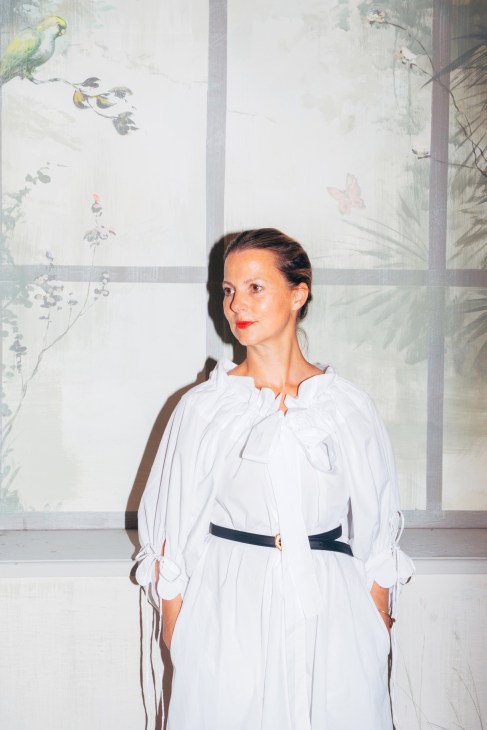
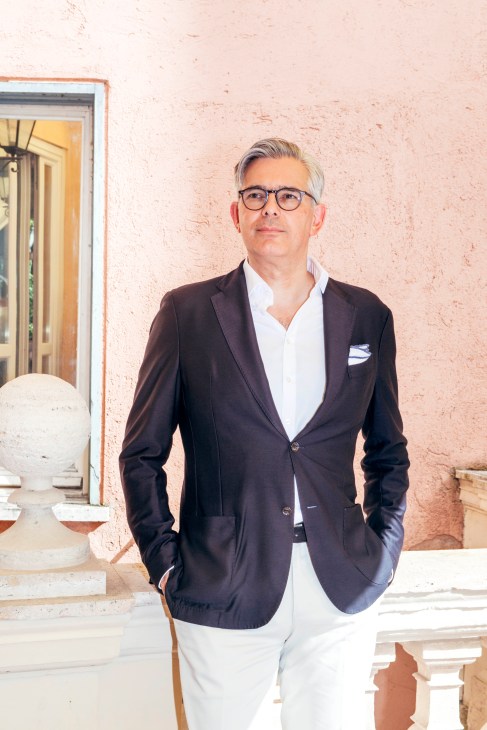
According to Kliger, part of the draw for top customers is that these events tend to pull the curtains back on the inner workings of the fashion world. Be it by touring a brand’s top-secret archives (taking photos or even publishing content about the Valentino tour is strictly prohibited), crossing paths with Hollywood stars or overhearing industry conversations. Ultimately, people like being drawn into the spectacle. “We bring customers, they bring their friends and they like connecting with the rest of the attendees,” says Kliger. “But they also want to be a part of the fashion world: they like seeing editors, they like seeing brand members. The fashion industry is important to them. It’s why we also supply our top customers with fashion-show tickets.”
Thinking beyond straight selling and facilitating moments of inspiration offline might just be the best way forward for online retailers, who want to stay competitive and keep their customers coming back, now that the novelty of speedy deliveries has worn off. “[Our customers] can go to Capri on vacation, they can go for a meal at Langosteria – that’s no problem for them. But going to Langosteria to celebrate [someone like Etro designer] Marco de Vincenzo and sitting at the table with the press and other creatives is different. That’s what makes a special evening.”
Northern lights
The concept of luxury might still be in its infancy in Norway, yet the country’s growing gdp and the flurry of cultural activity taking place in Oslo has opened up a new avenue of opportunity for the local luxury fashion sector. Today a larger number of homegrown brands are coming to the market and established luxury names, from Christian Dior to Loewe, are choosing Oslo to open their first Scandinavian outposts.
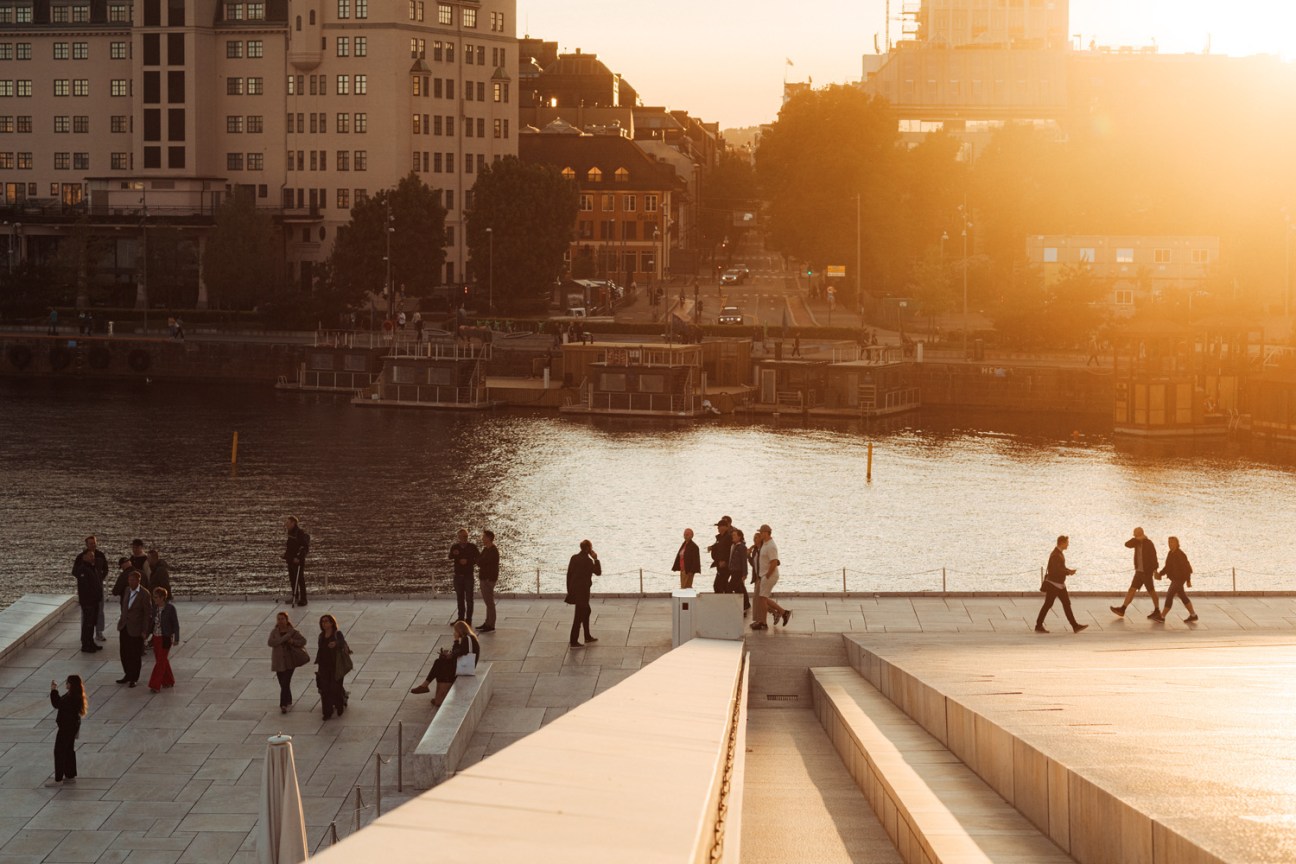
As a result, tourists are finding more reasons to visit the city than to see the famous fjords. We meet the entrepreneurs, designers and curators who have been building the country’s creative sector and aspiring to establish Oslo as a fashion capital.
The luxury pioneers


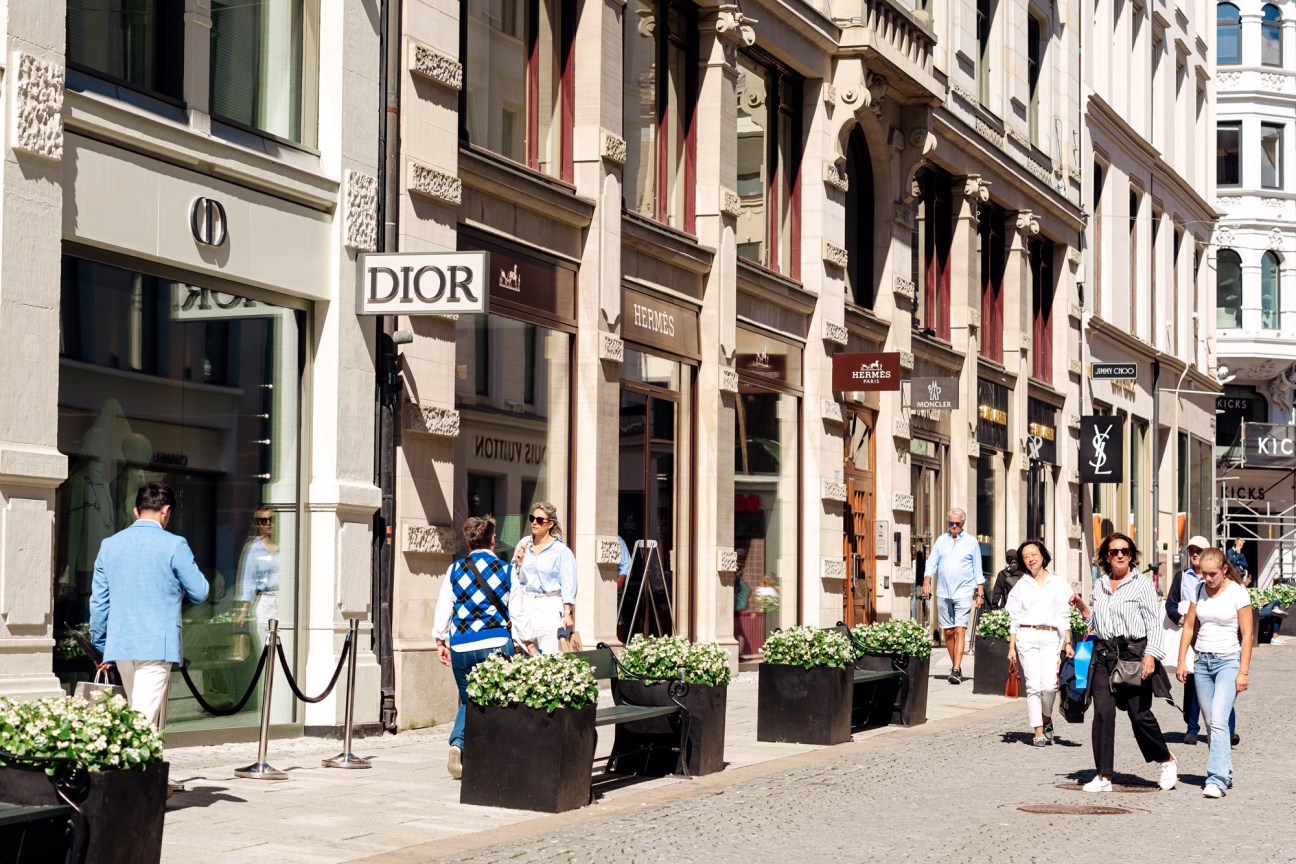
To witness the growth of Norway’s luxury sector, it’s enough to take a two-minute walk down Nedre Slottsgate in Oslo. The 106-metre-long pedestrianised street is crowded with boutiques for brands including Louis Vuitton, Chanel, Dior and Hermès – the kind of mix that has become familiar in many cities. What makes it remarkable is knowing that, until recently, passersby saw little more than fast-fashion franchises and pubs.
“Growing up, I remember that I was never allowed to go down further than the National Theatre,” says Annette Lund, ceo of Promenaden, the property manager for Nedre Slottsgate, as well as the city’s historic art deco department store Steen & Strøm. “This area wasn’t dangerous, but it wasn’t very pleasant to walk in either.” Lund has played a big part in engineering the district’s transformation over the past 11 years.
Promenaden Fashion District was born in the late 2000s, when a trio of Norwegian entrepreneurs started buying up prime properties in central Oslo between the Royal Palace and the Central Station. They realised that the downtown blocks around Steen & Strøm were ideal for creating a high-end shopping district, which didn’t exist in the country. “There was no reason why Oslo shouldn’t have more of a luxury offering,” says Lund. “Our ambition is to turn the city into a fashion capital.”
If you crunch the numbers, the plan’s rationale makes sense. Norway is one of the world’s wealthiest countries, with a gdp per capita that is more than twice the European average. It is also one of the few in its league with a stable, liberal democracy. Oslo today is a squeaky-clean capital boasting world-class restaurants, hotels, museums and an iconic opera house. It seems only natural that tourists should also find a high-calibre fashion offering.
But all this is very new. Steen & Strøm prides itself in being the world’s oldest operating department store but when it opened in 1797, it was a two-storey grocery shop, not the six-storey luxury hub it is today. At the time, Oslo (then called Christiania) was a small fishing town with 9,000 residents, which still made it one of the largest cities in Norway. The country’s textile industry was historically geared towards making hard-wearing garments for men at sea, such as the blaatrøie, a blue wool sweater that was knit tightly to be wind and waterproof. “People dressed for working outdoors,” says Maria Lilly Flakk, an entrepreneur whose family owns Devold, the company that invented the blaatrøie in the mid-19th century. “We were dirt poor.”
Everything changed the moment Norway struck oil in 1969. But even as Norwegians became rich, they shied away from spending on anything with a luxury price tag. “Luxury was not a word you would use,” says Lund, referring to Janteloven, the stereotype of the Nordic mentality that decrees, for example, that you should never think you are better than anyone else. Fashion was thought of as frivolous, and, apart from a few exceptions – Per Spook, who opened an atelier in Paris in the 1970s, and Moods of Norway, the irreverent brand that soared in the 2000s – there were no international brands with presence in Oslo or domestic designers to speak of. When Norwegians shopped, they travelled to their cooler neighbours, Stockholm and Copenhagen.


In the early 2010s, when Lund first gave her pitch to potential international tenants, she had to start by pulling out a map. “They would say, ‘Oslo, that’s in Sweden, right?’” she says. She would then highlight the promising sales figures of the few brands that already had a presence in the city, including Louis Vuitton and Mulberry, to prove the spending power of Norwegians. That Promenaden controlled a district’s worth of real estate was also an asset. “We have been very strict with what kinds of brands we want to have on different streets,” says Lund. “We created the right mix.” The strategy’s success is evident in recent openings by Valentino, Dior and Loewe, which have all opened their first Scandinavian outposts on Nedre Slottsgate.
Promenaden’s pitch has been helped by Oslo’s broader cultural resurgence – the result of a huge effort consisting of both public and private investment, including the waterfront Opera House, designed by architects Snøhetta, and the new Munch Museum, as well as the Oslobukta neighbourhood (a project by another influential property company, Carousel), which is packed with boutiques and Michelin-starred restaurants. The local fashion sector is taking advantage of the momentum. Several brands have started to define Norwegian fashion, led by Holzweiler, which just kicked off its global expansion plans, as well as outerwear brand Norwegian Rain and jeweller Tom Wood.
One such brand is Julie Josephine Essentials, a label that was launched in Oslo in 2016 with just one type of product: the perfect white T-shirt. “When I started, it was such a different ball game,” says founder Julie Josephine Blystad. “There were barely any Norwegian brands that were taken seriously.” Now she has expanded into a fully fledged wardrobe of women’s basics and is training the company’s eye on the Swedish and Danish markets.
Promenaden is equally committed to supporting homegrown talent, with many of these brands found on the district’s Prinsensgate or Øvre Slottsgate. At Steen & Strøm, which is in the midst of a multiyear, multimillion redevelopment, executive director David Wilkinson is making sure that rising local designers take up a larger chunk of the retail space. “Department stores have a responsibility to their community,” he says. “Yes, it’s about making money but it’s about giving back as well.” Wilkinson and Lund make in-person visits to the showrooms of local brands; one such outing led to the opening of young trainers brand New Movements, across the atrium from Loewe. Steen & Strøm also sponsors Oslo Runway, the annual fashion week where local designers are put under the spotlight.
Norway’s fashion and textile industry is still in its infancy: it has an annual turnover of about nok67bn (€5.8bn) compared to sek140bn (€11.7bn) in Sweden. But Norwegians no longer need, or want, to go abroad to shop. “People first went to Sweden to shop Filippa K and Acne Studios, then they had their bohemian phase with Danish brands,” says Maria Lilly Flakk, founder of OA Devold. “Now we’re discovering what Norwegian fashion looks like.” Lilly Flakk’s new venture is a good example: a knitwear label that draws on the 19th-century patterns and knits from the old factory of Devold, on the west coast of Norway. One of its first models was a classic blaatrøie, knitted with a softer wool and Italian cashmere.
In Scandinavia, Norway might still be the rugged little sister who spends weekends at the cabin. But as the luxury industry discovers a new appreciation for classic design and technical wear, it’s only fitting that Norway, which has mastered both for half a century, is establishing itself as a pole of global luxury. The mix of homegrown talent and international names is now drawing well-heeled visitors to Nedre Slottsgate and encouraging locals. “Norwegians are starting to appreciate luxury,” says Lilly Flakk. “We have always dressed to be practical. Now we have realised that we can still do that while looking a little better.”
The curator

Until recently, fashion research was mostly absent in Norway. “Fashion was looked upon as commercial, unprofessional or something that a rich man’s wife does,” says Elise By Olsen. “There’s no respect for it.” These attitudes are shifting, thanks in no small part to Olsen, who founded the International Library of Fashion Research in 2020. Housed in a 19th-century building that overlooks Oslo’s waterfront on one side and the National Museum on the other, the sleek space is free and open to anyone wishing to peruse monographs, magazines and all kinds of ephemera charting the past 50 years of fashion.
Olsen is only 24 but has already established herself as an industry fixture. Growing up in the suburbs of Oslo, she started blogging aged eight and launched her own print magazine, Recens, at 13. The first issue was sent to the printers in the form of a Microsoft Word document but already contained advertisements; by the second issue, Recens had turned into a polished glossy and was soon sold at airports. At 18, the print prodigy had dropped out of school, moved to Paris and launched a second publication, Wallet. She befriended Steven Mark Klein, a New Yorker who was part of an older generation of clear-minded fashion journalists; he became Olsen’s mentor.
In 2020, Klein decided to donate the contents of his apartment – an archive from a lifetime in the industry – to Olsen. Soon the two had convinced the Norwegian consulate in New York to fund a boat shipment across the Atlantic and the National Museum in Oslo to help them find the right space to house it: a three-storey building that used to be part of the city’s railway station and is now filled with futuristic, aluminium shelving and vitrines inherited from the National Museum.
What makes this young institution unique is that, based on the late Klein’s collection, much of the shelf space is dedicated to lookbooks, runway invitations, press releases and other printed matter – everything from 1990s Yohji Yamamoto catalogues to a customised bar of Belgian chocolate that Dries Van Noten gave to vip clients for the 2008 holiday season that was meant to be seen by a select few and then discarded (or consumed). These mementos are often kept by fashion-world insiders but have never previously been made available for public view.
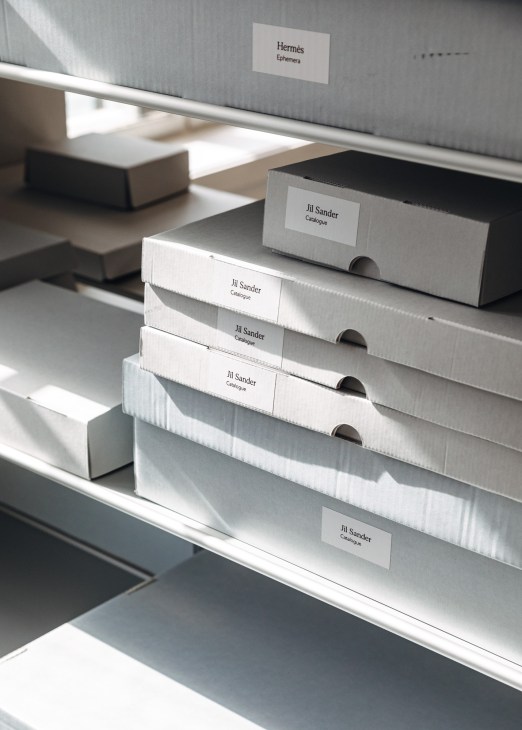
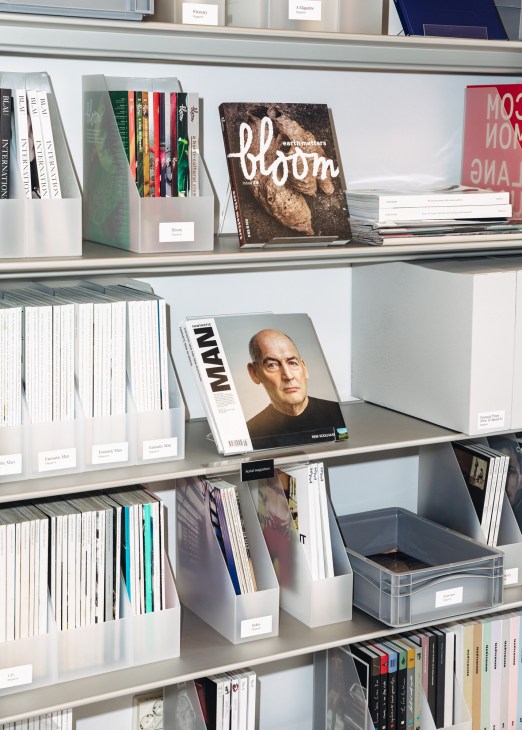
That these are now documents deemed worthy of a public institution is testament to the changing attitudes both in Norway and abroad. There’s increased appetite to delve into the past and discover fashion’s history, partly thanks to digital media, where snaps of Miu Miu shows from the 2000s or vintage Comme des Garçons catalogues now circulate for anyone to swoon over. The more brands’ rich pasts are mined, the more seriously fashion is taken as an intellectual and artistic pursuit. “There are contemporary art libraries, music libraries, architecture libraries,” says Olsen. “Why shouldn’t there be a public fashion library?”
The demand is clearly there: when Monocle visits, the team is busy unpacking boxes of new material. Olsen has no need to solicit donations, as brands such as Schiaparelli and Rimowa now voluntarily offer up their archives. In the year since it opened in Oslo, the library has developed into a destination, drawing international visitors and helping to expand the fashion ecosystem beyond cities such as London, Milan and Paris. “When we were starting out, what was important to us was to have this table that would bring together the architect, the student, the Balenciaga creative director and the pensioner,” says Olsen. “That was utopia at the time – but today it’s actually playing out.”

The international success story
It has been a whirlwind year for Holzweiler. Since taking on investment from Sequoia Capital, the Norwegian brand founded by siblings Andreas and Susanne Holzweiler has been busy planning its first foray outside Scandinavia and its debut show at London Fashion Week. Susanne and creative director Maria Skappel Holzweiler, Andreas’s wife, tell us about taking Nordic functional luxury g
lobal.
It has been a year since you began working on your international expansion. What have you learnt?
Susanne Holzweiler: We are focusing on what is the core of Holzweiler. We’ve found a new passion for our heritage. We never felt that we’re a typical Scandinavian brand but now we’ve become proud of being Norwegian. We live in this cold country so, of course, we have some of the best outerwear that looks good but is also functional.
You’ve staged shows in Oslo, Copenhagen and now London. Why do you like to stay on the move?
Susanne Holzweiler: It’s like school: you spend three years in the same place, you become the biggest and then start all over again. This year we feel like first-graders again, but it’s the right move. We’re doing [the show] in a park near King’s Cross that reminds you of the Norwegian forest. We’re always returning to our country’s heritage and want to bring it to a bigger stage.
How have you been able to sustain demand?
Maria Skappel Holzweiler: Every time we create a hero product, we aim to move on to the next thing, rather than becoming the brand with just the scarves or just the jackets. Never be too comfortable with where you are.
Style Directory
Easy does it
James Coward, Canada
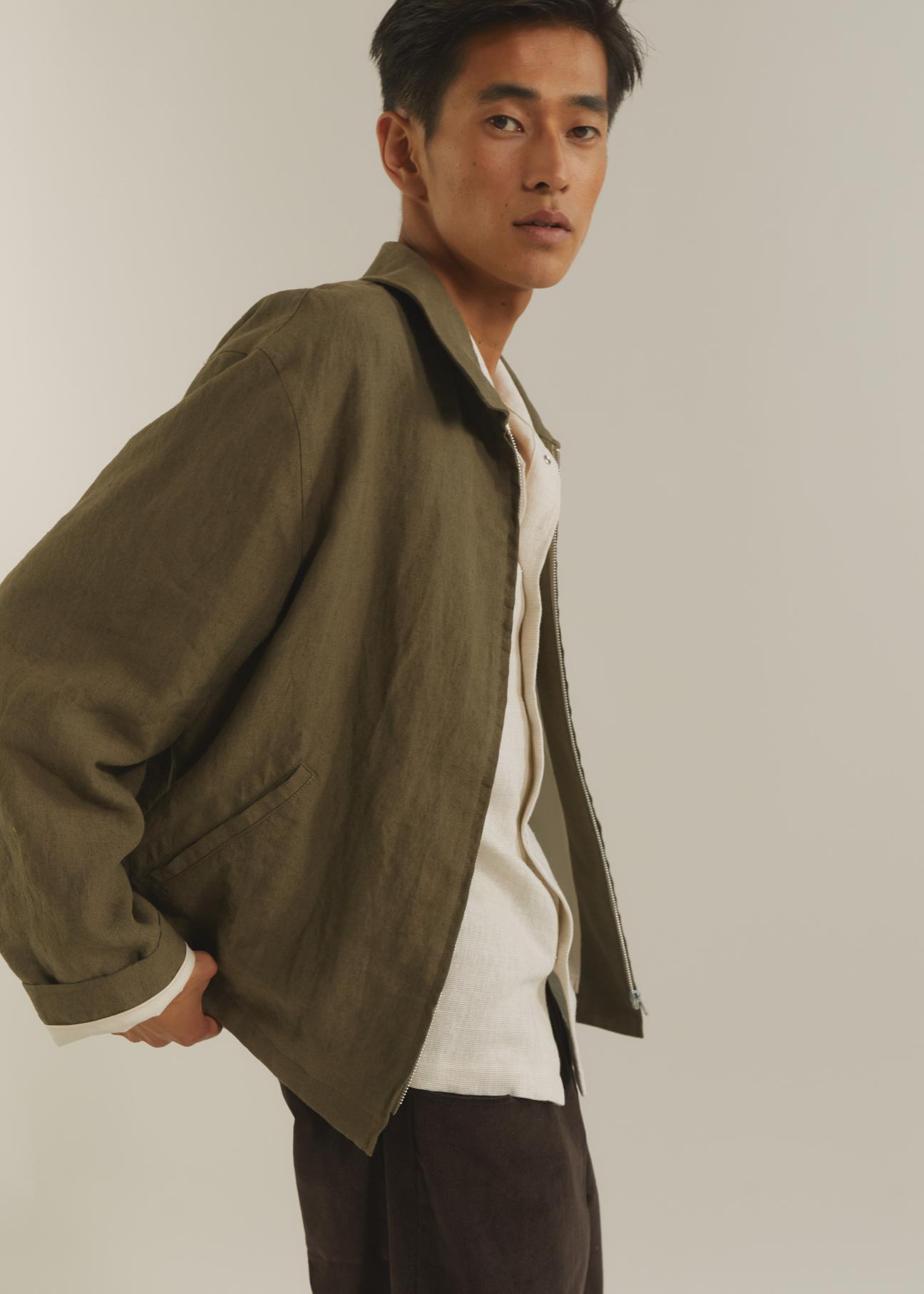
Patrick Bull, Daniel Garrod and Aaron Gray run James Coward, a menswear label which, despite its name, is confident when reimagining familiar workwear styles. For the Vancouver-based brand, the focus is on fresh proportions and functional details. Fabric comes first; after sourcing the finest linen from Belgium or deadstock fabrics from Japan, the founders allow the materials to guide the design. Extra-wide armholes and boxy silhouettes add to the comfort.
Teaming up with the right retailers, such as Canada’s Neighbour and Tokyo’s Maidens Shop, was essential to make the business work. “We plan on continuing to find shops that share our sensibilities and have their own, distinct perspectives on how to present our pieces,” says Gray.
james-coward.com
Made to measure
Graye, Singapore
When husband and wife Calvin Sim and Xie Qian Qian founded their unisex label Graye in 2016, they used their own home as a workspace and showroom. After a string of successful pop-ups and shops across Singapore, they have now opened a new flagship in Tiong Bahru that includes a studio where the designers can be seen at work.
True to its name, Graye’s colour palette is dominated by neutral hues. It focuses on sharp twists on Asian classics, such as a buttoned linen kimono top, a cotton kimono coat and the high-collared Shan shirt, inspired by Qing dynasty robes. “I’m inspired by cultural elements but I like to tone them down and make them suitable for everyday wear,” says Xie. The duo use environmentally responsible materials – their best-selling item, a double jersey knit T-shirt, is made from regenerated cotton waste fibres.
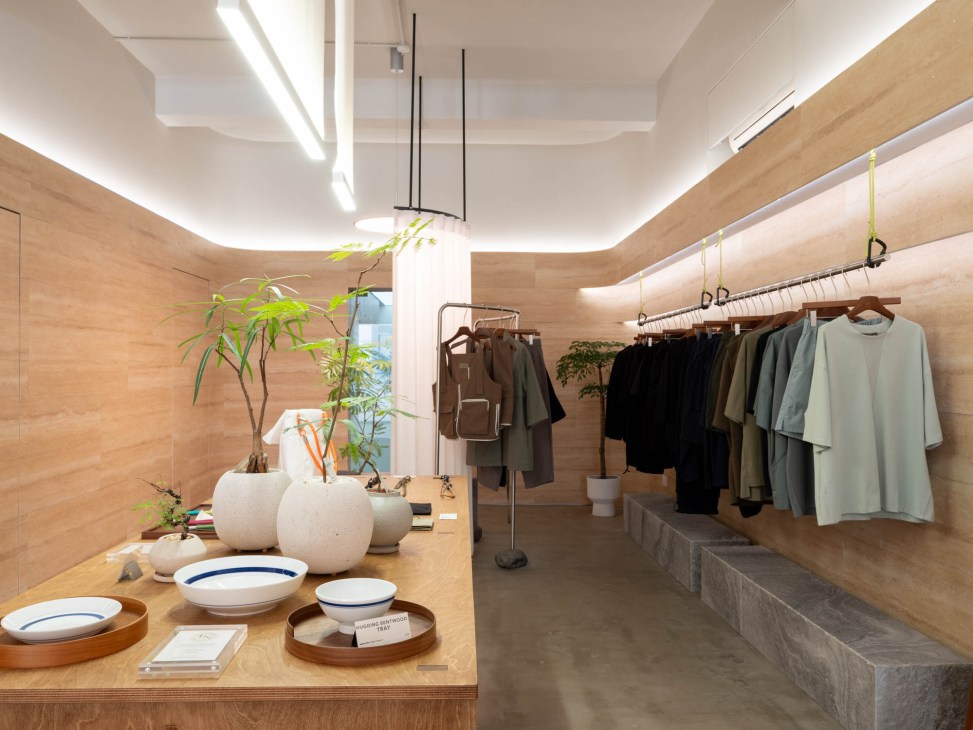
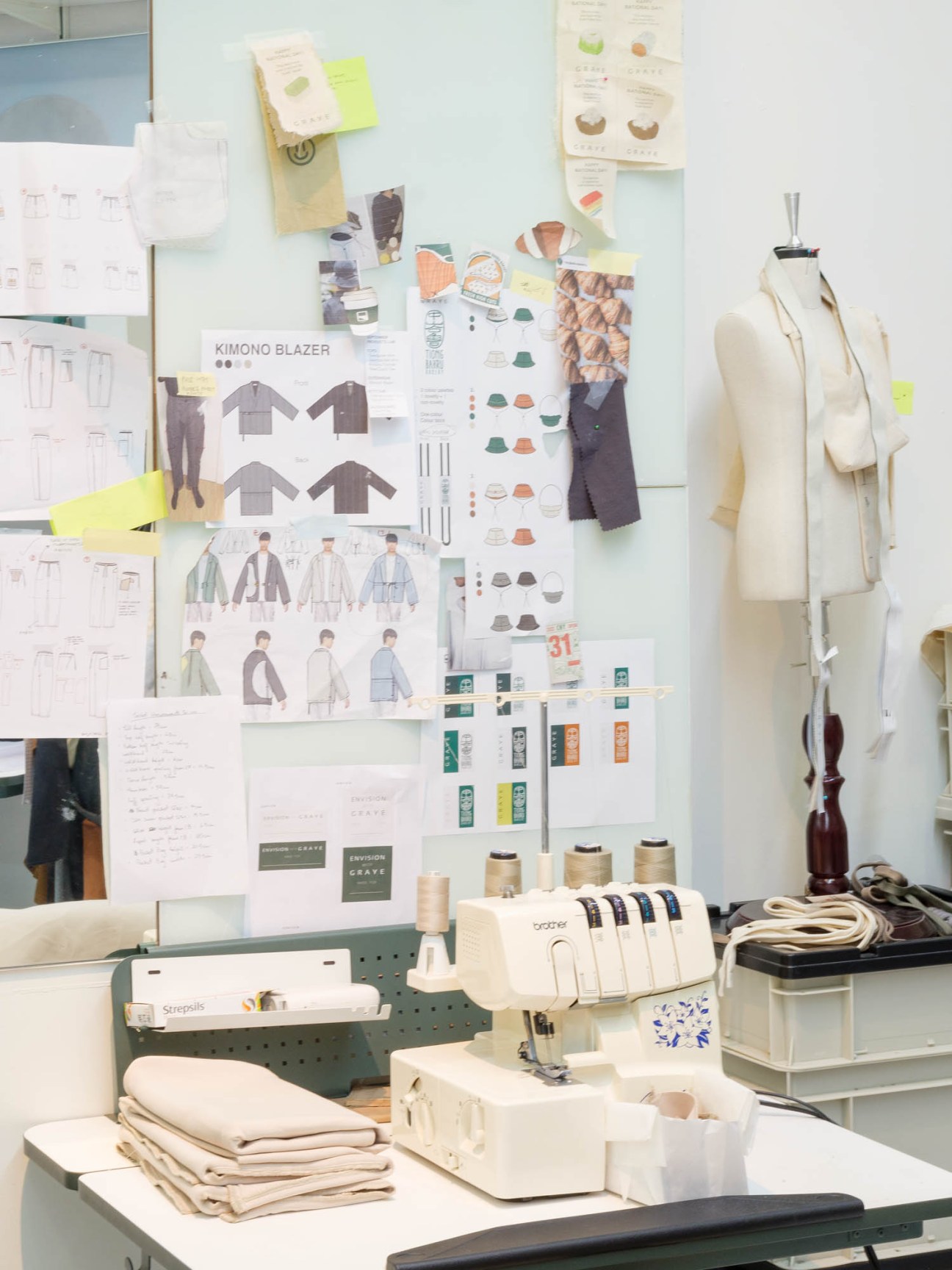
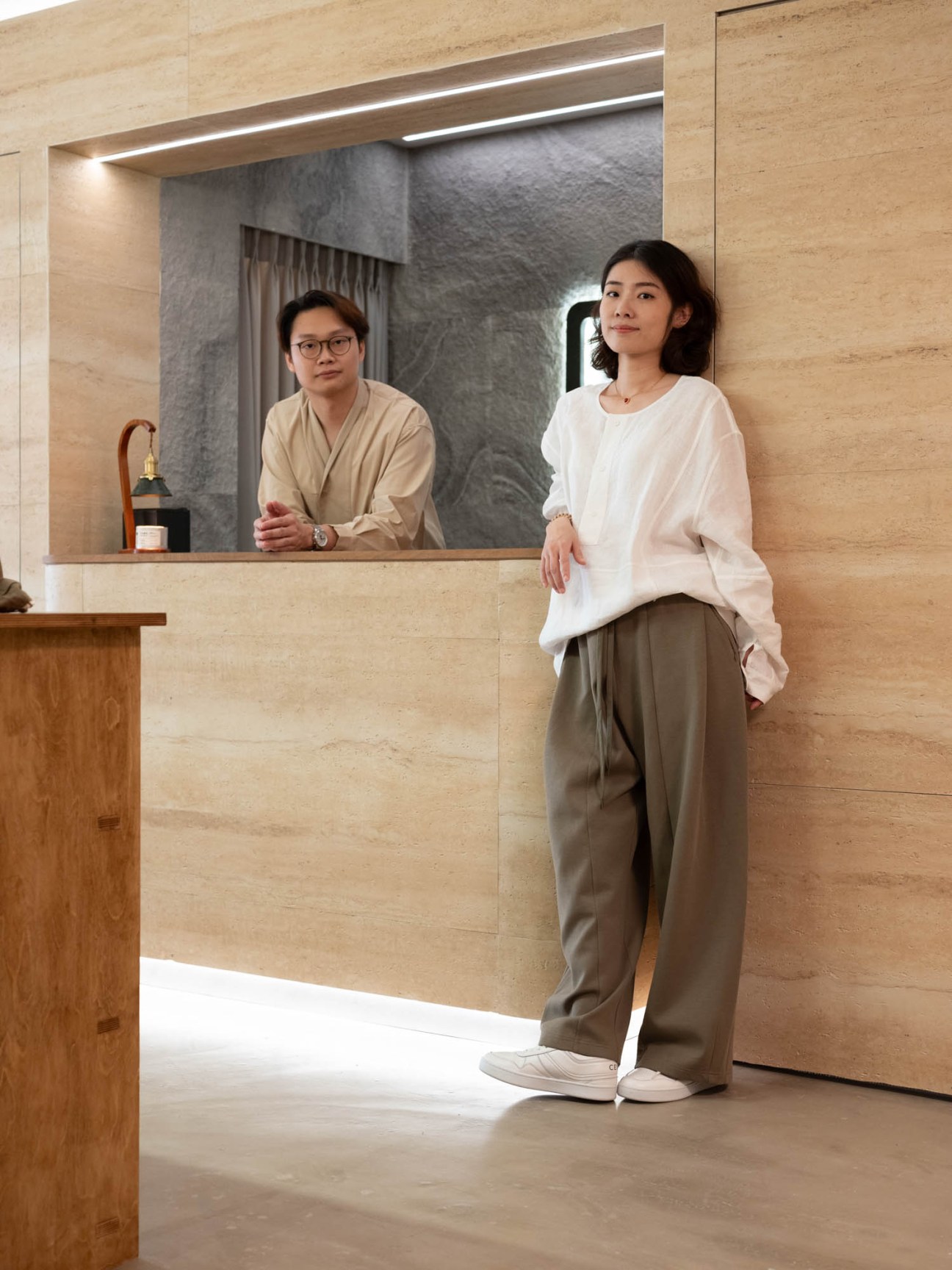
Singapore’s warm weather means that designers here are less beholden to the demands of seasonal fashion and Sim and Xie tend to refresh their shop floor with small drops of four or five pieces at a time. They also offer a bespoke service, which ranges from small modifications to custom shirts, trousers and suit sets. “We want to realise our customers’ vision by co-creating designs that they might have in mind,” says Xie.
grayestudio.com
Dream team
Daniel W Fletcher 3 Huntsman, UK
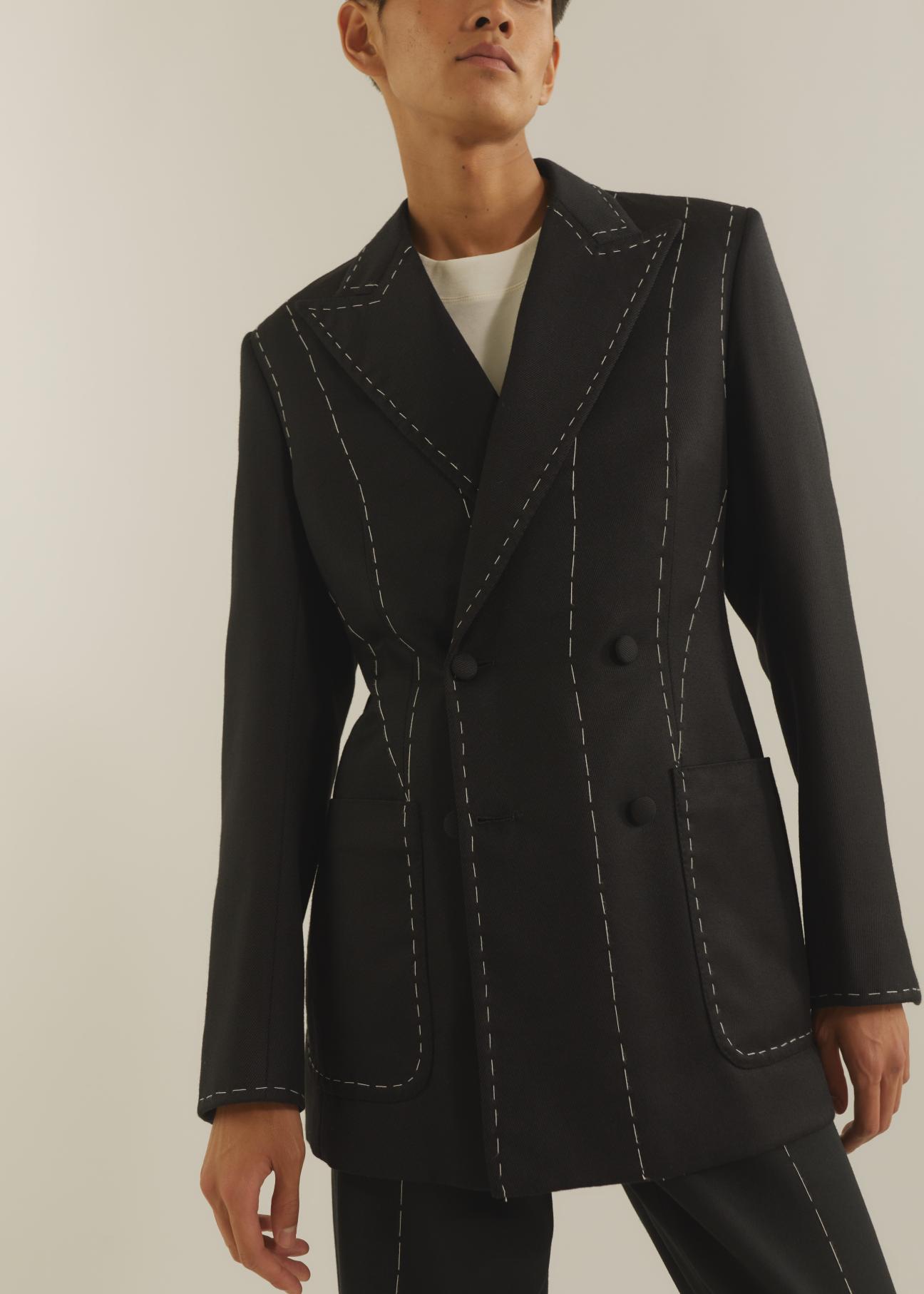
When young UK designer Daniel W Fletcher took up Huntsman’s offer of a collaboration, his aim was to marry his take on contemporary tailoring with the traditions and know-how of the Savile Row stalwart. The result is an autumn capsule made entirely in the UK that features nine bespoke suits and 12 ready-to-wear pieces, such as tailored flares and tuxedo coats. The inspiration came from Huntsman’s rich archives, including an original pair of breeches from the 1800s, which Fletcher was quick to single out.
“We’re used to working at a fast pace, whereas on Savile Row it can take up to six months to have a suit fitted,” says Fletcher, who worked with Campbell Carey, Huntsman’s creative director to tweak the proportions of traditional silhouettes and add a fresh perspective to what a Savile Row suit might look like. The two designers also added striking white topstitching throughout the edges of belted evening coats and double-breasted jackets. “We got to the final fit and a couple of the pieces were too black so we made a feature out of it,” says Carey, who wanted the collection to feel androgynous. “Nowadays it’s the fit that changes, not the design,” says Fletcher.
Carey was drawn to Fletcher’s ability to modernise silhouettes through subtle tweaks – sharper shoulders, wider cuffs or tighter waistlines. “It was good for our tailors to get their teeth into something contemporary,” he says. “Huntsman has the gentlemen’s club-like exterior but inside it’s vibrant and dynamic.”
huntsmansavilerow.com; danielwfletcher.com
Well-made essentials
Solid Homme, South Korea
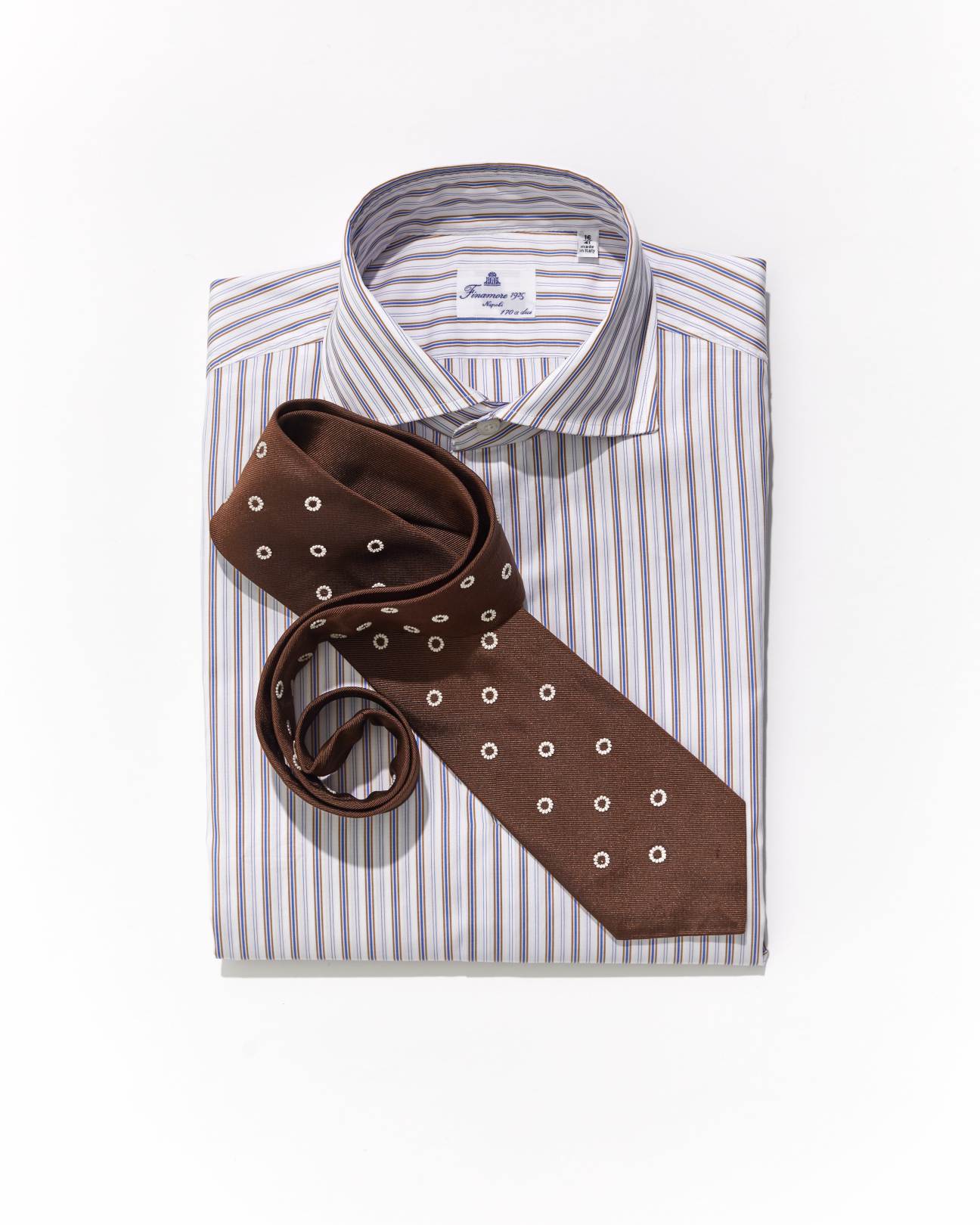
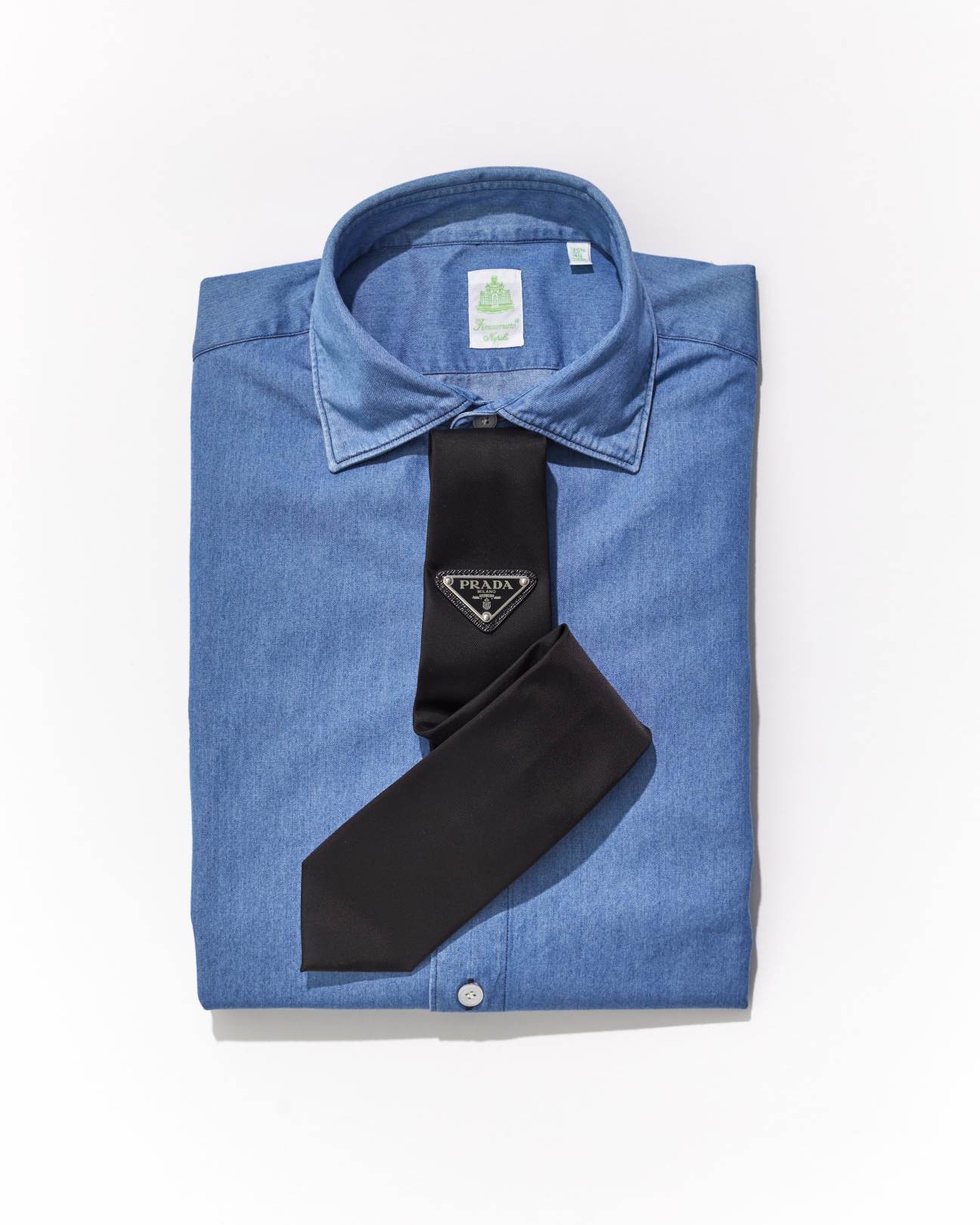
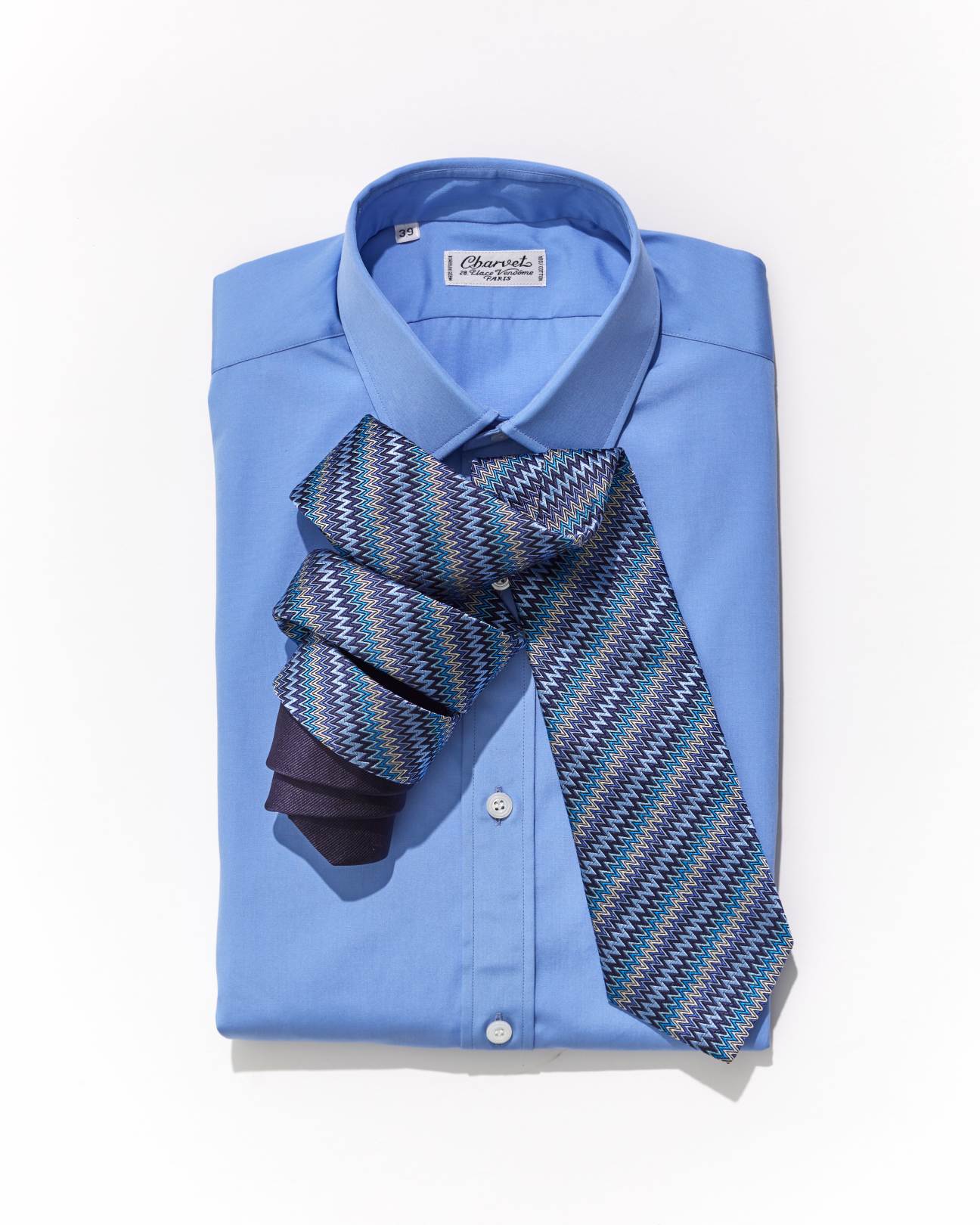
Long before the South Korean wave took the world by storm, fashion pioneer Woo Young Mi was attracting international audiences all on her own, travelling to Paris since 2002 to showcase her label, Wooyoungmi. Now her menswear line, Solid Homme, which has been helping South Korean men look sharp for more than 30 years, is enjoying international momentum of its own, with its first show at Paris Fashion Week taking place last year. Wholesale partners such as Le Bon Marché in Paris and Club 21 in Thailand are also on board.
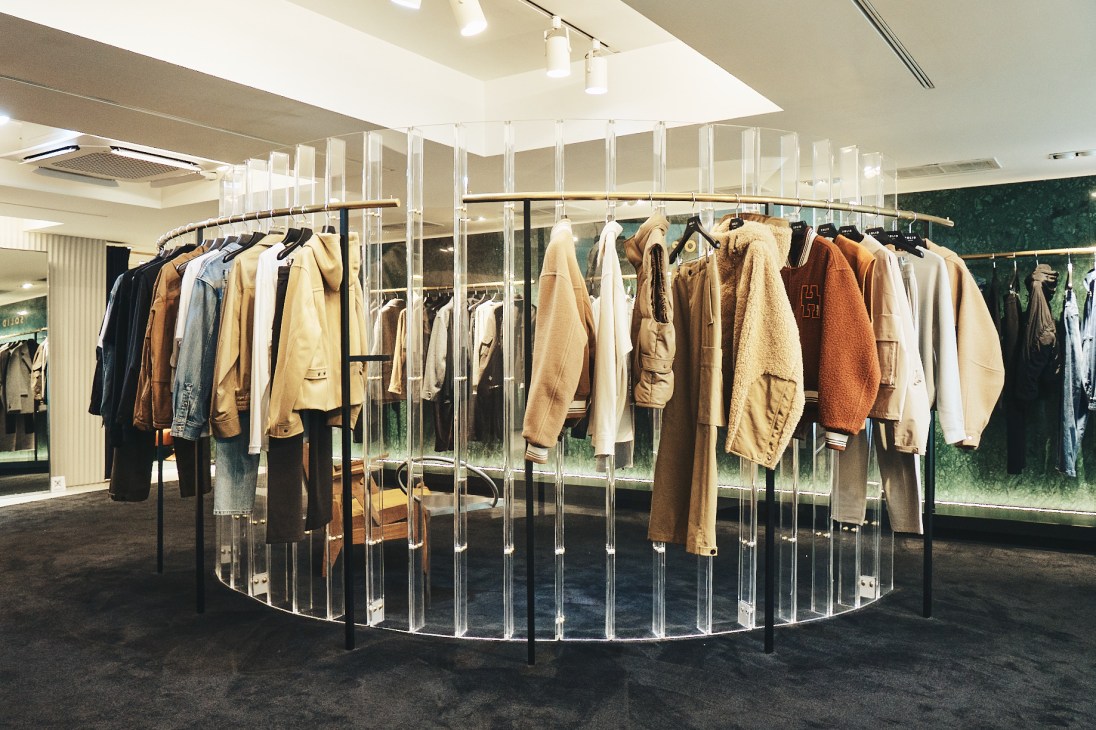
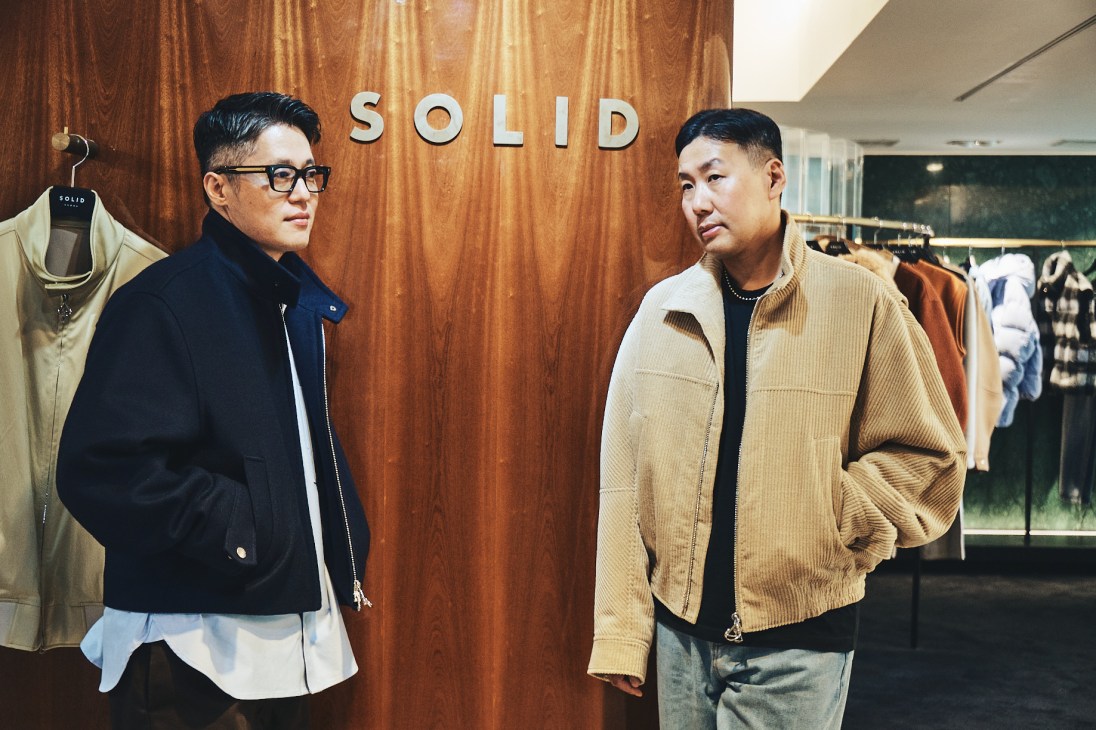
Solid Homme is famous for being one of the first labels in the country to propose, in the late 1980s, that men use fashion to express their identity. Known for its clean cuts, geometric shapes and flair for juxtaposing casual and formal wear, Woo’s designs were a welcome departure from a market limited to traditional suiting and workwear. Fast forward to today and Woo still knows how to make a statement. Her latest collection, presented in Paris’s Palais de Tokyo, received critical acclaim for its use of vintage fabric and reworking of familiar styles, from aprons to school uniforms. Her smart suede jackets, layered over slim suits, make for a great modern-day office uniform.
solidhomme.com
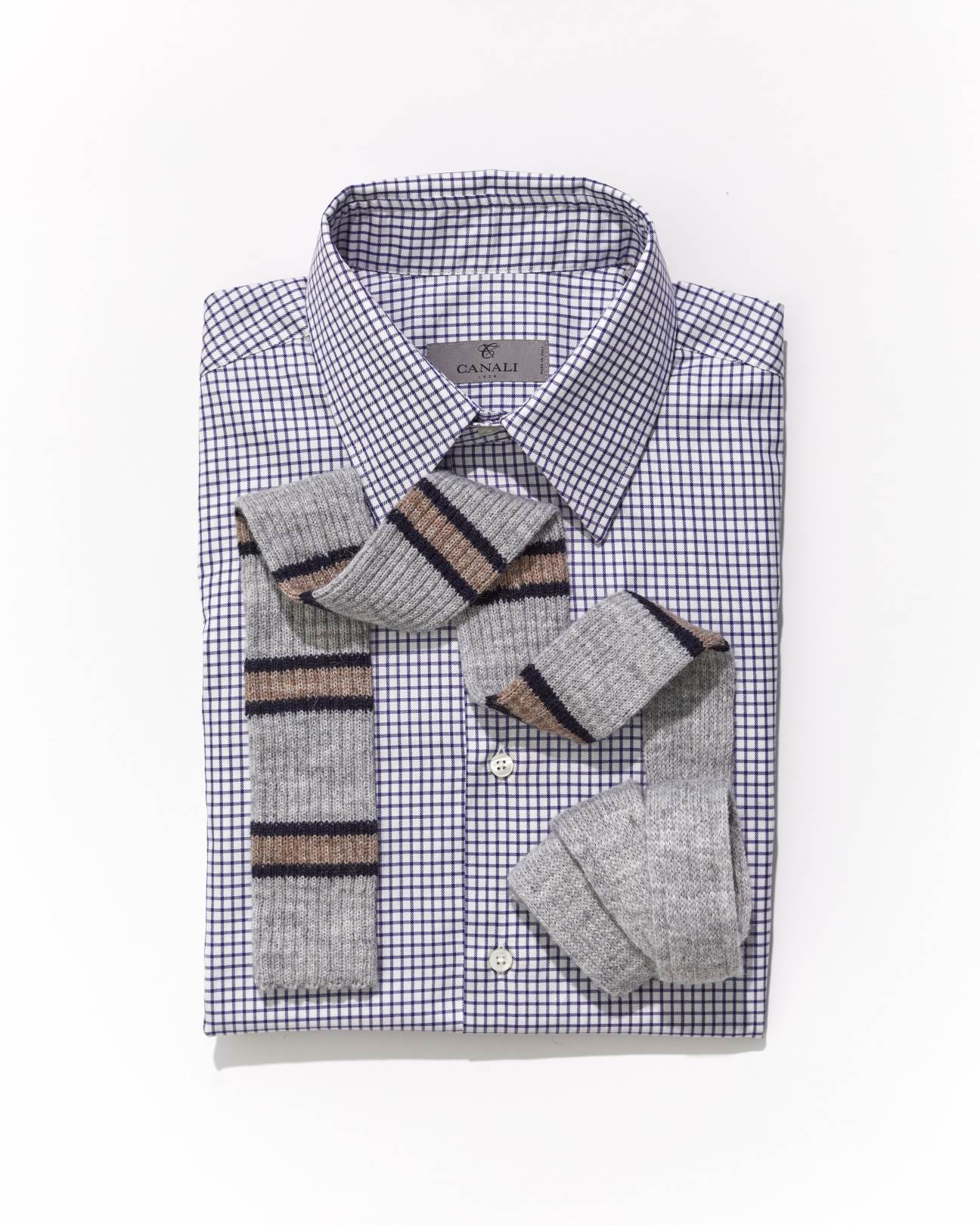
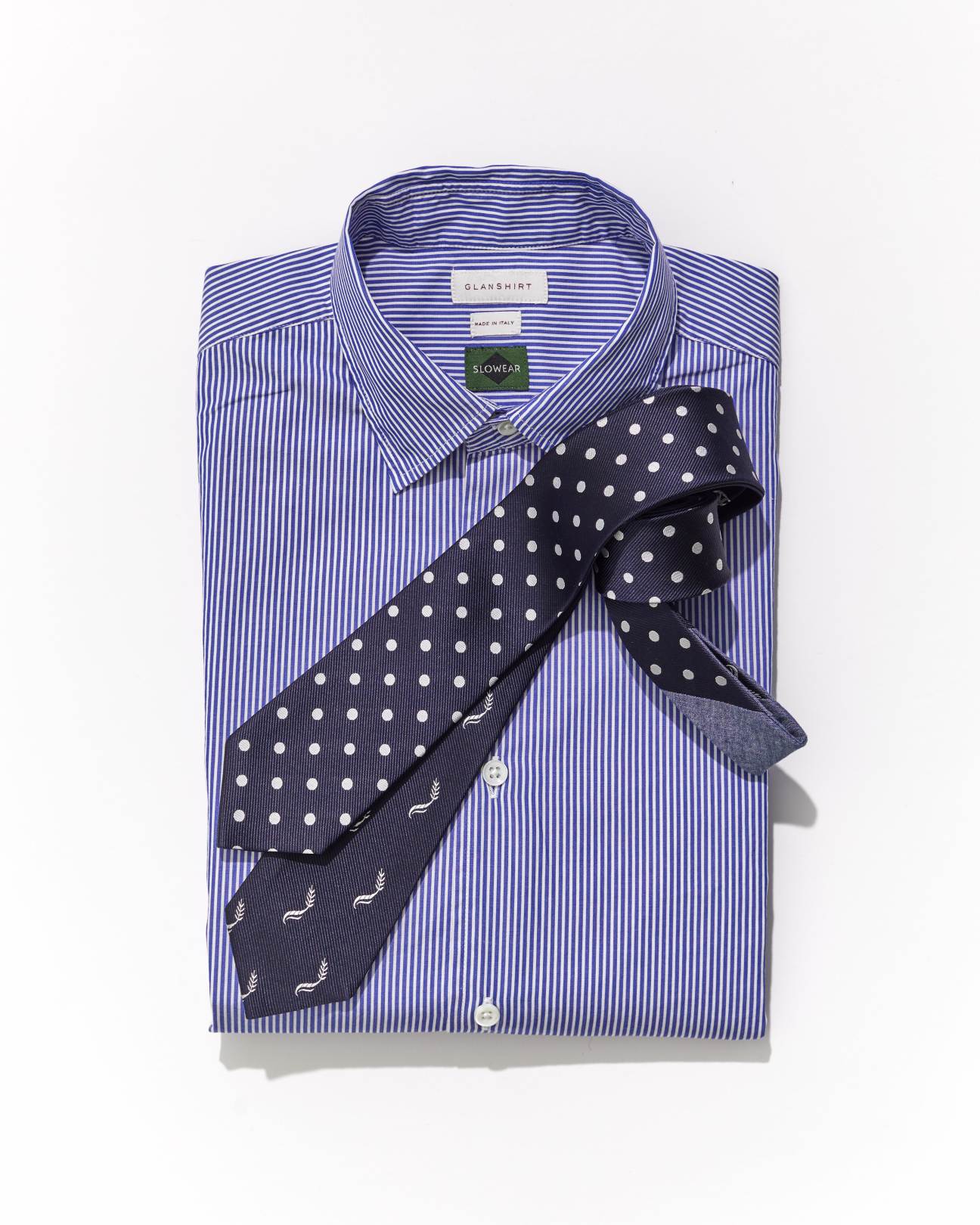
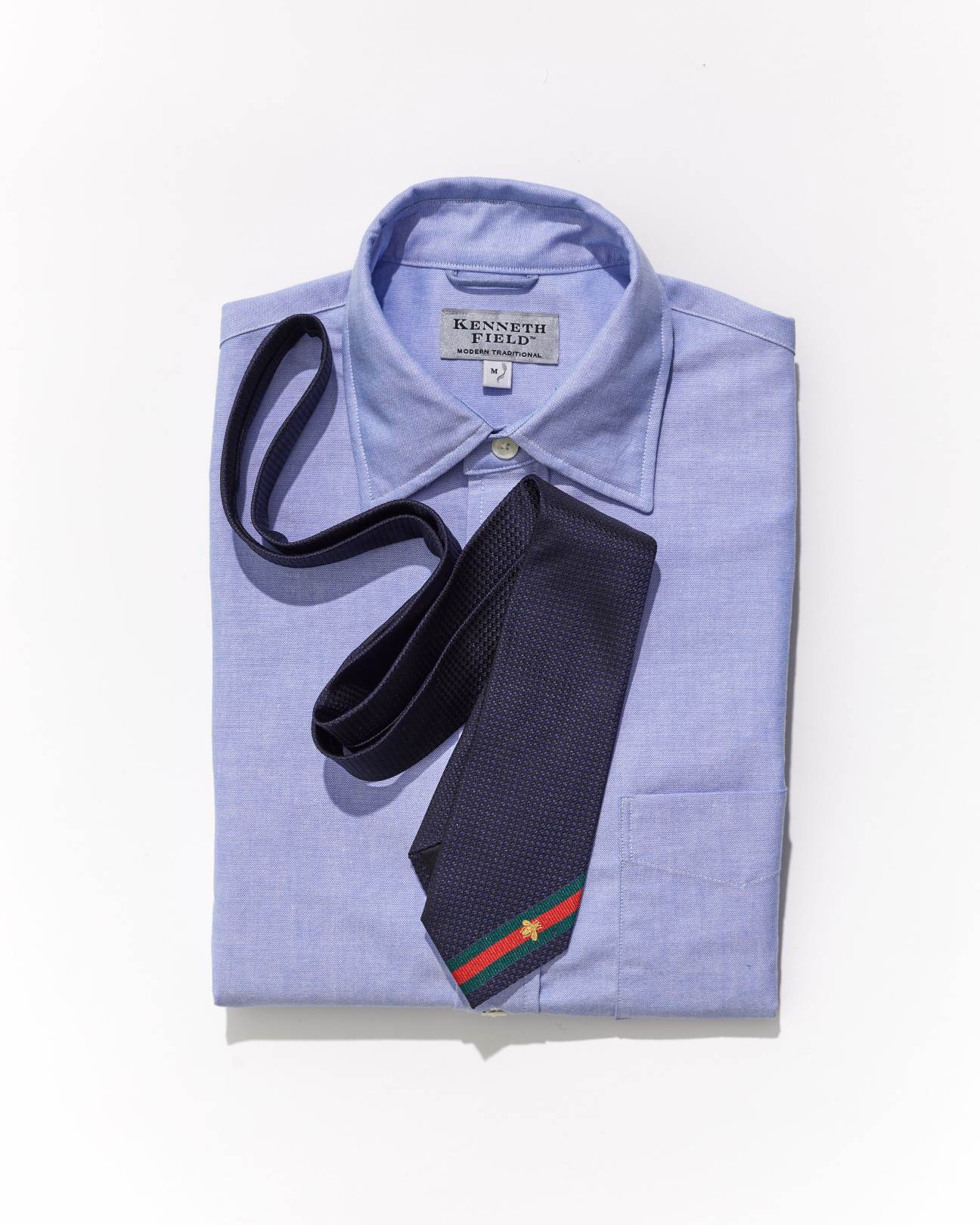
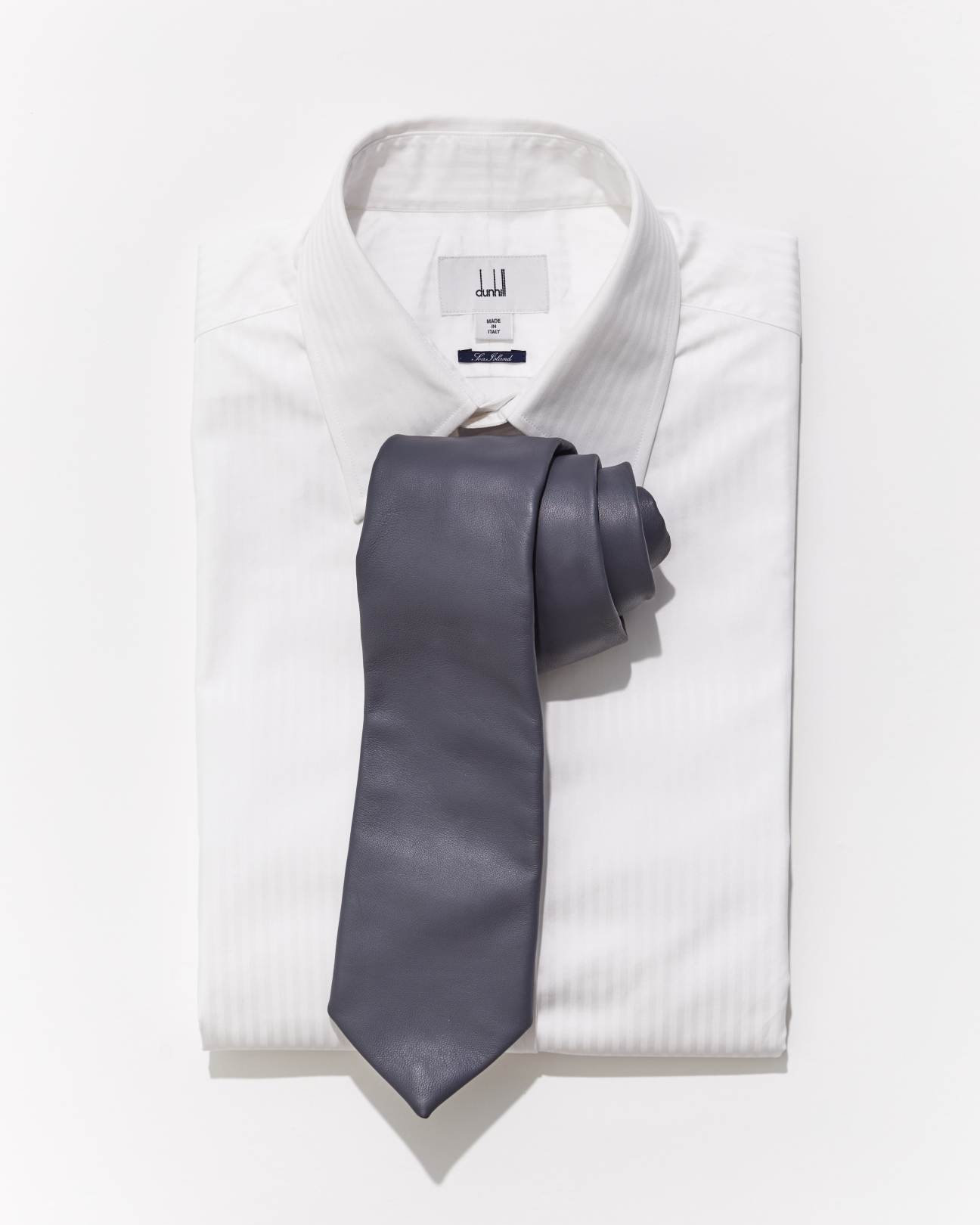
Cause-led clothing
Thebe Magugu, South Africa
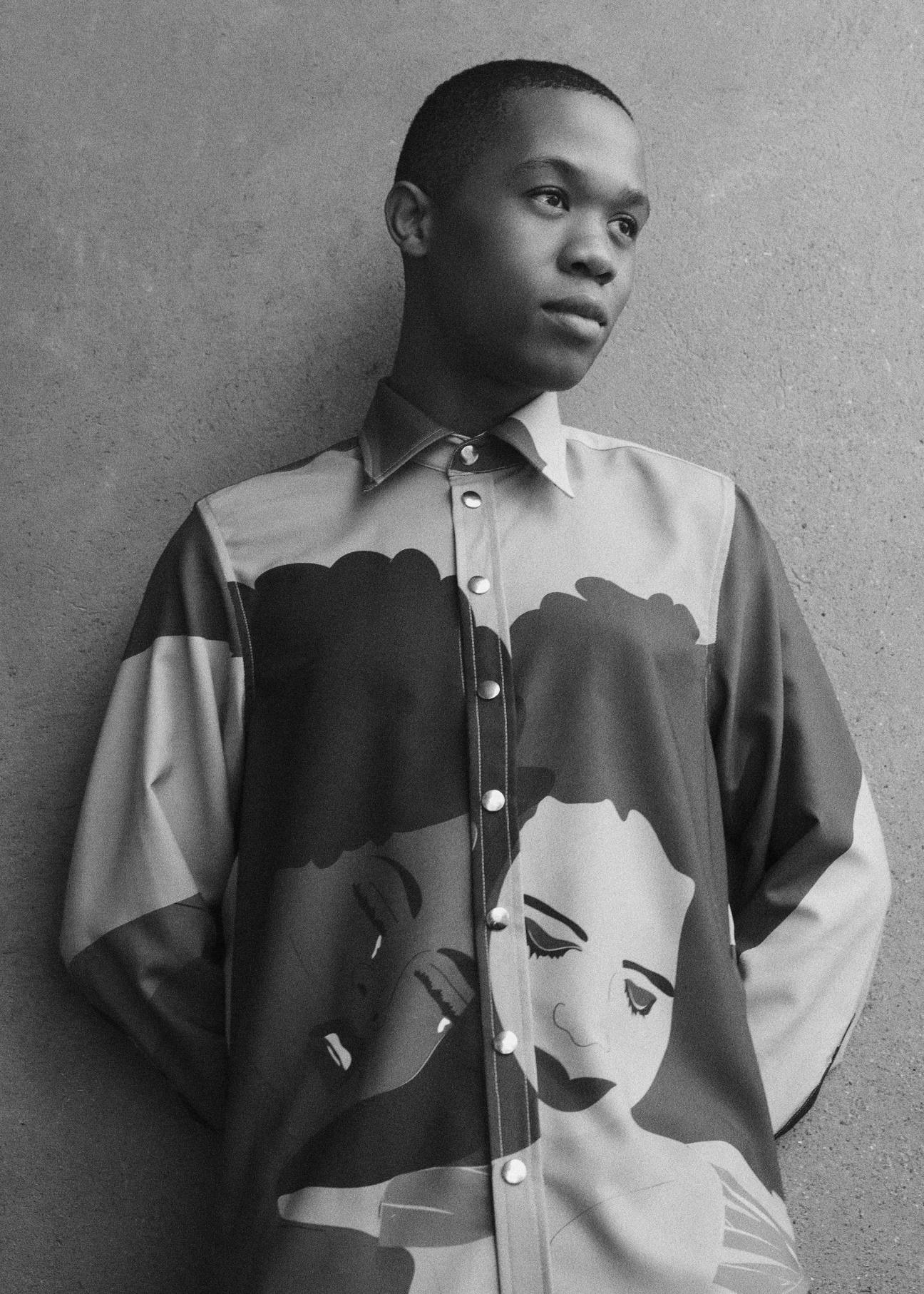
Johannesburg-based Thebe Magugu was quick to make a mark with his eponymous fashion label, catching the attention of big names from Christian Dior to Adidas for collaborations with him. Here, he talks to Monocle about his artistic process.
Tell us why you used a colossal laundry bag for your first show in London?
Dunusa, downtown from Johannesburg, is where the US and Europe dump secondhand garments. It inverts that trickle-down theory that says fashion starts at the top and makes its way down the classes, ending up in places like Dunusa. I sourced the pieces in Dunusa instead, collected them in a laundry bag and pushed them back up into a luxury space.
Why are you drawn to strong graphics?
I love using humorous graphics on a luxurious, silk garment. One seemingly abstract pattern might really just be an enlarged image of fish and chips.
Do you feel pressure to continue tackling bigger social or political issues?
We will often explore topics like the levels of corruption in South Africa. However, while one collection might be cerebral, another can be light-hearted. It’s a balancing act.
thebemagugu.com
Subcontinental shifts
Itoh, India
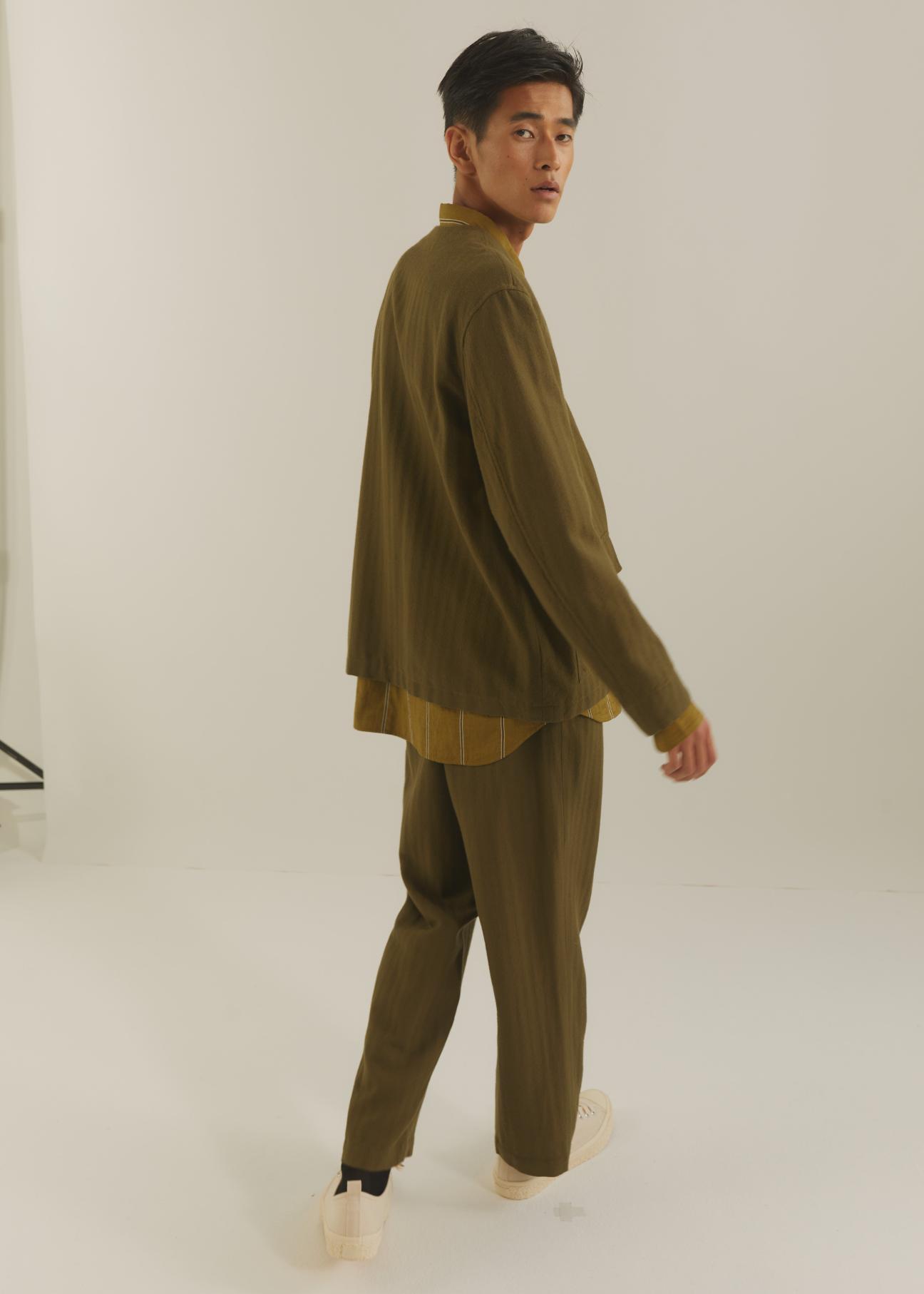
Amit Babbar, the New Delhi-based fashion designer and founder of menswear label Itoh, draws inspiration from his hometown when it comes to blending modernity and the ancient world. Since launching in 2018, the brand has been releasing capsule collections featuring minimal silhouettes – think summer jackets, long shirts and drawstring trousers in earthy hues. Almost everything is made from natural, handwoven fabrics such as wool, linen, cotton and silk which stand out for their rich textures – the result of close collaborations with weavers and artisans in West Bengal, who are equally committed to conserving India’s artisanal heritage. “The core idea behind Itoh is to maintain the relevance of the handloom and explore craft,” says Babbar. “These are processes that are struggling to survive in the current global economy because of how time-consuming they are. That’s why we only release small collections, to give our artisans time and flexibility to create the weaves.”
Babbar has the same approach when laying out his business’s international expansion plans, working with a handful of retailers such as Barbershop in South Korea or Takashimaya in Japan, who share the same enthusiasm for slow fashion.
itoh.in
Fedora frenzy
Fernández y Roche, Spain

Spanish hatmakers Fernández y Roche have been handcrafting hats and caps since 1885 in their Seville factory. Using techniques that date back more than 100 years, the brand creates fedoras, panamas and trilbies from felt and straw, while its signature flat caps are made using cotton and linen weaves. The label’s rich history has also caught the eye of Christian Dior’s master milliner Stephen Jones, who collaborated with its team of artisans on a range of wide-brimmed fedoras, presented during the French house’s most recent Cruise show in Seville. We recommend one of their classic wool- felt fedoras in chocolate brown or beige to update your autumn wardrobe.
fernandezyroche.com
Simple pleasures
Egrey, Brazil
Egrey is fast becoming a mainstay in São Paulo’s fashion scene, with two shops, one in the city’s renowned Iguatemi shopping centre and another in the leafy neighbourhood of Jardins. Behind its success is founder Eduardo Toldi, a former architecture student whose Lebanese-Italian heritage reflects, in many ways, the city’s immigration history. “We used to eat kibbeh and pasta on the same table,” he says.
Toldi felt that São Paulo was missing a brand that specialised in minimalist design and muted colours. “In Brazil we have lots of colourful, regional references but São Paulo is such a cosmopolitan city, that it needed a brand like ours, inspired by neutral tones,” he says. Toldi often references modernist Brazilian architecture in his work, aiming to capture the same timelessness and fluidity associated with Oscar Niemeyer’s masterpieces.
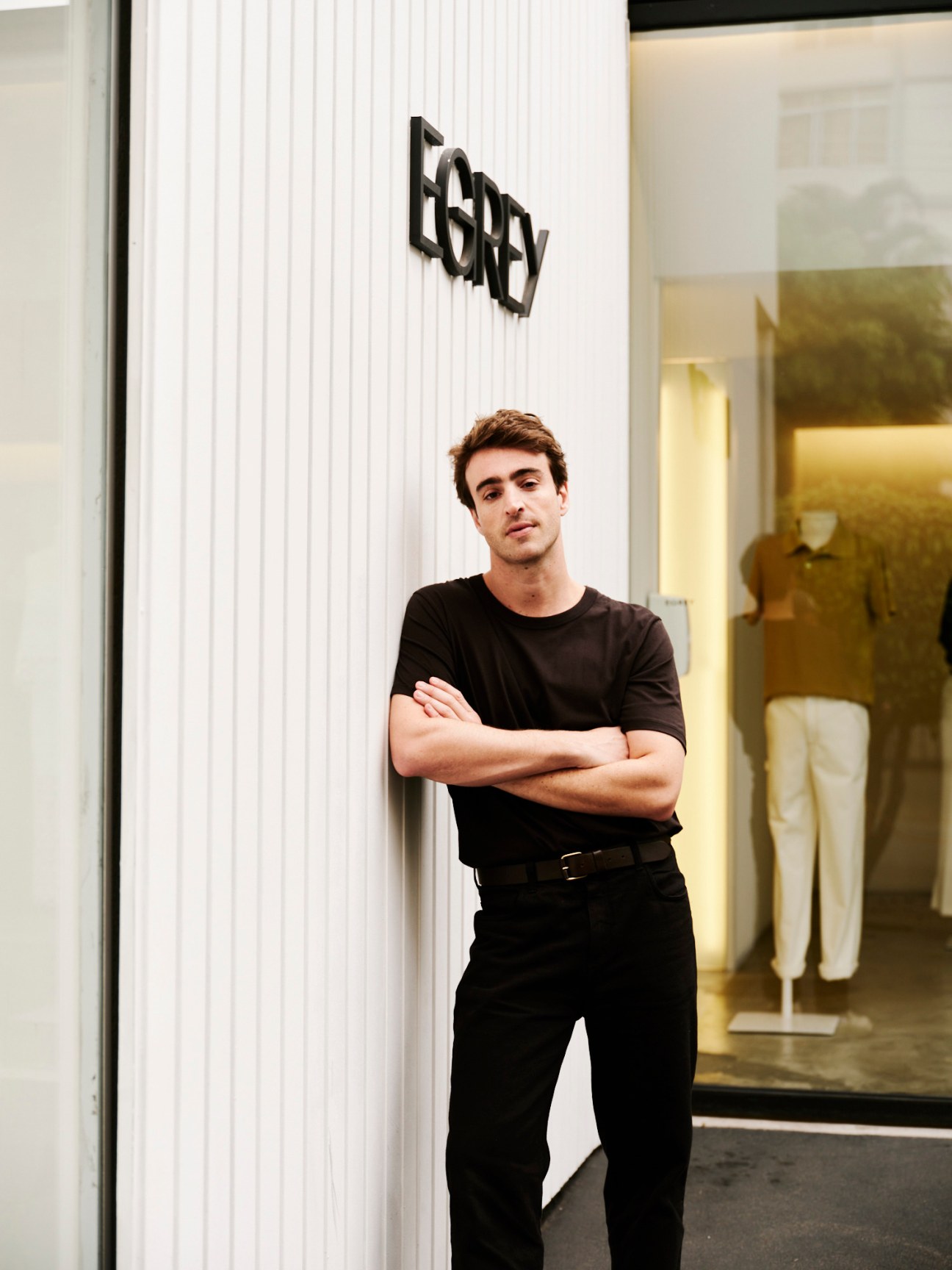
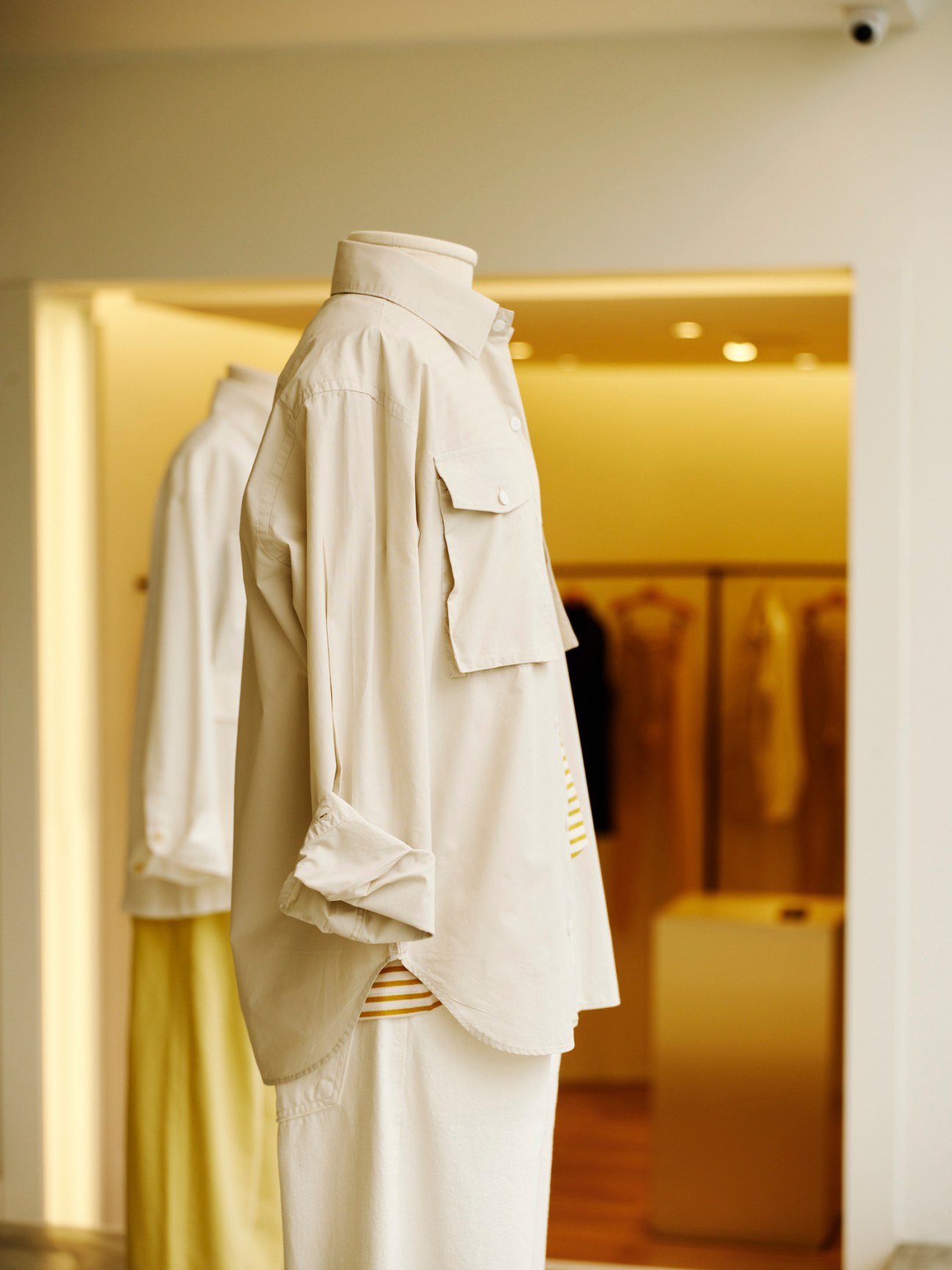
When looking to the future, he is happy to keep the brand local. “I have a loyal customer base in the city and there is growth in the shops,” says the designer. He is equally happy to stray away from fashion’s trend cycles. “Our designs are only slightly updated with a new colour here and there,” he adds. His independent spirit is a great example of how to operate a fashion label on your own terms.
egrey.com.br
Uniform vision
Pottery, South Korea
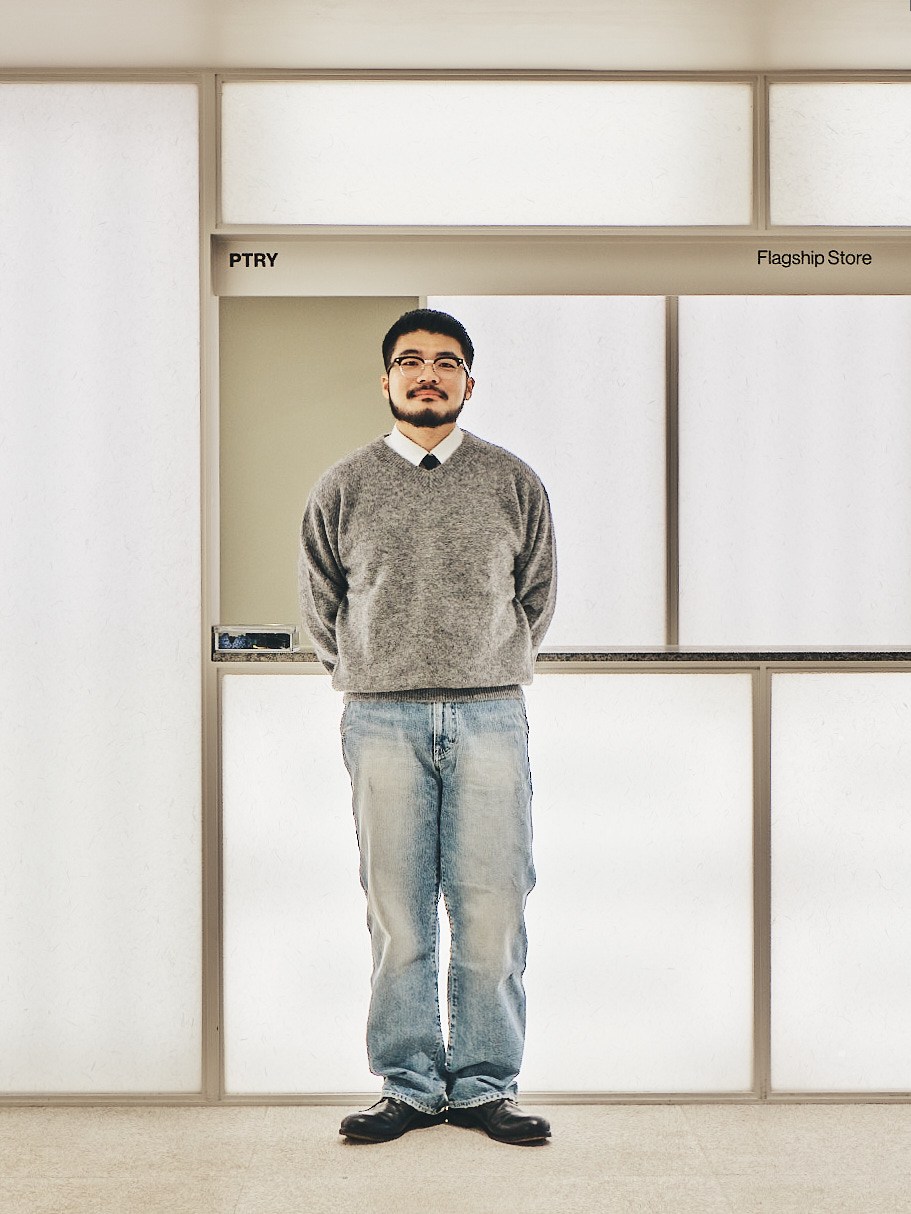
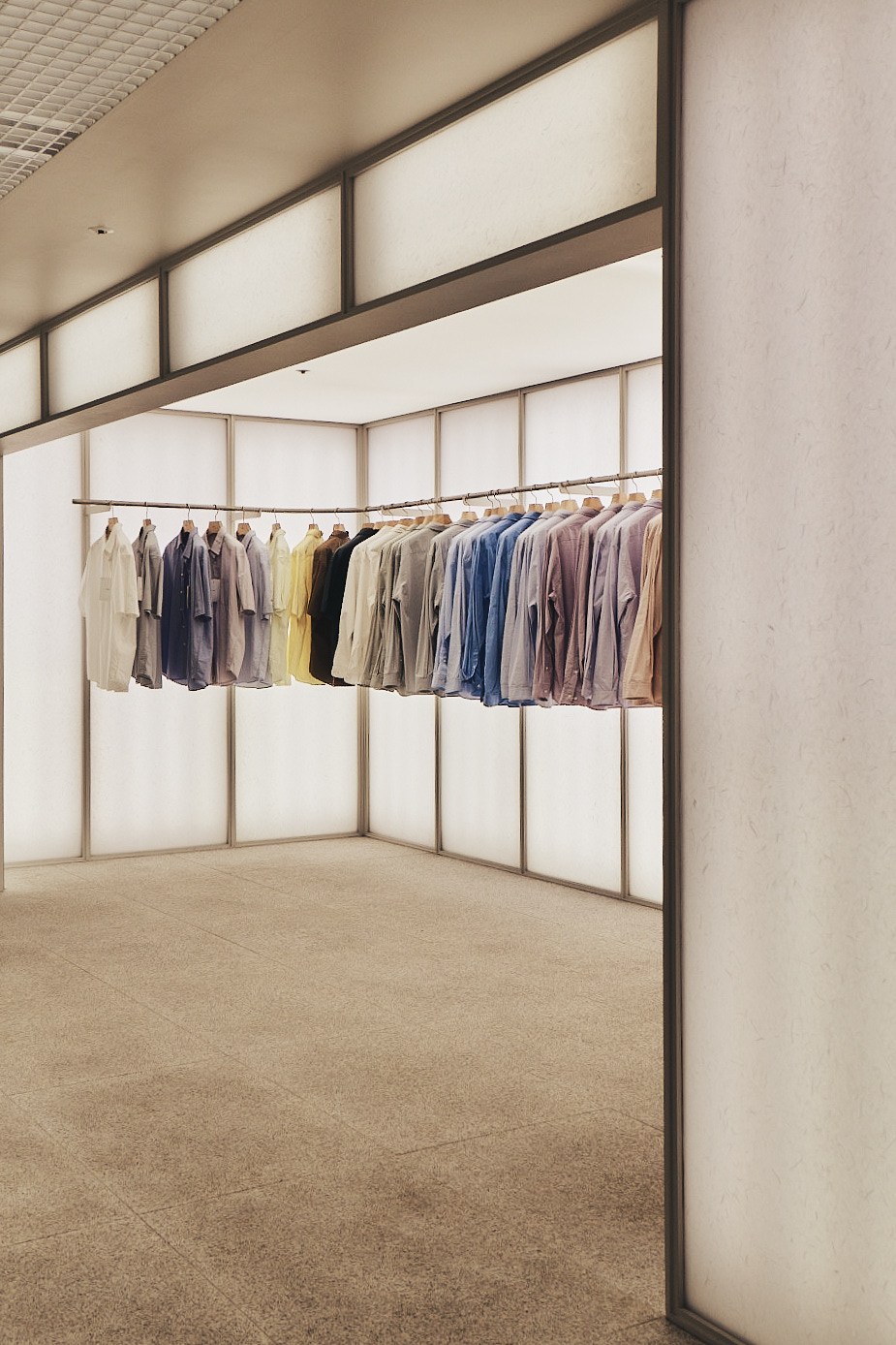
South Korean menswear label Pottery was created by Kim Geonwoo with a singular mission: redefine uniforms. If conventional uniforms used to be signifiers of a group or community you belonged to, Kim says that today’s dress represents the lifestyles that we choose to espouse. Within just a few years, Pottery has become one of South Korea’s most sought-after menswear brands – so much so that its flagship shop in Seoul’s upmarket Hannam area is undergoing an expansion. The trick – and its motto – has been to provide “organised comfort”, meaning clothing that makes people feel at ease and, simultaneously, smart enough to go to work in. A noteworthy asterisk is Pottery’s popularity with those aged under 35, a demographic that has been quick to reject the athleisure wave of the pandemic, seeking well-made wardrobe classics to wear to work.
“There’s so much joy in growing up with a brand you love and [letting it influence] your sartorial tastes,” says Kim.
ptry.co.kr
Seamless design
Teclor, Japan
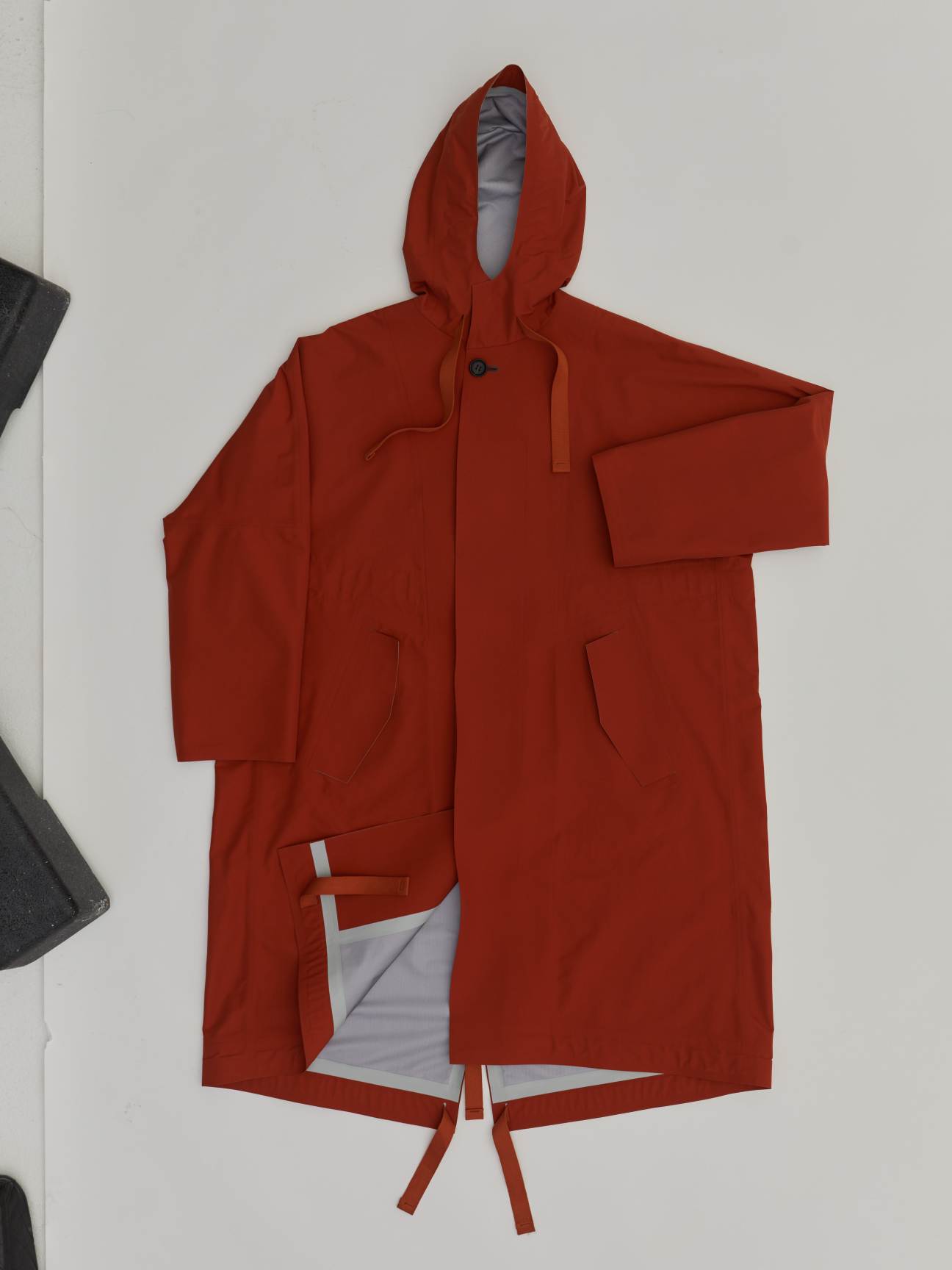
The Japan Apparel Fashion Industry Council created J Quality to highlight the work of some of the country’s best small and medium-sized manufacturers at international fairs, such as Florence’s Pitti Immagine Uomo. We have our eye on Santei, a manufacturer in Gifu that makes the stylish factory brand Teclor. Santei has been manufacturing suits for more than 60 years and is best known for mixing traditional tailoring with new fabrics and technology. Its speciality is seamless garments, such as this smart coat, which is made from a soft yet technical silk-and-polyester fabric and comes in unisex sizes. Its collar is made with a stretchy, wrinkle-free fabric called PolyFlex. Technical innovations aside, these are wardrobe staples that look great and age even better.
jquality.jp; teclor.jp
Hangout spot
Colbo, USA
Walk past Colbo in Manhattan’s Lower East Side and it will look more like a social club than a clothing shop, with locals lounging on the outdoor benches and chatting over iced coffees. The boutique, which was opened by Tal Silberstein, stocks clothing, coffee and other knickknacks – and was designed as a gathering spot from the get-go.
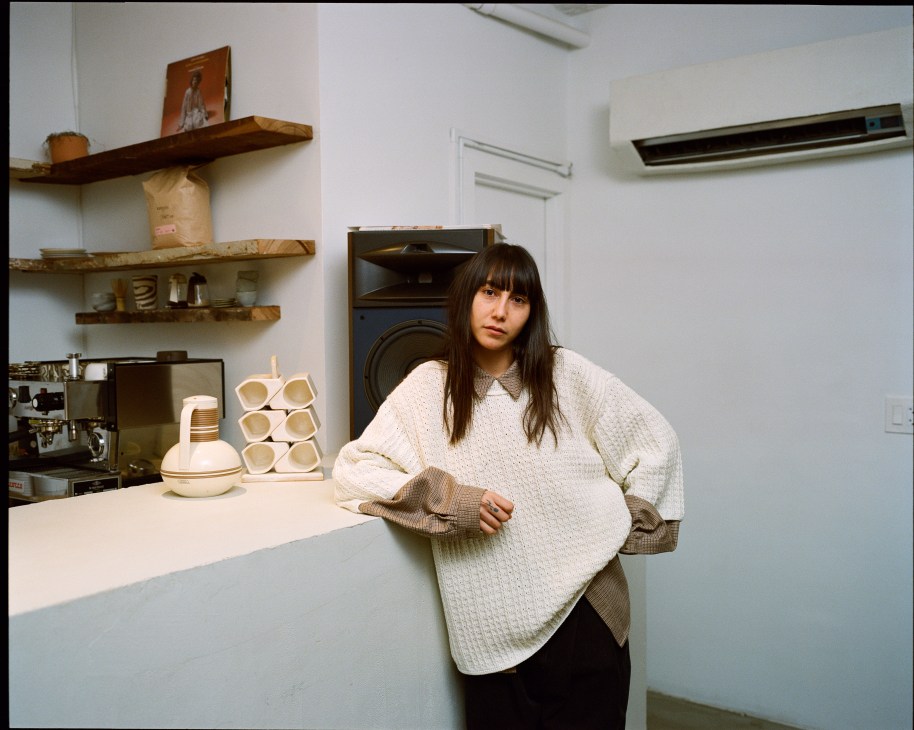
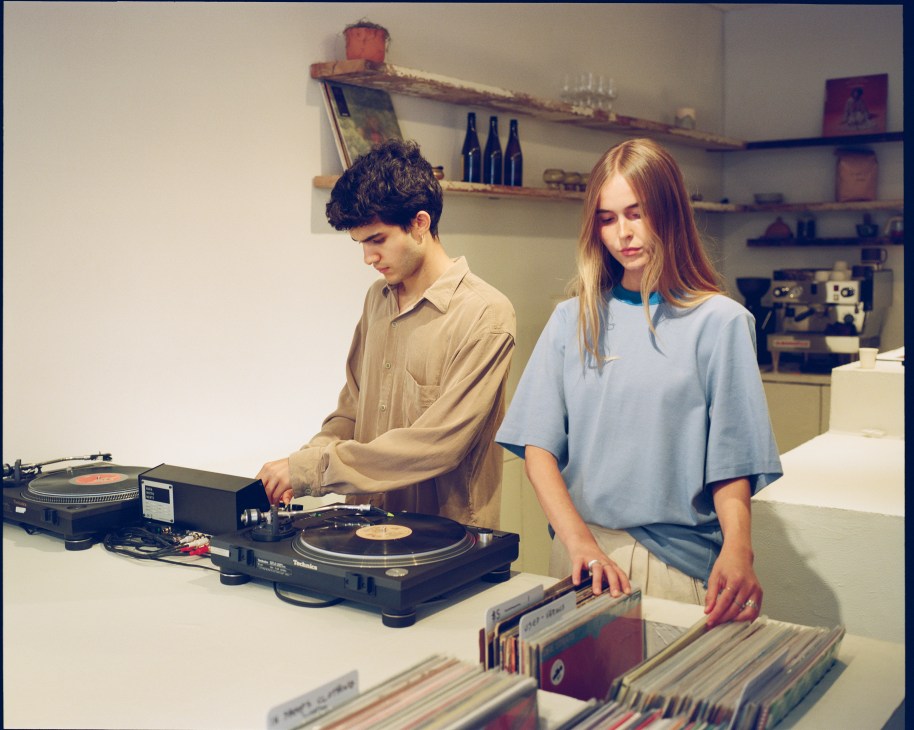
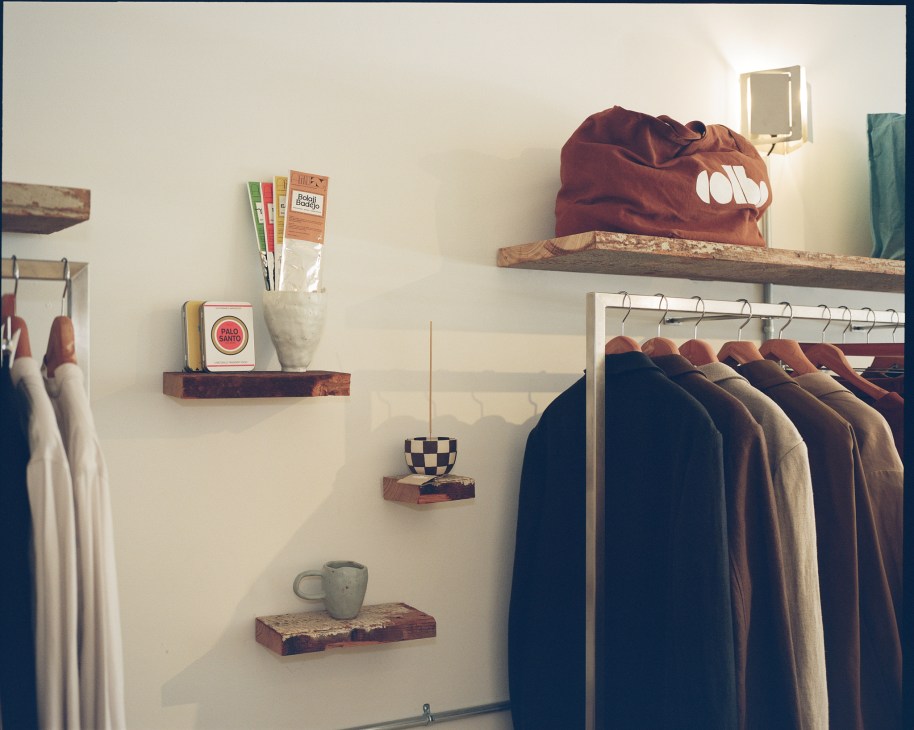

On the counter, rows of records for sale sit next to a record player that’s constantly spinning with Fela Kuti and the like. “Music is very important to us,” says Silberstein, who previously worked at Public Records in Brooklyn. “The idea was to create this white box that we can change around all the time.” Beyond his vintage selection, the retailer also supplies clothing from some 15 brands, including New Delhi-based Karu Research and Amsterdam-based Camiel Fortgens. “Most aren’t commercially known,” says Silberstein, who selected designers he knows or has worked with, such as Israeli-born Hed Mayner. On weekends, the space often hosts pop-ups with local DJs and nearby businesses, such as Parcelle Wine, driving the neighbourhood element even further.
colbo.nyc
House of wax
Southern Field Industries, Japan
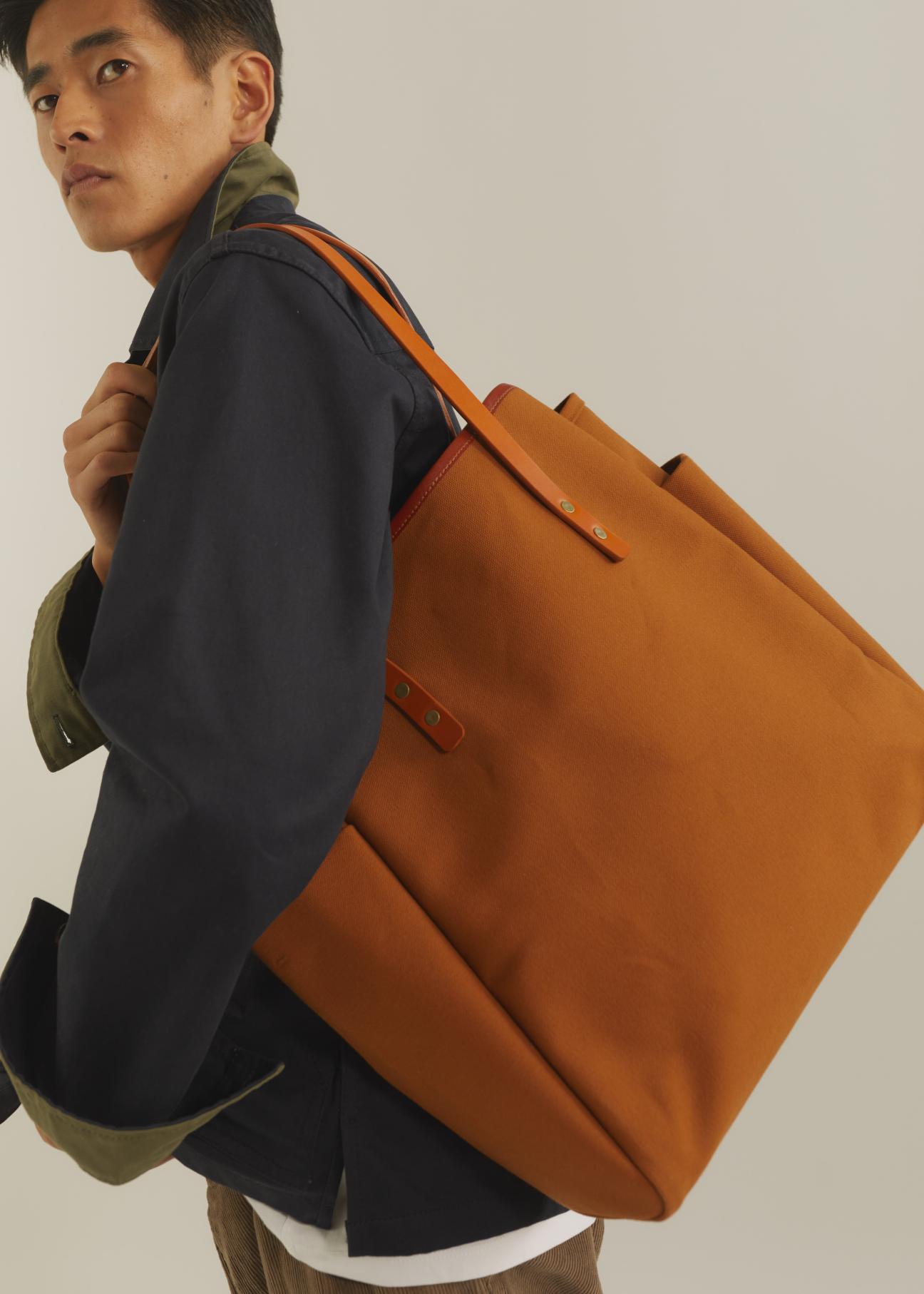
Manabu Okada never meant to be in the fashion business. Before starting his bag and leather goods brand, Southern Field Industries, he was working for his father, producing equestrian products that were used at racetracks and training centres across Japan. “It was a busy factory,” he says. “I thought I’d be inheriting this thriving business.” But 12 or so years after he joined, the company folded. Undeterred, Okada decided to set up his own company and find new ways to work with the same suppliers that his father had dealt with.
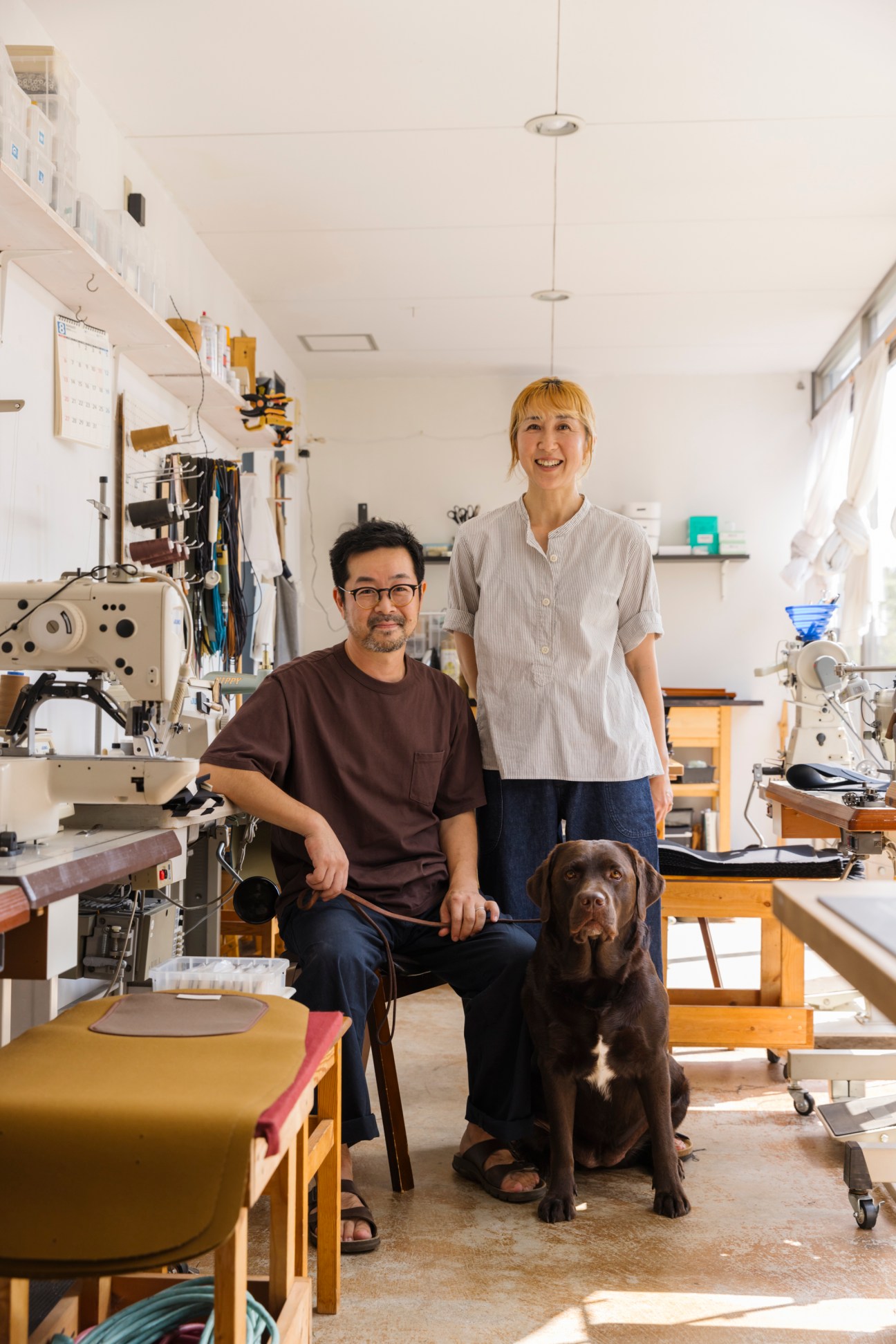
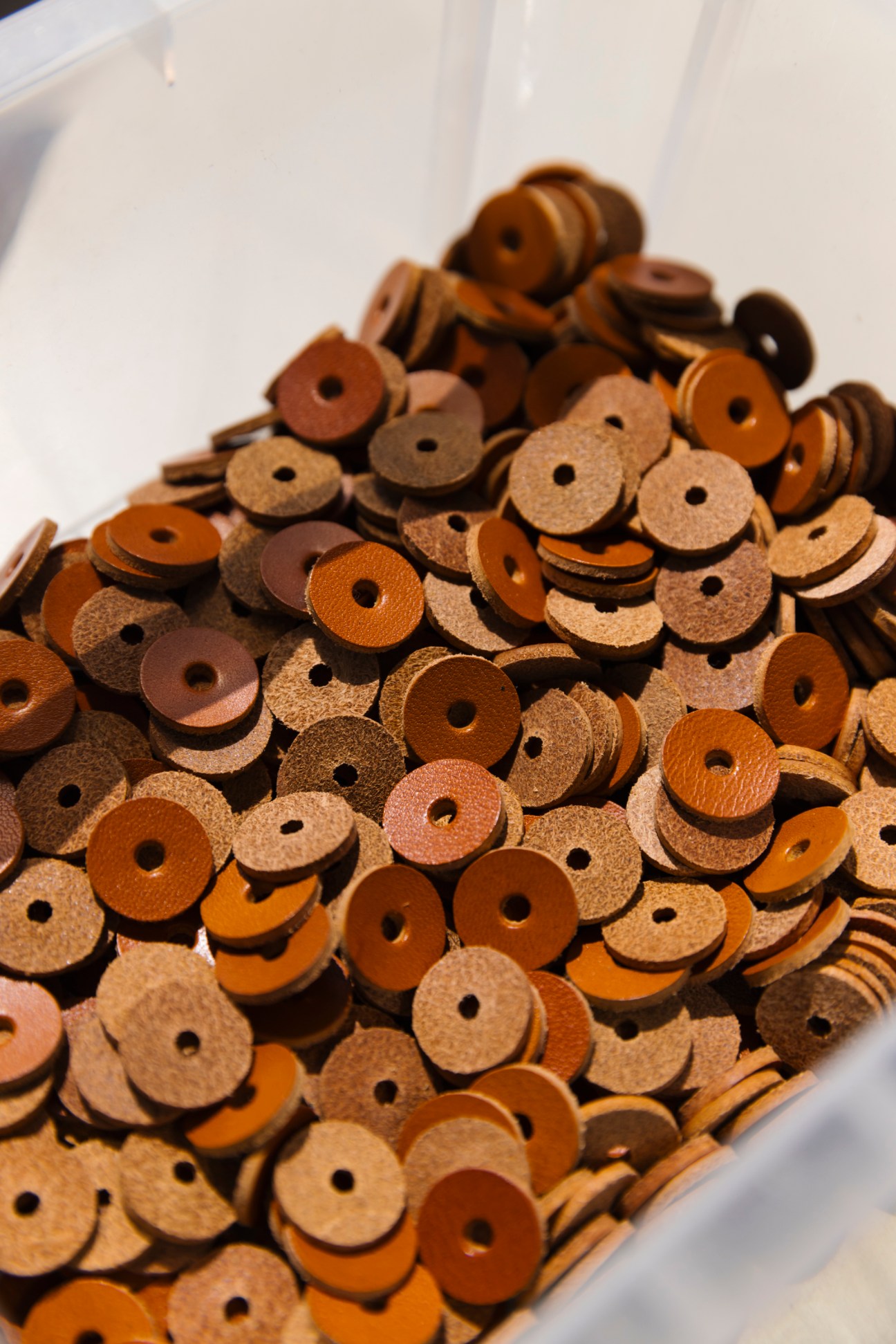
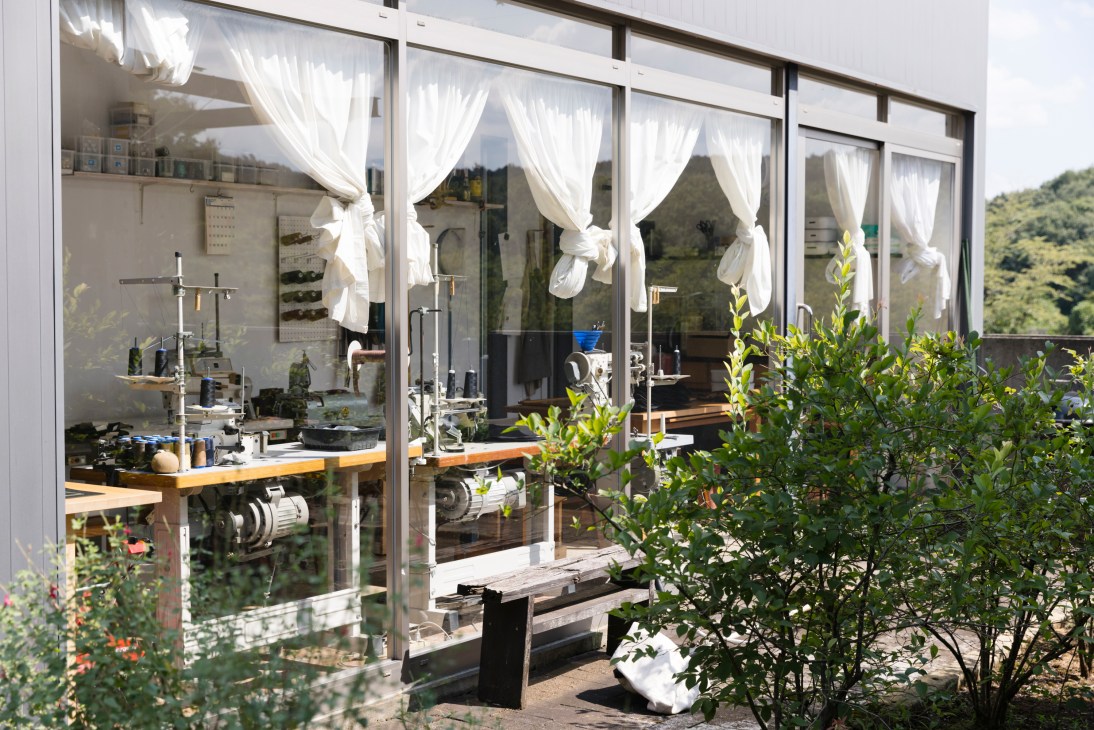
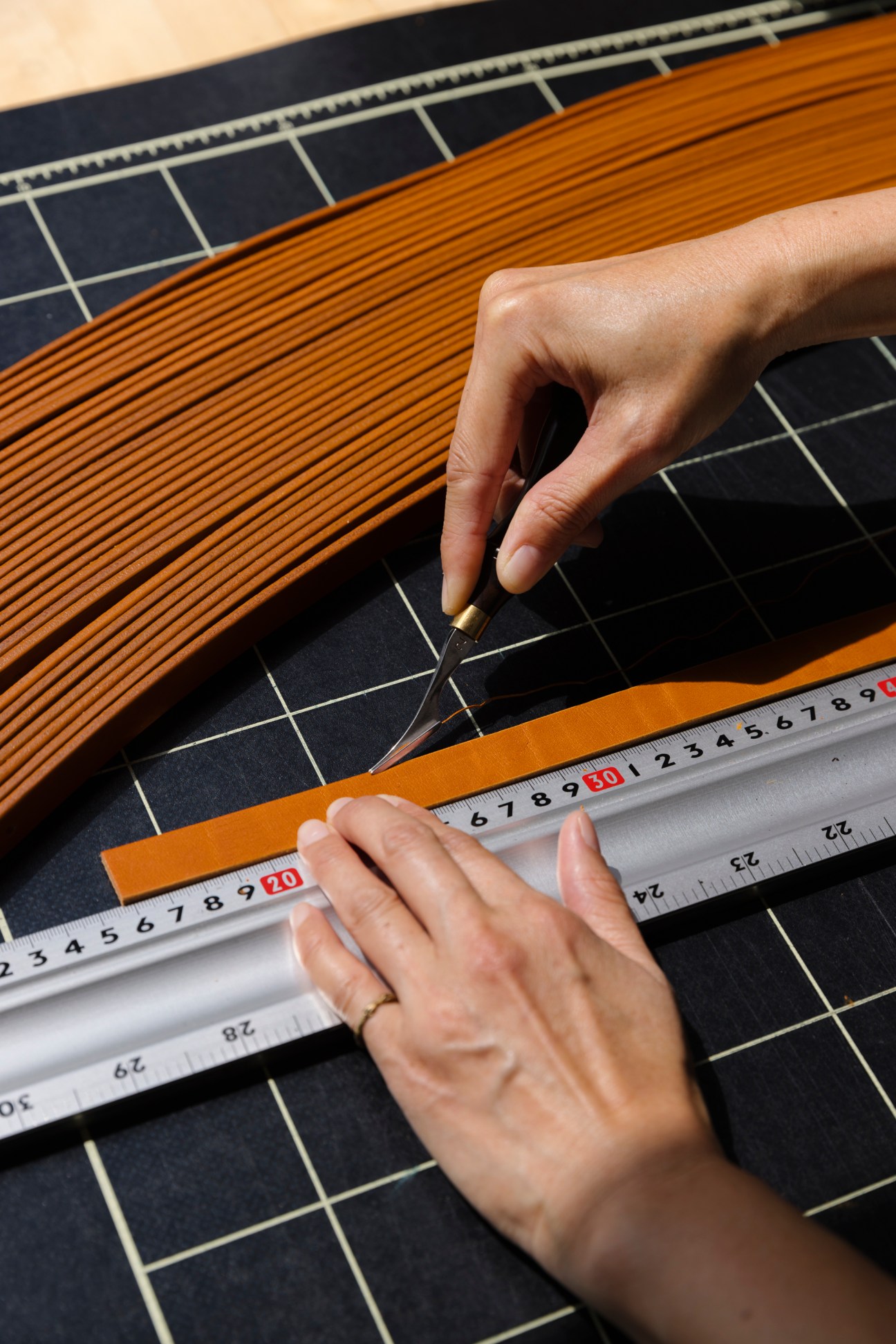
The brand’s name is an homage to Nanbata (“Southern Field”), where his father’s business was located. But Okada moved his company to another part of rural Saitama and started by designing equestrian goods, as well as bags, boots and saddle cases, with a small team that included his wife, Keiko, and two staff members. The positive reaction to the bags encouraged Okada to design a new tote to sell on Etsy – and the business transformed from there. Today the company specialises in tote bags, backpacks, duffle bags and other small leather goods. The materials used are mainly waxed canvas, sourced in Kurashiki in Okayama, with leather dyed in Tochigi. “We try to keep the number of items and process as minimal as possible,” says Okada. “Efficiency is important not just for production but also for achieving a durable and beautiful design.” The couple sell bags nline platform and in shops in Japan, Sydney, Paris and Vancouver. “We are grateful that our products receive love from so many different people.”
southernfieldindustries.com
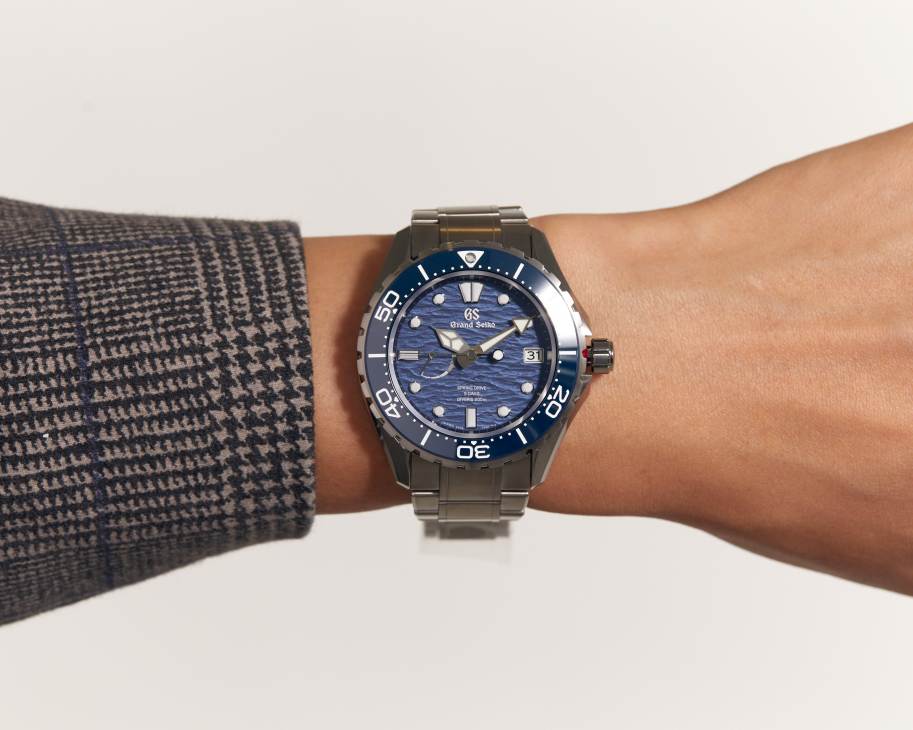
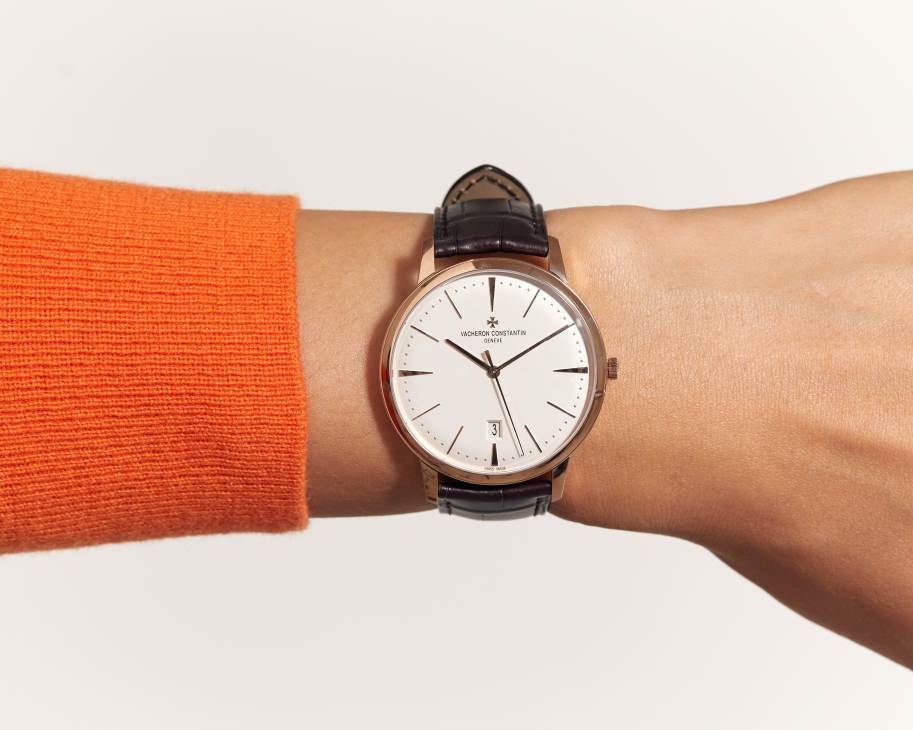
Up close and personal
Saman Amel, Sweden
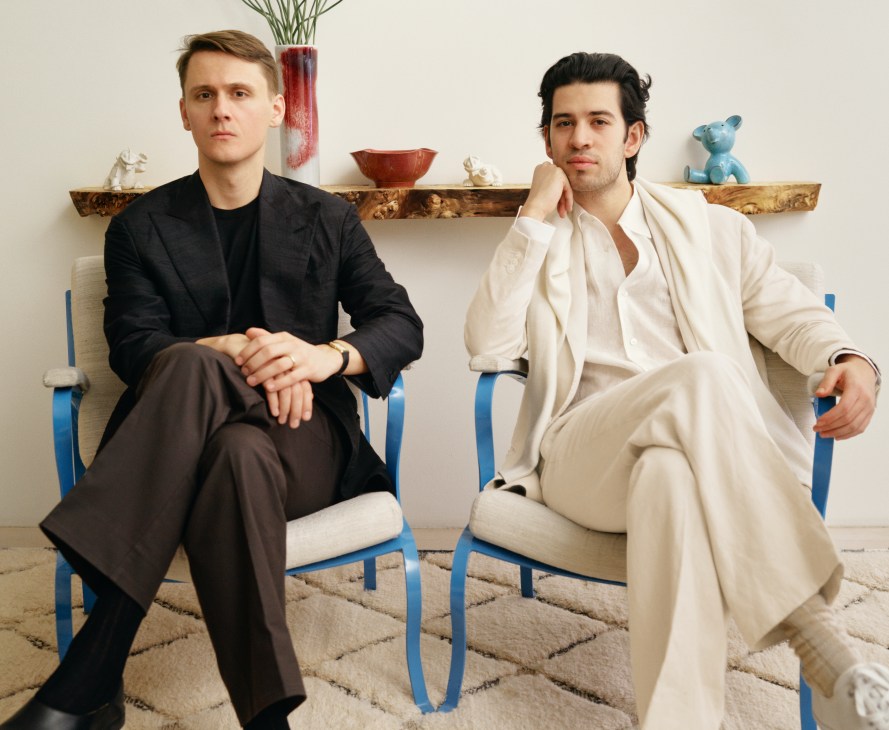
Growing up in Sweden, Saman Amel wanted to be a footballer or a fashion designer. His passion for menswear prevailed and he created his first designs while still in high school, with childhood friend Dag Granath stepping in as his model. In 2015 the duo launched the Saman Amel label, specialising in made-to-measure tailoring. Their Stockholm atelier quickly accrued a loyal clientele. “We have clients who come in with jackets that we made six or seven years ago,” says Granath. “They’re still great pieces that can be adjusted to evolving tastes or body types.”
This year the label launched a broader ready-to-wear range and its pieces have become available beyond its atelier. Amel and Granath also designed their first retail collaboration, a breezy capsule collection of linen and silk pieces for online retailer Matches Fashion, and opened an outlet in London department store Harrods. Designed by Swedish architecture firm Halleroed, it stocks the brand’s ready-to- wear garments, including tuxedo jackets and trousers cut from cashmere. “We always start with the materials,” says Granath.
One of the pair’s biggest influences when designing their new range was Swedish Grace, a 1920s design movement that sought to find a balance between handcraft and machine-produced items. “Design from this period was clean, elegant and toned down, with an extreme focus on materials,” says Granath, citing pioneers such as Carl Malmsten. The brand aspires to a similar level of elegance, blending classic tailoring with more fashion-forward details – an approach that it has chosen to retain even as it brings larger ready-to-wear collections to the mix. “Bespoke remains our core business model but, as the brand grows, we need to reach new clients and having the right retail partners helps,” says Granath.
samanamel.com
Heavy duty
Luxfort, USA
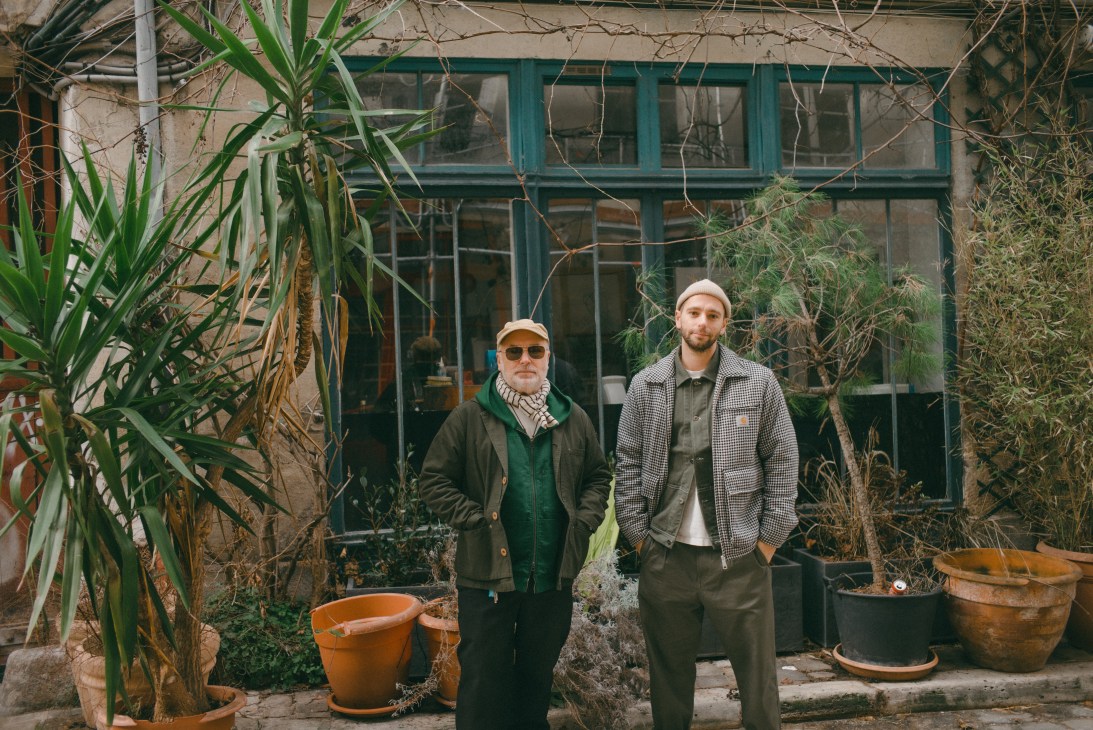
Luxfort grew out of a simple a-ha moment: co-founder Nick Bower laid an apron over a hoodie and, in doing so, created a garment with plenty of pockets that is ideal for someone who works with their hands. “It was about making something functional for those who are working in gardens or as chefs,” says Bower, who spent 20 years as creative director of California streetwear brand Stüssy before founding Luxfort with his son Tristan in 2018. “The idea came from a book that I had about Japanese craftsmen.”
Working between Paris and Laguna Beach, the Bowers have created a collection of jackets and overshirts that pay homage to different crafts, from blacksmithing to baking, partly inspired by the Arts and Crafts cottages in this corner of Orange County. Painter, for instance, has a kangaroo pouch at the front for brushes, Builder is a sturdy bomber with loops to hold tools and Gardener is hooded for working in the elements with riveted canvas compartments for pointy pruners. All are heavy duty and built to last in limited numbers in Porto.
“It’s about celebrating honest work,” says Tristan. “We wanted to take American workwear and put a bit more comfort into it.” Luxfort is expanding distribution across select boutiques in Europe, with a view to doing the same in the US market. In part, the brand is a response to the ubiquity of athleisure over the past few years. “People want more storytelling and substance from a brand,” says Tristan. “It’s hard to do that with athleisure.”
luxfortusa.com
Creature comforts
Matéma, Italy
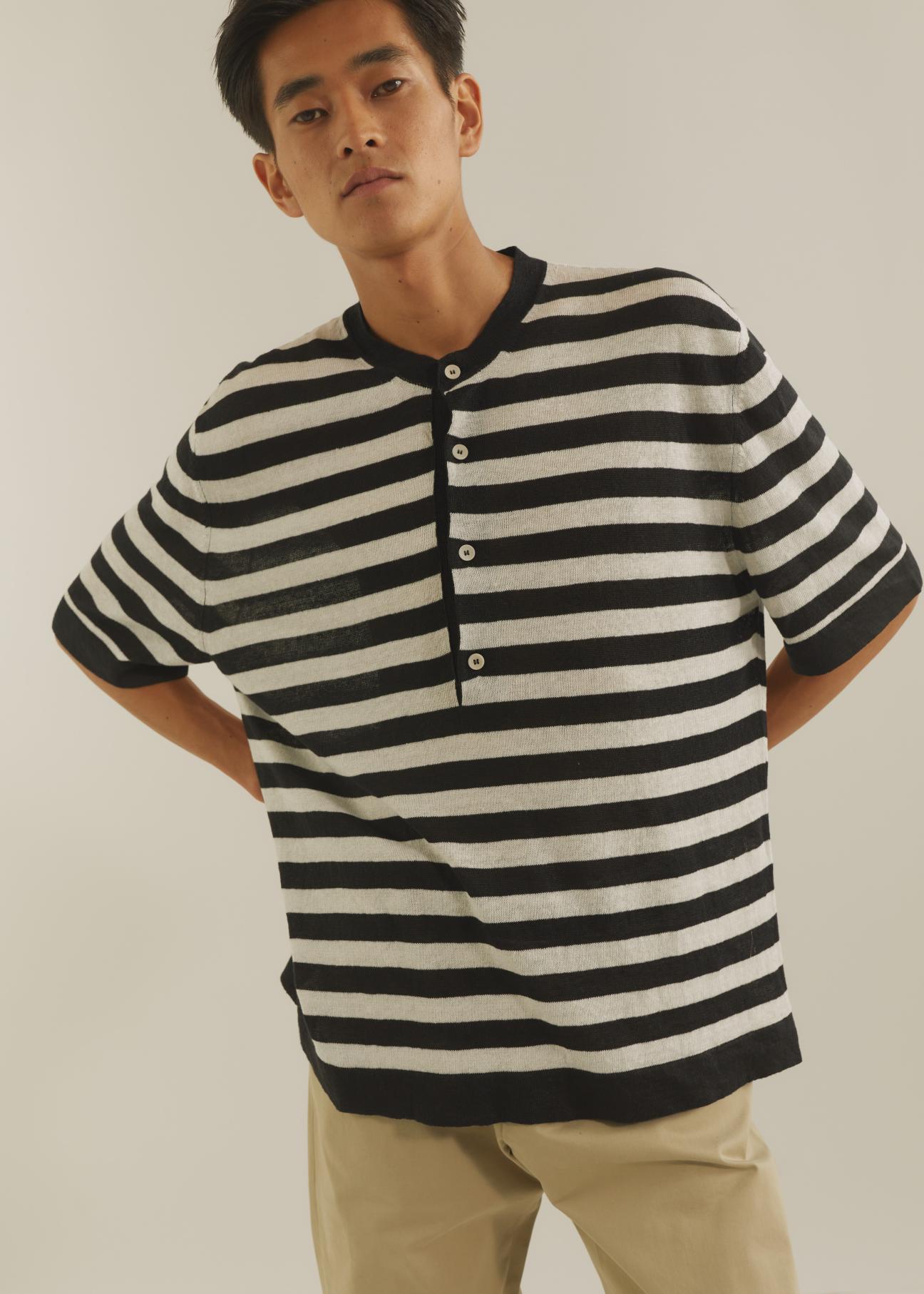
Italian label Matéma puts knitwear firmly in the spotlight with its sustainably sourced yarns. Founded by Tommaso Bilancioni two years ago, the project revolves around elegant staples, from loose sweaters to polo shirts, woven using natural materials such as linens and cottons in the company’s factory in the Marche region. “It’s a total look that is young, fresh and comfortable, and designed to be unisex,” says Bilancioni. The clothes range from striped linen tops to smartly constructed cargo trousers have caught the attention of savvy retailers including Braun in Hamburg and Italy’s Rinascente.
matema.eco
Mountain high
Venturon, France

French label Venturon has found a dedicated client base among hip urbanites, mostly in cities such as Seoul, New York and Tokyo – but its founder, Thomas Pousset, finds inspiration in a very different demographic. “We’re based in a small village in the Alps,” he says. “Many of the locals dress in the skiing and hiking gear that they have owned since the 1980s or 1990s. That’s what inspires our collections.”
From vests with oversized pockets and drawstring jackets to utilitarian trousers, Pousset’s designs nod to the practicality and comfort of traditional alpine sportswear. By giving them sharper silhouettes and more muted colour palettes, he ensures that the items look smart and suit both the city and the slopes. “I’m passionate about mountain sports and often go hiking after work but, at one point, I realised that I had no leisure clothes that I could wear all day,” he says. “There were some brands from South Korea and Japan making what I wanted but none in France or even Europe.” In 2018 he founded Venturon and called on his father, Bruno, to support him with logistics and supervise production.
The label has 16 stockists across Asia, the US and Europe. Despite strong demand, Pousset wants to keep the size of the business manageable and retain a commitment to artisanal standards. All items are made to order in small ateliers outside Paris, Lyon and the Isère region from high-quality technical fabrics. “The materials change depending on the season but we keep coming back to the same silhouettes,” says Pousset. “You’ll always find vests in our collections, with plenty of pockets to make them practical.”
venturon.fr
Heavy duty
Seaward & Stearn, UK
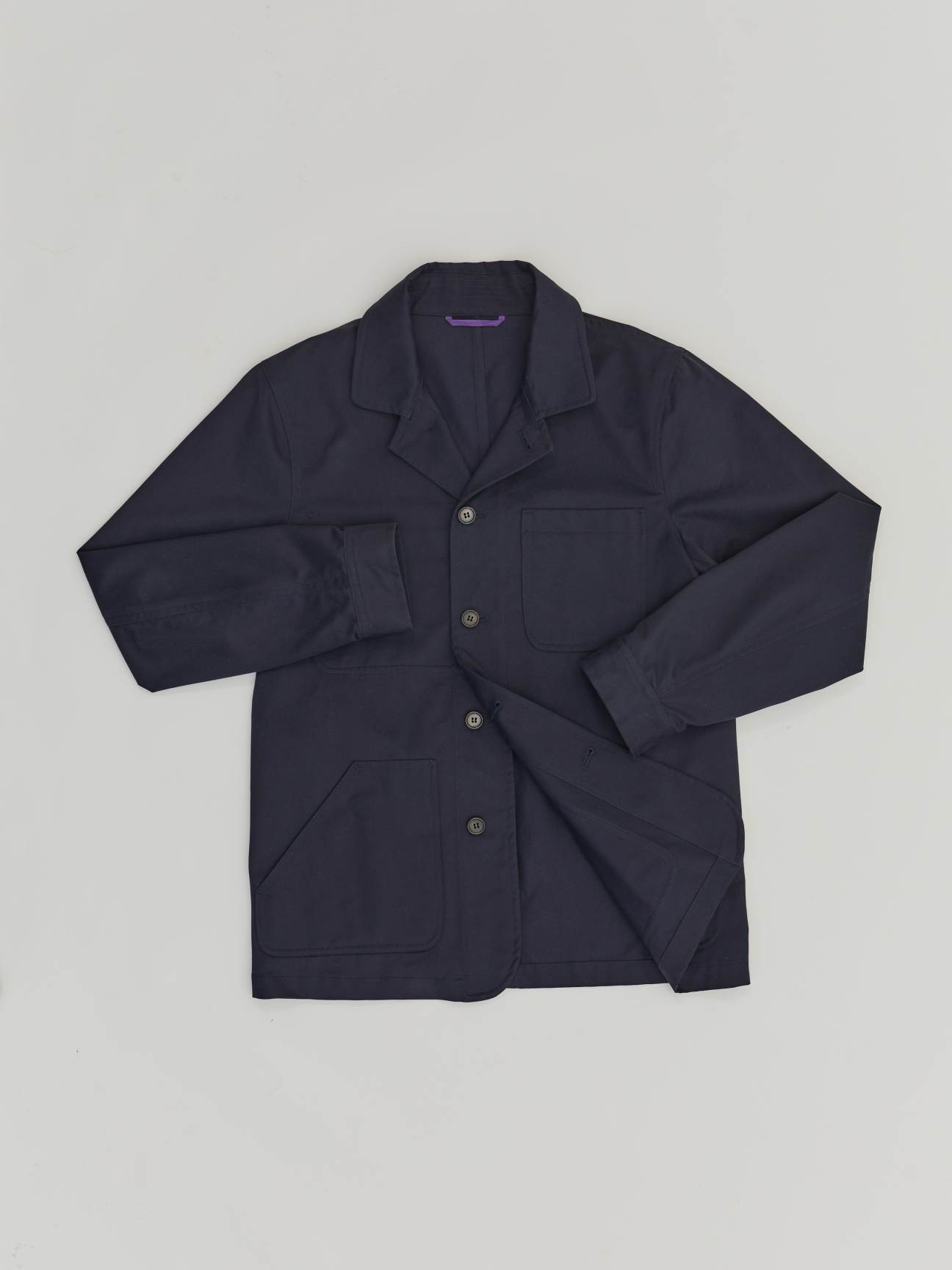
With the athleisure boom finally drawing to a close, designers have been turning to workwear to give customers smarter yet equally practical solutions. A great place to start is the chore jacket, made from sturdy fabrics that last a lifetime and featuring large pockets in which to carry all of your essentials. Based in the UK, family- run menswear label Seaward & Stearn offers an irresistible selection: its popular worker jacket is made from heavy-duty cotton and comes in an array of colours, from muted khaki to bright red and yellow. We recommend the navy number, which will be easy to layer over any autumn look.
seawardandstearn.com
Soft touch
Zegna 3 The Elder Statesman, Italy & USA
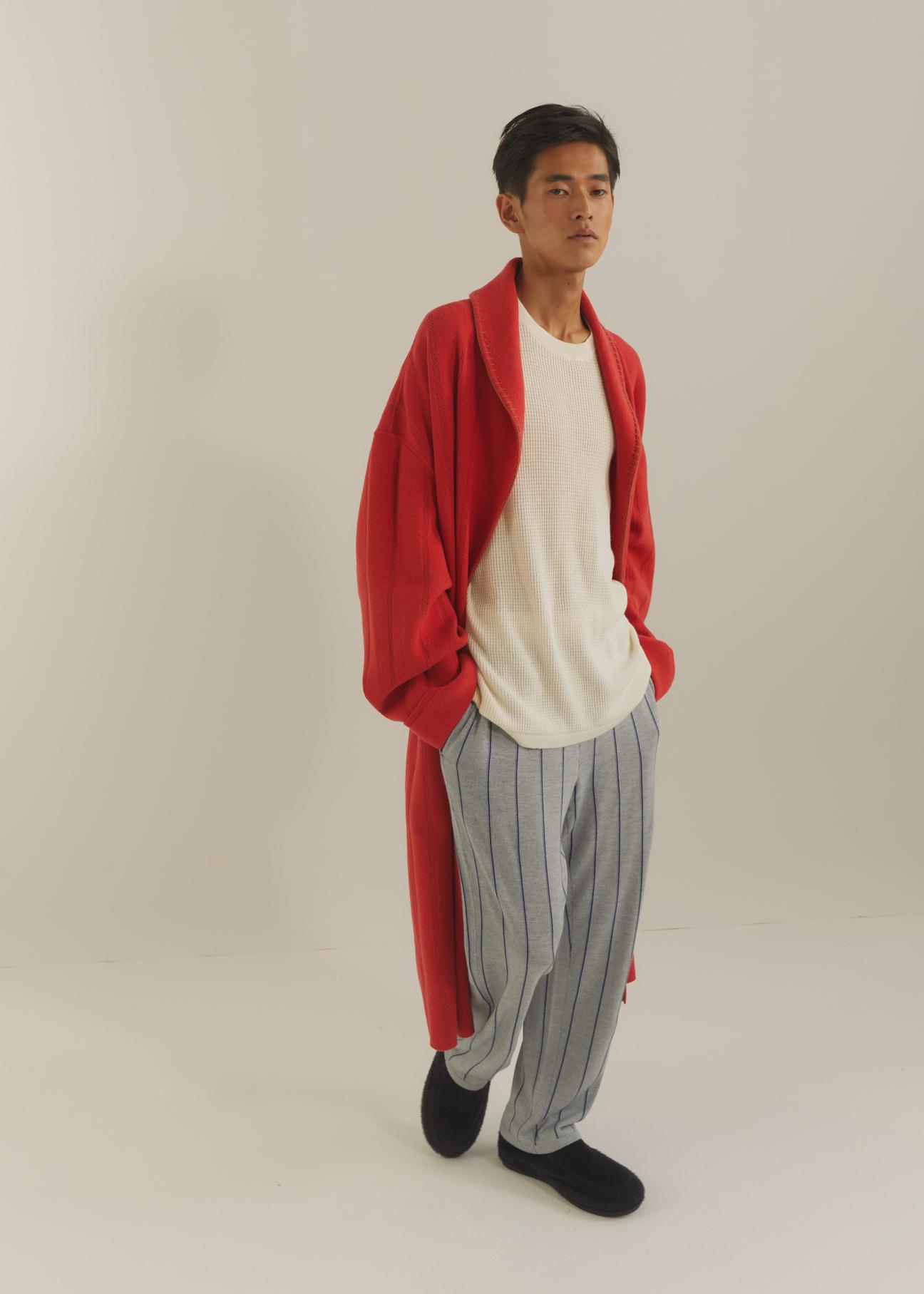
When Zegna launched its Oasi Cashmere collection, the aim was to showcase the world’s finest raw materials and to become a platform to share knowledge about reducing waste with likeminded peers. Among its first collaborators is The Elder Statesman, a Los Angeles-based label that makes luxurious cashmere loungewear and employs about 50 artisans, including knitters, dyers and embroiderers, who produce its collections.
Alessandro Sartori, Zegna’s artistic director, and Greg Chait, founder of The Elder Statesman, shared their knowledge of manufacturing practices and creative references. “We merged our shapes with The Elder Statesman’s distinctive colours and sense of spontaneity,” says Sartori. For Chait, it was an opportunity for dialogue between the cities of Milan and Los Angeles. “We sometimes feel like Zegna’s eccentric American cousins,” he says. “The partnership felt like a homecoming.”
zegna.com; elder-statesman.com
Thinking big
Art
Going Dark: The Contemporary Figure at the Edge of Visibility
Guggenheim, New York
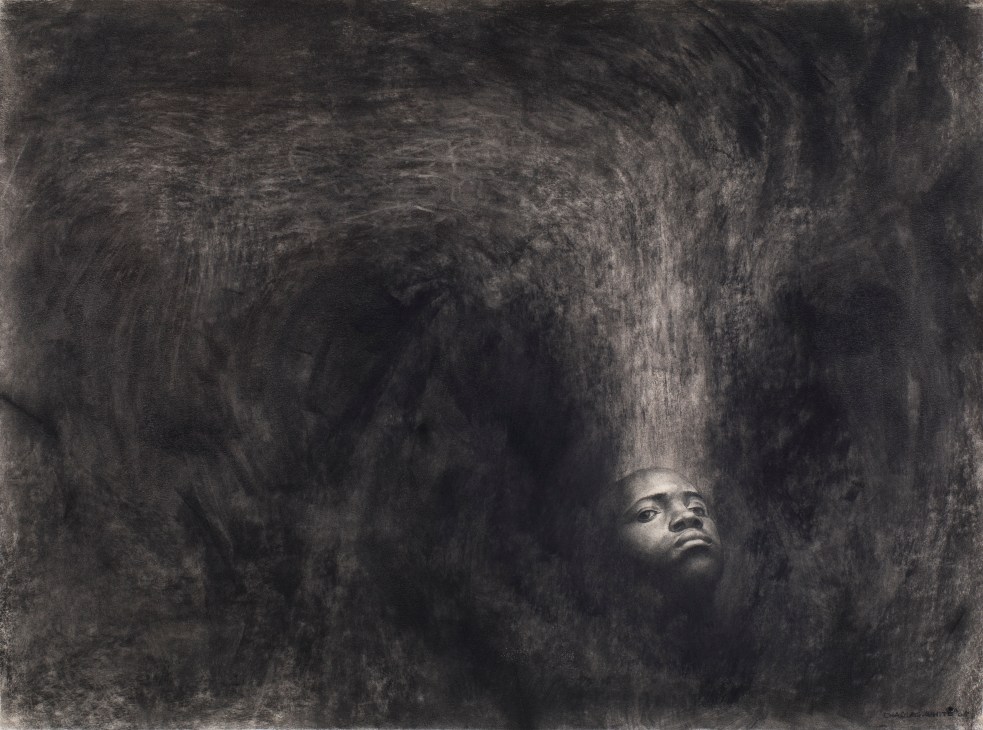
The Guggenheim’s spiral ramp is set to become filled with mysterious figures. Going Dark brings together a group of predominantly black, female artists who depict the human body in abstracted or enigmatic ways. The reasons for obscuring faces and concealing forms vary across more than 100 works by artists including Kerry James Marshall and Doris Salcedo.
‘Going Dark’ runs from 20 October to 7 April 2024
Marisol: A Retrospective
The Montréal Museum of Fine Arts
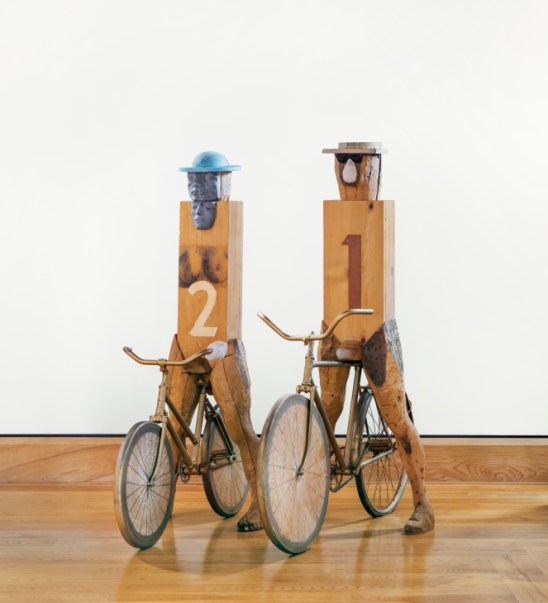
Born in Paris to Venezuelan parents, Marisol Escobar is a forgotten star of New York pop art. In the 1960s she starred in Andy Warhol films and graced Time magazine covers. The sculptor, who died in 2016, was sidelined for her peripatetic existence and unabashed feminist interests but her work is ripe for reappraisal. — SPI
’Marisol: A Retrospective’ runs from 7 October to 21 January 2024
Books
Shame
Annie Ernaux, translated by Tanya Leslie

The first sentence of Annie Ernaux’s Shame is hard to forget: “My father tried to kill my mother one Sunday in June, in the early afternoon.” What follows is the story of a 12-year-old girl, the Nobel Prize-winning author, whose life is irrevocably changed from that moment onwards. A delicate but deeply emotive coming-of-age tale.
‘Shame’ is out now
Roman Stories
Jhumpa Lahiri, translated with Todd Portnowitz
Jhumpa Lahiri’s latest collection of short stories, originally written in Italian but translated into English by the author and Todd Portnowitz, captures the experience of living in a city and, at the same time, being separate from it. Expect Lahiri’s signature prose – simply told, full of thought – and quizzical characters who wander, watch and listen.
‘Roman Stories’ is published on 12 October
Tremor
Teju Cole

Tremor follows Tunde, a West African photographer and professor, as he reflects on his upbringing in Nigeria, his current life working at an elite American college campus and the transformative events and experiences in between.
‘Tremor’ is published on 17 October
Music
Blame It All on Love
Poolside

As the name of the project by producer, songwriter and multi-instrumentalist Jeffrey Paradise suggests, his music is cheery, sunny and could easily be dubbed “daytime disco”: these sunny, retro tracks will make you want to move. For his new album, the lo-fi aesthetic and synths take an instrumental turn that feels soulful and dreamy, and is summed up in the track “Moonlight”. Another highlight is the delightfully breezy “Float Away”.
‘Blame It All on Love’ is released on 20 October
Tension
Kylie Minogue

“Padam Padam” has been the song of the summer, with its infectious sound imitating that of a pulsing heartbeat. Tension marks a return to an icier brand of electro pop after a dalliance with disco. Another highlight is “10 Out of 10” with Dutch DJ Oliver Heldens. From November, Kylie starts a residency in Las Vegas’ Voltaire at The Venetian Resort, showcasing the tracks from her club-ready album.
‘Tension’ is released on 22 September
Photographie
Alice et Moi
Photographie is another great slice of electro pop by the Parisian singer whose oeuvre swerves from the timeless to the quotidian. In leading single “Ça me va”, she opines about love amid an apocalypse, while on “Photographies” the subject is our relationship with the digital world. If you’re looking for airy French pop this autumn, you’re in for a treat.
‘Photographie’ is released on 22 September
Film
Brother
Clement Virgo

Though set in Toronto’s 1990s hip-hop scene, this delicate, nuanced story about the bond between two brothers explores timeless themes. One summer evening an event transforms the lives of charismatic Francis (Aaron Pierre) and his timid younger brother, Michael (Lamar Johnson). Clement Virgo, who wrote, produced and directed the film, delivers a drama that surely sets its actors up for great work ahead.
‘Brother’ is released on 29 September
Strange Way of Life
Pedro Almodóvar
Spanish auteur Pedro Almodóvar’s second short work in English (following 2020’s The Human Voice) is a typically idiosyncratic western. Ethan Hawke and Pedro Pascal star as ageing gunslingers and former lovers who reconnect after decades apart. Though their passion for each other still burns, they must deal with the business that has reunited them: one must arrest the other’s son for murder. Almodóvar’s love story boldly interrogates the tropes of this most American of genres.
‘Strange Way of Life’ is released on 25 September
Smoke Sauna Sisterhood
Anna Hints
For Estonia’s Võro community, the smoke-sauna tradition is an important part of everyday life – but it’s considered so unique that it was added to Unesco’s Intangible Cultural Heritage list in 2014. This intimate, award-winning documentary by Anna Hints immerses us in its quiet rituals. Pointing the camera largely at the women listening rather than those doing the talking, Hints shares with the viewer the many private revelations that happen in this sacred space. What’s said in the sauna stays in the sauna.
‘Smoke Sauna Sisterhood’ is released on 13 October
TV
Wanted: The Escape of Carlos Ghosn
Apple TV+
Once one of the automotive industry’s most respected ceos, Nissan’s Carlos Ghosn fled from Tokyo to Lebanon in 2019 following allegations of corruption and money laundering. This four-part documentary explores whether Ghosn is a villain or a victim of a conspiracy.
‘Wanted’ is out now
The Pigeon Tunnel
Apple TV+
Nobody wrote spy thrillers quite like John le Carré, whose novels, such as The Spy Who Came in from the Cold and The Night Manager, attracted millions of readers with stories that felt firmly grounded in reality. Errol Morris’s documentary delves into the author’s life, which was enigmatic even to those who were close to him.
‘The Pigeon Tunnel’ is out on 20 October
El Conde
Netflix

Pablo Larraín’s satire gives the history of Chile a surreal twist: it presents Augusto Pinochet as a vampire grappling with the consequences of his actions and his tarnished reputation 250 years after his apparent demise. Now he is starting to face the prospect of death – but his family has other ideas.
‘El Conde’ is out now
Photography
Viviane Sassen: Art & Fashion
Maison Européenne de la Photographie, Paris
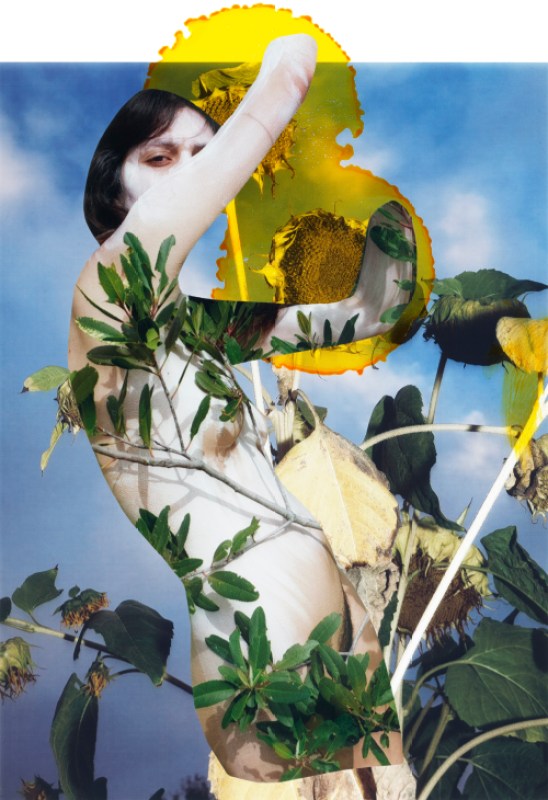
A fashion photographer who challenges the preconceptions of that descriptor, Viviane Sassen has long used collage, paint and mirrors to add a vibrant surrealist edge to her pictures. This show combines innovative commercial shoots with intimate personal work, some of which is yet to be seen.
‘Viviane Sassen: Art & Fashion’ runs from 18 October to 11 February 2024
Fine print
Publisher Gerhard Steidl is not interested in living the high life. He doesn’t own a car. He begins work at the crack of dawn seven days a week and only takes 18 days off every year. Expensive clothes are not for him either; he is rarely seen without his signature white apron. When he has to visit New York for work, he travels to and from Germany in a day so that he doesn’t have to stay the night and can sleep in his own bed. “I work in a very concentrated way,” he says. “I don’t go for dinners. I don’t make small talk.” There’s little about Steidl’s low-key lifestyle to suggest that he is one of the art world’s most high-profile figures. He honed his craft under the patronage of artist Joseph Beuys, was entrusted by Nobel Prize in Literature winner Günter Grass to publish his entire oeuvre and became the late designer Karl Lagerfeld’s go-to for all of Chanel’s print projects. Being associated with just one of these names would be impressive but all three is remarkable. While his empire has grown around him, Steidl’s monastic dedication to the art of book publishing has remained mostly unchanged.
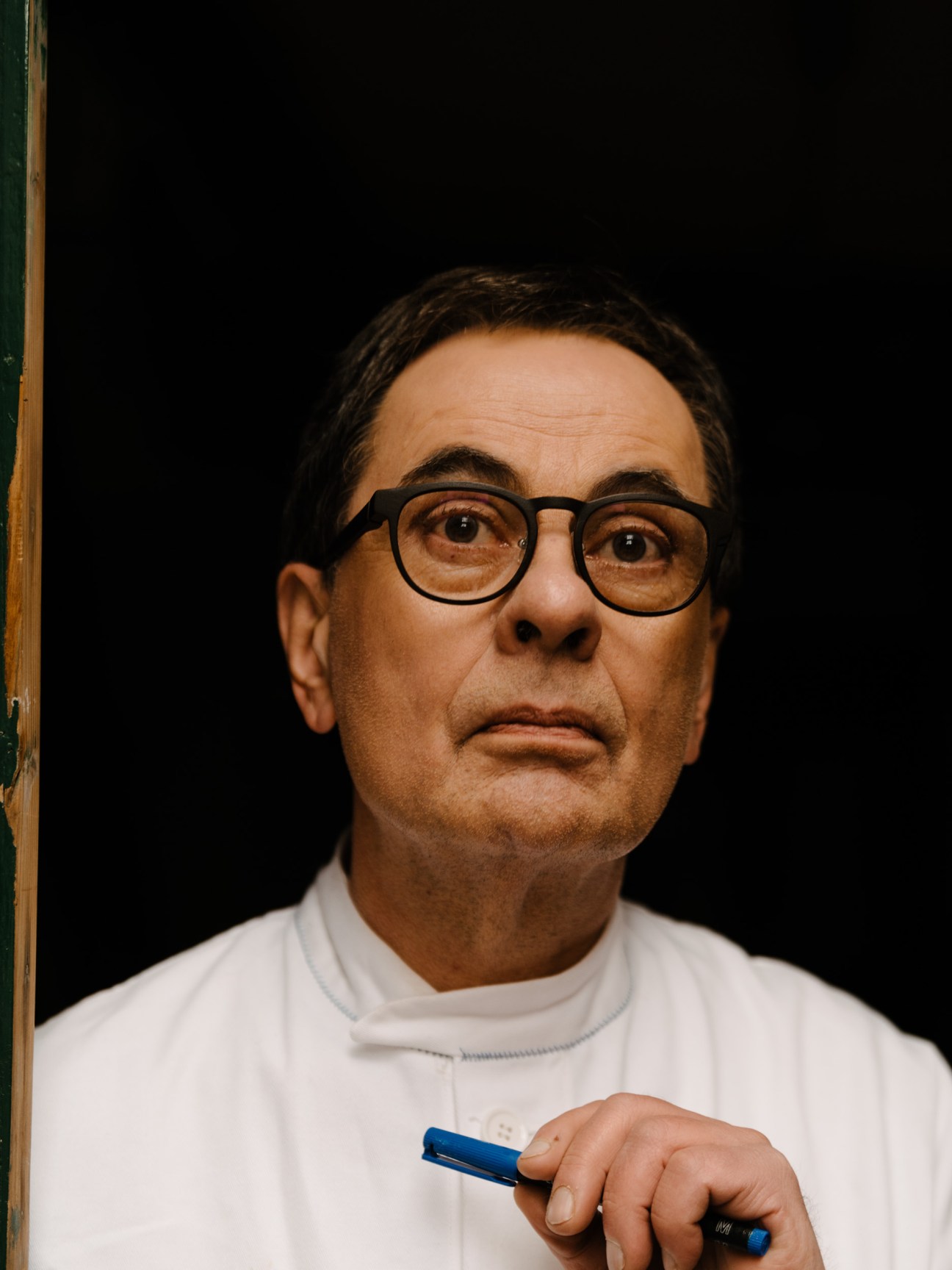
Steidl’s home in the small German city of Göttingen is a two-minute walk from the offices of the publishing house that bears his name. What started in 1968 as a small-scale printing workshop producing exhibition posters is now one of the world’s most revered makers of art and photography books.
Steidl is the first person in the office every morning. He arrives at 05.00 and heads to the room housing the printing press soon after. This brightly lit, windowless space reverberates with a persistent pneumatic thrum as sheets of paper whip their way through a 13-metre-long, state-of-the-art offset printer. Pinned to the wall beside this vast apparatus is a small sign drawn by US artist Paul Ruscha: “Gott sei Dank fur Steidl” (“Thank God for Steidl”). It’s a reverence shared by many of the world’s greatest living artists, photographers and designers. Steidl is the only publishing house to produce all of its books on its own press and artists including Louise Bourgeois have made the pilgrimage to Göttingen to seek the master publisher’s advice.
To his legion of admirers, Steidl’s commitment to perfection is legendary. “It comes from a deep respect for the artists,” he tells Monocle. “They invest so much time, money and energy in a project. And then an idiotic publisher can come along and ruin the whole project within hours. German printers can be idiots, real idiots. They have no taste. They have no style.” By contrast, Steidl is deeply involved in every book, from selecting the paper and binding to overseeing the entire production process. He is often found working late into the evening, labouring over a minor detail of relative lithographic obscurity that less-experienced eyes might miss.
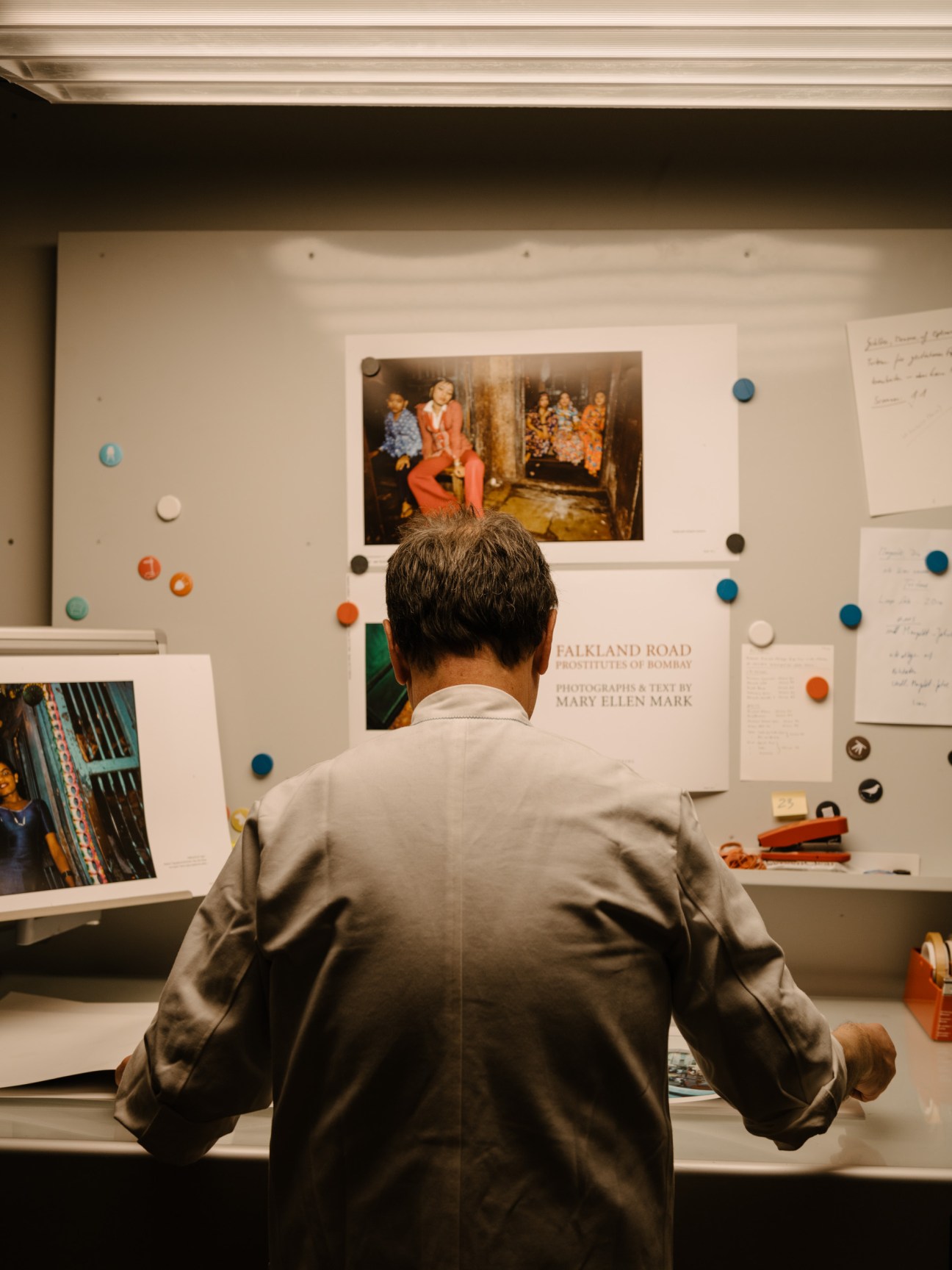
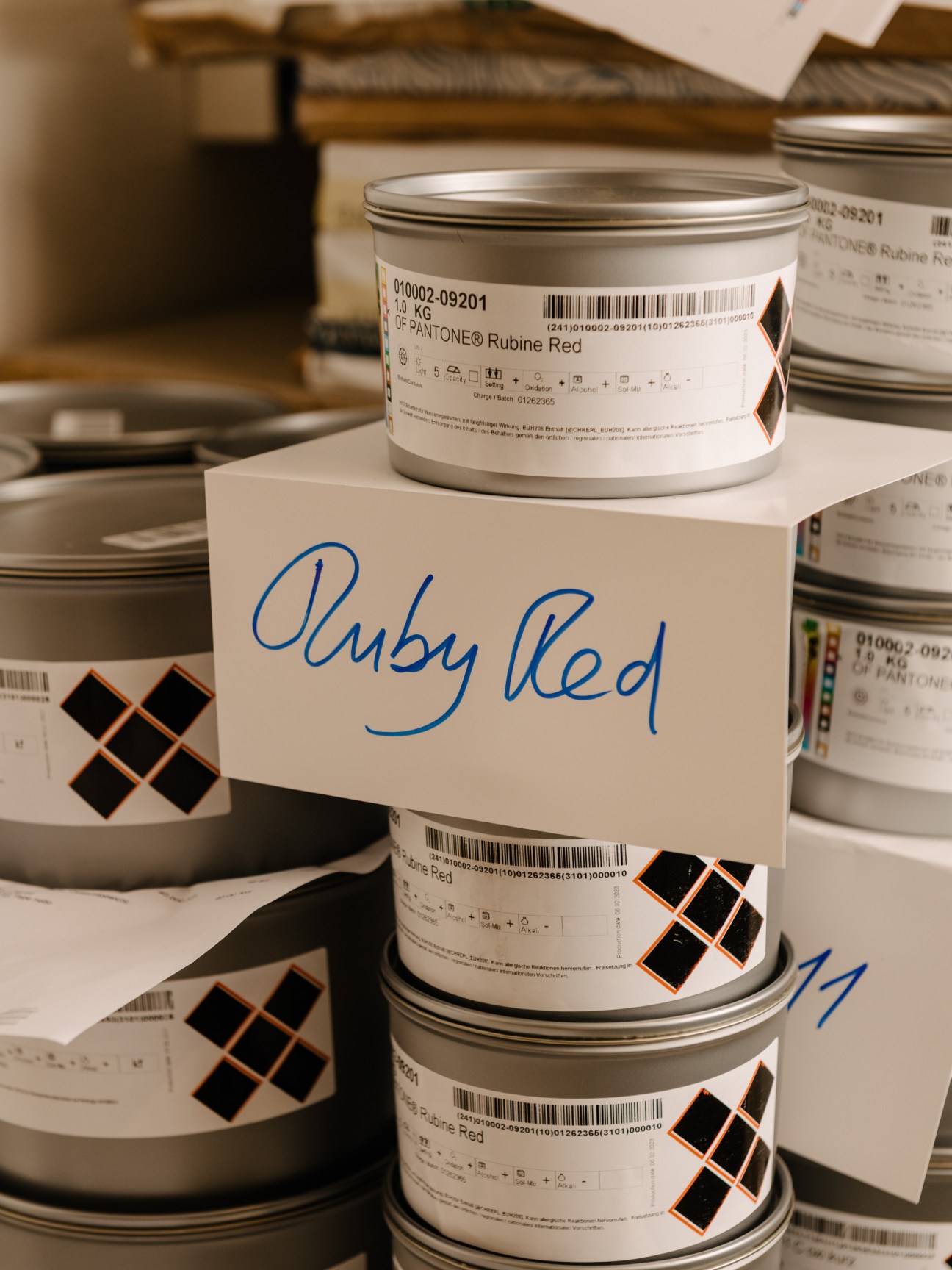
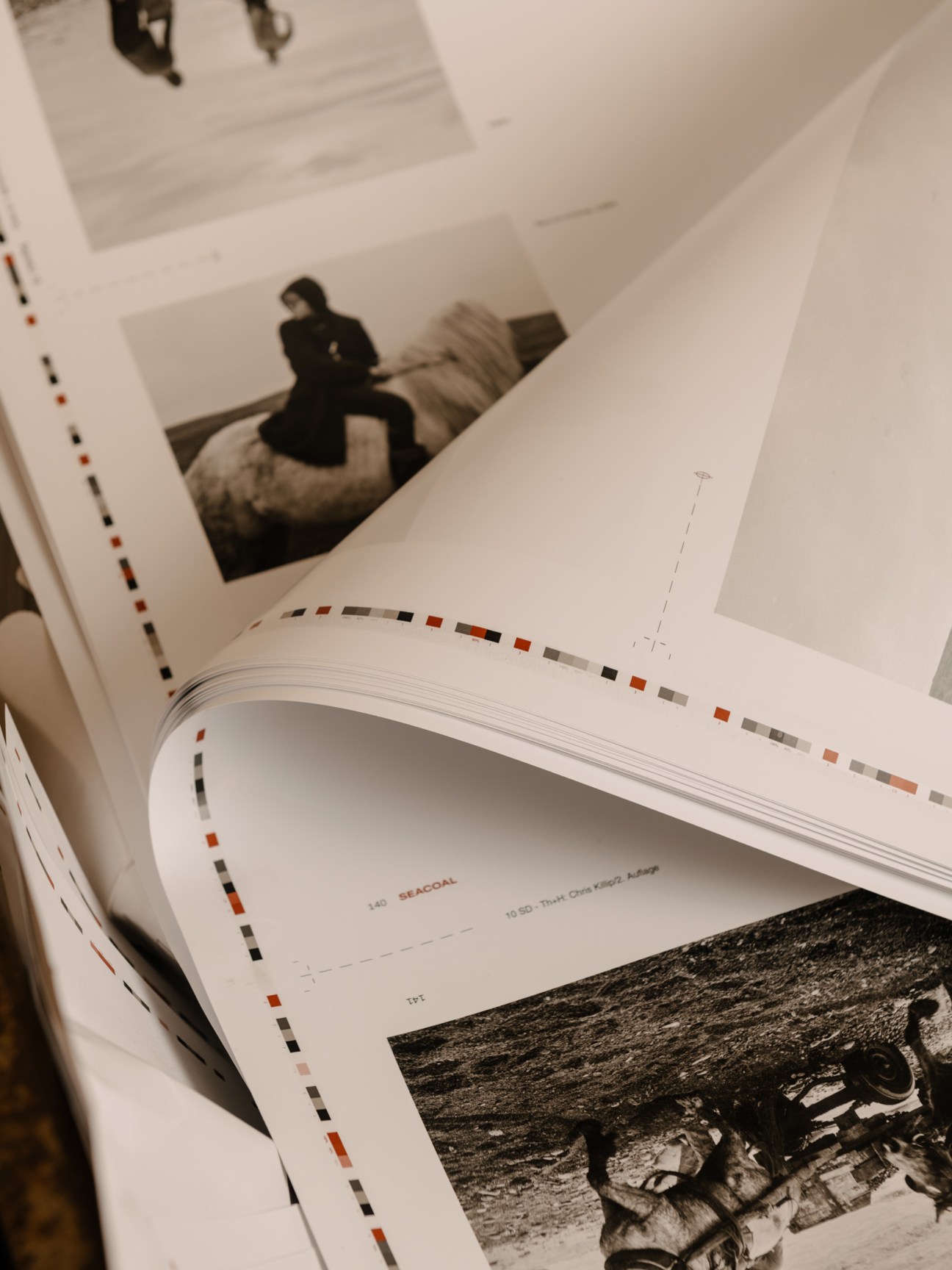
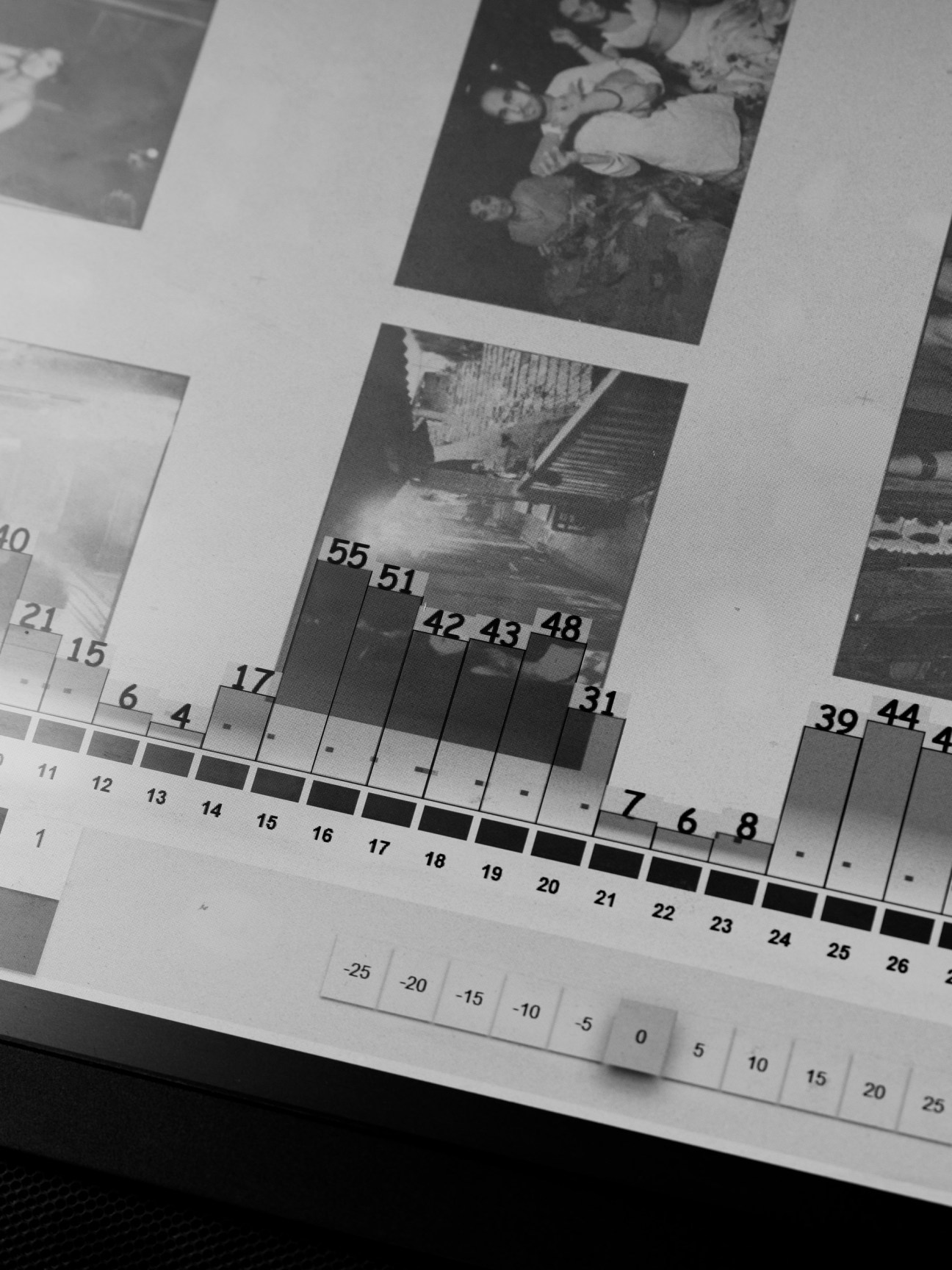
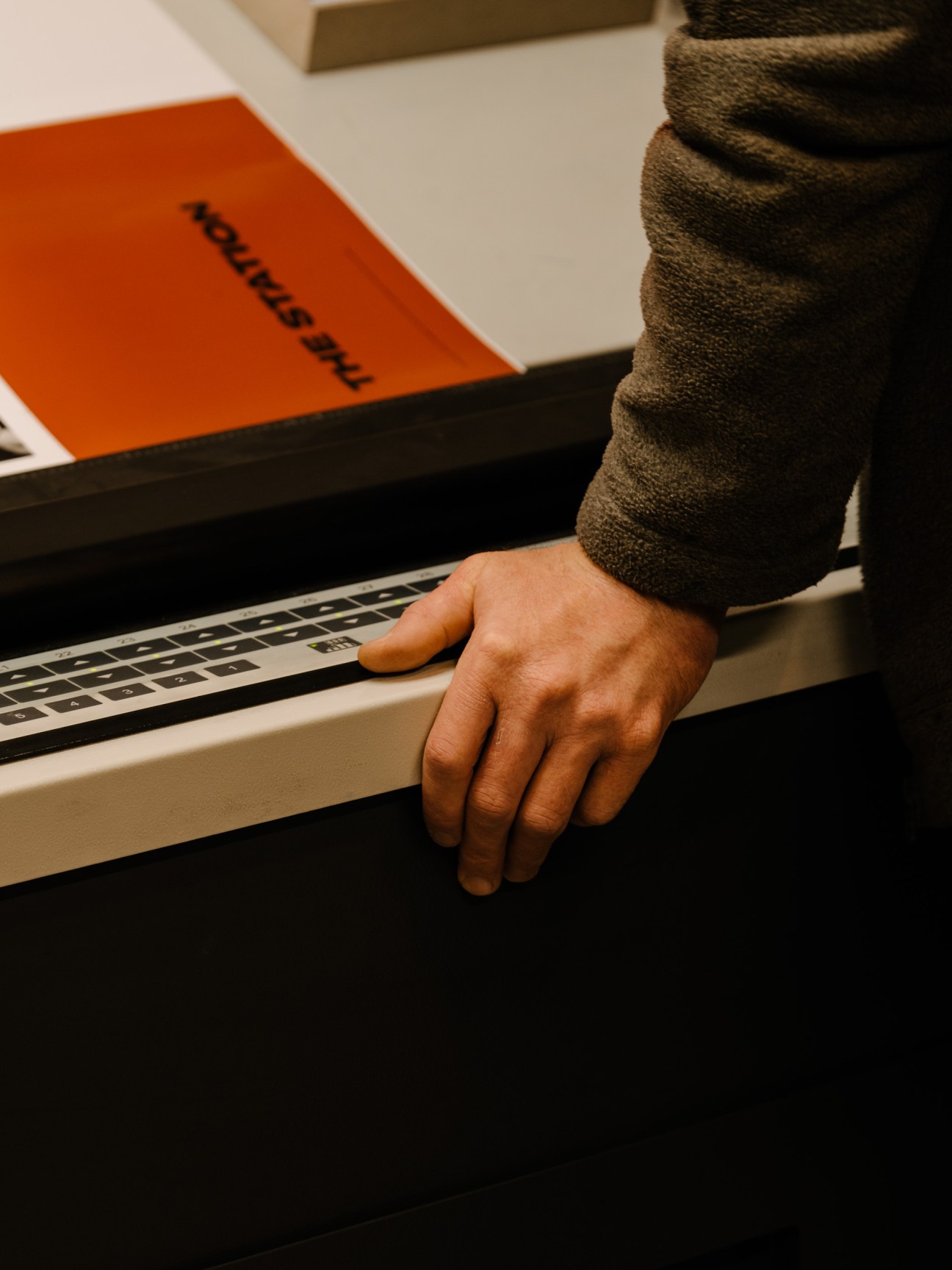

When it comes to materials, buying locally is important to Steidl. “The ink comes from a factory 100km from Göttingen,” he says. “It’s a family business. They make the inks exactly as I want them – my own composition. We get approximately 60 per cent of the paper from Germany too.” Even the printing press is German-made, a top-of-the-range model from Offenbach-based manufacturer Manroland that is capable of printing up to 18,000 sheets an hour. In fact, the press is so large that the entire street needed to be closed off when it was delivered earlier this year. Steidl’s decision to invest in the new machinery was fuelled by a concern over the future of the country’s printing-press manufacturers. “The market for printed matter is getting smaller and smaller,” he adds. “Fine art and photography books are a wonderful, beautiful niche but it’s not enough for a manufacturer of printing machines to survive. My worry was that they would stop making them and I would be left without a good tool to make books. With a new press, I am fit for the next 12 years or so.”
When discussing how the business runs, Steidl likes to talk in similes. The printing sheets are like “his children”. Buying good paper is “like picking fresh strawberries” from the farmer’s market. The office is “like a hospital” with him running round performing different surgeries and running diagnostics but, instead of a stethoscope, his apron pocket is brimming with pens. “I make at least 100 sketches every day to explain things,” he says. “Little design sketches to show the relationship of sizes and so on. Other people send emails; I make sketches.” Born in 1950 and raised in Göttingen, Steidl’s introduction to the world of printing came via his father, who worked nights cleaning the press at the local newspaper. But his fascination with print only really took hold when he visited an Andy Warhol exhibition in Köln as a teenager and became beguiled by the pop artist’s silk-screening technique. Aged just 18, Steidl set up his own print business. Steidl started out printing posters for exhibitions and it wasn’t long before he counted some of Germany’s best-known artists among his customers. The most significant of these was Beuys, who was something of a mentor to Steidl. The young publisher would go on to produce most of Beuys’ multiples and prints until the artist’s death in 1986.
Steidl made his first books in the early 1970s, starting with political non-fiction before expanding into literature and a few select art and photography titles. In 1996 he launched Steidl Publishers, his own specialised photobook imprint, which today holds the global publishing rights for everyone from Richard Serra to Jürgen Teller. Steidl produces about 120 image-heavy titles every year; his company also has a literature arm, which annually puts out about 20 books. These range from German translations of classics, such as Rudyard Kipling’s The Jungle Book and Bram Stoker’s Dracula, to contemporary fiction from an array of European novelists. This side of the business began in 1993, when Steidl convinced Nobel laureate Grass to let him print books of his etchings and lithographs. The German writer was so impressed with the results that he eventually persuaded Steidl to start publishing his literary work too.
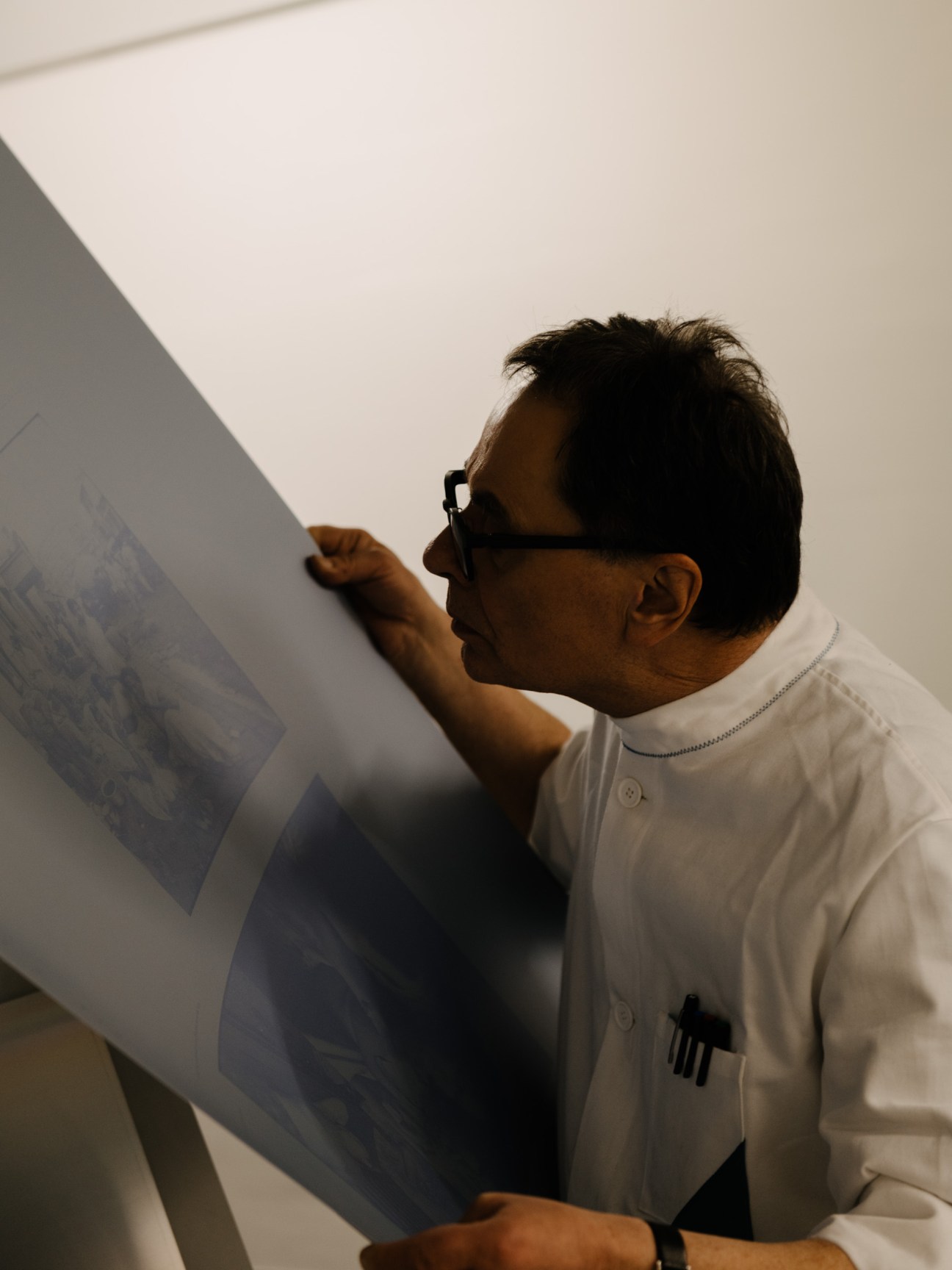
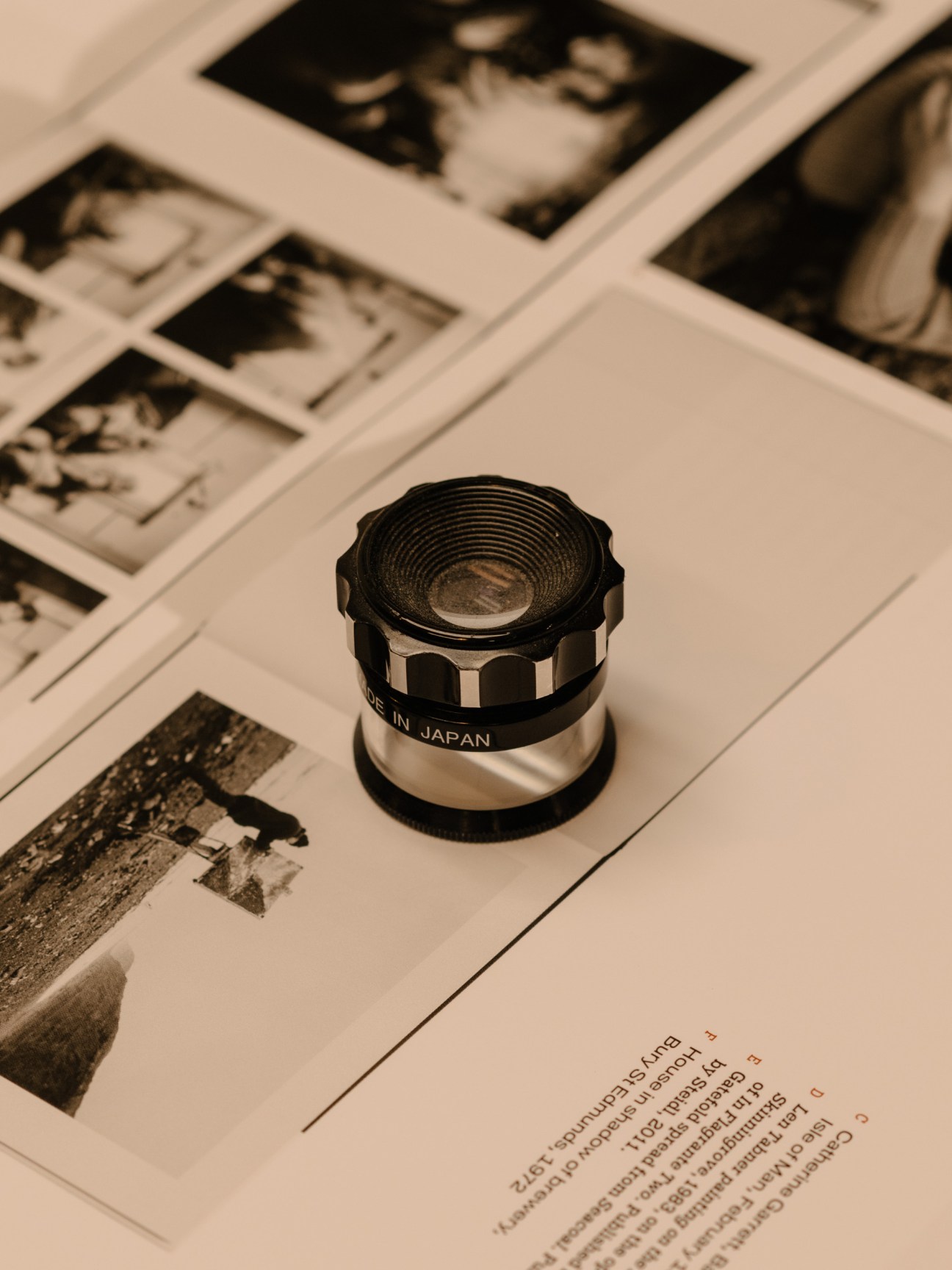
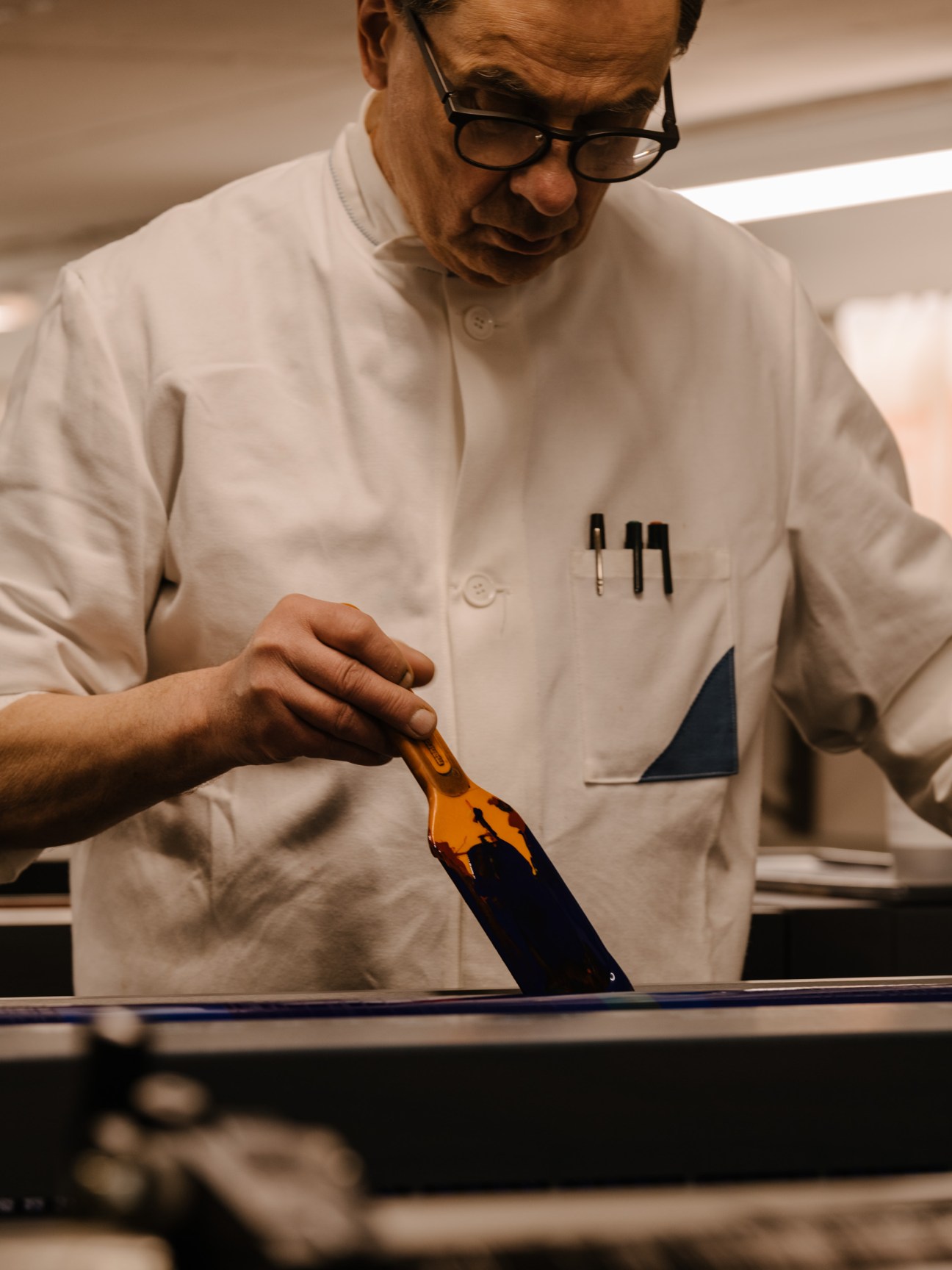
Lagerfeld entered Steidl’s life that same year, after he won the Raymond Loewy Foundation’s Lucky Strike Designer award. Part of the prize included the chance to have a monograph printed by Steidl but the German fashion designer turned it down. “I was pissed because I wouldn’t get paid if we didn’t make the book,” says Steidl. “So I wrote to him saying, ‘If you had to make a book, what would it be?’ He replied, ‘A well-made book of my private photos.’ I sent him some test prints with all different kinds of paper. Then he called me saying, ‘OK, we are connected. We are both paper freaks.’” Steidl published Lagerfeld’s book Off the Record in 1994. As with Grass, the designer was so taken by the quality of Steidl’s work and the result of their collaboration that he put him in charge of printing everything from runway-show invites to couture catalogues for Chanel – a contract that continues to this day.
Steidl’s work is singular but he can’t do everything himself and he relies on a tight-knit team of 45 employees. There are editors, designers, photographers, bookbinders and printing technicians. He believes that keeping every part of the process in-house is crucial to the company’s continued success. “Before offset printing arrived in the 1970s, everything was letterpress and it was very specialised,” he says. “You needed a printer, a typesetter and a designer to operate it. When offset arrived, the process became very fast and hi-tech and everything except the actual printing was outsourced. The knowledge transfer was interrupted. The creative side had no understanding of what the printer was doing and the printer had no idea about what the photographer was doing. They no longer spoke the same language.” Steidl works to counteract this trend by keeping these processes under one roof as much as he can. “That’s the only way to make it better,” he says.
In a world that is increasingly reliant on remote communication, Steidl is still a firm believer in the importance of in-person visits and about 3,500 guests pass through his offices every year. He wants artists to feel the paper with their own hands and see the inks up close. “Normally, when an artist goes to a publishing house, they’ll sit down with the publisher, sign a contract and go to lunch,” he says. “They’re not welcome at the press. I try to make the production process as transparent as possible to educate the artist about it so that they can see that I’m doing the best for their project.” Creating a book with Steidl is more of a collaboration than a commission. “It’s a vertical process,” he adds. “We sit in the library on the top floor and I ask them what their vision is. Then it goes one floor down to the design department, then the image department below that and finally to the press on the ground floor.”
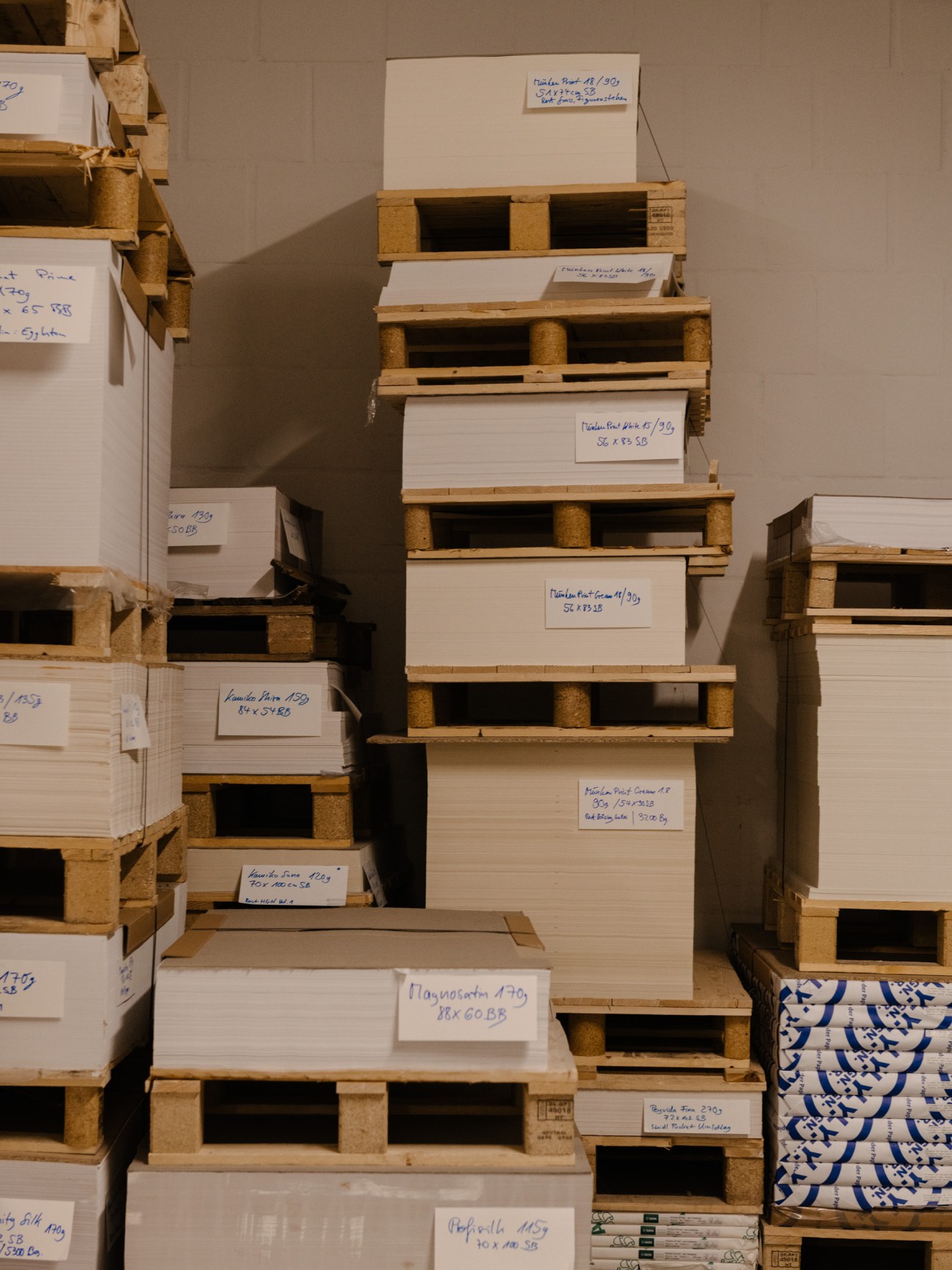
While the kind of books that Steidl publishes hasn’t changed drastically over the past few decades, there has been a shift in the format of his publications. “How do people consume a book?” he asks rhetorically. “In America, they order through Amazon. There are hardly any bookshops in the US any more. You have to pay for Fedex and for the packaging, which gets expensive if it’s an 8kg brick. And people are travelling a lot too. So if you go to Tokyo and visit a nice bookshop and find a beautiful little book, you buy it immediately because you can easily take it home in your suitcase. We’re fighting to make our books as small and light as possible.” Steidl believes that the days of humongous coffee-table titles are over. “The problem with those books is that you actually need a table to read them on. Sure, you can display them proudly when you invite guests round so that they think, ‘Oh! What an intellectual guy!’ But they’re really a nightmare. I want a book that I can hold in my hands and sit reading on my sofa. You can’t hold a 10kg book in your hand for two hours.” Nevertheless, Steidl admits that some books require a larger format to do justice to their contents. He cites a new Damien Hirst set as one of the biggest challenges in this regard. “We’ve been working with him for 13 years on this book called Pharmacy London. There are 10 volumes with 3,800 pages. They are housed in a crate that he has designed to look like a fridge. It’s a beautiful object.”
Artists and photographers who visit Göttingen are offered board at the Halftone Hotel, a building next to the Steidl office that the publisher bought in 1983 and transformed into six self-contained apartments. These are not your average suites, not least because they contain artworks by Steidl clients such as Ed Ruscha and Jim Dine. “Guests go for dinner together in the evenings,” says Steidl. “It builds up a kind of community. You can compare it, on a much smaller scale, to the Chelsea Hotel in New York.”
The publisher owns so much of Göttingen’s Düstere Strasse that the street is often referred to as “Steidlville”. Aside from the office and hotel, there’s the Kunsthaus Göttingen, a stark-but-striking gallery designed by Leipzig-based architecture studio Atelier ST that opened in 2021. Steidl acts as curator here, putting on exhibitions of work by the artists who he publishes. The line-up has so far included the likes of Gilles Peress and Roni Horn. Exhibits are printed at Steidl’s on-site fine art printing studio, which also produces works for some of Germany’s leading museums and galleries.
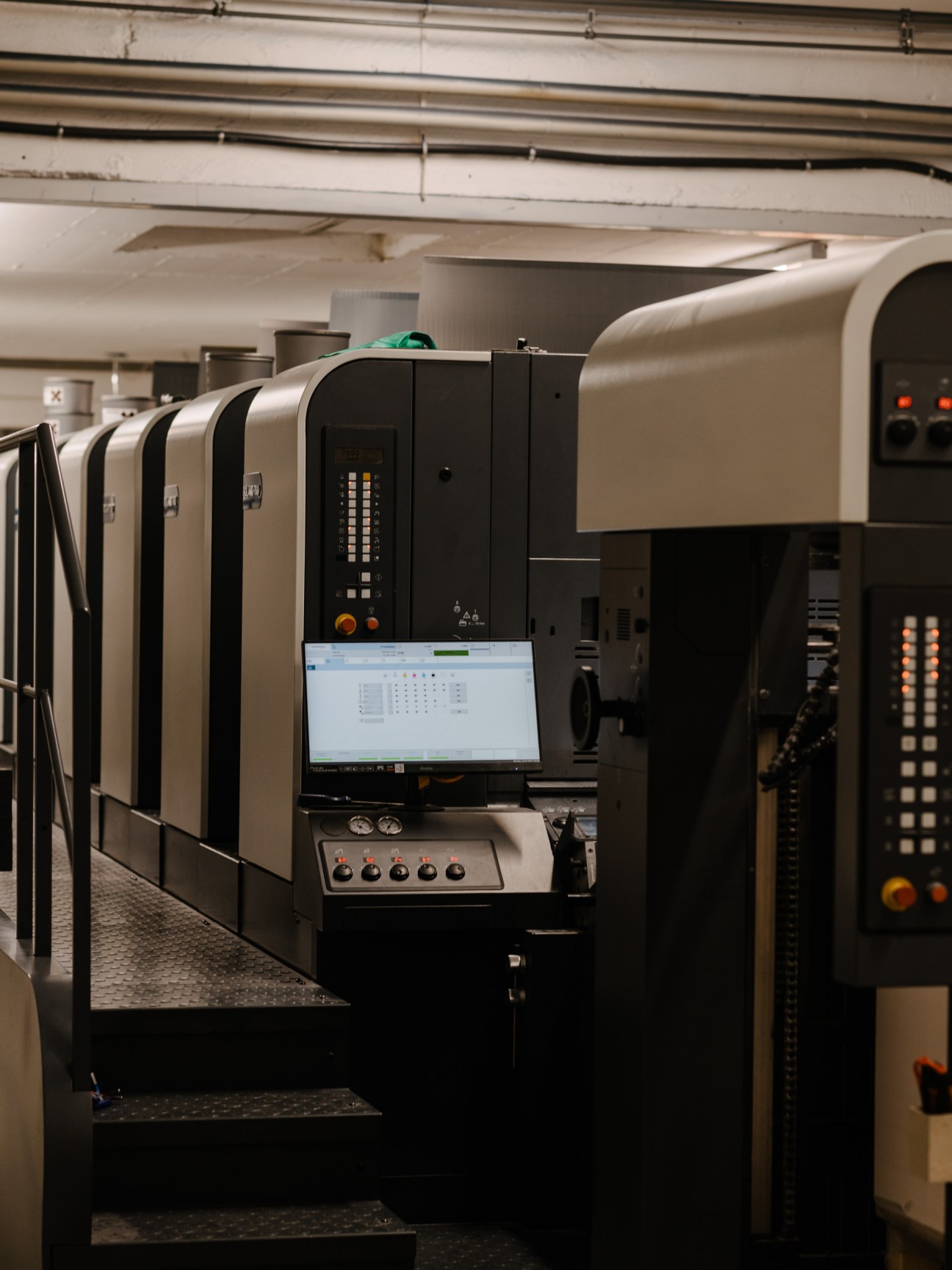
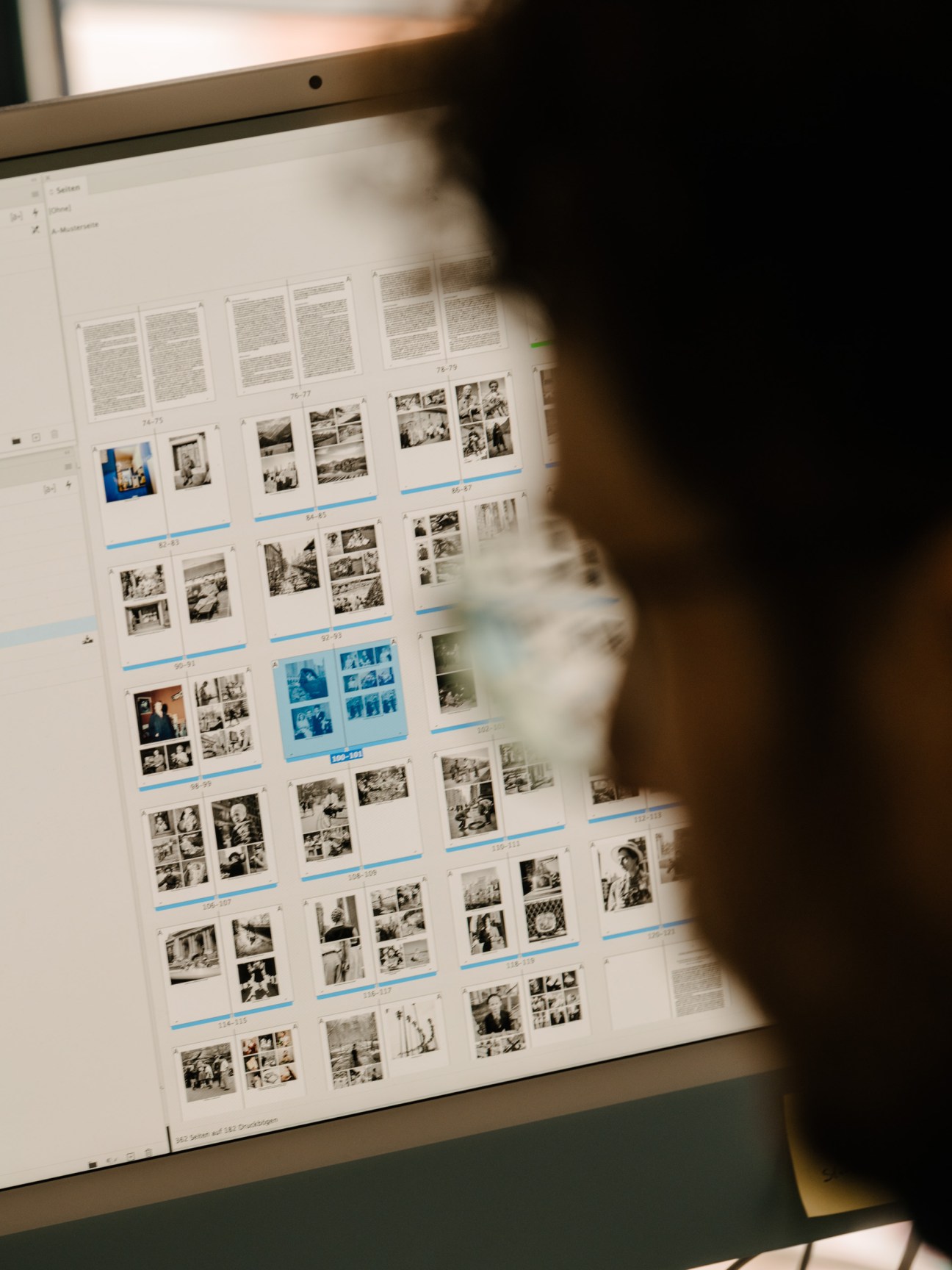
The concrete-clad Kunsthaus sits in stark contrast to its neighbour: a squat, half-timbered house that dates back to the 1300s and is also owned by Steidl. It houses the Günter Grass Archive, a publicly accessible collection of the late writer’s etchings, lithographs, drawings and texts. Across the street from here is another ancient, half- timbered property belonging to Steidl. It housed a book bindery for 260 years before the previous owner decided to sell up in 2021. The building is still being renovated but, when it opens next year, it will host bookbinding workshops for young people. The publisher’s own prototypes will be bound at the site and visitors will be allowed to observe the process too.
Düstere Strasse has one final addition on its way: The Steidl Academy. This new institution will provide grants to people who want to learn how to make and print books. It will be housed in a building designed by British architect David Chipperfield on an empty plot next to the Steidl HQ. “There will be a library and a study room – the machinery to learn,” says the publisher. “It’s really a little private university for young people to come from around the world and work for anything between a week and a year.” According to Steidl, founding an academy is the last major ambition that he is yet to achieve. “I’m getting older and I want to transfer the knowledge to the next generation.” A new guard of printmakers might be eagerly waiting to learn from this master but it remains to be seen if any will leave an impression quite like Gerhard Steidl.
Snap decisions
Steidl’s defining photobooks
Over the course of its 55-year history, Steidl Verlag has published more than 5,000 photobooks. From contemporary masters such as Juergen Teller to photojournalism pioneer Henri Cartier-Bresson and fashion photographer David Bailey, the publishing house has printed titles with many of the biggest names in the field. From this vast catalogue, Gerhard Steidl chooses five of his favourite publications marking significant moments in his printing career.
Back on solid ground
At 03.32 on 6 April 2009, a 6.3-magnitude earthquake struck the Abruzzo region of central Italy. Its epicentre was close to L’Aquila, an unassuming, picturesque medieval city with a population of some 73,000. More than 300 people lost their lives and the majority of the residents were left homeless. Once the dust had settled, the town made the decision to bank on culture, art and architecture to revive it. And it is proving to be a worthwhile experiment, thanks in part to a global roster of international benefactors and the attention of some of the world’s most powerful leaders.
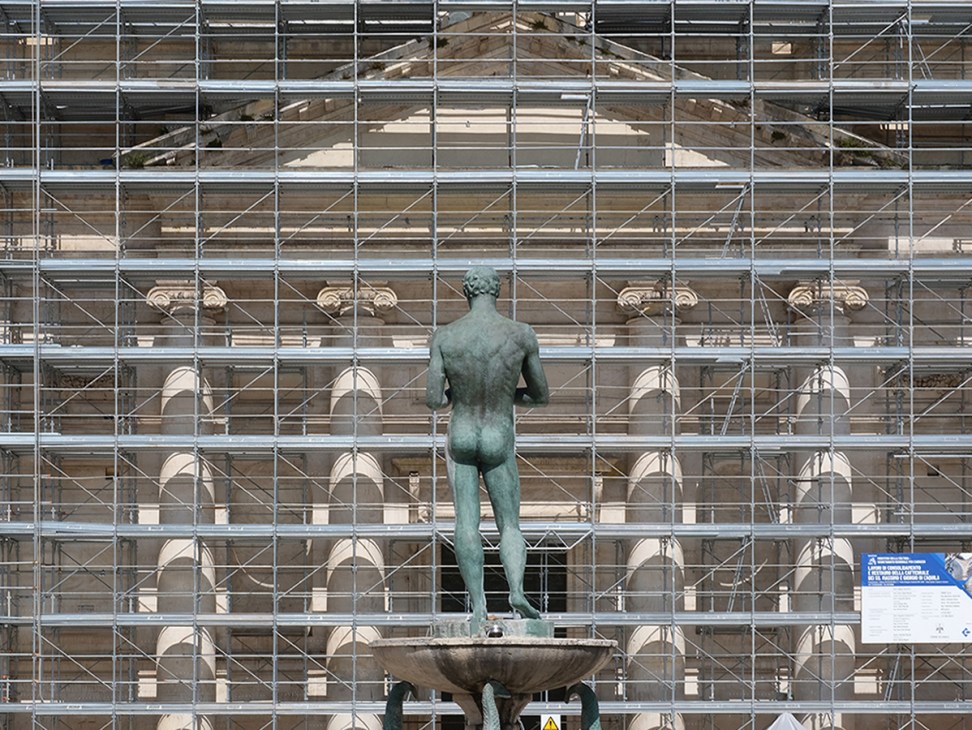
“Luckily, we came out relatively unscathed,” Natalia Nurzia tells Monocle of the condition in which she found her family-run café, Fratelli Nurzia, the morning after the earthquake. “Eight months later we were the very first café in the city centre to be up and running again,” she says proudly. Today, as it was before the earthquake, Fratelli Nurzia is renowned for its chocolate-filled torrone (nougat) but even after 14 years, the Piazza Duomo on which it sits is a hodgepodge of scaffolding, cordons and construction fences.
The city has been through a lot. The buildings that didn’t totally collapse were severely damaged and the subsequent, years-long closure of large parts of the historic centre for extensive and complicated reconstruction work could easily have ravaged the heart of the city for good. The earthquake battered L’Aquila but it was the restoration that nearly destroyed it. “Seven years after the earthquake, we had to close again,” says Nurzia, describing the stop-start technical interventions needed on many of the 100,000 buildings that were damaged in the city. “That time we were closed for four years.” Nowadays, however, even a little humour is possible. “The only thing more dangerous than an earthquake is an engineer,” she says, joking, before turning to greet a customer.
Much of daily life in L’Aquila is dominated by locals but the fortunes of the city were changed for ever by a man from Milan. L’Aquila came to prominence thanks to the late media mogul and three-time Italian prime minister Silvio Berlusconi, who switched the location of the 2009 G8 summit (when Russia was still welcome) from a completed, purpose-built conference centre in Sardinia’s La Maddalena to the earthquake-hit city.
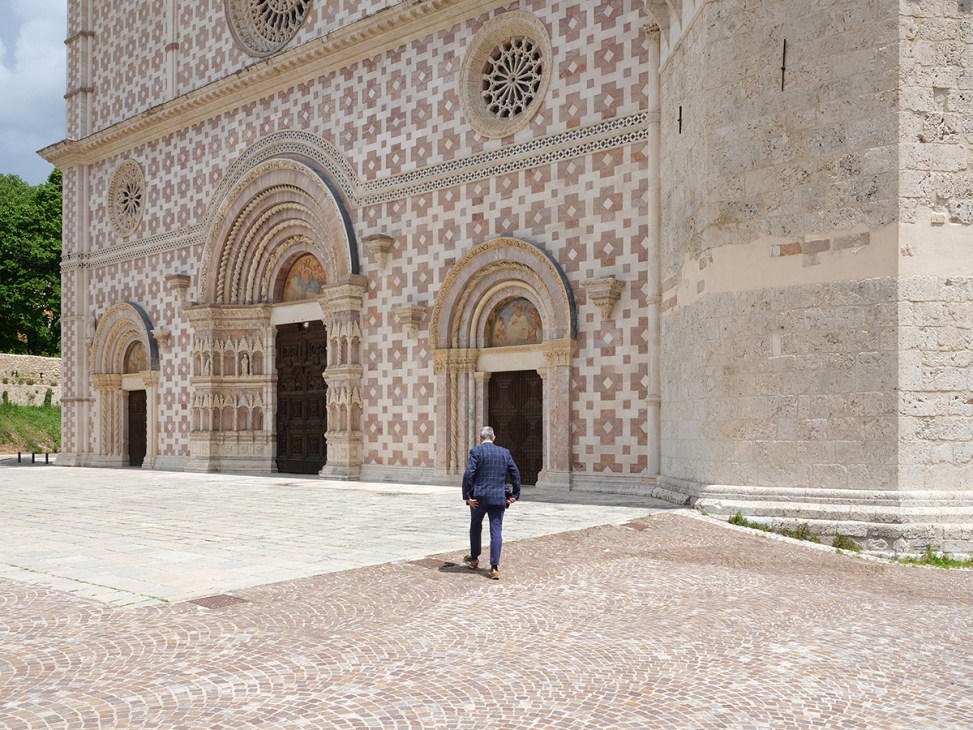
“Berlusconi’s big idea was to draw up a catalogue of restoration projects,” says Massimo Alesii, a communications specialist who moved back to his native L’Aquila from Rome after the earthquake. Still dubbed “Berlusconi’s wedding list” by many aquilani today, a slate of 44 destroyed or heavily damaged buildings was made for G8 member states and their delegations to consider restoring or helping to support. “It was clever marketing,” says Alesii, a former director of the Fondazione Adriano Olivetti and a man who knows how to secure cultural funds. The image of Barack Obama, jacket slung over his shoulder, Angela Merkel, Nicolas Sarkozy and others strolling past the cracked and crumbled edifices, couldn’t have been better publicity. But it was the Russian Federation’s Dmitry Medvedev who chose the biggest donation on Berlusconi’s list. In an act of diplomatic goodwill, Russia gave an estimated €7.2m for the reconstruction of the Palazzo Ardinghelli, which dates back to 1732, 29 years after another earthquake had levelled buildings in L’Aquila. With lavish rooms, frescoed ceilings and impressive staircases, it was one of the city’s finest Baroque gems.
Originally, the palazzo was earmarked for use by the city council, says Bartolomeo Pietromarchi, but in 2015 plans changed. “Here we had a jewel in the centre of L’Aquila, ready to be used,” he says. “It was decided that, instead of council offices, it had to be given to the public.” Pietromarchi is director of the Maxxi national museum in Rome and now of its L’Aquila offshoot, which opened in the palazzo. Despite opening in 2021 during the pandemic, the cultural centre started a bright new chapter in the story of the beleaguered city.
Maxxi L’Aquila, which focuses on the art and architecture of the 21st century, is now the city’s flagship institution. “Contemporary art is like a laboratory, especially for young people,” says Pietromarchi as he shows Monocle around the airy galleries filled with restored frescoes and polished terrazzo floors. “Different disciplines intersect to create a centre for cultural production.” When we visit, there is a joint show of work by Marisa Merz, a central figure in the Italian Arte Povera movement, and Shilpa Gupta, a contemporary Indian artist. In the piazza outside, architecture students from L’Aquila’s university are constructing a wooden pavilion set to be the centre of the museum’s summer programme. This, Pietromarchi stresses, is not about a national museum plonking a smaller offshoot somewhere off the beaten track. The relationship between Maxxi Rome and Maxxi L’Aquila is “totally reciprocal”, he says. “The buildings themselves are wonderfully different and in L’Aquila we learn how to engage with the setting in a completely new way.”
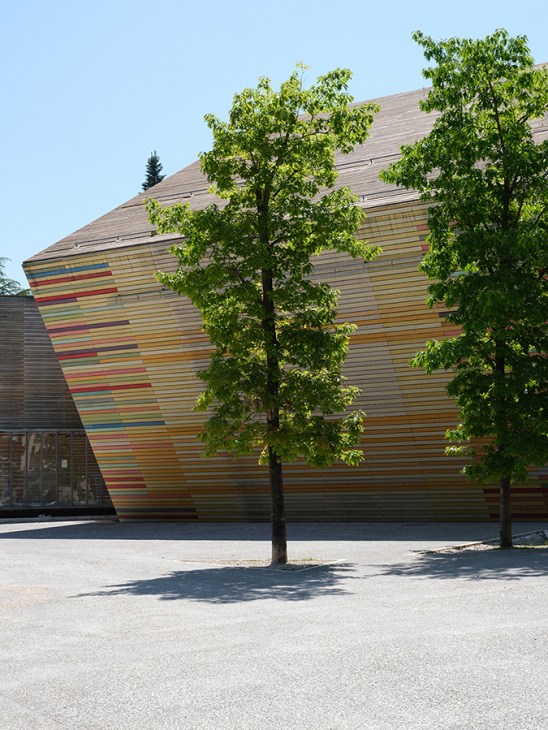
Of course, there is more to the culture of a city than a new art museum and, according to Bruno Carioti, president of the Abruzzo Symphonic Institute, L’Aquila’s music scene is worth making noise about too. Starting in the 1950s, says Carioti, the city, which is the administrative capital of the Abruzzo region, has built up a considerable amount of human capital, heavily engaged in music on an everyday, professional basis. He believes that music has had a restorative effect on the city since the earthquake. “When you have lost everything, music takes you to a different emotional place,” he says, “In those moments it completely transports you and soothes the soul. I would say that music has been crucial to rebuilding the culture of L’Aquila.” The city also hosts the B Baratelli Concert Society, The Aquilani Soloists and the Alfredo Casella Conservatory – not bad for a small city, says Carioti, who calls L’Aquila the Salzburg of Italy.
Some of the reconstruction in L’Aquila has been remarkable but it is an ongoing process. When Monocle visits, the city is bathed in bright mountain sunshine and gaps in hoardings reveal pristinely restored façades. Glowing, fresh-cut architectural details shine and a pair of bronze statues of impish male nudes graces the square outside Fratelli Nurzia. The work has been slow and expensive: some €24bn has been spent on the city since 2009 and recovery is far from complete. There is also constant risk. Earthquakes hit this part of Italy about every 300 years and residents confirm that some level of destruction and reconstruction are part of L’Aquila’s soul.
Painstaking and life-changing though the earthquake and subsequent restoration might have been, residents can, after 14 long years, finally see the outline of a new and improved city. Like Rome, L’Aquila was not built in a day. Unlike Rome, it was destroyed in a night. “The earthquake has revealed the treasures we have,” says Alesii. “The pride and love we have for our city emerged from the cracks.”
Rebuilding L’Aquila
Like Italy as a whole, L’Aquila’s relationship with Silvio Berlusconi is complicated. The case of the Palazzo Ardinghelli and the museum that came to occupy it is a clear example of the fruits of a peculiarly opportunistic and Berlusconian approach to geopolitics and fundraising.
Massimo Alesii, a journalist and public-relations specialist based in L’Aquila, is ambivalent about Berlusconi’s call to hold a G8 summit in the earthquake-hit area back in 2009. “L’Aquila was a convenient backdrop,” says Alesii. “It was great ‘optics’.” But much of the city was inaccessible, with even residents barred from entering. “I chose to decline an invite to get involved [with G8],” adds Alesii, who decided instead to work on individual restoration and social-rehabilitation projects. “I wanted to make sense of the reconstruction of my city, the social and human side of it, not just the bricks and mortar.”
While L’Aquila’s recovery couldn’t have happened so emphatically without Berlusconi’s bullish intervention, many in the city are keen to tell us that it still would have bounced back without him.
Design
Architecture – Spain
Finding balance
When architects are overseeing a renovation, it can be challenging to strike the balance between the needs to conserve and introduce contemporary features. Architect Carlos Gómez Sos’s revamp of his family’s medieval home – known as La Posada and located in a small town in the province of Huelva, southwestern Spain – was a five-year labour of love that found the necessary equilibrium.
“The house hadn’t really been modified since the 18th century but I didn’t want to demolish it,” says Gómez Sos. “Every residence has a soul and you first have to understand that soul before you can move forward. I recycled as many materials as possible and preserved traditional construction techniques and materials, particularly the exposed stonework and woodwork design.”


Gómez Sos turned to local artisans for fresh additions to the space, including raw-wood panelling, custom bookcases and new stairs. “There’s a robust tradition of carpentry in this village in Huelva, where architecture isn’t just a profession but a matter of pride,” he says. It’s appropriate, then, that the space also doubles as the architect’s studio. “For architects, work is a lifestyle, so La Posada is my reflection of this attitude towards my profession.”
Spread across three floors, the home’s defining feature is a large, newly installed window that overlooks the garden. Its construction was a delicate operation that involved cutting into an interior wall but Gómez Sos was there every step of the way. “Like the captain of the ship, if the project had gone down then I would’ve gone down with it,” he says. “Life is about finding comfort in a place – and I’ve found the place where I belong.”
On Design
Nic Monisse on…
An inspirational island
I rounded out my summer with a trip to Mallorca. While the Balearic island is home to famous architecture, there are plenty of small details that creatives can apply to their own work. Here are five design-minded takeaways:
1.
Use common sense
Getting to some of Mallorca’s beaches can require scaling cliffs but simple design additions make it possible: large eye hooks screwed into slippery rocks offer secure grips, concrete pads poured between boulders function as diving boards, and handrails made from olive trees are a steadying presence when walking down a hill. In many countries, these wouldn’t pass building codes. Sometimes applying common sense over standards is a sensible option.
2.
Details matter
The metal pit lids and manhole covers for the water infrastructure in Deià are beautiful. Finished with the town’s crest and an embossed striped pattern, they’re reminiscent of Le Corbusier’s manhole covers in Chandigarh, where cast-iron lids are engraved with a map of the city. Deià’s small detail makes potentially ugly infrastructure something to be proud of, lifting the quality of its streets.
3.
Show some restraint
Speaking of Deià, the pretty hillside village is defined by its green-shuttered, limestone houses – an architectural status quo that could be threatened by developers. Thankfully, the town council has regulations to preserve its charms. Such guidelines ensure that the character that makes the town appealing isn’t destroyed – plus, architects often work best when given a set of constraints to adhere to.
4.
Hide in plain sight
The Miró Mallorca Foundation is home to three outstanding buildings, with its flagship designed by Rafael Moneo. Sleek stone walls gently bounce light around the room… until it hits the bright-red fire extinguishers, which the Spanish architect didn’t intend to make a focal point. Can we design these so they don’t detract from the architecture? Fire-hose company Safe Crash makes cabinets that slot into the walls of buildings, hiding their products but ensuring that they’re on hand if anything goes wrong.
5.
Rethink tradition
Artesanía Tèxtil Bujosa is one of Mallorca’s oldest family-run textile workshops. It has long made curtains, bedspreads, table furnishings and upholstery for wealthy families on the island but Stefania Borras saw an opportunity: clothing. Her fashion brand, Datura, uses Bujosa for a limited-edition clothing line, Terra, which sits within her wider collection. Bujosa’s textiles have strengthened her brand’s connection with the island.
Landscape architecture – Taiwan
Beyond the sea
The southern Taiwanese city of Kaohsiung is home to one of the island-nation’s biggest ports. Despite this fact, the 100-year-old Gushan Fish Market, in the metropolis’s waterfront Gushan neighbourhood, has gone from a bustling place of commerce to a forgotten waterfront asset in a matter of decades (a booming offshore fishing trade is supposedly to blame). In a bid to reclaim some of the site’s former glory, Taiwanese design studio CM Chao Architect & Planners was tapped to lead a revitalisation that has preserved the historical memory of the market while making it suitable for contemporary needs.
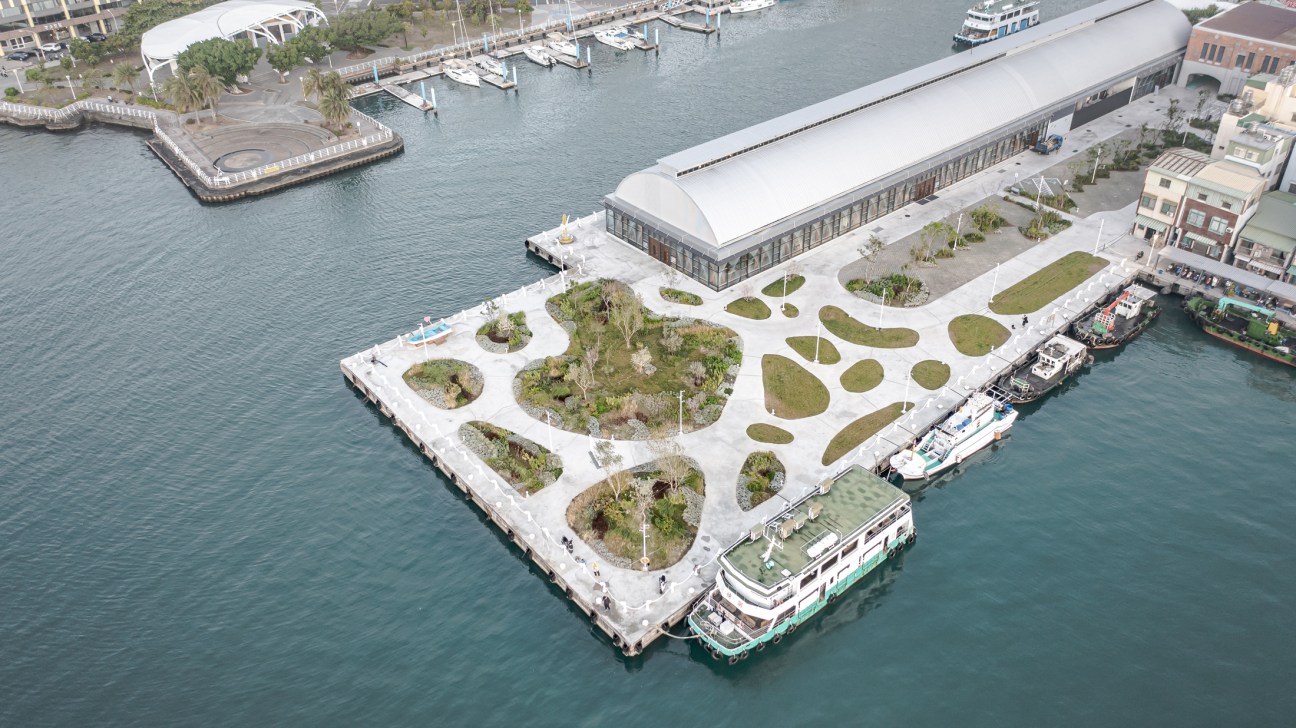

To do so, the architects opted to keep the original, century-old Dutch-style brick structure at the site’s entry. “[By preserving] the original structure, the public can appreciate the history of the market as they enter,” says CM Chao, whose team connected the old entryway to a new linear building that now houses the fish market, as well as the government’s Fishery Office and the newly minted Gushan Ferry Station.
It’s a move that provides the building a purpose beyond fishy transactions and is complemented by landscaping from landscape studio Motif. The Taipei- based firm has designed a series of pathways that snake through mounds of grass that provide public servants, vendors and passengers a place to unwind on the seafront. The result? A project that sensitively taps in to the site’s history to inform its new use – and an admirable model for any city looking to breathe life into their own forgotten sites.
Urbanism – Aarau
Spanning ages
The town of Aarau in northern Switzerland is defined by the Aare river: its riverbank on the edge of its old town is a place of leisure for locals and has been the site of countless constructions spanning the river since Roman times. A newly finished bridge, defined by seamlessly constructed concrete arches, might just be the most elegant attempt yet. Designed by Basel-based architects Christ & Gantenbein, it replaces a concrete structure from 1949.
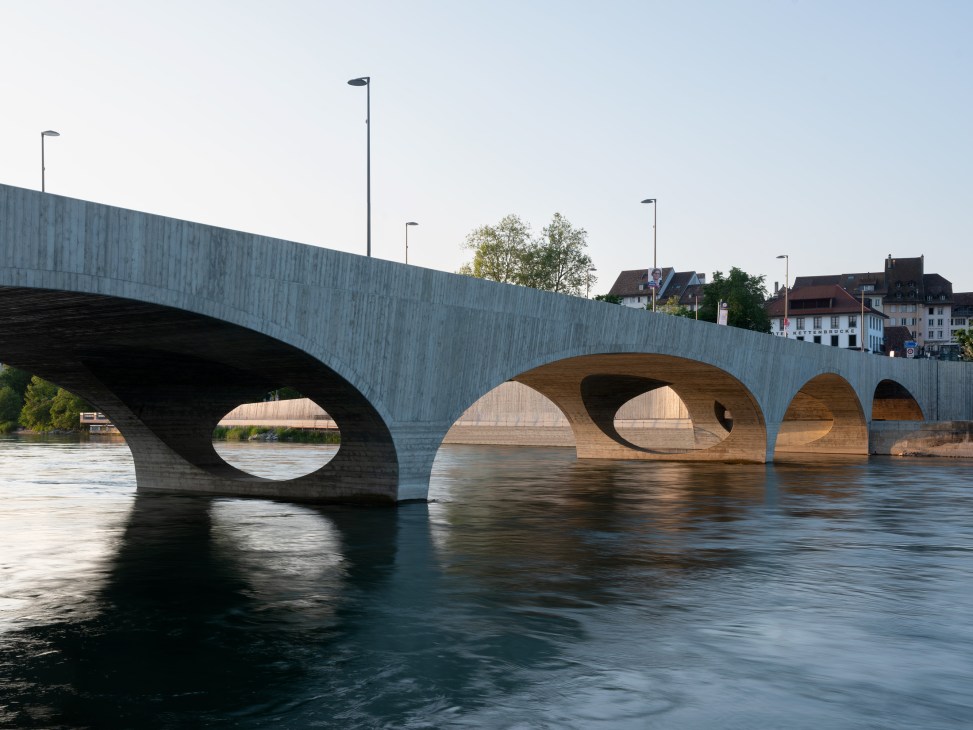
“We approached the design of the New Aare Bridge with a respect for this history and a vision for the future,” says Emanuel Christ, who co-founded Christ & Gantenbein with Christoph Gantenbein in 1998. For the new bridge, the architects drew inspiration from Aarau’s medieval architecture and the river’s natural environment to create a structure that looks traditional but has features – such as large openings beneath its deck, which offer glimpses of the waterway from riverside paths – that could only be achieved by using modern construction methods. “Together with the engineers, I think we managed to create a blend of old and new in a bridge that connects not just two sides of a river but also the past and the present,” says Christ.
The five arches partially rest on the two foundations of the old bridge, with a geometry that, according to the architects, “employs concrete sparingly”. Seamlessly linking with existing streets and promenades, the 119-metre-long structure has space for drivers, pedestrians and cyclists. The result is a structure that is impressive architecturally and is an essential civic work. Or, as Christ puts it, “The New Aare Bridge is not just a bridge – it is a piece of the urban fabric, contributing another layer to the city’s evolution.”
The art of persuasion
The full-scale invasion of Ukraine marked the failure of what was arguably the most intense period of diplomacy in Europe since 1939. Footage of Russian troops marching through the dawn shattered hopes that conversation would prevail: by April 2022, at least 394 Russian diplomats had been expelled from Western capitals, with a similar number of retaliatory expulsions. Yet the invasion also spurred a bravura push to punish Russia.
The US-led effort to impose sanctions on Moscow and arm Ukraine unified and revitalised the Western alliance. However, as the war approaches its second year and the world fractures into hostile blocs, it is hard to argue that diplomacy is winning. What is its future in a multipolar world? Are its key institutions fit for purpose? And what to do about an increasingly confrontational China? We make the case for dialogue over conflict and coercion.
1.
Talking cure
How relevant is the UN Security Council in an increasingly multipolar world?
“I thank the representative of the Russian Federation for their statement,” says Linda Thomas-Greenfield, the US ambassador to the UN, at the end of an incendiary speech by Vasily Nebenzya. It’s the 32nd anniversary of Ukraine’s independence, 18 months after Russia launched its full-scale invasion, and Thomas-Greenfield is chairing a UN Security Council briefing on the forced deportation of Ukrainian children to Russia. Most ambassadors congratulate Ukraine on the anniversary and condemn the war; Nebenzya, who has been Russia’s permanent representative to the UN since 2017, uses his allotted time to accuse the country of being controlled by a “neo-Nazi” regime.
With the US holding the 15-member Security Council’s rotating monthly presidency, Thomas-Greenfield has little choice but to let Nebenzya speak. During the debate, she announces that she is switching hats from chair to US representative and issues a stern rebuke. “Children are literally being ripped from their homes in the year 2023 by a country sitting in this very chamber – by a permanent member of this council,” she says. “This is straight out of a dystopian novel but this is not fiction. This is real life.”
In an interview with Monocle shortly after the meeting, Thomas-Greenfield acknowledges the emotional toll of such debates but says that there is value in them. “It’s emotional because it’s so horrible,” she says. “But it’s important for us to have these types of meetings so that Russia hears from all of us and the world hears about what it’s doing. I want Russia to feel our pain. I don’t think that it does but I want the country to hear it.”
Ecuador’s UN ambassador, Hernán Pérez Loose, points out that there have been almost 70 Security Council debates on Ukraine since the full-scale invasion began but the war continues. And Ukraine is not the only intractable conflict on which the Security Council is paralysed. The day before, Thomas-Greenfield presided over a meeting on Syria at which countries called for an end to the civil war and expressed their frustrations about the lack of a political solution. As in Ukraine, Russia has blocked Security Council resolutions condemning the regime of Syria’s president, Bashar al-Assad.
UN ambassadors, however, insist that there’s still a future for diplomacy here in New York. “If we want to overcome these challenges, we can only do so by talking to each other,” Pascale Baeriswyl, Switzerland’s permanent representative, tells Monocle. “Facilitating dialogue – that’s where multilateral diplomacy and the UN can still make a difference.”
When the full-scale invasion of Ukraine began on 24 February 2022, Sergiy Kyslytsya resolved not to be “too emotional”. As Ukraine’s ambassador to the UN, he knew that he would regularly encounter Russia’s delegation and it was necessary to keep a clear head. Kyslytsya says that he instructed his staff to limit how much footage of the war they watched, so that they too could maintain a certain emotional distance. In his speeches, Kyslytsya has called for Russia to be removed from the Security Council but he tells Monocle that he also believes that the country’s presence works to Ukraine’s advantage. He says that many ambassadors have “grown tired of Nebenzya’s lies”, that only a handful of UN countries identify ideologically with Russia and that if the leaders of nations in the so-called Global South had to listen to the Russian representative regularly, they too might come off the fence and back Ukraine.
Kyslytsya believes that the Security Council remains a vital tool for public diplomacy. The council forces other countries “to go on record”, making hesitant nations consider their position on the war in Ukraine. Still, he acknowledges that the conflict has created a toxic atmosphere at the UN, which reached its nadir when Russia held the council’s presidency in April. “It’s not as easy as it used to be, particularly because Russia and China now have a ‘friendship without limits’,” says Thomas-Greenfield. Yet she cites small victories when it comes to the latter country. “We know that there are limits,” she says. “We see China abstaining occasionally on resolutions.”
However egregious its violations of the UN Charter, Russia is a permanent member with veto power, so there’s no practical way to kick it off the Security Council and the other countries have no choice but to work with it. Nonetheless, Thomas-Greenfield insists that the Security Council is still a productive diplomatic institution. “I hear a lot of people complaining that it’s not working but the council is working,” she says.
Crucially, it’s the only institution in which US and Russian ambassadors have regular interactions. Even closed-door meetings aren’t always fraught. “Sometimes they’re confrontational; sometimes they’re respectful, says Thomas-Greenfield. “If I need something done, sometimes it’s easier to ask for it in a way that isn’t confrontational.”
And there are plenty of things that need to get done. Though the Security Council is deadlocked on major conflicts, it regularly approves peacekeeping missions in a dozen countries, from the Democratic Republic of Congo to Cyprus. Thomas-Greenfield cites recent resolutions on thorny issues in places including Lebanon and Haiti. Some of these are about condemning a government; others concern practical matters, such as a multinational mission to address insecurity in Haiti.
Even Ukraine’s backers say that it’s useful to focus on other countries’ priorities too. “Solidarity is a two-way street: you have to understand the problems that others have,” says Rein Tammsaar, Estonia’s UN ambassador. “This is also my message to my capital: please keep in mind that there are many conflicts in the world, other countries are experiencing horrible situations and we have to try to help them as much as possible.”
This need to show solidarity is apparent even in Russia. “Moscow doesn’t like being isolated,” says James Kariuki, the UK’s deputy ambassador to the UN. “It needs friends. So if you have a set of countries, including those in Africa, calling out a coup in Niger, the Russians will join the consensus.”
Yet diplomacy is becoming harder. After the Cold War, there was a period in which multilateral institutions and international conventions were being strengthened. “But, for more than a decade, we have been observing a trend reversal,” says Switzerland’s Baeriswyl. Countries are increasingly disrespecting international law and conflicts have intensified, exacerbated by the pandemic and climate change. That’s why rebuilding trust was a central theme of Switzerland’s Security Council presidency earlier this year. Baeriswyl says that both her country and the UN are committed to building “a new agenda for peace” in the Security Council. “The countless violations of international law, especially in Ukraine, have increased the urgency of a huge reinvestment in dialogue and trust,” she says.
With the Security Council often paralysed, diplomacy is shifting to other multilateral venues. On Ukraine, for example, the US and its allies have turned to the UN General Assembly, the body that includes all members, where 141 nations condemned the invasion in a resolution on 2 March 2022 after Russia vetoed a similar measure in the Security Council. Action has also moved to other international bodies and blocs. “Ukraine has forced the US to be more flexible in where to push global interests,” says Peter Yeo, president of the Better World Campaign and senior vice-president of the UN Foundation. “You can tee something up in the Security Council, then carry it over to other diplomatic forums.”
The UN’s secretary-general, António Guterres, has pushed for regional bodies to take the lead in resolving conflicts, such as the Economic Community of West African States, regarding the coup in Niger. He even attended the Brics (Brazil, Russia, India, China and South Africa) summit in Johannesburg in August. But Guterres draws the line when it comes to matters of global import, such as climate change and artificial intelligence, warning that the proliferation of blocs of like-minded countries could lead to fragmentation.
Rebuilding the Security Council’s credibility must start with expanding its membership, something that the UK’s Kariuki admits will be a “long game”. In the meantime, countries such as India, Nigeria, South Africa and Germany, which are currently left out of the council’s rotating membership, must have their views acknowledged. “The Security Council is an important body but we shouldn’t fetishise it,” says Kariuki.
Though almost every member nation acknowledges that the council must be expanded, nobody can agree on which countries to include and whether they should have the power of veto. Asked whether any reforms are possible, Thomas-Greenfield mentions a recent priority of her boss, Joe Biden. “We need to take into account the realities of the world today and one of those is that we have 54 countries from Africa with no permanent representation on the UN Security Council,” she says. “Fixing that is clearly accomplishable.”
Expanding the membership wouldn’t solve the problems of Russia and China blocking action or the council’s strained credibility as it struggles to enforce the UN Charter. But in times of war and global conflict, there is an argument that even a paralysed UN is essential for the future of diplomacy, simply because it remains one of the only forums in which warring nations engage with each other. Diplomacy isn’t always about immediately solving intractable issues; it’s sometimes a matter of keeping the lines of communication open.
Until someone comes up with a true alternative to UN diplomacy, there’s little choice but to find a way to make it work. “The show that Russia has put forward on several occasions has undermined the council’s credibility,” says Estonia’s Tammsaar. “But we don’t have a better global instrument at the moment.”
2.
Mind your language
The diplomats’ dictionary.
Every profession has a distinctive argot, often comprising phrases that are more or less incomprehensible to outsiders. These usually evolve so that those on the inside – whether in plumbing, landscape gardening or, indeed, journalism – can swiftly identify one another. The same is true of diplomacy, which has its own peculiar lexicon. But in this case, the dialect has developed to enable its practitioners to communicate effectively, whether with each other or with the public, without saying precisely what they mean. Consider the best-known example: when a foreign minister or ambassador stands at a lectern and reflects on the “full and frank exchange of views” that they have just conducted with their interlocutors, you can usually just about hear the venue staff sweeping up smashed crockery behind the conference-room doors. But the world turns, diplomacy adjusts and the language in which it is conducted changes. Here, we present some of the recent additions to the diplomatic dictionary.

Strategic ambiguity
The careful avoidance of declaring a position on the grounds that doing so might lead the other party to take precipitate actions and that refusing to reveal your intentions will keep a potential antagonist guessing. The most prominent example right now is the US’s attitude towards Taiwan.
Global South
The anxious designation of those nations that don’t quite belong to the wealthy, democratic West, succeeding “Third World”, “developing countries” and several other terms that affronted everybody thus classified. “Global South” also affronts every nation thus classified and will therefore last only as long as it takes for someone to come up with another term that nobody will like either.
Global middle ground
One such possible successor to “Global South” is “global middle ground”. It has so far been invoked by the likes of James Cleverly, the UK’s foreign secretary, to describe the countries that the West assumed would be right behind it in the confrontation with Russia over Ukraine but instead shrugged, unpersuaded that the conflict had anything to do with them.
Global pivotal state
A recent coinage of South Korea’s president, Yoon Suk-yeol, which might or might not catch on. A “global pivotal state” (gps – someone somewhere was dreadfully pleased with this acronym) is a country that, while perhaps not formally aligned, is nonetheless a substantial diplomatic player. It will probably appeal to Saudi Arabia, India, Nigeria and Qatar, among others.
Wolf warrior
A new Chinese term used to describe diplomats who conduct themselves with a certain brusque swagger. It is only ever used non-derisively by the diplomats in question, who enjoy the fantasy that passive-aggressive jeering on social media makes them Sun Tzu.
Hostile actors
According to a recent directive to officials from the UK Foreign, Commonwealth & Development Office, this is what we’re now supposed to call hostile states.
Rules-based international order
In theory, the sensible, orderly, collegiate arrangement by which the nations of the world trade, collaborate and settle disputes. In practice, everybody except China, Russia and perhaps a few others.
3.
Best-laid plans
In the aftermath of war, preparation is key, writes Catherine Ashton.
All conflicts end with ragged edges and the war in Ukraine will be no different. Straightening out those edges will require negotiations but what will they look like? It’s hard to imagine Volodymyr Zelensky and Vladimir Putin sitting down together. I met Putin in Minsk in August 2014 with his then Ukrainian counterpart, Petro Poroshenko, and the leaders of Kazakhstan and Belarus. We wanted to talk about the conflict in the east of Ukraine, trade and energy. It quickly became clear that there was little room for negotiation. Putin’s animosity towards Ukraine has since hardened even further and led to devastation. But however long the war lasts – and however clear-cut we hope Ukraine’s victory will be – diplomacy must be ready to sort out what happens next.
Negotiations on prisoner releases and the return of those who have fled, the removal of mines and invading forces, reparations and prosecutions, future security and borders – the list goes on, even after a clear victory. And it will be more complex if the war ends in a compromise. But long before discussions can begin, decisions must be taken about what form they will take.
There are four basic things to consider in advance. Where will the talks take place? Who will be in the room? When will they start and in what format? Finally, what is on the agenda?
I led the 2015 negotiations on Iran’s nuclear programme on behalf of the UN. We spent weeks arguing about where they should take place, ending up choosing a different location every time, from Kazakhstan to Switzerland. To avoid delays, a venue that is acceptable to everyone should be decided beforehand. Far more complex is the question of who will be in the room. Many will feel that they have a stake in the outcome but negotiations need a limited cast. The format depends on the subject and you might require separate discussions about disarmament, reparations and prisoner return. What matters most is who decides the agenda and in what order things are discussed.
Is it appropriate to consider such matters while the war in Ukraine is ongoing? The answer is yes. Failing to plan ahead risks delays when the conflict draws to a close. But international diplomacy will have to reconcile the different values that we now hold. Russia has made it clear that it rejects the rules-based international order that has largely prevailed since the end of the Cold War. It argues that democracy, human rights and freedoms can be reinterpreted or disregarded depending on the situation. And it is turning to others, such as Brazil, India, China and South Africa, to bolster its challenge to Western norms.
Among the terrible consequences of Donald Trump’s decision to leave the Iran deal in 2018 was that he undermined the results of the only time in history when all five permanent members of the UN Security Council worked successfully together over a sustained period to solve a global problem. The deal was blown up by the country long regarded by many as a guardian of the principles on which postwar international diplomacy was founded. Returning to the point where they can work together should be our goal, however hard that seems. If we want evidence of a lack of good diplomacy, look around at the world today.
Ashton served as the EU’s high representative for foreign affairs and security policy between 2009 and 2014. Her book ‘And Then What? Despatches from the Heart of 21st-Century Diplomacy’ is out now.

4.
Power games
China is becoming increasingly hawkish – but conflict isn’t inevitable, writes Joanna Chiu.
The monthlong disappearance this summer of China’s foreign minister, Qin Gang, sparked rumours of a conspiracy. A brief state-news report confirming his successor did little to quell speculation about what had happened. Under Xi Jinping’s regime, it’s unlikely that we’ll ever find out.
Xi, who came to power in 2012, has manoeuvred to rewrite the constitution to enshrine his personal philosophy and secure a mandate to rule for life. When foreign correspondents pressed a government spokeswoman about Qin’s disappearance, she said, “China’s diplomatic activities are steadily moving forward.” But what kind of diplomacy can a country conduct when even those in senior positions fear punishment?
Qin’s was only the latest sudden departure of a high-profile official. Though the stated reason is usually corruption, some of these purges are likely to have been politically motivated. Crackdowns in China and the harassment of foreigners signal that Beijing isn’t bothered by its worsening image. The trial of journalist and former Harvard fellow Dong Yuyu in July was another example of Beijing’s efforts to deter citizens from engaging with outsiders. Dong was arrested while having lunch with a Japanese diplomat.
Governments and international organisations are grappling with the risks of interacting with China. How can they engage with the country without endangering anyone? Before her arrest for “inciting subversion of state power”, my friend Sophia Huang, a feminist Chinese journalist, was preparing to study at the University of Sussex after winning the Chevening scholarship, an award from the British government intended to strengthen international relationships. The UK has yet to protest her arrest.
It wasn’t always like this. When I started working in China in 2012, foreigners could still have fairly open discussions with lower-ranking Communist Party officials. Chinese foreign ministry staff would meet with journalists in coffee shops and share their bewilderment about events abroad, such as the election of Donald Trump in the US.
In the run-up to the 2008 Olympics, Chinese diplomats sought to persuade the world that their country’s economic rise wasn’t a threat. That friendlier approach initially proved highly effective but it frustrated many Chinese citizens, who felt that they were being too deferential, according to Peter Martin, author of China’s Civilian Army. Combing through the memoirs of retired diplomats, he found that, as the country grew stronger, some believed that China should assert its interests more forcefully. The hawks appear to have won.
So, what can democracies do? Voices of moderation warn against matching Beijing’s vitriol with similar bullishness. Civil-society exchanges remain valuable and governments should heed the perspectives of the Chinese diaspora. The policy approaches that result could determine whether China and the US can peacefully coexist or we are heading towards open conflict.
Chiu is a Vancouver-based journalist and author. Her most recent book, ‘China Unbound: A New World Disorder’, is out now.
5.
Playing by the rules
Finland’s West-facing foreign minister.
Elina Valtonen took up her post as Finland’s foreign minister in June. Three weeks later she represented the country as Nato’s newest member at the military alliance’s summit in Vilnius. The 41-year-old, who secured the highest-ever number of votes in the Helsinki electoral district at the 2023 parliamentary elections, shrugs off comparisons to Finland’s former prime minister Sanna Marin. A country’s image should be more than that of a top politician, she tells Monocle. “I prefer to focus on policy issues.”
Valtonen believes in strong transatlantic relations and is a staunch Nato supporter. She represents the progressive wing of the conservative National Coalition Party and her liberal, pro-immigration views have pitted her against her coalition partners, the far-right Finns Party (PS). At the Nato summit, she made headlines after apologising on behalf of the Finnish government to her Turkish counterpart for the past inflammatory rhetoric of a PS minister. She spent much of her childhood in Bonn, where her father was posted on a diplomatic mission, and is now her country’s top diplomat. Monocle met her at Finland’s foreign ministry in Helsinki.
There’s a war in Europe, Finland has joined Nato and the risk of a global conflict is at its highest in decades. What is it like to be a foreign minister now?
It’s an interesting, challenging time. It’s also a sad time, as we have a major war on European soil. Though the world has changed, Finland’s long-term objectives have not. We want to keep our country and its neighbours safe while advancing the cause of democracy, human rights and the rule of law. Joining Nato was a logical continuation of that; it wasn’t a radical change in our policy. Finland has not been neutral since it joined the EU in 1995.
Do you believe that old-fashioned diplomacy is still relevant today?
Not only is it still relevant but the role of diplomacy is growing. A decline in violent conflict has been a consistent trend over the past few decades. It might be tempting to assume that diplomacy is a thing of the past when a member of the UN Security Council so flagrantly breaches the UN Charter, as Russia has done. But that doesn’t mean that we should do away with the rules-based international order. Without diplomacy, we would live in a world where might is right. For a small country such as Finland, that would be a horrible scenario.
How can we ensure that diplomacy trumps war in the 21st century?
Multilateral institutions such as the UN aren’t perfect. Reforming them will be an arduous task. And dictatorships such as Russia don’t respect rules anyway, so reform wouldn’t necessarily help. A more effective way would be to advance democracy in places like Russia by supporting people in civil society who are fighting for it. Countries that still believe in the power of diplomacy, rules and freedom are the ones where most people want to live. They remain the most attractive nations. Russia’s war in Ukraine has made the West more united. That is the best defence of diplomacy.
What role can diplomacy play in solving the crisis in Ukraine? Do you believe in a negotiated settlement and, if so, what should it look like?
There are glimmers of hope for a negotiated settlement involving many stakeholders but it must happen on just conditions. We’re talking not only about Russia ending the invasion and withdrawing but also about what happens after that, with regards to issues such as nuclear safety and the environment. As for what the settlement might look like, it isn’t for me to predict or prescribe. That is Ukraine’s right as a sovereign nation.
Should Russia be punished?
It must face consequences for its war crimes. We have seen that its leadership only bows to power. Russia doesn’t believe in diplomacy but we must. While isolating it politically, we still need a channel of communication in order to understand each other. We also have many practical issues to address with regards to our long land border with Russia.
What is Finland’s position in the new multipolar world?
Our position is that of the EU and Nato. The West needs to stay united and stand up for its values. Now that the rules-based international order is under attack, we need to keep supporting Ukraine tirelessly and as long as it is necessary. We also need to strengthen our military capacity so that our deterrent against a possible attack remains strong.
The biggest issues in Valtonen’s in-tray
1.
Getting Finland settled into Nato and deepening its relationship with the US.
Finland joined Nato this spring. As the alliance’s newest member country, its actions will determine how the others will perceive it. What will Finland’s role in Nato’s collective defence be? What can Nato learn from Finland, the member with the longest land border with Russia? Valtonen is also eager for Finland to continue deepening its relationship with the US. The two countries are currently negotiating a defence co-operation agreement.
2.
Long-term support for Ukraine and strengthening the European security architecture.
Valtonen believes that Ukraine deserves a peace that is both just and sustainable. Helsinki has strongly supported Ukraine throughout the invasion and has indicated that it will also support Kyiv in its EU and Nato membership bids. Valtonen argues that Europe needs to boost its military capabilities strategically and scale up its homegrown defence industry.
3.
Promoting the rules-based international order, while reaching out to the Global South.
One of Finland’s priorities is to reform the UN so that it can respond to the global challenges of the decade. Finland is also seeking to form strategic partnerships with countries in the Global South and to promote democracy and human rights, with a special focus on women’s rights.