Issues
City Gift Guides
1.
Los Angeles
Los Angeles is sprawling but sticking to neighbourhoods is one way to tackle it. Start at BDDW’s brand-new outpost in Hollywood, selling suggestive ceramics painted by Tyler Hays that make for a saucy stocking filler. A short stroll west is North Sycamore Avenue, where bold frames and sunglasses by Jacques Marie Mage can be found at the French designer’s boutique, along with gifts at department store Just One Eye. Refuel at the airy bakery Tartine, then take a cab down Sunset Boulevard to Mohawk General Store, which has expanded on its men’s and womenswear offering with a home shop full of exquisite one-off designs as well as pantry staples by Flamingo Estate. Explore the small boutiques around Silver Lake – a paint-mottled mug from the studio of Peter Shire or a fine bottle from Silverlake Wine makes for an easy gift – before continuing east to The Good Liver in the Arts District for Finnish gardening tools and bronze kitchenware from South Korea. Next? Culver City for art and design books from Arcana, and then a quick cab to Tortoise General Store, where co-owner Taku Shinomoto presents his own Hasami Porcelain alongside a selection of Japanese-made linens, bags and artworks.
2.
Athens
To get a taste of Athens’ positivity, head to Hyper Hypo for the best art books and magazines by local talent plus international titles. Another recent addition to downtown Athens is Mouki Mou for a pared-back range of clothing, jewellery and household objects. For more artisan-made wares, head to Anthologist – a glamorously appointed showroom on the top floor of a neoclassical townhouse, stocking everything from vintage kilim rugs and woven bags from Mexico to Afghan robes. Elsewhere in the city centre is the flagship store of Ancient Greek Sandals, a footwear brand which has stepped up with an elegant homeware collection. Next door is Naxos Apothecary, where shoppers can pick up soaps, scents and skincare products made using herbs from the Cycladic islands. A short walk leads to the Exarcheia neighbourhood, a hub for small independent brands and makers. One such is the excellently named It’s a Shirt, run by Athenian designer Christina Christodoulou. From her shop on Asklipiou street, she sells clothing made at her father’s workshop. Finish with some melomakarona (Greek honey biscuits) at Asimakopouloi, a bakery and chocolate shop that has been family-run since 1915.
3.
San Sebastián
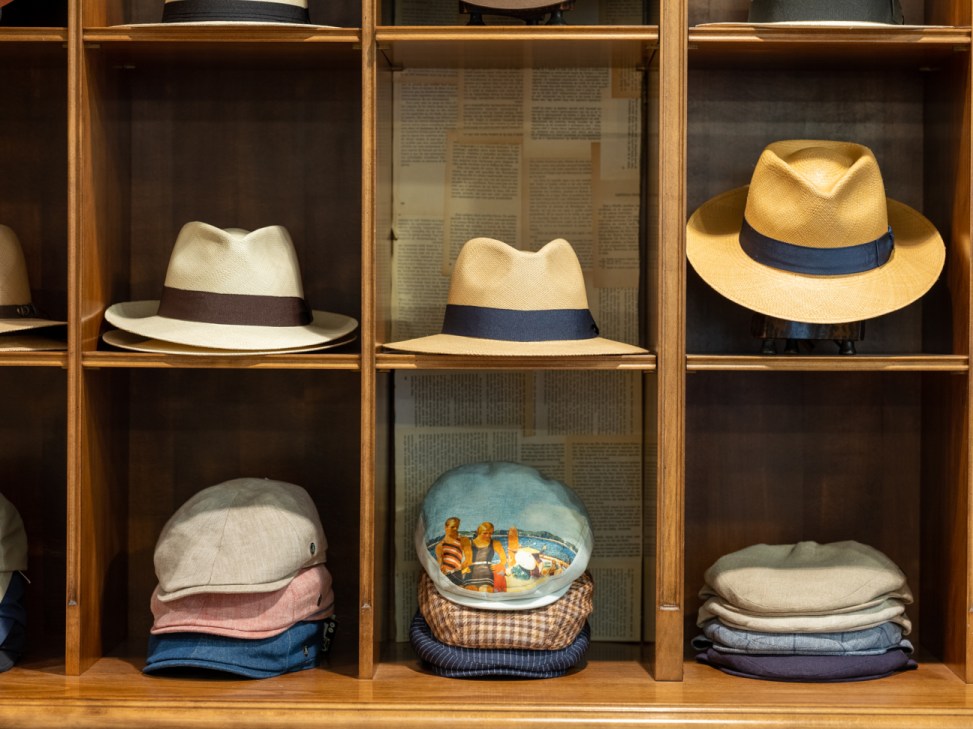
Harking back to its turn-of-the-century heyday – when Spanish royalty would holiday here – is Perfumería Benegas, which opened in 1908. Seek out their own line of products, Colonia Benegas, which are scented with a delicate mix of jasmine and orange blossom. Another of the Old Town’s retail institutions is Casa Ponsol, a hat shop founded in 1838 where you can pick up a warm woollen txapela (a type of Basque beret). Nearby is Elkano 1, an artisan cheese shop selling varieties from across this corner of northern Spain. Down the street is Loreak Mendian, a homegrown clothing brand with a pared-back range inspired by founders Victor Serna and Xabi Zirikiain’s surfer lifestyle. Should the weather not be in your favour, it’s a great place to find a raincoat. A short walk from here is Chocolates de Mendaro for melt-in-the-mouth truffles. Or if you’re looking for a present to feed the mind, continue towards the cathedral to Librería Donosti. This family-run shop stocks everything from children’s books to literary fiction. If you still haven’t found what you’re looking for, head around the corner to Box. You’ll find an array of artisan leather goods: with wallets, bags and briefcases that can be customised.
4.
London
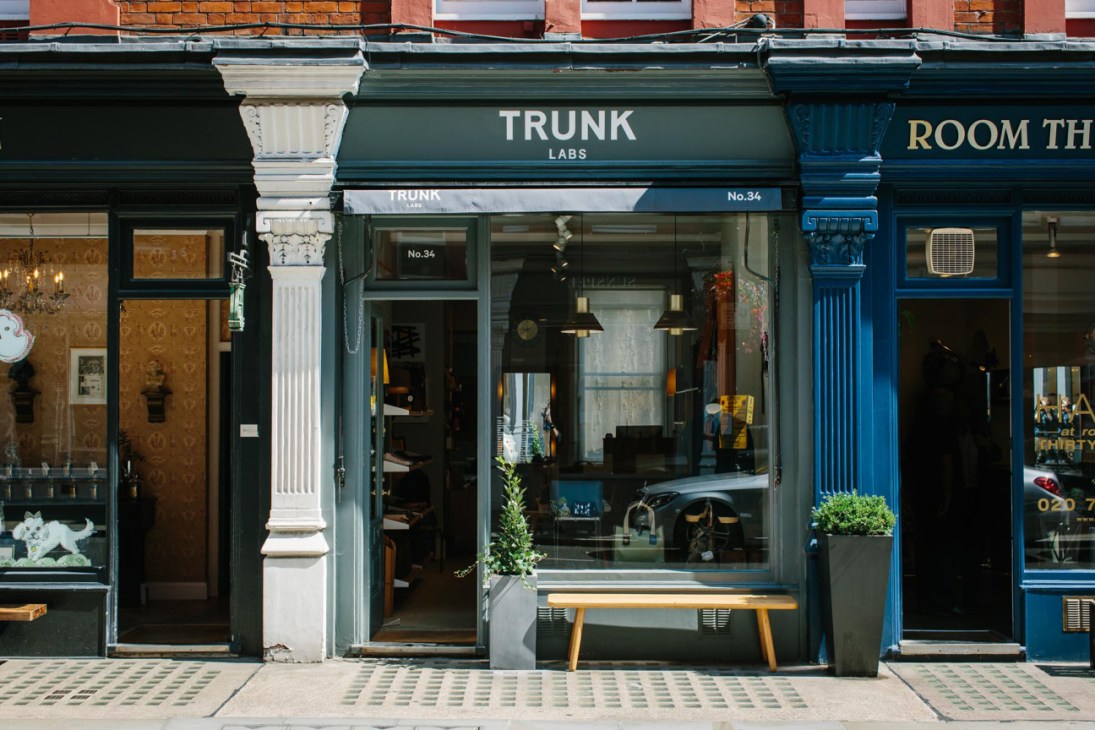
London is a big beast to tame. Open by meeting in Notting Hill to fuel up and find some nibbles at Pastella & Butler’s for the best in cheese and chutney to line your friends and families’ pantries – plus a pastry or two for yourself. Then onto Marylebone for a wardrobe refresh at menswear multi-brand shops Trunk Clothiers and John Simons before a peruse of the tailoring at Casely-Hayford and running gear at Tracksmith, plus a look at TWC’s new menswear outpost on Chiltern Street. The Monocle Café is agreeably close at hand, too. Now, to restore your spirits let’s head to Berry Bros & Rudd in St James’s, the city’s oldest (and probably best) wine merchant, which has survived in the same shop on Pall Mall since 1698. From here, providing your bags aren’t too heavy, it’s a stroll up to Soho for a look at Studio Nicholson’s sparing and elegantly done shop on Broadwick Street. As rain mostly falls on London in the stead of promised snow, an umbrella is not only handy but a great gift – dash to James Smith & Sons, operating on New Oxford Street since 1830, for a bespoke brolly. From there it’s a short walk to stationery shop Present & Correct on Bury Place. At Coal Drops Yard by King’s Cross, MHL is a good stop-off for shirting and cosy knits, while Kitchen Provisions offers a great selection of Japanese knives and covetable cookware. Finally, head up to TwentyTwentyOne on Upper Street for a few final design-minded finds to round off your spree.
5.
Zürich
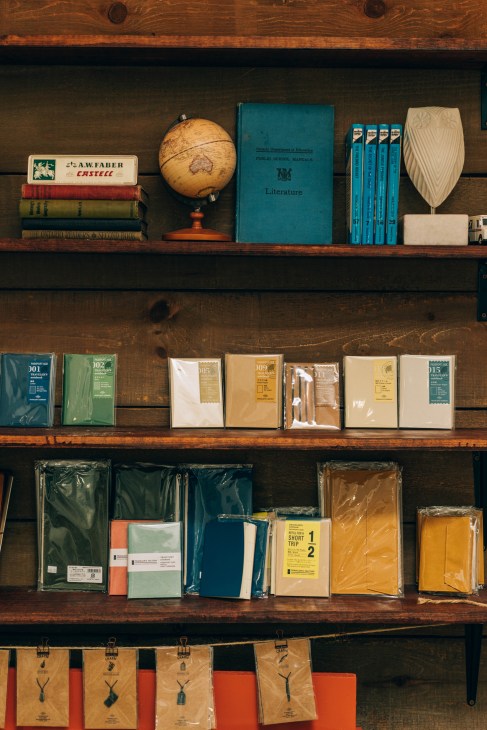
Start your journey with a hunt for homeware at Edition Populaire. Its careful selection of items is intended not only to be useful but also to add a gentle touch of colour; you’ll find stools designed by Martino Gamper and Charlotte Perriand bedside lamps. For those looking for more, it’s only a few steps over to household specialists Slow Goods to find Swiss-made crafts for the kitchen table and durable pots and pans that will age well and look good on the stovetop. Continue towards Welschland for a fine selection of excellent cheeses, wines and cured meats from French-speaking Switzerland. To find a trove of rare LPs and selected vintage items – anything from furniture to posters – head to 16 Tons at Anwandstrasse 25, which has been trading in tasteful finds since 1989. For taste of a different variety, Confiserie Teuscher, with two locations in Kreis 1, remains a favourite for those with a sweet tooth. Pick up a box of Champagne truffles for yourself and one of the assorted praline boxes for your loved ones. Garçoa is a more contemporary option in Kreis 5, where the young, Swiss bean-to-bar company takes over the Eisvogel ice-cream shop during the colder months. For your beauty regime, the knowledgeable team at Parfumerie Spitzenhaus off Bahnhofstrasse will ensure you’re looking great and smelling the part. There’s also Süskind for hard-to-find fragrances, Fabrikat for stationery and three Soeder shops for skincare. For a wardrobe top-up including ample choice of accessories, head over to Opia in Europaallee, where you’ll find brands such as Rier and jewellery by local brand Yan Jiang Studio. Finally, this being Zürich, weekend opening hours are limited, so for those hoping to find the perfect present on a Sunday, head to the selection of Swiss-made products at the Landesmusem Boutique near Hauptbahnhof or, of course, visit us at Monocle’s headquarters, café and shop in Seefeld.
6.
Toronto
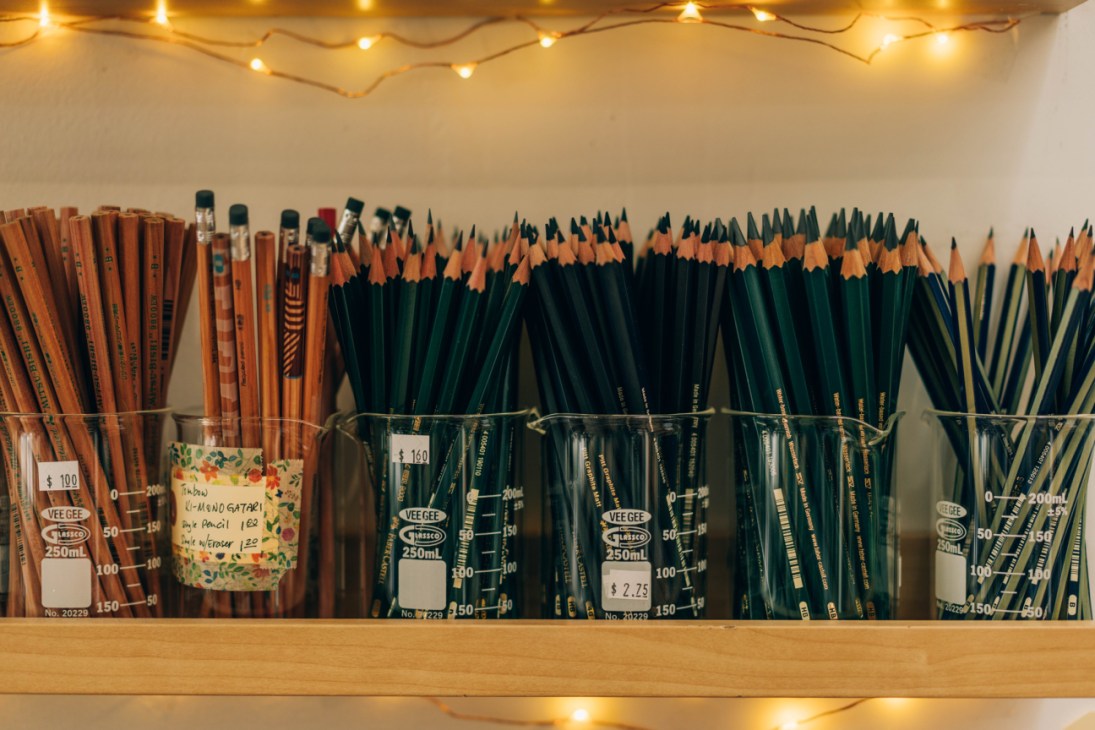
First let’s pick up a record or two at mainstay Rotate This or Invisible City Record Shop, home to a record label of the same name and a small wine bar where you can review your purchases. Several of Toronto’s independent menswear shops have revamped their interiors this year. They include Muddy George on Bloor Street West (for offerings such as cosy Shetland wool jumpers by Harley); Sydney’s fine in-house tailoring on Queen Street West; Lost & Found for Beams Plus; and Il Bussetto leather goods. Elsewhere, Blue Button Shop’s Japanese design offerings remain a Monocle favourite. For the letter-writers on your gift list, head to Wonder Pens, Toronto’s best independent pen and stationery store, which opened a decade ago this year. For print enthusiasts, pick up hard-to-find indies at Issues, Toronto’s newest magazine shop, founded by Nicola Hamilton in 2022. Type Books remains a staple and Flying Books, a few doors down from The Monocle Shop in Little Italy, is excellent.
7.
Hong Kong
In Central, there is Wine Brothers for Aussie labels, LQV for all things French and La Cabane for natural and biodynamic bottles (it also stocks homegrown chocolatier Conspiracy Chocolate for those with a sweet tooth). Head to the Fine Wine Experience in Sai Ying Pun for Hong Kong’s largest retail selection of wines from the Jura to Japan. Teetotallers can make their way to nearby Plantation Tea Bar in Shek Tong Tsui for exquisitely packaged teas and artisanal teaware. Menswear needs can be fulfilled at Salvo (for twill trousers, patterned shirts and mohair jumpers), while those with athletic loved ones can swing by Lane Eight for stylish and sustainable running shoes. Both are located in Wan Chai’s Stastreet Precinct, dense with wonderful shops such as Perfumer H and Kapok – and you can pop by The Monocle Shop. A little further east, Causeway Bay’s Okura select store offers Japanese womenswear and lifestyle brands, while nearby Still House and Hide & Seek offer menswear and accessories. Finally, The Lion Rock Press is the go-to gifting option for nostalgic Hong Kongers – think hand-painted Star Ferry Christmas-tree baubles and beautiful prints of city scenes by Hong Kong artists.

8.
Sydney
Let’s meet at the Strand Arcade between Pitt and George Streets, where Rox Gems & Jewellery has plenty of sparkly things that are sure to delight. At the other end of the arcade is Haigh’s Chocolates, Australia’s best confectionery company, whose family-made wares are super stocking-stuffers. Japanese-Aussie designer Akira on the top floor is well worth a stop-off too. Next, wander down George Street to Hunt Leather for accessories. The inner suburbs also have treats, none more so than The Cookery Book in harbourside
Northbridge, where you’ll find all the latest Australian and international cookbooks, nearby Koskela in Milsons Point and florist Bess in William Street Paddington for a wreath or centrepiece. P Johnson is also close at hand for top-class clothing for men and women. Design-wise, Sydney has plenty of spoils, from Vampt Vintage Design in Surry Hills to The Society Inc by Sibella Court in St Peters. The only issue you’ll have is getting your find home and wrapped.


9.
Lisbon
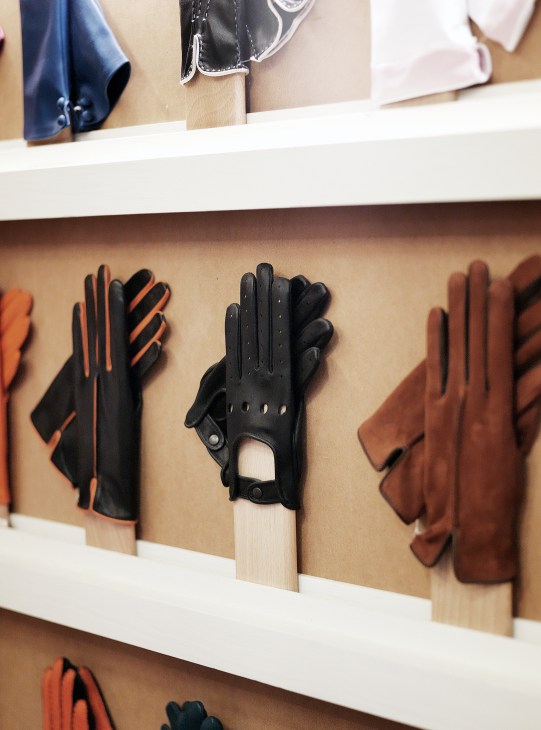
Christmas shopping can feel like a slog in hilly Lisbon, so start off your expedition by picking up a pair of comfortable walking shoes at JAK – for yourself and a loved one. Pair them with a plaid shirt and corduroy jacket from Fairly Normal and you’ve nailed the laid-back city’s style already. If it’s cool, a pair of cashmere-lined gloves or woolly mitts make a good gift. Luvaria Ulisses steals the show: the shopfront of this 1920s glove-maker is worth the visit alone. For a more intimate present, Paris em Lisboa has stocked the softest bedding, pyjamas and dressing gowns since 1888. Burel Factory also makes elegant shawls, cushions and bedspreads from the Serra da Estrela region. A lobster, mushroom or walnut-shaped ceramic bowl is not something that one needs but Bordallo Pinheiro’s homeware makes for playful gifts. Ditto the Portuguese-made goodies sold at the A Vida Portuguesa sites. Depozito is a one-stop-shop for textiles, toys, toiletries and jewellery. And for those for whom the festive season is more about the culinary pleasures, Comida Independente stocks an excellent selection of Portuguese wines and pantry classics such as olive oil and honey from small producers.
10.
São Paulo
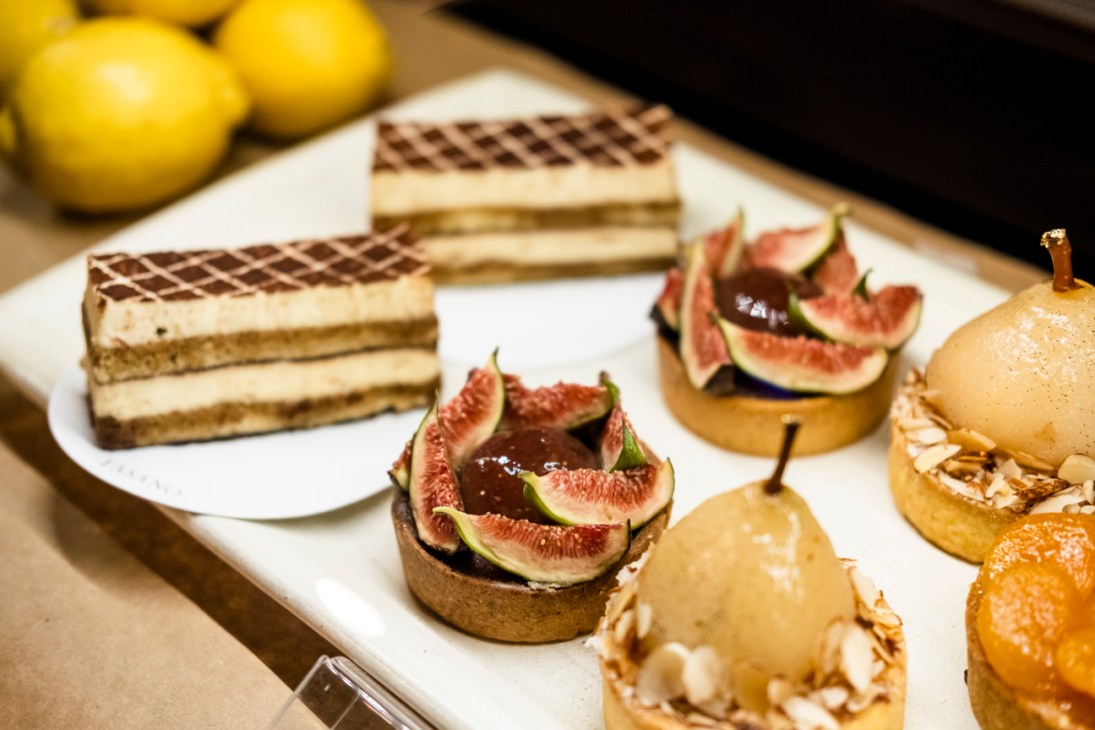
Expect to see Santas in board shorts as the festive season hits mid-summer in São Paulo. For homeware, our favourite is Firma Casa and Dpot is top for furniture. But let’s start with something sweet: Dengo Factory in Pinheiros – a three-storey temple to Bahian cocoa beans selling slabs of fruit-studded chocolate, cocoa-coated nuts and even a make-your-own chocolate bar line. A short ride away, Misci is the latest to join a cohort of up-and-coming fashion labels on Rua Mateus Grou. A few doors down, Feira na Rosenbaum sells the crème de la crème of Brazilian craftmanship, with homeware and décor sourced from artisans and collectives across Brazil. At the end of the street, stroll down Rua Cardeal Arcoverde, where antique shops have hidden gems. From there it’s not far to Rua Oscar Freire, an avenue in the heart of Jardins. Osklen, a timeless Brazilian fashion brand, cuts laid-back styles from cutting-edge sustainable materials. Just a few doors down, the Havaianas flagship shop sells Brazil’s obligatory summer footwear, while round the corner Haight – the Rio de Janeiro beach brand of the moment – completes the look with bikinis and swimming costumes. Nearby Granado, a vintage toiletries brand dating back to 1870, is excellent for stocking-fillers, while Mario Cohen sells prints by some of Brazil’s top photographers, not least Sebastião Salgado. For food, look no further than Emporio Fasano, the hotelier’s great gourmet supermarket and food hall.
11.
Bangkok
Christmas combines two things Bangkok does better than most: festivals and shopping. December’s slightly cooler temperatures also offer a seasonal opportunity to go beyond the air-conditioned shopping malls. Siam Square is a recently pedestrianised shopping area just north of Sukhumvit Road and the central metro station. It’s where fashion trends start and an adventurous young crowd has come for generations to strut their stuff. Thai womenswear label Gentlewoman opened its flagship shop here in 2022 and its branded tote bags have become hot property across Asia. After browsing the area’s independent boutiques, walk up to Sukhumvit Road and cool down inside CentralWorld Bangkok’s retail mecca. Good Goods on the ground floor combines modern Thai design with traditional crafts, stocking everything from clothing and ceramics to larder essentials Thai honey, jam and coffee; a Monocle magazine fits snugly inside their colourful zip-pocket pouches (just a thought). Heading up to the fifth floor, the shelves at the Chabatree concession are chock-a-block with fetching, “Made in Thailand” kitchen utensils. Chabatree’s perfectly weighted wooden serving spoons marry form and function – a product of the founder’s background in engineering and passion for design (try their salt and pepper shakers, his current obsession). Crossing the road to Gaysorn Village, JBB and The Decorum are two Monocle menswear favourites and a must-visit for looking sharp at any end-of-year knees-up. Then, for the morning after, skincare brand Pañpuri is nearby. For our final stop, board the BTS at Chit Lom and ride five stops east to Thong Lo, a popular drinking and dining destination. At the top of the street, furniture showroom Chanintr Craft is worth a visit even if you only have carry-on luggage. The courtyard café is an ideal spot to take stock of your Christmas gift list and the retail wall can cater to most tastes.
12.
Dubai
Dubai has much more than malls. For wonderfully wobbly-looking ceramics, try Cole & Cinder: a Dubai-based firm founded by Nicole Farrelly, whose studio you can book to visit. As far as independent bookshops go, Magrudy’s is the original independent but Books Kinokuniya Dubai in Dubai Mall is the best stocked. Alserkal Avenue in Al Quoz is the place to nab an original artwork while The Edit, curated by Rumana Nazim, focuses on womenswear by female-founded brands. Nearby is The Flip Side record store, ready to cater for vinyl collectors. For something sweet, Kathy Johnston’s UAE-made Mirzam chocolate factory is the place to stock up on festive confectionery. Emirati Mohammed Kazim’s comely sandal shop Tamashee is a must. Elsewhere on the fashion front, L’Afshar makes simple handbags and accessories. Last up we’re off to D3 for a scoot around The Lighthouse concept shop and Peter Ahn’s Frame, both of which are piled with books and design items.
Rich pickings
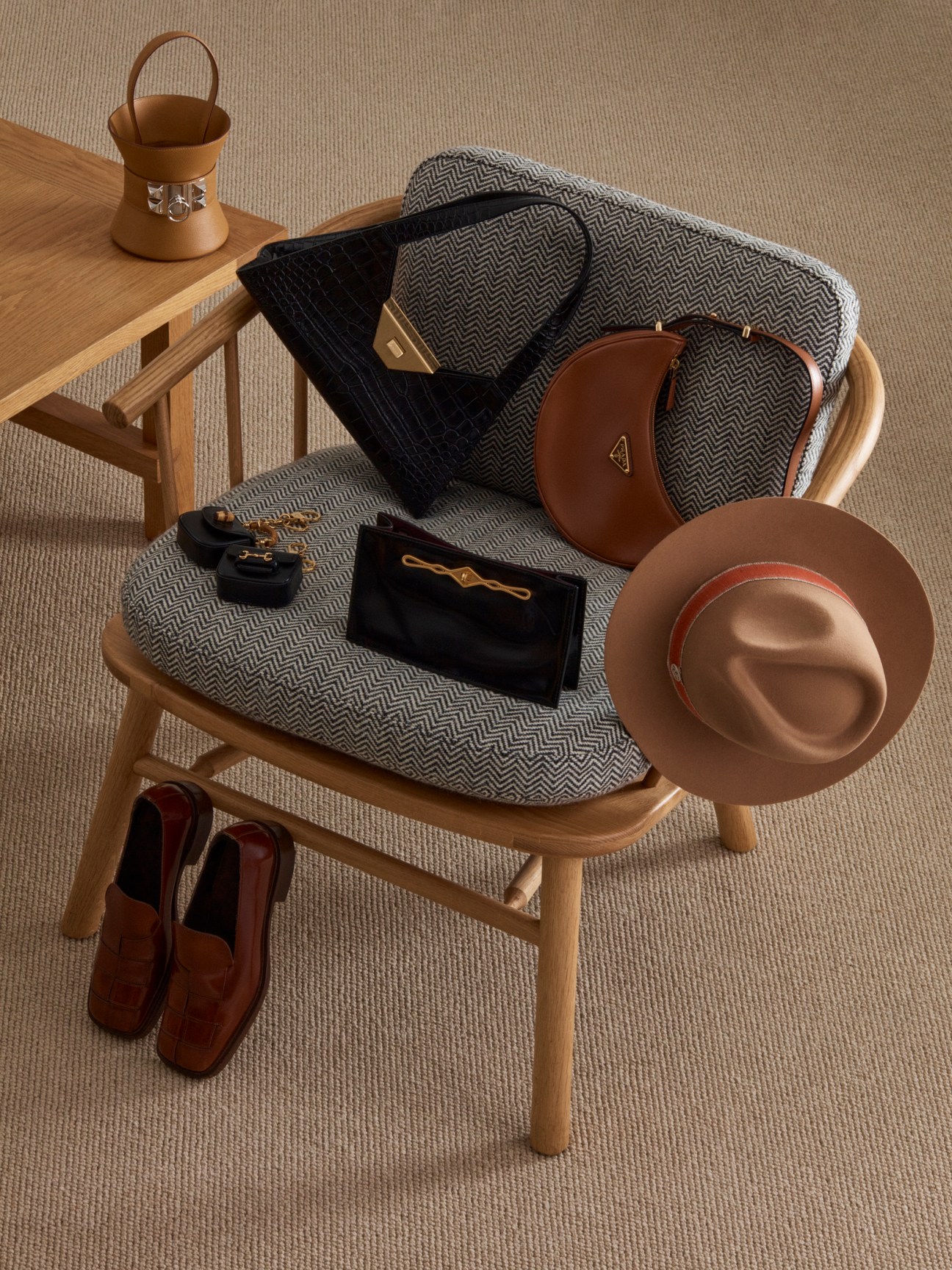
Clockwise from top left: bag by Hermès, bag by Bally, bag by Prada, hat by Maison Michel, shoes by Hereu, bag charms by Gucci from the Gucci Gift selection, bag by Fernando Jorge / Métier.
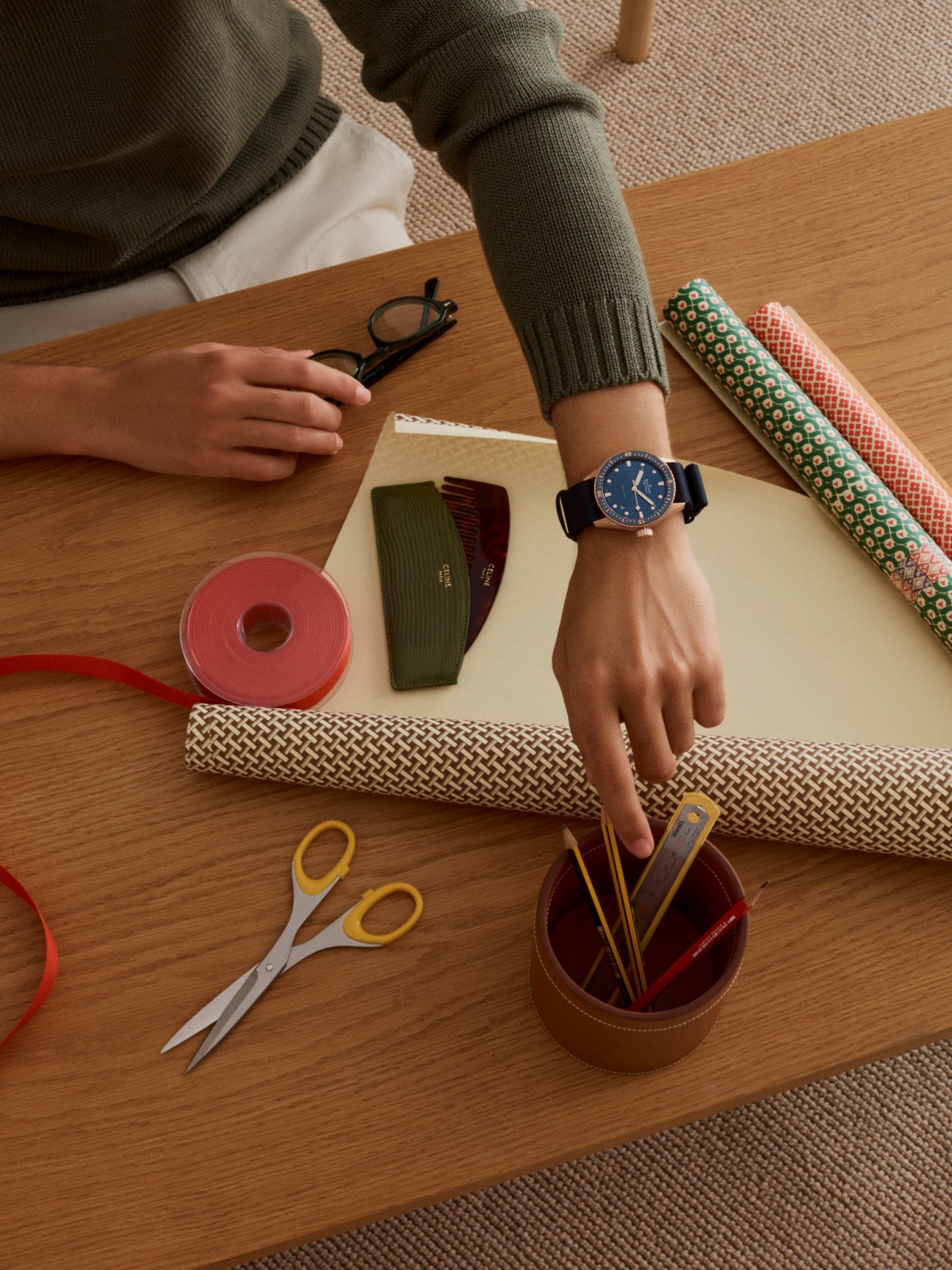
Jumper by Zanone from Slowear, trousers by Trunk, fifty fathoms bathyscaphe watch by Blancpain, glasses by Ahlem, hair comb by Celine Maison, pen pot by Connolly, ruler and scissors by Niwaki, wrapping papers and ribbon by Choosing Keeping.
Turn off the screens
Try your luck at a cosy evening spent playing a card game.
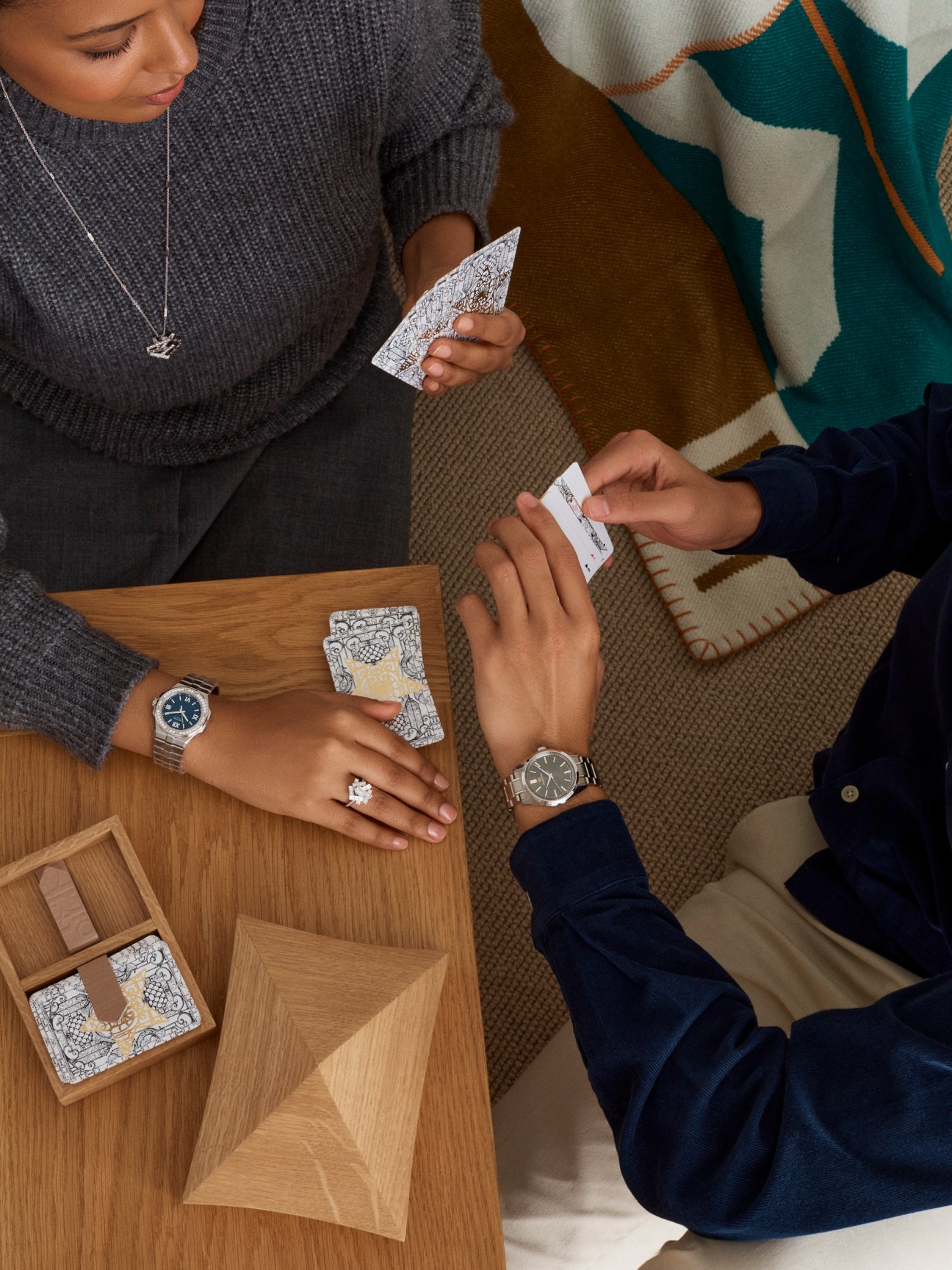
Box with two decks of cards by Pierre Yovanovitch for Dior Maison, blanket by Hermès.
Women’s: Jumper and skirt by Officine Générale, alpine eagle watch by Chopard,
necklace and ring by Graff.
Men’s: Shirt by The Workers Club, trousers by Trunk, Mount Iwate – autumn dusk watch by Grand Seiko.
Label maker
Few things are as natural as putting pen to paper – and writing by hand gives your gifts a personal touch.
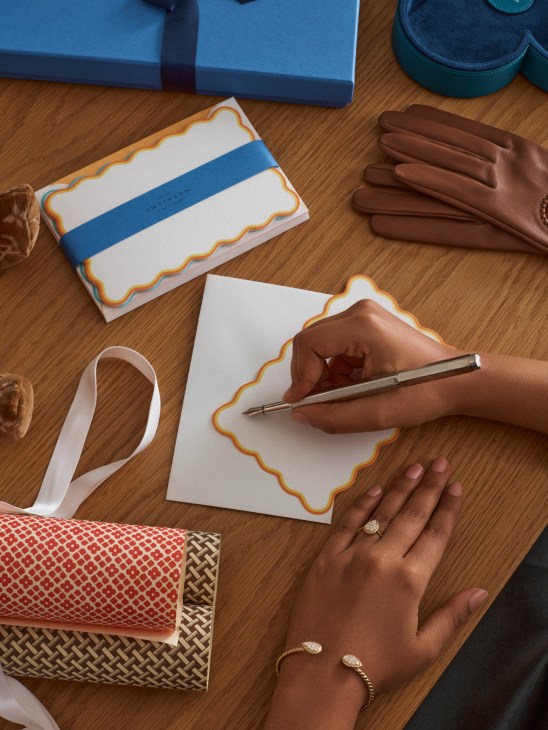
Bracelet and ring by Boucheron, fountain pen by Caran d’Ache,
card set by Smythson, trinket box by Louis Vuitton, gloves by Hermès,
wrapping papers by Choosing Keeping, ribbon by V V Rouleaux.
Perpetual motion
Body movements will power an automatic watch, so it will feel like part of your person. Choose a subtle design that’s built to last.
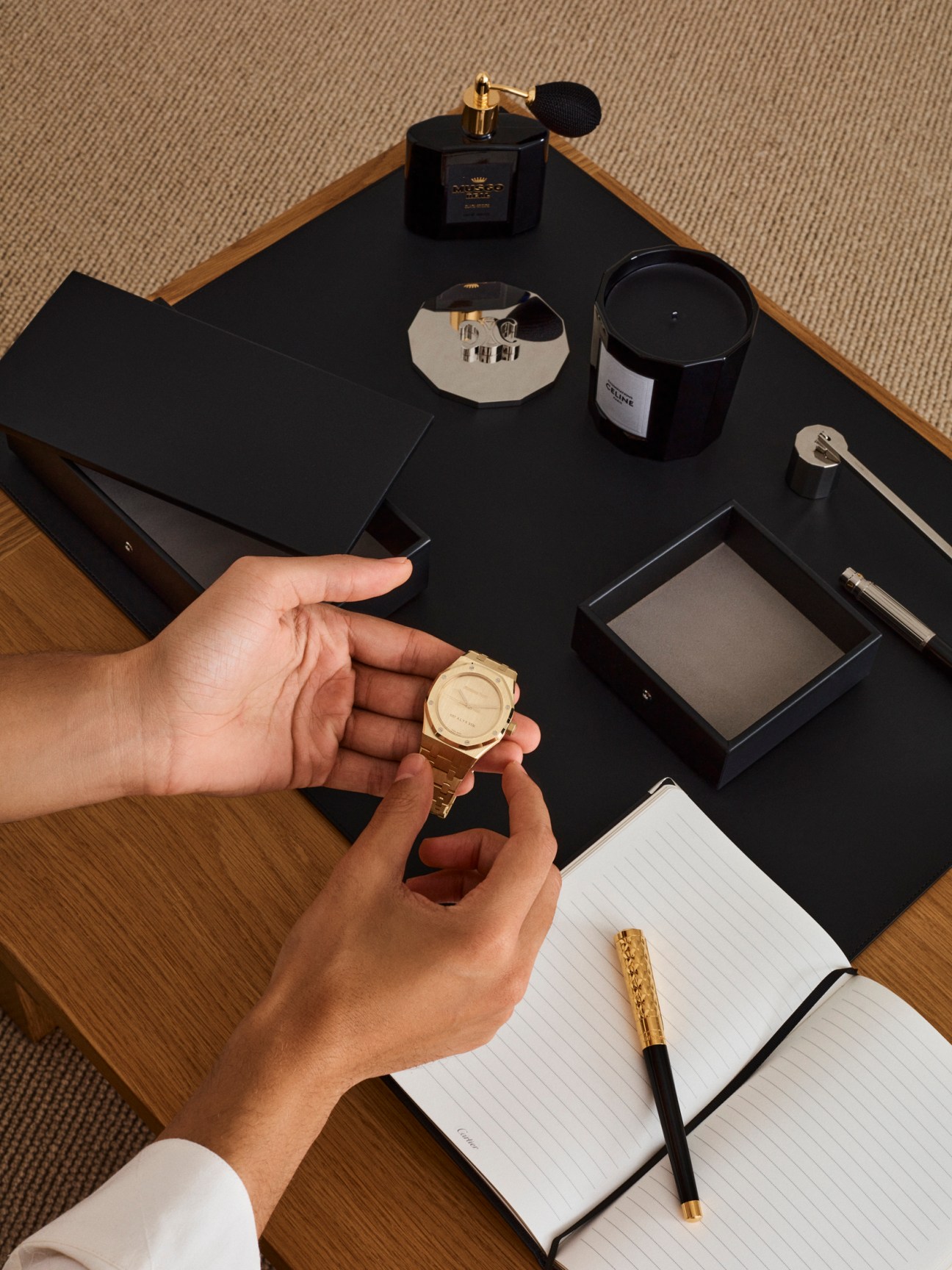
Shirt by Dior Men, leather multifunctional tray and soft leather desk pad by Montblanc, musgo real black edition eau de toilette by Claus Porto, candle, candle lid and candle snuffer by Celine Maison, pen (silver) and notebook by Cartier, pen by ST Dupont, royal oak selfwinding watch by Audemars Piguet x 1017 Alyx 9SM.
The finishing touch
A timepiece that complements a recipient’s existing jewellery could become the piece that they are never seen without.
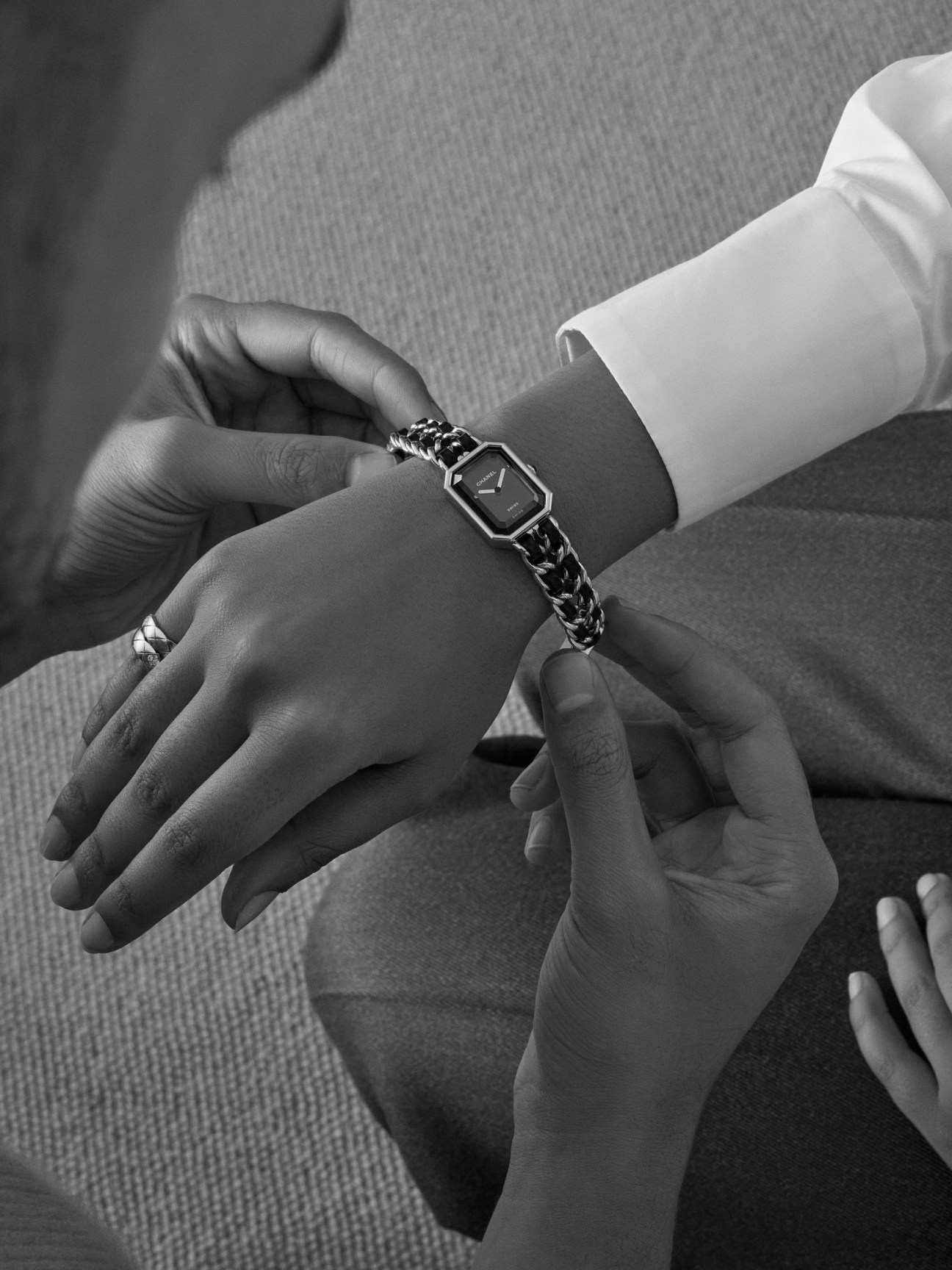
Shirt by Atlantique Ascoli, trousers by Giuliva Heritage, première édition originale watch by Chanel Watches, ring by Chanel Fine Jewellery.
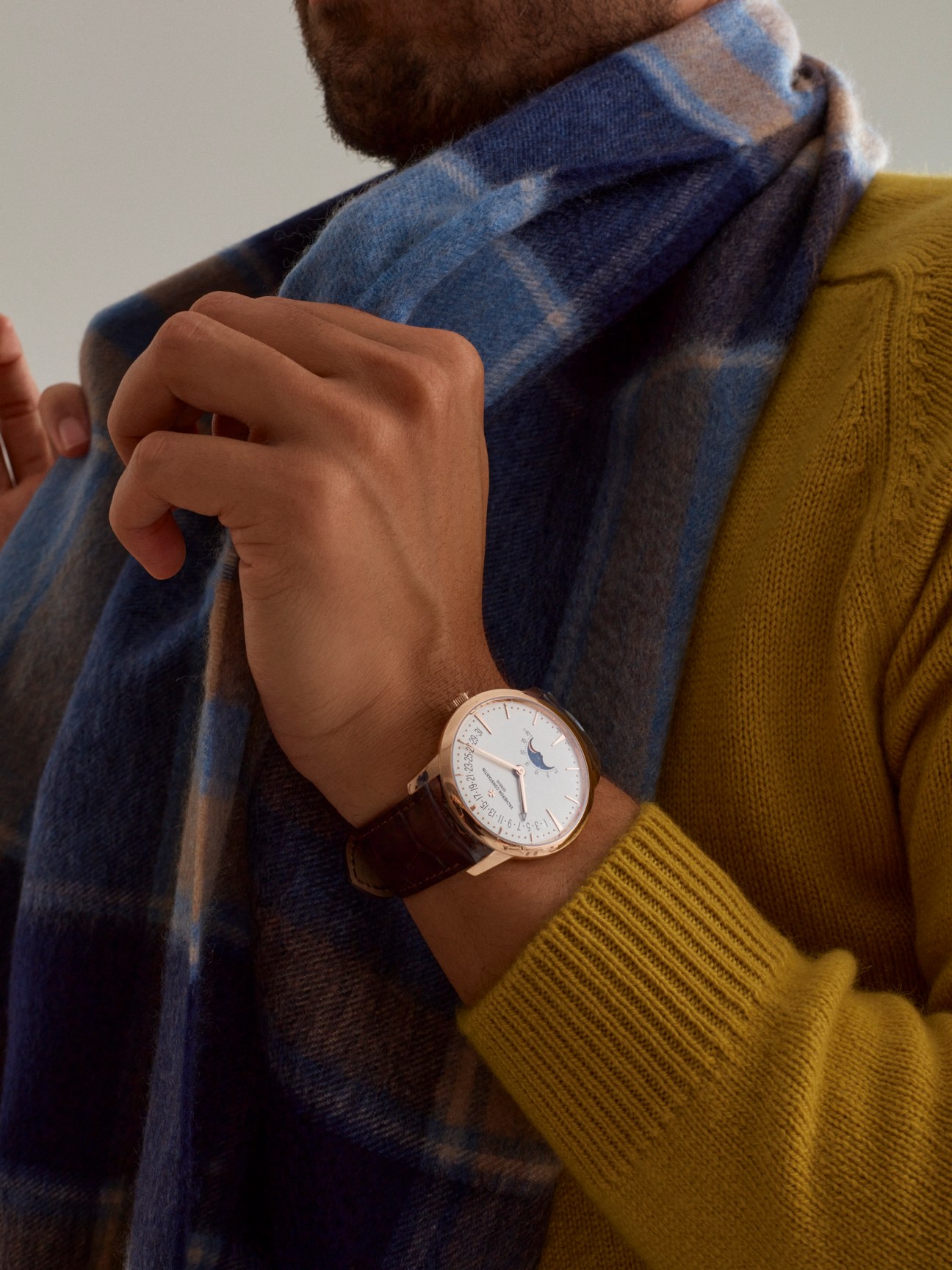
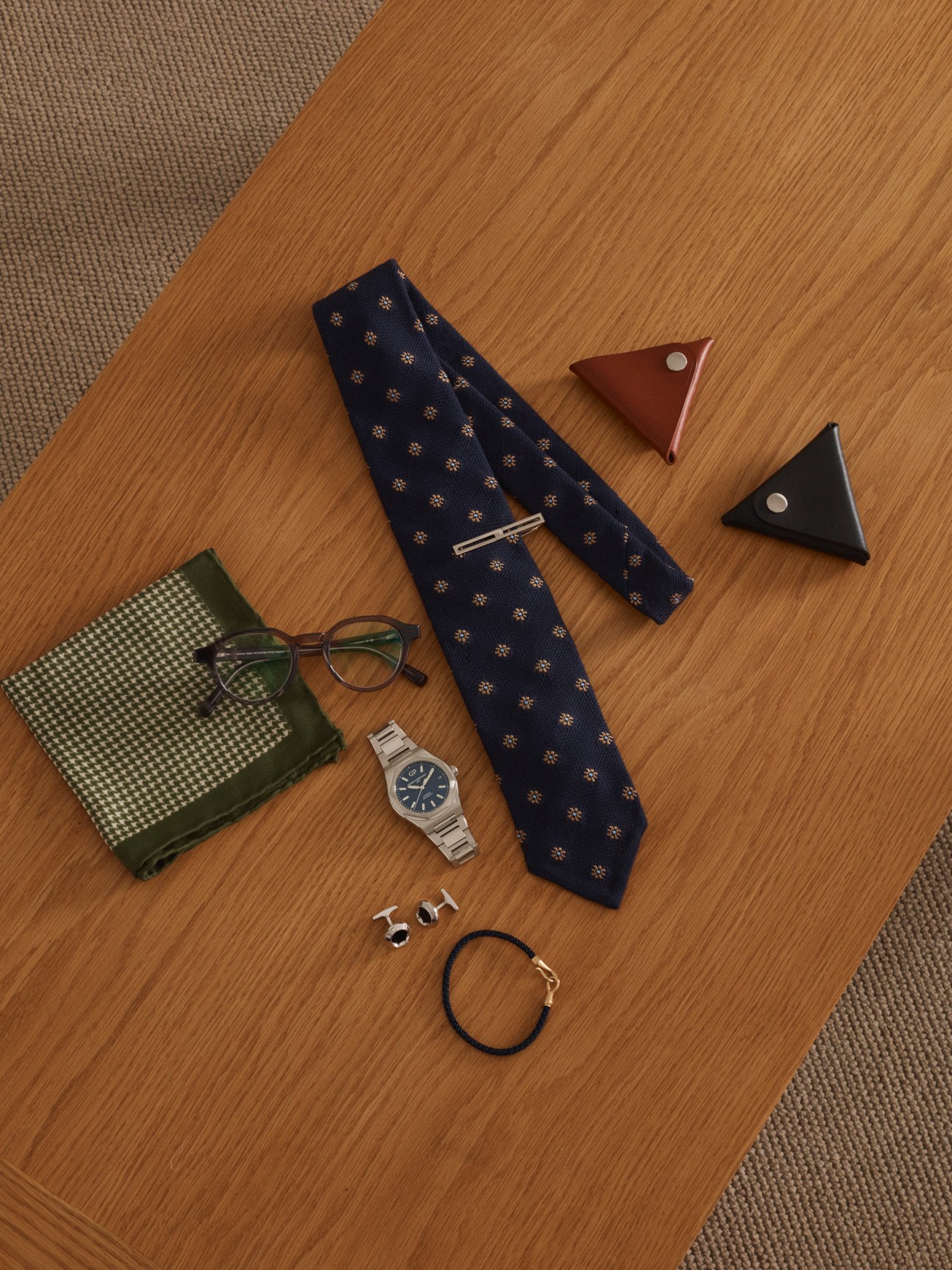
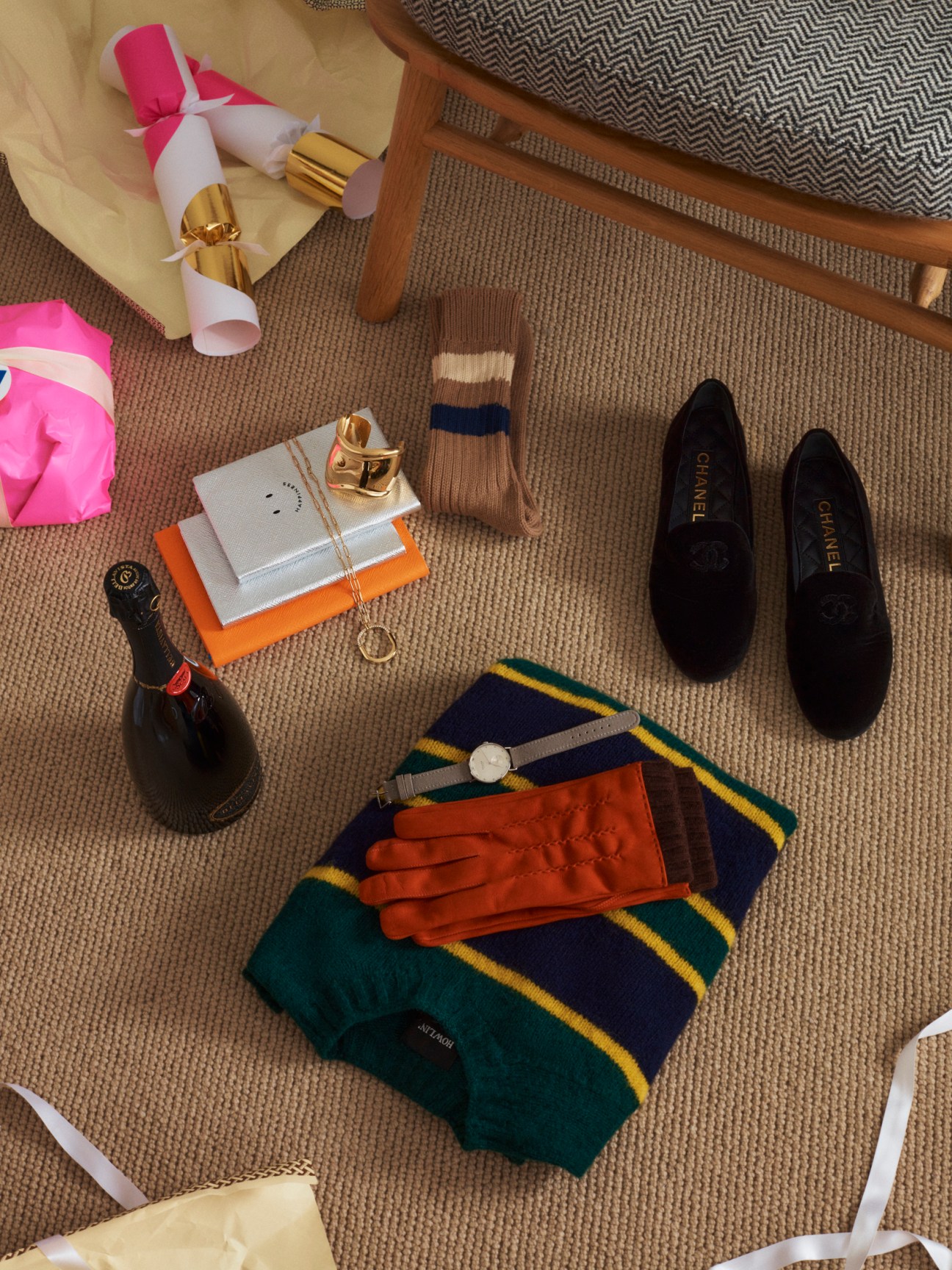
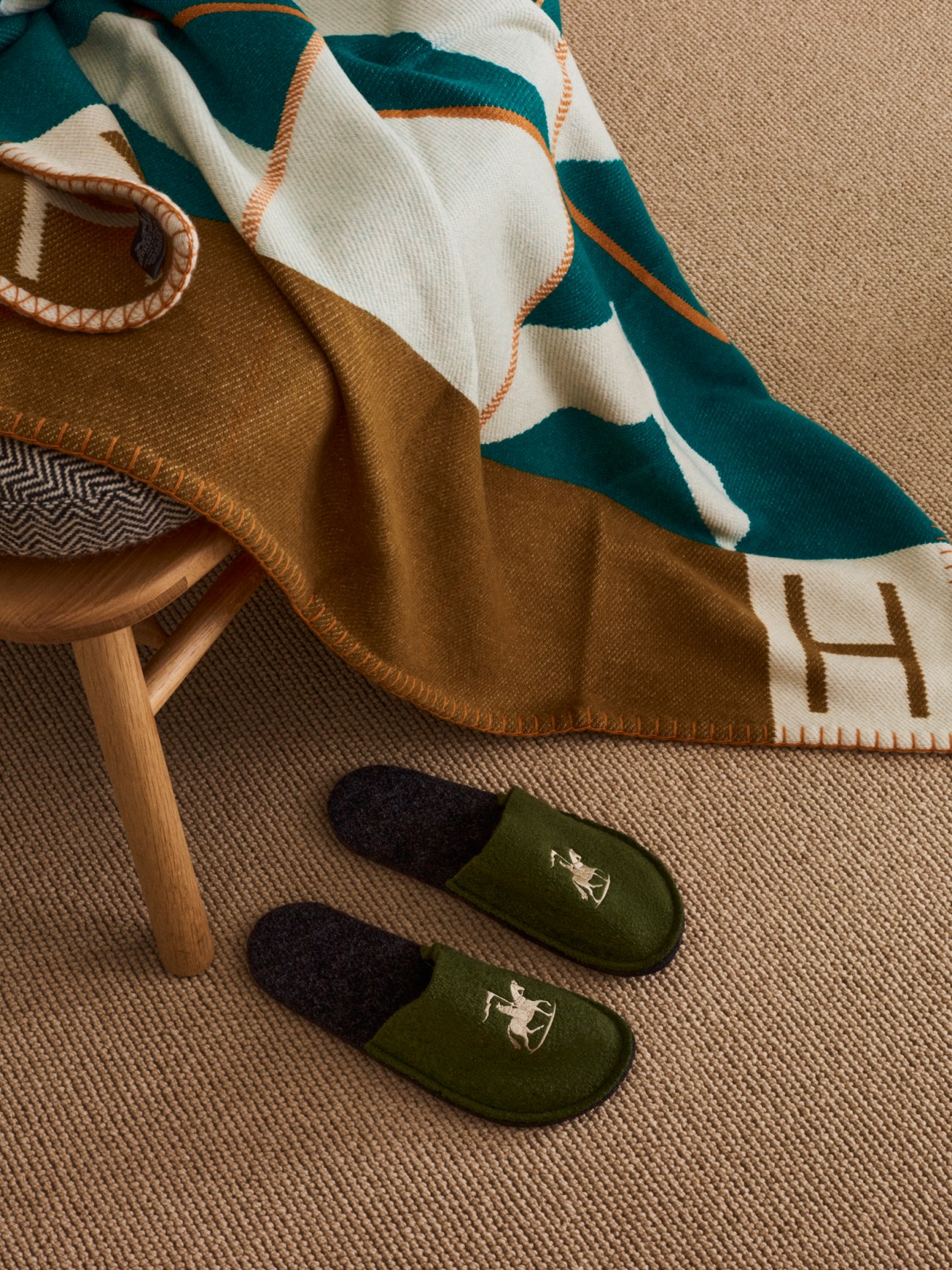
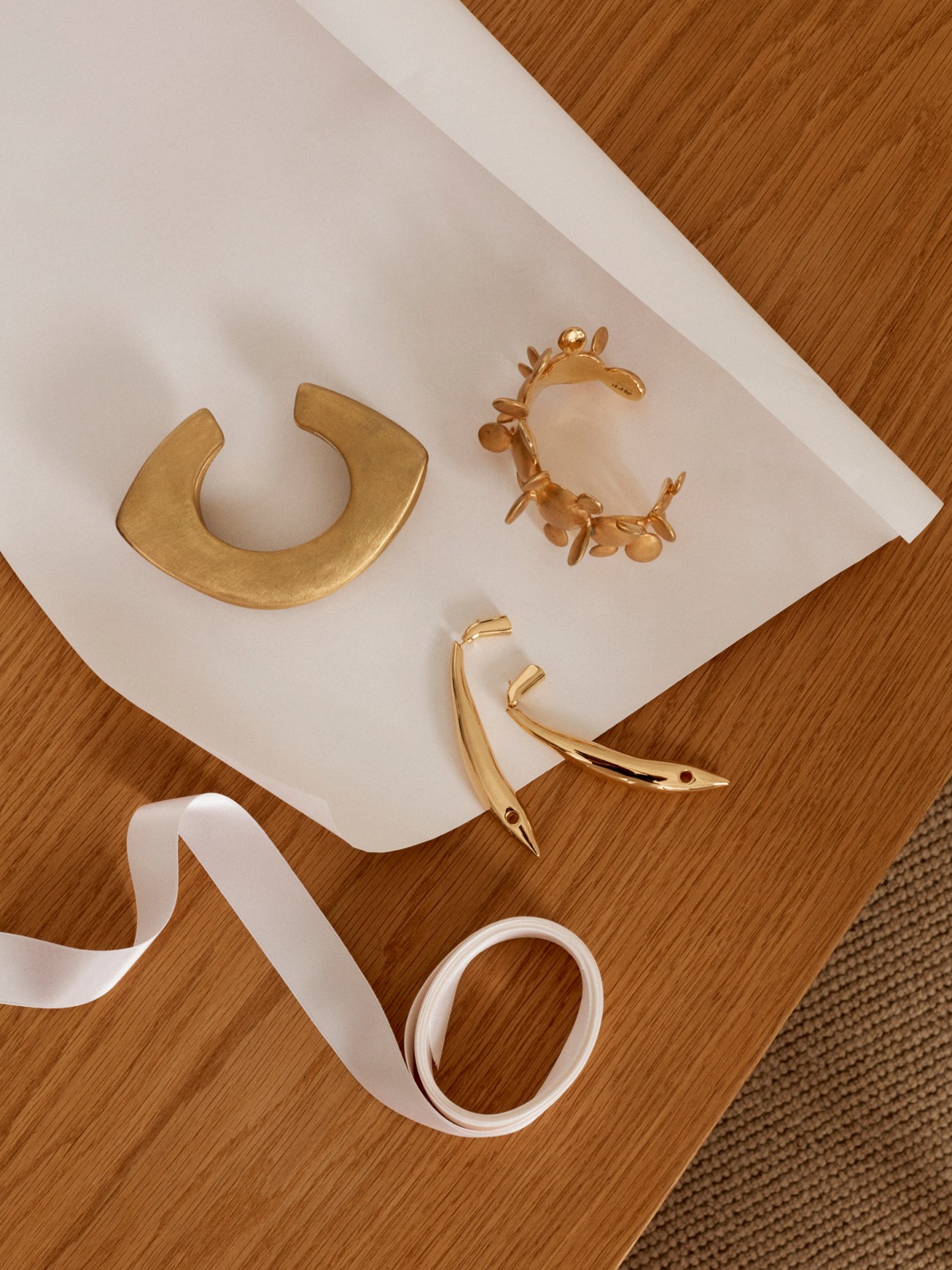
Best foot forward
Outdoor types will appreciate nothing more than the kind of clothing that allows them to be in the open no matter the weather.
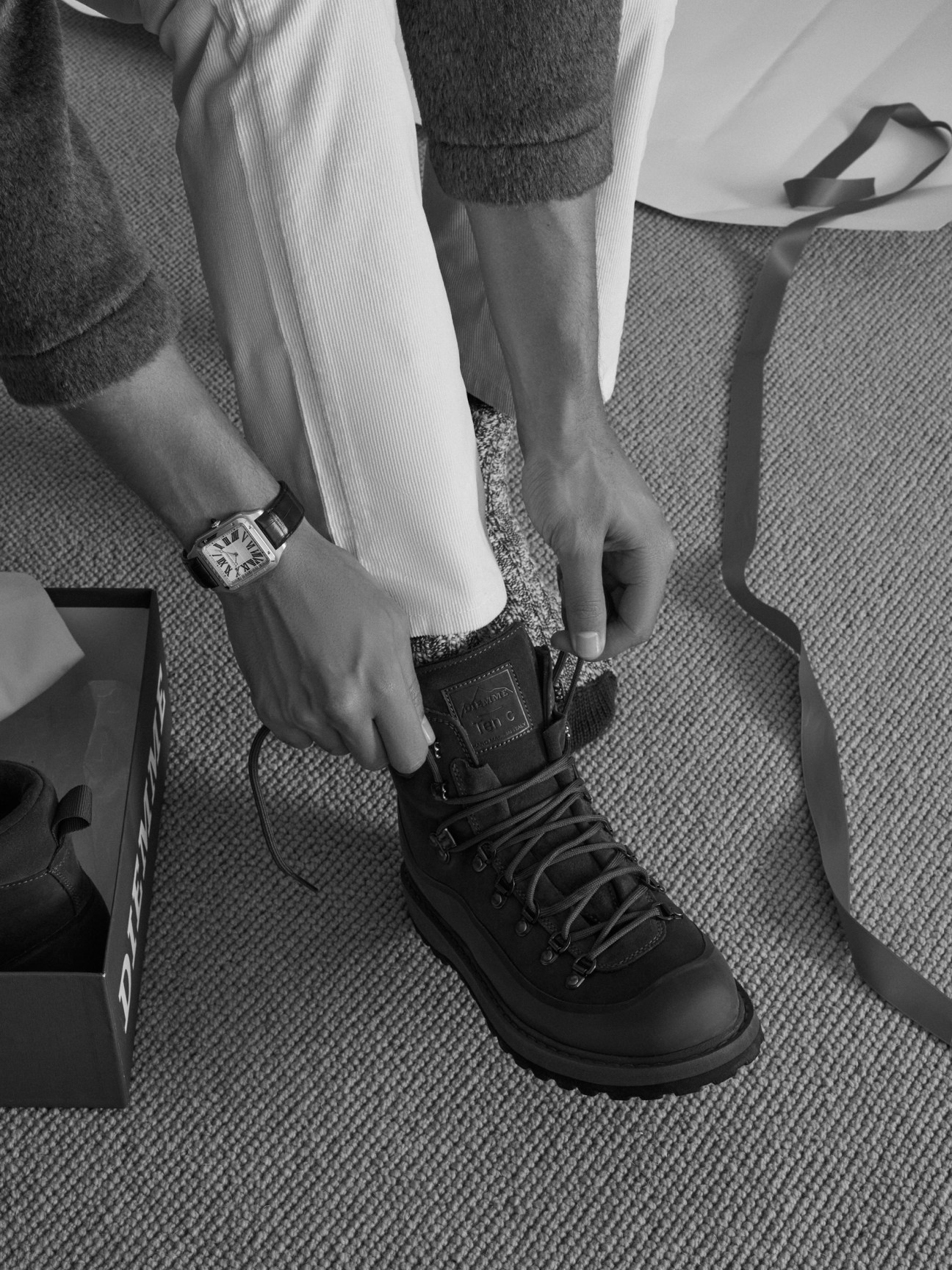
Jacket by Hansen, trousers by Trunk, socks by Anonymous Ism, boots by Diemme 3 Ten C, santos-dumont watch by Cartier, ribbon by Choosing Keeping.
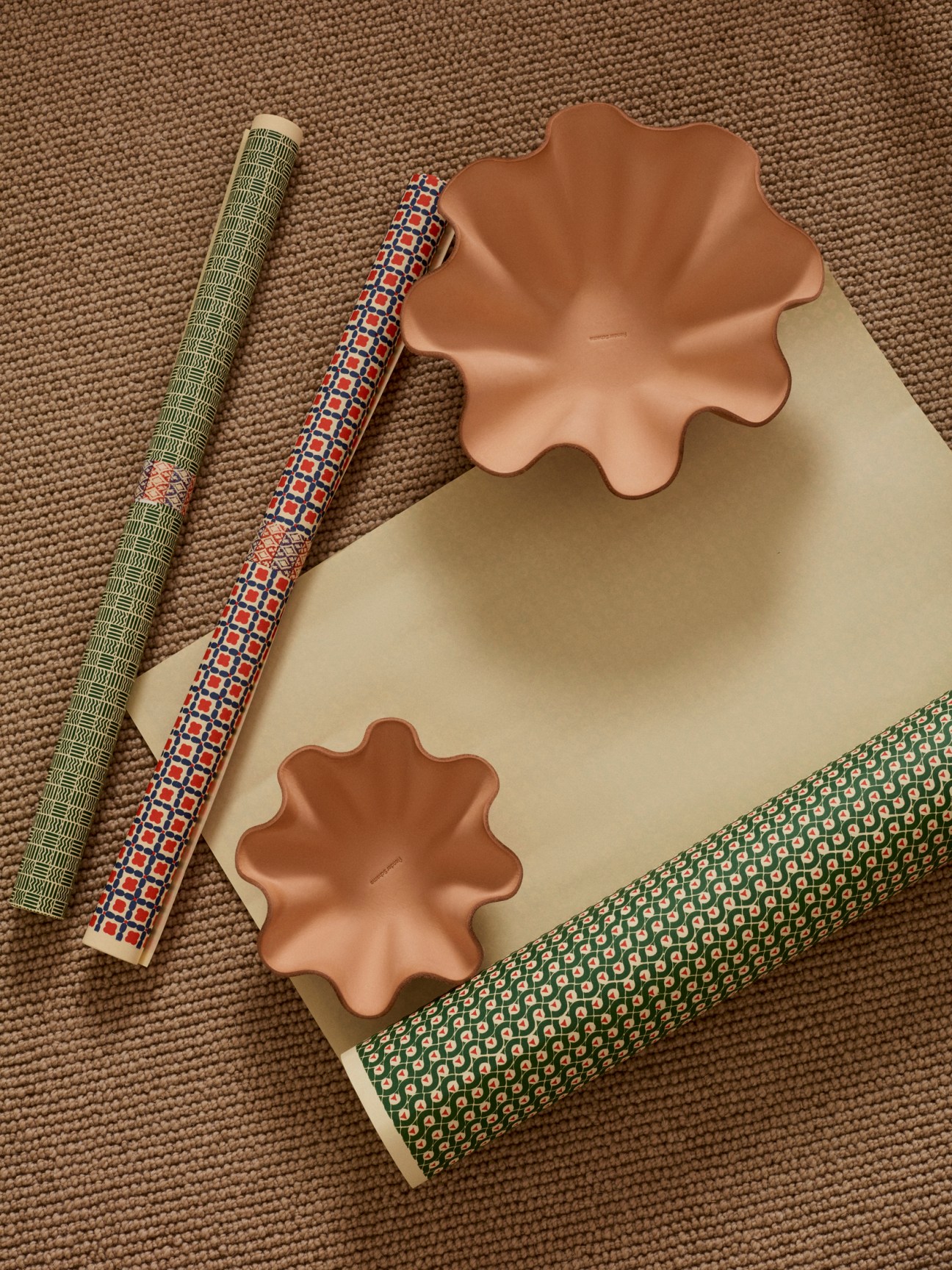
That’s a wrap
Found the perfect present? Make the act of giving even more special with some attractive wrapping paper.
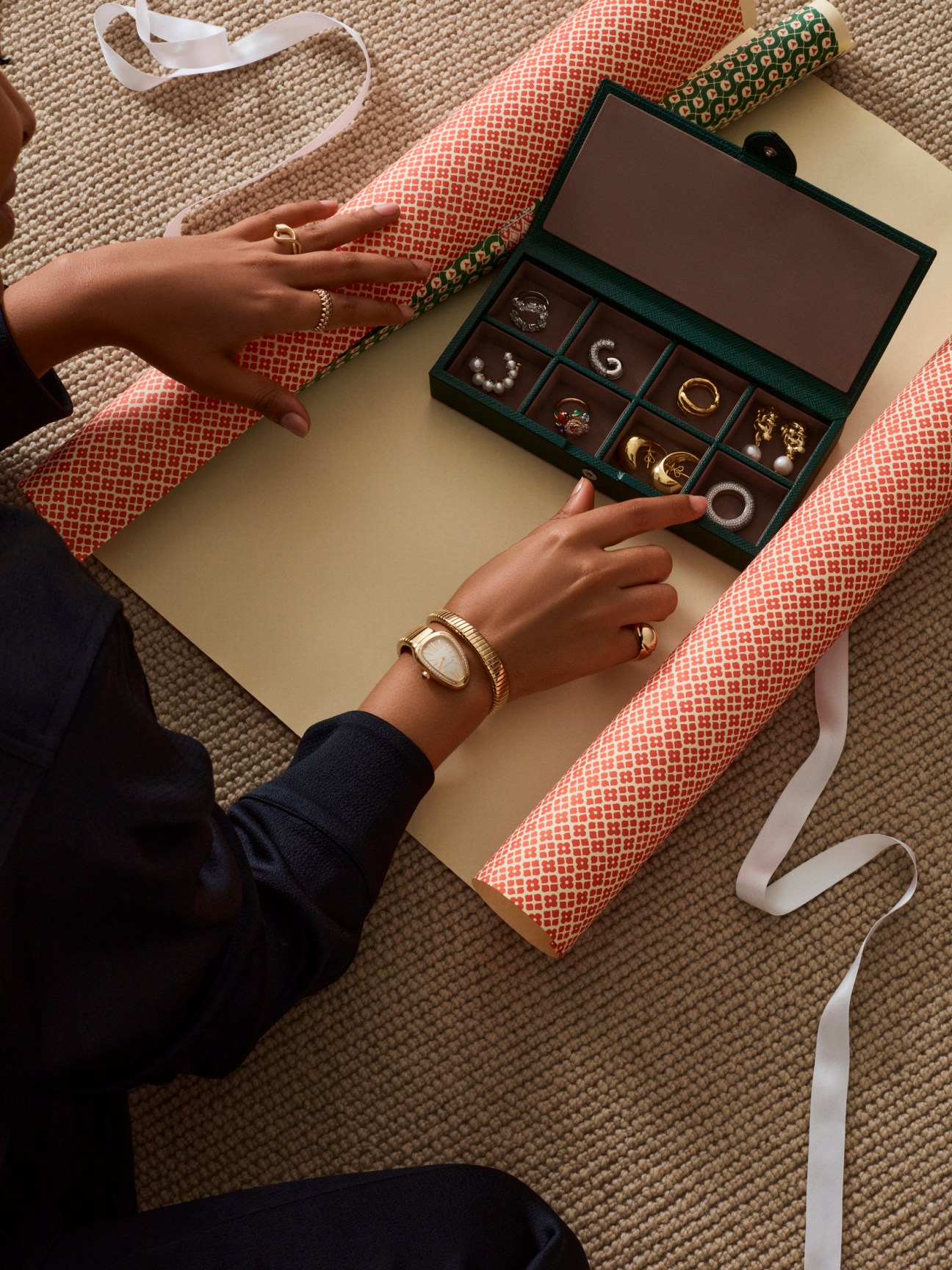
Shirt by Blazé Milano curated by Cabana, serpenti tubogas watch by Bulgari, ring by Ole Lynggaard (left ring finger), ring by Cartier (left index finger).
Ring by Bulgari (right pinky finger), cufflink box by Smythson,
wrapping papers by Choosing Keeping, ribbon by V V Rouleaux.
Jewellery box, top to bottom, left to right:
Ring and ear cuff by Ana Khouri, ring by Goossens, earrings by Completedworks, earring by Ana Khouri, ring by Dior Joaillerie, earrings and ring by Ana Khouri.
Case of wanderlust
For the frequent flyer, luggage that will last a lifetime will have them planning their next getaway with relish.
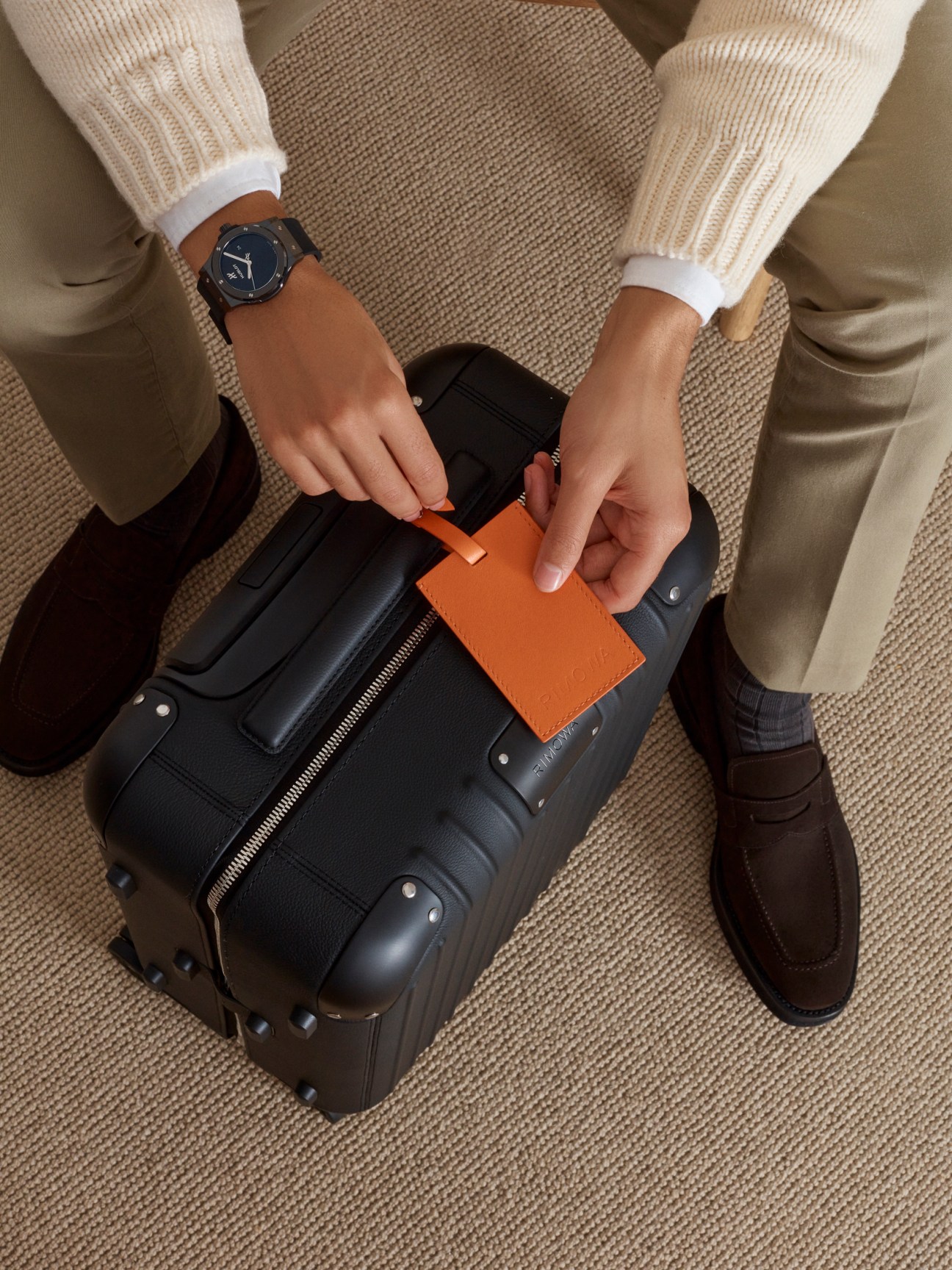
Jumper by Connolly, shirt by Gitman Vintage, trousers by Trunk, socks by Sunspel, shoes by Church’s, classic fusion original black magic watch by Hublot, suitcase and luggage tag by Rimowa.
In your grasp
Combine practicality with style by selecting winter wear in materials that are warm, slim and supple.
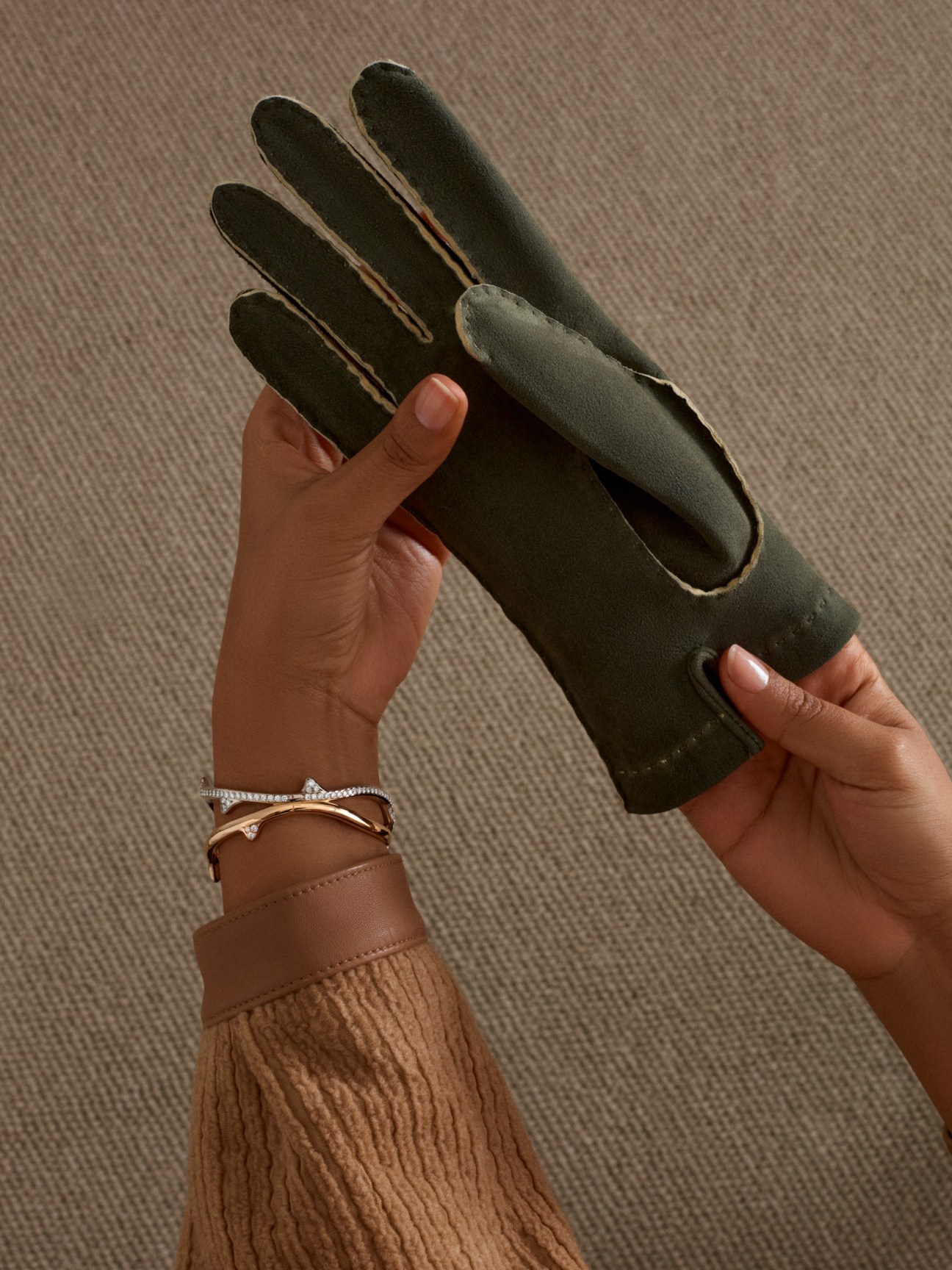
Jacket by Akris, bracelet by Dior Joaillerie, gloves by Thomas Riemer.
Surefire hits
If you’re thinking of buying clothing for a loved one, stick to the classics – muted colours are always a winner.
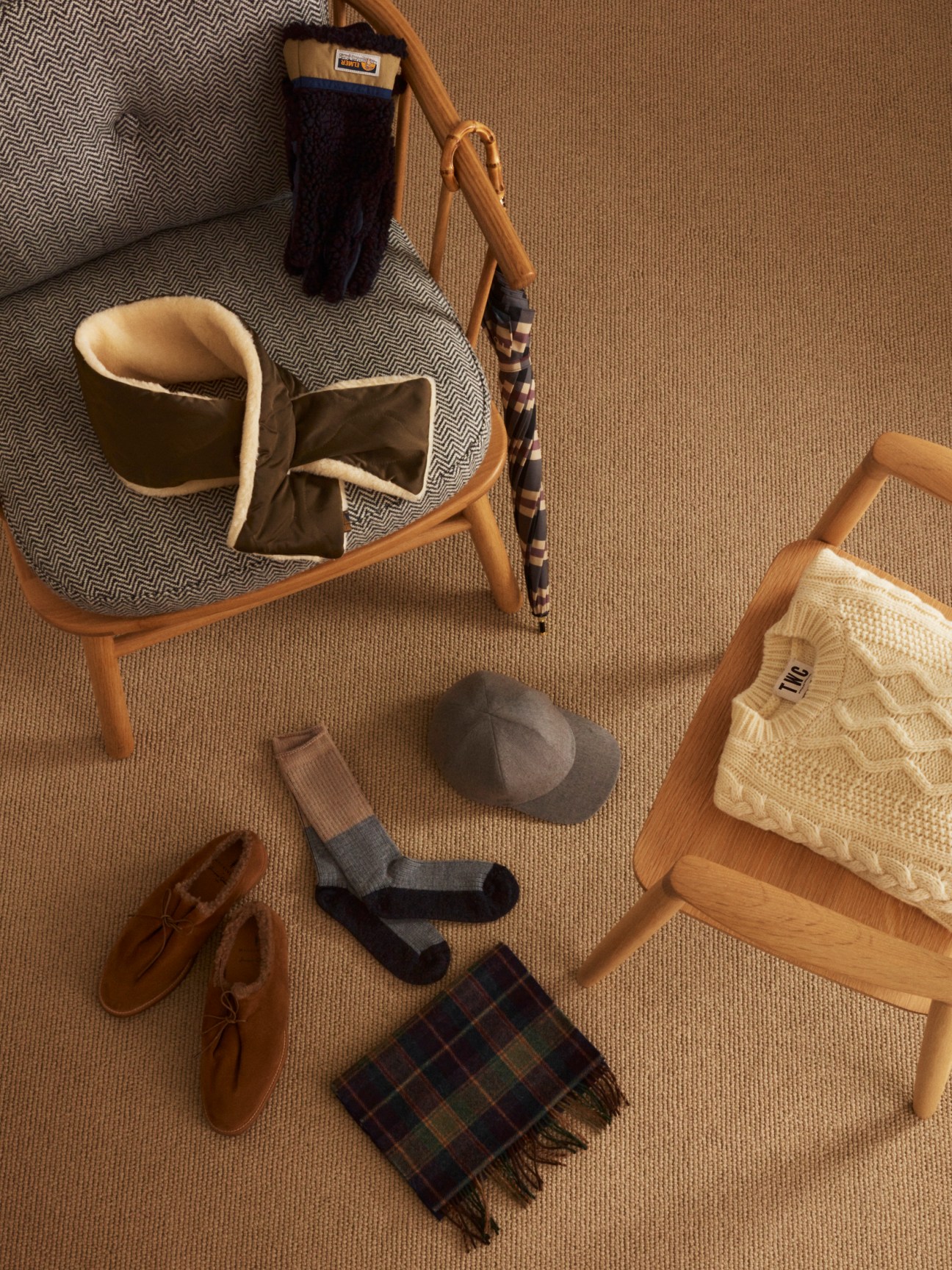
Jumper and scarf by The Workers Club, scarf by Sublime from Couverture & The Garbstore, socks by Patapaca from Trunk, shoes by Mackintosh x Jacques Solovière,
cap by Luca Faloni, gloves by Elmer from Couverture & The Garbstore, umbrella by Mackintosh.
Splash of colour
Help someone stand out from the crowd and inject some personality into their look with playful accessories.
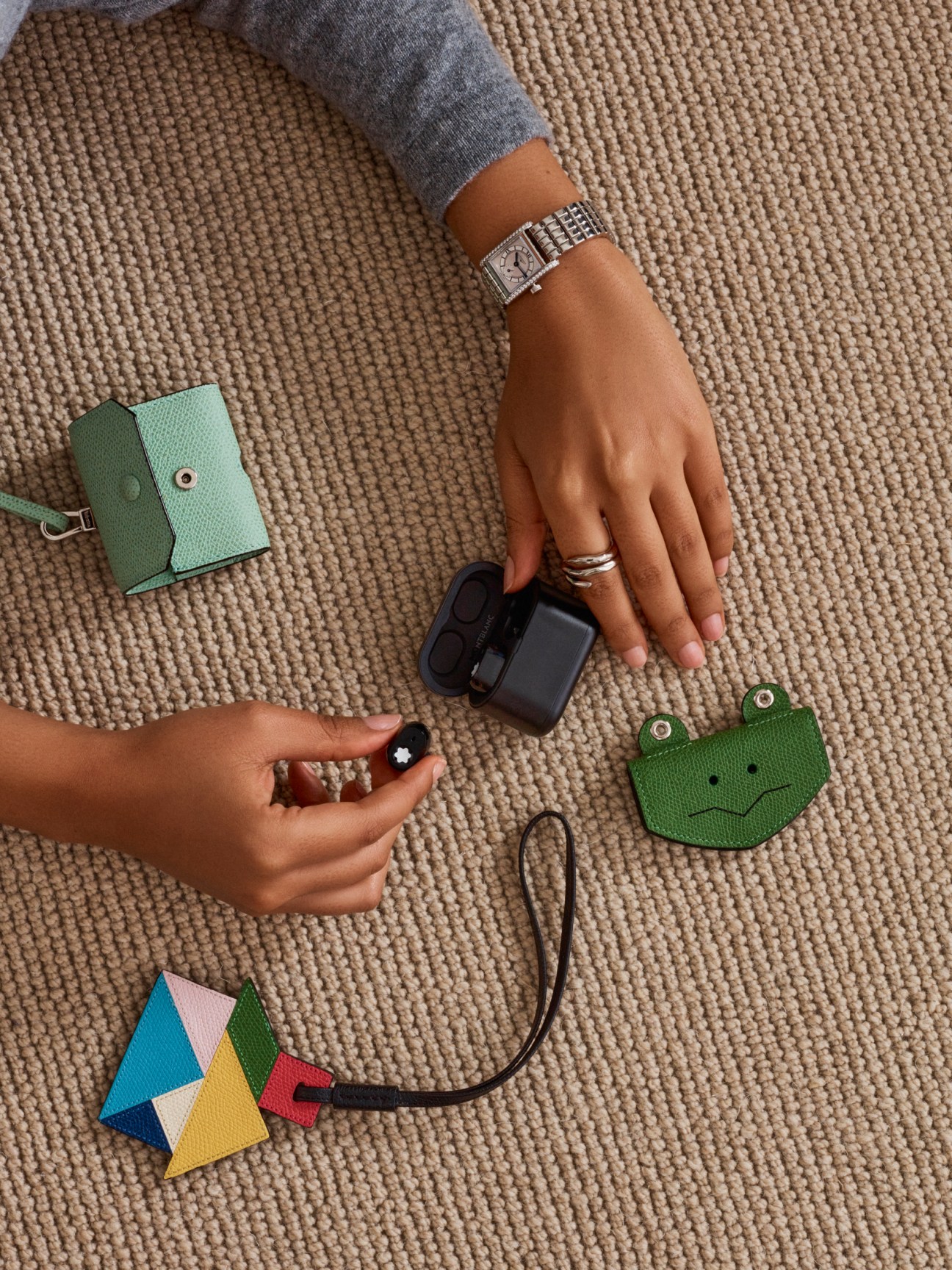
Polo shirt by Luca Faloni, mini dolcevita watch by Longines, ring by Goossens, airpods pro case with strap, bag charm and cable holder by Valextra, in-ear headphones by Montblanc.
Models: Delina, Tom
With thanks to our friends at Twentytwentyone and Another Country.
Making a meal of it
The hors d’oeuvre
Kushikatsu quail eggs

Inventive and alluring nibbles, these skewered, deep-fried quail eggs are cute, tasty and easy to make.
Serves 4
Equipment
4 bamboo skewers
Ingredients
12 quail eggs – if in the fridge, bring them to room temperature before cooking
Salt and pepper, to taste
3 tbsps plain white flour
1 medium egg – add a pinch of salt and then beat
30g fine breadcrumbs
Vegetable oil for deep frying
To serve
Tonkatsu sauce
Lemon wedges
Method
1.
Bring some water to a rolling boil in a small pan, place quail eggs gently into the water and turn down the heat to medium. Cook for 2 minutes, while stirring the water (it helps the yolks to set in the middle of the egg). As soon as your 2 minute timer goes off, drain and cool the eggs in iced water quickly (very important) and leave to cool completely.
2.
Once cool, peel the eggs very carefully and gently. Doing so in a bowl of water will help to prevent the egg whites from breaking. Pat the eggs dry with kitchen paper.
3.
Pour oil about 5cm deep into a pan that is large enough to lay the skewers in and heat to 160C.
4.
Prepare three separate dishes or low bowls. One with flour, salt and pepper; another with beaten egg; and a final one with breadcrumbs (if you have coarse breadcrumbs, blitz slightly in a food processor). Gently coat the quail eggs in the flour, dip into the beaten egg, then coat evenly with breadcrumbs. Carefully place 3 eggs on each skewer and top-up breadcrumbs if needed so the coating is even.
5.
Deep fry until golden – it takes about 2 minutes. Remove from the oil and drain on kitchen paper.
6.
Serve with a small bowl of tonkatsu sauce and the wedges of lemon.
The starter
Baked camembert with green olives and truffle croutons

Serves 4
Ingredients
For the truffle croutons
2 large slices of sourdough bread
40g unsalted butter, melted
Salt and pepper
2 tsps truffle oil
For the baked camembert
250g whole camembert wheel (in its wooden container)
1 garlic clove, skinned and thinly sliced
Green olives stuffed with chilli
Method
1.
Preheat the oven to 200C (180C fan). Spread the butter on the slices of bread and slice into batons. Put them on a baking tray, season and drizzle over the truffle oil.
2.
Remove the cheese from its packaging. If you haven’t got the cheese in its customary wooden box, put it into a heatproof ramekin that fits. Use a knife to score the rind of the cheese with a diamond pattern, then slide the garlic slices into the cuts. Bake in the oven along with the croutons for 30 minutes, flipping the croutons after 15 minutes for an even cook.
3.
Remove the croutons and cheese from the oven. Arrange on a platter with a bowl of green olives. Serve hot.
The main
Japanese-style roast beef with yuzu-soy sauce

Serves 6
Ingredients
For roast beef
1.3kg roasting joint of beef
2 garlic cloves, crushed
1 tbsp olive oil
1 medium-size onion, sliced horizontally into quarters
Salt and pepper
For yuzu-soy sauce
7 tbsps light soy sauce
3½ tbsps mirin
2 tbsps rice vinegar
1 tbsp yuzu juice (available in Asian supermarkets and online)
1 tbsp orange juice
1 tbsp lemon juice
2 tsps agave syrup (or honey)
1 garlic clove, crushed
Method
1.
Preheat the oven to 200C (180C fan). Pour olive oil over the beef and massage the crushed garlic, salt and pepper into the meat. If it is still cold from the fridge, leave it to sit at room temperature for at least an hour.
2.
Heat an ovenproof pot that’s large enough to fit the whole joint. Sear and brown all the sides of the beef for 5 minutes per side. Remove the joint and place the onion slices in the pot then rest the joint on top of them. Pour 3 tbsps water into the pan and place the lid on top to keep the steam in. Put in the oven and cook for 45 minutes. While waiting, combine all the sauce ingredients.
3.
Take the pot out of the oven and remove the beef. Cover beef with a sheet of foil and let it rest for 20 minutes. Remove half of the onion, chop finely in a food processor, then add it to the yuzu-soy sauce.
4.
Slice the beef thinly and serve with the sauce and the rest of the trimmings. It’s also perfect for sandwiches or served over a leafy salad.
The pudding
Fudgey rum-raisin chocolate cake

Serves 8
Equipment
18cm springform cake tin
Ingredients
100g raisins
120ml dark rum
150g dark chocolate (70 per cent cocoa)
125g unsalted butter
150g dark soft brown sugar
4 eggs, lightly beaten
¼ tsp sea salt
Beans from 1 vanilla pod (cut pod in half, lengthways, and scrape out the beans)
35g cocoa powder
30g plain flour
Icing sugar
Whipped cream, to serve
Method
1.
Put the raisins and rum in a small bowl and soak overnight.
2.
Melt the chocolate and butter in a heatproof bowl (a glass one is ideal) over a simmering saucepan. Once mostly melted, remove from the pan, add the sugar and mix. Let it cool for 5 minutes.
3.
Preheat the oven to 200C (180C fan). Add eggs, salt and vanilla beans and beat with a whisk until mixed. Sieve cocoa powder and flour into the mixture and whisk until incorporated. Drain half of the raisins, add to the batter and mix.
4.
Pour the cake mixture into the tin and bake in a preheated oven for 30-35 minutes. Take it out of the oven and let it cool completely then dust with icing sugar. Serve with whipped cream and the rest of the rum raisins. This cake can be baked a couple of days in advance.
Side dish
Brussels sprouts with crispy parmesan crisps

Serves 4-6
Ingredients
500g brussels sprouts
2 garlic cloves, peeled and crushed
2 tbsps olive oil
Salt and pepper
45g parmesan
½ lemon, zested
Method
1.
Preheat oven to 200C (180C fan). Wash and trim the bottom ½cm of the sprouts, cut in half and make a shallow incision in the stem. Toss sprouts with olive oil, crushed garlic, and salt and pepper in a baking tray and put them in the oven for 30 minutes.
2.
Line another large baking tray with a baking sheet and grate the parmesan finely and evenly over it. Bake in a preheated oven for 7-10 minutes until the cheese is melted and golden. Let it cool completely, so it can crisp up.
3.
Plate the brussels sprouts. Break the parmesan crisp roughly and sprinkle over the sprouts. Grate the lemon zest on top and serve.
The side dish
Roast potatoes with preserved lemon and Aleppo chilli flakes
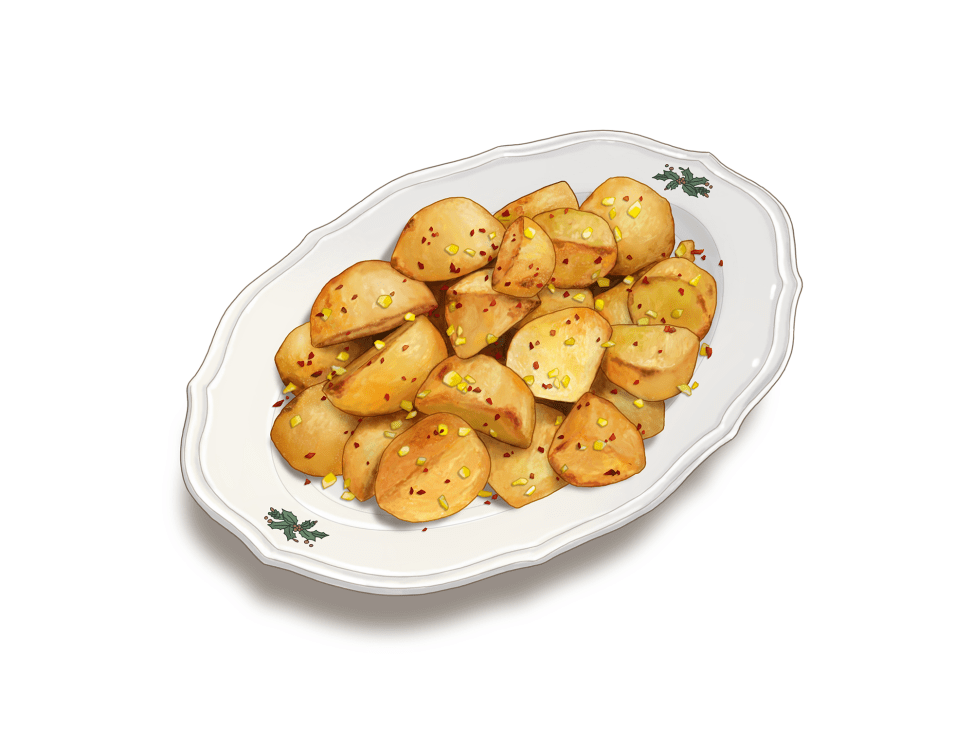
Serves 4-5
Ingredients
1.25kg roasting potatoes, peeled and cut into half or quarters
1 tsp sea salt
3 tbsps olive oil
4 cloves of garlic – break the skin but keep them whole
Extra salt and pepper
2 small preserved lemons
1 tbsp Aleppo chilli flakes
Method
1.
Preheat oven to 200C (180C fan). Pour olive oil into a large baking tray and keep it in the oven to heat up. Bring water to boil in a large pot and add salt and potatoes. Boil for 10 minutes. Drain and let steam for 10 minutes.
2.
Remove the baking tray, add the potatoes and garlic and toss lightly. Season with salt and pepper, and roast in the oven until crispy and golden (45-60 minutes), then remove.
3.
Halve the lemons, remove seeds and chop finely. Sprinkle the chopped lemon over the potatoes with chilli flakes and serve warm.
The cocktail
Pear and cardamom bellini

Ingredients
300ml water
150g caster sugar
Vanilla pod shell that you used for the chocolate cake
8 cardamom pods, bashed with the side of a knife to release the seeds
2 pears, peeled, cored and roughly chopped
1 bottle prosecco
Method
1.
Combine water, caster sugar, vanilla pod and cardamom in a saucepan and bring to a simmer. Once the sugar has melted, add the chopped pears and gently simmer for 15-20 minutes, until the pear looks soft and translucent. Cool completely and remove the vanilla pod – keep in the fridge until needed. This stage can be done days in advance.
2.
Remove the pear from the poaching liquid and purée in a food processor with 3 tbsps of the liquid.
3.
Pour 2 tbsps of purée into each of the flute glasses, top with prosecco and repeat as required.
The leftovers
Roast beef sandwich with wasabi butter and shredded sprouts

Serves 4
Ingredients
8 slices of bread
60g butter, softened
2 tsps wasabi paste
16 thin slices of leftover roast beef
Leftover roasted sprouts, shredded
Method
1.
Lightly toast the bread. Mix the butter and wasabi in a small bowl.
2.
Spread the butter on the toast, place the shredded sprouts and then the roast beef on top and spoon on some roast beef sauce. Top with another slice of toast.
The Opener
From the road
Soft power
Making a mark
Tyler Brûlé on why countries should play to their strengths.
There’s a good chance that, by the time you read this, you have had your Christmas dinner, recovered from your New Year’s Eve celebrations and are on your way to Davos for the World Economic Forum meeting. Are you excited? Looking forward to seeing some familiar faces? Anxious to catch a few political punch-ups on the pistes?
There’ll be no shortage of big discussion topics in Davos – but what will countries do to shine if they aren’t in the middle of the geopolitical action? How does a Mexico or an Ireland make its mark? And what do you do if you’re Thailand? After a recent visit to the foreign ministry in Bangkok and a discussion about soft power, I thought, “What does a new prime minister and team of policymakers do with a nation that occupies the diplomatic middle ground?”
I pondered this en route to dinner that evening. After a tasty meal hosted by one of the country’s new generation of top hoteliers, it struck me. You play to your strengths and dazzle the world with outstanding hospitality, a cuisine loved by all and a dash of good retail. In our October issue, three Thai companies were winners of monocle’s Retail Awards. It’s this story of ingenuity matched with design and service that the country should be selling. Thailand’s Central Group already runs some of Europe’s premier department stores but now is the time for more brands to step forward. The country’s flag carrier could do with a refresh – and how about employing the nation’s best architects to create a new generation of embassies for a punchier presence in Singapore, Tokyo and Washington?
The interrogator
Afie Jurvanen
Canada
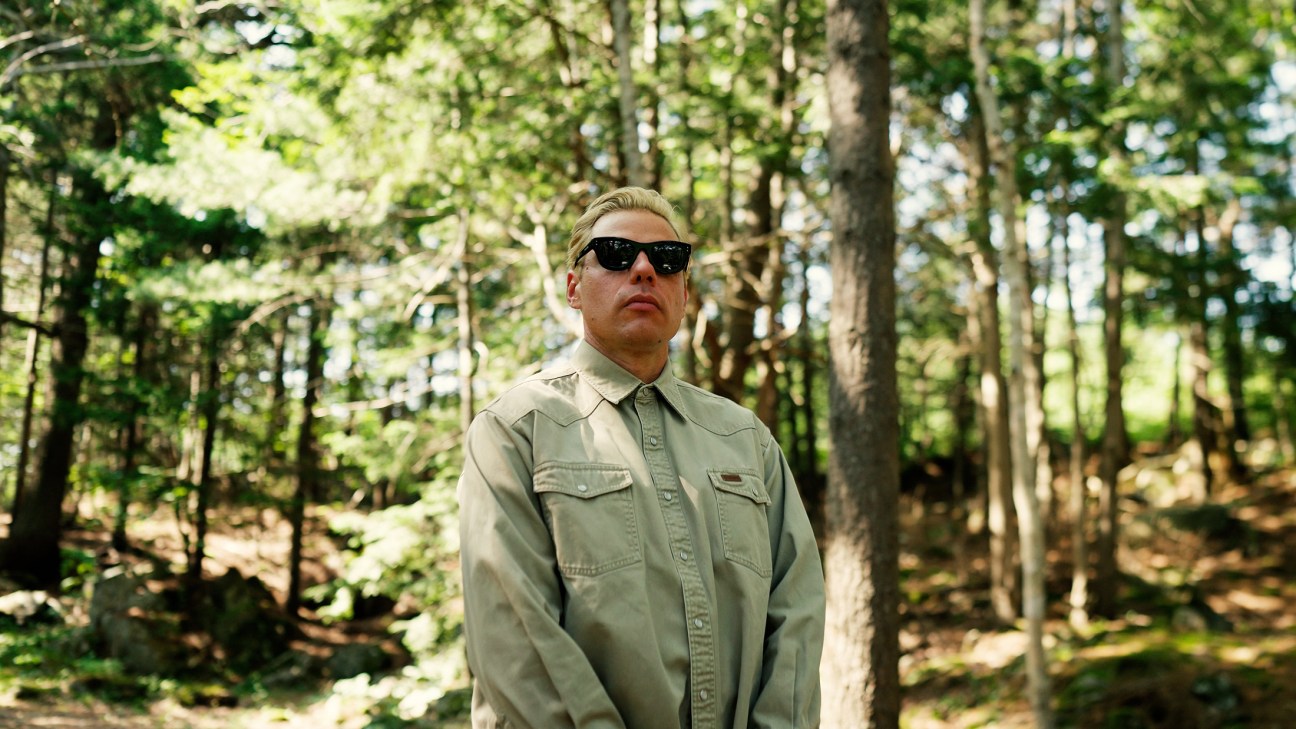
Finnish-Canadian musician Afie Jurvanen, who also goes by the name Bahamas, is known for writing and performing country-tinged indie folk. His sixth album, Bootcut, leans even more heavily on Americana influences. Recorded in Nashville at Sound Emporium studio, the record’s rich and varied songs combine breezy instrumentals with wry lyrics and a hint of cynicism. Jurvanen tells us about Air Canada’s film selection, where he gets his books and why he loves country singer Merle Haggard.
What is your favourite bookshop?
I’m always drawn to bookshops when I travel. But I’m actively trying to own less these days so the Halifax Public Library is my new friend.
What have you been listening to lately?
The country singer Merle Haggard’s It’s All in the Game. The album cover is a total stunner and the songs are so clean and well recorded. Probably not his most popular album but I really like it.
Do you prefer coffee or tea in the morning?
I’m addicted to coffee. Not proud of it but it’s the truth. I often have it on my nightstand.
What’s your movie genre of choice?
Whatever is available on Air Canada. I don’t have Netflix or any streaming platforms. Sometimes we get DVDs from the library but that’s usually whatever the kids choose. When I get on a flight I just indulge in John Wick or whatever they have.
Why make a country-sounding record?
I’ve always had songs like that on all my albums. There’s always one or two that lean in that direction. Over the pandemic, I was able to do some recording with these wonderful musicians. We did some remote recording – they were in Nashville and I was in Nova Scotia. And that just went so well. So then suddenly the wheels were turning and I thought, well, that was so fun, wouldn’t it just be amazing if I got down there to work with them in person? And that instinct was the right one.
For more on Bahamas, listen to our interview with the musician on ‘Monocle on Culture‘, which aired on 9 October.
Reporting from…
Monocle’s bureaux chiefs and reporters bring you the latest news and developments from far-flung locales. This month: raising a glass in Thailand and a cinematic night out in Los Angeles.
Bangkok
Booze rules
Bars will be staying open longer in Thai tourist destinations as part of the government’s plan to stimulate the economy. The move reverses the direction of the last administration, which tightened restrictions on the sale of alcohol, especially around Buddhist holidays.
Los Angeles
Silver screen
Cinemas continue to open up all over Los Angeles. Quentin Tarantino’s Vista Theatre relaunched in November after years of renovations; the Egyptian Theater has had a Netflix-sponsored spruce-up and Amazon’s The Culver Theater is packing in first-run showings.
London
Making room
London’s Canary Wharf, the city’s rather dull financial centre, could soon become a more colourful district. Canary Wharf Group will invest £400m (€459.2m) to counter the drop in demand for office space by encouraging businesses, shops and restaurants to move in.
Beat a retreat
When Norwegian author Jon Fosse was told that he had won the 2023 Nobel Prize in Literature, he was doing the second-most stereotypical thing that a writer could do – labouring in a lonely cabin. (The most stereotypical thing that a writer could do is fume at the success of one’s peers, an agreeable pastime presumably forestalled for ever by becoming a Nobel laureate.) There is a rich tradition of writers hunkering in cabins, cottages, huts and sheds. But it is arguable that many of those attracted to the literary life are at least partially seeking an excuse to sit in the garden and ignore everybody. Here are three more literary greats who had a cabin of their own.
1.
Roald Dahl
The prolific author described his garden shed as “my nest, my womb”. Dahl was inspired to retreat into his backyard by a visit to another such hermitage: Dylan Thomas’s boathouse overlooking the Taf estuary.

2.
Virginia Woolf
Woolf famously wrote that “a woman must have money and a room of her own if she is to write fiction”. The room of Woolf’s own was a wooden shed in her garden in East Sussex. It evolved over the years from a tumbledown hovel with an attic full of apples to a self-contained lodge.
3.
George Orwell
It’s a bit of a stretch to describe Barnhill, where Orwell wrote 1984, as a cabin: it’s a decent-sized house. But this homestead on the Isle of Jura in Scotland’s Inner Hebrides fulfils every writer’s fantasy of solitude. Even today, reaching it involves two ferries, a 30km drive and a 6km walk. Make very sure you haven’t forgotten your laptop charger.
Back in flock

UK turkey farmers have finally had a streak of good luck. Last winter saw the poultry industry engulfed by a bird-flu crisis, leaving a shortage of free-range turkeys. Some farmers had to cull more than a third of their flock. However, recent signs of immunity in the feathery animals have brought on a period of prosperity.
The sum of £6.5m (€7.47m) has been allocated to studying viral transmission and research is being carried out by experts in collaboration with the UK government’s Animal Plant Health Agency. With the country’s scientists on the case, the UK’s shoppers can feel confident that they will have ample turkey stock on their festive tables.
Singing about net gains
It is one of the more niche concerns to be addressed by a protest song: fish farming in Iceland. Nevertheless, this is the cause for which microphones have been lofted by Iceland’s most famous musical export, Björk, and one of Spain’s biggest pop stars, Rosalía.
Repeatedly positing “Is that the right thing to do?” (presumably as a rhetorical question), this entrancingly weird gospel-influenced track was released to accompany protests across Iceland against fish farming – an industry that is dominated by Norwegian-owned companies.

In August, thousands of farmed salmon escaped from a facility in Patreksfjörður, with potentially calamitous outcomes for the wild salmon that swim in Iceland’s pristine rivers. As a consequence of this and previous mishaps, the Icelandic government is proposing tighter control of the industry.
This is a huge deal for the Nordic country. Anything to do with fish always is (marine produce accounts for 43 per cent of exports). The least that those taking to the streets deserve is an anthem.
The Truman show
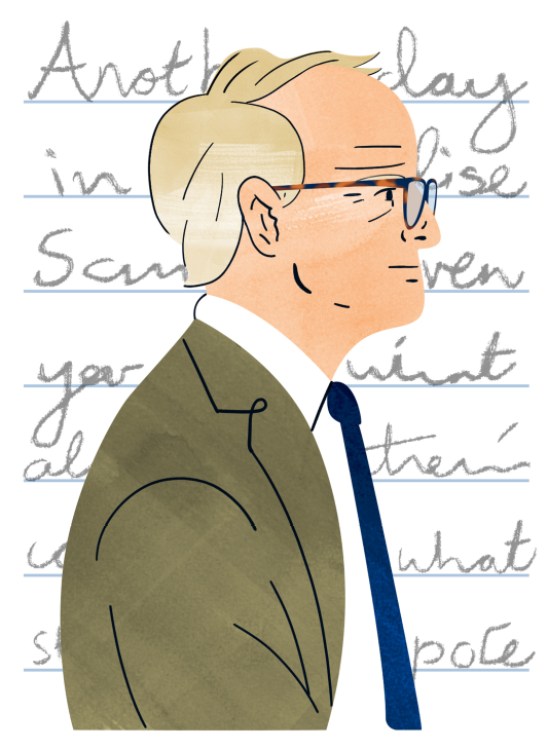
A previously unpublished short story by Truman Capote has been discovered in one of the author’s notebooks, which are held by the Library of Congress in Washington.
It was found by Andrew F Gulli, literary sleuth and editor of The Strand Magazine. The story, Another Day In Paradise, was printed in a recent issue of The Strand, which described it thus: “It has, like so much of Capote’s other works, some autobiographical elements, as well as Capote’s signature style – evocative descriptions, wry humour, and all too human characters.”
But between the title and the protagonist, who lives unhappily in a gilded villa in 1950s Sicily and yearns for copies of Time, it is rather tempting to conclude that Capote shelved the story on the grounds of inadvertent self-parody.
Culture
Q&A
Jannis Stürtz
Co-founder, Habibi Funk
Jannis Stürtz is a co-founder of Habibi Funk, a Berlin-based label specialising in reissues of music from the Middle East and North Africa, from Libyan reggae to Sudanese jazz. Stürtz tells Monocle more.
How did Habibi Funk start as a record label?
I was visiting Casablanca and bought an album by a singer called Fadoul that piqued my interest. We tried to find and sign him but learned that he had died in the 1990s. We found his family and reissued his work, splitting the profits with the artist’s estate. We’ve since built our catalogue. There’s a trove of work from overlooked artists from North Africa, West Asia and elsewhere.
Tell us about the genres that Habibi Funk covers.
What we focus on is not a representation of popular music in, say, Libya. We’re interested in these who took influences from outside their countries and mixed them with something that already existed. Ibrahim Hesnawi, the father of Libyan reggae, is a good example: he was the first to popularise the genre in the country.
How do people listen?
I love physical records but if you release non-mainstream music, you don’t have the luxury to oppose streaming platforms. Our main playlist on Spotify has 100,000 followers – and it is vital. We invest our time into streaming, direct sales via Bandcamp and advertising. If you wish to pay your team and artists fairly, you need all these revenues.
To hear the full interview with Jannis Stürtz, listen back to The Monocle Weekly from 27 October 2023, on Monocle Radio.
Making magic

Hole & Corner magazine is marking 10 years of covering the world of craft with a handsome book called simply Make Well! The British publication was founded by creative director Sam Walton after he moved from London to Dorset and began to shrug off his fashion-focused career in favour of putting a spotlight on the producers and makers that populated his new life. “The worlds of fashion and art had their platforms and were good at promoting themselves but not artisans,” he says of his inspiration to start Hole & Corner (a now-faded phrase that implies a spot away from the public gaze).
The magazine, and now the book, bring together a diverse set of makers, rural and urban, young and old, all given a unity by Walton’s art direction and the photography that never over-romanticises – hands are calloused, beards bushy, studios cluttered. “We have been documenting makers and want to bring the texture and reality out with a beautiful level of photography. But we also said to people, ‘Please don’t tidy up before we come.’”
Walton has made it through the decade – he makes clear that this has not always been easy – with a close group of collaborators, who like the folk that they feature, believe in craft, creativity and dedication to the cause. But what has changed over that period? “Ten years ago it was hard to even use the word ‘craft’ because people associated with crafting, hobbyists,” says Walton. “But now it has much greater respect.” Here’s to all the makers.
holeandcorner.com
Notable endeavours

Roland Allen has always scribbled in notebooks but his interest in paper was really piqued after finding his grandfather’s diaries. “He had died many years earlier and I didn’t know him really,” says Allen, author of The Notebook: A History of Thinking on Paper. “Learning about his life before the war made me curious about what it would be like to keep my own diary.” What started at the age of 28 has since become an obsession that has led Allen to research the ways in which human thought, education and ideas have been bound up with our use of notebooks.
The story that Allen tells dances from the pages of the earliest Arabic texts and the oldest surviving European scribbles from the 13th century, to friendship albums in the Netherlands in the 16th century and onto recipes, cures and bookkeeping. Technology might have changed things but there’s research to back up the idea that making notes on paper is sometimes more effective than doing so on a laptop or phone. “It’s clear that you remember things more if you write them down on paper,” says Allen. “You process them better if you’re analysing them in some way.” Allen thinks that more sophisticated information that might need mulling over could benefit from being committed to paper. “If you’re doing anything creative with ideas, numbers or words, it’s really important.”
The Notebook: A History of Thinking on Paper is published by Profile Books and is out now. To hear the full interview listen to ‘The Stack’ on Monocle Radio.
Out and about
Jump on a train. Take the plane. Get in the car and just drive. Journalism requires lots of skills and sensitivities but one of the most basic requirements is a powerful desire to know what’s happening around the corner, in the next town, just over the horizon. Yet, too often, modern journalism is seen as little more than the creation of “content”, the generation of bland gunk that can be used to fill up websites and social-media feeds – and all generated while sitting at a desk, just rewriting and paraphrasing what is already known and out there. But this isn’t a new problem.

When monocle started out, we knew that a key tenet would be that we would never become a place where agency copy was presented as original reporting and that we would hesitate before running a story that had appeared in any other publication. Surely it was our job to go out, witness, interview and interpret what we saw? And we also knew that we would always welcome the tangents, those moments of serendipity that can see a report head off on an unexpected path, deliver surprises and intrigue, when you hit the road.
So it’s reassuring to see two stories that top and tail this issue taking this spirit to heart. For our Affairs pages, Mary Fitzgerald headed to Senegal to unpack a story that is reshaping diplomacy, defence ties and trade in Francophone Africa. Following a series of coups, France is finding that it is no longer welcome in several nations across the Sahel whose leaders would rather be cosy with China and Russia. Senegal, for now, remains a friend of France but not an uncritical one. And it’s in the conversations that Fitzgerald has with critical politicians, artists and business leaders that you understand some of the frustrations with Emmanuel Macron’s Africa strategy. Yet the human ties, the cultural exchanges, are strong (and it’s hard to imagine Moscow or Beijing replacing Paris as the place where young Senegalese want to study, perform or start businesses).
The “tail” comes in our Expo, where our design editor, Nic Monisse, and photographer Conny Mirbach got in a car and weaved their way across Czechia. They visited the finest outposts of the nation’s rich and varied craft and architectural heritage, from bicycle factories to communist housing blocks, glass factories to bag makers. While the duo had researched the route carefully in advance, the wonders that they discovered and sheer number of creative people they met left me feeling that they could have brought back an inspiring story if they had just hit the road and allowed luck to guide them. Monisse had his work cut out this month – he might even have sailed past a few supposedly final deadlines – as this issue is home to our autumn design special. So one day he was in the studio as we shot our “furniture top 20”; the next heading to Genoa to meet one of architecture’s greats, Renzo Piano (this issue also contains interviews with Shigeru Ban and Jeanne Gang). We’ll forgive him the occasional tardiness.
We are sending this issue to the printers as London slowly nudges into autumn. From here until Christmas, it feels like something of an editorial toboggan run. Perhaps we should put on our Moncler jackets – you can discover the secrets of that brand’s success in our fashion editor Natalie Theodosi’s interview with owner Remo Ruffini.
Over the coming weeks we’ll be also dispatching three specials: The Entrepreneurs, The Forecast and The Escapist. Yes, our travel magazine is finally making its much-requested return. And, of course, the simplest way to ensure that none of these, or anything else, sneaks past you is to subscribe – all you need to do is head over to monocle.live/subscribe and we will have you aboard in no time.
And meanwhile, if you decide that you want to drop me a note or forward a suggestion (hopefully a pleasant one), you can find me, as always, at [email protected]. Have a great month.
Back to nature
Camptown, nestled in the Catskill Mountains north of New York, marks a striking departure from the creepy Deliverance days of the region. This new 50-room hotel flips the narrative of the cabins in the woods and injects a design-forward, service-centric, 1970s pool-party feel – complete with waterbed cabanas (even if the weather won’t always oblige).

The Catskill Mountains’ brand story revolves around Washington Irving’s tale of Rip van Winkle, an idle farmer who wanders into the woods to escape his wife’s nagging. He meets some dwarfs, drinks a magic potion and falls asleep for 20 years. When he wakes up, he has missed a war and his sleepy village is transformed into a vibrant town.
Arriving at Camptown is similarly transportive. The hotel, formerly the Rip Van Winkle Motor Lodge, was owned and run by the Carl family since the 1930s. New owners Ray Pirkle and Kim Bucci of Ramshackle Studio have reimagined the existing historical structures. A hillside gazebo with a beautiful cedar roof is now Bar Piscina. The dark dive bar has evolved into an intimate gathering spot. The lobby retains dark wood ceiling beams and a massive stone fireplace but is contrasted with white walls, Scandinavian furniture, custom mirrors and chairs with weaving by Catskill fibre artist Becca Van K. What’s particularly lovely is that this iteration of Camptown – a 24-room lodge with a further 26 authentic log cabins spread out across nine hilly hectares – preserves its original charm.


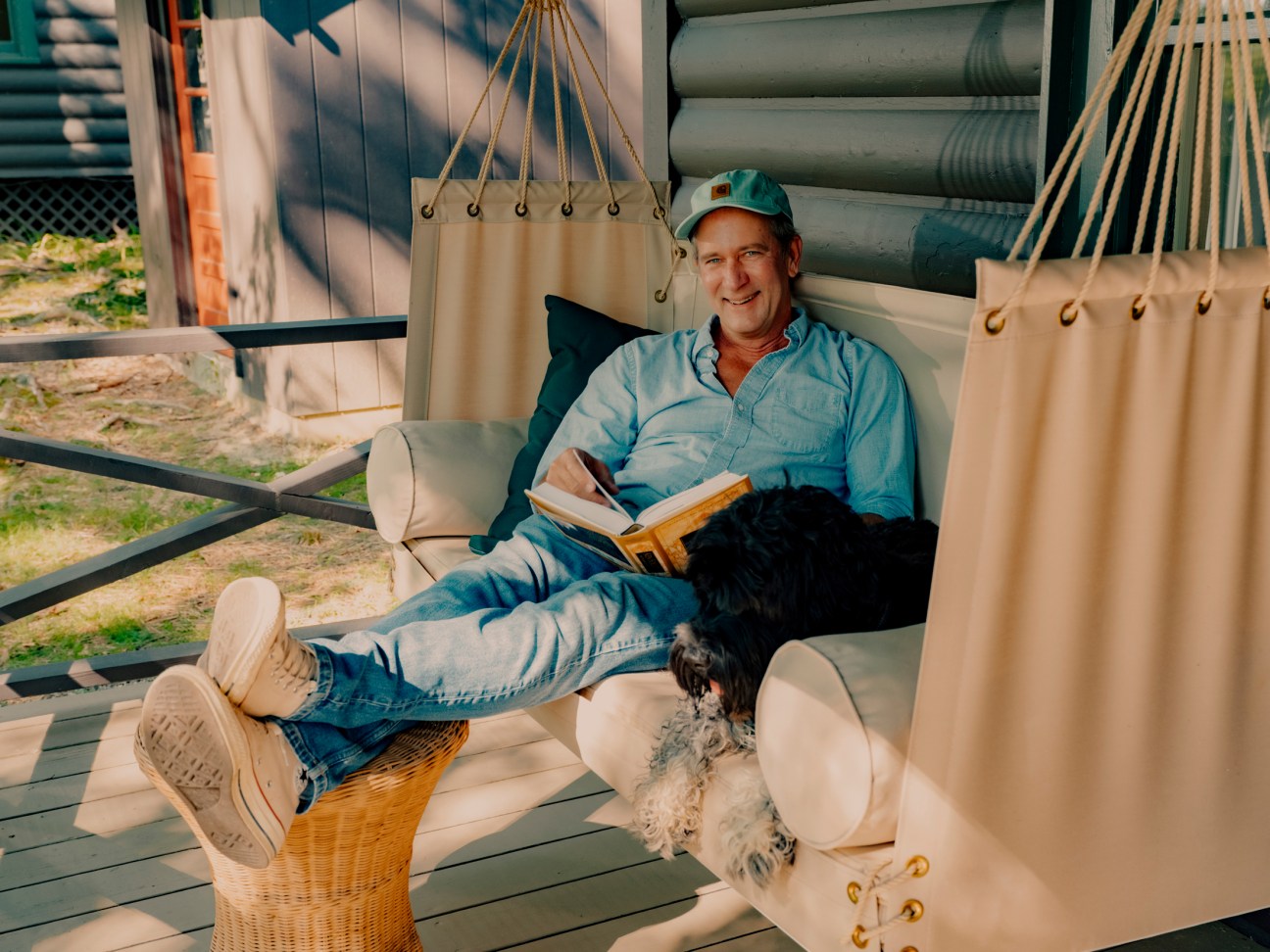
Pirkle and Bucci approached Camptown thoughtfully, opening it in stages to ensure top-notch service. The rooms in the main lodge, updated with Shaker-style built-in bunks and furniture, opened in early 2023. Casa Susanna, Camptown’s modern Mexican (Jaliscan) restaurant also debuted then, causing a stir with its inventive menu and exceptional margaritas.
The log cabins presented unique design challenges. “We knew going into the Camptown renovation that we would have to winter-proof the cabins,” says Pirkle. “And every cabin was sitting on bedrock. We had to dynamite it to put in the plumbing underground.”
Reading nooks and wood-burning stoves now appear in irregular corners, lighting cords were sourced from Quittner and out-of-stock tiles and matching sinks and toilets were hunted for. Pirkle insisted on handmade Penobscot daybeds from Maine for the front porches and on a handcrafted banquette from local artist Brett Miller of Jack Rabbit Studios who, he says, “should be an international superstar”. “His work is so special and we could only afford one piece but I had to have it,” he adds.
The Camptown pool opened in late August featuring Sundrella umbrellas (reportedly the only standing aluminium umbrella manufacturer in the US) and custom-made waterbeds. “Where else would this generation get to experience a waterbed?” asks Pirkle. The invite to a party at the Piscina reads: “Better late than never.” And, whether it means the pool or the arrival of a hotel that the area deserves, there’s certainly some truth in the sentiment.
camptowncatskills.com
On the go
Bathys headphones
Focal
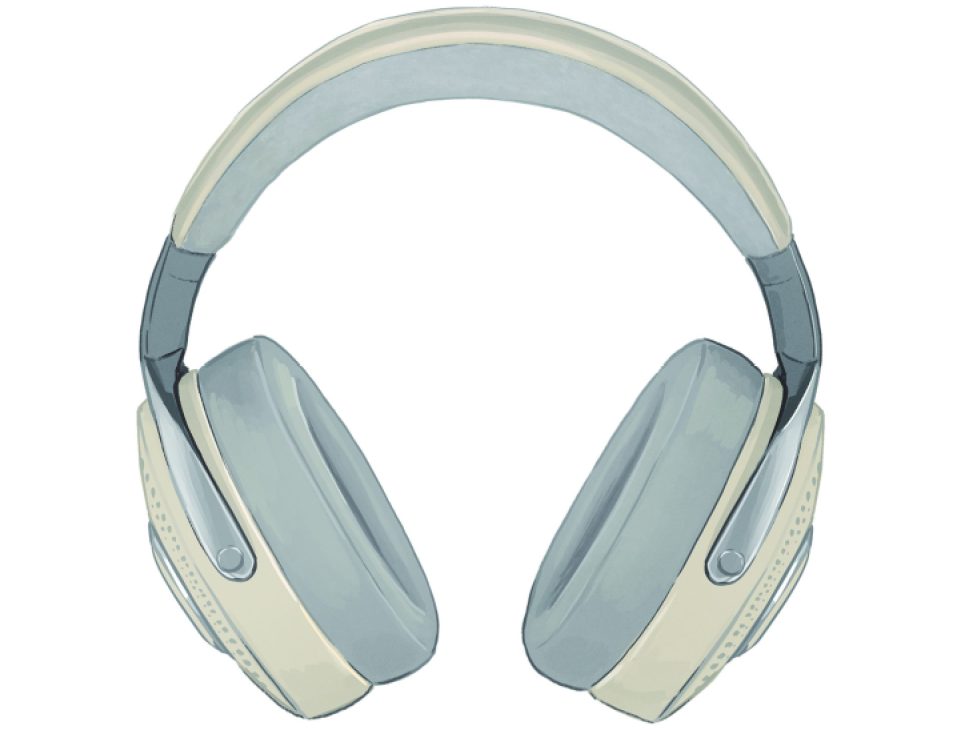
These headphones from Focal have just had an update. First, there is a new colour: a sandy shade to go with the previous silver and black versions. Then there’s the software improvement: you can now tune the headphones to your particular hearing by using the Mimi hearing test, which creates a listening profile that can boost the sounds and frequencies your ears might not usually hear. Mimi analyses how you respond to background noise to help with this too. Mind you, the noise-cancelling is excellent already.
focal.com
iPhone 15 Pro Max
Apple

Once a year, Apple releases its new smartphones. The latest represents a subtle but significant change. First, the new Pro model has a titanium chassis that clocks in 19g lighter than last year’s model with stainless steel. Second, it includes a new telephoto camera with 5x zoom (the smaller iPhone 15 Pro has a 3x zoom). It also encourages advanced photography by adding extra virtual lenses. By cleverly manipulating images with the main lens, it can provide extra focal lengths to create a more versatile camera experience. You can choose from 13, 1.23 or 1.53 zooms and, if you have a favourite, you can set that as the default option. Whatever the science, it takes rich, faithful and beautiful photographs. Elsewhere, the side switch that turns the phone ringer on and off has been replaced by a button that you can configure to, say, launch the camera or turn on the torch.
apple.com
633 Magnetic battery
Anker

However good batteries are on the newest gadgets (and they’re far from perfect), it’s always wise to find a secondary source. The latest magnetic battery from Anker is chunkier than previous models because it packs a lot more punch. There’s enough juice for more than one full charge of an iPhone 15 Pro, for example. It also has a neat kickstand that folds out, handy for positioning the iPhone for Facetime calls. For a faster effect, you can even attach a cable and charge it from that rather than wirelessly.
anker.com
Fall guy
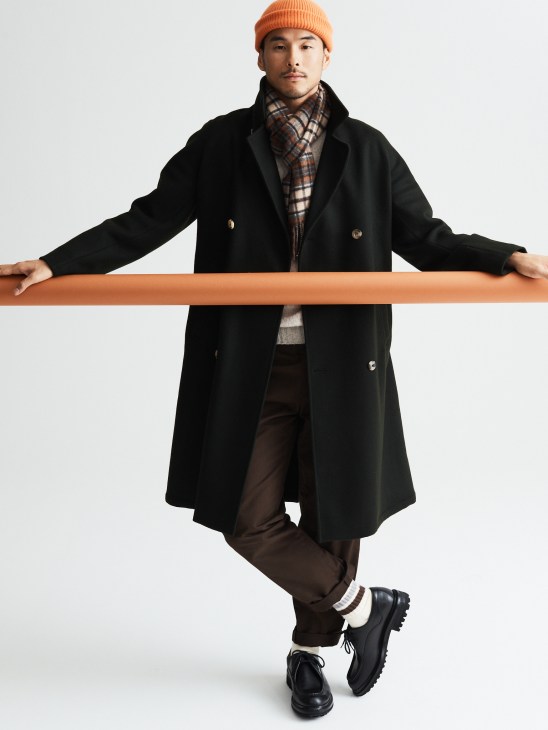
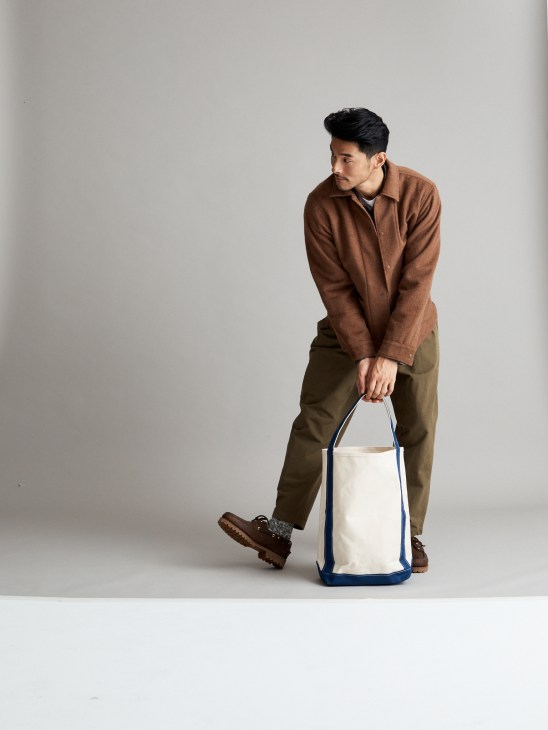


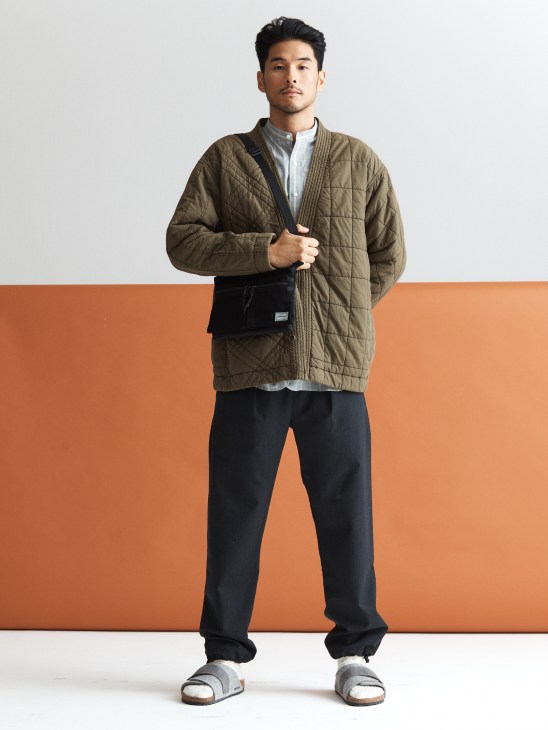
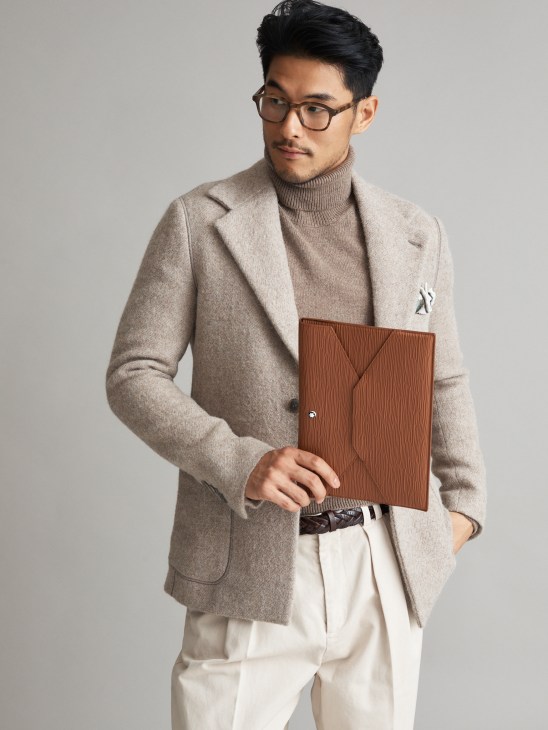


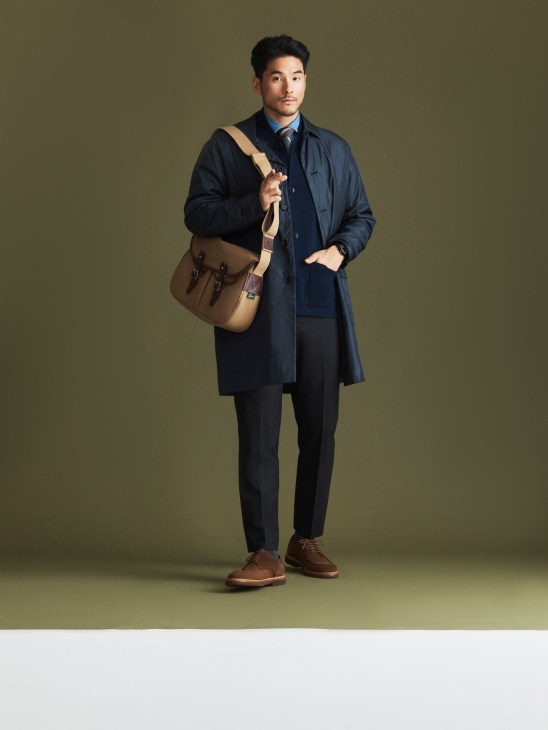
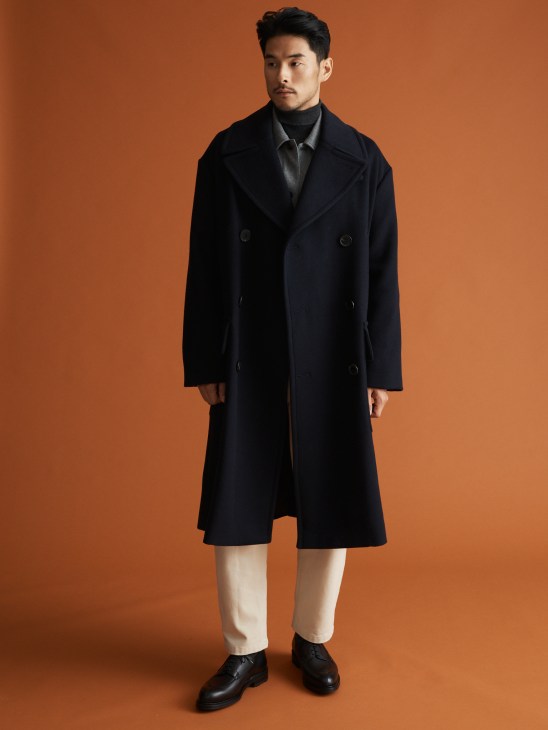
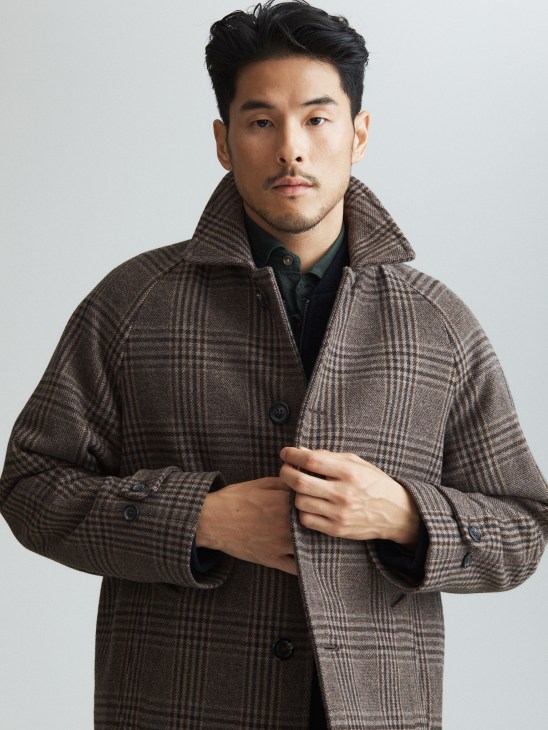
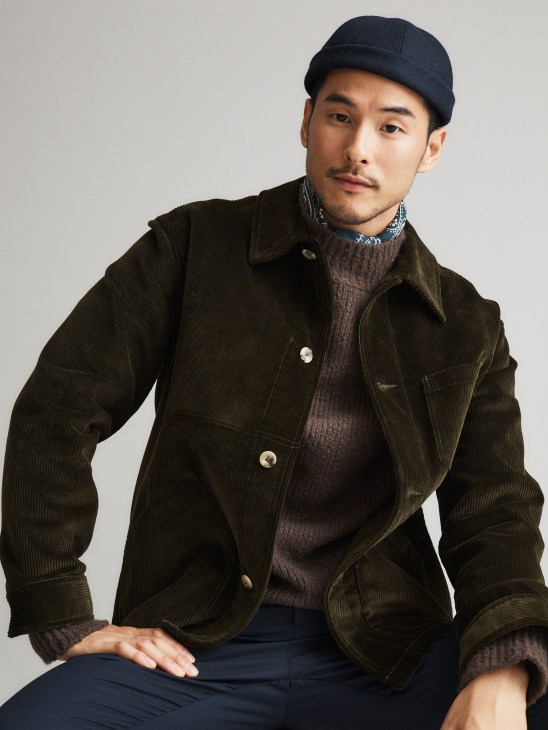


Top right: vest by Kestin
Bottom left: jacket by Still by Hand from Couverture & The Garbstore, vest by Arpenteur, jumper by Howlin’, trousers by Aspesi, glasses by Mykita
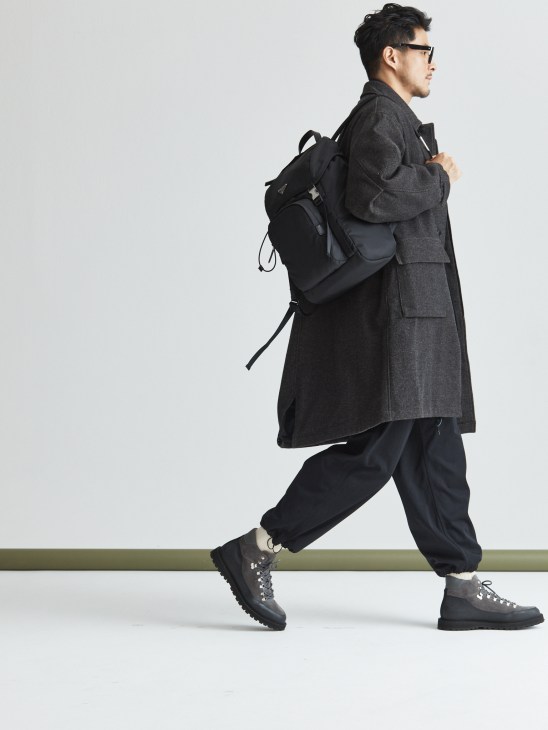
Bottom right: backpack by Brady from Labour and Wait

Renaissance man
Remo Ruffini is dressed head to toe in navy: navy jacket, navy T-shirt, navy trousers. The only item that differs from this monochrome look is a small vape that he discreetly draws on, standing it on the table in front of him in between puffs. Reserved and softly spoken, the chairman and CEO of Milan-based Moncler – the high-end fashion brand renowned for its puffer jackets and ski wear that made more than €600m in net profits last year – is explaining the secret of staying relevant. “The game today is to attract different communities,” he says. “The luxury community is one but there are a lot of interesting micro-communities around the world. And our job is to really attract them.”

Few would question Ruffini’s ability to attract new tribes since he took over in 2003. When he bought Moncler, founded near Grenoble in the French Alps 71 years ago, it was struggling. “In the 1970s and 1980s it was a huge brand for people living in northern Italy and going skiing every weekend,” he says. “Then in the 1990s it didn’t have a good moment.” Ruffini put the decline down to losing touch with customers. Previously reliant on wholesale and distributors such as Decathlon, Ruffini set about a radical restructuring in a belief that the brand was “very solid”. Shops were opened as part of a direct-to-consumer model, archive pieces were revived and the brand pivoted to high fashion through runway shows and collaborations with Thom Browne and Giambattista Valli. But that was then. Once Moncler had completed the methodical work of reorienting the brand, including successfully going public in 2013, it was time to try something new. “After 10 years I was bored and decided to move the strategy to this Genius approach,” says Ruffini. He’s talking about the decision to end the Gamme Bleu and Gamme Rouge collaborations with Browne and Valli and switch to Genius, a daring venture established in 2018 that joined Moncler’s core collection and ski-centric Grenoble line.
Genius is based on a fluid collaboration model that might see Moncler team up with artists, designers or musicians on collections released eight or nine times a year – potentially appealing to different “micro-communities” each time. To date, everyone from Pharrell Williams to Alicia Keys (a collection inspired by New York), via designers Simon Rocha and Noir Kei Ninomiya, have been involved.
Genius is a savvy move that appeals to the much-coveted Gen Z consumer bracket. It shifts the brand towards a younger, hipper demographic by creating the sort of social media buzz that leads to queues outside bricks-and-mortar shops. Ruffini says that Genius is “more of a street approach”, though he won’t go as far as calling it streetwear. And while he says that it was a turning point for Moncler in terms of communication, he argues that it goes beyond this. “It’s also a way to learn a different approach from different designers.”


Located in a red-brick former industrial building in southwestern Milan, Moncler’s HQ is a temple to the brand. There’s a suited security guard on the door and stepping inside feels like entering a minimalist five-star hotel, with dark marble dominating the reception area. In a high-ceiling atrium filled with exotic plants, breakfast is being served. Staff chat over espressos dressed in T-shirts bearing the brand’s tell-tale tricolour stripes. Others are decked out in Stone Island, the brand Ruffini acquired in 2020 for an eye-watering €1.15bn. Moncler’s “M” logo is stamped everywhere, from the glassware to the floor.
For many industry watchers, the reason that Moncler continues to surpass expectations (Moncler Group sales were up by 24 per cent for the first half of this year) is down to Ruffini’s management. “He pays very close attention to where the consumer is moving and how consumer behaviour is changing,” says Lauren Sherman, a Los Angeles-based fashion correspondent at news website Puck. “He prides himself on that and takes it very seriously. I would say that he is a scholar of consumer behaviour.” Indeed, during his Monocle interview, Ruffini launches into a detailed analysis of global macroeconomic conditions and their effect on luxury, from the real- estate crisis in China to post-pandemic slackening in the US. “The world is not easy but in general, the economy of the luxury world is quite healthy – especially for a good company,” he says.
Ruffini is also an avid people watcher. According to his communications team, when he travels somewhere new he likes to observe people’s habits by heading down into the metro. It helps him get a sense of where trends are going and be able to “move around the world with the right taste”, as he calls it. What he means is that Moncler needs to be agile enough to react to shifting consumer conditions and tastes, and he often likes to say in interviews (including this one) that Moncler thinks like a start-up. According to Ruffini, “streetwear is almost dead” and there is a move under way to higher sophistication, with cashmere proving popular. “He has a great sense of what the market wants,” says Luca Solca, Geneva-based managing director for luxury goods at financial services firm Sanford C Bernstein.
The CV
1961: Born in Como, northern Italy
1982-1983: Works in New York for his father’s clothing business, Gianfranco Ruffini
1983: Back in Italy, founds New England brand in Como
2000: Sells New England to Stefanel Group
2001: Becomes creative director of Moncler
2003: Buys Moncler
2013: Takes Moncler public, with an ipo valuation of €2.5bn
2017: Announces retirement of Gamme Rouge and Gamme Bleu lines
2018: Moncler Genius established with eight design collaborators, including Jonathan Anderson and Pierpaolo Piccioli
2021: Moncler acquires Stone Island
2022: Takes over Milan’s Piazza del Duomo to celebrate Moncler’s 70th anniversary with 18,000 guests
2023: Brings on new collaborators, including Mercedes-Benz, Pharrell Williams and Alicia Keys
Soon Ruffini will embark on a multi-city tour of the US, another example of his hands-on approach. He plans to check out cities such as Austin and Cleveland to see if there is the right luxury market to justify a shop opening. When it comes to its retail strategy, Moncler has been planning to open about 40 new boutiques between last year and next year, with a particular focus on the US, where wholesale previously dominated, and Asia. But perhaps more interesting is that during the same timeframe, Moncler plans to move, refurbish or expand about 60 shops. The brand has, for example, already relocated its Shanghai outpost from the lower-ground floor of Plaza 66 to the more prestigious ground floor. “Relocation is super important in order to give more space to the customers, to the services,” says Ruffini. It’s not just about footfall on the street outside but the way the brand is able to communicate with buyers inside, especially for a company that has injected what Solca calls “huge doses of creativity” into its offering. Moncler is renowned for its visuals – from shop interiors and window dressing to its highly sensory fashion events – so having the best possible retail space makes sense.

Moncler might have evolved over the past few years but Ruffini isn’t in a rush to turbocharge it. The chairman and CEO constantly talks about “the heritage and DNA” of the brand and he won’t consider anything that falls outside that remit. “One thing he has done really well is keep the hero product evolving,” says Puck’s Lauren Sherman of the brand’s down jackets. “Some brands go too far to grab new customers.” This means that Moncler isn’t about to abandon its Alpine heritage anytime soon, even if lighter pieces have been slowly introduced to its core collections to capture more of a year-round market.
Taking things slowly seems to be the order of the day. For one, there’s the mammoth task of sprinkling a bit of the Moncler stardust onto its new acquisition, Stone Island, including weaning it off its wholesale addiction. Ruffini is quick to dispel any suggestions of further expansions. “No, no, Stone Island is more than enough,” he says and adds that there is no current interest in selling up either, despite the constant stream of interest, including reportedly from French luxury behemoth Kering. “Our journey is not over,” he says. “But for sure we are on the right path.”