Issues
The Hollywood Sign Trust: The non-profit group that keeps the cultural landmark camera-ready
The Hollywood Sign Trust’s mission is to keep Los Angeles’s legendary letters looking their best. “One of the hardest messages to convey to people is that this is a restricted area,” says Jeff Zarrinnam, chairman of the trust.
The Hollywood sign is perhaps the most conspicuous yet least-accessible landmark in the world. It is monitored 24 hours a day by motion sensors, high-definition cameras and the Los Angeles Police Department, which keeps watch from a TV tower on the hilltop. The public is only allowed to view the letters from nearby trails, though some people still try to scramble up the hill to reach them.
After unlocking a gate at the summit of Mount Lee, Zarrinnam hands us a rope and we shimmy down the hillside to the more than 13-metre-high, corrugated-iron letters. A disembodied voice comes from a nearby loudspeaker. “This is the LAPD. You are hiking in a restricted area. You must leave, now.” “A misunderstanding,” says Zarrinnam, before a quick call is put in to reassure the cops. “But it shows that the system is working.”
The original sign was erected in 1923 to advertise a new residential community called Hollywoodland. The last part was removed when the Hollywood Chamber of Commerce purchased the sign in 1949. “It went from being a real-estate billboard to a representation of the film industry,” says Zarrinnam.
The sign has always attracted drama, from the struggling actress who hurled herself from the “H” in 1932 to the vandals who draped it in fabric and changed it to read “Hollyweed” (twice). By the 1970s, however, the wooden structure had dilapidated and illustrious locals stepped in to raise money for the metal letters. In 2023, to celebrate the sign’s 100th anniversary, the trust partnered with a land surveyor to digitally map the letters so that they could be reproduced in case of damage. Dana Pesce, the newest trustee, heads up Netflix’s global real estate & strategic planning and can see the sign from her office. “It’s a reminder of our mission,” she says. “Hollywood is about inspiring the world.”
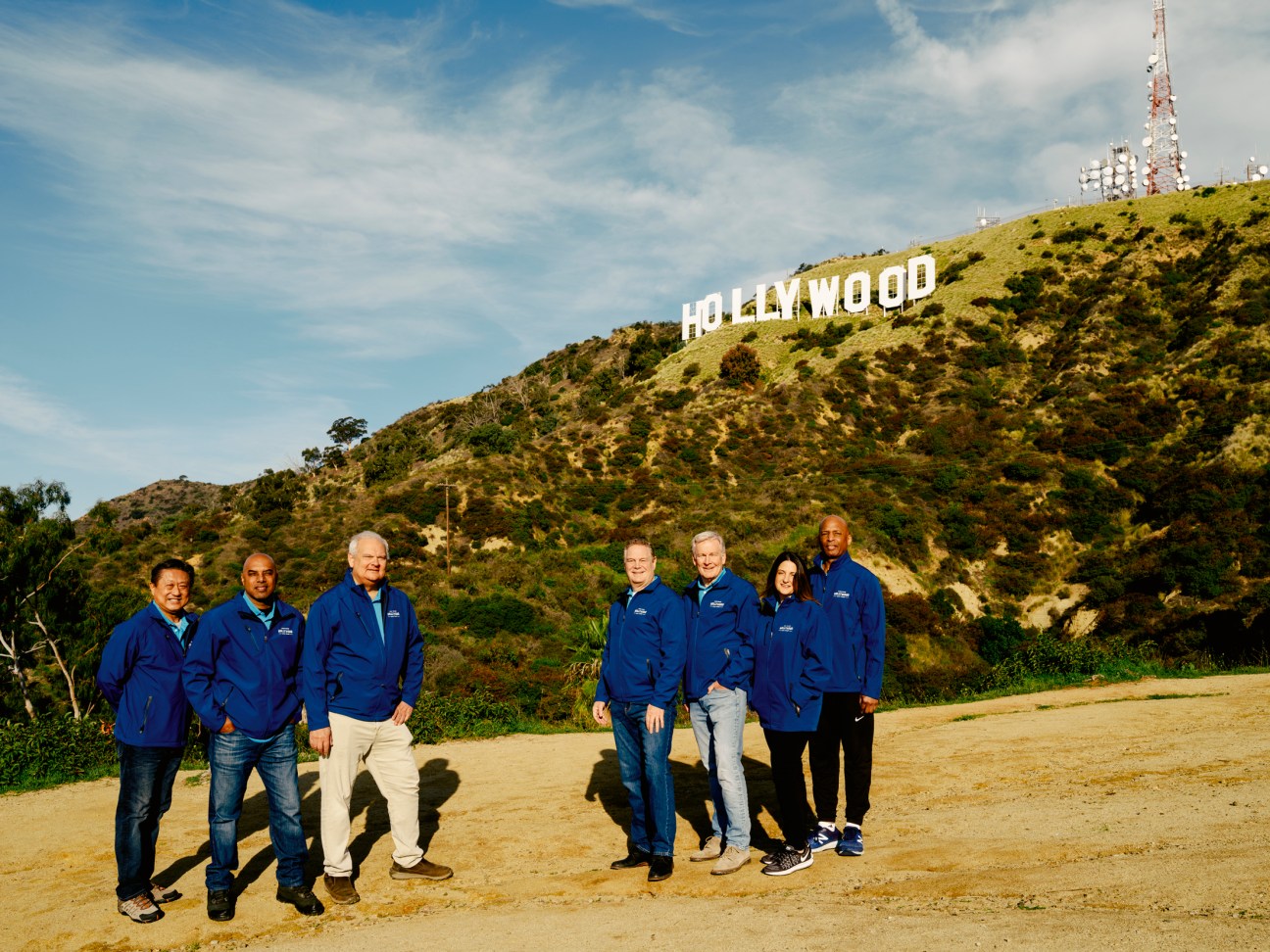
Jeff Zarrinnam
Chairman of the Hollywood Sign Trust
Born in Hollywood, Zarrinnam is the owner of two hotels and a distillery. He spent almost 40 years as a member of Hollywood Chamber of Commerce before heading up the trust in 2019. For him the sign is a symbol of enduring power, esepcially after the 2023 Hollywood actors’ strikes. “This city is known for reinventing itself,” he says. “Hollywood will figure it out.” Here, he tells us about the trust’s volunteer team.
From left to right:
1.
Ed Tom
New trustee
“Was operations director for the Hollywood Bowl for 40 years. He has a wide range of expertise, including in traffic control.”
2.
Darnell Tyler
Trustee
“An NBC executive engaged with many communities nearby the sign.”
3.
Jerry Neuman
Trustee and treasurer
“A lawyer and our liaison with the Chamber of Commerce. We can ask him for legal advice without paying for it.”
4.
Brian Lane
Secretary
“Lives in Hollywoodland. As an architect, he has great knowledge of topography and seismology.”
5.
Dana Pesce
New trustee
“Joined the trust recently. We’ll call on her to help as we hope to create a visitors centre for the sign.”
6.
Marty Shelton
Vice-chairman
“A real estate broker and a great asset to the trust because he knows how this city works.”
The business agenda: A Jakarta-based fragrance label and the company driving Japan’s substitute-meat market
Fashion: Portugal
Cleaning up its act
The coronavirus pandemic saw activewear become a fashion staple and demand for casual sportswear continues to grow. Yet this sartorial shift poses environmental challenges. Petroleum-based materials such as polyester, nylon and Spandex are non-degradable and come with a chemical-heavy production process. That’s why brands are working on eco-friendly activewear. And with new EU regulations that would make them liable for their waste expected to be passed into law, the player with the winning formula would hold sway in an important market.
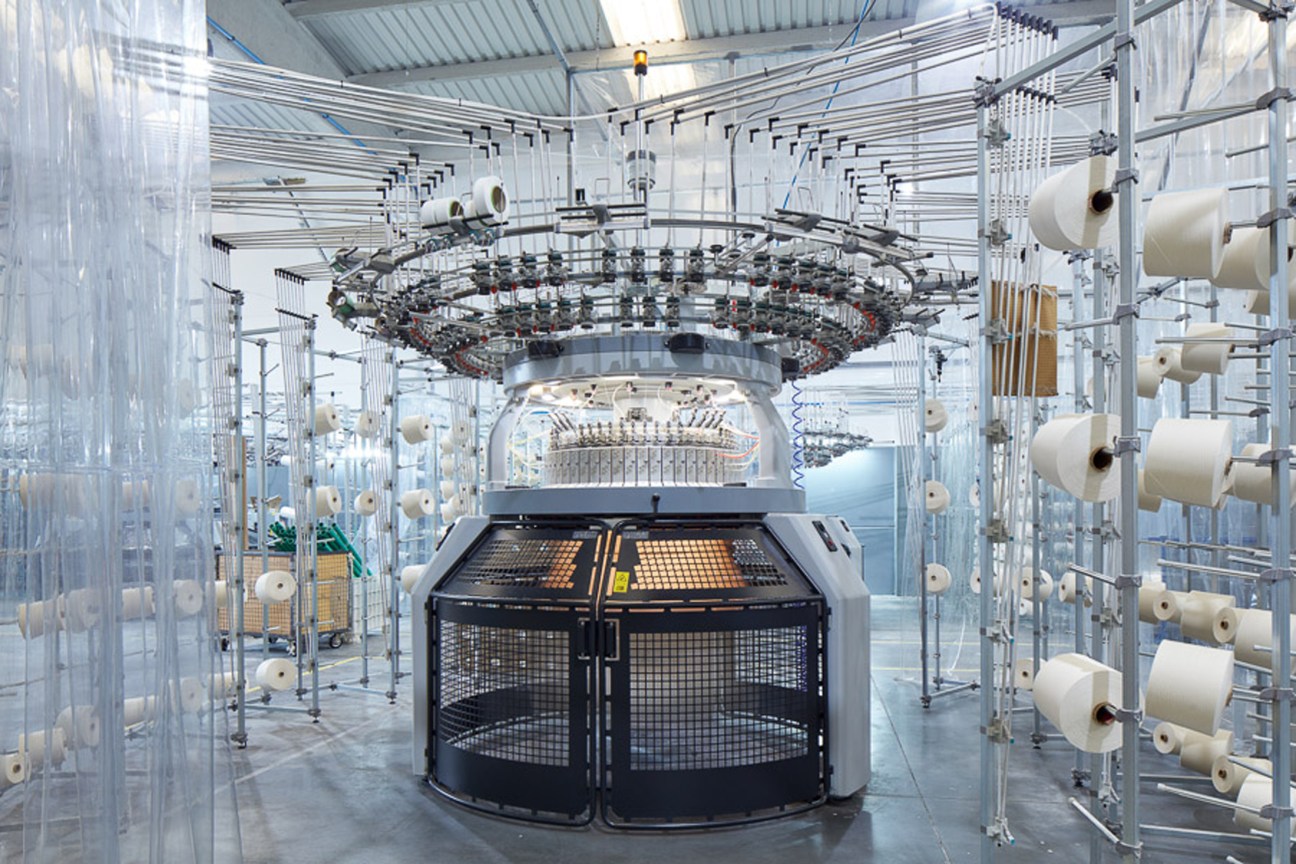
Clothius is Portugal’s biggest producer of seamless clothes, with a hi-tech factory in the northern town of Barcelos. Here circular looms deliver clothes that are almost store ready. “They come out with the tags and washing instructions printed on them,” says Jorge Vale, Clothius’s director. Since its founding in 2014, the business has seen its clientele change from sportswear brands to fashion labels with athleisure lines, such as Karl Lagerfeld and Calvin Klein. “Only about 15 per cent of what we make is for sport; the rest sits in this hybrid,” says Vale. While high-performance gear still relies on synthetic fabrics for optimal breathability and elasticity, athleisure offers leeway for experimenting with sustainable materials. “Twenty per cent of our yarns are recycled and we offer clients natural and regenerated materials, from Lyocell to bamboo fibres,” he says.

The push towards sustainability is felt across the Portuguese textile industry and businesses are betting that production innovations will give them a competitive edge over places such as Morocco and Turkey. In 2017, Valerius, Clothius’s holding company and the country’s leading textile group, invested €25m into its own recycling plant. It can now make 2,100 tonnes of recycled yarn a year from its own waste, overproduction and unsold stock. Considering that Portugal has to import many prime materials for textiles, investing in recycling plants makes a lot of sense.
“Our aim is to be a completely circular business,” says Rute Santos, head of business and product development at RDD Textiles, Valerius’s research and innovation hub. Along with its work in recyclables, the centre is researching fibres made from food waste and bio dyes made from bacteria. “There’s a long way to go in terms of making this a clean industry,” says Santos. “But Portugal is well positioned to offer solutions in Europe’s textile market.”
Grooming: Indonesia
Homegrown talent
The impetus for starting Oaken Lab, an Indonesian perfume brand, came from necessity. Co-founder Chris Kerrigan, wary of the effects of mass-market deodorants and aftershaves on his skin, began to experiment with making skincare products at home. He ended up taking an intensive perfume course and realised that he wanted to go further than kitchen-table R&D. He and his wife and business partner, Cynthia Wirjono, launched Oaken Lab in 2018. The duo co-founded the Goods Department, a concept store, and Brightspot Market, a boutique fashion festival that they still help to run every year.

Both of these businesses are in Jakarta and have succeeded by championing local brands with thoughtfully designed and high-quality products. Oaken Lab, which sells perfume, body and hair products and other grooming essentials, now has stockists in six countries. It emphasises its Indonesian roots through products such as Batavia Barber, a perfume named after a historic barbershop in Jakarta’s Old City. The local links are more than nominal: the fragrance comprises vetiver from Java and patchouli from Sumatra, and customers have responded enthusiastically to Oaken Lab’s handsomely packaged, sweet-smelling scents, balms, candles and accessories.
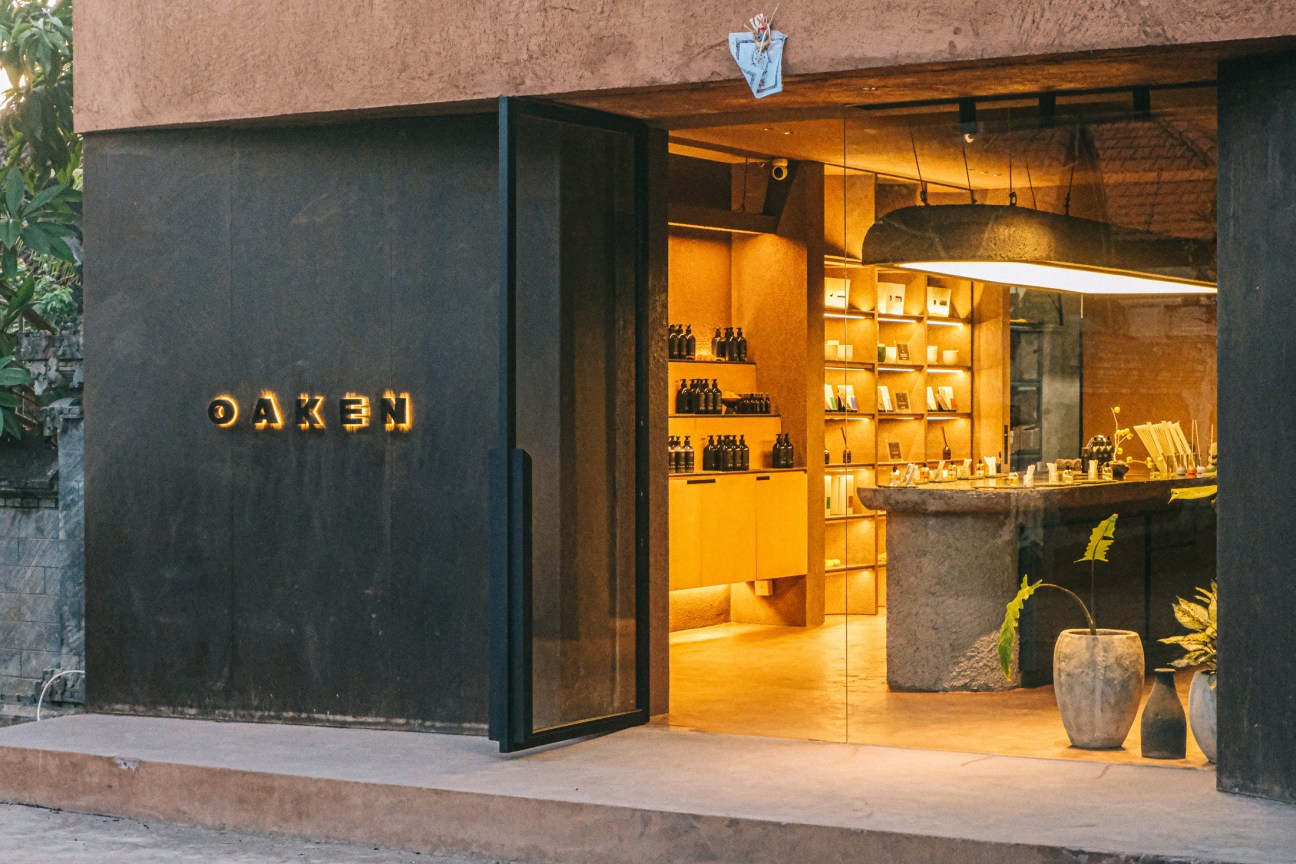
“We started small and we always listen to responses from the first people who adopted the brand,” says Wirjono. “It made us realise that we do have a place in the market and that it’s still very underserved.” Oaken Lab now supplies its products to restaurants, retailers and hotels. In 2023 it opened three bricks-and-mortar shops, one in Bali, one in Jakarta’s Indonesia Design District and a larger flagship, which opened in south Jakarta in October and delivers new and immersive experiences of the products. “We were waiting to find these perfect little spots,” Wirjono says of the time it took to open physical shops. “We don’t want to overexpand; we want every location to be meaningful.”
Podcasts: Austria
Talk of the town
Austria’s postal service has been undergoing modernisation for years but its first foray into the audio world in 2022 marked a new high. Aptly named Postcast and inspired by the country’s long tradition of radio drama, it explained the system’s intricate inner workings from the point of view of a parcel, voiced by a well-known Austrian public radio presenter, as it travelled from Vienna to the second city of Graz.
Though technically a corporate podcast, its innovative storytelling made it a hit in the roster of Oh Wow, Austria’s first dedicated podcast production house.

“It was a lot of fun to make but also quite challenging because it was actually more like a semi-fictional mini-series than a corporate story,” says Oh Wow’s founder Jeanne Drach, an Austro-French musician and entrepreneur who had lived in Algiers, Dakar and New York before settling in Vienna (she puts her languages to good use, hosting shows in English, German and French).
Oh Wow is partially funded by the Vienna Business Agency, whose generous schemes have powered a rise in new journalism and media initiatives in the city in recent years.
Drach started the company in 2019 when she recognised a gap in the podcast market, as did the City of Vienna. Oh Wow is partially funded by the Vienna Business Agency, whose generous schemes have powered a rise in new journalism and media initiatives in the city in recent years.
Another of Drach’s hallmarks is her emphasis on empowering women. All Oh Wow employees are women (the postal parcel spoke in a female voice too), while the company’s flagship show, Jeannes Welt, focuses on inspirational women in the Austrian arts, media and beyond, including musician Ankathie Koi, author Stefanie Sargnagel and rights activist Mahsa Ghafari. The show is about to get a revamp that will invoke another Austrian tradition – that of the Varietétheater – to include readings, comedy and music alongside its spoken-word content. “It is going to be a cultural audio magazine, a weekly portion of feminist optimism,” says Drach. “It will also be our own playground for new sonic experiments.”
Luxury: China
Second to none
Most downturns have their upsides and China’s current economic malaise is no different. The market for secondhand luxury goods is booming and Shanghai-based platform Zzer is one of the rising stars. Gross value reached a record ¥2bn (€259m) last year on the back of a push into bricks and mortar.

Zzer currently has four shops and founder and CEO Zhu Tainiqi is targeting at least 10 different cities across China in the next two years. The 35-year-old credits his wife with introducing him to secondhand luxury. It was her bad experience of trying to offload several Chanel handbags that prompted him to swap private equity for entrepreneurship. “The Chinese have been buying half of the global supply of luxury goods for the past 20 years,” he says. “Our closets must be full of handbags and I thought there must be a better way to help circulation.”
Experts authenticate every product on the shelves while sellers set the price and pay Zzer a cut. Customer demand drove the decision to go into physical retail. “More and more buyers wanted to see the goods and when we decided to open our warehouse it exploded,” says Zhu.
Chinese consumers are willing to buy secondhand: handbags generated 60 per cent of Zzer’s revenue in 2023, with jewellery and accessories the next fastest-growing segments. Zhu attributes the change in habits to Japan’s vintage shops, a popular destination among Chinese tourists. “The market size of luxury in China is huge,” says Zhu. “Growth might slow down overall but it’s still going to be a success.”
Travel: Slovenia
Just the ticket
Slovenia’s capital, Ljubljana, got a new railway station to mark the start of 2024: a temporary pair of platforms outside the Union Brewery.
It is, however, a first step. Due for completion in 2026, the Emonika project promises spectacular new bus and rail stations. Adjacent commercial, residential and retail buildings will fill prime city-centre land that has been embarrassingly empty for decades.
Emonika’s long gestation is largely due to a struggle to find the right combination of stakeholders. Several commercial investors came and went before Hungarian bank OTP stepped in, alongside Slovenian Railways and both the national and city governments. The municipality estimates the overall cost at €1bn.

Ljubljana will get a track-straddling, glass-roofed railway station designed by architects Sadar 1 Vuga. For the bus station, Bevk Perovic will offer passengers an airy terminus.
Architect, urbanist and co-founder of Outsider magazine Matevz Granda questions the need for “another shopping centre” to add to Ljubljana’s already plentiful supply of malls. And he suspects the provision of almost 3,000 car-parking spaces “shows the main purpose of the project: not to get people on a train but to get them into the shopping centre”.
It seems a fair point, given that the works do not include substantial upgrades to improve train speeds and frequencies. The new station will be welcome but an improvement on 19th-century journey times would be even better.
Food: USA
In the bag
When American-Pakistani entrepreneur Umaimah Sharwani was at university, her mother, Paro, would send her Ziploc bags of spices, lentils and rice to make her favourite South Asian comfort foods. By adding water, a hearty meal would be ready in 20 minutes. Now, after working in product development and distribution – including for Google and Glossier – Sharwani has turned her knack for building direct-to-consumer products to South Asian pantry staples.
The result is Paro, a US-based food brand that currently consists of a trio of larder essentials: a red daal, kitchari (a porridge-like dish with mung beans, spices and basmati rice) and tarka seasoning oil to top it off.

“If a barrier to entry to South Asian dishes is time or access to ingredients, I want to do that work for the consumers,” says Sharwani. She launched Paro in February 2023 and the business has seen a growth trajectory with a consistent, month-to-month expansion of 20 per cent.
Sharwani’s advice for those looking to start their own consumer-products business is straightforward. “Look at who you can bring on the journey with you,” she says. “And have a good understanding of where you want to go, because it will help you prioritise.”
fromparo.com
Food: Japan
Bait and switch
Between depleted oceans, an unstable climate and an exploding global population, the outlook for food production looks grim. Japanese manufacturer NH Foods is tackling the problem by developing alternative foods. It launched a range of soy-meat substitutes in 2020 and from April will be selling its latest offering: plant-based tuna. “We were thinking about sustainability, primarily and the scarcity of ocean resources,” says food development manager Kenichi Watanabe. “But also about environmentally conscious consumers and people who don’t want to eat raw fish or maybe can’t for health reasons. We chose tuna because the consumption is huge.”
A scientist who studied cosmetics development, Watanabe spent six months working on the “tuna”, which is made from plant ingredients such as yam powder. NH Foods (the initials stand for Nippon Ham), which was founded in 1942, is best known for its Schau Essen sausages but now also offers dishes such as deep-fried “chicken” and breaded minced “beef” cutlets made with a soy substitute.
“We already had the processing techniques,” says Watanabe. “The big challenge with the tuna was getting the texture and smell right.” For now the tuna will only be going to hotels and restaurants. There’s also a soy meat Korean bulgogi wrap and a plant-based ramen broth that replaces fatty pork with a soy alternative. For this part of its business, the company is looking at annual sales of ¥10bn (€63m) by 2030 and research suggests that the alternative market globally will hit €41bn by the end of the decade.
The Entrepreneurs
Laura Kramer on: The smell of success
To Francis Kurkdjian, imitation is not just flattery; it is a testament to his prowess as a perfumer. “It’s a mark of acknowledgment of your talents,” he says. “Coco Chanel was not afraid of dupes. It shows that you inspire other people.” Kurkdjian is talking about his intoxicating fragrance, Bacarrat Rouge 540. One of the best-selling perfumes of the past decade, it’s also one of the most copied. But countless attempts have been fruitless because, despite best efforts, true craftsmanship is hard to replicate.

Kurkdjian says that he doesn’t envy those trying to match his work. “I prefer to be copied than to be asked to copy other people.” He’s highly confident in the uniqueness of his creations. Kurkdjian’s first fragrance took the world by storm in 1995; Le Mâle for Jean Paul Gaultier became a scent blockbuster. “I was just 25 years old,” he says. “How do you follow that? I had to reinvent myself.”
What followed was the creation of more than 40 perfumes for fashion houses such as Nina Ricci, Burberry, Dior and Elie Saab. Collaborating with designers was a dream come true for Kurkdjian, whose early fascination with fashion fuelled his desire to work for couture houses. By 14 he knew that he wanted to be a perfumer. “I was not into smells at all,” he says. “I was dreaming about the bottle, I was dreaming about the advertising.” And it was that original love of the other aspects of perfume that led to his next move. “The business model of perfume creation was quite removed from my dream job because things were very segmented: perfumers on one side, marketing and design in other people’s hands. I felt disconnected.”

So he decided to take things into his own hands. In 2009, he co-founded the eponymous haute perfumery Maison Francis Kurkdjian with business partner Marc Chaya to bridge the gap between his creations and the final product. “We had this crazy idea to make a brand that’s driven by creativity and by my dreams,” he says. As the fragrance house prepares to celebrate its 15th anniversary, Kurkdjian contemplated the future of scent. “What is important is the end goal, to make someone feel something through their senses,” he says. “We should be confident in the capacity of creators to push boundaries.”
To listen to more interviews with business innovators, tune into Monocle Radio’s ‘The Entrepreneurs‘, live or as a podcast.
Community Builders: The Colorado-based non-profit breaking down ideological polarisation
Charlotte McDonald-Gibson meets the man helping polarised American communities find common ground.
Insurmountable political polarisation now seems as much a part of American life as apple pie. And with a rancorous presidential election looming, the Republican-Democrat divide threatens to consume the country. Clark Anderson believes that it doesn’t have to be that way. As co-founder and executive director of Community Builders, an organisation based in the Colorado town of Glenwood Springs that operates across the state and in others nearby, he is working with civic leaders and communities in frontier towns across the mountainous western US to find common ground on matters transcending grand political narratives. As a Colorado native who grew up in a small community, Anderson (pictured) understands the issues that really matter to locals: walkable towns and cities, affordable housing, sustainable tourism, thriving downtowns and efficient public transportation. The thinking is that if you can persuade people from opposing political camps to agree on the issues that improve their immediate environment, you can stop differences of opinion escalating into conflict and intractable division.
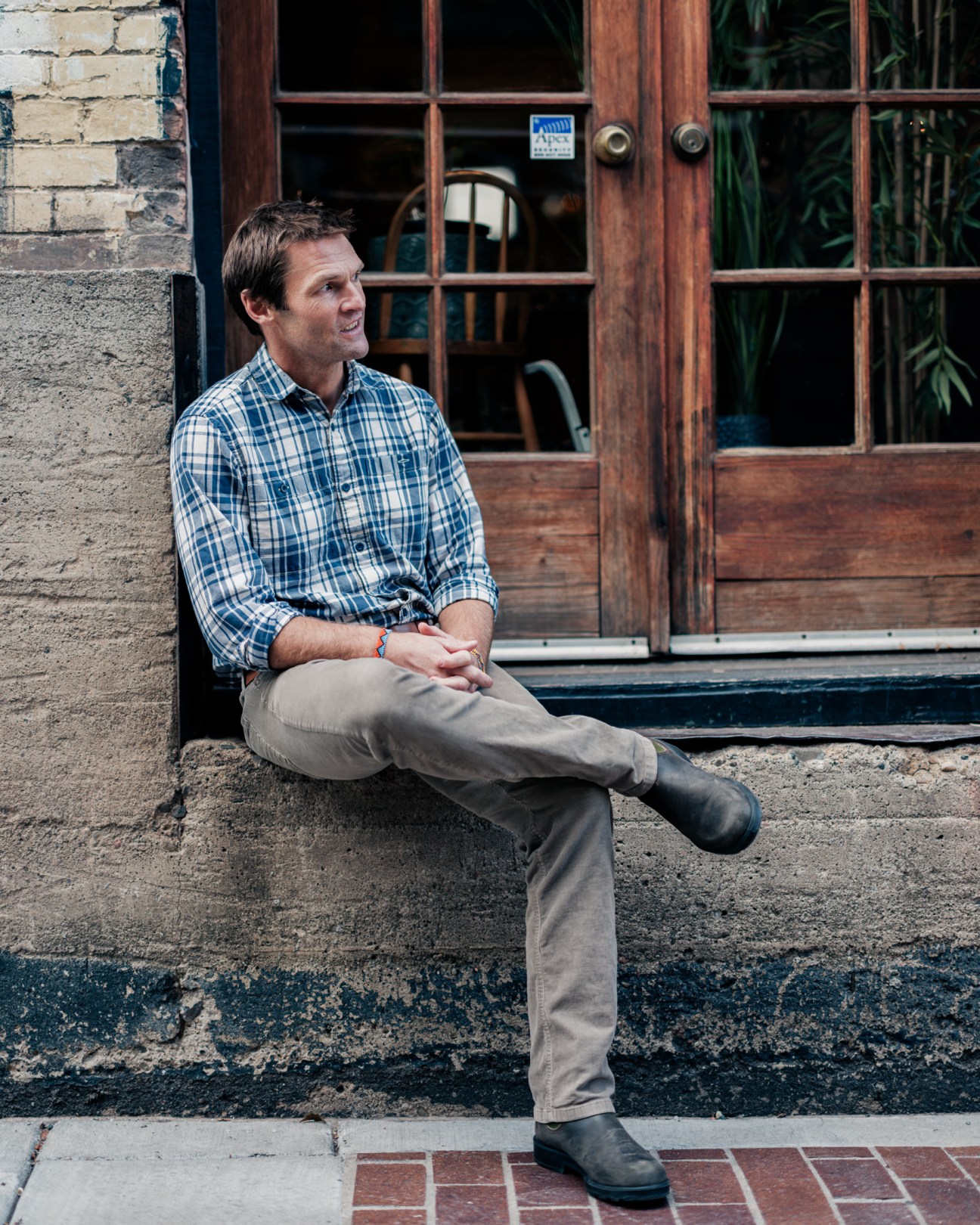
“Rather than creating communities that separate us, how do we create ones that are really inclusive?” says Anderson. “That is increasingly hard, especially within national politics, where we have a hardening of tribes. So breaking that down a little bit at the local level feels good.” The challenges and conflicts faced by the kind of communities that Anderson works with include poorly planned industrial change and rapid population growth. “It’s the Old West: all of these towns were settled around single industries, such as mining, logging or ranching,” he says. “Now they are becoming popular because they have this outstanding lifestyle and scenery. They are also facing economic change as they are forced to diversify.”
Similar stories are playing out across the US as people grapple with demographic change, shifting industry and increased automation. This comes against a backdrop of vitriolic national politics, as some leaders and media outlets seek to portray current divisions as a battle for America’s soul. “That has changed how people show up at the local level and the level of tribalism,” says Anderson. His solution is to identify the fundamental values that connect a community, regardless of their political views, and root discussions and negotiations in those values. Community Builders’ projects range from revitalising downtown areas and underused districts to helping communities to develop sustainable transportation systems. All stakeholders, from civic leaders to citizens, are brought together in a range of larger and smaller groups, as they move towards a common understanding and, if all goes well, compromise.
“Once you get into the local level, a lot of the national-scale politics tends to go away,” says Anderson. He recalls a recent example in the former mining town of Silverton, where deep divides appeared to exist between newcomers from larger, liberal cities and the more conservative long-standing residents. They disagreed over the future of a small family ski resort. “The fundamental finding of common ground came through asking questions about the basics of what matters,” says Anderson. “Why do you love the community? What brought you here? Why do you still live here? What are your hopes for the future?” When asked to spend time together reflecting on these questions, all sides agreed that a giant ski resort would be out of sync with the values they shared.
Anderson stresses that differences of opinion on such matters are not inherently negative; they just reflect the deep connection that people have with the places in which they live. As he says, “Issues such as housing, land use, transportation and how we grow our economies should be divisive – because they’re really important.”
McDonald-Gibson is a journalist and Monocle contributor based in Washington.
The agenda opener: Updates from our correspondents and a Q&A with Hoor al Qasimi
In it together
Tyler Brûlé on why today’s working practices don’t work.
How and when did you become the leader you are today? My most valuable lessons came from teachers, managers, clients and colleagues. I feel that I have done a reasonable job as a business owner and hope that there’s some degree of transmission. Among my senior colleagues, there’s a common understanding about how we report, present, pitch and sell. Time together has helped but our organisation’s rhythm has a lot to do with the work environments we were exposed to.
In an open office, conversations can be overheard and interventions made. New starters have an audience to help them build confidence and improve presentation. Everyone can share in successes or help to pick up the pieces if a deal fails. In short, you have a more switched-on company. But does such a company still exist?
Today, headphones allow colleagues to concentrate but mean that they lose touch with activities around them. Instant messaging makes it easy to type a question rather than walking over to speak in person. The office radio has disappeared as everyone wants their own soundtrack. No one takes a call out in the open.
I get the need for keeping things quiet but has the modern office become too hushed? Isn’t it time to increase the volume, celebrate the wins, share in the joke and simply follow along? As we delve into the world of property, it’s important to consider the places that help us to learn, improve and admire the people around us.
An extended version of this piece appeared in The Monocle Weekend Edition newsletter. Sign up for free at monocle.live/minute
Reporting from…
Monocle has a network of correspondents in cities around the world. Our brief updates here include news on an unexpected discovery in London, Bangkok’s marijuana U-turn and an arty theme park in LA
London
Buried treasures
A London office-led development, the Liberty of Southwark, has amended its construction plans after the discovery of a Roman mausoleum and mosaics. The building will now integrate these findings into its design to preserve a slice of the city’s varied history.
Bangkok
Up in smoke
The sale of marijuana for recreational use was decriminalised in Bangkok just 18 months ago. But now a new law is expected to ban it again. The U-turn could see weed-dispensary shops disappear in a puff of smoke – or quickly rebrand as medical centres.
Los Angeles
Ride of a lifetime
Canadian singer Drake has helped to rescue the Luna Luna “artist amusement park”, which has been in storage for almost 40 years. Last seen in Hamburg in 1987, it includes a carousel by Keith Haring and a ferris wheel by Jean-Michel Basquiat. It’s now open in LA’s Arts District.
The interrogator
Hoor al Qasimi
Director, Sharjah Art Foundation
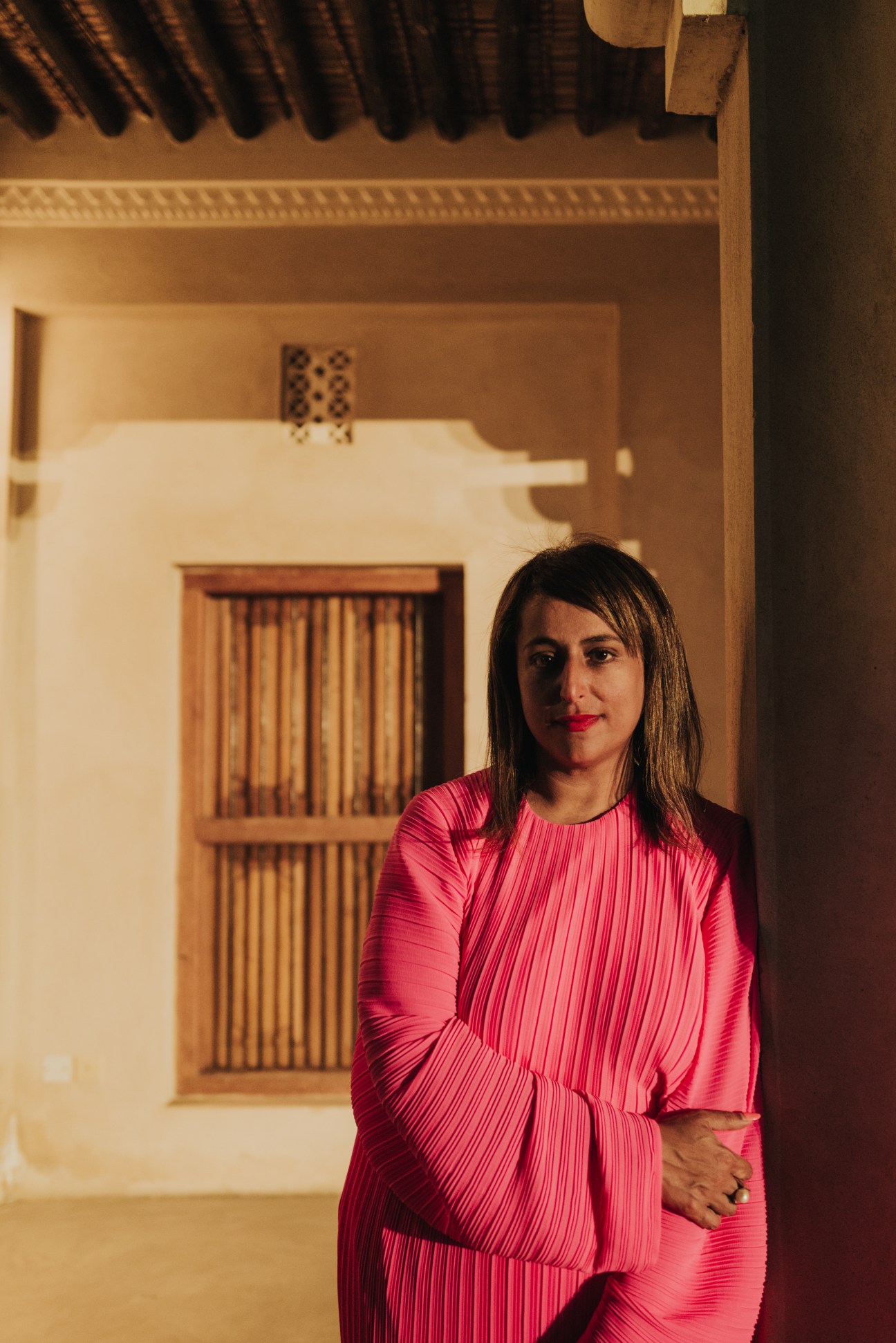
Hoor Al Qasimi is an Emirati art curator, director of the Sharjah Art Foundation and creative director of London-based fashion brand Qasimi. She was recently named as the first non-Japanese director of the Aichi Triennale, which will run its sixth edition in 2025. She tells us about her work, her travel reads and her multilingual listening habits.
What have you been working on lately?
I’m in Cuba at the moment, curating the third edition of a biennial at Matanzas called Rios Intermitentes, which means “intermittent rivers” in Spanish. It was founded by Cuban artist Maria Magdalena Campos-Pons. We are preparing to open on 6 April.
Coffee, tea or something pressed to go with the headlines?
Coffee, non-stop. Double espresso, no sugar.
What’s on your magazine stack?
I used to read a lot of magazines but these days I travel too much to carry things along with me. Now I tend to rely on my Kindle. I’m doing a lot of research reading, since I’m working on many exhibitions at the same time. For this project I’m reading Matanzas: The Cuba Nobody Knows by Miguel A Bretos.
Any movie recommendations?
When I was working on the Lahore Biennial in Pakistan in 2020 I saw Manto. It’s about the life of the titular poet during Partition. It’s amazing.
A favourite bookshop?
There’s a place in Lahore in Pakistan called Pak Tea House, where writers such as Faiz Ahmed Faiz and Manto went during Partition. On the street next to it are rows of bookshops and every Sunday there’s a second- hand book market. It was very special spending time there finding old publications.
Any podcast recommendations?
I’m listening to a lot of language podcasts to refresh my languages, mainly SBS radio – French, Japanese, Mandarin and German. I also hosted a podcast called Biennial Bytes and we have a new one called Speaking of Art.
In the driving seat
Public transport in London is usually something to be endured rather than enjoyed. Among the exceptions, however, are those rare journeys on the automated Docklands Light Railway (DLR) when a vacant seat behind the windscreen allows you to pretend that you’re driving the train.

London’s mayor, Sadiq Khan, is reportedly considering enhancing this pleasure. As 54 new trains are absorbed into the dlr fleet, the front seats might be fitted with dummy steering wheels, possibly made from cardboard. This suggests that it has been a while since Khan last used any London transport. Any such adornment will need to be made of tougher stuff than cardboard to avoid being destroyed or stolen, to say nothing of the prospect of inciting fights among children – and, indeed, adults – desperate for a go.
The initiative also misunderstands the appeal of “driving” the DLR. Whether accompanied by “choo-choo” noises from children or occurring furtively in the heads of adults, it’s a playtime for the imagination – and a delight that would only be diluted by the addition of gimmicky props.
Fake woos
Though single people often have to deal with intrusive dating questions, these usually come from their family and friends – not their local government. In Tokyo, however, the love lives of residents has become a top priority for city officials, who are alarmed by the declining birth and marriage rate.

Rather than focusing on the financial burden of parenthood, demanding work culture or poor maternity protection, the government has created a dating app, which is expected to launch this year. The developers enlisted an existing Japanese dating app, Tapple, to engineer the algorithm behind finding the perfect match.
The app follows a string of initiatives to tackle the baby-making problem. The most bizarre so far is AI-generated “girlfriend” Koi Suru AI, also created with the help of Tapple, who mimics the intimacy of a relationship, supposedly to encourage men to try the real thing. Though the idea of government-assisted meet-cutes might be a bit dystopian, let’s hope that Tokyo’s efforts can perhaps provide a road map for other countries with declining birth rates.
Heat of the moment
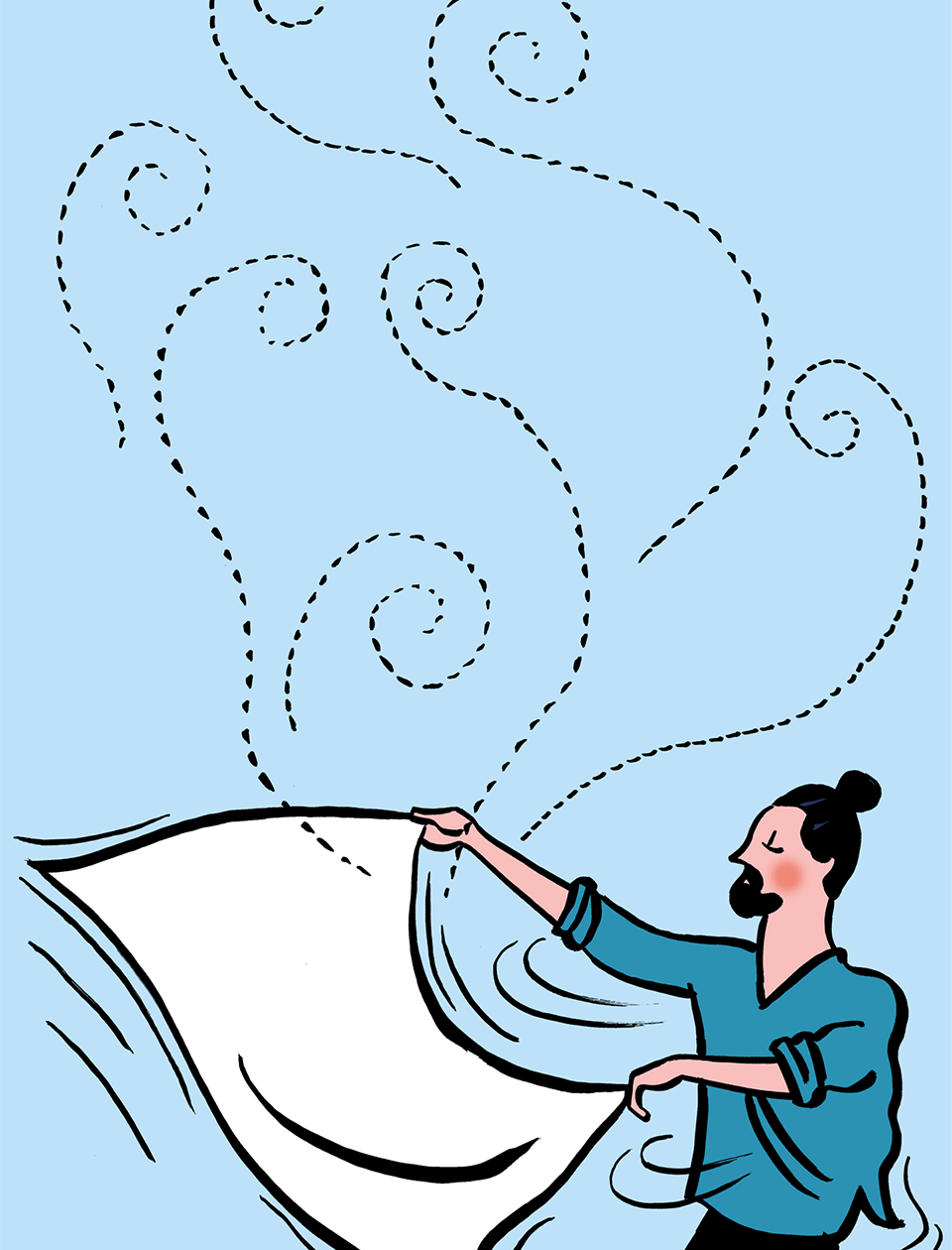
The sauna is usually thought of as a haven of solemn, silent, sweaty contemplation. Not at the Palac Saturna Rzymskie, a spa in the Polish town of Czeladz. It will be the venue for the second annual Aufguss World Cup Freestyle from 21 to 24 February.
Aufguss is a sauna ritual in which the master of ceremonies wafts heat and scent by flailing a towel, often to the accompaniment of music. The World Cup brings a competitive element to bear, awarding points for such elements as “smooth transitions”, “respect for the stove” and “waving techniques”, deducting them for dropping your towel more than three times.
It is arguable that the event’s billing (“The Battle of the Gladiators”) rather oversells the risks involved.
Howls of derision
Few issues disproportionately inflame electorates like the hunting of wild animals and it seems that it will become an issue ahead of the EU elections in June. In several countries, parties courting the rural vote are keen to make it easier to blast away at wildlife – and wolves in particular. Sweden permitted a wolf hunt earlier this year; Germany, France, the Netherlands and others are contemplating something similar.
Thanks to EU protection laws, Europe’s wolves have multiplied and are now helping themselves to tens of thousands of farmyard animals a year. The vulpine cause wasn’t aided last year by whichever wolf attacked a pony belonging to the European Commission president, Ursula von der Leyen.
Love letters

The French bought more than six million romance novels last year: since 2020, sales have almost doubled annually. Though “chick lit” has a long and distinguished history, it has often been dismissed as a second-tier entertainment and given little critical attention. While US author Colleen Hoover dominates the bestseller lists, France is also supporting homegrown talent. The 27-year-old Morgane Moncomble recently dethroned popular bande dessinée series Asterix and Gaston from the top of the charts, selling 60,000 copies of her latest novel, An Autumn to Forgive You, within three weeks. But romance is in the air in other nations around the world too.
1
South Africa
In September 2023, romance The Thing with Zola by Zibu Sithole made waves. The genre often jostles with poetry for the top spots on the country’s charts.
2
Brazil
More than 16 per cent of the population over the age of 18 – about 25 million people – reportedly bought at least one romance novel in 2023.
3
Hungary
Despite a ban on “inappropriate” books, Hungarian novelist Anita Tomor is topping charts with works such as Sugar Daddy and Now We Dream Together.
Illustrator: Hubert Van Rie
The affairs agenda: Nato’s cold-weather wargames and a seaside squabble
defence –– europe
Chills and drills
The placid snow in Norway’s Far North will soon be whipped up by helicopter propellers, then beaten back down by the sturdy boots of a multinational force. Nordic Response 2024, Nato’s largest cold-weather exercise, runs throughout March and involves more than 20,000 troops from 14 countries, including new ally Finland and prospective member Sweden.
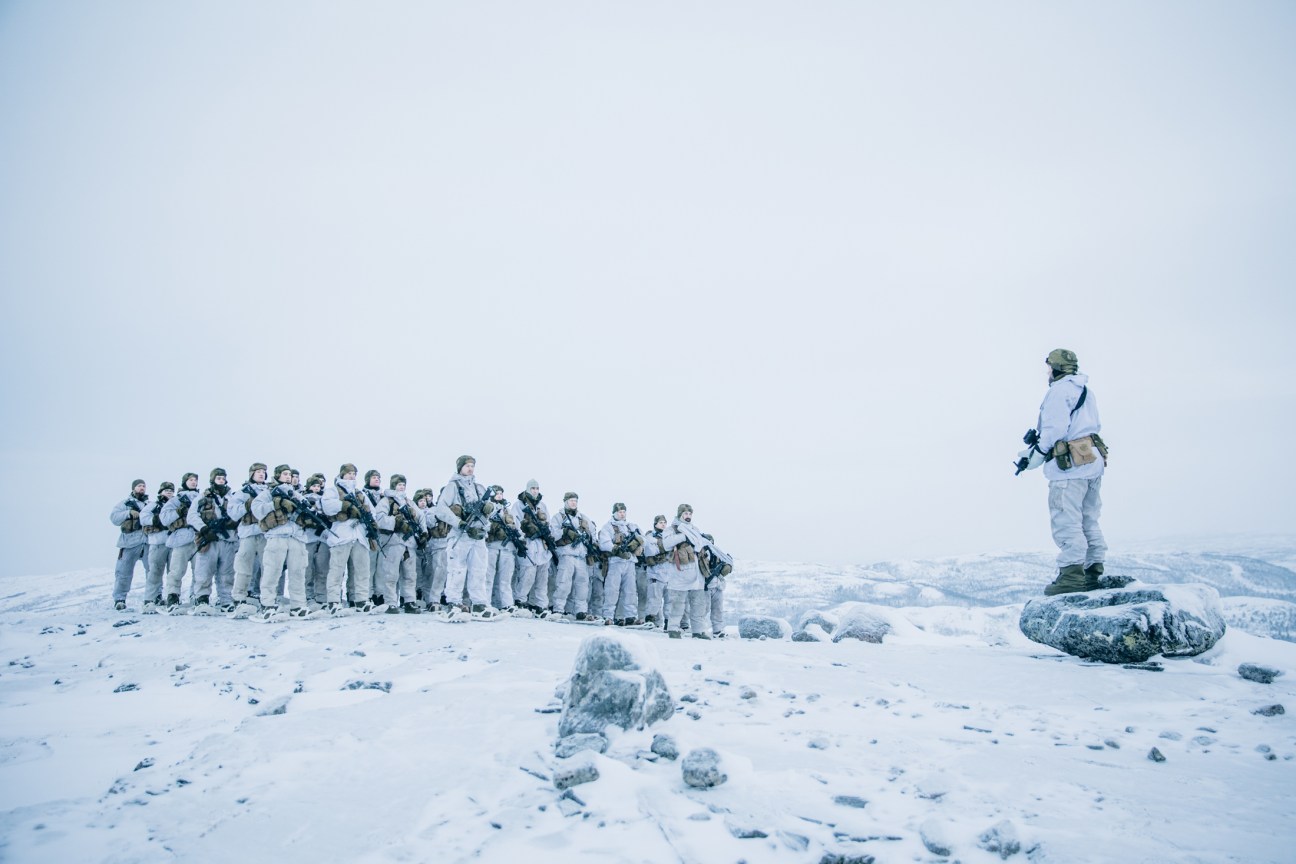
Troops will push further north than ever before: to the picturesque Arctic village of Alta, battling harsher climes than in the previous edition of the exercise, conducted in 2022 (see Issue 153). “Even though the area is not that far from where we normally train, this exercise is different,” Torbjørn Brodtkorb Danielssen, head of strategic command and analysis for the Norwegian Armed Forces, tells Monocle .
The wargame – which is part of Nato’s larger Steadfast Defender 2024 exercise – will take place over air, land and sea, and include live-fire infantry drills, naval drills involving 50 ships, including submarines, and air support from more than 100 fighter jets and helicopters in temperatures that can plunge to as low as minus 30c.
If, as looks likely, Sweden soon joins Nato, all five Nordic countries will be allies, which will give the alliance territorial resilience on its northernmost flank. Wargames such as this are a formidable show of force in Russia’s backyard. Nato is hoping to fine-tune its cold-weather preparedness while sending a clear message to Moscow.
In the basket
Scaling up

Turkey’s defence industry is a notable exception to its generally wheezing economy: its arms exports have increased by at least 69 per cent since 2018. The Otokar Cobra family of armoured vehicles, has attracted many overseas customers and seen active service with the armed forces of Georgia, Nigeria, Burkina Faso and Ukraine. Morocco’s military expenditure is on the up, reflecting rising tensions with neighbouring Algeria and perennial worries about Western Sahara. But not all of this contingent of Cobras will be deployed to deter potential foes: about 20 are believed to be earmarked for Morocco’s UN peacekeeping commitments.
In the basket: 200 Otokar Cobra II armoured vehicles
Who’s buying: Morocco
Who’s selling: Turkey
Price: €125m
Delivery date: Late 2024-early 2025
diplomatic spat
Line in the sand
Who vs who: The Maldives vs India
What it’s about: Umbrage has been taken by, or on behalf of, India’s prime minister, Narendra Modi, about disobliging descriptions made of him by a trio of Maldivian junior ministers. They referred to Modi as a “clown”, a “terrorist” and “a puppet of Israel”. These outbursts appear to have been prompted by Modi’s promotion of Lakshadweep, the picturesque chain of Indian islands.
What it’s really about: The Maldives’ economy is heavily dependent on tourism from India, so the furious Maldivian ministers might perceive Lakshadweep as a rival – though Modi is entitled to promote any part of his country. The “puppet of Israel” accusation is likely a populist appeal to the Maldives’ overwhelmingly Muslim population. India’s response was strong: summoning the Maldivian high commissioner. The Maldives responded in kind. Indian travel companies began promoting boycotts of the Maldives.
Likely resolution: Relations are likely to worsen further, even if the three Maldivian ministers are suspended. The country’s president, Mohamed Muizzu, appears to favour China over India. He gave India a deadline to remove its military presence from the Maldives. Still, military escalation seems unlikely, even with Indian elections on the horizon.
tHE FOREIGN DESK
andrew mueller on…
The year of democracy
Even amid a 21st century that has not been short on incident, 2024 looms as one of its most significant years. Whether that turns out to be significant as in “things are now significantly better” or significant as in “what fresh hell is this?” is going to be down to a cohort who have been, of late, in a notably funny mood: voters. The next 12 months will see a remarkable – indeed, freakish – aligning of election calendars. This year at least 50 countries have been or will go to the polls, including seven of the world’s 10 biggest by population – though an asterisk should be placed alongside this observation conceding that one of those electorates is Russia, whose presidential election in March is not prompting feverish activity on betting exchanges.
On recent form, it is probably correct to be apprehensive as the vox populi begins clearing its throat. Our time has seen – indeed, been substantially defined by – the fortunate citizens of democracies making strikingly eccentric decisions. It is probably fair to read this as some metropolitan liberal media elitist harrumphing from his ivory tower that the riffraff keep obstinately refusing to vote as he might prefer. But it nevertheless seems fair to point out that there is little record of Brexit, Trump and other broadly similar populist tantrums working out to the benefit of those who threw them.
A new genre of analysis has developed to explain these acts of collective self-harm. Usually practised by metropolitan liberal media elitists who didn’t vote for whatever nonsense it was, it involves setting heroically forth into the provinces/heartland/wherever to solicit the complaints of the discontented, solemnly absorbing and dutifully amplifying these utterances, then nobly accepting that it’s all our own fault for not having listened. Well, phooey. If matters go further askew in 2024 – if, for example, a sufficient plurality of Americans choose to reinstall in the White House an obvious crook and simpleton who no private corporation in the country would employ – let there be no suiting up in this combination of pith helmet and hair shirt. It will not be the fault of the media, social media, banks, universities, a furtive deep state or whoever you’re blaming. It will be the fault of the people who chose it.
It is 68 years since American journalist and critic HL Mencken died but no more perceptive observer of the democratic circus has yet succeeded him. Though Mencken seemed like the sort of chap who would enjoy being proved right, he would be bemused to behold the determination of so many to verify his definition of democracy: “the theory that the common people know what they want and deserve to get it good and hard”.
Andrew Mueller is host of ‘The Foreign Desk’ on Monocle Radio.
geopolitics –– europe
History repeated
January marked the beginning of the phased accession of Bulgaria and Romania into the EU’s border-free Schengen Area, bringing its total number of constituent states to 29. This first stage, agreed in the final days of last year, will see the two countries – EU members since 2007 – join by air and sea, with talks on the opening of land borders to follow later this year.
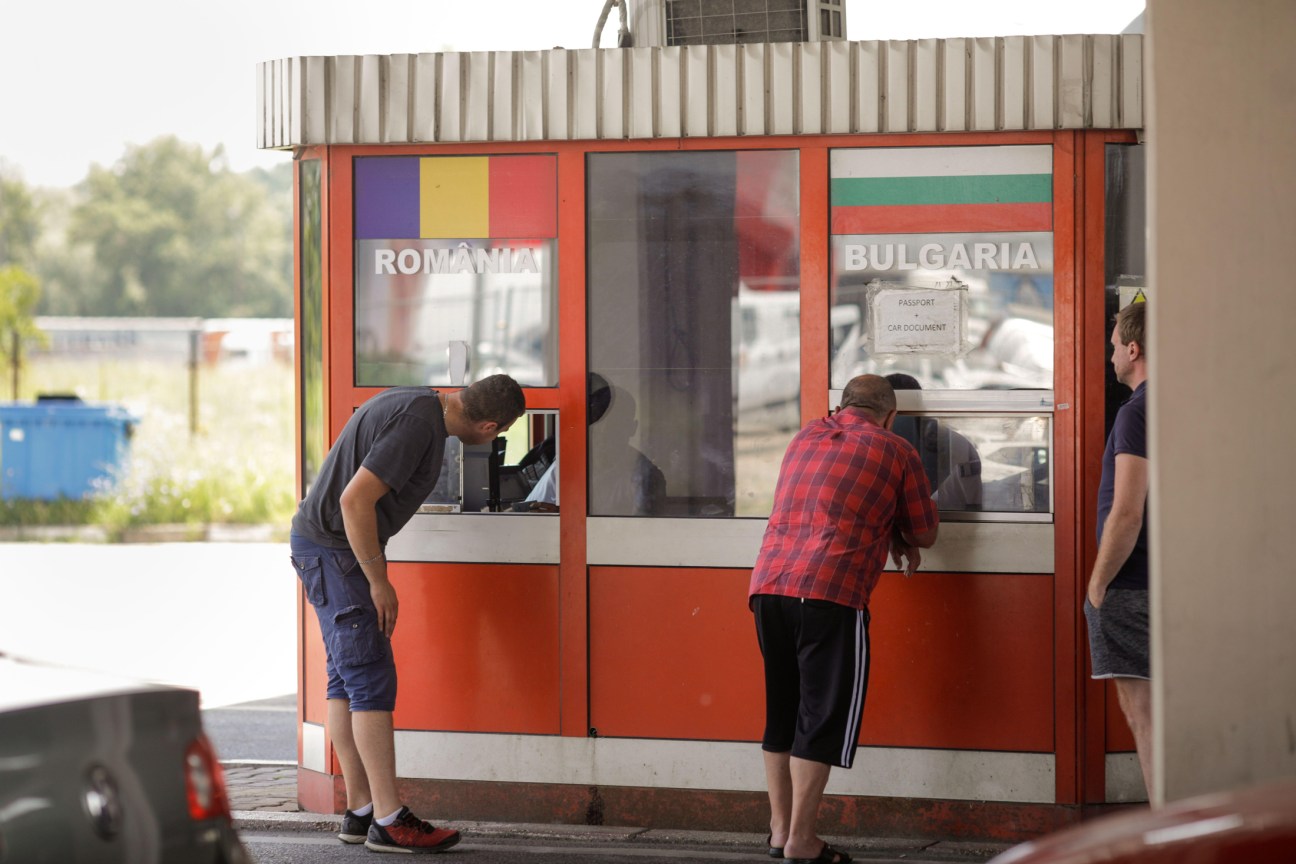
The idea of staggering full entry was put forward by Austria which, along with the Netherlands, blocked the two countries’ previous bid in 2022, citing concerns over arms and human trafficking, and the rule of law. This veto touched a nerve, especially in Romania, where the government recalled its ambassador to Vienna. Some Romanian customers of Austrian banks, such as Erste Bank, then took to social media to share videos of them destroying their credit cards, while several of the Raiffeisen Bank’s branches in the country were daubed with graffiti. This provoked widespread unease among the political and business elite in Austria who regard Romania – parts of which were once ruled by the old Habsburg empire – as being within its natural sphere of influence.
When Vienna finally relented, in December, Romania’s ecstatic prime minister, Marcel Ciolacu, wrote on social media, “We’ve broken the ice. After years of anticipation, we are on the verge of achieving this dream together!” But there was also a feeling of resentment, particularly in Sofia, which had been calling for full membership with no delay. Bulgarian officials also bridled at the fact that the deal came with conditions, including a trebling of border-police numbers and an agreement that both countries accept asylum seekers. In a historical parallel that most Austrians will have forgotten, the country itself was subjected to the arrangement, known as “Air Schengen”, when it applied to be part of the zone after its own EU accession in 1995. German and Italian opposition (focused, ironically, on Austria’s perceived inability to stop illegal migrants) kept it waiting until late 1997, when the abolition of airport checks paved the way for the gradual dismantling of land-border controls with the two countries.
This shared experience is unlikely to elicit empathy from Vienna. With an Austrian general election scheduled for autumn, control over frontiers and illegal migration will be key issues this year.
Editor’s letter: Andrew Tuck on when inspiration strikes
A moment of revelation that puts you on a fresh and decisive course. A simple change to your routine that restores your ambitions, your faith, your commitment. A hit of inspiration that generates a spark, that starts a fire (a metaphorical one – no wildfires here, thanks). Sometimes we go in search of these flashes of clarity, other times they strike us in the most unlikely of circumstances but, whatever their source, they can be all we need to give us a renewed and steely purpose.
This was the spirit of the briefing note that went out to Monocle’s editors, bureaux teams and correspondents this month as we asked them to locate the people, places and projects that could change our outlooks, give us all a vision for the future (well, at least 2024). They have done well with their finds.
Whether you are for or against new year resolutions, there is something about the change of date that just makes you take stock and wonder what will unfold over the coming 12 months. Now, we are not going to tell you to hit the treadmill or go on a diet but, over the following pages, we will provide some modest suggestions for starting the year right for everyone, including all the civic leaders, diplomats and architects reading this. We’ll remind you of the pleasure of seeing the world through a camera lens – and using film in it too; take you high-altitude for a different perspective on the art scene; show you how to commission the perfect home, or an embassy; and lead you through the streets of Naples to see how slow fashion has existed in the city for generations. Sartorial swagger should definitely be on the checklist for 2024.

In our Expo pages, our design editor, Nic Monisse, joins in as he looks at architecture that inspires – how buildings can be designed to elicit elevating emotions from us. As he points out, no architecture is neutral but how some structures make us feel wiser, more focused, more in awe is still something that can be hard to explain: the church that makes even those with no religion look to the heavens and feel something spiritual emanating from the soaring walls; the library that bathes us in the power and potency of knowledge shared. He’s lined up a stellar parade of edifices that should hopefully make your thoughts fly too.
Then we drop in on the new Azabudai Hills project in Tokyo, a mixed-use scheme by Heatherwick Studio that delivers peerless architecture, offers retail that raises the bar globally and has an understanding of public realm that is breathtaking. It’s somewhere every developer and city maker should have on their travel itinerary for 2024. And a word on this. At a time when we need to be building better, making places that resonate and create communities, it’s depressing how often those in charge of the budgets and decision making are reluctant to see what’s already out there – and triumphing. It’s only by venturing out into the world to seek new inspiration that we can ever hope to shrug off cloaks of mediocrity.
And, as you know, heading out into the world is something of a founding principle at Monocle and will be key in 2024. It’s striking how many media companies – big ones – have retreated to desk reporting, rewriting other people’s dispatches to give them a bit of a spin. But it’s only by being present that you get a sense of what’s really happening, what’s taking place just out of the frame. That’s why we are working on producing more events in 2024, looking to announce some very exciting physical-presence developments (sorry, I know that sounds obscure) and ensuring that our writers and editors go out and explore. It’s the only way to stay inspired.
As always, feel free to send me thoughts, ideas and inspirations. You can always find me at [email protected]. Have a good 2024.
How a neighbourhood in Johannesburg transformed itself into a guiding light
Enticing people to wander to downtown Johannesburg is not always an easy task. The area struggles with potholed roads, pollution, a lack of public amenities, power cuts and crime (Johannesburg is among the five most dangerous cities in Africa). But on any given day, Victoria Yards, set in an old steam laundry in the centre of downtown, is a plant-filled oasis. People sit outside a fish shop enjoying crispy hake and chips while a hum emanates from studios producing a wide range of products, including sculptures and jeans. On the first Sunday of every month a market takes place, bringing people to the area to buy these wares. The collection of industrial brick buildings, which house shops, restaurants, workshops and an urban farm, has become a beacon of hope in this underserved area. The man behind it is developer Brian Green. His hope was to create a hub for artists and craftspeople with affordable workshops and to engage in communal development through non-profit companies that provide food, employment and education to more than 50 local families.
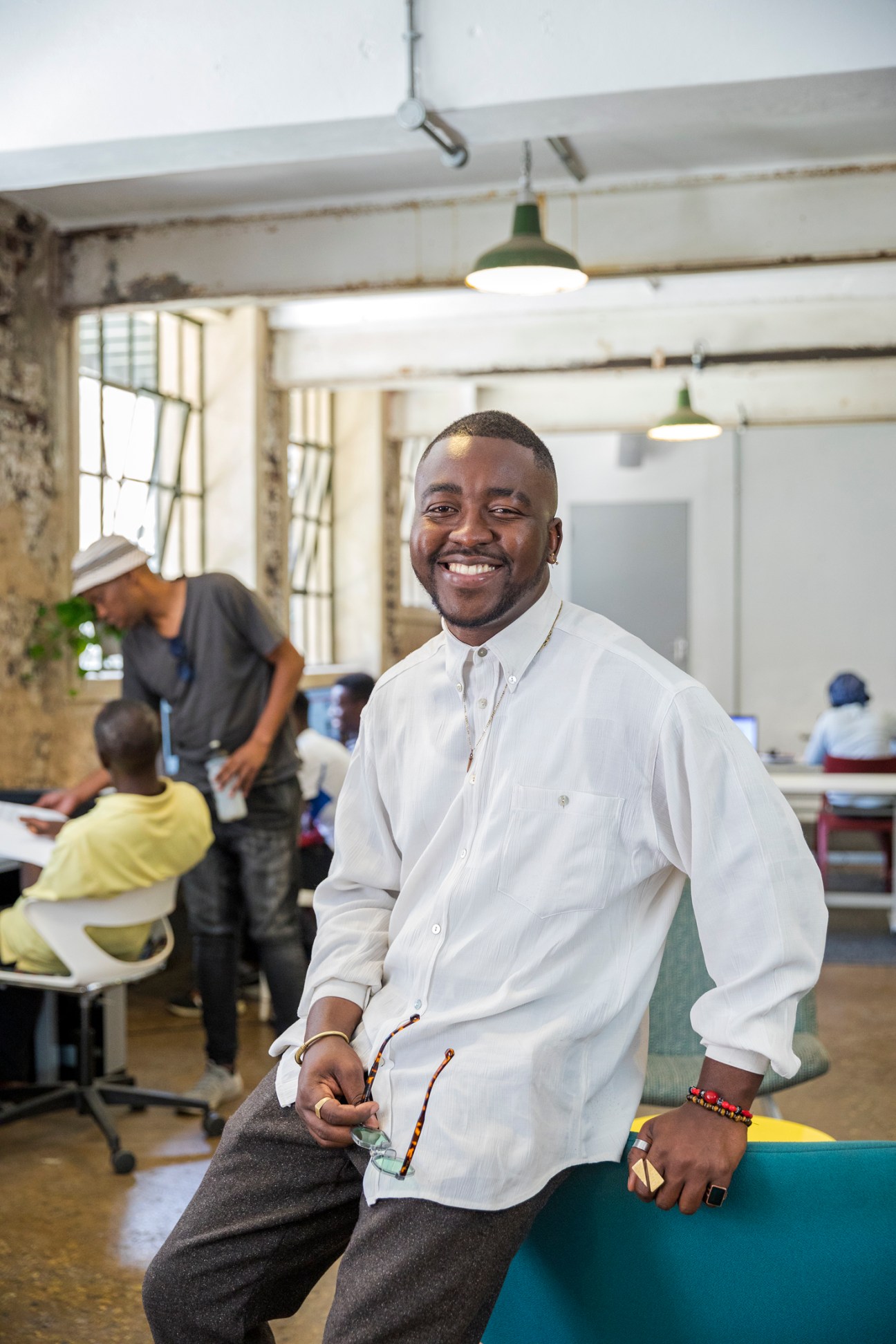
Tshepo Mohlala, founder of Tshepo, is one of the development’s biggest success stories. Having started his brand as a one-man operation in a small space nine years ago, he now employs 20 people, many of whom are his neighbours, and he has doubled his studio size. Many of the entrepreneurs who have started businesses here are from underprivileged backgrounds. Some have benefited from support, such as free internet and computer usage, and rent-free workshop space. Another rising creative entrepreneur is Samson Cristóvão Chamabala, who devises ideas for his sustainable fashion brand, Senhor Negro, in the community’s collaborative workspace. Chamabala hopes eventually to move into his own shop, which is no longer an unrealistic ambition for designers here. While these kinds of social initiatives and neighbourhood rejuvenations can often lead to gentrification and subsequent displacement, Victoria Yards has been careful about reserving space for the local community. Hector Mbiga (pictured), who is from the area, worked his way up from volunteering to become CEO of the Makers Valley Partnership, a social enterprise that has a space in Victoria Yards. “More people are coming onboard, wanting to see the work that we do,” he says. “People are asking, ‘How can I get involved? How can I volunteer?’”
Mbiga has seen positive changes both inside and outside Victoria Yards. For example, last year saw the 38 illegal dumping sites in the neighbourhood reduced to eight. This was largely thanks to Makers Valley’s Urban Rangers initiative, a collective of local people funded partly by city hall to educate Joburgers about proper waste disposal. As more businesses find their feet and thrive, it is inspiring others in the community to become entrepreneurs too. “Young people are thinking of business ideas that consider the community and the planet,” says Mbiga. “One guy has started a car wash that uses 80 per cent less water than the standard model. He’s also educating the community about water scarcity and how we need to be more intentional with water usage.”
This year, Makers Valley is hoping to collaborate with international corporations to help create more opportunities for local youth through commercial partnerships. It is also planning to help mobilise people in the area to vote in this year’s general election, which is set to be an especially pivotal one for Africa’s third-largest economy. “We’re trying to direct people’s awareness so that they can become active citizens,” says Mbiga.
monocle.livement: If this microcosm of social development and entrepreneurship can thrive in adverse conditions, then it could serve as a blueprint for other neglected communities across South Africa and the wider continent.
Pierro Pozella, the camera repairman helping to keep film photography alive
Pierro Pozella fixes cameras. Every day packages arrive through the post at his Birmingham repair studio containing broken Rolleiflex, Pentax, Minolta and Nikon cameras. All of them have an appointment with Pozella, who will take them apart, diagnose their ailments and try to make them click, blink and capture a scene with box-fresh accuracy once again. It’s useful to anthropomorphise them in this way if you want to understand how Pozella works because this smiling, modest repairman sees all of his patients as having a sort of soul. “A repair is a personal thing,” he says. “I think of these cameras as characters that need help.”
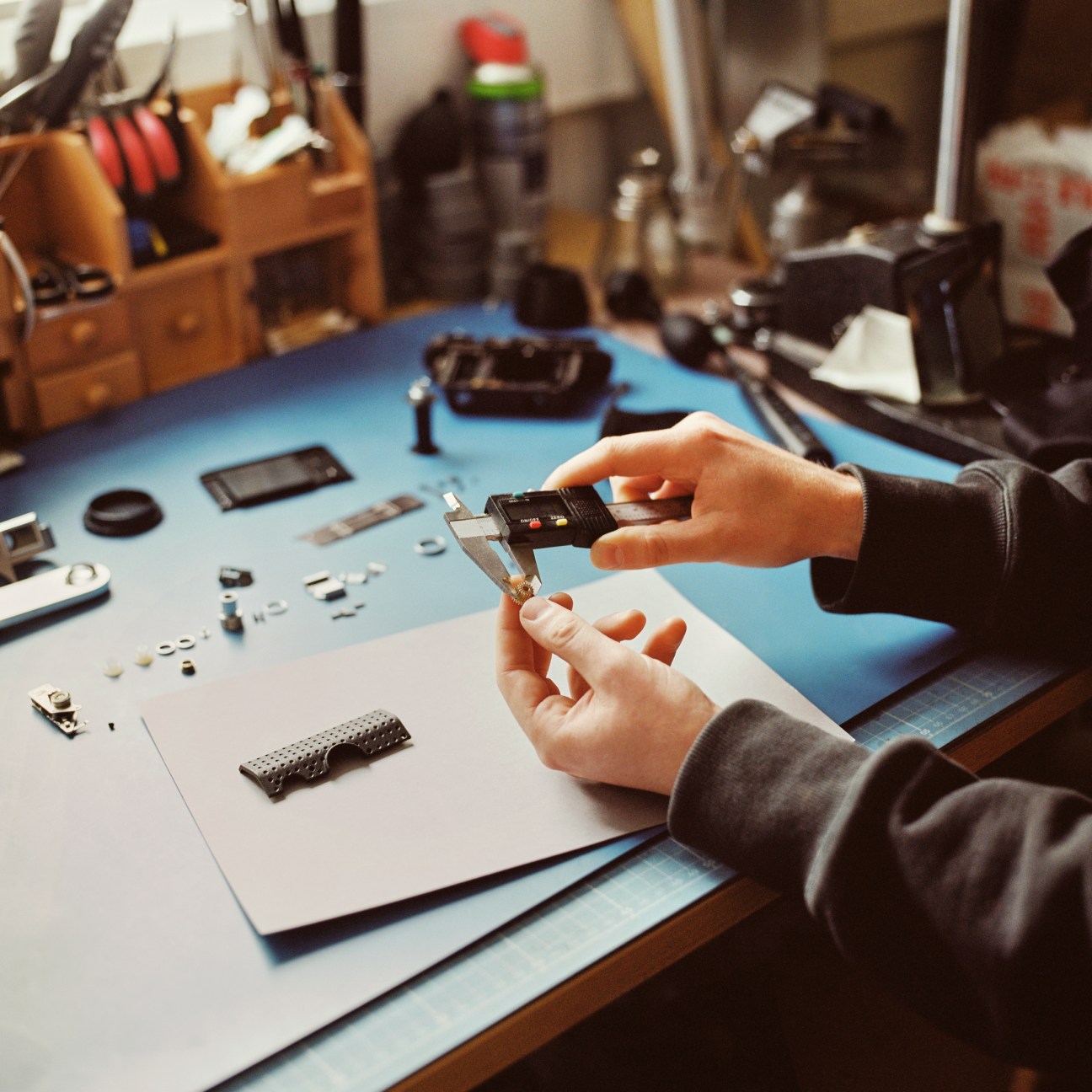
In some instances, Pozella gets to know the cameras so intimately during their healing cycle that he finds it hard to give them back. Just like a good doctor, he does not discriminate. He expends the same amount of effort on a £20 camera as he does on one that’s worth £2,000 – though sometimes, when he’s tackling, say, a critical-care Leica, he has to limber up mentally for a couple of days before taking it apart.
We meet Pozella, who is just 27 years old, in his compact and immaculately organised studio inside the unlikely setting of a storage facility – the kind of place where people exile the detritus cluttering up their homes. Here he has a workbench and boxes of cameras awaiting his attention on blue metal shelves, next to others that are now ready to be discharged (he usually completes a repair in three or four days). On another set of shelves are neatly arranged ranks of steel-bodied cameras that he has fixed to sell on his online shop. Like a good camera, it’s a small and perfectly engineered operation.
Pozella’s journey to this occupation is worth hearing about. “When I was about 15, I started volunteering in a charity shop,” he says. “It had all of these cameras that had been donated. The people who ran the place told me that, if they were broken, I could take them home to see if I could mend them – and that any that were impossible to patch up, I could keep.” As an aspiring fixer, he had something going in his favour: his grandparents. Pozella’s mum is British and his dad has Italian heritage; while his English grandfather taught him electrics, his Italian nonno instilled in him a belief that nothing should ever be thrown away if it could be repaired. Through trial and many errors, Pozella began to understand the common conditions that prevented a camera from completing its task and other shops were soon asking for his help.
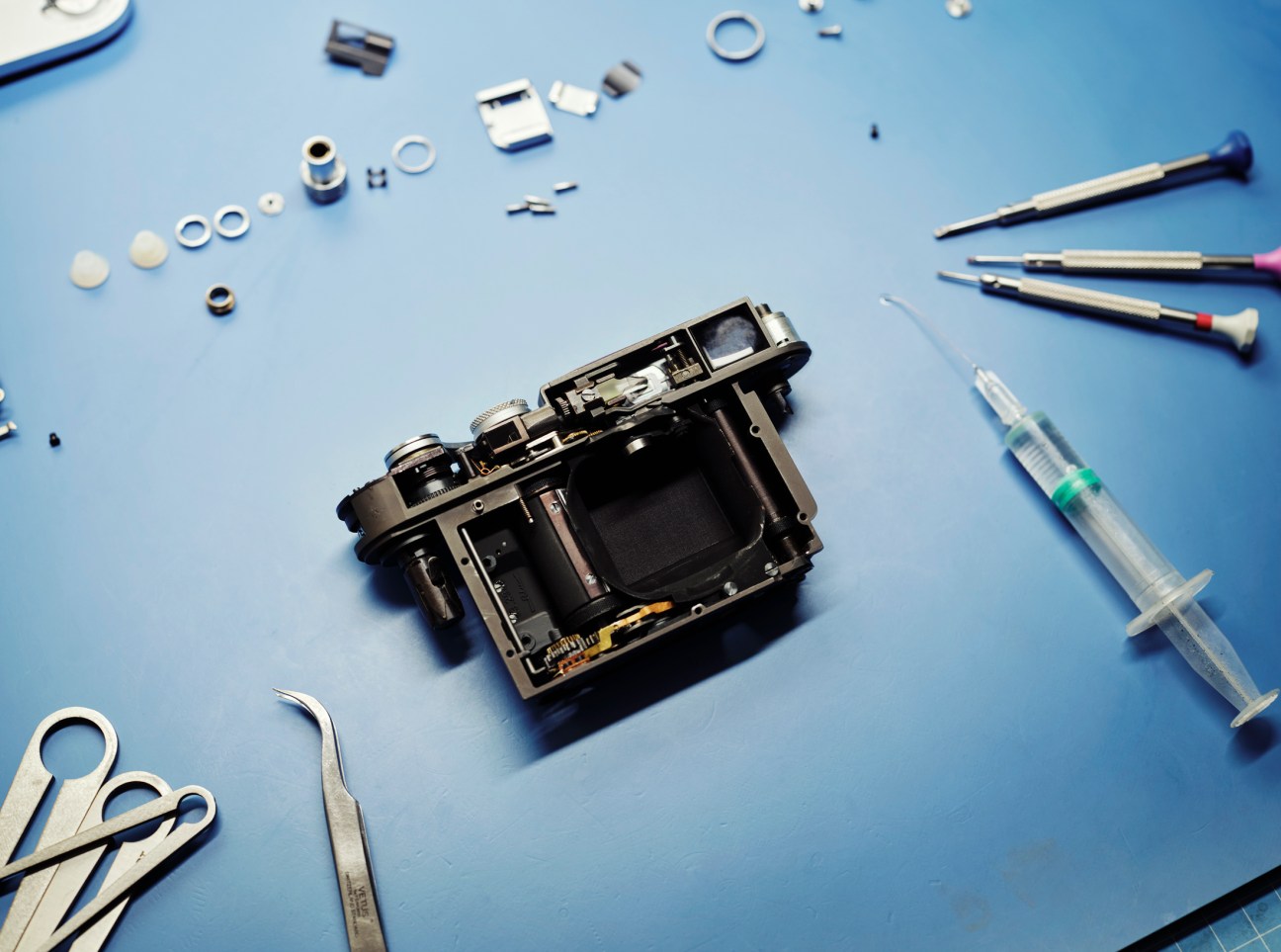
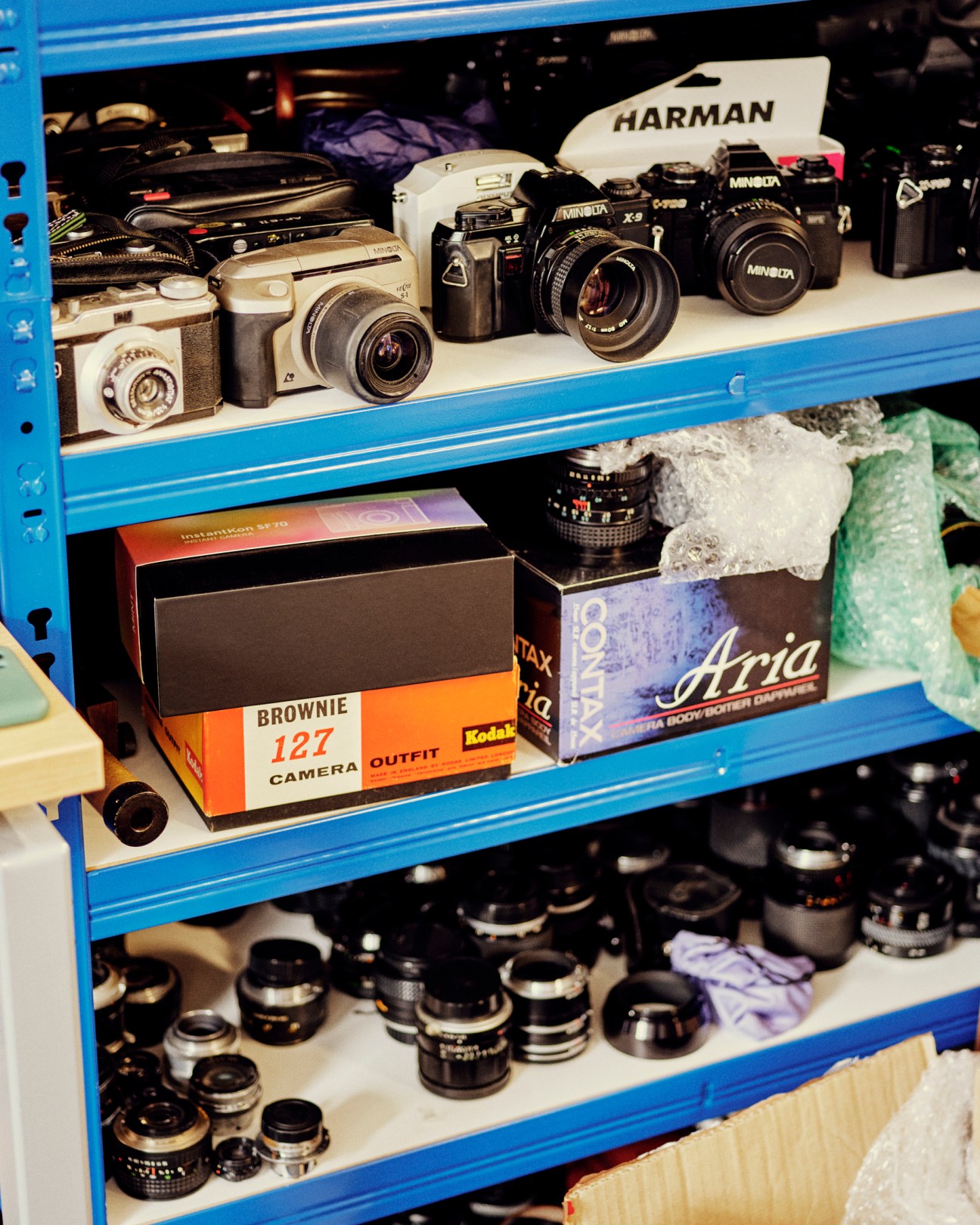

While a degree in engineering should have been his next step, Pozella’s dyslexia prevented him from taking that route. So he stayed in the world of cameras. He completed a photography degree, then earned a master’s in information experience and design at the Royal College of Art in London. There, among other things, he built an electromagnetic field detector. But he believes that his dyslexia and a degree of autism (which is currently being assessed) have helped him, especially with his camera repairs. “I have harnessed all of this,” he says. “With the way that my brain works, I can look at a camera and just feel what’s wrong. I can also blow one up in my mind, see all the parts and see how to put it together again perfectly.”
After the UK’s coronavirus restrictions were lifted, Pozella and his partner moved to Birmingham and his camera-repair work flourished. “There was a revival of interest in film photography – in the tangible, the physical,” he says. “People realised that it’s good for your mental health.” He is a good photographer too and always has a camera with him. He likes “capturing the mundane”: people eating, his girlfriend sitting in the garden, the cat. As a new project, he has started a film lab.
Pozella could eventually fix nine out of 10 cameras. He invested in a 3D-printer and learnt how to manufacture hard-to-find parts. Though he still wanted to know more, he encountered a reluctance among the rapidly retiring old guard to share the secrets of their trade. “I get it, they don’t want some youngster bothering them, asking lots of questions,” he says. “And I can ask a lot of questions.” But he has recently found a mentor who is helping him to refine his craft. “He understands that, for me, this isn’t about making money or doing things fast. I will be learning for another 60 years.”
And then someone in the television industry saw his Instagram account, which features his work. Now this fastidious young man can be spotted on the successful bbc TV programme The Repair Shop. “It’s amazing,” he says with a disarmingly undented charm. “They really look after you when you’re filming. They feed you so well. You can eat as much as you like.” Even members of the old guard have sent him messages of support. Pozella, however, still likes to go to his bench, open the back of a troubled camera and set about putting things right.
While he waits to have his portrait taken, Pozella picks up a camera that’s ready to be sold and rehomed. He presses the shutter button and listens to it fire. “It’s such a beautiful sound,” he says with the voice of a man who has found his calling.
pppcameras.co.uk
monocle.livement: There’s something transformative about seeing the world through a viewfinder, learning how to frame a scene and focus on what’s vital. So buy a camera, old or new. See things afresh.
Upgrade your travel plans with an oceanside escape and a tempting train ride across Malaysia
Immerso Ericeira
Portugal
The town of Ericeira, an hour’s drive from Lisbon, has been a World Surfing Reserve since 2011 but that’s not the region’s only draw. “There are beautiful landscapes for bike rides, incredible estates producing wine and one of Portugal’s crown jewels, the Mafra convent, nearby,” says Pedro Lopes, founder of the Immerso hotel.
For their first foray into hospitality, Lopes and his wife, Alexandra Almeida d’Eça, dreamed up their ideal vacation stay – a place for privacy and a connection to nature. “We were unproductive to begin with because we thought of every small detail over and over,” says Lopes.
The toing and froing was worth it: the low-slung building, designed by Tiago Silva Dias, blends in with the valley and overlooks the sea. For the interiors, Dias and Almeida d’Eça chose the art, including Iva Viana’s decorative plaster panels and tapestries from Laurence Leenaert. “We didn’t want anything to stick out; it’s about being immersed in nature,” says Lopes. But the hotel does include some standout features, not least its spa, a good place to relax after your surfing lessons.
immerso.pt
Arrivals board
Global
Find your seat, buckle up and relax with our round-up of new routes, departing from Greenland, Shanghai, Cape Town and beyond.
South African Airways
Cape Town and Johannesburg to São Paulo
October 2023
After almost shutting down, South African Airways is on the ascent. Its first long-haul service following its near collapse is to Brazil. The movement of passengers and goods between the two Brics countries has picked up of late but SAA faces competition from LatAm Airlines.
China Eastern
Shanghai to Cairo
December 2023
China is ramping up its intercontinental game, leading to routes that have never been flown before, such as the first from Shanghai to North Africa. With one of the highest GDPs in Africa, Egypt is an obvious choice for a service from China, which continues to invest heavily in the continent.
United Airlines
New York to Faro
May 2024
Amid a post-pandemic boom, US carriers are looking for new markets to exploit. The latest volley from United, which has already added destinations including the Canaries and the Azores to its route map, is a service to Faro – harnessing the US craze for Portugal. It will be the first direct service from the US to the Algarve.
Air Greenland
Nuuk to Iqaluit
June 2024
Greenland is building longer runways that can handle big jets in Nuuk and Ilulissat but Air Greenland is already making moves ahead of these openings, with a new nonstop service from its capital to Nunavut in Canada. Close cultural ties, geographic proximity and a lack of scheduled flights between Greenland and Canada are among the reasons for the launch.
Atlantic Airways
Vágar to New York
September 2024
The Faroese carrier is dipping its toe into the transatlantic market. It ran an Airbus A320neo between Vágar and Stewart Airport in Upstate New York for just a few weeks in 2023 and now plans to bring the service back in September 2024, again for about a month. One wonders whether it wouldn’t have a better chance of success flying into one of the major New York area airports.
Inventory: Tech corner
Play as you go
Global
1
Panasonic Lumix G9 II
Click bait

The latest Panasonic camera chooses the Micro Four Thirds sensor over the company’s recent full-frame models. This makes for a smaller, more manageable device than many DSLRs. The 25.2-megapixel sensor is enough for great photos and this camera introduces a phase detection autofocus system, previously the preserve of bigger cameras from Panasonic.
panasonic.com
2
Bose QuietComfort Ultra Earbuds
Silent partner

In-ear buds need to work hard to match the effectiveness of over-ear headphones but compensate with lightweight convenience. The new QuietComfort Ultra Earbuds, however, ticks all the boxes. Bose buds let in just enough of the outside world to tell you if your partner is calling but minimise playtime noises when working from home.
bose.co.uk
3
Sonos Move 2
Bring the noise
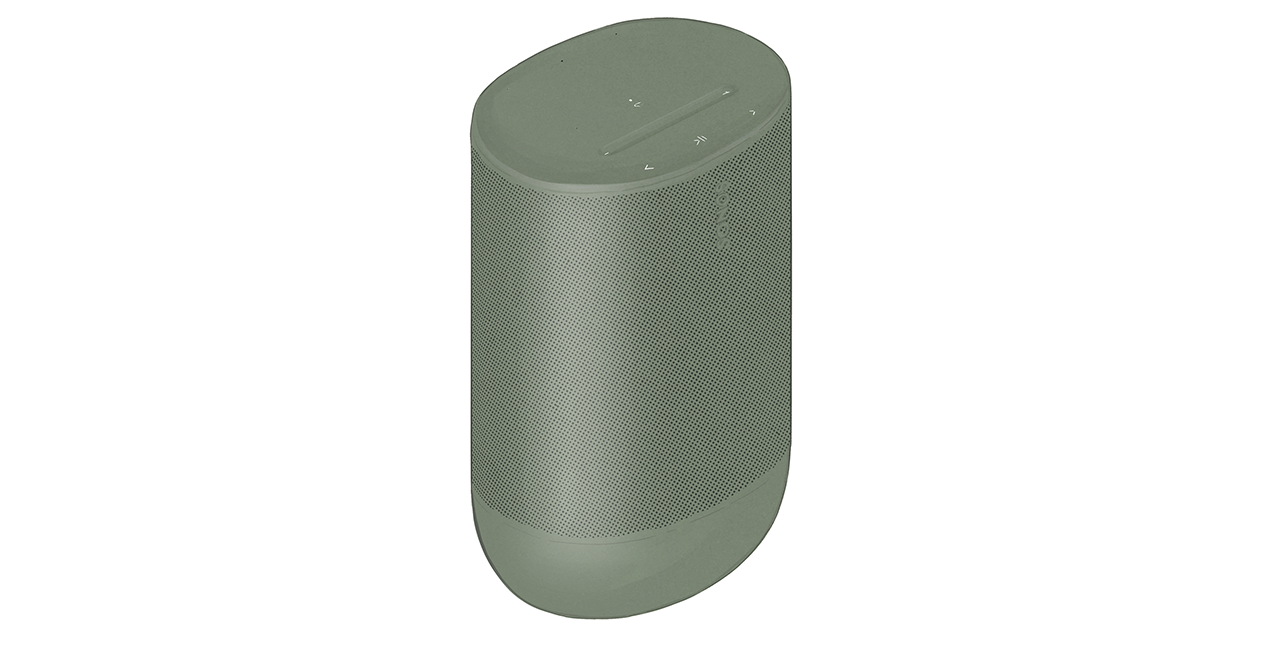
The portable Move 2 builds on the original with longer battery life and better sound, even if it remains a big, heavy unit, weighing 3kg. Sonos products are always simple to set up and use, and its speakers talk to each other effectively.
sonos.com
4
Nomad 65W Slim Power Adapter
Taking charge

Travel adapters are tricky things: you always need several and they often have the wrong connectors. This new slim adapter, designed for use in the US, has two USB-C sockets, so you can plug in two devices, and it’s powerful enough to handle a laptop and a phone simultaneously.
nomadgoods.com
5
Bowers & Wilkins Px7 S2e
Sound investment
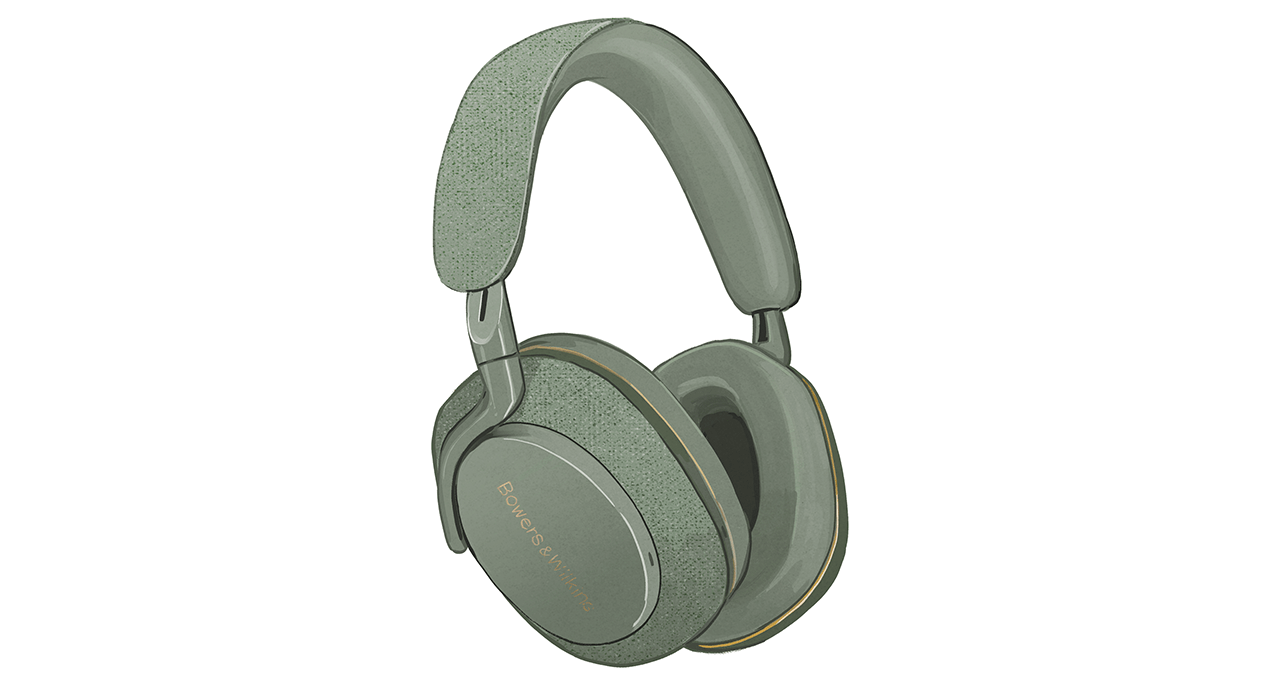
The British hi-fi brand has finessed an already elegant design with its latest noise-cancelling headphones by matching striking looks with softly cushioned ear cups and headband. Sound quality is strong, whether your connection is wireless or wired, and there are two cables supplied for versatility.
bowerswilkins.com
Apotheke, the Athenian natural cosmetics brand taking beauty back to basics
“This is all about bringing back a liberating simplicity to people’s lives,” says Eva Papadaki, as she moves through 10am Apotheke (Greek for “storage room”), her new concept shop in Athens’ vibrant neighbourhood of Gazi. Just beside the boutique – where Papadaki picks a collection of homeware, cosmetics and culinary ingredients – is a garage that repairs old cars. There’s a link to these unlikely neighbours: both are focused on preservation.

The idea for Apotheke (as it’s usually known) was born in the basement of the brutalist, concrete 10am Lofts building where Papadaki, for the past seven years, has based her talent management agency for photographers and artists. “It feels like I have given birth to this project and there’s so much sentiment attached to it for me,” she says, looking up towards the space’s incredibly high ceilings. Minimalist shelving units line the walls, displaying limited-edition products that Papadaki promises are sustainable all the way down to the manner in which they are transported from her native Crete to Athens.
On the wall, a film projection of the inky blue, sun-scorched Aegean landscapes and whitewashed houses captures the very essence of Papadaki’s new brand – a conscious movement back to simple living, inspired by the ways her Greek grandparents lead their lives. It’s why she has sourced limited-edition ingredients from Cretan producers who she has known since childhood. Olive oil, honey, handmade soaps, beeswax candles (just like the ones used in Greek Orthodox churches) and moisturising beeswax balms that can be applied all over the body.
Most products fit in a beauty cabinet as much as they do in a kitchen pantry and will inspire you to rethink your beauty rituals – replacing complex formulas with natural ingredients and finding joy in the process rather than just the result, from applying a soothing balm on your pulse-points to lighting incense.
Minimalist living was the guiding principle for the shop fit-out but Papadaki also wanted to pay homage to the history of the building. “This was once a warehouse for dried foods,” she says. “I love the word ‘Apotheke’ because it also refers to our inner, metaphorical storage rooms, where we keep our memories, our feelings, our spirit.” Her own spirit remains firmly in her native Crete. “It’s where I’m from and it’s where I will always go back to,” she says, referencing the sounds, scents and landscape of the island, which inspired all the products now available at Apotheke.
Her commitment to local sourcing was also guided by her experiences growing up on the Mediterranean island. “So many people talk about sustainability but no mass-produced product is really sustainable,” she says. “Here, products are not made in huge quantities. The honey and the oil might run out. It’s whatever nature can give in that moment. I always want to be in tune with and respectful of what nature has to give me.”
Papadaki travels to Crete to pick up the products herself and ensure that she maintains an ongoing dialogue with the producers she collaborates with. Her ultimate aim? To transport people to Crete, every time they light the Apotheke incense or use the wild herb soap that has been made using her grandmother’s old recipe.
Every Saturday, Papadaki opens the heavy doors of Apotheke to Athens’ ever-growing community of artists, designers and photographers, making the most of the airy space as a gathering spot as well as a shop. Nodding back to her previous job as a talent agent, the idea of Apotheke Saturdays is to create opportunities for creatives to come together and inspire each other with conversations about art, creativity – and, of course, the best natural beauty remedies.
“I want to offer a space for artists to showcase their work, so we have this weekly gathering that is interlinked with the ethos of Apotheke,” she says. “It’s all about returning to your roots.”
10amapotheke.com
Read next: The Monocle City Guide to Athens, featuring the very best hotels, restaurants and retail spots