Issues
The Zürich-based firm offering authentic modernist posters at entry-level rates
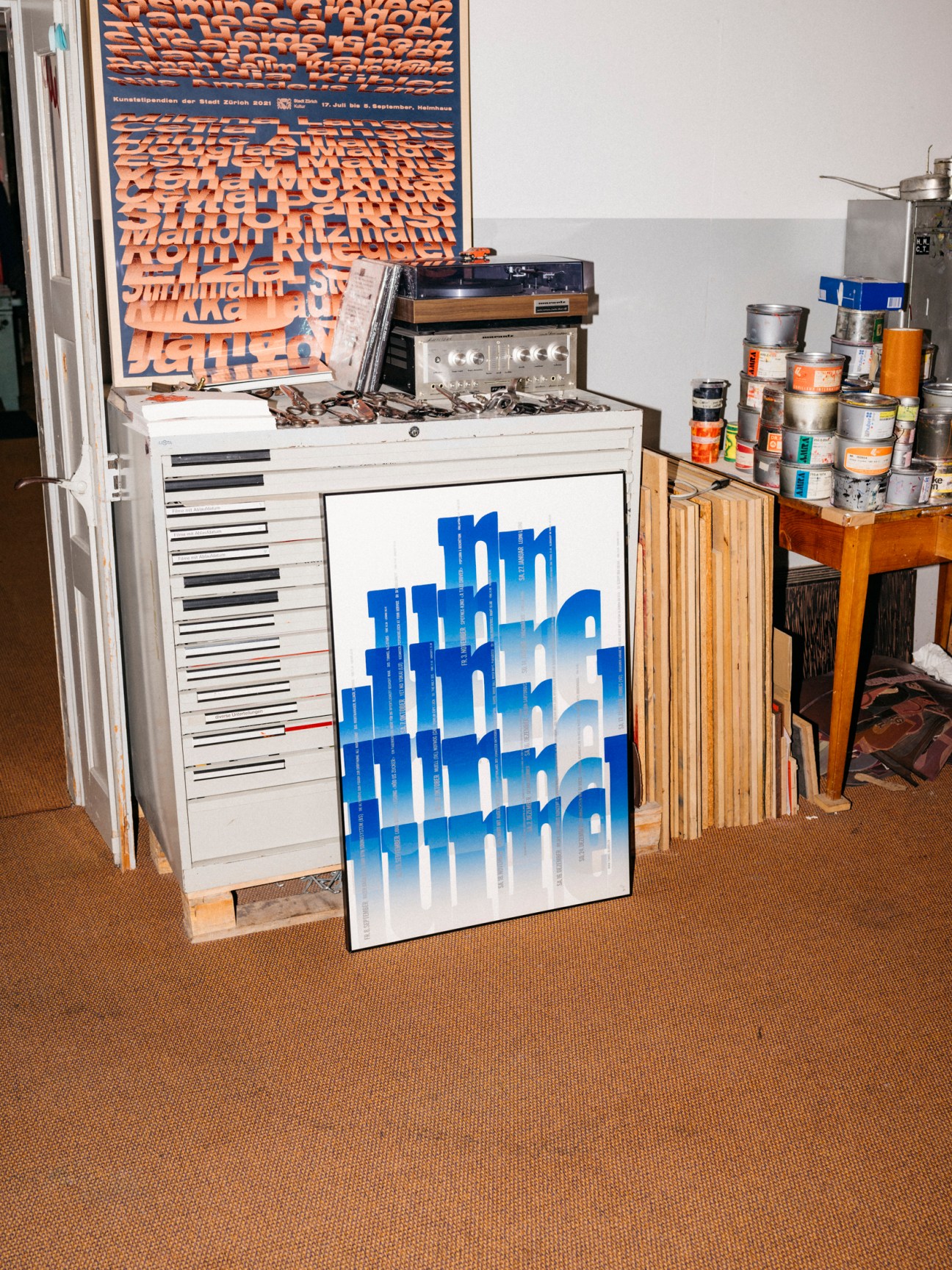
It’s a Monday afternoon in Näfels, a village in the Swiss canton of Glarus, and Lars Müller is hard at work. The publisher and two members of his team are scrutinising several glossy prints in graphic designer Dafi Kühne’s studio, which is full of old type-casting machines and printing presses. Kühne has just introduced a “best of” selection of his work from recent years. His visitors look through the pile and pause when they reach a deep-blue poster announcing the launch of a magazine, with spindly letters spelling out the word “Neu“. “This could be good to add context to a selection [of Kühne’s work],” says curator Tanja Trampe. To which Müller answers plainly, “But do you like it?”
A studio visit by Müller is something that almost any designer would covet. Over a period of 40 years, his namesake publishing house has released more than 800 specialist design titles, including monographs of architects such as Peter Zumthor and Zaha Hadid. At 69, he is showing no signs of slowing down. When Monocle meets him, he is on a stock run for his latest venture: Flat & Bound, a shoppable online collection of some of the past century’s most precious printed matter.
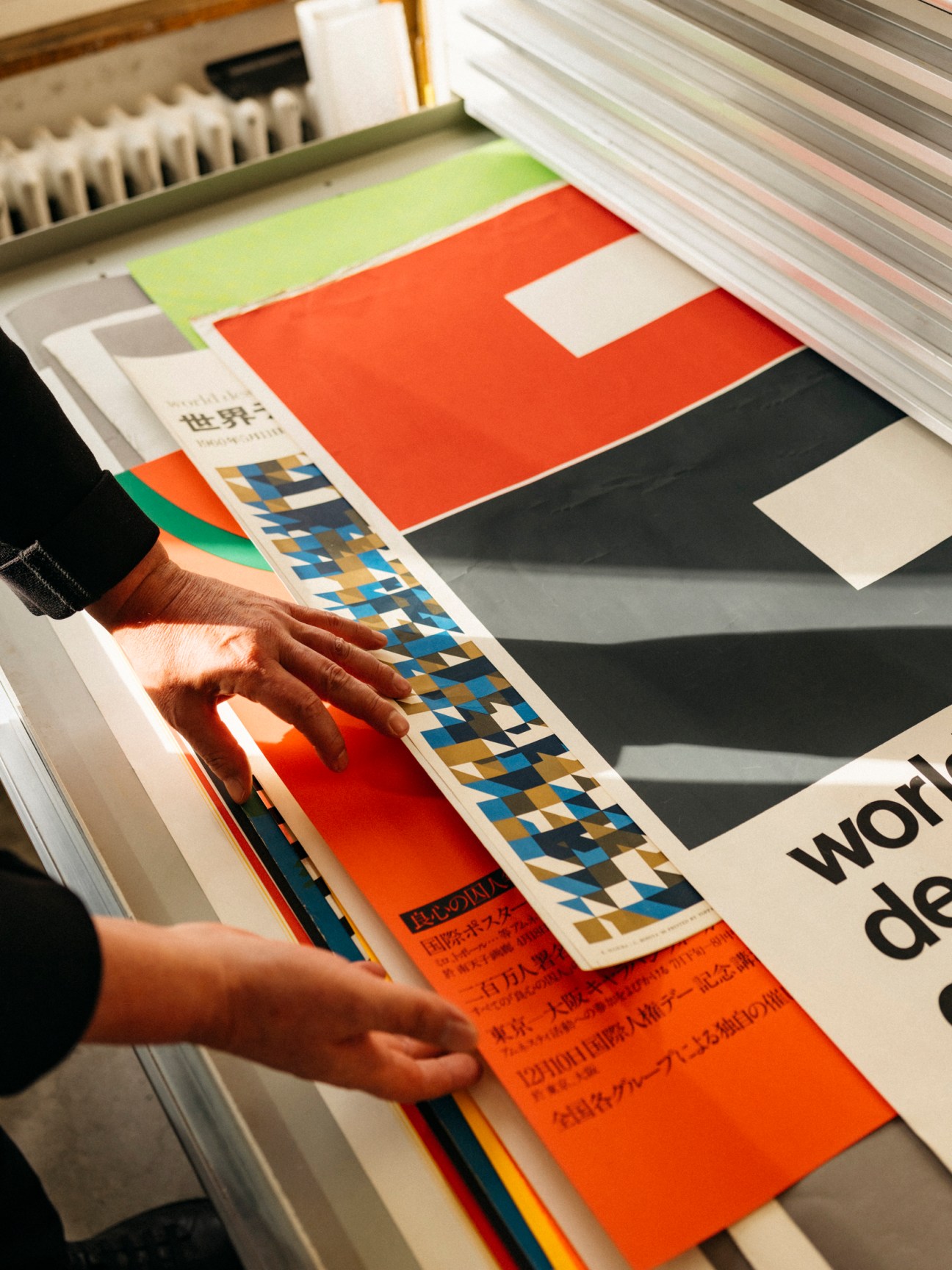
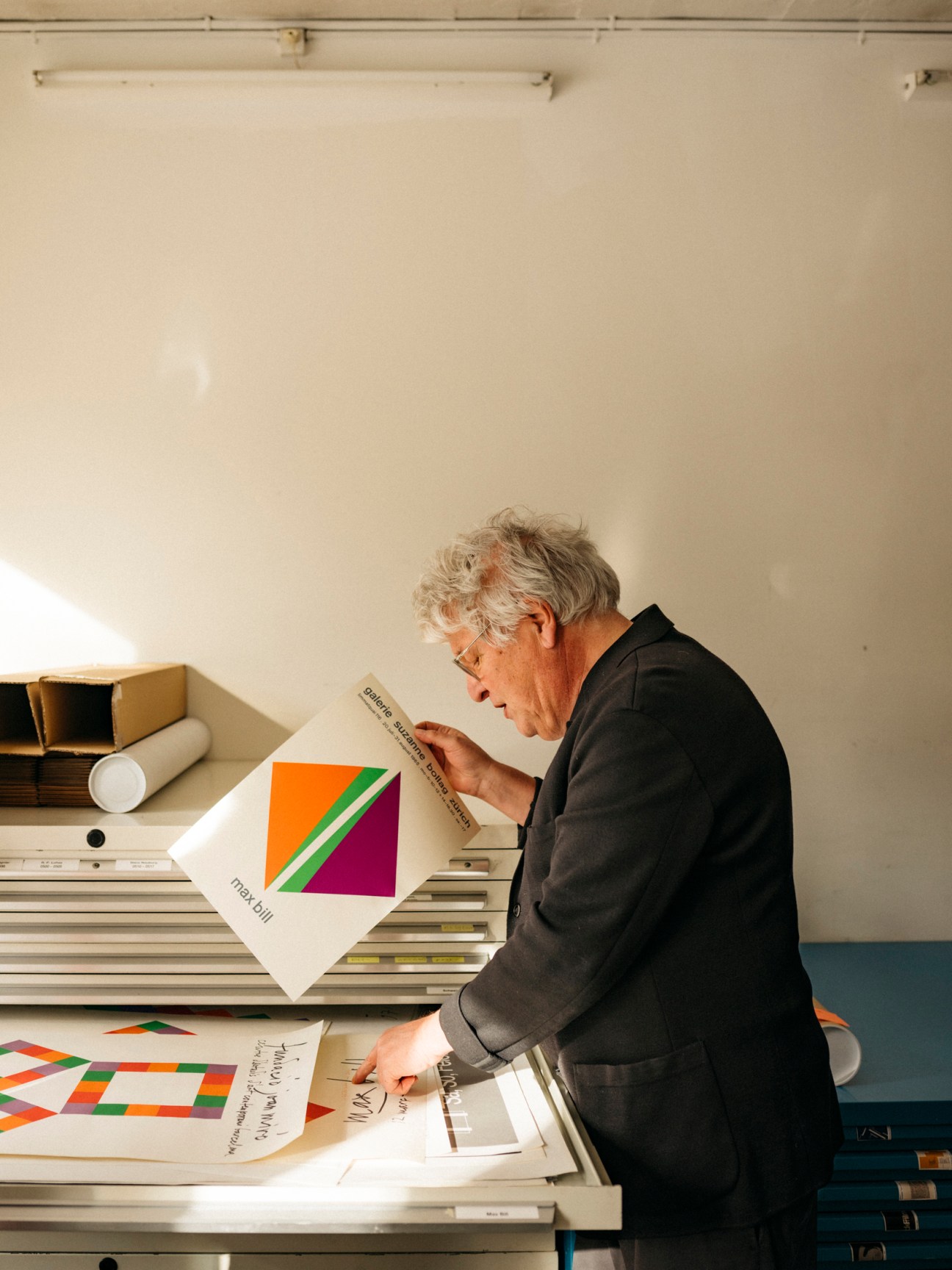
Kühne is the first contemporary designer to be included. Müller founded Flat & Bound in 2021 in order to sell works from his private library, a formidable collection consisting of gifts from friends, souvenirs from exhibitions and pieces nabbed from the homes of designers or picked up at antiquarian shops in cities from Oslo to Osaka. “I’m not a collector,” says Müller. “It contradicts my idea of being a publisher, which is about distributing to as many people as possible.”
Müller tells Monocle how he honed his eye for print. As a teenager he was already dealing in stamps. He later studied graphic design in Basel and Zürich. After graduating he headed to Amsterdam in the early 1980s to work for Total Design, the agency founded by Dutch graphic designer and typographer Wim Crouwel, who pointed out to him that books are the only printed matter meant to last. Müller then returned to Switzerland with a plan to venture into publishing. “I drove back with a car full of books,” he says. “That’s how it all started.”
The studio of Müller’s fledgling imprint soon started receiving weekly visits from revered designer Josef Müller-Brockmann. In the 1950s and 1960s, Müller-Brockmann had helped to define the grid-based, Helvetica-heavy Swiss style through his poster designs and by co-editing the influential Neue Grafik magazine with Richard Paul Lohse and Carlo Vivarelli. But by the 1980s, the rigid aesthetics of this old guard had fallen out of favour.
“They were not recognised by many young designers of my generation,” says Müller. “I was captivated by Müller as a warrior of modernism.” His mentor became a lifelong friend. In 2016, Müller-Brockmann’s widow, Shizuko Yoshikawa, gave his archive to Müller. The collection makes up a large part of Flat & Bound.
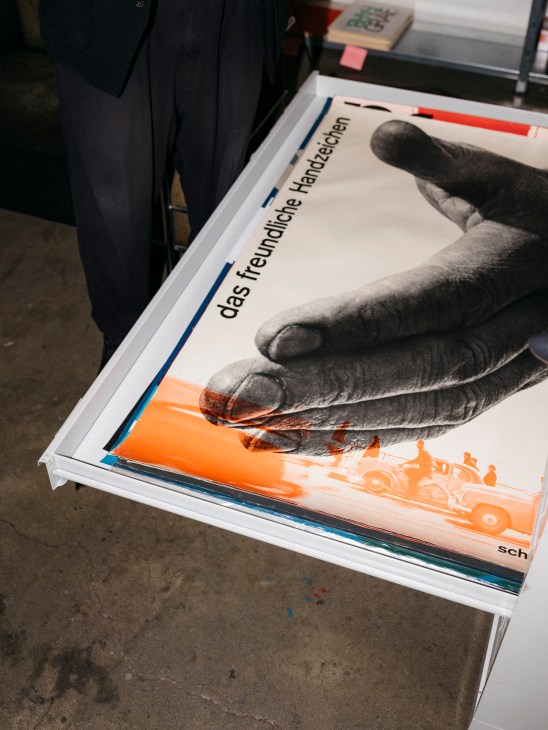
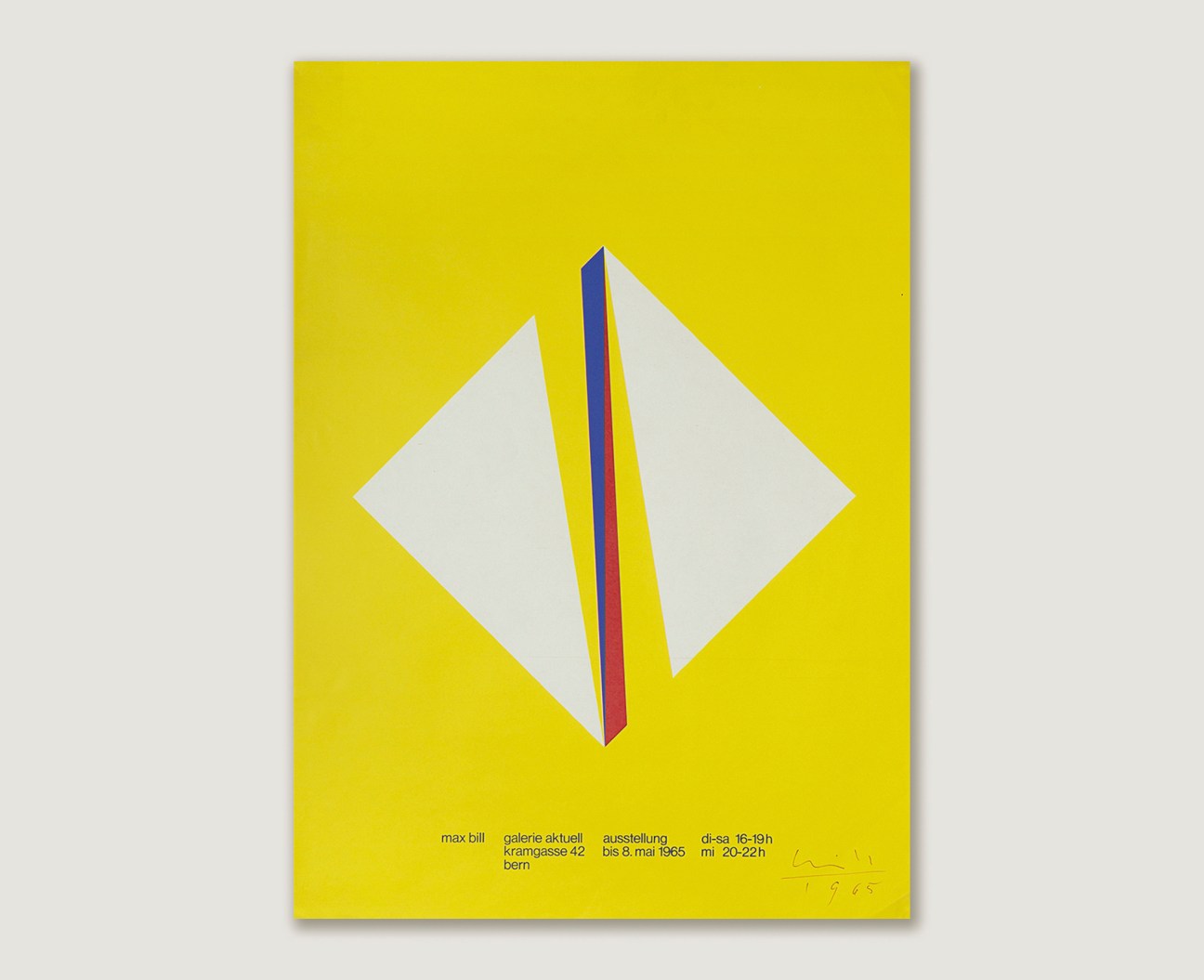
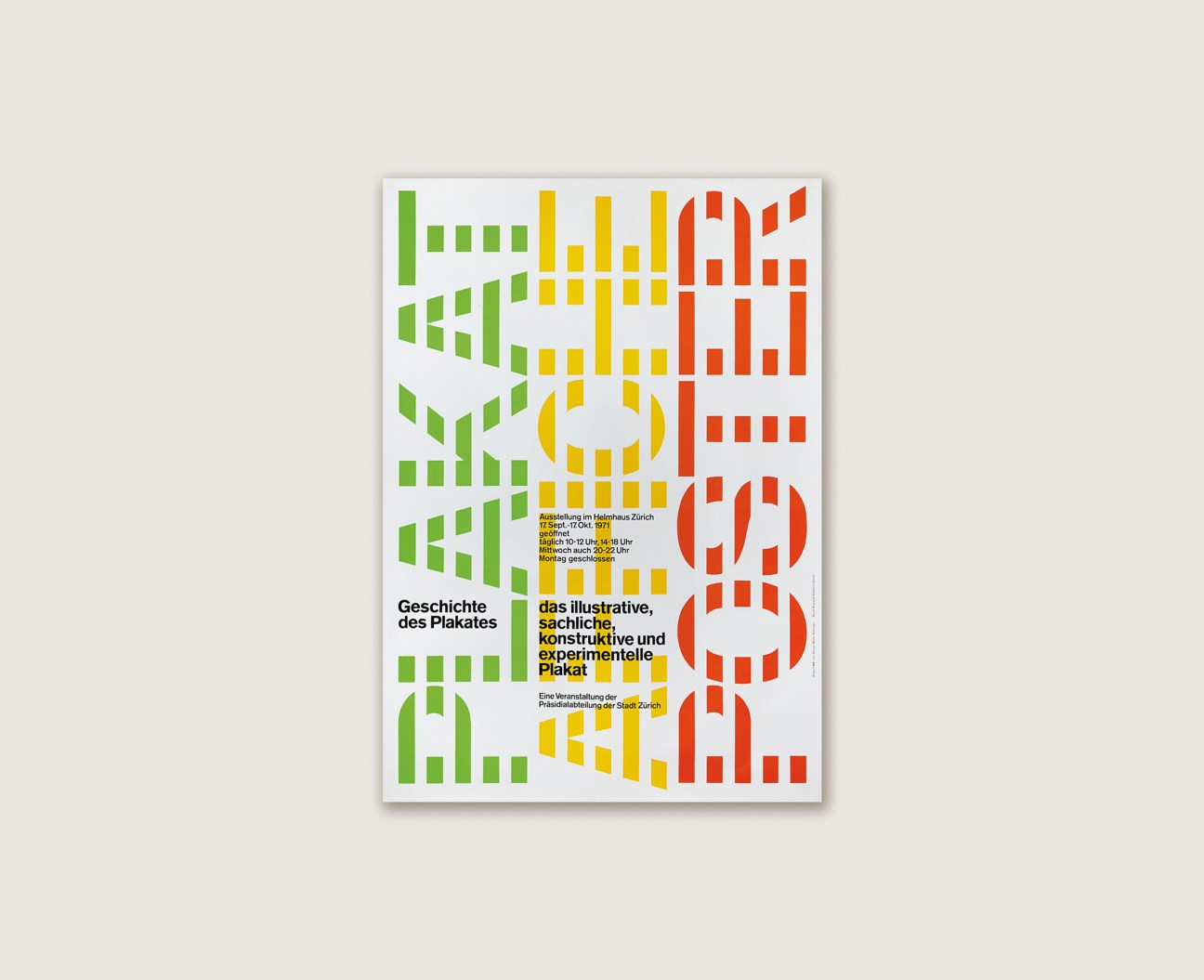
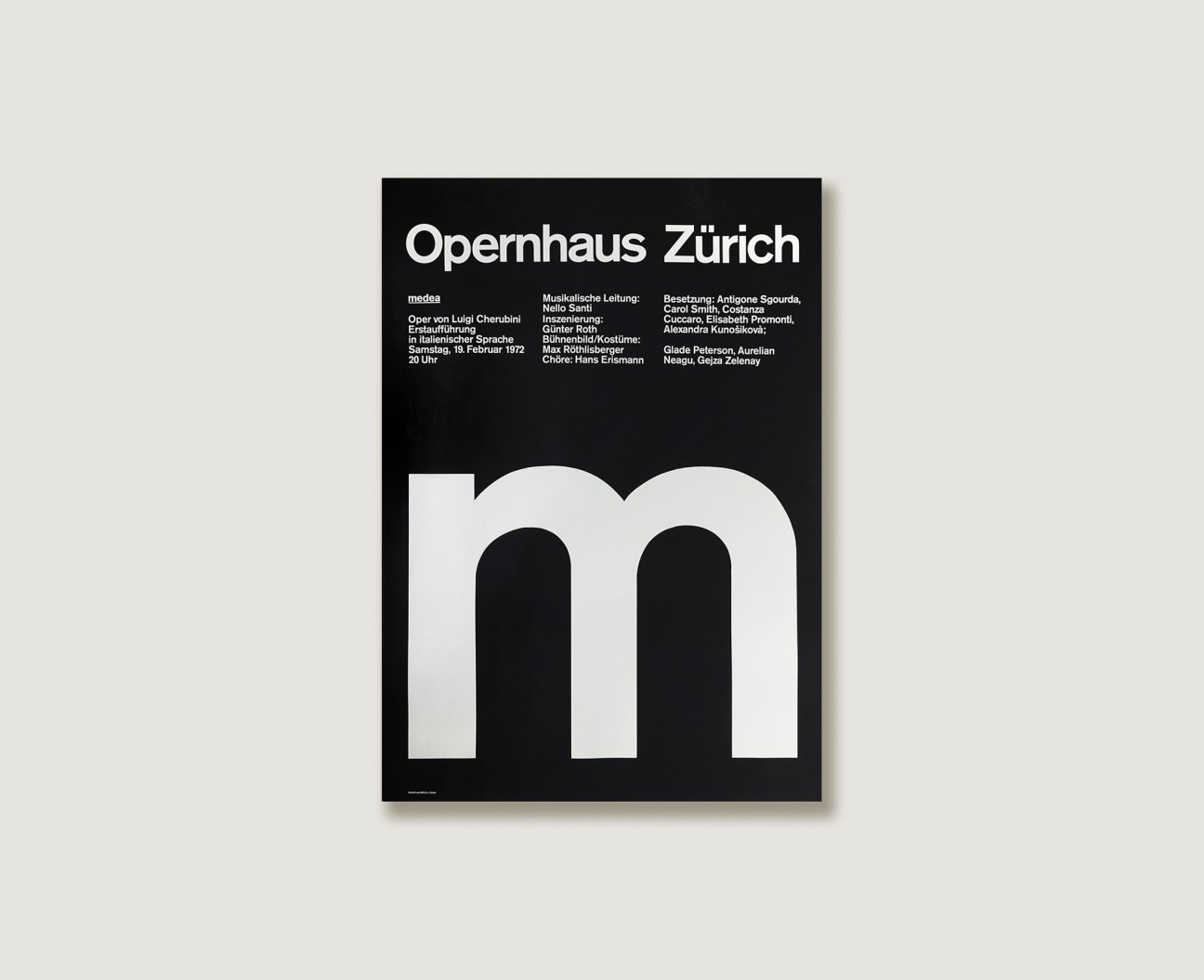
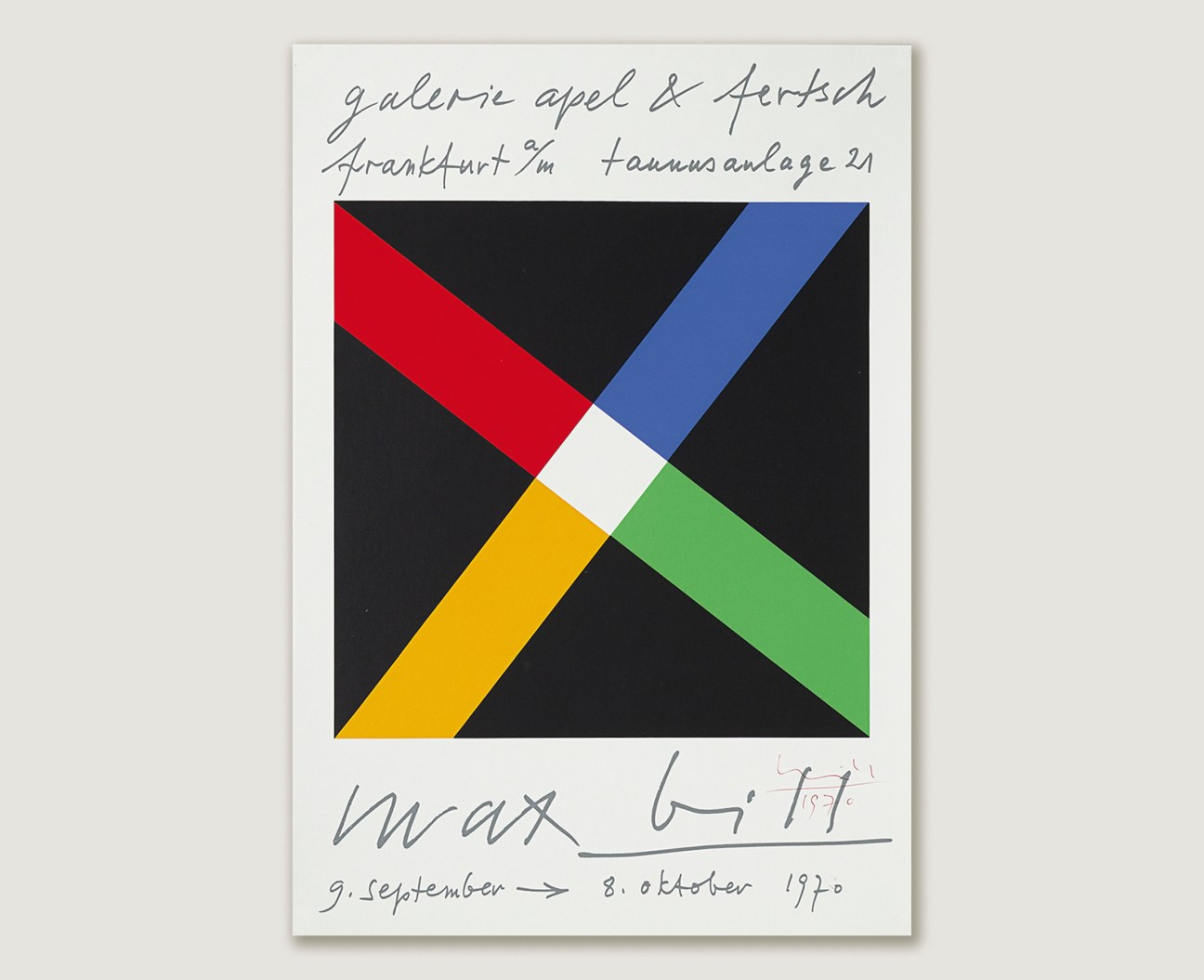
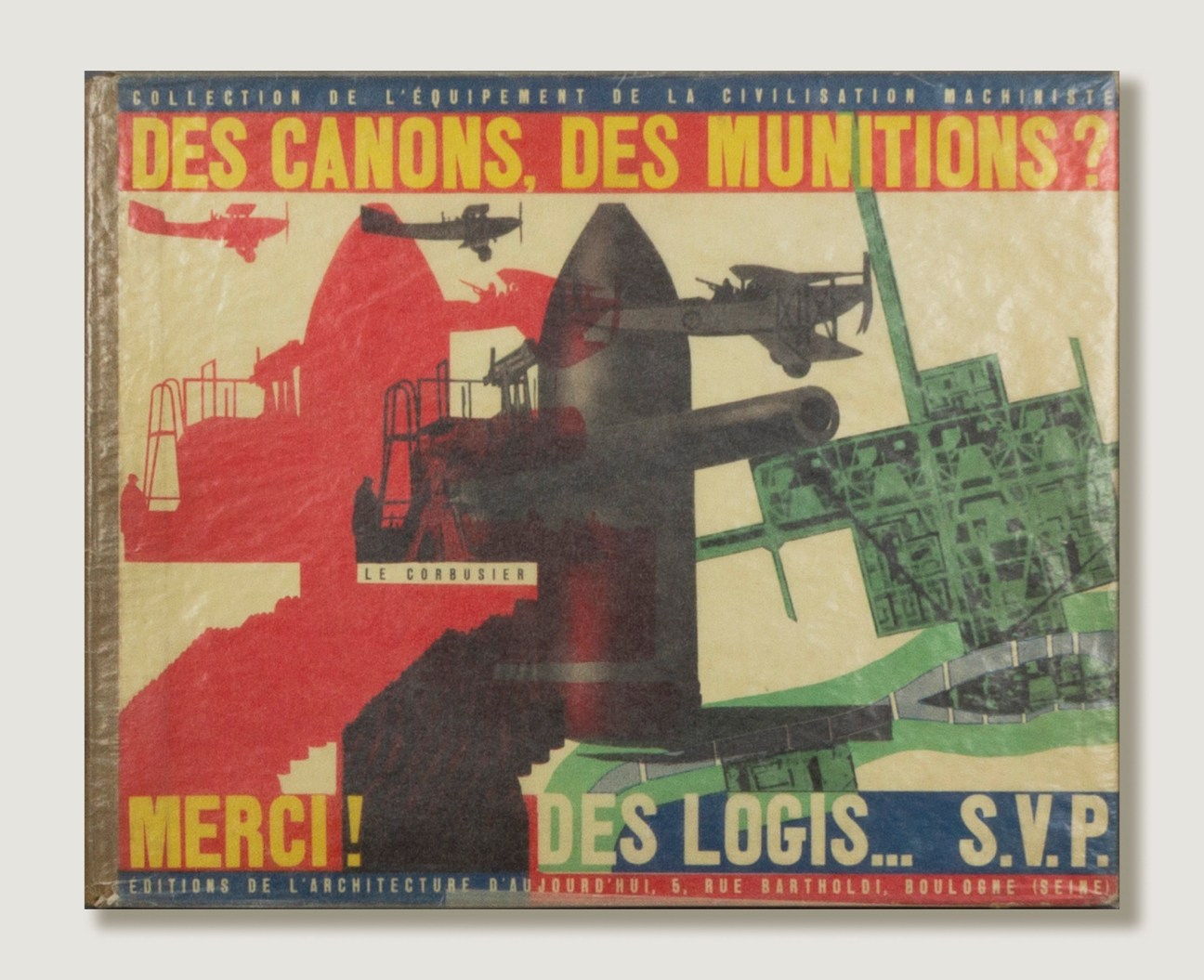
Browsing through the collection makes its high-calibre provenance evident. Among the hundreds of posters, books and magazines are many museum-worthy pieces, from prints by Japanese graphic designer Ikko Tanaka to a treatise by Le Corbusier with a dedication from the author. The collectables don’t all come cheap but are priced well below market rates. “Our clientele isn’t lawyer’s offices,” says Müller. “We look for aficionados, young people who might forgo a few pizzas to afford a poster.”
Müller’s approach to Flat & Bound mirrors his recipe for success in publishing. The programme of Lars Müller Publishers is focused on the 20th-century avant-garde. Alongside this canon, he presents a selection of contemporary design. Similarly, Müller is keen to complement Flat & Bound’s modernist archive with works by young designers. “It takes you out of your comfort zone,” he says. “You have to judge the work in a different way because the old rules cannot be applied.”
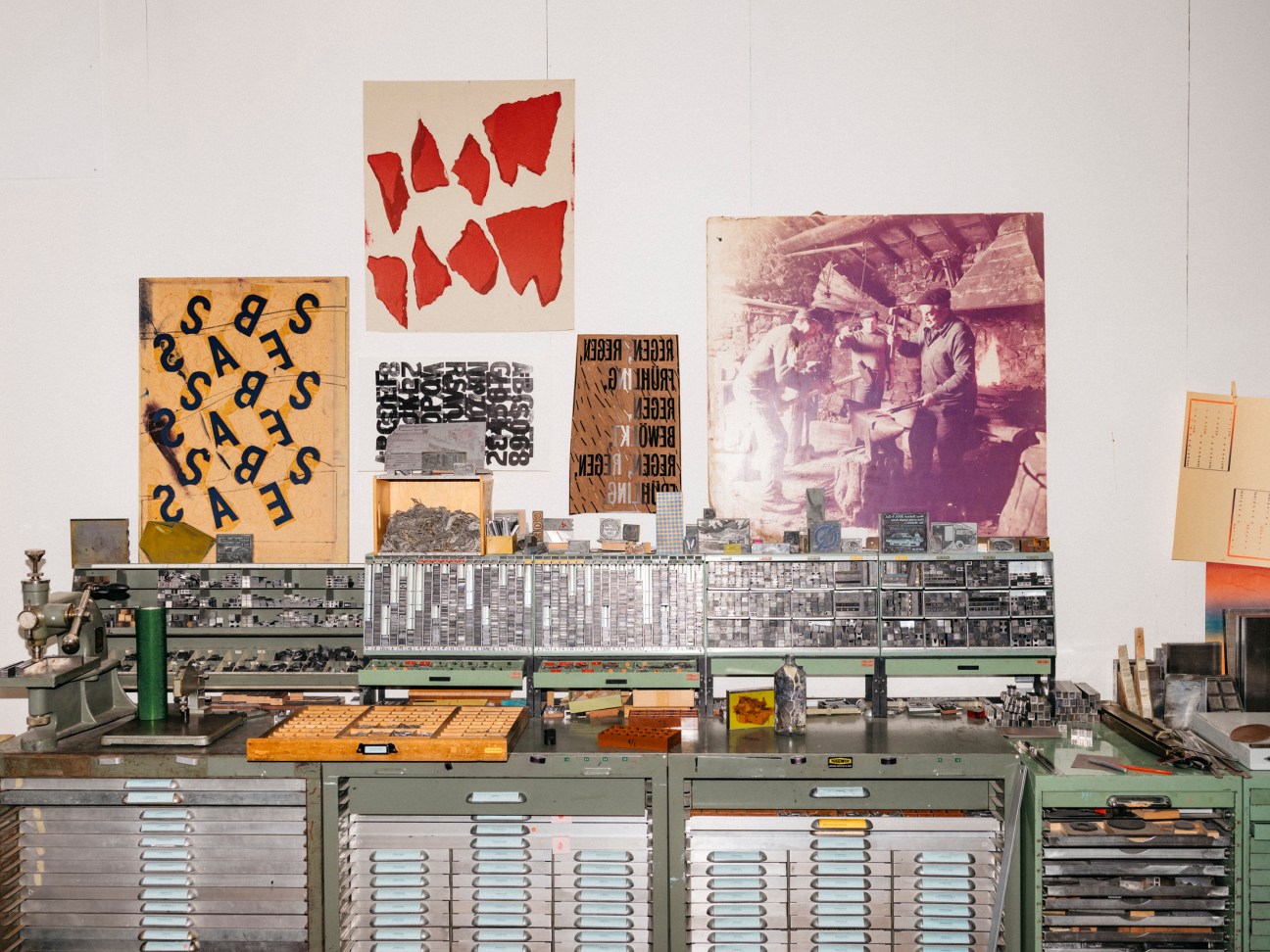
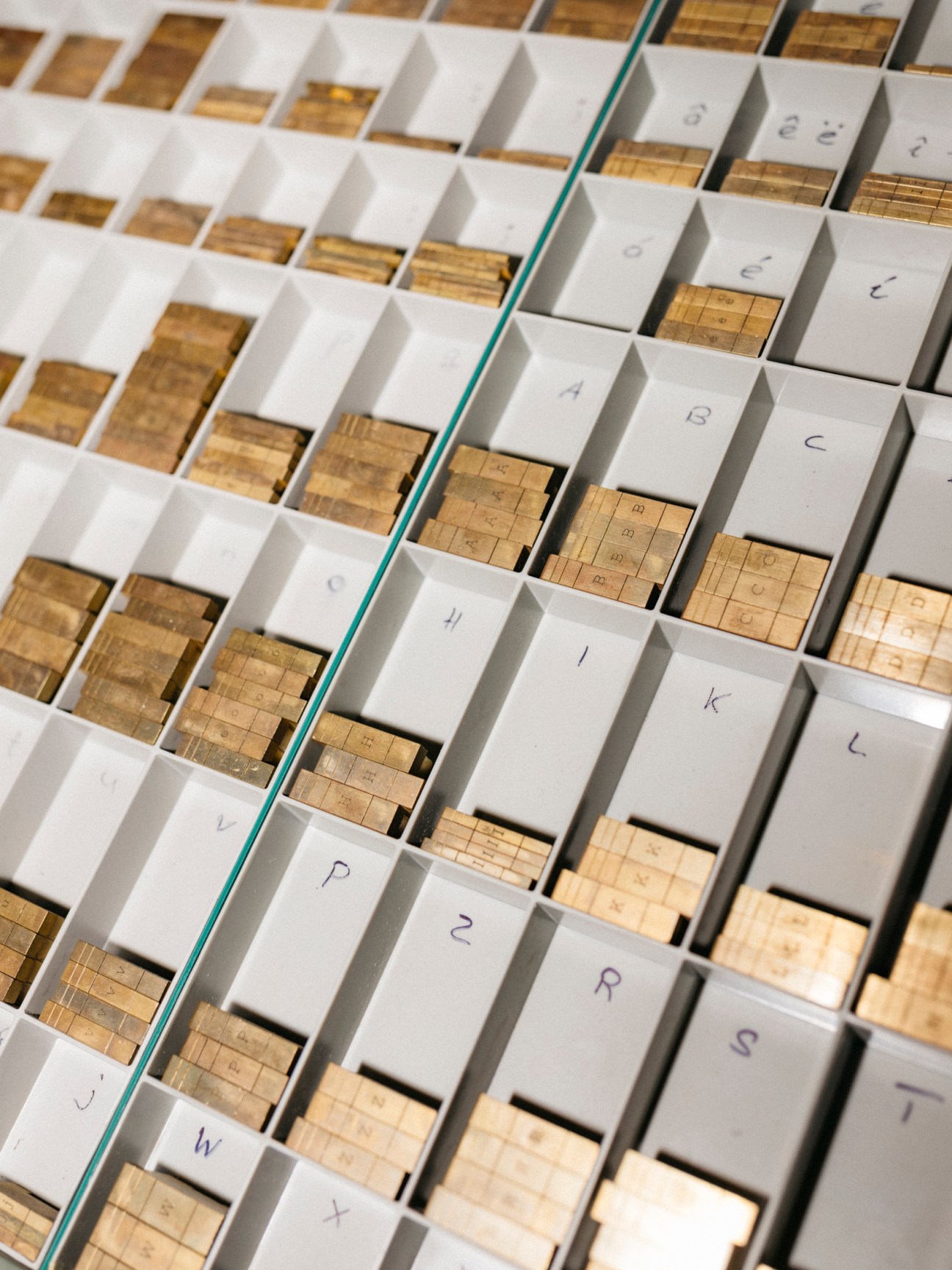
In the case of Kühne’s prints, the criteria for selection include scarcity, relevance and how representative a work is of the artist – though much eventually comes down to taste (the “Neu” poster doesn’t make the cut). Kühne is an ideal choice for Flat & Bound. He prints his posters manually in his studio, using equipment scooped up from moribund type foundries and presses. After almost two hours of deliberation in his Näfels studio, the team settles on a dozen works.
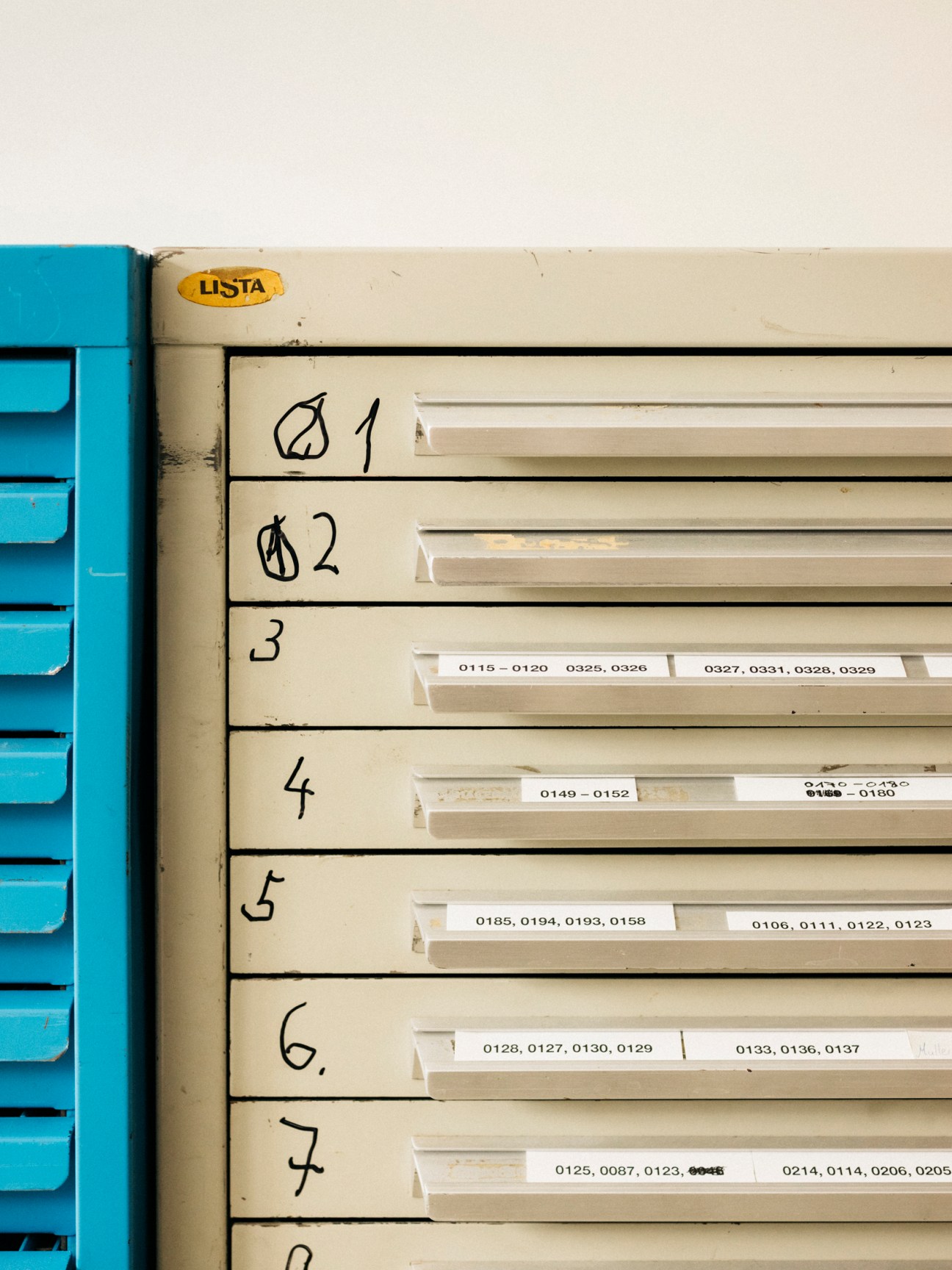
The posters are taken by Müller for storage at the Flat & Bound collection in Zürich, housed in the offices of the publishing house. There are no plans to open a retail space – the platform has already found its intended audience online.
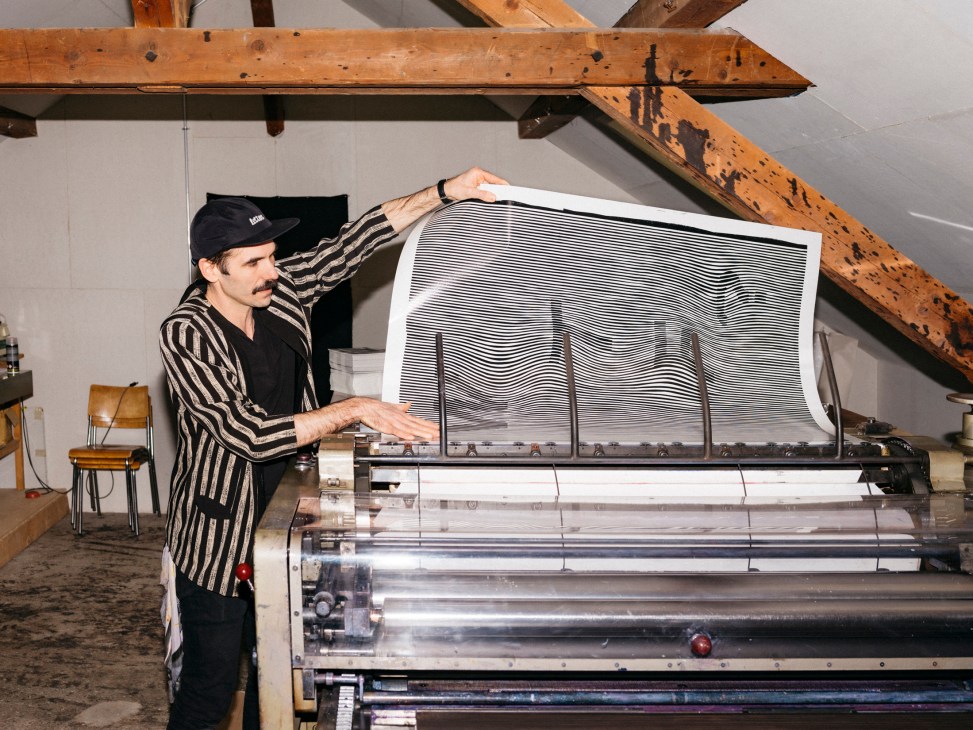
While Müller might not call himself a collector, he takes pleasure in a piece having passed through his hands. “It can stay for a while too,” he says, gesturing around the room. “This assemblage more or less reflects what society was like in the 20th century.” Dispersed once more, it might inspire graphic designers in the 21st.
flatandbound.com
Top Picks from the Flat & Bound collection
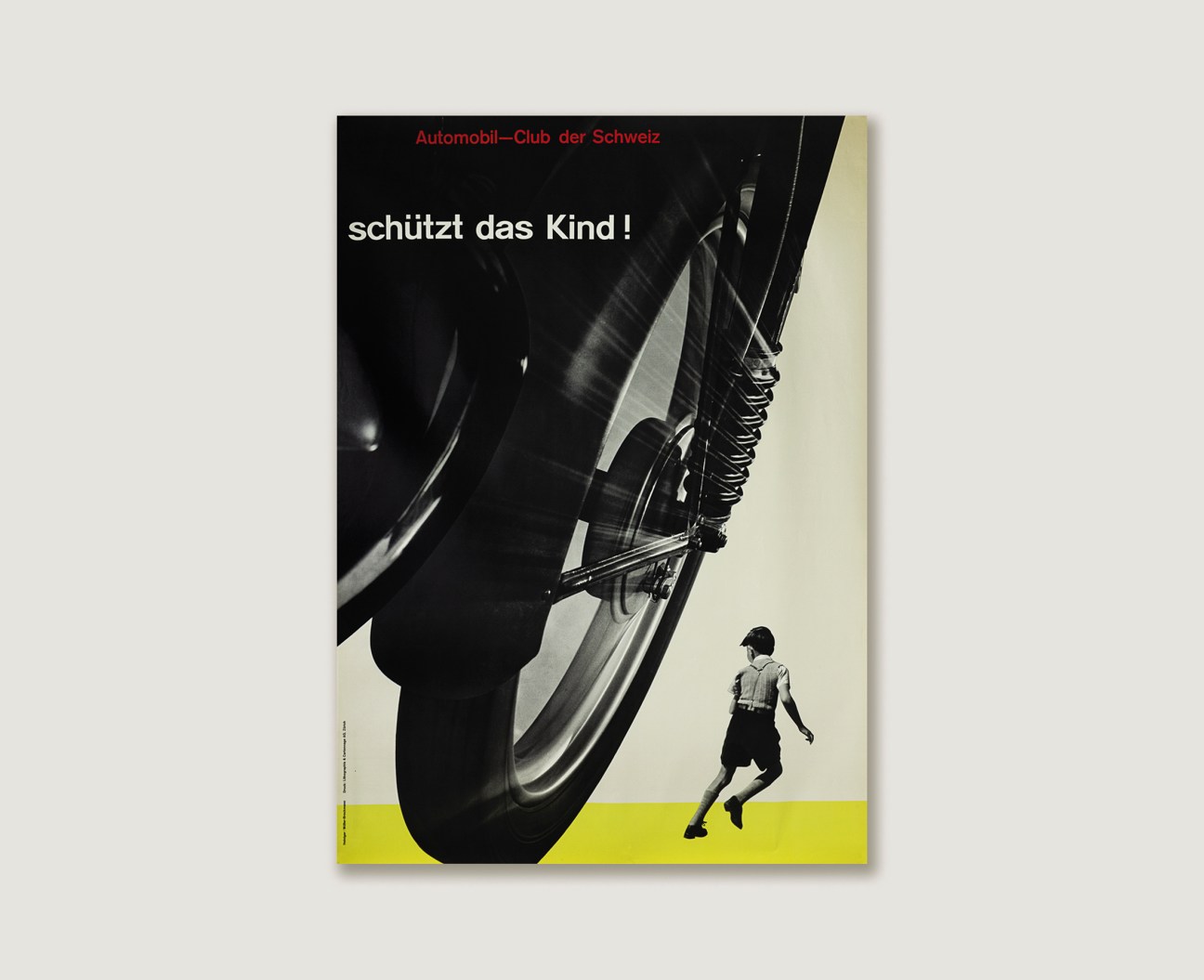
1.
Schützt das Kind!
Josef Müller-Brockmann
poster, 1956
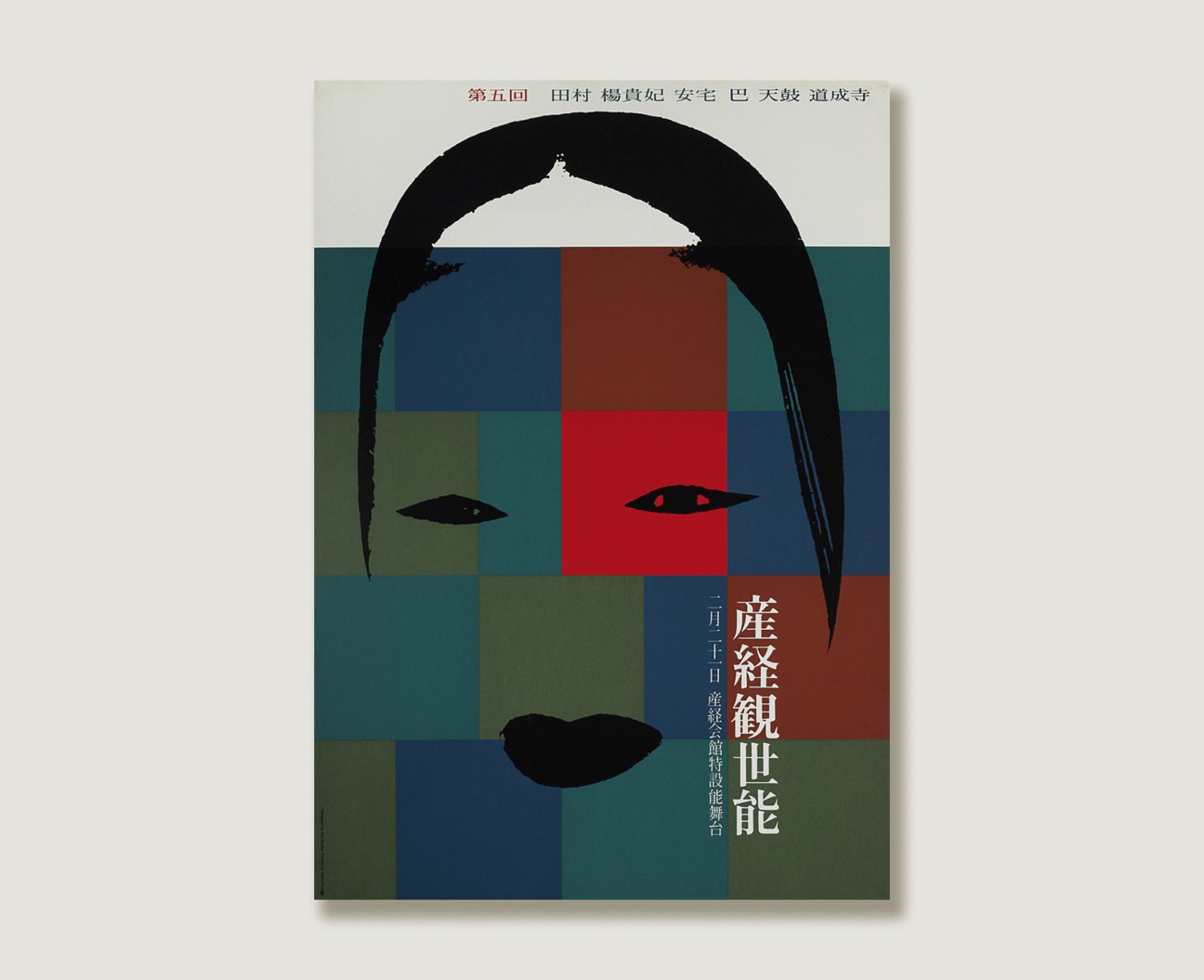
2.
The 5th Sankei Kanze Noh
Ikko Tanaka
poster, 1958
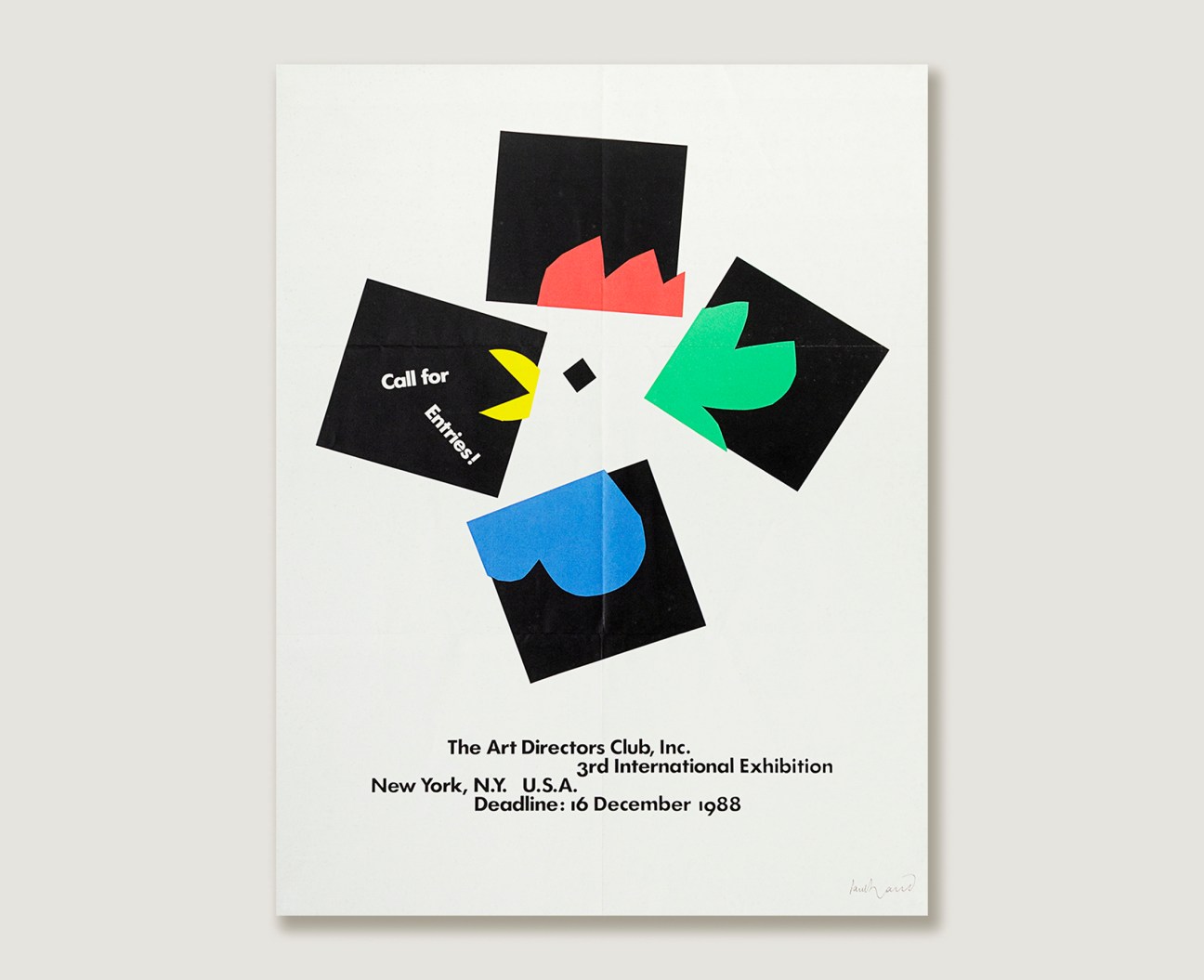
3.
The Art Directors Club
Paul Rand
poster, 1988
4.
Exposition de la résistence italienne
Max Huber
poster, 1968 (reprint)

5.
Galerie Aktuell
Max Bill
poster, 1965
6.
Doves of All Nations
Ivan Chermayeff
poster, 1970

7.
Plakat Affiche Poster
Shizuko Yoshikawa
poster, 1971
8.
Opernhaus Zürich, Medea
Josef Müller-Brockmann
poster, 1972
9.
Galerie Apel&Fertsch
Max Bill
poster, 1970
10.
Tokyo Olympic Games 1964, Runner
Yusaku Kamekura
poster, 1964

11.
Des Canons, Des Munitions? Merci! Des Logis… SVP
Le Corbusier
book, 1938
12.
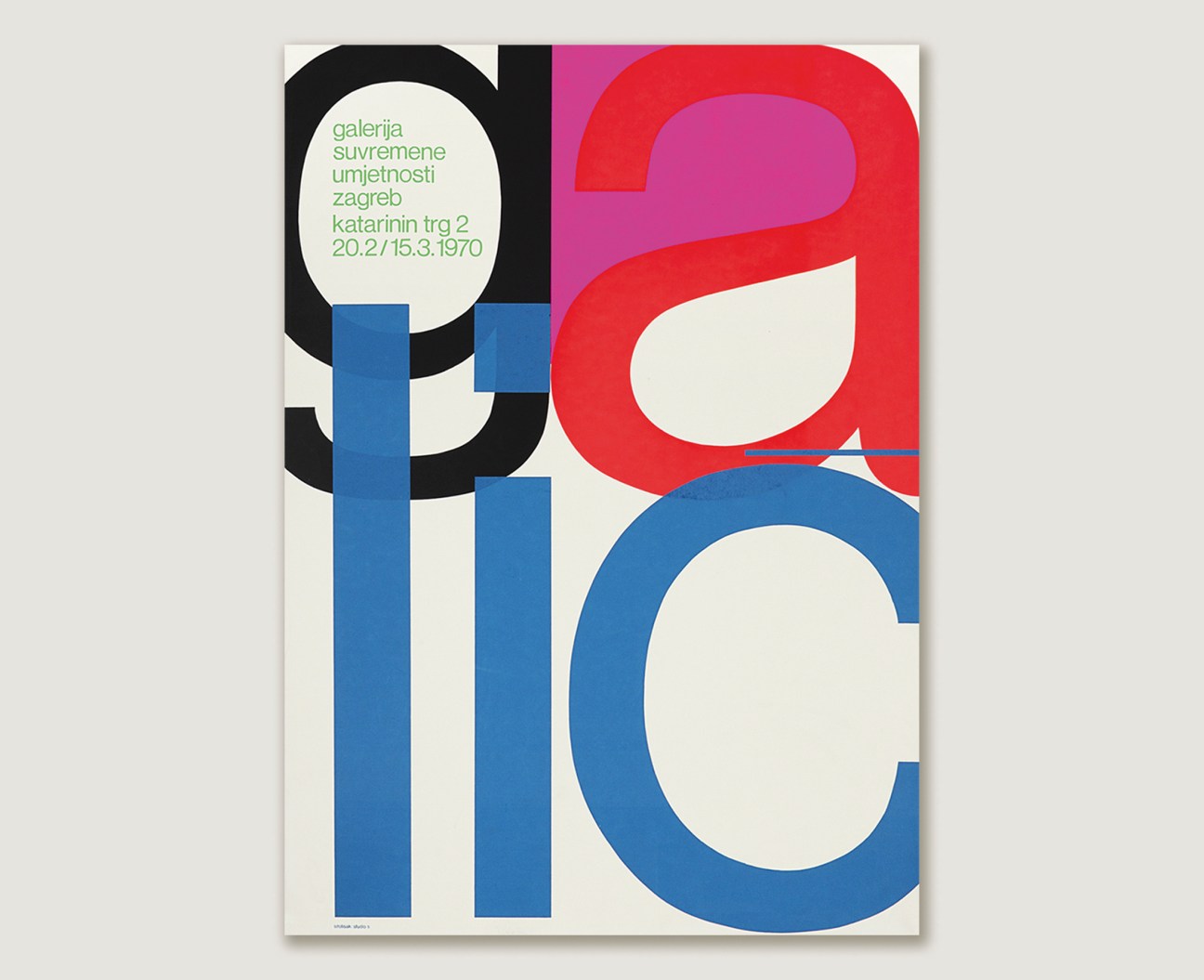
Galerija Suvremene Umjetnosti Zagreb, Galic
Mihajlo Arsovski
poster, 1970
13.
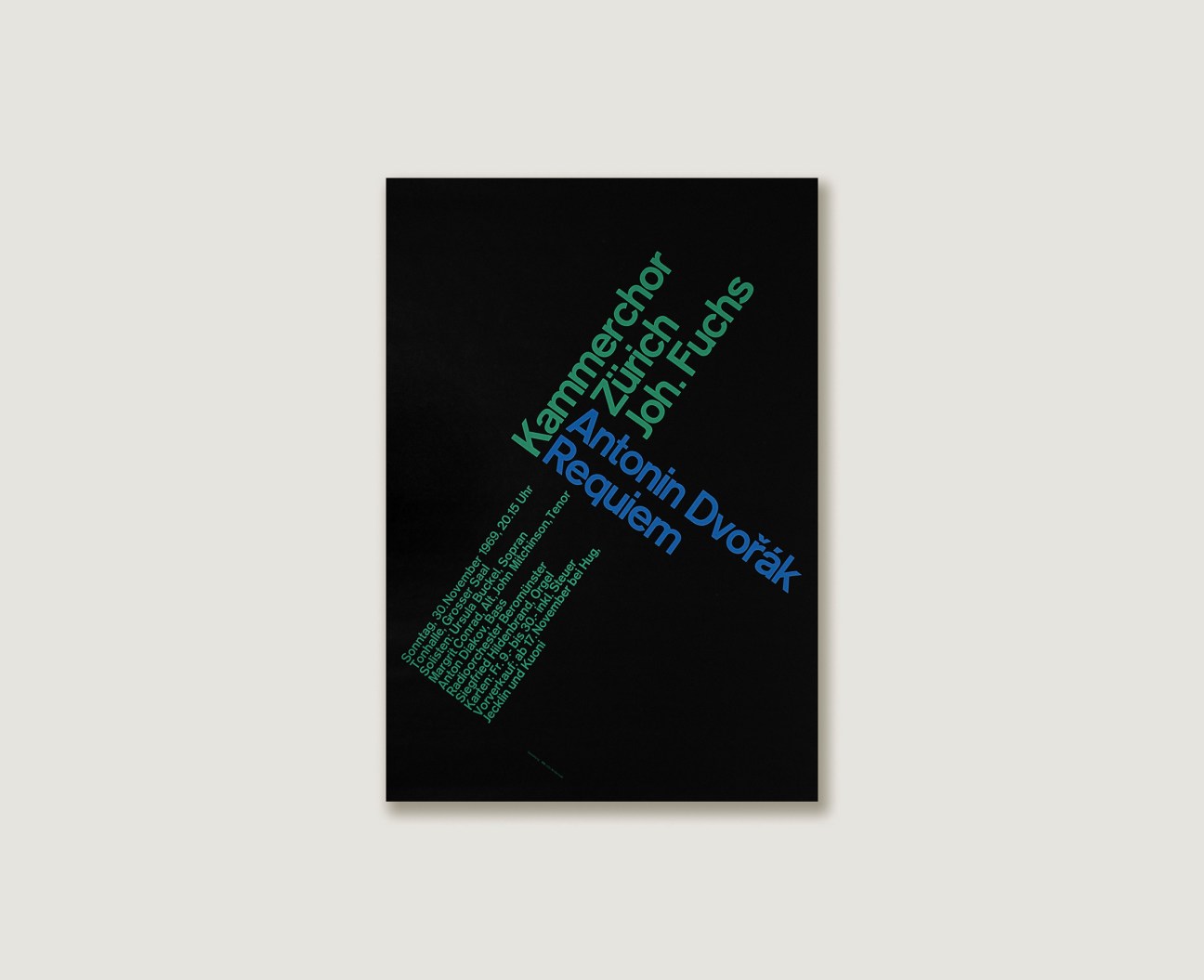
Kammerchor Zürich, Antonin Dvorak, Requiem
Müller-Brockmann 1 Co
poster, 1969
14.
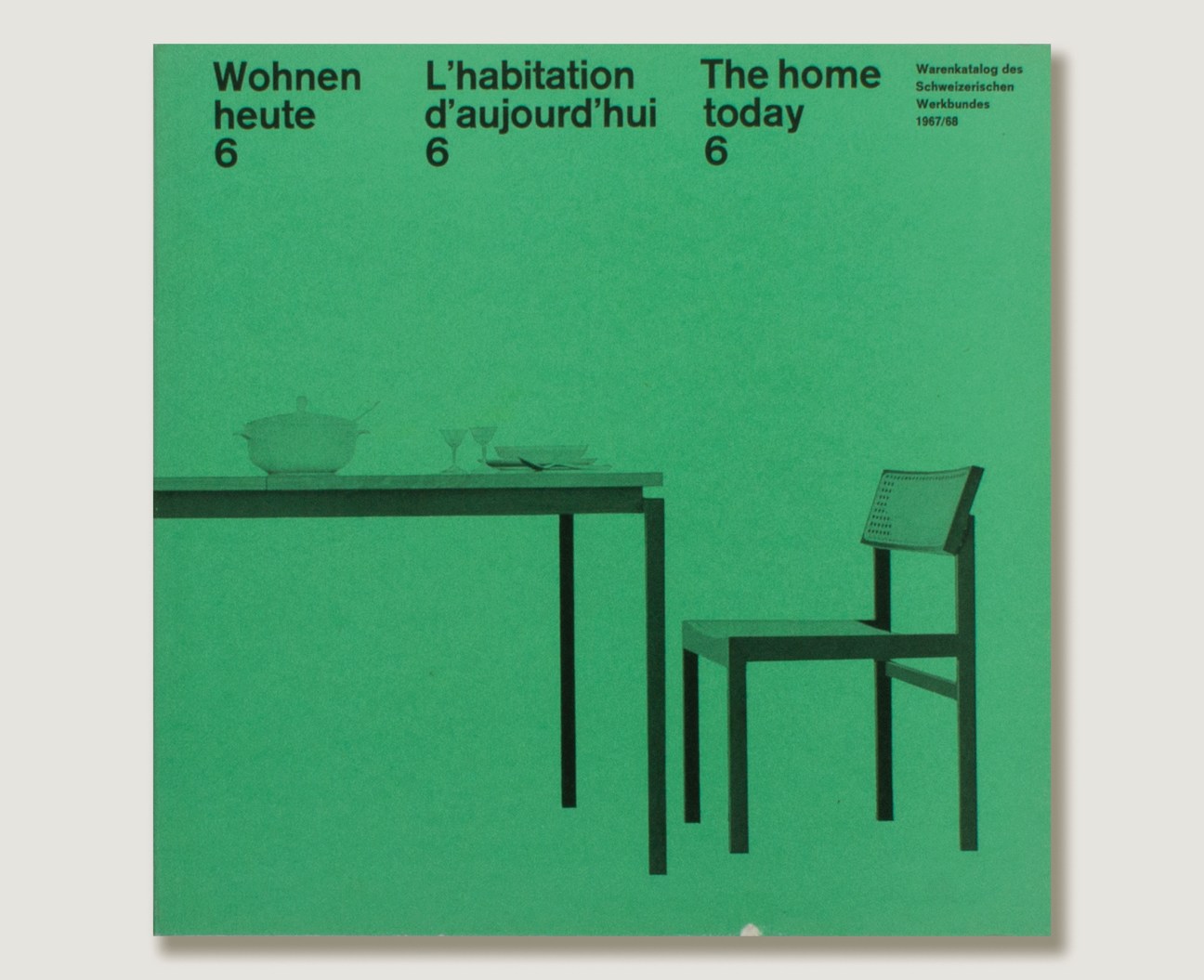
Wohnen heute 6
Richard Paul Lohse
book, 1967
15.
Neue Grafik 1
Richard Paul Lohse, Josef Müller-Brockmann, Hans Neuburg, Carlo Vivarelli
magazine, 1958

Read next: The Monocle City Guide to Zürich, featuring the very best hotels, restaurants and retail spots
Where next for luxury retail?
The debate
Towards the end of last year, luxury retail’s long-simmering problems reached boiling point. Global marketplace Farfetch was de-listed from the New York Stock Exchange, only avoiding bankruptcy when South Korean e-commerce giant Coupang bought its assets. London-based Matchesfashion met a similar fate. Valued at $1bn (€924m) just a decade earlier, it was acquired for £52m (€61m) by the Fraser Group, a business with little background in luxury. Meanwhile, Net-A-Porter remains without a buyer and US retailer Neiman Marcus has laid off more than 100 employees while it reportedly considers a merger with Saks Fifth Avenue.
At first glance, it might seem as though the luxury e-commerce sector, once known for its innovation and expert curation, fell apart overnight. Yet many of its current problems – overstocking and unhealthy discounting, for example – go back to the 2007 financial crisis and beyond. Breaking bad business habits will take time and many in the industry are taking a wait-and-see approach, as companies restructure under new owners. Yet this is also an opportunity to rethink the shopping experience, build better partnerships with brands and be more creative. Specialist retailers with a clear purpose are rising in popularity again, while labels are taking back control and experimenting with their flagship shops. We speak to experts from across the field to assess what went wrong and what lies ahead.
Meet the panel

Ida Petersson
The buyer
Petersson started her career as a buyer at Harvey Nichols department store in 2002, before becoming departmental buying manager for shoes, accessories and jewellery at Net-A-Porter. She went on to become the buying director of Farfetch-owned luxury retailer Browns, leading its men’s, women’s and accessories departments.

Christopher Morency
The brand strategist
Morency covered luxury fashion and retail as a reporter for The Business of Fashion and editorial director of Highsnobiety, before pivoting to become the chief brand officer of Budapest’s Vanguards Group in 2022. With fellow Highsnobiety alumnus Tom Garland, he launched new creative-growth company Edition+Partners and its sister agency, State of the Art, in January.

Georgia Stevenson
The investor
Stevenson is a partner at European private-equity firm Index Ventures, which she joined in 2019. She focuses on consumer and retail investments across the continent, with a particular focus on marketplaces. She previously worked at Deliveroo, launching the service in towns and cities across the UK.
Looking at recent developments in fashion retail, what do you think led the industry to this point?
Ida Petersson: The first time that I experienced major economic turmoil in my career was in 2008, after the collapse of Lehman Brothers. Everything in the US went on an 80 per cent discount. Our customers were global, so when they saw a product at full price at Harvey Nichols in London, they just went to the US. That’s when unhealthy discounting practices started and I don’t think we ever fully recovered. The second round of problems started at the height of the pandemic, when bricks-and-mortar shops were suffering and put everything on sale. That forced many brands to drop their wholesale partnerships. Meanwhile, e-commerce retailers became overexcited, thinking that they could continue to grow in double- or triple-digit numbers.

Christopher Morency: In that environment, the only thing that these companies were competing on was price. They made a stab at community-building for a while but were really betting on price and speed. That’s not good enough. Discounting will only take you so far before you end up with a loss-making business and a lot of enemies. This is why luxury brands pulled out of retailers and only use the consignment model.
Does e-commerce still have potential?
CM: The media loves a sensational headline – “Is this the end for e-commerce?” No, this is a multibillion-dollar sector. There are so many players out there and the offer is homogeneous, so we’re seeing a consolidation that needed to happen.
Georgia Stevenson: At Index Ventures, we have worked with a number of e-commerce businesses as seed investors – Farfetch, Net-A-Porter, Etsy – as well as brands with their own retail networks, such as Glossier or Anine Bing. We’re bullish on the future of e-commerce and excited about what Farfetch is doing, as well as what the partnership with Coupang will mean in terms of logistics and fulfilment. There will, of course, be challenges. In the short term, for example, there needs to be more focus on sustainable value propositions. Do you really need to deliver to the customers’ door in 10 minutes? But such re-evaluation is part of the process. We’re not the type of investors who would back off just because there are challenges.
Will the changing relationship between brands and retailers continue to shape the market in 2024?
CM: LVMH and Kering brands stopped discounting and engaging with wholesalers years ago because they wanted to control their stock, pricing and distribution. Now smaller brands are becoming equally fed up and focusing on direct sales and partnerships with boutiques that build more respectful relationships with them.

IP: The wholesale model of doing business can create a vicious circle. Many of the big players in that space are just seeking margins. Brands don’t always fully understand what they’re getting into when they sign up to it because they get too excited by a big name. But I’ve recently seen a shift: some brands are choosing to go with more specialist retailers because they are more protective and use discounting far less. And their customer base is loyal and drawn to creativity.
Do direct-to-consumer brands have more power today?
GS: As investors, we’re excited by direct-to-consumer brands. These businesses know their customers and connect with them without having to rely on third parties. Across our portfolio, there’s a theme of going back to basics, doing less and focusing on core products. That will continue as a result of the current funding environment. Wholesalers can play a part in a brand’s distribution strategy but you can’t be a hostage to them. Look at Glossier, which has an amazing direct-to-consumer audience and successful shops but, after years of building that ecosystem, recognised that working with [French retailer] Sephora was another avenue.
CM: Traditional industry power structures are breaking down. In past decades, a group of about 20 people – retail buyers, sales agents and editors – would determine which businesses would grow. But they no longer have the same influence, so many brands are doing things differently and seeing returns. That also reflects the tools that people now have at their disposal. They can whip up a Shopify page within 20 minutes and start selling.
GS: Exactly. A retailer procures, curates and sells goods, and everyone can do that today. So questions around the future of retail remain open. The market is no longer just for big brands or large enterprises.
As dynamics shift and brands take back control, have attitudes to investment changed? What are the benefits of raising capital?
GS: It’s an opportunity to build a community and retail experience without relying on those 20 or so traditional players to give you access to their customers. End, which is in our portfolio, is a good example: it used investment to become more scalable and move in different avenues.
Where do multi-brand retailers fit in this new landscape?
CM: The role of retailers hasn’t changed. Wholesale has always been a great tool for brand awareness and discovery. Retailers have always done those two things better than anyone else. They just got distracted by the number of brands that they can work with: Net-A-Porter takes on and drops hundreds of brands every season. Customers don’t need that much choice.
Retailers need to return to their role as curators and facilitators for new brands. And these start-ups should see wholesale as marketing channels, rather than as a cash cow. Otherwise, the retailer becomes your boss or, in effect, an unofficial investor.
IP: A multi-brand retailer offers customers a way to explore a universe, which can be really magical. Very few people are loyal to one brand alone; most want to be part of the multi-brand experience. That’s why 2024 will be the year of the specialist. And that doesn’t necessarily have to be done on a small scale. It’s about having a distinctive identity. We were successful at Browns when we were clear about who we were. There’s a lesson in that for retailers: there needs to be more collective risk-taking. You can’t just set yourself apart with discounts.
What should new owners of online retailers do to rescue the sector?
IP: The most successful will allow business units to run independently. Groups often try to tie everything together and make everything fit in one box. That’s when brands lose their identity. Look at LVMH: its brands are allowed to be very different. Walk into a Dior shop and you wouldn’t think that the label has the same owner as Loewe. People are obsessed with efficiency but if you have the same team doing everything, you erase individuality and things go wrong.

CM: What is it that makes e-commerce enjoyable? When I look at retailers’ “What’s new” pages, it’s often all the same. There needs to be another layer to the experience that’s tailored to today’s customer, whether it’s social commerce or live elements. It should be about more than just offering a product at a good price. You can’t be a big, faceless entity. You have to level with the people who are buying your stuff, beyond your top-spending customers.
How do you achieve that?
GS: Shops need to be destinations in their own right. You have to be intentional about every touchpoint with customers – online, offline, pre-purchase and post-purchase.
CM: People are starting to consider what their business could look like outside of the fashion industry. They want to reach even higher, tapping into hospitality, media and design. We can see that people, including younger generations, still value shopping together. That’s where hospitality spaces come in. On high streets, fewer people are carrying shopping bags but restaurants are full. It’s about understanding how to embrace the social element of shopping: acting as a curator, not just a seller. Then a shop can become a marketing channel. Loewe does this so well: a theme runs through what’s in the shop windows, the products and even the design of the receipt, so a customer is buying into a story.
What are the biggest challenges that these businesses face as they attempt to change course?
GS: A key challenge will involve supply chains. There’s a lot of volatility right now. On top of that, there’s the need to meet consumer expectations in terms of where a product is made. Successful retailers have to understand how to leverage technology and build better supply chains. That encompasses everything from giving attention to payment terms, setting up new shipping infrastructures and using sustainable packaging.
What about new opportunities?
GS: One of the opportunities that we are excited about is personalisation. We’re only at the start of this. Brands have been concentrating on the infrastructure of operating online but now it’s about understanding what it actually means to be in this space and to provide a good experience, beyond that “What’s new” page. Artificial intelligence will offer better personalisation in the long term but, in the meantime, there’s a lot of low-hanging fruit. The general theme of being a kind of concierge has a lot of potential.
IP: People are shopping very differently and it’s an exciting time to be experimenting. The way in which brands interact with male audiences has changed completely, regardless of their age. Even more traditional men – the kind who would historically come in once a season to do a big shop – have started to become more interested in fashion and be influenced by the news, TV series and social media. This has led to more impulsive shopping. There’s a big opportunity in menswear.
Many of these issues are centered in the West, particularly the UK and US. What can we learn from other markets?
IP: In Japan, for example, retailers’ commitment to the shop experience is on another level and I still don’t understand why this hasn’t come to Europe or the US. Whether it’s a boutique or a department store, the Japanese focus on the physical product but also employ things such as art, music and food to create something fully immersive. Mexico City is exciting right now, with so much new retail opening there, and India offers another huge opportunity. If you open your mind and you’re willing to listen and learn, this could be an amazing time. But you have to lose the fear.
Conclusion
Not so long ago, online and wholesale models of fashion retail seemed to be the future, offering scale and reach unimaginable in decades past. Yet their focus on speed and efficiency at all costs has proved to be their undoing, as major players struggle to survive and new owners sweep in, promising change. For businesses that are daring enough to reimagine the sector to meet the fast-evolving expectations of consumers, however, new opportunities abound.
The best of this month’s art and culture
Music
Phasor
Helado Negro
In Phasor, the eighth album by Helado Negro (aka Roberto Carlos Lange), the singer continues to deliver his customary atmospheric beats but there’s also a new sunniness here – a nod, perhaps, to his Floridian childhood. Where his previous album, Far In, was inspired by quarantine, Phasor is about getting out there. Among its highlights are the beautiful dream pop of “Best for You and Me” and “I Just Want to Wake Up with You”, an ode to comfortable love.
Out now

Girl with No Face
Allie X
Toronto-born singer Allie X’s third album, Girl with No Face, is a hedonistic set of 1980s-influenced electro tracks. At times, the bass-driven first single, “Black Eye”, sounds like a modern update of The Human League. The witty “You Slept on Me” perfectly encapsulates the self-produced album’s campy, danceable mood.
Released on 23 February

Letter to Yu
Bolis Pupul
Pupul’s debut solo album, following his successful collaboration with Charlotte Adigéry, is a homage to his late Chinese mother (his father is Belgian), who died in a traffic accident. It’s also a celebration of his Chinese roots. The album’s first single is the excellent “Completely Half”, built around field recordings taken on the Hong Kong subway; meanwhile, the propulsive “Spicy Crab” refers to the city’s seafood staple.
Released on 8 March
Film
Evil Does Not Exist
Ryusuke Hamaguchi
The latest film by Drive My Car director Ryusuke Hamaguchi tells the story of the battle between a resident of an unspoiled village and a developer intent on transforming it into a glamping spot. Hamaguchi turns a story of corporate greed into something far more human.
Released on 1 March
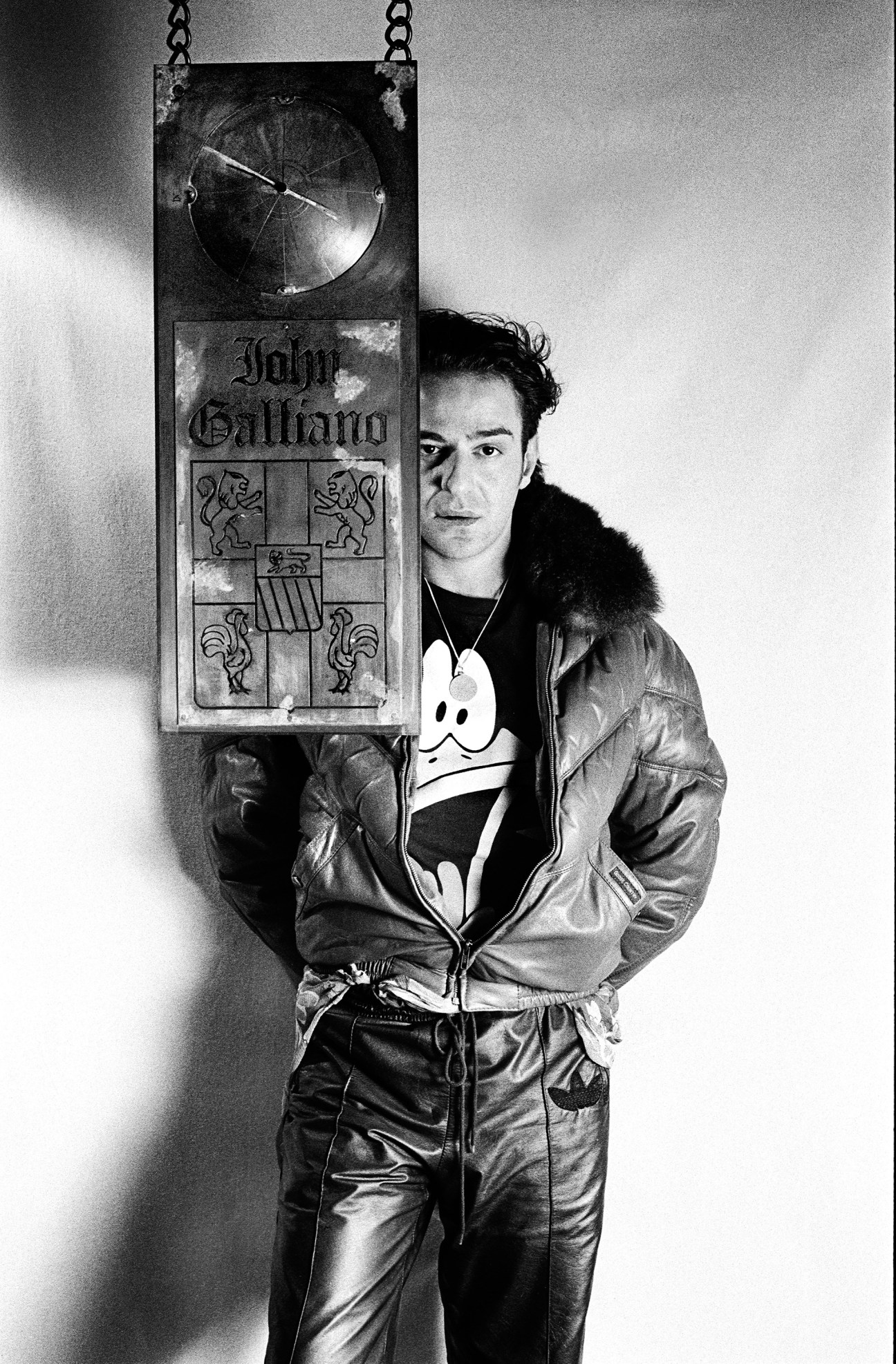
High & Low – John Galliano
Kevin Macdonald
Fashion designer John Galliano’s rise was as swift as his fall after being ostracised from the industry after an anti-Semitic rant in a Paris bar. Oscar-winning Scottish documentarian Kevin Macdonald puts his subject into context, from Galliano’s rise while a student at Central Saint Martins to the gruelling demands placed on him as Dior’s creative director.
Released on the 8 March

The Teacher’s Lounge
Ilker Catak
Teacher Carla tries her best in a new school that is plagued by thefts. Taking matters into her own hands, she identifies the thief – causing members of the community to turn against each other. No good deed goes unpunished.
Released on the 22 March
Art

Käthe Kollwitz
Moma, New York
German artist Käthe Kollwitz, who died shortly before the end of the Second World War, did more than almost any of her peers to document one of the most tumultuous periods in her country’s history. This look at her long career takes us from her early engagement with the darker side of the Industrial Revolution to her explorations of the human cost of war, via peasant portraits and prints that double as pacifist propaganda.
Runs from 31 March to 20 July

Brancusi: Carving the Essence
Artizon Museum, Tokyo
A contemporary of Pablo Picasso, Romania’s Constantin Brancusi was equally important when it came to introducing non-Western influences to 20th-century European art. The clean lines of his carvings reflect his serene approach to his craft and his search for his subjects’ essence. Drawings, photos and frescoes add further context to this first Japanese retrospective.
Runs from 30 March to 7 July
Photography

Boris Mikhailov
Fotomuseum Den Haag, The Hague
A timely survey of the work of the Ukrainian photographer and artist who has long explored the collapse of the Soviet Union. Hand-painted found photographs of Soviet soldiers are given layers of irony by Mikhailov’s lurid colours, while the rough edges and sepia tones of his 1982 Crimean Snobbism series add a conceptual edge to Black Sea holiday snaps.
Runs from 30 March to 18 August
Books

Vladivostok Circus Elisa Shua Dusapin, translated by Aneesa Abbas Higgins
In this perceptive new novel by the French-Korean author of The Pachinko Parlour, an art graduate arrives in the city of Vladivostok to design costumes for three performers preparing for the Russian Bar – one of the most perilous circus acts. Translated from French by Aneesa Abbas Higgins, it’s a sensitive, shrewd tale about friendship, creativity and what it means to put our lives in the hands of others.
Out now

Until August
Gabriel García Márquez, translated by Anne McLean
Shortly before he died in 2014, Nobel laureate Gabriel García Márquez, who was then living with dementia, decided not to publish his last novel. Now, a decade later, his sons have chosen to disregard his wishes and share it. Translated from the original Spanish by Anne McLean, Until August follows a middle-aged woman who takes an annual pilgrimage to the island where her mother is buried on the anniversary of her death. Sure to be one of the year’s literary highlights, the novel interrogates desire and fear with the sensitivity and depth that devoted readers expect from the Colombian author of One Hundred Years of Solitude and Love in the Time of Cholera.
Published on 12 March
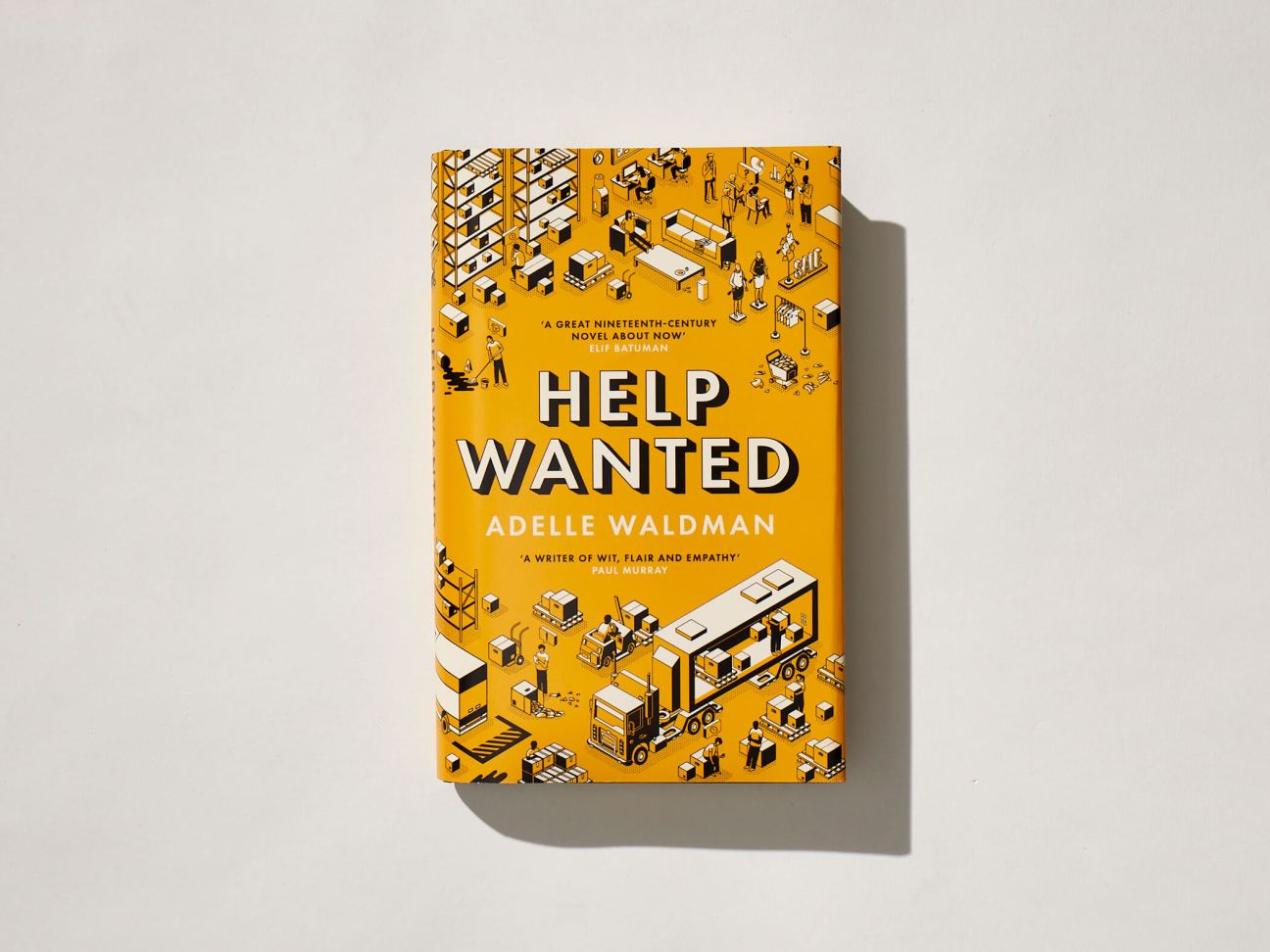
Help Wanted
Adelle Waldman
More than 10 years after Adelle Waldman garnered legions of fans with her charming and clever first novel, The Love Affairs of Nathaniel P, she is finally back with Help Wanted. Where her debut focused on the romantic entanglements of the Brooklyn literati, her new work explores the economic dreams of poorly paid workers in the retail industry. At a superstore in Upstate New York, employees hatch a plan to promote – and so get rid of – an inept team manager called Meredith. This, they hope, will also improve their own prospects of promotion. A witty and perceptive portrait of people doing their best to make a living.
Published on 21 March
TV

The Regime
HBO/Sky Atlantic
Kate Winslet was spellbinding as a caring but overworked detective in US crime series Mare of Easttown. Now she delivers an equally striking performance in The Regime, a new series directed by film-maker Stephen Frears and The Crown‘s Jessica Hobbs. Winslet stars as an authoritarian leader of a fictional European country that is falling apart at the seams. Expect political intrigue and manipulation across six episodes penned by Succession writer and producer Will Tracy.
Released on 3 March
3 Body Problem
Netflix
The long-awaited follow-up project from Game of Thrones creators David Benioff and DB Weiss promises to be a sprawling, highly ambitious sci-fi epic. Based on a Hugo Award-winning book trilogy by Chinese writer Liu Cixin, it begins with the story of an astrophysicist who witnesses the murder of her father during the Chinese Cultural Revolution – before shifting gears to become a wild ride encompassing conspiracies, plenty of weird science and an impending alien invasion.
Released on 21 March

Arctic Circle, series 2
Walter Presents
Filmed in Finnish Lapland, this crime drama about police officer Nina Kautsalo (Iina Kuustonen) is almost as chilling and unforgiving as its setting. The first series, filmed prior to the coronavirus pandemic, notably followed the characters’ desperate attempts to control a deadly virus. In this second series, which recently debuted in the UK on the Walter Presents streaming service, Kautsalo is forced to confront a past that she is trying to forget after the discovery of her unexpected connection to a shocking murder.
Out now
The Lee Ungno residence: A traditional-style dwelling built to champion Korean art
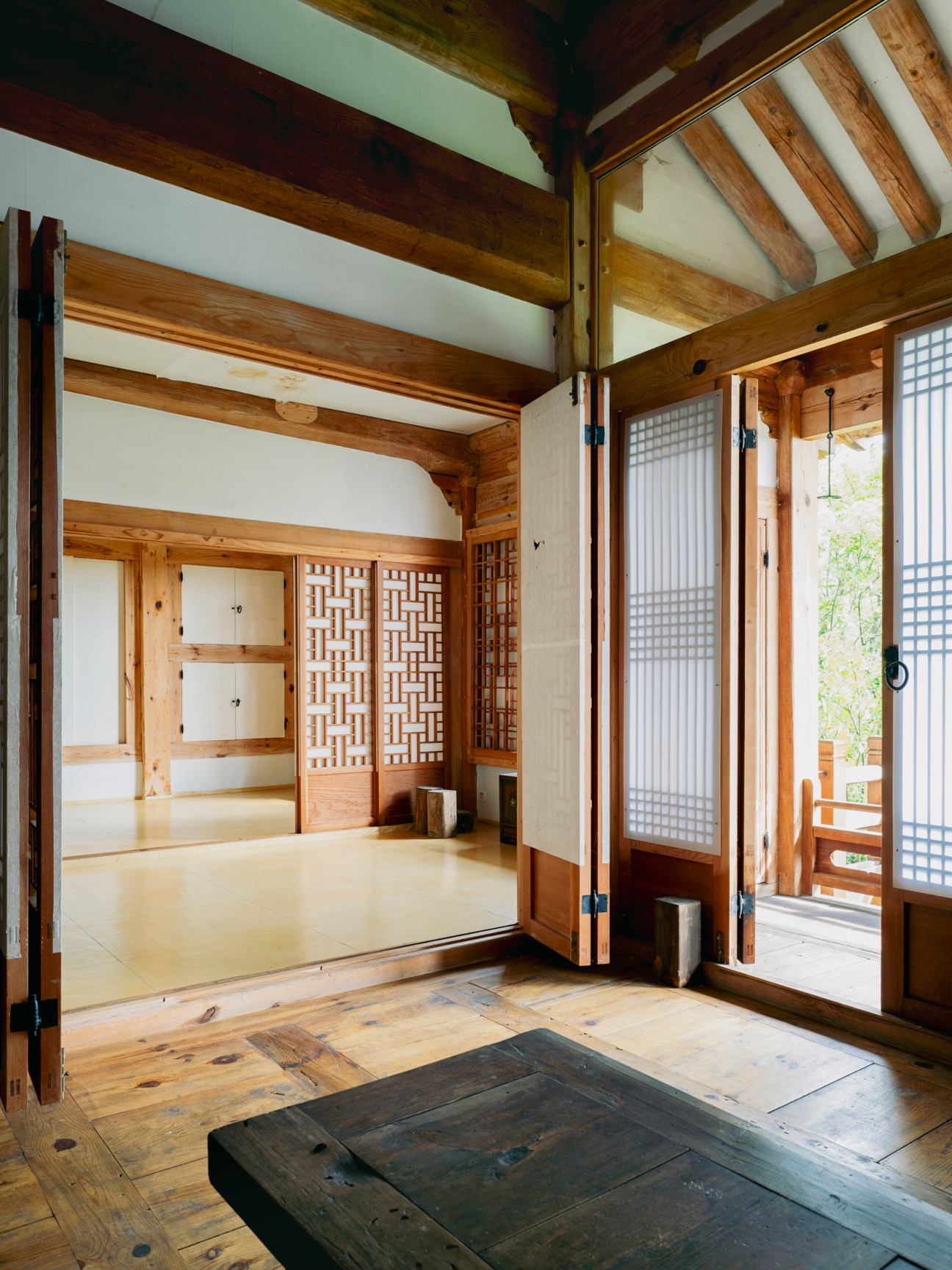
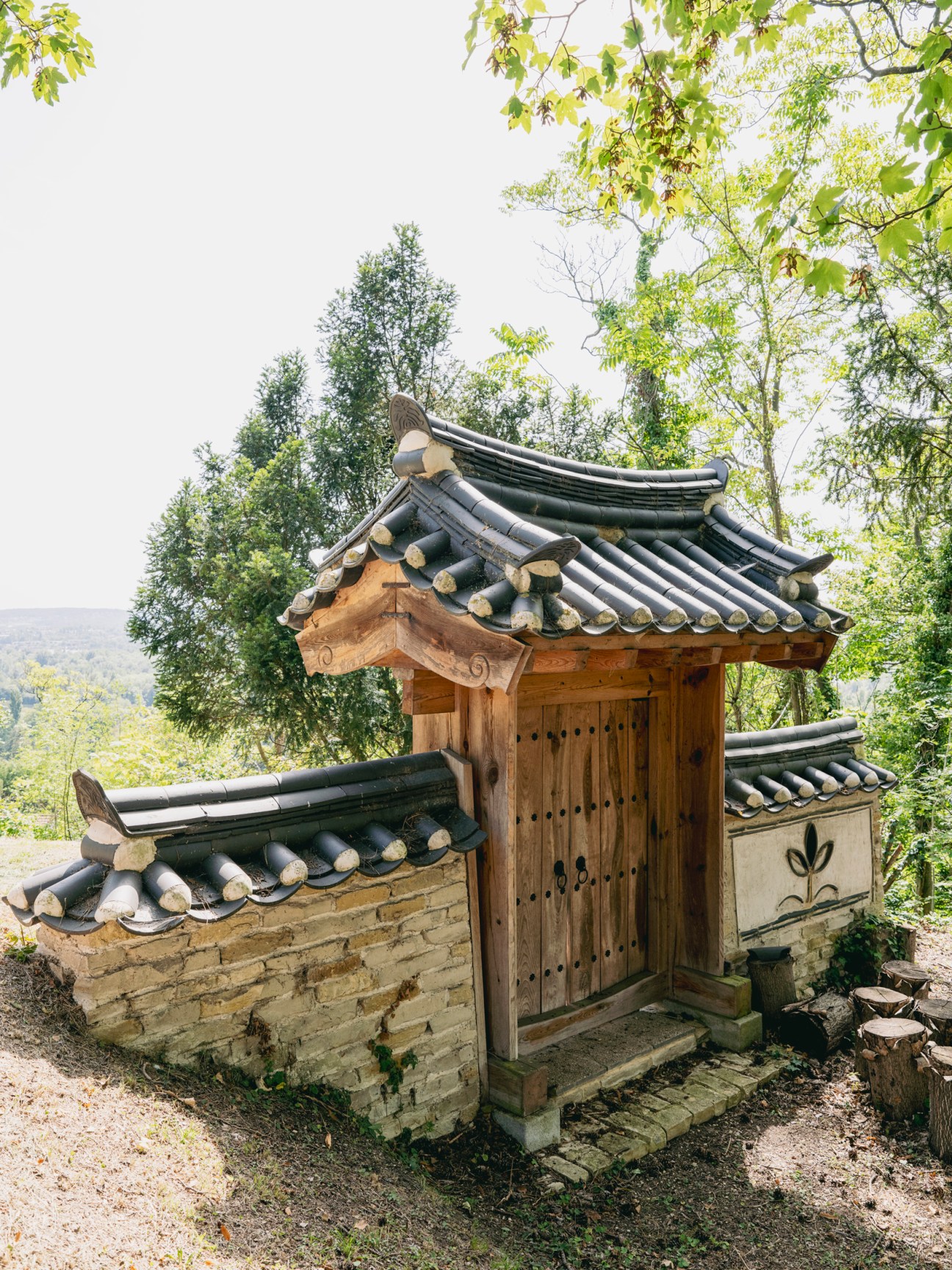
A hanok sits in the idyllic landscape of Vaux-sur-Seine, a rural commune on the north-western outskirts of Paris. The architecture of this traditional Korean house is defined by its screwless construction and the use of structural timber columns, beams and giwa (clay roof tiles). This one is perched on a ridge overlooking the slow-moving Seine and surrounded by greenery amid a landscaped campus of four other buildings, including an old French country house and a striking contemporary structure.
“Every building here has a longstanding story,” says the proprietor, Park In-kyung. A postwar and contemporary Korean artist, Park has girlish good looks that belie her 98 years of age. The campus has been her home for more than 30 years. Born in Korea in 1926, she married renowned mid-century artist Lee Ungno in Seoul in 1949.
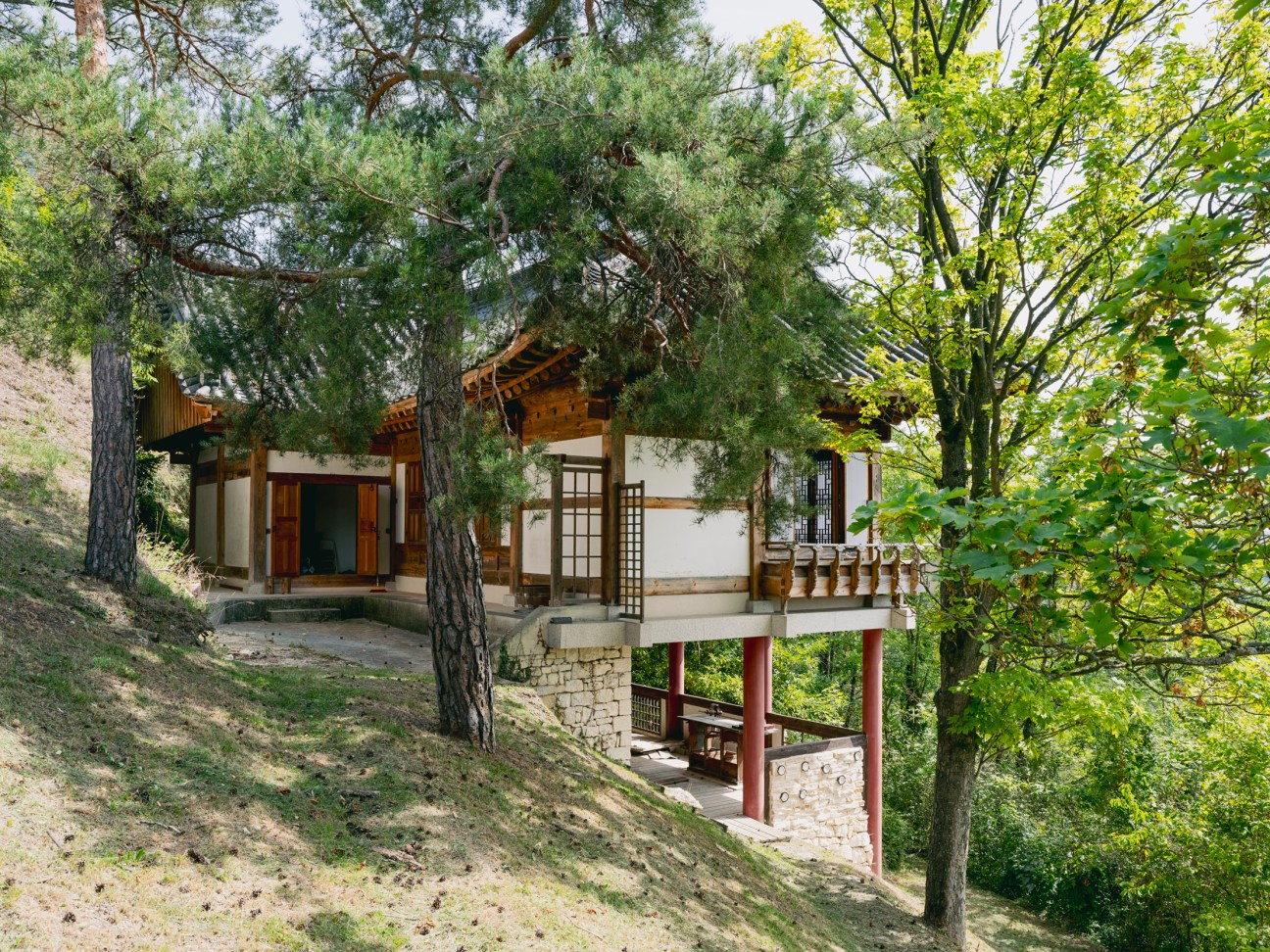
Keen to explore the intersection of Korean and European art, Park and Lee – who was also known by his nom de plume, Goam – relocated to Paris in 1960 at the invitation of renowned art critic Jacques Lassaigne. Over the ensuing years, Park and Lee continued to work and champion Korean art in Europe, establishing the Academy of Oriental Painting in Paris in 1964 and teaching traditional painting and calligraphy. Since Lee’s death in 1989, Park and their son, artist Lee Young-sé, have worked hard to continue his legacy. Key to this was buying a plot on the highest ridge in Vaux-sur-Seine on which to build the hanok. “A long time ago we lived in a place overlooking the Han river in Seoul’s Mapo district,” says Park. “I always felt a longing for my hometown so we chose a location where I could overlook the Seine.”
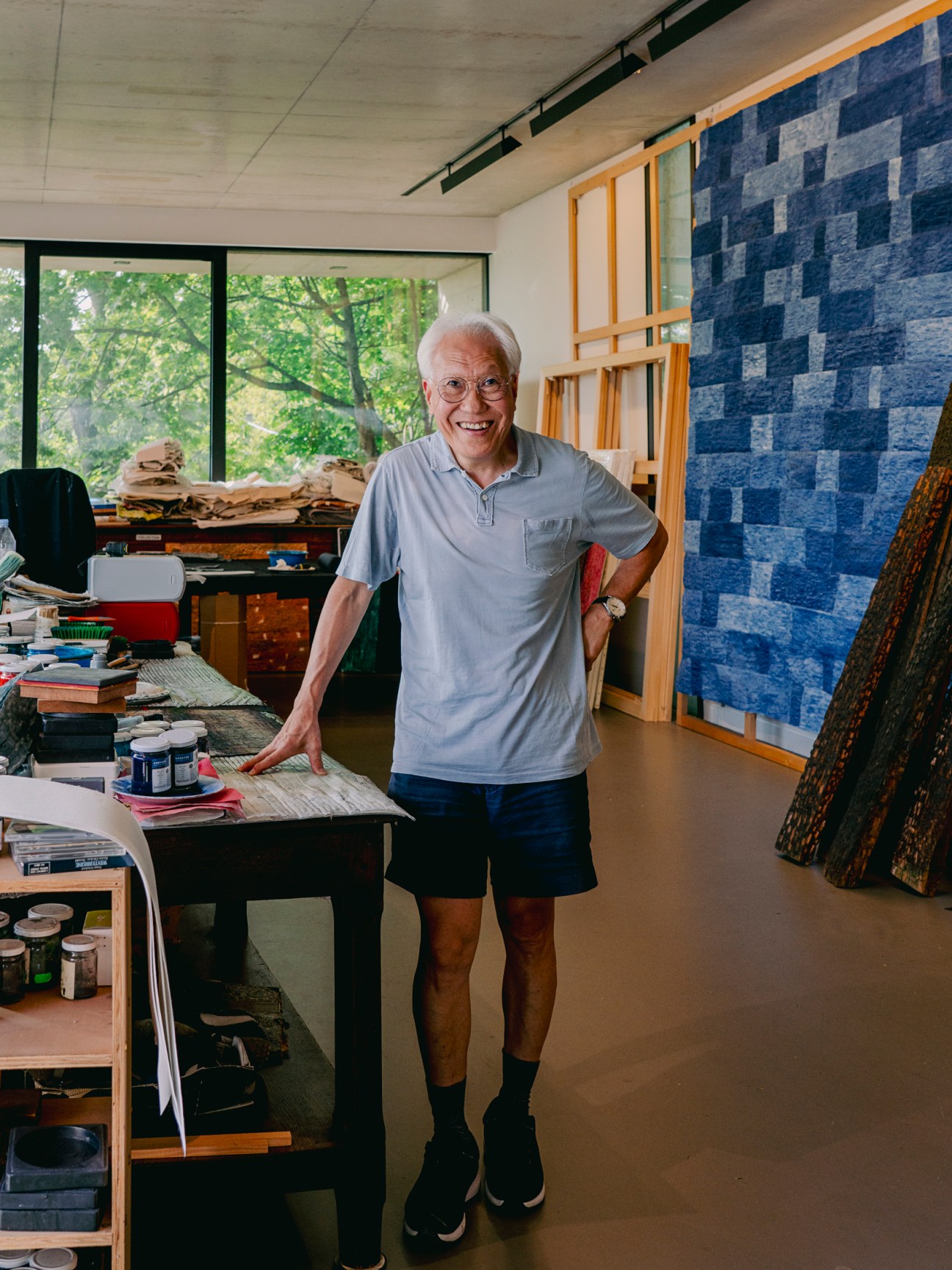
The initial idea for the structure had come from Ungno, with the artist expressing a desire for a daemokjang (master carpenter specialising in traditional Korean wooden architecture) to build a home for the family in France. “He said, ‘I want to build a hanok and hang a few of my paintings in it,’” says Park. To honour his wish and preserve some of his work, Park and Young-sé oversaw the ambitious house-building project. They knew that, in order for the structure to be authentic, it would have to be built in South Korea then dismantled before being shipped to France.
The structure was made using pine trees from Gangwon State, South Korea’s northeast state. To protect the timber from humidity on the journey to Europe, every component was starched with traditional Korean paper, which tightened around the wood as it dried, preventing the timber from twisting when it was exposed to moisture.
The project was reassembled with the approval of the local authority in Vaux-sur-Seine. On the final day of work, a message was engraved into the central ridge beam of the hanok, reading “At 11.00 on 28 June 1992 this ridge beam was raised to complete the framework of the roof. Infinitude and endlessness.” Those last three words expressed a desire for the building to have a timeless quality, much like Ungno’s work.
And indeed it does: the L-shaped structure finds harmony with the natural surroundings thanks to its clay walls and the hanji-finished wooden window frames – a materiality suggesting that the building might one day return to nature. It’s a quality enhanced by the hanok’s exterior windows, which frame views of the Seine. “Windows are the face of a hanok,” says Sim Yong-sik, a somokjang (Korean carpenter with a specialism in traditional wooden furniture) who worked on the project.
Park and Ungno’s contemplative nature is reflected in the decision to install low windows, which allow people to enjoy the views while sitting on the floor of the hanok, in traditional Korean style. “It’s crucial to consider not only the size of the house, the intensity of the wind and the amount of light but also the personality of the resident to make good windows,” adds Sim. The hanok is now used as a residential space.
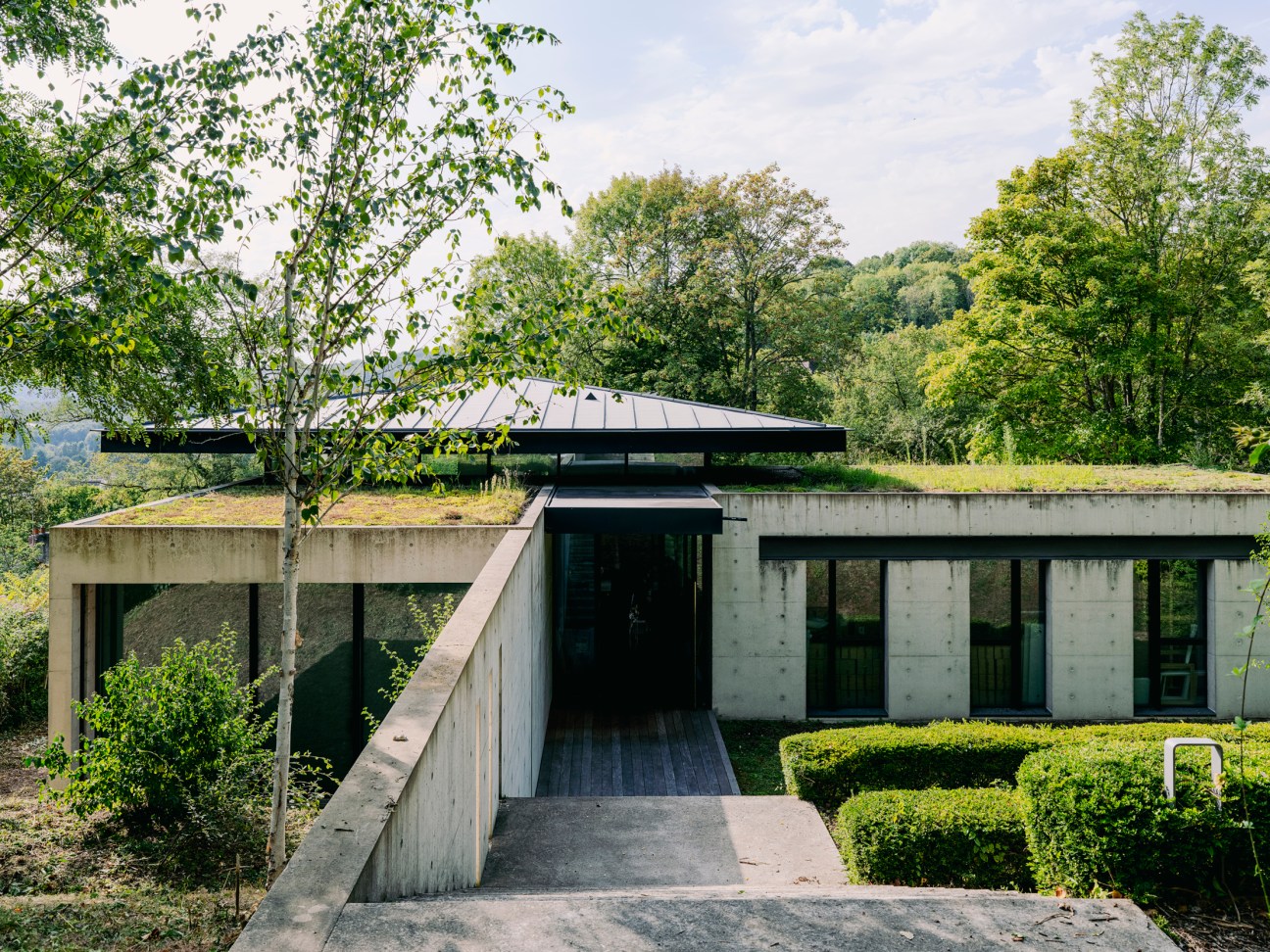
Complementing the work of The Academy of Oriental Painting in Paris is the on-site Goam Academy, which has hosted calligraphy and ink-painting classes in a contemporary concrete building designed by French architect Jean-Michel Wilmote in 2014. “The Goam Academy continues the legacy of the Academy of Oriental Painting, which was the first institution of its kind in Europe,” says Young-sé, who explains that the building, like the art programming, aims to promote cross-cultural understanding between South Korea and Europe. Wilmote’s design is characterised by a uniquely shaped roof, which references the low hip-and-gable form of a hanok. Inside there is a similar sense of openness thanks to high ceilings and full-height windows, which establish a relationship between the indoors and outdoors, making it a perfect backdrop for creating art. “It’s a space where it is easy to move large-scale artworks in all directions,” says Young-sé, who uses the studio between academy terms. “And it has plenty of natural light.”
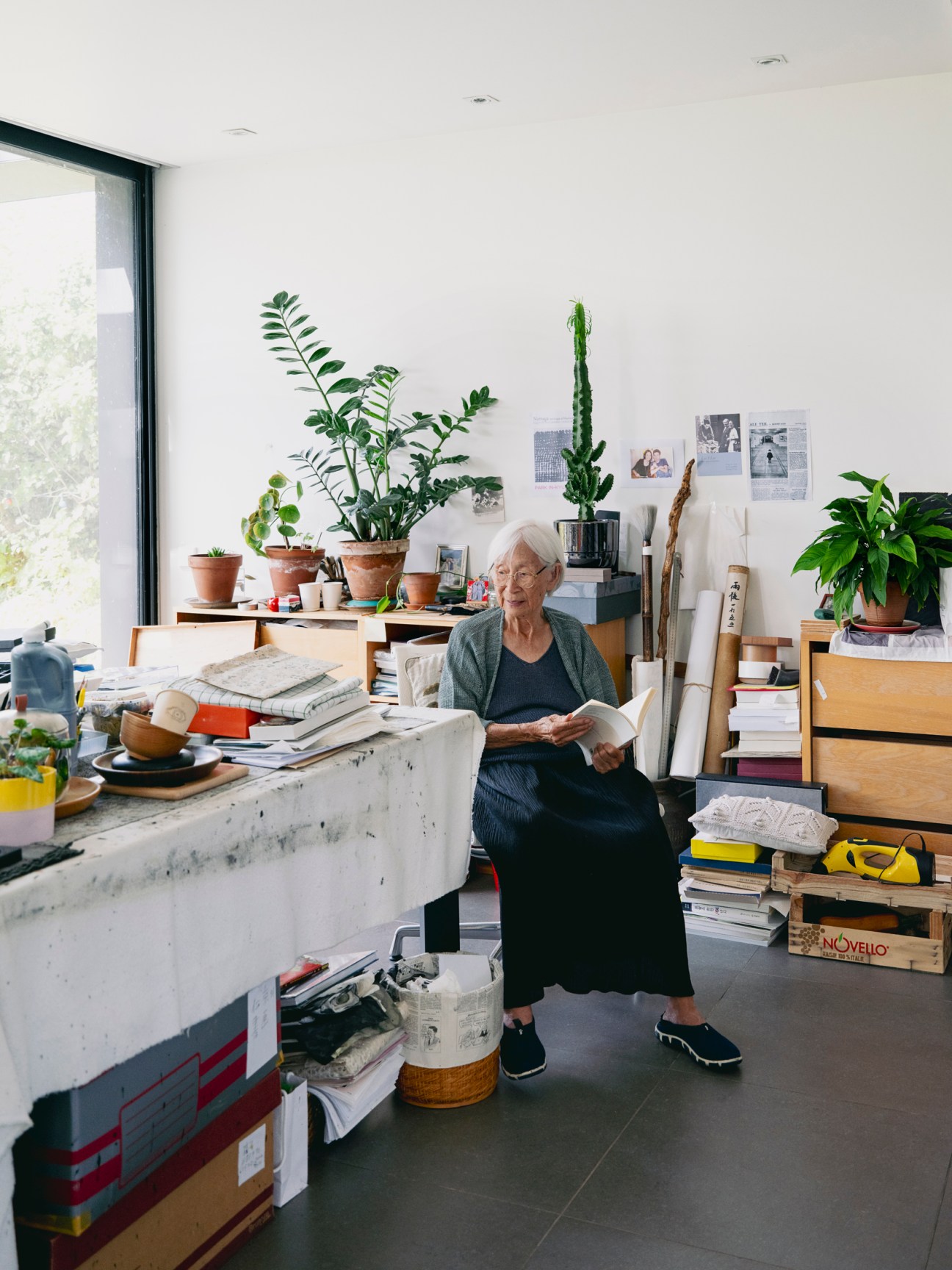
While completed posthumously, both buildings capture Ungno’s ambitions. It is a legacy that is protected by the fact that both Park and Young-sé continue to live on the site. Young-sé’s residence is an old farmhouse, which was already here when Ungno and Park bought the land; Park’s residence and studio is situated on the lot’s highest point – a two-storey building also designed by Wilmote. The latter is a bright space with a wide terrace from which Park continues to paint and draw. Her creative energy is also channelled into the role of honorary director of the Lee Ungno Museum in Daejeon in South Korea, where she is deeply interested in nurturing younger generations of artists who are looking to follow in her and her husband’s footsteps.
As part of her work with the museum, Park has launched the Paris Lee Ungno Residence programme, which brings three artists across to France every year. “I started running the residence programme to pave the way for young artists to interact with the wider world,” says Park, who remains glad that she and her family have been able to offer a warm welcome, and a spectacular setting, to contemporary South Korean artists in Europe.
São Paulo’s art scene revitalises amid political shifts and cultural renewal
The art of transformation
São Paulo’s creative scene is emerging from a troubling political period with new energy and confidence. Monocle meets the curators, collectors, gallerists and artists who are fostering a fresh wave of Brazilian creativity.
Until recently, Brazil’s arts scene seemed stuck in a creative and commercial rut. The country’s long recession had taken its toll, as had a period of political turmoil in which one president was impeached and another imprisoned, culminating in the election of far-right politician Jair Bolsonaro in 2018. His heavy-handed crackdowns and populist rule further destabilised the Brazilian art market.
The inauguration of Luiz Inácio Lula da Silva as president in January 2023 signalled a turning point in both politics and the arts. Whereas the economic boom of more than a decade ago attracted blue-chip artists and galleries to São Paulo, alongside deep-pocketed collectors, the focus now seems to be less on cultural imports than on Brazil’s creative output. The city has the makings of a global art capital: the Bienal de São Paulo, founded in 1951, is a showcase for institutions such as MASP and MAM, and there are dozens of smaller commercial galleries bringing fresh ideas to the table. Monocle meets some of the people who are reshaping the scene.
1.
Fernanda Feitosa
the fair founder
Founder and executive director, SP-Arte

“It all began with a simple ‘Why not?'” says Fernanda Feitosa of art fair SP-Arte, which she founded in 2005. “I thought, ‘Why don’t we have a contemporary art fair in Brazil?'” At that time she was in her early thirties and had begun collecting artworks with her husband, Heitor Martins. “We were the new kids on the block,” says Feitosa. Regular recces to fairs in Europe and North America inspired her to bring some of their energy home. “I wanted to see all of that happening right here in São Paulo.”
SP-Arte is now South America’s largest art fair, having grown from a roster of 41 art galleries in its first edition to one of 168 in 2023. It now occupies the entirety of the vast São Paulo Bienal pavilion, which Oscar Niemeyer designed in 1957. Crucially, Feitosa diversified the fair in 2016 by including design. “I decided to have two fairs in one building,” she says. “People who buy art are nearly always interested in buying signed design pieces too.” Her ability to influence the market and give it what it wants made her a go-to in the country’s creative scene. “A good art fair is the pulse of the market,” she says.
Feitosa weathered the political and economic storms that battered Brazil in recent years, always quietly confident that the dark clouds would clear. After a boom during the 2000s, the economy stagnated at home while art markets in Asia and the Middle East soared.
According to Feitosa, nurturing Brazilian artists through commercial galleries and courting the many collectors who drive the São Paulo scene are central to establishing the country in the art world. In 2022, SP-Arte launched an offshoot fair called Rotas Brasileiras (“Brazilian Routes”), which showcases about 70 galleries from across the nation. “Our mission now is to go back to the country itself,” she says. “The success or failure of the Brazilian market lies in the strengths and weaknesses of the local community.”
2.
Hena Lee
the experimental gallerist
General director, Galeria Millan

“There has always been a top-down relationship between galleries and artists,” says Hena Lee, the general director of Galeria Millan in São Paulo’s Pinheiros neighbourhood. “Not just in Brazil but everywhere.” Having worked for the Delfina Foundation and studied at the Royal College of Art in London, Lee knows plenty about the international scene but her focus now is on Brazilian talent. “Indigenous artists are among the most prominent voices in contemporary art challenging dominant structures in Brazil,” she says, standing by a work by the late painter and activist Jaider Esbell.
Esbell’s relationship with Galeria Millan was unconventional. “He would say, ‘You don’t represent me – I represent myself,'” says Lee. With galleries, museums and collectors increasingly seeking different perspectives, Galeria Millan’s approach offers a new, fairer model. “Esbell negotiated that his work wouldn’t come alone,” says Lee. “If we wanted to work with him, we also had to work with other indigenous artists who he selected.” Also on Millan’s roster is black Brazilian artist Maxwell Alexandre, who was raised in Rio de Janeiro’s Rocinha favela. Alexandre’s images of black figures are painted on cheap, brown paper called papel pardo. Lee explains that the term pardo is implicated in colourism, used to refer to someone of mixed race. “With this material and these powerful figures, he is making a statement.”
Galeria Millan’s nurturing of artists is helping to create some of the country’s most exciting contemporary art. Though fostering Brazilian culture remains central, “the global positioning of our art and of our history” is also vital, says Lee. In 2023, Alexandre’s work was shown at The Shed in New York, while the Fondation Cartier at Milan’s Triennale showed works by Esbell and another Millan artist, Alex Cerveny. “You have to spread artists and their work among other collectors abroad,” says Lee. “They can’t just all stay here in the internal market.”
3.
Paulo Nimer Pjota
the ground-breaking painter
Artist

On a quiet backstreet in São Paulo’s Ipiranga district is the studio of painter Paulo Nimer Pjota. Represented by galleries such as Maureen Paley in London and Mendes Wood DM in São Paulo, New York and beyond, Pjota is quickly becoming a byword for the success of Brazilian contemporary art. When Monocle visits his expansive studio, the 36-year-old says that he is in a productive painting period; on the walls hang more than 30 canvases that have been created ahead of a solo exhibition in New York this year.
“Since the beginning I have been fascinated by both mythology and everyday life,” says Pjota. This juxtaposition is made vividly clear in his paintings, which show finely rendered flowers in full bloom, pumpkins and vases, cartoon characters and shadowy monsters awash with colour and light. Pjota finds inspiration in a broad range of sources, from books and magazine cuttings to found items. As he shows us around, he flicks through an illustrated volume of Grecian vases and then, chuckling, gestures towards a pinned-up photograph of discarded plastic bags.
Small characters, often butterflies, crop up in his compositions – Pjota’s nod to cartoons such as Walt Disney’s Silly Symphony. “When I’m painting, I’m not thinking about the light that I see,” he says. “It’s more like a collage.” Pointing out some of the details in his work, he identifies an ancient Mayan symbol and an image of opium poppies. “I like to imagine LSD in the ancient times.”
“Since the beginning I have been fascinated by both mythology and everyday life”
Despite such references in his mesmerising, at times psychedelic paintings, Pjota tells us that it is cities that inspire him most – in particular, São Paulo, where he has lived since he was 17 years old. “My mind just blew up,” he says of his arrival from what he calls the “conservative” countryside. “We like to mix things up here. My work is not about what I include or not. For me, it’s more about a feeling, how a painting feels.”
4.
Gustavo Nóbrega
the collector
Co-founder and director, Galeria Superfície

Gustavo Nóbrega’s 1930s home in Jardins is bijou by the standards of the neighbourhood but what it lacks in size, it makes up for in cosiness. What’s more, 30 to 40 pieces of conceptual and political Brazilian art are on display inside the apartment at any one time. The collection, which focuses on works from the 1950s to the 1980s, is impressive both for the range of artists featured and rarity of the pieces: colourful prints by Hélio Oiticica jostle with provocative works by lesser-known but equally important figures such as Pedro Escosteguy.
The calibre of the collection makes sense if you know about Nóbrega’s day job. The 38-year-old Paulistano is the co-founder of Galeria Superfície on Rua Oscar Freire, which specialises in conceptual Brazilian art from the past 50 years. “Here’s my daily dilemma,” says Nóbrega. “The works that I deal with are hard to come by so when I find something really special, I have a tough choice to make.” Should he sell it and take a commission – or follow his heart and bring it home?
“I suppose I’m a bit of an archivist. My work circles around this archive”
When Monocle visits the gallery, a 15-woman exhibition is showcasing the striking art that flourished during Brazil’s decades of military dictatorship. Colourful works by Regina Vater and Romanita Disconzi bridge the gap between US pop art and a more Brazilian style. “I found some of these works many years ago but the artist didn’t want to sell,” says Nóbrega. “So we waited until the time was right.” Right, in this case, means until the market was willing to pay a decent price.
“I suppose I’m a bit of an archivist,” says Nóbrega of his collection, which contains thousands of works. Also stored in vast cabinets is a trove of artists’ letters, poems, sketches, exhibition posters and books from the 1950s onwards, charting decades of transformation in modern Brazilian culture. “My work circles around this archive,” he says. “Its contents are what drives me.”
5.
Lorraine Pinheiro Mendes
the canny curator
Curator, SESC Belenzinho

It took curator Lorraine Pinheiro Mendes the best part of four years to organise Dos Brasis – Black Art, Black Thinking at SESC Belenzinho, a large cultural centre in eastern São Paulo. The exhibition, which Mendes curated in partnership with Igor Simões and Marcelo Campos, features the work of about 240 African-Brazilian artists from across all 26 of the country’s states; it is the biggest show ever held in Brazil that is entirely dedicated to black artists. Despite the scale, Mendes says that it could have been bigger. “There is so much more that we didn’t use,” she tells Monocle.
“Black people weren’t excluded from the art system but they were mostly just the subjects of painting and sculpture,” says Mendes. By way of example, she lists Brazilian artists such as Candido Portinari, whose neorealist paintings often featured black Brazilians. “Only now are we looking at the role that black people had in building the nation. This gives black voices more agency.”
The Bolsonaro years were difficult for Mendes and many others in the culture sector. Not only did the far-right president disband the culture ministry but his policies and statements also seemed intended to divide Brazil. For Mendes, Bolsonaro’s replacement shouldn’t mean a return to how things were before. “When he was in power it became OK to be publicly racist but things were far from good before him,” she says. Bolsonaro’s battle lines galvanised opinion on both sides. “It’s easier to start a battle if you know who your enemies are.”
The Belenzinho exhibition shows the vital role of SESC, a non-profit organisation set up in 1946 but that proved especially important during the culture wars stoked by Bolsonaro. Though Mendes, who has lived in São Paulo for just five months, marvels at the city’s ability to attract the best of the country, she believes that an approach that reaches out to all of Brazil is what the art scene needs.
Future proofing the real estate sector: We hear from 10 industry professionals

1.
“The focus for 2024 must be a robust drive toward net zero, as well as addressing the urban affordability crisis. To tackle these challenges, there’s a critical need for the industry to unite – architects, planners, developers and other stakeholders must come together to form a cohesive, visionary voice. There are bright spots: we can see groups of pioneers bringing forward transformative ideas while technological advancements, particularly in property technology, offer significant potential to revolutionise our industry.”
Coen van Oostrom
Founder and CEO, Edge, The Netherlands
2.
“Issues in 2024 include a severe shortage of skilled construction workers and concerns over carbon taxes and environmental protection. Addressing these challenges involves designing for waste reduction, enhancing construction methods such as prefabrication, investing in education and prioritising the use of local materials. Sustainable and eco-friendly materials are gaining maturity, while local architectural styles are being increasingly valued.”
Aaron Lee
Deputy chairman, JUT Land, Taiwan
3.
“The buzzword for property developers and agents is ‘housing’. The rise in interest rates and the weak rental market have contributed to housing becoming one of the biggest challenges for Portuguese politicians, who have created two legislative packages called Mais Habitação [More Housing] and Simplex Urbanistico [Urban Simplex] with measures designed to increase supply.”
Sofia Rodrigues Nunes
Co-head of Real Estate, Gómez-Acebo & Pombo, Portugal
4.
“Initiatives in schools can help to showcase our industry, along with large-scale efforts to engage young people through employability programmes, mentoring and paid work experience.”
Andrea Carpenter
Director, Diversity Talks Real Estate, UK
5.
“I see a massive commercial opportunity in investing in buildings that are at risk of being stranded assets from a sustainability perspective and making them more environmentally friendly. This means identifying how you can reposition a building to have a measurable positive impact.”
Alexander Bent
Co-founder, Undivided Ventures, Hong Kong
6.
“Preparation is the key word for this year: paperwork, licensing and assembling land for new projects. The continued strength of the office market in Ho Chi Minh City is a major bright spot in southeast Asia.”
Philip Cluer
COO, Refico, Vietnam
7.
“Intelligent concepts and customised solutions are in demand: watch out for subsidised projects and neighbourhood developments, such as multi-generational housing, based on environmental, social and corporate governance criteria. Commercial development is on the up. Companies are reorganising to shorten value-creation routes, giving the sector a positive boost.”
Michael Körner
Managing Director, Invest Region Leipzig, Germany
8.
“As well as sustainability, we should focus on affordability and creating ways to integrate better into the community fabric of a city. The industry needs to get used to having its asset use change quickly. It still thinks in long-term trends that don’t reflect changing customer behaviour. We need, for instance, to look at the way digital media has freed up how customers consume their product; people lead more mobile, fractional lives and our homes also need to be able to adapt. On the bright side, consensus is forming about CO2 standards in construction.”
Claus Mathisen
CEO, Urban Planners, Denmark
9.
“There will be many players who will breach loans and be in self-preservation mode. For others, assets will be repriced and they’ll find wonderful opportunities to invest. The real-estate industry is facing a mountain of challenges, from building safety issues to office vacancy and valuation crunches because of the interest-rate environment. Sectors such as housing, hospitality, studios and data centres, where owners know how to operate assets, will continue to do well.”
Ryan Prince
Vice-chairman, Realstar Group, Canada
10.
“There’s a new reality and this must be acknowledged, addressed, managed and celebrated. The world has changed, and so we must address our previous assumptions. People are social creatures and have both a need and a desire to engage, experience, interact and have a community. This is an essential element to design and development that spans across all sectors of real estate.”
Hanna Struever
Owner, Retail Portfolio Solutions, USA
A look behind the Angoulême International Comic Book Festival
Every year in late January, 200,000 comic-book enthusiasts of all ages flock to the usually quiet southwestern French city of Angoulême. In pop-up marquees set up in picturesque squares, teenagers, retirees and parents with small children queue eagerly for an autograph (often accompanied by a small illustration) in the latest instalment of Spirou, Asterix or Gaston Lagaffe. In France, where comic books – or bandes dessinées – are big business, Angoulême is to the genre what Cannes is to film.


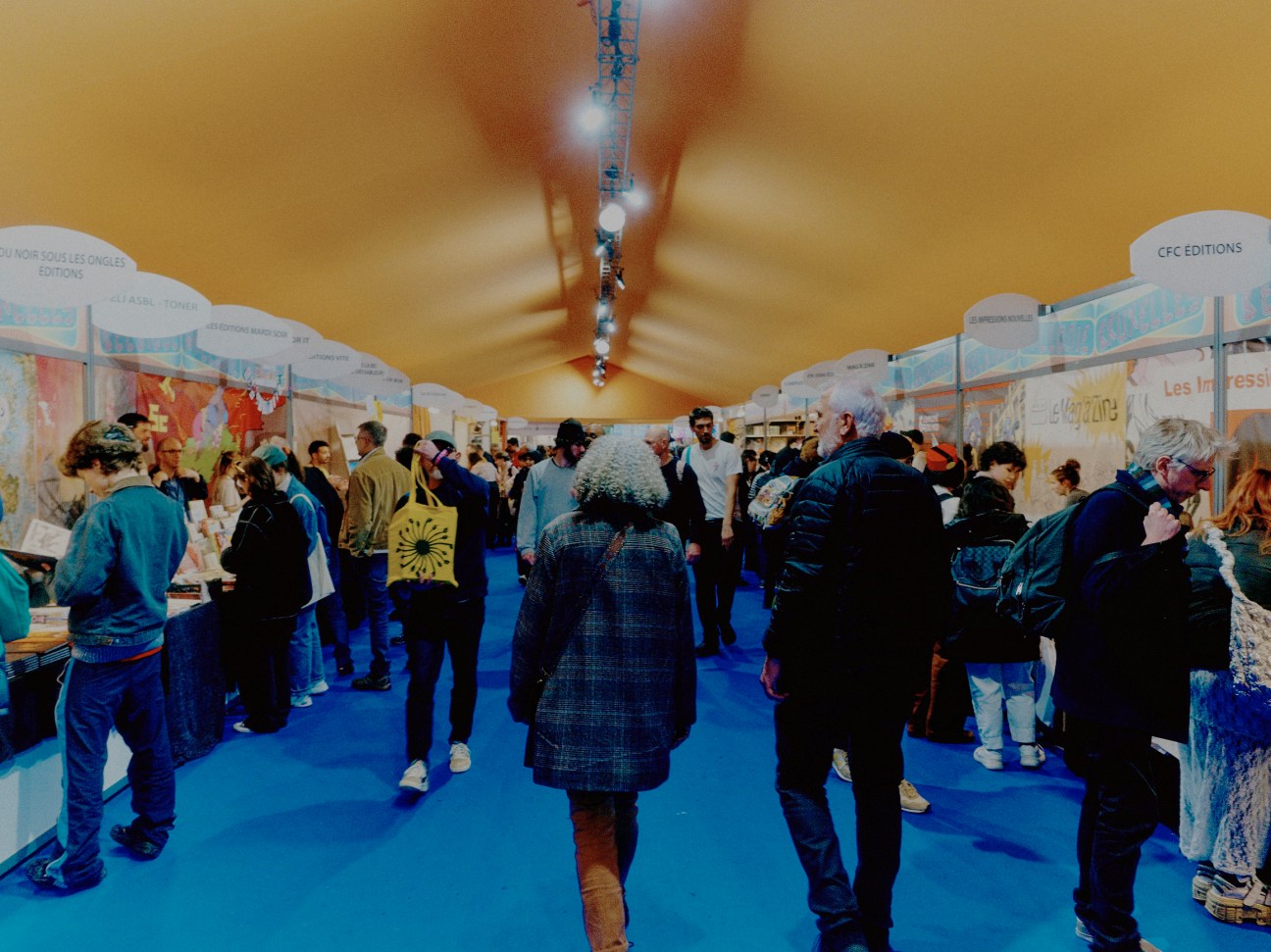
Founded 50 years ago, the Angoulême International Comic Book Festival was the first fair of its kind and considered a niche part of the publishing industry. It was a time when Franco-Belgian comics were synonymous with René Goscinny or Hergé, whose work appears in vast frescoes on buildings across the city. But today this has radically changed. According to market research company GFK, one in four books sold in France today is a comic and the festival is one of Europe’s biggest literary events. Last year the industry’s value was estimated at €877m, with 75 million comic books sold in 2023 – a 55 per cent increase compared with 2019. While the popularity of manga has certainly had a big impact (France is its second-biggest consumer after Japan), Asterix continues to top the best-seller list year after year, and graphic novels and non-fiction titles aimed at adults are also finding a new readership.
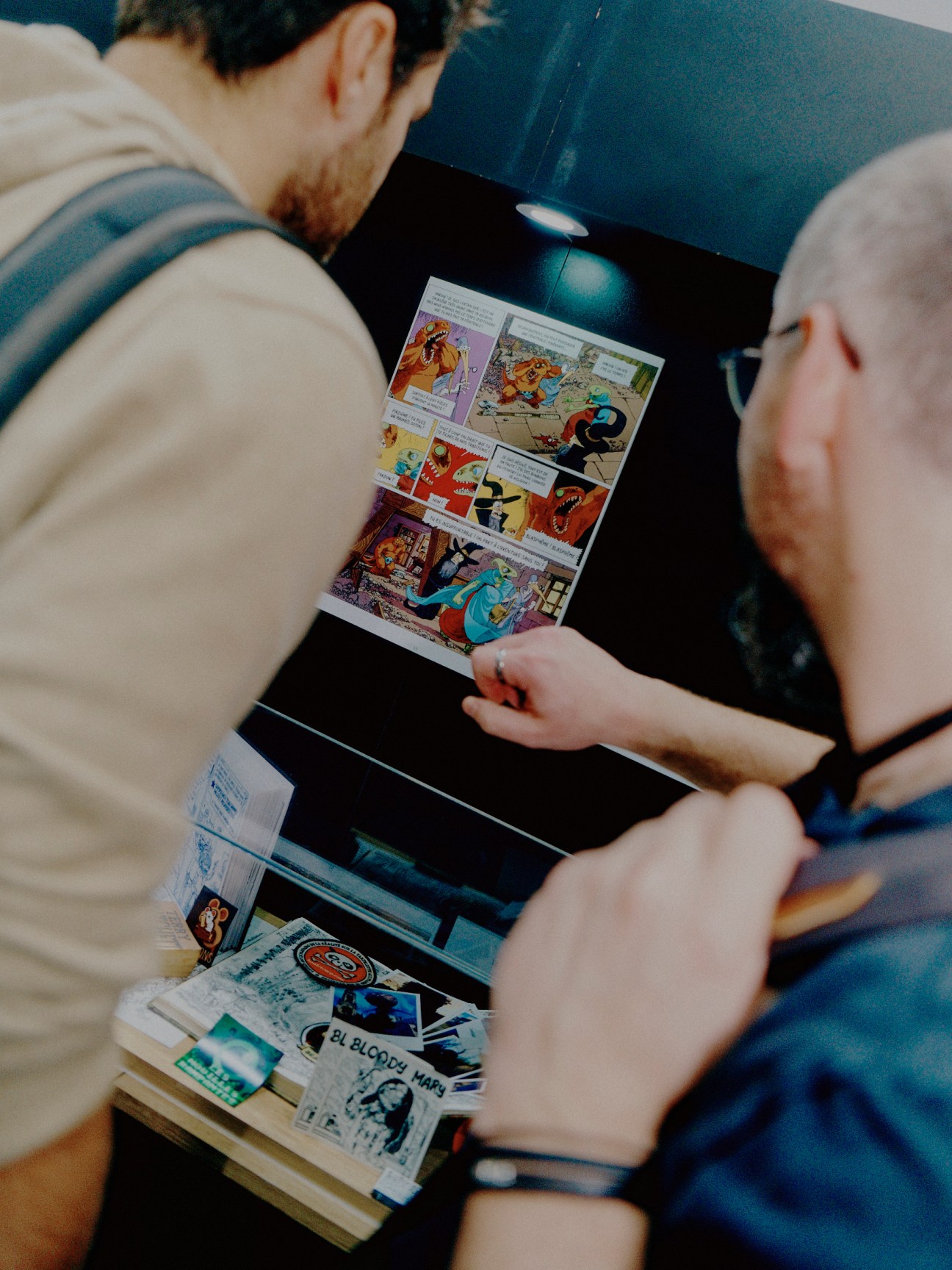
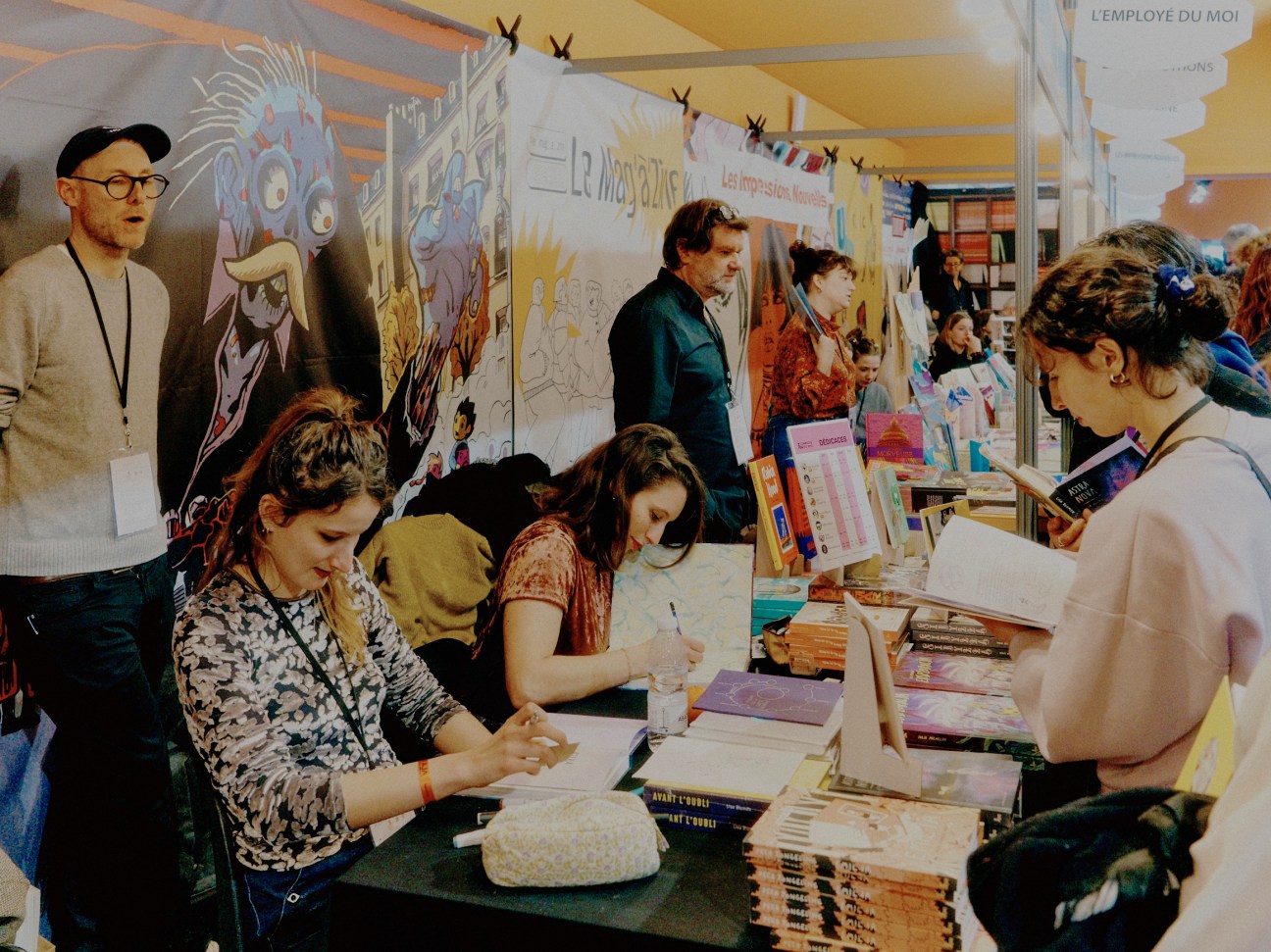
“It has been a while since comic books have earned their status,” says Stéphane Aznar, the managing director of Dargaud, a Paris-based publisher founded in 1936. Its stand takes up a large space in the middle of a section dedicated to Franco-Belgian comic-book publishers and has its own bookshop displaying a vast selection of recent titles: everything from Guillaume Bianco and Kerascoët’s Nunuche, the story of a girl and her cloud-looking puppy aimed at early readers, to Nos mondes perdus (Our Lost Worlds) by Marion Montaigne, a popular science title about the discovery of dinosaurs. “Today the comic-book industry has become a publishing segment in its own right and it’s just as important as general literature – and even more so in certain bookshops,” says Aznar.
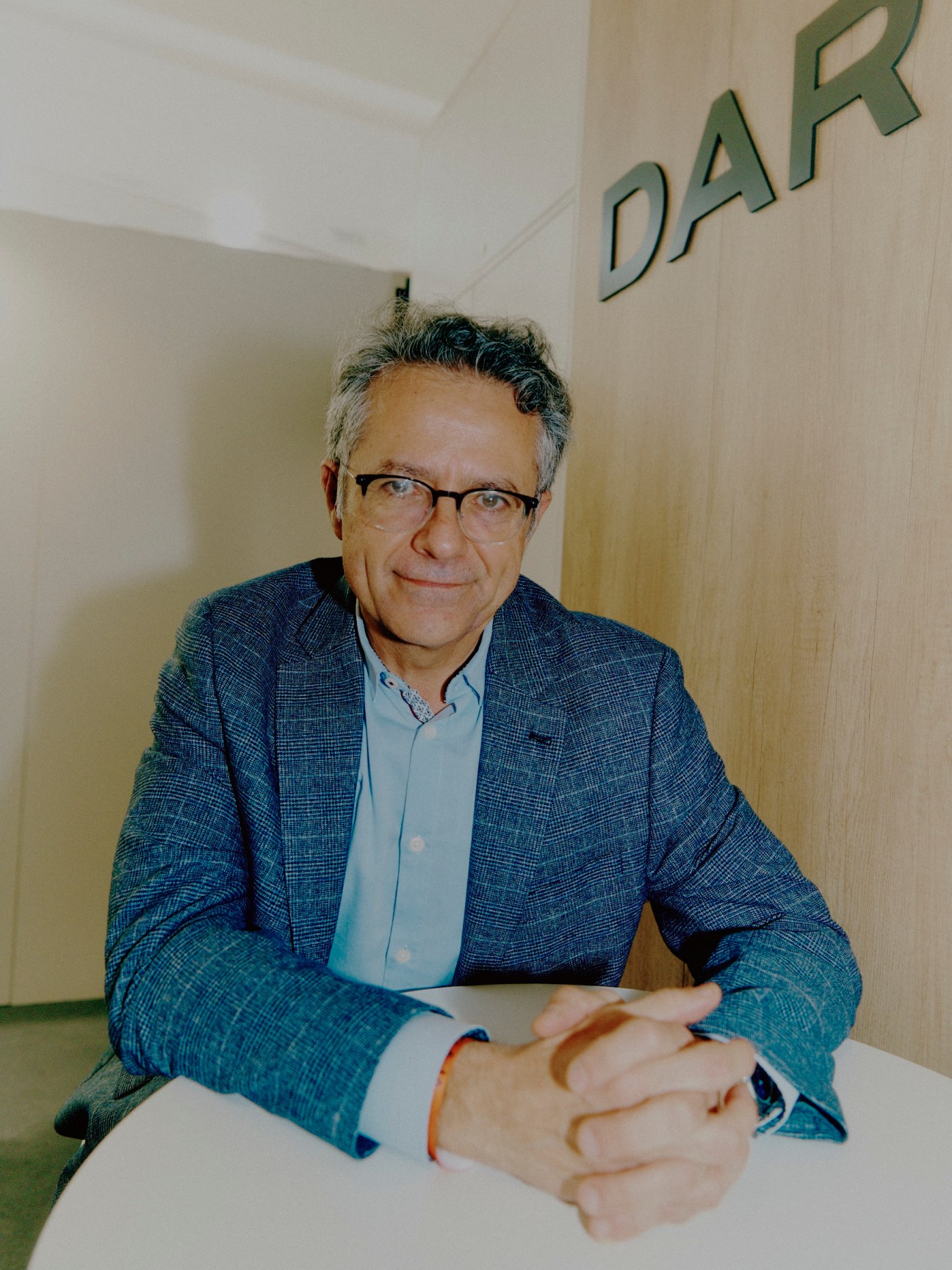
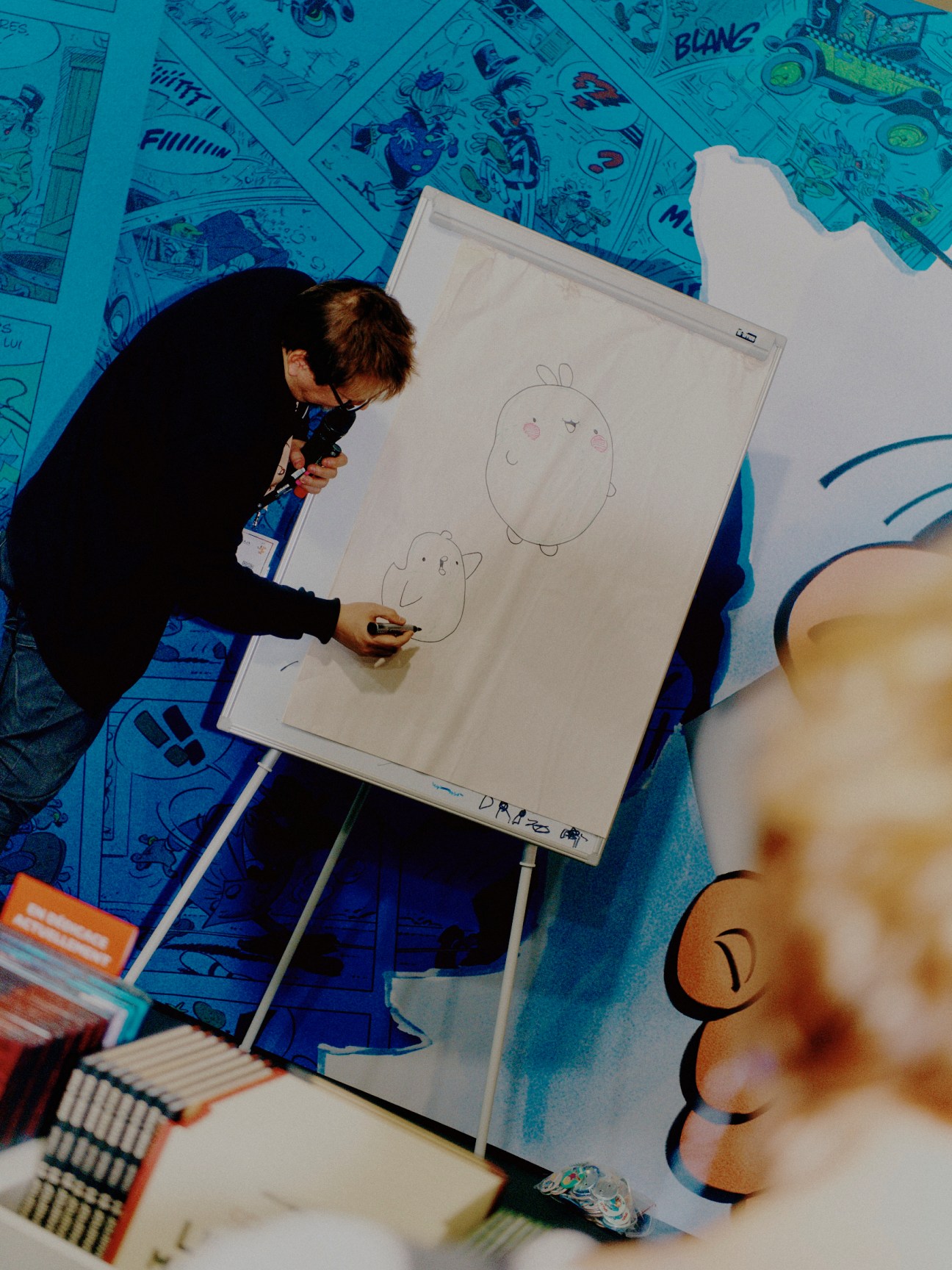
The publisher’s best seller of 2023 was Le monde sans fin (World Without End), a good example of how comic-books are reaching a broader adult readership. Illustrated by Christophe Blain and written by French engineer Jean-Marc Jaconvinci, it takes readers on a journey to understand the climate crisis, its consequences and possible solutions. “We’ve noticed a powerful development of what we call BD du réel [non-fiction comic books],” says Aznar. “Comics are not just for entertainment; they’re also for thinking, for reflecting. They’re a way of seeing and understanding the world.” The trend could be expanding internationally too: US and UK publishers have snapped up the rights for a release in English later this year.
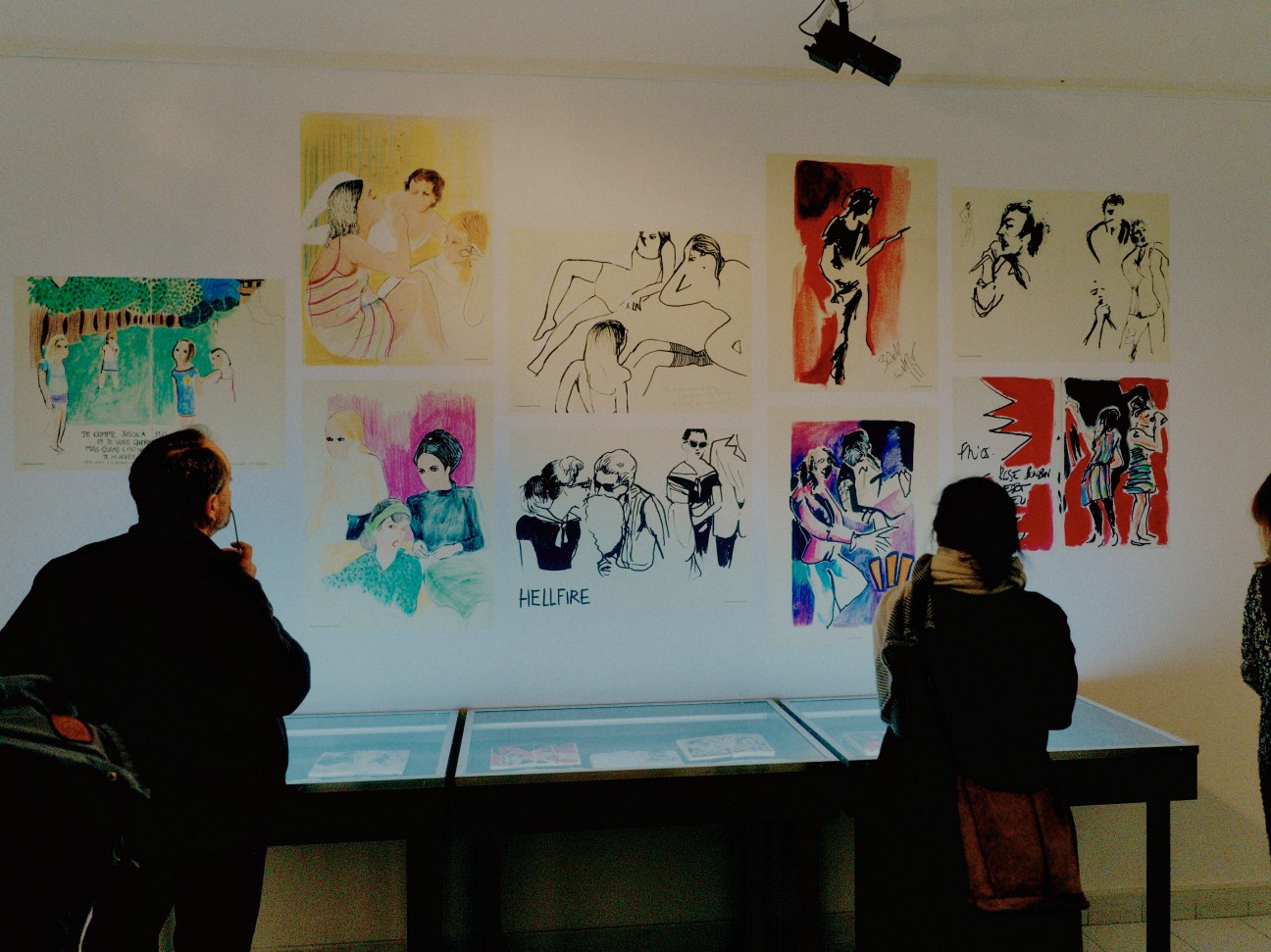
With graphic novels being picked up by readers who previously shied away, publishers of all kinds are jumping on the bandwagon. “If there is one new trend to note this year, then that’s it,” says Marguerite Demoetë, the festival’s artistic director. “Publishing houses that only focused on literature or essays now all want to publish comic books. That has to do with the industry’s valorisation. The festival has worked hard to legitimise comics as an art.” Indeed the “ninth art”, as it is also known, is still feeling the ripple effects of the coronavirus lockdowns that boosted sales. When the government released le pass Culture in 2021 – a pass with €300 for teenagers to spend on culture – some dubbed it the “pass manga” as 18-year-olds across the country stocked up on One Piece and Spy 3 Family. But now the craze has slightly dissipated, the entire industry is still going strong. “Today there is an appetite for consuming comic books of all genres, which are all doing incredibly well,” says Bruno Fermier, CEO of Canal BD, a network of independent bookshops specialising in comic books. He points out that the diversity in storytelling has also attracted more women, who now represent 50 per cent of customers; this wasn’t the case a decade ago.
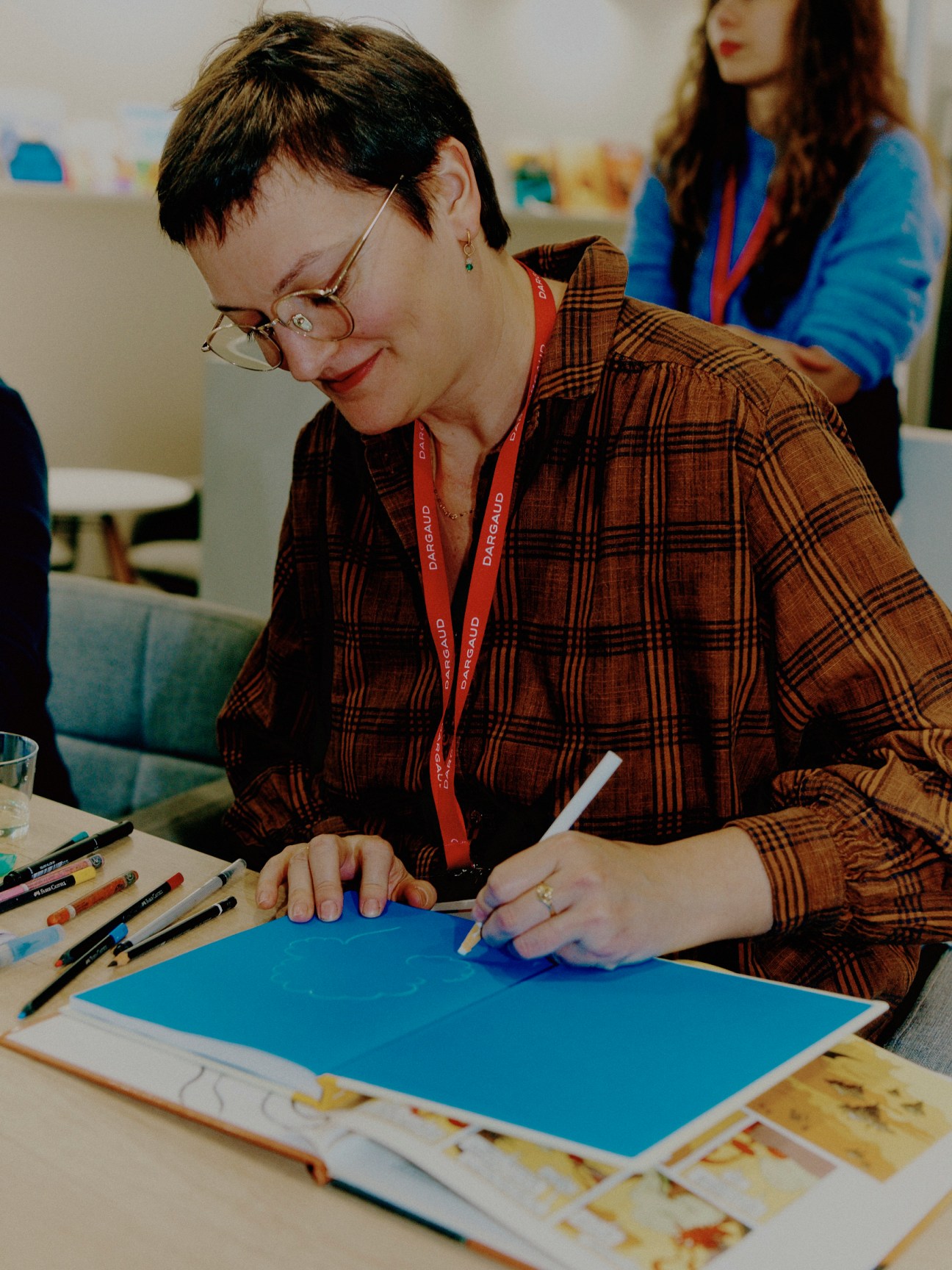

As for children and teenagers, with an increasing amount of time being spent in front of a screen, the growth of comic books also reassures publishers that print is still a valuable medium. Though webtoons – a type of digital comic book made to read on smartphones – has had some success, it’s not something that is seen as competition for the traditional hardcover. “Digital comics never really caught on,” says Aznar. “Reading a page of a comic book on an iPad or on a Kindle is not a great experience. The pleasure of having a physical book that you can immerse yourself in, moving your eye across the page, is unmatched.” French readers of all kinds tend to agree.
Figures revitalising a 1980s mall and lifting a San Francisco landmark to new heights
the chairman
Charn Srivikorn
Gaysorn Property, Thailand
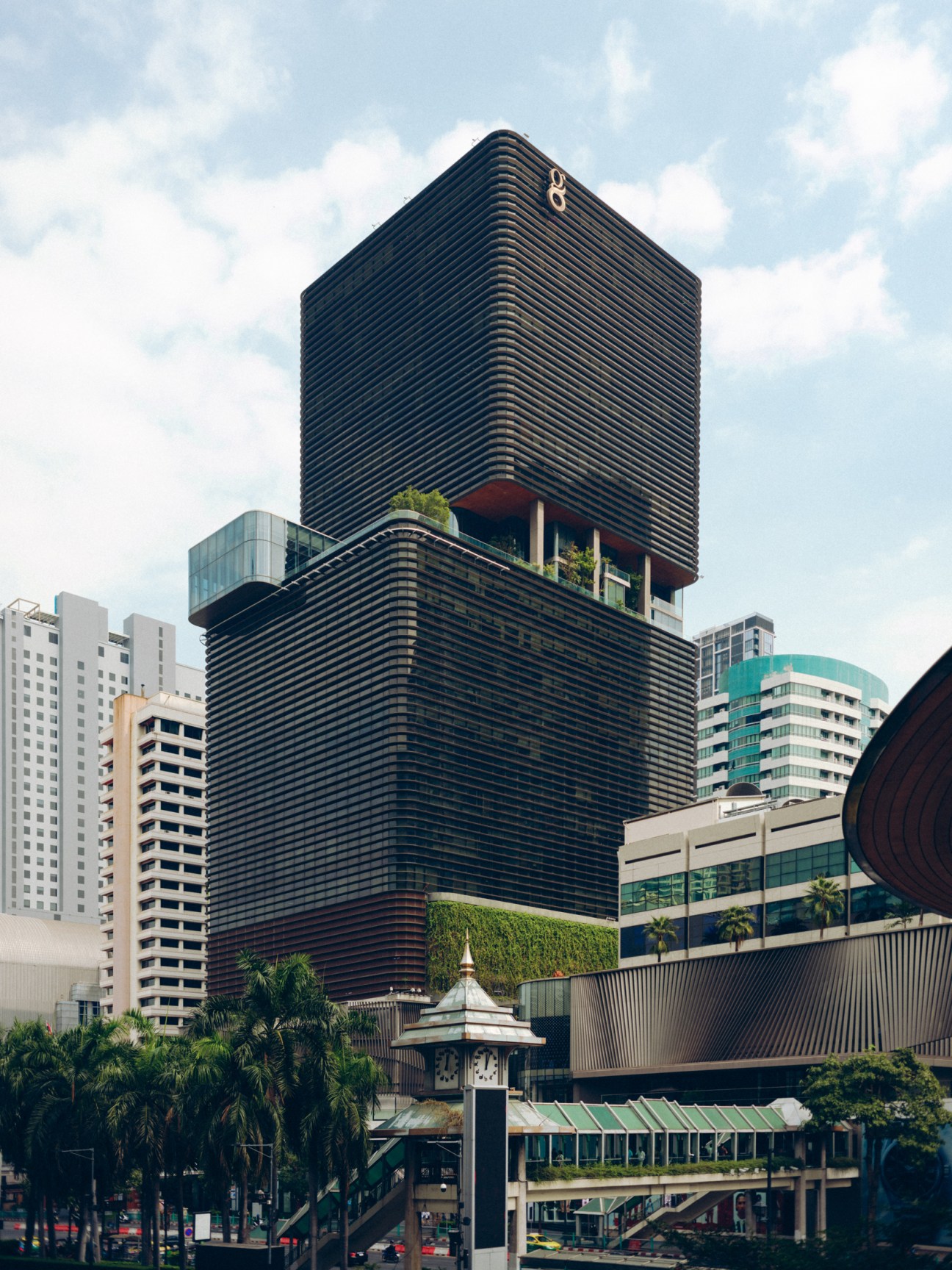
March sees the reopening of Bangkok’s Amarin Plaza after an extensive renovation. Renamed Gaysorn Amarin, the 1980s shopping mall, flanked by postmodern Grecian columns, sits in Ratchaprasong, the Thai capital’s retail centre. Landowner Gaysorn Property bought back the building’s lease in 2007, and, after exploring several different plans, it is set to become the final part of a trio of buildings that make up Gaysorn Village.
The initiative is led by chairman Charn Srivikorn. Originally an investment banker, he took over the family business after the Asian financial crisis in 1997. He first worked with Hong Kong Land to redevelop Bangkok shopping mall Gaysorn Centre in a union brokered by LVMH brands. He then went on to build Gaysorn Tower, the most sought-after office space in Thailand.
Srivikorn’s family ties to the area go back to the 19th century and his siblings work alongside him as caretakers of the neighbourhood (twin brother Chai was instrumental in the construction of Ratchaprasong’s elevated walkway, which connected the district’s shopping malls, offices and hotels with the skytrain, transforming the visitor experience).
A respected figure in Asian property circles, Srivikorn describes himself as an urbanist rather than a retailer. He wants Gaysorn Amarin to be a lounge where the entire district can “mingle” – a favourite word. At 62, he has no intention of slowing down (despite nursing a stubborn pickleball injury), with his sights set on developing other parts of Bangkok.
Did you ever consider knocking down Amarin Plaza?
We did. The first scheme with architecture firm Aedas involved merging Amarin Plaza with our neighbouring building, Maneeya. We decided not to redevelop in the end because there’s too much supply in Bangkok. By renovating, we can operate at a lower cost to the competition and still provide quality. And we can always redevelop later, when the market normalises, which we think will take another 10 to 20 years.
Gaysorn will be operating a lot more of the space inside. Why?
Brands used to be the activators of traffic and there was the seasonality of spring/summer and autumn/winter retail and fashion seasons. But today, Louis Vuitton needs to change its visual merchandising every two to four weeks. Smaller brands don’t have the same resources and that creates a gap. So yes, we have had to move from b2b to be more B2C, but we are looking more at placemaking and activating space, not retailing. Activation can come from a civic space and urban areas can be designed to [bring life to] a place or drive a retailing programme.

Louis Vuitton is back as one of your anchor tenants. How did this relationship reignite?
That wasn’t intentional. We had planned for a speciality concept store. But when they heard what we were doing, they came to us. It’s going to be different; they’re not calling it a shop. Louis Vuitton loves to innovate and I think this concept will be a first in Asia. We used to work with a number of their brands at Gaysorn Centre but LVMH changed its strategy more than a decade ago and they needed a bigger floor plate. We didn’t have the space, so they have their flagship stores in Iconsiam, Siam Paragon and Emporium.
You operate a number of residential buildings too. Why did you venture into this alongside retail development?
It’s fun. Also, we can make an impact by bringing in what we’ve learned on the commercial side. Retail is more than just a collection of brands. The way we think and design the customer journey and experience can be applied to residential, which is all about creating the environment for people to enjoy living.
Are your residential developments the biggest revenue contributor?
Well, our latest residential project, Tela Thonglor, generated about THB4bn [€104m] in revenue but that’s project-based. It’s not annualised. The revenue for our mixed-use properties last year was about THB1bn [€26m]; we closed the retail in Amarin. This year it should be about THB1.3bn [€33m] and eventually around THB1.6bn [€41m].
How do you feel about 2024 compared to last year?
Much better. The curve is going up. But looking ahead at 2025 to 2030, we are facing a different geopolitical environment and a lot more unknowns. I went up to Everest Base Camp in search of answers and I came to this conclusion: we invest to improve people’s lives and as long as we are doing that, we are adding value.
Any worries for the coming year?
My wife wants me to spend more time with her but I am not ready to do that just yet.
gaysornproperty.com
Markets to watch
Hong Kong: Best for new homes
While many cities, such as Paris and Berlin, struggle to cope with demand for property, Hong Kong’s supply of new homes reached a record high in 2023. Though these tend to be concentrated on Hong Kong Island because of a lack of terrain suitable for construction further afield, a new initiative that taps into private land is opening up a host of possibilities.
Valencia: Best for rental returns
Investing in rental property is particularly lucrative in the laid-back Spanish city of Valencia, averaging a yield of more than 7 per cent. And while demand is already greater than in Madrid or Barcelona, it’s still growing. Overseas real-estate investment and high availability have helped to drive this boom.
Zürich: Best for co-op housing
Switzerland’s largest city has a long history of supporting non-profit housing. That’s why one in five multi-residential buildings are run by private co-operatives (known by the catchy moniker of Wohnbaugenossenschaft). Unlike in most European cities, Zürich’s co-operatives are not subsidised. They instead follow the municipal government’s century-old formula for calculating rents, ensuring a consistently low rate. Residents are so satisfied that no co-operatives have ever opted out of the model.
Tokyo: Best for retail space
Bricks-and-mortar retail across the globe is on the up and Tokyo is leading the way. Not only does it boast one of the most attractive prime rent-to-GDP ratios but Tokyoites still have a strong attachment to physical retail. This makes it one of the world’s most attractive cities for brands looking to set up shop.
Dubai: Best for hospitality
A buoyant tourism industry in the most-visited Emirate has created significant demand for hospitality spaces in recent years. Even better, the relatively straightforward process of setting up a business in Dubai means that investors are increasingly keen to back new hospitality ventures there.
the co-founders
Lyndsay Caleo Karol and Bill Caleo
The Brooklyn Home Company, USA
Too often, developers are happy to ignore aesthetic and social values to boost their bottom line. The Brooklyn Home Company, based in New York, is trying to do things differently. It was founded in 2007 when real-estate developer Bill Caleo asked his sister, Lyndsay Caleo Karol, and her husband, Fitzhugh Karol, to help him design a property he had bought. The company specialises in renovating and constructing residences according to sustainable principles, integrating art and design features from local creative talent.
How do you do things differently?
Bill Caleo: Developers get a bad reputation for their history of abandoning projects once they’re complete, leaving new homeowners confused and worried. We consciously label all our projects as The Brooklyn Home Company properties, because we want to stand by our developments. I wouldn’t say we’re perfect – issues do come up. But we make sure to take care of our customers.
We also try to do things the right way by surrounding ourselves with craft, supporting local artists. We also focus on the carbon footprint of our buildings. Many years ago, we started studying passive house-building techniques. It involves super-insulating buildings and bringing in filtered fresh air. This lowers carbon emissions and eliminates fossil fuels from the picture.

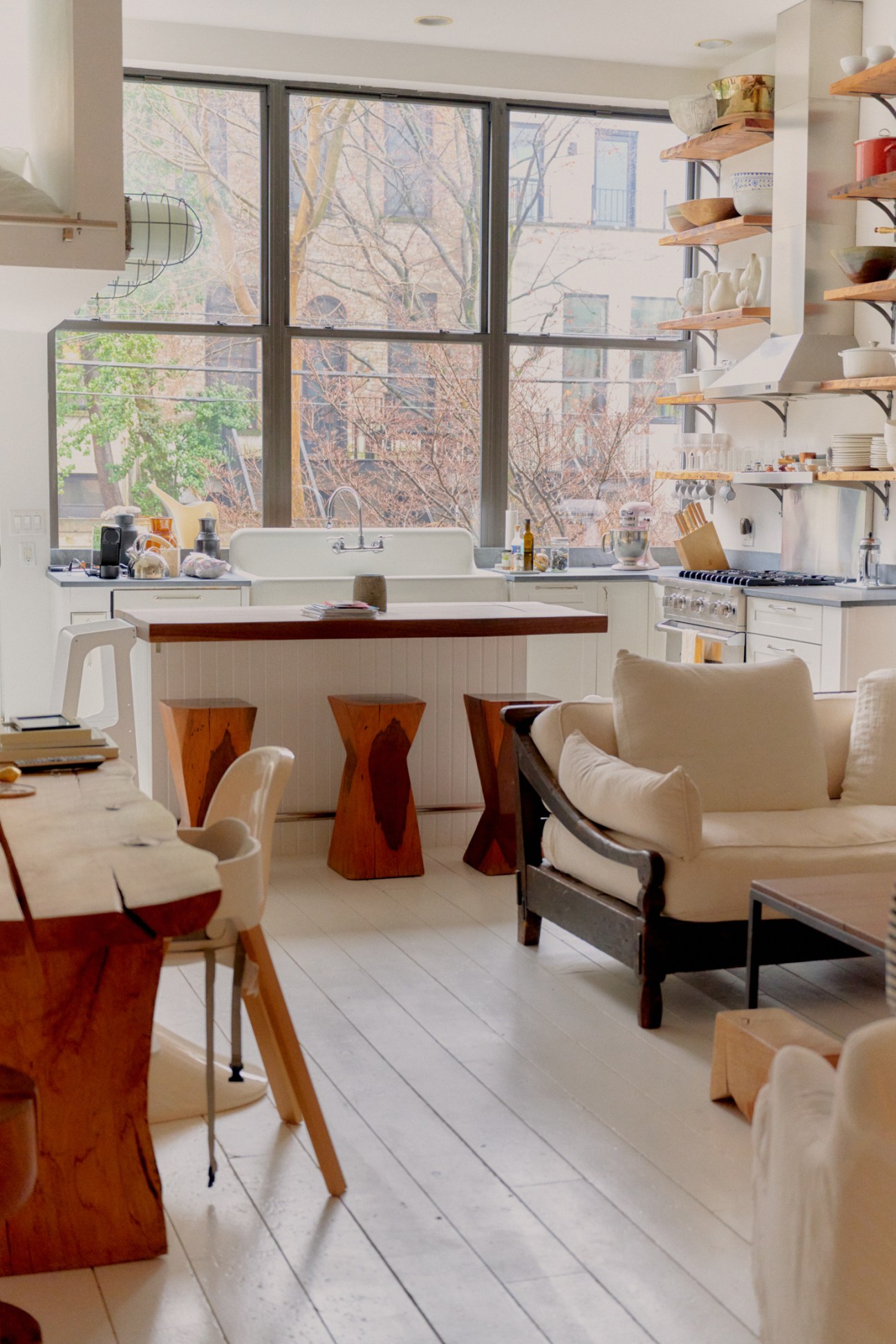
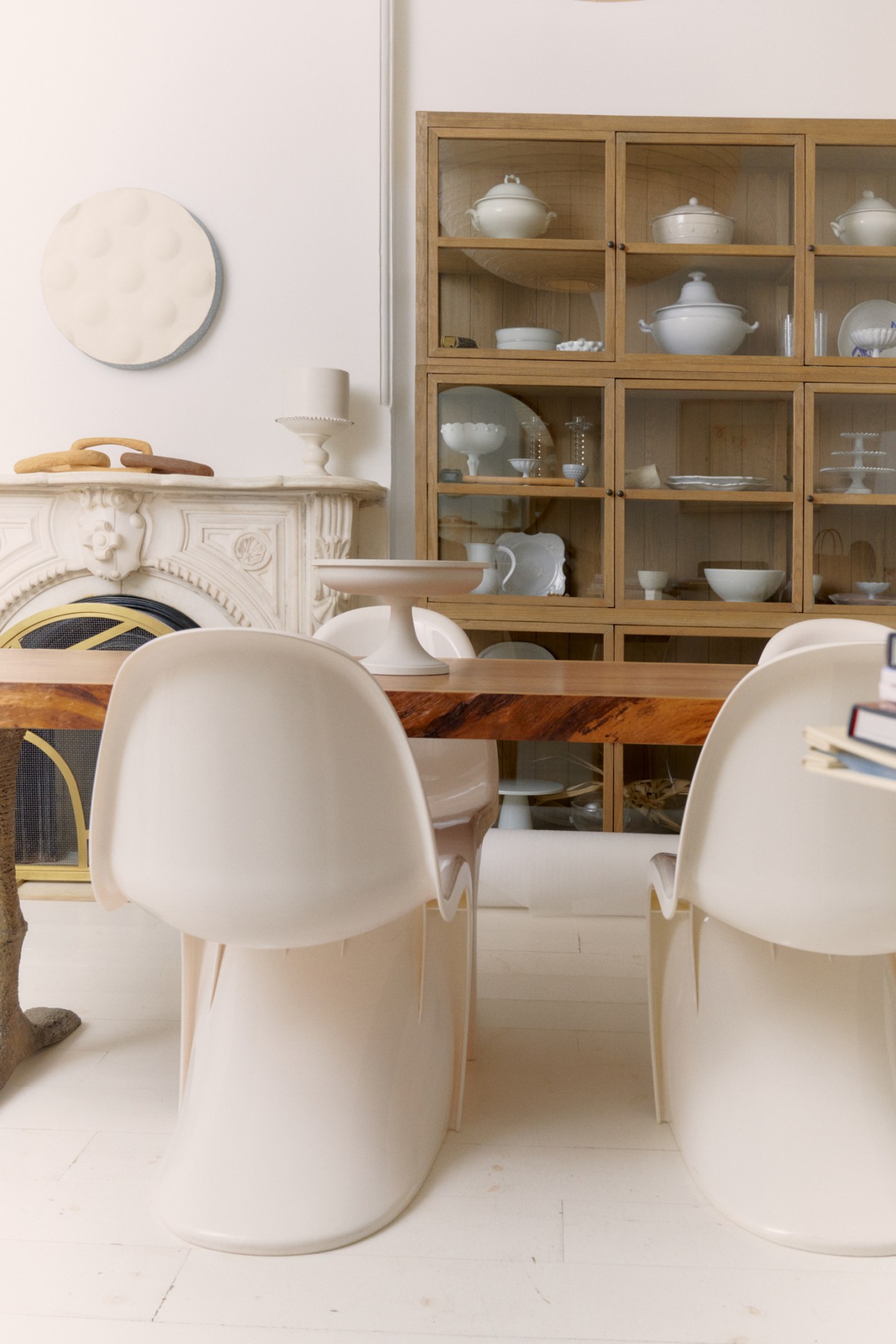
How did your approach of working with local artisans develop?
Lyndsay Caleo Karol: When we first started out, my husband Fitzhugh and I were in art school at Rhode Island School of Design, so we know a lot of craftspeople, from woodworkers to metalsmiths.
We work with young artists who are still in a discovering phase in their careers. But we also work with older master craftsmen. For 608 5th Street, a Brooklyn townhouse project, we worked with the third generation of a Polish family who are master stair builders. When we come to a project, we often think we know exactly what kind of materials we want to use. But we always learn by working with master craftspeople like them.
What are the challenges when it comes to developing on a residential scale according to passive house principles?
LCK: I’ve leaned on details from historical buildings – architecture from 100 years ago – to create a certain type of romance, an air of nostalgia. Features like fireplaces and gas ranges do create a sense of intimacy. But they’re highly polluting. So I have to focus on creating that sense of warmth through natural materials. Having said that, we’re now seeing the development of induction ranges that are ecologically sustainable.
BC: In our early days, our customers demanded gas ranges. But people are embracing induction now and changing their perspective on what can be considered beautiful and high-end. We’re seeing a shift.
thebrooklynhomecompany.com
the developer
Michael Shvo
Transamerica Pyramid
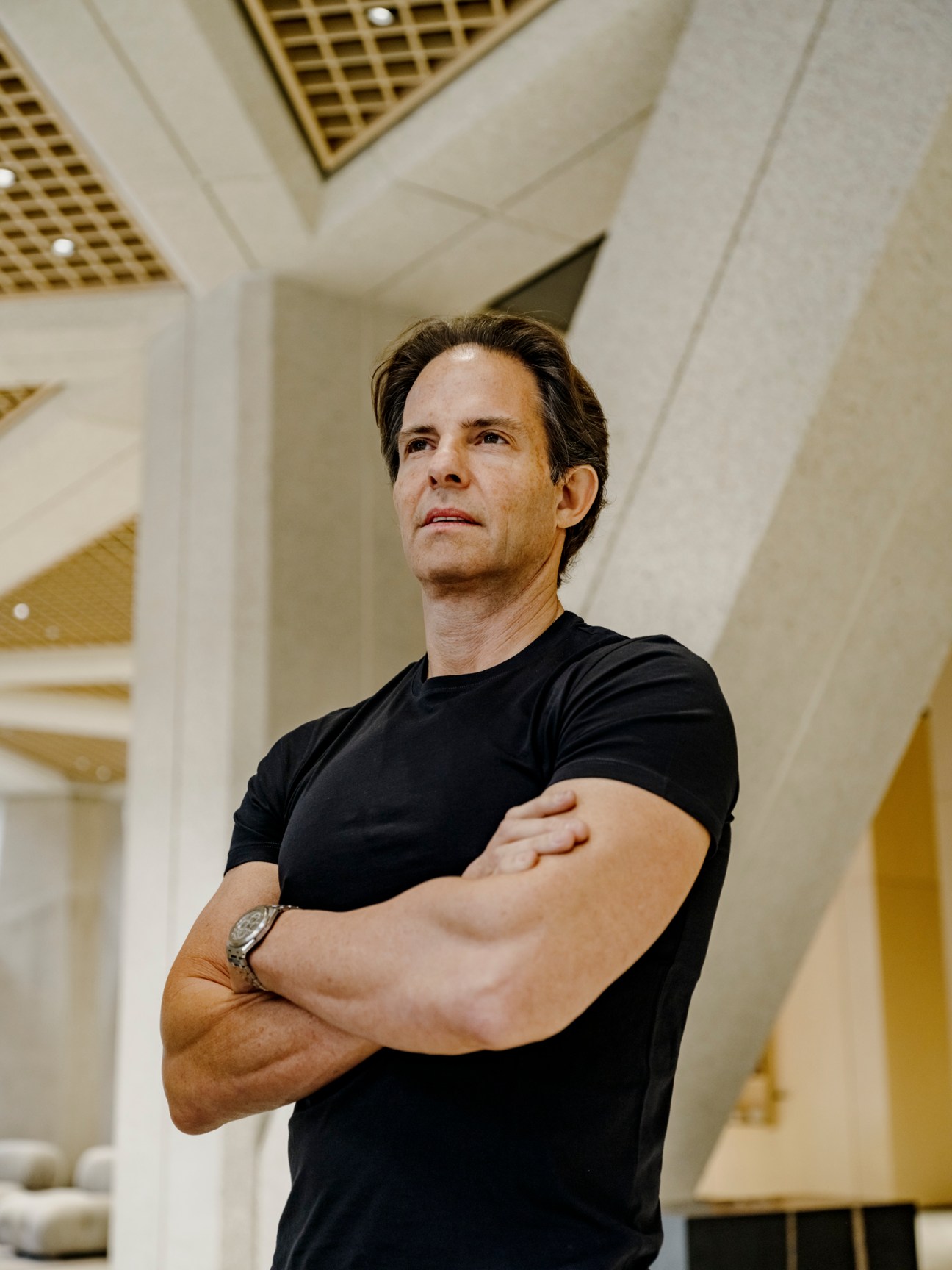
The flight of businesses and workers from central San Francisco has turned one of America’s most productive cities into a case study in downtown decay. Look a little closer, however, and the green shoots are hard to miss: major investments are happening again in the urban core and the soon to reopen, skyline-defining office tower, Transamerica Pyramid, is a beacon for this revival. It’s also a billion-dollar bet on the city’s office property market.
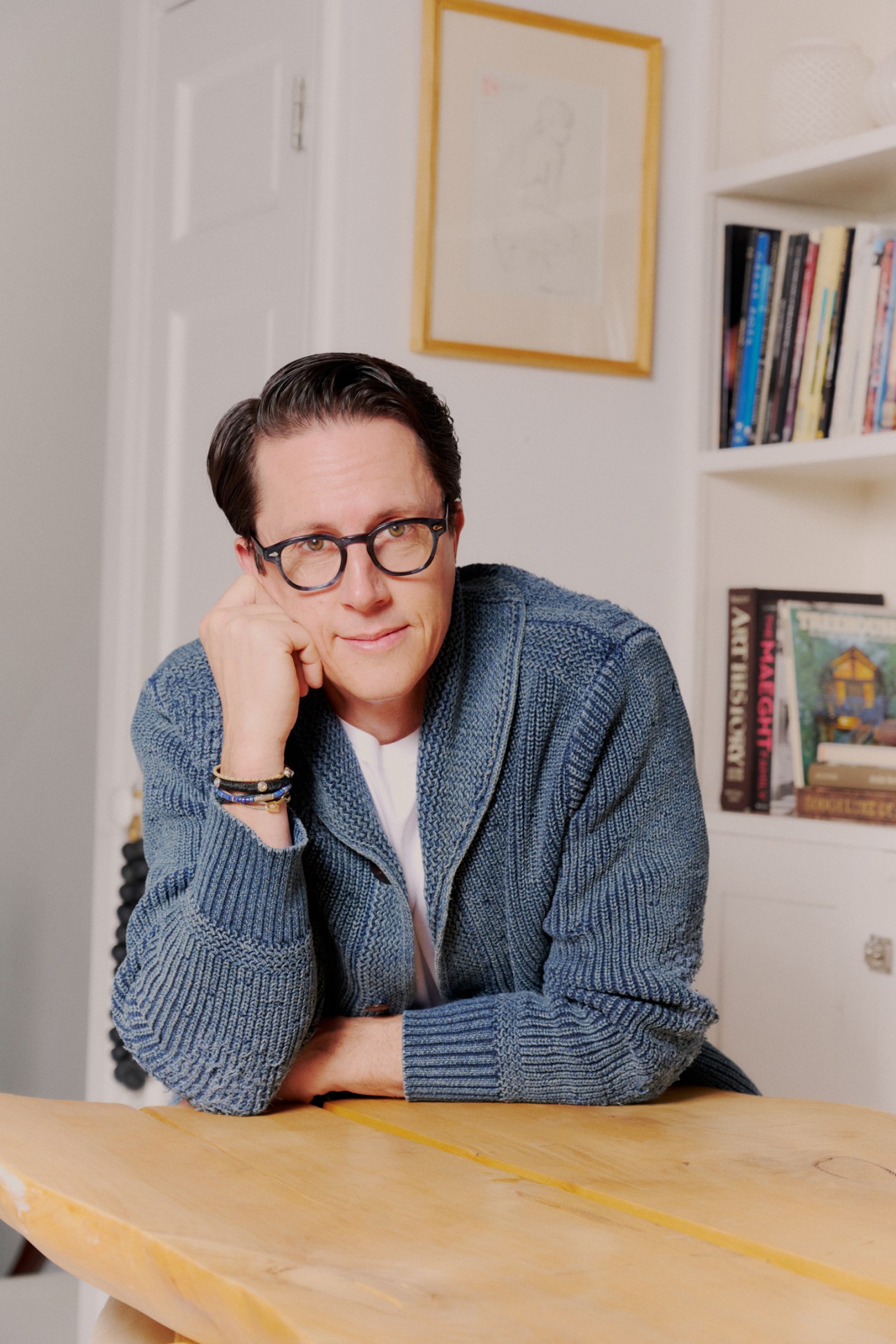
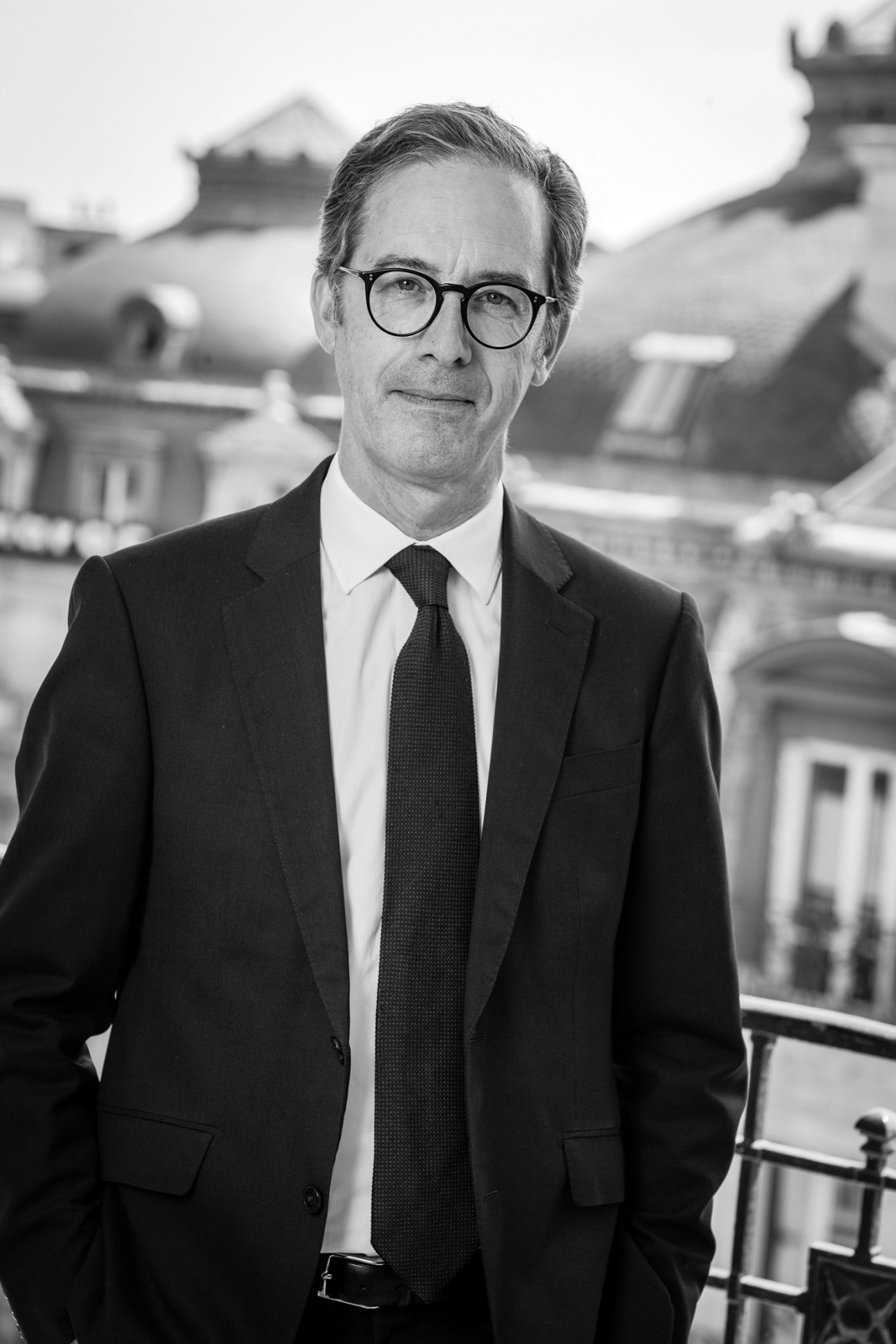
“The Pyramid is a symbol of San Francisco, no different from the cable cars and the Golden Gate Bridge,” says Michael Shvo, the Israeli-born developer who snapped up the building in 2020 for $600m (€550m). Shvo (pictured) brought in architecture studio Foster + Partners to give his 48-storey modernist skyscraper a top-to-toe refurbishment, ahead of its reopening this quarter. “We’re upgrading the building for the next 60 years,” says Shvo.
Most floors of the Pyramid have been turned into offices and, according to the developer, 80 per cent of these were leased ahead of completion, mostly to venture funds, law firms and San Francisco’s growing cadre of artificial-intelligence companies. A restaurant and skybar are in the works, along with a members’ club by New York institution, Core.

The Foster + Partners team have sought to turn the ground floor into a public plaza, opening up the lobby to the surrounding streets and boulevards with vast and inviting windows, while making space for a coffee shop, architectural bookshop and florist. “My goal here is really to activate the entire city block,” says Shvo, who envisions the Pyramid’s base as a thoroughfare connecting and enlivening multiple neighbourhoods downtown. “We want people to have a reason to come here that’s not just for work.”
Enticing those people back to downtown, however, is going to be a challenge. Shoplifting and flagrant drug use continue to plague San Francisco’s image and the city has been slow to address a dramatic rise in rough sleepers. The city is on the mend but it will take a charm offensive to convince many that the centre is the place to be.
Monocle toured the Pyramid ahead of its reopening and the lobby is particularly impressive, with the diagonal beams that hold up the tower now revealed. The Transamerica campus also includes a spruced-up park of historic redwood trees along with a second tower nextdoor, which has been entirely gutted for a mixture of retail and office spaces, and an adjacent 1930s building that has been reskinned by the Foster team. Both are still some years from completion.
When the Transamerica Pyramid first opened in 1972, designed by William Pereira for the eponymous insurance firm, it was the tallest building west of the Mississippi River. Shvo often tells an anecdote about visiting San Francisco as a seven-year-old and drawing a picture of the building that he would one day own. He’s less enamoured, however, by many of the other blocks that dominate the city’s skyline. “The reason buildings are vacant is not because Twitter decided to cut space; it’s because these buildings are not functional any more or relevant to the needs of today’s tenants,” says Shvo. There is a flight to quality, he adds. “As long as tenants are provided the right kind of office space, they will come to work.”
shvo.com
Five property experts on how we can harness evolving landscapes
1.
The diverse business district
More bang for your buck
Céline Crestin

The high-rise office towers of the Parisian business district of La Défense are home to more than 500 companies and 180,000 office workers. The pandemic not only changed what the buildings are used for; there has also been a shift in what people want from their workspaces, including more common areas, multi-use spaces and access to good restaurants, shops and recreational activities. We have seen a shift towards co-living.
But the key to making sure that La Défense continues to grow and thrive is by mixing functions. Each building should have a floor that is open to the public. We’ve had much success with designing events, including exhibitions and festivals, that interest office workers, students and residents alike. We have been working together with businesses and residences to understand how this neighbourhood should look and function. It’s about bringing people into the area who might not have visited before. But it’s also about giving opportunities to office workers to experience the district in a different way. We hope that this approach will make La Défense the model for the business district of the future.
Since it was first established in the 1950s, Paris’s La Défense has defined not only the French capital’s skyline (it is home to the first skyscrapers built in the Paris metropolitan area) but also its financial markets. Crestin is the district’s chief strategy and sustainability officer and is responsible for making sure that the iconic neighbourhood hits its environmental goals.
2.
The role of the developer
Balancing act
Jin Lin

As a developer you have the opportunity to change city skylines. Because of this, the quality of buildings is something that we at Aqualand are very focused on. Once a building has been built, it’s a perpetual part of a city’s image, so the decisions you make during the development process need to be precise and you need to respect the land you’re building on.
I have the strong view that land is a one-time opportunity: if you deliver an ugly building, it will always look that way; if you deliver a beautiful building, it will always be beautiful. Buildings outlive humans and are like sculptures, works of art, that belong to the entire city. As such, developers have a responsibility to deliver projects that aren’t just suitable from an economic perspective but also have a long-term benefit to a city’s urban design.
Doing so requires patience. With Central Barangaroo in Sydney, for instance, one of Aqualand’s landmark projects, it took many years because we worked closely with the government. In the past, I’ve walked away from developments that completely worked at the feasibility level because I wasn’t satisfied with the overall urban design.
“Developers have a responsibility to deliver projects that aren’t just suitable from an economic perspective, but also have a long-term benefit to a city’s urban design”
In Sydney, we also hope to address the city’s ongoing housing crisis through a new scheme that focuses on low-to-mid-rise projects. We recognised that large-scale developments typically take at least five years to come to fruition and so we are focusing on smaller, shorter projects. By entering this sector and completing boutique developments more quickly, we hope to free up and provide more housing stock.
Low to mid-rise development is exciting because they’re often mixed-use and community-focused. We see our buildings as hardware and the local businesses and projects that fill the developments and activate the precinct as the software. They’re both equally important.
Aqualand Group is an award-winning Australian owned and operated luxury property, hospitality and investment firm. Lin is the managing director and, over the course of a decade in the role, has overseen a slew of major projects overlooking Sydney’s iconic harbour.
3.
The importance of being prepared
Game plan
Caleb Dunn
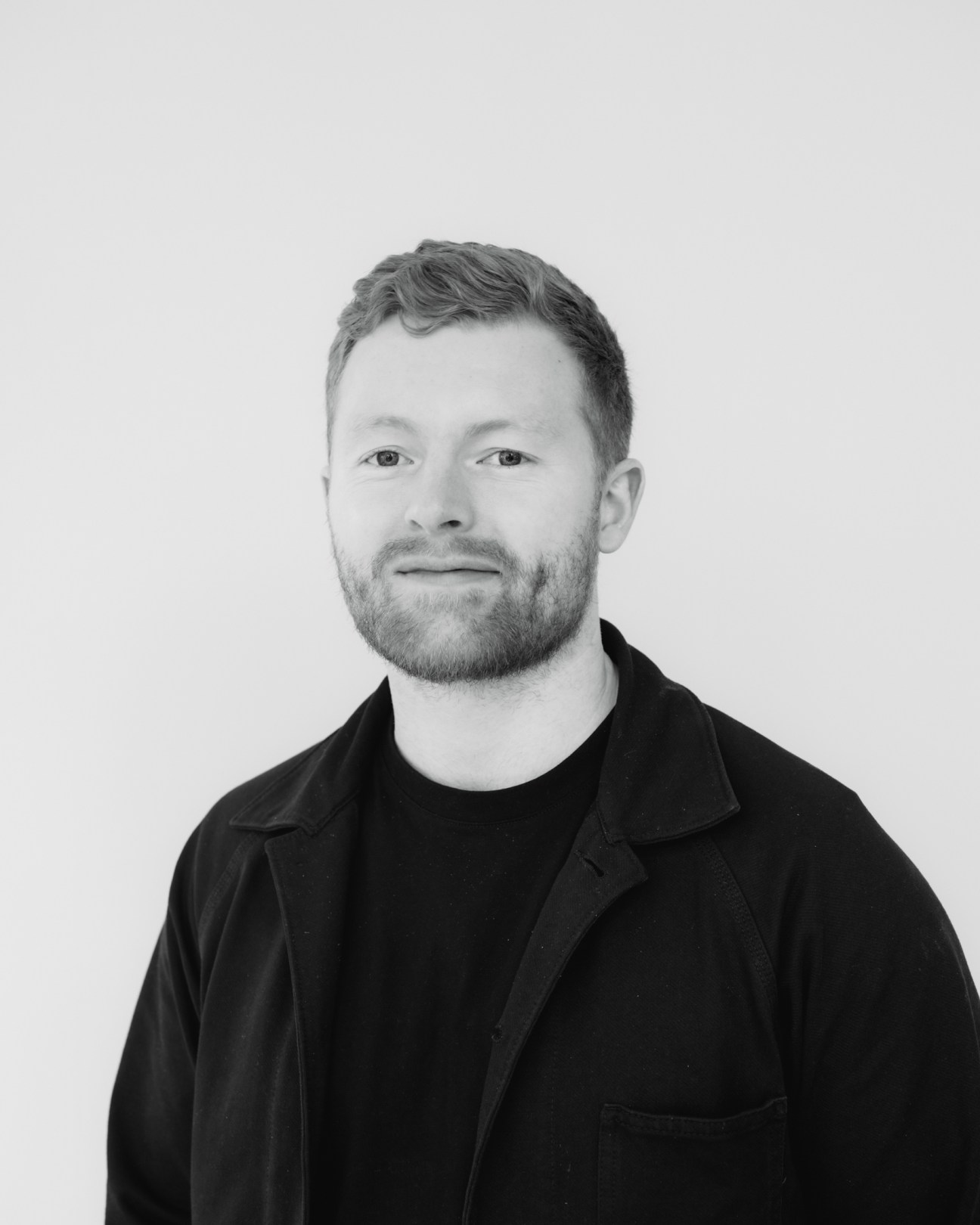
What has previously built wealth and property portfolios has been the mindset that if we put a few million pounds, dollars or euros into a particular transaction, then review tenants’ rent every five years, income will go up and up. As a result, detailed scenario planning was often put in the “too hard” basket and the outlook that, “Hey, we’ve done this before, we know how to succeed,” was prevalent.
But that’s all had to shift due to new and different demands in the market. You have the “hotelification” of the office and expectations for services to come with apartments, so the return for investors is far different. Before, particularly in commercial properties, you could be very hands-off and make a lot of gains. But the expectations from tenants or clients are now extremely different.
“As an owner, would you know what you’re going to do if a tenant does leave? Are you prepared to take on development risk and change the use of the building?”
Owners and investors now need to be even more prepared for a situation to change rapidly. Tools are needed to quickly assess things like rapid increases in interest rates and delayed development time, which affect borrowing costs. Having scenario planning completed is important. For instance, as an owner, would you know what you’re going to do if a tenant does leave? Are you prepared to take on development risk and change the use of the building? Or are you going to put in a concierge and amenities, which is going to increase your chances of getting a higher rent, and increase your return on an investment?
By thinking these things through, rather than just relying on the traditional outlook that property is a super-solid investment – and the mindset that, “We’re always going to have a tenant in this building because commercial real estate is a safe bet” – owners can be proactive, rather than reactive, and not risk losses when circumstances change. This is why being agile and planning for downside – as well as upside – is extremely important. Today, what got you here won’t necessarily get you there.
After working in property and technology for nearly a decade, Dunn co-founded Pantera, noticing his clients’ need for software that could quickly and accurately create robust cash flows and investment models – his proprietary software does just that.
4.
The downtown scene
Focal points
François Trausch
Since March 2020 people have been concerned about what to do with their office space. My initial hypothesis, near the start of the pandemic, was that if you drew a concentric circle of 5km around each city centre, the office buildings within that ring would probably do well and those outside it would struggle.
We now know that in Europe and in Asia this is mostly true: tenants congregate towards the inner city, choosing to give up suburban offices. But this hypothesis was wrong in the US. In city centres in the likes of San Francisco, the downtown is struggling. This problem stems from the fact that, in the US, commutes are typically longer, which means the question for office owners is, “Does my building and its neighbourhood earn my commute?” If not, people tend to stay at home.
In Europe, businesses aren’t facing this challenge: people tend to need to be huddled together to solve problems and work. Despite this, the average occupancy of an office is 50 per cent over the course of a week – at peak times it’s 70 per cent but on Fridays as low as 20 per cent. This means that you still have to cater for that peak period.
So offices are still essential. We need to think about what we do with them outside peak times; how we can make them earn the commute. Do we put a playground on the roof or does the space find another use at night? It’s about making sure that the buildings in our cities are appealing and used for different purposes.
Trausch is managing director of Pimco and CEO of Pimco Prime Real Estate. He is regularly on the Mipim jury and is a global trustee of the Urban Land Institute.
5.
The local champion
Community service
Olaide Oboh
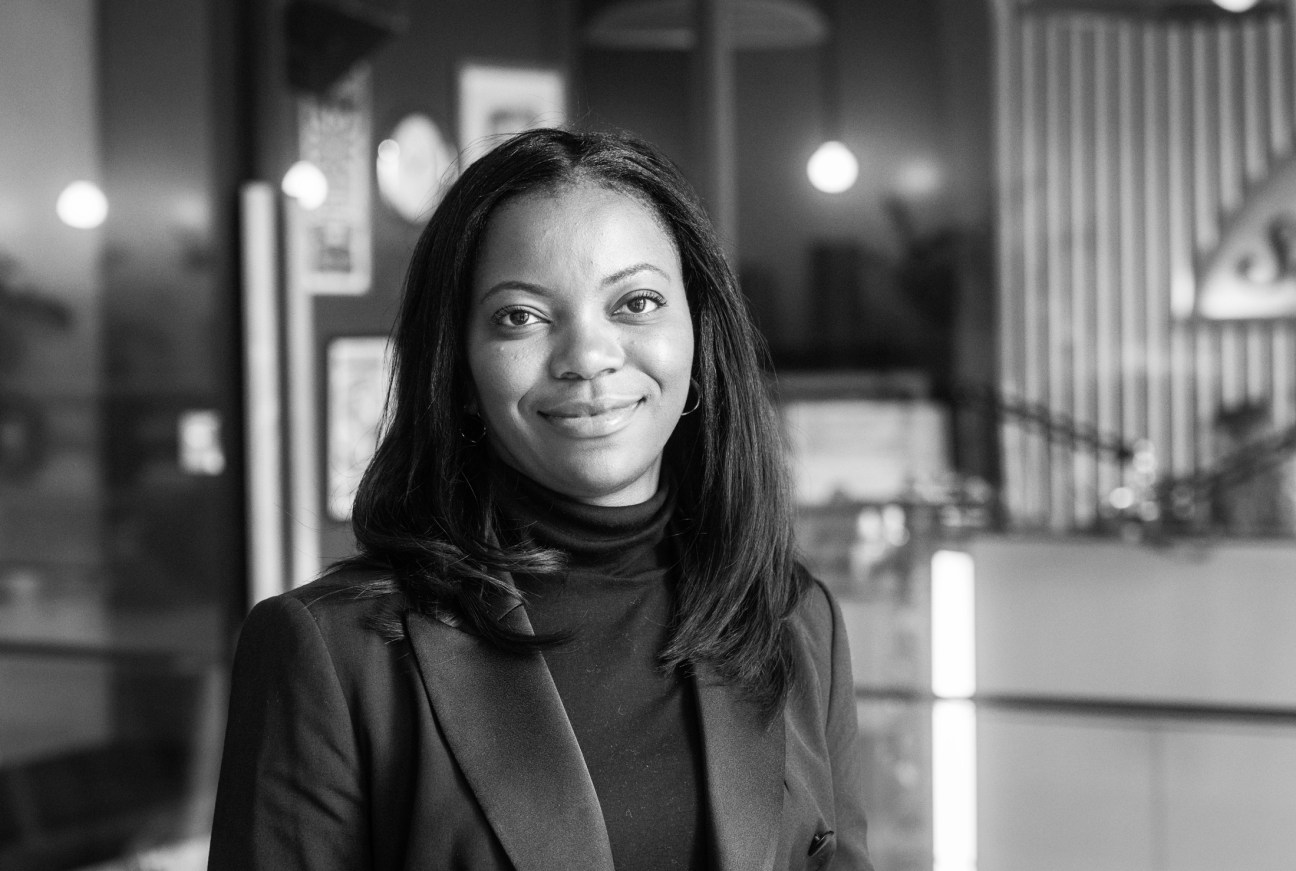
It’s a travesty that in some of our major cities we’re creating significant developments and the local community doesn’t benefit positively from them. At Socius we have made people, not just property, our business. We realised that, as a developer, we can have an effect on people’s lives that goes beyond just housing them; we have the ability to address the health inequalities that individuals and communities face and to create education opportunities.
One of the bigger challenges you face as a developer is addressing ingrained, multi-generational issues. For instance, we’re working in Cambridge: to the surprise of many, it’s one of the most unequal cities in the UK, with significant levels of deprivation. To try to turn this around, we have put boots on the ground, meeting the community to understand what the issues are and identifying which people we need to work with to address them. It’s important for us to build such connections before construction. And once the buildings are built, we don’t walk away. We continue to create the right infrastructure so that the buildings and community can continue to thrive over the long term.
All of this is looking to address the element of mistrust associated with developers. It’s not just PR; it’s about credibility.
Oboh is an executive director at Socius, a property developer that focuses on building relationships with partners and developing mixed-use neighbourhoods.
Plaza Gomila – the colourful construction reviving the former beating heart of Palma de Mallorca
The neighbourhood of El Terreno, especially its epicentre at Plaza Gomila, was once the beating heart of nightlife in Palma de Mallorca. In the 1960s and 1970s it had a joyful, sunny disposition that pulled in visitors and performers alike: Jimi Hendrix and Tom Jones are both reputed to have strutted their stuff here (not together, mind). But then, as mass tourism boomed, a wall of hotels rose ever higher along the Paseo Maritimo, the boulevard that divides the district from the sea, creating a barrier that denuded the views, killed the vibe and pushed people away from the El Terreno strip. Clubs got tackier, bars closed, drug dealing became commonplace. Today? It’s reclaiming its old spirit, in part thanks to the island’s Fluxà family, the owners of the Camper shoe business.
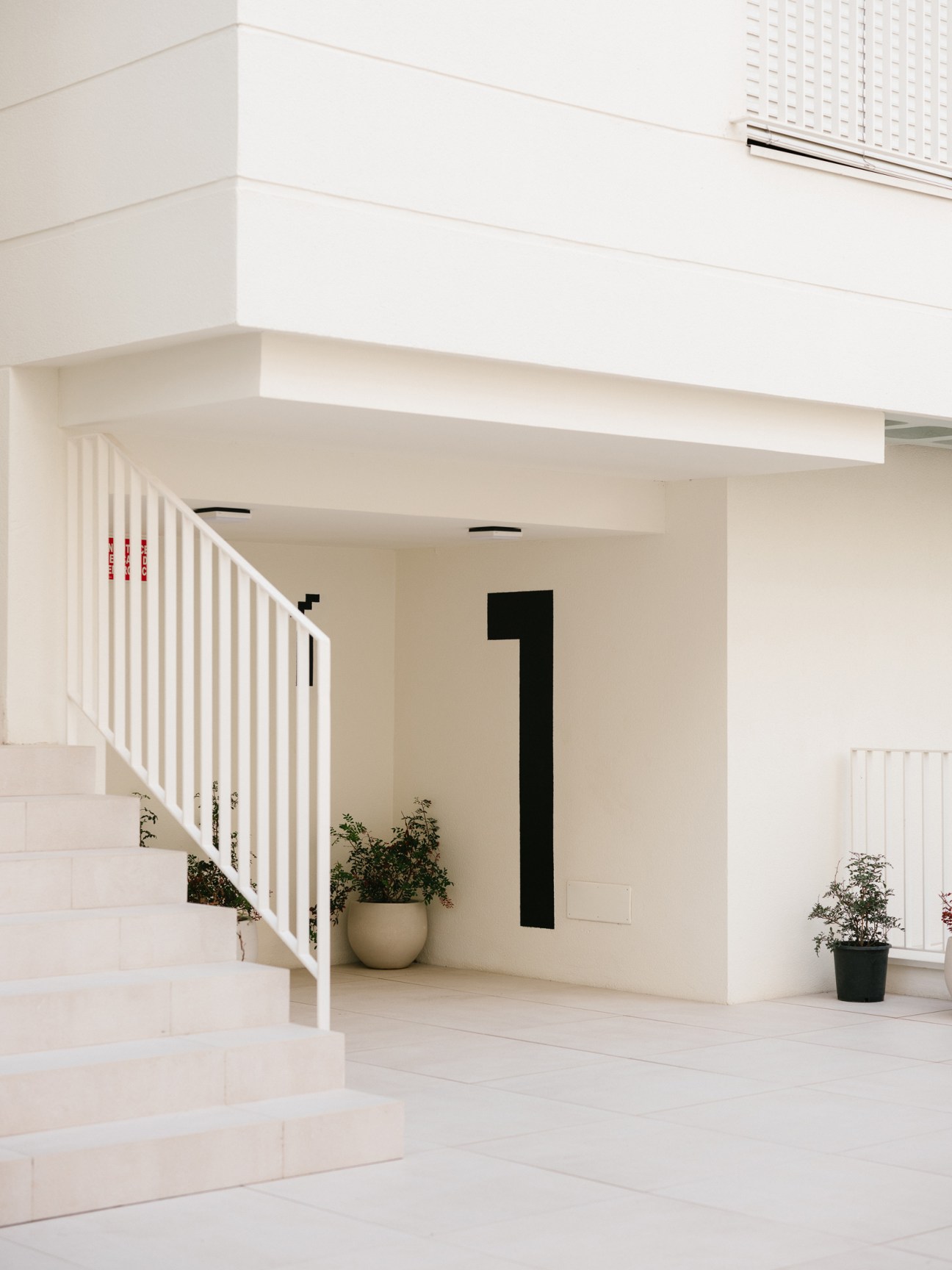
Miguel Fluxà is a fourth-generation member of the Camper business. Now, along with his wider family and the foundations that they run, he is the developer of a standout project at Plaza Gomila, a point where several roads intersect. Designed by local firm Gras Reynés Arquitectos and MVRDV from the Netherlands (the in-demand Guillermo Reynés once worked for the Dutch studio, hence the connection), it’s a series of seven buildings, all in different hues and materials (from tile façades by Mallorca-brand Huguet to locally made pressed-earth bricks) and with varied roof lines to keep things interesting.
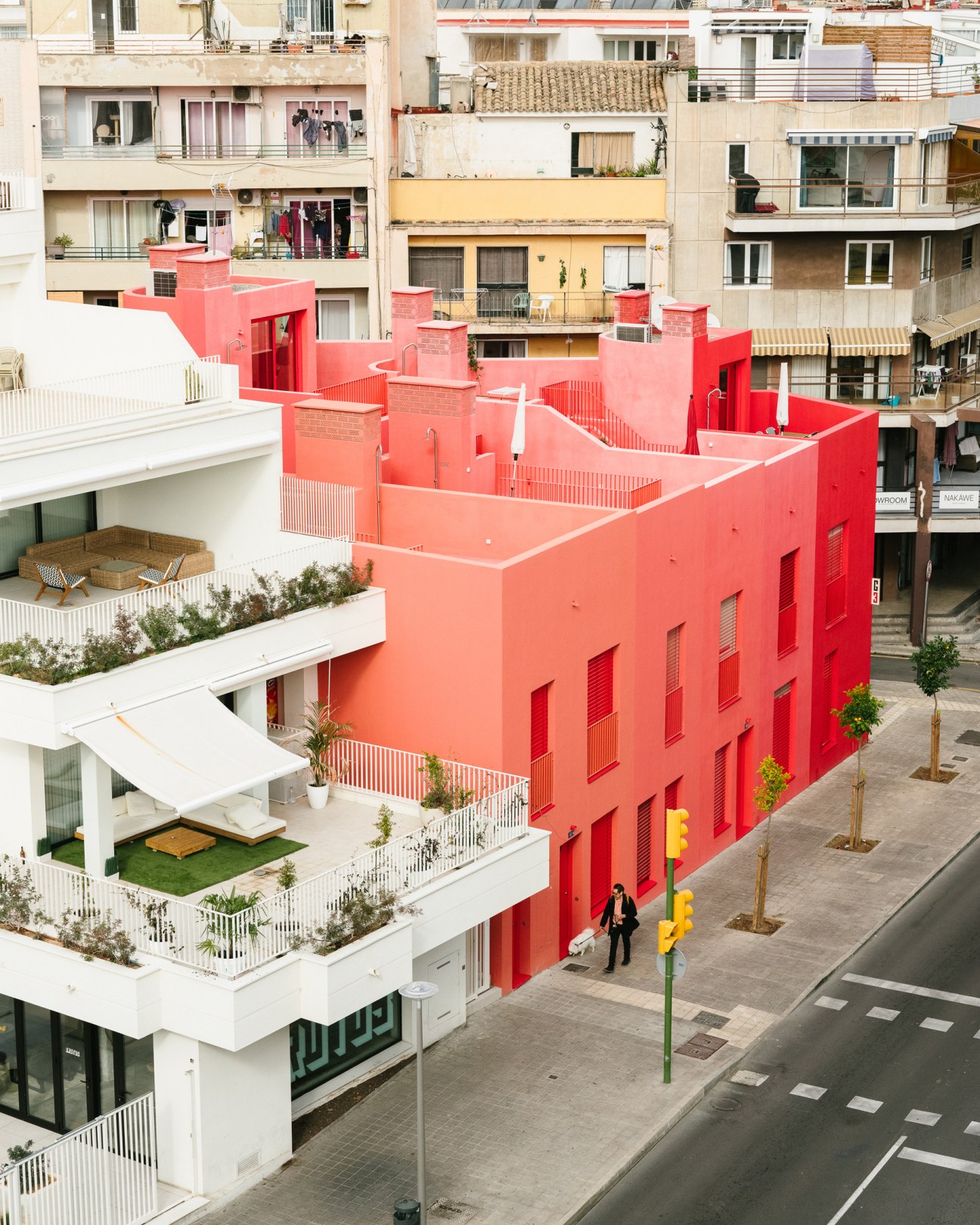
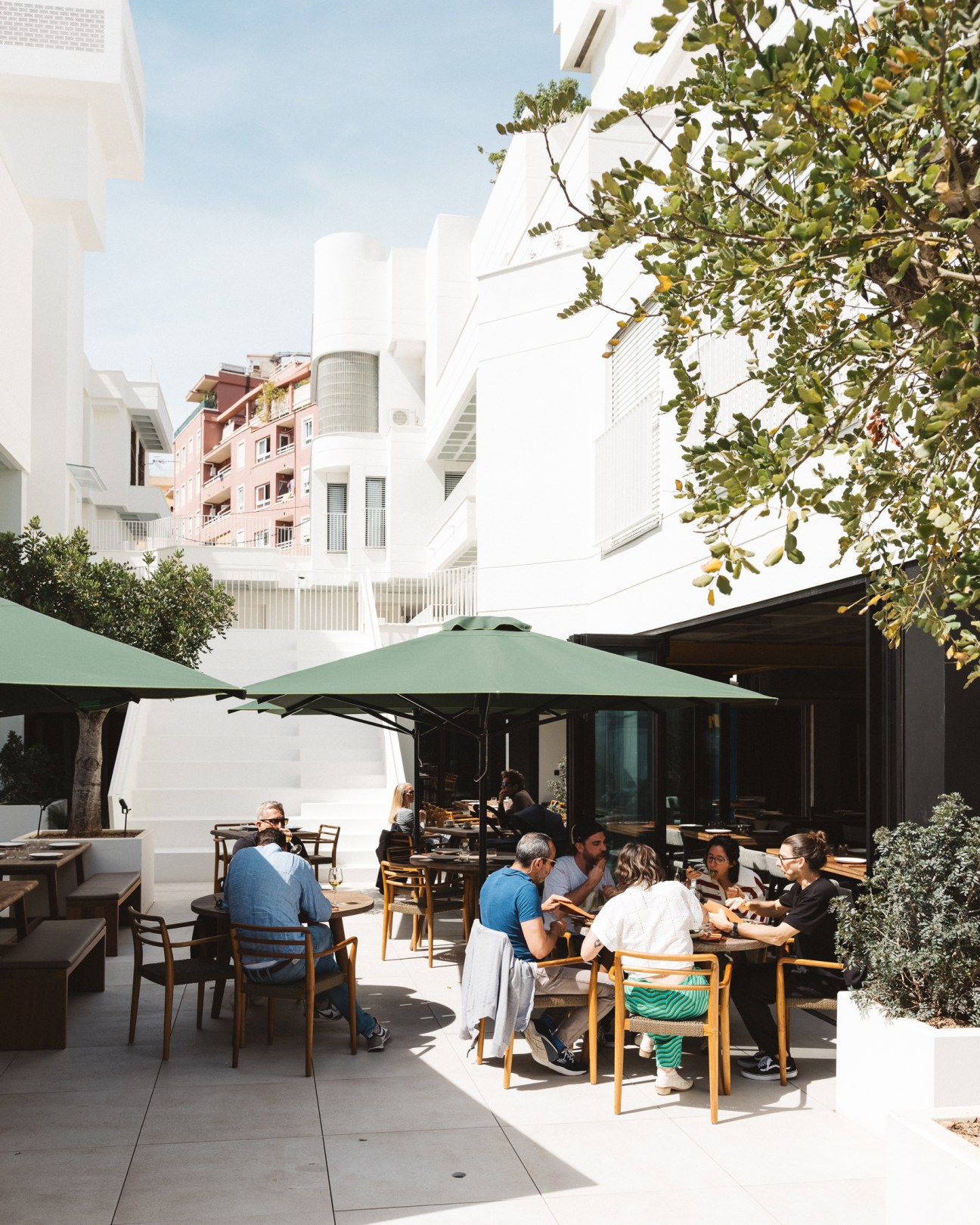
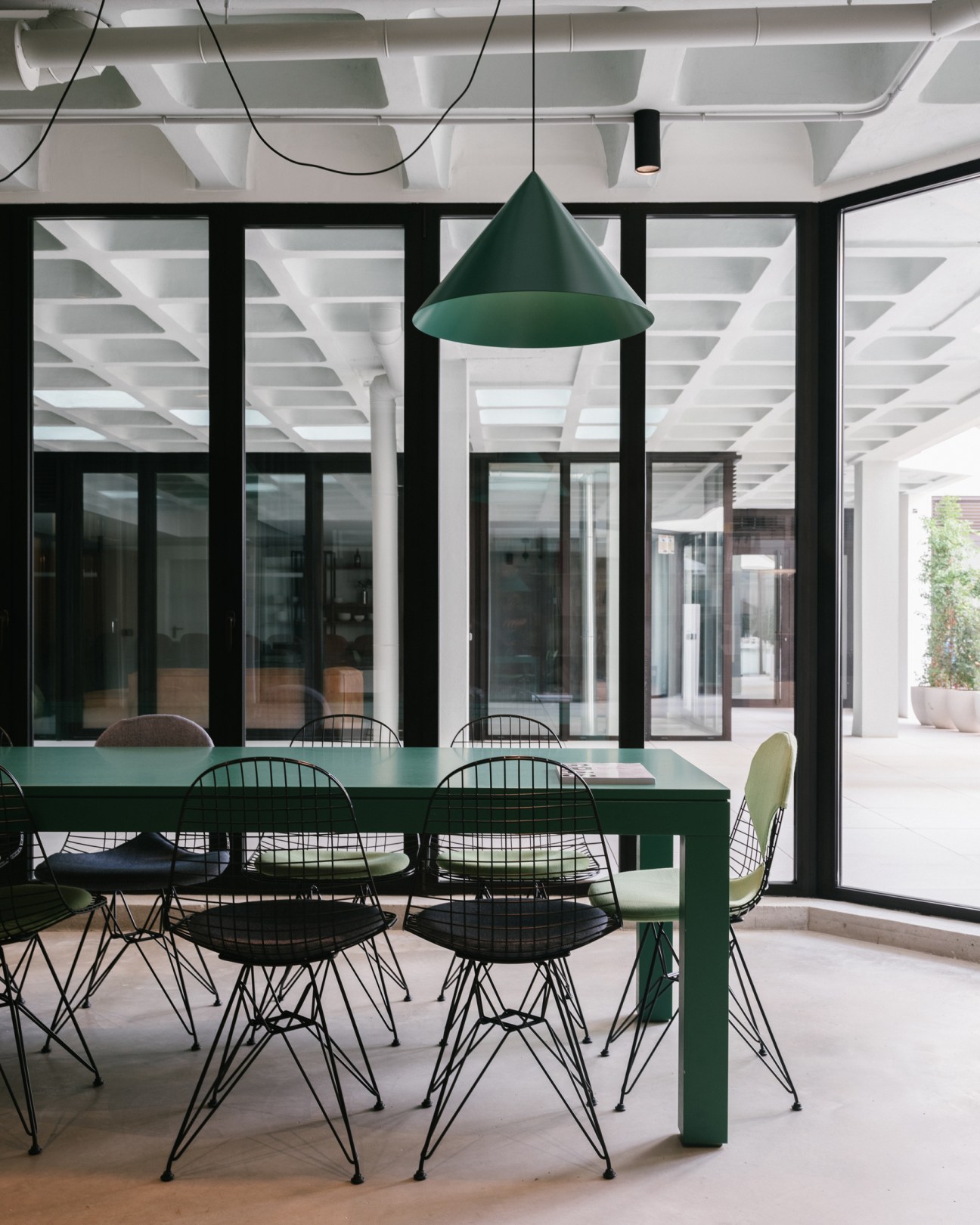
This dazzling intervention of reformed buildings (including one of the island’s first brutalist blocks, now painted dazzling white) and newly built elements is a miniature town in itself, with homes to rent, a supermarket, flower shop, café, restaurant, a just-added bakery and offices for Gras Reynés Arquitectos.
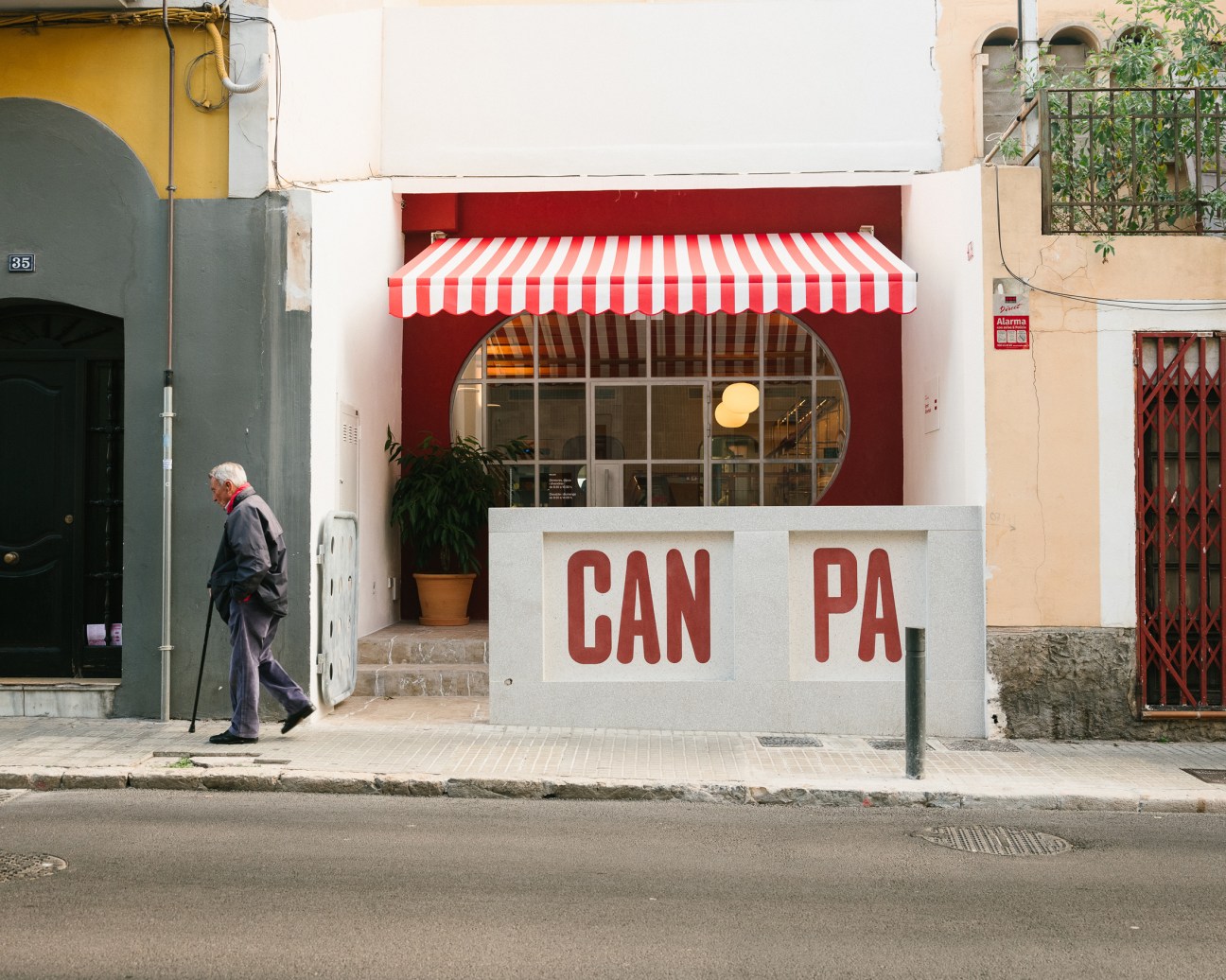
Fluxà explains the family’s motivation. “Tourism [on the island] started here; singers and celebrities used to come here,” he says. “It’s part of the history. We thought that it was possible to revive the neighbourhood – to make it more like it was and do something good for the city.” Fluxà says that the project has also demanded flexibility and an acceptance that when you have seven buildings to develop, you have to wait to see where it leads. In terms of motivation, he’s wary of using the “legacy” word. “I don’t care whether people know that we’re involved. We are just giving something back to where we come from.”
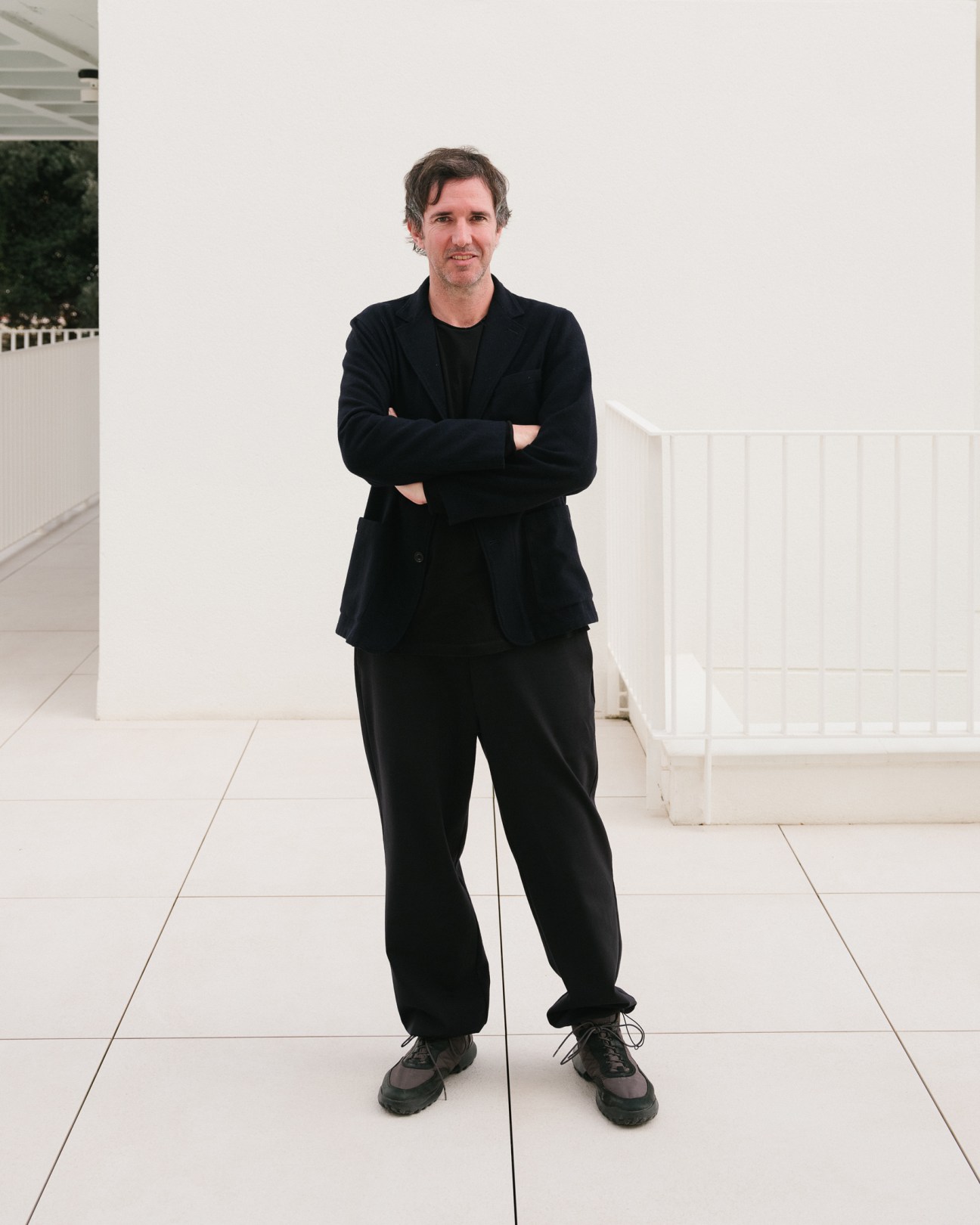
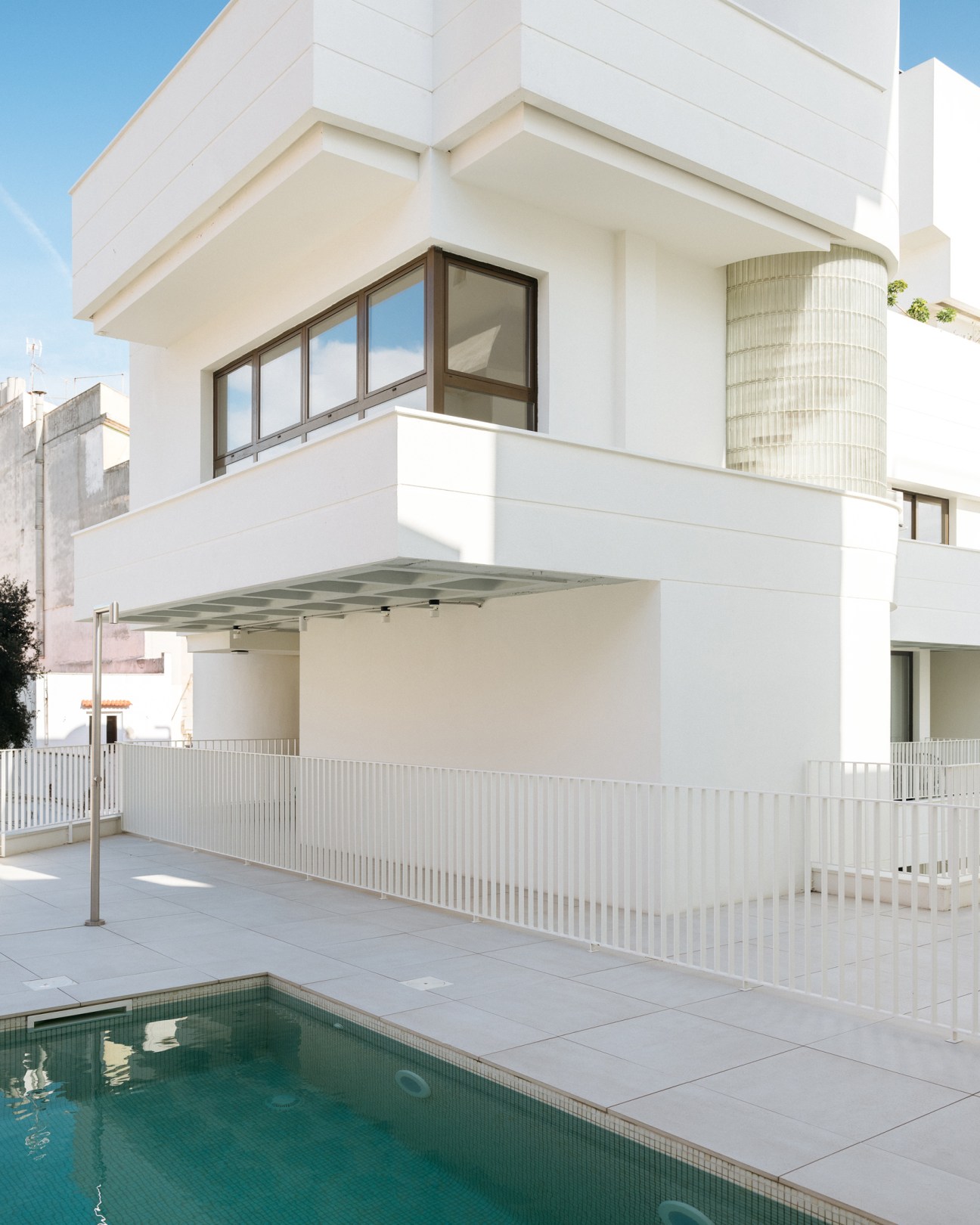
Monocle tours the project with Guillermo Reynés, who arrives on his bicycle – a mode of transport that matches the project’s success in being designed to Passive House standards, employing cross winds and external blinds to keep rooms cool and shaded. Reynés explains the colours that punctuate the scheme – a nod, he says, to the Mediterranean location and a neighbourhood that’s equally colourful. He also reveals his deep connection to the area: not only does he have a home nearby; he came here to party as a young man, in the very building that now hosts his offices.

The developer and architects have changed the course of the down-on-its-luck plaza and have created something that serves the people of El Terreno. And while the economics are, of course, a key consideration, it is also clear that all involved want to do something to aid their hometown. To make a difference.
Great expectations
The project is pulling in many new businesses and now other architects and developers are bringing abandoned buildings back to life. And new nightlife players have arrived, such as an outpost of the upscale Lio cabaret club. But opportunities remain for people wanting to be part of a community making a shift in fortunes for El Terreno.
Read next: The Monocle City Guide to Palma, featuring the best hotels, restaurants and retail spots in the Mallorcan capital