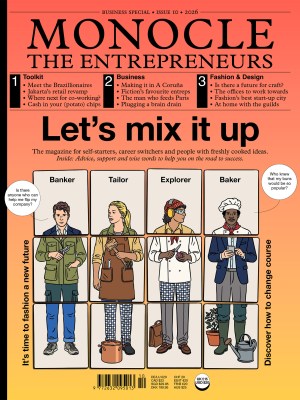
Issues
Editor’s letter: Andrew Tuck talks going on with the show
Monocle has always had a penchant for a good trade fair. Enter the halls of convention centres across the world and you are suddenly immersed into the lives of coffee traders, bathroom-equipment manufacturers, textile brands or motor manufacturers. While some events come and go from our schedule, many of these gatherings remain annual fixtures on our editorial calendar. One of these is Mipim, the world’s most important property and real estate event. The marché international des professionnels de l’immobilier (hence why they call it Mipim) has been running since 1990 and has an attractive home, the Palais des Festivals in Cannes (the venue that also hosts the town’s famous film festival).
But it’s not just the chance to be in the south of France that pulls us in. As you walk the halls, track down people for interviews and off-the-record briefings, you build a detailed map of which cities and nations are on the move – often upwards with the help of skyline-defining edifices – and where’s struggling. But you also get a sense of social trends – is office life truly doomed or just transforming? Do people feel secure and welcome in the cities where they live? If not, why? And you can also spot who’s really investing in sustainability, in beauty, in liveability; and who the sharks are. We’ll be heading back there in March, finding the stories that we think you should know about and tracking down the people we should all be listening to.

But why wait until then? For this issue of Monocle, we have hit the streets in cities from São Paulo to Copenhagen to meet the developers, foundations, builders and co-operatives that we think are doing some good. People and organisations that are looking beyond pure profit to deliver care homes where the elderly are embraced by architecture, offices where people find collaboration and consensus easy to achieve, buildings that have been adapted for re-use with élan. It’s a realm that we should all take an interest in – the world of property and development can make or break a neighbourhood and shape our lives for the better or for the worse.
As part of the report, I met architect Guillermo Reynés of gras Reynés Arquitectos in Palma de Mallorca to see through his eyes a project that he has delivered for the Fluxà family, founders of Camper shoes among other things. It’s a series of seven buildings built around a busy intersection of roads in the El Terreno neighbourhood, once the happening heart of nightlife but in recent years down on its luck. Client and architect have come together to create a series of buildings that contain homes to rent, a café to linger in, offices, a flower shop, a bakery and a supermarket – all in a rich array of colours and materials. As with many of the people we interviewed, both Reynés and Miguel Fluxà, CEO of Camper, spoke less about profit (they could have just lobbied for another hotel) than about giving back to a city they care about.
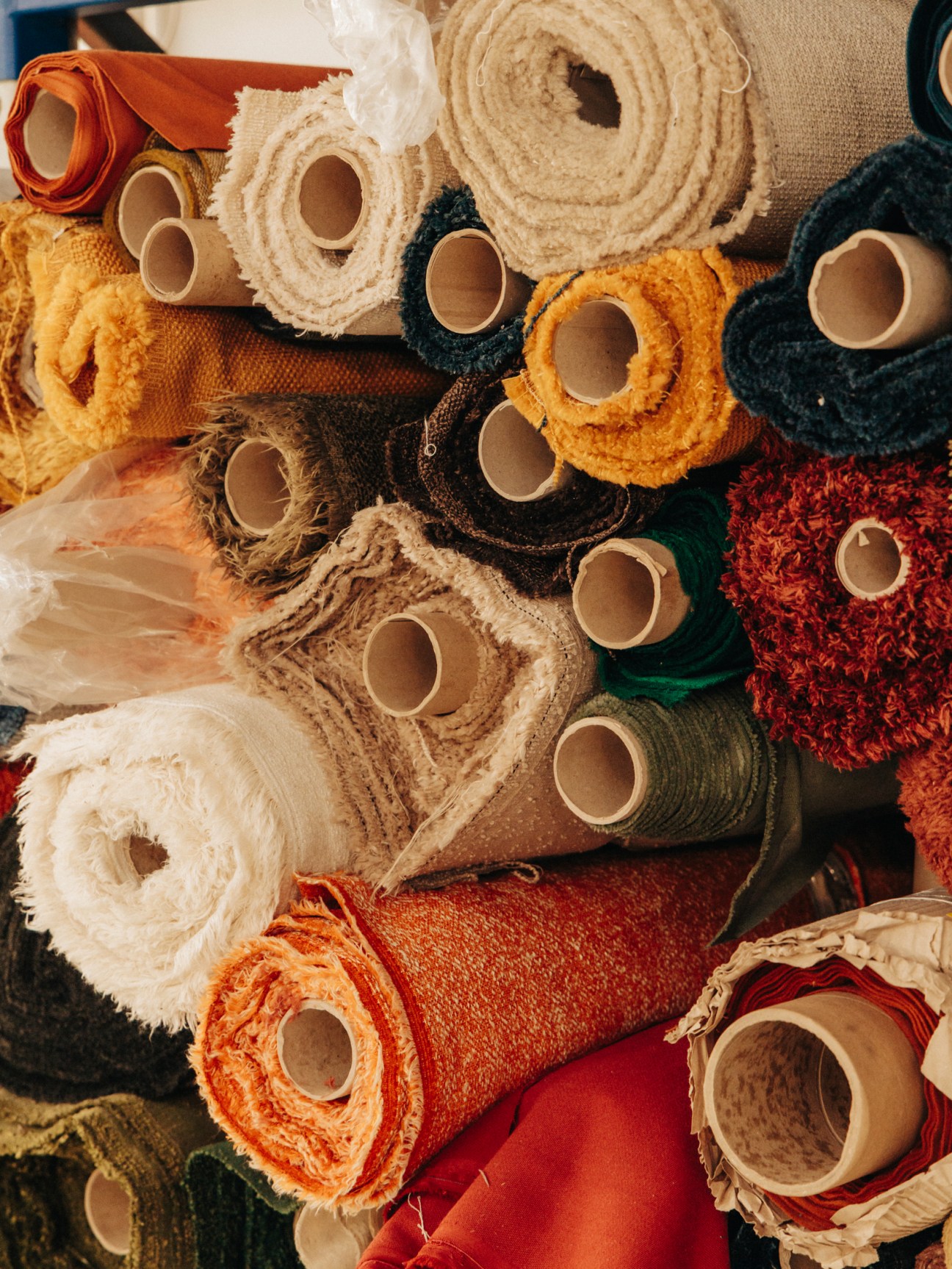
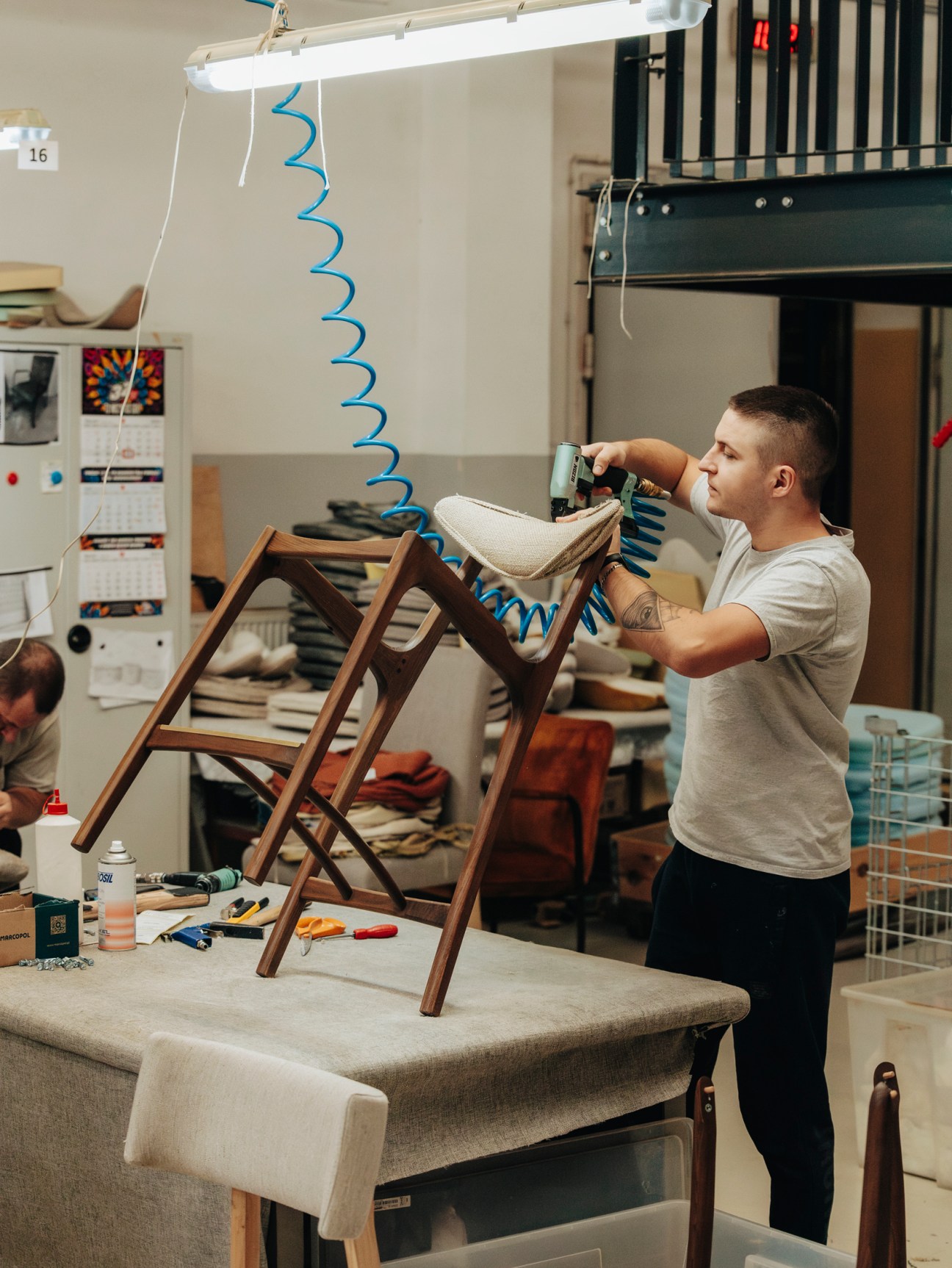
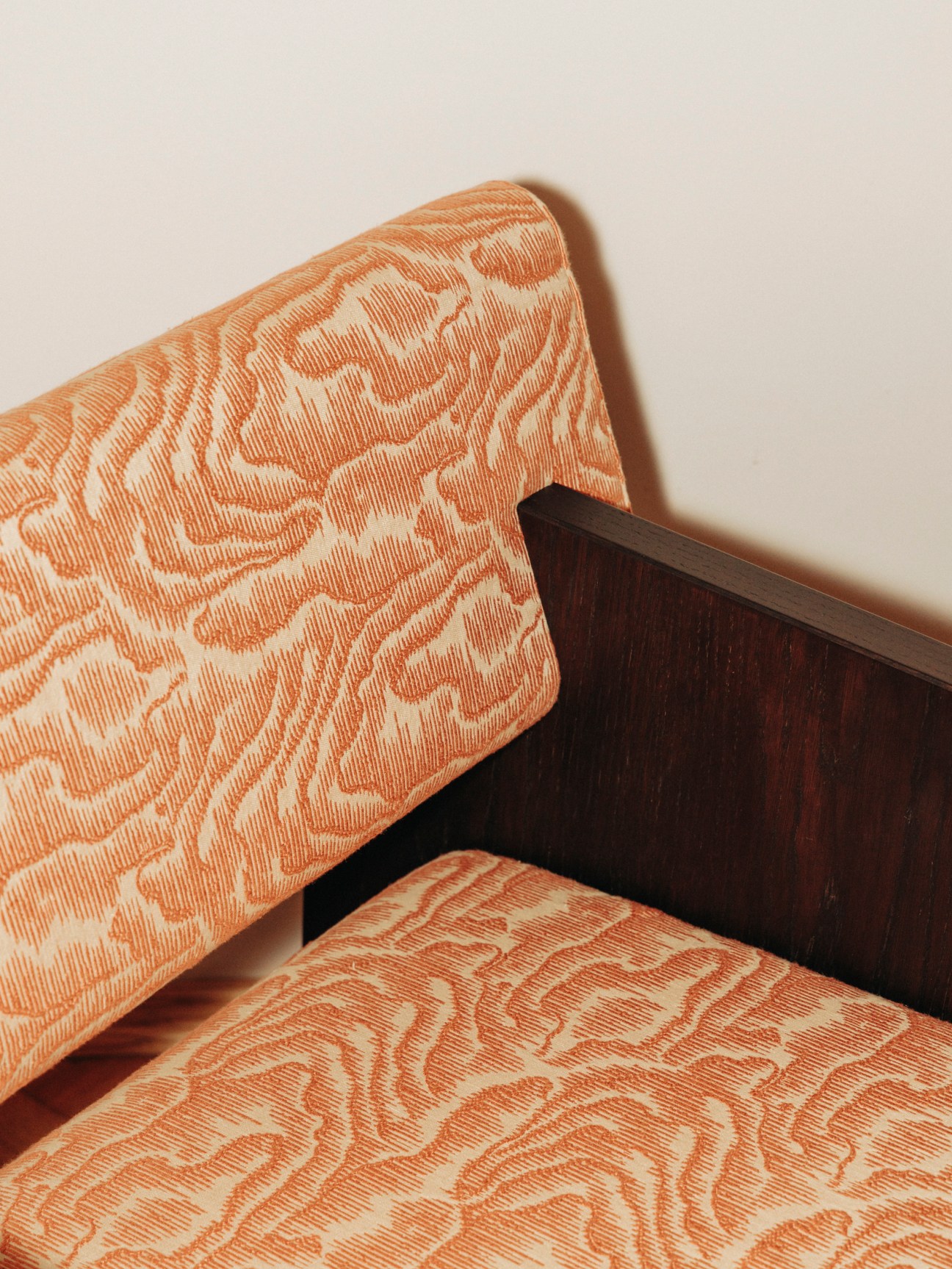
One country that seems to be hiring ever bigger booths and stands at trade fairs is Poland. In sectors from finance to medicine, architecture and, yes, property, Poland is playing an ever-more important role. But there’s one trade where its rise is truly astonishing: furniture manufacturing. Flatpack masters and high-end brands have all been coming to the country to have products expertly made. Poland is now one of the world’s top-three furniture exporters. This month, our Expo trundles through snowy forests and into hi-tech factories as we grasp what’s been happening.
We also meet the conscripts in the Lithuanian army, discover the most covetable collection of graphic design for sale, see how France intends to keep crowds at the Olympic Games safe and meet the chefs who cook for presidents and kings.
Some different house news. We have a lot of projects and plans in play for 2024: expect more physical Monocle spaces, new books, a digital initiative and plenty of events. The first of these is an outing for The Chiefs, the event where we ask leaders in numerous fields to tell us their stories, reveal their tips for success. It’s in Hong Kong on Wednesday 27 and Thursday 28 March. Come. We’d love to see you. We might even check out some real estate.
Please feel free to send suggestions, tips and perspectives. You’ll find me at [email protected].
Illustrator: Motiejus Vaura
Spring into action with brand new styles


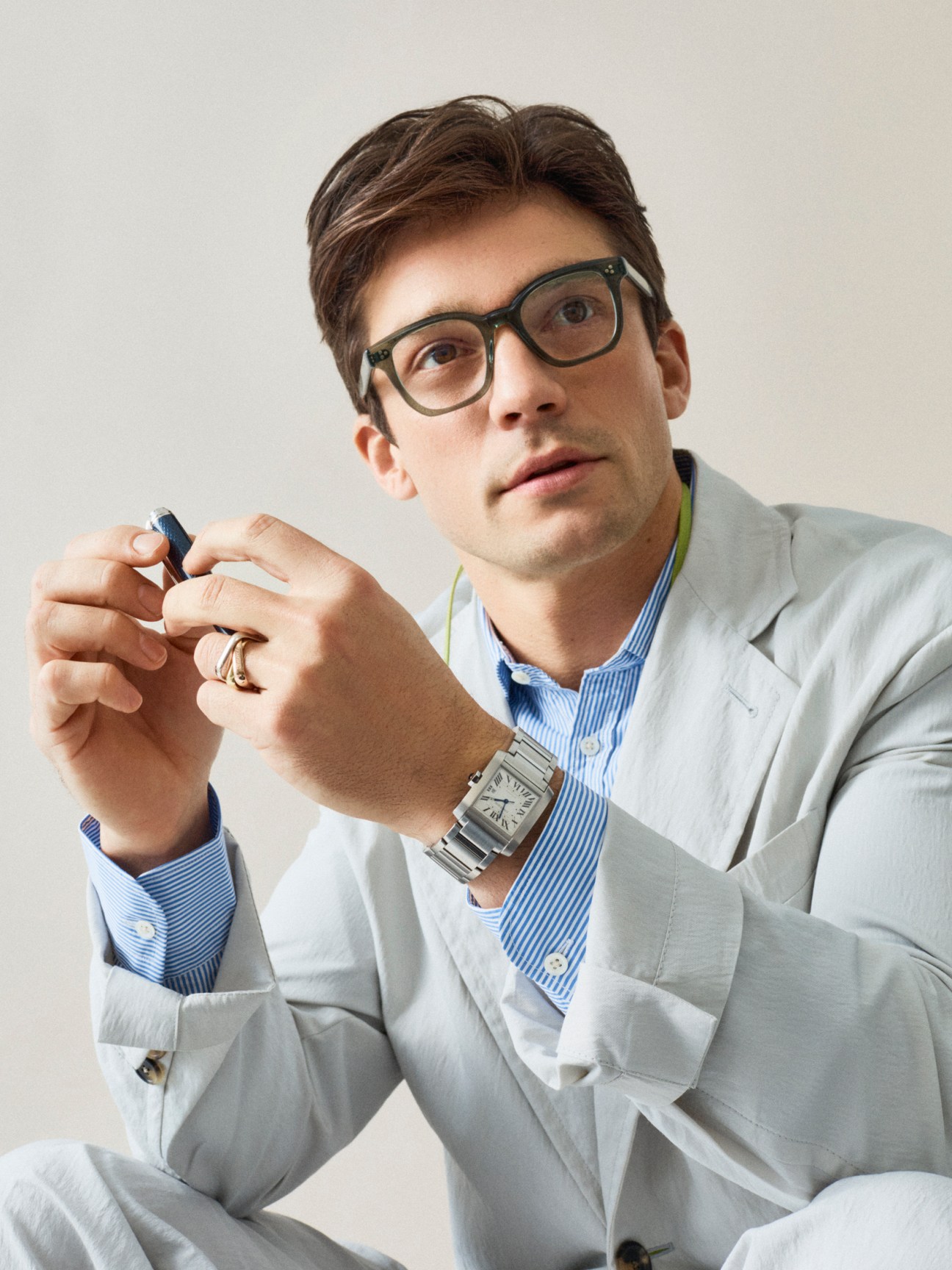
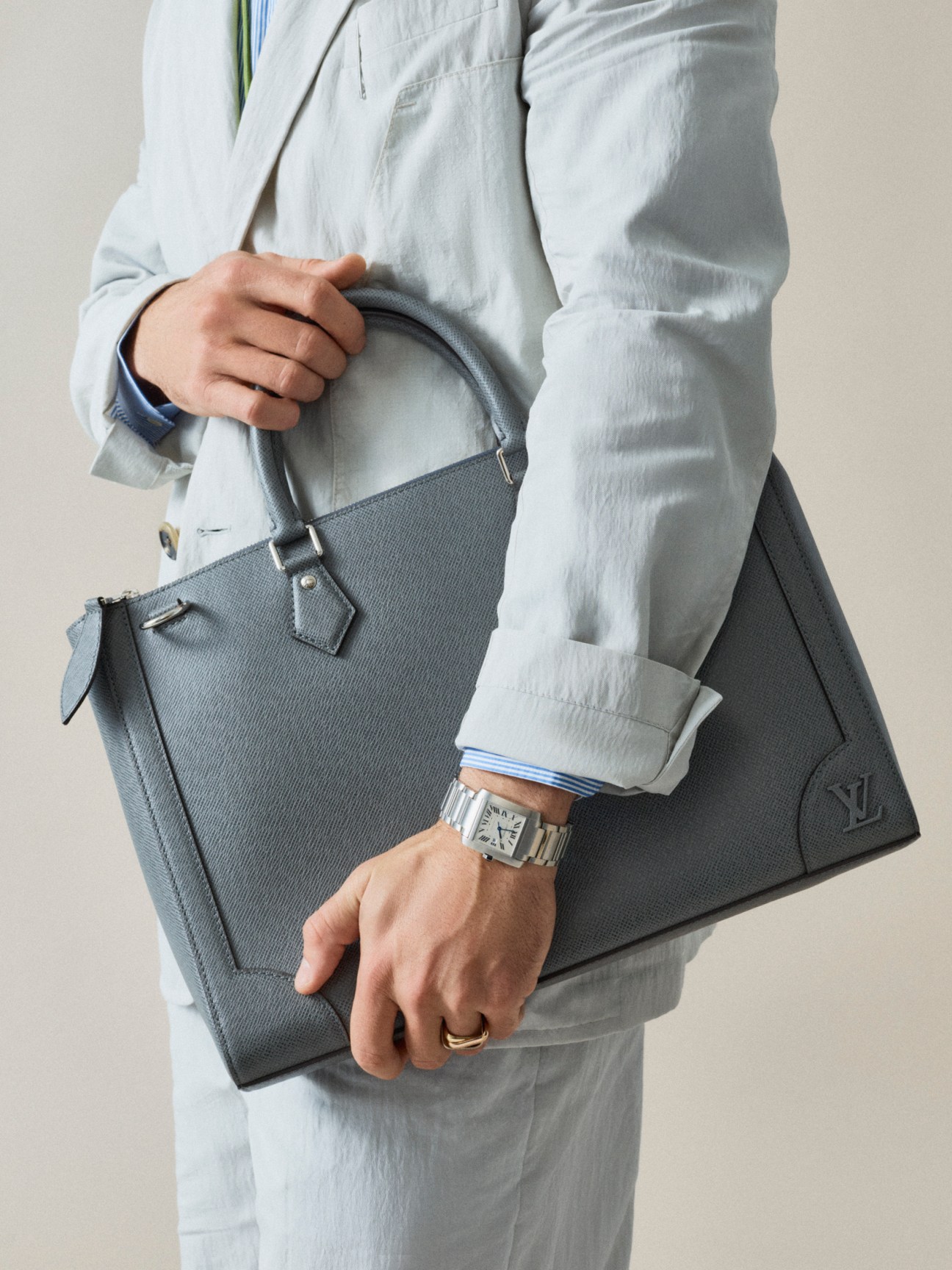


jumper by Goldwin 0, trousers by Snow Peak, backpack by And Wander


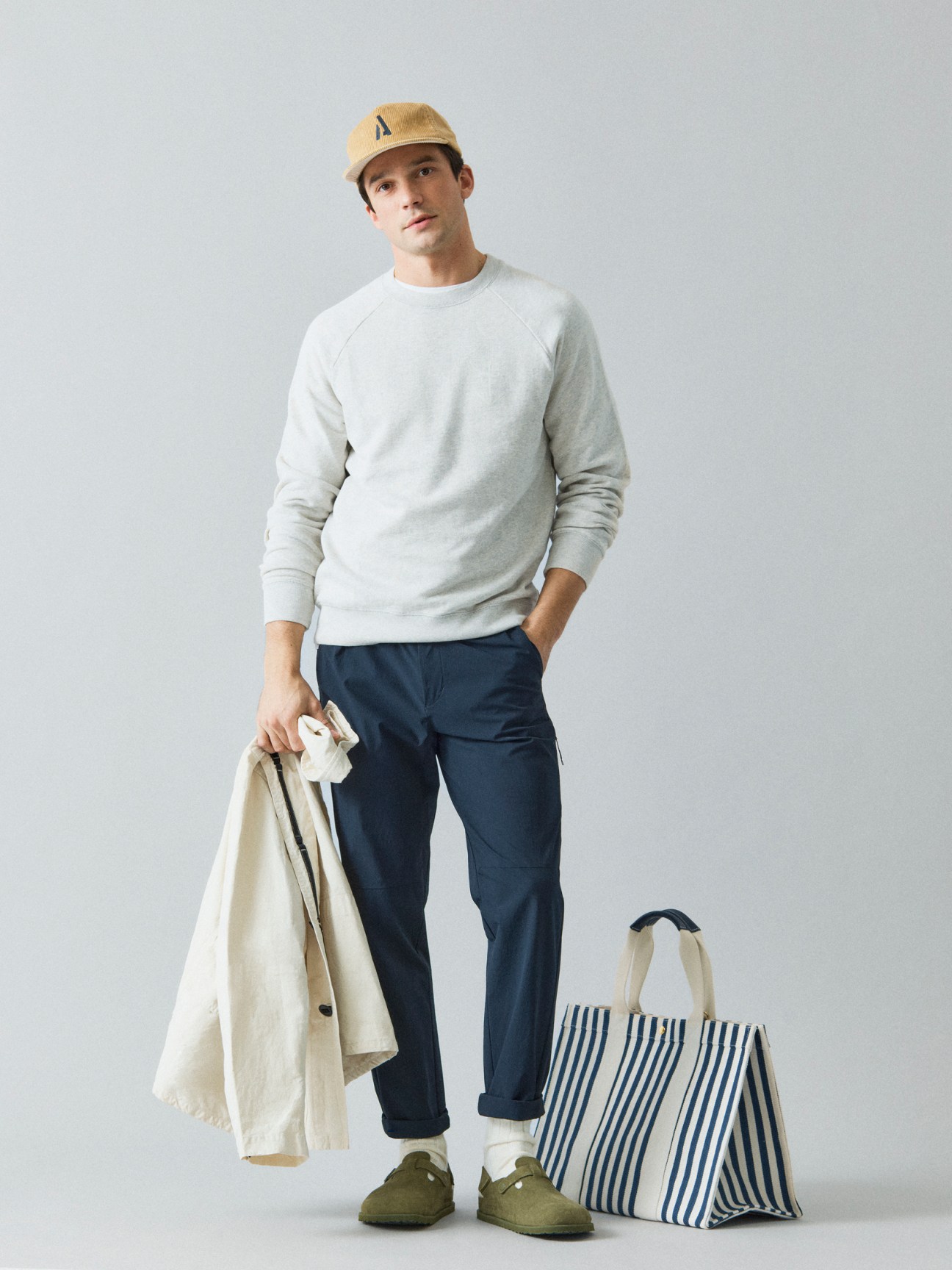


Grooming: Sam Basham
Model: Alexis Petit
The culture agenda: How Denmark’s film school gives its alumni a starring role in Hollywood
cinema –– denmark
Behind the camera
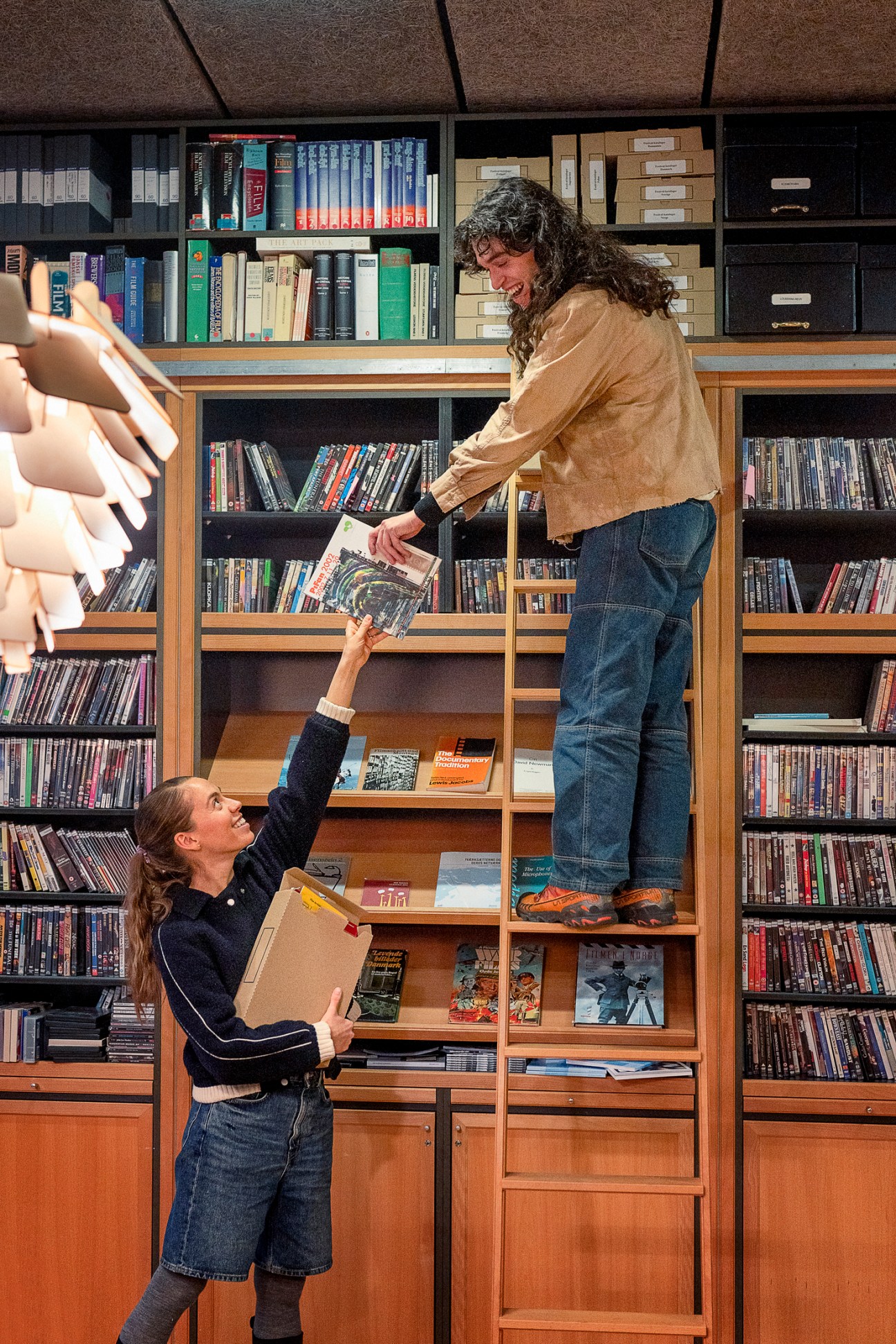
With multiple Oscar and Palme d’Or winners to their name, Danes have long punched above their weight when it comes to cinema. Their government recently acknowledged this by allocating a further DKK40m (€5.4m) to its already generous financial support for the industry in 2024. Much of the credit for Danish film-making’s global success should go to Den Danske Filmskole (The National Film School of Denmark), which The Hollywood Reporter named as one of the world’s top film schools last year.
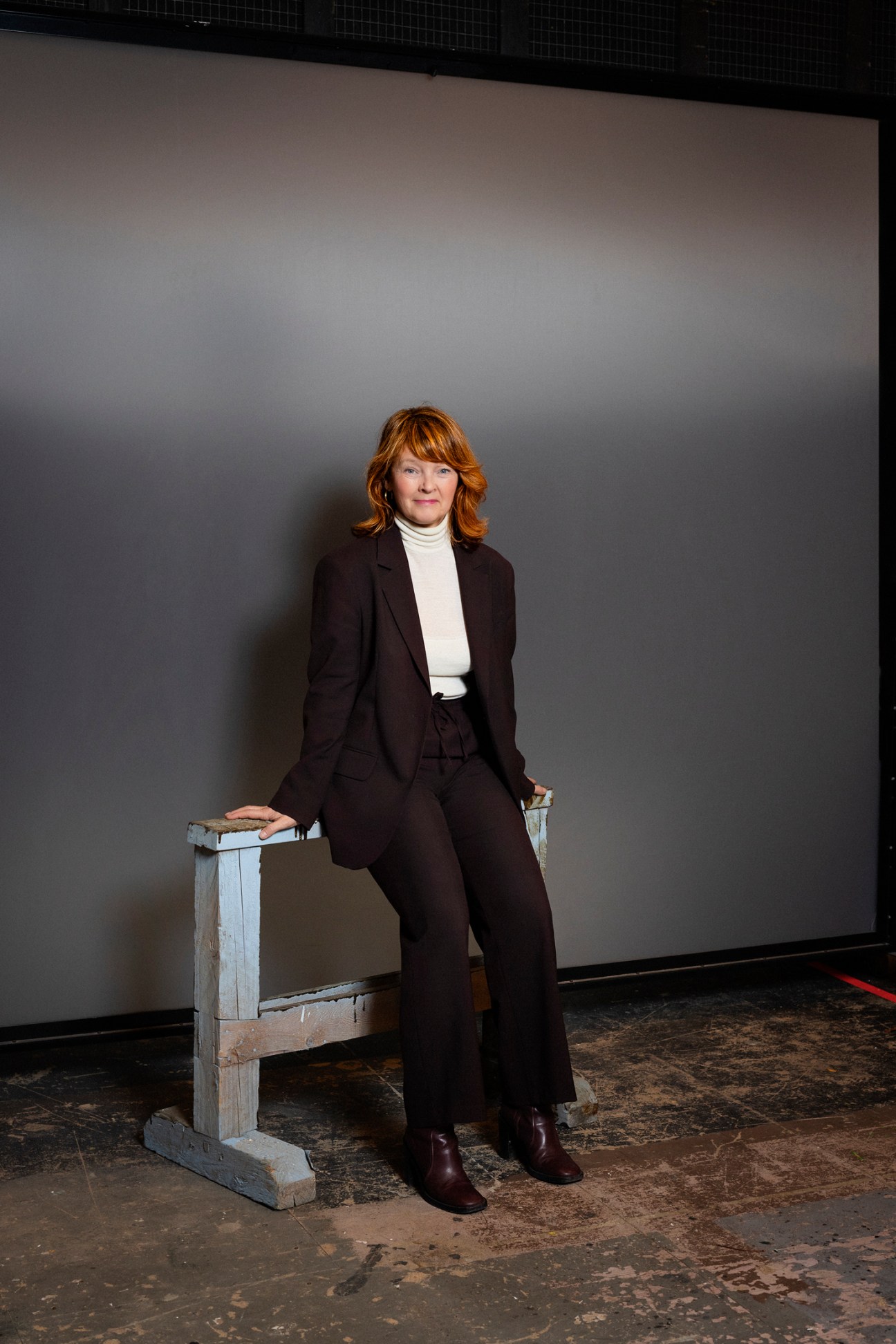
“This is the most important institution in Danish cinema,” says the school’s director, Tine Fischer. “It has a long list of graduates who have helped to lift Danish film and TV to its unique international position over the past 50 years. That’s partly because it has a close relationship with the industry. Our students make films as soon as they start here – and when they leave, they go directly into the industry.”
Alumni have founded successful studios such as Zentropa and Nimbus Films straight after graduation. The former was set up by Lars von Trier, the Antichrist director known for his provocative work, who attended the school before he added the “von” to his name. Other past students include Bille August, Susanne Bier and Thomas Vinterberg, who won the best foreign film Oscar in 1989, 2011 and 2021, respectively. Vinterberg, one of the alumni who founded the influential Dogme 95 movement, has said: “The four or five tricks that I use when I make films come from my days at the film school.”
The school is the country’s most competitive educational institution, with more than 1,000 applicants for just 48 places every two years. According to Fischer, its small size is crucial to its success. “It’s like with elite sports,” she says. “Our students are looked after individually, with many hours of personal dialogue and feedback. They develop according to their own potential, artistic vision and ambition.”
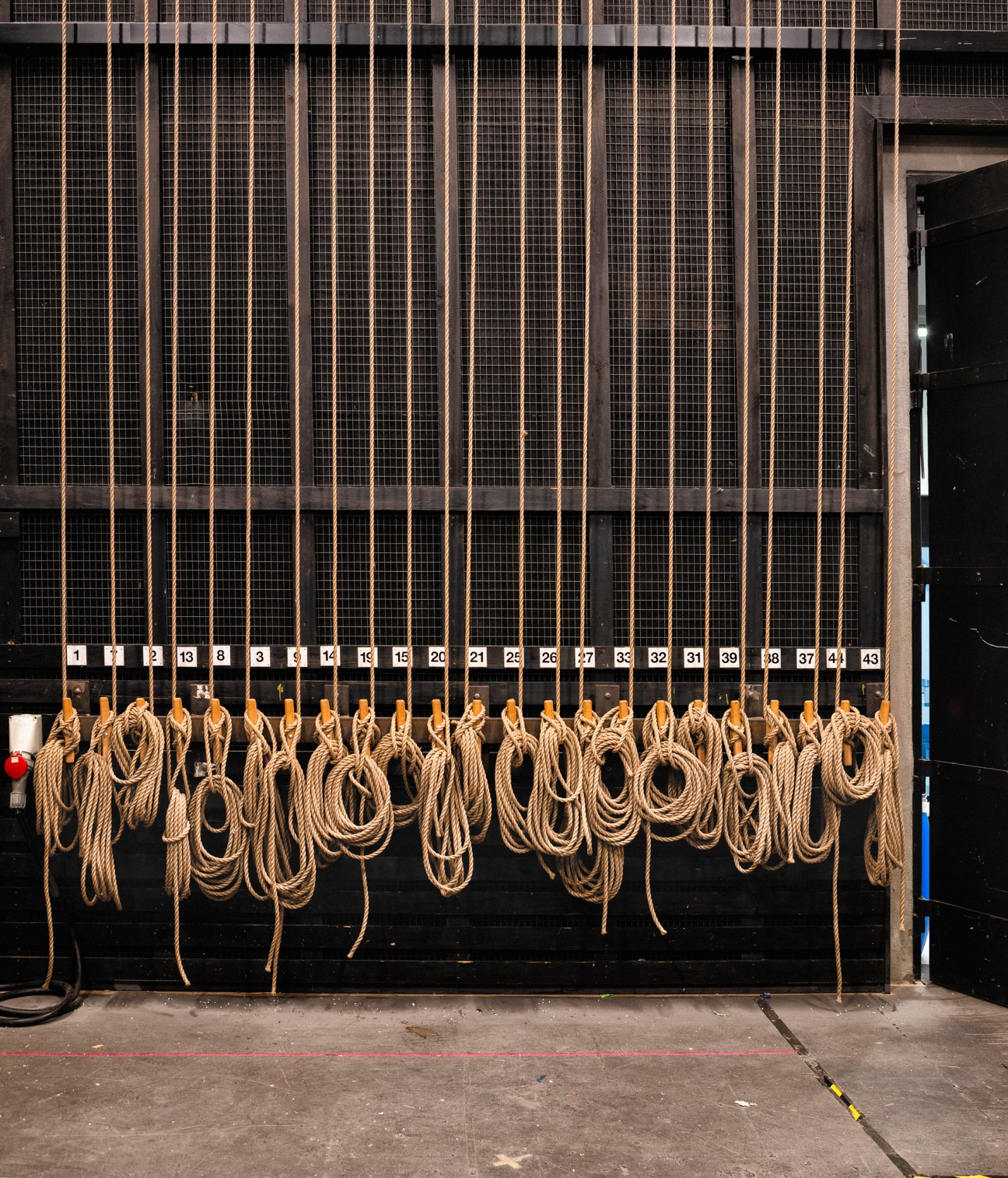
Collaboration is another key focus. “How we operate has always been defined by the fact that writing students work very closely with the film-makers,” says Fischer. “In the future our students will have to work between sectors, so narratives will be about IP: you create a universe that works across art, theatre, film, TV series and games.”
The emphasis on teamwork is what makes the school intrinsically Danish. “Director students don’t hang on to their idea for a month,” says Fischer. “They constantly unfold their vision as part of a group. And if they later go to work in Hollywood, people are struck by how well they can work collaboratively with others. That’s why they get hired again.”
School rules
Founded in 1966, Den Danske Filmskole is housed in a converted 19th-century artillery store in Holmen, a former military zone across the harbour from Copenhagen city centre. It is funded by the state at a cost of dkk50m (€6.7m) a year.
The school, which is close to the Copenhagen Opera House and the Royal Danish Academy, offers eight four-year bachelor programmes: animation, documentary direction, fiction direction, cinematography, editing, screenwriting, production and sound editing. The education it offers is the country’s second most expensive, after training navy frogmen. The school is open to students of all nationalities but most of the teaching is in Danish. International students must pay €25,000 a term; the state covers the tuition fees of those from Denmark.
journalism –– iowa
Think local
More than 2,000 newspapers have closed in the US in the past two decades, leaving many areas with scant media coverage. Iowa Capitol Dispatch is among a small number of outlets that are seeking to plug the gap. The website is part of a not-for-profit network called States Newsroom, which funds journalism in almost 40 states across the country and supplies local newsrooms with stories. Since the Dispatch launched in Des Moines in 2020, the appetite for its work has been robust; its subscriber base has doubled in the past year.
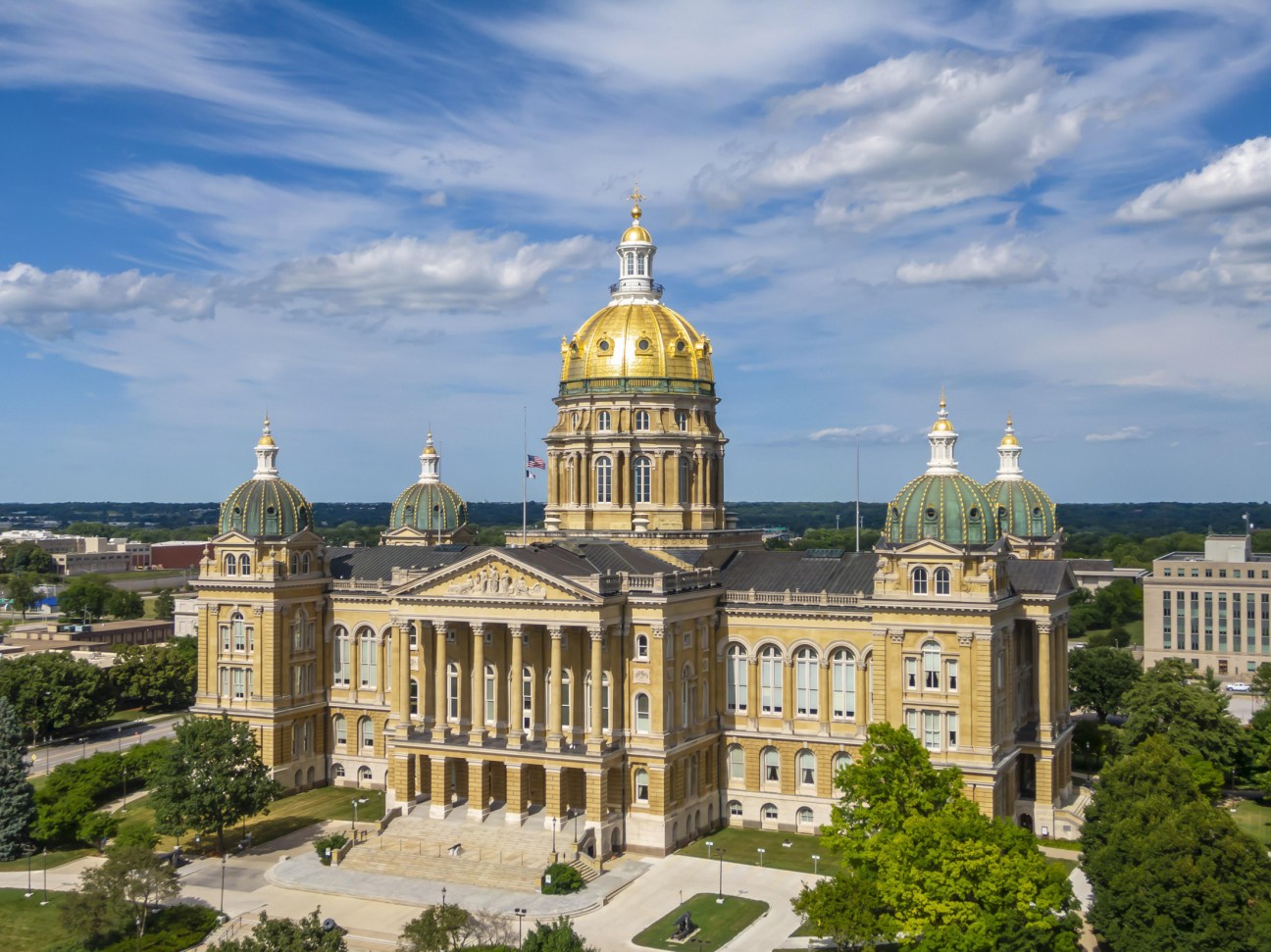
Kathie Obradovich, the site’s editor in chief, tells Monocle that there’s a particularly urgent need for high-quality journalism in Iowa, a rural state with an outsized influence because of its first-in-the-nation caucuses. “People pay attention to politics here, especially young people,” she says. “They see how cool it is that they have a voice and that, every four years, they get the opportunity to meet presidential candidates and ask them questions.”
In January, Donald Trump’s landslide victory in the Republican caucuses confirmed Iowa’s shift from swing state to GOP stronghold. “This is a result of a combination of reasons,” says Obradovich. “Rural areas have felt disconnected from the state capitol for a long time. But I put some of it at the feet of Trump, who has helped to increase the polarisation here.” In a pivotal US election year, Iowa Capital Dispatch’s reporting on stories that might otherwise go untold will be crucial.
books –– berlin
Q&A
Lauren Oyler
Culture writer and novelist
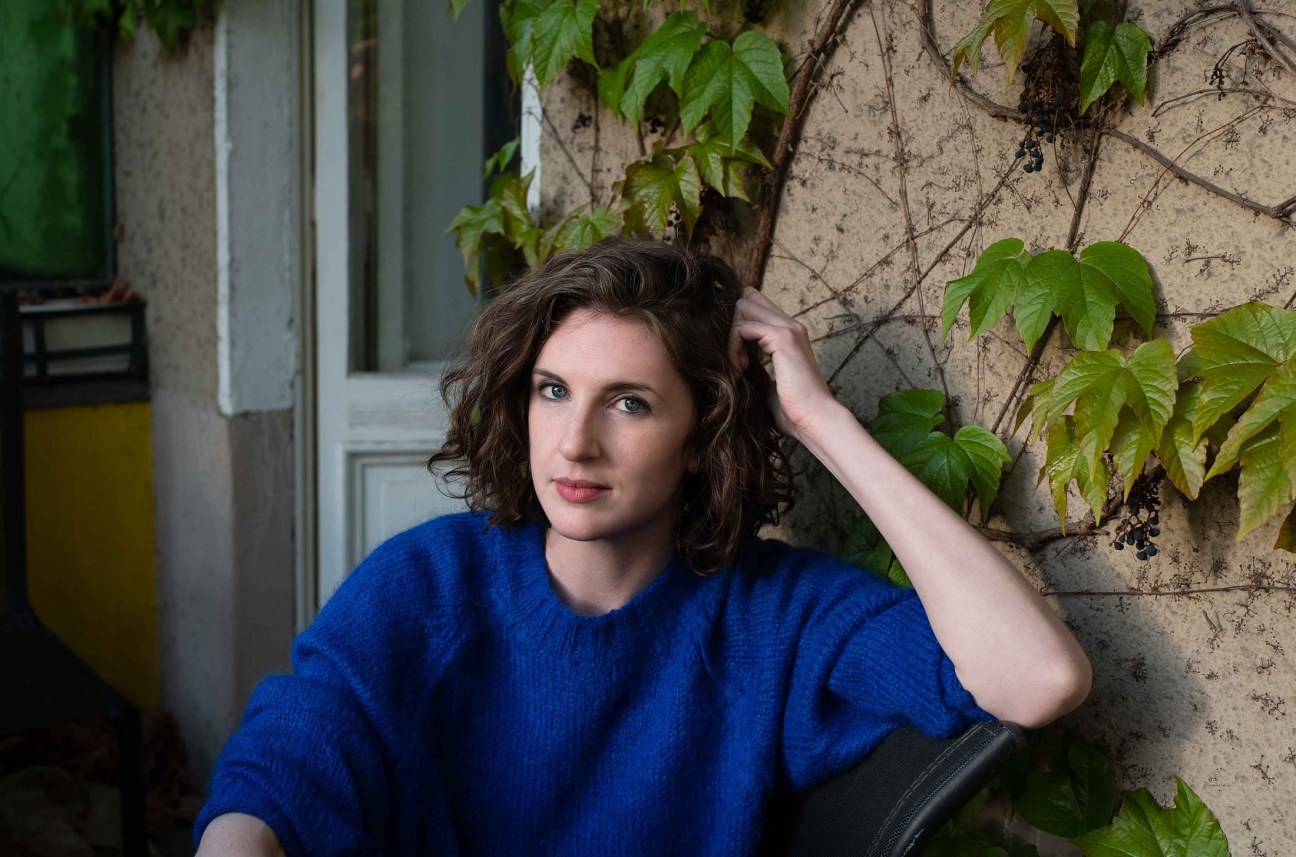
Lauren Oyler’s new collection of essays, No Judgement, is published by Virago this month. Her debut novel, Fake Accounts (2021), was well received, but she is best known for her acerbic literary criticism. In No Judgement, she explores topics ranging from gossip and Goodreads to expat life in Berlin and attempting “jaw yoga” to ease her anxiety-fuelled teeth grinding. Here, she tells us about the state of cultural criticism, her writing process and “difficult” pieces of art.
What did you write ‘No Judgement’ in response to?
Many people have this idea that cultural criticism and commentary have a short lifespan because the news cycle is so fast. I disagree with that. I wanted to see whether the arguments that I was making in, say, 2019 would still hold now. I wanted to contextualise some of these contemporary conversations.
What was your writing process?
It’s not natural to write six long essays in a row. Ideally, the essay is an occasional form but it worked well because the pieces inform each other in ways that I didn’t intend.
Why is wrestling with ‘difficult’ art important?
I identify and empathise with people who are intimidated by the idea of tackling something difficult, particularly books. You have to learn to read them as you read them. But when we say, “This is difficult, most people aren’t going to like it,” that’s going to turn them off immediately. Instead, we should say, “It’s hard for me too, but you can do it,” and show that the effort that you put in is rewarding.
language –– paris
English channelling
Emmanuel Macron has inaugurated Paris’s Cité Internationale de la Langue Française as part of his pledge to boost the number of French speakers around the world. Nestled in the former Renaissance chateau of King François I in the capital’s northeast, the centre will celebrate the French language and its cultural prowess.
The €211m spent on the shiny new building shows just how much of a priority this project is to the government – as far as cultural overhauls go, the budget is second only to that of the renovation of the Notre-Dame cathedral. The reason for this is simple. According to the Académie Française, the national body in charge of moderating the French language, English words are now trickling in to the French vernacular more than ever. The way that linguistic purists see it, those who use these imported terms aren’t just doing themselves a disservice. They’re also breaking the law.
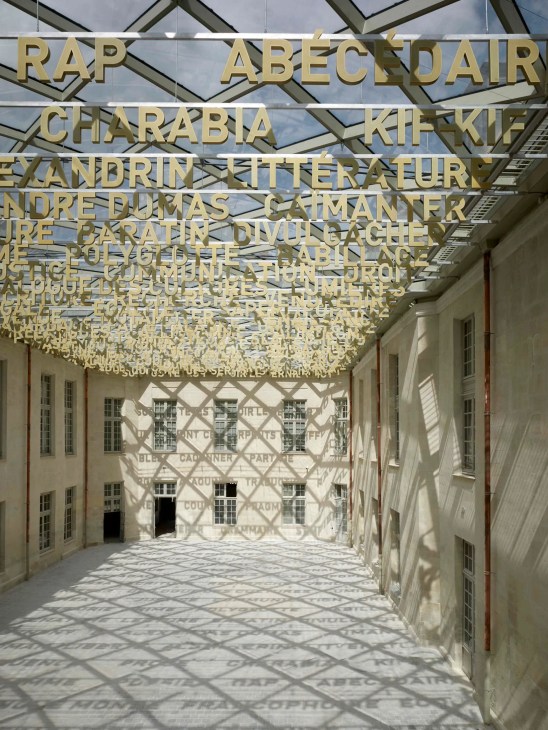
Under the Toubon Law of 1994, it is illegal to use phrases such as “le parking”, “le job” or – God forbid – “le happy hour” in any document that is funded by the state. But with the Paris 2024 Olympic Games on the horizon, curbing such forms of linguistic treason, as the Académie refers to them, will be harder than ever. The use of both French and English across the event’s communications suggests that these Games might not be quite as French as some people would like. Perhaps the Académie would be better off taking a more laissez-faire approach.
The unsung heroes of Venice who keep the city nourished and thriving
Before dawn, the narrow cobblestone thoroughfares of Venice are deserted apart from street sweepers and delivery people wheeling carts of fresh produce to restaurants. Along the quiet alleys, there are still wet patches from the previous night’s tidal floods that have now receded – a frequent occurrence in this city of islands, where the shallows of the Adriatic flank many paths and roads.
At Piazza San Marco, Venice’s lowest-lying location, some of the puddles are deep enough to become baths for the seagulls. When Monocle arrives at the Grancaffè Quadri restaurant, staffer Daniel Galindo is busy vacuuming up floodwater from the dining room’s floor. “The city is set on a lagoon so we have to live with this,” he says. Running a restaurant on dry land is already complicated; in Venice, it also requires staff who are comfortable with being at the mercy of aquatic forces.
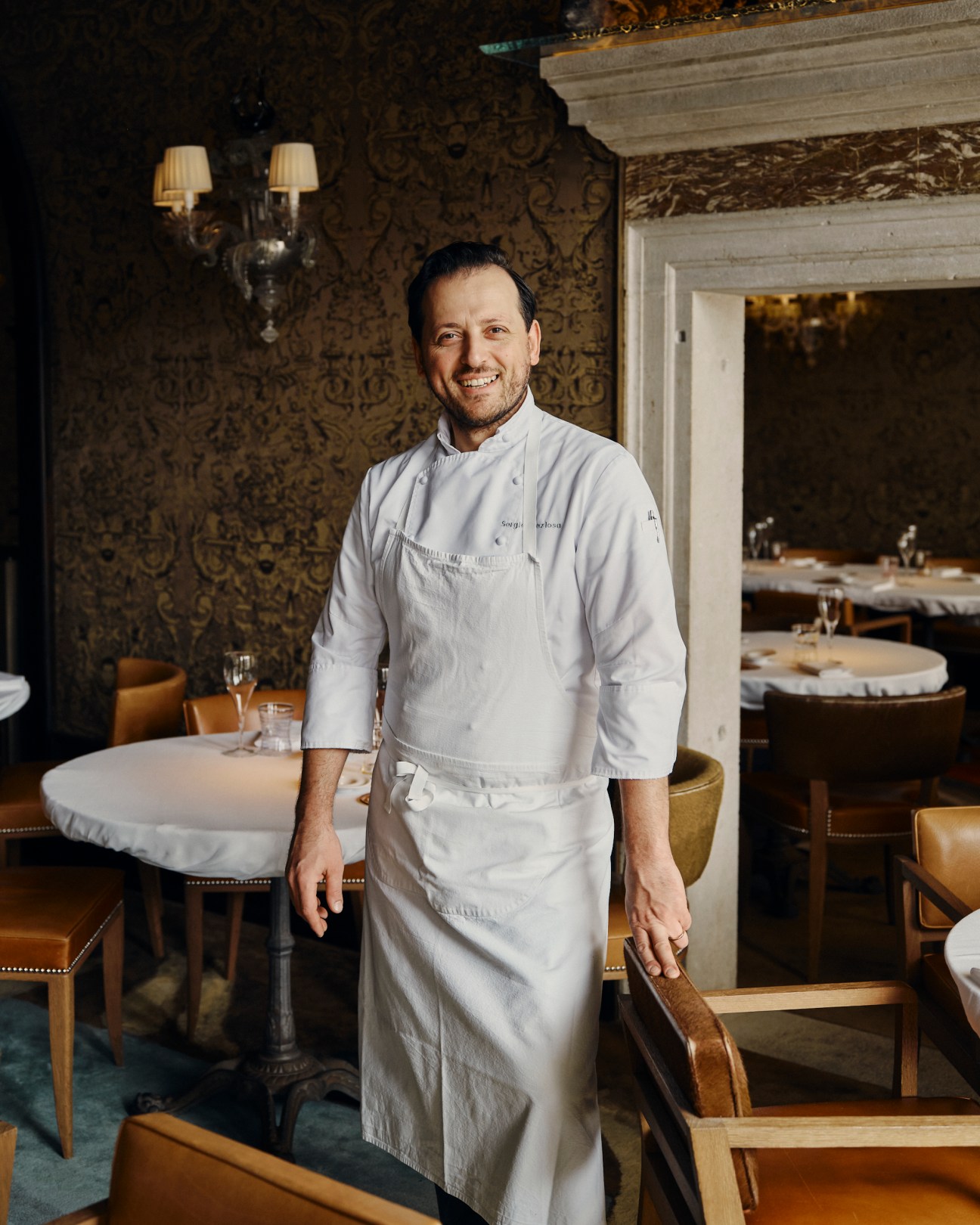
First inaugurated in 1638 and originally called Il Rimedio, the Grancaffè Quadri has been a fixture of Piazza San Marco for centuries. The Alajmo family took over in 2011, with a revamp of the upstairs by star designer Philippe Starck, a menu by chef Massimiliano Alajmo of the three-Michelin-starred Le Calandre & a kitchen headed by chef Sergio Preziosa, who earned Quadri its own Michelin star. Clearly, high waters and cramped kitchens haven’t held back the team.
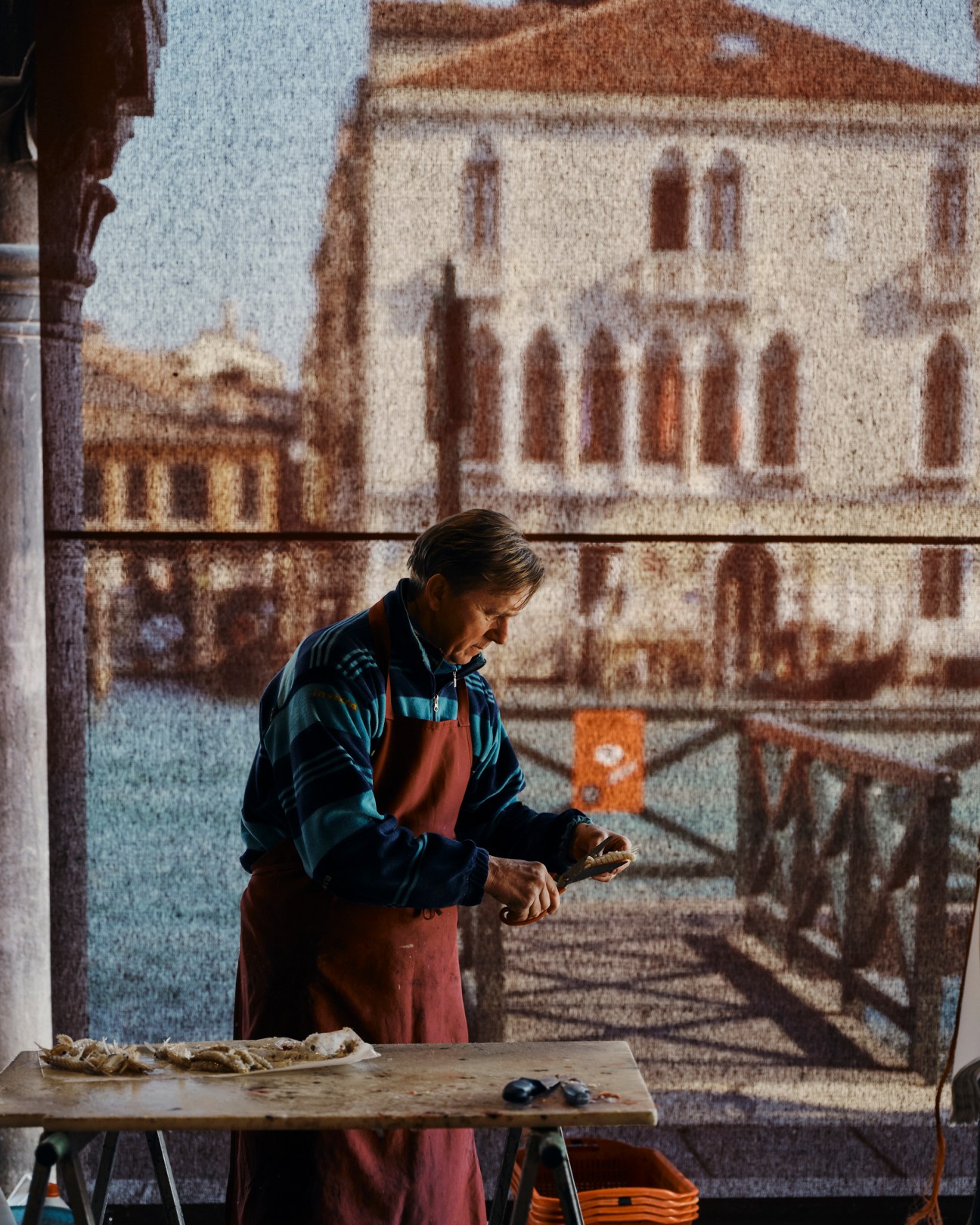
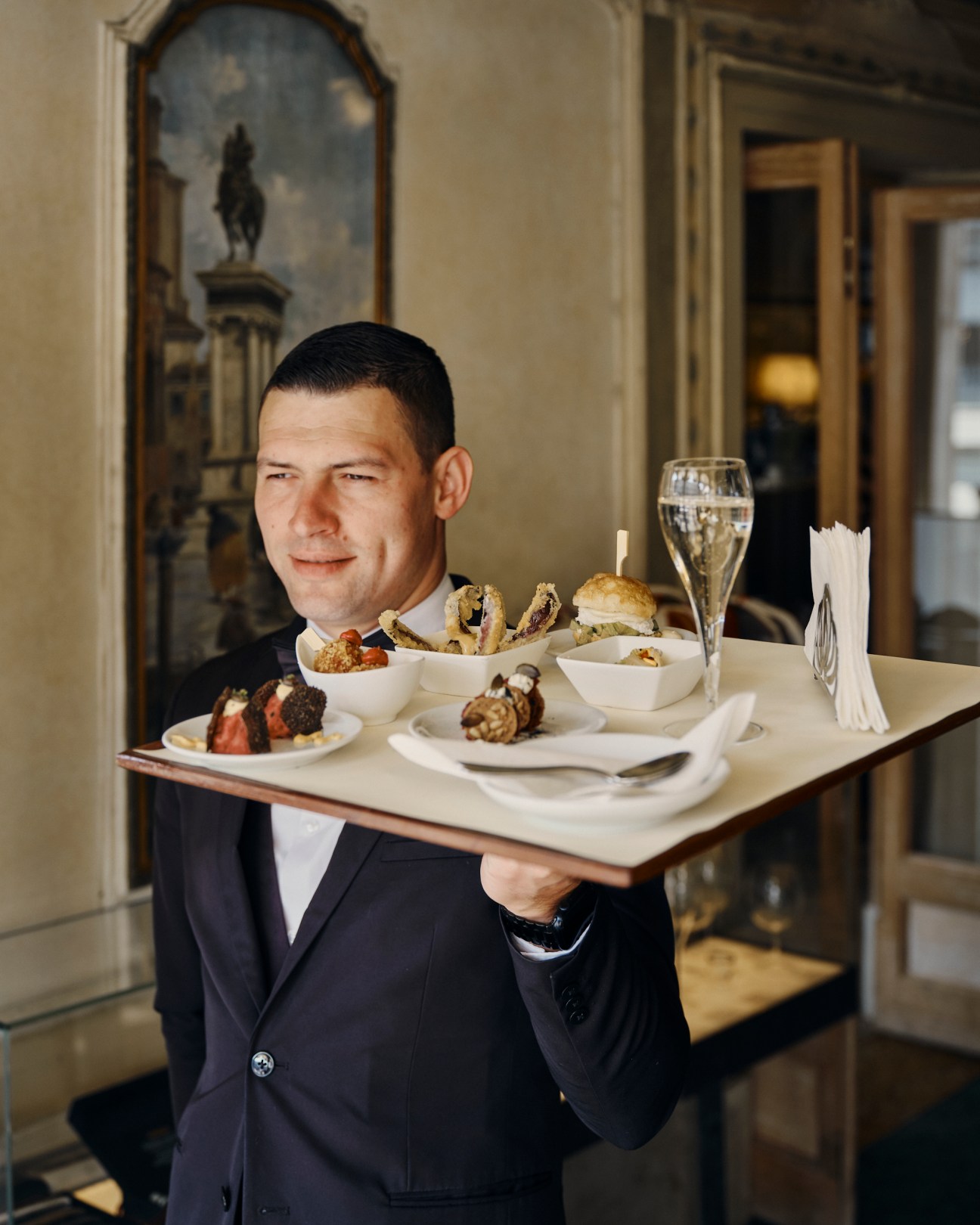
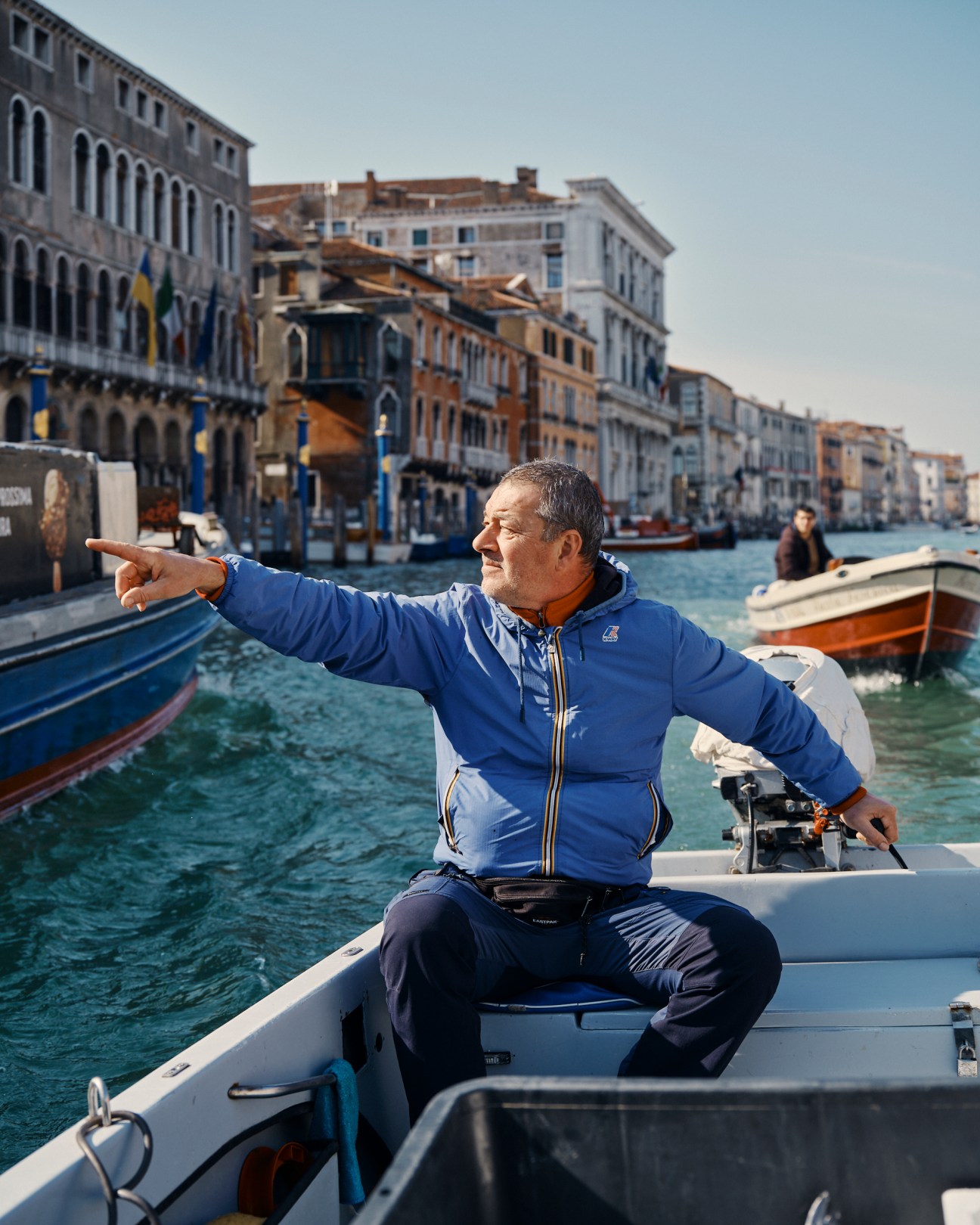
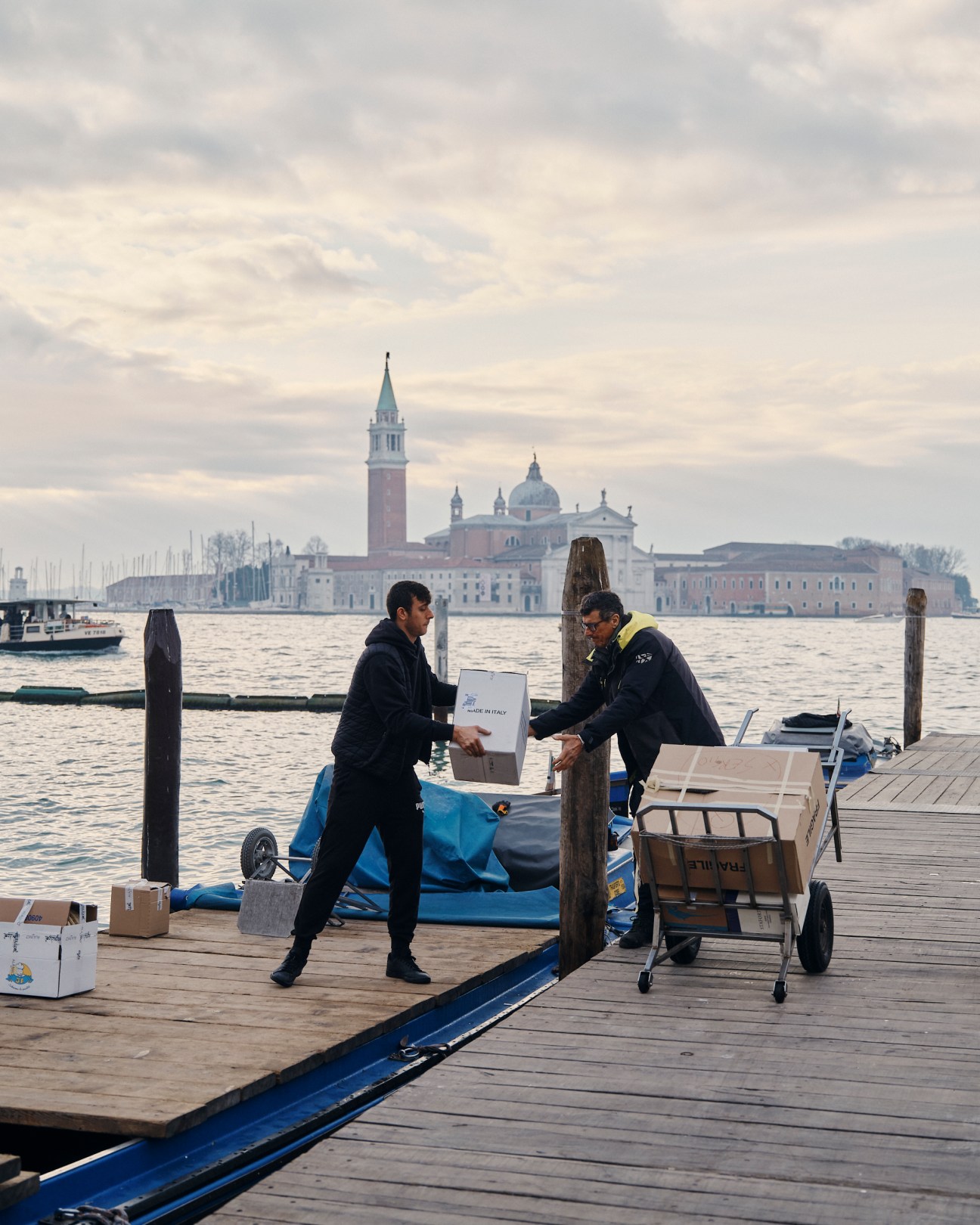
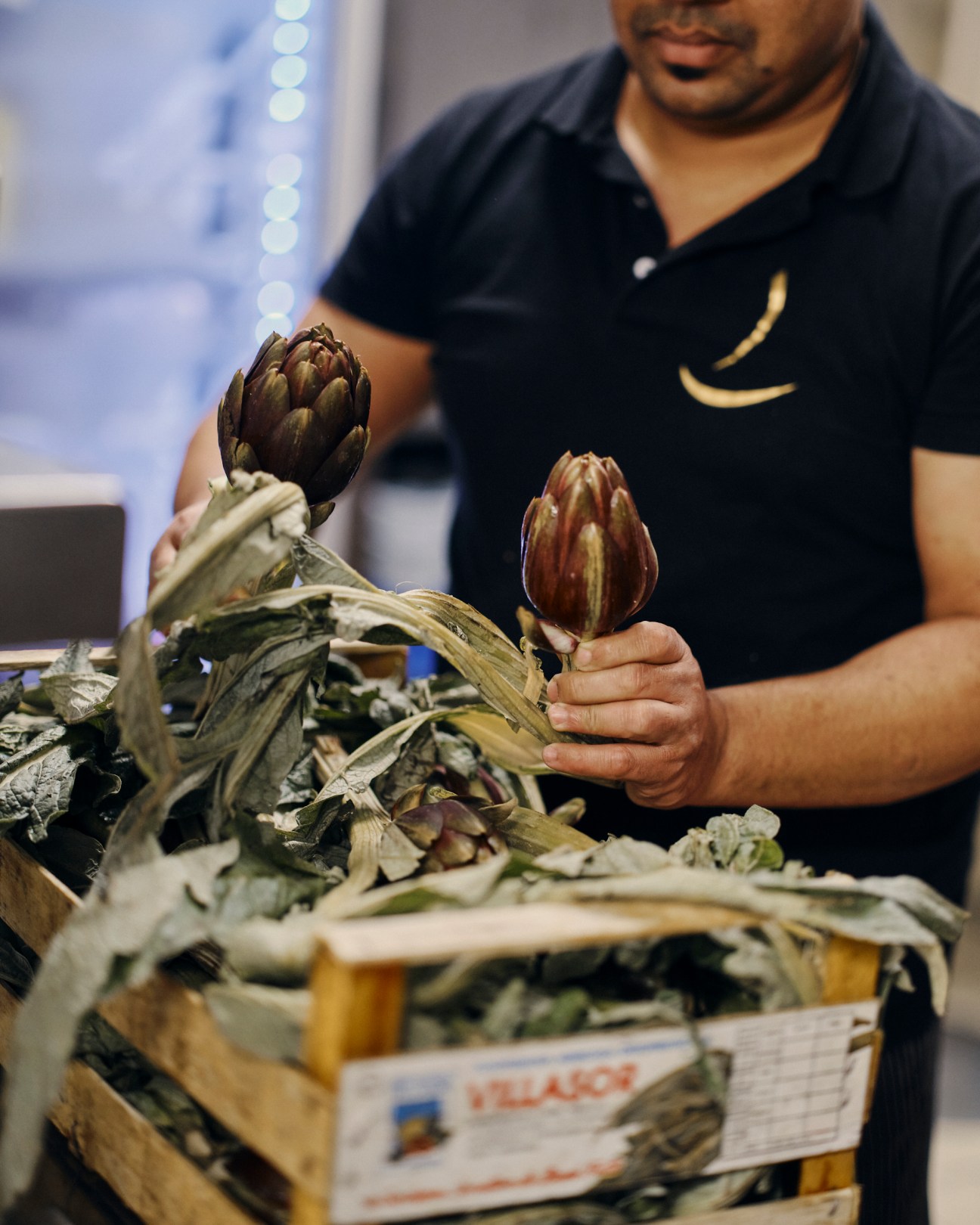
A few steps from the Grancaffè Quadri, at the dock near the Palazzo Ducale, sunbeams break through the clouds onto the Grand Canal. The scene looks like a Canaletto painting but there’s no time to be distracted: Monocle is here to observe the restaurant staff unload cartons of olive oil, wine and pasta. The men perform a well-practised dance, forming a human chain of box-tossing. Then they dexterously wheel their handcarts between the columns of San Marco and San Todaro, and into the Grancaffè Quadri’s kitchen through the back-alley door. Wine, however, is inconveniently stored in a separate space some distance away. “That too is a reality in Venice,” says Galindo. “You can’t have a cellar in a city where water flows underneath.” As they get to work, we venture to Venice’s Rialto Market to meet fishmonger Marco Bergamasco, who shows us around the many steel stalls piled up with cod, squid, razor clams and other sea creatures. Then we climb into his motorboat to return to the Grancaffè Quadri and deliver a crate of sea bass; the fish is a key part of today’s lunch menu. “You can’t take a sick day in this line of work,” says Bergamasco, ducking his head as we glide under a low canal bridge. Still, having left a cushy industrial design career to be on the water every morning, he loves his job.
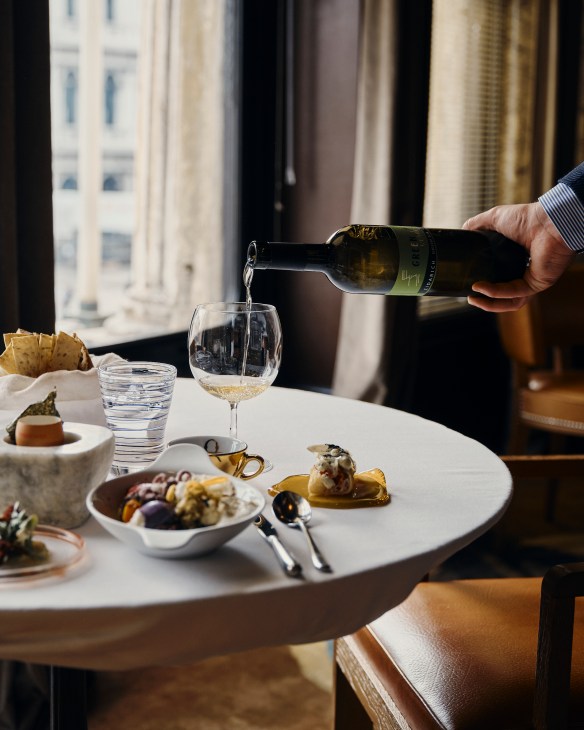
Tourists on dry land photograph the passing gondolas but largely ignore us. The everyday labour of the city’s residents and workers that keeps it all afloat is invisible to most visitors. Docking to deliver the fish, we notice that though water has gathered in large puddles on the piazza, the Grancaffè Quadri remains almost miraculously dry as a result of its staff’s efforts. “Everything is twice as complicated here,” says chef Sergio Preziosa. Even so, the restaurant maintains the atmosphere of a heart-warming old-time establishment.
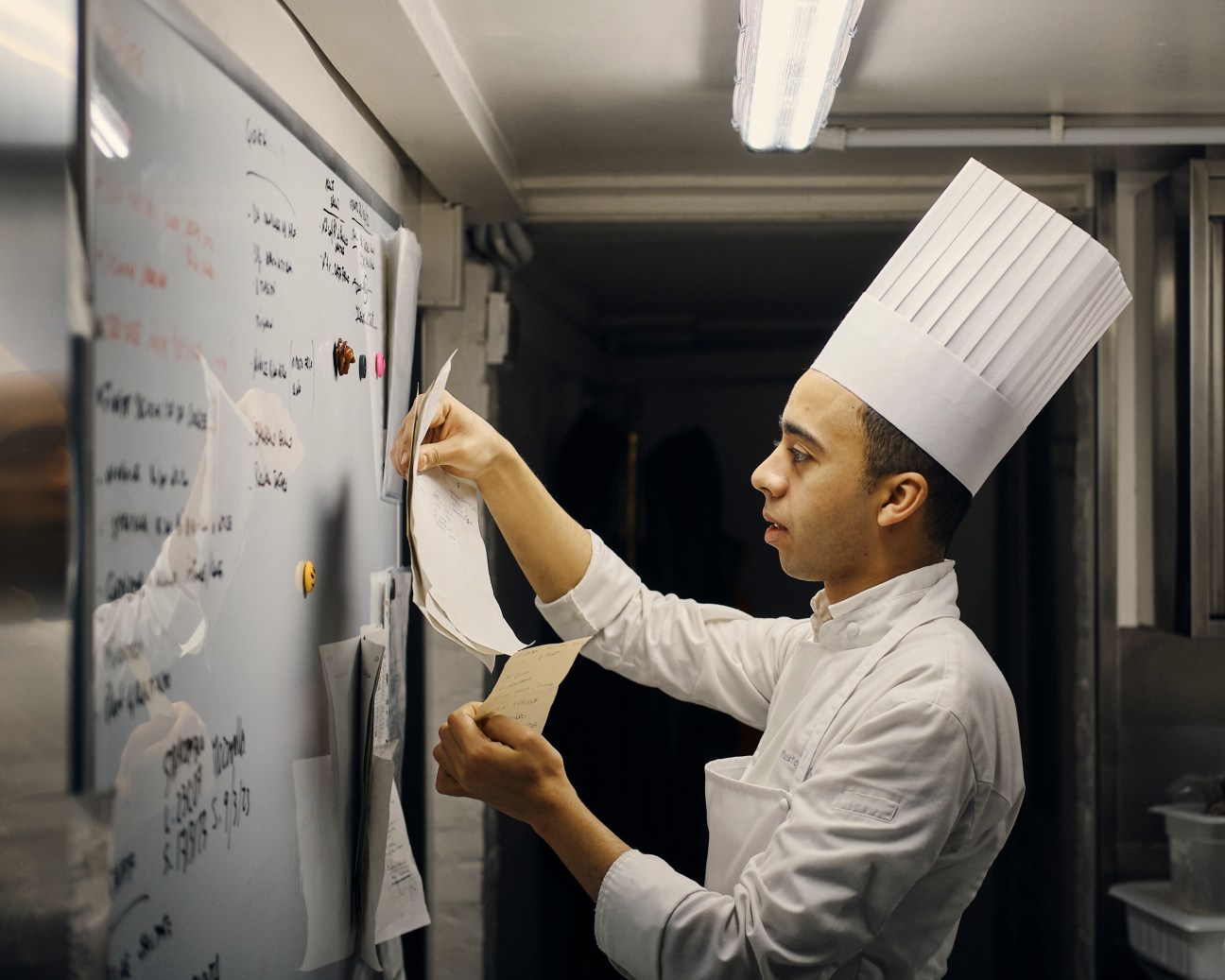
Inside, handsome waiters are dressing the tables with white cloths, while young chefs stock the kitchen and prepare their stations. The waiters have now changed into their formalwear: tuxedos with bow ties, their hair pomaded. There is jazz music playing as the doors open at 09.30. “Pronti?” they call towards the kitchen. There’s a long day ahead: the doors won’t close until midnight.
The Japanese miniature artist who takes the little things in stride
Artist Tatsuya Tanaka doesn’t see the world like everyone else. Where we see a paper cup, he sees a drum; where we see a bunch of parsley, he sees a forest. He looks at any object, no matter how humdrum, as potential material for one of his tiny creations: witty, miniaturised versions of daily life. Tanaka’s scenes are funny and fascinating. But just as impressive is his productivity: he has created an artwork every day since 20 April 2011.
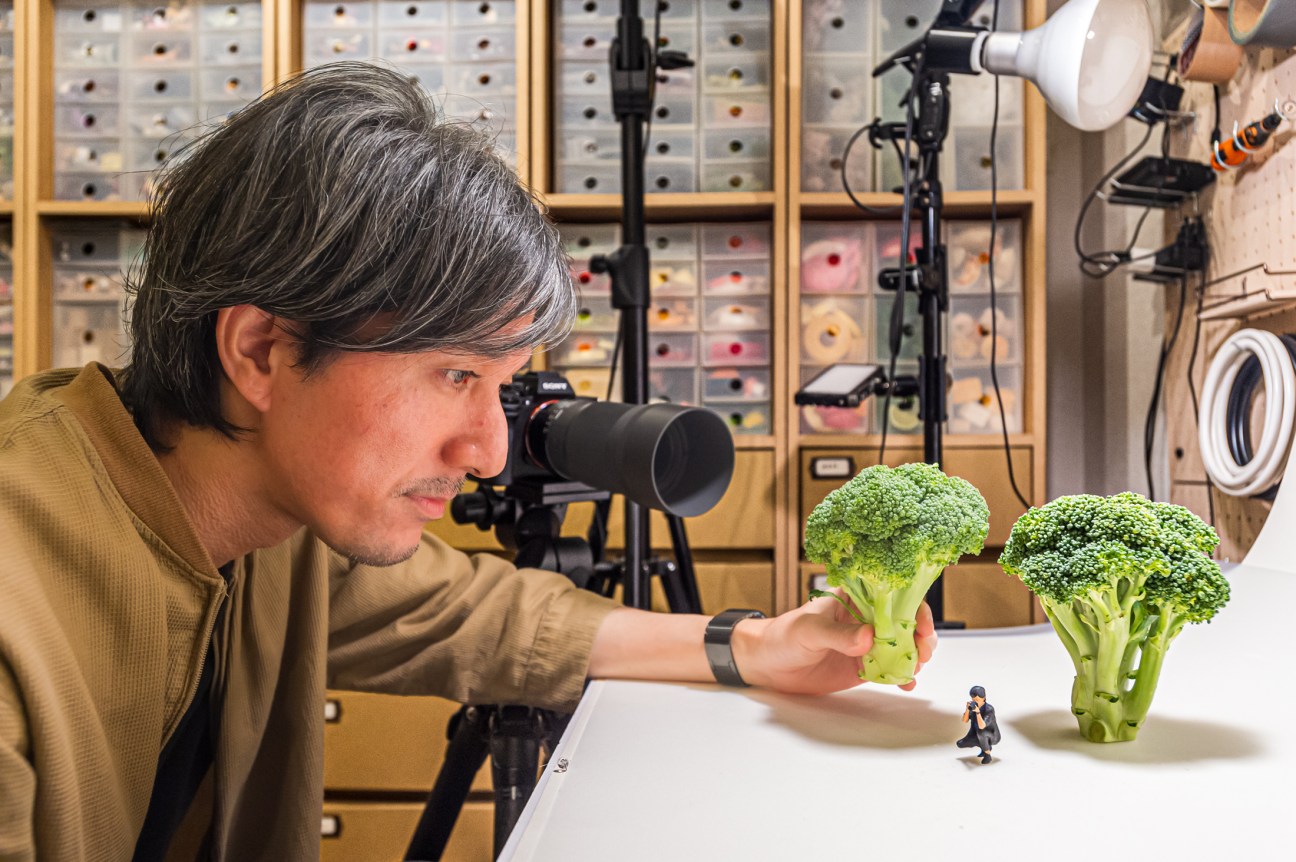
Before he became a full-time artist, Tanaka (pictured) was working as a graphic designer. “When Instagram was starting up, I had a few miniature models at home and started posting pictures of them as a hobby,” he says. “But people said that they wanted to see something daily.”
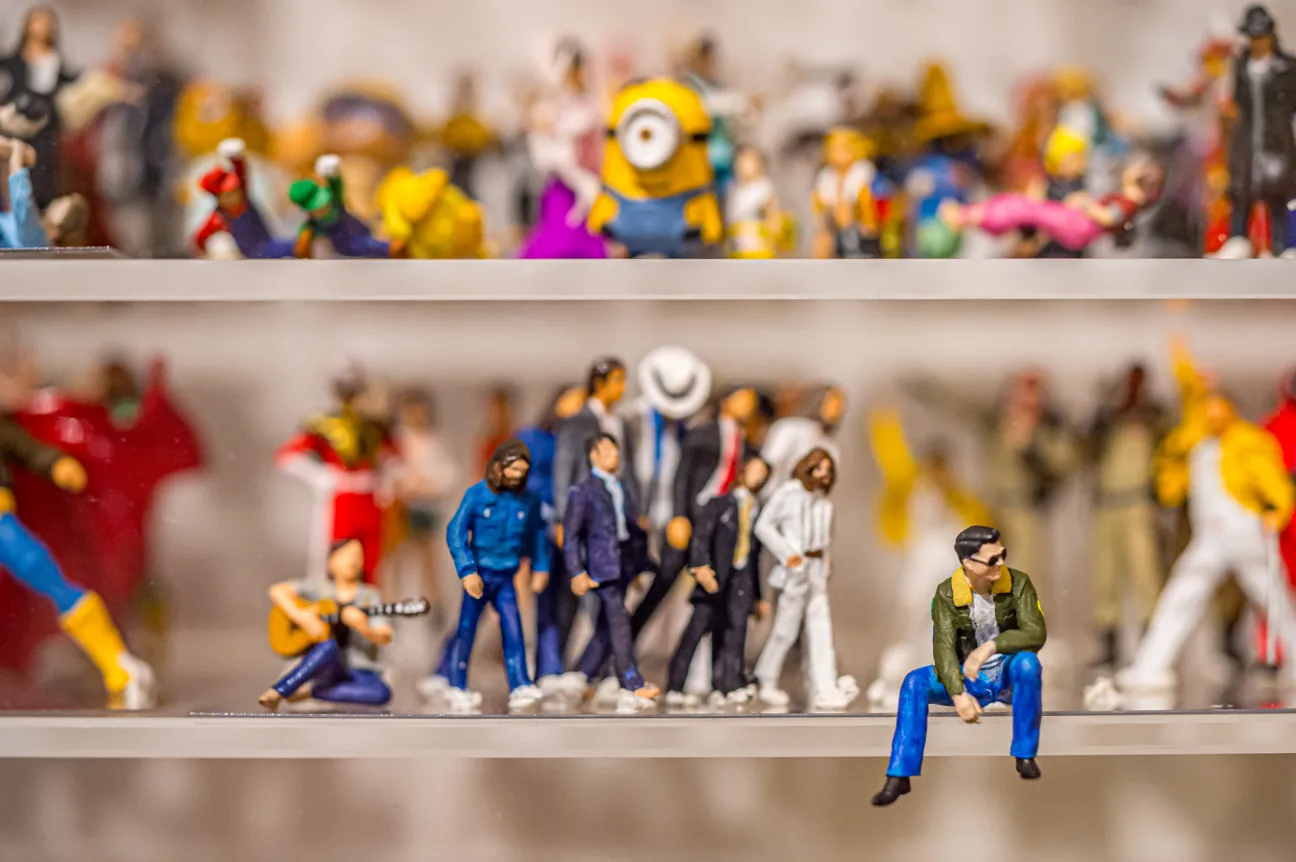
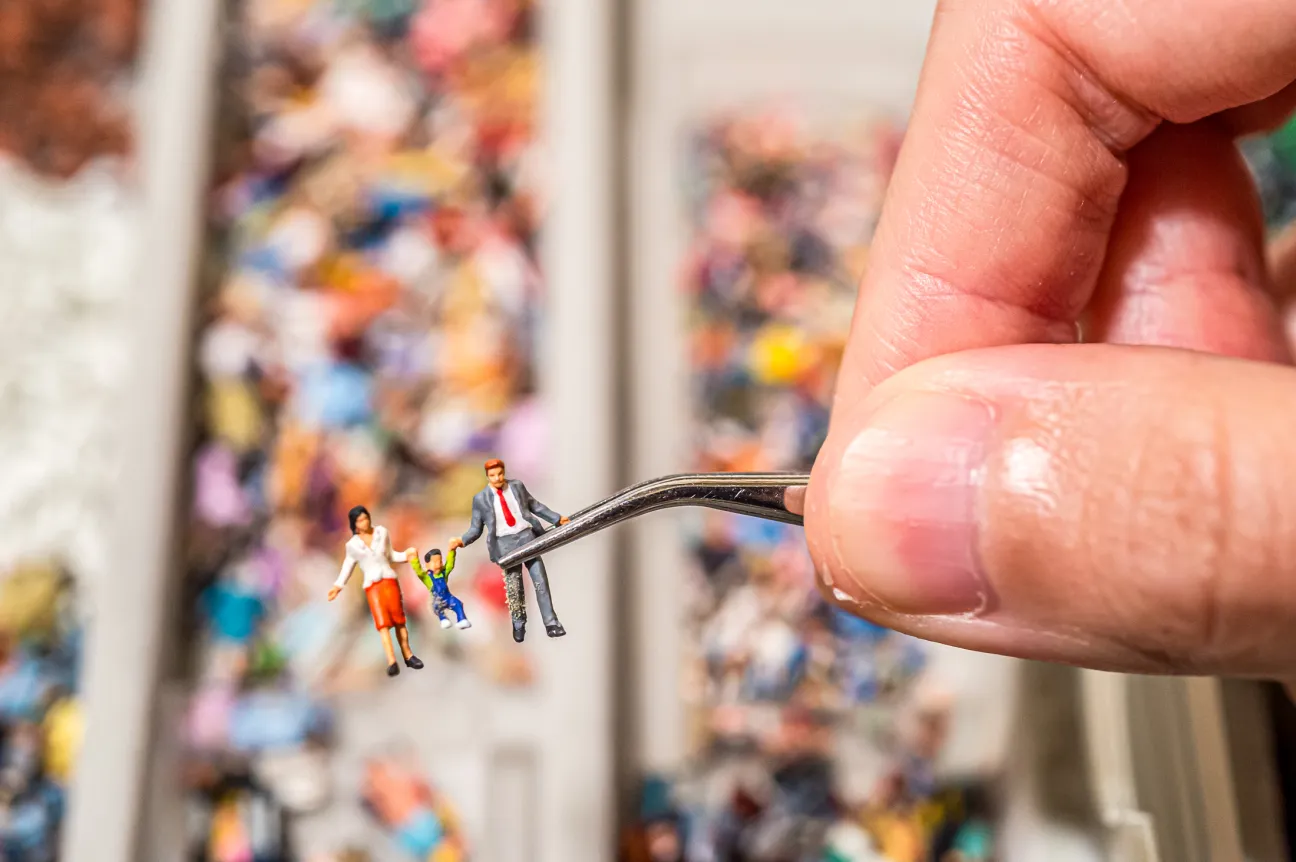
Tanaka’s studio is on an upper floor of a regular block of flats in the laid-back Japanese city of Kagoshima. “Studio” might be a stretch: his workspace is a compact – and meticulously tidy – room in the home that he shares with his wife and two sons. He sits at a desk surrounded by drawers of carefully sorted and labelled miniatures – miniscule Converse trainers, diminutive dogs and tiny jeeps, scooters and camper vans. There are crowds of tiny people too, all grouped by profession, from surgeons to snow jumpers and sumo wrestlers. There are pagodas and wooden houses; even a troupe of Japanese festival musicians; and many versions of Tanaka himself.
The artist works with a small team – his wife, an assistant and a manager – and rents another apartment in an adjacent building that is full of figures, plastic food and old electrical appliances. “I collect everything,” he says. “You never know when it might be useful.” Apart from the odd gifted camera lens, Tanaka has mostly resisted sponsorship. Snack companies have asked him to feature their products in his work but he always says no. “If I had to stick to certain brands, it would limit what I do,” he says. He writes books (several of which have been translated into English and French), publishes a physical calendar every year and is touring his Miniature Life exhibition, which has attracted more than two million visitors.
“Books can take you to places you will never experience,” he says. “It’s the same with my work. I can create miniature worlds and go anywhere.” And he’s bringing along people from all over the world. “Most adults are so busy living their lives, worrying about work, food and laundry – there’s no time to think about creativity,” he says. “Seeing these miniatures seems to bring out the inner child in people.” That’s no small feat.
miniature-calendar.com
How Nakijin Tsuwabuki creates a unique destination rooted in natural landscape
“In Nakijin, there’s a saying: noon nen shiga,” says Miyako Shimmi with a smile. “In the Okinawan language, this means that while there might be nothing here, Nakijin will satisfy your heart. There are no resort hotels or theatres; there’s nothing of that kind. But upon coming here, you’ll be fulfilled by the natural landscape that is the pride of Nakijin.”
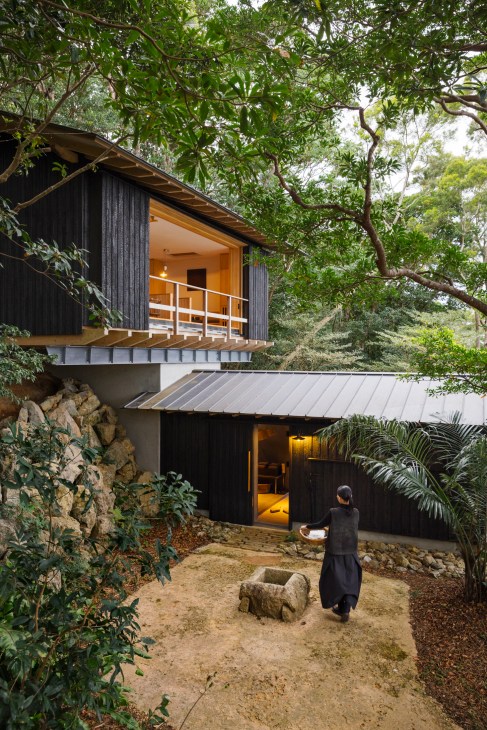
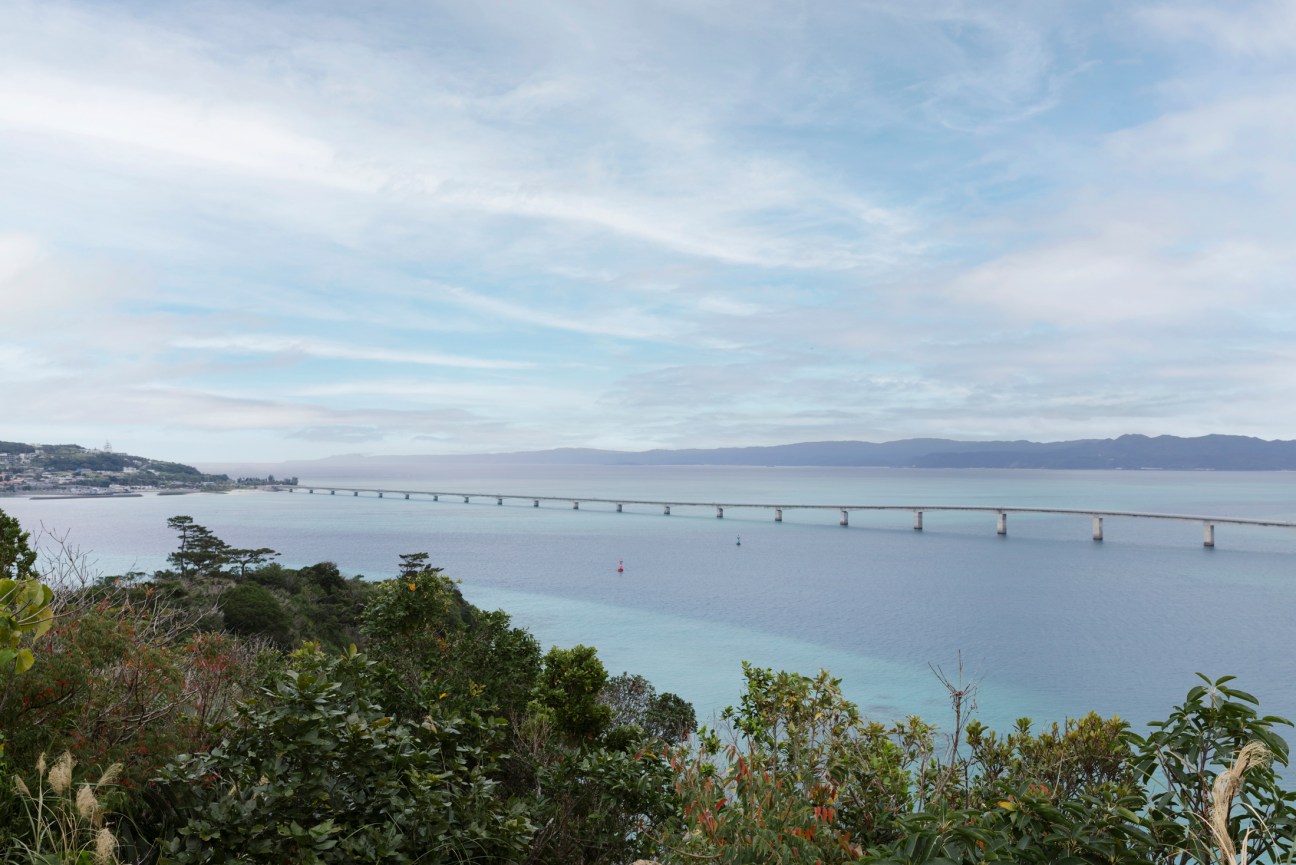
Located on the northern side of the Motobu peninsula on Okinawa’s main island, the village of Nakijin is a place where life ambles by at a leisurely pace. Fukugi-lined streets lead through traditional settlements towards crystal-clear coves, while lush forests envelop the mountains. Within these peaceful surroundings, Miyako and Seiichi Shimmi opened their villa Nakijin Tsuwabuki on the winter solstice in 2022.
Four years in the making, the project has seen a partly forested site spanning almost 3,000 sq m become the setting for an exclusive villa limited to one booking per night. Miyako’s early encounters with the place, which had grown wild after intermittent periods of agricultural use, provided a taste of its natural charm and potential, leading her to envision ways to preserve and share the unique mountain landscape.
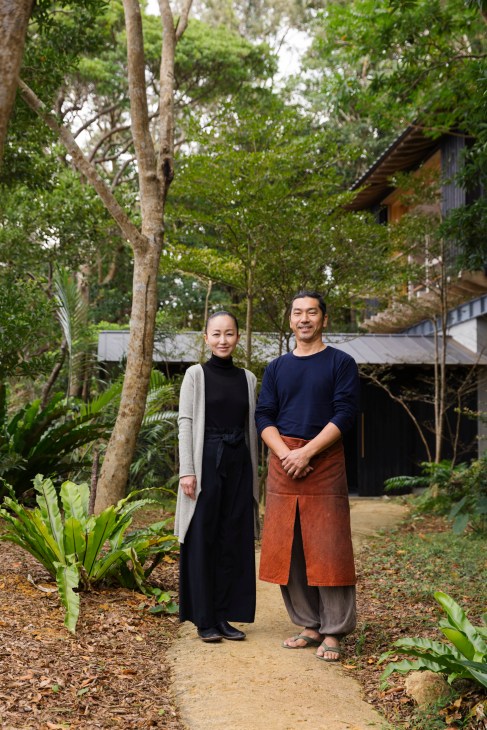
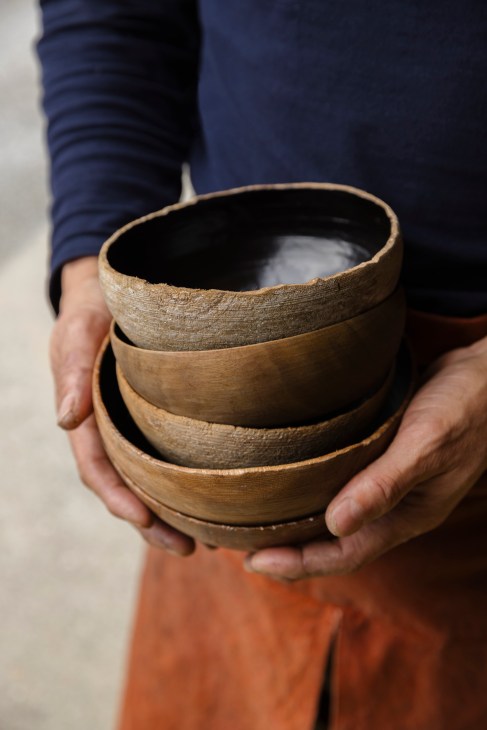
As a newcomer to Okinawa, she began assembling a team of collaborators from scratch, starting with ceramicist and sculptor Koichi Uchida. Inspired by Uchida’s efforts to preserve banko-yaki ceramics in her hometown of Yokkaichi, she brought him onto the project as an advisor to help form something that could endure for generations to come. The ceramicist would help to shape the project, while also creating the reception tea space and its ceramic tableware, along with selecting a range of antique furniture.
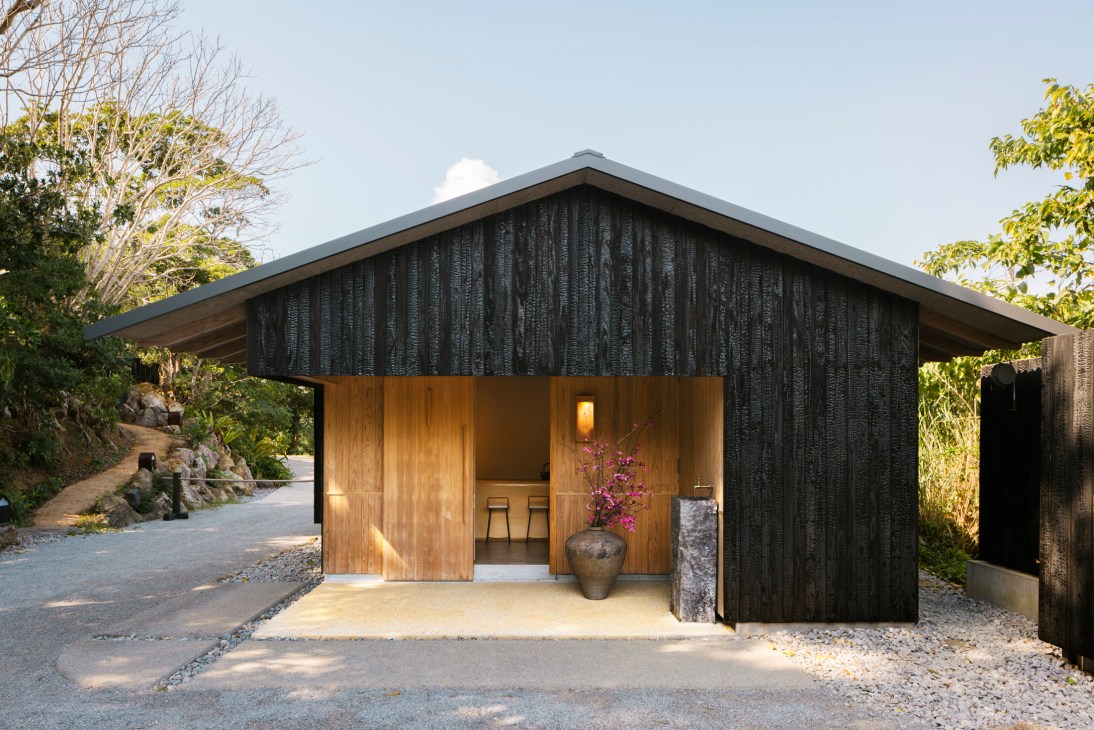
During the early stages of the project, Miyako was also introduced to Nanjo-based architect Hiroyuki Yamaguchi, who worked closely with her to bring the vision to life. “Upon joining the project, my first thought was to cherish and respect the site,” says Yamaguchi. “We surveyed almost everything, including individual tree heights and locations, then determined how best to work with the topography while minimising our impact.”
“Rather than focusing on the architecture, I was more interested in the act of moving between buildings through the living, breathing forest”
Considering the unique nature of the site, initial plans for multiple villas were replaced with a concept that focused on enriching the experience of a single group of guests. Yamaguchi’s comprehensive studies, which included the production of hundreds of models in pursuit of the ideal configuration and scale, led to a design in which the main bedroom, dining area and open-air bath are dispersed throughout the landscape. “Rather than focusing on the architecture, I was more interested in the act of moving between buildings through the living, breathing forest,” says Yamaguchi. “Instead of imposing myself on the design, I sought to create something that would take precedence in its own right.”
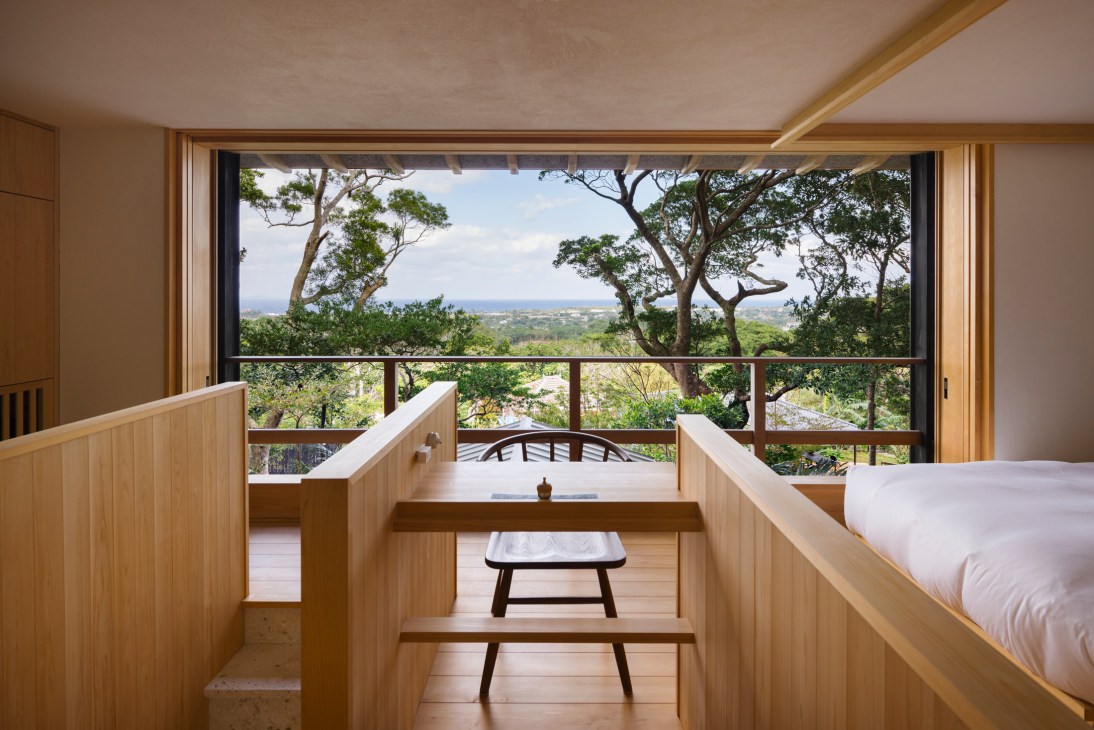
The architect’s ongoing dialogue with the owners, coupled with a desire to find harmony between built and natural forms, yielded spaces that merge and complement their surroundings. Perched among the treetops, the main bedroom opens to the forest on one side, while on the other, ocean views unfurl through a break in the foliage.
Arriving at the space via a staircase of Ryukyu limestone, one is greeted by a calm interior wrapped in Hinoki cypress. The attention to detail extends further, from the original Tsuwabuki confectionery to the height of the custom-made bed bases, which have been carefully calculated to offer the best views of the horizon.
“For evening meals, local chefs can be arranged to cook a private dinner to savour. Even the sea salt is drawn from Nakijin waters”
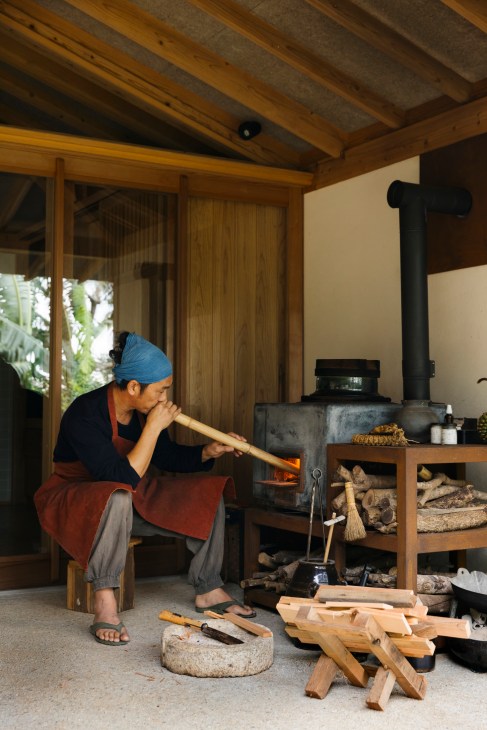
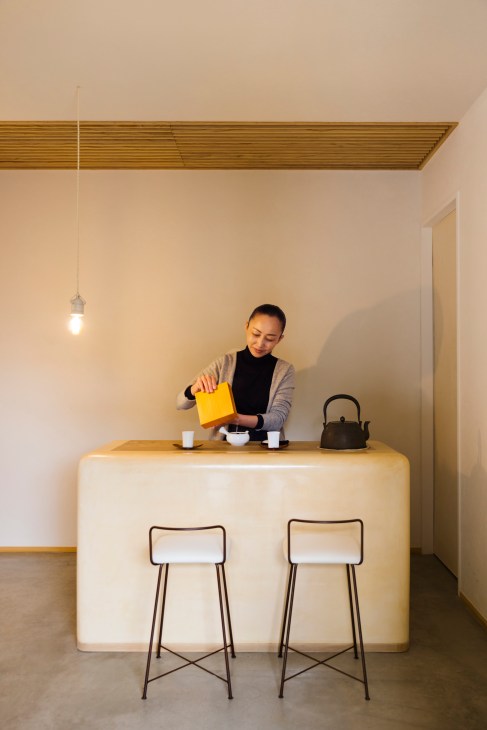
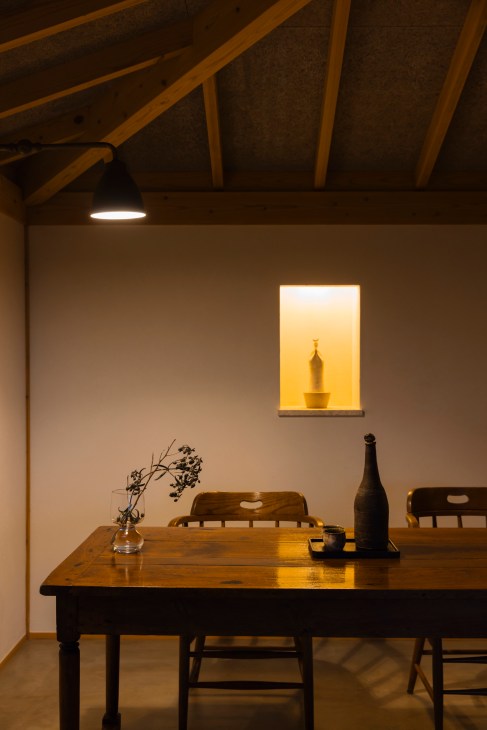
The dining area, which is just a short stroll down the slope, hosts a daily breakfast service. Prepared by Seiichi with the warmth of a home-cooked meal, the menu centres on just-milled rice prepared on a wood-burning stove. An emphasis on local organic produce sees a range of Okinawan flavours worked into the morning spread, whether it be locally caught snapper, freshly made shima dofu (island tofu) or mangoes from a nearby farm. Pickles and condiments are made in-house; even the sea salt used here is drawn from Nakijin waters. For evening meals, chefs can be arranged to cook a private dinner to savour.
Through every facet of the Nakijin Tsuwabuki experience, which begins with tea in the intimate reception space, the owners seek to create something truly original. Consistently drawing from the power of the Nakijin landscape, incorporating elements both new and inherited, they have crafted a place to feel at home and relax in the company of nature. “I believe that true luxury is the special feeling that comes from things that can only be experienced there and then, whether it be architecture, people or cuisine,” says Miyako. “Therein lies the spirit of Tsuwabuki’s hospitality.
Carving out a niche in the timber-furniture industry
In late winter the weather conditions at Kleniewski Tartak can make work difficult. Surrounded by the dark forests of southeastern Poland, the sawmill is covered in snow when Monocle arrives. And yet it is buzzing with activity. Trucks rumble in, loaded with fresh supplies of wood, and cranes whir into action, extending their claws into the air.

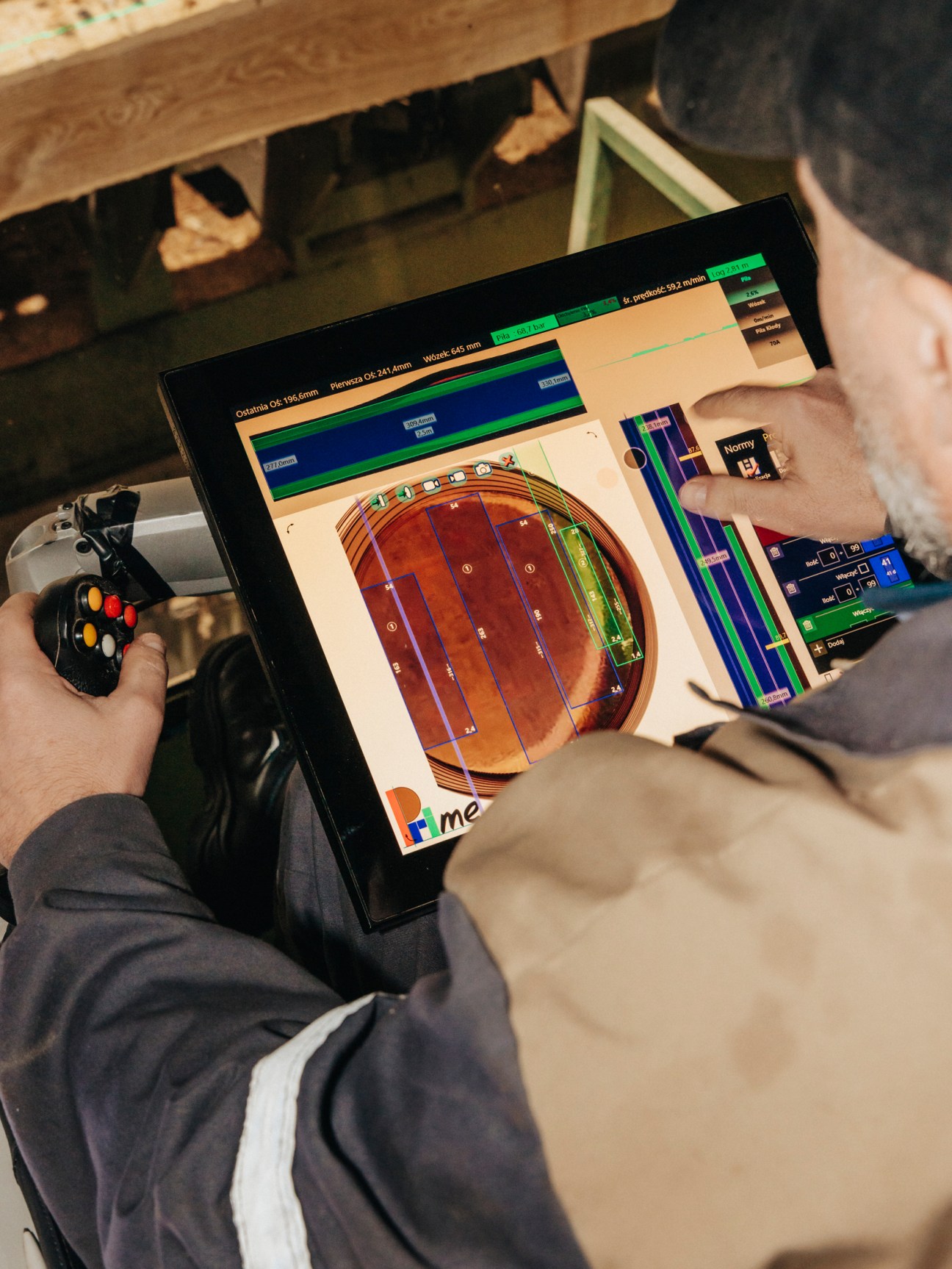
The busy scene is emblematic of Poland. The country’s economy has flourished since the fall of communism in 1989 and, with more than a third of its landscape covered in forests, international furniture brands across the globe have taken note of Poland’s plentiful resources and robust financial system. It’s a situation that has helped to transform the country into the world’s third-largest exporter of furniture. Kleniewski Tartak is prospering.
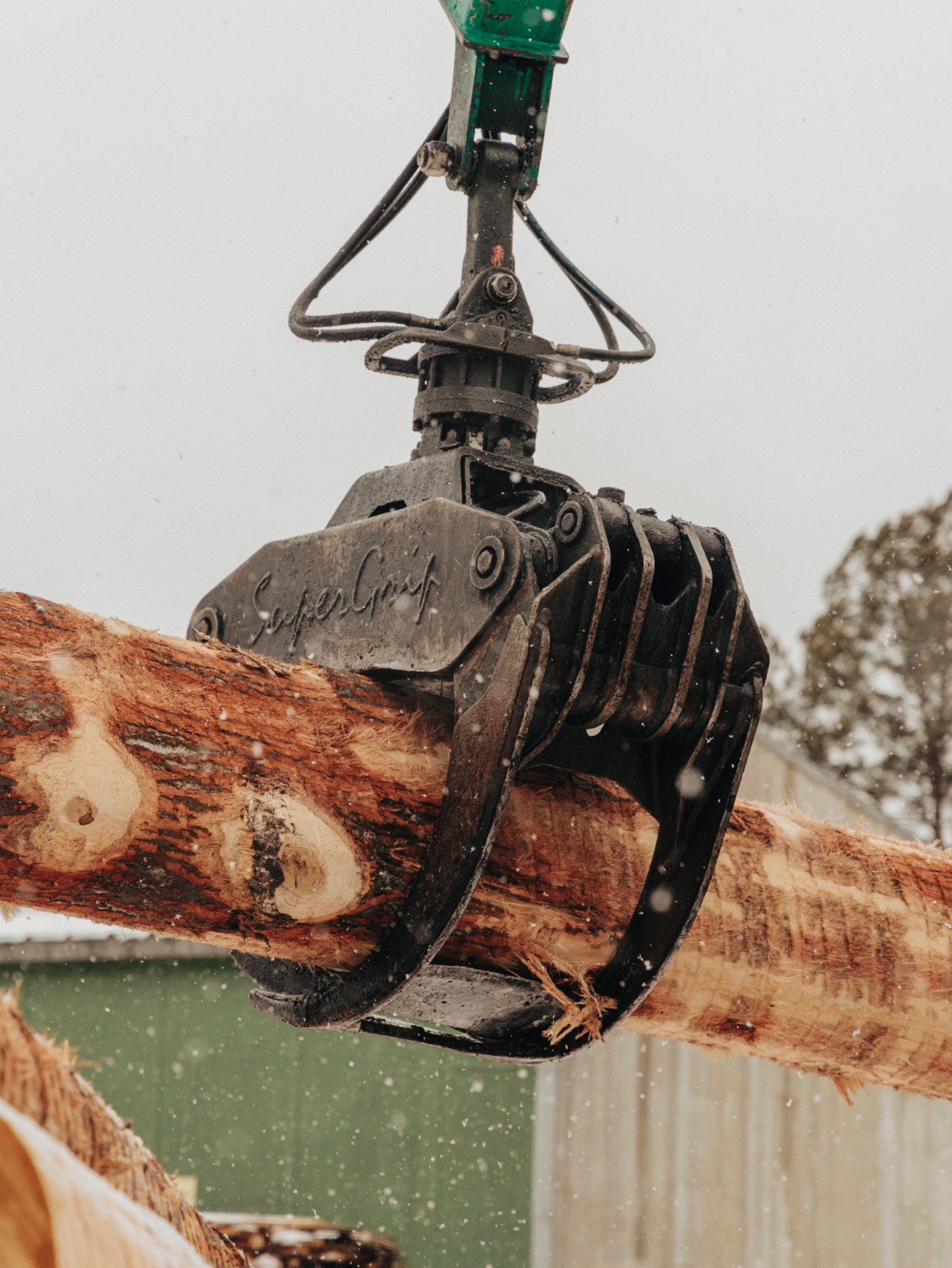
Success hasn’t been effortless. “When I took over the sawmill from my father in 2017, we were mainly selling to the domestic market,” says Kleniewski Tartak’s owner, Waldemar Kleniewski. “I needed to show international clients that we were a modern company.” Buying Italian and Swedish machines to modernise production, Kleniewski shifted to processing raw oak and decentralised decision-making to employees. It involved breaking with the standards that had existed in Poland for decades, says Kleniewski. “It is the right way to do business.”
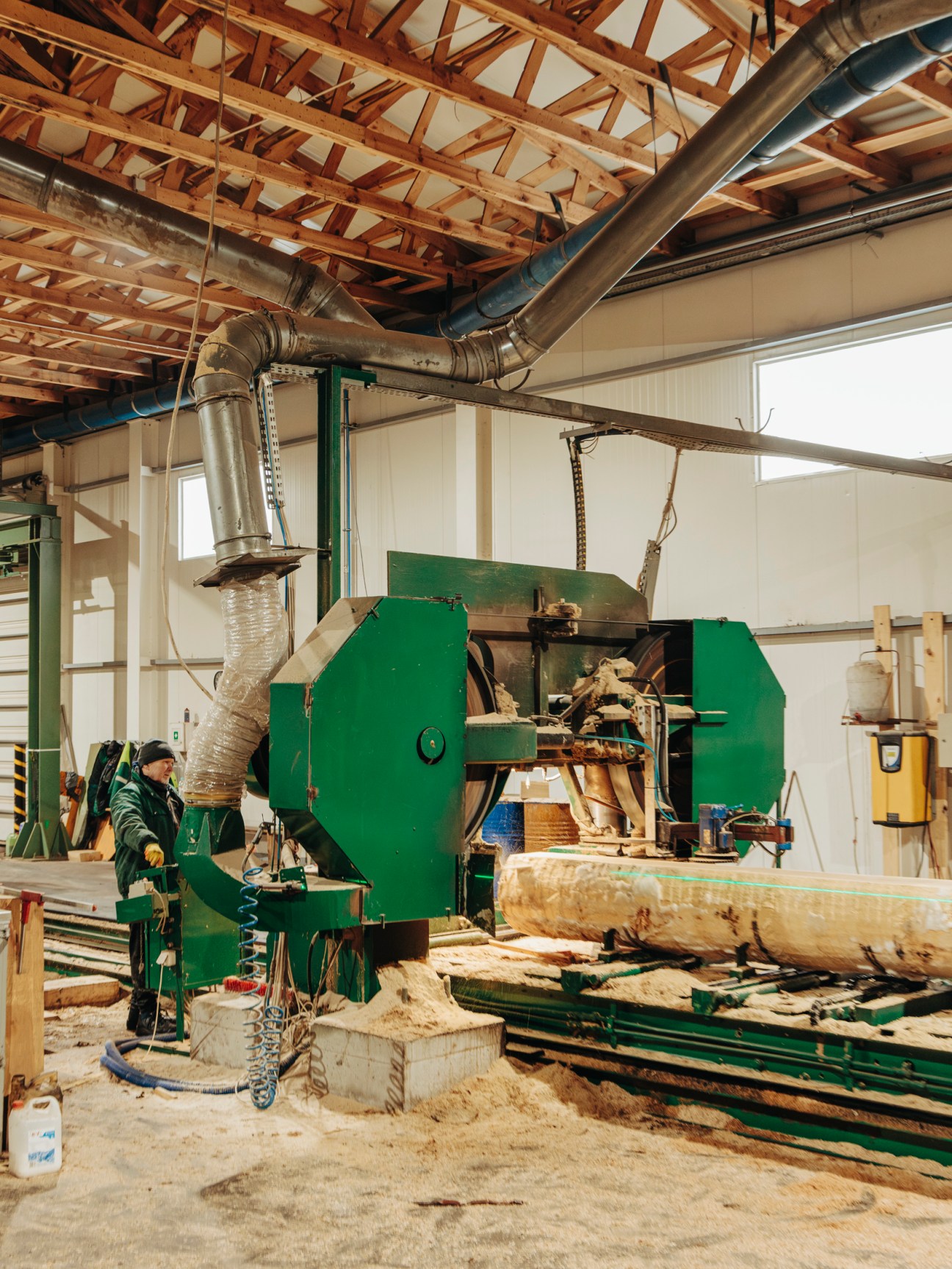
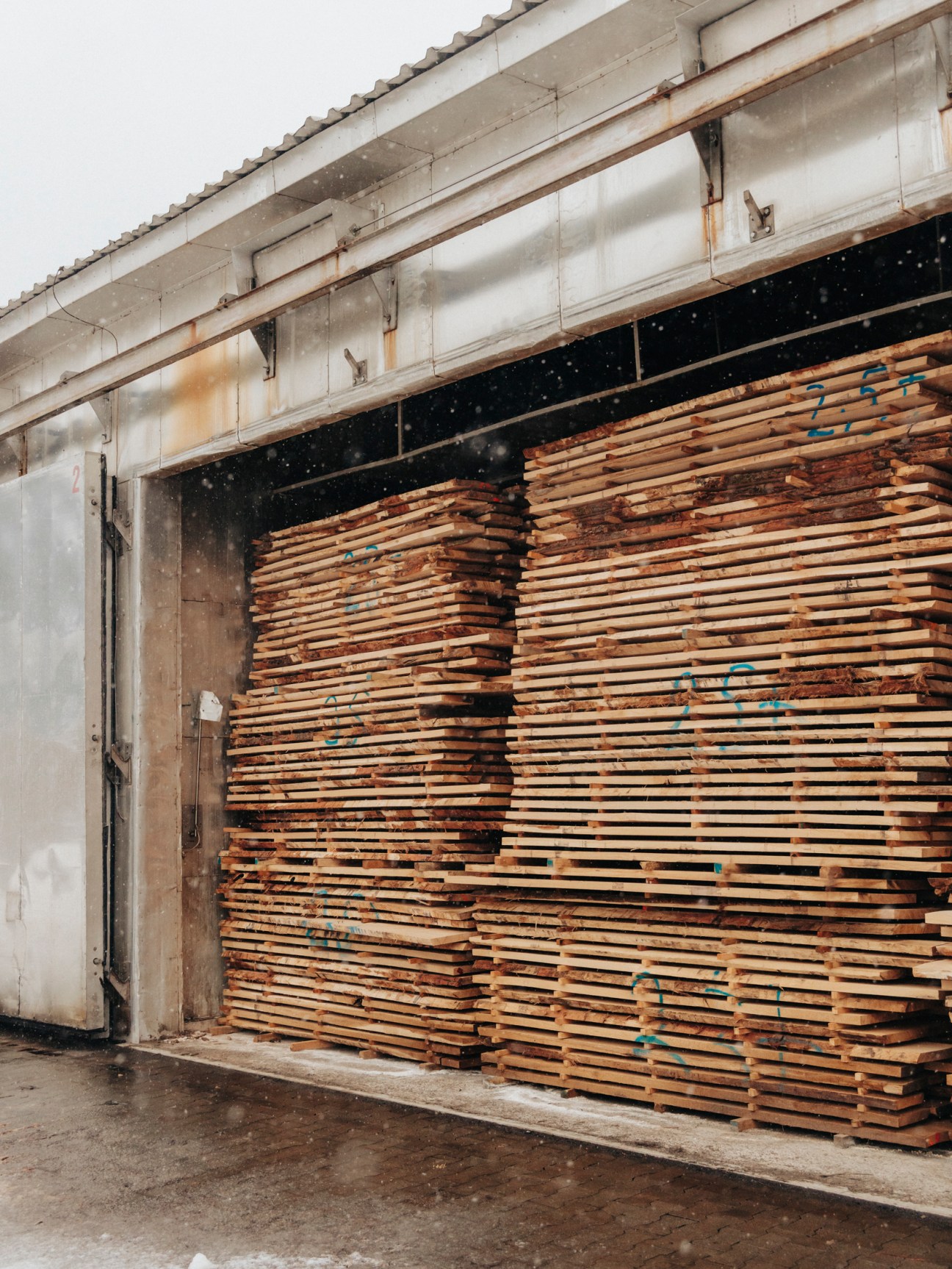
At 29, Kleniewski is young for a sawmill owner. But his entrepreneurial energy is common across the country. Down a winding road through the forest, Monocle finds two of Kleniewski’s local customers: Beata Woloszyn and Damian Wasyl, a young couple who co-founded the furniture company Raw just over a decade ago.
Their path to establishing the brand is atypical for the furniture industry. Both born in the small town of Tomaszow Lubelski, it took moving hundreds of kilometres away to Warsaw – and in the case of Wasyl to Rotterdam – to realise their true calling. “I’m a third-generation carpenter,” says Wasyl. “But while my predecessors had to focus on filling in the gaps left in the market by communism, making everything from fences to doors, we can focus on the current shortage: affordable, high-quality furniture made from natural materials.” The pair ultimately returned to their hometown to set up Raw and Woloszyn says that they received an immediate, positive reaction from the community and customers. “Poles want furniture made in Poland now, not Germany or Italy,” he says. “That desire is increasing around Europe too.”
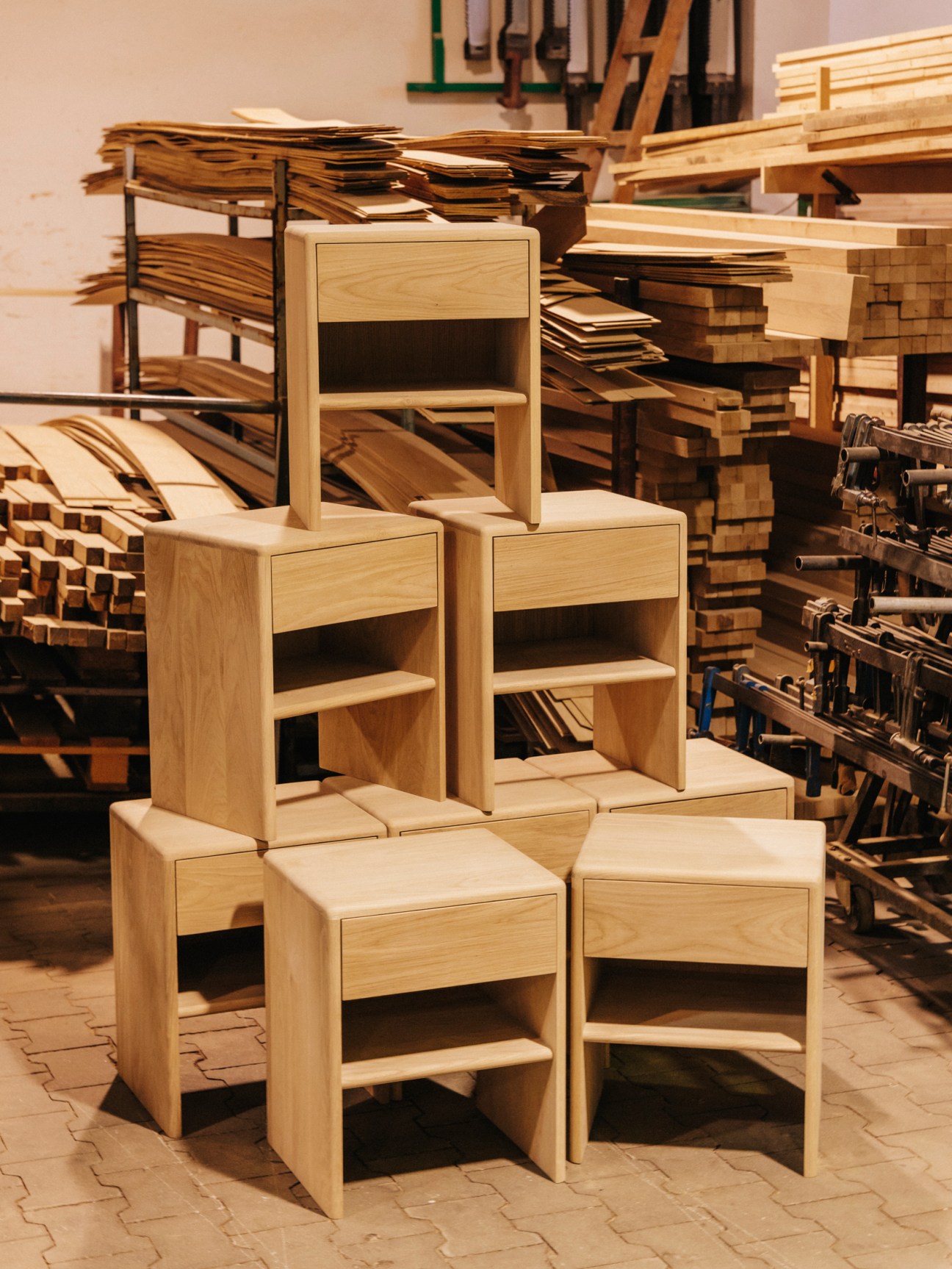
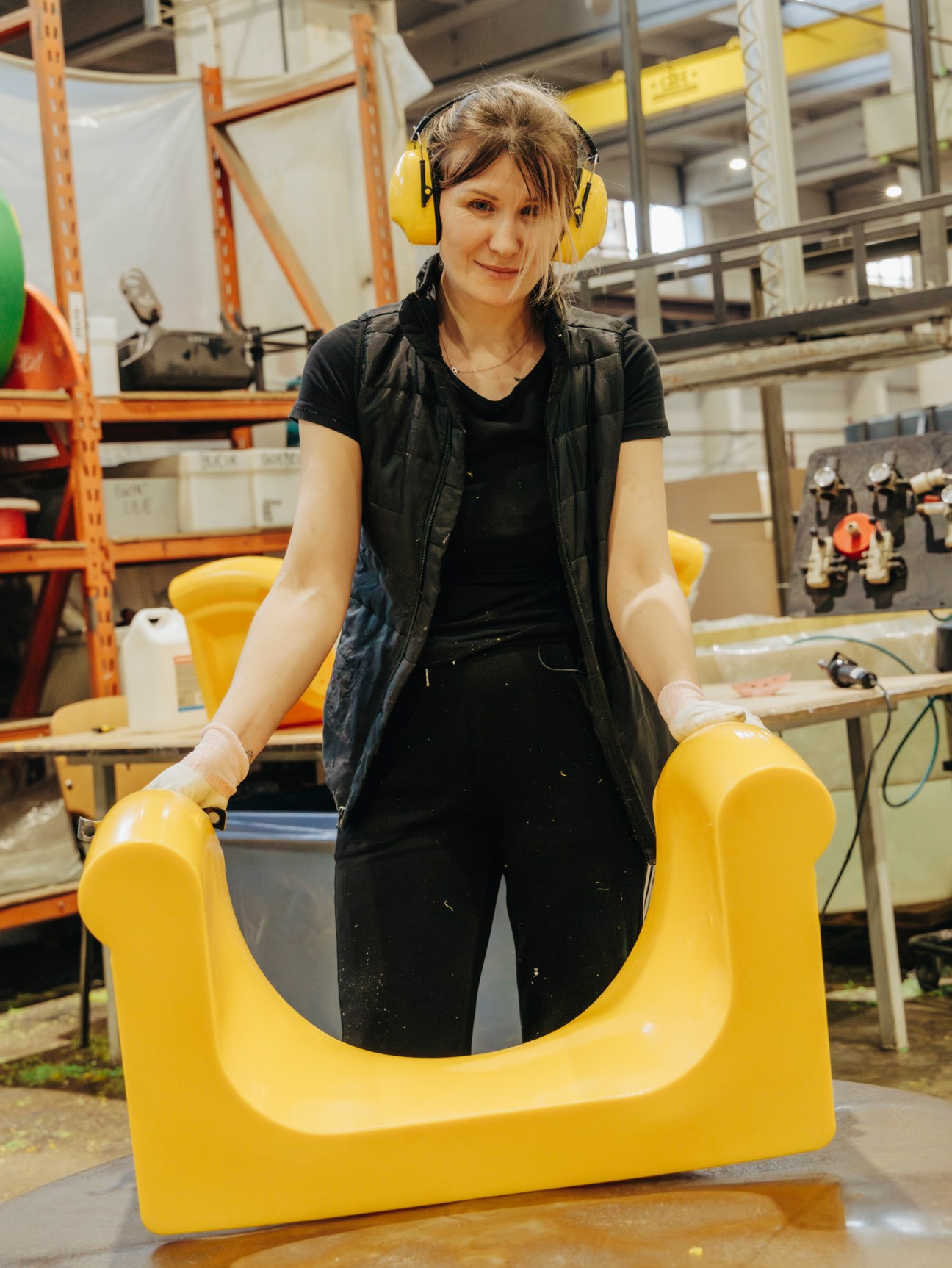
With only a handful of workers, Raw is on the smaller end of Polish furniture brands. It is in the country’s centre, in a triangle between the three cities of Lodz, Wroclaw and Poznan, where manufacturing for major international brands, including Denmark’s Fritz Hansen and Sweden’s Ikea, can be found. Also in this fertile production region is Converis, a company dedicated to rotomoulding, a plastic moulding process used to create large pieces of furniture. “Half of our customers are domestic and the other half international,” says Converis director Tomasz Dyszkant, inspecting a stack of multicoloured pieces, which will soon be made into a playground in Israel. “A Danish company designed them, we manufacture, then they are shipped off across the world.”
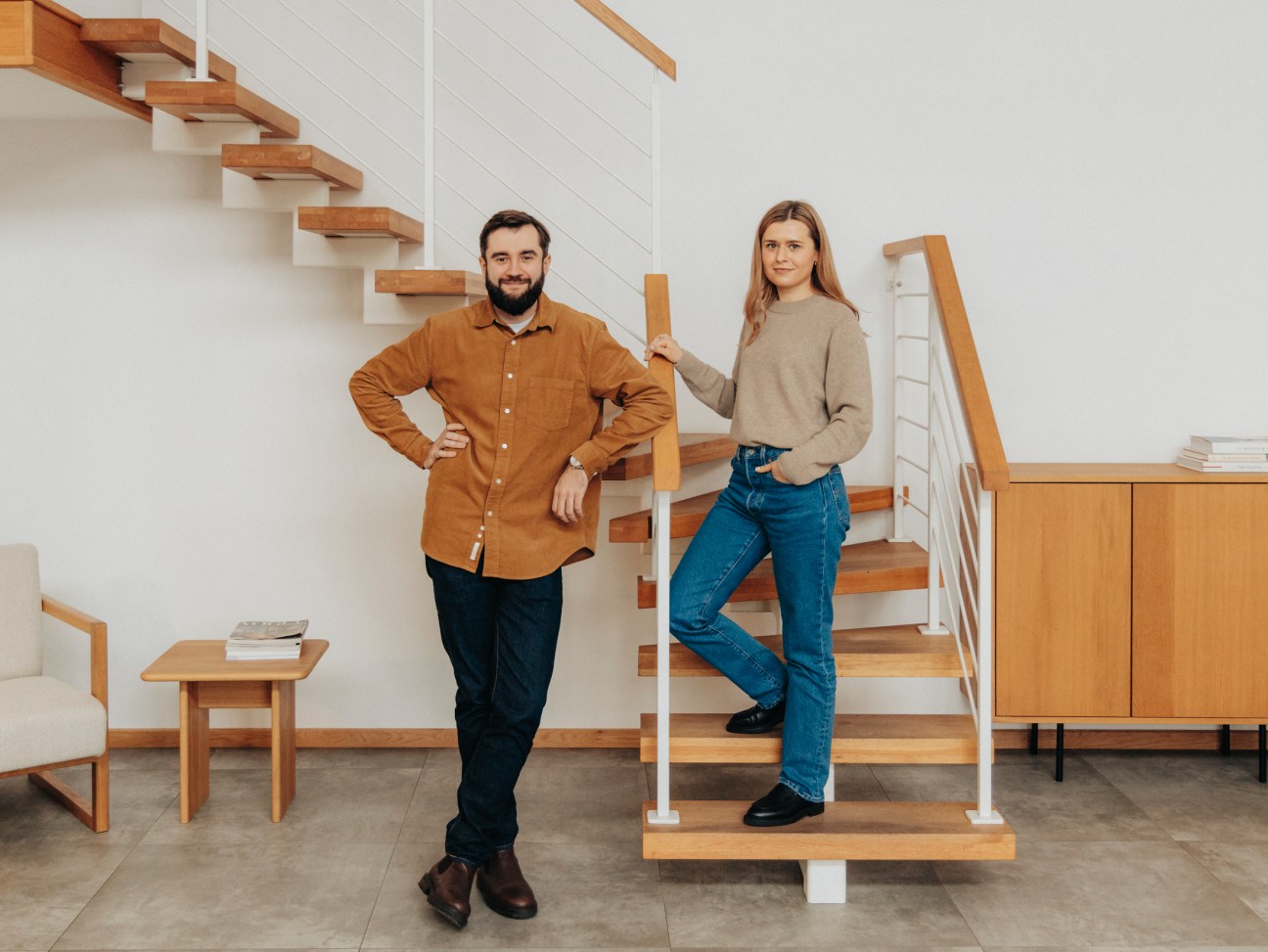
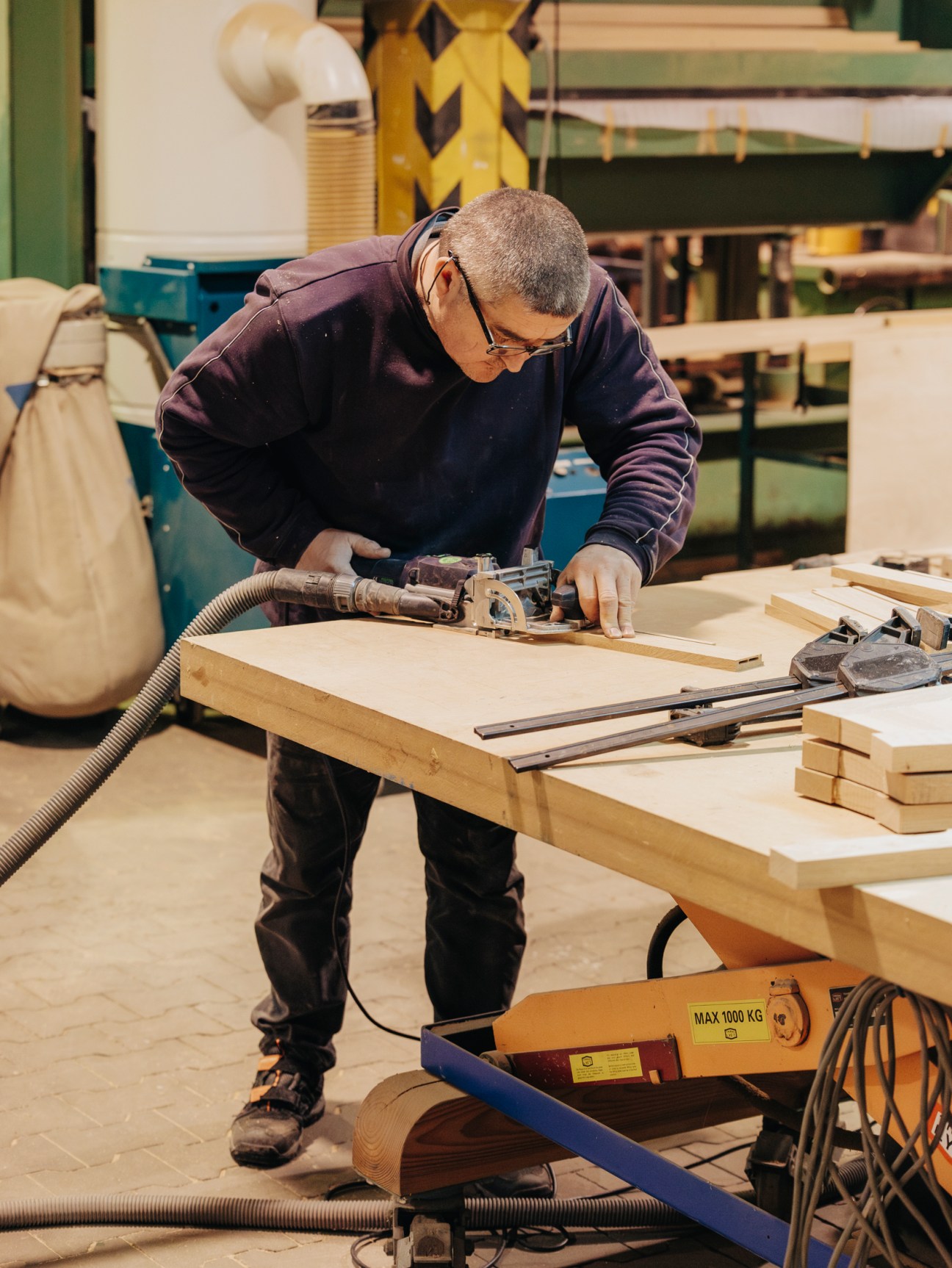
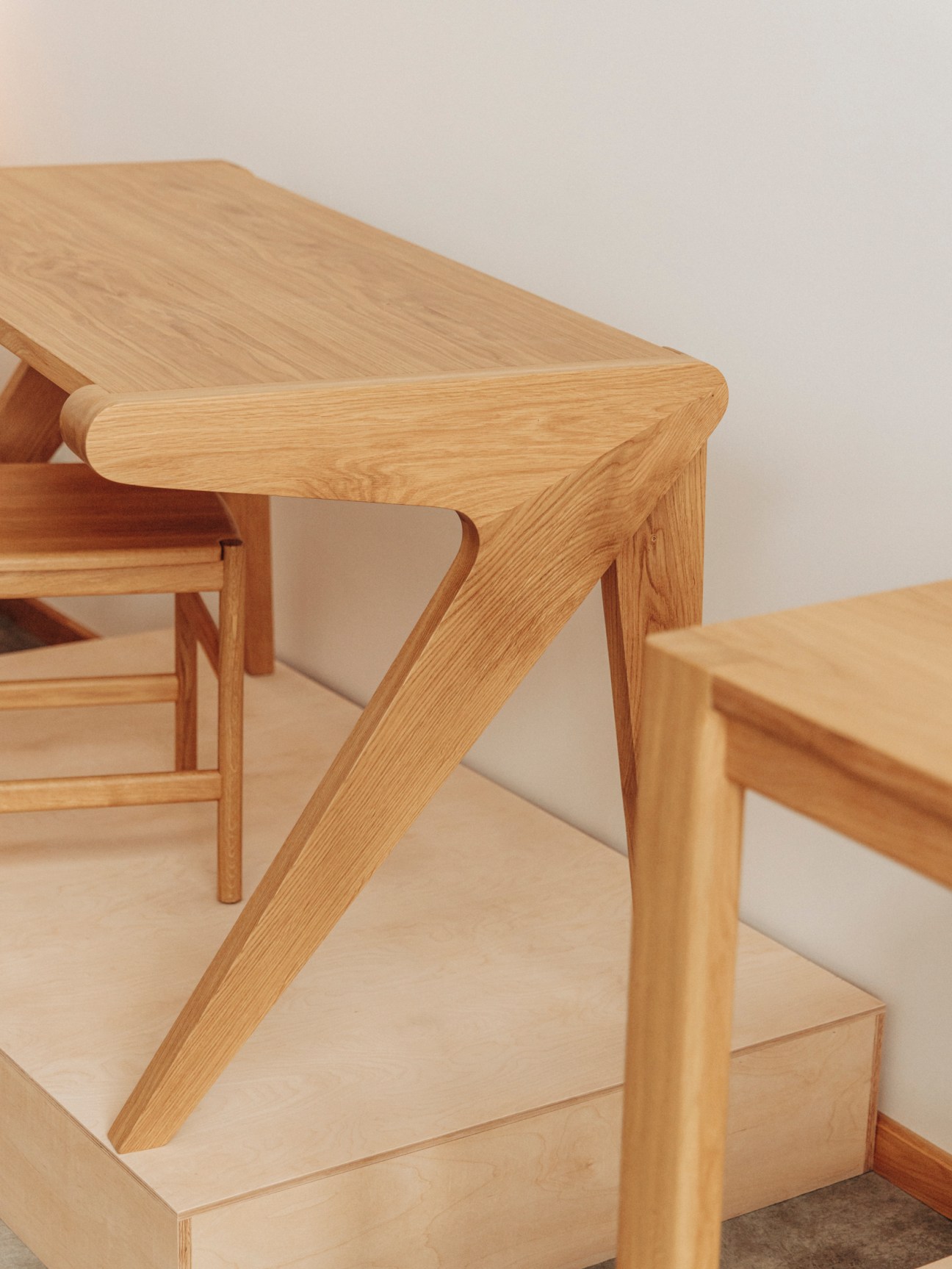
When Monocle visits, the Converis team is creating Polish brand Vzor’s iconic chair, RM58, by pouring resin into metal moulds and setting it in an oven heated to 220C. “Designers are on the lookout for new possibilities and technologies,” says Dyszkant, who is overseeing the work. “There are exciting developments on the horizon.”
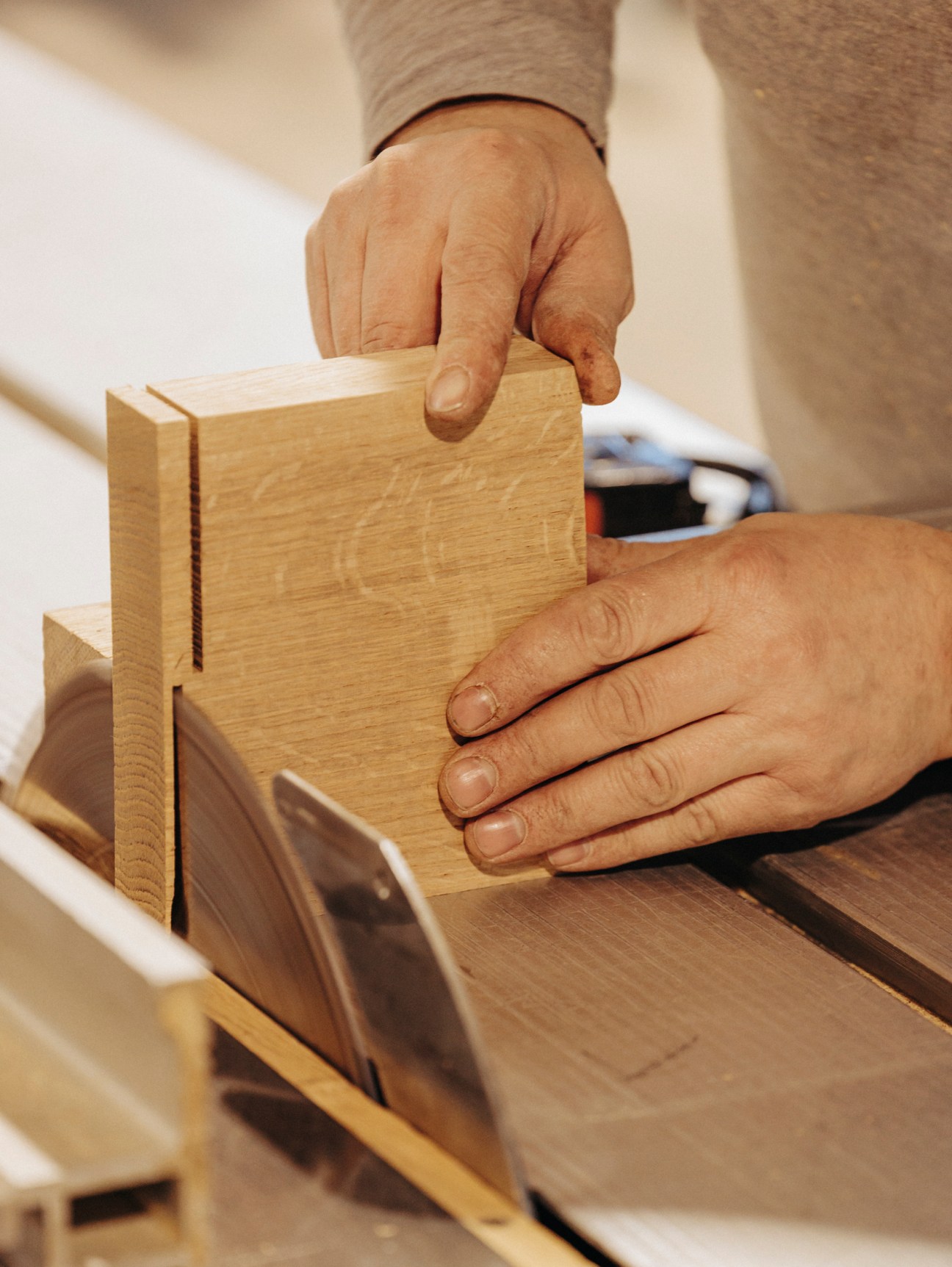
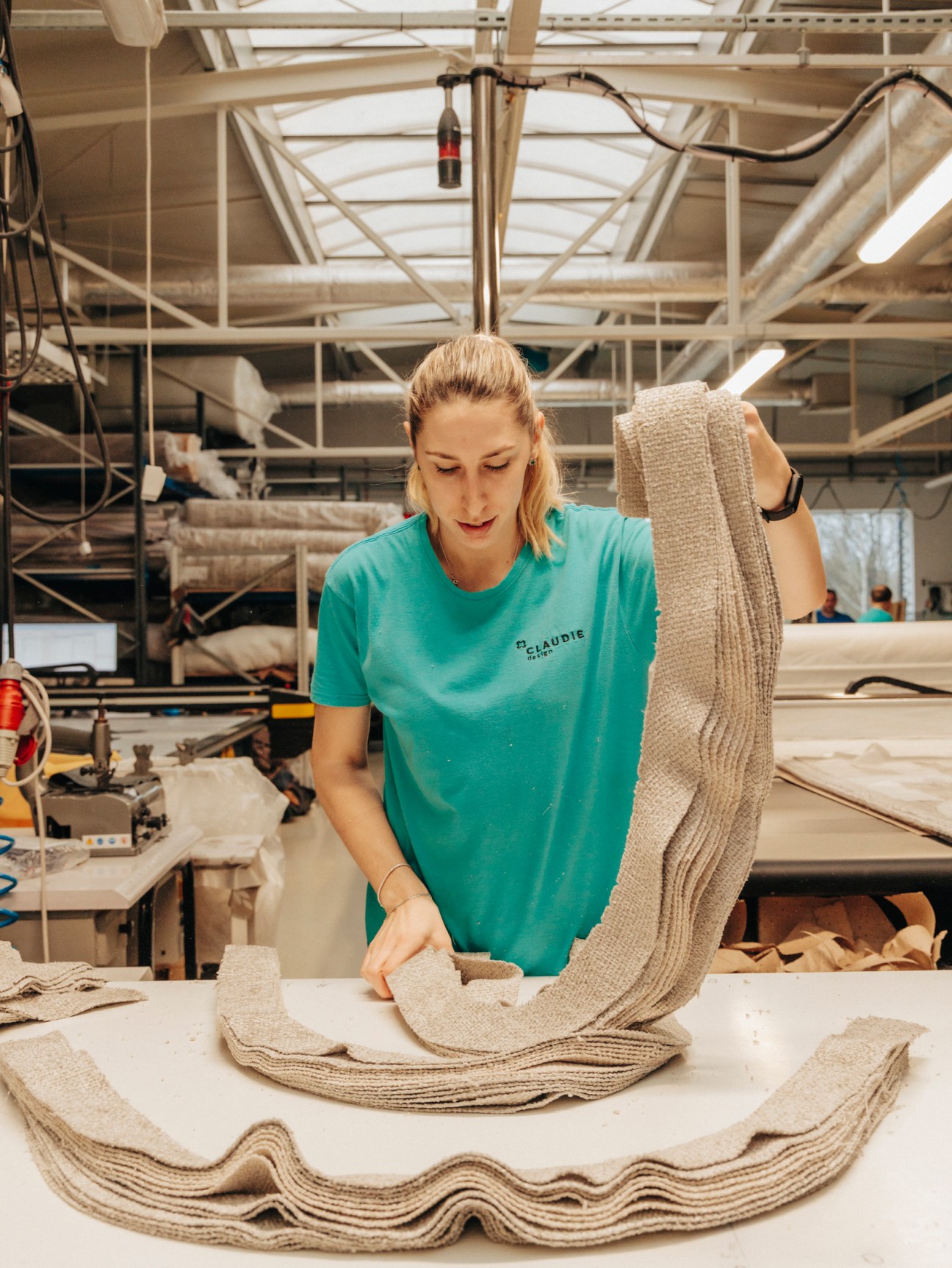
In another factory, Claudie Design, managers attest to the importance of the wider region too – specifically Ukrainian workers. Though there was a large influx following Russia’s invasion in 2022, they had long been filling gaps in Poland’s workforce. Producing its own brand furniture, the factory carries out orders for brands both foreign and domestic.
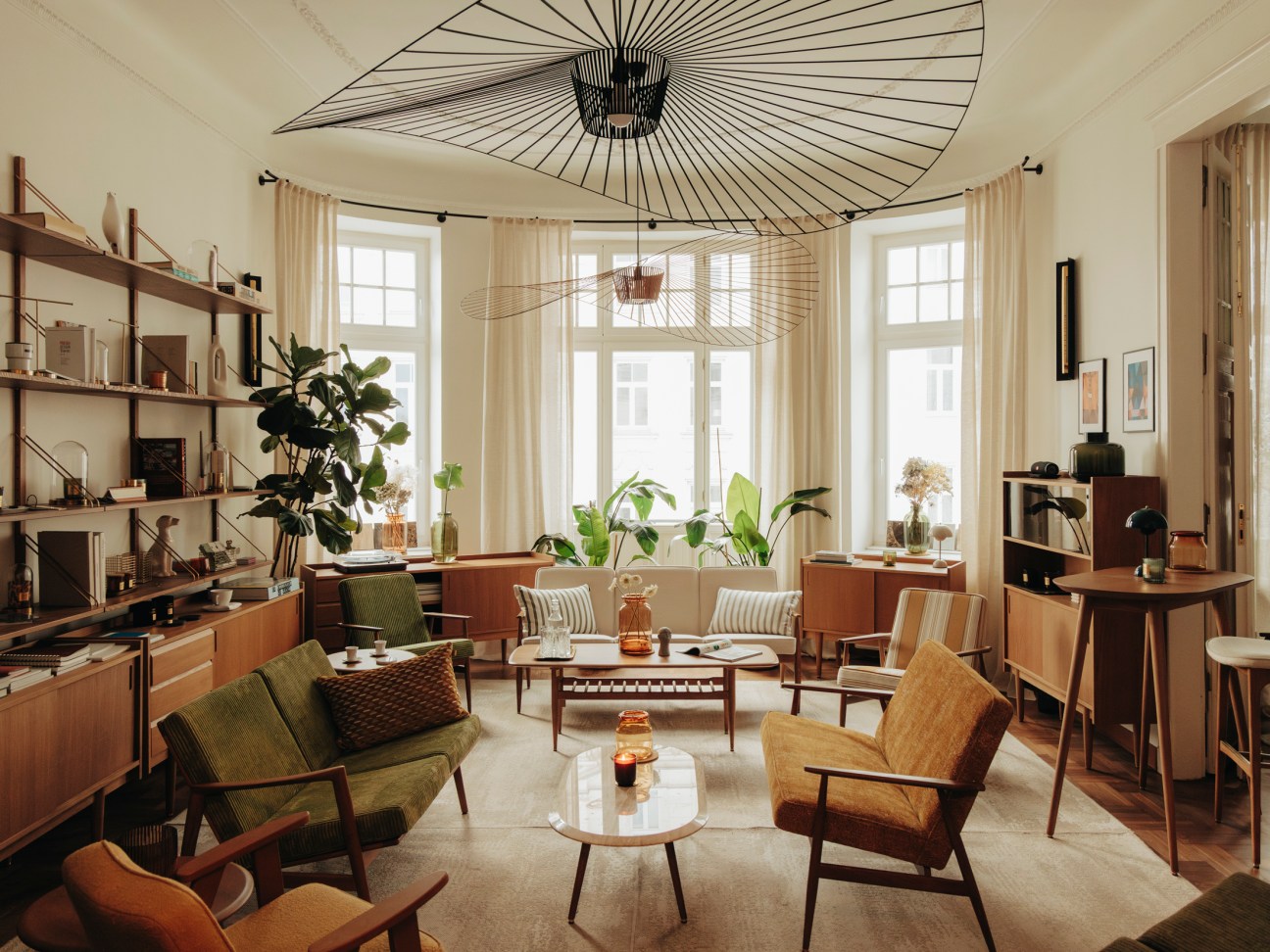
While manufacturing takes place in the regions, Warsaw is the country’s design capital. In the city’s downtown, at Polish brand 366 Concept’s showroom, the sense of a place buzzing with international connections is obvious. It is the perfect setting for their namesake piece: the 366 armchair. Designed by Jozef Chierowski in 1960, the chair instantly became an icon of Polish design, says the brand’s co-founder, Maciek Cypryk. “But it couldn’t break onto the international stage because of communist rule. Our design heritage remained unrecognised for too long.” Now reconnected to the world, the showroom’s Parisian feel is deliberate – after all, France is the brand’s biggest market.
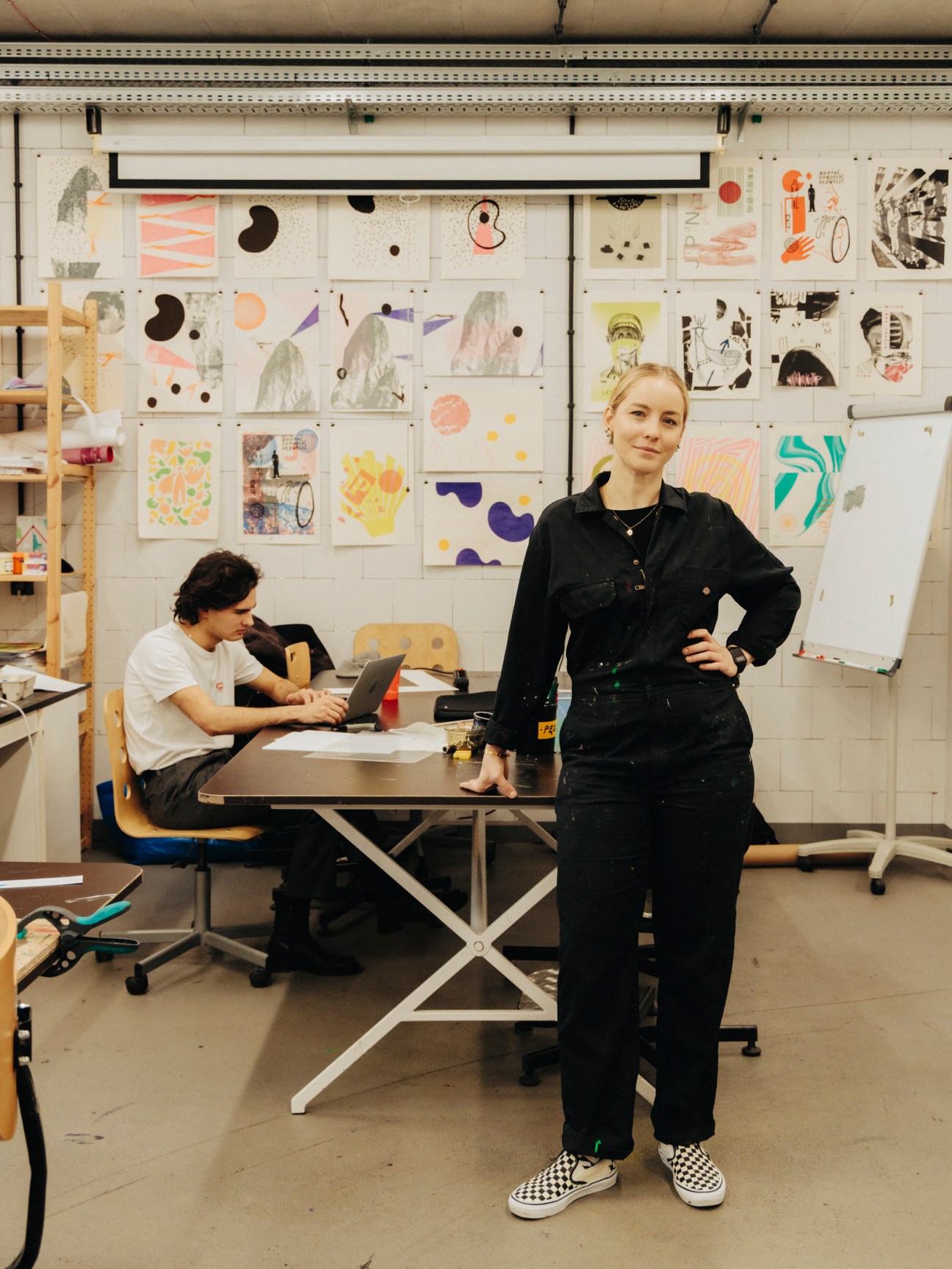
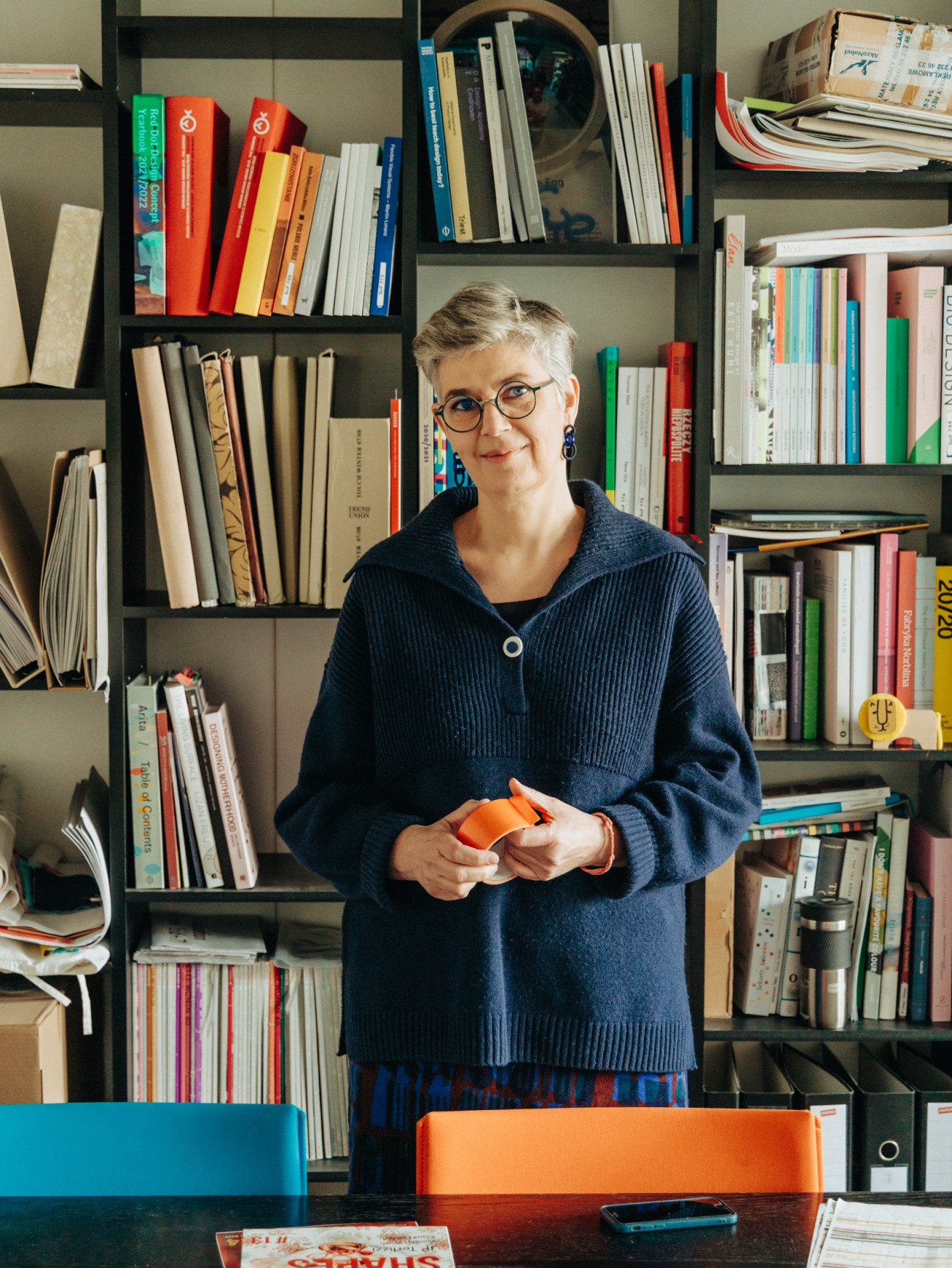
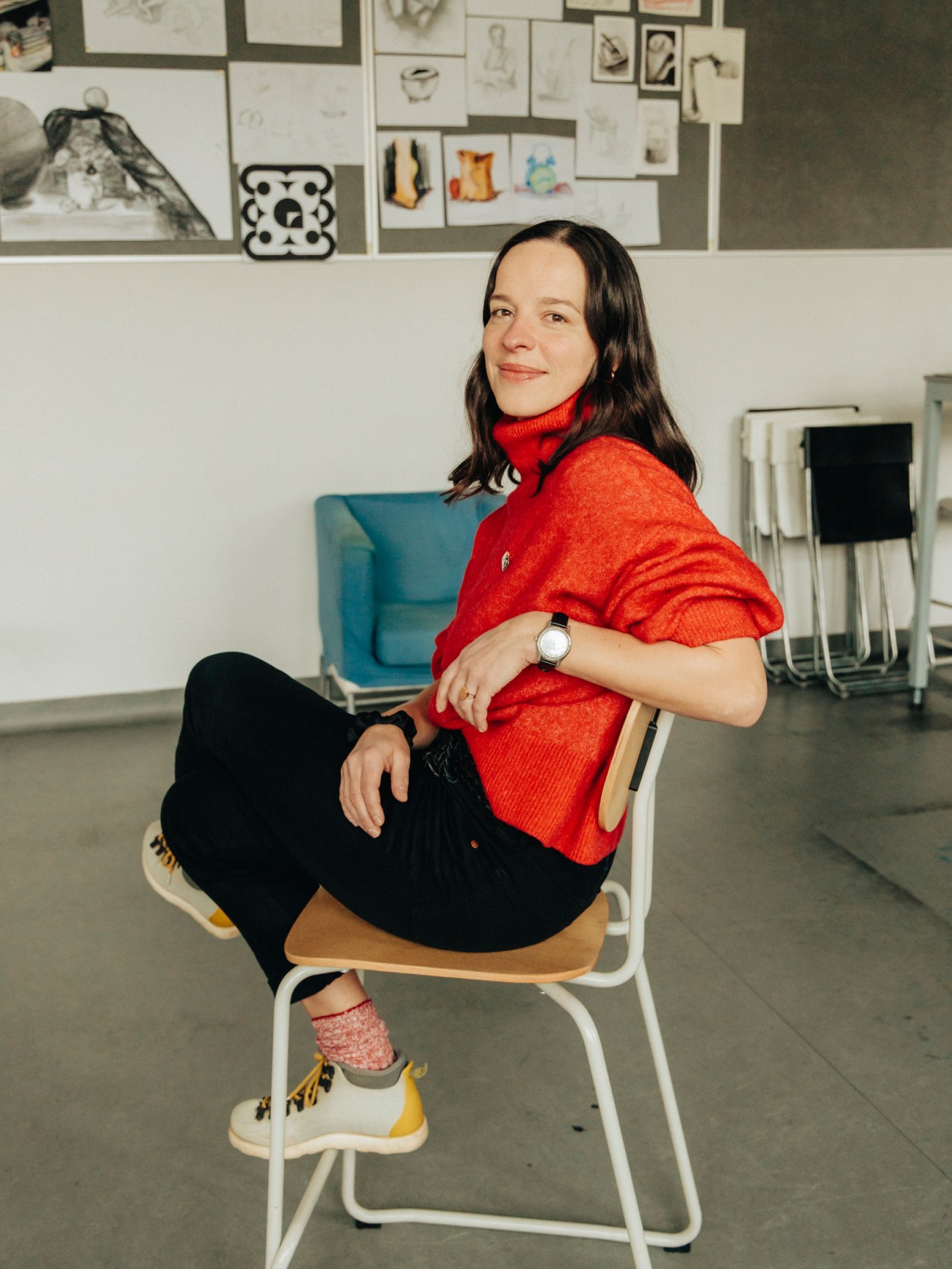
And while there’s a design heritage to be tapped into, there’s also an urgency to secure Poland’s design future – an ambition continued by the School of Form, Poland’s leading design institution. Part of swps University, School of Form was founded in 2011 by Piotr Voelkel, a Polish businessman. “Though Voelkel had a furniture business based here in Poland, he couldn’t find any well-educated designers in the country to work with,” says the school’s artistic director, Agnieszka Jacobson-Cielecka. The school was formed in collaboration with Lidewij Edelkoort, former director of Eindhoven’s Design Academy.
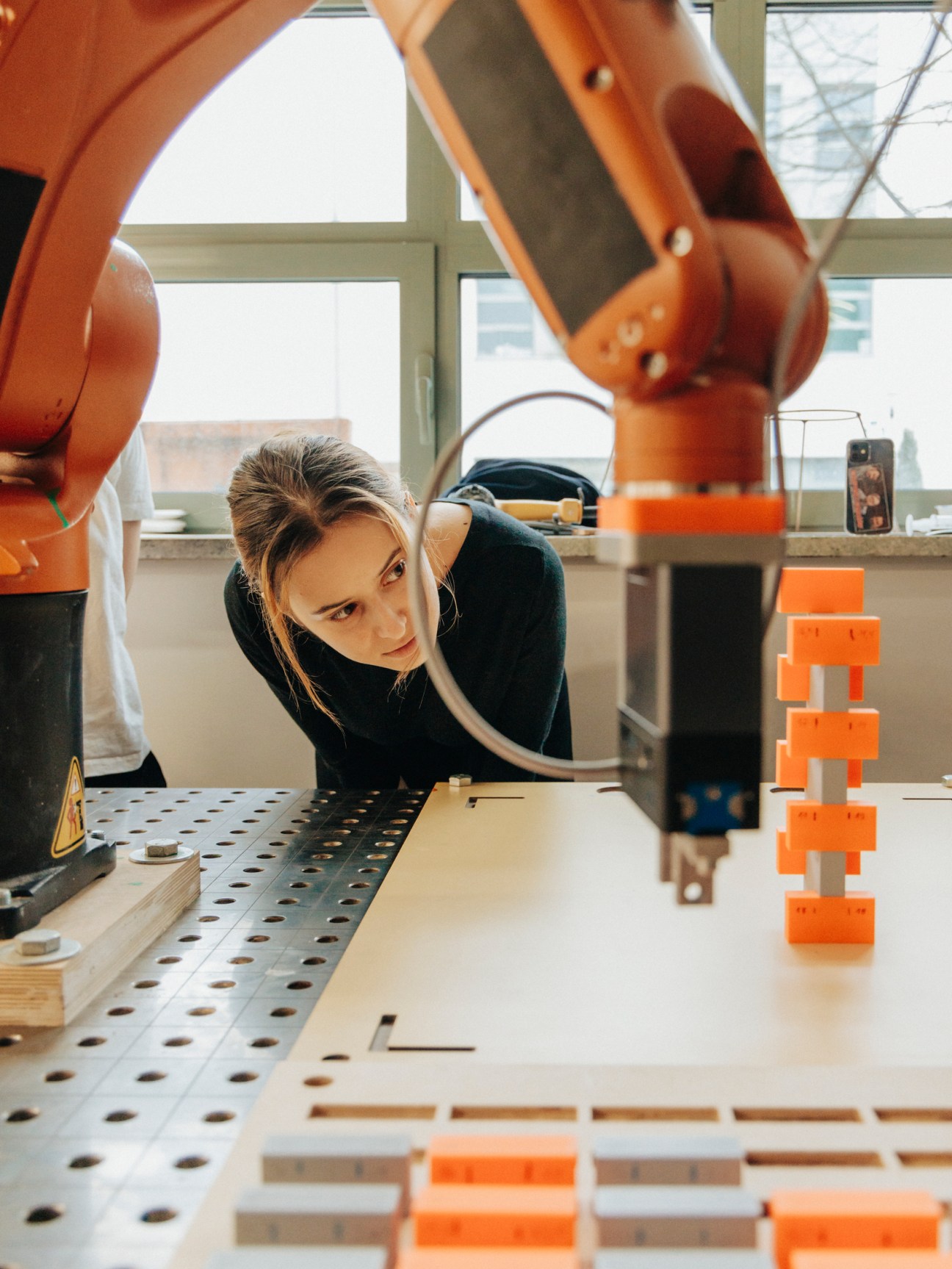
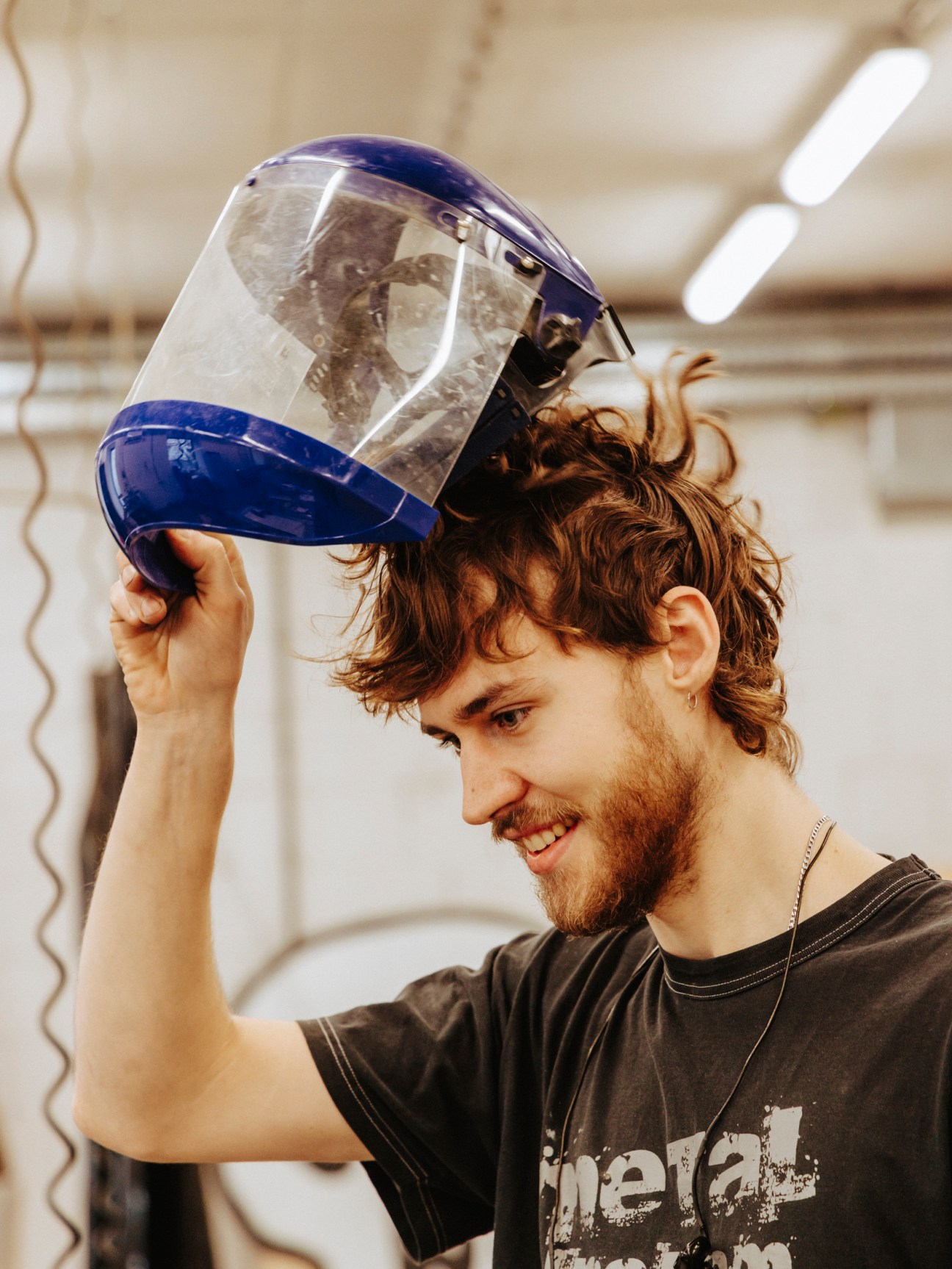
As former artistic director of Lodz Furniture Festival and long-time curator, Jacobson-Cielecka is used to bringing people together. “We wanted to create a juncture where different mediums, experiences and influences meet,” she says. Students are invited to meet international designers several times a year. Polish tutors with experience abroad are also sought out. Down the corridor, Londoner Stas Macleod is working with students in the metal workshop, while Westminster School of Architecture alumna Megi Malinowska is teaching product design.
In the carpentry room, Monocle catches up with Szymon Pasierb, head of the school’s prototyping workshops. Returning to Poland after studying at London Metropolitan University, Pasierb is focused on reviving Poland’s forgotten education traditions. “With the changes of the past decades, Poland lost its craft schools,” says Pasierb. “But if you read the papers and listen to people’s conversations, you can sense that there is a need for them.” Pointing towards the northern port city of Gdansk and the southern, mountainous town of Zakopane, Pasierb says that the country has its own craft traditions to be proud of.
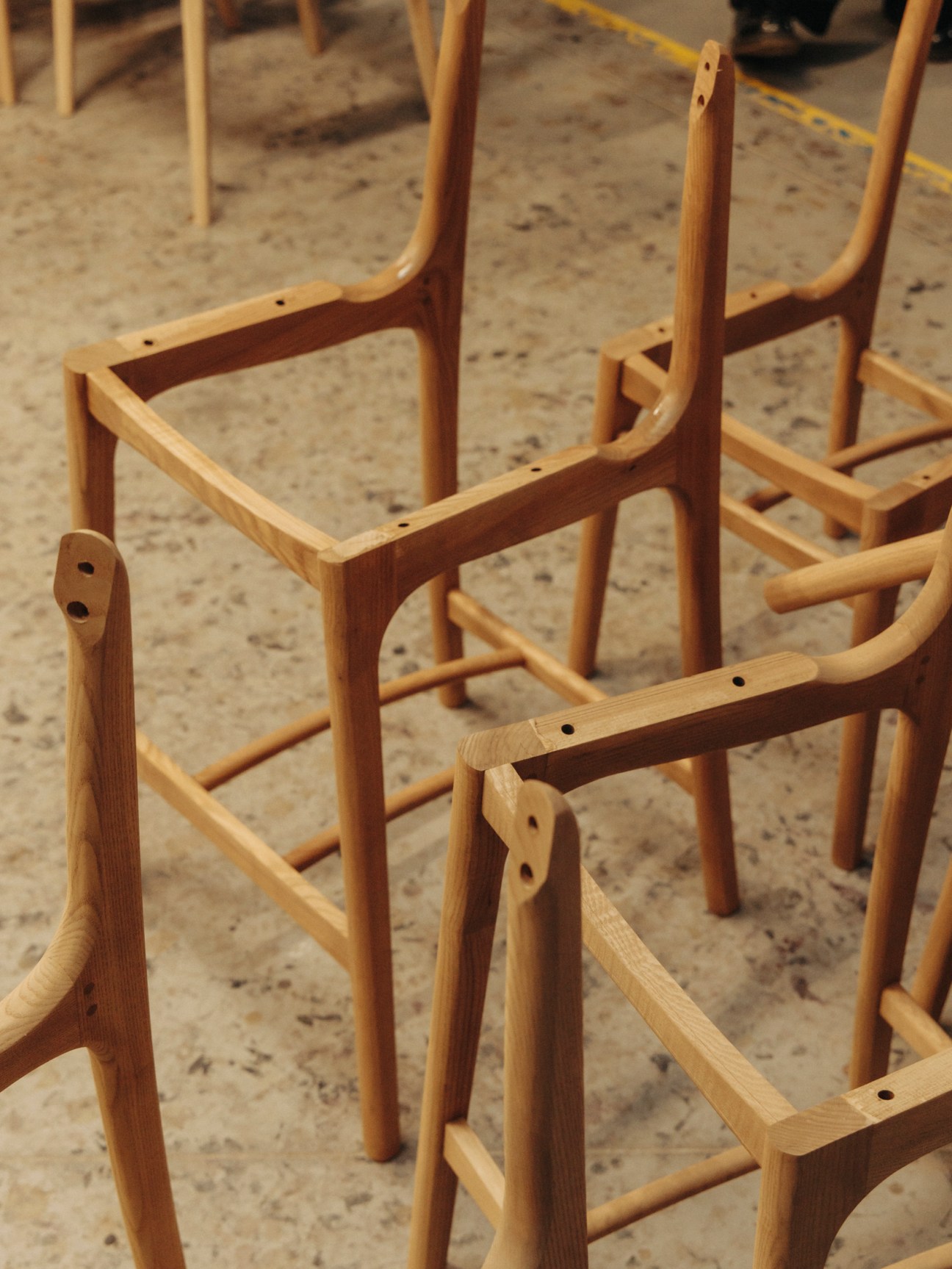
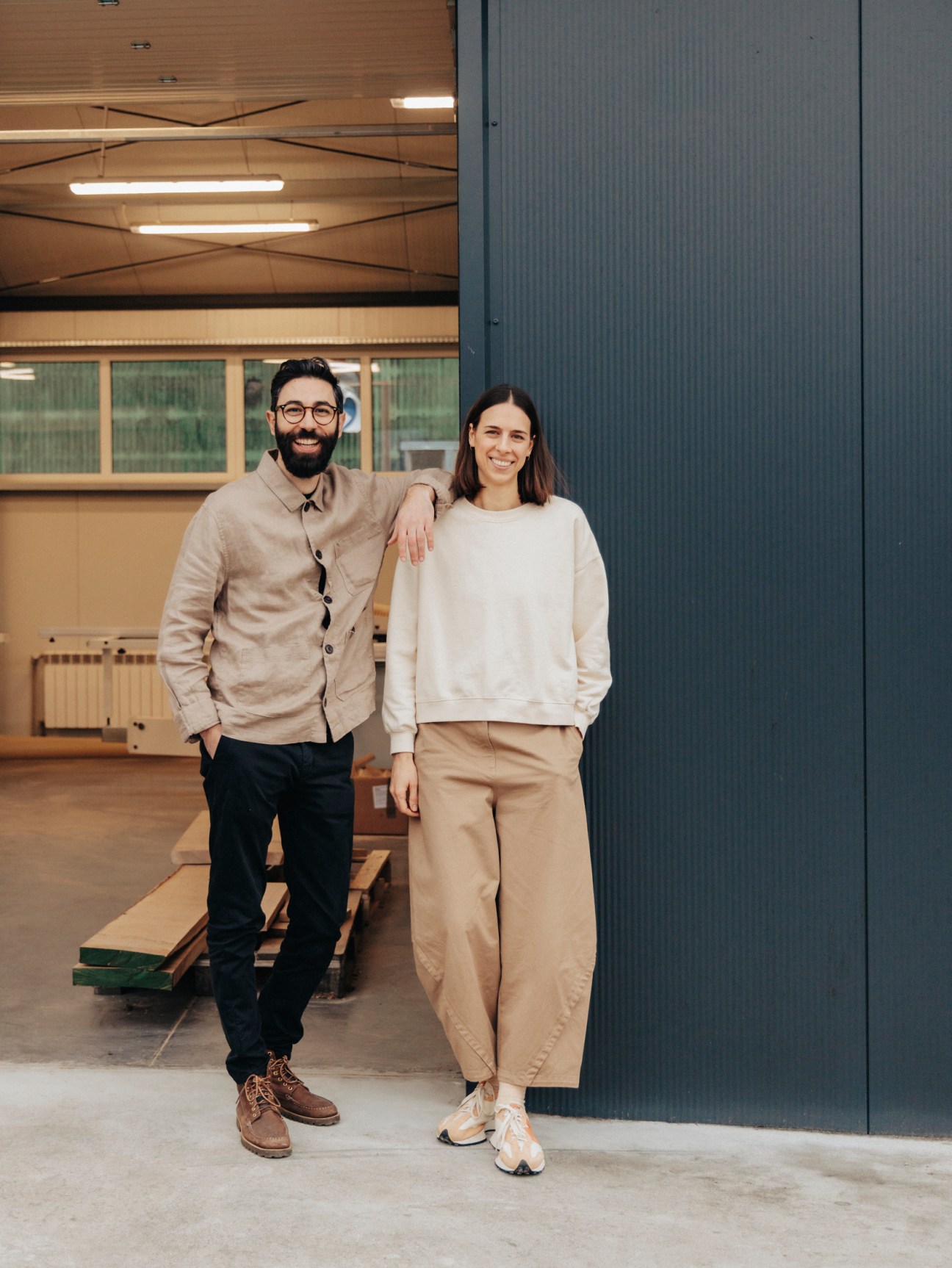
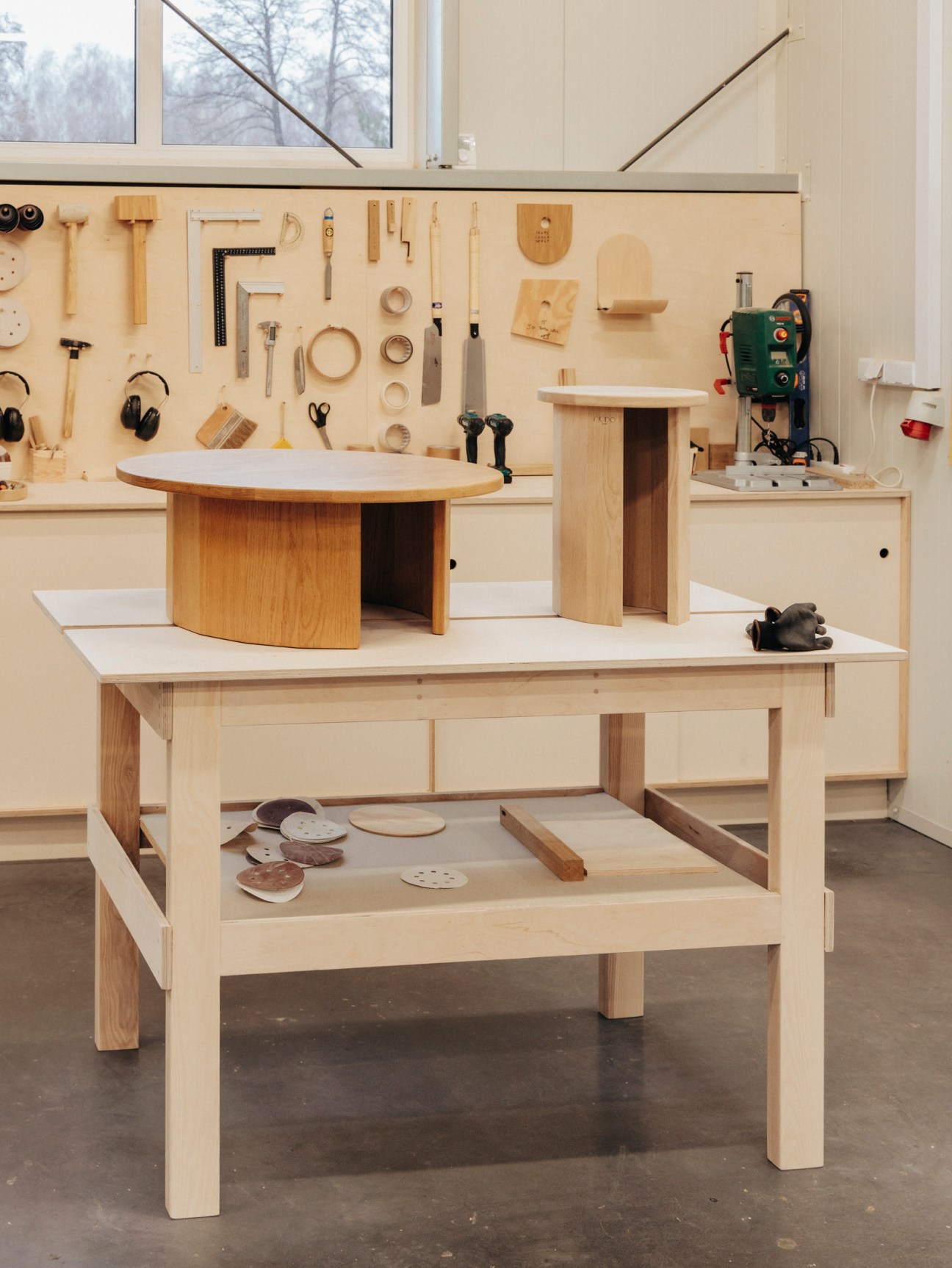
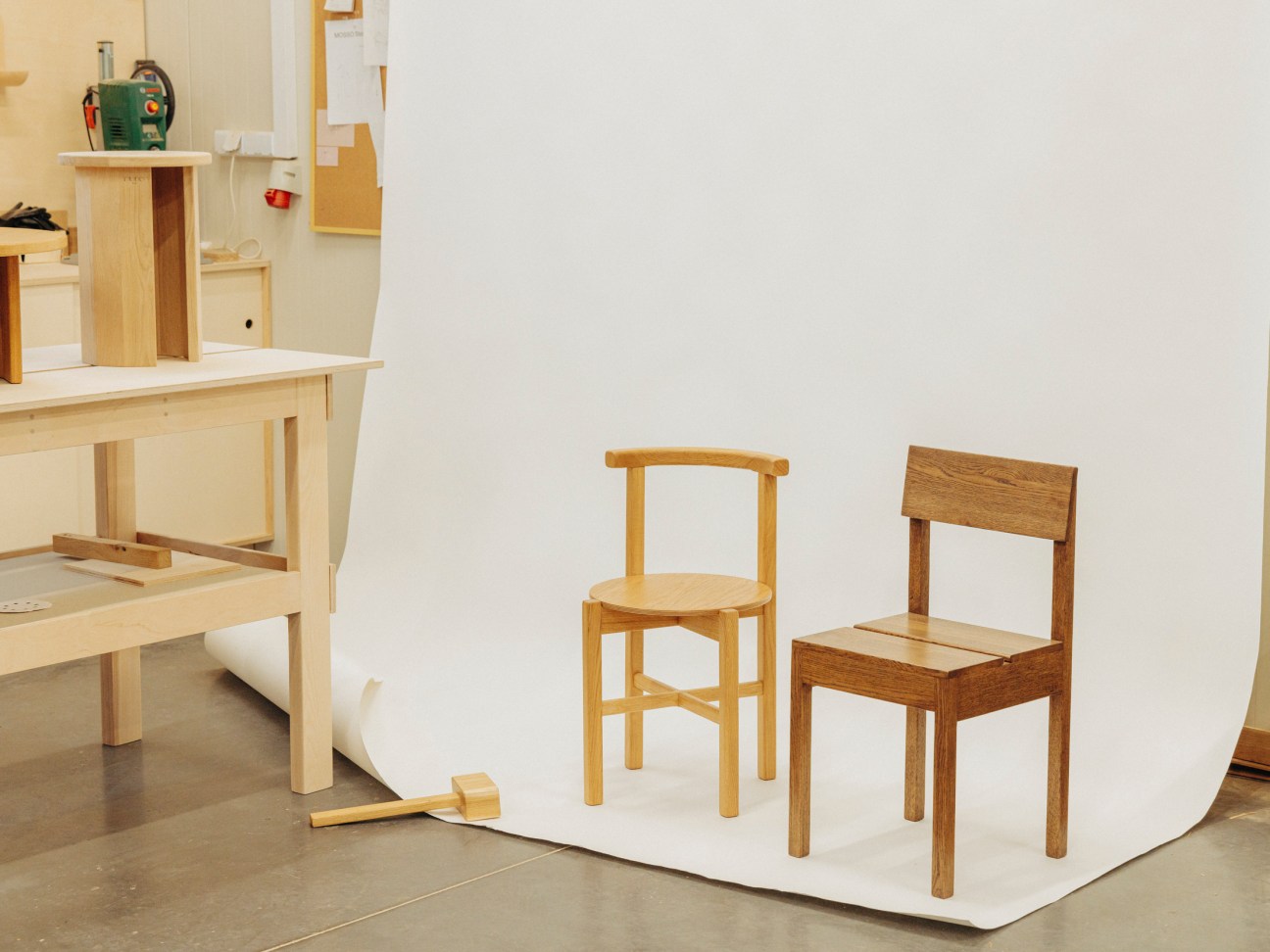
An hour’s drive out of the capital and monocle finds evidence of that craft bubbling away. Domenico Russo and Kaja Alaszkiewicz met in Italy, when Alaszkiewicz was on a university exchange programme from Warsaw. Moving to the UK together after graduation proved to be the catalyst for establishing their own business: in London, Russo stumbled across a furniture workshop in the city’s east that inspired him to swap a desk for a workbench. “My grandfather was a woodworker back in Italy and all my memories came flooding back,” says Russo. “I realised that I needed to make a change.”
The couple set up their furniture brand Nudo in 2018 and chose the Warsaw region as the location. “It’s not as expensive as London and there is a feeling that things are happening here,” says Alaszkiewicz. The mix of Polish craft and Italian heritage has proved essential for success.
In Warsaw’s Mokotow district, Maja Ganszyniec, Polish designer and founder of Nurt, greets Monocle at her brand’s showroom. “Back in 2000, it wasn’t just that Poland was a different country; it was a different universe,” she says. Being a satellite state of the ussr had frozen the country in time, Ganszyniec explains, depriving it of everything from clothes to cars. “Ikea had started manufacturing in our country in the 1960s but we weren’t even able to buy the pieces they were making.”
However, unlike so many others, Ganszyniec grew up with a glimpse behind the Iron Curtain. “My childhood home was a beautiful 1930s villa,” she says. “It was filled with furniture from all over Europe. I knew that things had been different once.”
Studying abroad in Milan and then at London’s Royal College of Art, Ganszyniec felt instinctively that her country had something to offer. “Often when people want to compliment my designs or Polish design, they’ll say it looks Scandinavian. But that’s a back-handed compliment,” she says. “We share a sea, nature, architectural styles, history; of course the designs are similar.” She has made it her life’s work to achieve recognition for Poland’s own style and aesthetic. “When someone says ‘Polish design’, people don’t have famous names or iconic pieces to relate to. Our job is to build up that picture.”
There are challenges to maintain momentum but Ganszyniec says that Poland will always prosper because of its people’s innate curiosity. “Imagine you are in the most remote place on Earth,” she says. “You think that there is no one there but lift up a rock and you’ll find a Polish person. We were held back for so long. But now that we’re free, no one can stop us.”
Hungry for something new? Feed your gastronomic curiosity with fresh takes from all across the globe
Roter Delfin
Zürich
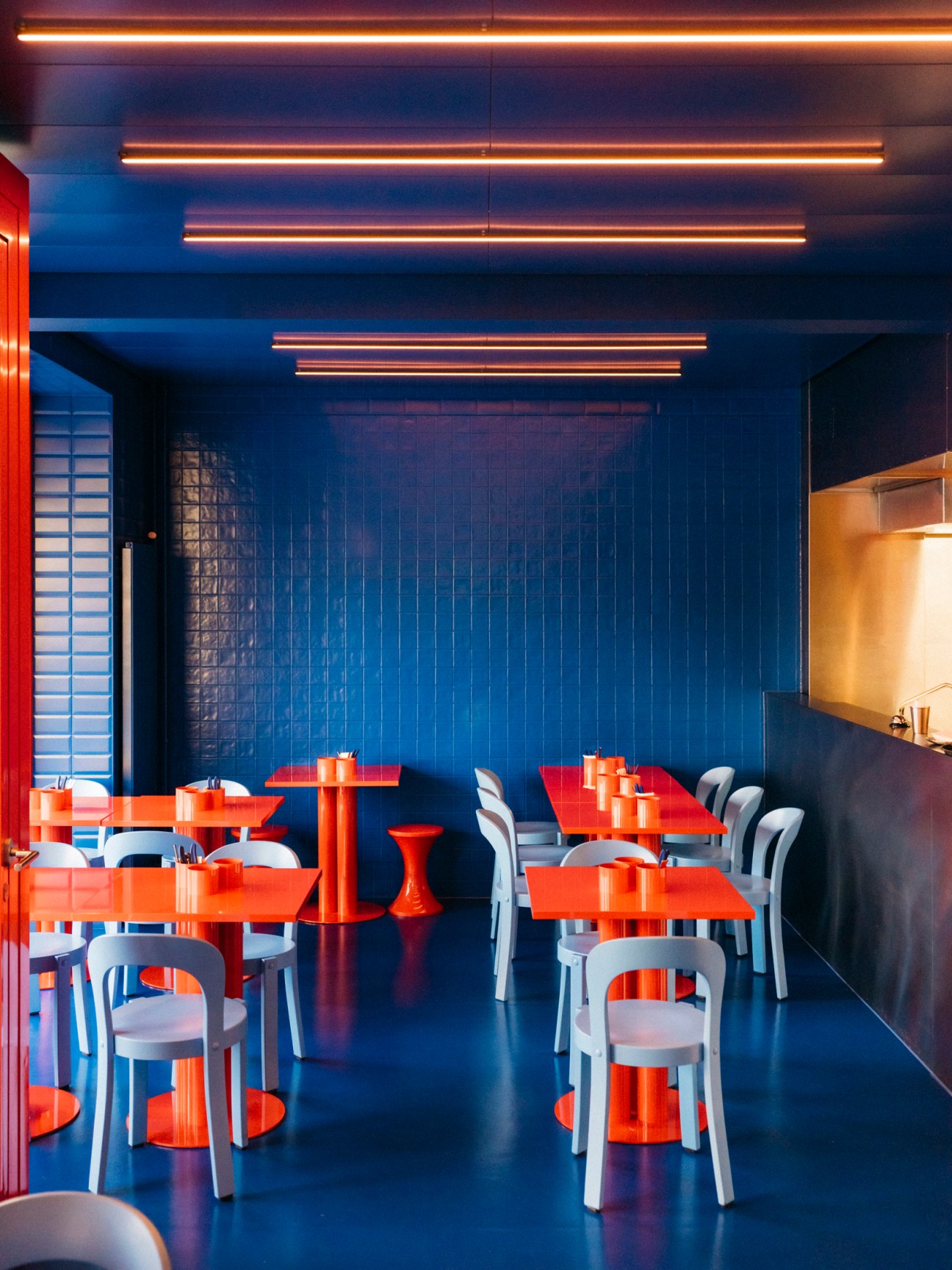
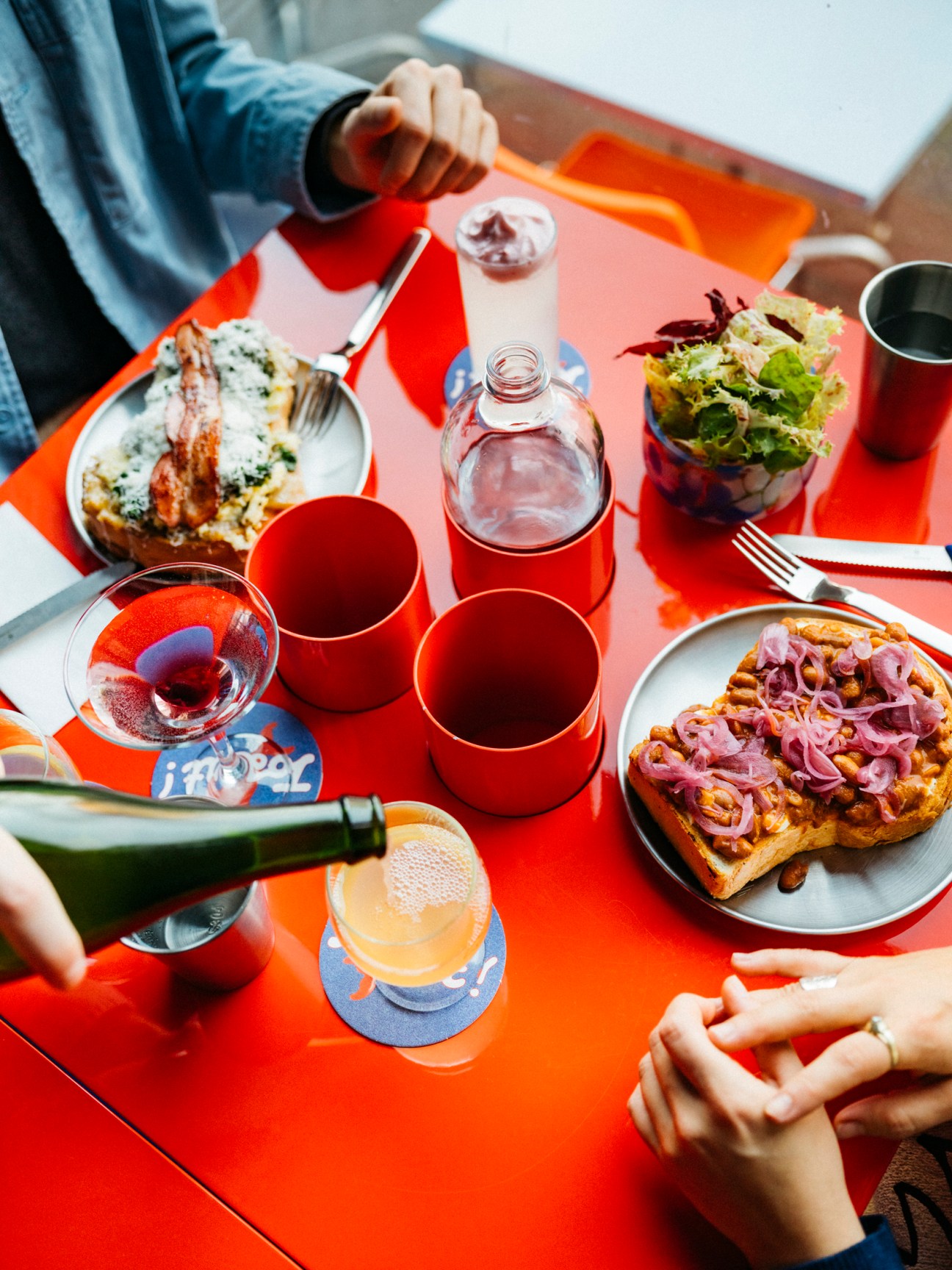
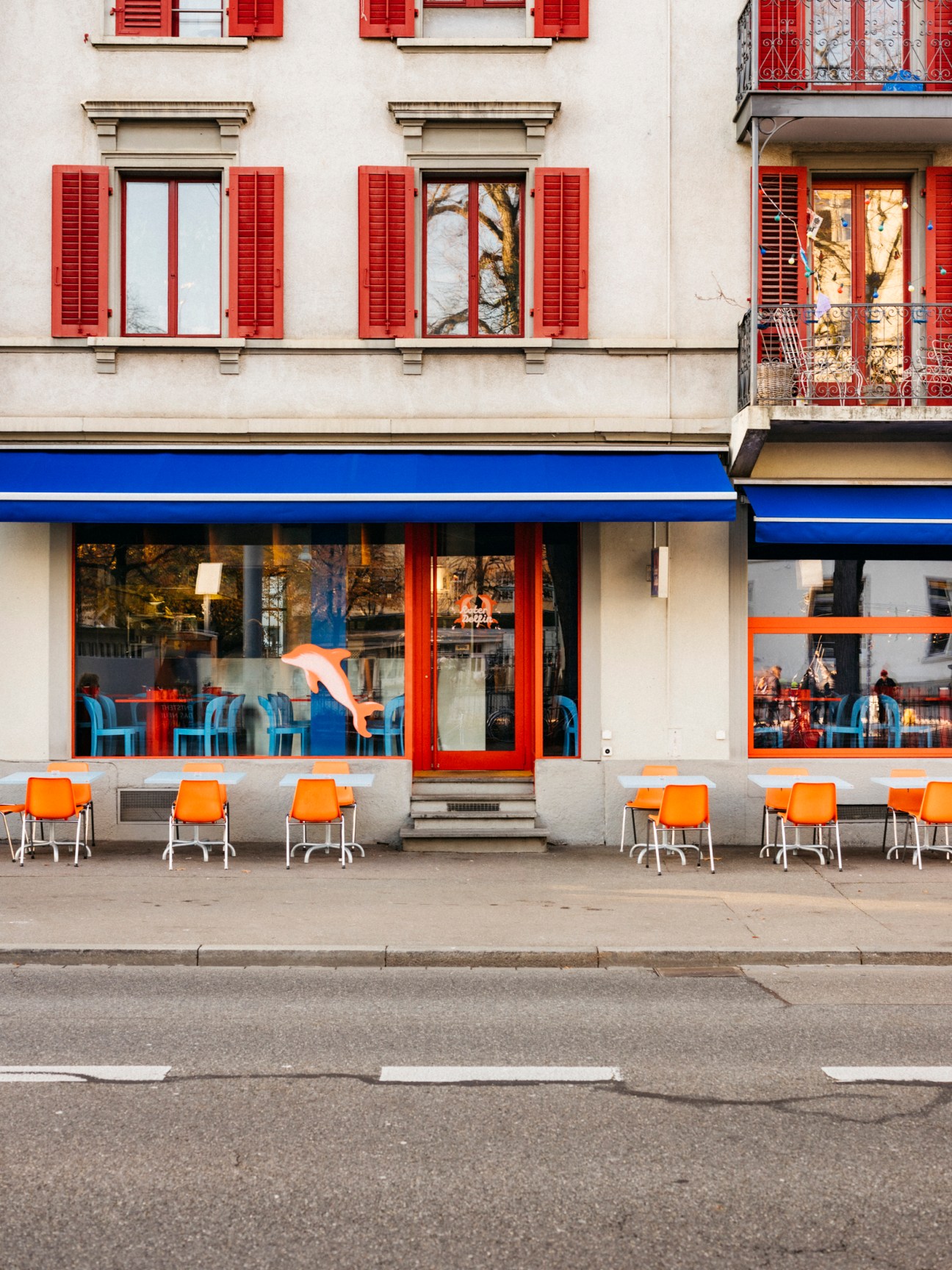
Roter Delfin is a celebration of simple food done well – specifically, bread and butter. Meret Diener and Linda Hüsser (a former Monocle staffer) met at Lausanne Hospitality School. Following the successful 2021 launch of their first venture serving grilled cheese sandwiches, they opened Zur Goldige Guttere restaurant in Zürich in 2022.
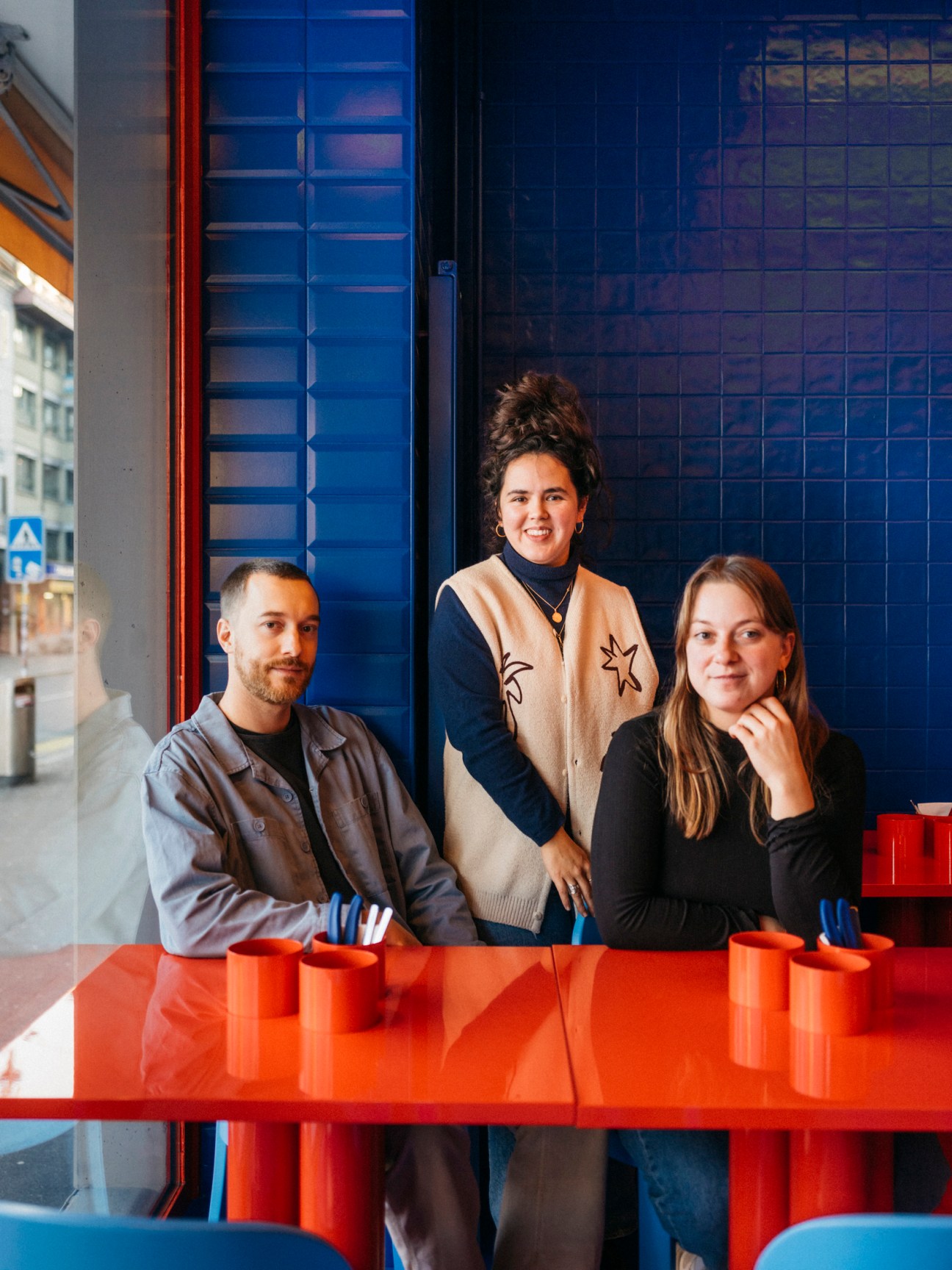
Teaming up with Samuel Kürz (pictured with Hüsser, centre, and Diener), they have now opened a second restaurant in the city, this time focusing on bread. “We wanted to create a place that’s open from morning until late – for breakfast, lunch, dinner or just a drink,” says Hüsser of the space on Langstrasse. Its small but well-considered menu offers comfort food, from scrambled eggs on toast with honey-glazed bacon to pulled pork and savoury apple sauce. The trio take pride in using locally sourced ingredients. Much of what they serve is made in-house, from the pickles and dough to the evening cocktails.
roterdelfin.ch
Recipe
Shallot and porcini tarte Tatin
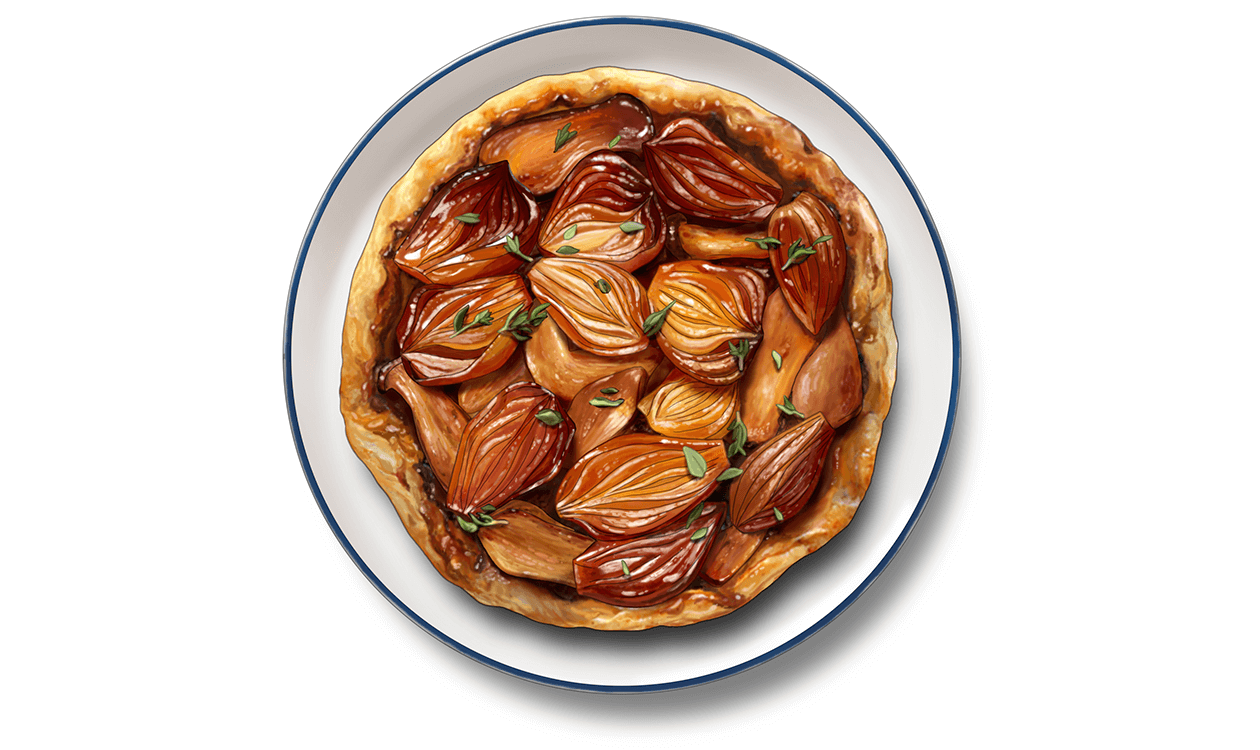
What could be better than a shallot and porcini tarte Tatin for your Sunday brunch? This savoury riff on the classic French dessert will have you wondering why you hadn’t tried it before.
Serves 4
Ingredients
100g white caster sugar
40g butter, cut into pieces
2 tbsps balsamic vinegar
1 tbsp thyme leaves
300g shallots, cut lengthwise into thirds
100g porcini mushrooms, sliced
Puff pastry, rolled out into a tart shape (diameter of 32cm)
Salt
Black pepper
Method
1.
Preheat your oven to 220C. Evenly spread the sugar on baking paper in a tray and place in the middle of the oven. Allow to caramelise until light brown (about 7 minutes), then remove.
2.
Spread the butter, vinegar and thyme on the caramel.
3.
Arrange the shallots and porcini mushrooms on top so that they overlap slightly.
4.
Return the tray to the oven and bake for about 20 minutes, then remove.
5.
Prick the pastry dough tightly with a fork and place loosely on top of the shallots. Press the dough between the shallots and the edge of pan.
6.
Return to the oven for 15 minutes. Remove and allow it to stand for 2 minutes. Turn out onto a cake plate, peel off the baking paper and season. Serve warm or cold.
ralphschelling.com
Sune
London
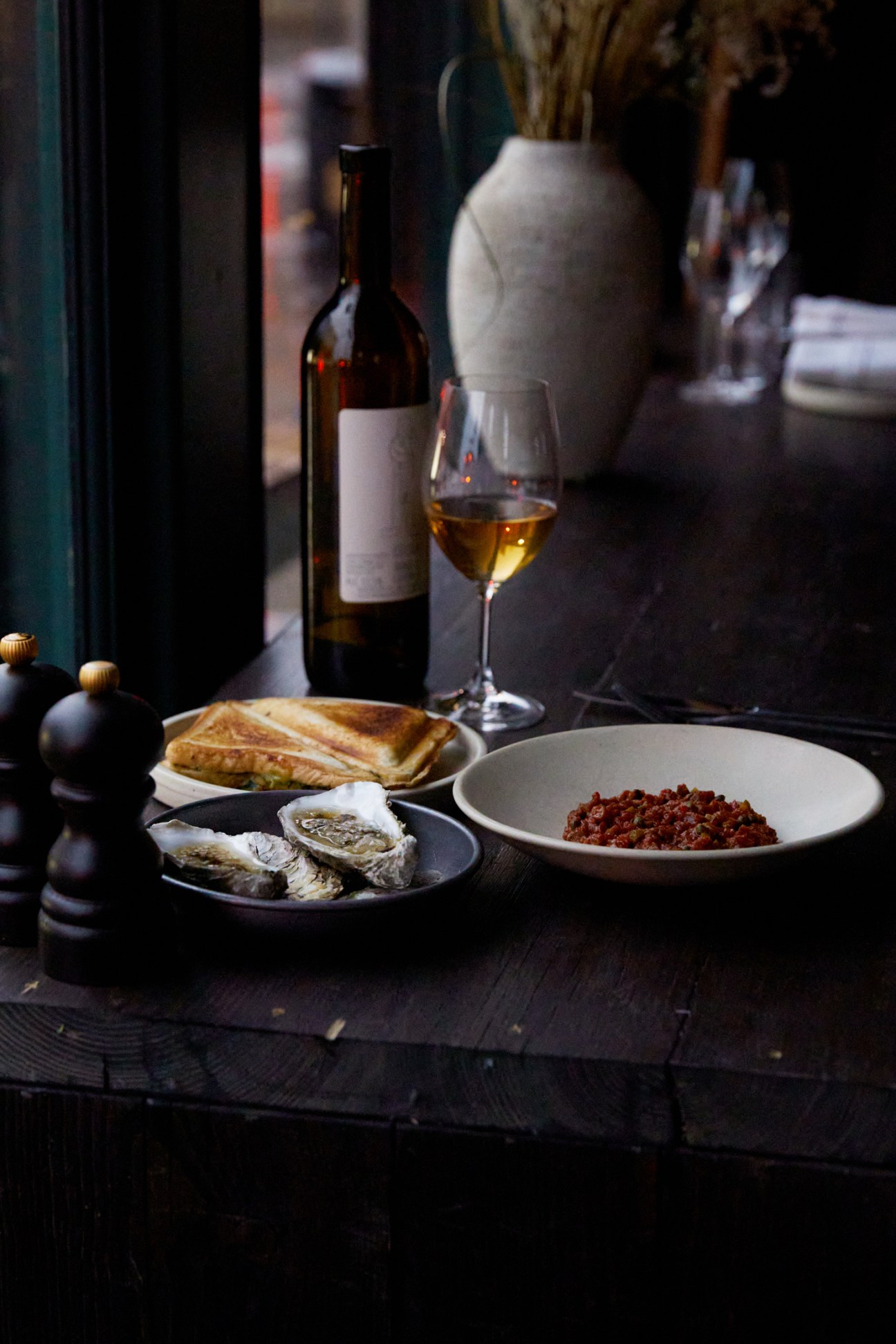
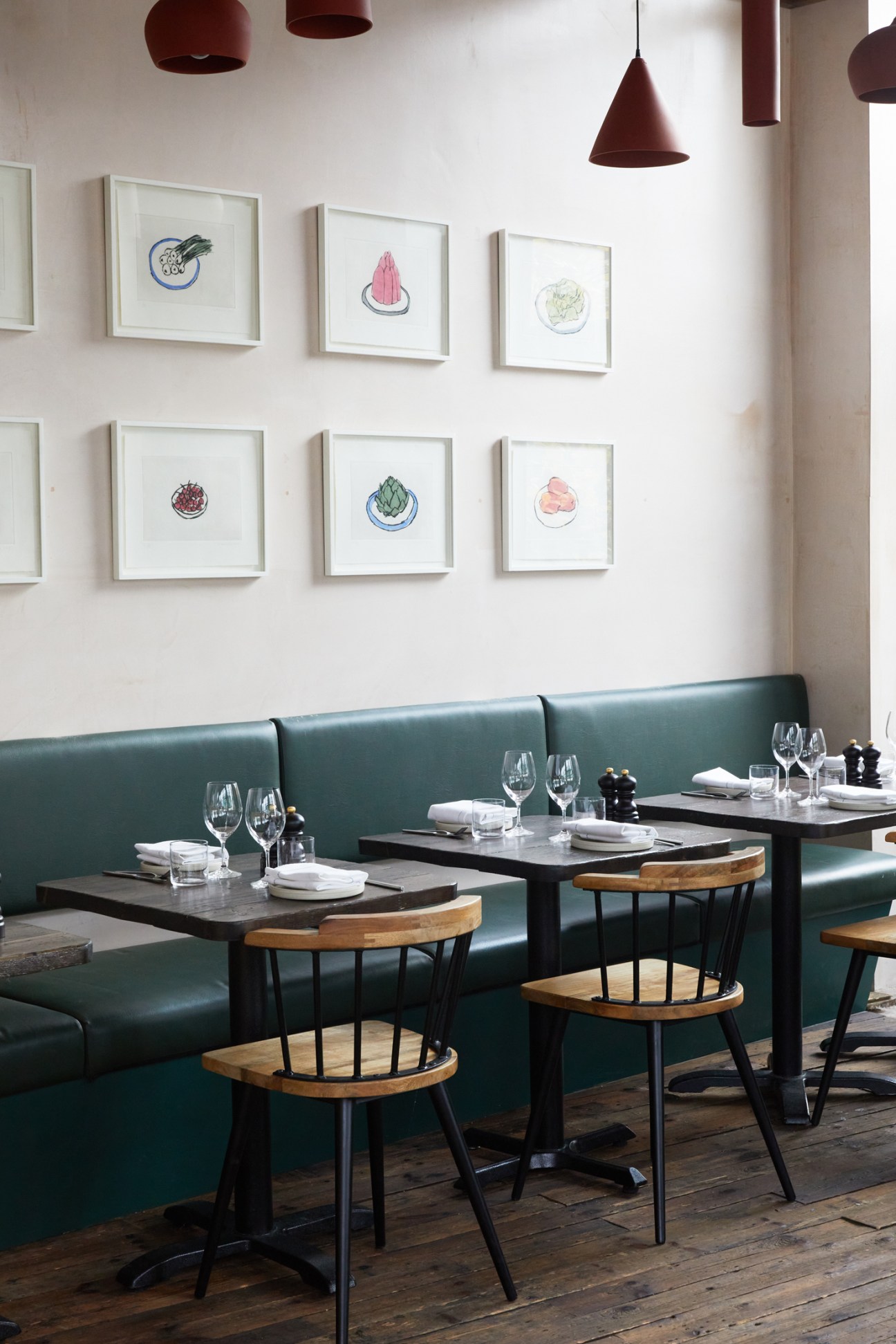
Located at the foot of bustling Broadway Market, Sune is a perfect fit with its east London neighbourhood. Launched by Honey Spencer and Charlie Sims, the restaurant is a welcoming, unfussy space without a hint of haughtiness, despite Sims’s background of working front of house at Noma. Its comely interiors are all timber floors and tabletops, with high stools beside the floor-to-ceiling window and a zinc-topped terracotta-brick bar.
Chef Michael Robins’s inventive snacks include a confit egg on a thick, Jenga-block-shaped wodge of potato and strozzapreti (a pasta whose name literally translates as “priest stranglers”), which comes freckled with pickled mushrooms and an egg yolk. The red mullet is seasoned with salty sea herbs and is served swimming in a smoky broth. We particularly enjoyed the side of grilled potatoes in a silky brown-butter sauce.
For afters, we ordered poached pear on a creamy white-chocolate crème anglaise that begs to be finished. A menu this pleasing demands a second visit.
sune.restaurant
Dotori and Soopoollim
Berlin
Korean cuisine has long appealed to Berliners. Wine bar Dotori, which opened last July in the city’s Weissensee neighbourhood, specialisies in anju, small plates eaten with booze. Pair dishes such as haemul pajeon (seafood and spring onion pancake) and fresh kimchi with drinks such as Czech craft beer Métaphore. The restaurant’s goal is to serve Korean food as it is eaten in its homeland. “Our dishes aren’t watered down for a perceived difference in palate,” says co-founder Dax Defranco.
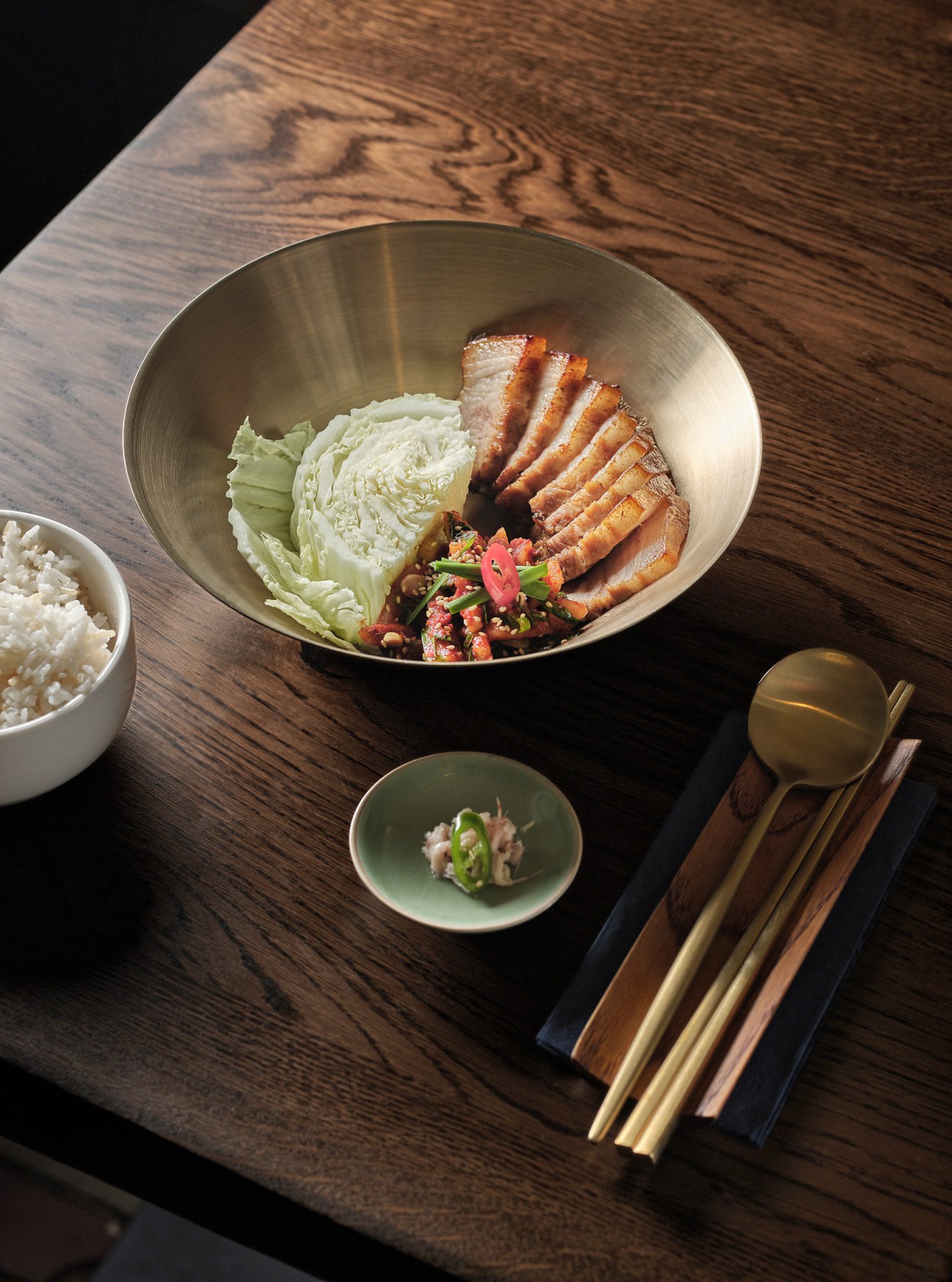
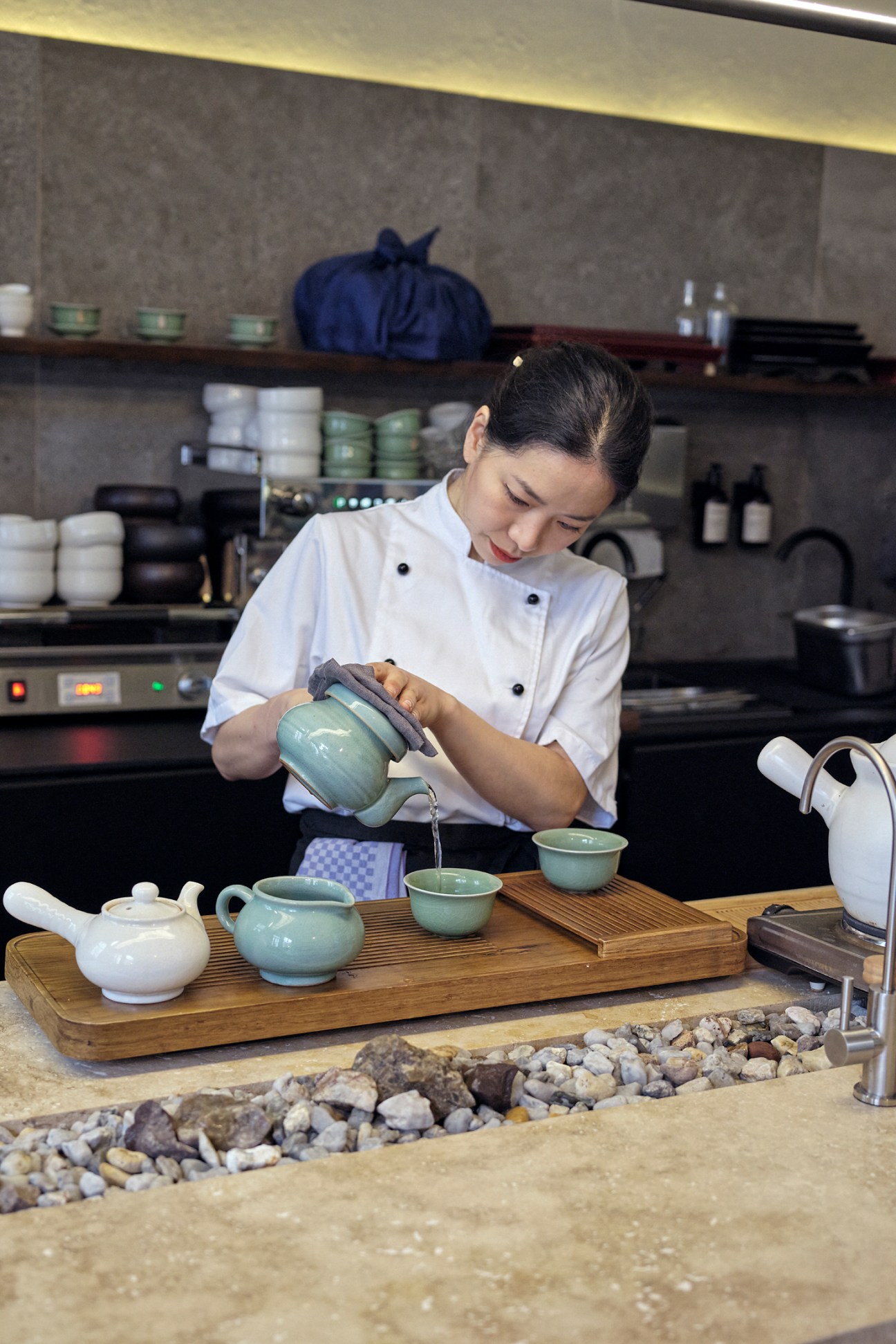
For a contemporary take on the Korean tradition of drinking tea for medicinal purposes, head to Mitte’s Soopoollim, which opened in September. Try the ssanghwacha tea, made from a blend of ingredients including goji berry, ginger, liquorice and arrowroot, accompanied by the white bibimbap, which is made to the recipe of founder Yurim Byun’s mother.
dotori.berlin; Ackerstrasse 149, Mitte
Inventory: Travel
With new hotels and restorations alike waiving the design rules, European rail getting back on track and a luxury long-haul bus project, travellers can expect the unexpected this year. Plus, we plug in to a few technological innovations that will be music to your ears.
1.
The Hotel Maria
Helsinki
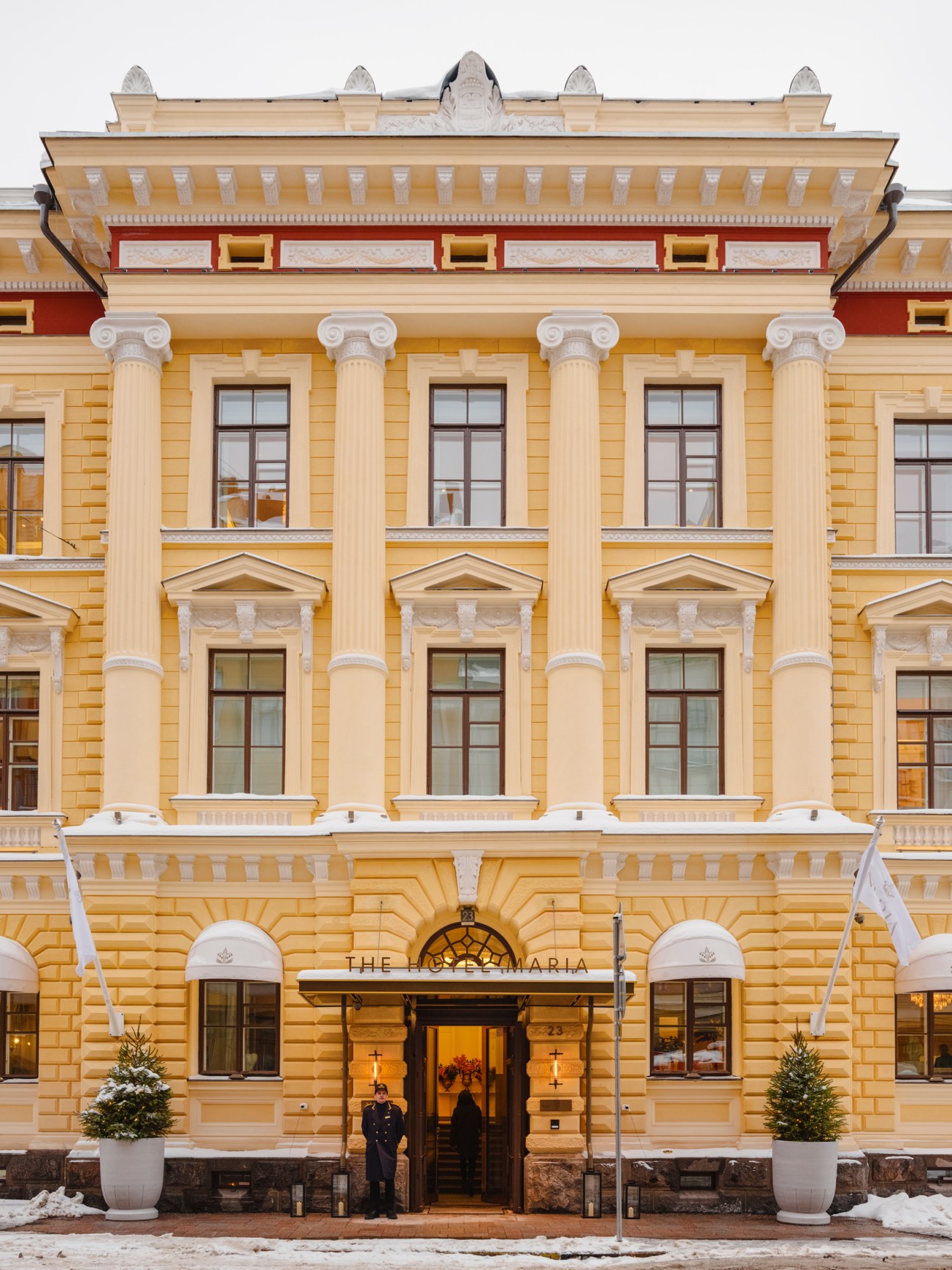
In Helsinki’s historic Kruununhaka district, four protected neo-renaissance buildings have been renovated into a new five-star offering, The Hotel Maria. The residence boasts the largest number of suites (38) in the city, as well as private saunas and bespoke services such as in-room butlers. Its founders spent a great deal of time staying at some of Europe’s leading high-end hotels and felt that Helsinki lacked somewhere that could compete. “We hear the same message from luxury travel agents who cater to international tourists in Finland,” the hotel’s commercial director, Heli Mende, tells Monocle as she shows us around the 160 sq m Imperial Suite.
While many of Helsinki’s luxury properties lean on Nordic minimalism, The Hotel Maria confidently opts for elegant finishes, such as art deco-inspired chandeliers, a white and ivory colour palette and natural textures, including marble and wood. There are even subtle nods to the hotel’s heritage, with one room displaying its original wallpapers and ceiling paintings. “We commissioned several works by Helsinki-based painter Pia Feinik, who uses Finnish landscapes to inspire her art,” says Mende.
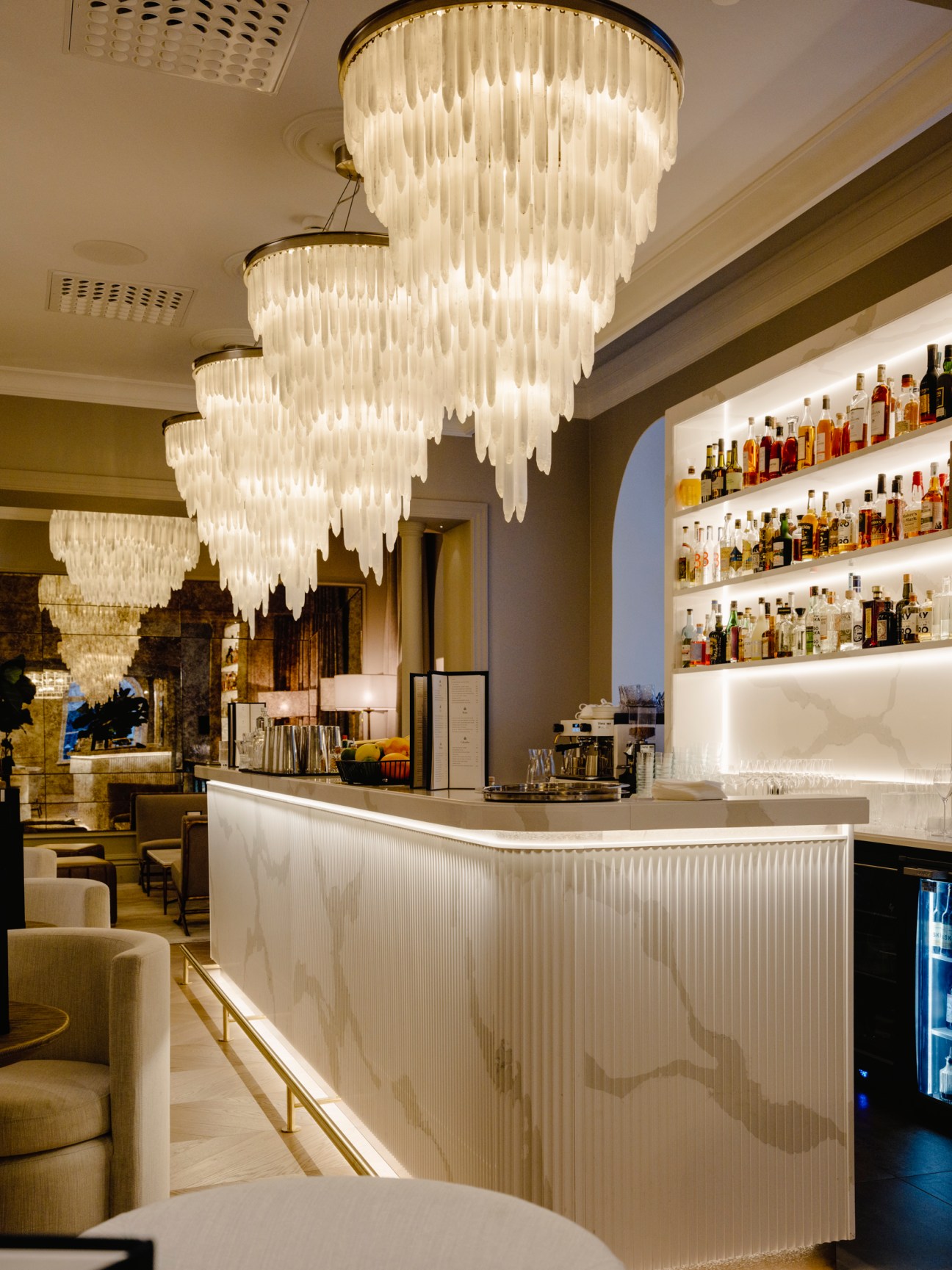
The heart of the hotel is the Maria Spa, with its large atrium allowing for generous natural light and hanging greenery. In between treatments from Finnish skincare brand Niki Newd, guests can enjoy the hot sauna and ice-cold plunge pool – another popular Suomi pastime. If you needed any further encouragement to unwind, the sleek bar provides guests with signature cocktails and rare champagnes. In addition to drinks, the hotel’s two restaurants offer delicacies such as wild-caught fish and reindeer from a herder in Lapland.
The Hotel Maria is the latest opening that has tapped into Helsinki’s growing luxury market – and its take on grandeur is a welcome addition to both the Finnish capital and northern Europe’s offering of high-end residences.
2.
Twiliner
Europe
The bus hasn’t always been the most popular form of overnight transport – and certainly not the most luxurious. This is something that travel company Twiliner is seeking to change with a bus that has all of the amenities of flying First Class – think wi-fi, a snack bar and 21 seats that can be reclined for a good night’s sleep. Its maiden voyage between Zürich and Barcelona is scheduled for late 2024. We caught up with Twiliner’s co-founder Luca Bortolani to discuss his company’s plans to disrupt intercity travel in Europe.
How did Twiliner start?
Luxury night buses don’t exist in Europe. We wanted to create an alternative to flying, so we asked people what could convince them to swap the plane for the bus. They wanted to be comfortable and use their time well. Privacy and sustainability were also important considerations. That’s how we came to the idea of putting a First Class plane seat on a bus.
Why would someone choose a bus over a plane?
We know that people want to be more sustainable. Some people also need to travel early in the morning but don’t want to take a flight at 05.00. We want to make travel a more joyful experience.
Why Zürich to Barcelona?
It’s a popular flight path with a mix of business travellers and young people. We want to roll out 25 routes across Europe. Our next one will be from Geneva to Brussels.
3.
The Orient Express and La Minerva
Rome
The Accor-owned Orient Express (not to be confused with Belmond’s version) has partnered with Arsenale to launch luxury rail project La Dolce Vita. The service will cross Italy via six stops, which include the Alps, Rome, Venice and the southern coast. The original Orient Express cars feature renovated cabins and suites, and a restaurant that celebrates Italian gastronomy. “Italians are relaxed but appreciate luxury,” says Anne Benichou, vice-president of global communications, partnerships and retail at Accor. “This is clear in the design of the train.”
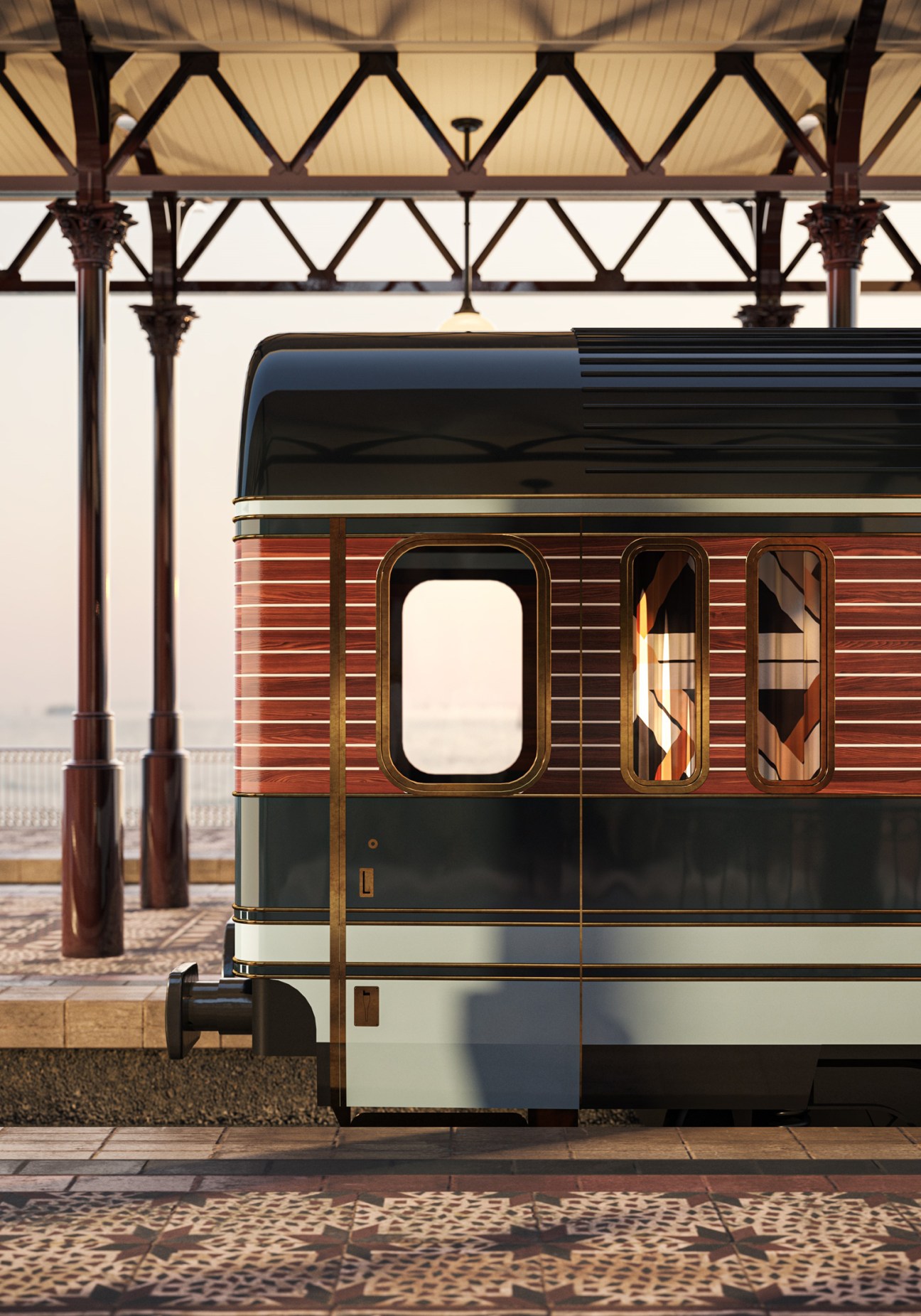
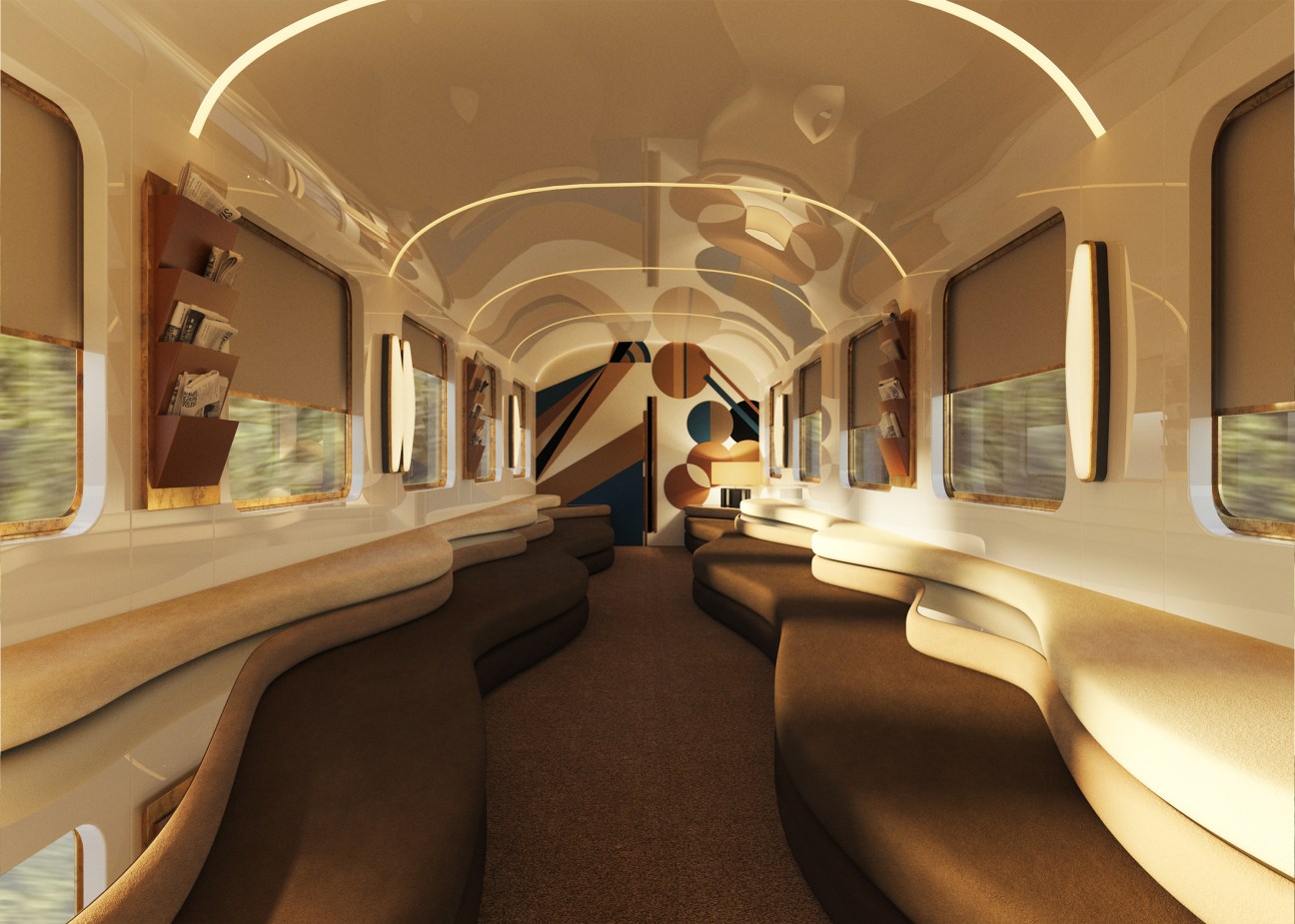
The experience is paired with the brand’s new La Minerva Hotel in Rome’s Pantheon district, a refurbished 17th-century building that will serve as a stopover for passengers. The Orient Express’s expansion is only just starting to gain steam – next is a hotel in Venice, a sailing ship and the return of the classic Paris-Istanbul train route, which ran from 1883 to 1977.
4.
Regina
Biarritz
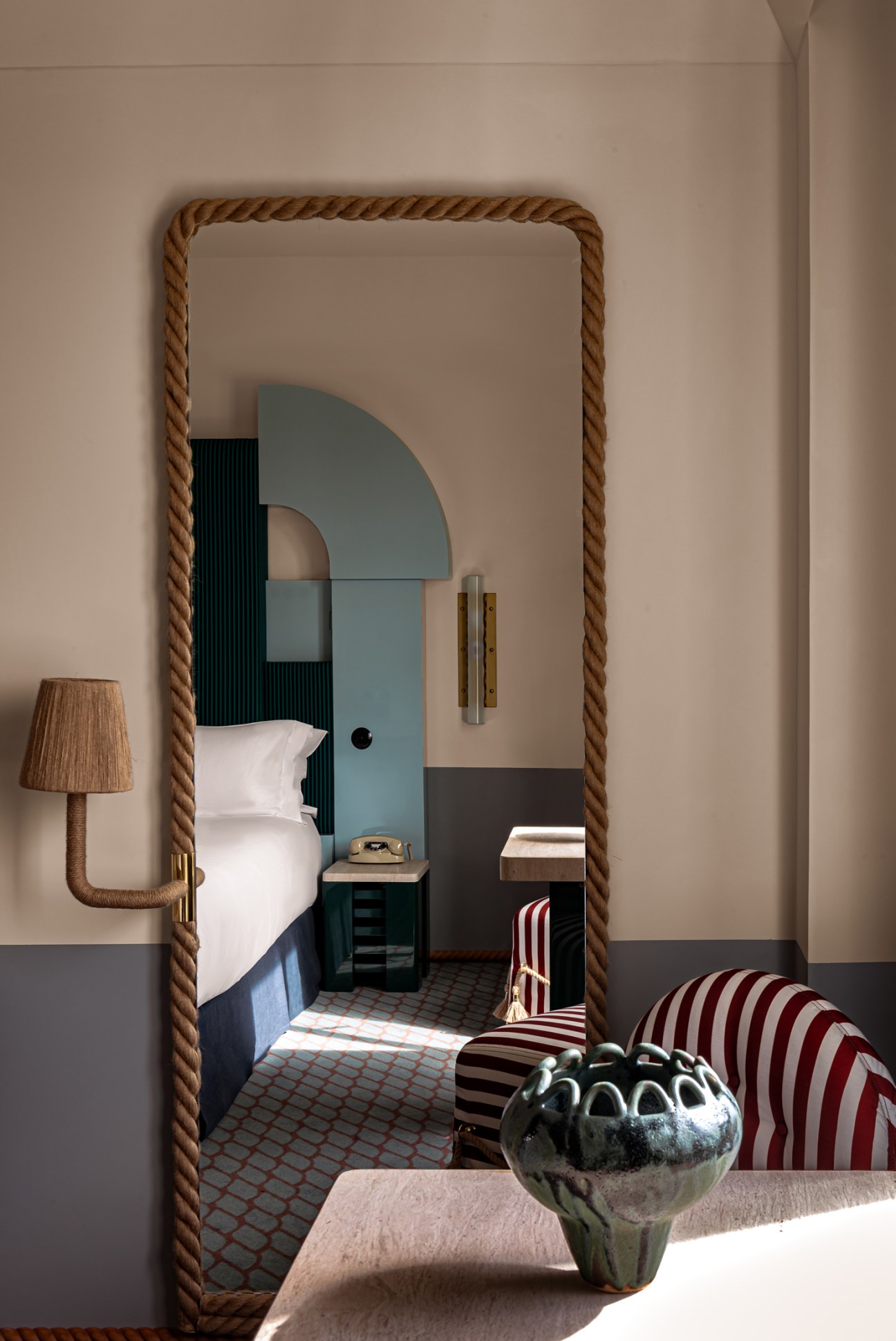
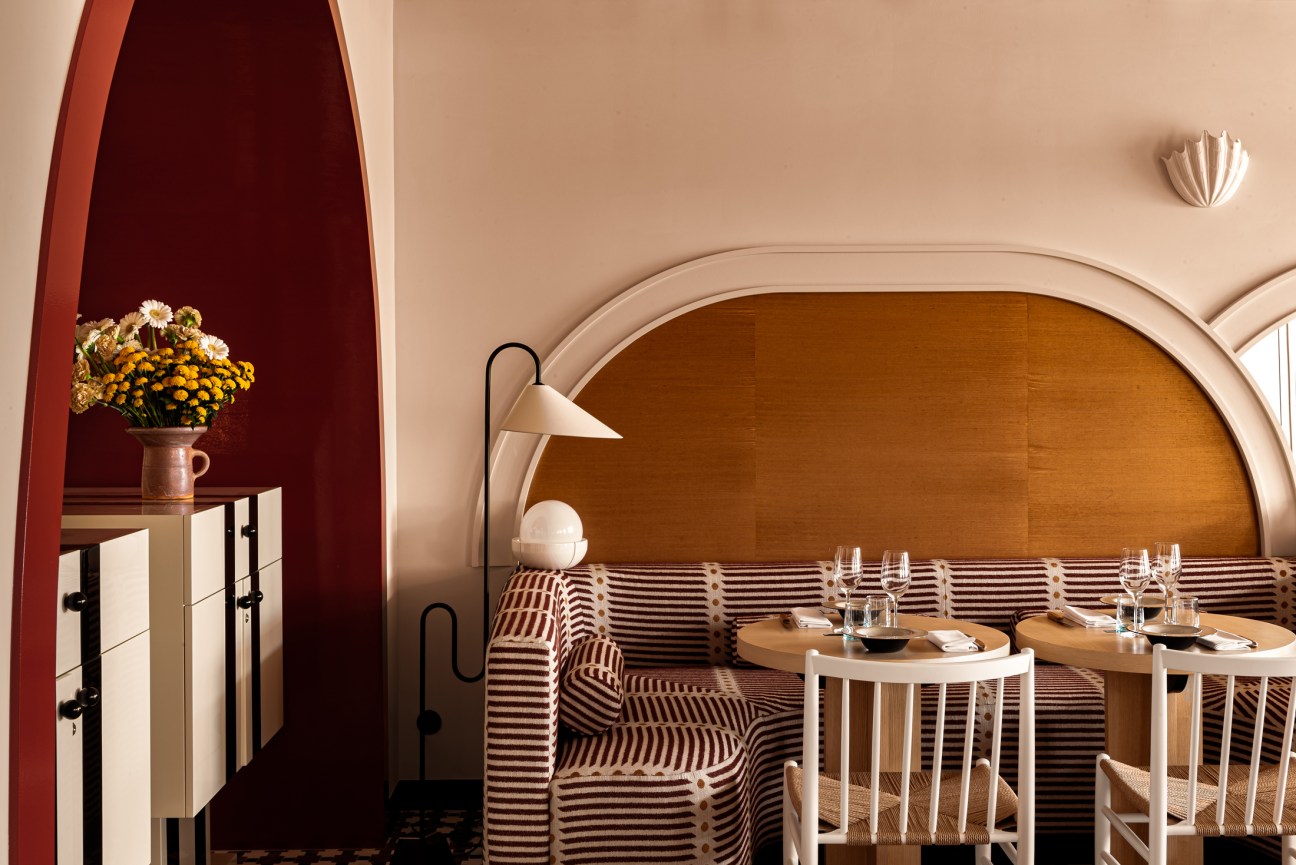
Set atop a cliff overlooking the Atlantic Ocean, Regina hotel is an unmissable early-20th-century building in Biarritz. The five-star hotel, previously managed by Accor, was taken over by French hotelier group Experimental in 2022.
“The goal of the renovation was to bring back some of the hotel’s grandeur and rethink its common areas, making it a real player within the local food scene,” co-founder Pierre-Charles Cros tells Monocle. New elements pay homage to the building’s regional heritage, while there are also modern Japanese pieces. “We wanted to emphasise Japan’s close ties to the Basque Country,” says Dorothée Meilichzon, founder of Chzon studio, the interior design agency responsible for the project. The renovation marks a return to the building’s belle époque elegance, with added contemporary comforts.
reginaexperimental.com
Inventory: Tech corner
From a finely tuned radio to a phone you can write on, the best new tech lifts from the old.
1.
R410 streaming system
Ruark

Encased in handsome wood-panelled cabinetry, UK audio company Ruark’s all-in-one streaming system has a classic look. Its touchscreen display allows you to select audio from a turntable, TV or Spotify; there are also DAB and FM tuners for the radio. This device is rich in audio quality and it looks sleek on the shelf.
ruarkaudio.com
2.
Galaxy S24 Ultra phone
Samsung

This smartphone is packed with innovations that are powered by artificial intelligence, including a feature that can translate your phone calls in real time. AI also enables deft photography edits, removing unwanted people out of a shot or eliminating irritating reflections. You can use a stylus to scribble right to the edge of its 6.8-inch screen, so you can be more precise than ever.
samsung.com
3.
FreeClips earbuds
Huawei
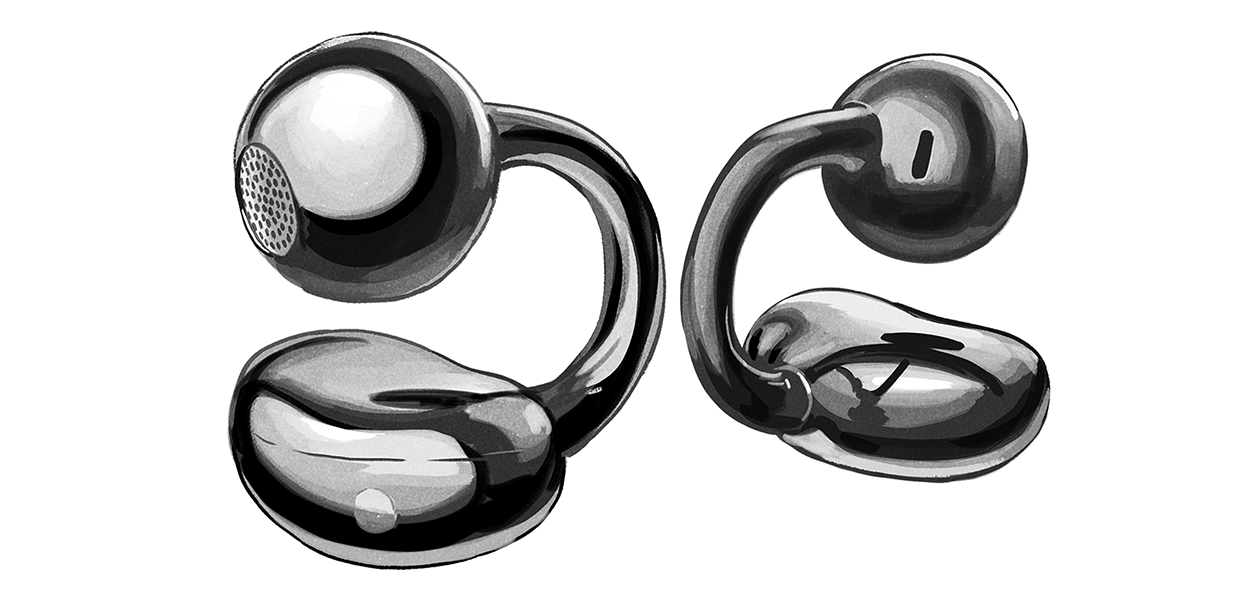
You’ve never seen earbuds like the FreeClips. While they might resemble a daring pair of earrings, they’re held sturdily in place by a flexible bridge that wraps around your ears. Open earphones can be prone to sound leakage but here it’s kept to a minimum, meaning that you can stay more in touch with the world around you.
huawei.com
You’ve got male: Brands to keep an eye out for in 2024
Magliano
Italy
Italy is known for storied fashion houses but emerging designers such as Bologna-born Luca Magliano are bringing new energy to its menswear scene. After winning LVMH’s Karl Lagerfeld Prize last year, Magliano presented his new collection in Florence at Pitti Uomo.
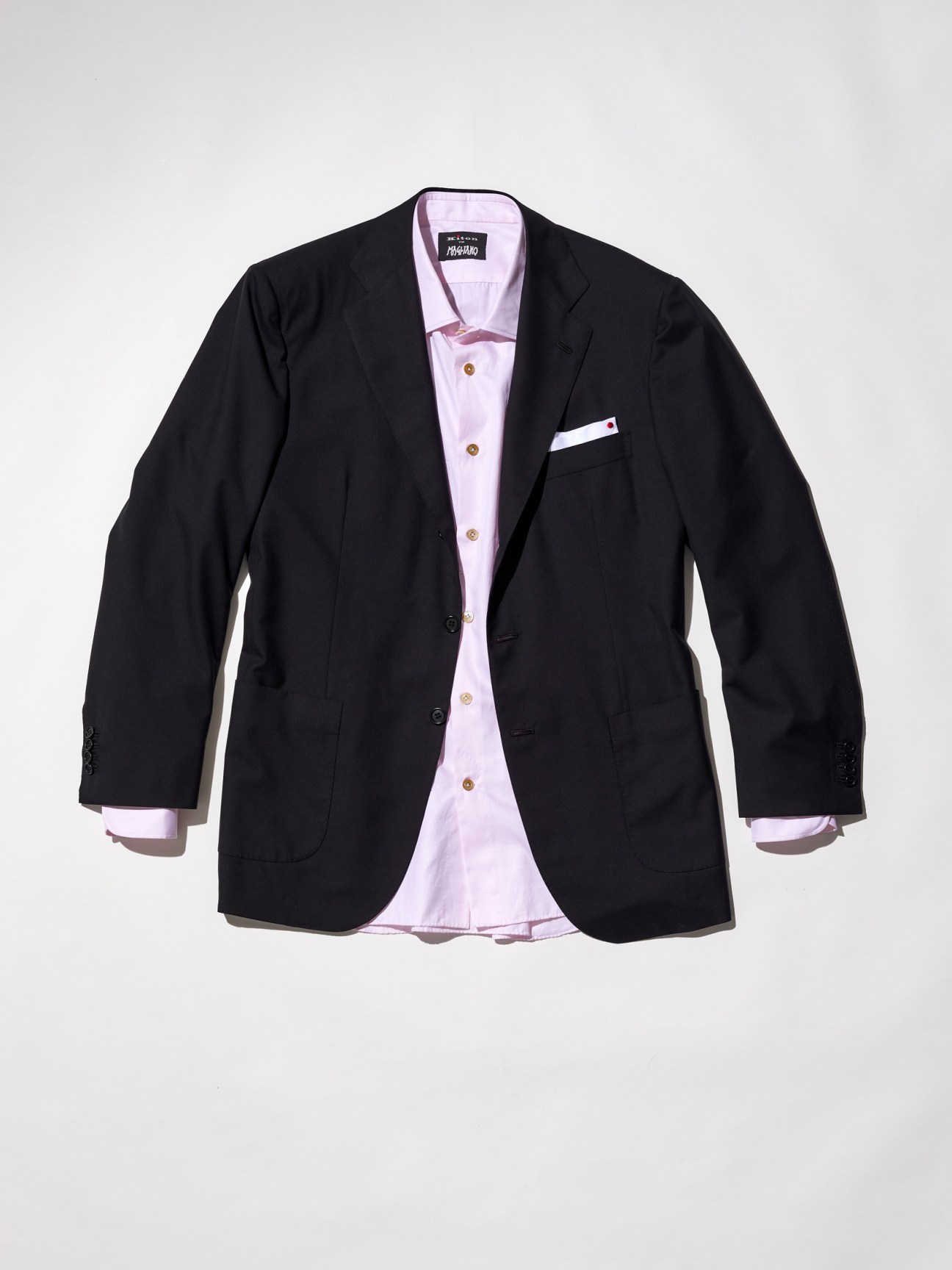
Offering a take on classic dressing updated with subtle draping, he also collaborated with some Pitti Uomo heavyweights. One was Kiton, creating a suit cut in a Neapolitan silhouette. “Kiton’s drastic hand-sewn approach allows it to reach the highest standards,” he says.
magliano.website
Drôle de Monsieur
Paris
“It’s hard to launch a brand when you’re not in a major city but we wanted to show that it’s possible,” says Dany Dos Santos, who co-founded Drôle de Monsieur with Maxime Schwab in Dijon in 2014. Embracing their outsider status, the duo made a name for themselves with casualwear bearing slogans such as “Not from Paris Madame”, a phrase that became a rallying cry for entrepreneurs in second-tier cities across the country. In 2023, however, Drôle de Monsieur finally opened its first bricks-and-mortar shop in the heart of the French capital.
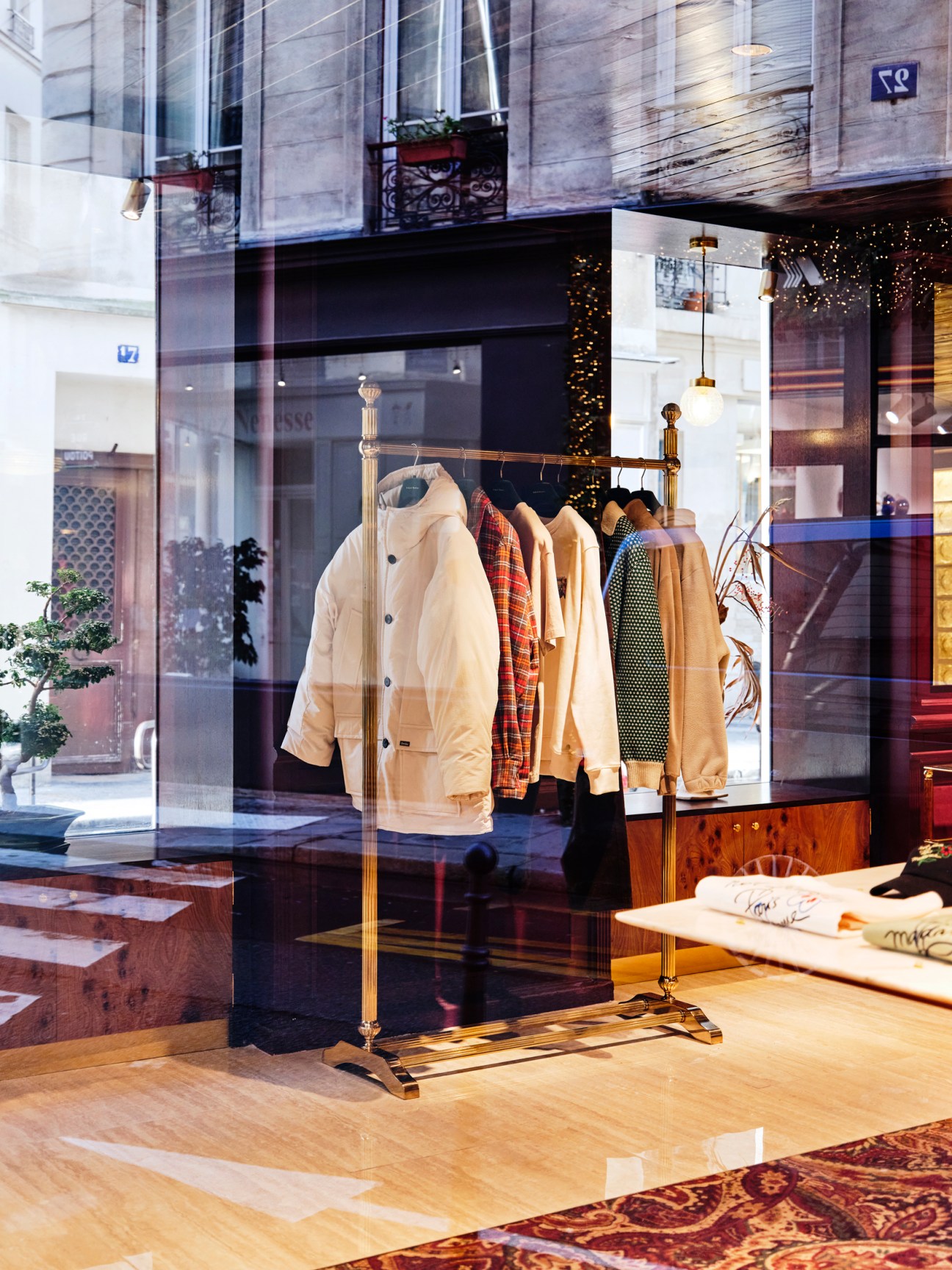
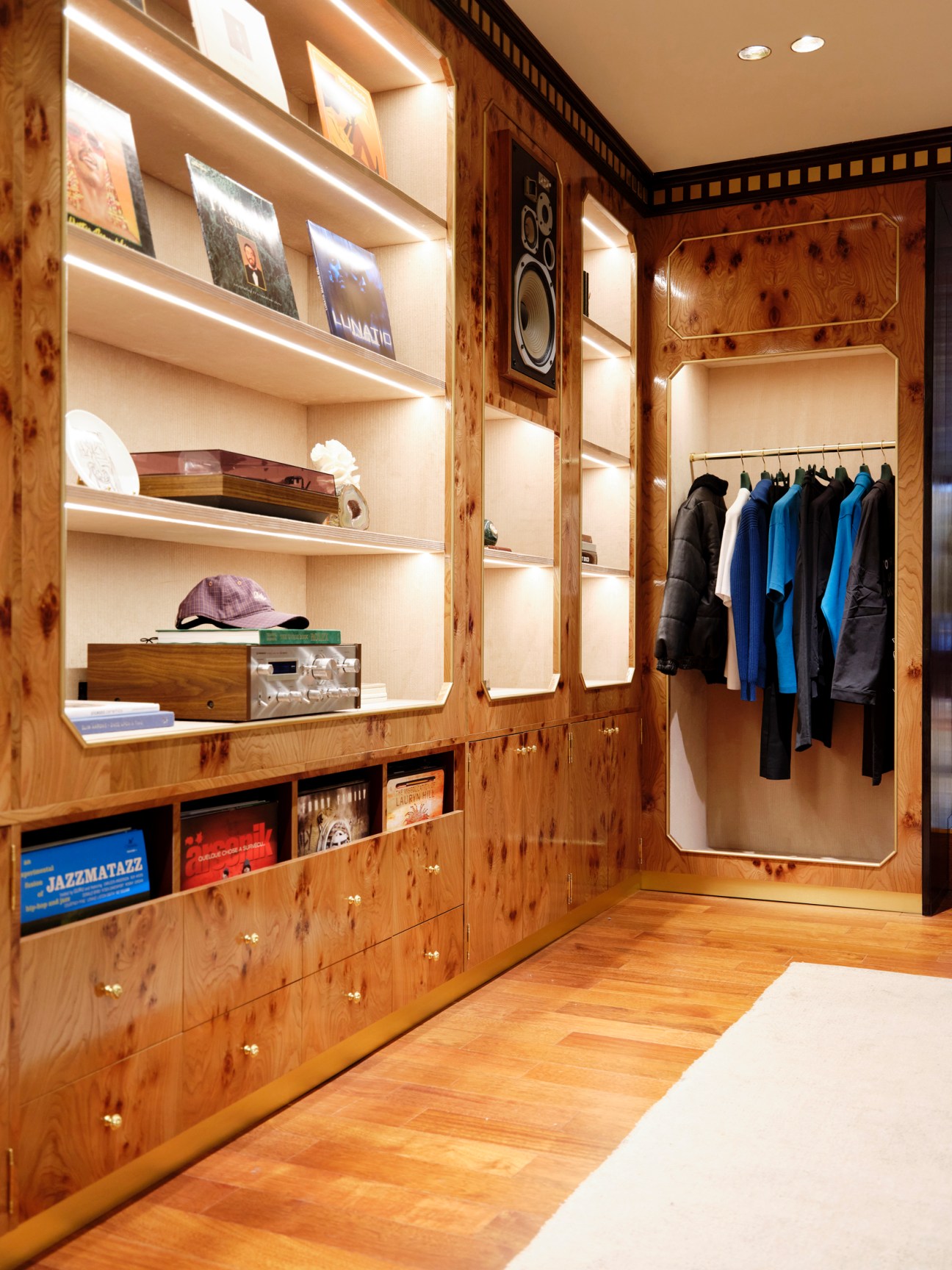
The boutique evokes an elegant 1970s hotel lounge, with art deco-style walls and a till that resembles a bar counter. “Hospitality and fashion have a lot in common,” says Dos Santos. “Both aim to make clients feel at home.” Alongside casual items bearing playful graphics, you’ll find a range of more formal designs: we recommend the elegant trench coats and shearling jackets.
droledemonsieur.com
Brioni
Italy
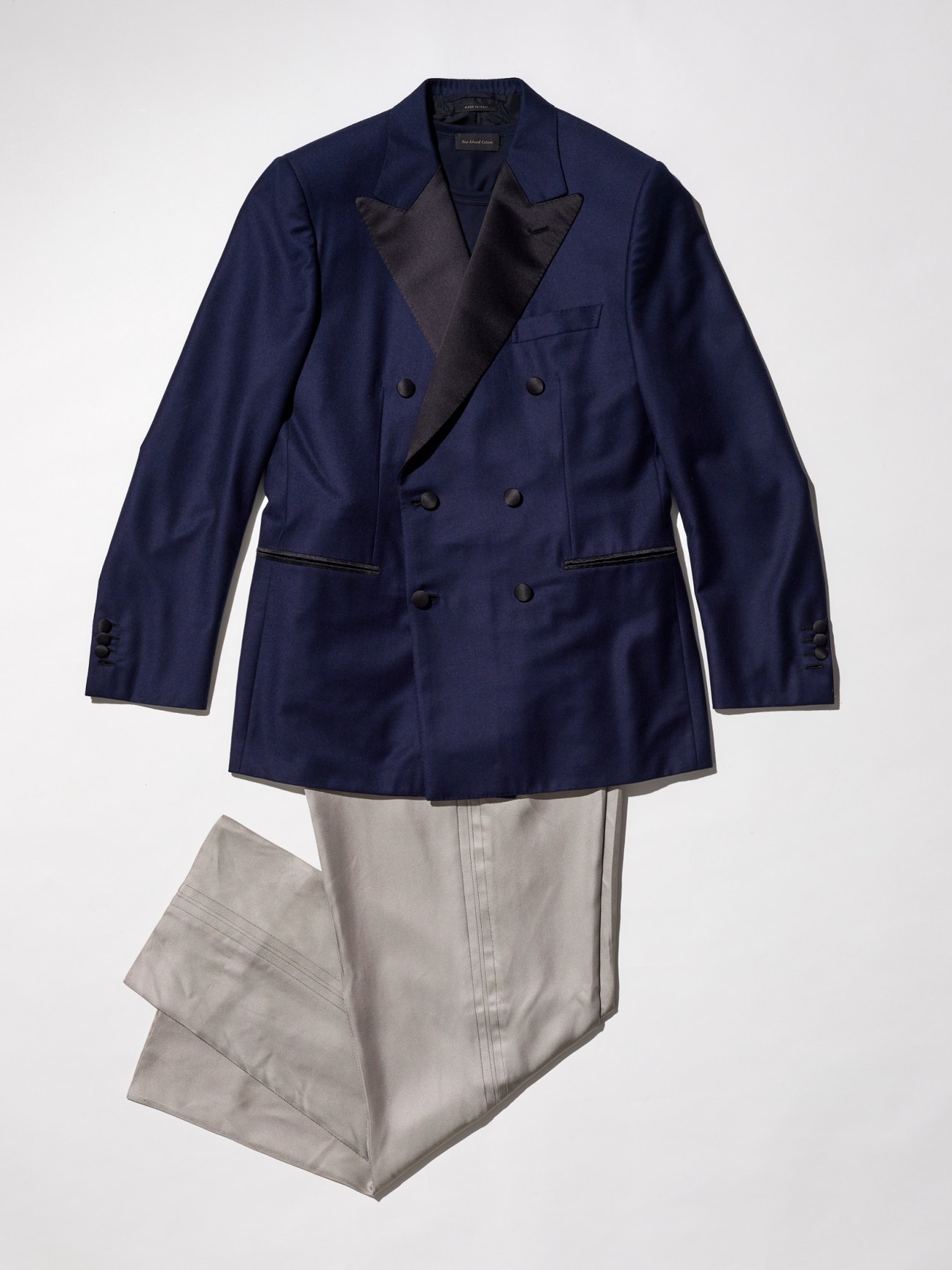
Under design director Norbert Stumpfl, Brioni has been quietly evolving into one of the key premium menswear labels in the market, offering meticulously crafted garments made using featherlight, natural materials and rare couture techniques. Stumpfl tends to favour minimal designs and neutral colours, letting the quality of his clothing do most of the talking. But when it comes to evening wear, he also makes a point to sprinkle the right amount of glamour on his designs. A firm believer in the power of a sharply tailored jacket, his latest evening wear creations, presented in Milan’s Circolo Filologico, included tuxedos and dinner jackets featuring elongated lapels and earthy colours, nodding to the work of Spanish artist and designer Mariano Fortuny.
You’ll also find jackets in the brand’s signature herringbone cloth that feature a layer of barely visible glass beads. Then there are one-of-a-kind pieces including a silk tuxedo jacket (pictured) with glitter embroidered underneath the fabric to add a faint sheen: a testament to the Brioni artisans’ impressive skills and Stumpfl’s commitment to “the culture of the human touch”.
brioni.com
The Elder Statesman
Los Angeles
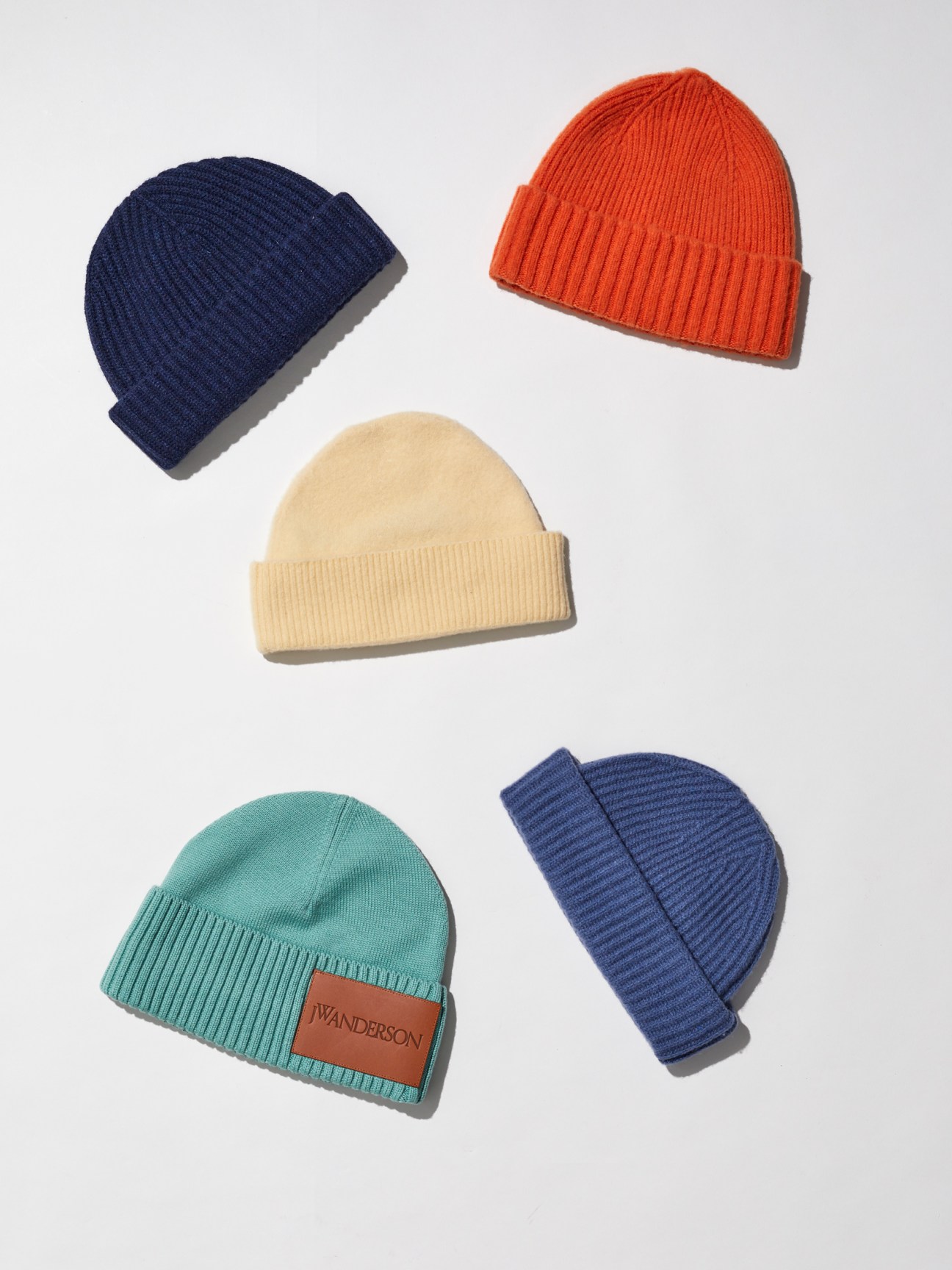
At Pitti Uomo, popular looks usually make themselves clear as soon as you start approaching the Fortezza da Basso, where the event takes place. This year, there was a colourful mood when it came to attendees’ accessories. The buyers, editors and stylists still wore the tweed coats and monochrome suits they are known for but also added woollen beanies in an array of bold colours.
On the runways of Milan and Paris later in the month, show guests kept their hats on to stand out and break up all-black winter uniforms. The accessory also made its way into brand showrooms – the luxurious styles by LA-based label The Elder Statesman, in mood-boosting yellow and green hues, were among our highlights.
elder-statesman.com
Celine X Master & Dynamic
Global
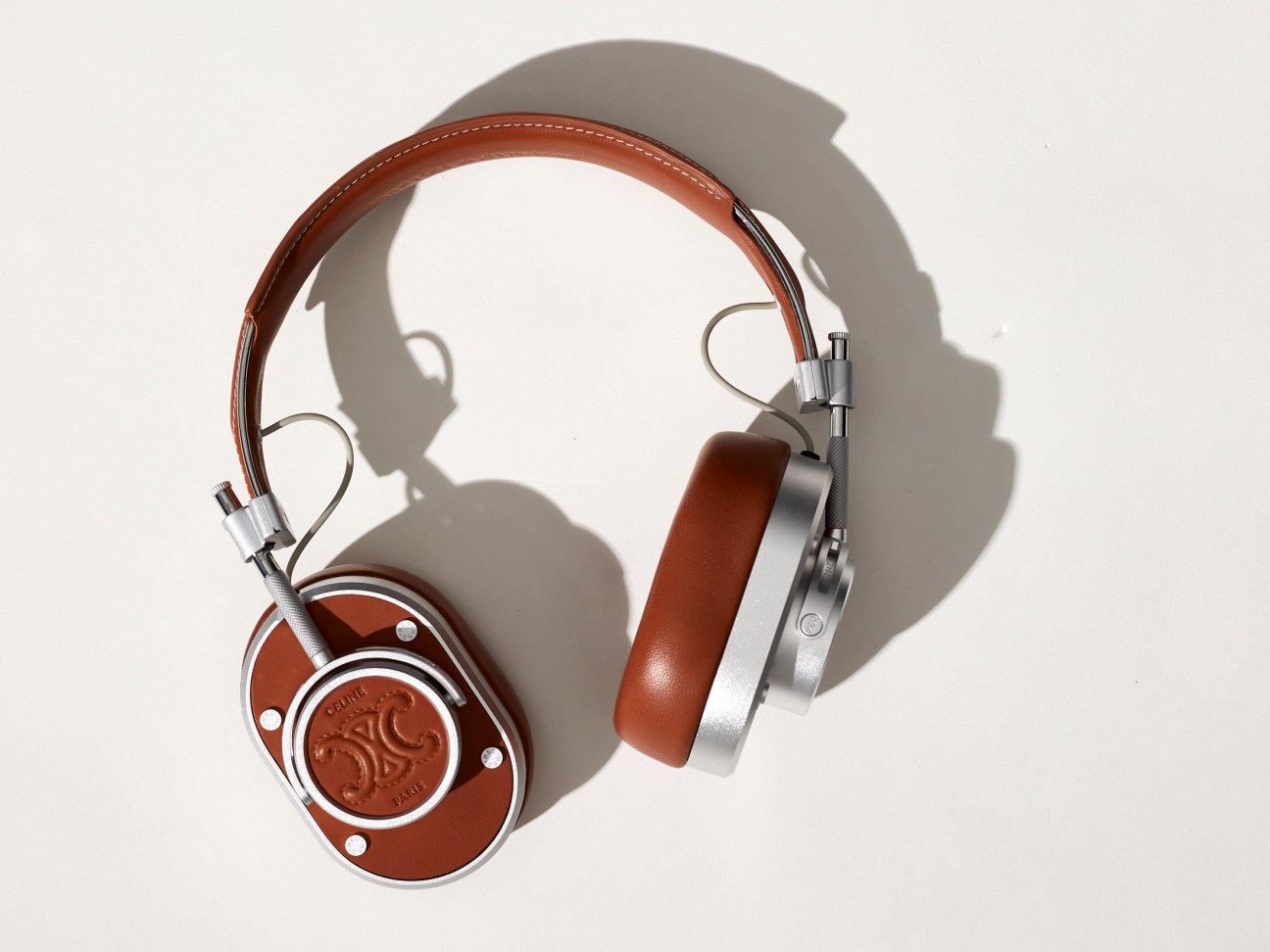
Fashion brands are now aspiring to connect with customers when they are eating, drinking and listening to music, not just when they are getting dressed. The result is a host of cross-sector collaborations, from Valextra’s tie-in with Bar Basso’s baristas to Bottega Veneta’s partnership with Korean kite artisans. This season, headphones were regularly spotted in brands’ showrooms, displayed next to hats or footwear. We have our eye on a pair by Celine in tan leather or black calfskin, made in collaboration with Master & Dynamic.
celine.com; masterdynamic.com
Acaba
Paris
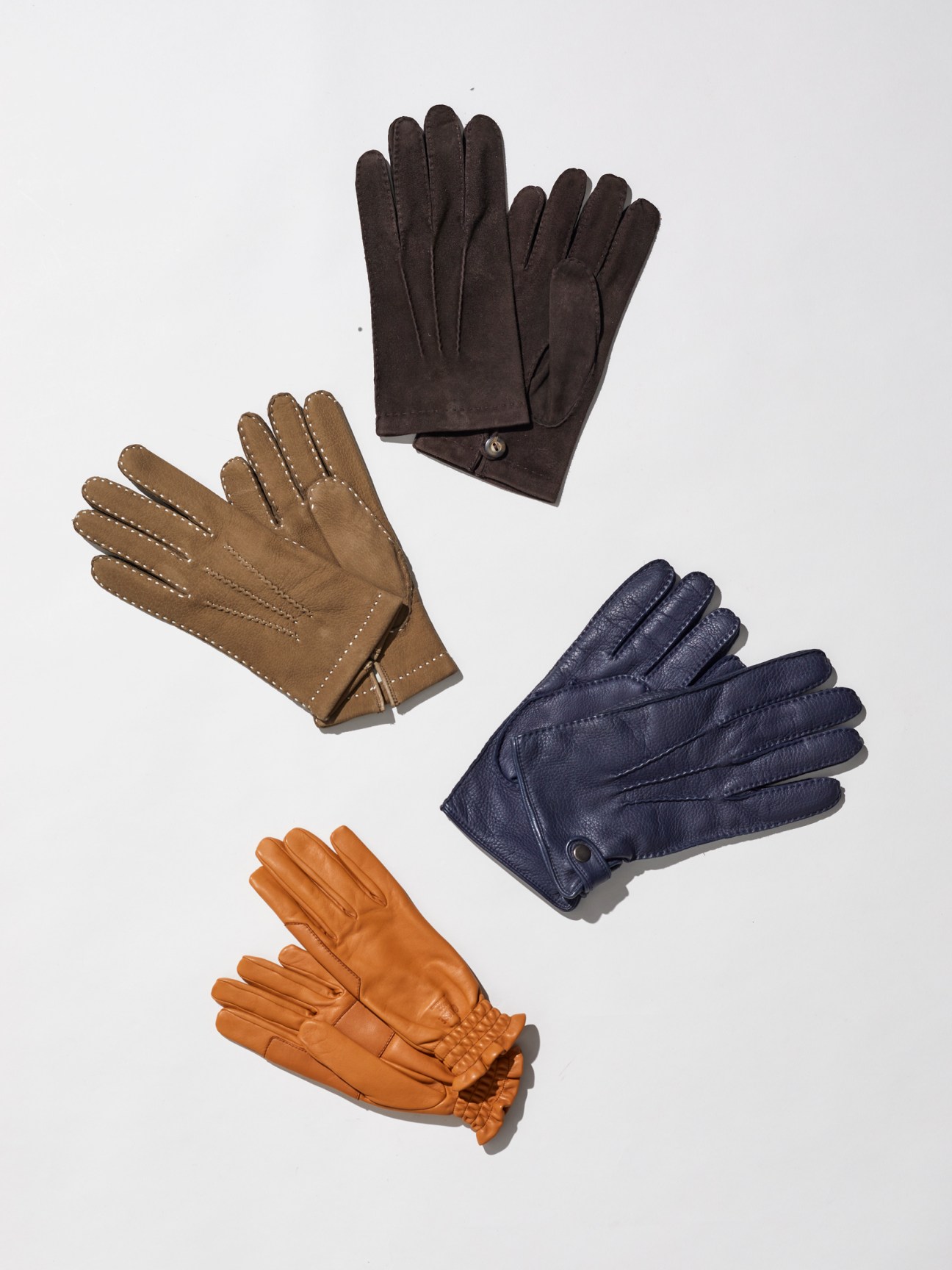
Leather gloves have become designers’ accessory of choice this season. Silvia Fendi added elegant pairs in saffron, burgundy, all-grey and khaki for Fendi – inspired by countryside living and hunting outfits worn by the UK’s Princess Anne. Giorgio Armani played with textures, juxtaposing velvet coats with padded leather gloves.
This is an easy styling trick: pick an eye-catching shade, from deep red to green or yellow, pair them with wardrobe staples like denim or monochrome suits – and if you get too warm, fold them over the belt of your coat. We like stocking up at Paris-based Acaba, a storied glove-maker whose shop at the Palais Royale is filled with handmade gloves in every shade.
acaba.fr
comment
Looks promising
Natalie Theodosi
For the menswear industry, the year starts with a medley of shows, presentations and social gatherings in Florence, Milan and Paris. The fast-paced schedule offers an opportunity to gather inspiration and take the temperature of the market. This year the mood was cautionary, with brands and retailers forecasting that, after three years of explosive growth, the luxury sector might finally find that its clients are bulging less.
However, challenging economic times encourage creativity and necessary course corrections. In this case, brands are slowing down, returning to their founding values and thinking about new ways to connect with customers. Some are doing so by raising quality standards, sourcing premium materials and partnering with artisanal manufacturers. Others are increasingly thinking beyond fashion: to keep customers interested there’s a need to create richer experiences.
For Gucci, for instance, success has become equated as much to people singing along to its remix of the 1970s Italian classic “Ancora, Ancora, Ancora” as buying into its new minimal aesthetic. In the same spirit, fellow Italian label Valextra joined forces with Milanese institution Bar Basso on a leather case and a pair of cocktail glasses, while in Paris, Louis Vuitton used its runway show to debut new music, including a collaboration between its creative director Pharrell Williams and folk band Mumford & Sons. This marks a new era for branding – expect to see fashion brands pursuing more partnerships with chefs, architects, musicians and hoteliers this year.
How will these shifting dynamics translate into the way we dress? Given the higher stakes, designers are suggesting that we too need to raise our standards and start dressing the part. There was a collective celebration of formality and the power of dressing up: smart brogues replaced trainers, sporty parkas were swapped with tailored coats and neck ties made a firm comeback, particularly at Prada, where the catwalk was transformed into a series of chic cobalt-blue office cubicles. We round up our highlights on these pages.
Theodosi is Monocle’s fashion director
Welcome to the world’s most exclusive gastronomic society
Alex Johnstone says that he was “flying blind” to begin with. The head chef for Justin Trudeau had been plucked from a small-town restaurant near the Canadian prime minister’s cottage in Québec. Recognising the importance of this new world took some time. “As you start doing more and more larger events, the gravity of the job slowly dawns on you,” he tells Monocle. Whereas a restaurant is all about the chef’s own creations, suddenly, “it’s not about you any more”. In his first year, Johnstone received a baptism of fire when he found himself cooking for Joe Biden, who is famously a lover of ice cream. “We were searching all the resources we could to find out every detail about what kind of ice cream he likes.”
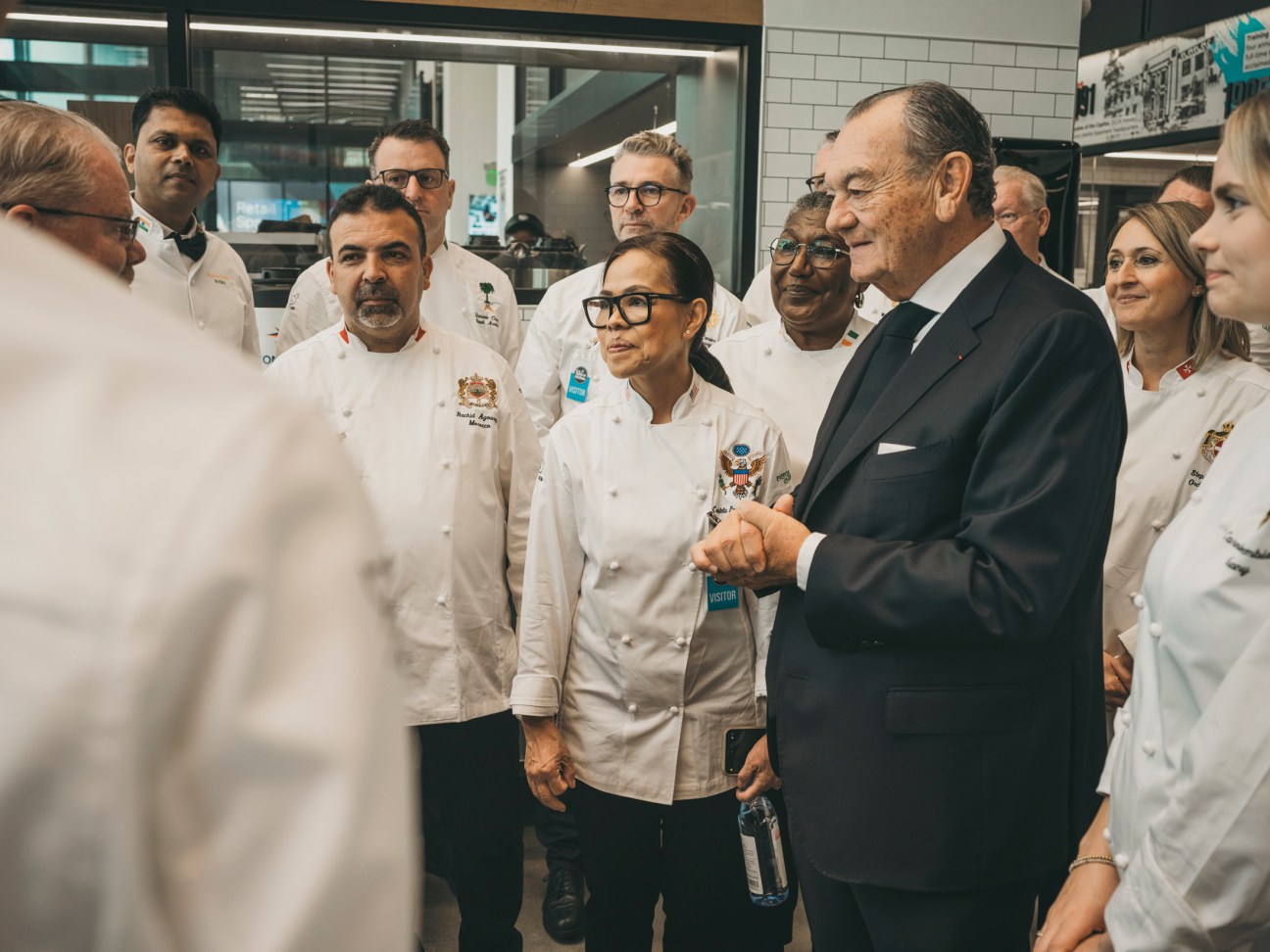
What Johnstone didn’t know at the time is that there’s an exclusive club of contemporaries – chefs to the world’s heads of state and government – for just these sorts of culinary predicaments. “Heads of state have the red phone; we have what we call a blue phone,” says Christian Garcia, chef to Prince Albert II of Monaco and president of what’s known as the Chefs des Chefs Club. “When we have an official lunch or dinner coming up, we can ask each other, ‘What’s your boss’s favourite dish?'”
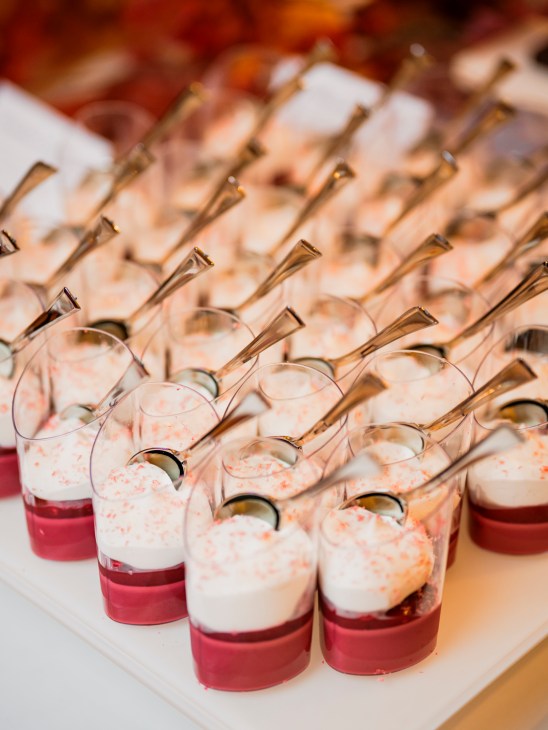
That exchange of information is a core function of one of the world’s most exclusive clubs, made up of just one member from any country: the personal chef of that nation’s head of state or government. Founded in 1977 by Gilles Bragard, a French designer of chef’s uniforms, the umbrella organisation is based in Paris but holds annual summits for its members in different capitals; the latest, which Monocle attended in November, was hosted in Washington. The summits are a chance for this elite group of chefs, who usually work in the background, to step forward and take centre stage. Over the years these summits have been attended by US presidents from Ronald Reagan to Barack Obama, and world leaders from Narendra Modi to Angela Merkel and Emmanuel Macron.
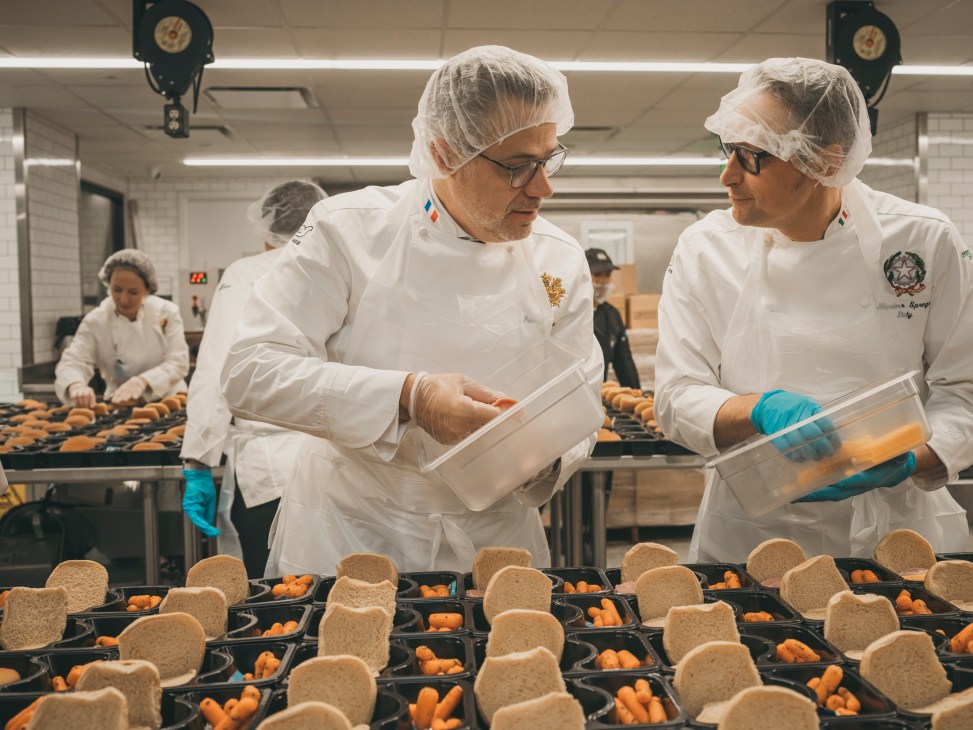
Every event also involves giving something back by highlighting a culinary cause or charity. In November, the group visited DC Central Kitchen, a local non-profit. The club of esteemed chefs were put to work cutting up pumpkin, squash and other seasonal vegetables, which they cooked alongside students from underprivileged backgrounds, some of whom have been given a second chance after serving time in prison. Willem-Pieter van Dreumel, chef to King Willem-Alexander of the Netherlands, was struck by the workload: 10,000 meals prepared every day for the poor in the US capital. “I’ve never had to do these kinds of amounts,” he says. Mike Curtin, CEO of DC Central Kitchen, says that his organisation has had several high-profile visitors over the years and puts all of them through their paces; he describes a particularly memorable moment when Bill Clinton was lunged at by a volunteer – to the horror of his Secret Service detail – because he scratched his face with a gloved hand (a sanitary sin) and tried to keep working. “We don’t really have time to be in awe,” says Curtin. Even so, he acknowledges that the visit from the Chefs des Chefs Club was particularly special. “We’ve never had this many talented high-profile chefs before,” he says. “To have these chefs who are carrying out diplomacy through food on a daily basis, it just fits so well with what we do on a daily basis: trying to build community through food.”
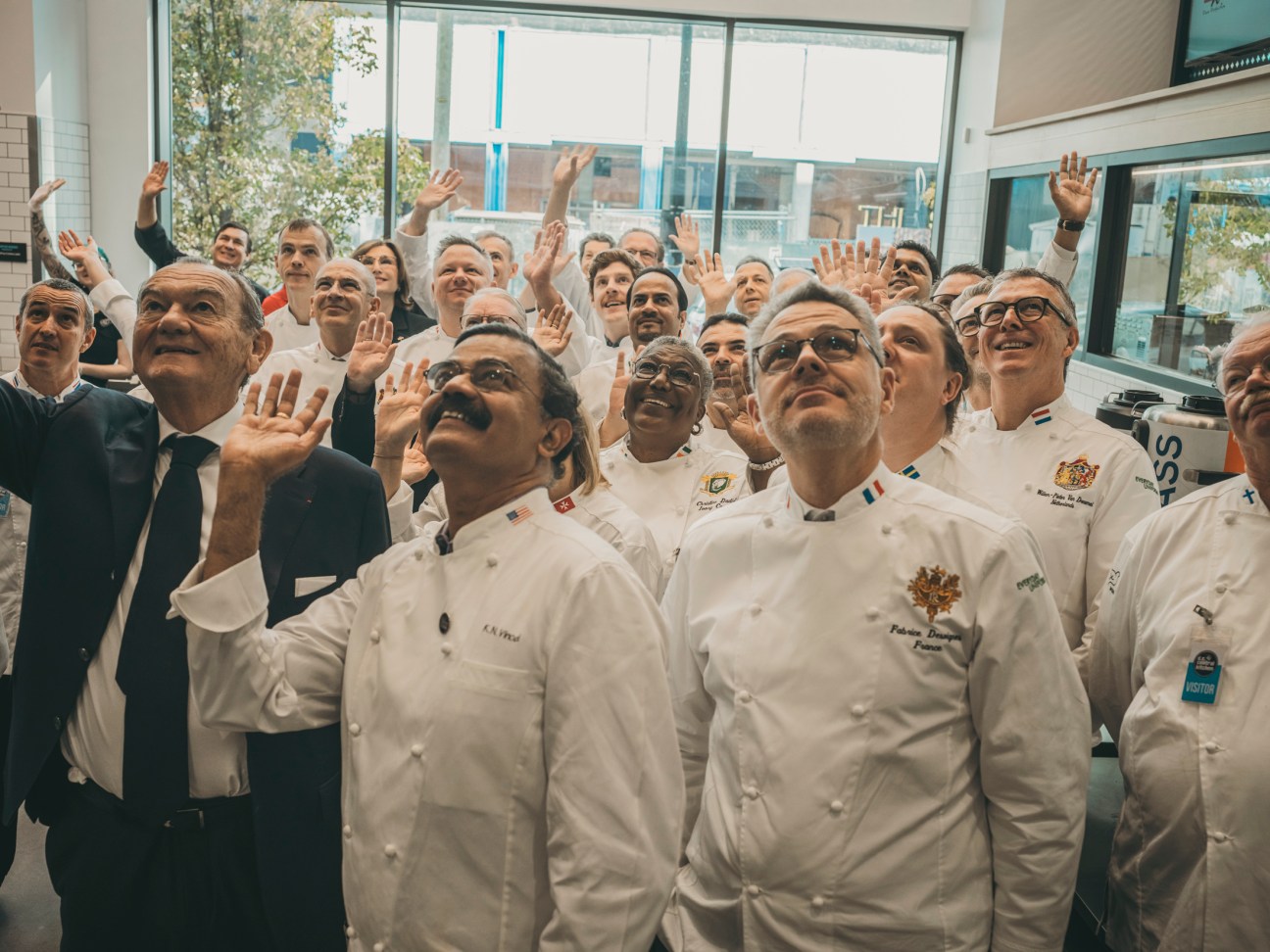
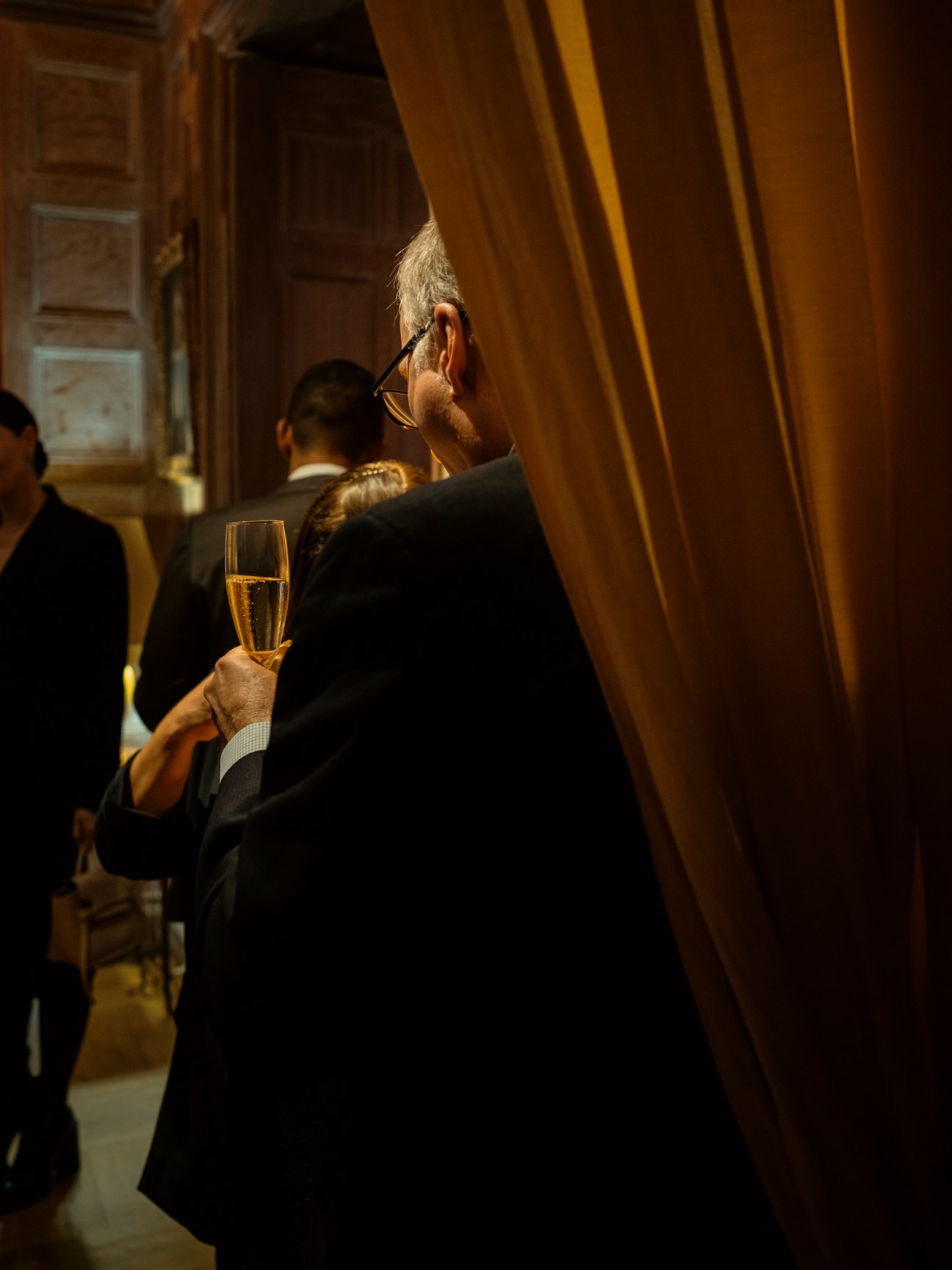
Beyond the pageantry, for the chefs themselves the summit is simply a chance to get together and let off (metaphorical) steam. Its members range from 20-year veterans to complete newcomers who are eager to learn and soak up the experience. “Honestly, I had no idea what to expect but it has been fantastic,” Canada’s Johnstone tells Monocle at an evening reception hosted at the French ambassador’s residence. “There’s such a huge gap: a range of ages and experience. We are all serving different types of leaders: we have a prime minister, presidents, kings. It’s wild to hear the stories.”
What’s striking is the job’s variety: chefs are typically responsible for everything from bilateral summits and state dinners, to everyday meals and the health of their very important employer. The wisdom imparted by veterans is less about recipes and more about things like presentation, how to run a presidential household and the importance of diplomatic tact. “We’re all fortunate in that we have personal insight into the families that we work with but we’re also all bound by that same discretion,” says Mark Flanagan, chef to King Charles III, and before him, for 20 years, Queen Elizabeth II. Flanagan says the late queen always stressed that it was as much about the staff as the monarch, “If we look after the staff, and we look after the team, the palace functions better and in a more harmonious way.”
Joe Biden’s fondness for ice cream aside, the chefs are generally coy about their leaders’ favourite dishes. This is partly for discretion but also to avoid repetition: Flanagan says that he learned this lesson the hard way before he became Buckingham Palace’s head chef during a visit of former French president Jacques Chirac. “Everybody knew that his favourite dish was tête de veau, made from calf’s head, and I was told, ‘This is his favourite, you must make it for him.’ So I practised and practised and practised but the poor man – everywhere he went, that’s all he got!” Flanagan says. “Another good thing that can come from the club is that we can phone each other up and say, ‘Whatever you do, don’t give him tête de veau.'”
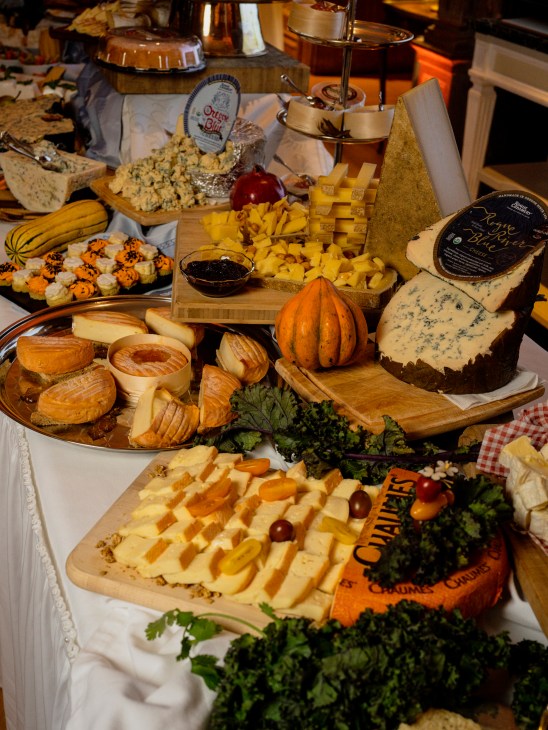
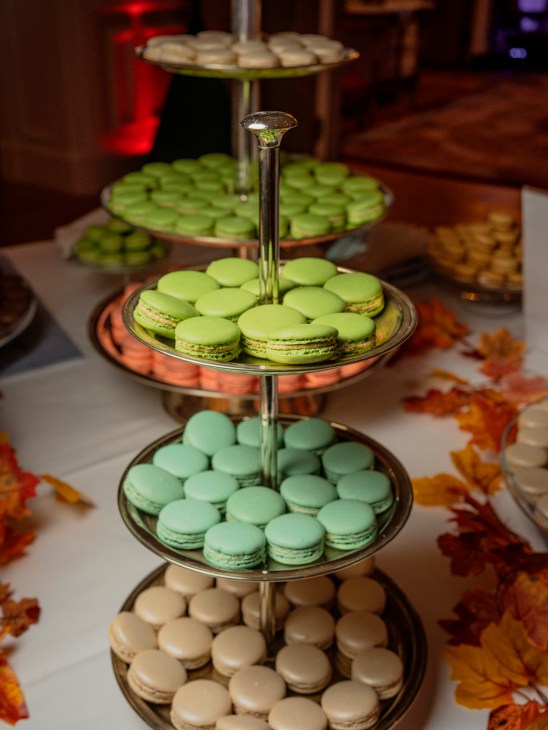
What’s on the menu?
Joe Biden welcomes Anthony Albanese, prime minister of Australia
25 October 2023 at the White House
First course
Farro and roasted beetroot salad with popped sorghum in herb vinaigrette; butternut squash soup with smoked paprika and candied pumpkin seeds
Main course
Sarsaparilla-braised short ribs; sorghum-glazed young carrots; brussels sprouts, celery root purée and carrot jus
Dessert
Hazelnut and chocolate mousse cake with crème fraîche ice cream
Wine
Alexander Valley Chardonnay, 2019; Sequel, 2019; Argyle’s Extended Tirage Brut, 2012
Such advice can range from leaders’ allergies to specific likes and dislikes. And while there’s typically a protocol team that arrives ahead of any state visit to help orchestrate high-level functions, the personal touch is key for discovering more intimate details. “If the president of France is coming to the UK, I can pick up the telephone with confidence, speak to my colleague and say to them, ‘What about breakfast?’ Nobody ever talks about breakfast, but we need to start the day right,” Flanagan says. “And I can have that absolute confidence that the information we’re getting is accurate.” In other words, leaders’ chefs take as much pride in serving up big-ticket state dinners, showcasing their nation’s culinary culture, as they do in simply keeping the official household running smoothly. “We use food as comfort for them, as sustenance,” says White House chef Cristeta Comerford. “At the same time, we use food as a diplomacy tool. You make somebody happy with food. Things fall into the right place after that.”
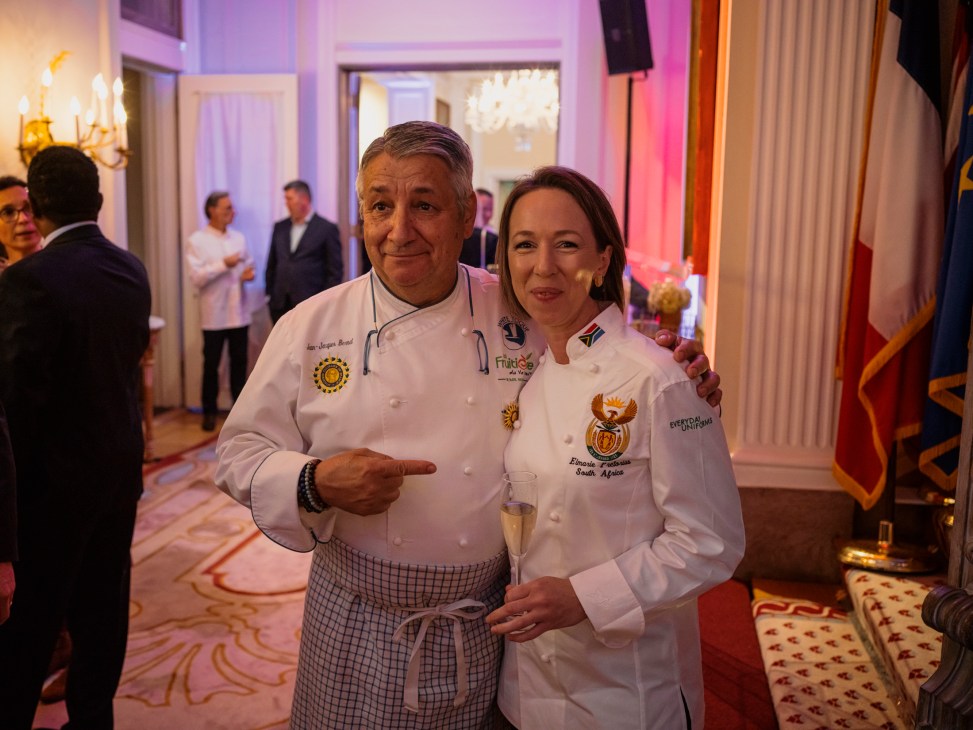
Elmarie Pretorius, chef to South African president Cyril Ramaphosa for the past 10 years, says that the job can be part “mind-reader”, honing your instincts and catering to your leader’s culinary moods on any given day. “We cook for important people but at the end of the day, whoever the guest is, they’re the one who I want to keep happy,” he says. In other words, the head of state is just another hungry person.
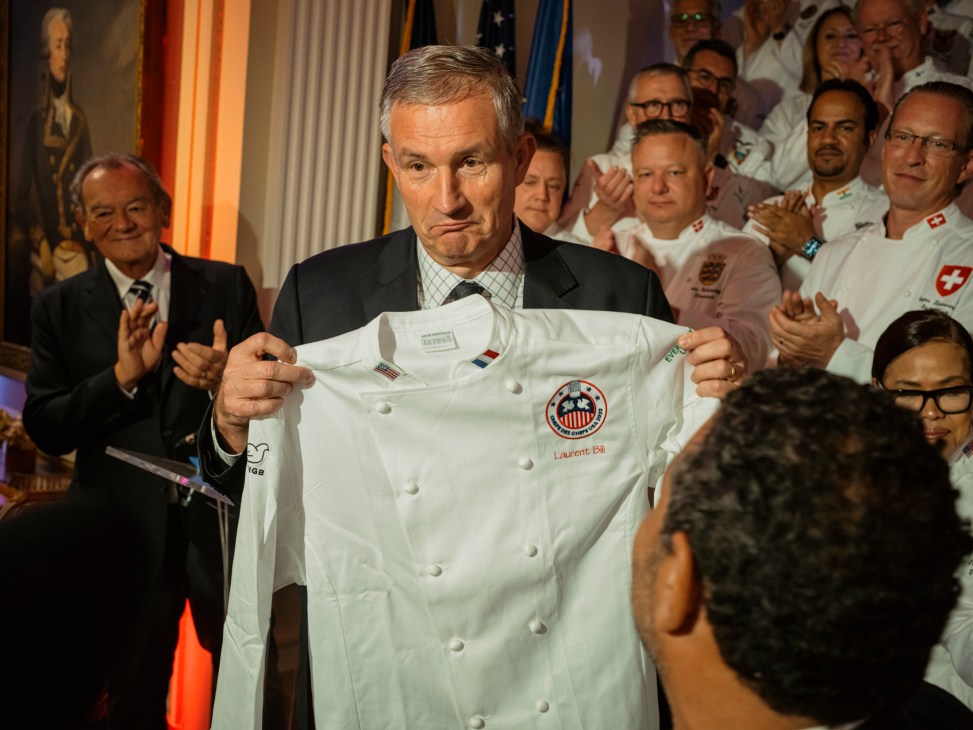
The role of a head-of-state chef stands apart from virtually any other job in hospitality. Not least because there are real-world diplomatic implications. “The leader who arrives in your country and who wants to discover it, you can let them discover your culture through cuisine,” says Laurent Billi, France’s ambassador to Washington. He notes that a mistake during a bilateral meeting can quite literally cause a diplomatic incident, while a positive experience can smooth over relations. Billi, who previously served as France’s ambassador to Thailand, remembers having lunch with a particularly aggressive Asian foreign minister (he won’t say which country but stresses “not China”) who insisted that western Europe was in decline and Asia was on the rise. By the second course and some French wine, the tone had shifted. “Suddenly they were looking at France as a great power in terms of gastronomy. The mood and dynamic of the dinner changed after that moment,” says Billi.
Then there’s the culinary diplomacy aspect: food gives world leaders and their staff a lasting impression of the country they’re visiting, a responsibility that chefs from smaller countries in particular take to heart. “Cuisine is everything: it’s culture, it’s authenticity and it’s the country itself,” says Christine Dadié, chef to the president of the Côte d’Ivoire. “The chef has a chance every day to provide the person who is exploring your country with the food that allows them to discover your culture.” No more is this true than during state dinners, events attended by hundreds of guests and an opportunity for a country’s local cuisine to shine. The dishes of state dinners are chosen carefully, the menu often making national headlines and serving as a nod to cultural ties between both countries. Amit Ghotwal, chef to India’s president, offers an example from a visit of Abdel Fattah al-Sisi for India’s Republic Day in 2023. Ghotwal’s menu called for a vegetable biryani, a classic Indian dish, but he married it with an Egyptian kabsa by using noodles and lentils. The result was a dish that “looks like kabsa, tastes like kabsa, but you also get the Indian flavours. That’s how we try to co-operate; it’s the best of both worlds.”
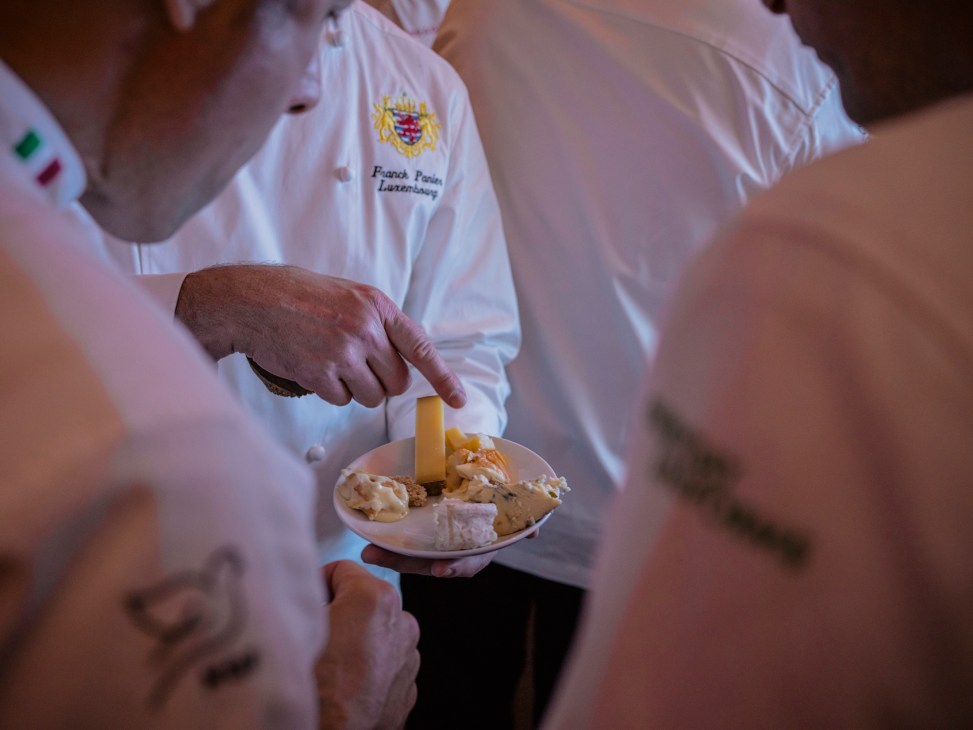
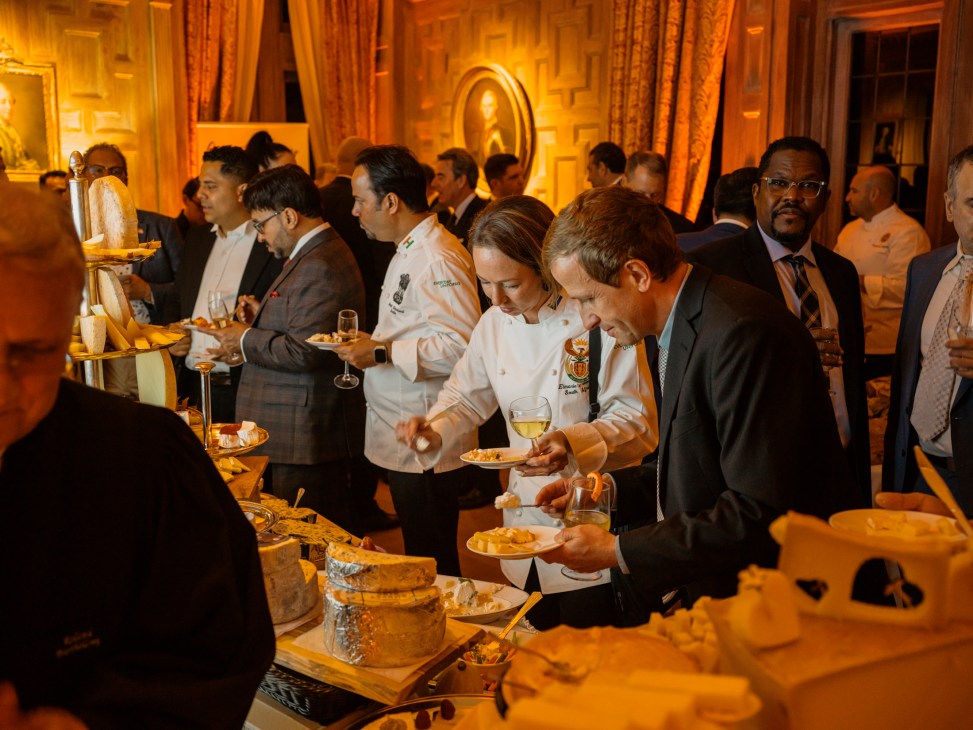
White House chef Comerford stresses the importance of seasonality during state dinners. “We also think about the guests who are coming and the themes, nuances or flavours that are really endearing to them,” she says. “And since America is such a wonderful conglomeration of different flavours and food from immigrants, we also want to incorporate that idea into the message.”
Presentation matters too. “When we formulate a state dinner, it’s all very considered,” she says. “Every decoration, every plate, every piece of entertainment is really thought out wisely.” Comerford adds that she takes an egalitarian approach, always putting in the same effort. “We have to make sure that no matter what country or continent or area you came from, you get the same hospitality as any other country.” That said, Comerford says that it was a particularly unique honour to host the Chefs des Chefs themselves for lunch at the White House, alongside Jill Biden, the US first lady, during November’s summit. “They really have sacrificed their hours and their time to serve others,” she says. “The least I can do is give them the best of what I can do.”
What’s on the menu?
Emmanuel Macron welcomes King Charles III
September 20 2023 at the Palace of Versailles
First course
Blue lobster and pot crab with fresh almonds and mint-coconut gel
Main course
Corn-flavoured Bresse poultry marinated in champagne; gratin of porcini mushrooms
Cheeses
Pélardon; 30-month comté; stichelton
Dessert
Pierre Hermé’s twist on his “Isaphan”, made with pink macaron and lychee sorbet
Wine
Bourgogne Bâtard-Montrachet Grand Cru, 2018;
Château Mouton Rothschild Bordeaux, 2004
India’s president, Droupadi Murmu, welcomes her Egyptian counterpart, Abdel Fattah El-Sisi
5 January 2023 at Rashtrapati Bhavan, New Delhi
Starters
Dal shorba (Indian take on Egyptian lentil soup); rajgira doodhiya kebab (deep-fried amaranth and hung curd medallions); tandoori aloo (stuffed potatoes)
Main course
Paneer methi malai (cottage cheese with fenugreek leaves); rogani khumb (mushrooms in tomato gravy); chaunka bajra matar (pearl millets and peas); broccoli corn jalfrezi; dal raisina (lentils and tomatoes); dahi gujiya (lentil medallions); subz koshari (Indian take on Egyptian koshary); bread
Dessert
Jalebi with rabri (Indian counterpart to Egyptian meshabek); ragi laddoo (Sweet bites made from finger millet); seasonal fruit
Mint tea or coffee