Issues
The business agenda: Manufacturing cranes in the US, Colombia’s hospitality scene and the business of Tracht
Manufacturing – USA
Tall orders
While the security of global shipping routes has preoccupied governments around the world in recent months, the US has also swung its attention to another fixture of its maritime infrastructure: cargo cranes at its ports.
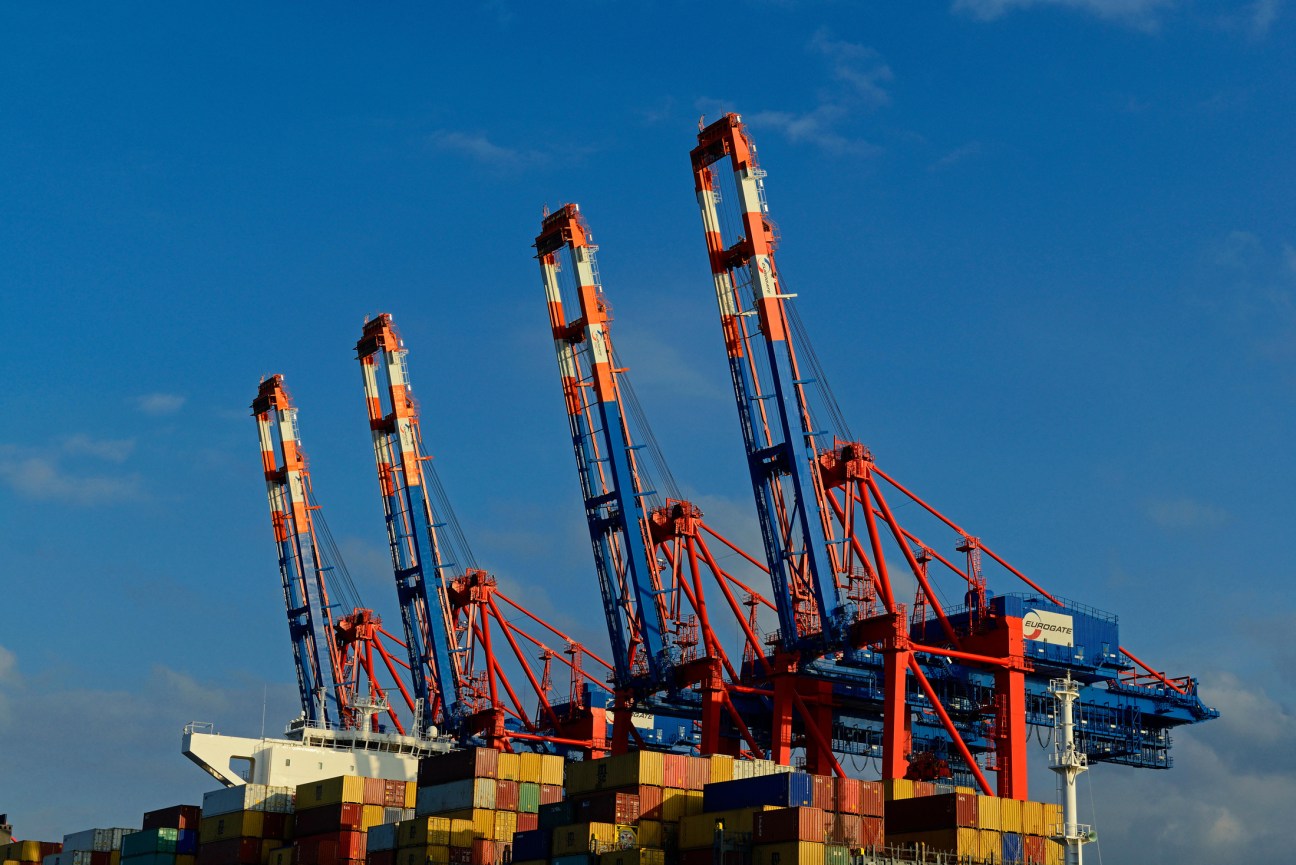
A 2023 newspaper report alleged that US officials were concerned that technology woven into the cranes that lift containers from ship to shore might be harvesting data on the US’s maritime economy. The majority of these contraptions are manufactured in China: Shanghai-based firm ZPMC makes 70 to 80 per cent of the world’s cargo cranes. The claims have been refuted but in February the US government announced a $20bn (€18.4bn) investment in its port infrastructure, with a focus on reviving its largely dormant crane-manufacturing sector.
The return of US crane production is set to take shape over the next five years, meaning that domestic manufacturing will do much of the heavy lifting in a sector of the US economy that currently generates $5.4trn (€5trn) every year.
monocle.livement: There’s a fine balance between security and paranoia. Trade barriers damage as well as protect.
Audio – Austria
Sound effects
Professional-grade audio equipment has long ceased to be the preserve of radio journalists and sound engineers, and established audio hardware companies are investing heavily in versatile and easy-to-use microphones and recorders.

One of them, Austrian Audio, emerged as a reaction to off-shoring. In 2017, when AKG – Austria’s celebrated maker of microphones and headphones – was acquired by South Korean giant Samsung and closed its facilities in Vienna, a group of its engineers stayed behind and set up on their own. “We wanted to create something new but respectful of our heritage,” says Austrian Audio’s Perry Damiri.
Though it caters to entry-level creators, its biggest sellers are expensive microphones used in the world’s best recording studios and concert halls.
Transport – Canada & USA
Spark and ride
For school students across North America, there is one sound every morning that makes the heart either sink or sing: the trundling arrival of a bright yellow school bus. But a quiet overhaul to one of North America’s most recognisable forms of transport is under way at a new manufacturing plant built and operated by Blue Bird, the firm that debuted the famous buses in the 1920s.

The facility, in the US state of Georgia, opened a year ago to cater to the soaring demand from school districts across the US and Canada for electric buses, rather than diesel. The plant has the capacity to produce almost 5,000 buses a year.
School buses are well-suited to electrification. Fixed routes make them ideal for range-limited EVs and the periods outside the school run give plenty of charging time. They also ensure cleaner air for children, which has encouraged education authorities to start electrifying fleets. By 2032 it’s estimated that almost half of school buses will be electric, which will make the school run less arduous – for the environment, at least.
Publishing – Ibiza
Creative outlet
When Sonja van der Hagen settled in Ibiza after a career at German furniture firm Dedon, she was excited to discover a rich community of artists, artisans and architects, yet many were struggling to be seen and heard. So her new book, Made in Ibiza: a Journey into the Creative Heart of the White Island, lands like a celebratory lifeline. On an island where superclubs and summer crowds cast shadows, she hopes her compendium of Balearic creativity will inspire more people to buy local.

How much did your perception of Ibiza change while researching the book?
Everyone knows the “party island” cliché but it was reassuring to discover an almost-invisible creative community and delve into thousands of years of history. But we had to dig for information, highlighting how little these layers are available. More needs to be done to honour the island’s artistic spirit.
How can you encourage island visitors to ‘give back’?
I wanted to connect people to the quality of island products by showing the integrity of the people behind them. I enlisted journalists to get to the heart of their stories, some of which stretch back generations. All contribute to Ibiza’s identity.
What advice do you have for others hoping to find the right publisher for their own book project?
Be ready: have a good concept; make the presentation shine; be prepared to adapt. Most importantly, find a publisher that understands your vision and shares your passion.
The Entrepreneurs
Laura Kramer on…
Pure shores
Nestled on Tierra Bomba Island, a breezy boat ride away from Cartagena, Blue Apple Beach isn’t your run-of-the-mill retreat. As the first island resort worldwide to earn B Corp status, it’s aiming to be a game-changer in Colombia’s hospitality scene.
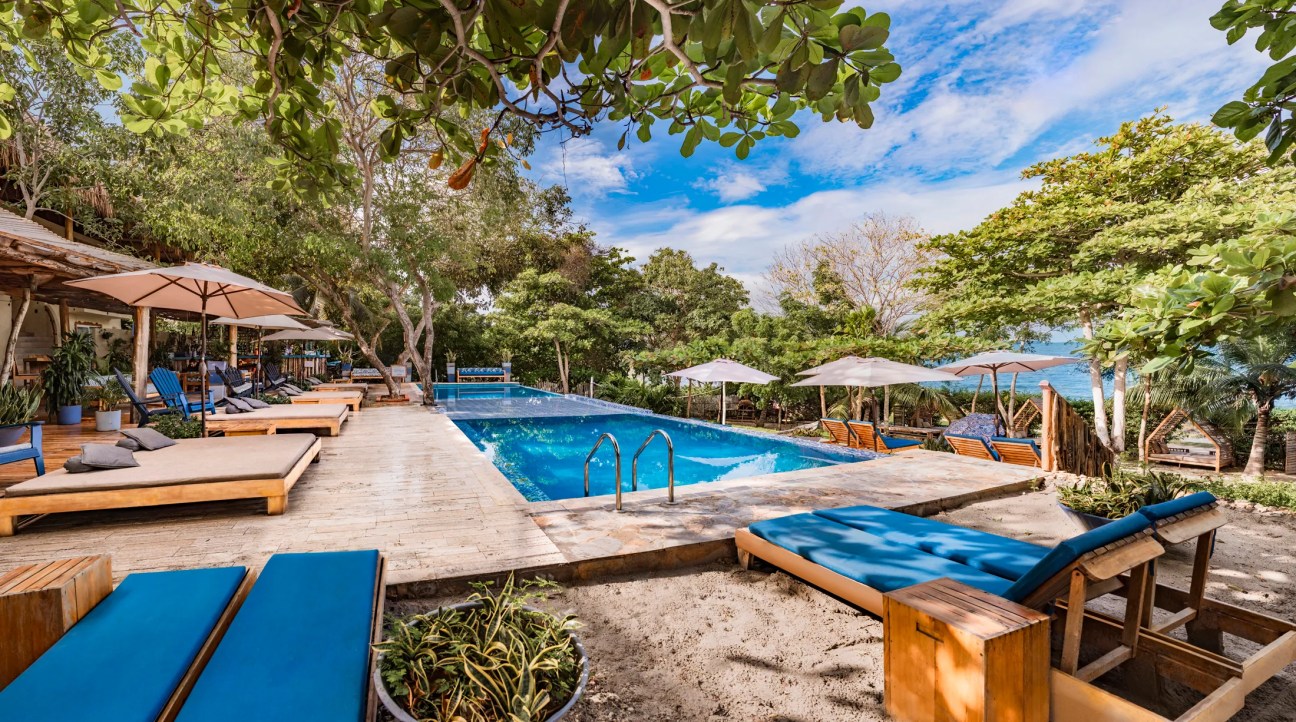
Founder Portia Hart (pictured) didn’t set out to save the planet when she opened the doors in 2016. “I just wanted to start a company that sold rosé on the beach with good music and nice food,” she tells Monocle. Originally from the UK, Hart followed the sun to the south of France where she worked for almost a decade before finding her way to the Caribbean coast of Colombia. “I wanted to live somewhere where there was a sense of optimism.”
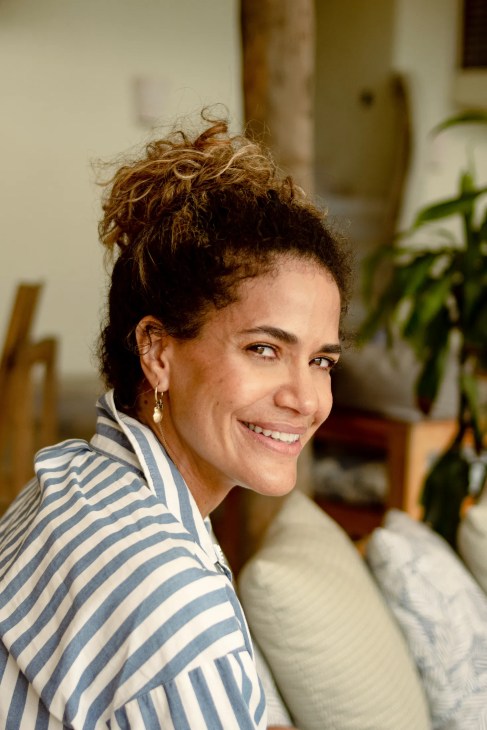
Hart, whose mother is from Trinidad and Tobago, immediately felt a sense of belonging. “Everybody looked like they could be my cousin. For once it wasn’t hard to buy makeup or to find a hairdresser,” she says. “The country was coming out of a dark time and everyone was enthusiastic and starting businesses with no money.”
Today, Blue Apple Beach has 11 bedrooms and the hotel is a love letter to Hart’s years in the Côte d’Azur, with its beach club, Mediterranean-Caribbean fusion restaurant and a DJ who spins European and Latin house tunes.
Hart has three other ventures, including a non-profit focused on job creation through waste management and glass recycling. At the heart of it all is a commitment to creating vibrant businesses that play a role in the neighbourhood. “A huge part of being a sustainable business is the human side,” she says. “It can be something that improves the quality of life in the community.”
For more inspiring business stories, tune in to ‘The Entrepreneurs‘ at monocle.live/radio
Fashion – Austria
Back on tracht
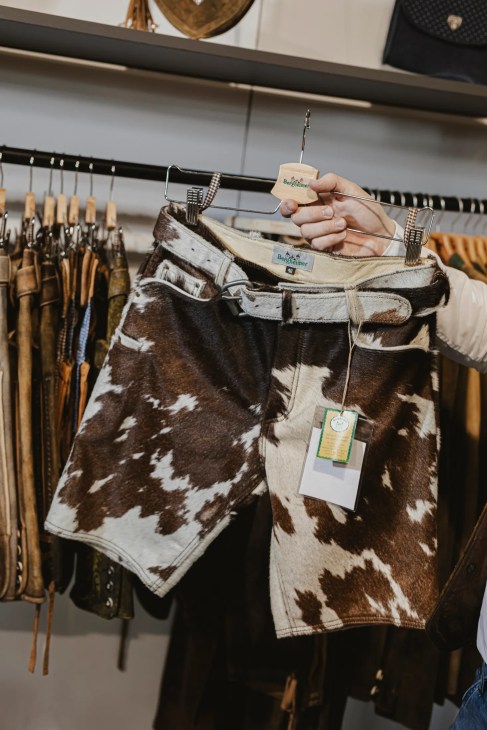
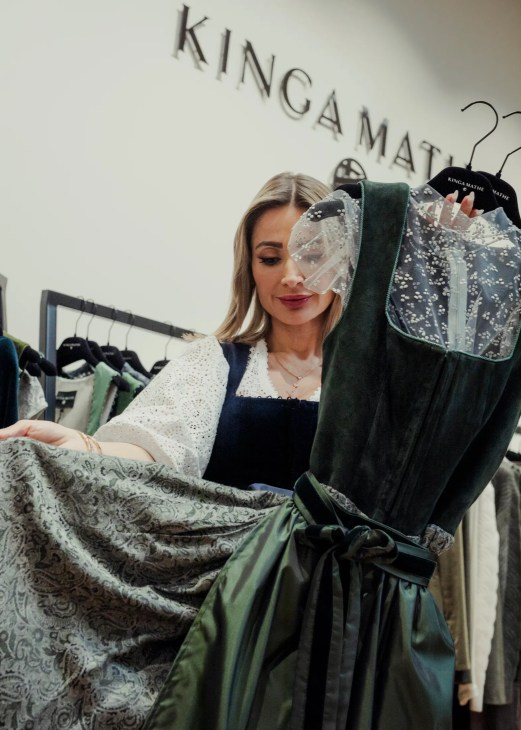
The biannual Fesch traditional costume trade fair is held in Salzburg and attracts about 200 brands and 1,500 shop buyers – all of which are focused on what is now a growing market for long-established Alpine and Tracht dress (think lederhosen, dirndls and some seriously good hats).
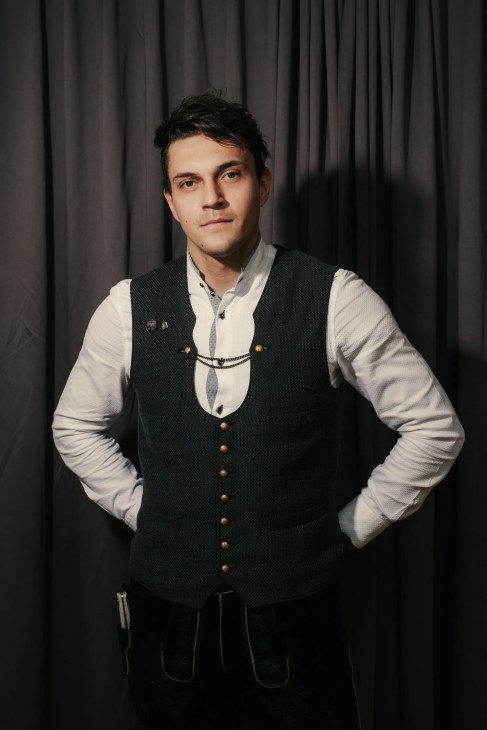

What started as a village uniform that was sported by 16th-century peasants across Bavaria, Austria and South Tyrol has been elevated to a focus of fashion shows, premium shops and bespoke fittings. It’s also an industry that to this day supports a world of impeccable craftsmanship and a network of family-owned ateliers.
And as the ceremonial costume has ceased to be a symbol of political affiliation, today’s Trachten have found function as an urban alter-ego. “On the streets of Munich, it’s not unusual to see Bavarian jackets on dress-down Fridays,” says Sebastian Haufellner, head of buying at longstanding Bavarian department store Lodenfrey. It’s all a joyful way of holding on to a sense of identity.
A Bangkok food emporium’s recipe for success
Gourmet Market’s flagship in Bangkok is a giant food emporium found inside the city’s premier shopping mall, Siam Paragon. Every morning, staff form a line at the end of each aisle to greet the first customers of the day with a cheerful sawadee. This sizeable welcoming party makes food shopping feel like a royal visit. A repeat performance after lunch involves dancing to music.
“An exceptional customer experience is crucial to food retail because there are so many options,” says Ploychompu Umpujh, who heads up Gourmet Market’s 17 branches and the rest of the food department at The Mall Group, one of Bangkok’s leading mall operators. “We have to consistently improve and think beyond what the customer wants.”
Supermarket shopping might have been boiled down to an exact science in many parts of the world but in Thailand the pie charts and schematics come with five-star service and lashings of entertainment. At Gourmet Market, a handful of floor staff are trained to guide customers through fresh produce and groceries, giving ordinary items the star treatment usually associated with fine wine and premium cuts of meat. Then there’s the “you hunt, we cook” scheme, with chefs on hand to whip up a recipe for customers using ingredients sourced from the supermarket.
“Food appreciation is in our DNA,” says Umpujh, before rattling through a shopping list of supporting reasons. These include Thailand’s diverse cuisine and cooking styles, a service mindset, the dominance of agricultural exports and the central role of food in daily life. “Have you eaten?” is a popular way of saying hello. And the likely response is, “Yes, I have but I’m starting to get peckish.”
Beyond the fun and frivolity, putting food on Thai plates is big business. The department that Umpujh leads contributes the largest slice of the Mall Group’s overall revenue and Gourmet Market plans to double in size in five years, primarily via shop expansions. It’s fair to say that Bangkok’s premium supermarkets are home to some of the freshest concepts in food retail.
From left to right:
1.
Adithep Saomok, Sales representative, fruit, “Durian season begins in April – I can’t wait.”
2.
Napaporn Wongmas, Assistant general manager, Gourmet Eats, “Joined Umpujh’s team a year ago but she has been with the company for more than 15 years.”
3.
Thanida Limsirivallop, General manager of merchandising, Gourmet Eats, “When international food brands come to Thailand, she’s in charge of bringing them to us first.”
4.
Rewadee Arunyakanont, Assistant manager, Gourmet Market, “She handles promotions and the planogram system; in other words, how products are placed on the shelves.”
5.
Yarnintorn Temiyaputra, General manager of operation, Gourmet Market, Siam Paragon, “He looks after all of the operations at the flagship store, from customer service to controlling the area where suppliers come to drop off products every morning.”
6.
Pongsak Oransuwanchai, Group general manager, supermarket merchandising (food), “He goes to the local street-food stalls to convince the owners to come into malls.”
7.
Pakawat Chintacanun, Group general manager, supermarket merchandising, “Industry veteran who knows everything about the fresh department and seasonal products.”
8.
Watsakarn Pongsanguansuk, Group general manager, supermarket merchandising (grocery), “A proven executor. When asked for different merchandising from abroad, she always makes things happen.”
9.
Saknarin Kamphrommee, Sales representative, fruit, “Fresh fruit and vegetables generate the most sales.”
10.
Rapeepan Sawangchang, Section manager Gourmet Fresh, “Apples are our biggest sellers and cherries sell really well on promotion.”
11.
Panita Haritaworn, General manager, marketing, Gourmet Market and Gourmet Eats, “Very creative, a good leader and not scared to try new things.”
12.
Chidchanok Boonchamnan, Assistant general manager, marketing, Gourmet Market, “She mainly looks after Gourmet Market’s many events. End of the year and Songkran in April are the most important.”
Read next: The Monocle City Guide to Bangkok, featuring the very best hotels, restaurants and retail spots in the Thai capital
Refueling in midair: A multinational aerial combat training designed to simulate the ‘chaos of combat’
In April 2024 writer Christopher Lord and photographer Jason Koxvold joined a refuelling exercise with the UK and US air forces in the skies over Las Vegas. A mid-flight refuel requires precise manoeuvring thousands of metres up in the air and there is very little room for error. In light of the recent US military KC-135 aerial refuelling tanker crash in Iraq, which killed all six crew members, we are publishing this story to give readers insight into the delicate process.
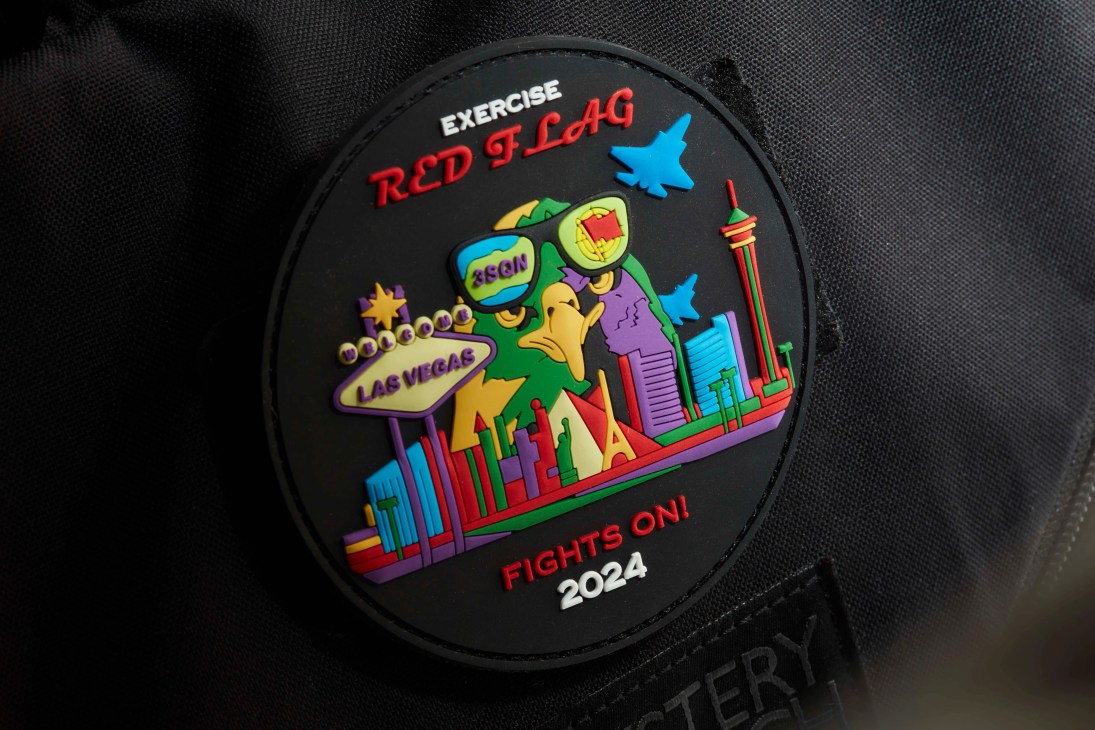
We’re onboard an Airbus A330, cruising at 20,000 feet above the Las Vegas Strip. With its rows of economy seats and in-flight entertainment in the armrests, the plane resembles a typical commercial aircraft; in reality, however, it’s a flying petrol pump with 137,500 litres of jet fuel sloshing around in its fuselage. At the controls are pilots from the UK’s Royal Air Force (RAF), who are monitoring the radio for incoming squadrons of US and UK fighter jets. These will fly in and refuel from the tanker in mid-air, before moving on to a simulated aerial battle over the desert. The refuelling is part of a training mission called Exercise Red Flag, and mirrors the US-UK operations that have been taking place in Yemen since the start of the year as the two nations co-operate to target Houthi positions.
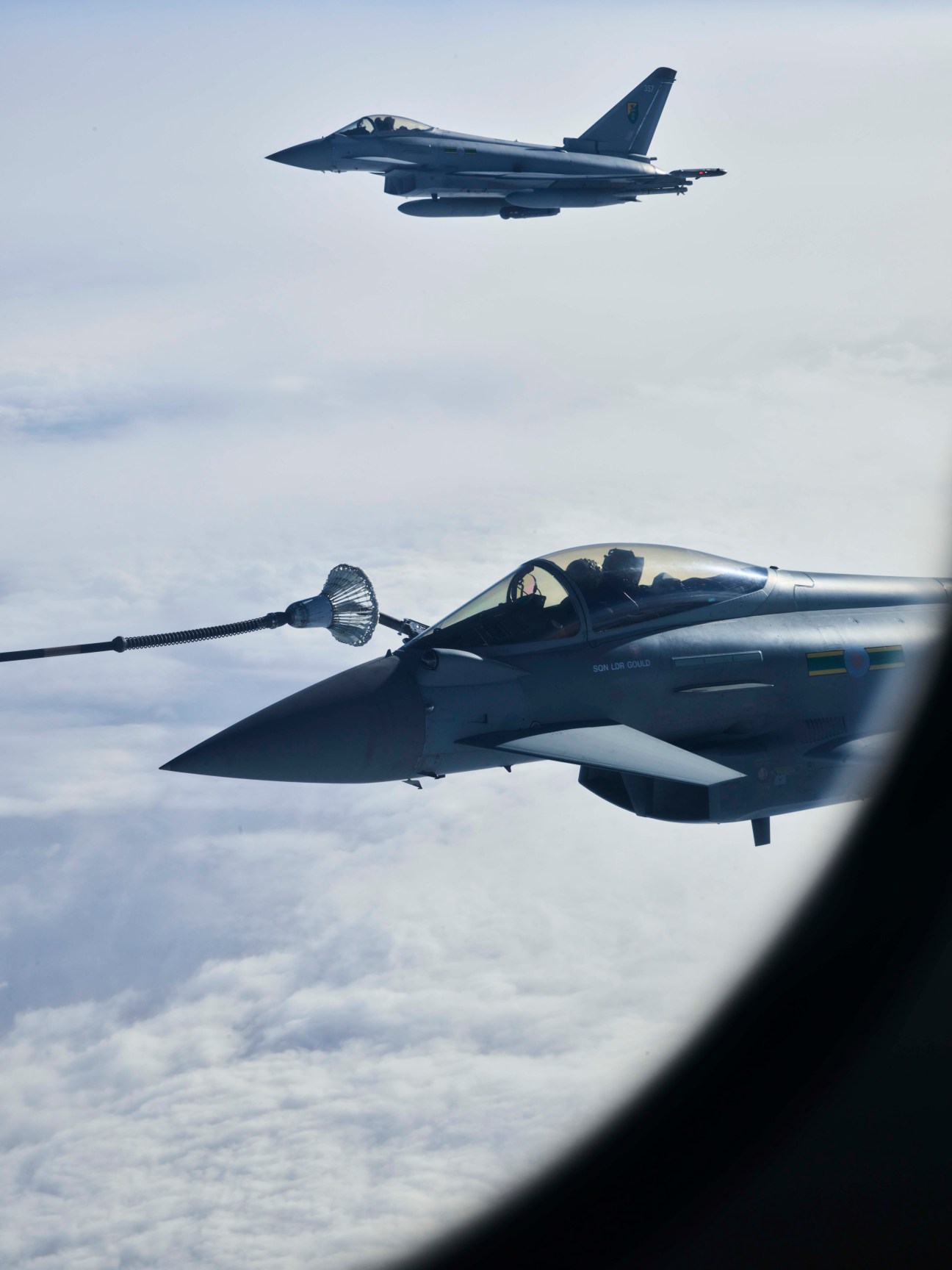
“Aerial refuelling used to be done with just a grappling hook and a hose,” says Wing Commander Paul Summers, squadron leader on the RAF Voyager air tanker. The process has remained fairly analogue: a probe with a nozzle at the end emerges from the wing of the Voyager and waggles about in the wind. From about 1km behind us, a squadron of US Marines in F-35S comes into view. They line up in formation, matching the speed of the tanker so that, aside from barely perceptible tremors caused by turbulence, they appear perfectly still. Then one of the aircraft drifts closer and lines up to connect to the probe.
“Joining a tanker is a fine art,” Flight Lieutenant Simon Tofrik tells Monocle. The RAF pilot has hooked up his Eurofighter Typhoon in mid-air on missions out of Cyprus. There is no autopilot to do the job for the airmen. “You have to ensure that you’re not using too much fuel chasing down the tanker,” he says. “The trick is not to look at the nozzle.”
Though it’s a delicate manoeuvre, aerial refuelling is often crucial. Most bombers and fighter jets carry only a few hours’ worth of fuel, limiting how far they can fly. In an era of fast-moving theatres of combat emerging around the world – and with not enough naval aircraft carriers to send to all of them – the tankers pick up the slack, allowing planes to travel across large distances into the heart of battle. Monocle has been invited to observe a day of joint operations by the US, UK and Australian air forces as part of Exercise Red Flag. It’s a show of unity by three allies linked by the Aukus defence pact but also an opportunity for their respective militaries to practise working together in conditions that simulate what one aerial commander calls “the chaos of combat”.
Exercise Red Flag has been held every year since the end of the Vietnam War at Nellis Air Force Base, just north of Las Vegas. It was started after strategists at the Pentagon realised that novice pilots were flying into battle inexperienced and performing dismally in air-to-air combat. Aside from the occasional whoosh of a passing jet, most of the gamblers and croupiers working the casino tables below are oblivious to the deft military exercises happening overhead.
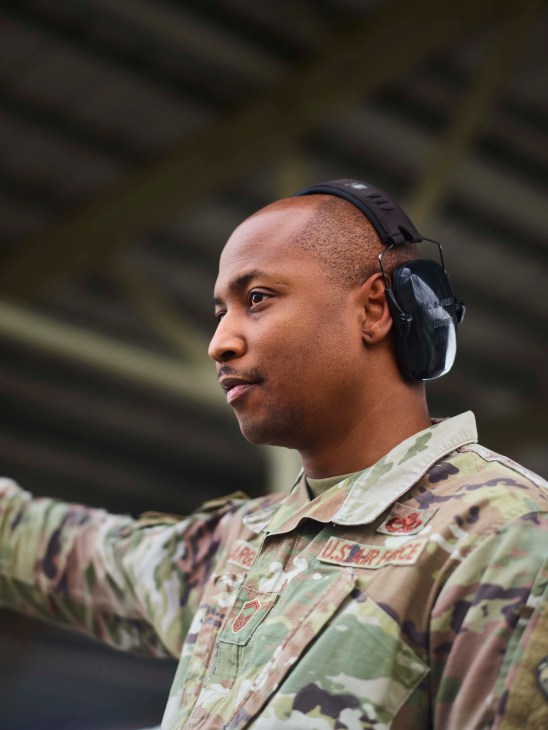
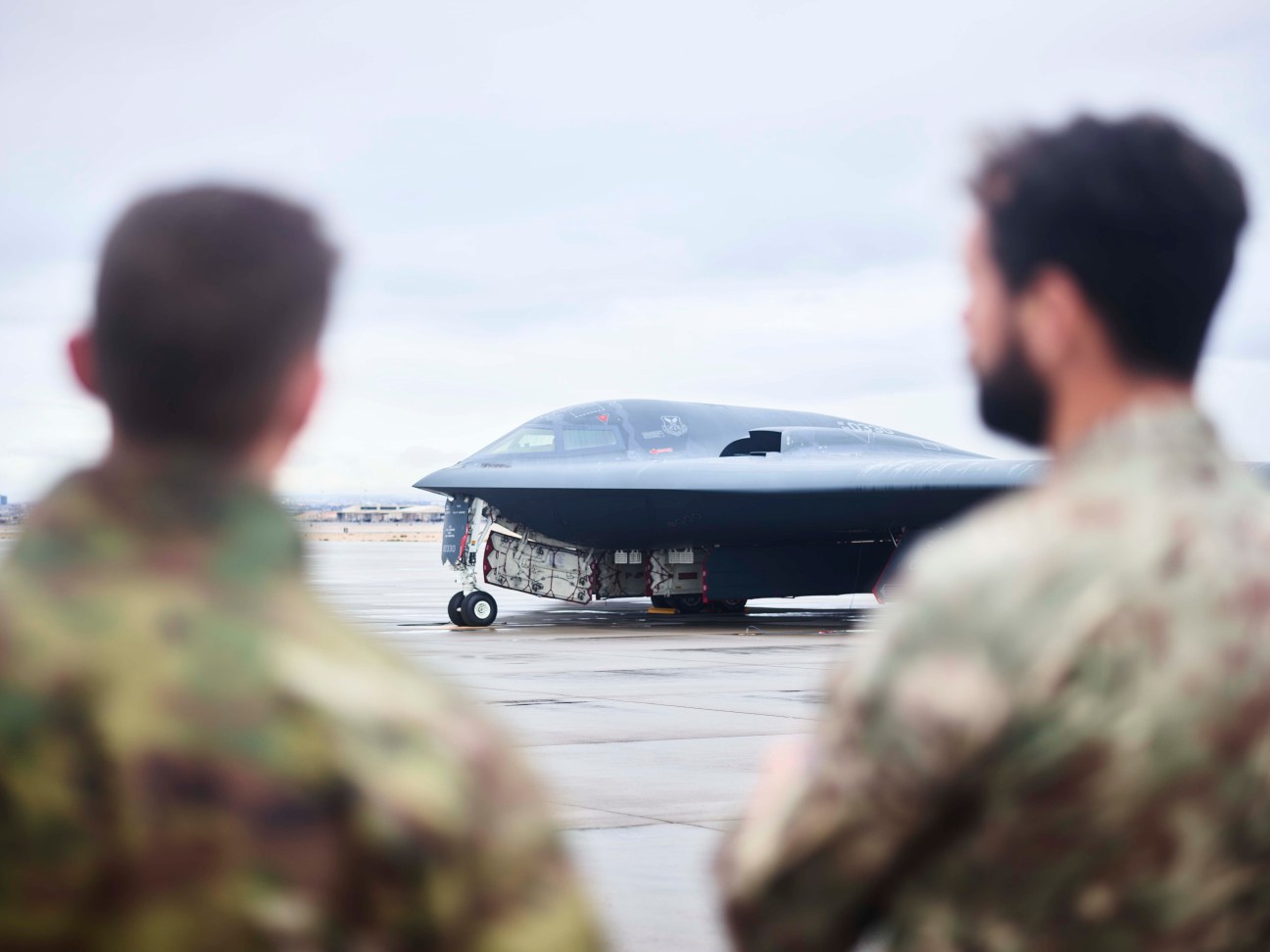
This year’s exercise involves a series of aerial battles between a friendly blue team and an enemy red team. On the runway at Nellis are rows of aircraft painted in the black and icy-blue colours of Chinese and Russian forces. These are flown by US pilots briefed on how the air forces of these “near-peer competitors” – nations of comparable military might – tend to operate in combat. In addition to airborne operations, the 2024 exercise is also about better integrating how the three allies support each other logistically, from mid-air tankering to retooling aircraft on the ground. The F-35S and ageing B-2 stealth bombers lined up for take-off on the runway still pack a formidable punch but it is becoming increasingly likely that the potential conflicts of the future will be fought and won on the strength of logistics and integration.
An often-heard phrase among US military strategists is the “tyranny of distance”, which refers to the challenge of getting units and supplies across the Pacific in the event of, say, a surprise attack by China on Taiwan. It’s 10,000km from Los Angeles to Taipei and the vastness of this oceanic theatre is provoking a fundamental shift in military thinking after 20 years in which the US and its allies built and commanded their forces from impregnable bases across the Middle East. Such fortresses simply won’t make sense on small Pacific islands that are surrounded by ocean. “If we built everything up in one location, we would be vulnerable,” says Colonel Eric Winterbottom, the US commander of Exercise Red Flag, who we meet at the flight line at Nellis as, one after the other, RAF Typhoons erupt into takeoff. “We need to be able to move around rapidly. It’s a change of mindset and how we conduct our logistics.”
The future, says Winterbottom, requires a more dispersed network of tiny outposts, where aircraft are launched and maintained across multiple locations. There must also be a nimbler attitude to getting equipment and people around, with the job shared among allies. Agile Combat Employment, as the strategy is called, underpins Exercise Red Flag.
“It’s about learning how our allies operate – and learning to understand their accents as well,” says Australian Flight Lieutenant Dan Armstrong. The F-35 pilot is waiting for his plane, which is emblazoned with the kangaroo insignia of the Royal Australian Airforce, to be readied for flight. “There were the same problems operating in the Pacific during the Second World War. There’s a lot of water and not many runways so there’s a long logistical tail wherever you go.” The plane’s flight engineer, Harrison Littrich, tells Monocle that his job in the field is as much about ensuring supply chains for parts and maintenance as keeping the planes aloft.

To maintain a footprint in the Pacific, the US has been deploying equipment and troops among allies, from northern Australia to South Korea, and is hacking away jungle on long-mothballed runways. Tinian, an airbase in the Mariana Islands and a US territory, which last saw action during the Second World War, is expected to reopen by the end of the year. Unlike in previous conflicts, US forces cannot rely on unfettered access to Pacific Island nations, many of which are now being courted by Beijing as it seeks to secure its own access.
Brad Martin, head of supply chains in defence at the Rand Corporation, argues that the US couldn’t effectively manage a conflict in the Pacific without being able to sustain the fight from American soil. This, he says, is weakening its military deterrence. “You need the ability to move things around faster than the enemy can figure out where you’re going,” says Martin.
From the window of the RAF Voyager, we watch a formation of British Typhoons finish up at the pump, then peel elegantly away into the clouds. Commander Summers says that with theatres emerging in the Middle East and the Pacific, there is a growing need for more tankers in the air and the RAF has started to train retired commercial pilots for the job. “If you want to project air power, then you need tankers,” says Summers. “As the saying goes among our US allies, ‘Nobody kicks ass without tanker gas.’”
Unarmed and dangerous: Evaluating the effectiveness of Hybrid COE
Hybrid warfare is a 21st-century security buzzword. It describes the use of both conventional and unconventional methods to inflict damage on your opponent, and can involve anything from cyberattacks and election interference to the use of non-state actors in combat or the sabotage of critical infrastructure.
“We in the West did not take these threats seriously at first, which is why we are on the defensive,” Teija Tiilikainen, director of the Helsinki-based European Centre of Excellence for Countering Hybrid Threats (Hybrid COE), tells Monocle. “We were caught off-guard.” Hybrid COE, which describes itself as a “do tank”, is an autonomous organisation founded in 2017 with a remit to provide expertise and training to its 35 participating states – essentially all the EU and Nato member states with the exception of Albania – to help them counter hybrid threats.
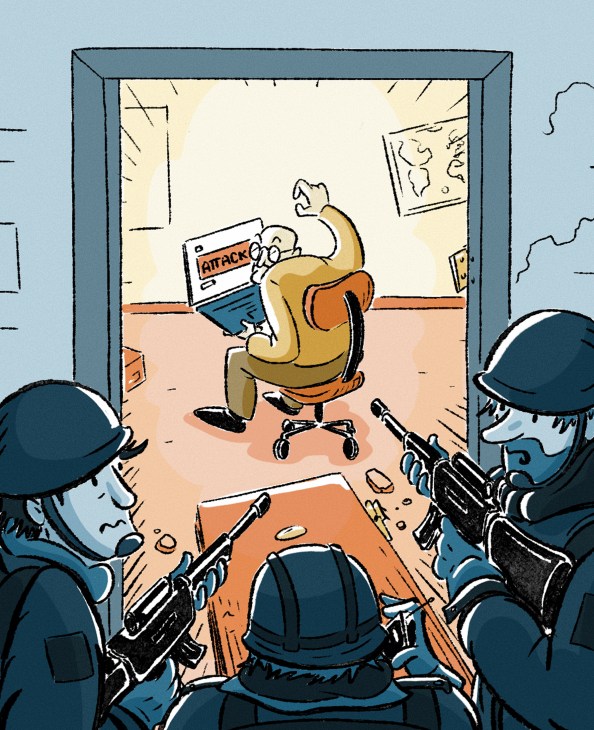
But what does “counter” mean in this context? If hybrid warfare is an extension of conventional warfare, shouldn’t the West respond to these attacks with ones of its own? For example, why hasn’t the West launched a cyberattack against Russia as a response to those it has suffered at the hands of the country and its proxies? “The West has a disadvantage because we want to uphold a rules-based international order and the rule of law but our opponents are not bound by the same rules,” says Tiilikainen.
In other words, if the West wanted to fight fire with fire, it would have to renounce its core values, which is exactly what its opponents, such as Russia and China, want. But if it can’t strike back, how can it ever win the war? Indeed, it looks a lot like Hybrid COE is simply putting out fires instead of preventing them. For example, election interference has been an issue since at least the 2016 US presidential poll and yet, eight years and nearly two election cycles later, it is still a major threat to democracy. And there is probably more disinformation being spread by state- sponsored actors today than there was then.
Hybrid COE argues that victory in hybrid warfare does not look like normal victory. “We cannot fully stop cyberattacks or attacks on critical infrastructure such as gas pipelines and data cables,” says Tiilikainen. “But we can stop them from destabilising our societies by improving our resilience.” This is exactly what Hybrid COE’s 41 experts from 16 different countries do – study what exploitable weaknesses its participating states have and then work out how to make sure that they stop being weaknesses. This can involve sponsored initiatives such as educating populations to recognise fake news, like Finland does as part of its national curriculum, as well as promoting backup energy sources or advocating for a more agile legislative process to stop the weaponisation of migration. “It’s a cat-and-mouse game,” says Tiilikainen. “The enemy, just like us, is always looking for new vulnerabilities.”
Resilience is important but it is not enough. Western societies are based on openness and freedom, and so will always be susceptible to those looking to exploit these things. The West needs a credible deterrent against hybrid operations. “Western countries need to learn to put a price tag on these acts,” says Tiilikainen. “That means responding with sanctions as well as naming and shaming.” It is doubtful, however, that naming and shaming, or sanctions for that matter, will prevent hybrid attacks. The West needs a firmer response. There is talk within Nato of making it clear that a hybrid attack will trigger the alliance’s collective defence clause, Article 5, which is currently reserved for armed attacks. But it is unclear what this would mean in practice. Perhaps the alliance wants it to remain ambiguous. Either way, there will come a time when it must act. Hybrid warfare has changed the nature of conflict – it’s time the West moved from the defensive to the offensive.
How Georgia, Armenia and Azerbaijan are laying down tracks for the future with the BTK railway
A queue of trucks stretches from the Cildir-Aktas border crossing into the green mountains. This almost permanent bottleneck is a symptom of disputes that have left Cildir-Aktas as one of the few overland portals for goods travelling into the Caucasus. Wedged between Turkey, Russia and Iran, the region covers an area that is smaller than Sweden and sits at the heart of the old Silk Road. Yet today it is difficult to traverse by land. On one side of Cildir-Aktas is Turkey and on the other, where the modern road suddenly turns into pitted track, is Georgia. The trucks groan around corners and dodge potholes as they crank into gear.
The three Caucasian countries – Georgia, Armenia and Azerbaijan – were once part of the Soviet Union and have often forged fraught relations with each other since it collapsed. Armenia and Azerbaijan have long been embroiled in a territorial conflict and there’s no way to travel directly between them. Turkey, a staunch ally of the latter, closed its land border with Armenia in solidarity. To travel from Turkey to Armenia, you have to pass through Cildir-Aktas and head 25km inside Georgia, before doglegging south across the border. Since 2022, EU sanctions over the war in Ukraine have put extra pressure on the crossing: it is now also one of the few land routes through which goods can travel by land to Russia.
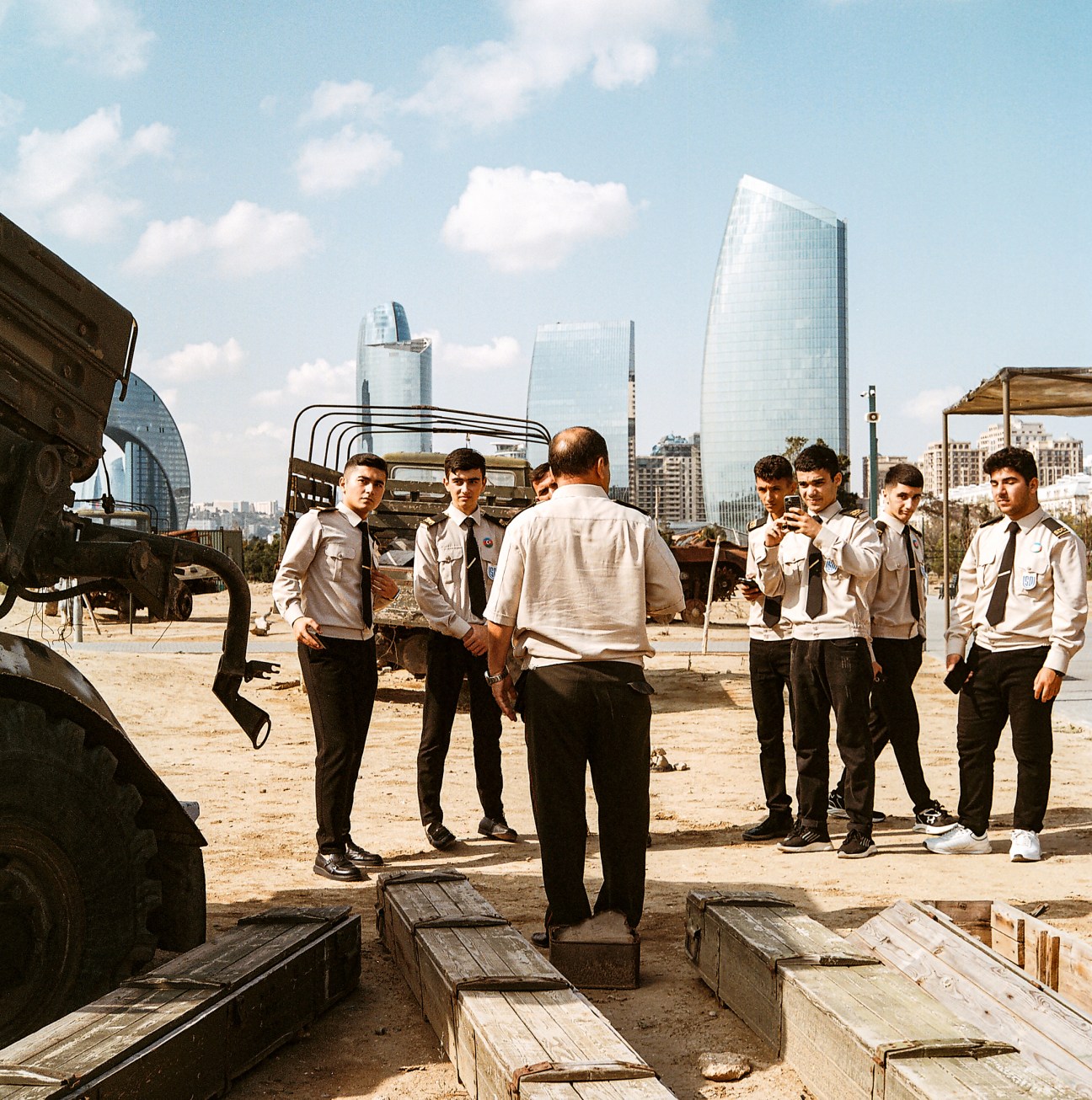
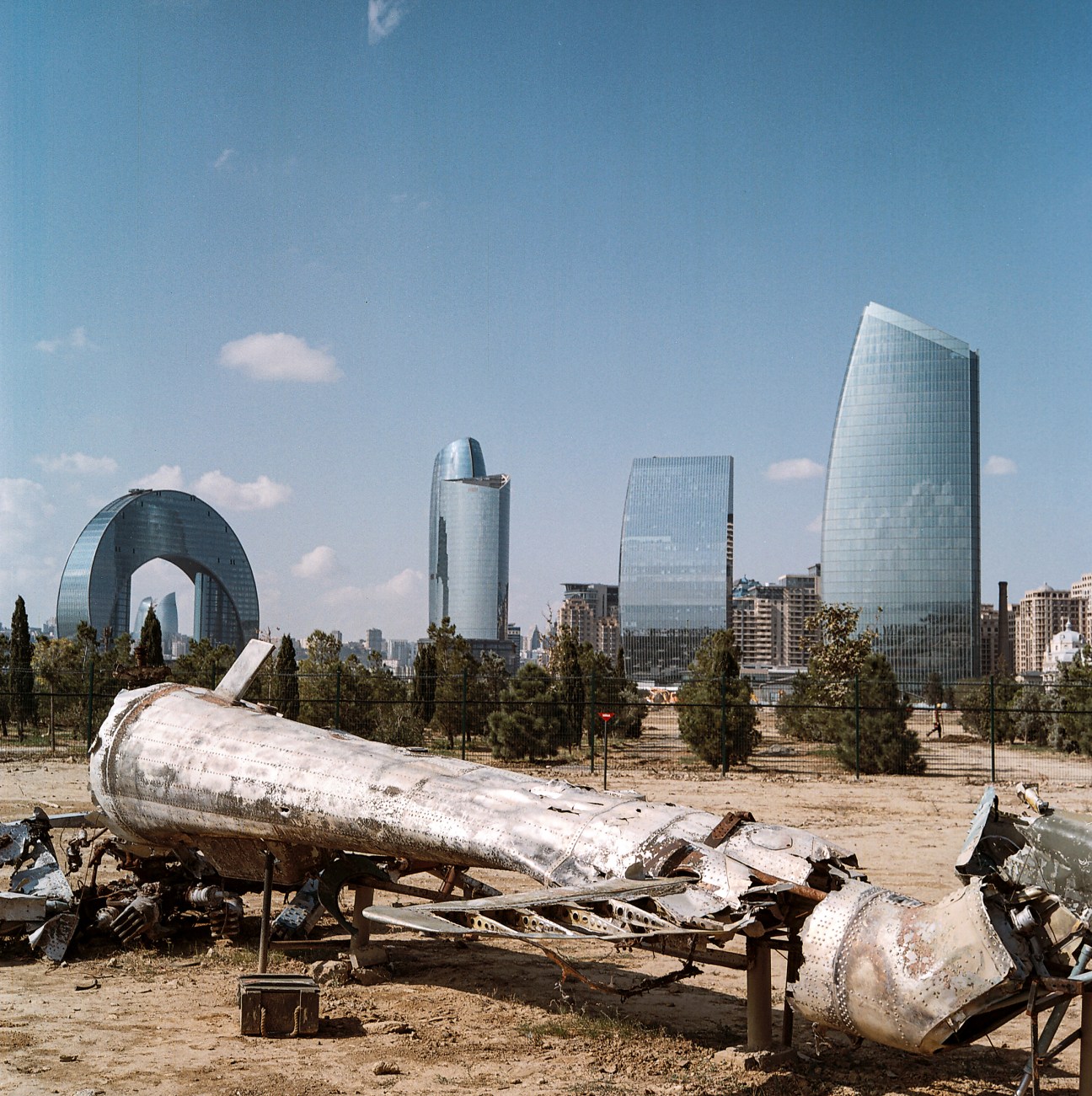
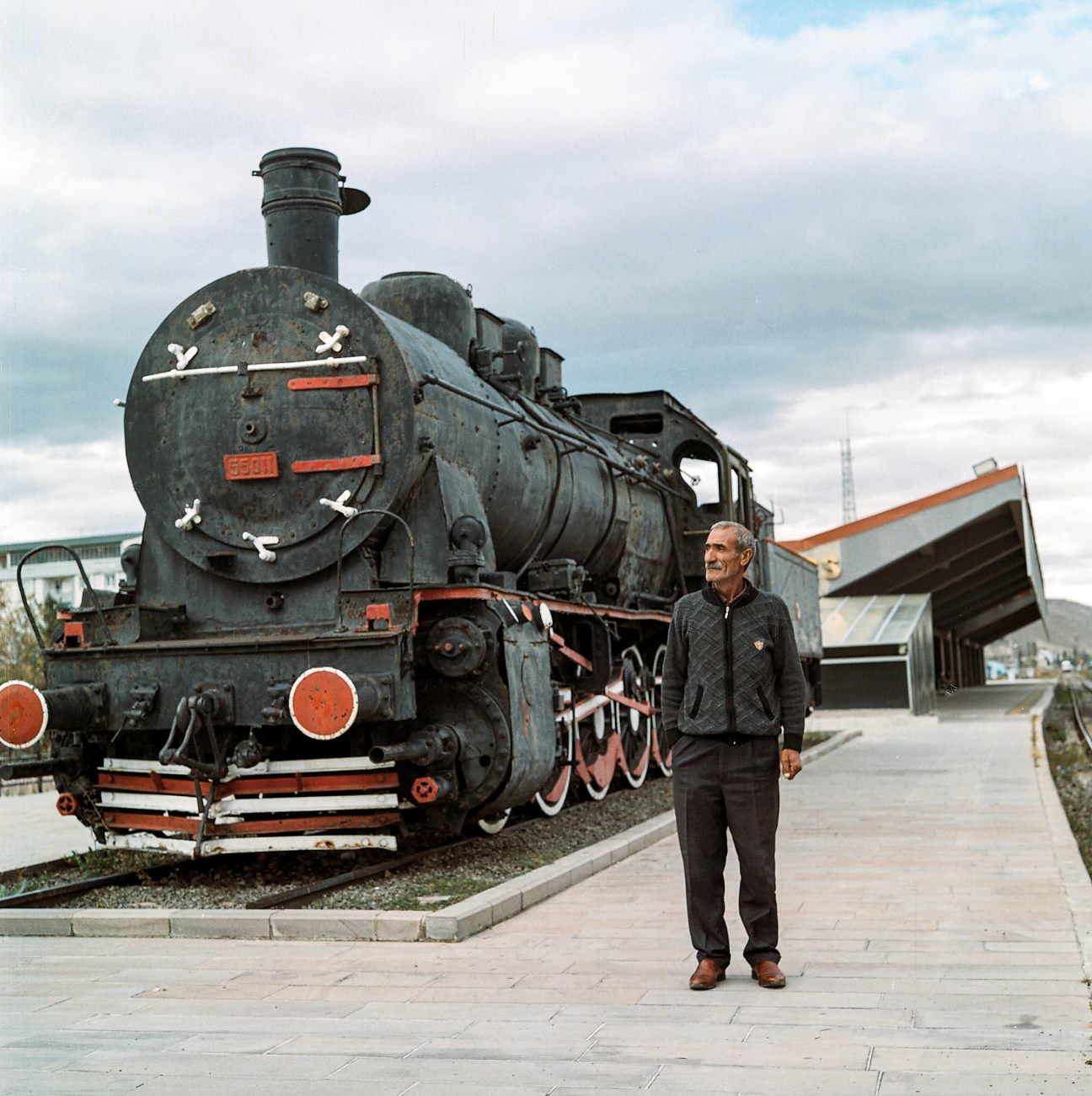
In clear view of the border gate, the Baku-Tbilisi-Kars (BTK) railway line cuts a parallel path. The line, which was first touted by Ankara in 1993, links Kars in eastern Turkey to Georgia’s capital, Tbilisi, and then to Azerbaijan’s, Baku, making a wide loop north to bypass Armenia. It opened for cargo in 2017 and is part of a route that can bring goods from China into the EU in 12 days.
In 2018, Azerbaijan Railways announced that a passenger train would begin service on the route. The first stretch, heading east from Kars to Tbilisi, passes through mountains and winds around lakes and provincial towns. From Tbilisi, the line turns southeast to Baku; a 12-hour sleeper train will deliver you to its grand 19th-century station at 08.00. In May 2019, Turkish and Azerbaijani national railways announced that the journey from Ankara to Baku would take about 40 hours and cost between €50 and €120.
But when Monocle set out to travel on the BTK, we discovered that we could not. Newly built stations are listed on booking sites but no service times appear. Online, enthusiasts ask when the trains will come. We eventually discovered that the only way to make the trip by public transport involved a long bus ride, a stop-off in Batumi on Georgia’s Black Sea coast (120km in the wrong direction), a train to Tbilisi and an expensive one-hour flight to Baku. No part of the passenger line from Kars to Tbilisi is working and Azerbaijan hasn’t opened its land borders since 2020. So we journeyed by foot, car, train and plane – a trip that took three days and served as a stark lesson on the region’s shifting relations.
Stop one
Akhalkalaki, Georgia
Our train crosses the border from Turkey into Georgia and stops for passport control at Akhalkalaki, an ethnic Armenian enclave. The Russian army was the biggest employer here until 2007, when it closed its base amid worsening relations between Moscow and Tbilisi. Many jobs went with it and today the town’s poorest residents occupy decrepit former military housing. Of the three Caucasus nations, Armenia has maintained the closest ties with Russia. Many in Akhalkalaki have Armenian passports alongside their Georgian ones so that they can work in Russia and send back remittances. But recent events in another Armenian enclave 300km from Akhalkalaki have shifted the regional power balance.
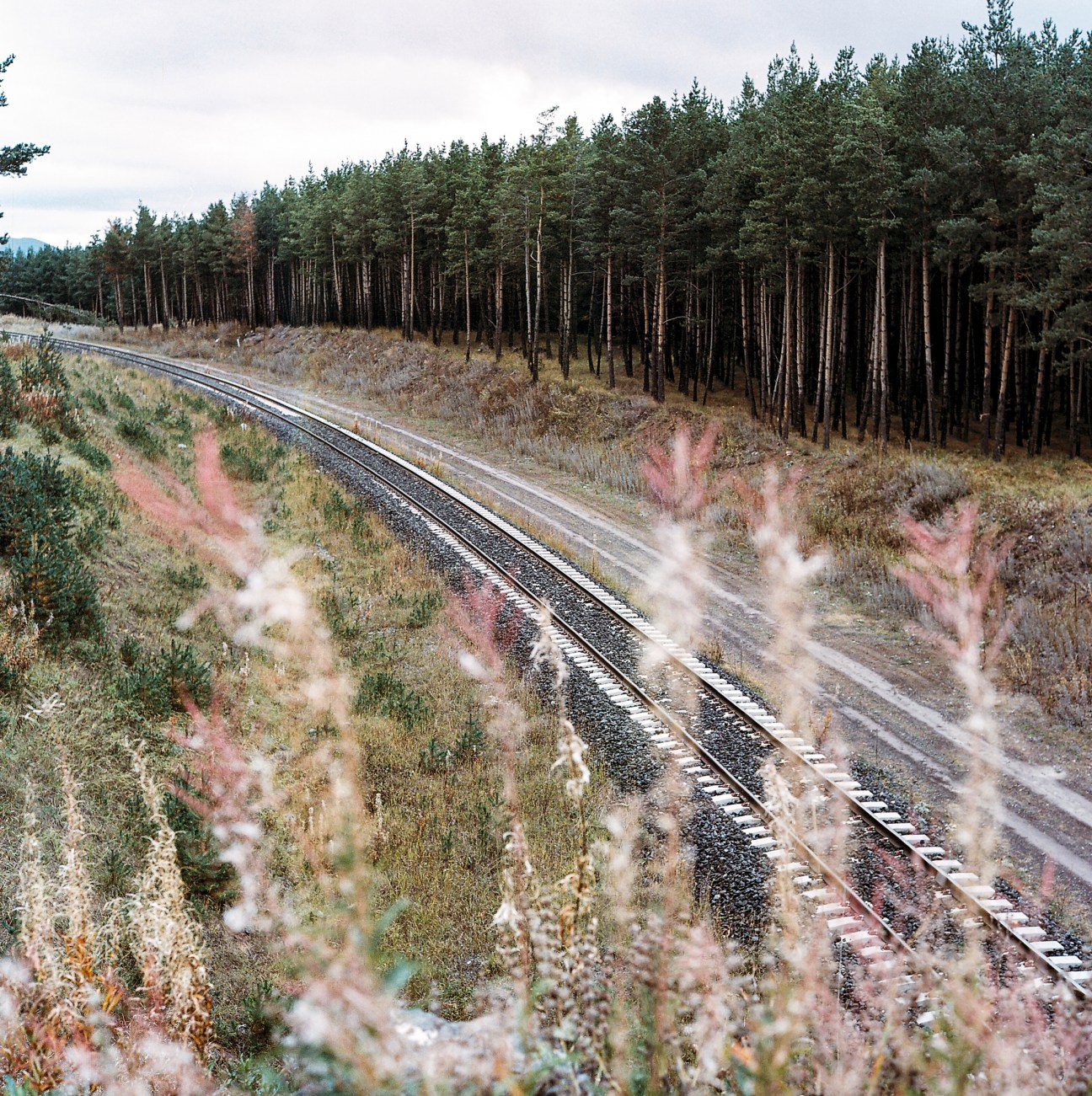
Last September, Azerbaijan seized full control of the disputed Nagorno-Karabakh region, displacing some 120,000 ethnic Armenians. Russia, the guarantor of a ceasefire in the territory, had given tacit approval to Baku. Armenia has turned against Vladimir Putin as a result and, in October, voted to recognise the International Criminal Court. Russia’s president, who has been indicted for war crimes in Ukraine, now risks arrest if he steps foot in Armenia. The sentiment has rippled out to Akhalkalaki.
“Attitudes in Armenia are changing. People don’t like Russian politics but they are economically dependent on the country”
“Russia is weak now,” says Rima Gharibyan, director of the Javakheti Information Centre, a local news site. “Attitudes in Armenia are changing. People don’t like Russian politics but they are economically dependent on the country. If Moscow decides that we’re not a friendly country, it could expel Armenian workers, like it did to Georgians in 2008.”
The BTK was supposed to bring Akhalkalaki an economic boost. Its international station, a curved structure designed by German architect Jürgen Mayer, was completed in 2018 but never opened. Work on the line was beset with delays and locals employed on the project protested after they were not paid for months. Businesses in Akhalkalaki still can’t receive deliveries from the station, even though the cargo line is working. Instead, they have to collect them from Tbilisi, 180km away.
Some believe that the passenger trains will never come. “We have asked Georgian Railway about them but no one knows,” says Gharibyan. “Georgia doesn’t feel that it owns this project – it’s between Turkey and Azerbaijan. We just happen to be in the middle.”
Stop Two
Tbilisi, Georgia
There is, at least, a new road from Akhalkalaki to Tbilisi. It opened in 2010 and runs alongside the BTK, cutting through mountains where shepherds herd sheep over the tracks. This journey took almost all day on the old roads; now it can be completed in three hours. By lunchtime, Monocle is in Tbilisi. Georgia’s capital is the cultural heart of the Caucasus: a hub for digital nomads, a hipster food destination and a refuge for Russians escaping Putin’s mobilisation. The Georgian government estimates that there are about 112,000 Russians in the country but Tbilisi’s streets are daubed with anti-Russian graffiti. It’s the most visible sign of the growing disconnect between the country’s people and its political elite.
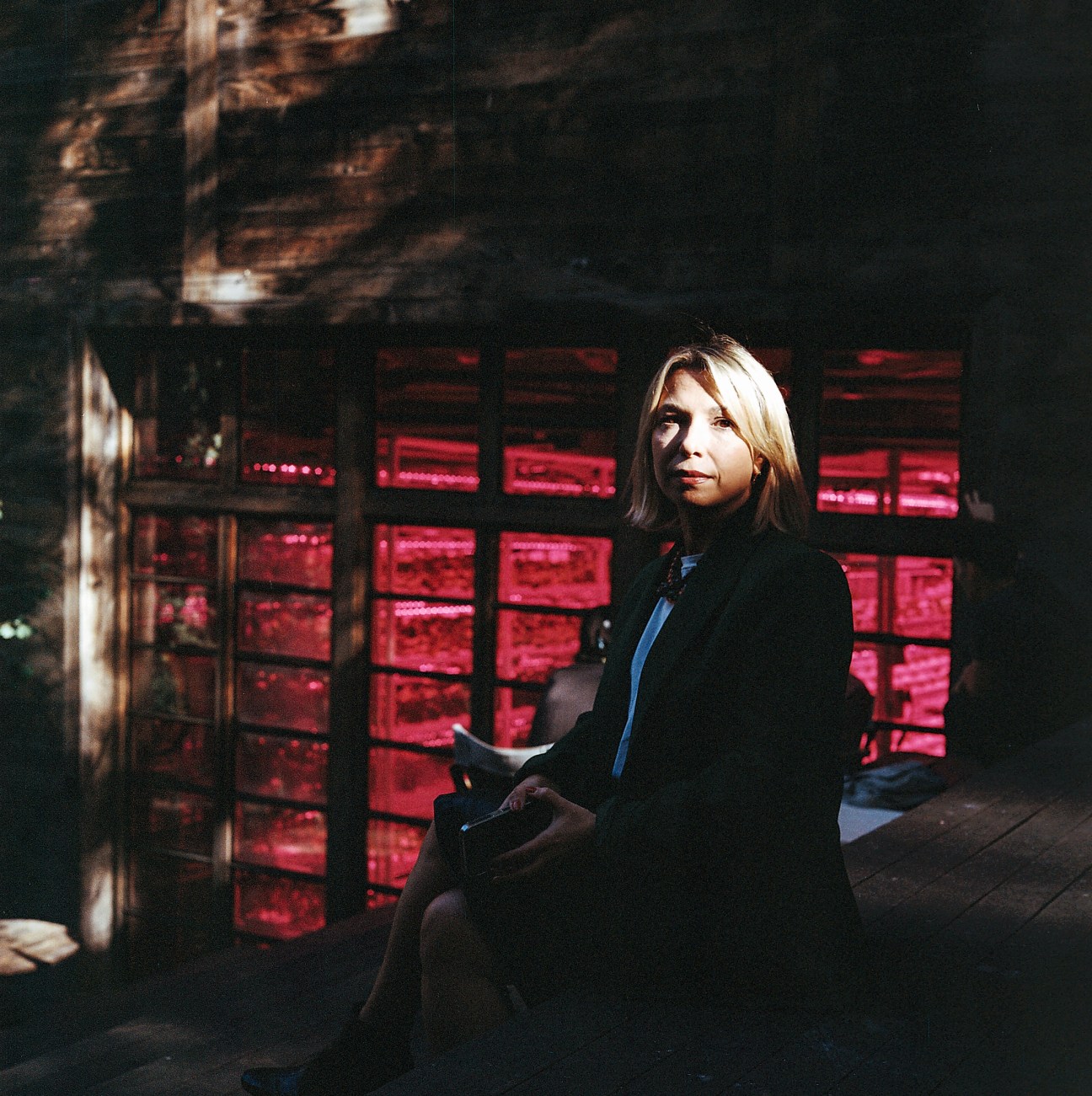
We meet former public defender Nino Lomjaria in Stamba, a Soviet-era printworks that now houses a luxury hotel, gallery, restaurant and co-working space. Young creatives, including some Russians, sip coffee in the central courtyard. But the urban vibe belies Georgia’s worrying trajectory. “The situation is changing so rapidly,” says Lomjaria. “A year ago, I wouldn’t have imagined that we would be in this situation, even in my nightmares.” She stepped down from her state position in December 2022. Georgia, once the Caucasian nation moving westwards fastest, has taken an anti-democratic turn since 2018.
Its pro-Russian ruling party, Georgian Dream, has declined to join sanctions on Moscow. Even as Georgia moves through the process of joining the EU, its government is throwing stumbling blocks in its own path. The party hopes to cling to power in October’s general elections by claiming that Nato and the EU are trying to drag Georgia into Ukraine’s war.
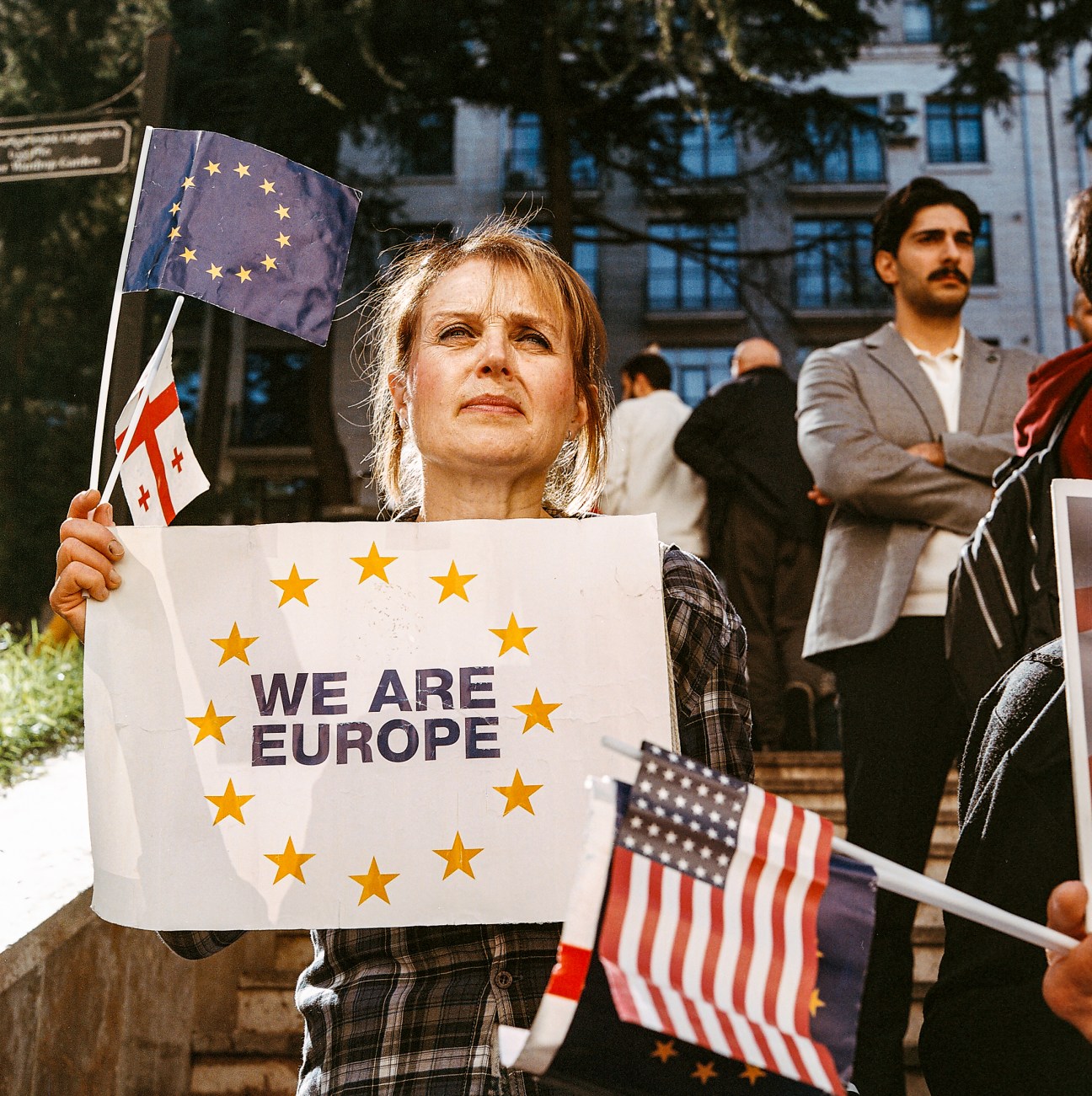
“The fear of war is effective because it’s a recent trauma,” says Dachi Imedadze, a member of the Shame Movement, a pro-European youth organisation founded in 2019. “According to the government’s propaganda, it is the peacekeeper and the opposition is trying to provoke war with Russia.” In 2021 the Shame Movement’s then offices were attacked by a right-wing mob. Its new base, in a block of flats in the Tbilisi Hills, is decorated with anti-Putin paraphernalia: posters and stickers declaring, “Never back to the USSR”.
But relations between Tbilisi and Moscow have warmed over the past year. The Kremlin has lifted its ban on direct flights to and from Georgia and a Russian cruise ship recently docked in Batumi. Last year thousands of Georgians demonstrated against a proposed law that would have allowed the government to crack down on ngos and journalists that it accused of being “foreign agents” (almost identical legislation was passed in Russia in December 2022). Though the bill was dropped, many fear that the government will try again.
In September, Lomjaria launched a civil society platform, Georgia’s European Orbit, hoping to work outside party politics to keep Georgia on its westward path. “This year’s elections are a referendum on Europe or Russia,” she says. “My fear is that if we don’t get EU status, we might stay in the Russian orbit.”
Stop Three
Baku, Azerbaijan
Our flight from Tbilisi lands at Baku Airport’s domestic terminal. Here the conflict in Nagorno-Karabakh is inescapable. The boulevards into the city are lined with flags. In a park between the Caspian Sea and a shopping centre, Armenian military hardware seized from the conflict is on display: burnt-out tanks and ancient howitzers, all Soviet-made. Baku’s victory expanded its reach and won it clout in its neighbourhood and beyond. Until recently, Armenia enjoyed the support of both Iran and Russia but the totality of its defeat has shifted the realpolitikal equation in the Caucasus.

In Baku’s Synagogue of Ashkenazi Jews, a haven of books, domes and velvet in the ever-developing city centre, Rabbi Shneor Segal reflects on his adopted country’s unique foreign policy. Segal, an Israeli, came here 13 years ago. Azerbaijan is one of the few Muslim nations to maintain warm relations with Israel, a friendship based on trade and security co-operation (Israeli weapons helped Baku win in Nagorno-Karabakh). Azerbaijan’s Jewish community numbers about 25,000 people. “In Baku, you can see a visitor from Israel next to one from Iran,” says Segal.
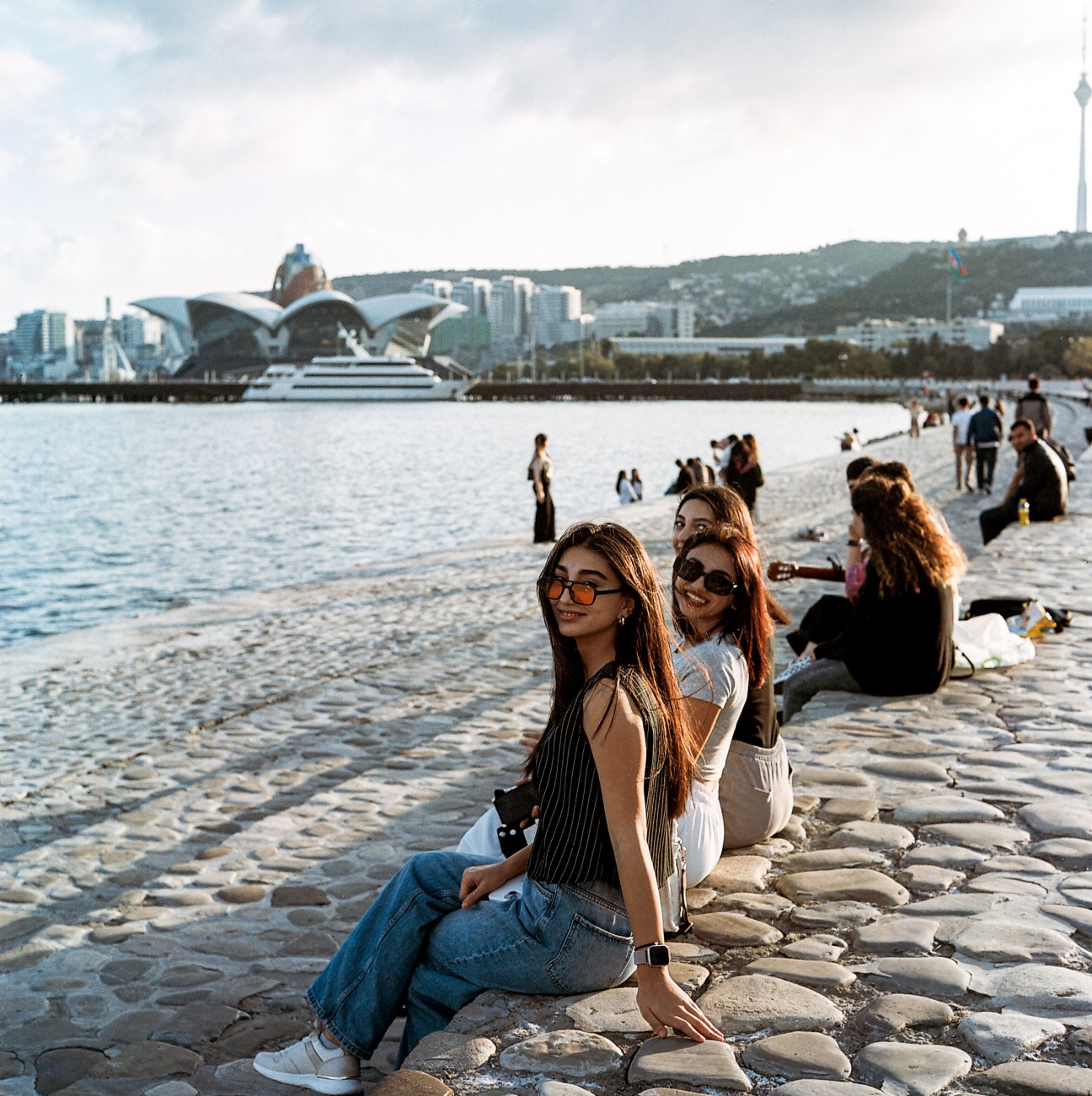
Azerbaijan has practical aims for Nagorno-Karabakh. The newly won area provides the country with a far more direct route from Baku to the border with Turkey that is half the length of the BTK’s loop. Baku has started building a railway and a road leading westwards to Nakhchivan, an exclave of Azerbaijan next to Turkey. But a 40km-strip of Armenian territory blocks the route, a barrier known as the Zangezur corridor. Baku is in negotiations with Tehran to skirt south into Iran and sidestep the stretch.
Officials in Baku insist that this new railway will not render the BTK obsolete. Instead, it will add to a growing network that reflects the region’s evolving connections. In May 2023, Russia and Iran signed a deal to build a railway from Astara, on the Iranian-Azerbaijani border, to Rasht, on the Persian Gulf. It will be part of a route that will eventually stretch from St Petersburg to Mumbai, crossing both Armenia and Azerbaijan on the way.
Further south, there are plans to restore the old line from Mosul in Iraq to Gaziantep in Turkey. If the BTK ever begins service, it will add to the Caucasus’s growing importance as a link between Europe and Asia, and between Russia, Turkey and Iran. These relationships have the potential to define the future of the region and the world. Many leaders, especially those in the West, will be hoping that these planned railways hit the buffers.
An Italian town is reviving its heritage through an ancestral festival
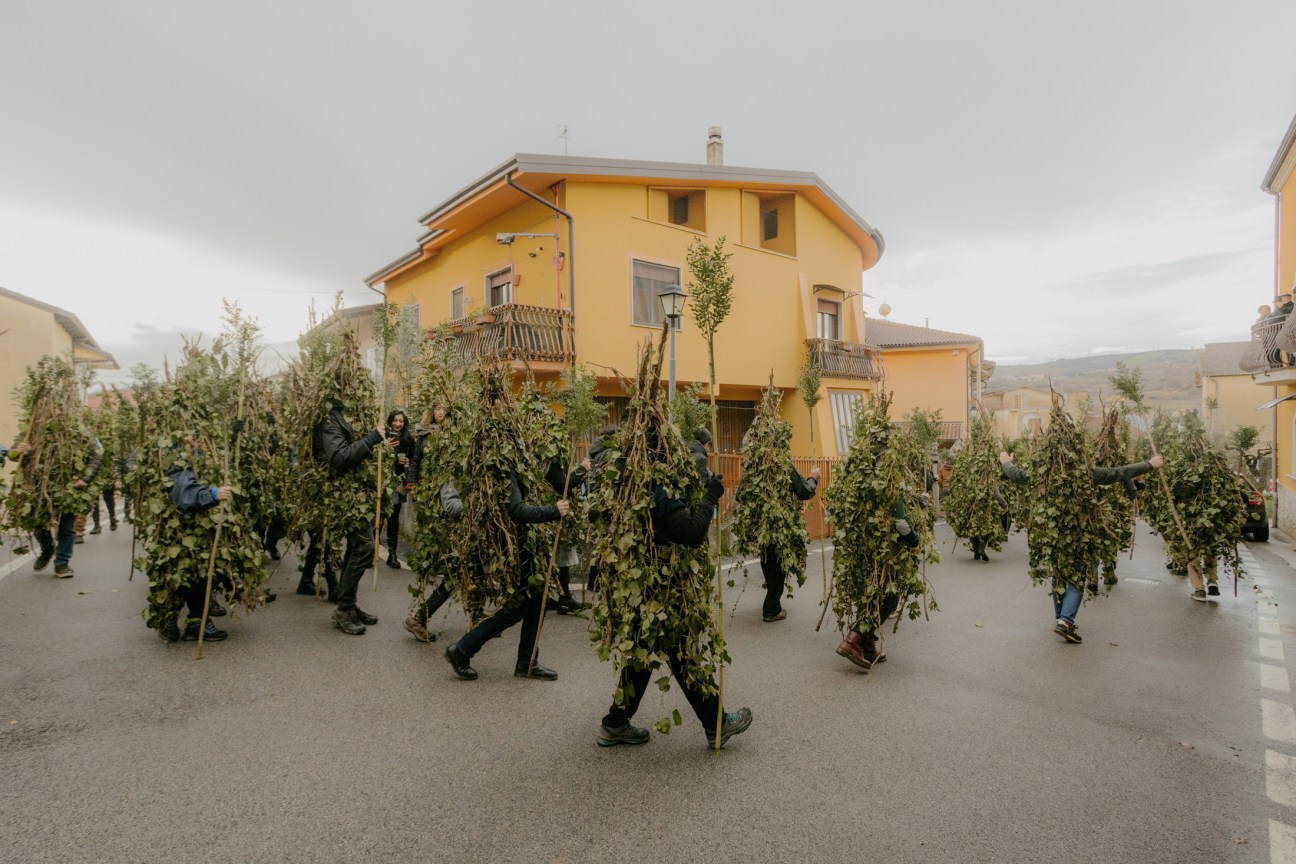
It is mid-afternoon in the southern Italian mountain town of Satriano di Lucania when the forest begins, unmistakably, to walk. More than 100 trees are advancing through the narrow streets and every one is obscured by a teepee made from ivy vines, leaving visible only human arms and feet – a primitive disguise bonding people and nature that’s known in this town as the rumita, or “hermit”.
An ancestral tradition dating back to at least medieval times, the figure of the rumita is said to have emerged from a solitary lair in the wilderness, disguised by ivy leaves, to visit homes and receive food or small change in return for a blessing. Today, thanks to a new generation’s efforts, the rumita festival has evolved. Tree people still roam the streets every last Sunday of the carnival season but they’re now followed by a boisterous afternoon march of an entire copse of trees, with hundreds on hand to watch the arboreal ambulation.
In Italy, and especially in southern regions such as Basilicata, small towns have been haemorrhaging their younger residents for more than a century, as they emigrated to big cities or abroad in search of opportunity. Quirks and traditions that celebrate the identities of rural communities have been abandoned or forgotten. But Satriano, with just one pizzeria and about 2,000 inhabitants, is bringing back its tradition to help foster a sense of community and connect with the area’s roots.
Though the rumita’s origins have been lost to time, the revised format of the walking forest celebrates its 10th anniversary this year. The idea was hatched by a group of friends whose creative vision has helped to make Satriano a buoyant carnival destination. The new format features 131 people in tree costumes marching to represent the 131 municipalities of Basilicata. The idea of sustainability is central to proceedings and so is the use of biodegradable and recycled materials in the costumes and the event’s trappings.
“Visitors play accordions and tambourines; others wear bear costumes. Some pour red wine into the mouths of tree people”
“I’m a custodian of traditions, like everyone here,” says Rocco Perrone, motioning to an extended group of friends, musicians and performers beside the procession. Perrone has made his love of Satriano a political pursuit, running for mayor at the age of 30 and, since 2019, serving as councillor for “traditions and the sense of community”.
For the walking forest, revellers and Perrone’s pals play accordions and tambourines; others wear bear costumes in fake fur. Some are dressed as woodland sprites and pour red wine into the mouths of tree people through their foliage. They sing raucous folk songs and wave leafy sceptres in the air – occasionally brushing them on a doorway or a child’s head to bestow good fortune.
“When the day comes that our group of friends is no longer leading this carnival, someone from the next generation will step up,” says Perrone. “We’ve created an example for young people here and for other towns to follow. We’re imagining a future for centuries-old traditions – and the town we love.”
Mathieu Lehanneur on the art of crafting the torch for the 2024 Olympics
When French designer Mathieu Lehanneur learned that he had been selected to design the torch and flame-bearing cauldron for the 2024 Olympic Games in Paris, he was overjoyed. “Then my second reaction was fear,” he tells Monocle. “It’s quite rare to design an object that will be seen by four, maybe five, billion people. So I did the only thing that I knew I could do: I got to work.”
The designer is celebrated for imbuing his work with a sense of whimsy, weaving engineering, technology and function with art, craft and aesthetics. Lehanneur has been busy. He was named designer of the year at Paris-based design fair Maison & Objet in January after opening La Factory, his studio-workshop in Ivry-sur-Seine, last year.
In April, 2,000 copies of his torch will be used to relay the Olympic flame from Greece, the birthplace of the Olympic Games, to the heart of the French capital. En route, his design will pass through the hands of more than 10,000 people over the course of three months. “Once it begins its journey, the torch won’t be mine any more,” he says. “It will belong to the world.”
Naturally, every torch is made in France from recycled steel, in partnership with Luxembourg-based manufacturer ArcelorMittal. “The briefing from the Paris 2024 committee about the design of the torch was almost empty beyond the dimensions and weight,” says Lehanneur. “I thought about the value of equality, which is symbolised in the design by the symmetry of the torch. Of course, it’s a reference to the French motto, ‘liberté, égalité, fraternité’, but also to the parity between the Paralympic and Olympic Games, between female athletes and male athletes.” As part of this vision, Lehanneur asked the Olympic and Paralympic committees whether it was possible for both events to share a single design for the first time. In a testament to the designer’s conviction, they agreed.
Next, Lehanneur looked not to postcard monuments such as the Eiffel Tower or Arc de Triomphe for design cues but to the river Seine as an emblem of the French capital. (The Seine will also be the aqueous stage of the Games’ opening ceremony.) To illustrate this contextual clue, Lehanneur added a series of ripples that appear to reverberate upwards from the base of the torch.
“I only realised the power of the Olympic torch after designing it,” says Lehanneur. “When I show it to people, athletes and non-athletes, you can see how deeply moving it is as a symbol. They ask whether they can touch it as though it holds magical power.” On the night of the opening ceremony, Lehanneur’s cauldron, which will hold the Olympic flame throughout the Games, will be revealed. Until that moment, its design is being kept like a state secret.
As we face war from Ukraine to Gaza, the deployment of national symbolism and the value of pomp and circumstance is a thorny issue for some. What did Lehanneur make of this political and social climate when designing an object intended to stoke national pride? “It’s beautiful to be proud of cultural differences,” he says. “The far-right has appropriated this concept to an extreme but national identity doesn’t belong to the political right or left. It’s time to reclaim it, without implying that one nationality is better than another, without putting up barriers around ourselves, because it makes life more interesting to meet each other. I wasn’t thinking on a national level but I am glad I focused on the notion of equality, because, as a Frenchman, I feel the need to defend this value.”
The CV
1974: Born in Rochefort
2001: Graduates from ENSCI-Les Ateliers and founds his design studio
2018: Launches his eponymous brand
2019: Opens exhibition space in New York
2023: Selected by Paris 2024 and the International Olympic Committee to design the Olympic and Paralympic torches
2023: La Factory opens as Lehanneur’s headquarters, workshop and exhibition space
2024: Named designer of the year at Maison & Objet
The design agenda: Copenhagen’s high hopes, Ecuador’s collaborative communities and a royal rumble in Saudi Arabia
City planning – Saudi Arabia
Royal Invitation
Established in 2017, the Royal Commission for Alula is master planning a vast overhaul of its namesake conurbation – an oasis in the Saudi Arabian desert. “We’ve got about 42,000 people living in Alula and the ambition is that by 2035 we’ll have 130,000 residents,” says Navdeep Hanjra, the commission’s vice-president of planning and development. “The only way we can reach those numbers is by ensuring we have policies in place, so that people want to stay.”
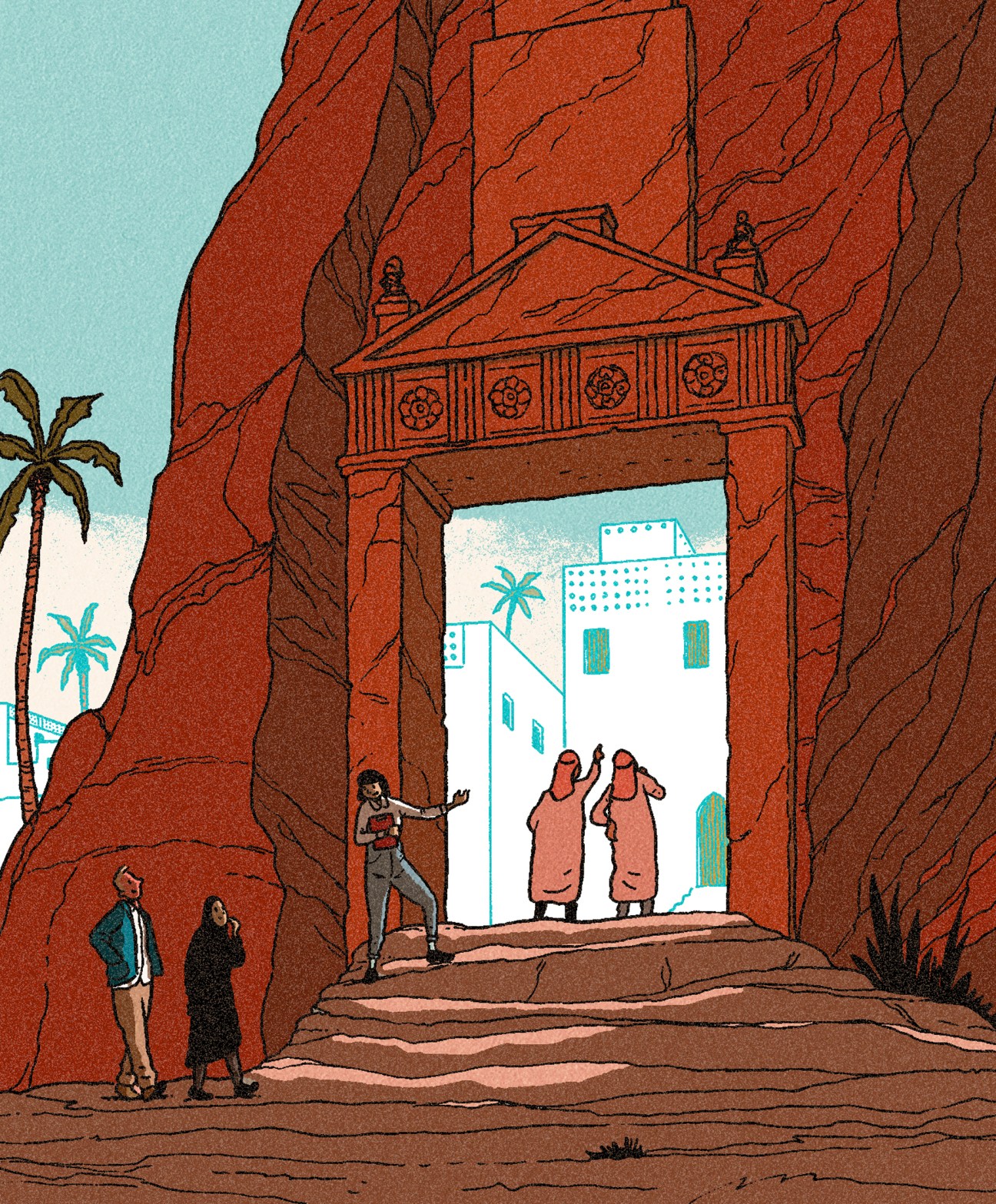
It’s an outlook that means Hanjra and her team are placing equal emphasis on improving the built environment and on the social aspects of city living. To deliver this vision, the Royal Commission for Alula has been working with the existing population from the outset. “We have launched a programme for local youth, training them to become guides. This allows them to give tours of the cultural sites in the area and capitalise on the knowledge they have from growing up in Alula,” says Hanjra. “This means they can talk about the more intangible heritage, having heard these stories from their grandfathers and so on.”
For Hanjra, such initiatives help build trust, a key element in delivering a place that makes new and existing residents feel welcome. “The only way you can do that is by involving people from the very start [of the master planning process],” adds Hanjra. “It’s about having a sense of belonging, where people see that the city is working to give back to the community and increasing opportunities for employment. We are putting Alula on the world map.”
On design
Nic Monisse On…
Beauty standards
I spent an early spring weekend in Clearwater Beach – and I can’t say that I plan on returning in a hurry. I found the contrasts in the small Floridian city, just outside Tampa, a little much: it’s a hotspot for college students seeking a beach break as well as elderly Midwesterners escaping the winter cold. Its architecture is equally varied. There are pockets of charming, low-slung condos and hotels from the 1970s and 1980s, with palm trees swaying in front of swimming pools. However, the 21st-century tourist and “snowbird” boom has seen countless big, brash apartment towers, devoid of personality and character, constructed on the beachfront too. The latter are, frankly, ugly.
I’m not alone in thinking this either. Clearwater City Council has been trying to find a way to halt the construction of these monotonous big-builds since the early 2000s. At every turn the local government has been hamstrung by the challenge of legislating for beauty – if a structure fits within the required footprint and height restrictions, it can be difficult to stop its construction on subjective grounds.
“While beauty may be subjective, a measure of whether a building is visually ‘interesting’ is much more objective”
Fortunately, there might be a solution: a new book by Thomas Heatherwick, a designer who often plays on the outer reaches of the architectural establishment. Humanise: A Maker’s Guide to Building Our World suggests that while beauty may be subjective, a measure of whether a building is visually “interesting” is much more objective. Heatherwick Studio has developed a metric for calculating whether a structure has high levels of variation, detail and massing – architectural elements that create buildings which are, if not beautiful, certainly more interesting to look at than flat, plain, placeless towers.
While this digital technology is currently only employed by Heatherwick’s team, architects and city governments could use its principles to assess whether new design proposals will add to the visual appeal of a place. Should this happen in Clearwater Beach, I might even consider a return.
Retail – Paris
Orange zest
Out with the old, in with the new, as the adage goes. That’s certainly the case for Japanese fashion label Issey Miyake, which recently swapped its first Paris address on Rue Royale for a prime spot on Rue François 1er. Designed by Tokujin Yoshioka the new flagship occupies a 19th-century stone building in the 8th arrondissement.
A one-time employee of the brand, Tokyo-based Yoshioka retained the structure’s original façade – whose large windows flood the space with natural light – while reimagining its interior.

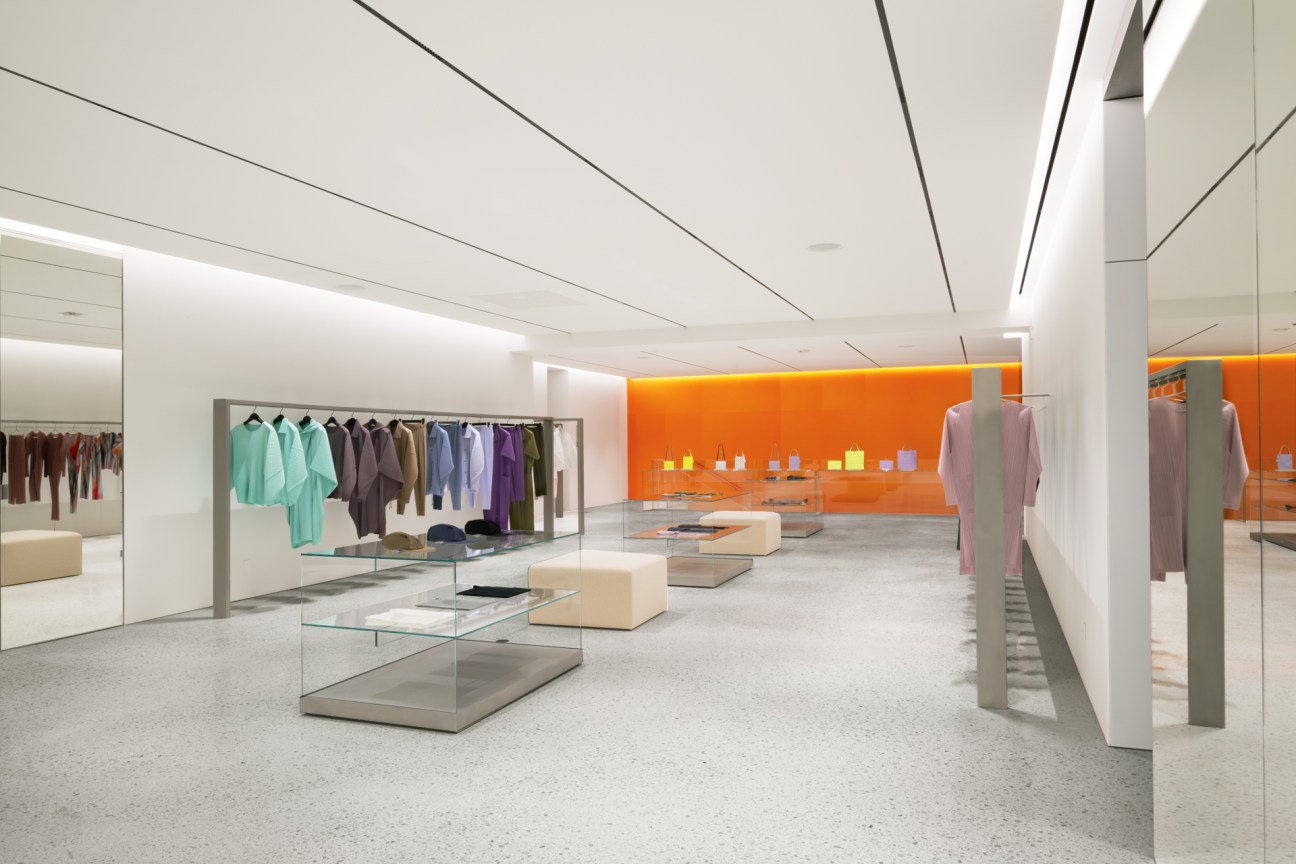
Inspired by Issey Miyake’s playful, minimalist aesthetic, pristine-white walls contrast with brushed-metal rails, beige stools and walls clad in orange anodised aluminium. “These contrasting colours, particularly the orange, give the impression of the sun,” says Yoshioka, who has designed a number of the brand’s shops over the past 30 years. “It adds a touch of futuristic energy to the space but also a sense of warmth, which reflects the philosophy of the brand.” The outcome? An uplifting spot to shop for your next L’Eau d’Issey fragrance or trademark pleated trouser.
Architecture – Porto
Siza matters
The Porto School, a design movement associated with some of Portugal’s most distinguished creative minds, is today synonymous with the city’s contemporary architectural vernacular. Likewise, the Serralves cultural campus has come to define Portugal’s contemporary art scene. Now these two symbols of Porto have come together in a new space, with the completion of the Serralves museum’s Álvaro Siza Wing, designed by its namesake architect. And while the first exhibitions hosted in the structure will celebrate the work of the Pritzker Prize-winner, this is not the first time Siza has left his imprint on the estate – the nonagenarian architect designed several of the buildings adjacent to the original art-deco Serralves villa.
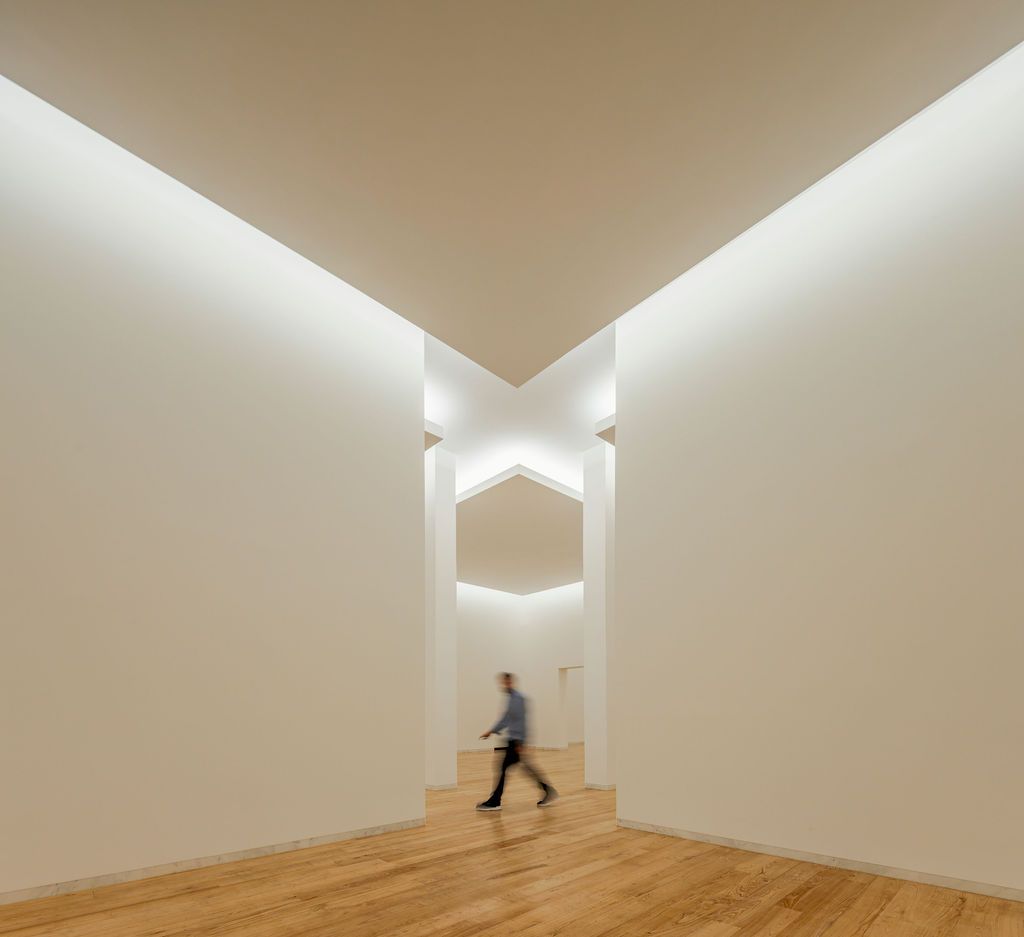
The new, 4,200 sq m wing has corners that protrude into the sky and geometric cutouts that open up views into the surrounding Serralves park. Spread across three floors, its halls will host exhibitions dedicated to art and architecture. “Álvaro Siza is one of the greatest names in the history of architecture,” says Ana Pinho, CEO of the Serralves Foundation. “Here the Serralves Collection will be on permanent exhibition, while we will have dedicated space for architecture programmes.”
Society – Ecuador
Free for all
Guayaquil, Ecuador’s most populous city, is growing at a rate of more than 50,000 people per year, with new infrastructure needed to cater to new communities. One such project is the Hijos del Suelo (Sons of the Land) communal house in the El Faro de Mapasingue neighbourhood.
Funded by Italian NGO Cooperazione Internazionale, it was designed by local studio BBL, a collaboration between architects Pierre Berrú, Juan Carlos Bamba, and Jorge Ludeña. The trio took on the project pro bono, hosting participatory design sessions with almost 300 local families.
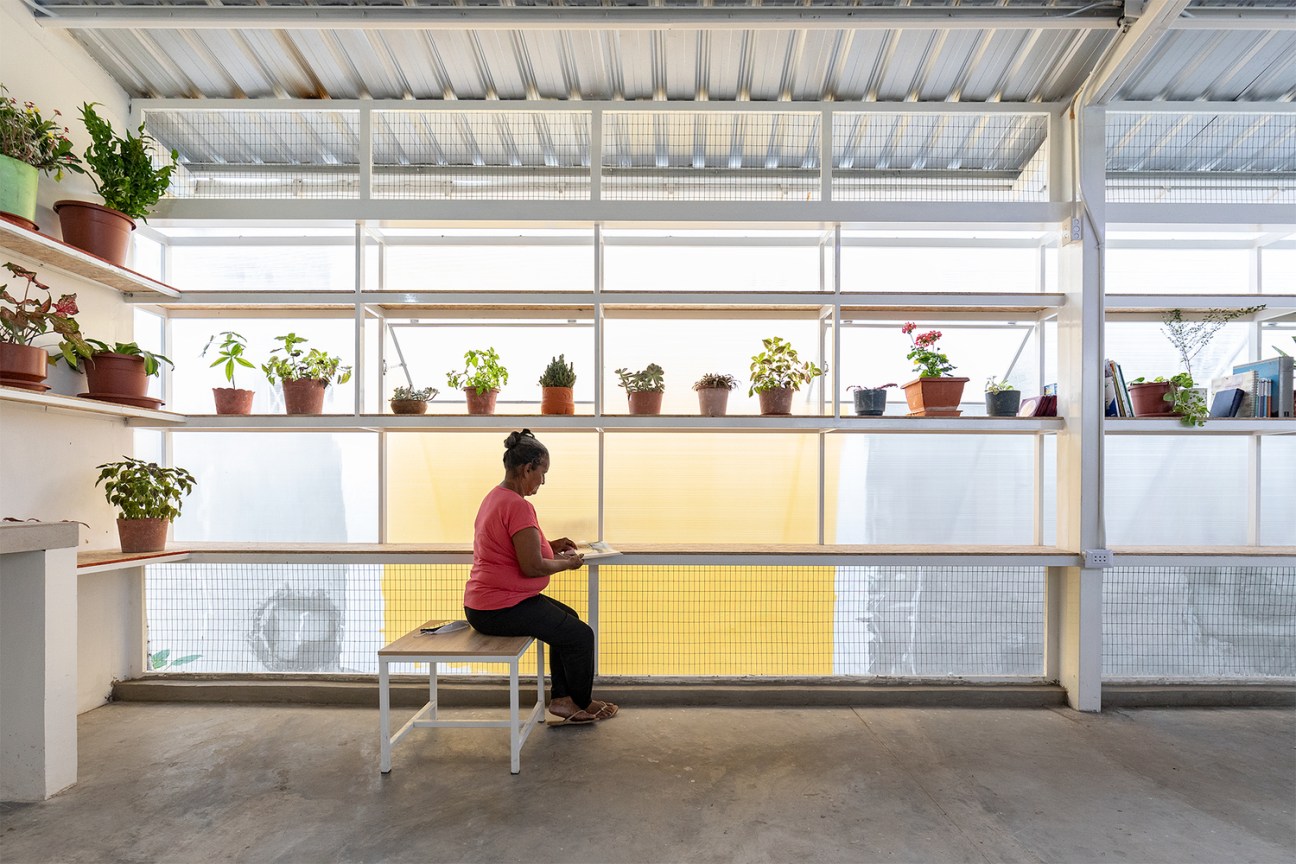
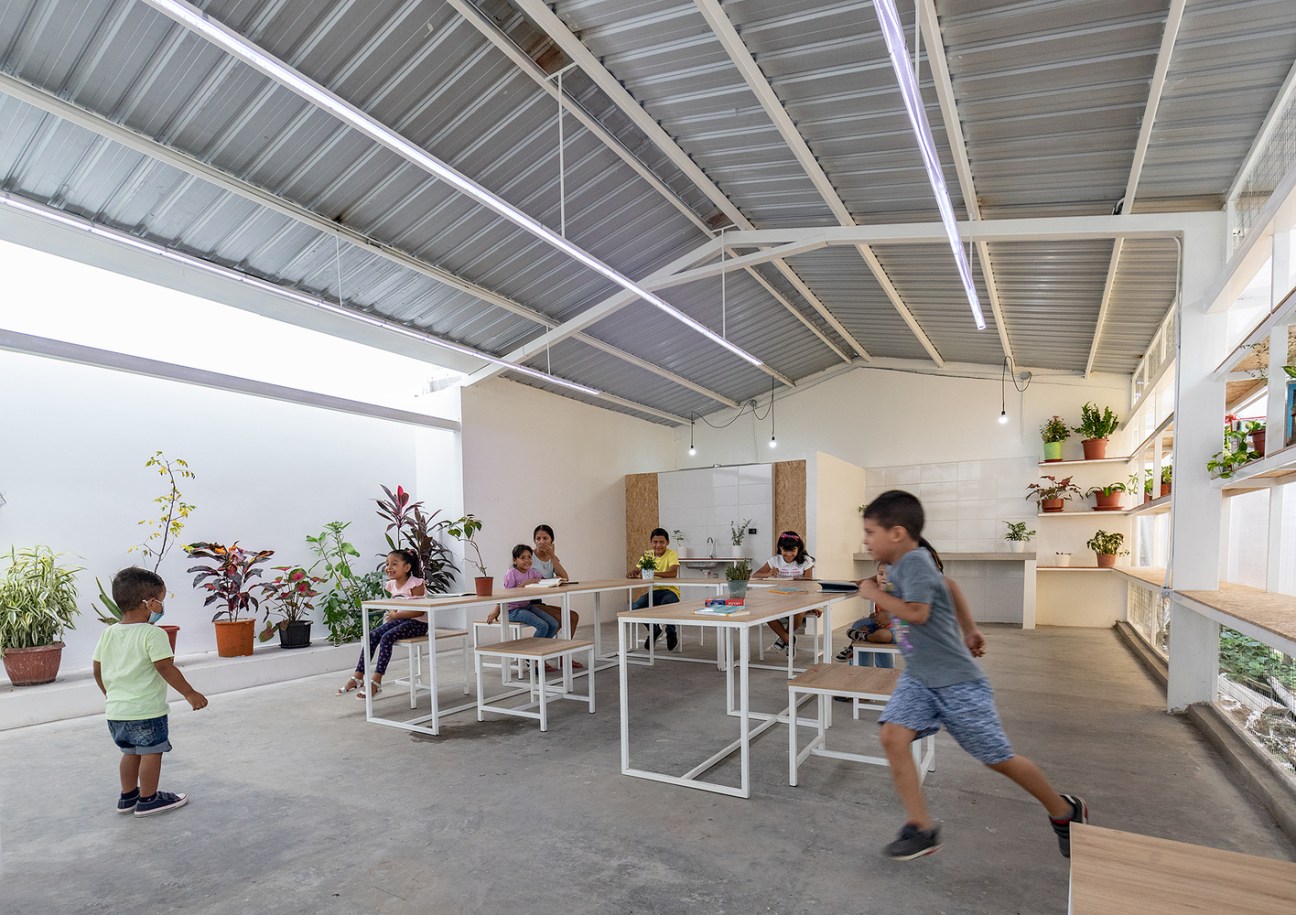
“Our approach stems from the Ecuadorian concept of minga, a tradition where members of the community collaborate on tasks like farming, construction or cleaning – all for free,” says Berrú. “On this project, we did everything through minga, including collecting furniture and objects to put inside the space before it was opened to the public.”
Today the space serves as a kindergarten and event space for the community; social workers also use it for their programmes. “Even with all the rough patches in the neighbourhood, it warms our hearts to see how the locals cherish and look after this building, never messing with it,” says Berrú. “It’s a sign that they’re happy and it shows that the space we created suits their needs just right.”
Urbanism – Copenhagen
Hitting the high notes

Copenhagen’s waterfront has undergone impressive redevelopment in recent decades. A host of cultural institutions and recreational hotspots have been built on the harbour, transforming it from a highly polluted industrial port into one of the most popular destinations in the Danish capital. The latest addition to this ever-evolving urban landscape comes courtesy of local architecture studio Cobe, which was tasked with creating a parking facility for the Opera House. The result? Opera Park, a lush space on top of the requisite underground car park.
“The unused plot was meant for housing but the client scrapped the plan,” says Cobe architect Alexander Ejsing. “Instead, we created a new recreational spot for everyone to use.” The park features winding paths that cross through six gardens with vegetation from different parts of the world, inspired by the area’s history as an international trade hub.
“Winters are long here, so we didn’t want the park to be desolate half the year. It’s important we make good use of it”
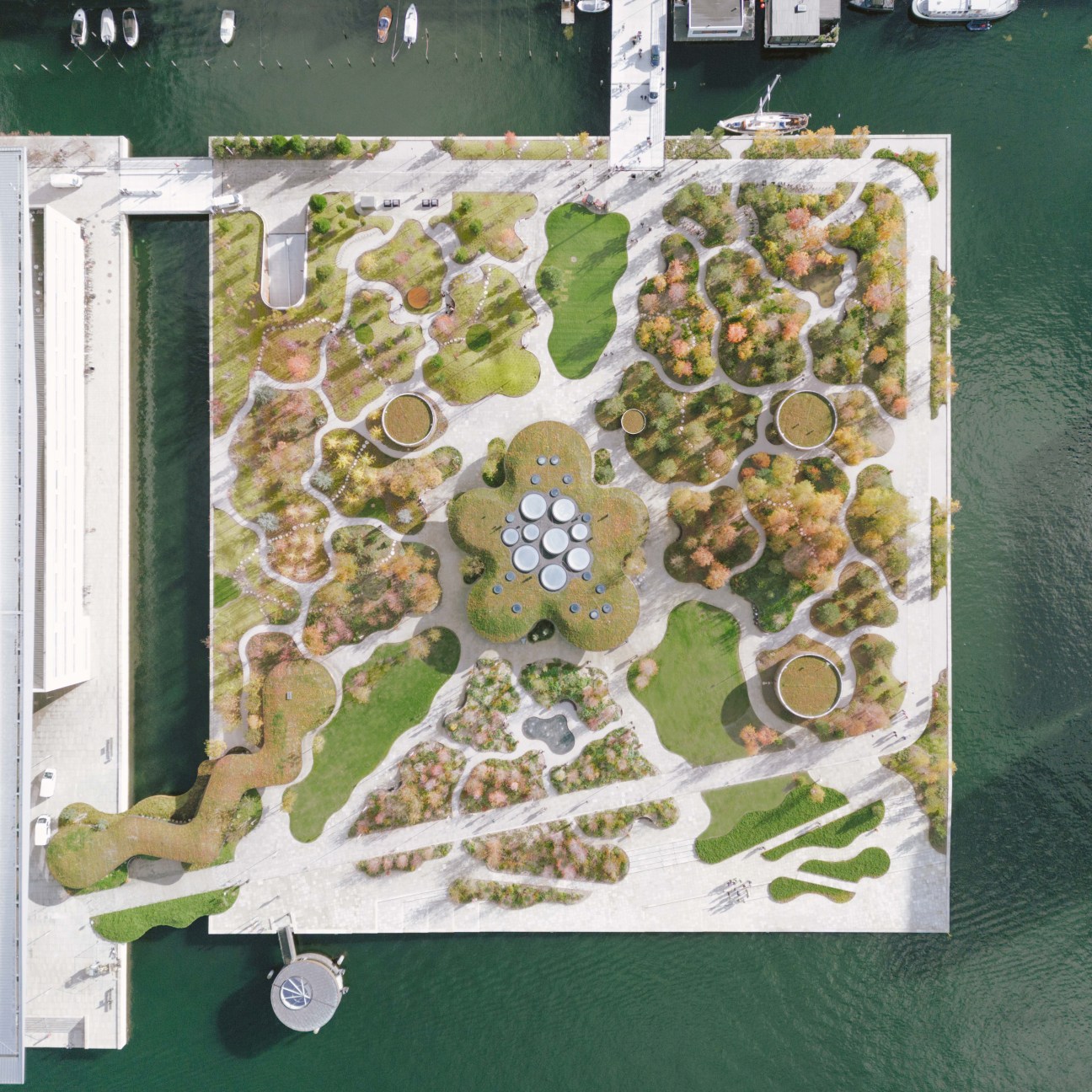
At the heart of the green space is a glass pavilion with expansive views of the surroundings and water. Inside, a restaurant and café offer seasonal dishes, while a garden of tropical vegetation, which includes a 12-metre-tall tree, leads to the underground parking lot.
Beyond providing a destination for food and drink, the pavilion plays a crucial role in making the green space a year-round destination. “Winters are long here, so we didn’t want the park to be desolate half the year,” says Ejsing. “It’s important we make good use of it.”
The culture agenda: Barcelona’s forbidden treasures and Georgia’s burgeoning art scene
Art – Barcelona
Strike up the banned
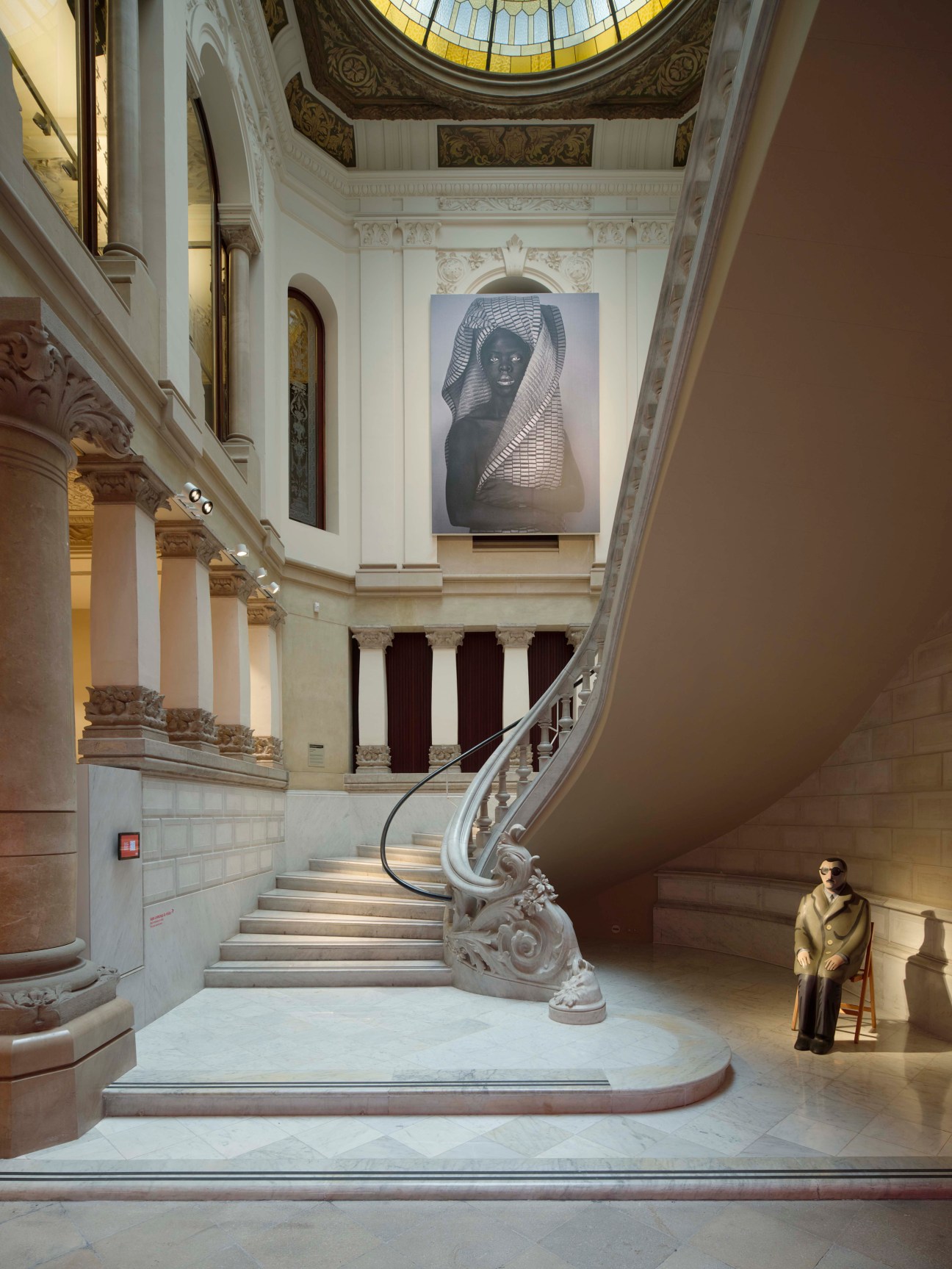
A menacing gaze greets visitors as they venture into Barcelona’s newest museum. Perched on a seat beneath the stone staircase, the forbidding face belongs to a papier-mâché figure, which stares through painted-on sunglasses. Made in 1972 as part of the installation “Spectator of Spectators”, it is one of 100 statues made to depict the dictator Francisco Franco’s secret police, then placed among the audience during Pamplona’s Avant-Garde Art Festival. Not everyone was amused. The critique of the ruling regime’s surveillance culture saw many of the pieces destroyed, while others were stolen. Five decades on, the Museu de l’Art Prohibit (Museum of Forbidden Art) plonks a lone survivor in the front seat as a warning of what’s to come. Art, it reminds us, can be emotional, political and even drive people to violence.
Holding up a mirror to our thoughts and feelings is just what journalist and entrepreneur Josep Maria Benet i Ferran (or Tatxo Benet, as he is known) is angling for. “For some people, art is an aesthetic experience; for others, it’s an ethical question,” he tells Monocle. “I’m not very transcendental. For me, art is personal.”
The self-described “free speech absolutist” is a Catalan media mogul who co-founded the Spanish broadcasting powerhouse MediaPro in 1994. When an installation depicting Catalan secessionist leaders made by artist Santiago Serra was censored in 2018 during Madrid’s Arco art fair, Benet acquired the works as an act of solidarity. Further impassioned purchases followed – more than 200 sourced from across the globe. Now a selection of infamous artworks opens to the public across two floors of a refurbished modernist stately house. Cue the cumulative outrage.

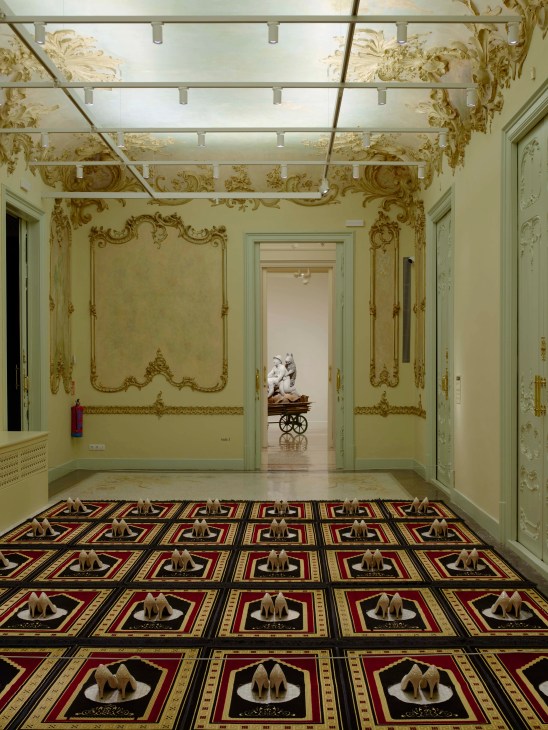
With debates around censorship in art back in the spotlight, the museum’s director, Rosa Rodrigo, politely swats away any mention of radicalism. “It’s about giving the artists a home so that they can continue to express themselves,” she says. Other works include Goya’s self-censored series Los Caprichos, illustrations by prisoners at Guantanamo Bay and Nation Estate, a futuristic film from Palestinian artist Larissa Sansour. All are accompanied by detailed descriptions of shutdowns, protests, aggressions, even a diplomatic stand-off and one heavy-handed intervention from the Pentagon. For some, the displays will seem tasteless but there’s a subtler point being made here. Artists should be allowed to challenge without the fear of being cancelled or censored. Whether or not you’re a fan of the work, this is a museum that’s determined to let ideas breathe, rather than to hyperventilate.
Literature – USA
Q&A
André Aciman
Author
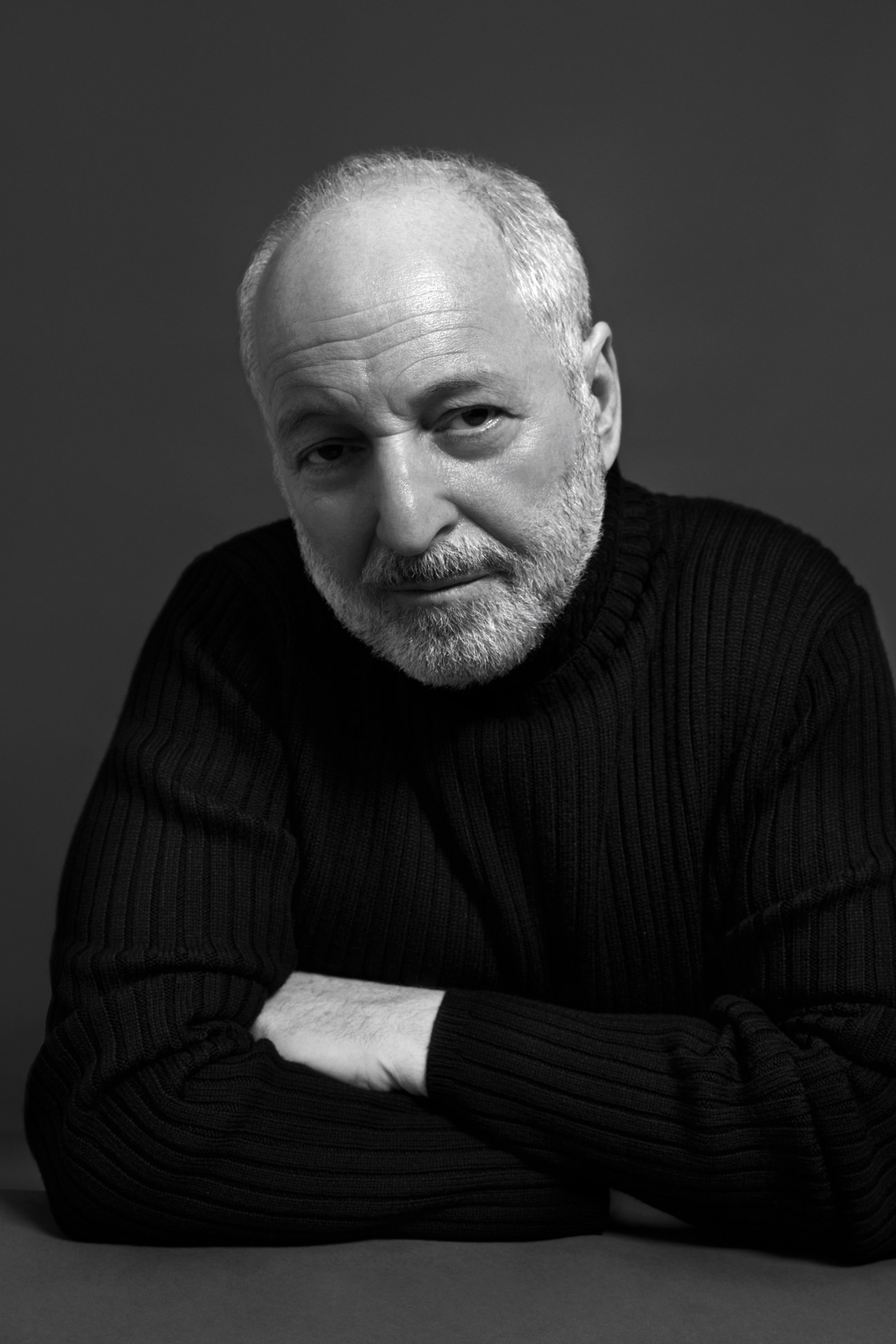
The US writer André Aciman is the author of several novels and works of non-fiction. He is best known for 2007’s Call Me by Your Name, a coming-of-age story about a romantic relationship between 17-year-old Elio and his father’s 24-year-old graduate assistant Oliver, set in northern Italy.
The author’s latest book, The Gentleman from Peru, again transports the reader to sunny Italy. Set on the Amalfi Coast, it follows a group of American friends on holiday who have an encounter with a mysterious resident at their hotel.
Why the Amalfi Coast?
I went to a hotel in Positano on the Amalfi Coast. It was so sublime, so beautiful and so restful there that, when I started the novella, I immediately set it there. It let me spend some time there in my imagination.
There’s a hint of mysticism to the tale. Were you inspired to write something magical?
I have no interest in magical realism and I wrote the story because I wanted to make fun of the genre. I was having fun with it but I got carried away. One always falls in love with something one is writing. I fell in love with this story of the gentleman from Peru, who has a fantastic memory, which goes beyond his birth, into the past and the future.
Why choose the novella?
I didn’t want to write a long novel. I like to leave things seemingly unfinished because I don’t like endings. I’m not comfortable with endings, because our lives themselves aren’t always neatly packaged.
‘The Gentleman from Peru’, published by Faber & Faber, is released on 4 April.
Art – Georgia
Small wonders
Can a small country of 3.6 million people sustain an international art fair? Kaha Gvelesiani worried a lot about that when he started the Tbilisi Art Fair (TAF) in 2018. He needn’t have. The TAF, which takes place in April at the Expo Georgia exhibition centre, is the highlight of the country’s art calendar and is helping to nurture its neighbouring nations’ emerging art scenes too. “Our mission is to cultivate a broader audience for artists, galleries and professionals in Georgia and beyond,” says its art director, Eric Schlosser. “We want to encourage professional skills in the region, as well as provide support for cross-border projects.”
Russia’s invasion of Ukraine might have made life increasingly uncertain in this corner of the world but TAF’s organisers don’t have plans to diverge from their mission. “As long as we have control, we will keep our agenda,” Schlosser tells Monocle.
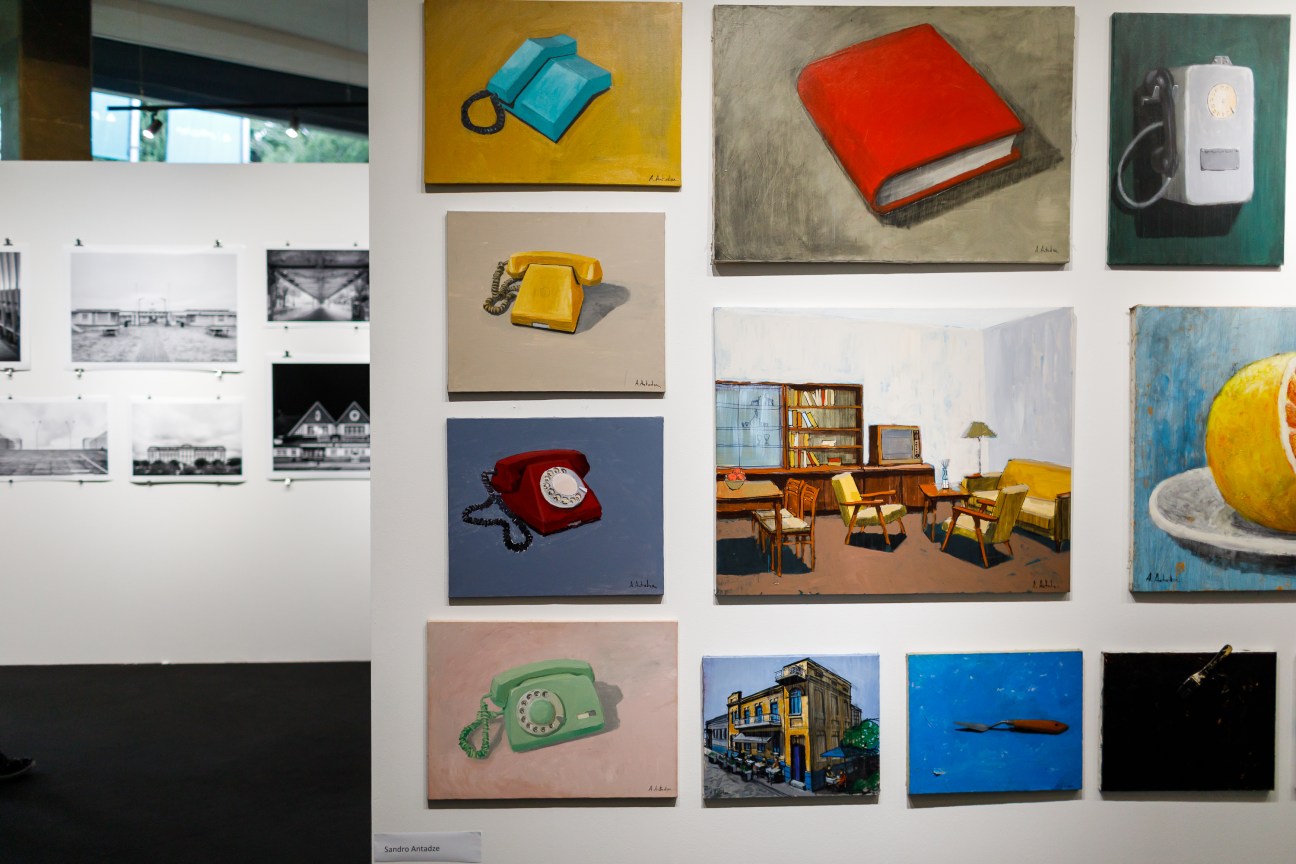
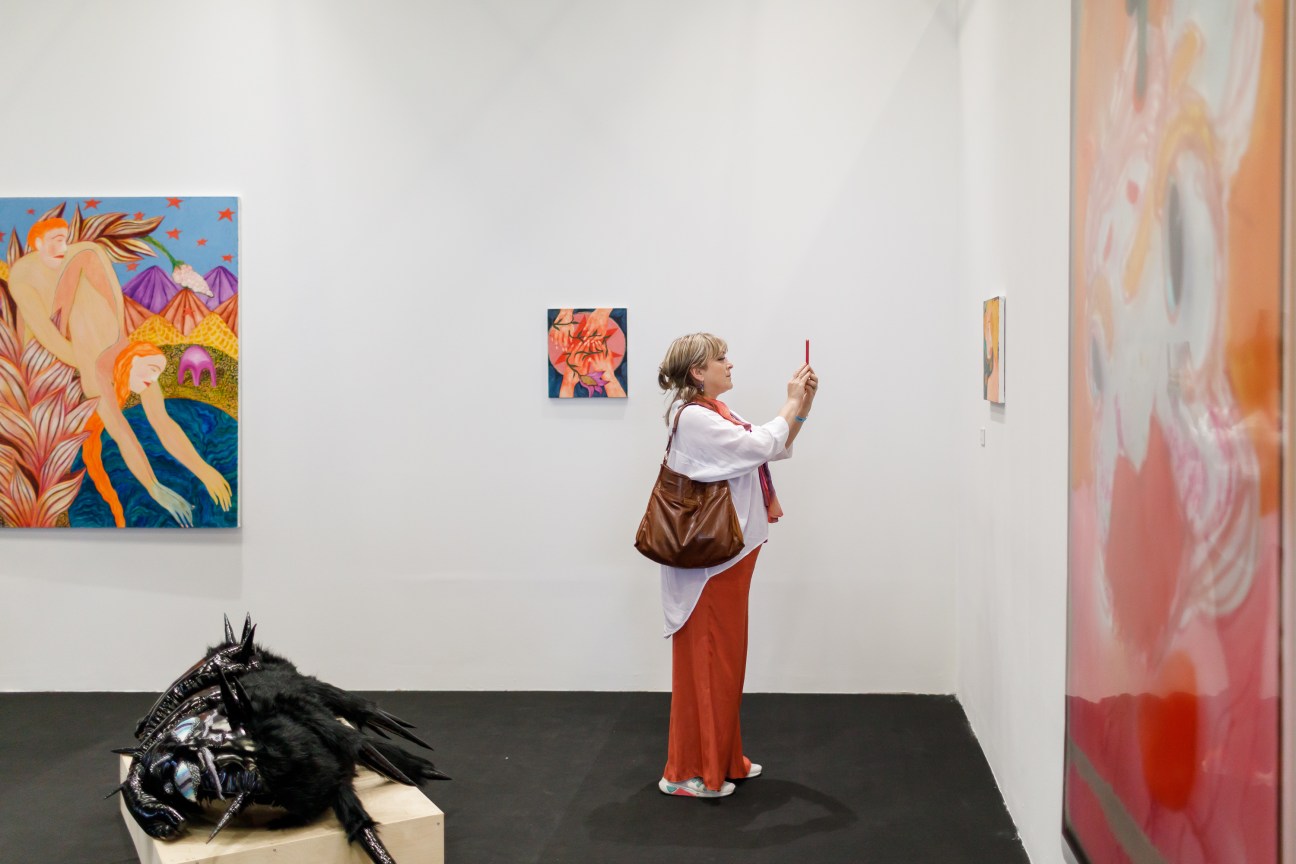
This year’s fair runs from 11 to 14 April and is set to welcome about 15,000 visitors. Alongside a programme of talks featuring local and international speakers, artworks – which include pieces by Georgian textile artists Mariana Chkonia and the late Tamaz Nutsubidze – will be on sale, with prices ranging from €300 to €300,000. “This year’s entries display the complex intersections between manual craft and digital technology,” says Schlosser. “Artists who are retaining elements of the past and shaping their vision of the future.”
tbilisiartfair.art
Radio – Global
Stray thoughts
Alongside this magazine, we broadcast 24 hours a day on Monocle Radio. Here, three recent Monocle on Culture guests share their thoughts on life, art and cinema.
1
Christian Friedel, breakout star in the acclaimed film ‘The Zone of Interest’ on reading the room
“Some roles require toning it down,” says the actor, who plays Nazi officer Rudolf Höss in the film. “As an actor, you want to give all of yourself in all the scenes but here it was important to sometimes be invisible.”
2
Maggi Hambling, pioneering British artist, on the one word she doesn’t use
Look at everything as an experiment, says Hambling, who bans her students from using the word “sketch”. “It implies something that’s not important. Even the tiniest piece of paper, you should be addressing yourself to that bit of space.”
3
Matteo Garrone, Italian film-maker, on working with others
Be open to your approach to working with others, says Garrone, who considers the migrants employed as extras in his Oscar-nominated film Io Capitano as collaborators. “I was the film’s first spectator. They were co-directing the movie.”
To hear the full interviews, listen to ‘Monocle on Culture‘ at monocle.live/radio
The agenda opener: Updates from our correspondents and a conversation with Chris Black
How to live – Uniforms
Smart chance
Tyler Brûlé on why dressing the part is about more than just self-expression.
It was 2008. To mark the recent launch of Monocle, we had decided to host a dinner for our advertisers and bought crisp, white waiter jackets from Hakuï in Japan for the occasion. All was going to plan on the night until I overheard one of the serving staff tell her manager that she wasn’t happy with the jacket that she had been given.
“What’s wrong with it?” asked the manager. “It looks good on you.”
“It inhibits my creativity,” said the woman. “I need to express myself.”
What a curious comment, I thought. Had she been booked for the wrong event? Did she assume that there would be a dance component to the evening? Maybe some acrobatics? The exchange continued for another minute or so before the gent in charge told her that there was an alternative outfit for her: the coat that she had arrived in, which she should collect on her way out.
I didn’t recognise it at the time but that exchange was a taster of what many companies now have to contend with: staff putting their own freedom of expression before what’s best for the company. Firms must stand up for what is right for the brand, the customer and corporate culture.
In this fashion-and-hospitality-themed edition of Monocle, we highlight a few hotel brands that understand the power of giving their staff uniforms that make the wearer proud, while also allowing guests to identify who is staffing the lobby or bar. The vogue for putting everyone in polar fleece cannot be the solution for banks, airlines and courier companies. If you don’t like the uniform of a potential employer, you might want to reconsider applying.
Reporting from…
Monocle has a network of correspondents in cities around the world. This month, our brief updates feature greased wheels in London, a buzz above the streets of Tokyo and a wet’n’wild festival in Bangkok.
Tokyo
Honey trap
Ginza might be famed for its high-end shops and restaurants but less well known is that the area is home to five volunteer-run rooftop beehives. The Ginza Mitsubachi Project started in 2006; today 250,000 bees make two tonnes of honey every year. Tours are available, as is the sweet stuff.
Bangkok
Making a splash
Heading to Bangkok in April? Be prepared to get wet. Annual water festival Songkran is set to unfold over the entire month as part of the government’s push to promote Thai soft power. The festival’s global ambitions mean that it might one day rain on even the Easter bunny’s parade.
London
Pedal power
Is London in a golden era of cycling? Ridership is up 20 per cent on pre-pandemic levels, while cycling trips make up the equivalent of a third of all Tube journeys. Transport for London says that more than eight million motor-vehicle journeys a day could be biked instead.
The Interrogator
Chris Black
Co-host, ‘How Long Gone’
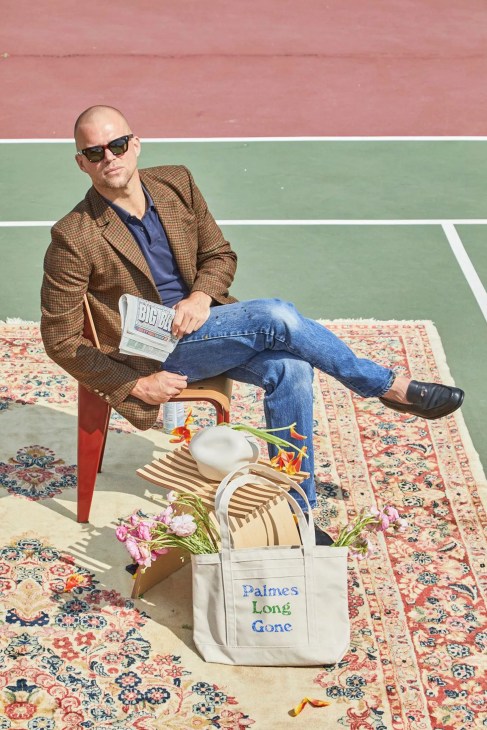
Chris Black is the New York- and Los Angeles-based co-host of podcast How Long Gone, as well as a cultural commentator and fashion consultant for brands such as J Crew. Alongside his co-host, Jason Stewart, Black offers a refreshingly honest take on the fashion, entertainment and hospitality industries, and regularly interviews high-profile musicians, restaurateurs and journalists. Here, we ask him about his media habits and what it takes to be a skilled conversationalist.
Where do you get your news?
Newspapers such as The New York Times and the Financial Times. I’m a big Puck person. I go to Mediastar for media news, Hits Daily Double for music and Vogue Business for fashion. I like to be in the know about all of these industries. Being informed helps my career and show. I never feel exhausted by keeping up with the news. Music, fashion and media are businesses that are constantly in flux.
What’s on your sofa-side magazine stack?
I have so much stuff. Apartamento, The Gentlewoman, Fantastic Man, Middle Plane, Staf, The New Yorker, The Paris Review, System, Epoch, L’Étiquette, Popeye, Slop. And then I have a lot of old issues of Index, The Face, Dazed & Confused and GQ. I have the first issue of Monocle.
‘How Long Gone’ doesn’t pull its punches when it comes to making fun of the industries it covers. Why do you think this approach has worked for you?
It’s fun and it comes from a place of respect. When you record three hours of yourself talking every week, you care less about what you’re saying and it’s easier to be honest. You’re not thinking about repercussions. Most people who listen to the show know that there’s a tongue-in-cheek element to it.
Do you think the cultural conversation is ready for a little more cheekiness?
People revel in doom and gloom. They make that an identifying feature. Yes, there are ills in the world. And maybe it’s worse now than it used to be. But you can’t let every little thing affect you. And humour or honesty still shine through.
What are your tips for being a good conversationalist?
Be curious. We are so used to talking about ourselves. Our culture rewards it. When it comes to conversation, the only way to make it interesting is to ask genuine questions. On our show, we have an hour with someone and we want to make it fun for all of us. And everybody likes talking about themselves.
Key messages
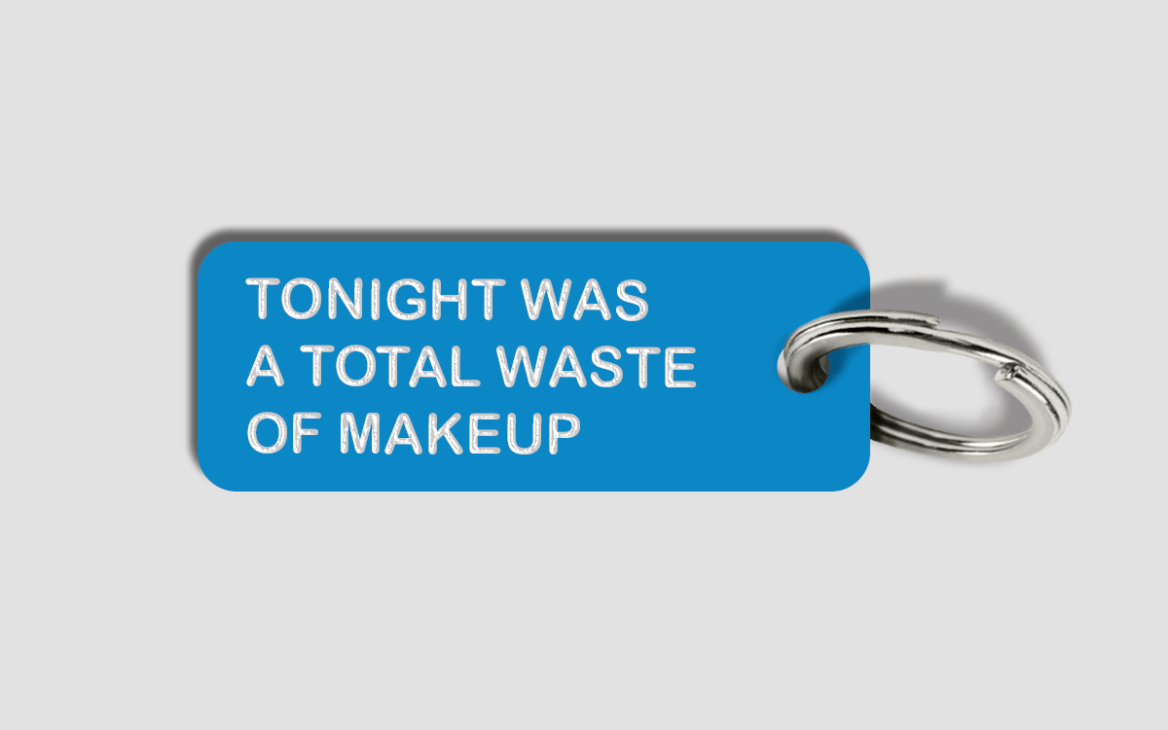
While it’s true that we’re bookshop and newsstand aficionados here at Monocle, even we are prepared to admit that some shopping experiences can be a tad mirthless. Luckily, Lisbon retailers Luis Cunha and Arturas Slidziauskas might have found a solution: humour. Our editors recently visited the pair’s shop, Under the Cover, in Bairro Azul. There, we discovered the art of canny copywriting flourishing in an unlikely place: on keychains, emblazoned with arch, oddball slogans. Was it Kant or a keyring that first said, “My cat is right about you”? You get the idea. Sure, it’s not quite Pessoa but it certainly sends a message: words matter and the best ones ring true. And it’s also a reminder that a little humour here and there can be as key to reading as it is to retail.


Three things you’ll learn
Monocle’s correspondents have brought back insights into design, world leaders, education and more. Here are just three things you’ll learn in this issue.
1.
Kyriakos Mitsotakis doesn’t mince his words
The Greek prime minister isn’t amused by a recent report about press freedom in his country. “May I be a little blunt?” he asks Monocle contributing editor Andrew Mueller, who he spoke to at the Munich Security Conference. “This report is a joke.” The EU’s report – not ours, we hope. Read our Q&A for more on Greek equality, defence and how to handle the neighbours here.
2.
Not everyone needs (or wants) a university degree
Education rates are rising but university courses can lead to debt and not always to jobs. That might be why a growing number of US students are choosing to take a hands-on approach. We visit North Bennet Street School in Boston to see what the next generation is making of the opportunity to learn a trade here.
3.
Paris is home to tens of thousands of state-owned design treasures
French diplomats have a secret weapon when it comes to showing off Gallic design: Mobilier National. Since the 17th century, this Paris-based workshop has decked out embassies, repaired priceless antiquities, dressed rooms and provided fittingly grand backdrops for statecraft here.
Tipping point
US tipping culture is on the march and could soon be coming to an after-dinner bill, factura or Rechnung near you (writes Christopher Lord). I have always preferred not to complain about what is an unavoidable fact of dining out stateside, even if it confounds most visiting Europeans. Yet I have started to see its influence spreading: a percentage point added to the bill in London restaurants, for example, and a growing pressure to fork out. Most Americans recognise that tipping is out of control. Gratuity has become gratuitous.
Point-of-sale (POS) machines – those devices at the till on which you tap your card, digitally sign your name and select a tip percentage – have become ubiquitous. Adding 20 per cent was once a solid recognition of good service in the US but some pos machines now urge you to add more than 35 per cent to your bill – all before you get your coffee. How do you know that the service will be any good?
For daily opinions, analysis and insights, subscribe to The Monocle Minute, our free email newsletter, at monocle.live/minute
Wild blue yonder
It has been almost 42 years since Argentina lost its war with the UK over the Falklands. It has been 11 years since the people of the Falkland Islands voted – 1,513 to three – to remain an overseas territory of the UK. Argentina has never taken the hint. Perhaps the only Argentinian political orthodoxy observed by its eccentric new president, Javier Milei, is the belief that the Falkland Islands are in fact Islas Malvinas and should be returned.
The dispute has nevertheless long been at a fairly low simmer: even the combustible Milei has ruled out another war. However, the standoff is bad news for the South Atlantic’s sea creatures. Wedged between the UK’s exclusive economic zone (EEZ) surrounding the Falkland Islands, and Argentina’s EEZ, which borders Argentina, is a rich but lawless realm that has become known as the Blue Hole.

The area has been overrun by trawlers (many of them Chinese), drawn by the area’s extraordinary diversity of marine life, as well as by the fact that there’s nothing to stop them from harvesting as much of it as they can carry. Reports suggest that many of the trawlers turn off their tracking systems, further liberating them from oversight.
A possible solution would be the establishment of a Regional Fisheries Management Organisation (RFMO) but that would involve Argentina co-operating with the UK – therefore implicitly acknowledging that the UK gets a say in the matter. It is quite the diplomatic conundrum but reaching a compromise would be (marginally) easier than persuading the local squid to avoid the area.