A nose for success: Twenty-five indie perfume labels to know
Our round-up of independent brands making waves in the fragrance industry.
In an industry dominated by a handful of big players, it takes imagination and originality for smaller brands to compete. Here are 25 whose approach hits all the right notes.
1.
Paraphrase
Canada
Natural selection
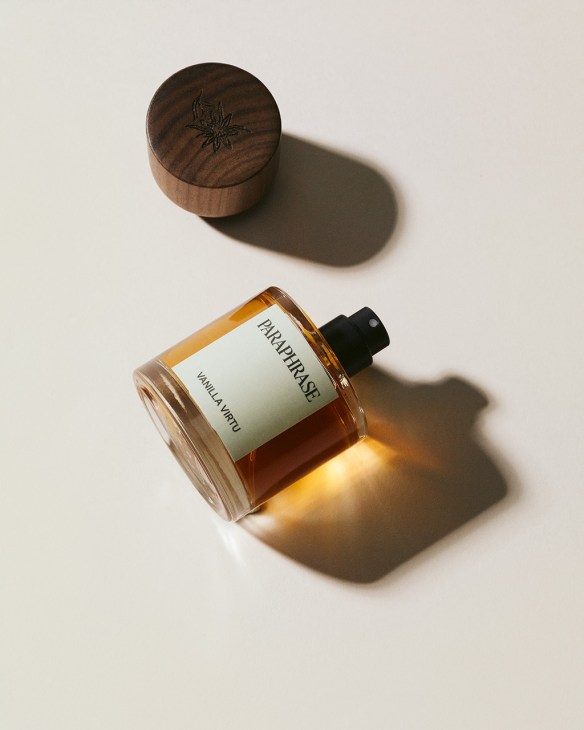
“Our customers are on the fringes of the fragrance world,” says perfumer Joshua Smith, who launched Paraphrase in 2014 and mixes its scents by hand in his studio in Edmonton, western Canada. “I’m captivated by the outdoors,” adds Smith, who once worked as a forester. “I think about the senses, how products are made and how the human body interacts with them.”
Paraphrase produces a couple of hundred bottles a year that retail at about €140. The brand’s scents are playful takes on natural settings and have evocative names such as Eros Fig and Fruit Thieves. “I make perfumes with more of a narrative than some bigger brands,” says Smith. “It’s less about a luxury born from commodity or material than the luxury of the time and the space that we give ourselves with these little pleasures.”
paraphraseperfume.com
2.
Abel
New Zealand
All in the mix
Founded by former winemaker Frances Shoemack, Abel makes scents developed with New Zealand’s only master perfumer, Isaac Sinclair, and produces them in Wellington. “It isn’t common to spend more on your perfume than on your packaging but that’s what we do,” says Shoemack, who adds that about 95 per cent of ingredients in the perfume industry are derived from fossil fuels. “We only use natural ingredients and many of them are very rare. Where other brands might use synthetic molecules, we use the real thing – for example, iris butter, which costs €10,000 per kilogramme.”
Abel received its first major investment four years ago from New Zealand-based Maker Capital, a venture-capital fund that focuses on domestic, product-led businesses with the potential to make a global impact.
abelfragrance.com


3.
Gabar
UK
Home from home
London-based brand Gabar makes unisex fragrances inspired by the childhood memories of its Myanmar-born founders, Phway Su Aye and Susan Wai Hnin – earthy jungle, still lakes and warm air – and flavours such as sesame, wild fig and smoked nuts. “We wanted to create something culturally rooted but completely at home in New York, London, Paris or Bangkok,” says Su Aye. Financed by the founders and a few angel investors, the business has seen sales doubling every year since it launched in 2021, and it now has 49 global stockists, from Hong Kong’s Lane Crawford to Stockholm’s Fablab. — Brooke Theis
gabarworld.com


4.
Jijide
Italy & China
Cultural conversation
Founded in 2016 by Adam Cavallari, Andrea Alessandri and Fanqi Guan, Italian-Chinese fragrance house Jijide eschews tradition. The brand invites different noses to create unisex scents that juxtapose Eastern and Western cultures (think notes of rice contrasted with the smell of a French boulangerie). “We bring emerging talents and diverse perspectives into dialogue to create fragrances that connect to today’s world,” says Cavallari. Every fragrance is blended within 50km of the brand’s Milan base, with prices starting at €70.
jijide.com


5.
27 87
Spain
Unexpected delights
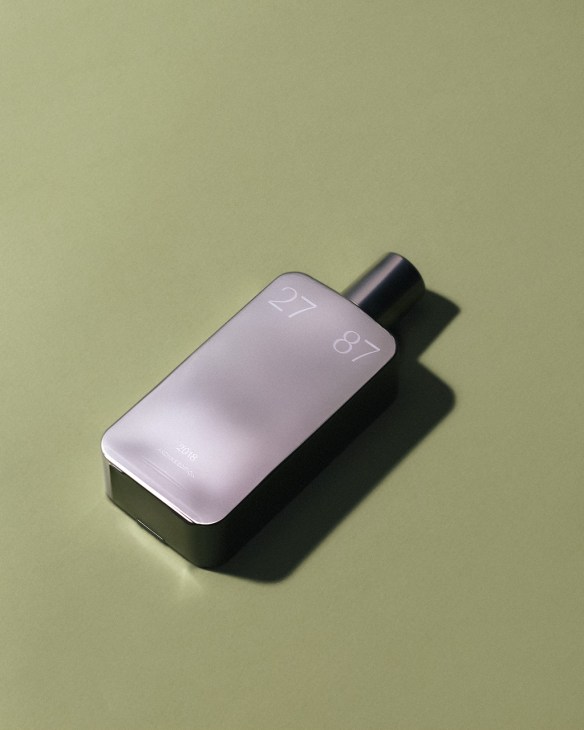
“Perfumery is an underestimated art form,” says Romy Kowalewski, the founder of Barcelona-based fragrance brand 27 87. Since its launch in 2016, it has built a cult following by giving unlikely notes such as banana, beer and burnt rubber a starring role. Bestsellers include the woody Genetic Bliss and the minty Wandervogel. “We’re interested in what hasn’t been done yet,” says Kowalewski.
2787perfumes.com
6.
Altra
UK
Into the wild
Since launching in 2022, Altra has been radically reshaping the natural-fragrance business. Founded by perfumer and creative director Beckielou Brown with Bridget Plant, its five scents are hand-blended in the UK using only botanical ingredients. The brand’s rising star is Ghst Flwr, a full-bodied combination of tropical fruit and saffron. “People are returning to nature while still expecting perfume to feel exciting and relevant,” says Brown. Altra combines a direct-to-consumer approach with a wholesale network. Its main markets are Europe and North America.
altraprofuture.com


7.
Heir
India
8.
Eauso Vert
USA & UK
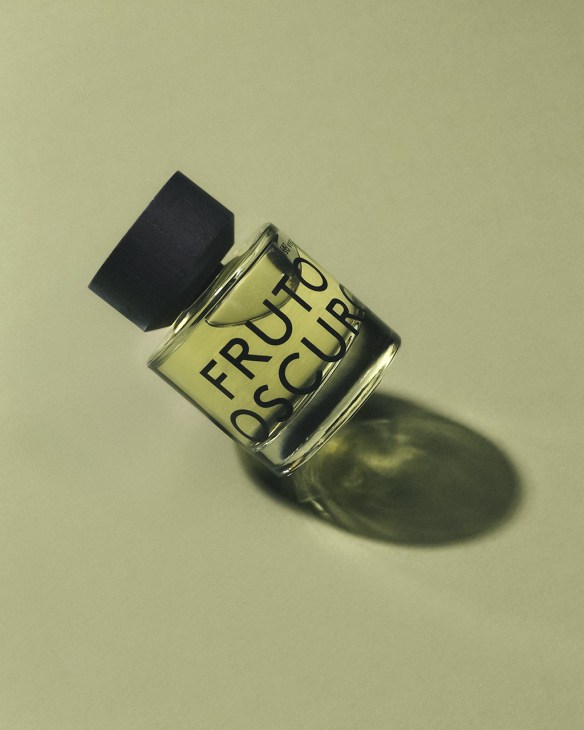
9.
Amyi
Brazil
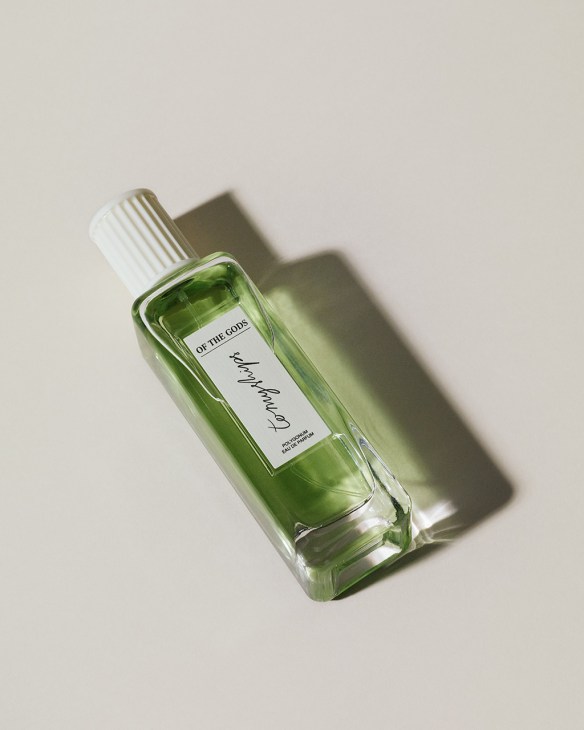
10.
To My Ships
UK
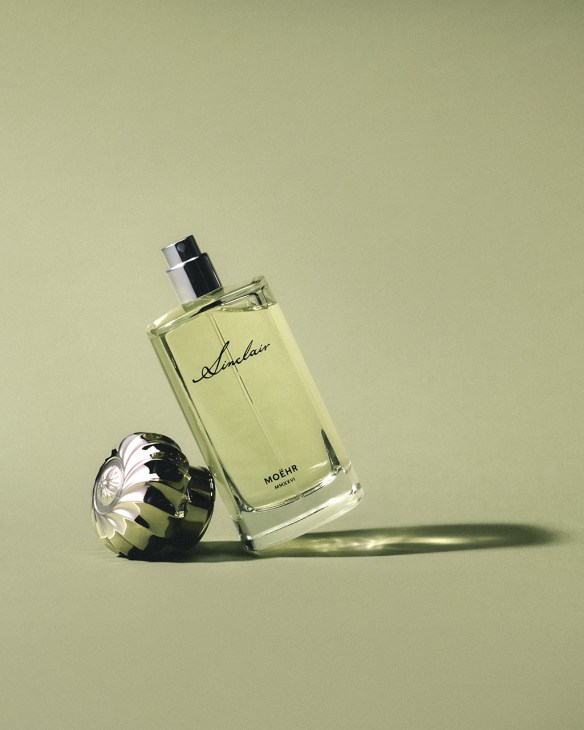
11.
Moëhr
Monaco & Italy
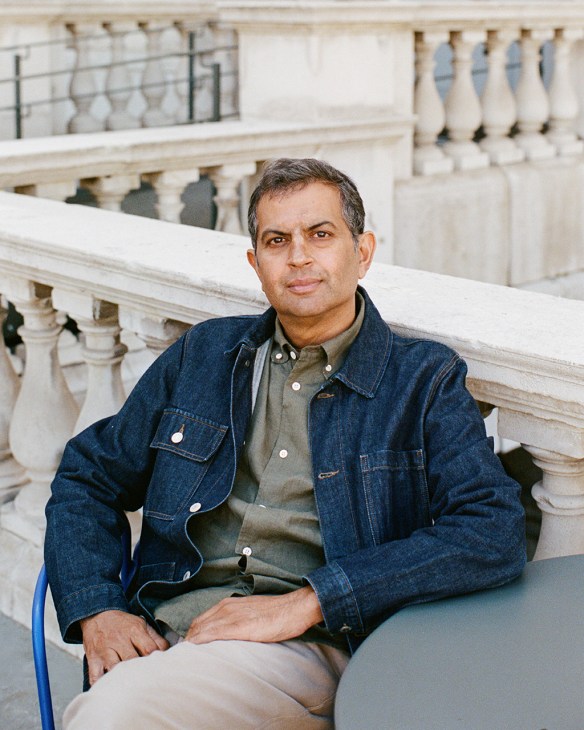
12.
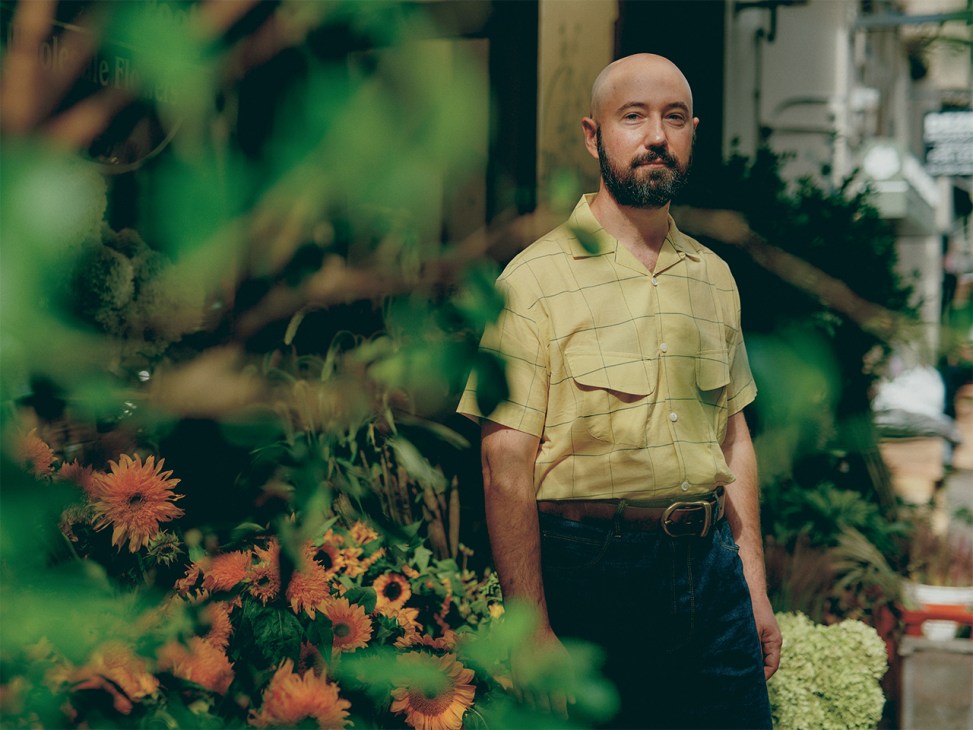
Dilli House
UK
13.
Hendley
USA
14.
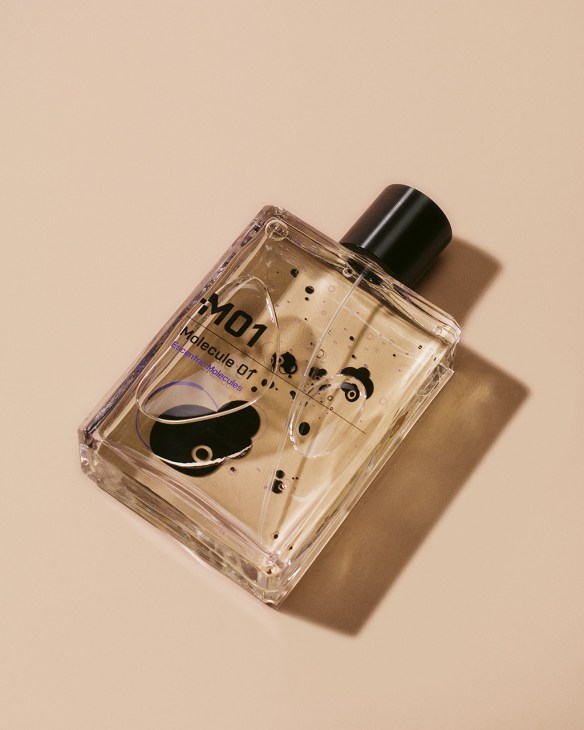
Escentric Molecules
UK & Germany
15.
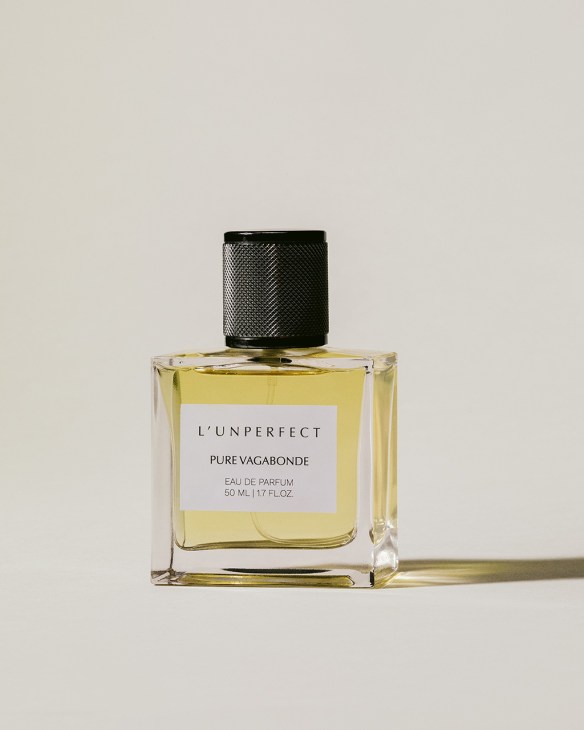
L’Unperfect
Portugal
In 2019, Seixedo Pinheiro founded the brand with her husband, Américo, following 26 years working in luxury for the likes of Guerlain, Loewe and Acqua di Parma. Entirely self-funded, L’Unperfect is made at Fábrica Confiança (one of Portugal’s oldest factories) and sold online mostly to northern and central Europe.
lunperfect.com
16.
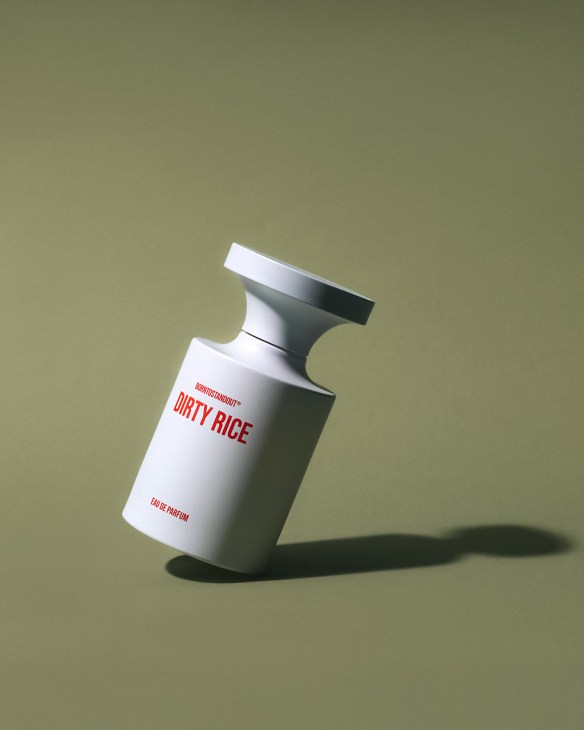
Borntostandout
France & South Korea
Centre of attention
“When we started, niche perfumery was nonexistent in South Korea,” says Borntostandout’s founder, Jun Lim. Since launching in 2022, the brand has created unconventional scents for men and women, and expanded to more than 80 countries, while securing Series A backing from investors including L’Oréal’s venture capitalist fund. Today, Paris-based Lim flies between China, Singapore and the UAE, with a retail footprint that stretches from London to Japan, with shops in Seoul. “My biggest fear is creating something that you have no opinion about,” he says.
borntostandout.com
17.
Flâner
Australia
Everyday essential
“We aren’t third-generation perfumers, nor did we come through a big fragrance house or beauty group,” says Flâner co-founder Andrew Hardeman. The self-funded brand began with one Melbourne shop and now also has a London Shoreditch flagship, with more European openings planned. Prices sit at about AU$270 (€165) – below niche competitors, despite using premium materials such as Italian glassware, custom metal caps, French atomisers and ingredients sourced from across the globe. “We believe that fragrance should be part of everyday life, sprayed liberally and enjoyed regularly,” says Hardeman.
flanerfragrances.com


18.
One Day
Hong Kong
City hunter
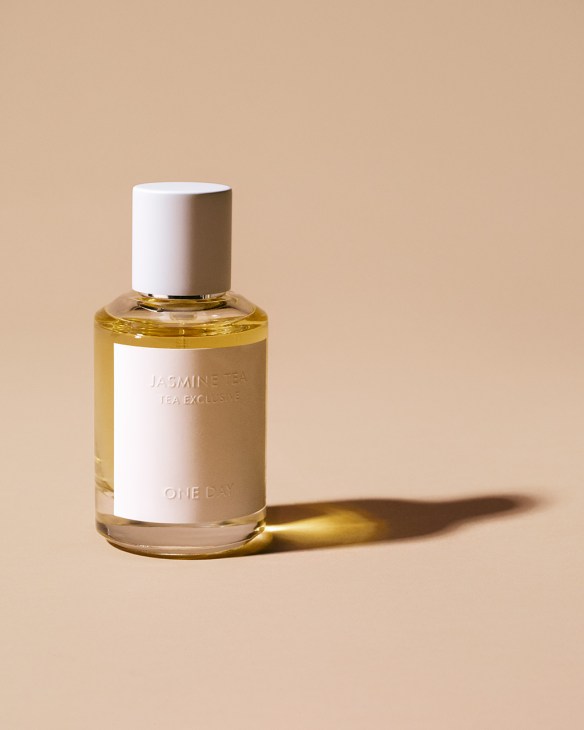
One Day’s perfumes are an olfactory diary for its founder, Michael Wong. “I realised how easily we overlook smell when processing memories,” he says. With the Ethos of Cities collection, Wong sought to capture the spirit of places that have left a mark on him, from Kyoto to Berlin.
The brand’s white labels and simple packaging have no visual ornamentation. Wong wanted the scent “to remain the hero”. One Day is stocked in six cities across the globe, from Taipei to Los Angeles, with a Hong Kong showroom in the works.
onedayperfume.co
19.
Oaken Lab
Indonesia
Tales of home
Indonesian ingredients are at the heart of Oaken Lab’s growing repertoire of scents, balms and candles. Its first fougère-styled perfume, Batavia Barber, incorporates Javanese vetiver and Sumatran patchouli, while its newest, Narikela, is infused with pandan, ginger and coconut. “Rather than follow a perfume structure, every scent tells a story,” says co-founder Christopher Kerrigan, who crafts everything in Jakarta. Oaken Lab’s narrative-driven approach comes to life in Stillroom, a restaurant-bar in the brand’s Ubud Bali shop. Next up is a Jakarta flagship to complement two existing smaller shops.
oakenlab.com


20.
Ormaie
France
Matter of time
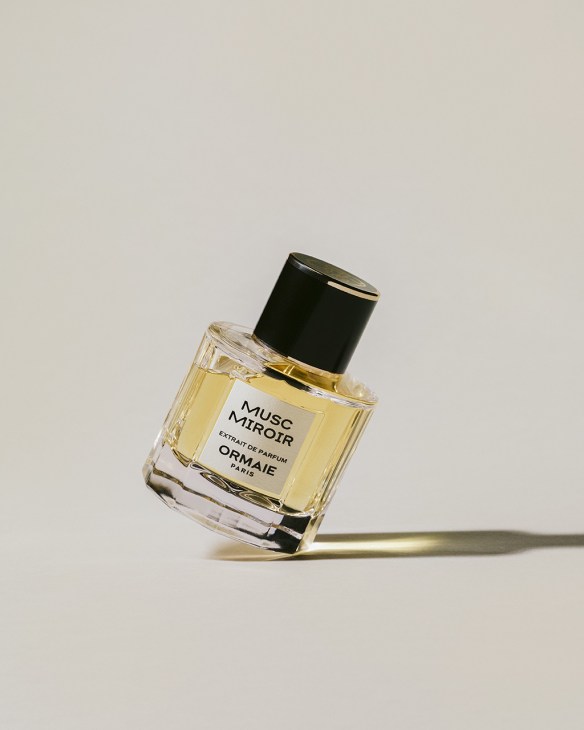
“I grew up surrounded by perfumers,” says Ormaie co-founder Baptiste Bouygues. “I loved staying late in their offices, watching them work.” Bouygues and his mother, Marie-Lise Jonak, a fragrance creative director, launched Ormaie in 2018. The house has deliberately stayed small, with about 150 points of sale across Europe, the US, Asia and Australia. “Our ambition has always been to build relationships that deepen over time,” says Bouygues. The latest collection is a haute-perfumery line four years in the making that explores the balance between freedom and control. “Every bottle has 12 facets, like the 12 hours of a day,” says Bouygues. “It’s a reminder of the time, patience and craftsmanship required to create a fragrance.”
ormaie.com
21.
Saranghaeyo
South Korea
Personal touch
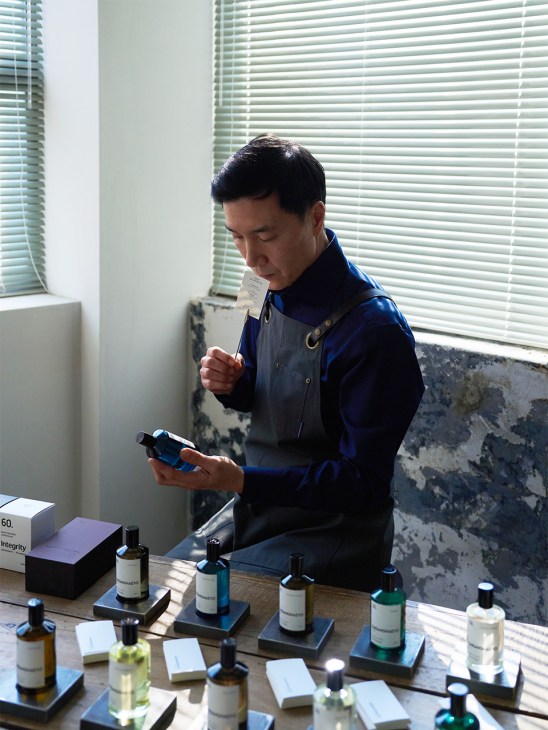
After 16 years at LVMH fragrance houses, Sung Soo Kim founded Saranghaeyo to make unique unisex scents. His perfumes pair premium ingredients with slow, cool maturation processes to preserve their brightness. Kim personally seeks out like-minded independent distributors, meeting them face to face. “They should understand my brand, love the scents and become long-term partners,” he says. The South Korean fragrance sector is growing, with exports up by 45 per cent in 2025 year on year.
srhy.co.kr
22.
Oddity
Hong Kong
Better by design
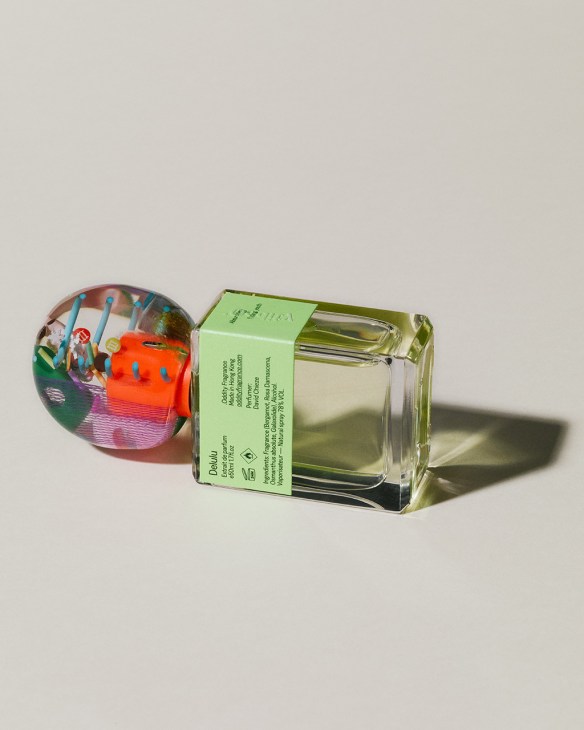
What began as a design studio grew into perfume business Oddity in 2021. “The core of our practice is creating brands so we felt that making one could be exciting,” says Alice Mourou, who co-founded it with Kirill Runkov and Nikita Shchukin. The trio, she says, are drawn to fragrance because, unlike the agency’s visual work, “scent can’t be seen”. Oddity takes a high-concept approach. Delulu embodies “fading youth”, while Naked Dance evokes the feeling of being comfortable in your own skin.
oddityfragrance.com
23.
Matiere Premiere
France
Difference in the dose
Founded in 2019 by seventh-generation Grasse perfumer Aurélien Guichard, Matiere Premiere builds scents around a single ingredient, such as saffron or oud, used at about 10 times the industry-standard quantity. “I want people to feel the quality,” says Guichard. Though Kering took a stake in the firm two years ago, the brand remains independently owned, giving Guichard the freedom to shape it on his own terms. With an HQ in Paris and shops in London, Berlin and Saint-Tropez, Matiere Premiere will soon expand with its second Paris shop and a first in Shanghai.
matiere-premiere.com


24.
Coqui Coqui
Mexico
Mapping history
Nicolas Malleville and Francesca Bonato, the entrepreneurs behind Mexico’s Yucatán Peninsula-based boutique hotel business Coqui Coqui, founded their scent brand of the same name in 2003. Its fragrances are inspired by the places that have shaped the business’s story, such as Italy’s Riviera dei Fiori and Argentina’s Sierras Pampeanas. They are made in various locations, including Mexico, France and French Polynesia. This year its European sales have risen by 70.6 per cent, reaching 4,237 bottles, with a retail price of about €145 for 100ml. Coqui Coqui is now planning to expand its distribution network to stockists in Japan.
coquicoqui.com


25.
Montroi
UAE
Making memories
Co-founded by Enrique Hormigo-Scarlett and Samir Aghera, Dubai-based Montroi takes an artisanal approach to fragrance. Its 24 scents are inspired by places and people encountered along the modern Silk Route, with rare oils sourced from producers worldwide and the perfumes crafted in Grasse. “We don’t make perfumes,” says Hormigo-Scarlett. “We make memories.” The approach has found a discerning clientele in the UAE. Montroi sells through One&Only resorts globally, while the US is its main online market. A European studio is in the works.
montroi.com